

As we countdown to the 2024 edition of the Marathon des Sables – The Legendary, we will be providing a series of monthly updates, articles, interviews and podcasts.
The 2024 Marathon des Sables – The Legendary will be the longest edition in the 37-year history of the race. At 252km, the event will now take place over 6-stages/ 7-days and not 5-stages/ 6-days as announced in late 2023.
It was clear initially that the 6th stage charity stage would disappear, however, on reflection, the new organisation have decided to continue with 6-stages but this time, all stages will be timed. The charity stage in previous editions was not timed.
The infamous long day which typically took place on stage 4 will now move to stage 3 for 2024, this will be day 3 and day 4 of the race as it has an extended time allowance due to the distance.

What does the above mean for the runner?
252km’s is a long way, but the race has always been advertised as 250km’s, so, although the race has fluctuated in distance over the years, the 252km should not come as any great surprise.
The timed stages now numbering 6 and not 5 will make a big difference, especially with the long day coming on stage 3. This will mean that stage 4, stage 5 and stage 6 will need to approximately cover 100km. This makes for a tough end to the week. In past editions, the long day was feared but on completion, many had the mindset, ‘It is just a marathon to go!’ Now it will be significantly more.

The daily distances are typically never disclosed before the race and the jury is out if the distances will be announced pre arrival in Morocco, watch this space! However, it is pretty easy to guess on approximate distances.
Historically, distances for the stages are listed as follows:
- Stage 1 from 28 to 35 km
- Stage 2 from 28 to 39 km
- Stage 3 from 28 to 39 km
- Stage 4 (The Long One) from 75 to 85 km (over 2 days)
- Stage 5 (Marathon Stage) of 42.195 km
- Stage 6 Charity
We know the 2024 edition will be 252km, so, as a guess and guide the following will provide a good estimation, the daily figures are +/-, for example, stage 1 could be 30km and stage 2 40km.
- Stage 1: 32km (day 1) running total: 32km
- Stage 2: 38km (day 2) running total: 70km
- Stage 3: 83km (day 3 and 4) running total: 153
- Stage 4: 42km (day 5) running total: 195km
- Stage 5: 36km (day 6) running total: 23km
- Stage 6: 21km (day 7) running total: 252km
Total: 252km
With the above information, you now have at least a template and guide for which to plan around.
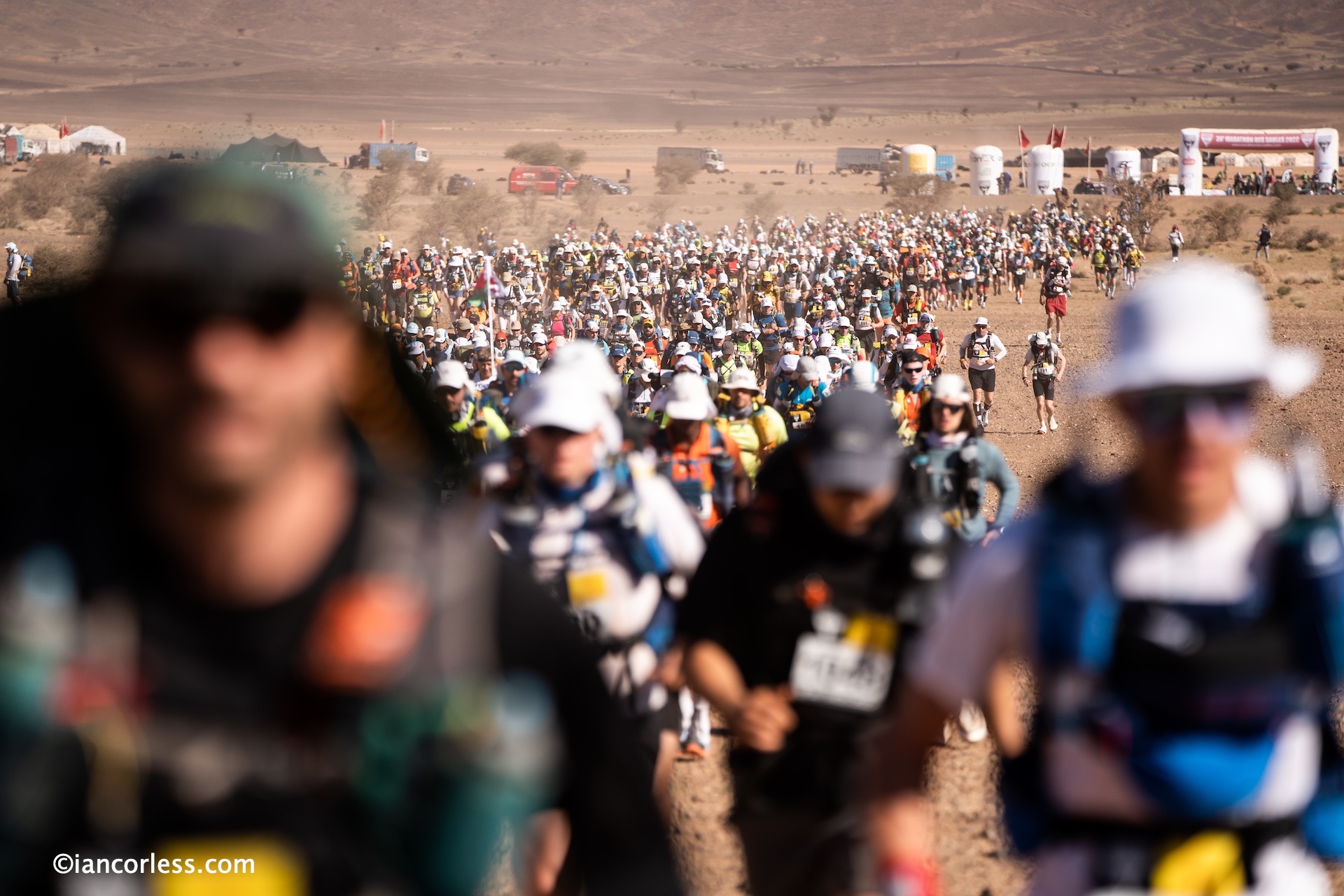
OTHER KEY CHANGES
Salt Tablets
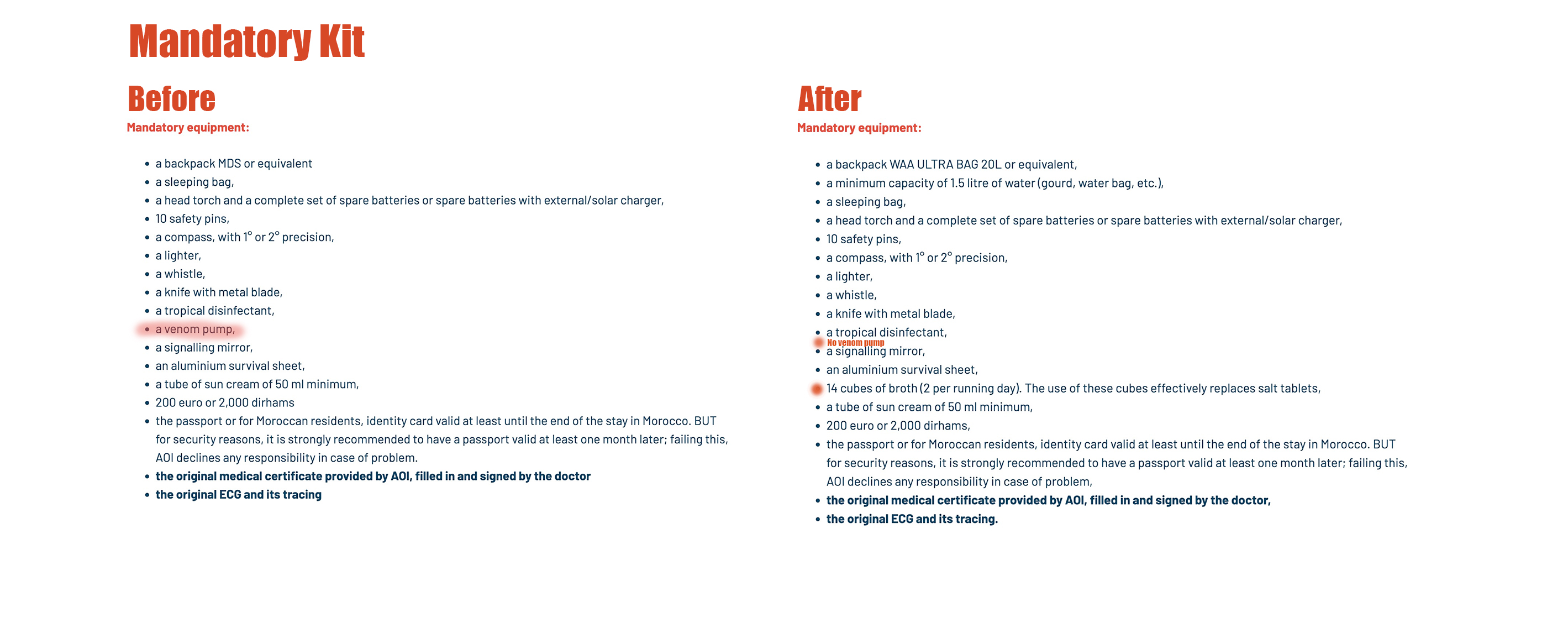
As I announced in 2023, it was my expectation that salt tablets would not be provided for the 2024 race. The new revised mandatory requirement for the race requires 14 broth cubes – these cubes are known to be salty. You have no choice here, you must have them. However, it will be your decision if you use them? My advice is to plan a strategy that works for you. Listen to my podcast with Andy Blow from Precision Hydration HERE. Remember, this is a self-sufficient race, so, be prepared to be self-sufficient and have a plan/ strategy that works for you.
Water Capacity
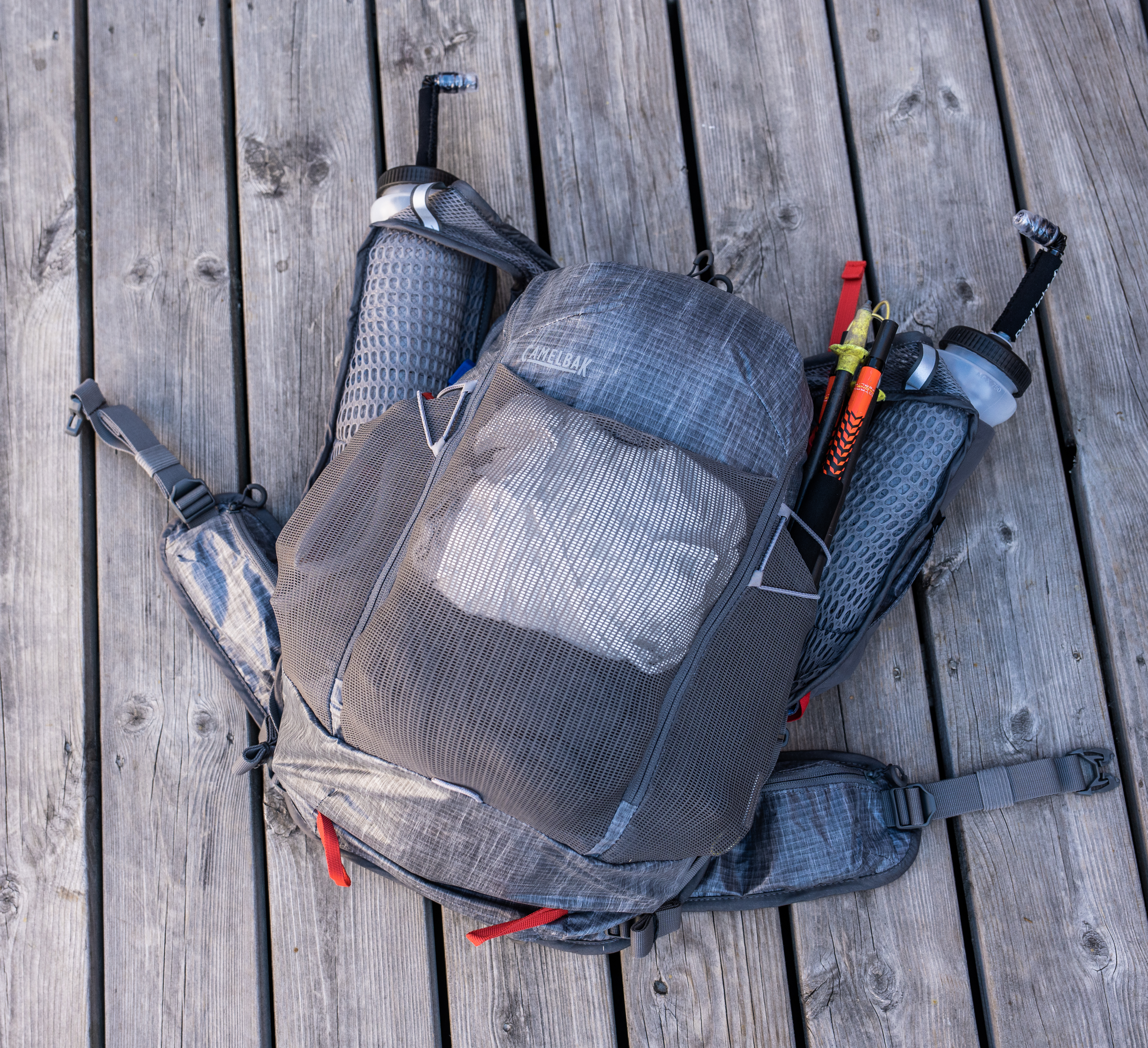
Another key change was the requirement for ‘A minimum capacity of 3 litres of water’ in the form of bottles, bladder etc. This has now been revised and we go back to 1.5 ltr capacity. This is a good move. Cp’s will be increased so that runner’s will only need to carry 1.5 liters. However, on the long day, an additional 1.5 ltr bottle of water will be provided either at the start or at cp1 (making 3 ltr to carry) therefore the capacity to carry 3 litres on the long day between cp’s is recommend. It is important that you think HOW you will carry this extra 1.5 ltr. Maybe you will have a bladder in or on your pack, maybe two additional 750ml bottles at the rear or if you have the front pack, you can slide the 1.5 bottle on top. It’s not recommended to run with a 1.5 ltr bottle in you hand, so, be prepared…
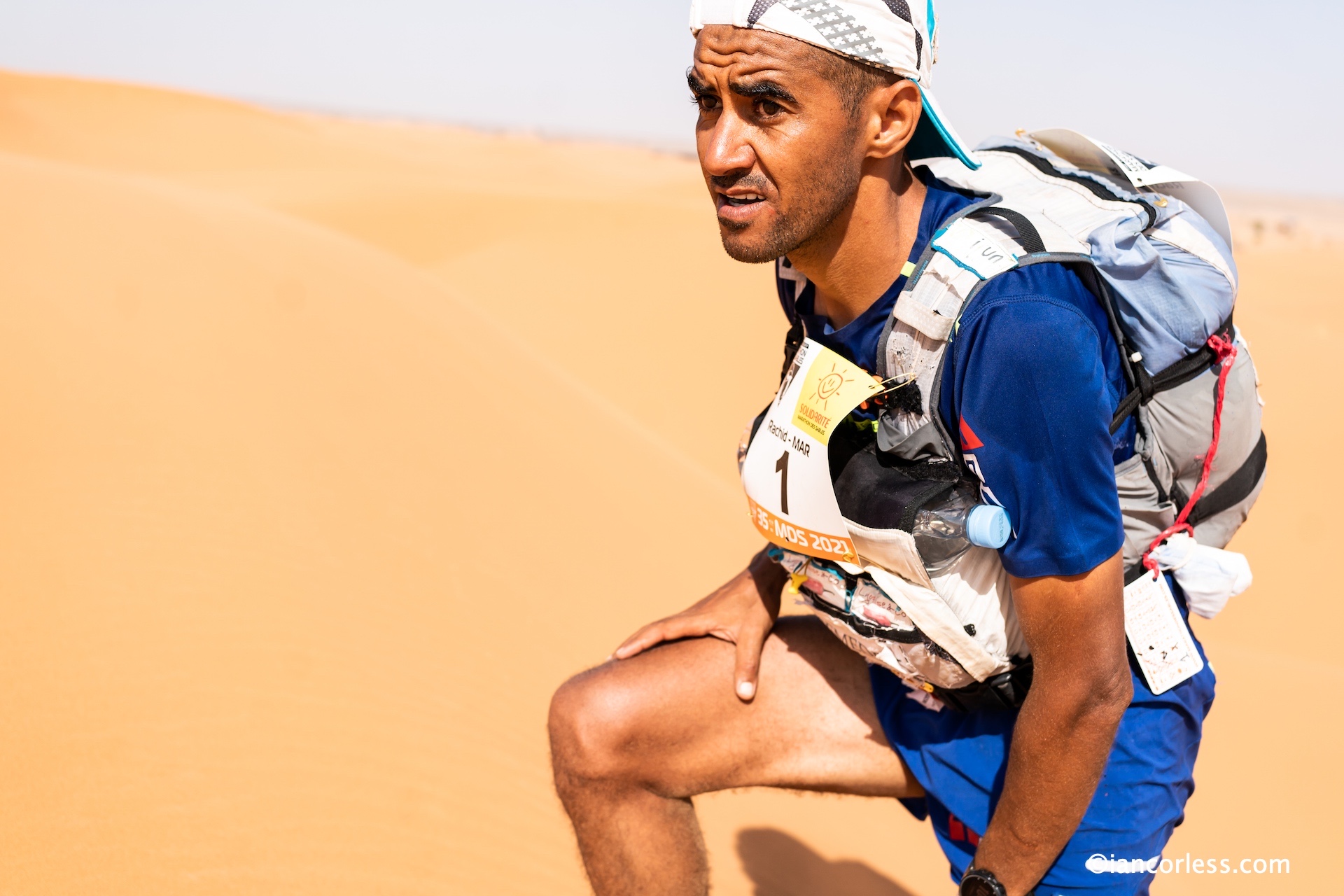
Water
Water during the stage will not be provided via 1.5 ltr bottles as in past editions. Water will be provided from a series of tables and manned staff with jugs to decant water to your empty bottles. Importantly, there had been concerns about where the water will come from, to clarify: 5L Bottles on CP -> Served in 2L jugs -> Served by staff in the runners’ bottles.
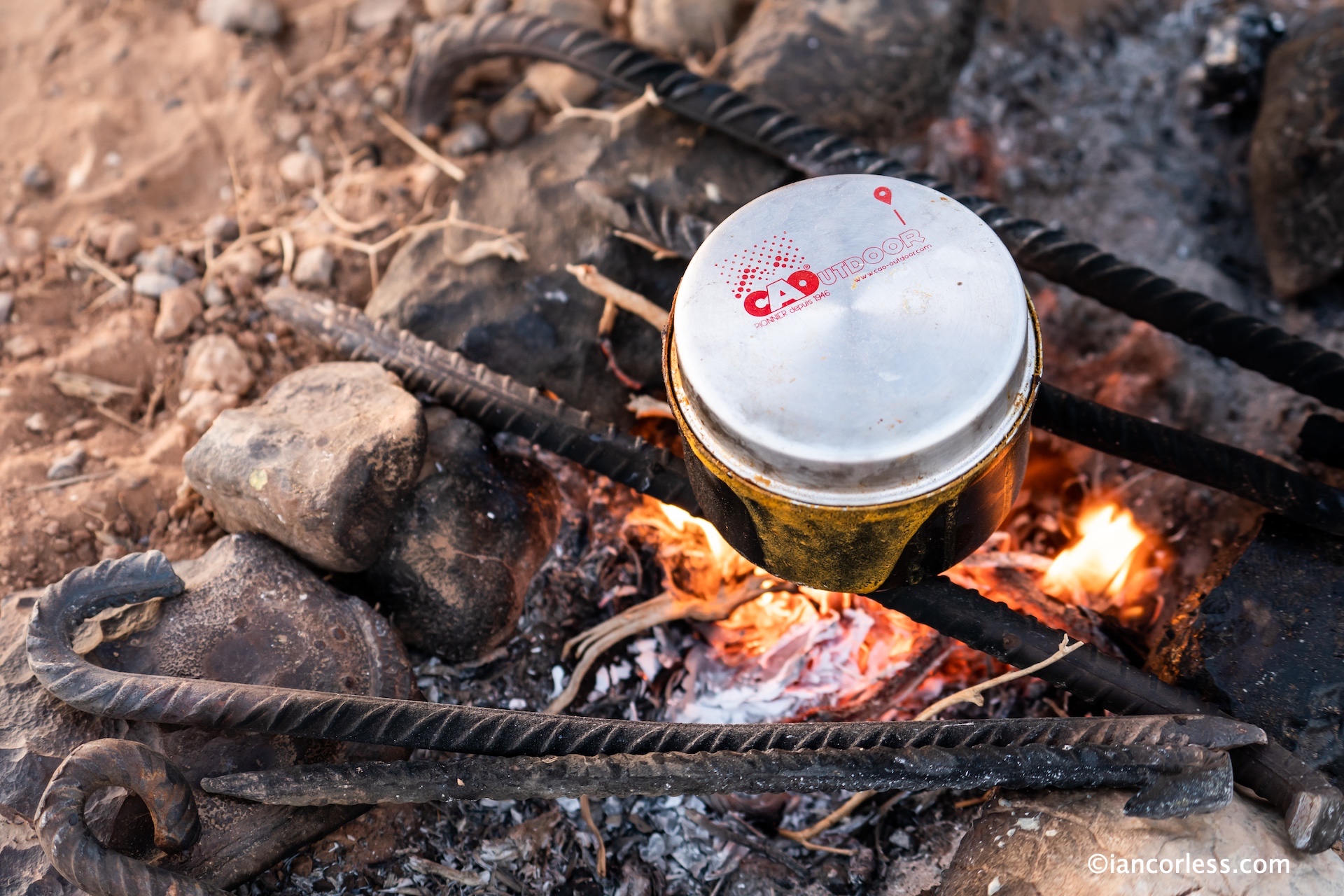
The exception being on the long day as mentioned above when a 1.5 ltr bottle will be provided at the start or cp1 and at the end of each stage when a 5 ltr bottle per participant is provided. This 5 ltr bottle will cover the evening after the stage, the morning of the next day and the required 1.5 ltr capacity starting the next stage to cp1. So, if you had planned to cut down a 1.5 ltr bottle to use as a bowl for dinner and breakfast, this will not be possible. You will now need a suitable pot or similar.
Checkpoints
Will be typically 2 to 7 per stage. On the long day, it is therefore a good assumption that checkpoints will be +/- 12km’s apart and hence the need to require 3 ltrs.
Mandatory Equipment
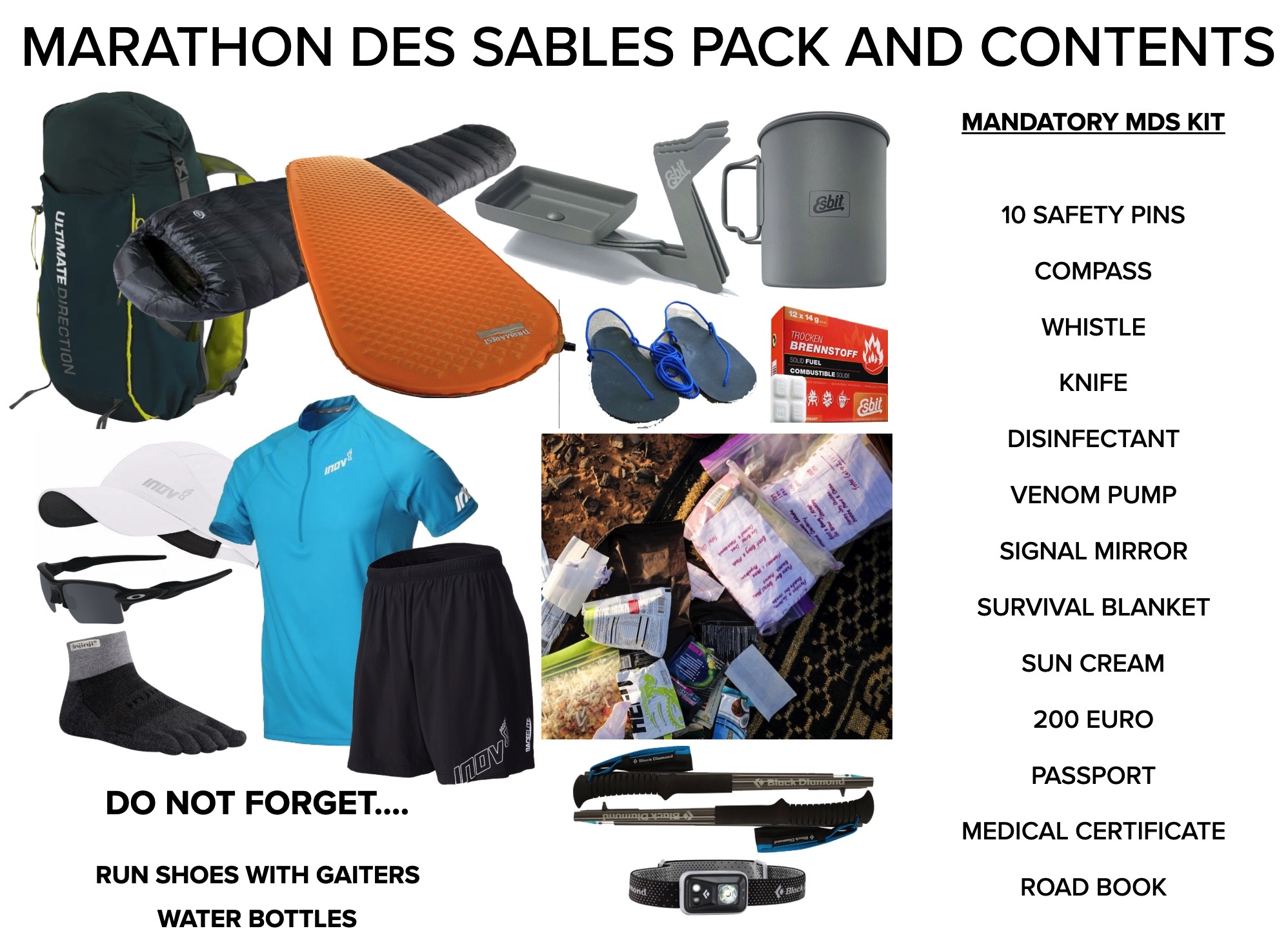
I will list here the mandatory equipment to avoid any confusion:
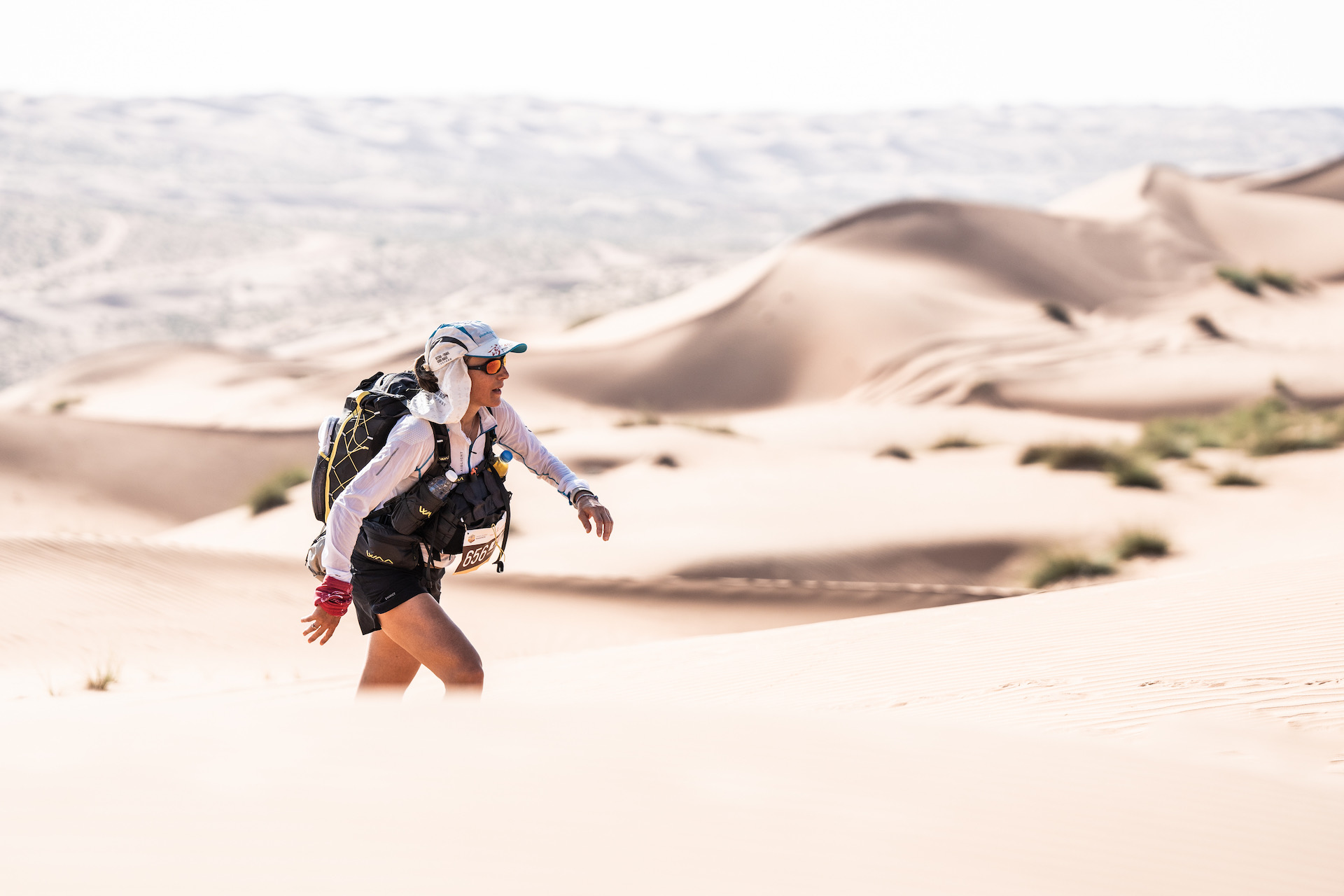
- Pack such as WAA Ultra Bag 20L
- Minimum capacity of 1.5 liters of water*
- Sleeping bag
- Head torch and spare batteries (you can have a charger/ solar charger)
- 10 safety pins
- Compass with 1 or 2 deg precision
- Lighter
- Whistle
- Knife
- Topical disinfectant
Venom pump*has now been removed- Signal mirror
- Survival blanket
- 14 cubes of broth***
- Sun cream
- 200 euro or 2000 dirhams
- Passport or ID card
- ECG and medical
* new change but consider the long day when you will have 3 ltr.
** new change
*** to replace salt tablets
Food Requirement
You need 14,000 calories of food as a minimum, 2000 calories per day. You can of course carry more than this, but 14,000 is the minimum. You must be able to prove the calories, so, if you decant food into lighter or different packaging, make sure you keep the nutritional information.

You
In addition to the above you personally will need:
- Run top
- Neck roll/ Buff
- Run shorts
- Socks
- Shoes with gaiters
- Hat
- Sunglasses
- Watch
- Spare socks
- Warm layer
- Foot care
- Hygiene products
- Toilet roll/ wipes
- Lip balm
- Blind fold
- Ear plugs
- Spoon
- Pot/ bowl
- Stove
- Esbit cubes
- Sleeping mat
Recommended
- Zip ties
- Gorilla tape
- Super glue
- Sewing kit
- Cord/ thin rope
Top Tips
Keep the pack weight as close to the minimum 6.5kg as possible, additional weight is additional stress that you do not need.
Keep luxuries to a minimum, they only add weight. A super light Mp3 player (with good battery) and earphones is the only luxury I would consider.
Accept that this is a tough challenge, you will be stripped back to a survival mode. You will not wash, you will get dirty, you will get smelly. Accept it.
Start slow and ease into the race.
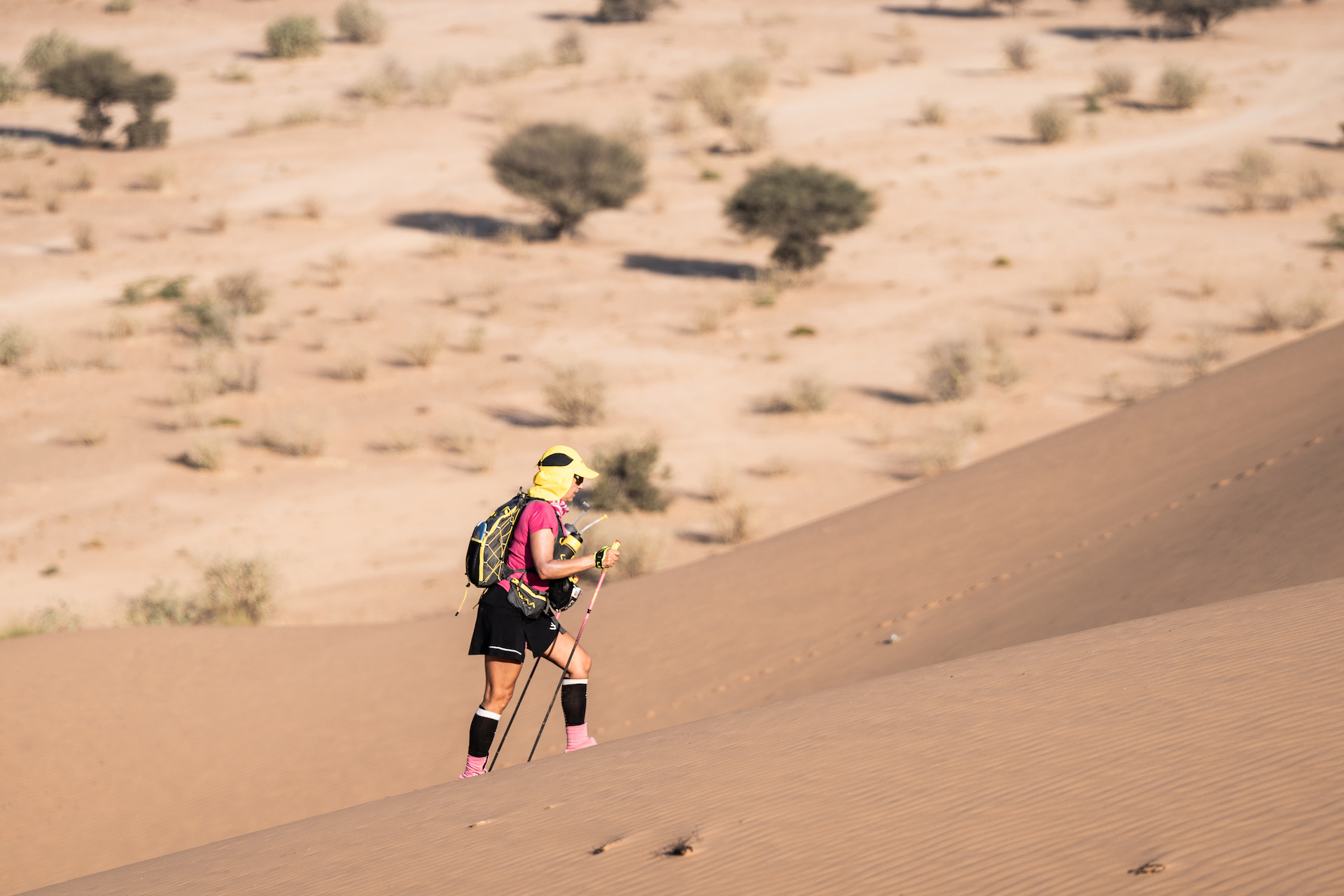
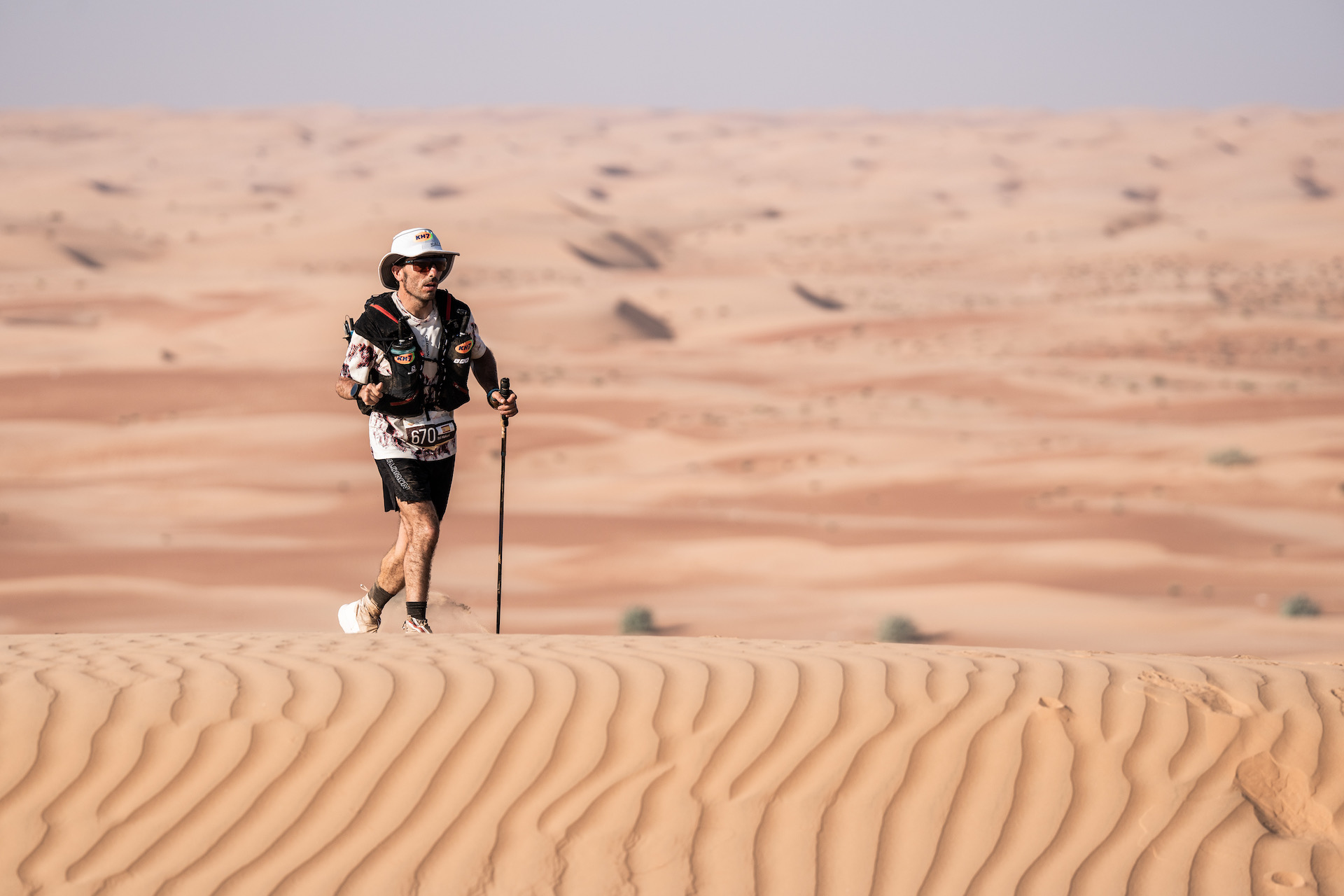
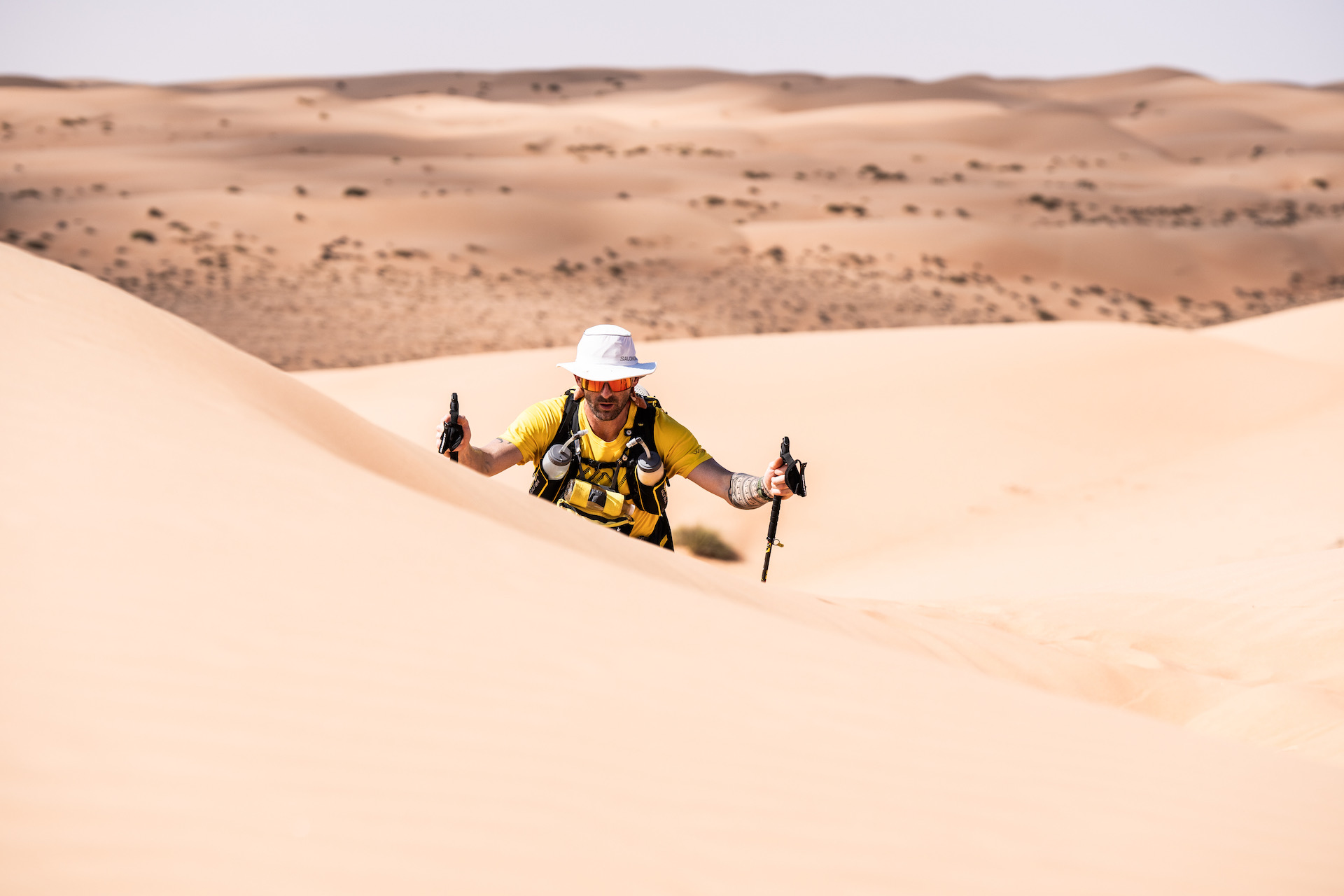
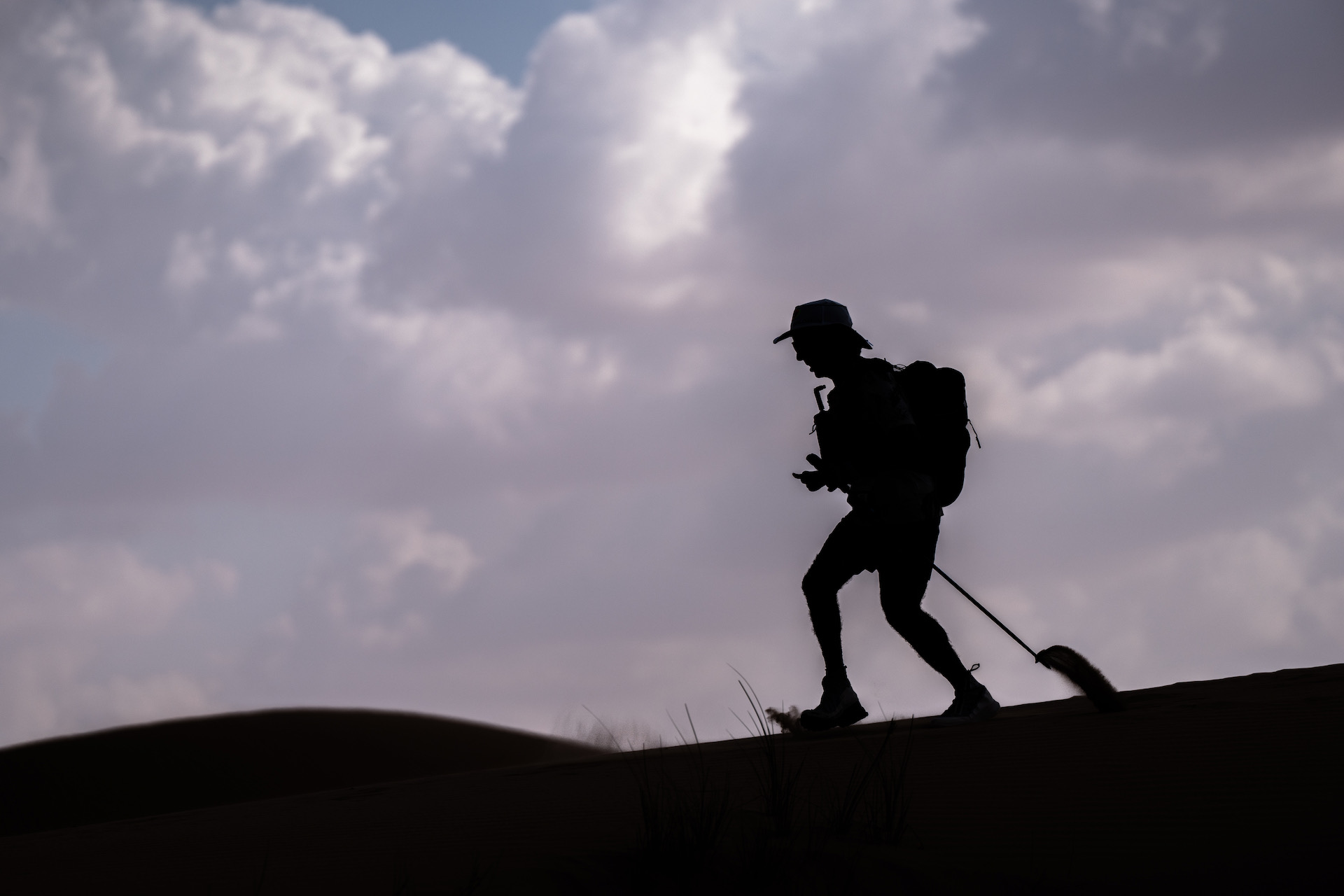
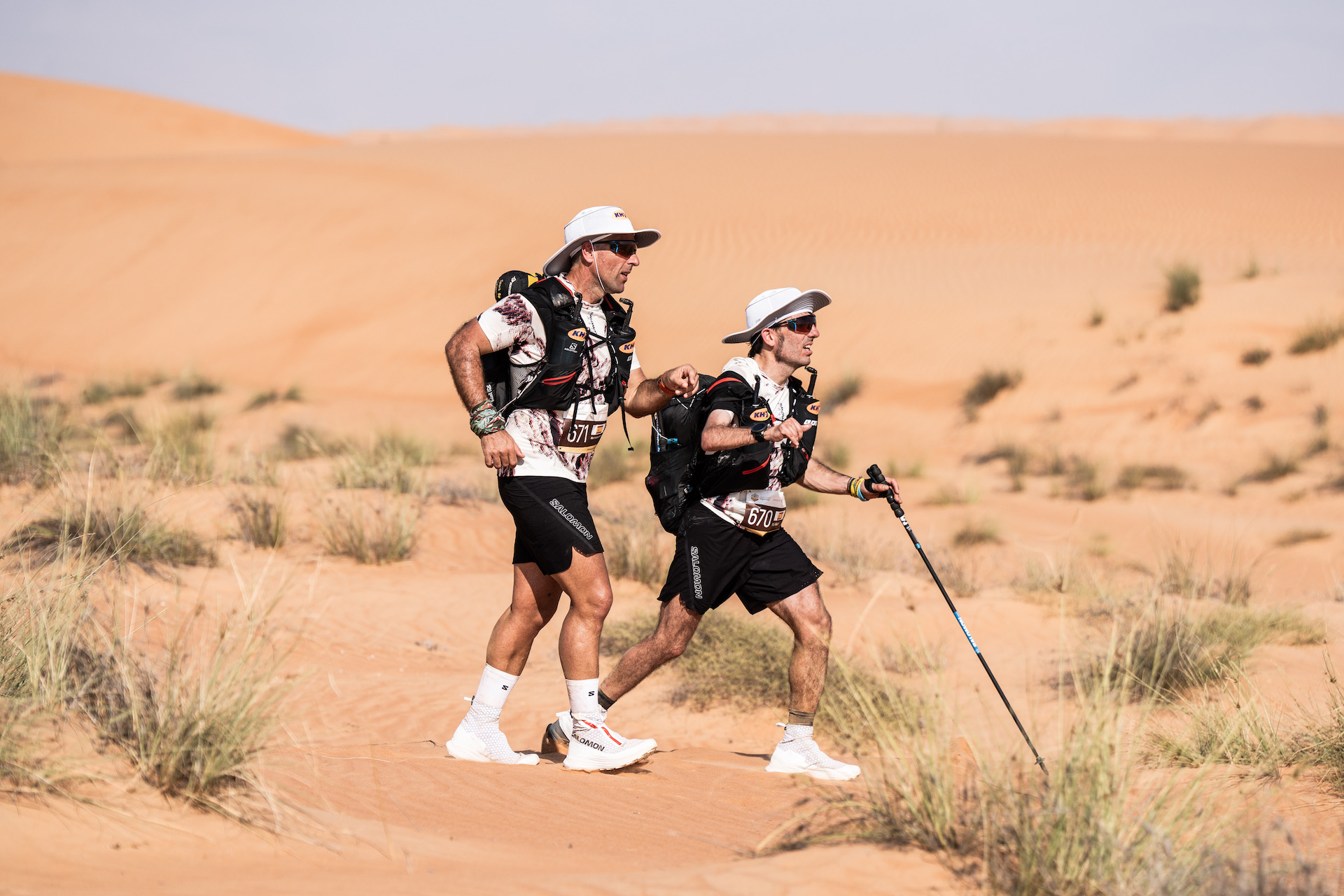
Poles can be a lifesaver and I recommend them but you must learn to use them. Those at the front do not need poles, they can run.
Learn to walk, walk and walk. Many go to the desert with the expectation of running 80% and walking 20%. The reality is it will be the other way around.
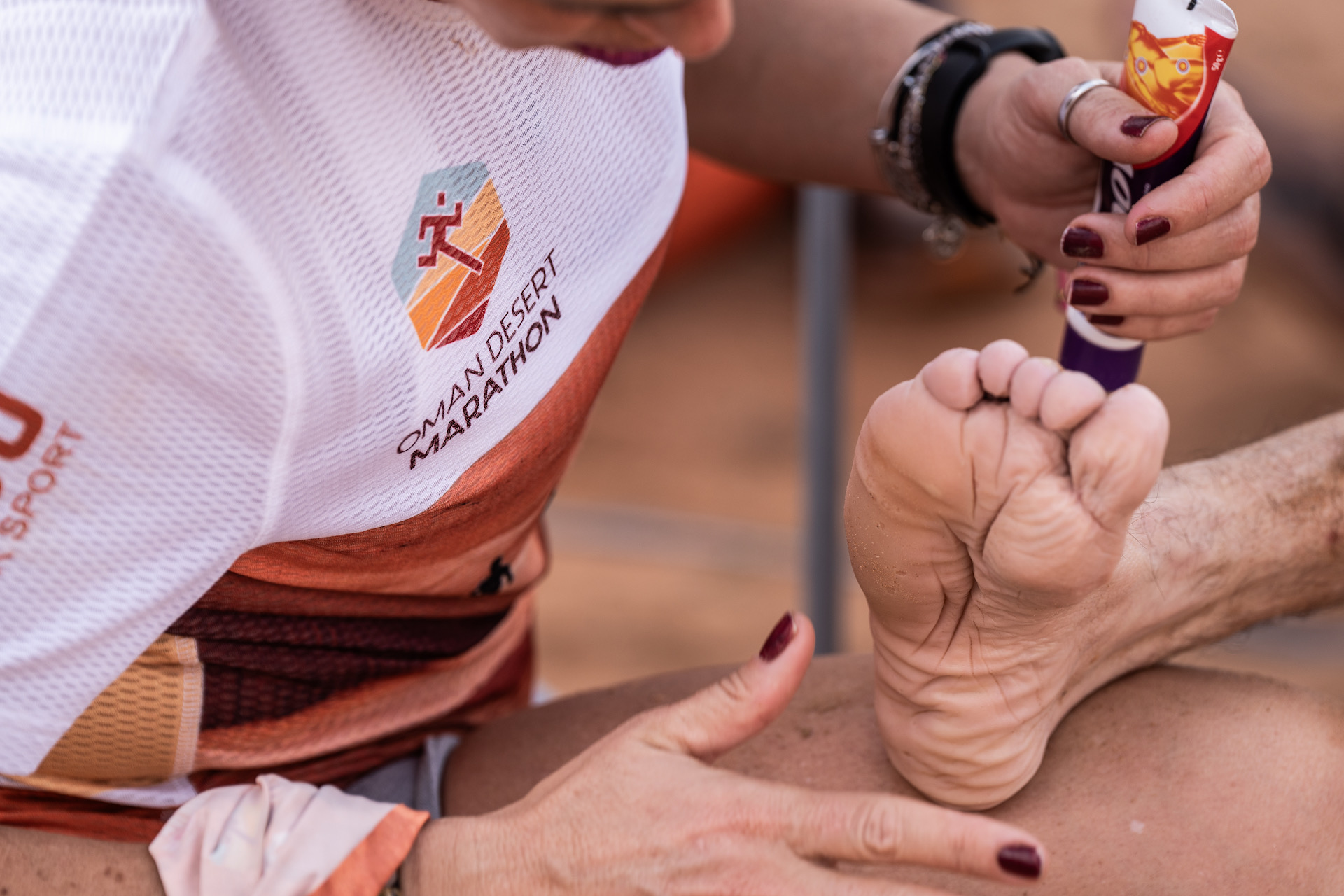
Look after your feet and start with the correct shoes for you.
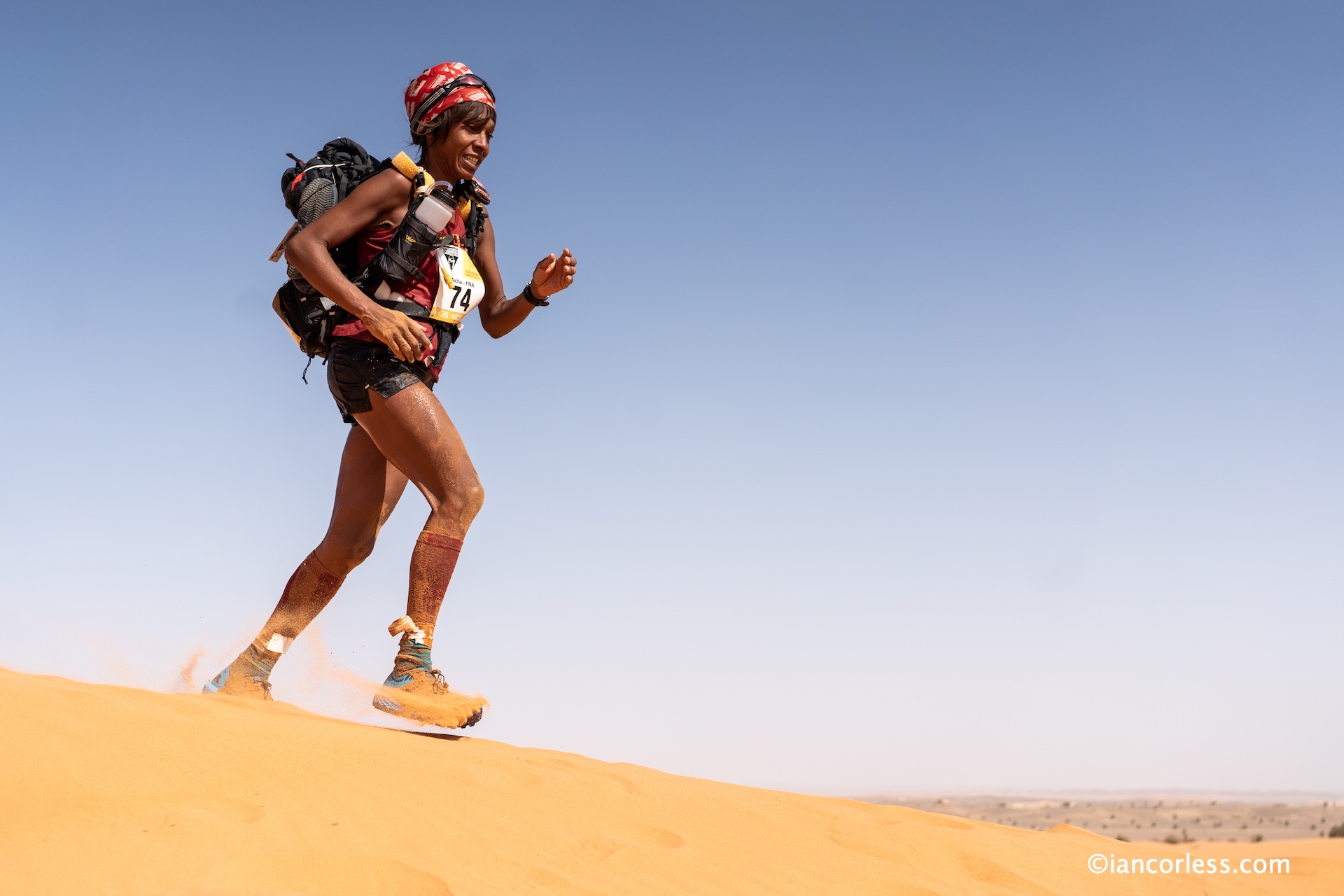
Take a sleeping mat or pad. You only need to do three things: run, eat and sleep. Sleep and comfort is important for recovery.
Follow on:
Instagram – @iancorlessphotography
Twitter – @talkultra
facebook.com/iancorlessphotography
Web – www.iancorless.com
Web – www.iancorlessphotography.com
Image sales –www.iancorless.photoshelter.com




















 IAN CORLESS