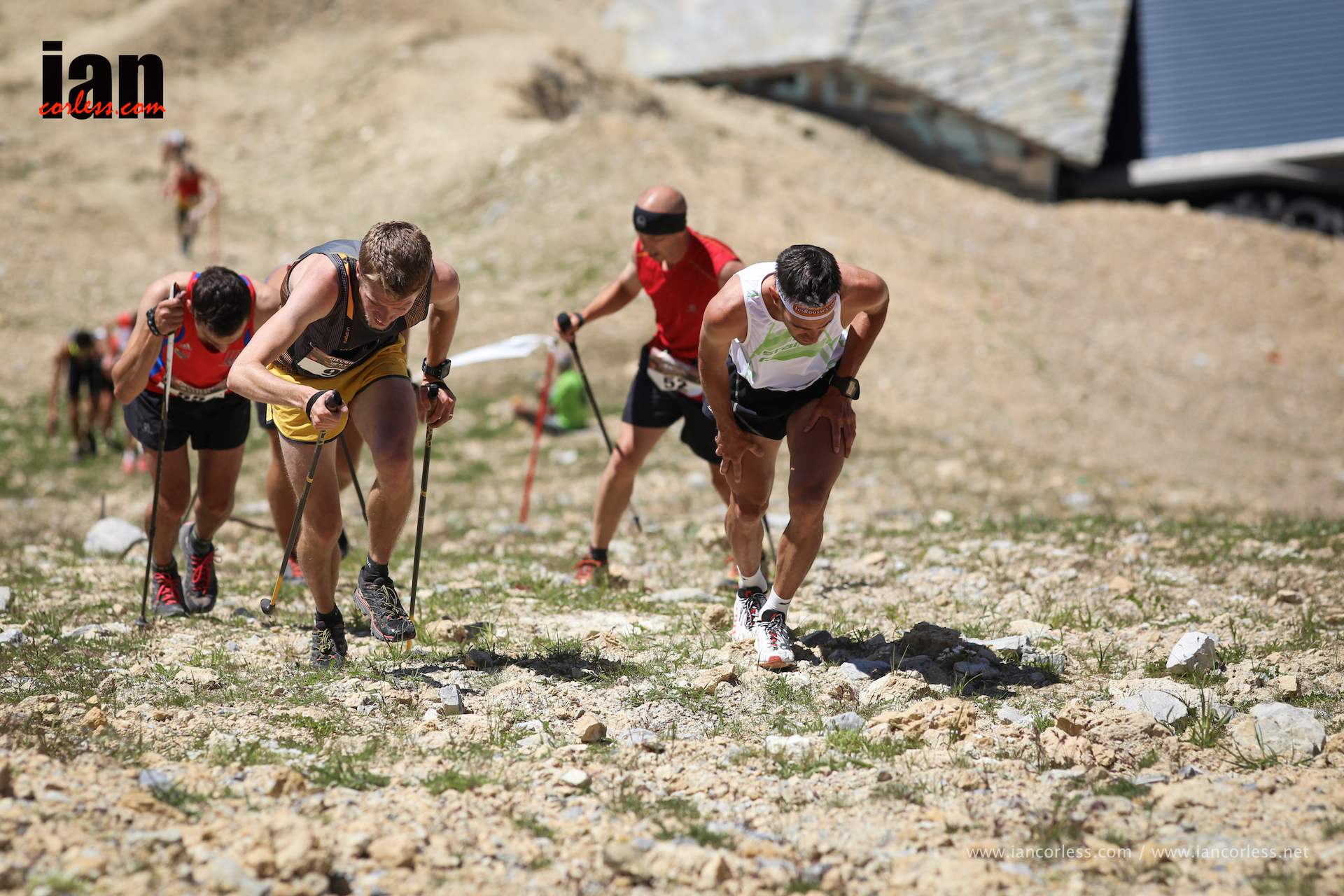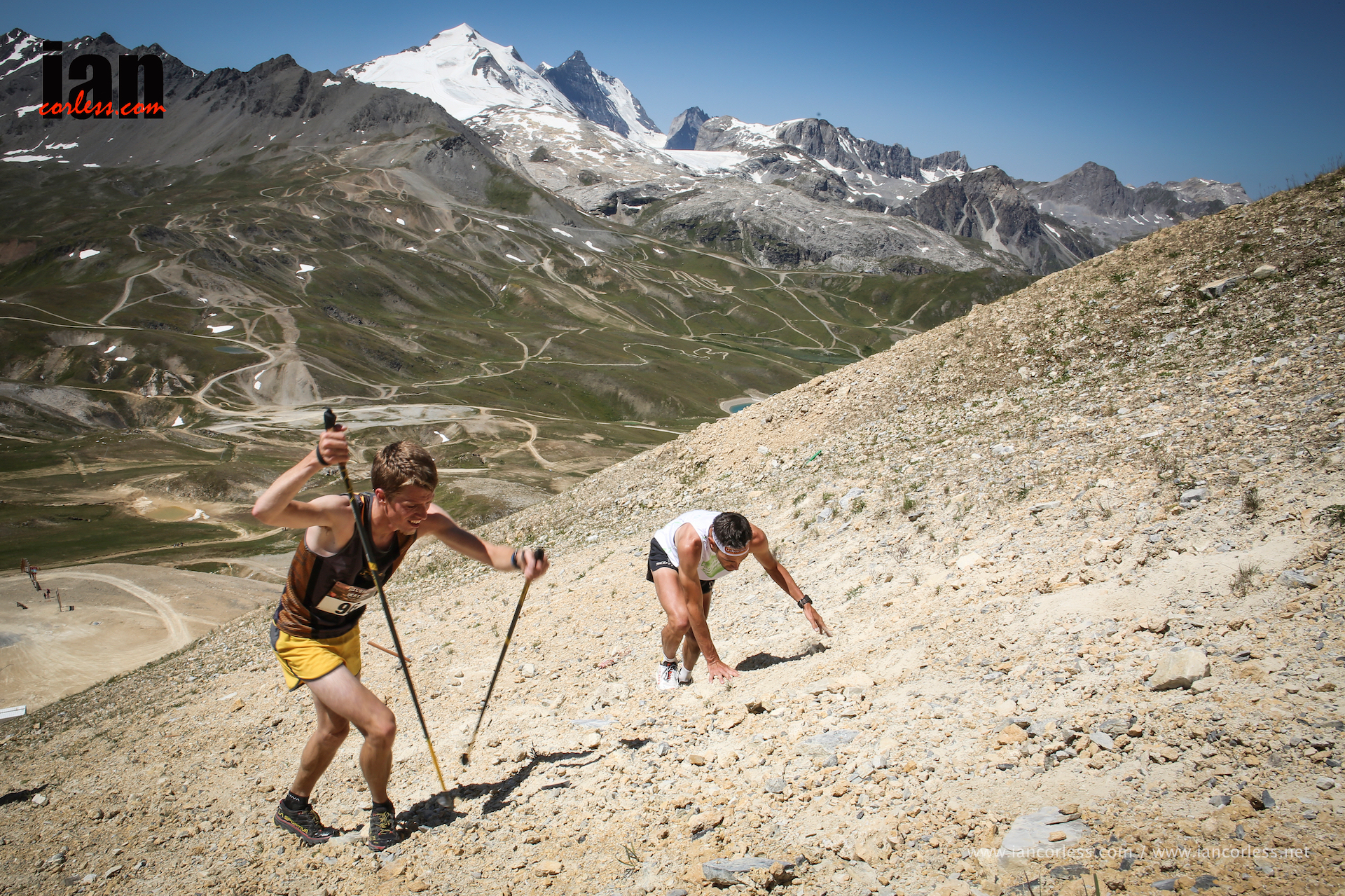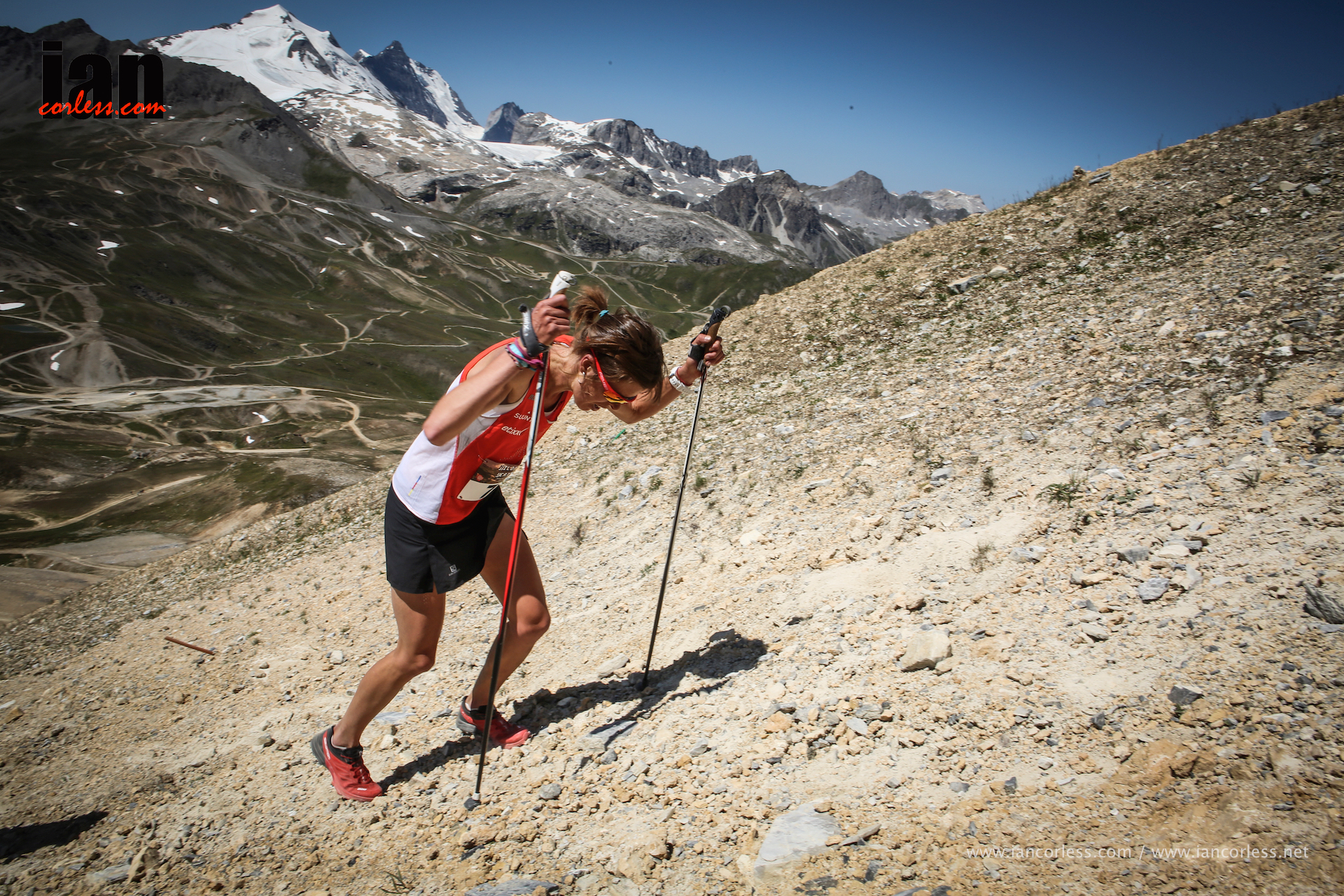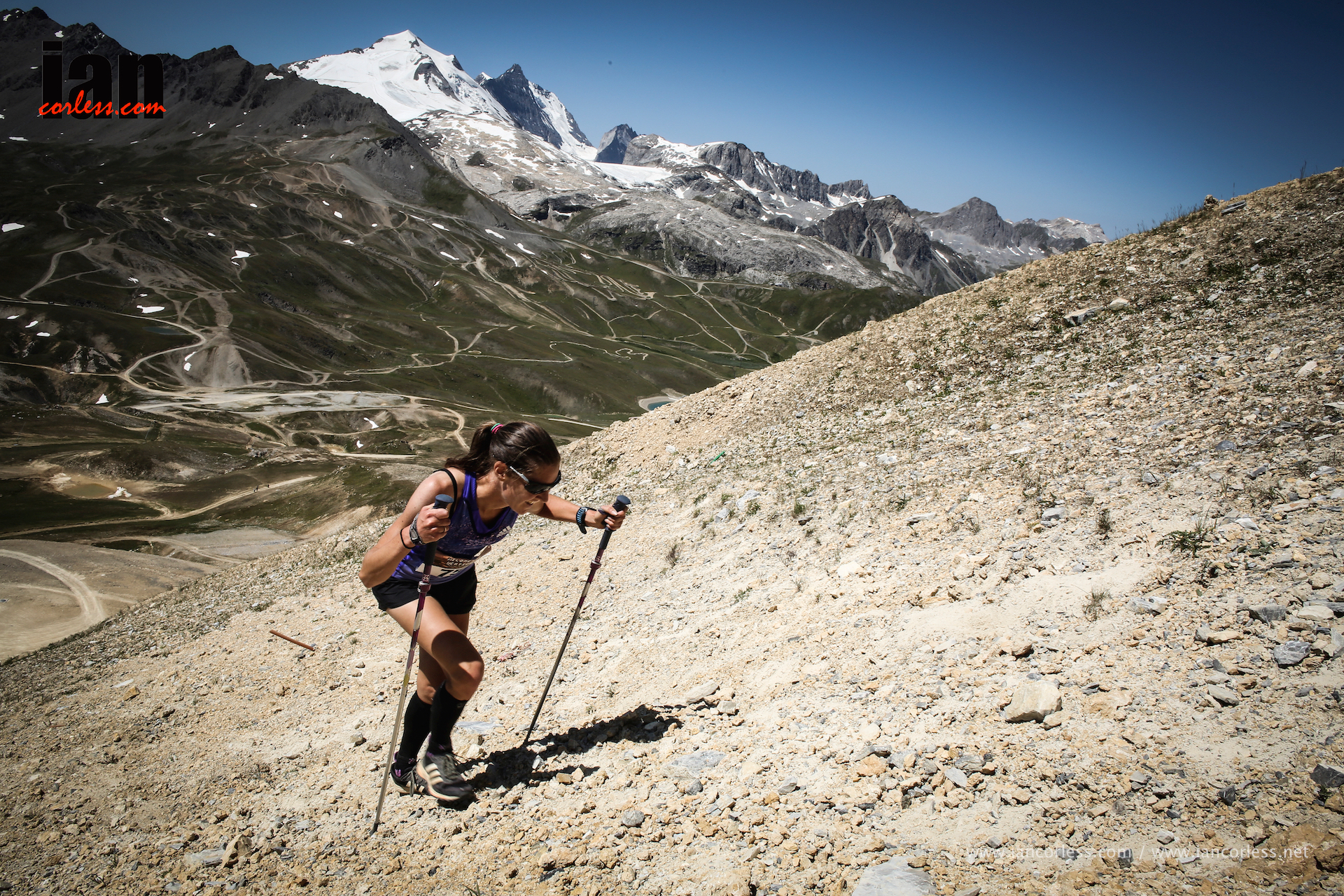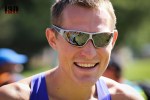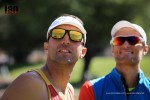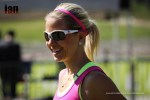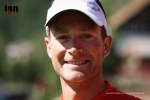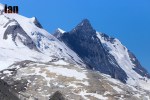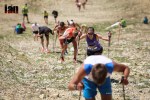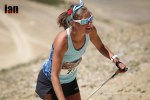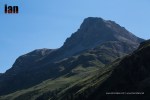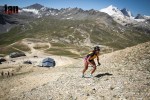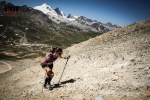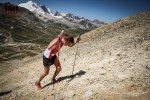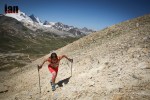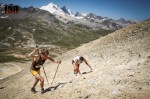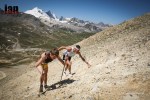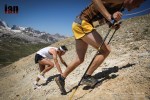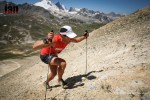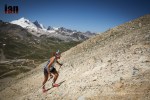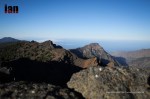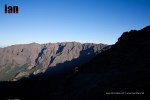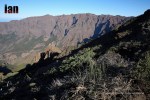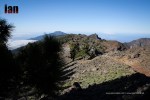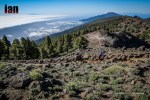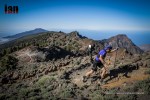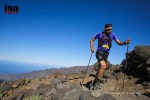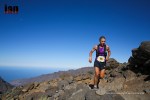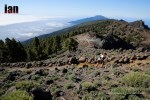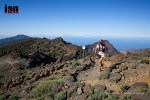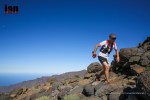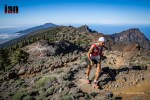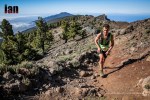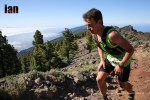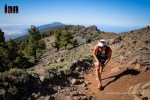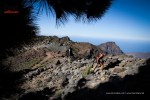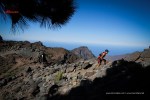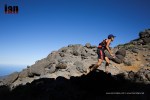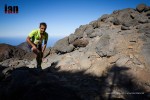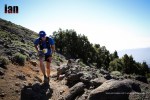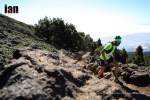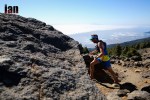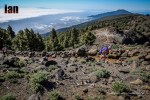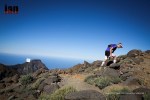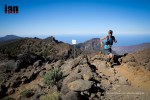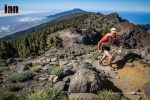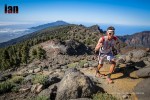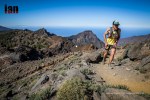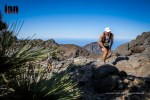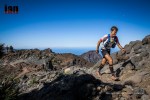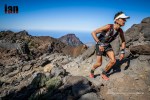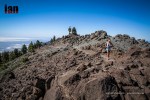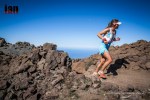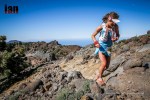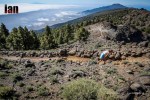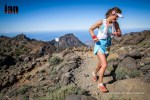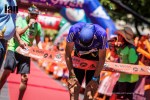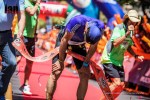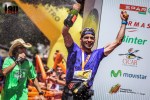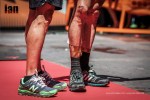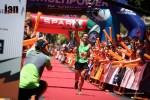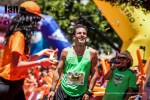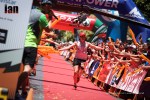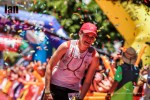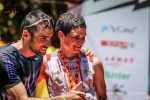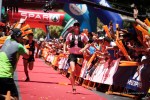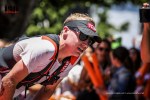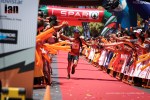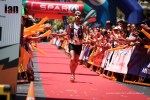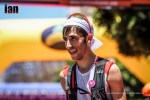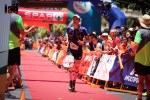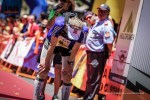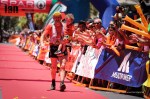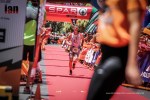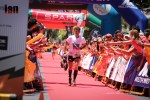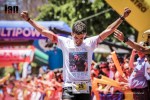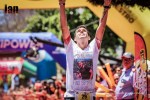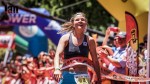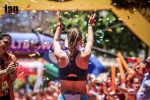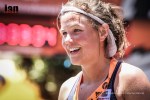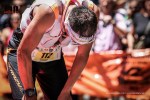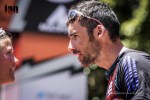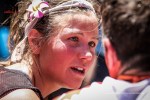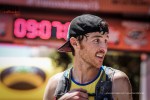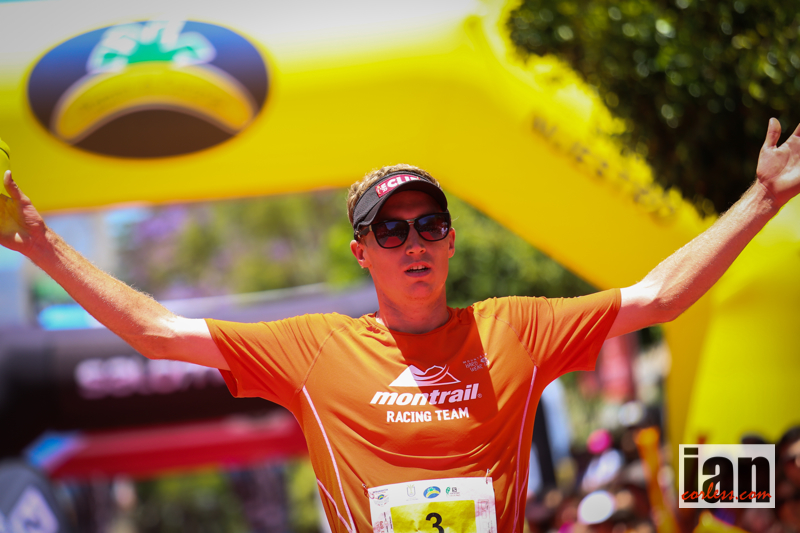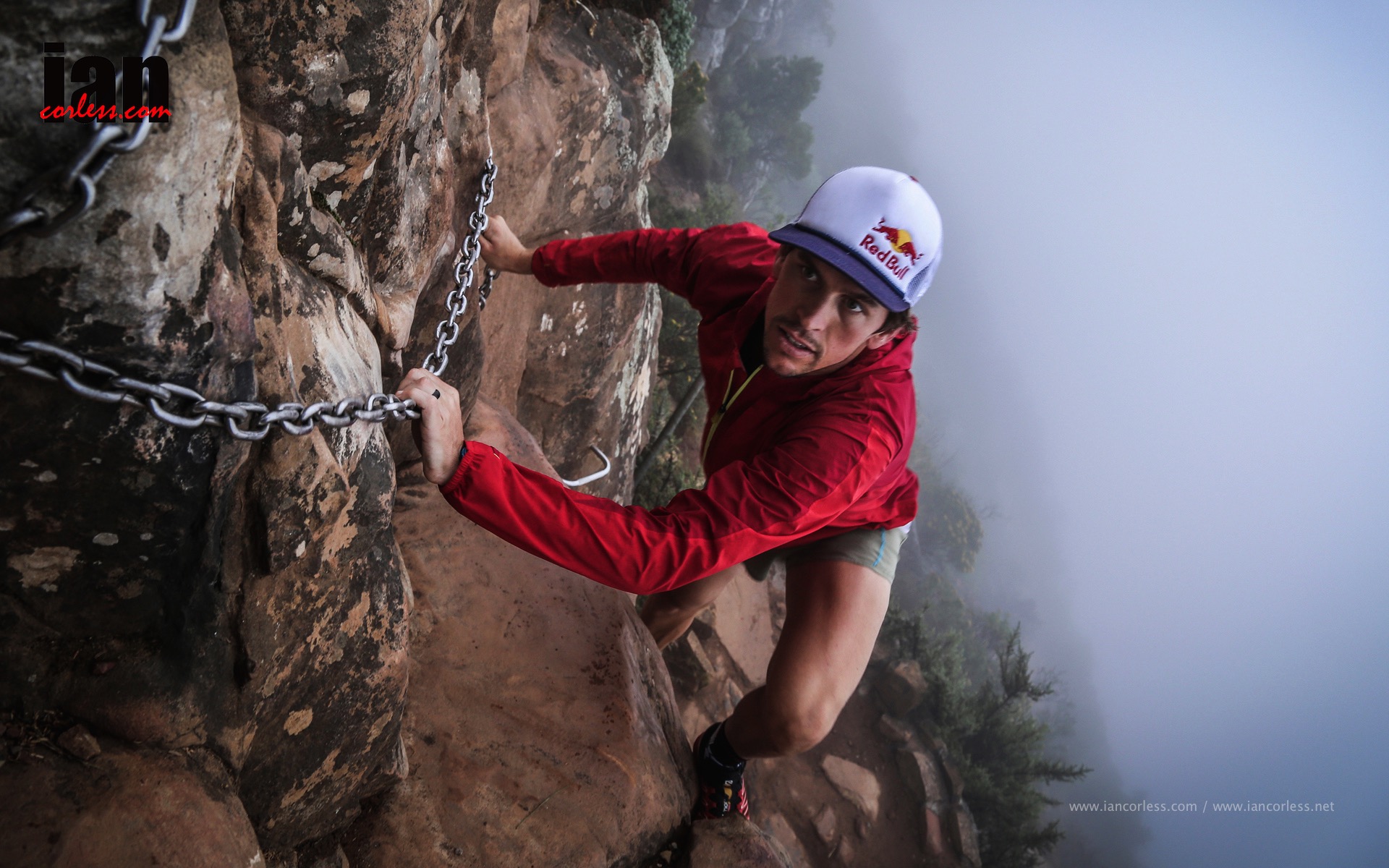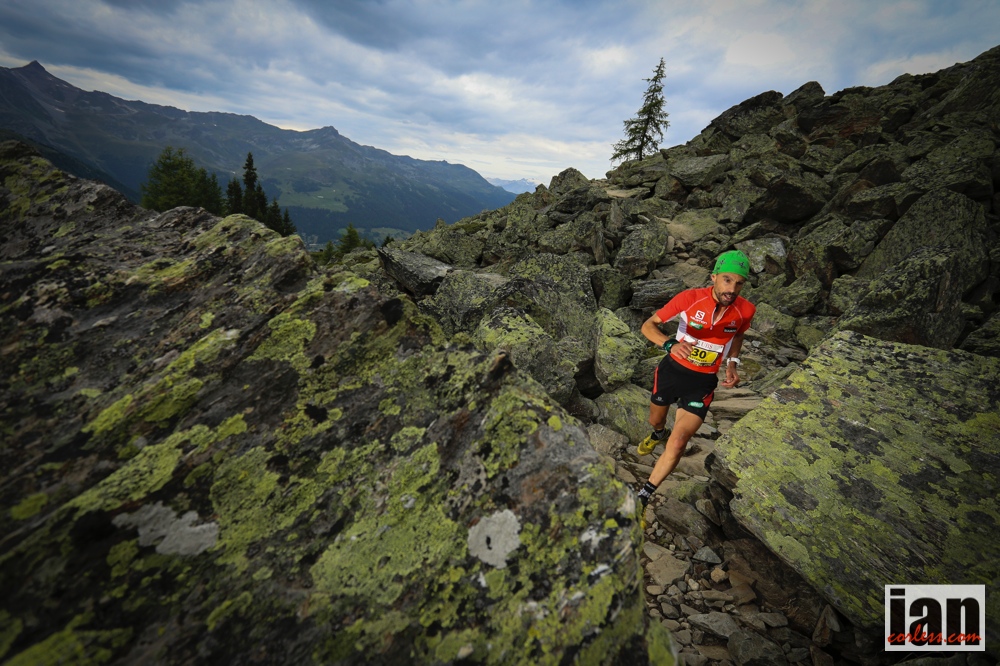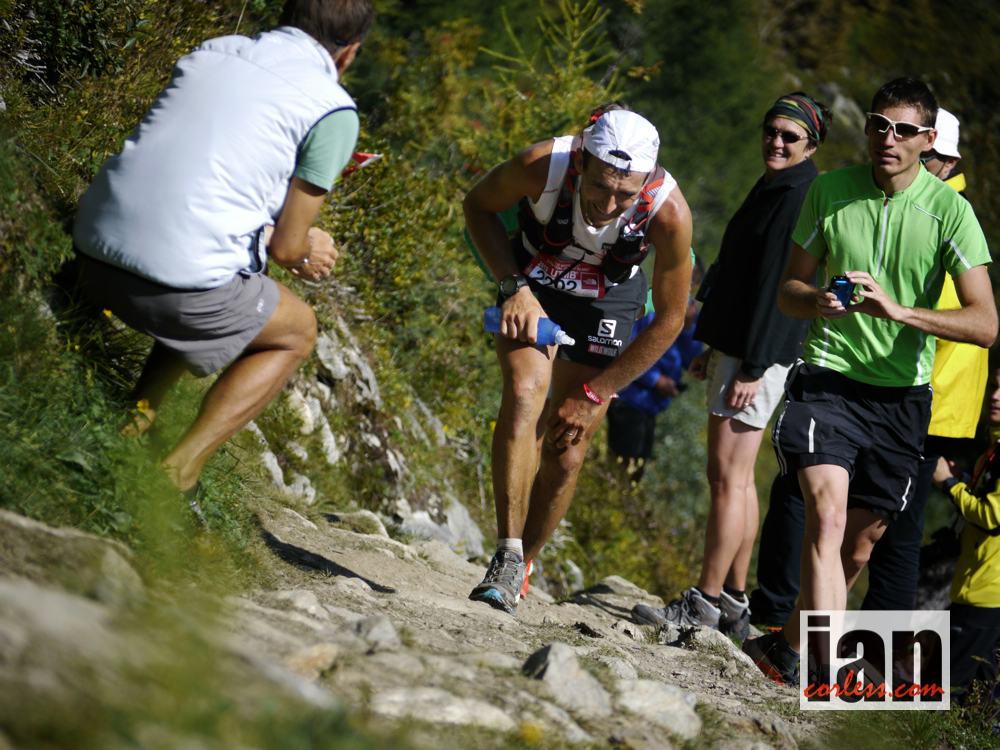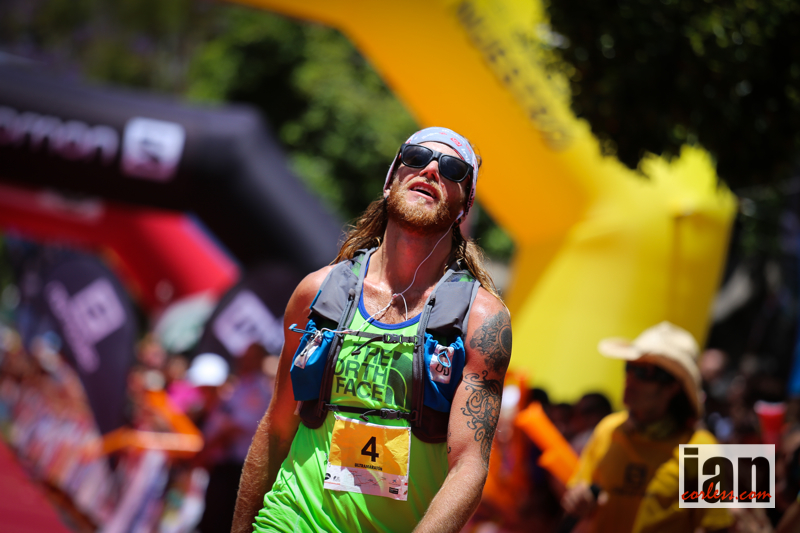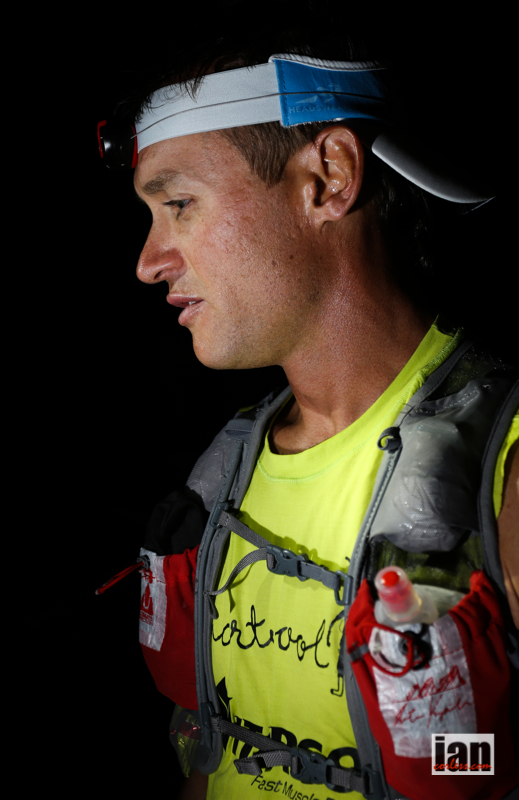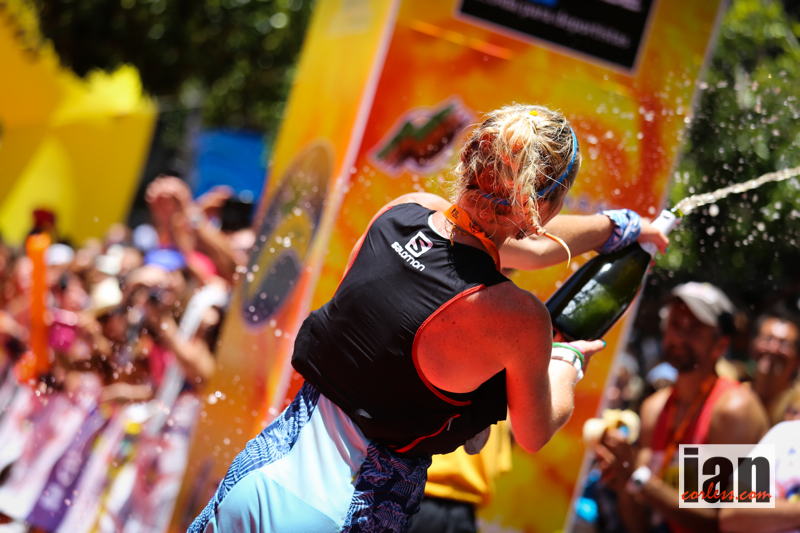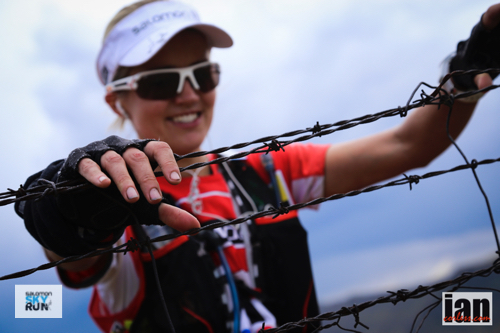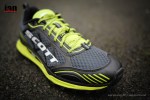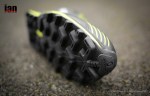
Kilomètre Vertical Face De Bellevarde 2015 – Val d’Isere

©iancorless.com_ITT2015-8615

Val d’Isere has a great history with the Vertical Kilometer, way back in ‘96’ the ISF were the first to organize a VK here!

A time lapse of 9-years and Val d’Isere re connected with the ethos of the VK using the Olympic Bellevarde Face in 2014. For many years, Marco De Gasperi held the VK world record here of 34-minutes and 41-seconds until the Italian was dethroned by a fellow countryman and VK specialist; Urban Zemmer.

The Vertical Kilometer has traditionally started at the foot of the Olympic Bellevarde face on “the board” in the heart of the Parc des Sports Charles Diebold in the center Val d’Isere.

The route then takes the greater part of what was the route of the men’s downhill Olympic Winter Games ski route (1992), won by Austrian Patrick Ortlieb.

It’s a tough course; 2.9Km’s in length and reaches an altitude of 2809m. Average gradients over the course are 35%, however, in places it reaches 63% as presented in the first hundred meters.

Including steep passages at 49% and 56% gradient, the sting comes with the famous passage of the Columbine at 55%. Followed by gentle slopes of the Great Wall (51%) a refreshment station is provided before the push to the line passing ‘Catherine Dent’ (50%) and then a finish loop passes the Bellevarde restaurant and the arrival is at a wooden start cabin at an altitude of 2809m.

Previous Records: 

Men: Marco DE GASPERI (ITA) en 34’51” (2003)

Women: Antonella CONFORTOLA (ITA) en 42’48” (2002) 

GONON and ORGUE shine on a sunny day in Val d’Isere

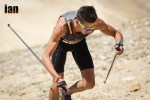
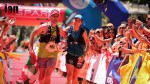
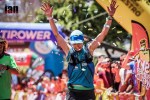
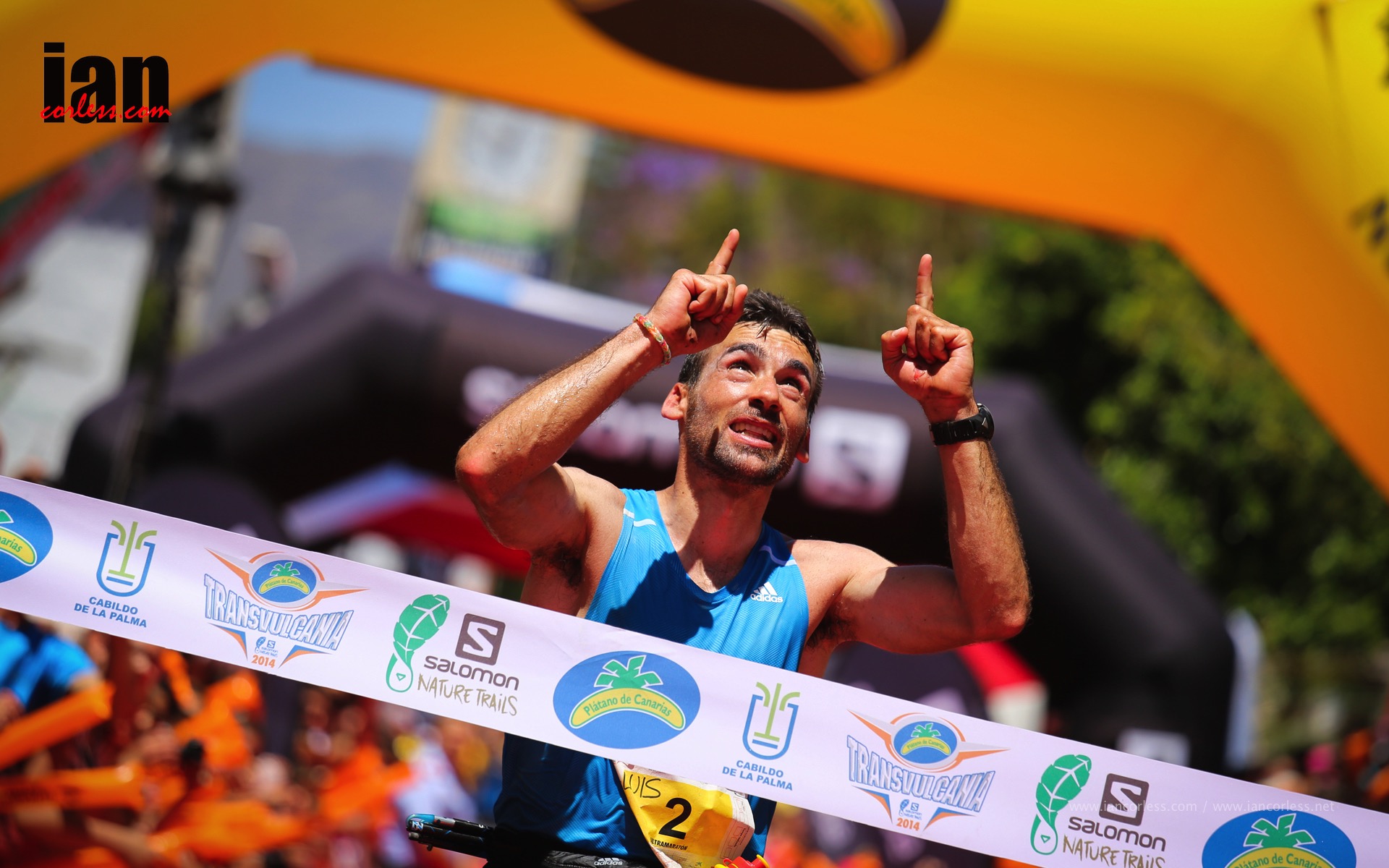
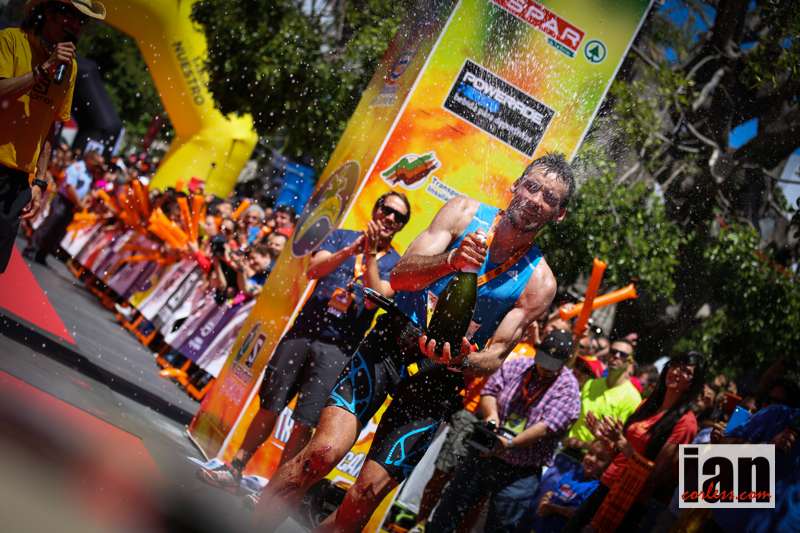
Following on from the Chamonix vertical kilometre, François Gonon today once again showed his competition a clean pair of heels to take victory in the 2015 Kilomètre Vertical Face De Bellevarde. Powering up the climb with hands-on-knees, Gonon was one of the few participants in the race not using poles. A disadvantage many thought but Gonon proved everyone wrong and won the race in true style in a time of 35:09.

©iancorless.com_ITT2015-9262

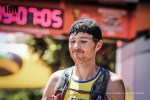
Yoann Sert placed 2nd and 2014 winner Nejc Kuhar placed 3rd but it was a close race, the duo were separated by seconds! 35:53 to 35:58.

VK races often have different start procedures. For example in Chamonix, runners depart every 30-seconds. In the Dolomites (next weekend) a series of small group starts will take place with approximately 25 runners per group. In Val d’Isere it was an individual start. This can prove difficult! Similar to the race of truth in the Tour de France, the runners must pace themselves and judge their effort over 1000m not knowing if they are gaining or loosing time.

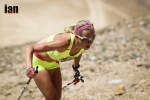
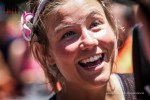
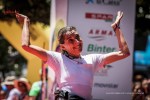
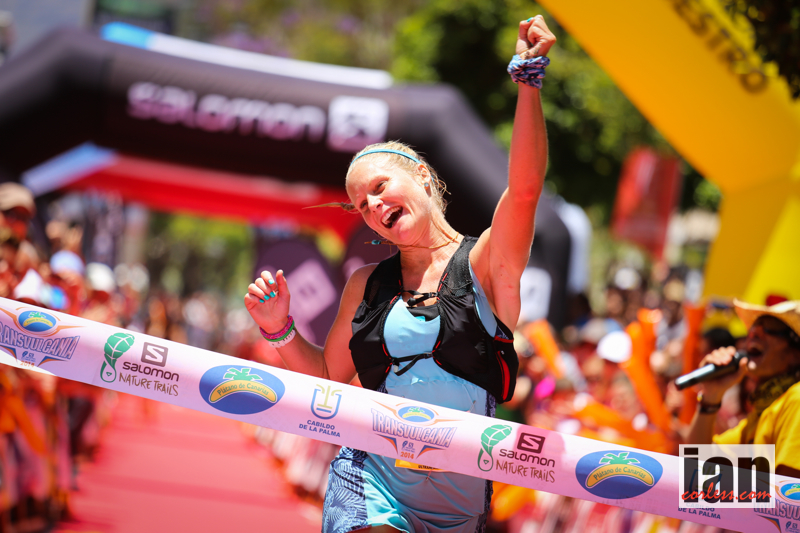
In the ladies race, Laura Orgue one again showed supreme climbing ability in winning the ladies race and in doing so set a new course record! Antonella Confortola’s 2002 time of 42:48 has now been reset at 40:57.

©iancorless.com_ITT2015-9132

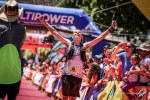
Christel Dewalle has been struggling with injury recently and although on the start list we were under the impression that she would not start. Her decision to race was a good one! Dewalle placed 2nd in 41:16 which also broke the old course record.

©iancorless.com_ITT2015-9111

The final ladies podium place went to Vanesa Ortega who completed the distance in 44:05.

Stats: 

  • Finish Elevation: 2 809 m
  • Length: 2 905 m
  • Altitude gain: 1000 m
  • Maximum Gradient: 63 %
  • Minimum Gradient: 15 %
  • Average Gradient: 35 %

The Vertical Kilometer Bellevarde Face is part of the 2015 Skyrunner® World Series and will be followed by the Ice Trail Tarentaise 2-days later (preview for the ITT HERE)

Scott Jurek and the #AT Appalachian Trail #FKT

©iancorless.com.Scott Jurek

He needs no introduction; Scott Jurek is an icon in the sport of ultra running. He has won Hardrock 100, Spartathlon, Badwater 135, raced over 24 hours and of course he has won Western States an incredible 7 times in a row, 1999 – 2005.

Listen to my interviews from Talk Ultra HERE and HERE

All Scott Jurek content HERE

In recent years, his running has almost taken a back seat. He shot to ‘more’ fame in Chris McDougall’s book, ‘Born to Run’ and then he released his own book, Eat and Run’ which gave an insight into his Vegan lifestyle, something he has adhered to since 1999.

I was fortunate to spend time with Scott when he came over to the UK, we even managed a run on the Lakeland 100 course which was followed with an impromptu meet and greet and book signing. (Guardian HERE)

For many (me included) we wondered if Scott’s racing days were over? He had a recent attempt at Leadville 100.

Jurek admits his comeback at the Leadville 100-mile trail race “didn’t go entirely to plan“. He was closing on third place when stomach problems and nausea hit. Where years ago he “used to run through that stuff”, this time he lost places and finished eighth.

“Overall, I was happy just getting back on the horse and running another 100-miler,” he says, “to familiarize myself with what it takes.” 

Jurek also participated in Transgrancanaria but it all seemed a far cry from his full on racing days. Scott did say to me though on many occasions, I have more to give and Yiannis Kouras’ 24-hour record still holds a big attraction to me.

Jurek considers the 24-hour race “the pinnacle” of ultra running:

 “There’s nothing else like it – mentally it’s the most difficult.”

Cut to May 27th 2015 and with little fanfare, Scott announced via social media that he would take on the AT (Appalachian Trail).

“Embarking on a big adventure tomorrow, something I’ve always wanted to do. The time is now!” – May 27th via Facebook

Followers of my website and in particular those who follow my podcast, Talk Ultra, will know all about the AT via ‘Speedgoat’ Karl Meltzer’s talk and recent attempt.

It was a surprise to see Scott take this on!

He was very clear with no ambiguity, the record was his target! Jennifer Pharr Davis set the current record of 46 days, 11 hours and 20 minutes and as Speedgoat will tell you, that record is solid.

Rumors came out that Scott would target 42 days.

Not one for mincing his words, Scott’s good friend, Karl Meltzer said, ‘That ain’t gonna happen!’ This wasn’t out of a lack of respect; it was a simple assessment of the task at hand and the fact that Scott seemed to have considerably less research going into the event, certainly in comparison to Pharr Davis or Meltzer.

Ironically just 4 days into his attempt, Scott picked up some severe knee pain and although hitting some incredibly high daily targets, he slowly but surely got off pace. Something that Meltzer touched on in Talk Ultra podcast:

‘You miss a mile here and a mile there and then all of a sudden you are 20 or 30 miles behind pace and you then you just can’t get that back!’

Meltzer should know, he has one successful AT crossing under his belt and his recent attempt failed after he got behind pace. He does plan to ‘go again’ and 2016 looks likely but just as one would expect, Karl gave up 2 weeks of his time and met Scott on the trail. Running side-by-side the duo slowly but surely goy back on track and now with less than 400 miles to go, Scott may well just achieve what looked impossible.

Yesterday, July 2nd after 36 days, Scott crossed into New Hampshire. He has 400 miles +/- to go. When one considers that the current record stands at 46 days, if Scott maintains his current pace, a new record looks likely. 42 days was always a target and one has to wonder, will Scott put in a couple of really big days to get the job done?

Buzz Burrell on Facebook commented:

 “Scott Jurek is in New Hampshire now, bearing down on the AT … there is no easy way to do this … 100 milers are really hard, multi-days are even harder, and long trail thru-runs are … well…?”

Scott said via his own Facebook page:

“It’s been the rainiest June in Vermont in 130 years so it’s only fitting that my last few miles were in a torrential downpour. Yesterday was a rough one but I was pumped to cross my second to last state line this morning. Hello New Hampshire!’”- (Facebook page HERE)

Supported by his wife Jenny Jurek, the fkt will have no doubt been an epic journey and undertaking for her, something that Scott acknowledged on June 25th:

“Day 4 (he showed a photo of he and Jenny running) of the Appalachian Trail running across Fontana Dam, TN with the love of my life. Without her this journey would be impossible. She is my lifeline and makes sure this ship keeps heading north. Jenny inspires me to keep putting one foot in front of the other when it seems impossible. Hard to believe how far we’ve come, Day 30 today! This one is for you babe!”

So there you have it. Scott has been helped and followed by so many on this epic journey; runners, fans, photographers, press and it is countdown time. I for one am rooting for Scott as he clicks off those final miles.

It’s going to be an exciting week ahead.

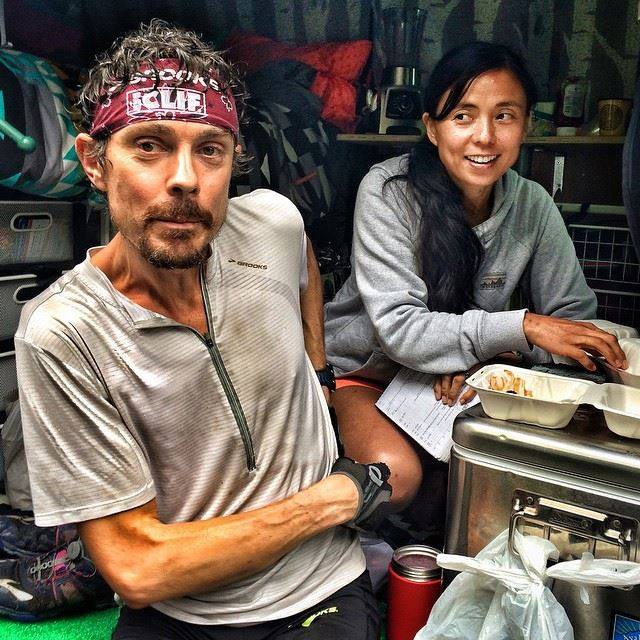
If you wonder what impact a journey like this has on ones body. Take a look at these two photgraphs. The first image was taken on May 29th just 2 days after the start, the latter image taken July 2nd.

May 29th Scott Jurek

Both images are protected under copyright – ©scottjurek and ©markgodale

Following on from this post, today July 3rd

Marshall Ulrich posted on Scott’s FB page, and I quote:

Marshall Ulrich Diet is everything, I make no bones about saying Vegan and multiday doesn’t work, many of us discovered this long ago adventure racing, mountaineering and recently running across America, 3063 miles in 52 days, losing only 4 pounds eating anything and everything that my body told me to. Scott is losing muscle mass and has no real food (fats and protiens) to replace it. Having said that, I wish Scott all the luck in the world and I consider him a good friend. p.s. I used to be a vegetarian YEARS ago.

This certainly made me think. What are your thoughts on what Scott is achieving? Is he hampered or fuelled by a Vegan diet?

I have to say, whatever Marshall thinks, Scott is getting it done and that is seriously impressive! But I do wonder, does Marshall make a good point?

Update 5th July

Boy-oh-boy Marshall’s comments really kicked off a can of worms. First and foremost I posted Marshall’s comments as I thought it raised a legitimate question. My first question, although I never posted it was, ‘Is Scott getting enough calories?’ I never considered if those calories were vegan or not; just calories. But then Marsh made me think. Importantly, I want to clarify that I am just interested in the sport of ultra running and I am a fan of the sport and Scott.

I was interested in the debate that Marshall raised, for me, calories are calories, does it matter if they are vegan or not? So with that in mind, vegan triathlete Laura J Kline commented below and then went on to write a web post HERE. So for balance please read it. But I do take exception to the comment, ‘What I will never, ever understand is why anyone feels the need to bash the vegan lifestyle.’

I am not bashing the vegan lifestyle and I personally don’t think Marsh was, he was saying it is not the best way to fuel a thru run? I sit on the fence to the answer but love the thought processes involved.

Update 7th July via Runners World ©

As Jurek chronicles his trek on social media, many have noticed he’s lost a lot of weight.

“I know it’s a hot topic,” Jenny said while laughing. According to her, Jurek expected this to happen even with his voracious diet.

“You can’t not lose weight; thru-hikers get emaciated,” she said. His weight loss is not from a lack of eating or his vegan diet. Jenny makes him a fatty smoothie filled with three different kinds of proteins at every stop. She said other hikers have brought vegan desserts and pizza along the route as well.

To break the Appalachian Trail speed record for a supported thru-hike, Scott Jurek needs to summit Mt. Katahdin in Maine by 5:15 p.m. on Sunday, July 12. With just under 230 miles remaining, Jurek will need to average about 45 miles a day to make it.

contact above all ©runnersworld – original article HERE

Update July 8th – It’s going to be close folks…!

‘Appalachian Trail Day 43: 2000 miles down, 189.2 to go. Getting closer!”

Good luck Scott!

Marco De Gasperi set new #FKT ORTLES 2:36:49

Marco, 11th August 2012 in the mountains above Zinal.

Marco, 11th August 2012 in the mountains above Zinal. Image ≠©iancorless.com

Content © http://www.boymountaindreams.com

Skyrunning legend, Marco De Gasperi yesterday, 1/07/2015 set a new FKT (Fastest Known Time) for ORTLES.

Details are as follows:

Difficulty: EEA – AG – III – PD+
Distance: 19,5 kmElevation+: 2.045 m
Starting point: Solda (Stelvio , BZ)
Punti d’appoggio: Rifugio Julius Payer (3029 m)

He completed the full route in a time of 2:36:49 (tbc)

On his website, Marco explains:

Since I was young, I’ve never stopped dreaming.

Even today I find myself dreaming, and never more so than when the mountains capture my gaze. 

These dreams have always been the driving force in my life, whether I have experienced them in reality or they remain unrealised.

And to be honest, these unfinished dreams tend to mirror the regrets that I have in my life.  

Today I feel compelled to realise those dreams, and I’ll begin with the very first one, the one of a boy who dreamt of nothing else by racing over a mountain. 

Today my instinct has steered me to begin the story with a summit that means so much to the valley I’m from, the Ortles.

– ©marcodegaspei – BoyMountainDreams.com

The Ortles is one of the most impressive mountains within the southern Rhaetian Alps and represents the pinnacle of the Ortles-Cevedale massif. At 3,905 metres, it is the highest peak within the Bolzano province and the region of Trentino-Alto Adige/South Tyrol.

The common route is diverse and at times exposed. The glacier poses danger, littered with seracs and crevices, not to mention its gradient. Given the continual glacial retreat, the regular route over the Ortles has been affected, increasing its challenging nature.

Needless to say we congratulate Marco on once again pushing the boundaries and providing all of us the inspiration to explore in the mountains. Bravo Marco!

boymountaindreams

http://www.boymountaindreams.com/en.html

CYCLING for RUNNERS – Put the Spring into your training!

817

It has been a while, intentionally so. Over the latter months of 2014 and the early months of 2015 you will hopefully have been using cycling to provide a break from a very structured running plan. Cycling in addition to running allows you to build endurance but more importantly you can add some intensity through well planned and structured faster sessions with reduced impact.

Our last article, no 7 called March On provided a series of sessions that could be incorporated within your training plan that would lead you into Spring as a stronger and healthier runner.

Spring is here and June will provide new challenges and new opportunities.

Lets have a recap. If you have followed March On, you will have incorporated 2 ‘faster’ cycling sessions into your week (typically Monday and Wednesday) and at the weekend you may have replaced a longer run with a MAF bike session. These cycling session should have been weaved into a carefully thought out run plan. Yes folks, you still need to keep running!

Although many of you may well have tipped your racing toes in an event, June does often signify a change. The racing calendar suddenly grows and a multitude of races are available week-in and week-out. This I hope comes as no surprise? If you have been clever about your training, you will have decided some time ago what races are important in 2015 and you will have structured your plan to make sure that you are in the best shape possible when they come around.

One thing is for sure, as target races loom, the need to be ‘specific’ becomes greater. However, the more focused we become, the greater the risk of injury becomes. It’s so easy to be ‘too’ focused. We all run (no pun intended) a knife-edge between being in supreme health and broken with injury. Be careful!

This is where cycling comes! We discussed in Article 3 (HERE) how cycling can be used to replace ‘recovery’ runs. Although a 20-40min run may well seem like a good idea, does running and adding additional impact really enhance recovery? For me, an opportunity to use non-weight bearing exercise like cycling really does provide a recovery option that allows you to ‘spin’ your legs, flush out tightness and toxins and all in a way that adds little or no stress to already sore and tight muscles. If in doubt, replace Monday and Wednesday runs with an easy 30-60 minutes of spinning (90+ cadence) and see if these sessions enhance your run legs. It’s worth noting as we have mentioned previously, cycling can tighten your hamstrings slightly due to the repeated action (in a shorter circle of motion), particularly when compared to running. So please make sure you allow 10-15 minutes after cycling for stretching.

Another factor to consider now is the endurance element that comes from cycling. Depending on your chosen distance to race (50k, 80k, 100k, 100 miles or maybe more?) you may well be daunted with the distance that you need to cover and more importantly, you may well be thinking, ‘how do I train for something that is going to take me 5, 10, 15 or 24 plus hours?’


If you are coming from a marathon running background, you will be used to the scenario of making your long run 3.5 hours or approximately 21/22 miles. If you try to apply this scenario proportionately to ultra running you are always going to be struggling. That is not to say that you shouldn’t have some big days of running/ hiking (time on feet) but the reality is that for most of us, we may well break!

Step in cycling!

Lets be clear. Cycling is not here to replace running. If you want to be a good runner (ultra runner) you need to run, you need to be specific and you need to practice. However, cycling can be incorporated to provide you with some great aerobic activity for multiple hours without the added and increased risk from continuous pounding of your own body weight through your knees, muscles and joints.

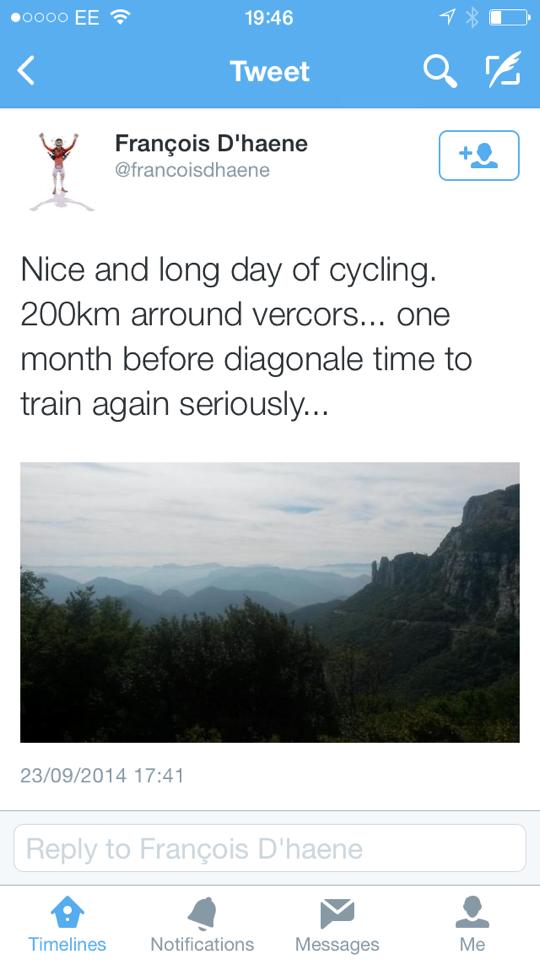
If in doubt take a look at what Francois d’Haene tweeted in 2014. This was after victory at UTMF, 2nd at the Skyrunning World Championships and a stunning UTMB victory.

Francois D'Haene

Back-to-back runs are a popular training method for the aspiring and experienced runner. It’s a great way of breaking a long distance down; lets say you have a target race of 100k. You may set yourself a key target training weekend for 2 or 3 days. For example, a typical ‘long’ training weekend may look like 30k day 1, 30k day 2 and 40k day 3. It’s a great way to adapt the body, the mind and it provides a wonderful opportunity to practice nutrition, hydration and fine-tune your clothing. But you can’t do this every weekend… okay, yes you can BUT at some point it will all go pear shaped. Your body will say enough! What follows will be a period of inactivity, rest or maybe worse, injury.

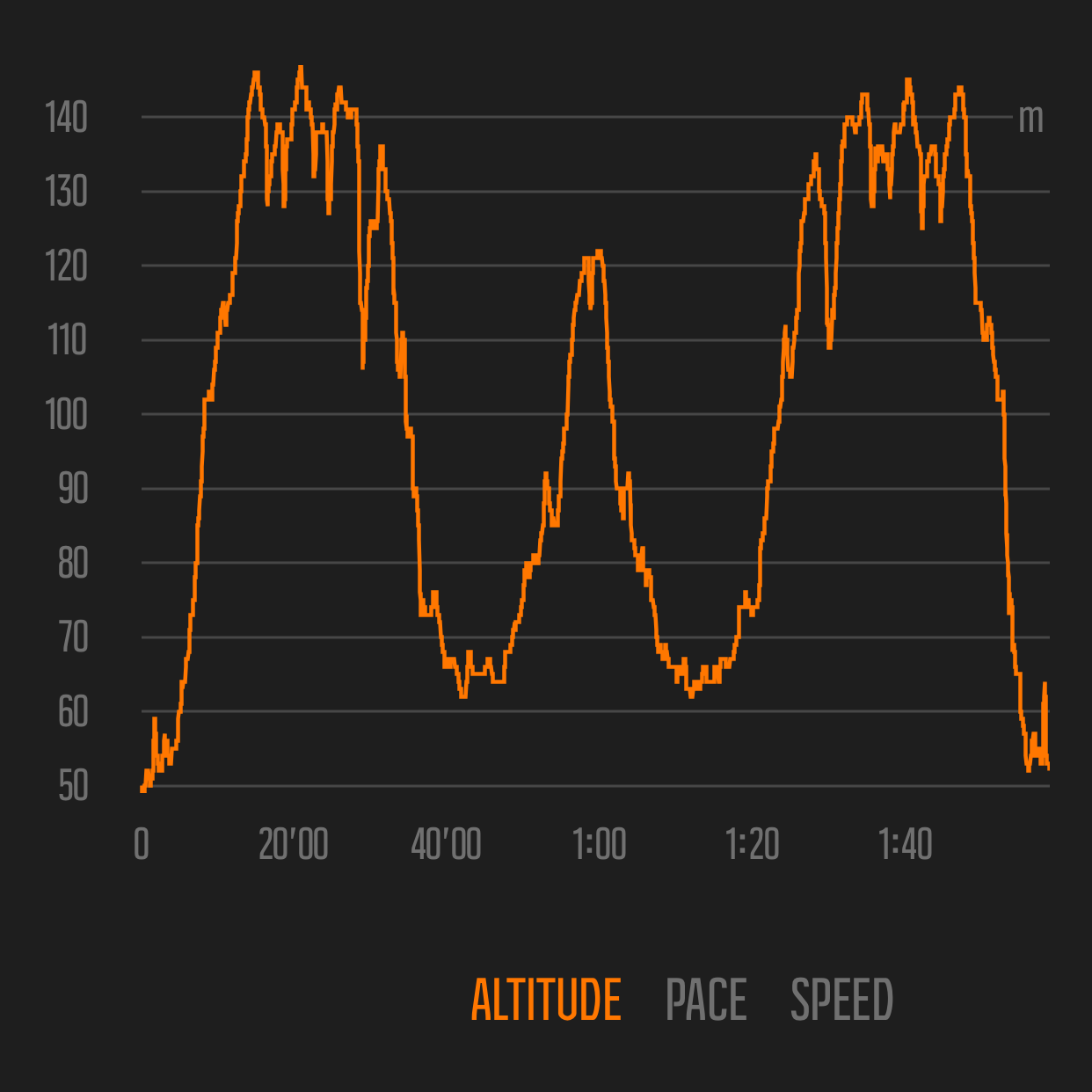
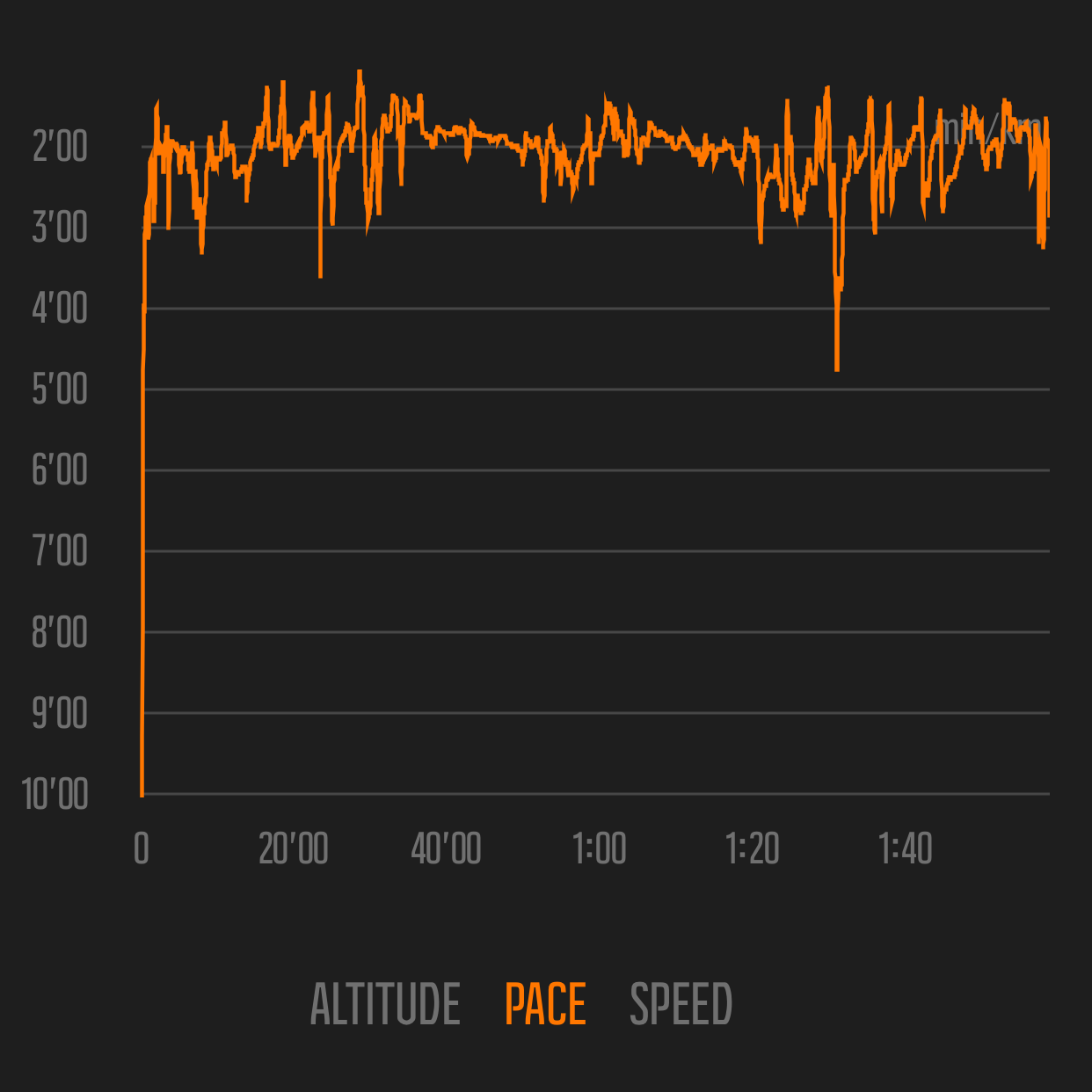
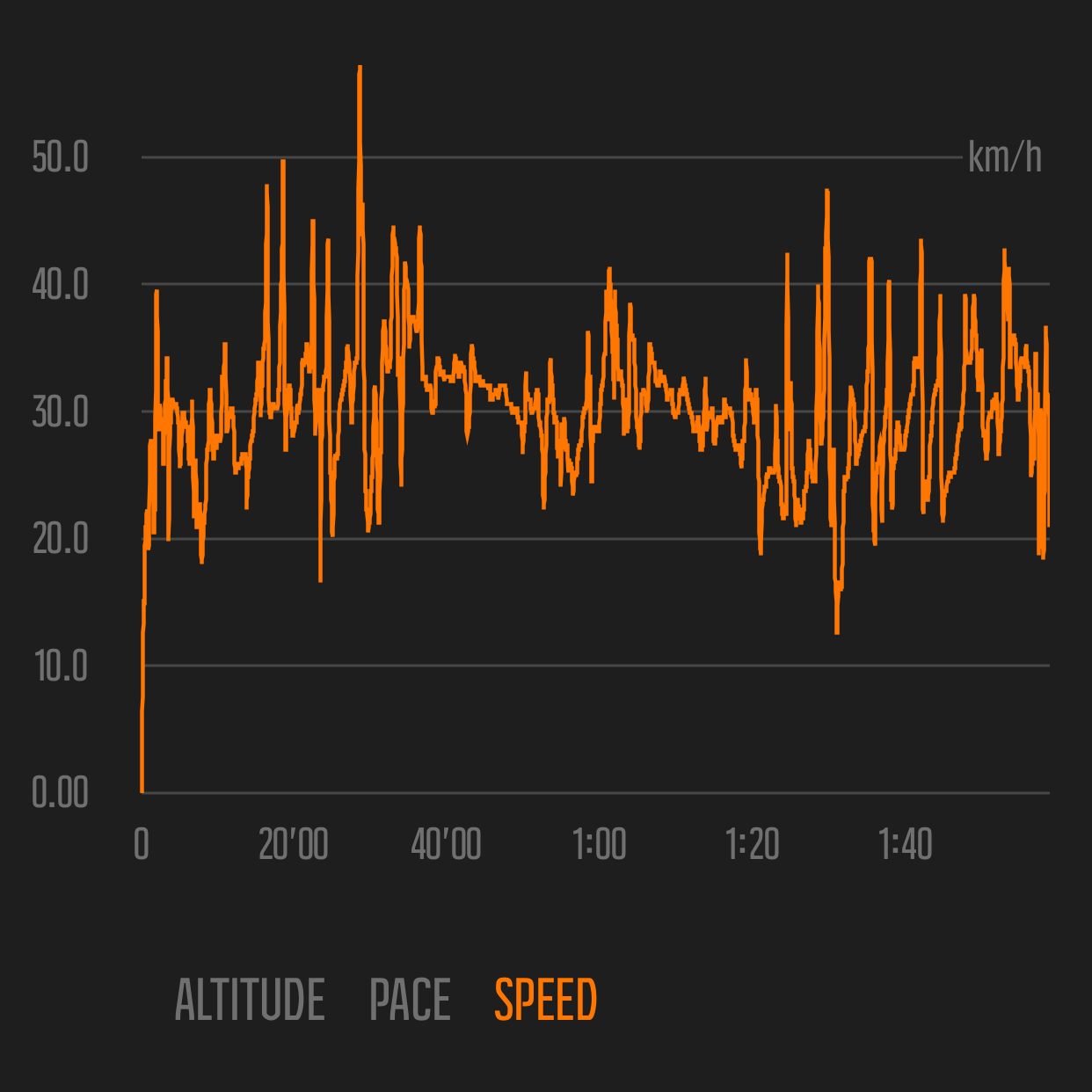
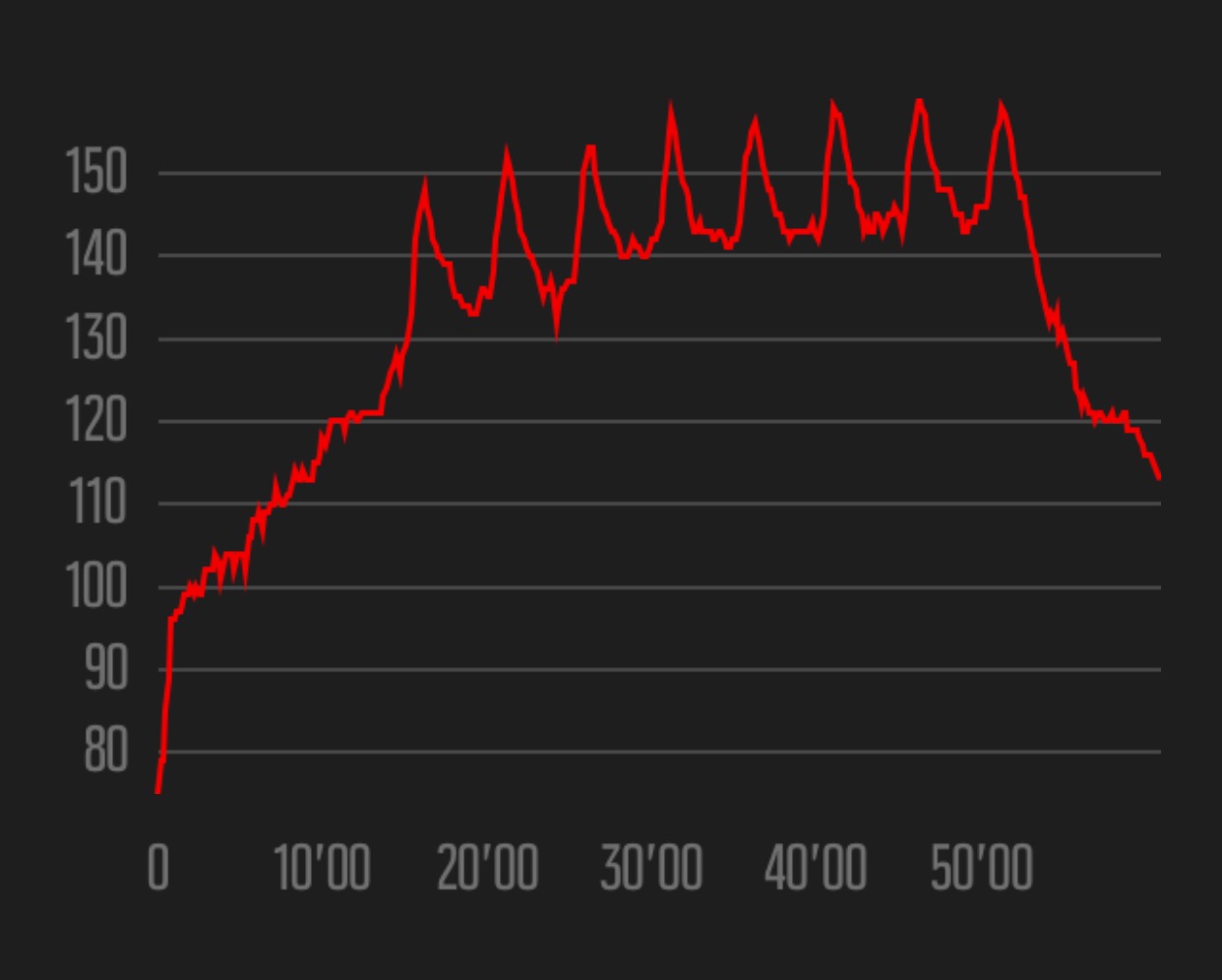
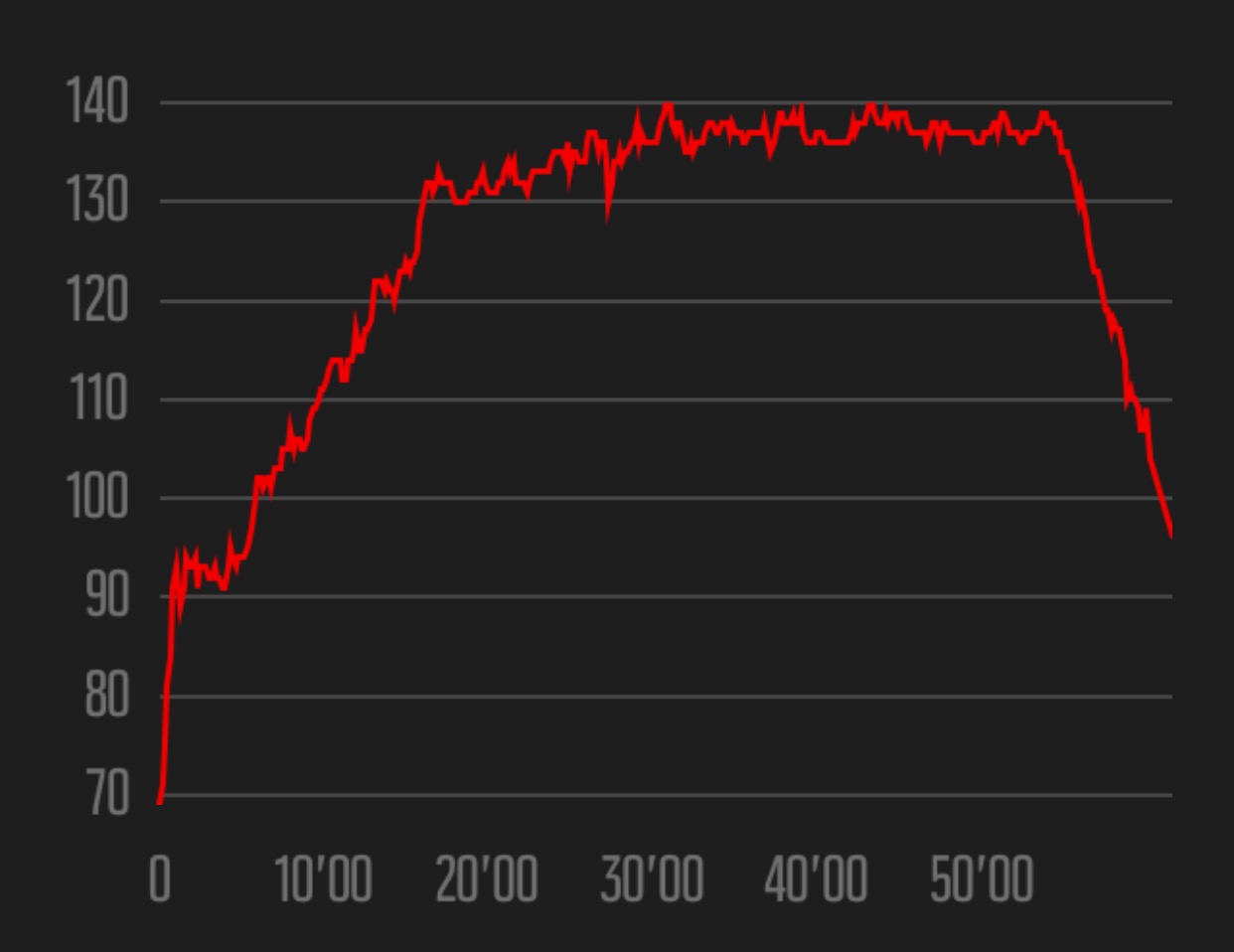
Cycling sessions can incorporate an element of faster cycling. Maybe you’d like to work the hills a little? But be careful. You are using different muscle groups. Here are some stats from a 2 hour ride. This ride was all about keeping it nice and easy on an out-and-back ride.

IMG_5336 IMG_5337 IMG_5338

We all know that consistency is key in any training plan. Training is not about one run, one session; it’s about all the combined sessions you have done that make up a whole. So think about incorporating cycling to replace some of your long runs.

You can still do a back-to-back session: 5 hours on the bike and the next day a 4-hour run. It’s a perfect combination. Think about it, 9 hours increasing your fitness and aerobic activity but only 4 hours of impact.

If you only have time to run long once a week then look at incorporating a 3 week on and 1 week off scenario. So for example, your long runs may look like this:

  • Week 1 – 3 hours
  • Week 2 – 3 hours 45 min
  • Week 3 – 4 hours 30min

On week 4, forget a long run and add a 6-hour bike. You still get the aerobic benefits but once again, you rest those tired muscles and joints and use them in a different way.

There are no hard and fast rules here.

This post is about making you look at your training from a different perspective. To make you realise that just because you are an ultra runner, it doesn’t mean that you need to be an ultra runner everyday!

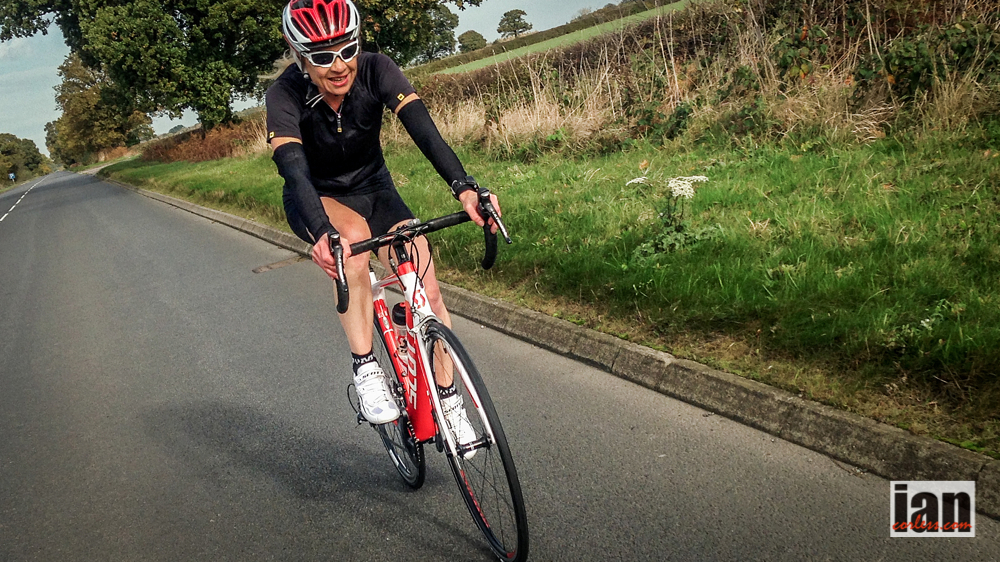
©iancorless.com©iancorless.com_cyclingforrunners-4115

Summary

  • Have a target planned in your diary so that you can be specific with your planning and work back from your key date.
  • Don’t neglect run speed work and hill training.
  • Use cycling in the week as ‘recovery’ from harder running sessions (speed and hills).
  • Incorporate long bike rides in conjunction with your long run training. For example:
  1. Do one weekend in four that utilises long bike rides instead of long running.
  2. Mix and match – Long bike on Saturday with long run on Sunday.
  3. Back-to-Back Mix – Long run, long bike and a long run makes a great 3-day session.
  • Don’t be worried about thinking out of the box. If you are feeling tired, sore or just need some inspiration – jump on the bike instead or running. It’s all exercise and as long as you are training, you are getting fitter. Just make sure you listen to your body and add rest as and when appropriate.
  • Rest – it is a training discipline. Don’t think of it as weakness. Planned rest allows you and your body to adapt. It’s crucial.
  • Use a HRM and GPS to monitor your training and efforts.

Enjoy the process. One thing that is great about sport is the ability to enjoy the outdoors. Cycling or running, take both hands, grab it and embrace it. Just think, you can cover considerably more ground on a bike.

Join us on STRAVA

TIS-Strava-Logo-big-square-600x340-e1354741369637

Thanks to SCOTT SPORTS and SUUNTO for the support and backing

Check out SCOTT HERE

Cycling for Runners Logo

Check out SUUNTO HERE

Suunto_logo [ConveWHITE_rted]

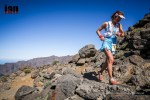
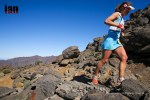
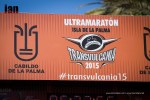
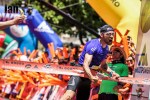
Transvulcania Ultramarathon 2015 – Race Summary and Images

©iancorless.com_Transvulcania2015-7587

No matter which way you look at it, no matter how you write it, the 2015 Transvulcania Ultramarathon was the Luis Alberto Hernando and Emelie Forsberg show.

Kicking of the 2015 Skyrunner World Series, Transvulcania was always going to be a great race and showdown that started the ISF ball rolling.

The dynamic duo of Luis Alberto and Emelie were beyond impressive and as such have provided a great impetus for the 2015 series.

Emelie Forsberg fresh off skis (and a win at Mezzalama) lead the race from the front and slowly but surely extended a lead that extended to over 30-minutes by the time the finish line arrived in Los Llanos. ‘It was so hot out there,’ Emelie said, ‘I am fresh off skis and cold temperatures and to run in this intense heat was so hard but I am extremely happy. It’s a dream come true to win this race again.’

Luis Alberto by contrast played a waiting game in the early stage. A feisty Zach Miller went off the front trying to fulfill a pre race promise that he would win the race. But Luis kept in contact and at Pico De La Nieves he made his move opening a gap of just a couple of seconds. As the kilometers passed, the Spaniard produced a master class of mountain running and when he turned the after burners on, there was no stopping him. As he entered the final kilometers he knew the course record was a possibility and he pushed and pushed providing all those watching a skin tingling and inspiring finish to snatch the course record by a couple of minutes. ‘I took it easy; I let the others dictate and then just pulled away. I felt good the whole way and it’s just incredible to win here again. I had no problems.’

It was a day of shocks though. The men’s field was super stacked and many of those we expected to contend the podium either did not start or faded and/ or pulled out. Miguel Heras did not start, Ryan Sandes dropped early saying he had no energy and Timothy Olson, Mike Foote and so many more just had a tough day on La Isla Bonita; the beautiful island.

Dani Garcia Gomez took a surprise 2nd place and Australian sensation, Blake Hose took the final podium place showing a distinct promise of an exciting future. ‘I am more than happy,’ said Blake, ‘I was taking it easy and went through some rough patches but so did everyone else by the sounds of it. To get the podium here in this quality of field is incredible, now some short races!’

Dakota Jones sprinted for 4th ahead of a charging Zach Miller and although he improved on his 2014 performance, it was easy to see that Dakota was a little perplexed by his run. However, he was very philosophical post race.

Landie Grayling was potentially going to provide Emelie with some competition after her win at Buffalo Stampeed (in Australia) but like her South African teammate, Ryan Sandes, Landie said she had no energy. Everest Trail Race winner Anna Comet Pascua started down the field and moved her way through to 2nd on the podium, albeit 30-minutes behind Emelie. Myriam Marie Guillot Boisset placed 3rd just under 2-minutes ahead of American, Alicia Shay. Magdalena Laczak rounded out the top five.

Transvulcania with the help and inspiration of the ISF (International Skyrunning Federation) in just 4-years has become one of the most iconic and prestigious ultra marathons in the world. The 2015 edition has secured this reputation. It’s not just running; it’s an island coming together to create a beautiful harmony that celebrates running. With arguably one of the most impressive and logical (sea-summit-sea) courses, the race is a pleasure to behold. I for one am booking a place for the 2016 Transvulcania Ultramarathon; I suggest you do too!

Check out Skyrunning HERE

RESULTS

Ladies:

  1. Emelie Forsberg 8:32:59
  2. Anna Comet Pascua 9:02:57
  3. Myriam Marie Guillot Boisset 9:15:06
  4. Alicia Shay 9:17:49
  5. Magdalena Laczak 9:23:45


Men:

  1. Luis Alberto Hernando Alzaga 6:52:39 – NEW CR
  2. Dani Garcia Gomez 7:21:28
  3. Blake Hose 7:25:23
  4. Dakota Jones 7:28:59
  5. Zach Miller 7:29:00

All images ©iancorless.com – all rights reserved

Transvulcania La Palma 2015 – Race Preview

©iancorless.com.IMG_8491Transvulcania14

It’s here, the big dance, the mega showdown, the big kahuna, the dogs bolx, yes, no matter what you call it, Transvulcania is here and guess what? This race is stacked higher than the Shard!

In 2012, the ISF joined the La Palma party and in just three years the race has become ‘the one’ to do in the early season. I am biased, no doubt. I have been all over the island following the race and I have even had a couple of holidays exploring the trails. It is the most perfect running environment and the Transvulcania course is wonderful in its simplicity. Start at the sea, run all the way up and up, run around the Caldera and then drop like a stone and back to the sea for the final uphill finish to Los Llanos.

In 2012, Dakota Jones was crowned ‘El Presidente’ along with Anna Frost, in 2013 it was the Kilian nd Emelie show and in 2014 Luis Alberto Hernando finally topped the podium with a returning Frosty. La Palma has become a place of inspiration and the series of races that unfold over the Transvulcania weekend are now considered one of the pinnacles in the ISF Skyrunner® World Series.

©iancorless.com.IMG_9258Transvulcania14

As you would expect, 2015 is upholding the traditions of the three years that have gone before it and dare I say, it may very well be the best line up ever assembled?

I suppose many will say, aaagh but Kilian is not running! True, KJ has other mountains to climb. For sure he will be missed but hey, Everest looms and he needs to prepare.

Don’t despair. Luis Alberto Hernando, Dakota Jones, Ryan Sandes, Timothy Olson, Miguel Heras, Tofol Castanyer, Manuel Merillas, Jason Schlarb, Fulvio Dapit, Blake Hose, Zach Miller, Jorge Maravilla and Mike Foote (and so many more) are going to illuminate those volcanic trails. It’s been some years since a volcano erupted in La Palma but the heat generated from these runners may well get the fires burning.

*Frosty returns for the ladies but as I write, she is struggling with injury. It’s been a roller coaster for the NZ speedster and I more than most have seen the trials and tribulations that Anna has had to deal with. I just hope she finds that spark for the race that we all know she has. Just last week, 2013 winner Emelie Forsberg has declared her intentions to run. Last year she fell early on and it ruined her day. This year, she is back admittedly just off skis. One would say that Emelie will need this race to find her running legs but you can never rule her out. South African, Landie Greyling is on fire at the moment and Anne-Lise Rousset, Alicia Shay, Alessandra Carlini, Anna Comet, Ester Alves, Magdalena Laczak and so many more are going to test the Frost and Forsberg duo.

*Breaking news, 25th April – unfortunately Anna Frost has withdrawn from the race. Get well soon Frosy.

Previewing the 2015 edition of this race may very well turn into a mini novel, so, grab a beer (irrespective of the time of day), pull up a chair, grab some snacks and read on.

MEN

©iancorless.com.IMG_8534Transvulcania14

Luis Alberto Hernando was on fire in 2014 and was a welcome winner of Transvulcania finally relegating Kilian to 2nd place. Following up with victory in the Skyrunning World Championships his season was one to savour. On paper, he’s the one to beat. He races with a strength, force and commitment that are seldom seen. He only has two speeds though, fast and resting. It has been his downfall in the past (2014 UTMB) but the Transvulcania course is the perfect distance for him. Luis is odds on favourite for victory.

©iancorless.com.IMG_9005Transvulcania14

Dakota Jones will not make things easy for Luis though. Victor in 2012, Dakota returned in 2014 and had a disappointing race by his standards. With Kilian absent and Dakota now running in Salomon colours, maybe he is primed as the one to take over the reigns at the front?

Dakota has some serious Salomon company and to be honest, anyone of these big hitters could win – Ryan Sandes, Tofol Castanyer and Miguel Heras. Pick a name! I honestly find it impossible to say how these runners will place come the big day. In all honesty, should Luis have an off day, we could potentially see a Salomon 1, 2 and 3.

©iancorless.com_South Africa14-5983

Ryan is running Transvulcania for the first time so this puts him at a slight disadvantage. In addition to this, the South African has had a few injury issues over the winter. I know only too well that he has his eyes and focus on Western States this year; so, Transvulcania may well be a stepping stone race.

©iancorless.com_IMG_5982SierreZinal_2014_

Tofol Castanyer was 4th last year at Transvulcania and 2nd at UTMB. Do you want to bet against him? I don’t and I wouldn’t. He is a class act and has the race skills to dominate the race. He is without doubt podium potential.

Miguel Heras TNFUTMB 2013 ©iancorless.com

Miguel Heras TNFUTMB 2013 ©iancorless.com

Miguel Heras if on form is another hot property on the La Palma trails. On his day, he is one of the best in the world. However, Miguel does have the potential to just keep pushing and pushing resulting in a series of injury woes. His return to form at UTMB a couple of years ago was a wonderful thing to see… it would be pleasure to see a repeat performance at Transvulcania.

©iancorless.com.IMG_8890Transvulcania14

Timmy Olson loves La Palma. A little too much in my opinion! For me, Timmy left his 2014 Transvulcania performance on the trails in training. He just loves to run… I think he has realised that less is more and he has now taken on a coach to keep him on the straight and narrow. He has been quiet in 2015 which can only mean he is preparing for Transvulcania. In 2015 he’s going to be in fine form and he is going to get in and amongst the Salomon team and you know what, he may just win!

©iancorless.com.IMG_7389Transvulcania14

Jason Schlarb gave me the surprise of 2014 by placing 4th at UTMB. I don’t doubt his ability; I just didn’t see that one coming. Jason is going to be fired up for this year’s race and a good winter of consistent training and no injuries is always a good sign.

Manuel Merillas was a revelation in 2014 and his 7th place at the 2014 Transvulcania does not reflect his growth in the sport. Manuel was one of the few runners too push Kilian in 2014 and I see him as being a real force in 2015. His 2nd at Trofeo Kima proves his potential. 

Blake Hose is the new star of Australia and after placing 6th at the Skyrunning World Championships, he really made the world look on and wonder what the future may hold. Well come May we will know, Blake is lining up against the best in the world.

Jorge Maravilla was 7th at TNF 50 last year and then placed 2nd at Tarawera. He loves to run and the Transvulcania course may well just suit his skill set. The ultimate test will come when he drops down 18km in the latter stages of the race. If he is in contention, will he have the downhill skills to hold on to the mountain goats?

It goes on…

Clement Petitjean (4th Skyrunning World Championships), Mike Foote (2nd at Lavaredo) Zach Miller, Josh Arthur, Pau Capell (1st Transgrancanaria Advanced), Vlad Ixel, Aurelien Dunand Pallaz, Carlos Sa, Christophe Le Saux, Marcin Swierc, Oscar Casal Mir, Cristofer Clemente Mora, Paul Hamilton, Pablo Villa, Florian Reichert, Dimitris Theodorokakos, Phudorjee Lama Sherpa and Ashur Youssefi-Dizagetakieh.


LADIES

©iancorless.com.IMG_9301Transvulcania14

Frosty, if well (and that is a question mark at the moment) will take some beating. She proved this in 2012 and then backed this up in 2014 with a course record performance. I was with Anna in Costa Rica in February and she was in fine form until plantar fasciitis reared its head causing her to pull out of the race whilst in the lead.  *Breaking news, 25th April – unfortunately Anna Frost has withdrawn from the race. Get well soon Frosy. 

©iancorless.com-9494Kima2014_

The late entry of Emelie Forsberg is a great addition to the race. Emelie ran a great race in 2013 and although she is only just off skis, like Kilian, Emelie seems to be able to transfer seamlessly. I see the race potentially being a head-to-head with Frosty.

Anna-Lise Rousset was the ladies winner at CCC and for sure, that is going to transfer well to La Palma. Having said that, she placed 5th at TV last year and although I don’t see her contesting the top of the podium, 2nd or 3rd is possible.

©iancorless.com_SkyRun14-5090#ETRkathmandu

Landie Greyling seems to have moved things up a notch recently… she won the Salomon SkyRun in late November and just recently topped the podium at Buffalo Stampede in Australia. If Frosty and Emelie are in form, I don’t think Landie has the race (yet) to beat them but I don’t think she will be far off.

Alicia Shay will debut on the island and that for sure is a disadvantage, however, the American has the potential to shake up the front of the race as her 6th place at TNF showed.

Magadalena Laczak placed 8th at Templiers and was the surprise 3rd place at the Skyrunning World Championships. I am not sure of her recent form but based on those two results alone, one has to assume that she will be in the mix.

©iancorless.com-0303Kima2014_

Alessandra Carlini has continued to impress and in 2014 stepped up one more rung on the Skyrunning ladder placing 2nd at Ice Trail Tarentaise, 6th at Trofeo Kima and 10th at Transvulcania. One year on, can she contest the top-5?

©iancorless.com_Nepal2014_9-3128

Anna Comet won the Everest Trail Race in November and looked impressive each day as she dominated the event. A ski mountaineer, her skill set is perfect for La Palma and although it’s her first time on the volcanic trails, I think we will see her do well.

Ester Alves placed 8th at UTMB and 6th at Transgrancanaria in 2014. Two solid performances! The podium may well be a long shot but top-5 is a distinct possibility and you never know, she may have a great day… if she dies, anything can happen!

©iancorless.com_Iznik2015-9827

It’s also worth keeping an eye on the 2015 130km Iznik Ultra winner, Zoe Salt. Zoe may well go under the radar, as she doesn’t race too often, however, lets not forget she did place 3rd at Marathon des Sables in 2013. Angels Lloobera, Laura Mustat and Yurena Castillo add additional depth to the ladies field.

Phew… so who are your picks for the male and female podiums. The men’s race is wide open, the female race maybe less so but we can’t predict Frosty or Emilie’s form. One thing is for sure; it’s going to be an incredible day of racing.

The Skyrunner® World Series once again has support from Active Patch 4U, Salomon, Scott, Compressport, Arc’teryx, La Sportiva and new sponsor, Alpina Watches.


Follow all the action in words and images on this website, @talkultra on Twitter and of course, skyrunning.com and @Skyrunning_com

SCOTT KINABALU SUPERTRAC – First Impressions

©iancorless.com_ScottSupertrac-5082

Spring is here and new run shoes are a plenty. Christmas takes place in December but I have to say, if you are a runner, February is stepping up to be a great month for a few surprise presents. Recently I have had new shoes from The North Face (Ultra MT, Cardiac and TR2, the Salomon S-Lab Sense 4 is due to arrive any day and several weeks back I looked at the Scott Trail Rocket and mentioned the Kinabalu.

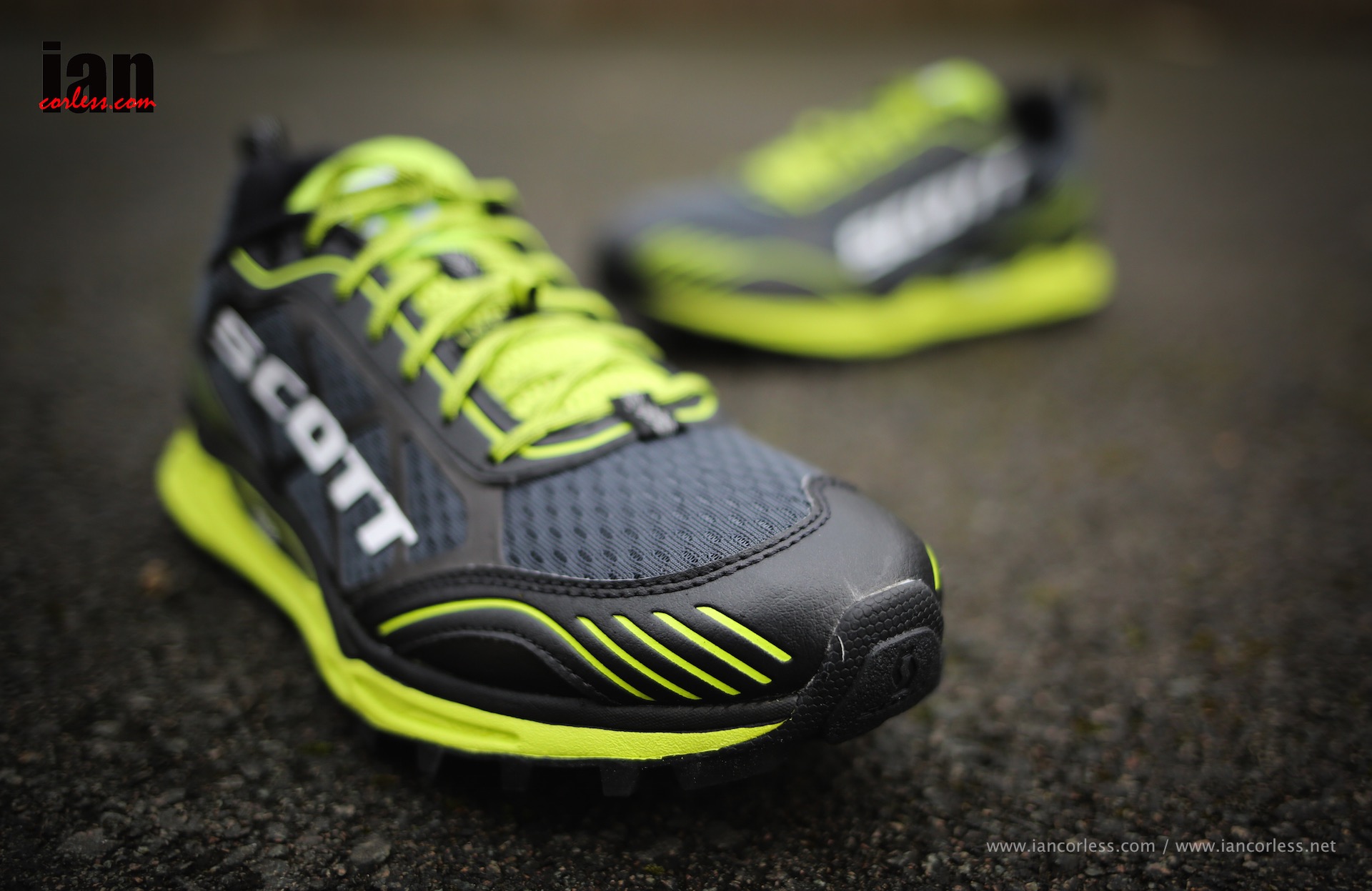
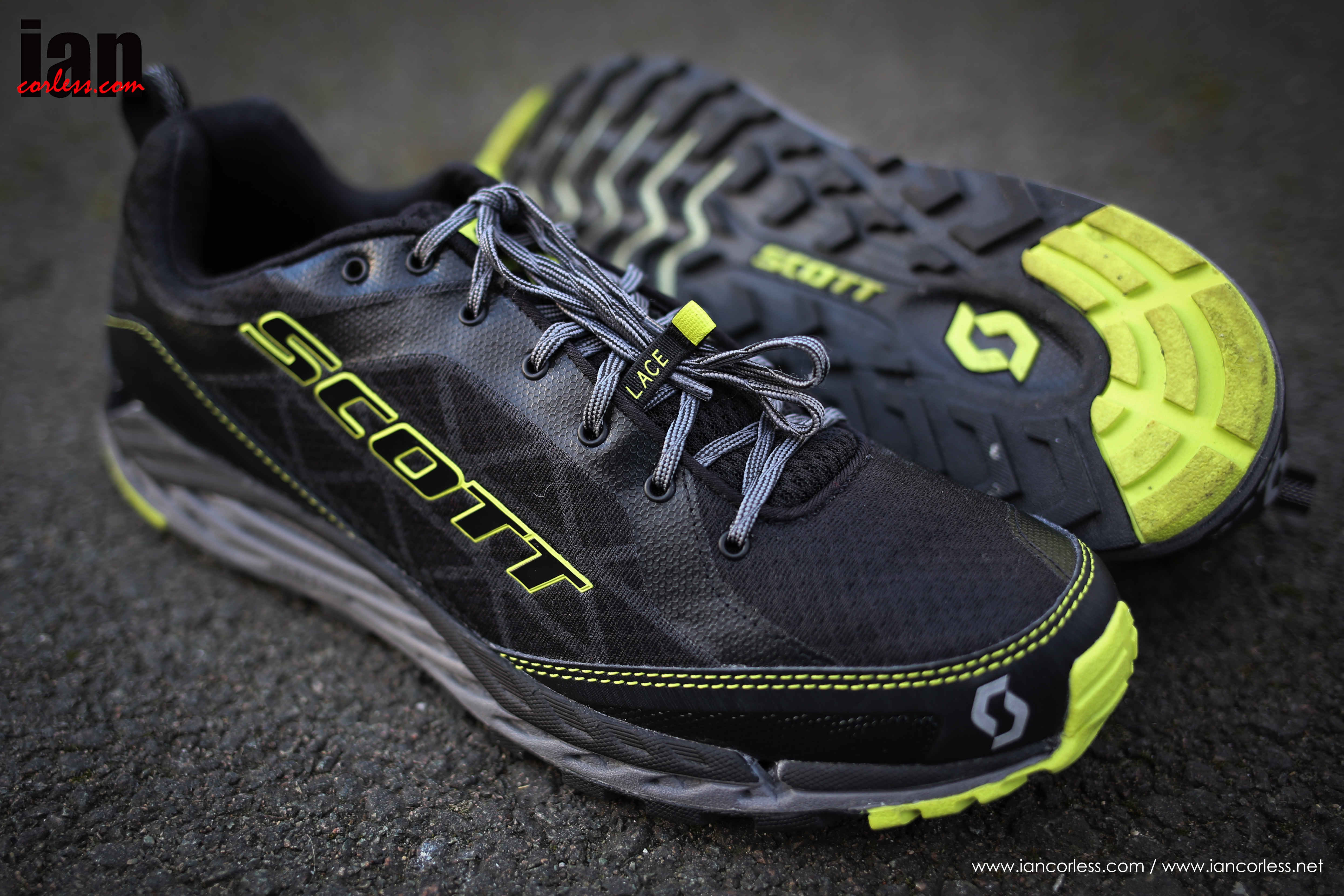
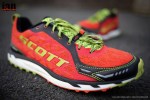
Today we are taking a look at a new shoe from SCOTT, the KINABALU SUPERTRAC.

This is a shoe I asked Scott to make some 12-18 months ago! Having used and loved the Kinabalu (Here) I pleaded with them to come up with an 8mm drop shoe with a more aggressive sole. They have only gone and done it!

©iancorless.com_ScottSupertrac-5043

This shoe is a winner!

Looking at current shoe trends, Scott like The North Face, Salomon and other key brands have realised that a lower drop is the way forward. For many companies, 8mm provides that sweet middle ground. New Balance, TNF and now Scott have confirmed this while Salomon pave a way with 4mm and 6mm drop shoes.

As mentioned previously, if you are after a fast trail shoe (for dry conditions) and with a lower drop (5mm), you can’t go far wrong with the Scott Trail Rocket. But if you are after a shoe that can handle mud and a multitude of different conditions then the 8mm drop, Kinabalu Supertrac may be for you!

©iancorless.com_ScottSupertrac-5053

Carrying over many of the characteristics of the Kinabalu, the Kinabalu Supertrac in summary :

Fits like a glove, laces up nice and tight, hugs the heel without rubbing, the toe box provides a secure hold of your foot with a precise feel and grip is AGGRESSIVE!

©iancorless.com_ScottSupertrac-5061

In Detail

The Kinabalu Supertrac introduces a new level of technical shoe and a completely new concept of superior grip. The shoes are designed to match the needs of trail and mountain runners in the most extreme conditions : mud, snow, rock and mountain! Delivering great traction on soft and rough surfaces and all within a shoe that provides great comfort, cushioning and with an 8mm drop.

It comes as no surprise to me really. As I said previously, I loved the Kinabalu. I just wanted more grip and lower drop. Scott have that now provided me with that, so this can only mean one thing: happy runner!

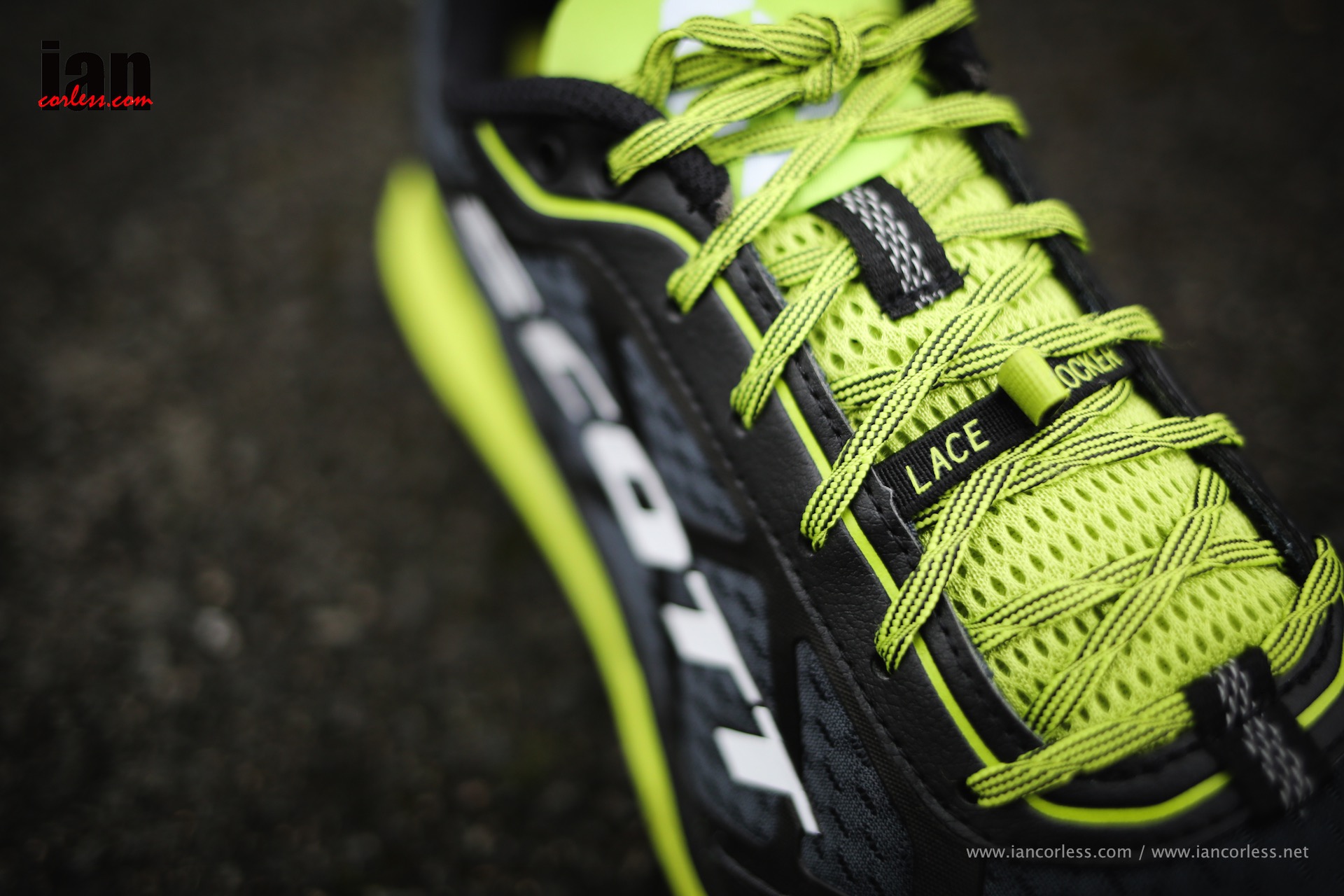
If you are familiar with the Kinabalu, this ‘Supertrac‘ version will feel familiar. The tongue is padded, extremely comfortable and the laces are thin and textured. Importantly, the laces stay tight when tied. Scott’s ‘Lace Locker‘ is present and this provides a no nonsense simple solution to store loose laces.

©iancorless.com_ScottSupertrac-5070

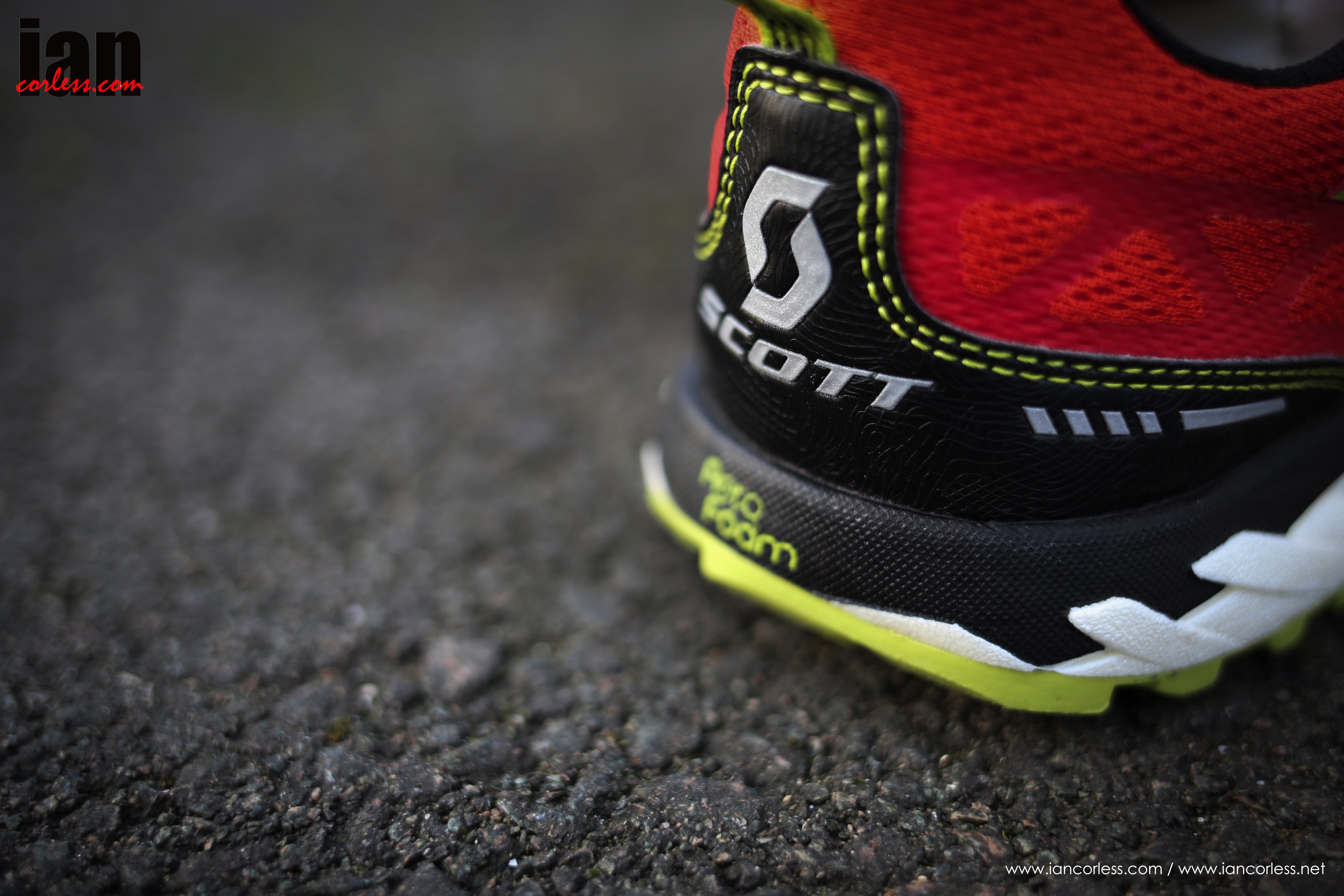
The shoes are neutral fitting and cushioned using AeroFoam+ which provides additional cushioning, increased durability and great rebound. The upper is breathable mesh with synthetic overlays and the lower part of the shoe is constructed from EVA and rubber.

©iancorless.com_ScottSupertrac-5088

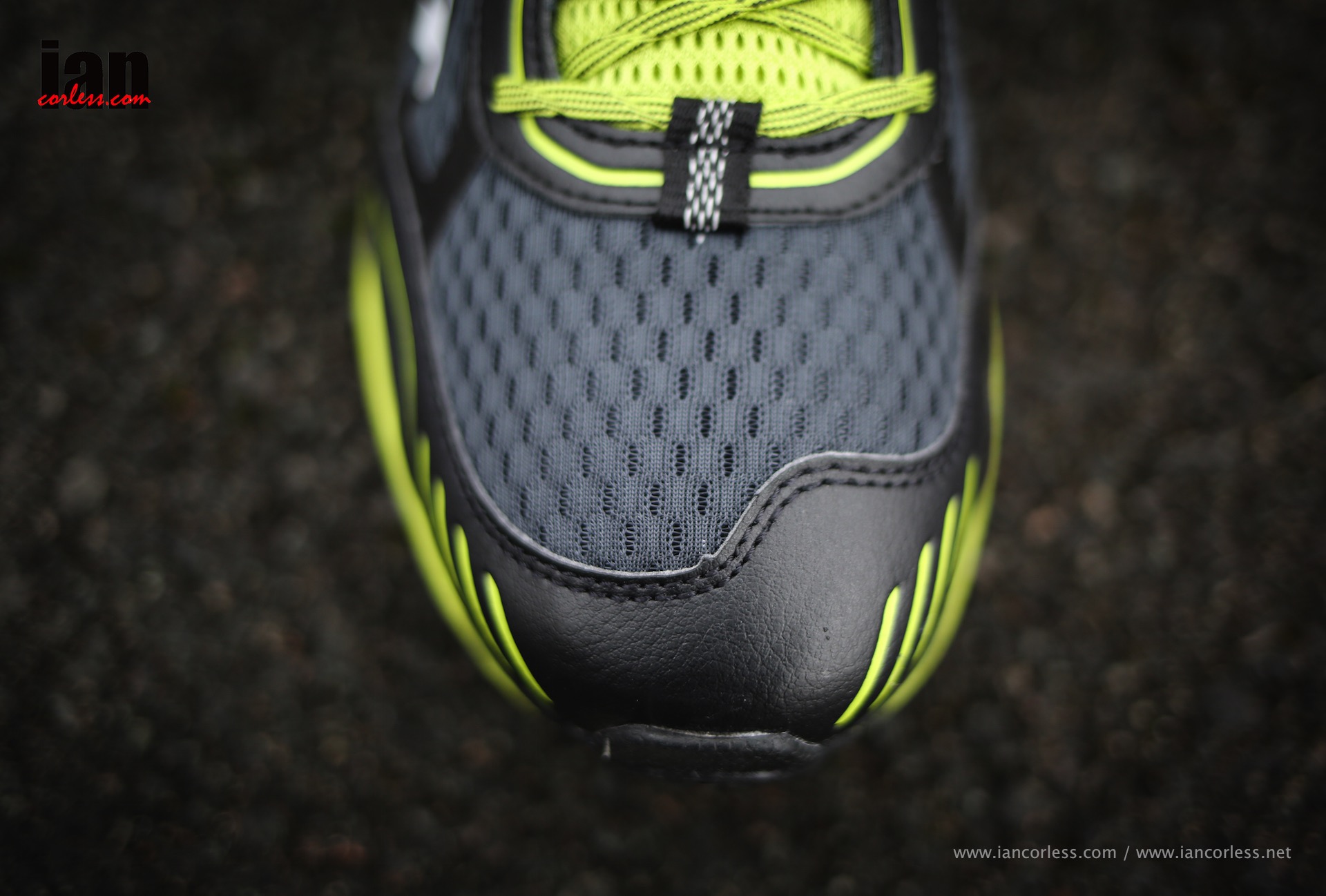
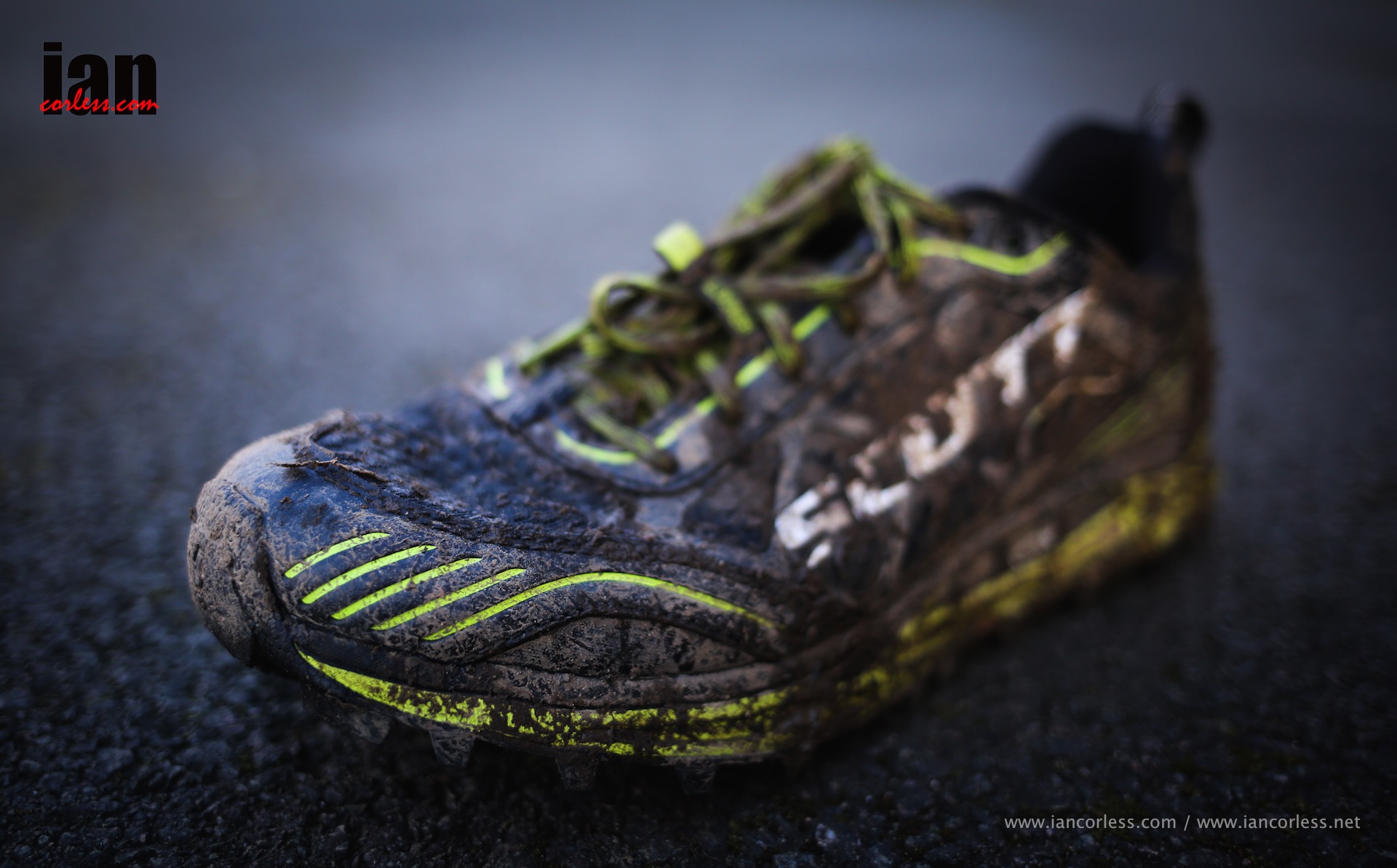
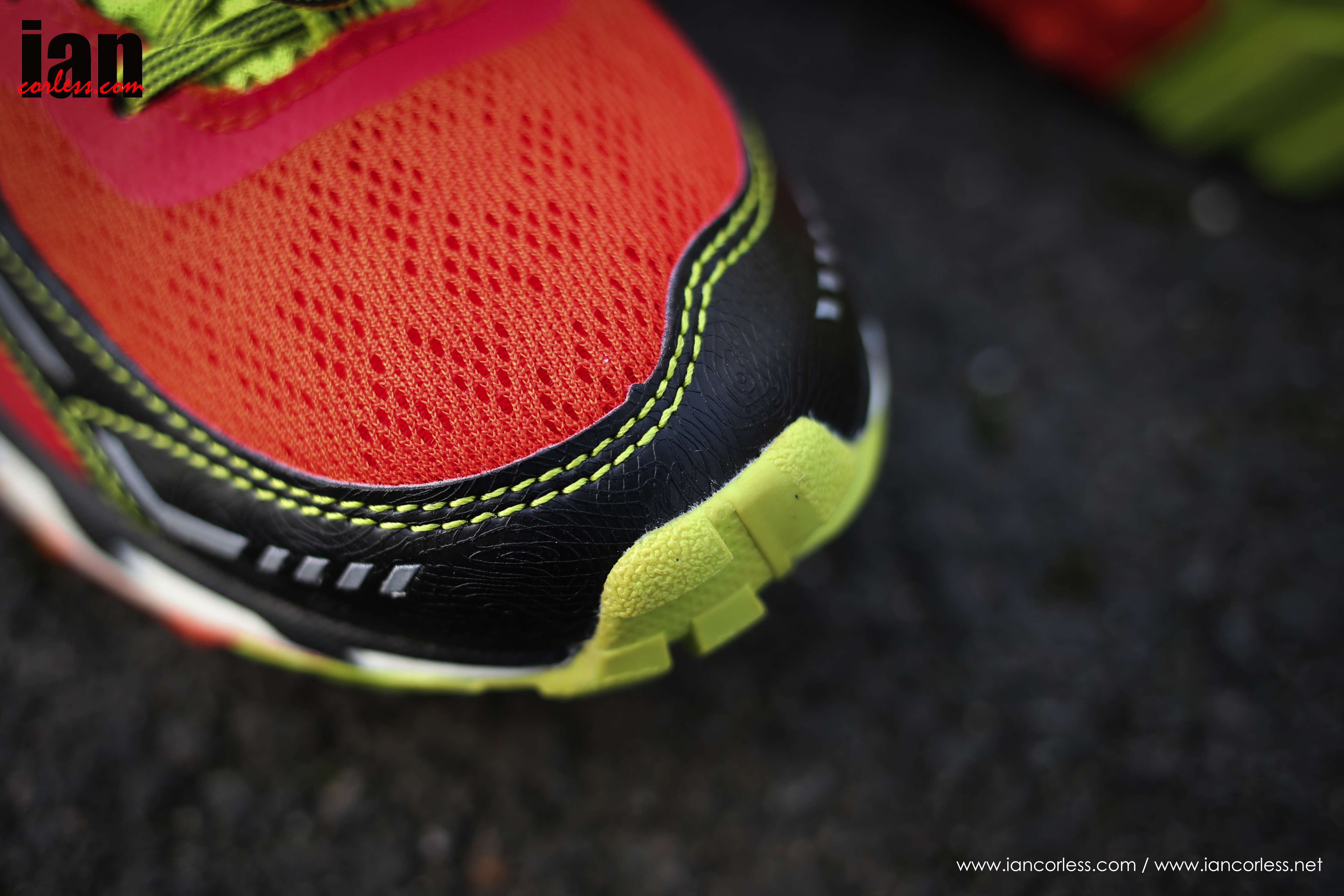
The toe box is reinforced extremely well and will withstand some serious contact with rocks or unwanted obstacles. I usually prefer a wider shoe and the Supertrac allows for this but still holds my forefoot firm and without hot spots.

©iancorless.com_ScottSupertrac-5073

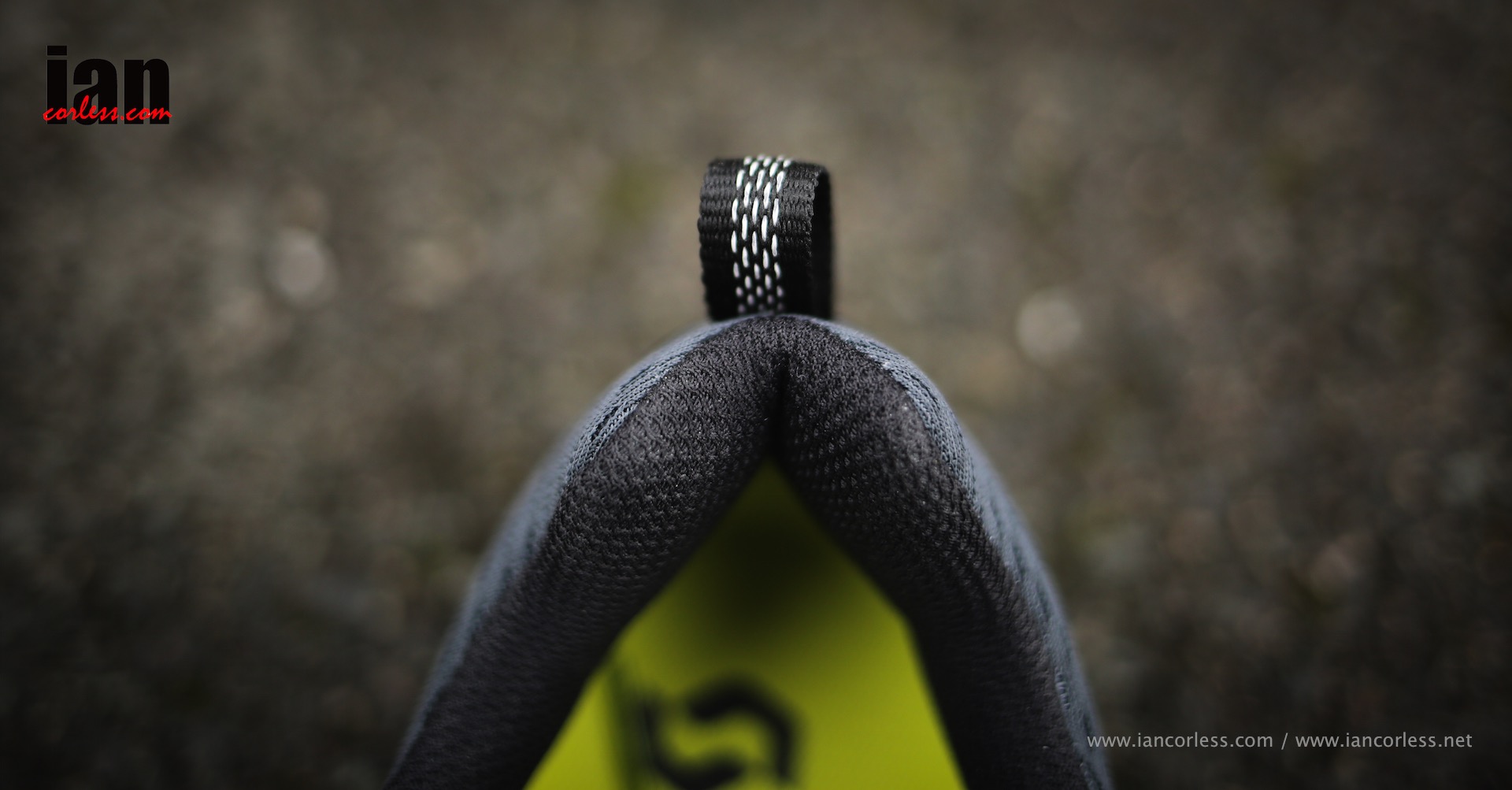
The heel is injection moulded, plush, soft has no harsh contact points and provides a secure firm grip irrespective of when running on the flat, descending or going uphill. I had no movement at all.

©iancorless.com_ScottSupertrac-5075

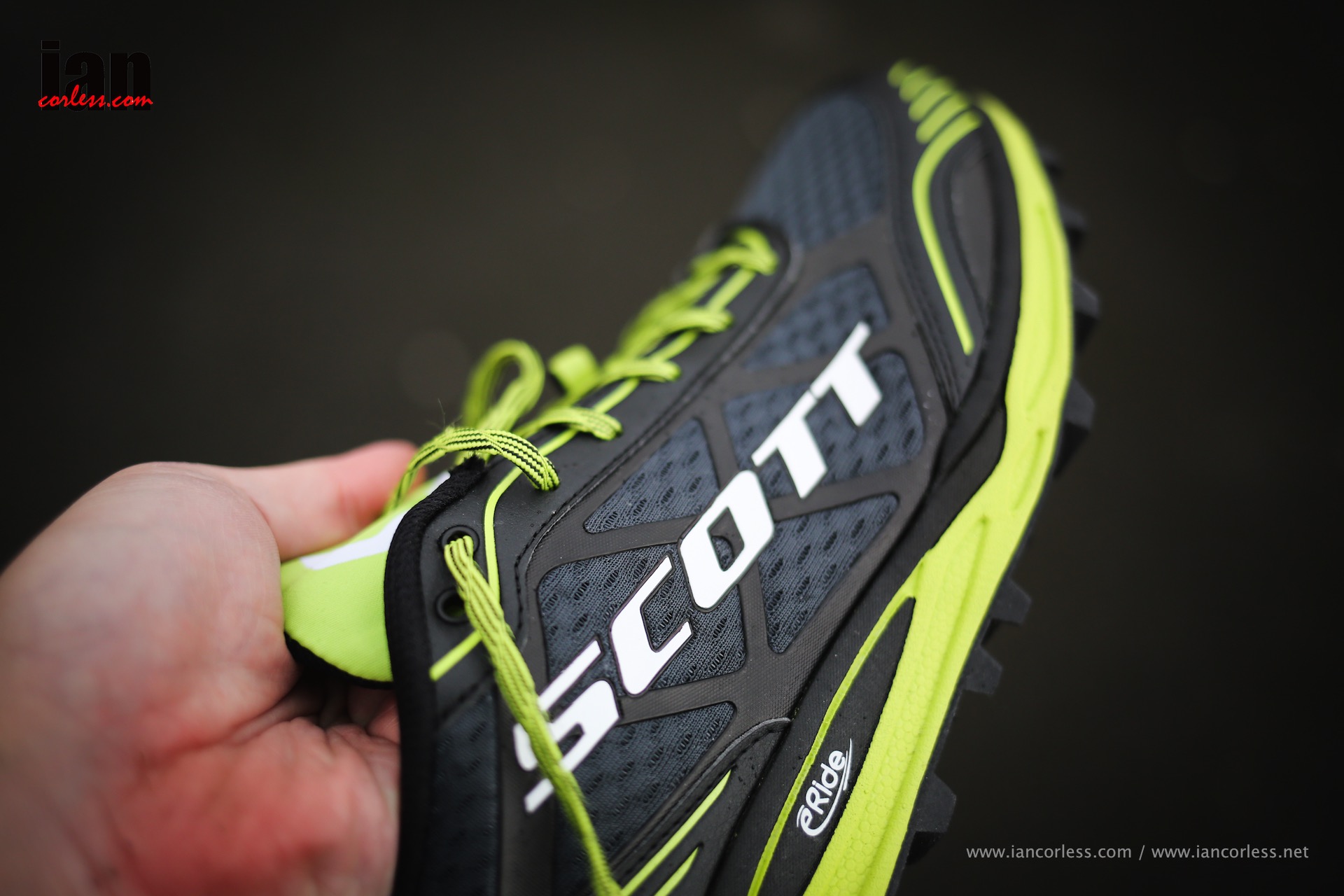
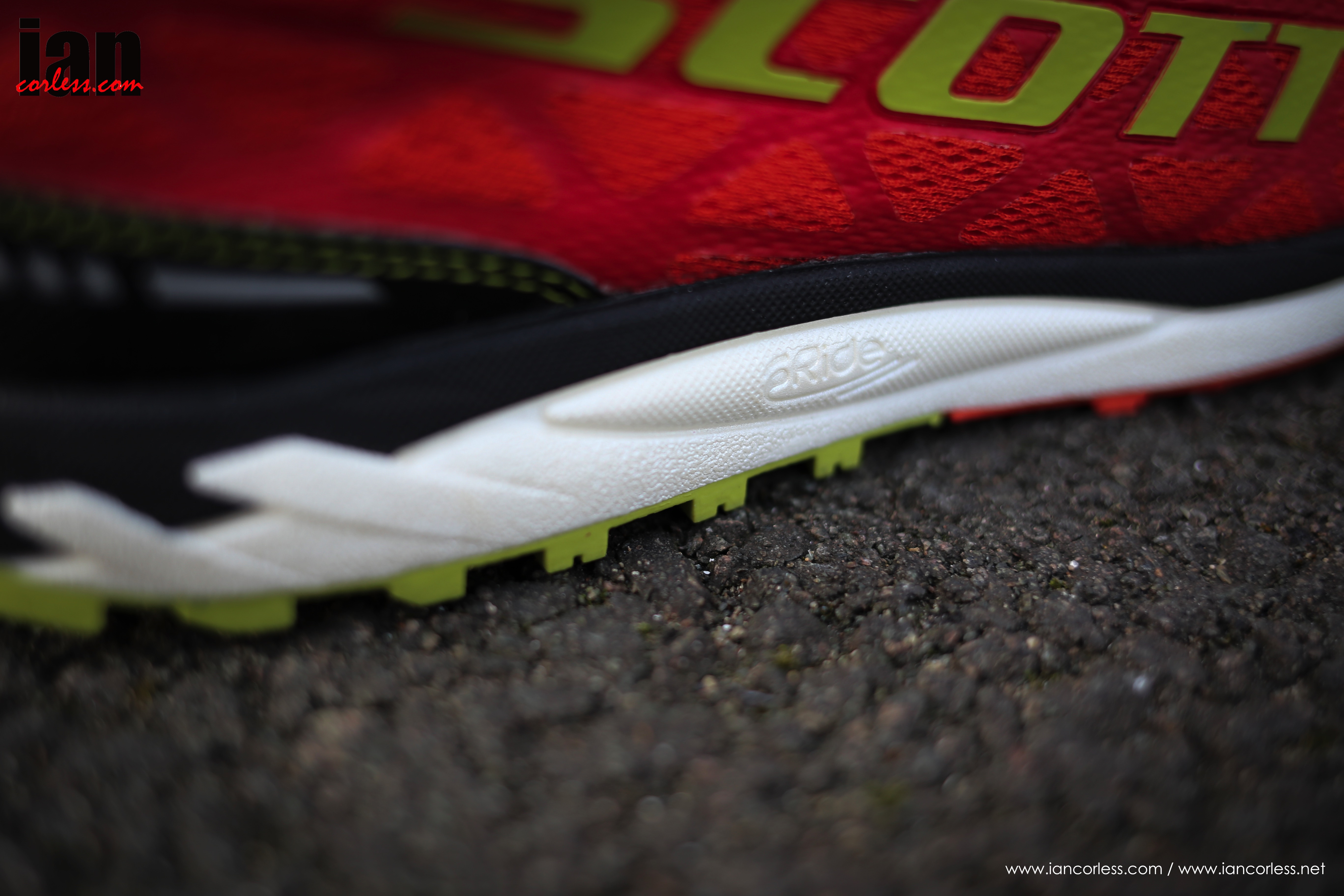
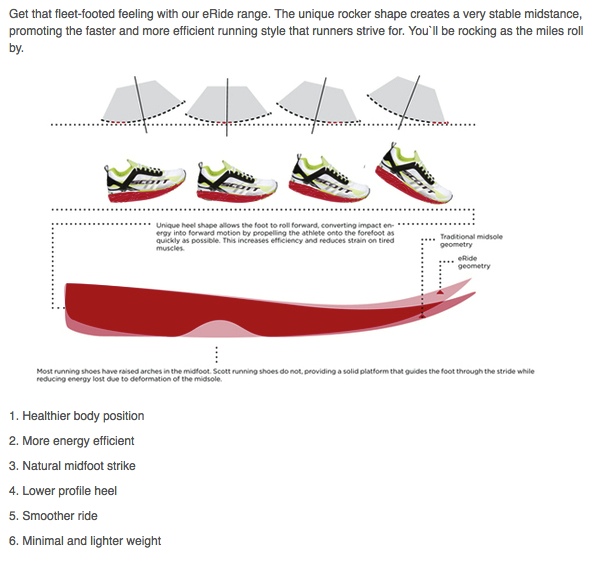
As one would expect, Scott carry over many features that we have seen on other shoes in the range. The eRIDE is a ‘rocker’ platform that is designed to guarantee a more efficient foot strike. If you already strike mid to forefoot, this may be less noticeable. However, if you are heel striking, the rocker really does roll you forward on to your toes.

©iancorless.com_ScottSupertrac-5094


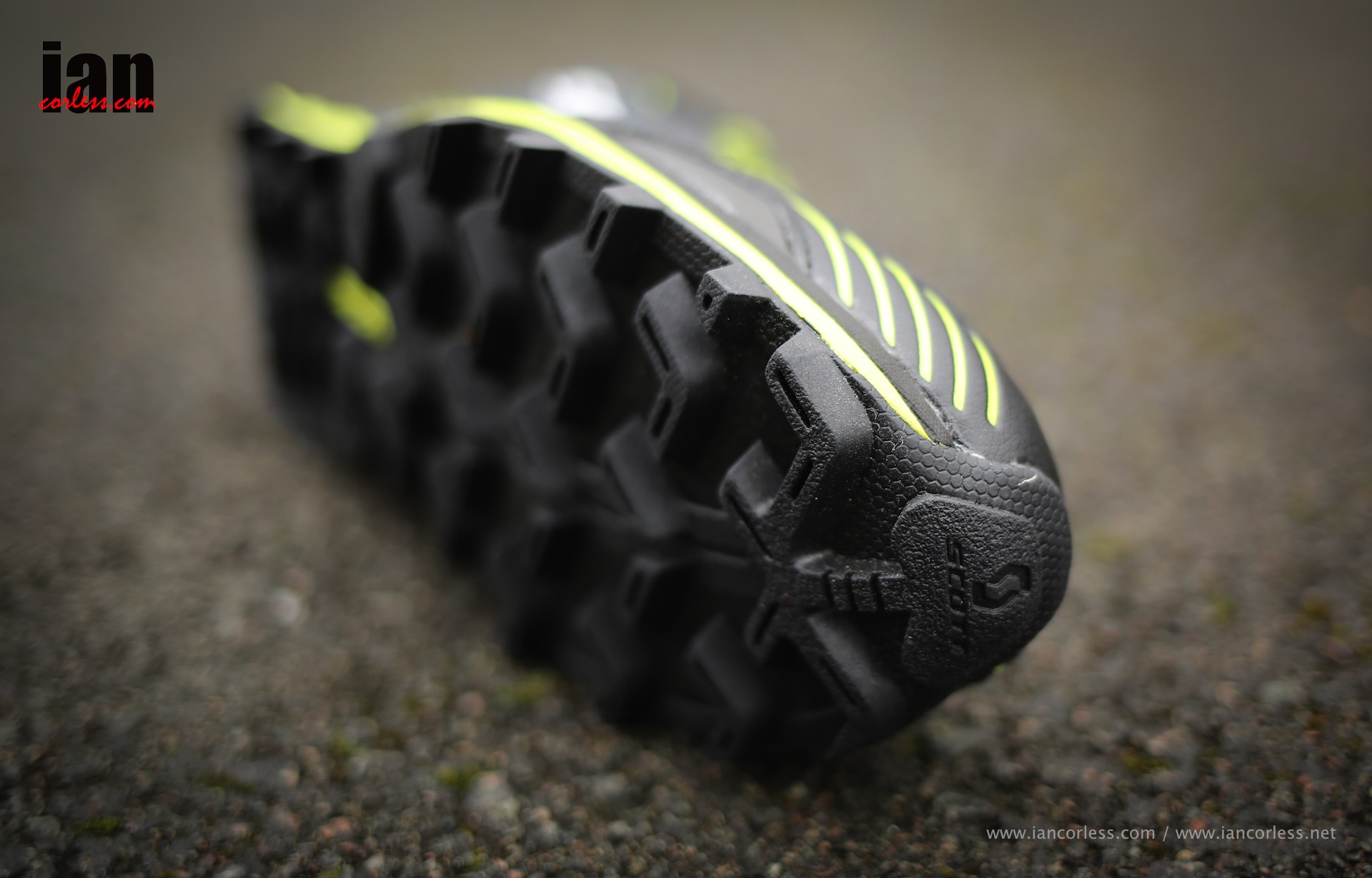
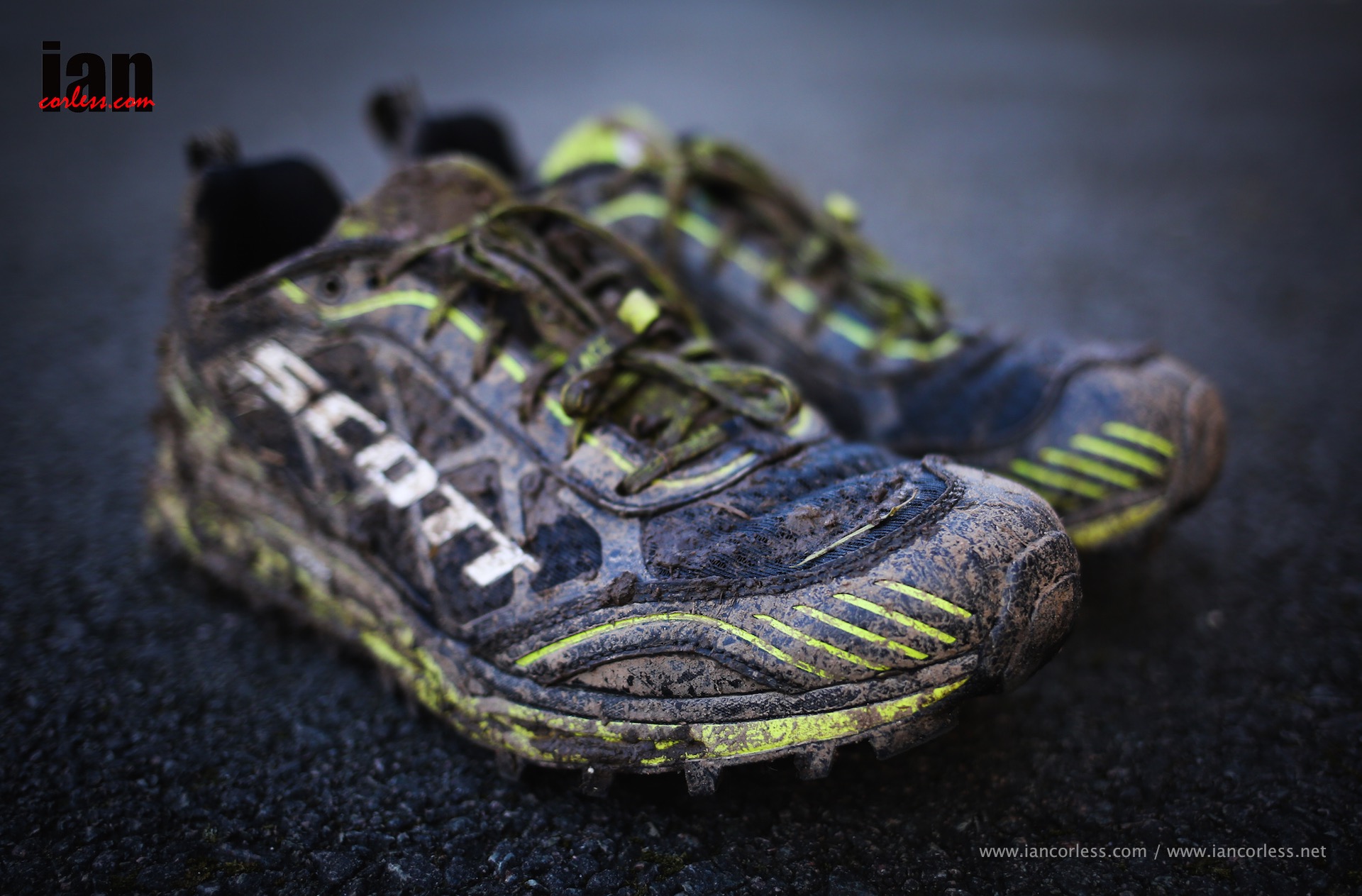
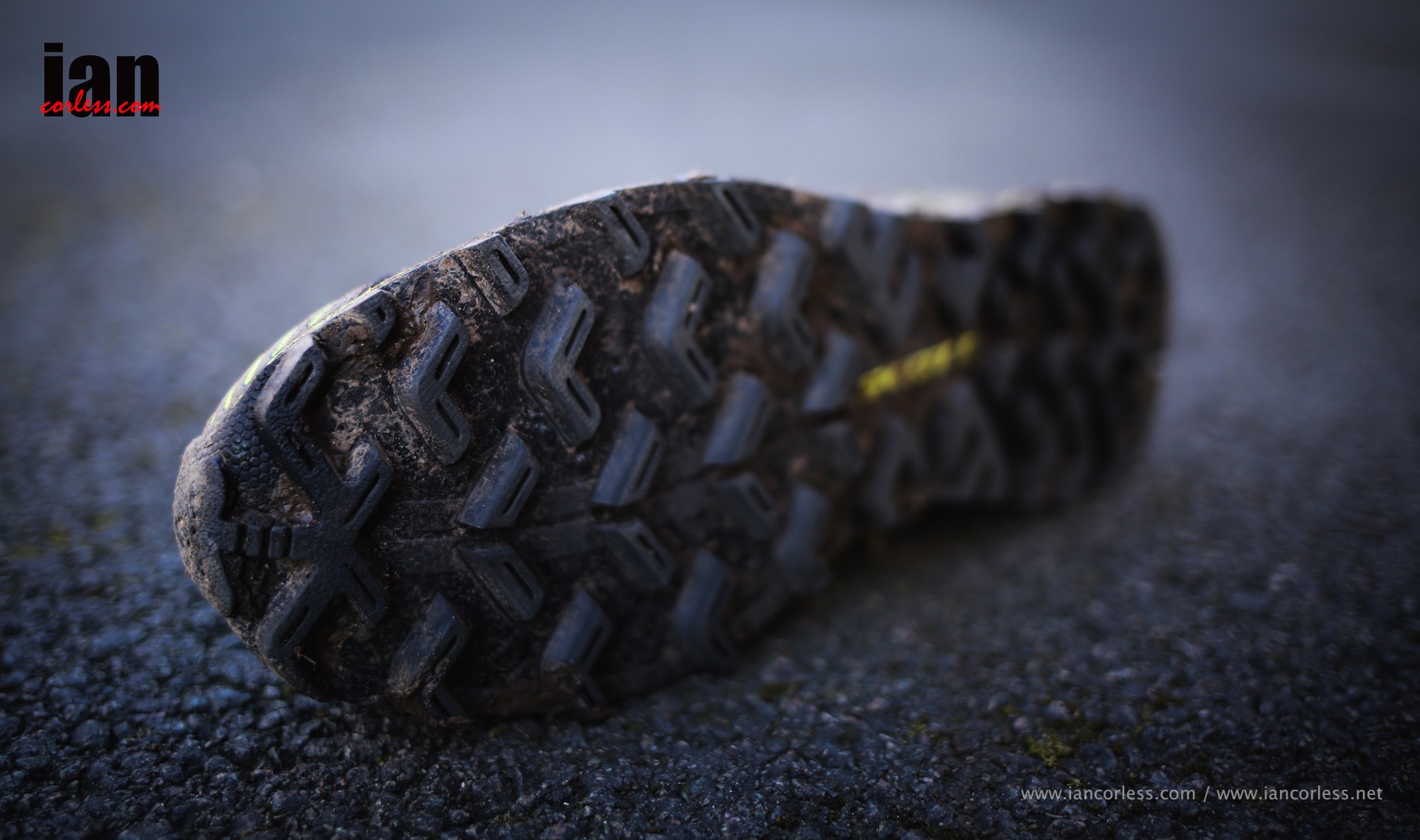
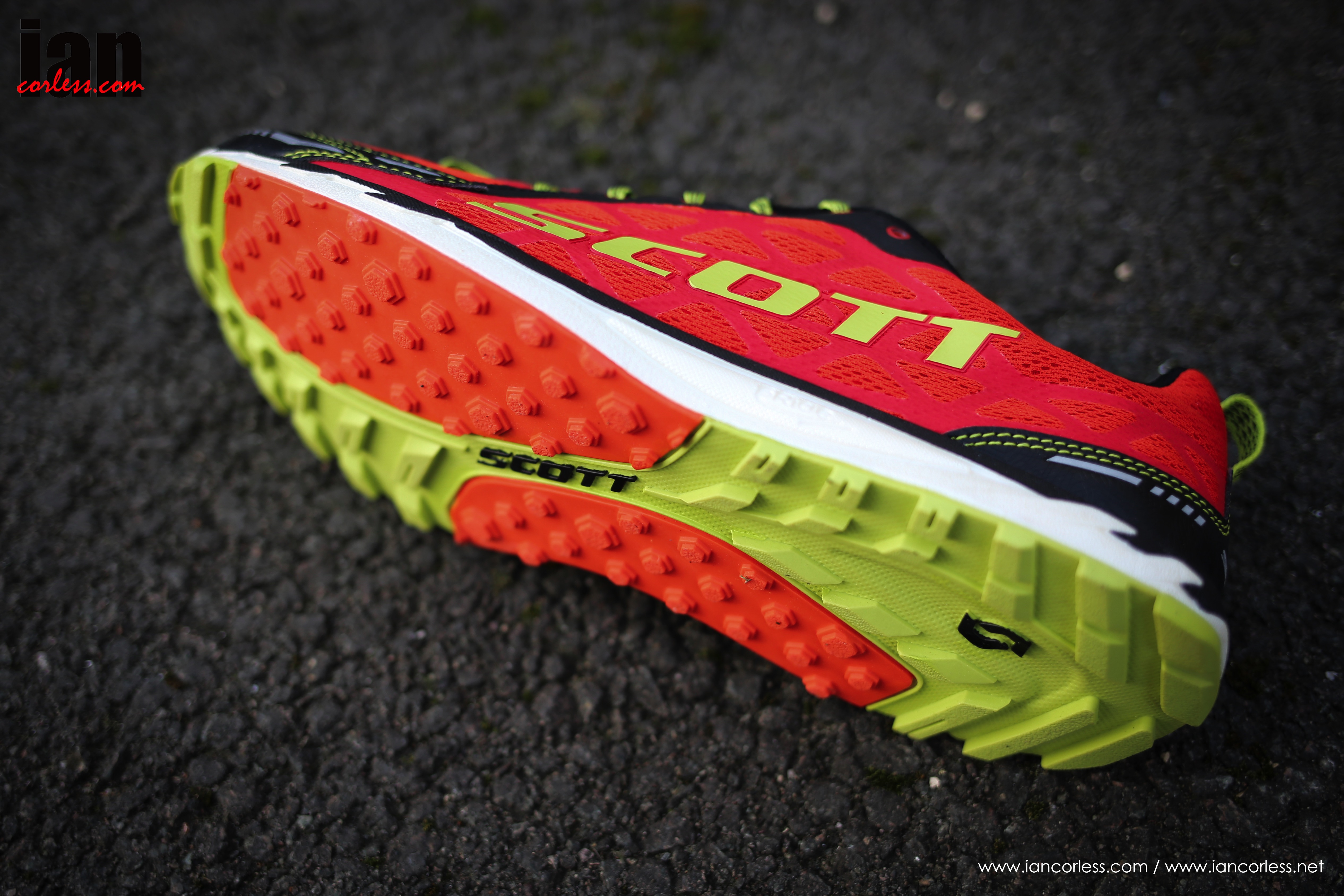
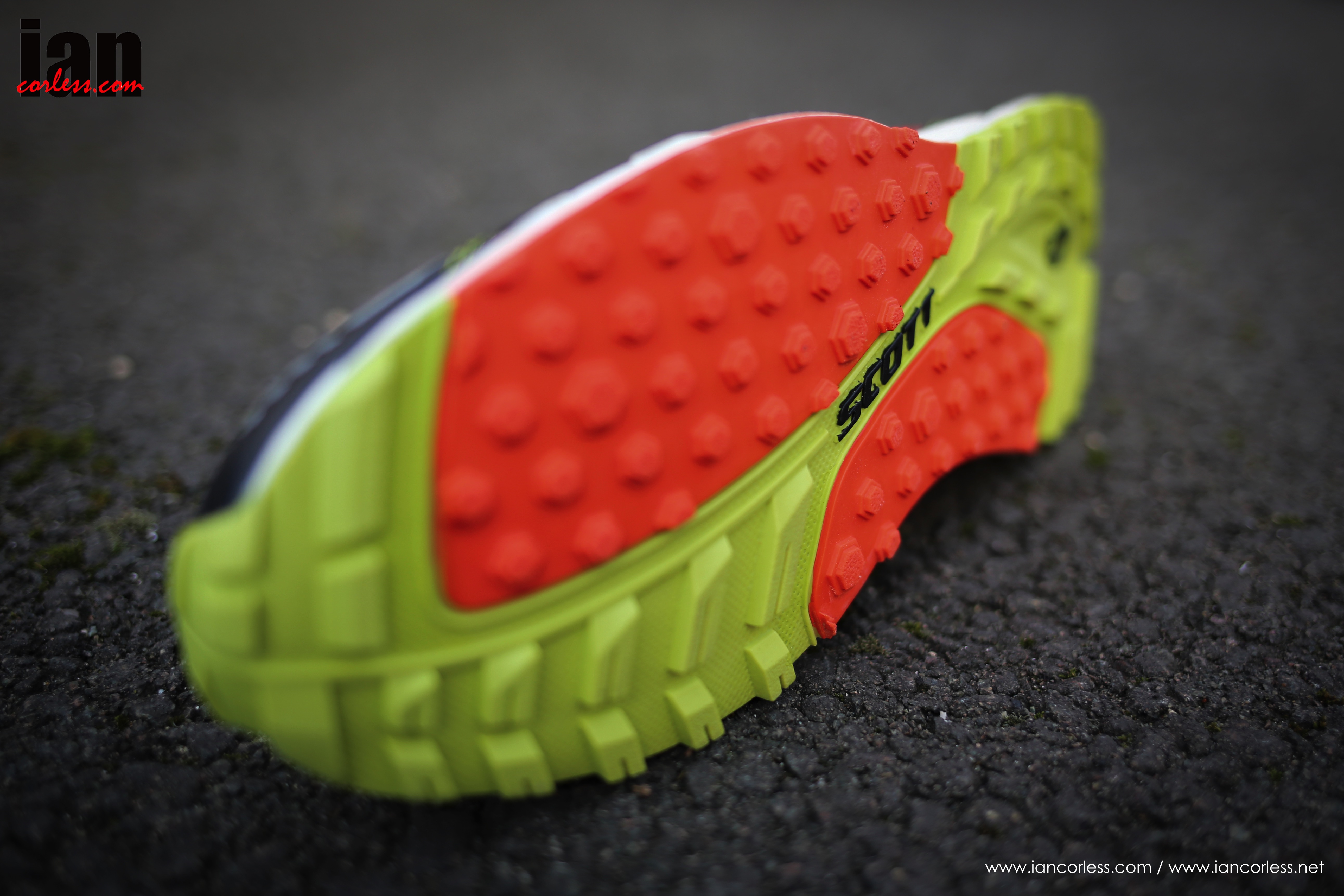
The most noticeable aspect of the shoe is the GRIP! I can’t write about the GRIP without putting it in capital letters. Boy do they GRIP…

©iancorless.com_ScottSupertrac-5061

Think JCB meets running shoe. The outsole is extreme and made from a superior wet traction rubber compound that works really well on a multitude of surfaces. I am really impressed with just three to four runs*.

Conclusion

If you are looking for an out-and-out trail beast with great cushioning, 8mm drop and a comfort rating that will least all day, the Kinabalu Supertrac is going to be a serious contender. It has very quickly become my ‘go to’ when heading out on my local muddy trails.

Expect to see Marco De Gasperi, Elisa Desco and Joe Gray using this on the trails and mountains of Europe and the USA.

Pros:

  • GRIP
  • Cushioned
  • Spacious toe box with protection
  • True to size fit

Cons:

  • Not the lightest shoe

Details:

RRP £105

Available SS2015

Technology:

  • Lace bungee
  • Wet traction rubber
  • eRIDE Platform
  • AerFoam+
  • Self cleaning lugs
  • Upper: Mesh/ synthetic overlay
  • Lower: EVA/ Runner
  • Drop: 8mm
  • Weight: 340g (UK8)
  • Sizes: US7-14

#noshortcuts

©iancorless.com_ScottSupertrac-5096

©iancorless.com_ScottSupertrac-5104

©iancorless.com_ScottSupertrac-5107

*I will provide an updated review after 1-month and plenty of nice muddy shots to show the shoe’s durability in the upper and outsole

CYCLING for RUNNERS – Article 7 March On!

HEADER_Suunto_ScottMarch is upon us and with it a new series of training sessions. In February we gave you a series of targets. Four sessions that ideally would be undertaken indoors on a turbo-trainer.

In summary, the sessions were as follows HERE

Catch up on previous articles HERE

In addition to the above four sessions you hopefully maintained your weekly runs and used cycling (very easy) as an alternative to a ‘recovery run.’

In March we are Marching On with our training and we want to step up once again and provide additional stimulus to progress your fitness and strength. You may be wondering, how do I fit all these sessions in?

Here is a template for a typical training week in March:

  1. Monday – Indoor cycling session of 20-40 minutes (based on fitness and experience.) Keep gearing very light and ‘spin’ your legs thinking about a 90+ cadence and maintaining souplesse.
  2. Tuesday – Running at 75% of max HR. Distance or time based on experience and targets.
  3. Wednesday – Indoor cycling session as per article 7 training plan. This will progress in effort for week 1, week 2, week 3 and week 4.
  4. Thursday – As Tuesday.
  5. Friday – Rest day.
  6. Saturday – Long outdoor bike session using ‘MAFF’ formula for 90 to 180-minutes. This will progress as outlined in this article 7 plan for week 1, week 2, week 3 and week 4.
  7. Sunday – Long run based on experience and target race distance.

MARCH TRAINING SESSIONS
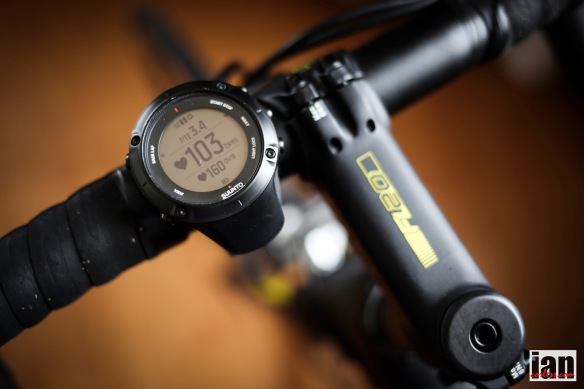
©iancorless.com_Scott_Turbo-7635

March sessions fall into three distinct categories:

Recovery, Intensity and Endurance.

For simplicity, we have scheduled the sessions to take place on a Monday (recovery), Wednesday (intensity) and Saturday (endurance). Of course it is possible to move these sessions around to suit your available time but please aim to keep to the structure we have provided here.

The week explained:

  • Monday follows a busy weekend of training and therefore is ideally a rest day or recovery day. As we have stated on many occasions, does a recovery run really exist? We use cycling for recovery as it is a non-weight bearing exercise and therefore you are able to spin your legs, elevate your heart rate a little and all without the impact of running. Monday’s session will ideally be on the road or an indoor trainer. You will use light gears, ‘spin’ your legs and look for a cadence of 90+. Time will vary based on your fitness and target goals. However, we recommend anything between 20 to 40-minutes.
  • Wednesday provides intensity and is an alternative to a faster running session. Over 4-weeks the sessions will build on February’s session and progress your fitness and strength.
  • Saturday is a long run equivalent and is ideally placed to provide two back-to-back sessions in March. You will cycle long on Saturday (outdoors) and then run long on Sunday. This provides a great endurance stimulus and reduces the impact that would come from two back-to-back run sessions. We are introducing the ‘MAFF’ formula for this session.

Hints ‘n’ Tips

  • Use a heart rate monitor. It’s great to get the feedback and monitor your training.
  • Have water handy – you will need it.
  • If training indoors use a fan or train near an open window.
  • Keep your pedalling technique smooth, don’t fight the bike.

WEEK 1

Monday : 20 to 40-minutes recovery 

Wednesday : 1-hour session turbo trainer
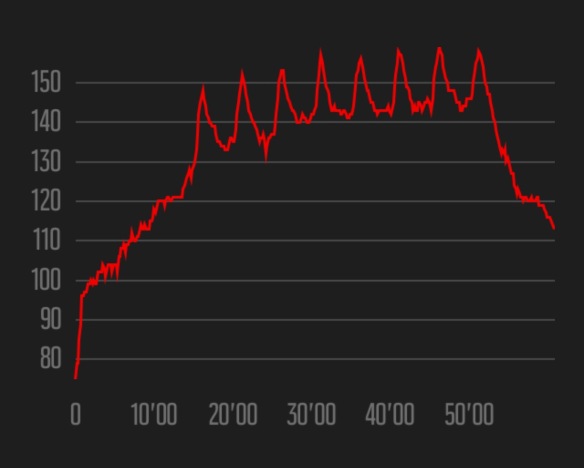
1-hour set and intervals

5, 4, 3, 2, 1 warm up * please see blow for a refresher on 5,4,3,2,1

Move up 1 additional gear, for me this would be 52×16 and maintain a 90 cadence for 4-minutes and then step up 1-gear (for me this is 52×15) and work hard for 1-minute. At the end of 1-minute drop back down one gear, for me 52×16 and repeat 4min/ 1min for seven more times (total 8 repetitions)

Cool down with 5 x 1-minutes dropping down a gear for each minute.

Saturday : 60-minute session
©iancorless.com_TCC2015_ScottBike-

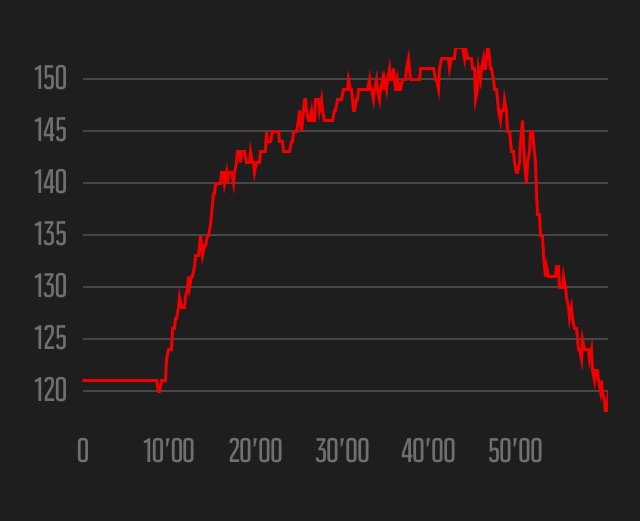
This session will ideally be outdoors. You will use the MAFF formula to build base level fitness at any easy pace with a low heart rate and cadence ideally on or around 90 cadence. Make sure you use a quality HRM/ GPS for this session.

For example, the below session is 1-hour working on a MAFF of 130-140 bpm with warm up and cool down.
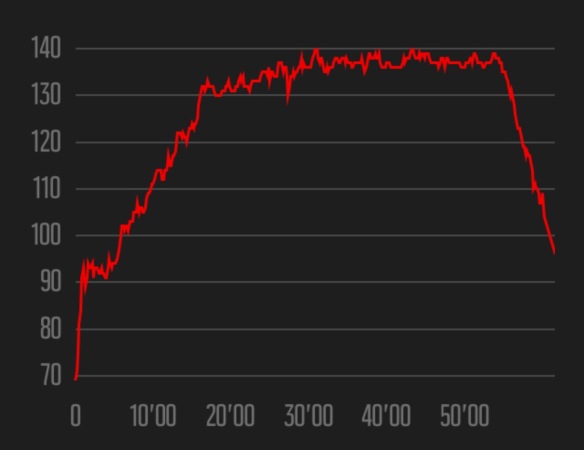
1-hour set

MAFF is based on the ‘Maffetone’ Formula. You can read two articles, HERE and HERE about Maffetone.

Maffetone formula is calculated as follows:

Subtract your age from 180.

Modify this number by selecting among the following categories the one that best matches your fitness and health profile: 

A: If you have or are recovering from a major illness (heart disease, any operation or hospital stay, etc.) or are on any regular medication, subtract an additional 10.

B: If you are injured, have regressed in training or competition, get more than two colds or bouts of flu per year, have allergies or asthma, or if you have been inconsistent or are just getting back into training, subtract an additional 5.

C: If you have been training consistently (at least four times weekly) for up to two years without any of the problems just mentioned, keep the number (180–age) the same. 

D: If you have been training for more than two years without any of the problems listed above, and have made progress in competition without injury, add 5.

For example, if you are thirty years old and fit into category (B), you get the following: 

180–30=150. Then 150–5=145 beats per minute (bpm).

If it is difficult to decide which of two groups best fits you, choose the group or outcome that results in the lower heart rate. In athletes who are taking medication that may affect their heart rate, those who wear a pacemaker, or those who have special circumstances not discussed here, further individualization with the help of a healthcare practitioner or other specialist familiar with your circumstance and knowledgeable in endurance sports may be necessary.

Two situations may be exceptions to the above calculations:

The 180 Formula may need to be further individualized for people over the age of sixty-five. For some of these athletes, up to 10 beats may have to be added for those in category (d) in the 180 Formula, and depending on individual levels of fitness and health. This does not mean 10 should automatically be added, but that an honest self-assessment is important.

For athletes sixteen years of age and under, the formula is not applicable; rather, a heart rate of 165 may be best. 

Once a maximum aerobic heart rate is found, a training range from this heart rate to 10 beats below could be used as a training range. For example, if an athlete’s maximum aerobic heart rate were determined to be 155, that person’s aerobic training zone would be 145 to 155 bpm. However, the more training at 155, the quicker an optimal aerobic base will be developed.

WEEK 2

Monday : 20 to 40-minutes recovery

Wednesday : 1-hour session turbo trainer

5, 4, 3, 2, 1 warm up *

Move up 1 additional gear, for me this would be 52×16 and maintain a 90 cadence for 3-minutes and then step up 1-gear (for me this is 52×15) and work hard for 2-minutes. At the end of 2-minutes drop back down one gear, for me 52×16 and repeat 3min/ 2min for five more times (total 6 repetitions)

Cool down with a reverse 5,4,3,2,1

Saturday : 90-minute session

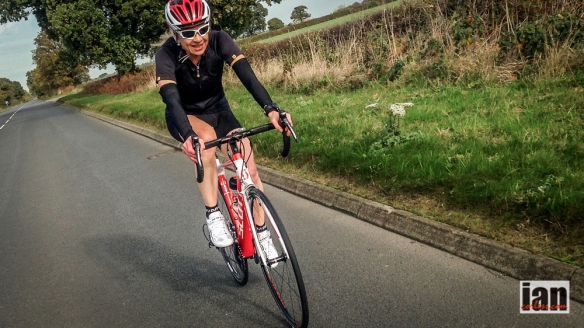
This session will ideally be outdoors. You will use the MAFF formula to build base level fitness at any easy pace with a low heart rate and cadence ideally on or around 90 cadence.
WEEK 3

Monday : 20 to 40-minutes recovery

Wednesday : 1-hour session turbo trainer

5, 4, 3, 2, 1 warm up *

Move up 1 additional gear, for me this would be 52×16 and maintain a 90 cadence for 3-minutes and then step up 1-gear (for me this is 52×15) and work hard for 2-minutes. At the end of 2-minutes drop back down one gear, for me 52×16 and repeat 3min/ 2min for seven more times (total 8 repetitions)

Cool down with 5 x 1-minutes dropping down a gear for each minute.

Saturday : 2-hour session

This session will ideally be outdoors. You will use the MAFF formula to build base level fitness at any easy pace with a low heart rate and cadence ideally on or around 90 cadence.

WEEK 4

Monday : 20 to 40-minutes recovery

Wednesday : 1-hour session turbo trainer

5, 4, 3, 2, 1 warm up *

40-minutes at 75% of maximum heart rate with a 90-cadence

Cool down with 5 x 1-minutes dropping down a gear for each minute.

Saturday : 2-hour 30-minute session 

This session will ideally be outdoors. You will use the MAFF formula to build base level fitness at any easy pace with a low heart rate and cadence ideally on or around 90 cadence.

©iancorless.com©iancorless.com_cyclingforrunners-4115

NOTES:

March is designed to enhance your fitness in multiple ways and maximize your fitness. Combining three key sessions on a bike: recovery, intensity and endurance you will have a great fitness base for April when we take training to the next level.

It’s important that running and cycling work hand-in-hand with each other during March. So don’t try to push the envelope with running too hard or too long. If in doubt, use the MAFF formula for your running.

MAFF will require discipline and you will almost certainly feel that training is too easy. It’s a common feeling for many that are new the formula but stick with it and see how you progress.

It’s imperative that you use a heart rate monitor (we recommend Suunto) for the sessions in March. You need to work hard for the intensity sessions but you also need to ensure that the recovery and MAFF sessions are easy. Most people don’t do hard sessions hard enough and make easy sessions too hard. What you end up with is the middle ground and a lack of progression.

As April and May arrive, you need to build on the above and balance them. You may find that a faster cycling session will start to be replaced with a faster run session. If so, that’s fine. Incorporate cycling as recovery. However, we encourage that you still use long bike rides in conjunction with long and eventually longer runs.

At the end of May we will be back with a plan for June. Things will all change in as running takes a greater importance. You will incorporate one faster run session (Tuesday), one hill session (Thursday) and maintain a long bike. Until then, good luck!

Make easy – easy!

And make hard – hard!

Enjoy Marching On…

Glossary:

*5,4,3,2,1

If you are not used to cycle gearing, the 5, 4, 3, 2, 1 will help you. Depending on your experience, strength, fitness and experience. You may do this session on your ‘small’ cog at the front of the bike or the ‘large’ cog. I do my sessions on the ‘52’ cog.

Start as follows:

52×25 for 5 minutes aiming for 90+ cadence

52×23 for 4 minutes aiming for 90+ cadence

52×21 for 3 minutes aiming for 90+ cadence

52×19 for 2 minutes aiming for 90 cadence

52×17 for 1 minute aiming for 90 cadence

By the time you reach the final minute you will be completely warm, your hear rate will have slowly elevated and the gearing will be ‘challenging’ but sustainable. Your heart rate will be in the 70-75% zone of max hear rate.

Join us on STRAVA

TIS-Strava-Logo-big-square-600x340-e1354741369637

Thanks to SCOTT SPORTS and SUUNTO for the support and backing

Check out SCOTT HERE

Cycling for Runners Logo

Check out SUUNTO HERE

Suunto_logo [ConveWHITE_rted]

CYCLING for RUNNERS – Article 6 Indoor Intensity


Cycling for Runners HEADER2

A new year can be a daunting thing… the excitement and buzz of Christmas is over and suddenly 12-months lie ahead. Many of you may well have already planned early season targets or even objectives for the whole year. However, as I know only too well, for every person who has planned key targets, there will be another person who has planned nothing. So, before you do anything, take some time out and decide on your targets for the coming year. Please remember, these targets do not need to be racing targets. They could be FKT’s, personal projects or even an expedition. Once you have dates in a diary, you will find structuring your training so much easier. It provides perspective!

Did December go well for you?

December can be a tough month. It’s so easy to be distracted and miss training but don’t worry. If you maintained 3-4 sessions per week you are going to be in a great place to build your fitness in 2015.

It goes without saying that if you weren’t injured you will have been out running, be that on the trails or the treadmill. We hope that you managed to include a couple of cycling sessions? Ideally you will have done one easy session spinning the legs to help recovery from running and one ‘faster’ session either on the road or on an indoor trainer to help build stamina and strength

Niandi has been doing several indoor sessions as recovery and she wrote about them HERE

Me? Well you know what, the winter arrived in the UK, the ice came and so did the snow. For me it was perfect. I love running in the cold and snowy conditions. However, cycling outdoors was not an option. Thank goodness for the indoor trainer (Turbo Trainer) and I applied the session we outlined in Article 5 (Here) and I also cycled easy for 30 minutes with a high cadence for recovery.

Here is a summary of the session:

Warm up for 10-minutes ‘spinning’ your legs in an ‘easy’ gear. This is all about getting blood flowing, loosening stiff and/ or tight muscles and preparing for the session ahead.

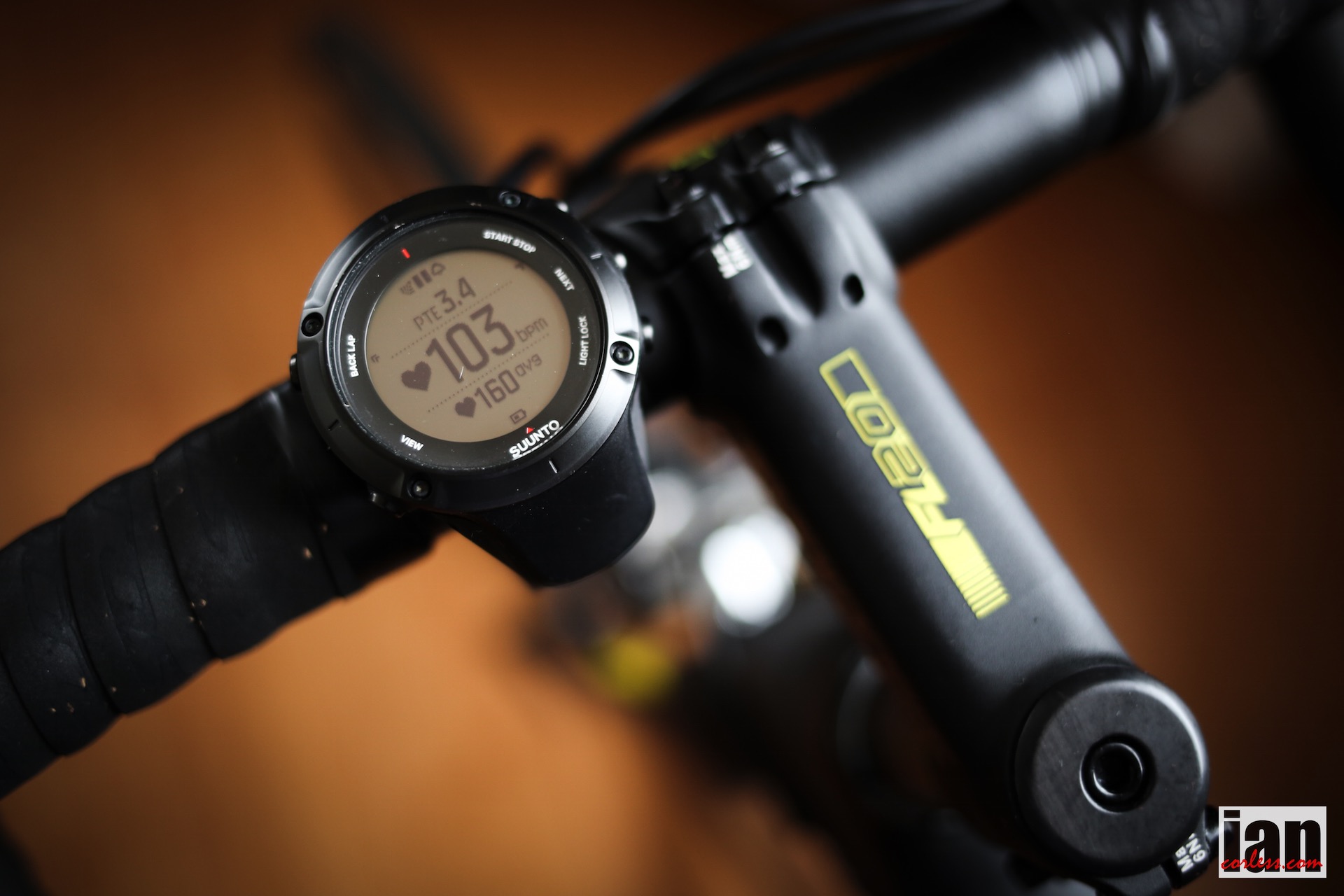
Session: Perform 2 minutes at 80% of maximum heart rate (keeping cadence on or around 90) – You will need to use your cycling gears to add resistance and provide the necessary difficulty level for you elevate your heart rate. Monitor your HRM with a quality item – We use Suunto Ambit 3 Peak and Ambit 2 units

Recover for 2-minute ‘spinning’ your legs as in the warm up.

Repeat the 2-minute session with 2-minute recovery for an additional 5-times (making a total of 6 in week-1). *In week 2 do 7-repetitions, in week 3 do 8-repetitions and in week 4 do 10-repetitions.

I hit the reps building up the 2-minute intervals over a 4-week period and it felt great.

If you are anything like me, you will not want to loose those gains made over December and January so in February we are going to build with four sessions that you can do indoors or outdoors. 

THE SESSIONS

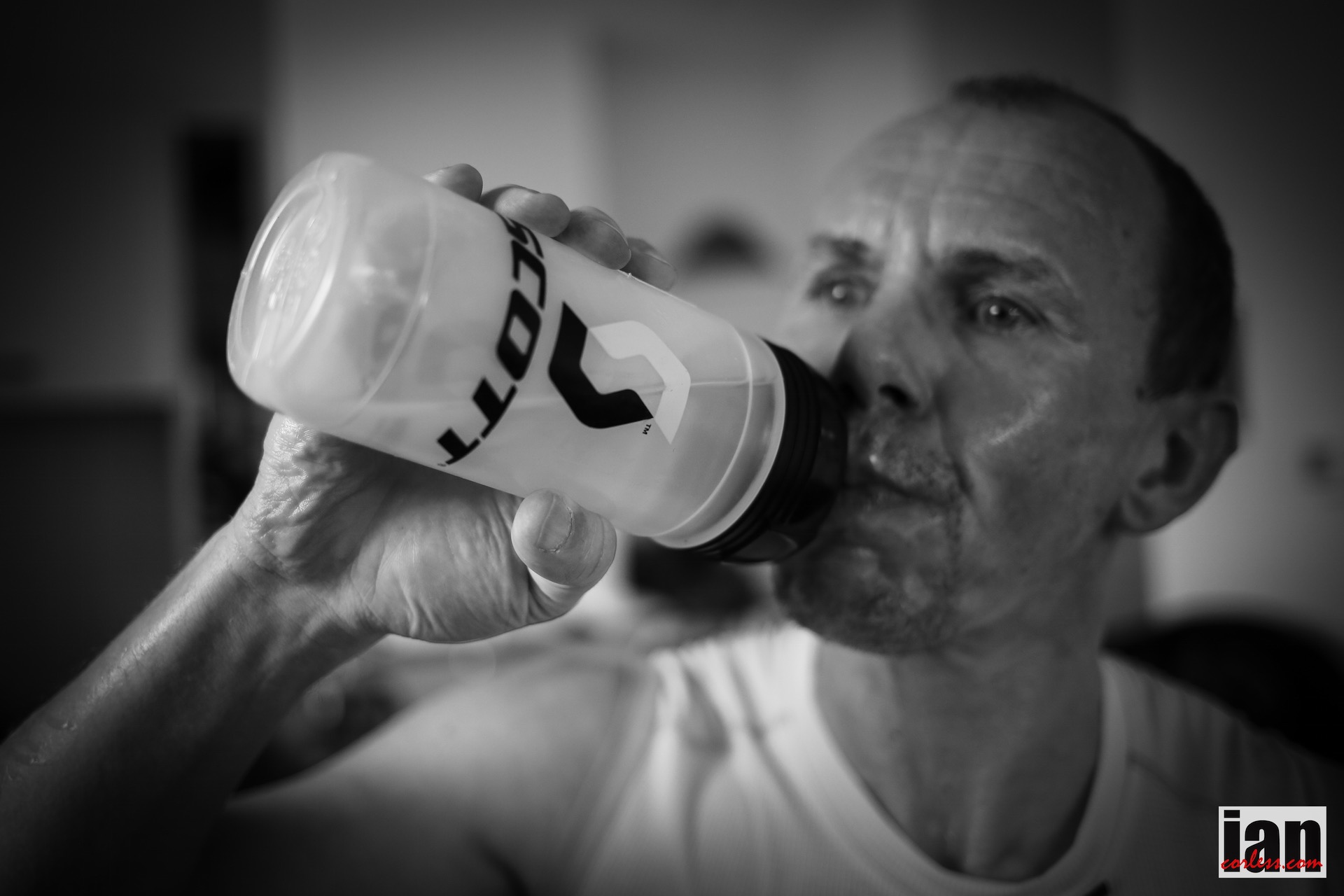
If you don’t already know, training indoors on a bike is hard; I love it! You have no escape, no rest and your cadence, HRM, legs and sweat rate do not lie. Did I mention sweat! Boy do I sweat indoors. Even with a window open and a fan on me I am like a running tap with water pouring out of me. Make sure you keep yourself hydrated particularly during and after all sessions.

This month we have four sessions for you, one for each week and most of them include the same warm up and warm down. I call this: 5,4,3,2,1.

How does it work?

Your bike gearing will usually have two cogs at the front, for simplicity, we will call this the big ring and the small ring. Typically, a racing bike will have a 52/39 set up. The numbers refer to teeth on the cog. The ‘39’ makes gearing easier in comparison to the ’52.’

shimano-da9000-cset-zoom

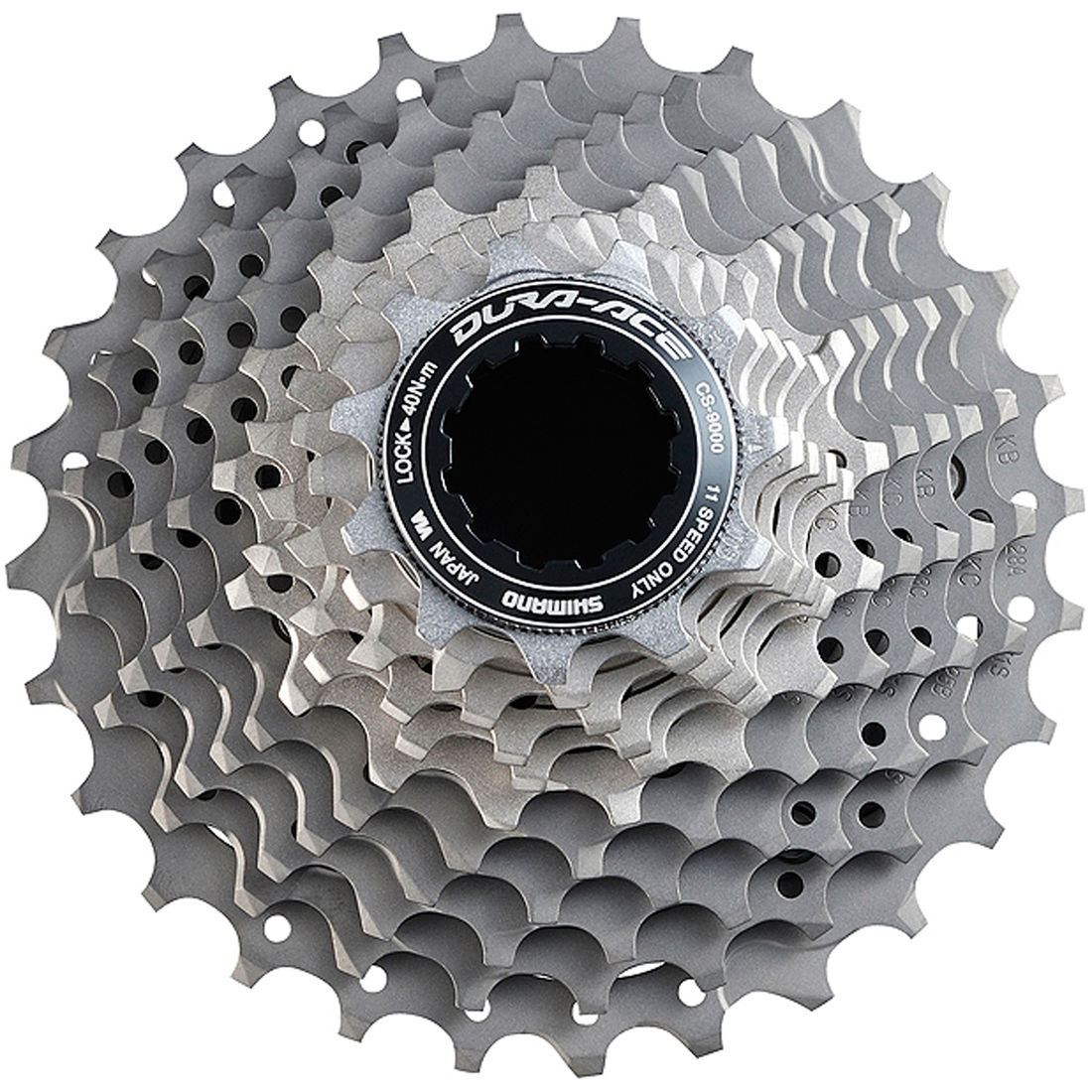
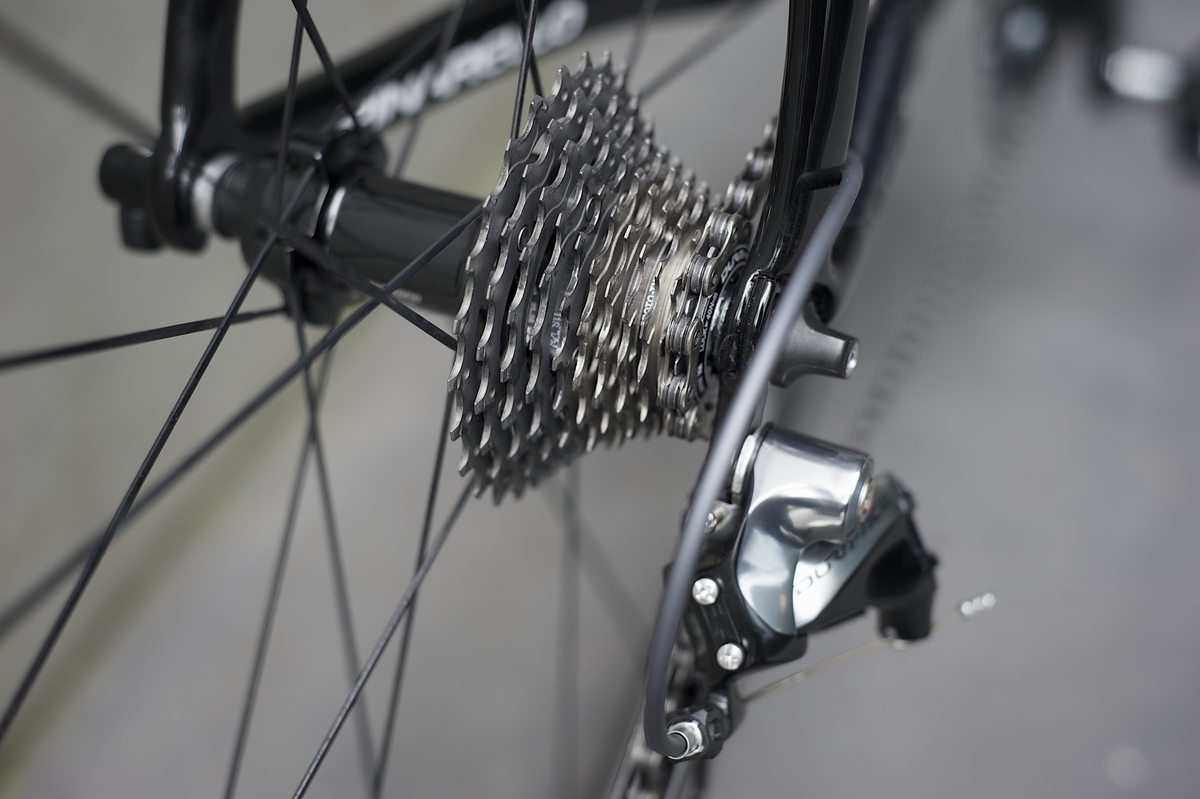
At the back you will have a selection of gears, if your bike is relatively new it will probably have 10-cogs.

shimano-da9000-cass-zoom

The rear cogs start small (harder gear) and get larger (easier gear) and step up/ down progressively so that you can maintain an ‘ideal’ cadence (90) irrespective of the terrain. Your rear gearing may look like this:

12, 13, 14, 15, 16, 17, 19, 21, 23, 25

 The above numbers refer to ‘teeth’ on the rear cogs.

Shimano Dura Ace  press camp 2012 - Kortrijk/Belgium..For example, 39×23 may be used on a steep climb when you need an easier gear or by comparison, if you are riding down a steep hill with the wind behind you, you may use 52×12.

If you are not used to cycle gearing, the 5, 4, 3, 2, 1 will help you.

Depending on your experience, strength, fitness and experience. You may do this session on your small ring (easier) at the front of the bike or the big ring (harder.). I do my sessions on the ‘52’ cog. I am an ex cyclist with experience and bike strength and therefore adapted to pushing harder gears. Remember, you are using cycling to enhance running!

Start as follows:

  • 52*x25 for 5 minutes aiming for 90+ cadence
  • 52*x23 for 4 minutes aiming for 90+ cadence
  • 52*x21 for 3 minutes aiming for 90+ cadence
  • 52*x19 for 2 minutes aiming for 90 cadence
  • 52*x17 for 1 minute aiming for 90 cadence

 *Note, if you wanted this gearing to be easier you would replace the ’52’ (big ring) with say a ’39’ (small ring) for example.

By the time you reach the final minute you will be completely warm, your heart rate will have slowly elevated and the gearing will be ‘challenging’ but sustainable. Your heart rate will be in the 70-75% zone of max hear rate.

Now the sessions:

The sessions below can be done on the road or on an indoor trainer. It goes without saying that for such specific sessions, an indoor trainer would be preferable as you can control the whole session. If you do try the sessions outside, you will need a good long stretch of flat road. Undulating roads would make this session impossible.

Hints ‘n’ Tips

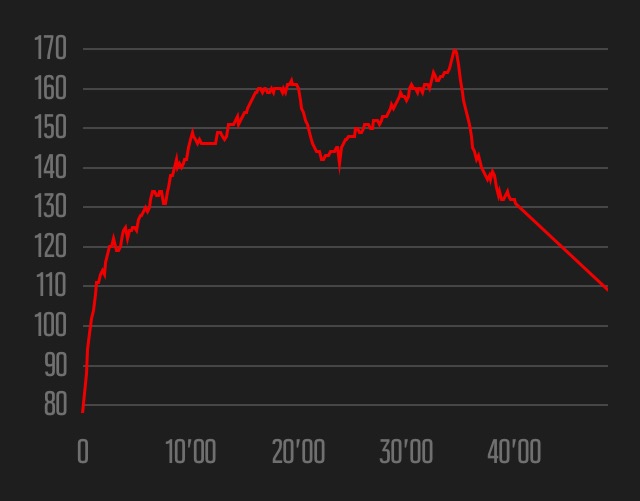
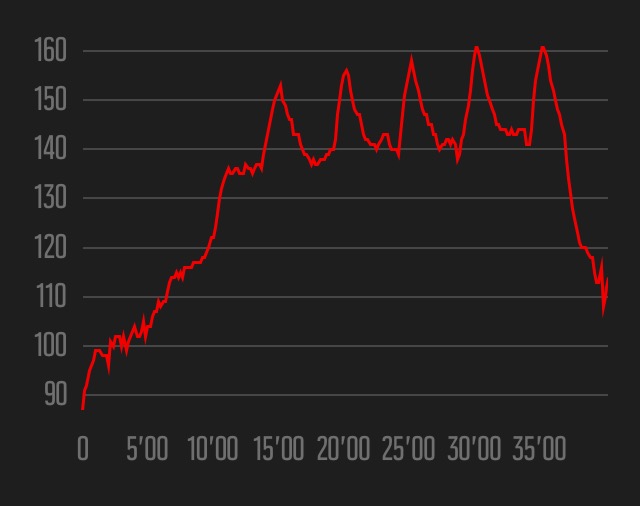
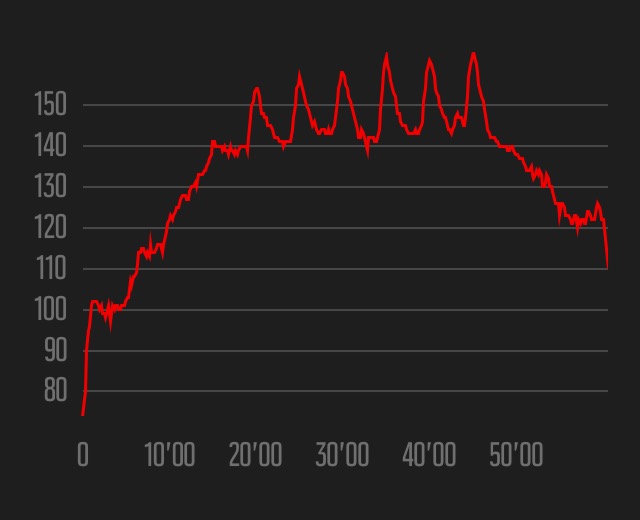
  • Use a heart rate monitor. It’s great to get the feedback. I have included my hear rate profiles recorded via my Suunto for the sessions below.
  • Have water handy – you will need it.
  • If training indoors use a fan or train near an open window.
  • Keep your pedalling technique smooth, don’t fight the bike.

Week 1: 40-minute session

©iancorless.com_Scott_Turbo-7662

5, 4, 3, 2, 1 warm up

*Move up 1 additional gear, for me this would be 52×16 and maintain a 90 cadence for 5 minutes. You can expect your heart rate to rise as you maintain the effort.

Drop back down to 5, 4, 3, 2, and 1 and repeat the warm up – this loosens the legs and adds souplesse.

Repeat the above set* but in the final minute push really hard to maximal effort. At the end of the final minute you will have a good idea of your maximum hear rate (MHR).

Cool down with 5, 4, 3, 2, and 1 but in reverse finishing with just 1 minute in the easiest gear. This works as a great cool down.

Week 1 heart rate data - Ian Corless

Week 1 heart rate data – Ian Corless

Week 2: 1-hour session

©iancorless.com_Scott_Turbo-7635

5, 4, 3, 2, 1 warm up

*Stay in the final gear you used for the 1-minute in the warm up and maintain a 90+ cadence for 30 minutes building your effort throughout the session.

Cool down with 5, 4, 3, 2, and 1 but in reverse finishing with just 1 minute in the easiest gear. This works as a great cool down.

Week 2 heart rate data - Ian Corless

Week 2 heart rate data – Ian Corless

Week 3: 40-minute session

©iancorless.com_Scott_Turbo-7675

4, 3, 2, 1 warm up (we miss the 5-min section this time)

Move up 1 additional gear, for me this would be 52×16 and maintain a 90 cadence for 4-minutes and then step up 1-gear (for me this is 52×15) and work hard for 1-minute. At the end of 1-minute drop back down one gear, for me 52×16 and repeat 4min/ 1min for four more times (total five repetitions)

Cool down with 5-minutes spinning in your start gear, for me, this would be 52×25

Week 3 heart rate data - Ian Corless

Week 3 heart rate data – Ian Corless

Week 4: 1-hour session

©iancorless.com_Scott_Turbo-7659

5, 4, 3, 2, 1 warm up

Move up 1 additional gear, for me this would be 52×16 and maintain a 90 cadence for 4-minutes and then step up 1-gear (for me this is 52×15) and work hard for 1-minute. At the end of 1-minute drop back down one gear, for me 52×16 and repeat 4min/ 1min for five more times (total six repetitions)

Cool down with 5, 4, 3, 2, and 1 but in reverse finishing with just 1 minute in the easiest gear. This works as a great cool down.

Week 4 heart rate data - Ian Corless

Week 4 heart rate data – Ian Corless

NOTE: The above cycling sessions would replace a faster run session in each week and I would still recommend one or even maybe two other cycle sessions per week for recovery. On the recovery sessions just use an easy gear and ‘spin’ with 90+ cadence. Make sure you drink if training indoors, it gets really hot!

©iancorless.com_Scott_Turbo-7619

Join us on STRAVA

TIS-Strava-Logo-big-square-600x340-e1354741369637

Thanks to SCOTT SPORTS and SUUNTO for the support and backing

Print

Check out SCOTT HERE

Suunto_logo [ConveWHITE_rted]

Check out SUUNTO HERE


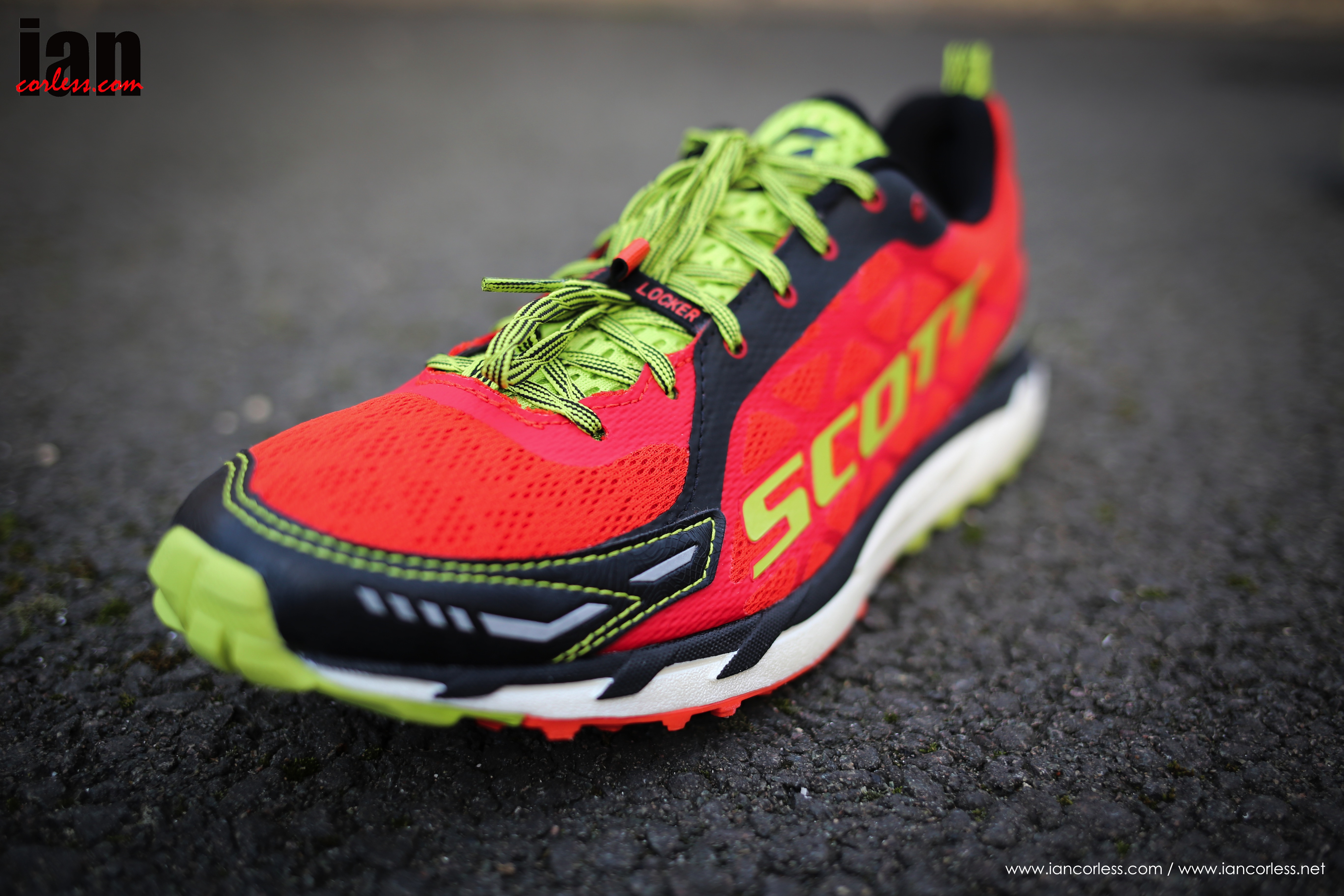
SCOTT Trail Rocket 2.0 (2015) Shoe Review

©iancorless.com_Scott-8036


Following on from the extremely successful and popular T2 Kinabalu (review HERE and ladies review HERE) Scott have produced an out and out trail running race shoe aptly named the Trail Rocket. The original Trail Rocket (Feb 2014) when released gained plenty of initial praise. I praised them! However, it soon became apparent that the sole had some serious issues. The black nodules as seen on the image below literally would just come off. For me, my shoes did last a while before I had issues, however, some runners had problems within 50-miles.

Scott Trail Rocket Sole

The new 2015 shoe has addressed this issue and the sole is now far more resilient and long lasting.

©iancorless.com_Scott-8046

The orange section of the sole is now a moulded compound and the grip is not ‘added’ as in the previous model. So if you have used the Trail Rocket in the past, like them but refused to go near them again because of longevity issues, don’t worry, Scott have addressed this!

If mud is your thing the Trail Rocket is not for you. The Trail Rocket 2.0 is for fast running on hard pack trails, rocks, gravel and so on. They can withstand a little mud but not too much. They perform well on wet ground but the compound used in the orange section of the sole is relatively hard and on occasion I have felt the shoe slip. It’s only a minor slip but nonetheless it does make you take a breath and then you question what will grip be like later in the run?

©iancorless.com_Scott-8044

Following the trend for low drop shoes, the Trail Rocket 2.0 has a 5mm heel to toe drop in comparison to the 11mm drop of the T2 Kinabalu. The T2 Kinabalu is still a favourite shoe of mine even though it has an 11mm drop. This is mostly due to the ‘rocker’ sole which makes the shoe feel lower than it actually is. You can see one of the 2015 T2 Kinabalu 3.0 colour ways below.

Scott T2 Kinabalu 2015

Scott T2 Kinabalu 2015

The upper of the Trail Rocket 2.0 is very breathable with a slightly narrow toe box (precision) and a snug heel compartment that provides a solid and secure fit. Toe protection is okay but not great.

©iancorless.com_Scott-8052

Sizing is true to size, however, if you are going without socks you may want to check what works for you. Lacing is solid and depending on your preferred lacing method the shoe holds firm to the foot and is extremely comfortable.

©iancorless.com_Scott-8051

The laces provide a real secure and tight hold and once tied they hold firm and don’t come loose. An elastic bungee (Lace Locker) holds and retains any  excess lace.It’s a really practical solution that was missing on the original Trail Rocket. It’s a simplistic solution to a problem that exists for all runners unless you use Salomon!


The Trail Rocket 2.0 is lightweight and versatile and designed for maximum performance for racing and fast training. The minimalistic design in combination with the eRide™ Technology promotes an efficient, natural and fast running style.

©iancorless.com_Scott-8057

Arguably, the eRide™ (rocker) may not required for this model of shoe as a 5mm drop will almost certainly mean that your run form should already be good and mid to forefoot landing is normal. However, should you be transitioning to lower drop shoe (say from 8mm) the eRide™ will help guide you on your way.

eRide

As you would expect, the shoes weigh in at a light 260g (UK9) which is obviously due to the minimalist design and Aerofoam.

Aerofoam

Forefoot cushioning is 17.5 and rear cushioning 22.5 providing a shoe that still provides good cushioning and protection. How far can you run in them? Well it very much depends on your form, adaptation and technique. Without doubt I think we will see many efficient runners covering 100-miles in this shoe, however, for many the Trail Rocket 2.0 will be ideally suited for fast running on trail races up to 50-miles.

©iancorless.com_Scott-8040


The Trail Rocket 2.0 has a ‘Rock-Protection-Plate’ too reduce any impact from obstacles on the ground and cushioning is good. I have had few issues with ‘feeling’ the ground beneath me.

Slipping the shoe on you have that confirmed comfort feeling inherited from the T2 Kinabalu, so, it’s fair to say that if you are a fan of its beefier brother you are going to like the Trail Rocket.

Overall comfort is great and you zip along feeling very light and fast. The shoe has great flexibility. They encourage you to move quicker, lighter and faster with increased cadence.

A real bonus is how good the shoe feels on road and/ or tarmac. Many of us need to transition to trail either by connecting roads or maybe you need to access trail with a jog to and from home? The Trail Rocket handles this well. It’s too early to say in testing what impact this will have on the wear and longevity of the sole.

The Trail Rocket is definitely a shoe for faster training sessions. Certainly if you are new to ultra racing or looking to complete rather than compete, the Trail Rocket may not be the shoe for you.

I really like the Trail Rocket. I enjoyed the first incarnation and had the sole not let me down I would have continued to use them. SCOTT may have an uphill battle convincing previous Trail Rocket owners back… that would be a shame! The 2015 edition of the shoe is exactly as before but now the shoe has a sole that can keep pace with your running.

Read about eRide HERE

©iancorless.com_Scott-8055

Read about Aerofoam HERE

Pros

  1. Light.
  2. Low drop (5mm).
  3. Breathable.
  4. Great lacing and ‘Lace Locker’.
  5. eRide and Aeroform and buzz words but they work.

Cons

  1. Maybe too light for some runners.
  2. Potentially too narrow in the toe box, so, if you like roomy shoes make sure you try these first.
  3. Previous model sole had real issues so runners are going to need to be convinced.

Specs:

  • Drop 5mm
  • Upper – mesh with synthetic overlays
  • Lower – eva/ rubber

Scott Running website HERE

logo