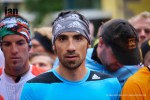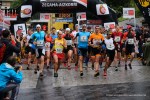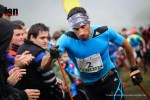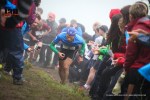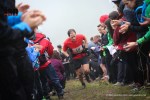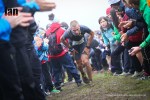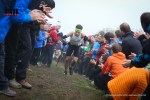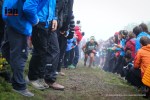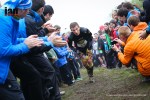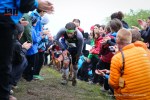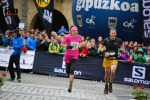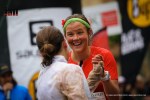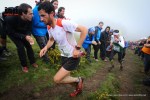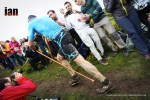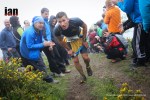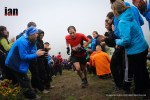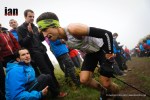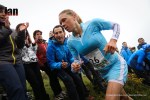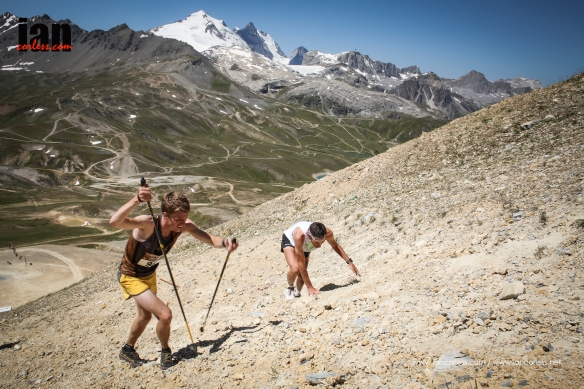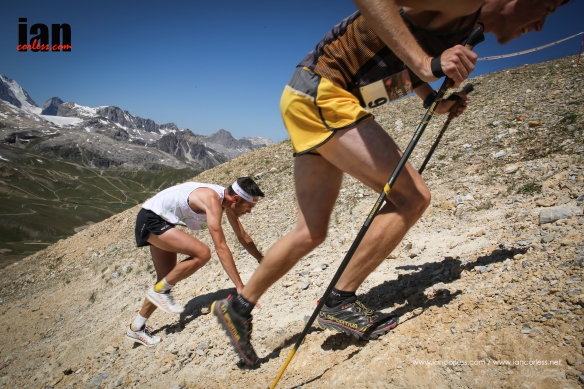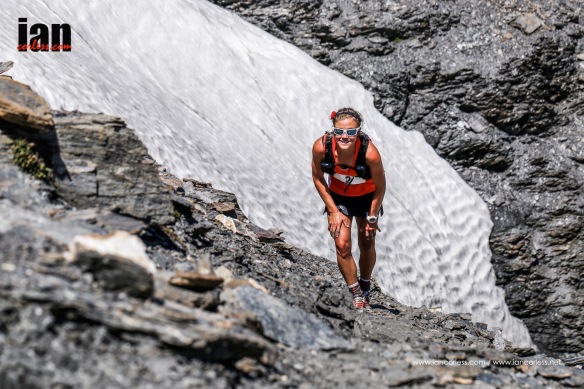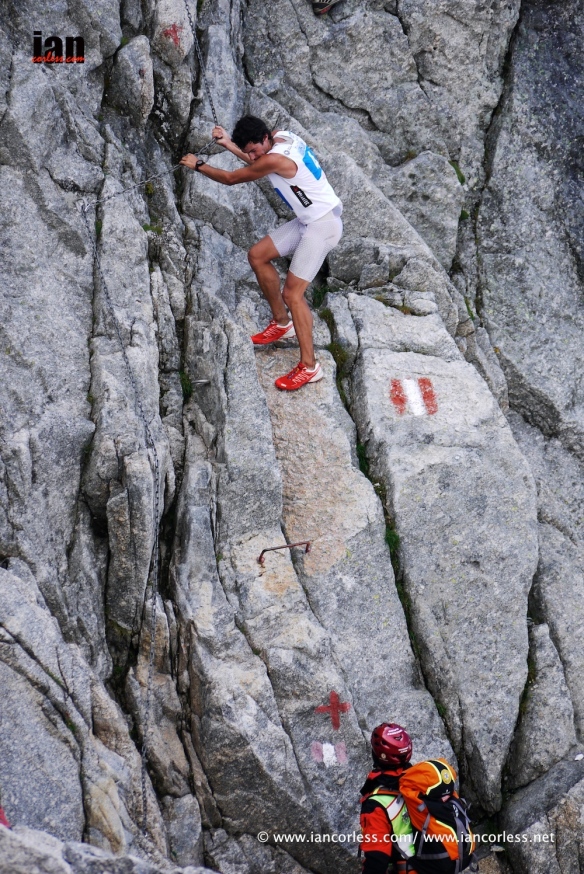
Zegama-Aizkorri 2016 Race Preview – Skyrunner® World Series

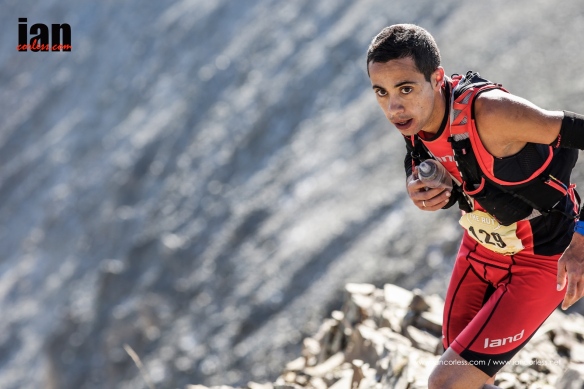
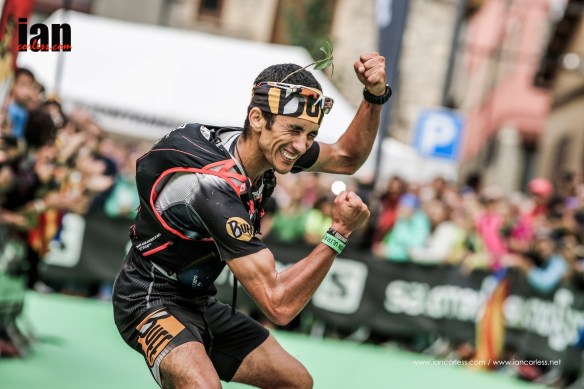
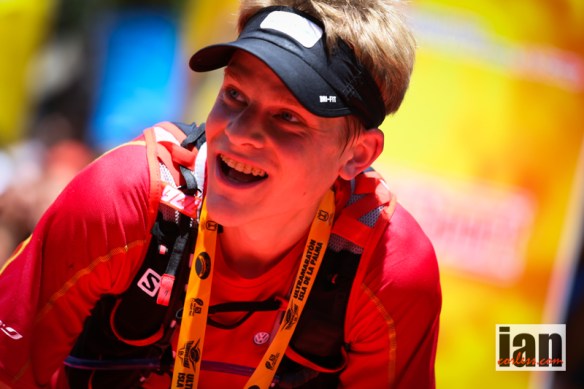
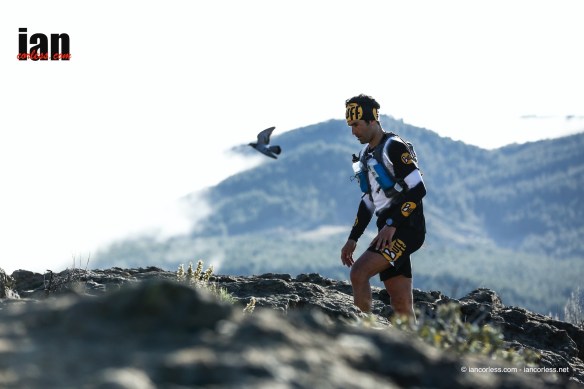
©iancorless.com_IMG_1954Zegama14

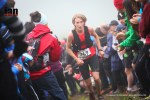
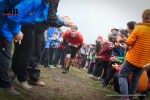
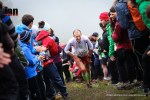
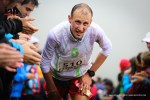
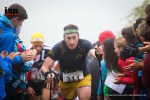
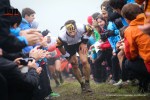
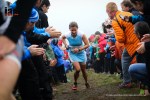
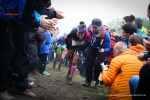
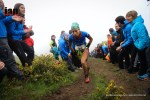
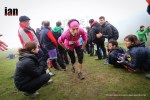
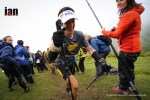
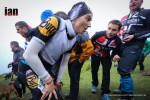
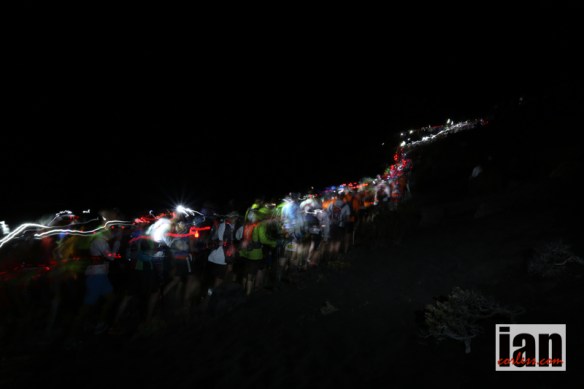
Zegama is Zegama! Ask anyone about Zegama-Aizkorri and the answer will be, ‘Zegama? well, Zegama is Zegama!’

Yes, it is a unique race! The Skyrunner® World Series 2016 roles on from Transvulcania Ultramarathon on the island of La Palma and now transfers to mainland Spain, the Basque country – Zegama!

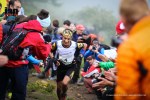
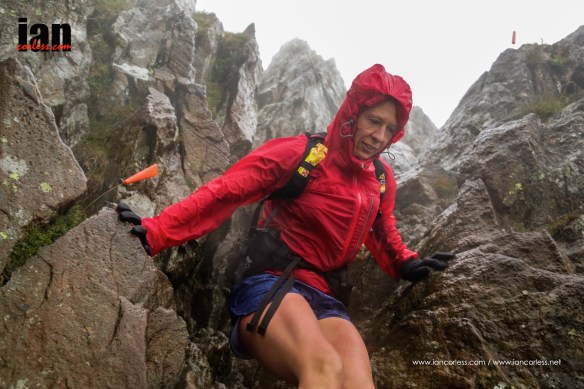
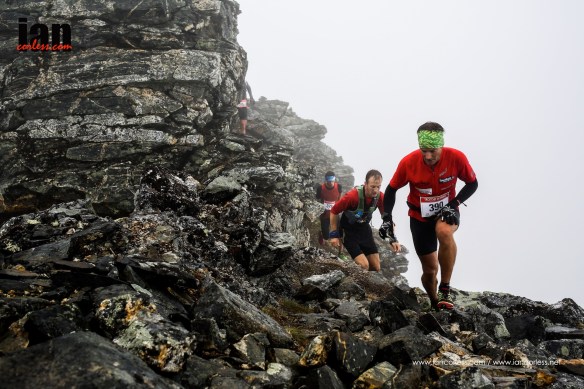
Due to it’s location, early season date and unpredictable weather, Zegama-Aizkorri has seen many epic battles. Catalan mountain running legend, Kilian Jornet has won the race an incredible six times. The combination of challenging terrain, vertical gain and descent and typically bad weather fall into the Catalans hands perfectly. It’s a race where strength of mind must be matched by the strength of the body.

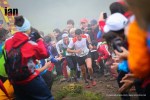
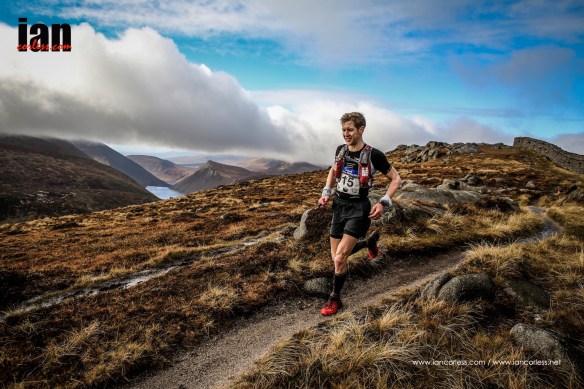
A quiet and sleepy place, Zegama is transformed on race weekend into a mecca of mountain running. The course is reassuringly predictable, however, as past editions have shown, the weather adds the variety and a glorious sunny warm edition can be followed with a snowy, wet and miserably cold edition.

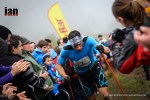
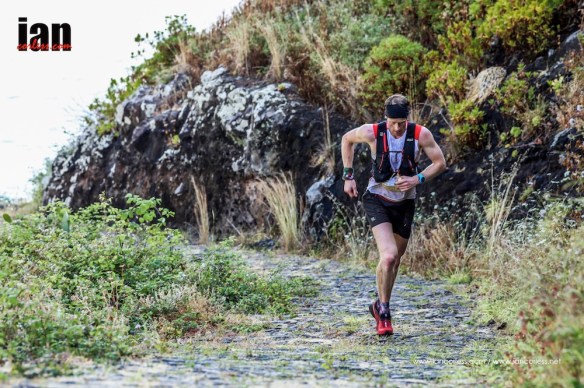
Taking in a loop over the Arratz massif and the Sierra of Aizkorri. Otzaurte provides an early indication of form on the day but it’s on the legendary climb of Sancti Spiritu where thousands of spectators line the trail where the action starts to unfold.

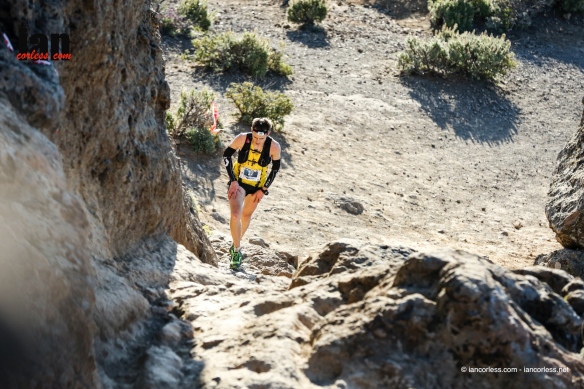
Taking in the four highest peaks in the Basque Autonomous Region; Arratz, Aizkorri, Akategi and Aitxuri the highest at over 1500m. Zegama-Aizkorri is a classic mountain marathon distance race with 5472m of vertical gain.

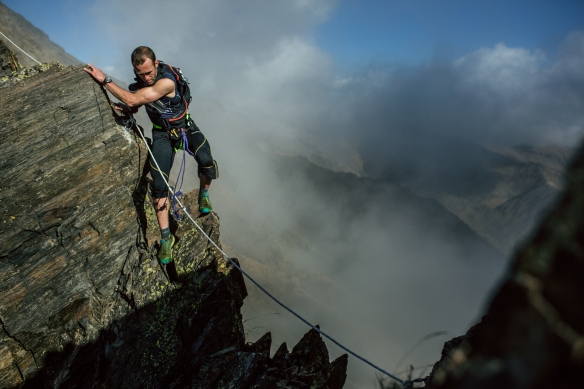
A ridge run at altitude leads to the final summit. Scrambling over rocks the final descent arrives which leads to the roads of this sleepy town, now transformed into a hub of colour and noise.

Zegama is Zegama!

******

©iancorless.com_IMG_0123Zegama14

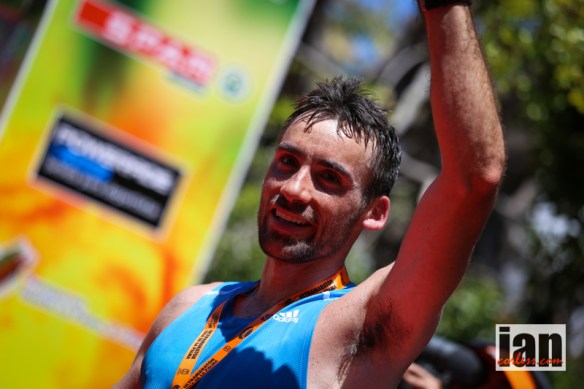
The race is notable for it’s history and one man alone has shone brightly at Zegama – Kilian Jornet. Many thought the Catalan would not run in Zegama in 2016 due to his exploits in mountaineering and his ‘Summits of my Life’ project, not so – Kilian will run!

‘Kilian posted on Twitter on May 17th, ‘Last long training before Zegama done, 13h 6500m in technical terrain 🙈🙈🙈’

Needless to say, Kilian is the favourite!

In all honesty, as one would expect, the quality of the line up at Zegama is exceptional, particularly in the men’s race. The ladies race is without doubt one of the weakest line-ups in recent years – Emelie Forsberg is injured, Laura Orgue is injured, Elisa Desco is injured, and the race is also missing, pocket rocket, Stevie Kremer amongst others.

MEN
©iancorless.com_IMG_0247Zegama14

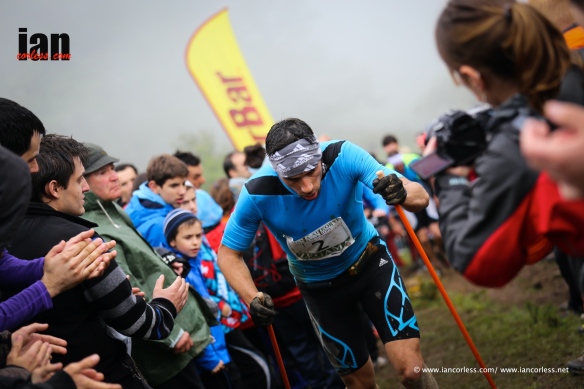
Luis Alberto Hernando just blitzed the Transvulcania course once again and although you can’t rule him out, I can’t help but think he will just miss that extra few percent (due to fatigue) of energy needed and required to top the podium. He will fight all the way to the line though and he will unleash a breakneck descent for potential victory.
©iancorless.com_Rut2015-5827

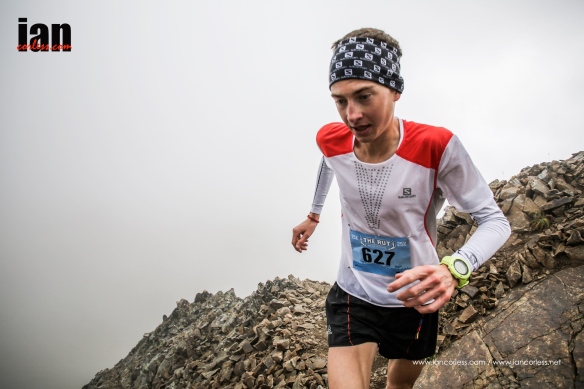
Remi Bonnet has looked for an opportunity to race Kilian for sometime. Yes, he is that keen… he has been tipped by many, me included, that he may well be ‘the next big thing’ in the world of Skyrunning. He is an incredible talent in the VK discipline and as he showed at the Rut in Limone, he is also an incredible talent at the Sky distance. Remi could well push Kilian all the way to the line but I will still give KJ the nod for victory.

©iancorless.com_DolomitesSkyRace2015-1920Tadei Pivk was a man on fire in 2015 and was champion of the Skyrunner World Series. He has already started his 2016 well with races in Italy and a recent 2nd place at Yading SkyRun in China. Tadei love Zegama- Aizkorri and he always finds the form to make an impact on the podium.

©iancorless.com_DolomitesSkyRace2015-1837

Saul Padua is a VK specialist and a very good one! He recently won the Transvulcania VK and in 2015 he dipped his toe in the Sky distance, in particular the Dolomites where he lead the charge to the summit only to loose his lead on the descent. I can’t help but feel that Zegama will be a similar scenario – he will run top-5 early on but potentially will loose places on the long descent to the line. If the weather is bad and it looks as though it may be, I think that will impact on his race even more.

Marc Lauenstein is yet to be confirmed as running but if he does, he could really shake things up. He recently won the Three Peaks in the UK ahead of Ricky Lightfoot and Tom Owens. The UK fells are actually the perfect training ground for Zegama, so, if Marc runs – watch out!
©iancorless.com_Limone2015-0722

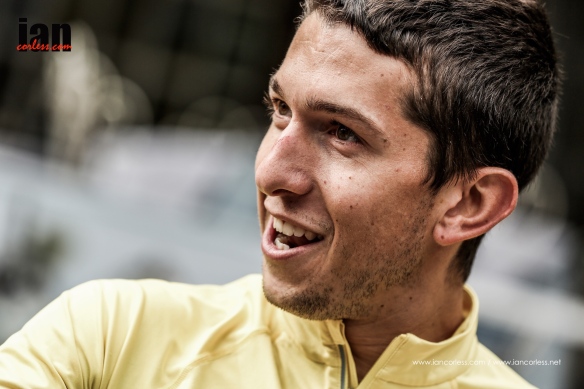
Manuel Merillas like Tadei has illuminated the Skyrunner World Series with a string of world-class performances over multiple distances. He was 3rd at Limone behind Remi Bonnet and Tadei and at Lantau 2 Peaks he placed 2nd behind Remi relegating Tadei to 3rd. For sure, Manuel will be in the mix for a podium place.
©iancorless.com_Rut2015-5864

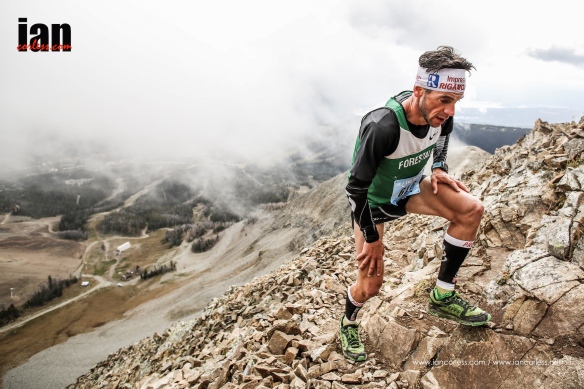
Marco De Gasperi needs no introduction to any follower of mountain or Skyrunning. The guy is a legend, he has been there and done it and still manages to pull out great results from the bag. you can never rule the Italian out but younger and faster competition keep coming, making racing at a high level increasingly harder. No longer running

©iancorless.com-0333Kima2014_

Tom Owens is yet to be confirmed as participating although he is on the start list. Tom is made for Zegama with a strong background in fell running. The terrain and mountains in this region of the Basque country offer the Scot a unique playground and what that he embraces. His recent podium place at the Three Peaks in the UK shows he is in form.
©iancorless.com_USM2015-2699

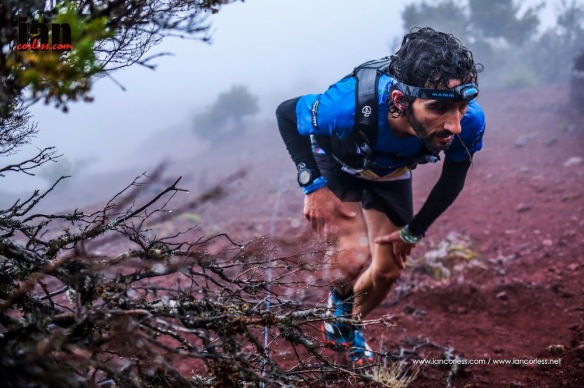
Aritz Egea is the ever consistent Skyrunner with a string of victories, podium places and top-10 results. He does have the ability to win Zegama, he just needs a little luck. Expect him to go out hard, potentially lead the race early on with the hope of clinging on to a lead to the finish.
©iancorless.com_DolomitesSkyRace2015-1901

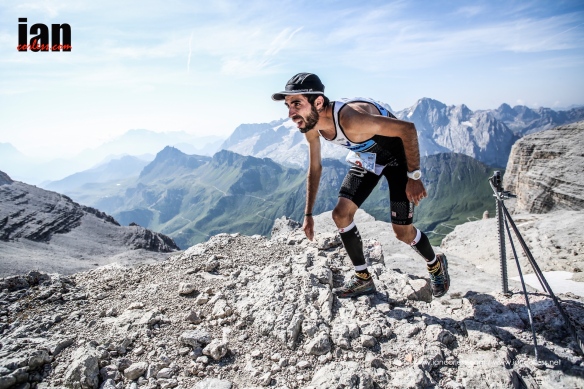
Ionut Zinca like so many listed above has the potential to win and almost certainly make the podium. An ever-present on the Skyrunning circuit with consistent results at Zegama, the Dolomites, Limone and so many more, if Ionut is on form, we can certainly expect him to push throughout the race for the top slot.

©iancorless.com_Transvulcania2016-4227

Zaid Ait Malek raced Transvulcania and therefore may well be a little tired for Zegama. However, he knows how to run this race and has placed well within the top-10, I don’t see him winning but top-5 is possible.

©iancorless.com_Limone2015-0823

Jokin Lizeaga and Eirik Haugsness head up the leading runners for a top-10 placing along with Pere Rullan, Pablo Villa (tbc), Hassain Ait Chaou, Jessed Hernandez and Nil Cardona.

LADIES

©iancorless.com_DolomitesSkyRace2015-2198

Megan Kimmel heads up the ladies race after a recent victory at Yading SkyRun and an impressive 2015 Skyrunner World Series season. To say Megan has been on fire would be an underestimation and it was actually a real surprise that she did not win the 2015 Skyrunner World Series – a below par performance at Limone Extreme ruined her chances. But her string of victories, particularly at the Dolomites SkyRace when she beat Laura Orgue elevated her to ‘hot’ for all the Skyrunning races – watch out!
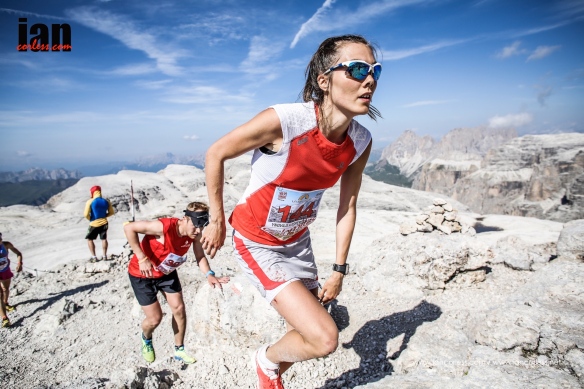
©iancorless.com_DolomitesSkyRace2015-2299

Yngvild Kaspersen is the female equivalent of Remi Bonnet. In 2015, her first racing season, she rose through the ranks with a series of impressive runs both in the VK and Sky distance and she was rewarded with victory in Hong Kong at the Lantau 2 Peaks in horrendous conditions. If conditions in Zegama are wet, cold, miserable and slippery underfoot, Yngvild may well shine and take victory!
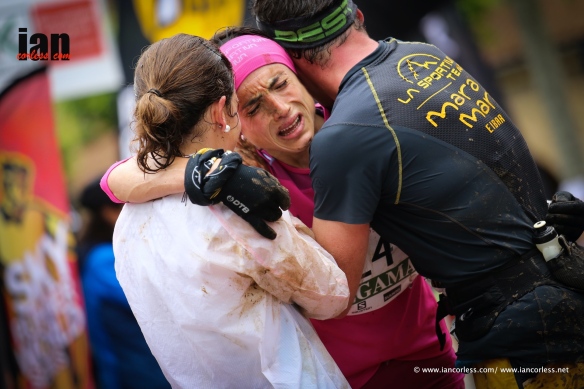
©iancorless.com_IMG_2179Zegama14

Maite Maiora is an ever-present on the Skyrunning circuit and only races one way; hard! Over the winter she took time out for an operation and therefore her training may well have been compromised. On her day, Maite is without doubt podium potential and in and amongst this ladies field, I think she has every chance of a top-3 slot.
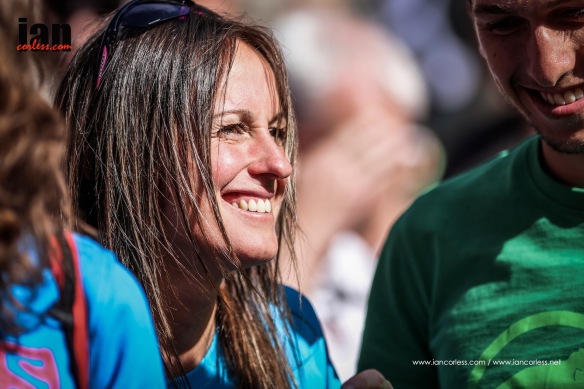
©iancorless.com_ITT2015-8847

Azara Garcia won Zegama and then had a string on injury issues which leaves many question marks about her form? If she is fit and well, then we can expect Azara to give Megan a race.
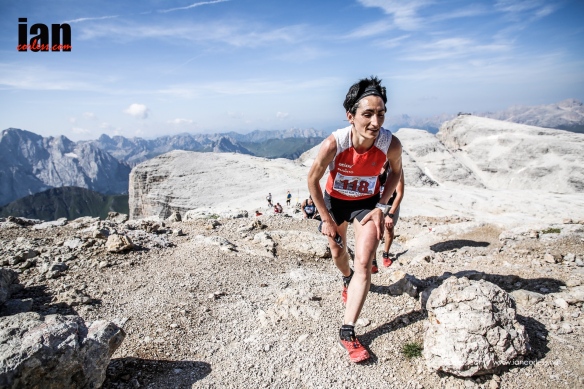
©iancorless.com_DolomitesSkyRace2015-2362

Oihana Kortazar is yet to be confirmed as running but she recently raced the marathon distance in Transvulcania. A lady who knows the mountains and trails of Zegama very well, I would expect a podium place.
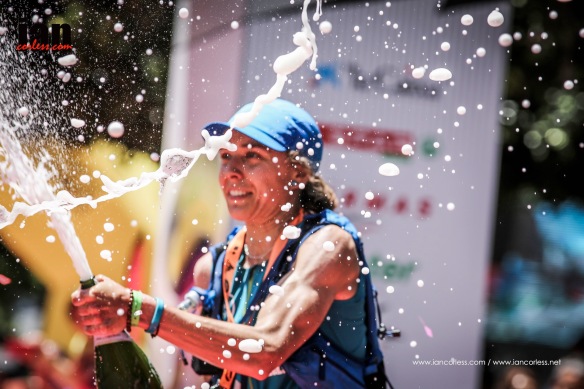
©iancorless.com_Transvulcania2015-9591

Anna Comet raced Transvulcania and had to pull out with an injury. Although her name is on the start list I question if she will run? My gut feeling though is that this race is maybe too short for her skills; a longer race suits her better.
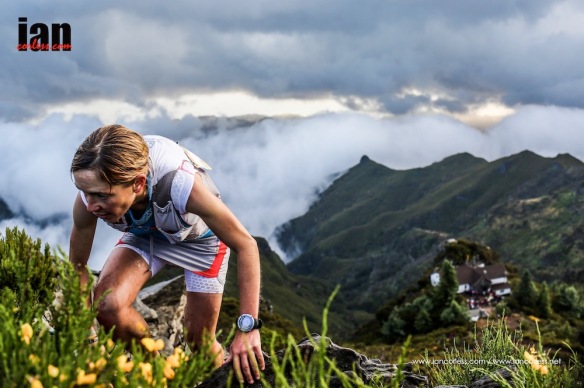
©iancorless.com_USM2015-3127

The same applies for Portugal’s Ester Alves. A great long distance runner who can handle technical trail, the short sharp shock of Zegama may well be too much of an ask for a podium place. Top-10 is a distinct possibility for both.©iancorless.com-9069Kima2014_

Paula Cabrerizo and Nuria Dominguez head up the charge behind the three ladies above, both have all the ability to make the podium and yes, a victory is possible.

Marta Molist Codina, Aitziber Iberia and Eva Maria Moreda Gabaldon form the next wave of contenders and of course, we have to anticipate surprise performances that we just can’t account for. Alicia Shay placed 4th at Transvulcania Ultramarathon and although on the start list, she will not run.

img_7692-1

The 2016 Skyrunner® World Series is brought to you with a new management company, Geneva based SkyMan SA

SkyMan SA  is pleased to present a new Main Partner, Migu Xempower, a Chinese exercise and health management platform which also counts a rich experience in organising marathons, city and mountain races for millions of runners.

The well-established, SkyUltra and Vertical format is joined by the Extreme Seriespresented by Alpina Watches, which more than ever expresses the true spirit of skyrunning defined not only by distance, but vertical climb and technical difficulty.

Skyrunner® World Series is supported by Migu Xempower, Alpina Watches, Compressport, Salomon and Scott Sports.

iancorless.com is the official photographer and media partner for the

Skyrunner® World Series Follow on:

Social Media Logos Facebook/iancorlessphotography

Twitter (@talkultra)

Instagram (@iancorlessphotography) 

Follow the Skyrunner® World Series on social media platforms

Facebook.com/skyrunning

Twitter @skyrunning_com

Instagram @skyrunning

View the Zegama galleries from 2014
Transvulcania Ultramarathon 2016 Preview – Skyrunner® World Series

©iancorless.com_Transvulcania2015-8400

The island of La Palma one more prepares for the biggest weekend of the year:

Transvulcania!

LOGO_SKYRUNNER_WORLD_SERIES_horizontal

The Skyrunner® World Series 2016 kicked off just last weekend in China with the Yading SkyRun, now, it’s the big start for the European calendar and what a start. Transvulcania has become one of THE races to do. It’s reputation for stunning organisation, the majestic and beautiful trails of ‘La Isla Bonita’ and yes, a world-class field that that sets the bar.

Over the years, since 2012, the race distance has always been a point of conjecture. Now though, many of us are happy to say the races sits somewhere between 73-75km, which is approximately 46-miles that includes 3000+m of vertical gain.

It is a stunning race and one that is completely logical for a runner’s perspective. The point-to-point journey from sea to summit and back to sea personifies Skyrunning. The trails, although not overly technical, are some of the best trails to run on – they are stunning!

©iancorless.com.IMG_7471Transvulcania14

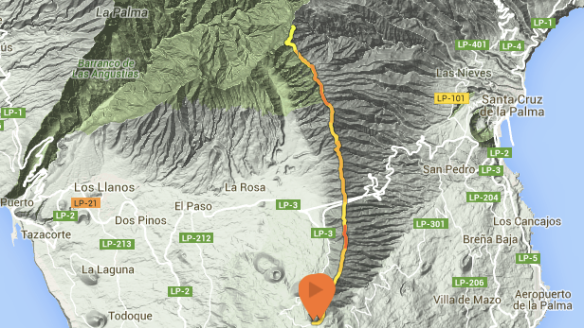
Starting at Fuencaliente lighthouse, runners basically climb for 50km (with a drop down to El Pilar) to the caldera and the impressive Roques de los Muchachos. Many have considered this huge and impressive cauldron to be a Volcano, it is not, it is actually a large water erosion crater.

The trails, the landscape and the stunning vistas are beyond impressive. Depending on weather systems, an inversion can take place and therefore the runners run ‘above the clouds.’

Since 2012, the race has been transformed, directly attributable to Skyrunning, the ISF and the vision of Marino Giacometti and Lauri van Houten. 2016 once again steps up the reputation of the race with a stunning line up, yes, to coin a phrase, the field is stacked!

MEN

©iancorless.com.IMG_8511Transvulcania14

Luis Alberto Hernando is the two time defending champion and returns in 2016. His performance in 2015 was off the scale and his course record was beyond impressive. Lies really has become a star of the sport but yet still remains a relatively low key character despite being a Skyrunning World and European Champion and having placed on the podium at UTMB. Luis is without doubt the outright favourite, he knows the course like the back of his hand. He became a father in 2015 and clearly stated that he would race less in 2016 to place an emphasis, that can only mean one thing, the races he does do he will be fired up for and at 100%.

©iancorless.com.IMG_8679Transvulcania14

Sage Canaday has been close but no cigar many times on the island of La Palma. His achilles heel in comparison to the pure Skyrunners is his descending ability and unfortunately for Sage, Transvulcania drops from the high point of the course right down to the sea (2400m) in one 18km drop that not only requires 100% attention but great skill. Therefore, Sage has always employed the tactic of run hard from the start, build a buffer and then hopefully hold on. On the podium twice before, Sage missed 2015 and now he is back – can he topple Luis?

©iancorless.com_Transgrancanaria2016-0660

Andy Symonds for me is the one who has all the potential to not only make the podium but push Luis all the way to the one and possibly pass him. Andy was there in 2012 when Dakota Jones took top honors ahead of Kilian Jornet. It signified a break through for Andy and what followed was disaster and series of issues and problems. He finally made a comeback in 2015 and he gained some notable success especially at Mont Blanc 80km, ELS2900 and most recently at Transgrancanaria. A move from Salomon to Scott has rejuvenated Andy and he has a new enthusiasm for the sport, he is back and I think Andy can win.

tnfutmb 2013 ©iancorless.com

Miguel Heras is an enigma, at times inspirational and at other times frustrating, His injury woes are a continual saga and it is just impossible to predict if he will run well or not. All I can say is, if he is on form he will be up there and he has every chance of contesting the podium as he did at Ultra Pirineu in 2015. However, the odds are increasingly stacked against him with such a young and talented field, but this is Miguel Heras – you cannot rule him out!

©iancorless.com_USM2015-5601

Ricky Lightfoot like Andy Symonds has all the potential to win Transvulcania. Just last weekend he placed 2nd at the Three Peaks in the UK sandwiched between two fellow Salomon teammates. Ricky works full time, has a family and therefore often has to fit races in at last minute and occasionally he has to cancel at last minute. He can run with the best as he proved at the IAU World Trail Championships and his fell running background sets him up perfectly for anything technical.

©iancorless.com_Rut2015-1391

Cristofer Clemente placed 7th in 2015 but went on to have a very sold 2015 Skyrunning season. He’s a quiet guy who sits below the radar and therefore is often able to surprise. His 2nd place at The Rut was arguably his best performance of 2015 and although he is maybe not always a podium contender, he is consistent if nothing else – exactly what you need for the Skyrunner World Series.

Adam Campbell is somewhat a surprise entry; I didn’t see that one coming. Since his stunning Hardrock performances, Adam took a lower profile and took to skis and ski mountaineering – no bad thing, Kilian and many others have been doing that for years. Adam’s last experience at Transvulcania in 2013 was a character building lesson in persistence and survival. His finish despite huge problems earned him respect. He has the race skills and speed for Transvulcania and if he finds his run legs, he will be a contender.

©iancorless.com_TCC2015_Day3-0102

Mike Murphy is a fellow Canadian of Adam Campbell and although you will not see his name mentioned or talked about in any previews, take note, he is one to watch! Mike is one of the gutsiest and committed athletes I know. He doesn’t race much but when he does it is at 110%. We discussed his participation at Transvulcania in 2015 and I know he has been preparing for this showdown.

©iancorless.com_UltraPirineu2015-3539

Zaid Ait Malek is a runner who embraces life and the trails. He loves life and he loves running. Even though he won Matterhorn Ultraks in 2014 one could arguably say his best performance was placing 2nd to Kilian Jornet at Ultra Pirineu in 2015. Zaid does have a habit of blowing hot and cold though. I hope he has a good race in La Palma.
©iancorless.com.IMG_8838Transvulcania14

Stephan Hugenschmidt placed 5th in 2014 and the stage was set for stardom, what followed, didn’t actually follow the script that many had written. Despite a win at the TransAlpine and other wins in smaller races, the ‘big’ victory didn’t follow which leaves a huge question mark for Transvulcania 2016. My gut feeling says that we will see him top-5 again!

©iancorless.com-0362Kima2014_

Fulvio Dapit loves to run and run regularly, the distance of Transvulcania will suit him as will the technical aspects – he is a pure Skyrunner. On his day, we can really expect him to contend the top-5, however, he is prone to stomach issues which can often ruin his racing.

©iancorless.com_Transgrancanaria2016-0923

Gerard Morales like his Buff team mates of Zaid and Pau has the potential to be top-10 but may just lack the additional oomph and speed to penetrate the top-5.

Pau Bartolo won TCC in 2014 and although on his day we can expect him around the top-10, I don’t see him making any inroads on the top-5.
Sylvain Court leaves a huge question mark for me? He was the winner of the IAU World Trail Championships on home ground in Annecy. Was it home advantage a purple patch? I don’t know, I really don’t. However, the trails around Annecy need respect and Sylvain did beat a tired Luis Alberto Hernando that day – what do you think?

Nicolas Martin however placed 3rd at CCC, 2nd at Templiers and was 7th in Annecy at the IAU World Trail Championships and that balance of results elevates him to a potentially higher overall placing at Transvulcania over Sylvain.

Chris Vargo had a tough 2015 but prior to this had excellent 2013 and 2014 seasons. The hard packed single-track that Transvulcania offers will suit Chris, however, the black soft sand, technical trails around the Caldera and the 18km drop to the sea may suit him less?
©iancorless.com.IMG_9070Transvulcania14
Vajin Armstrong is a top class runner from the Southern Hemisphere who has all the potential to be top-10 and if he has a good day, he may come close to 5th but I don’t see the podium as a possibility.

©iancorless.com_Transvulcania2015-7989

Vlad Ixel has raced Transvulcania before and was forced to withdraw as his shoes fella apart…. at the time of dropping, he was in and around the top-10 and looking good. Based in Hong Kong he ha regularly has a string of top quality results and like Vajin Armstrong I see him in the top-10.

Benoit Cori is a two times winner of Templiers and a recent winner of the SainteLyon night race. Two of Frances biggest races outside of the UTMB. Although Benoit can obviously run, I don’t see him beating the like of Luis, Andy, Ricky, Miguel, Sage and Zaid on a cause such as this – I may be wrong?

Ones to watch:

Julien Codert has placed 6th at Transvulcania previously.

Yeray Duran is from the Canaries and will be fired up for this race.

Aurelian Collet another French runner who like running French races.

Ion Azpiroz

Florian Reichert – been training on the island and looks fired up for a good race.

Marcin Swierc

Marco Ranchi

Nuno Silva

©iancorless.com_BrunoBrunod-0546

and finally a huge nod of the hat for Bruno Brunod who is along with Marino Giacometti, the father of Skyrunning. In recent years he has run and raced the Tor des Geants. I for one will be interested to see how the legend performs on these wonderful trails.


LADIES

©iancorless.com.IMG_9258Transvulcania14

Anna Frost heads up the ladies’ race and I have to say, if ‘Frosty’ is on form she will win the race. No disrespect to the other ladies but Frosty knows and loves this course, holds the course record and when in beast mode; is unstoppable. But will she be 100% fit? Her ability to climb hard, descend fast is un-matched by any other lady in the field with the exception of Mira Rai. Frosty missed the race last year with injury but won Hardrock 100, a race she will go back to this year.

©iancorless.com_UltraPirineu2015-3066

Mira Rai just placed 2nd at the Three Peaks in the UK. A clear sign of pure class… fell running is far removed from what she is used to. Mira’s story is an inspirational one and along with Jo Meek, I believe that Mira has all the potential to contest the top of the podium. Mira in my opinion will get the edge over Jo due to her technical ability – the 18km descent is going to be a crucial element of the race.

Jo Meek TCC2014 ©iancorless.com

Jo Meek TCC2014 ©iancorless.com

Jo Meek had some tough times with injury but she returned in late 2015 placing 2nd at Everest Trail Race and then 8th at TNF50. I would say in both of those races she was on the comeback trail and although Transvulcania will throw some significant obstacles at her, I do believe her natural fast speed will be a huge advantage. I can’t help think that Jo will adopt a Sage Canaday approach, pushing hard in the early stages when she can run looking to build a time buffer and then when the trails get gnarly, she will do her best to consolidate. A bonus for Jo is the final push from Tazacorte to the finish. If in contention, Jo will have the speed to close out the race.

©iancorless.com_Tromso2015-5282

Ida Nilsson is my dark horse for the race and top tip for the podium. I can hear you all say now, Ida who? Believe me and trust me, barring injury or problems, Ida will be contesting the podium.

©iancorless.com_Transvulcania2015-9587

Anna Comet finished 2nd at Transvulcania last year and had a great year of Skyrunning. I think it’s fair to say that Anna may well have raced too much in 2015. I think she learnt that lesson and will race less in 2016. The podium is there for the taking and I have no reason not to see Anna top-5.

Alicia Shay falls a little in the Jo Meek category. She is a fast runner who is looking to find her trail feet. Transvulcania offers a good mix and does allow the ‘runner’ to perform as Sage Canaday has shown. Alicia will be looking to follow in Sage’s footsteps but I do think she is in for a European learning curve. I see Jo and Alicia leading the race early on, what happens from the Caldera to the sea with all come down to bravery and adaptation.

Uxue Fraile will start steady and work her way through the field. She knows how to race this course and races tactically. It’s one of caution. She allows the other ladies to race hard and then detonate and then she does what she does best, close with great skill and consistency and picks up the pieces for a top-5. Her 2015 was stunning with a win UTMF and 2nd at UTMB. I do believe though that Transvulcania is not long enough or hard enough for Uxue to win.

©iancorless.com_DolomitesVK2015-1132

Christel Dewalle is the known un-known if that makes sense. A VK specialist, Christel has had good results in many ultras and her inclusion into Transvulcania is an interesting one. My gut reaction tells me that we may well see a surprise.

Gemma Arenas is a runner who may well drift under the radar but her 4th place at Ultra Pirineu confirms her ability.

Magdalena Laczak was 5th last year and went on to improve throughout 2015. In many respects she is a dark horse.


©iancorless.com_Rut2015-7699Hillary Allen may well be the hottest property from the USA in regard to Skyrunning. She may not be the fastest of the American ladies but she can handle and embraces the technical trail. Hillary proved this at Mont Blanc 80km and on home soil at The Rut.

Anne-Lise Rousset placed 5th in 2014 and she has the potential to place in a similar position in 2016. Considering the competition, she would need a stunning run (or others to have a bad run) to make the top-3.

Jodee Adams-Moore will be between top-5 and top-10 based on previous form but she does have the potential for a break through performance. Had Transvulcania not contained the Caldera and the 18km drop to Tazacorte, I would rate Jodee’s chances higher.

Kristina Pattison was 6th at Mont Blanc 80km and Transvulcania in 2015 and therefore along with Hillary Allen, is the best prospect for an American breaking the top-5.

Ones to watch:

Manu Vilaseca

Zoe Salt

Gabriela Sanchez Cabezas

Adrian Vargas

Juliette Benedicto

 *****

The 2016 Skyrunner® World Series is brought to you with a new management company, Geneva based SkyMan SA.

SkyMan SA is pleased to present a new Main Partner, Migu Xempower, a Chinese exercise and health management platform which also counts a rich experience in organising marathons, city and mountain races for millions of runners.
The well-established, Sky, Ultra and Vertical format is joined by the Extreme Series presented by Alpina Watches, which more than ever expresses the true spirit of Skyrunning defined not only by distance, but vertical climb and technical difficulty.

Skyrunner® World Series is supported by Migu Xempower, Alpina Watches, Compressport, Salomon and Scott Sports.

iancorless.com is the official photographer and media partner for the

Skyrunner® World Series Follow on

Facebook HERE 

Twitter (@talkultra) HERE 

Instagram (@iancorlessphotography) HERE

LOGO_SKYRUNNER_WORLD_SERIES_horizontal

Follow the Skyrunner® World Series on social media platforms

Facebook.com/skyrunning

Twitter @skyrunning_com

Instagram @skyrunning

Episode 103 – Olson, Jornet, Johnson, Jurek, Fiennes

A_GRAVATAR

This is Episode 103 of Talk Ultra. A very happy new year! Talk Ultra is 4 years old and to signify this landmark we are bringing you 4 interviews from our back catalogue, one from 2012, 2013, 2014 and 2015. In addition, we may well bring you a few sounds, music and memories.
Niandi is back with me….

The La Palma story continues – watch our GoPro story of tackling the Transvulcania route (GR131) over 2 days HERE

La Palma, (Transvulcania) photo galleries can be viewed HERE (more to follow)

00:01:31 Show Start

00:26:45 NEWS

00:28:30 Remember the 10 Commandments?

00:32:16 Remember the Christmas Do’s and Dont’s from 2013? Don’t mention Mingling

Guess what, very little news… but hey David Laney and Magdalena Boulet were voted ultra runners of the year via UltraRunning Magazine.

The incredible Ed Ettinghausen aged 53 ran 481.86 miles at the Across the Years 6-day to beat David Johnson’s 450.37. Full results from the weekend are HERE

00:50:49 MUSIC  The Comrades special is still maybe one of our most popular shows and I am pleased to say we have had countless messages about how we inspired so many to run this iconic race. Episode 8 way back in 2012. A magic show and too long to replay here but due to popular demand here is Shozolossa – I cant listen to this without a tear in my eye and we interviewed the Comrades King –

00:53:01 INTERVIEW Bruce Fordyce

In episode 48, we featured Nepal and the Everest Trail Race, hiking down a mountain on the 2nd day I was joined by Nepalese children who sand for me… pure magic!

And in the last episode in the wee hours of a December morning I walked the streets of La Palma with Niandi listening to the amazing sounds of Divinos san Francisco.

01:24:19 INTERVIEW Okay our first interview comes from 2012 and it is from Episode 12 and the inspiring and mind blowing story of Timmy Olson.

02:16:44 INTERVIEW It may come as no surprise but in 2013, episode 43 I interviewed Kilian Jornet just a day after his incredible Matterhorn Summit record.

02:52:21 INTERVIEW Episode 57 in 2014 provided an inspiring interview with David Johnston about his incredible Iditarod Trail Invitational record breaking run.
03:42:24 INTERVIEW And finally, the Jureks from episode 95. Scott and Jenny nailed the AT and provided one of the most insightful and entertaining interviews ever.

Believe me, choosing 4 interviews from 4 years has been incredibly tough. I can’t tell you how many amazing memories and moments there are. It has been incredible to refresh my mind by looking back. Please go back to the archives and take a look – Ryan Sandes, Marshall Ullrich, Gordy Ainsleigh, Eliie Greenwood, Max King, Lizzy Hawker, Anna Frost and so on and so on…

05:01:35 INTERVIEW Considering Niandi is co-hosting it only seems appropriate that we give you a bonuss interview from Episode 78 with legendary, Sir Ranulph Fiennes

UP & COMING RACES

Australia

Queensland

Bogong to Hotham | 64 kilometers | January 10, 2016 | website

Hares And Hounds 50k Trail Run | 50 kilometers | January 10, 2016 | website

Victoria

Two Bays Trail Run 56km | 56 kilometers | January 17, 2016 | website

Brazil

Brazil 135 Ultramarathon | 135 miles | January 20, 2016 | website

Brazil 135 Ultramarathon | 135 miles | January 20, 2016 | website

Brazil 281 Relay | 281 miles | January 20, 2016 | website

Brazil 281 Relay | 281 miles | January 20, 2016 | website

Brazil 281 Relay | 281 miles | January 20, 2016 | website

Chile

Ultramaratón Licanray – Villarrica | 70 kilometers | January 17, 2016 | website

Germany

Lower Saxony

  1. Lauf PSV Winterlaufserie 100 KM| 100 kilometers | January 16, 2016 | website
  2. Lauf PSV Winterlaufserie 100 KM| 100 kilometers | January 09, 2016 | website
  3. Lauf PSV Winterlaufserie 100 KM| 100 kilometers | January 10, 2016 | website
  4. Lauf PSV Winterlaufserie 50 KM| 50 kilometers | January 16, 2016 | website
  5. Lauf PSV Winterlaufserie 50 KM| 50 kilometers | January 09, 2016 | website
  6. Lauf PSV Winterlaufserie 50 KM| 50 kilometers | January 10, 2016 | website

North Rhine-Westphalia

Nord Eifel Ultra | 56 kilometers | January 10, 2016 | website

Netherlands

North Holland

Dutch Coast Ultra by Night 100 km | 50 kilometers | January 22, 2016 | website

Dutch Coast Ultra by Night 50 km | 50 kilometers | January 22, 2016 | website

Dutch Coast Ultra by Night 75 km | 75 kilometers | January 22, 2016 | website

Serbia

Mojstir Extreme km Trail Run 100 | 100 kilometers | January 16, 2016 | website

Spain

Valencian Community

GR10-Xtrem Valencia Ultra Trail | 93 kilometers | January 09, 2016 | website

Sweden

W-R-T Sandsjöbacka Trail Marathon – 68 km | 68 kilometers | January 16, 2016 | website

Thailand

Columbia Trails Masters – 50K | 50 kilometers | January 17, 2016 | website

United Kingdom

Buckinghamshire

Country to Capital | 45 miles | January 16, 2016 | website

Derbyshire

Montane Spine Challenger | 108 miles | January 09, 2016 | website

Montane Spine Race | 268 miles | January 09, 2016 | website

USA

Alabama

Nicholas Wilson Memorial Tashka Trail 50K | 50 kilometers | January 16, 2016 | website

Arizona

50K | 50 kilometers | January 09, 2016 | website

California

Avalon Benefit 50 Mile Run | 50 miles | January 09, 2016 | website

Long Beach Enlightened Ultra 100K | 100 kilometers | January 09, 2016 | website

Long Beach Enlightened Ultra 100 Mile | 100 miles | January 09, 2016 | website

Long Beach Enlightened Ultra 50K | 50 kilometers | January 09, 2016 | website

Long Beach Enlightened Ultra 50 Mile | 50 miles | January 09, 2016 | website

Pacifica Foothills Trail Run 50K | 50 kilometers | January 16, 2016 | website

San Diego 50 | 50 miles | January 16, 2016 | website

Steep Ravine 50 km | 50 kilometers | January 16, 2016 | website

Florida

100K | 100 kilometers | January 16, 2016 | website

100M | 100 miles | January 16, 2016 | website

Clearwater Distance 50K Ultra | 50 kilometers | January 17, 2016 | website

Georgia

Savannah Rails to Trails 50K | 50 kilometers | January 09, 2016 | website

Hawaii

Hilo To Volcano 50k Ultra Marathon and Relay | 50 kilometers | January 09, 2016 | website

H.U.R.T. 100 Mile Endurance Run | 100 miles | January 16, 2016 | website

Idaho

Wilson Creek Frozen 50k | 50 kilometers | January 16, 2016 | website

Illinois

Frozen Gnome 50K | 50 kilometers | January 09, 2016 | website

Iowa

Tripple D Winter Ultramarathon Run | 50 kilometers | January 17, 2016 | website

Maryland

PHUNT 50K | 50 kilometers | January 16, 2016 | website

PHUNT 50K | 50 kilometers | January 16, 2016 | website

Massachusetts

Cape Cod Frozen Fat Ass 50 km | 50 kilometers | January 16, 2016 | website

Cape Cod Frozen Fat Ass 50 km | 50 kilometers | January 16, 2016 | website

New Jersey

Watchung Winter Ultras Trail 50k | 50 kilometers | January 09, 2016 | website

North Carolina

Neusiok Trail 100K | 100 kilometers | January 09, 2016 | website

Neusiok Trail 43 Miles | 43 miles | January 09, 2016 | website

Weymouth Woods 100k Trail Run | 100 kilometers | January 16, 2016 | website

Oklahoma

Ouachita Switchbacks 50K | 50 kilometers | January 16, 2016 | website

South Carolina

Harbison 50K | 50 kilometers | January 09, 2016 | website

Tennessee

Swampstomper 50k | 50 kilometers | January 17, 2016 | website

Texas

Bandera 100km | 100 kilometers | January 09, 2016 | website

Bandera 50km | 50 kilometers | January 09, 2016 | website

Big Bend 50 | 50 kilometers | January 17, 2016 | website

Virginia

Willis River 50K Trail Run | 50 kilometers | January 10, 2016 | website

Washington

Bridle Trails Winter Running Festival 50 km | 50 kilometers | January 09, 2016 | website

Pullman Winter Ultra Series 50K | 50 kilometers | January 16, 2016 | website

West Virginia

Frozen Sasquatch Trail 50k | 50 kilometers | January 09, 2016 | website

Wisconsin

Frozen Otter Ultra Trek – 32 Miles | 32 miles | January 16, 2016 | website

Frozen Otter Ultra Trek – 64 Miles | 64 miles | January 16, 2016 | website

Tuscobia Winter Ultramarathon 150 Mile Run | 150 miles | January 08, 2016 | website

Tuscobia Winter Ultramarathon 35 Mile Run | 35 miles | January 09, 2016 | website

Tuscobia Winter Ultramarathon 75 Mile Run | 75 miles | January 09, 2016 | website

05:41:09 CLOSE

05:43:00

ITunes http://itunes.apple.com/gb/podcast/talk-ultra/id497318073

Libsyn – feed://talkultra.libsyn.com/rss

Website – talkultra.com

A Day in the Cumbre Nueva to Punta de las Roques – Transvulcania Ultramarathon

©iancorless.com_LaPalma2015-5563

Yesterday, I planned a little outing with Niandi. No plans really, in all honesty, we didn’t even know which section of the Transvulcania course we would go on. The main problem with running on the Transvulcania course is logistics. In real terms, you always need to run out-and-back routes.

We ended up going to El Pilar, an early and key aid station that comes approximately one third into the Transvulcania race. It’s about a 50-min drive from Tazacorte (where I am staying) which is the end of the GR131 route before the final push up to Los Llanos and the finish of the Transvulcania race.

El Pilar allows easy access to the Volcano Route section and a direct option back to the coast and  Fuencaliente lighthouse, as such, it is the route most people take.

We decided to go north, head out of El Pilar and follow the GR131 into the Cumber Nueva in the direction of Roques de los Muchachos.

©iancorless.com_LaPalma2015-4496

Leaving El Pilar, looking out to the west you get to see Los Llanos, Tazacorte and the sea in the distance. These tropical, muddy, forest trails provide the Transvulcania runners some of the easiest running so far in the race but eventually this comes to an end at Reventon Pass and the climb up to Punta de los Roques.

©iancorless.com_LaPalma2015-4547

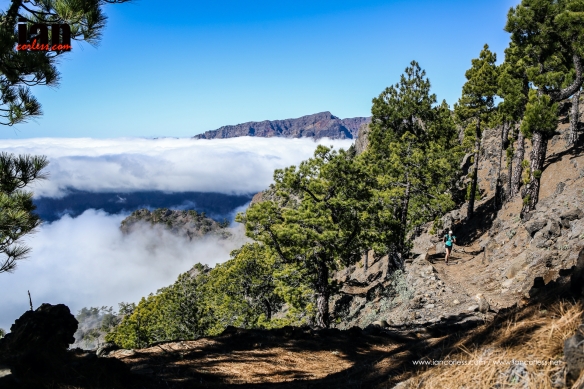
The Cumbre Nueva and following sections are for me one of the most stunning sections of the Transvulcania route. From Reventon Pass to Punta de los Roques in particular is stunning! Onwards to Pico de las Nieves, the trails open up and the push to Roques de los Muchachos leads to the final drop to Tazacorte . Mixing rocky terrain with stunning vegetation, the route is incredible from a running and visual perspective. It is also very prone to an inversion; where the cloud drops below the high points creating a stunning almost dream like backdrop.

©iancorless.com_LaPalma2015-4851

The mist comes in, visibility is reduced, the temperature drops and suddenly you feel like you are in a different place. You question, ‘will the good weather come back?’

©iancorless.com_LaPalma2015-5355

Then suddenly, you break through the cloud, the white fluffy clouds are below and a wonderful blue backdrop adds an amazing palette to run or walk against.

©iancorless.com_LaPalma2015-5176

Single track trails of good running constantly creep up beyond 2000m to Punta de los Roques and the Refugio. Here stunning views of the Caldera de Taburiente are possible and off in the distance, the observatories of Roques de los Muchachos can be seen.

©iancorless.com_LaPalma2015-5422

Around every corner a surprise. It doesn’t matter if you are running or walking, these trails offer so much.

The Transvulcania route is always a constant surprise and I am always amazed at how the terrain, weather, vegetation and views change as you move through the route. Our day in the Cumber Nueva was a special one, topped off with this stunning image as Niandi ran around a mountain corner, the inversion clearly visible and if one image sums up skyrunning, this may be it.

©iancorless.com_LaPalma2015-5563

You can view daily images from our stay in La Palma HERE

screenshot_303

Running or Walking Efficiency when Climbing

©iancorless.com_DolomitesVK2015-1039

VK world record holder, Urban Zemmer

Recently I have produced a couple of articles about how to ensure that you are an efficient walker when participating in long or mountainous events. You can read them HERE and HERE.

The first article discusses Training to Walk for Ultra, Trail and Mountain Running and the second article is about Walking, Running and Climbing with Trekking Poles.

JOIN OUR YEARLY MULTI-DAY TRAINING CAMP IN LANZAROTE  – HERE

On December 15th, the University of Colorado Boulder released a document called, CU-Boulder researchers discover optimal range of slopes for extreme uphill running.

This article made me take a look and read in-depth for two reasons: first and foremost it ties in nicely with my previous two articles but more importantly and secondly, research into VK data dates back some 16-years and was pioneered by the ISF (International Skyrunning Federation) who created the VK format as a racing discipline.

To clarify a VK is 1000m of vertical ascent and the objective is to climb the elevation gain as quickly as possible. The original context of the VK always was about research and data.

VK courses vary greatly but the ISF consider a true VK to be under 5km in length. To understand the variables, some VK’s, for example the Dolomites are just over 2km in length. By contrast, Limone Extreme is a considerably longer course with a less extreme gradient.

Fully, Switzerland has long been a testing ground for VK performance and a post from the ISF which was updated 22nd October 2012 adds some very clear and specific points to consider:

“Italy’s Urban Zemmer rocketed up the 1,000m vertical course, only 1.9 km long, in just 30’26”, 20 seconds faster than the standing world record set here in 2011.”

In addition, the ladies records tumbled:

“French runner Christel Dewalle was first in 36’48” followed by Axelle Mollaret in 37’44” and third, Maude Mathys from Switzerland in 37’56, all beating the previous world record set two years ago by Italian Valentina Belotti in 38’50.”

Notably, the ISF commented:

“The new men’s record nears a speed of 2,000 vertical metres per hour (precisely 1,971m) an incredible ground-breaking performance that the ISF has been monitoring for many years in a scientific research project… Depending on the course and type of start, poles are permitted and yesterday, most of the runners used them.  However, to date, the advantages of using poles has not been scientifically demonstrated.”

In 2014, the record for the VK was once again broken by Urban Zemmer at Fully, Switzerland with the incredible time of 29’ 42”.

©iancorless.com_Limone2015-7046

Remi Bonnet prefers to run a VK and never walks

So by simple logic (I am no scientist), it would suggest that the steepest course is the fastest as Fully is only 1.9km long. To quote, Run the Alps,The Vertical KM race in Fully, Switzerland is considered to be the fastest vertical kilometer course in the world. The race, held on a former funicular route, is home to both the men’s and women’s world records.”

You can watch a YouTube clip of the 2013 Fully race HERE

Watch the video of Fully and you will see varying techniques, some walk, some walk/ jog, some (most) use poles but one thing is consistent, the effort is almost maximal for all. Therefore, in a non-scientific look at Fully, the fastest performances come from the genetically gifted who have all the elements required for an optimum VK performance: lung capacity, V02max, lactate threshold, power to weight ratio, technique and so on.

©iancorless.com_LimoneSKY-0080

Marco de Gasperi like to mix running and walking

But what about the optimal slopes for uphill running as questioned by CU-Boulder. They posed the question:

“Imagine that you are standing in Colorado at a trailhead where the base elevation is 9,000 feet. Your friend challenges you to race to the summit of the mountain, which tops out at 12,280 feet, roughly 1,000 meters of elevation gain. There are several different trails that go to the summit. They are all steep and some are extremely steep. One trail averages a 10 degree incline and the sign says it is 3.6 miles long. A second trail averages 30 degrees, but is only 1.25 miles long. A third trail averages 40 degrees, but only 1 mile long. To get to the summit the fastest, which trail should you choose and should you walk or run?”

©iancorless.com_ITT2015-9262

Poles or no poles on a steep gradient?

This is a question that the ISF have asked and researched for many years. A paper titled, “Energy costs of walking and running uphill and downhill at extreme slopes” looks into this:

Davide Susta, Alberto E. Minetti*, Christian Moia and Guido Ferretti

Département de Physiologie, Centre Médical Universitaire, 1211 Genève 4, Switzerland, *Department of Exercise and Sport Science, Manchester Metropolitan University, Alsager ST7 2HL, U.K.

The energy costs of walking and running (Cw and Cr, respectively, in J kg-1 m-1) increase with the slope uphill (up to +20%) and decrease with the slope downhill (down to -10%) (Margaria, 1938; Margaria et al, 1963). Outside this range, no measurements of Cw and Cr are available in the literature, even though walking and running on the mountains at greater slopes is becoming commoner and commoner practice in leisure and sport. We therefore set out to carry out the present study, the aim of which is to determine Cw and Cr on men walking and running at slopes up to +45% and -45% on the treadmill. After local ethical approval, 10 subjects (Skyrunners) were admitted to the study (age 32.6 + 7.5 years, body mass 61.2 + 5.7 kg, maximal O2 consumption 68.9 + 3.8 ml min-1 kg-1). They are all endurance athletes practicing mountain racing. O2 consumption at the steady state was measured by the open circuit method, using Leybold O2 and CO2 analysers and a Singer dry gas meter. Heart rate was measured by cardiotachography. Blood lactate concentration was determined after each run as a check for submaximal aerobic exercise.

Each subject performed up to three walking and three running trials at progressively increasing speeds on the level, and at the slopes of 10, 20, 30, 35, 40 and 45 % uphill and downhill. The duration of each trial was 4 min, and expired gas was collected during the 4th min of exercise. Minimum Cw on the level was: 

1.85 + 0.57 J kg-1 m-1 (n = 10) at the speed of 0.69 m s-1. During uphill walking, Cw increased with the slope, to attainthevalueof18.08+1.57Jkg-1 m-1 (n=9)atthespeedof0.69ms-1 andat the slope of +45%. During downhill walking, minimum Cw was lower at the slope of -10% (0.81 + 0.37 J kg-1 m-1, n = 9) than on the level. At slopes below -10%, it progressively increased. At -45%, it was 3.46 + 0.95 J kg-1 m-1(n = 5). Cr on the level was 3.40 + 0.24 J kg-1 m-1(n = 30). Cr increased with the slope, to attain 18.69 + 1.42 J kg-1 m-1(n = 6) at +45%. 

During downhill running, Cr decreased and attained its lowest value at the slope of -20% (1.73 + 0.36 J kg-1 m-1, n = 24). At lower slopes, it increased. At -45%, at speeds higher than 1.38 m s-1, it was equal to 3.79 + 0.57 (n = 7). The mechanical efficiency for vertical displacement was 0.216 + 0.015 at +45% and 1.078 + 0.275 at -45%. This data on the level and at slopes up to 20% correspond to those found by others on non-athletic subjects (Margaria, 1938). At higher slopes, the increases in Cw and Cr are such as could be predicted assuming that all energy is used to lift the body. By contrast, at -10% and -20%, both Cw and Cr are lower than in non- athletic subjects (Margaria, 1938), suggesting greater recovery of elastic energy at each step in the present athletes. At slopes below -20%, the increases in Cw and Cr are such as could be predicted assuming that all energy expenditure is for negative muscle contractions.

REFERENCES
Margaria, R. (1938). Atti Acad. Naz. Lincei 7, 299-368.

Margaria, R., Cerretelli, P., Aghemo, P. & Sassi, G. (1963). J. Appl. Physiol. 18, 367-370. This work was supported by a grant from the FSA- Federation.for Sport at Altitude

Referring back to the CU-Boulder research:

“Based on our research, we now know that choosing the second trail (30 degrees) and walking as fast as you can within your aerobic capacity is the fastest way to go,” Kram said. “For either running or walking, slopes between 20 and 35 degrees require nearly the same amount of energy to climb the hill at the same vertical velocity.”

This new study (HERE), which was recently published in the Journal of Applied Physiology, is believed to be the first to examine the metabolic costs of human running and walking on such steep inclines (suggested by the CU-Boulder researchers.) However, I would question this and refer to research by the FSA – “Energy cost of walking and running at extreme uphill and downhill slopes.” Received 29 November 2001; accepted in final form 29 April 2002. You can download this detailed documentation HERE and it is essential reading.

©iancorless.com_ITT2015-9272

Who is the most efficient?

It would appear that gradients of 20-35 degrees require the same amount of effort and interestingly, CU-Boulder research found in a study:

“A vertical rate of ascent of just over 1 foot per second, is a pace that high-level athletes could sustain during the testing. At that speed, walking used about nine percent less energy than running. So, sub-elite athletes can ascend on very steep uphills faster by walking rather than running.”

In simple terms, this is something I have found out by attempting VK’s in my own time in and around events. More often than not, the effort required to run is so hard that it becomes counter productive. I have even found that including run sections to be counter productive as this raises my heart rate, increases lactate acid and requires me to recover while still climbing. However, if I maintain a constant effort walking, this produces the best results for me.

CU-Boulder research went on to say:

“The study examined 15 competitive mountain runners as they ran and walked on the treadmill at seven different angles ranging from 9 to 39 degrees. The treadmill speed was set so that the vertical rate of ascent was the same.  Thus, the treadmill speeds were slower on the steeper angles. The athletes were unable to balance at angles above 40 degrees, suggesting a natural limit on the feasible slope for a VK competition.”

In regard to the latter point, this in some respects relates to Fully, Switzerland and brings in another element, the use of poles and if poles allow a faster ascent when the gradient steepens. One only has to look at the Dolomites VK and Fully VK where poles are used by nearly all participants. The ISF plan to do a new test with and without ski poles, but it is not easy to do a serious test. Although not scientifically proven, it’s fair to say that using poles with gradients under 20% it will mean more Kcal and a reduced performance. However, with gradients steeper than 25 or 30%, the use of poles can correct style, etcetera and can improve the overall performance.

The CU-Boulder article is available to read in full HERE.

I can quote technical papers and research all day, however, as a runner you want to know the answer to the question, should I walk or should I run uphill and should I use poles?

©iancorless.com_ITT2015-9625

Irrespective of if you plan to run a VK or not, the research and thoughts provided by the FSA and CU-Boulder confirm that running or walking uphill provides an incredible workout. Importantly though, research confirms that walking should be a key element in any training plan, (*…walking used about nine percent less energy than running) especially if you are racing or training on hilly or mountainous terrain.

When participating in ultra events, reverting to periods of walking may well produce greater results and faster times. This is very evident when the terrain steepens; running will only expend more energy and produce slower times. The use of poles appears to benefit performance when gradients steepen, this is not scientifically confirmed.

On a final note though, many other factors come into play when looking at results and as with everything, there are exceptions. Urban Zemmer, Remi Bonnet, Laura Orgue, Christel Dewalle and so many more are able to run when others need to walk. We can’t choose our parents or our genetic pool. Ultimately, find out what works for you but practice makes perfect and the more climbing you do, the better and the faster you will become.

Embrace the mountains and going uphill.

©iancorless.com_DolomitesVK2015-1132

Christel Dewalle, ladies VK world record holder

SKYRUNNING 2016 CALENDAR announced

©iancorless.com_GlenCoeMay2015-6345

The International Skyrunning Federation (ISF) is pleased to announce the 

2016 SKYRUNNER® WORLD SERIES

Taking Skyrunning to the next level with the best races, new events and what’s more, skyrunning is going EXTREME!

Kilian_TrofeoKima

In addition to the successful Vertical, Sky and Ultra formats, the ISF is pleased to announce the introduction of the Sky Extreme Series. Three countries, three super-technical races and runners worldwide will have a real opportunity to embrace the skyrunning ethos.

“When I discovered Skyrunning years ago it was the images of small runners traversing huge glaciers, scrambling rock ridges and descending steep snow fields. I’m really happy to see this new Series, with the most technical races –  the soul of skyrunning!” – Kilian Jornet

Sky Extreme kicks off on August 7, with the Tromsø SkyRace® in Norway, where Kilian Jornet and Emelie Forsberg launched the first, made-to-measure SkyRace in the Northern territories.  The biennial Kima Trophy is back and the 2016 series will conclude with a new entry, the Glencoe Skyline. Set in the Scottish Highlands, it’s probably the toughest skyrunning race to date.

©iancorless.com_GlenCoeMay2015-6295

The Sky Series counts extends to 8 races in 6 countries and goes to Mainland China with the Yading Skyrun which opens the season in April.  The highest race in the World Series, it reaches a breath-taking 4,700m altitude on the Tibetan Plateau in China’s spectacular Sichuan mountains.

More new races include the Livigno Outdoor Race Experience and Santa Caterina Vertical Kilometer® in Sondrio, Italy, designed by the magic hand of top skyrunner Marco De Gasperi. Summiting the highest point in the Principality of Andorra, the SkyRace® Comapedrosa represents a true skyrunning challenge, reaching nearly 3,000m elevation. New entry from Portugal, the Ultra SkyMarathon® Madeira will  offer a challenging and technical 55k to the island’s highest point.

©iancorless.com_USM2015-3127

An end of season prize purse to the value of €36,000 will reward the remarkable efforts of the athletes competing in the 2016 Series and the combined prize purse will be over €135,000.

“We’re glad we can give more back to the athletes. In this sport, the rewards don’t just come from touching the sky, but a tangible compensation for their incredible performance.”

– Marino Gicamoetti (ISF President and founder)


2016 SKYRUNNER® WORLD SERIES

©iancorless.com_GlenCoe2015-3447

SKY                            

April 30           Yading Skyrun – 29 km, Sichuan – China

May 22           Maratòn Alpina Zegama-Aizkorri – 42 km, Zegama – Spain 

June 26          Livigno Outdoor Race Experience – 30 km, Livigno – Italy

July 17            Dolomites SkyRace® – 22 km, Canazei – Italy

July 31            SkyRace® Comapedrosa, 22 km – Andorra

Aug 20           Matterhorn Ultraks 46K – Zermatt – Switzerland

Sept 4             The Rut 25K – Big Sky, Montana – USA

Oct 22            Limone Extreme SkyRace® – 23 km, Limone Sul Garda – Italy


SKY EXTREME

August 7        Tromsø SkyRace® – 50 km, Tromsø  – Norway

August 28      Kima Ultra SkyMarathon® – 50 km. Val Masino – Italy

Sept 18           Glen Coe Skyline-  53 km, Glen Coe – Scotland


VERTICAL 

May 5             TVU Vertical – Tazacorte, La Palma – Spain

June 24          Santa Caterina Vertical Kilometer® – Sondrio, Italy

July 10            Kilomètre Vertical Face De Bellevarde – Val d’Isère – France

July 15            Dolomites Vertical Kilometer® – Canazei – Italy

August 5        Blamann Vertical – Tromsø  – Norway

Sept 2             Lone Peak Vertical Kilometer® – Montana – USA

Oct 21            Vertical Kilometer® Grèste de la Mughéra – Limone Sul Garda -Italy


ULTRA

May 7             Transvulcania Ultramarathon – 75 km, La Palma – Spain

June 4            Ultra SkyMarathon® Madeira – 55 km, Madeira – Portugal 

July 10            High Trail Vanoise – 68K, Val d’Isère – France

Sept 4             The Rut 50K, Big Sky, Montana – USA

Sept 24           Ultra Pirineu – 110 km, Bagà – Spain 


Skyrunner® World Series Ranking

Maximum number of results scored:

Sky Extreme: two best results

Ultra: three best results

Sky & Vertical: four best results

Skyrunner-World-Series-Logo_150

Picture1

Episode 100 – Elisabet Barnes and Anna Comet

A_GRAVATAR

This is Episode 100 of Talk Ultra. Yes, episode 100! We speak with multi-day expert Elisabet Barnes about her recent victory at Oman Desert Marathon and plans for 2016. We also speak to Anna Comet Pascual who won the Everest Trail Race in 2014 and just recently in 2015 and in addition made a huge impression on the 2015 Skyrunning calendar. Niandi talks cycling in Talk Training and Speedgoat is back!

100 episodes! wow

“100 episode is not that far….!” you gotta say it Speedgoat!

00:01:30 Show Start

00:20:16 NEWS

Help Nepal – Nepal images ‘FACES of NEPAL’ – order a print and all funds donated to Nepal charities HERE

TRAINING CAMP in Lanzarote with Elisabet Barnes 28th Jan to Feb 4th HERE

iancorless.com 2016 Calendar, not many left! HERE


JFK 50

1 – Jim Walmsley 5:47

2 – Graham Peck 5:49

3 – Robert Bond 5:58

1 – Sarah Bard 6:31

2 – Lorraine Young 7:16

3 – Lauri Dymond 7:27

EVEREST TRAIL RACE

1 – Anna Comet 25:44
2 – Jo Meek 27:20

3 – Julia Boettger 28:42

1 – Bhim Gurung 20:24

2 – Roger Vilardeli 22:54

3 – Joan Esparto 24:31

SALOMON SKYRUN SA 

1 – Bruce Arnett 13:56

2 – Pedro DeLa Barca, AJ Calitz and Christian Grayling all 2nd 14:57

1 – Landie Grayling 18:05

2 – Misty Weyers 21:36

3 – Riana van der Merwe 26:16

TUNNEL HILL 100-Mile

Notable result here as Mike Bialick ran a super fast 12:52 coming very close to Ian Sharman’s 12:44 at Rocky Raccoon. Needless to say, no other runners came close to Mike and we plan to catch up with him for the next show!

CHIMERA 100

Nikki Kimball got herself another 100-mile victory in 23:19 and Mark Hammond won for the men in 18:59.

OMAN DESERT MARATHON

1 – Rachid El Morabity 13:19

2 – Evgini Giyva 13:53

3 – Sami Alsaidi 14:15

1 – Elisabet Barnes 18:37

2 – Aziza Alraji 20;32

3 – Silvia Amodio 22:46

00:34:10 INTERVIEW with ELISABETH BARNES

01:09:09 TALK TRAINING this week Niandi Carmont tells us about how she has included cycling in her training. Read Cycling for Runners HERE

01:36:30 INTERVIEW with ANNA COMET 

UP & COMING RACES

Australia

New South Wales

Coast to Kosciuszko | 240 kilometers | December 11, 2015 | website

Tasmania

Bruny Island Ultra Marathon | 64 kilometers | December 05, 2015 | website

Victoria

Alpine Challenge 100 km | 100 kilometers | November 28, 2015 | website

Alpine Challenge 100 Mile | 100 miles | November 28, 2015 | website

Alpine Challenge 60 km | 60 kilometers | November 28, 2015 | website

Brazil

Desafio das Serras 80 km | 80 kilometers | November 28, 2015 | website

Burkina Faso

Ultra AFRICA Race | 213 kilometers | December 04, 2015 | website

Cambodia

The Ancient Khmer Path | 220 kilometers | November 27, 2015 | website

Cape Verde

Boavista Salt Marathon | 71 kilometers | December 05, 2015 | website

Boavista Ultramarathon – 150 km | 150 kilometers | December 05, 2015 | website

Colombia

Del Mar a la Cima – 60 km | 60 kilometers | December 06, 2015 | website

France

Côtes-d’Armor

Le Grand Menestrail | 53 kilometers | December 06, 2015 | website

Haute-Garonne

Trail Toulouse Métropole | 50 kilometers | November 29, 2015 | website

Loire

La Saintélyon | 72 kilometers | December 06, 2015 | website

Seine-et-Marne

Trail du Tour du Canton – 82 km | 82 kilometers | December 05, 2015 | website

Germany

Lower Saxony

  1. Lauf PSV Winterlaufserie 100 KM| 100 kilometers | November 28, 2015 | website
  2. Lauf PSV Winterlaufserie 50 KM| 50 kilometers | November 28, 2015 | website
  3. Lauf PSV Winterlaufserie 100 KM| 100 kilometers | December 05, 2015 | website
  4. Lauf PSV Winterlaufserie 50 KM| 50 kilometers | December 05, 2015 | website
  5. Lauf PSV Winterlaufserie 100 KM| 100 kilometers | December 06, 2015 | website
  6. Lauf PSV Winterlaufserie 50 KM| 50 kilometers | December 06, 2015 | website

Rhineland-Palatinate

Kleiner KoBoLT | 106 kilometers | December 05, 2015 | website

KoBoLT | 140 kilometers | December 05, 2015 | website

Ghana

Runathlon 50km Ultramarathon | 50 kilometers | November 28, 2015 | website

Runathlon 50km Ultramarathon | 50 kilometers | November 28, 2015 | website

Runathlon 50km Ultramarathon | 50 kilometers | November 28, 2015 | website

Greece

Feat in the Footsteps of Minos | 70 kilometers | November 29, 2015 | website

India

Tamil Nadu

Nilgiris 100 km Men-Only Ultra | 100 kilometers | December 05, 2015 | website

Nilgiris 100 km Women-Only Ultra | 100 kilometers | December 06, 2015 | website

Nilgiris 50 km Men-Only Ultra | 50 kilometers | December 05, 2015 | website

Nilgiris 50 km Women-Only Ultra | 50 kilometers | December 06, 2015 | website

Italy

Emilia-Romagna

Trail del Cinghiale | 60 kilometers | November 28, 2015 | website

Malaysia

Putrajaya 100 km | 100 kilometers | November 28, 2015 | website

Putrajaya 100 Miles | 100 miles | November 28, 2015 | website

Putrajaya 52 km | 52 kilometers | November 28, 2015 | website

Putrajaya 78 km | 78 kilometers | November 28, 2015 | website

Namibia

100 km of Namib Desert | 100 kilometers | November 29, 2015 | website

New Zealand

Kepler Challenge Mountain Run | 60 kilometers | December 05, 2015 | website

Réunion

Mafate Trail Tour | 65 kilometers | November 28, 2015 | website

Spain

Andalusia

Ultra Trail Sierra Norte 105 km | 105 kilometers | November 28, 2015 | website

Catalonia

Marató de Muntanya l’Ardenya 63 km | 63 kilometers | December 05, 2015 | website

Marató de Muntanya l’Ardenya 63 km | 63 kilometers | December 05, 2015 | website

United Kingdom

Dorset

Coastal Trail Series – Dorset – Ultra | 34 miles | December 05, 2015 | website

Kent

Gatliff 50 km | 50 kilometers | November 29, 2015 | website

USA

Arizona

McDowell Mountain Frenzy 50K | 50 kilometers | December 05, 2015 | website

Solemates’ Thanksgiving Tryptophun Rhun 100 Miler | 100 miles | November 28, 2015 | website

California

Calero Park 50K Run | 50 kilometers | December 05, 2015 | website

High Desert 50K Ultramarathon | 50 kilometers | December 06, 2015 | website

Santa Barbara Red Rock 50 Mile | 50 miles | November 29, 2015 | website

The North Face Endurance Challenge California 50K | 50 kilometers | December 05, 2015 | website

The North Face Endurance Challenge California 50 Mile | 50 miles | December 05, 2015 | website

Florida

Caloosahatchee Ultra 50K | 50 kilometers | December 05, 2015 | website

The Guana River 50K Trail Run | 50 kilometers | December 06, 2015 | website

Georgia

Pine Mountain 40 | 40 miles | December 06, 2015 | website

Illinois

Arctic Frog 50K | 50 kilometers | December 05, 2015 | website

Iowa

Hitchcock Hundred 100 Miler | 100 miles | December 05, 2015 | website

Hitchcock Hundred 50 Miler | 50 miles | December 05, 2015 | website

Louisiana

Big Dog Trail Run 50 K | 50 kilometers | November 28, 2015 | website

Massachusetts

TARC Fells Trail Ultra 32M | 32 miles | December 05, 2015 | website

TARC Fells Trail Ultra 40M | 40 miles | December 05, 2015 | website

North Carolina

Derby 50k Ultra Run | 50 kilometers | November 28, 2015 | website

Oregon

Civil War Relay | 52 miles | December 06, 2015 | website

South Carolina

Last Chance 50k Trail Run and Relay | 50 kilometers | December 05, 2015 | website

Texas

Isle du Bois 54 km Trail Run | 54 kilometers | December 05, 2015 | website

Utah

Team Relay | 50 miles | December 05, 2015 | website

Washington

Ghost of Seattle 50K | 50 kilometers | November 28, 2015 | website

01:56:38 CLOSE


02:01:29

ITunes http://itunes.apple.com/gb/podcast/talk-ultra/id497318073

Libsyn – feed://talkultra.libsyn.com/rss

Website – talkultra.com

SKYRUNNING UK 2016 Calendar Announced

SkyrunningUKlogo

SKYRUNNING UK CALENDAR 2016

To keep you all excited and on your toes, Skyrunning UK are pleased to announce several key changes that will be implemented in 2016.

Prize Money

All Skyrunning UK races in 2016 will have a minimum prize purse of £500 awarded as £125, £75 and £50 for 1st, 2nd and 3rd male and female.

UK Series

The Skyrunning UK Series will be implemented in 2016 and at the end of the year a male and female champion will be crowned. Points are awarded as outlined HERE. To qualify for the series, runners must participate and finish in a minimum of 4-races. Points are accumulated and the male and the female with the most points are the Skyrunning UK 2016 Series Campions. It is possible to run all Skyrunning UK races and use your best 4 performances for the ranking.

UK Series Prizes

In addition to prize money awarded at each race, the male and female 2016 Skyrunning UK Champions will receive:

  • Free entry into all Skyrunning UK races in the following year.
  • Guaranteed entry into a 2017 Skyrunner World Series event with 2-nights accommodation.
  • Prizes from Skyrunning UK sponsor, Raidlight

Needless to say, Skyrunning UK is booming!

Less Cloud, More Sky.

 v3k-logo

V3K Ultra Skyrunning – June 18th

Distance/ascent: 55km, 4,000m

Main mountains and terrain type: The 15 highest mountains in Wales, Snowdon massive (including Crib Goch), Glyderau (inluding Tryfan) and Carneddau expect gnarly ground, a knife edged arete, grade 1 scrambles, boulder fields, scree and some great gentle grassy slopes to finish

The V3K crosses the best of Wales – gnarly edges, rocky inclines and grassy slopes. food. You’ll need to be mountain savvy with a good head for heights, confident scrambling technical terrain and be prepared for the greatest mountain day of your life.

Race entry HERE

Lakes Sky Ultra

Lakes Sky Ultra – July TBC* 

Distance/ascent: 54km/4300m

Main mountains and terrain type: Fairfield, Helvellyn, Swirral, Casty Cam & Striding Edge, Pinnacle Ridge, High Street and Red Screes. Its a mixture of single track trails, technical rocky ground and open fell. This is a race of 2 halves, with very technical running & graded rock scrambling in the 1st half, then faster and easier running on good trails for the second half. The course ascends and descends some of the most classic ridge lines taking in 3 of the most iconic scrambles in the Lakes.

The course is fast & furious. Be lulled into the race by ascending Fairfield via Dove Crag,then punished by Helvellyn’s Edges and the ascent to Pinnacle Ridge. Luckily there’s Patterdale CP & the second half to recover if your legs can still take it!

Note – New LSU propose a new addition for 2016. A SKY race. More news to follow via Skyrunning UK.

Race entry HERE

Peakskyrace-logo-1024x539

Peak SkyRace – August 6th (tbc)*

Distance/ascent: 47km/ 2000m+.

The route is based on a local fell running challenge called the 5 Trigs. The race principally follows public footpaths passing close to or over the tops of Axe Edge, Roaches, Shuttlingsloe, Shinning Tor and Burbedge Edge. Competitors will cross fields, moorland, limestone and millstone grit peaks/escarpments.

Peak SkyRace is an ideal introduction to Skyrunning in the UK. The Peak District cannot compete with the altitude and ruggedness of the Lake District, Snowdonia and the Scottish Highlands. However do not think that this course will be easy, pacing is crucial. Go out too fast and you will pay the price in the later stages where most of the ascent and technical descent is found.

Race entry HERE * Entries will open when land permissions have been granted

Glencoe-Skyline

Glen Coe Skyline – September 16th, 17th and 18th 

Distance/ascent: 53km / 4200m+

Main mountains and terrain type: Buachaille Etive Mor, Bidean nam Bian, Aonach Eagach Ridge: extremly remote and serious Scottish mountains.

A route that dances along the jagged and lofty mountainous horizons above Scotland’s most famous Glen and Pass, with long and serious sections of grade III scrambling. Skills needed: scrambling, endurance, running

Note – New additions for 2016

There will be a VK Friday evening 16th September and a 25km ‘Ring of Steall‘ SkyRace race on the Saturday 17th (same high mountainous terrain at Glen Coe Skyline but without the technical scrambling sections).

Race entry HERE


3x3logo

3×3000 80k Ultra – September 24th

Distance/ascent:  80km / 4101m+

Main mountains and terrain type: Scafell Pike – Steep rocky terrain  throughout. The summit plateau of Scafell Pike is a vast boulder field. Initial part of descent is steep & covered with loose rocks.
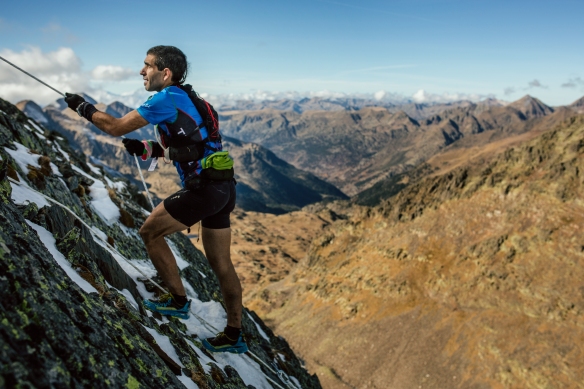
Helvellyn – Long ascent then rolling mountain trails along the beautiful Helvellyn ridge line. Skiddaw – A long & steep climb on grassy terrain, summit scree/slate, fast descent on gravel/stone trails.

A unique ultra running event linking the Lake District’s highest mountains-Scafell Pike, Helvellyn & Skiddaw. Designed by 2013 World Trail Running Champion Ricky Lightfoot, the route offers a journey through the full spectrum of classic Lake District fell terrain.

Race entry HERE

Mourne Skyline MTR

Garmin Mourne Skyline Mountain-Trail Race – October 22nd

Distance/ascent:  35km/ 3370m+

Main mountains and terrain type:  The course covers the highest peaks in  the Mourne Mountains, including Slieve Donard (850m), starting at sea-level on Newcastle Promenade and winding it’s way uphill onto forest and mountain trails, all surrounded by the most stunning scenery.

The seaside start, alongside the relentlessly tough (yet spectacular) course has proved popular with athletes.  You will need mountain-trail experience, endurance and courage for the race, which is technical in places.  Some speed will also help on the flat and fast sections, and the final 5k descent!

Race entry HERE* Please note entries will open on St Patricks Day (March) 2016.

******

Download this information in PDF HERE

LINKS

Go to Skyrunning UK on Facebook HERE

Go to the Skyrunning UK website HERE

Follow on Twitter @skyrunninguk

15 Ways to become a better Skyrunner

©iancorless.com_GlenCoeMay2015-6295

“Skyrunning, to me, is racing over the sort of terrain that tests your technique and mental toughness just as much as it tests your physical fitness. The sort of routes that you look at on a map, or gaze up at from the valley and wonder what if… In the UK most of these sorts of routes have until now been limited to FKT attempts by keen individuals. At its best Skyrunning brings real racing to real mountains.”

– Es Tressider

Skyrunning has boomed in recent years and with one season coming to a conclusion and the announcement of the 2016 season imminent. I asked three runners to provide their top-5 tips on becoming a better Skyrunner.
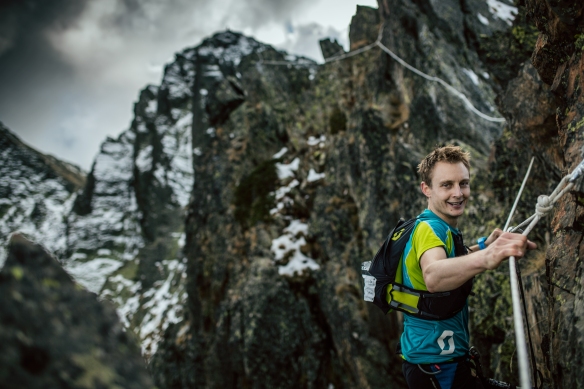
Sarah Ridgway

Is a former Welsh international runner specialising in mountainous terrain. Her love of gnarly conditions helped her secure the woman’s record for the classic Snowdon Horseshoe in a time of 1hr 43min. Sarah works as a guide in her business Run Snowdonia (www.runsnowdonia.co.uk), which involves anything from taking people for scenic guided runs, a hard training session or instructing people on how to run safely in the mountains.

Eirik Haugsness

Is a personal trainer, inov-8 athlete and has raced the Skyrunner World Series for the past 3-years. A specialist over the VK and SKY distance, Eirik has achieved world-class results in Mont-Blanc Marathon, Dolomites SkyRace, Matterhorn Ultraks and was the winner of the inaugural Tromso SkyRace.

Jayson Cavill

Is a UK based runner who has embraced the challenge that Skyrunning brings and has been an ever-present participant in the Skyrunner UK series. He has raced at Glen Coe Skyline and Mourne Skyline MTR amongst others and in 2015 won the Lakeland 50.

©iancorless.com_LSU2015-2-20

SARAH RIDGWAY

As a runner I am mostly drawn to the mountains, in particular exposed rocky ridges and classic routes that showcase the beauty and uniqueness of an area. Races that fall under the SkyRunning banner provide that experience for me: I know I’m going to have a challenging and rewarding day out.

Be specific

Study the course and train to mimic what you will encounter on race day. If the race involves a fast 9km flat prior to a Grade 3 scramble ascent, then do a 10km road race and get out in the hills as soon as possible after and do some scrambling. Get out and recce the course, but if you can’t, design a route that replicates it in your nearest wild place.

Prepare for the roller-coaster

Get used to big climbs, big descents, followed by another big climb, big descent… repeat. Get time on legs in the bank and develop strength to be able to adjust and adapt to a wide variety of terrain.

Don’t fight it

The more efficient you are in managing rough terrain the less energy you expend, which leaves more energy for simply getting the hard-enough job of the distance itself done. If you tend to “fight” a certain terrain or gradient and avoid running on it, commit to improving your technique and getting better at it.

Don’t be a fair-weather runner

Race-day date doesn’t change and the weather will do whatever it likes. If you don’t feel at ease running in driving horizontal rain encased in thick clag then you’ll feel anxious and have less energy to deal with the task at hand.

Refine your kit and fuel

Respect the kit requirements and learn how to use your gear before race day. Don’t just think about meeting the base requirement, pack things that will actually help you if things go pear-shaped: For example, if the forecast is dire, don’t scrimp on weight and go for your flimsy lightweight waterproof. Don’t neglect nutrition: practice eating and know what works for you and when to get it in.

©iancorless.com_Tromso2015-4643

EIRIK HAUGSNESS

Skyrunning for me it is about going to the mountains with no more equipment than you really need, then go up and down again as fast as you can, but in the same time enjoy the nature and the surroundings as much as possible while you are running.

The top 5 absolute must-have Skyrunning skill tips and how to obtain them.

1 . Be able to handle variation in terrain and weather conditions.

Outreach and run in different kind of terrain, everything from soft ground, hard packed surface, easy terrain and technical terrain. And make sure to train in all kinds of weather conditions. Weather will change quickly in the mountains and the surface that your run on will change with the weather.

2. Build up your engine to cope with the uphill’s.

If you really want to enjoy Skyrunning it is an advantage to have a strong heart and a set of well working lungs -most of the time spent in a race is in the climbs. Your heart and lungs can you easily sculpt trough structured cardio training with intervals and speed sessions with a higher heart rate. A couple of regular 4×4 intervals during the week are a great way to start.

3. Make sure to have strong legs for the downhill’s . 

Getting to the top of a mountain is challenging, but to get back down quick and in one piece can be just as hard. Strong legs and ankles will help you to get the job done. Step inside a gym ones or twice a week during the winter and build up your leg strength with weights or just use simple body weight exercises. 20- 30 min effort is more than enough – If you throw 15 min, or so, of balance and stability training too, you will be on the safe side. It is boring but worth every minute!

4. Learn how to pace your self during a race!!

Even it is a short uphill only race or a long sky/ ultra race, picking the right pace from the beginning to the end is essential for the running experience. It is always a lot more fun to have power left in the end of a race then to suffer from the first hour and out. Pacing is something you learn a lot from experience, but if you know your own fitness level it should be possible to pic a running pace that suits you without years of experience. Be patient and listen to your body is the only way to get this right.

5. Find a good nutrition and hydration strategy and stick to it.

Skyrunning races can be short, 35 min or even less, or they can last more than a day. When you enter a long Sky Race or a Sky Ultra race a good nutrition and hydration strategy becomes important. You normally need about 60 grams of carbohydrate and a half –one liter of water every hour to work at your best. This might seam like an easy task, but to get this done during a race when your heart is beating like a drum and the adrenalin is rushing trough your body is far from easy, whit the result that you run on empty long before the finish line. Practise eating and drinking in training! And find out witch solid and liquid nutrition that works for you long before race day! Testing and failing is the way to get this right. On race day: Discipline is the key! – Eat and drink at least every 20minute if your race is expected to last two hours or more.

©iancorless.com_Mourne2015-7685

JAYSON CAVILL

As a relative newbie to the world of Ultra and trail running, well running of any kind that didn’t involve carrying any webbing or rifle and stomping along in boots from past Army years, the announcement of UK Skyrunning races provided an opportunity for me to reach out of my comfort zone. My skill set lies more with mid-distance ultra races and more “runnable” terrain, though I have always enjoyed being in and around mountains given the opportunity. I felt that this was an great chance to get me into some of the UK`s more extreme areas not just to race in but spend time training and exploring.

As the courses are all marked I felt that this offered a level playing field for those who didn’t know the routes inside out. The Garmin Mourne Skyline race was a great example of this. Unfortunately I had never even heard of the Mourne mountains before, but turned up for the race and had one of the best times; the course marking was superb and the dramatic scenery of steep granite clad mountains dropping to the sea blew me away.

Now, I absolutely love the thrill of being able to travel swiftly through these stunningly rugged and often intimidating areas – all in the UK. I think due to the nature and remoteness of these races the feeling between runners becomes more about camaraderie than competitiveness. The mountains become your competition: they will exploit your weaknesses whether mental or physical. If you haven’t had much experience with this before, then here are a few things I have done which would compliment and extend any normal trail race preparation.

  1. Get used to extremely long and very steep climbs – both up and down. It sounds obvious but really is key because with the best will in the world that short stepped run will be reduced to a walk, so don’t be afraid to practice hard, steep walking – The best place to practice is in the mountains but can still be done on any short climbs, long flights of stairs – anything you can find that is steep. Carrying extra weight, i.e. a large rucksack will help with building strength.
  1. Feel confident on technical terrain, not necessarily fast, but comfortable. The more relaxed you stay the less energy you waste. Again time in the terrain helps, though you can build up some foundation first with ankle strengthening and co-ordination exercises. Take things a step further than just balancing on one foot: stand on a wobble cushion and do various movements such as one legged squats to introduce instability. Single leg jumps on and off a box are great too. My favourite is using the slackline as this works so many different elements and can help reduce that disco leg you may get traversing Crib Goch!
  1. Have at least a basic level of mountain skills. I feel that it is important I take responsibility for my own safety, not just for during the race but when out training. The mountains are inherently dangerous and we all get (slightly) lost or disorientated from time to time. There are some great courses run by the FRA (Fell Running Association) for navigation, independent training days/camps or you could join other more experienced people for recce days and learn from them. Some race organisations offer these so look out for details on their own websites or pages.
  1. Prepare yourself for the mountains mentally. Being in this environment can throw up some additional challenges; you can suddenly be alone in the fog thousands of feet up, or climbing non-stop hands on knees for over a hour, down a quick descent then back on another hour long climb, so progress can feel slow and painful. Be ready for these situations, be honest with yourself and what your fears are, imagine how you will feel and think through how you will overcome any negative thoughts – visualise and keep that end goal and sense of achievement at the front of your mind.
  1. Don’t just run but climb. Some of the races require climbing or scrambling, and, in a race situation the adrenaline is pumping and you are suddenly changing mind-set from runner to climber. Spend some time practicing the specific climbs or more challenging ones – obviously there is another layer of safety and planning required here so take a guide or someone experienced enough if you need it. There are also lots of indoor climbing walls in the UK so why not have some fun indoors over the winter.

The 2016 Skyrunner World Series will be announced the first week of December HERE and the Skyrunning UK Series will be announced on Monday 23rd November HERE.

The UK series has a new structure for 2016 with prize money, points per race and an overall championship with great prizes on offer, more information available HERE.


Scott Els 2900 Alpine Run

pic by https://www.facebook.com/jordisaragossa

                                   pic by https://www.facebook.com/jordisaragossa

Press release from Scott Running re the Scott ELS 2900 Alpine Run

Race directors: Matt Lefort and Carles Rossell

You can listen to two interviews on Episode 99 of Talk Ultra podcast, one with Matt Lefort and the other with 3rd placed runner, Andy Symonds. The show will be released Fri 13th Nov and will be available on this website and on iTunes HERE

At midnight on October 31st, the 37 participants of the inaugural edition of the SCOTT Els2900 Alpine Run started from the Refugi Estanys de la Pera. Their goal, link all 7 peaks over 2900m high in Andorra, in less than 24h.

Unlike other ultra running events, participants were required for sole mandatory equipment a phone, a harness, two 60cm runners and a minimum of two carabiners. The rest was up to the athletes, leaving everyone’s personal experience dictate what to bring to move as fast and light as possible without putting one’s life at risk. So is the true essence of the sport, initiated 25 years ago by a handful of pioneers who did run up and down Mount Blanc and Monte Rosa. Such legends, Pep Ollé and Matteo Pellin, were actually involved into setting up the ropes to secure the Cresta dels Malhiverns section.

pic by https://www.facebook.com/jordisaragossa

                                    pic by https://www.facebook.com/jordisaragossa

Even though the risk factor is never down to zero being out in the mountains, the race organizers lowered it considerably by carefully selecting each participant based on their experience in such terrain. This is how elite athlete were denied entry, while much less popular yet highly skilled mountain people made the cut to create a crowd of humble and like minded peers.

The 70km route took the most direct line between each peaks, amounting a gruelling 6800m of elevation gain, through rocky cols, over exposed ridges, steep couloirs and even a via ferrata section that was performed at night.

pic by https://www.facebook.com/jordisaragossa

                                    pic by https://www.facebook.com/jordisaragossa

At this game, Jokin LIZEAGA (ESP) was the best on the day, taking the win in14h48, followed by Nicolas DARMAILLACQ (FRA) in 15h37 and Andy SYMONDS (UK) in 16h11 wrapping up the mens podium. The woman’s fields made of two at the start line will only see Sonia REGUEIRO RODRIGUEZ (ESP) cross the finish line at the Refugi de Coma Pedrosa in 21h51, crowning her 2015 winner of the SCOTT Els2900 Alpine Run.

True camaraderie was shown until the end where race winner Jokin welcomed the last out of the 22 runners who completed the course (Paul Marie, FRA) and popped a bottle of Cava with the whole crew who had joined to witness the scene.

pic by https://www.facebook.com/jordisaragossa

                                      pic by https://www.facebook.com/jordisaragossa

All images ©scott ©jordisaragossa

Find out more about the race here and SCOTT Running here 

Andy Symonds wrote an interesting post about the race HERE