Blåmann Vertical Kilometer® 2016 Summary and Images – Skyrunner® Extreme Series

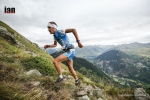
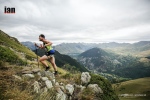
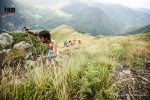
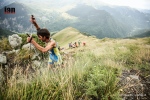
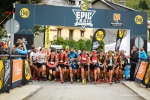
©iancorless.com_Tromso2016-8309

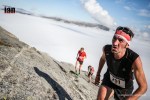
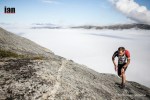
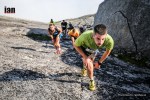
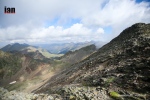
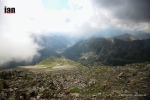
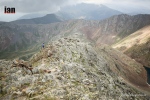
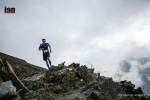
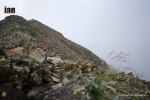
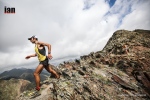
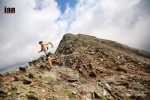
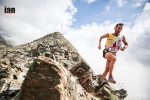
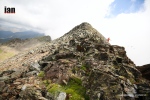
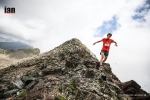
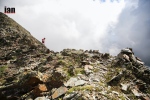
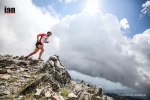
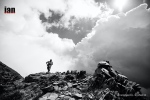
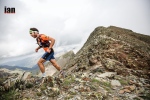
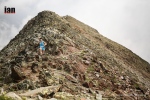
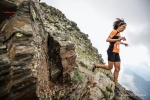
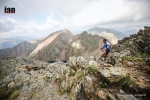
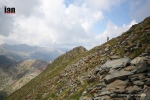
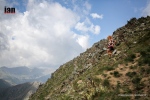
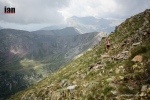
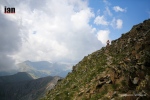
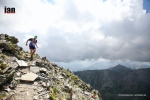
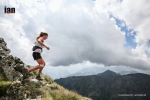
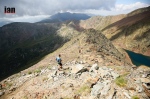
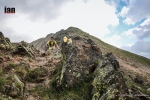
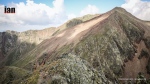
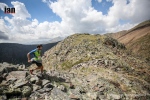
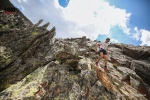
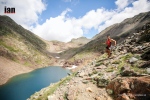
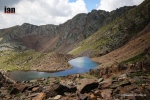
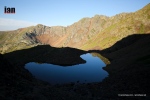
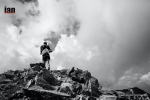
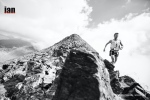
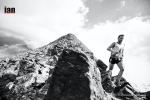
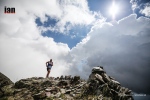
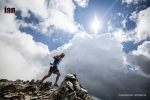
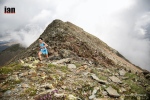
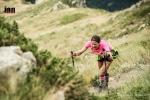
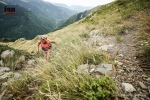
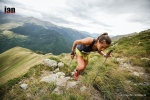
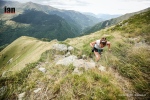
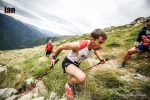
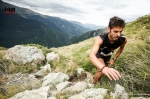
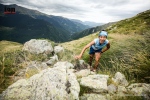
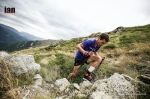
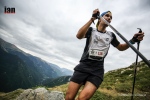
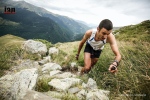
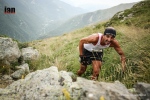
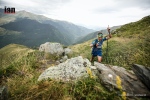
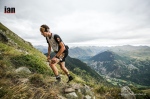
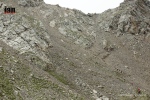
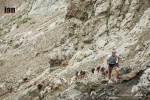
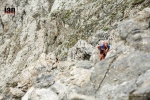
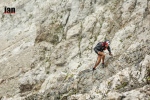
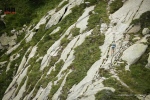
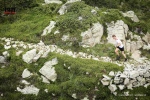
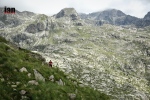
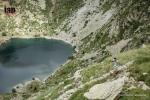
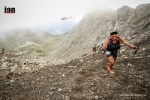
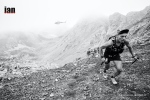
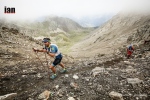
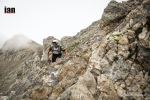
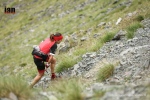
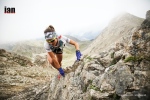
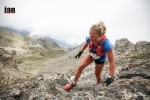
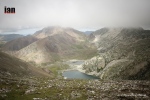
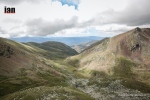
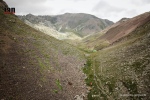
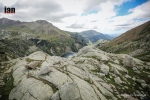
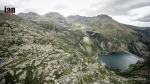
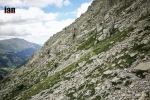
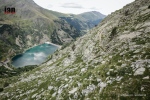
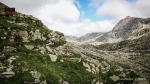
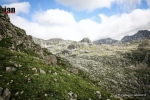
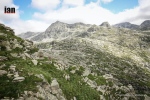
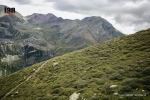
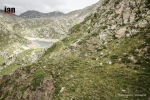
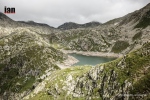
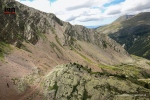
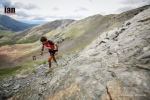
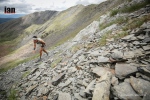
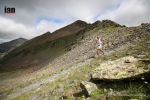
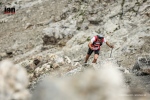
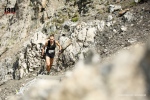
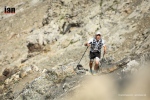
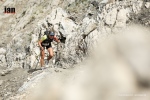
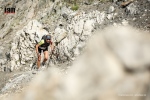
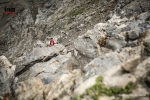
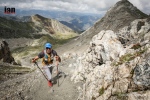
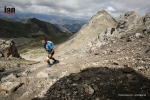
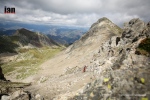
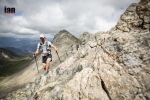
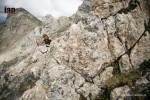
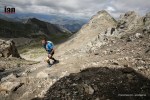
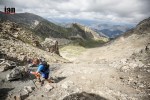
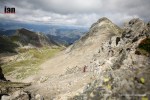
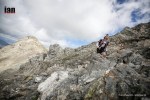
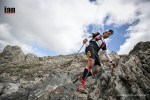
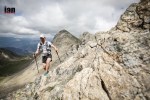
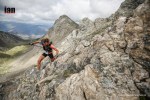
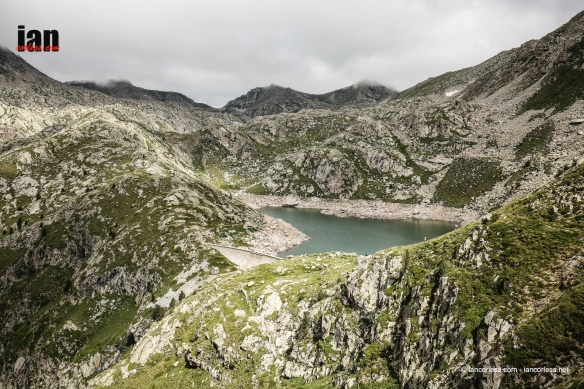
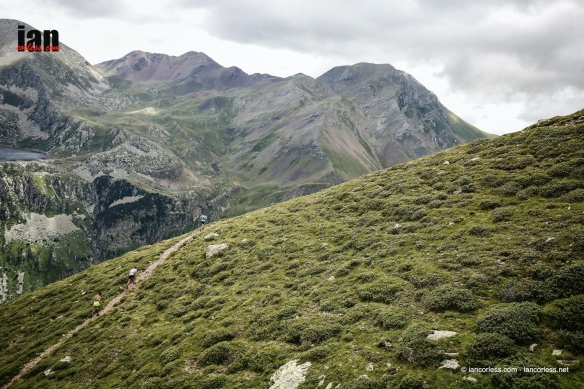
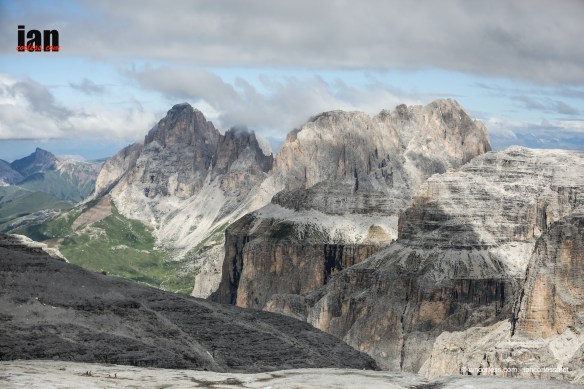
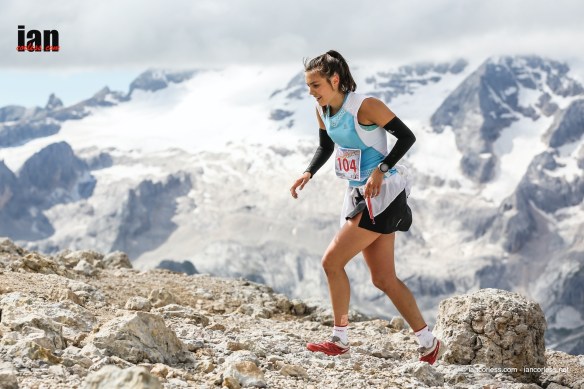
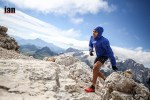
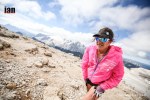
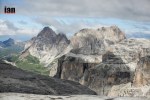
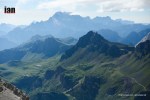
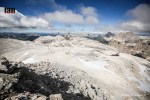
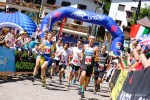
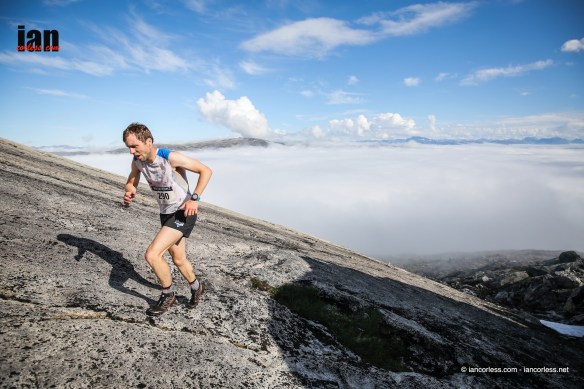
Starting from the sea and climbing directly to the 1044m of the summit of Blamann, the highest summit on Kvaloya island, the Blåmann Vertical Kilometer® is everything a Skyrunning race should be and the route personifies the sea-to-summit concept.

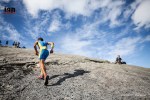
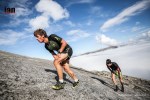
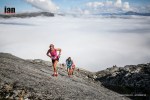
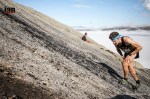
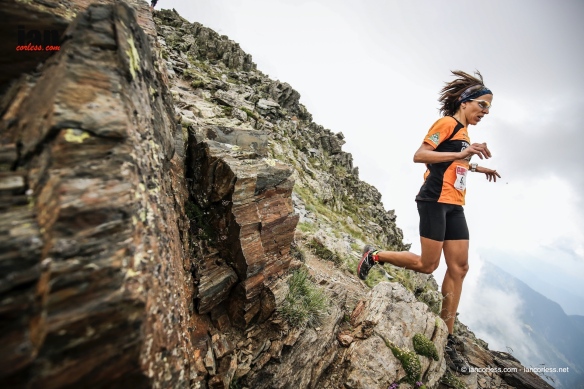
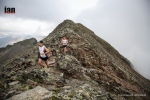
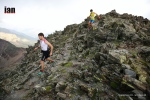
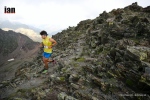
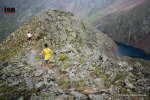
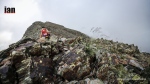
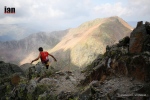
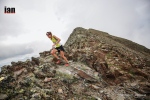
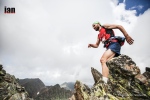
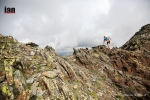
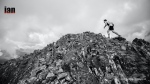
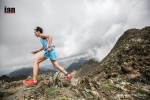
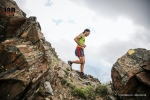
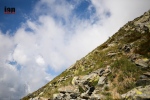
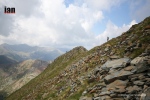
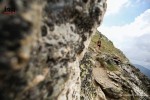
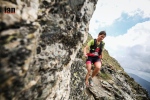
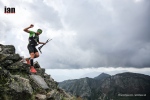
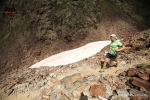
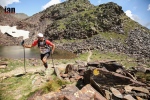
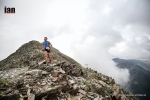
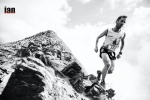
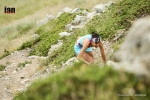
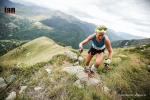
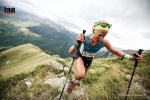
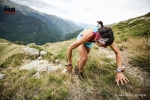
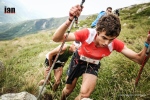
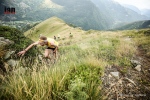
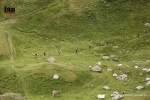
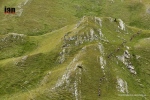
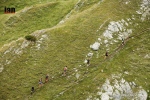
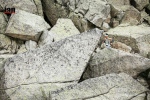
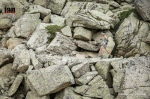
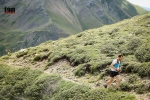
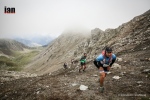
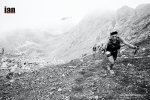
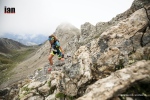
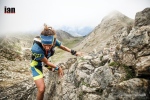
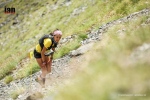
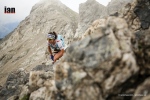
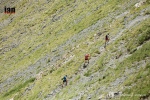
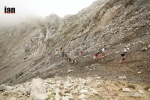
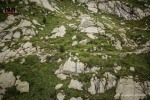
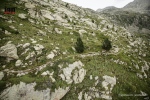
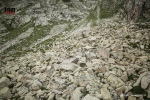
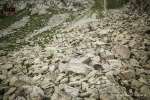
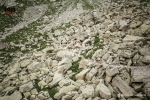
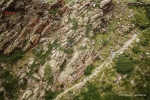
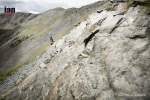
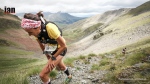
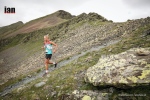
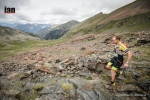
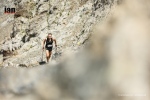
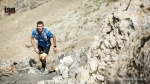
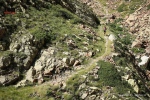
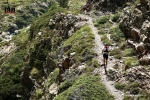
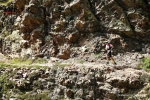
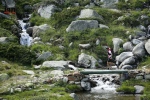
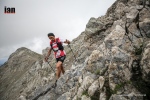
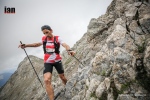
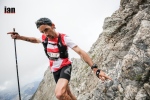
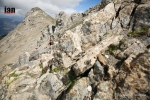
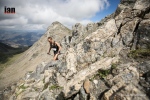
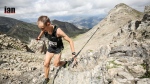
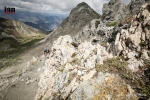
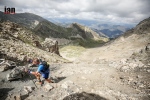
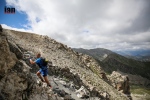
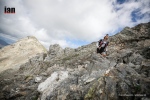
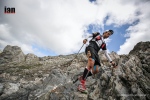
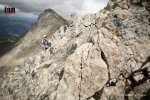
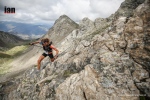
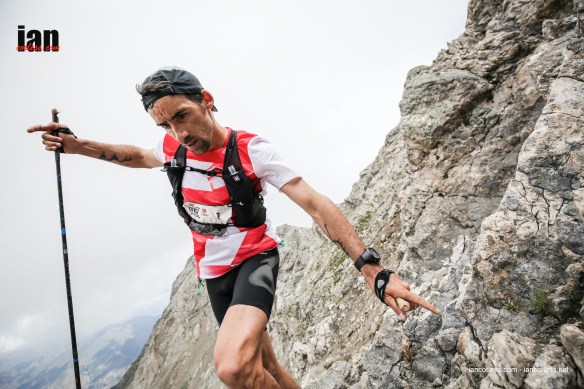
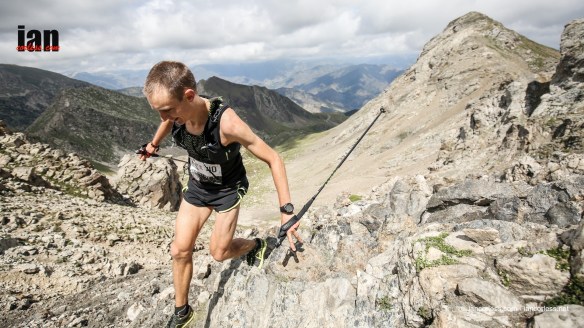
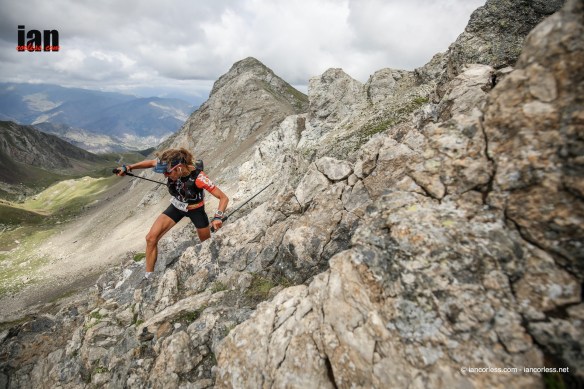
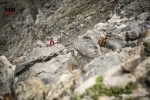
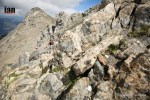
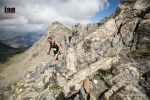
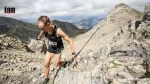
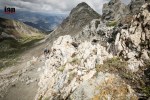
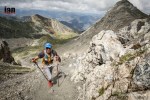
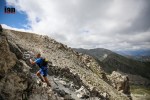
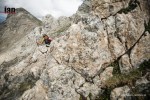
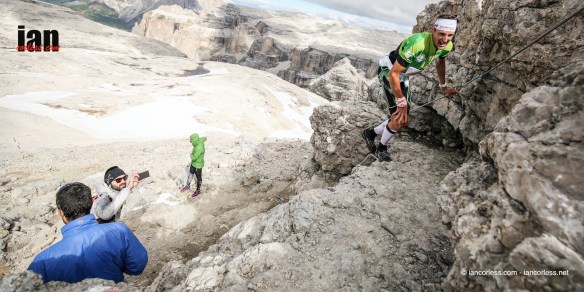
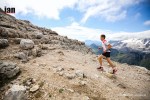
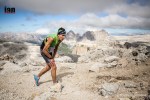
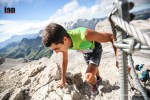
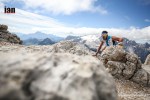
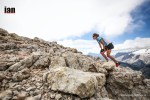
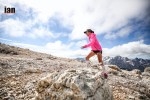
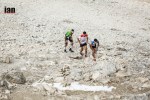
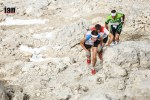
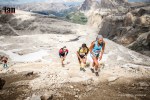
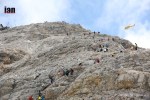
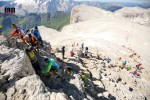
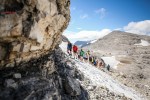
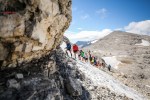
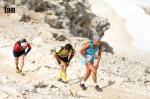
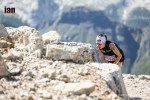
Unlike other VK’s, this route is more like a mini mountain race as the terrain twists and turns with a variety of mixed terrain. The early stage of soft boggy ground soon give way to huge slabs of rocks that at times require low grade climbing to cover. The use of poles offer no advantage as the race most definitely requires scrambling and ‘hands-on’ climbing.

Just 20 minutes from Tromso, the Blåmann Vertical Kilometer® is a race to embrace.

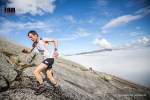
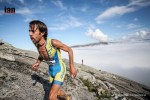
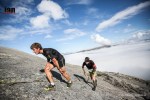
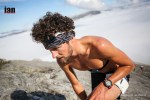
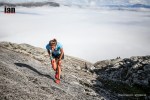
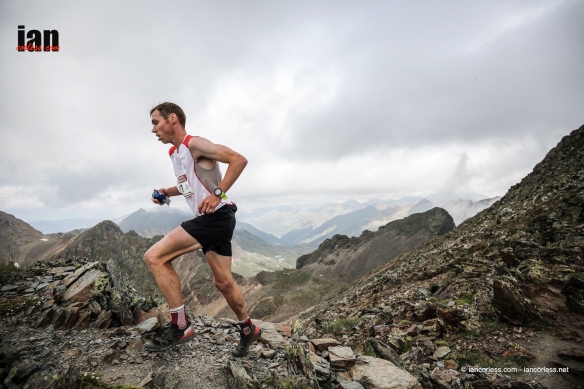
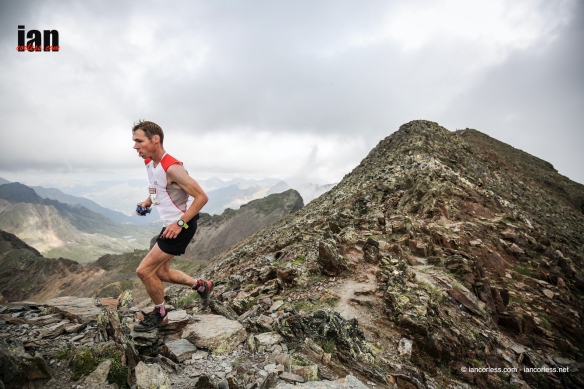
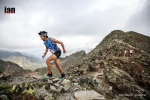
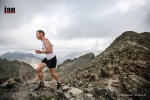
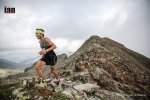
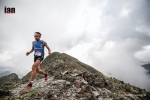
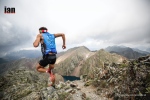
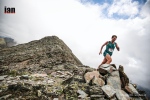
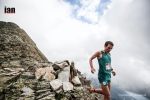
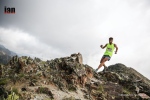
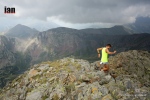
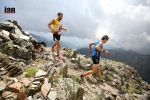
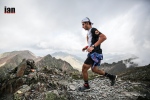
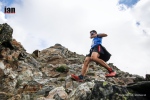
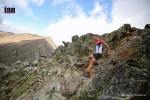
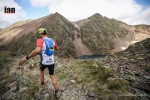
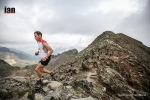
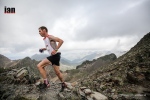
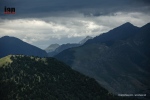
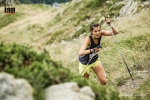
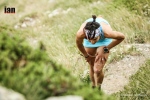
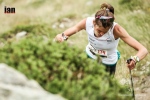
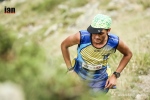
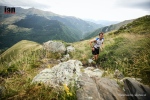
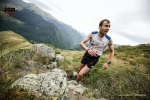
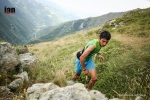
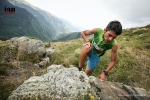
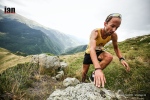
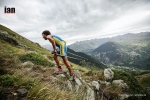
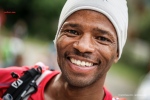
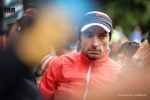
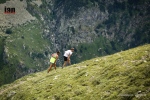
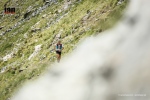
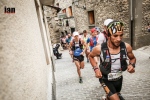
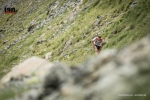
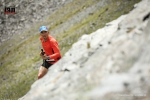
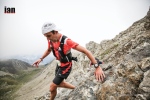
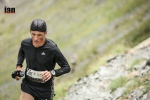
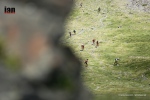
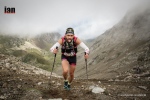
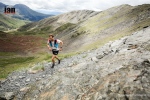
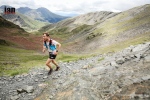
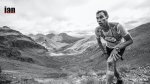
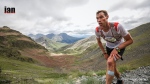
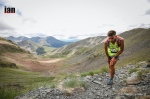
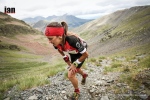
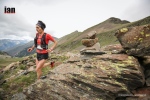
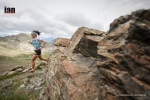
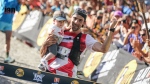
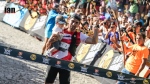
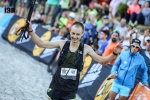
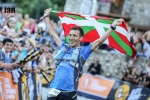
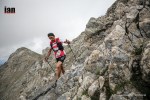
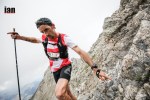
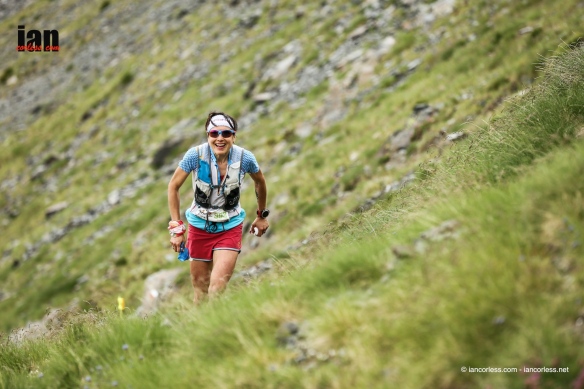
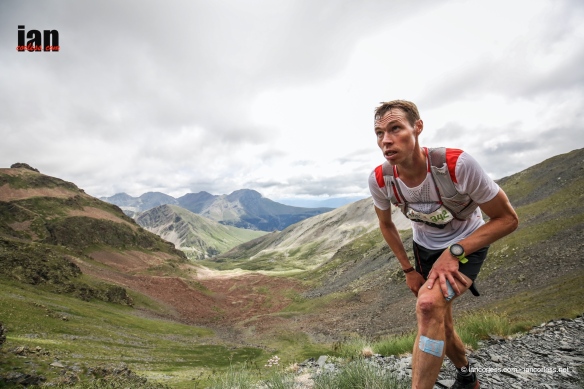
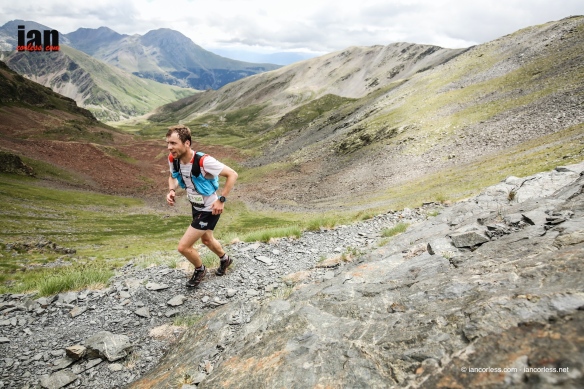
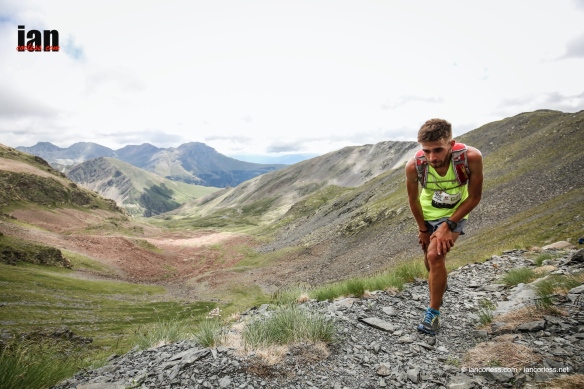
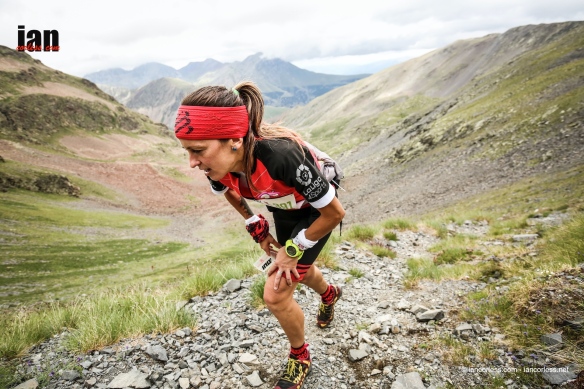
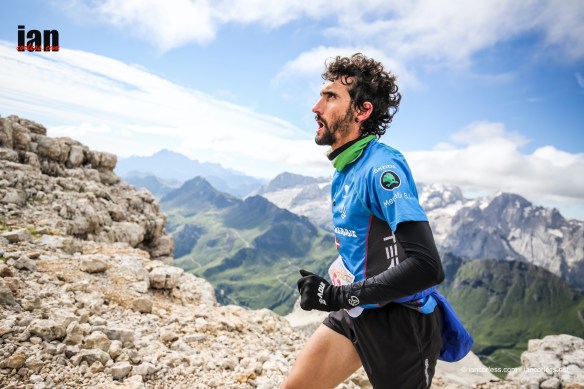
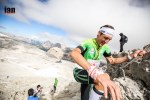
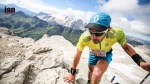
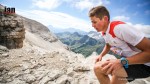
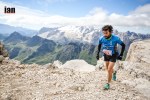
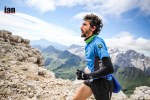
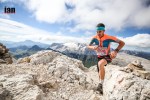
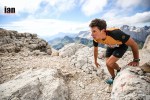
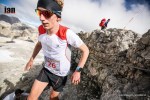
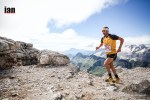
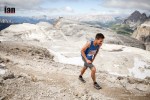
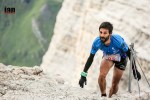
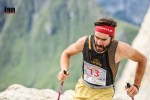
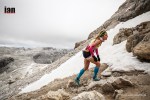
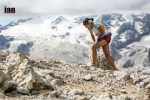
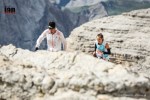
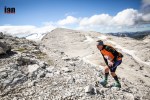
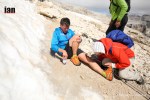
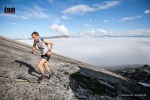
As expected, the newly crowned Skyrunning World Champion, Stian Angermund dictated the pace and the race on the steep slopes from the sea. In the early stages the course was shrouded by mist and cloud but as Stian zoomed up the climb, the mist lifted and above was a glorious day of blue skies and fluffy clouds. By the midway point, Stian had a clear lead over Andorran, Ferran Tpeixido and while other runners power walked with hand-on-knees, Stian ran looking relaxed but breathing hard.

At the summit, Stian crossed the line in 37:00 exactly, Ferran trailed by 31-seconds and David Thibaud placed 3rd in 39:50.

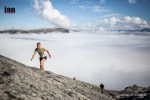
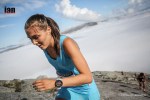
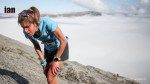
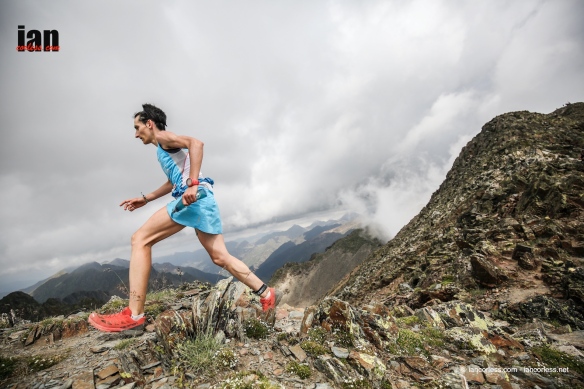
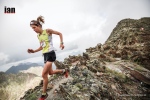
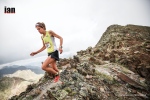
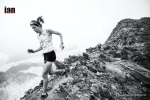
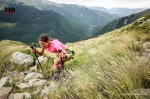
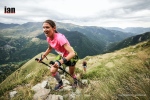
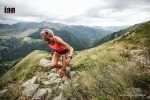
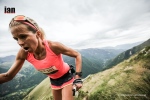
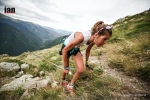
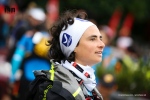
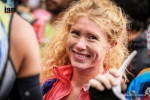
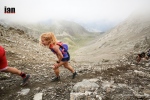
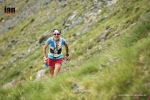
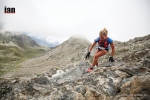
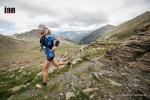
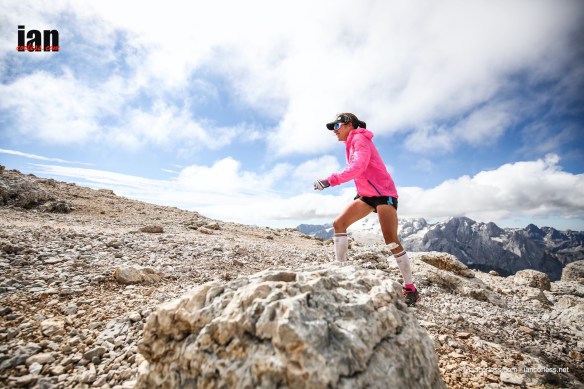
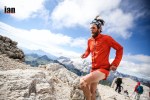
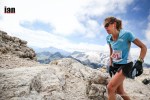
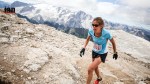
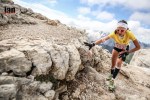
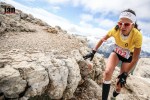
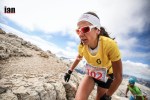
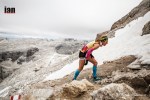
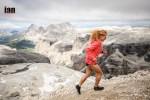
The ladies race turned into a ‘nail biter’ as last minute entry, Emelie Forsberg dictated the early pace obviously feeling feisty after a long recovery process from injury.

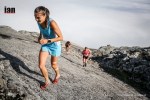
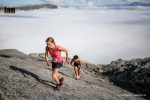
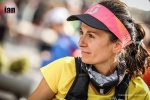
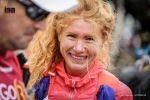
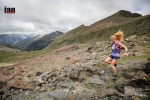
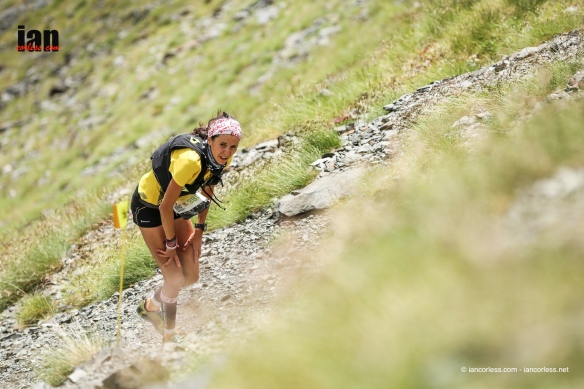
At the midway point, Emelie lead the way with Yngvild Kaspersen hot on her heals. Trailing by approximately 30 seconds, Laura Orgue and Hilde Alders pursued.

Laura was not having a good day though, the VK specialist was obviously tired from racing at the Skyrunning World Championships and last weekends victory at the SkyRace Comapedrosa.

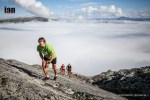
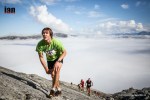
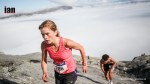
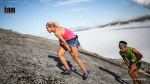
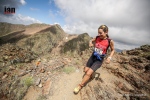
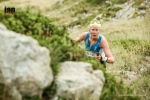
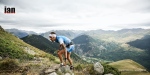
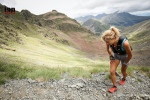
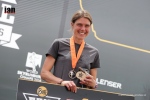
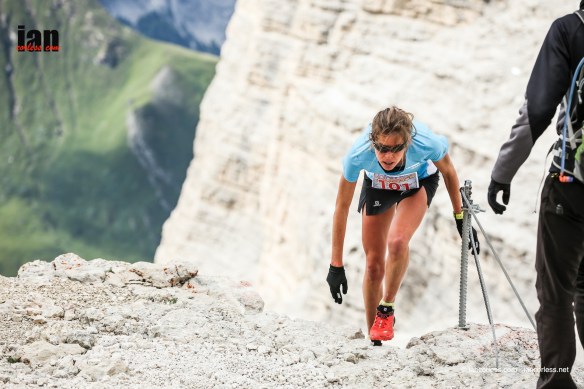
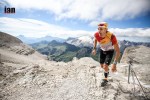
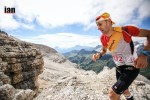
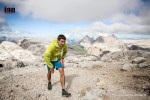
Hilde though was on fire. She caught Yngvild and Emelie and in the closing stages it was a neck and neck race with Yngvild leading the way followed by Hilde and Emelie in third. It looked as though this would be the finishing order and then Emelie released an incredible sprint… taking a different line, she zoomed past the other two just as Hilde responded. It was like watching a sprint in the Tour de France.

Emelie crossed the line first in 44:49 (tbc), Hilde placed second and Yngvild 3rd, all separated just by seconds. Laura Orgue finished 4th having eased back.

Attention now turns to tomorrow and the Tromsø SkyRace® which will start at 0800.


Thanks to the support of our Partner Migu Xempower, Sponsor Alpina Watches and Official Pool Suppliers, Scott RunningCompressport and Salomon.

About Skyrunner® World Series
Skyrunning was founded in 1992 by Italian Marino Giacometti, President of the International Skyrunning Federation which sanctions the discipline worldwide and sports the tagline:
Less cloud. More sky.

The Skyrunner® World Series was launched in 2004 and has grown to represent the peak of outdoor running defined by altitude and technicality. In 2016, the Series, composed of four disciplines, features 23 races in 15 venues on three continents.

iancorless.com is the official photographer and media partner for the Skyrunner® World Series Follow on:

Social Media Logos

Facebook/iancorlessphotography
Twitter (@talkultra)
Instagram (@iancorlessphotography) 

Follow the Skyrunner® World Series on social media platforms

Facebook.com/skyrunning
Twitter @skyrunning_com
Instagram @skyrunning
DRUGS in Mountain, Ultra and Trail #EPO #UTMB

EPO-Doping-Offers-No-Benefit-to-Athletes-286x300

Last week and the week before, EPO, DOPING and the UTMB was the hot topic after Gonzalo Callisto’s positive test. Everyone was talking about it… this week it’s all gone quiet. That can’t happen! You can catch up on my posts below.

Post 1 UTMB faces positive EPO test HERE

Post 2 Michel Poletti HERE

Post 3 IAAF HERE

Post 4 Update IAAF and Catherine Poletti HERE

Post 5 Gonzalo Calisto statement HERE

Post 6 ITRA statement HERE

There are far too many questions unanswered, there are far too many people being quiet and if we want to eradicate doping from Mountain, Ultra and Trail running – we need to keep talking and discussing.

I was approached by Outside Magazine and they asked me a few questions. I am pretty sure that what gets used or published will be an edited version and with that in mind here are my thoughts, un-edited.

In light of the latest news from UTMB, what you think this positive test means for the sport? 

One has to embrace the positive test as a good thing as it confirms that preventative measures against doping are working. This positive was an ‘in competition’ test which only confirms the need for out of competition testing and blood passports. Of course, the answer is always that testing is too expensive. We have to act now and be proactive. I don’t have the answers but I do feel that we could start to address certain issues that would help. Maybe it’s time that we ask (for example) the top 100 male and top 50 female runners as listed on ITRA to pay for a regular medical? Sage Canaday recently released a full report on his medical status to ‘prove’ he is clean; that’s a good thing! (See below). Athletes of course may well say that they can’t afford it but this is where sponsors come in maybe? We cannot keep making excuses as to why we can’t but find ways to make sure we can! We are at the very early stages of doping in our sport and if we don’t act now it will only become worse and God forbid, we could end up like cycling or athletics.

Do you think doping is really becoming something to worry about, or is this a case of an outlier?

We need to worry, yes! This is not the first positive test, it maybe a high profile conviction, but it would be foolish to think that this is an isolated incident.

Are people starting to talk about doping more in ultarunning than before? Or maybe a better way of asking this is how are the athletes you know, talking about this subject and what it means for the sport?

I certainly have witnessed more discussion about doping and of course this was highlighted at the end of 2015 at San Francisco 50. This was a moment when the sport really looked at itself and many questions were asked. It actually became quite nasty at times and I think a sense of perspective was lost. For example, WMRA (World Mountain Running Association) and Skyrunning have been testing athletes for many years. They have very much paved the way but they acknowledge they can only do so much. In competition testing costs 1000’s of euros or dollars for one event and of course, only urine can be tested. Many say it takes an idiot to to be caught ‘in competition’ but it happens. I go back to blood passports – we really need them for elite, professional and sponsored runners. Some races do not have a ‘PED’ policy and San Francisco highlighted the need for races and RD’s to address this in the rules of the race. Western States for example has re-written its race rules to say that any runner who has had a positive conviction cannot race. Many runners have asked for a lifetime ban for any positive test and they have been vocal about this. I personally am reluctant to go down this route… I do believe that mistakes can happen in drug testing but I am not an expert. This creates a whole new debate and raises questions about the lasting effects of a doping program. For example, we used to have two positive tests and out, I liked that but apparently that has been deemed unfair?

Are people starting to test more for doping than in previous years? What has this looked like?

As mentioned previously, WMRA and Skyrunning have been testing for many years but not at all events. Skyrunning for example had its World Championships in Spain in July, they had three events, VK, SKY and ULTRA and WADA performed tests at all three race distances. The problem comes, once again with cost. At the Skyrunning World Championships, 12 athletes were tested. The make and female winner in each category (making 6) and then 6random tests. Let’s assume testing at an event is $10,000 – who pays? Do we add a surcharge on every runners entry fee? Does that race find a sponsor to cover the cost? Do we rely on a wealthy donor or do we approach all the major brands in the sport and say, you must pay! It’s a complex matter and this is why doping control is a rarity in contrast to the norm. Let’s look at races such as Speedgoat 50k, Run Rabbit Run and San Francisco 50 – these races have some substantial prize money, in some scenarios it could mean a pay check of $10,000+ for a win. Yet nobody has any idea if the winner is clean? Moving away from trail running and looking at ultra road running, Comrades in South Africa has huge prize money and it has a very chequered past with doping: Max King, Ellie Greenwood, Sage Canaday and Michael Wardian (amongst others) have all witnessed the impact of it first hand.

What is your own experience with testing?

I attend races as a photographer and a journalist so in reality, I have little experience of the drug testing process. However, I am a media partner for Skyrunning and I have been present and seen the processes undertaken at several major events where doping control has been in place by WADA. For example, I was at the Skyrunning World Champions on July, 22, 23rd and 24th. I also experienced doping control at Limone Extreme in 2015 and Mont-Blanc 80k in 2014 amongst others.

Do you think the tests, or the conversation about doping in general in ultras is lacking? What could be done better?

Certainly the positive test of Gonzalo Calisto has raised some major flaws in the communication process. I have done extensive research over the last weeks and my conclusions have been quite worrying. I will elaborate:

  • Gonzalo Calisto was tested after placing 5th at UTMB by French drug control – AFLD In August 2015.

  • AFLD have a written policy that a positive test is given to (in this case) the runner within three weeks.

  • The runner is then entitled to appeal and ask for a B sample test.

  • This process can then go backwards and forwards for several weeks and in this scenario (as I understand it) months. Don’t get me wrong, the runner has rights and it’s only fair that he or she has every opportunity to clear his or her name.

  • In June 2016 the IAAF released its current banned list.

  • On July 18/19th British Ultrarunner Robbie Britton noticed that Gonzalo Calisto was convicted of EPO and banned till March 2017.

  • I picked up the case and contacted UTWT and UTMB directly and asked were they aware of this conviction? I later found out, no!

  • Within 12 hours, UTMB released a press release disqualifying Gonzalo Calisto of doping.

The above raised so many questions for me:

1. How was it possible that Gonzalo Calisto had tested positive but UTMB did not know?

2. Why was his period of exclusion dated till March 2017 when he had been tested in August 2015?

3. Why had the IAAF only published this in June 2016?

I asked questions of the UTMB and the IAAF. In both scenarios they were both helpful. 

1. To cut a long story short it would appear that when an athlete is tested positive, the testing control, in this scenario AFLD, are not required to inform the race. REALLY? A race has a runner place 5th, the runner is tested, the runner is found guilty, due process is run and then a positive is confirmed and a sanction is put in place without the race being told…. C’mon that HAS to change! Had it not been for the eagle eyes of Robbie Britton and me grabbing the bull by the horns, nobody ‘may’ have known?

2. IAAF explained the ‘due process’ to me and although they were not able to supply specifics, they did say that these things can often take much longer than we would all like and that 6 months is not unusual. Considering Calisto was tested on the last day of August, that potentially could take us to February or March the following year.

3. The IAAF then confirmed that an error had been made! As I pointed out to them, why was Calisto banned till March 2017? The answer: Calisto’s ban and records were amended from a memo dated March 2016 and it was therefore human error. Calisto’s ban dates actually run from March 2016 to March 2018. This coincided with point 2 above and a lengthy due process where one assumes Calisto tried to clear his name.

4. From the March conviction, Calisto’s records then entered the IAAF system and his conviction was uploaded to the ‘sanctioned athletes’ list in June 2016.

5. The IAAF confirmed to me that AFLD did not have to notify UTMB of a conviction but they would look into it?

So, for UTMB to be aware that an athlete had cheated at a previous edition of their race it would appear that the only option open to them is to check daily on the IAAF website for any additions to the sanctioned athlete list.


I could go on…

Why do you think the sport has stayed clean for so long, and what might be changing that would compel people to cheat? 

The sport hasn’t been clean for so long. That is a naive viewpoint. Doping has existed in trail running for ages but if you don’t have testing or a blood passport, how would you know that…? I like to use an example and I must be clear here, I don’t doubt the integrity of the runner I use as an example. Karl Meltzer, my co-host for Talk Ultra podcast has won more 100 mile races than anyone. He has even won Run Rabbit Run and he took home $10,000+ He has been running ULTRA’s for 20+ years. You know how many times he has been tested for PED use?  NEVER. Need I say more… This is why our sport has bean ‘clean’ for so long, no testing!

For the most part it seems like the conversation around doping in ultras is relatively new, and also that cheating might be a new thing too. Do you think there’s a chance for race directors, athletes, etc. to get out in front of this and keep the sport clean before it becomes the kind of large-scale issue it is in some other sports?

The Calisto case has raised eyebrows, we need to latch on to that momentum and we need to consider many of my points above but let’s be clear, Calisto is not the first!

On a final note we need to keep this discussion open, we need to keep asking questions and we need to find answers and solutions. It’s too easy to say it’s too expensive, too difficult and so on. We could start by:

  • Blood passports for runners
  • Regular in and out of competition testing
  • Positive results MUST be sent to a race or RD as soon as possible if a positive test came from a race.
  • IAAF need to find a way to communicate ‘new’ sanctioned athletes to the relevant sport discipline. This is where ITRA or maybe an athlete commission could be set up.

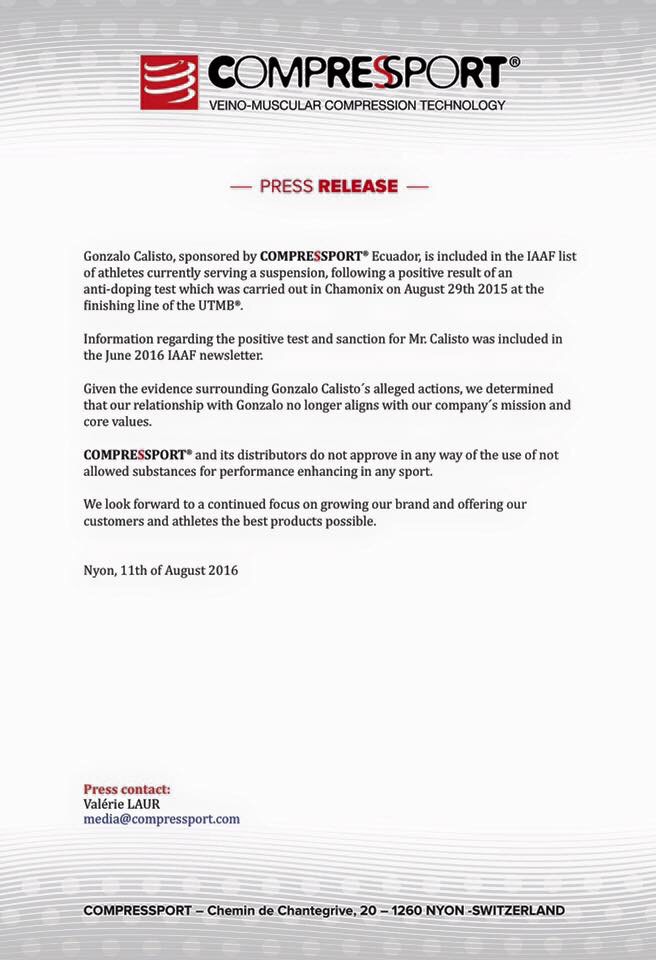
We, as runners, journalists, sponsors and so on must be loud and clear that doping is not welcome and we must do all we can to work together. In the Calisto case I have still not seen or heard any public statement from his sponsors, Movistar and Compressport. Compressport did contact me to say that they were ‘looking into it!’ What does that mean…? They also said that Callisto’s sponsorship with Compressport was with a local distributor and not the International division. As far as I am concerned, local or International, Calisto is still representing a brand and that brand gains attention. And also what about the races that Calisto has run and placed in in post August 2015?  The IAAF now confirms the suspension dates back to that time and until March 2018. Not one word, not one public statement from any race that I have seen… do these races condone doping? What about the runners who placed top 5 or top 10 only to loose a place… come on, speak up!

Update August 12th and Compressport respond


A great place to start is here, Sage Canaday has just recently posted his results online for all to see. Let’s lead by example!

SageDopingReport

I welcome your thoughts!

RUNNING BEYOND BOOK now available on pre-order

Book Cover

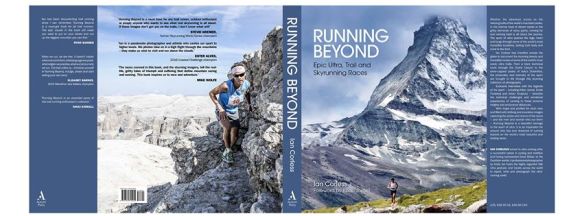
I am pleased to say that my new book, RUNNING BEYOND is now available on pre-order at Amazon (HERE). English version will be available November 3rd and Spanish, Italian, German and US versions will be available tbc.

Foreword is by Kilian Jornet.

©iancorless.com_RunningBeyondBook (6 of 278)

“Ian has been there to witness the stories. He knows the sport, he practices it and he has been involved in many different aspects, all of which provides him with a great overview. He has the strength and character to work many hours, even practicing his own ultra with cameras in order to capture the emotions and the passion from inside the sport. Ian has immense enthusiasm, and his commitment to following a race knows no bounds.” – Kilian Jornet

****

RUNNING BEYOND BOOK

by Ian Corless

Foreword by Kilian Jornet

Published by Aurum Press

Available in the UK from November 3rd 2016

Translated into French, Spanish, Italian and German (release dates to follow)

“Ian has been documenting trail running since I can remember. His images, writing and podcasts have played a major role in showcasing our sport and growing it into the global sport it has become today… Ian is extremely passionate and really understands what trail running is about, and this you can see in his incredible images. Ian’s images capture the runners emotion; the natural beauty and race atmosphere – making me want to put on my shoes and head out the door for a run. Running Beyond is a must get book for all trail runners.”

– Ryan Sandes

©iancorless.com_RunningBeyondBook (46 of 278)


SkyRace® Comapedrosa 2016 Race Summary and Images – Skyrunner® World Series 2016

©iancorless.com_Comapedrosa2016-7052

SkyRace® Comapedrosa – Skyrunner® World Series 2016

The SkyRace® Comapedrosa really did personify everything that a Skyrunning race should be today as the Skyrunner® World Series 2016 moved at a fast pace. The race route was tough, technical, had loads of climbing and plenty of time up in the sky at altitude. In many respects, it’s a course of two halves – the early stages weave up steep forest paths and then in the latter half, after summiting the highest point of the course, the iconic peak of Comapedrosa, the terrain becomes almost permanently rocky and technical.

©iancorless.com_Comapedrosa2016-7549

Laura Orgue and Tom Owens were champions of the day and with two new course records! What makes the result of the dynamic duo more impressive is that they both achieved ‘silver,’ just last weekend at the Skyrunning World Championships organized by the ISF.
©iancorless.com_Comapedrosa2016-6957

The tiny ski-resort of Arinsal in Andorra hosted 370 runners as they toed the line to cover the 21.2km course with a vertical ascent of over 2,000m+. Much of the pre-race talk had been about ‘the wall,’ a technical 1000-metre vertical climb over the short distance of just 2km to the summit of the Comapedrosa at 2,942m, the highest peak in the principality of Andorra.

©iancorless.com_Comapedrosa2016-7028

Aritz Egea lead the race on the climbs and reached the summit of Comapedrosa with Tom Owens, Oscar Casal Mir and trailing Alexis Sevennec. Egea who has not been inform of late struggled to keep the second place after Owens passed him on the last long technical descent but the revelation came from Hassan Ait Chaou who closed from outside the top-5 to take 2nd on the podium. ©iancorless.com_Comapedrosa2016-7090

Egea held on for 3rd and post-race said, “I’m very happy with third. This year has been a little complicated for me, I’ve not been very motivated, so this a good surprise. The course is really, really tough but I love this kind of race, especially the steep climbs.” ©iancorless.com_Comapedrosa2016-7048

Tom Owens had contemplated not racing but sometimes last minute decisions work, “I was un-decided if I should run?” said Owens. “Today I felt great, sometimes it’s nice to race with no expectation. I was 6th or 7th on the first climb but running on those ridges was just brilliant. The descents were great for me…and move quite quickly and pull back places.”

©iancorless.com_Comapedrosa2016-7422

Pull back places Owens did and on that final descent he gave it everything and moved up from the 3rd to take victory in a new CR, knocking 6-minutes of the old record of 2:46:42.

Owens continued, “My weakness is on the steep climbs. The other guys would just pull away… then I eased back on the second climb. We all pretty much reached the summit of the second climb at the same time and from there I knew I had to concentrate.”

Surprisingly, the top three in the male podium all crossed the finish line today under the previous CR, a true sign of a fast, furious and highly competitive race.

©iancorless.com_Comapedrosa2016-7541

Laura Orgue ran an impressive time of 3:12:27 in the ladies’ race beating the previous CR of 3:21:15 held by Oihana Kortazar who would place 2nd. Like Owens, Orgue had achieved a silver medal just last weekend in the Skyrunning World Championships and although victory and CR were hers, she complained of not being her normal self. A VK specialist, Orgue loves to climb but today it was the worst part of her race… the other female runners must be terrified if she has a good day!

©iancorless.com_Comapedrosa2016-7662

Oihana Kortazar, placed 2nd and was also very happy to beat her own course record, no doubt due to the blistering pace of Orgue, “In this race I prefer the ascents to the descents, which are very, very technical. Andorra has some really tough terrain and I welcome the challenge. My next race is Matterhorn Ultraks in Zermatt.”

©iancorless.com_Comapedrosa2016-7687

Third was Àngela Castelló in 3:20:13. As with the male podium, the top three in the female podium all came in under the previous CR.

Attention now turns to next weekend and the first race in the EXTREME series, the Tromso SkyRace.


Provisional Race Results

Male:

  1. 1.Tom Owens 2:40
  2. Hassan Ait Chaou 2:41
  3. Aritz Egea 2:44

Female:

  1. Laura Orgué 3h14′
  2. Oihana Kortazar 3h17′
  3. Angela Castello 3h20′


Thanks to the support of our Partner Migu Xempower, Sponsor Alpina Watches and Official Pool Suppliers, Scott RunningCompressport and Salomon.

About Skyrunner® World Series
Skyrunning was founded in 1992 by Italian Marino Giacometti, President of the International Skyrunning Federation which sanctions the discipline worldwide and sports the tagline:
Less cloud. More sky.

The Skyrunner® World Series was launched in 2004 and has grown to represent the peak of outdoor running defined by altitude and technicality. In 2016, the Series, composed of four disciplines, features 23 races in 15 venues on three continents.

iancorless.com is the official photographer and media partner for the Skyrunner® World Series Follow on:

Social Media Logos

Facebook/iancorlessphotography
Twitter (@talkultra)
Instagram (@iancorlessphotography) 

Follow the Skyrunner® World Series on social media platforms

Facebook.com/skyrunning
Twitter @skyrunning_com
Instagram @skyrunning
IMAGES from the Skyrunning World Championships 2016

VERTICAL KILOMETER

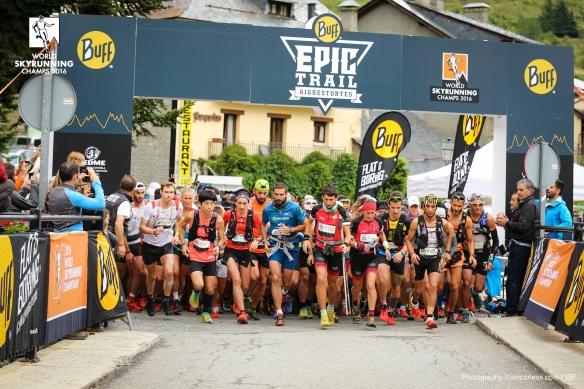
For the short and steep specialists, the BUFF® EPIC TRAIL VK is 2.8 km long with 1,030m positive climb. The average incline is 30.7% and reaches a mean 50.4% at the steepest point. It is capped at 250.

SKY

The rugged BUFF® EPIC TRAIL 42KM is a point-to-point race with 3,200m positive vertical climb. Again, a highly challenging extremely technical race with a nine-hour time limit capped at 500 runners.

ULTRA

The BUFF® EPIC TRAIL 105KM, with a grueling 8,000m elevation gain and a maximum gradient of 56%, is as tough as they come. Strict qualification standards were enforced for participants, which were capped at 250.

LOGO_SKYRUNNING_WORLD_CHAMPS-768x778

Skyrunning World Championships 2016 ULTRA – Images and Summary

©iancorless.com_SWC2016-6453.jpg

Luis Alberto Hernando and Caroline Chaverot were crowned 2016 Skyrunning World Champions for the ULTRA distance at the BUFF® Epic Trail Aigüestortes.

The BUFF® EPIC TRAIL 105KM, has a grueling 8,000m elevation gain and a maximum gradient of 56%, it is as tough as they come! Strict qualification standards were enforced for participants and the field was capped at 250.

It may come as no surprise that runners from all over the world arrived in Spain to take part and in total, over a stunning weekend of races, 35 countries were represented.

The Vall de Boí in the Spanish Pyrenees is without doubt a stunning location for a race; beautiful but tough. Ladies champion, Caroline Chaverot said post race, “The course is incredibly tough, particularly the last 42km. It’s one of the toughest races I have ever done! I felt good during the race but I did have some stomach issues which I need to resolve for the future. I am relatively new to Skyrunning but in 2017 I would like to devote more time to the series.”

©iancorless.com_SWC2016-6193

Luis Alberto Hernando (Sp) very much dominated the men’s race, at times he ran with Andy Symonds and at one stage he pulled away only for Andy to catch him back up. Luis then pulled away again! Andy said, “It was touch and go, the first time I caught back up but when he pulled away again I had to make a choice, risk keeping up and potentially blowing up or running to feel? I did the latter!”.

©iancorless.com_SWC2016-6485

Luis crossed the finish line to the applause of a home crowd in 12:53:42. Andy Symonds (UK) placed 2nd 30-minutes later and looked ecstatic with he result in a time of 13:25:40. Taking the bronze medal, Javier Dominguez, again for Spain flew his home flag proud of his 13:38:04.

©iancorless.com_SWC2016-6363

Caroline Chaverot (Fr) dominated the ladies race as she has done in so many races in the last 12-18 months. Powering up the climbs, she was an unstoppable force. The only downside to her performance was her downhill ability, something she says she need to improve on. Her time of 14:41:07 gave her victory by over 1-hour and a top-10 place overall. To clarify her performance, her time was 25-minutes faster than the previous course record, now held by Luis Alberto Hernando.

©iancorless.com_SWC2016-6628

Eva Moreda Gabaldon (Sp) took silver medal in15:50:01 and the UK’s Jasmin Paris took the bronze medal 15:58:15. Jasmin in particular turned a few heads, this was her first Skyrunning race but UK running fans know only too well her ability, in particular, her recent Bob Graham Round record.

LOGO_SKYRUNNING_WORLD_CHAMPS-768x778

Skyrunning World Championships 2016 SKY – Images and Summary

©iancorless.com_SWC2016-5579

The Vall de Boí in the Spanish Pyrenees today provided a modern day coliseum where Skyrunning gladiators battled at the BUFF® Epic Trail Aigüestortes SKY event, the 2nd race in the 2016 Skyrunning World Series.

©iancorless.com_SWC2016-6041

The rugged BUFF® EPIC TRAIL 42KM is a point-to-point race with 3,200m positive climb in a spectacular natural arena surrounded by 3,000m peaks and 200 mountain lakes. Rich in cultural history, it is also a UNESCO World Heritage site.

©iancorless.com_SWC2016-5992

It’s a highly challenging and extremely technical race with a nine-hour time limit, the racing field was capped at 500.

©iancorless.com_SWC2016-4959

Starting at 0930 under chilly temperatures, the day remained dry but on all the summits temperatures dropped significantly and wind chill was high.

©iancorless.com_SWC2016-6148

Tom Owens was a driving force in the men’s race and the Brit reveled in the tough and technical terrain, something he loves. In the early stages he held strong but a charging Stian Argemund had other ideas. With a gold medal already in the bag from the previous day’s VK, Stian ran a calm and relaxed race and moved from 4th to 1st with over half distance covered. Owens, a downhill specialist said post-race, “I thought I would bring him back on the next descent and although I closed on him, as soon as the terrain pointed up, he would pull away. He was so strong on the climbs, no wonder he won the VK!”

©iancorless.com_SWC2016-6113

Stian did hold on to the finish (3:56:47) and in the process secured a 2nd gold medal at the 2016 games. Tom Owens took silver in 4:01:59 and Ismail Razga kept the Spanish home crown happy with bronze in 4:05:56.

©iancorless.com_SWC2016-6165

The ladies race was an exciting one and Spanish runner Maite Maiora secured one of the biggest victories of her life after also placing 3rd in the previous days VK.

©iancorless.com_SWC2016-6319

Azara Garcia, also from Spain, chased hard all day and came off so close in the final stages closing the gap to Maiora by less than 2 minutes, 4:42:15 to 4:44:04. Garcia was happy though, gold and silver to Spain!

©iancorless.com_SWC2016-5611

Elisa Desco from Italy seemed to struggle in the early stages of the race but rallied to eventually finish 3rd to receive the Bronze medal with a time of 4:46:43.

LOGO_SKYRUNNING_WORLD_CHAMPS-768x778

SKYRUNNING WORLD CHAMPIONSHIPS 2016 PREVIEW


LOGO_SKYRUNNING_WORLD_CHAMPS-768x778Every two years the Skyrunning world assembles at an iconic venue and racing commences in VK, SKY and ULTRA distances to announce a male and female champion in the respective distances. Two years ago, the endurance capital of the world Chamonix, hosted the championships and this year it is Spain.

The Vall de Boí in the Spanish Pyrenees will provide a modern day coliseum where Skyrunning gladiators will battle at the BUFF® Epic Trail Aigüestortes events. A spectacular natural arena surrounded by 3,000m peaks and 200 mountain lakes. Rich in cultural history, it is also a UNESCO World Heritage site.

It may come as no surprise that runners from all over the world will arrive in Spain and over the three races, the lineup of talent is second to none. The line-up has five previous world champions returning:

Luis Alberto Hernando

Luis Alberto Hernando

Luis Alberto Hernando, Laura Orgue, Oihana Kortazar, Augusti Roc and Elisa Desco.

©iancorless.com_©iancorless.com-3368MontBlancVK_2014

In 2014, Australia were a dominant force and surprised many with break through performances, once again they return with a super strong field. The Czech Republic, Japan and Portugal are also sending talented squads, for many, it may well be a first racing in Europe or the high mountains of the Pyrenees. In total, 35 different countries will be represented.

Events start on Friday July 22nd with the VK, on Saturday 23rd it is the ULTRA and closing events on Sunday 24th is the SKY distance.

Importantly, WADA anti-doping tests will be carried out at the Championships managed by FEDME, the Spanish Mountain Sports Federation and ISF member for Spain which will sanction the events and oversee them with their referees. The organisation will be in the capable hands OCI Sport, with whom the ISF has collaborated on a number of high-profile events including the 2012 SkyGames® in Andorra and Spain.

Needless to say, the number of athletes taking part is extensive and at this stage, we may well have some late additions. Below are many of the key runners who I anticipate to do well:

VK – For the short and steep specialists, the BUFF® EPIC TRAIL VK is 2.8 km long with 1,030m positive climb. The average incline is 30.7% and reaches a mean 50.4% at the steepest point. It is capped at 250.

©iancorless.com_Rut2015-5210

Ferran Teixido from Andorra is currently ranked highly on the SWS2016 and we can expect strong competition from Saul Antonio Padua, Andrej Fejfar, Augusti Roc, Jan Margarit, Alexis Sevennec and Pascal Egli.

©iancorless.com_Rut2015-5299

Laura Orgue just did the ‘double’ in the Dolomites winning both VK and SKY and will be hot favourite on home soil. However, Christel Dewalle will have other ideas and the race may well be a head-to-head between the two. Vanessa Ortega, Yngvild Kaspersen, Therese Sjursen and Ekaterina Mityaeva.

SKY – The rugged BUFF® EPIC TRAIL 42KM is a point to point with 3,200m positive vertical climb. Again, a highly challenging extremely technical race with a nine-hour time limit capped at 500.

©iancorless.com_Rut2015-0551

Is going to be fast and furious and the lineup is stunning with Tom Owens, Blake Hose, Manuel Merillas, Pascal Egli and Marcin Swierc pushing for the top slot. But strong competition will also come from Marc and Oscar Casal Mir, Pablo Villa, Jessed Hernandez, Alexis Sevennec, Dai Matsumoto and Artem Rostovstev.

©iancorless.com_DOLOMITESVK2016-4104

Elisa Desco, Yngvild Kaspersen, Azara Garcia and Maite Maiora form a stunning quad of talent but Oihana Kortazar, Ida Nilsson, Marta Molist, Ragna Debats and Katrine Villumsen will make sure that the run for the line is not an easy one. Dark horse is the UK’s Jasmin Paris – watch out.

ULTRA – The BUFF® EPIC TRAIL 105KM, with a grueling 8,000m elevation gain and a maximum gradient of 56%, is as tough as they come. Strict qualification standards will be enforced for participants, which are capped at 250.

 ©iancorless.com_Transvulcania2016-3550

The ultra is the big one and I have to say the talent is what one would expect when a world title is at stake. Luis Alberto Hernando may well be the one to beat on home soil but Andy Symonds after recent success in Lavaredo will push him. As will Franco Colle, Majell Backhausen, Zaid Ait Malek, Cristofer Clemente and Ben Duffs. Miguel Heras is also toeing the line and if in form, watch out! Fulvio Dapit, Leonardo Diogo, Nuno Silva, Jan Bartas and Pau Bartolo are also strong contenders.

©iancorless.com_Transgrancanaria2016-3338

The ladies race is equally editing with Caroline Chaverot being the lady to beat. She has been on fire this year! Ruth Croft made the podium at Transvulcania but arguably local lady, Nuria Picas is the one to upset the apple cart. A strong fight will come from Fernanda Maciel, Anna Strakova, Gemma Arenas, Hillary Allen, Ester Alves, Kristina Pattison, Soto Ogawa and let’s not forget Mira Rai who is returning from injury.

****

World titles and medals will be awarded, crowning the champions of the Ultra, Sky and Vertical disciplines together with combined titles and country ranking. A total of twenty-seven medals and a €20,000 prize purse await the champions of these prestigious competitions.

Alpina Watches, 2016 Skyrunning World Championships Official Timekeeper, will award six prestigious Alpina Horological Smartwatches to the male and female champions of each category, Vertical, Sky and Ultra.

The Vall de Boí will also host the 2016 ISF General Assembly on July 22, which will be attended by members from far and near.

Check out details of the three World Championship courses here.

Social Media Logos

Facebook/iancorlessphotography
Twitter (@talkultra)
Instagram (@iancorlessphotography) 

Dolomites SKYRACE 2016 Race Summary and Images – Skyrunner® World Series

©iancorless.com_DOLOMITESVK2016-3808

At 22km long with 10km uphill and 12km downhill The Dolomites SkyRace is a tough Skyrunning race that perfectly shows the ethos of the sport – start low, get high and then return as quickly as possible. Piz Boe at 3152m is the high point of the course and what follows is a technical descent to the starting town of Canazei.

Kilian Jornet and Megan Kimmel hold the current course, their times 2:00:11 and 2:25:57 recorded in 2013 and 2015 respectively.

Starting in Piazza Marconi, Canazei at 0830, 4 hours 30 minutes are allocated for participants to complete the course.

©iancorless.com_DOLOMITESVK2016-4143

From the gun Aritz Egea dictated the pace and lead a chasing trio of 2015 champion Tadei Pivk, Stian Overgaard and Martin Anthamatten. On the slopes leading up Piz Boe, Egea was relegated to 4th and a battle was on for victory.

©iancorless.com_DOLOMITESVK2016-3852

At the summit, Pivk took the lead and descended without fear as Anthamatten and Overgaard chased.

©iancorless.com_DOLOMITESVK2016-3793

Pivk was too strong though crossing the line in 2:03. Overgaard in his first Skyrunning race placed 3rd in 2:04 and 2015 Matterhorn Ultraks champion, Anthamatten placed 3rd.

©iancorless.com_DOLOMITESVK2016-4213

In the ladies’ race, Laura Orgue was always going to be the lady to beat, the only question mark would come on her ability to descend from the summit of Piz Boe… easier this year she broke her leg in a skiing accident.

©iancorless.com_DOLOMITESVK2016-4104

We should have no questions! From the beginning Orgue pushed the pace and the only lady in close contention was Elisa Desco. Orgue summited first and then held that lead all the way to the line besting Desco by 2-minutes, 2:28 to 2:30.

©iancorless.com_DOLOMITESVK2016-4130

Surprise of the day came in the ladies 3rd place, Celia Chiron who ran an incredible 2:32. Pre-race favourites Yngvild Kaspersen finished 5th and post-race said, “I had bad feelings today and my legs were just heavy.” It was a similar story for 2016 Transvulcania champion, Ida Nilsson.

©iancorless.com_DOLOMITESVK2016-4312

Attention now turns to this coming weekend, the Skyrunning World Championships will take place in Spain with VK, SKY and ULTRA races


Thanks to the support of our Partner Migu Xempower, Sponsor Alpina Watches and Official Pool Suppliers, Scott RunningCompressport and Salomon.

About Skyrunner® World Series
Skyrunning was founded in 1992 by Italian Marino Giacometti, President of the International Skyrunning Federation which sanctions the discipline worldwide and sports the tagline:
Less cloud. More sky.

The Skyrunner® World Series was launched in 2004 and has grown to represent the peak of outdoor running defined by altitude and technicality. In 2016, the Series, composed of four disciplines, features 23 races in 15 venues on three continents.

iancorless.com is the official photographer and media partner for the Skyrunner® World Series Follow on:

Social Media Logos

Facebook/iancorlessphotography
Twitter (@talkultra)
Instagram (@iancorlessphotography) 

Follow the Skyrunner® World Series on social media platforms

Facebook.com/skyrunning
Twitter @skyrunning_com
Instagram @skyrunning
Kids of the future – Mini Dolomites SkyRace 2016

©iancorless.com_DOLOMITESVK2016-4038

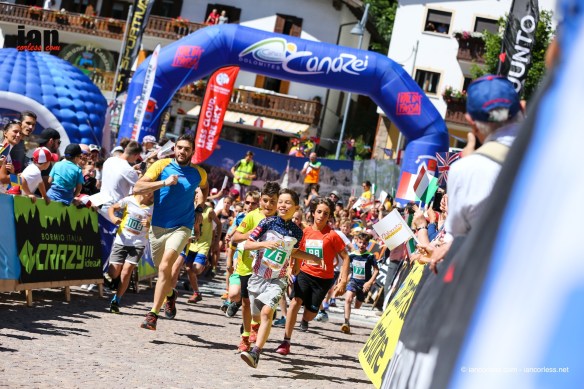
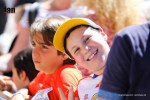
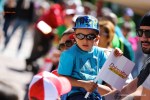
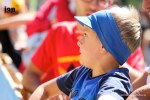
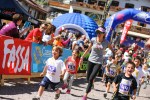
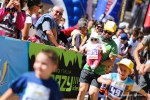
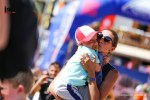
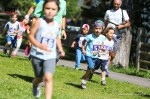
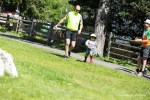
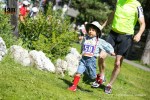
The fourth edition of the Mini Dolomites SkyRace took place today in Marconi Square, Canazei. It was a stunning day, blue skies, fluffy clouds and families of all ages participated in an inspiring few hours.

It’s here that Skyrunner’s of the future are created and it’s just so great to see. I wish this could become a regular feature of all races.

©iancorless.com_DOLOMITESVK2016-4067

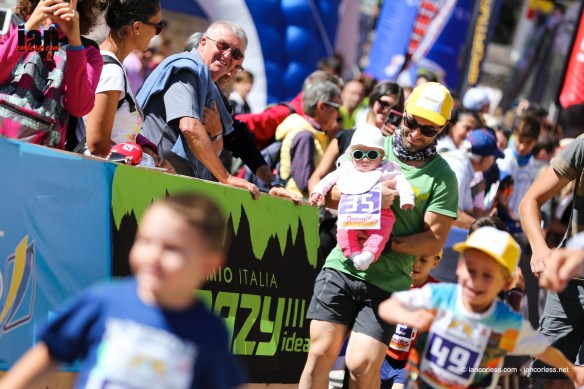
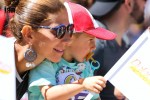
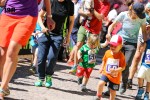
In particular, it was the race with the ‘youngest’ taking part that created the most inspiration, humour and yes, tears…. Father’s carried children in their arms, mums pushed babies in their prams and Skyrunning World Champion, Elisa Desco, ran side-by-side with her daughter.
©iancorless.com_DOLOMITESVK2016-4062

Those that didn’t run, supported from the side lines, cheering with flags, shaking bells and encouraging all those who took part.

Skyrunning of the future starts here