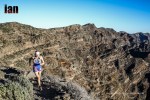
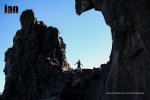
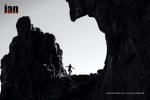
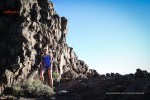
2016 Skyrunner® World Series launches

image

2016 Skyrunner® World Series launches
– new races, a new partner, all-round rebranding and website, the Series is set to reach new heights.

The Series’ new management company, Geneva based SkyMan SA, is pleased to present a new Main Partner, Migu Xempower, a Chinese exercise and health management platform which also counts a rich experience in organising marathons, city and mountain races for millions of runners.

NEW WEBSITE HERE – http://skyrunnerworldseries.com

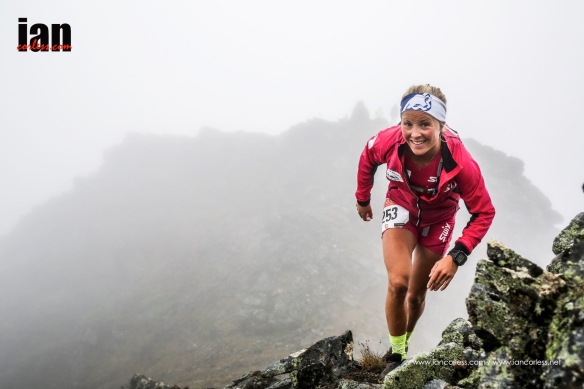
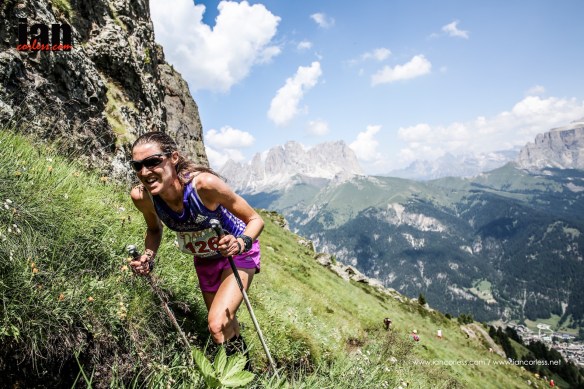
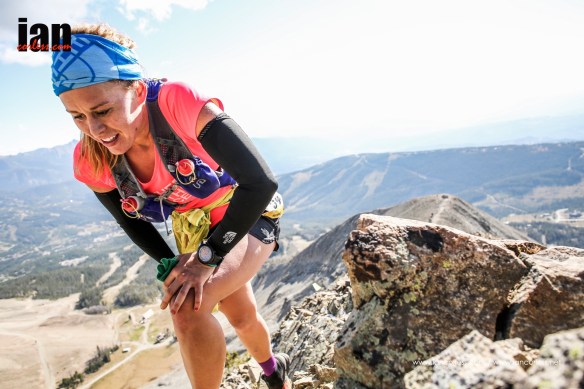
SkyMan SA brings a  breath of spring air across the Skyrunner® World Series just before the 2016 season kicks off and the 2016 Skyrunner® World Series launches. The series kicks off with Yading Skyrun in China, the course reaches a high point of 4664m in China’s Sichuan Mountains. Followed by a world-class line up at the stunning Transvulcania Ultramarathon, the race calendar expands to stretch across the globe. Six new races and a calendar that features twenty-three races in total, the 2016 Skyrunner® World Series is set to be the best yet, especially with the new Extreme category that combines Tromso, Trofeo Kima and Glen Coe in an adrenaline packed trio of races that hark back to the roots of the sport pioneered by Marino Giacometti. This series is sponsored by Alpina Watches and is joined by the well established Sky, Ultra and Vertical formats.

Skyrunner® World Series is also delighted to count on the continued support of Alpina Watches, together with the three Official Pool Suppliers, Compressport, Salomon and Scott Sports.

©iancorless.com_IMG_8821Kima2014_Kilian Jornet, the sport’s best known figure and organiser of the Extreme Series’ Tromsø SkyRace® in Norway, comments:
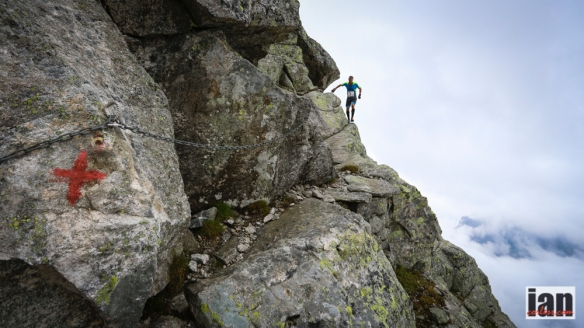
“When I started to run I was inspired by the images of Bruno Brunod, Fabio Meraldi and Marino Giacometti climbing (and descending) technical ridges, passing climbers and alpinists with just a pair of running shoes – and amazing technical skills! I’m very glad that today there’s an Extreme Series with this alpine philosophy and, as an organiser, to share my passion for scrambling and travelling light on big mountains.”

©iancorless.com-0345Kima2014_

The Skyrunner® World Series is known for attracting the best athletes in the sport at each event. They compete for an end of season prize purse of €36,000, in addition to the prize purse of over €100,000 distributed across all races.

The Skyrunner® World Series is known for attracting the best athletes in the sport at each event. They compete for an end of season prize purse of €36,000, in addition to the prize purse of over €100,000 distributed across all races.

©iancorless.com_Rut2015-1300Mike Foote, world class trail runner and organiser of The Rut events in the rugged Montana mountains, adds:



“It’s an honour to be a part of the 2016 Skyrunner World Series. As the organisers of three events here in the United States, it is exciting to host many of the world’s best. I love the ethos of skyrunning. Steep, technical and dramatic courses inspire me as an athlete and it has been such a pleasure to also organize events with these traits here in my backyard.”

Iancorless.com and iancorlessphotography are once again pleased to announce that they will be the official photographer and media partner for 2016 SKYRUNNER® WORLD SERIES.

You can follow through all the usual media channels, in particular Facebook, Twitter and Instagram and make sure you follow all the ‘official’ Skyrunning feeds.

Instagram

Facebook Logo

Twitter_logo

2016 SKYRUNNER® WORLD SERIES

SKY
April 30: Yading Skyrun – 29 km, Sichuan – China
May 22: Maratón Alpina Zegama-Aizkorri – 42 km, Zegama – Spain
June 26: Livigno SkyMarathon® – 30 km, Livigno – Italy
July 17: Dolomites SkyRace® – 22 km, Canazei – Italy
July 31: SkyRace® Coma Pedrosa – 22 km, Andorra
August 20: Matterhorn Ultraks 46K – Zermatt – Switzerland
September 3: The Rut 28K – Big Sky Montana – USA
October 15: Limone Extreme SkyRace® – 23 km, Limone sul Garda – Italy

EXTREME
August 7: Tromsø SkyRace® – 50km, Tromsø – Norway
August 28: Kima Trophy – 50 km, Sondrio – Italy
September 18: Salomon Glen Coe Skyline – 53 km, Glen Coe – UK

ULTRA
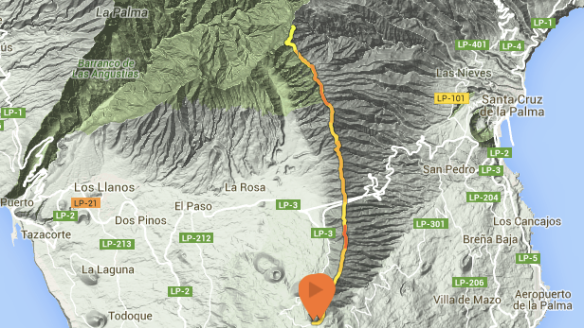
May 7: Transvulcania Naviera Armas Ultramarathon – 74 km, La Palma – Spain
June 4: Ultra SkyMarathon® Madeira – 55 km, Madeira – Portugal
July 10: High Trail Vanoise – 68 km, Val d’Isère – France
September 4: The Rut 50K – Big Sky, Montana – USA
September 24: Salomon Ultra Pirineu – 110 km, Bagà – Spain

VERTICAL
May 5: Kilómetro Vertical Transvulcania Binter- La Palma – Spain
June 24: Santa Caterina Vertical Kilometer® – Sondrio – Italy
July 8: Kilomètre Vertical Face de Bellevarde – Val d’Isère – France
July 15: Dolomites Vertical Kilometer® – Canazei – Italy
August 5: Blamann Vertical – Tromsø – Norway
September 2: Lone Peak Vertical Kilometer® – Big Sky, Montana – USA
October14: Limone Extreme Vertical Kilometer® – Limone sul Garda – Italy

MIRA – The Movie

©iancorless.com_UltraPirineu2015-3066

“MIRA” is a gem among the many ultrarunning movies that are currently available. It’s a simple story that pulls at the heart, inspires and at all times remains humble. The movie, like Mira started small and has grown.

In 2014, Mira was unknown, but through the insight of Trail Running Nepal, Richard Bull and Lizzy Hawker, Mira found a home and a story started to unfold. Like any flame, if you provide the right conditions, the flame will grow, increase and yes, even rage.

In February 2015, Lloyd Belcher started to work on this project. Like any project of this nature, it was a risk. Would Mira perform, would the film find the funding required to complete it. Lloyd sums it up so well when he recently said:

“Thank you to all who believed in the value of this project when we started filming in Feb 2015 without any money but a vision of how we wanted to reach girls in Nepal with Mira’s inspirational story. So many have joined us on this journey and given in so many ways.”

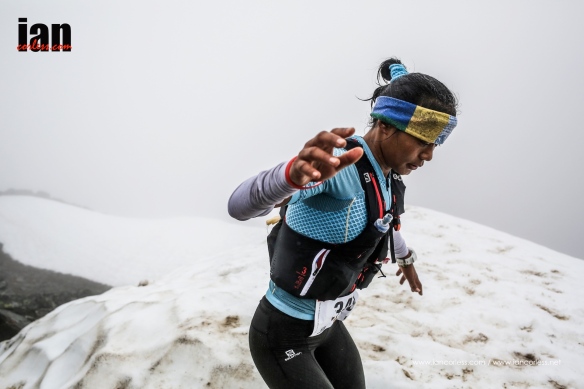
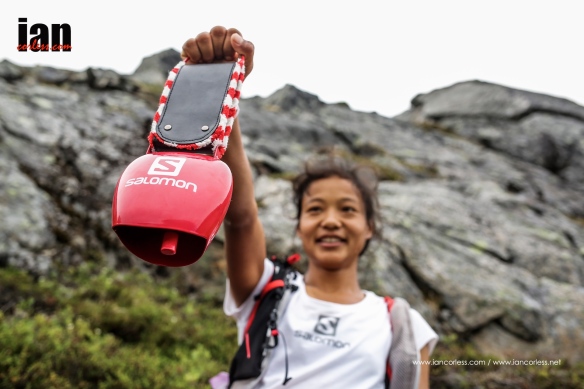
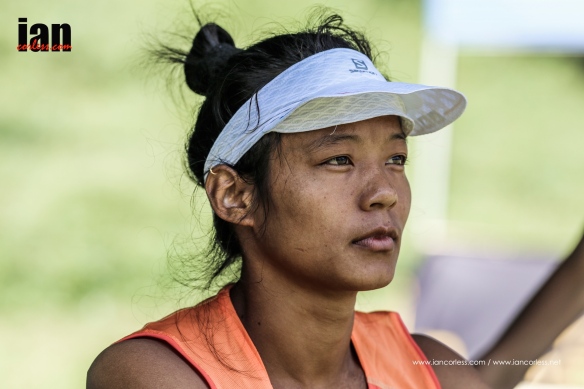
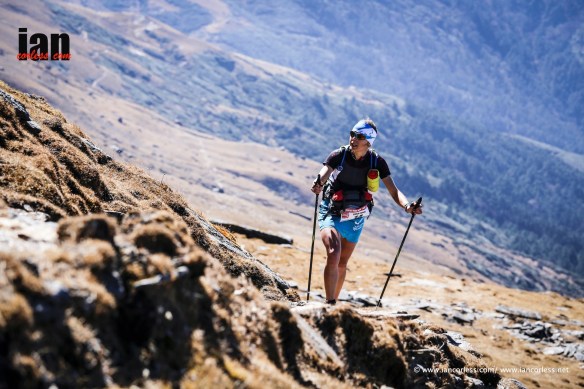
The film is the story about Mira, a Nepali village girl on her pursuit to becoming a world-recognised mountain runner while racing primarily in the 2015 Skyrunner World Series.

©iancorless.com_Tromso2015-5182

I have to say, I have been more than fortunate to witness Mira’s growth, not only from the outside looking in but also on the trails as I have documented in words and images her inspirational rise in the sport.

©iancorless.com_Tromso2015-3808

The ridges, mountains and technical trail of Tromso, the stunning Italian Dolomites and the Spanish mountains in and around Ultra Pirineu. Mira inspired through her humility, her no-nonsense approach and a very simple approach to life. When you watch MIRA you realise why.

Unlike many other running movies, MIRA is just a great story. It’s inspiring and at times heart breaking. A fascinating watch, Mira’s life journey is told on film; from growing up in  remote Nepalese countryside with poverty, a 2-year stint in the army and a brave solo move to Kathmandu. Victory at an impromptu 50km race made Richard Bull, stop, ask questions and suddenly help Mira (along with Lizzy Hawker) take the first steps on a compelling story to competing with the best in the world.

MIRA is a film for all, runner or not, it’s just great story telling!

Watch the trailer

But most importantly rent and watch the movie. Proceeds will directly benefit initiatives to empower Nepali girls to participate in sports. 

©iancorless.com_DolomitesVK2015-9868

The movie ‘Mira’ is now available online here

 https://vimeo.com/ondemand/miraraifilm

Anna Comet to run The Coastal Challenge 2017

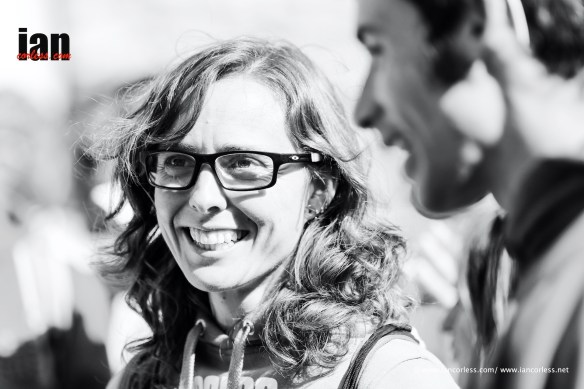
©iancorless.com_AnnaComet (1 of 1)

The Coastal Challenge are pleased to announce that Anna Comet (Spain), two times winner of the Everest Trail Race will participate in the 2017 edition of the race.

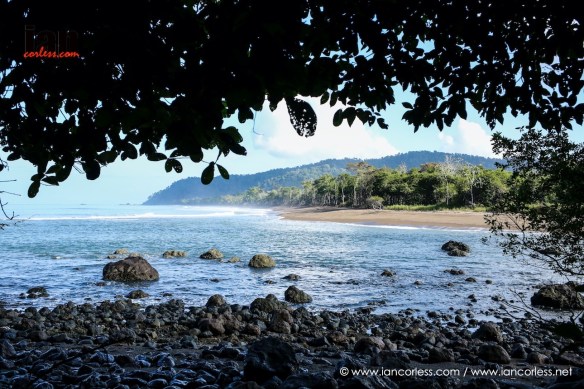
A multi-day race over 6-days starting in the southern coastal town of Quepos, Costa Rica and finishing at the stunning Drake Bay on the Osa Peninsula, The Coastal Challenge is an ultimate multi-day running experience.

Intense heat, high humidity, ever-changing terrain, stunning views, Costa Rican charm, exceptional organisation; the race encompasses Pura Vida! Unlike races such as the Marathon des Sables, ‘TCC’ is not self-sufficient, but don’t be fooled, MDS veterans confirm the race is considerably harder and more challenging than the Saharan adventure.

©iancorless.com_TCC2016-0873

Hugging the coastline, the race travels in and out of the stunning Talamanca mountain range via dense forest trails, river crossings, waterfalls, long stretches of golden beaches backed by palm trees, dusty access roads, high ridges and open expansive plains. At times technical, the combination of so many challenging elements are only intensified by heat and high humidity that slowly but surely reduces even the strongest competitors to exhausted shells by the arrival of the finish line.

2017 will signify the ‘lucky for some’ 13th edition and building on the success of the 2016 edition, Central America’s most important multi-day race looks set to elevate itself to new heights with this first of six announcements about the elite field who will undertake the race next year.

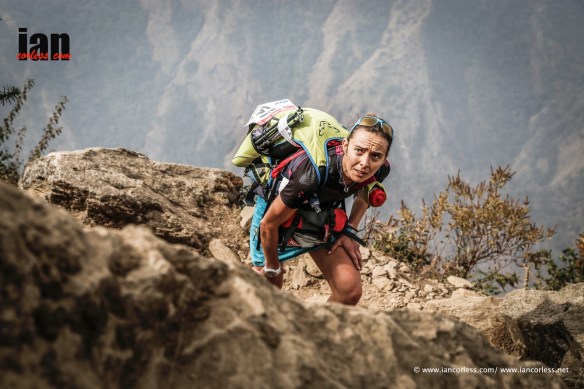
©iancorless.com_AnnaComet (7 of 1)

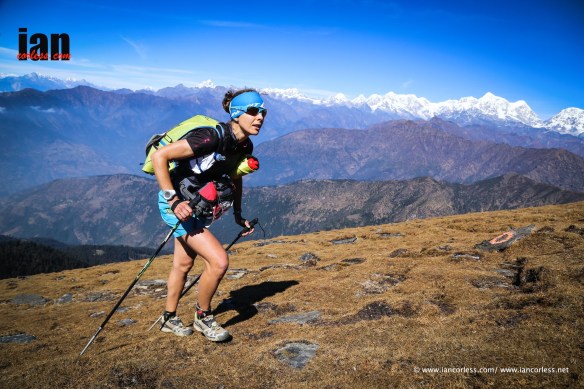
Anna Comet in recent years has shot to fame as a trail and mountain runner after a very successful career as an Alpine skier and ski mountaineer. Her 2014 victory at the Everest Trail Race (also a multi-day race) paved the way for a strong and consistent Skyrunning year in 2015.

Born in Girona, the mountain has always been a passion for Anna. A 4-year stint living in the French Alps at 14-years old and 2-years in Andorra laid the foundations for selection for the Spanish National Team for Alpine Skiing. A 6-year career saw Anna race many European Cups and the FIS World Cup Races.

Injury unfortunately removed Anna from competitive sport for 4-years and when she returned, trail running and ski mountaineering were her chosen disciplines.

Although my heart says to me that I have to keep pushing on ski mountaineering competition, common sense and my mind are pushing me to focus all my efforts to one goal; trail running. I feel that this is what I have to do! – Anna Comet

Despite placing 6th on two occasions at Pierramenta, 2nd at Patrouille des glaciers and many top 10-places on the World Cup races, during the 2014 season Anna slowly moved purely to trail and mountain running. Victory at the 2014 Everest Trail Race confirmed she had made a wise decision.

*****

©iancorless.com_AnnaComet (3 of 1)

You have raced multi-day races twice before, the Everest Trail Race, on both occasions you won. What do you like about multi-day racing?

EN: I think there are two big special things: 1. there is more race strategy than in other races and 2. the contact and the experience with the rest of the racers is very special.
SP: Creo que hay dos cosas muy especiales: 1. hay más estrategia que en otro tipo de carreras y 2. el contacto y la convivencia con el resto de corredores es muy especial.
The Coastal Challenge in Costa Rica will be very different to Nepal, what is the attraction?

EN: The biggest attraction is that it will be very different to Nepal and to all the other races I have done before; the terrain, the heat, the sea, etc.

SP: La mayor atracción es esto, será muy distinto que Nepal y que el resto de carreras que he hecho antes, el terreno, el calor, el mar, etc.

©iancorless.com_AnnaComet (2 of 1)

Like ETR, TCC is not self-sufficient, you dont need to carry all your equipment like MDS, is that more appealing? You are free to run!

EN: Of course yes! I like running free, you can run faster and one of the things that I like most of running is to run as fast as I can.

SP: Por supuesto! Me gusta correr libre, se puede correr más rápido y una de las cosas que más me gusta de correr es hacerlo tan rápido como pueda.

High heat and intense humidity makes the TCC an extreme challenge, will you prepare specifically for this?

EN: I would like to, but I think it will be impossible. In Catalonia where I live it is cold from November, so I will have to get used to the heat and humidity during my stay in Costa Rica.

SP: Me encantaría pero creo que será imposible. En Cataluña, donde vivo, hace frío a partir de noviembre… así que tendré que acostumbrarme cuando llegue a Costa Rica

©iancorless.com_AnnaComet (8 of 1)

You have excelled at Skyrunning in recent years, will the combination of technical trails, water crossings, climbing etc, of Costa Rica appeal to you?

EN: I’m sure of it! I am really looking forward to going and running there!

SP: Estoy segura que si! Tengo muchas ganas de ir y correr allí!

TCC is almost 1-year away and you have a busy year ahead, what does your race calendar look like for 2016?

EN: This year I’m going to participate in all the races of the Skyrunner World Series. I am going to start in may with Transvulcania, then USM (Ultra SkyMarathon Madeira) in Madeira in June, Ultra Trail Vanoise (formerly Ice Trail) in Val d’sere in July, The Rut, USA in September and Ultra Pirineu, Spain in September again.

SP: Este año volveré a participar en las carreras del Ultra World Tour de la ISF: Empezaré en mayo en Transvulcania, después Madeira en junio, Val d’isère en julio, USA en setiembre y UP también en setiembre.

What are your long term goals with running?

EN: My goals for this season is to be the best that I can be in the Skyrunner World Series and of course, enjoy what I do!

SP: Mis objetivos para esta temporada es probar de volver a quedar entre las mejores de las world series y, por supuesto, disfrutar de lo que hago.

Do you have a dream race other than The Coastal Challenge?

EN: There are a lot of races around the world and a lot of nice places to go. I like to go step-by-step, I’ve been twice to Nepal and now I really want to go to Cost Rica.

SP: Hay muchas carreras y muchos lugares bonitos en el mundo. Me gusta ir paso a paso, he estado dos años en Nepal y ahora me apetece mucho ir a Costa Rica.

Ester Alves won the TCC in 2016, you have raced against her in Skyrunning races, should she return to Costa Rica to defend her crown, would you embrace the challenge?

EN: Of course! I like to compete against strong competition. I think it’s a chance to grow as athlete and to become better. And of course I will be happy to meet Ester in competition and then relax later in the camp chatting.

SP: Por supuesto! Me gusta competir con buenas corredoras. Creo que es la forma de crecer como atleta y mejorar día a día. Y por supuesto me encantará conocerla en competición y después en el campamento tranquilamente.

Anna, any final thoughts

EN: Since I decided to go to TCC next year I can’t stop watching videos and photos from there! I’m excited!

SP: Desde que he decidido ir a TCC el próximo año no puedo parar de mirar videos y fotos! Estoy emocionada!

©iancorless.com_AnnaComet (6 of 1)

In a very short space of time, Anna has elevated her status as one of the worlds best female Skyrunner’s as reflected in her 2015 results.

  • 2nd Transvulcania Ultramarathon, La Palma, Spain
  • 5th European Skyrunning Championships, Ice Trail Tarentaise, Val D’Isere, France.
  • 2nd Mont-Blanc 80km, Chamonix, France.
  • 4th Matterhorn Ultraks, Zermatt, Switzerland.
  • 1st Everest Trail Race, Nepal – new course record
  • Ranked 3rd lady overall in the ISF Skyrunning World Series 2015.

A full 2016 calendar lies ahead but rest assured, Anna will be firing on all cylinders for the 2017 edition of The Coastal Challenge which will take place Feb 10th – 19th, 2017.

All images ©iancorless.com – all rights reserved

Contact Information

Email: HERE

Website: HERE

Facebook: HERE

Twitter: @tcccostarica

Global Contacts: HERE

Follow #TCC2017

More information:

Read the full 2016 race story HERE

View and purchase images for the 2016 race HERE

You can read daily reports from the 2016 edition HERE

TCC_2017_JoinUs?

Paradise Lost – Salomon Running TV, Season 5, Episode 1

AnnaFrost

Salomon Running take things up a notch for the Salomon Running TV Season 5 Episode 1 with Paradise Lost.

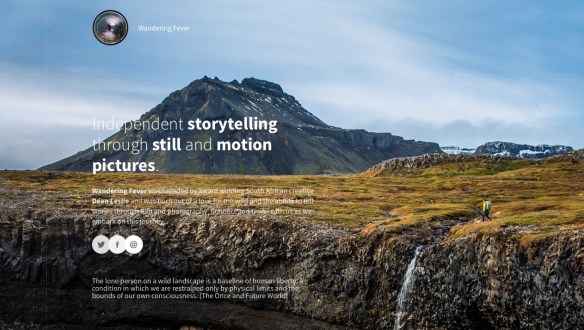
It’s a departure for the running brand who in recent years have inspired and influenced us with a serious of beautiful and short films. The African Attachment (Dean Leslie and Greg Fell) have been instrumental in the visual look and feel of these images.

This is Salomons first project with ‪#‎TAA‬ co-founder Dean Leslie’s new production company Wandering Fever and marks the start of an exciting new journey.

Anna Frost has continued to inspire all of us with her no strings honesty; it is what makes her so approachable. It’s something that I personally have been able to witness at first hand. Paradise Lost gives a new insight into the inspiring lady we have all come to know as Frosty!

Enjoy this wonderful movie

[Full multimedia story http://runningtv.salomon.com/episodes…] Anna Frost takes some time out to journey to the highlands of Papua New Guinea to visit the place where she grew up. Anna’s adventure into her past is pause for reflection; the paths travelled, the races lost and won, a life on the road, as she searches for “home”.

A Film by Wandering Fever
A Production by The African Attachment

Music:
“Go Solo” by Tom Rosenthal – courtesy of Audio Network
“Sirens” by Ben Dey – courtesy of SM Publishing
“Stand in Line” by BANFF – courtesy of Create Control & We are Golden
“Portraits” & “Annika” – courtesy of Musicbox Licensing

Additional Footage:
Cavalls del Vent 2012 – Zoopa

Production Supported by:
Papua New Guinea Tourism Promotion Authority – http://www.tpa.papuanewguinea.travel
Air Niugini – http://www.airniugini.com.pg/

Wandering Fever


Planning a Training Week by Marc Laithwaite

©iancorless.com_Lanza2016-05150

In recent articles we’ve talked about how to plan you training and how to look ahead with target goals in mind. Marc Laithwaite now narrows our focus and takes a look at a single week of training and how you should plan it for maximum benefit.

What’s the purpose of the session?

I’ve mentioned many times that one of the key issues with the way people train, is that they do their easy stuff too hard and their hard stuff is too easy. This generally results in most of the training being done in a ‘middle zone’. Before you plan your week, you need to consider the objective of each session as that will influence the optimal day and time.

High Intensity Intervals / Hard Sessions

‘HIT’ or harder sessions are designed to be carried out at a HIGH INTENSITY. For this reason, you can’t plan them on the days following other hard sessions, you must be rested for these sessions or you will not be able to produce the required intensity, whether that be running speed or cycling power output.

Low Intensity Endurance Sessions

The lower intensity endurance sessions can be done on days following harder sessions, it’s ok to complete these when tired. You can slow down and complete the distance comfortably, without having to push yourself.

Time Of Day

It is generally easier to complete higher intensity sessions in the evening, as our bodies are more awake. It’s often more difficult in the mornings, although some ‘morning people’ don’t have an issue. Completing longer endurance sessions in the morning isn’t an issue as the intensity isn’t very high. There is also a benefit to doing longer and easier sessions in the morning as you can do them ‘fasted’ and encourage fat usage. One of the problems relating to this is that most races are in the morning, so at some point in the season, there may be real benefits to switching higher intensity sessions to mornings.

Single Sport Example:

For single sport athletes, the planning is relaively simple. You can have 2-3 harder days, broken with easy/rest days:

Mon: Easy run / ride (AM)     Strength (PM) – depending upon time of year
Tue: Hard intervals / training (PM)     (May be affected by strength)
Wed: Easy run / ride (AM)
Thur: Hard intervals / training (PM)
Fri: REST / Very easy run / ride (AM)
Sat: Hard Intervals (AM)
Sun: Easy long run / ride (AM)

Multi Sport Athletes:

If you’re training for triathlon, it becomes a little more difficult. Here’s an example based on 2 key swim/cycle/run sessions and includes strength for this time of year:

Mon: Swim (AM)     Strength (PM)
Tues: Easy long run (AM)
Wed: Swim (AM)
Thur: Cycle Hard Intervals (PM) – Option of 30 minute run to follow
Fri: REST or Swim (AM)
Sat: Run Hard intervals (AM)
Sun: Easy long ride (AM)

Strength Training

If you are doing strength training, this can leave you feeling very ‘heavy’ for 24-48 hours after a hard gym session. You firstly need to consider the time of year (block of training). If you are still in your base phase, you can swap a harder ride/run session for a strength session or fit in the strength on your easier / recovery days. If this is your strategy, you should expect to feel heavy on the following days and you may not perform at your optimal level. As the season approaches, you may need to reduce strength to hit your target training times in the more intense sessions.

Summary

Take a look at your training week and ask the following questions:

1. What sessions do you need to be doing at this time of year to hit your goals?
2. On which days are the key sessions where I need to be performing at high intensity?
3. If so, have you got an easier day before and after?
4. Can you change the time of day to benefit the session?
5. Are your easier / longer days planned to follow the harder days?
6. Are you doing those easier / longer days at the correct / low intensity or just racing your mates?

Critically, ask yourself the question, is there a clear difference in intensities between your training sessions. Are your longer sessions easy and your shorter sessions near maximal, or are they all falling into that ‘middle zone’ where the easy is too hard and hard is too easy?

This article as first posted on the Endurance Store Blog

Read related articles here:

Planning a Running and Racing Year HERE

To Base Train or not to Base Train HERE

Base Training HERE

How long should the long run be? HERE

In addition, I wrote several articles on walking and how important it is to practice this for:

Ultra running HERE

Walking with poles HERE

Walking efficiency when climbing HERE

About Marc:

Sports Science lecturer for 10 years at St Helens HE College.

2004 established The Endurance Coach LTD sports science and coaching business. Worked with British Cycling as physiology support 2008-2008. Previous Triathlon England Regional Academy Head Coach, North West.

In 2006 established Epic Events Management LTD. Now one of the largest event companies in the NW, organising a range of triathlon, swimming and cycling events. EPIC EVENTS also encompasses Montane Trail 26 and Petzl Night Runner events.

In 2010 established Montane Lakeland 50 & 100 LTD. This has now become the UKs leading ultra distance trail running event.

In 2010 established The Endurance Store triathlon, trail running and open water swimming store. Based in Appley Bridge, Wigan, we are the North West’s community store, organising and supporting local athletes and local events.

Check out the endurance store HERE

Endurance Store Logo

Episode 103 – Olson, Jornet, Johnson, Jurek, Fiennes

A_GRAVATAR

This is Episode 103 of Talk Ultra. A very happy new year! Talk Ultra is 4 years old and to signify this landmark we are bringing you 4 interviews from our back catalogue, one from 2012, 2013, 2014 and 2015. In addition, we may well bring you a few sounds, music and memories.

Niandi is back with me….

The La Palma story continues – watch our GoPro story of tackling the Transvulcania route (GR131) over 2 days HERE

La Palma, (Transvulcania) photo galleries can be viewed HERE (more to follow)

00:01:31 Show Start

00:26:45 NEWS

00:28:30 Remember the 10 Commandments?

00:32:16 Remember the Christmas Do’s and Dont’s from 2013? Don’t mention Mingling

Guess what, very little news… but hey David Laney and Magdalena Boulet were voted ultra runners of the year via UltraRunning Magazine.

The incredible Ed Ettinghausen aged 53 ran 481.86 miles at the Across the Years 6-day to beat David Johnson’s 450.37. Full results from the weekend are HERE

00:50:49 MUSIC  The Comrades special is still maybe one of our most popular shows and I am pleased to say we have had countless messages about how we inspired so many to run this iconic race. Episode 8 way back in 2012. A magic show and too long to replay here but due to popular demand here is Shozolossa – I cant listen to this without a tear in my eye and we interviewed the Comrades King –

00:53:01 INTERVIEW Bruce Fordyce

In episode 48, we featured Nepal and the Everest Trail Race, hiking down a mountain on the 2nd day I was joined by Nepalese children who sand for me… pure magic!

And in the last episode in the wee hours of a December morning I walked the streets of La Palma with Niandi listening to the amazing sounds of Divinos san Francisco.

01:24:19 INTERVIEW Okay our first interview comes from 2012 and it is from Episode 12 and the inspiring and mind blowing story of Timmy Olson.

02:16:44 INTERVIEW It may come as no surprise but in 2013, episode 43 I interviewed Kilian Jornet just a day after his incredible Matterhorn Summit record.

02:52:21 INTERVIEW Episode 57 in 2014 provided an inspiring interview with David Johnston about his incredible Iditarod Trail Invitational record breaking run.

03:42:24 INTERVIEW And finally, the Jureks from episode 95. Scott and Jenny nailed the AT and provided one of the most insightful and entertaining interviews ever.

Believe me, choosing 4 interviews from 4 years has been incredibly tough. I can’t tell you how many amazing memories and moments there are. It has been incredible to refresh my mind by looking back. Please go back to the archives and take a look – Ryan Sandes, Marshall Ullrich, Gordy Ainsleigh, Eliie Greenwood, Max King, Lizzy Hawker, Anna Frost and so on and so on…

05:01:35 INTERVIEW Considering Niandi is co-hosting it only seems appropriate that we give you a bonuss interview from Episode 78 with legendary, Sir Ranulph Fiennes

UP & COMING RACES

Australia

Queensland

Bogong to Hotham | 64 kilometers | January 10, 2016 | website

Hares And Hounds 50k Trail Run | 50 kilometers | January 10, 2016 | website

Victoria

Two Bays Trail Run 56km | 56 kilometers | January 17, 2016 | website

Brazil

Brazil 135 Ultramarathon | 135 miles | January 20, 2016 | website

Brazil 135 Ultramarathon | 135 miles | January 20, 2016 | website

Brazil 281 Relay | 281 miles | January 20, 2016 | website

Brazil 281 Relay | 281 miles | January 20, 2016 | website

Brazil 281 Relay | 281 miles | January 20, 2016 | website

Chile

Ultramaratón Licanray – Villarrica | 70 kilometers | January 17, 2016 | website

Germany

Lower Saxony

  1. Lauf PSV Winterlaufserie 100 KM| 100 kilometers | January 16, 2016 | website
  2. Lauf PSV Winterlaufserie 100 KM| 100 kilometers | January 09, 2016 | website
  3. Lauf PSV Winterlaufserie 100 KM| 100 kilometers | January 10, 2016 | website
  4. Lauf PSV Winterlaufserie 50 KM| 50 kilometers | January 16, 2016 | website
  5. Lauf PSV Winterlaufserie 50 KM| 50 kilometers | January 09, 2016 | website
  6. Lauf PSV Winterlaufserie 50 KM| 50 kilometers | January 10, 2016 | website

North Rhine-Westphalia

Nord Eifel Ultra | 56 kilometers | January 10, 2016 | website

Netherlands

North Holland

Dutch Coast Ultra by Night 100 km | 50 kilometers | January 22, 2016 | website

Dutch Coast Ultra by Night 50 km | 50 kilometers | January 22, 2016 | website

Dutch Coast Ultra by Night 75 km | 75 kilometers | January 22, 2016 | website

Serbia

Mojstir Extreme km Trail Run 100 | 100 kilometers | January 16, 2016 | website

Spain

Valencian Community

GR10-Xtrem Valencia Ultra Trail | 93 kilometers | January 09, 2016 | website

Sweden

W-R-T Sandsjöbacka Trail Marathon – 68 km | 68 kilometers | January 16, 2016 | website

Thailand

Columbia Trails Masters – 50K | 50 kilometers | January 17, 2016 | website

United Kingdom

Buckinghamshire

Country to Capital | 45 miles | January 16, 2016 | website

Derbyshire

Montane Spine Challenger | 108 miles | January 09, 2016 | website

Montane Spine Race | 268 miles | January 09, 2016 | website

USA

Alabama

Nicholas Wilson Memorial Tashka Trail 50K | 50 kilometers | January 16, 2016 | website

Arizona

50K | 50 kilometers | January 09, 2016 | website

California

Avalon Benefit 50 Mile Run | 50 miles | January 09, 2016 | website

Long Beach Enlightened Ultra 100K | 100 kilometers | January 09, 2016 | website

Long Beach Enlightened Ultra 100 Mile | 100 miles | January 09, 2016 | website

Long Beach Enlightened Ultra 50K | 50 kilometers | January 09, 2016 | website

Long Beach Enlightened Ultra 50 Mile | 50 miles | January 09, 2016 | website

Pacifica Foothills Trail Run 50K | 50 kilometers | January 16, 2016 | website

San Diego 50 | 50 miles | January 16, 2016 | website

Steep Ravine 50 km | 50 kilometers | January 16, 2016 | website

Florida

100K | 100 kilometers | January 16, 2016 | website

100M | 100 miles | January 16, 2016 | website

Clearwater Distance 50K Ultra | 50 kilometers | January 17, 2016 | website

Georgia

Savannah Rails to Trails 50K | 50 kilometers | January 09, 2016 | website

Hawaii

Hilo To Volcano 50k Ultra Marathon and Relay | 50 kilometers | January 09, 2016 | website

H.U.R.T. 100 Mile Endurance Run | 100 miles | January 16, 2016 | website

Idaho

Wilson Creek Frozen 50k | 50 kilometers | January 16, 2016 | website

Illinois

Frozen Gnome 50K | 50 kilometers | January 09, 2016 | website

Iowa

Tripple D Winter Ultramarathon Run | 50 kilometers | January 17, 2016 | website

Maryland

PHUNT 50K | 50 kilometers | January 16, 2016 | website

PHUNT 50K | 50 kilometers | January 16, 2016 | website

Massachusetts

Cape Cod Frozen Fat Ass 50 km | 50 kilometers | January 16, 2016 | website

Cape Cod Frozen Fat Ass 50 km | 50 kilometers | January 16, 2016 | website

New Jersey

Watchung Winter Ultras Trail 50k | 50 kilometers | January 09, 2016 | website

North Carolina

Neusiok Trail 100K | 100 kilometers | January 09, 2016 | website

Neusiok Trail 43 Miles | 43 miles | January 09, 2016 | website

Weymouth Woods 100k Trail Run | 100 kilometers | January 16, 2016 | website

Oklahoma

Ouachita Switchbacks 50K | 50 kilometers | January 16, 2016 | website

South Carolina

Harbison 50K | 50 kilometers | January 09, 2016 | website

Tennessee

Swampstomper 50k | 50 kilometers | January 17, 2016 | website

Texas

Bandera 100km | 100 kilometers | January 09, 2016 | website

Bandera 50km | 50 kilometers | January 09, 2016 | website

Big Bend 50 | 50 kilometers | January 17, 2016 | website

Virginia

Willis River 50K Trail Run | 50 kilometers | January 10, 2016 | website

Washington

Bridle Trails Winter Running Festival 50 km | 50 kilometers | January 09, 2016 | website

Pullman Winter Ultra Series 50K | 50 kilometers | January 16, 2016 | website

West Virginia

Frozen Sasquatch Trail 50k | 50 kilometers | January 09, 2016 | website

Wisconsin

Frozen Otter Ultra Trek – 32 Miles | 32 miles | January 16, 2016 | website

Frozen Otter Ultra Trek – 64 Miles | 64 miles | January 16, 2016 | website

Tuscobia Winter Ultramarathon 150 Mile Run | 150 miles | January 08, 2016 | website

Tuscobia Winter Ultramarathon 35 Mile Run | 35 miles | January 09, 2016 | website

Tuscobia Winter Ultramarathon 75 Mile Run | 75 miles | January 09, 2016 | website

05:41:09 CLOSE

05:43:00

ITunes http://itunes.apple.com/gb/podcast/talk-ultra/id497318073

Libsyn – feed://talkultra.libsyn.com/rss

Website – talkultra.com

A Day in the Cumbre Nueva to Punta de las Roques – Transvulcania Ultramarathon

©iancorless.com_LaPalma2015-5563

Yesterday, I planned a little outing with Niandi. No plans really, in all honesty, we didn’t even know which section of the Transvulcania course we would go on. The main problem with running on the Transvulcania course is logistics. In real terms, you always need to run out-and-back routes.

We ended up going to El Pilar, an early and key aid station that comes approximately one third into the Transvulcania race. It’s about a 50-min drive from Tazacorte (where I am staying) which is the end of the GR131 route before the final push up to Los Llanos and the finish of the Transvulcania race.

El Pilar allows easy access to the Volcano Route section and a direct option back to the coast and  Fuencaliente lighthouse, as such, it is the route most people take.

We decided to go north, head out of El Pilar and follow the GR131 into the Cumber Nueva in the direction of Roques de los Muchachos.

©iancorless.com_LaPalma2015-4496

Leaving El Pilar, looking out to the west you get to see Los Llanos, Tazacorte and the sea in the distance. These tropical, muddy, forest trails provide the Transvulcania runners some of the easiest running so far in the race but eventually this comes to an end at Reventon Pass and the climb up to Punta de los Roques.

©iancorless.com_LaPalma2015-4547

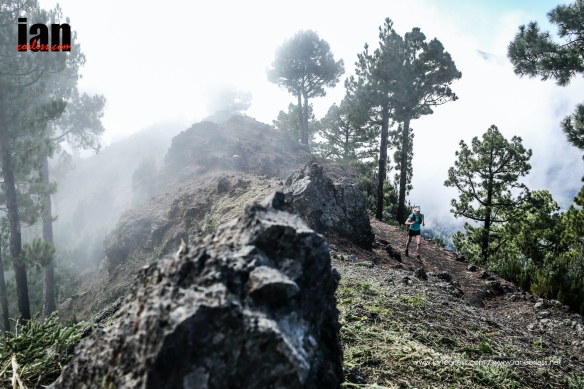
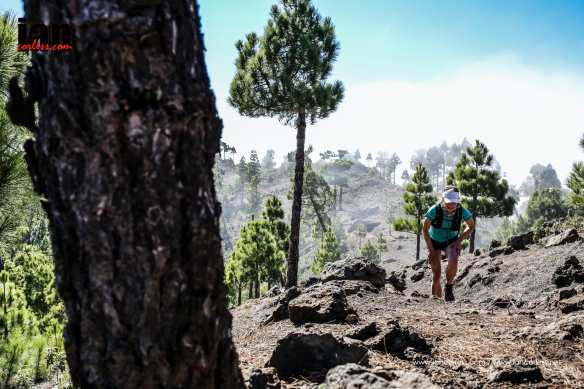
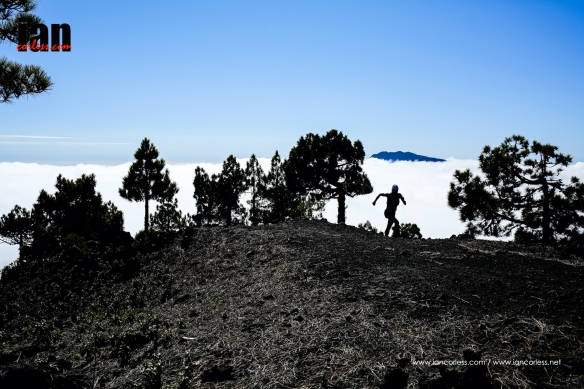
The Cumbre Nueva and following sections are for me one of the most stunning sections of the Transvulcania route. From Reventon Pass to Punta de los Roques in particular is stunning! Onwards to Pico de las Nieves, the trails open up and the push to Roques de los Muchachos leads to the final drop to Tazacorte . Mixing rocky terrain with stunning vegetation, the route is incredible from a running and visual perspective. It is also very prone to an inversion; where the cloud drops below the high points creating a stunning almost dream like backdrop.

©iancorless.com_LaPalma2015-4851

The mist comes in, visibility is reduced, the temperature drops and suddenly you feel like you are in a different place. You question, ‘will the good weather come back?’

©iancorless.com_LaPalma2015-5355

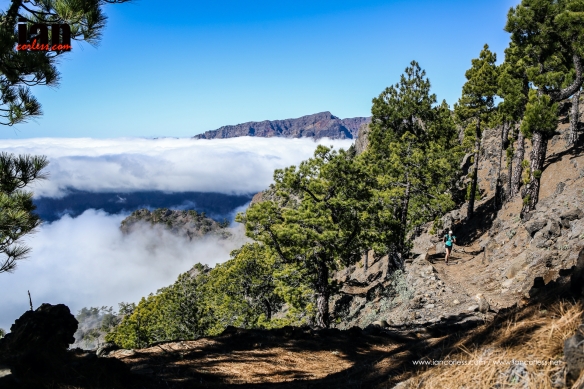
Then suddenly, you break through the cloud, the white fluffy clouds are below and a wonderful blue backdrop adds an amazing palette to run or walk against.

©iancorless.com_LaPalma2015-5176

Single track trails of good running constantly creep up beyond 2000m to Punta de los Roques and the Refugio. Here stunning views of the Caldera de Taburiente are possible and off in the distance, the observatories of Roques de los Muchachos can be seen.

©iancorless.com_LaPalma2015-5422

Around every corner a surprise. It doesn’t matter if you are running or walking, these trails offer so much.

The Transvulcania route is always a constant surprise and I am always amazed at how the terrain, weather, vegetation and views change as you move through the route. Our day in the Cumber Nueva was a special one, topped off with this stunning image as Niandi ran around a mountain corner, the inversion clearly visible and if one image sums up skyrunning, this may be it.

©iancorless.com_LaPalma2015-5563

You can view daily images from our stay in La Palma HERE

screenshot_303

Running or Walking Efficiency when Climbing

©iancorless.com_DolomitesVK2015-1039

VK world record holder, Urban Zemmer

Recently I have produced a couple of articles about how to ensure that you are an efficient walker when participating in long or mountainous events. You can read them HERE and HERE.

The first article discusses Training to Walk for Ultra, Trail and Mountain Running and the second article is about Walking, Running and Climbing with Trekking Poles.

JOIN OUR YEARLY MULTI-DAY TRAINING CAMP IN LANZAROTE  – HERE

On December 15th, the University of Colorado Boulder released a document called, CU-Boulder researchers discover optimal range of slopes for extreme uphill running.

This article made me take a look and read in-depth for two reasons: first and foremost it ties in nicely with my previous two articles but more importantly and secondly, research into VK data dates back some 16-years and was pioneered by the ISF (International Skyrunning Federation) who created the VK format as a racing discipline.

To clarify a VK is 1000m of vertical ascent and the objective is to climb the elevation gain as quickly as possible. The original context of the VK always was about research and data.

VK courses vary greatly but the ISF consider a true VK to be under 5km in length. To understand the variables, some VK’s, for example the Dolomites are just over 2km in length. By contrast, Limone Extreme is a considerably longer course with a less extreme gradient.

Fully, Switzerland has long been a testing ground for VK performance and a post from the ISF which was updated 22nd October 2012 adds some very clear and specific points to consider:

“Italy’s Urban Zemmer rocketed up the 1,000m vertical course, only 1.9 km long, in just 30’26”, 20 seconds faster than the standing world record set here in 2011.”

In addition, the ladies records tumbled:

“French runner Christel Dewalle was first in 36’48” followed by Axelle Mollaret in 37’44” and third, Maude Mathys from Switzerland in 37’56, all beating the previous world record set two years ago by Italian Valentina Belotti in 38’50.”

Notably, the ISF commented:

“The new men’s record nears a speed of 2,000 vertical metres per hour (precisely 1,971m) an incredible ground-breaking performance that the ISF has been monitoring for many years in a scientific research project… Depending on the course and type of start, poles are permitted and yesterday, most of the runners used them.  However, to date, the advantages of using poles has not been scientifically demonstrated.”

In 2014, the record for the VK was once again broken by Urban Zemmer at Fully, Switzerland with the incredible time of 29’ 42”.

©iancorless.com_Limone2015-7046

Remi Bonnet prefers to run a VK and never walks

So by simple logic (I am no scientist), it would suggest that the steepest course is the fastest as Fully is only 1.9km long. To quote, Run the Alps,The Vertical KM race in Fully, Switzerland is considered to be the fastest vertical kilometer course in the world. The race, held on a former funicular route, is home to both the men’s and women’s world records.”

You can watch a YouTube clip of the 2013 Fully race HERE

Watch the video of Fully and you will see varying techniques, some walk, some walk/ jog, some (most) use poles but one thing is consistent, the effort is almost maximal for all. Therefore, in a non-scientific look at Fully, the fastest performances come from the genetically gifted who have all the elements required for an optimum VK performance: lung capacity, V02max, lactate threshold, power to weight ratio, technique and so on.

©iancorless.com_LimoneSKY-0080

Marco de Gasperi like to mix running and walking

But what about the optimal slopes for uphill running as questioned by CU-Boulder. They posed the question:

“Imagine that you are standing in Colorado at a trailhead where the base elevation is 9,000 feet. Your friend challenges you to race to the summit of the mountain, which tops out at 12,280 feet, roughly 1,000 meters of elevation gain. There are several different trails that go to the summit. They are all steep and some are extremely steep. One trail averages a 10 degree incline and the sign says it is 3.6 miles long. A second trail averages 30 degrees, but is only 1.25 miles long. A third trail averages 40 degrees, but only 1 mile long. To get to the summit the fastest, which trail should you choose and should you walk or run?”

©iancorless.com_ITT2015-9262

Poles or no poles on a steep gradient?

This is a question that the ISF have asked and researched for many years. A paper titled, “Energy costs of walking and running uphill and downhill at extreme slopes” looks into this:

Davide Susta, Alberto E. Minetti*, Christian Moia and Guido Ferretti

Département de Physiologie, Centre Médical Universitaire, 1211 Genève 4, Switzerland, *Department of Exercise and Sport Science, Manchester Metropolitan University, Alsager ST7 2HL, U.K.

The energy costs of walking and running (Cw and Cr, respectively, in J kg-1 m-1) increase with the slope uphill (up to +20%) and decrease with the slope downhill (down to -10%) (Margaria, 1938; Margaria et al, 1963). Outside this range, no measurements of Cw and Cr are available in the literature, even though walking and running on the mountains at greater slopes is becoming commoner and commoner practice in leisure and sport. We therefore set out to carry out the present study, the aim of which is to determine Cw and Cr on men walking and running at slopes up to +45% and -45% on the treadmill. After local ethical approval, 10 subjects (Skyrunners) were admitted to the study (age 32.6 + 7.5 years, body mass 61.2 + 5.7 kg, maximal O2 consumption 68.9 + 3.8 ml min-1 kg-1). They are all endurance athletes practicing mountain racing. O2 consumption at the steady state was measured by the open circuit method, using Leybold O2 and CO2 analysers and a Singer dry gas meter. Heart rate was measured by cardiotachography. Blood lactate concentration was determined after each run as a check for submaximal aerobic exercise.

Each subject performed up to three walking and three running trials at progressively increasing speeds on the level, and at the slopes of 10, 20, 30, 35, 40 and 45 % uphill and downhill. The duration of each trial was 4 min, and expired gas was collected during the 4th min of exercise. Minimum Cw on the level was: 

1.85 + 0.57 J kg-1 m-1 (n = 10) at the speed of 0.69 m s-1. During uphill walking, Cw increased with the slope, to attainthevalueof18.08+1.57Jkg-1 m-1 (n=9)atthespeedof0.69ms-1 andat the slope of +45%. During downhill walking, minimum Cw was lower at the slope of -10% (0.81 + 0.37 J kg-1 m-1, n = 9) than on the level. At slopes below -10%, it progressively increased. At -45%, it was 3.46 + 0.95 J kg-1 m-1(n = 5). Cr on the level was 3.40 + 0.24 J kg-1 m-1(n = 30). Cr increased with the slope, to attain 18.69 + 1.42 J kg-1 m-1(n = 6) at +45%. 

During downhill running, Cr decreased and attained its lowest value at the slope of -20% (1.73 + 0.36 J kg-1 m-1, n = 24). At lower slopes, it increased. At -45%, at speeds higher than 1.38 m s-1, it was equal to 3.79 + 0.57 (n = 7). The mechanical efficiency for vertical displacement was 0.216 + 0.015 at +45% and 1.078 + 0.275 at -45%. This data on the level and at slopes up to 20% correspond to those found by others on non-athletic subjects (Margaria, 1938). At higher slopes, the increases in Cw and Cr are such as could be predicted assuming that all energy is used to lift the body. By contrast, at -10% and -20%, both Cw and Cr are lower than in non- athletic subjects (Margaria, 1938), suggesting greater recovery of elastic energy at each step in the present athletes. At slopes below -20%, the increases in Cw and Cr are such as could be predicted assuming that all energy expenditure is for negative muscle contractions.

REFERENCES
Margaria, R. (1938). Atti Acad. Naz. Lincei 7, 299-368.

Margaria, R., Cerretelli, P., Aghemo, P. & Sassi, G. (1963). J. Appl. Physiol. 18, 367-370. This work was supported by a grant from the FSA- Federation.for Sport at Altitude

Referring back to the CU-Boulder research:

“Based on our research, we now know that choosing the second trail (30 degrees) and walking as fast as you can within your aerobic capacity is the fastest way to go,” Kram said. “For either running or walking, slopes between 20 and 35 degrees require nearly the same amount of energy to climb the hill at the same vertical velocity.”

This new study (HERE), which was recently published in the Journal of Applied Physiology, is believed to be the first to examine the metabolic costs of human running and walking on such steep inclines (suggested by the CU-Boulder researchers.) However, I would question this and refer to research by the FSA – “Energy cost of walking and running at extreme uphill and downhill slopes.” Received 29 November 2001; accepted in final form 29 April 2002. You can download this detailed documentation HERE and it is essential reading.

©iancorless.com_ITT2015-9272

Who is the most efficient?

It would appear that gradients of 20-35 degrees require the same amount of effort and interestingly, CU-Boulder research found in a study:

“A vertical rate of ascent of just over 1 foot per second, is a pace that high-level athletes could sustain during the testing. At that speed, walking used about nine percent less energy than running. So, sub-elite athletes can ascend on very steep uphills faster by walking rather than running.”

In simple terms, this is something I have found out by attempting VK’s in my own time in and around events. More often than not, the effort required to run is so hard that it becomes counter productive. I have even found that including run sections to be counter productive as this raises my heart rate, increases lactate acid and requires me to recover while still climbing. However, if I maintain a constant effort walking, this produces the best results for me.

CU-Boulder research went on to say:

“The study examined 15 competitive mountain runners as they ran and walked on the treadmill at seven different angles ranging from 9 to 39 degrees. The treadmill speed was set so that the vertical rate of ascent was the same.  Thus, the treadmill speeds were slower on the steeper angles. The athletes were unable to balance at angles above 40 degrees, suggesting a natural limit on the feasible slope for a VK competition.”

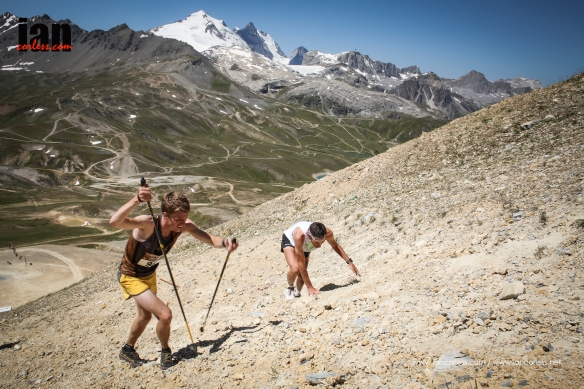
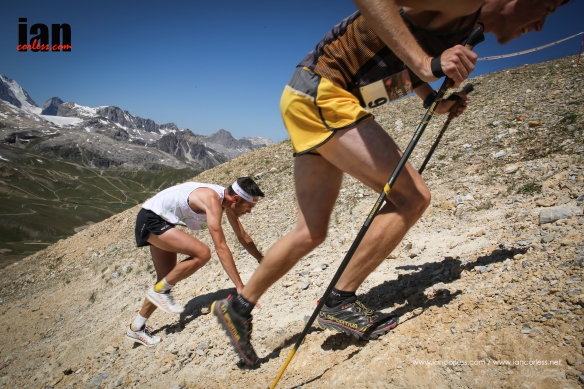
In regard to the latter point, this in some respects relates to Fully, Switzerland and brings in another element, the use of poles and if poles allow a faster ascent when the gradient steepens. One only has to look at the Dolomites VK and Fully VK where poles are used by nearly all participants. The ISF plan to do a new test with and without ski poles, but it is not easy to do a serious test. Although not scientifically proven, it’s fair to say that using poles with gradients under 20% it will mean more Kcal and a reduced performance. However, with gradients steeper than 25 or 30%, the use of poles can correct style, etcetera and can improve the overall performance.

The CU-Boulder article is available to read in full HERE.

I can quote technical papers and research all day, however, as a runner you want to know the answer to the question, should I walk or should I run uphill and should I use poles?

©iancorless.com_ITT2015-9625

Irrespective of if you plan to run a VK or not, the research and thoughts provided by the FSA and CU-Boulder confirm that running or walking uphill provides an incredible workout. Importantly though, research confirms that walking should be a key element in any training plan, (*…walking used about nine percent less energy than running) especially if you are racing or training on hilly or mountainous terrain.

When participating in ultra events, reverting to periods of walking may well produce greater results and faster times. This is very evident when the terrain steepens; running will only expend more energy and produce slower times. The use of poles appears to benefit performance when gradients steepen, this is not scientifically confirmed.

On a final note though, many other factors come into play when looking at results and as with everything, there are exceptions. Urban Zemmer, Remi Bonnet, Laura Orgue, Christel Dewalle and so many more are able to run when others need to walk. We can’t choose our parents or our genetic pool. Ultimately, find out what works for you but practice makes perfect and the more climbing you do, the better and the faster you will become.

Embrace the mountains and going uphill.

©iancorless.com_DolomitesVK2015-1132

Christel Dewalle, ladies VK world record holder

Roques de los Muchachos, La Palma – Transvulcania Ultramarathon

©iancorless.com_LaPalma2015-2160

The island of La Palma has always ticked many boxes for me, it’s a quiet island that lacks tourism, it has incredible all-year round weather and of course it hosts the Transvulcania Ultramarthon.

I’ve been coming here since 2012; it never disappoints. This year I’m here to find some quiet time to write content for my book, Running Beyond. But I am also here for a long overdue holiday, to spend time with Niandi (who gets neglected with all my travel) but also to get back to some regular time on the trails.

Notice I said, ‘time on the trails’ and not running. To be honest, I’ll take the running if the body will allow, it’s not important though, I just need the head space and the isolation the trails out here bring.

We have no plans other than to work and get objectives done each day and then spend the rest of time doing what makes us happy. Yesterday, I was up early and decided I wanted to be finished with work by midday. My plan was to head up into the mountains and run/ walk/ hike around the rim of the Caldera de Taburiente. In the Transvulcania Ultramarathon, this is often referred to as Roques de los Muchachos but actually Roques is the end of the section where the observatories are located and then the long 18km drop and descent to Tazacorte Port.

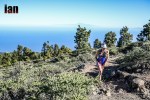
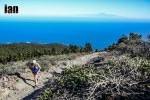
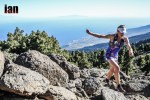
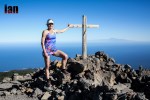
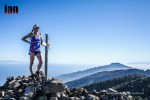
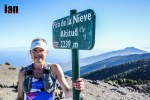
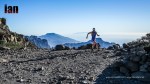
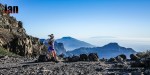
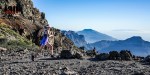
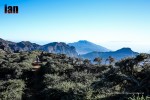
It’s an incredible place and one of the key sections of the Transvulcania Ultramarthon due to its elevation of 2400+m and the stunning views it provides to the east and the west. In the east one can see the islands of TenerifeEl Hierro and La Gomera and they are visible in the photos. The terrain here varies greatly from technical rocky sections of jagged and irregular rock to sandy and dusty trail. Although the trail goes up and down, in real terms most of the climbing is done by the time you reach Pico de la Nieve at 2232m.

Niandi and myself accessed the GR131 (Transvulcania route) at Pico de la Nieve as a trail, the PR LP 3 comes in from the main access road (LP4).

From the road it’s a 20-30min hike in to the GR131 and then it’s possible to follow the Transvulcania route on an out-and-back to Roques de Los Muchachos (approx 10km, 20km round trip).

Needless to say it’s a stunning section of trail and I have to say, one of my favourites in the world. Key sections are Pico de la Cruz, Piedra a Llana, Marro Negro, Pico de la Cruz and Fuente Nueva before arriving at Roques de los Muchachos.

If you are a runner, hiker, walker or basically someone just looking for an inspirational day on trail with stunning views, I can’t recommend this enough.

Yesterday for me was one of those special days; from early afternoon, through to sunset and then finishing off in the dark with just a headlight, the moon, the stars and Niandi for company.

Niandi and myself didn’t worry about pace, time, or anything for the that matter. We just moved, stopped, took photographs and soaked in a magical place.

So magical, I wanted to share the journey in images.

Glen Coe Skyline goes EXTREME and makes Skyrunner World Series 2016

©iancorless.com_GlenCoeMay2015-6295

The International Skyrunning Federation is pleased to announce that the Skyrunner World Series calendar will have a new addition to VK, SKY and ULTRA for 2016 and future years. See the full release and calendar HERE.

They are going Extreme!

Trofeo Kima has long been a pinnacle race for Skyrunning enthusiasts worldwide. A jewel in the Skyrunning crown and the words of Kilian Jornet sum it up so well:

“Picture a mountain terrain that has no paths, amidst glaciers; it is all crests, rocks, stretches of via Ferrata and all over a course that stretches 50-km. Kima is not athletics, it is mountaineering; pure Skyrunning!”

Kilian_TrofeoKima

The bi-annual race returns in 2016 and due to increasing demand for adventurous and demanding courses, the ISF have created a new series called SKY EXTREME.

Three countries, three awesome races, a real opportunity to embrace the ethos of where earth meets sky!

The series will start in Norway with the TROMSO SKYRACE in August, we will then move to Italy for TROFEO KIMA in late August and then the final race will be in the UK with Scotland’s GLEN COE SKYLINE in September.

Although it will be possible to race each race in its own right, to qualify for the series you will be required to run two races.

The rewards? Skyrunner World Series Extreme Champion 2016.

“My vision of so many years ago is finally coming full circle,” said ISF President, Marino Giacometti. “I was ahead of my time! After our first records and races restricted to athletes-climbers on the summit of Monte Rosa and Mont Blanc, Trofeo Kima become the symbol of Skyrunning. Kima has always been for a select few but the growth and demand for more challenging races is now finally coming to fruition with the inspiration that Kilian Jornet and Emelie Forsberg have provided. Tromso Skyrace and Glen Coe Skyline are great additions to the Skyrunner World Series and Sky Extreme is a new and exciting step for Skyrunning! ” 

Needless to say, the addition of EXTREME to the Skyrunner World Series is great news for a UK audience and UK based runners.

“I had a dream 2-years ago when Skyrunning UK was launched in the UK that in 3-years we would host a SWS event. That dream is now a reality and with it the worlds best will come to Scotland in September to race in the mountains of Glen Coe!”– Ian Corless, Skyrunning UK Director.

©iancorless.com_GlenCoe2015-3447

You can follow Skyrunning on line HERE and HERE

You can follow the Skyrunning UK Series HERE and HERE

You can view the three Sky Extreme Races via the following links:

TROMSO HERE

TROFEO KIMA HERE

GLEN COE SKYLINE HERE

©iancorless.com_Tromso2015-4865