Ian is a photographer, writer, reviewer and blogger at iancorless.com. Ian is currently travelling the world capturing stories from some of the most iconic ultras on the planet. Ian is also creative director and host of an ultra running podcast called Talk Ultra. The show is available every 2 weeks 'for free' on iTunes and talkultra.com.
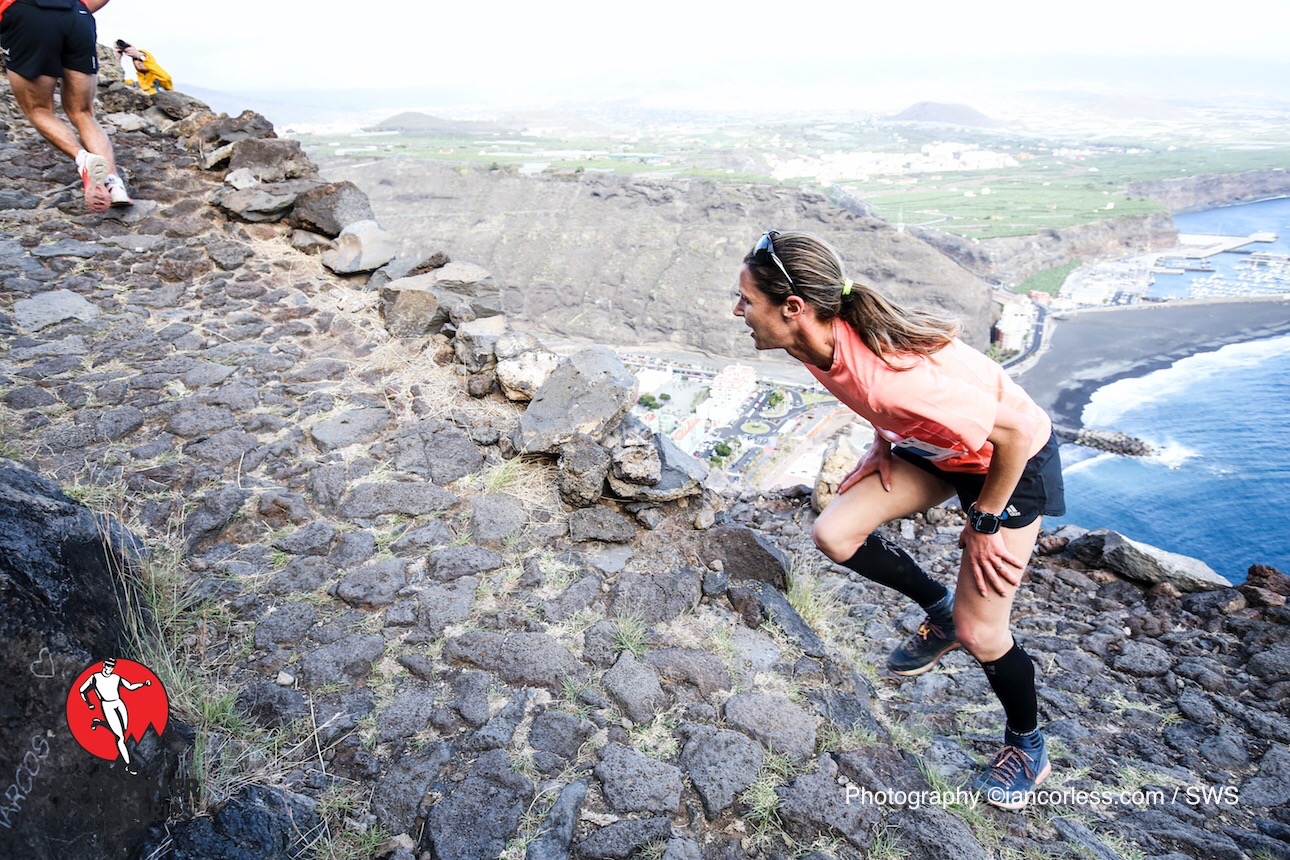
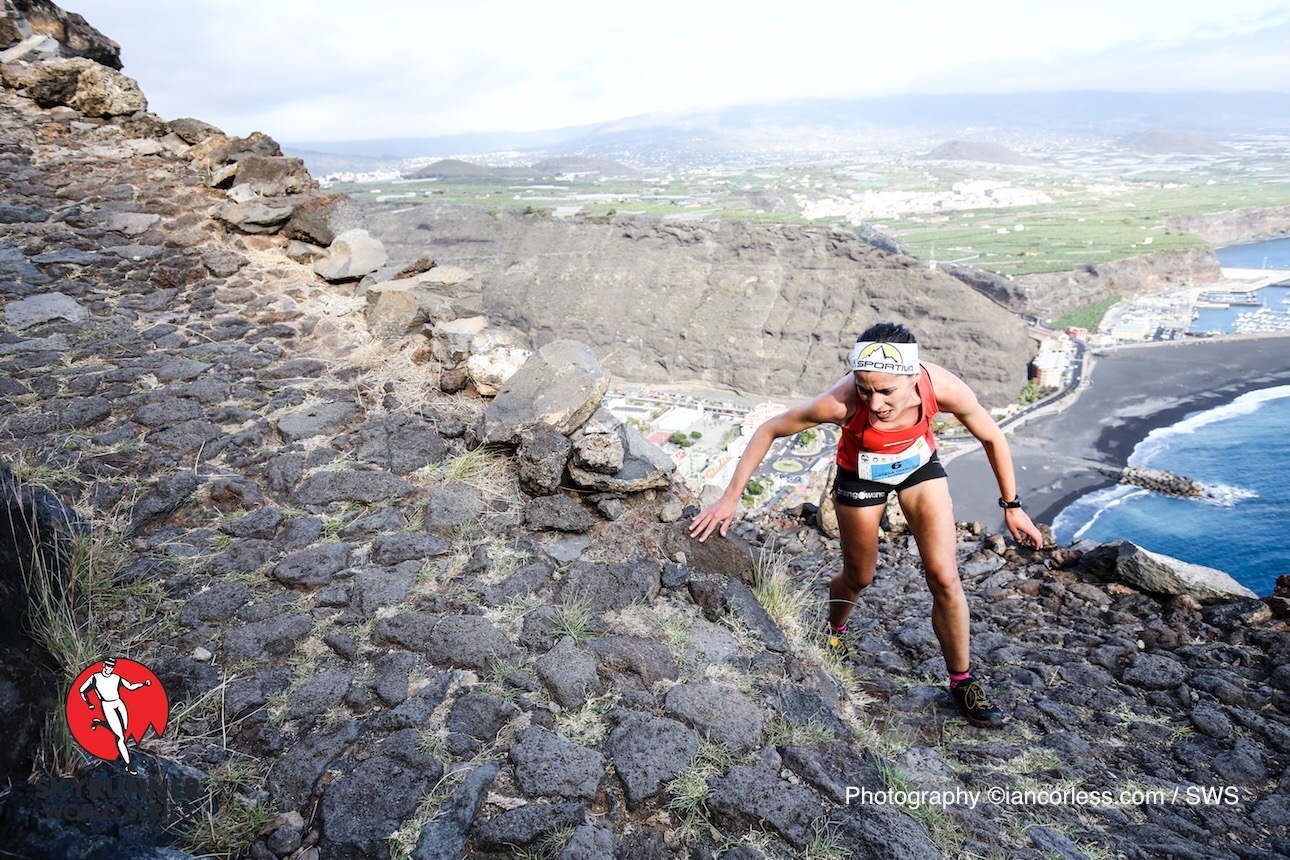
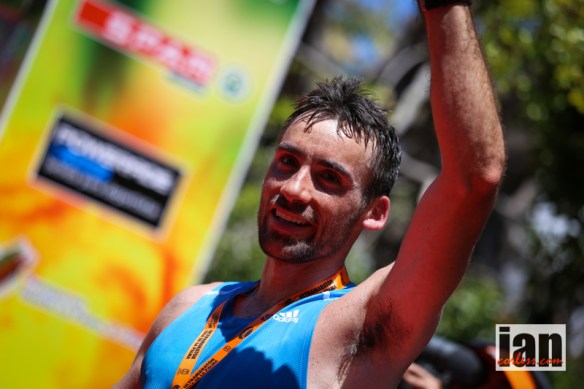
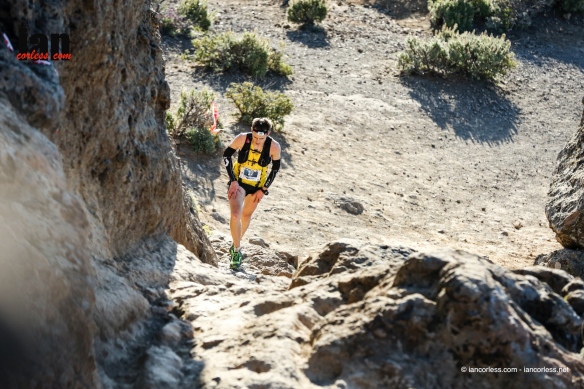
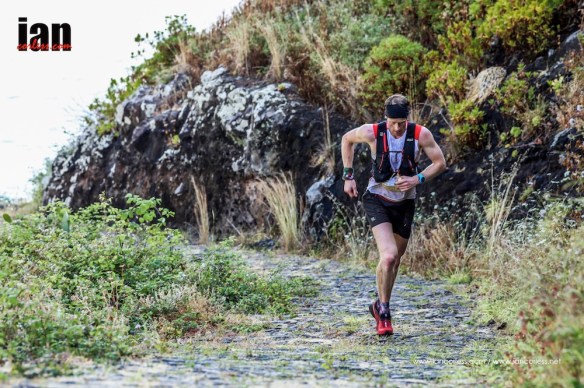
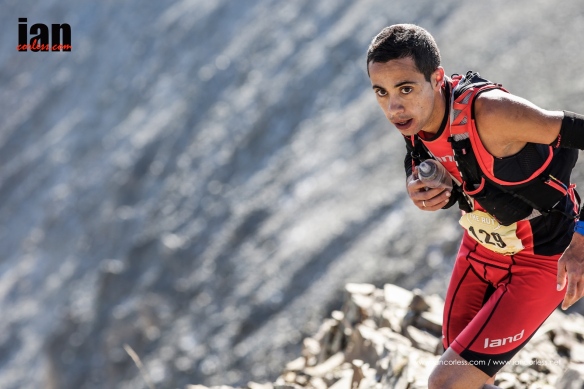
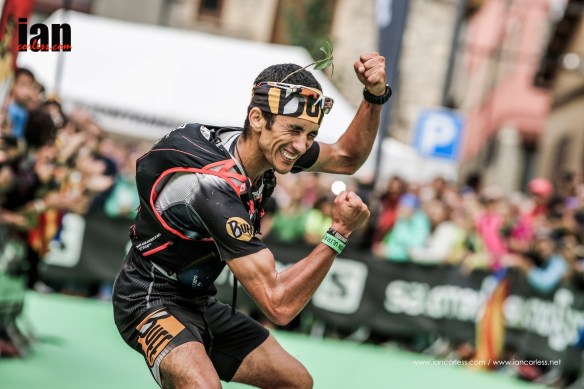
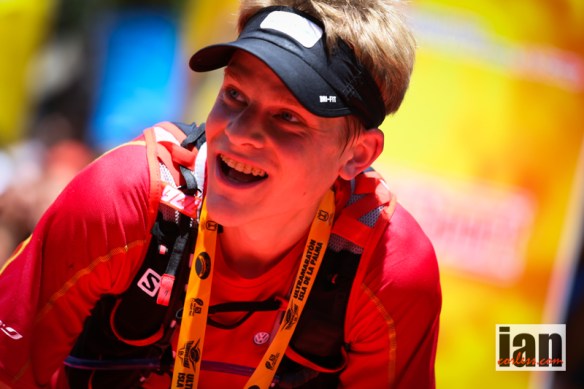
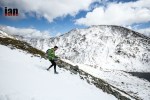
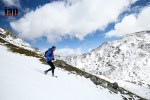
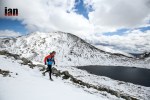
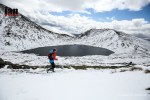
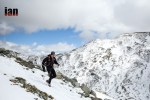
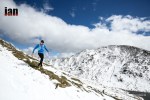
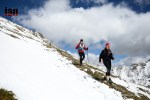
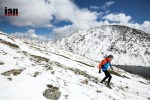
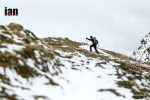
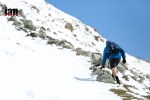
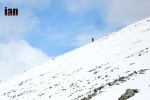
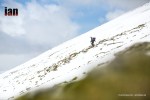
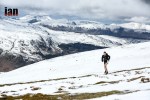
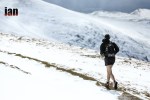
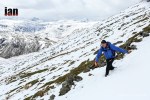
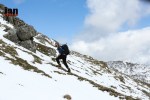
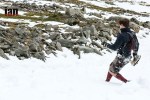
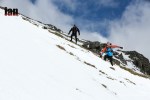
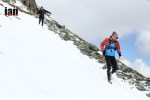
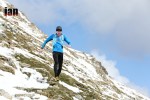
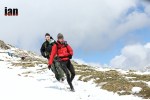
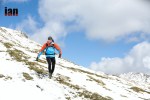
Saul Padua and Emmie Collinge are 2016 Binter Vertical Kilometer Transvulcania champions in the first VK race in the 2016 Skyrunner World Series. Saul Padua fulfilled his pre race top billing and was crowned winner of the Binter Vertical Kilometer Transvulcania. The Colombian runner, the last to leave and the fastest to reach the finish, kicked off the race with a fast pace and held that all the way to the finish. At 7.6km this is a long VK that requires a different run technique and style to many other races in the category.
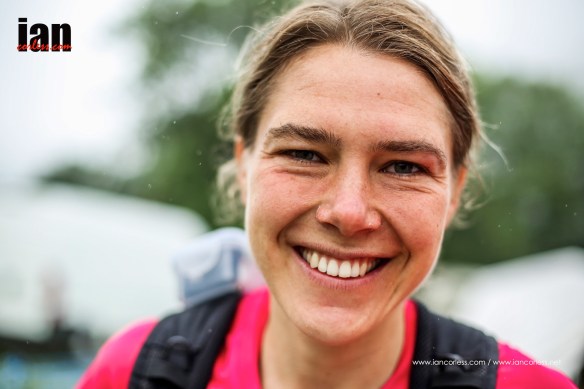
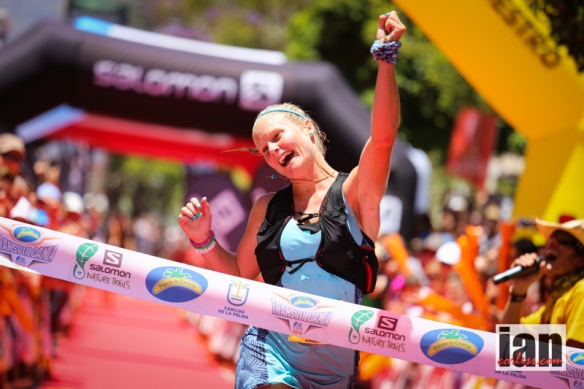
Emmie Collinge from the UK shone ahead of the rest of the ladies and beat the course record. A disciple of Marco De Gasperi, Emmie splits her time between the UK and Italy.
Bernard Dematteis still holds the male CR 48 minutes and 43 seconds. Padua’s time placed him with the third fastest time in the history of the race, just ahead of Kilian Jornet.
Second runner was the Czech Ondrej Fejfar who also ran under 50 minutes. Andorran Ferran Teixido completed the podium.
Emmie Collinge exceeded all expectations setting a new record of 57:56 lowering the record of Elisa Desco, previously 59 minutes and 43 seconds set two years ago.
Christel Dewall, a VK specialist, holds the world record for the distance but could not beat the power of Collinge. Vanessa Ortega placed 3rd.
18 different nationalities, a melting pot of countries, took part in the 3rd edition of the race with over 130 runners taking part.
1. Saúl Padua
2. Ondrej Fejfar
3. Ferran Teixido Martí-Ventoso
1. Emmie Collinge (Récord de la prueba)
2. Christel Dewalle
3. Vanesa Ortega
Official times to follow
*****
The 2016 Skyrunner® World Series is brought to you with a new management company, Geneva based SkyMan SA.
SkyMan SA is pleased to present a new Main Partner, Migu Xempower, a Chinese exercise and health management platform which also counts a rich experience in organising marathons, city and mountain races for millions of runners.
The well-established, Sky, Ultra and Vertical format is joined by the Extreme Series presented by Alpina Watches, which more than ever expresses the true spirit of Skyrunning defined not only by distance, but vertical climb and technical difficulty.
Skyrunner® World Series is supported by Migu Xempower, Alpina Watches, Compressport, Salomon and Scott Sports.
iancorless.com is the official photographer and media partner for the
The island of La Palma one more prepares for the biggest weekend of the year:
Transvulcania!
The Skyrunner® World Series 2016 kicked off just last weekend in China with the Yading SkyRun, now, it’s the big start for the European calendar and what a start. Transvulcania has become one of THE races to do. It’s reputation for stunning organisation, the majestic and beautiful trails of ‘La Isla Bonita’ and yes, a world-class field that that sets the bar.
Over the years, since 2012, the race distance has always been a point of conjecture. Now though, many of us are happy to say the races sits somewhere between 73-75km, which is approximately 46-miles that includes 3000+m of vertical gain.
It is a stunning race and one that is completely logical for a runner’s perspective. The point-to-point journey from sea to summit and back to sea personifies Skyrunning. The trails, although not overly technical, are some of the best trails to run on – they are stunning!
Starting at Fuencaliente lighthouse, runners basically climb for 50km (with a drop down to El Pilar) to the caldera and the impressive Roques de los Muchachos. Many have considered this huge and impressive cauldron to be a Volcano, it is not, it is actually a large water erosion crater.
The trails, the landscape and the stunning vistas are beyond impressive. Depending on weather systems, an inversion can take place and therefore the runners run ‘above the clouds.’
Since 2012, the race has been transformed, directly attributable to Skyrunning, the ISF and the vision of Marino Giacometti and Lauri van Houten. 2016 once again steps up the reputation of the race with a stunning line up, yes, to coin a phrase, the field is stacked!
MEN
Luis Alberto Hernando is the two time defending champion and returns in 2016. His performance in 2015 was off the scale and his course record was beyond impressive. Lies really has become a star of the sport but yet still remains a relatively low key character despite being a Skyrunning World and European Champion and having placed on the podium at UTMB. Luis is without doubt the outright favourite, he knows the course like the back of his hand. He became a father in 2015 and clearly stated that he would race less in 2016 to place an emphasis, that can only mean one thing, the races he does do he will be fired up for and at 100%.
Sage Canaday has been close but no cigar many times on the island of La Palma. His achilles heel in comparison to the pure Skyrunners is his descending ability and unfortunately for Sage, Transvulcania drops from the high point of the course right down to the sea (2400m) in one 18km drop that not only requires 100% attention but great skill. Therefore, Sage has always employed the tactic of run hard from the start, build a buffer and then hopefully hold on. On the podium twice before, Sage missed 2015 and now he is back – can he topple Luis?
Andy Symonds for me is the one who has all the potential to not only make the podium but push Luis all the way to the one and possibly pass him. Andy was there in 2012 when Dakota Jones took top honors ahead of Kilian Jornet. It signified a break through for Andy and what followed was disaster and series of issues and problems. He finally made a comeback in 2015 and he gained some notable success especially at Mont Blanc 80km, ELS2900 and most recently at Transgrancanaria. A move from Salomon to Scott has rejuvenated Andy and he has a new enthusiasm for the sport, he is back and I think Andy can win.
Miguel Heras is an enigma, at times inspirational and at other times frustrating, His injury woes are a continual saga and it is just impossible to predict if he will run well or not. All I can say is, if he is on form he will be up there and he has every chance of contesting the podium as he did at Ultra Pirineu in 2015. However, the odds are increasingly stacked against him with such a young and talented field, but this is Miguel Heras – you cannot rule him out!
Ricky Lightfoot like Andy Symonds has all the potential to win Transvulcania. Just last weekend he placed 2nd at the Three Peaks in the UK sandwiched between two fellow Salomon teammates. Ricky works full time, has a family and therefore often has to fit races in at last minute and occasionally he has to cancel at last minute. He can run with the best as he proved at the IAU World Trail Championships and his fell running background sets him up perfectly for anything technical.
Cristofer Clemente placed 7th in 2015 but went on to have a very sold 2015 Skyrunning season. He’s a quiet guy who sits below the radar and therefore is often able to surprise. His 2nd place at The Rut was arguably his best performance of 2015 and although he is maybe not always a podium contender, he is consistent if nothing else – exactly what you need for the Skyrunner World Series.
Adam Campbell is somewhat a surprise entry; I didn’t see that one coming. Since his stunning Hardrock performances, Adam took a lower profile and took to skis and ski mountaineering – no bad thing, Kilian and many others have been doing that for years. Adam’s last experience at Transvulcania in 2013 was a character building lesson in persistence and survival. His finish despite huge problems earned him respect. He has the race skills and speed for Transvulcania and if he finds his run legs, he will be a contender.
Mike Murphy is a fellow Canadian of Adam Campbell and although you will not see his name mentioned or talked about in any previews, take note, he is one to watch! Mike is one of the gutsiest and committed athletes I know. He doesn’t race much but when he does it is at 110%. We discussed his participation at Transvulcania in 2015 and I know he has been preparing for this showdown.
Zaid Ait Malek is a runner who embraces life and the trails. He loves life and he loves running. Even though he won Matterhorn Ultraks in 2014 one could arguably say his best performance was placing 2nd to Kilian Jornet at Ultra Pirineu in 2015. Zaid does have a habit of blowing hot and cold though. I hope he has a good race in La Palma.
Stephan Hugenschmidt placed 5th in 2014 and the stage was set for stardom, what followed, didn’t actually follow the script that many had written. Despite a win at the TransAlpine and other wins in smaller races, the ‘big’ victory didn’t follow which leaves a huge question mark for Transvulcania 2016. My gut feeling says that we will see him top-5 again!
Fulvio Dapit loves to run and run regularly, the distance of Transvulcania will suit him as will the technical aspects – he is a pure Skyrunner. On his day, we can really expect him to contend the top-5, however, he is prone to stomach issues which can often ruin his racing.
Gerard Morales like his Buff team mates of Zaid and Pau has the potential to be top-10 but may just lack the additional oomph and speed to penetrate the top-5.
Pau Bartolo won TCC in 2014 and although on his day we can expect him around the top-10, I don’t see him making any inroads on the top-5.
Sylvain Court leaves a huge question mark for me? He was the winner of the IAU World Trail Championships on home ground in Annecy. Was it home advantage a purple patch? I don’t know, I really don’t. However, the trails around Annecy need respect and Sylvain did beat a tired Luis Alberto Hernando that day – what do you think?
Nicolas Martin however placed 3rd at CCC, 2nd at Templiers and was 7th in Annecy at the IAU World Trail Championships and that balance of results elevates him to a potentially higher overall placing at Transvulcania over Sylvain.
Chris Vargo had a tough 2015 but prior to this had excellent 2013 and 2014 seasons. The hard packed single-track that Transvulcania offers will suit Chris, however, the black soft sand, technical trails around the Caldera and the 18km drop to the sea may suit him less?
Vajin Armstrong is a top class runner from the Southern Hemisphere who has all the potential to be top-10 and if he has a good day, he may come close to 5th but I don’t see the podium as a possibility.
Vlad Ixel has raced Transvulcania before and was forced to withdraw as his shoes fella apart…. at the time of dropping, he was in and around the top-10 and looking good. Based in Hong Kong he ha regularly has a string of top quality results and like Vajin Armstrong I see him in the top-10.
Benoit Cori is a two times winner of Templiers and a recent winner of the SainteLyon night race. Two of Frances biggest races outside of the UTMB. Although Benoit can obviously run, I don’t see him beating the like of Luis, Andy, Ricky, Miguel, Sage and Zaid on a cause such as this – I may be wrong?
Ones to watch:
Julien Codert has placed 6th at Transvulcania previously.
Yeray Duran is from the Canaries and will be fired up for this race.
Aurelian Collet another French runner who like running French races.
Ion Azpiroz
Florian Reichert – been training on the island and looks fired up for a good race.
Marcin Swierc
Marco Ranchi
Nuno Silva
and finally a huge nod of the hat for Bruno Brunod who is along with Marino Giacometti, the father of Skyrunning. In recent years he has run and raced the Tor des Geants. I for one will be interested to see how the legend performs on these wonderful trails.
LADIES
Anna Frost heads up the ladies’ race and I have to say, if ‘Frosty’ is on form she will win the race. No disrespect to the other ladies but Frosty knows and loves this course, holds the course record and when in beast mode; is unstoppable. But will she be 100% fit? Her ability to climb hard, descend fast is un-matched by any other lady in the field with the exception of Mira Rai. Frosty missed the race last year with injury but won Hardrock 100, a race she will go back to this year.
Mira Rai just placed 2nd at the Three Peaks in the UK. A clear sign of pure class… fell running is far removed from what she is used to. Mira’s story is an inspirational one and along with Jo Meek, I believe that Mira has all the potential to contest the top of the podium. Mira in my opinion will get the edge over Jo due to her technical ability – the 18km descent is going to be a crucial element of the race.
Jo Meek had some tough times with injury but she returned in late 2015 placing 2nd at Everest Trail Race and then 8th at TNF50. I would say in both of those races she was on the comeback trail and although Transvulcania will throw some significant obstacles at her, I do believe her natural fast speed will be a huge advantage. I can’t help think that Jo will adopt a Sage Canaday approach, pushing hard in the early stages when she can run looking to build a time buffer and then when the trails get gnarly, she will do her best to consolidate. A bonus for Jo is the final push from Tazacorte to the finish. If in contention, Jo will have the speed to close out the race.
Ida Nilsson is my dark horse for the race and top tip for the podium. I can hear you all say now, Ida who? Believe me and trust me, barring injury or problems, Ida will be contesting the podium.
Anna Comet finished 2nd at Transvulcania last year and had a great year of Skyrunning. I think it’s fair to say that Anna may well have raced too much in 2015. I think she learnt that lesson and will race less in 2016. The podium is there for the taking and I have no reason not to see Anna top-5.
Alicia Shay falls a little in the Jo Meek category. She is a fast runner who is looking to find her trail feet. Transvulcania offers a good mix and does allow the ‘runner’ to perform as Sage Canaday has shown. Alicia will be looking to follow in Sage’s footsteps but I do think she is in for a European learning curve. I see Jo and Alicia leading the race early on, what happens from the Caldera to the sea with all come down to bravery and adaptation.
Uxue Fraile will start steady and work her way through the field. She knows how to race this course and races tactically. It’s one of caution. She allows the other ladies to race hard and then detonate and then she does what she does best, close with great skill and consistency and picks up the pieces for a top-5. Her 2015 was stunning with a win UTMF and 2nd at UTMB. I do believe though that Transvulcania is not long enough or hard enough for Uxue to win.
Christel Dewalle is the known un-known if that makes sense. A VK specialist, Christel has had good results in many ultras and her inclusion into Transvulcania is an interesting one. My gut reaction tells me that we may well see a surprise.
Gemma Arenas is a runner who may well drift under the radar but her 4th place at Ultra Pirineu confirms her ability.
Magdalena Laczak was 5th last year and went on to improve throughout 2015. In many respects she is a dark horse.
Hillary Allen may well be the hottest property from the USA in regard to Skyrunning. She may not be the fastest of the American ladies but she can handle and embraces the technical trail. Hillary proved this at Mont Blanc 80km and on home soil at The Rut.
Anne-Lise Rousset placed 5th in 2014 and she has the potential to place in a similar position in 2016. Considering the competition, she would need a stunning run (or others to have a bad run) to make the top-3.
Jodee Adams-Moore will be between top-5 and top-10 based on previous form but she does have the potential for a break through performance. Had Transvulcania not contained the Caldera and the 18km drop to Tazacorte, I would rate Jodee’s chances higher.
Kristina Pattison was 6th at Mont Blanc 80km and Transvulcania in 2015 and therefore along with Hillary Allen, is the best prospect for an American breaking the top-5.
Ones to watch:
Manu Vilaseca
Zoe Salt
Gabriela Sanchez Cabezas
Adrian Vargas
Juliette Benedicto
*****
The 2016 Skyrunner® World Series is brought to you with a new management company, Geneva based SkyMan SA.
SkyMan SA is pleased to present a new Main Partner, Migu Xempower, a Chinese exercise and health management platform which also counts a rich experience in organising marathons, city and mountain races for millions of runners.
The well-established, Sky, Ultra and Vertical format is joined by the Extreme Series presented by Alpina Watches, which more than ever expresses the true spirit of Skyrunning defined not only by distance, but vertical climb and technical difficulty.
Skyrunner® World Series is supported by Migu Xempower, Alpina Watches, Compressport, Salomon and Scott Sports.
iancorless.com is the official photographer and media partner for the
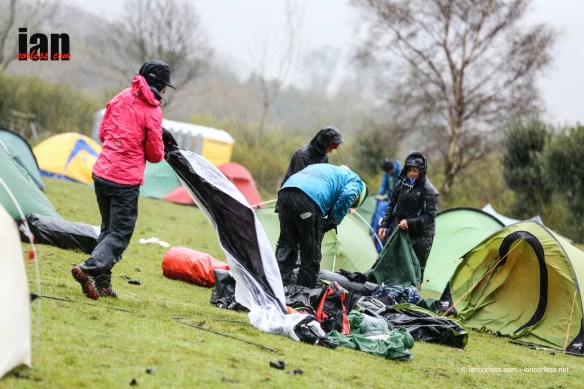
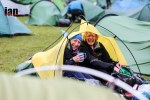
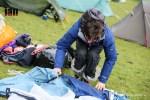
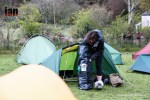
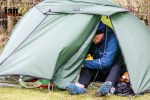
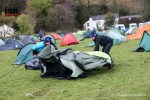
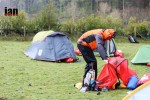
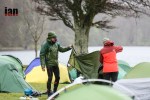
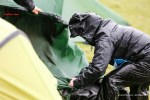
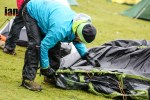
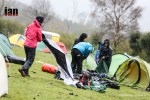
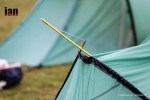
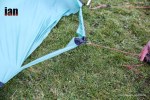
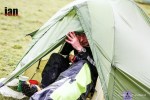
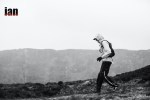
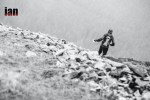
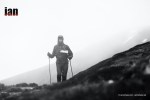
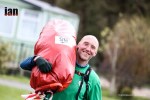
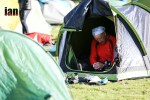
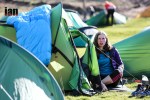
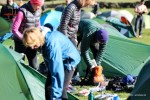
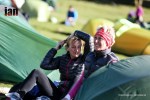
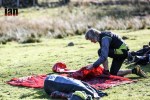
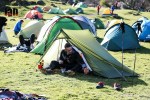
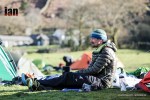
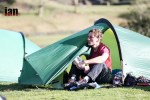
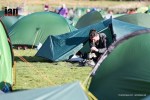
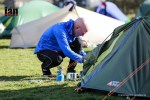
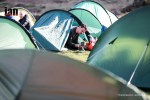
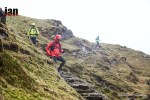
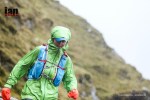
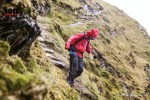
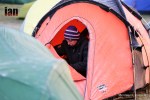
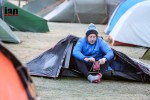
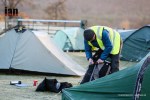
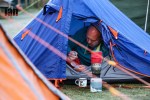
‘Well almost,’ is becoming a theme on the GL3D. Last night during camp 2 bivouac the wind increased – then increased – then increased! As sun rose, the carnage was clear to see. Broken poles, ripped tents, lost dry bags due to being blown away in the wind and in addition, the rain just kept on coming and coming. Some may call the conditions ‘character building!’ However, bloody brutal was the general consensus amongst camp.
Race director Shane Ohly, although extremely sympathetic to the runners needs was a little distracted… the large marquee that provides a shelter and eating environment for the runners was about to take off and provide a vey unique kite in the stormy skies. It was all hands on deck; poles were being rammed in the ground, straps were being added and luckily, the improvised actions secured the imminent flight.
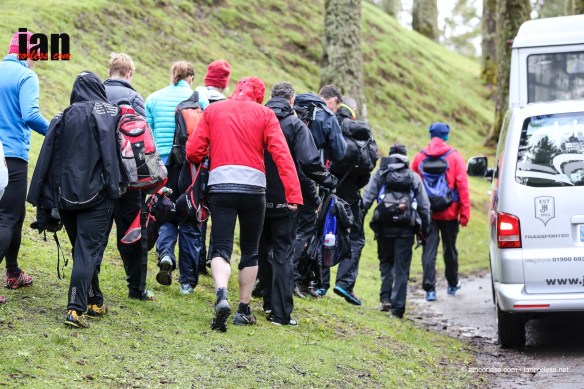
The gale force winds, torrential rain and a bunch of tired competitors gave Shane no option – bad weather courses were announced at 0600. This was then adjusted nearer 0700 removing a key control that would have taken all runners over Grizedale Peak. The winds were just too strong and dangerous.
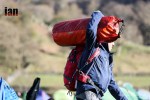
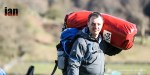
Only 7 elite runners were left in the race and they ran a full bad weather course, several runners attempted an improvised A/B route but most people just made a direct route to the ‘C’ finish causing a logistical headache for the Ourea Team. Buses had been arranged for approximately 50 runners, however, on the day, the numbers escalated beyond 100.
As one would expect, just as the day approached midday, the rain stopped, the wind reduced, the sky turned blue and white fluffy clouds occupied the sky as the sun broke through… you couldn’t make it up! Really?
Shane Ohly confirmed at the finish line, ‘this has been the most testing event and conditions we have encountered in any race we have organised. I don’t like to reduce courses but safety is key and we make the right call. It’s been a tough weekend!’
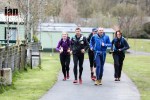
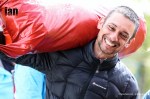
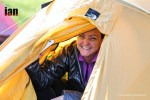
The runners confirmed the severity of the 3 days but it’s funny how morning grimaces turned to afternoon smiles. The GL3D ethos rose above the surface and talk soon started about 2017.
Images available at iancorless.photoshelter.com HERE
Yesterday I said, ‘The Lakes really are a special place any day, anytime, in any weather… well, almost?’
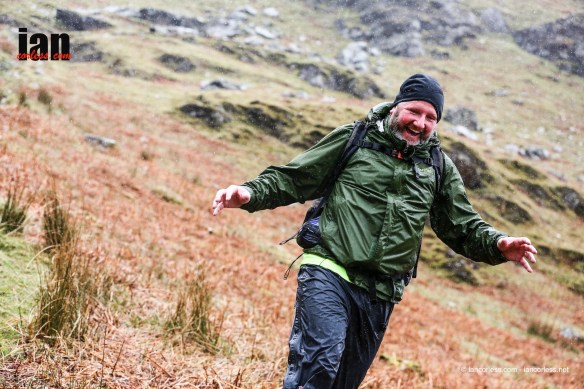
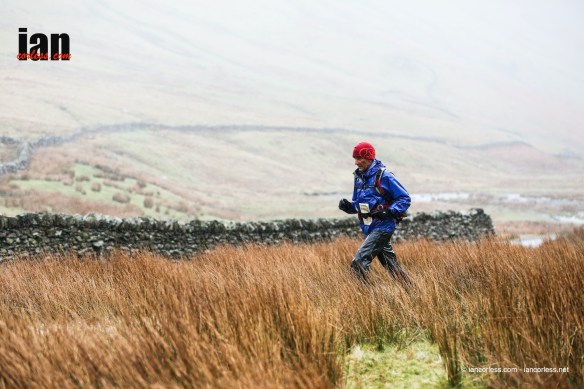
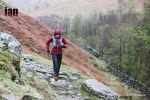
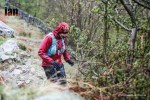
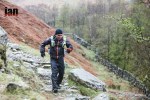
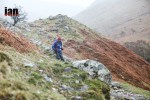
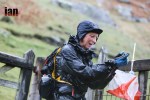
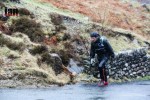
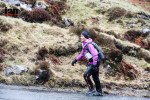
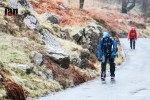
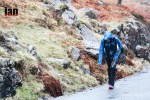
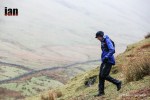
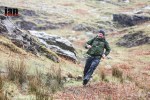
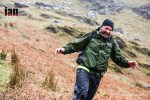
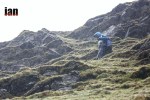
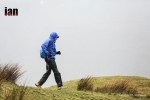
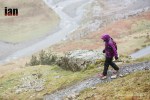
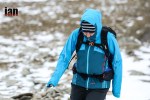
‘Well almost,’ hit today with some seriously torrential rain, gusting to gale force winds (particularly on the tops and in exposed areas) and at times slippery conditions underfoot. That’s the Lakes for you… the Lord giveth and the Lord taketh away.
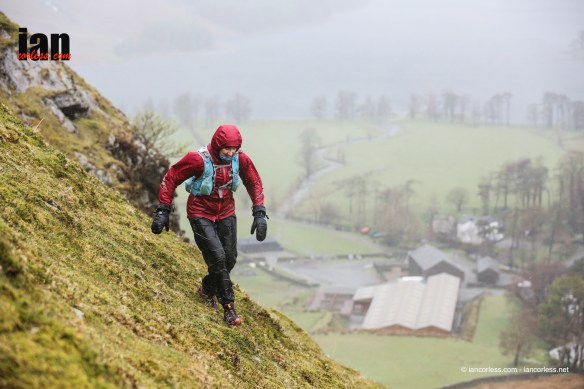
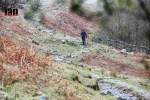
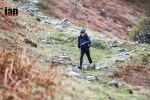
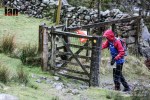
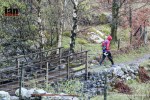
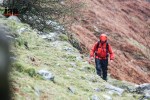
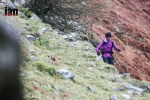
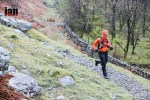
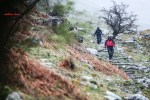
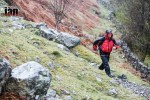
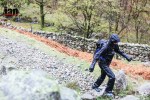
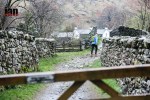
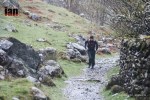
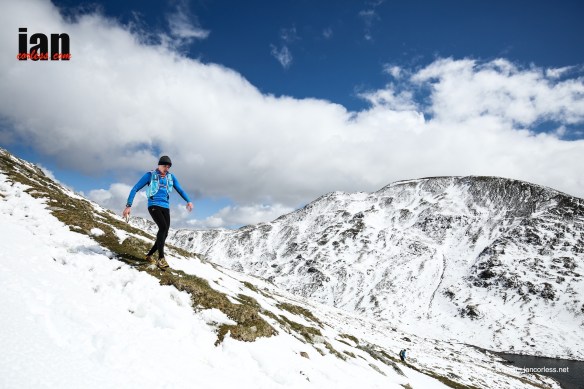
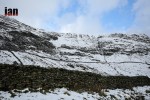
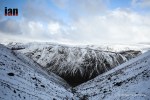
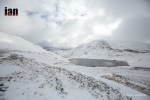
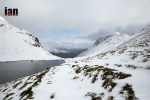
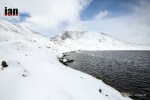
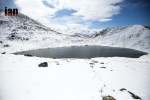
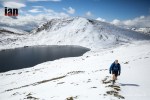
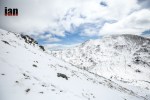
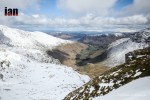
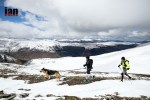
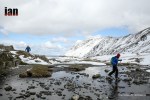
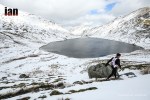
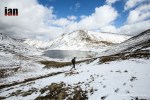
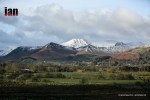
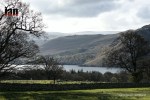
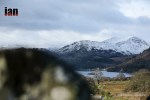
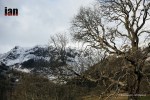
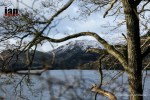
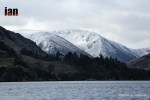
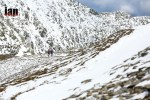
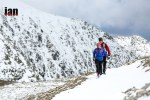
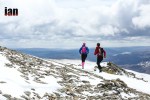
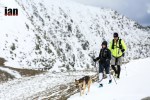
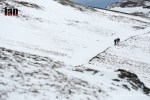
Despite the onslaught of the weather, the scenery and the landscape still remained beautiful and spectacular. Despite the odd patch of white at higher levels, the complete blanket of snow that had covered about 500m was gone! It really is amazing the difference a day can make.
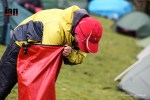
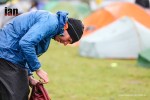
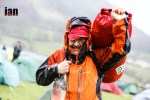
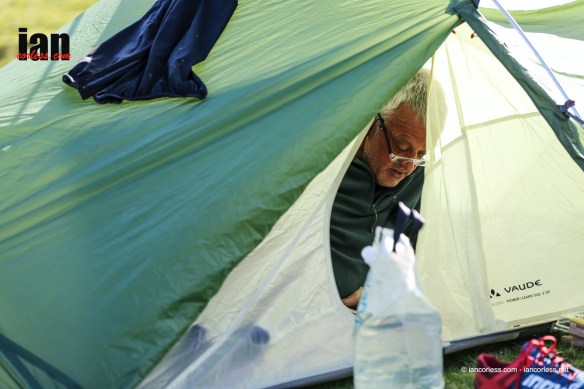
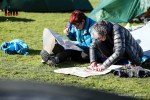
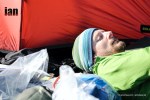
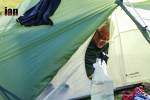
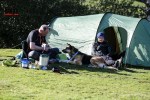
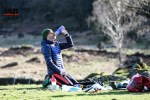
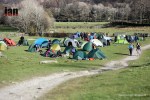
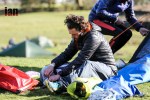
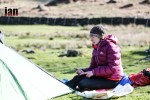
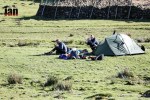
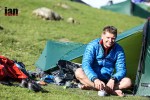
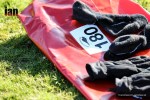
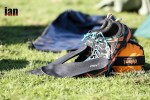
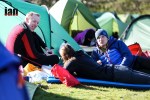
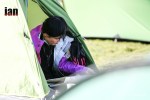
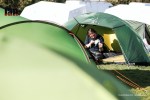
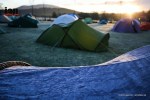
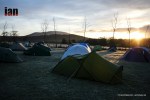
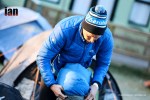
Warmer temperatures overnight certainly made camping a more pleasant experience and for those runners who were up early and packed away by 0615, they will have dry gear and a dry tent to pitch tonight! Anyone who slept in will have a different story to tell. When the rain came, it really did come and although Shane Ohly (race director) had said it was on it’s way, we had all secretly hoped he was wrong.
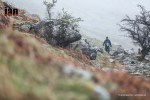
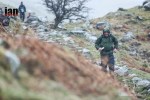
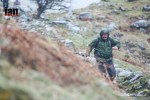
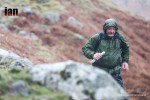
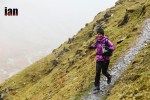
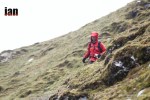
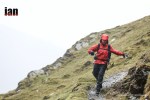
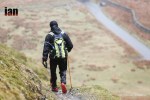
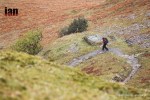
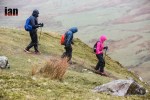
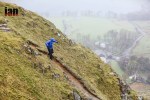
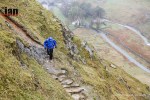
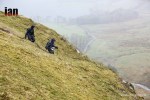
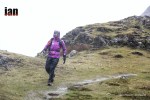
The forecast was bad and Shane had contemplated running a bad weather course but many runners, even those in the Elite category decided to run the much shorter ‘C’ route. In all honesty, it was a wise decision. The C route although easy navigation had plenty of ups and downs in it and in the conditions, it was far enough.
This was confirmed at the Cafe at Honister Pass which contained a gathering of GL3D competitors throughout the day. They all found solace in some food and a warm drink before pushing on past Buttermere and to the day 2 camp at Loweswater.
Despite the harsh conditions, temperatures were good. However, wet clothes and serious wind chill did make many a runners journey a tough one – hands in particular were constantly being banged together and rubbed in an effort to bring them back to life.
In the true nature of the GL3D, many of the participants had nothing but smiles and laughter for the conditions, particularly after the picture postcard scenes of day 1. The race did have its casualties though with many participants not completing any of the race categories (they just wanted to be back in camp asap) and others deciding to end the 3 day adventure early; the lure of warm clothes and a bed just too much of a temptation after such a tough day.
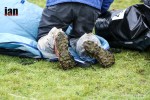
Post race the rain slowly reduced to a persistent drizzle, temperatures were relatively good but the main priority for all was to get out of wet clothes and into dry clothes. I can’t tell you how many times I heard, ‘thank goodness this is not a full self-sufficient mountain marathon!’
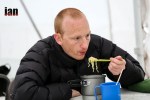
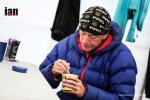
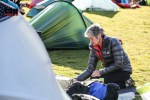
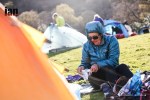
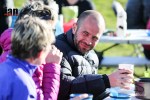
Dry bags were opened, tents were pitched and in the safety of one of the large marquees provided by Ourea Events, stories started to be told about the days challenges. Of course, as per the previous day, free cake was consumed and energy levels were topped up with a pint of beer.
Day 3 concludes the 2016 GL3D and the runners will navigate back to the start location via Elite, A, B and C courses. However, I heard someone say the weather forecast is worse for tomorrow; oh joy!
Images available at iancorless.photoshelter.com HERE
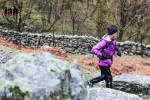
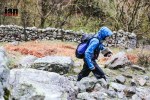
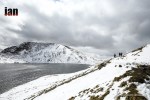
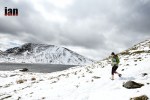
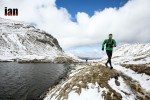
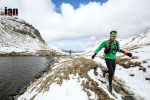
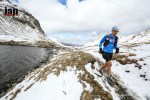
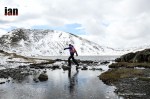
The Lakes really are a special place any day, anytime, in any weather… well, almost? Today though, the 2016 GL3D was treated to ‘one of those days!’
You know what I mean; you can’t plan them, they just come along, surprise you and then make you thankful all day that you decided to run in the Lakes on a bank holiday weekend in the UK.
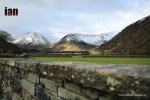
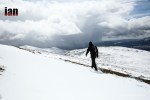
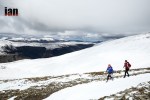
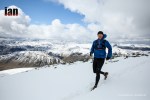
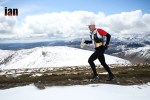
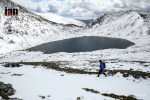
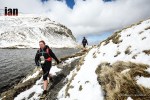
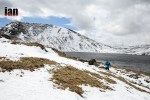
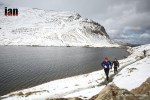
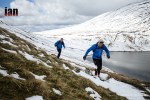
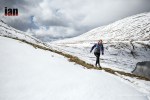
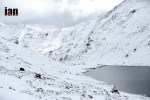
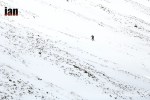
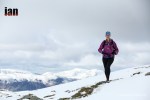
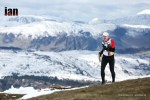
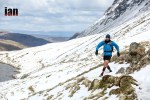
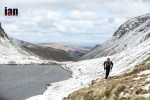
Snow and plenty of it covered the tops and although a little sleet, hail and snow chased in during the early hours the day, it all cleared leaving blue skies making a winter wonderland paradise in Spring – go figure?
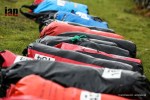
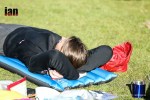
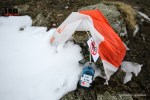
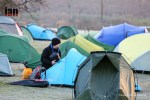
Don’t get me wrong, participants of the GL3D had to survive a sub zero night under canvas to witness God doing his best work in and around Helvellyn. It was worth it though. It was quite a sight in camp as runners slowly peeped out of frozen tents, dusted off the frost and then instead of neatly fold their tents into bags, they had to almost paper fold them – like putting a letter in an envelope.
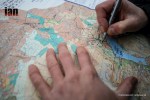
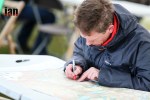
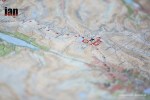
The GL3D is a very informal mountain marathon; it’s relaxed, casual, offers multiple levels of difficulty (including walking) and is very much geared to a fun weekend and for many, it provides a very gentle introduction to a navigation event. Although an element of self-sufficiency exists – tents, sleeping bags, clothes, food and all other essentials are transported by the race team and this therefore allows the participants to just run (or walk) without clutter.
Multiple distances and multiple controls allow for an easy or hard race. You decide? It’s why the GL3D has become so popular. As race director Shane Ohly explains, “Our courses are described as Elite, A, B and C, as is usual for mountain marathons. However, it is important to note that the distances at the GL3D™ are greater. This is because our routes are more runnable (we stick to footpaths and tracks for much of the time) and the navigation is easier (generally mountain summits) than at the equivalent mountain marathon courses at the LAMM, OMM etc. We would describe our courses as roughly equivalent in terms of ‘difficulty to finish’ as the same standard mountain marathon course at one of these events.”
Day 1 concluded in Grasmere, a bustling hub within the Lakes.
Elites – 50km*
A – 40km*
B – 32km*
C – 22km*
*- distances are ‘averages.’
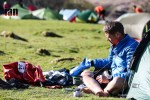
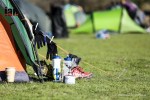
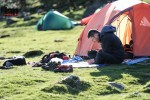
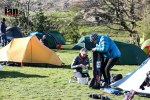
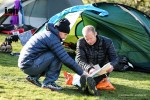
Post race, temperatures in the valley had rose and as the runners put up their tents, cooked food, drank beer and ate free cake, it would have been easy to think from the outside looking in, that you were looking at the fall out from a 3-day rock concert and not a running event.
Beams of light penetrated camp 2 and this was accompanied with a soundtrack of laugher, talk of controls and routes and ultimately how amazing the weather and the scenery had been.
Day 1 of the Great Lakeland 3 Day had been a real success!
Images available at iancorless.photoshelter.com HERE
This is Episode 110 of Talk Ultra. This weeks show is a Marathon des Sables special with a load of great content from the Bivouac by Niandi Carmont and then a series of post race interviews with Sondre Amdahl, Elisabet Barnes and Elinor Evans. If that wasn’t enough, we have an interview with Jasmin Paris who has just blasted the Bob Graham Round ladies record to a new level.
It’s a different show this week as we concentrate on Marathon des Sables
Marathon Des Sables
It was a win again for Rachid El Morabity and Russian, Natalia Sedykh dominated the ladies race, times were 21:01:21 and 24:25:46 for the 257km. Full results are HERE
Niandi talk from the Bivouac
00:25:32 INTERVIEW from the Bivouac
A selection of interviews of everyday runners doing extra ordinary things
We discussed this race extensively in a couple of podcasts last year, we spoke with Nikki Kimball and Jeff Browning. Jeff won the race and Nikki decided to withdraw from the race as she felt is was too dangerous. Alarm bells were rung. Unfortunately we have had news of a death at the 2016 edition. We have to be clear here that information is still a little sparse but Ellie Greenwood and Kerrie Bruxvoort have both commented on social media at the races apparent disregard for safety. We will have more information on this as and when possible.
A statement on Facebook from Ultra Fijord said:
The second edition of Ultra Fiord has been a very hard experience, marked by an exceptionally hostile climate and dramatic landscape that formed the backdrop of the race route, that was changed and shortened two days leading to the race to accommodate the impending bad weather. While some runners experienced and embraced the forces of nature, others were beyond their comfort zone. What impacted all of us the most was the loss of 100-mile runner, Arturo Héctor Martínez Rueda. Mr Martínez, 57-year-old from Mexico, had unfortunately passed on at an approximate 65km mark that is about 750m above sea level. Although the likely cause of his death was hypothermia, a confirmation can only be made in the following few days. The unfavourable weather has persisted in this mountain area since Friday, so the rescue team, awaits a favourable weather window to execute the evacuation. The race organiser takes responsibility and apologise for the poor communications to the outside world with regards to this tragic incident, simply because it is a step we could not execute without the confirmation of the status and private communications with Arturo’s family. In this difficult time, the organising team sincerely expresses its condolences to the family and friends of Arturo and ask followers for your cooperation to send peace and respect to them too.
01:25:40 INTERVIEW
Elisabet Barnes post MDS
01:57:45 INTERVIEW
Sondre Amdahl post MDS
02:26:49 INTERVIEW
Elinor Evans post MDS
03:11:00 INTERVIEW
Jasmin Parishas just elevated the ladies Bob Graham Round record to a new level coming very close to Billy Bland’s benchmark 1982 record
Is the last edition of the Marathon des Sables always the toughest? It would appear so? You always hear as the race concludes, ‘Wow, that was the toughest race ever!’
Of course many variables come into play when one says it’s the toughest. First and foremost, you most certainly need to have done at least one other edition to be able to compare, but in truth, multiple editions or experiences must count to be able to claim any edition of a race as a toughest. Also, age, fitness, condition, state of mind and so many other variables impact on a decision. It’s not always easy to be objective. I have often considered myself to be fit going into a race, only to find that my fitness is not where I thought it was and therefore a race has appeared harder! Truth is, the race was the same, it’s just that I wasn’t up for it. Let’s be clear, I’m not providing excuses, on the contrary, I am trying to provide perspective.
I’ve been at the MDS for the past 4-years, not as a runner (although I have 30-years of experience) but as a photographer and journalist. I like being on this side of the camera, for sure, there are days when I look at the race (or any race) and I wish that were me, once again fighting the terrain and fatigue to achieve a goal. My goals have now changed and as my good friend and photographer (who sadly has passed away) Mark Gillet used to say, ‘I sometimes think it’s harder working on the race than running it! Perspective once again…
I actually don’t agree with Mark, working on the MDS or any multi-day race is hard, stressful and the long 18-20 hour days do have an impact. Yes, I get out on the course and cover the terrain on foot but I get to change my clothes, I get to eat two times a day and although I sleep in a bivouac, it does usually have sides to it which blocks out the wind.
So with the 31st MDS in the bag, I wanted to reflect on the race and provide an objective overview from the outside looking in of what I consider worked and what didn’t work at MDS and provide some key pointers that anyone can take away and apply for a future MDS or other multi-day race. I must stress, these are my thoughts and on some points you will agree and on other points you won’t. That’s ok! It’s called opinion and we are all entitled to one.
First of all though, lets answer that burning question, ‘Was the 2016 Marathon des Sables ever?’
No!
It was a tough one for sure, it ranks with the toughest but I don’t really think anyone can hand on heart say that any one edition is the toughest.
Each year, Patrick Bauer and his team work a little Sahara magic and as many MDS runners who have participated in previous editions will tell you, the race always covers some familiar terrain. It’s the nature of the Sahara and the complex route of access trails dictate where the race can go and where it can’t due to the huge convoy of vehicles that daily move the ‘circus’ from one place to the next. For example, the 2016 route had much of the 2014 route but in a nod to the tough course, the 2014 route was also considered a tough one with a very big drop out rate on day one.
Having said all of the above, the 31st edition was a serious toughie and here is why:
Day 1 kicked of with the huge Mezouga dunes that are tough for any runner, even experienced ones. The day also concluded with a tough section of dunes but to add to the difficulty and complexity, midway during the stage winds increased and increased causing severe sandstorms that hampered navigation, onward progress and resulted with a chunk of DNF’s and those who finished were left exhausted.
At 257km, the race was the longest edition ever making all stages close to marathon distance. This impacts greatly on every runner as recovery time is reduced. The long day was not as long as many anticipated at 84km, especially after the 30th edition 90+km day. However, the long day was a tough one with plenty of climbing and loads of soft sand. The final charity day is usually a jog to the line and a way to exit the Sahara and get back to the buses, this year, the charity stage was 17km – too long!
Sand, sand and more sand. I know it’s the Sahara and therefore one would expect sand to be everywhere but in reality, MDS usually only has around about 30% soft sand. This year it was considerably more and that impacted on everyone.
Wind came and went but it’s impact on the racing and bivouac life was notable.
Temperatures rose just in time for the long day and then stayed very high for the remainder of the race.
Day 2 dropout rate was very high which reflected a tough stage but also the knock-on effects from a very tough day 1.
The overall drop out race once the race concluded was over 10%, a sure sign of a tough edition of the MDS.
There you have it, some solid points on why the 31st edition was a tough one and of the many runners who completed the race, I am sure they could add so many more points to my brief synopsis above.
OVERVIEW
It’s funny how everyone is now looking to 2017 and the 32nd edition of the race. Questions are being asked – what, how, why, should I, can I, will I and so on…
MDS is not complicated:
Let’s get one thing clear, Marathon des Sables is a simple race that is over complicated by too much information and too many people saying WHAT SHOULD be done. Let’s hark back to Patrick Bauer’s pioneering days and simplify the process of running the MDS. I interviewed and chatted with many runners in bivouac who had done just that, they had applied simple logic and worked out what would work for them. Yes, they had taken advice, looked at websites, processed information but importantly they had found out what worked for them. They realised early on that they were an individual and as such, they needed a personal approach to MDS and not a generic one. When you break the race down, key things are really important:
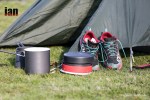
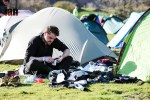
Pack – must fit, have enough room (but not too much) for all your equipment and provide easy access to fluid and you must make sure that your numbers are visible as per race rules. Sleeping bag – lightweight, packs small and warm enough. I would always recommend a sleeping bag and jacket as opposed to a ‘combi’ as it offers more flexibility, reduced weight and reduced pack size. Popular sleeping bags this year were PHD, Yeti and OMM. There is a review on my website that compares all three. The Raidlight Combi was also popular, certainly with a small selection of the British contingent; it worked well and those who used it were happy – all about what works for you! Clothes – you just need what you will run in. However, a spare pair of socks was commonplace and many runners had one or all of the following: a warm base layer, a lightweight down jacket or waist coat, buff and many had lightweight pants. Sleeping Matt – It’s an optional one but a good nights sleep is important and those who hadn’t taken one were wishing they had in most scenarios. Two options exist – inflatable and roll out solid foam. The choice is yours. The inflatable ones offer more comfort, more flexibility in packing but with poor admin, you do run the risk of a puncture. I’ve used inflatable for the past 4-years with no issue. A solid foam Matt will last the week with no risks of problems but they roll large and need to sit outside the pack.
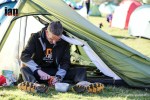
Shoes and Gaiters – Shoes (more below) are personal, just make sure they have a good fit, appropriate drop for your needs and and suit your run style with enough durability for you. I say ‘you’ because Rachid El Morabity will complete the whole race in 21-hours whereas most people won’t even do just the long day in that time – his shoe shoe choice will and can be very different to what most of us need! Get your Velcro sewn on your shoes and make sure that when you get the shoes back the fit has not been altered. Plan in advance, don’t leave this to the last few weeks.
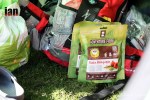
Food – You need a minimum amount of calories per day specified in the race rules and how those calories are made up are up to you. This for many is a difficult one. It raises many questions and yes, it’s good to find out what other people do and use but ultimately, YOU have to eat it. The decision to use a stove is another question mark but it would appear that most runners like that hot water option. Remember though, you can make a fire from twigs, shrub and branches that surround bivouac. Also note here that food choices and what you eat during running varies greatly depending on how fast you run. For example, the top runners are done and dusted on the marathon stage in 3-4 hours and they are using carbohydrate as a fuel, they therefore can get away with 1-2 gels. If however, a typical day for you will be 6, 7, 8, 9 or even longer, gels are not going to be a good choice. Fat and real food are going to be essential. Understand this now and you can start making the necessary adaptations in training so that food choices will work for you. Training on limited calories and getting fat adapted is a key element for a successful MDS for many runners. Food is also the heaviest and most bulky thing you will carry, think about repacking in smaller packs and making everything as small as possible.
Water and Salt Tablets – These are provided by the race and it’s easy really, take the tablets as recommended and drink the water. Dehydration in 2016 once again was a huge issue.
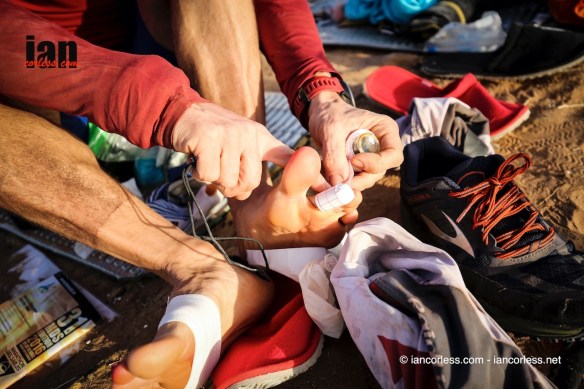
Feet – Look after them, along with dehydration, blistered and damaged feet are a key reason for failure in any multi-day race.
Extras – Mandatory kit is as one would expect, mandatory! So purchase what is on the list. You can save weight by shopping around. Simple rule; the lighter and smaller, the more expensive it will be! Optional extras are very personal and my advice would be take nothing extra other than a MP3 player and earphones. The Apple iPod Shuffle is super small, super lightweight and holds plenty of music for MDS (you can even take two). They cost about £40 and music may well just pull you through when the going gets tough. Anything else is a waste in my opinion. Embrace the isolation, embrace a simple life and you will find you have a new perspective at the end of the race.
Hints and Tips to make your race better
You:
You signed up for the challenge, you wanted to be on the start line and therefore you are responsible for the outcome. Believe me, the you that leaves the Sahara is not the same you that entered. Arguably, you change the moment you pay the deposit, the transformation process begins. Embrace the journey and apply yourself. Most of us can loose a little weight and believe me, pounds shed in training make the race easier. Pointless striving for a 6.5kg pack and then to be carrying an extra 2, 3, 4 or more kg on your body. But keep perspective, the MDS journey is an enhancement of you as a person. It’s easy to become obsessed, ultimately the majority of runners at MDS are enthusiasts, if you keep that in mind the journey will be a complete one.
Training:
Plan ahead, formulate a long term plan and don’t rush. The sooner you start this process, the greater your chance of success and the less chance of injury. Plan stepping stone races and don’t be fooled into thinking that you need to run marathons day-in and day-out. You don’t! Training is about ALL the training you do and not about anyone run.
Walking:
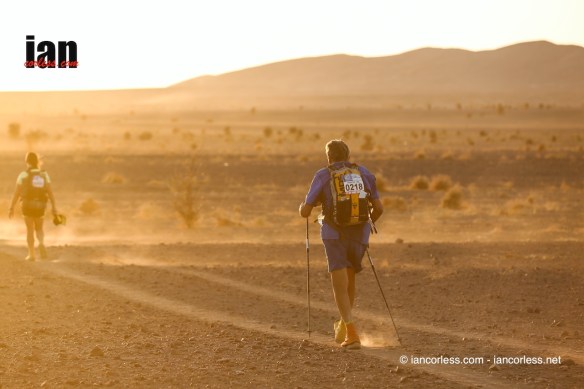
If we exclude the top 50-100 runners (who also walked) the majority of the 1000 strong field spend a huge amount of time walking. Learn to walk! Believe me, it’s a huge tick in the MDS box and rest assured that if you are able to walk at a good consistent pace (barring injury or dehydration) you will finish MDS. The 31st edition at times (from my perspective) seemed almost like a walking race and this can directly be attributed to more soft sand and longer days. Countless runners I spoke to said, ‘If only I had walked more. I trained to run and now I am here, I am finding that running is a luxury.’
Poles:
If you are looking to race MDS, figure in the top 100 and are able to run in ‘most’ scenarios, poles will not help your MDS experience. However, once we get out of the top-100 and in particular, once you start to look at the mid to back of the pack, poles may well provide a huge advantage. They provide stability, momentum, drive and in soft sand, they are a little like 4-wheel drive. My recommendation would be try training sessions with and without poles and see what works for you. Don’t get poles 3-4 weeks before a race and think it will be okay… Poles require technique and yes, they will impact on your shoulder, arms and neck. In 31st edition with so much soft sand, poles were a god send for many. They are like Marmite though, some love them, others hate them. For me, they are something I would take. Just make sure you get good ones that are light and that will fold small so that you can pack them when not needed. A good example of this is the big Jebel climb with ropes at the top, some participants struggled up with poles when in reality they needed both hands free for the terrain.
Shoes:
Dare I open this can of worms? Shoes are personal and first and foremost you must consider your own run style – gait, pronation, width, drop and so on. NEVER take advice from anyone online that tells you that ‘X’ is the shoe to wear for MDS unless they know you and your run style. Having said that, certain considerations come into play which help narrow the selection process down. In previous editions of MDS I have seen Hoka One One shoes almost melt with the soft sand, this year, Hoka were one of the most popular shoes and during the race I photographed multiple pairs and saw none of the horror stories from previous year. Brooks have been a popular MDS shoe in recent years and I saw three pairs with horrendous soles that had started to fall apart, however, many runners have commented how well the Cascadia version of Brooks shoes performed. Altra with very low drop and a super wide toe box worked excellently for those who required a minimalist shoe and the re-vamped inov-8 270 (4mm) and 290’s (8mm) had rave reviews from those who used them. Mizuno, adidas and Scott also featured in MDS bivouac amongst others and what was reassuring is how well they all performed. The key here is that runners had found the shoe that worked for them. Make sure you do the same. It’s good to ask for thoughts but ultimately, ask 10-people, you will get 10 view points. Despite all this, there were plenty of foot horror stories. There always will be horror stories and certainly considerable more soft sand added to people’s issues this year. Notably, going back to the walking point, MDS participants often come to MDS prepared to run with shoes that work for running, in some scenarios, these shoes don’t work as well for walking. Think about this and walk in your run shoes! Also shoe size, forget the advice about going up a size or two sizes. It’s a recipe for disaster unless you know that your feet swell? A shoe that is too big will allow your foot to move, a moving for causes friction, friction causes blisters and the rest of the story speaks for itself. General advice is that if you have a ‘thumb nail’ of room at the front of the shoe above the big toe, this generally works. Notice I say ‘generally’ – there are exceptions. One thing that may happen, is your foot may get wider (rarely or never longer) with the heat and additional time on feet, therefore a shoe with a wider toe box often works well for many runners.
Equipment:
Minimum pack weight is 6.5kg plus water, get as close to this as you can. Additional weight is additional stress and just makes the journey harder. Luxuries are ok if they improve the journey and make it easier, music is a good example of an additional extra. I can’t really think of anything else…
Friends:
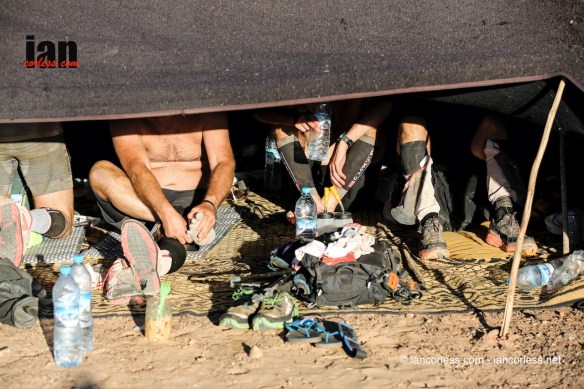
You are going to share bivouac with 7 other people and you are going to have some serious highs and lows. These tent mates will pull you through and motivate you. They will become friends for life. Ideally find tent mates before you head out to the Sahara.
TheMind:
The legs, lungs, heart and feet will only get you so far. The mind is what will get you to the finish. On the long day I was at CP5 with 54km covered and 30km to go. I stayed there all night from 9pm till the early hours of the morning when the last person left with the camels. I saw broken individuals with bodies in tatters but mentally strong. It was amazing to watch people leave with a smile, hobbling at a snails pace and then to see them cross the line later in the day. Despite the hardships and pain, they embraced the journey and mentally where superior in strength. It was the mind that got them to the line.
Laugh:
If you laugh, you are having fun. Laugh when you hit rock bottom, why not. Laugh when you are going the toilet in a brown plastic bag and most of all laugh with and at your tent mates and fellow runners. The comradeship of MDS is quite unique, embrace it.
Admin and preparation that you may not think of:
Take essentials on the plane and wear your run apparel and shoes. That way, should a baggage disaster happen your chances of racing improve.
Take food with you for the travel and on the plane. If I were running, I wouldn’t eat plane food!
The journey from the airport to bivouac 1 is always lengthy, MDS will provide a picnic and water but I would still have my own supplies.
Night 1 and night 2 in bivouac are NOT self-sufficient so take extras such as an inflatable bed, food and luxuries that you are happy to give away to the berbers. May as well have 2 comfortable nights and a comfortable day before the racing starts.
Food before the race starts in recent editions has been provided by a French catering team. It has always been excellent. For the 31st edition, Moroccan caterers were used for the first 2 nights to provide an ‘authentic’ Moroccan feel and experience. It was potentially food that could increase the chances of going to the toilet. Personally, I’d take food with me that would at least allow me a ‘safe’ option. This is food in addition to your ‘mandatory’ requirement so it can be as much as you require and it can weigh as much as you like.
Admin day was a lengthy multi-hour experience in previous editions, in the 31st it was slick and streamlined and seemed to take most people 30-45mins which was great. Just make sure you take some water and a little snack food.
Keep sun screen on and keep hydrated. No need to drink vast volumes – drink to thirst before the racing starts.
Have additional items such as a base layer, sleeping bag liner and other items that may be on a ‘question’ list for the race. On night 1 and before you go to admin, you can make final decisions of what to and what not to take. Particularly important if you think you may be cold at night.
Remember that after bag drop and check-in you have no access to any additional items, however, you only become completely self-sufficient when you start the race. With that in mind, you can have additional food and luxuries with you until day 1 kick-off, it’s a useful tip and does mean that you can have additional comfort for a good 12-hours.
Conclusions:
Marathon des Sables is a magical and life changing journey as are most if not all multi-day races. It really is a true challenge of mind and body to race over many days, irrespective if you complete the race in just over 20-hours or 60+ hours. It’s a hark back to a more primitive time, a time without clutter and modern technology. Embrace this. Embrace the silence of the surroundings and the simplicity of placing one foot in front of the other, eating, resting and sleeping and then doing it all again.
As I said previously, MDS and other multi-day races are all relatively simple in process, you need a minimum of kit, some food, regular water and a level of fitness to complete the challenge. Yes, it is THAT simple.
Plan ahead, do some research on kit but it’s not rocket science. Just find out what works for you and then pray the the multi-day gods are on your side. Drop out rates are relatively low considering the challenge, however, shit happens that you just can’t plan for.
Ultimately get the mind in the right place and the body will follow. A plan ‘A’ is great but have a plan ‘B’ and ‘C.’
Finally, set yourself a realistic goal (that may just be to finish) so that you manage not only your expectations but pace. Way too many start off too quick and most dropouts come on days 1 and 2.
Join our MULTI-DAY TRAINING CAMP IN LANZAROTE with 2015 Marathon des Sables champion, ELISABET BARNES info HERE
If you need any specialist equipment, Iancorless.com partners and recommends MyRaceKit for expert advice on an multi-day racing equipment requirements.
2016 Skyrunner® World Series launches
– new races, a new partner, all-round rebranding and website, the Series is set to reach new heights.
The Series’ new management company, Geneva based SkyMan SA, is pleased to present a new Main Partner, Migu Xempower, a Chinese exercise and health management platform which also counts a rich experience in organising marathons, city and mountain races for millions of runners.
NEW WEBSITE HERE – http://skyrunnerworldseries.com
SkyMan SA brings a breath of spring air across the Skyrunner® World Series just before the 2016 season kicks off and the 2016 Skyrunner® World Series launches. The series kicks off with Yading Skyrun in China, the course reaches a high point of 4664m in China’s Sichuan Mountains. Followed by a world-class line up at the stunning Transvulcania Ultramarathon, the race calendar expands to stretch across the globe. Six new races and a calendar that features twenty-three races in total, the 2016 Skyrunner® World Series is set to be the best yet, especially with the new Extreme category that combines Tromso, Trofeo Kima and Glen Coe in an adrenaline packed trio of races that hark back to the roots of the sport pioneered by Marino Giacometti. This series is sponsored by Alpina Watches and is joined by the well established Sky, Ultra and Vertical formats.
Skyrunner® World Series is also delighted to count on the continued support of Alpina Watches, together with the three Official Pool Suppliers, Compressport, Salomon and Scott Sports.
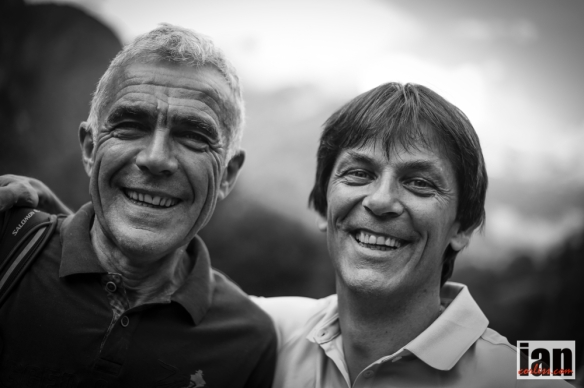
Kilian Jornet, the sport’s best known figure and organiser of the Extreme Series’ Tromsø SkyRace® in Norway, comments:
“When I started to run I was inspired by the images of Bruno Brunod, Fabio Meraldi and Marino Giacometti climbing (and descending) technical ridges, passing climbers and alpinists with just a pair of running shoes – and amazing technical skills! I’m very glad that today there’s an Extreme Series with this alpine philosophy and, as an organiser, to share my passion for scrambling and travelling light on big mountains.”
The Skyrunner® World Series is known for attracting the best athletes in the sport at each event. They compete for an end of season prize purse of €36,000, in addition to the prize purse of over €100,000 distributed across all races.
The Skyrunner® World Series is known for attracting the best athletes in the sport at each event. They compete for an end of season prize purse of €36,000, in addition to the prize purse of over €100,000 distributed across all races.
Mike Foote, world class trail runner and organiser of The Rut events in the rugged Montana mountains, adds:
“It’s an honour to be a part of the 2016 Skyrunner World Series. As the organisers of three events here in the United States, it is exciting to host many of the world’s best. I love the ethos of skyrunning. Steep, technical and dramatic courses inspire me as an athlete and it has been such a pleasure to also organize events with these traits here in my backyard.”
Iancorless.com and iancorlessphotography are once again pleased to announce that they will be the official photographer and media partner for 2016 SKYRUNNER® WORLD SERIES.
You can follow through all the usual media channels, in particular Facebook, Twitter and Instagram and make sure you follow all the ‘official’ Skyrunning feeds.
2016 SKYRUNNER® WORLD SERIES
SKY
April 30: Yading Skyrun – 29 km, Sichuan – China
May 22: Maratón Alpina Zegama-Aizkorri – 42 km, Zegama – Spain
June 26: Livigno SkyMarathon® – 30 km, Livigno – Italy
July 17: Dolomites SkyRace® – 22 km, Canazei – Italy
July 31: SkyRace® Coma Pedrosa – 22 km, Andorra
August 20: Matterhorn Ultraks 46K – Zermatt – Switzerland
September 3: The Rut 28K – Big Sky Montana – USA
October 15: Limone Extreme SkyRace® – 23 km, Limone sul Garda – Italy
EXTREME
August 7: Tromsø SkyRace® – 50km, Tromsø – Norway
August 28: Kima Trophy – 50 km, Sondrio – Italy
September 18: Salomon Glen Coe Skyline – 53 km, Glen Coe – UK
ULTRA
May 7: Transvulcania Naviera Armas Ultramarathon – 74 km, La Palma – Spain
June 4: Ultra SkyMarathon® Madeira – 55 km, Madeira – Portugal
July 10: High Trail Vanoise – 68 km, Val d’Isère – France
September 4: The Rut 50K – Big Sky, Montana – USA
September 24: Salomon Ultra Pirineu – 110 km, Bagà – Spain
VERTICAL
May 5: Kilómetro Vertical Transvulcania Binter- La Palma – Spain
June 24: Santa Caterina Vertical Kilometer® – Sondrio – Italy
July 8: Kilomètre Vertical Face de Bellevarde – Val d’Isère – France
July 15: Dolomites Vertical Kilometer® – Canazei – Italy
August 5: Blamann Vertical – Tromsø – Norway
September 2: Lone Peak Vertical Kilometer® – Big Sky, Montana – USA
October14: Limone Extreme Vertical Kilometer® – Limone sul Garda – Italy
British humour, it’s a wonderful thing! Dry, witty and at times it can be difficult to tell if a joke is really being told… David Loxton personifies this and in all honesty, it’s this humour that got him and his tent mates through the 31st edition of the Marathon des Sables. Niandi Carmont picks up the story from within the bivouac.
*****
Nothing like a touch of humour to help your tent mates get through a challenging event like the MDS. Humour is a natural pain-killer …
David Loxton has just finished the marathon stage and joined the ranks of finishers over the 31 editions of the MARATHON DES SABLES. He is relaxed in his tent, a bit grubby as can be expected but grinning from ear to ear. His tent mates look happy too. And no surprise as they are in good company – David is a laugh and a gaffer too.
So how did it go I ask?
“I’ve got no blisters, I’ve got very tough feet and I’ve been very quick most days, apart from the long day where I wasn’t quite as quick. What else? I hate sand, I hate sunshine …”
His tent mates crack up laughing.
Seriously, I ask if he feels he’s got in enough preparation or was the event tougher than he expected?
“Nobody told me about preparation so I thought I’d just pitch up and do it.” More laughter. “Well I did do a training camp in Lanzarote to train for this in January.”
I ask him if he had any moments of doubt during the event.
“On day 1 actually I did. I thought I can’t do this for the next 5 days. It hurts. Beyond that it was OK. Apart from day 2 and a few moments of day 3 and most of day 4. Day 5 was good apart from the bad bits.”
I ask him if he would do anything differently if he had to do it again.
“I would probably search online for some tent mates. Probably do some more work on the fitness and definitely pack before the Thursday night. We flew to Morocco on Friday.”
I know he’s not serious but he’s funny anyway and his mates seem to be enjoying his self-depracating humour.
“I’d also bring some business cards for the ladies.”
I ask him if he met some interesting people.
“I met some of the people from the training camp in January. I made myself unpopular with the Helpful Heroes tent by accidently stealing some of their water flavours, the French guys have been good and the Japanese guys too. I’ve loved every moment of it but once is maybe enough for me.”
Is he looking forward to getting back to wet, windy and cold UK?”
“No I’m married.”
And has he learnt anything from his experience? Suddenly David takes on a more serious air, this time he’s not joking, he’s more philosophical.
“In terms of fitness it is surprising what you can do, how far you can push yourself. Sometimes your mind can overrule your body. The guys here have got some pretty horrific blisters and they’ve worked through it and they found more within themselves than they expected.”
When you are back in Ouarzazate and back in civilisation, what is the first thing you will treat yourself to?
“Apart from beer? The first thing will be beer, the second thing will be beer, the third thing will be beer …and after that I will phone home.”
And I lift my glass to David who deserves that long-awaited beer after keeping his mates going with his very special priceless sense of humour!
Read Niandi’s interview with ladies 2016 MDS champion HERE
Read a summary and view images of the 31st edition HERE
The names Billy Bland and Nicky Spinks are well and truly cemented in Bob Graham Round cement. Imagine it, covering 66-miles (approx) 27,000ft of climbing and crossing the 42 highest peaks in the English Lakes in under 24-hours.
First completed in 1932 by Bob Graham at the age of 42, the 42 peak round has become the holy grail of the fell running world. Just to complete it in under 24-hours is considered by many to be enough, but to set a FKT (Fastest Known Time) is something else.
How does one break the record?
In 1932 Bob Graham took pacers and company to help him in completing his round. It is an ethical and practical approach that the club encourages, and is committed to continue to require as a criterion for membership.
In light of the above, the criteria for Club membership were set down back in 1972. The criterion regarding having one’s arrival at each summit witnessed remains as valid today as ever.
From the Club’s perspective, solo attempts will, for safety reasons, not be recognised or considered for club membership (this includes partly solo rounds, i.e. a round that is only partly witnessed). One of the Club’s purposes is to encourage attempts. The potential risks to a contender are significantly increased should a contender chose to travel solo for around 24 hours in the Lake District mountains. Having company in the mountains enhances the safety factor.
The risk of losing a contender in the mountains may seem far-fetched but there have been deaths of fell runners during much shorter fell races. It is understandable that there is no desire to repeat that experience in a Bob Graham Club context. Were the Club to recognise solo completions for membership, it’s no great step in the minds of loved ones left behind to see that as an endorsement, nay an encouragement, of solo attempts; and families may feel that the Club (which is an unincorporated body) and therefore its Officers should bear some responsibility for a dreadful turn of events.
One claim made for modern GPS devices is that they can provide both veracity and a form of safety, however there have been fraudulent attempts to secure membership over the years; the advent of modern technology to validate a round neither mitigates the safety issue nor removes the ability to defraud.
Allied to solo attempts are attempts where a form of reciprocal witnessing takes place: contender A witnesses contender B and vice versa. This is acceptable, and there have been several such rounds over the years, but not recommended.
There are many accounts of multi-contender attempts having to split up. The most common reason is simply that most people go through a significant bad patch, often for several hours, and hoping that these coincide is hoping for too much. If contenders do have to separate, safety margins are hugely reduced. Pacts not to separate are all well and good at the Moot Hall before setting off but can unravel under the physical and mental pressures of the day. Again if the party has to separate, then the attempt will effectively be over in terms of obtaining membership of the Club.
In summary, the witnessing rule has always been in the Club’s Guidance Notes, and always will be. It is grounded in safety. Clearly in limiting the only help on the fells to a co-contender (who may be in a pretty poor physical state should problems arise), there is a significant reduction in the safety margins for the individuals. Usually a support team of two persons per leg should be adequate, but the decision on the number of supporters and pacers is of course up to the individual.
– Bob Graham Club
Billy Bland’s time of 13 hours and 53 minutes is a milestone and many have questioned, can that time be bettered?. Despite years of trying nobody has really come close; time has stood still. The ladies record set by Nicky Spinks of 18 hours and 12 minutes was set in 2012. Nicky has long been a pioneer of the Bob Graham Round.
That however all changed just yesterday, Saturday April 23rd.
Jasmin Paris, a respected fell and mountain runner, set a new ladies benchmark of 15 hours and 23 minutes. This time is OFF THE SCALE!
Not only does it obliterate the 2012 time of Nicky Spinks but it comes remarkably close to Billy Bland’s time of 13 hours and 53 minutes.
This is just fell running, a low key sport that takes place in the heart of England. Believe me though, in terms of running, this record is one that should be shouted from the rooftops.
Jasmin is a low-key athlete, who hides away from the spotlight despite incredible performances. She races regularly, almost too much some may say. Her response has always been, I have a job and I run for fun and pleasure.
I’ve been saying it for some time, JASMIN PARIS is one to watch and this year, Jasmin will run on the world stage taking part in many Skyrunning events and UTMB.
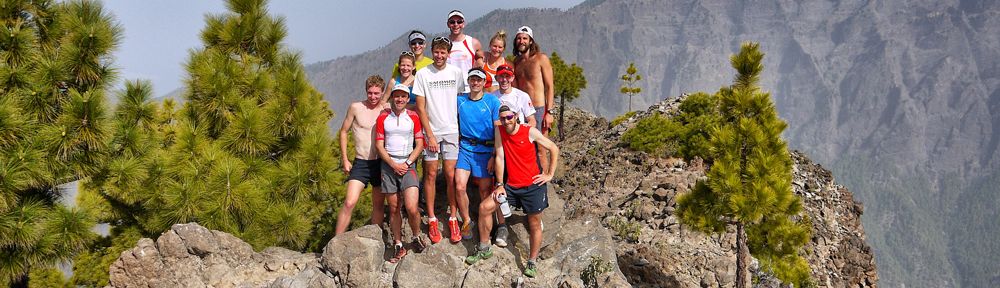

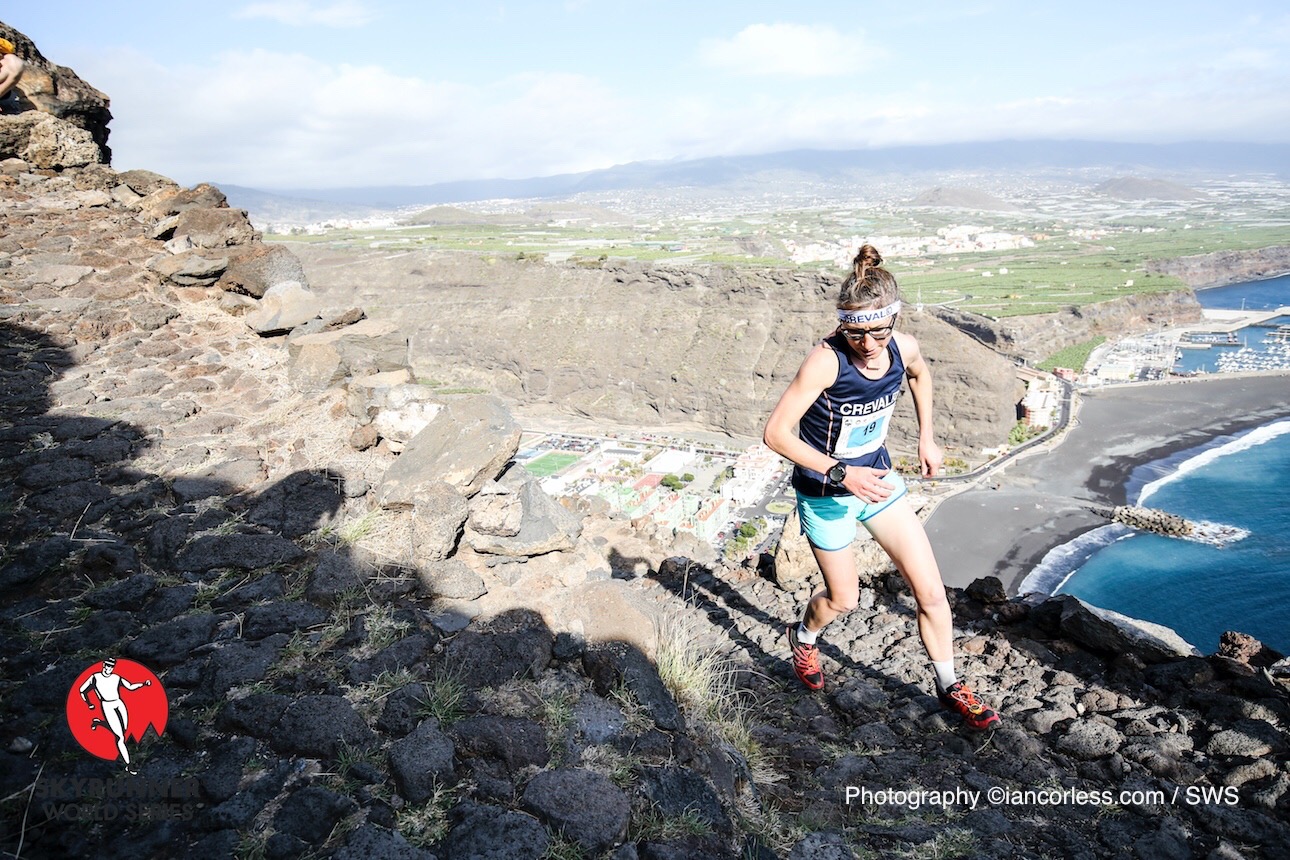 Saul Padua and Emmie Collinge are 2016 Binter Vertical Kilometer Transvulcania champions in the first VK race in the 2016 Skyrunner World Series.
  Saul Padua fulfilled his pre race top billing and was crowned winner of the Binter Vertical Kilometer Transvulcania. The Colombian runner, the last to leave and the fastest to reach the finish, kicked off the race with a fast pace and held that all the way to the finish. At 7.6km this is a long VK that requires a different run technique and style to many other races in the category.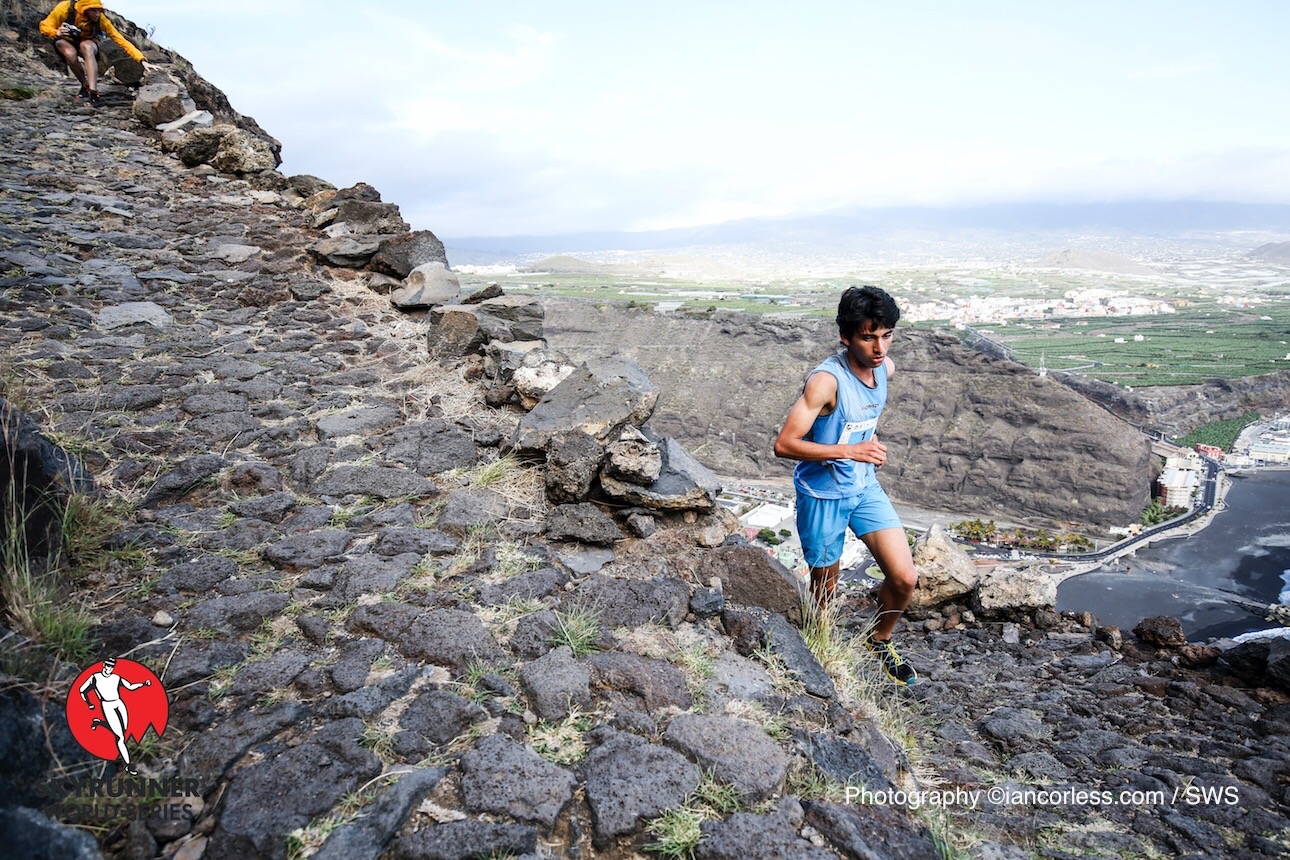
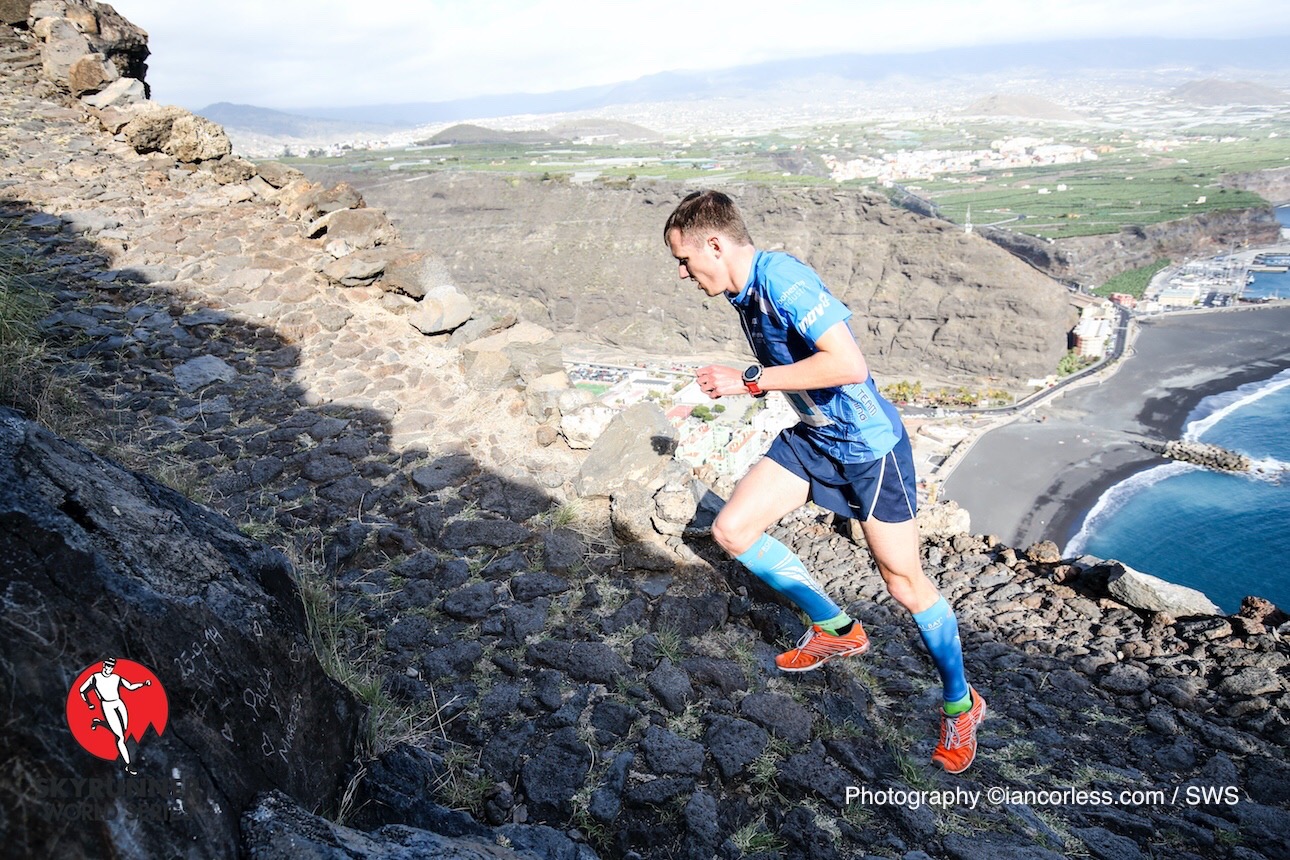
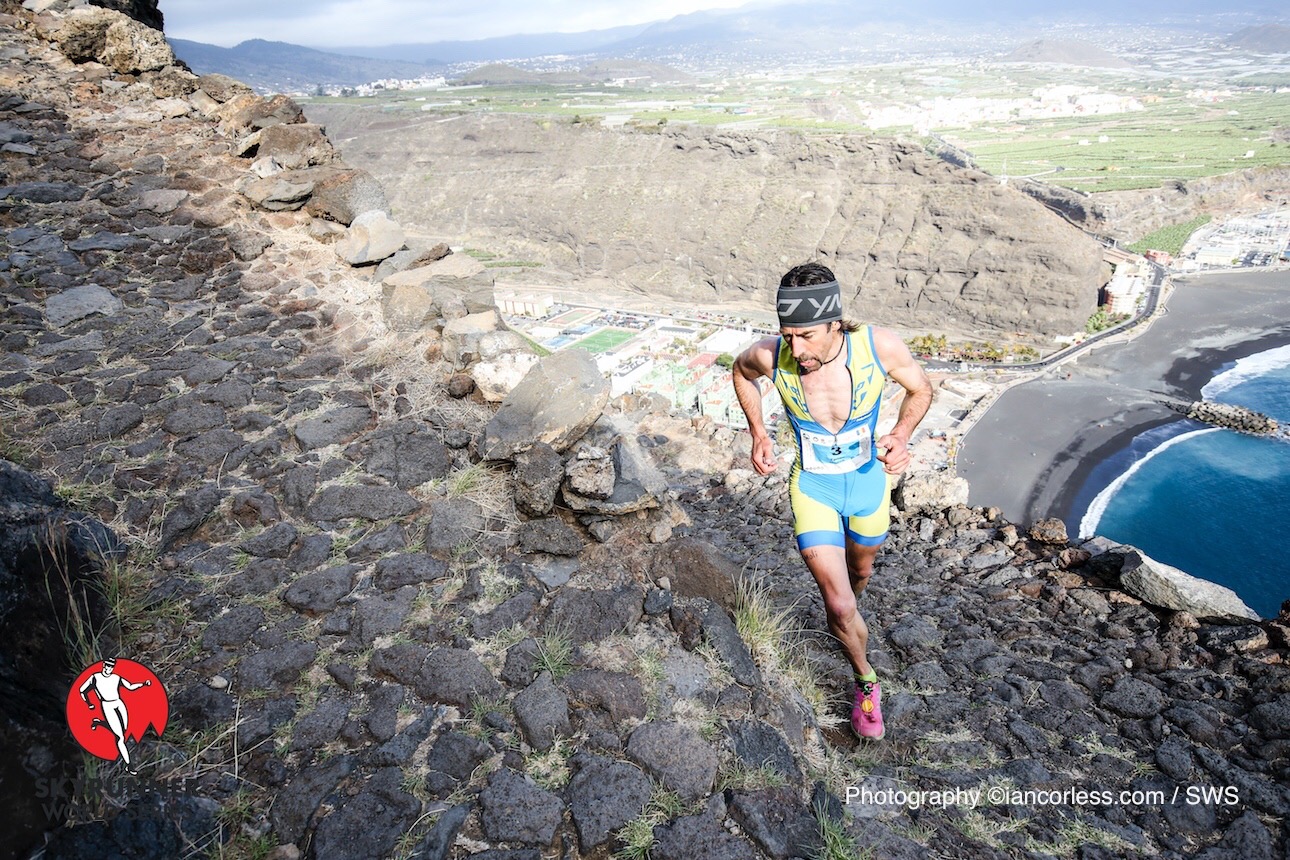








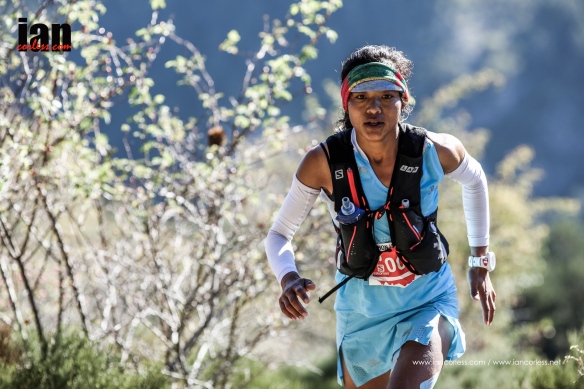
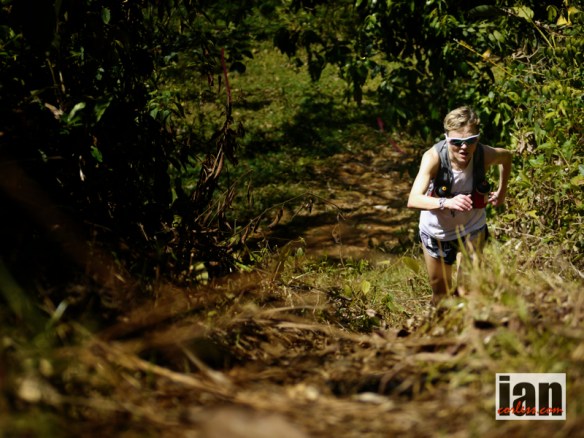
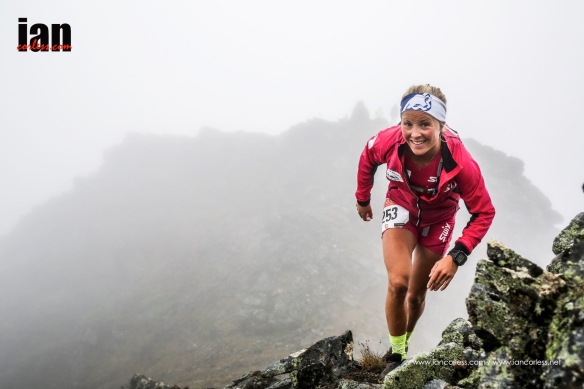

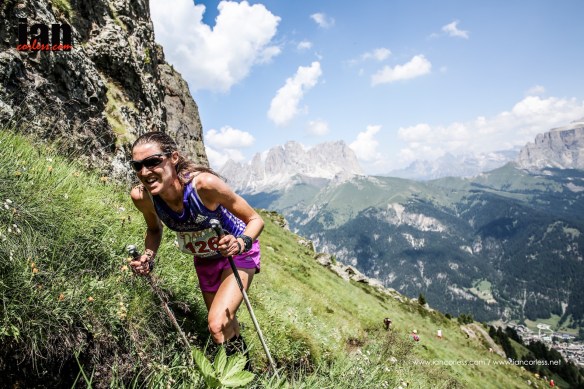
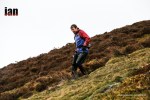
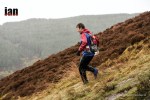
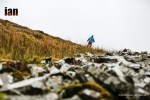
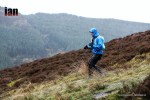
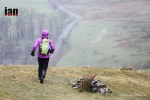
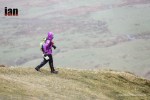
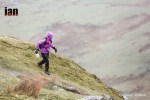
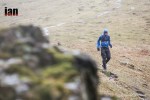
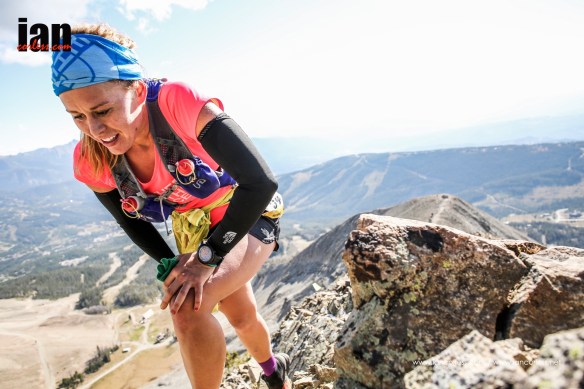 Hillary Allen may well be the hottest property from the USA in regard to Skyrunning. She may not be the fastest of the American ladies but she can handle and embraces the technical trail. Hillary proved this at Mont Blanc 80km and on home soil at The Rut.











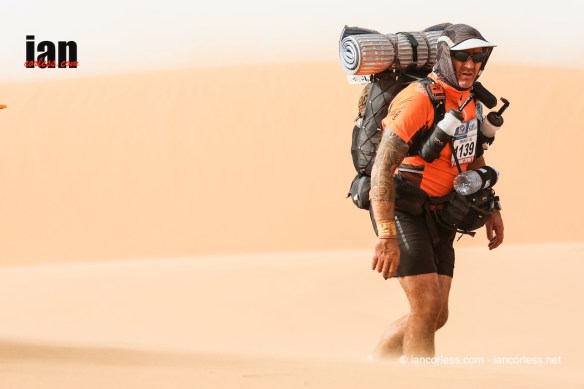
 objective. I have often considered myself to be fit going into a race, only to find that my fitness is not where I thought it was and therefore a race has appeared harder! Truth is, the race was the same, it’s just that I wasn’t up for it. Let’s be clear, I’m not providing excuses, on the contrary, I am trying to provide perspective.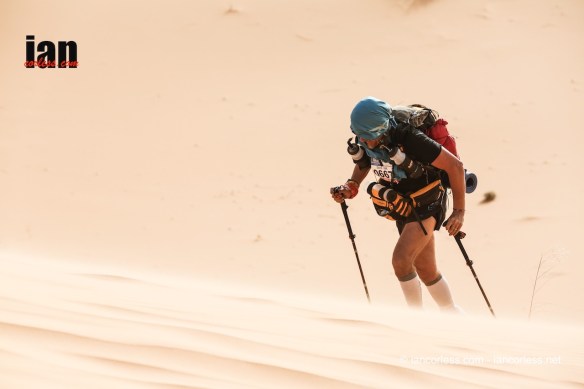
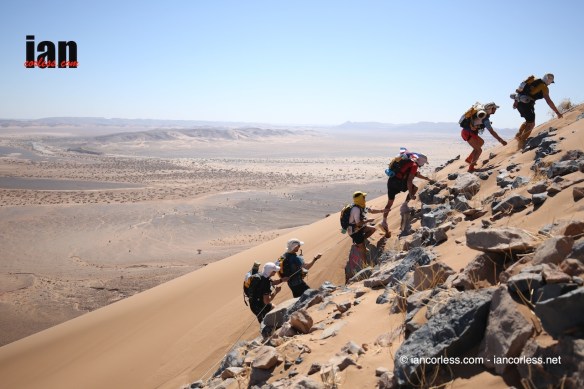
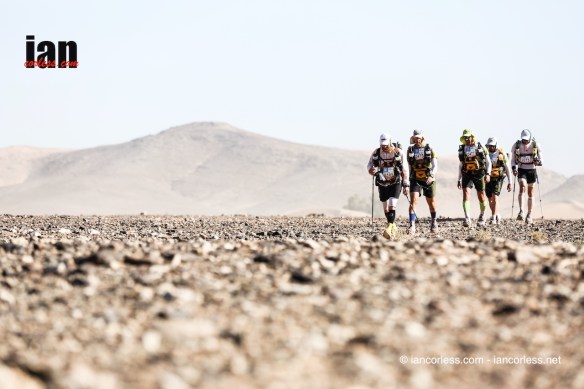

 Food – You need a minimum amount of calories per day specified in the race rules and how those calories are made up are up to you. This for many is a difficult one. It raises many questions and yes, it’s good to find out what other people do and use but ultimately, YOU have to eat it. The decision to use a stove is another question mark but it would appear that most runners like that hot water option. Remember though, you can make a fire from twigs, shrub and branches that surround bivouac. Also note here that food choices and what you eat during running varies greatly depending on how fast you run. For example, the top runners are done and dusted on the marathon stage in 3-4 hours and they are using carbohydrate as a fuel, they therefore can get away with 1-2 gels. If however, a typical day for you will be 6, 7, 8, 9 or even longer, gels are not going to be a good choice. Fat and real food are going to be essential. Understand this now and you can start making the necessary adaptations in training so that food choices will work for you. Training on limited calories and getting fat adapted is a key element for a successful MDS for many runners. Food is also the heaviest and most bulky thing you will carry, think about repacking in smaller packs and making everything as small as possible.
 Water and Salt Tablets – These are provided by the race and it’s easy really, take the tablets as recommended and drink the water. Dehydration in 2016 once again was a huge issue.


 Kilian Jornet, the sport’s best known figure and organiser of the Extreme Series’ Tromsø SkyRace® in Norway, comments: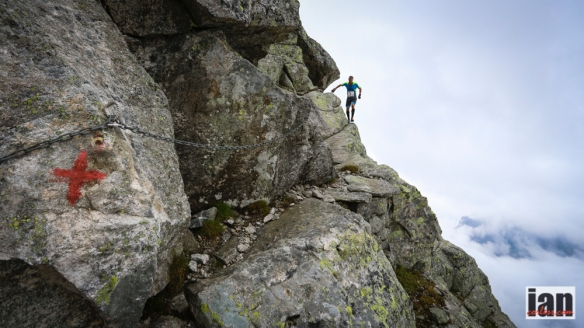
 Mike Foote, world class trail runner and organiser of The Rut events in the rugged Montana mountains, adds: