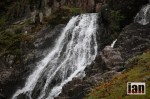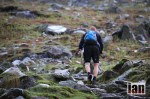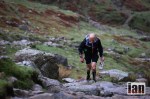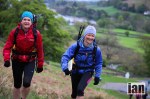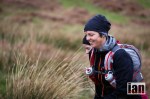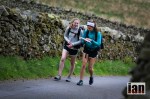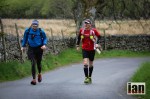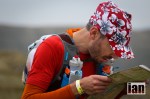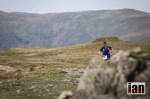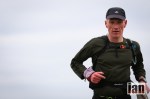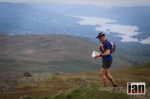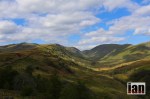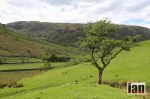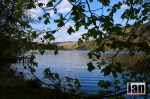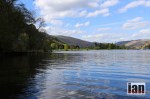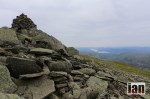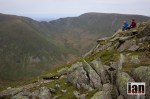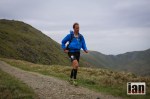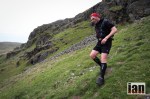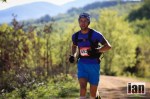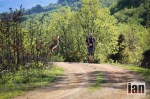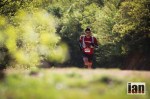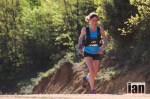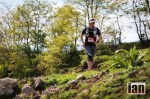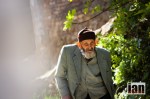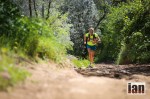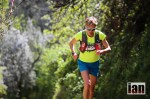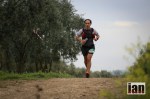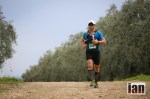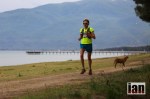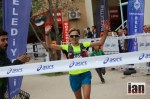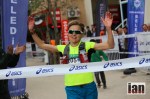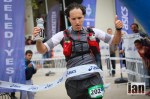
Great Lakeland 3 Day ™ Day 2

©iancorless.com.IMG_5980GL3D_Day1

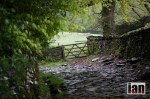
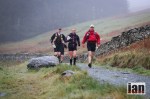
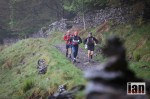
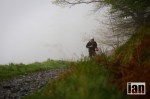
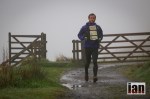
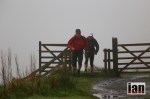
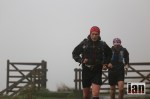
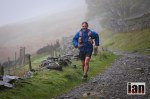
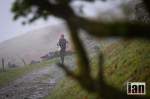
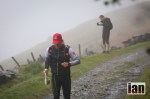
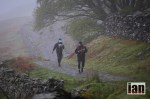
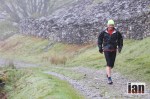
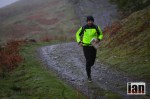
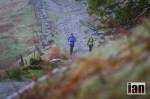
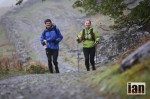
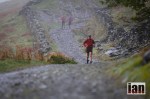
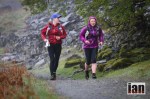
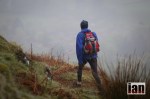
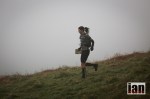
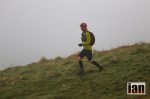
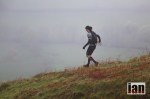
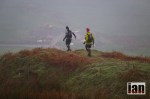
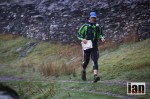
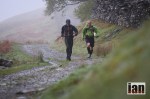
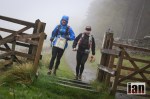
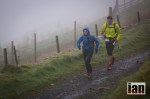
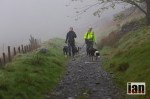
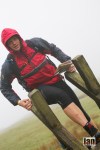
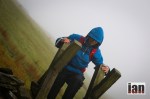
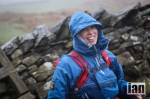
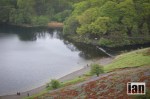
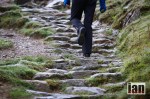
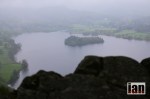
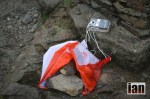
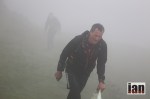
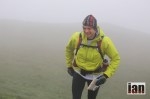
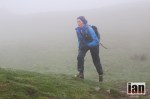
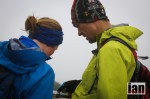
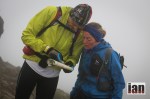
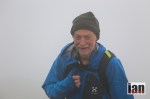
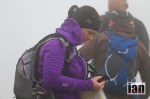
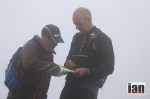
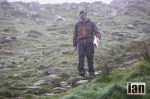
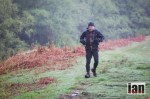
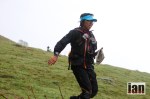
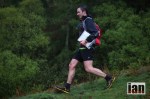
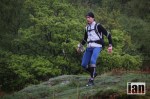
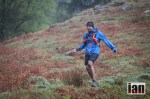
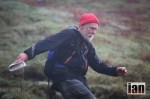
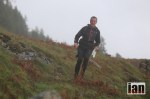
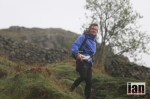
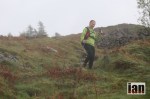
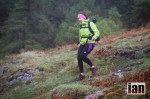
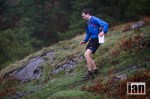
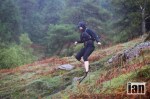
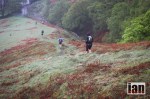
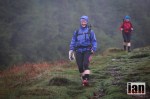
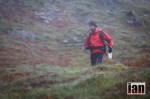
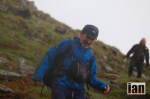
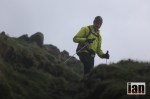
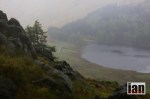
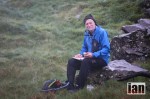
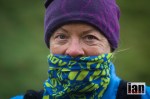
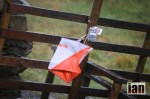
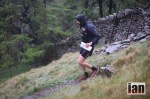
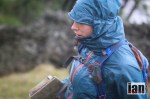
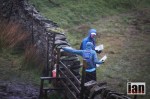
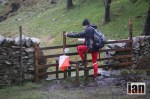
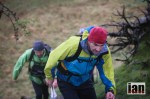
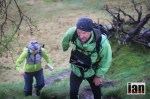
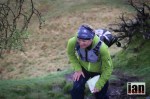
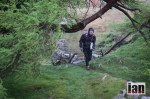
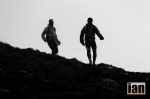
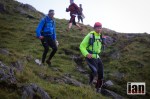
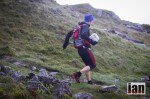
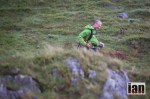
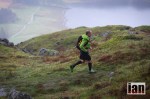
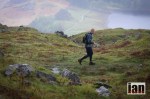
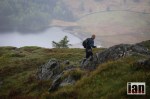
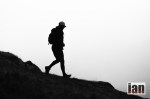
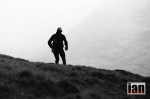
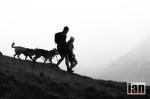
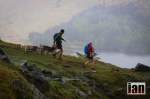
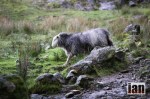
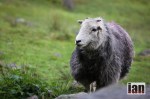
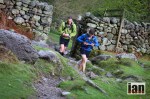
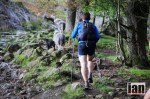
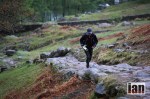
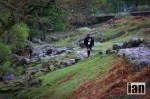
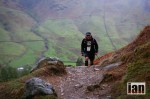
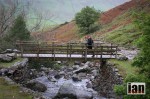
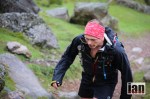
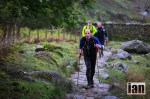
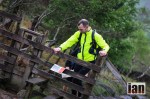
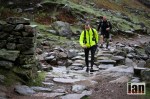
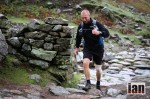
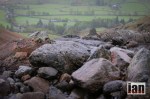
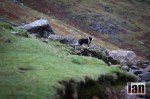
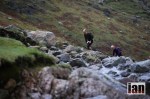
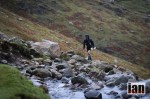
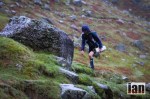
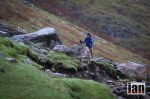
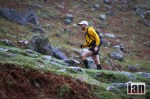
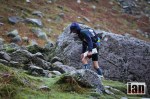
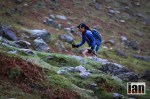
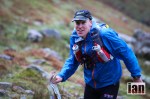
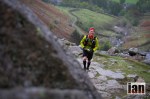
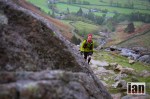
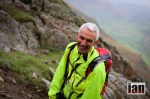
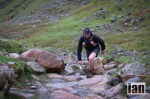
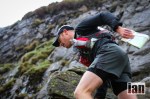
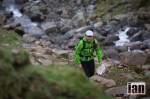
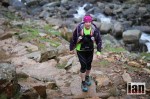
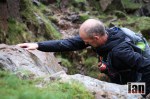
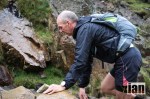
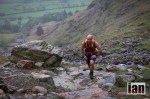
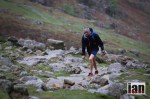
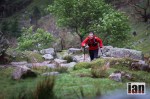
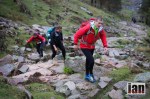
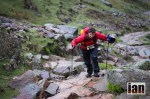
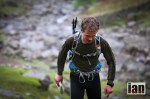
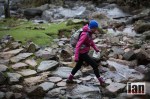
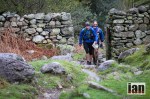
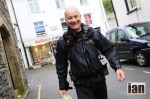
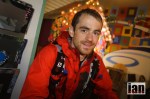
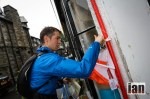
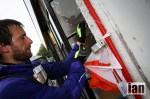
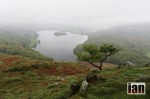
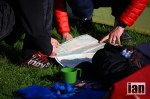
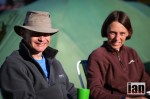
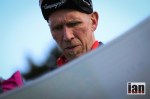
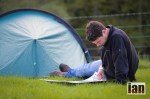
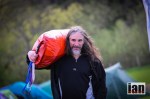
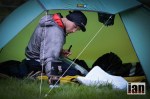
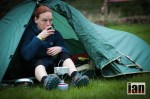
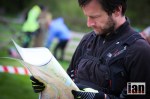
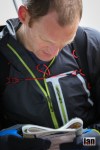
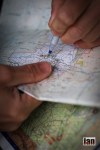
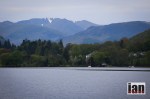
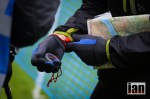
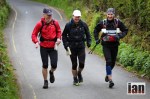
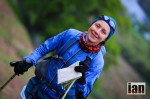
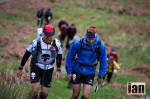
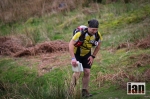
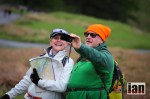
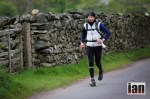
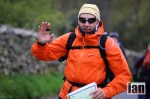
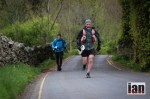
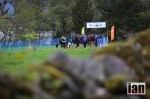
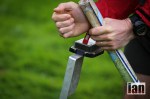
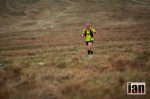
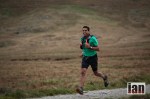
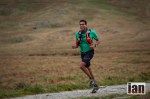
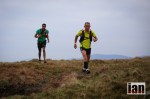
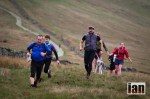
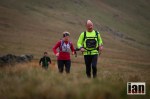
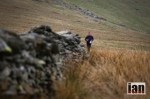
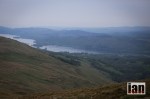
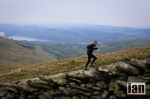
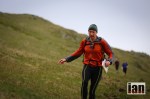
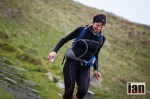
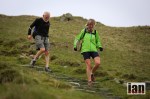
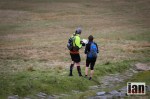
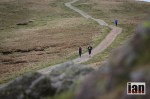
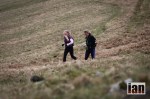
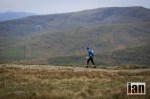
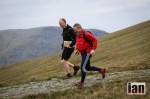
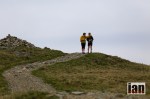
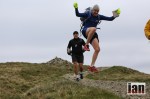
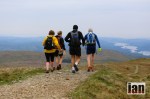
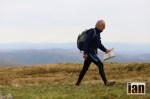
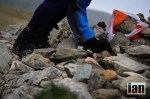
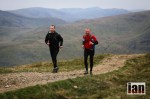
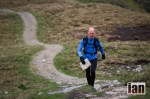
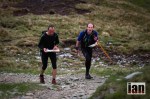
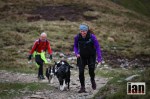
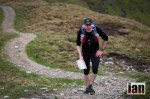
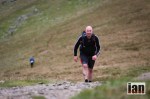
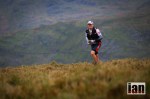
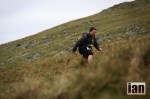
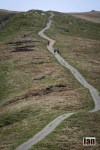
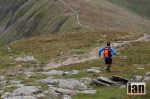
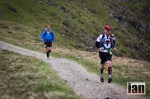
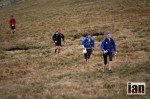
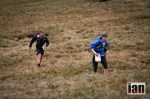
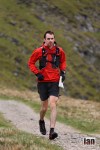
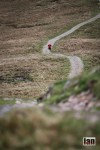
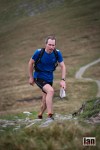
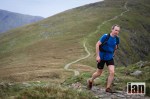
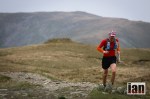
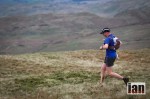
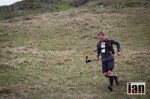
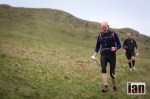
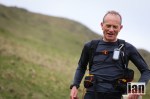
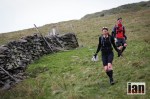
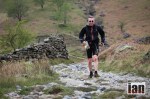
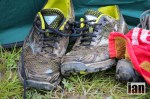
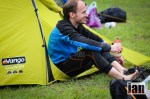
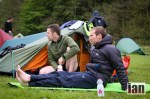
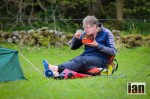
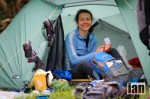
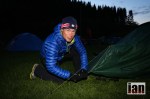
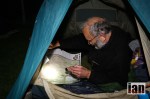
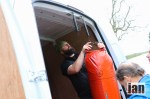
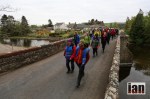
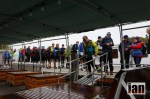
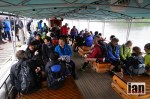
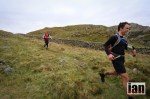
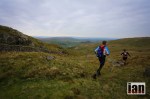
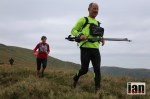
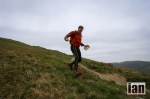
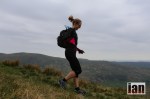
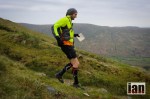
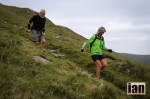
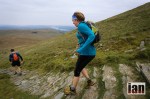
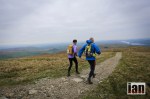
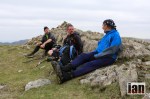
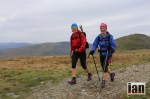
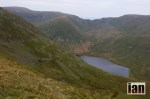
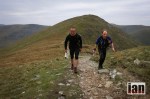
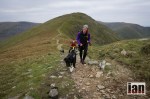
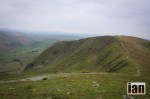
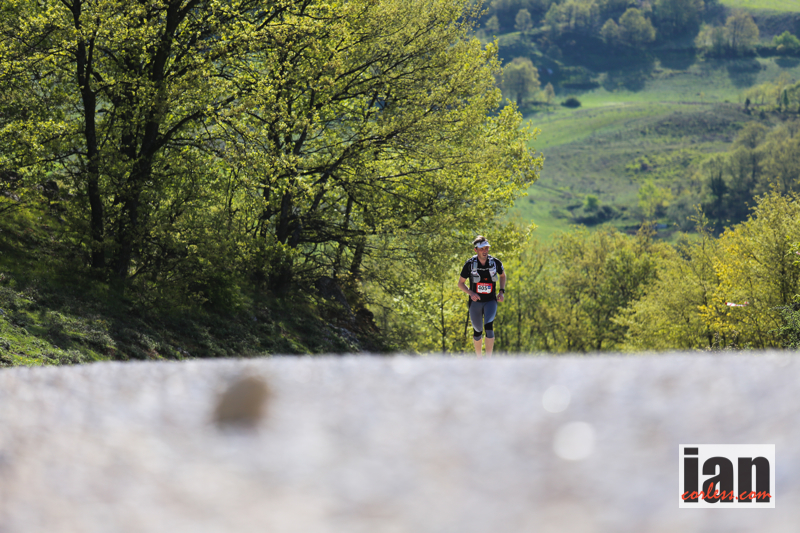
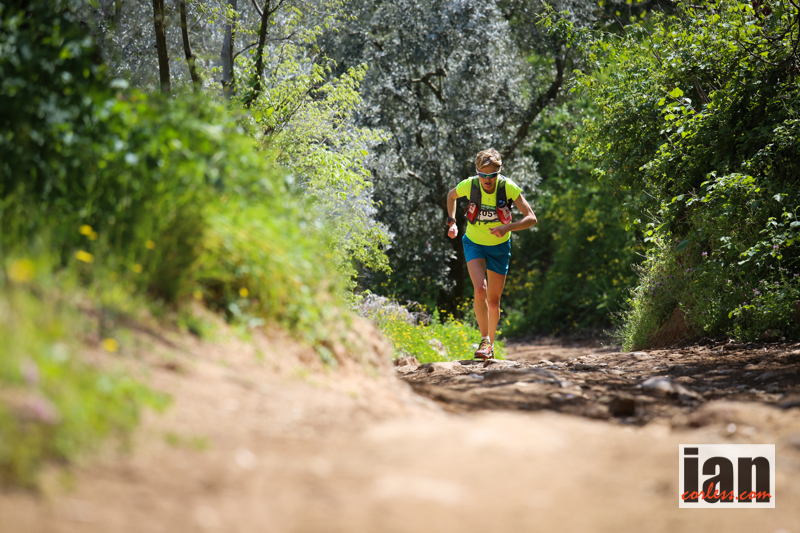
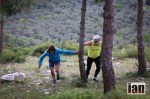
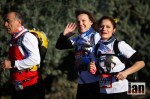
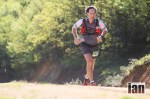
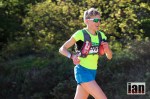
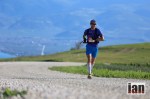
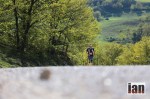
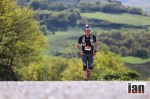
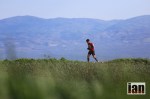
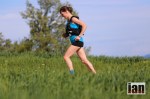
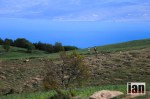
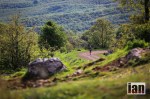
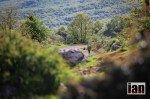
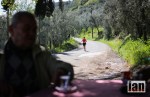
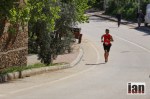
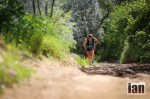
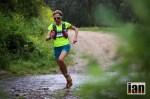
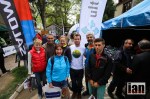
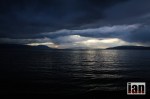
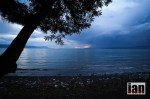
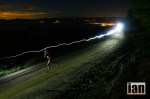
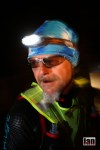
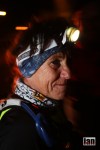
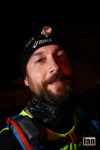
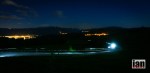
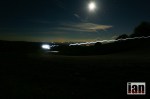
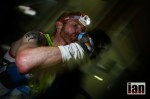
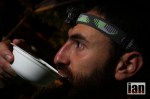
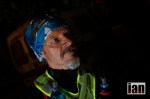
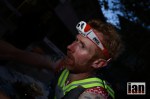
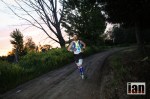
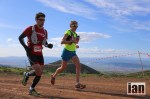
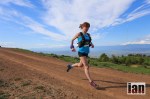
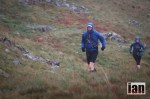
Heavy rain during the night cleared to low-lying mist and persistent light rain. It was the forecast for the whole of day-2 of the Great Lakeland 3 Day ™

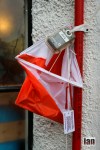
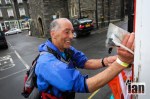
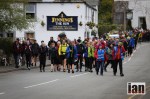
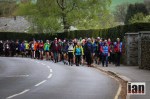
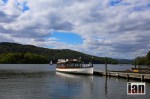
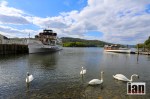
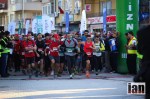
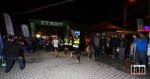
Departing day-1 camp, runners had a starting window of 0700 – 0900. This staggered start providing an opportunity for slower participants to get on the trail and covering ground while faster competitors gained a little extra sleep or a second breakfast.

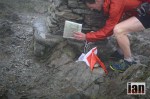
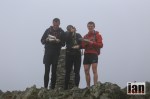
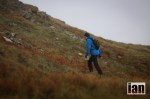
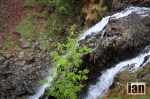
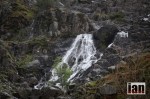
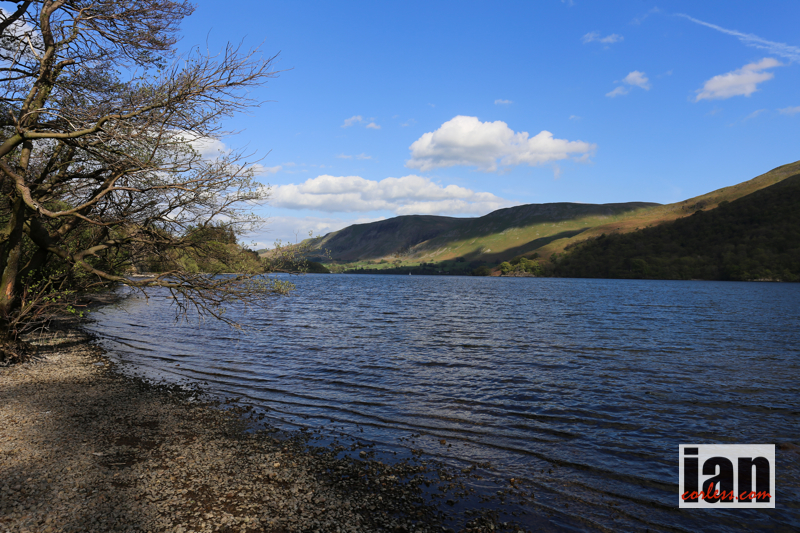
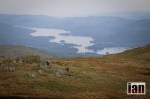
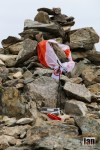
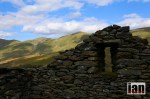
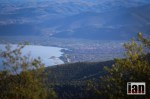
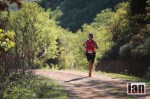
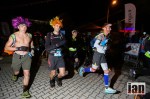
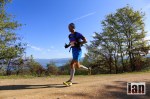
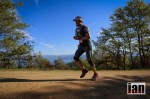
It was a classic day on the Lakeland fells and mountains. The four courses, Elite, A, B and C allowed each and every participant to gain a flavor of a true Lakeland experience. Kentmere, Troutbeck, Ambleside, Rydal Water and peaks at Loughrigg Fell, Great Rigg, Red Screes, High Peak, Lingmoor Fell Seargent Man and a climb up to Stickle Tarn to finish off the day.

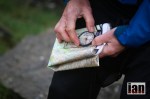
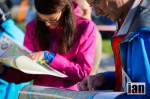
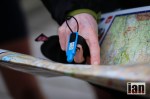
Of course, not all participants covered all the peaks… each course had its highlights and challenges. Elite runners tackled 3,264m of vertical gain and 50.9k, A Couse, 2,704m and 45.7k, B course 2,129m and 34.9km and finally the C course 748m and 22.4k. At the finish, the verdict was unanimous, a very tough but an extremely challenging day in sometimes difficult conditions; particularly when navigating due to very low mist and poor visibility.

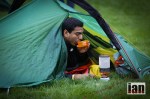
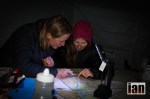
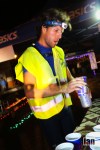
In camp, after a long day, the free ale and cider flowed as each and every runner told stories of a day on the fells and mountains of the English Lakes. One thing is for sure; with 1-day still to go, the GL3D has been an incredible success.

Results Overall after day-2:

Elite


Jim Mann 12:13:59

Tim Laney 12:34:03

David Spence 13:43:06


1st lady – Kerstin Rosenqvist 16:08:04


A


Simon Harper 13:51:33

Jim Trueman 13:56:47

Matt Poxon 14:35:27


1st lady – Sally Ann Spencer 15:04:15


B


Eddy Charlton-Weedy 8:09:48

Alexander Beaven 9:34:13

David Neill 9:27:15


1st lady – Christine Waller 12:27:05


C


Stephen Burt 7:47:44

Jaqueline Cooper 9:07:40

Martin & Nicola Kirkman 9:09:54


Ourea Events HERE

OureaEventsLogo(500x500-cropped) copy

Great Lakeland 3 Day™ HERE

all images ©iancorless.com – all rights reserved

Great Lakeland 3 Day™ – Day 1

©iancorless.com.IMG_5954GL3D_Day1

Days on the mountains and fells don’t get any better… May Day bank holiday, 200 competitors embracing a relaxed and casual approach to racing and 3-days on the iconic Lakeland fells and mountains.


Shane Ohly, race director for the GL3D ™ provides a selection of courses to suit every runner’s ability or competitive edge – Elite, A, B or the newly introduced C class for walkers. In conjunction with great planning and organization, a friendly atmosphere and believe it or not, good weather, day-1 proved to be an incredible start for the 2014 edition.

In the best traditions of the Lowe Alpine Mountain Marathon, the competitors were promised a surprise on the first morning. Race Director, Shane Ohly explained, ‘The LAMM has a deserved reputation for surprising competitors on the first day with an unexpected change of venue or logistic and I wanted to embrace this idea for the GL3D™.’

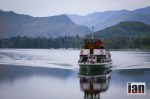
The day kicked off with a steamer cruise across Ullswater from the race HQ at Pooley Bridge to Howtown and then a rolling start as runners ‘dibbed-in’ to commence the day.

Although very few glimpses of sun were sighted, the whole day remained dry and calm with constant cloud. Each and every participant stated, ‘Perfect running conditions.’

Despite the relaxed atmosphere the Great Lakeland 3Day™ remains a formidable challenge with the Elite runners covering 46.2km on day-1, the A class, 40km, B class, 31.3km and the new C course 24.1km.

It was grand tour of some of the best Lakeland ridges, summits and valleys with an optimal altitude gain of 1,183m for the C-class and 2,738m for the Elites. The A and B courses had 2,373 and 1,590m respectively.

A huge slice of cake, unlimited tea or coffee and of course the famous (or infamous) free beer or cider ensured that the aches and pains of a first tough day in the mountains would soon be forgotten.

Results:

Elite – 46.2km

Jim Mallin 5:19:56

Tim Laney 5:57:54

Chris Warner 5:58:12


1st lady – Kerstin Rosenqvist 6:44:44

A – 40k

Simon Harper 5:14:42

Jim Trueman 5:49:48

Adrian Chewter 5:50:50


1st lady – Sally Ann Spencer 6:27:18

B – 31.3k

Eddy Charlton-Weedy 3:31:20

Alexander Beaven 4:04:23

David Neill 4:21:05


1st lady – Christine Waller 4:44:49

C – 24.1k

Stephen Burt 4:03:42

Jaqueline Cooper 5:07:03

Martin & Nicola Kirkman 5:39:20

Ourea Events HERE

OureaEventsLogo(500x500-cropped) copy

Great Lakeland 3 Day™ HERE

all images ©iancorless.com – all rights reserved

Episode 60 – Foote, Scotney, Meek, Britton, Spiers

Ep60

Episode 60 of Talk Ultra – This weeks show has an interview with one of the best ‘closers’ in the ultra scene, Mike Foote. We have a series of interviews from the Iznik Ultra series of races, Marcus Scotney from the 130k, Jo Meek from the 80k and Robbie Britton from the marathon. We speak to British Bulldog, Steve Spiers. Marc Laithwaite is back for Talk Training. News, a Blog, Up and Coming Races and of course, Speedgoat Karl Meltzer.

NEWS
 
UTMF
 
  1. Francois D’Haene 19:09:13
  2. Ryan Sandes 20:18:59
  3. Mike Foote 20:54:16
 
  1. Nuria Picas 23:27:34
  2. Fernanda Maciel 23:46:24
  3. Maria Semarjian 27:16:13
 
ONER
  1. Rob Sartin 18:19:29
  2. Tom Sutton 18:40:08
  3. Max Woods 20:13:19
  1. Nicky Taylor 18:40:10
  2. Erica Terblanche 20:36:34
  3. Melanie Hawker 21:56:54
 
Iznik Races
 
  1. 130k
  • Marcus Scotney (Montane) 12:53:59 new CR
  • Mahmut Yavuz 13:11:55
  • Zhikica Ivanovski 13:53:41
  • Bakiye Duran 19:09:39
  • Svetiana Stojanoska 22:27:08
AUDIO with Marcus Scotney
80K
  • Jo Meek (Scott Running) 6:52:17 new CR first lady and first overall
  • Aykut Celikbas 7:41:34
  • Firat Kara 7:46:07 (tbc)
  • Jo Meek (Scott Running)
  • Yasemin Goktas 9:45:34
  • Ayse Beril Basliqil 9:54:45
AUDIO with Jo Meek
Marathon
  • Robbie Britton (inov-8) 3:08:19 new CR
  • Benoit Laval (Raidlight) 3:30:38
  • Duygun Yurteri 3:31:56
  • Elena Polyakova 3:47:26
  • Aysen Solak 3:51:01
  • Helen Southcott 4:14:07
AUDIO with Robbie Britton
 
Highland Fling Race 
  1. Sondre Amdahl (Norway) 07:29:15
  2. Justin Maxwell 07:46:35
  3. Neil Macnicol 07:49:08
  1. Jo Zakrzewski 08:30:29
  2. Sally Fawcett 08:38:41
  3. Elaine Omand )8:49:33
 
SDW50 – correction to results
  1. Louise Waterman Evans 7:06:08
  2. Edwina Sutton 7:09:21
  3. Sarah Perkins 7:19:43
**correction – Gemma Carter re SDW50
Oh Ian, that is really very kind of you I know it will mean a lot to Eddy and of course, it means a lot to me (I’m not in the big league YET, so every little result counts! ) thank you… See below: 1st.Edwina Sutton- 7:09:21 2nd. Sarah Perkins-7:19:43 3rd. Gemma Carter-7:32:42
Transvulcania is next week… what a showdown awaits! In-depth preview HERE
BLOG – A Glorious Boston http://www.atrailrunnersblog.com
INTERVIEW
Mike Foote has a great reputation for starting steady and moving his way up through the field. At UTMF he gave another prime example of how to do this….
AUDIO with Mike Foote
 
 
AUDIO with Steve Spiers… the British Bulldog
 
 
MELTZER MOMENT with Speedgoat
 
 
TRAINING TALK with Marc Laithwaite
 
 
UP & COMING RACES


Australia

New South Wales

WildEndurance 100km Team Challenge | 100 kilometers | May 03, 2014 | website

WildEndurance 50km Team Challenge | 50 kilometers | May 03, 2014 | website

WildEndurance event | 100 kilometers | May 03, 2014 | website

Queensland

Mt Mee Classic Trail 66 km Teams race | 66 kilometers | May 04, 2014 | website

The Great Wheelbarrow Race – Mareeba to Dimbulah | 104 kilometers | May 16, 2014 | website

South Australia

Hubert 100km | 100 kilometers | May 03, 2014 | website

Hubert 100 Miles | 100 miles | May 03, 2014 | website

Hubert 50km | 50 kilometers | May 03, 2014 | website

Victoria

Macedon Ranges 50K Trail Run | 50 kilometers | May 11, 2014 | website

Wilsons Prom 100 – 100km | 100 kilometers | May 03, 2014 | website

Wilsons Prom 100 – 60 km | 60 kilometers | May 03, 2014 | website

Wilsons Prom 100 – 80 km | 80 kilometers | May 03, 2014 | website

Belgium

Wallonia

La Bouillonnante – 56 km | 56 kilometers | May 03, 2014 | website

Canada

British Columbia

Island Runner Elk/Beaver Ultras – 100K | 100 kilometers | May 10, 2014 | website

Island Runner Elk/Beaver Ultras – 50K | 50 kilometers | May 10, 2014 | website

Island Runner Elk/Beaver Ultras – 50 Miles | 50 miles | May 10, 2014 | website

The North Face Dirty Feet Kal Park 50 | 50 kilometers | May 04, 2014 | website

Ontario

Seaton Trail 50 km Trail | 50 kilometers | May 10, 2014 | website

China

Trail de la Grande Muraille de Chine | 73 kilometers | May 02, 2014 | website

Denmark

Hovedstaden

Salomon Hammer Trail Bornholm -100 Miles | 100 miles | May 02, 2014 | website

Salomon Hammer Trail Bornholm – 50 km | 50 kilometers | May 03, 2014 | website

Salomon Hammer Trail Bornholm – 50 miles | 50 miles | May 02, 2014 | website

Finland

Oulu

NUTS Karhunkierros Trail Ultra – 160 km | 160 kilometers | May 16, 2014 | website

France

Ardèche

Trail l’Ardéchois – 57 km | 57 kilometers | May 03, 2014 | website

Ultra Trail l’Ardéchois | 98 kilometers | May 03, 2014 | website

Bas-Rhin

Trail du Wurzel | 52 kilometers | May 11, 2014 | website

Drôme

Challenge Charles & Alice | 148 kilometers | May 10, 2014 | website

Les Aventuriers de la Drôme | 65 kilometers | May 10, 2014 | website

Les Aventuriers du Bout de Drôme | 105 kilometers | May 10, 2014 | website

Haute-Loire

Ultra Techni Trail de Tiranges | 50 kilometers | May 04, 2014 | website

Oise

Trail’Oise – 60 km | 60 kilometers | May 04, 2014 | website

Rhône

Ultra des Coursières | 103 kilometers | May 10, 2014 | website

Savoie

Nivolet – Revard | 51 kilometers | May 04, 2014 | website

Yonne

The Trail 110 | 110 kilometers | May 03, 2014 | website

The Trail 63 | 65 kilometers | May 03, 2014 | website

The Trail 85 | 85 kilometers | May 03, 2014 | website

Germany

Baden-Württemberg

Lauf “Rund um Wolfach” | 50 kilometers | May 10, 2014 | website

Stromberg Extrem 54,4 KM | 54 kilometers | May 04, 2014 | website

Lower Saxony

German 100 mile Trail Run | 100 miles | May 10, 2014 | website

North Rhine-Westphalia

Bödefelder Hollenlauf 101 KM | 101 kilometers | May 10, 2014 | website

Bödefelder Hollenlauf 67 KM | 67 kilometers | May 10, 2014 | website

Saarland

RAG-Hartfüßler – Trail 58 km | 58 kilometers | May 11, 2014 | website

Greece

Doliho Ultra-Marathon | 260 kilometers | May 02, 2014 | website

Euchidios Athlos 107.5 Km | 107 kilometers | May 10, 2014 | website

Euchidios Hyper-Athlos 215 Km | 215 kilometers | May 09, 2014 | website

Olympian Race – 180 km | 180 kilometers | May 11, 2014 | website

Olympian Race – 62 km | 62 kilometers | May 11, 2014 | website

Indonesia

Volcans de l’Extrême | 164 kilometers | May 04, 2014 | website

Ireland

Connacht

Causeway Crossing 100K | 100 kilometers | May 03, 2014 | website

Causeway Crossing 50K | 50 kilometers | May 03, 2014 | website

Israel

Mountain to Valley Relay | 215 kilometers | May 15, 2014 | website

Italy

Liguria

Gran Trail Rensen | 62 kilometers | May 03, 2014 | website

Sardinia

Sardinia Trail | 90 kilometers | May 09, 2014 | website

Tuscany

Elba Trail “Eleonoraxvincere” | 56 kilometers | May 11, 2014 | website

Japan

Oxfam Trailwalker Japan | 100 kilometers | May 16, 2014 | website

Madagascar

Semi Trail des Ô Plateaux | 65 kilometers | May 02, 2014 | website

Ultra Trail des Ô Plateaux | 130 kilometers | May 02, 2014 | website

Martinique

Tchimbé du Volcan | 70 kilometers | May 03, 2014 | website

Tchimbé Raid 110 km | 110 kilometers | May 03, 2014 | website

Mauritius

Royal Raid 80 km | 80 kilometers | May 10, 2014 | website

Mayotte

Mahoraid | 70 kilometers | May 10, 2014 | website

Peru

Jungle Ultra | 220 kilometers | May 16, 2014 | website

Philippines

The North Face 100®, Philippines – 100 km | 100 kilometers | May 03, 2014 | website

The North Face 100®, Philippines – 50 km | 50 kilometers | May 03, 2014 | website

Portugal

Madeira Island Ultra Trail 115 | 116 kilometers | May 10, 2014 | website

Madeira Island Ultra Trail 85 | 85 kilometers | May 10, 2014 | website

Ultra-Trail de Sesimbra | 55 kilometers | May 03, 2014 | website

Spain

Andalusia

La Legión 101 km | 101 kilometers | May 10, 2014 | website

Balearic Islands

Trail Menorca Cami de Cavalls | 185 kilometers | May 16, 2014 | website

Trail Menorca Cami de Cavalls Costa Nord | 100 kilometers | May 16, 2014 | website

Basque Country

Apuko Long Trail – 65 Km | 60 kilometers | May 03, 2014 | website

Ultra Trail Apuko Extreme | 90 kilometers | May 03, 2014 | website

Canary Islands

Transvulcania | 83 kilometers | May 10, 2014 | website

Castile and León

101 Peregrinos | 101 kilometers | May 03, 2014 | website

Switzerland

Berne

Bielersee XXL 100 Meilen | 100 miles | May 16, 2014 | website

Turkey

Cekmekoy 60K Ultramarathon | 60 kilometers | May 11, 2014 | website

United Kingdom

Argyll and Bute

Kintyre Way Ultra Run | 66 miles | May 10, 2014 | website

Kintyre Way Ultra Run – Tayinloan – Campbeltown | 35 miles | May 10, 2014 | website

County of Pembrokeshire

Coastal Trail Series – Pembrokeshire – Ultra | 34 miles | May 03, 2014 | website

Greater London

Thames Path 100 | 100 miles | May 03, 2014 | website

Hampshire

XNRG Pony Express Ultra | 60 miles | May 03, 2014 | website

Kent

National 100K | 100 kilometers | May 03, 2014 | website

National 50K | 50 kilometers | May 03, 2014 | website

Nottinghamshire

Dukeries Ultra 40 | 40 miles | May 11, 2014 | website

Oxfordshire

T60 Nigh Race | 60 miles | May 10, 2014 | website

Wiltshire

Marlborough Downs Challenge – 33 mile | 33 miles | May 10, 2014 | website

Worcestershire

Malvern Hills 53 Mile Ultra | 53 miles | May 03, 2014 | website

Malvern Hills 83 Mile Ultra | 83 miles | May 03, 2014 | website

USA

Alabama

Run for Kids Challenge 50K Trail Race | 50 kilometers | May 03, 2014 | website

Arizona

Sinister Night 54K Trail Run | 54 kilometers | May 03, 2014 | website

California

Armstrong Redwoods 50K | 50 kilometers | May 03, 2014 | website

Badwater Salton Sea | 81 miles | May 05, 2014 | website

Canyons 50K Trail Run | 50 kilometers | May 03, 2014 | website

Cinderella Trail Run 50 km (May) | 50 kilometers | May 10, 2014 | website

Diablo 50K | 50 miles | May 10, 2014 | website

Golden Gate Relay | 191 miles | May 03, 2014 | website

Me-Ow Quads | 104 miles | May 03, 2014 | website

Me-Ow Siamese | 42 miles | May 03, 2014 | website

Miwok 100K Trail Race | 100 kilometers | May 03, 2014 | website

Nirvana Ultra Big Bear 100K | 100 kilometers | May 03, 2014 | website

Nirvana Ultra Big Bear 100 Mile | 100 miles | May 03, 2014 | website

Nirvana Ultra Big Bear 50K | 50 kilometers | May 03, 2014 | website

Nirvana Ultra Big Bear 50 Mile | 50 miles | May 03, 2014 | website

PCT50 Trail Run | 50 miles | May 10, 2014 | website

Quicksilver 100K Endurance Run | 100 miles | May 10, 2014 | website

Quicksilver 50K Endurance Run | 50 kilometers | May 10, 2014 | website

Whoos in El Moro 50k | 50 kilometers | May 10, 2014 | website

Wild Wild West 50K Ultra | 50 kilometers | May 03, 2014 | website

Colorado

Cimarron 50k Endurance Run | 50 kilometers | May 04, 2014 | website

Collegiate Peaks 50M Trail Run | 50 miles | May 03, 2014 | website

Greenland Trail 50k | 50 kilometers | May 03, 2014 | website

Quad Rock 50 | 50 miles | May 10, 2014 | website

The Divide 135 Ultra | 135 miles | May 16, 2014 | website

Georgia

Cruel Jewel 100 | 100 miles | May 16, 2014 | website

Cruel Jewel 50 Mile Race | 50 miles | May 16, 2014 | website

Indiana

DWD Gnaw Bone 50K | 50 kilometers | May 10, 2014 | website

DWD Gnaw Bone 50M | 50 miles | May 10, 2014 | website

Iowa

Market to Market Relay | Iowa | 75 miles | May 10, 2014 | website

Kansas

Heartland 50 Mile Spring Race | 50 miles | May 10, 2014 | website

Rock On! Lake Perry 50K | 50 kilometers | May 10, 2014 | website

Massachusetts

Ragnar Relay Cape Cod | 186 miles | May 09, 2014 | website

Wapack and Back Trail Races 50 Miles | 50 miles | May 10, 2014 | website

Nevada

Labor of Love 100M | 100 miles | May 03, 2014 | website

Labor of Love 50K | 50 kilometers | May 03, 2014 | website

Labor of Love 50M | 50 miles | May 03, 2014 | website

Ride the Wind 100M | 100 miles | May 10, 2014 | website

Ride the Wind 50M | 50 miles | May 10, 2014 | website

New Jersey

3 Days at the Fair – 50K | 50 kilometers | May 15, 2014 | website

New York

Long Island Greenbelt Trail 50k | 50 kilometers | May 10, 2014 | website

Rock The Ridge 50-Mile Endurance Challenge | 50 miles | May 03, 2014 | website

The North Face Endurance Challenge Bear Mountain 50k | 50 kilometers | May 03, 2014 | website

The North Face Endurance Challenge Bear Mountain 50 Mile | 50 miles | May 03, 2014 | website

North Carolina

OBX Ultramarathon | 50 kilometers | May 03, 2014 | website

Ohio

50’s For Yo Momma 50K Trail Run | 50 kilometers | May 10, 2014 | website

50’s For Yo Momma 50 Mile Trail Run | 50 miles | May 10, 2014 | website

Oregon

McDonald Forest 50K Trail Run | 50 kilometers | May 10, 2014 | website

Smith Rock Ascent 50K | 50 kilometers | May 10, 2014 | website

South Carolina

Oconee 50k | 50 kilometers | May 03, 2014 | website

Wambaw Swamp Stomp 50 Miler Trail Run and Relay | 50 miles | May 03, 2014 | website

Xterra Myrtle Beach 50 km Trail Run | 50 kilometers | May 03, 2014 | website

Tennessee

Rock/Creek Thunder Rock 100 Mile Trail Race | 100 miles | May 16, 2014 | website

Strolling Jim 40 Mile Run | 40 miles | May 03, 2014 | website

Texas

Hog’s Hunt 50K Trail Run | 50 kilometers | May 10, 2014 | website

Vermont

PEAK Ultra Marathon – 500 Miles | 500 miles | May 13, 2014 | website

Virginia

Singletrack Maniac 50k Trail Run | 50 kilometers | May 10, 2014 | website

Washington

50K Ultradash | 50 kilometers | May 10, 2014 | website

50 Mile Ultradash | 50 miles | May 10, 2014 | website

Grand Ridge 50K Trail Run (May) | 50 kilometers | May 03, 2014 | website

Lost Lake 50K | 50 kilometers | May 10, 2014 | website

West Virginia

Capon Valley 50K Run | 50 kilometers | May 10, 2014 | website

Wisconsin

Ice Age Trail 50K | 50 kilometers | May 10, 2014 | website

Ice Age Trail 50M | 50 miles | May 10, 2014 | website


LINKS

200 RUNNERS PREPARE FOR THE 2014 GREAT LAKELAND 3DAY™

GL3D logo
For the third successive year the Great Lakeland 3Day™ has sold out and this May bank holiday weekend will see a record 200 competitors setting off on a three day mountain running journey in the Lake District.
The location for the 2014 GL3D™ Event Centre is at Pooley Bridge at the North Eastern tip of Ullswater, and this is where competitors will be arriving on Friday night for registration. Pooley Bridge is one of those quintessential Lake District villages surrounded by water and mountains and it is a fitting staging post for the adventure ahead. Where precisely the Elite, A, B and C courses go from there is a closely guarded secret but in the best traditions of the Lowe Alpine Mountain Marathon, the competitors have been promised a surprise on the first morning. Race Director, Shane Ohly explains further, “The LAMM has a deserved reputation for surprising competitors on the first day with an unexpected change of venue or logistic and I wanted to embrace this idea for the GL3D™.”

The Great Lakeland 3Day™ has earned a reputation for being an informal and friendly event and the new C or ‘Cafe Class’ course embraces this ethos. Ohly continued, “New for 2014 is the C Course, which is specifically aimed at walkers and the slowest runners and features checkpoints in cafe’s! Because we allow competitors to simply enter the event and then choose their desired course on the day we can’t be certain how popular it is going to be. However, the record number of entries suggests it’ll be very popular indeed!” 
Despite the relaxed atmosphere the Great Lakeland 3Day™ remains a formidable challenge with the Elite course covering 130+ kilometres with over 8,000m of ascent in three days. It promises to be a grand tour of some of the best Lakeland ridges, summits and valleys. The early GL3D™s aimed to cover about 25 miles on average each day and this is the distance that the organisers now aim for on the A Course. Usually the first and second days are slightly further/harder than the last day to help participants get away at a reasonable time after the event has finished. Race Planner Charlie Sproson from Mountain Run has planned the 2014 event and his summary optimum distances and height gains are shown below.

Day 1 (optimal)

Day 2 (optimal)

Day 3 (optimal)

Total (optimal)

Distance (km)

Height (m)

Distance (km)

Height (m)

Distance (km)

Height (m)

Distance (km)

Height (m)

C Course

24.1

 1,183

22.4

 748

19.5

 968

65.90

 2,899

B Course

31.3

 1,590

34.9

 2,129

26.7

 1,201

92.89

 4,920

A Course

40.0

 2,373

46.8

 2,883

29.2

 1,765

115.94

 7,021

E Course

46.2

 2,738

50.9

 3,264

36.0

 2,052

133.02

 8,054

Former GL3D elite winner, artist and author, Heather Dawe who recently published the widely acclaimed Adventures in Mind has kindly provided two prints for the fastest male and female on the Elite course. With Heather’s connection to the event, it seems like a fitting way to recognise the effort of the leading runners.

The GL3D™ is sponsored by Lowe Alpine and supported by Climbers Shop, Joe Browns and Harvey Maps
OureaEventsLogo(500x500-cropped) copy
Key Event Information
Date: 3rd, 4th & 5th May 2014
Venue: Lake District
Entry: Sold Out!
Courses: Elite, A, B and C Course

David Epstein: Are athletes really getting faster, better, stronger?

Screen Capture ©TED2014 - Kilian Jornet and David Epstein

Screen Capture ©TED2014 – Kilian Jornet and David Epstein

The Olympic motto is “Citius, Altius, Fortius.” Faster, Higher, Stronger. And athletes have fulfilled that motto rapidly. The winner of the 2012 Olympic marathon ran two hours and eight minutes. Had he been racing against the winner of the 1904 Olympic marathon, he would have won by nearly an hour and a half. Now we all have this feeling that we’re somehow just getting better as a human race, inexorably progressing, but it’s not like we’ve evolved into a new species in a century. So what’s going on here? I want to take a look at what’s really behind this march of athletic progress.

This transcript is from an episode of TED©

Copyright ©davidepstein and transcript provided by TED HERE

WATCH THE VIDEO HERE

In 1936, Jesse Owens held the world record in the 100 meters. Had Jesse Owens been racing last year in the world championships of the 100 meters, when Jamaican sprinter Usain Bolt finished, Owens would have still had 14 feet to go. That’s a lot in sprinter land. To give you a sense of how much it is, I want to share with you a demonstration conceived by sports scientist Ross Tucker. Now picture the stadium last year at the world championships of the 100 meters: thousands of fans waiting with baited breath to see Usain Bolt, the fastest man in history; flashbulbs popping as the nine fastest men in the world coil themselves into their blocks. And I want you to pretend that Jesse Owens is in that race. Now close your eyes for a second and picture the race. Bang! The gun goes off. An American sprinter jumps out to the front. Usain Bolt starts to catch him. Usain Bolt passes him, and as the runners come to the finish, you’ll hear a beep as each man crosses the line. (Beeps) That’s the entire finish of the race. You can open your eyes now. That first beep was Usain Bolt. That last beep was Jesse Owens. Listen to it again. (Beeps)When you think of it like that, it’s not that big a difference, is it? And then consider that Usain Bolt startedby propelling himself out of blocks down a specially fabricated carpet designed to allow him to travel as fast as humanly possible. Jesse Owens, on the other hand, ran on cinders, the ash from burnt wood, and that soft surface stole far more energy from his legs as he ran. Rather than blocks, Jesse Owens had a gardening trowel that he had to use to dig holes in the cinders to start from. Biomechanical analysis of the speed of Owens’ joints shows that had been running on the same surface as Bolt, he wouldn’t have been 14 feet behind, he would have been within one stride. Rather than the last beep, Owens would have been the second beep. Listen to it again. (Beeps) That’s the difference track surface technology has made, and it’s done it throughout the running world.

Consider a longer event. In 1954, Sir Roger Bannister became the first man to run under four minutes in the mile. Nowadays, college kids do that every year. On rare occasions, a high school kid does it. As of the end of last year, 1,314 men had run under four minutes in the mile, but like Jesse Owens, Sir Roger Bannister ran on soft cinders that stole far more energy from his legs than the synthetic tracks of today.So I consulted biomechanics experts to find out how much slower it is to run on cinders than synthetic tracks, and their consensus that it’s one and a half percent slower. So if you apply a one and a half percent slowdown conversion to every man who ran his sub-four mile on a synthetic track, this is what happens. Only 530 are left. If you look at it from that perspective, fewer than ten new men per [year] have joined the sub-four mile club since Sir Roger Bannister. Now, 530 is a lot more than one, and that’s partly because there are many more people training today and they’re training more intelligently. Even college kids are professional in their training compared to Sir Roger Bannister, who trained for 45 minutes at a time while he ditched gynecology lectures in med school. And that guy who won the 1904 Olympic marathon in three in a half hours, that guy was drinking rat poison and brandy while he ran along the course. That was his idea of a performance-enhancing drug. (Laughter)

Clearly, athletes have gotten more savvy about performance-enhancing drugs as well, and that’s made a difference in some sports at some times, but technology has made a difference in all sports, from faster skis to lighter shoes. Take a look at the record for the 100-meter freestyle swim. The record is always trending downward, but it’s punctuated by these steep cliffs. This first cliff, in 1956, is the introduction of the flip turn. Rather than stopping and turning around, athletes could somersault under the water and get going right away in the opposite direction. This second cliff, the introduction of gutters on the side of the pool that allows water to splash off, rather than becoming turbulence that impedes the swimmers as they race. This final cliff, the introduction of full-body and low-friction swimsuits.

Throughout sports, technology has changed the face of performance. In 1972, Eddy Merckx set the record for the longest distance cycled in one hour at 30 miles, 3,774 feet. Now that record improved and improved as bicycles improved and became more aerodynamic all the way until 1996, when it was set at 35 miles, 1,531 feet, nearly five miles farther than Eddy Merckx cycled in 1972. But then in 2000, the International Cycling Union decreed that anyone who wanted to hold that record had to do so with essentially the same equipment that Eddy Merckx used in 1972. Where does the record stand today? 30 miles, 4,657 feet, a grand total of 883 feet farther than Eddy Merckx cycled more than four decades ago.Essentially the entire improvement in this record was due to technology.

Still, technology isn’t the only thing pushing athletes forward. While indeed we haven’t evolved into a new species in a century, the gene pool within competitive sports most certainly has changed. In the early half of the 20th century, physical education instructors and coaches had the idea that the average body typewas the best for all athletic endeavors: medium height, medium weight, no matter the sport. And this showed in athletes’ bodies. In the 1920s, the average elite high-jumper and average elite shot-putter were the same exact size. But as that idea started to fade away, as sports scientists and coaches realized that rather than the average body type, you want highly specialized bodies that fit into certain athletic niches, a form of artificial selection took place, a self-sorting for bodies that fit certain sports, and athletes’ bodies became more different from one another. Today, rather than the same size as the average elite high jumper, the average elite shot-putter is two and a half inches taller and 130 pounds heavier. And this happened throughout the sports world.

In fact, if you plot on a height versus mass graph one data point for each of two dozen sports in the first half of the 20th century, it looks like this. There’s some dispersal, but it’s kind of grouped around that average body type. Then that idea started to go away, and at the same time, digital technology — first radio, then television and the Internet — gave millions, or in some cases billions, of people a ticket to consume elite sports performance. The financial incentives and fame and glory afforded elite athletes skyrocketed, and it tipped toward the tiny upper echelon of performance. It accelerated the artificial selection for specialized bodies. And if you plot a data point for these same two dozen sports today, it looks like this. The athletes’ bodies have gotten much more different from one another. And because this chart looks like the charts that show the expanding universe, with the galaxies flying away from one another, the scientists who discovered it call it “The Big Bang of Body Types.”

In sports where height is prized, like basketball, the tall athletes got taller. In 1983, the National Basketball Association signed a groundbreaking agreement making players partners in the league, entitled to shares of ticket revenues and television contracts. Suddenly, anybody who could be an NBA player wanted to be, and teams started scouring the globe for the bodies that could help them win championships. Almost overnight, the proportion of men in the NBA who are at least seven feet tall doubled to 10 percent. Today, one in 10 men in the NBA is at least seven feet tall, but a seven-foot-tall man is incredibly rare in the general population — so rare that if you know an American man between the ages of 20 and 40 who is at least seven feet tall, there’s a 17 percent chance he’s in the NBA right now. (Laughter) That is, find six honest seven footers, one is in the NBA right now. And that’s not the only way that NBA players’ bodies are unique. This is Leonardo da Vinci’s “Vitruvian Man,” the ideal proportions, with arm span equal to height. My arm span is exactly equal to my height. Yours is probably very nearly so. But not the average NBA player. The average NBA player is a shade under 6’7″, with arms that are seven feet long. Not only are NBA players ridiculously tall, they are ludicrously long. Had Leonardo wanted to draw the Vitruvian NBA Player, he would have needed a rectangle and an ellipse, not a circle and a square.

So in sports where large size is prized, the large athletes have gotten larger. Conversely, in sports where diminutive stature is an advantage, the small athletes got smaller. The average elite female gymnastshrunk from 5’3″ to 4’9″ on average over the last 30 years, all the better for their power-to-weight ratioand for spinning in the air. And while the large got larger and the small got smaller, the weird got weirder.The average length of the forearm of a water polo player in relation to their total arm got longer, all the better for a forceful throwing whip. And as the large got larger, small got smaller, and the weird weirder. In swimming, the ideal body type is a long torso and short legs. It’s like the long hull of a canoe for speed over the water. And the opposite is advantageous in running. You want long legs and a short torso. And this shows in athletes’ bodies today. Here you see Michael Phelps, the greatest swimmer in history,standing next to Hicham El Guerrouj, the world record holder in the mile. These men are seven inches different in height, but because of the body types advantaged in their sports, they wear the same length pants. Seven inches difference in height, these men have the same length legs.

Now in some cases, the search for bodies that could push athletic performance forward ended up introducing into the competitive world populations of people that weren’t previously competing at all, like Kenyan distance runners. We think of Kenyans as being great marathoners. Kenyans think of the Kalenjin tribe as being great marathoners. The Kalenjin make up just 12 percent of the Kenyan population but the vast majority of elite runners. And they happen, on average, to have a certain unique physiology: legs that are very long and very thin at their extremity, and this is because they have their ancestry at very low latitude in a very hot and dry climate, and an evolutionary adaptation to that is limbs that are very longand very thin at the extremity for cooling purposes. It’s the same reason that a radiator has long coils, to increase surface area compared to volume to let heat out, and because the leg is like a pendulum, the longer and thinner it is at the extremity, the more energy-efficient it is to swing. To put Kalenjin running success in perspective, consider that 17 American men in history have run faster than two hours and 10 minutes in the marathon. That’s a four-minute-and-58-second-per-mile pace. Thirty-two Kalenjin men did that last October. (Laughter) That’s from a source population the size of metropolitan Atlanta.

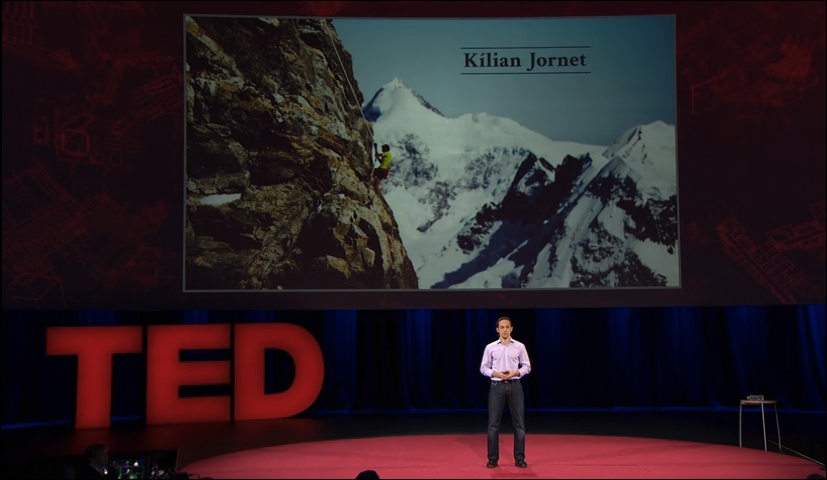
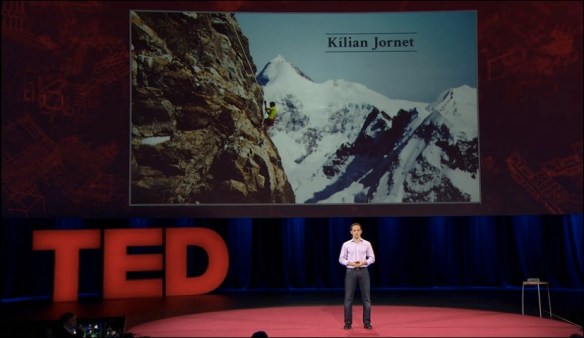
Still, even changing technology and the changing gene pool in sports don’t account for all of the changes in performance. Athletes have a different mindset than they once did. Have you ever seen in a movie when someone gets an electrical shock and they’re thrown across a room? There’s no explosion there.What’s happening when that happens is that the electrical impulse is causing all their muscle fibers to twitch at once, and they’re throwing themselves across the room. They’re essentially jumping. That’s the power that’s contained in the human body. But normally we can’t access nearly all of it. Our brain acts as a limiter, preventing us from accessing all of our physical resources, because we might hurt ourselves,tearing tendons or ligaments. But the more we learn about how that limiter functions, the more we learn how we can push it back just a bit, in some cases by convincing the brain that the body won’t be in mortal danger by pushing harder. Endurance and ultra-endurance sports serve as a great example. Ultra-endurance was once thought to be harmful to human health, but now we realize that we have all these traits that are perfect for ultra-endurance: no body fur and a glut of sweat glands that keep us cool while running; narrow waists and long legs compared to our frames; large surface area of joints for shock absorption. We have an arch in our foot that acts like a spring, short toes that are better for pushing offthan for grasping tree limbs, and when we run, we can turn our torso and our shoulders like this while keeping our heads straight. Our primate cousins can’t do that. They have to run like this. And we have big old butt muscles that keep us upright while running. Have you ever looked at an ape’s butt? They have no buns because they don’t run upright. And as athletes have realized that we’re perfectly suited for ultra-endurance, they’ve taken on feats that would have been unthinkable before, athletes like Spanish endurance racer Kílian Jornet. Here’s Kílian running up the Matterhorn. (Laughter) With a sweatshirt there tied around his waist. It’s so steep he can’t even run here. He’s pulling up on a rope. This is a vertical ascent of more than 8,000 feet, and Kílian went up and down in under three hours. Amazing. And talented though he is, Kílian is not a physiological freak. Now that he has done this, other athletes will follow, just as other athletes followed after Sir Roger Bannister ran under four minutes in the mile.

Changing technology, changing genes, and a changing mindset. Innovation in sports, whether that’s new track surfaces or new swimming techniques, the democratization of sport, the spread to new bodies and to new populations around the world, and imagination in sport, an understanding of what the human body is truly capable of, have conspired to make athletes stronger, faster, bolder, and better than ever.

Thank you very much.

This is a fascinating and insightful study. Are we getting faster, better & Stronger… what do you think?
Into the Light – Salomon Running TV S03 E08

©copyright .iancorless.com._1020451

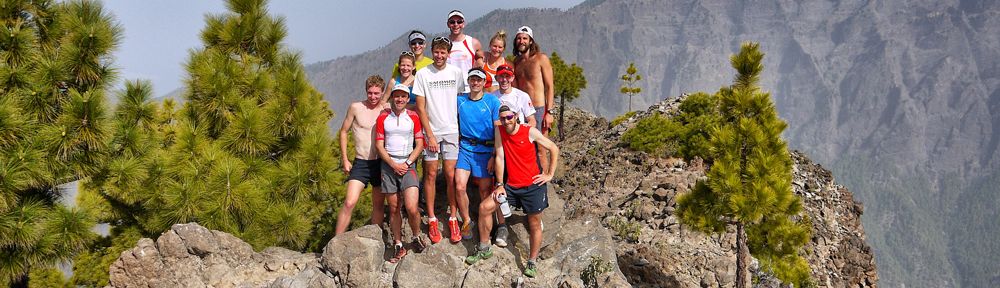
I remember it well, Zegama-Aizkorri in 2012. Smiling, bubbly, full of anticipation, Emelie Forsberg joined the Salomon International Team for what was to be the start of an incredible and awe inspiring career.

In 3-weeks time, it will be Zegama-Aizkorri once again, in just 2-years, Emelie has not only become one of the most dominant mountain runners in the world but in the process, in her own unique way, has become an inspiration and an example to all.

I feel honoured to have shared many of Emelie’s moments on the trail, capturing her effortless running style and smile in images.

Generous with her thoughts and time, Emelie even has a regular slot on Talk Ultra, co-hosting a segment of the show called, ‘Smiles and Miles with Emelie Forsberg.’

Here, The African Attachment, once again work the magic behind the lens to provide us with a insight into a wonderful and inspirational lady.

Enjoy…

©theafricanattachment ©salomonrunning

The African Attachment HERE

Salomon Running HERE

Emelie Forsberg HERE

Ricky Lightfoot wins 60th 3 Peaks Race

 ©Mick Kenyon / Racing Snakes

©Mick Kenyon / Racing Snakes

After a number of attempts at glory and a second place finish in 2009, Salomon International runner Ricky Lightfoot eventually added one of fell running ‘monuments’ to his growing list of big wins, as he stormed to victory at the 60th 3 Peaks Race.

Matt Ward, PR for the Salomon Trail Team provides an insight into a classic race.

Understated as ever the Salomon International runner stated:

“I wasn’t expecting much at the 3 Peaks, I thought it would be a good hard training run in preparation for the Maxi Race in Annecy which is in May, I felt I was in good enough shape to get a top 10 finish and I’d have been happy to run somewhere between 3.00-3.10.”

As it turned out his winning time of 2:53:16 was the third fastest time in the last 15 years, and this effort was underlined by second-placer Tom Owens who said:

“Ricky had a very strong run and I was impressed with his finishing time – given the running conditions were not fast with the recent rain which made the course very muddy and then there were the strong winds.”
A compliment indeed from the 2011 winner. Ricky explains how the race unravelled:
“After a troublesome start to 2014 with injuries I hardly imagined that I’d get a chance to have a crack at the 3 Peaks Race this year, but after a late entry I’m happy to say I took the chance and ran it. I was always doubtful that I’d get an entry so late so trained as normal up until Wednesday when I found out I had been given an one, that gave me Thursday and Friday to recover for the race the following day.
“We arrived in Horton on the morning of the race and the weather was pretty horrid, the clag was down and there was shower after shower. I was told that the course would be pretty wet and muddy today and as there was a few other events on the same day the paths would be well trodden. We picked our numbers up and changed, I managed to get a little run up the road to warm up in-between showers and it was almost time to gather on the start. I don’t know where time goes before the race!”
“Another quality field had assembled for the 60th 3 Peaks Race with only 1 or 2 Internationals this year. We toed the start line and the race got under way, I decided to push the pace from the start and led out of the field and onto the road, Salomon GB Team mate Tom Owens followed and we worked together on our way up to Pen Y Ghent, as we approached the summit I began to feel the effects of the fast start and lack of running fast in general, Tom pulled away and I was passed by Thor Ludvigson with Rob Jebb just on my heels as we dibbed the first summit.”
“The run off was wet and the clag was down, I managed to catch Thor and kept Tom in my sights as we reached the path where other runners were coming up (thanks for the shouts). I managed to catch Tom and again we pushed on over to High Birkwith, I felt as though I was hanging on at this point which was a bit worrying but I thought I’d start to fade from the pace around the hour mark.”
“I stuck to Tom along the road and we reached Ribblehead together, Tom stopped to grab his bottle and lost a few seconds while I moved on and picked a Kinetica Gel up off friend Jackie Winn further along the track where Tom caught me again. We could see that we had a gap to 3rd place which was good as we knew Jebby would claw some time back climbing up to Whernside. We reached the top in 1.42 which from previous peaks races I’d ran knew that we were running quick given the underfoot conditions.”
“Tom pulled a few seconds on the Whernside descent but I managed to catch him on the run over to Hill Inn, I took another Kinetica Gel from Jackie at this point as we only had one more summit to climb, Ingleborough. This section seemed to fly by, we reached the bottom of the steep climb with Tom only slightly ahead. Half way up I felt as though a had a little something left so pushed a little harder to the summit, I was surprised to move away from Tom and reach Ingleborough with an advantage. Could I really win the 3 Peaks?”
“I was always conscious of Tom as he’s one of the best descenders around, off the summit I pushed to see whether I could grab a few more seconds, at this point I found myself moving away. There was a strong head wind which made the going feel really slow. I reached Sulber Nick and the finger post which I’d remembered from previous years and took one last glance to see if anyone was catching. At this point I knew there wasn’t far to the finish, looking at my Suunto I knew today it was going to be a PB so pushed a little harder on the run in, I crossed the line in 2.53.16.”
“I’m over the moon at winning my first 3 Peaks Race as it has come so unexpected! Once again the 3 Peaks Race put on an excellent event and is up there with some of the best races around. Thanks to the Jackie Winn, the marshalls and spectators, the shouts of encouragement really do help!”
 ©Mick Kenyon / Racing Snakes

©Mick Kenyon / Racing Snakes

Former winner Owens was also satisfied with his day, especially given his injury issues of 2013, he commented:

“I missed the 3 peaks in 2013 through injury so was delighted to be back at this classic race & knew that I was in pretty good shape. Ricky and myself worked together for much of the race and it was relaxing to be running with a team mate, the pace felt good and we were pulling away from the other runners.
“I was always conscious of the quality of the chasing runners and their ability to make up time- especially Jebby with his climbing ability & pedigree at this race.
“Ricky and I were together through Hill Inn and this is where the race really kicks in -especially this year as the 2nd half of the race was into head winds. On the lower slopes of Ingleborough I still felt okay and started to get away from Ricky on the step sections over the boggy ground but Ricky kept pulling me back! we were also together up the steep section on Ingleborough.
“I had a bad energy blip and Ricky pushed on getting some time on me to the top of Ingleborough. I tried to stay calm and recover as it’s a long slog of a descent to the finish & it is possible to real folk in. I started to descend hard. It was a particularly strong head wind and muddy conditions and try as I might I wasn’t closing the gap! in the end Ricky was pulling away! I took a small tumble which made me cramp and slowed further, so second place it was.”
“Ricky was telling me he’s had injury issues this year but this result shows he’s still in great shape & his ultra running in 2013 has certainly made him resilient. I hope he has a cracking 2014 season.”
“I thought I had a pretty good run and was pleased with the way I was feeling for most of the race – it was certainly exciting to be at the sharp end. Although having won this race once before it’s hard to be happy with second place now! Perhaps I should have started off more conservatively? I also faffed around at the drinking stops finding my water bottles which seemed to zap momentum & I had to work hard to get back…..regardless it’s still very early in the season so onwards and upwards!”
Behind Ricky and Tom, Rob Jebb finished a very strong third, just under 3 hours.
In his first trip the UK for the 3 Peaks race Salomon International’s Thor Ludvigsen finished a highly creditable 6th, and has vowed to return to the event after thoroughly enjoying his day ‘fell running’ and his weekend in Yorkshire!
For further information on any aspect of the Salomon Trail Team and Salomon Avenir athletes, products and racing activity, please contact team PR manager Matt Ward on +44(0)7515558670 or email matt@runcomm.co.uk

Iznik Ultra (in French) – TEMOIGNAGES D’IZNIK ULTRA LE 19 avril 2014

Post by – Niandi Carmont ©

Niandi Carmont & Benoit Laval

Niandi Carmont & Benoit Laval

“Nous courons, non pas parce que nous pensons que ça nous fait du bien, mais parce que nous aimons ça et que nous ne pouvons pas obtenir ce bien-être autrement … Plus notre société et notre travail restreindront notre liberté, plus il sera nécessaire de trouver une issue à cette soif de liberté. Personne ne peut dire, ‘Vous ne devez pas courir plus vite que cela, ou sauter plus haut que cela. » L’esprit humain est indomptable.”

35ème kilomètre, il en reste sept jusqu’à l’arrivée. Je me sens incroyablement fraîche. Heureuse de courir, aucune douleur, pas de baisse d’énergie. J’entre dans un petit village (Müşküle) et mes yeux se remplissent de larmes, impossible de retenir l’émotion qui me gagne.

Coraline Chapatte, 42km

Copyright ©znikultra

Copyright ©znikultra

Devant chaque porte, dans chaque petite ruelle, des villageois assis et qui applaudissent les coureurs qui passent. Ils sont là depuis des heures mais chaque fois qu’un coureur entre dans le village, c’est le même accueil: applaudissements, encouragements. Mais en plus de cela, ces villageois envoient une énergie particulière. Je vous promets, je ne suis pas quelqu’un qui pleure facilement ou qui suis particulièrement émotive, mais en l’espace de 30 secondes j’ai complètement été gagnée par l’émotion.

Et lorsque les enfants ont commencé à tendre leurs petites mains pour que je leur tape dedans et qu’un peu plus loin d’autres enfants se sont mis à courir avec moi, mon visage s’est couvert de larmes.

Vraiment impossible de décrire par des mots ce que j’ai vécu en traversant ce minuscule village. C’est comme si durant ces 800 mètres, j’étais sous l’effet d’un puissant elixir, un elixir d’authenticité et de chaleur humaine.

Benoît Laval, 42km , deuxième homme

Benoit Laval ©iancorless.com

Benoit Laval ©iancorless.com

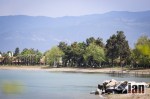
J’ai trouvé l’organisation de l’Ultramarathon d’Iznik très pro, et les 800 coureurs sur des distances de 10km à 80km sont très bien accueillis. Caner, l’organisateur, a voulu un but au parcours, et c’est un tracé par les crêtes autour du lac d’Iznik, à gauche des montagnes enneigées, à droite le lac. Le parcours est roulant et très abordable. A deux heures d’Istanbul, c’est un formidable prétexte pour aller faire un joli voyage dans cette ville historique au fin fond de l’Europe et traverser le Bosphore pour aller faire ce trail en Asie.

Pour ma part, j’ai fait le 42km, allant faire l’Annapurna Mandala Trail la semaine suivante.

Ce parcours un peu trop roulant n’était pas à l’avantage de mon entraînement moyen, mais je me suis fait plaisir, et j’ai attrapé la 2ème place, la meilleure place que ma forme me permettait. Je retournerais à Istanbul, je retournerais à Iznik…

Jo Meek, 80km, première au classement général

©iancorless.com.IMG_2979IZNIK2014

L’organisation était irréprochable. On m’a très bien accueillie que ce soit à l’inscription à la course ou les soins médicaux pendant la course ou encore l’arrivée. La communauté locale était très impliquée et tout le monde nous encourageait. Le parcours était super bien balisé et les coureurs ont emprunté des petits chemins ainsi que de la piste pour traverser des fermes, des oliviers et ensuite quelques passages sur route. Le climat exceptionnel était idéal pour faire des performances. Sans oublier le paysage spectaculaire – des pics enneigés, le grand lac ….tout cela nous pousser à aller encore plus vite. 

Gallery by iancorless.com © – all rights reserved

OUREA EVENTS ANNUAL 1% FOR THE PLANET DONATION GOES TO FIX THE FELLS

OureaEventsLogo(500x500-cropped) copy

Each year Ourea Events™ donates 1% of its total sales to grassroots environmental organisations at the forefront of the protection of the mountain environment. Ourea Events’ managing director, Shane Ohly explained his reasons for the company’s association with 1% For The Planet.
“As an event organiser I recognise that the mountains, which we all love to run in, are beautiful, wild yet fragile environments and I am sure that all mountain & fell runners want to minimise their impact. As a business we already take steps to minimise the effect our events have on the environment and improve their sustainability. However, it is inevitable that each event will have some impact on the local environment, even if it is negligible relative to the impact of members of public, agriculture and industry. Therefore we donate 1% of our total revenue to organisations at the forefront of protecting and preserving the mountains.”
In 2013, Ourea Events™ only organised two events, which were both held in the Lake District (Marmot Dark Mountains™ based from Muncaster Castle and the Great Lakeland 3Day™ based from Dowthwaite Head Farm). It therefore seems fitting that the organisation’s 2013 donation goes to the Fix the Fells campaign, which repairs and maintains mountain footpaths in the Lake District.
1%FTP2013(450x265)
1% For The Planet inspires members of the business community to contribute 1% of sales to environmental groups around the world. Quoting the 1% For The Planet website, Shane Ohly said, “It’s about businesses recognising that industry and ecology are inherently connected. It’s about realizing the positive effects of connecting businesses, consumers and nonprofits through philanthropy. And it’s about understanding that the true cost of doing business can be mitigated by a simple pledge to the planet”.
Liz Guest from the National Trust, which coordinates the Fix the Fells program said, “Many thanks indeed for choosing to support Fix the Fells and the National Trust, it is very much appreciated.  Every gift really does make a difference to what we can achieve… it will be used to support our work maintaining and caring for the upland landscape in the Lake District”.
If you would like to get involved with Fix the Fells, there is an opportunity to join their Volunteering Day in Langdale on 8th June, to help with some path repair and maintenance work. It will be an opportunity to meet their rangers and Lengthsmen as well as getting stuck in!
Ourea Ltd, trading as Ourea Events™ owns the Dragon’s Back Race™, Great Lakeland 3Day™, Berghaus Trail Chase™, Marmot Dark Mountains™, Cape Wrath Ultra™, Rab Mountain Marathon™, Marmot24™ and Trail-Rush™. The business joined 1% For The Planet in 2012.
This weekend will see the Great Lakeland 3Day™ ‘GL3D’ take place in the English Lakes. Read about the event HERE

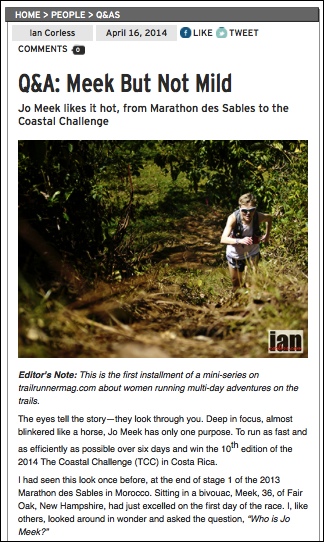
Jo Meek Q&A in trailrunnermag.com

©iancorless.com_1160267

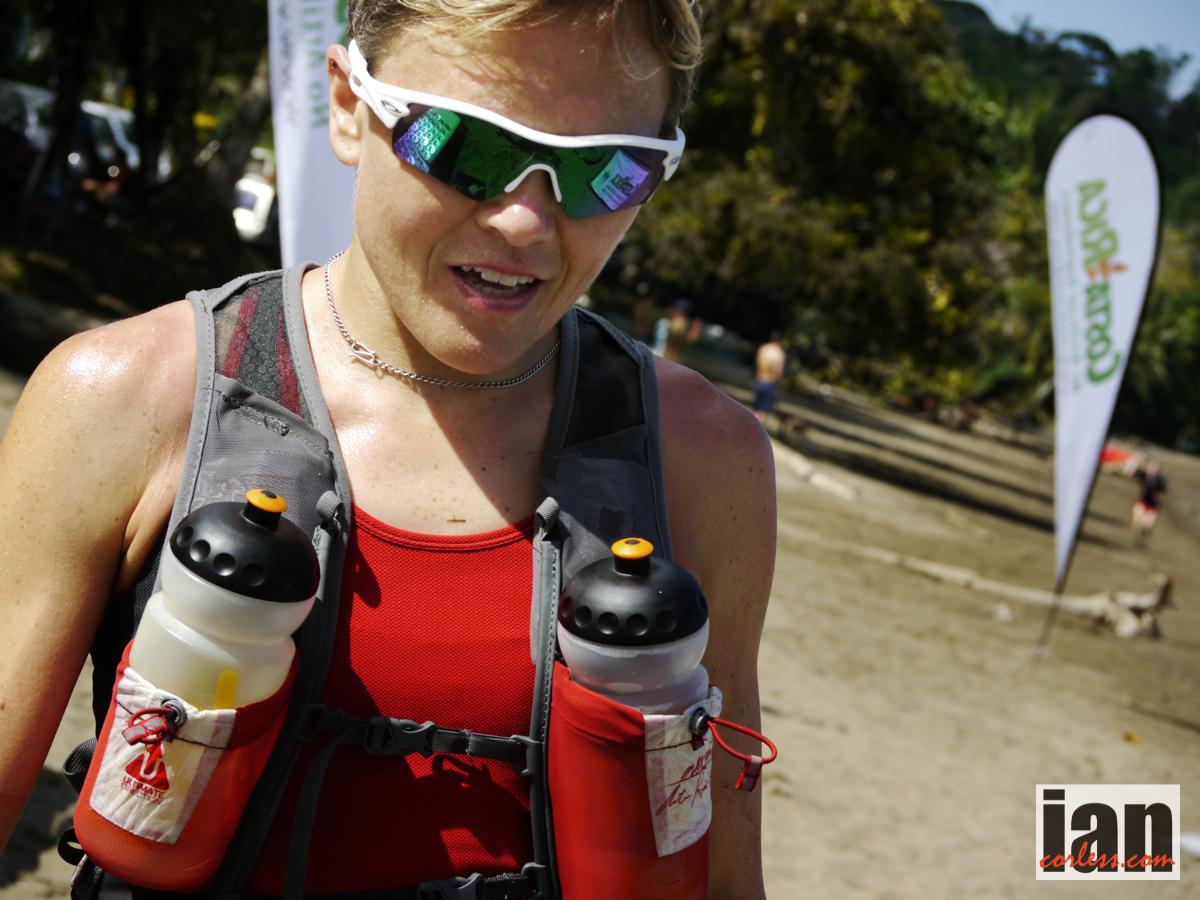
The eyes tell the story—they look through you. Deep in focus, almost blinkered like a horse, Jo Meek has only one purpose. To run as fast and as efficiently as possible over six days and win the 10th edition of the 2014 The Coastal Challenge (TCC) in Costa Rica.

I had seen this look once before, at the end of stage 1 of the 2013 Marathon des Sables in Morocco. Sitting in a bivouac, Meek, 36, of Fair Oak, New Hampshire, had just excelled on the first day of the race. I, like others, looked around in wonder and asked the question, “Who is Jo Meek?”

By the end of that 28th Marathon des Sables, no more questions needed to be asked. Meek placed second at her first Marathon des Sables behind Trail Runner Contributing Editor Meghan Hicks.

Switching from the dunes of the Sahara to the beaches and rainforest of Costa Rica was always going to be a cathartic moment for Meek, particularly when one considered the slated seasoned competition: Julia Bottger, Veronica Bravo and Anna “Frosty” Frost. Unfortunately, Frosty had to withdraw from the race just days before the start. While disappointed at not having the opportunity to test herself against one of the best female mountain-ultrarunners in the world, Meek was unfazed: “It changes nothing. I am here to race and race hard. I would have loved to have Anna push me but you know what? I can push myself pretty hard.”
Read the full article HERE

Jo Meek trailrunnermag.com