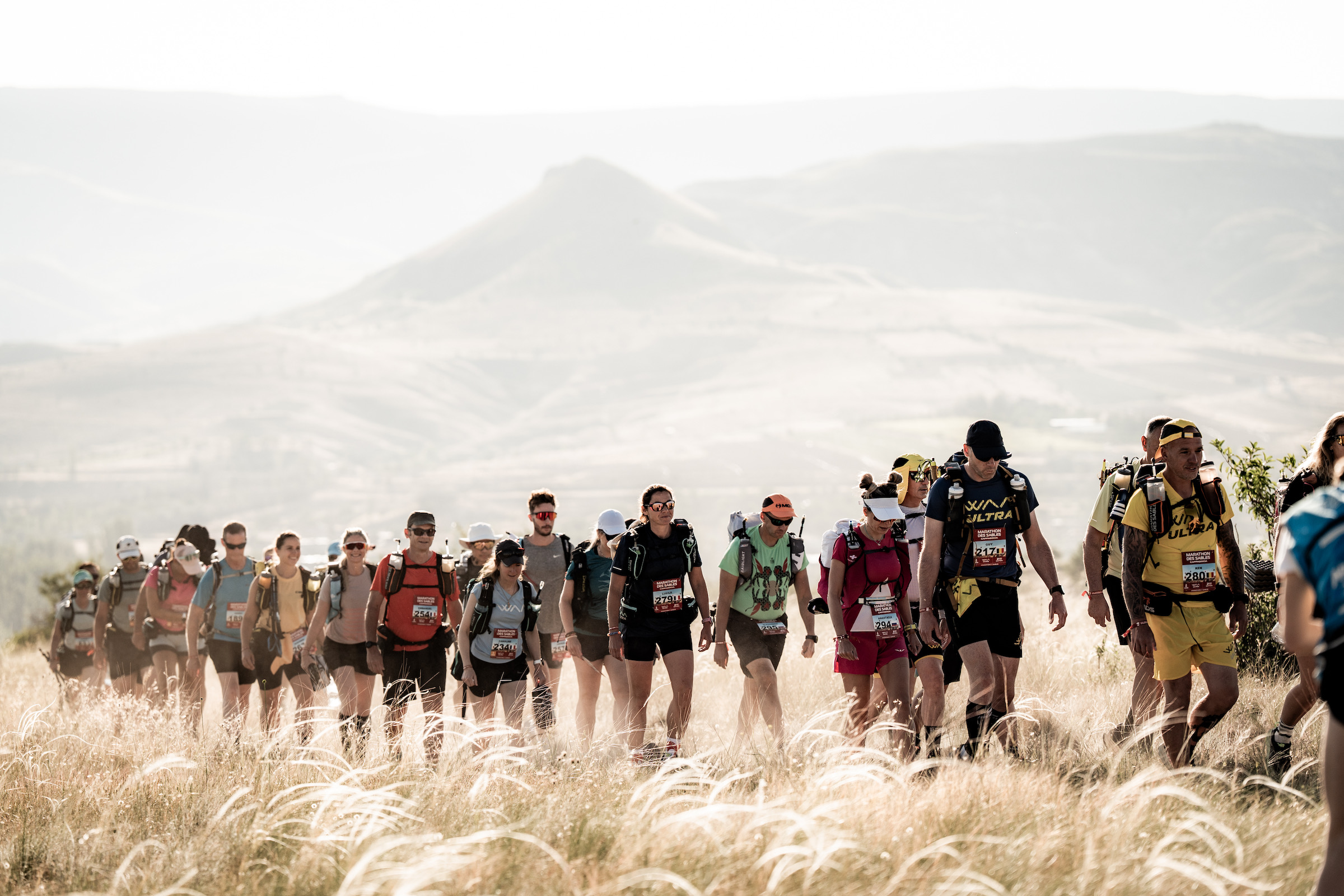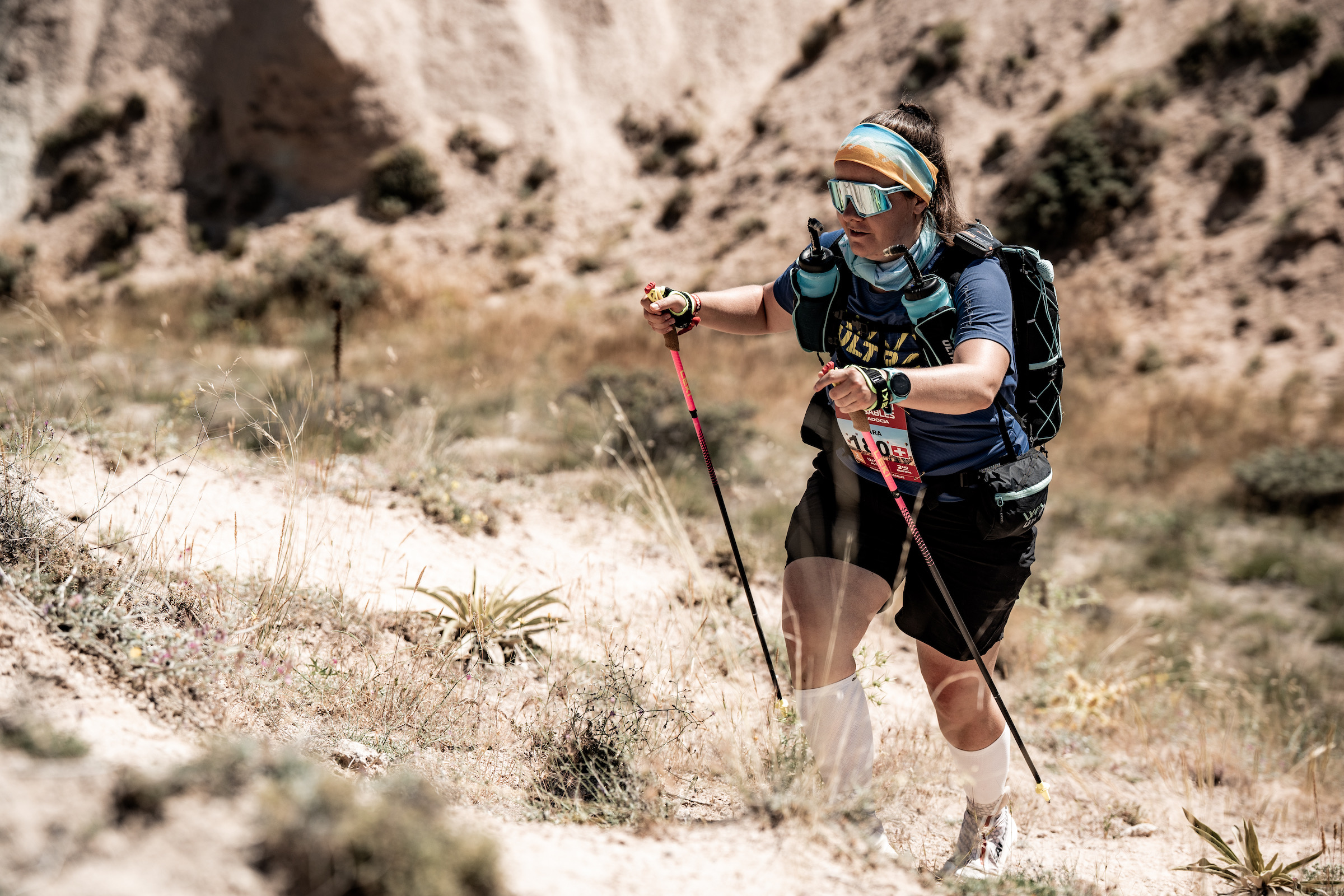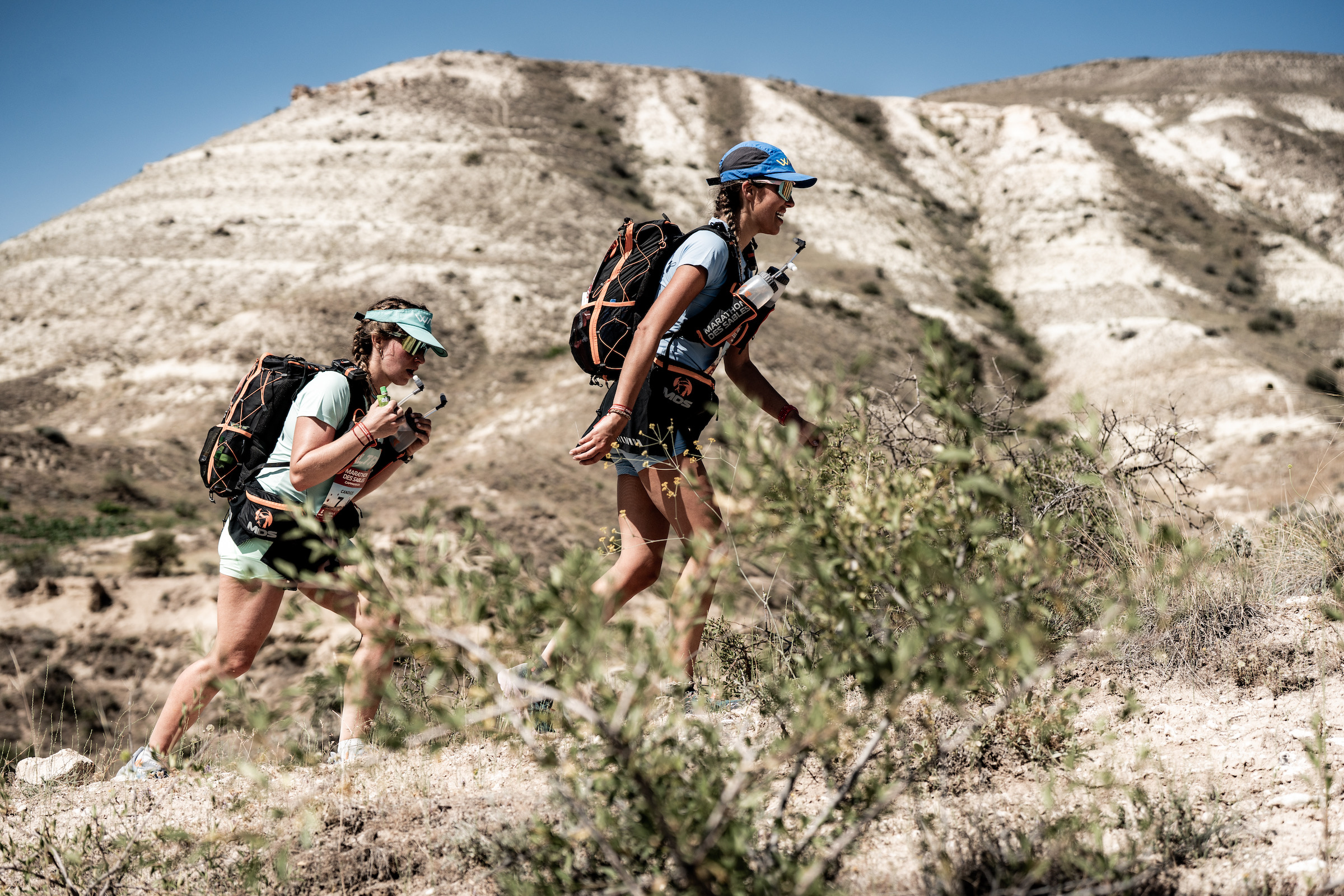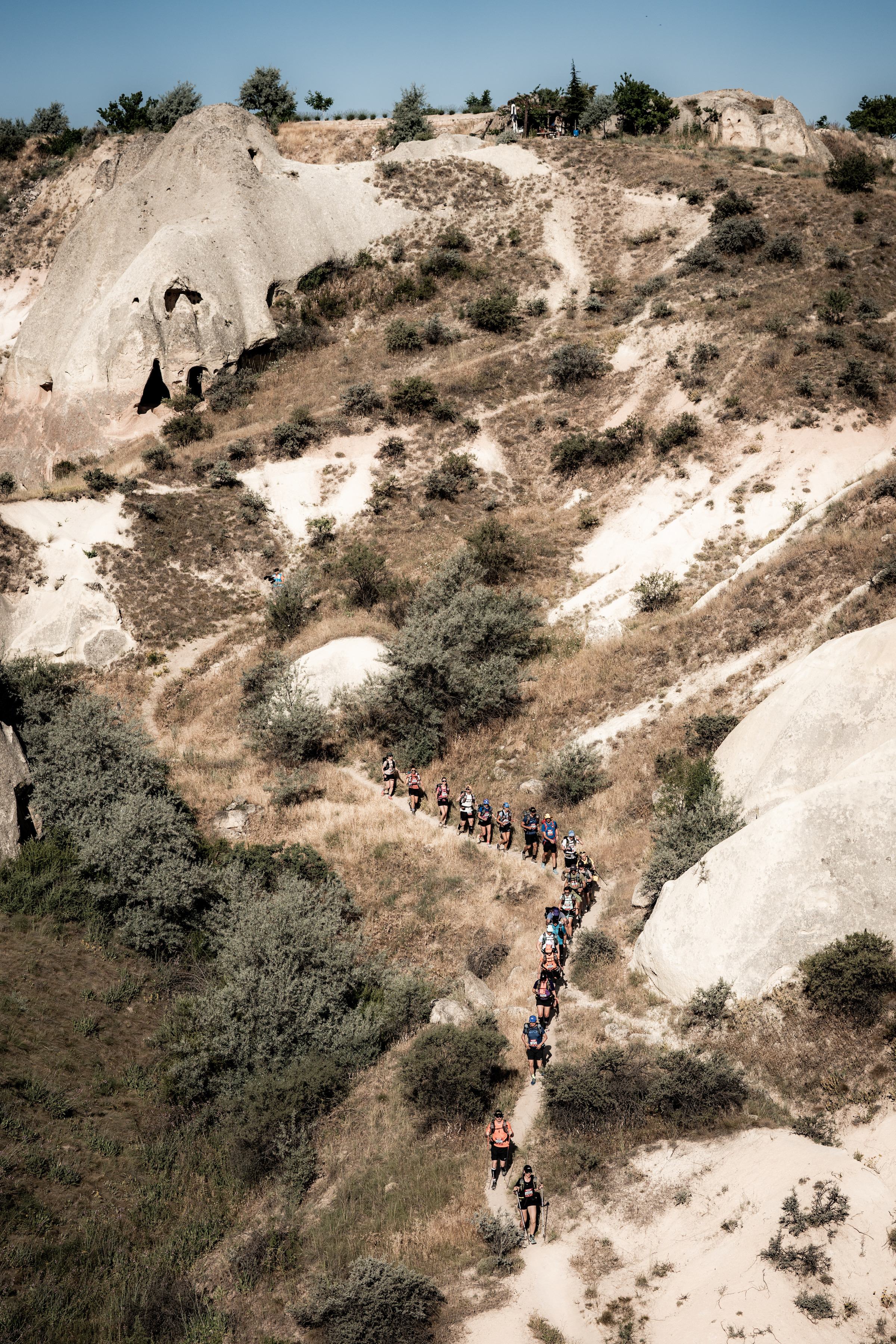
MDS THE ULTIMATE GUIDE

The MARATHON DES SABLES is a unique adventure of 250km’s spread over 6-stages of self-sufficiency, shared by thousands of enthusiasts, in 2026 it celebrates 40-years. In 2017, another format, HMDS was born with 70 to 120km distances, spread over 3-stages and 4-days.

Since 2024 there has been a significant changes for the MDS brand. The ‘HMDS’ format while still following the same protocols and format has now dropped the ‘half’ title and moving forward, events will be called MDS 120 Jordan, MDS 120 Morocco, MDS 120 Cappadocia and so on.

To differentiate the full distance race of 250km’s, Marathon des Sables will now be known at MDS Legendary, reflecting the legendary status of this iconic event and its long history as a pioneer of the stage racing and multi-day format.
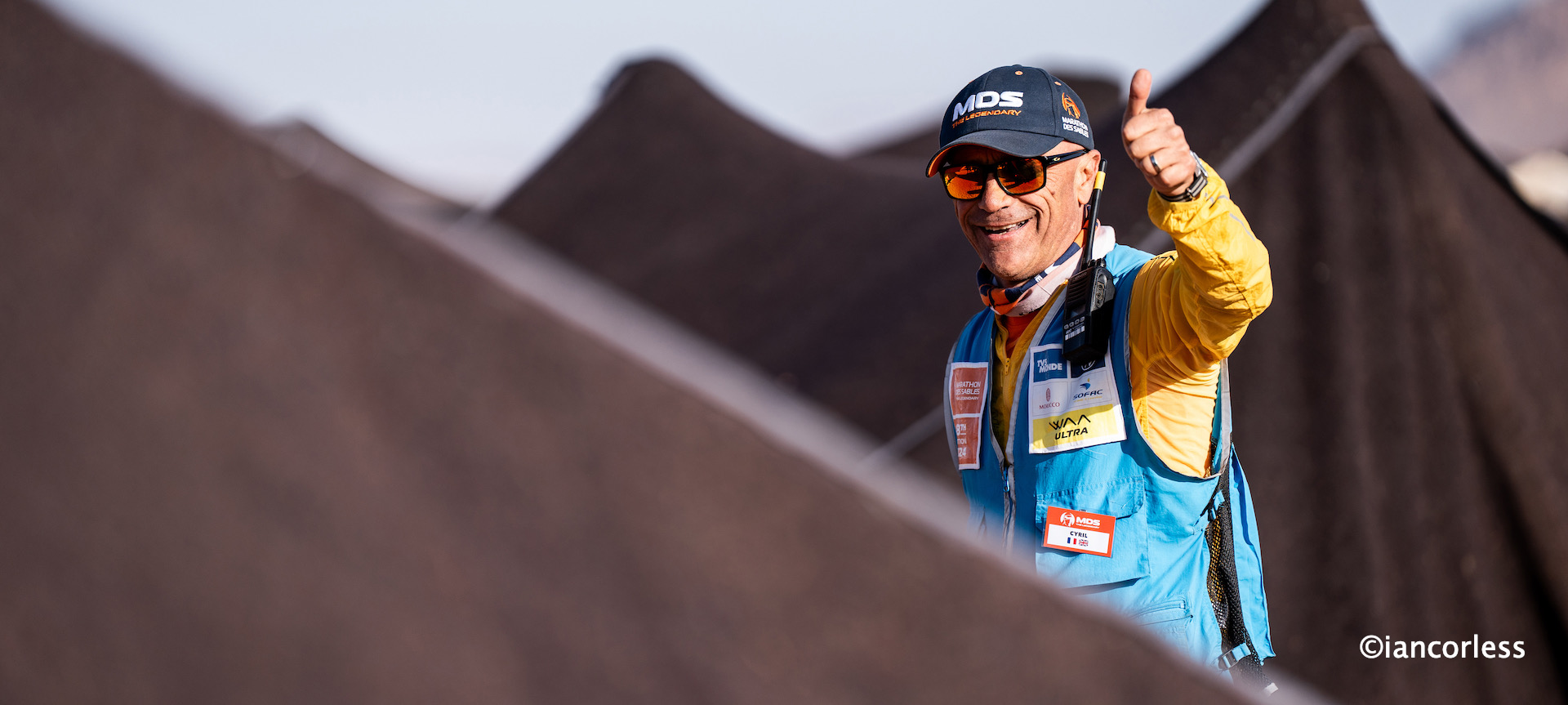
Cyril Gauthier, a new era for the race ©iancorless

All the races are now owned by the same team and while many may be familiar with the format and protocols for the shorter distance races, MDS Legendary since 2024 has had some significant changes. 
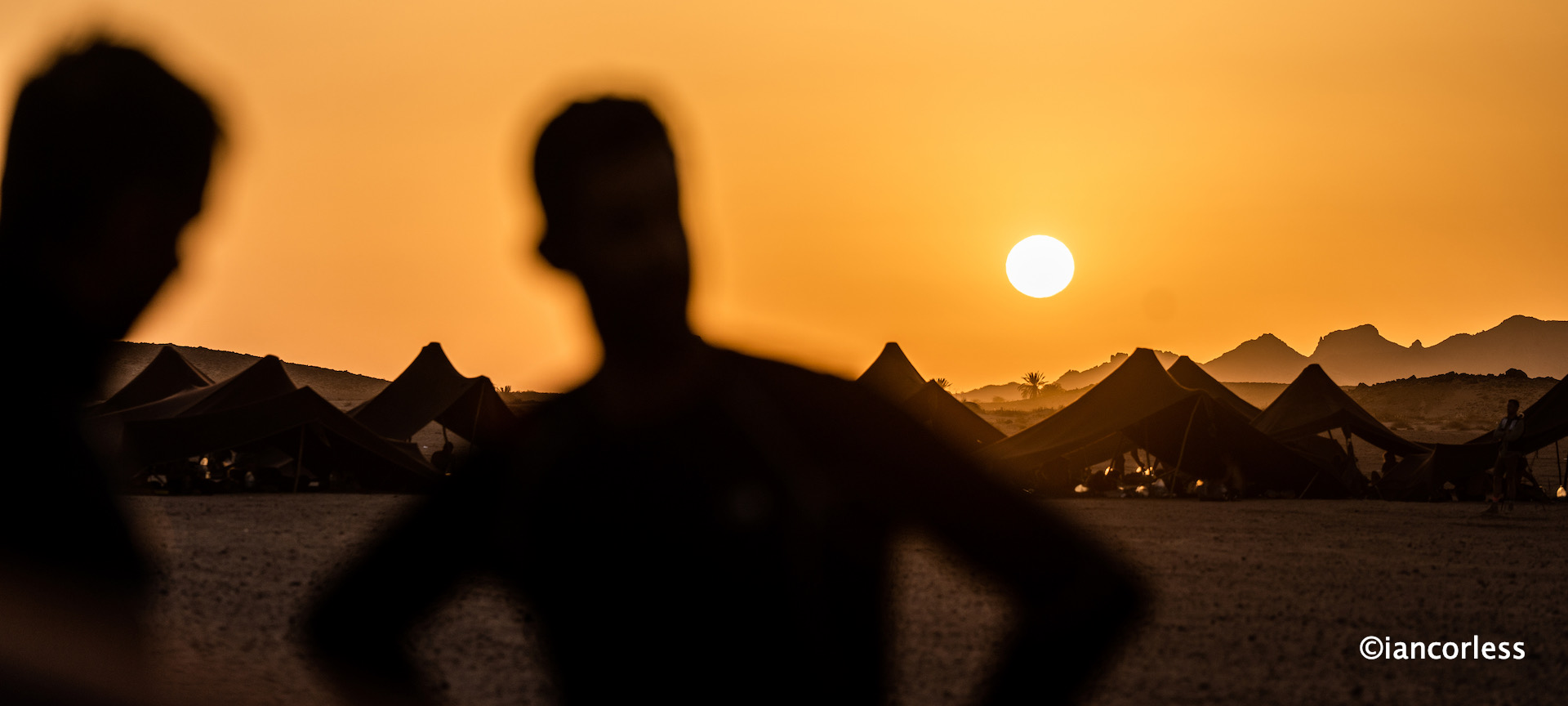
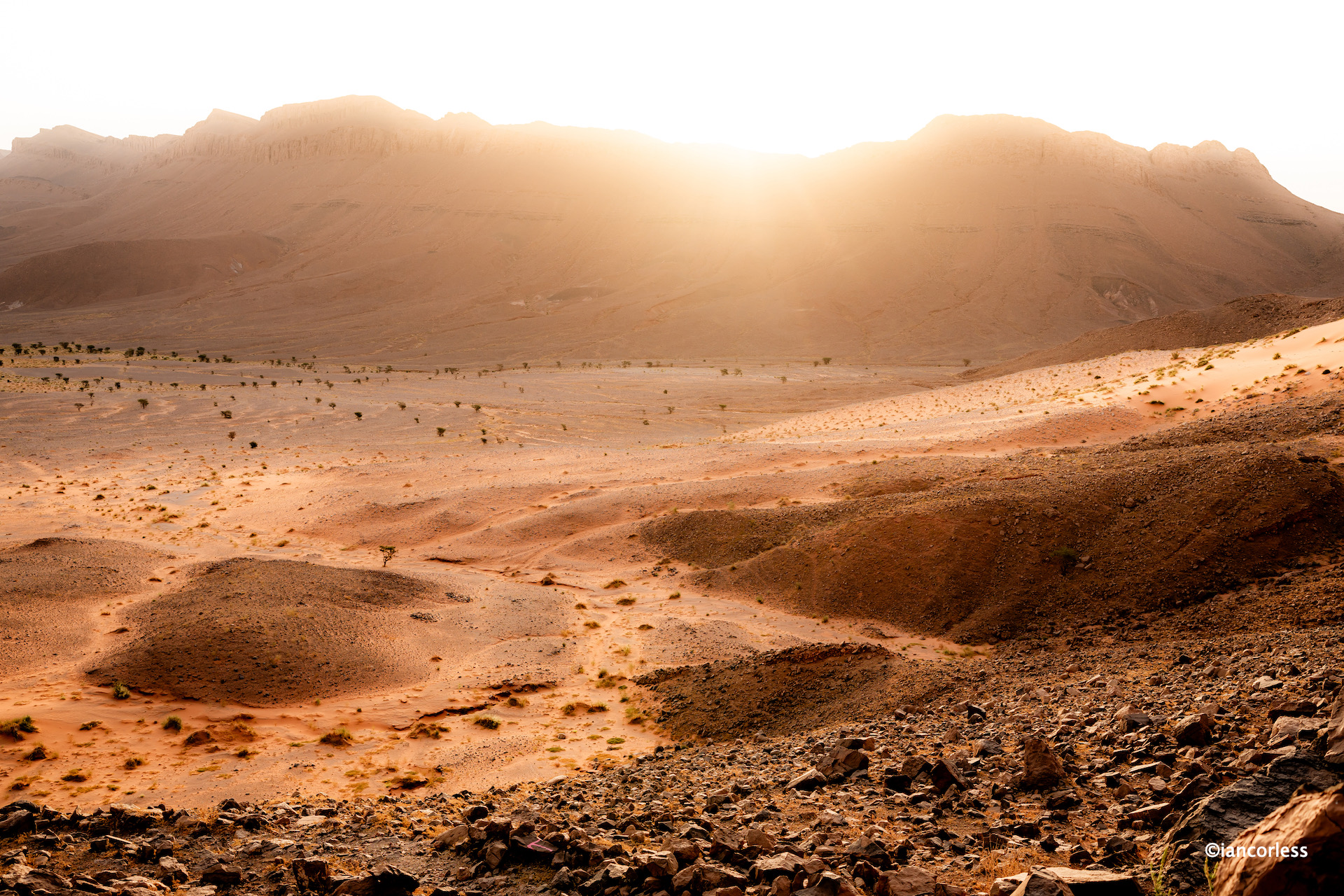
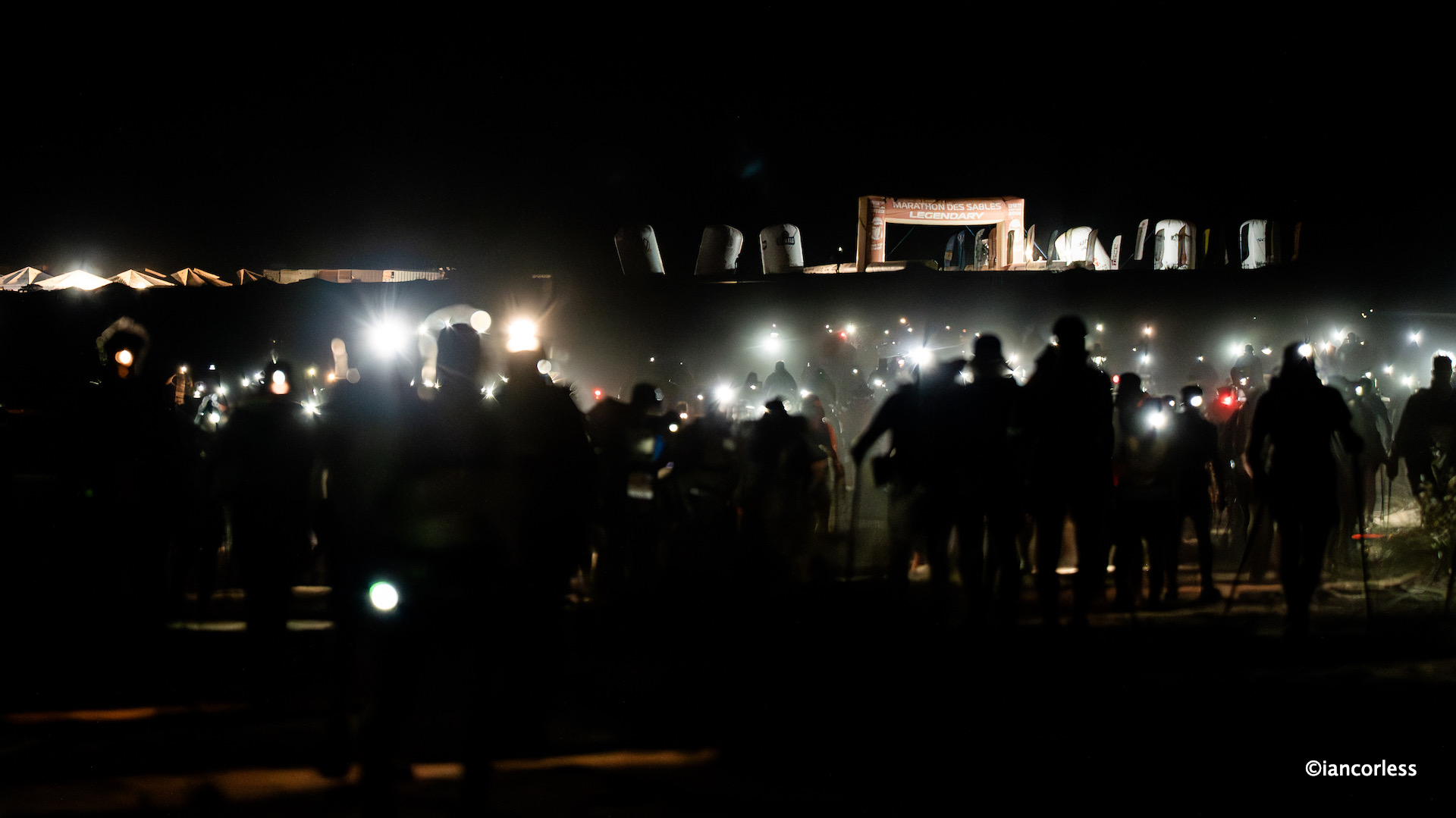
Camp life and the desert, it is special. ©iancorless
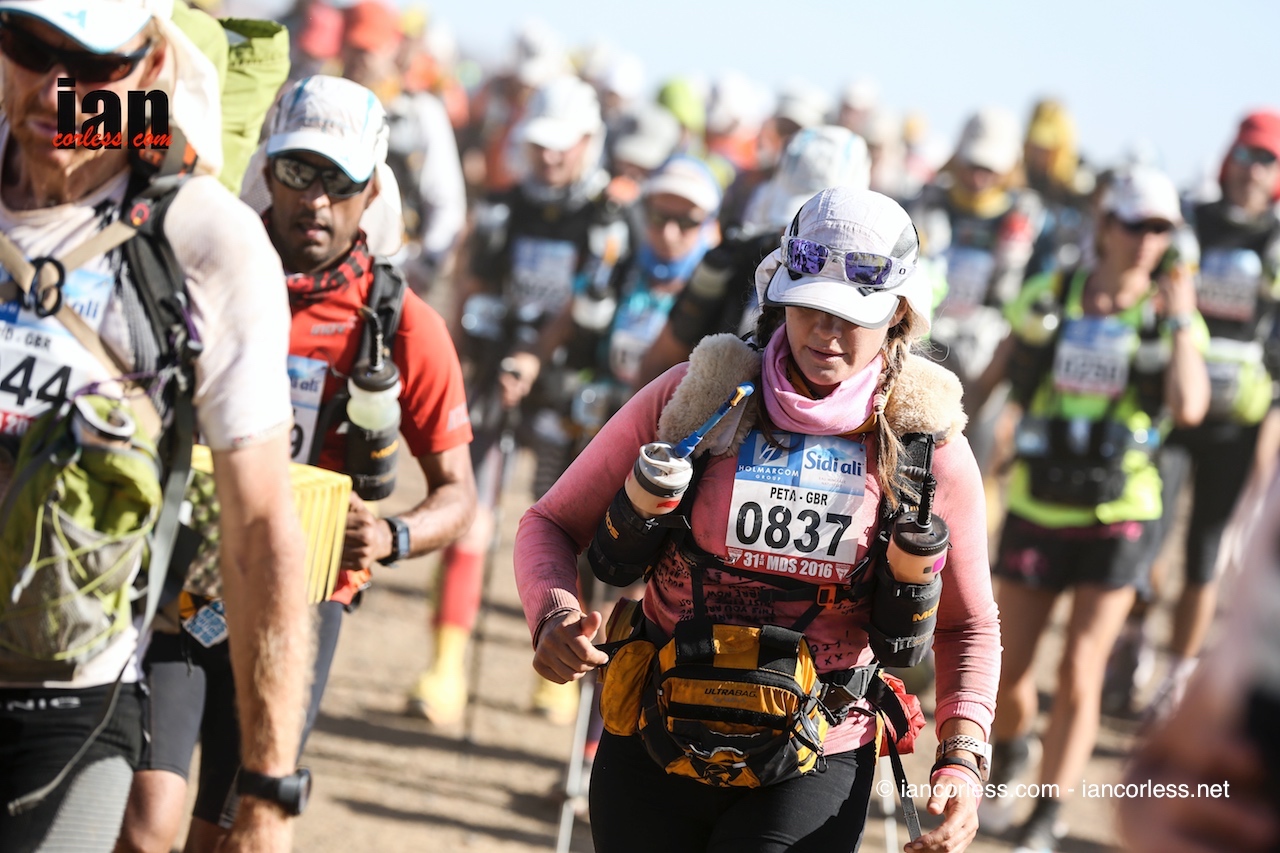
A 360 experience ©iancorless

Since 2024, MDS has expanded beyond its roots with MDS 120, the exploratory MDS TREK, the demanding MDS RAID, the mind-bending MDS Crazy Loops. and MDS ULTRA – Morocco. And the inspiring, MDS HANDI. Each one a new take on the same promise, to push the limits of what a runner can handle.

MDS EVENTS

  • MDS The Legendary
  • MDS 120 Atlantic Coast Morocco
  • MDS RAID Namibia
  • MDS 120 Cappadocia
  • MDS Crazy Loops – currently 2 locations in France.
  • MDS 120 Fuerteventura
  • MDS 120 Morocco
  • MDS Trek Morocco
  • MDS Handi Morocco
  • MDS 120 Jordan
  • MDS 120 Peru*
  • MDS ULTRA – Morocco

* Every 3-years.

WHAT IS MDS?

MDS is a self-sufficient race taking place over 3 to 6-stages. 
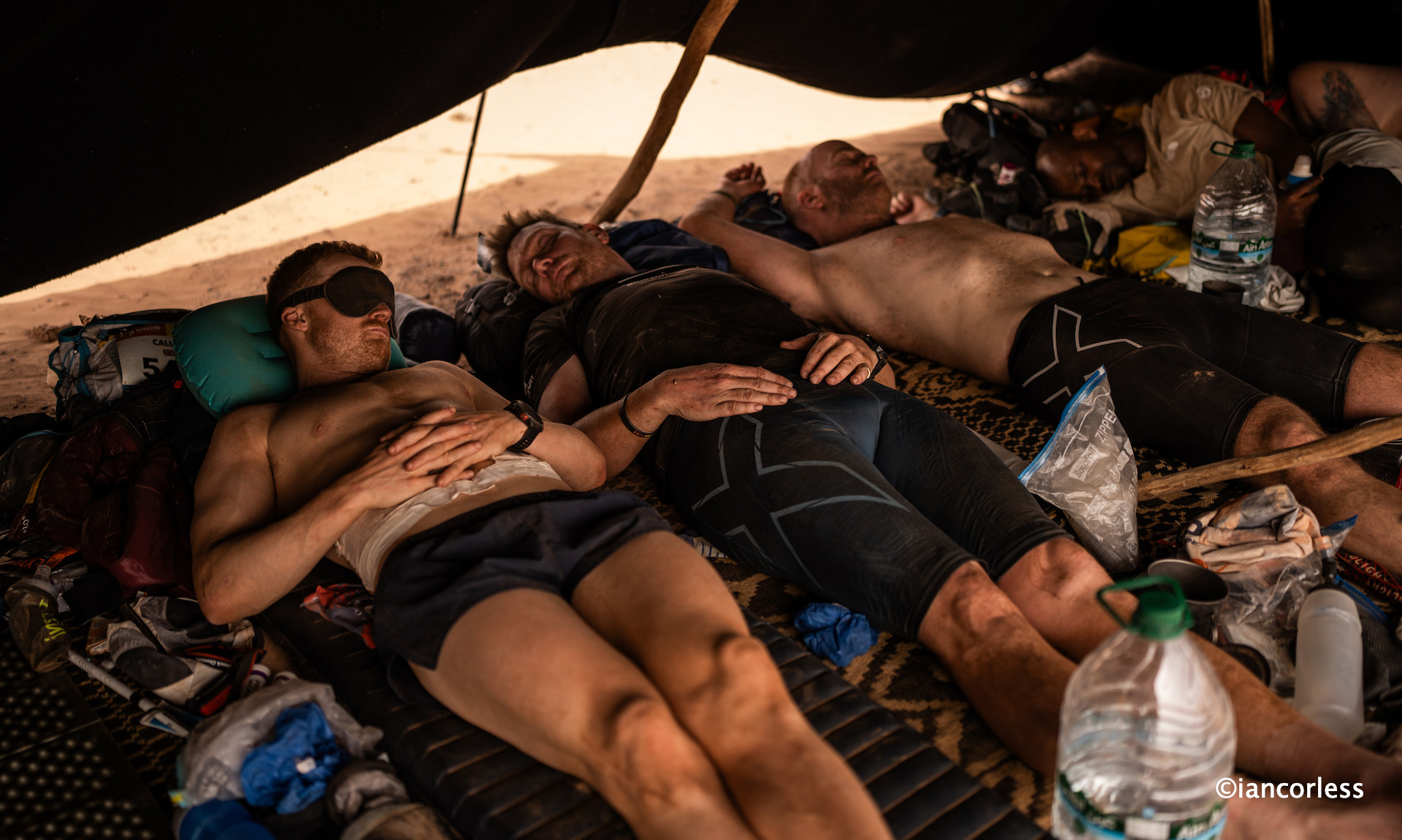
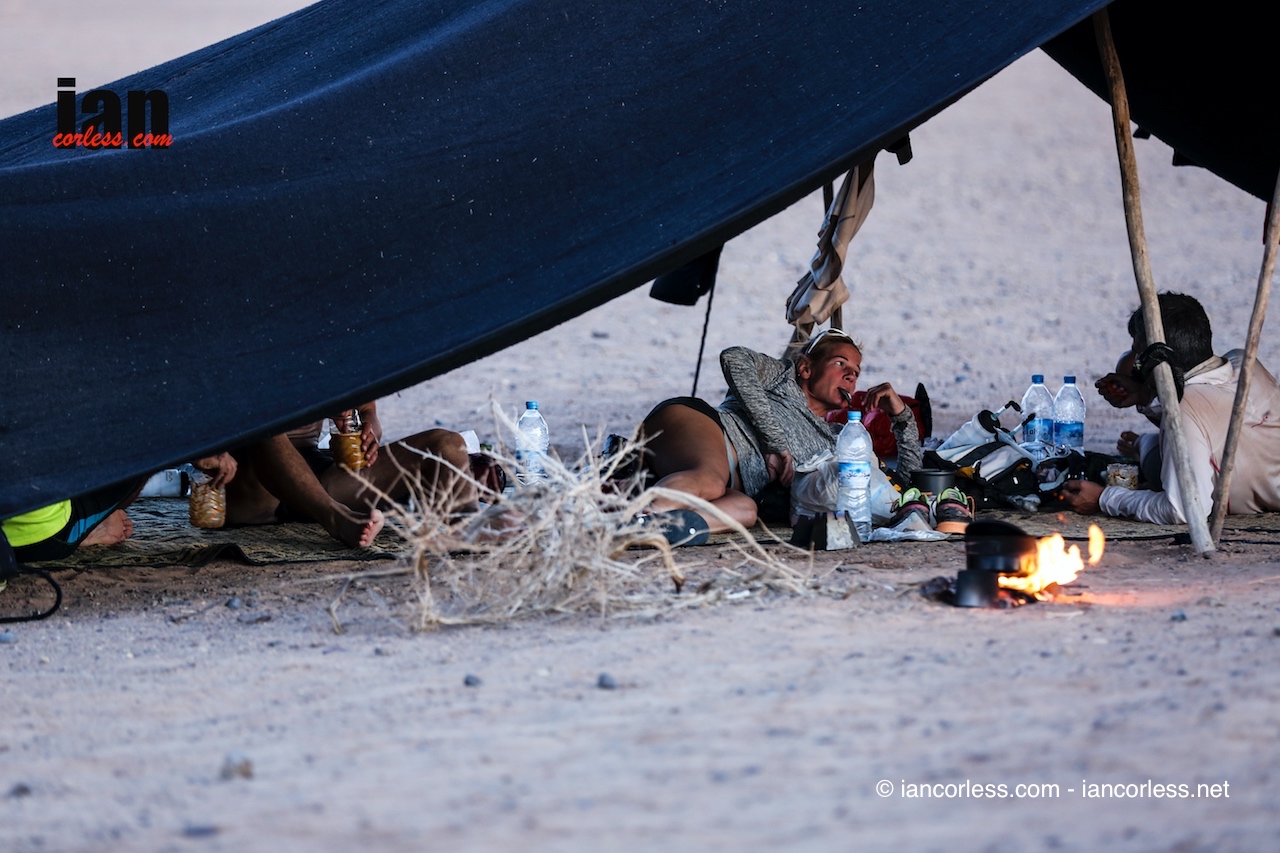
Bivouac life.

MDS Legendary is the iconic 6-stage race (over 7-days) with a distance of 250km (+/-) based on the route, terrain and difficulty. There are no options available on distance and participants are self-sufficient for the entire race, the only exception is the provision of water and a shared tent (bivouac) with 7 other participants. An example of 2024 distances:

  • Stage 1 : 31.1 km
  • Stage 2 : 40.8 km
  • Stage 3 : 85.3 km (over 2 days)
  • Stage 4 : 43.1 km
  • Stage 5 : 31.4 km
  • Stage 6 : 21.1 km

MDS 120 events start at 70, 100 and 120km for the shorter race format, depending on the race destination, there are 2 or 3 distances available. To clarify, this is not 2 or 3 different races, but the same race with the option to choose what distance you run or walk. As an example, the route is divided into 3 stages (4-days), to be completed at your own pace: walking or running. 

  • –    70 km
  • –    100 km
  • –    120 km

Here is a breakdown of each stage:

  • –    Stage 1: 25km – 30km
  • –    Stage 2: 20, 40 or 60km
  • –    Stage 3: 25km – 30km

The choice of the format is made at the registration. However, you can adjust it until the time of MDS.

MDS RAID follows a similar format to MDS 120.

MDS TREK is not self-sufficient and while similar to other MDS events, the format is much more a holiday experience, ideal for first timers or those who are looking for an active travel/ relax experience. Read more HERE.

THE MDS FORMAT

MDS The Legendary and MDS 120 events follow a similar format, however, there are key differences:

MDS The Legendary is a 10-day experience

MDS 120 a 7-day experience

In both scenarios you arrange travel to the relevant destination, arriving with adequate time to meet the MDS team at a designated meeting point and time. This may mean you need to arrive one day in advance to ensure you are able to meet the schedule as stipulated. From here, the MDS team then transport you to the start of the race. 

For MDS Legendary this will be a flight to Marrakech and free transport is offered to Ouarzazate.

For MDS 120 / TREK / RAID and ULTRA events, the meeting point will be a specific airport for transfer to hotel. 

MDS The Legendary use classic Nomad tents that hold 8-participants. By contrast, MDS 120 events use individual tents organised in cells of 6. TREK has upgraded tents, RAID combines solo tents and a star night, MDS ULTRA will be hotels except when racing.

Post-race you will be transported to a hotel and an awards ceremony and gala dinner will take place.

EVENTS

MDS LEGENDARY the iconic 6-stage, 250km race celebrating 40-years in 2026.

MDS 120 (used to be HMDS) this is 3-stages over 4-days with distance options of 70/ 100 or 120km.

MDS TREK this is similar to the MDS 120 format, however, there is no self-sufficiency, more comfortable accommodation and additional facilities, an excellent introduction to the MDS.

MDS RAID an event for more experienced athletes that is undertaken in teams of two, over approximately 90-120km’s, typically, two distance options are provided. The format is similar to MDS 120 with 3-stages over 4-days. One night will be undertaken under the stars with no bivouac.

MDS ULTRA new for 2025, a 100-mile or 100km single stage race with a 40-hour cut off.

MDS CRAZY LOOPS three new events for 2025 undertaken in ski resorts, the format is to run as many loops as possible in 24-hours. The loops will be typically, 3-5km’s in length.

MDS HANDI an inspiring inclusive event to provide wheel chair athletes an opportunity to participate with team members.

THE RACE CONCEPT
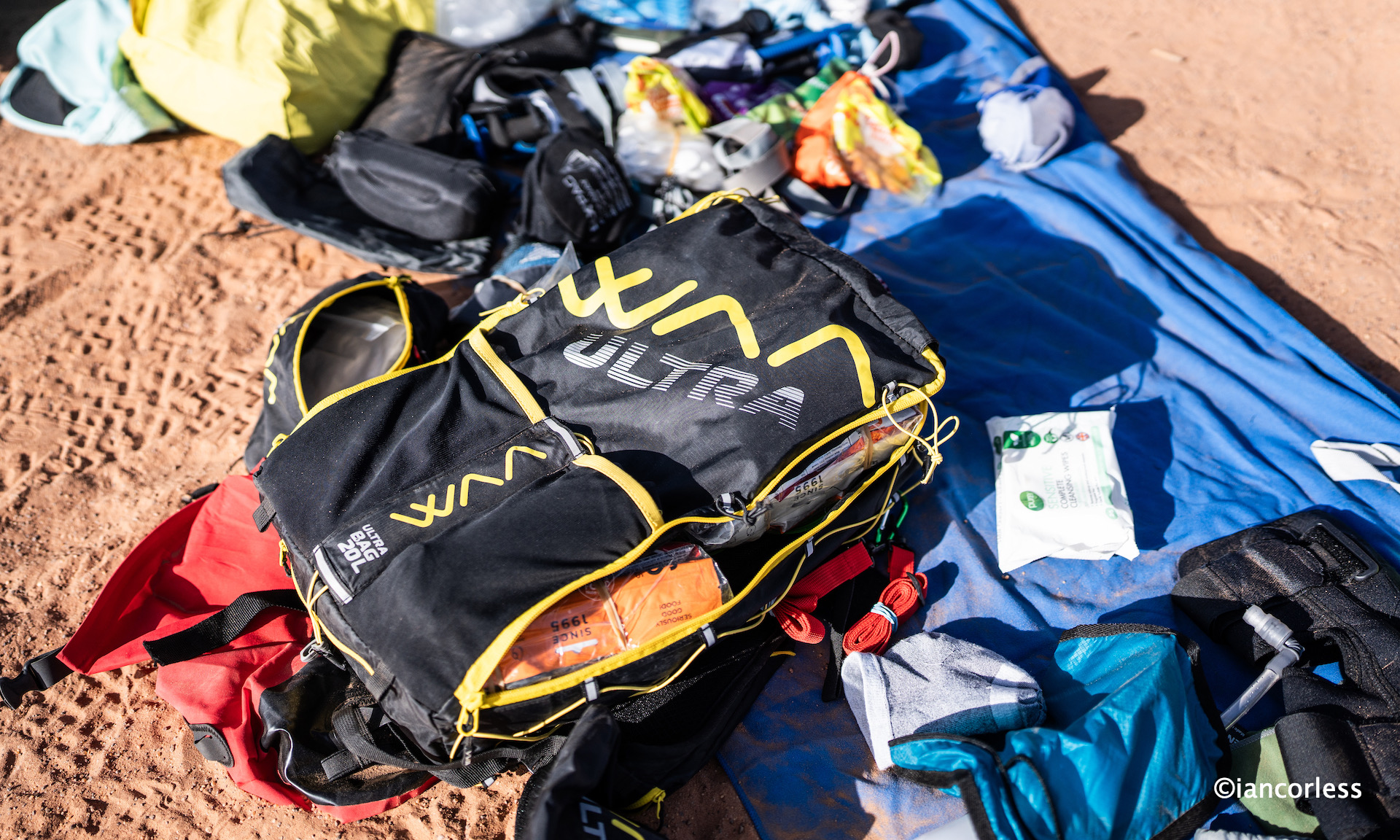
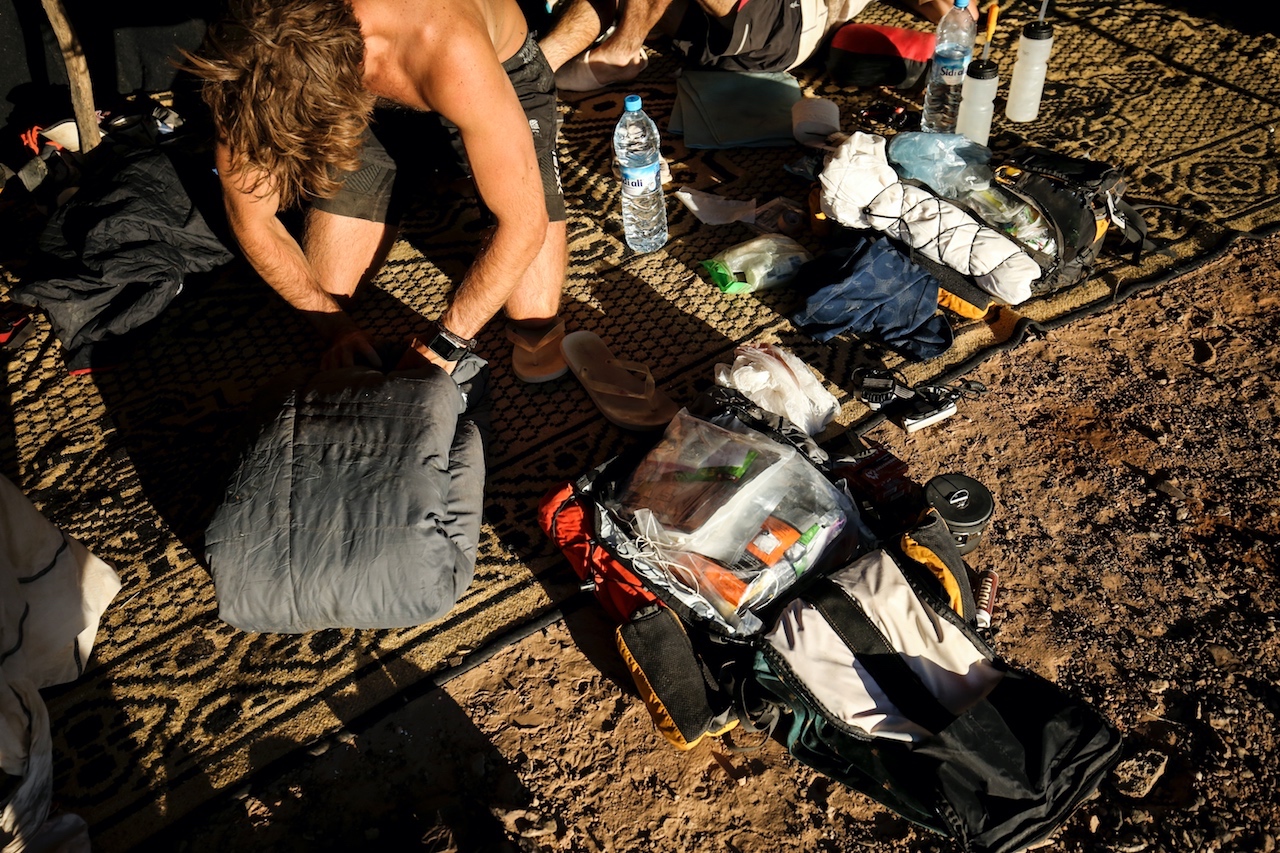
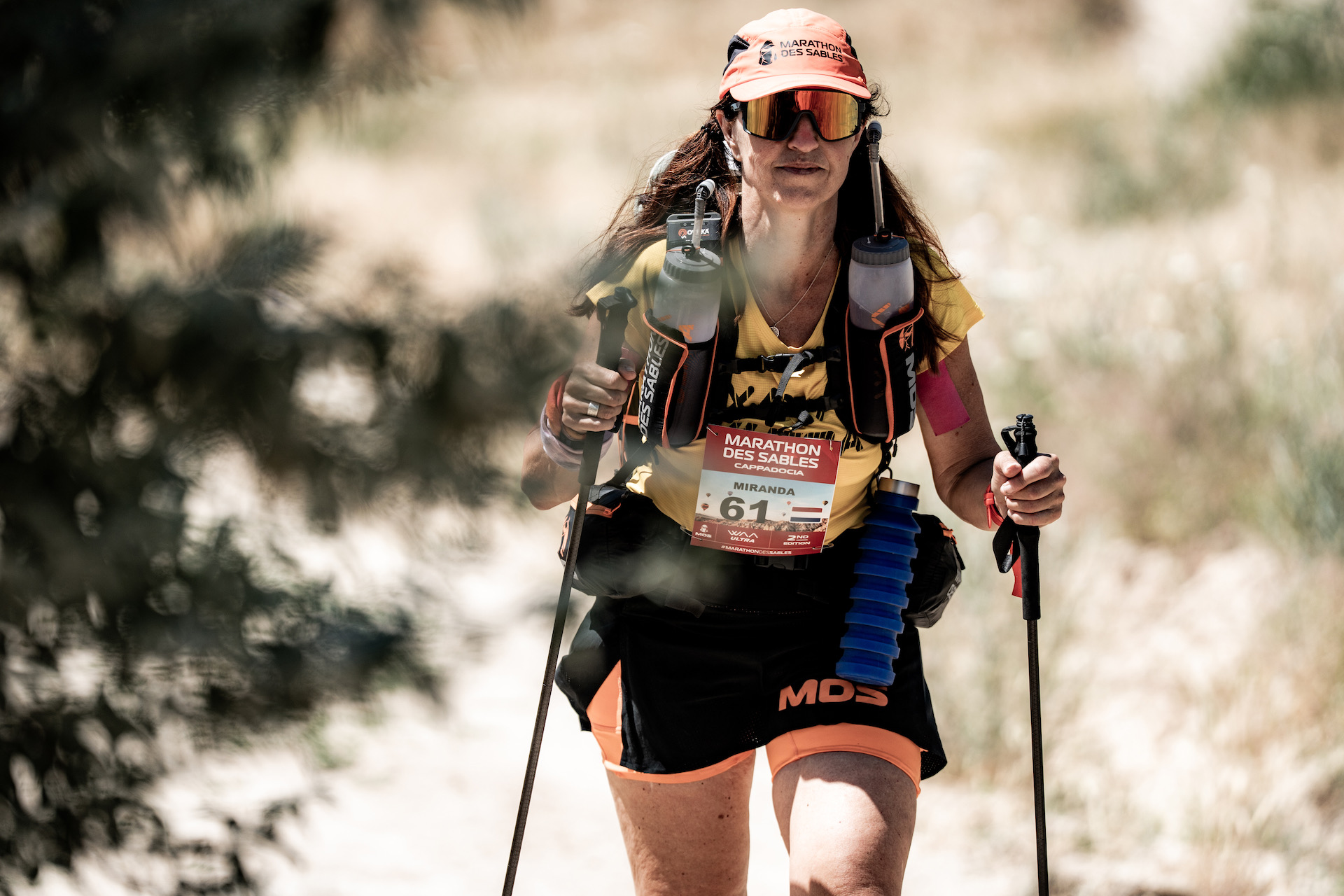
You carry all you need for the race. ©iancorless

Both race formats, MDS Legendary, MDS 120, MDS RAID and MDS ULTRA require participants to be self-sufficient for the whole race.

What does this mean?

Quite simply, you must wear and carry all you need for your race experience with the exception of the tent / bivouac. MDS ULTRA will not require a bivouac or same kit requirements as MDS Legendary, Raid or 120.

It may sound daunting but it is not, it’s actually quite simple. You need to address the following points:

  • What you wear.
  • Equipment you need to participate.
  • Sleeping.
  • Food.
  • Cooking equipment. (You can purchase fuel blocks in bivouac)
  • Water.

WHAT TO WEAR

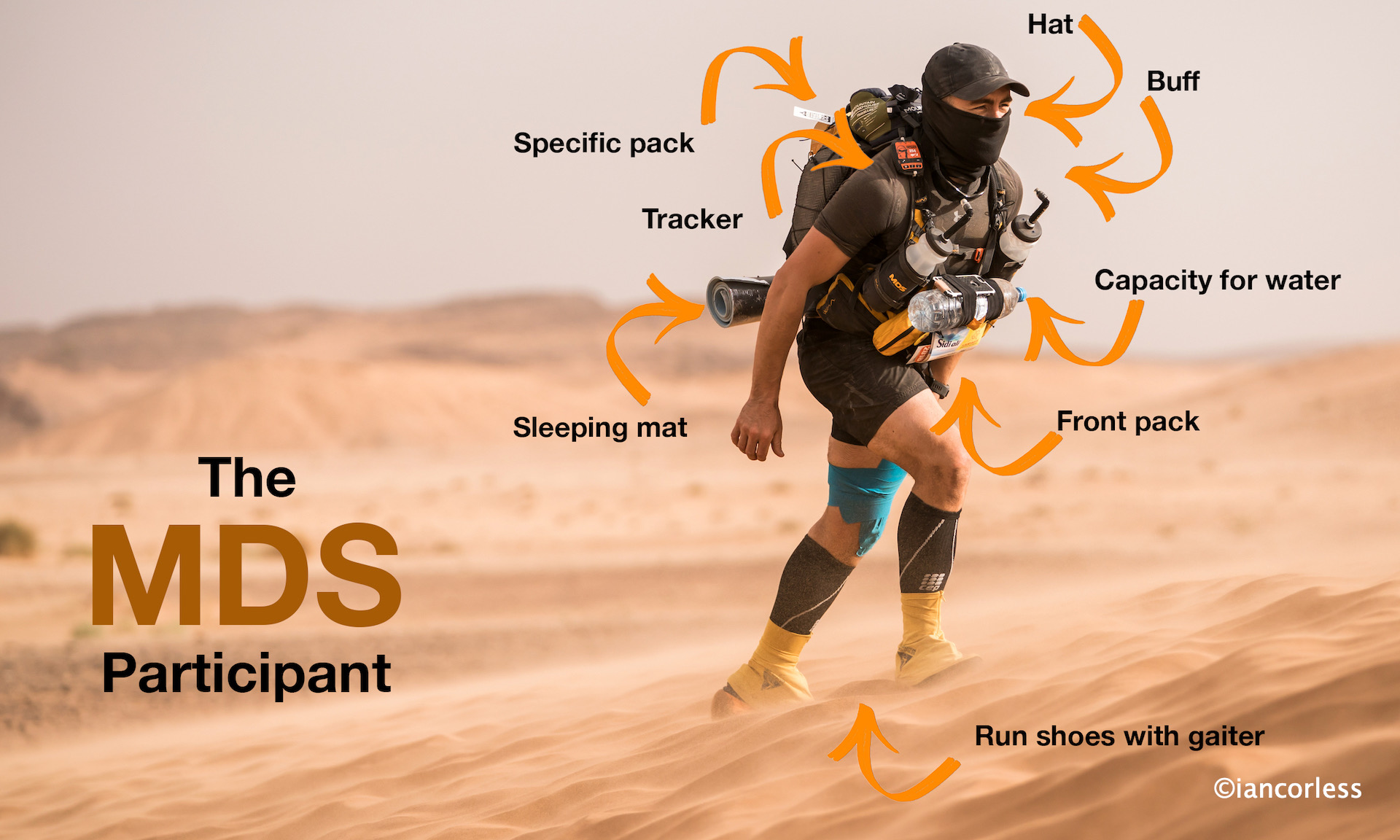
  • Hat to protect from the sun with optional neck protection.
  • Shirt (short or long sleeve) with adequate protection from the sun.
  • Shorts, skort or similar.
  • Socks.
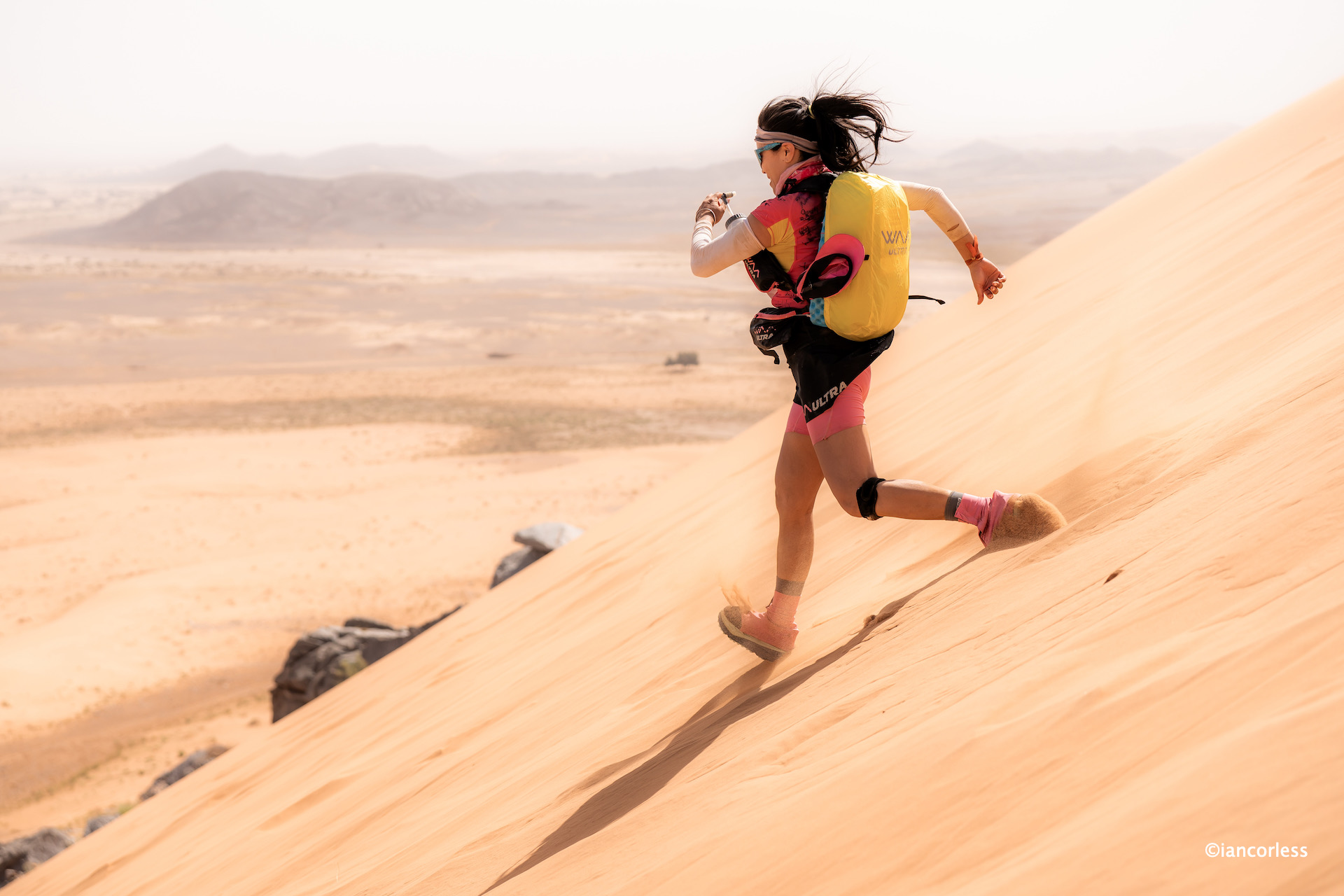
  • Shoes with appropriate protection and durability for a desert environment with a gaiter (typically sewn on) to keep sand out of the shoe.

WAA is a partner for MDS have specific equipment for desert/ stage-racing.

Because you have entered a MDS event, there is no need to buy new apparel and shoes. Quite simply, if you have items that work, are comfortable, cause no problems or irritation, there is no need to change them. If it aint broke, don’t break it. Shoes always create a huge debate and please find what works for you. If you ask on any forum, you will get countless recommendations but none of those recommendations are specific to you and your needs. Read an article HERE and HERE.

EQUIPMENT

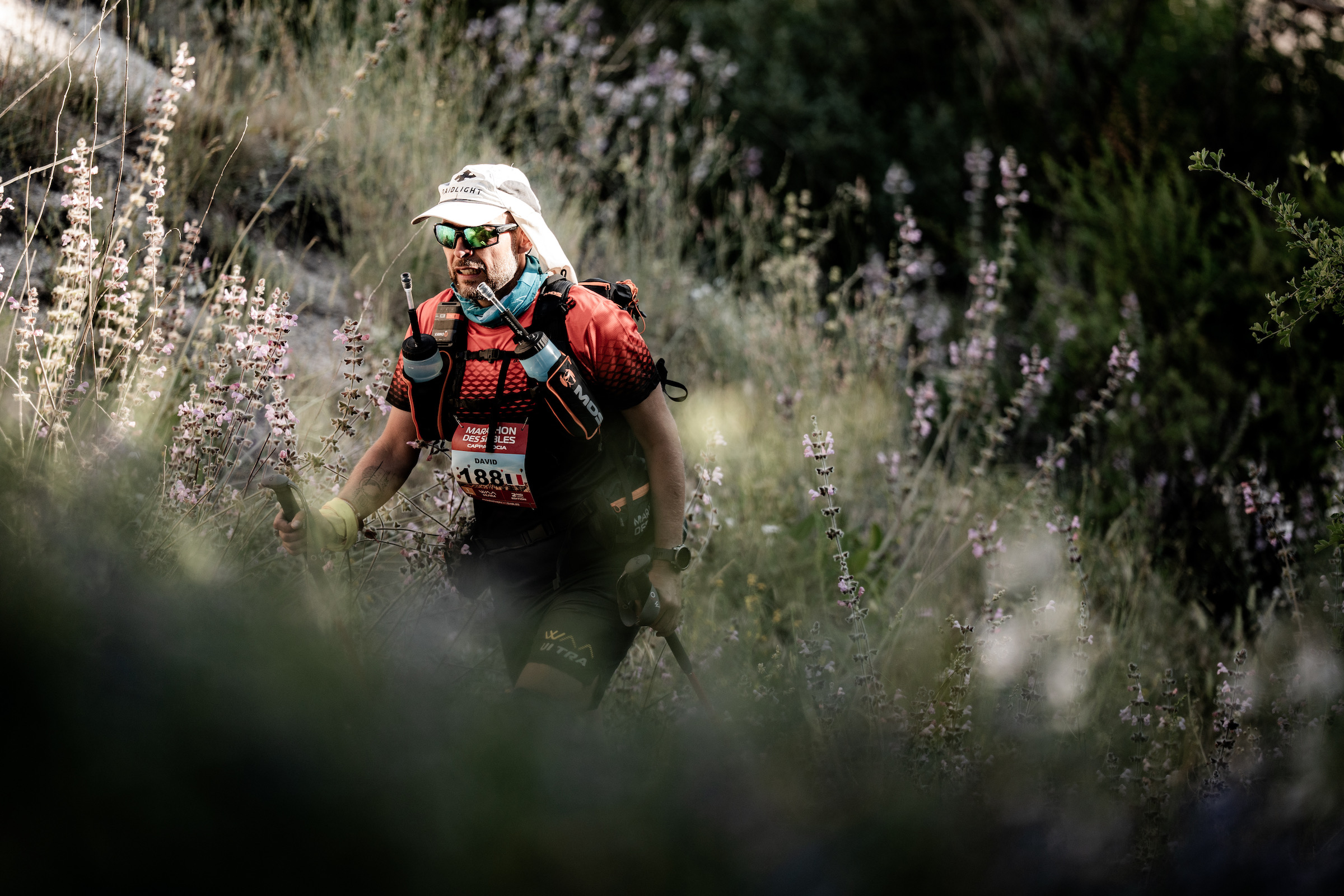
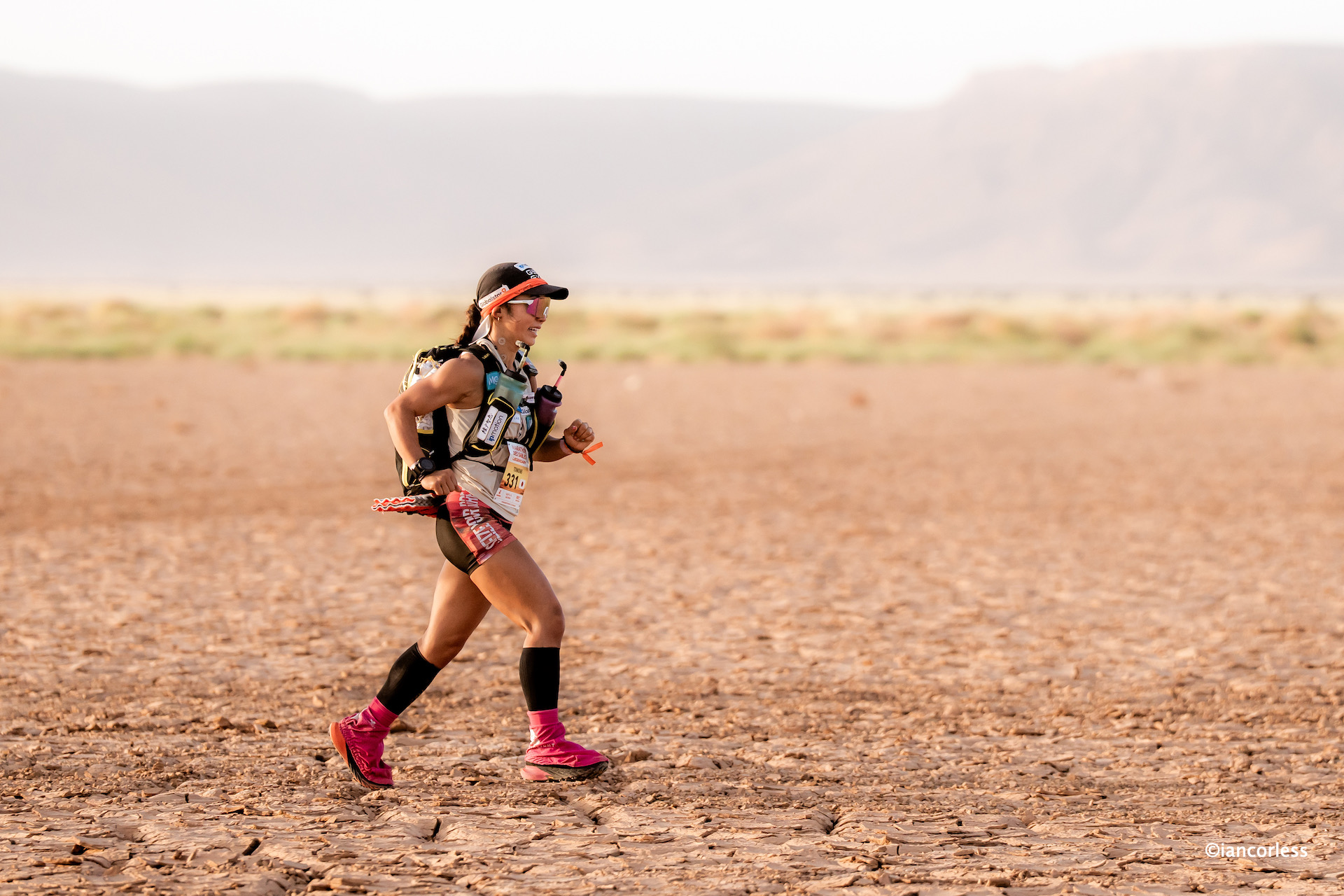
MDS runner ©iancorless

Always remember that with MDS events you are either wearing or carrying everything you need for the race duration. Therefore, it is imperative that you purchase the lightest options available (based on budget) and you keep luxuries to a minimum. 

Keep it simple!

MDS specify ‘mandatory’ equipment for participation as specified below:
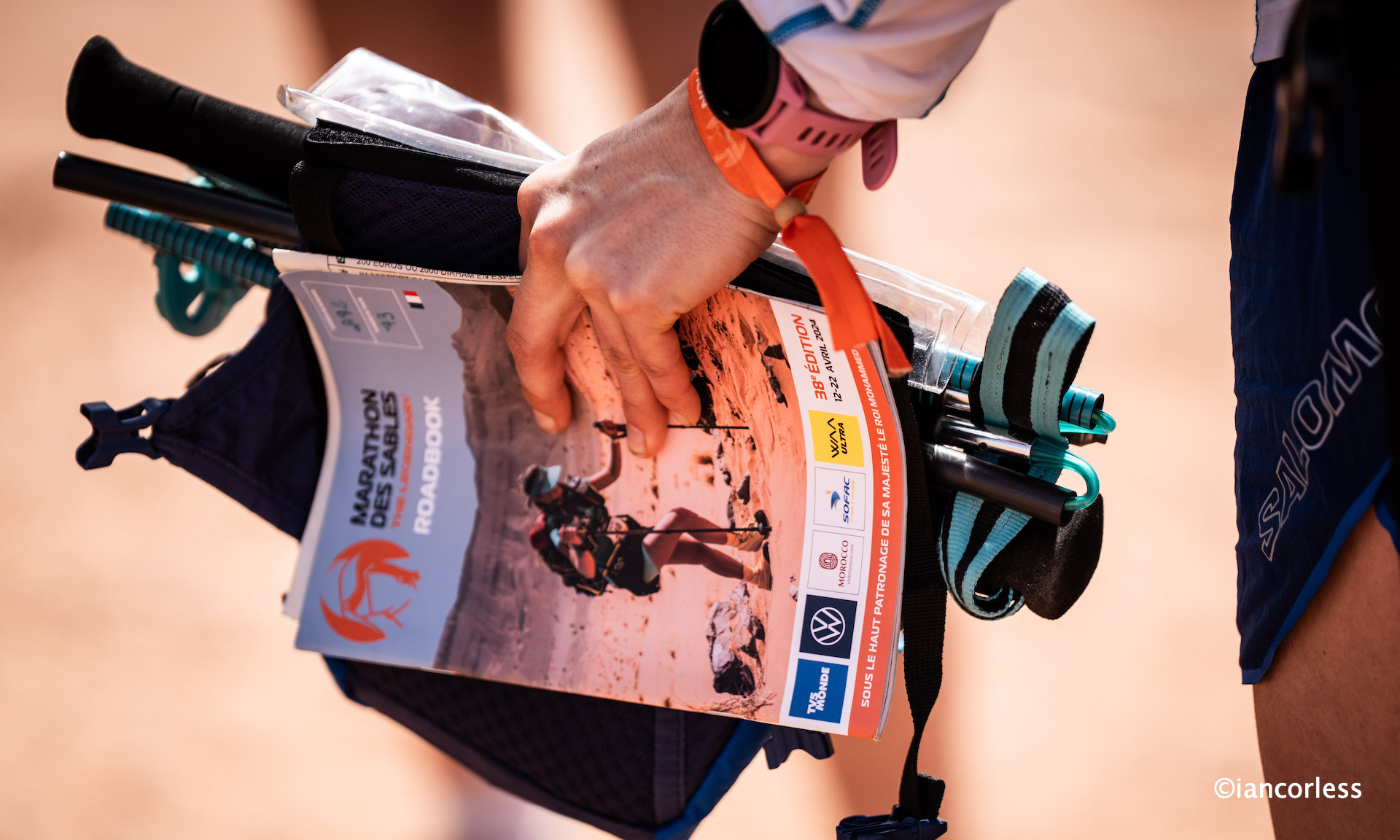
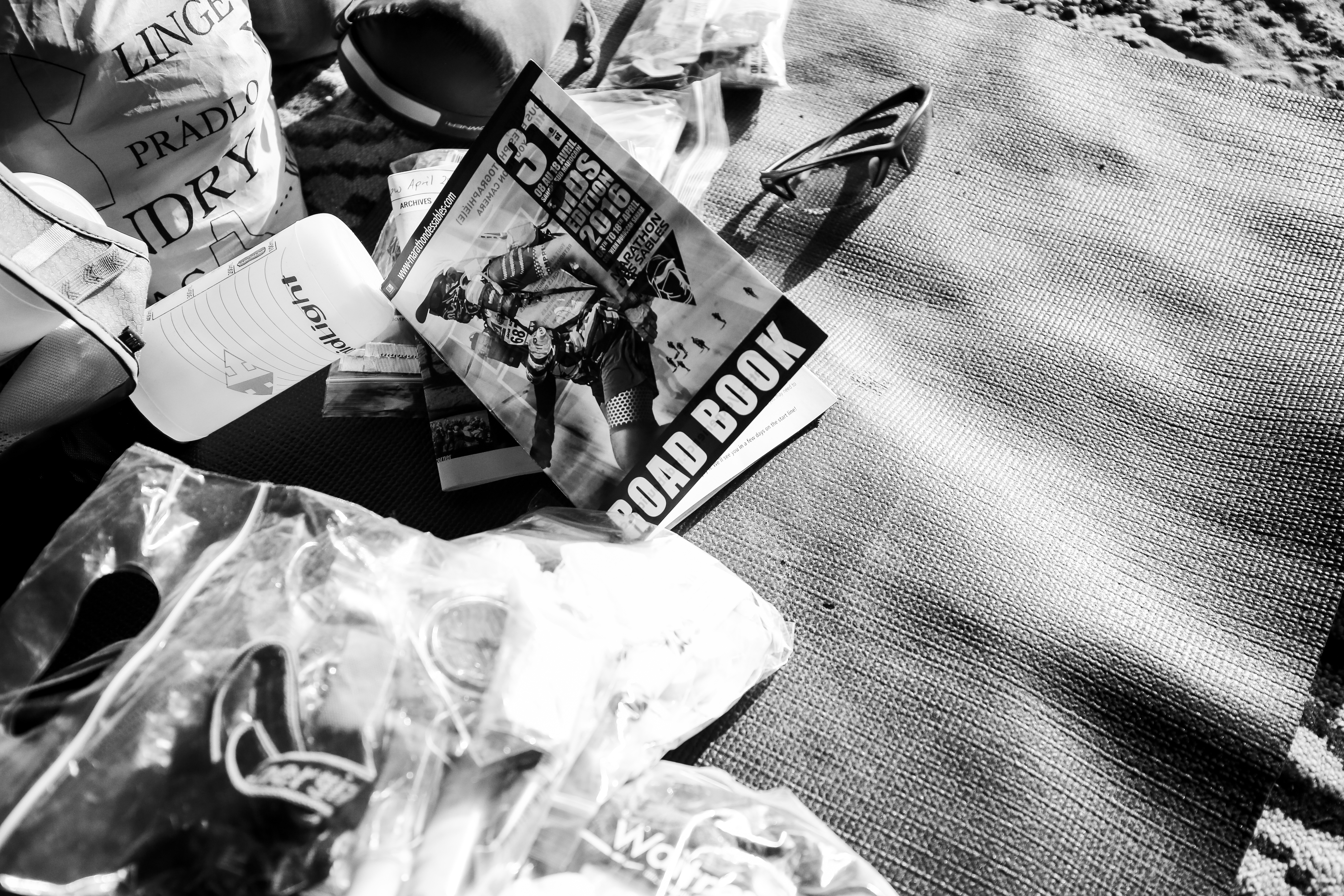
The Road Book provides all the info about the race and route ©iancorless
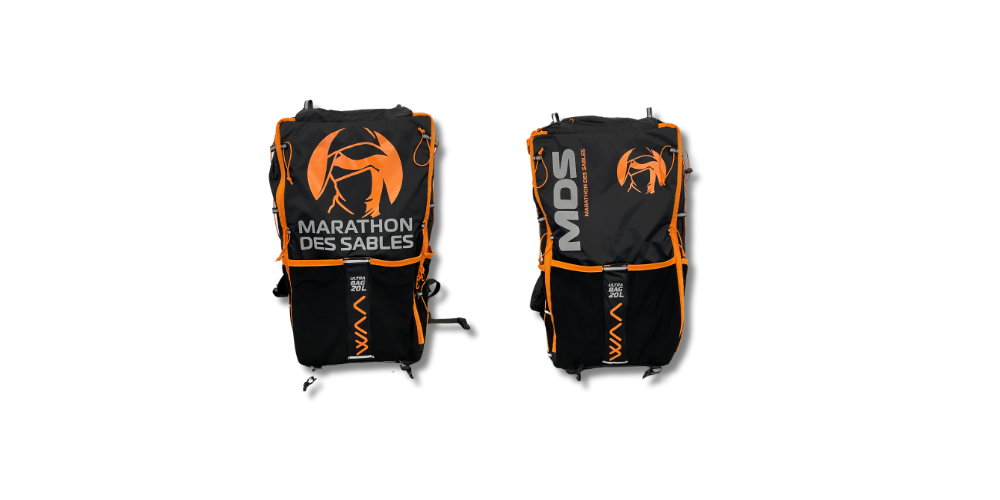
  • A pack with enough capacity to carry all your equipment, food and water – eg: WAA Ultra Bag 20L
  • Water carrying capacity of 1.5L minimum.
  • Sleeping bag read HERE
  • Headlamp (which must be turned on after dark) + 1 complete set of spare batteries or battery. Make sure it has a ‘red’ mode for night.
  • 10 safety pins
  • Lighter
  • A whistle
  • Metal blade knife
  • Skin antiseptic
  • Signaling mirror
  • Survival blanket
  • Soup cubes (2 per day) to help the rehydration
  • Tube of sunscreen 
  • 100 / 200 euros in cash 
  • Passport or identity card (depending of the destination) 
  • Official MDS medical certificate completed by a doctor (form available 3 months before the race).
  • Road book
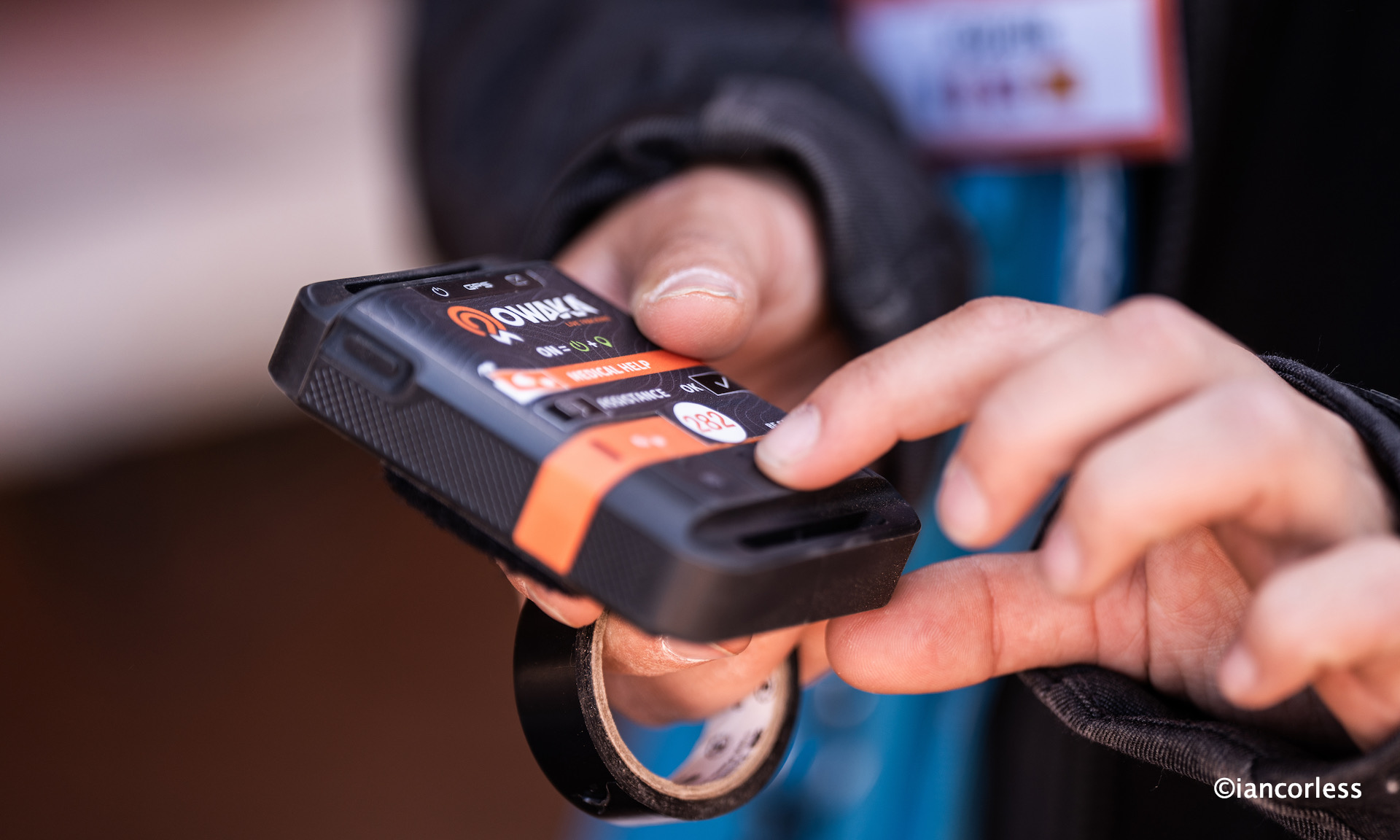
Each runner has a tracker for safety ©iancorless

What else do you need?

  • A sleeping mat is highly recommended to protect from the ground, insulate and provide comfort.
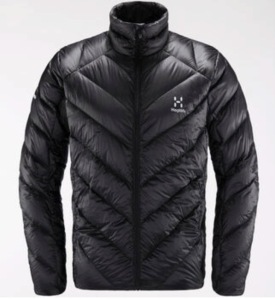
  • A jacket is highly recommended (lightweight down) for cold morning and chilly nights. Many products exist. An excellent combination item is offered by PHD but it does come at a price – HERE.
  • Poles are for many 4-wheel drive in stage races, Leki are highly recommended.
  • Stove – if you plan to have hot water, you will need a cooking system like those provided by Esbit. Please note, you cannot use any gas stoves in the desert, you must use fire bricks which you can purchase at bivouac.
  • Pot – if you are using a stove, you will need a pot/ mug
  • Spoon with long handle for eating. Such as a Spork.
  • Buff or neck roll.
  • Sunglasses are essential and think about protection in sand storms, goggles may be required.
  • Spare socks and Injinji are highly recommended.
  • Flip flops or similar. Many use the weight free slippers from hotels, however, they rarely withstand the desert.
  • Watch / GPX
  • Personal items: Tooth brush, toothpaste, hand gel, wipes, toilet paper, ear plugs, blind fold etc.
  • Emergency – Things can happen during a race, so, be prepared with some essential items such as needle and thread, superglue, zip ties, monkey tape etc. If something rips or breaks, you need to repair it.

Luxuries

MDS is and should be simple in format. Remember, you must carry everything, so, keep luxuries to a minimum. Many consider a small MP3 player, look for something small, light and with great battery.

Phones are an essential part of our daily lives, do yourself a favour and leave it at home. The liberation is extremely rewarding. Please note, phones are allowed, however, it is prohibited to telephone on the bivouac or on the course. If you want to make a phone call, you will have to move away from these places so as not to disturb anyone.

SLEEPING

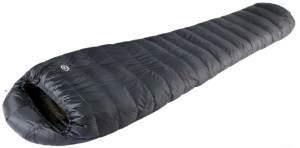
A sleeping bag is mandatory, so, there is no discussion here. The combined weight of your food is the heaviest and bulkiest item, however, a sleeping bag is next. These days there are many options available and quite simply you want the lightest possible, with the smallest packing size with required warmth at a price that you can afford. Not all sleeping bags are the same, so, consider this. Down is the best filling as it is the lightest, warmest and packs small. However, ‘fill power’ is a key element of down, fill power tells you how much volume a 30-gram, or one-ounce, sample of down will take up. So, the higher the fill power, the warmer the bag will be for less weight, because that one ounce of down has larger down clusters that provide more loft and have the ability to trap more heat. These bags will be more expensive.

Brands to look at: Nordisk, Seat to Summit, Rab, PHD, Western Mountaineering, Wilsa, Lightwave and so on.

Note here, that you will also probably be taking a down jacket for warmth. This can be used as extra warmth and insulation in a sleeping bag. So, it is possible to think about getting a lighter, less warm bag and supplementing warmth with a jacket.

UK brand PHD has come up with the perfect solution with an Ultra Jacket and Desert Race Half Bag but is does come at a price. However, it is comparable with the costs of jacket and bag by Nordisk.

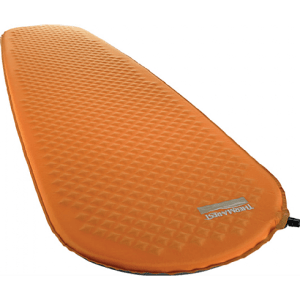
Sleeping mat is highly recommended. When you are not running or walking, you are sitting or lying down, comfort is key. Two options exist, inflatable or not. Inflatable provides the greatest comfort but with poor admin does have the risk of puncture. Sea to Summit provide excellent inflatable options with low weight and pack size. Exped have excellent closed-cell foam.

FOOD

Plan food in day bags ©iancorless

The MDS 120 events (TREK not included) are self-sufficient adventures. You  need to bring your own food and carry it in your bag for the duration of the race.There is a requirement that you must have 2000 calories minimum per day. Please remember that from 2024, catering is not provided at MDS The Legendary and therefore you must have enough food and calories before the race starts.

Food is the heaviest item you will carry and is essential. Don’t skimp on food. Lay food out per day addressing key items:

  • Breakfast (be careful they are not too sweet)
  • Snacks while running (bars, nuts, dried meat etc)
  • Post-run recovery (usually liquid form is ideal)
  • Lunch if applicable (this could be another meal such as cous cous)
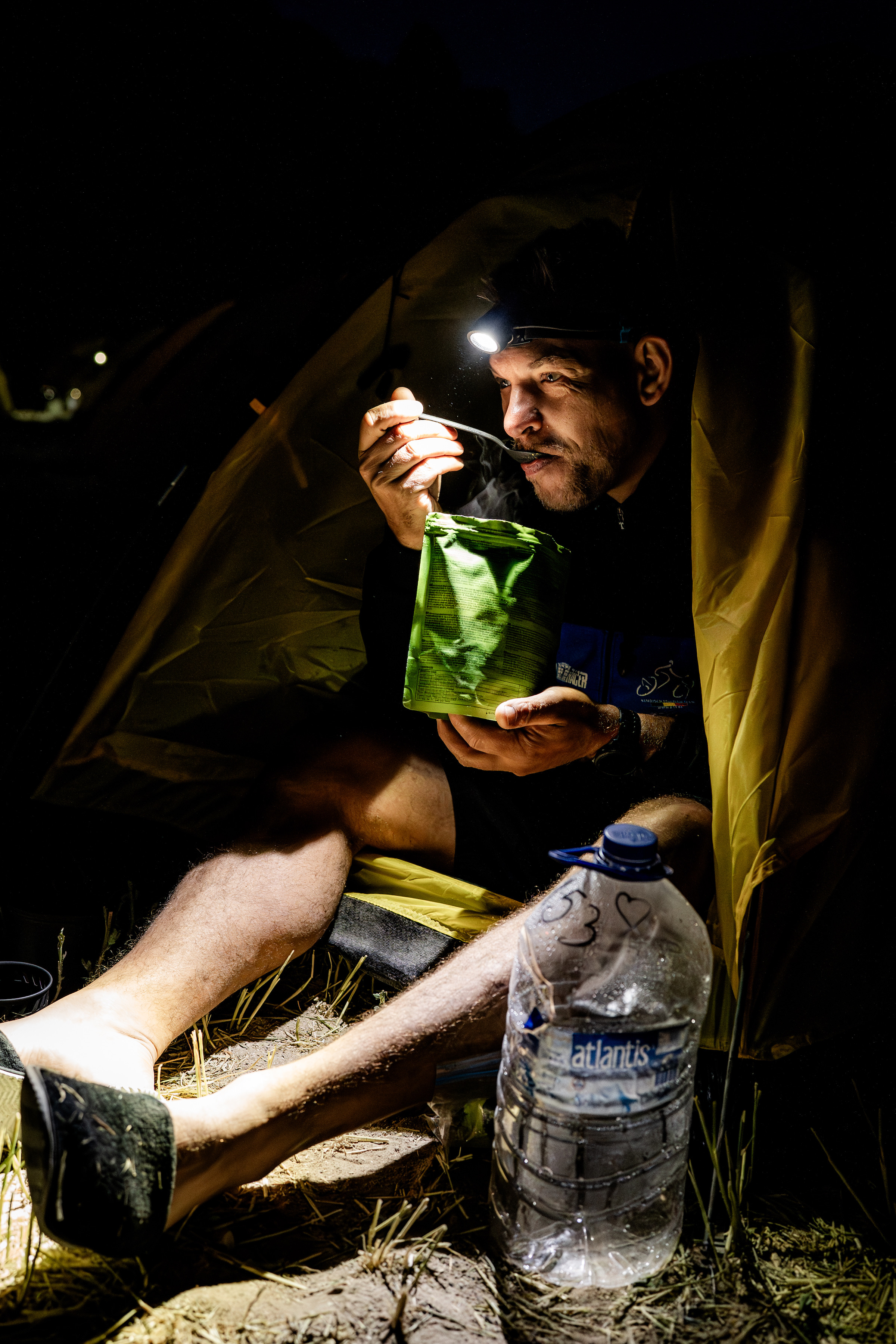
  • Dinner (dehydrated meal)
  • Evening snack (a bar)

Where possible, repackage food to make them smaller and lighter. However, make sure you keep nutritional information for the admin day. Pack food in day bags, that way it is easy to know what you have and importantly, you don’t take food you need for the next days. Keep doing this and you will be short of food at the end of the week.
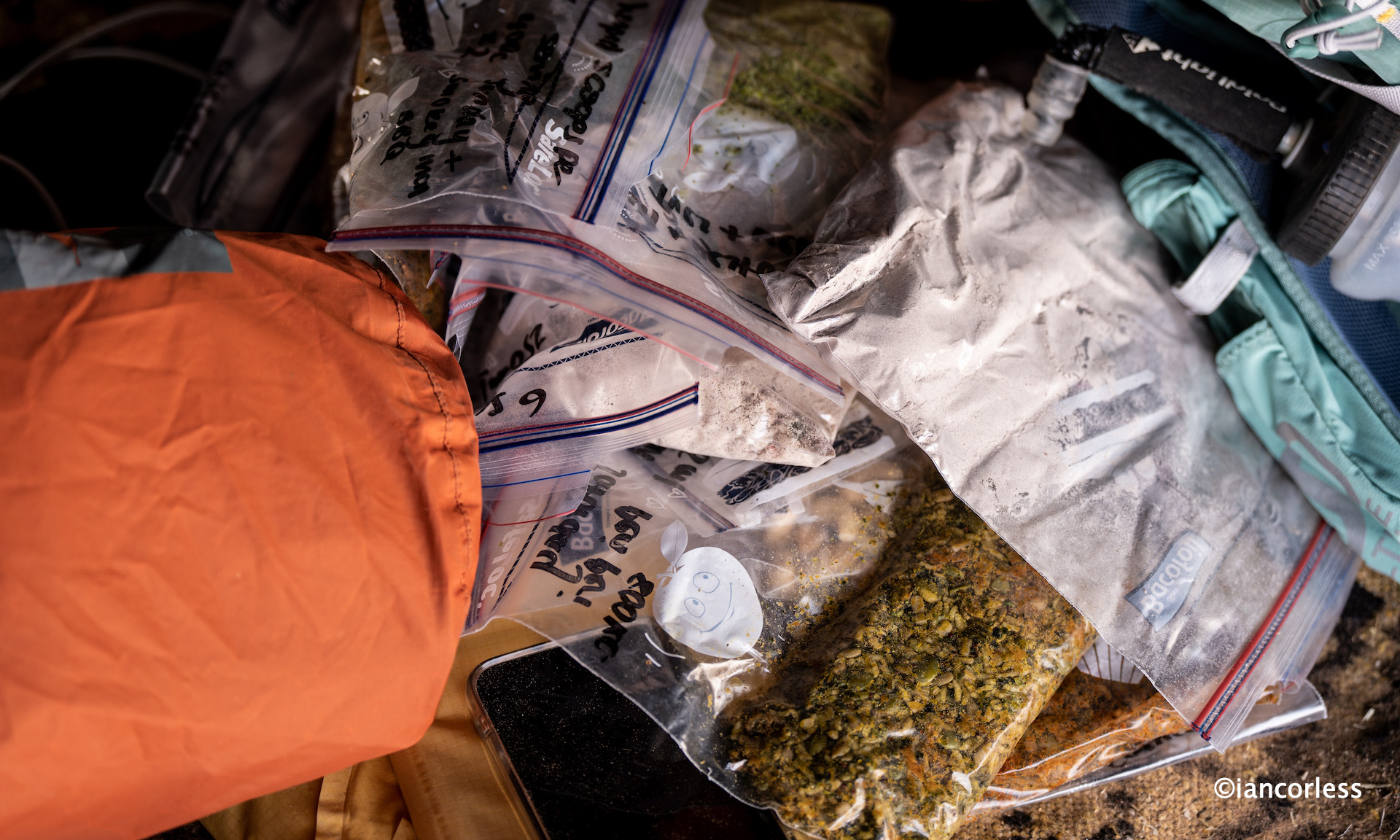
Be organised with all your items ©iancorless

Food is personal and you must find out what works for you. Remember taste chances when fatigued and in hot environments, often, sweet becomes less palatable with a preference for savoury. Dehydrated meals will often be used for key meals such as breakfast and dinner, some hydrate well with just warm water, others need hot water. So, if you are not taking a stove, test this. Basecamp food is a good website that shows what options exist. After many tests, highly recommended products are Firepot, Lyo, Tentmeals and Adventure Menu. Personally speaking, Firepot produce the tastiest meals I have tried.

Make sure you add some treats to spice up your palette.

A food list for MDS The Legendary could look like this:

  • Dehydrated Meals x6 672g
  • Dried Mango 93g x 4 372g
  • Porridge 59g x 7 413g
  • Coffee 1g x 10 10g
  • Peanut Butter 33g x 5 165g
  • Honey 21g x 8 168g
  • Mini Salami 10g x 10 100g
  • Tropical Mix Bag 194g
  • Sesame Bites 27g x 6 162g
  • Dried Banana Block 270g
  • Mixed Nuts 200g x 2 400g
  • Macademia Nuts Bag 153g
  • Cranberries Bag 175g
  • Pitta Wraps 296g

Total Weight 3550g

WATER
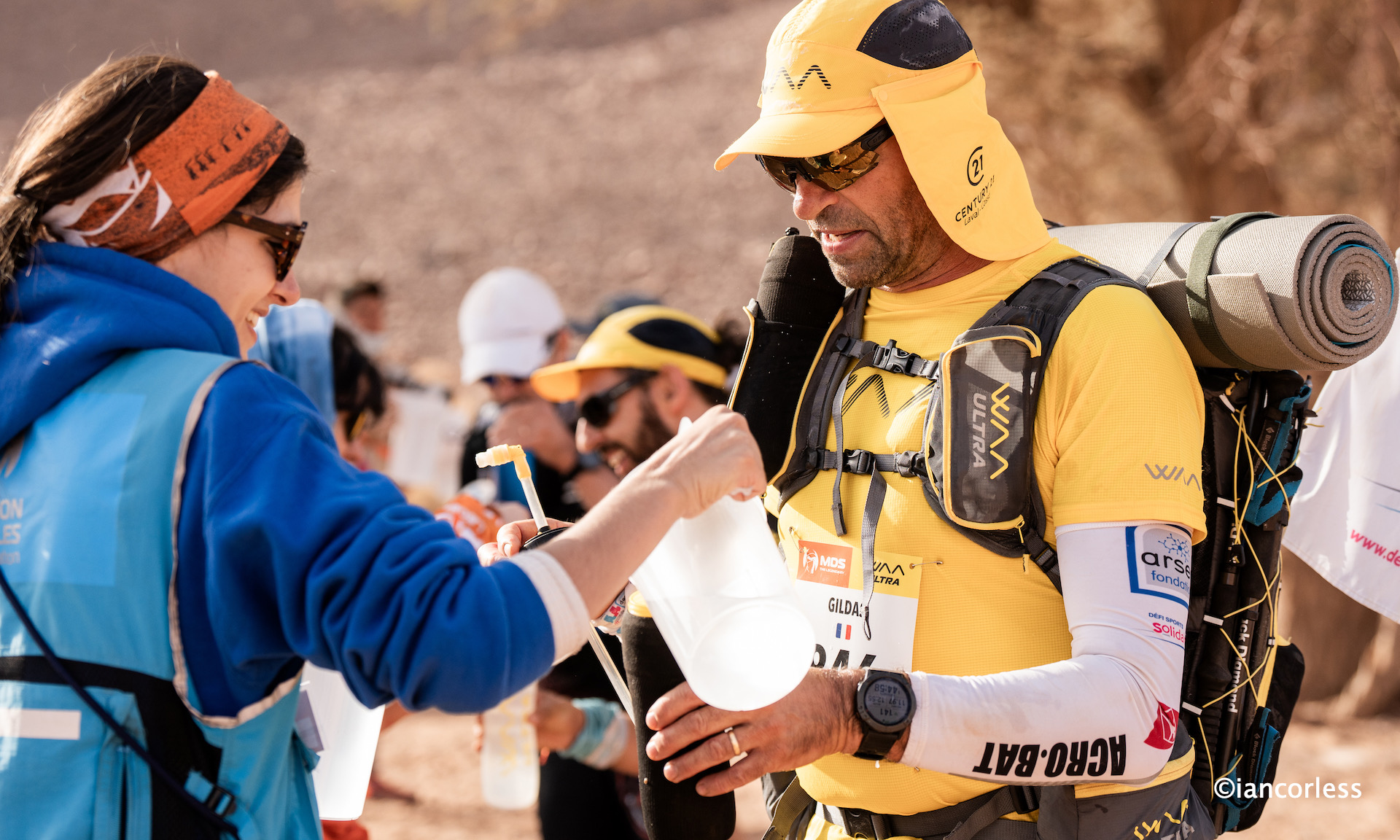
Water is provided at checkpoints by MDS staff ©iancorless

Water provision, particularly at MDS The Legendary and MDS 120 has changed. In past editions, water was rationed and provided at key checkpoints in bottles, typically, 10km’s apart. 

In 2024, the new organisation changed this and arguably, water is now available, as required whilst racing. It is poured from jugs by MDS staff.

 In addition, intermediate water stations are added when deemed necessary to ensure competitor safety. 

Iced water – amazing. ©iancorless

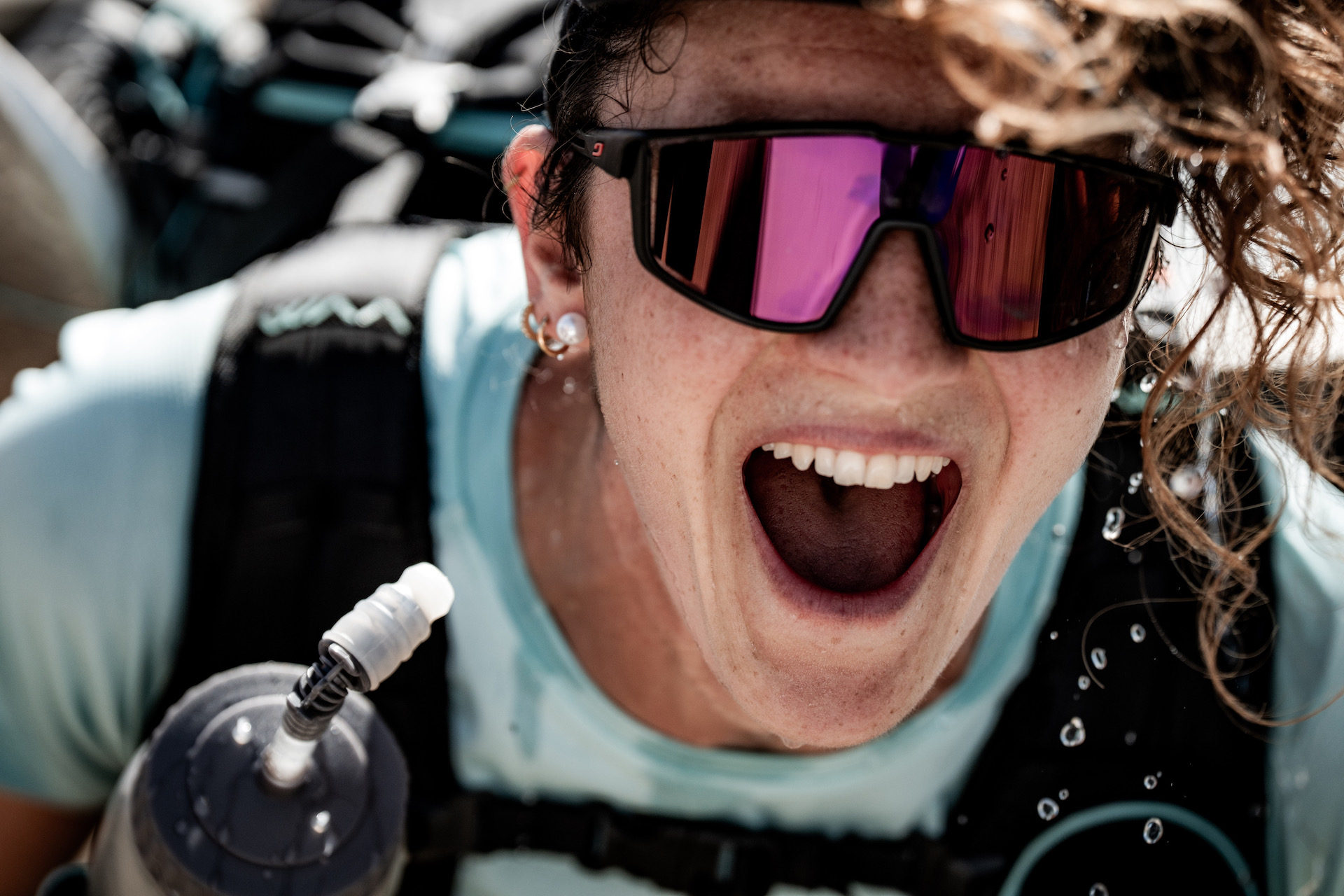
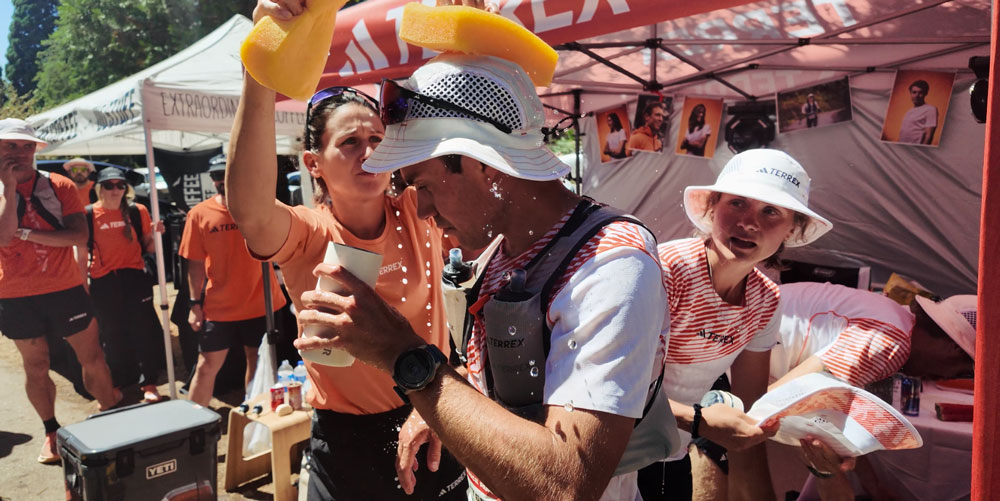
At key checkpoints, iced water is supplied and poured by MDS staff on the heads and neck to aid cooling.

Post-race, each runner is provided with a 5L bottle of water, this is used for evening cooking, breakfast and up to CP1 the next day. If you wish to wash or freshen up, this comes from the same water ration. So, prioritise food and drinking before washing.

THOUGHTS AND CONSIDERATION

MDS is available for all, be that racing snake or someone who is looking for the adventure of a lifetime. So, keep that in mind. A top runner will have his or her pack at the absolute minimum weight and will look to survive the week racing as fast as possible. They will spend the week hungry. You, for example, may wish to carry a little more weight and have some comfort during the week. Just don’t carry to much extra weight!

The pack you wear is a crucial item that not only must fit everything you need, but it must also be comfortable and allow easy access to drink. There is no one-stop solution here. We are all different sizes and have different body shapes, so, make sure you try options.Also remember, at the beginning of the race, your pack can be around 8kg, this adds extra pressure on the shoulders, so, make sure you have enough padding and comfort. Many packs now come with waist belts and this, for many, is a great solution not only for extra storage but weight distribution. WAA have the ultra bag which has been specifically designed for the job. Osprey have recently released the Talon Velocity 20 which in testing has been superb. Don’t be tempted to get a bag that is too large, remember, the more space you have, the more you may take.

Bottles are the obvious way to carry water, typically 2x 750ml on the chest straps. I personally really dislike this format, I find it uncomfortable and unpleasant. So, find your own solution. Bladders have always been considered a NO for MDS but I personally find the solution ideal for my multi-day adventures. If you are a ‘racer’ this is not the best solution, but for most, it is ideal. As always, bladders can puncture, so, think about this.

Correct shoes and gaiters are essential. ©iancorless

Shoes will always be a debate and point of discussion. Shoes are personal and must be suited to you, the individual. Consider your gait (neutral, supinate or pronate), consider time on feet, consider your weight, consider how much you will walk (and then double it) also consider shoe drop and how much cushioning you need. It’s impossible to recommend any one shoe because of these variables. You will see top runners using a lighter shoe, remember, these shoes only need to last 20-30 hours. However, you may well need a shoe for 40, 50 or 60-hours. Do you need a trail shoe? No, you don’t need a trail shoe but I would say that many trail shoes are more durable as they are designed for the rough and tumble of variable terrain. Do you need an aggressive outsole? No, you don’t, but I do think some grip is better than none and therefore I would use a trail shoe over road. Protection? Toe box protection is a good idea as deserts include lots or rocks, far more than you may think. Do I need a size bigger? Shoe sizing does depend on what is ‘normal’ for you. I always recommend a thumb nail of space above the big toe, you don’t need any more than this. Recommendations of going a size is bigger is bad advice in my opinion. A shoe that is too large allows your foot to move, a moving foot causes friction, friction causes blisters and the rest is the same old story that I see at desert races all over the world. However, I would recommend a shoe with a little more width in the toe box, this will allow for some comfort as the days progress. If you are prone to feet swelling, discomfort, blisters and so on, get a strategy sorted before you head out to your chosen race. You will need a gaiter and while not always the case, sewing velcro on a shoe can change its shape, so, consider this. There are specific desert racing shoes now available by Salomon and Raidlight.

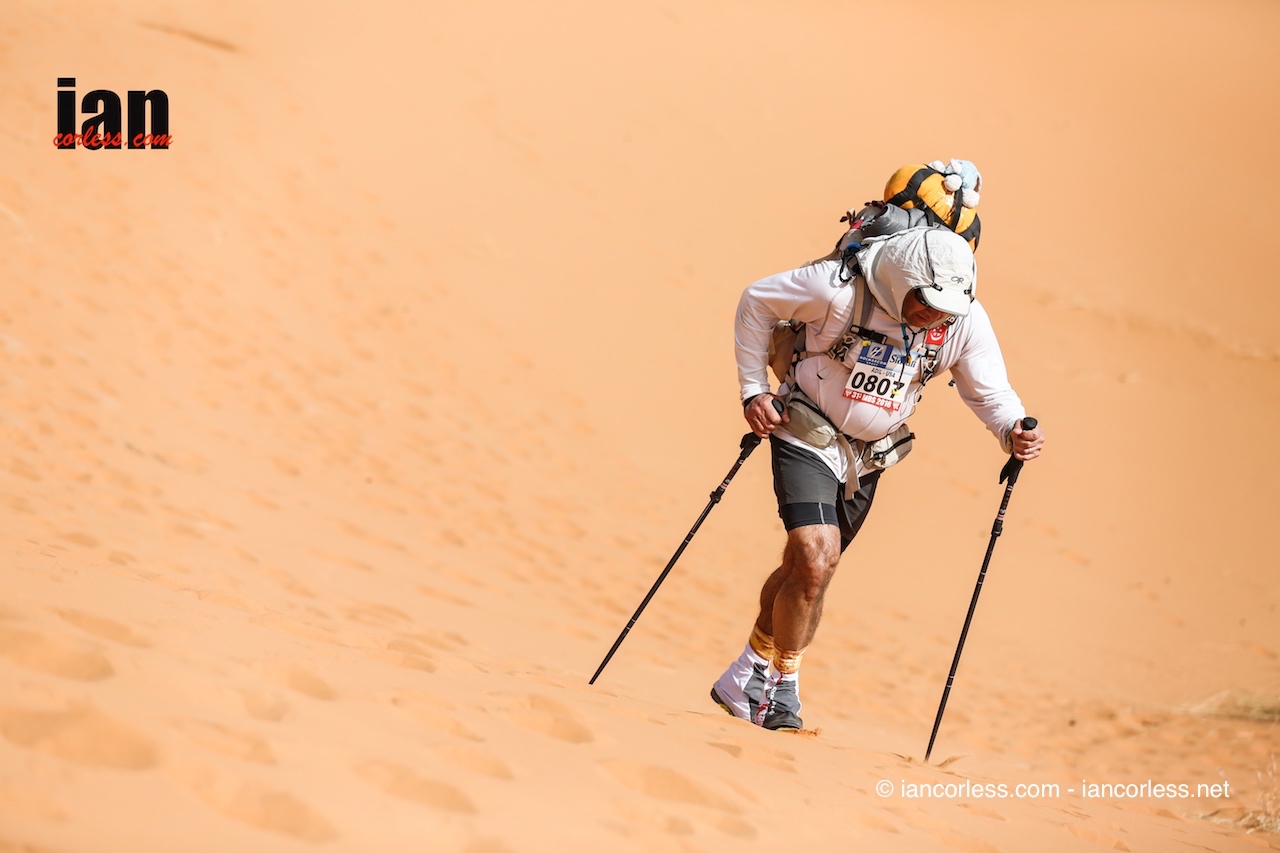
Poles are a godsend, buy some and learn how to use them. They are 4-wheel drive.
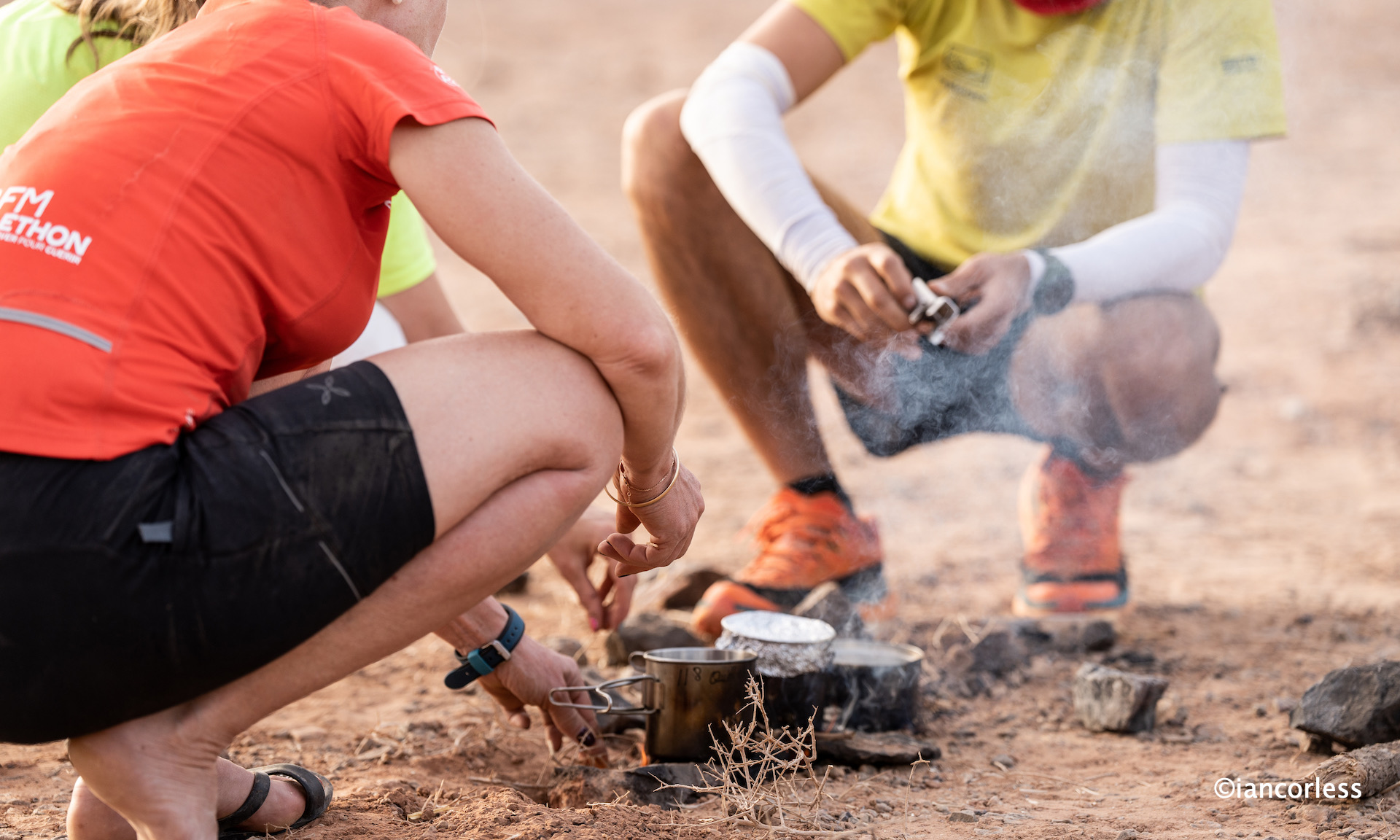
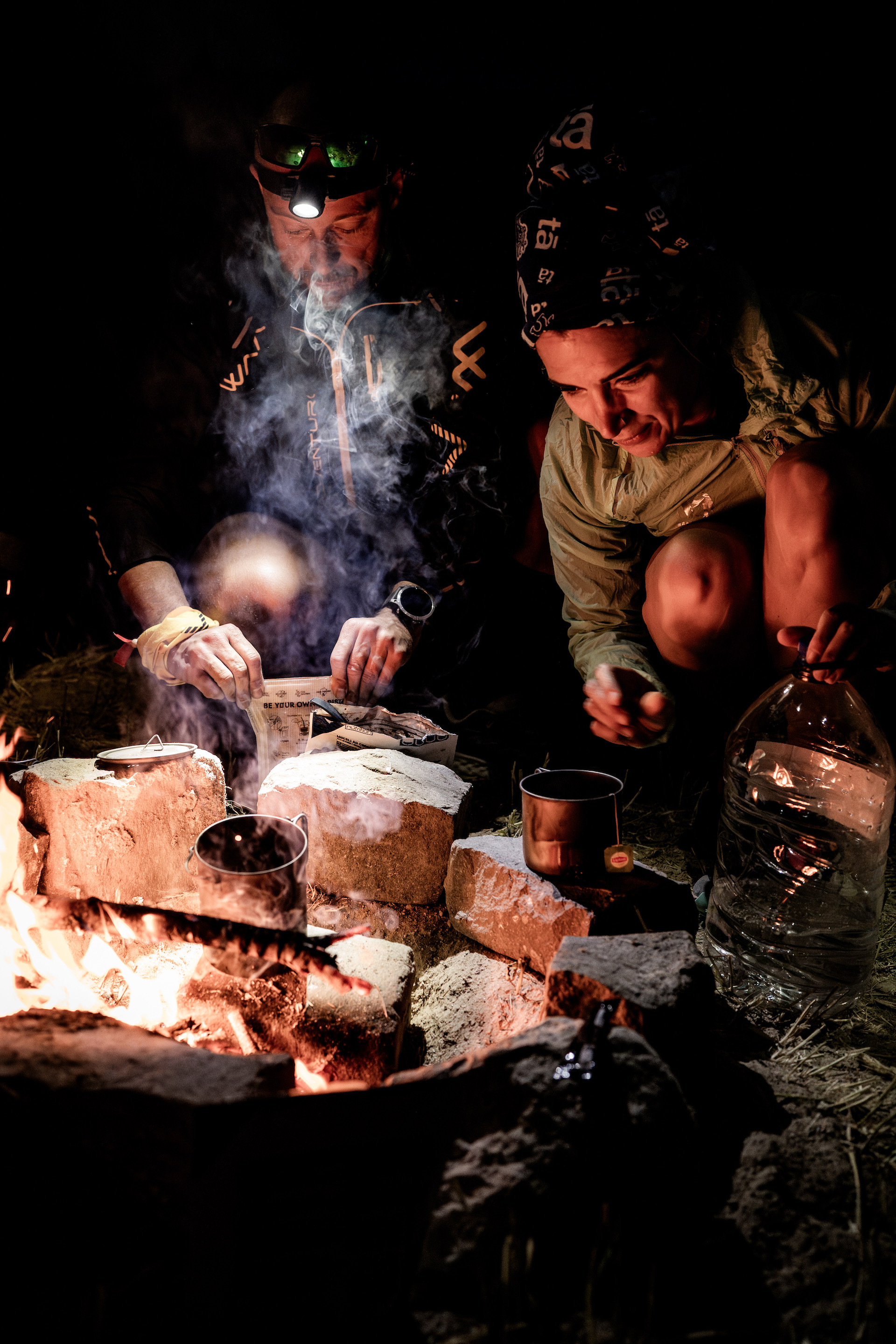
You can be creative with food prep ©iancorless

Food is essential, make sure it works. Hot or cold water is a consideration and make sure if using meals that need rehydrating that they work with water at desert temperature. Never assume that water will always be warm because you are in the desert, just as we get hot years, we also get cool years.

Salt is needed to keep you in balance. Many foods contain salt so look to supplement that with the mandatory food cubes. Be careful here, for example, OXO works considerably better than Knorr. Do you need alt tablets? Do your research,, find out what you personally need and come up with a plan. Listen to a podcast HERE.

Avoid this! ©iancorless

Feet – make sure you look after them. With the correct socks and correct shoes, there is no reason to get blisters and despite what some people say, the majority of people do not get blisters. Read Healthy for Running and Walking.

Heat is difficult and without doubt, it’s better to adapt to heat before the race. Read about Heat Acclimation by Dr Jodie Moss.

Hygiene is crucial and difficult when self-sufficient. But set up a protocol not only for your benefit but for those around you.

Luxuries keep them to a minimum.

Toilet paper is essential, make sure you have enough and compressed towels are brilliant to freshen up when you add a little water.

Take essentials on the plane and wear your run apparel and shoes. That way, should a baggage disaster happen your chances of racing improves.

Have additional items such as a base layer, sleeping bag liner and other items that may be on a ‘question’ list for the race. On night 1 and before you go to admin, you can make final decisions of what to and what not to take. Particularly important if you think you may be cold at night.

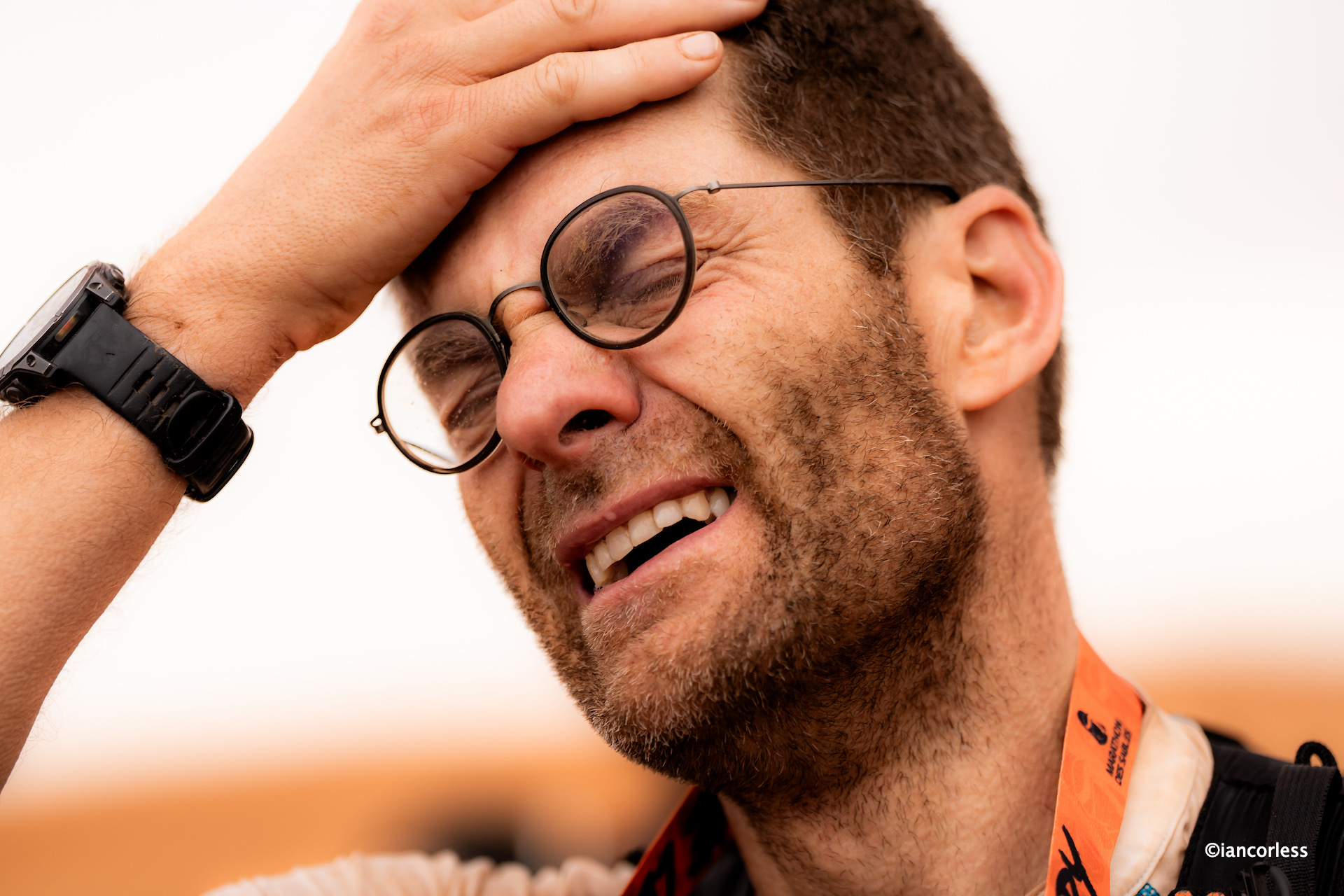
What a journey ©iancorless

FINALLY

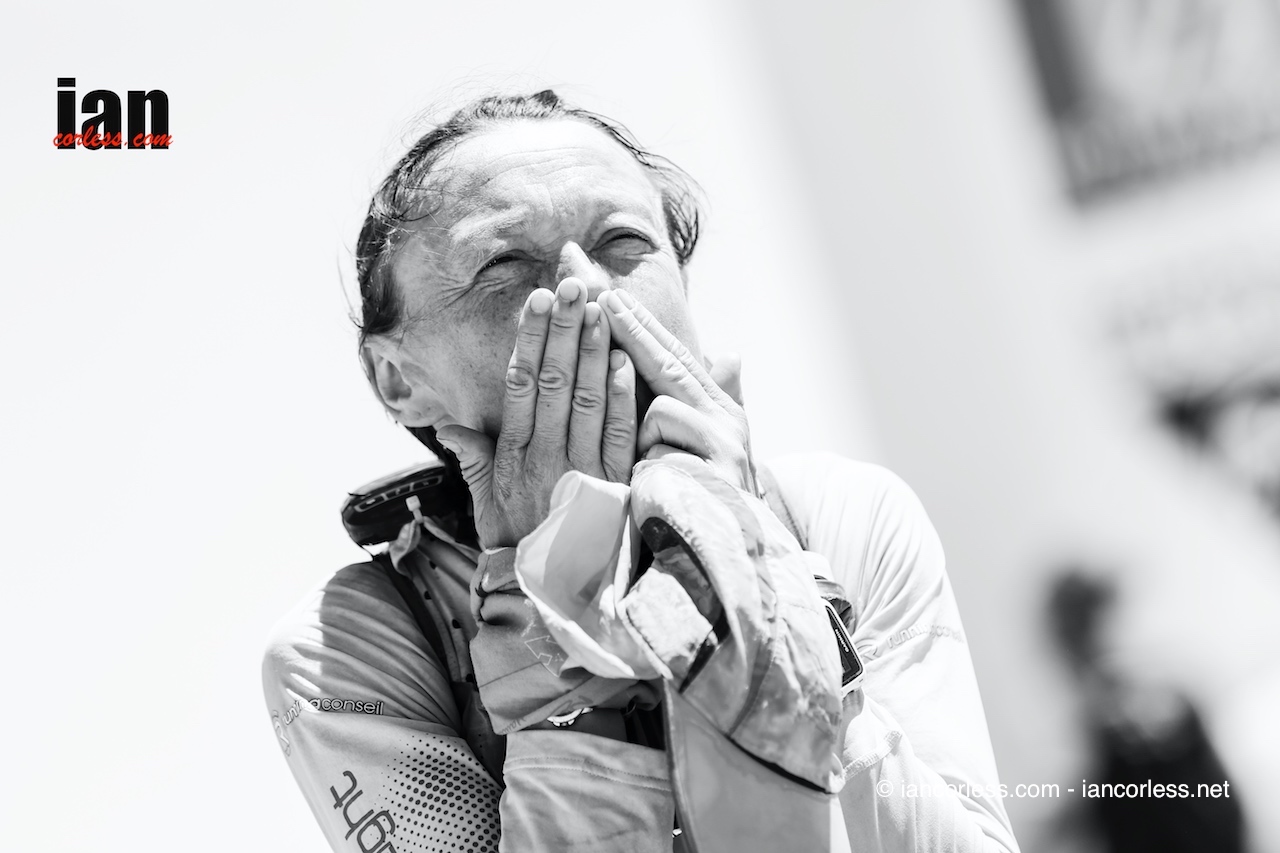
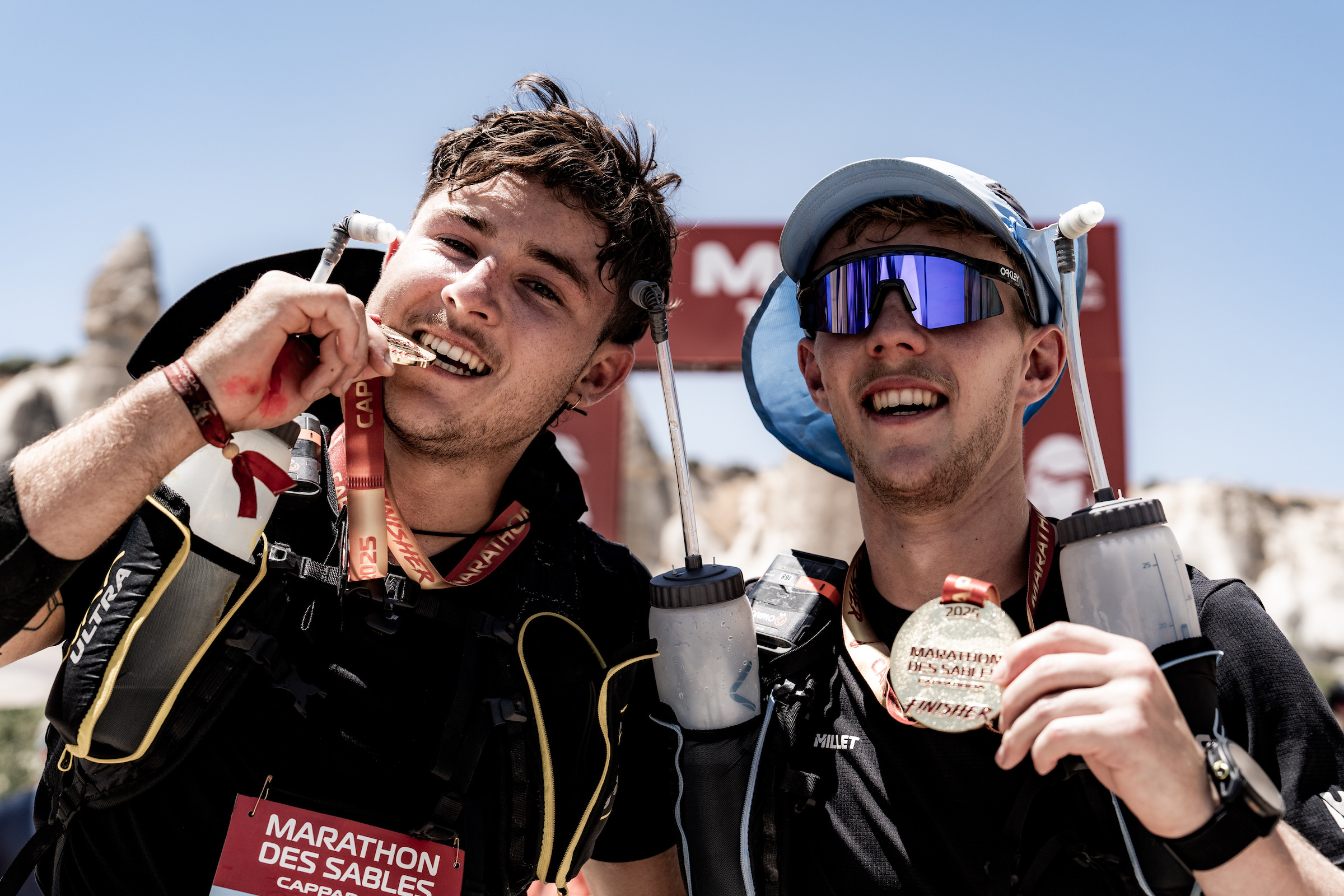
The medal! ©iancorless

You signed up for the challenge, you wanted to be on the start line and therefore you are responsible for the outcome. Believe me, the ‘you’ that leaves the Sahara is not the same you that entered. Arguably, you change the moment you pay the deposit, the transformation process begins. Embrace the journey and apply yourself. Keep perspective, the MDS journey is an enhancement of you as a person. It’s easy to become obsessed, ultimately the majority of runners at MDS are enthusiasts, if you keep that in mind the journey will be a complete one.

Plan ahead, formulate a long term plan and don’t rush. The sooner you start this process, the greater your chance of success and the less chance of injury. Plan stepping stone races and don’t be fooled into thinking that you need to run marathons day-in and day-out. You don’t! Training is about ALL the training you do and not about anyone run.

Commitment, training and dedication. ©iancorless

If we exclude the top 50-100 runners (who will also walk sometimes) the majority of the MDS field spend a huge amount of time walking. Learn to walk! Believe me, it’s a huge tick in the MDS box and rest assured that if you are able to walk at a good consistent pace (barring injury or dehydration) you will finish MDS.

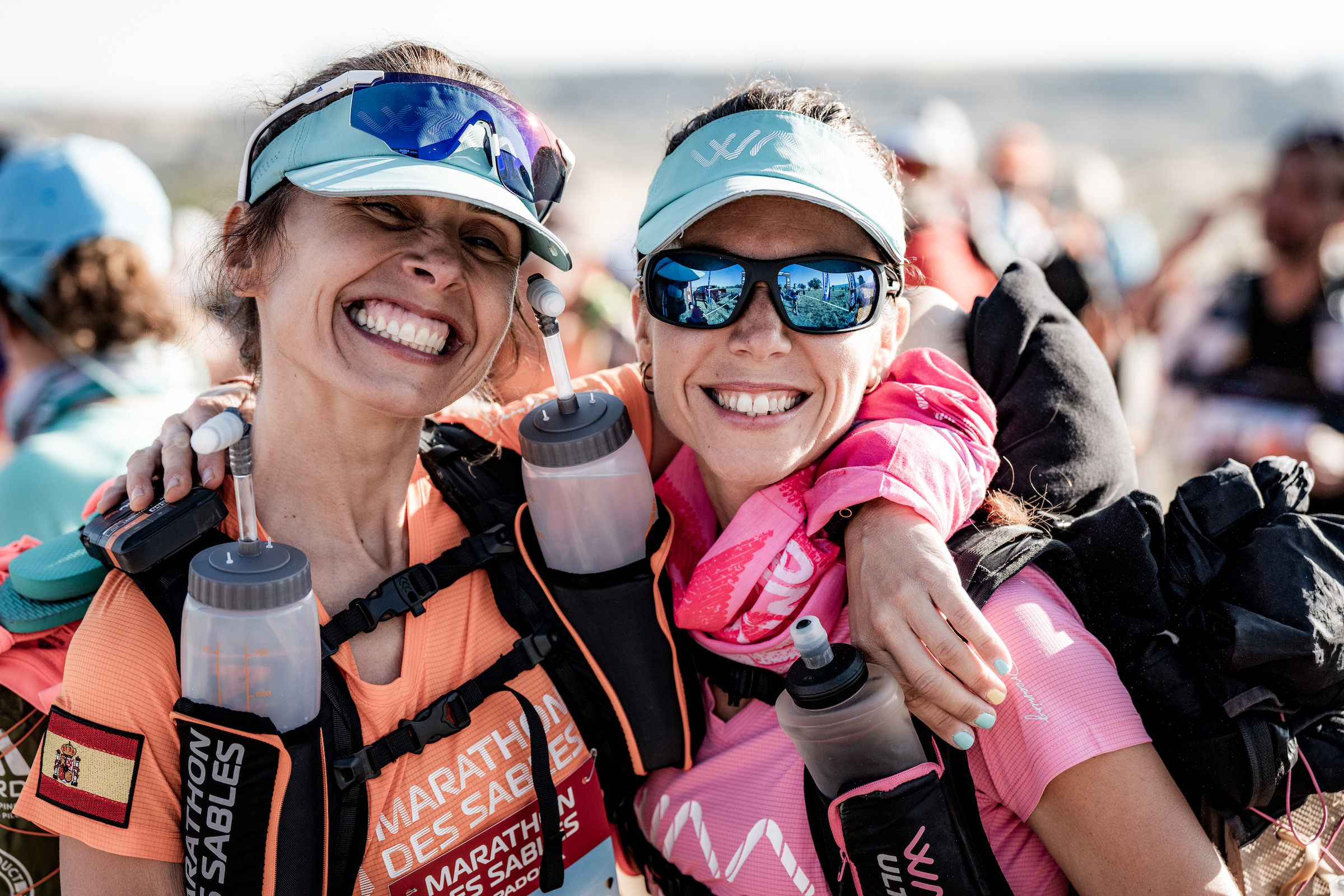
MDS is an inclusive experience ©iancorless

You are going to share bivouac with other people and you are going to have some serious highs and lows. These tent mates will pull you through and motivate you. They will become friends for life.

Legs, lungs, heart and feet will only get you so far. The mind is what will get you to the finish. Despite the hardships and pain, embrace the journey and mentally prepare for the challenge.
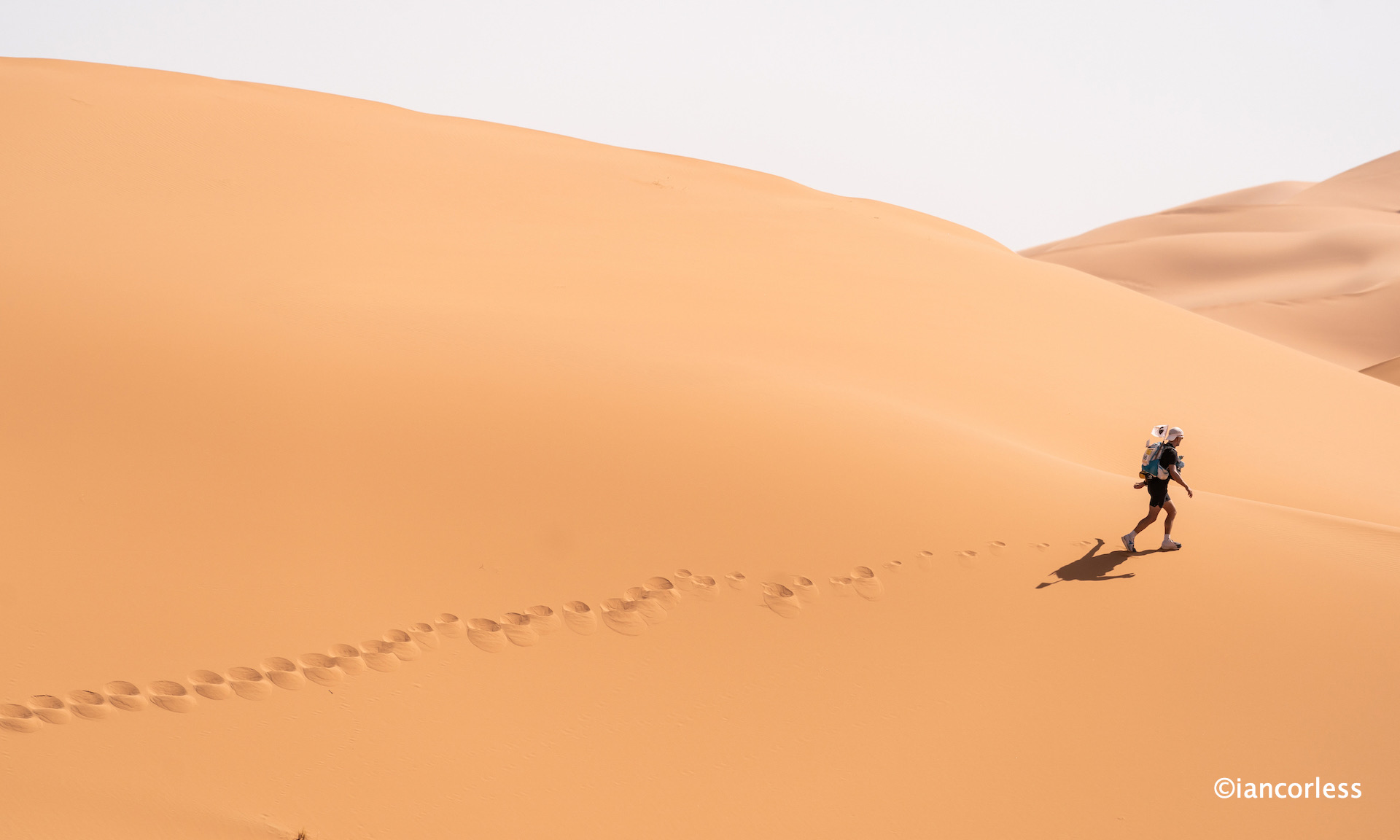
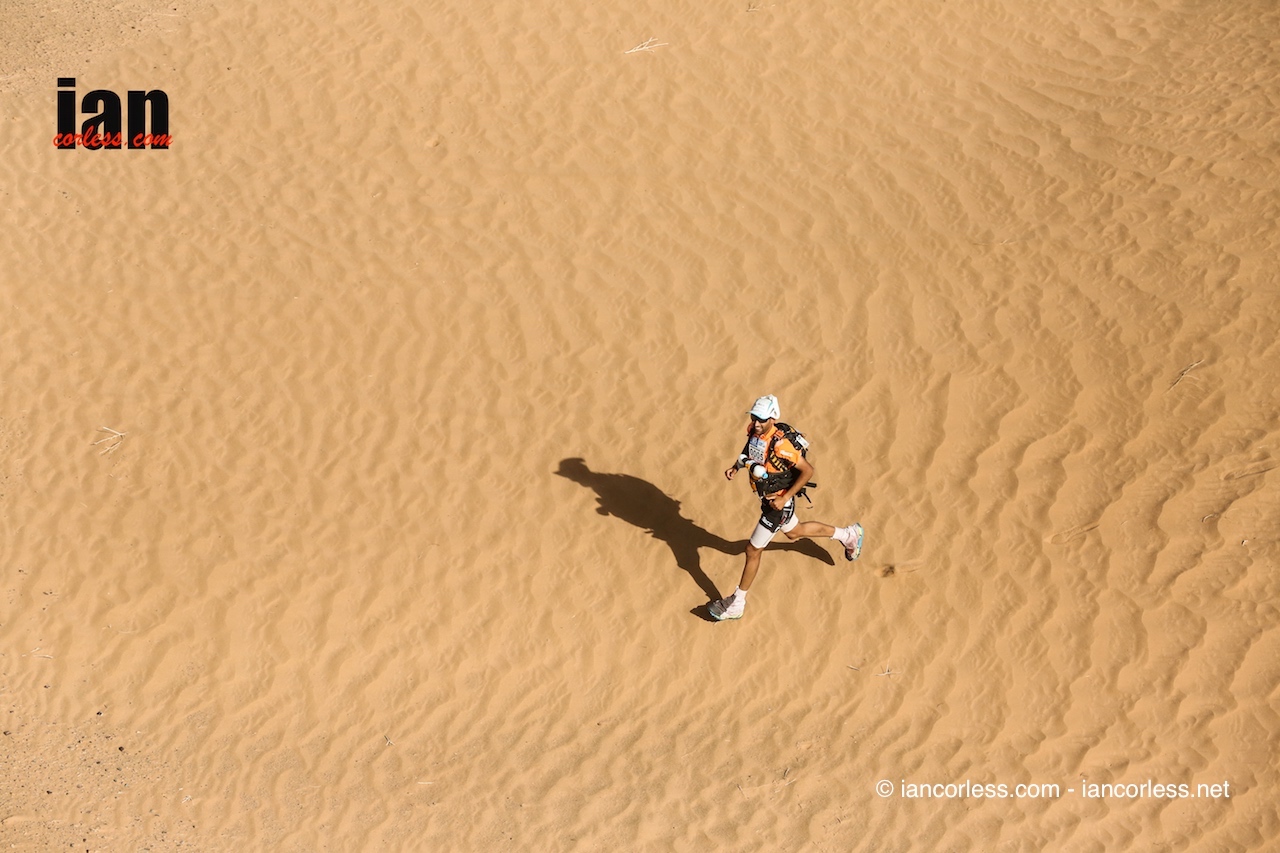
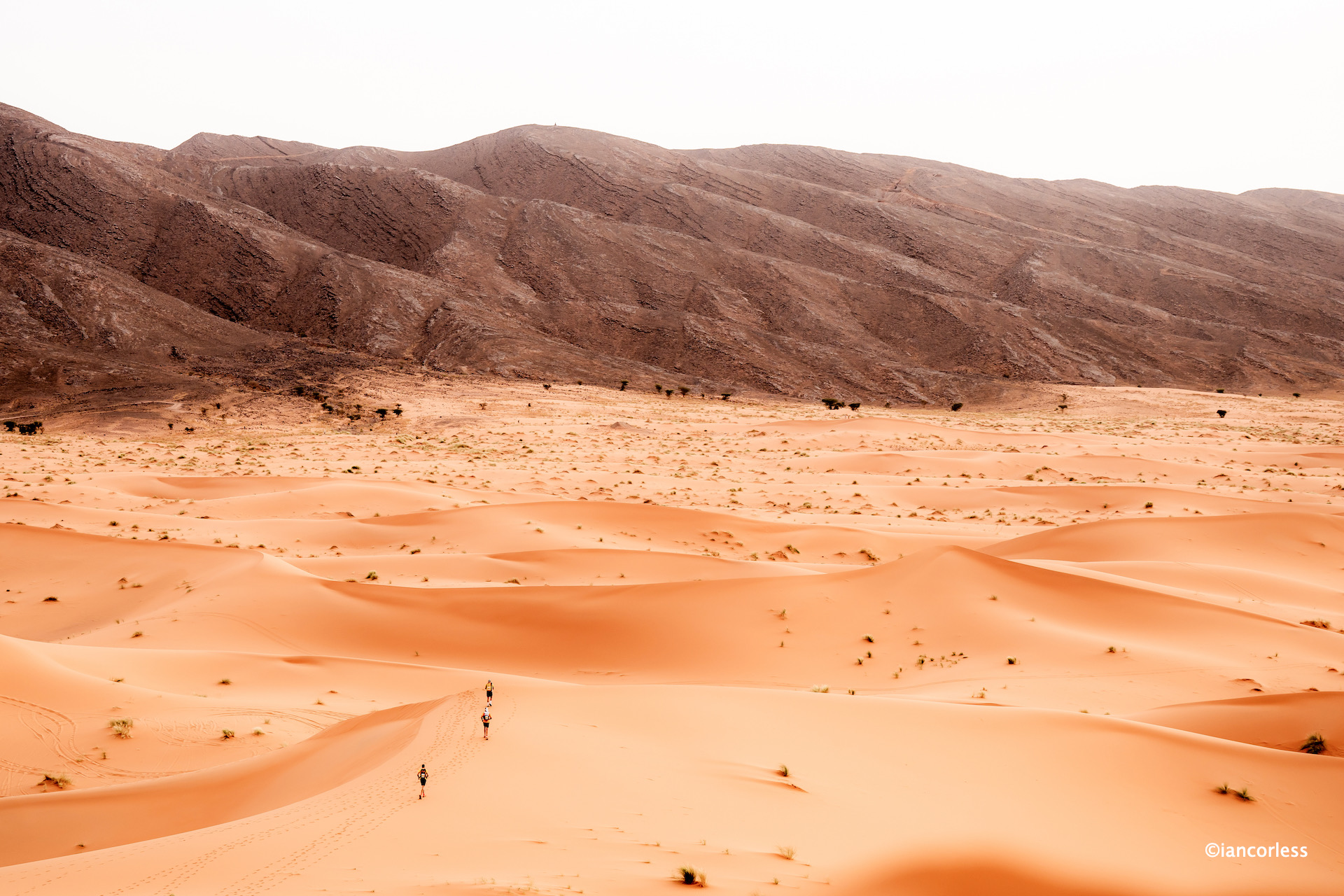
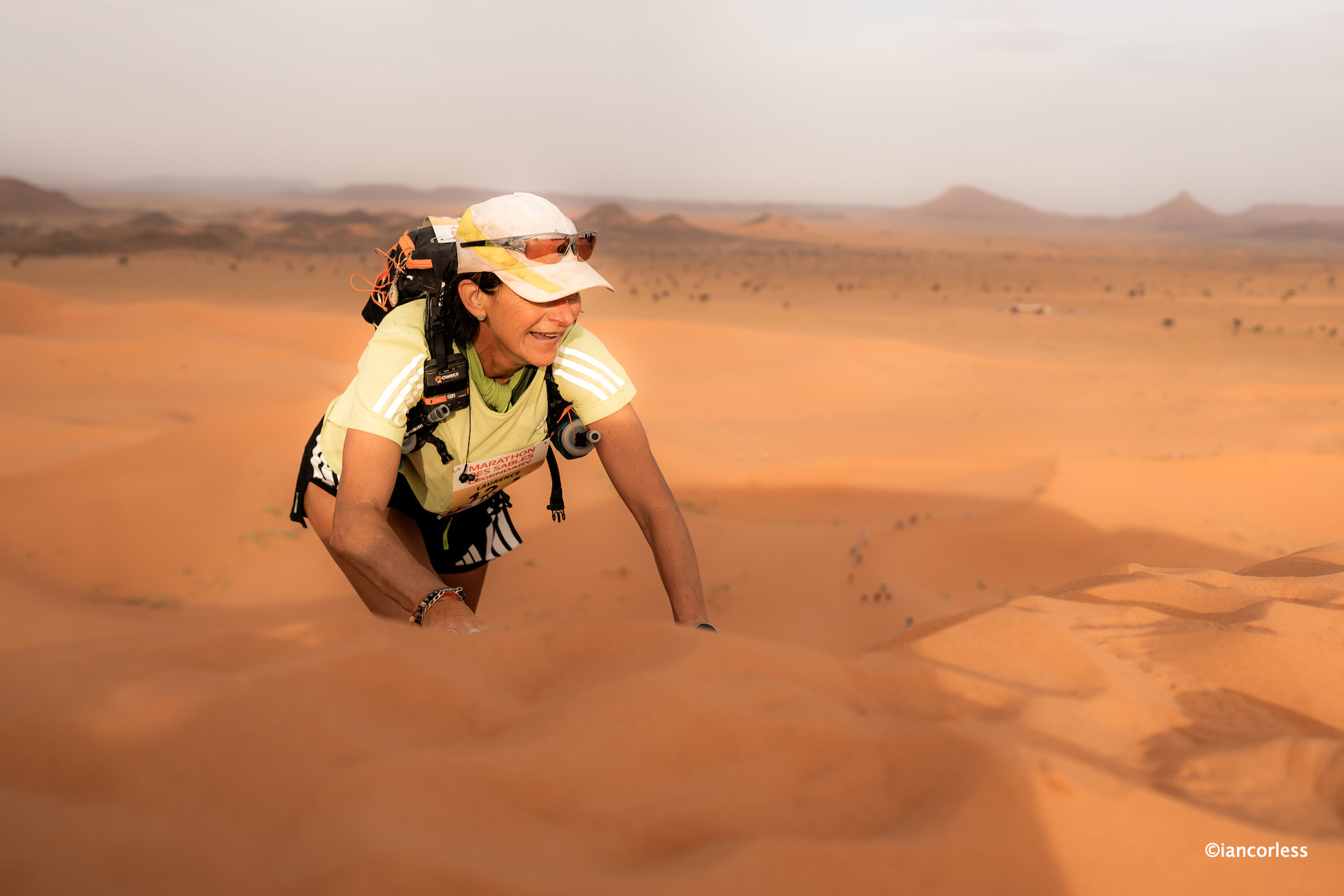
You. A pack. The desert. ©iancorless

MDS is a magical and life changing journey, it really is a true challenge of mind and body to race over many days, irrespective if you complete or compete. It’s a hark back to a more primitive time, a time without clutter and modern technology. Embrace this. Embrace the silence of the surroundings and the simplicity of placing one foot in front of the other, eating, resting and sleeping and then doing it all again.

You can read a SUMMARY of the 2024 MDS The Legendary HERE

MDS 120 events HERE

MDS The Legendary HERE

Further reading:

How to choose a Sleeping Bag HERE

Fastpacking Guide HERE

Winter Fastpacking HERE

Walking with poles HERE

Walking efficiency when climbing HERE

Long Term Goal Setting HERE

This article was updated, July 17th 2025.

Follow on:

Instagram – @iancorlessphotography

Twitter – @talkultra

facebook.com/iancorlessphotography

Web – www.iancorless.com

Web – www.iancorlessphotography.com

Image sales –www.iancorless.photoshelter.com
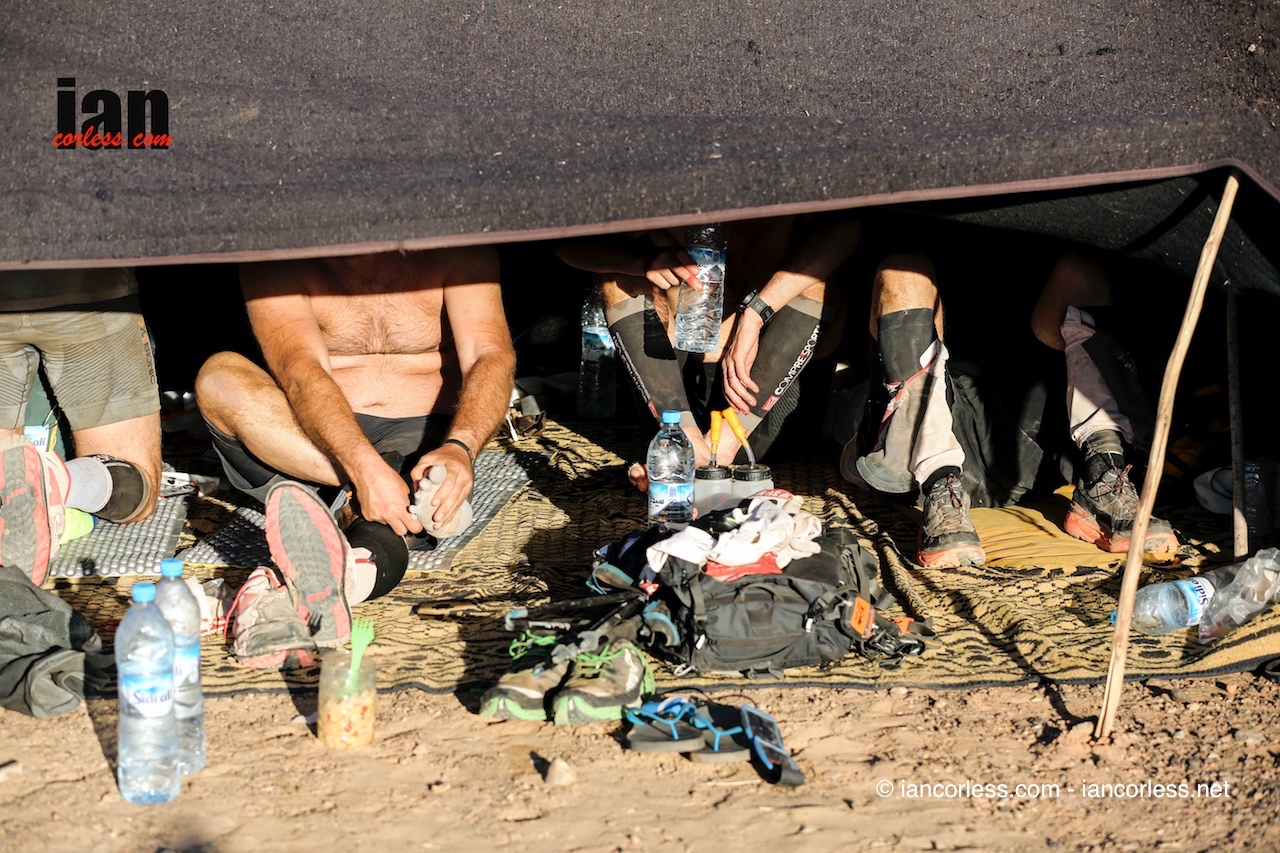
The Ultimate Equipment Guide to MDS Racing 2025/ 2026

©iancorless.com_MDS2016-3382

Desert running brings many challenges and running in a desert for multiple days brings a whole new set of challenges.

For 40 years, the Marathon des Sables (MDS)has defined the edge of human endurance. It began as a wild idea—could someone run across the Sahara carrying everything they needed to survive? That idea sparked a revolution. MDS became the godfather of the ultra-stage race, a test of self-sufficiency, resilience, and pure grit. Over time, it expanded beyond its roots: the MDS 120, the exploratory MDS TREK, the demanding MDS RAID, and the mind-bending MDS Crazy Loops. Each one a new take on the same promise, to push the limits of what a runner can handle.

Also read

Fuelling for a Multi-Day HERE

How to choose a Sleeping Bag HERE

Top Tips to better Multi-Day Running HERE

Fastpacking Guide HERE

Winter Fastpacking HERE

Walking with poles HERE

Walking efficiency when climbing HERE

Long Term Goal Setting HERE

MDS as it is affectionately known paved the way not only for multi-day desert racing but ‘all’ multi-day racing, be that in snow, ice, rainforest, jungle or the mountains. If multi-day racing was the mafia, MDS would be the Corleone family.

All multi-day races have followed and tried to replicate the MDS format, however, the reality is, I have yet to experience a race that matches the size, the scale, the organisation and awe-inspiring splendour of what MDS has created in the Sahara. Ask anyone, despite experience, despite achievement, MDS is usually ‘on the bucket list!’ It’s fair to say, that MDS is directly attributable for many new ultra-runners. You see, MDS offers more than just running, it offers a challenge, it offers something quite unique – the Sahara and the MDS strips the runner back to basics and deprives them of all luxuries so that they are stripped raw. Runners find themselves in the desert.

2024 and onwards:

2024 saw a new team take over the MDS brand, at the head, Cyril Gauthier and Olivier Cerbeland. Significant changes took place for the 38th (2024) MDS Legendary pioneered at what was the HMDS format (now MDS 120) and they remained for 2025 and moving forward.. There are 3 key points:

Point 1:

Legendary is now 6 timed stages and not 5 stages with a charity stage. The distance will be, +/- 250km’s. The long day in 2024 was stage 3, for 2025 this will be stage 4.

Point 2:

MDS events are contested in food self-sufficiency: only water, in limited quantities but sufficient to cover the needs of an athlete evolving in the desert, is provided to you each day. You must take along for your entire stay in the desert everything you need to eat and prepare to eat (freeze-dried meals, semolina, cereal bars, stove, etc.). This self-sufficiency will include the day of your arrival in the desert, and the day of control preceding the race. *Trek is exempt from food self-sufficiency.

Point 3:

You must arrange your own travel to race destination. As usual, MDS will take care of you from your arrival airport, this will depend on race location. Typically, free shuttles will be offered from one key airport. You will thus have the possibility of anticipating or extending your stay, or of being joined by your family, much more simply than before.

It is recommended you listen to a podcast with co-owner and CEO Cyril Gauthier. Listen HERE.

MDS Events, 2025 moving forward:

LEGENDARY the iconic 6-stage, 250km race celebrating 40-years in 2026.

MDS 120 (used to be HMDS) this is 3-stages over 4-days with distance options of 70/ 100 or 120km.

MDS TREK this is similar to the MDS 120 format, however, there is no self-sufficiency, more comfortable accommodation and additional facilities, an excellent introduction to the MDS.

MDS RAID an event for more experienced athletes that is undertaken in teams of two, over approximately 90-120km’s, typically, two distance options are provided. The format is similar to MDS 120 with 3-stages over 4-days. One night will be undertaken under the stars with no bivouac.

MDS ULTRA new for 2025, a 100-mile or 100km single stage race with a 40-hour cut off.

MDS CRAZY LOOPS three new events for 2025 undertaken in ski resorts, the format is to run as many loops as possible in 24-hours. The loops will be typically, 3-5km’s in length.

DESTINATIONS:

Morocco – has multiple events: Atlantic Coast, Legendary, MDS Ultra, MDS 120 Morocco, and MDS Trek.

Namibia – a MDS Raid event

Turkey MDS 120

France – Crazy Loops – La Rosière and Courchavel

FuerteventuraMDS 120

JordanMDS 120

PeruMDS 120 – This event takes place every 3-years.

****

If you have entered MDS or another self-sufficient multi-day race or adventure, you will be asking:

“What equipment do I need?”

This question is the same for many other desert races but I need to be clear, not all races are the same. For example, MDS requires the runner to be completely self-sufficient. This harks back to Bauer’s pioneering expedition in 1984. The runner must carry ‘all’ they need for the duration of the event, the only exception being:

©iancorless.com_MDS2016-6596

Bivouac – A simple tent cover is provided at the end of each day and this tent must be shared with 7 other runners. This is specific to Legendary. Other MDS events, MDS 120 as an example, runner’s a re provided solo-occupancy small yellow WAA tents.

Water – Water is provided in bivouac and out on the course. Whilst running, water is abundant and not rationed. At the end of the day, you are provided 5ltr of water which must last to CP1 the following day.

Anything else the runner needs must be carried – pack, sleeping bag, sleeping mat, food, snacks, luxuries etc.…

The Detail

©iancorless.com_MDS2016-1419

Let’s be clear, it is important to note that equipment will not make you complete any race. What it can do is make the process easier and more comfortable. Equipment is something we all must take to any race and finding out what works and doing the research is part of the fun.

If you want to increase your chances of completing your chosen race, commit to the training required, get your head in the correct place and then finish off with the appropriate equipment for the job. Far too many stress about what equipment they need and neglect the appropriate training.

©iancorless.com_MDS2016_Day0_0004

Multi-day racing in its purest form should be very simple. However, over the year’s deciding what equipment to take has become increasingly more complicated.

It shouldn’t be complicated and in all honesty, it isn’t!

Here is just a list of absolute essentials, one could say that this list is mandatory:

  • Hat
  • Sunglasses
  • Buff
  • Jacket (usually down)
  • T-Shirt
  • Shorts/ Skort
  • Socks
  • Shoes
  • Gaiters
  • Rucksack
  • Sleeping Mat (optional)
  • Sleeping bag
  • Head Torch
  • Flip-flops or similar
  • Toilet paper
  • Personal medical kit (feet etc.)
  • Spot Tracker (supplied at MDS, optional at other races)
  • Road Book (supplied)
  • Stock cubes
  • *Food for the required days
  • **Mandatory kit
  • ***Water

Optional items:

  • Warm jacket (usually down that packs small and light) – I consider this essential and not optional
  • Stove and fuel blocks
  • Sleeping bag liner
  • Spare socks
  • Walking Poles
  • Goggles
  • Spare clothes (?)

Luxuries:

  • Mp3 player
  • Phone
  • Solar charger
  • Kitchen sink…

Perspective:

©iancorless.com_MDS2016-8805

Any multi-day race has (arguably) five types of participant:

  1. The elite races who will contest the high-ranking positions.
  2. Top age groupers who will look to race for a high place and test themselves overall.
  3. Competitive runners looking for a challenge.
  4. Those who wish to complete and not compete.
  5. Newbies who are out of their comfort zone looking to finish at all costs.

©iancorless.com_MDS2016-6293

When one looks at kit and requirements, it’s easy to think that the needs of the top elites in group 1 will vary from those in group 5. I would arguably say no! All the runners need the same things; they all must carry the same mandatory kit and they all must carry the same minimum food requirement.

©iancorless.com_MDS2016-0541

I think the differences come with experience. Novices and newbies will more than likely prepare for the unknown, the ‘just in case’ scenario. Whereas top runners will be on a minimum, the absolute minimum. Groups 2- 4 are a mix of groups 1 and 5 and they fall somewhere between.

So, for me, groups 2, 3, 4 and 5 should (where possible) aim to be like group 1. The only key difference comes with shoe choice. Runners who will spend much longer on their feet and out on the course will most definitely need a shoe that can withstand that pressure and the shoe must also be good for walking. Groups 2-5 never fully appreciate (often until it’s too late) how much they will walk in a desert race.

EQUIPMENT IN DETAIL

When looking at equipment, I am going to provide a brief synopsis and then some recommendations. I will then supply ‘my’ equipment list.

I strongly advice using a tool such as LIGHTERPACK which is a great tool. Here is an example of one of my personal fastpack lists.

Remember WAA is the official equipment of MDS and you can purchase many of the key items via their website HERE

Hat – A hat is essential to keep the sun off your head; options exist that have a neck cover built in to avoid that delicate area that will almost certainly be in the sun all day.

Sunglasses – So many choice, but you need a good pair that has ideally a large lens to protect the eye. Some desert specific sunglasses include a brow pad that helps stop sweat dripping in your eye. Do you need prescription? If so, I use prescription Oakley and they are excellent. Do you need goggles? Yes and no. If you have good sunglasses with good coverage, then no. However, should a sand storm hit, it can be uncomfortable. Goggles guarantee no sand in the eyes.

Buff – A buff or even two are essential. One around the neck helps keep the sun off and you can also wet it to help reduce core temperature. In wind and sand storms, the Buff is lifted and protects mouth, nose and sometimes eyes. A spare Buff is a luxury but worth considering.

Jacket – Jacket choice will depend on sleeping bag choice. If you are using a light bag, a lightweight down jacket is an essential item. Häglofs, Yeti, Mont Bell, Rab and others have exceleent super light options.

T-Shirt – It’s not rocket science, you will have been running in a shirt already, if it works, why change it? I read countless arguments about should it be black or white – you know what, it doesn’t ‘really’ matter. Look at the elite runners, they are often sponsored and have little or no choice on colour. However, lighter colours reflect heat. Comfort however is key.

Shorts/ Skort – Same answer as T-Shirt.

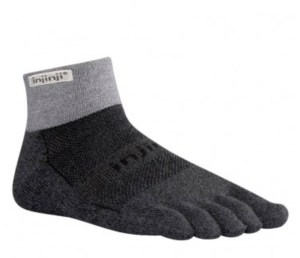
Socks – Getting the correct socks are key for any race and like I have said for shirt and shorts, if you have socks that work, why change? So many options exist but for me I am a firm believer in Injinji toe socks.

Shoes – Read HERE – Shoes are personal and must be suited to you, the individual. Consider your gait (neutral, supinate or pronate), consider time on feet, consider your weight, consider how much you will walk (and then double it) also consider shoe drop and how much cushioning you need. It’s impossible to recommend any one shoe because of these variables. You will see top runners using a lighter shoe, remember, these shoes only need to last 20-30 hours. However, you may well need a shoe for 40, 50 or 60-hours. Do you need a trail shoe? No, you don’t need a trail shoe but I would say that many trail shoes are more durable as they are designed for the rough and tumble of variable terrain. Do you need an aggressive outsole? No, you don’t, but I do think some grip is better than none and therefore I would use a trail shoe over road. Protection? Toe box protection is a good idea as deserts include lots or rocks, far more than you may think. Do I need a size bigger? Shoe sizing does depend on what is ‘normal’ for you. I always recommend a thumb nail of space above the big toe, you don’t need any more than this. Recommendations of going a size is bigger is bad advice in my opinion. A shoe that is too large allows your foot to move, a moving foot causes friction, friction causes blisters and the rest is the same old story that I see at desert races all over the world. However, I would recommend a shoe with a little more width in the toe box, this will allow for some comfort as the days progress. If you are prone to feet swelling, discomfort, blisters and so on, get a strategy sorted before you head out to your chosen race.

Gaiters – Are essential and they should be sewn and glued on to the shoe to guarantee that no sand can enter. WAA provide race gaiters.

Rucksack – A rucksack is one of the most essential items for the race as it will hold on your kit for the duration of the event. Many versions exist and the type of pack you choose depends on many things: Male/ Female, Small/ Large, Tall/ Short and so on. Some packs just don’t work for some people. You also need to consider if you need a front pack to hold essential items. How will you drink on the go? How much do you plan to run in comparison to walk? I have some simple advice:

  • Keep the pack as small as possible, if you have a bigger pack you will just fill it.
  • Keep the pack simple – far too many packs are over complicated and messy
  • Keep the pack light
  • Make sure that drinks are accessible, easy to use and don’t bounce
  • See how the pack feels full with all food and then see how the pack feels with 5-days food missing.
  • Make sure you can access ‘on the go’ essentials.

Needless to say, WAA is arguably the most popular pack at MDS. However, find what works for you.

Sleeping Mat (optional) – Inflatable, Foam or no mat. I’m a firm believer in taking a mat, the weight v comfort is a no brainer. I would also choose an inflatable mat even though it does run a risk of puncture. However, with good admin, good care, and years of using inflatable I have never had an issue. A foam mat is guaranteed to last the race but for me is large and cumbersome. Look at products from Thermarest, Sea to Summit, Klymvit and OMM.

Sleeping bag – Like the pack, a sleeping bag is a key item is it is likely to be the largest and heaviest item (except food and water) that you will carry. A sleeping bag is important as a good night’s rest is key for day-to-day running. I will always go with a sleeping bag and down jacket scenario is this for me provides less weight, less packed size, more flexibility and the option to get warmer at night by wearing the jacket inside the bag. Problem is, this comes at a price. Also, consider your size, shoulder width, height and so on. Some bags are very small whereas bags such as PHD and Yeti can be purchased in small, medium or large. Recommended bags are PHD (custom or off-the peg), Yeti, Western Mountaineering, Häglofs, RAB, OMM (not down) and Raidlight. Read HERE

Head Torch – Don’t compromise, you need a good head-torch that provides enough light for running in a black desert at night. Don’t use rechargeable or a torch with gizmos. You just ideally need variable power, a red-light option so you don’t disturb others at night and it will either take AA or AAA batteries. Recommendations are Black Diamond, Petzl, Silva or LED Lenser.

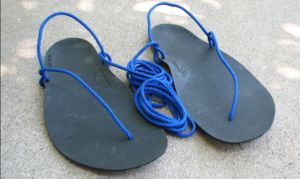
Flip-flops – Free slippers that hotels give away are popular as they are small, fold and are lightweight. However, they don’t stay on and they don’t protect from thorns or stones. Cheap, lightweight plastic or rubber flip flops work for me. I have seen some improvised flip-flops made from run shoe insoles and some string. It’s that group 1 to group 5 scenario again!

Personal medical kit (feet etc.) – Foot care is essential and although many races have a medical team on hand to look after you and your feet, understanding how to do this yourself is key. learn foot care and treatment and understand how to tape your feet. Ready-made foot care kits are available such as this at MyRaceKit here

Spot Tracker (supplied at MDS, optional at other races)

Road Book (supplied)

*Food for the required days – (see clarification below). Food is very personal and it’s imperative you find out what works for you based on your size, gender, calorie burn and speed of running. The front runners will use carbohydrate and fat as fuel as they will run at a faster pace and therefore they will potentially fuel ‘during’ each stage with carbs. However, as you move through the pack going into groups 2-5 the need for fat as a fuel is more important and therefore ALL runners before heading out to any multi-stage race should ideally have taught their bodies to use fat – we have an unlimited supply of this fuel! Post run it’s important to repair, we need protein for this and re-stock energy supplies, we need carbs for this. Dehydrated meals for many runners form the basis of a morning meal and evening meal. Many options are available, some people can eat anything, others are very particular. Keep in mind allergies such as gluten intolerance and decide in advance will you go hot or cold food. For me, the additional weight of a Titanium stove and fuel is worth it for hot food and a drink. We sampled some dehydrated food in 2015 HERE. In 2015 I worked hard to reduce pack weight to the minimum with a coaching client and we made sure we dialled food choices in to provide desired calorie needs but also keep weight low.

Recommended meals FIREPOT

As an example:

  • Dehydrated Meals x6 672g
  • Dried Mango 93g x 4 372g
  • Porridge 59g x 7 413g
  • Coffee 1g x 10 10g
  • Peanut Butter 33g x 5 165g
  • Honey 21g x 8 168g
  • Mini Salami 10g x 10 100g
  • Tropical Mix Bag 194g
  • Sesame Bites 27g x 6 162g
  • Dried Banana Block 270g
  • Mixed Nuts 200g x 2 400g
  • Macademia Nuts Bag 153g
  • Cranberries Bag 175g
  • Pitta Wraps 296g

Total Weight 3550g

**Mandatory kit – see clarification

***Water – see clarification

EQUIPMENT LIST as an example

©iancorless.com_MDS2016_Day1_0013

It’s important to note that equipment must be specific to the race you are doing and race conditions. The list below is an example of equipment for Marathon des Sables. However, if I was going to Atacama or the Grand to Grand (both self-sufficient) I would be looking at a heavier and warmer sleeping bag and a warmer jacket. Temperatures at night get much colder than the Sahara. The Grand to Grand can also have rain, so that would need consideration.

It’s important to note that equipment will not make you complete any race. What it can do is make the process easier and more comfortable. If you were looking for a one-stop solution, I would say that if you went away and purchased the equipment list below, you would have a comfortable and successful race. The exceptions come with shoes, that is personal and food. Food choices below are personal but a good example, you must find what works for you.

Also, note that minimum pack weight (on day one) at MDS is 6.5kg. So, you can keep purchasing lighter and lighter and then find that you are too light. I have done this. The plus side of this, is that lighter equipment allows you to take more food and/ or more options – again a good thing. For example, in my equipment list, I could go with a slightly lighter jacket, I could not take poles and I could leave the iPods at home and that would allow me 2 or 3 more dehydrated meals. However, I would prefer the equipment I want and am happy with and add 2,3,4 or 500g for the first day. Remember, the pack gets lighter as the day’s pass.

WEARING:

Hat: A good hat that will keep the sun off your head, the option to have neck coverage is a good idea and ideally make sure the inside of the peak is black. It reduces flare from the sand.

Shirt: A good t-shirt that provides coverage for the shoulders, is light and breathable.

Shorts: Lightweight shorts that cause no irritation or friction.

Socks: Injinji Trail Midweight or Injinji Outdoor 2.0 (which is Merino wool)

injinji-midweight

Shoes: Ultimately a shoe must fit you and fit well. There is no need to go larger, on the contrary, a shoe that is too large allows ones foot to move, a moving foot creates friction and friction creates blisters! However, a wider toe box can be a good option, depending on individual foot shape. Read HERE about how a shoe should fit. Consider how long you will be on your feet, the demands on a shoe are very different for someone who will finish in 20-hours in comparison to someone who will take 60-hours. Consider body weight too; a heavier individual may well need a more substantial shoe. For a race like MDS, a trail shoe is not essential, but for most preferable. Good shoe options for ‘neutral’ runners: Nike Wildhorse, inov-8 Trail Talon, Hoka One One are very popular and for zero-drop enthusiasts, Altra and inov-8 Terraultra G270. Gaiters are essential and typically Raidlight or MyRaceKit are the most popular. You can glue them on (with care and ideally some experience) but most people have them sewn on via Kevin Bradley at Alex Shoe Repairs.

Watch: Coros Vertix  and Garmin Enduro are the two key considerations to last any MDS event on one charge

Buff: Any

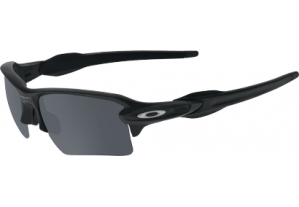
Glasses: Look for sunglasses that fill well, cover the eyes so as to be suitable for sandstorms. You need a good strong lens that blocks the sun, however, photochromatic offers flexibility. Oakley (and others) offer the option for prescription lenses. I would avoid using contact lenses, there can be endless problems, sand and eyes do not mix well!

oakley-flak-20-xl-matte-black-black-iridium

IN THE PACK:

WAA Ultrabag has been designed for the race and is the most popular.

Häglofs Essens 160g – is super light jacket with treated down suitable for a multitude of conditions – here

PHD Minimus K Sleeping Bag 380g – PHD work for me, you can have them custom made with or without zips and they are excellent. Yeti make a bag that is more than 100g lighter but I prefer the warmth and comfort of the PHD. Here

phd-minim-ultra-k

Thermarest Prolite Small 310g – Small, comfortable and you can double up and use it as padding in your pack OR Sea to Summit (here)

 thermarest-prolite-small

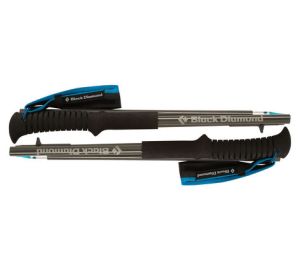
Black Diamond Carbon Z Poles 290g – Lightweight and folding that provide 4-wheel drive when walking.

black-diamond-carbon-z-pole

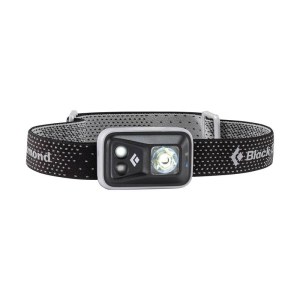
Black Diamond Spot Headtorch w/ batteries and spares 120g – Powerful (200 lumens), lightweight with many varied settings.

 black-diamond-spot

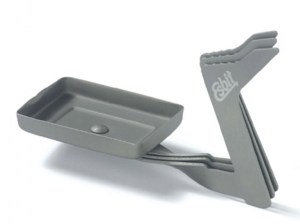
Esbit Stove 11g – Small, lightweight and simple.

esbit-stove

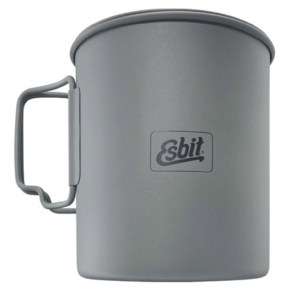
Esbit Titanium Pot 106g – Small, lightweight and durable.

esbit-pot 

Esbit Fuel 168g

esbit-fuel

iPod Shuffle x2 64g – Life saver

Spare Socks 91g – Injinji Trail Midweight or Injinji Outdoor 2.0 (which is Merino wool) 

Flip-Flops 150g – But Xero True Feel are good.

 sandals

Total Weight 2406g If I was looking to be very minimalist and as light as possible, I would not take the stove, pot and fuel and the poles, total 1831g. But, I would probably prefer the option for hot food/ drinks and work around no poles, so total weight would be 2116g.

Note – with constant changing weather in MDS locations, a waterproof jacket is highly recommended!

EXTRAS:

  • Compeed 22g
  • Sportshield 8g
  • Corn Wraps 8g
  • Spork 10g
  • Pen Knife 22g
  • Compass 32g
  • Matches 20g
  • Savlon Antiseptic 18g
  • Toothpaste 36g
  • Tooth Brush 15g
  • Superglue 3g
  • Space Blanket 60g
  • Hand Gel 59g
  • Wipes 85g
  • Toilet Paper 36g
  • Safety Pins 5g
  • Ear Plugs 2g
  • Venom Pump 28g
  • Blindfold 15g
  • Sun Cream 80g
  • Whistle 15g
  • Signal Mirror 12g
  • SPOT Tracker 113g

Total Weight 806g

TOTALS:

Pack and Main Kit Contents: 2406g

Extras: 806g

Food: 3550g

Total 6762g

This pack weight includes poles and cooking utensils plus luxuries like Mp3

 (water would be added to this weight)

©iancorless.com_MDS2016_Day0_0022

IN SUMMARY

©iancorless.com_MDS2016-8441

I enjoy the process of looking at kit, looking at the options available and working out what is best for me and my situation. In some respects, I am lucky as I can test many items out in the market place and decide what I do and what I don’t like. However, trust me, products these days are so good that you can’t go wrong with almost any of the choices. Yeti, PHD, Haglofs etc. all make great sleeping bags, they will all work. Mountain Hardwear, Yeti, Mont-Bell etc. down jackets are all excellent, they all work. I could go on, but you get the picture. Like I said at the beginning, multi-day and desert racing is not complicated, don’t make it so. The only item you need to be sure on is shoes, make sure you get that right. But then again, I am sure you were running before you entered your multi-day race? You were using run shoes, be them road or trail and one must assume that they gave you no problems? If the answer is yes – why change them!

©iancorless.com_MDS2016-5188

Finally, we all love equipment and gadgets, it’s fun to go shopping and get new items. However, being physically fit and mentally strong is what will get you to the finish line – equipment is just part of the process, remember that.

Good luck!

 ©iancorless.com_MDS2016-7106

Clarification:

*Food (As required at Marathon des Sables)

He/she must select the type of food best suited to his/her personal needs, health, weather conditions, weight and backpack conditions. We remind you that airlines strictly forbid the carrying of gas (for cooking) on board either as hand luggage or otherwise. Each competitor must have 14 000 k/calories, that is to say a minimum of 2,000 k/calories per day, otherwise he/she will be penalized (see ART. 27 and 28). Any food out of its original packaging must be equipped, legibly, of the nutrition label shown on the product concerned. Any food out its original packaging must be equipped, legibly, of the nutrition label shown on the product concerned. 

**Mandatory Kit (as specified at Marathon des Sables)

  • 10 safety pins
  • Compass 1deg precision
  • Whistle
  • Knife
  • Disinfectant
  • 12 stock cubes
  • Signal mirror
  • Survival blanket
  • Sun cream
  • 200-euro note
  • Passport
  • Medical certificate

***Water (as specified for Marathon des Sables)

Why not join our Multi-Day Training Camp in Lanzarote. The camp takes place in January each year.

Information HERE

RESOURCES

Interested in another MDS event in 2025?

A full calendar of dates and destinations are available HERE

Instagram – @iancorlessphotography

Twitter – @talkultra

facebook.com/iancorlessphotography

Web – www.iancorless.com

Web – www.iancorlessphotography.com

Follow on:

Instagram – @iancorlessphotography

Twitter – @talkultra

facebook.com/iancorlessphotography

Web – www.iancorless.com

Web – www.iancorlessphotography.com

Image sales –www.iancorless.photoshelter.com
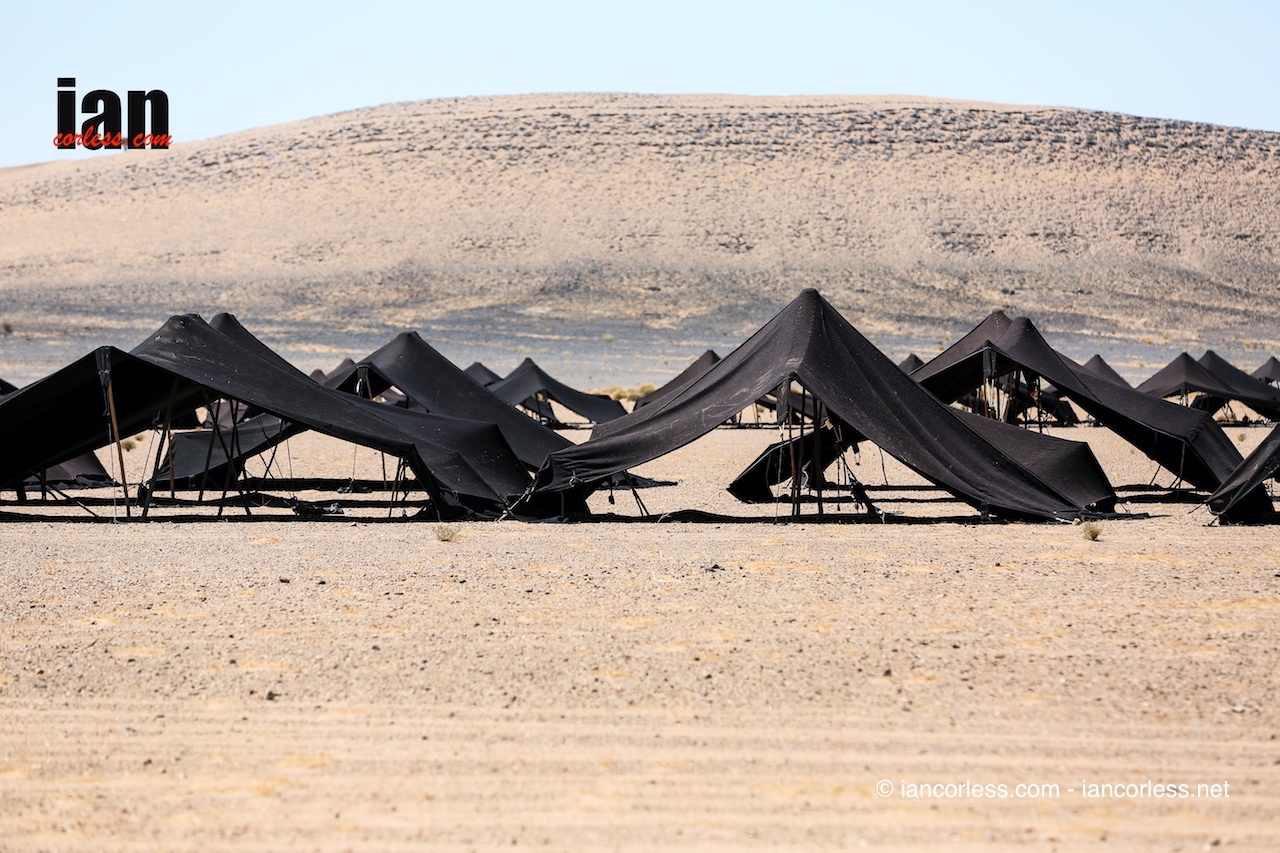
MDS ULTRA – MOROCCO 2026 Announcement

Photo by Ian Corless

For 40 years, the Marathon des Sables has defined the edge of human endurance. It began as a wild idea, could someone run across the Sahara carrying everything they needed to survive? 

That idea sparked a revolution. MDS became the godfather of the ultra-stage racing, a test of self-sufficiency, resilience, and pure grit. In recent years, MDS has expanded beyond its roots: the MDS 120, the exploratory TREK, the demanding RAID, and the mind-bending Crazy Loops.

Each one a new take on the same promise, to push the limits of what a runner can handle.

Photo by Ian Corless

January 2026, 9th to 14th

MDS returns to Morocco with something raw, stripped back, and different.

MDS Ultra – Morocco

One stage.

One journey.

A single unbroken push across the Sahara.

One race, two distances, the iconic 100-miles or 100km’s. You choose the distance, and, you don’t even have to decide until mid-race… At around 60 km’s (tbc), you’ll face a moment: choose100K or push through to the full 100-miles. 

Photo by Ian Corless

The course is fully marked. You won’t need to navigate. What you will need is focus, patience, and fight. You’ll be moving across the open desert, flatter than the classic MDS route, with firmer, more compact sand underfoot. The terrain will allow for speed, but don’t let that fool you. Weather in the Sahara is unpredictable, especially in January. You could get heat, wind, even rain. And when the sun drops, the temperature will follow. Nights will be cold, and you’ll feel it in your bones.

Photo by Ian Corless

This is self-sufficiency in its purest form. You carry your own food, survival kit, and race gear. Water is provided at aid stations every 10 km’s, and every 30 km’s, you’ll reach a life base: a checkpoint to rest, refuel, seek medical support, or just sit in silence for a moment. But no outside help is allowed. No pacers. No spectators. Just you and the desert, on your terms.

Photo by Ian Corless

The race begins with your arrival in Morocco on January 9 2026. You’ll be transferred to a hotel where the countdown begins. The next day, the technical briefing will cover everything: your gear, the course, the conditions, the risk, and the reward. Then, on January 11, you’ll be taken deep into the Sahara for the start. No frills. No countdown show. Just the wind, the sand, and the clock ticking. You have 40-hours to finish. Whether you run 100 km’s or 100-miles, that’s the window. What happens inside that window will stay with you for the rest of your life.

Photo by Ian Corless

As the race unfolds, time stretches and bends. The sun scorches your back, the wind whistles across the flats, and at night, under the stars, the desert becomes silent and infinite. 

Photo by Ian Corless

Somewhere out there, maybe after 70K, maybe after 90, your mind will try to pull you backwards. That’s when you’ll know you’re doing something real. When your legs ache and your thoughts get loud, you’ll understand what makes this event different. This isn’t just an ultra. It’s a rite of passage.

Photo by Ian Corless

Cross the finish line, and the pressure falls away. You’ll eat real food, sleep in a warm bed, and look around at the other 199 people who know exactly what you just went through. The next day is yours to rest, recover, and celebrate. An awards ceremony and gala dinner mark the end of the journey. You’ll laugh, maybe cry, and raise a glass with strangers who’ve become something more. Then, on January 14, you go back to the world – changed.

MDS Ultra – Morocco is for those who want more from an ultra than just a finish time. It’s for those who don’t need a crowd to run, who are curious about what happens deep into the night, when the course is quiet and the only thing guiding you forward is the sound of your own breath. This race is designed to be accessible and challenging at once. The course is fast and flat. The cut-off is generous. The experience is massive. You don’t have to be a world-class runner to finish. You just have to want it enough.

Photo by Ian Corless

Only 200 runners will be accepted. The entry fee is €1750, but the first 40 to register get a €150 discount. Any previous MDS finisher, regardless of which event, gets €200 off. You can defer your entry for free, and the cancellation policy is flexible to protect you from life’s curveballs. There’s no fine print. No hidden extras. What you see is what you get.

Photo by Ian Corless

This is a return to the roots. 

A simple journey. 

One course, one finish line, one desert. 

No stages. 

No shortcuts. 

Just the raw, beautiful brutality of a long-distance run through one of the most iconic landscapes on Earth. 

Photo by Ian Corless

This isn’t about medals or social media moments. It’s about becoming part of something that can’t be manufactured, a moment of stillness inside suffering, a glimpse of clarity inside chaos.

Photo by Ian Corless

Be a pioneer. Be part of the very first MDS Ultra. The stories from this race will be the ones others reference for years to come. In a world of overproduced, overhyped events, this is something real. The desert doesn’t care who you are. It doesn’t care what you’ve done before. But if you show up, if you commit, it will show you something few others will ever experience.

Photo by Ian Corless

Become a legend. Sign up now. The desert is waiting.

MARATHON DES SABLES WEBSITE HERE

Photo by Ian Corless

Follow Ian Corless

Instagram – @iancorlessphotography

Twitter – @talkultra

facebook.com/iancorlessphotography

Web – www.iancorless.com
Web – www.iancorlessphotography.com
MDS 120 Cappadocia 2025 – Race Summary

There are races that test your legs. There are others that test your mind. Then there’s the MDS 120 Cappadocia, a four-day,3-stage footrace that breaks down and rebuilds runner’s in one of the most staggering landscapes on Earth.

The second edition of this extraordinary event was nothing short of epic. It fused the spirit of ultra-running with the magic of deep time, where each participant pushed through heat, fatigue, and self-doubt and yet felt part of something much larger, something ancient, something eternal.

Cappadocia is not a place that’s easily explained. Words fall short, pictures get close, but to run through it, that’s where the real story begins. From the first light of dawn to the finish line and the glow of the medal, the 2025 MDS 120 Cappadocia offered an experience that was brutal, beautiful, and of course, unforgettable.
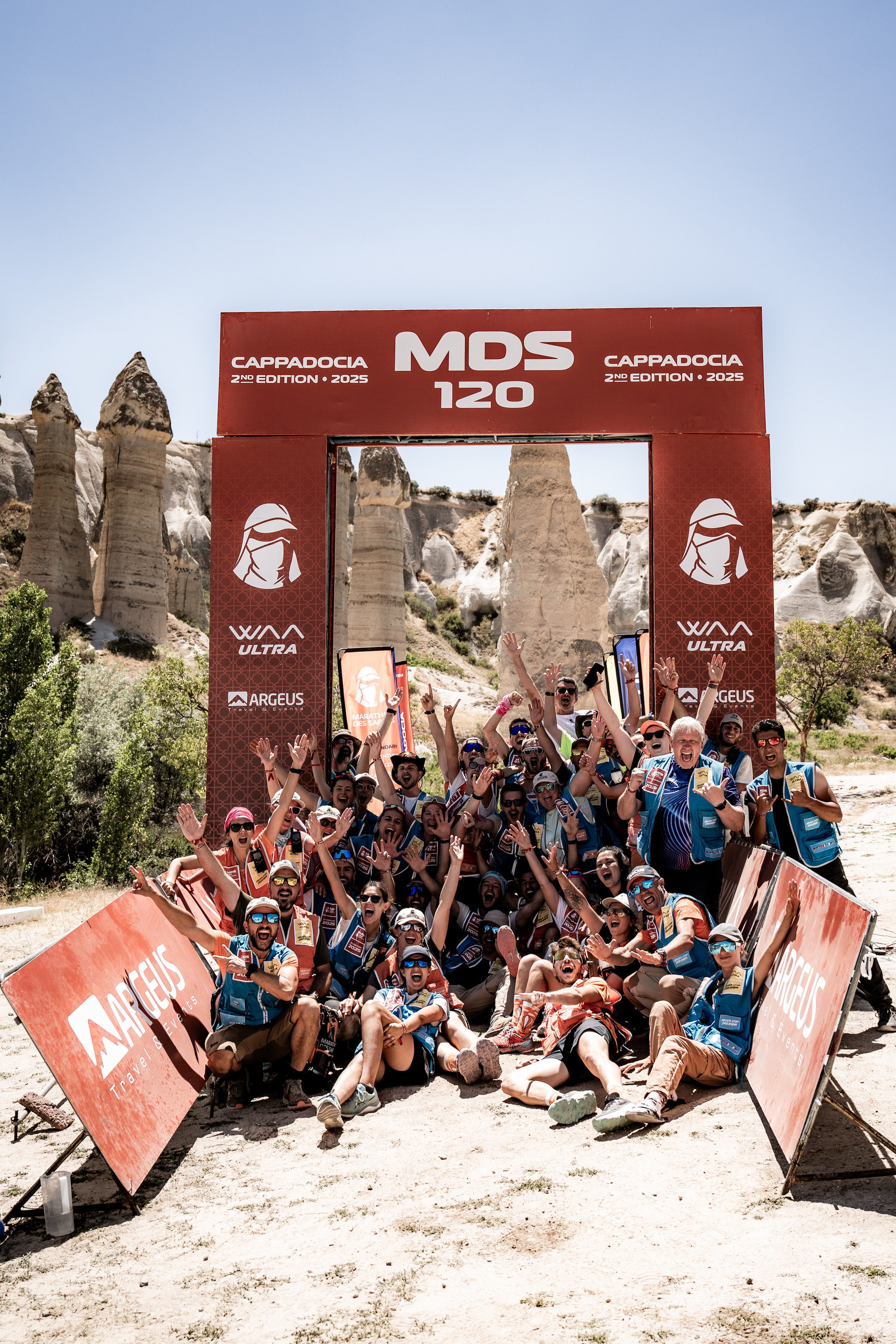
Runners arrived from across the globe with 25 countries represented to stand on the start line beneath towering rock formations that look like they belong on another planet. With female participation at a record 62%!
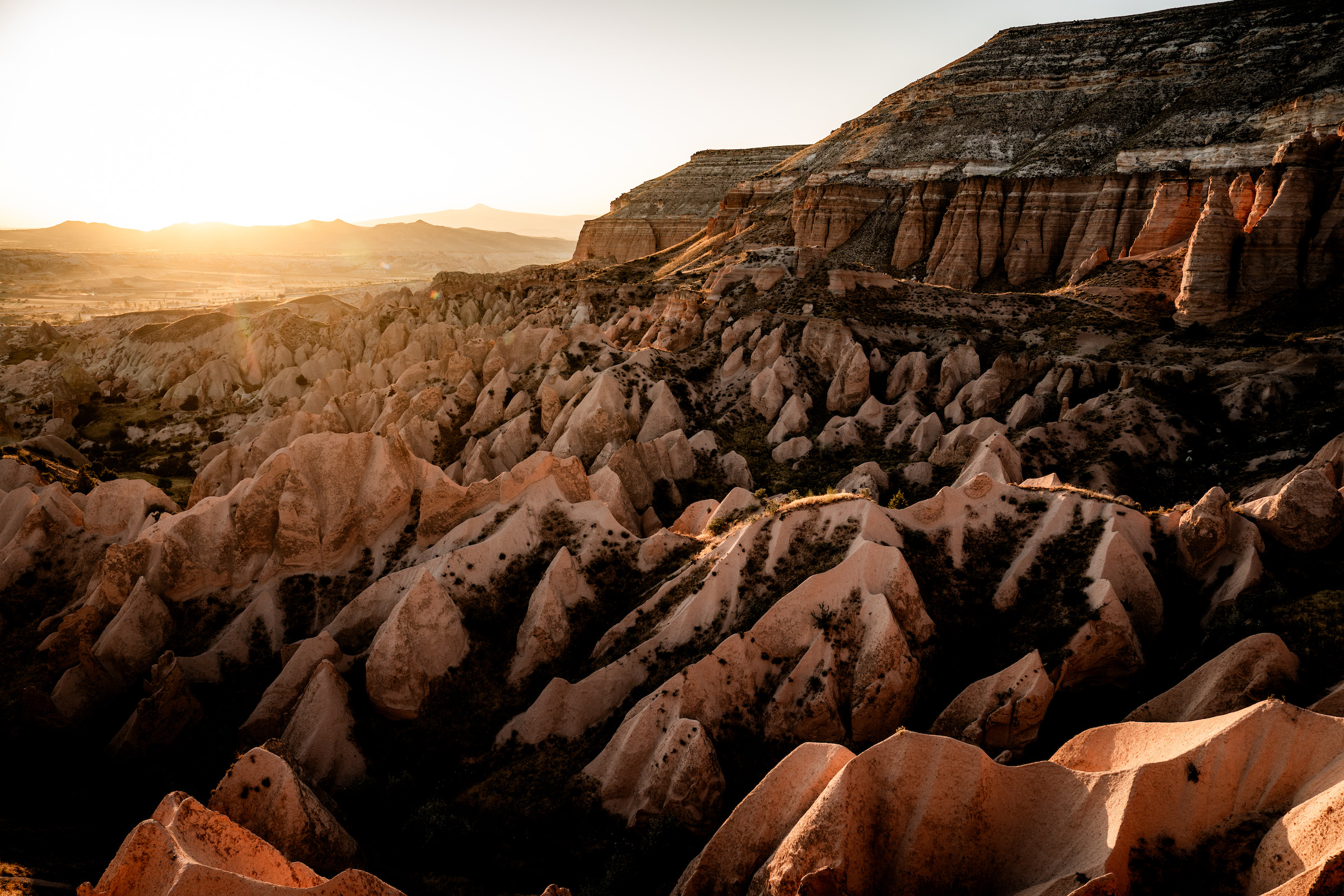
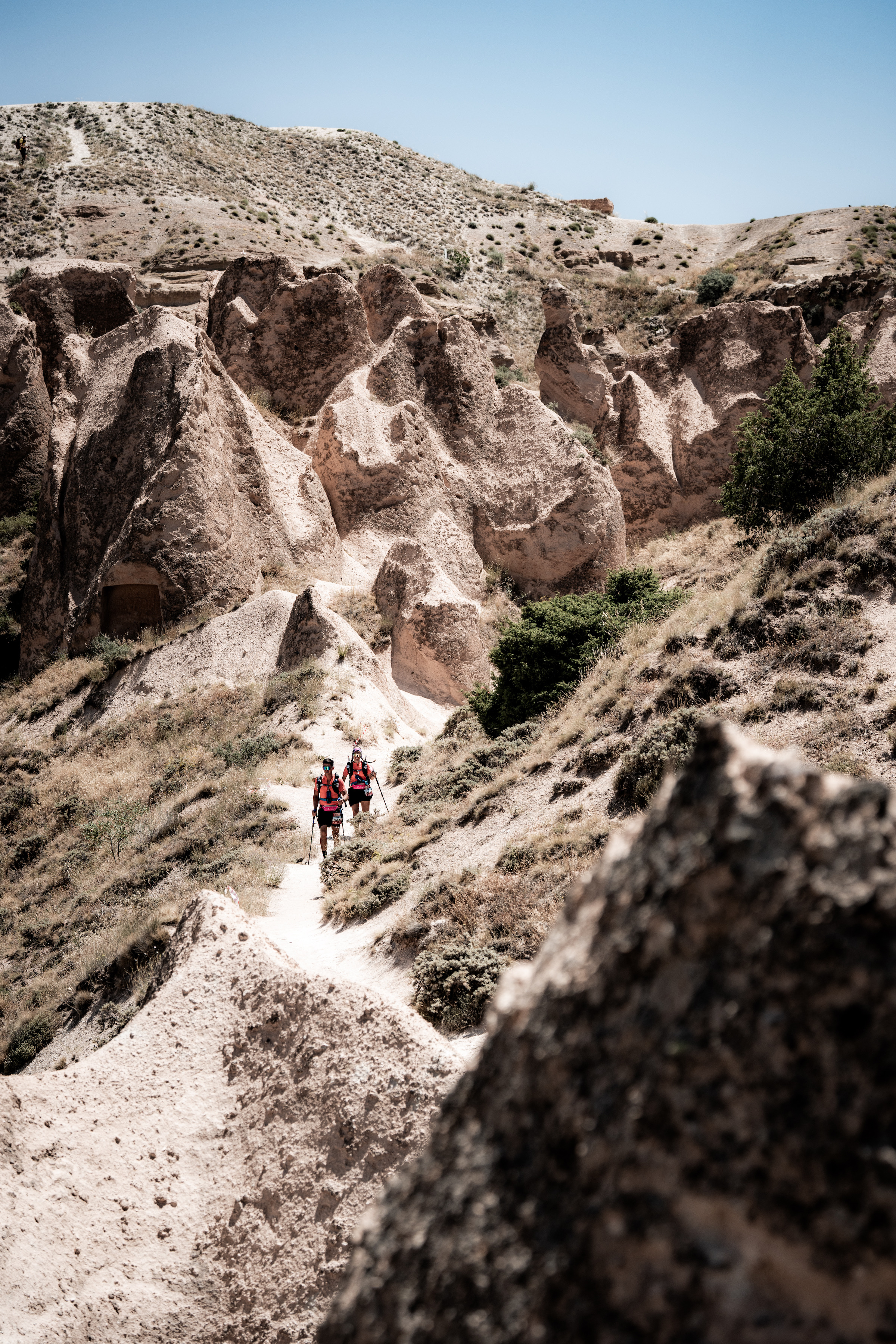
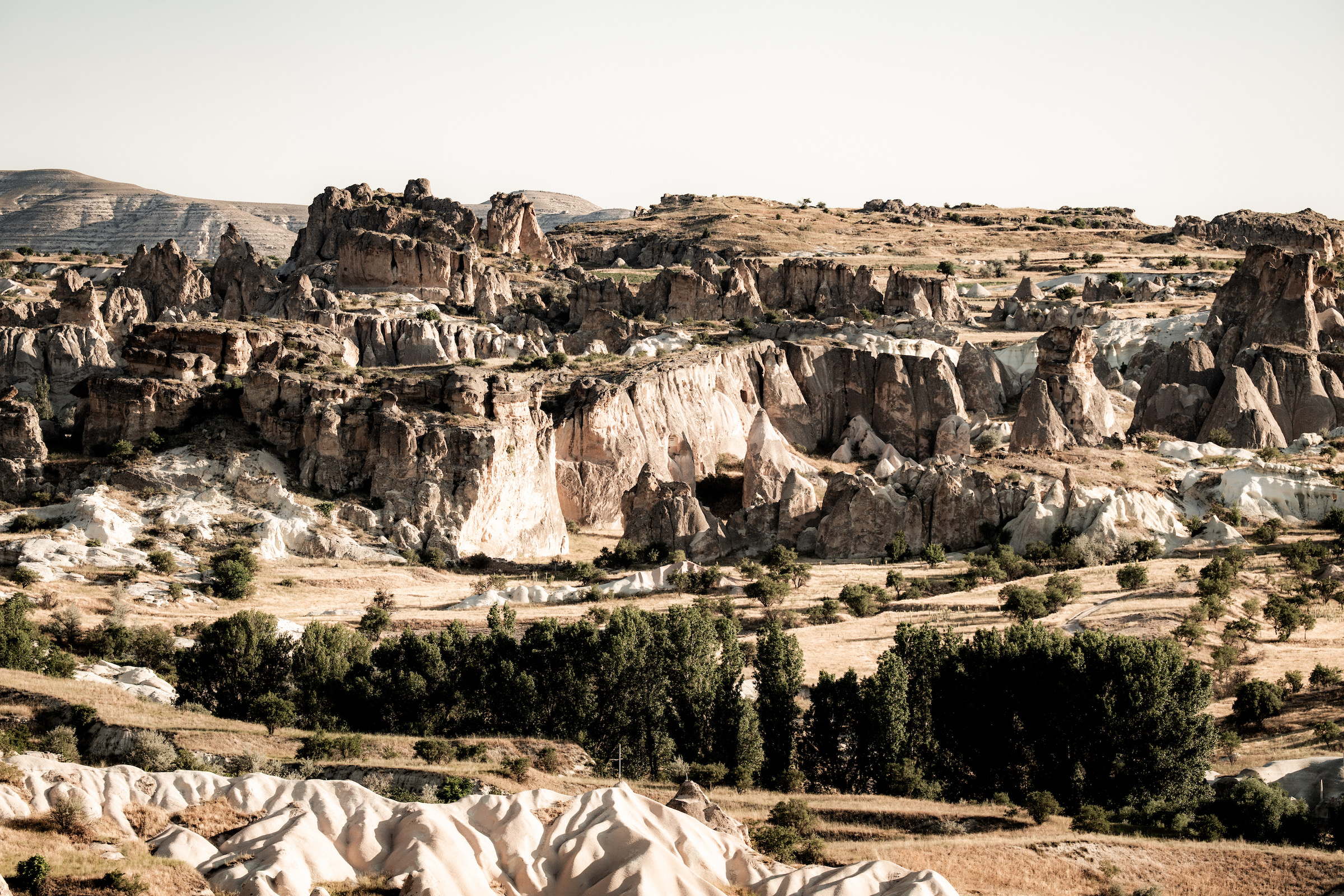
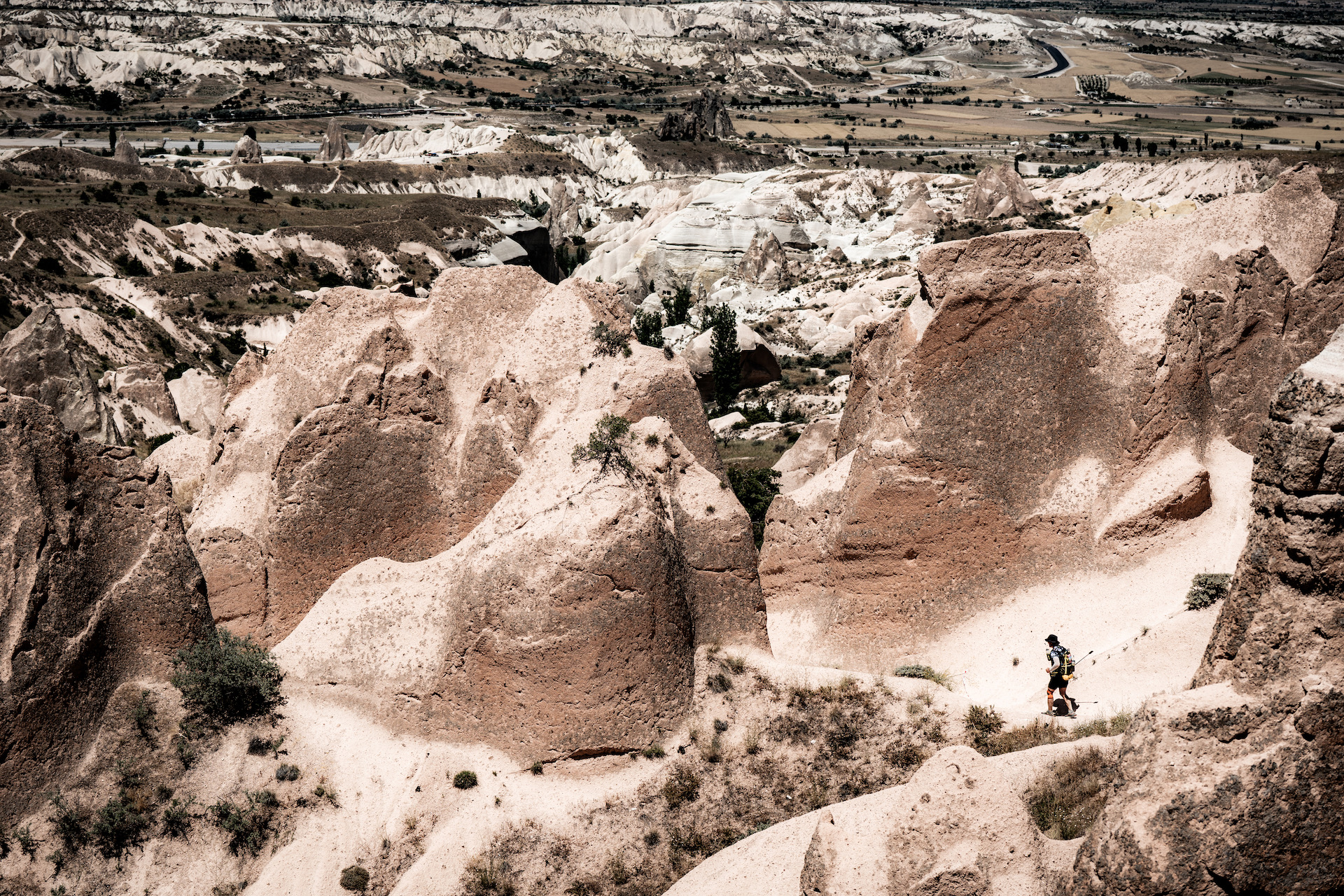
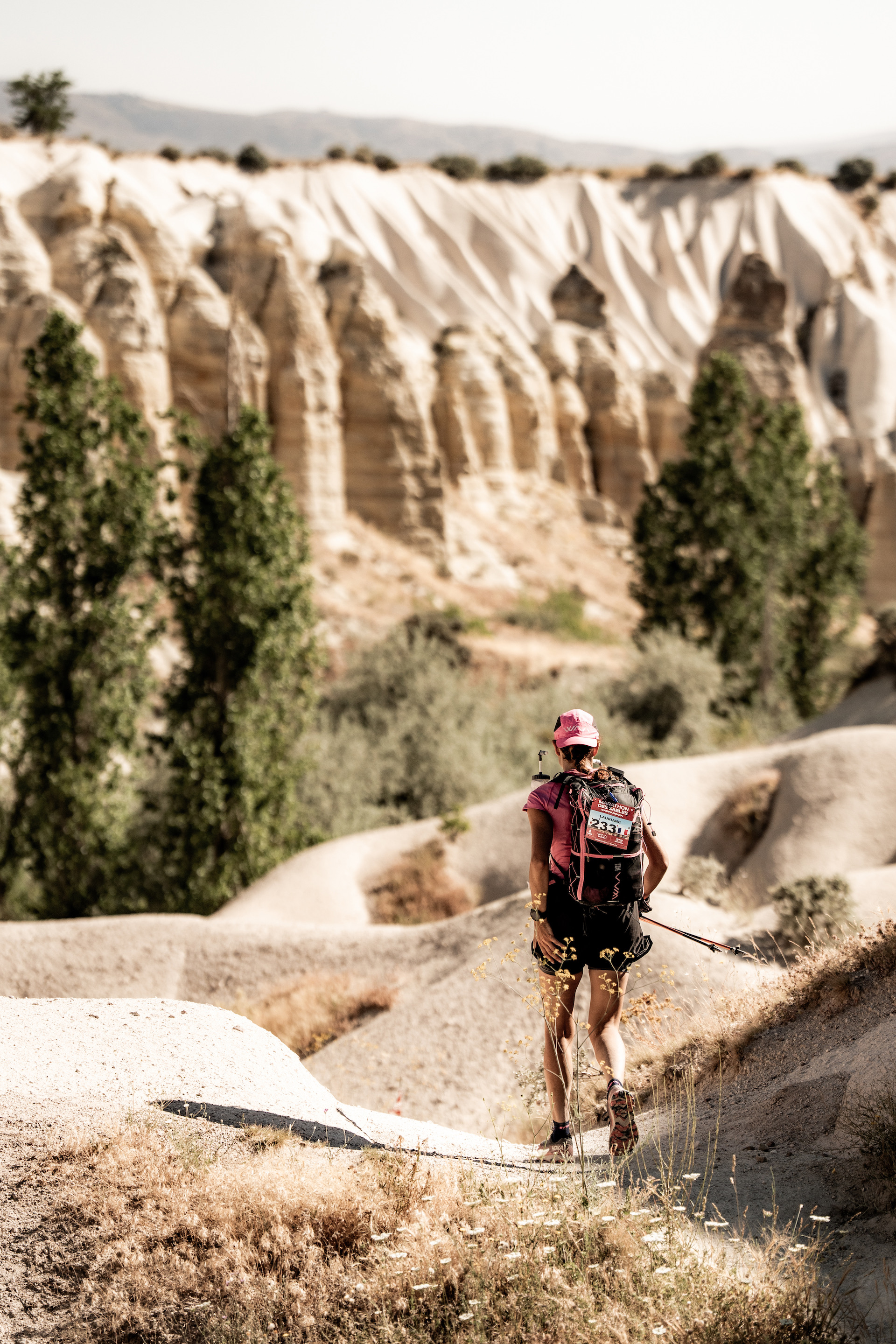
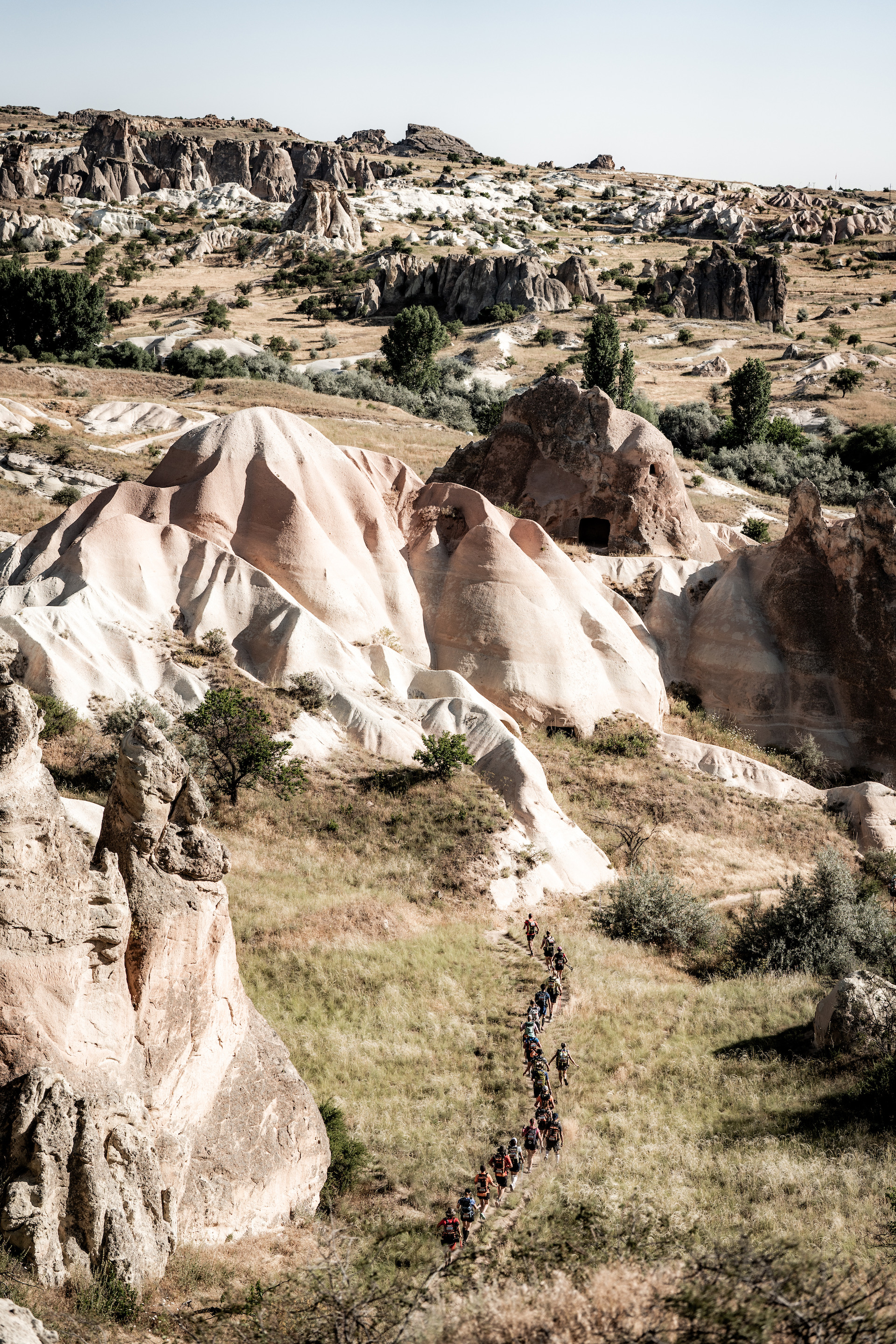
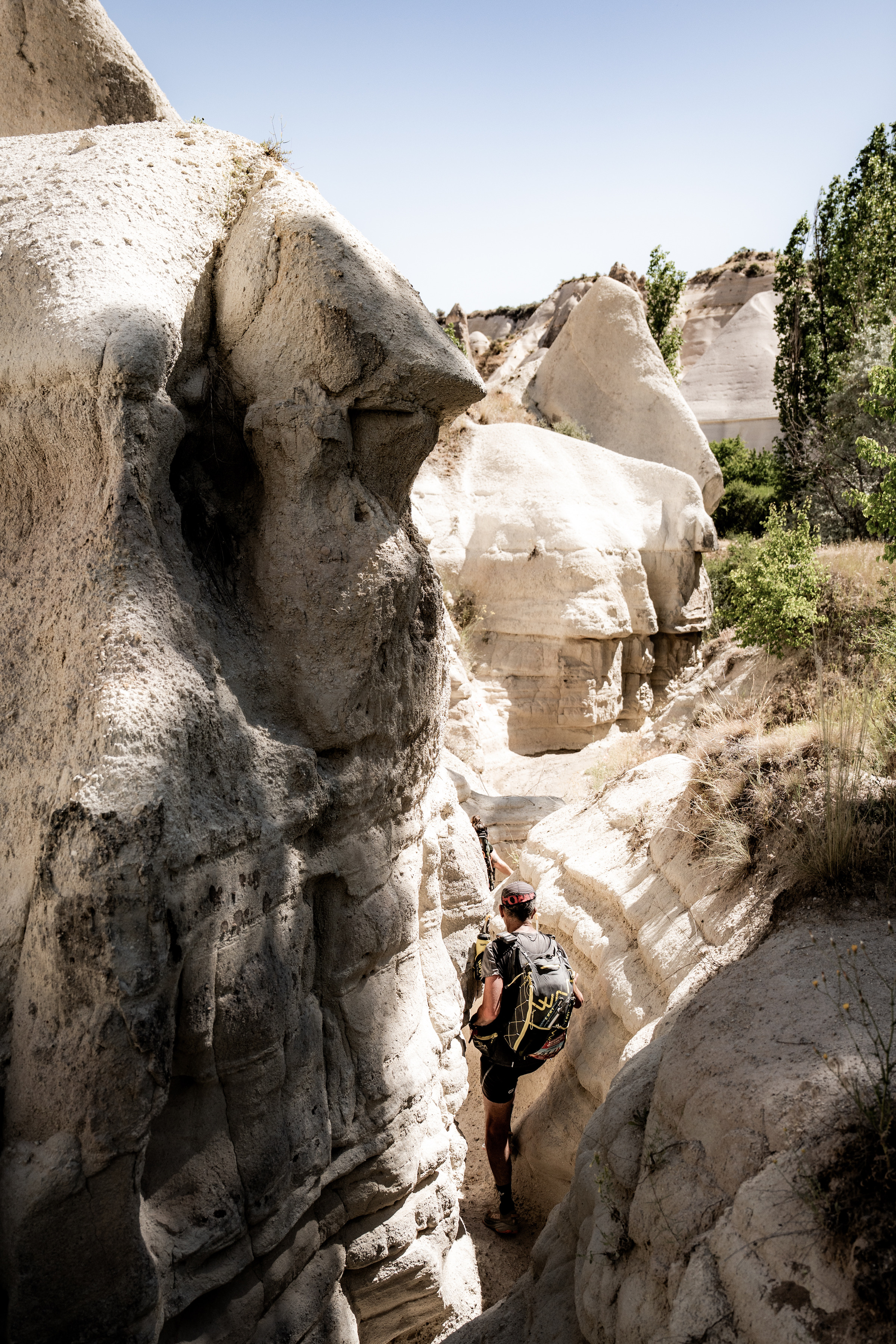
Trails cut through a high-altitude dreamscape where volcanoes once erupted, empires rose and fell, and entire civilisations carved homes into the rock. To run here is to move through living history, a living museum of geology, culture, and time itself. Cappadocia is the kind of place that feels mythic. Its valleys have names like Love, Rose, and Red.

The format of the race was designed to challenge runners of all levels while still demanding serious endurance. The full race spanned up to 120 kms over three stages, spread across four days with one rest day in the middle. Stage 1 and Stage 3 were the same for all runners, but Stage 2 offered a unique choice: 20, 40, or 60 kms, allowing each participant to tailor their challenge to their ability and ambition. This approach gave the event a powerful sense of inclusivity while preserving the core of what MDS stands for: pushing yourself farther than you thought you could go.

“The terrain, however, had no intention of making anything easy.”

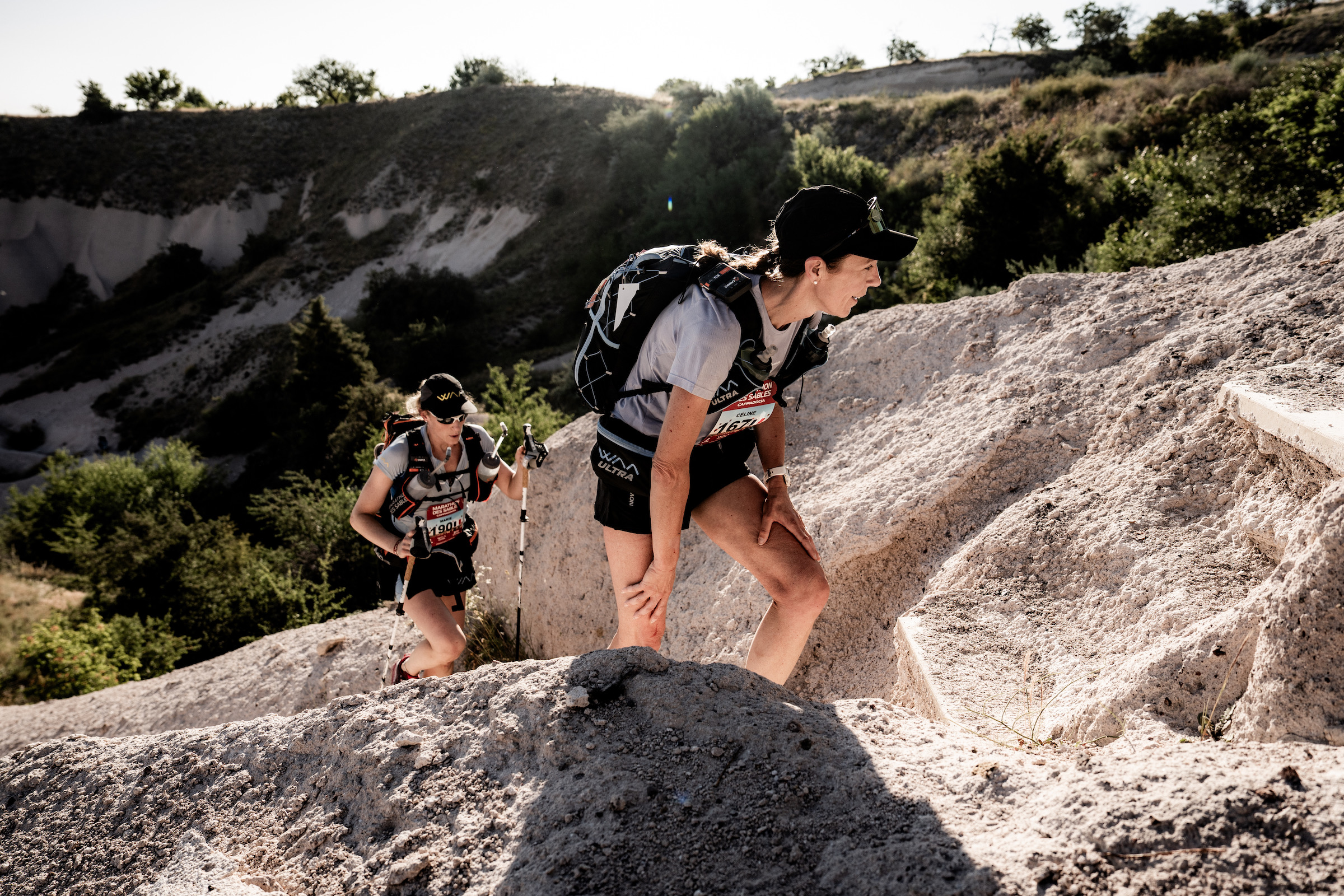
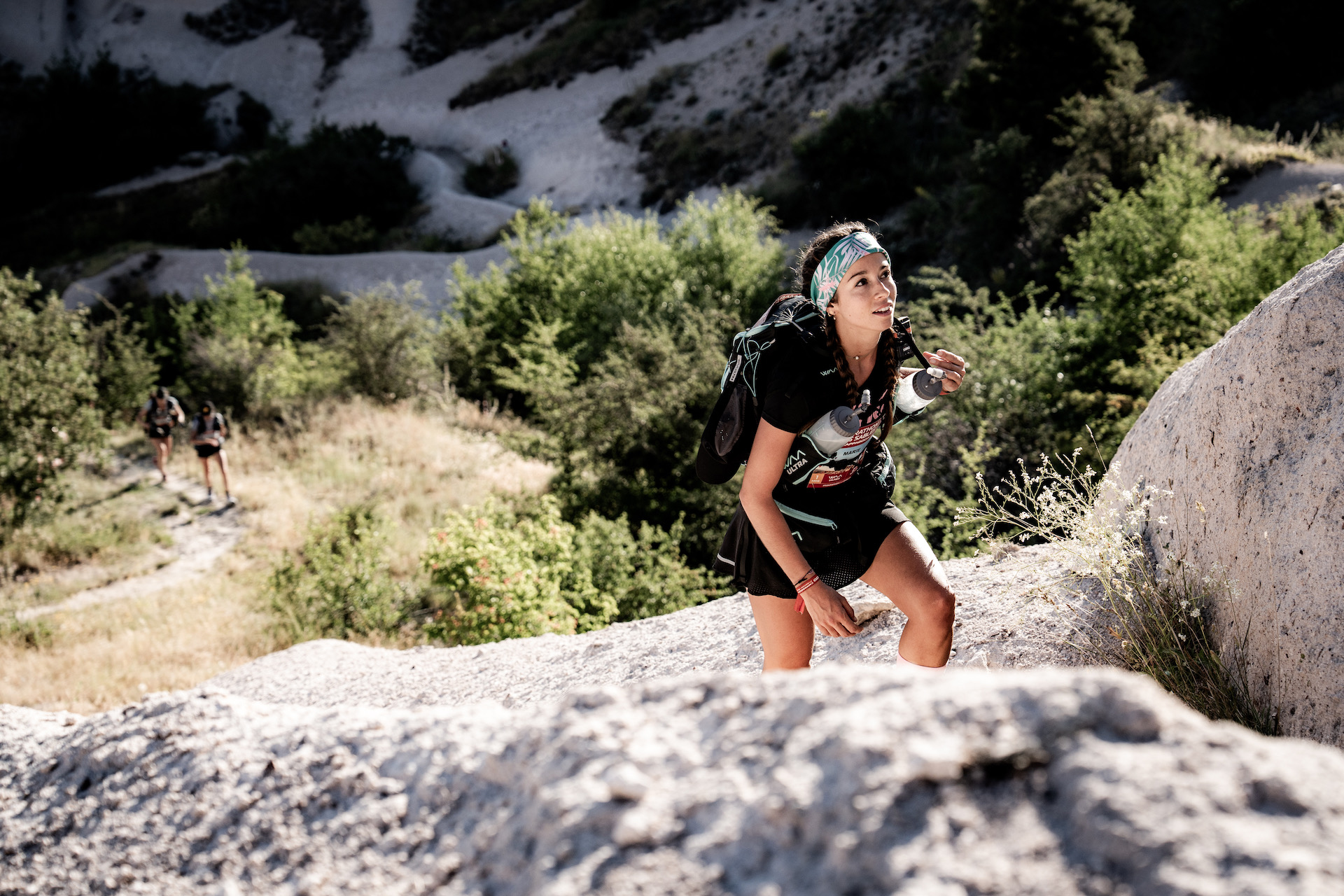
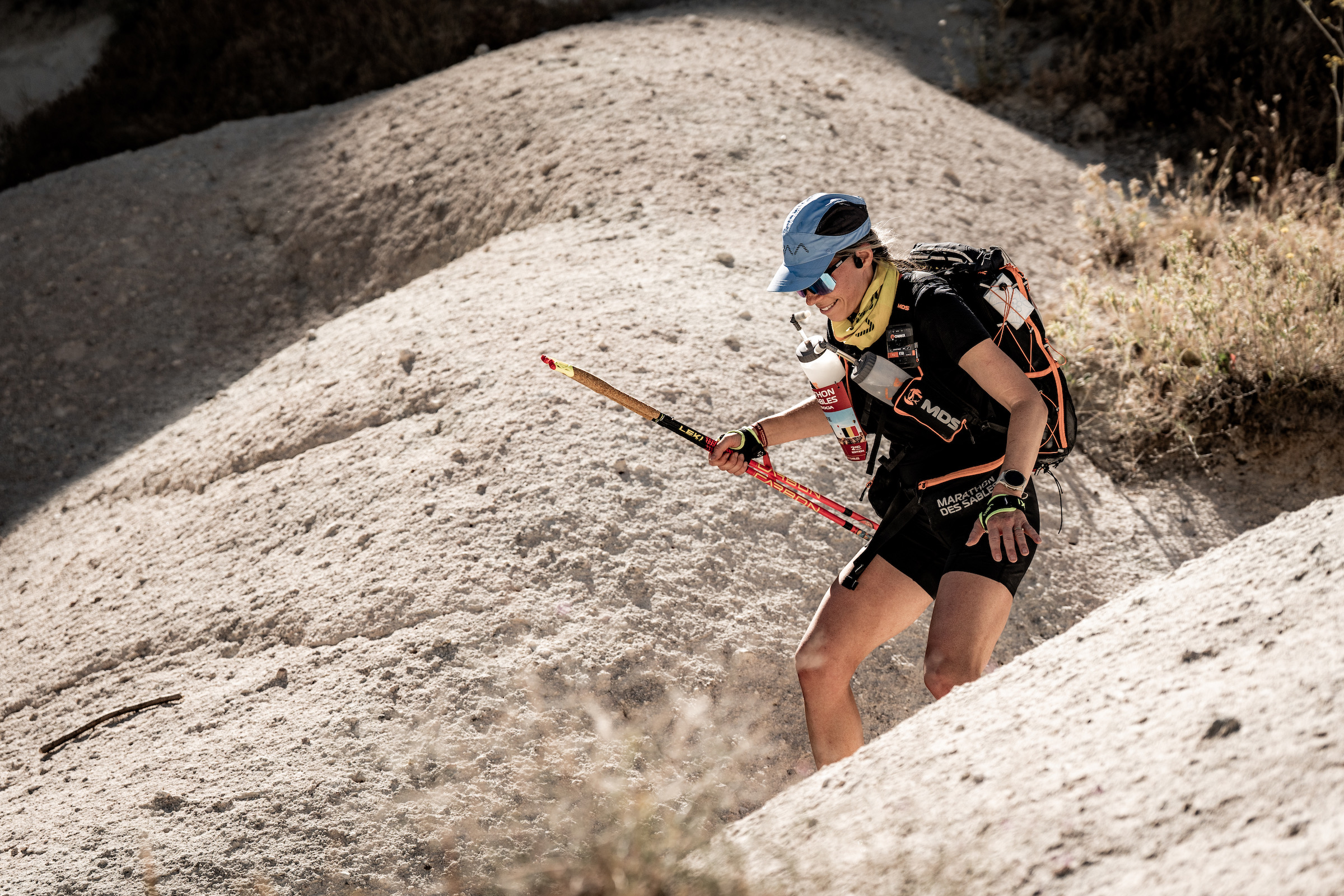
Each day brought something different, a test of legs, lungs, and willpower. Stage 1 began with a baptism of dust and stone, leading runners through twisting canyons and across ancient paths etched into the volcanic rock. The climbs were relentless. The descents were technical and punishing.

Stage 2, whether 20, 40, or the full 60 kms, was a crucible in the heat, sending runners through sun-scorched valleys and across ridges with no shade and no mercy.

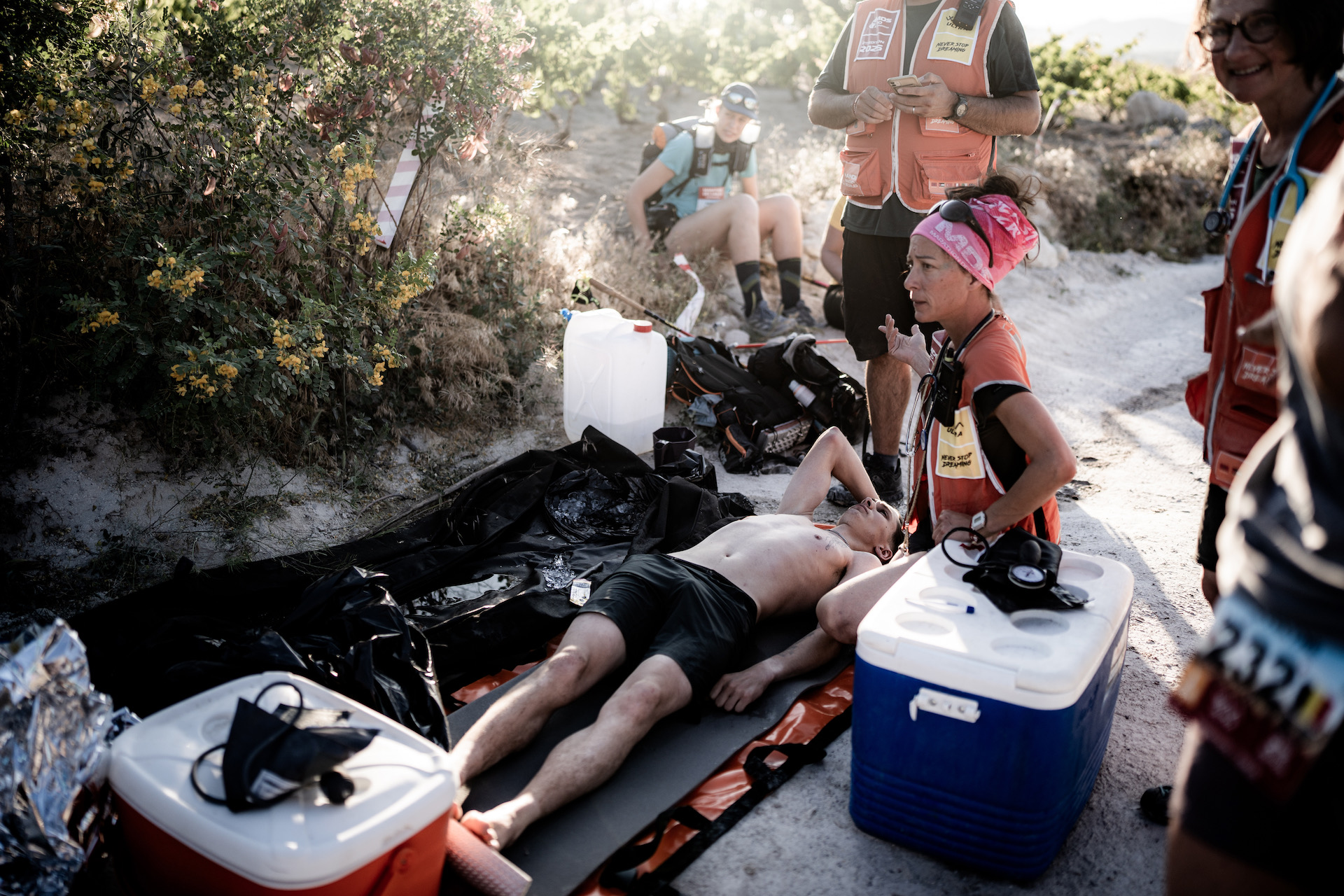
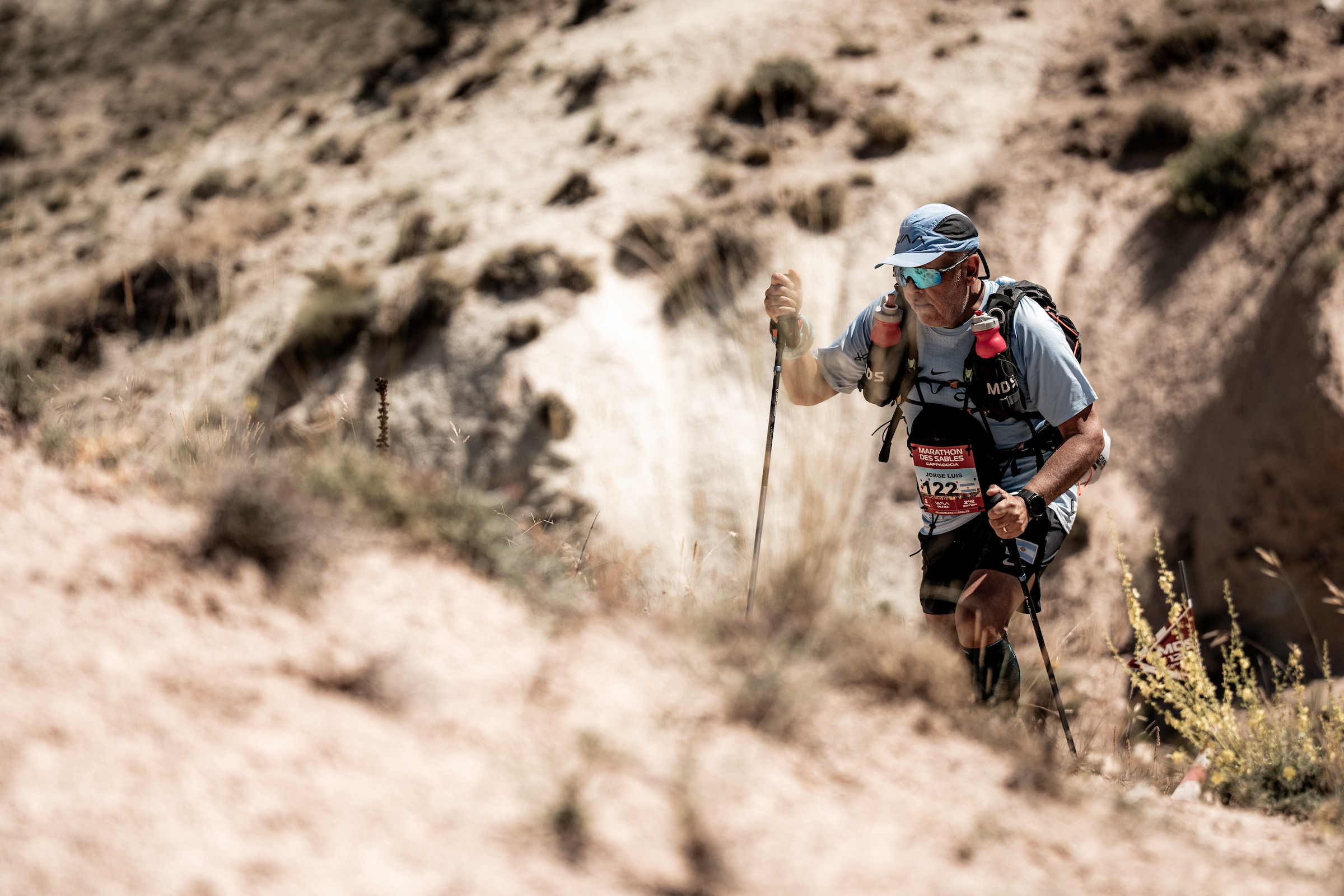
It was here that the Cappadocian sun made itself known. Temperatures soared into the mid-30s Celsius, radiating off the rocks and baking every exposed inch of trail. What began as a scenic adventure quickly became a battle against dehydration, overheating, and sheer exhaustion. The ‘orange’ jackets ensuring that medical protocols and safety for each runner was paramount.

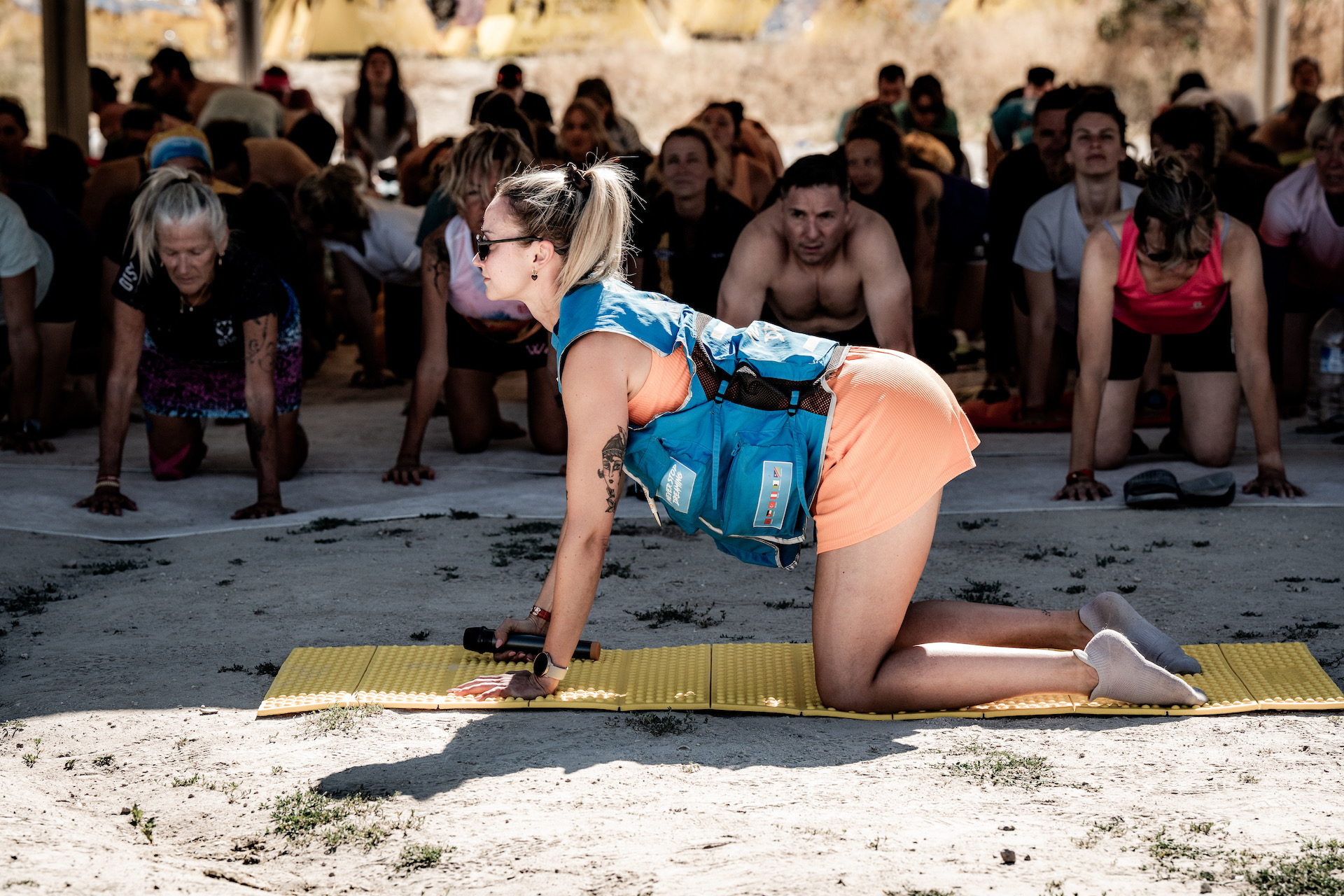
The rest day was welcome, a day to re-charge, relax, eat, sleep and yes, even some yoga was an opportunity to find some zen amongst the chimneys that surrounded bivouac.

Stage 3, the finale, was no victory lap. It was a final reckoning. After the rest day, legs were stiff, feet swollen and raw, but spirits were high.

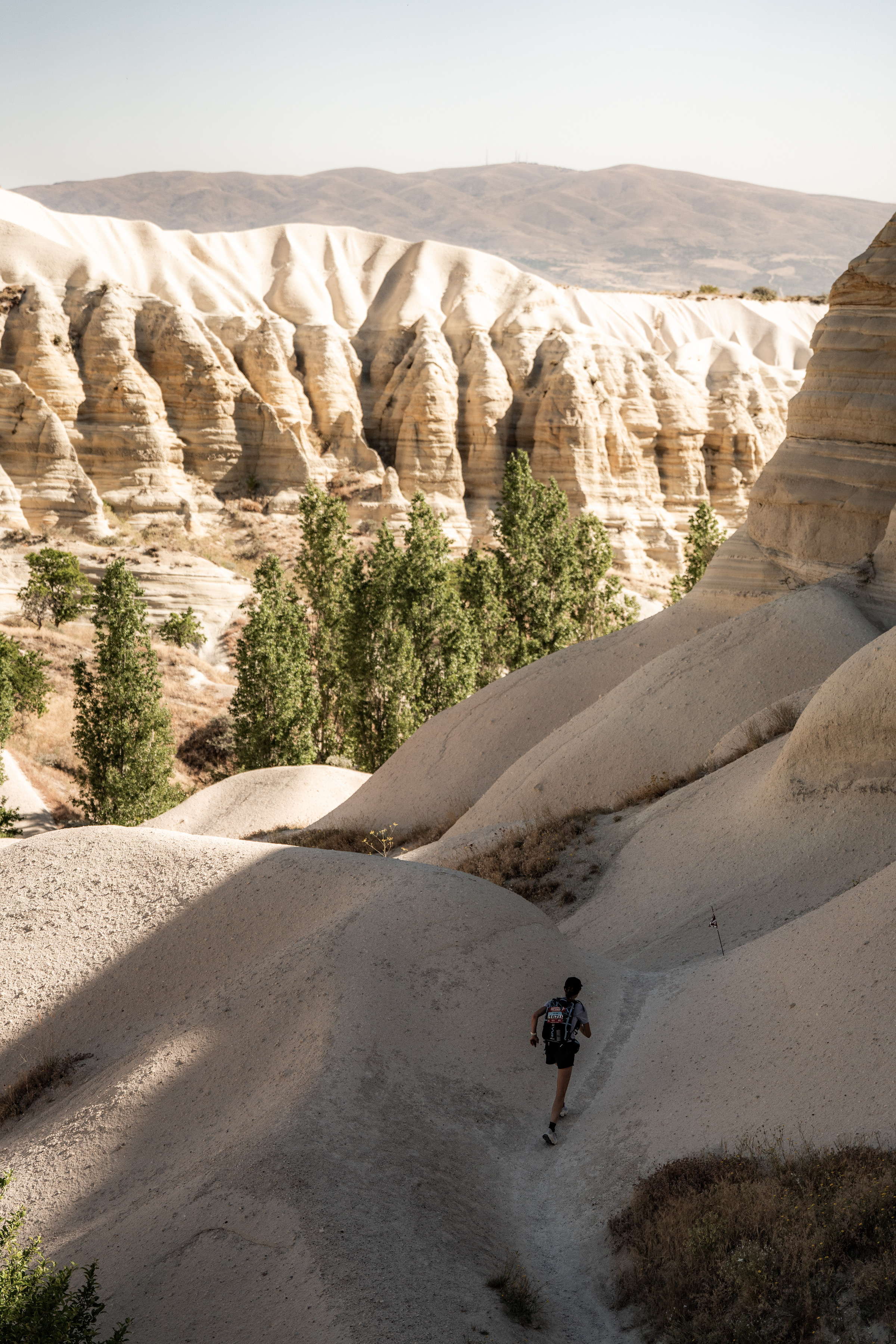
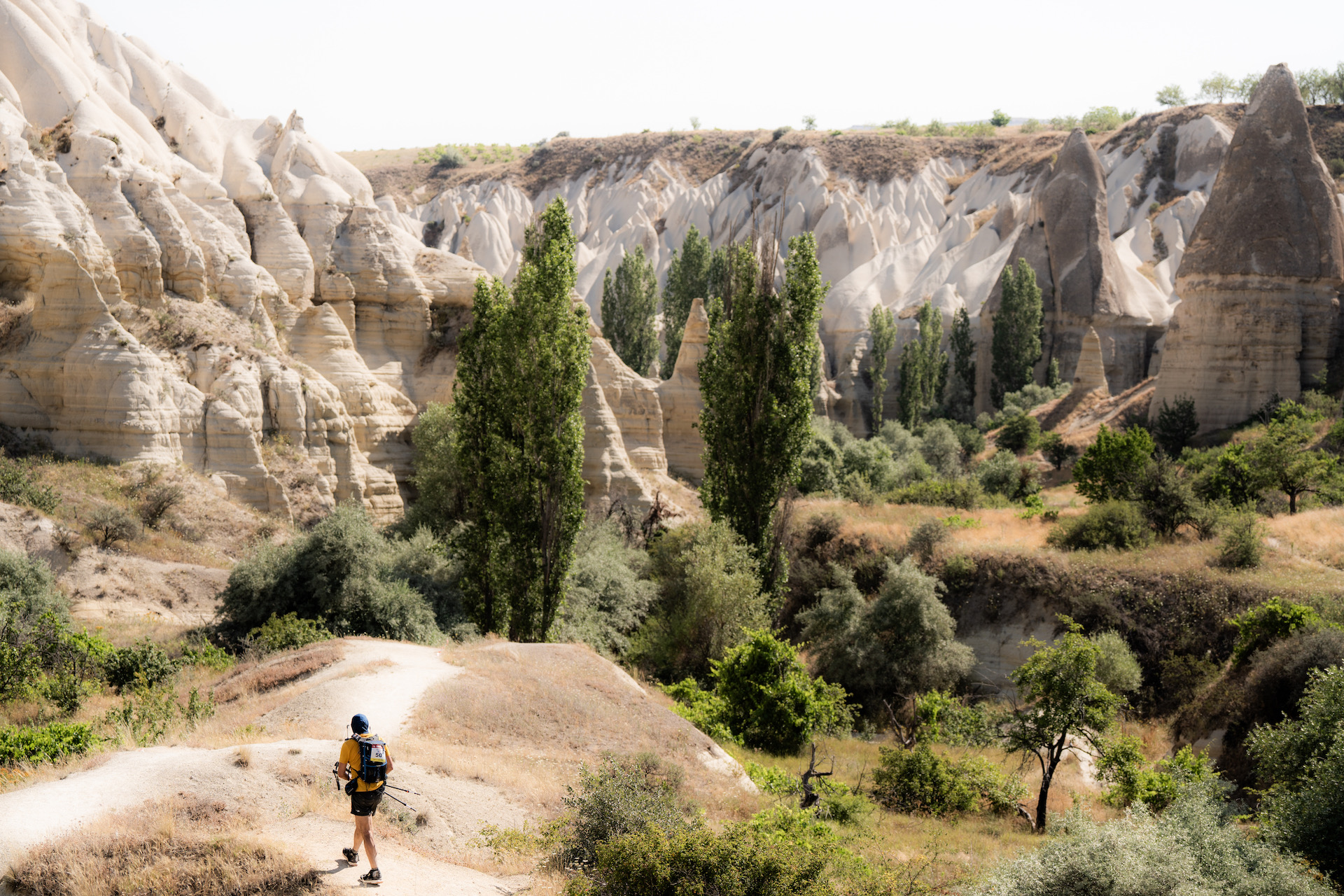
The route wound past ancient cave dwellings and hidden churches, finishing in a dramatic final stretch that felt more like a pilgrimage than a race. The Love Valley an amazing conclusion to a stunning journey.

Four runners, despite grit and effort, didn’t make it to the end. But in the spirit of MDS, the organization extended them free entry into the 2026 edition, a gesture that underscores the ethos of the race: resilience over results, and community over competition.

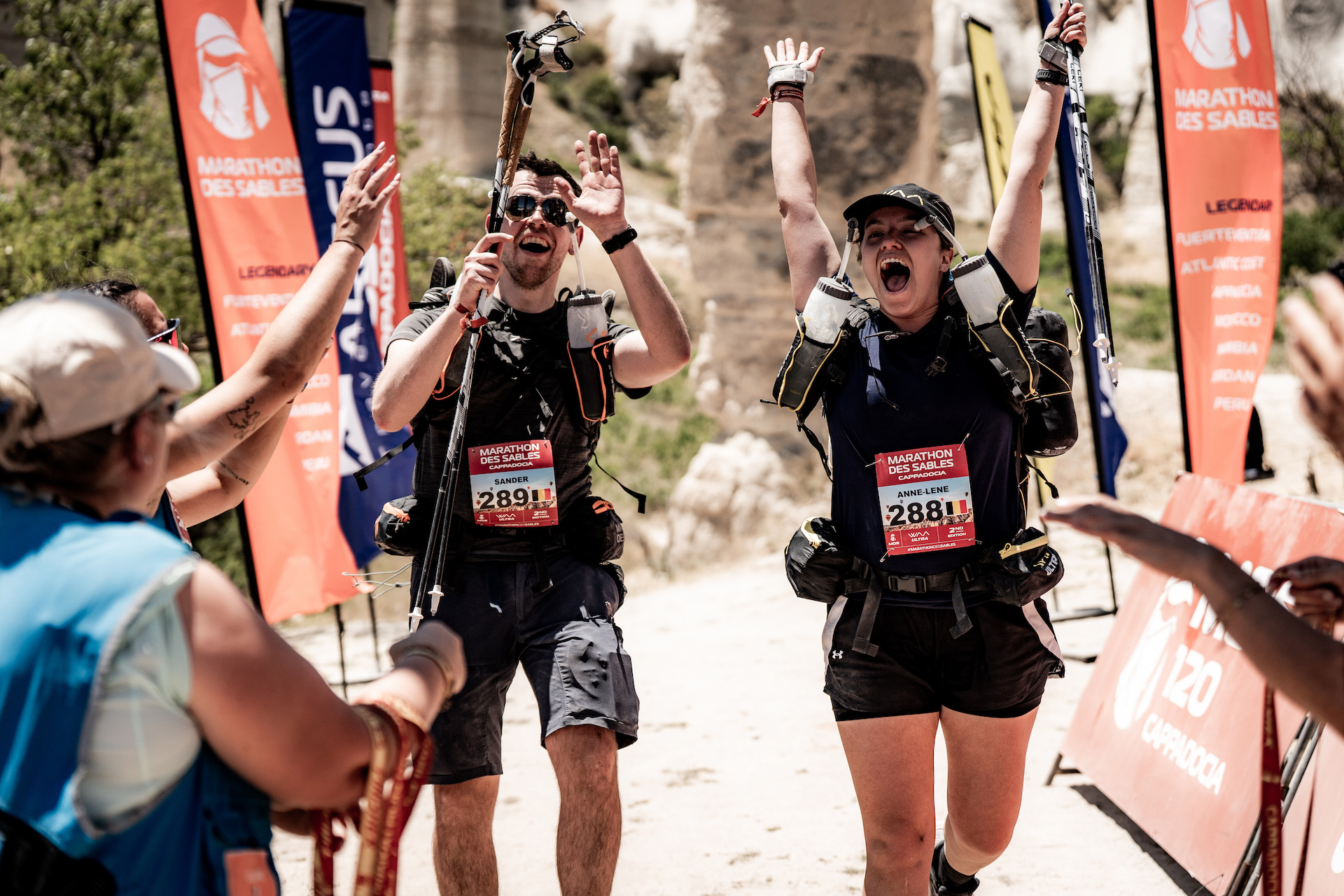
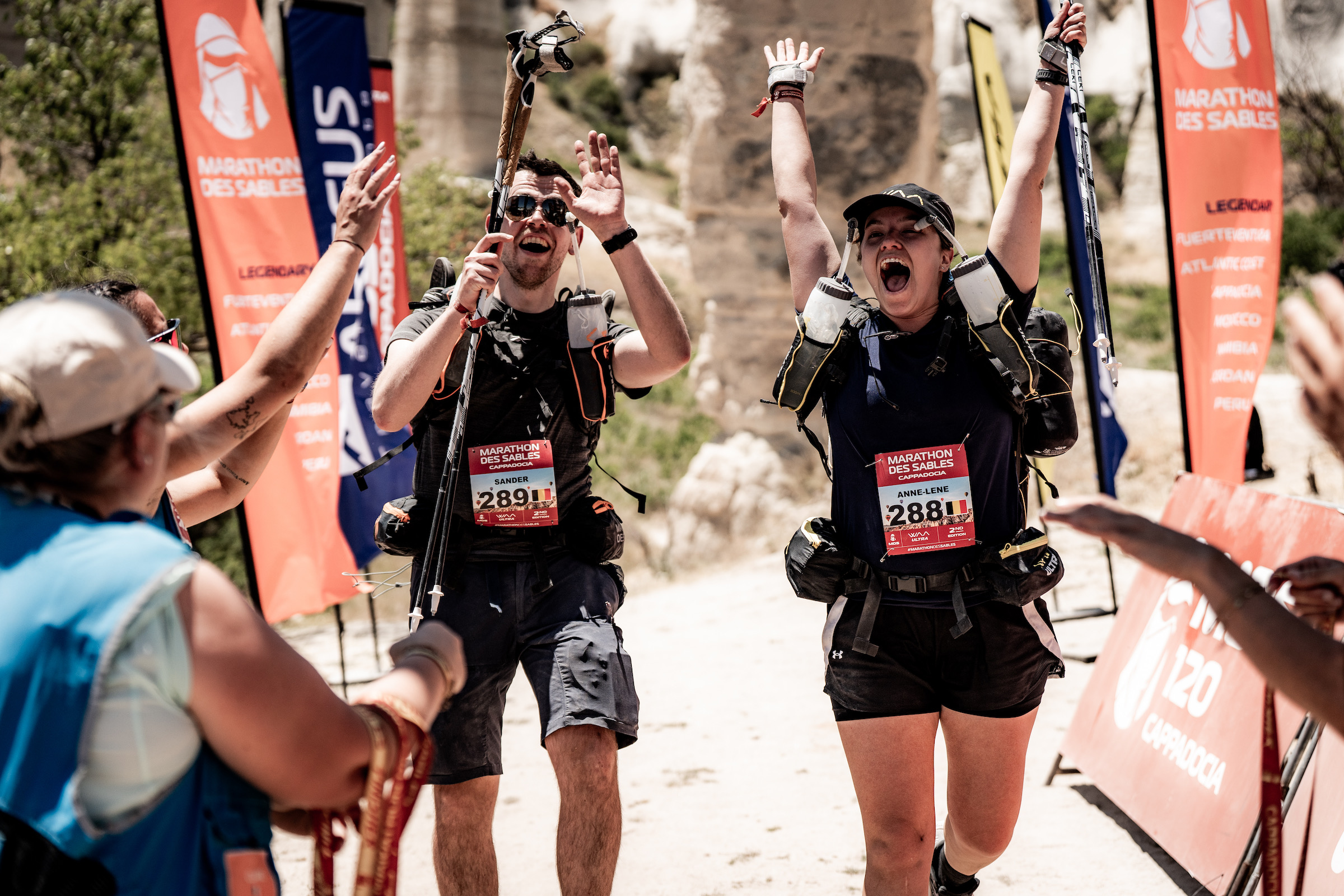
What makes MDS 120 Cappadocia unique isn’t just the landscape or the difficulty. It’s the way it all comes together. The suffering is real, but so is the reward. Every runner finished with a story that could never be captured in a finisher’s medal alone. There were tears, high fives, sunburns, hallucinations, and moments of silence that felt like communion with the land.

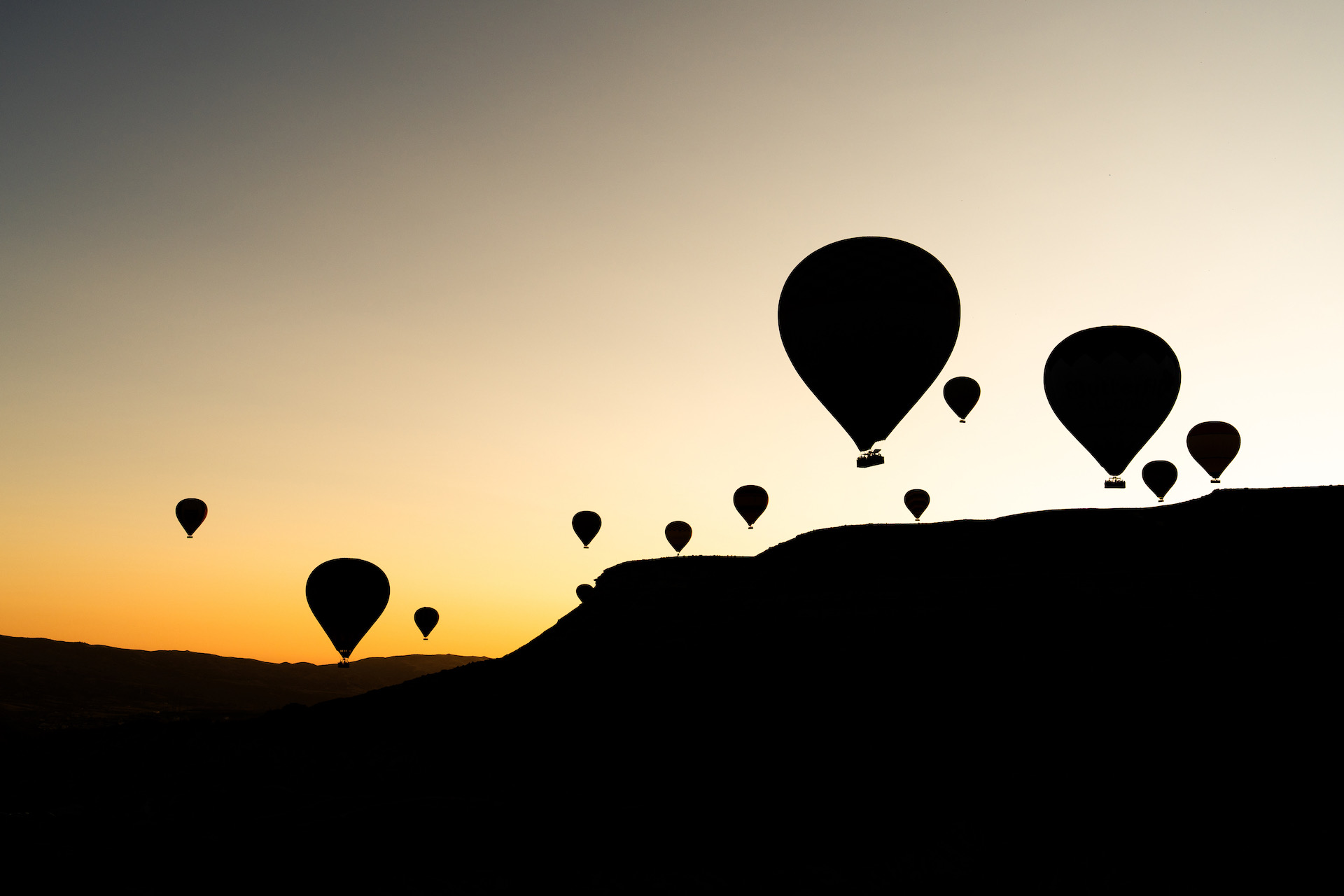
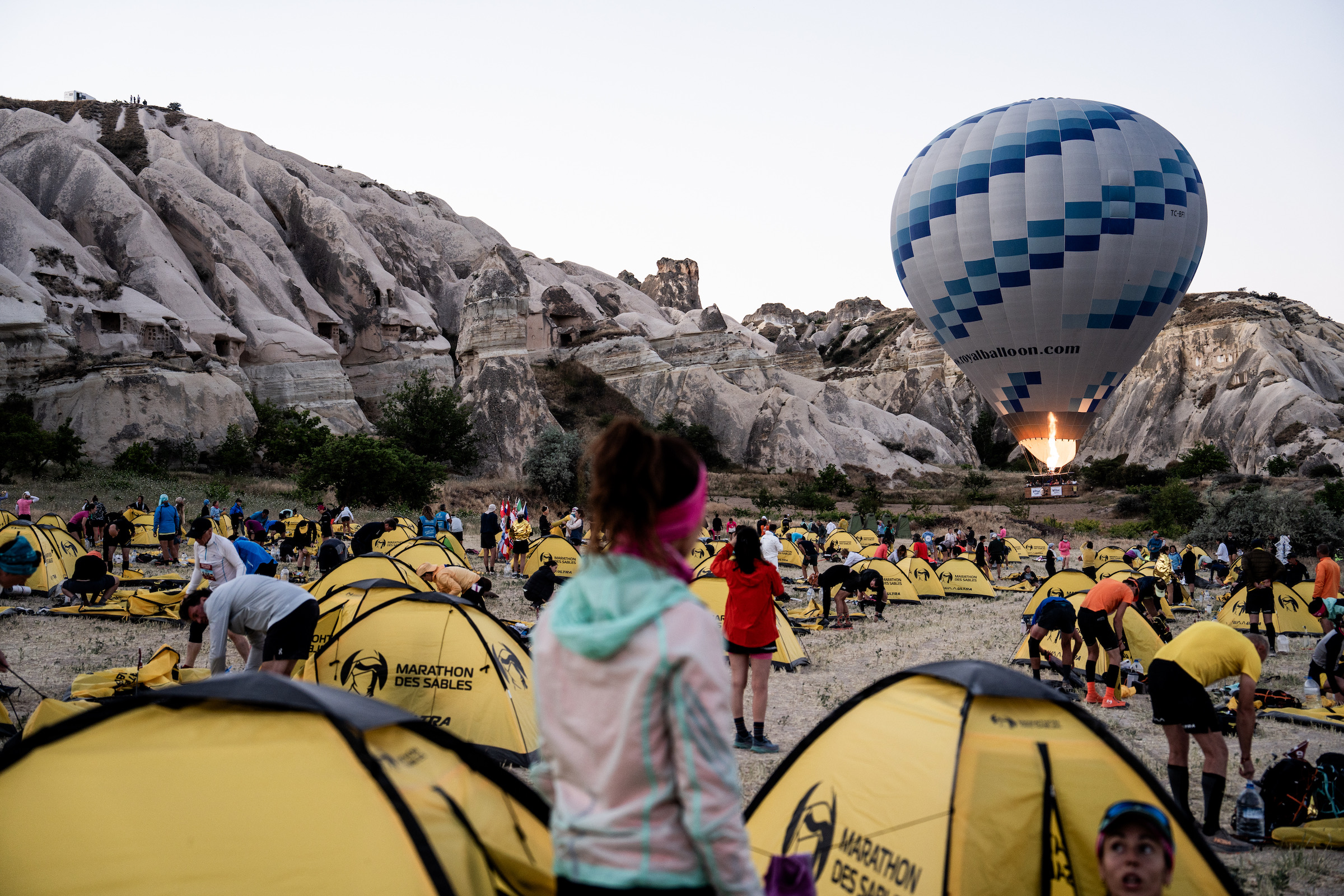
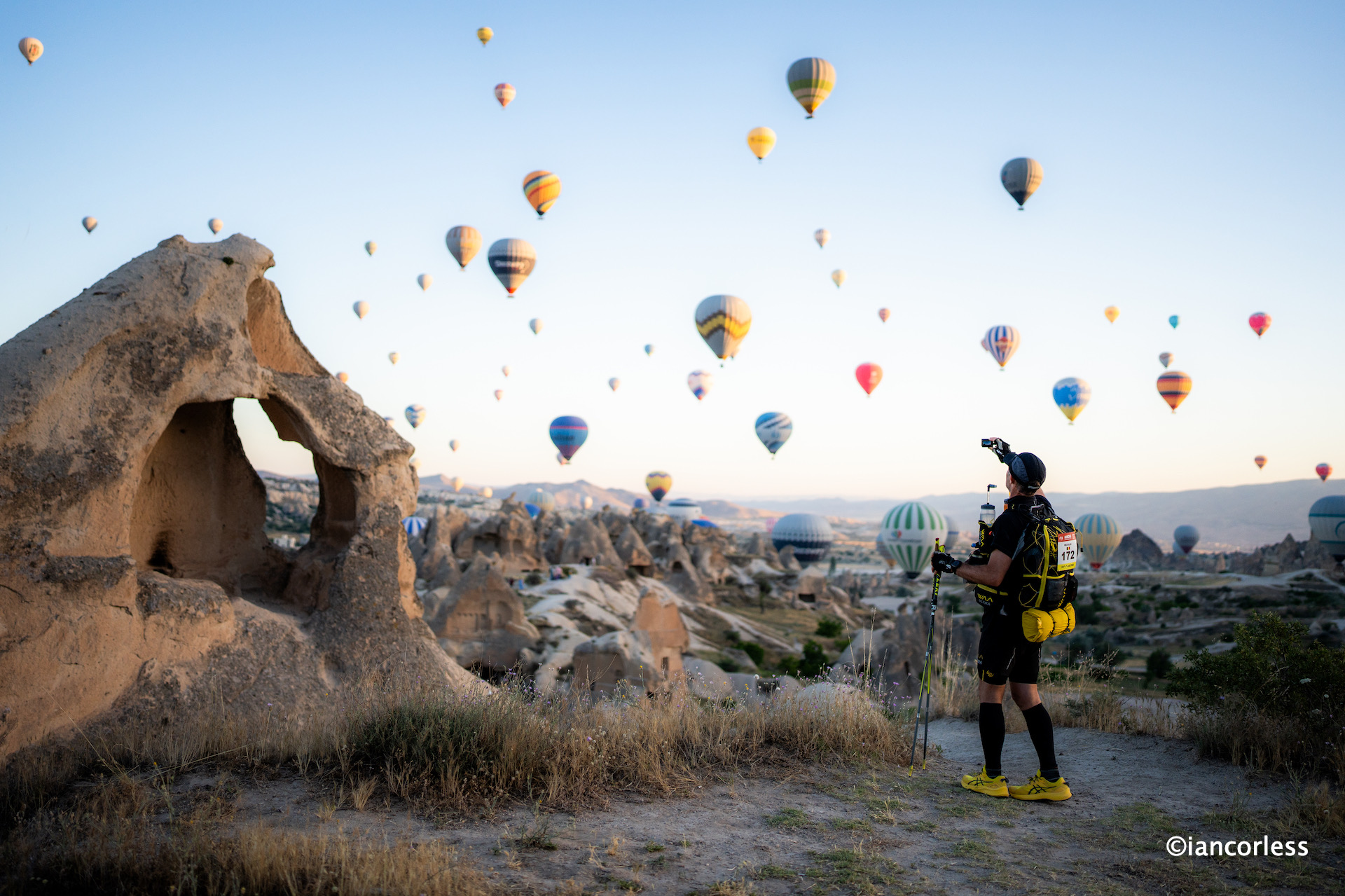
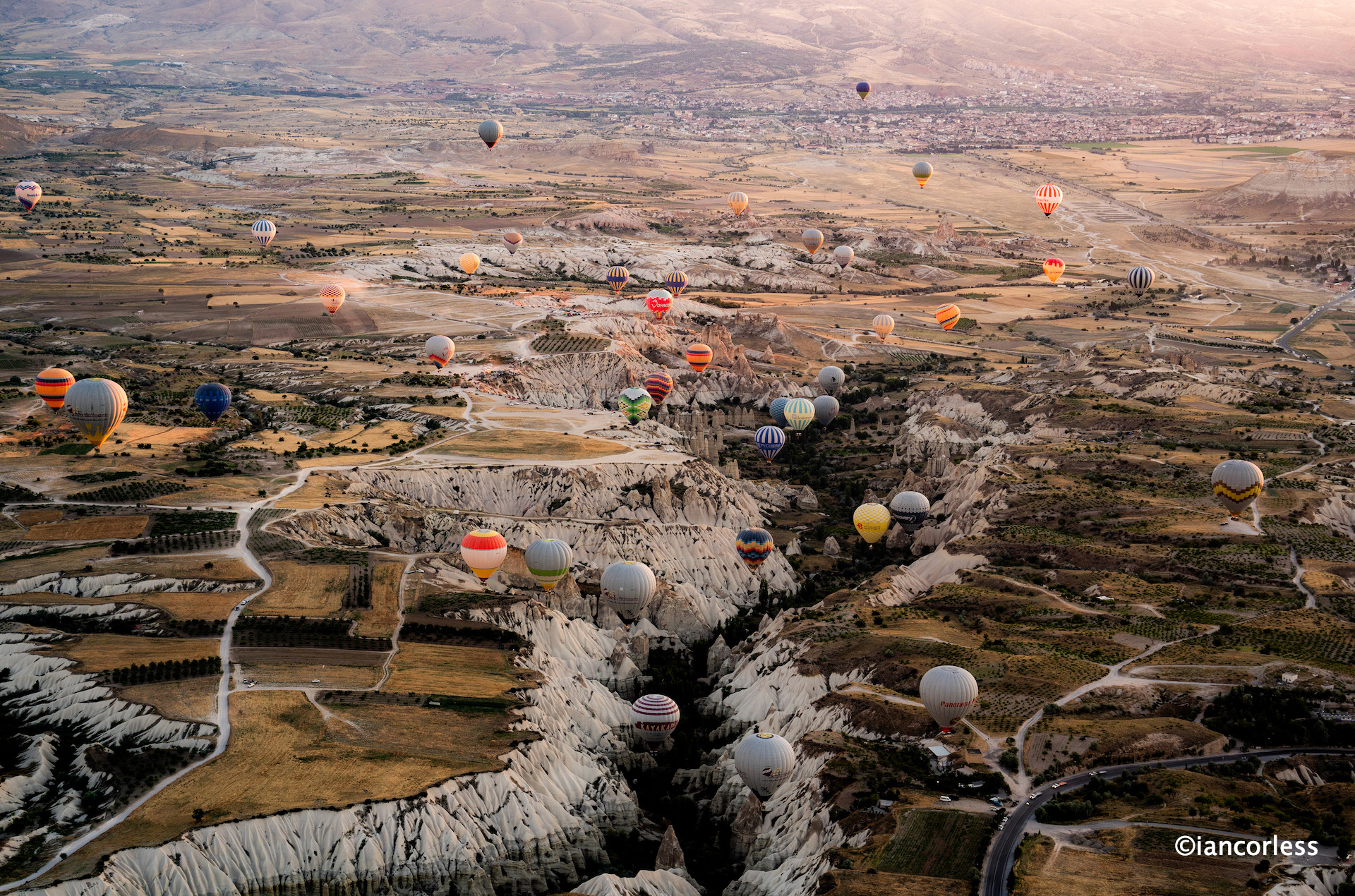
And just when it seemed the adventure was over, the organisers gave one final gift: a sunrise hot air balloon flight on the last morning. It wasn’t a tourist gimmick, it was a floating tribute to everything the runners had just done. Watching the sun rise over the Göreme Valley, suspended in silence above the trails they’d conquered, was a moment that stitched the entire experience together. From above, the rock valleys, the winding trails, the start and finish lines, it all made sense. It was breathtaking.

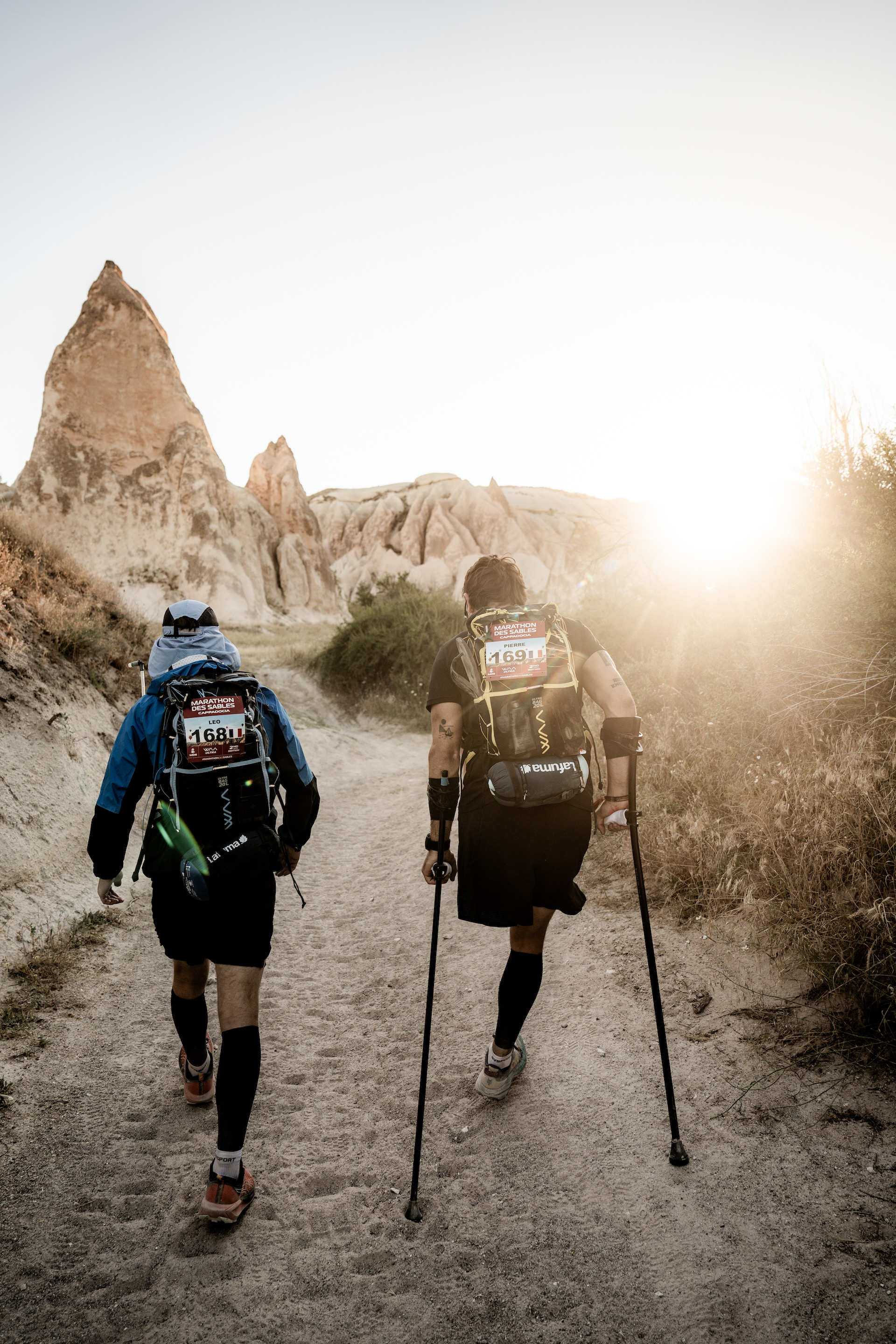
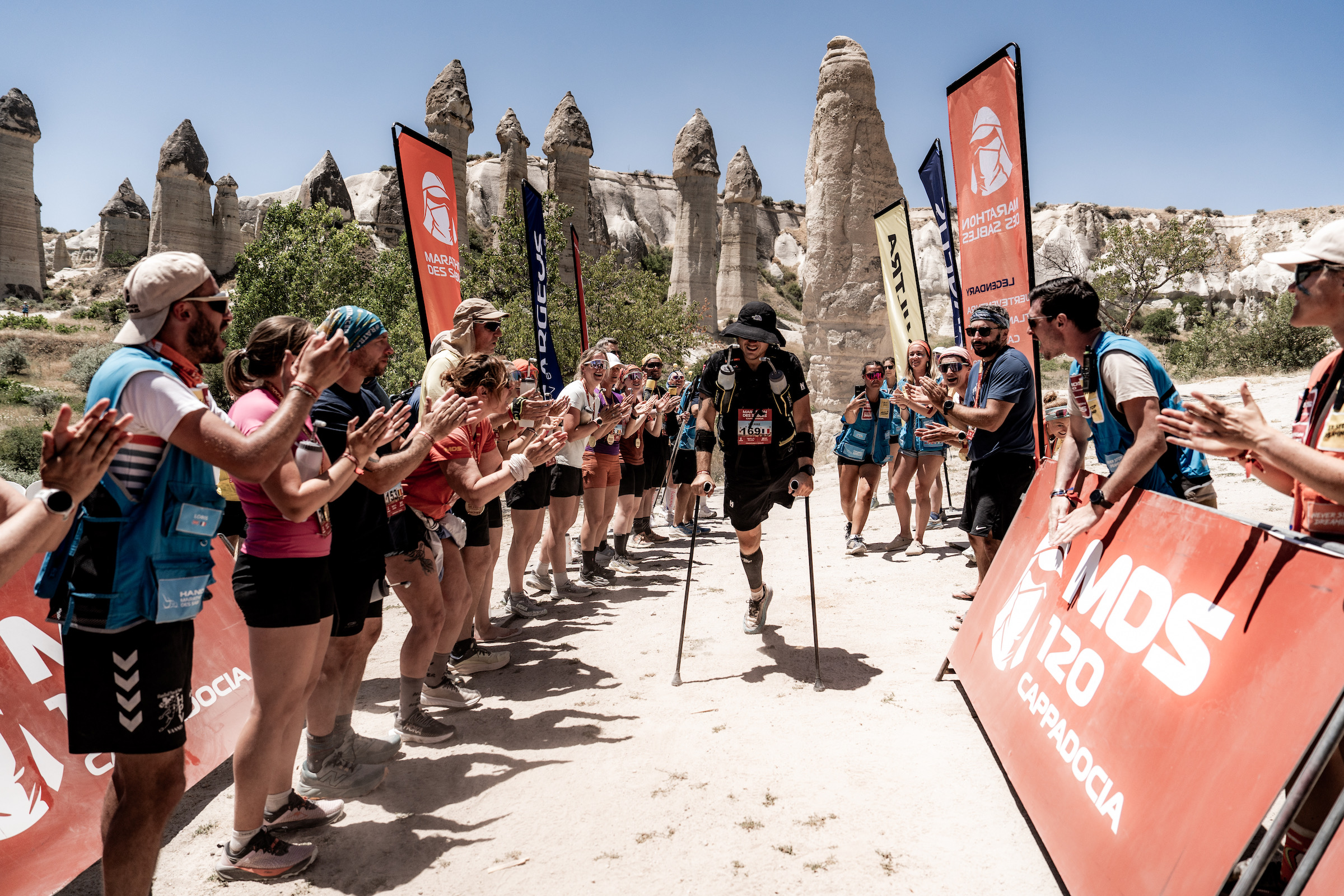
After the balloon flight, runners were finally allowed to stop. A full day of rest and recovery followed, giving battered bodies a chance to relax and reconnect. The evening brought everyone back together for a gala dinner, an award ceremony that celebrated not just the fastest, but the toughest and most spirited. Pierre (a single leg amputee) and Leon getting special recognition for personifying the meaning of MDS solidarity.

A film screening that captured the emotion and scale of what had unfolded over the past four days. Laughter mixed with tears. Strangers had become teammates. Solo runners had become family.

The verdict from every corner was the same: this race had delivered something extraordinary. It had pushed people to their edges and rewarded them with a kind of beauty, depth, and meaning that’s rare in the ultra-running world.

MDS 120 Cappadocia wasn’t just a race across Turkey. It was a race through deep time, a personal reckoning, and a reminder of what the human body and spirit can endure when the landscape is fierce, and the story is this good.

The bar is set. The expectations are high. But if the 2025 edition proved anything, it’s that this race is only getting better, stronger, and more awe-inspiring.

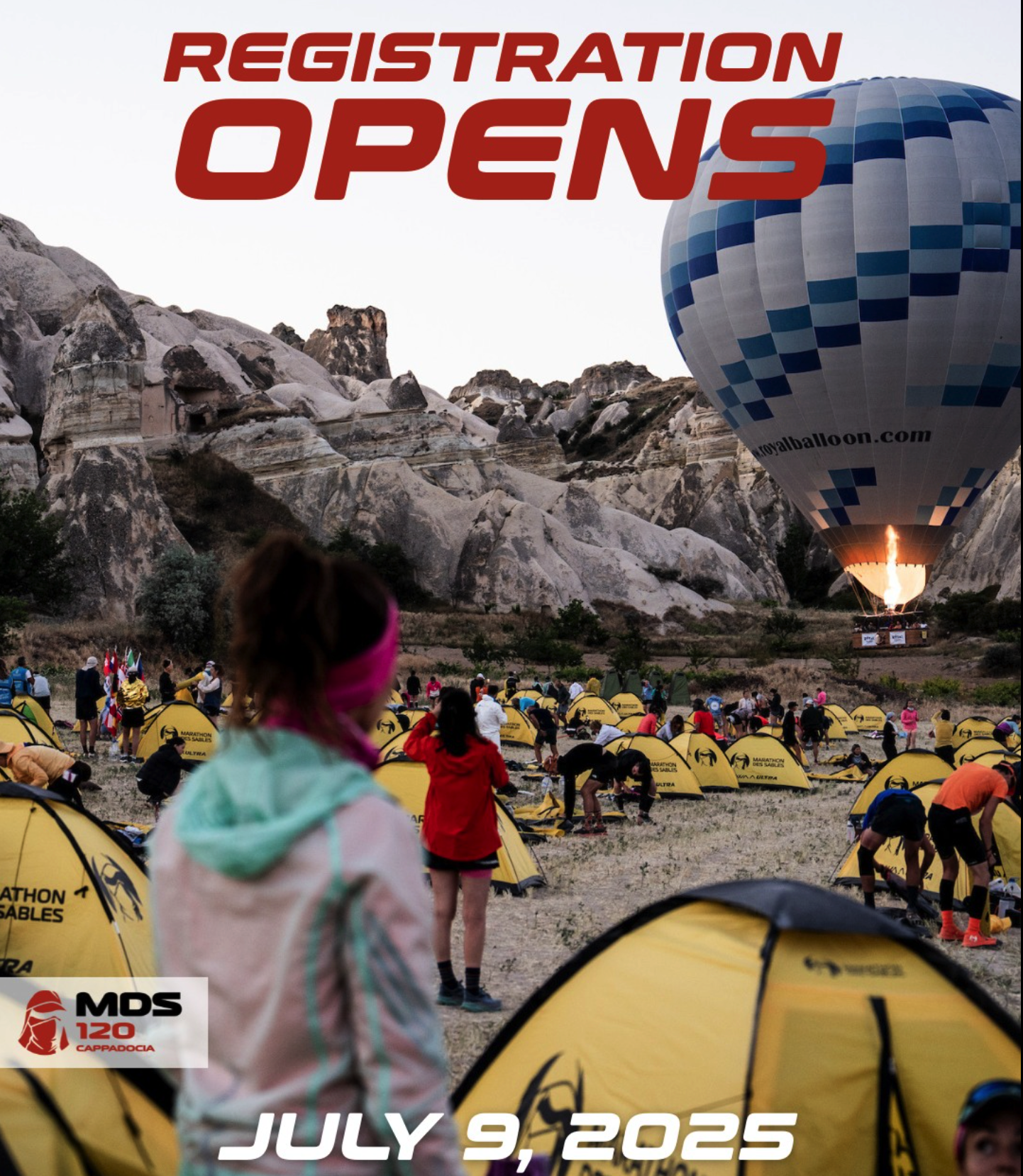
If you’re looking for an ultra that leaves a mark, not just on your legs, but on your soul: get ready for the 2026 dates, registration opens July 9th 2025.

Pack your shoes. Respect the heat. And come run through fire and stone in Cappadocia.

Marathon des Sables website HERE


Follow Ian Corless

Instagram – @iancorlessphotography

Twitter – @talkultra

facebook.com/iancorlessphotography

Web – www.iancorless.com
Web – www.iancorlessphotography.com

MDS 120 Cappadocia 2025 – Stage 3

Stage 3 of the MDS 120 Cappadocia delivered a brutal, beautiful reckoning. Spanning 26 kms under a punishing sun, the course cut through some of Turkey’s most iconic landscapes, from the pastel walls of Red Valley to the towering spires of Love Valley. But make no mistake: this stage wasn’t just about scenery. It was a furnace.
Love Valley – amazing

With temperatures soaring past 36°C and a heat index that felt closer to 48°C the early start with hot air balloons was welcome.

Not all bivouacs are the same

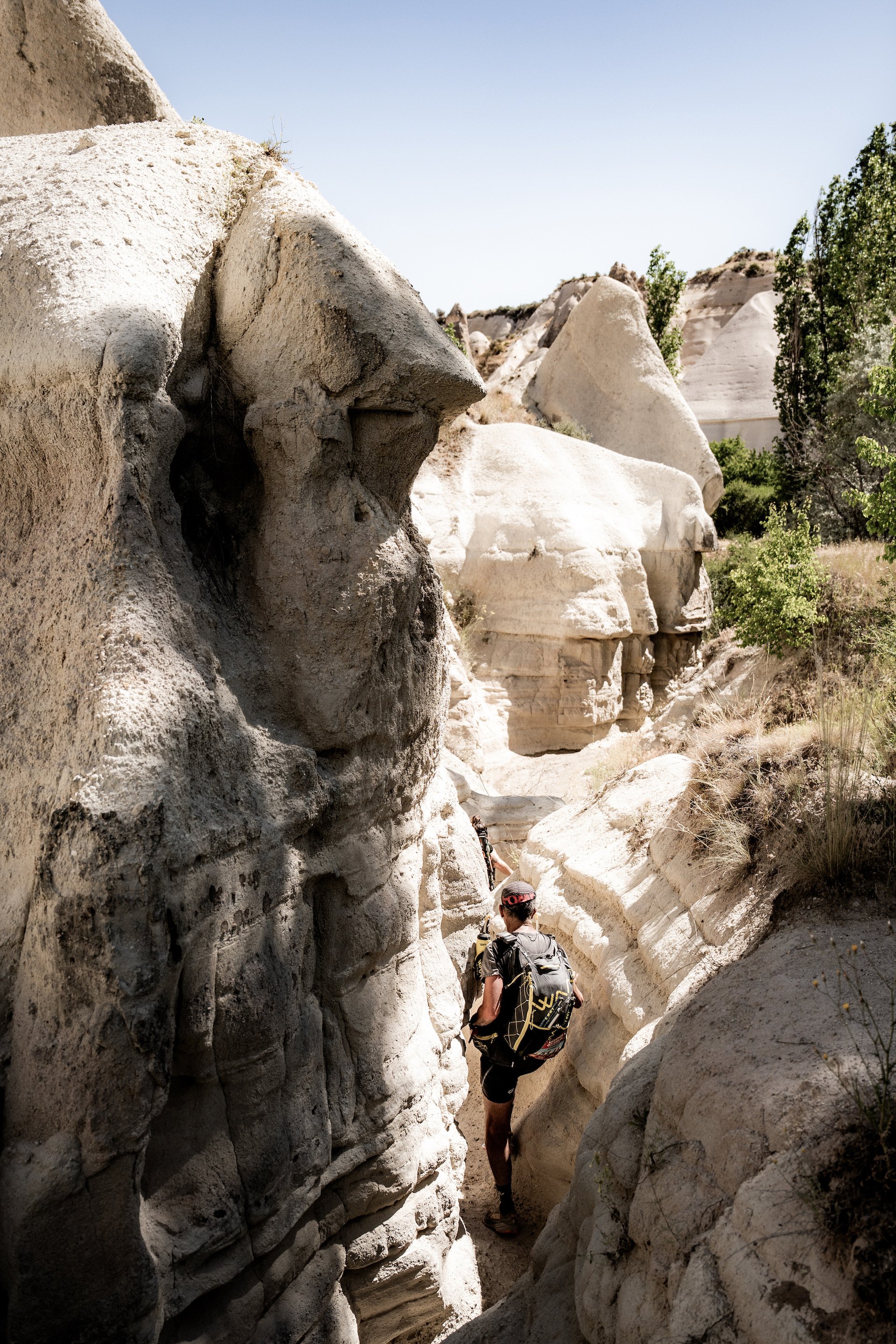
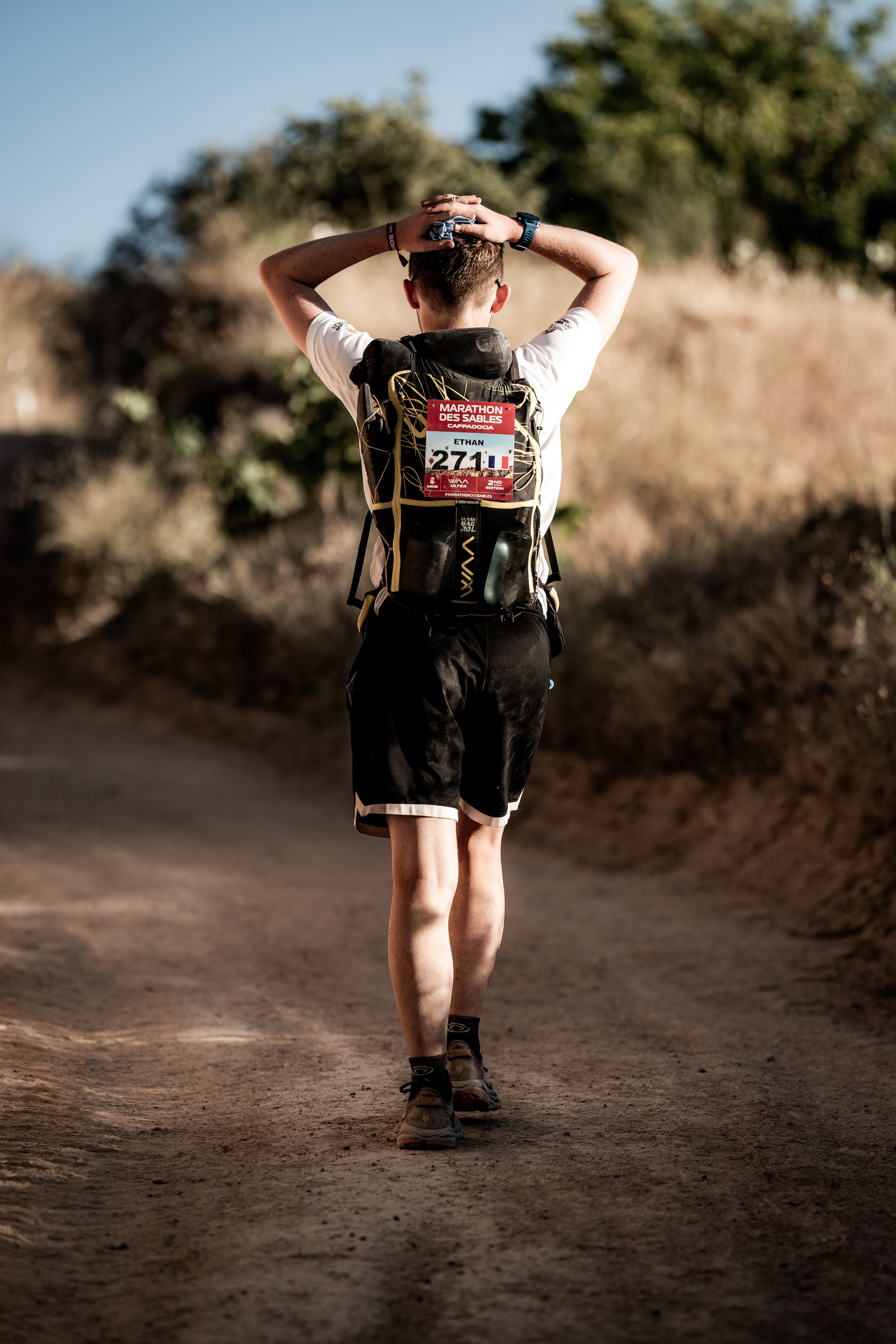
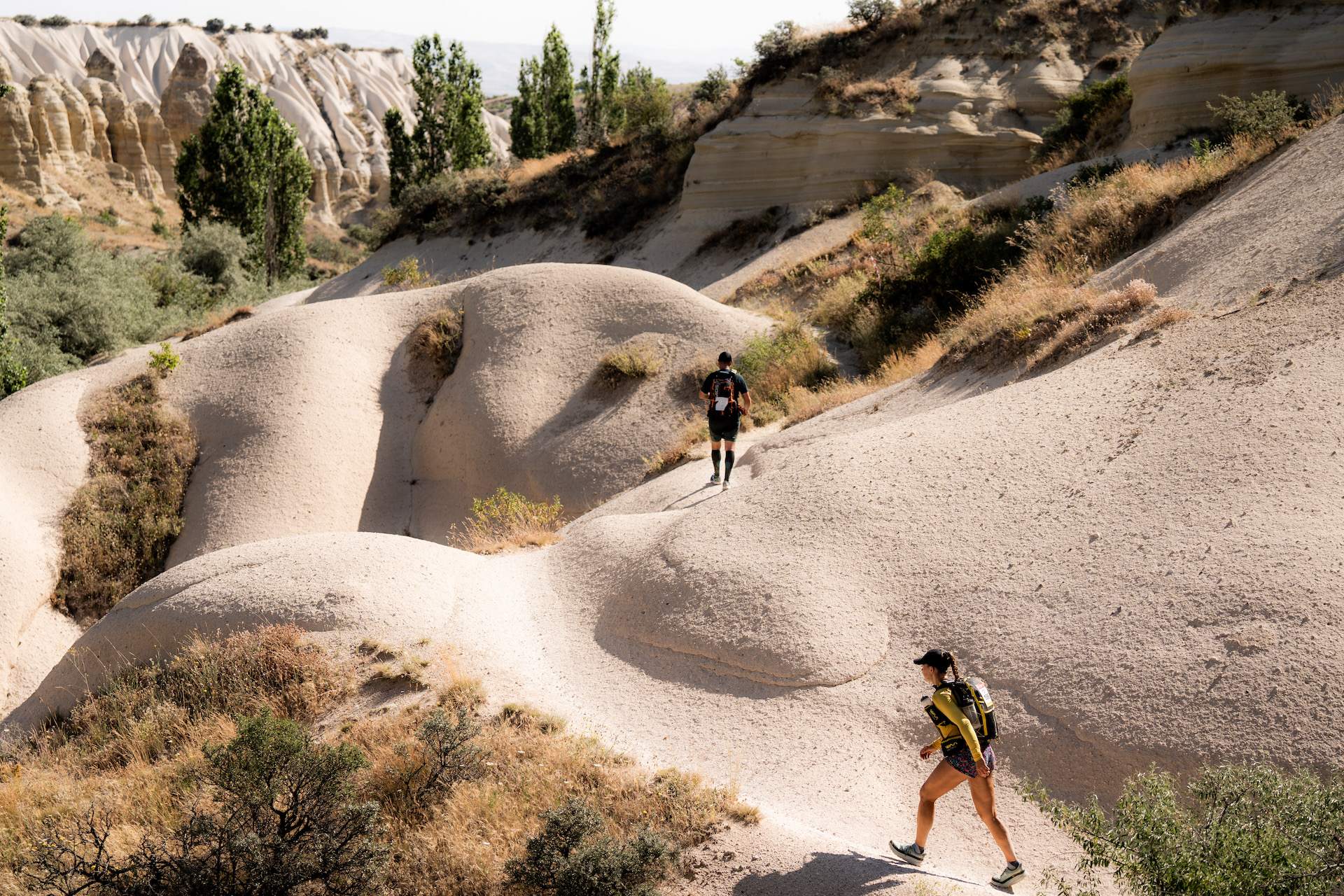
Even so, runners were fighting the heat within minutes. Shade was rare, and the terrain offered no favours: narrow single tracks, slot canyons, technical descents, and long exposed stretches tested every step.

By mid-morning, the route through Love Valley felt less like a romantic postcard and more like a slow-motion survival drill.

Despite the conditions, runners dug deep. The lead pack charged forward with astonishing control, weaving through the heat haze with purpose, but it was the back of the pack that showed the rawest version of the struggle. Blistered feet, overheated cores, and sheer exhaustion painted a stark picture of just how hard-earned every kilometer was.

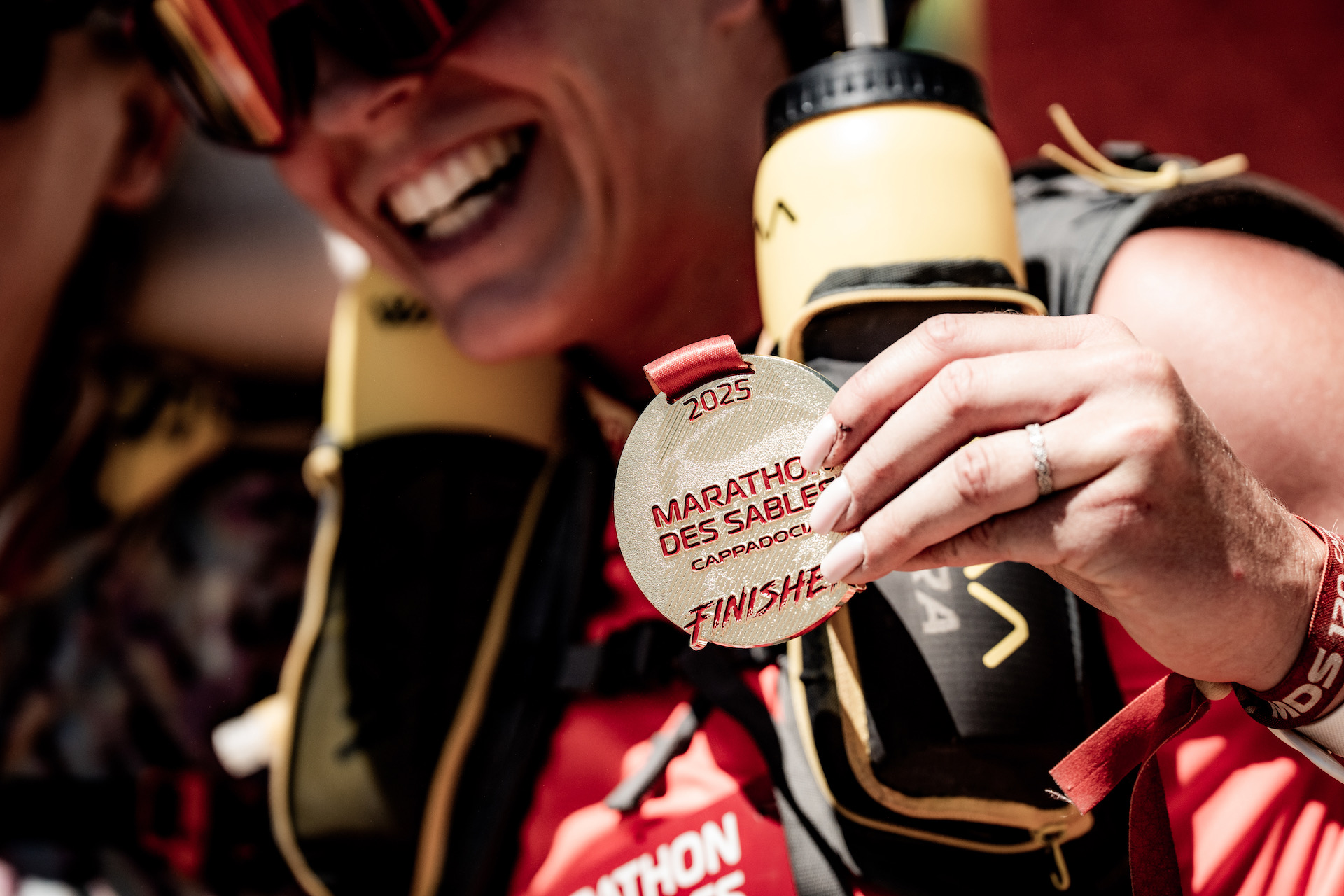
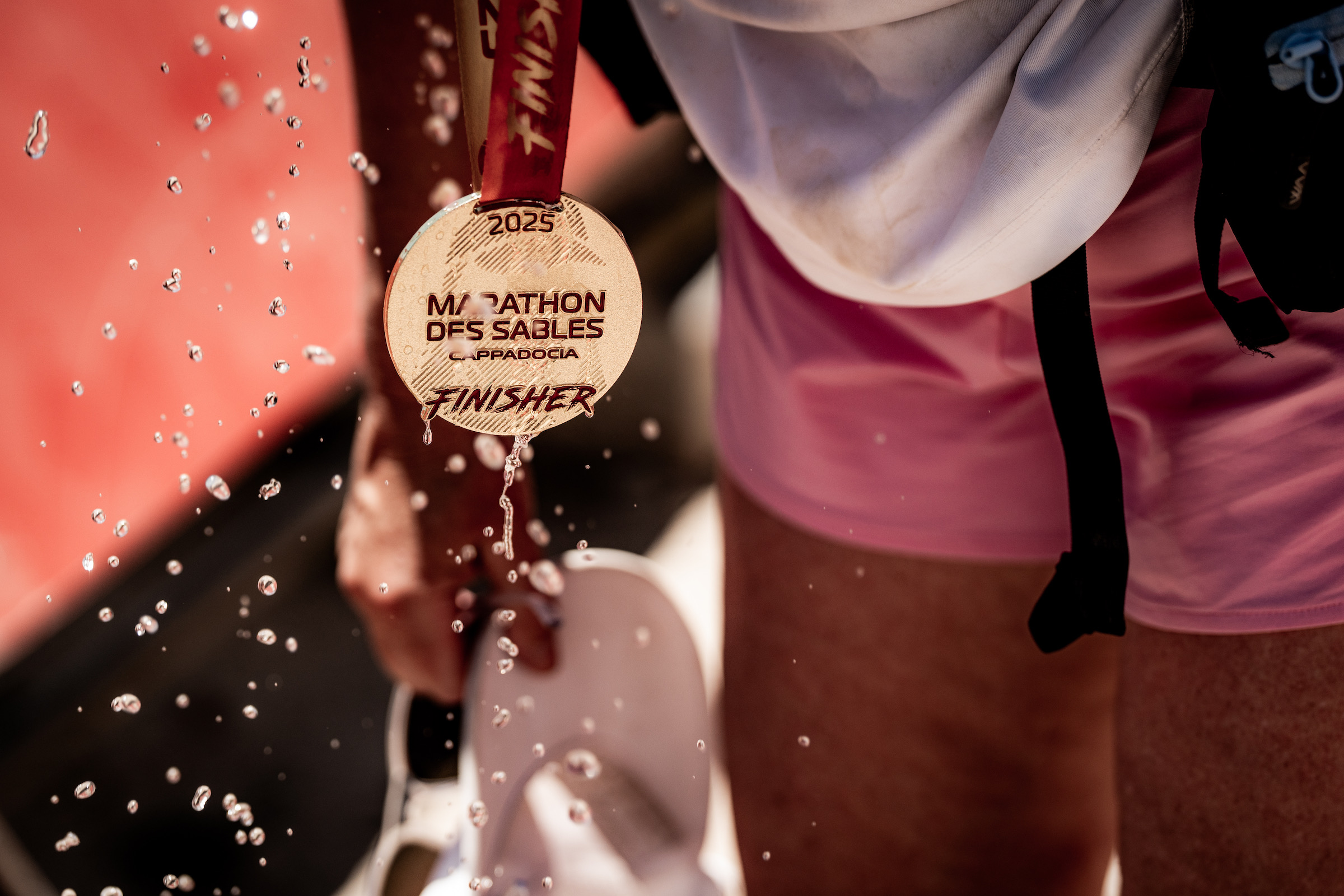
Crossing the finish line at the edge of Love Valley brought a wave of emotion. Some wept, others collapsed. The medal placed around each finisher’s neck wasn’t just symbolic, it was earned in full, mile by scorching mile. For many, it marked the toughest test they’d ever faced in a race.

From first to last, the results were staggering. All athletes held their nerve in the heat, but it was the collective will of the entire field that defined the day. This was more than a stage, it was a battle. And everyone who crossed that line came out the other side changed.
Blue and Orange jackets make it all happen

Stage 3 didn’t give anyone an easy finis. It demanded everything. The landscape may have been romantic, but the race was ruthless. The medal, deserved!


Follow Ian Corless

Instagram – @iancorlessphotography

Twitter – @talkultra

facebook.com/iancorlessphotography

Web – www.iancorless.com

Web – www.iancorlessphotography.com

MDS 120 Cappadocia 2025 – Stage 2

Stage 2 of the 2025 MDS 120 Cappadocia tested every ounce of determination runners had left in the tank.

Breakfast bivouac style

The day began with a 4:00 AM wake-up call under a pitch-black sky.

Just WOW!

By the time the starting line buzzed to life, the first glow of sunrise was filled with dozens of hot air balloons over the otherworldly landscape, a surreal and unforgettable sendoff into a brutal, beautiful day. This is what makes MDS 120 Cappadocia so special.

Blue coats, a key and important element of MDS 120.

Participants had a choice: 20km, 40.9km, or 58.6km. Three distances, one shared battle. No matter which course they committed to, the terrain made sure no one got an easy ride.

Stunning varied landscape

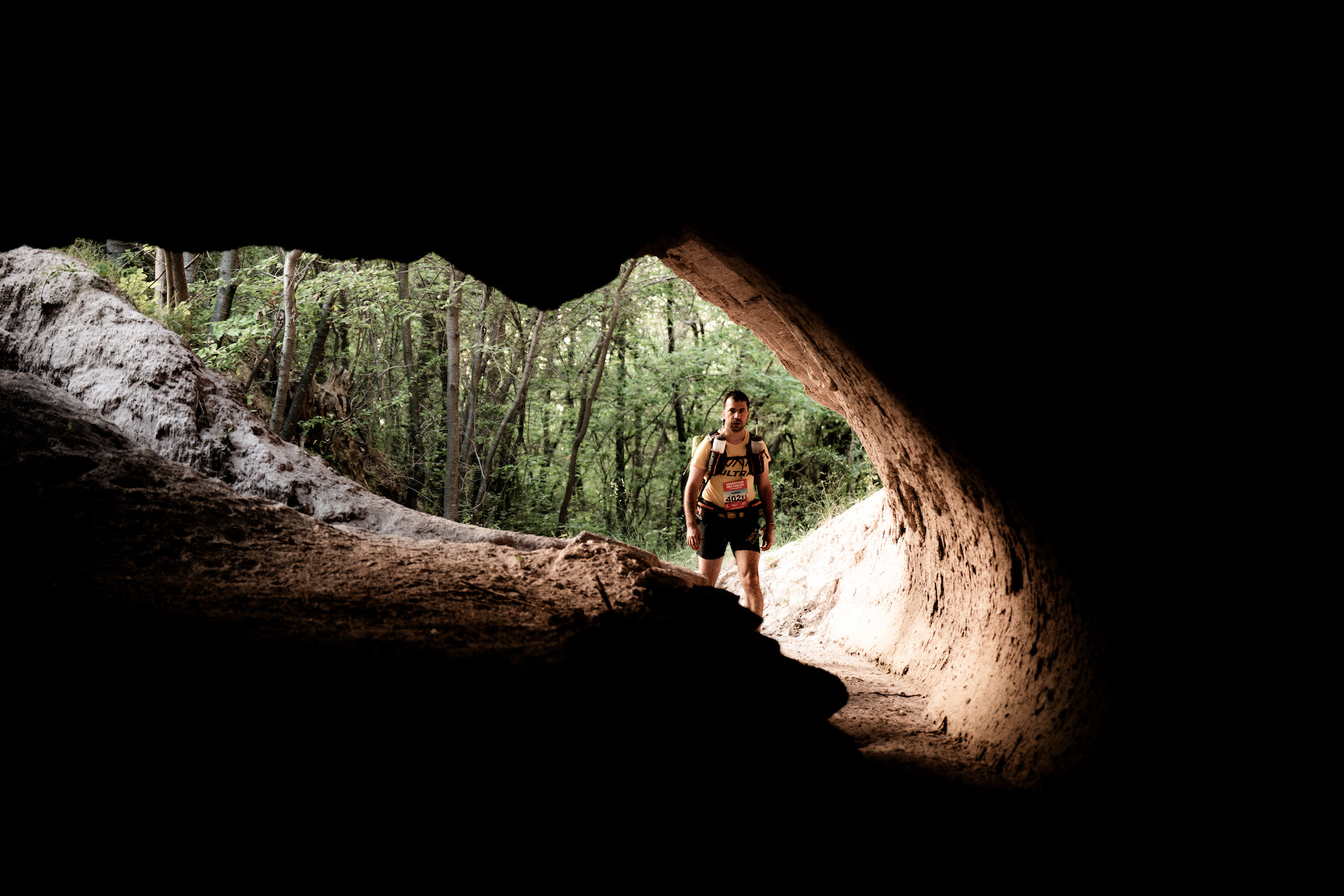
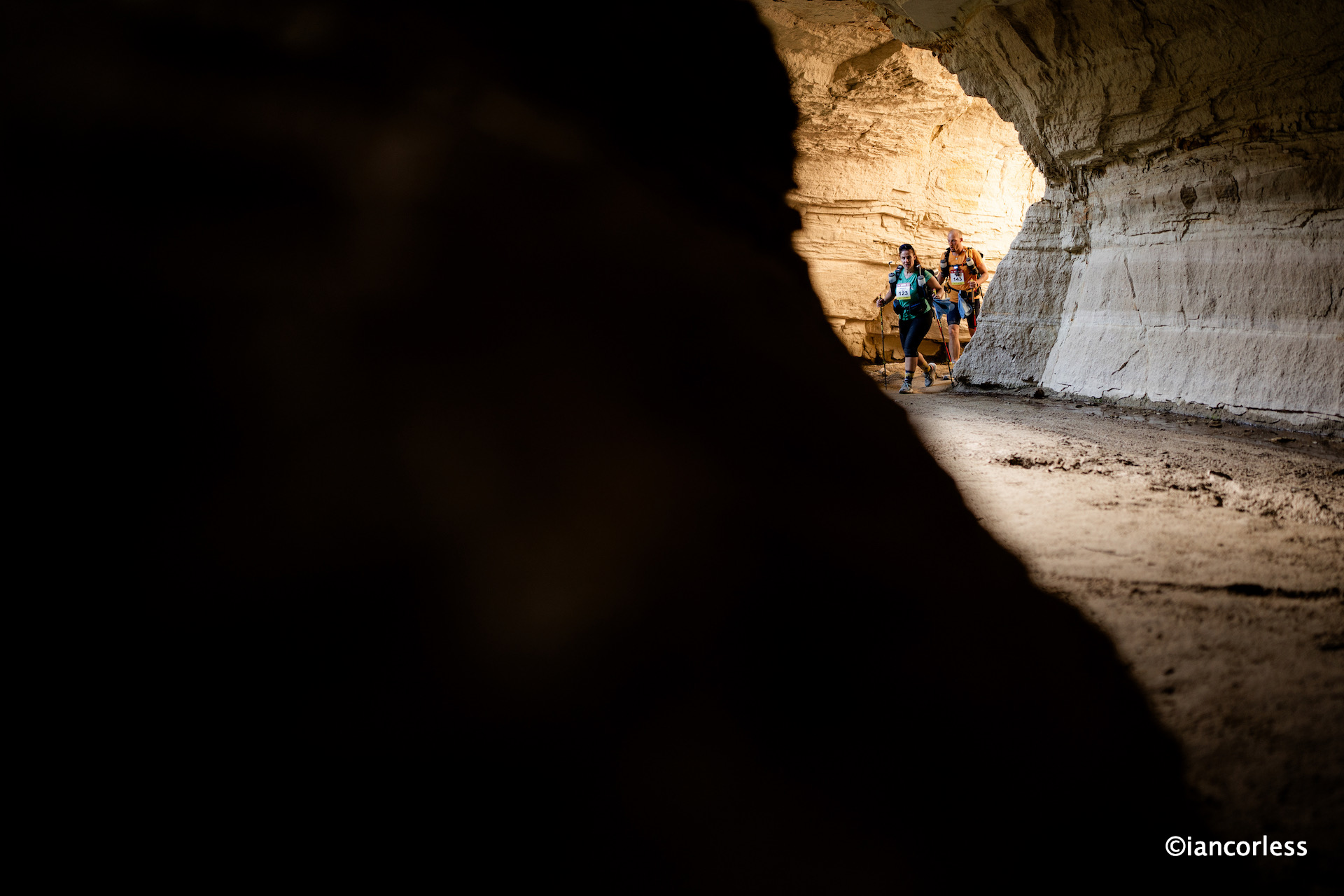
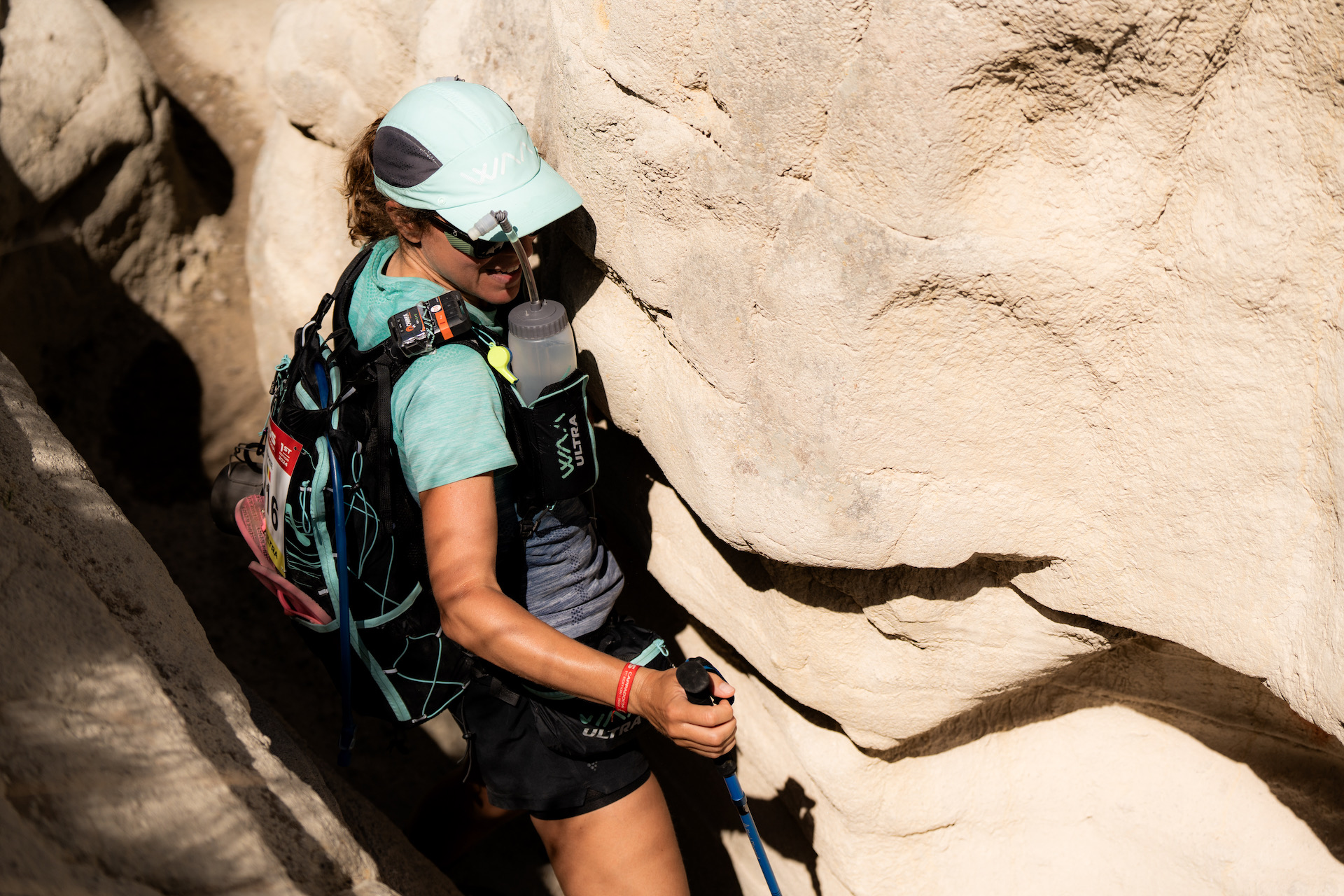
From the start, runners faced a punishing mix of steep canyons, tight tunnels, dusty switchbacks, and rocky plateaus.

Dense vegetation

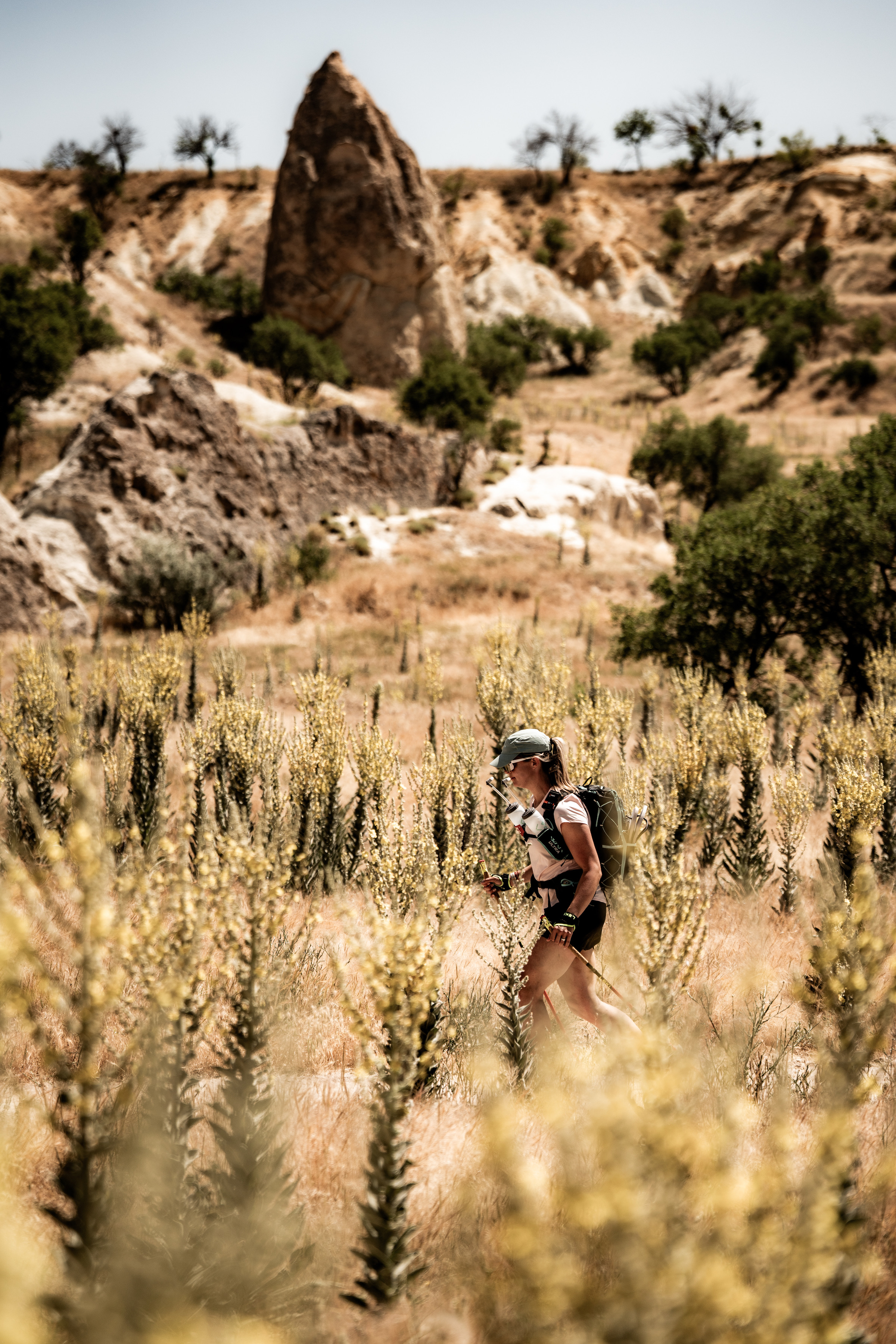
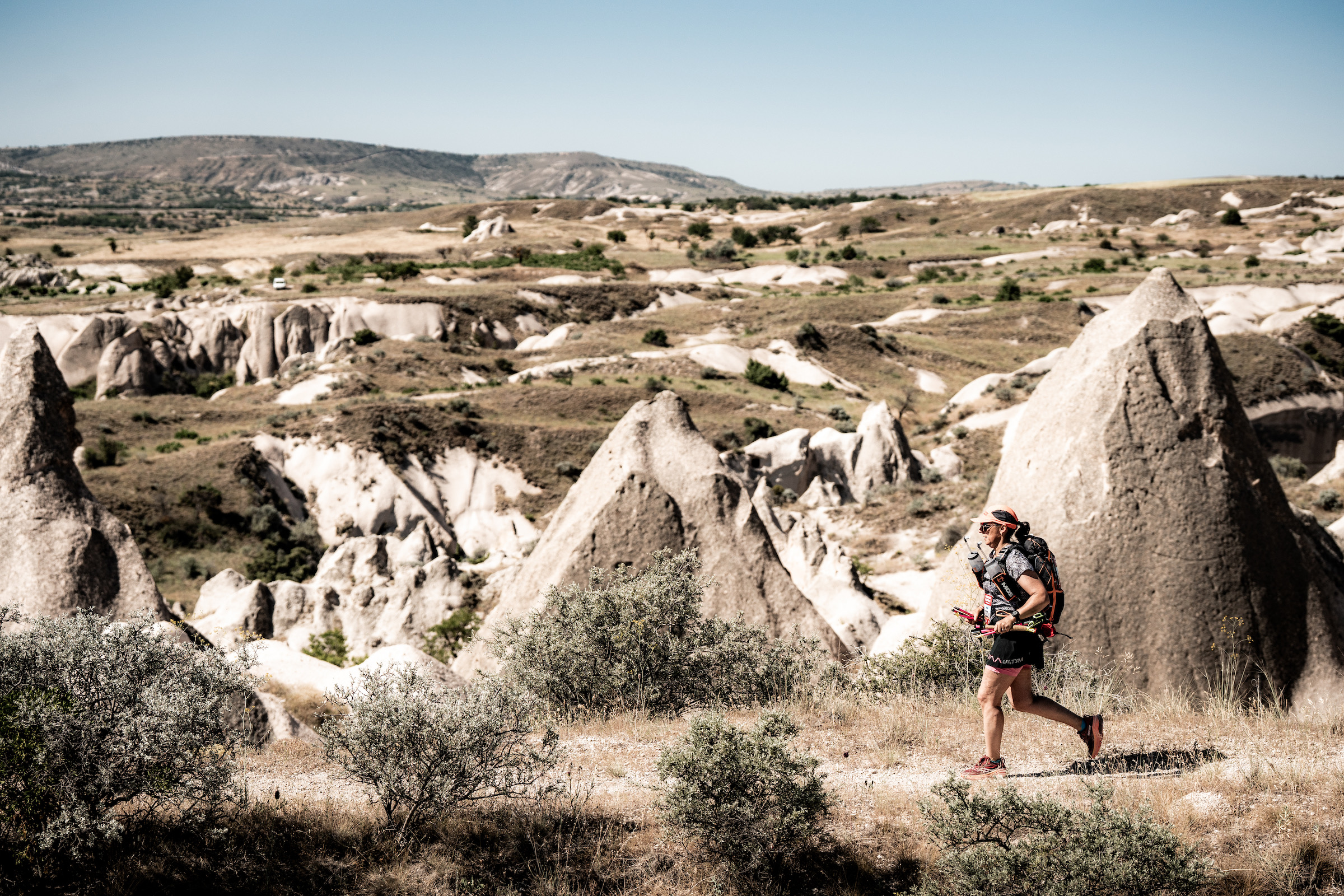
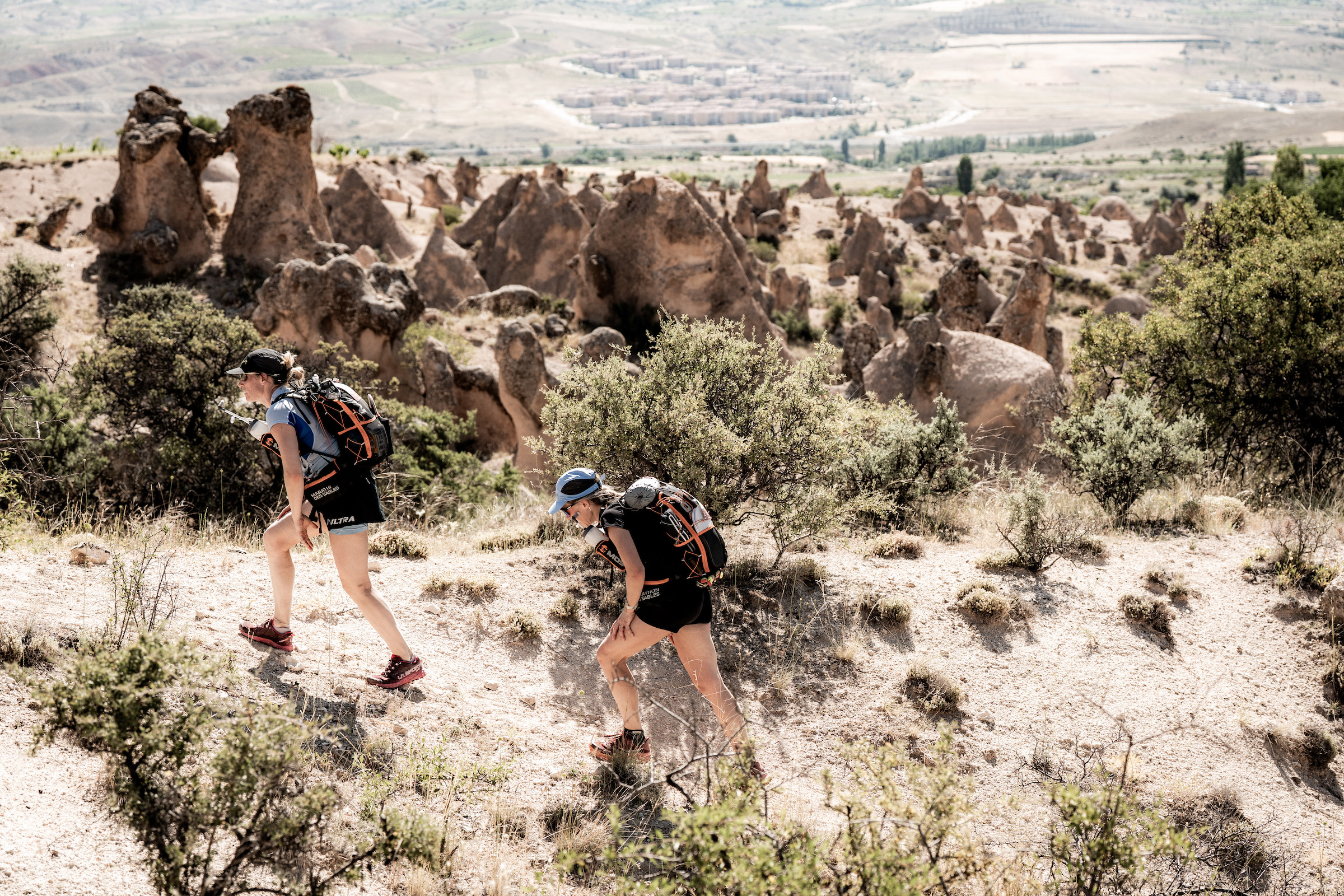
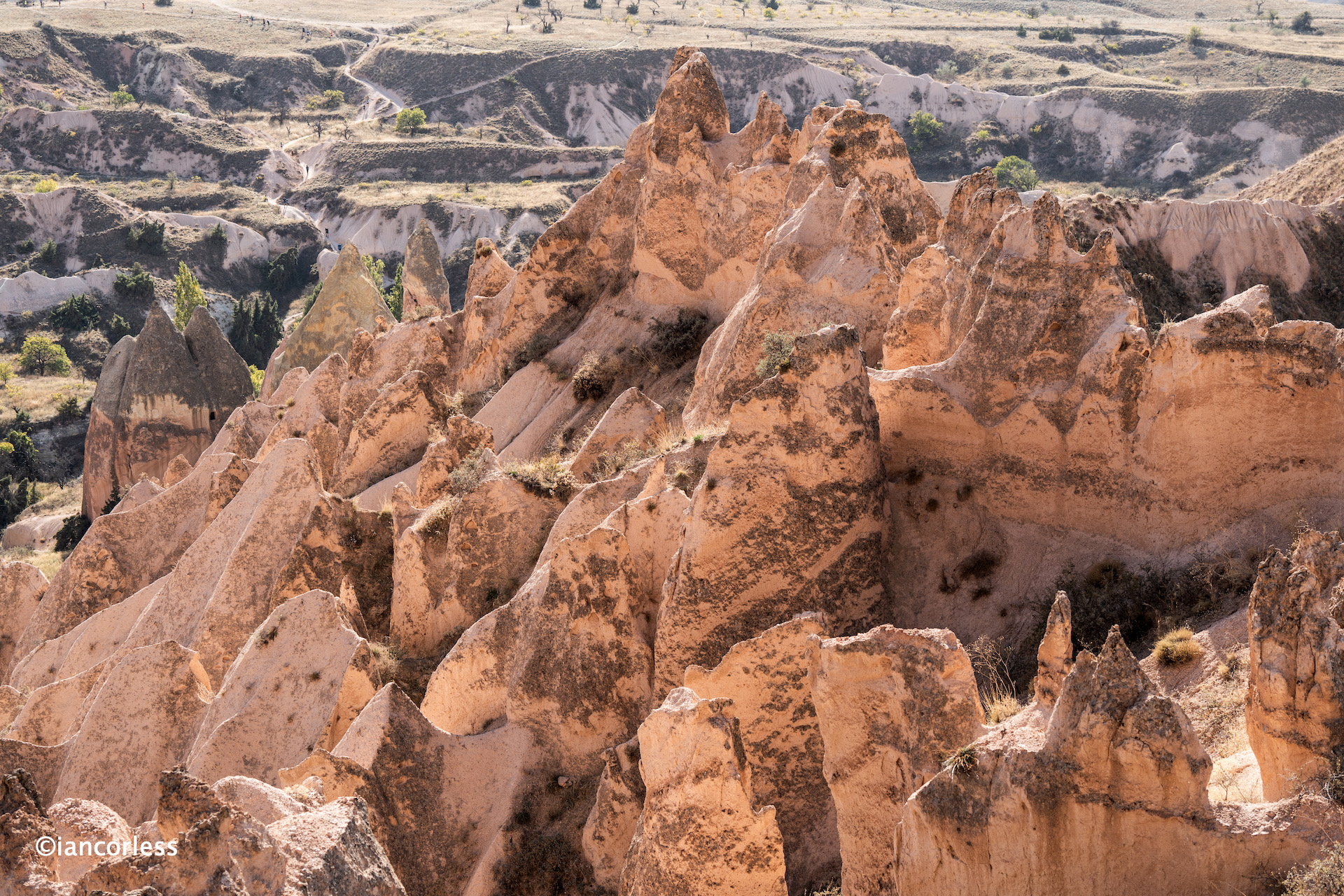
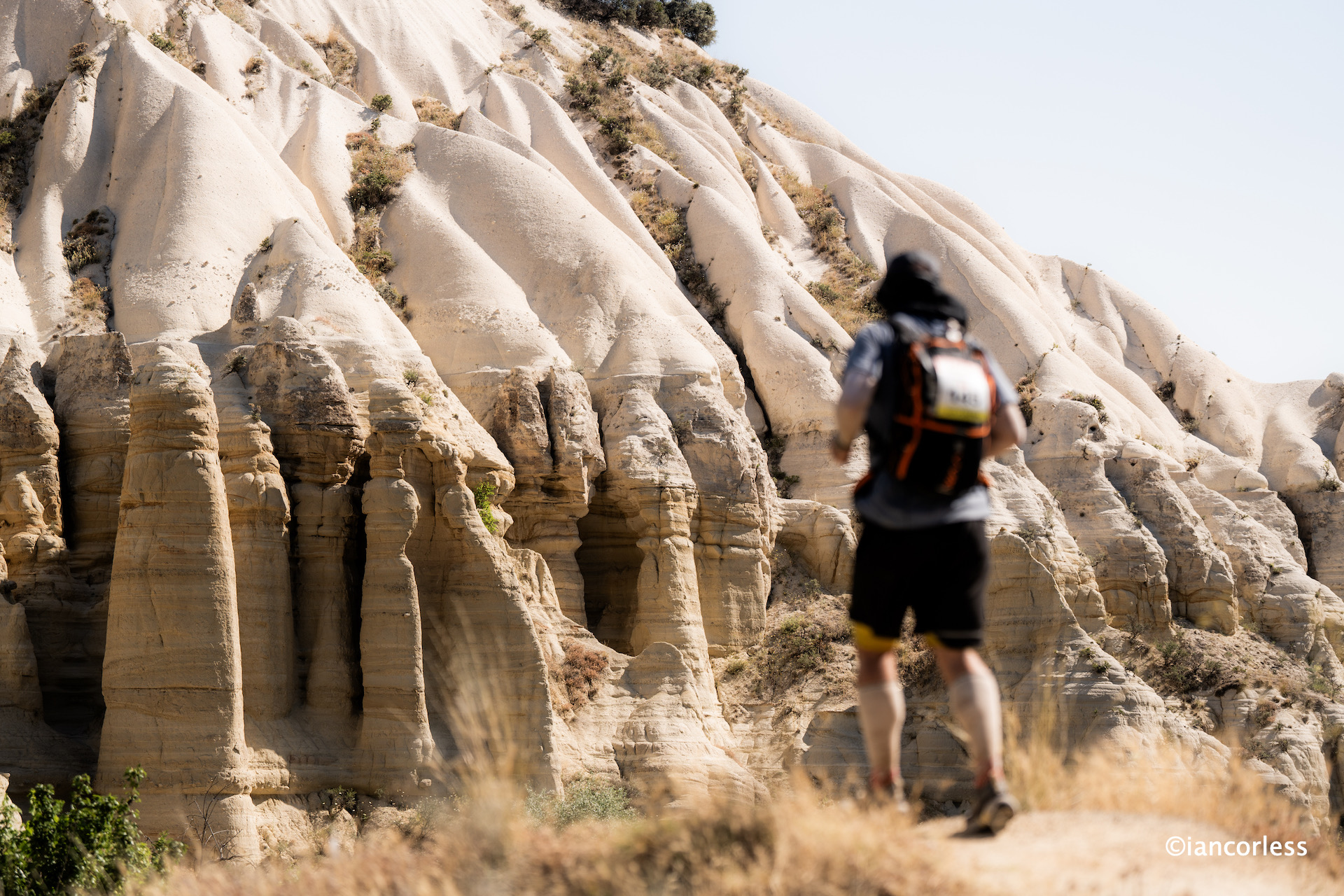
The famed Cappadocia chimneys, towering rock formations sculpted by time and wind rose like sentinels along the route, offering brief moments of awe in between relentless stretches of heat and effort.

Unique landscape

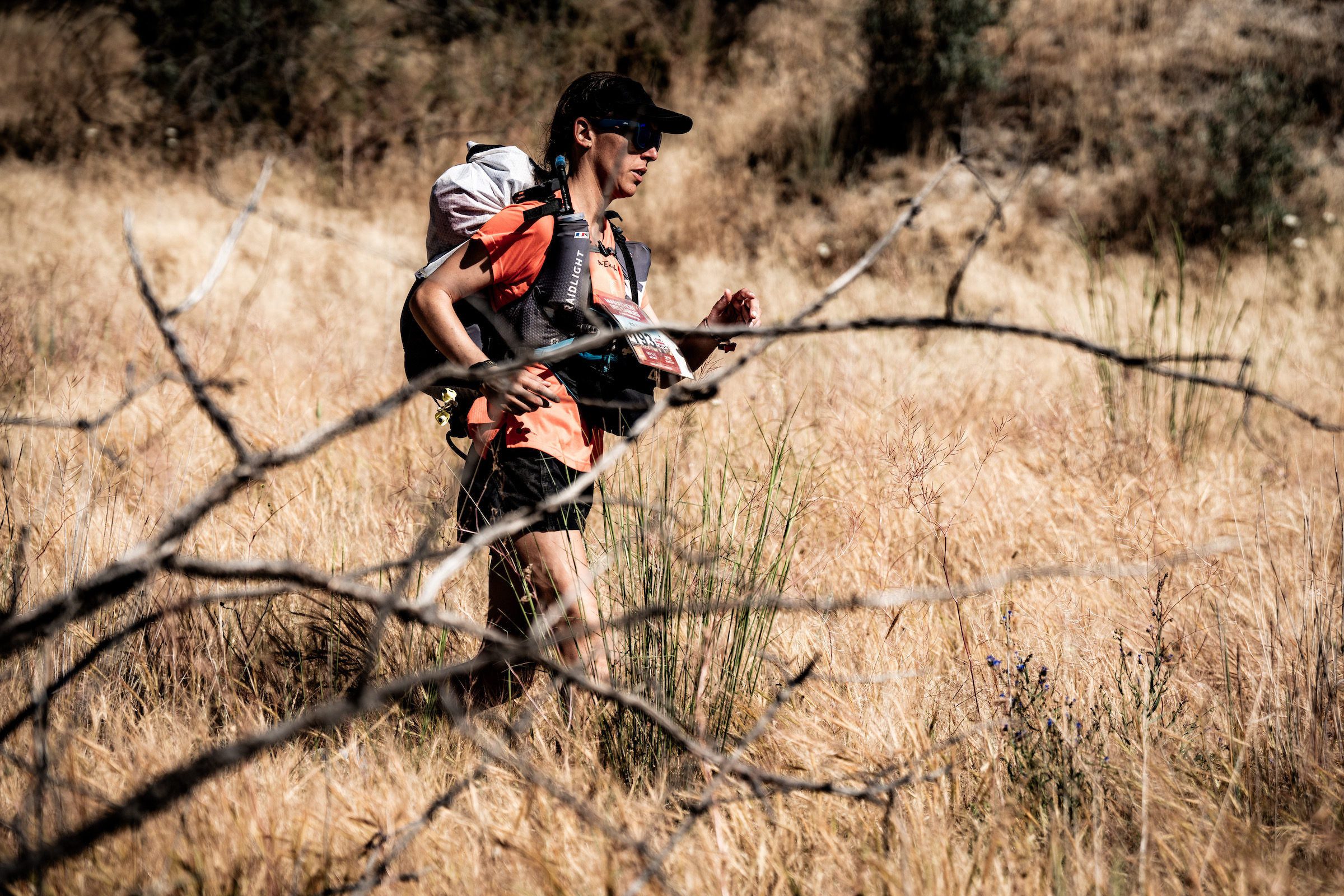
At times, dense vegetation clawed at legs and arms. Elsewhere, there was nothing but the sun, dry air, and the crunch of feet against rock and dust.

The longer the distance, the deeper the challenge. The sun bore down with intent, turning even the breezes into blasts from a hair dryer. Hydration and mindset became as critical as foot placement. There were stumbles, cramps, and moments of silence where only the sound of breath and grit kept runners going. This is where the MDS 120 orange (medical) and blue (logistics) help keep the runner’s going, importantly, they bring a key safety element to the race.

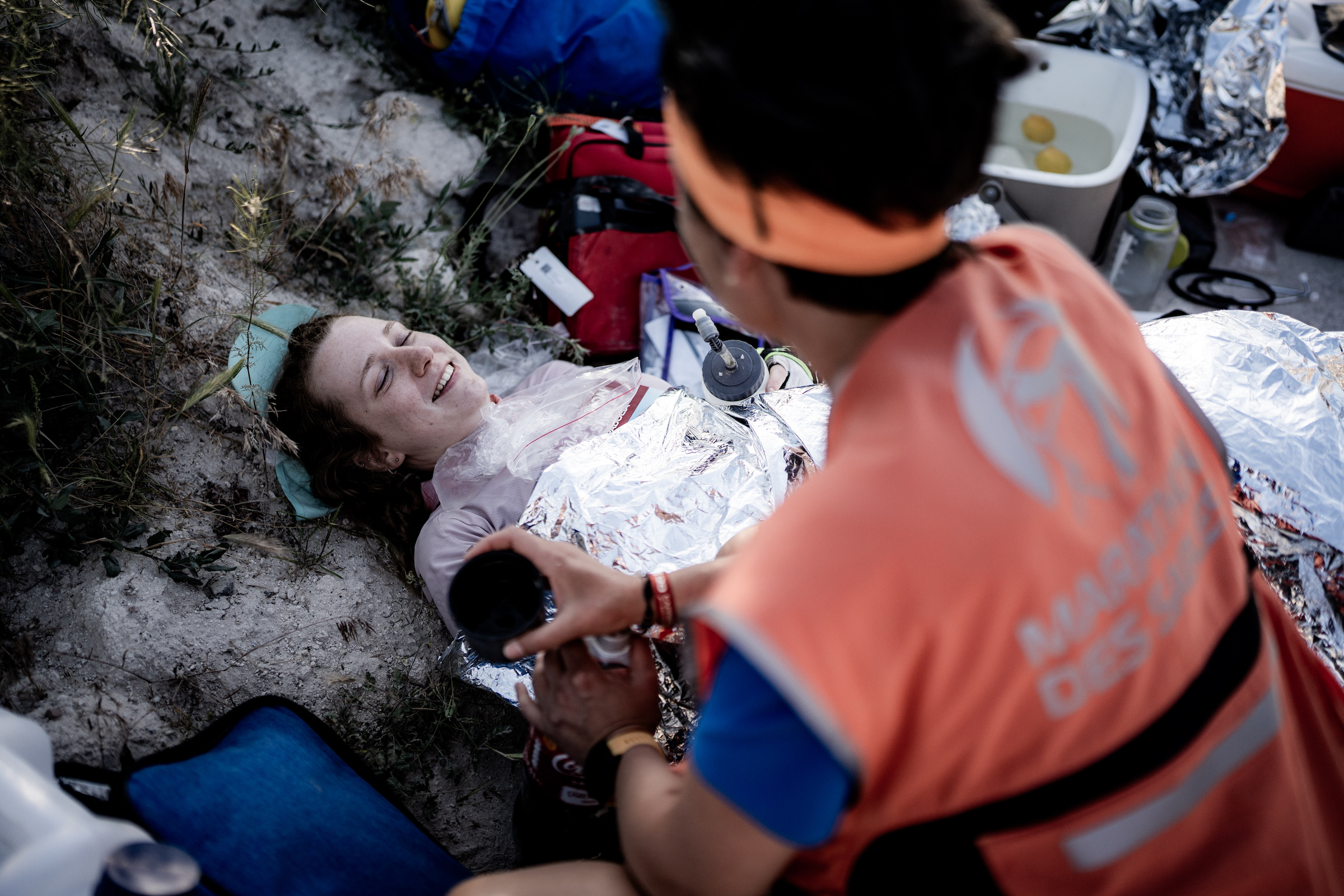
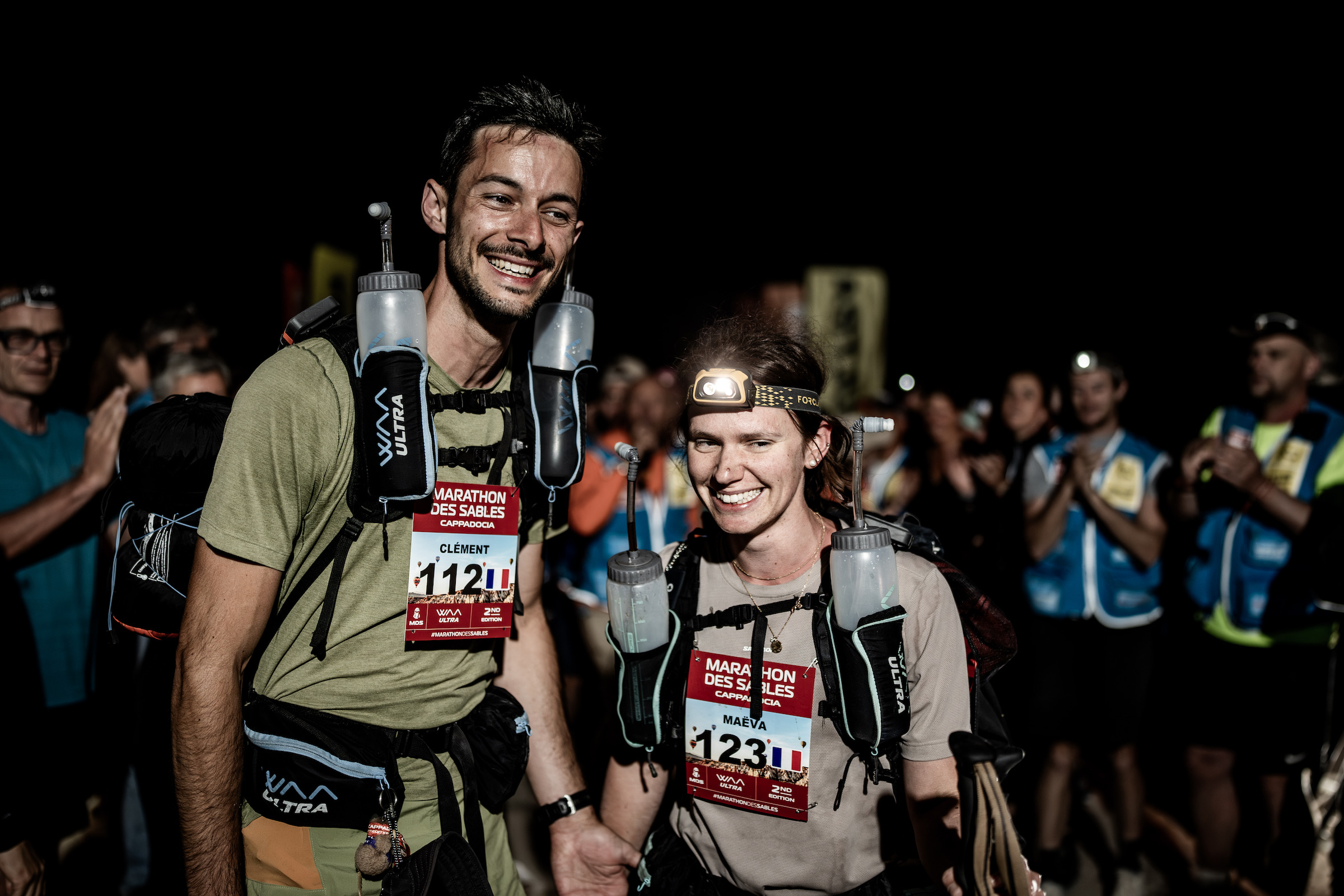
Maëva, our last finisher receiving treatment just 4km’s from the finish.

But they did go. Every last one of them.

The final competitors crossed the line after an incredible 16 hours and 25 minutes on the move. A huge shoutout to Maëva and Clémment, who showed unreal resilience and heart, pushing through to the very end.

To all who took on Stage 2, no matter the distance, no matter the time, today you didn’t just run through Cappadocia. You conquered it.

Tomorrow brings the third and final stage, concluding in the Love Valley.

Marathon des Sables website HERE

Follow Ian Corless

Instagram – @iancorlessphotography

Twitter – @talkultra

facebook.com/iancorlessphotography

Web – www.iancorless.com

Web – www.iancorlessphotography.com

MDS 120 Cappadocia 2025 – Stage 1

Stage 1 of the 2nd edition of MDS 120 Cappadocia kicked off under the early light of an Anatolian sunrise, with 25 km’s of raw terrain waiting to test the field. A race drawing runners from 25 countries, with 62% of the field made up of women, the stage offered more than just a test of fitness. It celebrated resilience, international camaraderie, and the wild beauty of one of Earth’s most spectacular landscapes.

MDS 120 Cappadocia LIVE HERE

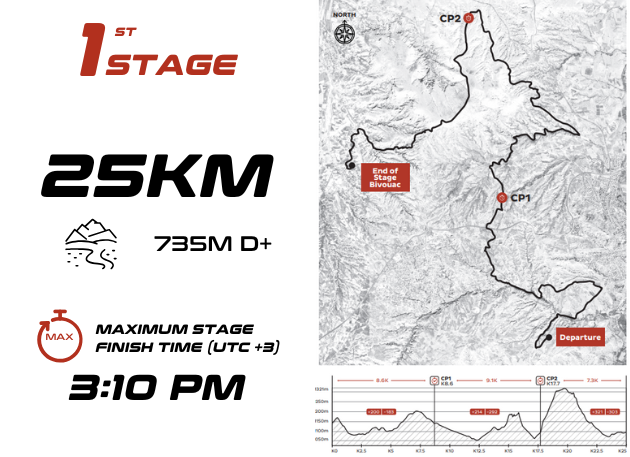
Start: Göreme valley
8:00 AM (UTC+3)

Distance: 25km
Elevation gain: 735m
Arrival: Bivouac
Arrival time max: 03:10 PM (UTC+3)

At 08:00, runners surged forward through soft dust and rising heat, chasing not just the finish line, but the promise of the valleys, ridges, and canyons that make Cappadocia a runner’s dream.

A perfect introduction to this region’s surreal terrain. Cappadocia’s sculpted rock formations and ancient pathways aren’t just scenic, they’re alive underfoot. The ground shifts from soft tuff to jagged stone without warning. Trails wrap through fairy chimneys, drop into hidden valleys, and climb ancient volcanic ridges that defy rhythm and punish pacing mistakes.

In Sword Valley, the finish line was framed by tall rock blades that towered like silent spectators. But before that moment of glory, runners had to earn it, through a twisting, relentless route that refused to give them anything for free.

This stage, at 25km’s, may have been short by ultra standards, but it made up for that in technicality and vertical grind.

“That climb? That was a truth serum to the CP,” said one British runner, laughing between gulps of water.

“I’ve raced ultras all over the world, and I’ve never seen terrain like this,” 

This was only the opening round, but already the stage has shaped expectations for the rest of the MDS 120 Cappadocia: With deeper valleys, hotter days, and longer distances on the horizon, strategy will start to matter even more. Pacing, hydration, and mental grit will be required in abundance, especially with increasing hotter temperatures.

Equal parts brutal and beautiful, it gave runners a taste of what’s ahead: unpredictable terrain, and heat. The landscape demands respect. The heat punishes the arrogant. And the first finish line felt like a small rebirth.

One stage down. Two to go. Cappadocia has opened the door and it’s not letting anyone through without a fight.

Marathon des Sables website HERE

Follow Ian Corless

Instagram – @iancorlessphotography

Twitter – @talkultra

facebook.com/iancorlessphotography

Web – www.iancorless.com

Web – www.iancorlessphotography.com

ANSWER THE CALL OF THE HIMALAYAS – EVEREST TRAIL RACE 2025

©iancorless

If you’ve ever dreamed of running in a place that feels otherworldly, where every breath reminds you you’re alive, and every step tests your limits, the 2025 Everest Trail Race is your chance. Happening this November, 10th to 22nd, 2025.

©iancorless

This is not just a race, it’s a life changing experience stamped into your muscles, your memory, and your soul.

The Everest Trail Race is a semi self-sufficient, multi-stage ultra that pushes you across roughly 160 km (100 miles) of raw Himalayan terrain.

©iancorless

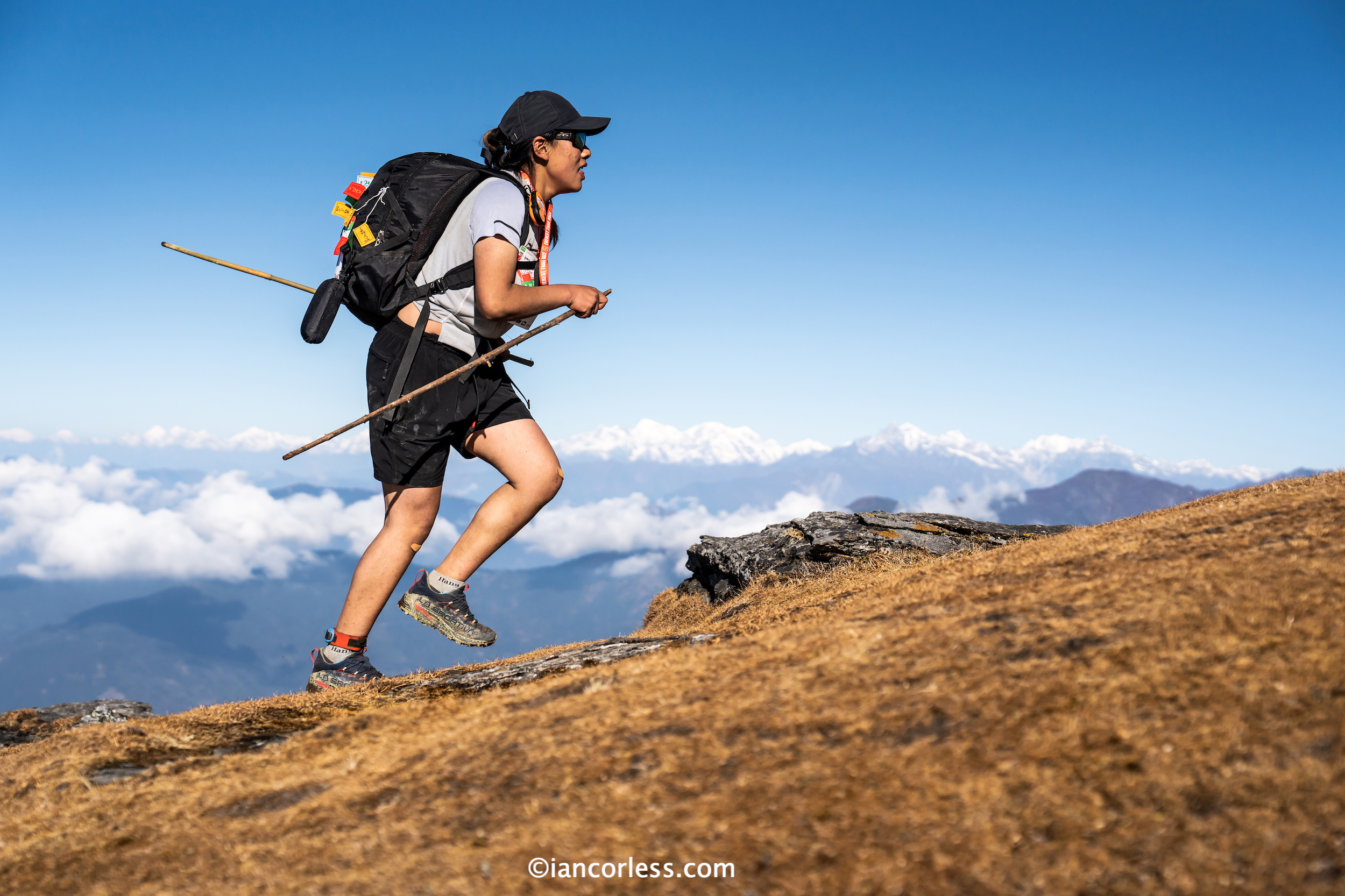
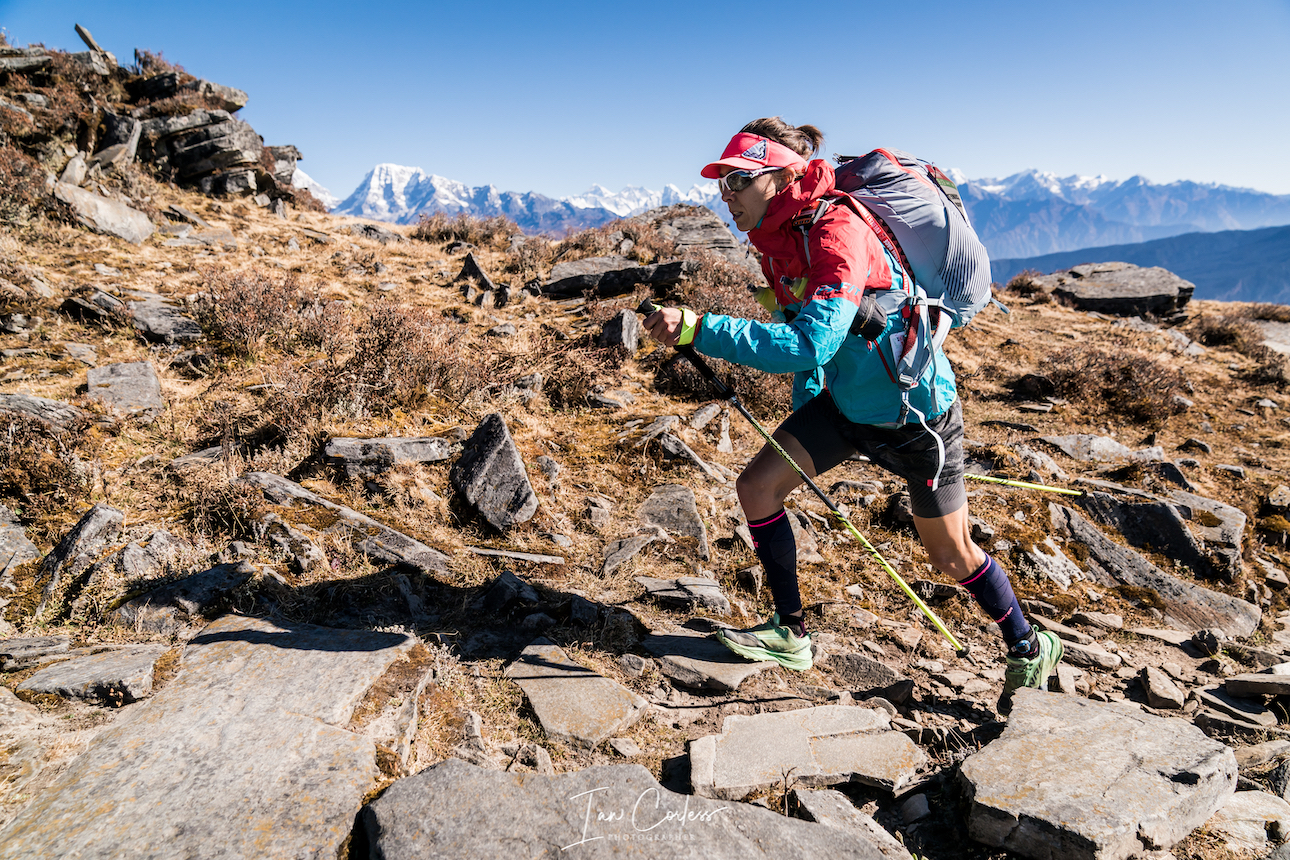
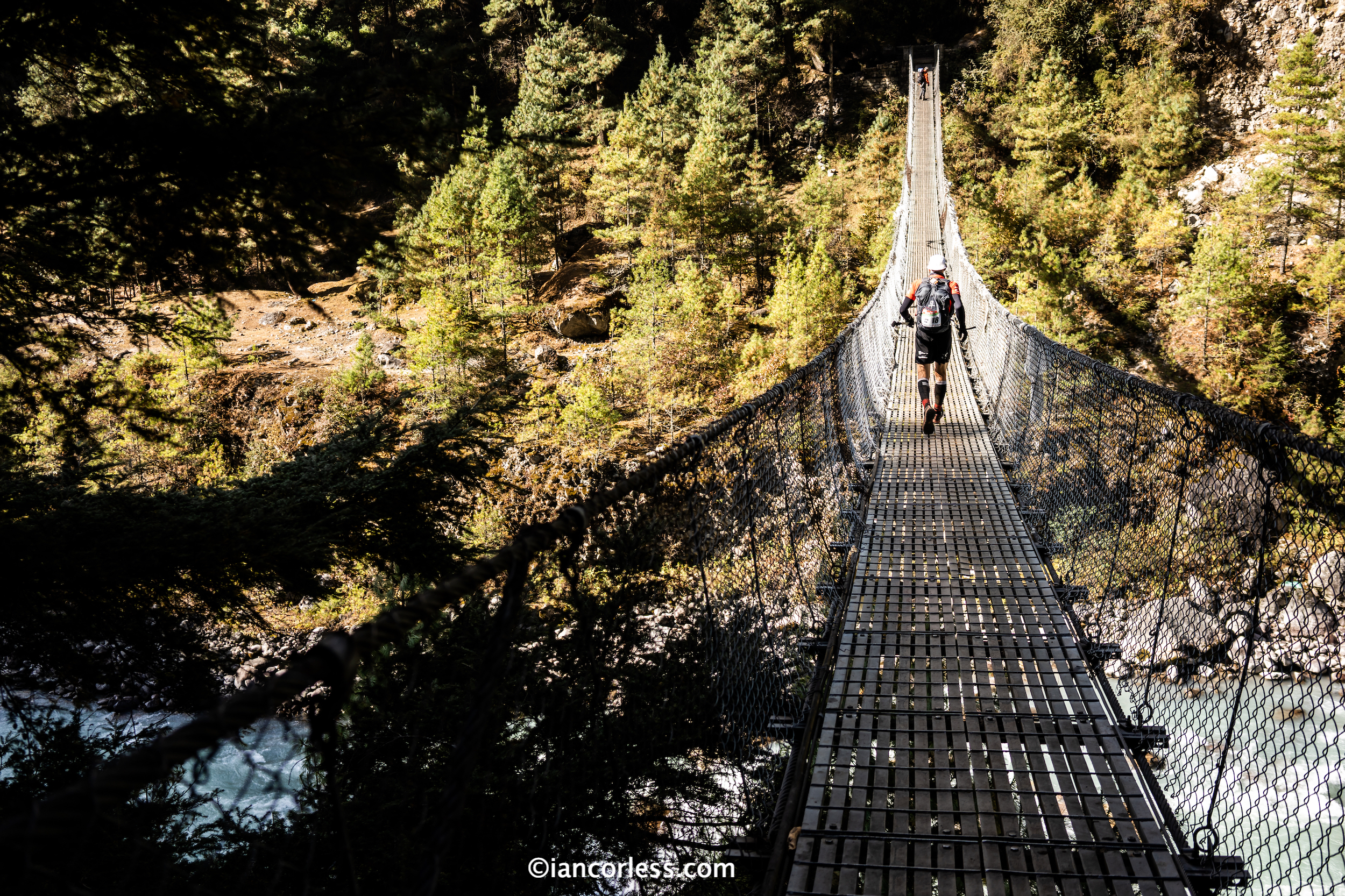
You carry your own gear. You fuel yourself. You keep going. Over six days, you’ll face steep ascents, grinding descents, suspension bridges, narrow trails, and thin air all at altitudes between 2,000 and 4,100 meters.

©iancorless

This is not a race for comfort. It’s a race for people who crave discomfort, who see sweat and struggle as part of something bigger.

This is trail running in its purest form. Technical sections, single tracks carved into mountainsides, ancient stone paths connecting remote villages. One moment you’re running through a pine forest; the next, you’re skirting a cliff with views that stop you in your tracks.

©iancorless

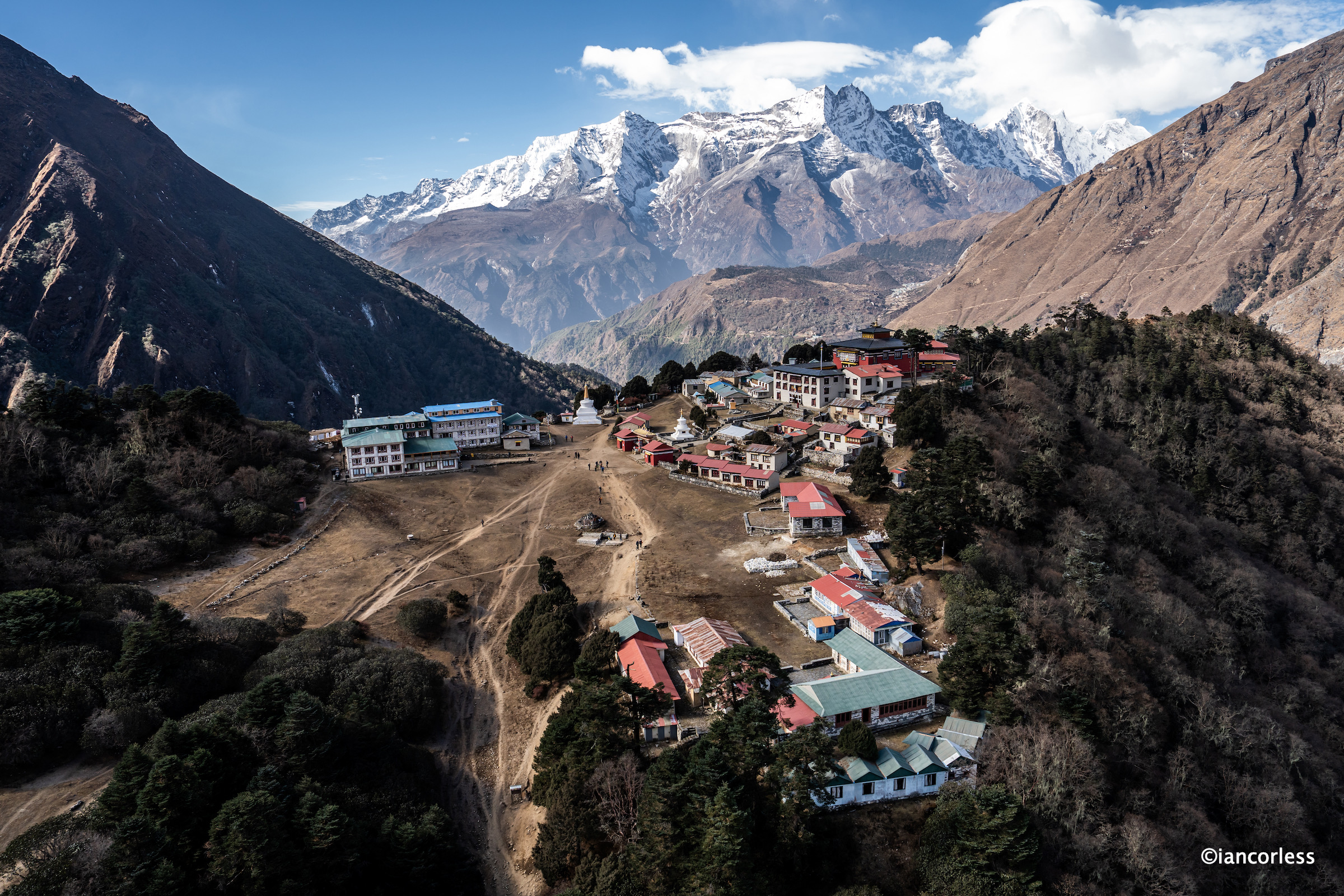
The race route threads through the Solukhumbu region, home to the legendary Sherpa people, along the same trails used by mountaineers heading to Everest Base Camp.

November in the Himalayas is cool, crisp, and clear, perfect for trail running. Daytime temps are mild, with intense sunshine at altitude.

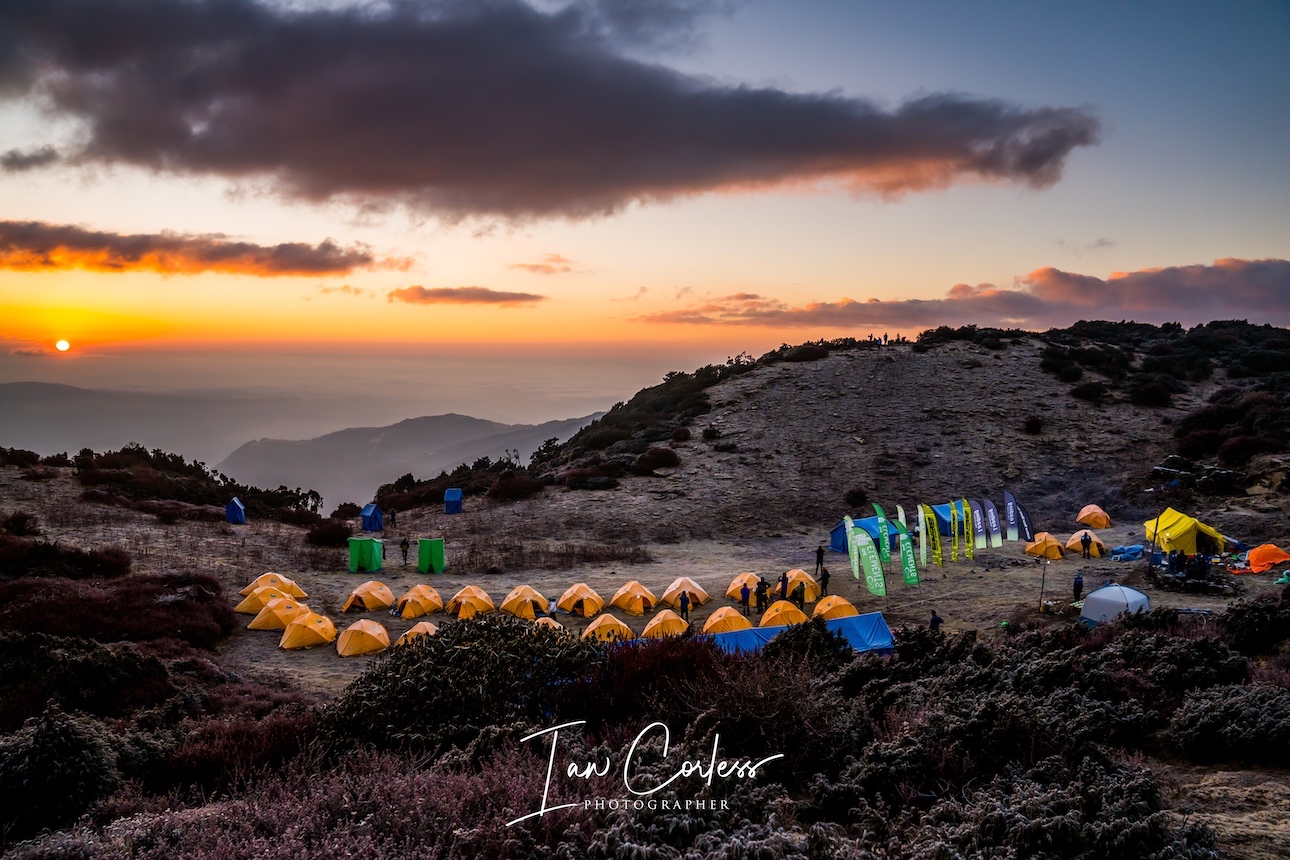
But the nights get cold. You’ll wake up to frosty mornings, and every breath will be visible. It’s the dry season, so the skies are often brilliantly blue, framing the snowcapped peaks like a postcard that never ends.

©iancorless

This is the kind of race where you learn to respect the air. The oxygen gets thinner, and your body feels it. It’s a slow grind uphill, and then a fast, careful descent. Pacing becomes survival. Acclimatisation is your secret weapon. But when you’re out there, breathing hard, moving slow, you realise something: you don’t need speed. You just need grit and determination.

©iancorless

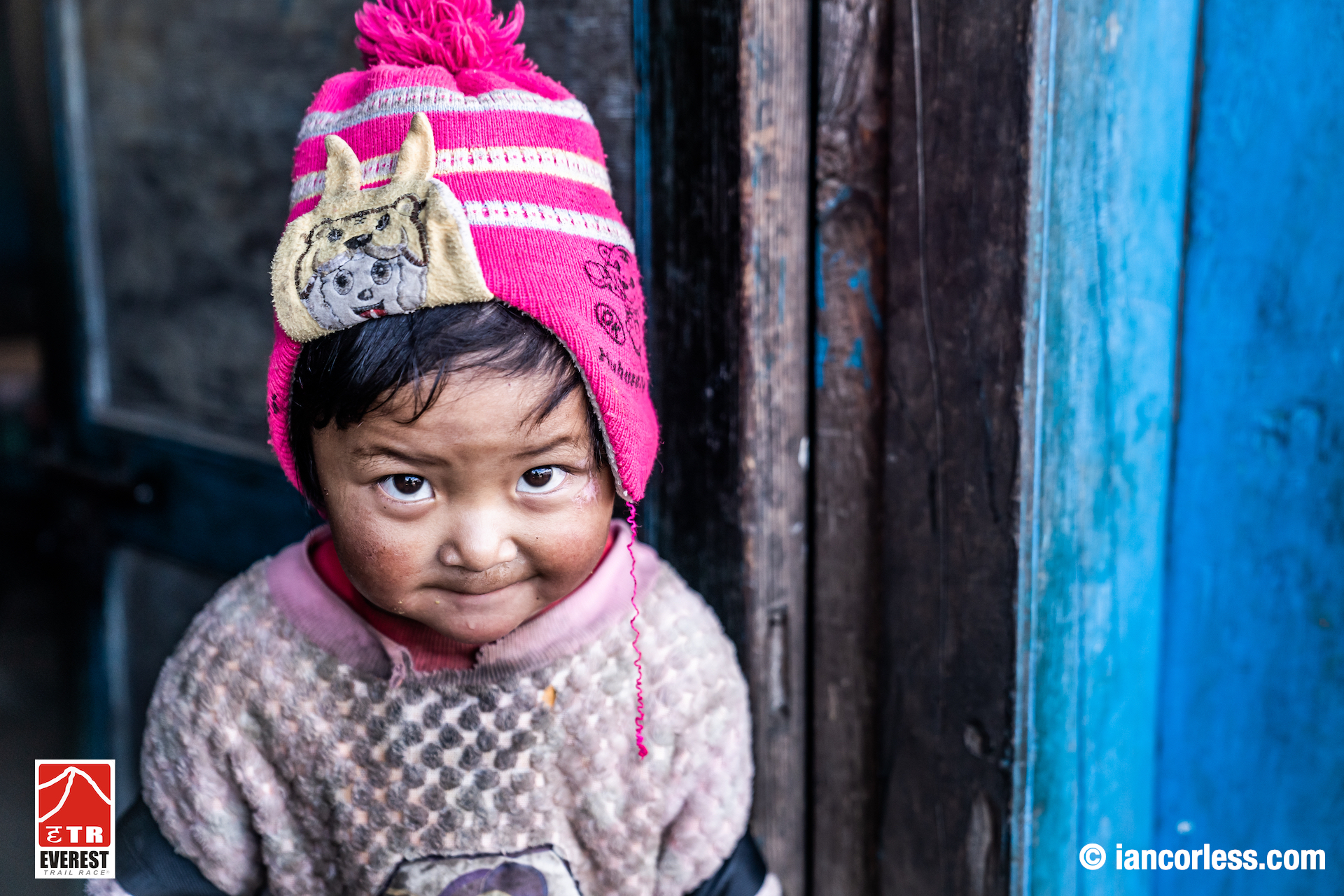
You’ll meet Sherpa families offering you tea from tin cups in smoky kitchens. Kids will run beside you, barefoot and beaming.

The camaraderie among runners is real, forged in pain, sweat, and shared awe. You’ll finish each stage beside people who were strangers, now teammates.

©iancorless

The Everest Trail Race is small and personal. It’s not about crowds. It’s about connection — to the land, to each other, and to something deeper inside yourself.

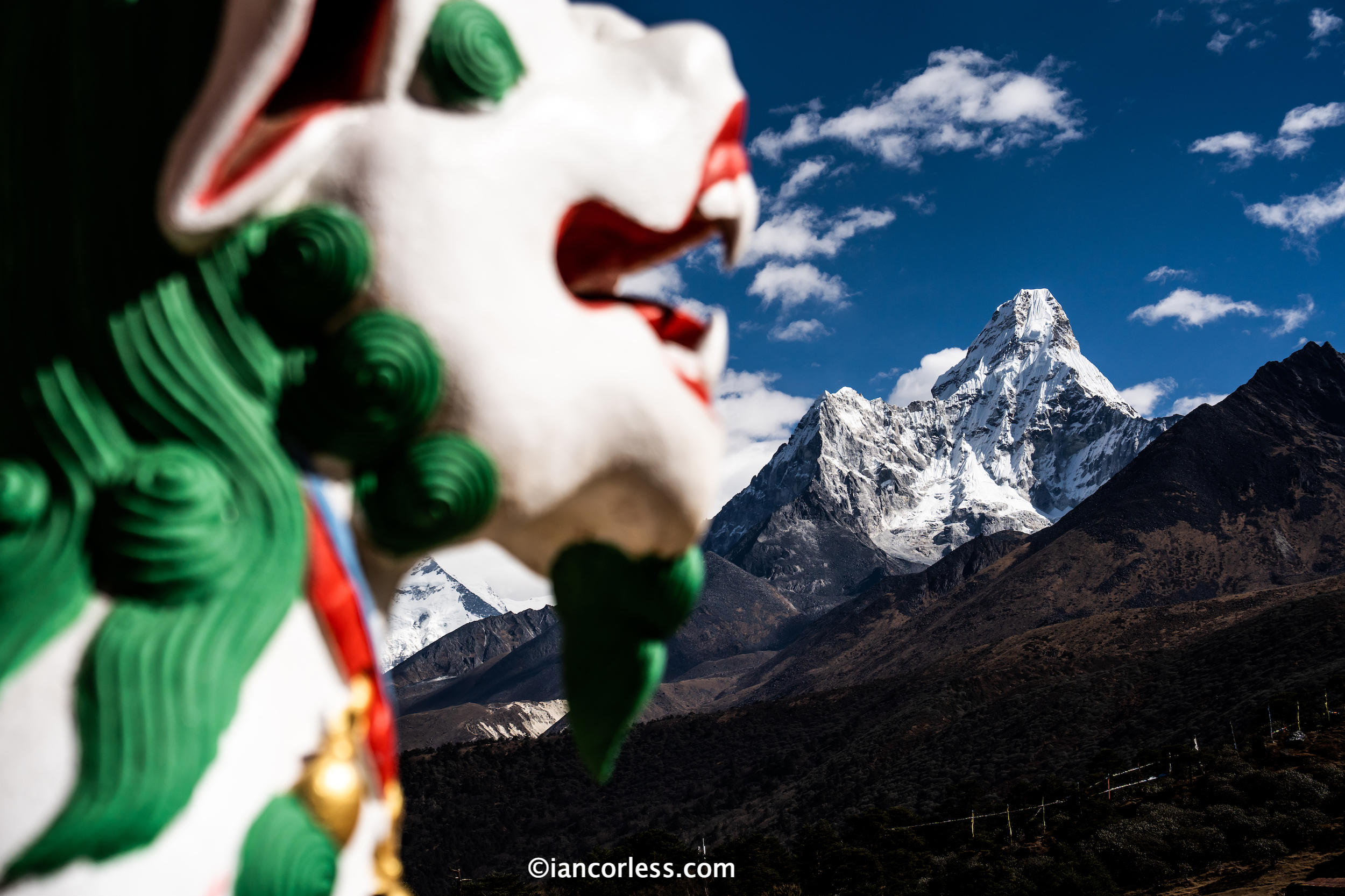
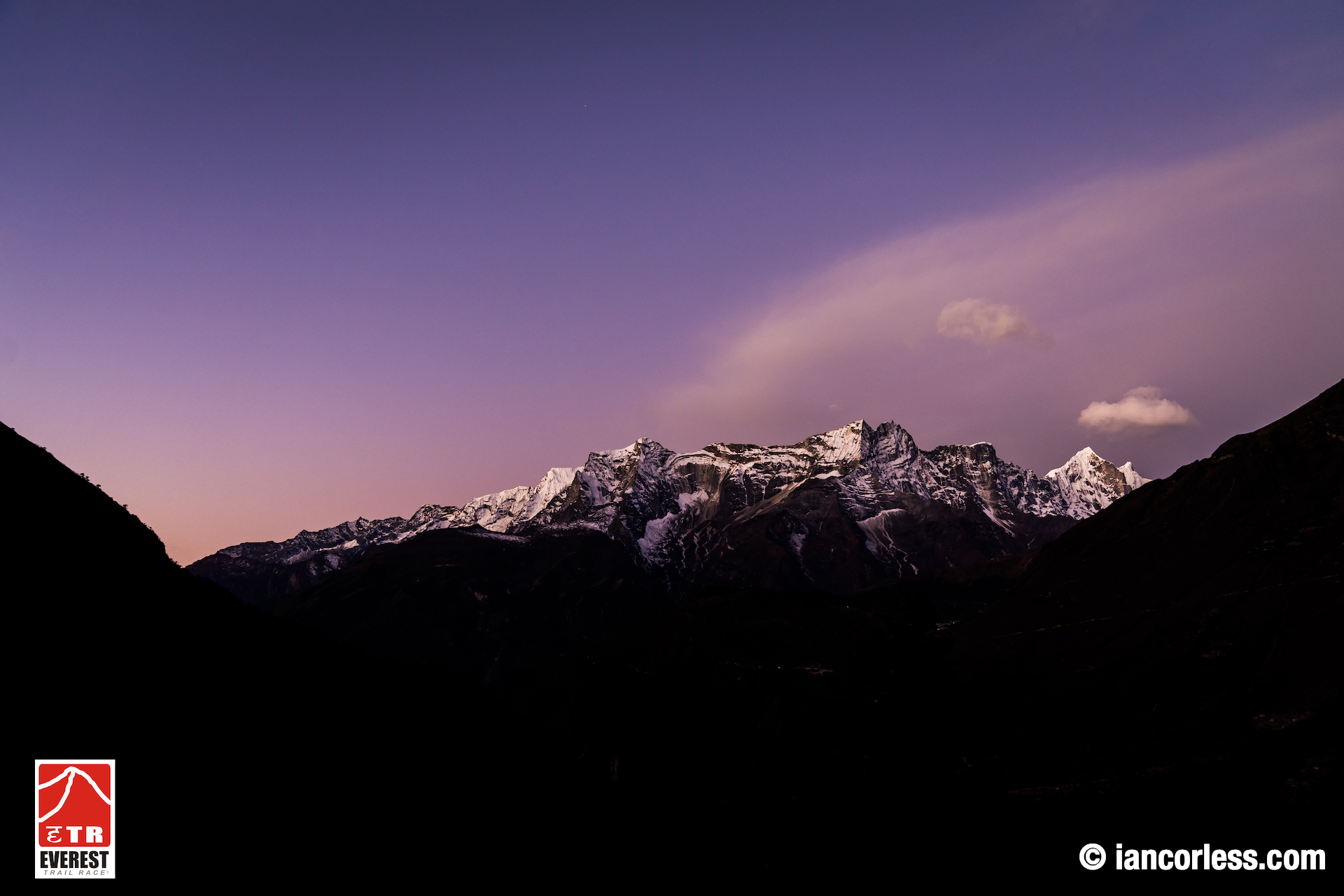
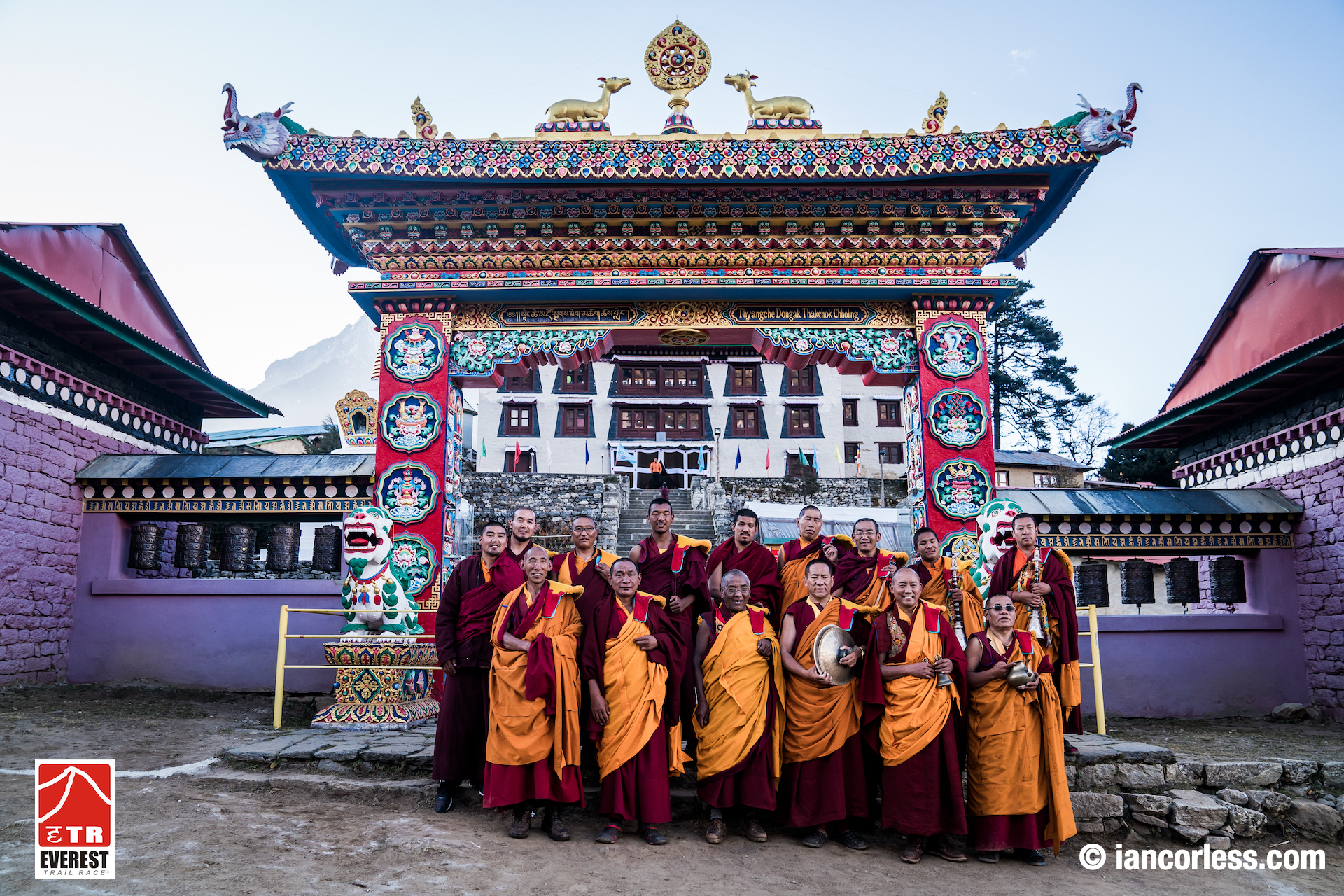
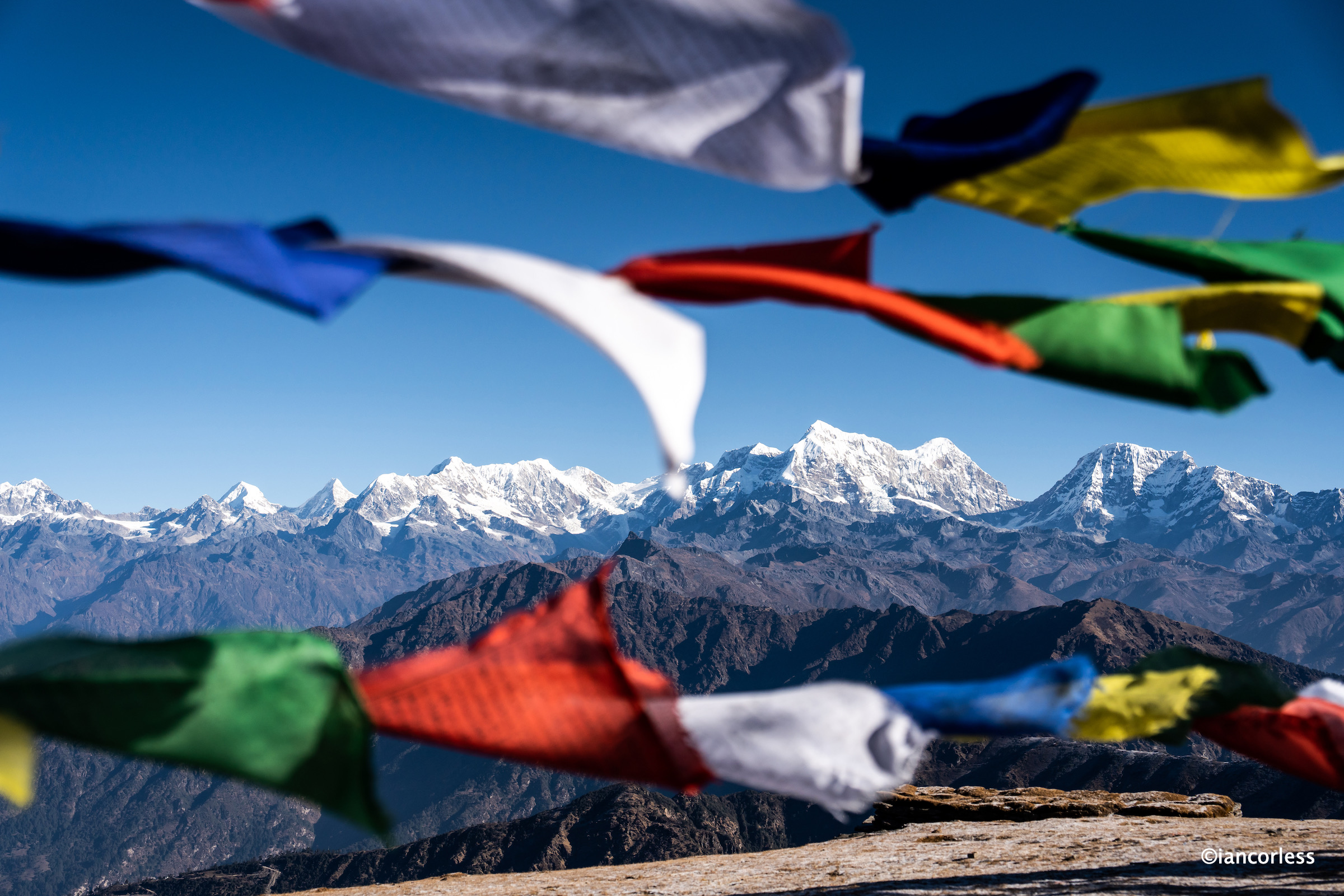
You’ll see Everest, Lhotse, Ama Dablam, and other giants of the Khumbu up close. But it’s not just the mountains — it’s the prayer flags flapping in the wind, the monasteries perched on hillsides, the layers of ridge upon ridge fading into the horizon. Every day looks like a screensaver. Every sunrise feels earned.

If you’re waiting for the “perfect moment,” this is it. You don’t need to be the fastest or the strongest. You just need to show up ready to push, adapt, and feel everything this place throws at you. The Everest Trail Race is not about conquering the mountain. It’s about discovering who you are when the mountain pushes back.

©iancorless
  • Transcontinental flights Barcelona/ Kathmandu / Barcelona and transfer to the Hotel.
  • Domestic Flights. Manthali/Lukla/Manthali and transfer to the hotel.
  • 4 nights hotel in Kathmandu 4 * (according to local tourist category) with breakfast, double occupancy.
  • Overnight in lodge (hostel) during the trek in full board. Not beverages included.
  • Dinner the second night in a hotel in Kathmandu. Not beverages included.
  • Dinner and awards party. Not beverages included.
  • Allowances and staff insurance.
  • Trekking permit.
  • Entry into the National Park

SIGN UP FOR ETR 2025 HERE

Official Everest Trail Race website here

Follow Ian Corless

Instagram – @iancorlessphotography

Twitter – @talkultra

facebook.com/iancorlessphotography

Web – www.iancorless.com

Web – www.iancorlessphotography.com

Chasing Horizons – The Second Edition of MDS Cappadocia Redefines Adventure

The MDS Cappadocia returns for its second edition, bringing trail runners back to one of the most visually surreal landscapes on Earth. 

Set across three demanding stages over four days, this is not your typical desert race, on the contrary, it’s a technical, high-impact trail event through ancient terrain steeped in history and visual splendour. 

Runners choose between 70km, 100km, or 120km of total distance, stages 1 and 3 are the same for everyone, stage 2 participants choose 20/40 or 60km.

Each course is carved through a landscape that feels pulled from another planet.

This isn’t a race of endless dunes, Cappadocia stands unique in the MDS format with no sand. It’s a test of grit over rock, gravel, and dust trails, winding through steep valleys, high plateaus, and narrow chimney-like formations.

The terrain shifts constantly. One moment you’re powering up a canyon, the next you’re cruising past thousand-year-old cave dwellings.

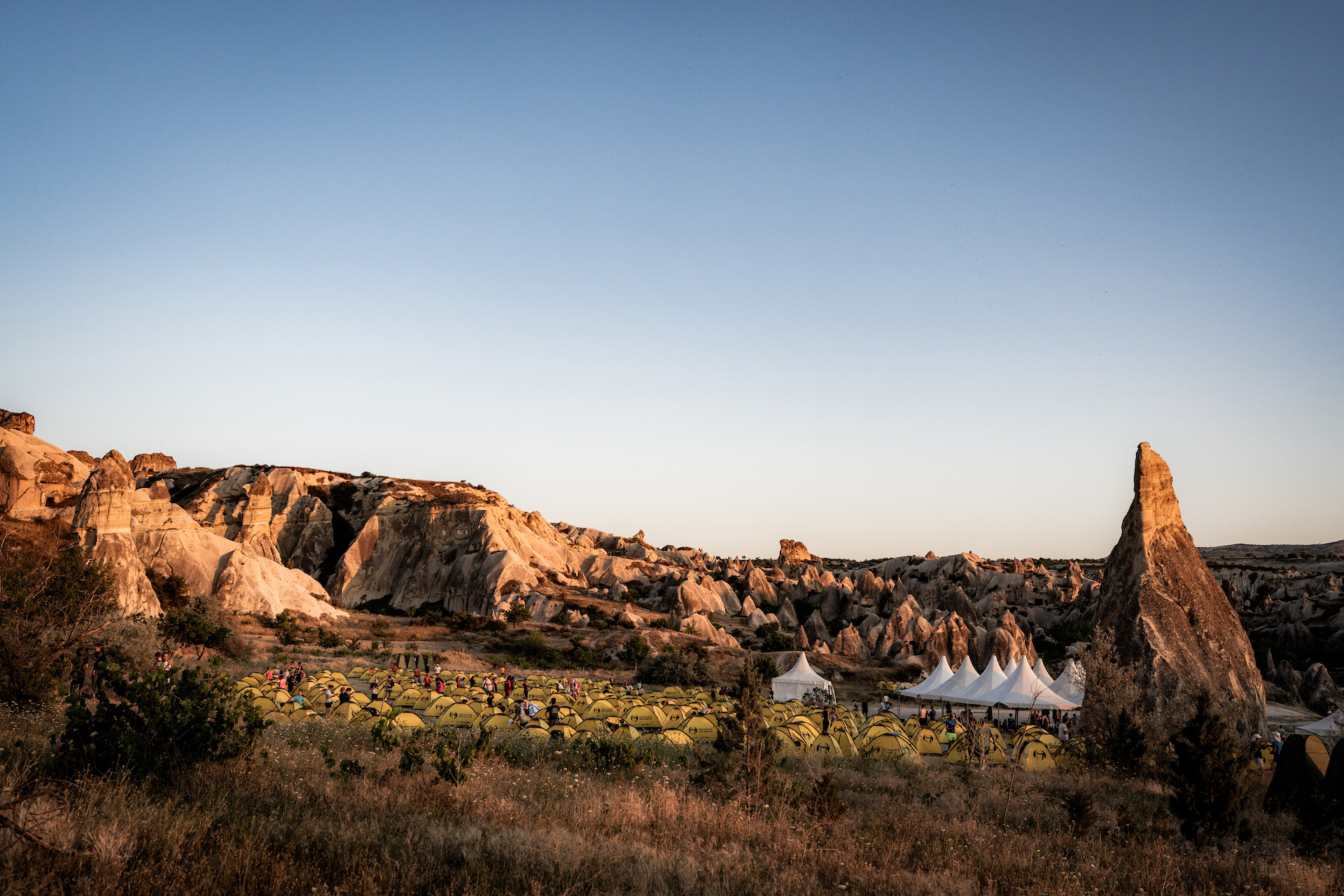
Cappadocia’s late summer weather is unpredictable. Days can scorch above 30°C (86°F), while nights drop sharply in temperature. As with all MDS events, participants will sleep in individual tents in a stunning location set within an amphitheatre of rock.

The sky, often cloudless, fills at dawn with dozens of hot air balloons, silent giants drifting above the rock spires and carved cliffs. Arguably, one of the most unique and memorable sights in any MDS event. 

Whether you’re going for the 70km or pushing through the full 120km, MDS Cappadocia strips away distractions and puts the challenge squarely on participant versus the trail: raw, remote, and unforgettable.

More information on the MDS website HERE

Interested in another MDS event? Go to marathondessables.com

Follow Ian Corless

Instagram – @iancorlessphotography

Twitter – @talkultra

facebook.com/iancorlessphotography

Web – www.iancorless.com

Web – www.iancorlessphotography.com

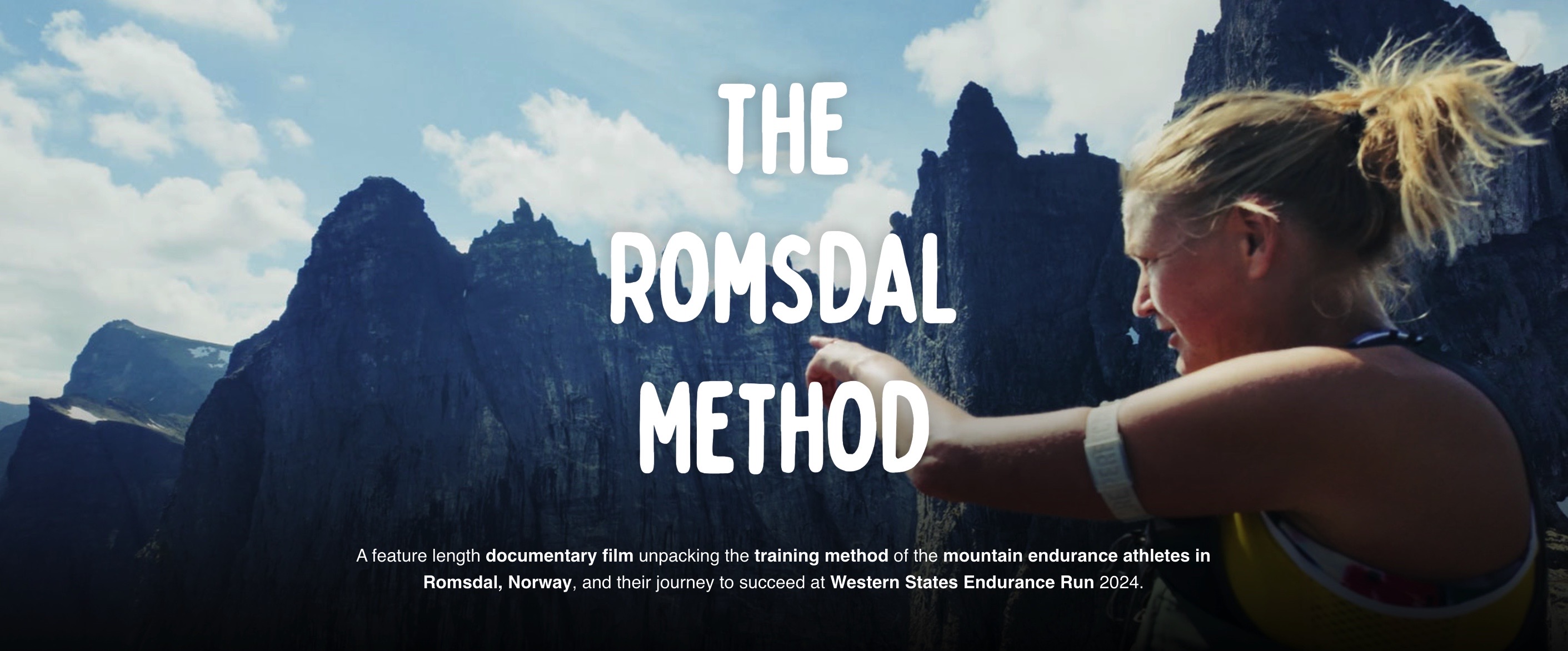
The Romsdal Method – A Gritty Ode to Community, Mountains & Method

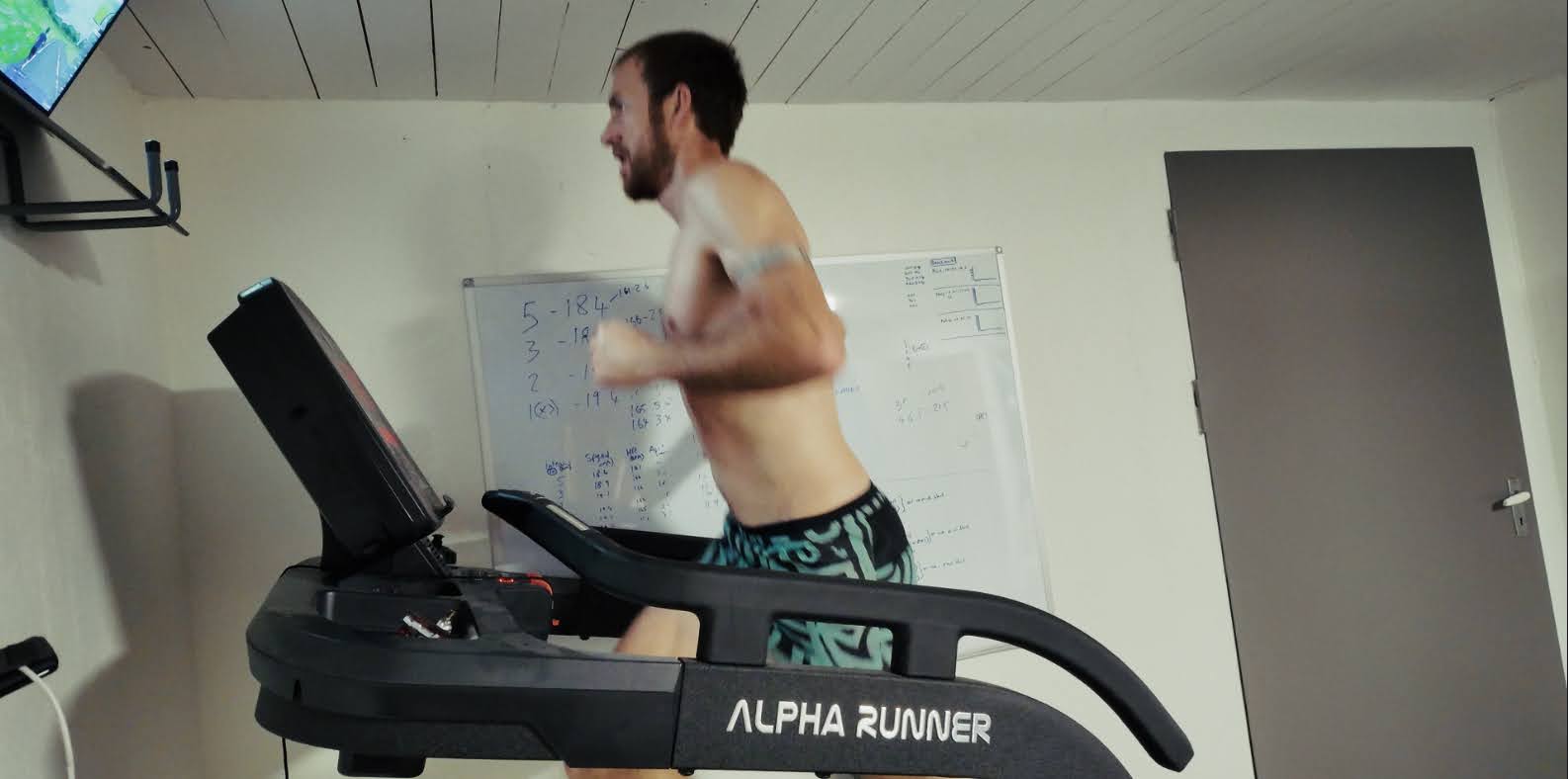
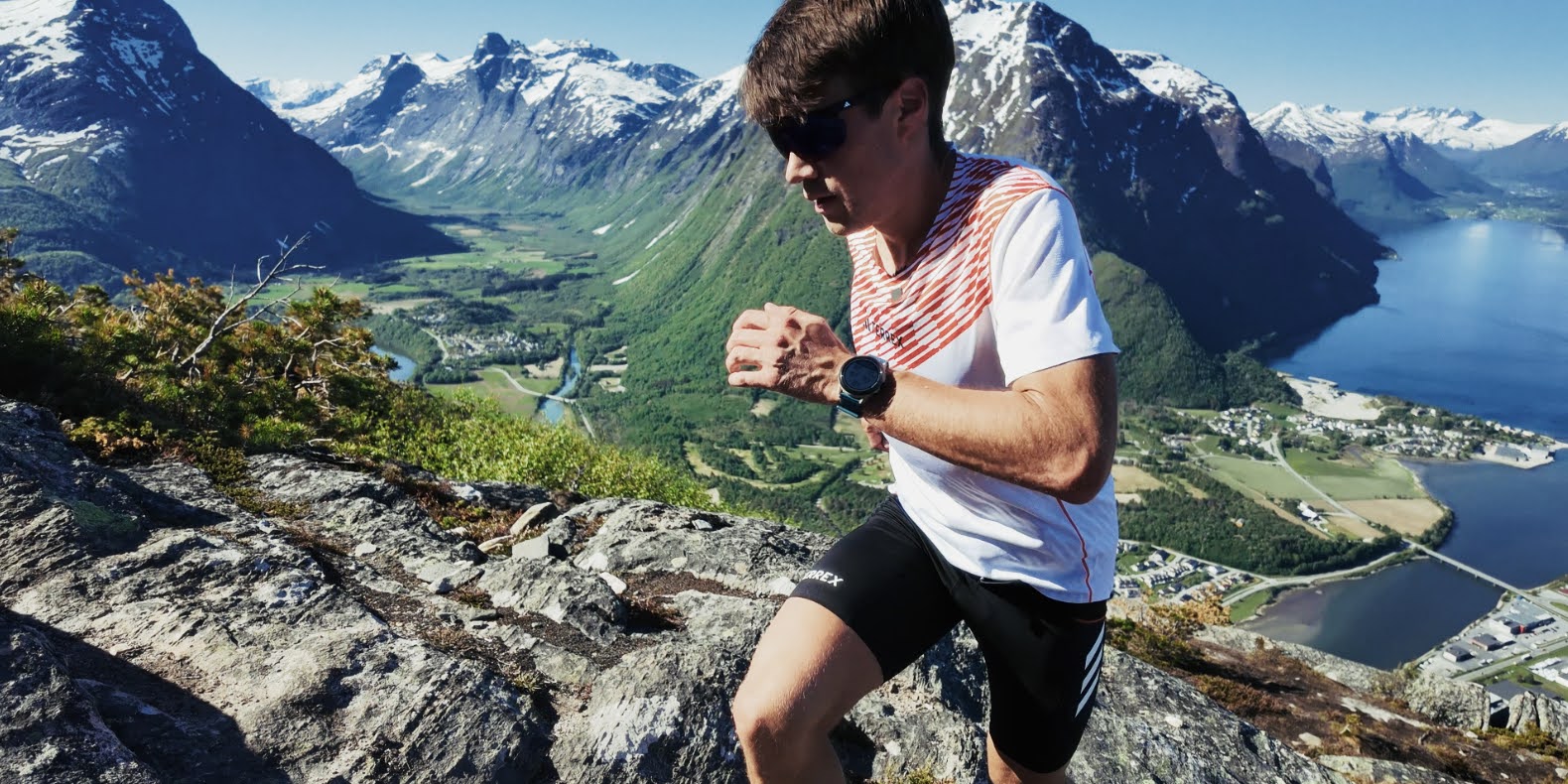
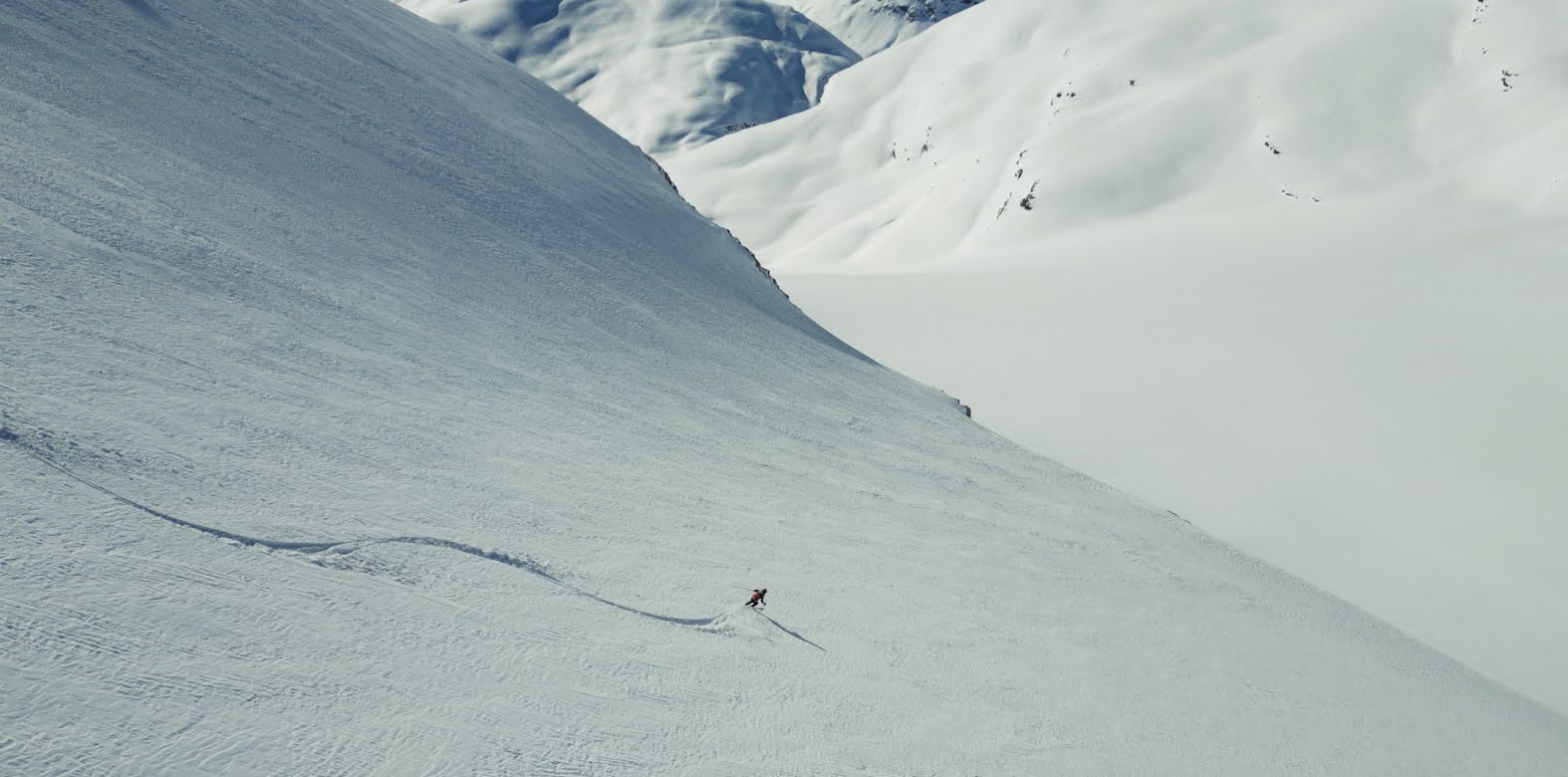
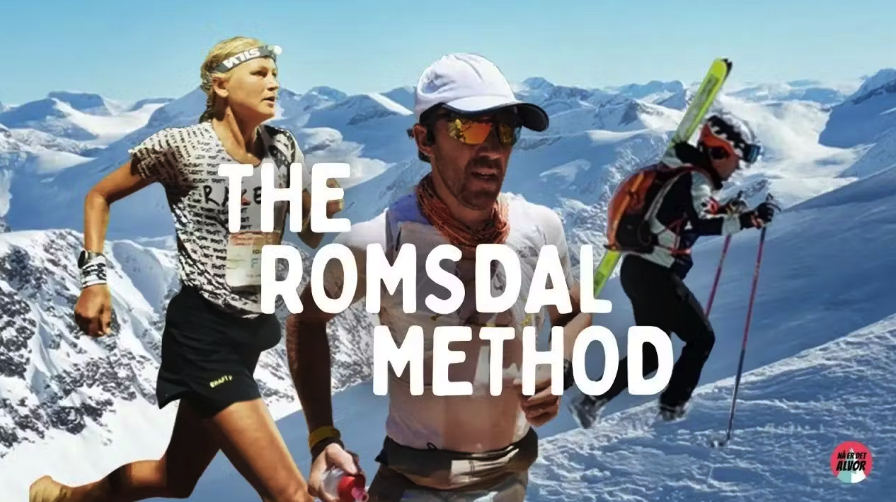
The Romsdal Method, directed by Hans Kristian Smedsrød, is a raw, immersive journey into the rugged training ethos of Romsdal, a Norwegian valley transformed into a living, breathing performance lab. Inspired by Kilian Jornet and Emelie Forsberg, three elite/ultra athletes: Ida Nilsson (Sweden), Jon Albon (Britain), and Petter Engdahl (Sweden) join this hub to progress their careers. What begins as a quiet exploration soon morphs into a testament to friendship, mutual respect, and the transformative power of place-based training.

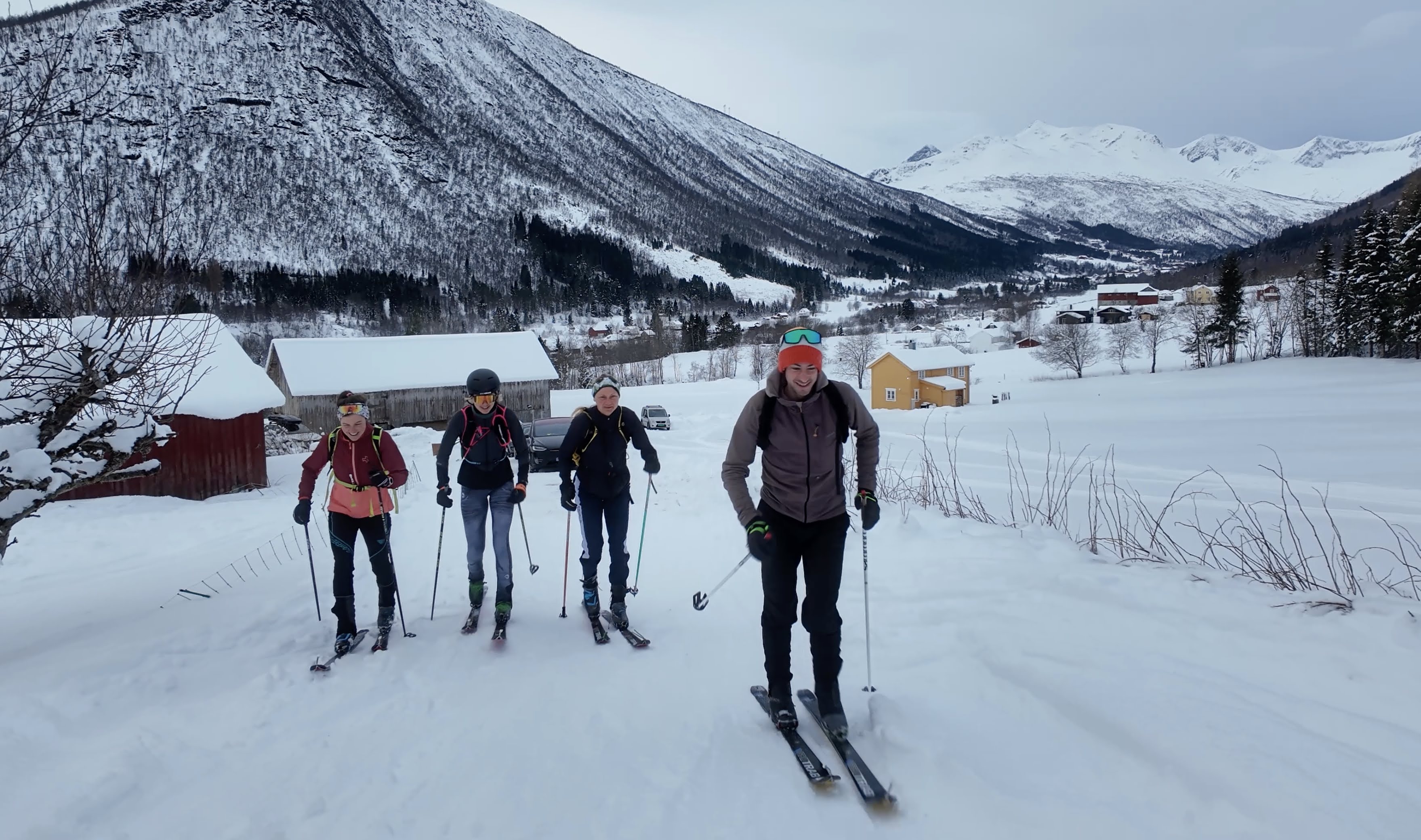
Group training

There are no egos here, on the contrary, there is a calm, understated respect of experience and knowledge. At the helm, the inspiration for Jon, Petter and Ida comes from Kilian who has pioneered the way for training in Romsdal.

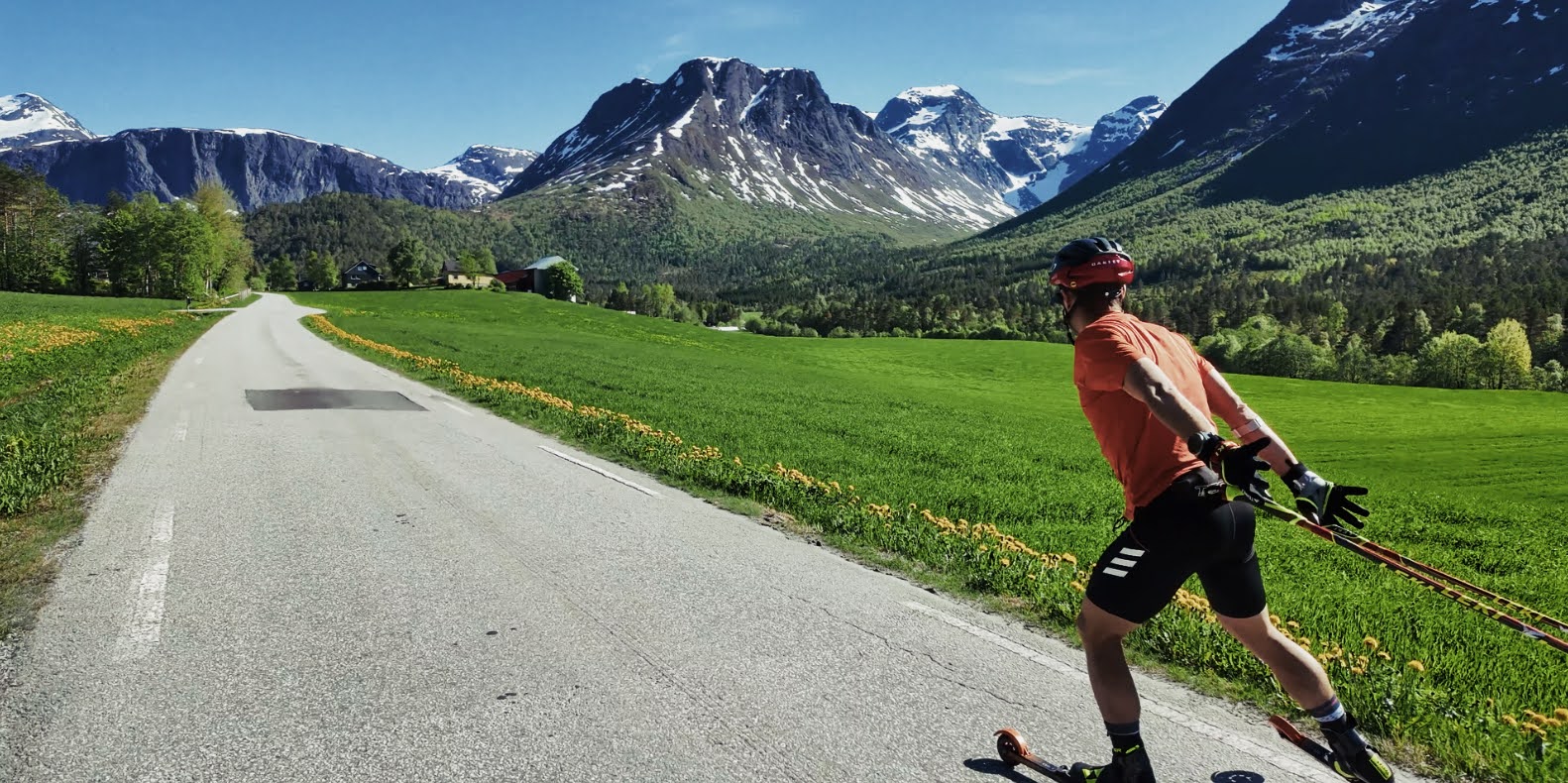
Petter on roller skis

Petter sums it up in a moment of reflection:

“Being the best in Romsdal and being the best in the world is kinda the same thing, it’s what makes this valley so insane.”

Jon, the Brit, is very much the scientist, the thinker, the analyst. He has a dry British humour that even Kilian acknowledges. Jon is a legend of the sport, a powerhouse athlete and he is the calming element that binds the group of three. Training sessions for Jon need to make sense, they need to be specific. His unassuming presence and measured discipline highlight the balance between elite drive and heartfelt connection with place and people.

Jon being specific with training

Ida, with a career that stems back to track running is an introspective, warm, and has a complete dedication and passion for sport. Sincere, sometimes quietly exuberant, Ida is motivated to perform, she’s looking for performance gains but at the same time, as shown on a ski mountaineering trip on a beautiful day, just being in the mountains for hours is what makes this life tick.

Ida in the best playground pointing to which peak she will climb

Petter, is calm, quiet, solid. He’s about grit and focus. He’s the silent undertow who likes his actions to speak louder than words, providing testament to a man pursuing the edge. He moved to Romsdal to be with and train with the best; Jon and Kilian. He acknowledges, that sometimes, particularly in his first year, that this ‘training’ in itself can be too much.

Petter at the top of Nesaksla

In many ways it can be summed up with a sound bite from Kilian Jornet:

“And many of the routes where we are training, if you do a mistake, if you slide, it’s not that you will break your ankle or hurt yourself, it’s that you will die!”

Romsdal isn’t just a backdrop or place, it’s arguably the key protagonist of what shapes the story, the experiences, the life and the training of those who live there.

Towering granite, unpredictable weather, rivers through valleys, every scene in the film places Romsdal as central, it plays as a coach, mentor, and even antagonist. Ascending steep slopes, scrambling or racing up and down ski-mountaineering routes; the mountains demand creativity, humility and respect. As Jon says at the end of the film, this is maybe not the best place to live to train for many races that I do, but, I wouldn’t want to live anywhere else. Romsdal forces adaptation: intelligent, situational, and deeply rooted in respect for nature. A prime example coming from the Nesaksla session, which Petter admits, has been copied by athletes around the world.

Kilian Jornet

Kilian, the legendary Catalan mountain athlete, appears less as a star and more as a guiding spirit. His cameo moments, on screen and in conversation, provide quiet counsel: pushing boundaries, listening to one’s body, respect for the mountains, he  embraces why we move and he has an immense respect for his peers. Kilian has pioneered the way; his deep bond with the mountains humbles the athletes. He is arguably the spiritual north of Romsdal.

The film is called The Romsdal Method but there is no one answer here and Hans Kristian does a nice job of letting the location, the athletes and yes the weather, do a job of explaining that Romsdal requires creativity; multi-disciplinary skills, and community-driven training. A series of vignettes that show this, from epic ski mountaineering scenes, scrambling and climbing, cycling and yes, even the use of indoor sessions such as the treadmill.

Screenshot

It’s this layering of elements, skimo, run, scramble, climb, gym, cycle, heat work that defines the “method.” It’s adaptive, multi-modal, and very creative. It’s as much mental and communal than physical. And it’s deeply place-based: Romsdal is a training partner.

The first hour of the film lays the foundations for the Western States story, what sets The Romsdal Method apart is its emphasis on the collective group and how they each influence and help each others process.

These athletes didn’t relocate to Romsdal for solitude, they came to live and breathe together. From group runs, scrambling trips, skimo adventures and the sharing of knowledge indoors while next to a treadmill. Egos are not present, just respect: they challenge each other and they all listen and learn.

Hans Kristian made this a passion project. He spends the first 6-minutes of the film looking at a camera providing some history and outlining why the film came about. He’d be the first to admit that he came to this with little filmmaking experience and dare I say, this is arguably what makes The Romsdal Method appealing. Like the athletes, Jon, Petter, Ida and Kilian, Hans Kristian keeps the film raw and simple. There are some epic drone shots, wide angle shots of ridges, tight head-cams but ultimately, this is one man and a camera. 

At its core, The Romsdal Method is about belonging through movement. Each athlete finds clarity and authenticity through their pursuits and Hans Kristian manages to capture this through simple conversation.

A bigger budget could have added more effects, more cameras, extra editing time and countless other transformations, but, would it have made the film better? In a world chasing flashy results, screen time, and metrics, this film says: slow down, surround yourself with people who respect the story and let the athletes and the story do its job.

When we get to Western States, we are of course interested in the outcome, but, in many ways it almost seems secondary. Each athlete, of course, has a story to tell and each athlete performs at the highest level. Each viewer, I am sure, felt the pain of Petter’s fall and the potential disaster that this could create, his turnaround was phenomenal. We relish seeing Jon put the ice plan to use and make a top-10 debut in his first 100-mile race. We see Ida push with grit and determination and despite not feeling great, once again makes the top-10 and smashes the masters record. The Western States story is told both visually and with a series of post-race interview soundbites. The stories here just confirm that The Romsdal Method worked.

In conclusion, The Romsdal Method is not just a training film; it’s a journey into how place, community, and friendship can redefine performance. There are no shortcuts, it explains that a love for the sport, sweat, raw practice, and the joy of connection with others is what brings results. You, as a viewer are invited to reimagine your own training and ask simple questions of, ‘how do I train, where do I do it, who do I do it with and why?’

If you crave friendship, mountains, and the satisfaction of honest hard work, Hans Kristian’s film is essential. It may not be slick, but it has a genuine soul. And in a world drowning in disconnect, The Romsdal Method is a reminder that the deepest gains come not from gadgets, but from dedication, grit, passion all under taken under open skies that blanket Romsdal.

All images are used with permission of Hans Kristian Smedsrød ©

Purchase the film HERE

Follow Ian Corless

Instagram – @iancorlessphotography

Twitter – @talkultra

facebook.com/iancorlessphotography

Web – www.iancorless.com

Web – www.iancorlessphotography.com