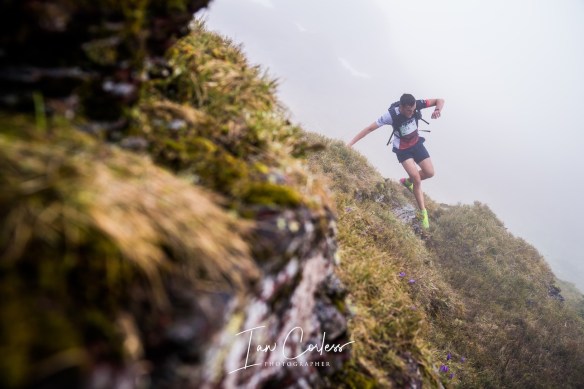
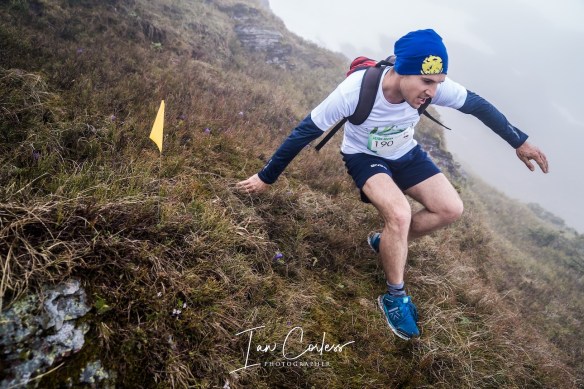
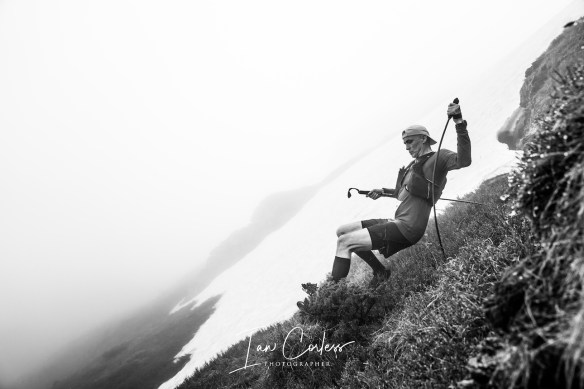
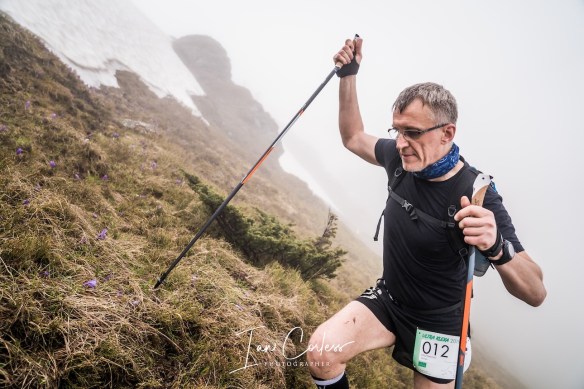
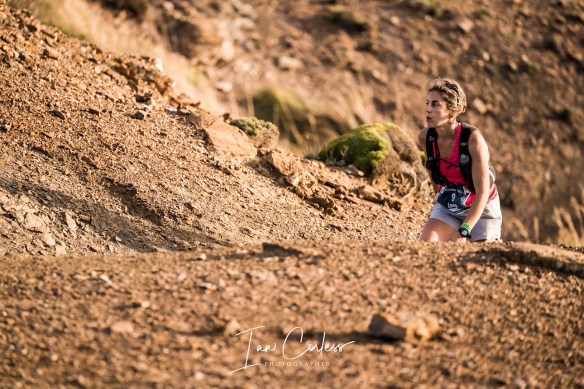
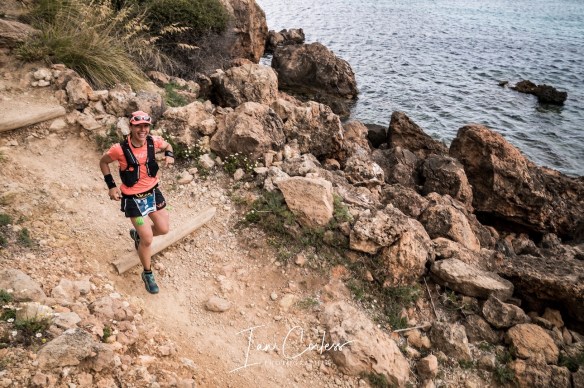
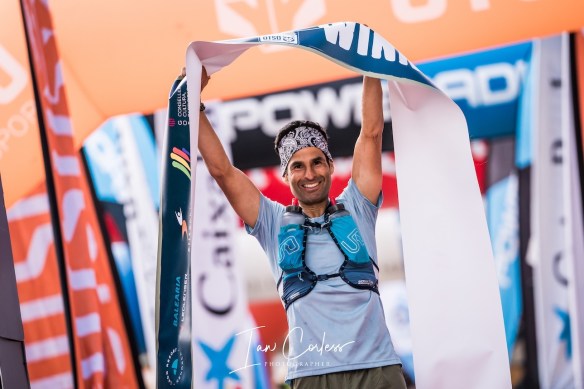
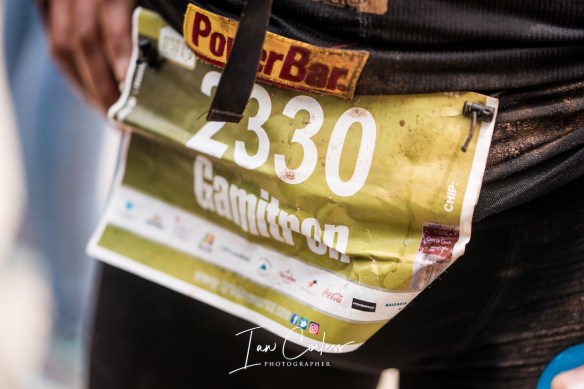
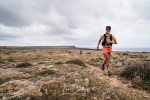
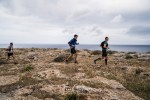
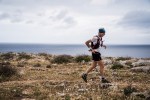
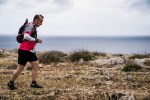
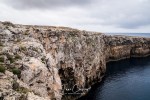
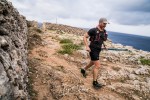
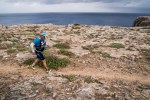
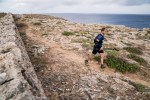
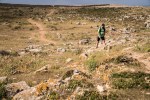
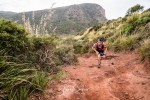
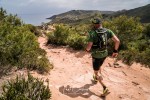
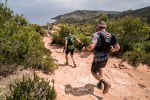
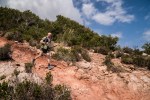
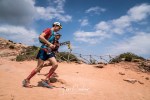
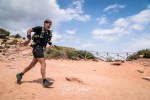
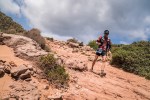
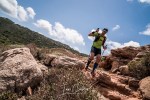
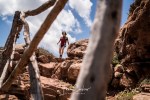
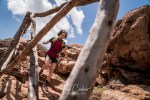
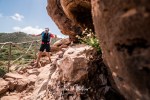
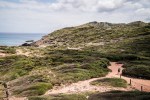
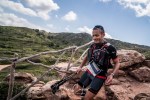
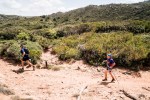
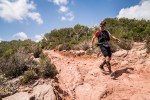
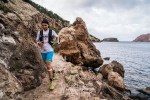
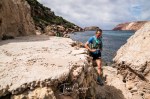
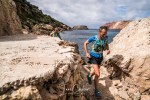
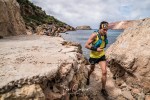
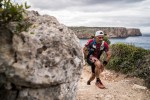
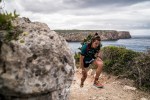
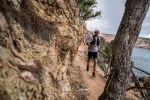
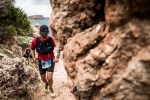
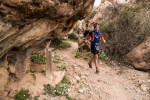
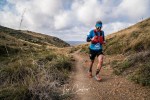
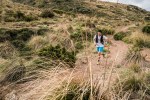
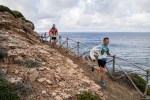
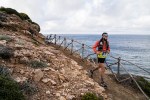
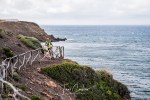
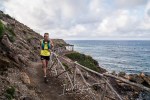
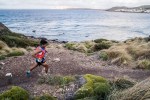
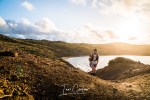
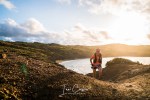
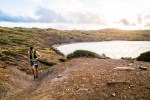
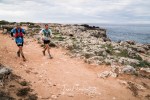
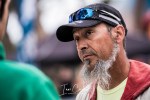
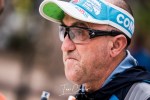
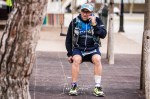
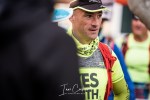
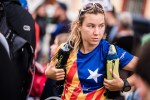
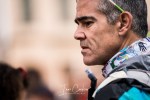
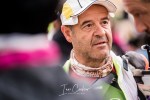
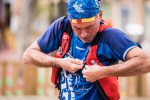
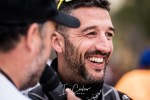
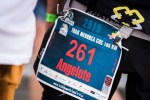
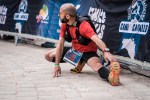
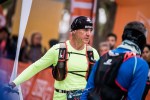
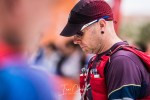
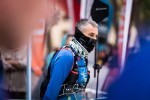
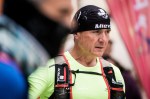
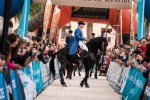
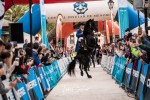
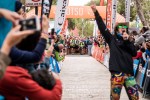
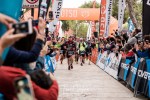
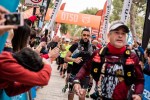
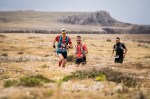
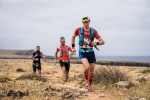
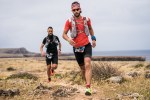
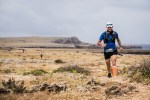
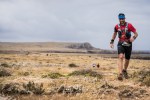
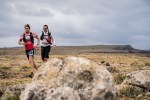
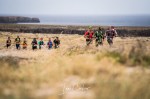
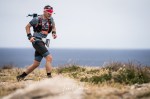
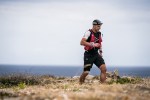
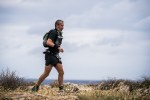
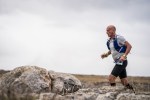
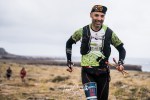
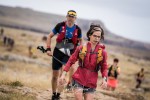
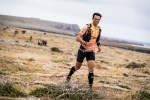
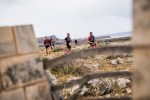
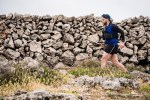
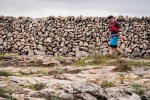
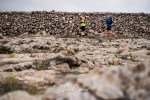
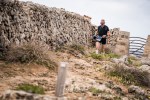
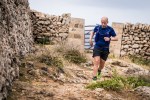
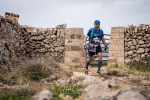
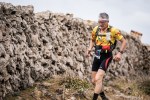
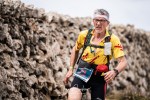
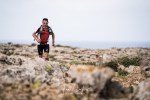
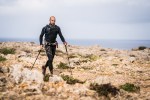
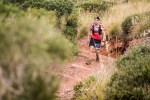
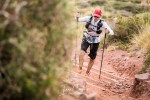
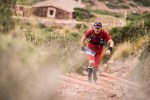
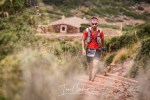
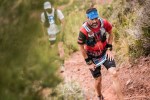
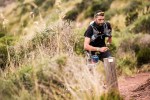
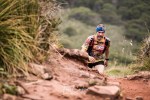
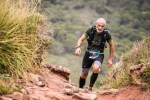
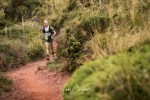
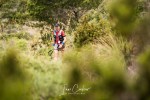
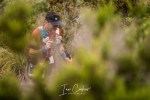
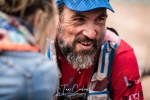
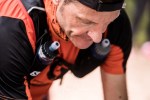
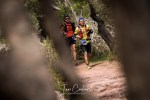
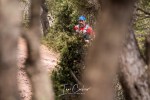
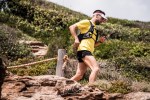
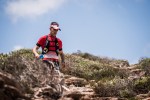
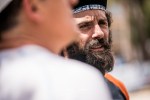
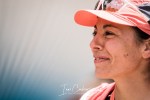
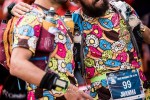
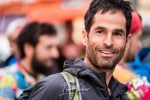
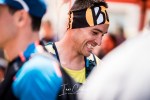
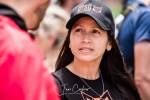
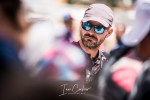
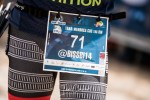
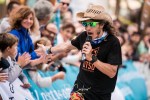
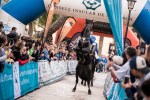
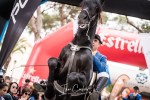
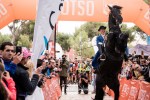
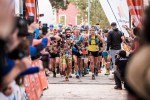
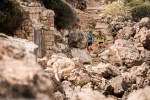
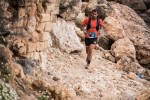
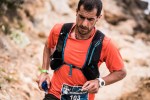
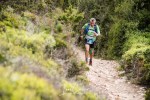
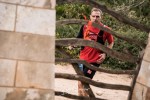
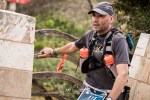
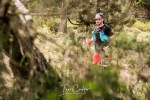
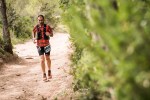
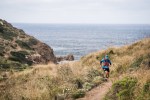
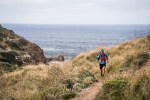
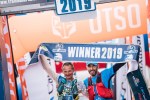
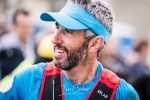
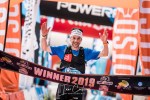
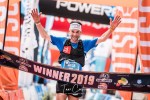
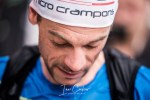
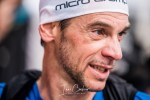
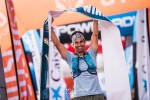
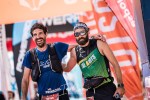
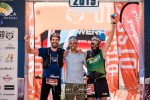
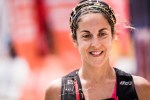
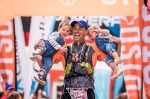
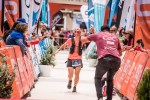
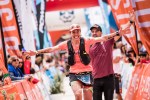
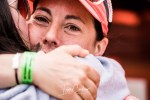
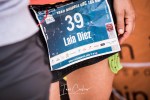
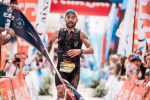
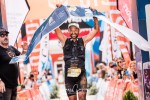
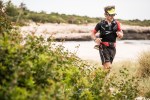
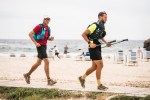
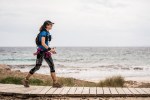
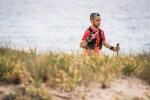
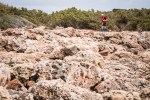
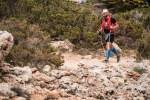
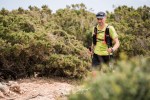
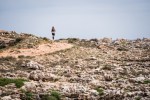
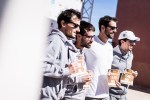
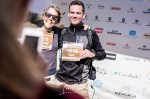
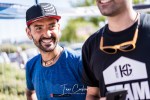
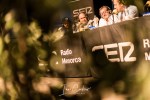
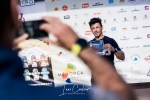
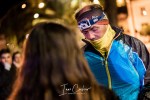
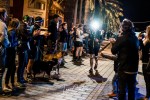
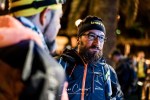
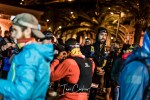
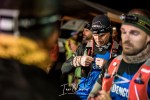
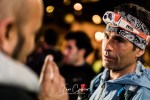
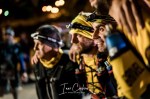
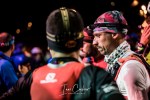
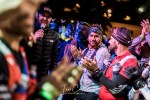
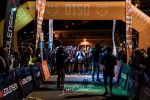
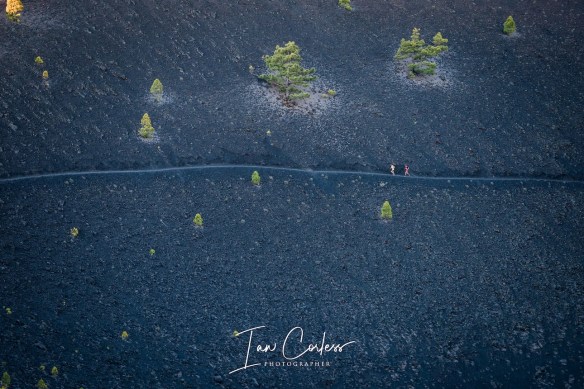
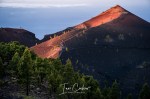
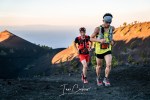
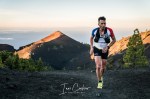
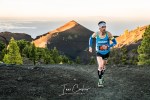
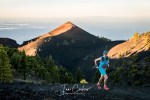
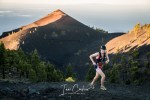
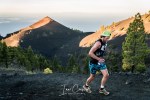
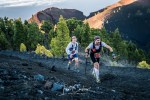
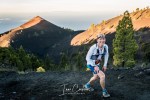
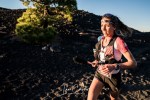
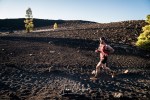
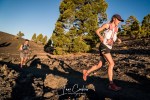
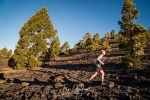
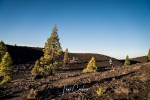
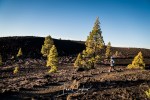
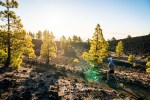
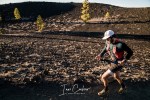
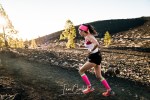
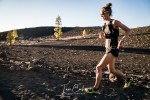
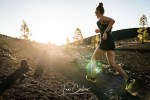
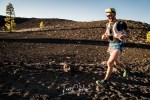
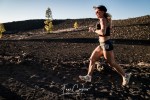
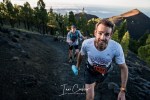
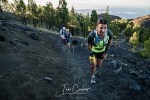
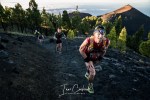
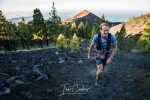
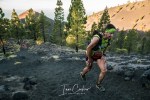
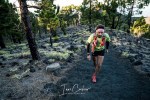
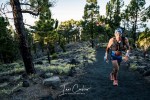
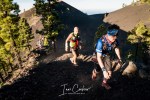
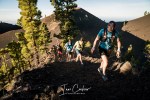
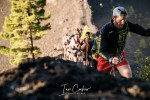
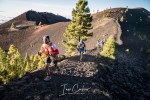
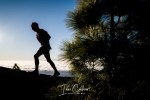
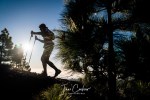
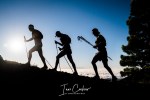
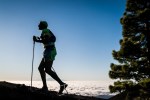
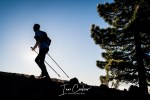
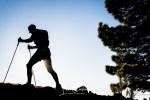
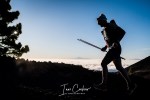
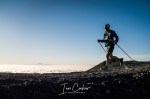
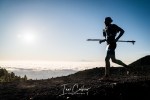
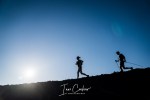
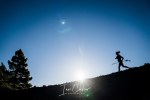
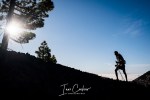
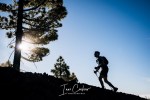
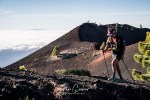
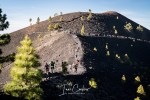
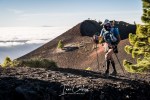
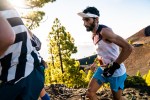
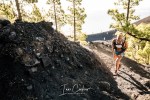
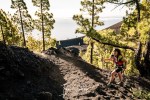
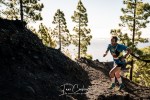
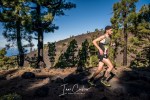
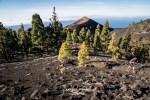
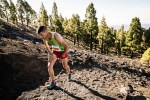
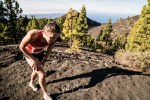
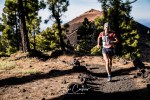
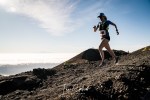
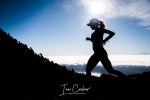
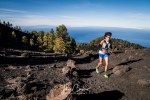
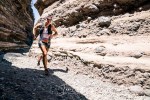
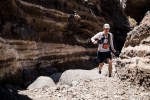
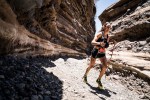
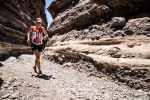
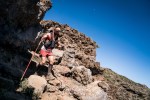
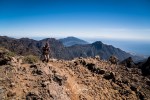
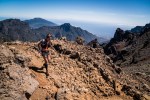
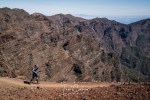
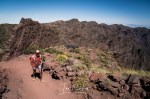
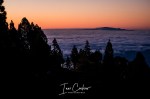
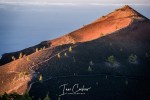
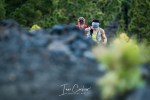
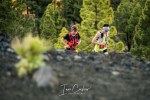
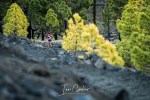
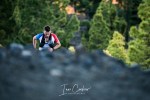
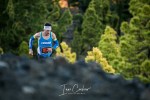
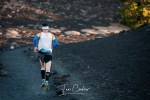
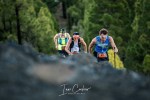
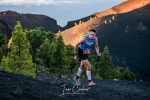
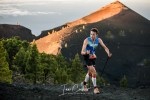
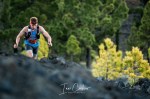
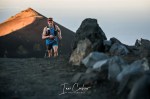
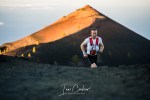
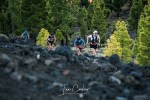
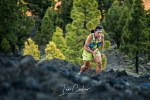
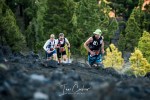
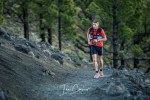
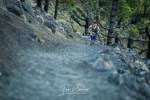
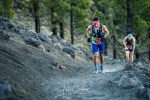
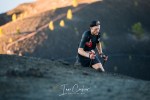
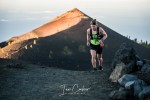
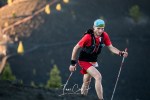
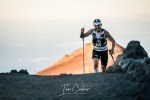
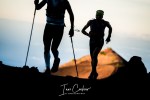
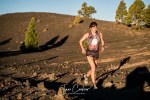
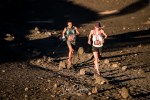
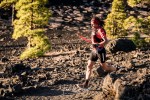
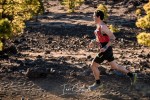
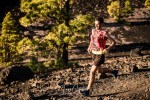
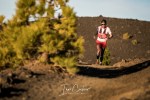
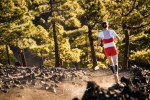
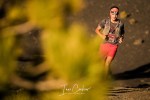
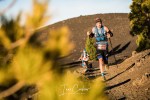
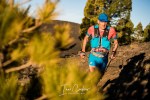
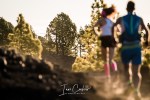
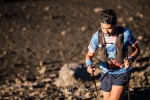
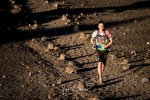
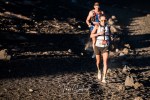
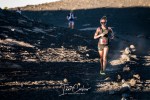
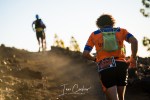
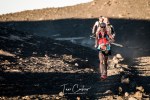
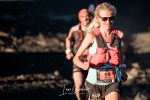
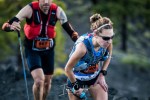
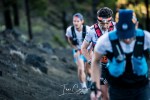
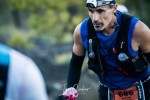
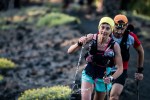
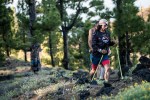
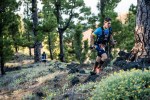
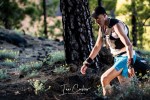
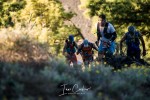
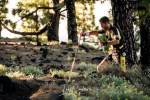
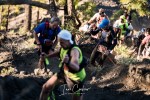
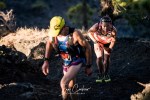
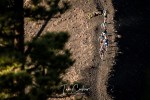
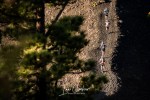
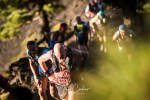
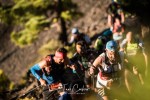
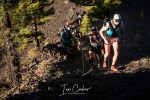
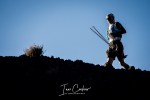
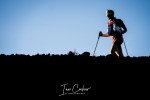
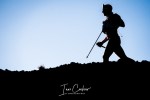
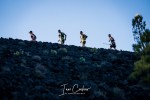
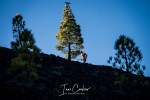
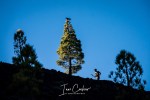
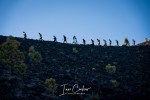
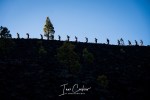
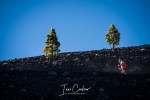
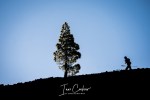
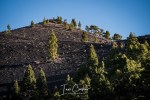
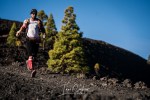
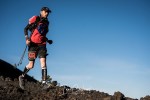
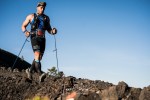
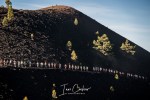
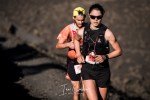
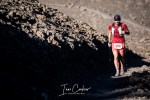
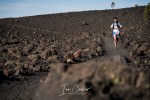
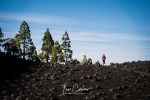
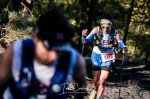
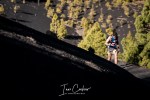
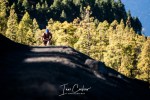
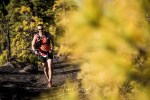
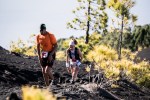
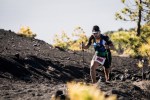
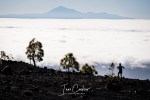
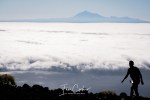
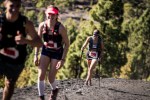
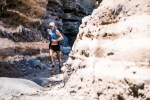
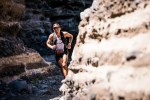
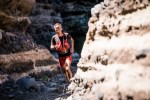
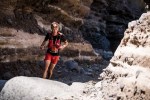
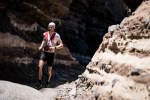
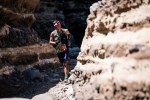
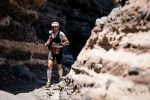
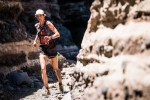
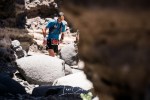
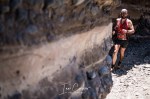
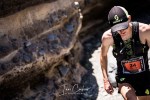
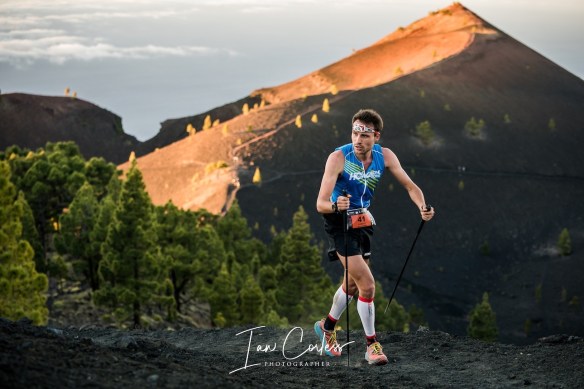
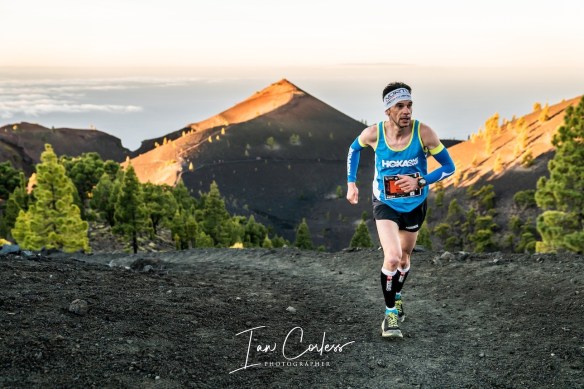
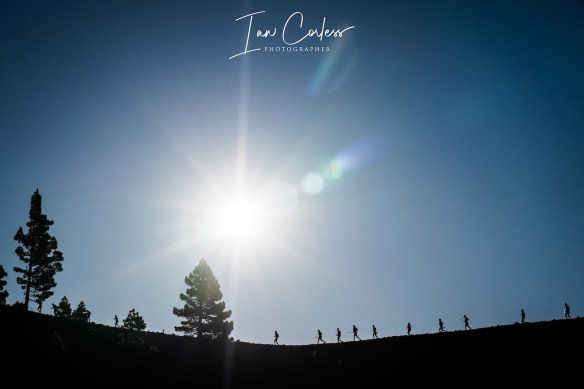
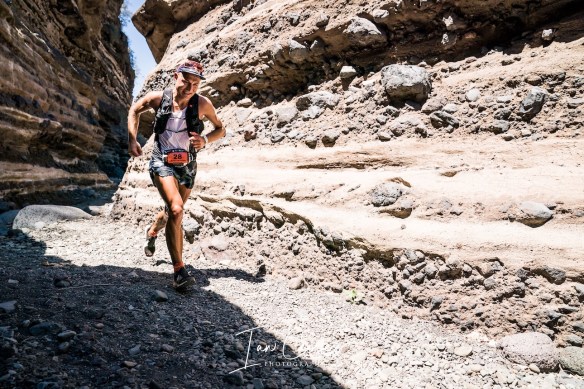
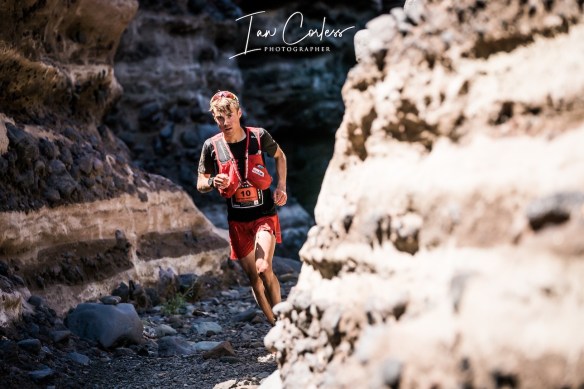
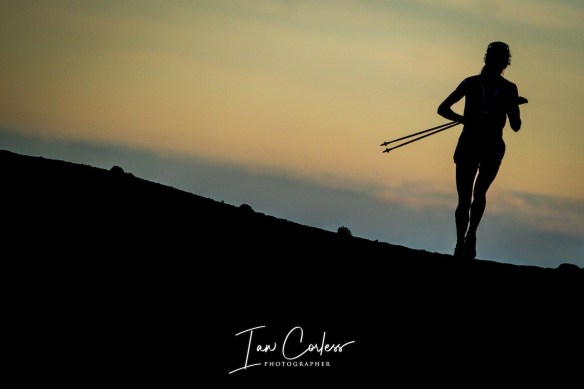
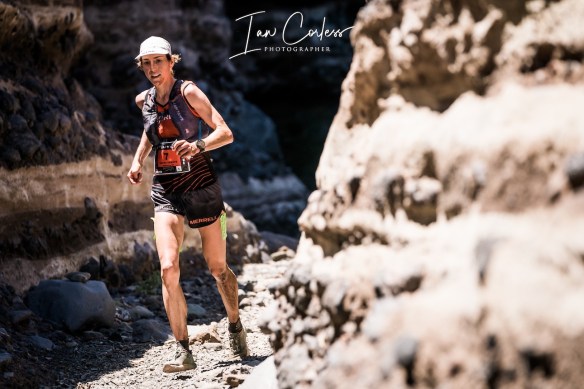
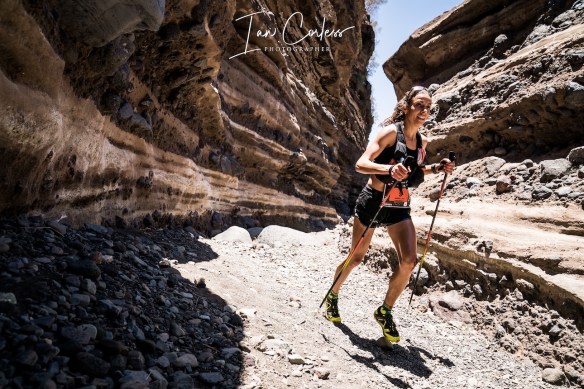
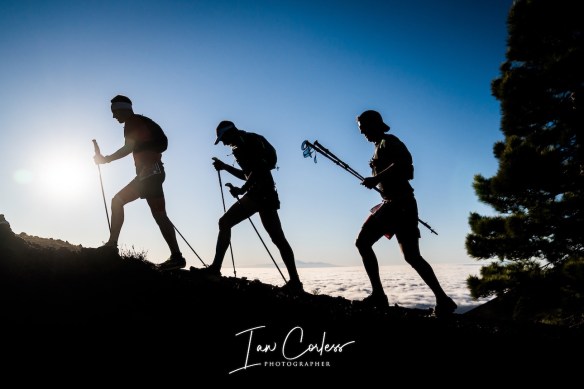
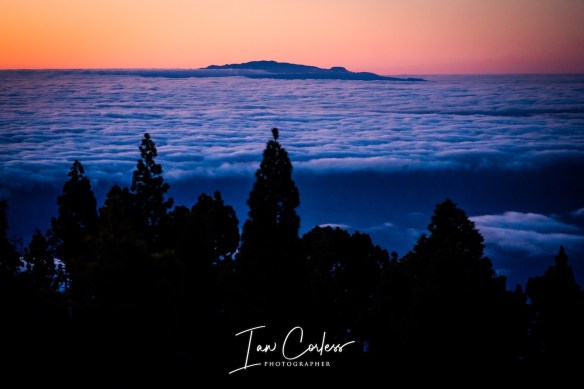
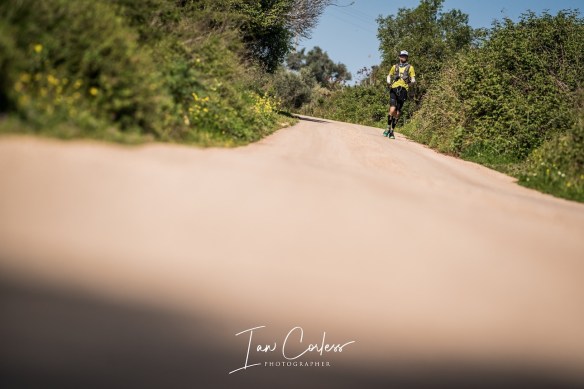
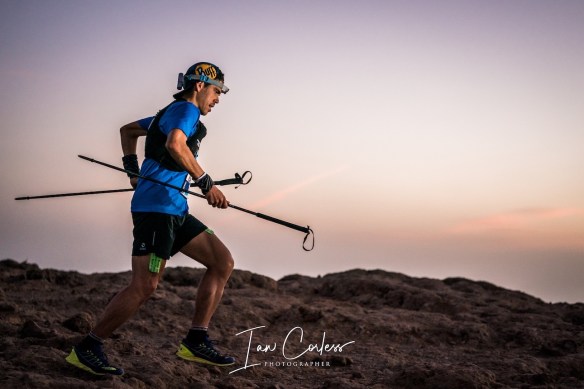
Fred. Olson TENERIFE BLUE TRAIL 2019 Preview

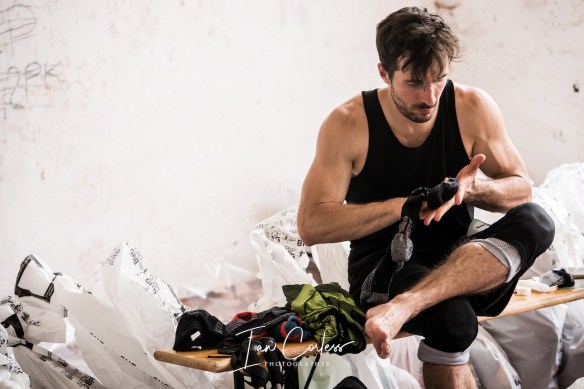
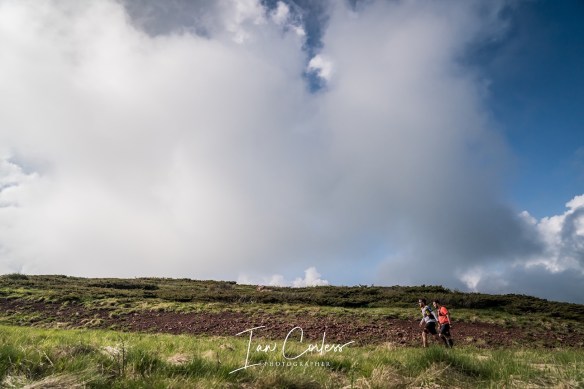
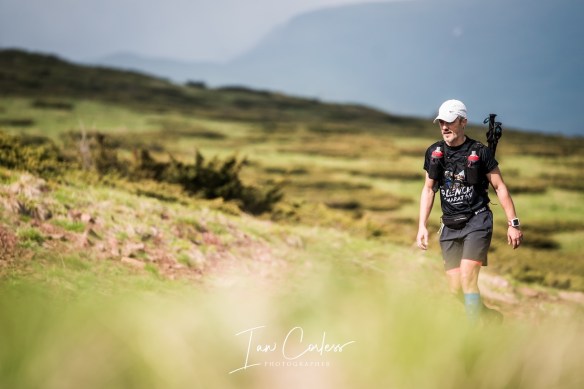
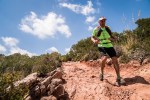
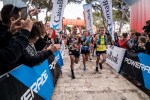
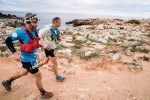
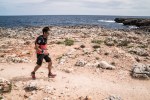
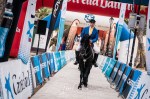
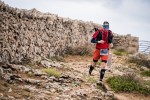
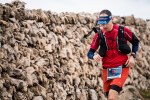
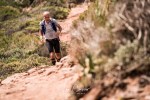
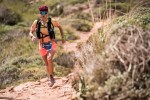
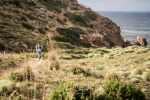
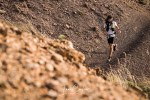
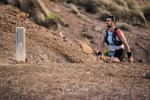
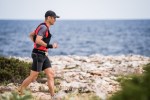
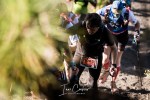
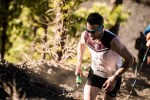
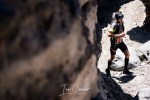
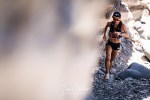
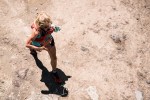
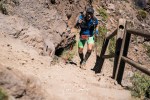
Fred. Olson TENERIFE BLUE TRAIL is a trail running event that offers five modalities with different characteristics for people with or without disabilities, designed so that mountaineers and athletes with different levels of experience and physical fitness can participate. In this way, Tenerife Bluetrail pursues a clear objective of integration: TRAIL RUNNING FOR ALL.

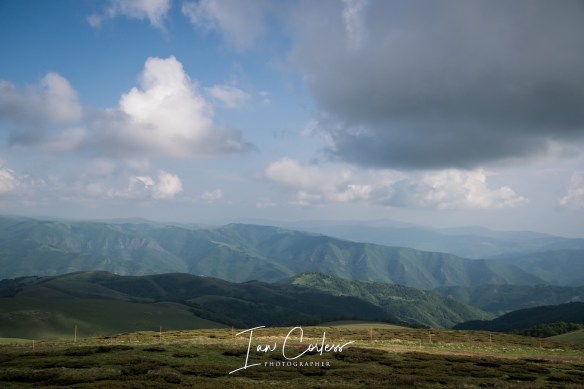
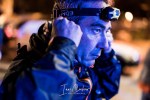
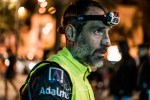
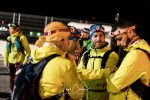
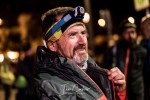
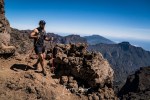
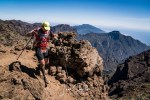
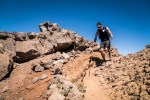
The Ultra (102km) of the Fred. Olson Tenerife Blue Trail is particularly tough: it involves considerable climbs and descents and a long stretch of the run in a mountainous area at an altitude of over 2,000 metres. The maximum height of 3,555 metres is reached just below the summit of the iconic Teide. The other categories also involve difficulties and risks, inherent in the natural environment where they are performed. Due to the environment and mountains, sometimes extreme temperatures can be experienced, particularly for this in the ultra who depart just before midnight and must climb to Teide in almost complete darkness with cold temperatures.

THE FIVE RACES:

Ultra 102km

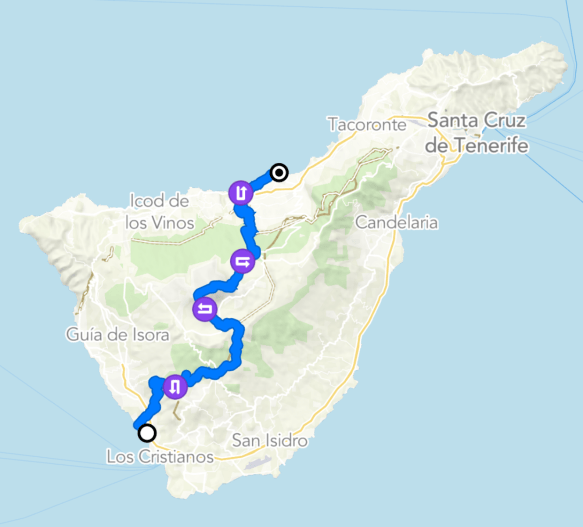
The star race of the Fred. Olsen Tenerife Bluetrail 2019 a brutally tough and challenging race of 101.5km’s. It’s an amazing concept race that is truly logical as it offers a traverse of the island, from sea, to summit and returning back to the sea. The highest point of the race is the iconic Mt Teide at 3550m. Made up mostly of paths and tracks, the route also includes a small section of asphalt, just 13%. An allocated 24-hours is provided to complete the event. Departing from Playa Fanabe at 2330 on June 8th, the route will pass through La Quinta, Ifonche, Vilaflor de Chasna, Degollada de Guajara, Roques de Garcia, Pico Viejo, La Rambleta, Montana Blanca, Lomo Hurtado, Recibo Quemado, Ladera de Tigaiga, Chanajiga, Tigaiga, El Asomadero, El Mirador de la Corona, Mirador San Pedro and Rambla de Castro before finishing in Puerto de la Cruz.
Trail 67km

This 66 km trail will start at 6:00am, June 8th, in Vilaflor (Santa Catalina St.). Departing from 1,387 m above sea level and reaching 2,520 m at its highest point, this race will be comprised by paths (55%), tracks (32%) and asphalt (13%). The total elevation gain for this race is 7,886 m. The maximum time for completion will be 14 hours.

Marathon 43km

The third edition of this 43 km marathon will be held on June 8(9:00 am). This race will be comprised by paths (50%), tracks (29%) and asphalt (21%).

Media 20km

This 20 km race (half-marathon) will also start on June 8th at 8 am. It will depart from Plaza de San Agustín, los Realejos, and the runners will have 4 hours to get to the finish line. This race will be comprised by paths (32%), tracks (18%) and asphalt (50%).

Reto 8km/ 3.7km/ 1.2km

The Bluetrail Challenge will be held again in this 9th edition, with an 8.4 km and a 1.2 km race. It will be held on June 8.
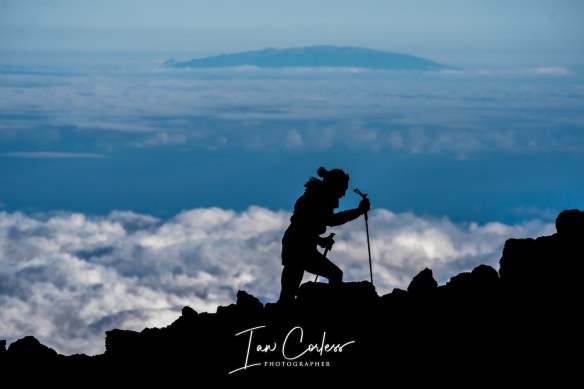
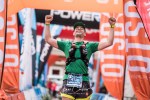
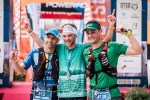
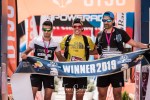
In the Ultra race 3 runners stand out and they occupied the places of the podium last year:!
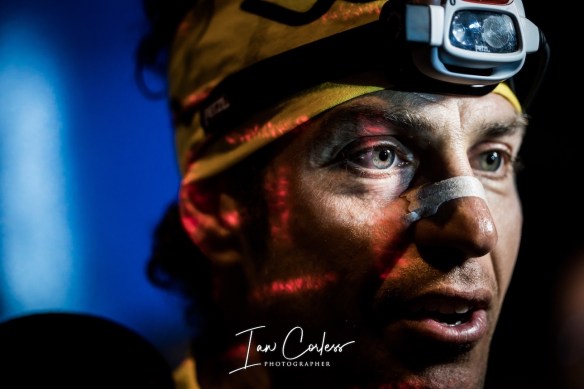
Yeray Durán returns and was the winner with 12:57 last year.  Sangé Sherpa was 2nd in 2018 and will be looking for victory and finally, José Antonio González who placed 3rd in 2018 will be looking to place higher.
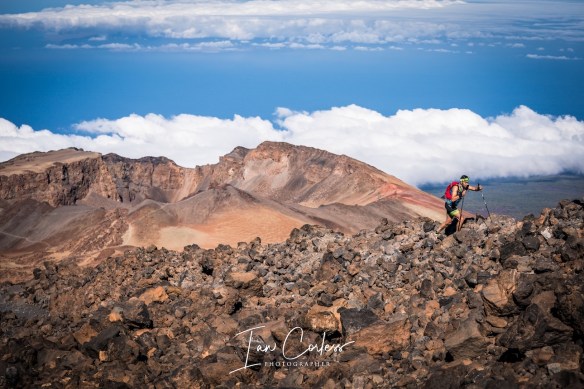
Also look out for David Lutzardo, Santiago García Soria, José Antonio Luna and Italian Gianluca Gaelati.
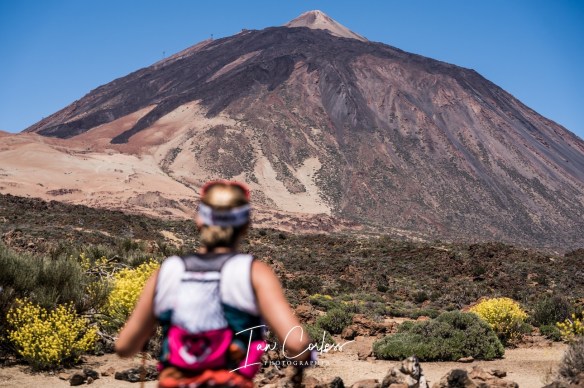
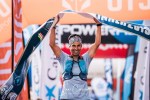
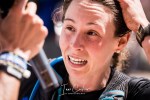
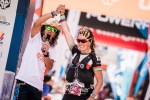
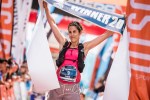
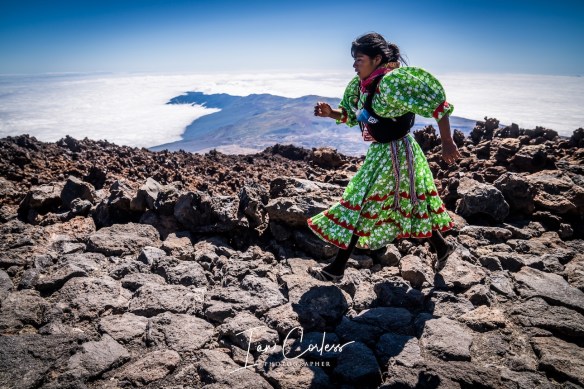
Leire Martínez heads up the ladies race with last years winner, Azara Garcia missing the race. Azara’s time of 14:21 will take some beating! Look out for Sonia Escuriola, Marta Muixí and Marta Escudero. Important to also note that Maria Lorena Ramirez will also toe the line.
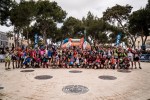
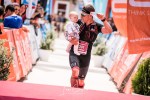
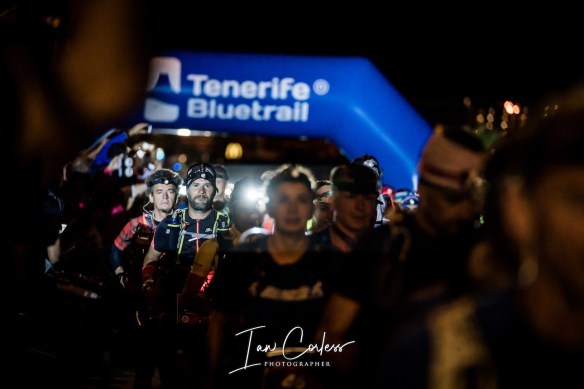
More than 2,500 participants will toe the line in one of the four races that make up the 2019 Fred Olson TENERIFE BLUE TRAIL. Notably, world renowned, Pau Capell will race the marathon!

Race website HERE

Start list for 2019 HERE
Instagram – @iancorlessphotography

Twitter – @talkultra

facebook.com/iancorlessphotography

Web – www.iancorless.com

Web – www.iancorlessphotography.com

Image sales –www.iancorless.photoshelter.com

Running Beyond Paperback

Running Beyond Book https://d.pr/x98q9D


Ultra Trail Stara Planina 2019 Race Summary – Serbia skyrunning

Stara Planina which roughly translates to ‘Old Mountain’ is known to many as The Balkan mountain range which is in the eastern part of the Balkan Peninsula. The highest peaks of the Balkan Mountains are in central Bulgaria. Botev at 2,376 m the highest. On the border between Bulgaria and Serbia, the Balkan range runs 560 km from the Vrashka Chuka Peak eastward through central Bulgaria to Cape Emine on the Black Sea.

Stara Planina, one of the most beautiful and most authentic nature reserves that hides the highest mountain peak in Serbia – Midžor at 2,169 meters above sea level. Endless stretches of untouched nature, vast mountain pastures and forests rich in forest fruit and herbs, picturesque villages and interesting folklore.

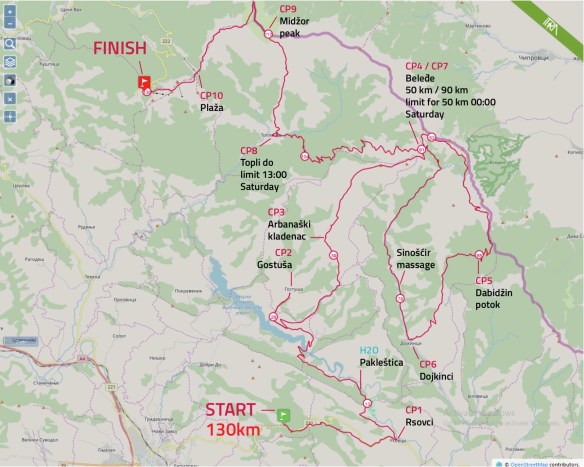
Ultra Trail Stara Planina kicked off on Friday at midday with the 130km race which has a whopping vertical gain of 5870+. It was a race which was enveloped in mist and rain, but the relentless rain and storms that were forecast, thankfully did not appear.

On Saturday at 0700 three other races that make up Ultra Trail Stara Planina started from the Stara Planina ski resort – 36km with 2370+ the 57km 2350+ and 94km 3890+. The latter race would run till the early hours of Sunday morning and all other races would conclude on Saturday.

Saturday was a mixed bag of weather with dense fog and mist lasting through to midday and then an afternoon of glorious sunshine that allowed the amazing landscape that this area has to offer to finely shine through.

400 runners from over 25 countries assembled to experience Ultra Trail Stara Planina.

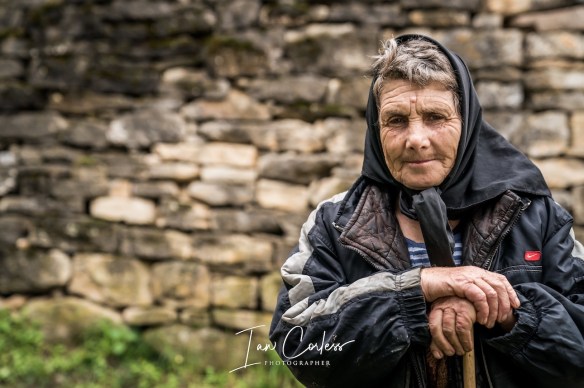
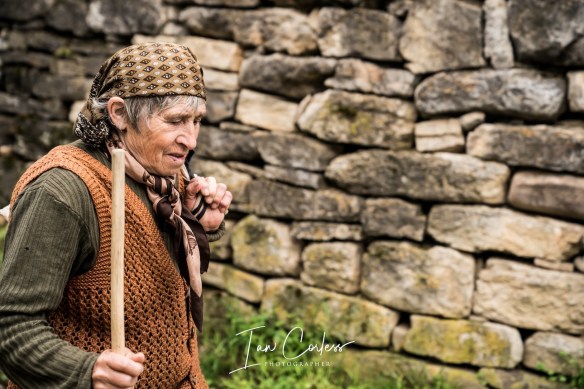
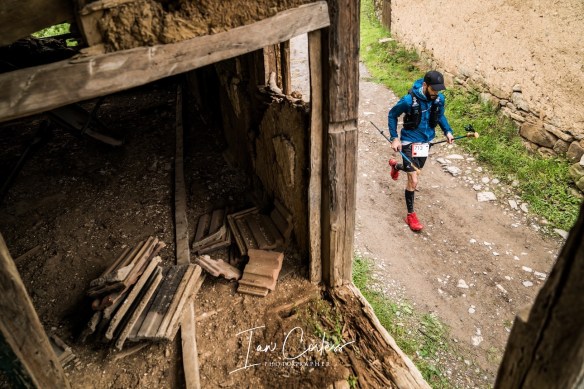
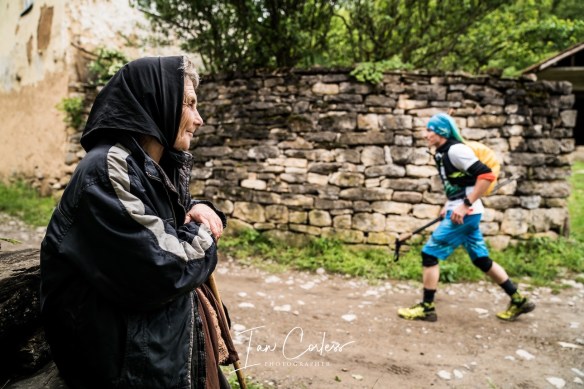
This area is a hidden gem. It’s remote, beautiful and wild. To run here, one feels truly remote and isolated from the outside world. The only glimpses of life coming from remote villages where time has stood still. Gostuša talking to a woman in her late sixties, she had never ventured from her village – she told me of how a now derelict building was once a disco. It’s hard to imagine that some 50-years ago a disco was required in a small isolated village. What was a local shop, now boarded up, closed and crumbling to the ground – the demand for supplies making the shop redundant as over the years, villagers have moved away leaving just 20 residing.

To experience the ‘real’ life of a place, one gains an insight into a journey. If it wasn’t for running and adventure, maybe these gems of Serbia would disappear completely?

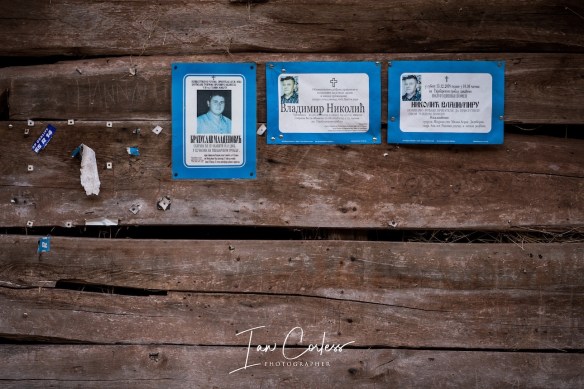
Posters pasted on walls notify the passing of loved ones and it’s hard not to feel a little sad that in year’s to come, no posters will be posted as the locals, the core of the community will have all disappeared leaving ghost towns in the mountains.

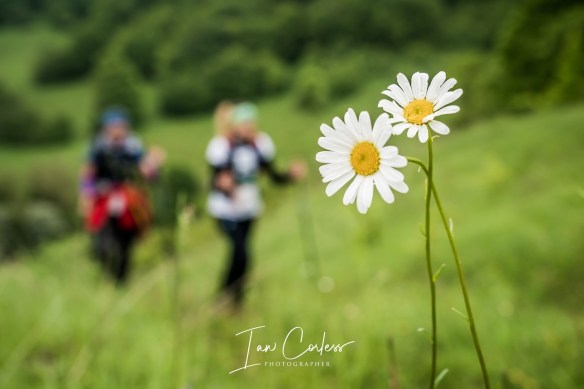
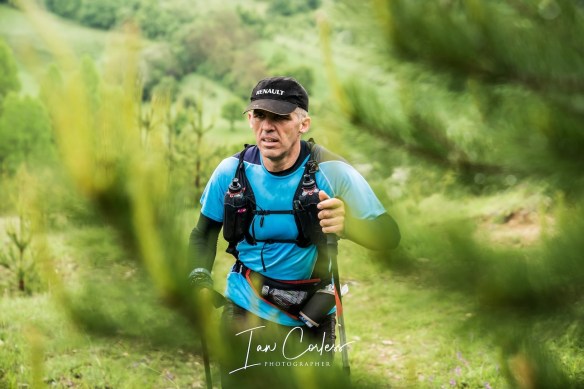
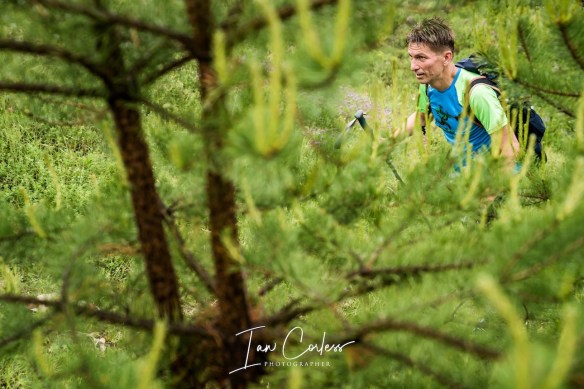
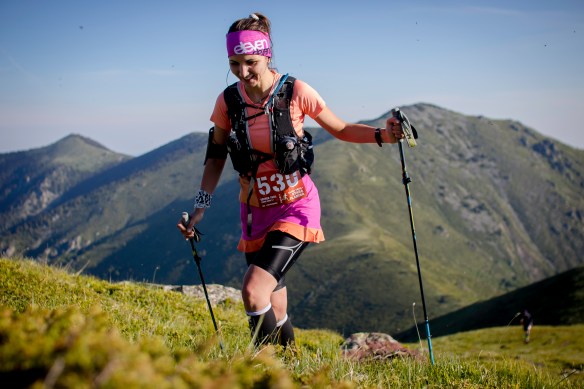
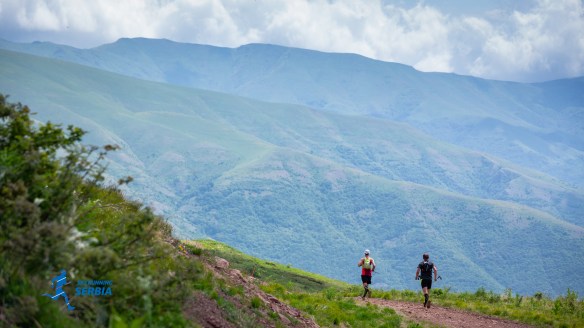
Green lush vegetation with winding trails interweave through this area providing relentless challenging terrain that continuously goes up and down.

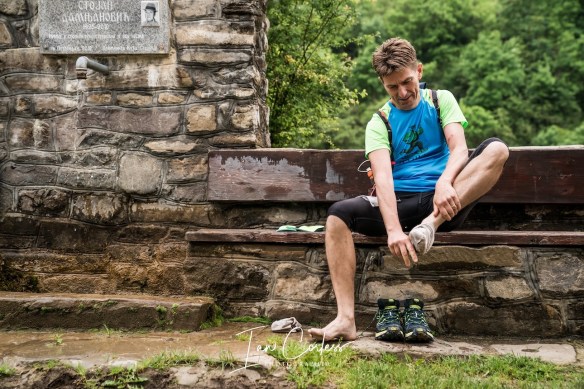
Then the arrival of a village, refreshment, a chance to stop, replenish and refuel before heading back out to experience more of the wilds of Serbia.

This area is very inaccessible by vehicle, just 10km’s can take over a hour by a 4×4 vehicle – the runners therefore are truly privileged to experience a testing and challenging journey with the experience of summiting the highest peak of Midžor at 2,169 meters above sea level. To get there though, this year, they had to experience dense mist and snow on the course.

Topli Do a hidden gem like Gostuša but there is more life here, the village is bigger and although much is falling down and wasting away, it has a raw and natural beauty.

Runners here arrive from different directions with Marshalls ever vigilant to ensure that they go in the correct direction.

A highlight, depending on which race you are running, is a technical descent from Midžor or equally, a technical climb for the 130km runners.

In the village of Gostuša an old hall is used as a major aid station where drop bags, a change of clothes and warm food is available.

Finally, for all races, Plaža signifies the final section of the race with stunning views over the mountains and for those who have time to stop, they can look back and trace the journey they have travelled.

Stara Planina ski resort, for all races signifies the end of a truly epic day or days in the heart of the Serbian landscape. The journey of 36km, 57km, 94km or 130km over.

Results:

130km

1 – Nedjalkov Balazs
2 – Jovica Spajić
3 – Danijel Loncarević

WOMEN RESULTS
1 – Nela Lazarević
2 – Ivona Velimirović
3 – Ivana Stanković

94km

1 – Dusan Bazic
2 – Duško Momić
3 – Mariya Nikolova

WOMEN RESULTS
1 – Mariya Nikolova
2 – Cecilia Papay-Sar
3 – Kristina Radović

57km

1 – Dejan Todevski
2 – Filip Todorovski
3 – Dimitar Todorovski

WOMEN RESULTS
1 – Snezana Djuric
2 – Agata Labedzka
3 – Tatjana Jovanović

36km

1 – Srdjan Mate
2 – Marko Popin
3 – Marko Ilic

WOMEN RESULTS
1 – Marija Djordjević
2 – Alana Munnik
3 – Lidija Radulovic

FULL RESULTS HERE

IMAGE GALLERIES AVAILABLE HERE

*****

Instagram – @iancorlessphotography

Twitter – @talkultra

facebook.com/iancorlessphotography

Web – www.iancorless.com

Web – www.iancorlessphotography.com

Image sales –www.iancorless.photoshelter.com

Ultra Trail Stara Planina 2019 Preview

Oldest, highest and biggest trail race in Serbia, the Ultra Trail Stara Planina kicks off this Friday, with the 130km race which has a whopping vertical gain of 5870+.

The following races start 0700 Saturday.

36km with 2370+ 

57km 2350+

94km 3890+

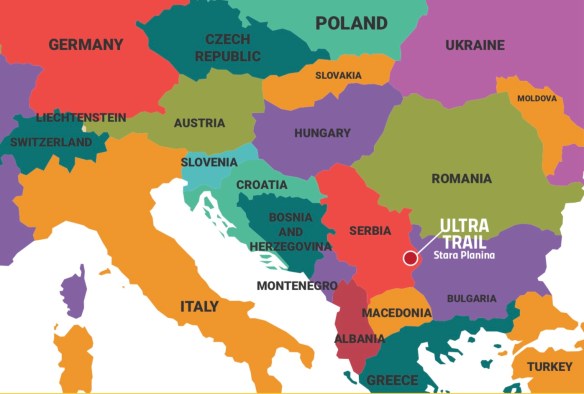
Surrounded by Bulgaria, Romania, Greece, Hungary, Bosnia and Herzegovina, Serbia based at Stara Planina has a growing presence in the trail and skyrunning world.

Stara Planina, the hub for the weekend of racing is in driving distance of Belgrade and a multitude of flight options that allow the possibility to explore this area.

Stara Planina which roughly translates to ‘Old Mountain’ is known to many as The Balkan mountain range which is in the eastern part of the Balkan Peninsula. On the border between Bulgaria and Serbia, the Balkan range runs 560 km from the Vrashka Chuka Peak eastward through central Bulgaria to Cape Emine on the Black Sea. The highest peaks of the Balkan Mountains are in central Bulgaria. The highest peak is Botev at 2,376 m, which makes the mountain range the third highest in the country, after Rila and Pirin.

Endless stretches of untouched nature, vast mountain pastures and forests rich in forest fruit and herbs, picturesque villages and interesting folklore. That is the true picture of Stara Planina, one of the most beautiful and most authentic nature reserves that hides the highest mountain peak in Serbia – Midžor at 2,169 meters above sea level.

Mt. Stara planina the most beautiful part of Eastern Serbia and it was declared a natural treasure of great importance. This mountain is known for its mild climate, clean air, springs of hot mineral water, while the park “Stara planina” spreads on 142.000 acres.

Zavojsko lake, one of the most beautiful and clearest mountain lakes, lies at the foot of Stara planina. The lake abounds in fish, and passionate fishermen along the bank of the lake assure us that this truly is the best location for catching pike, catfish and carp.

Action starts on Friday with the 130 km race starting at noon (12.00) at the Vidlič mounting hut (from the Pirot side).

The 36, 57 and 94 km races start on Saturday, June 1st at 7:00 AM at Hotel Stara Planina. It is estimated that the fastest 130 km runner should arrive at approximately 0700.

Two runners who will have many eyes on them are Jovia Spajic and Maria Nikolova Miteva who placed 9th at UTMB in 2018.

Race Website HERE

The races are organised by Serbian Skyrunning Association – a team of enthusiasts with an idea to contribute in development, recognition and promotion of skyrunning sport, high altitude ultra-marathon and  other endurance sports, as well as the development, recognition and promotion of sport and mountain tourism in Serbia and the region. HERE

Instagram – @iancorlessphotography

Twitter – @talkultra

facebook.com/iancorlessphotography

Web – www.iancorless.com

Web – www.iancorlessphotography.com

Image sales –www.iancorless.photoshelter.com

BREAKING NEWS‼️SNOWDON SKYLINE appointed the qualifying race for SWS SKYMASTERS

BREAKING NEWS‼️

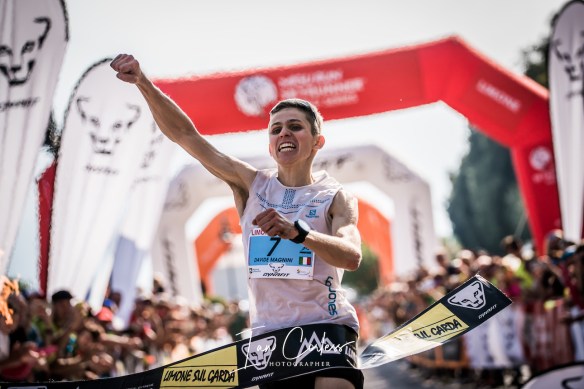
SNOWDON SKYLINE has been appointed the qualifying race for the SKYMASTERS which will take place in Limone, Italy in October.
The MALE and FEMALE winner of Snowdon Skyline will receive a coveted spot to race alongside the best skyrunner’s of the 2019 season.
The route:
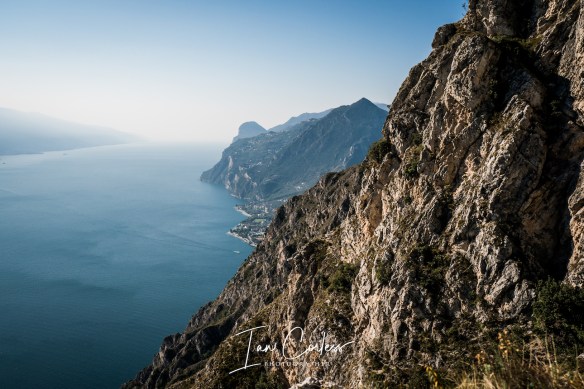
The first ever SkyMasters! A course made to be very challenging and technically demanding – 27 km long with 2,600m vertical climb. The start and finish are lakeside. A two-kilometre stretch passes through the old town of Limone and ascends through olive groves. From here, the course climbs up a rocky limestone path, zig-zagging it’s way up the Passo Rocchetta, to Cima Mughera.
Then things a getting serious! After climbing a section of the historical VK course, a very technical section with unique views on the lake have been will bring the athletes to the top of Monte Carone, the summit of the race.
Other ways to gain entry:
Be in the Top 30 Men/Women of the Season General Ranking (standing before the Masters)
Be in the Top 30 Men/Women of the 52-Week Ranking two weeks prior to the SkyMasters
Be a Top-10 Man/Woman of a SuperSky Race
Be a Top-5 Man/Woman of a Sky Race
ENTRY for SNOWDON SKYLINE HERE
40km 3700m+

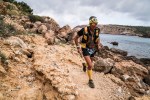
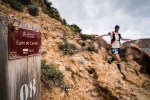
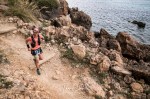
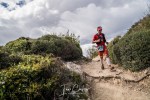
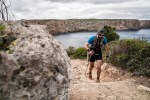
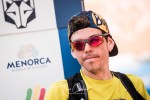
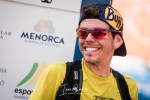
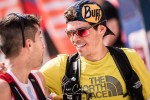
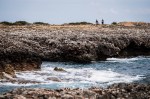
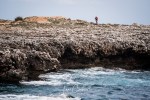
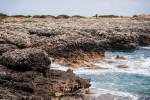
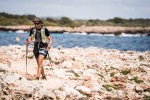
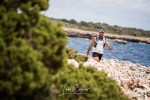
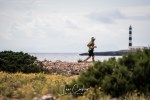
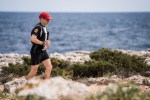
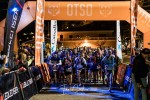
OTSO Trail Menorca Camí de Cavalls 2019 – RACE in IMAGES

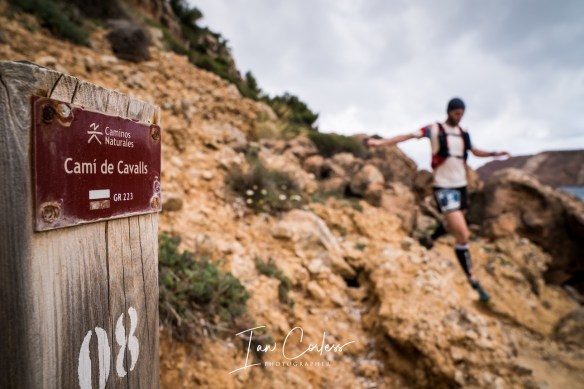
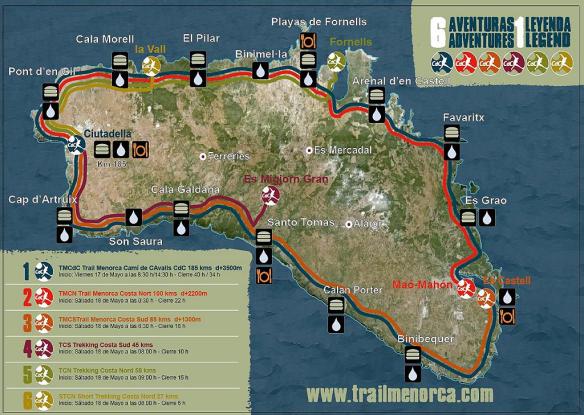
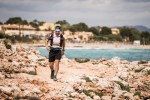
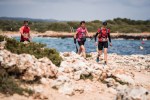
The Otso Trail Menorca Cami de Cavalls is a group of races that show the islands beauty to its full potential. The whole of the island by following the way-marked ‘Cami de Cavalls’ route is 185km and this race is the ‘highlight’ of the weekend. The other races vary in distance from 100km down to 27km and these races either journey south or north to provide a full 360 experience of Menorca.

Trail Menorca have a simple concept to provide runners of all ability an opportunity to experience the best of Menorca. Of course, it’s a huge challenge for the race organisation to cover so many races over so much terrain, however, they have been doing this for many years and the race grows in stature each time. Menorca has a casual, relaxed way of life, for one weekend, the island becomes alive with athletes as they journey around the island.

Antoine Guillon has won the past three events and knows the route like the back of his hand. Throughout the night, he maintained a rhythm and slowly ate away at the 15 minutes that separated himself from Pere Garau. The duo finished together, hand-in-hand in 2018. In Calan Porter (130 km) they ran together and stayed that way to the finish line, once again holding hands, bettering their time of last year by 39-minutes. The duo also broke the Frenchman’d CR of 19:18:53 set in 2017. The Catalan Lluis Ruiz finished in third place with a time of 20:16.

Lucia Pasamar gave a masterclass to finish in 22:07:39 ahead of two times champion, Laia Díez who crossed the finish line in second position, 22:33:57. The duo broke the record 24:46 held by Gemma Avellí since 2017. Eva Orives placed 3rd.

Gerard Morales demonstrated how important the 100 km TCMN race was to him by completing it in just 9:05′ – a great time for this tough and challenging course. Toni Forit & Jaume Fanals placed 2nd and 3rd.

Leticia Pérez and Karina Raquel Gómez placed 1st and 2nd for the women with Tére Álvarez completing the podium.

Mallorcan Guillem Caldés was the surprise winner in the 85 km TMCS race with Raul Delgado placing 2nd. Miquel Pons placed 3rd.

Carolina GuillenBeatriz Delgado and Gemma Vilajosana were 1,2 and 3 for the women.

Pau Capell, current Ultra-Trail World Tour champion, dominated a strong trio of Damián Ramis and Isaac Riera.

 Silvia Grey took victory ahead of Claudia Tremps and Doriane Aubert placed 3rd.

Jordi Gamito but the demons of last weekend’s Transvulcania to rest with victory in the 58km event. Miquel Capo placed 2nd and Roberto Aguilar 3rd.

Angels Llobera won the women’s race ahead of the UK’s Rebecca Ferry and Manu Vilaseca placed 3rd, no doubt a little tired from a heavy race calendar.

Marco de Gasperi was proclaimed the winner of the 27 km STCN race. The Italian mountain running legend finished in 1:47:30 – an incredible time for the terrain and distance. Guillem Seguí placed 2nd ahead of Miguel Espinosa.

Ana Maria Llompart ran a strong race to beat Deborah Cortes into 2nd place and Susana Seguí took the final podium spot.

IMAGE GALLERIES HERE

Follow on:

Instagram – @iancorlessphotography

Twitter – @talkultra

facebook.com/iancorlessphotography

Web – www.iancorless.com

Web – www.iancorlessphotography.com

Image sales –www.iancorless.photoshelter.com

Running Beyond Paperback


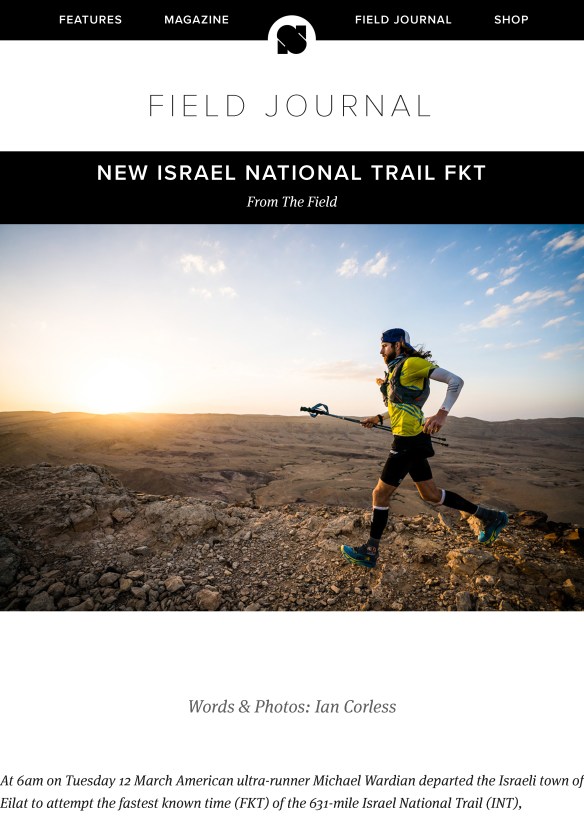
Israel National Trail FKT #FKTIsrael on SIDETRACKED

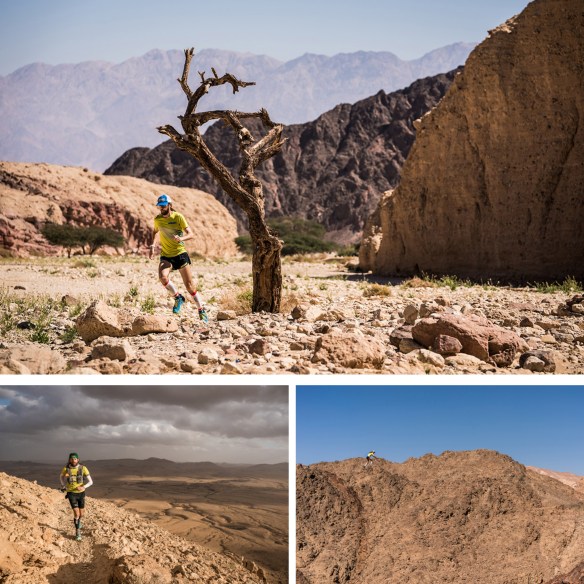
“…Word on the trail was getting out and Mike was being met by more and more runners who cheered him on. As the hours passed so did the miles – Mike was like a machine. He pushed into the night to the ancient city of Tel Arad. The rain poured down and the wind gusted and buffeted. Mike ran 91km today.”

Read the full story of Michael Wardian’s epic journey running from the south to the north of Israel setting a new fastest known time of 10-days, 16-hours and 36-minutes.

SIDETRACKED FIELD JOURNAL HERE
Follow on:

Instagram – @iancorlessphotography

Twitter – @talkultra

facebook.com/iancorlessphotography

Web – www.iancorless.com

Web – www.iancorlessphotography.com

Image sales –www.iancorless.photoshelter.com

TRANSVULCANIA 2019 – IMAGE GALLERY

The 2019 Transvulcania was once again an epic race. The stunning island of La Palma never disappoints.

Epic sunrise, cloud inversions and clear skies with intense heat.

The race was incredible with Ragna Debats and Thibaut Garrivier taking victory. You can read a summary HERE.

Below is a portfolio of images that gives a glimpse of the race.

Image galleries are HERE

Follow on:

Instagram – @iancorlessphotography

Twitter – @talkultra

facebook.com/iancorlessphotography

Web – www.iancorless.com

Web – www.iancorlessphotography.com

Image sales –www.iancorless.photoshelter.com

TRANSVULCANIA 2019 – Debats and Garrivier win! – Race Summary

Petter Engdahl came of age today as he pushed a relentless pace right from the gun at the 2019 Transvulcania. The only runner brave enough to follow was Ruy Ueda and the duo pushed together over much of the volcano sections all the way to El Pilar.

Behind, runners lined up to chase including Thibaut Garrivier, Marco De Gasperi, Dmitry Mityaev, Jon Albon and a who’s who of top-talent.

Engdahl looked calm and relaxed and considering this is only his second year in skyrunning and his longest race so far, he was brave to take on the front. It was expected that Ueda and De Gasperi would push and test him. However, no! Both dropped before 30km leaving the young gun out front being chased by Garrivier and Mityaev.

At Rouques de los Muchachos, the 18km drop to Tazacorte beach is a formidable descent not only for the legs and lungs but also the mind. Engdahl found the pressure to intense and relinquished his lead, firstly to Garrivier and then Mityaev.

From the beach, as the runners ran through a slot canyon, the writing was on the wall. Garrivier had extended a lead of 5-minutes to the Russian and equally, Mityaev had extended a lead of 5-minutes over Engdahl. It remained that way to the line with Garrivier taking a great win in 7:11:04 ahead of Mityaev 7:14:23 and Engdahl 7:21:28. The UK’s Jon Albon moved up from outside the top-10 to place 4th and Diego Pazos was 5th.

Anne-Lise Rousset dictated the pace in the women’s race and over the opening 18km she looked strong. Behind, pre-race favourite, Ragna Debats fresh from victory at Marathon des Sables pushed but looked to be playing a waiting game. Behind, Megan Kimmel followed along with Kristin Berglund and Ekaterina Mityaeva.

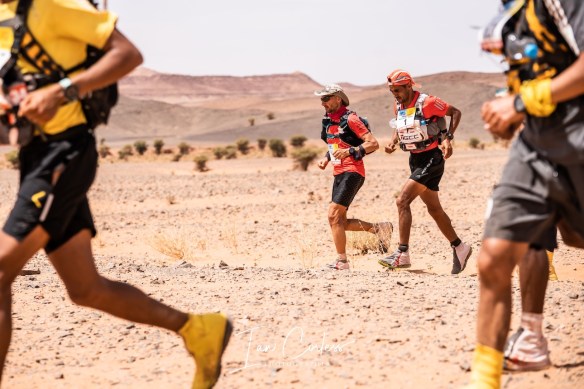
The heat and the pace took its toll and as Rousset slowed, Debats turned up the gears and applied the pressure, no doubt the sandy terrain and heat feeling ‘normal’ after her Moroccan adventure.

The speed increased and Debats took an incredible victory in 8:09:25 dominating the race. Rousset held on for 2nd, no doubt the course and conditions hurting everyone and Kimmel rounded out the top-3, their times 8:25:11 and 8:35:03. Russian Mityaeva placed 4th and Berglund 5th.

Men:

1. Thibaut Garrivier (FRA) Hoka One One – 7:11:04

2. Dmitry Mityaev (RUS) Adidas Terrex – 7:14:23

3. Petter Engdahl (SWE) Salomon Running – 7:21:28

4. Jonathan Albon (GBR) Gore / VJ Shoes – 7:36:34

5. Diego Pazos (SWI) Compressport – 7:41:48

Women:

1. Ragna Debats (NED) Merrell – 8:09:25

2. Anne-Lise Rousset (FRA) Oxsitis-Odlo – 8:25:11

3. Megan Kimmel (USA) Salomon Running – 8:35:03

4. Ekaterina Mityaeva (RUS) Adidas Terrex – 8:53:02

5. Kristin Berglund (AUS) Salomon Running – 8:58:10

Follow on:

Instagram – @iancorlessphotography

Twitter – @talkultra

facebook.com/iancorlessphotography

Web – www.iancorless.com

Web – www.iancorlessphotography.com

Image sales –www.iancorless.photoshelter.com

THE LONG RUN

Runners all over the world, week in and week out add ‘A Long Run’ to their training. One question that I am often asked is, ‘How long should my long run be?’
Now of course, there is no one answer and before you can even begin to answer that question, you need to ask two important questions:
  1. What am I training for? (This will usually be a race or target event)
  1. What date is the event in question 1?
When you know the answers to 1 and 2, you can start to formulate a plan and this then will begin to give a better understanding to ‘the long run’ question. It is also very important to consider experience and running history.
If you are used to running 5km and 10km events, a long run for you may well be 75-90 minutes. If you are a marathon runner, your long run will typically be 21/22 miles or 3 to 3.5-hours. If you are running an ultra, mmmmm, well, this is where it gets tricky.
WHY DO WE RUN LONG?
In summary, we put an emphasis on three key points:
Efficiency to use fat as a fuel.
Muscular and physical adaptation.
Mental strength.
If you never run for more than one hour in training, then three hours on your feet just feels like a really long time so you need to adapt for the challenge ahead both from a physical and mental perspective.
Have you had sore legs from running?
We have all been there, it comes from running fast and hard and building up lactic acid or it comes from running long and fatigue. Muscle soreness will come for everyone, however, we can train to reduce the impact or delay the process. This why we ‘train,’ we train to get better! Progressively running longer with recovery periods allows our muscles to adapt to the stress and become stronger. The term DOMS refers to the ‘Delayed Onset of Muscle Soreness’. You may well feel muscle pain during a training event or race but it’s usually in the 24/48/72-hour period after that the soreness really kicks in. By running long in training we adapt to delay or reduce the DOMS.
You need fuel to do anything, even a shopping trip. Our bodies can only store so much carbohydrate and once those stores are used up we have only two options left: top them up or slow down and maybe even stop if they have got very low. As an endurance athlete we need to tap into our almost unlimited fat stores. We do this by ‘teaching our body’ to use fat as a fuel in the long run. The more efficient you become at this, the longer you can run and the longer you can maintain a pace. Ultimately it means the whole race/training experience will be better and more enjoyable.
THE RUN
Let us be clear here, running longer requires a slower pace, especially if we want to ‘turn on’ fat burning. Think of long runs in terms of time and not distance. Distance adds some confusion and also as runners we get stressed and worried by mileage and minute per mile pace. Mileage does not always tell us the full story too… Time on feet takes into consideration the terrain we are running on, for example in three hours on the road you may well cover 20-miles, but on the trails or in the mountains you may only cover 12-miles.
This brings in another very important and key point, make long runs specific and in line with your objectives. No point doing three hours on the road if you are doing a 50 mile mountain race with 4000m of vertical gain.
Slow down! Many runners run the long run too hard which impacts on the following days’ training and it also impacts on the long run session. Maybe use a heart rate monitor or GPS to keep on top of this and don’t worry about walking. Walking is a key element in completing ultra distance events. I am a huge fan of RPE – Rate of Perceived Exertion. Long runs (mostly, there are exception) should feel easy and on a scale of 1-10, that means a 5.
HOW LONG SHOULD THE LONG RUN BE?
Short distance runners often run over distance in training. Think about it, a 10km runner may run a long slow half marathon to build endurance. A half marathon runner may run a long and slow steady 16 miles in preparation for a fast race.
This all falls apart when we go to the marathon and beyond. How often have you heard in marathon training that the long run should be 21/22 miles or 3 hours and 30 minutes in preparation for a race.
So how do you run long in ultra training?
Long runs and adapting for an endurance run such as an ultra comes from not one run but a combination of all runs. It’s about your accumulative run history. They all add up to make you an endurance machine.
First and foremost, consistency is key and long runs should be progressive and based on ability and experience. A long run should test you but not break you.
Let’s use a 12-week scenario based on a runner who can currently run two hours in a long run. I am not looking at base training here, but the specifics of a long run and how to make the long run longer. I’m a big fan of building over three weeks and recovering for one week, I call this 3/1.
Example:
Month 1
Week 1 – Sunday 2:30hrs
Week 2 – Sunday 2:45hrs
Week 3 – Sunday 3:00hrs
Week 4 – Sunday 2:00hrs
Month 2
Week 1 – Sunday 2:45hrs
Week 2 – Wednesday 90min / Sunday 3:00hrs
Week 3 – Wednesday 90min/ Sunday 3:15hrs
Week 4 – Sunday 2:30hrs
Month 3
Week 1 – Wednesday 90min/ Sunday 3:00hrs
Week 2 – Wednesday 1:45hrs/ Sunday 3:30hrs
Week 3 – Wednesday 2:00hrs/ Sunday 4:00hrs
Week 4 – Wednesday 60min/ Sunday 3:00hrsh
The above scenario provides a structured example on how to build up from running two hours comfortably to four hours. But remember the above scenario is 12 weeks with over 37 hours of running, just in the long runs! That is huge and a great place to start for any endurance challenge.
BUT MY RACE IS 50 MILES?
As mentioned above, it’s not wise or sensible to run too long in anyone session (for most people, there are always exceptions.) But the 12-week plan above on a 3/1 scenario shows you how it’s possible to build time and confidence. As you gain more experience you can look at doing back-to-back sessions and plan long training weekends all as part of a long term plan. Ultimately though, running too long in terms of distance or time is something that should be very carefully planned.
For example:
Month 3
Week 1 – Wednesday 90min/ Saturday 2:00hrs & Sunday 3:00hrs
Week 2 – Wednesday 1:45hrs/ Saturday 90 mins & Sunday 3:30hrs
Week 3 – Wednesday 2:00hrs/ Saturday 3:00hrs & Sunday 4:00hrs
Week 4 – Wednesday 60min/ Sunday 3:00hrs
You will always here about runners who can do 200 mile weeks or 50-mile training runs; they are exceptions and not the norm. Don’t be lulled into a false sense of security and don’t feel inadequate, we are all individuals and this is maybe the most important aspect.
Training should be about preparing you to tackle the challenge, but it will never FULLY prepare you. There’s always going to be a bit of extra and a bit of unknown on the day of the event…
Surely that’s why you’ve entered the race or event?

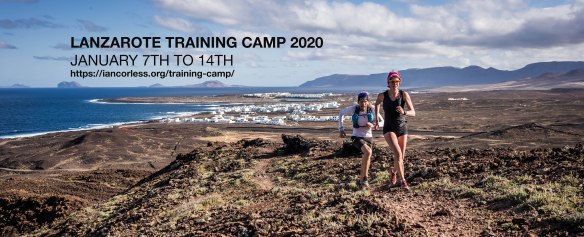
Why not join our TRAINING CAMP with 2x MDS champion, Elisabet Barnes, on the stunning island of Lanzarote? Information HERE

Follow on:

Instagram – @iancorlessphotography

Twitter – @talkultra

facebook.com/iancorlessphotography

Web – www.iancorless.com

Web – www.iancorlessphotography.com

Image sales –www.iancorless.photoshelter.com

NOW AVAILABLE, RUNNING BEYOND IN PAPERBACK

Running Beyond Paperback

SCOTT KINABALU RC 2.0 – FIRST LOOK

The all new SCOTT Kinabalu RC 2.0 is built for SPEED.

Run faster on rolling trails, forests and parks with Its innovative traction design.

Hybrid TractionKinetic FoamInternal Fit System

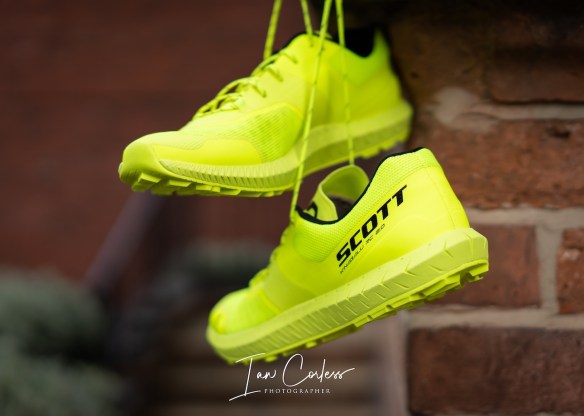
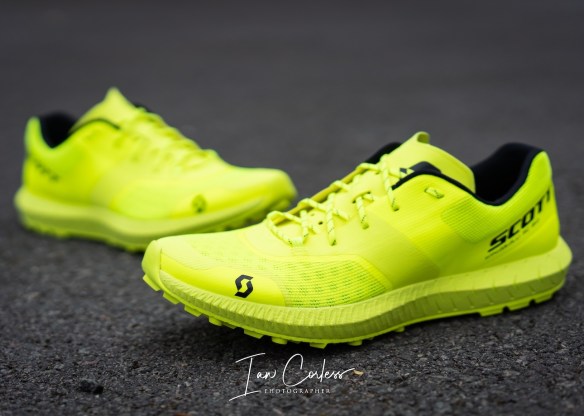
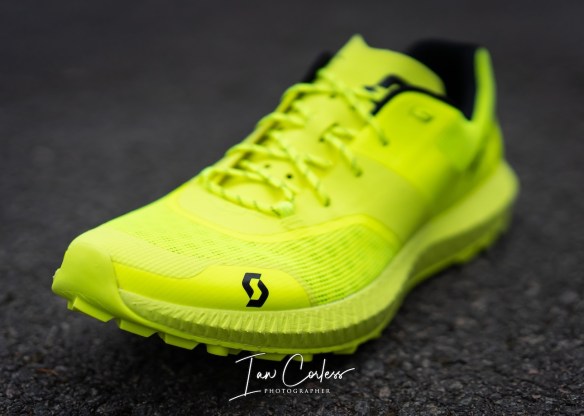
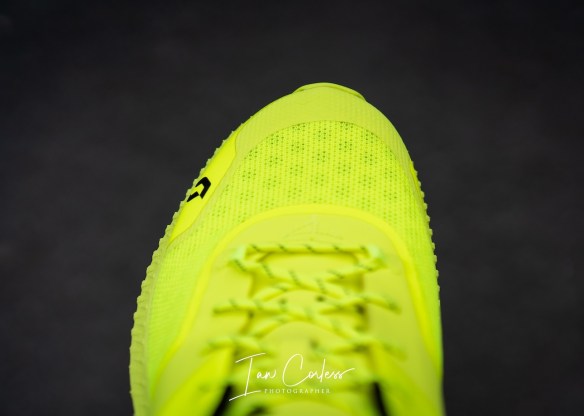
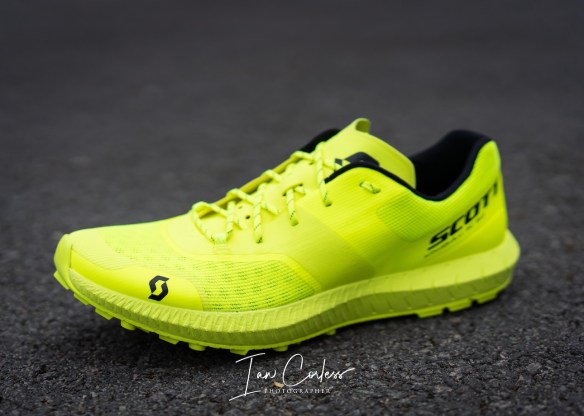
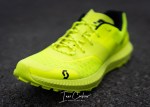
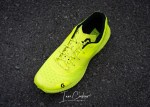
Get ya sunglasses out, the new SCOTT KINABALU RC 2.0 is here! Boy are these shoes bright. Of course, the colour will divide opinion, some will love the look, and some will hate, they well be a Marmite shoe, but ultimately for me, it’s only a colour. Any good trail shoe should be covered in mud in a couple of runs, and then the shoe really takes on character.

Scott since 2012 have really made huge progress with their run shoes, in particular, the biggest transformations have come in the last 4-years with the ever-changing development of the ‘Kinabalu’ shoe.

This development has also gone in line with the ‘Black and Yellow’ apparel look and the ‘Traction Matters’ tagline.

I have to say, the ‘look’ of Scott on the trail is one of the best in my opinion. It’s classy, desirable and completely identifiable – I see black and yellow, and I know it is Scott. 

The latest addition the line-up is the SCOTT KINABALU RC 2.0.

It’s easy to see the development of ‘this’ model if one looks at the last 2-years of Scott’s shoe development. The ‘RC’ shoe concept has become hugely popular and I have to say, this latest incarnation really is a highlight. 

The RC range is roughly broken down to four categories:

  • Mountain Speed
  • Mountain Ultra
  • Trail Speed
  • Road Speed

THE SHOE

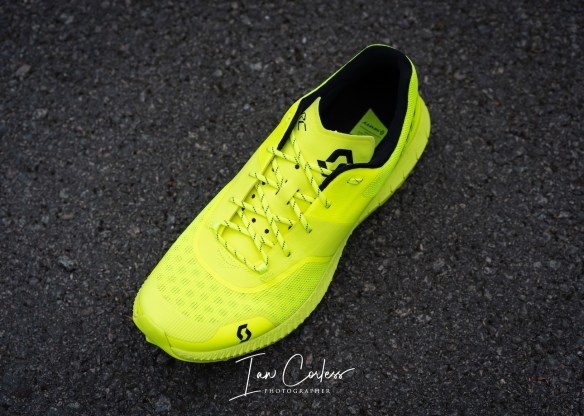
Bold, brash and loud, Scott are making a statement here and quite simply, this shoe will be immediately identifiable on the trail. There is no hiding. If you are going to stand out like this, you better have the ‘goods’ to back up the looks. The SCOTT KINABALU RC 2.0 does not disappoint.

Scott have not always made the lightest shoes; this shoe is a welcome departure weighing 260g for a UK9.5. Sizing is true to size, to clarify, I always use UK9.5 and this should allow a thumb nail of space above my big toe – the RC 2.0 is perfect. 

The toe box has room and allows toe splay without compromising foot hold, this is particularly noticeable when running technical trail.

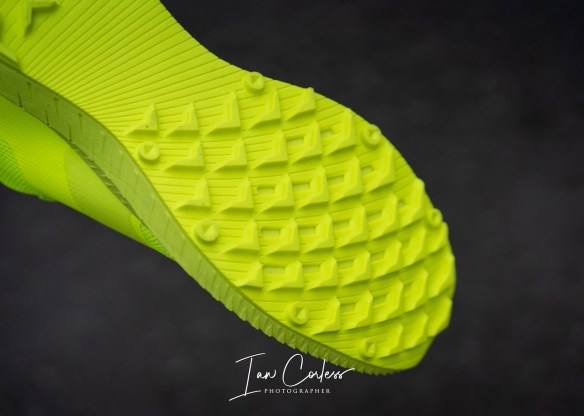
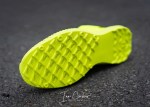
The outsole has the now classic RC look which was specifically developed by Scott and their athletes. The outsole has lugs that designed for trail running be that on dirt trail, single-track, gravel, grass or rock in dry and wet conditions. However, the outsole is not aggressive enough for muddy conditions.

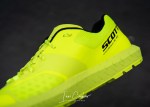
The upper is seamless and is noticeably a departure from other RC editions that Scott have produced. The upper is lighter with more breathability. There is reinforced section to add structure to the shoe and allow a firm hold. The toe box has a good bumper for rocky and gnarly conditions and will provide adequate protection in most scenarios. The heel box is cushioned, holds the foot well. The tongue is ‘free’ and does not have a sock-liner fit. That is a disappointment for me – Integrated tongues nearly always provide me with a much better feeling and more secure hold. Having said this, the RC 2.0 holds my foot really well. Lacing is pretty standard, nothing new here and no real surprises. The cushioning of the shoe is notable. I really feel comfort in these shoes without losing feel for the ground and the shoes have ‘life,’ something that was missing at times in previous Scott shoes. Drop is 3mm so designed for an efficient runner.

In a nutshell, this is Scott’s best shoe so far. 

IN USE 

The shoe has speed written all over it, but it is not at the expense of comfort. It’s a trail shoe that would work amazingly well on any run when conditions are not too muddy. The outsole has grip but it’s classic ‘trail grip’ and not UK mud grip – for example.

RC 2.0 will also be a fantastic mountain running shoe, especially in skyrunning (for example) when the transition from trail and rock is constant and of course, snow or ice may make an appearance.

One noticeable feature was how well the RC 2.0 feels on the road. It’s too early to say what impact on the outsole road running would have, but in regard to comfort, I had no issues. I am sure Scott would not recommend the RC 2.0 as a road running shoe, but ‘road sections’ can appear in any run, it’s good to know that comfort is there. The Kinetic Foam kicks in here.

There is little not to like about the RC 2.0 and for sure, I would say that past Scott RC users are going to love this shoe – it’s a lighter, faster, cushioned and more responsive shoe than previous incarnations. If you are a Salomon Sense fan and are looking for a change, I would immediately recommend trying out the Kinabalu RC 2.0. The Salomon and Scott have very different feels, but I draw comparisons. Notably, those who wanted to use a ‘Sense’ but found them too narrow will be pleased with the RC 2.0’s wider toe box.

Scott say, “We recommend it for any sort of speed workouts, fast running sessions, and non-technical mountain races up to marathon distance.”

HOW DO THEY FEEL

Well, light! That was my first reaction, particularly after testing and using previous Scott shoes. I was immediately impressed by the feel the shoes gave, even on a first run. I had a cushioned ride but still with a real feel for the ground. The grip is spot on in wet and dry conditions. I had no issues at all other than being caught on a very muddy steep hill after heavy rain, then, I was sliding all over the place. No surprise really as the lugs are just not long enough.

There are little negatives with the RC 2.0, but I did have two points of question. The lacing holes for me feel as though they could have been spaced better? I actually think an additional eyelet would have been beneficial. It’s a personal thing. Also, on my right foot I found that I constantly had a slight tight spot when I tied my laces. I tried many configurations and options but could not eradicate it? I didn’t have this with my left foot, so, I should add here that this maybe more to do with my right foot than the shoe. Just worth noting. 

CONCLUSION

This is Scott’s best shoe so far in my opinion. I have seen and witnessed the evolution of ‘Kinabalu’ and ‘RC’ over the past years and although they always came close to greatness, there was always just a little missing. With the RC 2.0 the main points of: 

  • Comfort
  • Lightness
  • Traction
  • Feel

Are all there and I can ask no more from a shoe.

This is a fast shoe and depending on the runner and ability, the RC 2.0 is great for a 5km blast, a classic technical skyrunning race or a trail race.

“We  started 4 years ago up high in the mountains, designing shoes to move fast over technical terrain, and the Supertrac RC was born. Then we stayed on the same mountainous environment but to run at a slower pace and for much longer. The Supertrac Ultra RC was created to deliver more comfort, protection and cushioning than its older sister. This year, we’re coming down from our mountains with the same approach. Start with a shoe designed to make you tackle more rolling and hard packed trails at faster speed. Whether it’s on flatter terrain or for mountain running races where trails are often mixed with road, Sierre Zinal being the perfect illustration of that hybrid terrain, the Kinabalu RC 2.0 will deliver.”

It’s a really versatile shoe and one thing is for sure, with that flu yellow look, it’s going to be really easy to see who is using the Kinabalu RC 2.0 in 2019 and beyond!

Do you want to be one of the lucky 10 people to win a pair of these mysterious yellow shoes?
Check out this page: https://www.scott-sports.com/kinabalu-rc

Follow on:

Instagram – @iancorlessphotography

Twitter – @talkultra

facebook.com/iancorlessphotography

Web – www.iancorless.com

Web – www.iancorlessphotography.com

Image sales –www.iancorless.photoshelter.com