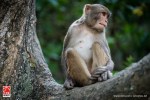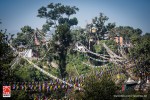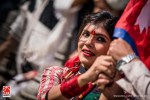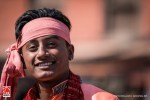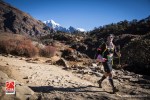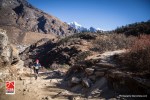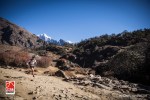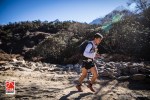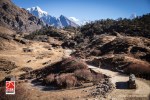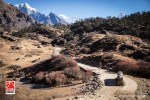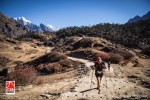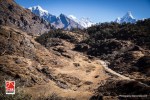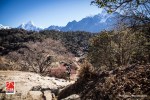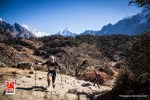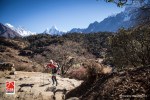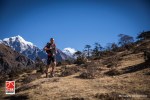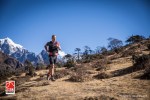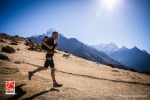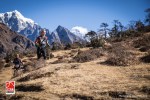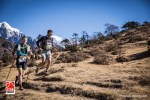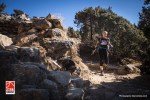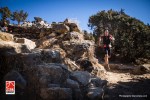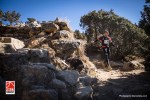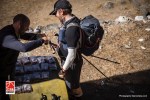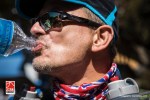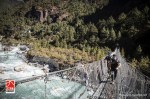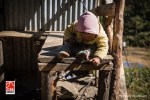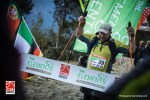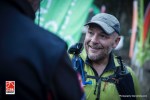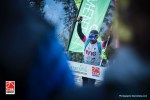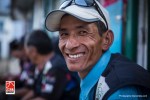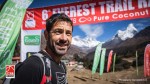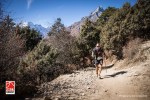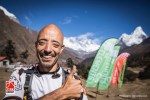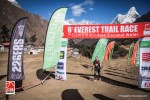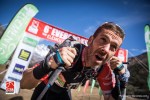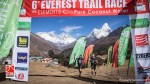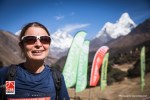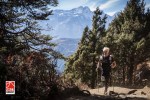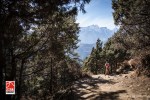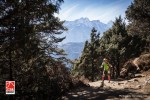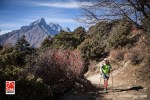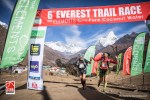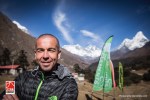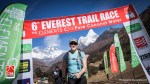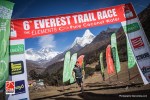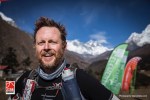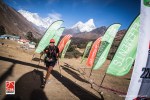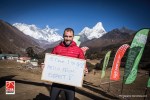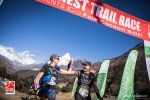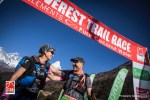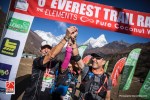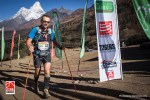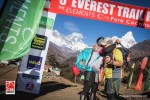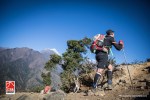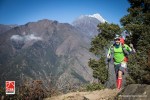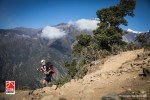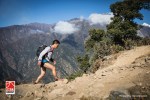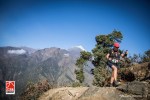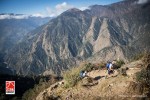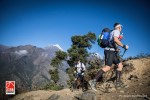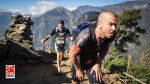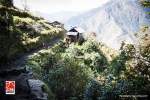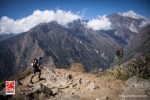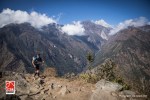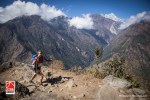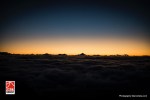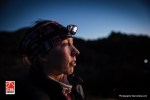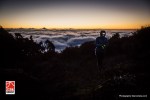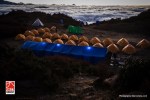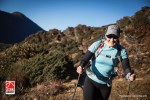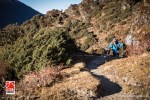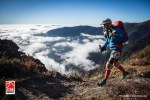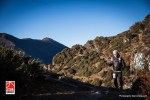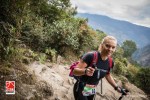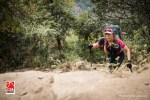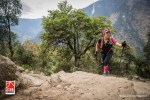
Everest Trail Race by The Elements Pure Coconut Water #ETR2017 – Monkey Temple and Patan

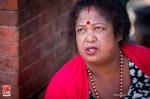
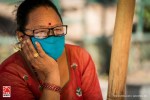
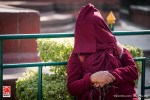
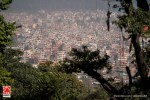
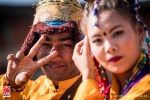
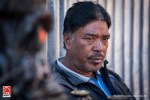
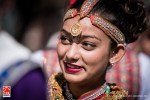
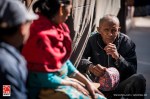
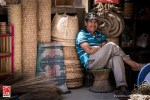
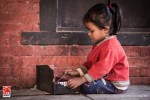
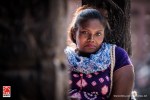
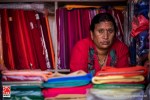
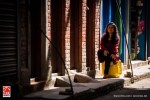
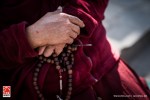
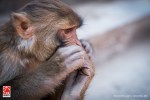
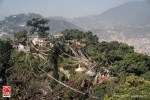
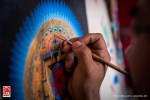
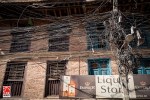
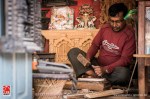
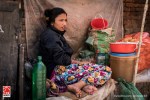
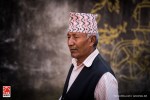
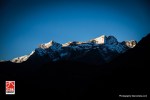
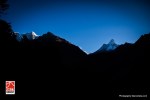
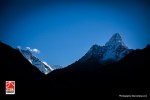
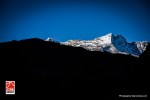
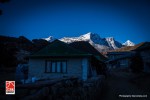
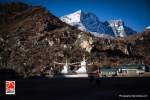
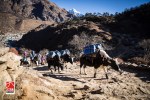
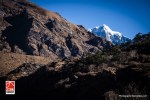
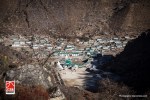
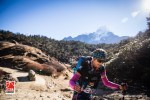
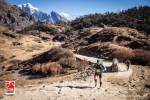
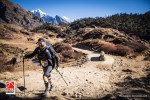
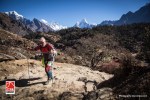
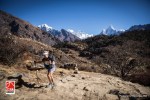
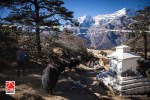
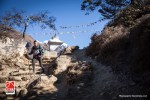
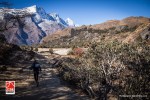
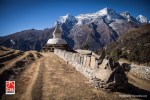
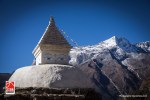
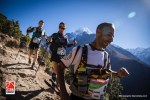
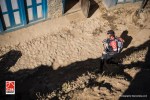
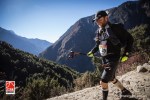
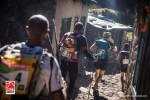
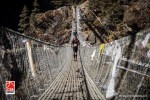
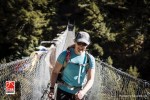
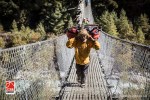
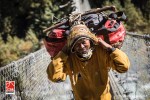
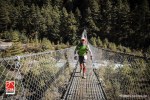
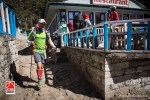
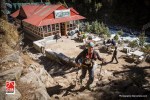
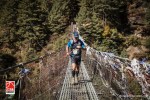
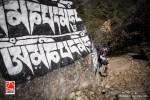
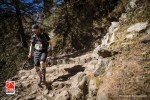
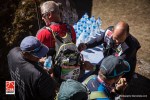
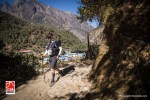
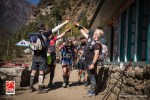
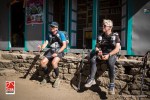
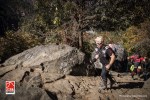
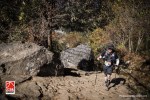
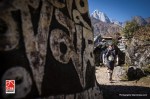
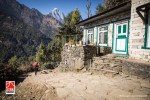
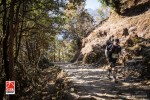
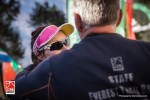
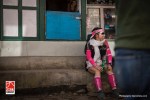
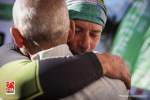
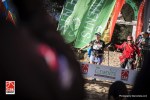
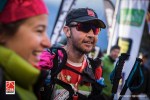
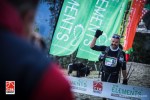
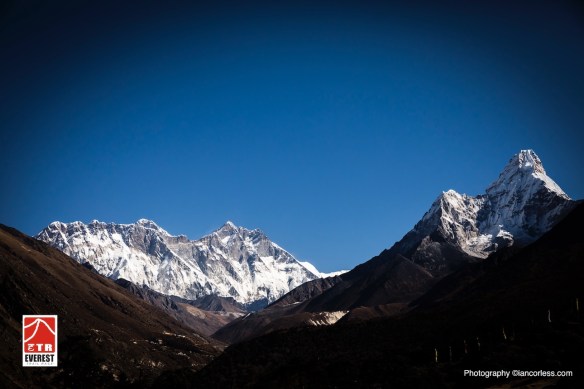
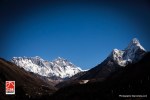
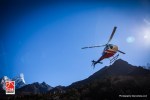
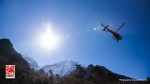
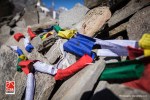
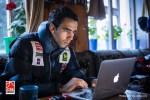
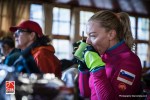
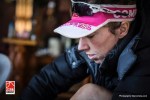
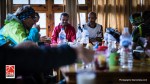
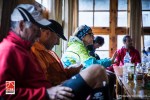
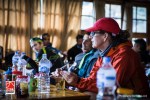
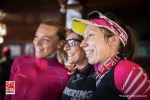
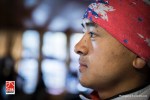
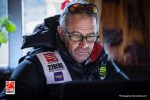
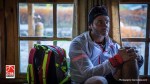
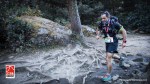
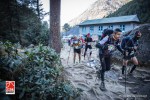
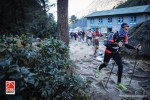
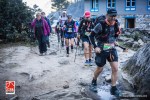
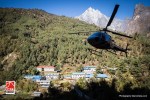
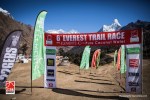
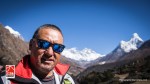
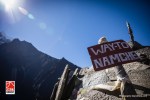
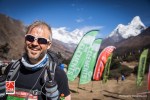
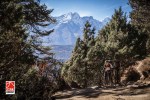
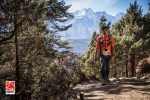
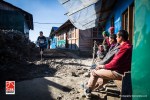
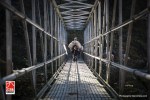
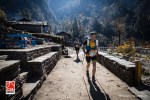
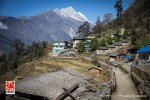
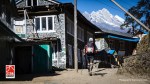
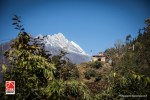
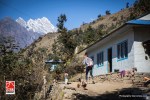
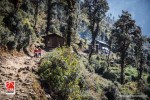
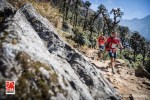
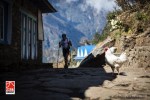
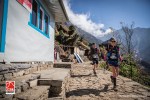
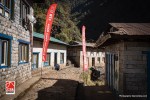
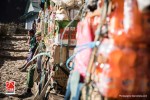
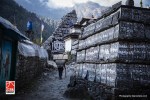
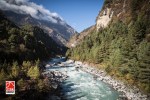
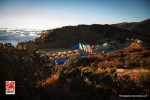
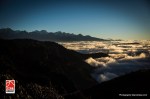
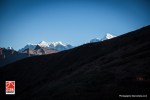
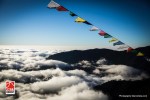
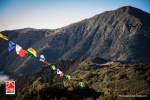
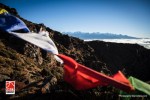
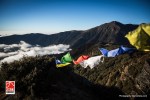
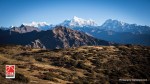
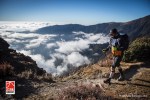
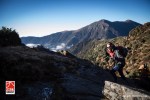
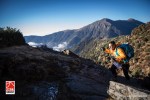
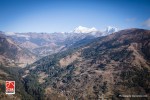
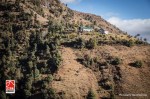
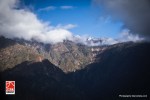
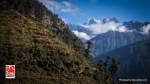
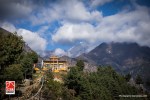
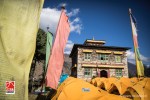
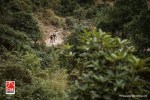
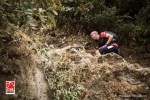
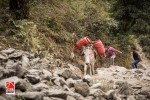
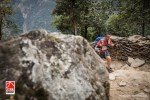
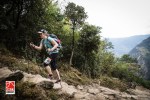
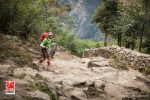
Today, the calm of the Monkey Temple and historical Patan. It’s a day of noise, colour and amazing people as the ETR runners relax and soak in the beauty of this magical area.

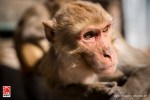
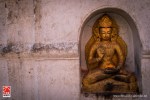
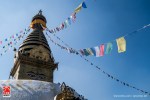
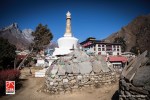
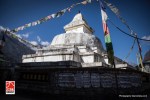
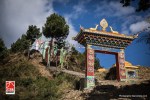
The Monkey Temple *’Swayambhunath’  is an ancient religious architecture atop a hill in the Kathmandu Valley. The Tibetan name for the site means ‘Sublime Trees’ for the many varieties of trees found on the hill. For the Buddhist Newars, in whose mythological history and origin myth as well as day-to-day religious practice Swayambhunath occupies a central position, it is probably the most sacred among Buddhist pilgrimage sites. For Tibetans and followers of Tibetan Buddhism, it is second only to Boudha.

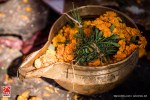
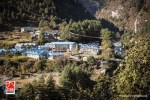
Patan *Lalitpur Metropolitan City is the third largest city of Nepal after Kathmandu and Pokhara and it is located in the south-central part of Kathmandu Valley which is a new metropolitan city of Nepal. Lalitpur is also known as Manigal. It is best known for its rich cultural heritage, particularly its tradition of arts and crafts. It is called city of festival and feast, fine ancient art, making of metallic and stone carving statue.

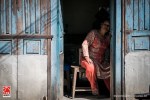
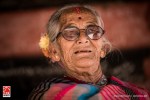
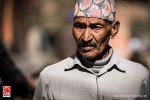
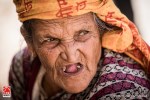
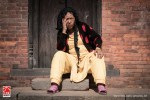
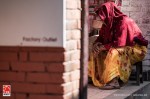
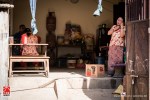
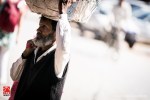
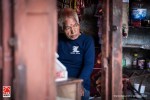
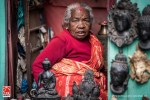
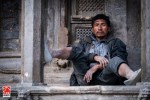
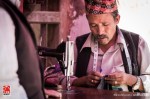
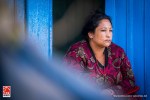
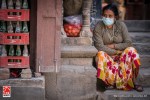
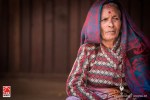
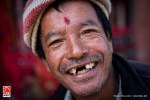
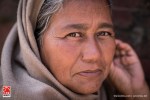
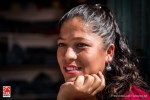
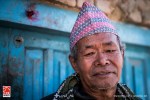
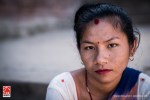
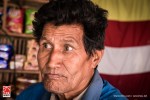
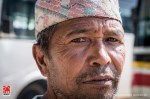
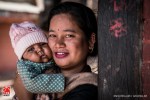
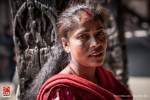
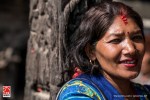
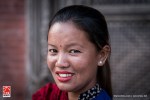
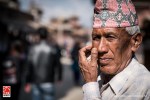
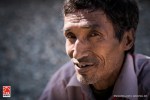
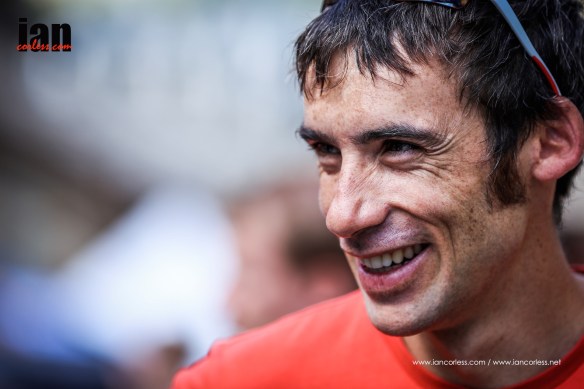
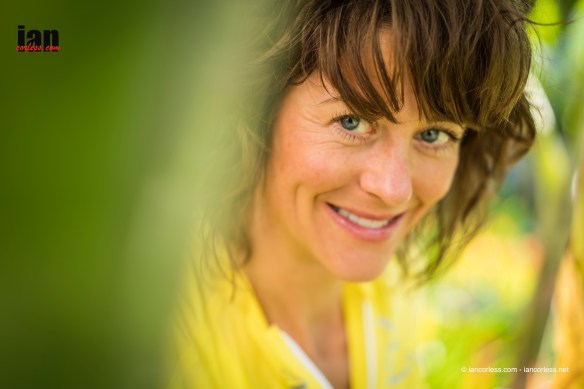
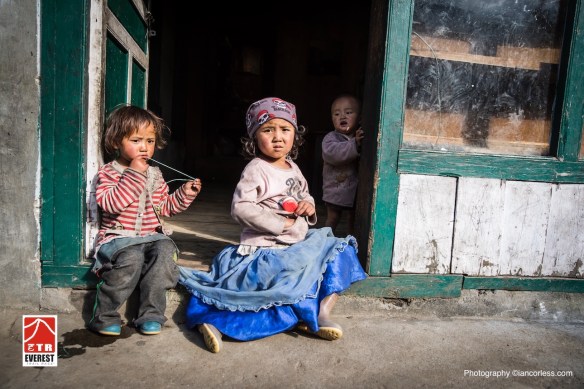
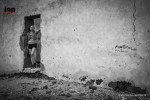
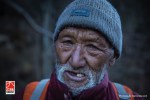
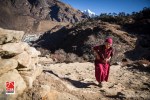
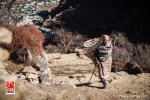
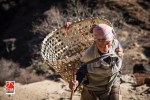
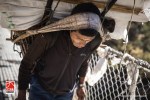
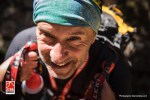
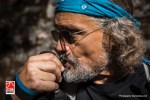
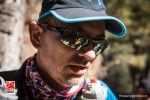
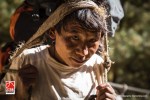
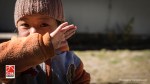
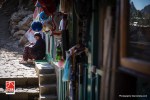
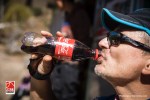
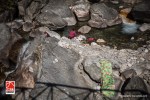
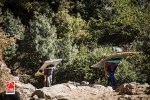
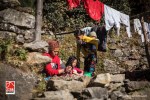
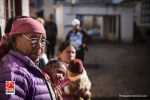
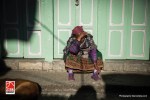
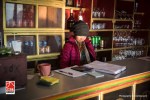
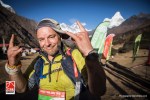
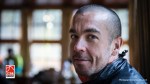
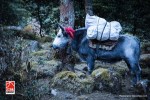
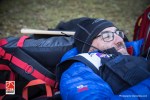
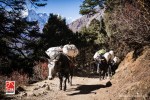
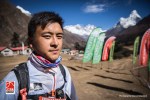
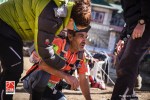
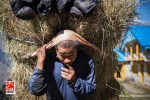
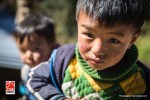
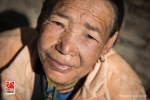
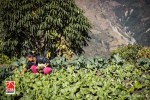
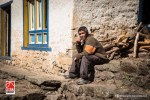
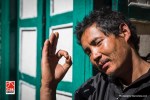
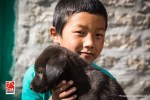
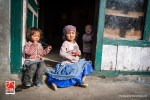
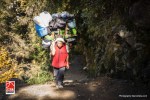
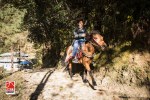
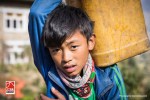
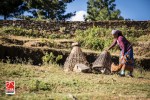
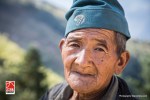
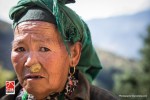
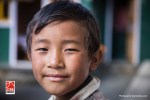
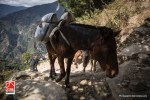
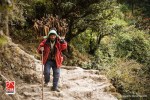
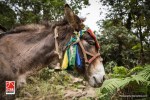
This is Nepal – the people.

Each year I am constantly surprised and blown away by my experiences as I meet the locals in their environment, some I now have seen for several years on my trips to these magical places.

*content reference ©wikipedia

Everest Trail Race 2017 #ETR2017 on IRUN4ULTRA

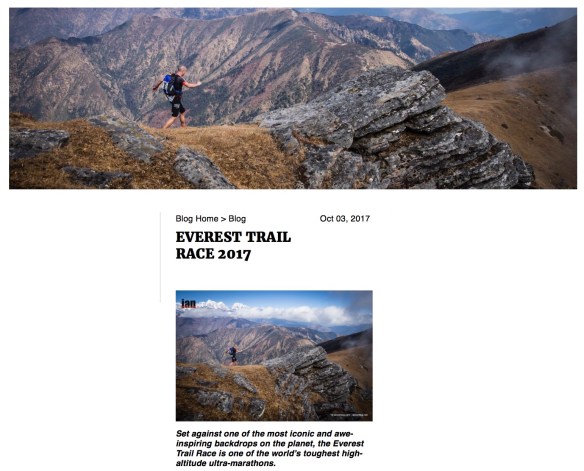
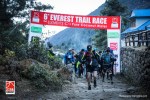
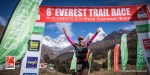
In just 1 month, the 2017 edition of the Everest Trail Race will depart Kathmandu for one of the ultimate journeys on foot.

Following in the footsteps of Edmund Hillary and Tenzing Norgay, the first men to reach the summit of Everest, participants will run through time and history. It’s a breathtaking route that starts in Jiri and follows an incredible route to Tengboche – the gateway to Everest Base Camp before returning to Lukla and the journey back to Kathmandu.

Read the full story on IRUN4ULTRA HERE

UK Entries HERE

Luis Alberto Hernando and Elisabet Barnes head to Nepal – Everest Trail Race #ETR 2017

IAU World Trail Champion and Skyrunning European Champion Luis Alberto Hernando has confirmed he will join the 2017 Marathon des Sables Champion Elisabet Barnes on the start line of the 2017 Everest Trail Race.

Luis Alberto is not new to the ETR (Everest Trail Race), he participated in 2013. After winning the first stage he was unfortunately reduced to a walk but went on to complete the whole race and in the process, he had an incredible experience soaking in the best of what the Himalayas and Nepal must offer. he needs no introduction to the mountain running world, Luis Alberto is the best! His race results, experiences and friendly nature have made the Spaniard one of the most admired and respected runners in the world.

His recent victory at High Trail Vanoise crowned him the Skyrunning European Champion and in the coming weeks he is preparing for the UTMB. Nepal has an impact on a person – the people, the landscape, the scenery, the trails – it really is a magical place and Luis Alberto is obviously keen to return in November to race after his 2013 experience.

Two-time Marathon des Sables Champion Elisabet Barnes is certainly tipping her toe into new experiences and new challenges in 2017. A specialist in multi-day running, the ETR format will suit her.

However, mountains, elevation and technical terrain are all part of a new learning process. In 2017, Elisabet will test her ability at altitude and challenging terrain at Transrockies in the USA. This will be followed with a shorter multi-day race in a colder climate. The two races no doubt providing an excellent base for the 160km journey from Jiri back to Lukla via Tyengboche in November.

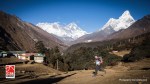
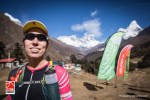
Tracing the footsteps of Sir Edmund Hilary, the ETR is wonderful mountain experience that all abilities can embrace. It’s tough for sure – elevation gain, technical terrain and variable temperatures bring a unique challenge. Add to this self-sufficiency (runners must carry all they need for the week but food and a tent is provided) and the race becomes so much more than about wining and times; it’s a journey for the mind and the body. First time participants are changed when they experience Nepal and the Himalayas on foot. The 2017 edition of the race will be no different. Iconic mountains such as Everest, Lhotse, Ama Dablam, Tamseku, and Makalu amongst others provide the most stunning backdrop to the race.

Excellent organization and a small field make the ETR one of ‘THE’ bucket list races in the world. Images tell the story and you can view galleries and read reports from the 2016 edition using the links provided.

2016 Image Gallery HERE

You can also read daily accounts of the 2016 edition

Day 1 HERE

Day 2 HERE

Day 3 HERE

Day 4 HERE

Day 5 HERE

Day 6 HERE

For more information and global entries go to www.eversttrailrace.com

and UK entries to www.everesttrailrace.co.uk


Salomon S-Lab Peak 20 Review #Peak20

Packs for a multi-day race or a running multi-day adventure were once the domain of Raidlight. Of course, other brands ventured into the arena but it was only really the arrival of WAA that made everyone start to stop, look and see what else existed.

Packs are personal.

I think a pack becomes even more personal when one requires something to be comfortable for multiple days and also when carrying 6.5kg or more.

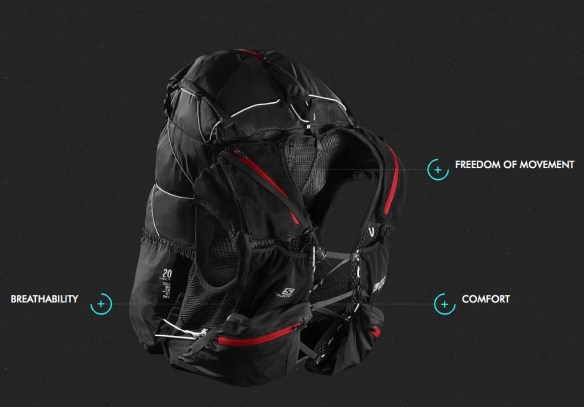
Salomon have now extended their ‘vest design’ to the S-LAB PEAK 20 and in doing so, they will turn the head of many a runner and make them question, is this THE pack for them for their next multi-day adventure or race.

Shape, gender, size, height and so many other variables dictate if a pack is comfortable or not and this depends on you, so, when looking at this pack I try to be impartial and when possible I always try to cross reference with a female perspective. The plus of this pack is it comes in S, M, L and XL so no compromising to be made. I am 38/40 chest and I have a medium which fits perfect.

If you are heading to the mountain for an overnight adventure, I am pretty sure the Peak 20 will work for you. However, would the pack work for a race like Marathon des Sables, Grand to Grand, Everest Trail Race or one of the 4 Desert races when one is completely self-sufficient for multiple days?

Let’s look at the packs highlights:

  • 1 main compartment with a full length zip (double slider) that open up allowing easy access and organisation of what is inside.
  • Fabrics that wick and are quick drying.
  • Three sizes – S, M and L.
  • Soft trims so no chafing.
  • Sensifit is a Salomon buzz word that ultimately means it should be the Rolls Royce of bags when coming to fit and comfort.
  • Front hydration pockets x2 (designed for 500ml soft flasks).
  • Adjustable front straps for customized fit.
  • Zipper pockets – It has 2 large pockets on the front, 2 expandable pockets on the shoulder straps and 2 top zipped mesh pockets.
  • Will take a bladder.
  • Ability to carry poles or ice axes.
  • Lightweight at 484g +/-.

THE PACK

This pack will work for an overnight adventure, mountain marathon race or an adventure when an excessive mandatory kit will be required. But, the big question for many will be, can this pack work for a 6-day self-sufficient race?

In a word – Yes!

Simple reasons why:

  • Yes, it can hold 2 x 750ml of liquid at the front
  • Yes, it has 4 pockets on the front that will allow immediate access to anything you will need whilst running a stage.
  • Yes, it can hold another liter to 1.5 liters on the rear in two external pockets.
  • Yes, it can hold everything you need for 6-days self-sufficiency.

OVERVIEW
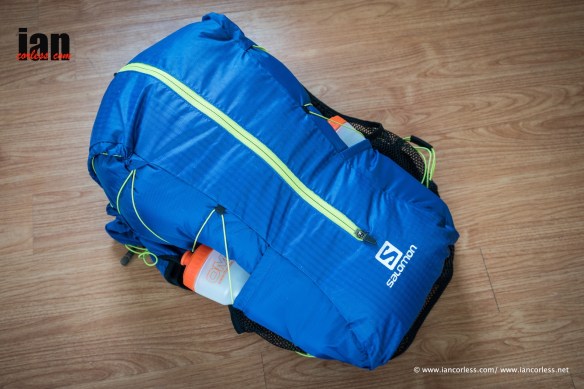
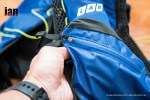
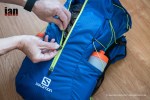
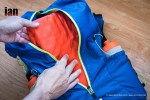
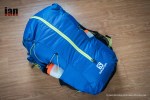
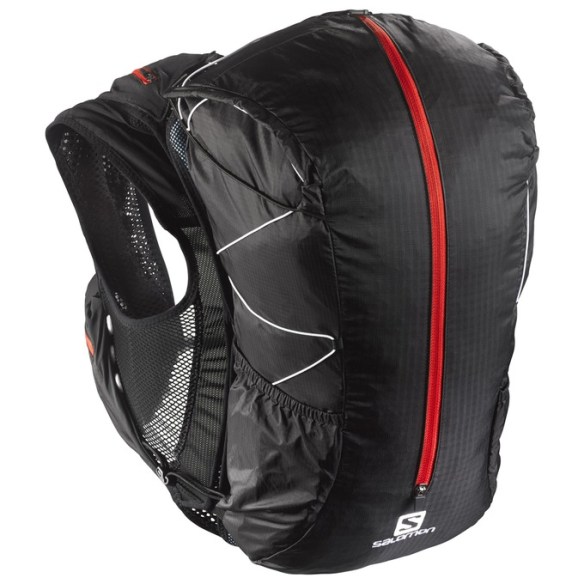
The pack has a 20L capacity (typical for Marathon des Sables and comparable with the competition from Ultimate Direction, WAA, Raidlight, OMM and others) and has one large external zip on the rear that works two ways so that you can zip down or zip up depending on preference. Once open, it’s possible to access the pack easily and arrange contents. Internally there is a small mesh panel so that you divide the large compartment in two – a good thing for maybe an overnight jaunt but not required for a multi-day adventure.
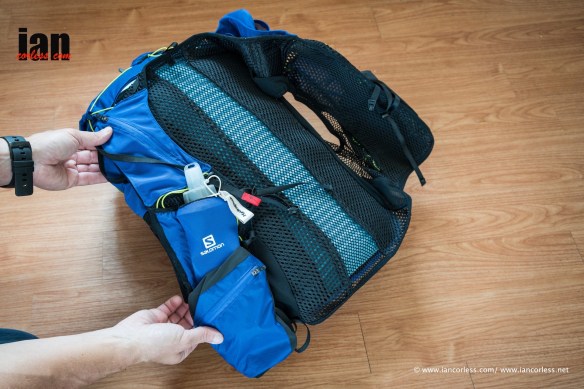
It’s light, very light! It has a vest style that echoes and follows on from the designs from Salomon’s other models.

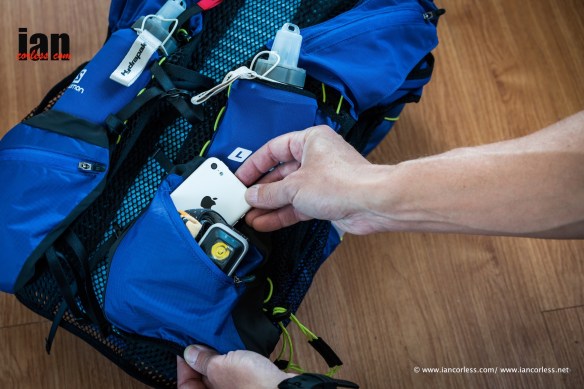
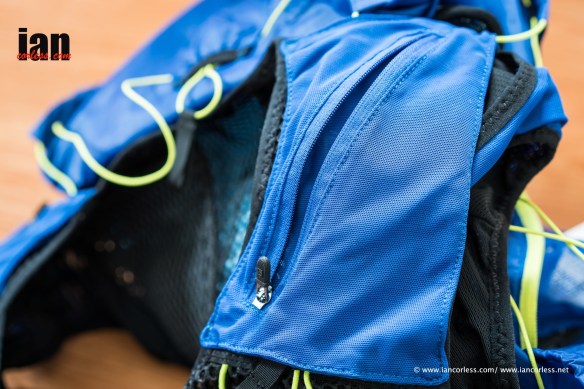
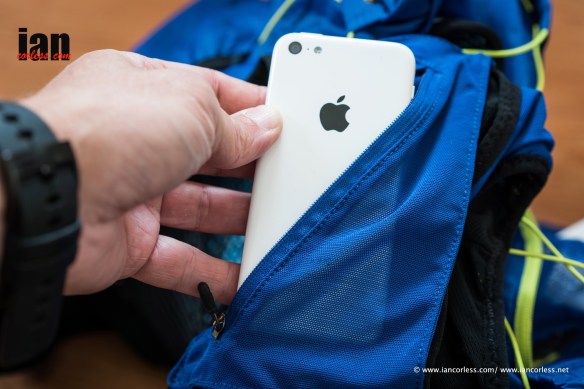
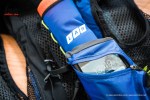
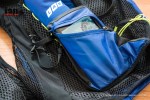
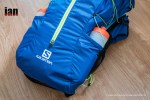
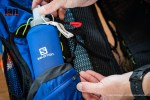
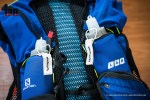
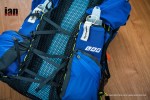
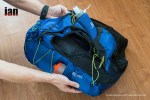
The front of the pack has two stretch pockets for soft-flasks or bottles. On top of these pockets sitting a little lower are two large pockets with zips that hold a surprising amount. On top of the shoulder straps are two stretch zip pockets that provide additional storage.
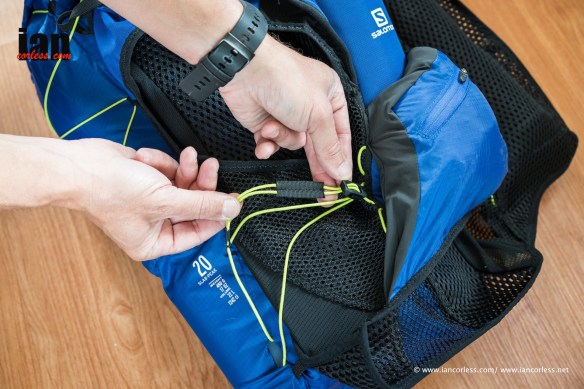
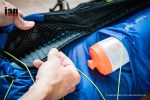
On the sides of the vest are adjustable cords that pull the pack closer to the body or allow the pack to be looser.
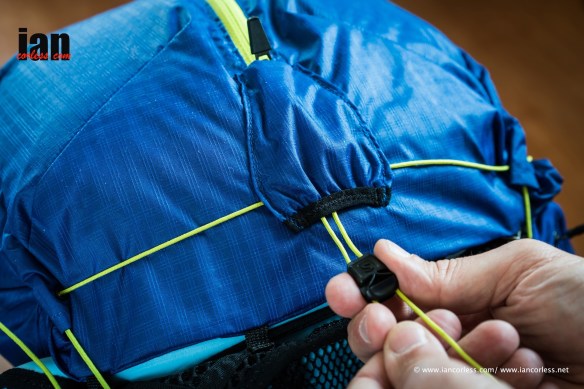
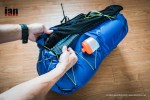
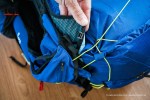
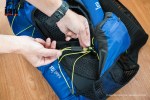
On the top of the rear of the pack above the zip, is a central cord pull. Pull this and the yellow cord that wraps around the pack pulls tighter and compresses the contents. Great when the pack is full to make everything tight and secure but especially useful as the days pass when racing and the pack contents become less.

IN DETAIL
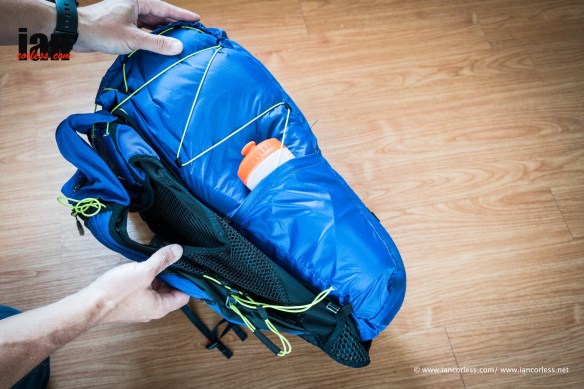
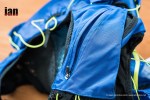
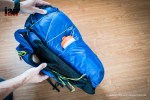
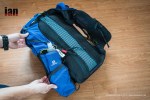
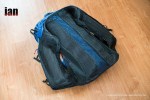
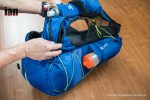
The pack tapers and as you can see from this side-view is narrow at the bottom and then opens up wider as one gets closer to the top. On both sides is an open topped stretch pocket that will take a bottle or other items.
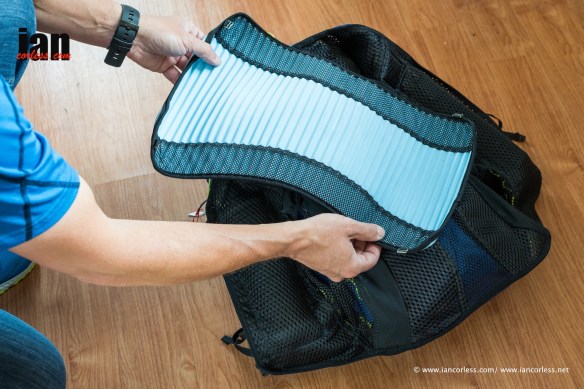
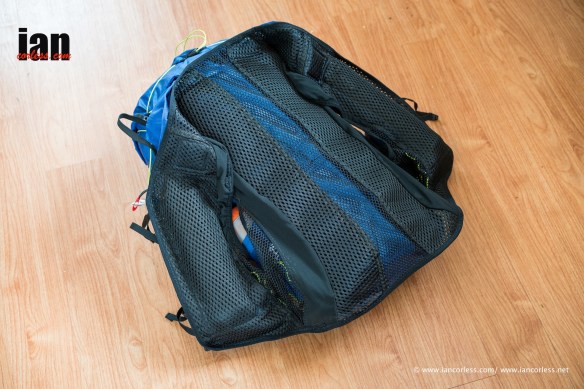
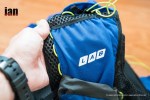
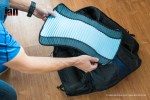
The pack has thin blue padding that does not sit inside the pack but on the outside and underneath the mesh back. The is ingenious as it has been designed so that it can be removed.

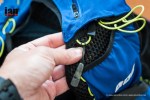
It is held in place by small metal buckles that attach to web loops. I removed the padding and used my sleeping mat inside the pack as my padding. Ingenious – not only do you save weight but your mat doubles up as protection when running and sleeping.
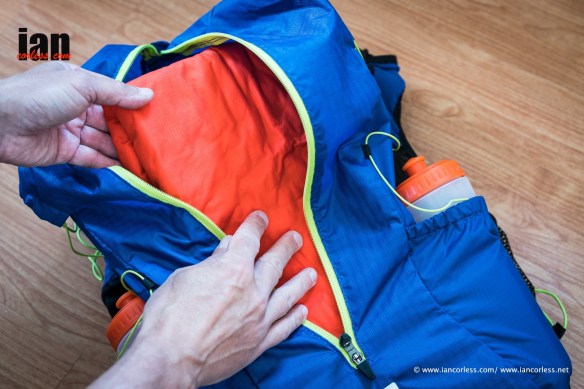
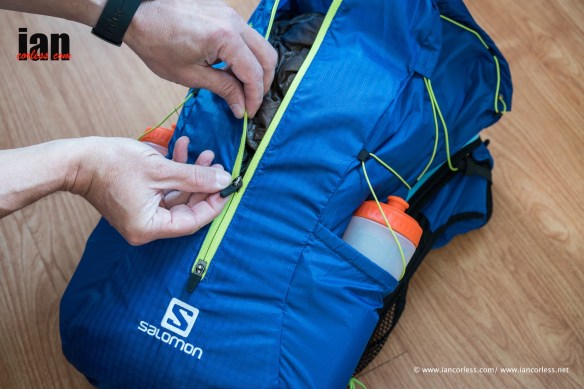
The two-way external zip is great to allow access to upper items or lower items in the pack without having to un-zip the whole pack. Importantly, when un-zipped it’s easy to access the inside and arrange items. An internal mesh panel can be used to split the pack into two halves. For some this may be useful but if like me you use the sleeping mat inside, you can only have one large compartment. It’s a great space and like any pack, you will want to play around with how you pack your contents to find the correct balance. As a tip I recommend you leave your sleeping bag out when packing. Put all the contents in and then add the sleeping bag filing in all the empty spaces – you will be amazed how a lightweight down bag will compress.

The external cord the wraps around the pack is designed to be pulled tight and compress the contents. This is adjusted on the rear of the pack just above the zip.

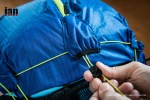
Simply hold the buckle and pull the cord. The cords pulls tight and compresses to make the pack smaller and tight – perfect! You can make this even tighter by pulling the cords on the side and then taking up the the slack by the top adjustment. This on days 3, 4, and 5 will be just incredible at making the pack smaller and smaller as contents are used up.
On the shoulder straps, the yellow cord is also present under the two shoulder zip pockets. Pull the cord here and take up the slack and you pull the top of the pack closer to your back.
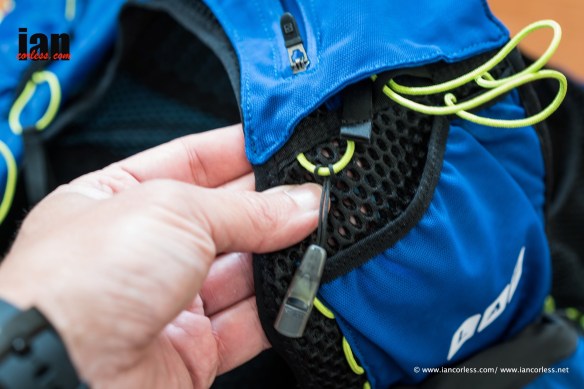
 On the sides of the pack between the bottom rear and the front lower pockets there is a yellow cord on each side – again this allows you to pull the bottom of the pack as close to your back as you require.

In a nutshell, this level of adjustment is just perfect and is the best of all packs I have tried.

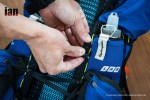
 The front of the pack is classic Salomon vest design but with some differences. Fitting to the torso comes via 3 straps. Two go right to left and one goes left to right. These attach via a black plastic hooks to a yellow cord.
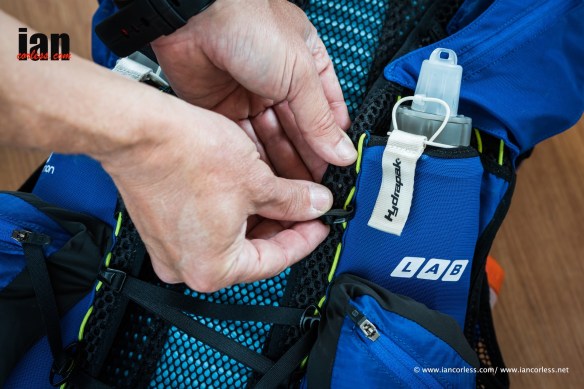
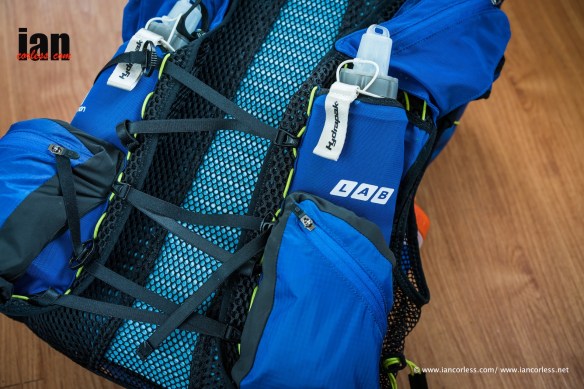
They can be moved up or down and they can also be made tighter or looser. In particular, this will be useful for lady runners who need to adjust the pack to fit around their chest. It’s a method that works and the on-the-go adjustment is welcome.
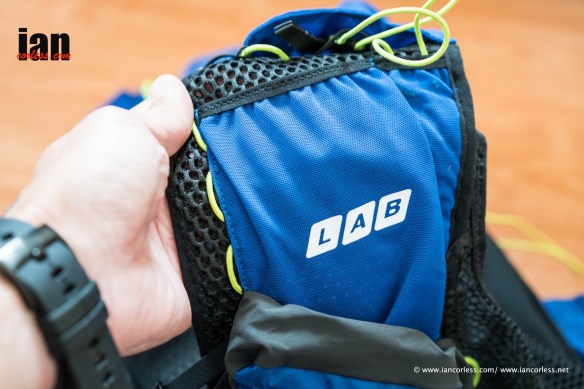
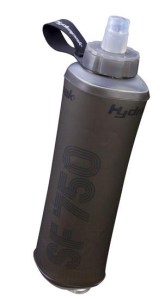
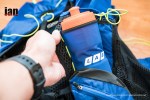
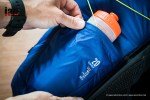
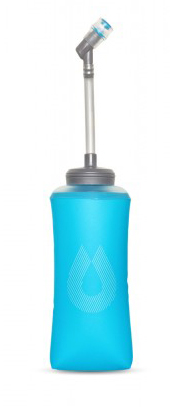
There are two stretch pockets that are designed for soft-flasks. This for me caused concern as I was under the impression that they would only hold 500ml. Not so! These pockets will take the Hydrapak SF750 soft-flasks and you can drink from these without the need to remove them.
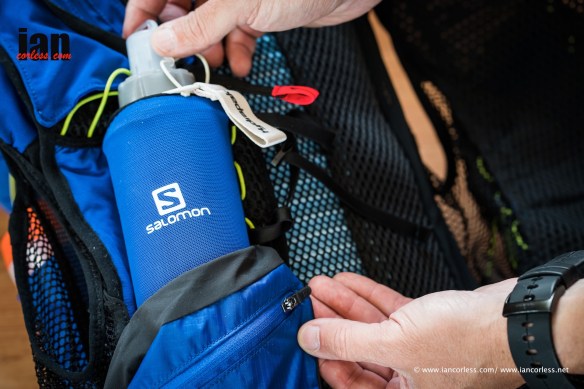
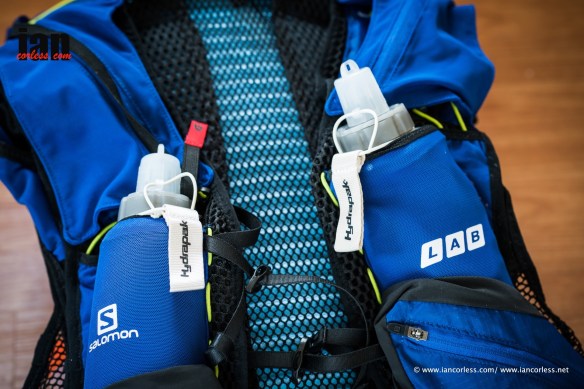
Prefer straws? The Hydrapak 600ml bottles with straws will fit.
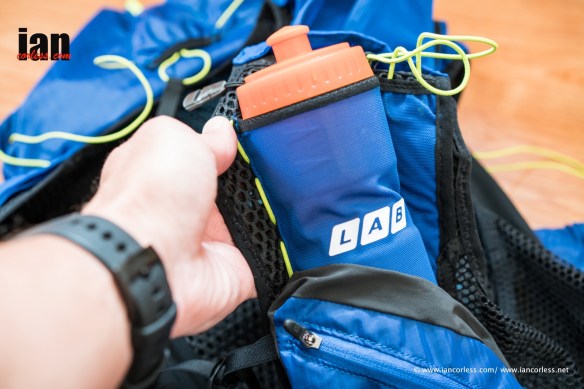
Prefer hard bottles? This is where I needed to think outside the box… OMM make very slim 500ml bottles and they fit like a glove.

Have no fears, you can carry enough water up at the front. Also, lets not forget the two external pockets. In my tests, I had 2x 500ml OMM flasks on the rear too. So, at a minimum you could carry 1litre or 2litres with 2 bottles on the rear. At a max you could carry 3litres with 1.5 up front and 1.5 at the rear.

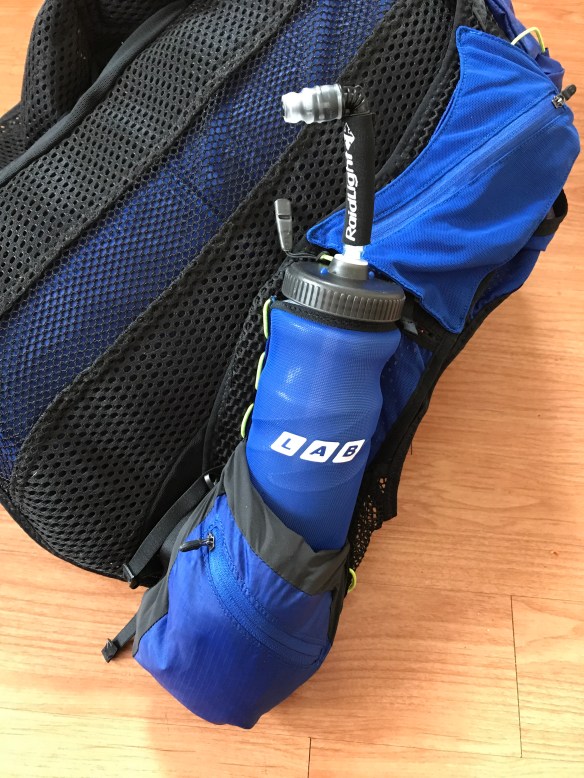
UPDATE on the bottle situation. I finally obtained 2x 750ml Raidlight bottles with straws and they fit like a glove to the front pockets!
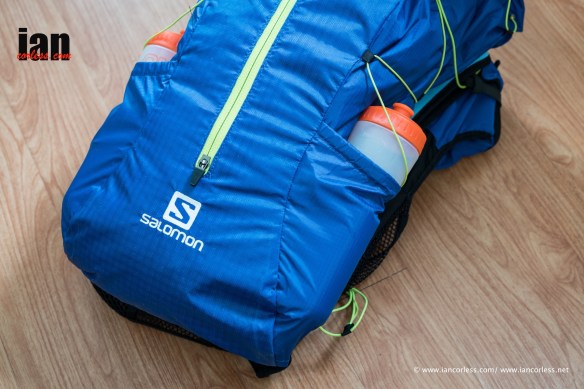
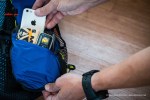
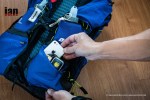
The two pockets that sit below the bottles are a real welcome addition. They are easy to get at. They have great capacity, trust me, you need no more additional space up front, especially when one considers the two additional sip pockets on the shoulder straps. These pockets are less spacious but they will take a phone, snacks or other essentials.

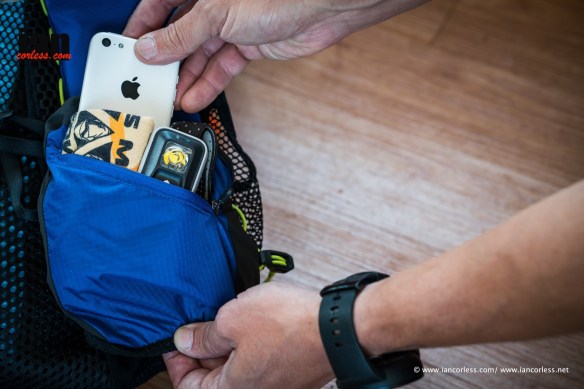
 

There is an attachment system for poles that comes over the right shoulder. I personally though would probably attach to bungee cords to the front of the pack so that I can place the poles across my chest when not in use.
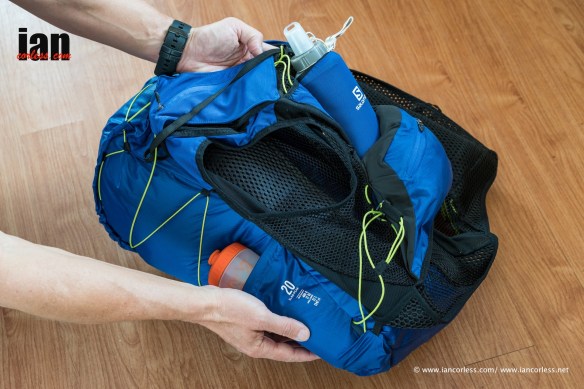
Fit is sweet and with all the adjusters you can really get this pack close to your torso. It fits like a piece of clothing and there are no rough edges – all the seams are soft. Salomon actually say that the pack may be worn against the skin and it will feel like apparel.

At 484g it’s light.

INITIAL SUMMARY
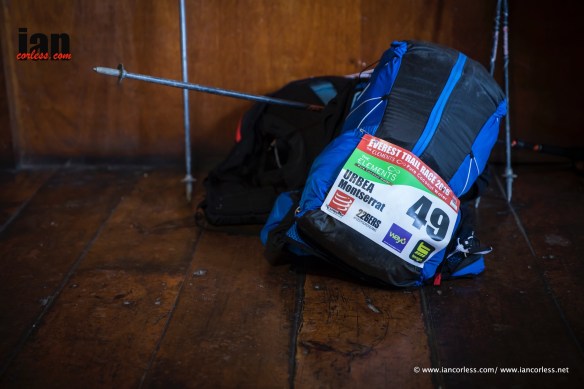
This pack is still under test and things such as longevity, strength, weaknesses, durability and so on have not been tested as it’s too early to say.

However, what I can say is that this is the best pack I have tested for running when the contents are heavy and I require 20L capacity.

I have long been a fan of the Ultimate Direction Fastpack as I loved its simplicity and no nonsense approach to the task of carrying many items and weight. The Salomon S-Lab Peak 20 has now become my new favourite.

It’s not without flaws – what pack is? The yellow cord compression works like a dream but it can be a little tricky to set up – it’s a small price to pay though.

The front bottle pockets almost certainly require soft-flask use or using the OMM 500ml bottles. I personally would always caution against soft-flasks for a multi-day, if they puncture, you are screwed. However, the Hydrapak soft-flasks are more durable than much of the competition and they have never let me down. The 600 or 750 versions work with the vest – perfect.

We will follow up with some action shots of the pack and an overall summary from a male and female perspective in the coming weeks, for now, this pack gets an ‘A’ for awesome.

Photo below is copyright Ricky Gates – he’s currently using a prototype Peak 20 with front pack. Interesting!
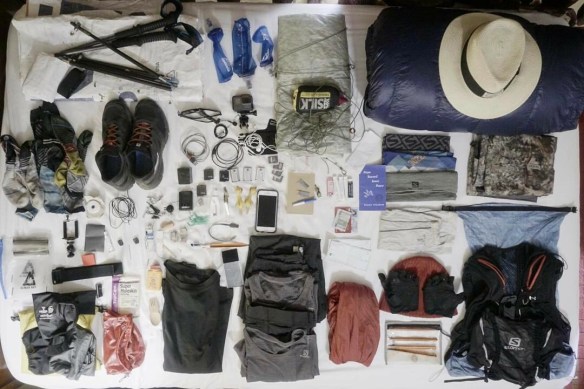
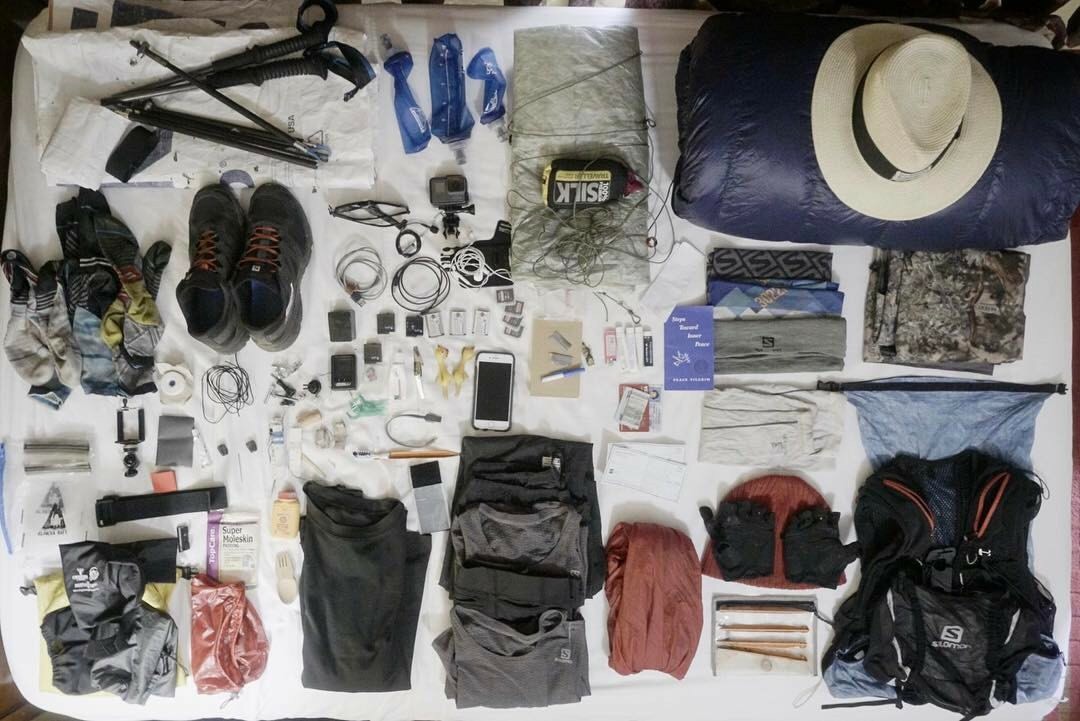
You can read Ricky’s specs and the contents of the pack on his Facebook page #transamerica 
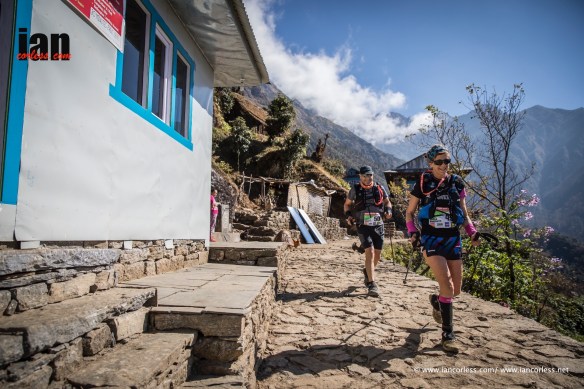
In use at Everest Trail Race, November 2016

Some comments:

Paul Wilson Used one on the spine race. It was ace. Did most of my training with an ultimate direction fast pack then seen got the Salomon pack. Which proved to be far better.

Jana Studzinska Tested on fully self supported solo running trip across Serra de Tramuntana. Can’t recommend more.

Sito Castello perfecta para la Everest Trail Race.

Robert Kampczyk Cool bag. Like it because my complete Photo Equipment can insert.

What Salomon say:

Ideal for alpine running, superlight mountaineering or fast hiking, the streamlined S-LAB Peak 20 set uses our trail running knowledge to move fast in the mountain, with stretch fit and complete stability. With convenient access to the 20L compartment, both the pack and the load are easily compressed for maximum stability under partial load. It includes front storage solutions for two 500ml soft flasks and essentials and possibility to carry poles, ice axes…

  • Lightweight
  • Comfortable fit
  • Breathability

FEATURES:
Back systems
MotionFit Trail
Sensifit (pack)

Load Management
Soft Twin Link
Compression quick lace
Top and bottom sensi load lifter

Pockets & compartments
2 front soft hydration elastic pockets
2 front zipped large pockets
2 shoulder expandable pockets
2 top zipped mesh pocket

Carrying system
4D Pole holder

Opening & closure
Wide front opening with double sliders

Miscellaneous
Soft trims
Apparel sizing
Patent pending
Fabrics
PVC free
Elastic Power mesh
Fast wicking fabrics
70D Nylon Double Ripstop, Waterproof 500mm
70D Nylon Triple Ripstop – Silicone coating, Waterproof 500mm
Elastic Jersey

Pack weight (lb oz) : 17.073
Pack weight (g) : 484
Pack volume (l) : 20
Pack volume (ci) : 1220

Lanzarote Training Camp 2017 – Day 2

iancorless-com_lanza2017-02376

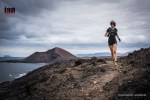
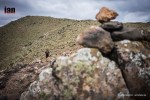
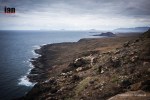
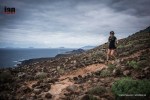
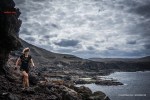
Heavy skies greeted us for day 2 of our 2017 multi-day training camp. It looked cold out there… the reality was very different. It was a hot day with no wind. Almost oppressive!

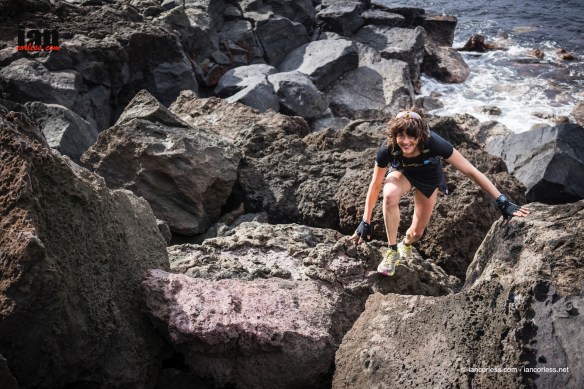
The early hours were dominated with admin and but then it was time to do a final recce of one of the coastal runs that we will run with camp attendees. In previous years’ we had attempted to hug the coastline and take a rough trail (with scrambling) to a coastal town, Tenesar, and then navigate around the trails to Montana Teneza and Montana Blanca.

iancorless-com_lanza2017-02589

We had failed!

Often losing the path to undertake an extreme version of sktyrunning that was far too risky for those attending a multi-day race.

iancorless-com_lanza2017-02235

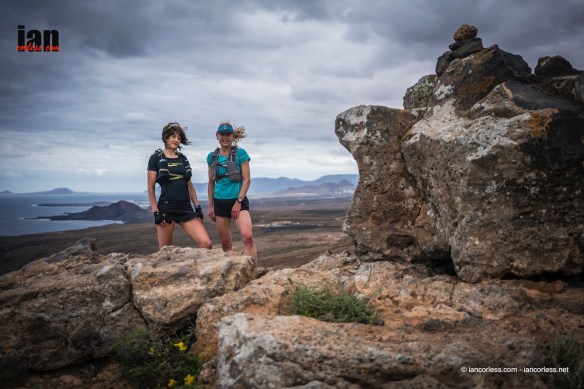
The wonders of Google Earth and Movescount software afforded me the opportunity to look at the area in detail in advance of this years’ camp and yes, we nailed it! We had a wonderful 20km recce which provided some stunning views, challenging terrain and plenty of laughs.

iancorless-com_lanza2017-02758

Everything is place now. The clients arrive today, Thursday and it’s all systems go.

The camp will officially start this evening with a shake out coastal run to loosen the legs, make everyone feel relaxed and then we head straight to the bar for welcome drinks and a first night group meal.

The action starts Friday at 0800 with a long run that will vary in length based on the speed and ability of our three groups, the participants can expect anything from 24 – 36km.

Happy days!

Want to join our 2018 camp? Go HERE

Lanzarote Training Camp 2017 – Day 1

iancorless-com_lanza2017-01661

The snow, the ice, the rain and the cold arrived in the UK. Temperatures plummeted. Lanzarote was the only place to be and thank goodness our multi-day training camp is now an annual fixture.

Elisabet Barnes, Niandi Carmont and myself arrived on this majestic Canary island of Lanzarote, two days ahead of our 2017 camp to put logistics in place and do a final check of some of the run routes we will use.

Blue skies and 20 degree temperatures greeted us. The bright blue sky, the warm rays immediately rejuvenating us from the cold and dark of the UK. No confirmation is needed but within seconds we know only too well why we do this camp at this time of year.

Today was all about settling in but it would be rude not to get out on the trails as the day came to a close. Using one of our training run routes, we ran, climbed and scrambled one of the many volcanoes that are located on this island. It was a magical way to end the day.

Wednesday, we will do a full long run route recce and then on Thursday, our clients will arrive from all over the world to start a full-on week learning how best to train, prepare and plan for a multi-day race. Lanzarote is the perfect environment for this.

Out 2017 #multidaytrainingcamp is underway!

Everest Trail Race 2016 #ETR2016 – Stage 6 Results and Summary

iancorless-com_etr2016-6118

Everest Trail Race – Race Day 6 Tyangboche to Lukla

At 3086m, the temperatures were just a little cool outside, a night in a lodge offered just that ‘little’ extra protection but many commented that they thought it was warmer in a tent.

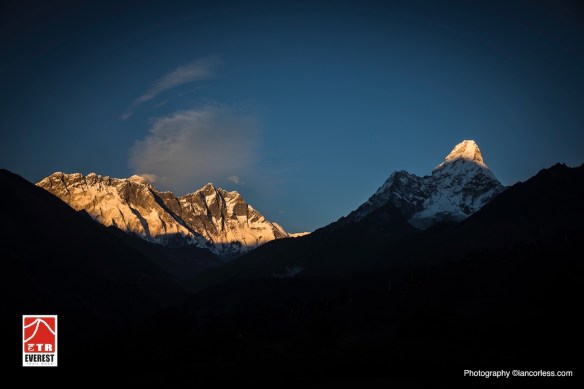
I was up at 0530 an on the trails by 0600 to hike 2-hours into the course to Khumjung which would offer us the spectacular back drop of Everest, Lohtse and the stunning Ama Dablam. The first runners arrived before 0900 and then I spent a day on the trails, running, hiking and walking with the race as it unfolded.
It was a cold start with temperatures well below freezing, however, moving with a pack and a couple of cameras soon elevates your internal temperature and before long I was down to a base layer, gloves and a buff for additional temperature regulation.

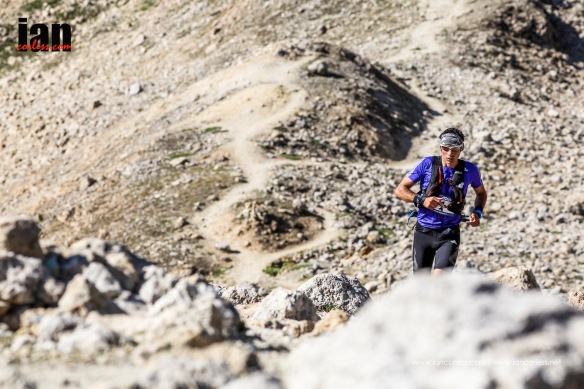
The race started had two starts again, 0700 and 0800. The route dropped immediately from 3800m to 3300m before climbing back up to Khumjung at just over 3800m. It’s a beautiful trail, technical in sections but the views offered are inspiring. It’s a difficult place to run… you need to watch where you put your feet but around you the vistas are just incredible.

Climbing up to Khumjung one is suddenly surprised by quite a large village with rows and rows of houses. I had to look twice to make sure I was still in Nepal. At our vantage point, we waited. On cue, Pasang Lama arrived running up trails I struggled to hike up. This guy is a machine. He waved, wished Namaste and pushed onward up the trail.

Over 30-minutes later, the usual suspects arrived, Miguel Capo Soler, Casey Morgan, Andreja Sterle Podobonik and many of the other top placed runners today were running together and having fun. It was a little like the last day of the Tour de France. They were working together and obviously content that the last day would be an enjoyable one.

Andreja was powering along, looking up the trail she focused on keeping a pace with the top men.  It may have been the last day with a commanding lead but she wasn’t taking it easy.

Sarah Davies was the next top ranked lady that passed me and I suddenly started to wonder if 2nd placed lady, Jennifer Hill was having a bad day? It turns out that Jennifer had sickness through the night – the last day was going to be a tough one!

The long descent from Khumjung lasted 6km. It wasn’t an easy 6k! The trail twisted from left to right with conditions changing from dry sand, rocks, clay and large stones. Passing through Namche Bazaar was quite an experience; one would almost call this a ‘metropolis’ of the region. It has many building, an obvious presence of tourists and with this demand, shops, restaurants and bars. We had no time to stop, pushing on through the trail we were now on one of the main trekking routes to Lukla. Yaks made the journey difficult in places, they occupy the single-track with horns outstretched, needless to say, and you need to be careful.

At the front of the race, the pattern was set and overall standings would not change, Pasang Lama and Andrej Sterle Podobonik would be crowned ‘champions of the 2016 Everest Trail Race.

However, as they crossed the line in Lukla, I was several hours behind following the experiences of the other competitors. This is what is so great about the ETR, irrespective of ability or speed, Nepal, the region, the trails; the people offer something for all. It has been the most remarkable journey.

At Phakding we crossed the Dudh Koshi river and we were in the final stretch home. Weaving in and out, up and down, the sun beat down on us. Today was all about camaraderie and I was fortunate to experience those moments.

Cheplung was our final CP, just 3.5km to go uphill to the finish in Lukla. It was a beautiful moment to see the pain, the passions and emotions from six grueling days on the most incredible trails released as each and every runner passed under the ETR banner. Tears, joy and relief; it was a bond shared with each and every runner and one that each member of the ETR staff could appreciate. You see, the race is not only about the participants, it is also about the incredible organization and planning task that is undertaken by Jordi Abad and his team.

This is no ordinary race! You can’t just drive a car to a place as and when it is needed. Meticulous planning makes this race happen and I have to say, it was executed to precision and perfection.

The race is over. But the journey is not complete. Tomorrow we fly from Lukla back to Kathmandu and the prospect of a day and a half to explore inspires even more emotions and passions.

Nepal is a contrast. It is a cacophony that penetrates the eyes, skin and mind. It is possibly the most exhilarating, awe inspiring and incredible experience you could ever witness.

The ETR doesn’t come to an end for me, it’s my 3rd time in Nepal and I have the same feelings and emotions just like the first time. Nepal provides a beginning, a beginning of a love affair with Nepal, the people the trail and the Himalayas.

Namaste.

The 2016 Everest Trail Race Overall Results (confirmed times to follow)

  1. Pasang Lama
  2. Miguel Capo Soler
  3. Casey Morgan
  1. Andrej Sterle Podobonik
  2. Jennifer Hill
  3. Sarah Davies

Everest Trail Race 2016 #ETR2016 – Stage 5 Results and Summary

iancorless-com_etr2016-5292

Everest Trail Race – Race Day 5 Phakding to Tyangboche

Last night we stayed in a lodge and it was another very cold night. We were in a valley, so, once the sun disappeared, temperatures plummeted. Everyone was cold, despite being inside.

Stage 5 of the race is the one we have all been waiting for. The arrival at Tyangboche provides one of the greatest vistas available with Everest taking center stage.

The first 5km rolled along pretty easy with Pasang and Alejandra leading the way. On entering the Sagramantha National Park route markings would no longer exist and participants would need to use the route book. In principal this sounded a little more complicated than it actually was. The route was very straightforward and at any points where an error could be made, an ETR staff member would be present to ensure the correct path was taken.

After crossing the famous Hillary Bridge the main ascent to Namche Bazaar would start. At CP1 Pasang was once again forging an unassailable lead, not only on the stage but the overall classification. He is well ahead of the rest of the racers. Miguel Capo Soler and Casey Morgan followed the Nepalese runner but he was too strong finishing well ahead of the Compressport duo. On the final tough ascent to the finish, Miguel pulled away from Casey opening a short time gap.

Alejandra once again showed her dominance not only in the ladie’s field but the overall classification. She took another stage win and overall victory is not in doubt. Jennifer Hill ran another consistent day but could not match the ladies’ race leaders pace and once again Sarah Davies finished 3rd lady and almost certainly secured the final podium place.

Irrespective of the efforts of all the runners and ETR staff, the main hero of the day is Nepal. The sky remained clear and pure blue to show the beauty of the region and the stunning Himalayas. Tyangboche is an incredible place with a series of small lodges and shops serving essentials. It has a monastery and of course it’s a hub for those trekking or moving higher up into the mountain ranges or going to base camp.

This evening we are all treated to a night in a lodge! Of course we have no heating, but at 4000m we all expect -10 temperatures. However, I do think a few ‘beverages’ may be consumed with just one day remaining and the finish at Lukla.

Stage results: *Times to follow

  1. Pasang Lama 3:13:27
  2. Miguel Capo Soler 3:25:04
  3. Casey Morgan 3:27:27
  1. Andreja Sterle Podobnik 4:16:15
  2. Jennifer Hill 4:40:06
  3. Sarah Davies 5:44:37

General Classification: *Ranking to follow

  1. Pasang Lama 18:43:21
  2. Miguel Capo Soler 19:32:18
  3. Casey Morgan 19:43:16
  1. Andrej Sterle Podobonik 26:04:14
  2. Jennifer Hill 27:12:58
  3. Sarah Davies 34:07:11

Everest Trail Race 2016 #ETR2016 – Stage 4 Results and Summary

iancorless-com_etr2016-4293

Everest Trail Race – Race Day 4 Kharikhola – Phakding

It was a wonderful calm night and relatively warm, certainly in contrast to the previous night. I was up and on the trail by 0600 to hike my way in to CP1 at Kari La (2893m). It was a tough 8km, basically climbing 1000m in 5km.

Kharikhola to Phakding is a very busy trail with Sherpa’s and Porters making journeys up and down the trail, there are continual mule trains ferrying all sorts of supplies to shops, lodges and other facilities. This is the only way to move things around. This the motorway of this region!

I arrived at CP1 approximately 30 minutes before Pasang Lama arrived, once again he was leading the way. He covered the initial 8km in a ridiculous 60-minutes. Today, Casey Morgan was feeling jaded with a head cold, he pursued the Nepalese runner with Miguel Capo Soler but the writing was already on the wall. Andrej Sterle Podobnik controlled the ladies field from the front once again putting race leader Jennifer Hill under pressure. Jennifer looked relaxed as she followed but Andreja was pulling away.

It seems highly unlikely that Pasang Lama will not be the 2016 Everest Trail Race winner but the ladies’ race has an exciting battle between Andreja and Jennifer.

From Kari La, the trail drops down through twisting and winding trail; sometimes technical and occasionally muddy. However, if you are confident on your feet and feeling good, you can certainly keep a great pace going.

Pasang arrived at CP2, Surke in 2-hours with 17km covered. His nearest rivals were 17-minutes later.

The further down the trail we went, the busier it became. We started to see more and more groups of trekkers with Sherpa’s and porters and of course the continual ferrying of all sorts of items escalated as the demand for supplies increased.

From CP3 at Cheplung, passing Nurning the towns became a little more organized, formal and touristy. I don’t mean that in a negative way, but our early days on the trail had been remote, almost isolated. We were now entering in to the hub of Nepal’s trekking arena and our proximity to Lukla was obvious. Lukla is a main hub for the doorway to Everest.

Weaving in and out of the trails, passing on the right of mules, squeezing past trekkers on the left and jumping around porters, the finish of stage 4 was soon in sight.

Dropping down the trail and crossing the Kamsyawa Khola (river) the day was done. An exhilarating and eye opening day on the trails of Nepal.

Pasang Lama once again took victory with Casey Morgan and Miguel Capo Soler placing 2nd and 3rd. For the ladies, it was Andreja Sterle Podobonik ahead of Jennifer Hill and Sarah Davies. Importantly, Andreja now has the lead in the ladie’s race.

Stage results:

  1. Pasang Lama 3:45:43
  2. Miguel Capo Soler 4:03:33
  3. Casey Morgan 4:03:34
  1. Andreja Sterle Podobnik 5:10:50
  2. Jennifer Hill 5:55:29
  3. Sarah Davies 6:54:02


General Classification: 

  1. Pasang Lama 15:29:55
  2. Miguel Capo Soler 16:07:16
  3. Casey Morgan 16:15:50 
  1. Andrej Sterle Podobonik 21:48:00
  2. Jennifer Hill 22:32:54
  3. Sarah Davies 28:22:35

Stage 5 Preview: Phakding to Llegada 20km

Leaving Phkakding at 2600m runners will only gain 200m in the first 8km. The climbing of the day begins but the terrain and severity is much more relaxed than the previous days. CP1 Namche Bazar is at 10km  (3400m).  Phunki Tenga at 17.5km (3300m) now will offer the runners the most spectacular views of Everest and the other 8000m peaks. This sight will spur them on for the kick in the tail, the 2km climb from 3300m to 3700m and the finish at Tyangboche.


Everest Trail Race 2016 #ETR2016 – Stage 3 Results and Summary

iancorless-com_etr2016-3065

Everest Trail Race – Stage 3 Jase Bhanjyang to Kharikola

The mist and wind persisted into the night and it was seriously cold! Jase Bhanjyang sitting just below 4000m is renowned for being a cold place and last night it lived up to expectations. Needless to say, kit was tested and those who compromised on weight were left with a really cold and uncomfortable night. Pretty much everyone slept in base layers and down jackets with hoods up and gloves on.

Once again, it would be a split start, 0700 and 0800. Today’s stage had considerably less climbing than stage two, however, it had lots of descending, it may not hurt the lungs as much but it would certainly hurt the legs. Many thought it would be an easier day…

A short climb out of camp the runners would then descend to Jumbesi (CP1) at 2696m. This initial trail would see them running through a dense forest section.

No hiking on the trail for me today, I was helicoptered out to Kharikhola – a beautiful Monastery on top of a mountain (Pema Namding).

Kharikhola is a main trekking route and in addition, it is a main route for supplies. It amazes me to watch children carry baskets literally as big as they are and for sure, probably twice the weight. Donkeys go up and down the trail all day carrying all sorts of supplies, from bottles of gas, water, corn, maize, beer, Coke, cigarettes and so on. You suddenly realize how life moves around in these mountains.

Sherpa’s arrive carrying packs that look as though it will be break their packs, behind them, a string of tourists with small packs and poles.

Back on the trail, not surprisingly, Pasang Sherpa was once again blazing a trail along this tough ETR route, he was looking to make amends for a poor day yesterday. He was pursued by the top-4 runners, Joan Soler, Casey Morgan and Miguel Capo Soler. In the ladies, Andreja Sterle Podobnik took the race to Jennifer Hill today leading by a minute at the top of the first climb.

After CP1 at Jumbesi, the runners crossed the Junbesi Khola river and climbed up to Phurteng at just over 3000m. Descending to CP2 at Lharpa another climb awaited.

The race now had a familiar format; Pasang would lead the men by a considerable margin, followed by Casey and Miguel, Joan was off the pace, today he didn’t feel quite as good!

For the ladies, Andreja like Pasang would lead the lead the way but Jennifer marked the gap.

Today’s finish line at Kharikhola is a special one, it’s one of the best I have witnessed, however, the runners have to work for that finish. Leaving Taksindu La, the final long descent of the day, 3100m to 1500m in 10km. However, at the bottom the sting in the tail, a 4km climb from Jubhing to the Monastery finish.

Pasang and Andreja took out the respective stage wins. Importantly, Pasang dictated a very fast pace today regaining all the time lost yesterday and now providing himself a convincing lead over Miguel and Casey. Although Andreja tried today, Jennifer ran a consistent pace and the time she lost was relatively insignificant to the overall classification.

Stage results:

  1. Pasang Lama
  2. Casey Morgan
  3. Miguel Capo Soler
  1. Andrej Sterle Podobnik
  2. Jennifer Hill
  3. Sarah Davies


General Classification:

  1. Pasang Lama
  2. Miguel Capo Soler
  3. Casey Morgan
  1. Jennifer Hill
  2. Andrej Sterle Podobonik
  3. Sarah Davies

Stage 4 preview: Kharikhola to Llegada 27.5km

Departing the monastery, a small descent awaits the runners of just 4km before a long tough climb to Kari La (CP1) at 2900m. From here the course goes up and down all around 2700/2800m for appx 10km before a very steep descent to CP2 at Surke (2200m). A continual climb to CP3 at Cheplung continues to the arrival at Phakding/ Llegaga.