This edition marks the 40th anniversary of the MDS Legendary. Four decades of runners crossing the Sahara under their own power. As we move through March, I’m sharing a short series of weekly articles to help sharpen your preparation. This is the fourth of four.
By now, the nerves are real. Anticipation is building. And yes, stress might be creeping in too. That’s normal. You’re about to take on one of the toughest endurance races on the planet. But here’s the truth: the hard work is already done.
Now, the focus shifts.
Ease Back to Move Forward
It’s tempting to squeeze in one last long run. Don’t.
At this stage, there’s nothing to gain and everything to lose. Fatigue and injury are the only likely outcomes. Instead, keep sessions short and purposeful. Stay loose. Stay sharp. This is taper time. Think of it as recharging your battery so you arrive on the start line fresh, not drained.
Prepare for the Heat
If you can, use these final days to adapt to the heat. It doesn’t need to be perfect, but every little bit helps.
Hot yoga, saunas, hot baths, even treadmill sessions with extra layers can all make a difference. If you have access to a heat chamber, even better. The Sahara is unforgiving, and any adaptation you build now will pay off when it matters most.
Plan Everything, Then Simplify
Now is the time to get meticulous.
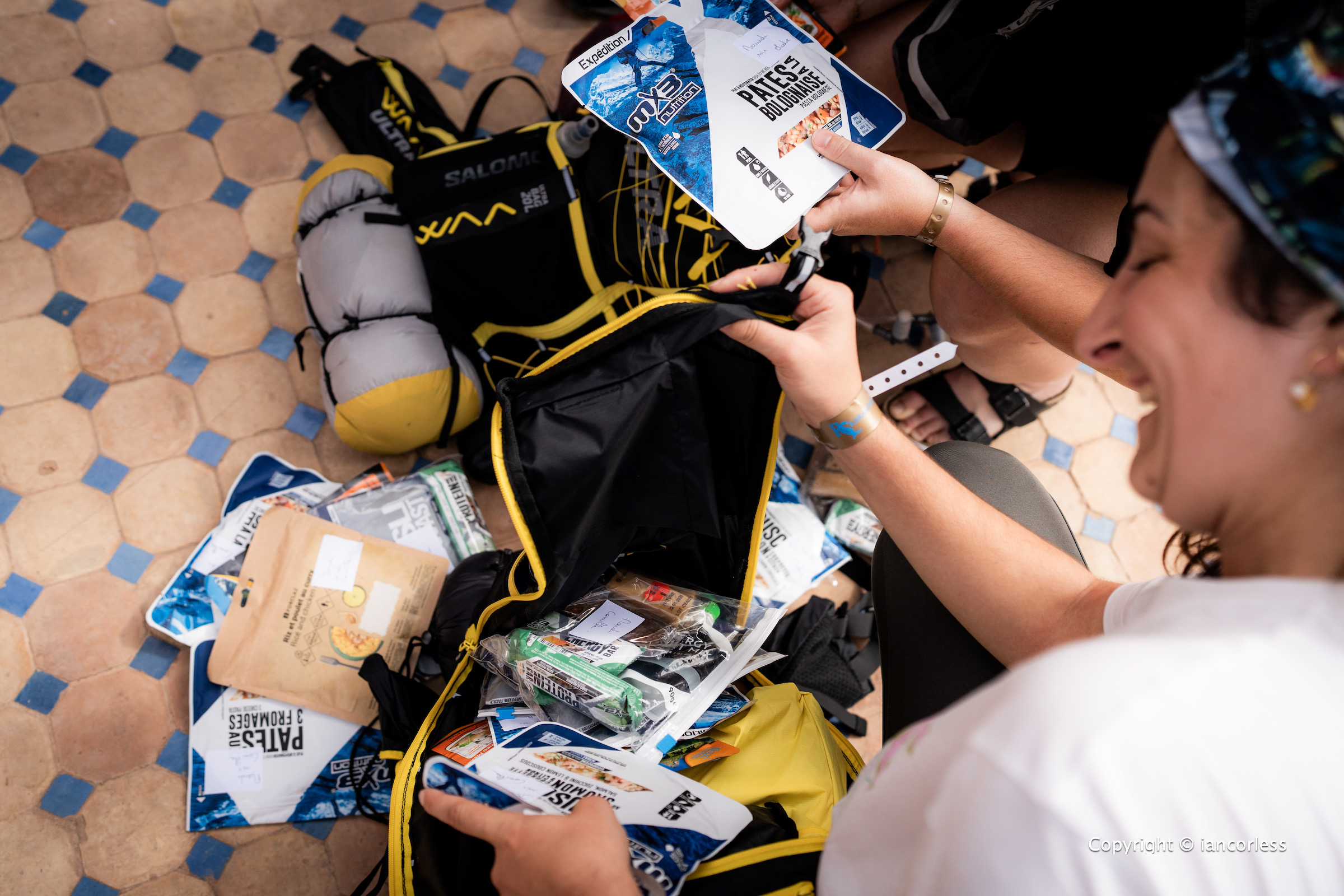
Lay everything out. Build a spreadsheet if that helps. Go item by item through your kit. Ask yourself what you truly need.
Weight matters. Every gram counts when it’s on your back for multiple days. Strip out the luxuries. Be ruthless. The goal is to go as light as possible without compromising safety or performance.
The same applies to food. Check your calories. Repack if needed. Remove excess packaging. Make sure what you carry is efficient, practical, and something you can actually eat under stress.
Get the Admin Right
Details matter here.
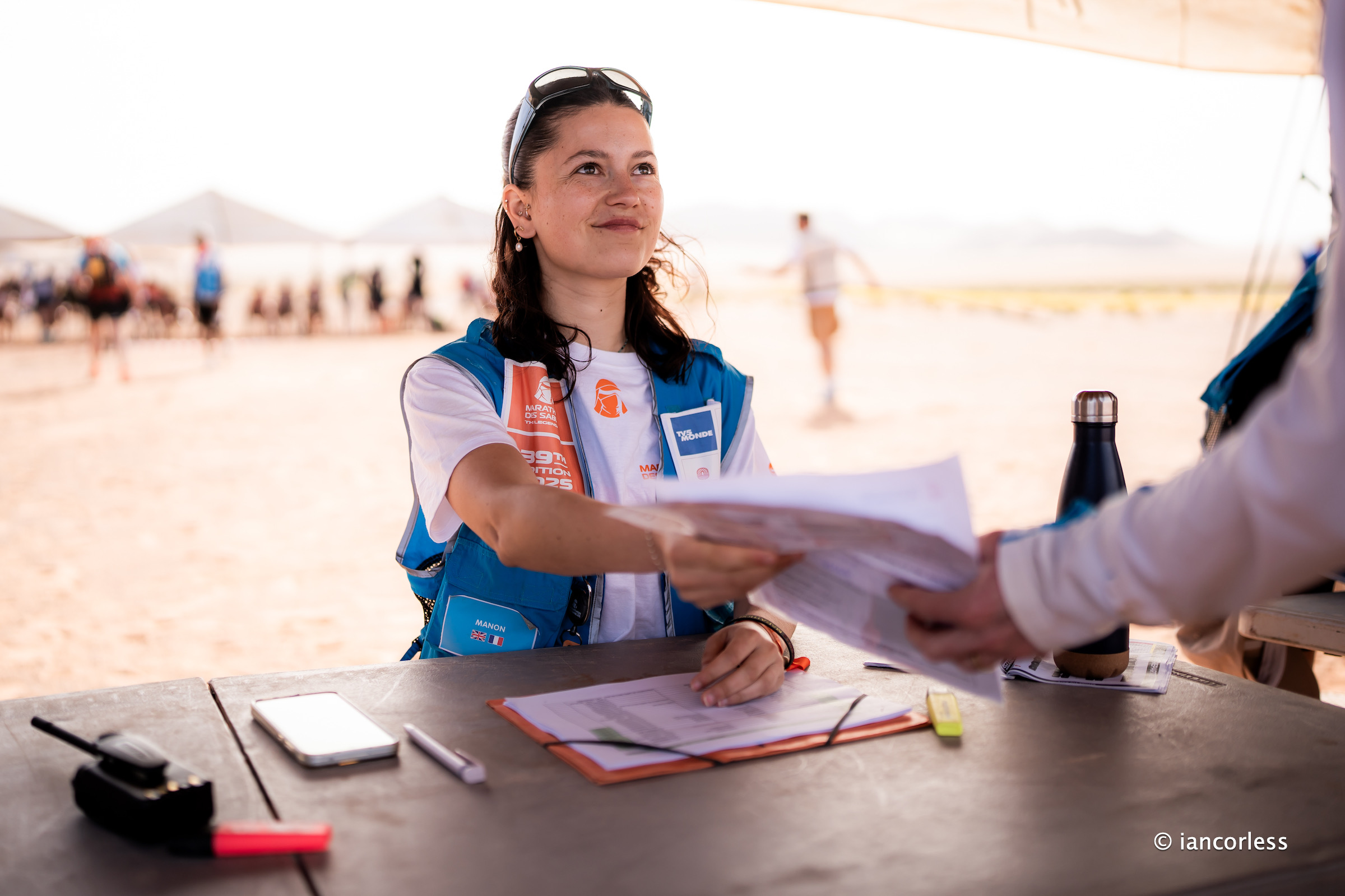
Medical certificates must be correct and meet all race requirements, especially your ECG. Don’t assume, double-check.
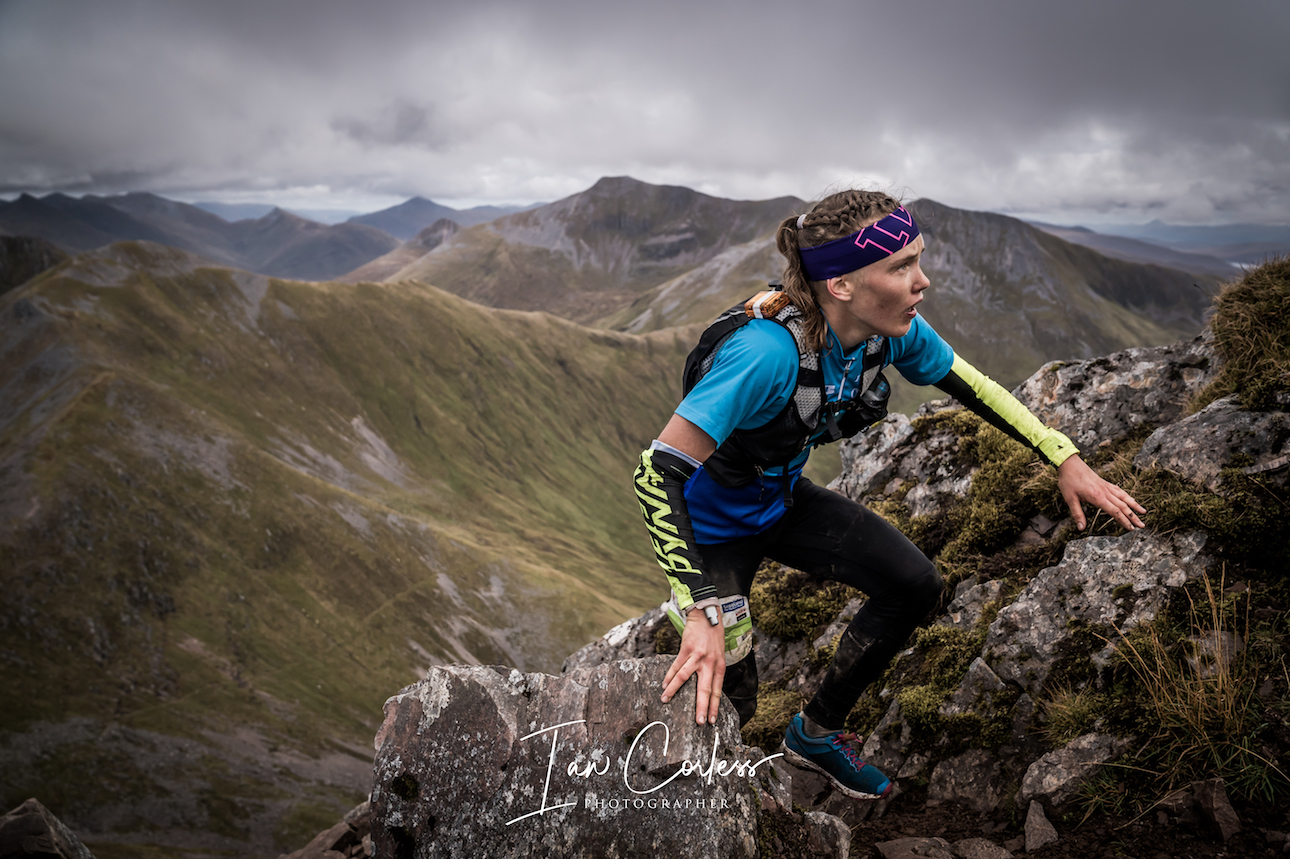
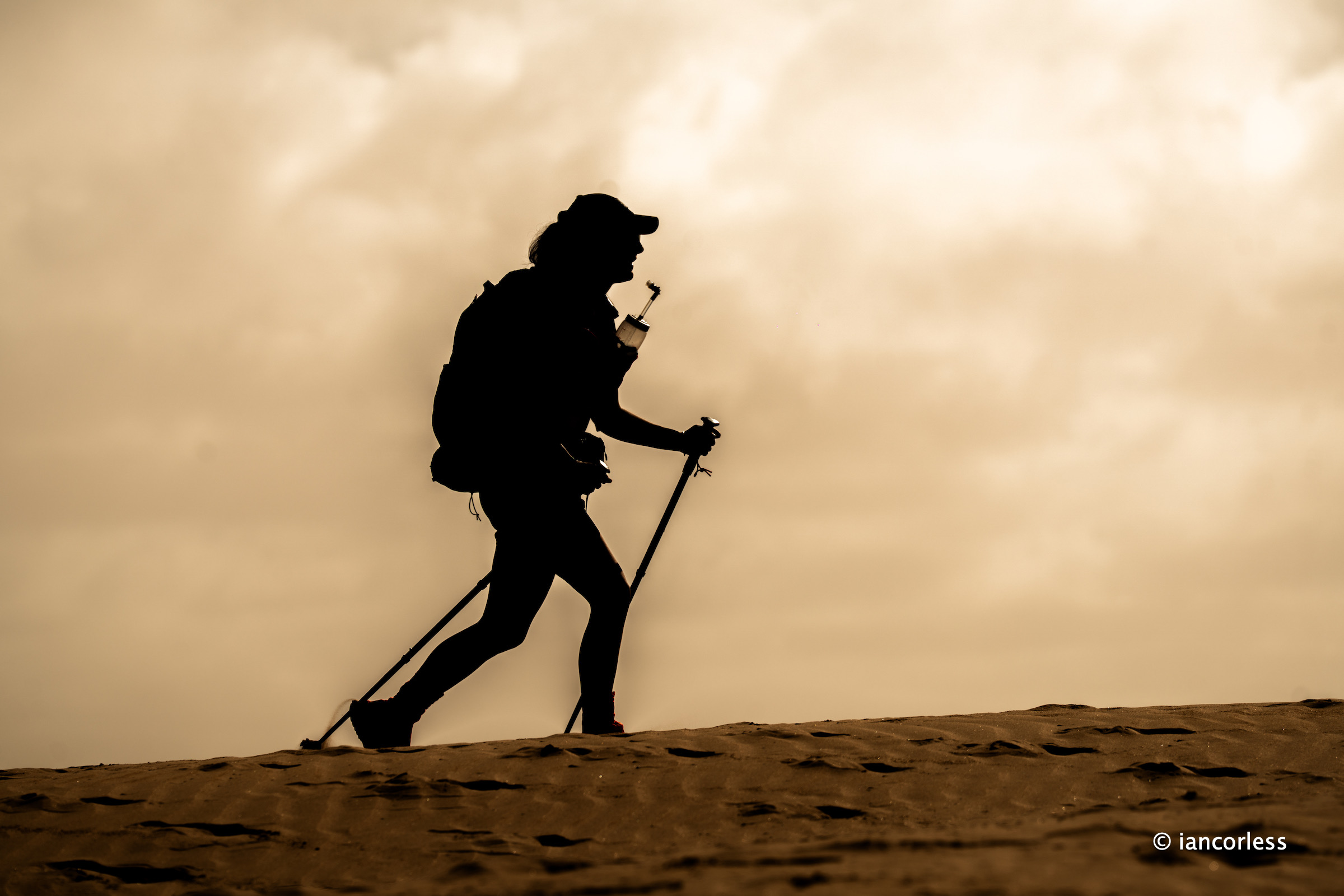
Photo by Ian Corless
Your passport needs to be valid. It sounds obvious, but it catches people out every year. Confirm your travel documents, bookings, and transfers. Know your plan from departure to arrival.
The goal is simple: remove every possible source of stress before you leave.
Travel Smart
Wear your race kit when you travel. That includes your shoes and gaiters.
Your race pack should go as carry-on, with all essential gear inside. The only items that should go in checked luggage are those that have to, like a knife or trekking poles.
If checked luggage gets delayed, you’ll still be able to race. That’s the mindset.
Protect Your Health
This part might feel extreme, but it’s important.
Avoid unnecessary contact with others. A cold or virus now could undo months of work. Skip handshakes, hugs, and shared food or drinks. A simple “Namaste” with hands together works just fine.
Avoid salads or anything that might carry risk. Stick to well-cooked, straightforward meals. This isn’t the time to experiment with local cuisine.
Bring your own food for travel and the days before the race. Remember, you’re self-sufficient even before the start. Having familiar food and drink helps you stay relaxed and in control.
Use the Bivouac to Your Advantage
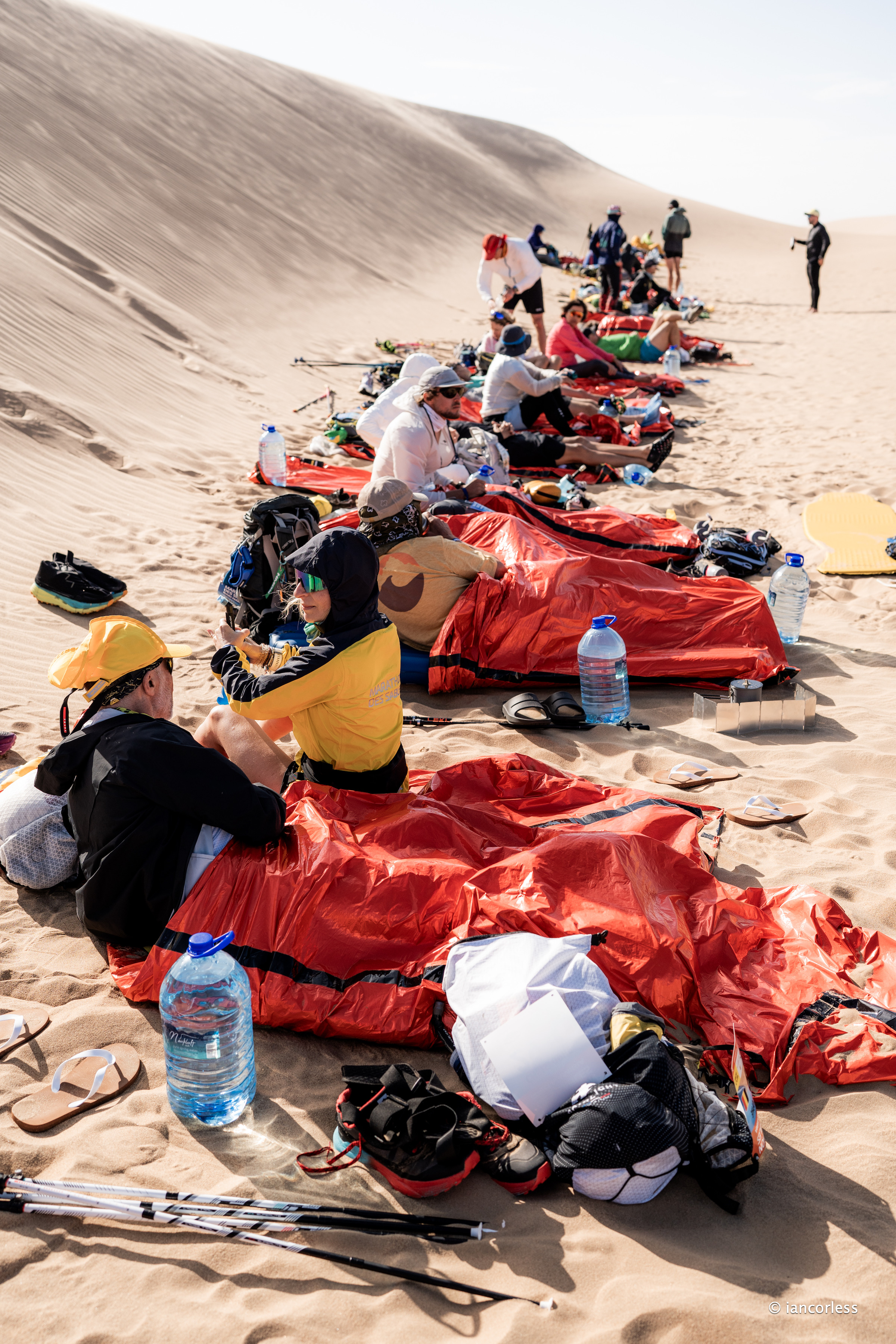
Before admin, your luggage stays with you in the bivouac. Use this.
Bring spares. Extra layers. Small options that allow you to adjust based on real conditions. The desert can surprise you, and this is your chance to fine-tune your setup before committing fully.
Be Ready
Have a clear plan for admin. Know what’s required. Be organized.
Then shift your focus forward.
Stage 1 is coming.
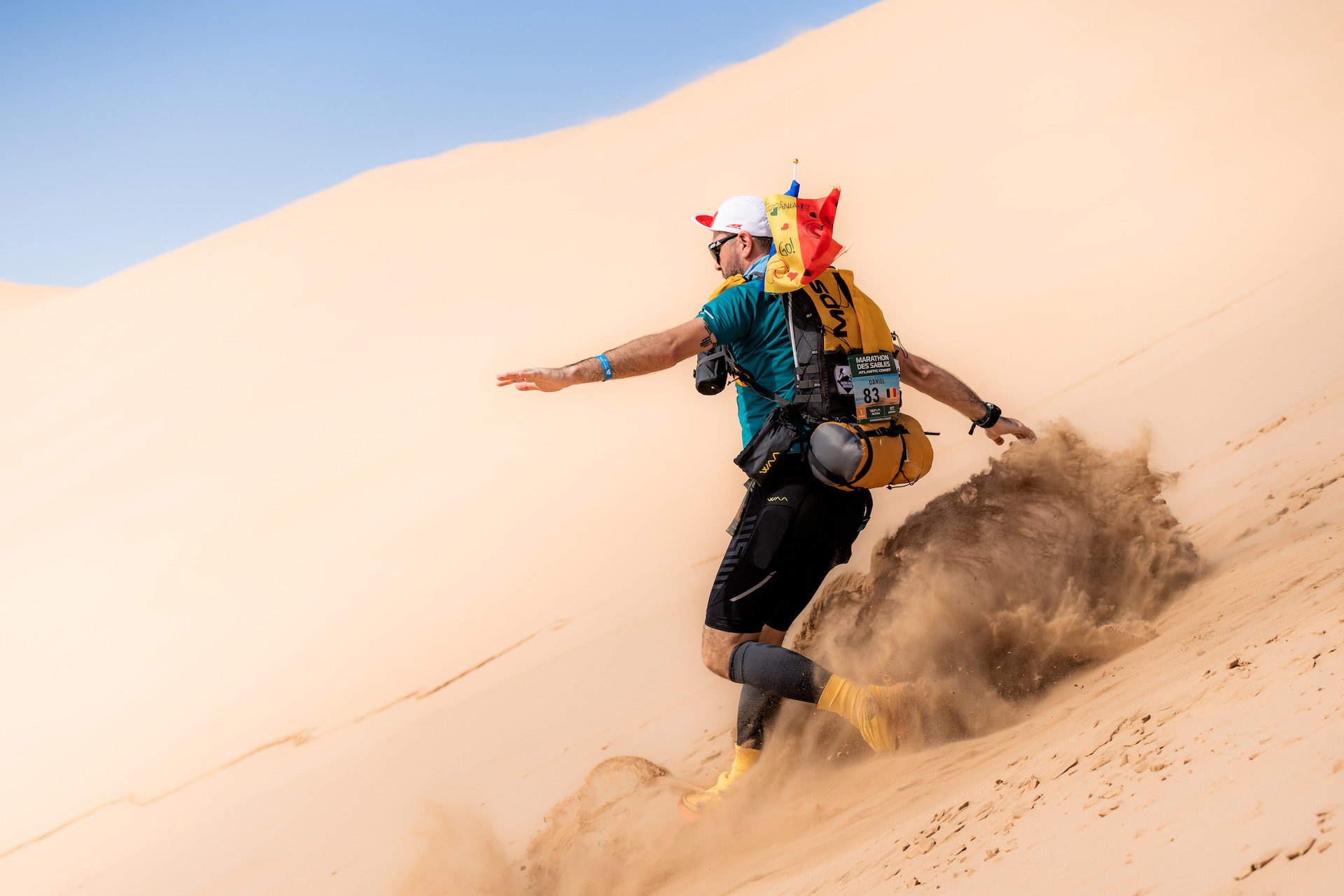
Photo by Ian Corless
Trust the Process
You’ve done the training. You’ve made the sacrifices. You’ve earned your place on that start line.
Now it’s about arriving calm, prepared, and ready to embrace what’s ahead.
Because this isn’t just a race.
It’s a journey. An experience that will stay with you long after the dust has settled.
Take a breath. Stay focused. And get ready for the adventure of a lifetime.
For years, entering a race has felt simple. You find an event, sign up, pay the fee, and start training. The idea that anything might go wrong rarely enters your mind, certainly from a business point of view. Of course, you may have a change of personal circumstances, an injury for example – but, the race not happening, that is rarely a consideration. Advance payments have been part of the fabric of the sport for so long that most people barely register them as a risk.
But when something disrupts that pattern, even once, it has a way of shifting how we think. For the majority, these moments feel less like a crisis and more like a quiet recalibration. A warning sign! It’s not a collapse of trust – but more a subtle change in thinking. However, if you are a runner who has made payments and lost everything – trust will be eroded and this has a huge impact in forward thinking.
In the past, Covid an exception, most runners didn’t question where their money sat after they entered a race. It was understood, implicitly, that the event would take place and that the organiser would manage whatever sat behind the scenes. The mechanics of cash flow, margins, and risk were invisible. What mattered was the start line.
Now, that invisibility has thinned a little.
It’s unlikely that large numbers of runners will suddenly start combing through company filings or attempting to assess balance sheets and viability of a company. That level of scrutiny belongs to a minority. But something more gentle may well take hold:
A hesitation before committing far in advance.
A second glance at unusually heavy discounts.
A quiet preference for organisers with a long, steady track record.
But, as recent events have shown, established and track record is not a guarantee.
Trust will still exist, but it may become more selective.
For runners, there are also a few simple ways to reduce exposure without losing the ability to plan ahead. Insurance is the most obvious, particularly for higher-cost or international events, where cancellation cover can soften the financial hit if something goes wrong. Paying by credit card rather than debit can offer an extra layer of protection too, especially in the UK where consumer protections may allow you to reclaim funds in certain situations. Beyond that, a more risk-aware approach can help.
Hotels, travel and logistics will almost certainly be looked at with more scrutiny and less commitment. For example, using specific websites that allow booking of hotels and/ or travel where cancellations, with no impact, can be made almost days before being needed.
We may well be looking at a substantial shift in thinking, and this will impact on event organizers.
At the same time, the reality for organizers hasn’t changed. If anything, it has become more exposed. Events are expensive to stage, and most of those costs arrive early. Permits, insurance, equipment, staffing, logistics. Long before a runner crosses a start line, much of the financial commitment has already been made.
Advance entry fees are not a convenience – they are, in many cases, the mechanism that makes the event possible at all. So, what is going to happen if the runner changes the approach to booking and commitment.
That creates a delicate balance. Runners want certainty – we love to secure a place, plan ahead and formulate a plan. Organizers need commitment. If one side begins to hesitate, even slightly, the effects ripple outward.
Cash flow tightens.
Planning becomes less predictable.
Decisions get pushed later.
In a system that often works twelve months ahead, even small delays in confidence can create friction.
There is a risk, at least in the short term, of instability. Not dramatic or immediate, but enough to be felt. Smaller events and newer organisers are likely to feel it most.
Yet there is another side to this. This could be turned into a positive.
Moments like this can prompt a more sustainable way of operating. Organisers may become more cautious about expansion, more disciplined in managing costs, and more focused on building financial resilience rather than chasing rapid growth.
Runners, in turn, may make more deliberate choices about where and when they commit their money. A slightly more informed participant base, paired with more transparent and measured organizers, could strengthen the ecosystem over time.
But there is something worth preserving too.
Endurance sport has always run, in part, on goodwill. There is an unspoken agreement between organiser and participant. You trust that the event will be there. They trust that you will commit early enough to help make it happen. Strip that away entirely, and something important is lost.
The likely outcome sits somewhere in between. Not a collapse of confidence, but a tempering of it. People may pause, think, and choose a little more carefully.
Organizers may work harder to earn that early commitment.
Advance payments will still happen.
Races will still fill.
Plans will still be made months, even years, in advance.
But perhaps with a slightly clearer understanding, on both sides, of what sits beneath the surface.
Screenshot
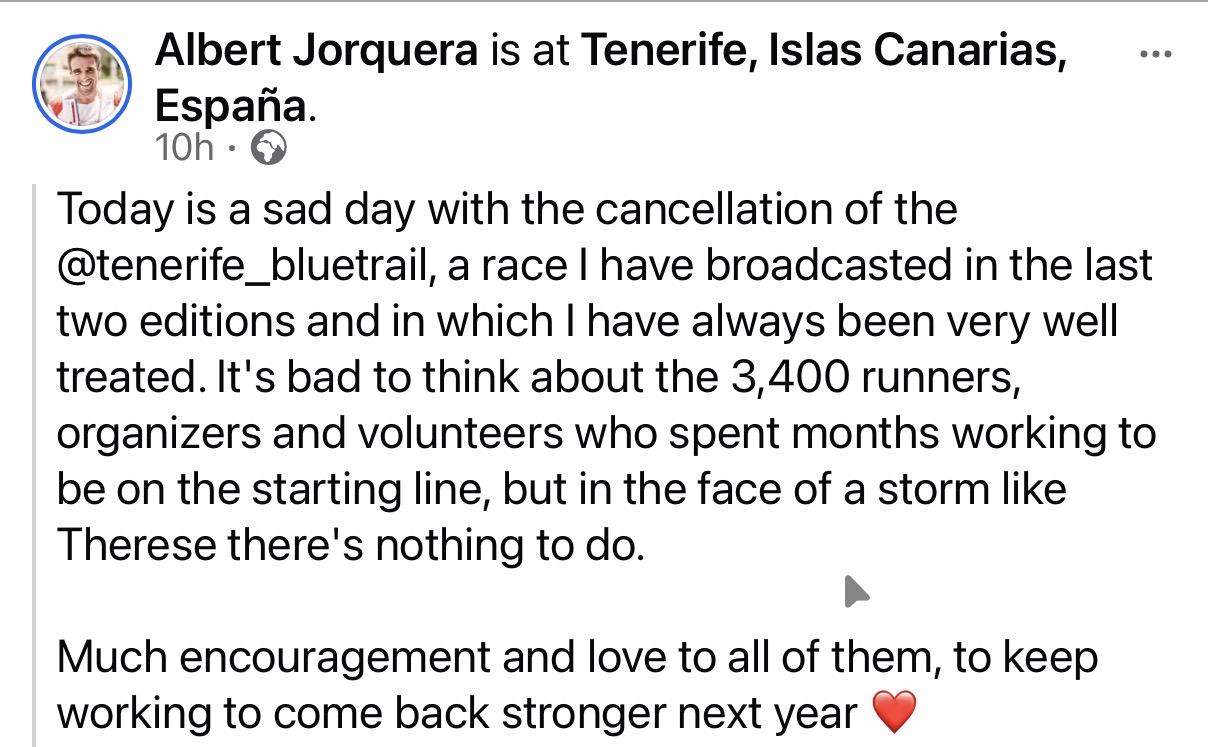
And then, just like that, overnight, A cancellation of Tenerife Bluetrail by UTMB – this brings a different kind of reality into focus. Here, there’s no financial mismanagement or organisational failure to question. It’s simply the fact that some things sit beyond anyone’s control. Safety has to come first. But the impact is still real.
Travel has happened, runner’s are in hotels, months of training has been shaped around a single date, and then, overnight, it’s gone.
Nature hits, this comes under Force Majeure – is a contractual clause freeing parties from liability when extraordinary, uncontrollable events, such as natural disasters, wars, or pandemics, make fulfilling obligations impossible – situations like this may well add another layer to how people think about committing to events in the future.
This is not a loss of trust in organizers but a growing awareness that even well-run races carry external risks that are sometimes beyond everyone’s control.
In that sense, this situation doesn’t contradict the earlier discussion, it deepens it. The question is no longer just “can this event go ahead?” but also “what happens if it can’t, for reasons no one can control?”
Will this nudge runners toward a more flexible approach? Not out of fear, but out of a clearer understanding that certainty, in endurance sport as in nature, has always been a little fragile.
The news that Ourea Events has ceased trading lands heavily on the UK mountain and ultra running community. For many of us, this isn’t just the loss of an event company. It feels like the closing of a chapter in the story of British mountain running.
Shane Ohly and his team didn’t just organise races. They shaped a culture.
At a time when the UK ultra scene was still finding its feet, Ourea created events that felt raw, adventurous, and deeply connected to the mountains. These were not simply races measured by split times and finish lines. They were journeys that asked something of you: navigation, resilience, judgement, and a willingness to be uncomfortable for long stretches of time.
The Dragons Back Race set the tone. For many runners it was their first taste of a true multi-day mountain expedition disguised as a race. Self-navigation with map and compass across the spine of Wales made it feel less like a sporting event and more like an adventure in the purest sense.
From there came a string of events that helped define a generation of UK mountain runners. The Great Lakeland 3 Day, Dark Mountains, the ROC Mountain Marathon and more. Each had its own character, but they all carried the same spirit: serious mountains, thoughtful course design, and an expectation that runners would meet the terrain on its terms.
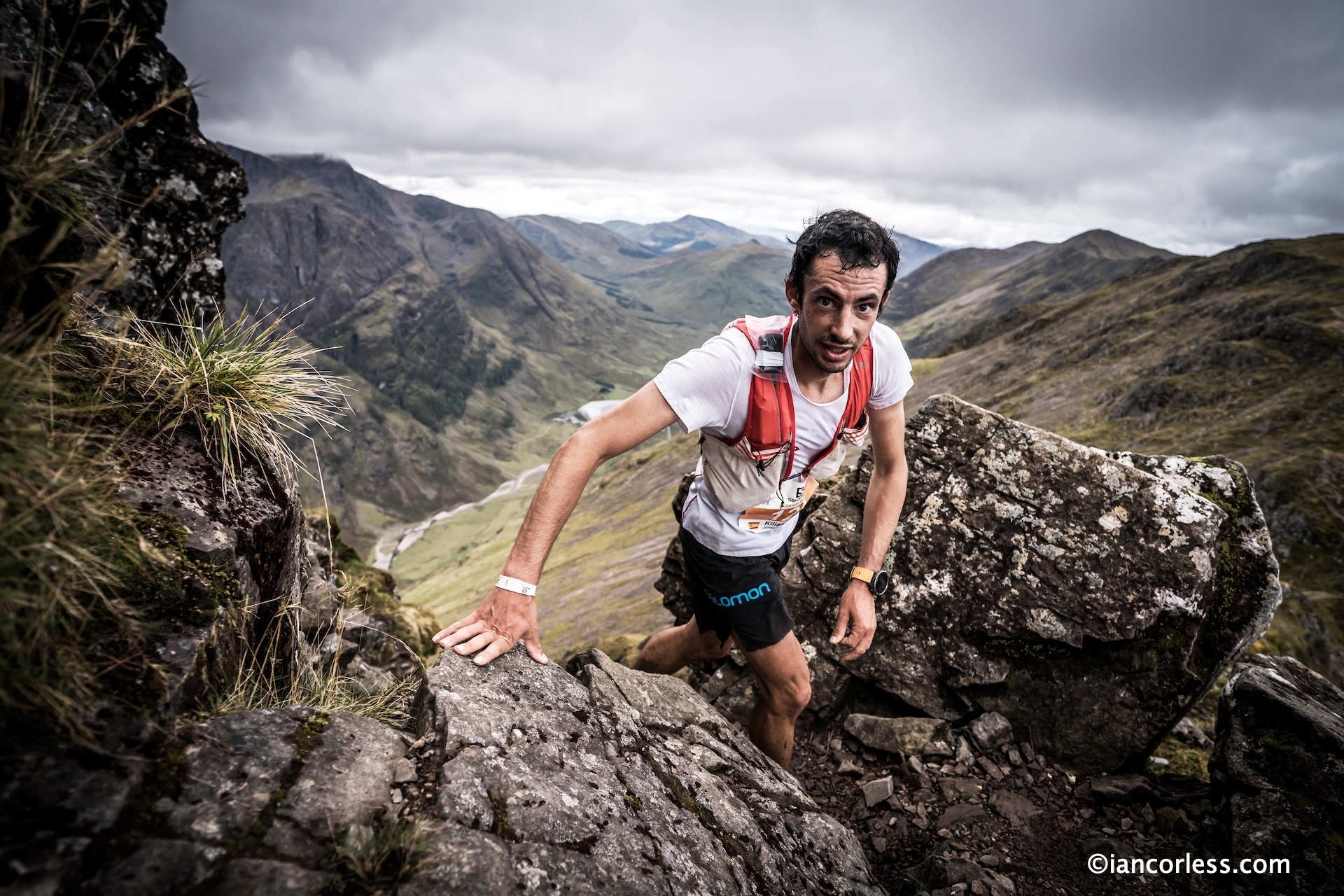
Like many others, I was lucky enough to experience several of these events firsthand. I was there for the first Cape Wrath Ultra. I experienced the return of the Dragons Back. And the moment I’m perhaps most proud of was helping create the Glencoe Skyline as part of Skyrunning UK. That event in particular showed just how far the UK mountain running scene had evolved. Technical, spectacular, and unapologetically demanding, it placed Scottish ridgelines onto the world skyrunning map. We brought the world’s best to Scotland – Kilian Jornet, Emelie Forsberg, Katie Schide, Jasmin Paris, Jon Albon, Marco Degasperi, Henrietta Albon, Tove Alexanderson, Laura Orgue, Hillary Gerardi and the list goes on…. A who’s who of the mountain running world.
So the collapse of Ourea feels deeply personal to many of us.
But it also raises bigger questions.
The last few years have been brutal for independent race organisers. Covid wiped out entire seasons and left financial scars that many companies never fully recovered from. Brexit complicated logistics, staffing, and international participation. Costs across the board have risen sharply.
At the same time, the global trail running landscape has changed. The rise and dominance of UTMB has reshaped the market, pulling attention, sponsorship, and runners toward a global series model. For smaller, independent organisers, competing in that environment is incredibly difficult.
Ourea may have technically survived Covid and Brexit, but survival does not mean recovery. The damage done during those years can take a long time to surface, and sometimes the final collapse comes long after the initial shock.
Right now, the most immediate concern is for runners who have paid entry fees for 2026 events. Hopefully many will be protected through credit or debit card payments and able to recover funds through Section 75 or chargeback claims. But even if that is resolved, the bigger uncertainty remains.
What happens now?
What happens to the UK mountain running scene without one of its most creative organisers?
And what happens to the races themselves?
Events like the Dragons Back, Cape Wrath Ultra, and Glencoe Skyline are more than entries on a calendar. They have become part of the identity of British mountain running. They hold stories, ambitions, and personal milestones for thousands of runners.
In some ways, races are like mountain routes. They can outlive the people who first established them.
So perhaps the real question is whether these events can find new custodians. Whether another organiser can pick up the threads and carry them forward without losing what made them special in the first place. That balance between professionalism and wildness is fragile, and it was something Ourea managed remarkably well.
For now, though, it is simply a moment to pause and recognize what was built.
Many of the most memorable mountain running experiences in the UK over the past decade trace back to the vision and work of Shane Ohly and the Ourea team. They created races that pushed boundaries, respected the mountains, and inspired a generation of runners to go further than they thought possible.
Whatever happens next for these events, that legacy will remain.
And for those of us who stood on start lines in Wales, the Lakes, the Highlands, or deep in the night at Dark Mountains, the memories will always be there.
Stage 1 of the 2026 The Coastal Challenge Costa Rica set the tone in the way it always does. It reminded everyone, very quickly, that Costa Rica plays by its own rules.
The day began long before sunrise. At 02:30, alarms cut through the darkness as runners gathered for a 03:30 departure, quiet conversations, nervous energy. There is something uniquely disorienting about starting a race day in the middle of the night, especially when the real work will not begin for several more hours. The long drive to the coast and Quepos was filled with anticipation and the kind of silence that comes when athletes are saving energy and thoughts for later.
By the time the start line finally came into view, just after 08:00, the sun was already making its presence known. The heat and humidity were not waiting for anyone. They never do. Stage 1 has a reputation, and once again it lived up to it. Starting late in the morning is always a challenge here. Bodies are not yet adapted, pacing plans are optimistic, and the Costa Rican climate is unforgiving if respect is not shown early.
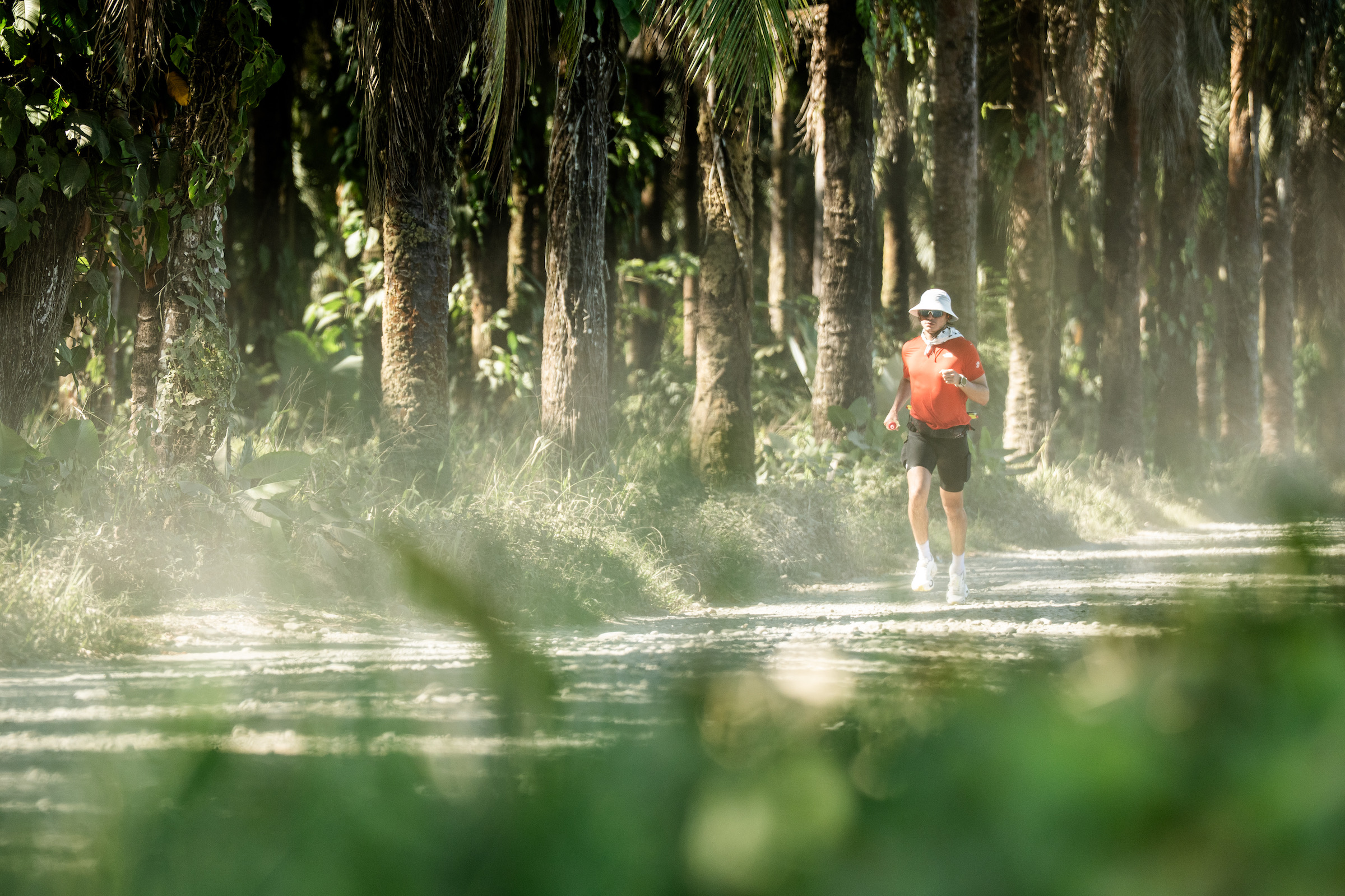
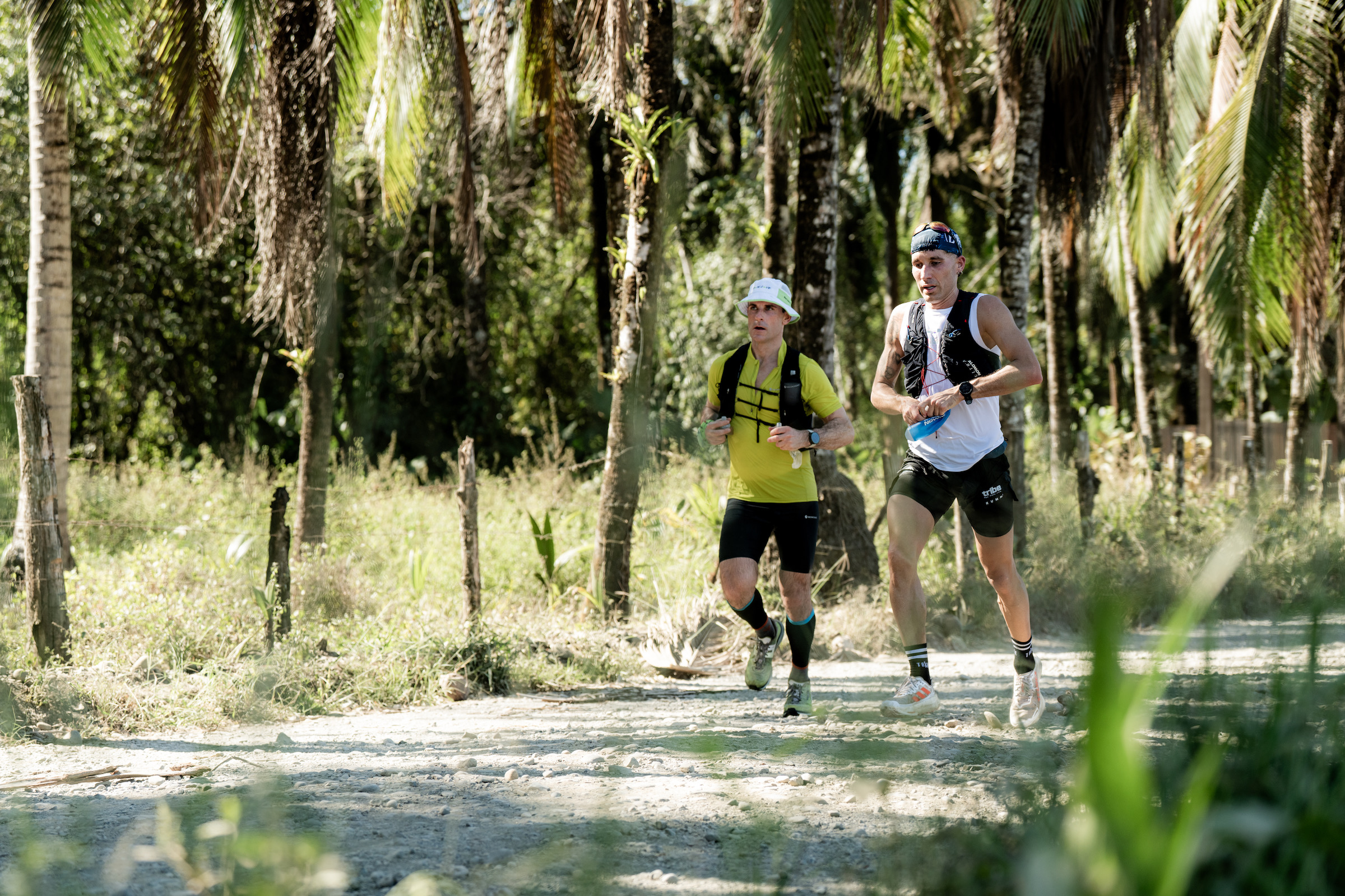
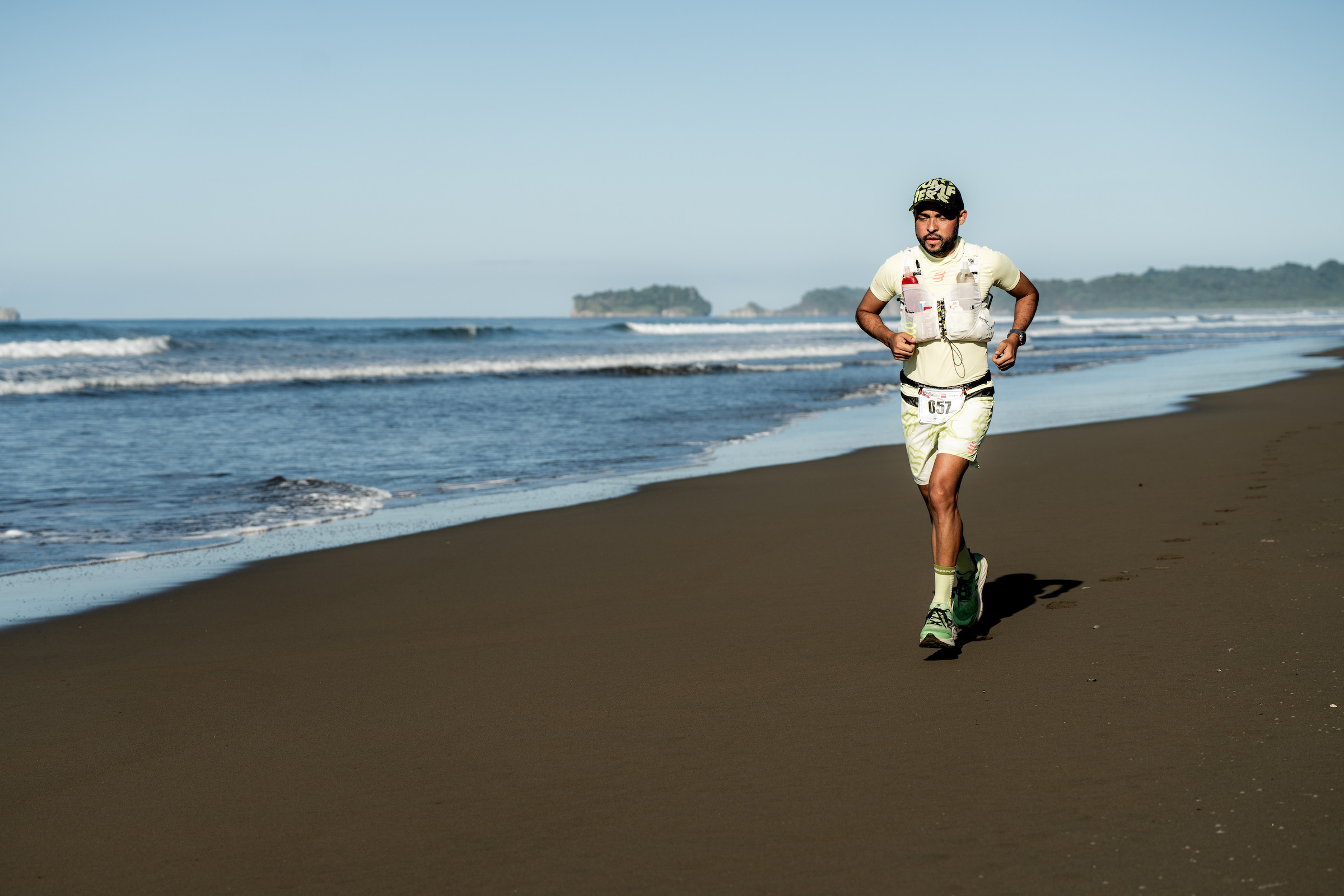
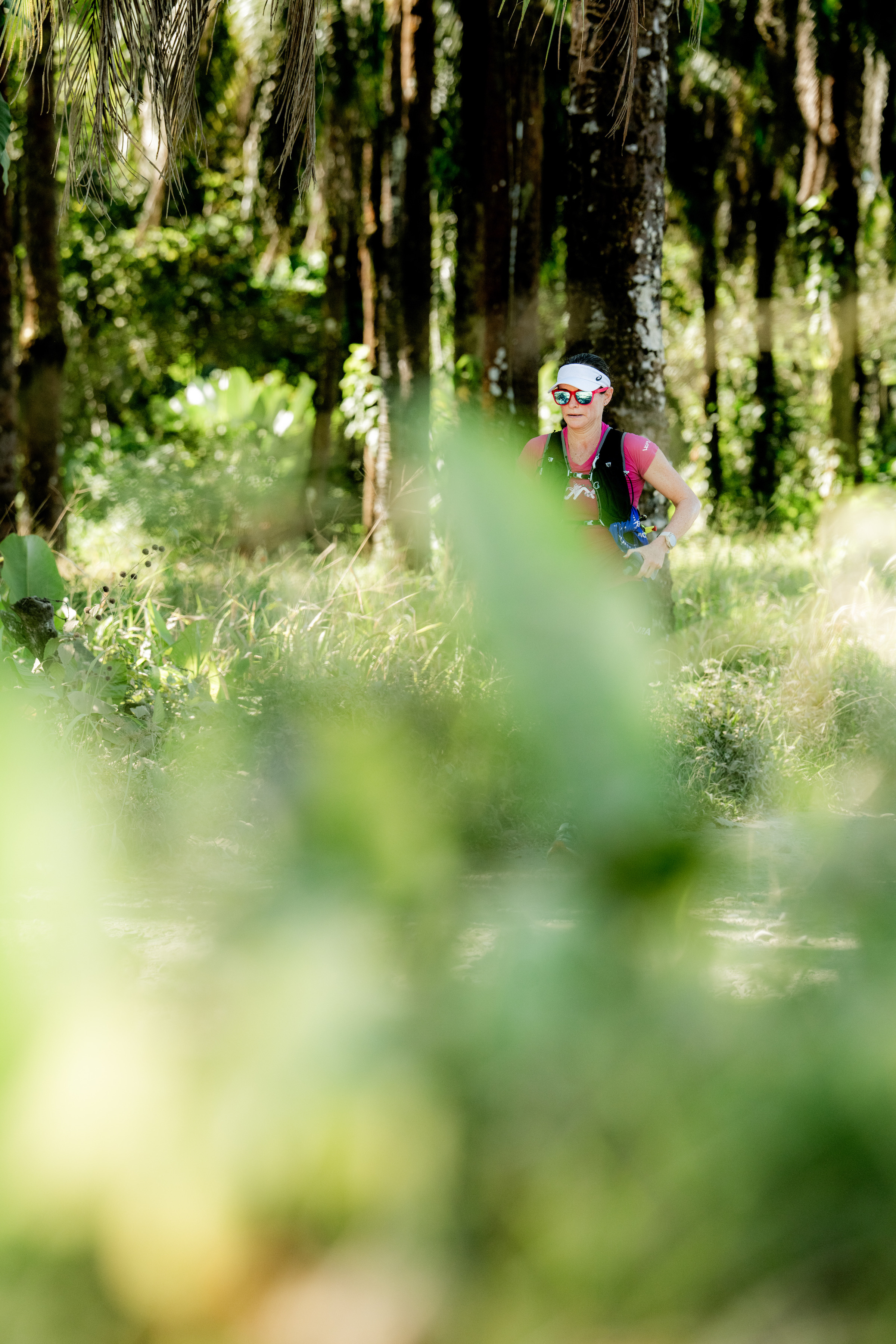
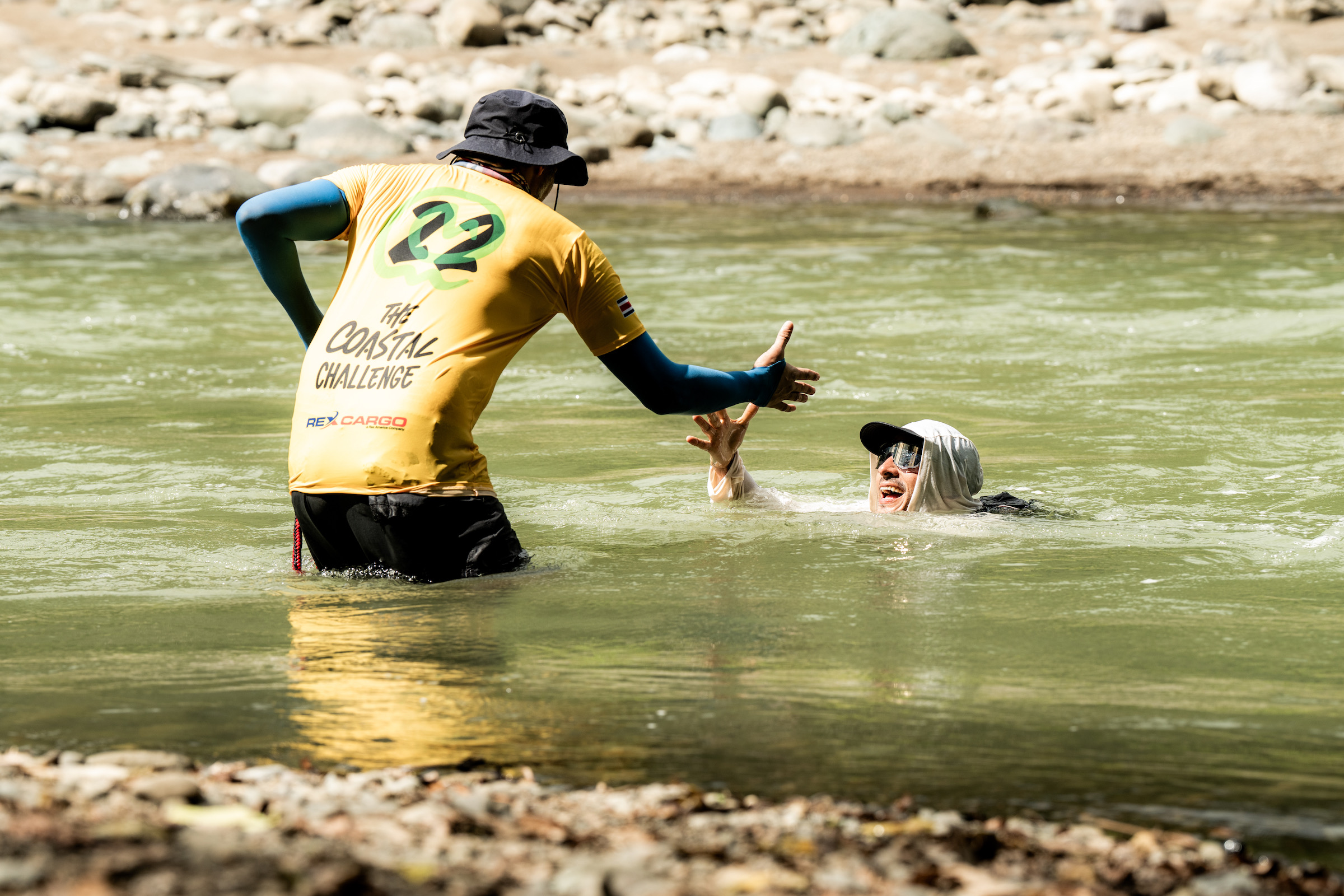
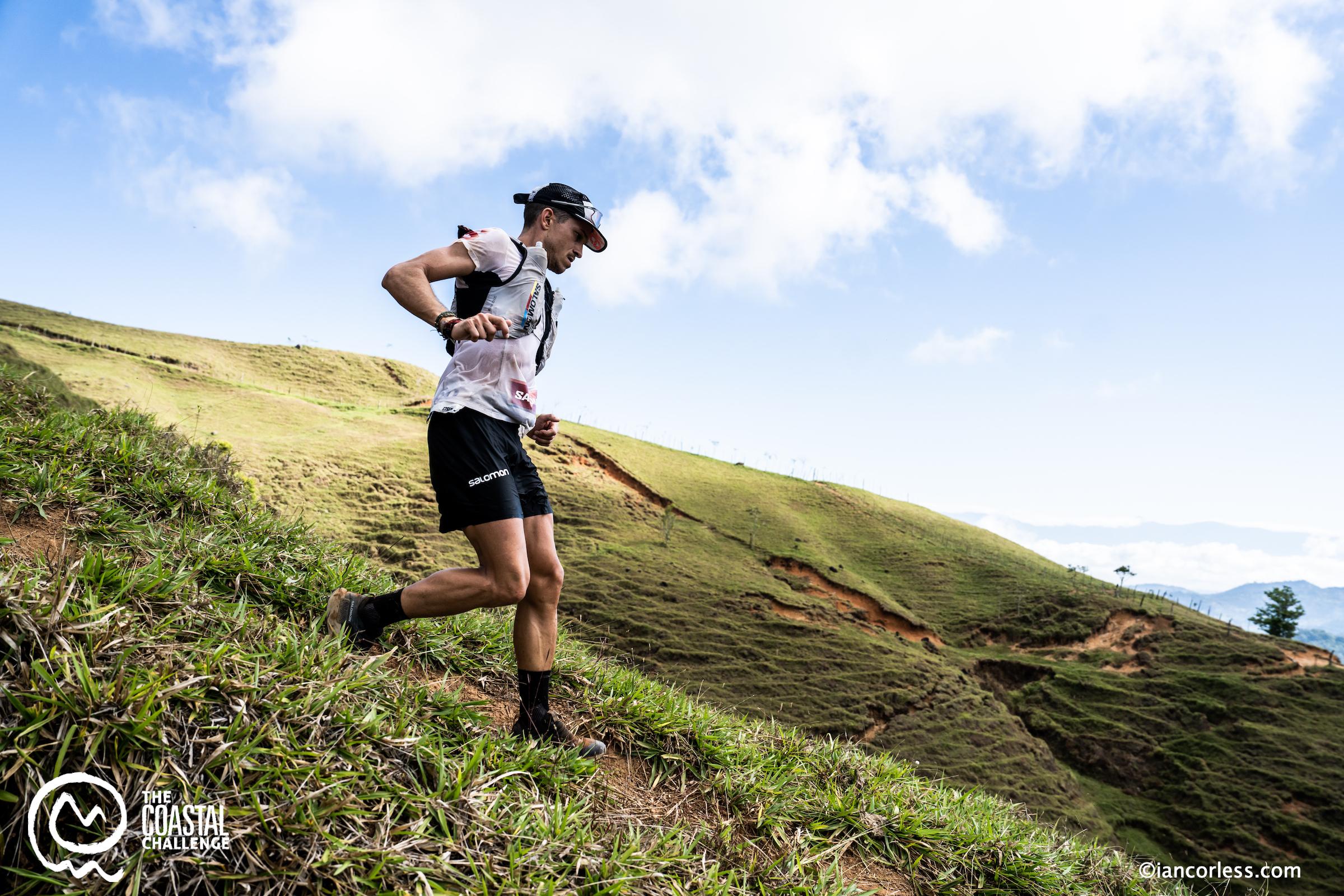
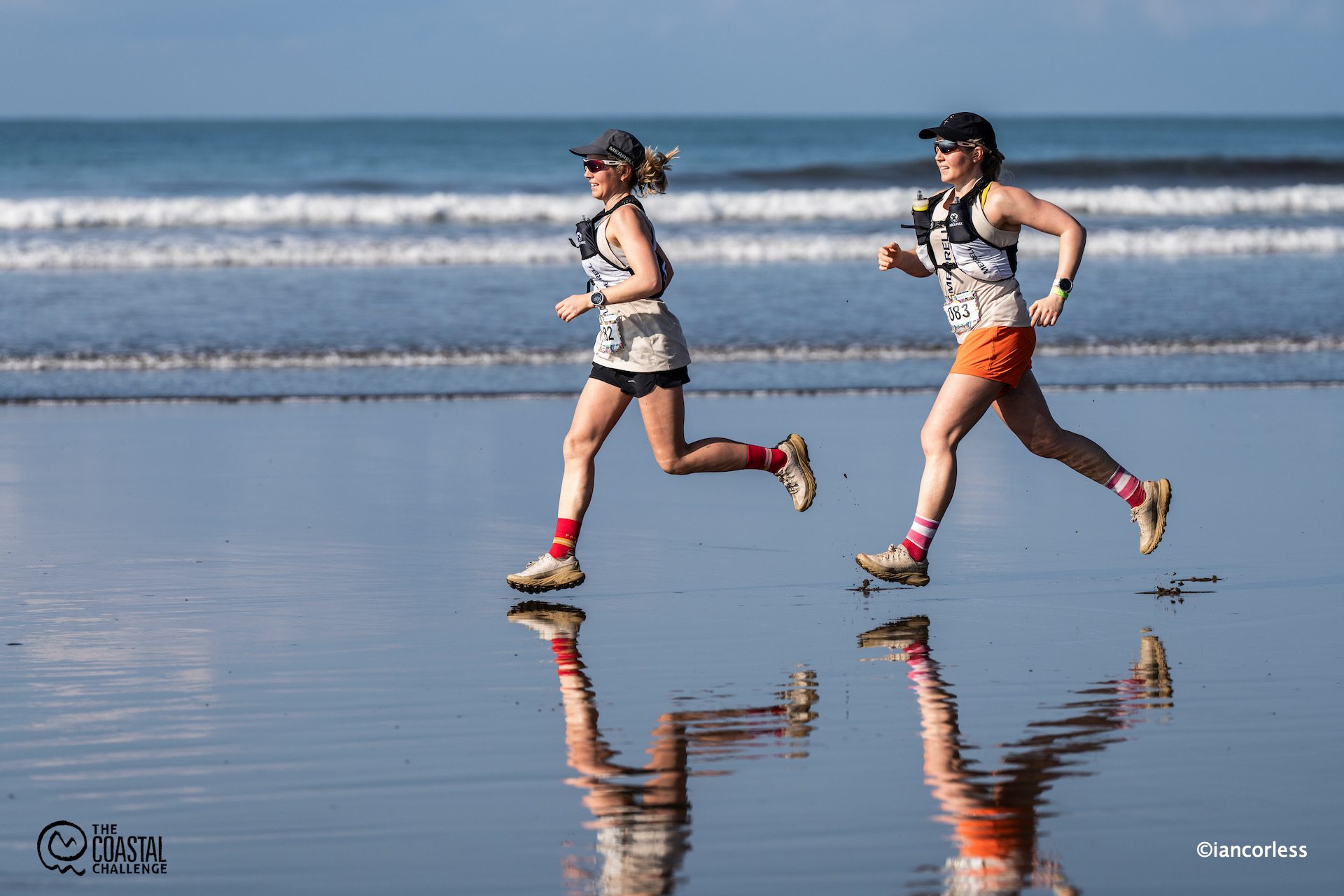
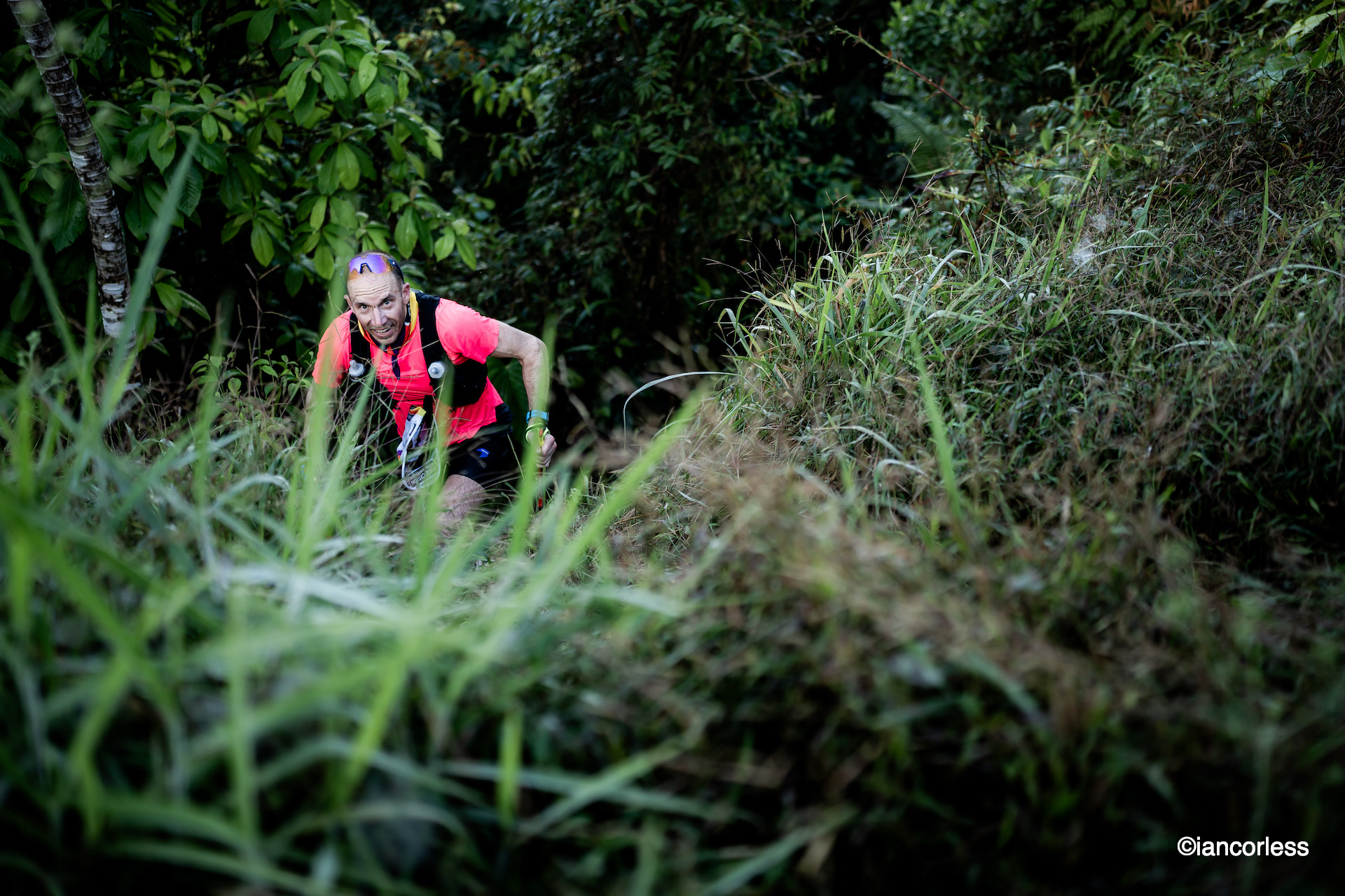
From the beach start, the course wasted no time in revealing its character. Soft sand gave way to gravel roads, then into dense rainforest where the air felt heavier with every step. Climbs were sharp and relentless, descents technical and punishing on tired legs, and water crossings offered brief moments of relief before the heat closed in again. This was not a gentle introduction. This was pure Costa Rica.
In the Expedition race, Ramon Rosello took control early and never let it slip. He dictated the pace with confidence, moving smoothly through the terrain while others struggled to find rhythm. By the latter stages of the course, he had opened a substantial gap, finishing in a commanding 3:57:03. Behind him, Jon Shield fought hard in the conditions, crossing the line in 4:14:02. It was a clear statement from Rosello on a day where patience and experience mattered as much as speed.
Attention had been on Erick Aguirro going into the stage, with many expecting him to lead the day. However, a lingering injury told its own story. Though still competitive, Aguirro was unable to respond when the pace lifted, eventually finishing fourth behind Jesus Cerdas. On a course like this, even the smallest physical issue is magnified. Stage 1 has a way of exposing weaknesses, and there is little room to hide when the heat begins to bite.
In the women’s Expedition race, Denise Zelaya delivered a strong and controlled performance. She handled the conditions well, maintaining focus and discipline as others faded, to cross the line in 4:47:47. Janina Beck followed in 5:19:25, digging deep through the final kilometres as the accumulated fatigue of the day took hold. Both athletes showed the importance of measured pacing on a stage where ambition can quickly turn into survival.
The Adventure race brought its own drama and determination. Toni Clark led the women with a time of 4:29:41, showing resilience and strength across the varied terrain. For the men, Sammy Francis topped the standings in 3:45:28, navigating the course with efficiency and confidence. Across both races, the story was the same. Those who respected the day were rewarded. Those who did not paid for it.
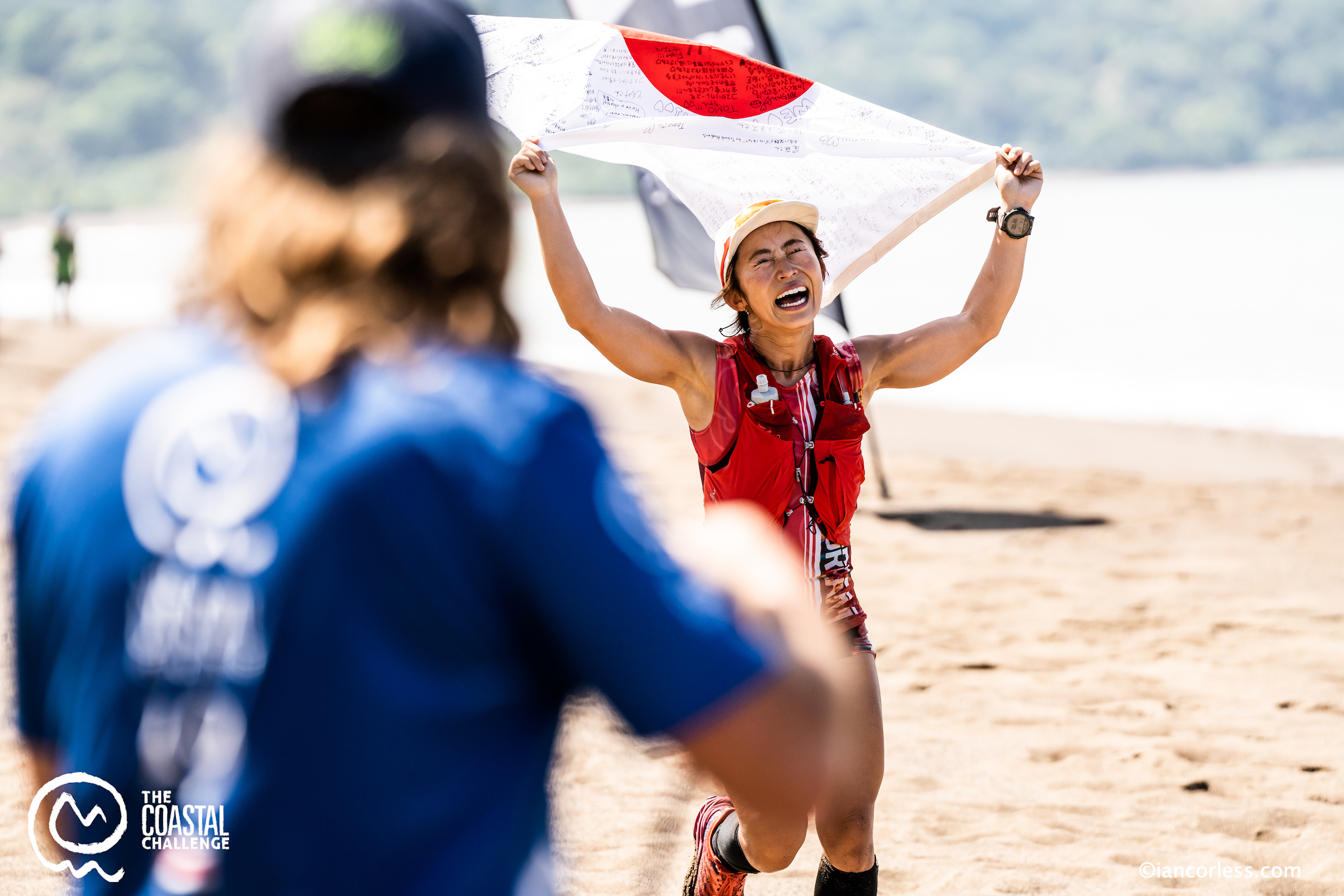
Stage 1 is always tough, but it is especially brutal because the runners are not yet adapted to the environment. The heat punishes fast starts. The humidity steals energy quietly and persistently. Even seasoned athletes find themselves recalibrating expectations within the first hour. This year was no different. Faces at the finish told the story clearly. Relief, exhaustion, and a newfound respect for what lies ahead.
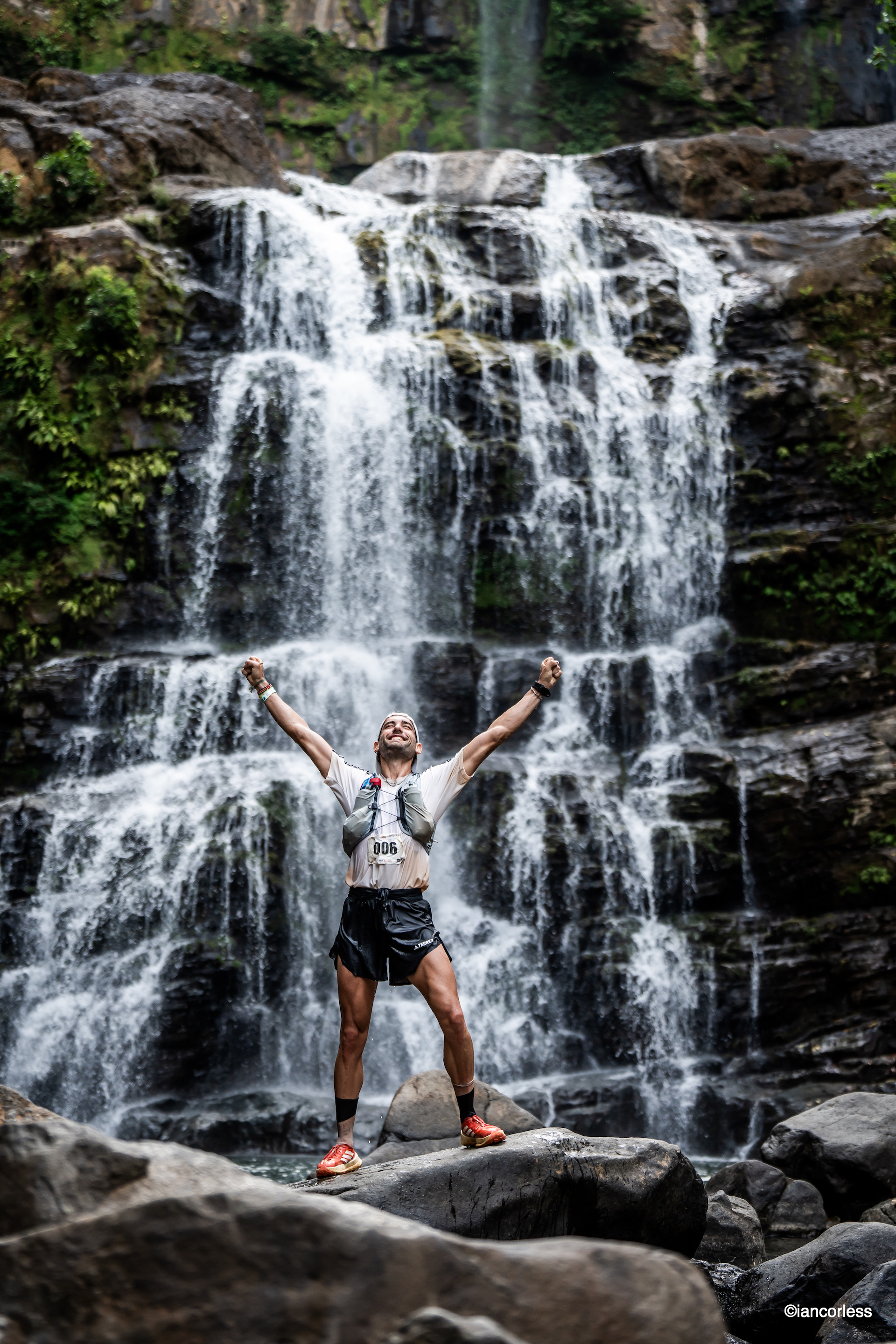
Costa Rica is at the heart of this race, not just as a location, but as a character in its own right. The diversity of the landscape is extraordinary. One moment you are running along the coastline with the Pacific at your side, the next you are climbing through thick jungle where the sounds of wildlife surround you. The beauty is undeniable, but it comes with a cost. Every climb, every descent, every humid kilometre demands something in return.
As runners made their way into Rafiki Lodge, recovery became the immediate focus. Cooling down, rehydrating, and reflecting on lessons learned. Many arrived with sore legs and humbled minds. Stage 1 has a habit of reshaping race strategies, and this year it was no exception. There was a shared understanding among competitors that the race had truly begun.
Tomorrow brings Stage 2, and with it, a much earlier start for the Expedition runners. Those early hours promise more comfortable conditions, at least by Costa Rican standards. The heat will still come, but later. For now, the priority is rest, refuelling, and preparation. The Coastal Challenge is not won on the first day, but it can certainly be lost.
Stage 1 from Quepos to Rafiki Lodge delivered everything it promised. Heat, humidity, challenge, and beauty in equal measure. It reminded everyone why this race is so highly regarded, and why Costa Rica demands respect. The journey has only just begun, and already it has left its mark.
Stage racing has a way of exposing everything. Fitness, patience, preparation, and mindset all get tested, not just by distance, but by what happens between the stages. Terrain is only part of the story. How you recover, rehydrate, eat, sleep, and reset day after day matters just as much.
Photo by Ian Corless
Back in 2016, comparisons between The Coastal Challenge and Marathon des Sables were unavoidable. A decade on, those comparisons still come up, but the conversation has matured. These races now stand on their own terms.
Marathon des Sables strips runners back to survival basics: self-sufficiency, rationed water, shared bivouacs, and total responsibility for your own race. That’s its identity, and it’s why it remains iconic.
The Coastal Challenge is different. It’s not self-sufficient, but that doesn’t make it easier. In many ways, it’s more demanding. The Costa Rican rainforest, the coastline, the heat, the humidity, and the relentless terrain combine into something that feels far less predictable and far less forgiving.
What The Coastal Challenge Looks Like Today
The race remains a point-to-point journey across Costa Rica’s wild south-west, traditionally running from Quepos to Drake Bay, followed by a final loop stage in and around Corcovado National Park.
The format has remained consistent: six days, six stages, each with its own character. Distances and elevation are substantial, especially when you factor in heat, humidity, and terrain. There are some changes to the route and now, in 2026, I consider the route to be more challenging, especially with a longer stage 6.
Gladly, there is an ADVENTURE category and while stage 1 and stage 2 are almost the same, the distances for stages 2, 3, 4 and 5 are notably shorter:
Stage 2: 16.8km 280m+
Stage 3: 15.2km 200m+
Stage 4: 12.5km 552m+
Stage 5: 23km 1117m+
Total distance 136.4km’s 3901m+
None of these numbers tell the full story. Beach running, river crossings, jungle trails, fire roads, steep climbs, and long descents all feature. Every day feels different. Every day asks something new.
NOTE: It is possible to move from EXPEDITION to ADVENTURE during the race, however, you will not receive a medal.
Is TCC Harder Than Marathon des Sables?
Photo by Ian Corless
The honest answer is still: yes and no.
Where TCC Is Easier
• You are not self-sufficient. You carry only essentials during the stage.
• Aid stations provide water and basic food.
• Your main kit bag is transported daily.
• You sleep in your own tent.
• Food is provided morning, post-stage, and evening.
• Camps are often in stunning locations, sometimes with cold drinks available.
• The terrain is relentlessly varied and often technical.
• Elevation gain and loss are constant and cumulative.
• Fire roads punish tired legs.
• Beach running is deceptively draining, both physically and mentally.
• Heat is relentless.
• Humidity regularly sits above 75%.
• Your feet are wet every single day.
• The long day may be “only” 47 km, but add 1754 m+ of vertical, technical trails, and jungle heat, and it becomes one of the hardest stages you’ll ever run.
This race doesn’t grind you down with deprivation. It wears you down with exposure.
Packing for Success in a Modern TCC
Because your kit is transported daily, you can afford to be comfortable. Waterproof storage remains essential. While the race still recommends Action Packer-style boxes, they’re awkward for international travel. Most experienced runners now opt for a robust waterproof duffel or roll-top bag, with internal dry bags for organisation.
You’re racing in a rainforest. Rain is not hypothetical.
Bring 6–8 full run kits. The system is simple and still works best:
• Run in one kit.
• Finish, shower, change.
• Sleep in the next day’s run kit.
Breathable fabrics are essential. Shoulder coverage matters more than people expect. Sun exposure combined with sweat and salt can destroy skin over six days. Hats are non-negotiable. Neck coverage is smart. Minimal strappy tops often look appealing but lead to brutal sunburn patterns.
Camp life is relaxing and simple, make sure you bring a sleeping mat and ideally a silk liner, a sleeping bag is not needed BUT it can get chilly around 2am to 5am. Additional camp clothing can be a nice break from run kit – for women thi scan be a loose dress, the the men, shorts and T. Flip flops or similar are essential.
Make sure you bring a plate, knife, fork and spoon and also a cup for drinks.
Shoes and Foot Care: The Deciding Factor
If runners fail at TCC, it’s usually due to feet or hydration.
Your feet will be wet every day. Rivers, streams, mud, ocean crossings. Add technical terrain, rocks, roots, and sand, and your feet take a beating.
Bring at least two pairs of trail shoes, ideally three. Some runners include a half-size-up “emergency pair” for swelling later in the race.
Forget blanket advice about sizing up. Shoes that are too big allow movement. Movement causes friction. Friction causes blisters. You need roughly a thumbnail’s space in front of the big toe, no more. Fit matters more than brand.
Your shoes must:
• Drain water efficiently
• Dry quickly
• Handle rock, mud, sand, and wet roots
• Match your gait, cushioning preference, and drop
Trail shoes are mandatory. Breathability is critical.
Socks matter just as much. A fresh pair every day is essential. Toe socks have proven exceptionally effective for many runners in these conditions.
Shoe recommendation is impossible, we are all unique, however, VJ Sport offer the best grip in the harsh terrain of Costa Rica – take a look at the VJ Ultra 3 HERE
What to Carry During the Stage
Photo by Ian Corless
Compared to many stage races, your on-course kit is minimal.
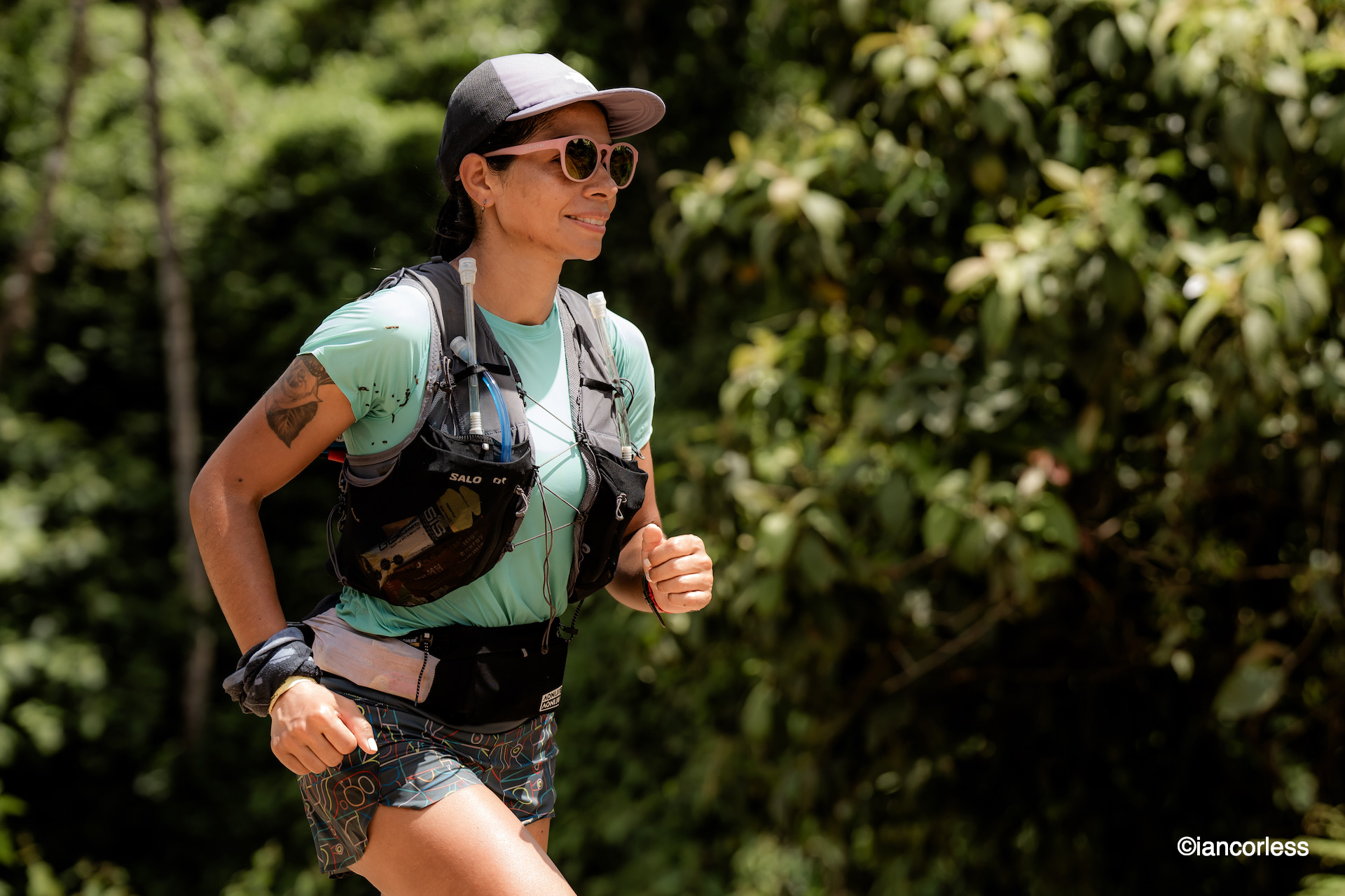
A lightweight vest-style pack works best. Many runners now carry a bladder plus two bottles. Aid stations can be far apart, and dehydration happens fast.
Carry:
• First aid basics
• Whistle
• Phone (waterproofed)
• Cash
• Sunscreen
• Purification tablets (just in case) or a water filter.
• Personal nutrition
• Poles (optional, but useful)
If you use poles, they must fold, stow quickly, and be second nature to deploy. Practice with them before the race.
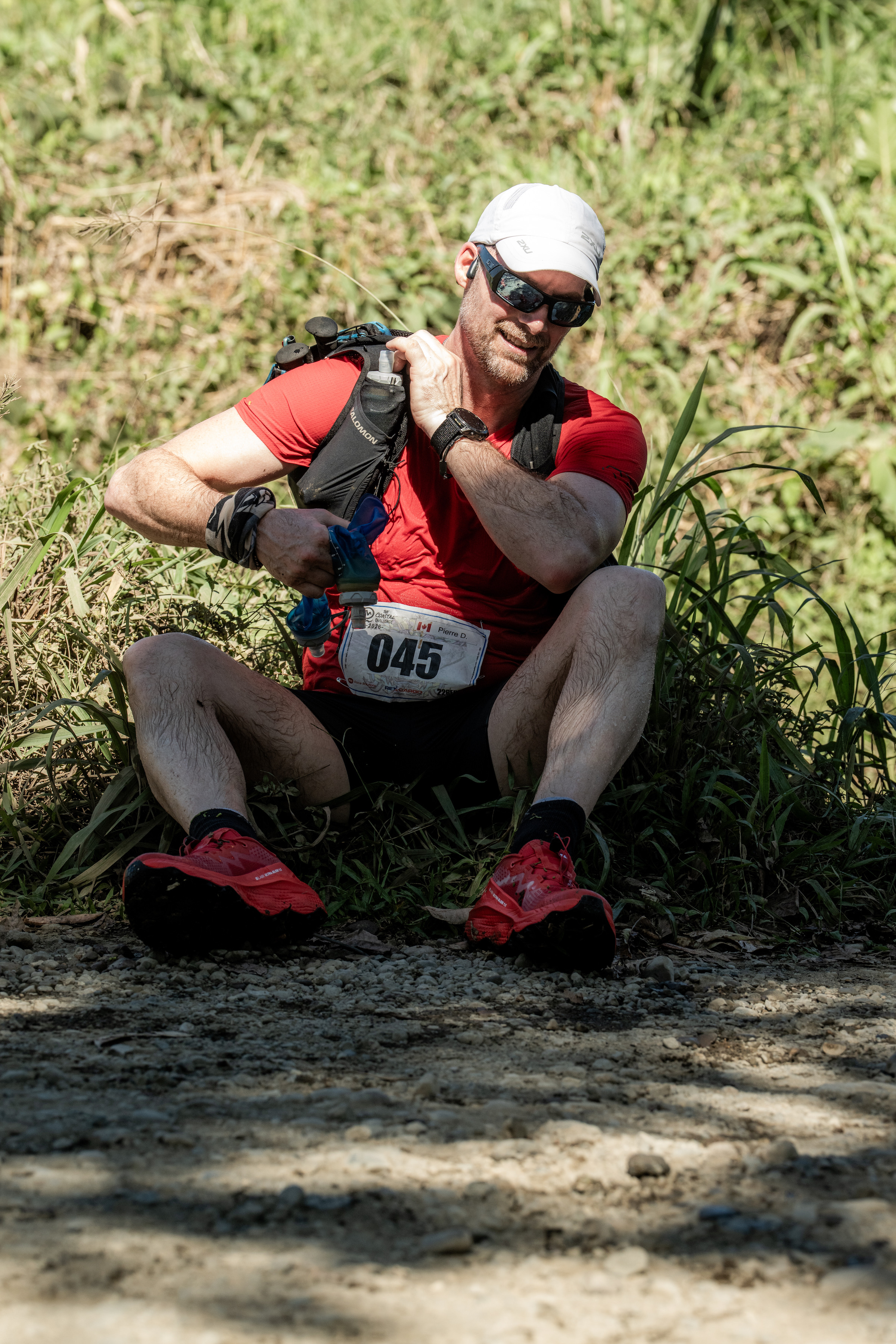
You’ll sweat within minutes of starting and continue all day. Hydration is constant, not reactive. Drink regularly, not just when thirsty. Electrolytes are personal. Know what works for you before arriving.
Never pass water without topping up.
Photo by Ian Corless
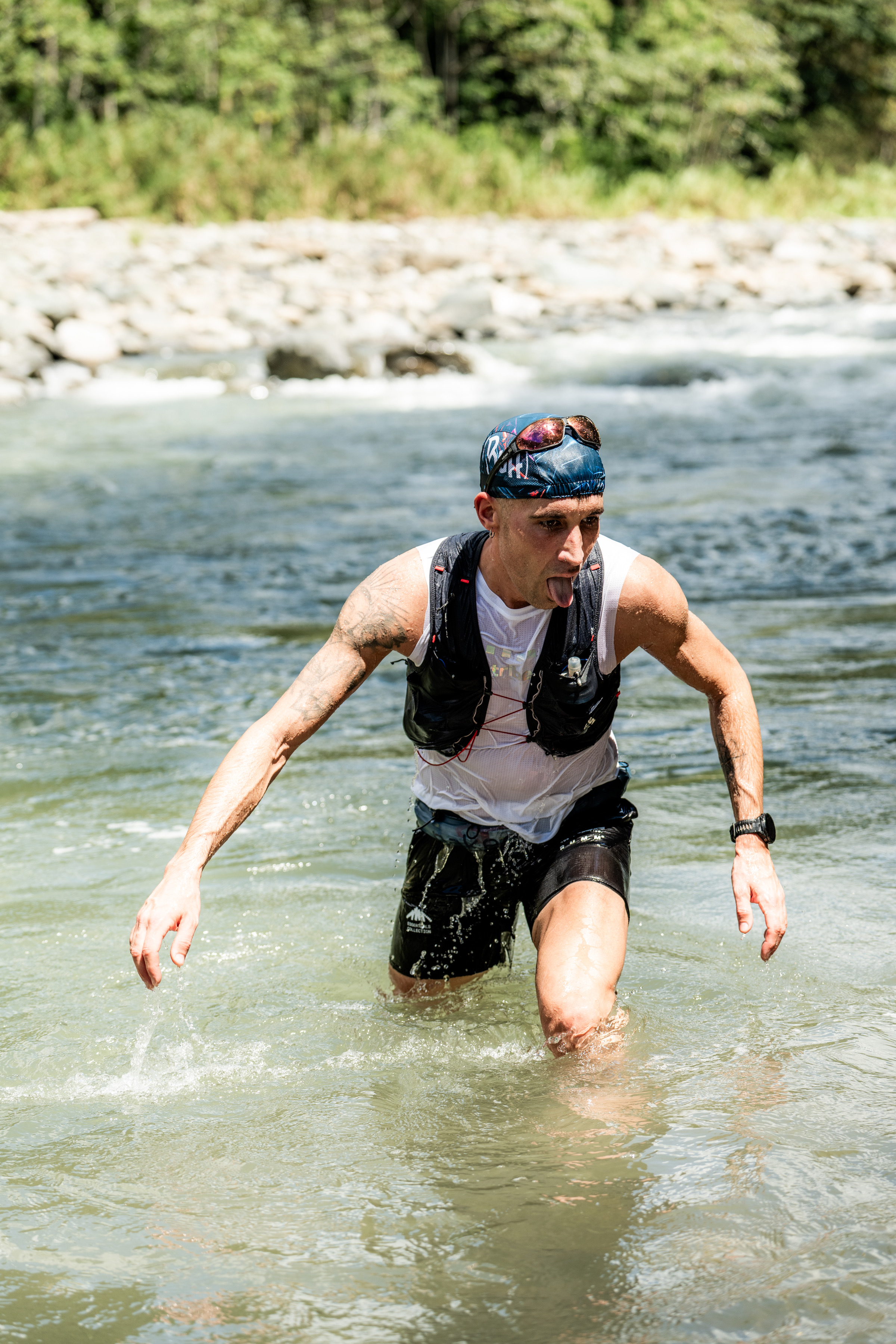
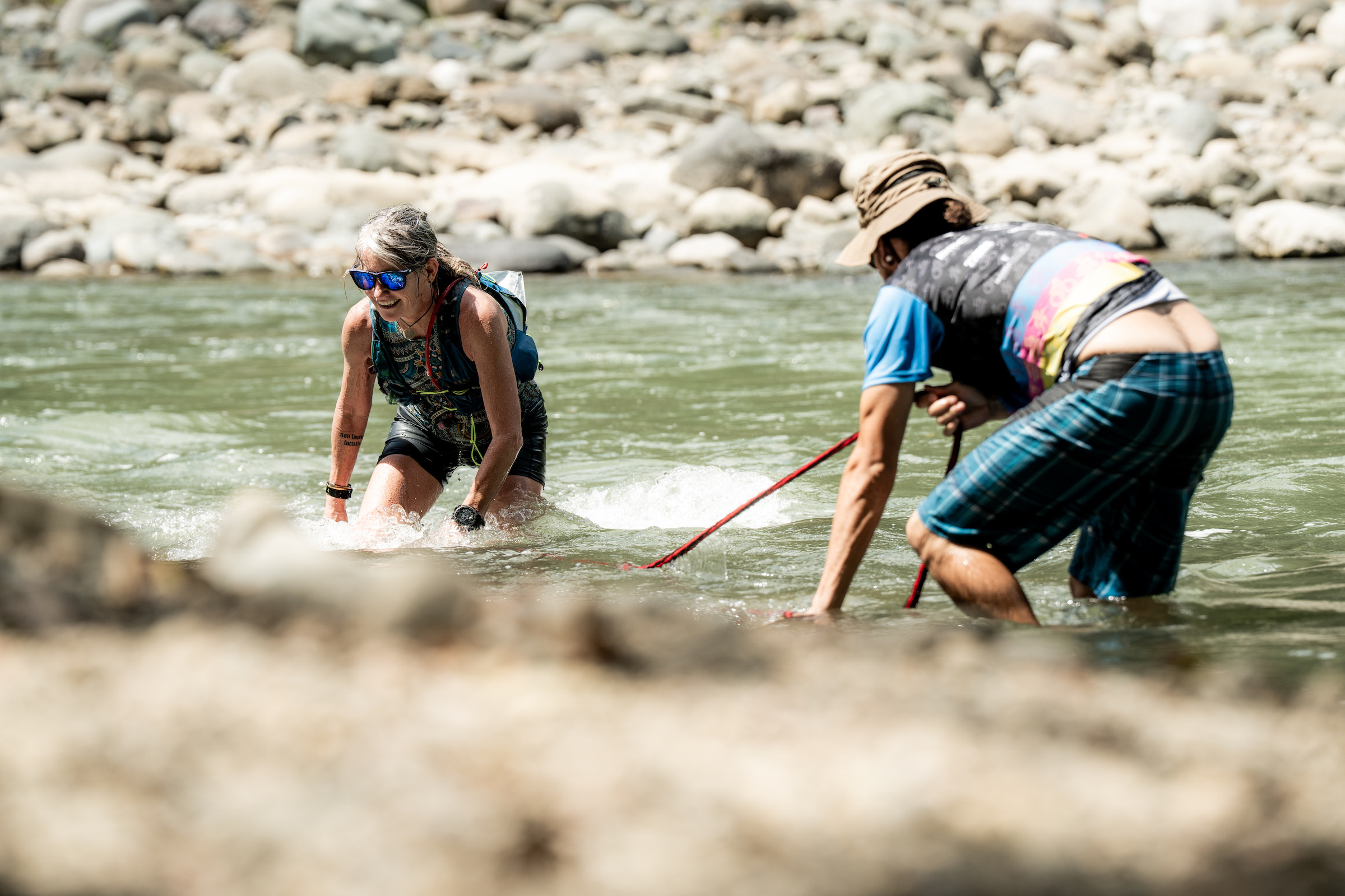
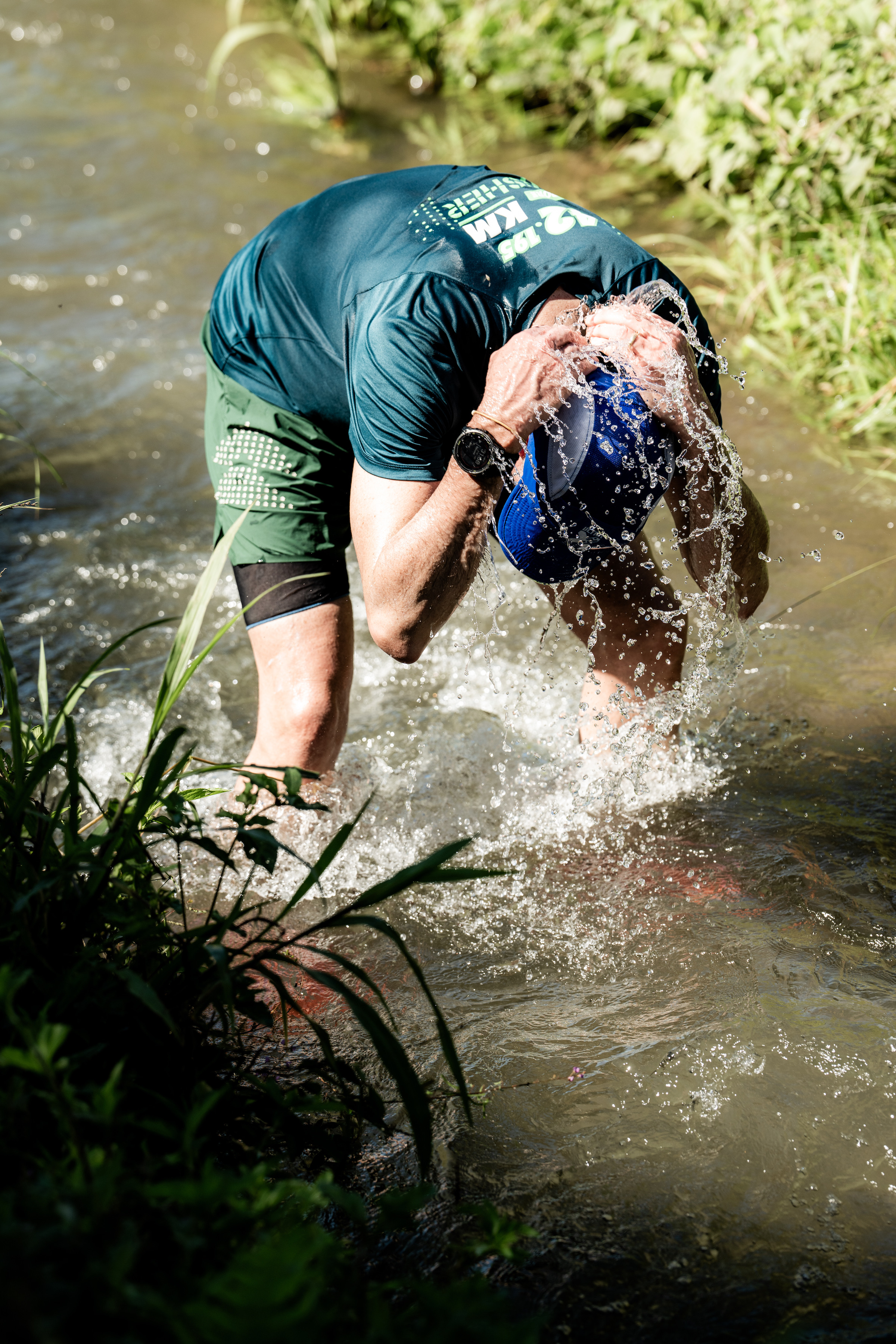
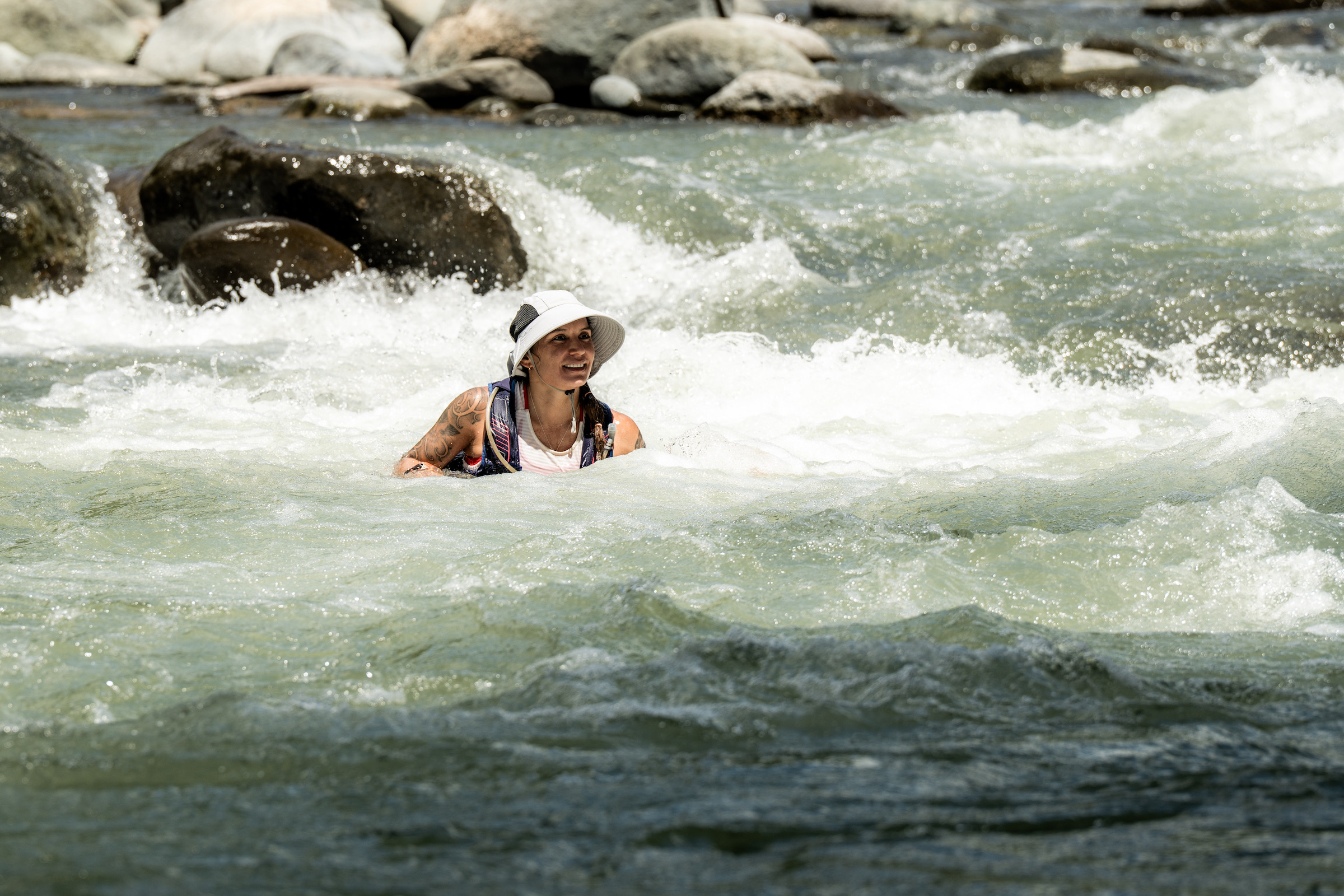
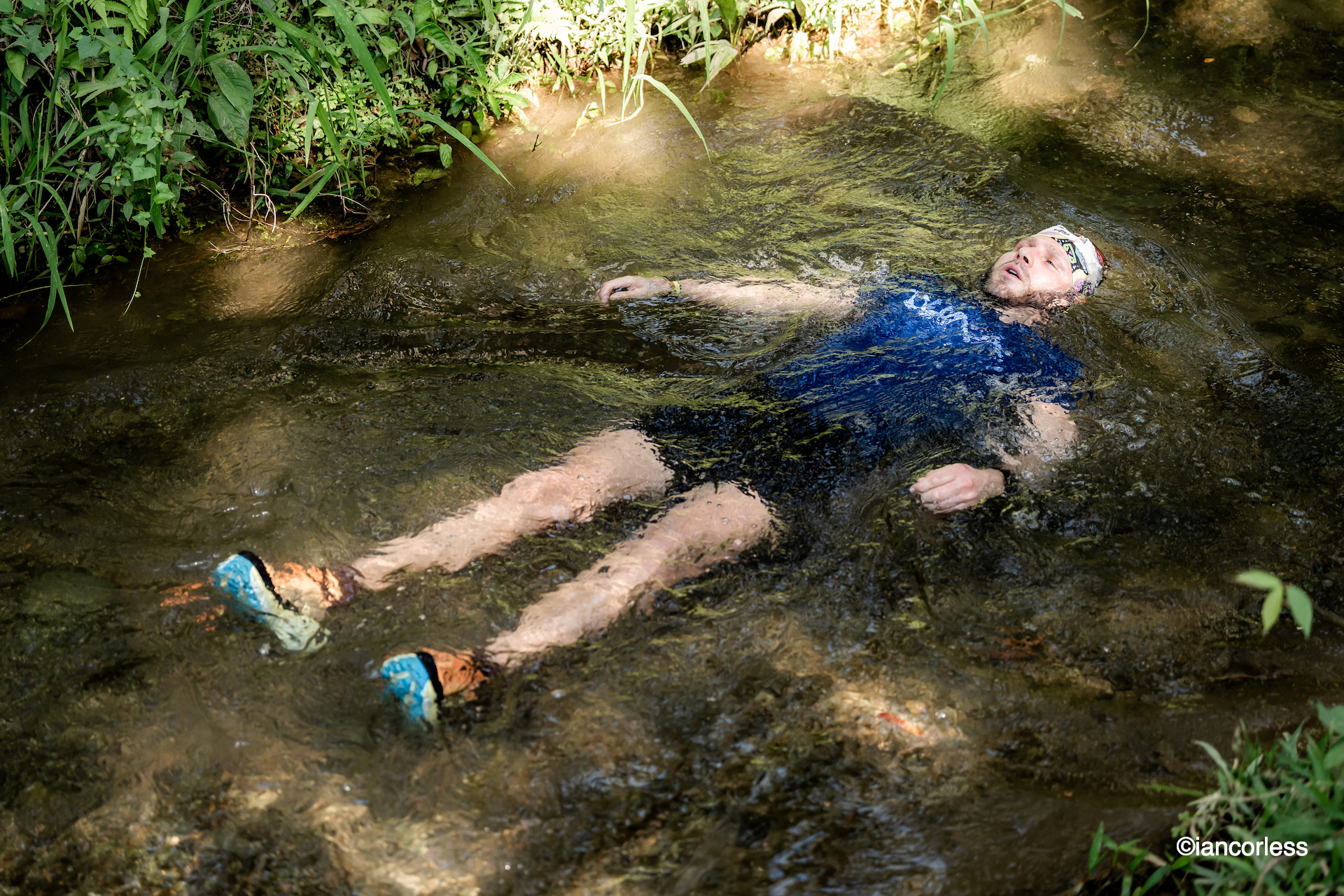
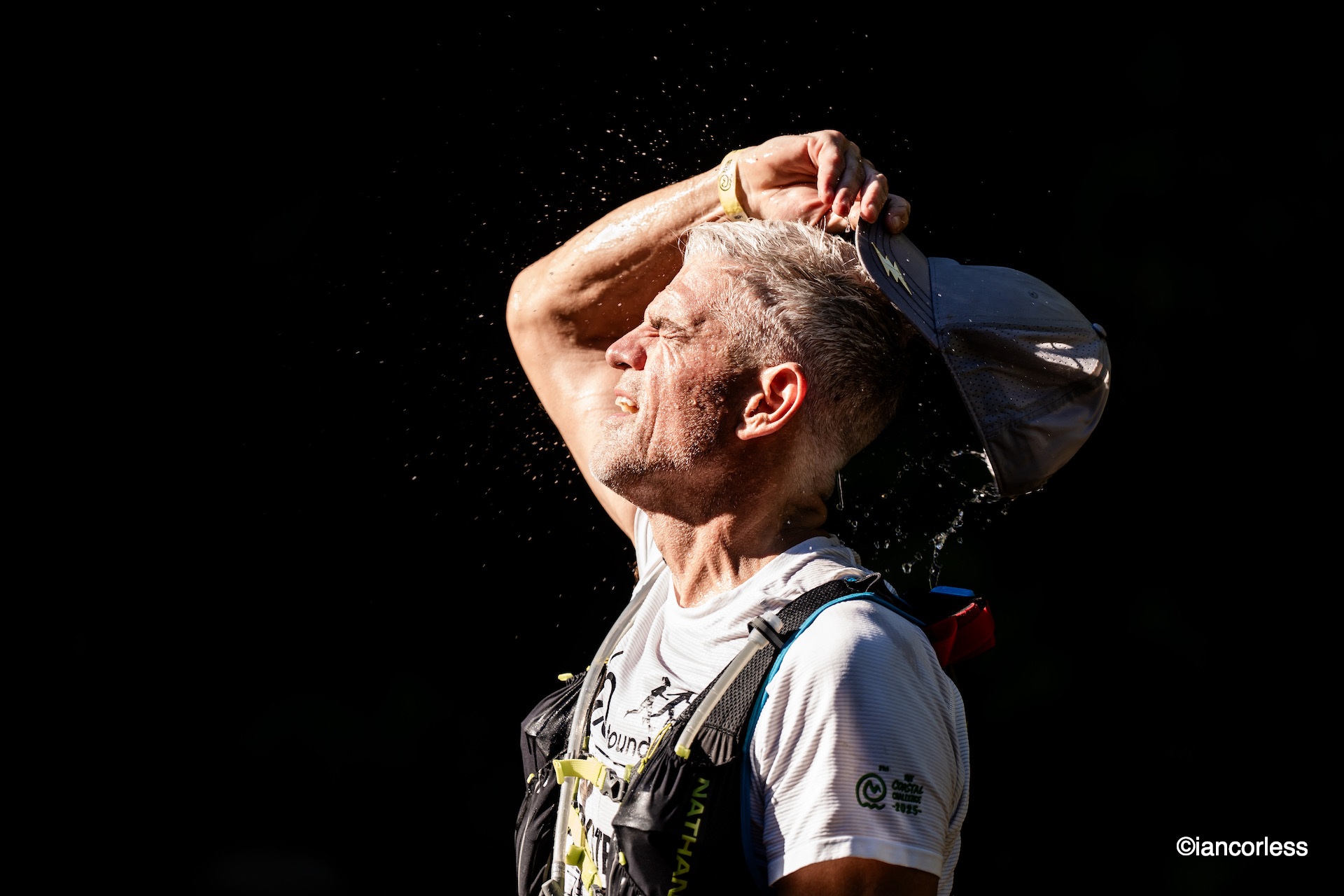
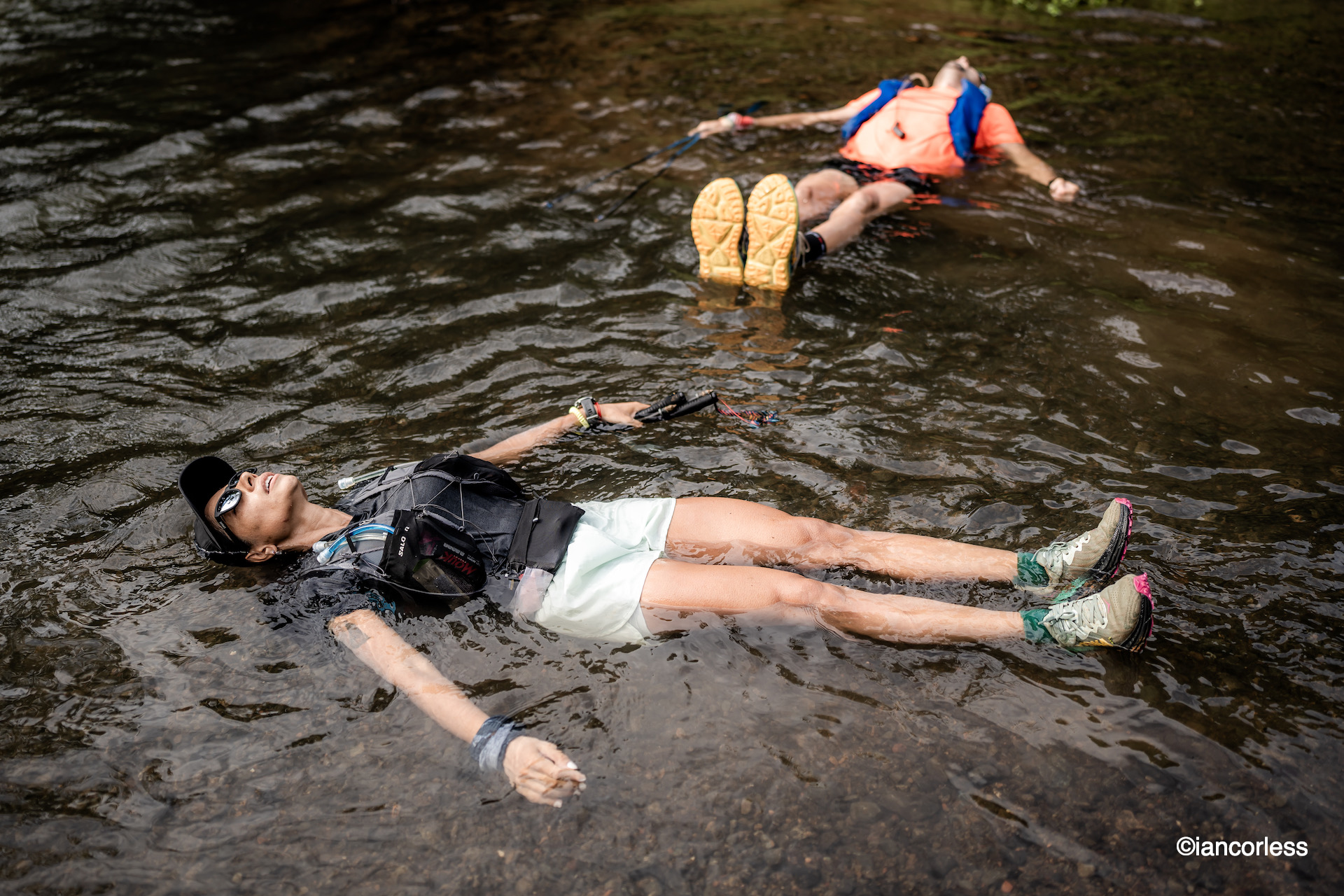
Use the environment to your advantage. Rivers, streams, and pools are not obstacles, they are survival tools. Submerge fully whenever possible. Two or three minutes can reset your entire system.
Photo by Ian Corless
Run in shade. Walk in sun. Cover your head and shoulders. Pour water over yourself often.
Practical Race Wisdom
• Day 1 starts fast and later than other days. Most people go out too hard. Many drop out here.
• From Day 2 onward, you start at sunrise. Use the cooler hours wisely.
• This is a technical race. Train for climbing and descending.
• Everyone walks. Learn to do it efficiently.
• The course is well marked, but fatigue makes mistakes easy. If you haven’t seen a marker in five minutes, stop and check. Use the GPX files on a watch.
• Wildlife surrounds you. You’ll hear far more than you’ll see.
• After each stage: shoes off, feet checked, flip-flops on immediately.
• Eat, hydrate, nap, elevate legs.
• Camps are social, but your tent is your reset space.
A Note for Female Runners
Photo by Ian Corless
Practical comfort matters.
Light, non-run clothing for evenings makes a big difference. Sundresses or loose cotton work well. Flip-flops are essential, including for showers.
A two-piece swimsuit is useful for river or ocean bathing.
Sleep in run kit.
Don’t economise on sunscreen. Carry anti-chafe cream and reapply regularly. High humidity changes everything.
Avoid skorts. They hold water and add friction. Single-layer shorts or breathable tights work better.
Hair conditioner is not optional. Sachets pack well and don’t leak.
Leave rings at home. Swelling is real.
Waterproof zip-locks for cash and toilet paper are worth their weight.
Phones must be properly waterproofed or left behind for river-heavy sections.
Final Thoughts
The Coastal Challenge doesn’t pretend to be anything other than what it is: a hard, beautiful, immersive journey through one of the most demanding environments you’ll ever race in. It will challenge you. It will frustrate you. It will humble you. And if you arrive prepared, it will reward you in ways few races can.
Photo by Ian Corless
Look up. Take it in. Accept the discomfort. Prepare well for heat, humidity, technical terrain, and recovery. Get your head right before you arrive. If you do that, the race doesn’t just become manageable. It becomes unforgettable.
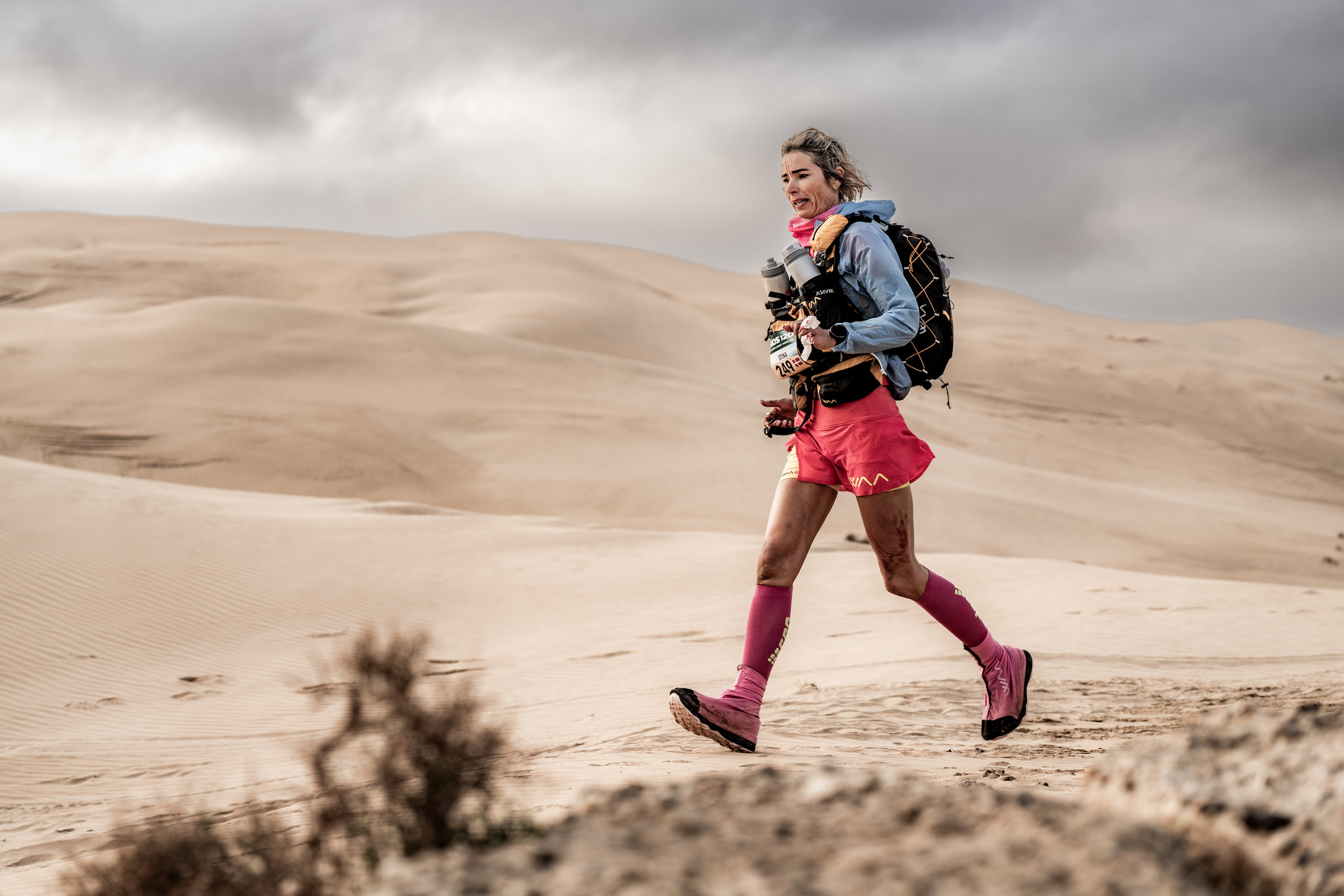
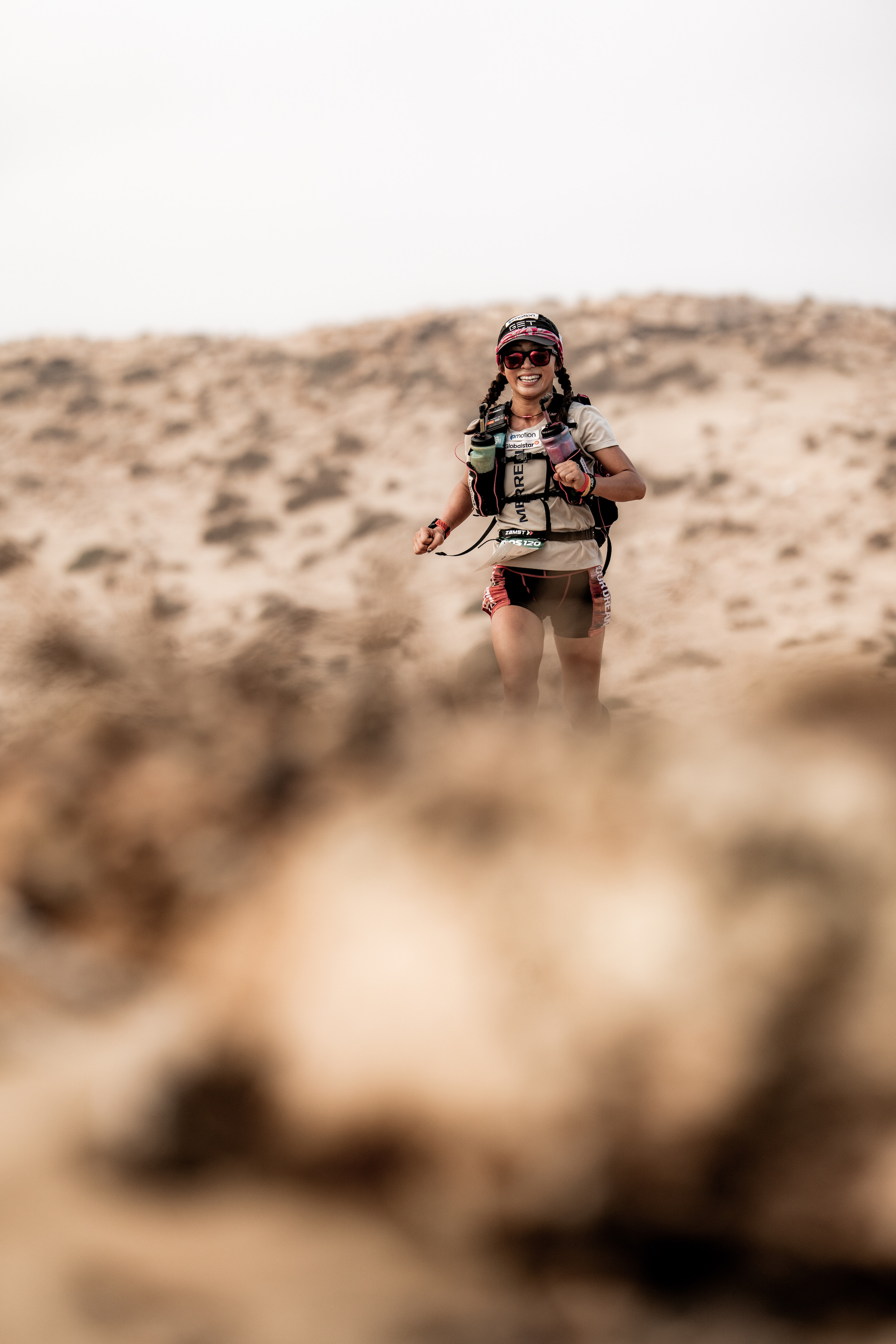
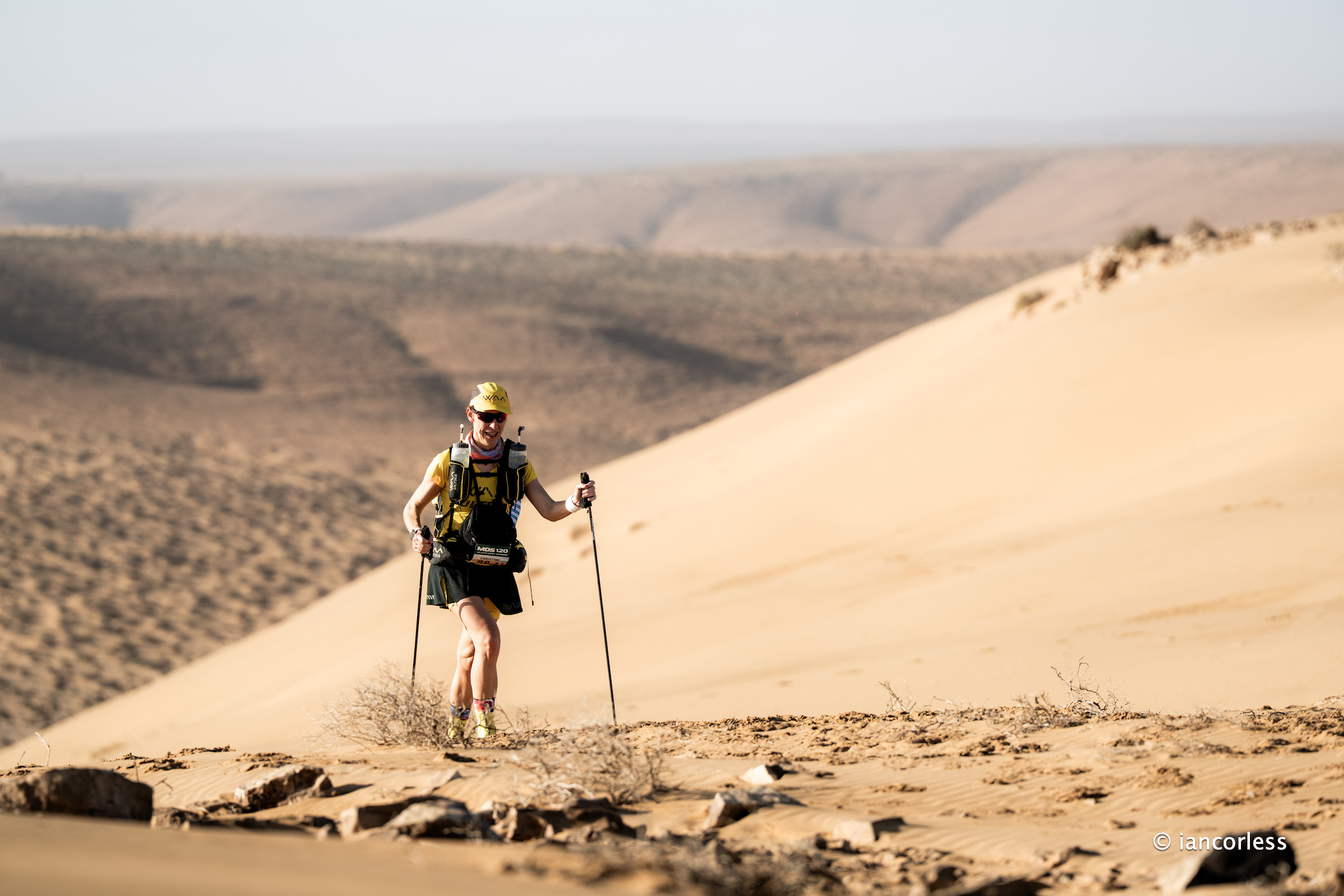
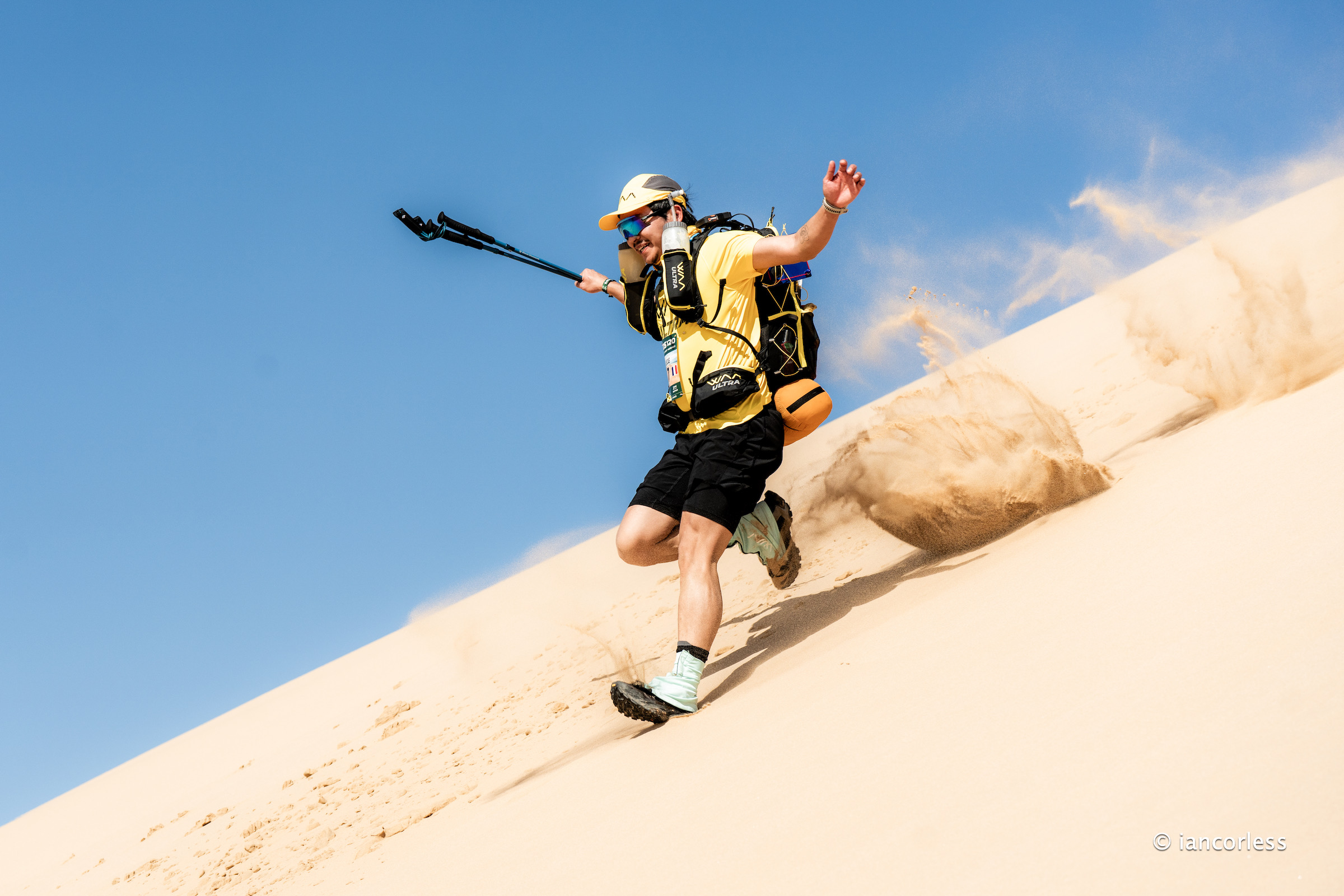
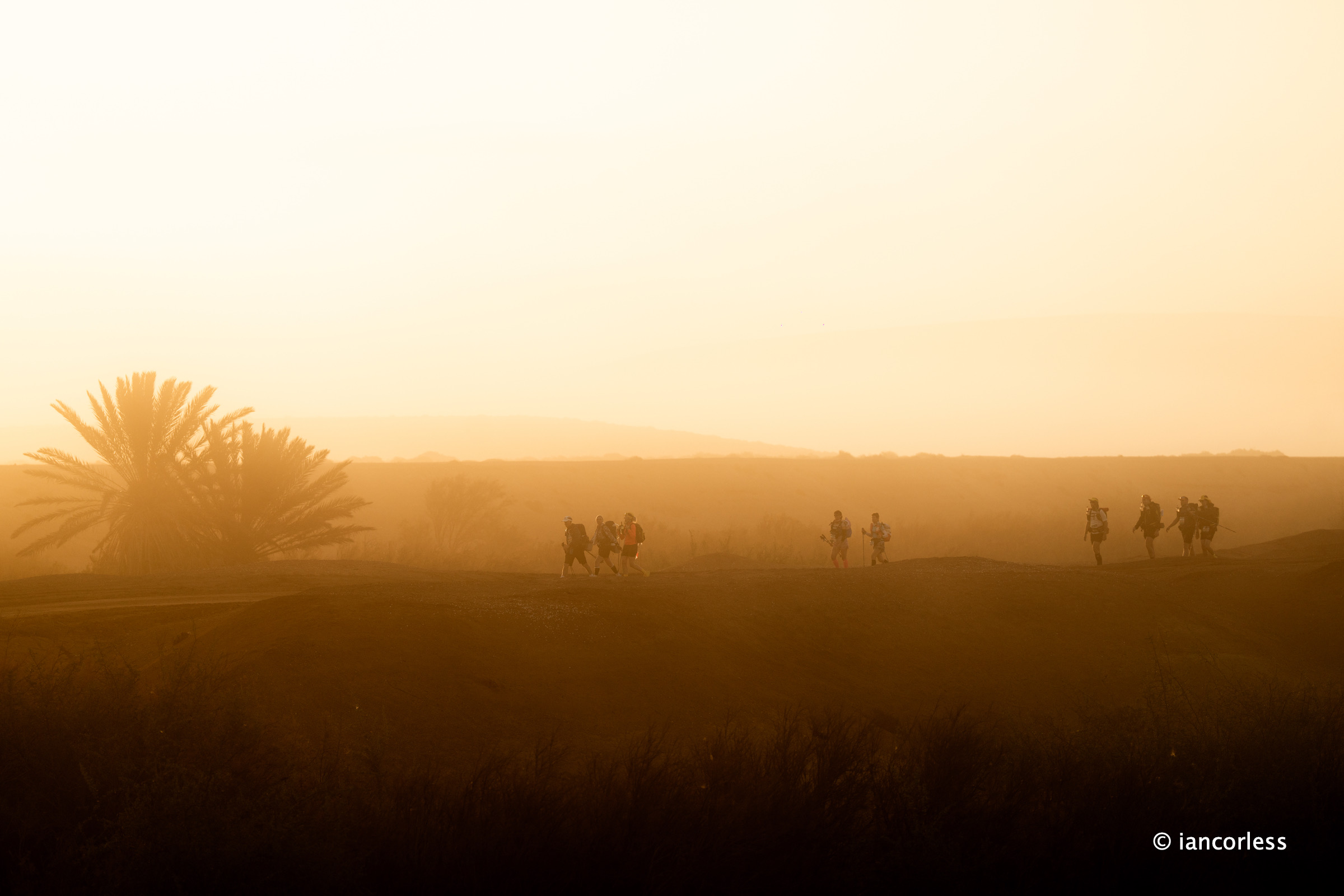
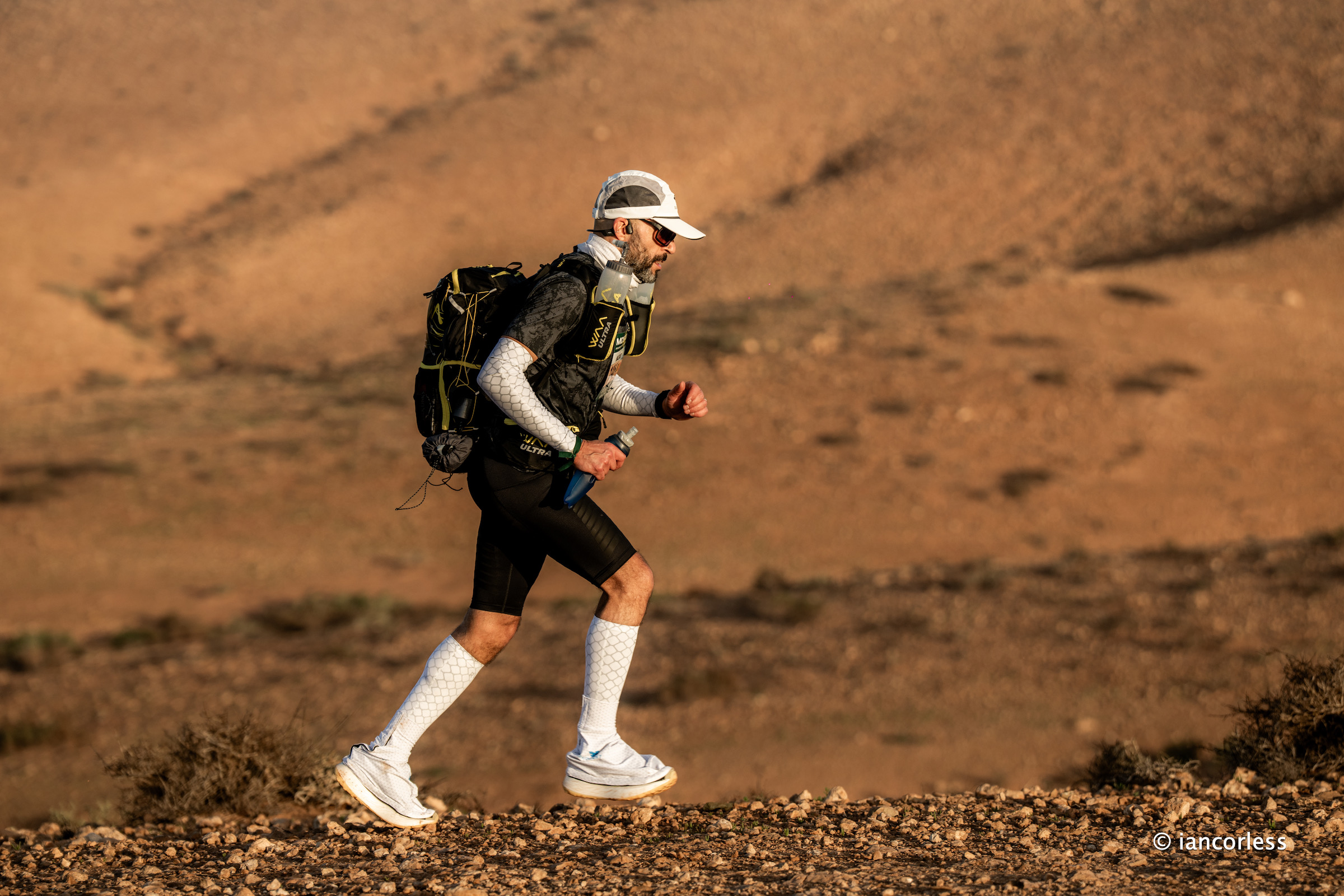
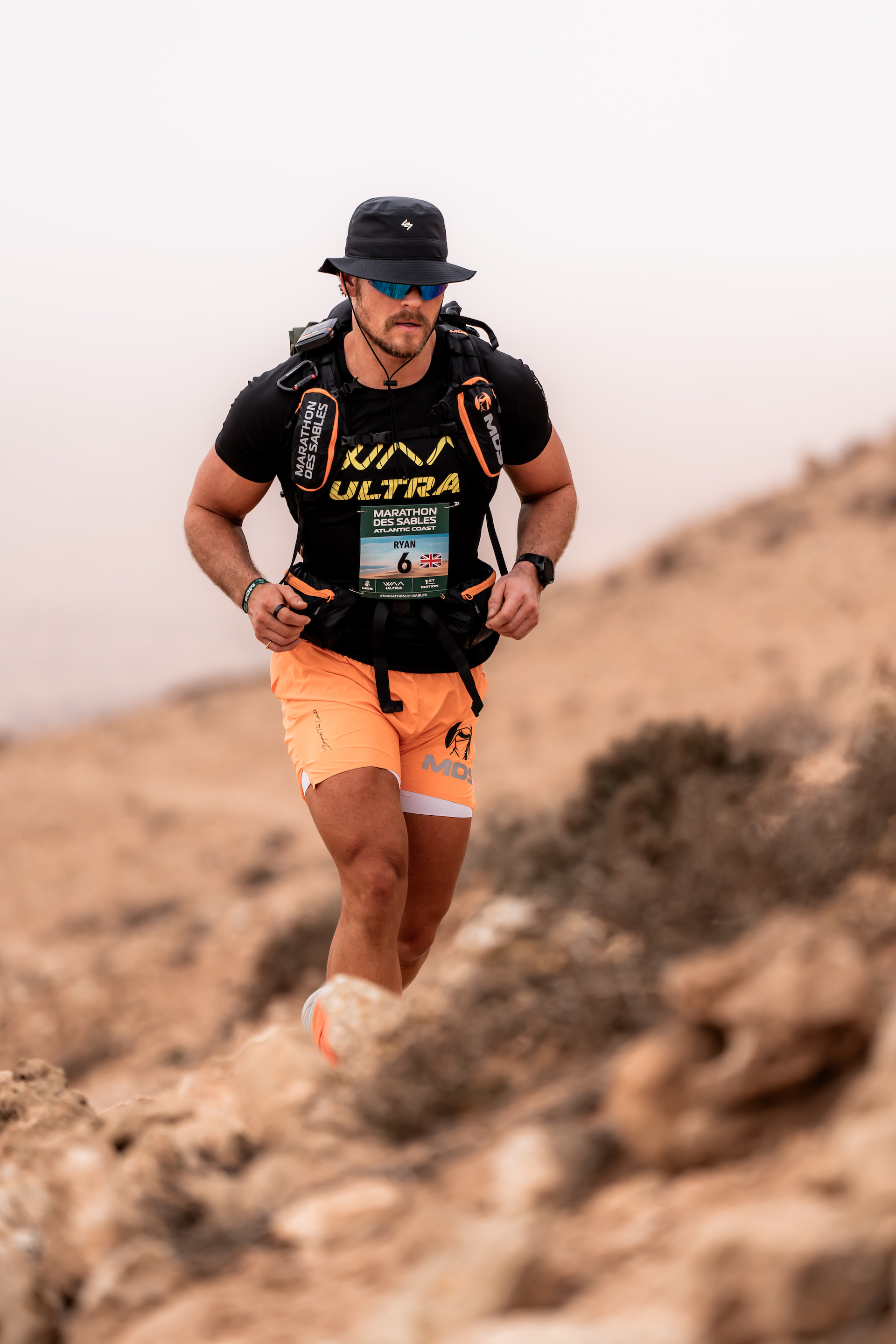
Stage 3 of the MDS 120 Atlantic Coast wasn’t about pace. It was about heart. Twenty-seven kilometres stood between every runner and the finish. The final stage. The one that decides how the story ends.
The day opened under a heavy sky. Low cloud hung over the coast, light rain drifting in and out, just enough to cool the skin and sharpen the mood. It felt serious. Proper. A stage that demanded respect.
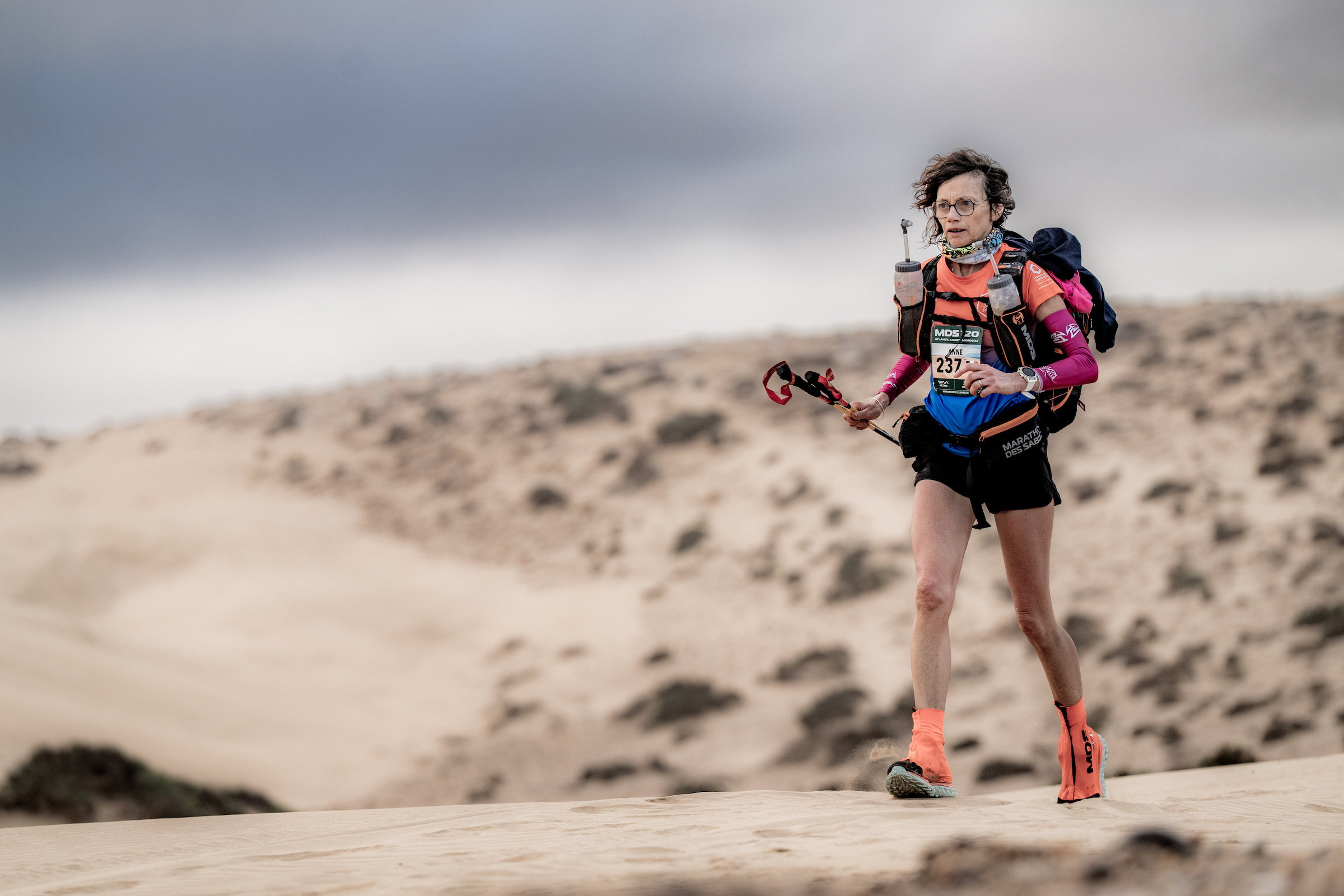
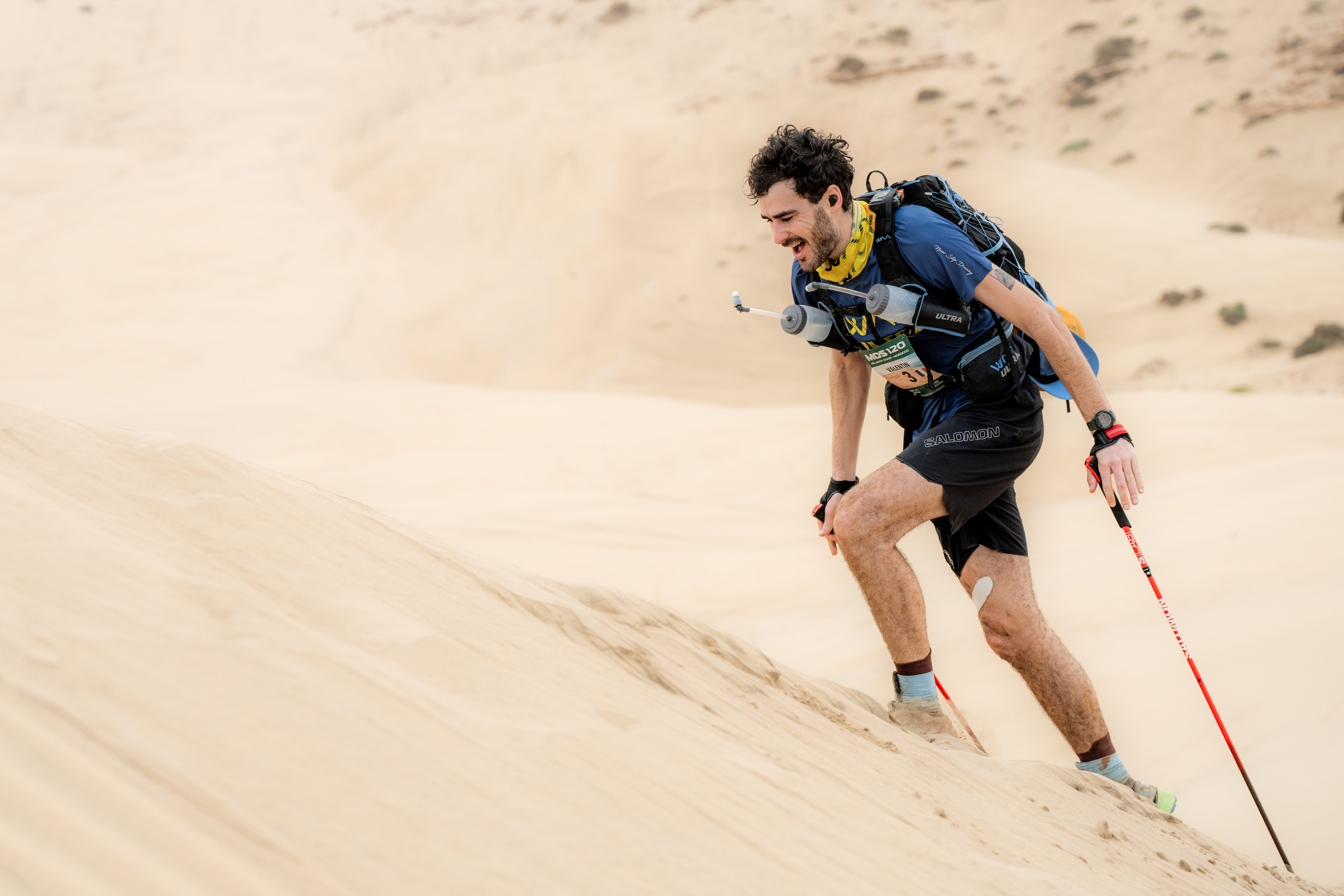
From the first steps, the terrain made its intentions clear. Soft sand soaked up energy. Feet sank, calves burned, rhythm disappeared. Progress came the hard way, one honest stride at a time.
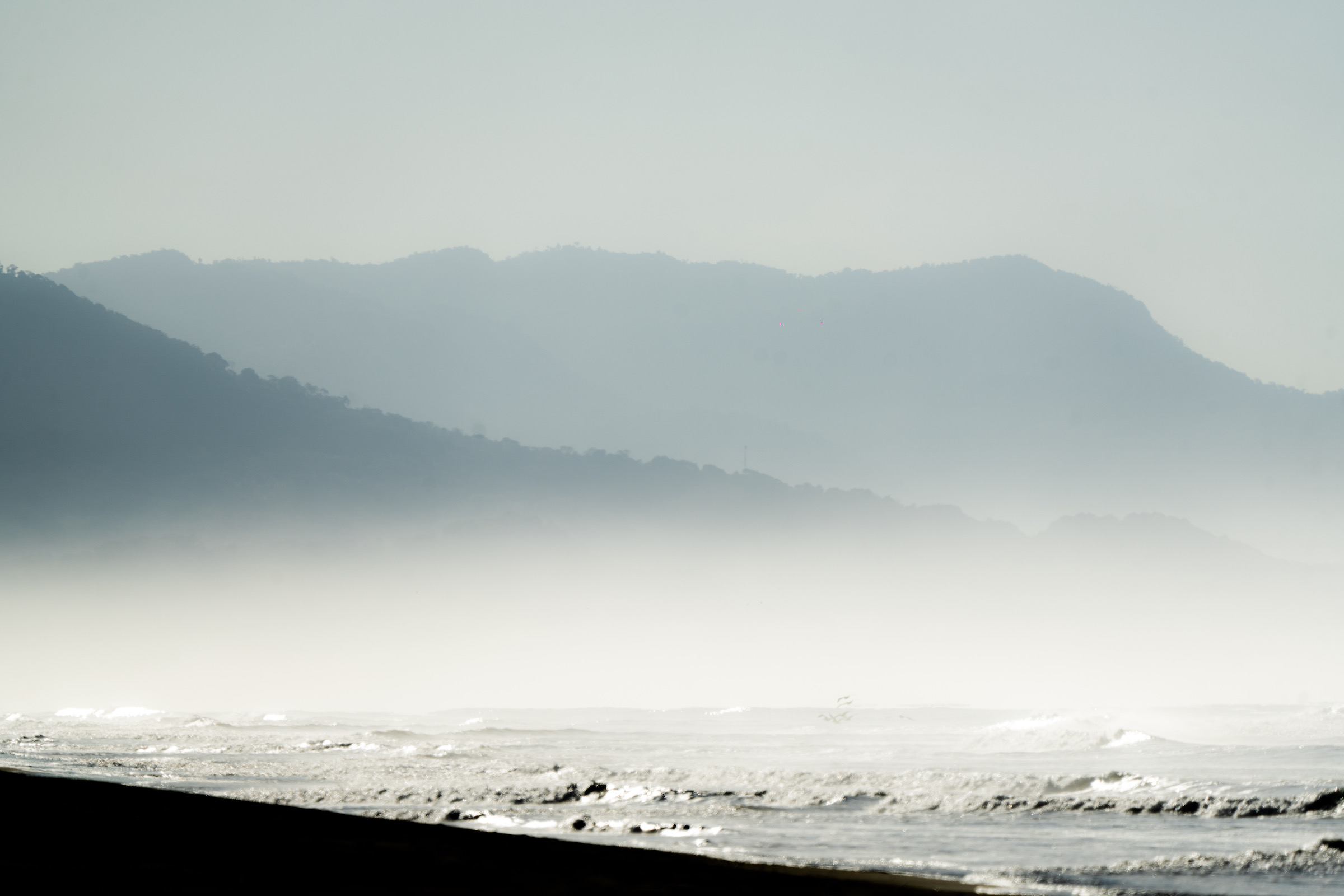
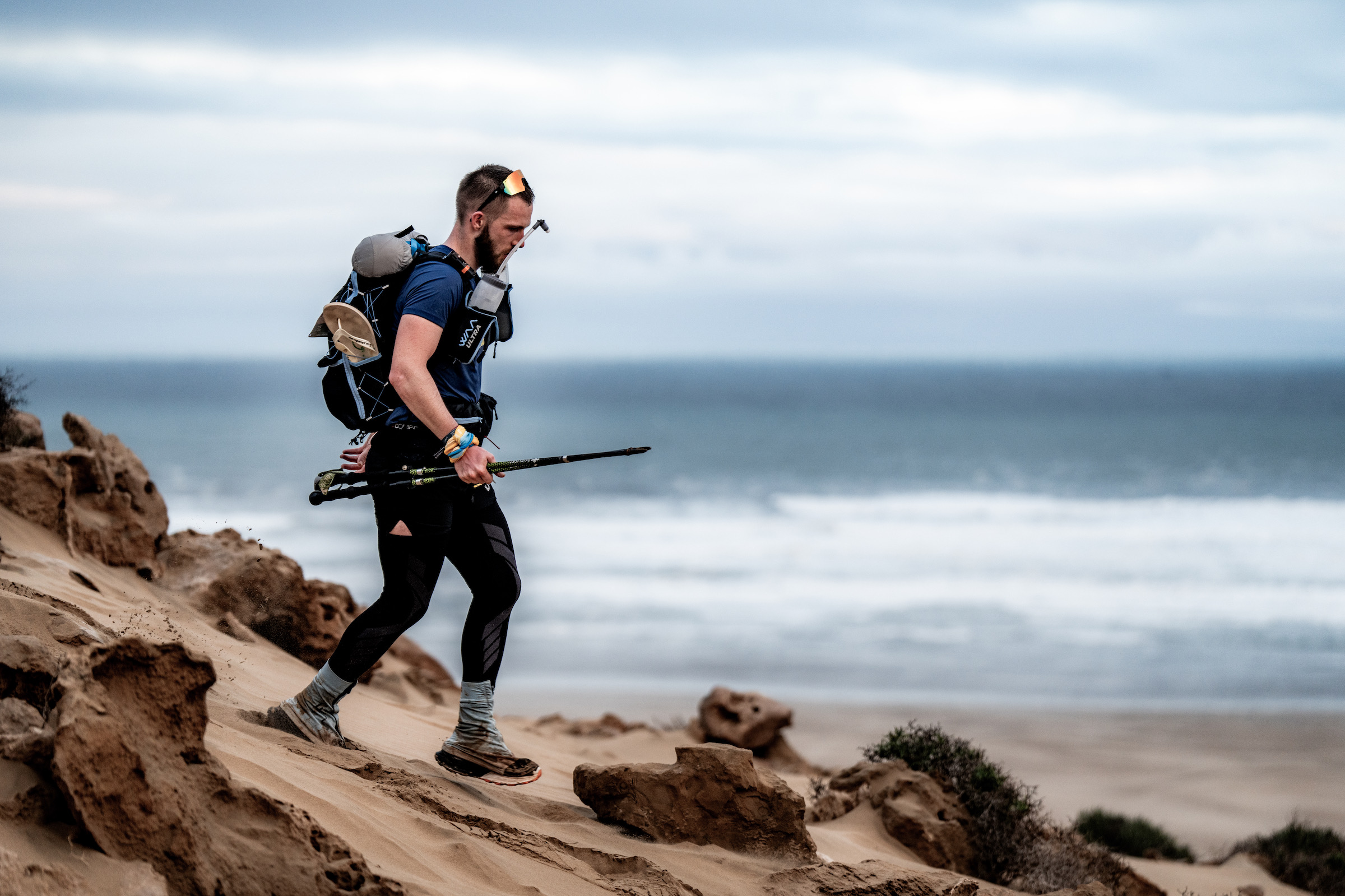
Then there was the Atlantic – Wild. Loud. Unapologetic. The ocean pushed high up the beach, swallowing the firm running line and forcing everyone into deeper, slower sand. The final ten kilometres became a test of patience and grit. Shoes heavy with water. Legs tight. Eyes fixed forward. The sound of the waves constant, relentless, daring you to stop.
Every runner carried their own journey into those final kilometres. Some had 70 kilometres in their legs. Others 100. Many the full 120. Different distances, same effort. Same doubts. Same determination.
And then, finally, the finish.
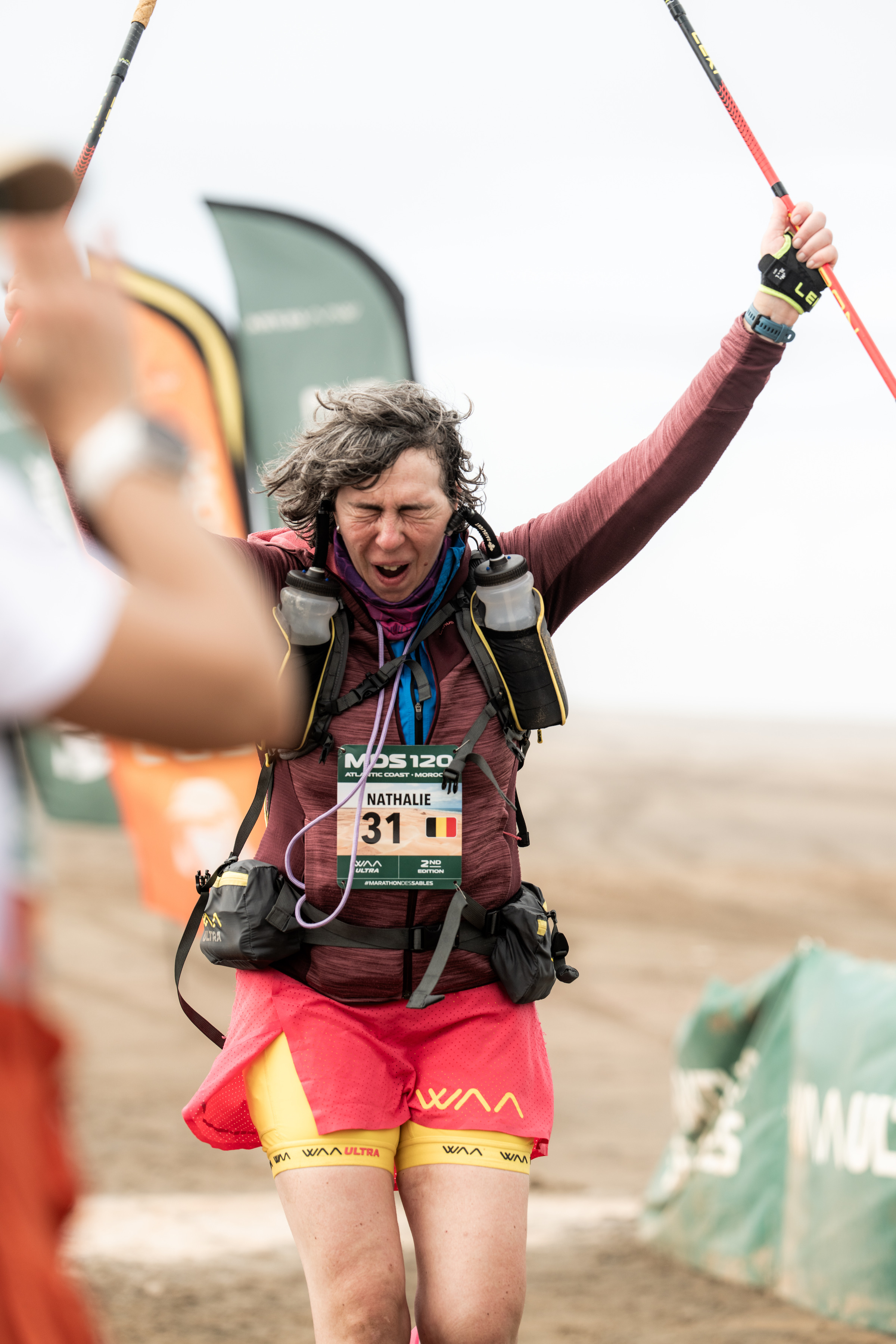
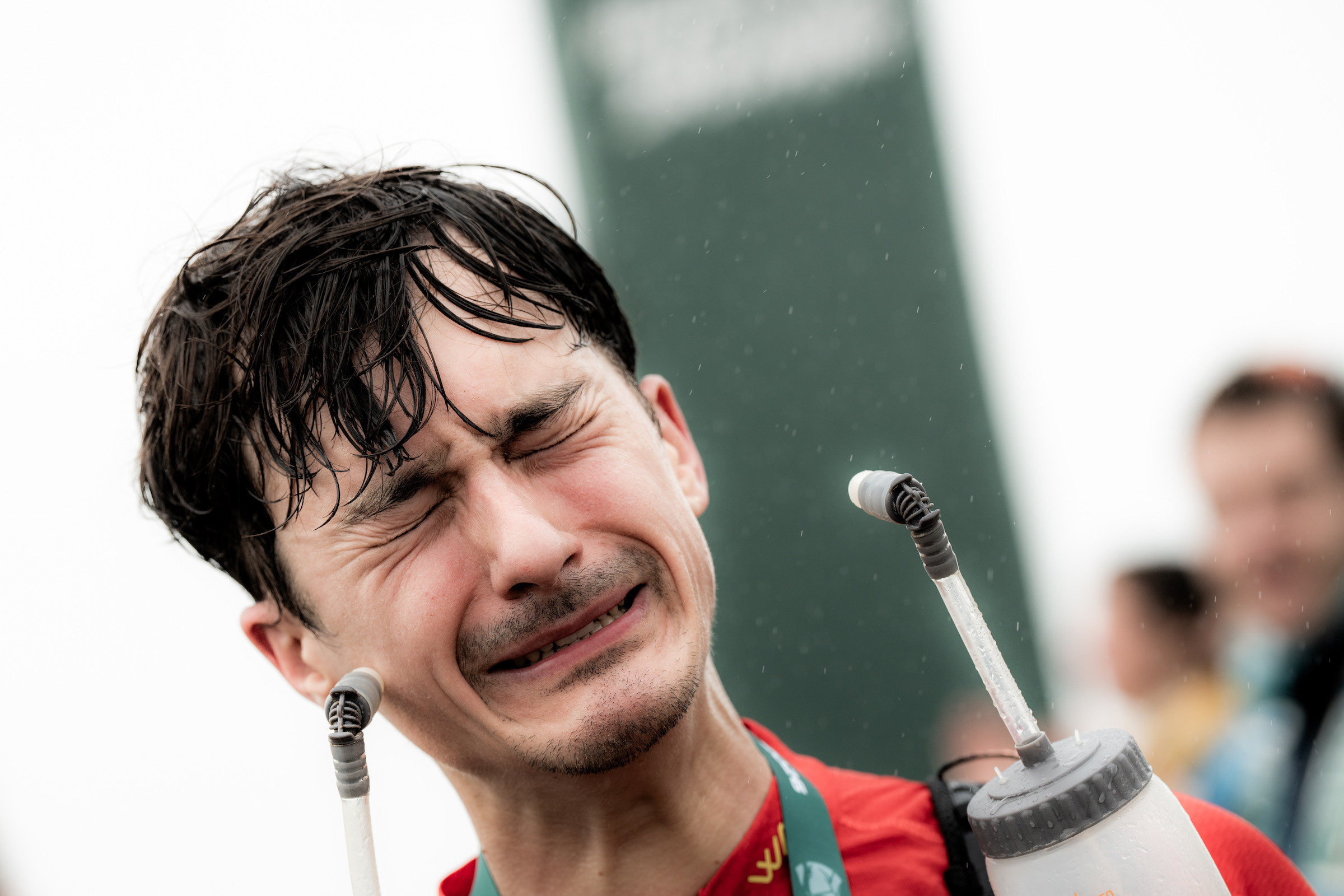
Not a sprint. Not fireworks. Just raw, unfiltered emotion.
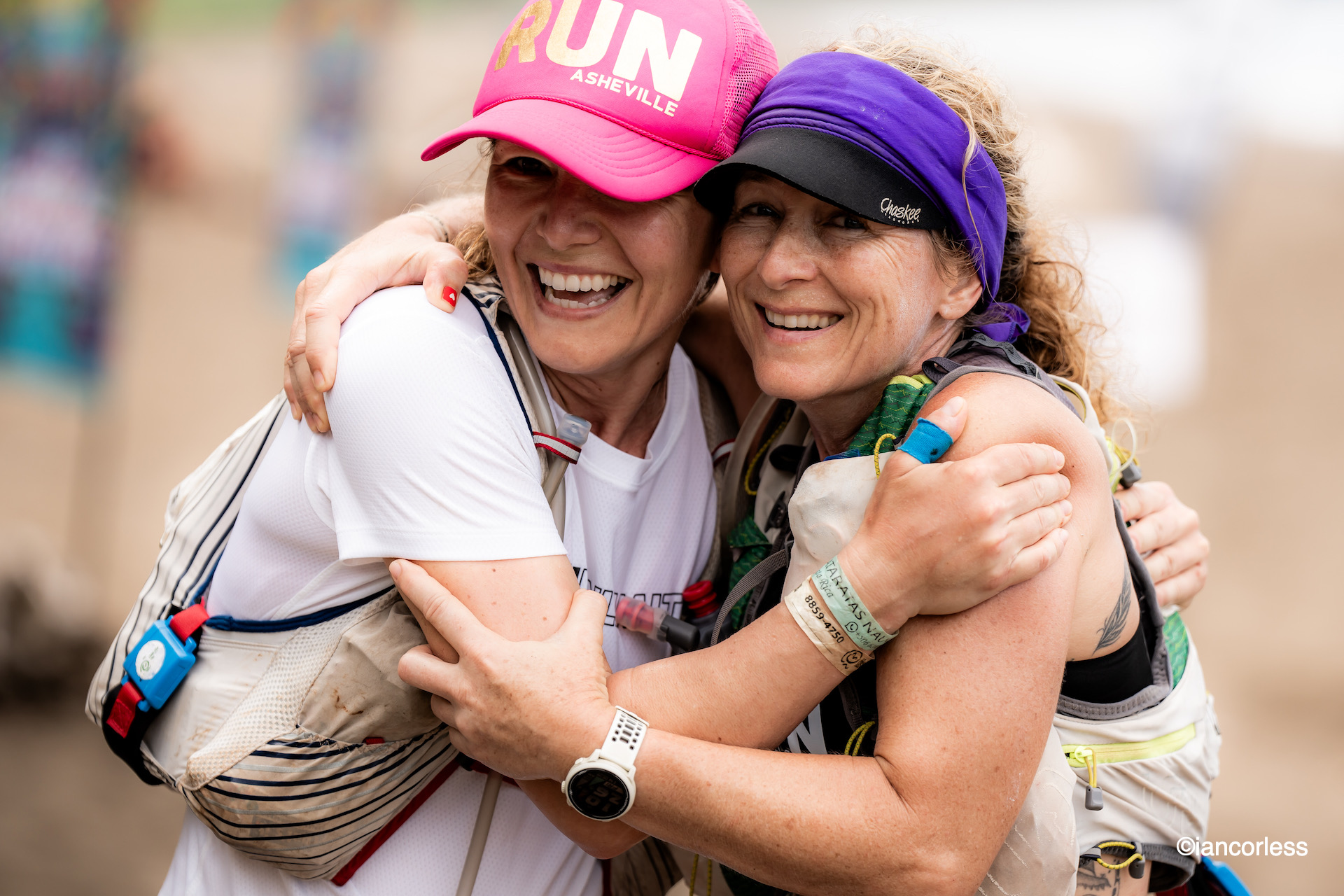
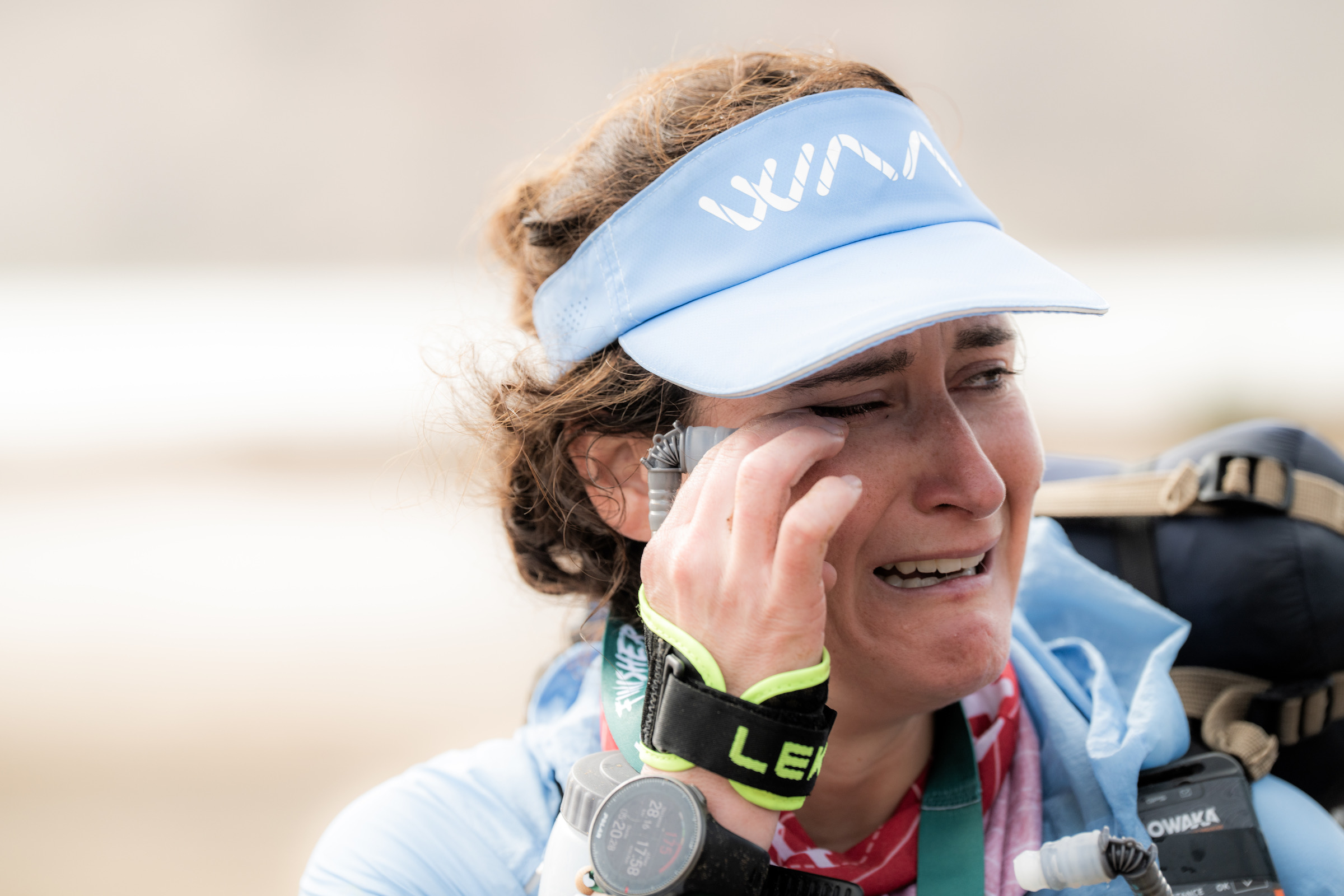
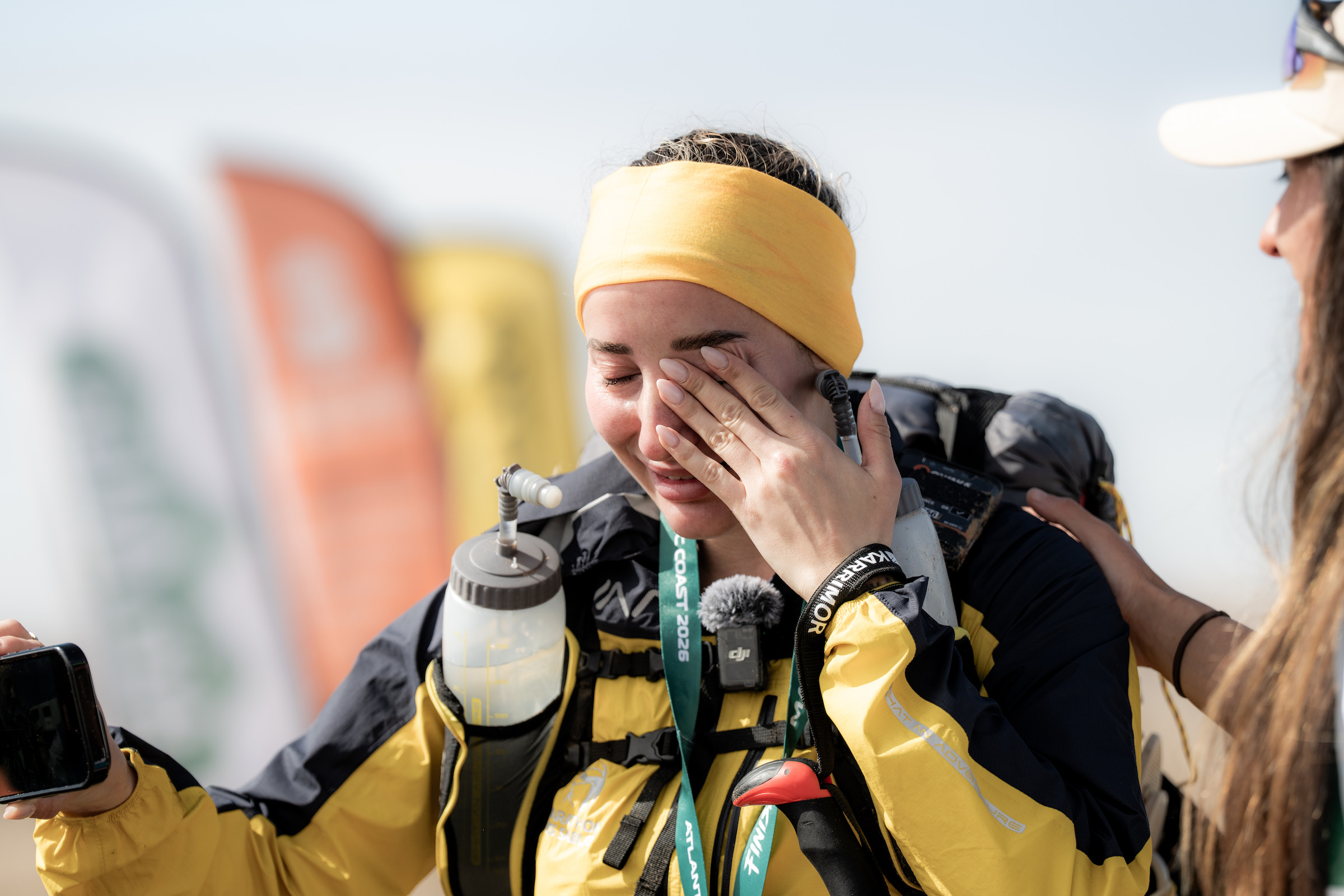
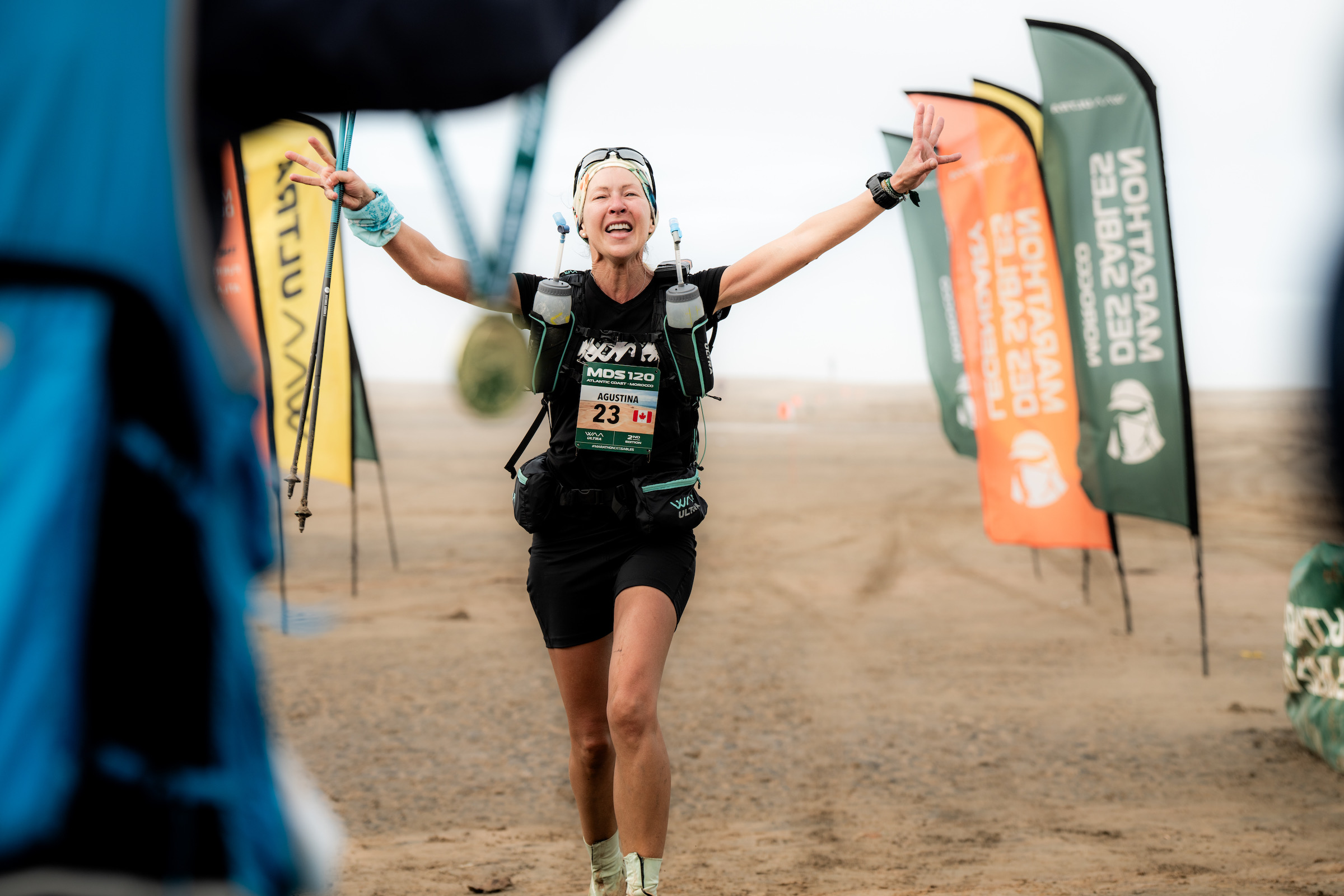
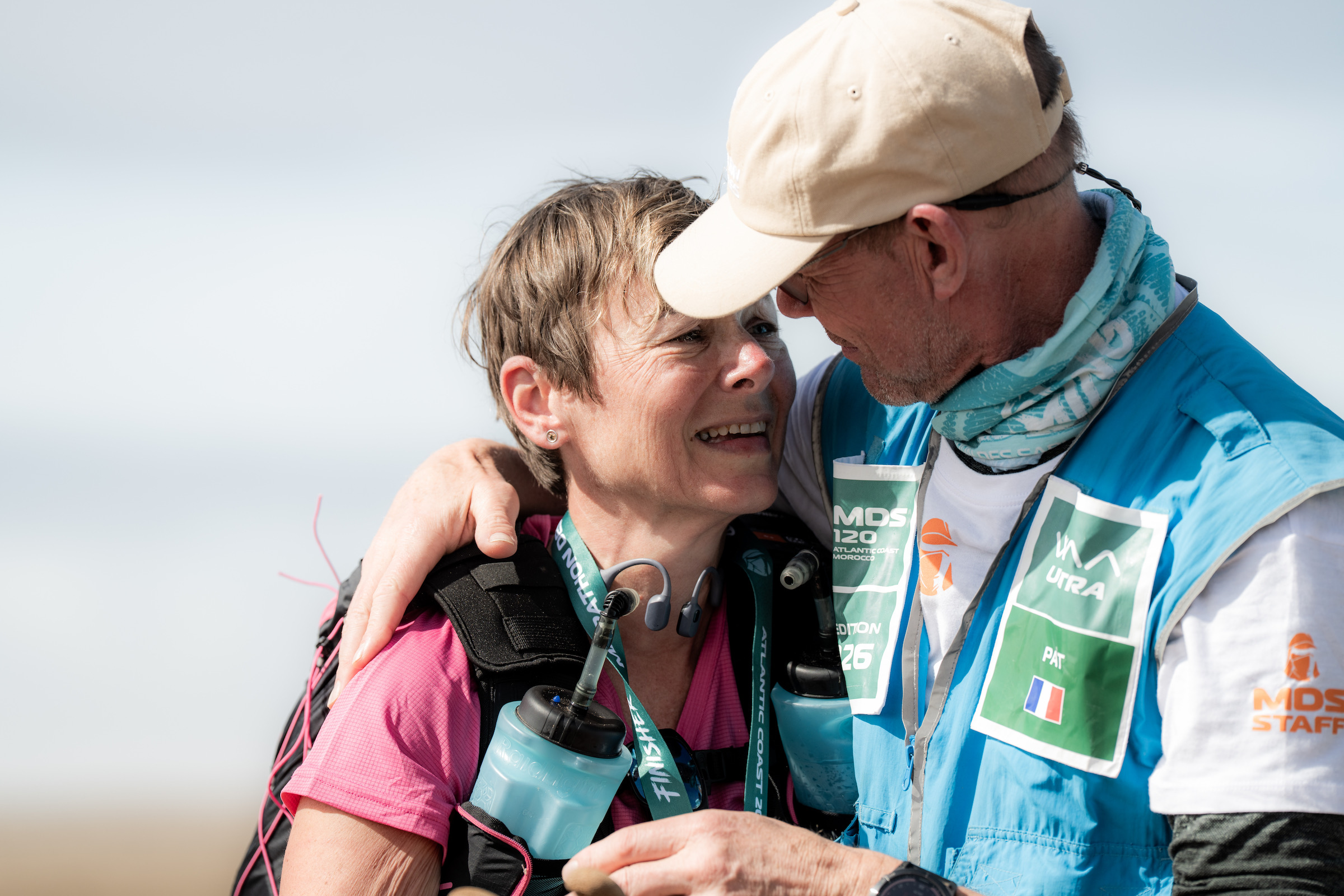
Tears mixed with rain. Smiles broke through exhaustion. Hugs lasted longer than words. That medal, placed gently around tired necks, meant everything. It wasn’t just metal. It was proof. Of discipline. Of resilience. Of promises kept when quitting would have been easier.
This is what the Atlantic Coast gives you.
It gives you challenge. It gives you atmosphere. It gives you moments where the world narrows down to breath, movement, and will. And in return, it gives you something rare. A finish that feels truly earned.
If you’re looking for a race that stays with you long after the sand is washed from your shoes, this is it. The coast is waiting.
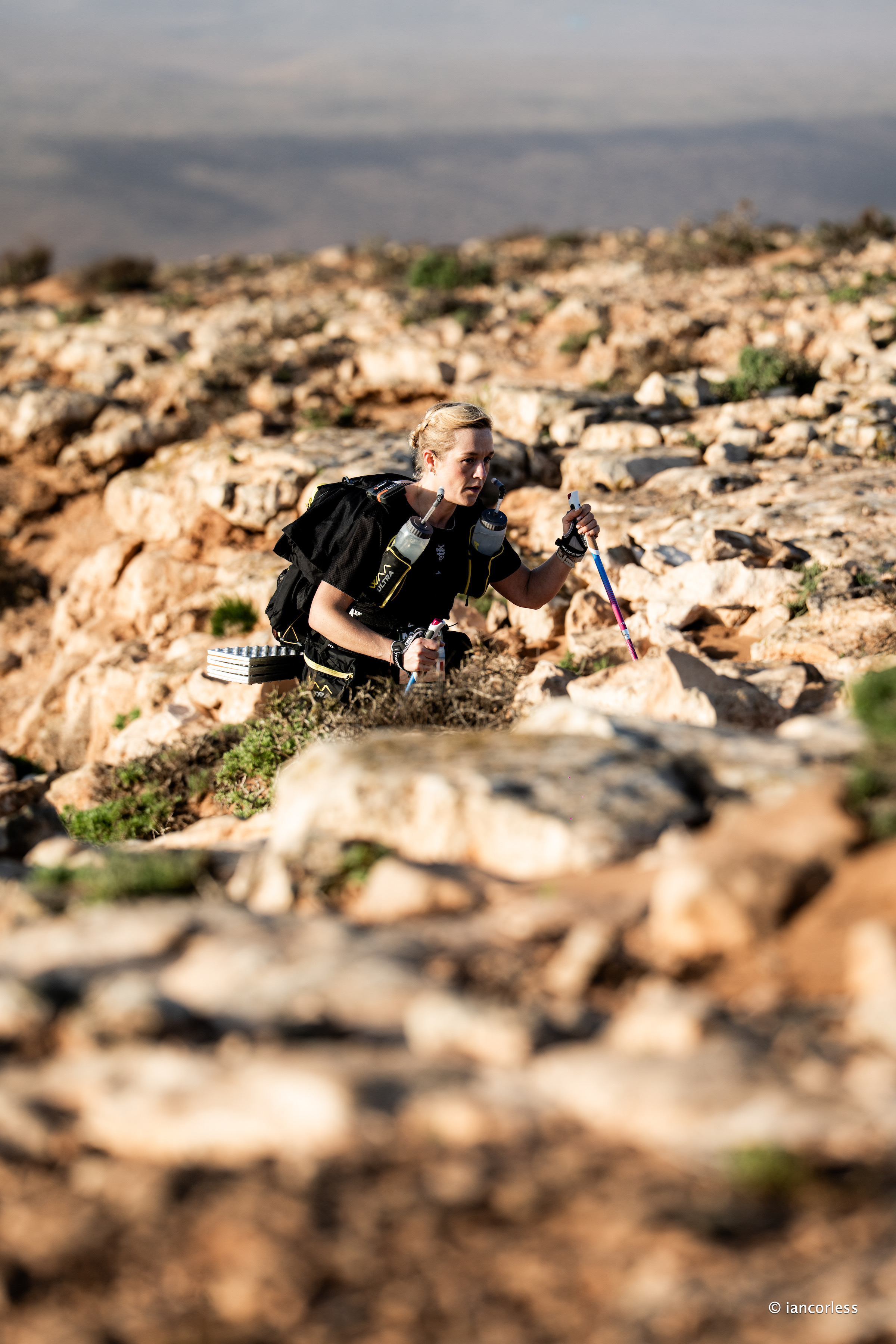
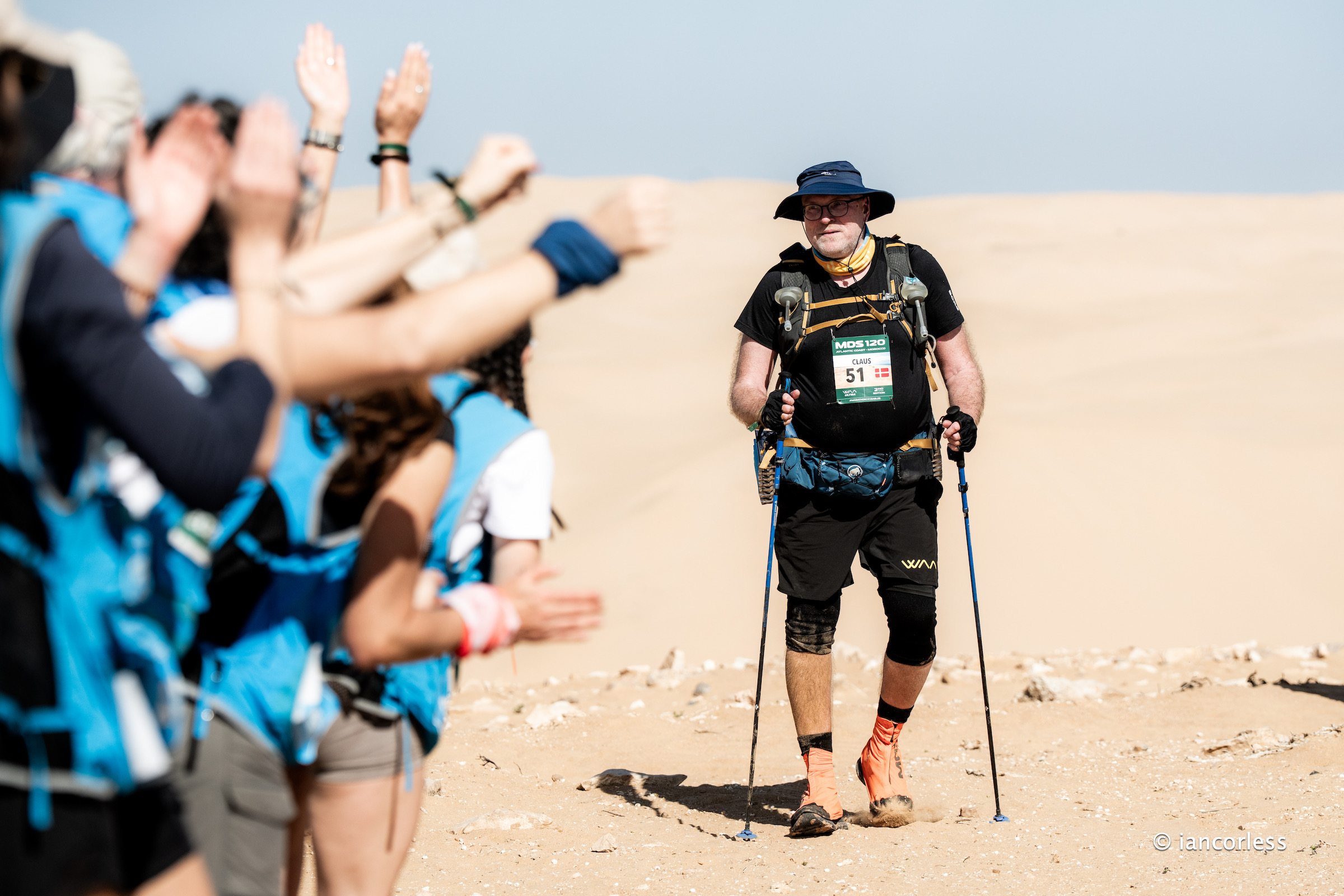
Stage 1 of the 2nd edition of the MDS 120 Atlantic Coast marked a powerful and inspiring beginning to the adventure in Morocco, where the desert meets the Atlantic Ocean. A field of 250 participants set out on this opening day, with an impressive 80 percent taking on their very first MDS experience. Just under half of the runners were women, and the age range spoke volumes about the inclusive spirit of the race, from the youngest at 19 years old to the oldest at 78. With 30 nationalities represented and the support of 147 dedicated staff, the event immediately felt global, vibrant, and alive.
This first stage covered 23km, with 343m of elevation gain, following a point-to-point route along the Atlantic coast. Checkpoints were placed at 9.1km and 17km, guiding runners through a constantly changing landscape.
The terrain offered little rhythm. Soft sand drained energy, dry river beds broke momentum, and rocky plateaus demanded focus and careful footwork. While the elevation profile looked modest on paper, the reality underfoot made it a demanding day from start to finish. The sand, in particular, turned every step into a test of patience and strength.
The challenge began long before the start line. A 2am wake-up, followed by a 3am departure and a lengthy transfer, asked a lot of the runners before dawn had even broken. Yet spirits remained high. These athletes were fully self-sufficient, carrying everything they needed on their backs, managing their nutrition, hydration, and equipment as they moved across the course. It was a true test of endurance, organisation, and resilience.
Despite the early start, the travel, and the relentless terrain, the performance across the field was outstanding. Every runner dug deep, and the final participant crossed the finish line well within the cut-off time, greeted with applause and encouragement.
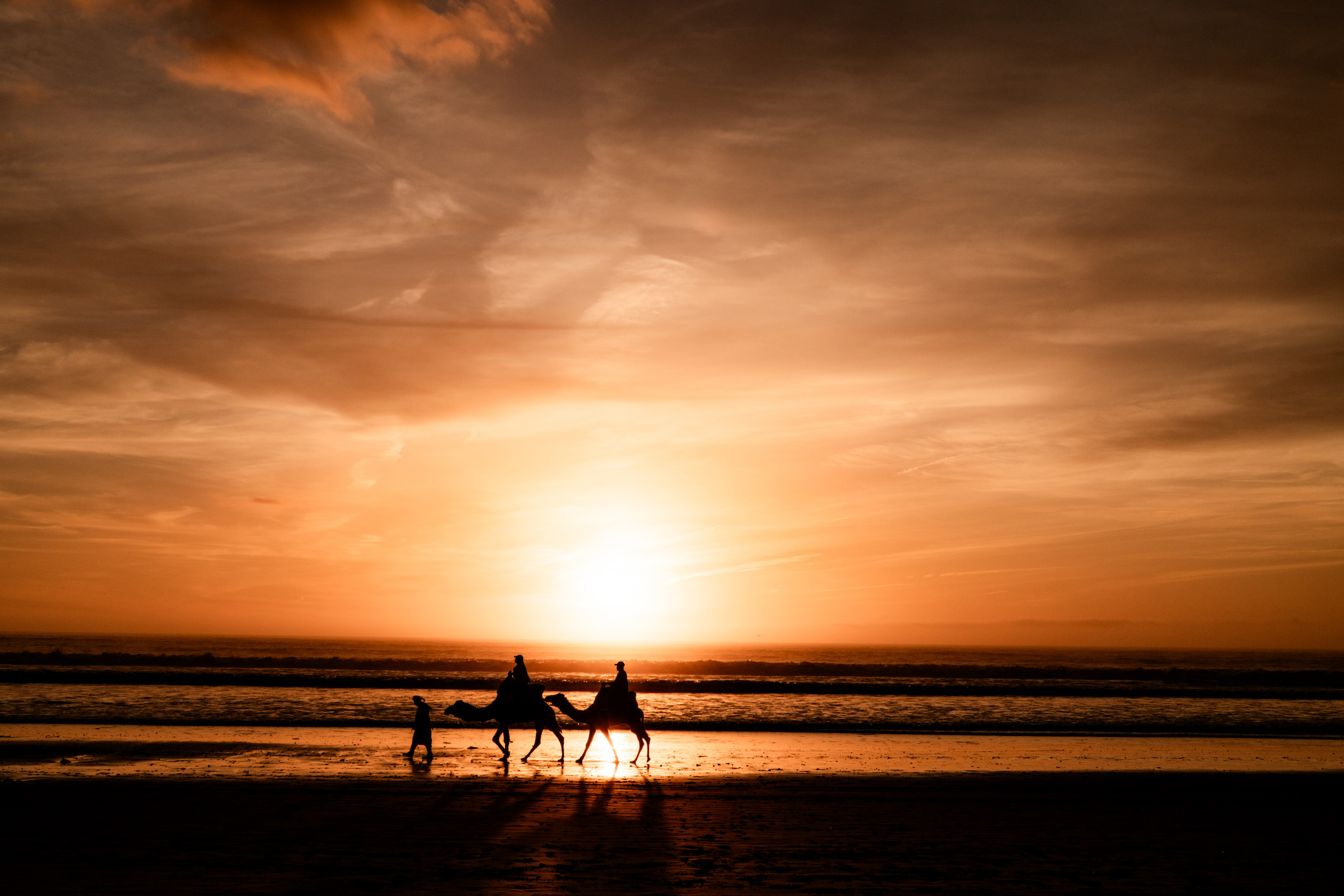
As the sun dipped and the day drew to a close, the runners settled in for their first night under the stars on the Atlantic coast. Tired legs, sandy shoes, and quiet smiles told the story of a hard-earned first stage completed. It was a demanding, memorable opening chapter, and a clear signal that the MDS 120 Atlantic Coast is as much about heart and determination as it is about distance.
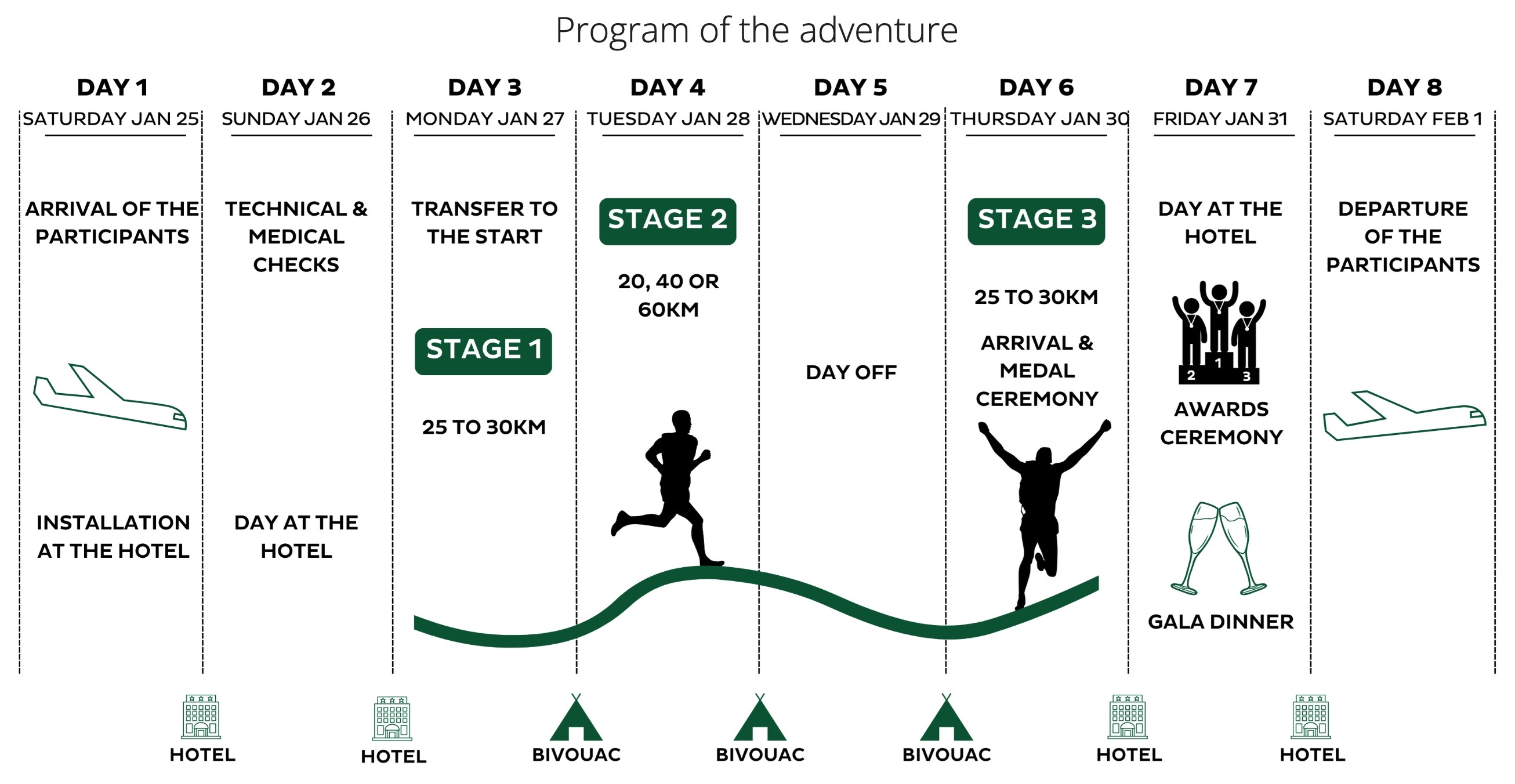
MDS 120 Atlantic Coast returns for 2026 with a bold 2nd edition that invites walkers and runners alike to a three-stage, four-day self-sufficient challenge along Morocco’s Atlantic shores. Competitors will take on routes of 70, 100, or 120 kilometres in total, choosing their own distance while mastering the same demanding, coast-to-coast format that has become a hallmark of the MDS family. This year’s edition follows closely on the heels of the inaugural MDS Ultra, which wrapped up just a week earlier, making the Atlantic Coast event the season’s first MDS 120 race of 2026. Participants will gather in Agadir for a seamless pre-race briefing, then linger after the finish for a relaxed post-race stay in a comfortable hotel. The event is designed for all abilities, from dedicated walkers to seasoned runners, offering a true test of endurance without sacrificing accessibility.
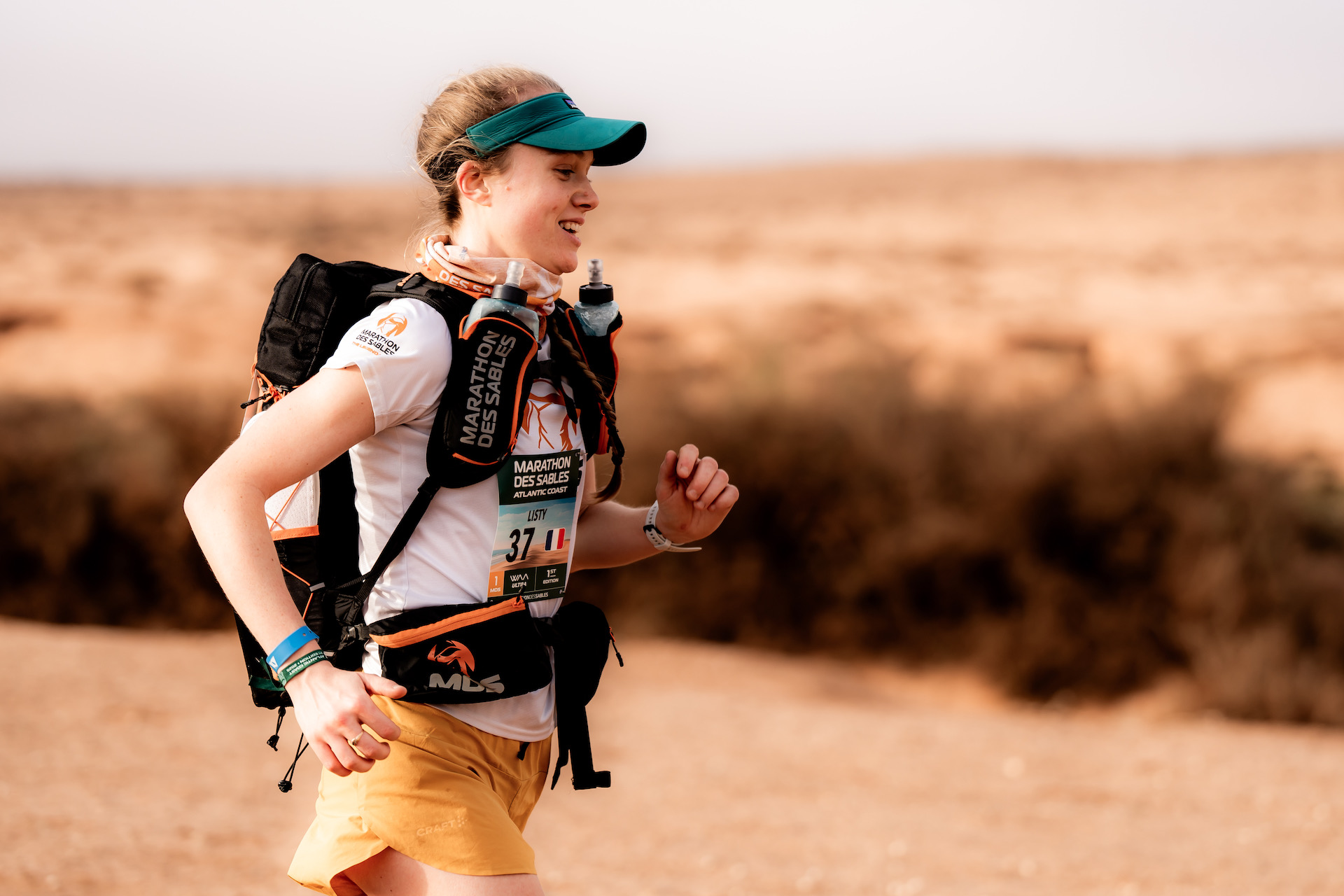
Photo by Ian Corless
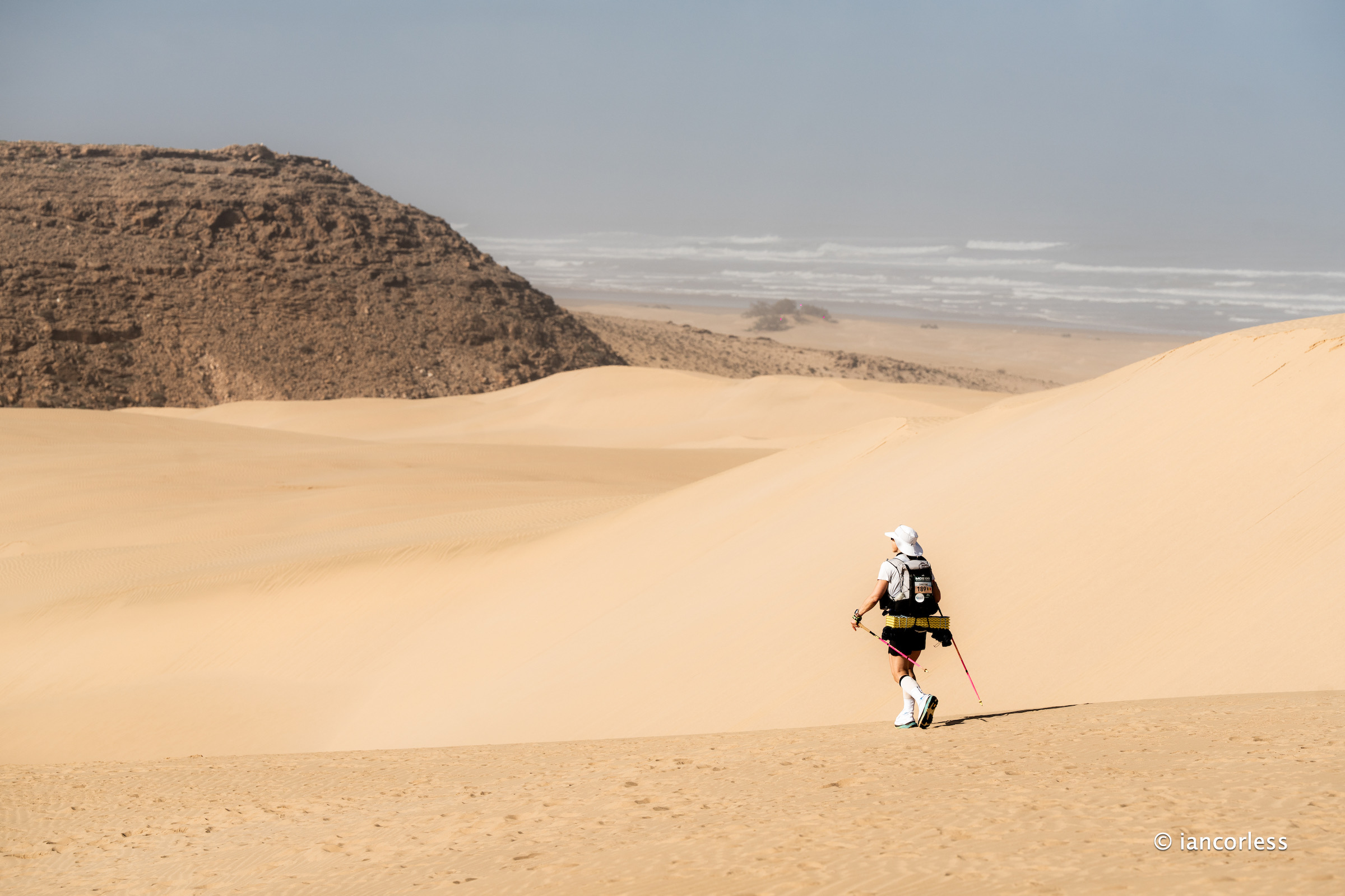
The coastline landscape promises a mix of open beaches, wind-sculpted dunes, and rugged hinterland, delivering diverse terrain without losing the sense of adventure that draws participants back year after year. By welcoming walkers right beside runners, the event reaffirms its commitment to inclusivity while preserving the challenge that marks the MDS family. For those who crave the feel of a grand adventure without crossing continents, the Atlantic Coast edition offers a perfect balance of scenery, camaraderie, and personal achievement.
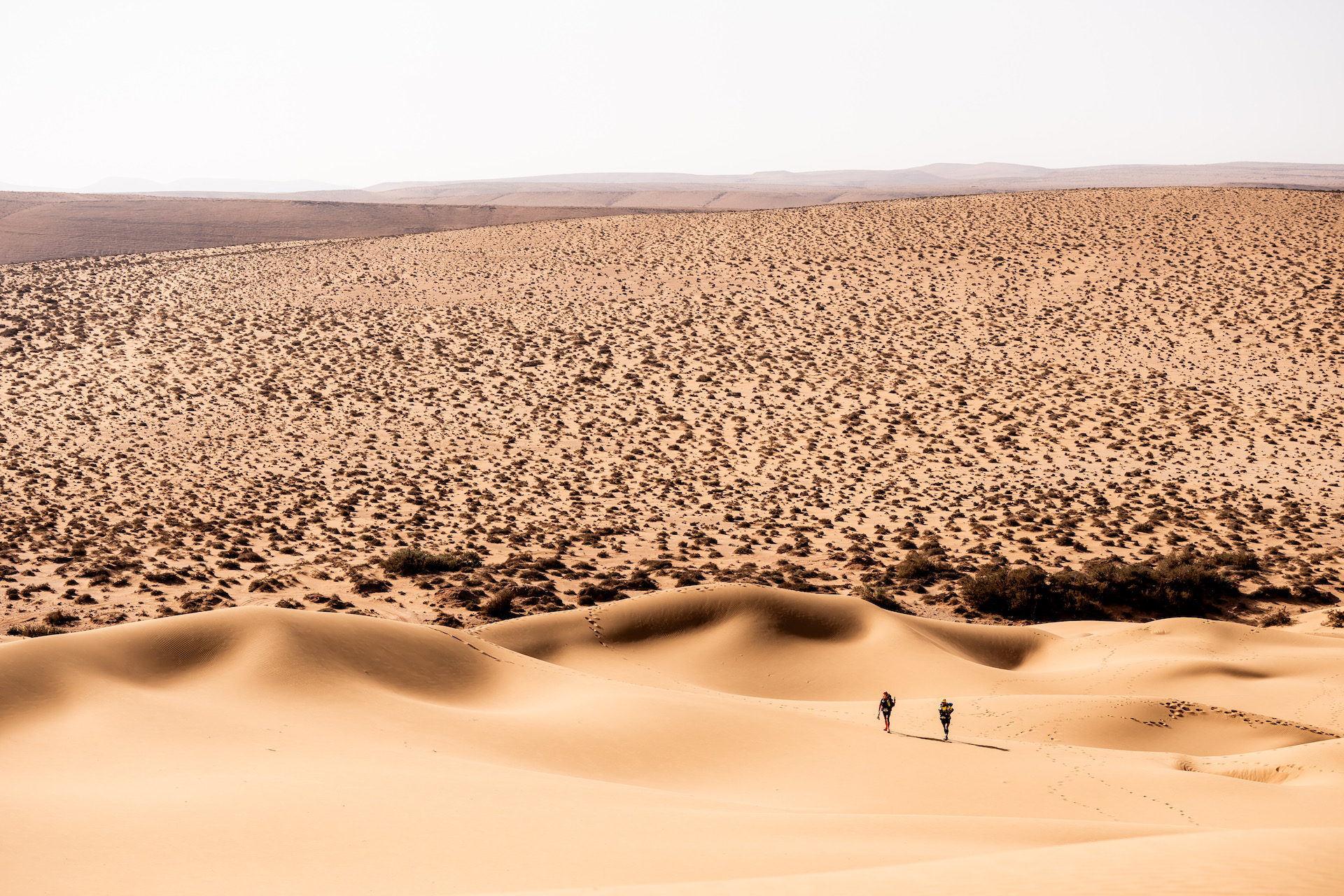
Photo by Ian Corless
What to expect on the three stages
The race unfolds over three days of stage racing, spread across four calendar days. Each participant selects their total distance – 70, 100, or 120 kilometres – and completes the corresponding combination of stage lengths. The route design emphasises a continuous, day-by-day test of endurance, and self-reliance, with the sense of discovery growing as the coastline unveils new horizons.
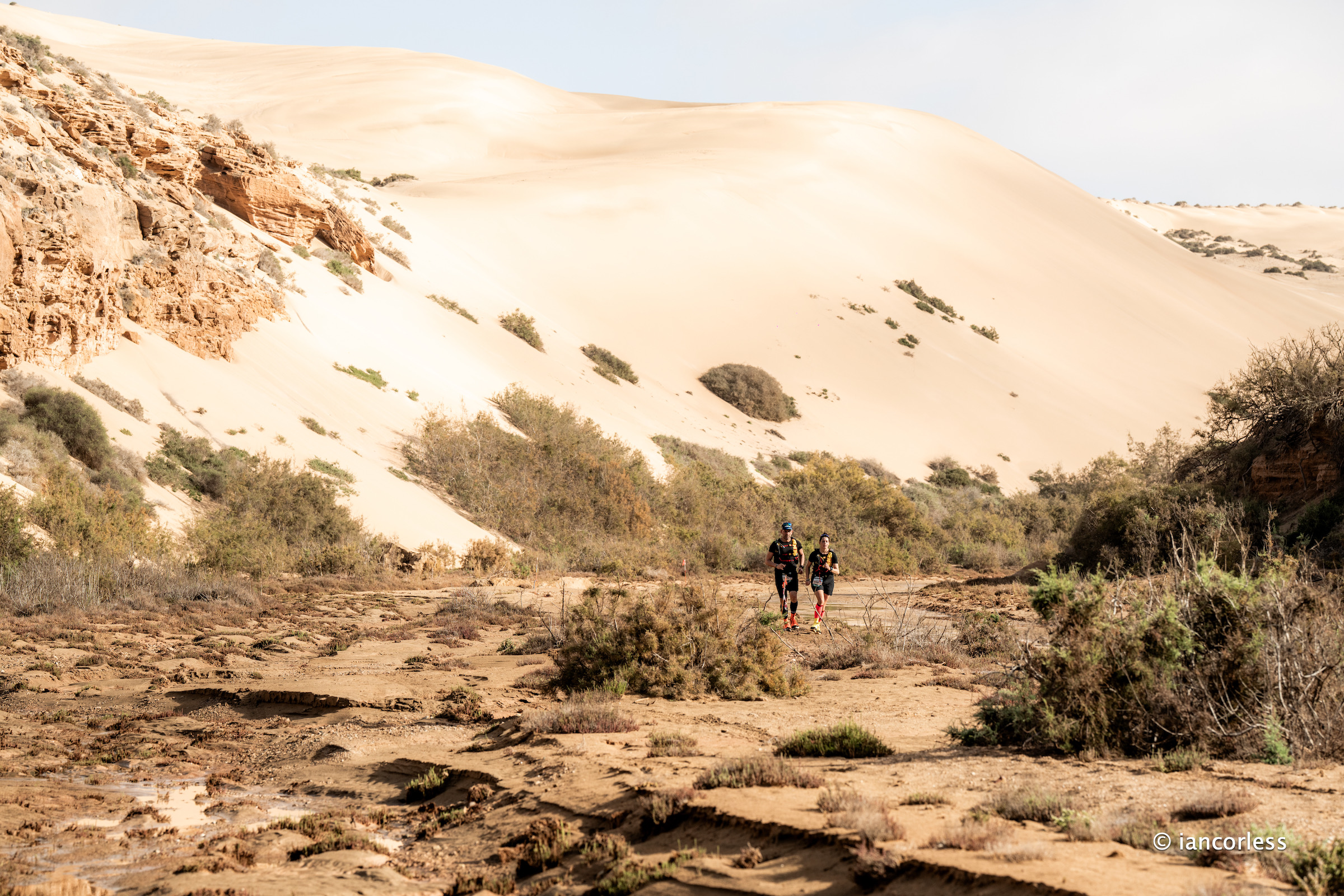
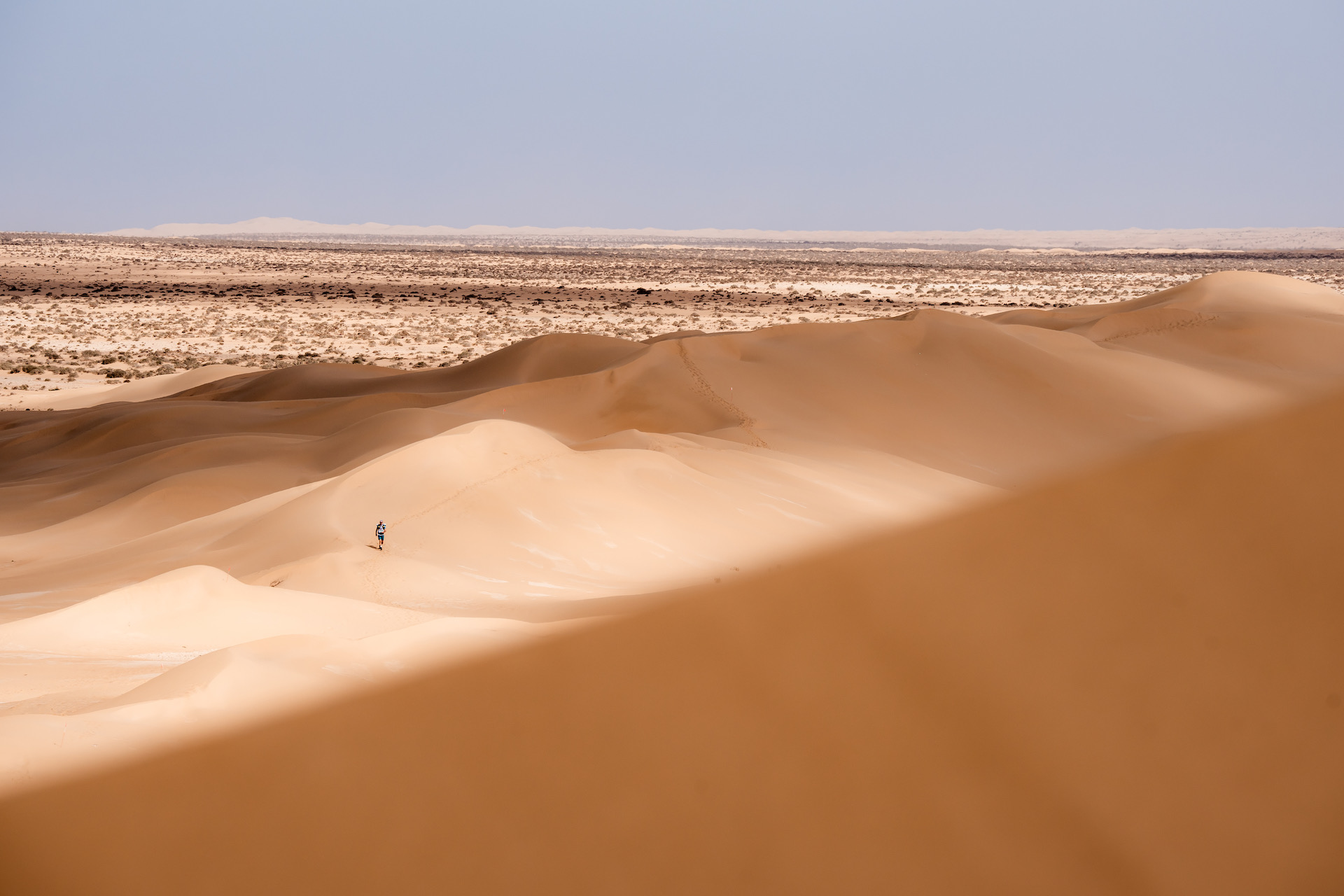
Expect a demanding yet spectacular mix of beach stretches, coastal dunes, rocky outcrops, and inland trails that thread along the Atlantic fringe. While the sea air and sun contribute to the challenge, the route rewards rhythm, efficient pacing, and smart planning.
As a self-sufficient event, participants rely on well-marked courses and a robust safety net. Course marshals, remote safety teams, and medical support are in place, with clear guidelines on mandatory equipment and daily checkpoints. Competitors manage their own nutrition and water, planning for the day ahead while staying mindful of weather and terrain. This combination of independence and structure is what defines the MDS 120 experience.
Photo by Ian Corless
The MDS 120 Atlantic Coast is explicitly designed to welcome a wide spectrum of abilities. If you’re a walker who can cover long distances with steady pace, or a runner seeking a new endurance benchmark, this event offers a supported, self-sufficient platform to push limits in a beautiful, accessible setting. It’s ideal for first-time MDS 120 participants seeking a well-structured introduction without compromising the sense of accomplishment, as well as returning athletes looking for a coastal contrast to Sahara routes.
Why MDS 120?
Expanded inclusivity with a broader distance range: The 70/100/120 km options enable more participants to tailor the challenge to their current level while still delivering the iconic MDS 120 experience.
Photo by Ian Corless
A fresh Atlantic coastal route: The coastline around Agadir offers new routes that emphasise coastal beauty and wind-sculpted terrain, creating a distinctive mood and pacing compared with prior editions.
Photo by Ian Corless
Athletes travel to Agadir, where a hotel base serves as the staging ground for briefing and support, with a hotel stay also planned for post-race recovery and celebration. The overall package aims to balance challenge with comfort, giving participants a strong sense of community without sacrificing the rugged essence of self-sufficiency.
A celebration of pace, place, and persistence MDS 120 Atlantic Coast 2nd edition is more than a test of endurance. It’s a celebration of pace, place, and persistence, inviting a broad range of athletes to test their limits in a setting that blends the raw beauty of Morocco’s Atlantic edge with the camaraderie and strategy that define the MDS experience. The 70, 100, and 120 km distances let participants choose a level of challenge that matches their training, experience, and appetite for adventure, while the three-stage format over four days preserves the thrill of back-to-back days on the trail.
If you’re looking for a race that marries coastline drama with self-sufficient racing, where every kilometre earned is a personal milestone and every sunset over the Atlantic is a reward, the 2nd edition of MDS 120 Atlantic Coast in Morocco awaits.
A milestone anniversary, new formats, familiar classics, and a season that stretches from the Sahara to the Alps. Some years feel bigger than others. In 2026, the calendar alone tells you this will be one of those years for Marathon des Sables.
Forty editions after its beginnings in the Moroccan desert, Marathon des Sables has grown into a family of events that test endurance in different ways, across different landscapes, and for very different runners. Yet the heart of MDS remains the same. Self-sufficiency, shared hardship, and the quiet satisfaction that comes from moving forward when stopping would be easier.
January opens with something new and bold: MDS Ultra. Two distances. Two very clear challenges. A 100km option for runners ready to push beyond the classic stage format, and a 100-mile race for those who want to see how deep the well really goes.
Photo by Ian Corless
An opening act designed to grab attention. Long distances, sustained effort, and the mental strain that only ultra racing can deliver. For many, it will be the first real test of their winter training. For others, it will be the centrepiece of their season. What matters most is what MDS Ultra represents – It signals evolution not revolution. MDS is not standing still, even as it celebrates its past.
Photo by Ian Corless
Before January ends, the focus shifts west to the ocean for MDS 120 Atlantic Coast. Where dunes once dominated the horizon, runners now deal with open beaches, shifting sand, and the constant presence of the sea. The Atlantic Coast event has its own rhythm. Wind can play a bigger role. Footing changes by the kilometre. Temperatures can vary greatly, and yes, rain may be present? Still self-supported, still demanding, but in a way that surprises many first-timers. By the time the final runners cross the line, January has already delivered two very different expressions of what Marathon des Sables can be.
February and March bring a noticeable change of pace. No race numbers. No finish lines. Instead, preparation. The MDS team turns its attention fully toward the centrepiece of the year: the 40th edition of MDS Legendary. Four decades after the first runners set off into the Sahara, this anniversary edition carries weight. Not just for the organisation, but for the community that has grown around it.
Photo by Ian Corless
Behind the scenes, logistics are refined, routes considered, and details checked and checked again. The Legendary event is not just another race, it is a reference point for stage racing, for many, a rites of passage, and in 2026, it will also be a celebration of everything Marathon des Sables has become.
Once the Legendary edition is complete, the calendar opens up again, and the global nature of MDS takes centre stage.
MDS Raid Namibia delivers raw beauty and isolation in one of Africa’s most striking landscapes. Namibia’s vast spaces, sharp light, and unforgiving terrain strip things back to basics. This is running in its purest form, where the environment sets the rules. A unique event as teams of two challenge a more stripped back and raw experience.
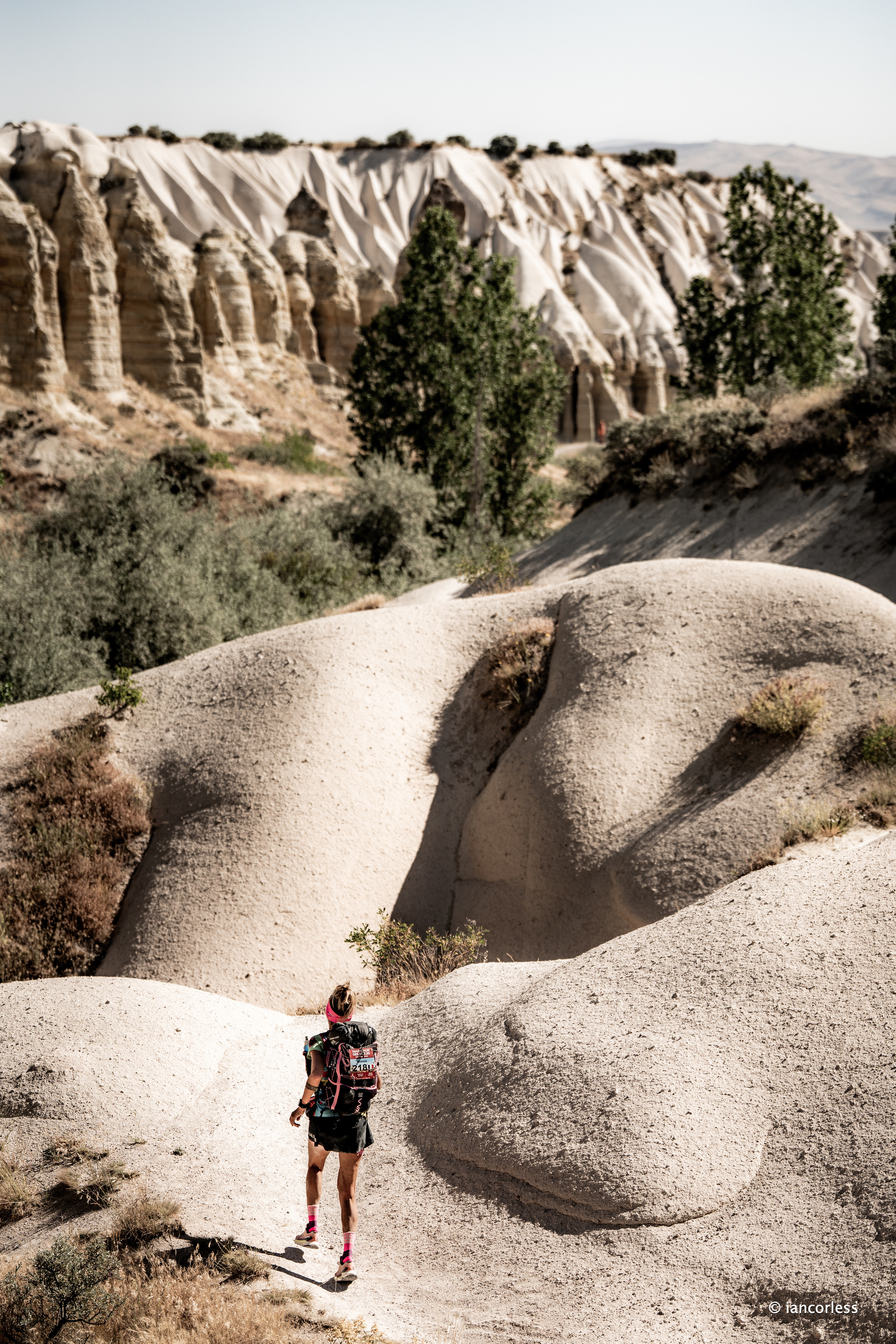
From Namibia, the series moves to Turkey for MDS 120 Cappadocia. Volcanic rock formations, flowing trails, and a sense of history underfoot make this one of the most visually distinctive events on the calendar. It is demanding, but also deeply immersive, ironically, despite the ‘sables’ tag, this event is much more a trail race – something new, different and unique.
MDS Crazy Loops – a format that lives up to its name. Short loops, repeated efforts, and a psychological game that can unravel even experienced runners over 24-hours. It is less about distance on paper and more about resilience in the moment. A fun and challenging event for all abilities that takes place at iconic ski resorts within Europe during July and August. A community event that brings the MDS vibe to the mountains.
As the year moves toward its final months, the pace does not slow. If anything, it accelerates. MDS 120 Morocco returns runners to familiar terrain, but with the confidence and refinement that come from years of experience. This is the desert, revisited with fresh eyes.
Alongside it, MDS Handi continues to redefine what inclusion looks like in endurance sport. It is a powerful reminder that challenge is not one-size-fits-all, and that determination takes many forms.
For those drawn more to movement than racing, MDS Trek Morocco offers a different relationship with the landscape. Still demanding, still immersive, but with space to absorb the experience in full where all abilities are catered for and yes, there is even some luxury – larger tents, no self-sufficiency, showers and so much more…
The international push continues with MDS 120 Jordan, where desert running meets ancient history. The terrain is tough, the scenery unforgettable, and the sense of scale impossible to ignore. An iconic event and arguably one of the most desired events on the MDS calendar.
And yes, there are hints of more to come. Potential surprises remain under wraps, but if past years are any guide, they will add another layer to an already remarkable season.
Photo by Ian Corless
By the time 2026 draws to a close, Marathon des Sables will have crossed continents and climates. Morocco, Jordan, Peru, Turkey, Namibia, and Europe, with the Alps adding altitude to the mix. Each location brings its own challenges, its own stories, and its own reasons for being unforgettable.
What ties them all together is not just branding or format. It is philosophy. Self-reliance. Respect for the environment. And the shared understanding among participants that this is about more than running.
A milestone year invites reflection, but it also demands momentum. In 2026, Marathon des Sables manages both. Honouring 40 years of history while pushing forward into new territory, new formats, and new ways to test human endurance.
For runners, supporters, and the wider endurance community, it is hard not to look at the year ahead and feel a quiet sense of anticipation.
What a year it promises to be.
In addition to the above, there is the MDS Tour and MDS Clubs.
Brutal and Beautiful: Stage 1 of the 2025 Everest Trail Race Sets the Tone
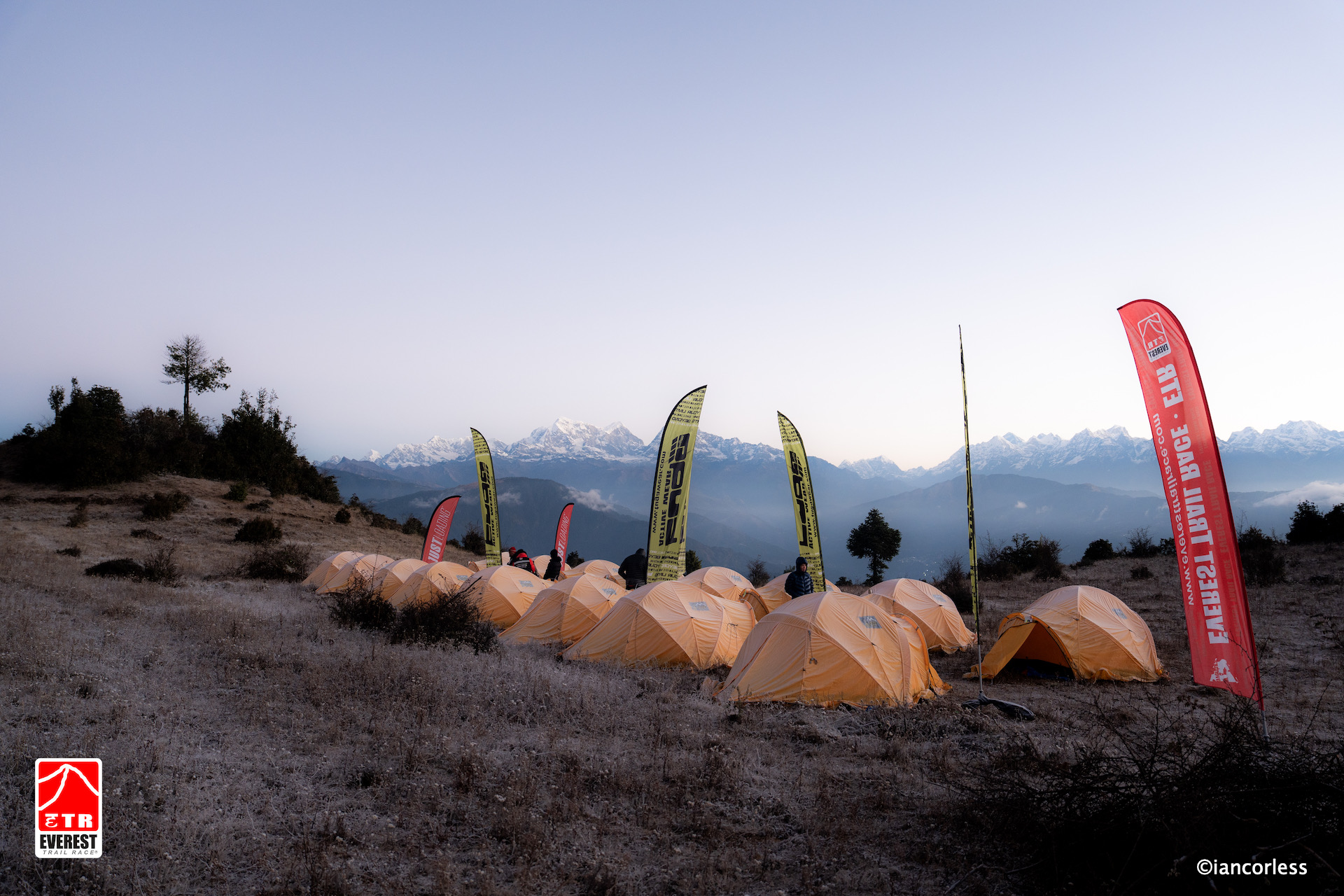
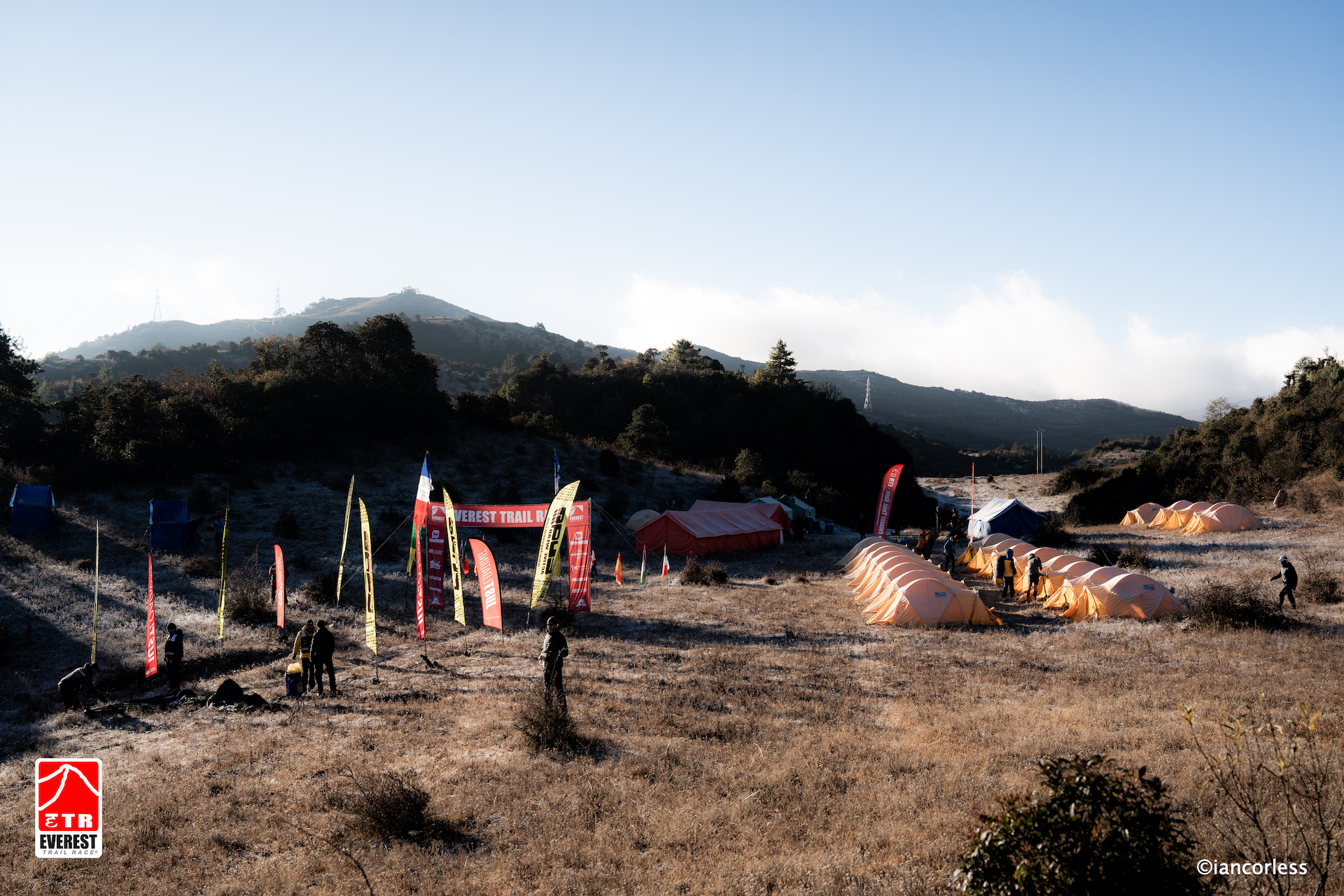
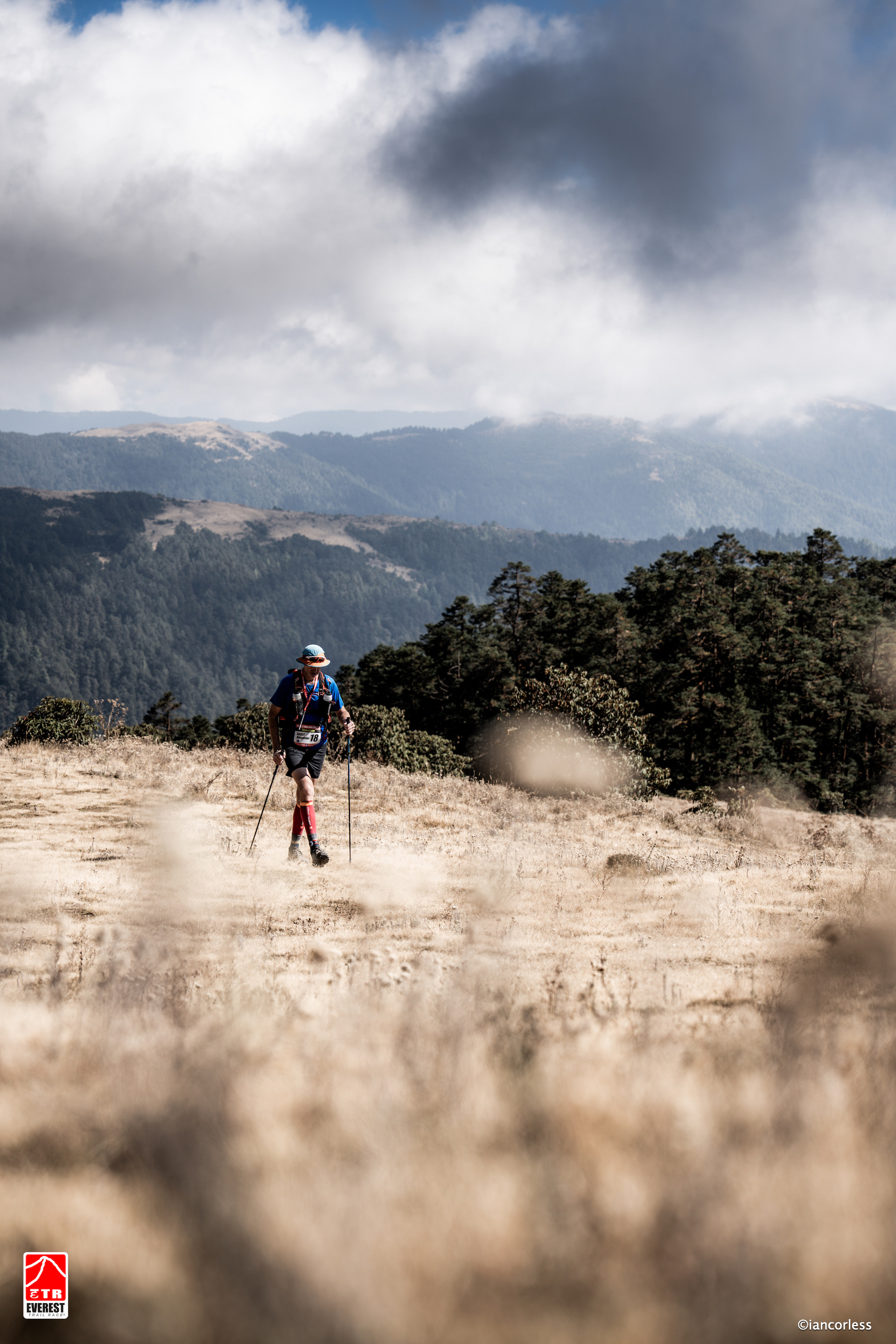
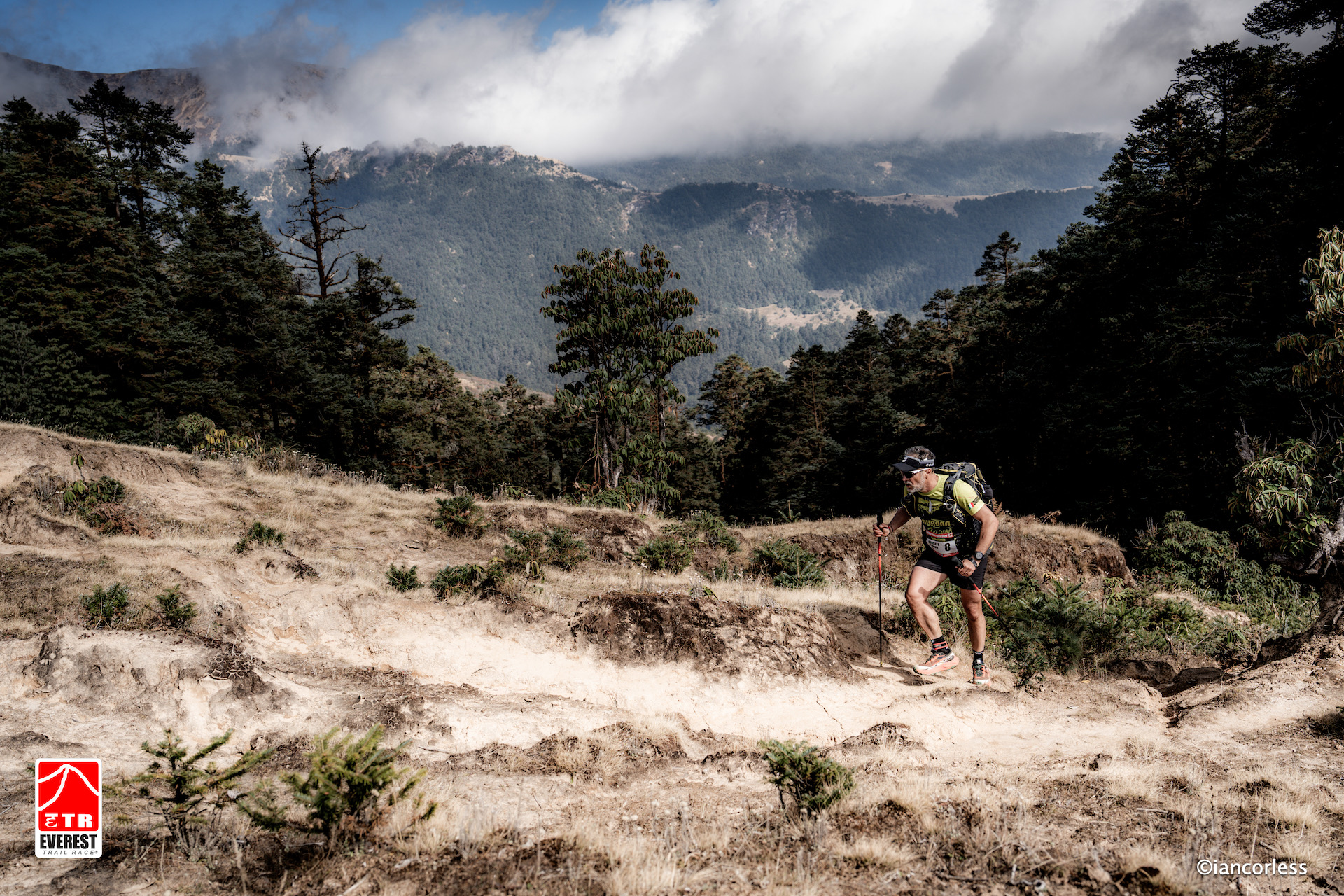
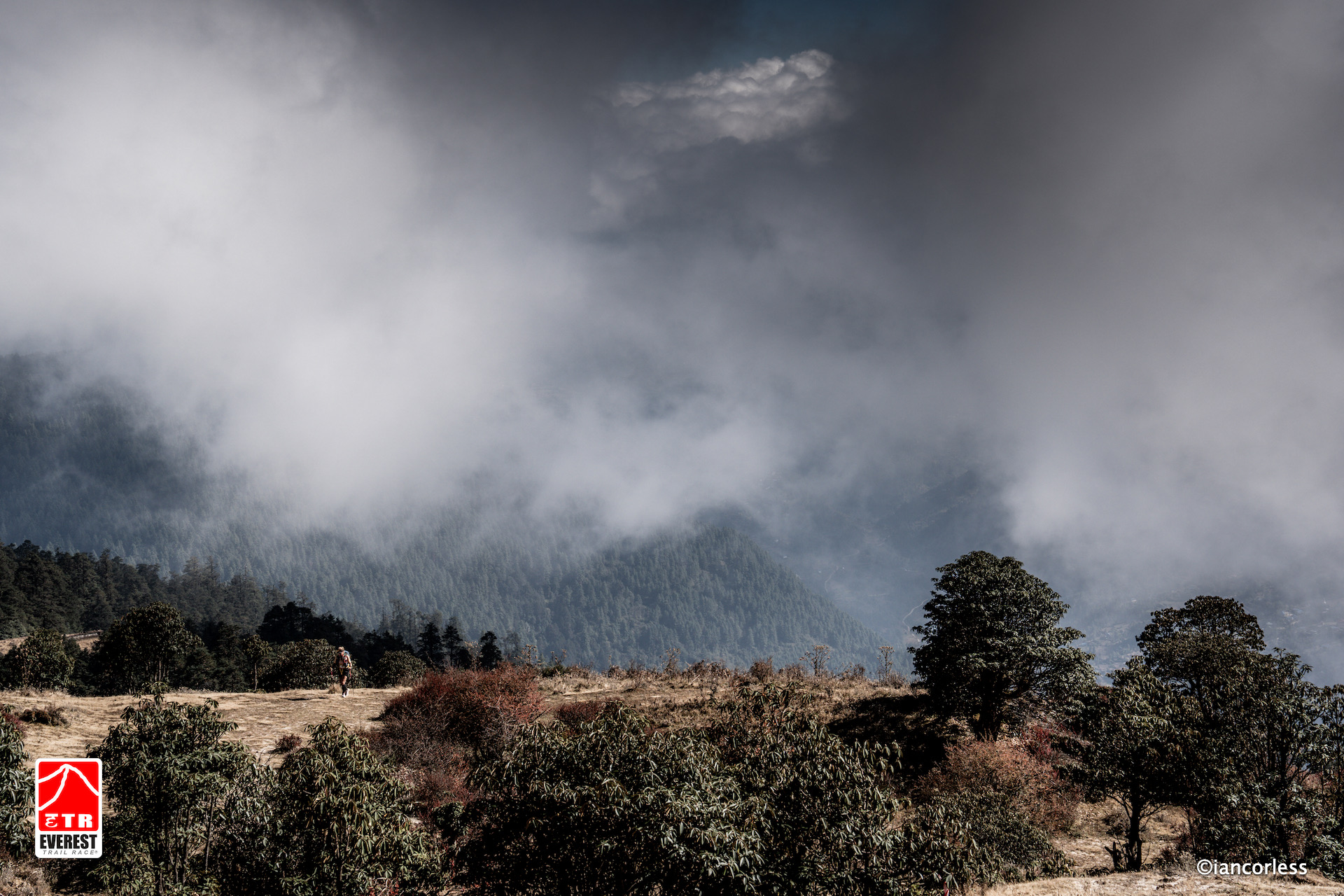
The 2025 Everest Trail Race exploded out of the gates with a punishing Stage 1—23.10 kilometres of raw Himalayan grit, climbing 1,551 meters and descending 1,012 meters across technical trails and high-altitude terrain. From the start line in Dhap (2,950m) to the finish at Chyangsyngma (3,490m), runners were thrown straight into the deep end of this six-stage ETR test of endurance, mindset, and mountain resilience.
There’s no easing into the ETR. Stage 1 wastes no time in reminding runners exactly where they are, high in Nepal, breathing thin air, legs already burning. Early highlights at Sigane and Chyangba delivered sweeping views and traditional village life, but the serenity masked the effort required to get there.
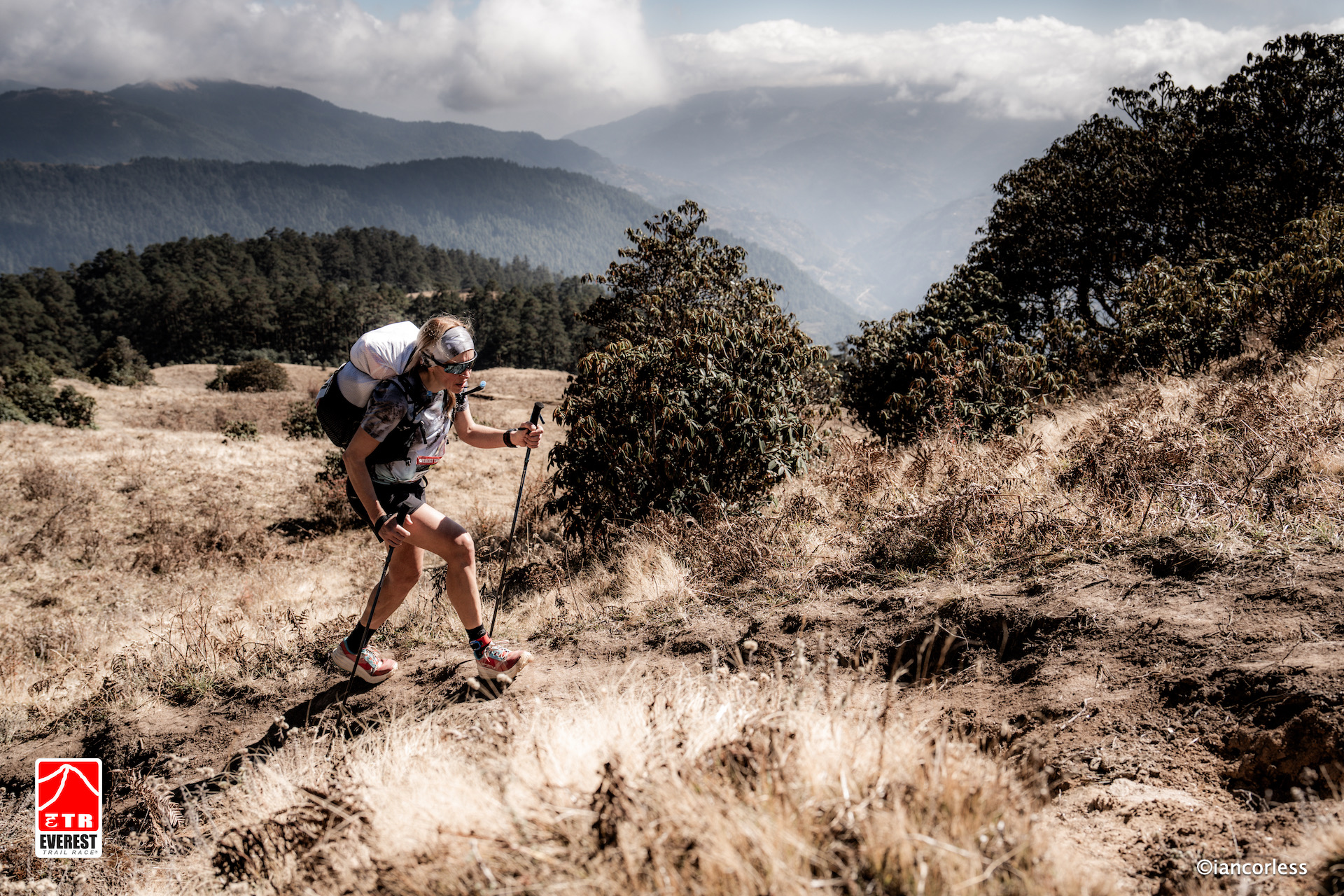
The route dipped and climbed through Khamding, home of the first checkpoint and a welcome chance to refuel with fluids and snacks. But nothing about this stage was easy. The technical nature of the terrain demanded constant focus, one misstep could spell disaster. Warm daytime sun gave runners a psychological lift, but cold nights and the ever-present altitude ensured no one felt too comfortable.
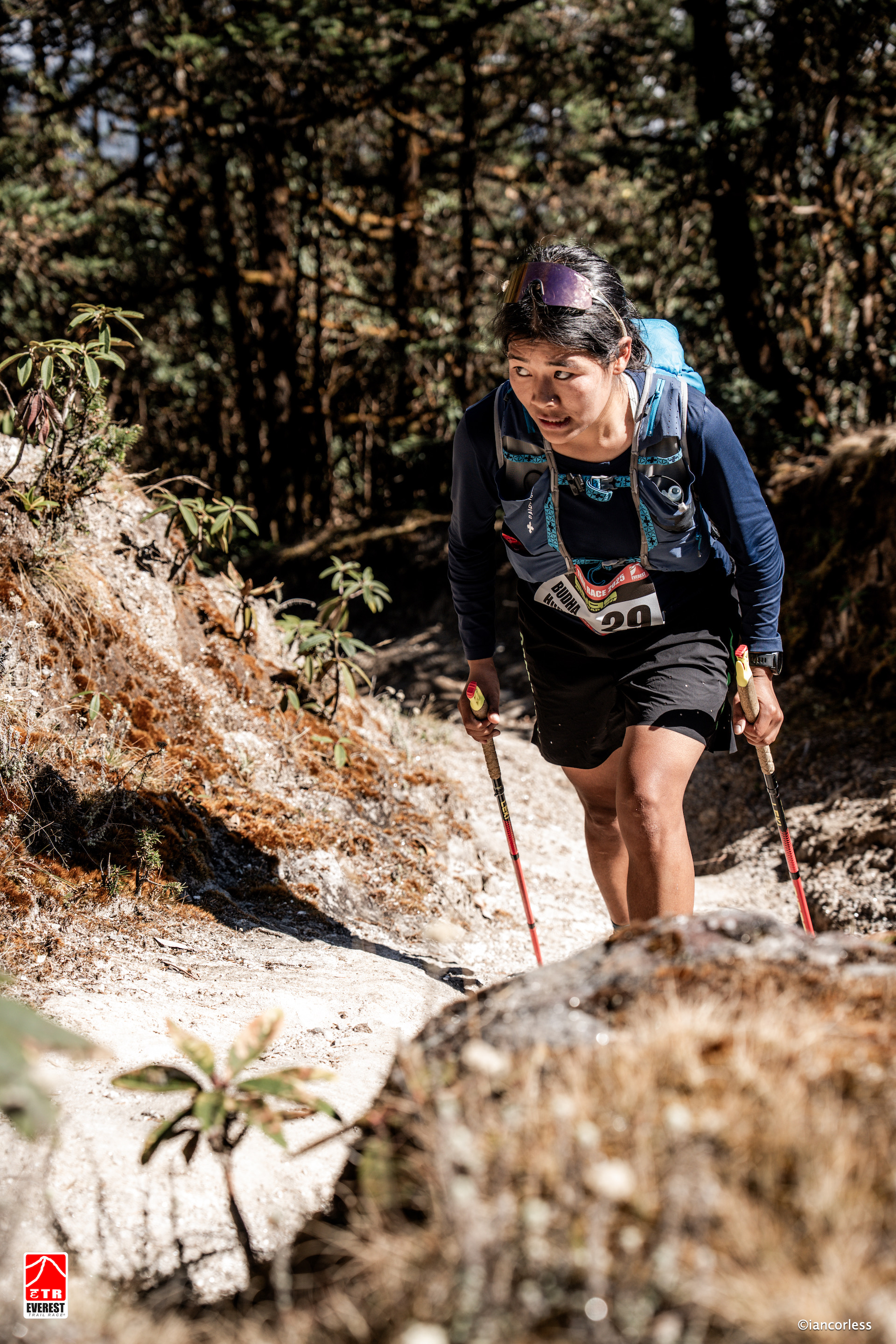
The trail pressed on to Juke, the second checkpoint, offering another chance to grab supplies before the day’s most brutal truth set in, the final 5 kilometres were going to hurt. With around 800 meters of elevation gain packed into that last stretch, the finish at Chyangsyngma felt like a slow-motion battle uphill, but the views help with compensation.
There was no room for rhythm here, just grind, grit, and survival. Poles an essential accessory. Every switchback stung. Every false summit tested patience. But that’s the Everest Trail Race. It’s not just a run; it’s a confrontation with the terrain, and Stage 1 made that clear from the outset what lies ahead.
With five stages still to come, the 2025 ETR has already thrown down the gauntlet. Those who made it through Stage 1 know what’s coming: long days, steep ascents, dizzying descents, and no shortage of mental warfare. But for now, reaching Chyangsyngma was a victory in itself and proof that this race is not for the faint-hearted.
The race start time was a leisurely 0830 after an 0600 wake-up, hot tea delivered to each tent. Remarkably, Nepalee runner, Dal B Kunwar completed the stage in rapid, 2h 40min – there is a great deal to be said for being on ‘home’ turf. The first woman, Nepalee Chhoki Sherpa placed 3rd on the stage in a time of *h *m – full results can be viewed post-race at the ETR website HERE.
The Everest Trail Race is on. And it’s already living up to its legend.















 IAN CORLESS