Stage 5 of the Everest Trail Race pulls no punches. At 24km with a punishing 2,483 meters of ascent, this is the stage that earns its reputation as the toughest of them all. The numbers alone are intimidating, but it’s the relentless terrain and shifting altitude that test runners on every level – physical, mental, emotional.
This year’s route sees a change from previous editions, adding new layers of challenge and beauty. Starting in the shadow of Sagarmatha National Park’s giants, the trail weaves through the quiet village of Chumoa before rising into the bustling trails of Namche Bazaar, where the first checkpoint offers a brief reprieve. But this is only the beginning.
From Namche, the course climbs to Syangboche, skirting airstrips and yak paths, before pressing on to Kumjung, a Sherpa village set high beneath the peaks. Then comes Mong La – Checkpoint 2 – perched like a balcony above the valleys below. From there, it’s a steep descent to Phortse Tenga, followed by a lung-busting climb to Phortse, a village known for its mountaineering legacy.
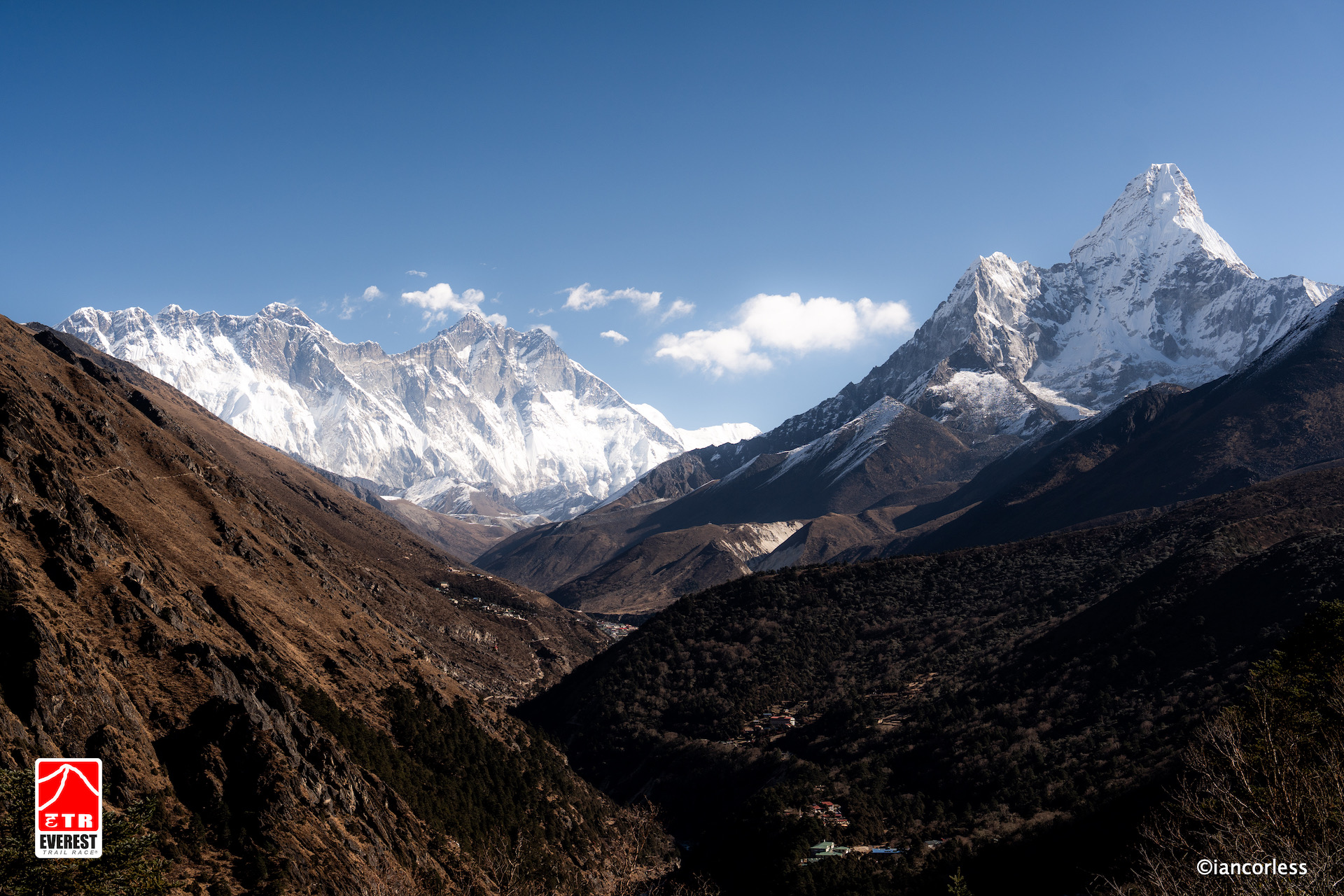
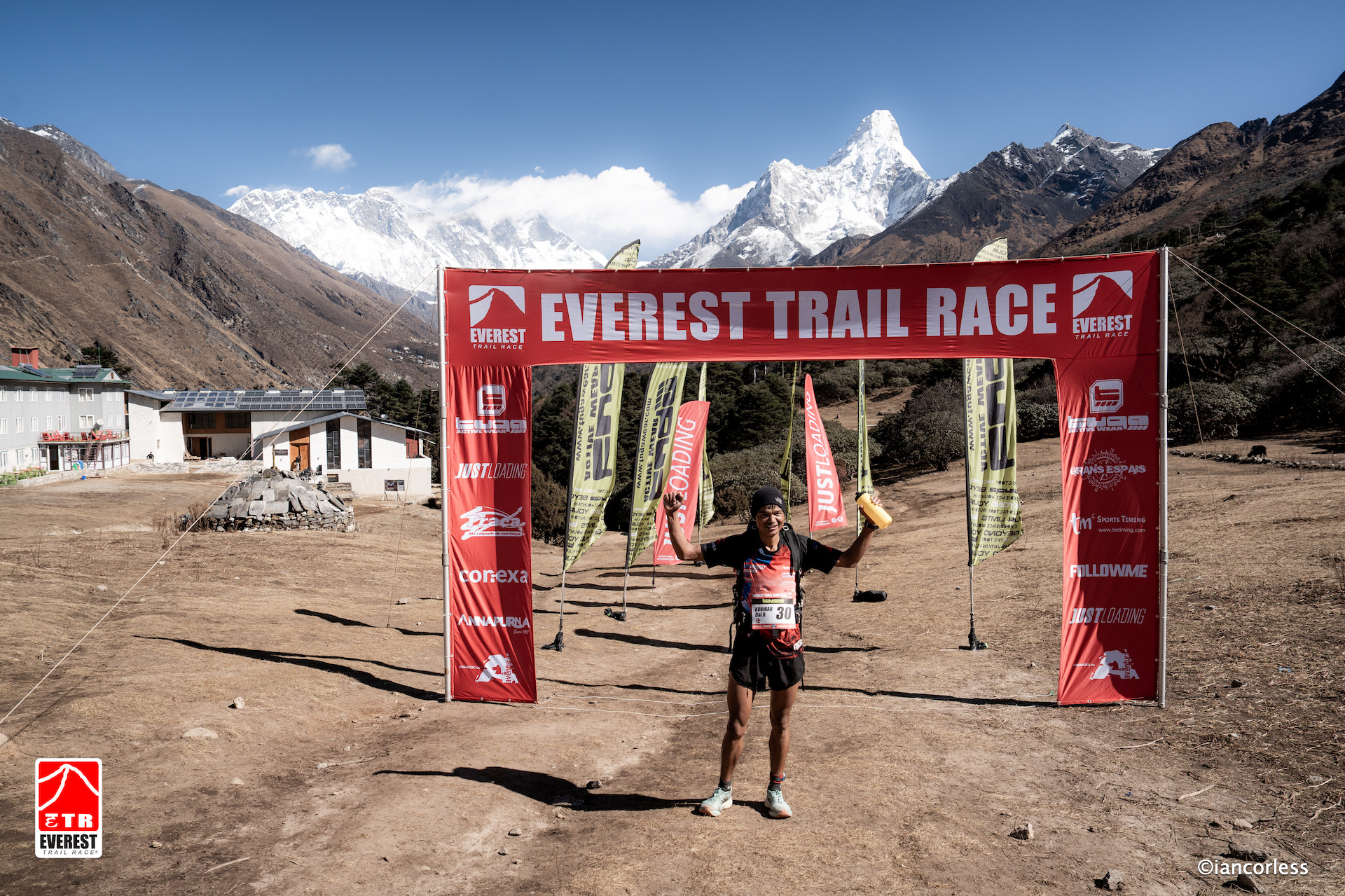
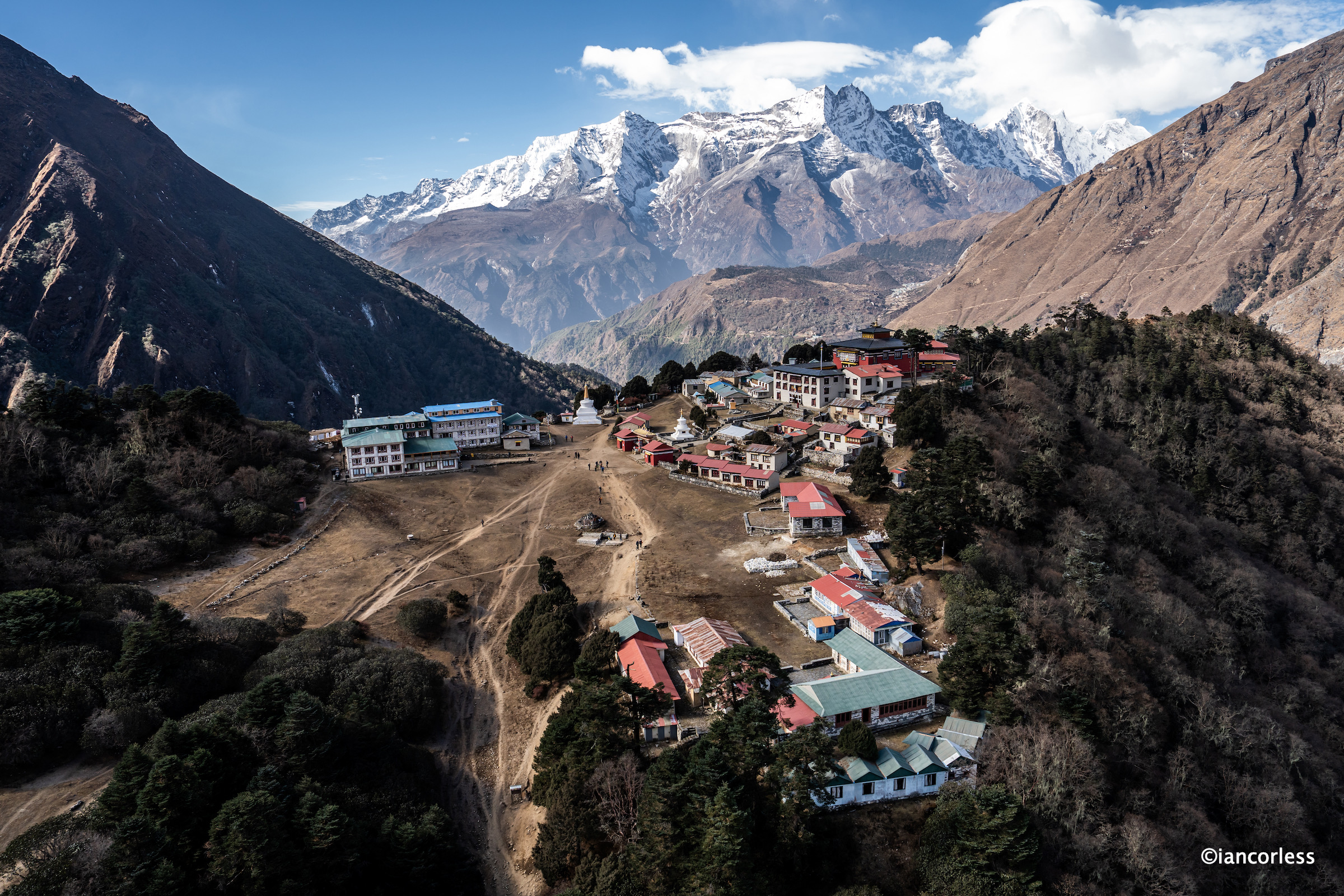
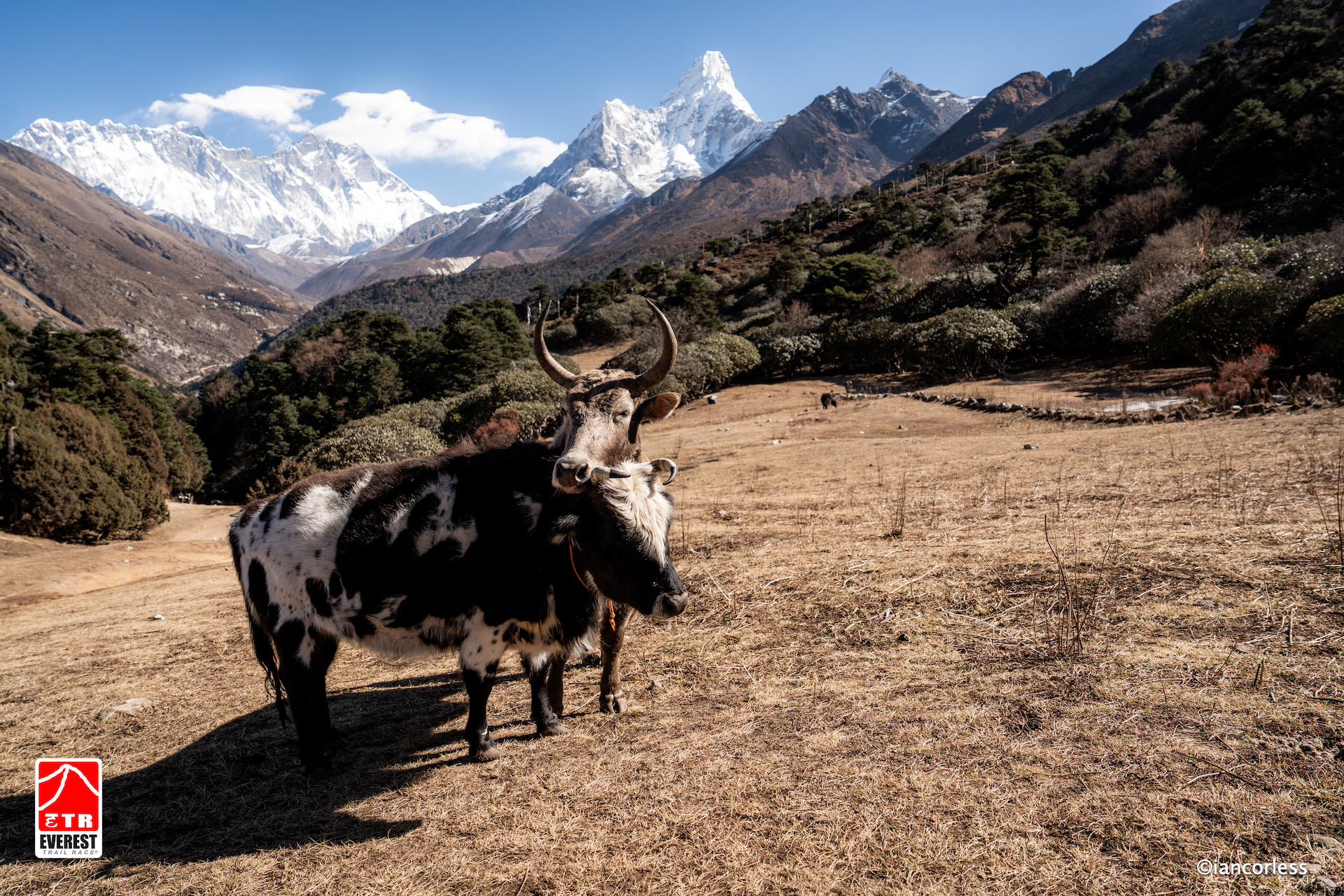
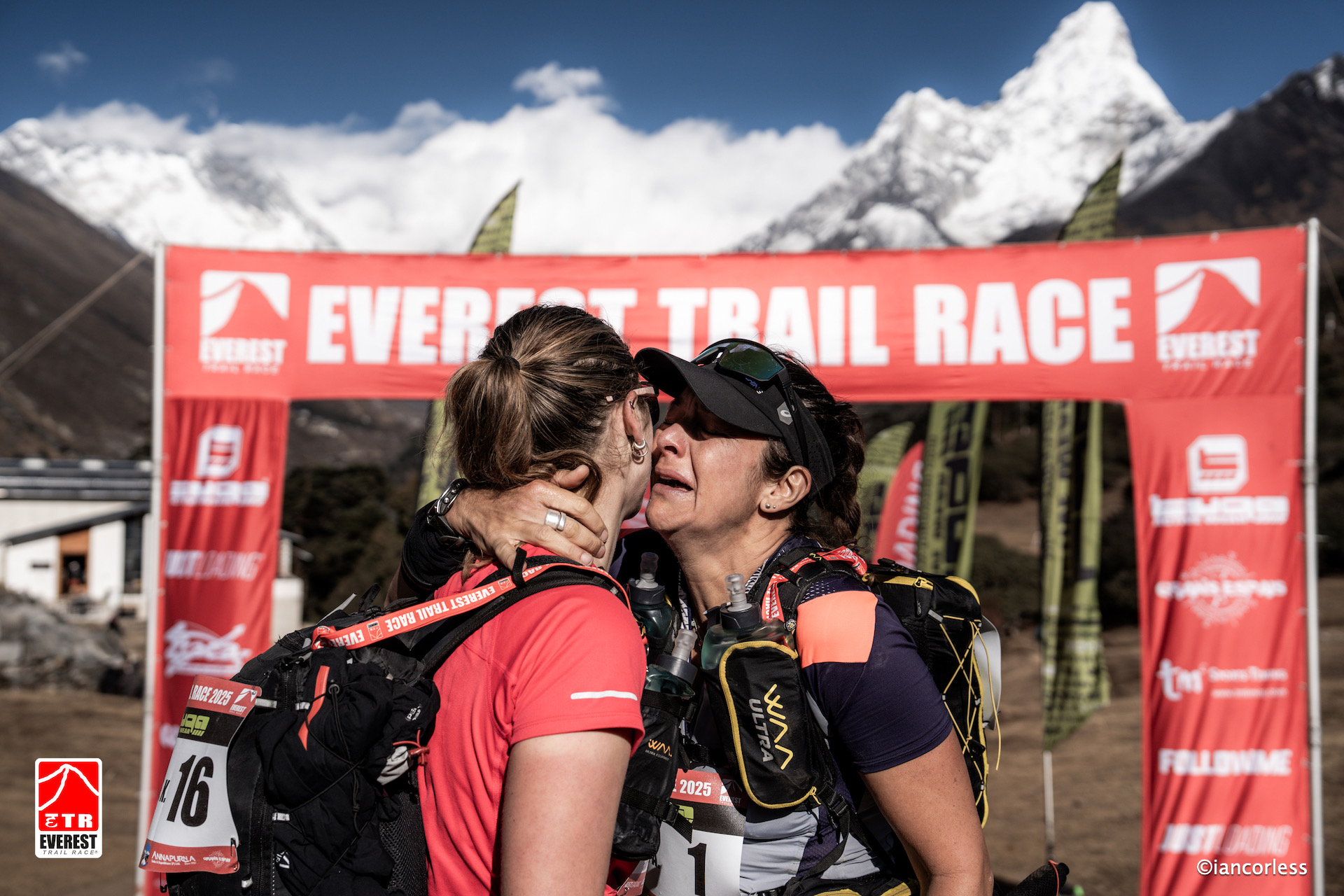
But the final ascent is where Stage 5 seals its legacy. The climb to Tyangboche Monastery, sitting at 3,860m, is a final test of grit. Legs scream, lungs burn, but the reward is immense. As runners crest the trail, they’re greeted by one of the world’s most iconic alpine views: Ama Dablam, Everest, Nuptse, and a horizon lined with Himalayan giants. Arguably, one of THE greatest finish lines in the world.
The pain is real, but so is the pride. After this brutal day, there’s relief in knowing only one stage remains. For those who made it to Tyangboche, it’s not just another finish line – it’s a summit of spirit, dedication, tenacity and perseverance.
The MARATHON DES SABLES is a unique adventure of 250km’s spread over 6-stages of self-sufficiency, shared by thousands of enthusiasts, in 2026 it celebrates 40-years. In 2017, another format, HMDS was born with 70 to 120km distances, spread over 3-stages and 4-days.
Since 2024 there has been a significant changes for the MDS brand. The ‘HMDS’ format while still following the same protocols and format has now dropped the ‘half’ title and moving forward, events will be called MDS 120 Jordan, MDS 120 Morocco, MDS 120 Cappadocia and so on.
To differentiate the full distance race of 250km’s, Marathon des Sables will now be known at MDS Legendary, reflecting the legendary status of this iconic event and its long history as a pioneer of the stage racing and multi-day format.
All the races are now owned by the same team and while many may be familiar with the format and protocols for the shorter distance races, MDS Legendary since 2024 has had some significant changes.
Since 2024, MDS has expanded beyond its roots with MDS 120, the exploratory MDS TREK, the demanding MDS RAID, the mind-bending MDS Crazy Loops. and MDS ULTRA – Morocco. And the inspiring, MDS HANDI. Each one a new take on the same promise, to push the limits of what a runner can handle.
MDS EVENTS
MDS The Legendary
MDS 120 Atlantic Coast Morocco
MDS RAID Namibia
MDS 120 Cappadocia
MDS Crazy Loops – currently 2 locations in France.
MDS 120 Fuerteventura
MDS 120 Morocco
MDS Trek Morocco
MDS Handi Morocco
MDS 120 Jordan
MDS 120 Peru*
MDS ULTRA – Morocco
* Every 3-years.
WHAT IS MDS?
MDS is a self-sufficient race taking place over 3 to 6-stages.
Bivouac life.
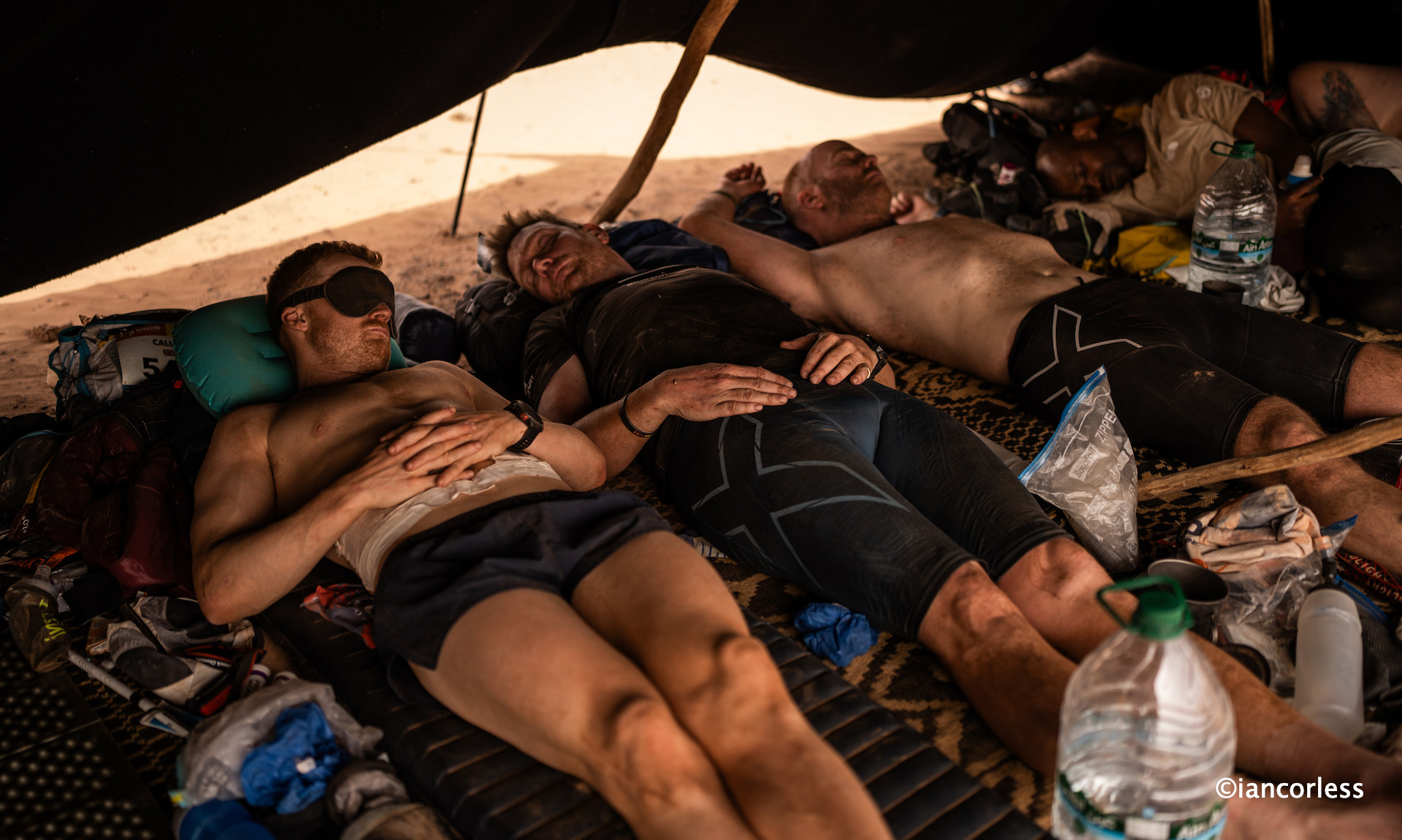
MDS Legendary is the iconic 6-stage race (over 7-days) with a distance of 250km (+/-) based on the route, terrain and difficulty. There are no options available on distance and participants are self-sufficient for the entire race, the only exception is the provision of water and a shared tent (bivouac) with 7 other participants. An example of 2024 distances:
Stage 1 : 31.1 km
Stage 2 : 40.8 km
Stage 3 : 85.3 km (over 2 days)
Stage 4 : 43.1 km
Stage 5 : 31.4 km
Stage 6 : 21.1 km
MDS120 events start at 70, 100 and 120km for the shorter race format, depending on the race destination, there are 2 or 3 distances available. To clarify, this is not 2 or 3 different races, but the same race with the option to choose what distance you run or walk. As an example, the route is divided into 3 stages (4-days), to be completed at your own pace: walking or running.
– 70 km
– 100 km
– 120 km
Here is a breakdown of each stage:
– Stage 1: 25km – 30km
– Stage 2: 20, 40 or 60km
– Stage 3: 25km – 30km
The choice of the format is made at the registration. However, you can adjust it until the time of MDS.
MDS RAID follows a similar format to MDS 120.
MDS TREK is not self-sufficient and while similar to other MDS events, the format is much more a holiday experience, ideal for first timers or those who are looking for an active travel/ relax experience. Read more HERE.
THE MDS FORMAT
MDS The Legendary and MDS 120 events follow a similar format, however, there are key differences:
MDS The Legendary is a 10-day experience
MDS 120 a 7-day experience
In both scenarios you arrange travel to the relevant destination, arriving with adequate time to meet the MDS team at a designated meeting point and time. This may mean you need to arrive one day in advance to ensure you are able to meet the schedule as stipulated. From here, the MDS team then transport you to the start of the race.
For MDS Legendary this will be a flight to Marrakech and free transport is offered to Ouarzazate.
For MDS120 / TREK / RAID and ULTRA events, the meeting point will be a specific airport for transfer to hotel.
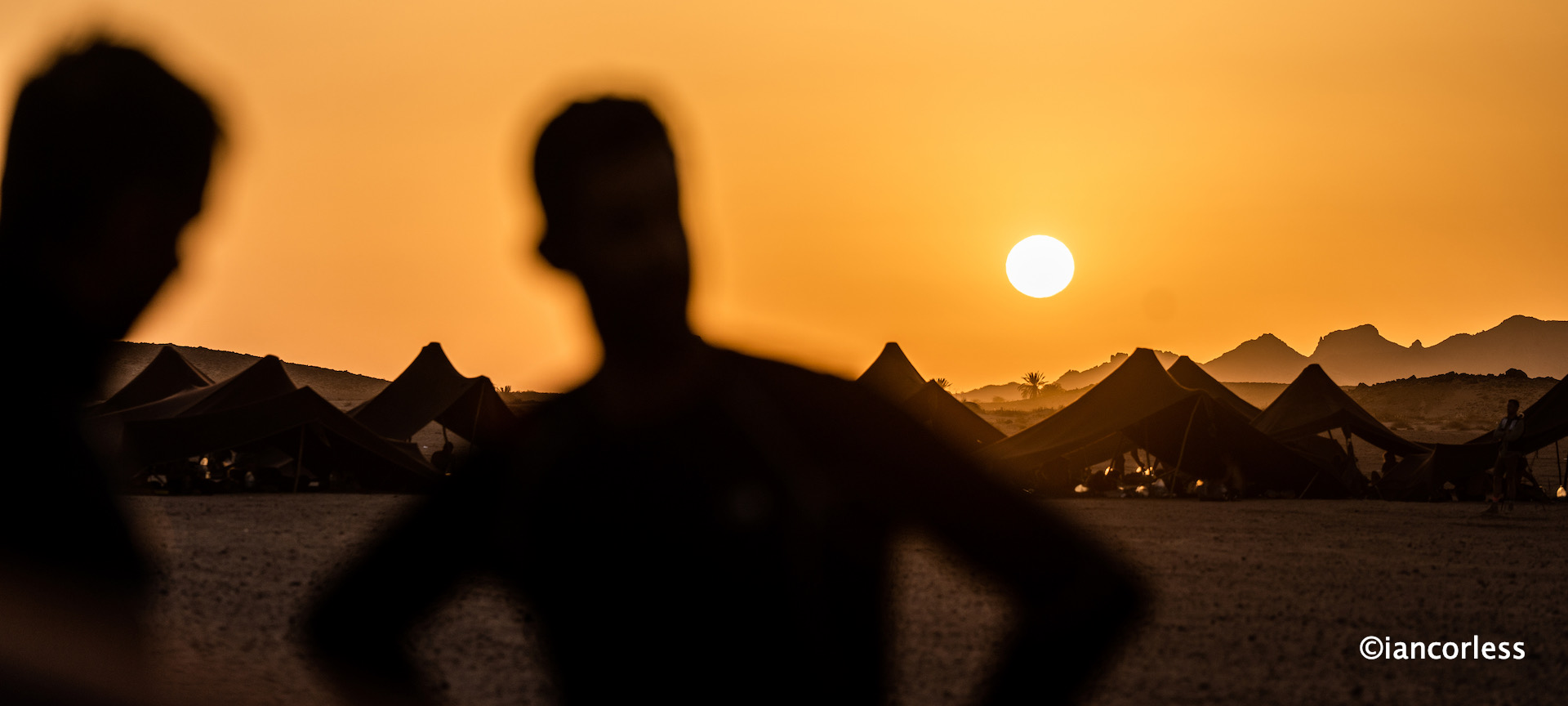
MDS The Legendary use classic Nomad tents that hold 8-participants. By contrast, MDS120 events use individual tents organised in cells of 6. TREK has upgraded tents, RAID combines solo tents and a star night, MDS ULTRA will be hotels except when racing.
Post-race you will be transported to a hotel and an awards ceremony and gala dinner will take place.
EVENTS
MDSLEGENDARY the iconic 6-stage, 250km race celebrating 40-years in 2026.
MDS 120 (used to be HMDS) this is 3-stages over 4-days with distance options of 70/ 100 or 120km.
MDS TREK this is similar to the MDS 120 format, however, there is no self-sufficiency, more comfortable accommodation and additional facilities, an excellent introduction to the MDS.
MDS RAID an event for more experienced athletes that is undertaken in teams of two, over approximately 90-120km’s, typically, two distance options are provided. The format is similar to MDS 120 with 3-stages over 4-days. One night will be undertaken under the stars with no bivouac.
MDS ULTRA new for 2025, a 100-mile or 100km single stage race with a 40-hour cut off.
MDS CRAZY LOOPS three new events for 2025 undertaken in ski resorts, the format is to run as many loops as possible in 24-hours. The loops will be typically, 3-5km’s in length.
MDS HANDI an inspiring inclusive event to provide wheel chair athletes an opportunity to participate with team members.
Both race formats, MDS Legendary, MDS120, MDS RAID and MDS ULTRA require participants to be self-sufficient for the whole race.
What does this mean?
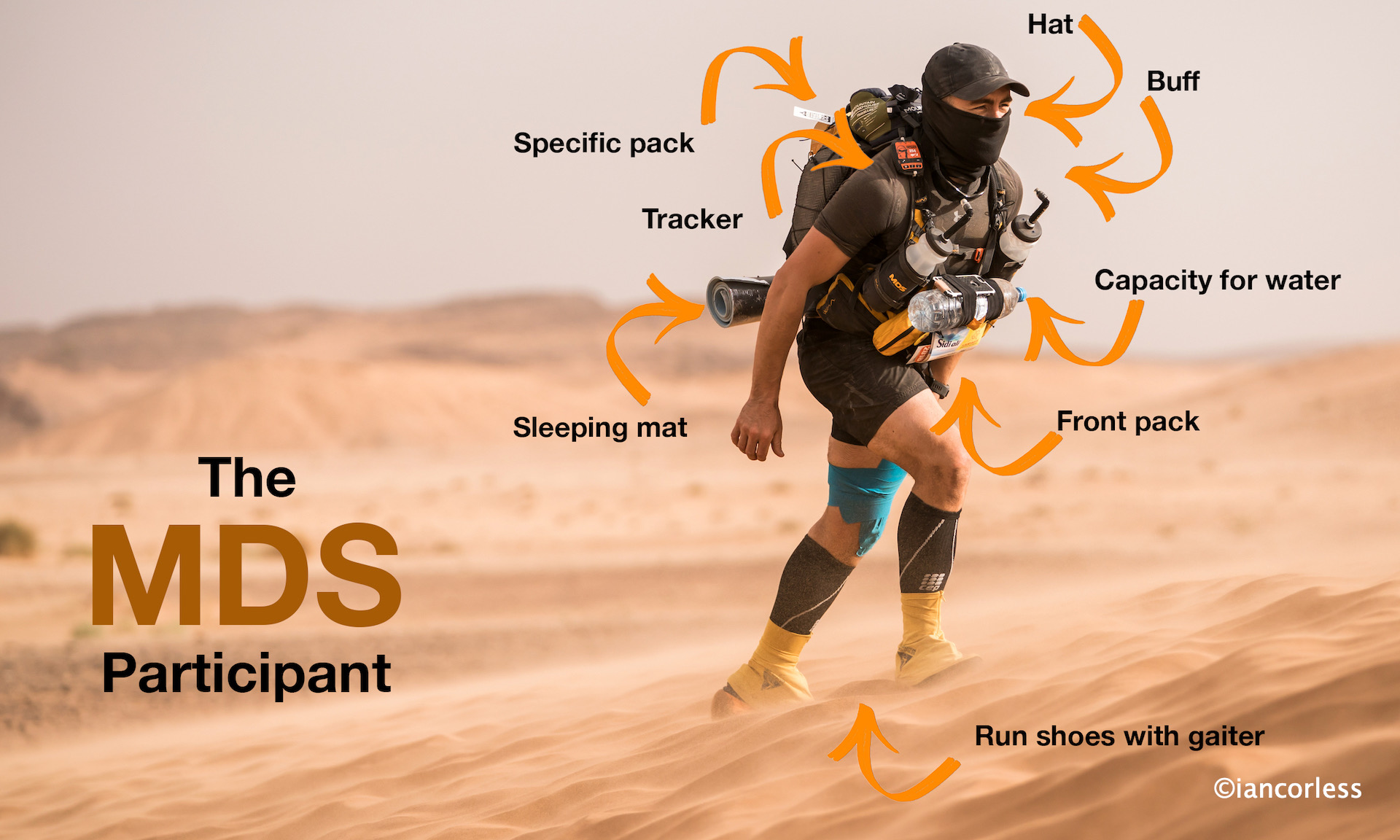
Quite simply, you must wear and carry all you need for your race experience with the exception of the tent / bivouac. MDS ULTRA will not require a bivouac or same kit requirements as MDS Legendary, Raid or 120.
It may sound daunting but it is not, it’s actually quite simple. You need to address the following points:
What you wear.
Equipment you need to participate.
Sleeping.
Food.
Cooking equipment. (You can purchase fuel blocks in bivouac)
Water.
WHAT TO WEAR
Hat to protect from the sun with optional neck protection.
Shirt (short or long sleeve) with adequate protection from the sun.
Shorts, skort or similar.
Socks.
Shoes with appropriate protection and durability for a desert environment with a gaiter (typically sewn on) to keep sand out of the shoe.
WAA is a partner for MDS have specific equipment for desert/ stage-racing.
Because you have entered a MDS event, there is no need to buy new apparel and shoes. Quite simply, if you have items that work, are comfortable, cause no problems or irritation, there is no need to change them. If it aint broke, don’t break it. Shoes always create a huge debate and please find what works for you. If you ask on any forum, you will get countless recommendations but none of those recommendations are specific to you and your needs. Read an article HERE and HERE.
Always remember that with MDS events you are either wearing or carrying everything you need for the race duration. Therefore, it is imperative that you purchase the lightest options available (based on budget) and you keep luxuries to a minimum.
Keep it simple!
MDS specify ‘mandatory’ equipment for participation as specified below:
A sleeping mat is highly recommended to protect from the ground, insulate and provide comfort.
A jacket is highly recommended (lightweight down) for cold morning and chilly nights. Many products exist. An excellent combination item is offered by PHD but it does come at a price – HERE.
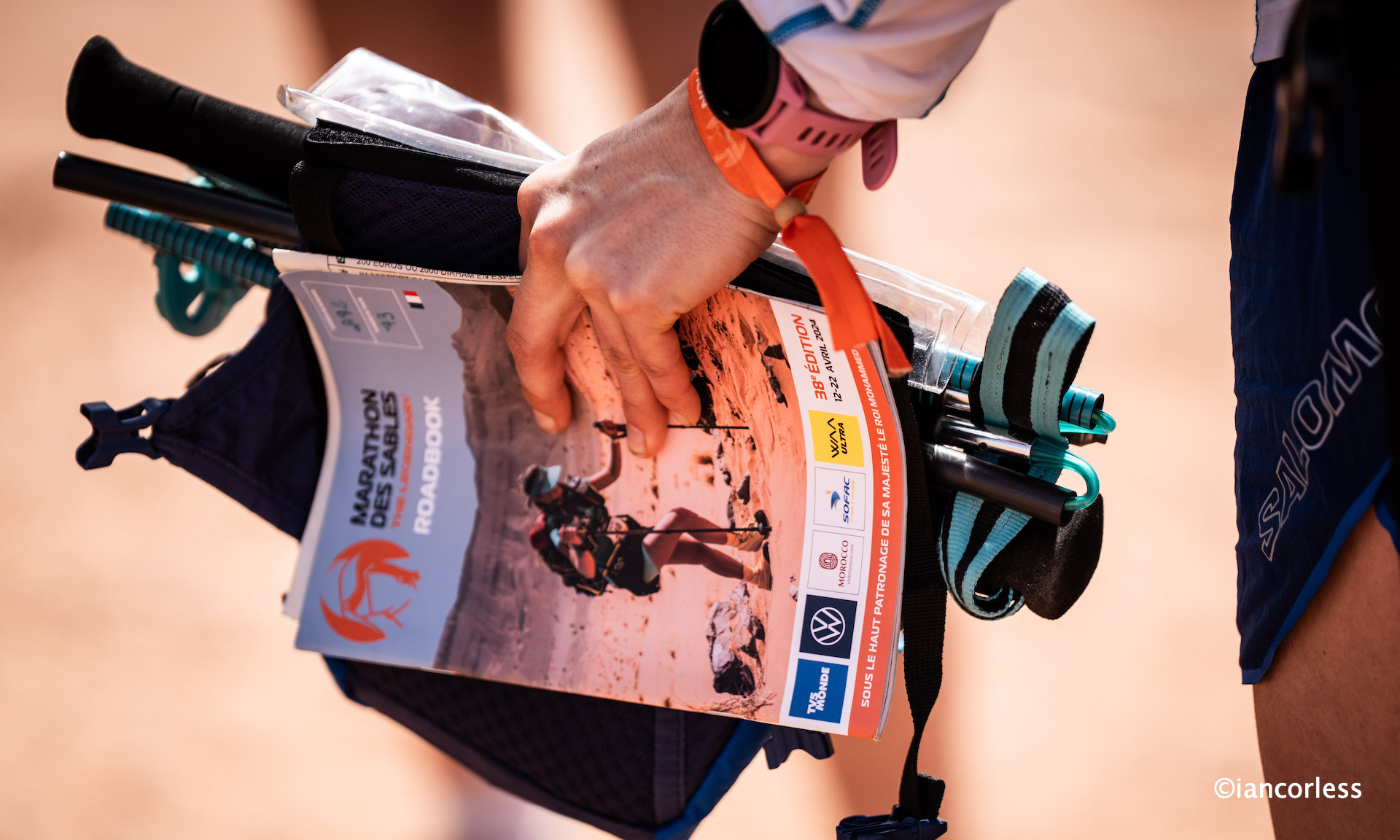
Poles are for many 4-wheel drive in stage races, Leki are highly recommended.
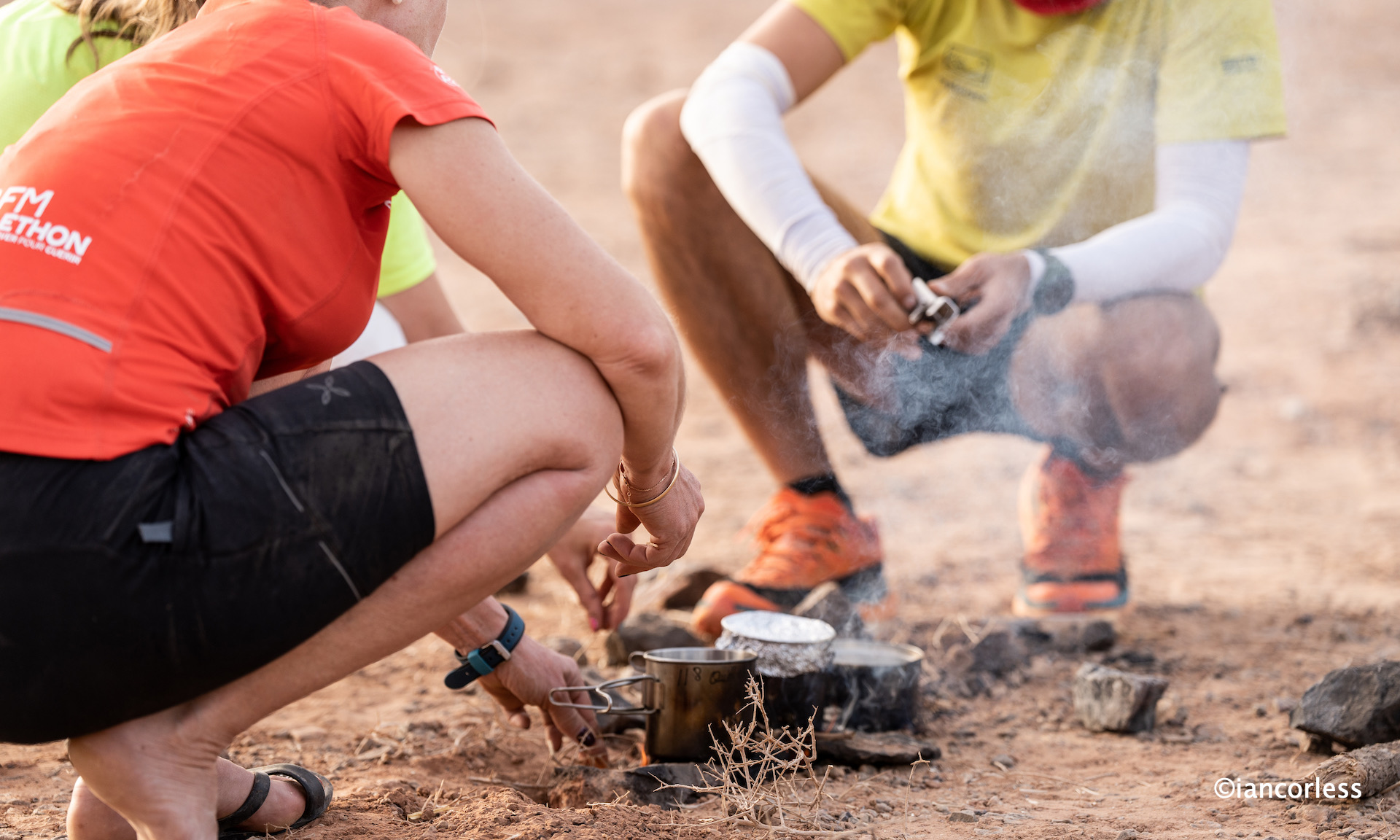
Stove – if you plan to have hot water, you will need a cooking system like those provided by Esbit. Please note, you cannot use any gas stoves in the desert, you must use fire bricks which you can purchase at bivouac.
Pot – if you are using a stove, you will need a pot/ mug.
Spoon with long handle for eating. Such as a Spork.
Buff or neck roll.
Sunglasses are essential and think about protection in sand storms, goggles may be required.
Flip flops or similar. Many use the weight free slippers from hotels, however, they rarely withstand the desert.
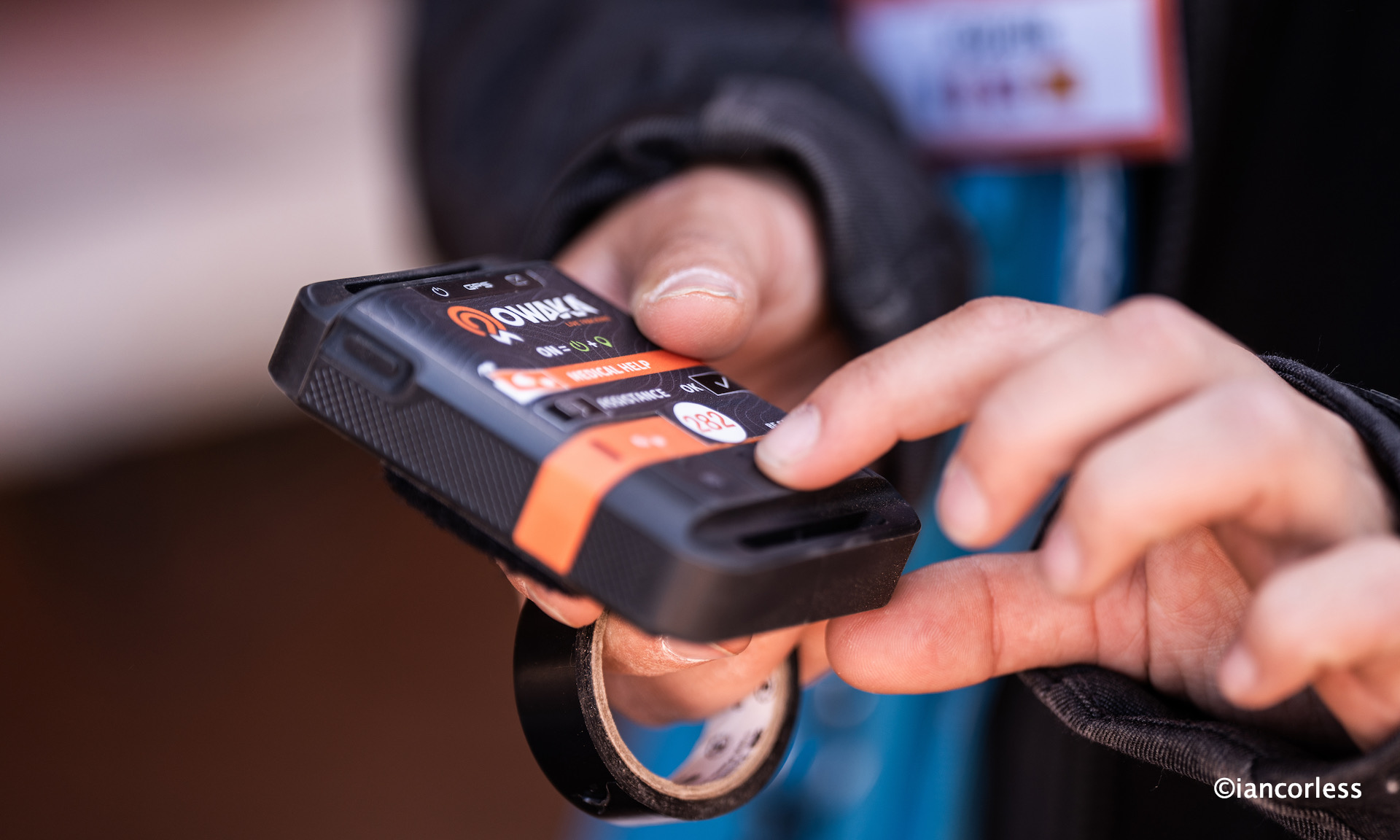
Watch / GPX
Personal items: Tooth brush, toothpaste, hand gel, wipes, toilet paper, ear plugs, blind fold etc.
Emergency – Things can happen during a race, so, be prepared with some essential items such as needle and thread, superglue, zip ties, monkey tape etc. If something rips or breaks, you need to repair it.
Luxuries
MDS is and should be simple in format. Remember, you must carry everything, so, keep luxuries to a minimum. Many consider a small MP3 player, look for something small, light and with great battery.
Phones are an essential part of our daily lives, do yourself a favour and leave it at home. The liberation is extremely rewarding. Please note, phones are allowed, however, it is prohibited to telephone on the bivouac or on the course. If you want to make a phone call, you will have to move away from these places so as not to disturb anyone.
SLEEPING
A sleeping bag is mandatory, so, there is no discussion here. The combined weight of your food is the heaviest and bulkiest item, however, a sleeping bag is next. These days there are many options available and quite simply you want the lightest possible, with the smallest packing size with required warmth at a price that you can afford. Not all sleeping bags are the same, so, consider this. Down is the best filling as it is the lightest, warmest and packs small. However, ‘fill power’ is a key element of down, fill power tells you how much volume a 30-gram, or one-ounce, sample of down will take up. So, the higher the fill power, the warmer the bag will be for less weight, because that one ounce of down has larger down clusters that provide more loft and have the ability to trap more heat. These bags will be more expensive.
Brands to look at: Nordisk, Seat to Summit, Rab, PHD, Western Mountaineering, Wilsa, Lightwave and so on.
Note here, that you will also probably be taking a down jacket for warmth. This can be used as extra warmth and insulation in a sleeping bag. So, it is possible to think about getting a lighter, less warm bag and supplementing warmth with a jacket.
UK brand PHD has come up with the perfect solution with an Ultra Jacket and Desert Race Half Bag but is does come at a price. However, it is comparable with the costs of jacket and bag by Nordisk.
Sleeping mat is highly recommended. When you are not running or walking, you are sitting or lying down, comfort is key. Two options exist, inflatable or not. Inflatable provides the greatest comfort but with poor admin does have the risk of puncture. Sea to Summit provide excellent inflatable options with low weight and pack size. Exped have excellent closed-cell foam.
The MDS 120 events (TREK not included) are self-sufficient adventures. You need to bring your own food and carry it in your bag for the duration of the race.There is a requirement that you must have 2000 calories minimum per day. Please remember that from 2024, catering is not provided at MDS The Legendary and therefore you must have enough food and calories before the race starts.
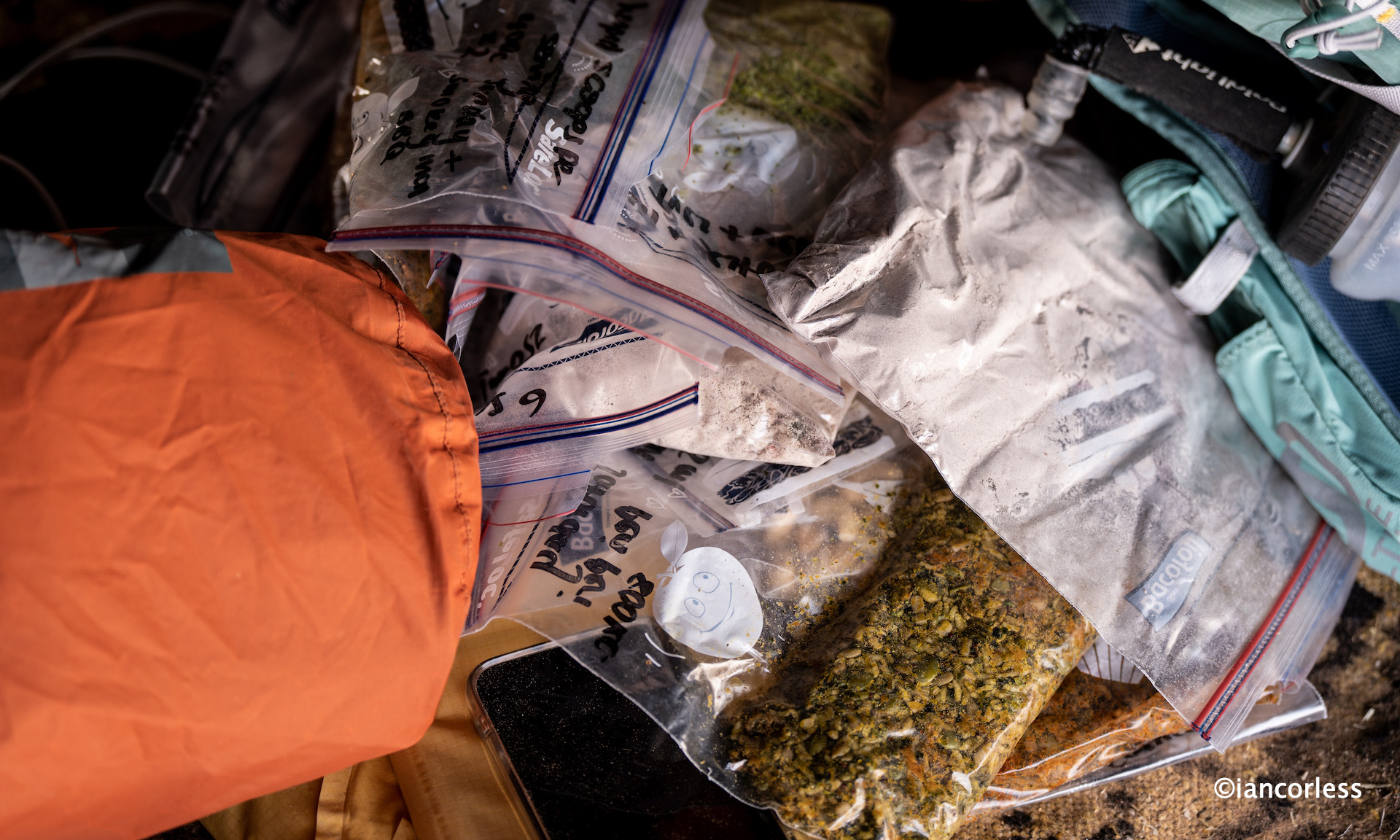
Food is the heaviest item you will carry and is essential. Don’t skimp on food. Lay food out per day addressing key items:
Breakfast (be careful they are not too sweet)
Snacks while running (bars, nuts, dried meat etc)
Post-run recovery (usually liquid form is ideal)
Lunch if applicable (this could be another meal such as cous cous)
Dinner (dehydrated meal)
Evening snack (a bar)
Where possible, repackage food to make them smaller and lighter. However, make sure you keep nutritional information for the admin day. Pack food in day bags, that way it is easy to know what you have and importantly, you don’t take food you need for the next days. Keep doing this and you will be short of food at the end of the week.
Food is personal and you must find out what works for you. Remember taste chances when fatigued and in hot environments, often, sweet becomes less palatable with a preference for savoury. Dehydrated meals will often be used for key meals such as breakfast and dinner, some hydrate well with just warm water, others need hot water. So, if you are not taking a stove, test this. Basecamp food is a good website that shows what options exist. After many tests, highly recommended products are Firepot, Lyo, Tentmeals and Adventure Menu. Personally speaking, Firepot produce the tastiest meals I have tried.
Make sure you add some treats to spice up your palette.
A food list for MDS The Legendary could look like this:
Water provision, particularly at MDS The Legendary and MDS 120 has changed. In past editions, water was rationed and provided at key checkpoints in bottles, typically, 10km’s apart.
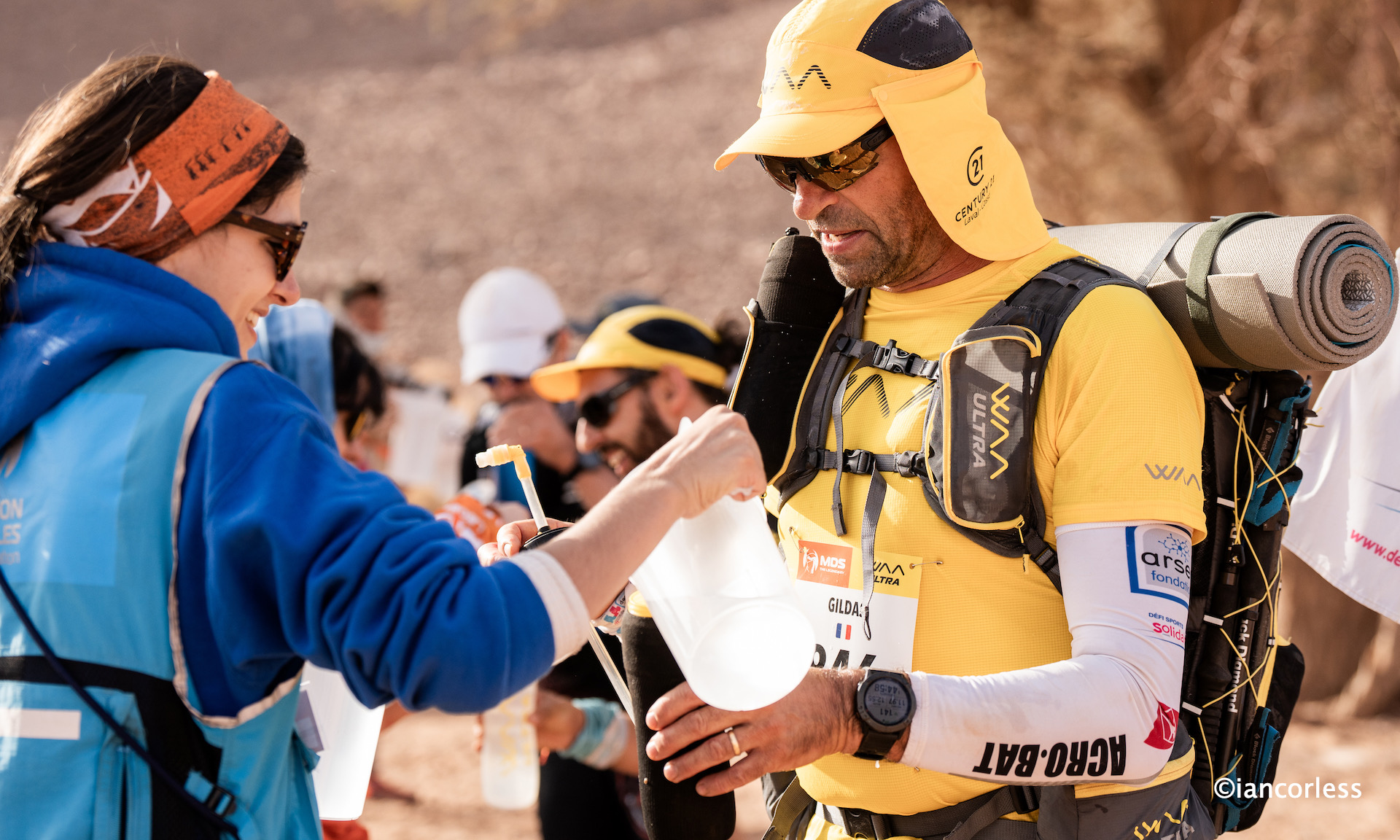
In 2024, the new organisation changed this and arguably, water is now available, as required whilst racing. It is poured from jugs by MDS staff.
In addition, intermediate water stations are added when deemed necessary to ensure competitor safety.
At key checkpoints, iced water is supplied and poured by MDS staff on the heads and neck to aid cooling.
Post-race, each runner is provided with a 5L bottle of water, this is used for evening cooking, breakfast and up to CP1 the next day. If you wish to wash or freshen up, this comes from the same water ration. So, prioritise food and drinking before washing.
THOUGHTS AND CONSIDERATION
MDS is available for all, be that racing snake or someone who is looking for the adventure of a lifetime. So, keep that in mind. A top runner will have his or her pack at the absolute minimum weight and will look to survive the week racing as fast as possible. They will spend the week hungry. You, for example, may wish to carry a little more weight and have some comfort during the week. Just don’t carry to much extra weight!
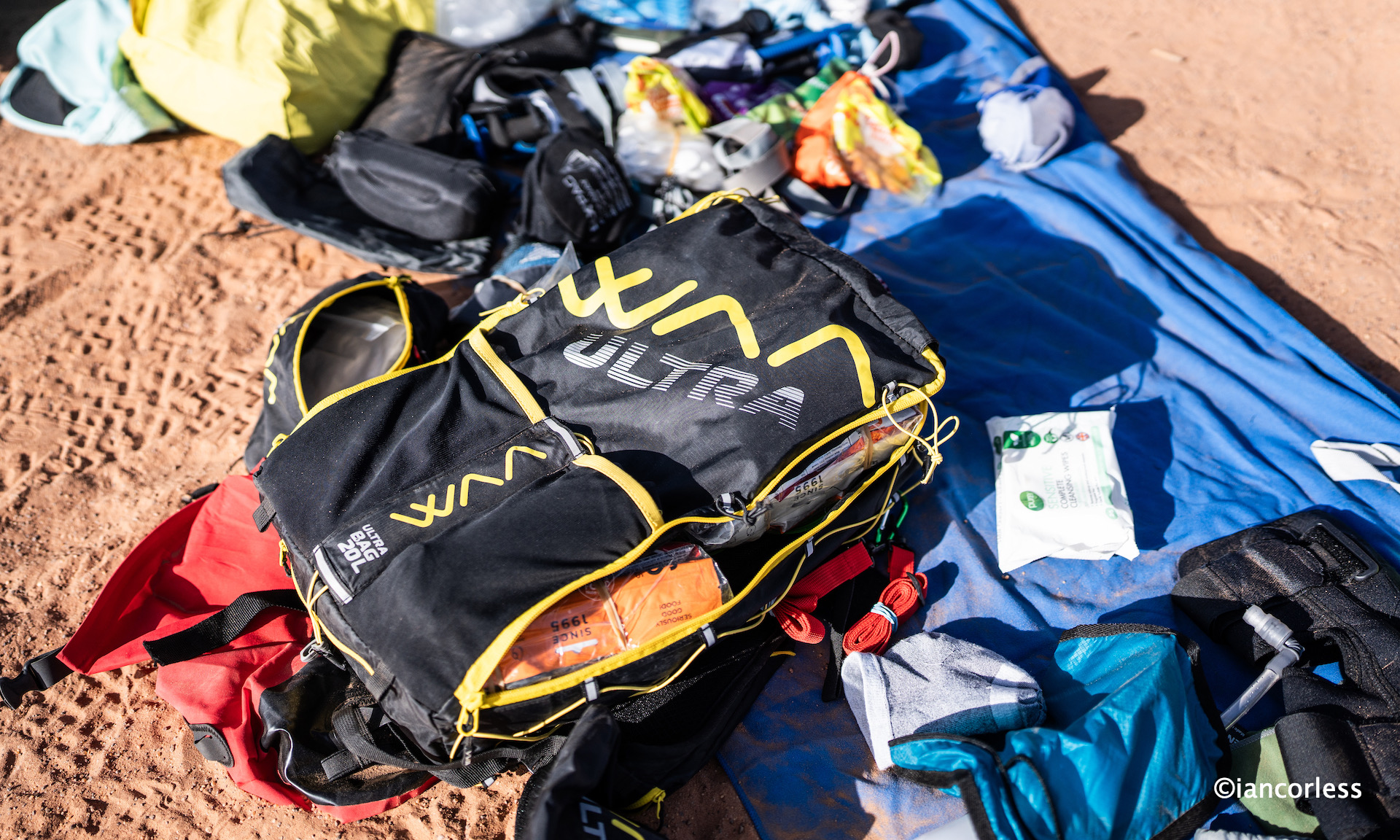
The pack you wear is a crucial item that not only must fit everything you need, but it must also be comfortable and allow easy access to drink. There is no one-stop solution here. We are all different sizes and have different body shapes, so, make sure you try options.Also remember, at the beginning of the race, your pack can be around 8kg, this adds extra pressure on the shoulders, so, make sure you have enough padding and comfort. Many packs now come with waist belts and this, for many, is a great solution not only for extra storage but weight distribution. WAA have the ultra bag which has been specifically designed for the job. Osprey have recently released the Talon Velocity 20 which in testing has been superb. Don’t be tempted to get a bag that is too large, remember, the more space you have, the more you may take.
Bottles are the obvious way to carry water, typically 2x 750ml on the chest straps. I personally really dislike this format, I find it uncomfortable and unpleasant. So, find your own solution. Bladders have always been considered a NO for MDS but I personally find the solution ideal for my multi-day adventures. If you are a ‘racer’ this is not the best solution, but for most, it is ideal. As always, bladders can puncture, so, think about this.
Shoes will always be a debate and point of discussion. Shoes are personal and must be suited to you, the individual. Consider your gait (neutral, supinate or pronate), consider time on feet, consider your weight, consider how much you will walk (and then double it) also consider shoe drop and how much cushioning you need. It’s impossible to recommend any one shoe because of these variables. You will see top runners using a lighter shoe, remember, these shoes only need to last 20-30 hours. However, you may well need a shoe for 40, 50 or 60-hours. Do you need a trail shoe? No, you don’t need a trail shoe but I would say that many trail shoes are more durable as they are designed for the rough and tumble of variable terrain. Do you need an aggressive outsole? No, you don’t, but I do think some grip is better than none and therefore I would use a trail shoe over road. Protection? Toe box protection is a good idea as deserts include lots or rocks, far more than you may think. Do I need a size bigger? Shoe sizing does depend on what is ‘normal’ for you. I always recommend a thumb nail of space above the big toe, you don’t need any more than this. Recommendations of going a size is bigger is bad advice in my opinion. A shoe that is too large allows your foot to move, a moving foot causes friction, friction causes blisters and the rest is the same old story that I see at desert races all over the world. However, I would recommend a shoe with a little more width in the toe box, this will allow for some comfort as the days progress. If you are prone to feet swelling, discomfort, blisters and so on, get a strategy sorted before you head out to your chosen race. You will need a gaiter and while not always the case, sewing velcro on a shoe can change its shape, so, consider this. There are specific desert racing shoes now available by Salomon and Raidlight.
Poles are a godsend, buy some and learn how to use them. They are 4-wheel drive.
Food is essential, make sure it works. Hot or cold water is a consideration and make sure if using meals that need rehydrating that they work with water at desert temperature. Never assume that water will always be warm because you are in the desert, just as we get hot years, we also get cool years.
Salt is needed to keep you in balance. Many foods contain salt so look to supplement that with the mandatory food cubes. Be careful here, for example, OXO works considerably better than Knorr. Do you need alt tablets? Do your research,, find out what you personally need and come up with a plan. Listen to a podcast HERE.
Feet – make sure you look after them. With the correct socks and correct shoes, there is no reason to get blisters and despite what some people say, the majority of people do not get blisters. Read Healthy for Running and Walking.
Heat is difficult and without doubt, it’s better to adapt to heat before the race. Read about Heat Acclimation by Dr Jodie Moss.
Hygiene is crucial and difficult when self-sufficient. But set up a protocol not only for your benefit but for those around you.
Luxuries keep them to a minimum.
Toilet paper is essential, make sure you have enough and compressed towels are brilliant to freshen up when you add a little water.
Take essentials on the plane and wear your run apparel and shoes. That way, should a baggage disaster happen your chances of racing improves.
Have additional items such as a base layer, sleeping bag liner and other items that may be on a ‘question’ list for the race. On night 1 and before you go to admin, you can make final decisions of what to and what not to take. Particularly important if you think you may be cold at night.
You signed up for the challenge, you wanted to be on the start line and therefore you are responsible for the outcome. Believe me, the ‘you’ that leaves the Sahara is not the same you that entered. Arguably, you change the moment you pay the deposit, the transformation process begins. Embrace the journey and apply yourself. Keep perspective, the MDS journey is an enhancement of you as a person. It’s easy to become obsessed, ultimately the majority of runners at MDS are enthusiasts, if you keep that in mind the journey will be a complete one.
Plan ahead, formulate a long term plan and don’t rush. The sooner you start this process, the greater your chance of success and the less chance of injury. Plan stepping stone races and don’t be fooled into thinking that you need to run marathons day-in and day-out. You don’t! Training is about ALL the training you do and not about anyone run.
If we exclude the top 50-100 runners (who will also walk sometimes) the majority of the MDS field spend a huge amount of time walking. Learn to walk! Believe me, it’s a huge tick in the MDS box and rest assured that if you are able to walk at a good consistent pace (barring injury or dehydration) you will finish MDS.
You are going to share bivouac with other people and you are going to have some serious highs and lows. These tent mates will pull you through and motivate you. They will become friends for life.
Legs, lungs, heart and feet will only get you so far. The mind is what will get you to the finish. Despite the hardships and pain, embrace the journey and mentally prepare for the challenge.
MDS is a magical and life changing journey, it really is a true challenge of mind and body to race over many days, irrespective if you complete or compete. It’s a hark back to a more primitive time, a time without clutter and modern technology. Embrace this. Embrace the silence of the surroundings and the simplicity of placing one foot in front of the other, eating, resting and sleeping and then doing it all again.
You can read a SUMMARY of the 2024 MDS The Legendary HERE
On a recent work trip I had a run shoe disaster. To cut a long story short, I was left with no run shoes.
Dropping in to the best run store I could find, I was rest assured with a great selection of trail shoes and gladly, they had options from which to choose. It would have been easy to purchase shoes I have already owned used and liked, and in all honesty, had they had a pair of Hoka Torrent I would have got them; a great all-rounder.
I needed a shoe with cushioning, protection, and a good outsole.
As it happens, I had three excellent choices and none of the shoes I had used before, a NNormal Tomir (23/31), a Hoka Speedgoat 5 (29/33) and a Merrell Agility Peak 5 (25/31), based on stack heights, three very comparable shoes. Interestingly the NNormal with 8mm drop, the Hoka with 4mm drop and the Merrell sitting in the sweet spot of 6mm.
I will be honest, I was instantly drawn to the NNormal, I had been waiting to test a pair for sometime and in my head, before trying any of them on, I had already made up my mind. I am getting the NNormal.
However, slipping them on, they just didn’t make me smile. The lacing was less than optimal, foothold was kinda ok but the overall feel was lifeless. The Hoka Speedboat 5 by contrast had life, had great foothold and was just solid. That’s it, I will get the Speedgoat…
But then the assistant said, you should really try on the Merrell, particularly if you like the Hoka.
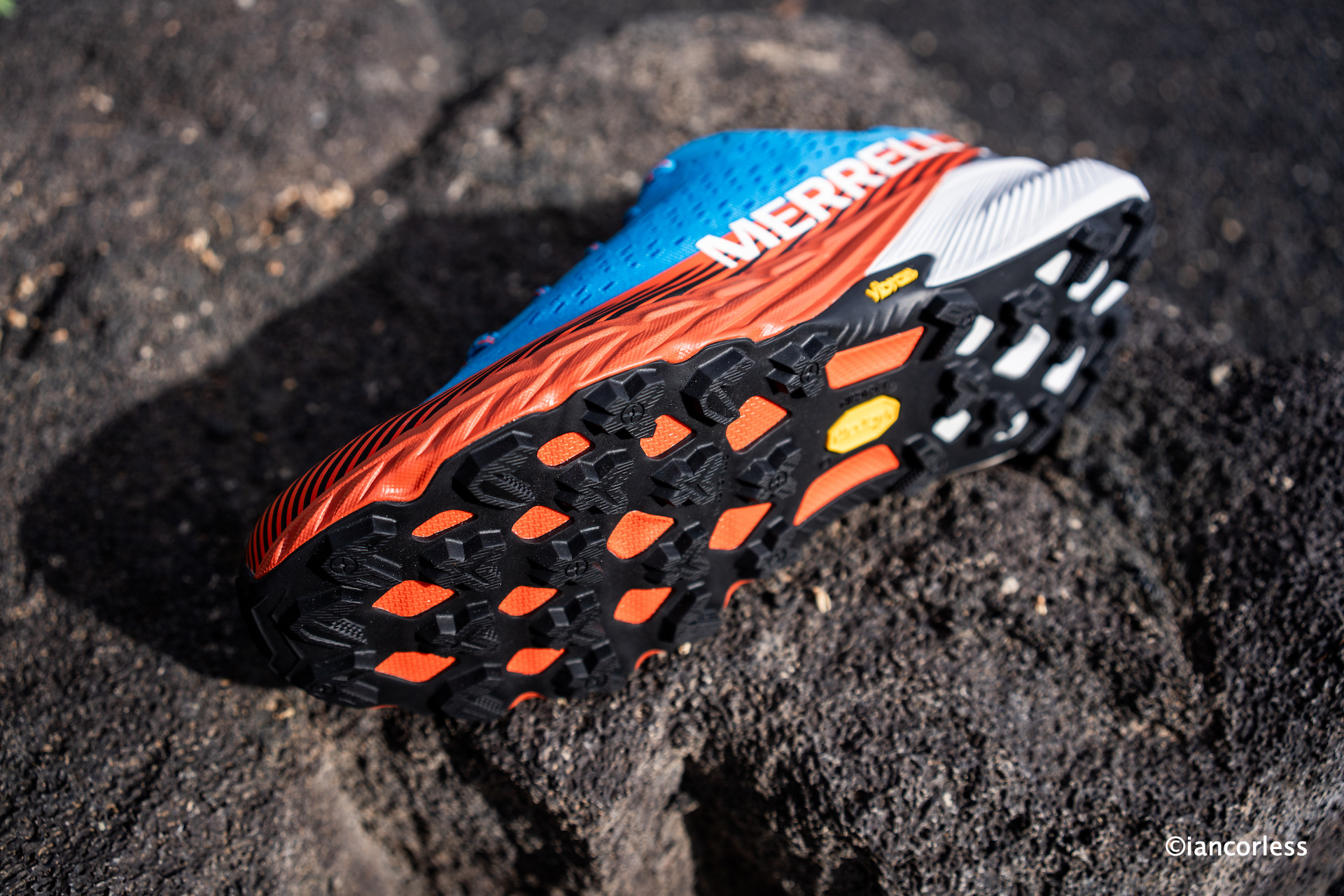
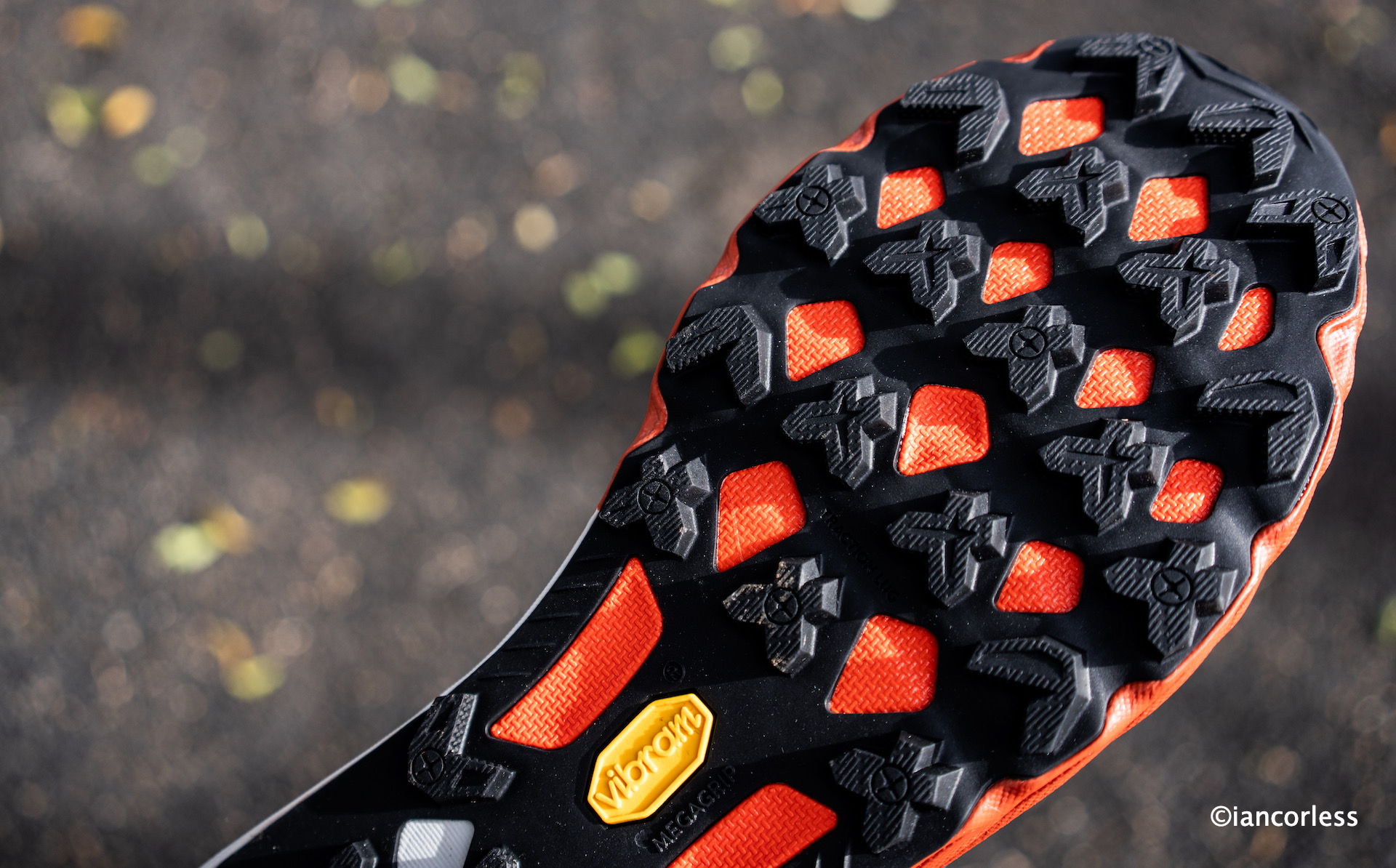
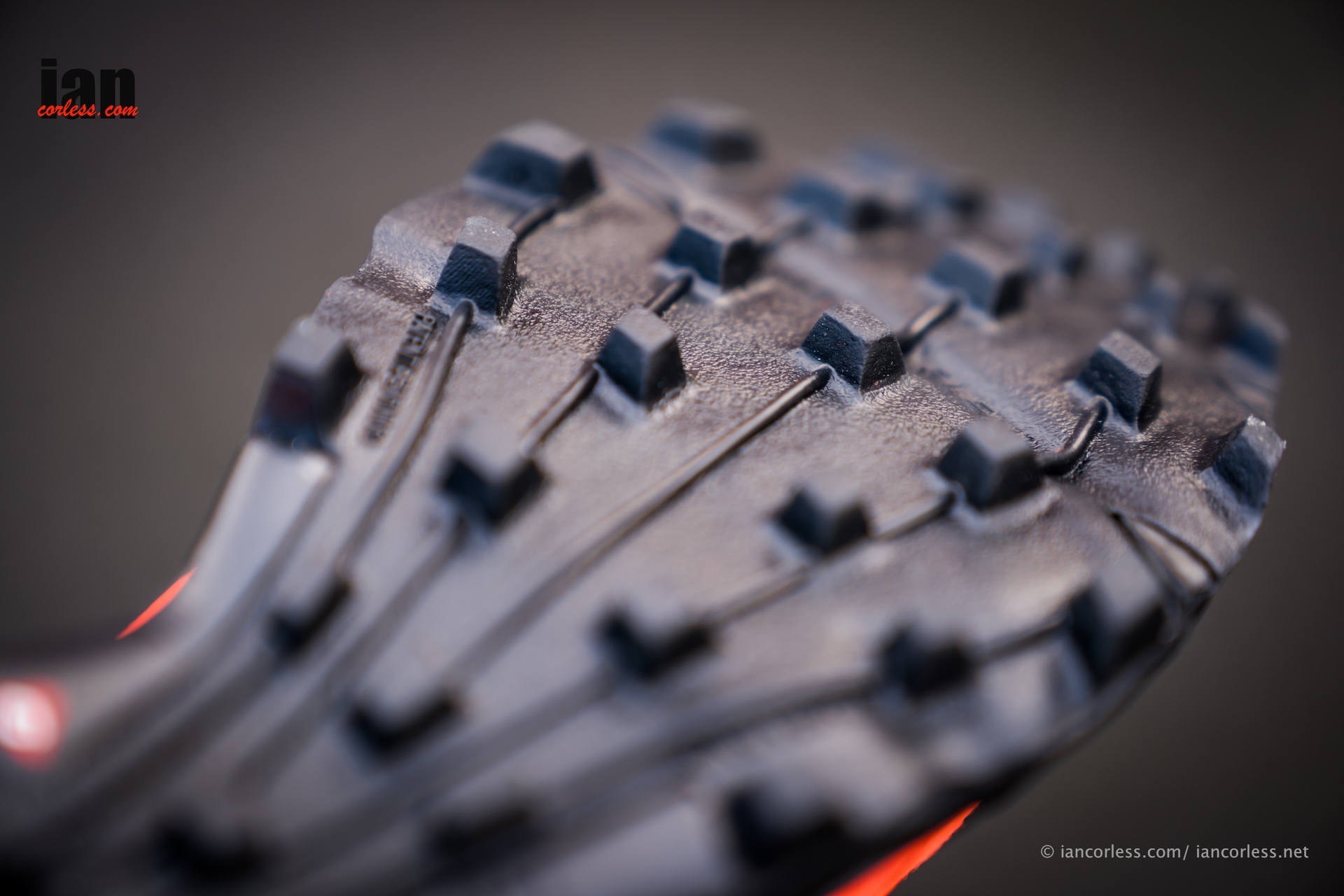
So, I slipped the Agility Peak 5 on whoa, what a revelation. Foothold superb, heel comfort excellent, toe box space great and there was a bounce and life not present in the other two. The addition of Vibram Magagrip added to the package, to be fair, this was on the other two shoes too, but here on the Agility Peak 5 it was aggressive and with 5mm lugs.
I purchased the Merrell.
MERRELL
I had heard a great deal about Merrell shoes, nearly all of it positive, so, I don’t really know why it had taken me so long to eventually get a pair. Certainly trying on against the NNormal and Hoka only confirmed that my decision was coming too late, I had been missing out!
Superb cushioning 25mm front, 31mm rear.
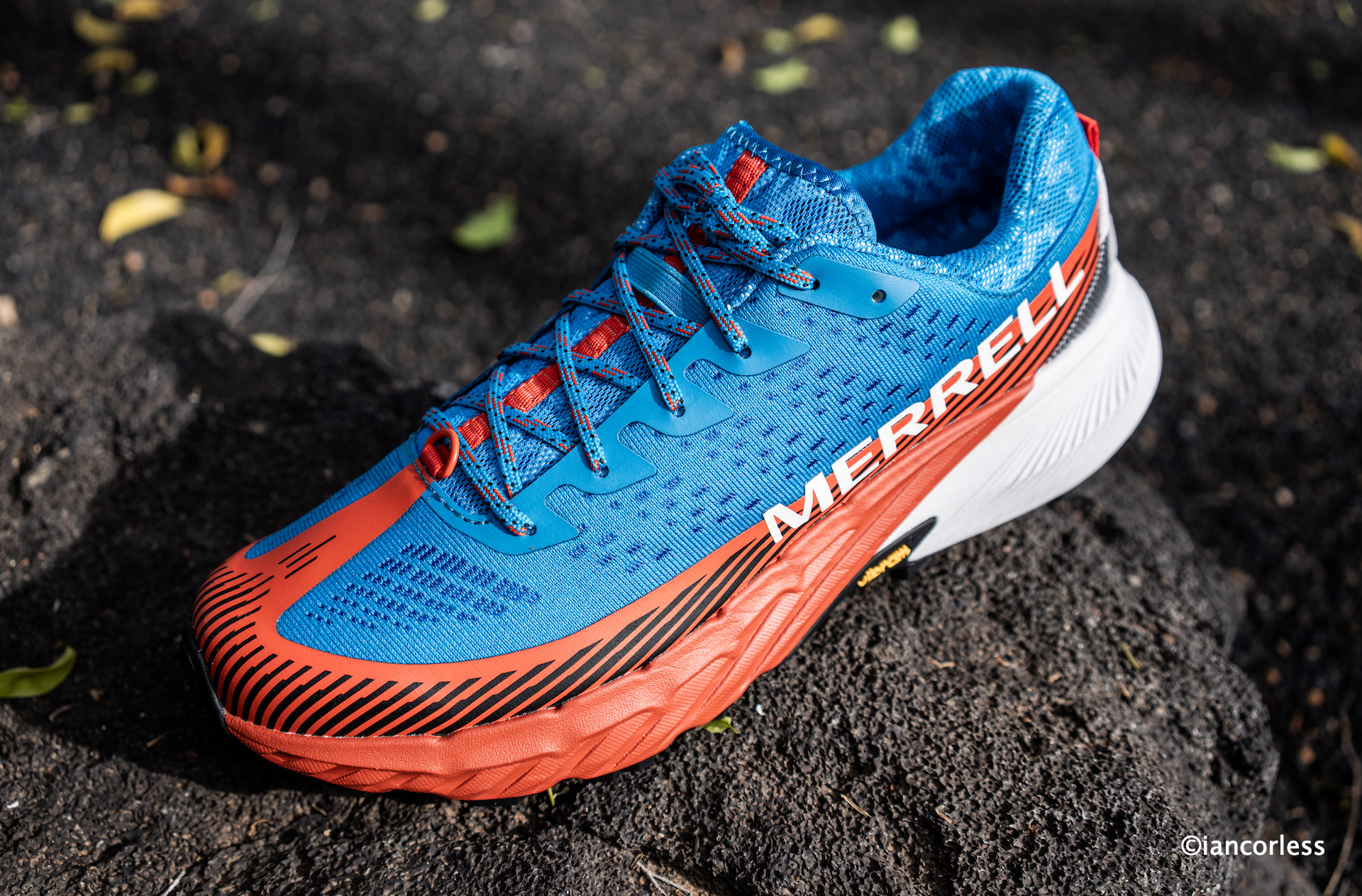
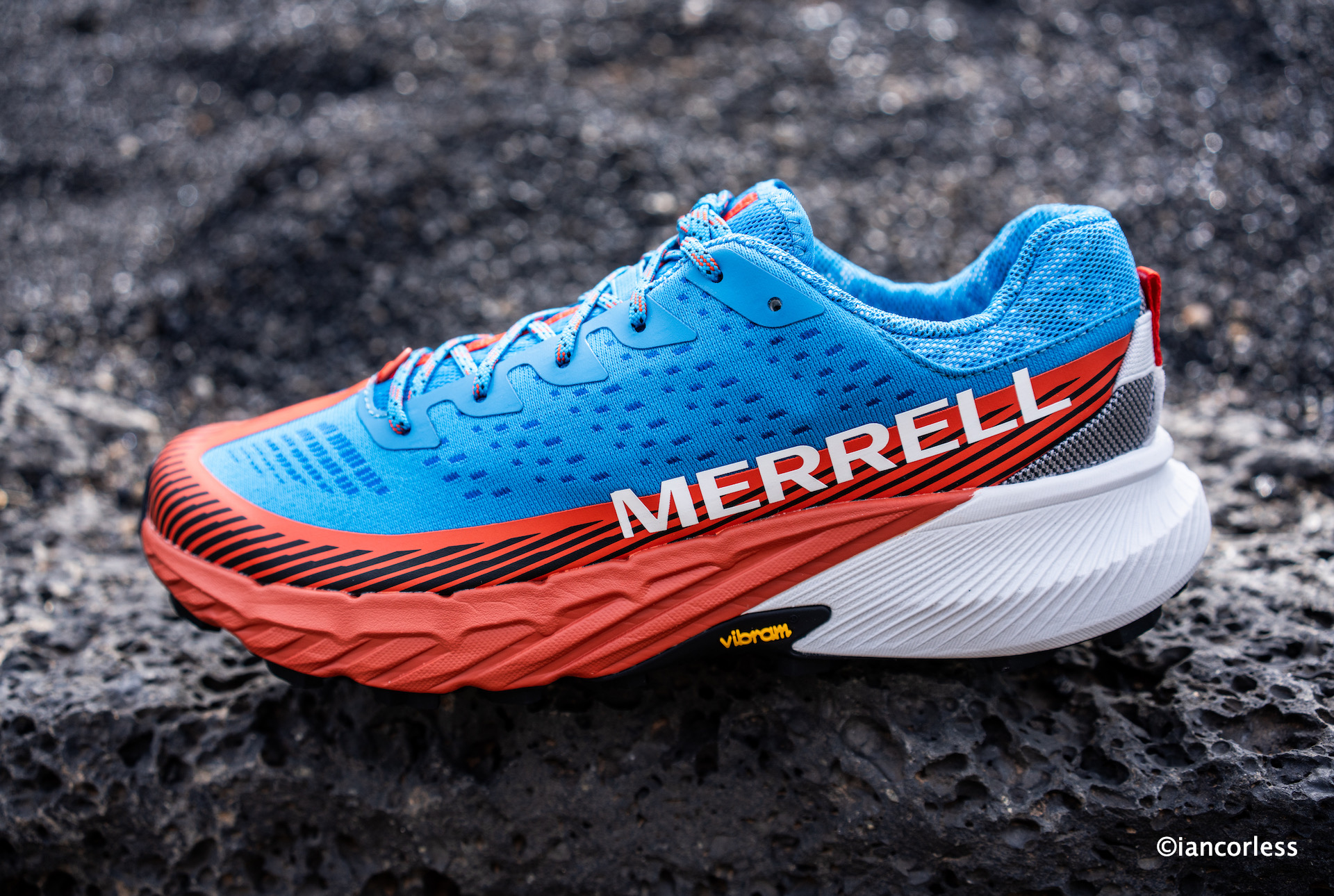
A great looking shoe that means business. The side profile, the outsole and 5mm lugs, a visible rock plate, it’s clear that this is shoe is for the rough stuff.
Red rock plate showing through the Vibram MegaGrip outsole.
When a shoe is in version 5, I always get a little nervous. The plus side is this is a shoe that works and is loved, otherwise Merrell would not adapt, change and make a new version. But sometimes, the ‘need’ to make new version can sometimes spoil what was good about the previous ones. Having not tried an Agility Peak before, I was a blank canvas – a good thing!
THE SHOE
With reduced weight, increased rocker, increased heel grip and comfort, this shoe on paper was ticking all the boxes.
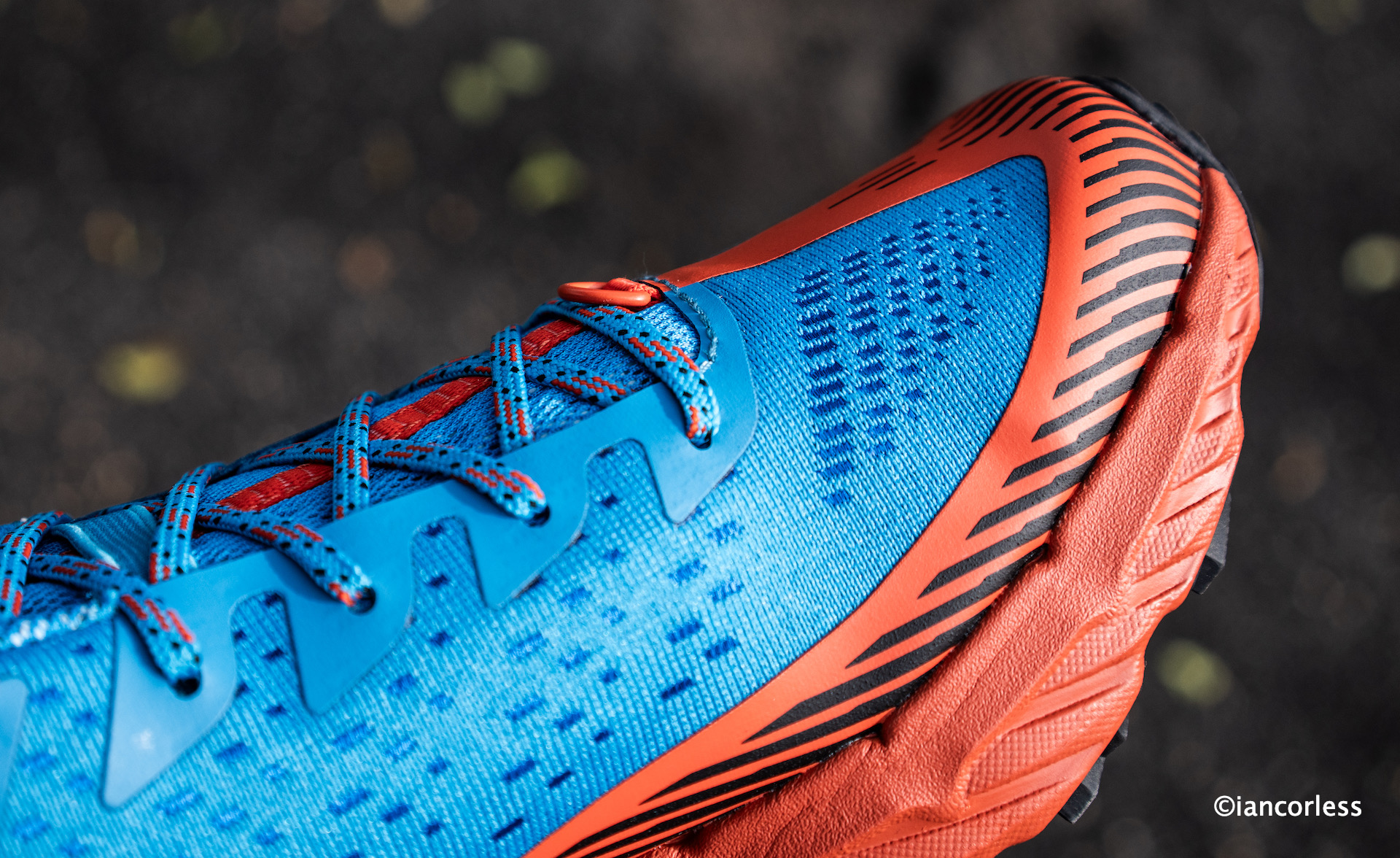
A breathable upper, excellent lace placement, gusseted tongue, a toe cap protection, EVA foot bed, FloatPro foam midsole, rock plate, a Vibram Megagrip outsole with 5mm traction lugs.
5mm lugs by Vibram MegaGrip.
A D-ring gaiter attachment at the front and velcro attachment at the rear,
Velcro tab at the rear for gaiter.
The Agility Peak 5 is a feature packed shoe. A 6mm drop with cushioning 25mm at the front and 31mm at the rear makes this a shoe ideal for long days out in gnarly terrain.
Slipping the shoe on I had an instant comfort factor that made me smile, I knew immediately I was going to like this shoe.
Great lacing and D-ring for gaiter.
Lacing up, foot hold was superb without any nasty pressure on the navicular bone. Holding the rear of the shoe.
Lifting my foot, there was no slippage and the gusseted tongue just added to the cozy comfort factor.
Spacious toe box.
The toe box is spacious, a 3, maybe a 4, on a scale of 1-5 with 5 being wide and spacious.
Standing up, there was a definite bounce and life as I moved backwards and forwards, up and down.
IN USE
I was committed and out-of-the-box I went straight in to a gnarly coastal run over very rocky and abrasive terrain, 37km and 1531m+. It was a great test! The Agility Peak 5 excelled.
The notable takeaways were all-day comfort and protection.
I never had to adjust the laces, my foot was held secure all day. The cushioning allowed for great ground feel but not at the compromise of comfort, especially with the rock plate protecting from all the sharp rocks and obstacles.
At 25/31mm in cushioning, I was concerned that maybe I would be a little too high from the ground, but this shoe has a wide footprint and this compensates for the additional stack height wonderfully. I had no rolling issues at all.
Notably, when walking and hiking, the bounce and comfort at the rear of the shoe was superb. When running, the flex behind the metatarsals was ideal giving a great propulsive phase. The toe box allowing enough space for toe splay but not at the compromise of precision. When climbing, my foot was secure, no movement, a combination of the new heel cup and the rear sling lock.
The outsole by Vibram is tried and tested, MegaGrip appears everywhere, but this is the first time I have used or seen the 5mm lug version and it is brilliant. The grip was superb. I have yet to try in the wet!
Was there a downside? In all honesty, no. It’s arguably the most complete shoe I have tried in a very long time and if I was to be picky, for a shoe that is so obviously designed for rough stuff, the toe bumper could maybe be a little more protective.
Despite the mean business looks, the Agility Peak 5 has plenty of life, speed and comfort for those wonderful single-track runs with little or no technicality. The rocker helping to propel you forward with excellent comfort.
Fitting true to size, this shoe is one of the best I have tried and tested.
CONCLUSION
Shoe technology gets better all the time and now there are sooooo many good shoes, it’s often difficult to pick a best one. Of course, this is a great position to be in. I have countless shoes that I would be happy to run in on any given day. But, some shoes have very specific uses. If I wanted guaranteed mountain grip in wet and dry, I would choose a VJ MAXx. I I wanted a fast shoe for single-track, I’d go for an Adidas Speed Ultra. If I wanted a just one shoe that could do all things and do them well, my choice has normally been a Hoka Torrent, that is until the Merrell Agility Peak 5 cam along.
The rock plate and grip is excellent.
This shoe has been a revelation. All day comfort, great grip, great foot hold, fast when you need them to be, secure when the terrain demands it and all wrapped up in an excellent good looking package.
The Agility Peak 5 is my shoe of 2024! A shoe that has balanced cushioned comfort with speed and versatility for all running, be that on trail or mountain terrain.
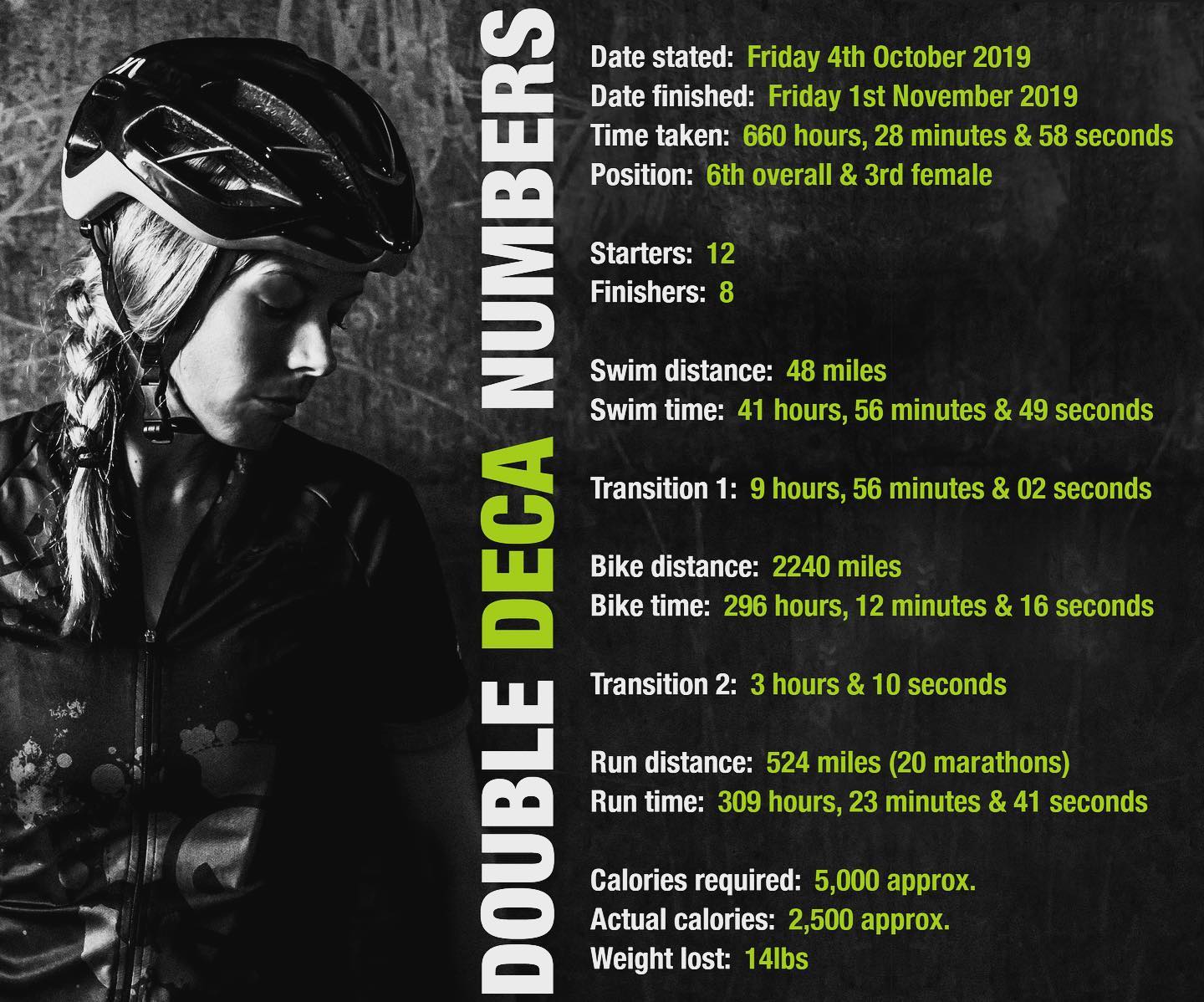
Episode 178 of Talk Ultra brings you an interview with Brutal Claire who recently completed a ‘Double Deca Ironman’ which equates to a 48 mile swim, 2240 mile bike and a 524 mile run.
*****
Talk Ultra is now on Tunein – just another way to make the show available for those who prefer not to use iTunes – HERE You can download the Tunein APP HERE
Talk Ultra needs your help!
We have set up a Patreon page and we are offering some great benefits for Patrons… you can even join us on the show! This is the easiest way to support Talk Ultra and help us continue to create!
Many thanks to our Patrons who have helped via PATREON
Importantly, go to iTunes and subscribe so that you automatically get our show when it’s released we are also available on Stitcher for iOS, Android and Web Player and now Tunein.
Our web page at www.iancorless.com has all our links and back catalogue.
Please support Talk Ultra by becoming a Patron at www.patreon.com/talkultra and THANKS to all our Patrons who support us. Rand Haley and Simon Darmody get a mention on the show here for ‘Becoming 100k Runners’ with a high-tier Patronage.
The inov 8 X-TALON range for 2018 has had a reworking. Always a tricky subject, especially with such a classic shoe in the inov 8 line-up. But as history shows, this shoe is 10-years old and has had many incarnations.
So, what is different for 2018?
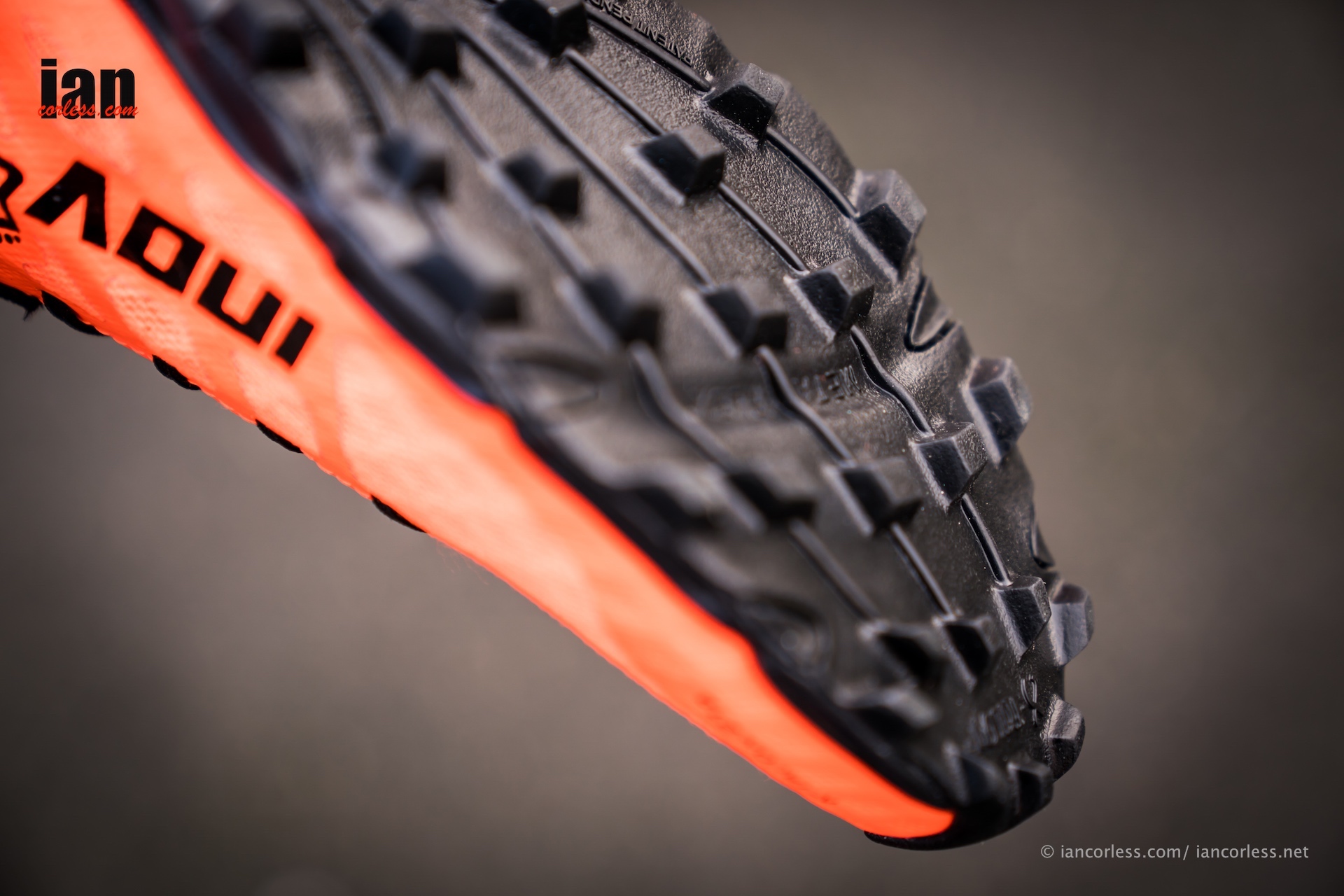
Well, first and foremost, STICKY GRIP. This new outsole compound is inov 8’s new secret weapon for holding a runner on the ground when conditions are challenging, in particular, wet and slippery rocks.
The second key aspect is the reworking of the shoes upper. Now depending which X-TALON you have, the upper will be different. For example, I have just reviewed the X-TALON 230 HERE and the upper on the 230 is a world away from the upper on the 210.
So, here goes!
THE SHOE
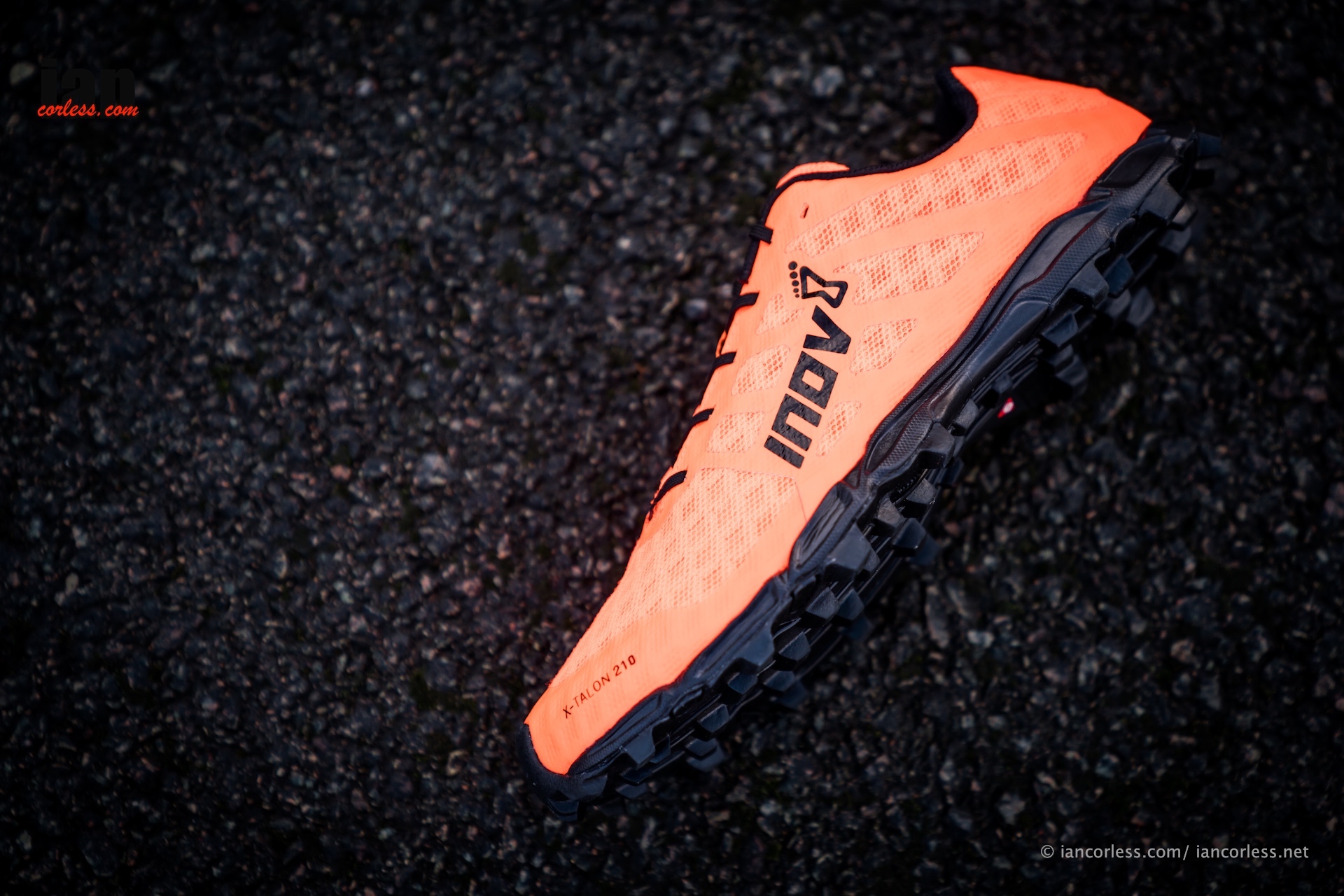
Orange! Whoa, yep, you are going to be seen coming in these babies on your first outing. I strongly suggest, going in the garden and rubbing them in the soil before venturing out. I wore sunglasses for the first day of testing. I joke obviously, but the 210 is a bright shoe, one could easily be put off by the colour, but let’s face it, if you are using the shoe in the place it is intended for, they are only bright for one outing!
In comparison to the X-TALON 230 (here) the 210 appears super light and airy – funny as there is only 20g difference between the shoes. The upper is light, very breathable and has the now traditional inov 8 overlays that gives the upper its structure. They are light and fast and gladly they have a gusseted tongue to give a slipper like feel. They feel very different to the 230’s – I would go as far to say that they are not comparable. They are completely two different shoes. So, whereas in the past you may have two pairs of X-Talon’s with different drops and have a similar feel between the two, now that is not the case. So, if you fancy 230’s with more cushioning, 6mm drop and a tough upper, make sure you try them first.
The 210 is 1 arrow, so, 3mm drop. Fit is scaled as 2, so, they are at the narrow end of inov 8’s fit gauge but not as narrow as the 230’s which scale as 1. Have to say, I prefer the fit of the 2.
The outsole, like the 230’s, is STICKY GRIP with classic 8mm lugs – a winning combo!
Cushioning is pretty minimal with 6mm at the front and 9mm at the rear.
This is a shoe that has racing written all over it.
MORE DETAIL
The fit is slipper like and the 2-grade fit is pretty sweet allowing a little room for toe splay but not at the loss of control or precision when running. Of course, fit is all relative and based on an individual’s foot. However, I keep saying this, if you want a shoe for fast and technical running, it can’t be sloppy. It must fit and hold the foot – the 210’s does this perfectly.
The upper is very soft and flexible. The fit and security all comes from the overlays and in particular the 5 that lead to the lace eyelets.
The overlay extends round to the front of the shoe and the outsole extends up to provide a little toe protection. Toe protection is minimal, especially when one compares to the 230’s!
The upper is very breathable and there is method to this! inov 8 are recommending this shoe for the obvious fell, mountain, trail, obstacle course running but with the new addition of swim/run – a fast growing sport! Cleverly, the upper does not absorb or retain water and it has been Designed to actively encourage water (or sweat even) to escape. Obviously, this is key for swim/run but I can also see this being a great feature for any races or courses where one may be in and out of water. For example, the 210 would be a great shoe for the multi-stage race in Costa Rica, The Coastal Challenge – here participants on certain stages are in and out of water all the time. The heal box is snug, comfortable, holds the foot perfectly and caused no issues .
The outsole is a key feature of the 210 just as in the 230. STICKY GRIP is the new secret weapon. Basically, it’s a new compound of outsole that is softer and stickier than previous inov 8 outsoles. In mud, on trails, on fells etc there is little noticeable difference as the 8mm lugs do the job they have all done. What is noticeable is the additional grip on rock, particularly when wet. This is a great USP and maybe even more so for this shoe with a possible swim/run audience.
IN USE
Unlike the 230, I slipped the 210 on and they immediately felt great – slipper like and definitely no breaking in required. I wore them around my home and soon didn’t notice them.
The 2 fit is as mentioned is narrow/ precision but not super narrow and I really liked the feel – this was helped by the soft upper and the gusseted tongue. The shoes upper combination works really well and once I adjusted the laces to personal feel and preference, I just knew that I was going to be happy in them.
With minimal cushioning and 3mm drop, this is not a shoe for everyone, or maybe I should clarify and say, that for some people, it is a shoe they should use sparingly. It’s a fast and light shoe designed for an efficient runner. The shoe is very flexible and just urges you to push on with the META FLEX on the outsole really helping with the propulsive phase.
Although cushioning is relatively minimal, the EVA FUSION works really well and providing excellent comfort. The shoes are so low to the ground, they are a little like taking a F1 car out for a drive. Hoka One One shoes for example would be a double decker bus.
A mile of road had me clipping along, right on my toes and then I suddenly realized I didn’t have the fitness for the pace the shoes made me want to run. So, racers out there are going to love this feel! On a muddy tow path, the 8mm studs gripped as they have always done and I had 100% confidence, the low-drop adding to that secure feel.
The 210 certainly gets you on your toes. I purposely tried to run slower and heal strike to get a feel of how the shoe would respond – it just felt all wrong. So, I speeded back up and got back on my toes.
On a wet grassy bank, the outsole gripped away and in the really thick mud that followed, I was over my ankles with soft, wet, brown stuff. Here I noticed two things, the 8mm lugs were trying to gain purchase in the harder ground below, at times they did, at times they didn’t – that is the nature of thick mud. One thing is for sure, in most other shoes I would have hit the deck! The second thing I noticed was how the shoes filled with mud but noticeably on the harder trail that followed, the shoes squelched and squelched, and I could see the mud escape from the uppers! I normally miss a small river on my run, yes, to avoid getting my feet wet, but I had to test the swim/ run capability. Apart from the water being bloody freezing, the shoes and uppers worked a treat. I was really impressed to see the water escape as I ran down the follow-on trails.
Wet rocks have been a hit and miss affair with inov 8 in the past but I can confirm, just as I found in the 230’s (here) that the new STICKY GRIP is a huge step forward for the inov 8 outsole. It is definitely getting more purchase and thus providing more security which in turn allows one the confidence to run at speed.
Most of my runs in the 210 have been between 5-12 miles. I haven’t gone past 100 minutes in any one run and in all honesty, for me, I would probably say 2-hours would be the max I would want to run in such a light, minimal and low-drop shoe. But that is me! My preferred drop is 6 or 8mm and most scenarios I prefer a little more cushioning. A light, fast and efficient runner I am sure could run longer in them!
Nearly all my runs have 1 mile of road at the start and end. With 108 miles in the 210 I can see the impact of the road sections, but it is not worrying. In all honesty, the 210 should only be used off-road and if I could, that is what I would do. The reality for most of us though is that a little road will always appear in our runs, so it is good to get a feel of the durability of the new STICKY GRIP. It’s still too early to say what that life is.
With extensive experience in Skyrunning races, I see the 210 being a perfect match for VK’s and SKY races (typically 20-30km) – in particular, the STICKY GRIP outsole would be most welcome on the technical, rocky and often wet ridges that can be encountered say in the Dolomites or the Alps.
CONCLUSION
The 210 is a winning shoe for efficient runners who want to be low to the ground feeling the terrain as though running barefoot without the discomfort. The combination of the light upper, precision fit and new sticky outsole makes them really stand out as a shoe distance racing shoe for fell, mountain and OC races. The upper certainly works really well at expelling water, so, if swim/run is your thing, they will be worth a look.
At 3mm drop and minimal cushioning, the 210 is definitely not for everyone. Certainly, I could not run in a shoe like this every day, but I think it’s fair to say that inov 8 don’t intent that to be the case. By way of clarity, the 210’s are a 2-seater car that sits in the garage, only to be used every now and again, whereas normally every day you drive around, say in a Ford Focus. Maybe the X-Talon 230’s are the Ford Focus and the X-Talon 210 is the Porsche 911?
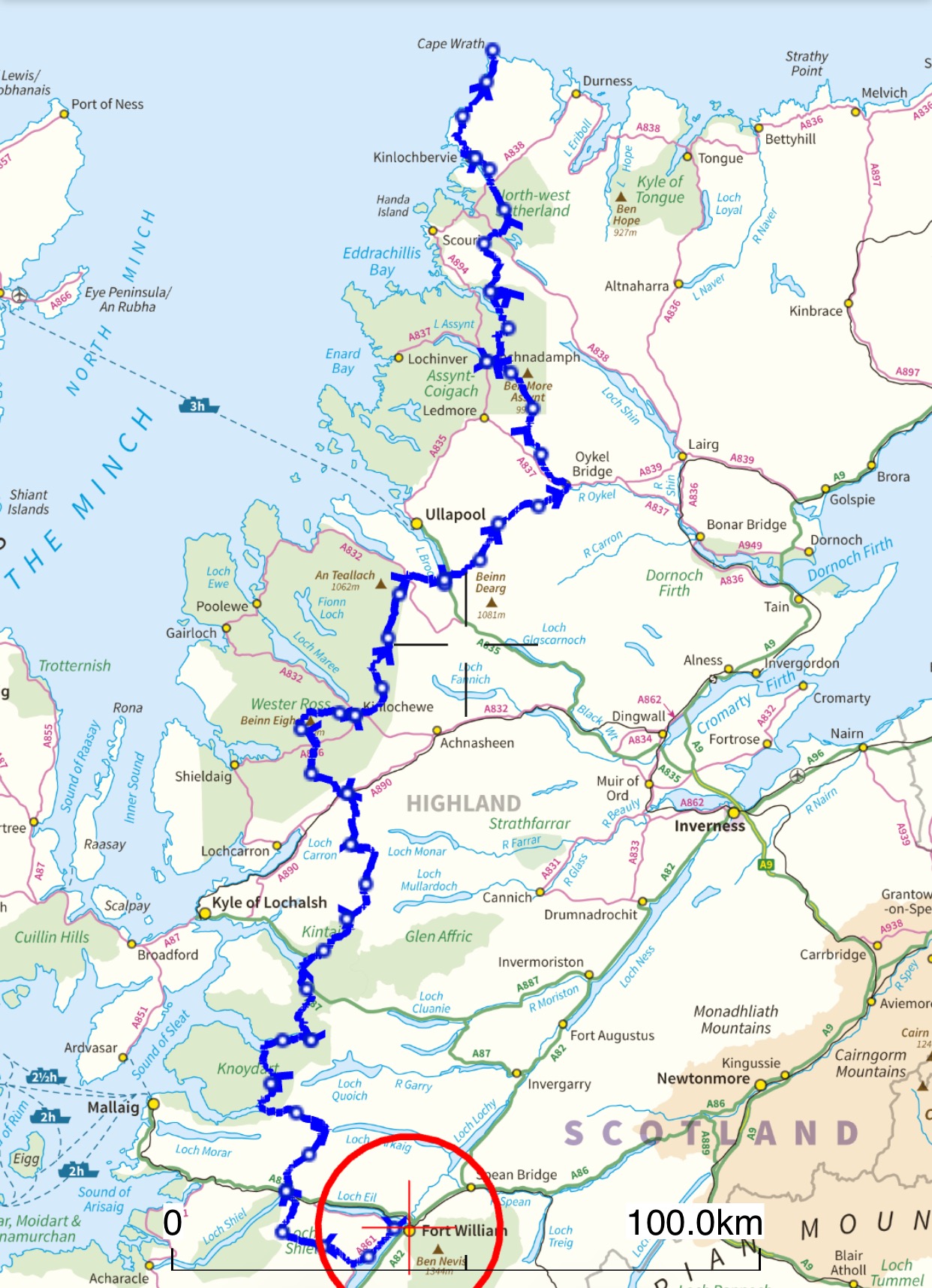
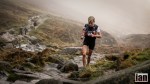
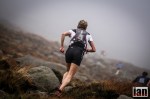
The Cape Wrath Ultra™ brought to you by Ourea Events, the team who revived the Dragon’s Back Race are in the countdown days to a once in a lifetime multi-day journey that will test mind and body over 8-days weaving a 400km journey through the Highlands of Scotland.
Starting at Fort William on May 22nd, the race will take runners on an incredible journey in a magnificent and remote part of the world that will culminate in the most northwesterly point of the British Isles, Cape Wrath on May 29th.
Stunning scenery, remote wilderness, beautiful lochs, glens, towering mountains and the crashing ocean, the Cape Wrath Ultra™ is arguably one of the most stunning multi-day journeys in the world.
A supported expedition, equipment for the competitor’s will be transported day-by-day, tented accommodation and meals will be provided.
In a nutshell, 400km (250-miles) over and through the Scottish Highlands will be the ultimate test for the runners as they navigate via map and compass (GPS are allowed with GPX routes provided by Ourea Events) over 8-days over multiple distances with a variety of terrain and elevation gain.
Today, 95 runners arrived in Fort William to register, collect numbers and leave drop bags in preparation of the race to start tomorrow, Sunday 22nd May at 1000 hours.
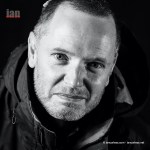
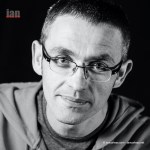
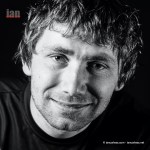
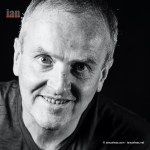
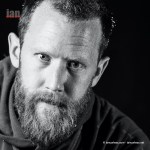
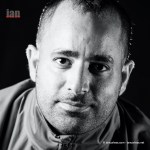
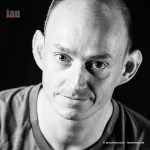
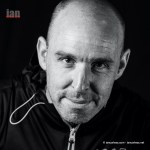
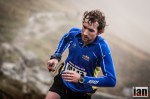
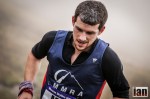
Over the coming days, you will be able to follow these 95 runners via live tracking as they weave their way north. We thought it only appropriate that you can put a face to the name. Here are the 95!
In recent articles, we’ve discussed the 2 main fuel sources for endurance exercise (fat and carbohydrate) and how you should optimise your body to burn fat, thereby allowing you to save precious carbohydrate stores. When it comes to race day then the game and the rules change completely. As a recap, when training you should:
1. Ride or run at the correct intensity or follow a specific protocol such as Maffetone
2. Avoid fluctuations in intensity, remember that average heart rate or power output are NOT the critical figures, it’s TIME IN ZONE that counts
3. Eat foods which are balanced with low GI carbohydrates and fats to encourage fat usage and avoid sugar spikes
4. Avoid gels and sugar products based on point 3 above
If you follow the above guidance, over a 12-16 week training period, you can teach your body to utilise a greater amount of fat as fuel and also to use less calories overall, making you more economical. The important thing to remember is that ‘training’ and ‘racing’ are 2 separate things and your fuelling approach should reflect this.
What happens during the race?
Okay, let’s presume that you have trained correctly and maximised your fat burning potential and fuel economy. You reach the first event of the year and when riding or running at race pace you are using 700kcal per hour, 50% of which comes from carbohydrate and 50% of which comes from fat. You only need to worry about the carbohydrate loss as that’s the one which is critical, so let’s focus on the 350kcal of carbohydrate which equates to 88 grams of carbohydrate (4 kcal per gram).
The limitation of carbohydrate intake
Here’s the big problem, you can only absorb approximately 60g of carbohydrate per hour. Imagine that there are small boats, which ‘ferry’ carbohydrate across the intestine wall into your blood stream. Unfortunately you only have so many ‘ferry boats’ so no matter how much carbohydrate you throw in there, the amount which can be ferried is limited to a pretty standard 60g. For our example above, that means that you’re going to fall short. You’re using 88 grams per hour and you can only replace 60 grams per hour. That’s a 28 gram / 112 kcal per hour deficit.
So I can’t just eat more?
Unfortunately not. If you eat more, it’s unlikely to be digested and will simply sit in your stomach or intestines without providing energy. There are a lot of people who suffer from gastric problems during long distance events and this is generally caused by eating too much food which they are unable to digest. It’s really important that you understand, eating more food doesn’t mean you’ll have more energy and it may well mean that you’ll face stomach upsets. I stress this point knowing how obsessed Ironman athletes in particular become with regards to feeding on the bike.
A deficit of 112 Kcal per hour doesn’t sound too bad
No, it doesn’t. But that is based on the presumption that you are only using 700kcal per hour, bigger people and less efficient people may be using more. It’s also based on the assumption that 50% is coming from fat and that may not be the case at all, in fact, as much as 80-100% may be coming from carbohydrate. What makes this worse is that bigger people can’t necessarily take on board more fuel, the 60g limit still pretty much applies. It’s a gut issue, it’s not about how big your muscles are and how much you can store in there.
So the 3 things you might want to know are:
1. How many calories do I burn per hour?
2. How many of them come from fat and carbohydrate?
3. How much should I be taking in as a consequence?
As a start point, you can probably work out your calorie usage by using a heart rate monitor or power meter. Run or ride at race pace and it’ll do the calculation for you, although the power meter is a lot more accurate than the heart rate monitor, it’s still a start point. Warm up, then do an hour at your ‘race pace’ and work out the figures. It’s amazing how many people who consider their training and racing to be ‘serious’, still have no clue how many kcal they use when racing. How can you have any grasp of nutrition requirements without knowing this figure? Once you’ve calculated that figure, apply the following rule:
80/20: If you are struggling to ride 50 miles / run 15 miles even when fuelling yourself throughout, then apply the 80/20 rule. That means 80% of your fuel is carbohydrate and 20% is fat.
65/35: If you can ride 50 miles / run 15 miles comfortably using fuel, then apply the 65/35 rule. That means 65% of your fuel is carbohydrate and 20% is fat.
50/50: If you can ride 50 miles / run 15 miles comfortably without using any fuel whatsoever, then apply the 50/50 rule. That means 50% of your fuel is carbohydrate and 50% is fat.
Are those figures accurate?
Absolutely not, I just made them up. They are by no means 100% accurate but they will give you a good start point and will allow you to calculate an approximate figure. The running figures are less ‘straight forwards’ than the cycling, as the impact of running can really fatigue your legs, so you may find 15 miles difficult, even if your fat burning and fuel economy is good. for cycling, the impact is low, so it’s more likely governed by metabolism and fuel.
Ok, so what’s the next step?
Here’s what we’re going to do. Prior to next week you are going to do a 1 hour ride or run at your ‘race pace’ and then using your cycle power meter, GPS or heart rate monitor, calculate how many calories per hour you are using when exercising at that intensity. I feel this is a pretty important thing for you to understand if you are to race successfully. It’s easy with a power meter for cycling, it does the maths for you. Most heart rate monitors will use your age and weight to work out kcal per hour. There are some tools on the internet such as: http://www.braydenwm.com/calburn.htm which can help to give you a basic idea.
Go forwards my endurance friends and do the maths, next week, we will be looking at planning your intake.
Until then, stay healthy.
– Marc Laithwaite
About Marc:
Sports Science lecturer for 10 years at St Helens HE College.
2004 established The Endurance Coach LTD sports science and coaching business. Worked with British Cycling as physiology support 2008-2008. Previous Triathlon England Regional Academy Head Coach, North West.
In 2006 established Epic Events Management LTD. Now one of the largest event companies in the NW, organising a range of triathlon, swimming and cycling events. EPIC EVENTS also encompasses Montane Trail 26 and Petzl Night Runner events.
In 2010 established Montane Lakeland 50 & 100 LTD. This has now become the UKs leading ultra distance trail running event.
In 2010 established The Endurance Store triathlon, trail running and open water swimming store. Based in Appley Bridge, Wigan, we are the North West’s community store, organising and supporting local athletes and local events.
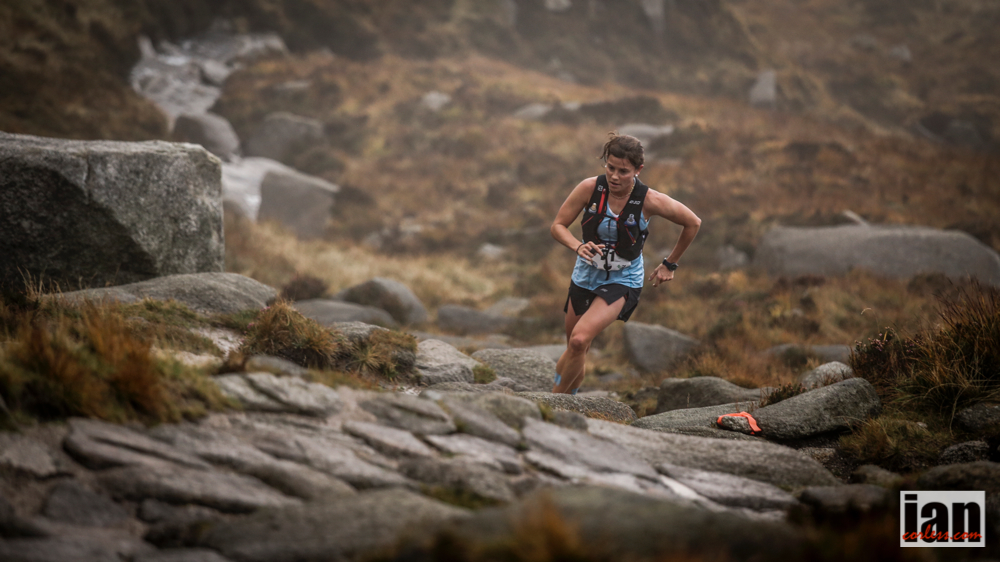
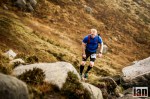
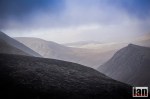
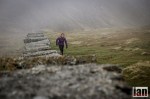
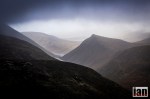
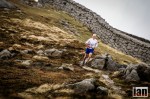
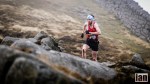
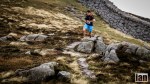
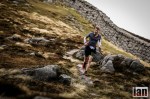
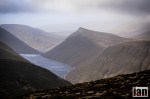
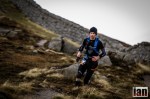
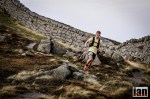
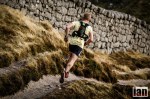
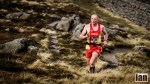
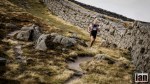
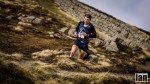
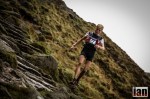
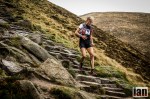
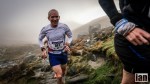
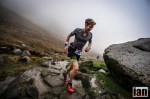
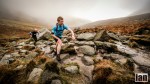
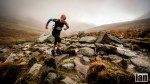
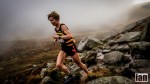
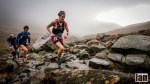
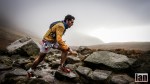
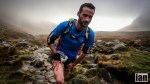
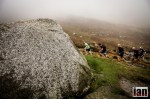
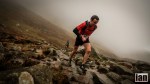
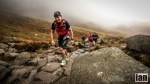
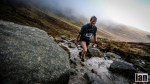
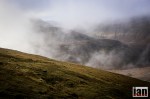
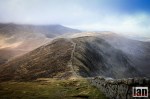
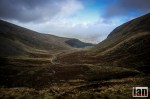
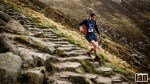
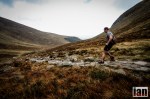
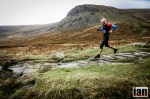
Misty skies, gale force winds, relentless climbing, technical terrain and an incredible field of runners made the inaugural Mourne Skyline MTR a day to remember.
Congratulations to Stevie Kremer and Kim Collison on two great performances.
Stevie said post race, ‘that is the hardest race I have ever done! Harder than Zegama Aizkorri it was just brutal. Relentless climbing, technical and with the wind it was just soooo hard. Kilian Jornet would love it!’
Jo Meek has illuminated the ultra world in the past 18-months placing 2nd at the 28th edition of Marathon des Sables, winning The Coastal Challenge in Costa Rica, setting a new course record and an outright win at Iznik Ultra and then placed 5th at the iconic Comrades Ultra Marathon in South Africa. But it didn’t end…
I caught up with Jo and wrote an article for RUNULTRA on this rising star of our sport.























 The Cape Wrath Ultra™ brought to you by Ourea Events, the team who revived the Dragon’s Back Race are in the countdown days to a once in a lifetime multi-day journey that will test mind and body over 8-days weaving a 400km journey through the Highlands of Scotland.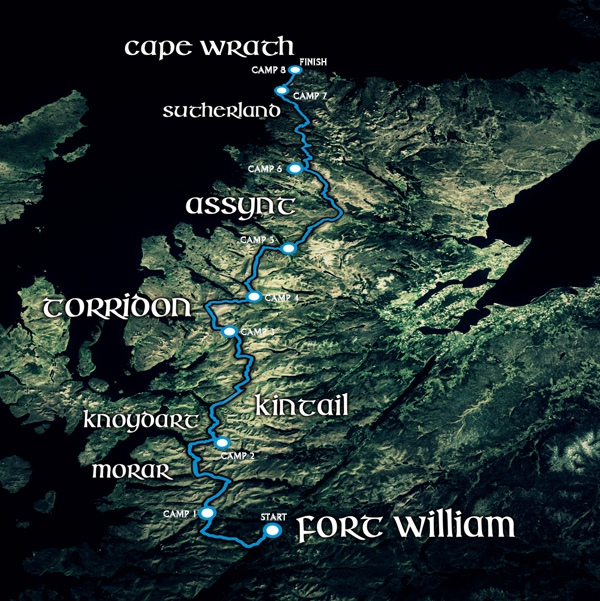







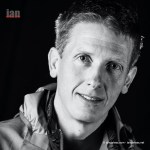

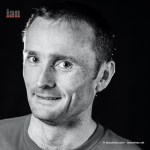



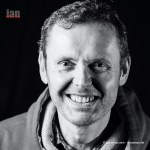
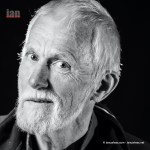













































































 IAN CORLESS