Photography by iancorless.com
iancorless.photoshelter.com
Photography by iancorless.com
iancorless.photoshelter.com
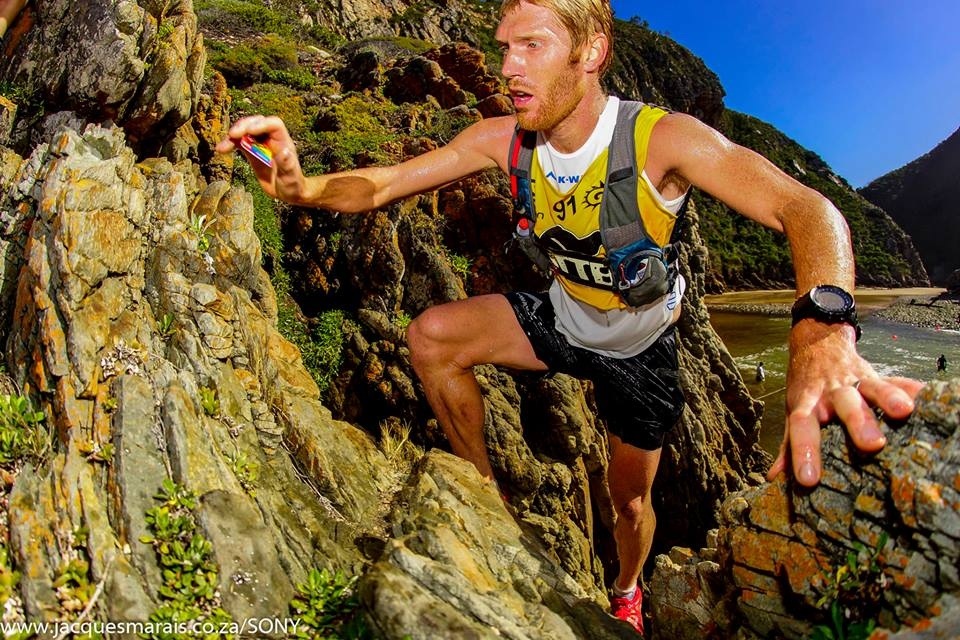
This past weekend the strongest field of trail runners ever seen at a South African event took on The OTTER African Trail Run, a one-day race on the 42-kilometre Otter Trail – a popular multi-day hiking trail. But far from taking five days to complete the scenic route, the fastest runners blitz the course in less than four-and-a-half hours. K-Way athlete AJ Calitz spent the race in the thick of it to take a hard-earned third spot on the podium.
“The race started a lot slower than I expected, with the exception of Ricky, who went off the front immediately,” recalls Calitz. “I decided to run with Iain Don-Wauchope as he is the most experienced and he always sets a good pace.”
Calitz says that Lucky Miya, Kane Reilly and Thabang Madiba went after Lightfoot. He decided to hang back with Don-Wauchope.
“We figured that Ricky would either beat us by a country mile or pop completely and we would catch him.”
For most of the race Calitz ran in a four-man group with Don-Wauchope, Michael Bailey and Stuart Marais. Later, the pair broke away and they were on a sub-4h30 pace, which is what they were aiming for. Last year Don-Wauchope and Calitz were the first runners to break 4h30 at this event on the first running of the East-to-West RETTO route (OTTER in reverse). The RETTO route is said to be harder – by those who have run both; running a faster time on the OTTER course was well within the ability of both runners.
“On top of Andre’s Hut (eight kilometers to go), I had dropped Iain and caught Lucky, Thabang and Kane,” says Calitz, who made good use of his famed ability to run uphill fast.
“Iain recovered supremely well and he caught me again. I just didn’t have the legs on the downs to stay with him.”
Although Calitz caught Don-Wauchope again on another climb, Don-Wauchope pulled away again on another down.
“That proved to be too much for me,” says Calitz. “After the start, we didn’t see Ricky again; it was me and Iain racing for second and third, with Iain coming out on top.”
Back in 2011 Ryan Sandes set an OTTER course record of 4:40:15, taking eight minutes off the previous record. Until last year, when Don-Wauchope and Calitz both ran sub-4:30, it had seemed unlikely that the record could dip much lower.
And then, on Sunday, Great Britain’s Ricky Lightfoot – the recently crowned 2013 Trail Running World Champion – achieved the unthinkable. Blowing sub-4h30 out of the water, he took 25 minutes off Sandes’ record to establish 04:15:27 as the new time to beat. But, it wasn’t just an unbelievably good day out for Lightfoot; the first seven men all beat Sandes’ 2011 record and five of them ran sub-4h30. Don-Wauchope and Calitz clocked 04:24:33 and 04:27:03 respectively.
“This was an incredibly tough day out; I really gave all that I had,” Calitz adds.
Is a sub-4h10 the next holy grail at this race, ‘The Grail of Trail’? Next year, more international runners will join South Africa’s ever-improving best at this marathon-distance challenge. And with course times dropping every year by substantial amounts, it seems that the record is nowhere near the limit of physical ability – yet.
Men’s Results
1. Ricky Lightfoot (Great Britain), 4:15:27 *
2. Iain Don-Wauchope (South Africa), 04:24:33
3. Andre Calitz (South Africa), 04:27:03
* Previous course record held by Ryan Sandes, 4:40:15 set in 2011.
Women’s Results
1. Ruby Muir (New Zealand), 4:55:34 * (new record)
2. Landie Greyling (South Africa), 4:58:57
3. Nicolette Griffioen (South Africa), 5:24:57
PHOTO CREDIT: http://www.jacquesmarais.co.za / SONY
* The previous course record was held by Jeannie Bomford, 5:17:12 set in 2010.
This gallery contains 102 photos.
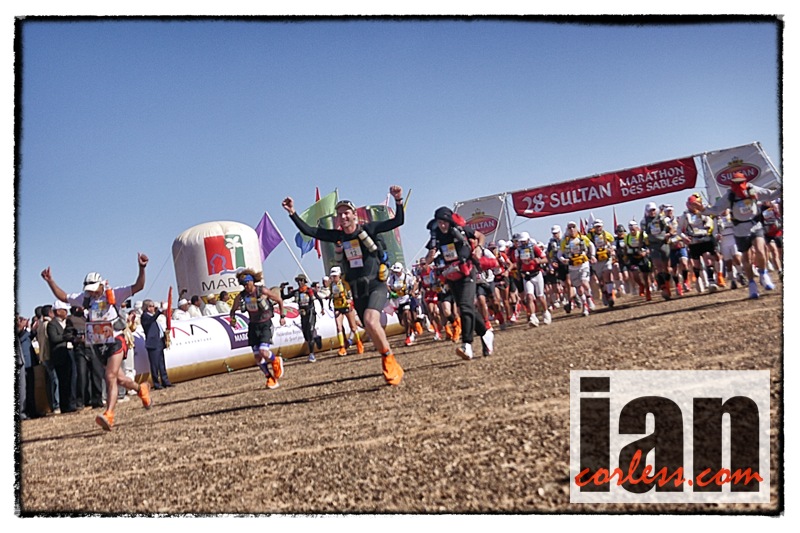
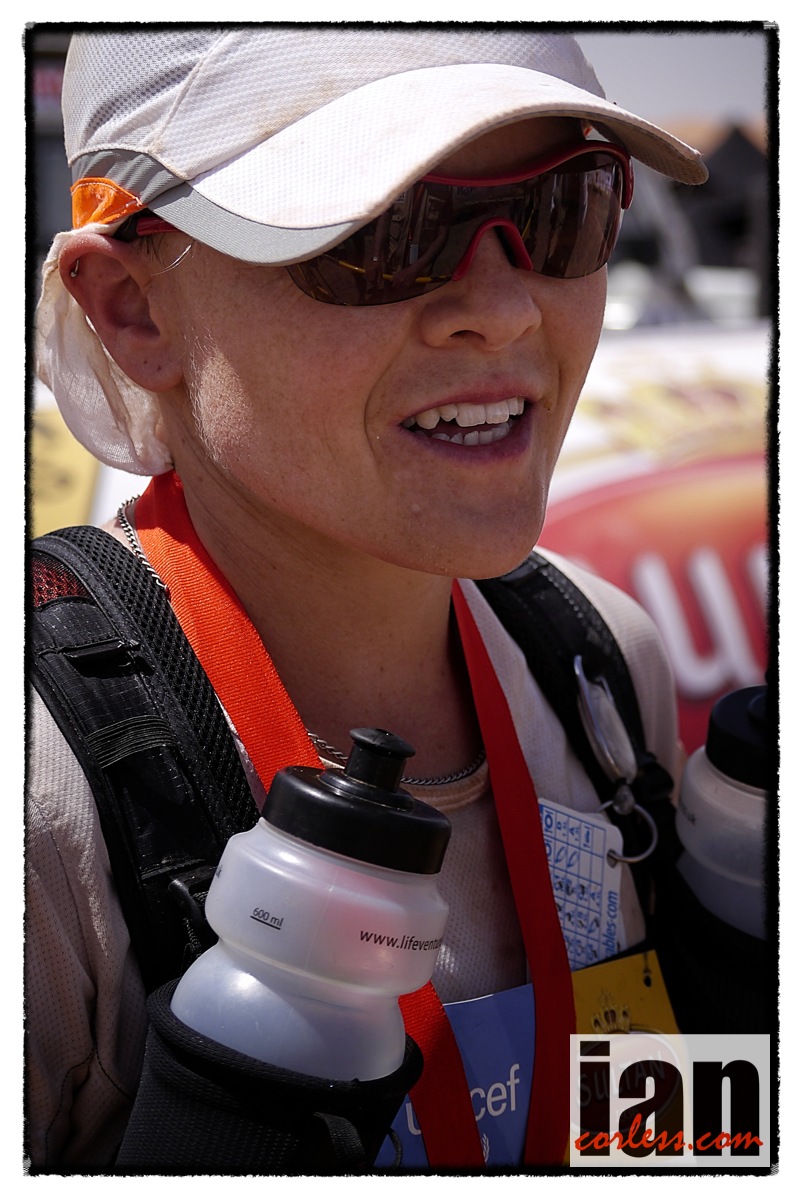
Who would have thought it, the 2013 Marathon des Sables turned out to be a great year for British performances. Danny Kendall placed the highest ever overall placing with 10th and Jo Meek placed 2nd lady overall. It was a stunning performance by a relatively unknown. Armed with a new belief in her ability, Jo will has now planned to switch from the heat of the Sahara and test herself in the heat and humidity of a Costa Rican rainforest at The Coastal Challenge. I caught up with Jo at the end of August and we had a chat about MDS and her expectations for TCC.
IC I bet April and the Marathon des Sable (MDS) seems such a long time ago?
JM Yes, it does seem ages ago. Considering I am walking now in late August in the pouring rain. It’s wet and miserable… it doesn’t seem that long ago in regard to memories. I just watched the video that was available for download and it brought it all back.
IC So sitting at home, watching everyone running in the sand with a tear in your eye?
JM Definitely no tear, I think I am happy not be running in the sand. I am still surprised how I adapted especially considering I am now at home running on the road again.

IC Amazing eh that you can be in that environment, the sand, the wind, the bivouac, no washing, you are eating dried food and you adapt and then post race when we got in a luxury hotel, you said, you wished you could go back, you loved it didn’t you! You loved being in that environment. It was preferable to the clean hotel.
JM I did. Yes, I actually think I could be quite a ‘skanky’ person really. I am far happier roughing it than in luxury. I guess it sounds romantic but I like being at one with nature, eating, running and sleeping. Perfect. But I guess the other memory is the one from those clean white cotton sheets; that was quite special.
IC I have to say, the first shower, all that fresh hot water and then all the sand starts to escape from all the nooks and crannies. As you say, no more sleeping bags and a lovely comfy bed, it is quite a pleasure.

JM My roll matt was about the size of A4 to keep it light and small, so my hip was pretty sore after a week in the bivouac. I have to say the cushioning of a bed was welcome.
IC The Bristh performed really well at MDS. No disrespect to you but we had no idea who Jo Meek was before MDS. We knew Laurence Klein was outright favorite and we knew Meghan Hicks was back, she had performed well previously but outside of that it was all unknown. On the first day you were up at the front and then continued to perform at the front of the race for the whole race. You had this great battle with Meghan. Laurence had a convincing lead but it all fell apart on the long day when she had to drop with dehydration. This opened it up for you and Meghan. Meghan had a great long day but I remember standing on the finish of the final day, it was the marathon distance, you nailed it. You said the marathon was your distance and you wanted to stamp your authority on it. You placed second overall, many look at MDS as one of those iconic mult- day races, how did you go from a relatively unknown to getting second. What was it in you that enabled you to focus and become so efficient in the sand?
JM A few things really. I am very good at setting a training plan and sticking to it. When I race, I always race. I don’t just enter to complete it. So, looking at the conditions I set myself up in a heat chamber and did training that was specific. I didn’t want heat to be an issue so I acclimatized. What was interesting over the six days was that I became less scared of what the heat could do. On the last day I thought, what have I got to loose. I do think back now and wonder could I have gone harder but it was an unknown. I didn’t know what would happen so I played cautious. Meghan taught me a lot without her realizing it. I followed her on a couple of stages and I watched how she tracked across the sand looking for the hard sand, even if it was out of the way. She would deviate and look for the harder and faster sand. Also her style, it’s a definite technique to sand running. You don’t want to be a toe runner.

IC For sure, you need a flat foot.
JM Yes, you also want to shuffle. You don’t want big strides. A little like being in the army again. I learnt lots. I learnt also from training. I had done some awful ultras that were definitely worse than MDS. One race, a 40-mile race across Exmoor and the weather was awful… they said 40 but it was 43-miles I am sure. The last 3-miles were awful.
IC That can be good, a bad training experience. If you have had some tough and hard training and the race works out easier then that has to be a good thing. It’s a real positive.
JM I had no doubt that I wouldn’t finish the race. I had said that I wanted the podium at MDS but I had no idea what I based that on.
IC To put things in perspective you are a 2:46 marathon runner. Ability and speed are there. Many would die for a 2:46 marathon but also you are in the army. Does the combination of those two things make a good MDS runner?
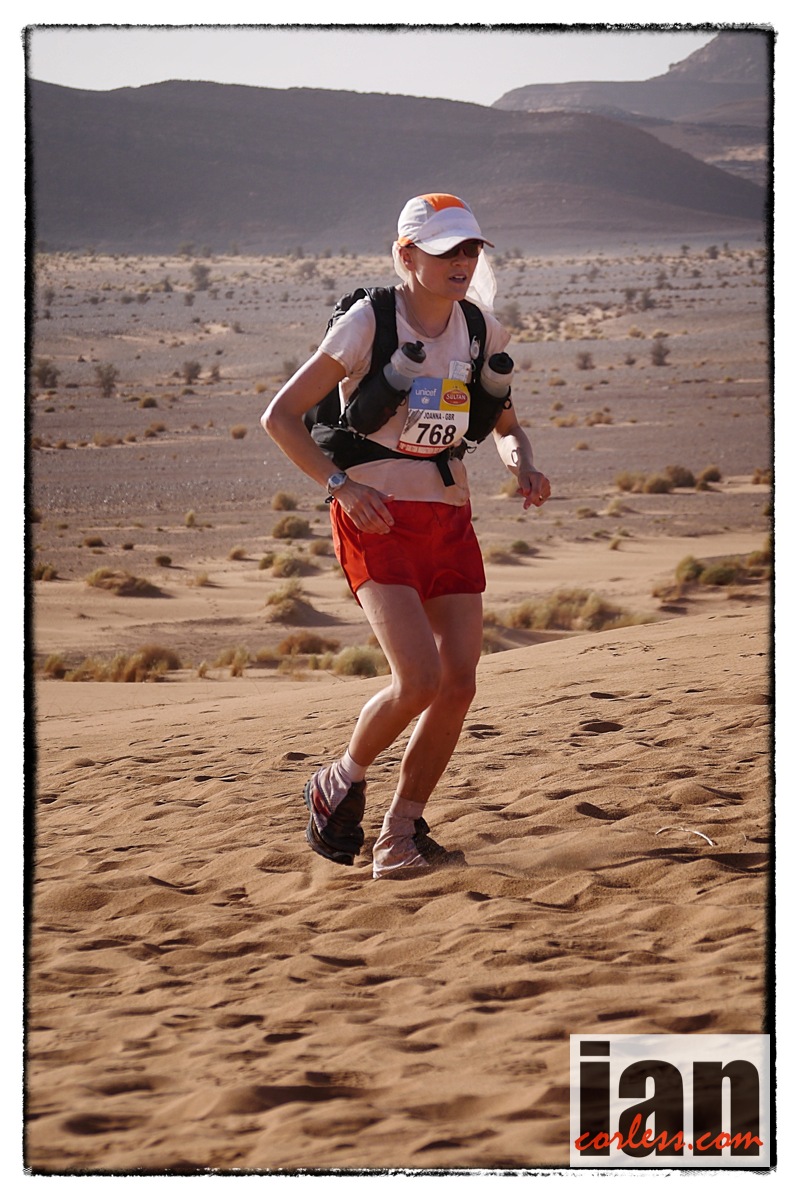
JM I think the marathon pace and training was key in terms of the speed. I didn’t have the same endurance as Meghan over the ultra distance. Many of the days were shorter in terms of ultra distance so I knew I had that potential. In terms of tent life and conditions, maybe the army helped but that is me… I like that. The army helped with discipline; eating, drinking and so on… it was feet first, food and then wash. You need to look after yourself.
IC Give us an insight into your background, you are a roadrunner really?
JM Yes, but I do like cross-country. I came second in the Nationals. Essentially I have done road running. I started in my teens to loose weight and then just kept going. I wouldn’t say I have natural talent in terms of speed but I have something that works, particularly over distance.
IC How long have you been running?
JM 18 years, maybe 20!
IC So you have a great base of running and plenty of experience?
JM Yes. I always thought that maybe I should do ultra earlier and I thought, no rush! Particularly with how you develop with age and aerobic capacity. It seemed like the correct time for MDS. As you know, you don’t just enter MDS you have to enter years in advance.
IC Post MDS you really wanted to improve your marathon time. You put yourself on that path and recently you run a half marathon but you were disappointed with the performance. Many factors can affect a race, a conclusion you have arrived at is that you are now going to pursue trail and ultra running. So, you are going to another multi stage in early 2014 but this time you are going to a Rainforest. It’s a race that I was at earlier in 2013, The Coastal Challenge in Costa Rica. Also known as the Rainforest Run. What’s the attraction?

Costa Rica
JM I am always very attracted to a country that is hotter than the UK. That is a no brainer! It’s the challenge, the opportunity to compete in something so different. This race I don’t need to carry all my kit, so, unlike the MDS I will be able to just run but admittedly for repeated days. It will be interesting and it should mean I can go faster.
IC The race is very different to MDS. Some things carry over such as the multi day. As you say, you don’t need to carry all your kit but you do need safety kit, food, water and just essentials. But you are correct, all your clothing, tent etc is moved for you and then food is provided. It’s a hot and very humid environment and even when it rains it is not a problem, it is so warm. All the daily campsites are in beautiful idyllic places. It’s such a wonderful environment. It’s a great combination of providing daily challenging runs but with just a touch of comfort. It’s perfect for those who may want an introduction to multi day racing.

JM In some ways it will feel easier but in an evening you will be able to eat as much as you like and so will the competition, in theory you are all the same come the following day. But at MDS it is about survival and balance. It is more about balancing and economy and how you ration your food and water.
IC The race has so much more elevation than MDS and in particular, the terrain is much more varied. You have single track, double track, rocky sections, forest, dense forest, beautiful beaches and then some tough climbs and descents. The next edition of the TCC celebrates its tenth year so it may have a little more climbing than normal, we shall see? The variety is amazing. If you are lucky, you’ll see wildlife. You hear it but don’t always get to see it.

JM I’m so excited. I can’t wait. I have some road races to do in the coming months and then I will start my TCC training three months out. I will use a heat chamber again. The heat chamber I used for MDS prep was stuck on 80% humidity so I have an idea of what conditions will feel like and I know what my sweat rate is like.
IC Costa Rica is very humid. It is almost 100% but it is not unpleasant. You really do sweat all the time, particularly when running. You need to be on the ball and balance your hydration.
JM I like it harsh and hard conditions. In some ways, the harder the better.

IC How do you prepare for a multi day race? In some ways you had to guess for MDS and that worked! So, what do you take away from that experience and what will you do in preparation for TCC. The longest stage is around 50k and not 80k so that will make a difference. As we have said humidity and terrain are the key differences and you won’t need to carry a heavy pack.
JM I will do far hillier off road training. For MDS I had to train with the weight too, however for TCC I will just use essential kit and I will do plenty of back-to-back training at a faster pace. I will try to replicate the race really. In some respects it won’t be too different from my marathon training. The key will be the back-to-back runs..
IC We have so many different ways to look at training. Some runner’s just head out of the door and run on feel. No time set, no distance set. It all goes on feel. Are you like this or do you have a plan that has everything planned out?
JM I work full time so I must have a plan. I don’t have the luxury to say go out and run for three hours when I feel like it. I have commitments. I get up at 05:30 and I do what I can and then I add to this at lunchtime or the evening if required. I make every session count so I fit in threshold running, speed work and so on. I need to be very specific. At weekends I have more time and if I need three days consecutive I take a day off work.
IC Do you do core stability, stretching, strength and core.
JM Oh yes, I am a proper geek when it comes to this. I am a physio too so I have no excuse. I stretch everyday, I do two strength sessions and I do two core sessions per week.
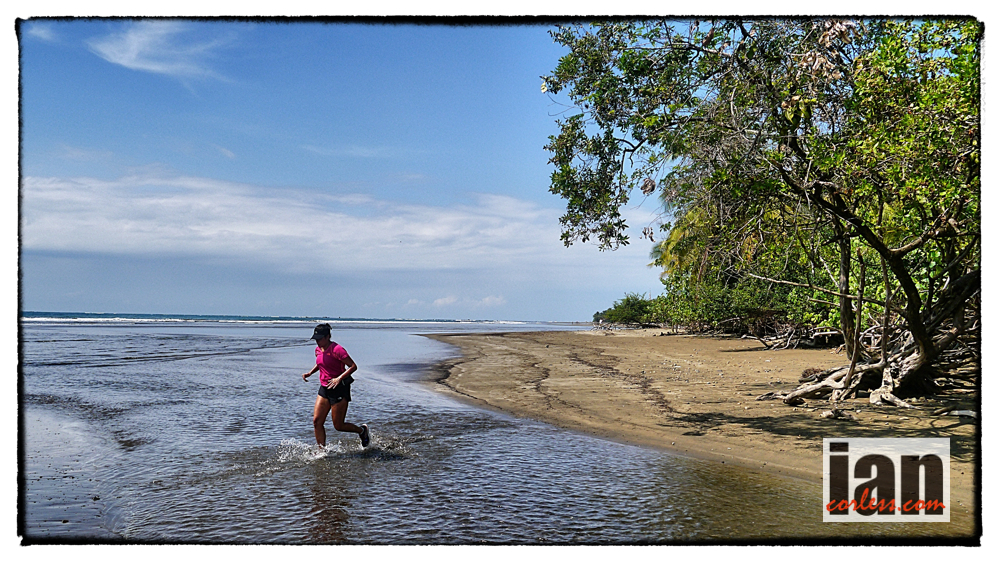
IC Wow, you are the perfect example for all of us. So often I ask this question and I get a blank answer. We all know we should do it but few of us apply it!
JM I am disciplined and I see the benefits. You have to be disciplined but it still doesn’t stop me getting injuries.
IC Ah well, injury can be caused with so many factors.
JM For me it is usually over doing it or being tired.
IC Yes, distance and speed increase injury risk. Slower and longer has more impact but you don’t overstretch muscles or tendons. Listen to your body and all will be good.
JM I never listen to my own advice… I am lucky, we have a gym at work so it makes strength work easy. If I didn’t have that available it would maybe be harder. I have been strict with this for four to five months and I can feel the difference.
IC TCC is still months away, are you planning on doing any trail races for late season in the build up?

JM Yes, I love to race. I will enter races, from experience, if I enter races too far in advance I get injured, so I have entered a couple of marathons on the road for training and speed. In December and January I will look for options. Of course, options are reduced and conditions will be a little different to Costa Rica.
IC Late and early season events do crop up specifically designed to help people get ready for MDS so you will have some choice. Final question, many may be reading this and they are going to MDS or they may be tempted by TCC. What advice would you give to these people?
JM It very much depends on what you want to get out of it? I shared a tent at MDS with people who wanted to just complete, they wanted to enjoy the race and that is what they did. Set an objective and train accordingly. Ultimately it is all about fun and enjoyment.
IC If you had to give three tips. Three lessons you learnt at MDS that you would take to any race.
JM Good question. I learnt specifics like running in the sand but I guess the need to watch and keep on top of nutrition. Start eating early and don’t wait. Also, keep any eye on hydration and drink to thirst and then finally enjoyment is key! You must enjoy it.
IC I am sure you’re going to really enjoy TCC and Costa Rica. Many thanks for the time and insight into your progression and have fun in the Rainforest.
JM Thanks, as you say, really looking forward to it. It will be a real adventure.
Links and information:
WANT TO RUN THE 2014 COASTAL CHALLENGE?
5% discount available using the form below for followers of iancorless.com
*Please note I will be at the 2014 TCC reporting on the race and capturing images at the invite of the race organisation.
Hi Ian,
I will try to answer as clearly as possible. I understand that you want the progression of the sport. Be assured that I feel the same. I am open to any discussion if it can make the project better.
1. It’s an ultra world tour over multiple distances and terrains. Therefore, does a runner need to do different distance and different terrain to be the world champion?
Maybe was I not clear enough during the presentation, sorry for that. The runner who will
have the best results at the end of the Ultra-Trail World Tour will
be the “UTWT 2014 Champion”, NOT the “Trail Running 2014 Champion”!
For me, it is a completely different vision.
2. Your criteria stipulates a minimum two editions, min 500 entrants and
open to ALL! What will happen with races like Western States? It’s
a lottery with only 20 guaranteed places and an entry limit under
500. More like 397 entries.
There was a precision of “around min 500 entrants” :-)… the first objective of the project was to bring together the most emblematic races of the world, the races of all our dreams… well… we could not imagine it without the Western States… “Open to all” means for us that elite athletes and average runners are running together, that the races are not reserved for elites. The UTWT will change nothing to the entry rules of the different races. The WS100 has its specific rules, the UTMB too, and the UTMF… each race will keep complete control over its organization.
3. How will a multi stage race such as MDS fit into this series? And
are you planning to add more multi day events?
Well, some of us ran it, and are completely sure that the MDS has all its place in the UTWT, that it shows all the diversity of trail running. The race directors all agreed on this initial list which will soon be completed with other races.
4. It would appear, at least to me that the UTWT may almost be perceived as a travel agent to a series of races over the world. What are the benefits that
UTWT will bring to elite and non-elite runners? Why would we join the UTWT?
For non-elite runners, but also for elite runners, the main reason is -for me- the “challenge” over the years, and the promise to discover different races, terrains, people, countries. The project was born at the UTMF this year: we were discussing how enriching it was for us to discover this country, the runners from Japan and from other countries, the specific trails of Mt. Fuji… We started to list the races that we had already finished, and our “wish-list” races… and it all started. This project is about culture, passion, traveling, and common values. For elite runners, I hope that they will have the same motivation than non-elite, but I think that an other reason should be -for me again-be part of a circuit which story will be told all over the year.
5. Do the runners need to purchase ‘The Passport’?
The first idea was to make it free.We will decide it with the race directors, but maybe the runners will have to pay a small participation if we send it through postal mail.
6. Does it cost each runner any extra to be part of the UTWT?
No.
7. What are the races paying to be part of the UTWT and what does that bring what are the benefits?
They pay a contribution of 15’000 EUR, which will be 100% used for the promotion of the Ultra-Trail World Tour, and the travel fares of the athletes.
8. Who is the UTWT? Who are the people involved, for example WAA, UTMB all seem involved. Can we have clarification?
The 2 main partners (and operationals) are Jean-Charles Perrin (eco-trail de
Paris race director), and myself, Fabrice Perrin. We are not relatives. Cyril Gauthier from WAA is also involved (no operational role), and we asked Catherine and Michel Polett (from UTMB) to be part of it too, but they have no operational role.
9. What are the elite packages. It was mentioned that they will get travel and hotels for Elite1. Is this open ended, will all eligible elites get this package?
We will try to help the athletes at the maximum (travel and lodging), with the money that we will be able to raise. We will discuss this fall the rules with the race organizers.
10. What prize money will be available at each race and will prizes be split. Elite and non elite?
Each race will keep its rules. Some have prizes, some not. The UTWT will not change this.
11. A world champion is awarded each year, make and female. What do they get, what remuneration will the world champion receive and in addition, will you have non elite world champions too?
No “remuneration” is planned so far for 2014. Again, I would like to precise that it will not be a “world champion”, but an “UTWT Champion”. The non-elite will be in the same ranking than the elite runners.
I would like to thank the UTWT and Fabrice for the answers to the above questions. It really does clarify some initial questions. I am sure more questions will arise and I feel confident that the UTWT will provide responses as and when required.
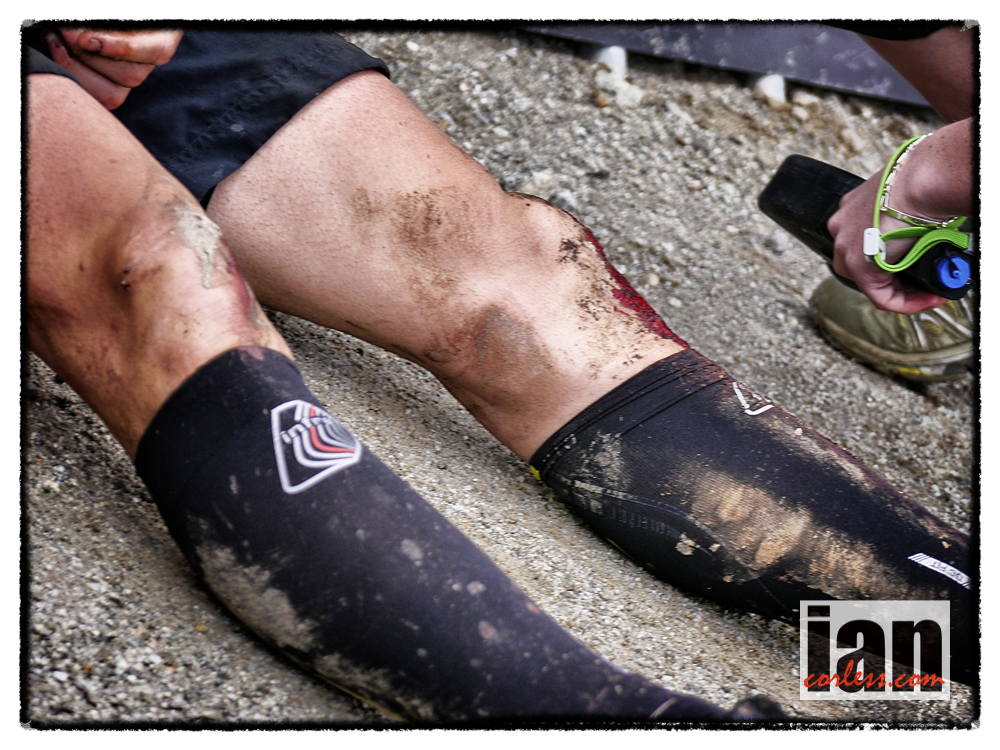
So I asked the question, “?… wouldn’t stop me running an ultra!”
Cassandra Cisneros Chemo …
Andre Blumberg Noise about UTWT and TMs …
Carla Murphy Arthritis and tin-man (girl) knees, ouch…
Mick Wren Hallucinating my very own alternative reality…
Matt Burton Averaging 12 miles a week in training…
Holly Rush Work…
Rob Pinnington The shits …
James Harris My little legs…
Richard Ashton Being savaged by a massive dog…
Richard Hill the word “massive” is so subjective…
Emily Willemin My asthma! It knows not to mess with me on race day or I’ll just go further next time…
Richard Hill The wife…
Cameron Adamson Not paying 80$ for the grand slam…
Matt Dooley Failure…
Peter G Smith Age…
Dan Park Apocalypse…
John Hitchen *I*…
Kristen Moegling My head…
Sean Sweetman Glandular fever…
Colin Stables Peoples perception of me…
Sarah Haworth A broken toe…
Hermie Roque Saludes Colds and a slight fever…
Dennis Both Mørk Nielsen a sprained big toe…
Russell Thomas Going base over apex 10hrs into TDS, and having to hobble the next 40 miles…
David E. Jackson Injury…
Chris Valenti Self doubts. No, actually, it probably would…
Craig Eccleston The pain I endured running a marathon…
Chris Tack Spending the winter training season in Afghanistan…
James Stewart Not having an available episode of Talk Ultra to listen to…
Ed Kumar Parkinsonism …
Carolyn Mankiewicz-Shreck Fear…
Graham Millington Achilles Tendonitis even though it really should if I were sensible. . But then I wouldn’t be running an Ultra…
Jane Benson Arthritis in the lumbar spine. My very overweight consultant said I should quit. I went onto win 2 events and have learnt to train effectively without the junk miles and get off road more…
Lior Sion Wild boars at night. As of this morning…
Simon Pavel T Miranda an upset stomach…
Michael Feehan An ileostomy due to crohn’s disease…
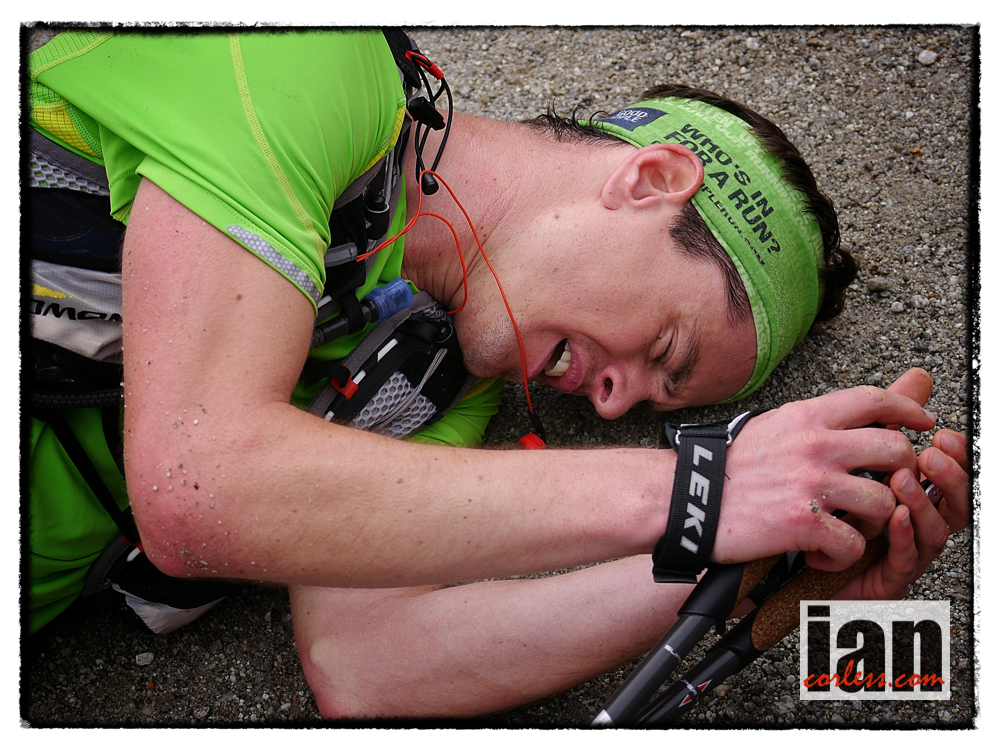
Thanks for the great input and thoughts… add your thoughts below.
EPISODE 43
Sept 6th
Episode 43 of Talk Ultra and on this weeks show we have an extended and in-depth interview with Kilian Jornet about his Matterhorn Summit record. We have a selection of audio from the TNFUTMB – Rory Bosio, Anton Krupicka, Joe Grant, Nuria Picas and Jez Bragg. We speak to Jo Meek who placed 2nd lady at MDS and what the future holds for her. We have Talk Training, the News a blog, smiles and miles with Emelie Forsberg and of course, Mr Speedgoat.
NEWS
UTMB
AUDIO with Jez Bragg and Anton Krupicka/ Joe Grant
AUDIO with Rory Bosio and Nuria Picas
CCC
RESULTS 1 – Jordi BES 2 – Sébastien CAMUS 3 – Daniel GARCIA GOMEZ
WOMEN RESULTS 1 – Caroline CHAVEROT 2 – Mercedes ARCOS ZAFRA 3 – Delphine AVENIER
TDS
RESULTS 1 – Arnaud JULIA BONMATI 2 – Antoine GUILLON 3 – Mattia RONCORONI
WOMEN RESULTS 1 – Nathalie MAUCLAIR 2 – Claire PRICE 3 – Lisa BORZANI
Ring of Fire thanks to sam Robson for the info
1st Richard Ashton (no. 04) 22hrs 56 min
2nd Gavin Felton (no. 30) 23 hrs 30 min
3rd Christoph Pistek (no. 81) 23hrs 41 min
4th James Ashworth (no. 06) 24 hrs 22 min
5th Richard Heath (no. 44) 24 hrs 25 min6th
Michelle Bowen (no. 10) 25 hrs 33 min
UTWT News so the UTWT was announced.
The UTWT will propose an international competitive circuit in partnership with the International Trail Running Association. The events should already be open to the widest public and will offer ‘everyone’ a unique chance, throughout each year, to participate. Question: How does that relate to Western States with limited capacity and demand far outweighing places available? Also, Marathon des Sables… UK entrants for example are on a three year waiting list.
In each race points are awarded to every runner and therefore at the end of the year, a male and female UTWT world champion will be announced. To attract elite athletes, certain events will have Ultra Trail Series status and these will offer more important weighting in the ranking. (I assume this will be for races like Western States?)
Runners will be presented with a Passport. This can be ordered online before the end of the year, it was not made clear if these passports need to be paid for? When you complete a race, you are awarded a visa, this is added to your passport and shows your completion.
The minimum race distance will be 100km, races must have had two previous editions to qualify and already have 500 minimum participants (again, Western States has less than 400). A minimum of twenty countries will be represented and be emblematic venues.
So, how do you become World Champ?
All finishers in every race will be awarded points according to his performance. These points will be added to the International ranking and updated after each race. This ranking will be available on line at the UTWT website. The circuit will be an International competitive circuit in partnership with the ITRA (International Trail Running Association).
As mentioned, a limited number of races will be called Ultra Trail Series and you may only use two best performances from these races in building up points for the world title. In total, three races score, so, you could have two UTS races and one other.
A world champion lady and male will be announced each year.
READ MORE HERE
Wasatch this weekend… plus will Nick have his ‘Slam’ confirmed. Oh dear, Steve Baugh, why didn’t you just phone him… $80! Posted on the Grand Slam website at the end of August!
The Grand Slam of Ultrarunning™ Committee and the Wasatch Front 100 Mile Endurance Run Committee do not endorse, recognize, or ratify anyone or their times involved in the so-called “unofficial” grand slam of ultrarunning. Likewise we do not support, encourage, or sustain anyone involved in this pursuit.
We continue to recognize, applaud, and award the runners who are legitimately registered in and officially complete The Grand Slam of Ultrarunning™.
We also remind all who are observing or otherwise involved that the term “Grand Slam of Ultrarunning™” is a trademark of The Grand Slam of Ultrarunning™ entity, and only those who are official entrants and finishers of The Grand Slam of Ultrarunning™ are entitled to use the term “Grand Slam of Ultrarunning™” in whatever form (including in any form that might cause trademark confusion) in connection with their running endeavors.
BLOGS
Stoke the Fire by Joe Grant at Alpine-works.com
I would tell them inspire instead of trying to win races. Don’t even worry if you finish first or 100th. It doesn’t make any difference because there’s going to be another race later. If you win, everybody forgets it in a few days anyway, and if you lose, nobody remembers, but the inspiration you give will last forever because you’ll get other people to run well. We try too hard to run well and be logical. And I think it’s much better if you go out and make it so everybody gets to the first mile very fast and they’re wildly afraid because the logic has been thrown to the dust. Gerry Lindgren (advice to distance runners)
INTERVIEW with Jo Meek
TALK TRAINING – Marc Laithwaite
MAIN INTERVIEW
This week’s interview is with Kilian Jornet about his incredible Matterhorn Summit record breaking run. I have to say that I feel very honored that Kilian provided so much of his free time to discuss this in such great depth. It’s a fascinating interview.
MELTZER MOMENT – Good, Bad and Ugly
SMILESandMILES with Emelie Forsberg – smilesandmiles@yahoo.com
RACES
Australia
New South Wales
Altra Centennial Park Ultra100km | 100 kilometers | September 15, 2013 | website
Altra Centennial Park Ultra 50km | 50 kilometers | September 15, 2013 | website
Queensland
Glasshouse 100 km | 100 kilometers | September 07, 2013 | website
Glasshouse 100 Mile | 100 miles | September 07, 2013 | website
Austria
“GRAWE” 50km Lauf | 50 kilometers | September 14, 2013 | website
“NKE Austria” 100km Lauf | 100 kilometers | September 14, 2013 | website
Belgium
Ecotrail de Bruxelles – 80 km | 81 kilometers | September 14, 2013 | website
Canada
Alberta
Lost Soul 100 Km Ultra | 100 kilometers | September 07, 2013 | website
Lost Soul 100 Mile Ultra | 100 miles | September 07, 2013 | website
Lost Soul 50 Km Ultra | 50 kilometers | September 07, 2013 | website
Ontario
Haliburton Forest Trail 100 Mile Race | 100 miles | September 07, 2013 | website
Haliburton Forest Trail 50 km Race | 50 kilometers | September 07, 2013 | website
Haliburton Forest Trail 50 Mile Race | 50 miles | September 07, 2013 | website
Quebec
The North Face Ultra-Trail Harricana de Charlevoix (UTHC) – 65 km | 65 kilometers | September 07, 2013 | website
France
Bas-Rhin
Grand Trail du HK ” The Magic Trail” | 52 kilometers | September 15, 2013 | website
Haute-Garonne
Trail des Olympiades du Canton d’Aurignac – 60 km | 60 kilometers | September 15, 2013 | website
Isère
Ultra Trail du Vercors | 80 kilometers | September 07, 2013 | website
Lot
Figeac – St-Cirq-Lapopie – Conques : du 20 au 24 septembre 2013 | 208 kilometers | September 20, 2013 | website
Pas-de-Calais
Trail de la côte d’Opale – 62 km | 62 kilometers | September 07, 2013 | website
Saône-et-Loire
Com Com Trail 68km | 68 kilometers | September 07, 2013 | website
Savoie
Ecotrail – trail long | 50 kilometers | September 15, 2013 | website
Vendée
Bol d’Air – 50 km | 50 kilometers | September 08, 2013 | website
Vosges
L’infernal Trail des Vosges – 160 km | 158 kilometers | September 07, 2013 | website
L’infernal Trail des Vosges – 72 km | 72 kilometers | September 08, 2013 | website
Georgia (საქართველო)
Kazbegi Mountain Ultramarathon | 53 kilometers | September 07, 2013 | website
Germany
Baden-Württemberg
Stromberg Extrem 54,4 KM | 54 kilometers | September 08, 2013 | website
Bavaria
Chiemsee-Ultramarathon September | 108 kilometers | September 14, 2013 | website
North Rhine-Westphalia
P-Weg Ultramarathon | 67 kilometers | September 15, 2013 | website
Rhineland-Palatinate
Dorint-RUN50 | 50 kilometers | September 20, 2013 | website
India
Khardung La Challenge | 72 kilometers | September 08, 2013 | website
Indonesia
Indo Ultra | 130 miles | September 15, 2013 | website
Italy
Aosta Valley
Tor des Géants | 330 kilometers | September 08, 2013 | website
Veneto
Troi dei Cimbri | 53 kilometers | September 15, 2013 | website
Malaysia
Most Beautiful Thing Ultra Trail Marathon – 100K | 100 kilometers | September 14, 2013 | website
Most Beautiful Thing Ultra Trail Marathon – 50K | 50 kilometers | September 14, 2013 | website
Poland
7 Valleys Run Ultramarathon of the Festival | 100 kilometers | September 07, 2013 | website
Switzerland
Valais
Trail des Dents-du-Midi | 50 kilometers | September 14, 2013 | website
United Kingdom
England
Bullock Smithy | 56 miles | September 07, 2013 | website
XNRG Toad Challenge 2013 | 90 miles | September 20, 2013 | website
Scotland
River Ayr Way Challenge | 44 miles | September 14, 2013 | website
USA
California
Diablo Trail 50K Run | 50 kilometers | September 15, 2013 | website
Endure the Bear 100 Miler | 100 miles | September 06, 2013 | website
Endure the Bear 50K Trail Run | 50 kilometers | September 07, 2013 | website
Headlands Hundred | 100 miles | September 14, 2013 | website
Headlands Hundred 50 Mile Endurance Run | 50 miles | September 14, 2013 | website
Ragnar Relay Napa Valley | 186 miles | September 20, 2013 | website
Colorado
Flaming Foilage Relay | 160 miles | September 13, 2013 | website
Ragnar Relay Colorado | 200 miles | September 06, 2013 | website
Rocky Mountain National Park Traverse | 39 miles | September 07, 2013 | website
Run Rabbit Run 100 Mile Ultra Marathon | 100 miles | September 14, 2013 | website
Run Rabbit Run 50 Mile Ultra Marathon | 50 miles | September 14, 2013 | website
Illinois
Evergreen Lake Ultra – 43 Miles | 43 miles | September 15, 2013 | website
Kansas
Hawk 50 | 50 miles | September 14, 2013 | website
Hawk Hundred 100 mile Trail Run | 100 miles | September 14, 2013 | website
Hawk Hundred 50 mile Trail Run | 50 miles | September 14, 2013 | website
Maryland
BRRC Gunpowder Keg Ultra 50K Trail Race | 50 kilometers | September 14, 2013 | website
Michigan
Freak 50K | 50 kilometers | September 07, 2013 | website
Hallucination 100 Mile | 100 miles | September 06, 2013 | website
LSD 100K | 100 kilometers | September 06, 2013 | website
Peace, Love & 50 mile | 50 miles | September 07, 2013 | website
Minnesota
Superior Sawtooth 100 Mile | 100 miles | September 06, 2013 | website
Superior Trail 50 Mile | 50 miles | September 07, 2013 | website
Nebraska
Bohemian Alps 50 Kilometer Ultramarathon | 50 kilometers | September 14, 2013 | website
New Hampshire
Pisgah Mountain 50K Trail Race | 50 kilometers | September 15, 2013 | website
Ohio
Youngstown Ultra Trail Classic 50K | 50 kilometers | September 14, 2013 | website
Oklahoma
Do-Wacka-Do 50k Trail Run | 50 kilometers | September 07, 2013 | website
Oregon
McKenzie River Trail Run | 50 kilometers | September 07, 2013 | website
Pennsylvania
Pine Creek Challenge 100K | 100 kilometers | September 07, 2013 | website
Pine Creek Challenge 100M | 100 miles | September 07, 2013 | website
South Carolina
Long Cane 50K Ultra Trail Run | 50 kilometers | September 14, 2013 | website
Long Cane 55M Ultra Trail Run | 55 miles | September 15, 2013 | website
Tennessee
Bartlett Parks Ultras 40M | 40 miles | September 14, 2013 | website
Bartlett Parks Ultras 50K | 50 kilometers | September 14, 2013 | website
Bartlett Parks Ultras 50M | 50 miles | September 14, 2013 | website
Utah
Wasatch Front 100 Mile Endurance Run | 100 miles | September 06, 2013 | website
Virginia
Odyssey 40 Mile Trail Ultra | 40 miles | September 07, 2013 | website
The Blude Ridge Relay | 208 miles | September 06, 2013 | website
Washington
Plain 100 Mile Endurance Run | 100 miles | September 14, 2013 | website
Wisconsin
The North Face Endurance Challenge Madison 50 Km | 50 kilometers | September 14, 2013 | website
The North Face Endurance Challenge Madison 50 Mile | 50 miles | September 14, 2013 | website
CLOSE
LINKS:
http://traffic.libsyn.com/talkultra/Episode_43_-_Jornet_Krupicka_Grant_Bragg_Bosio_Picas.mp3
Translations
Czech HERE, Italian HERE, Spanish HERE, French HERE
It’s the day after the Matterhorn Ultraks and just four days after Kilian Jornet’s successful attempt on the Matterhorn Summit record attempt from Cervinia. It has been quite a few days for this iconic mountain and although Kilian has excelled on both occasions, we all know, the mountain is still the boss.
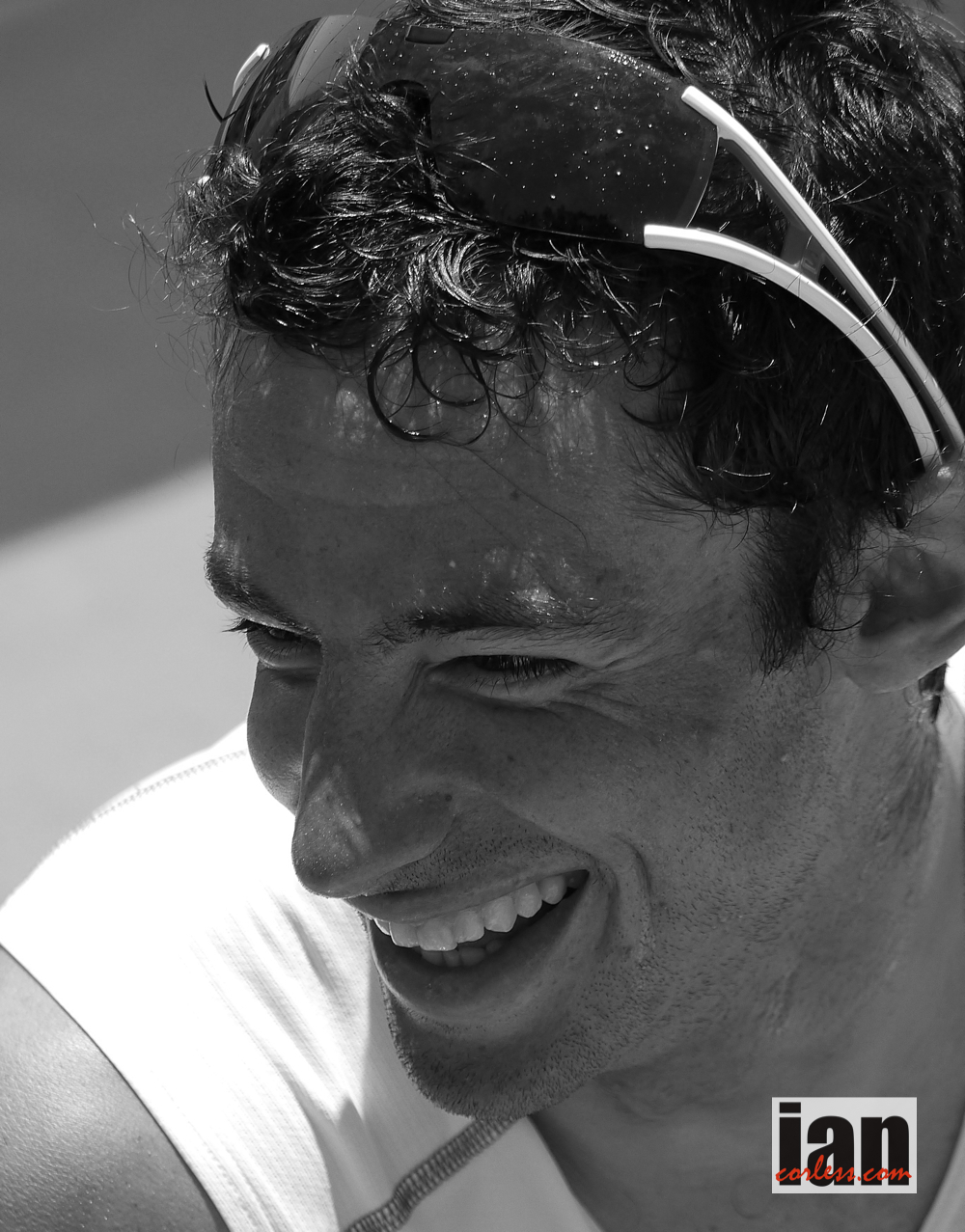
Kilian arrives with Emelie Forsberg looking relaxed and fresh after a late breakfast. I congratulate him (and Emelie) once again on topping the podium at the Skyrunning Matterhorn Ultraks race and ask him how he feels, ‘I am a little tired but feel good. I was certainly tired in the race but I didn’t push too hard. I just did what I needed to do to win the race’.
Our conversation turns the TNF UTMB and we discuss how the race will unfold for the men and women. Kilian and Emelie are animated at the prospect of Julien Chorier, Miguel Heras, Anton Krupicka and the other contenders going head-to-head. Emelie gets excited at the thought of Nuria Picas in the ladies race, it’s her first 100-mile race and of course Emelie knows the Catalan well. We could talk all day but eventually I settle down with Kilian in a quiet corner and we discuss the Matterhorn.
IC: It’s the day after the Matterhorn Ultraks, firstly Kilian, congratulations on your win! Another great race with Luis Alberto Hernando but maybe what is more impressive is that it comes just a couple of days after your Matterhorn Summits. How are you feeling?
KJ: I feel good. It was a super good race with a great atmosphere. To run with Luis Alberto Hernando was super nice. I was very tired before the race, particularly the day before. I used a strategy for the race to take it easy and take the win in the last kilometers. Yes, I think I was much more tired than in other races this year.
IC: We spoke in the Dolomites and we discussed then that your next Summit would be the Matterhorn. You travelled to Cervinia and you lived here for weeks to train. You had the utmost respect for Bruno’s record of 3:14:44. The Matterhorn is a dangerous mountain. You said you needed to learn the mountain, to understand every step. I think in that time you went up and down the mountain multiple times. Just before your attempt you said that the record was in your grasp… what is it like to look at something that is perceived as being an iconic record, a record from 1995, you said in a quote that it was a record you had dreamt of. Something from childhood that you wished you could achieve. It is a massive undertaking. For you it is more than a record, it’s your life.
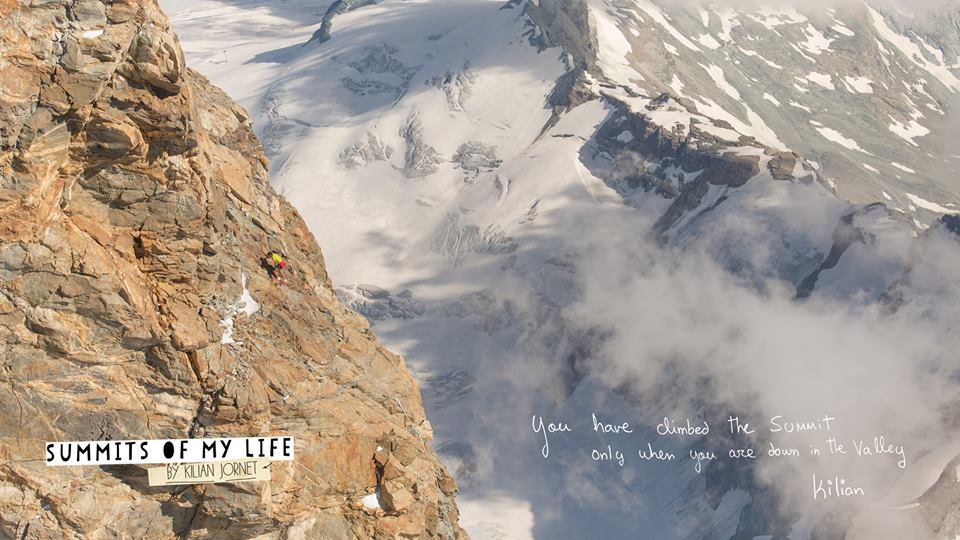
KJ: I remember it well; I was 13 years old. I entered into a mountaineering center; I was talking to Jordi, the trainer. I said at the time that the record was impossible. I spoke to Jordi recently and he reminded me that I was dreaming about the Matterhorn all those years back and about the record. I thought it was the ultimate expression of our sport. It’s a beautiful summit. It has a logical line. It is a hard record, it is push running and climbing, so, it was in mind for many years… more than Mont Blanc and all the other records. About five years ago when I started to think about Summits of my Life, the Matterhorn was my goal. The other summits were really preparation for the Matterhorn and Bruno’s record. For me, it was the most difficult record in Skyrunning and mountain running. For example, Pikes Peak is not Skyrunning. I was really afraid, not of the mountain as I was climbing a lot but of the time. I summited the Matterhorn nine times before the ascent. The first time you climb you become aware of what is possible. You go up and down and say, wow, this is the time I need to beat. After going up and down nine times I think okay, I know the mountain, I am not going to fall, I know this mountain well. I was aware of where I could go hard and where I needed to go easy. However, the morning of the attempt I was nervous. I thought to myself, will I do this record or will I do four hours?
IC: A few people asked why you made the attempt at 3pm; it seems quite logical that the Matterhorn is a busy mountain so I assume the mountain would have been less busy?
KJ: Yes for sure. It is a busy mountain when conditions are good. When I climbed nine times I saw hardly anyone, just two or three teams. I was alone. The week of the attempt we had good days with warm and dry conditions and everyone was on the mountain. Over one hundred teams! So, I was talking with all the guides and the helpers. We asked the question, what do we do? So many people on the mountain and it would have been impossible. My first idea was to start between 7-8am but it would have been crazy to pass people. We decided to start later. It was the perfect decision. It was warm at the summit and I wore just a t-shirt and nobody was in the way. Everyone was going down or in the hut. I just had the safety guides to help. It was perfect!
Kilian Jornet-iancorless.com ©sebmontaz all rights reserved
IC: In the build up to the record, you actually met up with Bruno Brunod. Did he go on the mountain with you or did you just talk about your attempt?
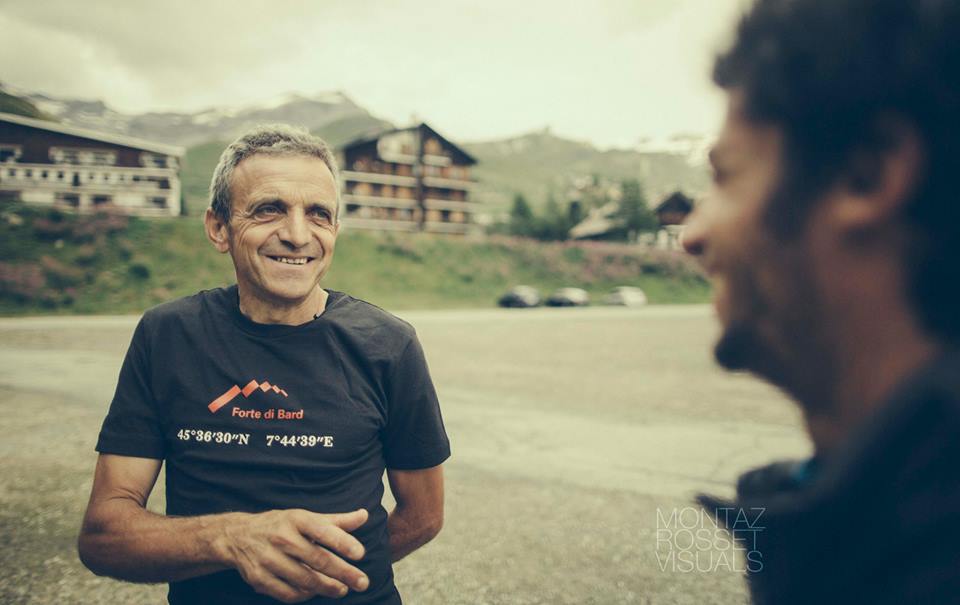
KJ: Bruno said he never climbed the Matterhorn after his attempt. We met in Cervinia and discussed his record. What conditions he had, how he prepared, how he was mentally and then we discussed the rope, the short cuts and how he made time. It is funny, Bruno stopped running in 2003 but last year he started running again and he is now preparing Tor des Geants. He never ran long distances; he was afraid. I said, c’mon man, you are strong, and you can do well in these races.
IC: So, Bruno has gone from no running to doing one of the longest races on the calendar, I guess when you are Bruno Brunod you don’t do things by half. When you go on the mountain to learn and understand, what process does that involve? Do you have several options to attempt the summit and therefore you try them or do you have a defined route and then you put that route in your mind so that you know every step. You know you can push in one place and you won’t slip in another place?
KJ: It’s one route. The Lion Ridge is the classic route and the fastest. It is the historical route and the same as Bruno used and those before him. You work out the differences but it is a thin ridge, you have several places that you can pass but yes, it is about planning. It is about knowing where to put your feet, knowing where to push and when not. I think you need to understand the mountain. You have parts in the west and north face and they are thin in the ridge and you can have ice. If you go in the morning you will have ice. If you go after 10am then this will be water so you can go there. You need to spend time to understand how it works, to understand the mountain and its life. Always in the north face it was icy, so I was aware I needed more care. On the west side I could push harder as the rock was warm and the rubber of my shoes would have better grip. It is important to spend time and understand that exactly. For example, if it is cold or windy, my shoes don’t grip the same as a warm day. I need to know this so I know exactly where to go. It is super important to understand the mountain and how the weather conditions are.
IC: On the face of it, people look at you and think you are very relaxed and casual. I know, I have seen you work and I have seen you study a mountain, you know the history, you go into in depth research to make sure these attempts are correct and that you know what you are doing. It is obviously very important. You have mentioned a simple thing like shoe rubber. Did you have special shoes?
KJ: Yes I tried different rubbers. I always used the Salomon Sense but I had different soles, different grades of rubber. For the attempt I used a softer rubber for grip. In the snow any shoe glides. You just need the technique of a flat foot and the ability to push.
IC: What is great about these attempts in comparison to Bruno, for example, in 1995 I guess Bruno stood in the square in Cervinia and just a few people were around probably having a beer, but Marino Giacometti and Lauri Van Houten were instrumental in Bruno’s attempt. They helped finance it, they arranged the safety, they arranged a helicopter and of course they got involved in your attempt. Fortunately for us we had the opportunity to have Seb Montaz follow the process, for those who know Seb, he is like your self a master of his craft. We have had some great glimpses of your summit; short videos are already on YouTube. Clips of you running a ridge jumping a crevice, or sliding down snow. It brings what you do into perspective. We can talk about you going up and down the Matterhorn but it’s easy to think, ok! But we may not have an idea of the difficulty or danger. These videos convey this. It is an important aspect. Is it a way to record you achievement but is it also a way to attract people to the mountains and also let people understand the beauty and danger?
KJ: It is the second for sure. It is not about my achievement. When I stop it will be in my mind. It is more a learning process. It enables the people to join us in the mountain and it enables everyone to understand. It’s beautiful, it is nice but it is also very difficult. It takes preparation, we do take some risks but the videos help motivate and inform. The way I go the mountain is possible but you need to learn. For me, my summit was the Matterhorn; I understood my capacity, my ability and my technical skill. I accept the risk. For everyone else it may be here or close to the home. We want to show and share that you can be light in the mountains and hopefully more people will understand. I go naked to the mountain.
Kilian Jornet ©laurivanhouten_ISF
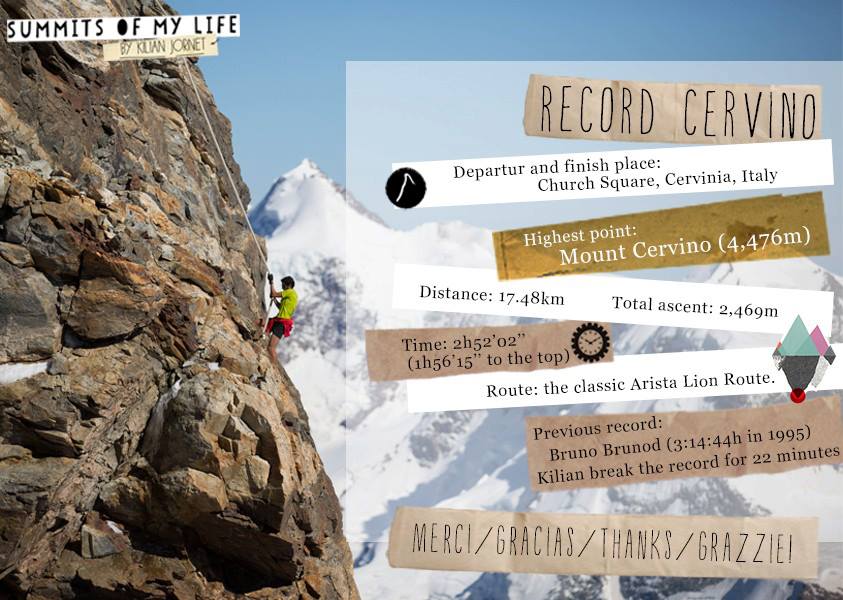
IC: The actual record. You started 3pm from Cervinia. You are in Salomon Sense, shorts, T-shirt and a jacket around your waist. You look like you are going for a run… of course that is what you are doing! You start and in the early stages it is easy and then it becomes tricky, technical, you have ropes, ridges, faces to ascend and so on, how do you process the attempt in your mind. Did you have specific targets, so, did you know what time you wanted to be at a certain place or do you go on feel? I know in the early stages you only had about 3 minutes on Bruno’s record, it was maybe a little too hot but once past a certain point you really opened up time. Of course on the descent you came down super quick. You did 2:52:02 instead of 3:14:44. I believe Bruno predicted 2:52! Were you surprised?
KJ: I was really surprised. When Bruno said 2:52 I said, no way. I was thinking, I might break the record by 2-3 minutes maximum. Maybe 3:10 would be a good time? During my practice runs I never ran fast because in the hard parts you don’t want to go hard. It’s like a lottery and taking numbers… you leave taking numbers for race day! The only time I went faster was the second day when I trained. I thought, wow, maybe I can beat Bruno’s time. If I am close to Bruno’s time then I can go faster. I spoke to Seb Montaz on the morning of the attempt, he said if you are at the summit within 2 hours it will be so good, you will have time for the downhill. I said, yeah I will be so very happy. When I started the summit attempt it was the afternoon so this was good at the top because it was warm, however, it was warm in the valley too. I don’t like warm. I started with a good pace but it was hard to find the strength. I saw lots of people and friends. Bruno was shouting at me, ski friends shouted, guides from Cervinia, Nuria Picas was there and so on… they gave me energy. I said to myself, I must keep going, I must push. I had Bruno’s time in my mind but I had no prediction of what I could do.
Kilian Jornet-iancorless.com ©sebmontaz all rights reserved
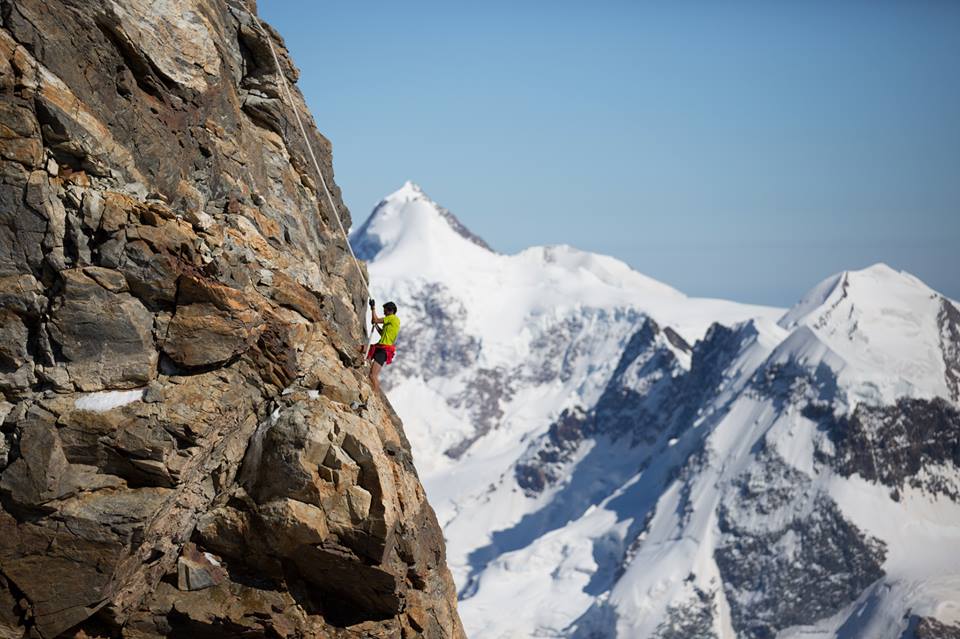
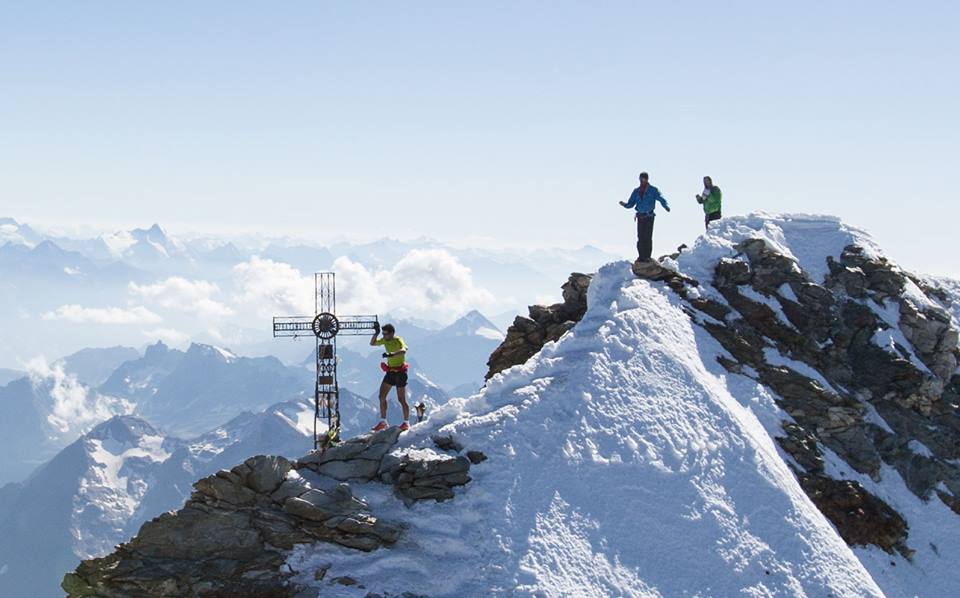
I was close to Bruno’s time until the Leone Col then the ridge starts and then I came into my own. It is where I love to run. It’s technical, you need to climb and you need to push. It is exposed. I love to be exposed on the mountain. From here I was not moving fast but fluid. This is the way to move in this terrain, if you go fast and you go more than you can you will have an accident. Moving fluid allows me to move quickly. I started to gain time all the way up to the summit. I looked at my watch and I saw I was almost 12 minutes in front of Bruno’s time, I said to myself, wow, this is incredible. It is possible! Okay, I said, I can do it. I was happy but I could not disconnect. It is a long down hill to Cervinia; I needed to be sure of every step. The boss of the guides in Cervinia said to me at the summit, you can do it! I started down in deep concentration. I was enjoying it so much; I love to run the technical sections. You don’t push with your legs; you push with your mind. Where to put your feet, where to put your hands, when to glide, when to go faster, when to stop, this is what I love, I was enjoying it so much. When the most technical part stopped, I realized I was almost 20 minutes in front of Bruno; so, the last part was just pushing to the finish.
Kilian Jornet-iancorless.com ©sebmontaz all rights reserved
IC: Myself and many other people were very worried about the Matterhorn. We respected the mountain and we anticipated that you would push; pushing brings danger, so when you got to the summit and you knew you were ahead of Bruno’s time did that mean that the descent was easier, you took less risks than if the time had been very close.
KJ: Yes of course. If I had been at the summit in 2:10 I wouldn’t have come down at the speed I did. I would have taken more risks. I also think that this doesn’t work! Many people who saw me said that I was going down very fast, they said I looked really fluid and that I wasn’t taking risks yet I was very fast. I think this is the way to go down the mountain. If you take risks the body position is different, you can’t glide as well and so on. You lean back and this slows you. If you feel confident, you can go fast. I think maybe I could have gained 6-7 seconds by taking risks. It’s nothing! These 6 or 7 seconds may have been my life… I knew the route very well and I had no need to take additional risks. I just wanted to be confident. My mother was on the mountain and she had bad memories of when she climbed the Matterhorn for the first time but if you climb again and again, you know it’s risky but it isn’t necessary to take risks, it is about being confident.
Kilian Jornet ©laurivanhouten_ISF
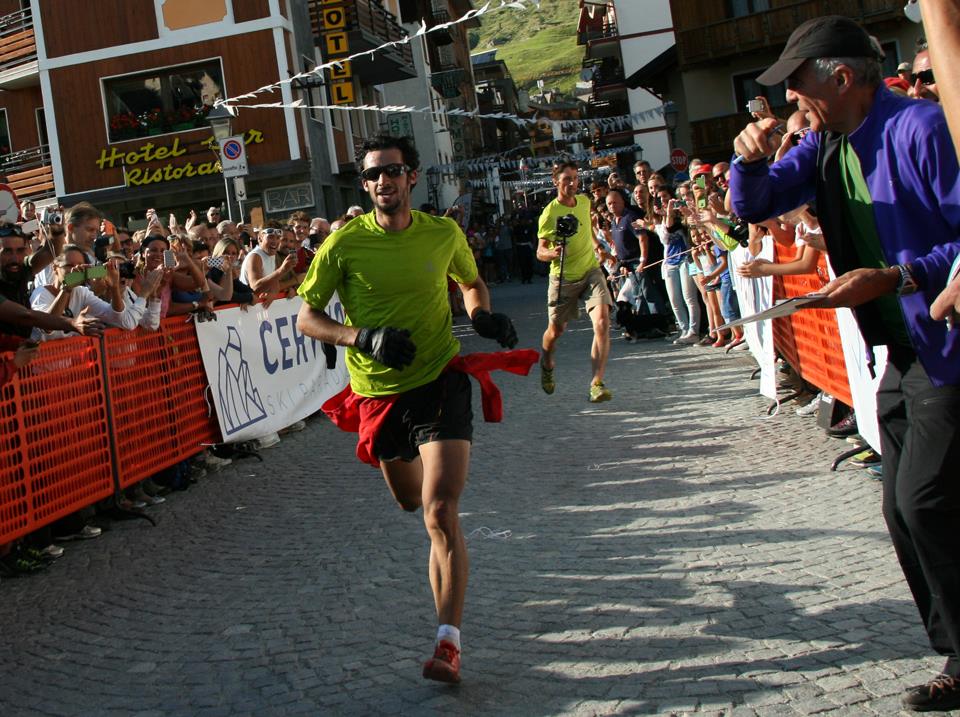
IC: When you arrived in Cervinia, it was like the end of a race. It was incredible. The barriers were out. It was almost like the race finish here in Zermatt. Did this surprise you?
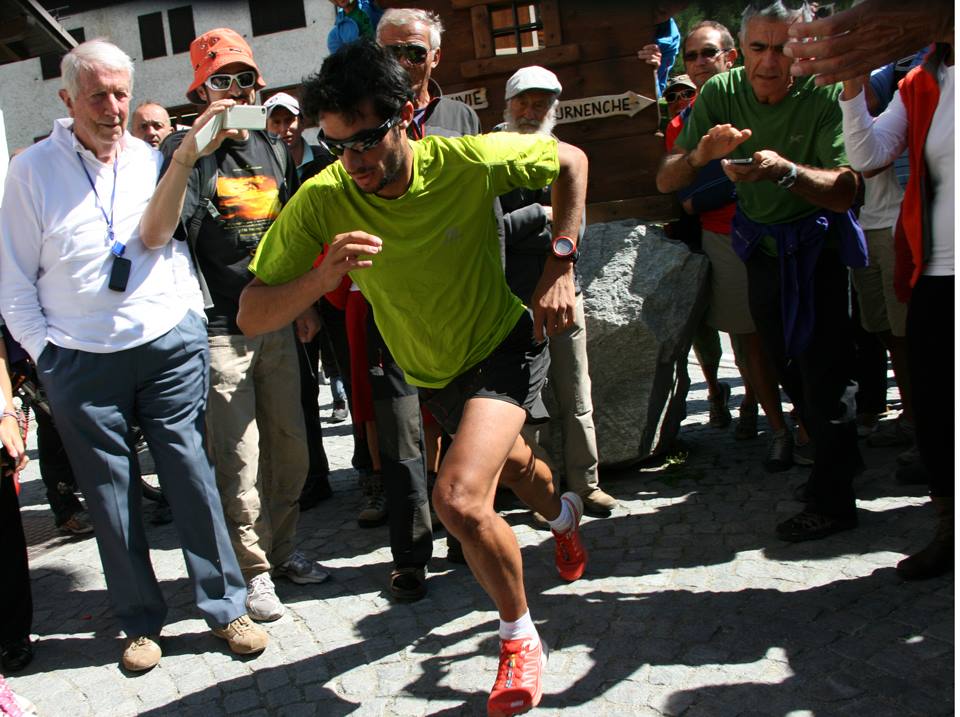
KJ: Yes, I was completely surprised. I was in Cervinia for three weeks sleeping in my van in preparation for the attempt. I was surprised by the reception by everyone. For example, the first day I climbed the Matterhorn I was with Emelie. We climbed with running shoes and when we reached the top, the mountain guides said, ‘wow, you are going with run shoes. Congratulations. Do you want to try the Matterhorn record, can we help you? Tell us the day, we want to help you’. There is not another place that is like this, we usually get the response of, ‘What are you doing here in run shoes, this is ridiculous’. Not in Cervinia, they wanted to help us right from the start. Every time I climbed it was so open, the support was great. I was always asked, ‘tell us what day you go and we will help. We want to be on the mountain to help and support you’. It was the same for the hotels in Cervinia, they offered me showers or they said if I needed anything such as Internet that I could use the Wi-Fi. It was an incredible ambience. People were happy that I was in Cervinia to do the record and they got behind me. I think this was the most beautiful part of the record. I went just with my van, I was alone to climb but everyone was supporting the team and myself. It was so easy then to do the record. The day before my attempt, I made a call to the mountain rescue and said, ‘Tomorrow I go’. He replied, ‘Okay, how many people do you need? We will put people in the mountains for safety in case you have a mistake’. He called the mountain guides and they said, okay, we will put people here and here. The guides had finished work at midday on Wednesday and then they returned to the mountain to support me. It is unique. The reception was so fantastic.
Great video here on YouTube ©Martin Mikloš
IC: It was incredible the level of support you got. Knowing you, you would have quite happily got out of your van, started in the square and returned with no fuss. Marino Giacometti made a very good point, these record attempts do need to be verified, it does need an element of proof that you do go to the top and do come back down. Of course we are not questioning your honesty. But for future records a structure needs to be in place. I guess if we set a standard for the future it can only be a good thing. Does that mean for future attempts such as Elbrus in Russia, will you start to incorporate this system.
KJ: Yes, I know I need someone to do the chrono and I am aware I need someone at the summit. For Mont Blanc, I had people from the Tourist Office to confirm my attempt and I had guides at the summit. I also have the gps files on my Suunto. At the Matterhorn it wasn’t an issue, we had everyone in place and it was almost taken out of my hands. For example, Marino Giacometti did the chrono in Cervinia but the guides etc. were fully behind the attempt and they verified the route. My chrono was radioed to all the guides on the mountain so my progress could be monitored. It is important to be true. It is just like doping control… it is about integrity, my intentions are 100%, it is important to do a record in the correct way. I am aware that many ‘FKT’s have no control, I personally believe in the people but when you see the world and see the problems, I am aware of the issues of how people can not be honest.
IC: What was great about this attempt, because you had a team of people up the mountain, we had time checks back that meant that we could Tweet and Facebook times to the world. This was so exciting. Social media became alive following you. I think we stopped so many people from working. They wanted to follow. It is interesting from my perspective because it is what I do, but I guess the concept of someone running up and down a mountain and that message being sent around the world, some may think, why is that interesting? But it is so exciting; the updates had people glued to your progress. Can you relate to it or do you just think about the mountain?
Video courtesy of Seb Montaz ©sebmontaz
KJ: When I am on the mountain. I am 100% focused. I need to be in my moment and think about where I put my feet, how fast do I go. If my mind wanders I will loose time or maybe my life, so I was super focused on moving as quickly as possible. It is just the mountain and I. The social media and the photography I leave to others. For example, Seb was in the helicopter but I never saw or heard it even though he was so close. This is because I needed to be 100% committed. I think this is nice. In racing I think for the last three years I have managed my effort and therefore I don’t need to focus as much but this was completely different. It was like the first time I raced ten years ago when I was super focused. It is a super nice feeling.
IC: Certainly social media has made what you are doing so accessible which is great for us but it is also great for you and everyone else involved. I guess now your energy focuses on Russia and Mt Elbrus?
KJ: Yes, I need to relax a little first…
IC: You said that to me last time, when I interviewed you in the Dolomites. You told me you wouldn’t race for a month and then you went to Sierre-Zinal.
KJ: Ah yes, I was close to Sierre-Zinal, it was just the other side of the Matterhorn, so it was good training. Plus it was the 40th edition. Now I take a couple of weeks with no racing but I will train a lot, I love that; I need to do it to be alive. I will train but not race until UROC in the US. I will focus on Elbrus for the next few weeks; I want to go to Russia before UROC, maybe the 15th September. I will plan around that date and train at altitude.
IC: So does that mean you will do the Elbrus summit before UROC?
KJ: Yes, I think so. After UROC I have Skyrunner World Series, Limone Extreme and the then Diagonale des Fous, so, after this I want a break.
IC: You say a break, does that mean ski mountaineering?
KJ: It means one week of no training and then I will be in the mountains for November and December but I won’t race.
IC: Okay, we will follow you and see if you do race… Kilian it has been fantastic for you to give me so much time to talk about the Matterhorn. It’s great to get such an insight. Finally, when are we going to see the full edited Seb Montaz movie of this year or the recent summit?
KJ: We are working on it and of course we will work more after Elbrus. November and December will see much of the work being done in edit, so we hope before the end of the year. Maybe late December?
IC: Perfect. Thank you so much for your time.
Kilian Jornet-iancorless.com ©sebmontaz all rights reserved
The Matterhorn – A history and perspective
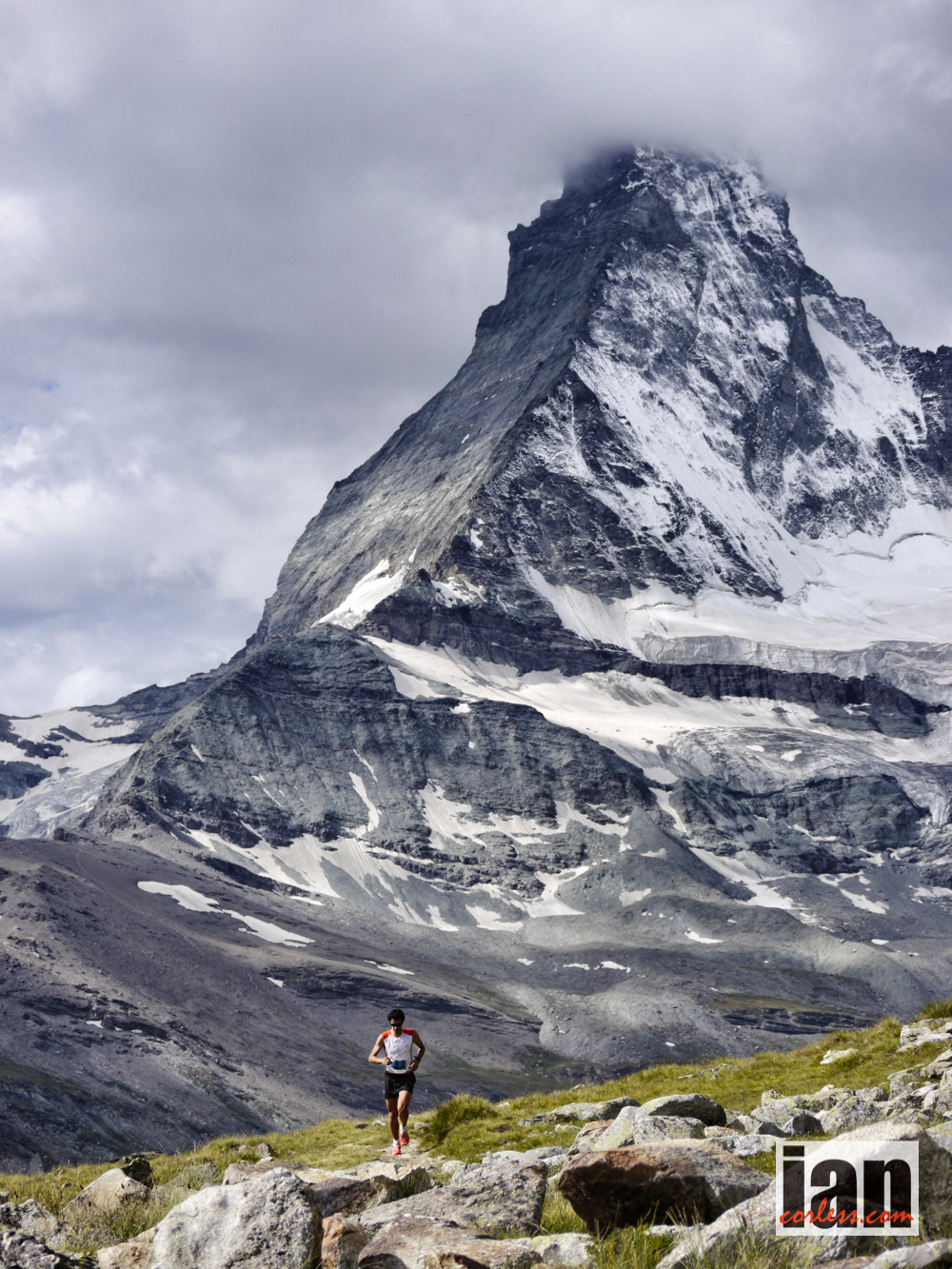
“It is a technical mountain. Bruno Brunod has a record of 3:14:44. It is a technical route that is not difficult BUT if I fall, I will die! I need to know the route very well, I need to spend time on the mountain, and I need to learn every step.” Kilian Jornet, July 2013.
Monte Cervino (Italian) or Mont Cervin (French) or Just the Matterhorn is a mountain on the border between Switzerland and Italy. At 4,478 meters (14,690 ft) high, it one of the highest peaks in the Alps. It consists of four steep faces, striking above the glaciers that surround it. Overlooking the town of Zermatt it is an iconic mountain and possibly ‘the’ most photographed mountain in the world. It is a mountain that dreams are mad of. Kilian Jornet is no different, “I have been dreaming about this record since I was 15”.
Ironically, the Matterhorn was one of the last great Alpine peaks to be climbed and the first ascent by Edward Whymper in 1865 brought an end to the ‘Golden age of alpinism (The period between Alfred Wills ascent of the Wetterhorn in 1854 and Whymper’s ascent of the Matterhorn in 1865, this period saw many peaks in the Alps have first ascents)
Since 1865 to 1995 it has been described as one of the deadliest peaks in the Alps, over five hundred lives have been lost in this 130yr period. I guess the first ascent in 1865 showed us the danger potential when four climbers fell to their deaths on the descent.
The Matterhorn has two distinct summit, both situated on a 100-metre-long rocky ridge: the Swiss summit with a height of 4,477.5 meters (14,690 ft) on the east and the Italian summit with a height of 4,476.4 meters (14,686 ft) on the west. Their names originated from the first ascents, not for geographic reasons, as both are located on the border. Each summer a large number of mountaineers try to climb the Matterhorn via the northeast Hörnli ridge, the most popular route to the summit.
Small patches of snow and ice cling to the faces of the Matterhorn, but the faces are steep and regular avalanches occur. Snow hurtles down the four sides and accumulates on the glaciers at the base of each face.
Four main ridges separate the four faces of the Matterhorn and therefore it offers four distinct routes. The least difficult technical climb and by far the most popular is the Hörnli Ridge, which lies between the east, and north faces and it faces the town of Zermatt. The Zmutt Ridge (west), between the north and west faces is, according to Collomb, “the classic route up the mountain, it’s the longest ridge and also the most disjointed.
The Lion Ridge, lying between the south and west face is the Italian normal route. It is the shortest route on the mountain and has fixed ropes in place but many think it to be a far superior climb, particularly when compared to Hörnli Ridge. Furggen Ridge is the final offering, it is the hardest offering and in good conditions is not too difficult, and it does however have a reputation.
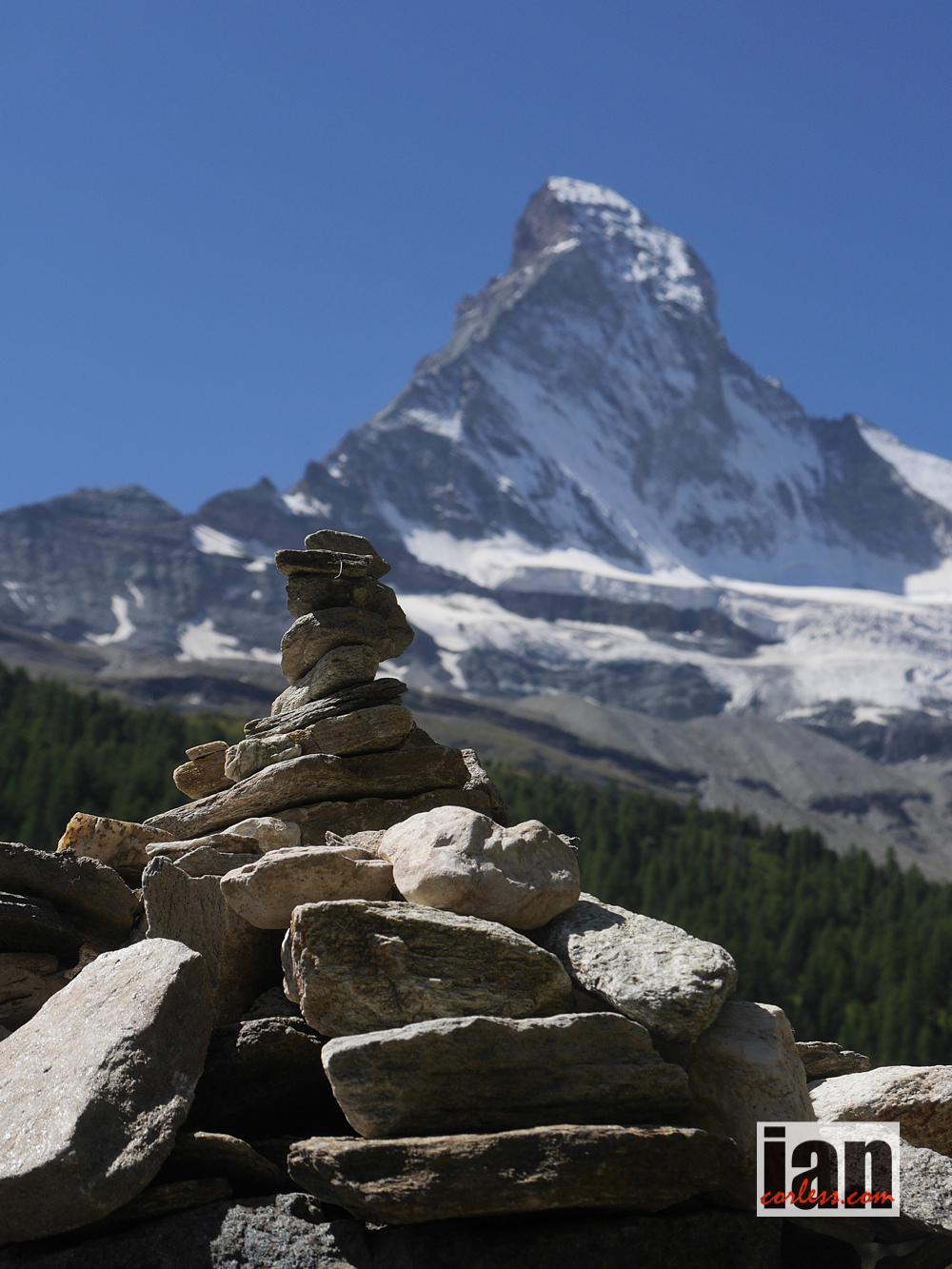 J.J and J.P Maquignaz made the first ascent of the Italian ridge as it is climbed today in 1867 but Kilian Jornet had his eyes on Bruno Brunod’s record set in 1995 when he did Breuil-Cervinia to the Matterhorn summit and back in an astonishing time of 3:14:44. In addition, Bruno also has the record for climbing the Matterhorn, again from Breuil-Cervinia just to the summit in a time of 2:10.
Back in 1995, Skyrunning president, Marino Giacometti and Executive Director, Lauri Van Houten were not only present but also helped finance Bruno’s attempt. Lauri still says how the thought of it, “brings shivers down my back”. Lauri and Marino both acknowledge the danger and undertaking that Kilian had given himself. “I remember standing in the square in Cervinia and about 3 hours 10 min had elapsed. There was a real buzz and noise and then somebody shouted, he’s coming! We all ignored it; we thought it couldn’t be possible… but minutes later Bruno appeared. It was a magical moment, one I will never forget”, says Lauri.
Bruno is very much considered the father of Skyrunning. His exploits, to this day seem to go beyond human limit. Without doubt, Kilian Jornet is in the same mold and in real terms, Bruno has lead the way for what Kilian now wants to achieve with his Summits project. Kilian’s final Summit will be Everest. Bruno himself attempted Everest; he however gave up when at a height of 8.200mt (26,900 feet) due to very hard weather conditions.
Bruno’s passion and time is now focused on his construction company, however, just recently he joined Kilian on the Matterhorn as he prepared for his Matterhorn attempt. Two masters together discussing the mountain. Without doubt, Bruno played a big part in the successful attempt by Kilian and ironically he predicted a time of 2:52:00. Maybe Bruno knows Kilian better than Kilian?
Bruno’s records:
See ISF recognised records at skyrunning.com
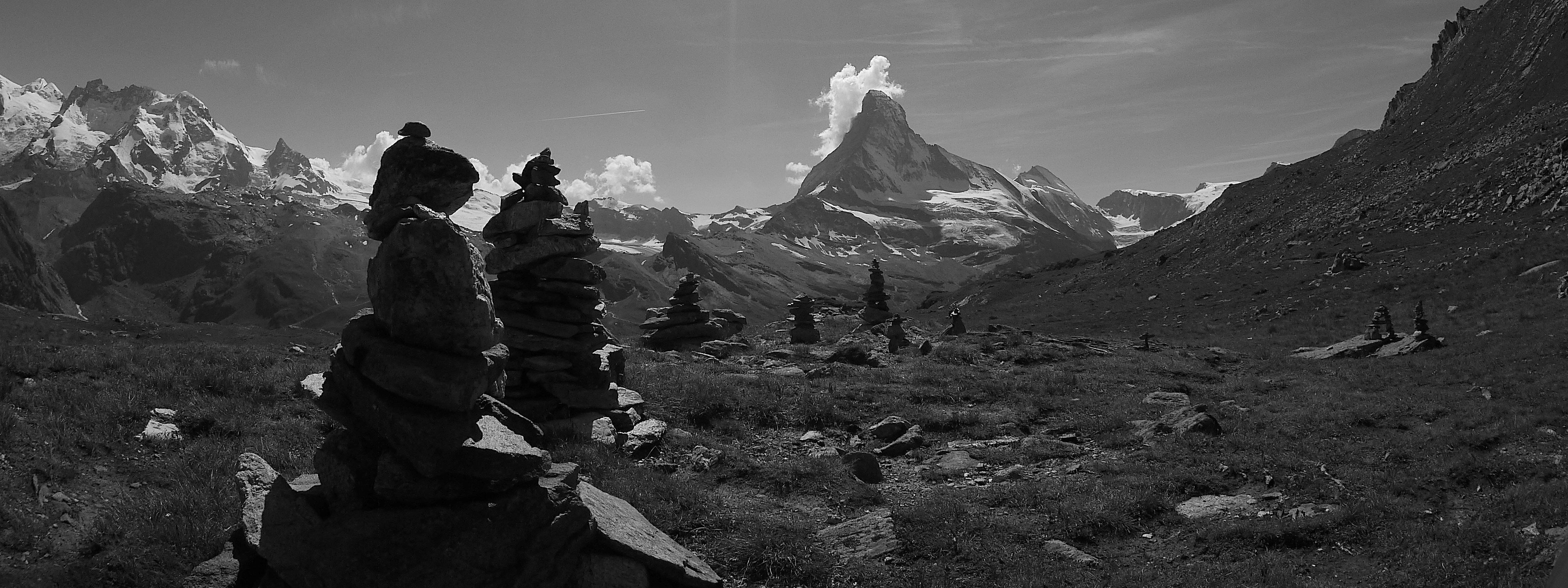
The Matterhorn ©iancorless.com all rights reserved
READ THE KILIAN JORNET INTERVIEW, pre MATTERHORN HERE
CREDITS:
Firstly, a big thank you to Kilian Jornet, for his time, his patience and his inspiration.
Interview conducted by Ian Corless ©iancorless.com no reproduction or quoting without prior permission, all rights reserved.
Images provided by: iancorless.com, Lauri van Houten (ISF) or Seb Montaz – all protected under © copyright. No reproduction without permission.
Video ©sebmontaz
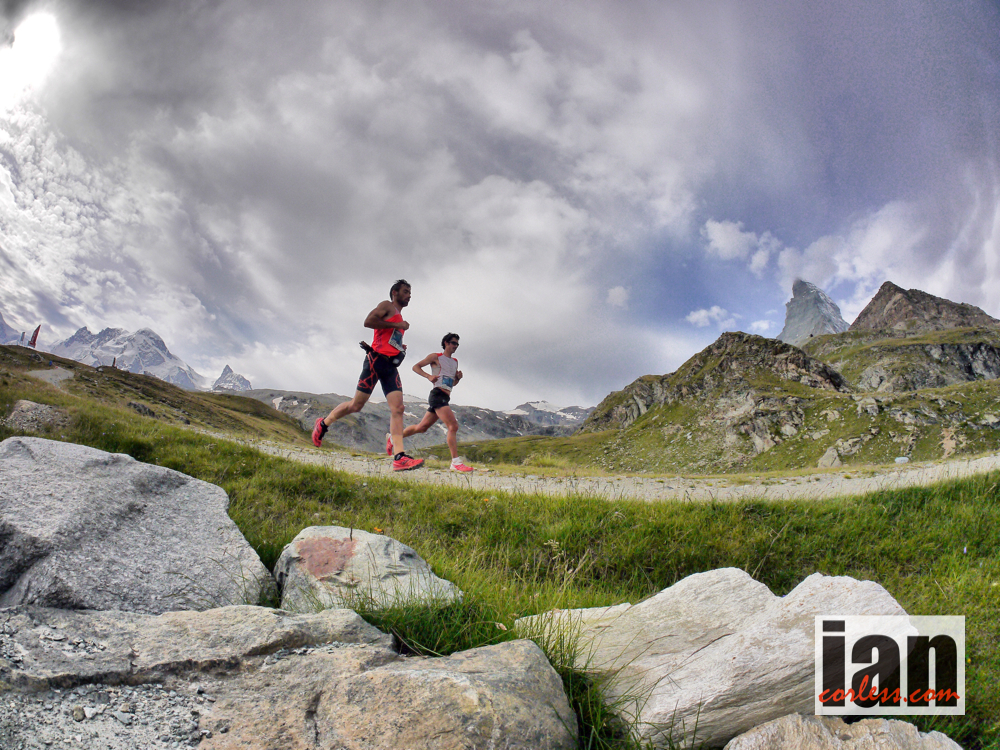
The inaugural Skyrunner World Series, Matterhorn Ultraks, saw a stellar field line up in the centre of Zermatt, Switzerland at 0700, Saturday 24th August to do battle over 46 km in the fourth race of the ‘Sky’ series.
Salomon duo, Kilian Jornet and Emelie Forsberg topped the podium in what is proving to be a stunning and dominant year for the pair of them. Kilian Jornet, racing after his incredible ‘Matterhorn Summit’ set only couple of days previously expressed how beautiful the course was. On questioning, he said, ‘I felt a little tired today after the efforts of Wednesday, but this course was really beautiful and it was nice to be on the other side of the Matterhorn’.
Emelie Forsberg had a similar response, ‘Wow, it’s such a beautiful course with glacier at Gornergrat and then of course the Matterhorn ever present while we run. However, my legs felt heavy today… I don’t understand it! To be honest, I don’t like it…’ laughing she continued, ‘I’m really happy to win, it has been a great first edition’.
Departing Zermatt at 0700 with the arrival of day light, runners departed and headed upwards to the highest point of the course at nearly 3000m to the ‘Scott Summit’ at Gornergrat. First runner to arrive was Egea Caceres Aritz in 1:40:36 (winning the Scott summit prize) closely followed by Luis Alberto Hernando (adidas) and Kilian Jornet (Salomon).Not only was the race moving much faster than pre race predictions but also some of the main anticipated protagonists were having a tough day. Philipp Reiter (Salomon) and Tofol Castanyer (Salomon) had stomach issues and had to restrain their efforts, Philipp would go on to finish 19th but Tofol was forced to withdraw. Cameron Clayton Salomon) from the US who had placed top 5 at Pikes Peak just the previous weekend was also struggling with some chest issues.
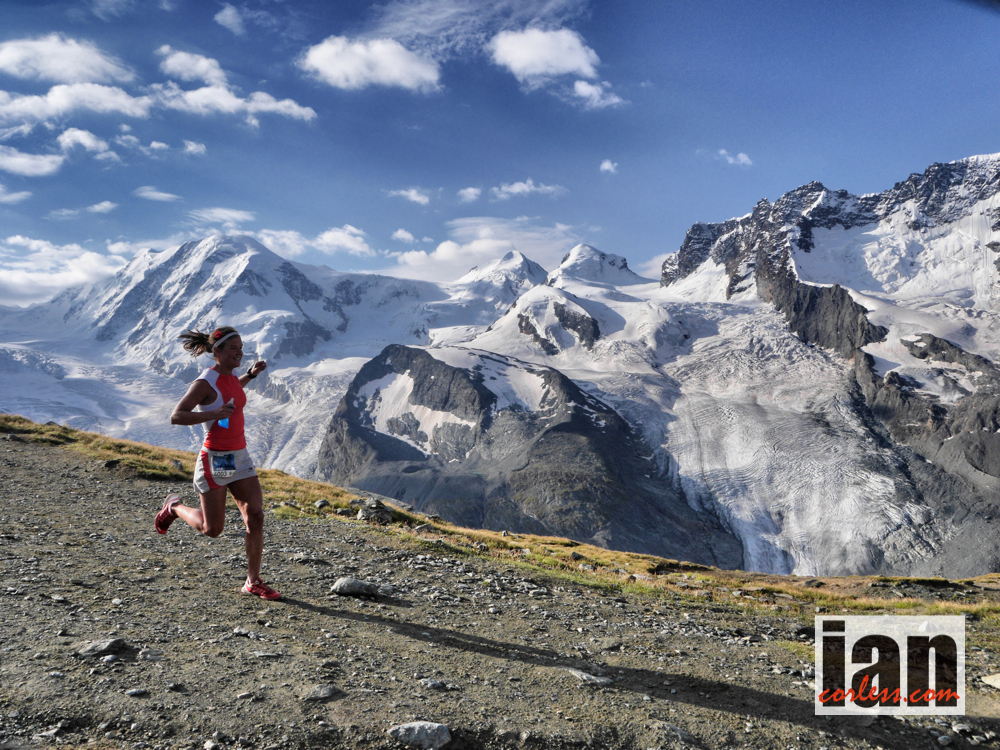
Emelie Forsberg (Salomon) was the first lady to arrive at the ‘Scott Summit’ followed by team mates, Oihana Kortazar (Salomon) and Silvia Serafini (Salomon). Emelie continued to push at the front of the race and at Schwarzee she looked comfortable and relaxed. However, behind Silvia Serafini was caharging and not only had she closed the gap on Emelie but she had moved into second place.
The front of the race took shape, Kilian Jornet and Luis Alberto Hernando run together, step-by-step just as they have so many times before this year. However, just before Trift on the plateau with Matterhorn providing a stunning backdrop, Kilian opened up a gap that he would maintain all the way to the finish for another victory.
Behind Kilian and Luis a really great battle was unfolding, Sierre-Zinal Marc Lauerstein had been caught by Nicola Golinelli (Arc’teryx) and with another great surge, Nicola followed up his impressive performance at Mont Blanc Marathon with 3rd place on the podium here in Zermatt. Swiss runners, Marc Lauenstein, Sierre-Zinal winner, and Ultraks ambassador Martin Anthamatten were fourth and fifth respectively.
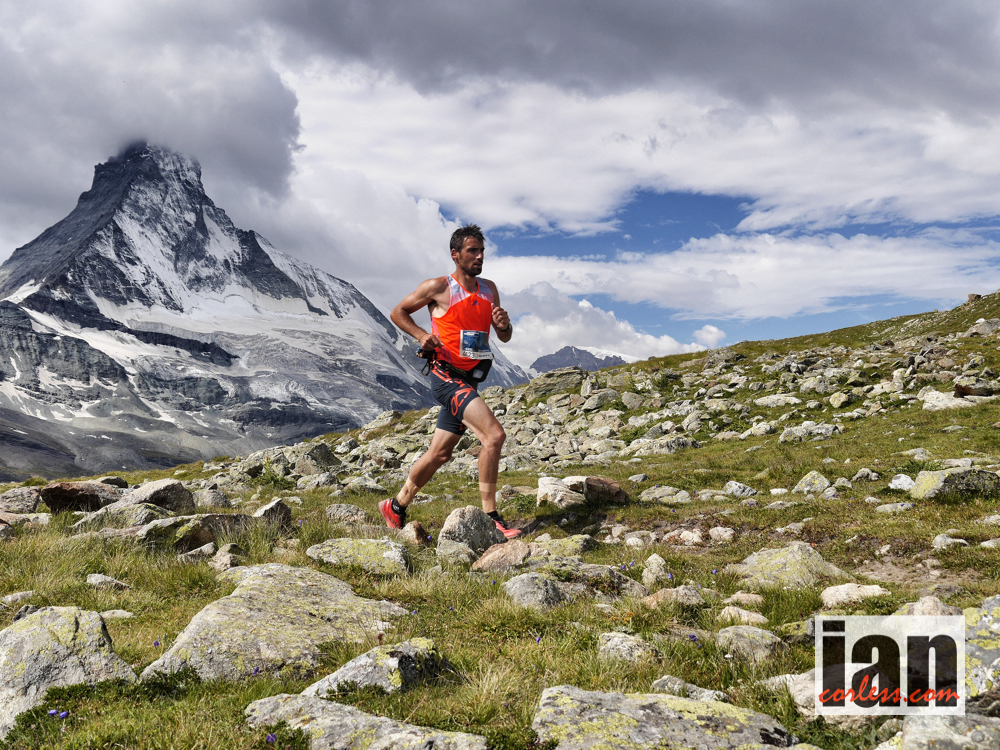
The women’s field was comfortably led by Emelie Forsberg, Silvia Serafini once again showed that with each race she is becoming more experienced, more confident and more dominant. Her impressive showing at the Dolomites Skyrace was followed up here with another great 2nd place.

Oihana began to weaken and loose time leaving third place open for Nuria Dominquez (Buff) to take third, Anna Lupton (inov-8) from the UK had a great run for fourth and Ragna Debats (FEEC) placed fifth. Anna said on the finish line, ‘that is the most incredibly beautiful race I have ever done but it was also the hardest’.
Four teams from Spain competed in the event, counting no less than five men and five women in the top ten. A result that confirms Spain’s dominance in the sport.
The Sky Series final, hosted by the Limone Extreme, will take place in Italy on the slopes above Lake Garda on October 13, where the world’s top skyrunners will compete and the champions will be crowned.
RACE DAY IMAGES HERE
Race results
Men
1. Kilian Jornet (ESP) – Salomon Santiveri – 4h43’05’’
2. Luis Alberto Hernando (ESP) – adidas – 4h44’47’’
3. Nicola Golinelli (ITA) – Arc’teryx – 4h45’57’’
Women
1. Emilie Forsberg (SWE) – Salomon – 5h41’16’’
2. Silvia Serafini (ITA) Salomon Agisko – 5h44’37’’
3. Nuria Dominguez (ESP) – Buff- 5h59’19’’
More information at skyrunning.com


 IAN CORLESS