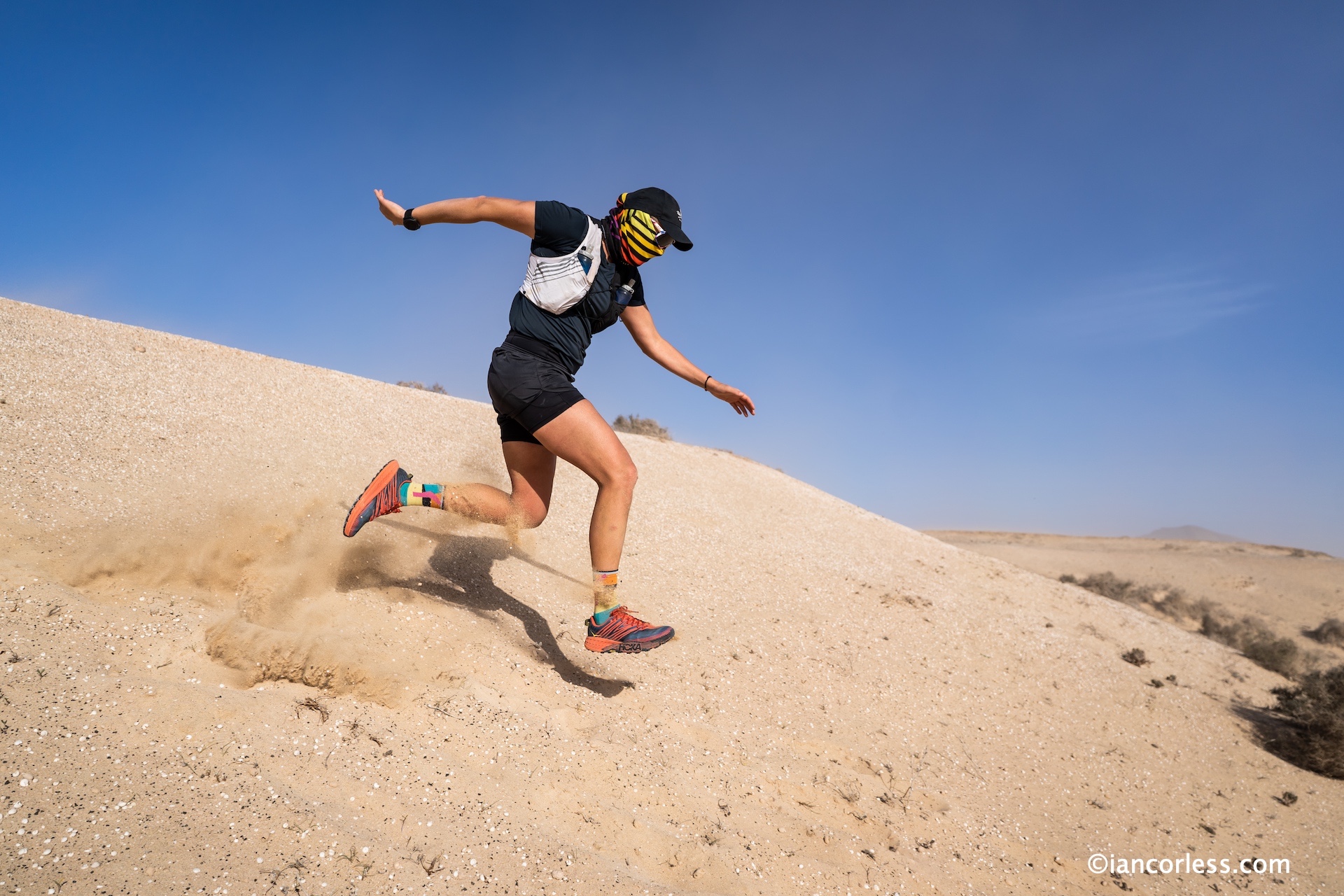
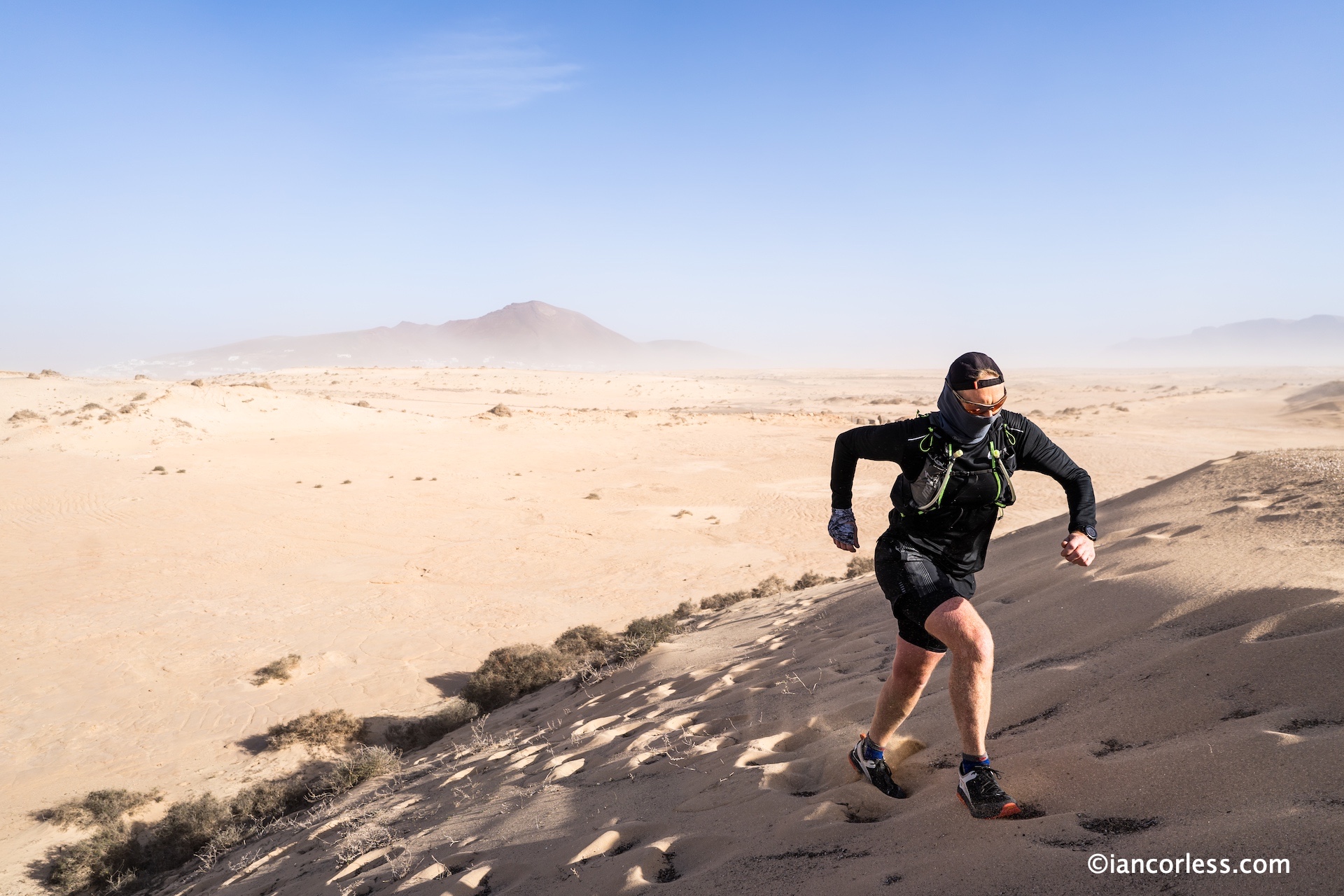
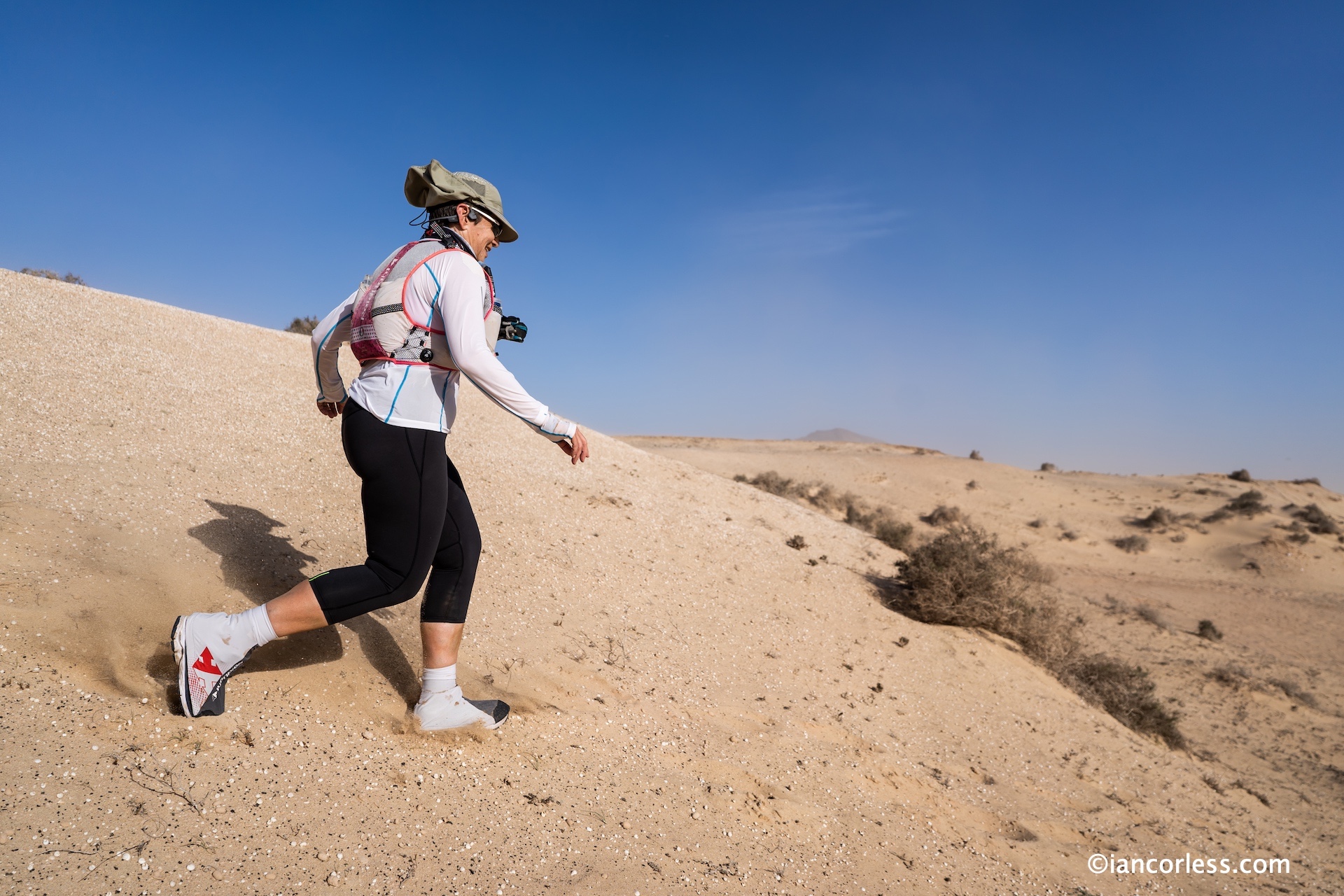
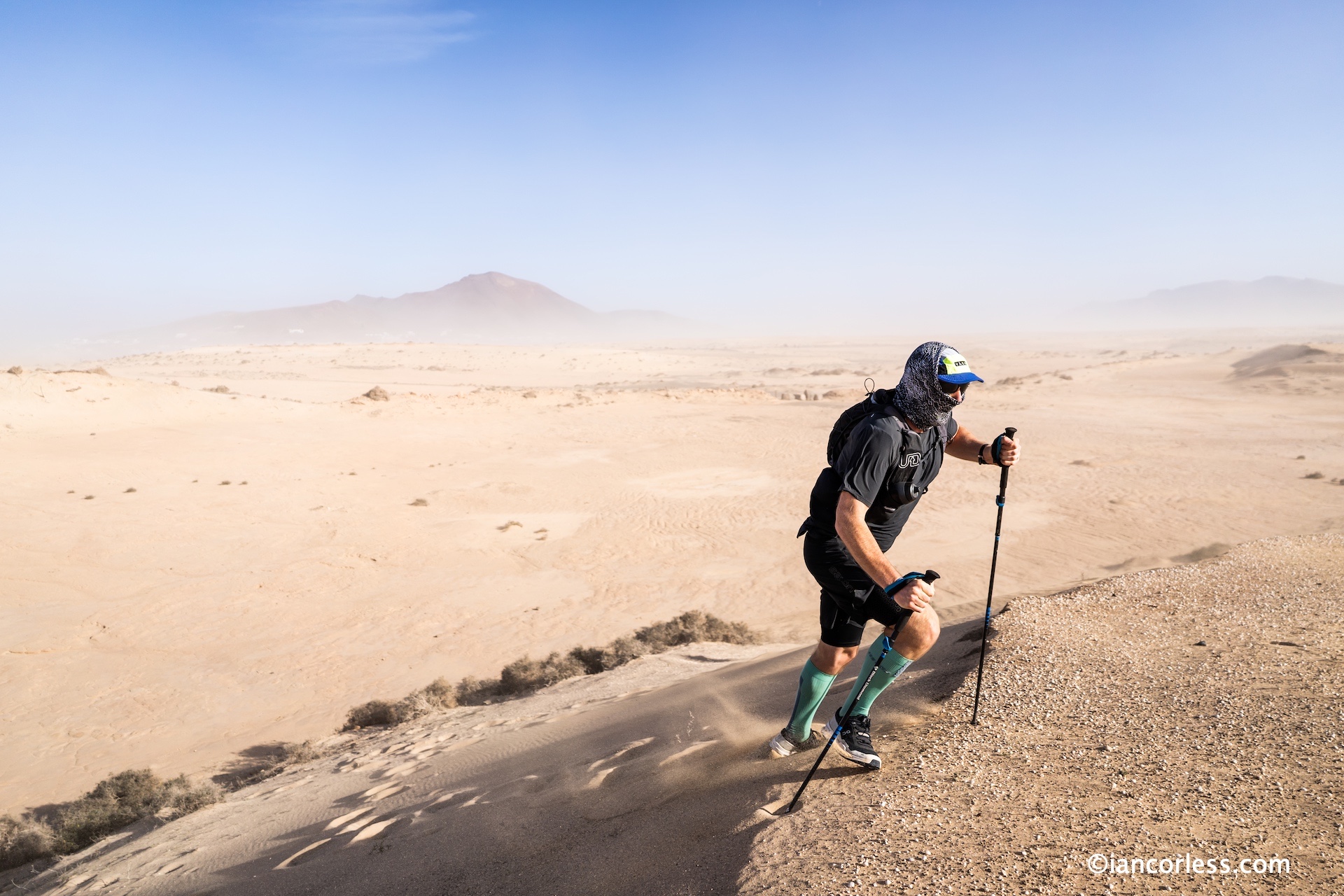
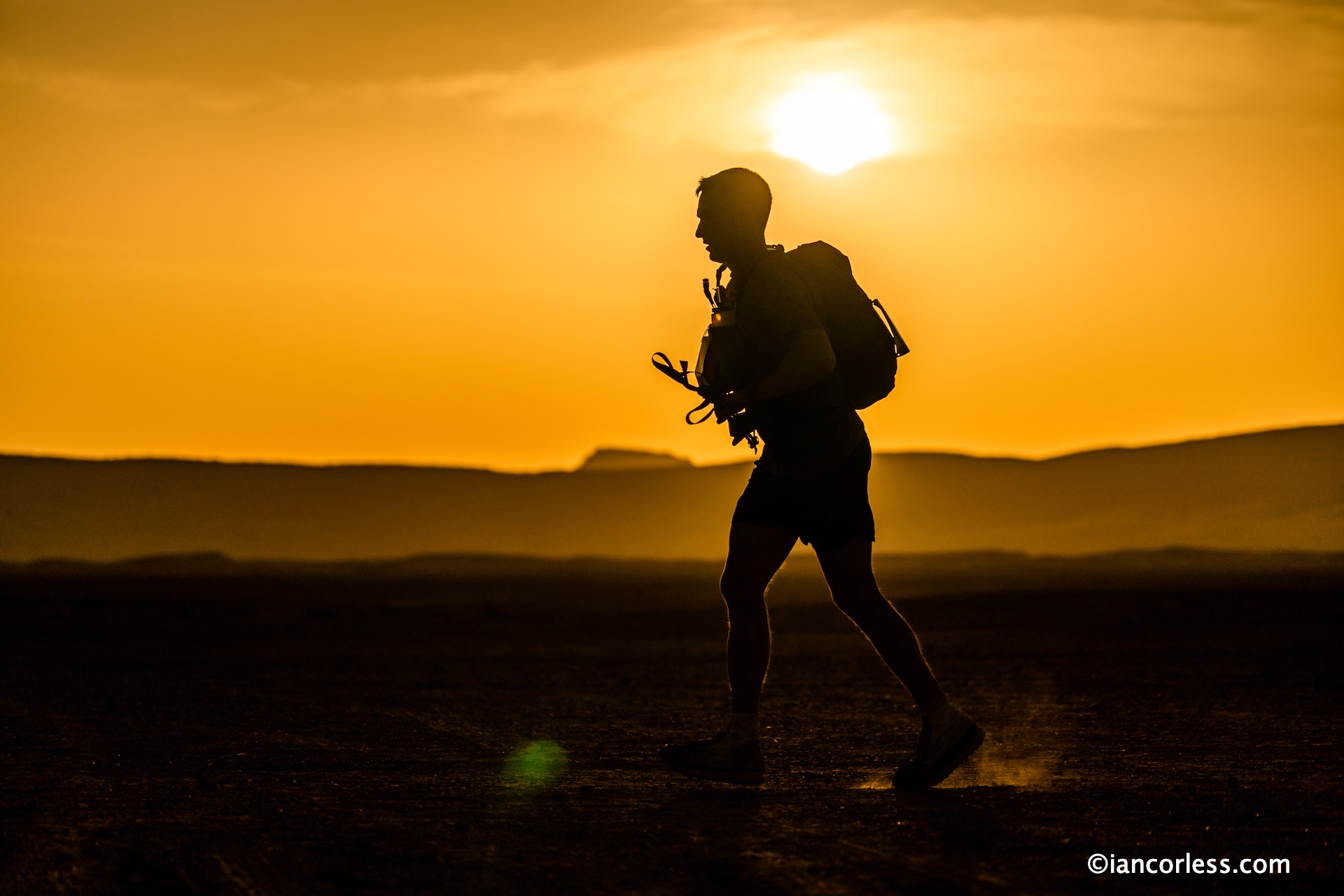
MDS Morocco 2024 – Countdown Time

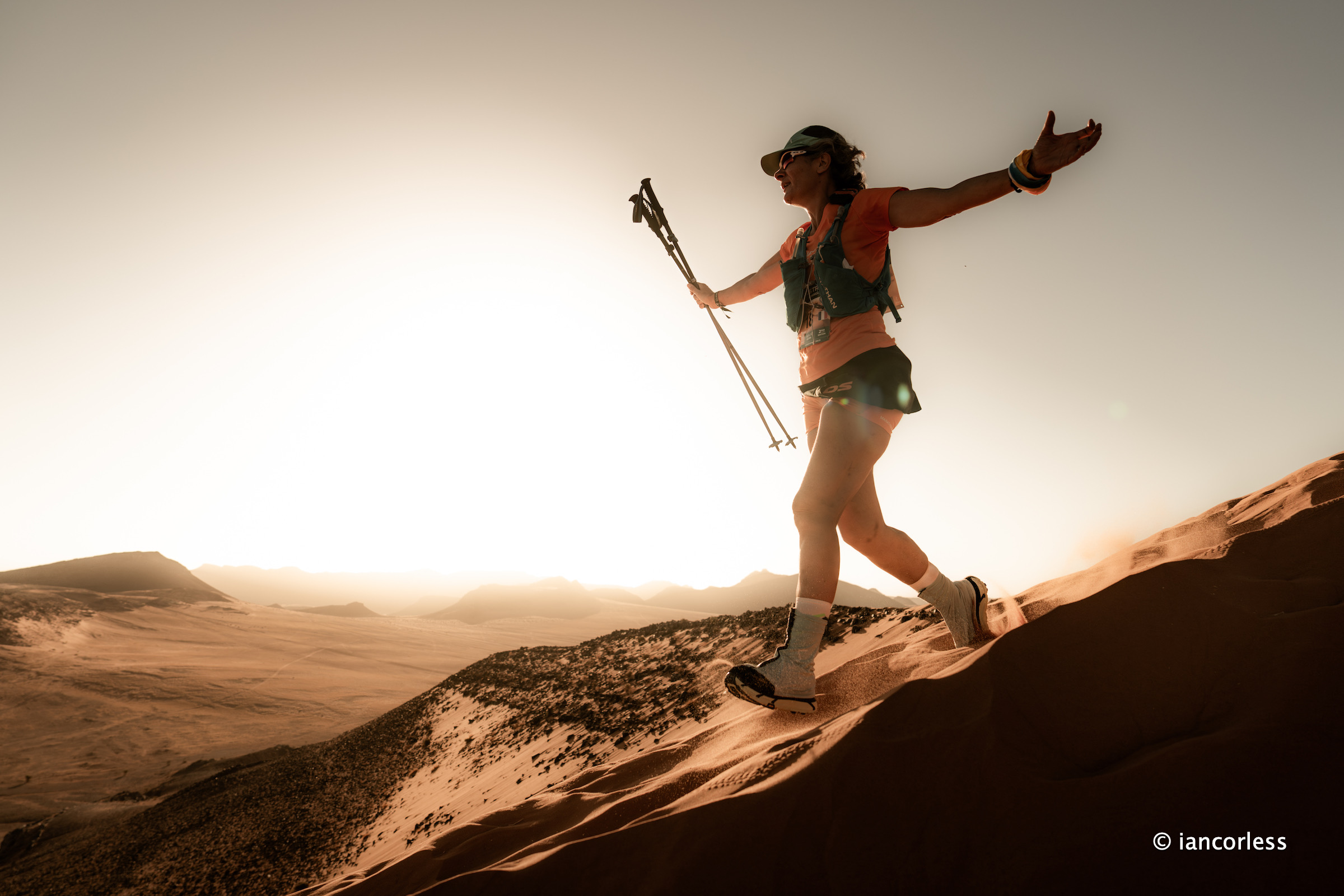
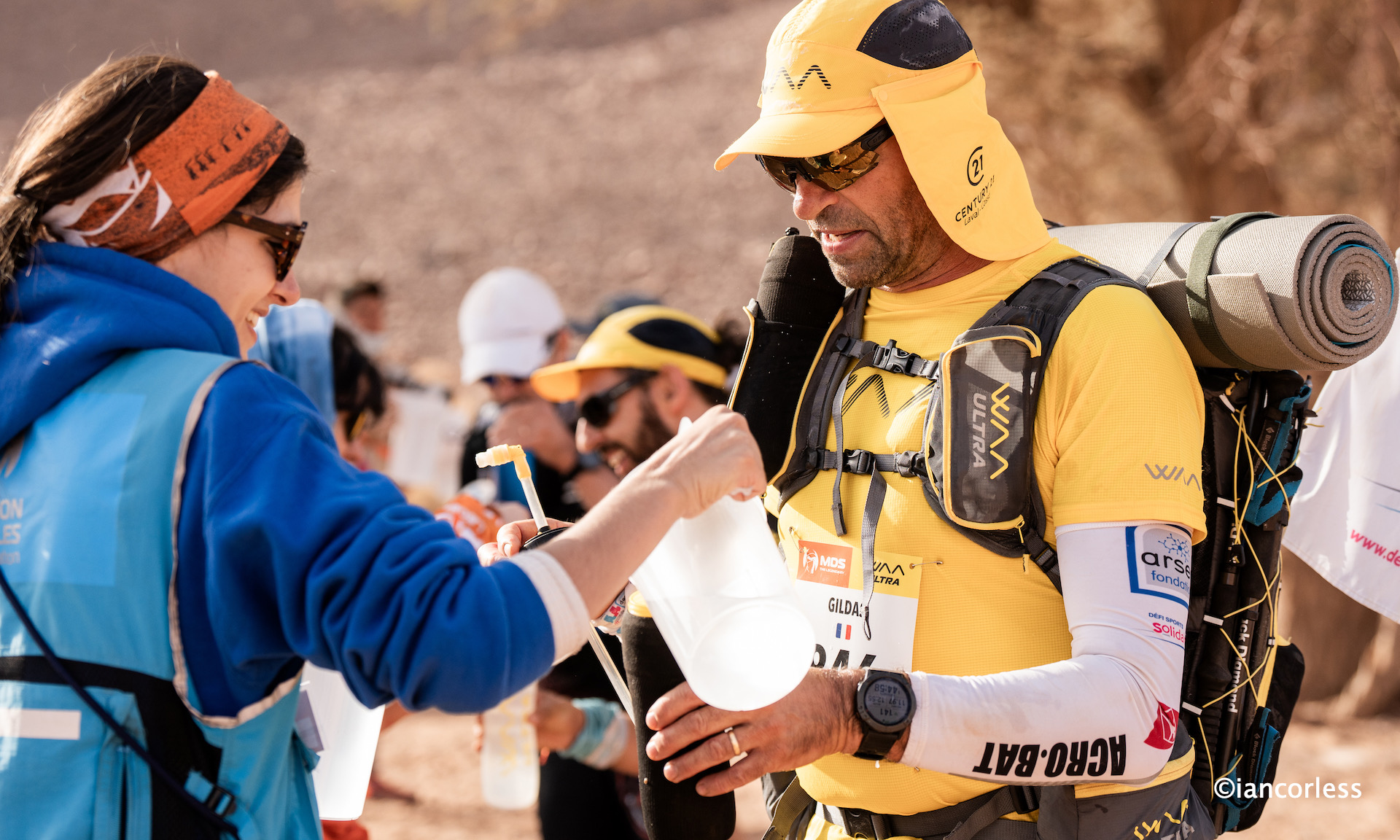
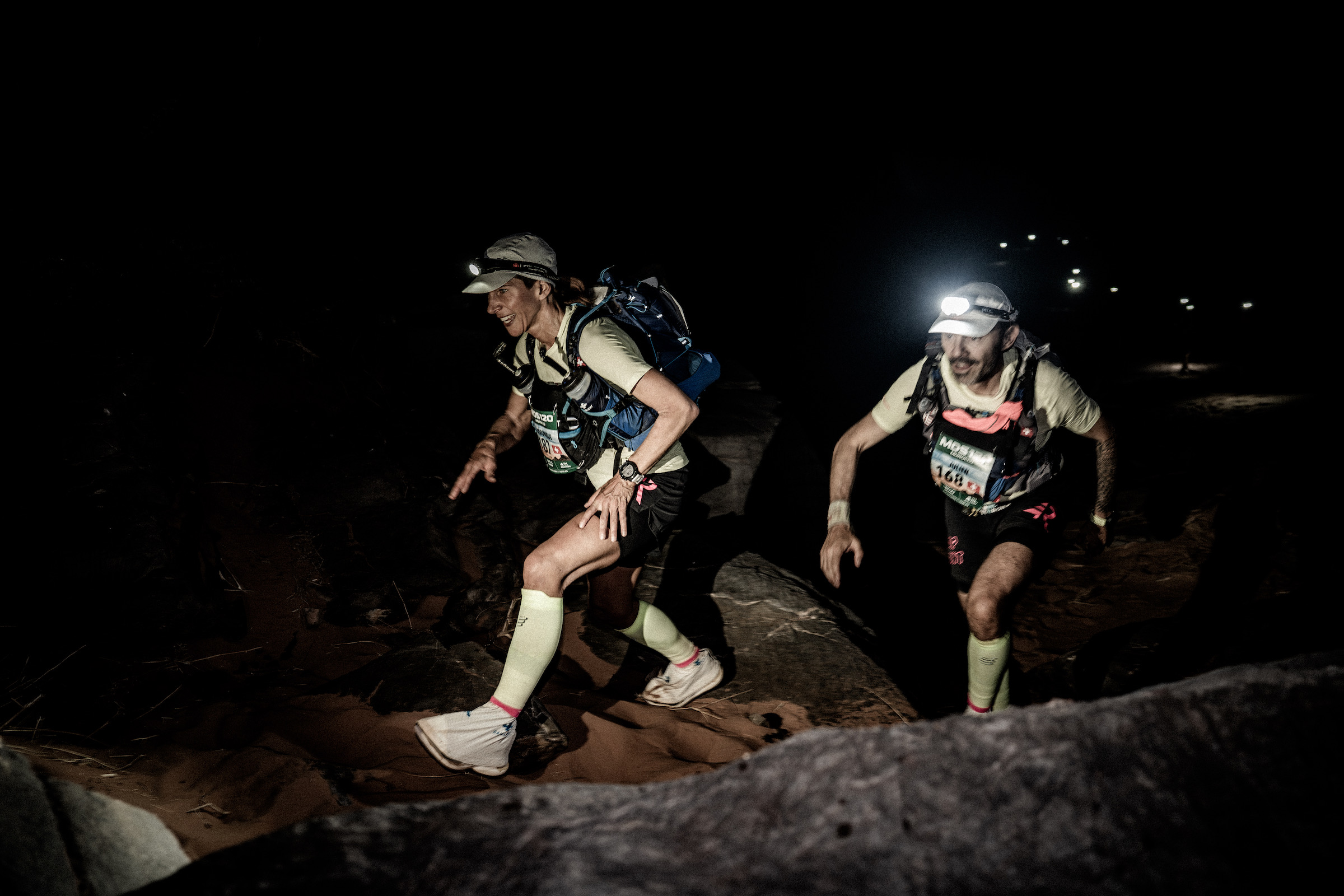
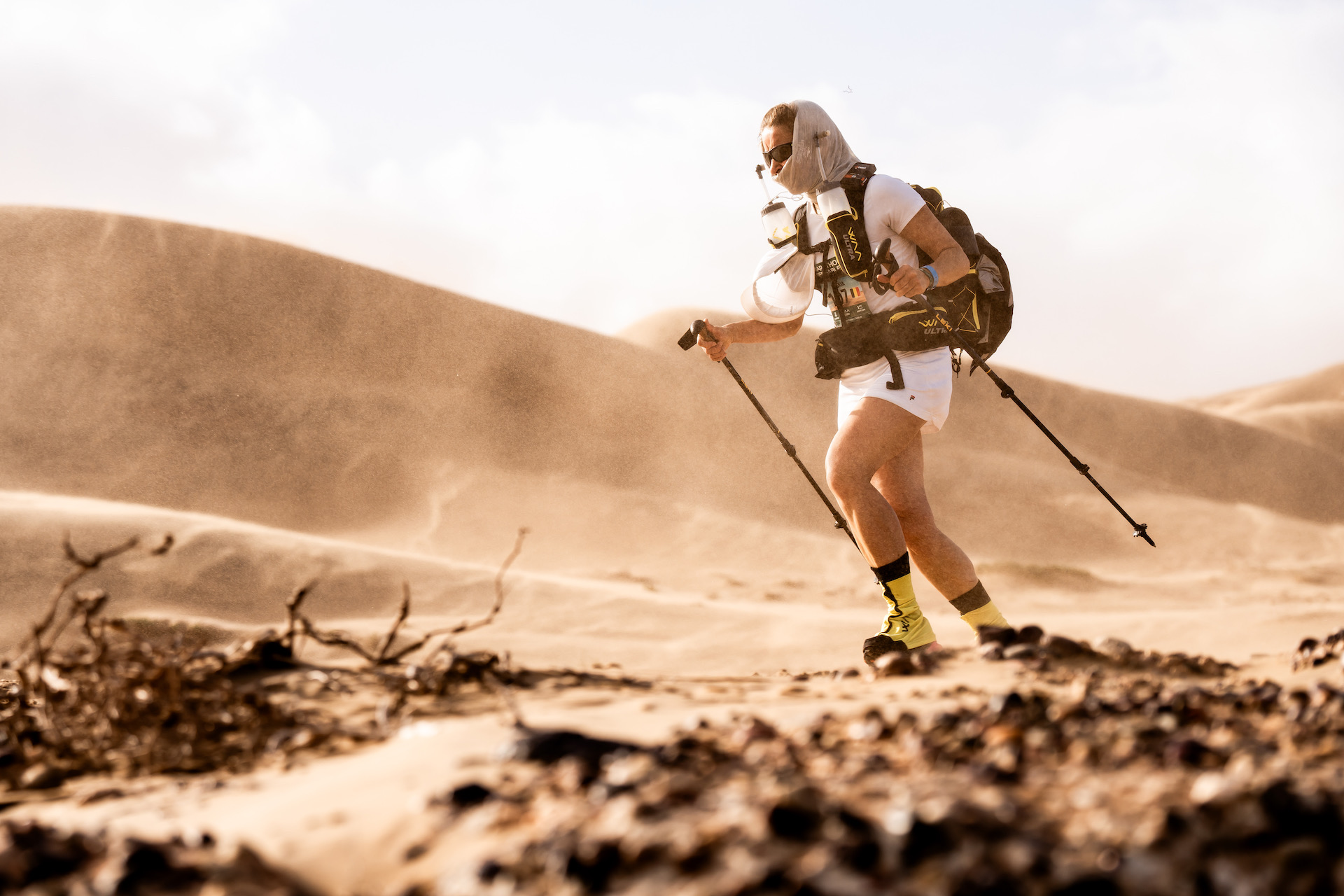
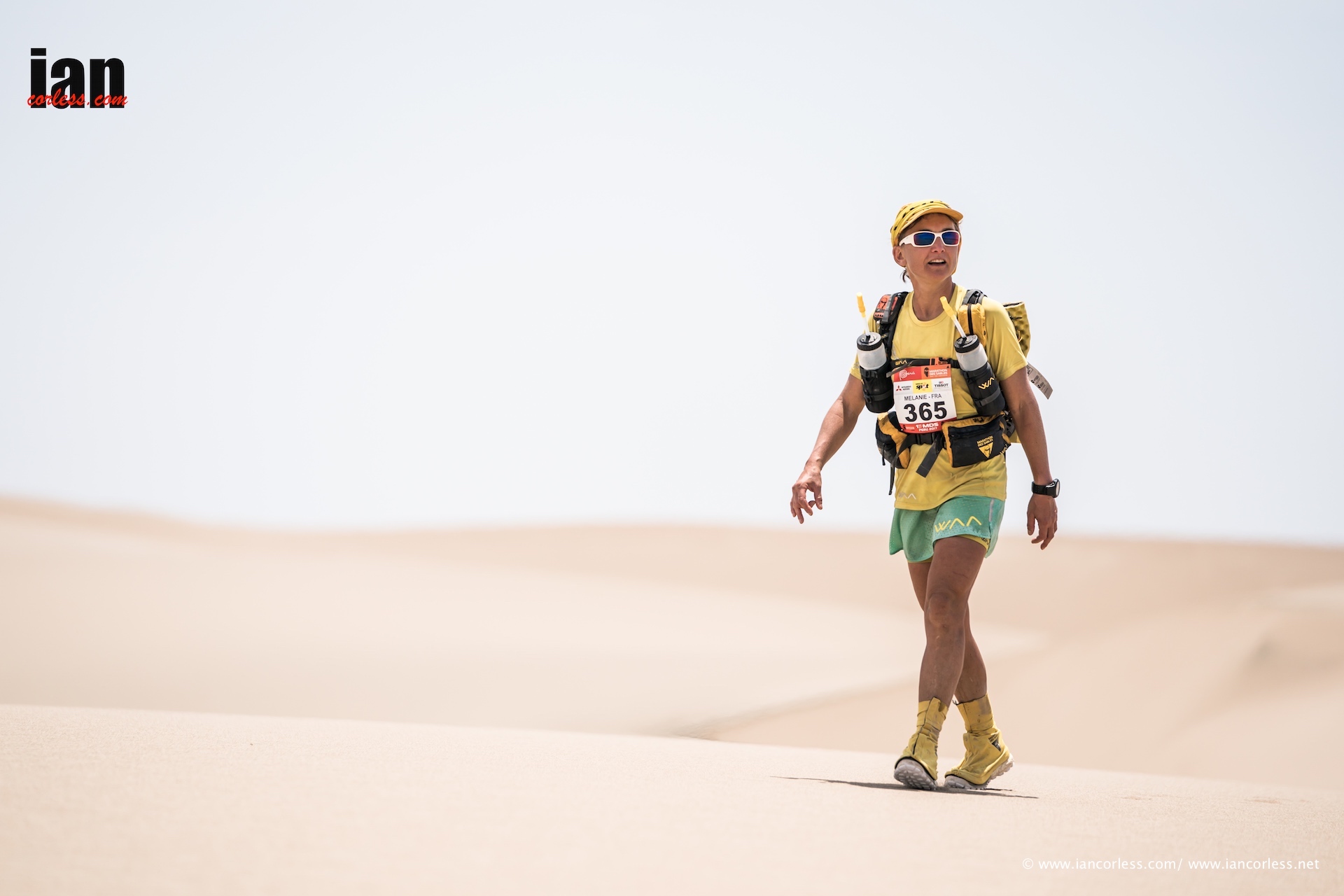
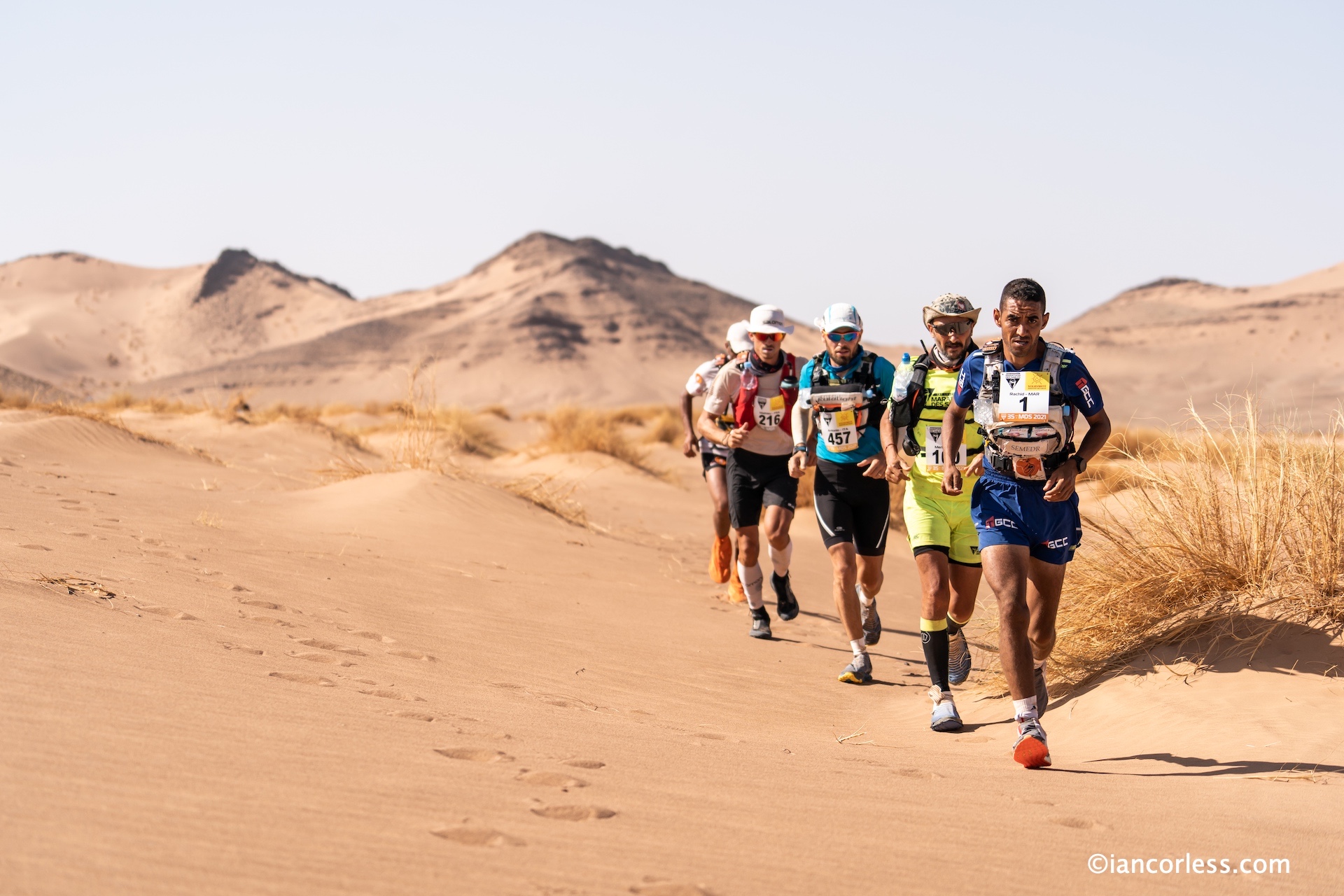
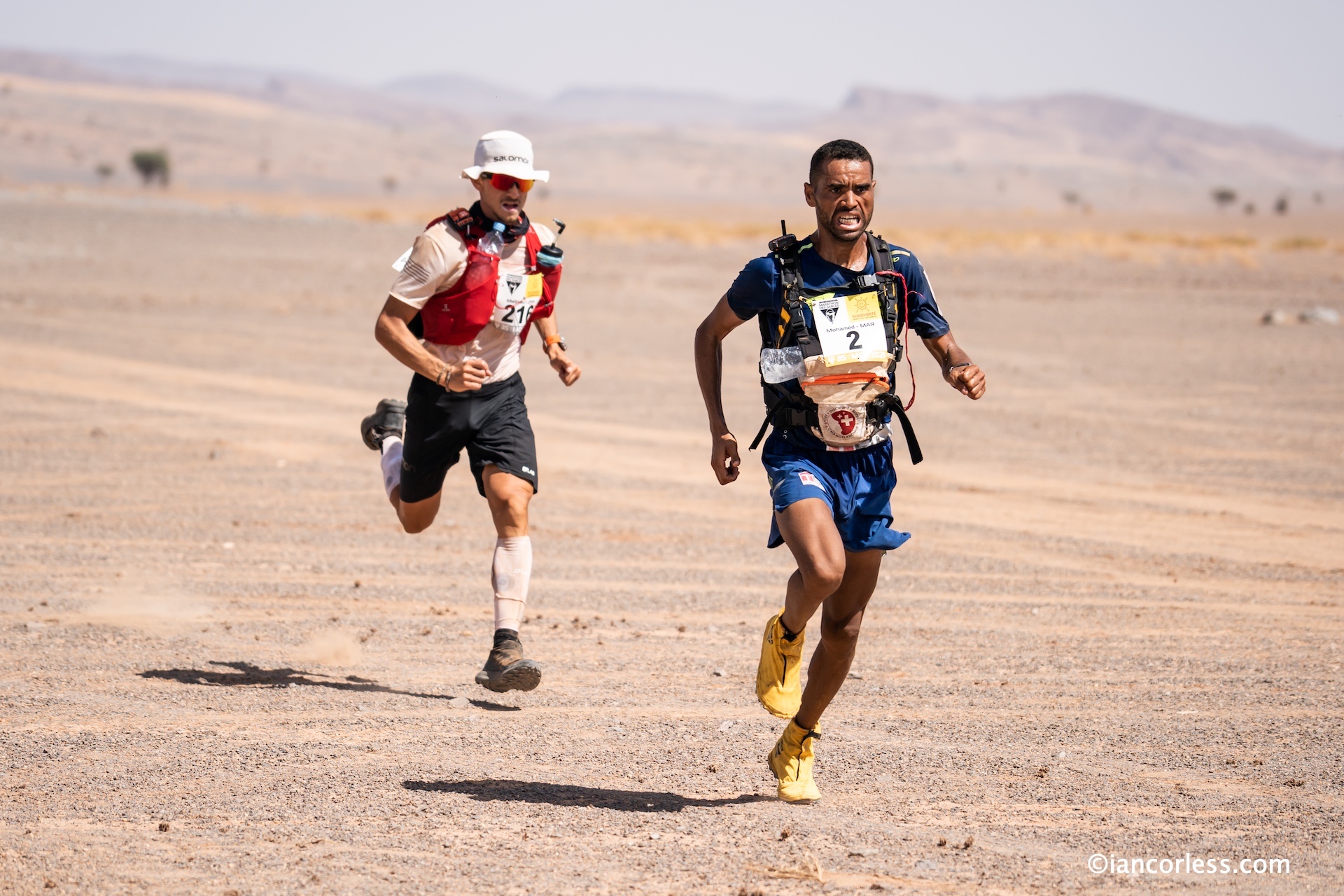
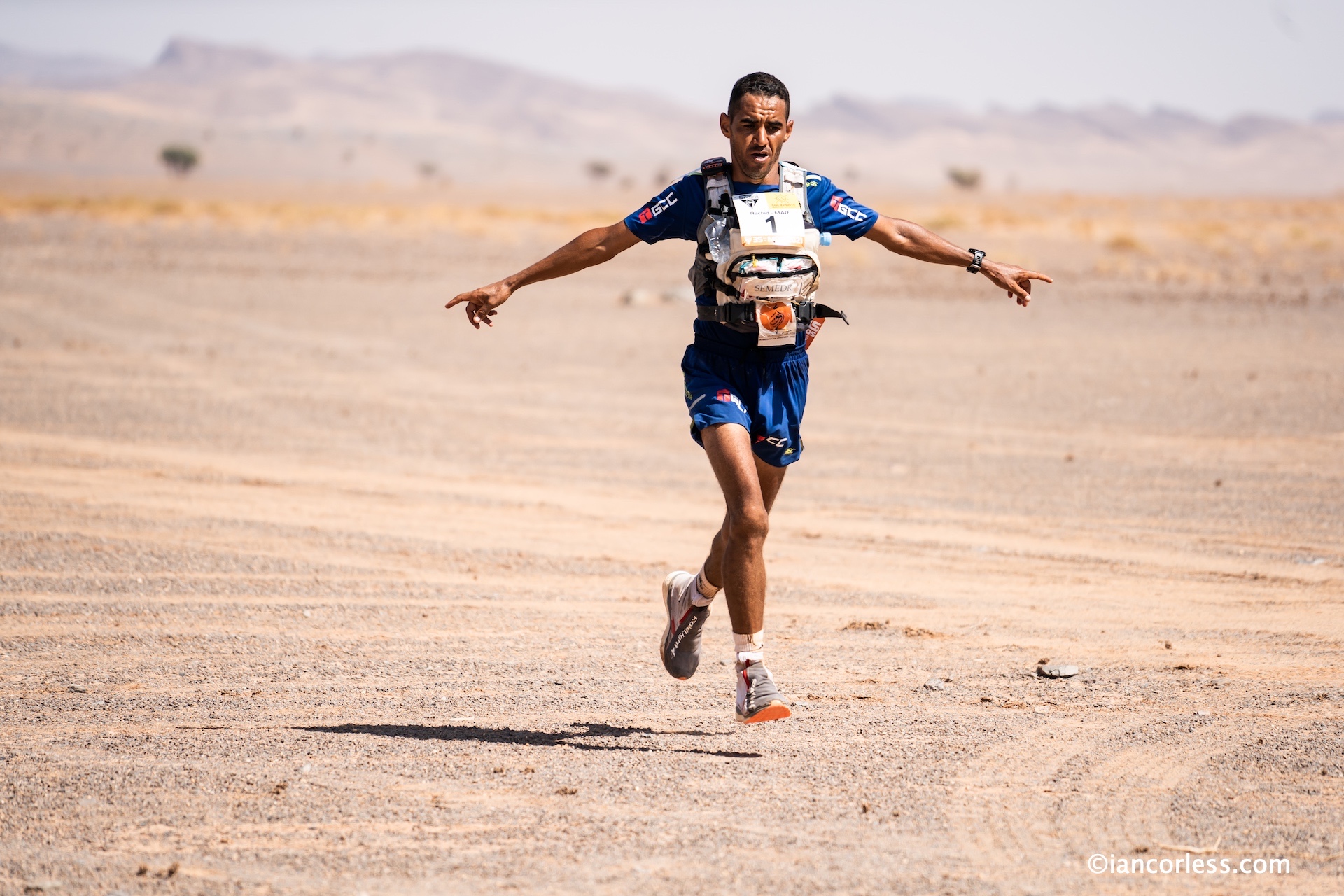
Following on from MDS Fuerteventura, the MDS team quickly transition to Morocco and the 2024 edition of MDS Morocco that will take place in the heart of the Sahara. MDS Morocco offers an adventure accessible to all kind of walkers and runners. A unique journey, where you will cross breathtaking landscapes. Far from any form of civilization, this is a unique opportunity to refocus on yourself and enjoy the simple pleasures of life.

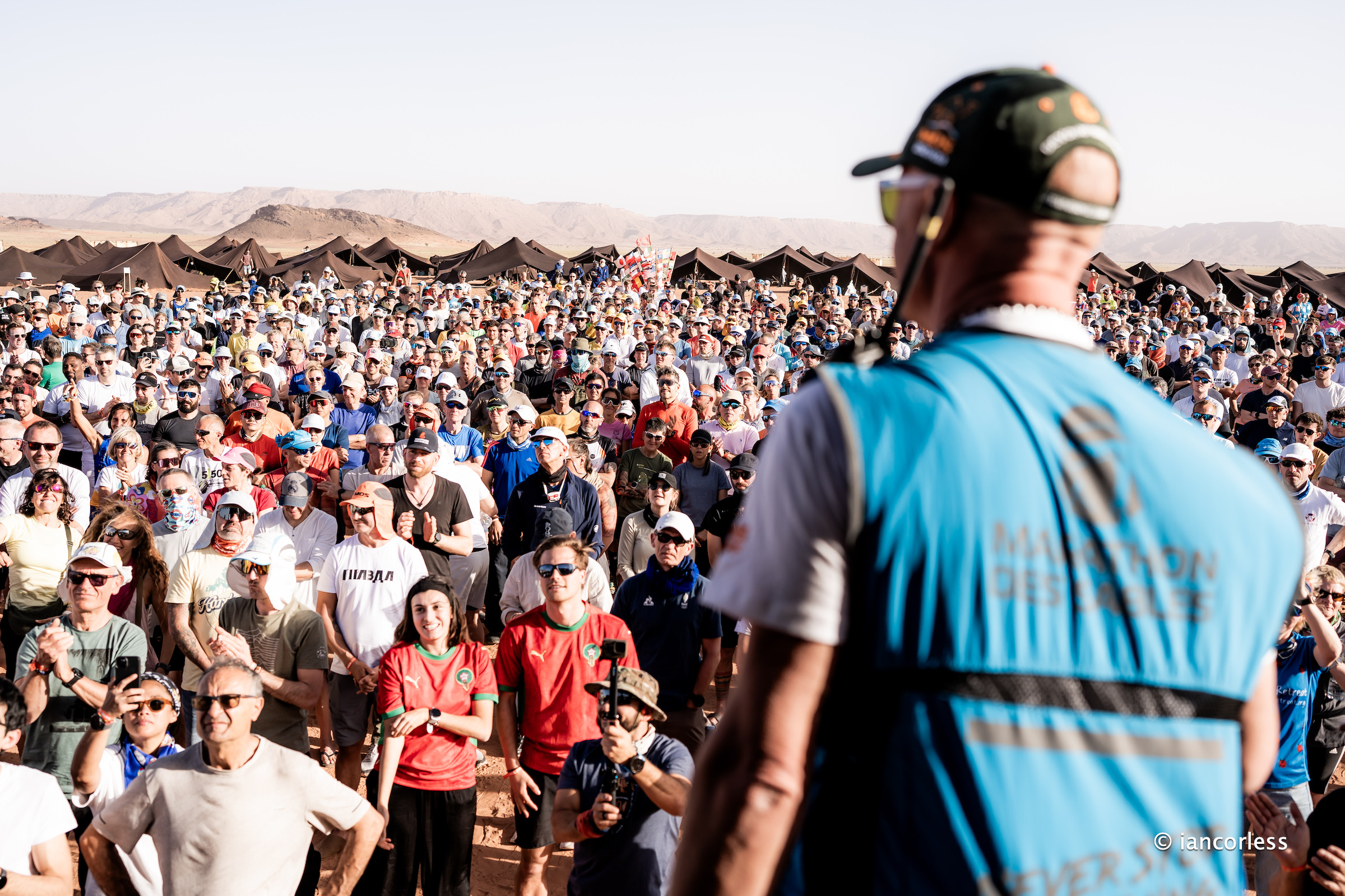
This 3rd edition, 12th to the 19th October will see 600 participants arrive for the adventure of a lifetime in the place where the Marathon des Sables story started over 37-years ago, Morocco.

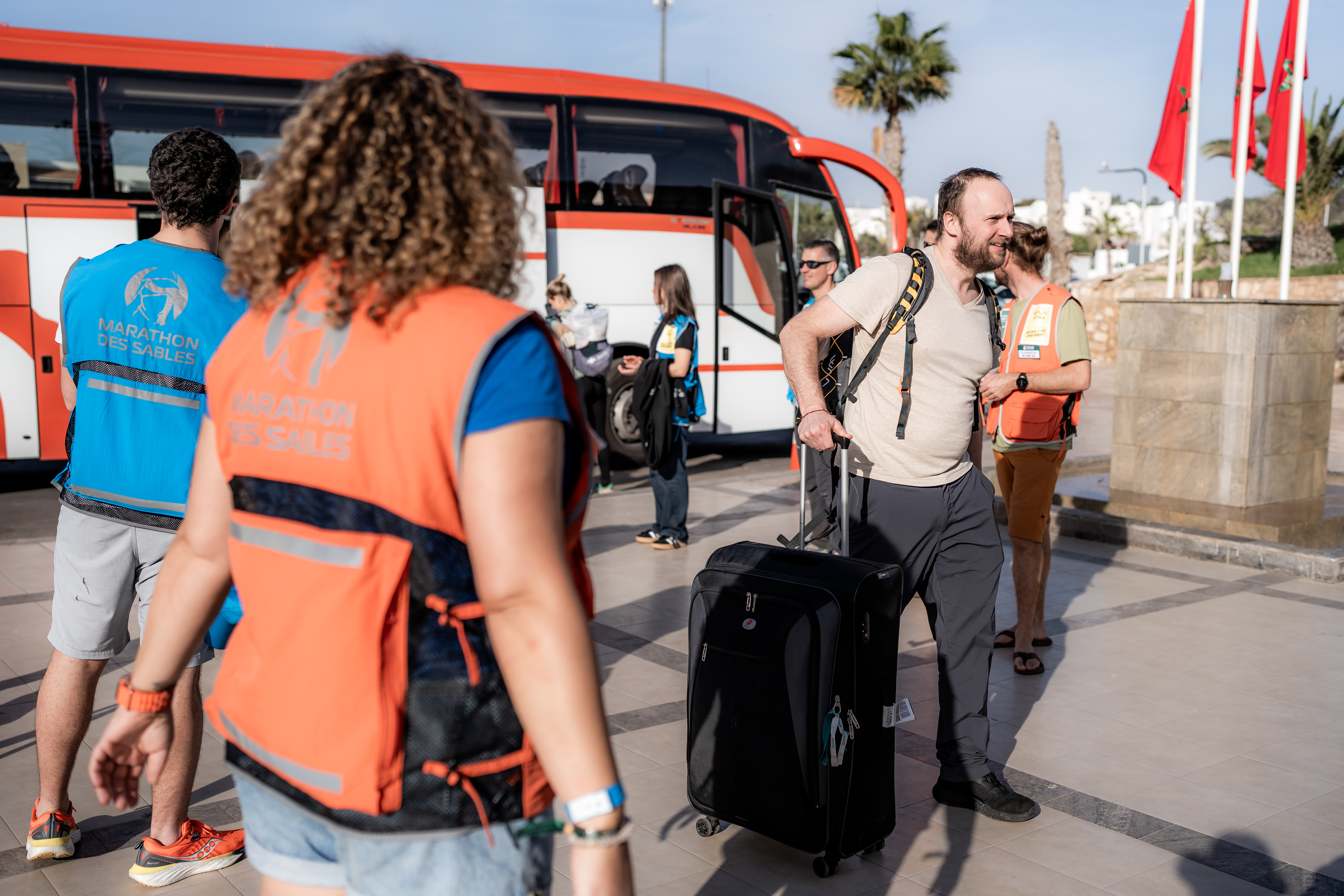
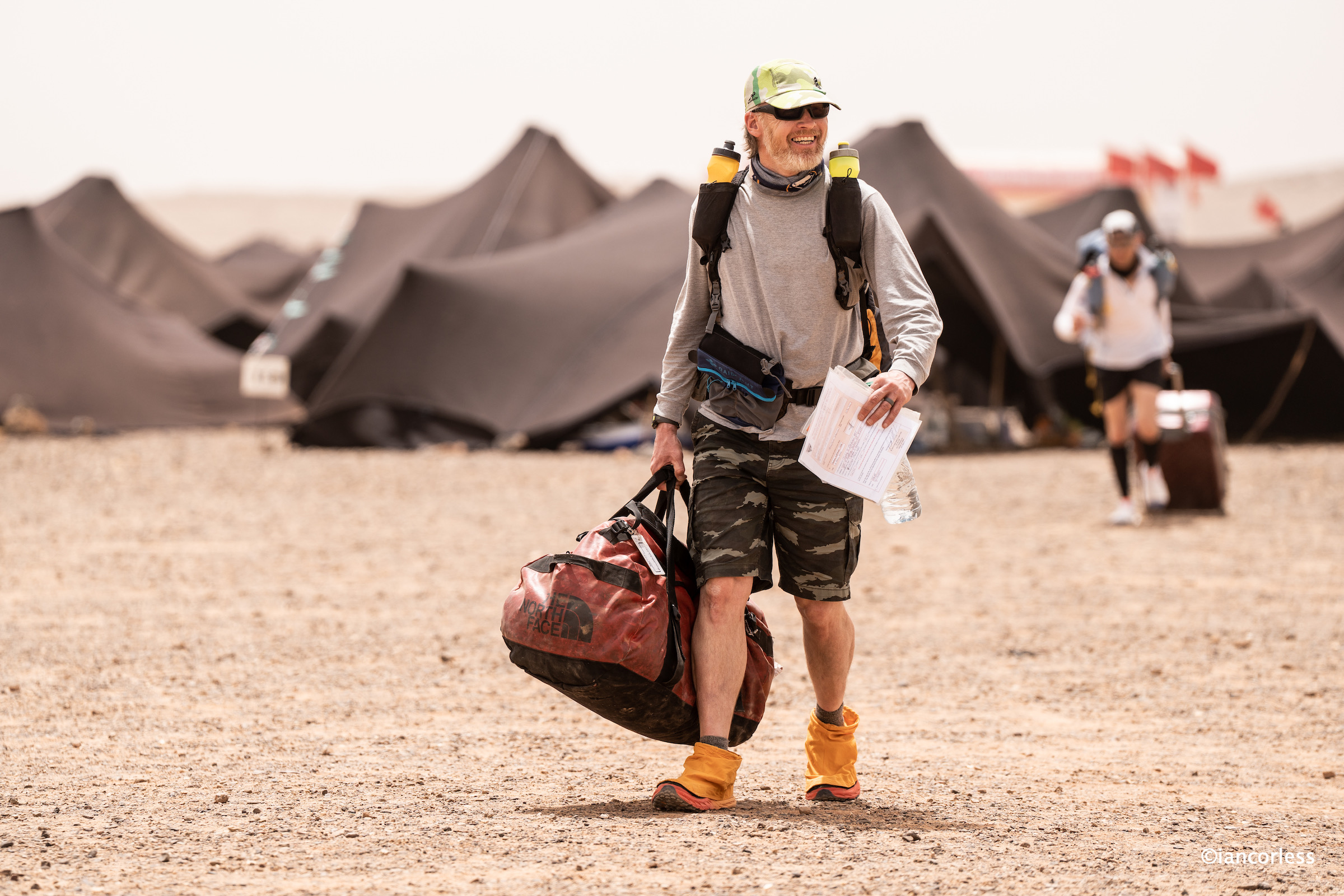
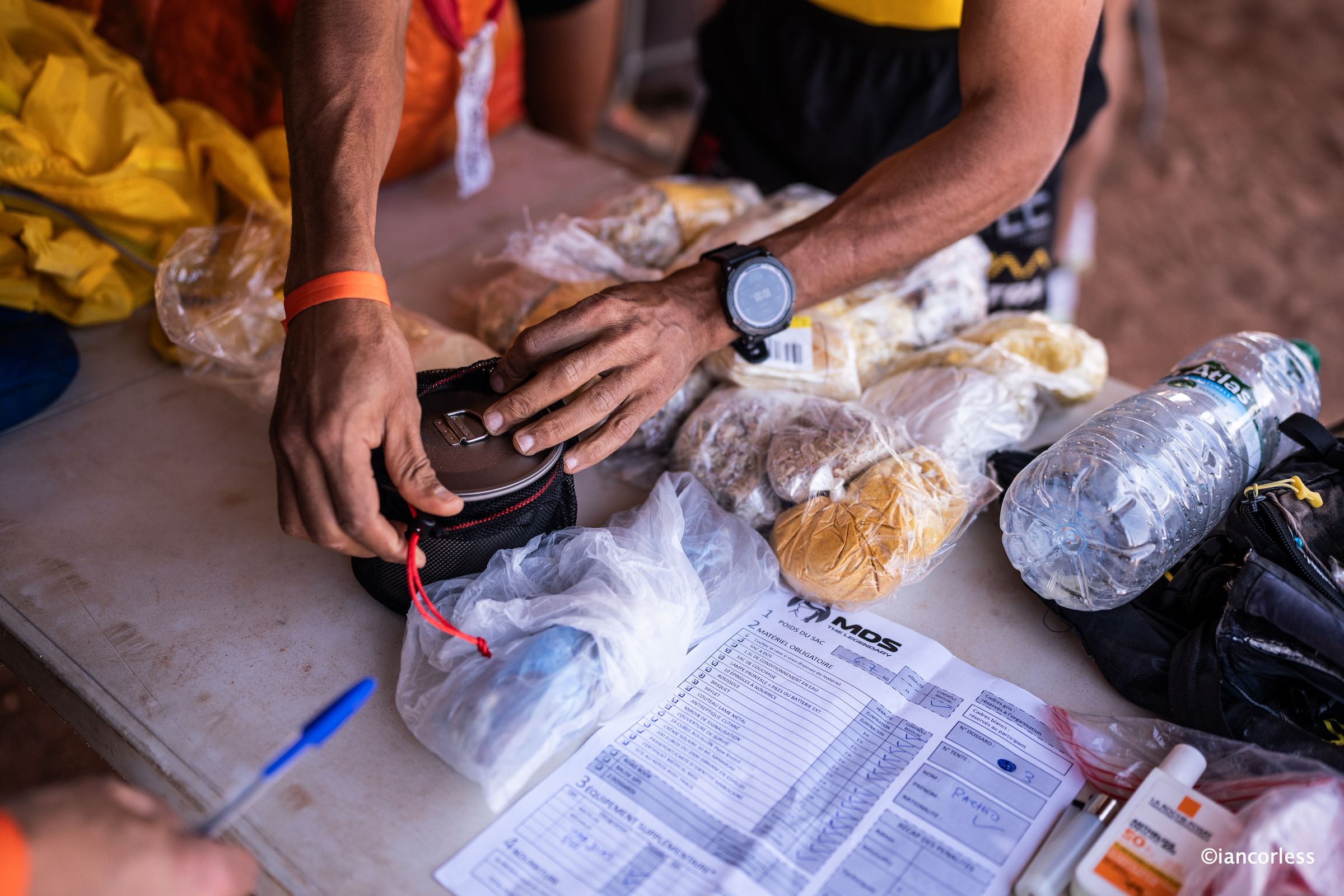
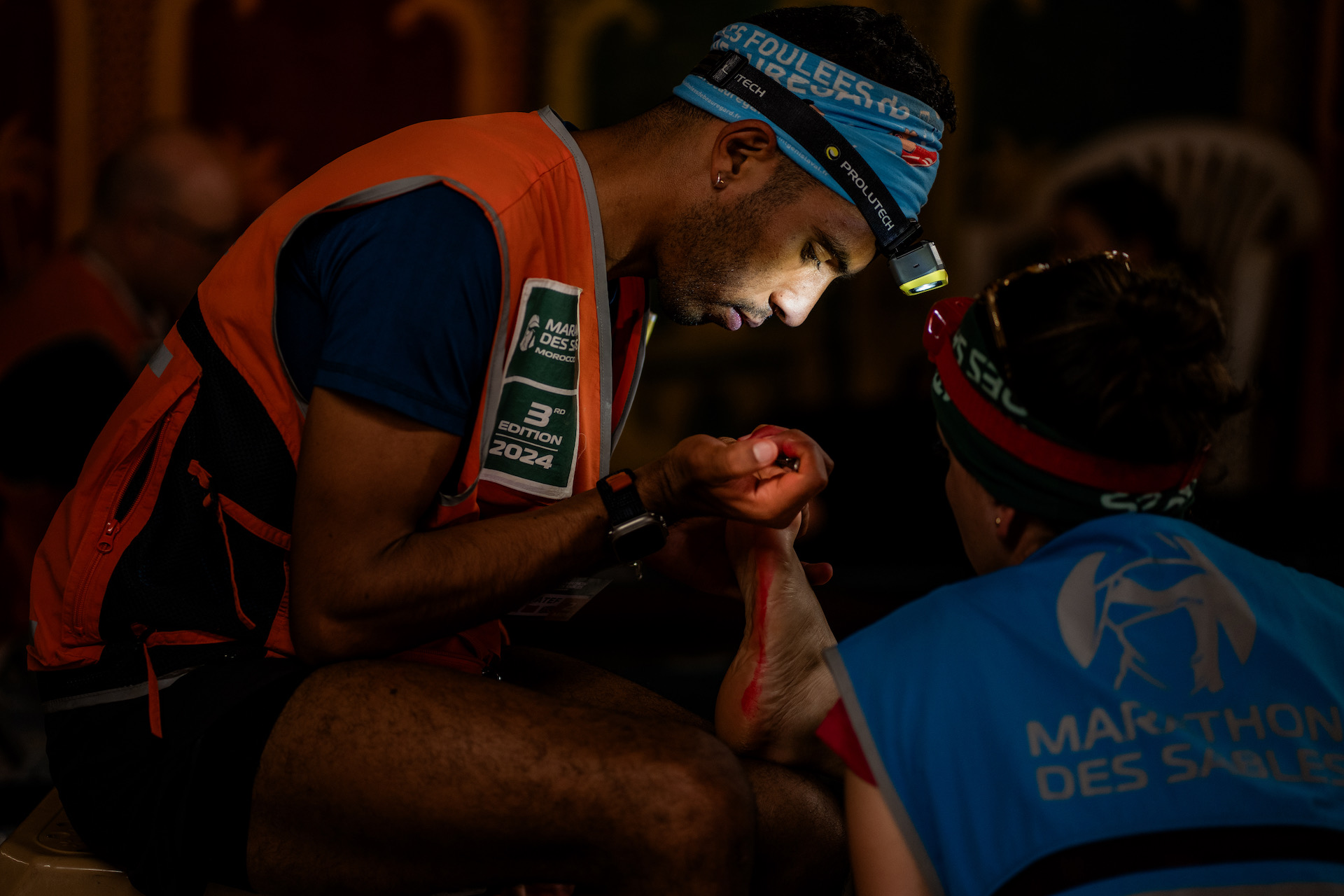
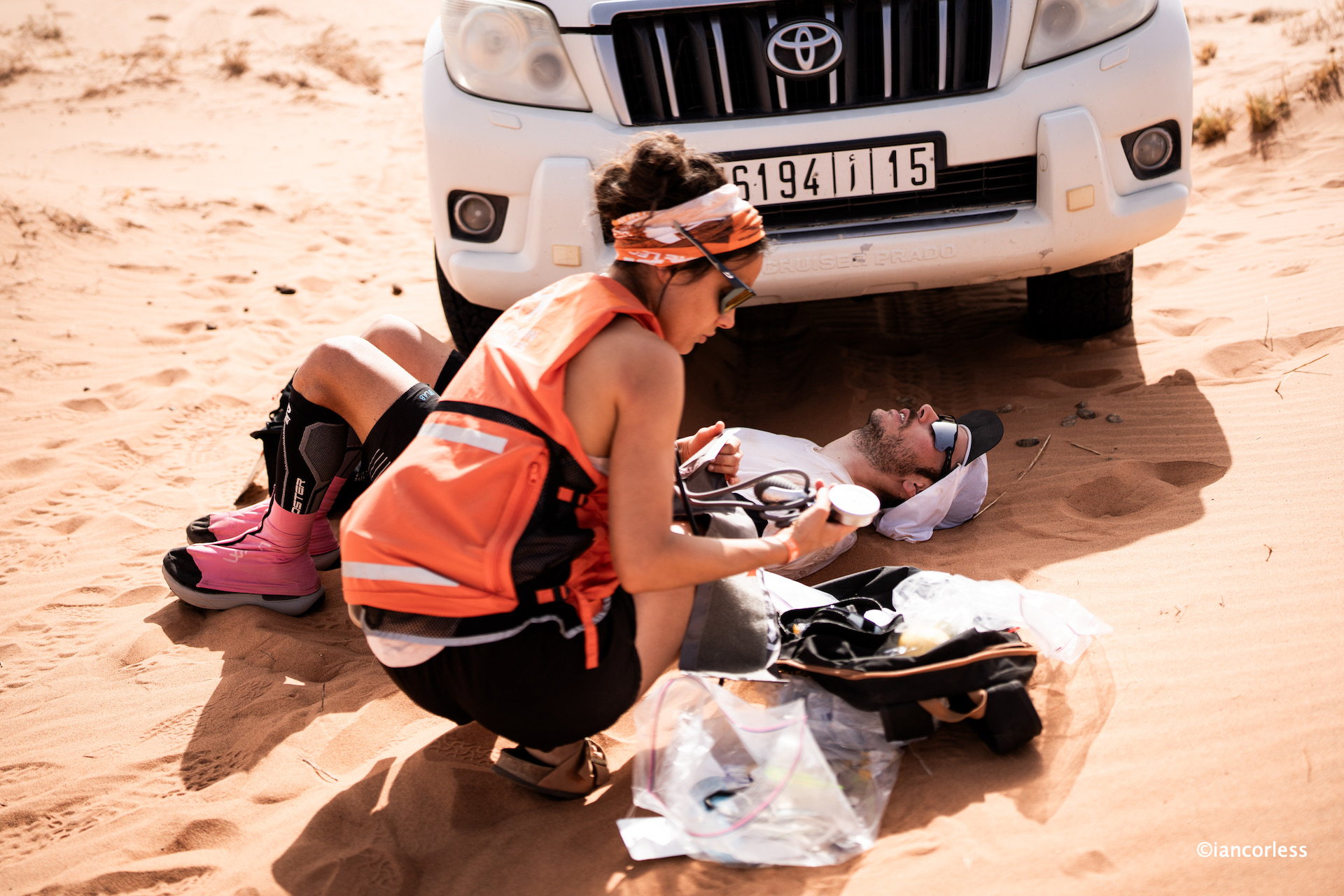
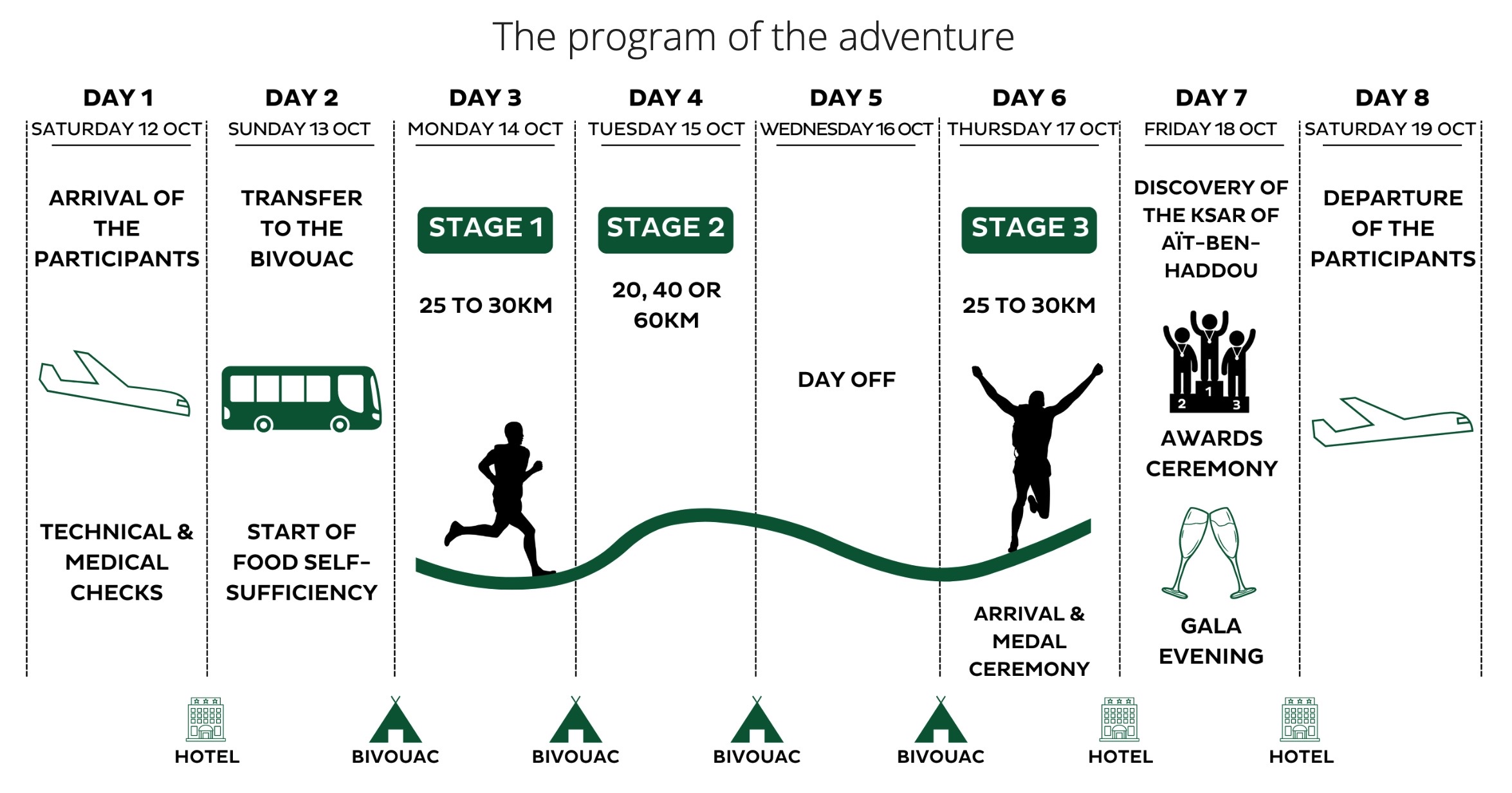
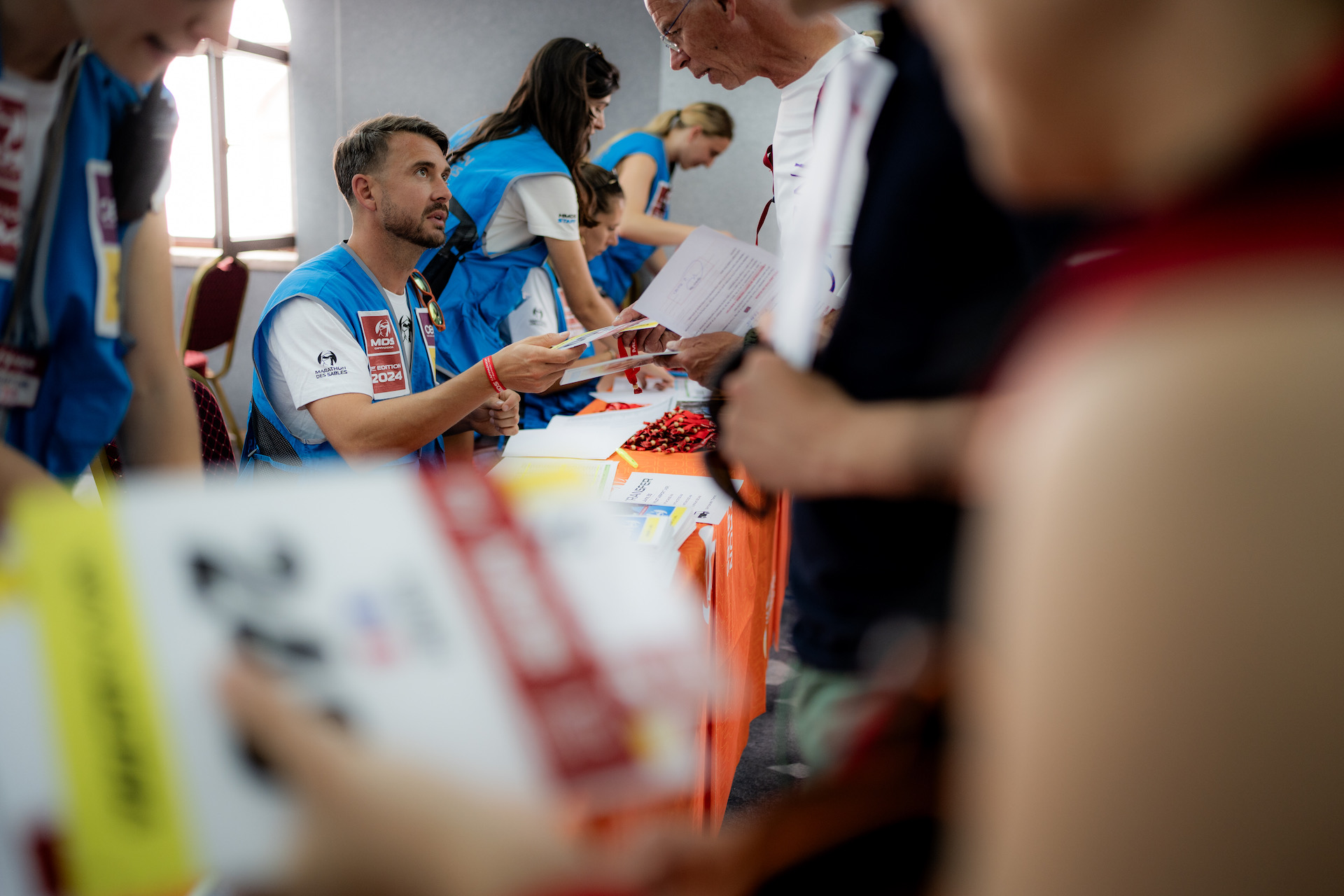
Participants will arrive in Ouarzazate on Saturday October 12th for technical and medical checks followed by a night in a hotel.

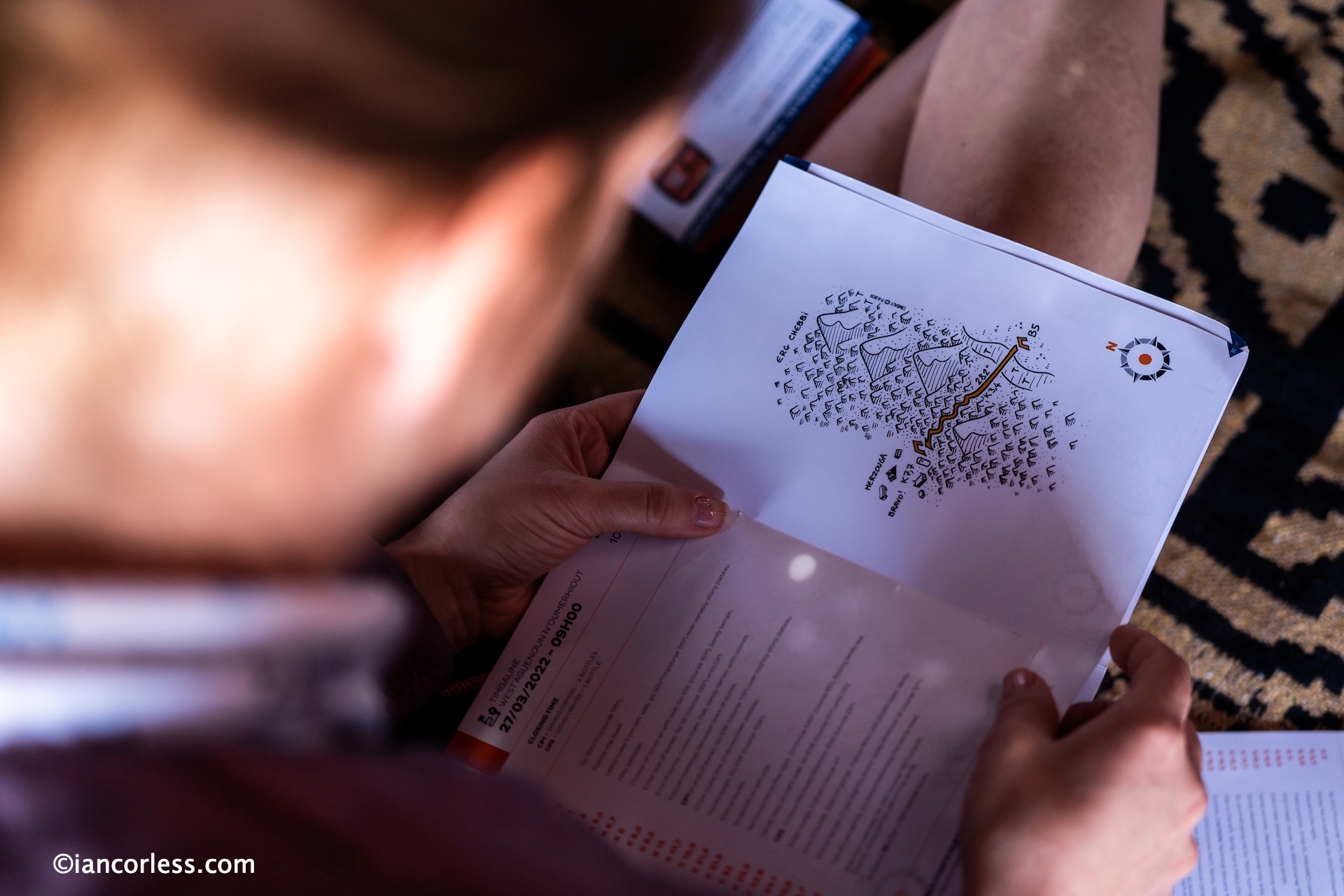
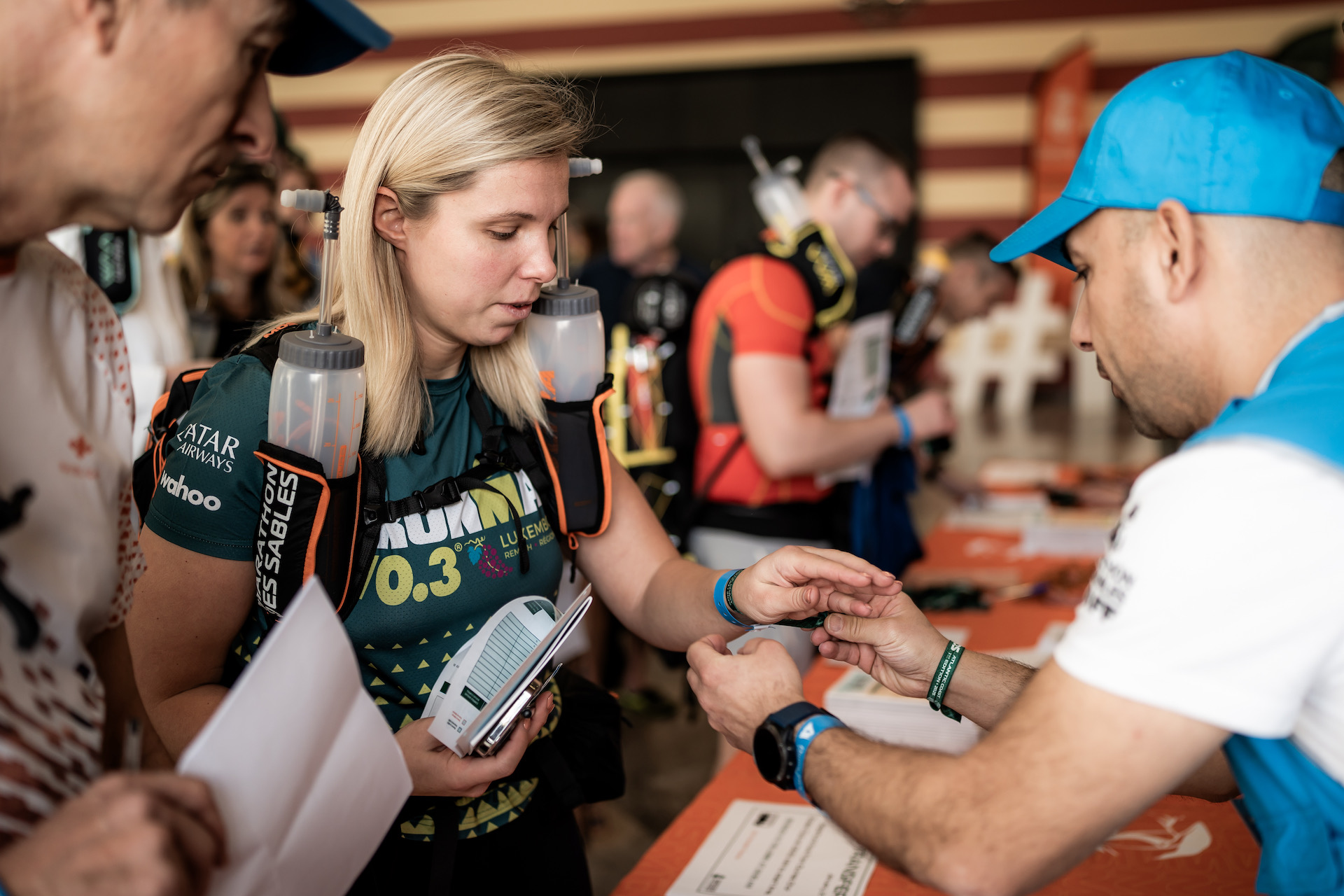
Admin and medical checks

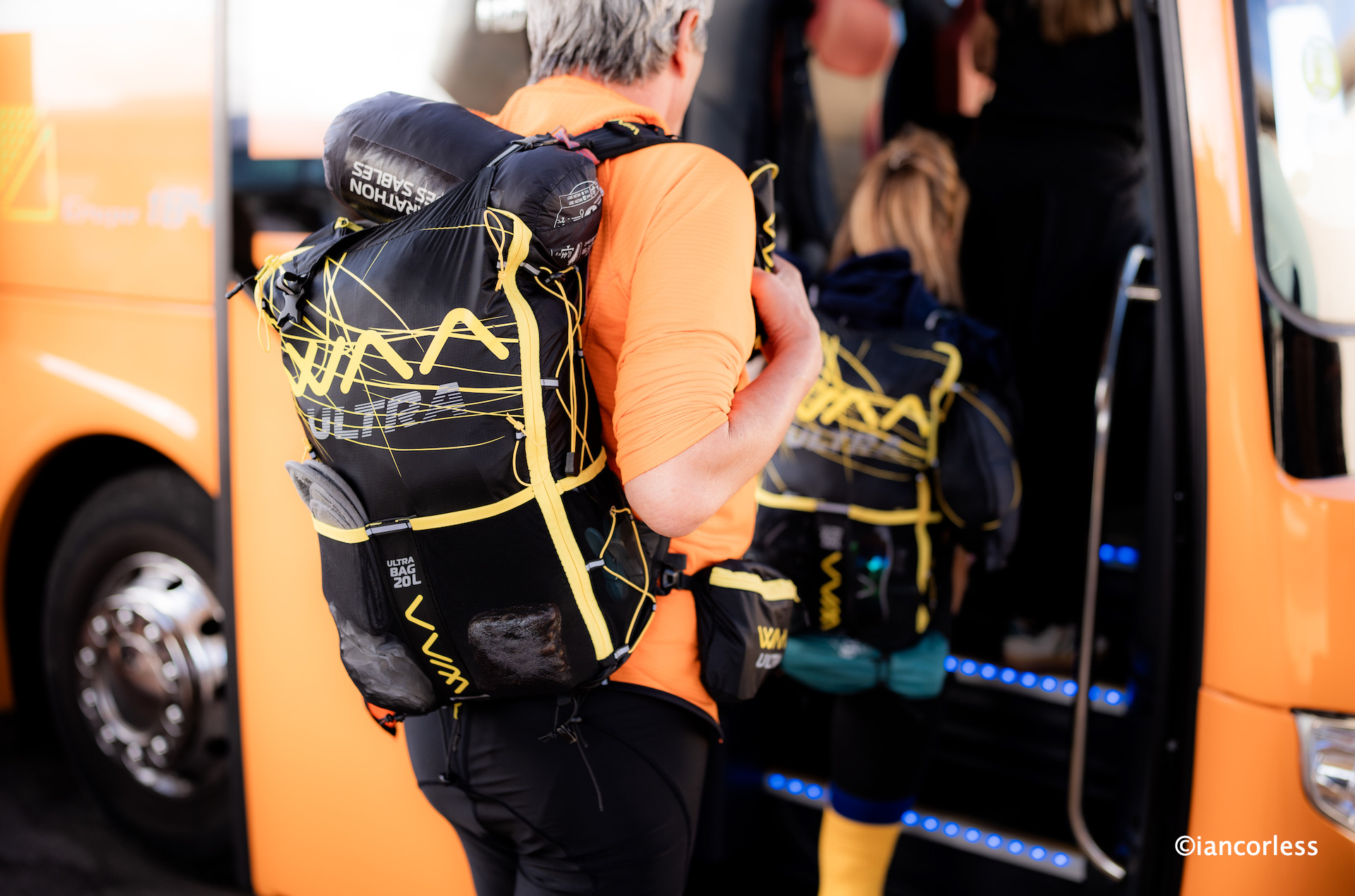
The following day, Sunday, is the journey, via bus, to the desert (approximately 6 hours) with arrival in bivouac and the start of self-sufficiency.

Bus transfer to the desert

Day 3, 4, 5 and 6 will have participants follow the classic MDS format of racing, 3 stages spread over 4-days.

  • Day 1 / Stage 1 25-30km.
  • Day 2 / Stage 2 choose 20km, 40km or 60km.
  • Day 3 Rest day
  • Day 4 / Stage 3 25-30km followed by transfer to hotel.

Importantly, MDS Morocco will see the addition of the NEW category, HANDI MDS which will cover 51km and 867m+

TRACKING AND RESULTS HERE

The following day provides the opportunity to visit the iconic site of Aït-Benhaddou (one of the locations of the film Gladiator). On arrival back at the hotel, time to relax and prepare for the awards ceremony and gala dinner.

Saturday 19h October is departure day.

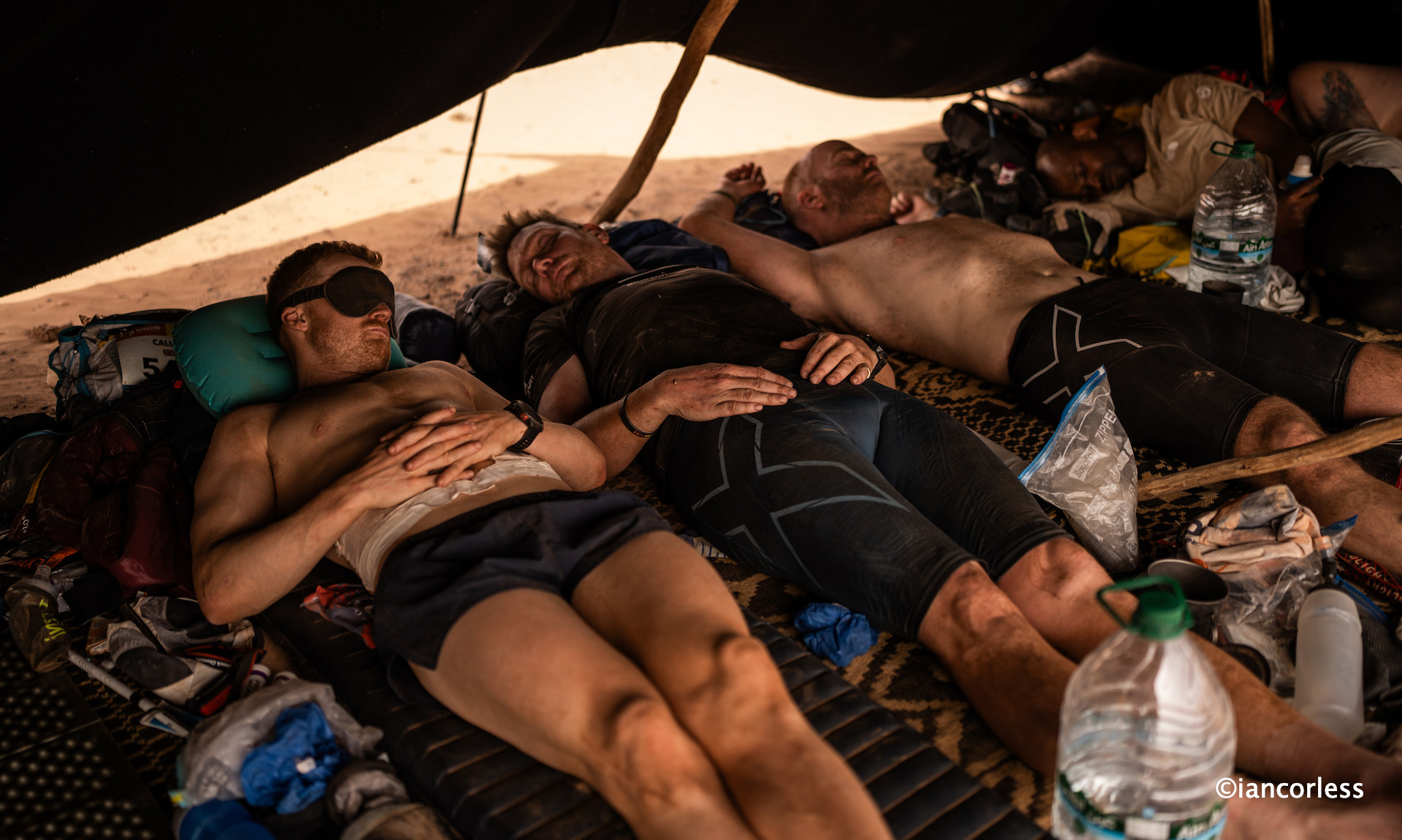
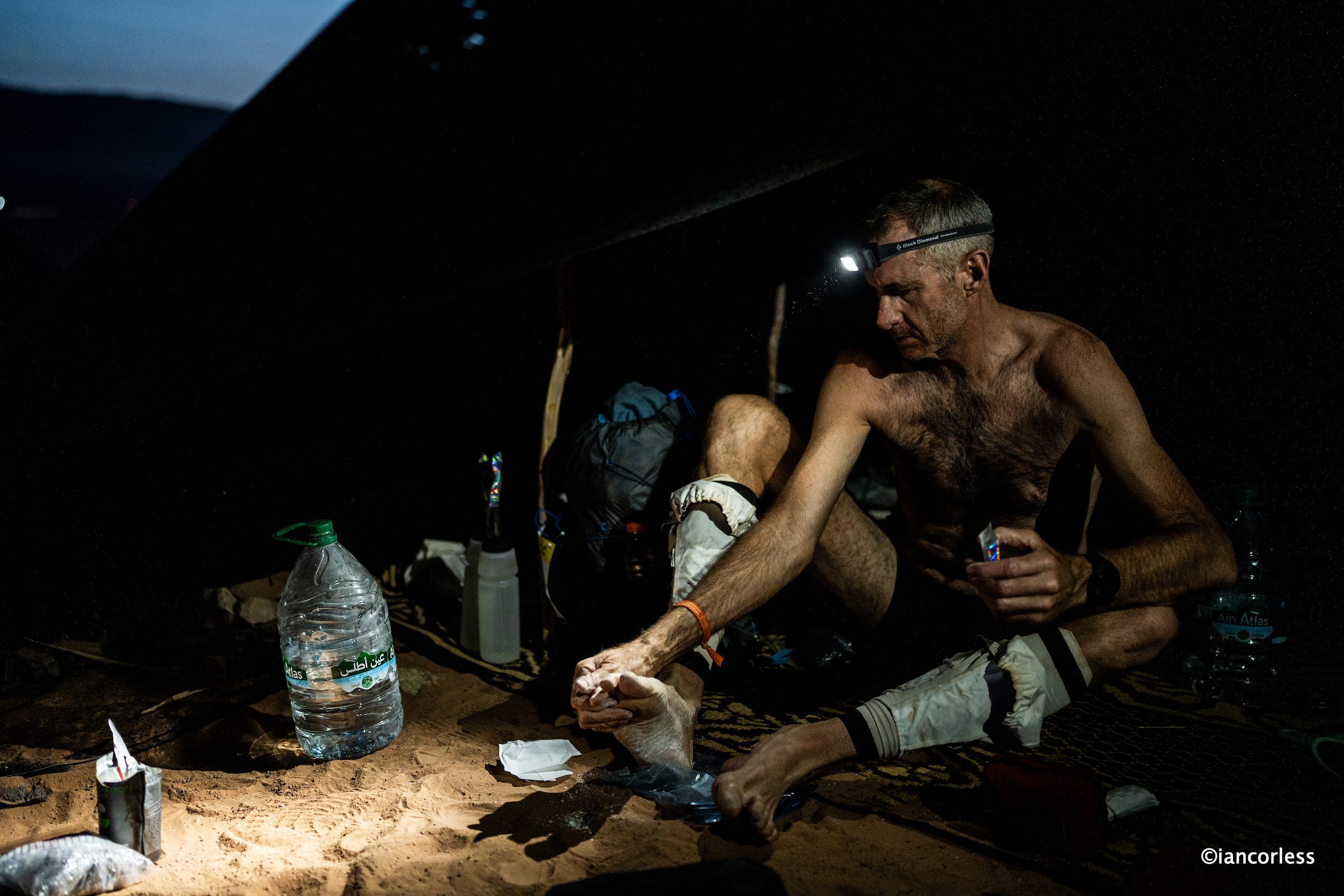
Three sublime stages which will transport participants in the most beautiful places of the Moroccan Sahara, sleeping 4 nights in the MDS bivouac, this is the start of one of the adventures of a lifetime.

What is the MDS?

The MARATHON DES SABLES is a unique adventure, shared by thousands of enthusiasts since 1986.

To differentiate the full distance race of 250km’s, Marathon des Sables will now be known at MDS The Legendary, reflecting the legendary status of this iconic event and its long history as a pioneer of the stage racing and multi-day format.

The ‘HMDS’ format will still follow the same protocols as before but has now dropped the ‘half’ title and moving forward, events will be called MDS Jordan, MDS Morocco, MDS Cappadocia and so on.

MDS always an adventure

The MDS events are a one-week sporting adventure that combines the discovery, travel, meeting new people and physically challenging yourself in a self-sufficient manner.

Read MDS THE ULTIMATE GUIDE HERE

Since 1986, the MARATHON DES SABLES has crossed the world’s most stunning deserts with several unique concepts: the MARATHON DES SABLES THE LEGENDARY (252 km in the Sahara Desert in Morocco), the MARATHON DES SABLES (70, 100, or 120 km spread over 3 stages), and the new 2024 concept, the MDS TREK (4 stages with a total distance of up to 120 km), offering an accessible adventure with optimal comfort. These international events have seen over 50 editions in various countries such as Morocco, Fuerteventura Island, Peru, Jordan, Turkey, and offer adventures that combine running/hiking in the desert with tourism.

MARATHON DES SABLES 2025 events are already open:

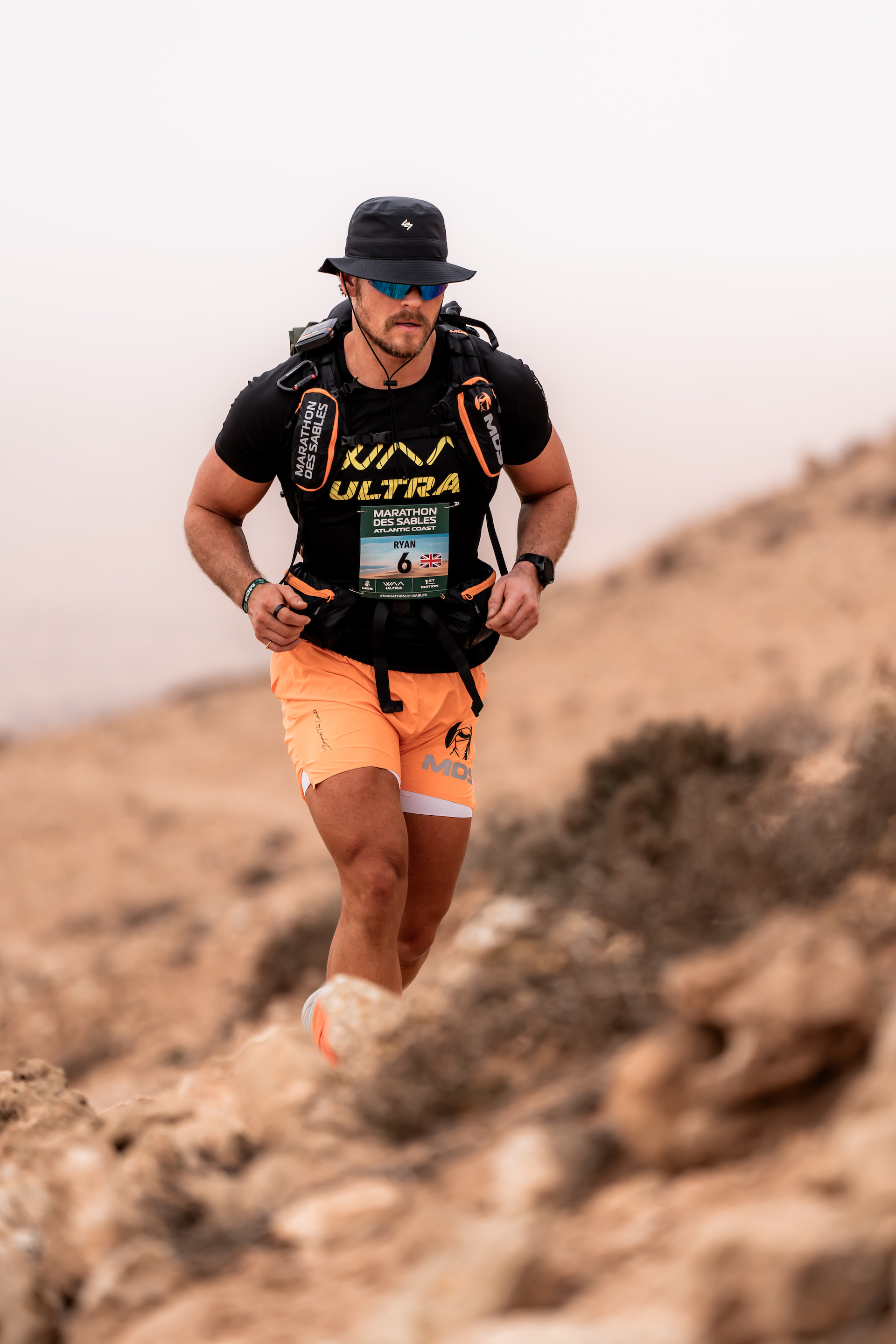
  • MDS Morocco – Atlantic Coast: January 25 to February 1, 2025
  • MDS Cappadocia: June 21 to 28, 2025
  • MDS Jordan – May: May 9 to 16, 2025
  • MDS Jordan – November: November 1 to 8, 2025

Instagram – @iancorlessphotography

Twitter – @talkultra

facebook.com/iancorlessphotography

Web – www.iancorless.com
Web – www.iancorlessphotography.com

MDS Morocco – Atlantic Coast 2025

Following on from the huge success of MDS Cappadocia, MDS add a new event to the 2025 line-up, the MDS Morocco – Atlantic Coast.

This makes three events now in Morocco, MDS The Legendary, MDS Morocco and the new MDS Atlantic Coast which only confirms that Morocco, really is a perfect destination for a desert adventure.

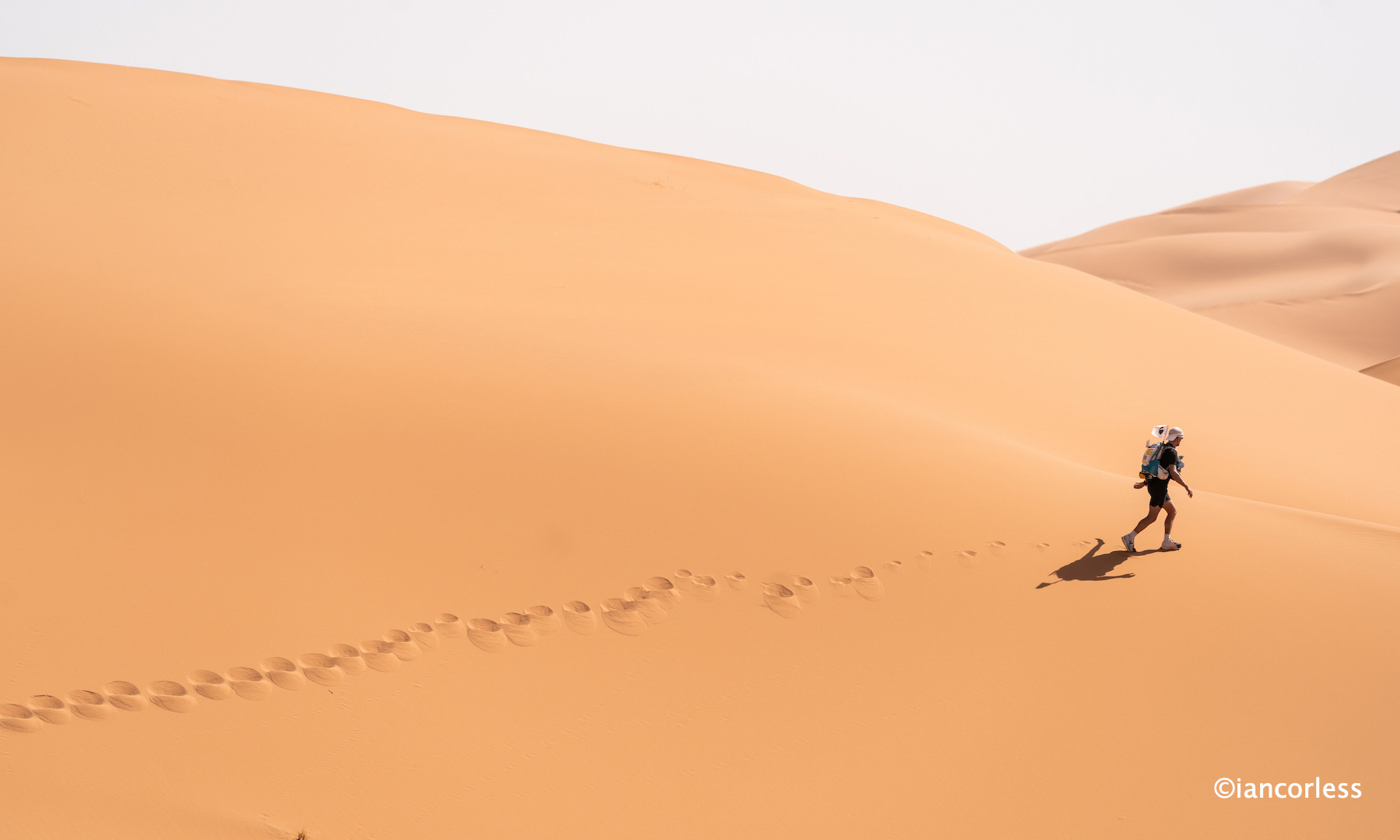
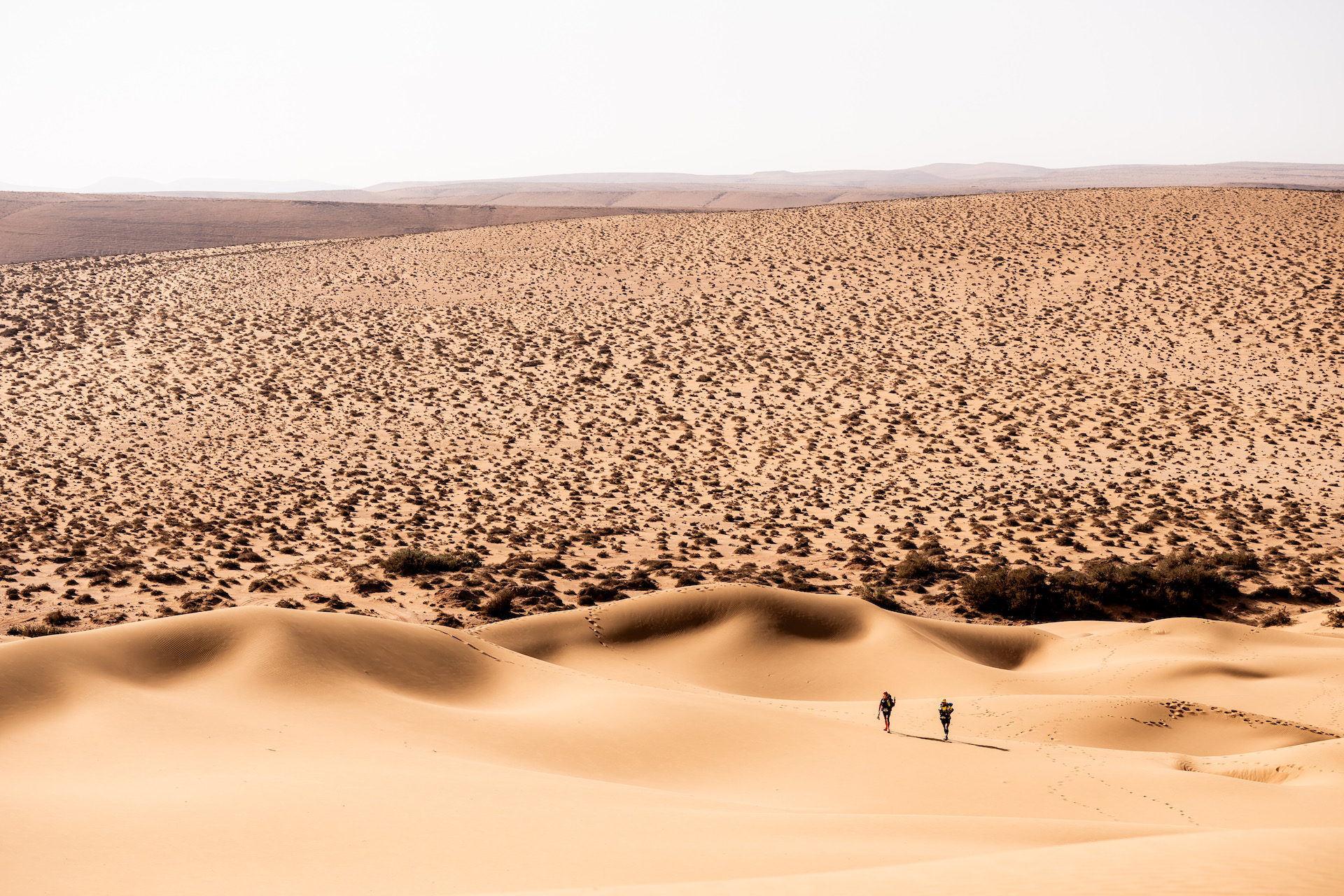
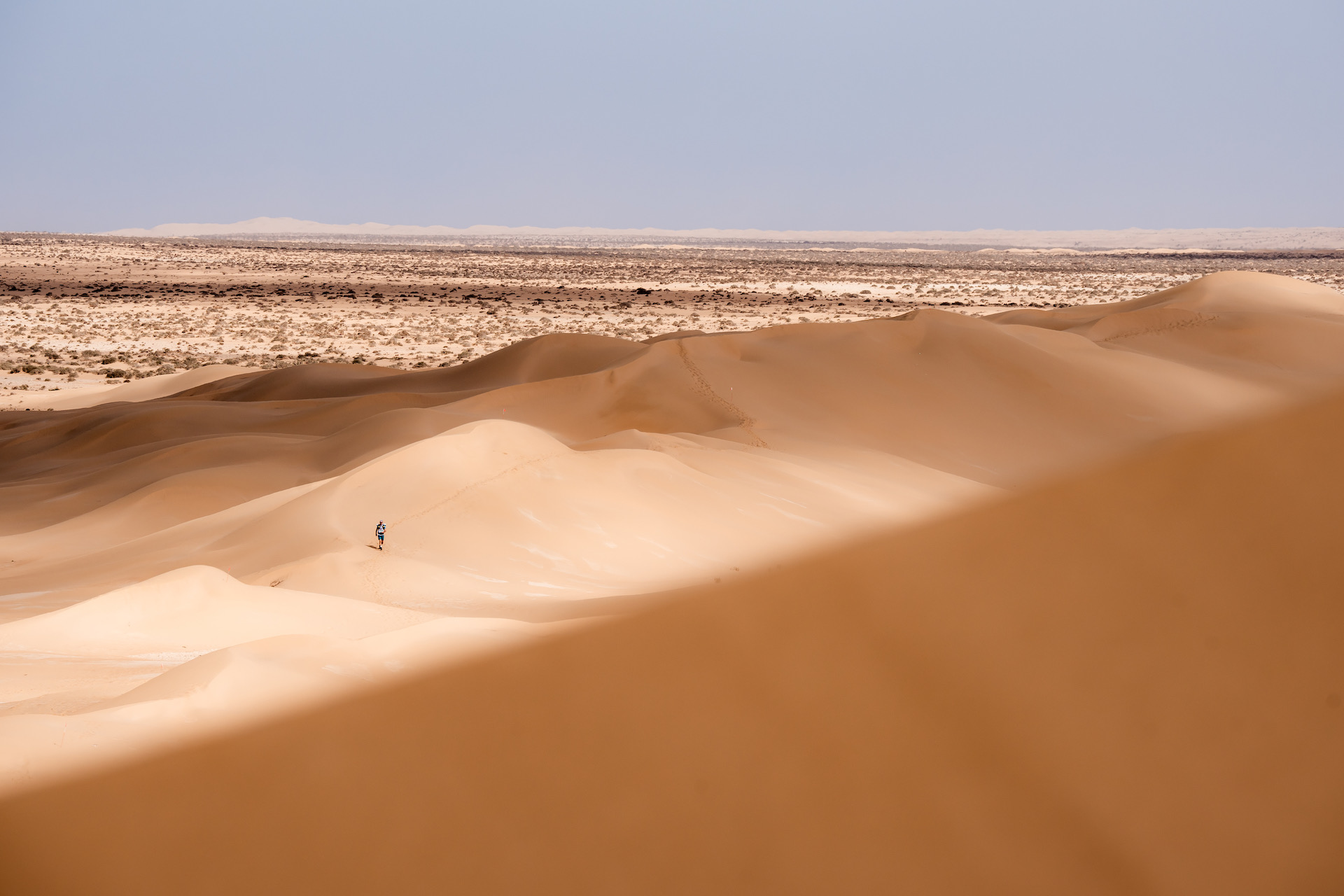
The Atlantic Coast brings something very new, white dunes, endless beaches and of course, the juxtaposition of the ocean as a backdrop bringing something very new and different to a Moroccan adventure.

The event will take place from January 25th to February 1st 2025 and as with all other MDS events, it will follow the same format, a three day race over 4-days with the option to run/ walk 70, 100 or 120km’s.

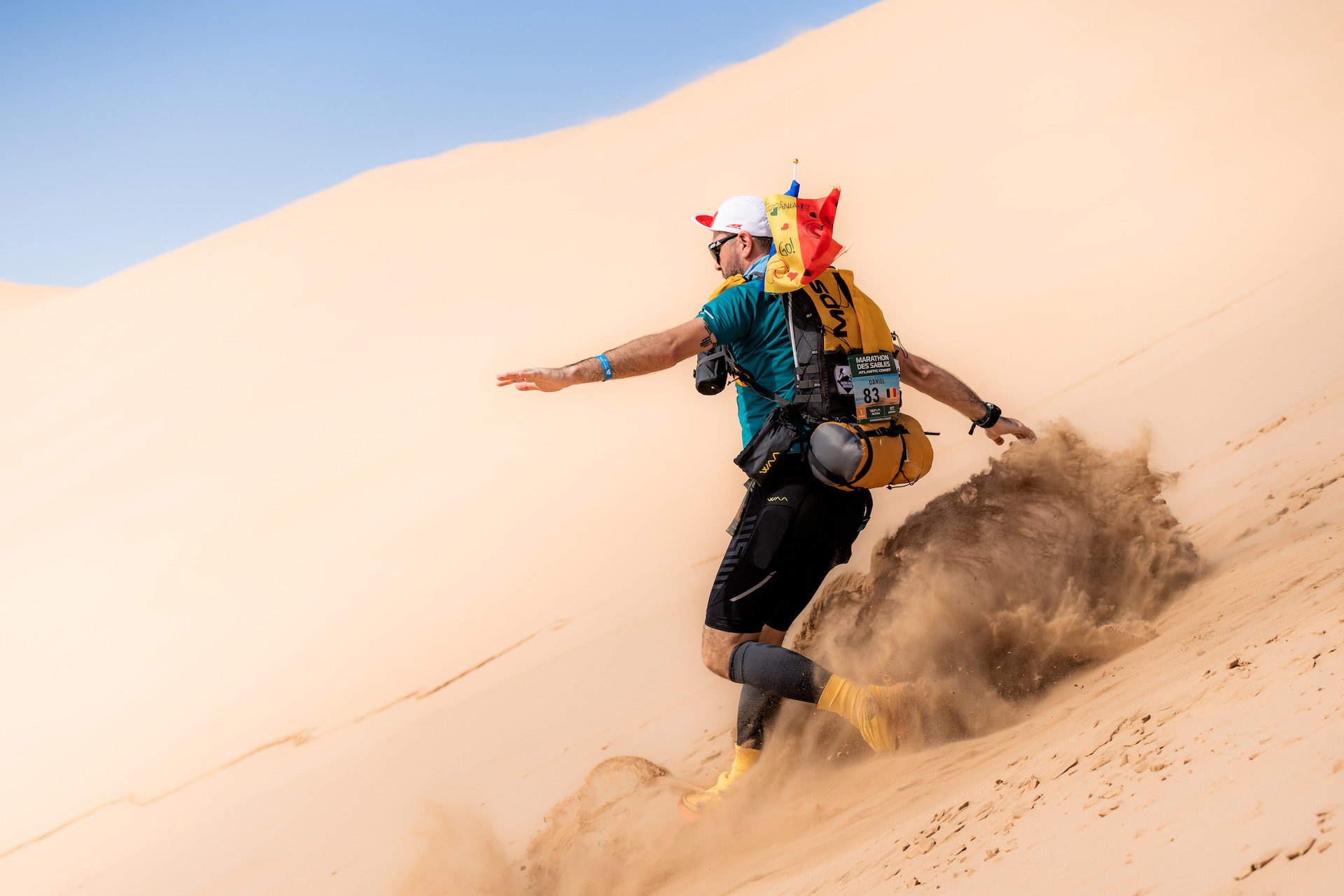
You and pristine white sand

Here is a breakdown of how each stage may look:

  • –    Stage 1: 25km – 30km
  • –    Stage 2: 20, 40 or 60km
  • –    Stage 3: 25km – 30km

Read MDS The Ultimate Guide HERE

Adventure awaits

MDS events bring a very unique challenge and with the distance options that are available, you can make these events as hard or as easy as you wish. With a considerable line-up of events and destinations, MDS are now offering a great opportunity to visit new places as a run tourist.

The Atlantic Coast for sure will be a highly anticipated destination.

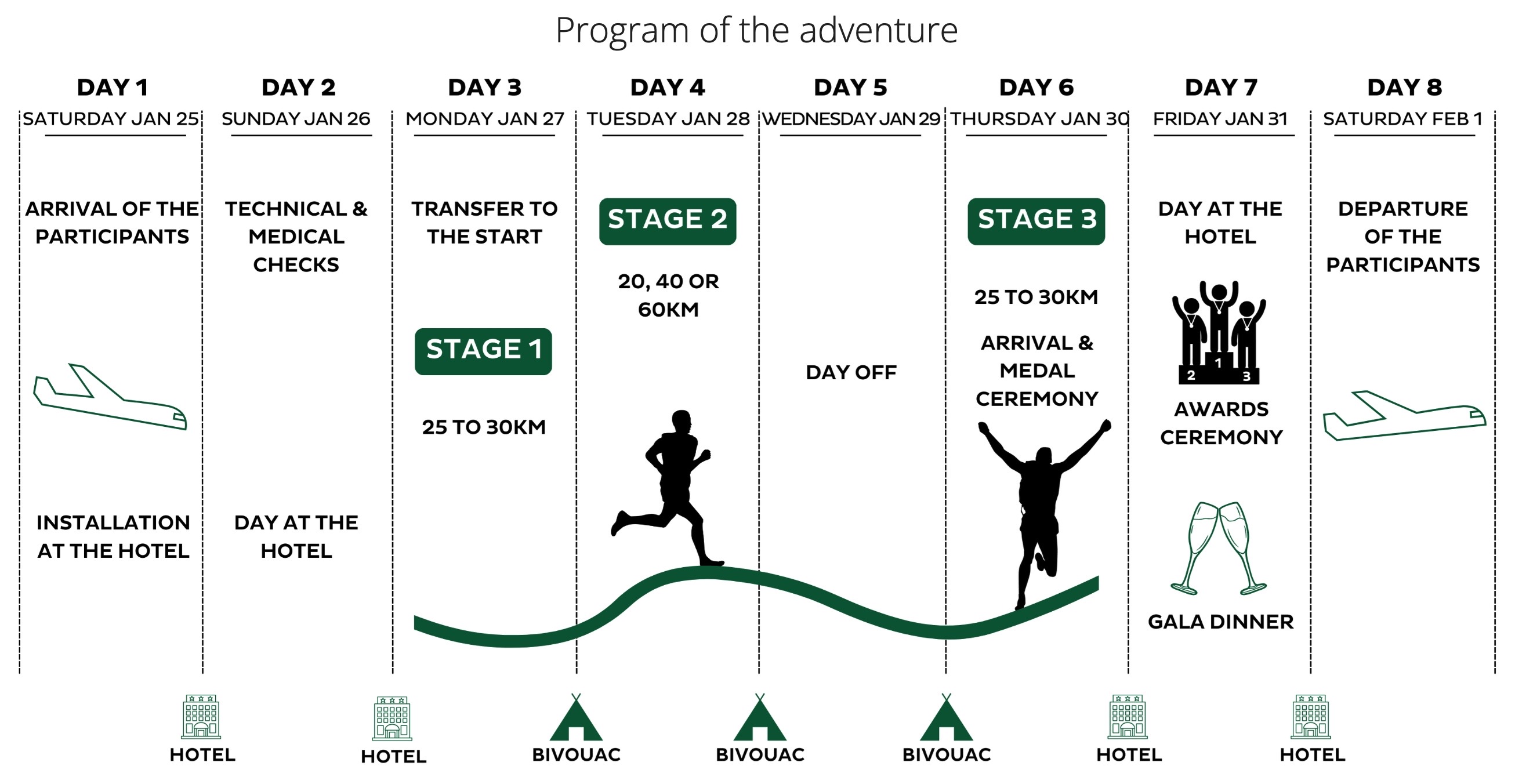
The Schedule:

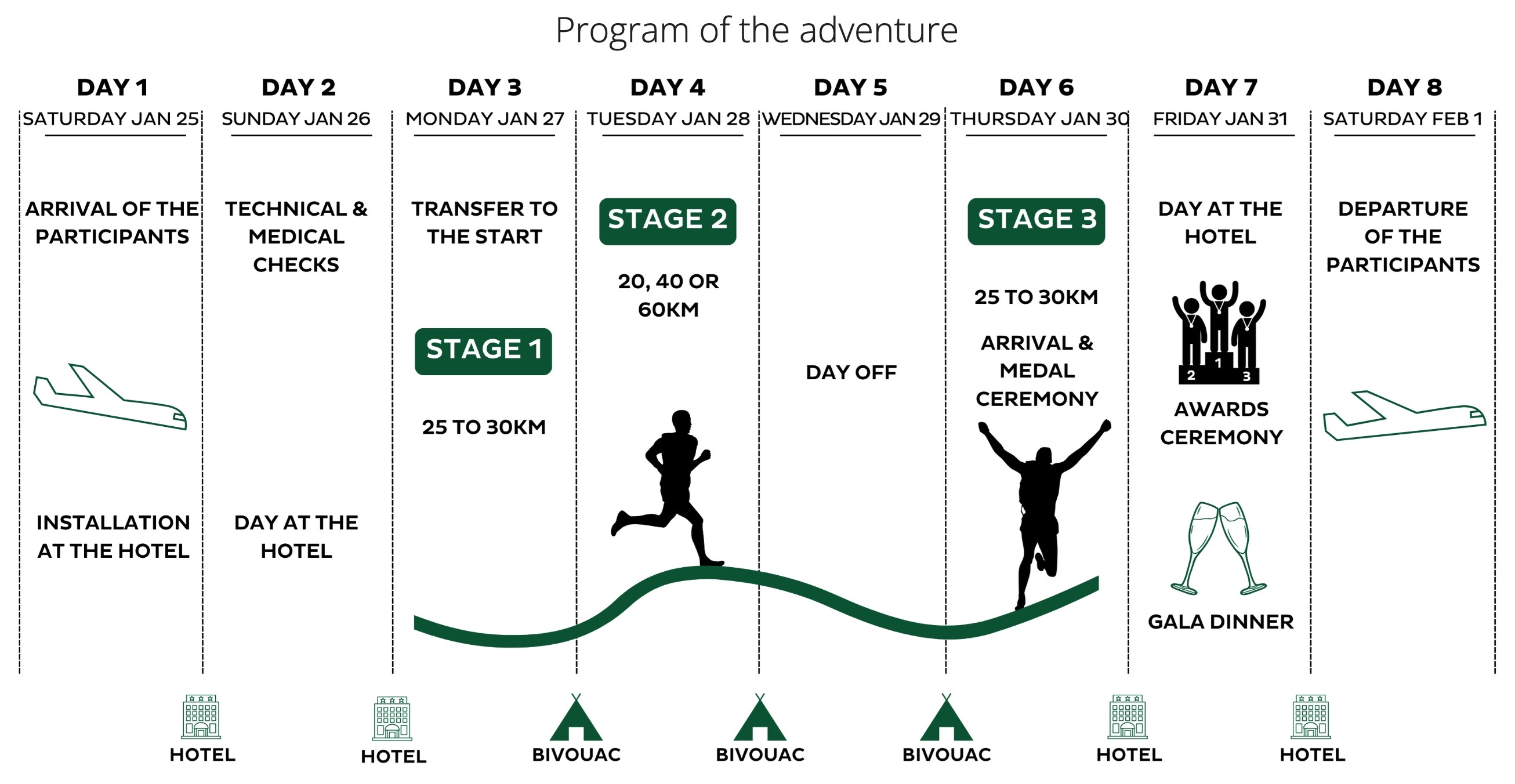
  • Participants will need to arrive in Morocco (Marrakech or Agadir) on Saturday January 25th (or before) to meet the MDS team at a designated point for onward travel to the race hotel.
  • Day 2 will have technical and medical checks with a day at the hotel.
  • Day 3 participants will transfer from the hotel and the start of stage 1 which will be 25 to 30km. Night in bivouac.
  • Day 4 stage 2, the ‘long day’ of 20, 40 or 60km. Night in bivouac.
  • Day 5 rest day. Night in bivouac.
  • Day 6 stage 3 25 to 30km and then transfer to hotel. Night in bivouac.
  • Day 7 day at the hotel, awards in the evening and gala dinner.
  • Day 8 onward travel home.
Desert and ocean, a stunning mix.

Culture, adventure, tradition and relaxation, the Moroccan Atlantic Coast brings something new to the MDS line-up.

Registration opens July 17th at 12pm (UTC+2 / Paris Time) and the first 100 participants can save €300.

SIGN UP HERE

Follow on:

Instagram – @iancorlessphotography

Twitter – @talkultra

facebook.com/iancorlessphotography

Web – www.iancorless.com

Web – www.iancorlessphotography.com

Image sales –www.iancorless.photoshelter.com

MDS CAPPADOCIA 2024 Summary

Stage 2 start

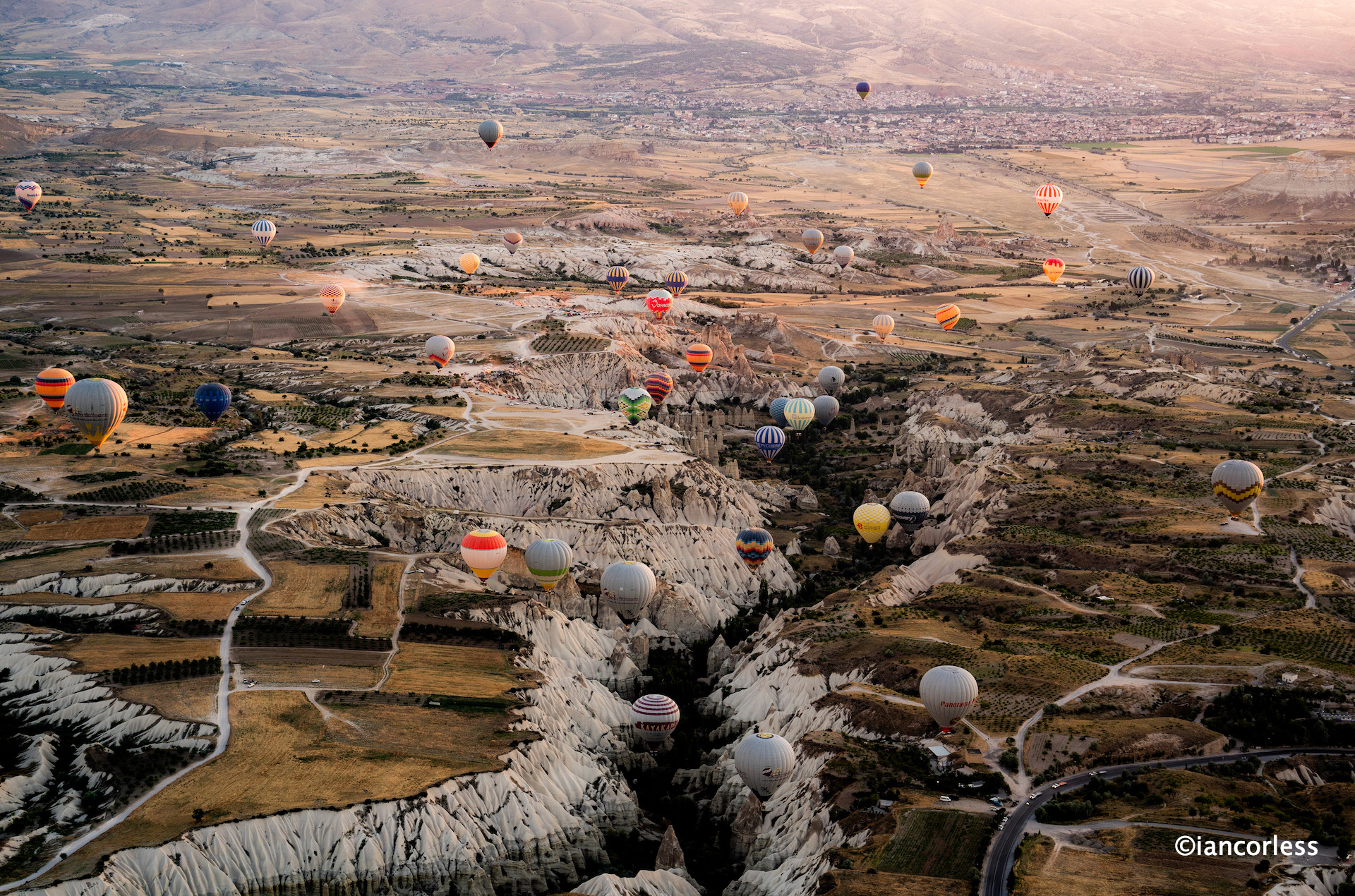
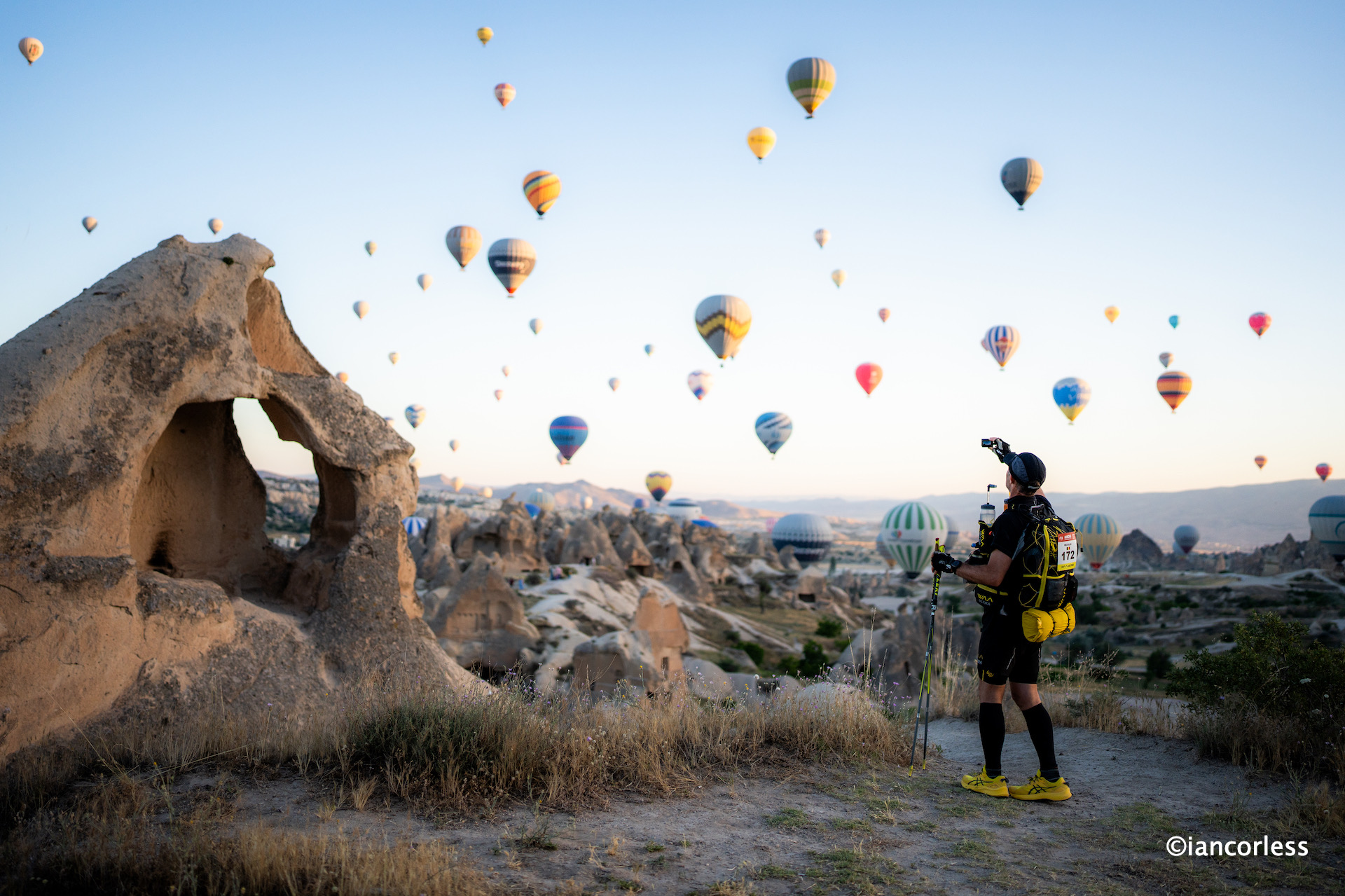
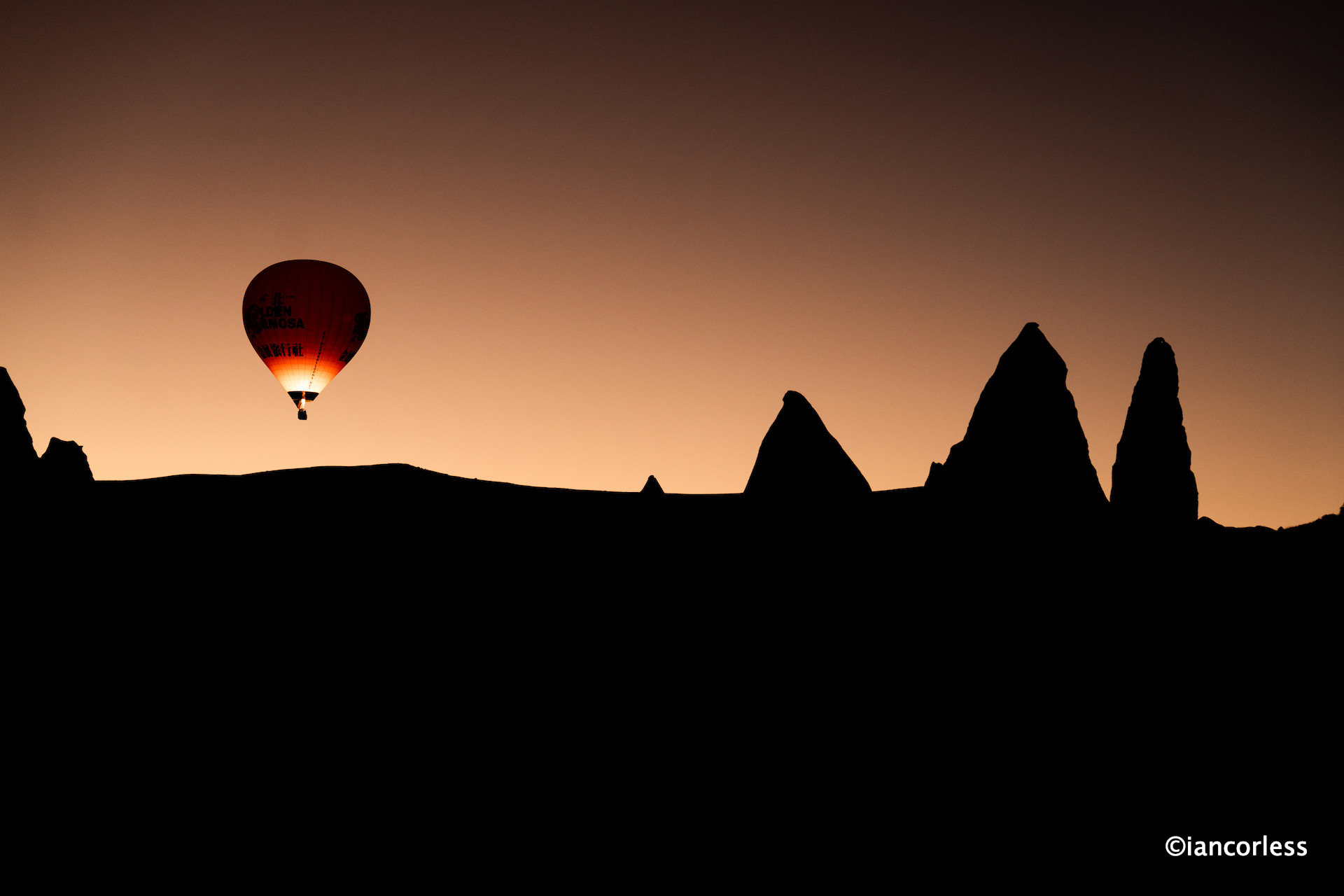
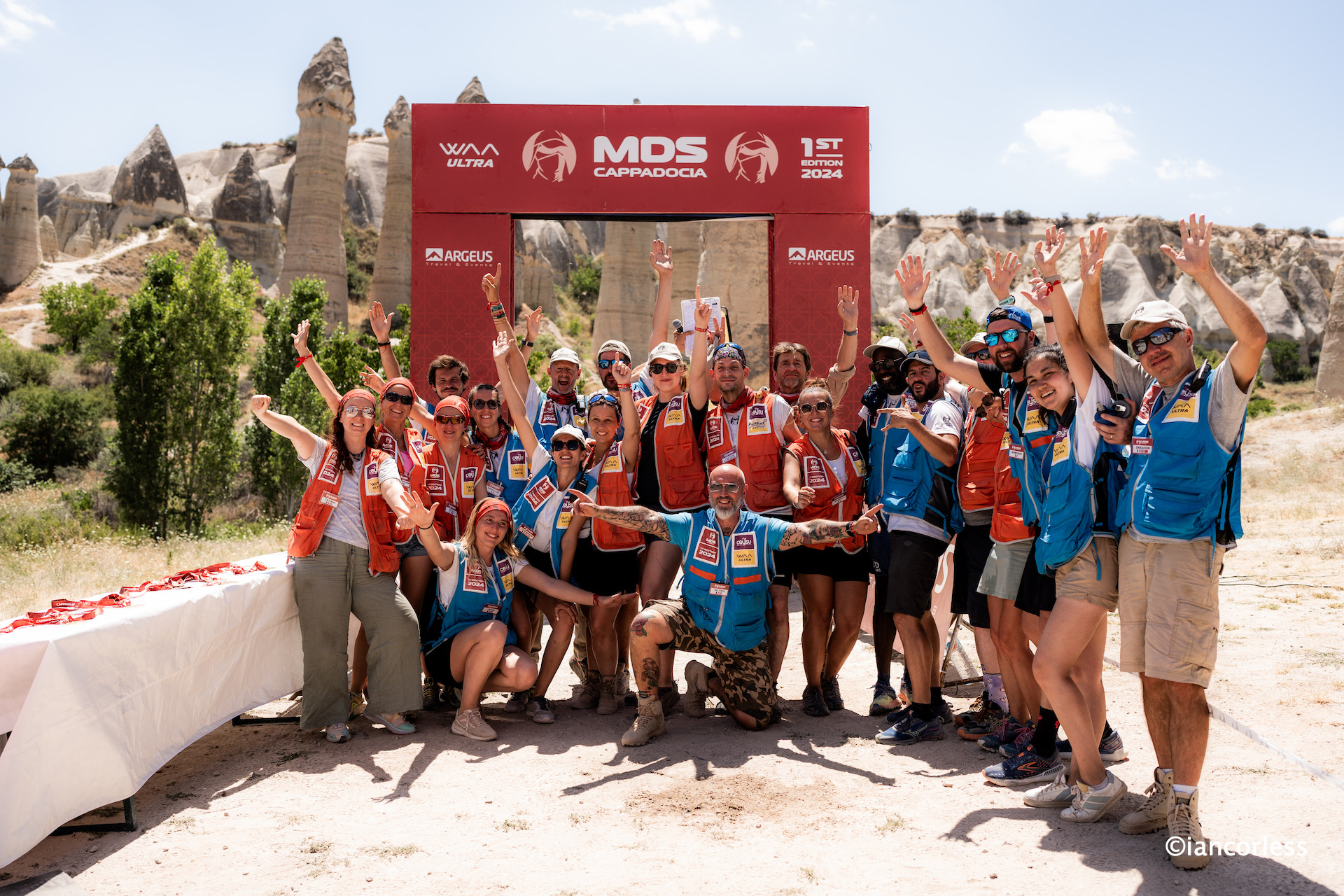
The 2024 inaugural MDS CAPPADOCIA has concluded on a high, quite literally, as all participants and staff were treated to a surprise early morning balloon flight by the organisation to celebrate a pioneering moment for the MDS brand.

The Love Valley

For many, the early morning sky filled with 100’s of balloons is one of those lifetime memory moments, to be given the option to fly, was a dream come true. From the airy heights, the full MDS Cappadocia route was able to be viewed providing a new perspective of the incredible journey that was only completed the day before.

Memory for a lifetime

And what a journey this MDS experience was.

As Cyril Gauthier mentioned in his opening briefing before the race, ‘Welcome to first edition of Marathon des Sables Cappadocia, but ironically, the sables element is missing here…’

Cyril before stage 1

It of course came as no surprise, however, Cappadocia is very much a desert-like landscape, correctly though, the element of soft sand and dunes is completely missing.

Unique and special

One may question, ‘Is this a bad thing?’ The simple answer here is no, each and every participant could not speak highly enough about this unique MDS experience and actually, many were very vocal and happy that MDS Cappadocia was a very new and different.

OVERVIEW

MDS Cappadocia is a 7-day experience following the same format of other MDS events that have gone before, Fuerteventura, Jordan and so on as perfect examples.

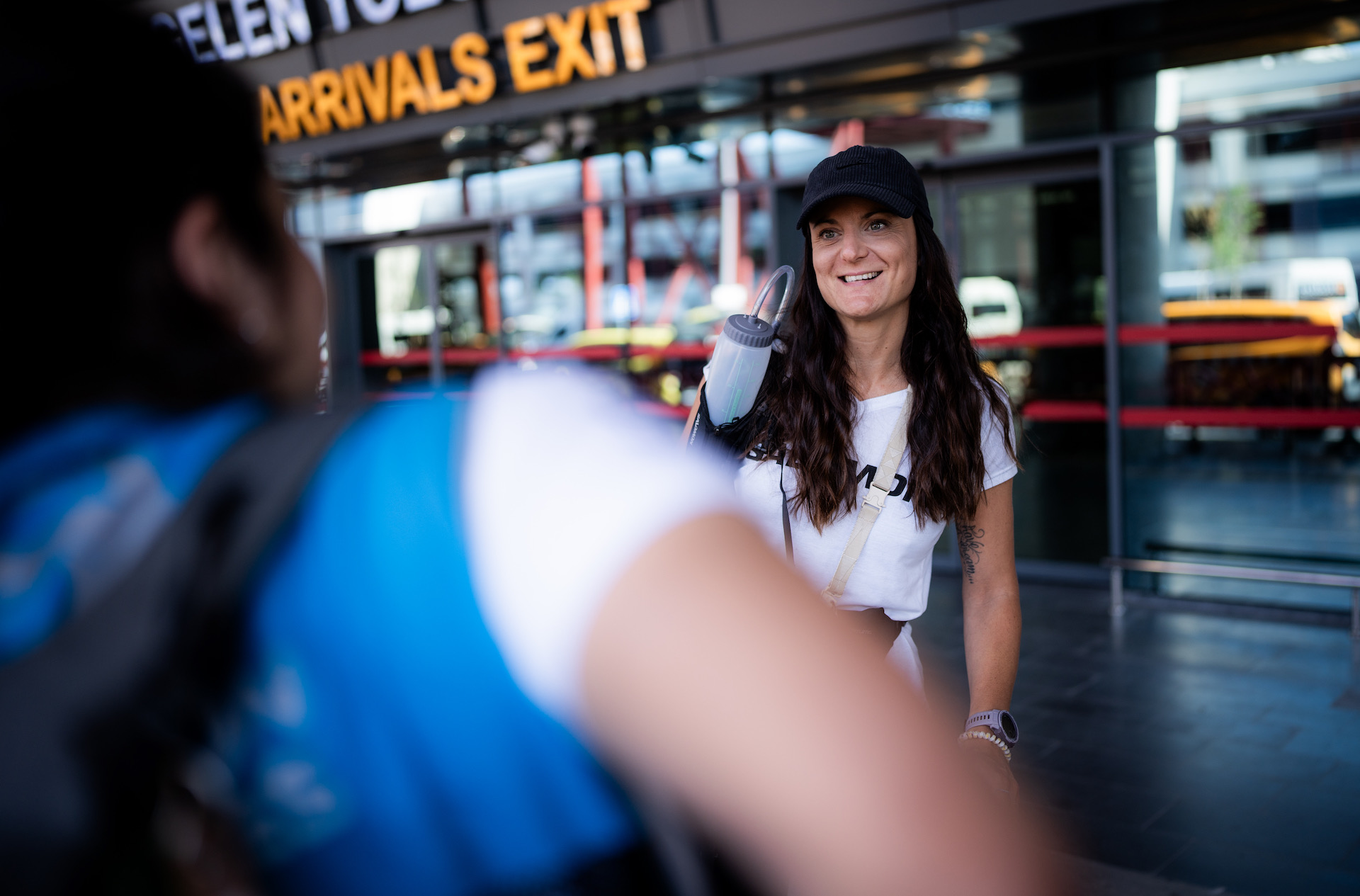
MDS team meet and greet before transfer to hotel

Day 1 – Runner’s are required to travel to Kayseri airport and arrive on a certain day so that they are able to take a transfer, provided by the organisation to the race hotel. At the hotel, technical checks and admin take place. In the evening dinner is provided.

admin and technical checks

Day 2 – Runner’s depart the hotel via transfer to the start. Now self-sufficiency begins and stage 1 starts. Runner’s run/walk 25km to the bivouac and conclusion of stage 1.

Stage 1

Day 3 – Stage 2 starts at bivouac and runner’s return to the bivouac choosing the option to run/ walk 20km, 40km or 60km.

Stage 2

Day 4 – A rest and recovery day.

Bivouac

Day 5 – Stage 3 26km which concludes in the Love Valley. A short transfer to the race hotel is provide. The evening is free.

Stage 3

Day 6* – A relaxing day at the hotel or sightseeing followed by awards, gala dinner and party.

The balloon flight

Day 7 – Onward travel.

*Runner’s were surprised with a hot air balloon flight, this required a 04:00 departure from the hotel to experience the magic of Cappadocia from the sky. They returned between 0700-0800 for breakfast.

THE RACE

Travel, admin and the race hotel was slick providing a relatively easy and relaxed start to the MDS Cappadocia experience.

Stage 1 had a bus departure of 0800, race briefing at 0900 and race start of 0930. I think everyone welcomed a relaxed start, however, the challenge of stage 1 was very real.

There are several key factors that must be considered for MDS Cappadocia.

It was hot
  • The heat for the duration of the race week was very high, temperatures were consistently between 33 to 36-degrees with a ‘feel’ on the skin of high 40’s. It was hot!
  • The Göreme Valley where much of the race takes place has an altitude of 1100m. This of course is not high altitude, but, the impact on breathing and physical effort was significant.
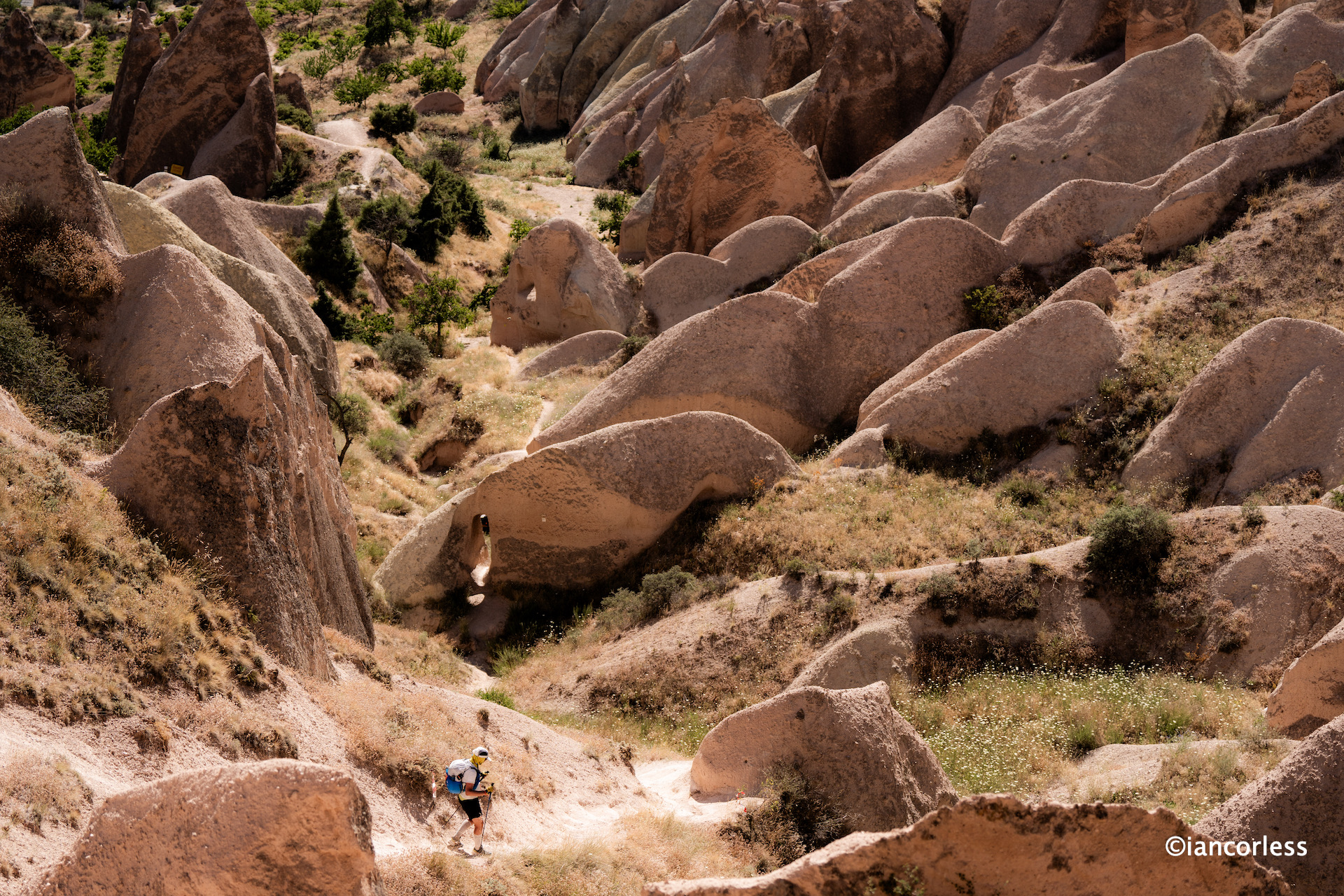
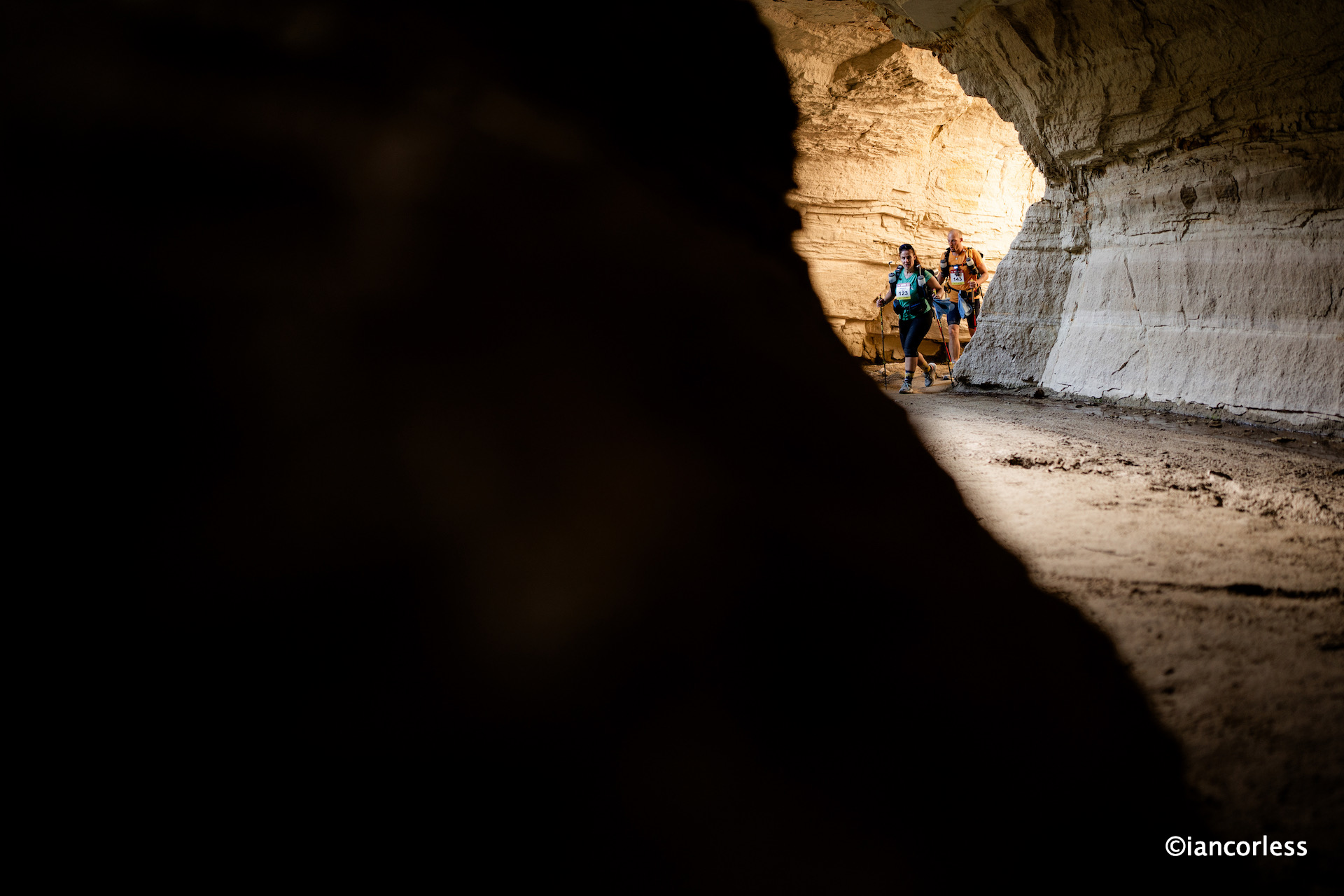
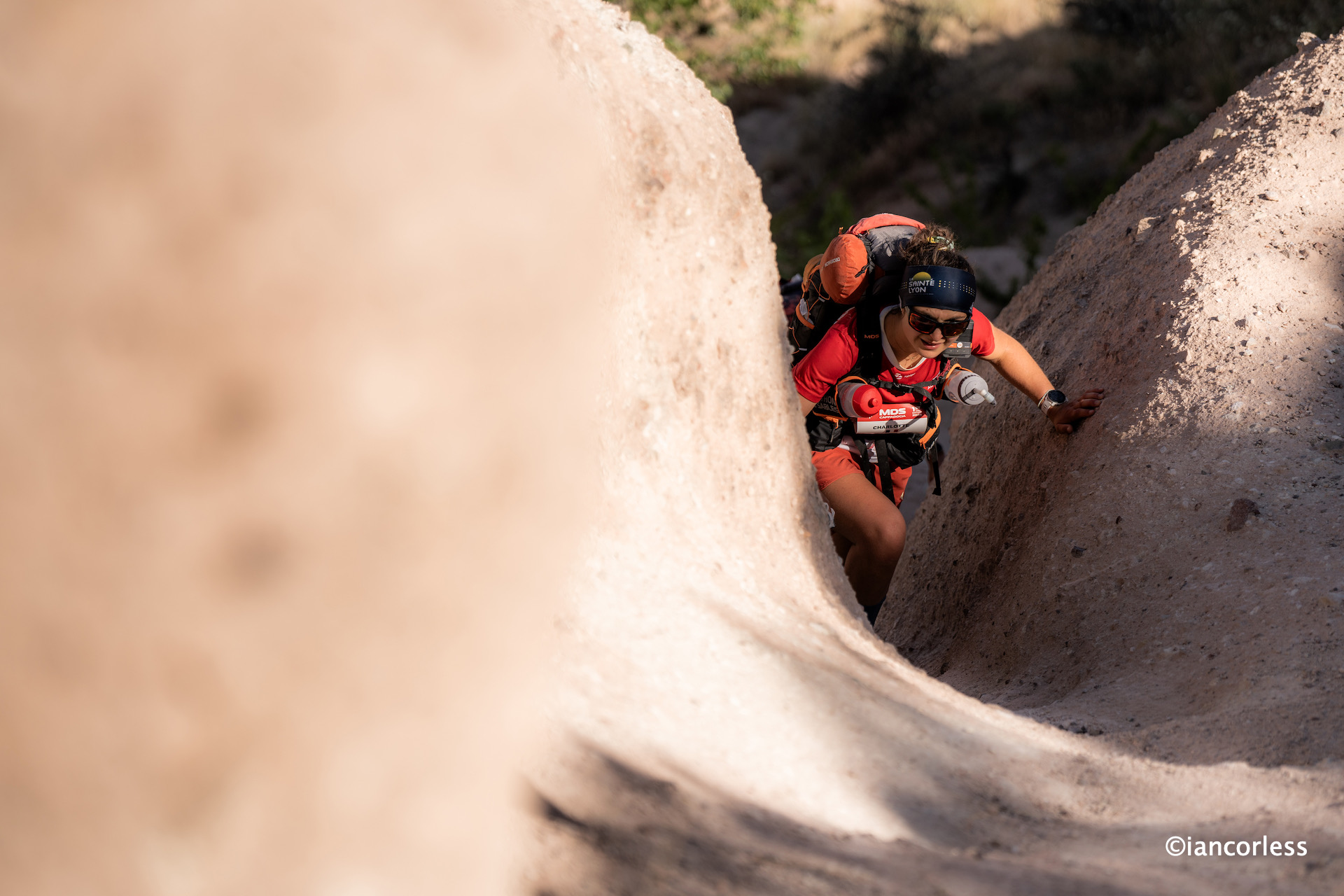
  • The route is considerably more challenging than other MDS events. Much of the route is single-track trails, mountain passes, gorges, tunnels, forest, technical trail, loose ground and it is undulating.
  • The vertical gain for each stage is significant, for the 72km it is 1767m, for the 91km it is 2243m and for the 111km it is 2576m.
Unique terrain

The combination of elements above made MDS Cappadocia, km for km, more challenging and difficult than any other MDS race, The Legendary included. If MDS Cappadocia was an equivalent 250km distance of The Legendary, it would be a very hard race.

This is no ordinary race.

After stage 1, it was very clear to the organisation that start times were needed to be adjusted to allow for cooler temperatures. Stage 2 moved from a 0600 start to 0500, and stage 3 was moved from a 0700 start to a 0500 start. This quite simply was an excellent decision and it is fair to assume that future MDS Cappadocia will have earlier start times, especially on stage 1.

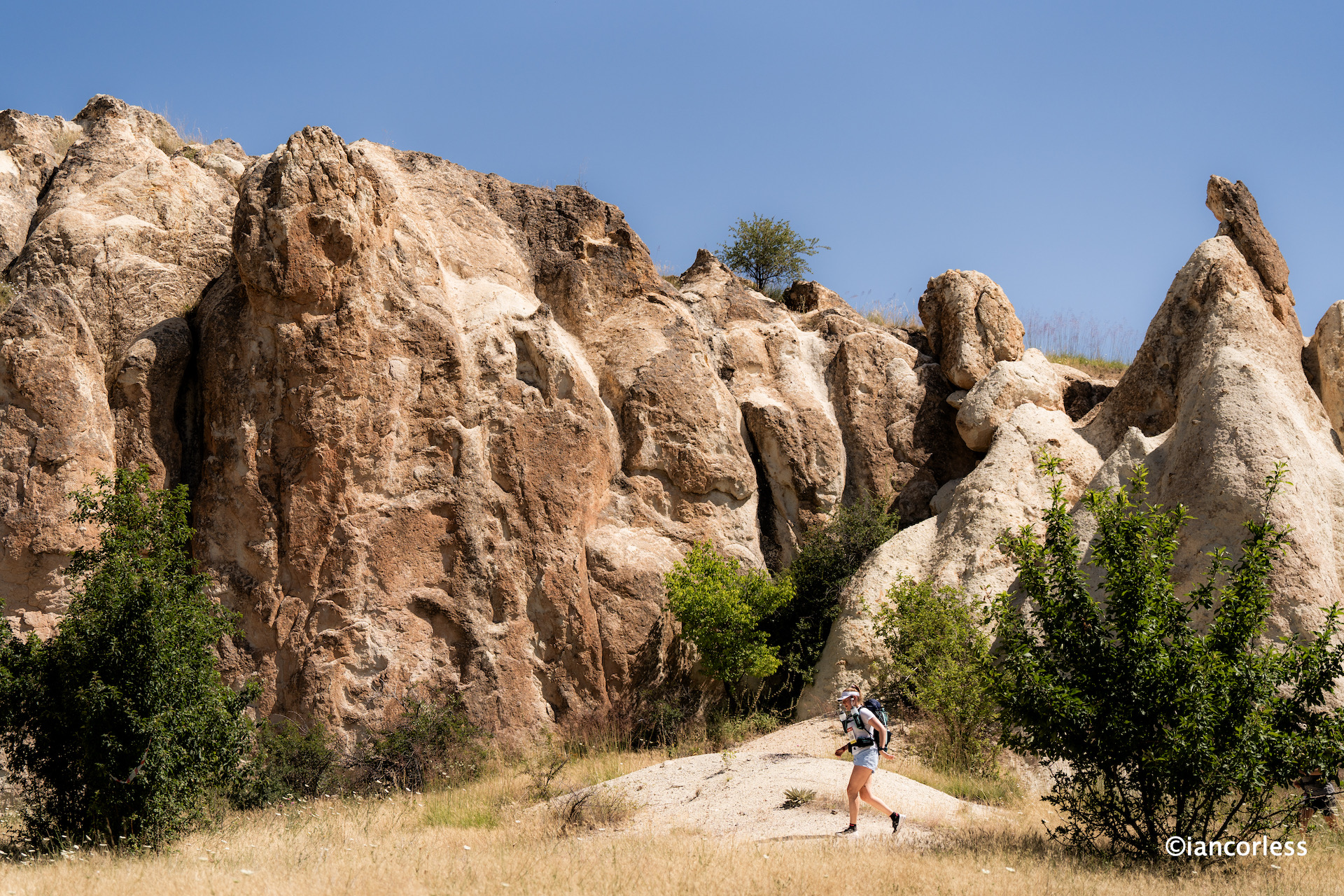
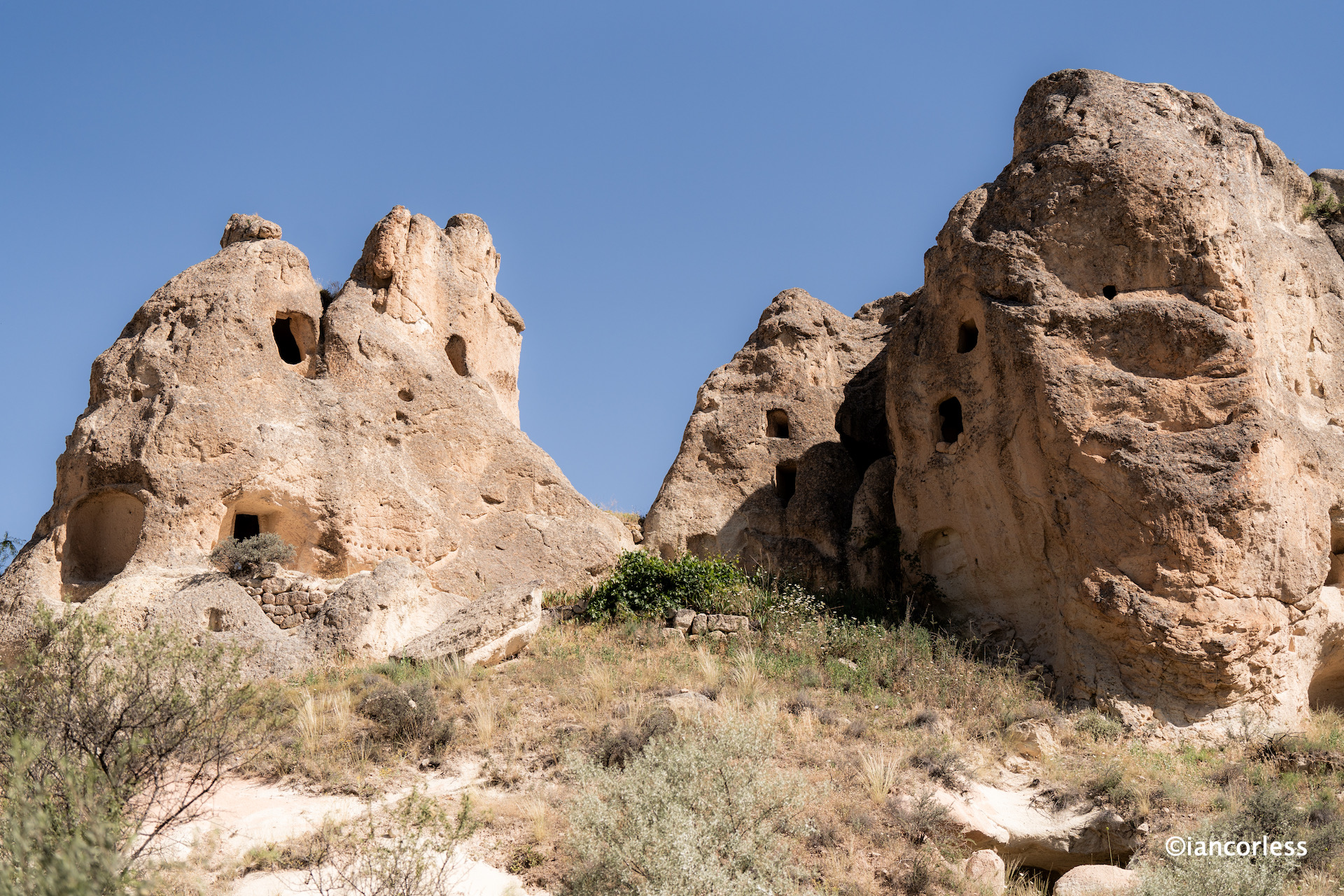
Bivouac was in a stunning location surrounded by iconic Cappadocia landscape such as fairy towers and Troglodyte caves. A very special place.

Camp life

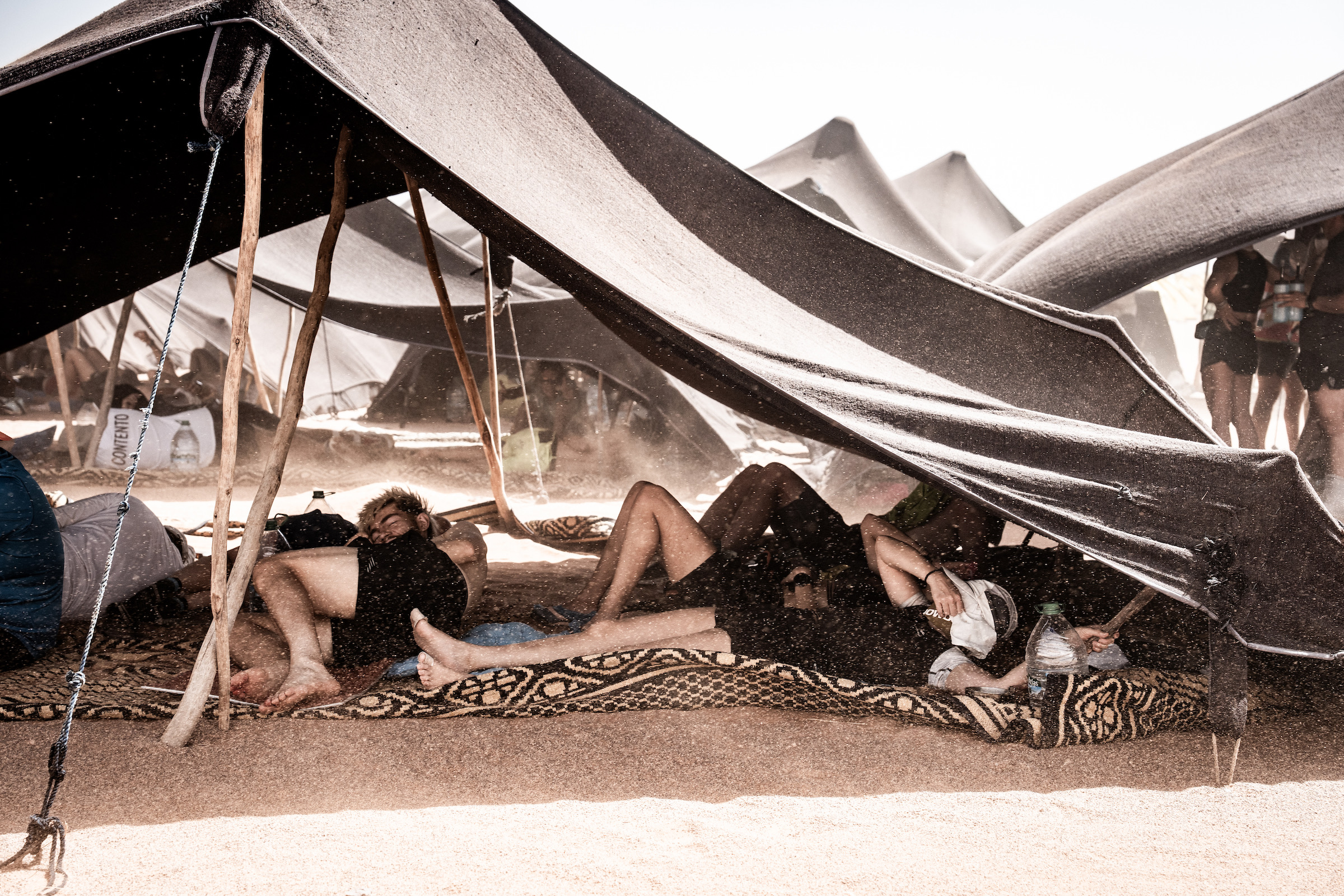
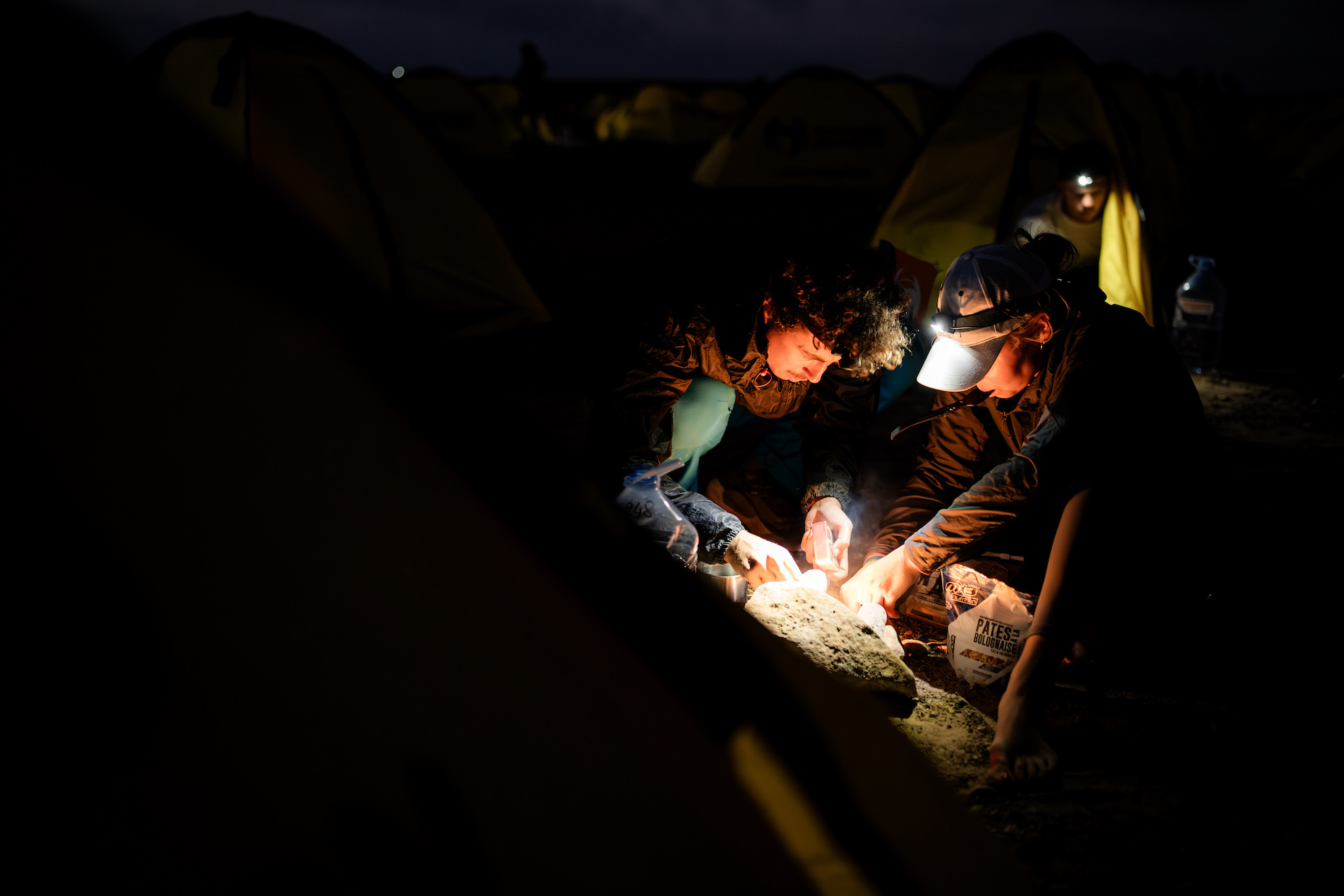
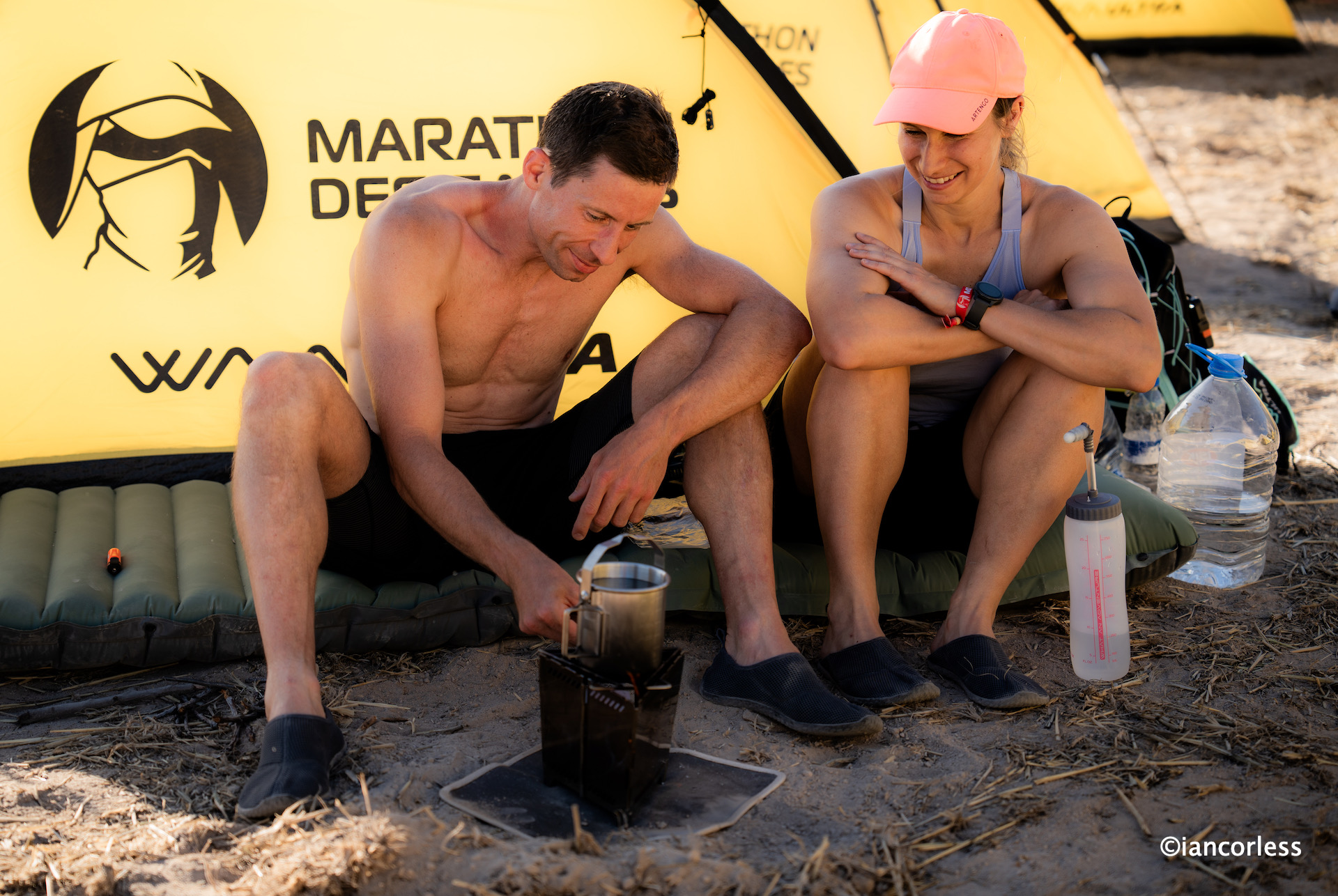
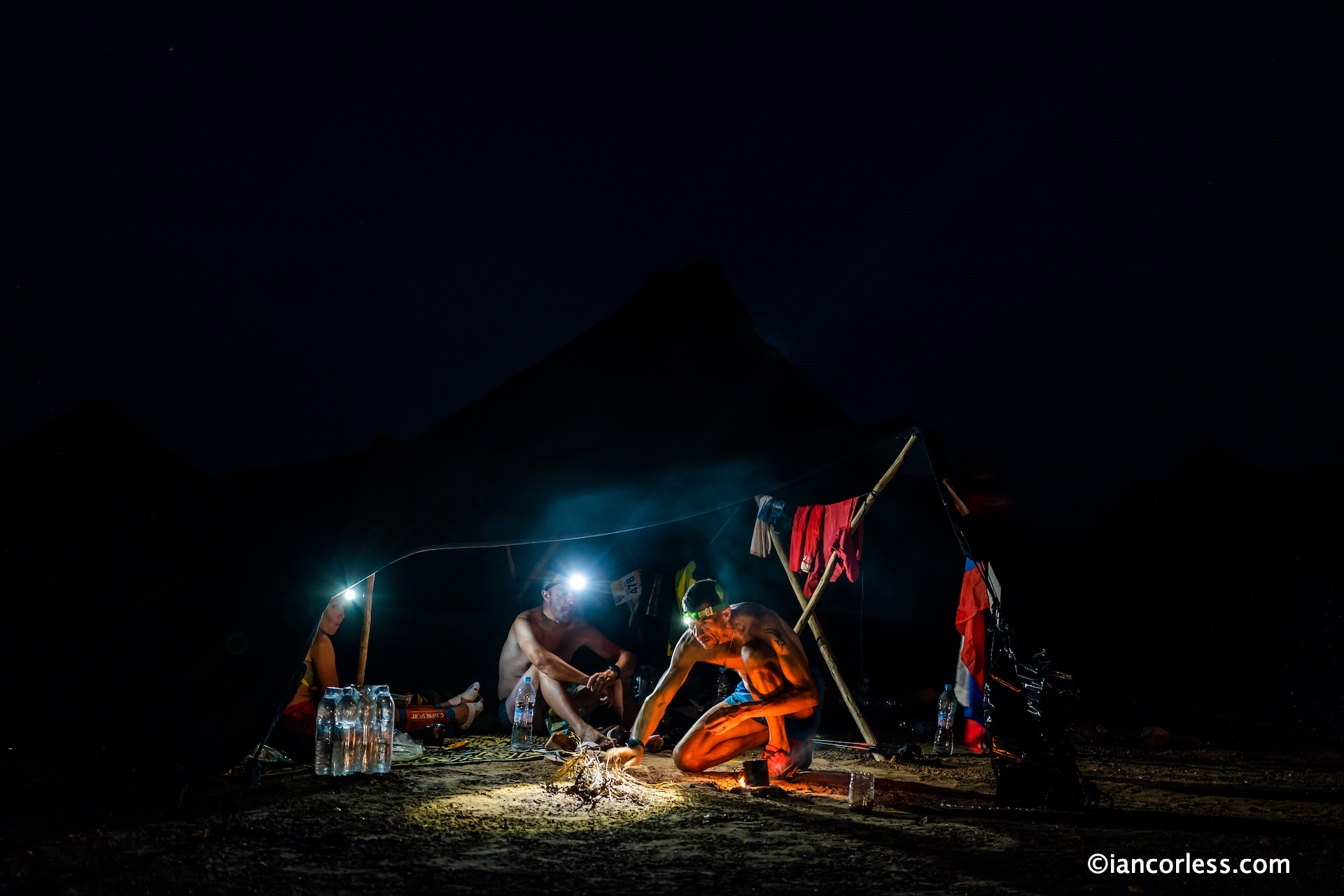
Participants sleep in individual MDS tents in cells of 6. There is a communal shaded area with matts so that everyone can relax post-race.

Camp life is like all other MDS events, The Legendary excluded, as here the bivouac tents hold 8-people. Priority is to relax, hydrate, eat and sleep. It’s a simple life. Participants are self-sufficient and therefore they must have all they need for the duration of the event. The exception is water, at the end of each stage, participants are provided a 5L bottle of water which must last to CP1 the next day (rest day excluded.)

In camp, there is medical/ foot care to ensure competitor safety.

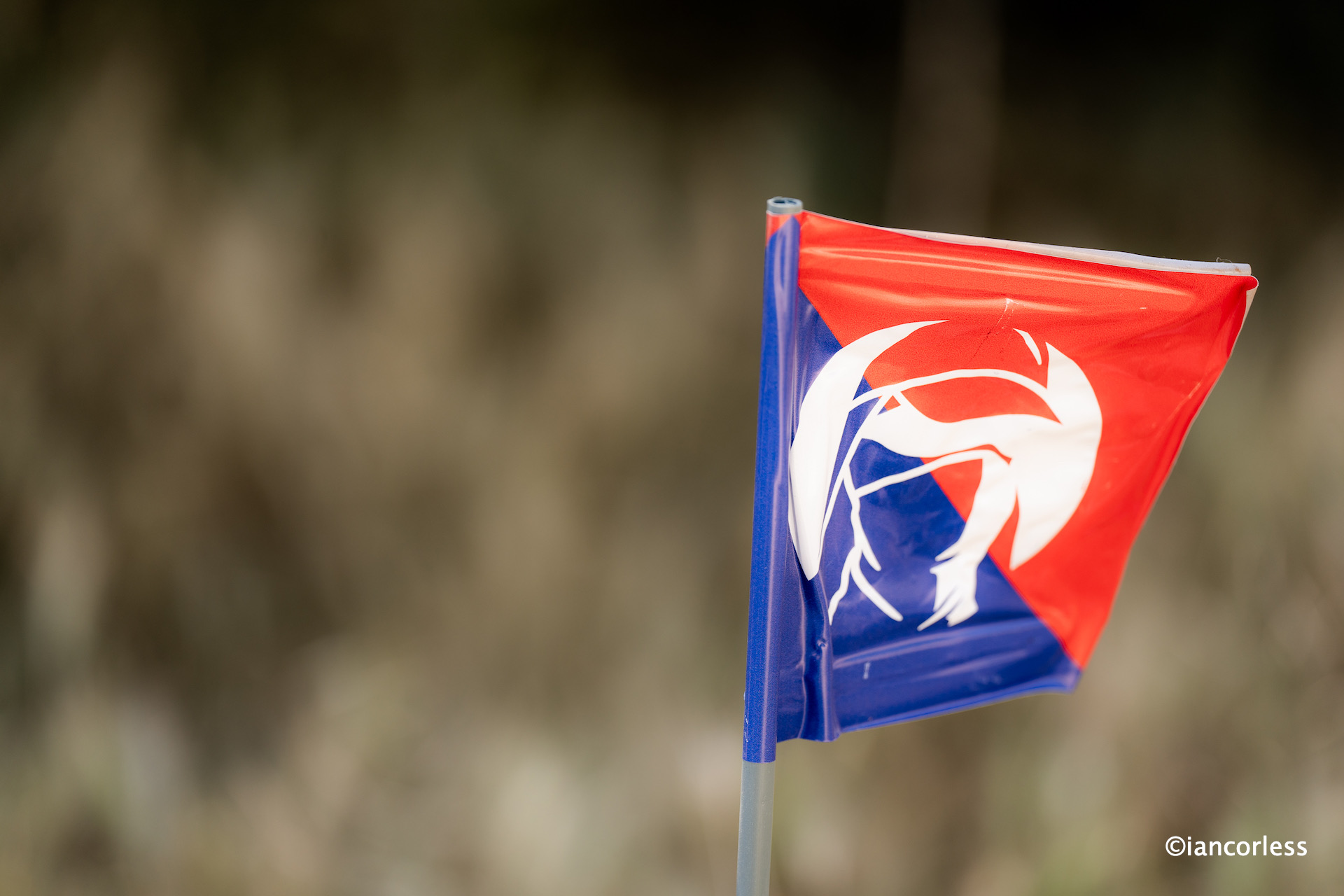
Flag markers

The race route is considerably more complex than other MDS events and as such, route marking is crucial. Marking consisted of red/ white tape and flags, and the route was very well marked. However, I do feel that the provision of GPX files would be a great addition.

Aid stations with medical teams

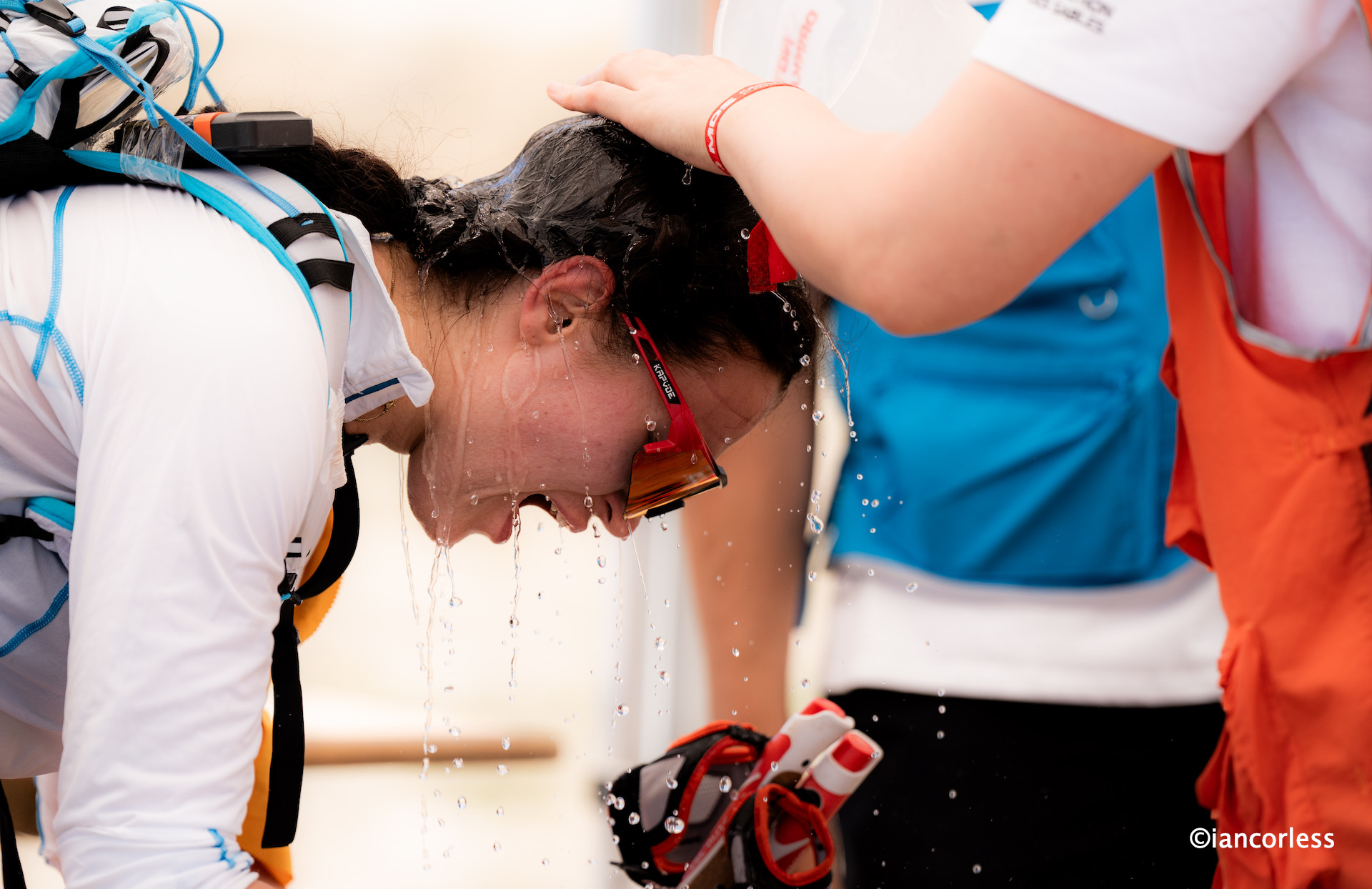
Aid stations were superb offering a shaded area, an abundance of water and importantly, iced water which the medical team pour on heads and necks to enable cooling. Medical provision is at each CP. For stage 1 there was two CP, stage 2 depending on the chosen distance had up to five CP’s and stage 3 had two CP. If required, the organisation added impromptu water stations to ensure competitor safety.

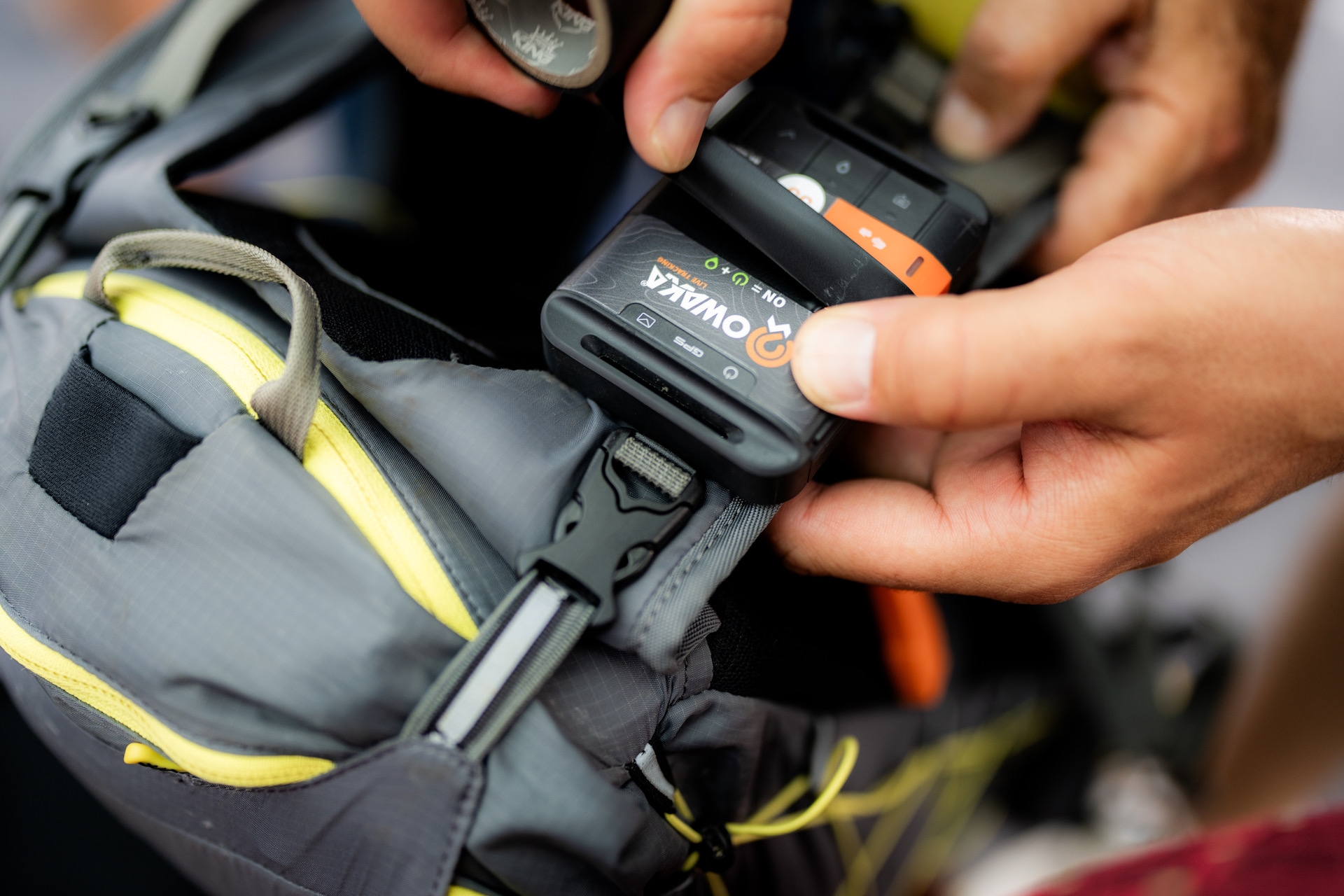
A tracker for each participant

Competitors each have a tracker so they they can be monitored and in addition, there is a SOS button in the event of an emergency.

All about the finish

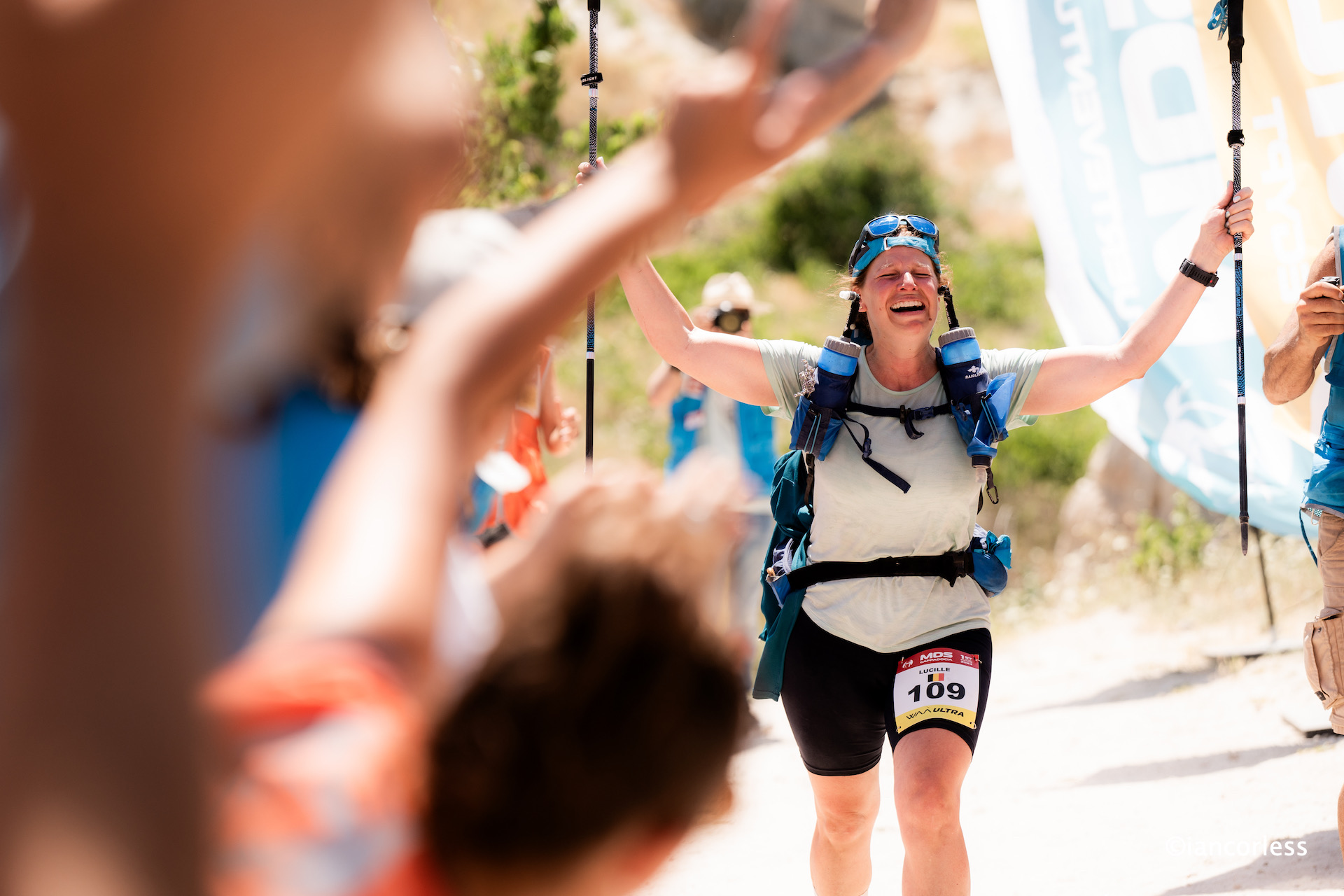
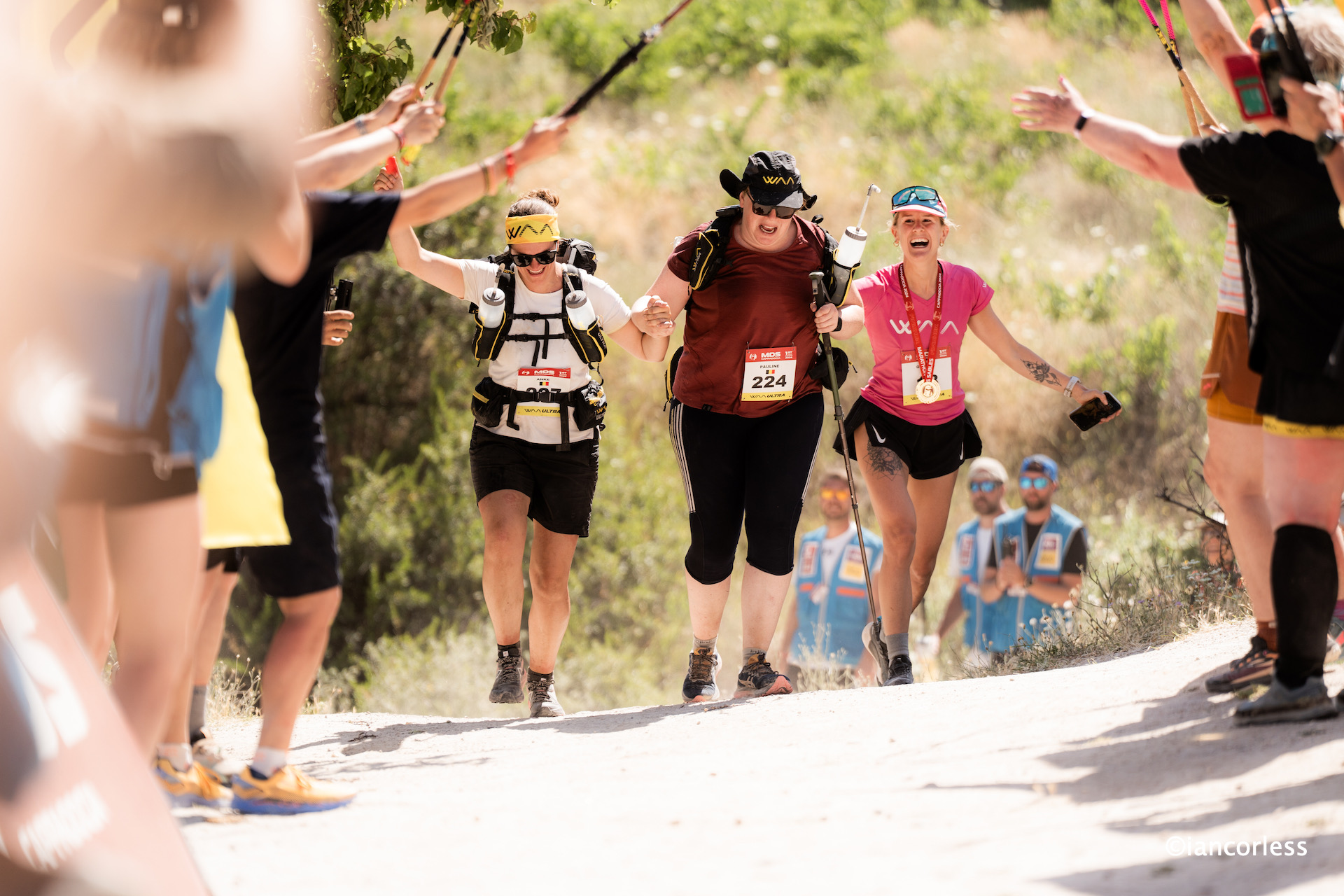
The event has cut-off times, however, the goal of MDS events is that each participant finishes, therefore, the organisation do all they can to facilitate runner’s crossing the line. Should someone DNF, they are given a free entry for the following year!

THE ROUTE

Troglodyte homes

MDS Cappadocia brings something very unique to the MDS line-up. This is not a desert race, it is much more a trail race.

Underfoot, there are considerably more challenges with an ever changing terrain.

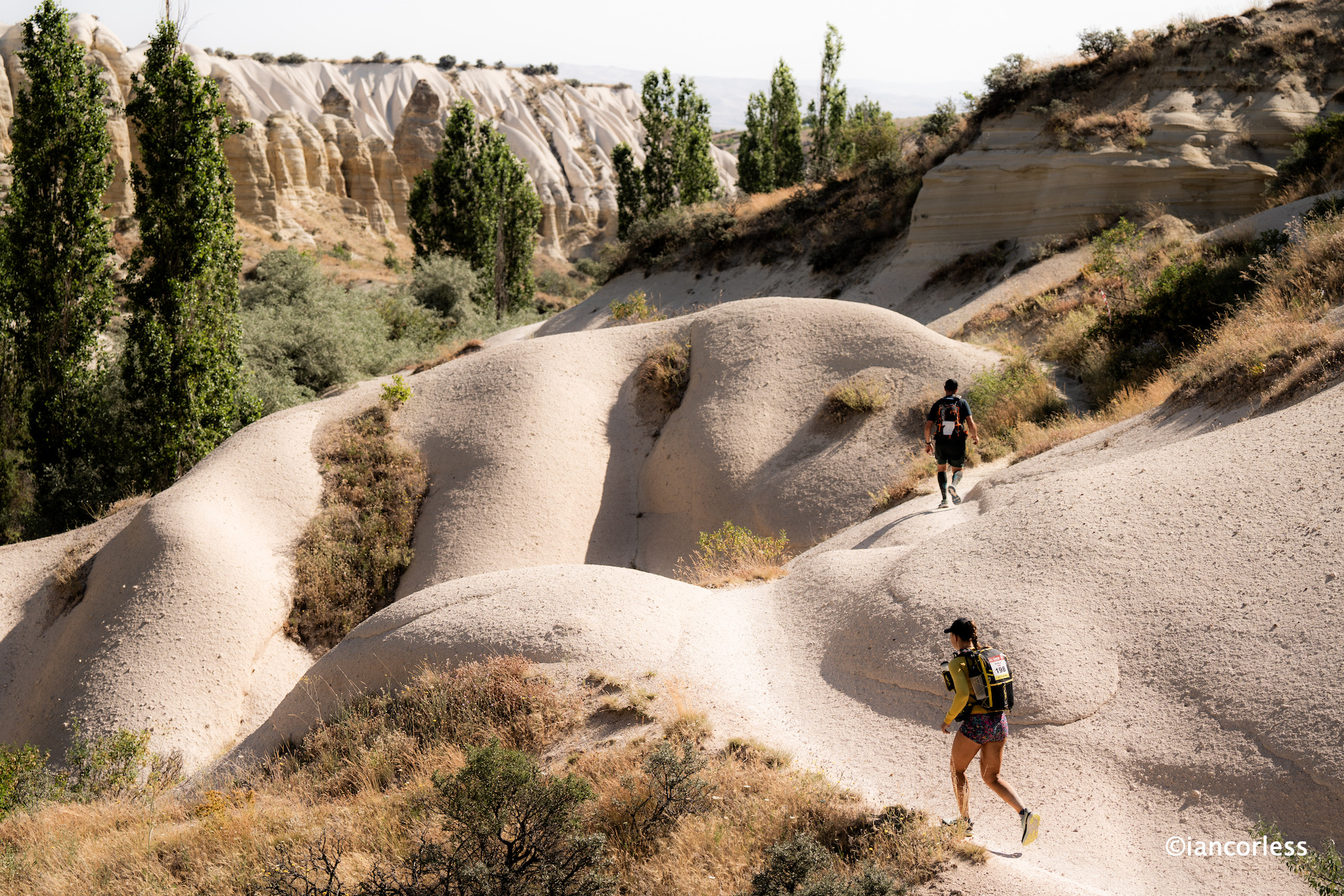
Just look at the photos, the route is a visual splendour of a very unique landscape. Taking in key areas of the Göreme Valley such as the Red Valley and Love Valley, the experience is special. A volcanic landscape, that has been shaped by wind, rain, lava, ice and erosion. Add the early morning spectacle of the hot air balloons and I firmly believe that Cappadocia needs to be experienced at least once. What better way to do this running or walking?

As mentioned above, the route is much more of a physical challenge, km for km, this is a harder race, however, as all the 2024 competitors confirmed, it is an achievable one… If it was easy, anyone could do it!

THE EXPERIENCE

Quite simply, the feedback from participants was a wow. From the moment stage 1 started, the visual splendour begins and that is consistent throughout the whole race experience.

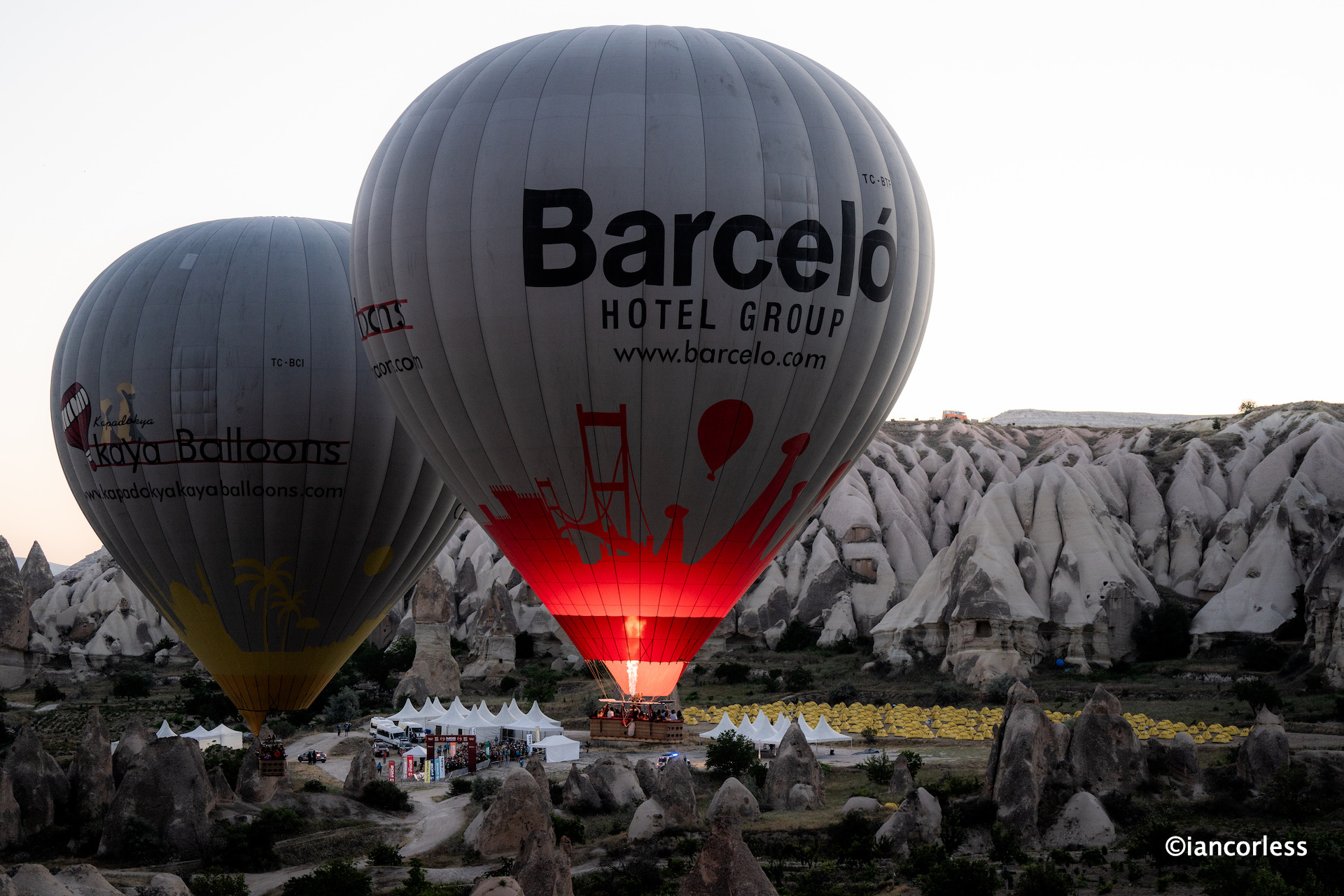
Balloons at bivouac

A highlight was the early start for stage 2 when the whole bivouac area was surrounded hot air balloons. I personally have experienced start lines all over the world and this was a highlight. It was completely mind-blowing and one that will last with everyone for their lifetime. It was a privilege and honour to experience it.

The last finisher emotions

The race was hard, especially with the intense heat. However, the MDS option to provide three distances for stage 2 is inspired and it gives everyone an opportunity to challenge themself in their own way.

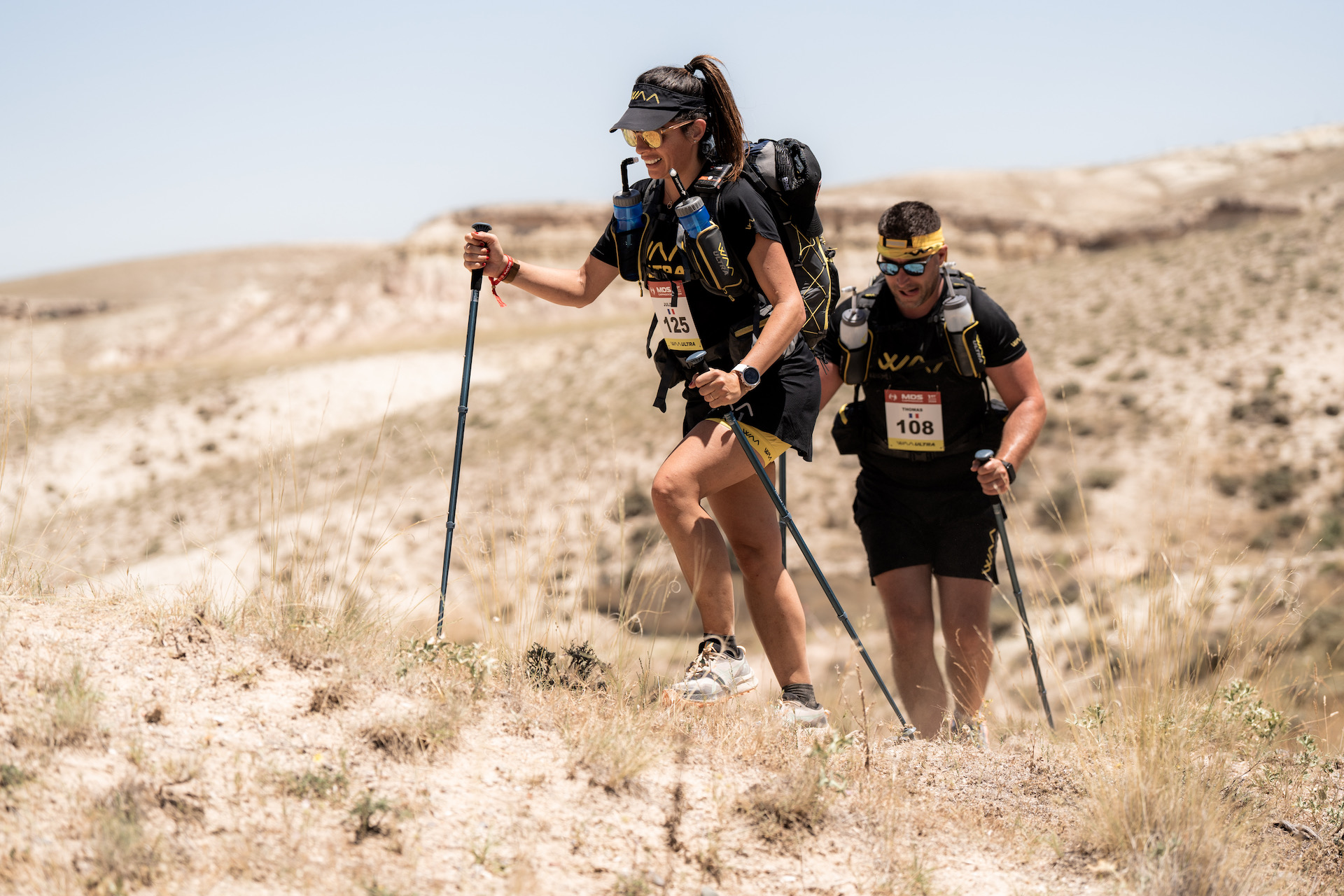
In terms of runner’s needs, this is just like any other MDS event, however, there are some key considerations: 1. You need good trail shoes with excellent grip and toe protection. 2. Sand gaiters are not required but small ankle gaiters are a good idea to stop stones etc entering the shoe at the ankle. 3. Poles (and knowing how to use them) are a very good idea for the majority of the participants.

Teamwork

The MDS team have these events dialled and with a dedicated team they ensure competitor happiness and safety. Of course, first editions are always difficult, they are an opportunity to learn what does and what does not work. The general consensus post-race was one of huge success, however, it wasn’t perfect and the team look for this, so, tweaks.

The surprise of a hot air balloon flight was an incredible gesture by the MDS organisation, I think this almost certainly will be ‘option’ to add to the race experience in future editions.

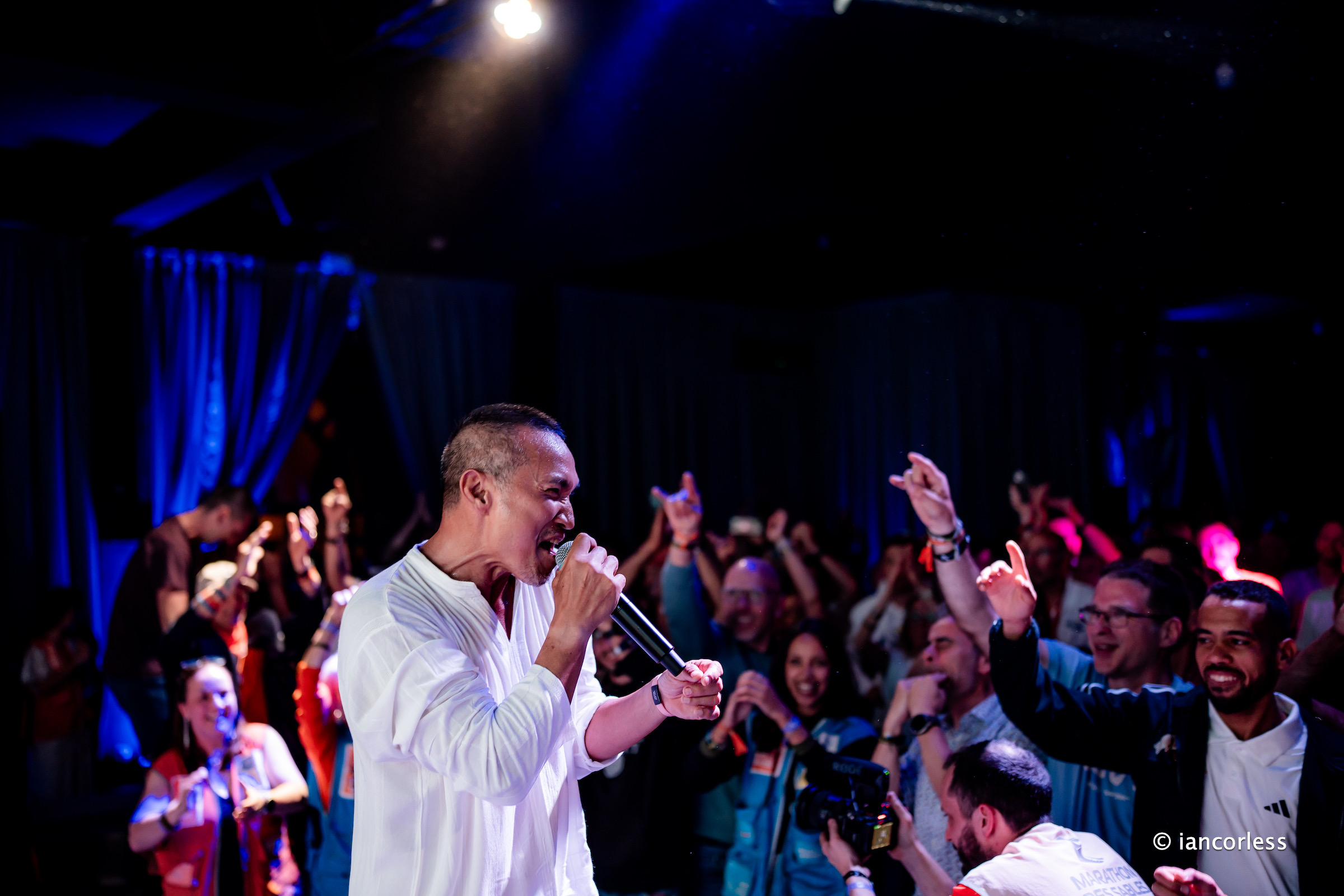
The post-race awards, film, gala dinner and party was a great success.

CONCLUSION

Read the daily summaries – Stage 1 Here, Stage 2 Here, Stage 3 Here.

It takes a dedicated team to make an event happen and it’s important to acknowledge Argeus Travel and in particular, Koray and Hayden for their on ground experience in facilitating the first edition of MDS Cappadocia.

The event brings something new and different to the MDS line-up and that should be applauded. There is something special here in Turkey that needs to be experienced just once.

The challenge is real, respect this environment. The combination of altitude, heat, challenging terrain, self-sufficiency and camp life is something special.

And finally, this landscape is very, very special it needs to be experienced to be believed.

Love Valley

Follow on:

Instagram – @iancorlessphotography

Twitter – @talkultra

facebook.com/iancorlessphotography

Web – www.iancorless.com
Web – www.iancorlessphotography.com

Image sales –www.iancorless.photoshelter.com

Camelbak Octane 25 litre Limited Edition Review

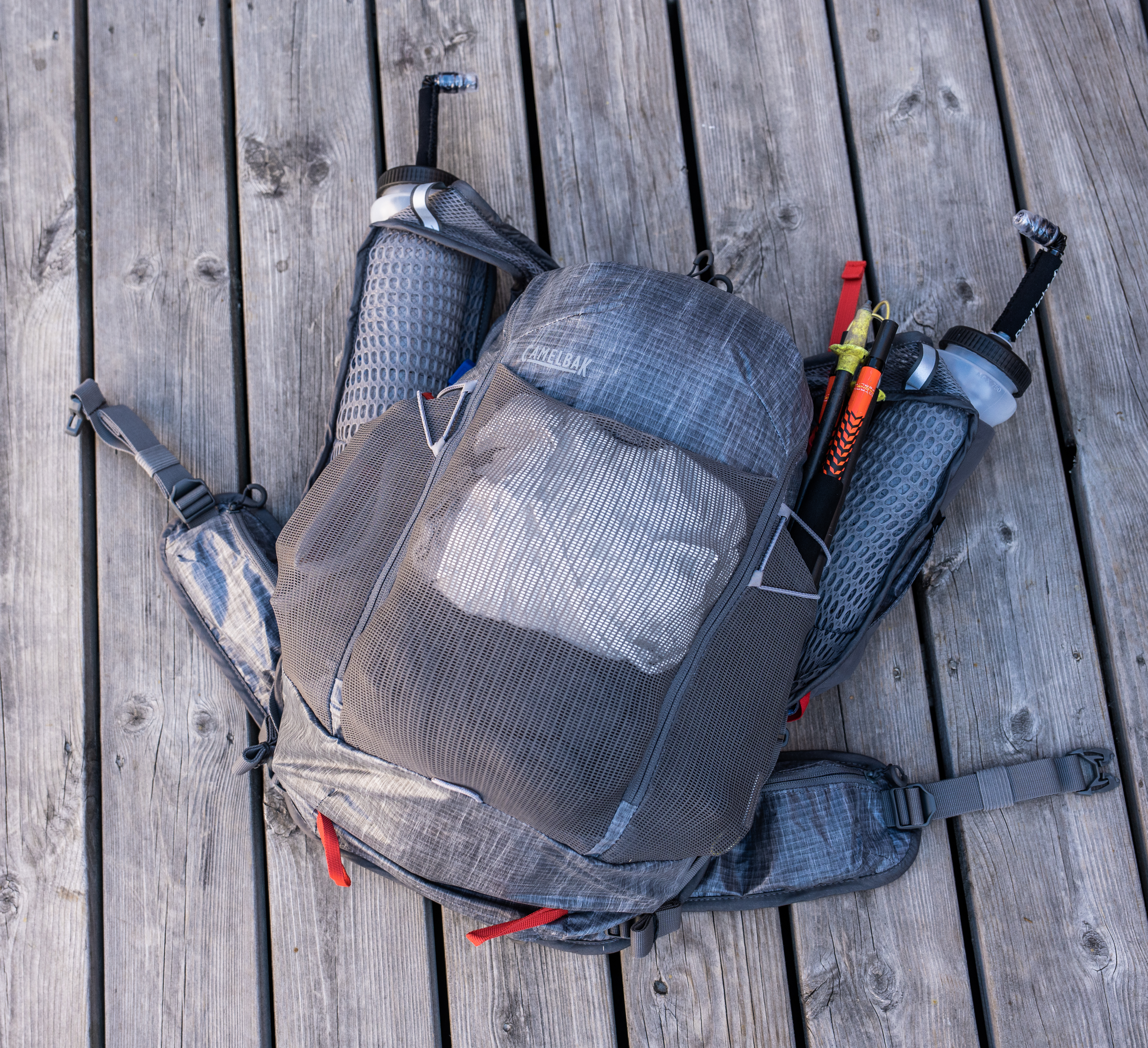
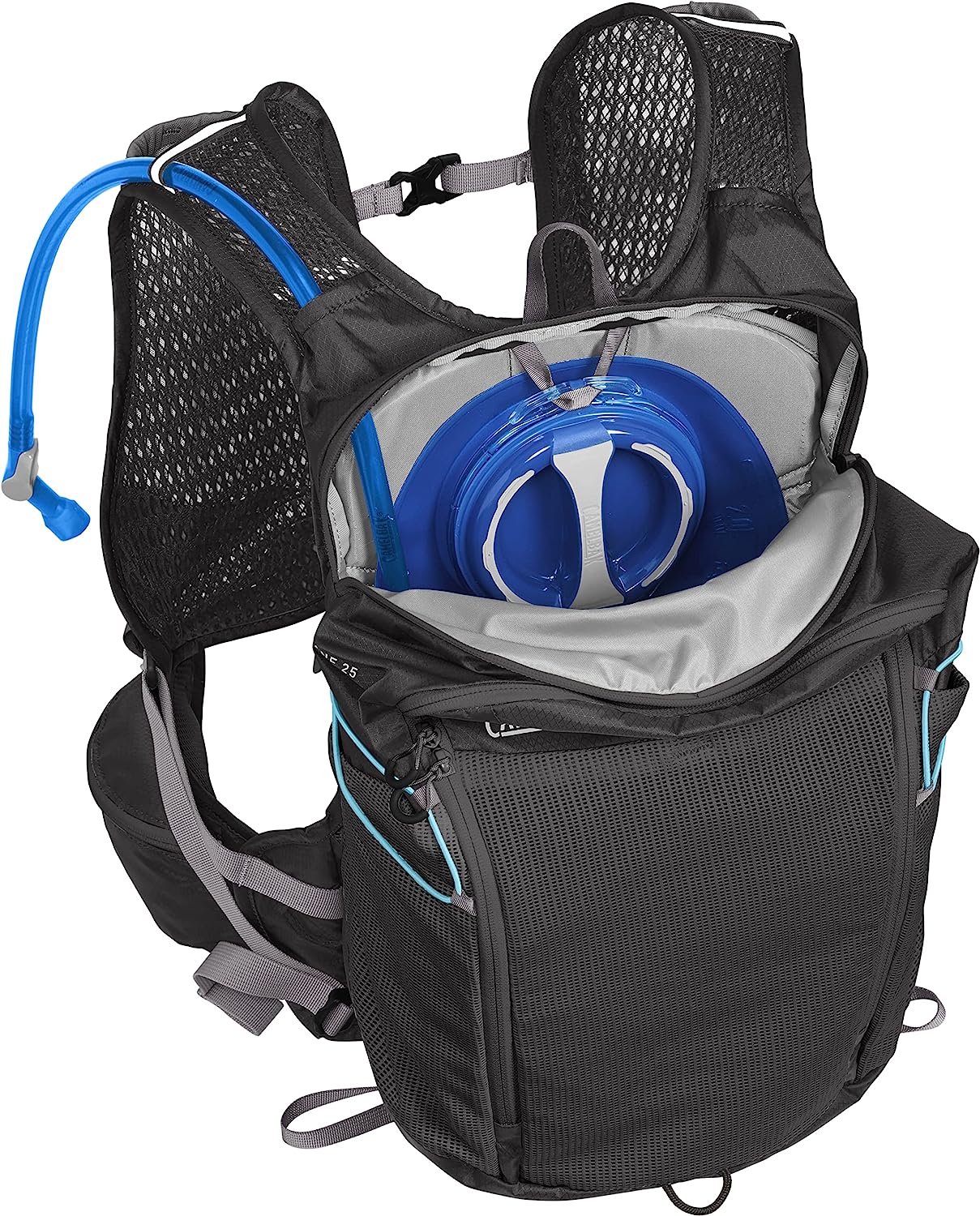
Octane 25 fully packed with tent,sleeping bag, apparel and food for a 1-night fastpack.

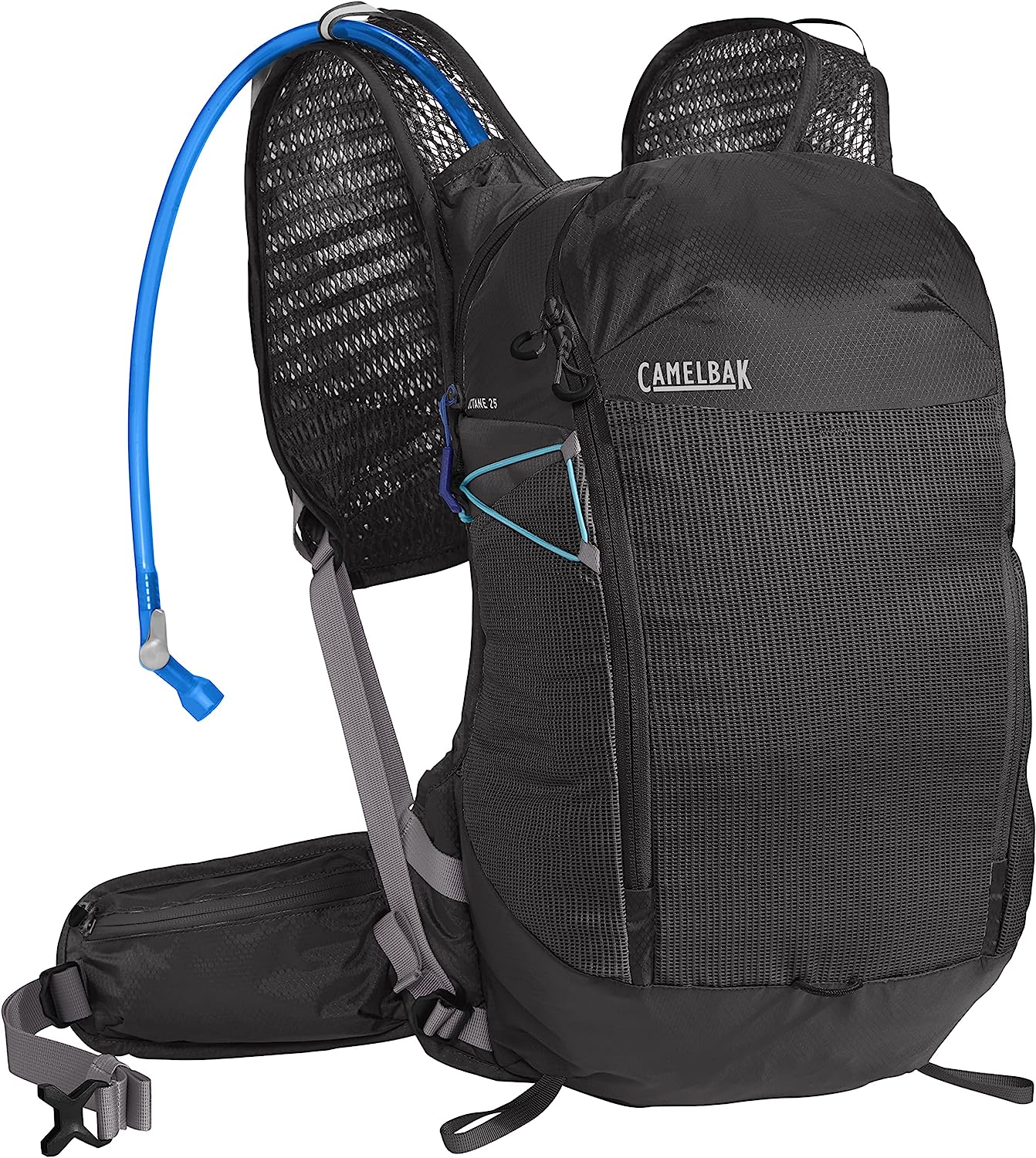
Streamlined, lightweight, full of features and storage, CamelBak have brought together the best of both the trail running and hiking worlds with Octane 25 LE.

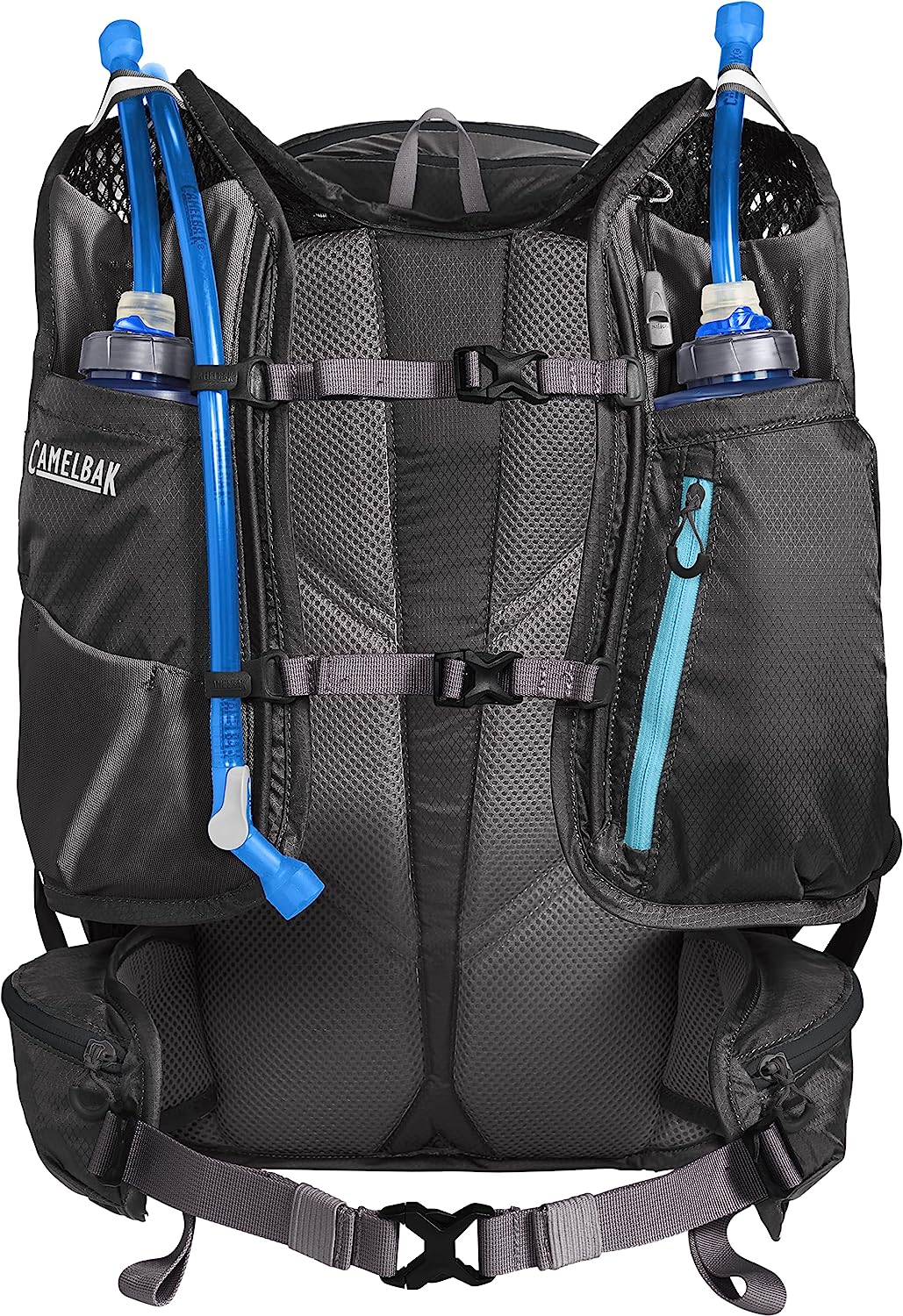
As you would expect, CamelBak has integrated a system to keep the bladder secure and easy to access, with the hydration hose tucked in and out of the way with secure fixings at the front. For many though, the use of the bladder can be a plus or a minus, so, removal is easy. At the front, there is storage for two large bottles or soft-flasks.

Ultimately, this pack with 25L of storage is perfect for fast packing and multi-day stage events. It is optimised for those who want to stay light and move fast. It is full of features and after packing and testing, this is a piece of equipment that is ideal for a race such as Marathon des Sables.

Key features are:

  • Belt with two zippered pockets for ‘on-the-go’ snacks.
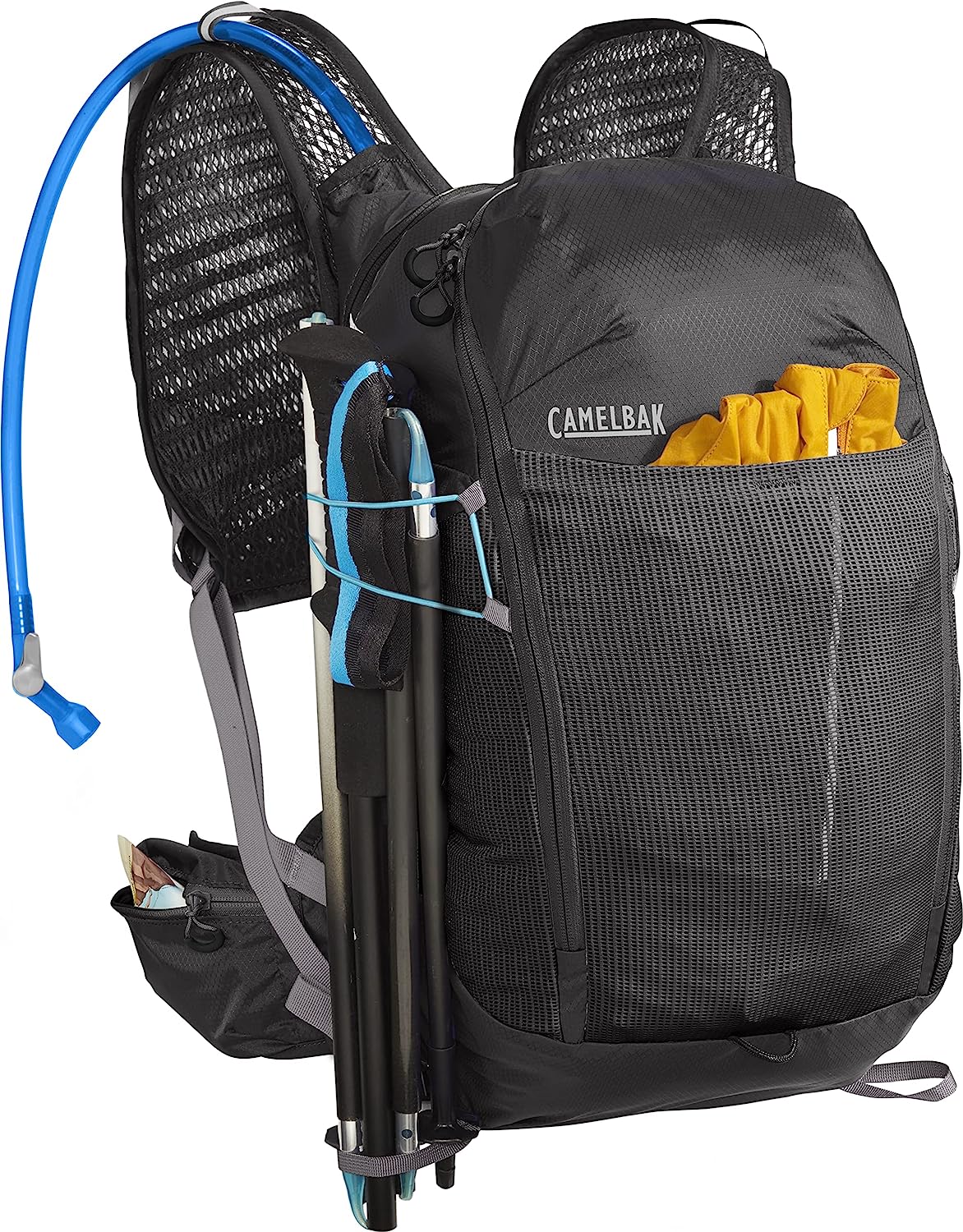
  • Trekking pole storage via left or right side.
  • 11 exterior pockets one with zipper and two for bottles/ soft flasks.
  • 8 interior pockets one with zipper and key holder
  • 2 chest straps

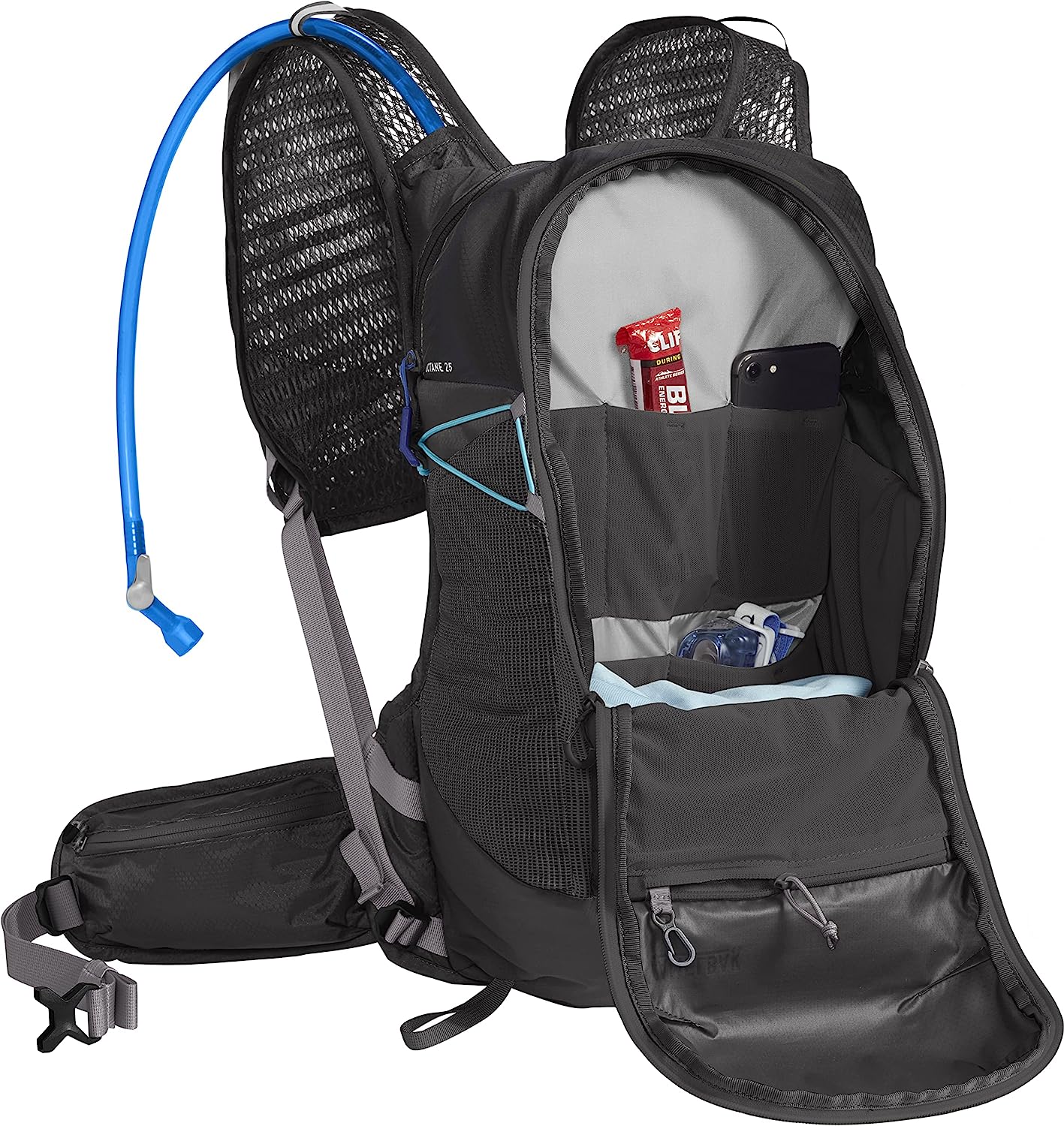
A large zipper opens up the pack like a suitcase, therefore adding and removing contents is easy. Inside the pack are multiple small stretchy storage pockets, 8 in total. On the rear insides 5, 2 longer pockets on the sides of the inside. In the lid of the pack is a zipper pocket ideal for wallet, passport with an integrated key holder.

Outside there are 11 exterior pockets and a giant compartment that is dedicated to hold the bladder, or, if doing multi-day, this is a great place to put a sleeping mat or even some clothing. Three large mesh pockets are ideal for external storage that may require quick access, for example, waterproof jacket, pants, hat, gloves, additional liquid and so on. Two elastic straps not only will hold poles in place but also help compress the pack smaller.

Pockets help keep things in place, and the dual chest straps keep it all closely attached to the body. The addition of the waist belt and two zippered pockets only adds to a secure feel and the increased pockets are welcome for ‘on-the-go’ snacks.

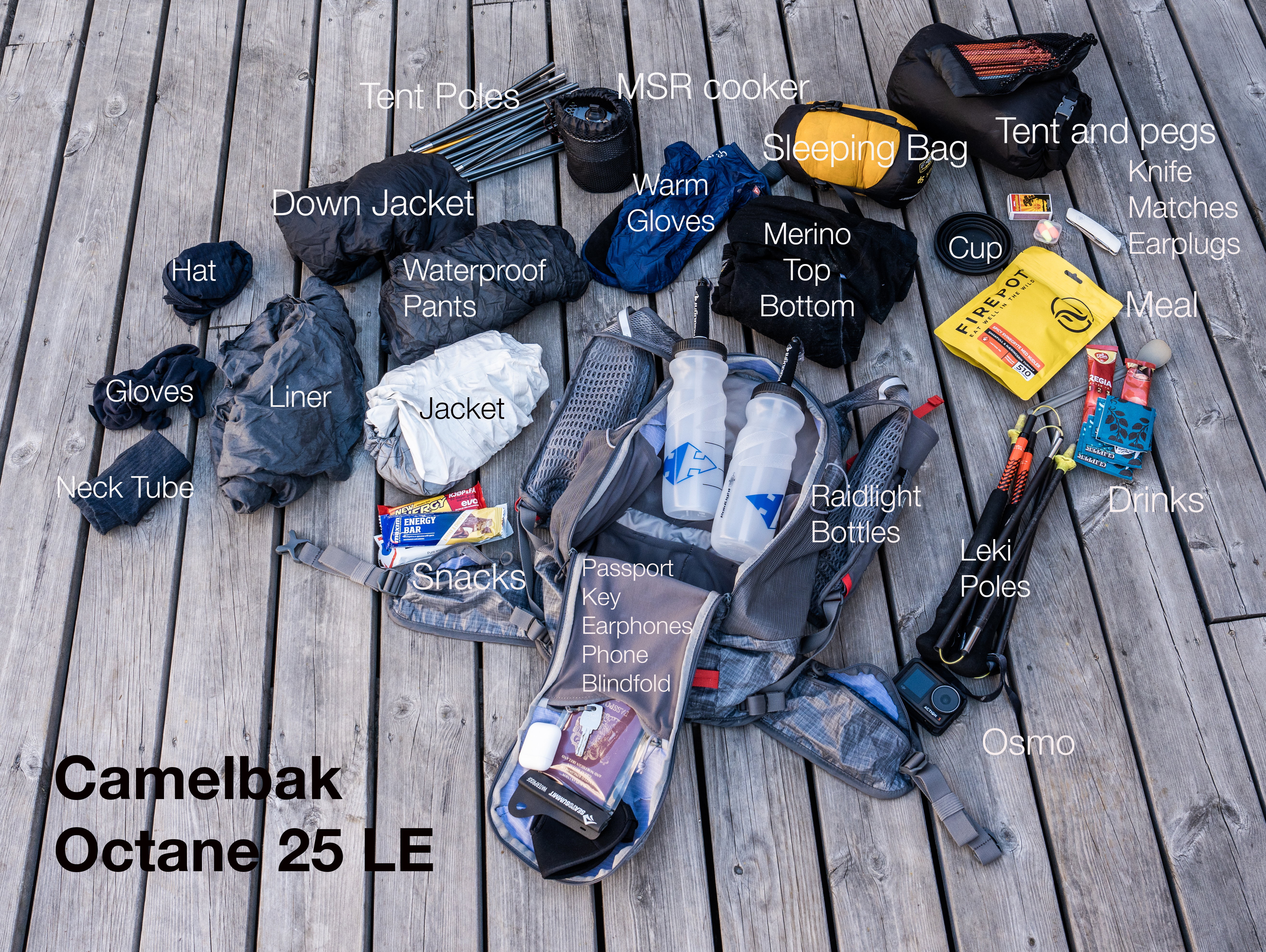
To provide perspective I removed the bladder and added a sleeping mat in to the bladder compartment (not shown in the video) and the items you see are as follows:

  • 2 large Raidlight bottles
  • Big Agnes solo backpacking tent with poles and pegs.
  • Sea to Summit Sp1 sleeping bag.
  • Sea to Summit sleeping bag liner.
  • Merino LS top and bottoms.
  • Waterproof jacket.
  • Waterproof pants.
  • Down jacket.
  • Warm gloves.
  • Leki poles.
  • Merino beanie, neck roll and gloves.
  • MSR solo cook kit.
  • Sea to Summit spoon
  • Knife, matches, hot chocolate sachets, tea, earplugs, blindfold, snacks, and cup.
  • Firepot food and bars.
  • Osmo Active.
  • Phone, passport, and credit card.

To wear, the pack hugs the body, is comfortable and if adjusted correctly provides a run with minimal bounce. Made from ultralight sail cloth, the Octane 25 feels very durable. 3D vent mesh helps comfort and breathability.

While not one of the obvious choices for a multi-day or stage race, this pack is proving hard to beat. The features, the storage capacity and the fit against the torso is superb. It really is one of the best, if not the best, we have tried. Coming in one size, smaller or larger individuals would need to try on and make sure fit and comfort works. The side adjustments do compensate for many sizes and the waist belt adds to a secure feel and it helps spread the carry load.

Is there a downside? The only possible problem could be the zip. Zips can break, particularly when under pressure from holding in contents or from harsh environmental conditions, such as sand. However, this is just a thought process that needs considering, there is nothing in testing that would suggest there to be a problem.

Ultimately, one of the best fast packing and multi-day packs I have tried and one that I am using on all adventures for the foreseeable future.

Images below copyright Camelbak.

Follow on:

Instagram – @iancorlessphotography

Twitter – @talkultra

facebook.com/iancorlessphotography

Web – www.iancorless.com
Web – www.iancorlessphotography.com

Image sales –www.iancorless.photoshelter.com

Everest Trail Race 2022 Summary

©iancorless

The Everest Trail Race (ETR) finally was all systems go after an extended break due to the Coronavirus situation. Needless to say, the return was welcome, not only by ETR staff but all the runner’s, many who had postponed entries for 12 or even 24-months.

Nepal is a magical place and to be back in the magic was special.

ETR organisation had not been dormant between 2020 and 2022, the opposite. With the ever expansio of gravel roads leading toward Lukla, it was important to return ETR to more isolated and raw trails, so, in comparison to pre-2020, the 2022 race would be a new experience, particularly over stages one to four with stages five and six remaining roughly the same to 2019.

Camp 1 at Dhap ©iancorless

THE RACE

  • Stage 1 : 23.08km with 1551m+/ 1012m-
  • Stage 2 : 30.30km with 2365m+/ 3115m-
  • Stage 3 : 28.23km with 2028m+/ 2799m-
  • Stage 4 : 27.40km with 2170m+/ 1515m-
  • Stage 5 : 31.80km with 2850m+/ 1650m-
  • Stage 6 : 29km with 1770m+/ 2802m-
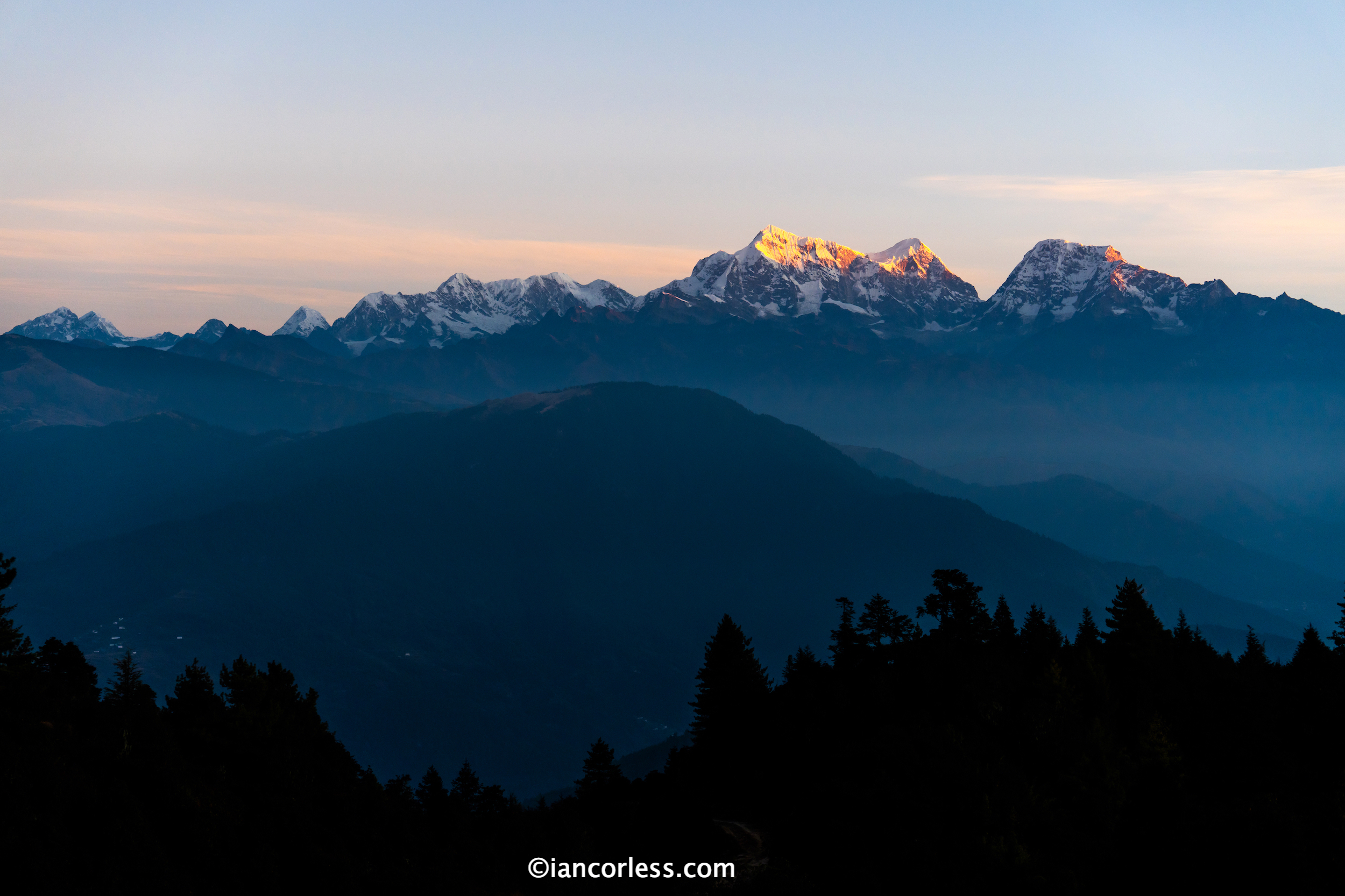
Amazing views to start the race ©iancorless

VIEW THE IMAGE GALLERIES HERE

ARRIVAL IN KATHMANDU

Travel is coordinated so all participants meet in Istanbul for an onward red-eye flight through the night to arrive in Kathmandu mid morning. During the Covid period, Kathamandu has not stood still either. There have been major improvements to the airport and what was a very painful arrival and immigration procedure is now considerably less painful if you have the relevant documents, photos and cash to pay for an entry visa.

©iancorless
Airport welcome ©iancorless

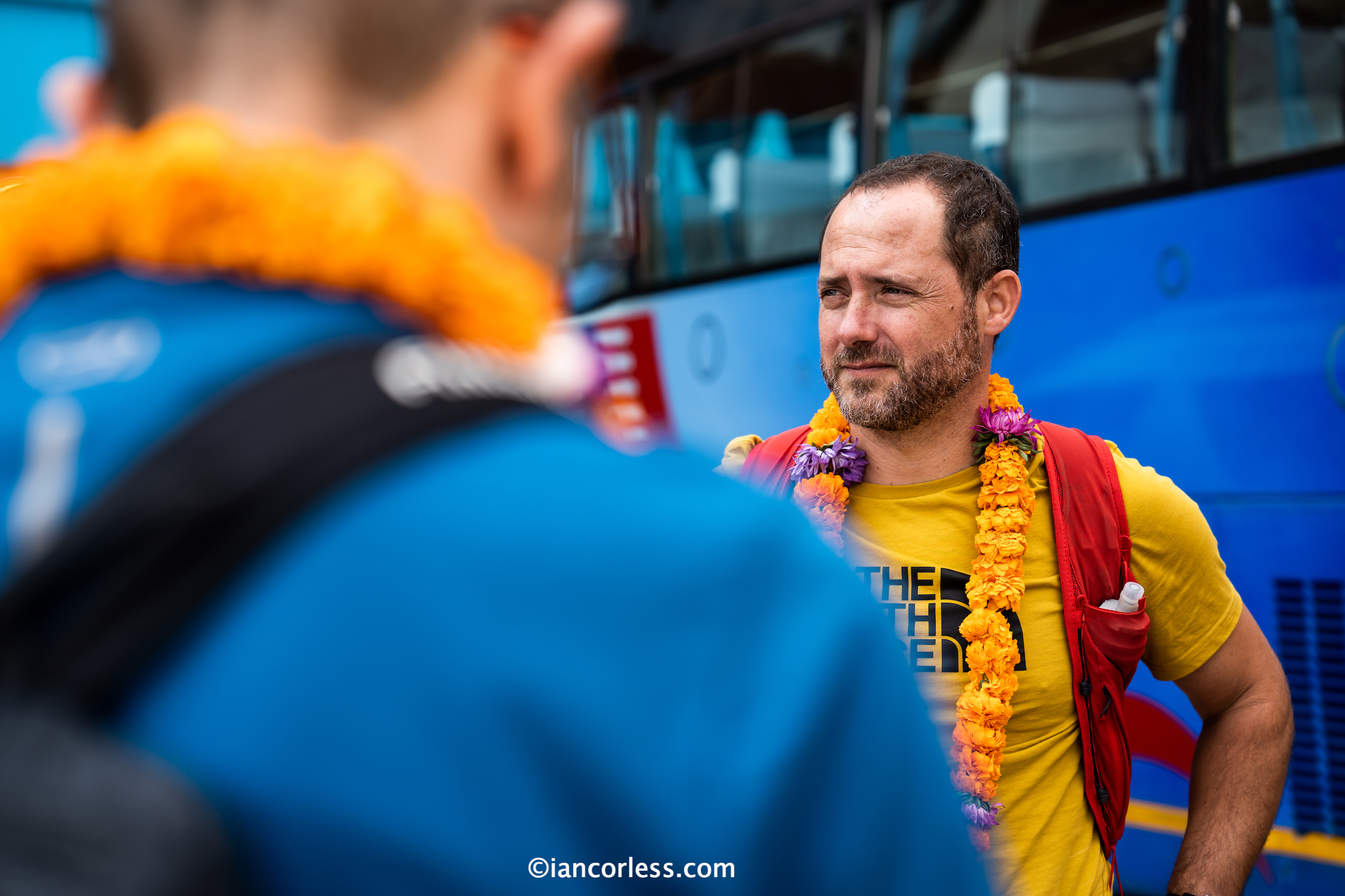
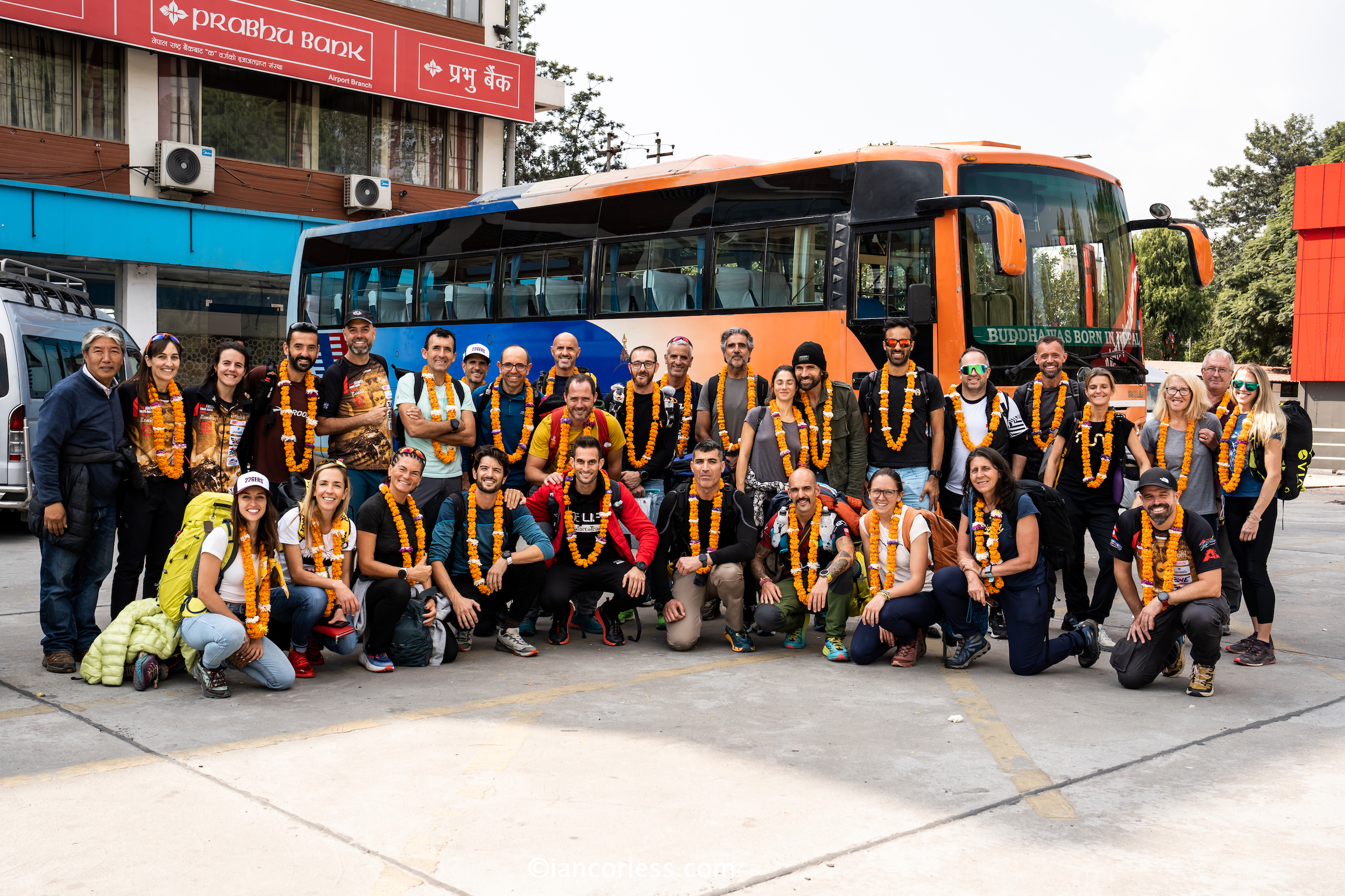
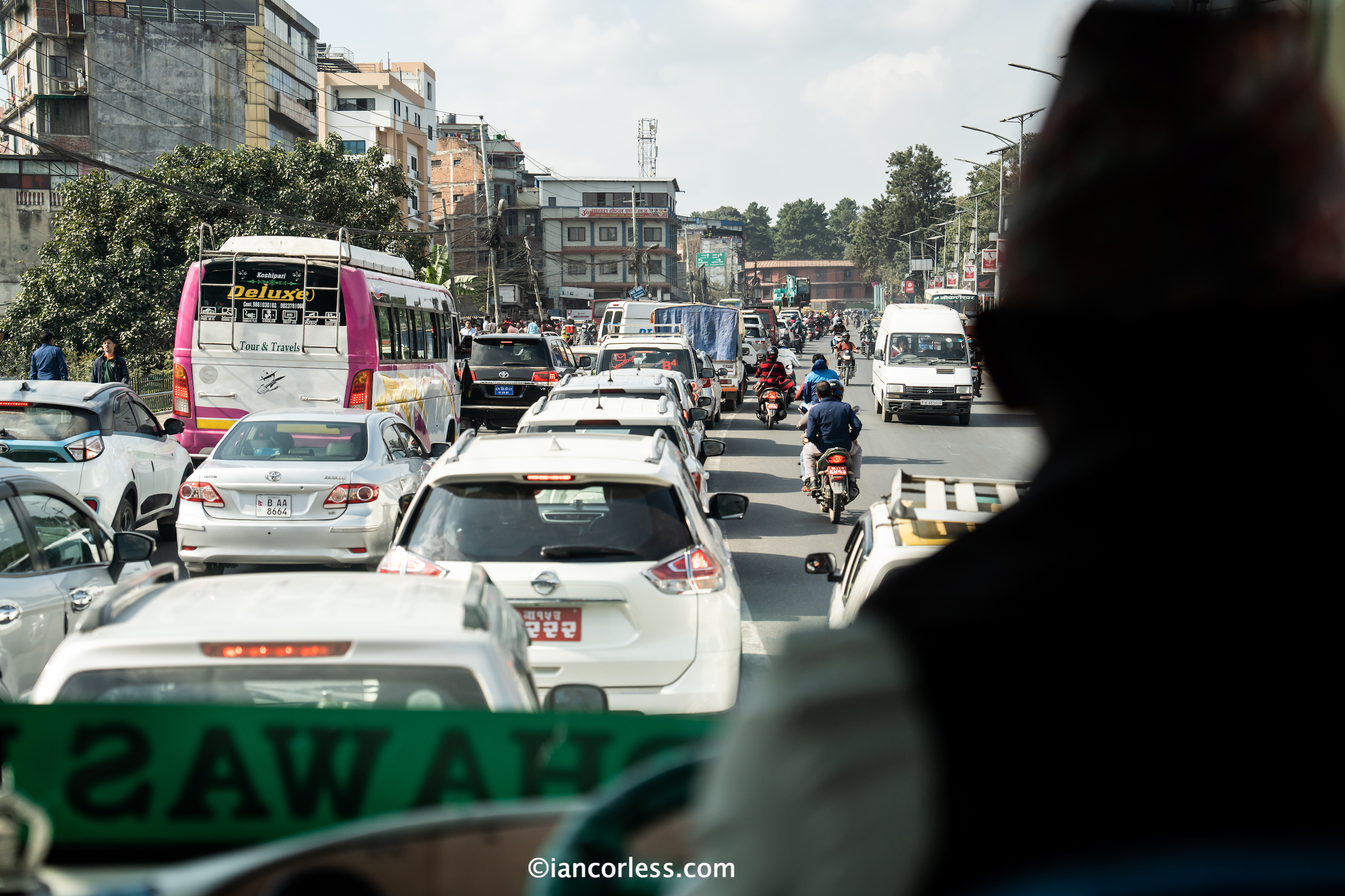
Everyone is welcomed at the airport with a traditional garland and then it’s transfer time to the hotel which will be home for the next two days. For those who have not been to Kathmandu before, the driving is always somewhat of a shock. Organised chaos is the easiest way to explain it.

©iancorless

Arrival at Hotel Shanker, a calm and hidden oasis in noise and craziness of Kathmandu is welcome. Everyone is greeted and then it’s straight into initial race admin before relaxation time after long travel.

©iancorless

PRE-RACE

Monkey Temple ©iancorless

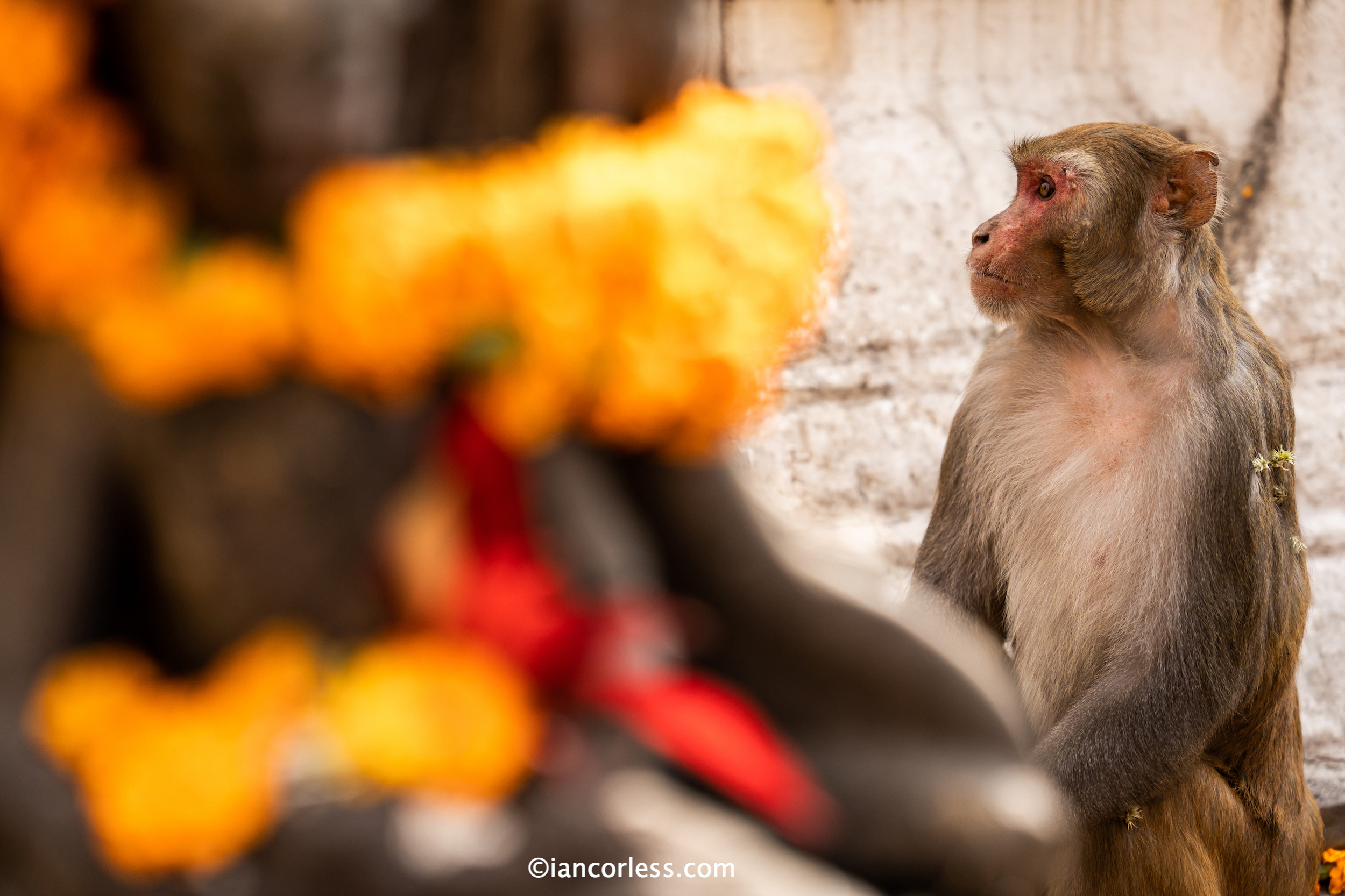
Day 1 morning is a group excursion to the Monkey Temple and Patan. The Monkey Temple for 2022 was considerably busier than other years due to timing of an important religious festival. It was rammed with people but that only added to the atmosphere.

A time to pray ©iancorless

Of course, it’s always an eye-opener to experience a place like this. No matter how many times you visit, there is always something new and of course, it’s a popular place for beggars who hope to monetise the charity of the visitors.

Nepal always provides a reality check ©iancorless

From the Monkey Temple to historical Patan. *Patan, also known as ‘Lalitpur’, the city of artisans, lies 5 km southeast of Kathmandu, and is home to the valley’s finest craftsmen who have preserved such ancient techniques as the repoussé  and lost wax process used to produce exquisite sculptures. The city retains much of the old charm with its narrow streets, brick houses and multitude of well-preserved Hindu temples, Buddhist monasteries (vihars) and monuments. (*https://ntb.gov.np/patan).

©iancorless

The buildings, the winding streets, the noise and colour – always special. But for many, the people are what is interesting… So many characters full of life, history and colour.

Local colour ©iancorless

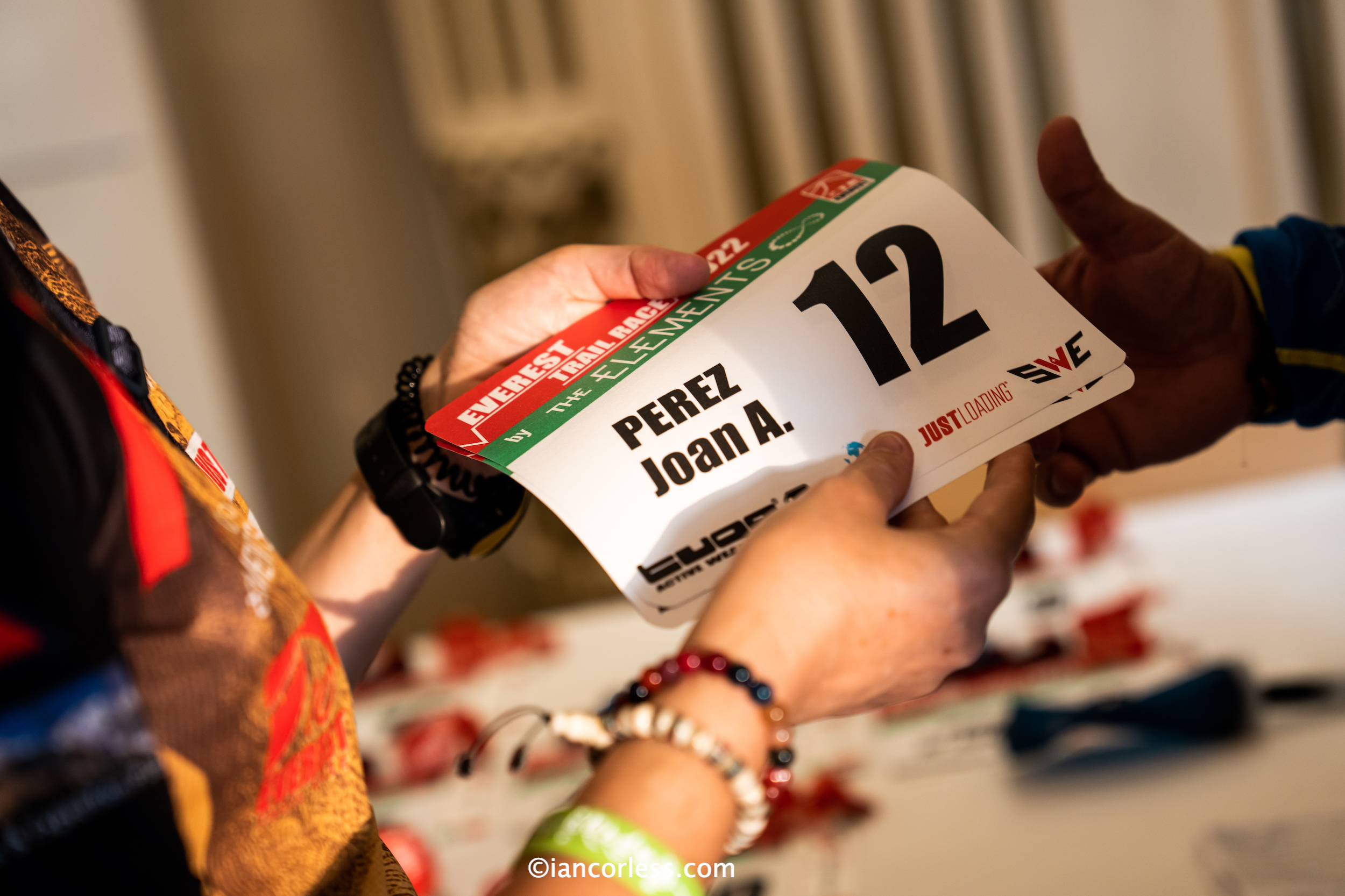
After a morning of relaxation and sightseeing, late afternoon is taken up with pre-race admin checks, number collection, medical checks and onwards to the evenings welcome dinner and race briefing.

©iancorless
©iancorless

TRAVEL TO CAMP 1

©iancorless

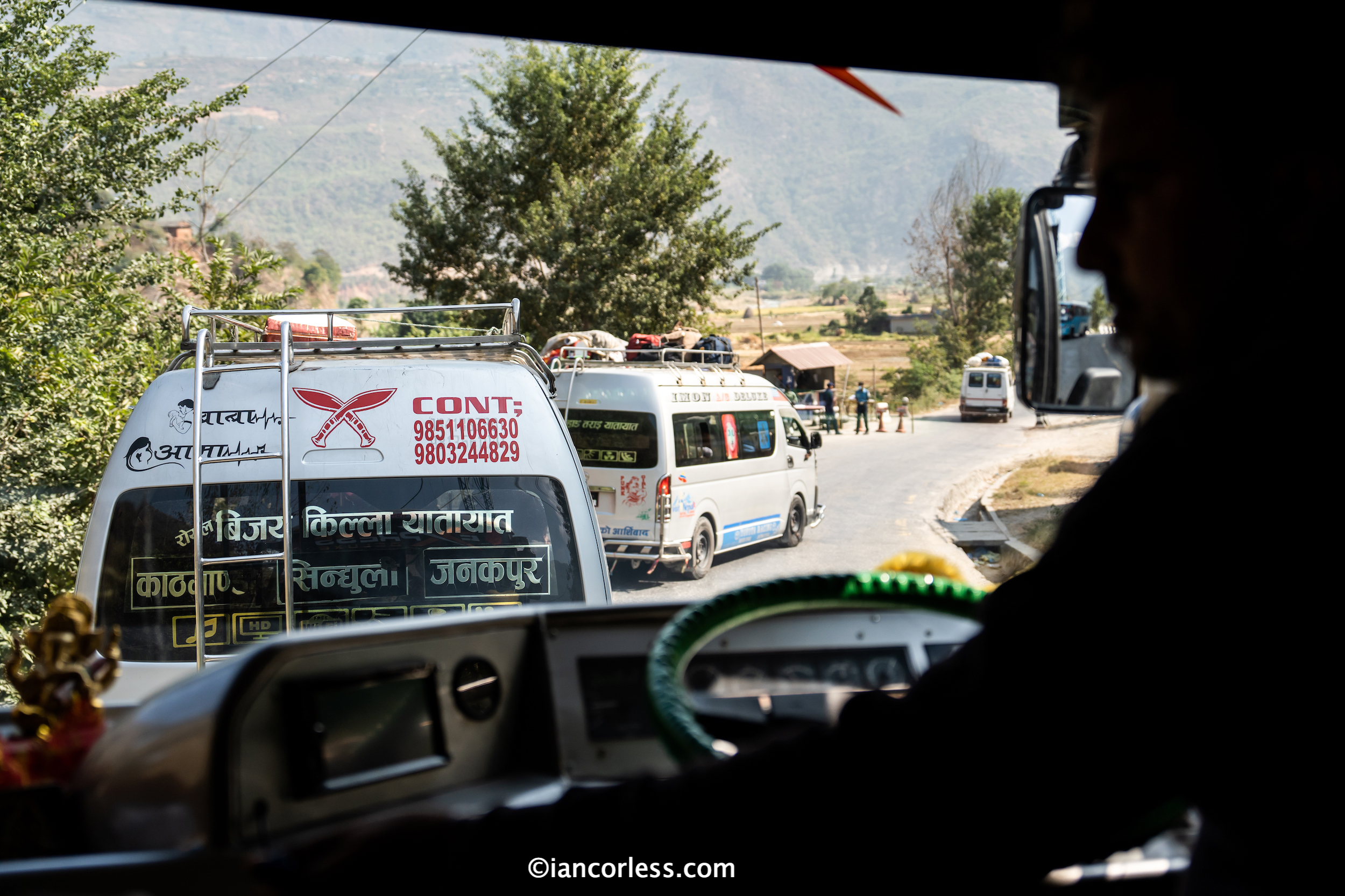
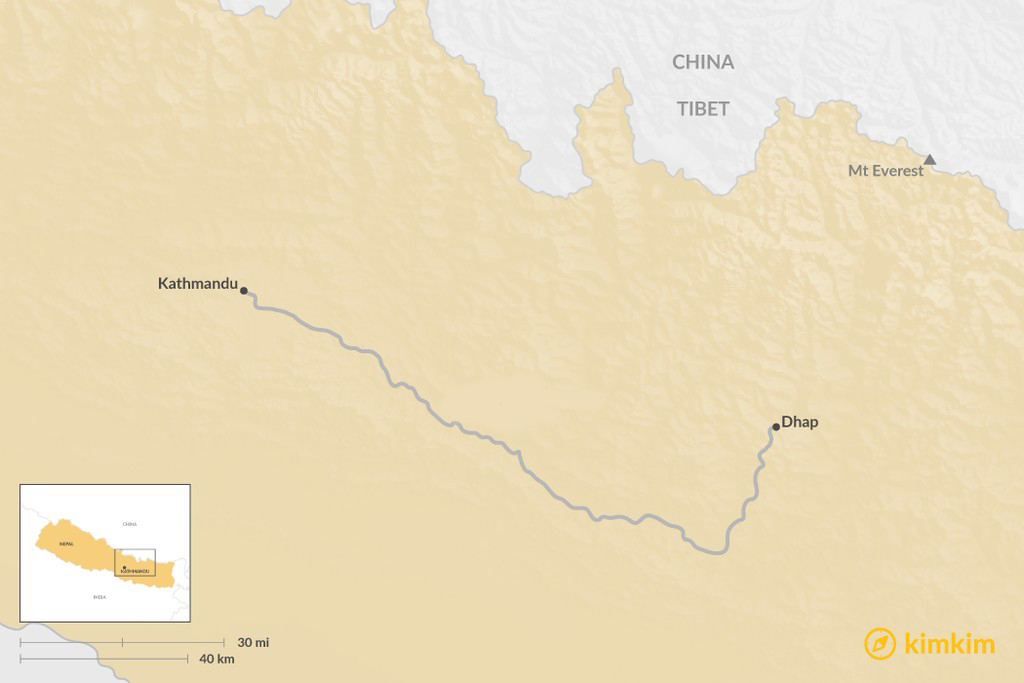
Travel to camp 1 in Dhap is via bus and it’s a long and lengthy journey of 8 to 12-hours.

Of course regular stops break up the journey and there is an opportunity to see local colour and character on the way, one of the real benefits of travel via road in comparison to taking internal flights.

©iancorless

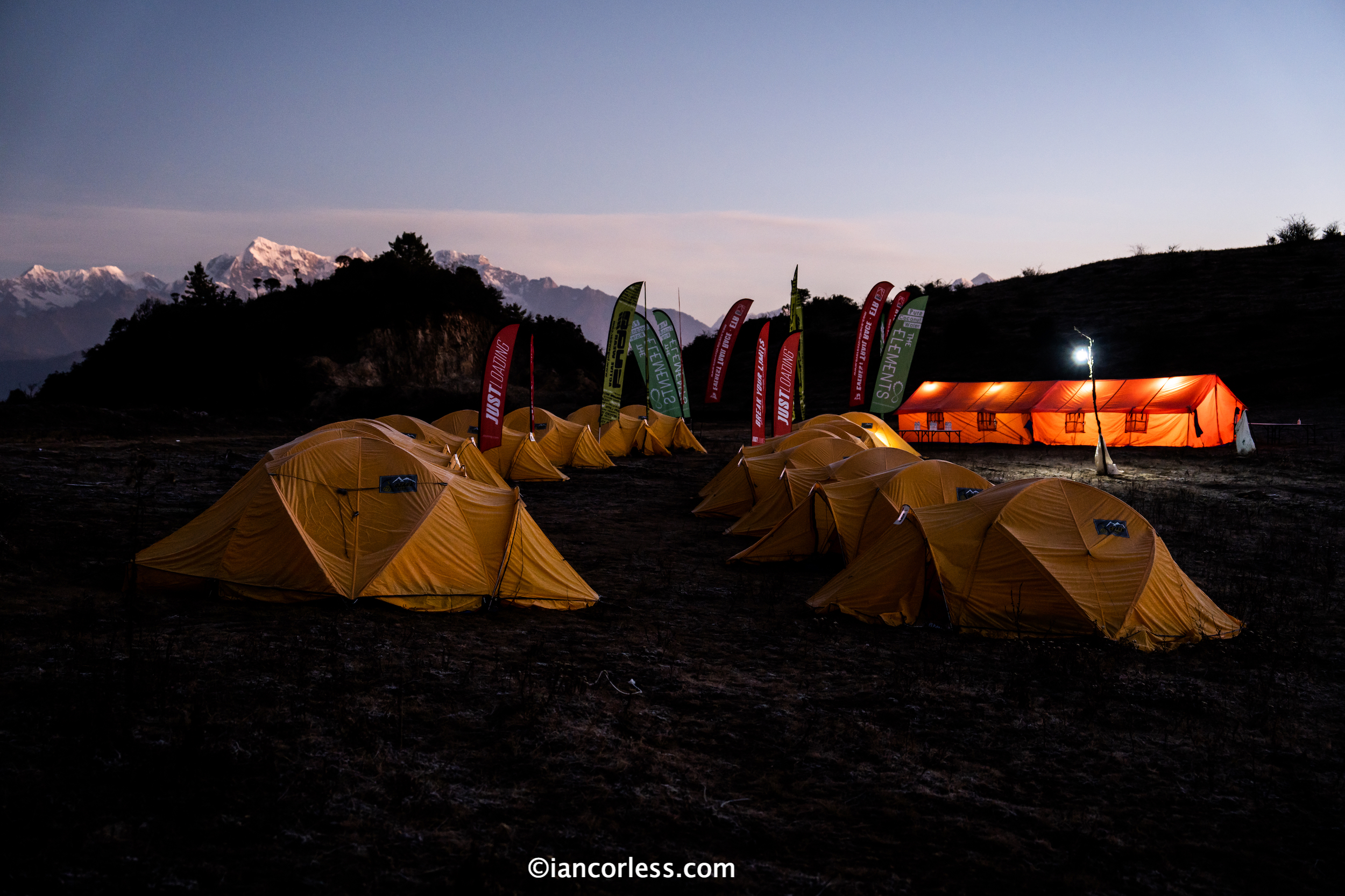
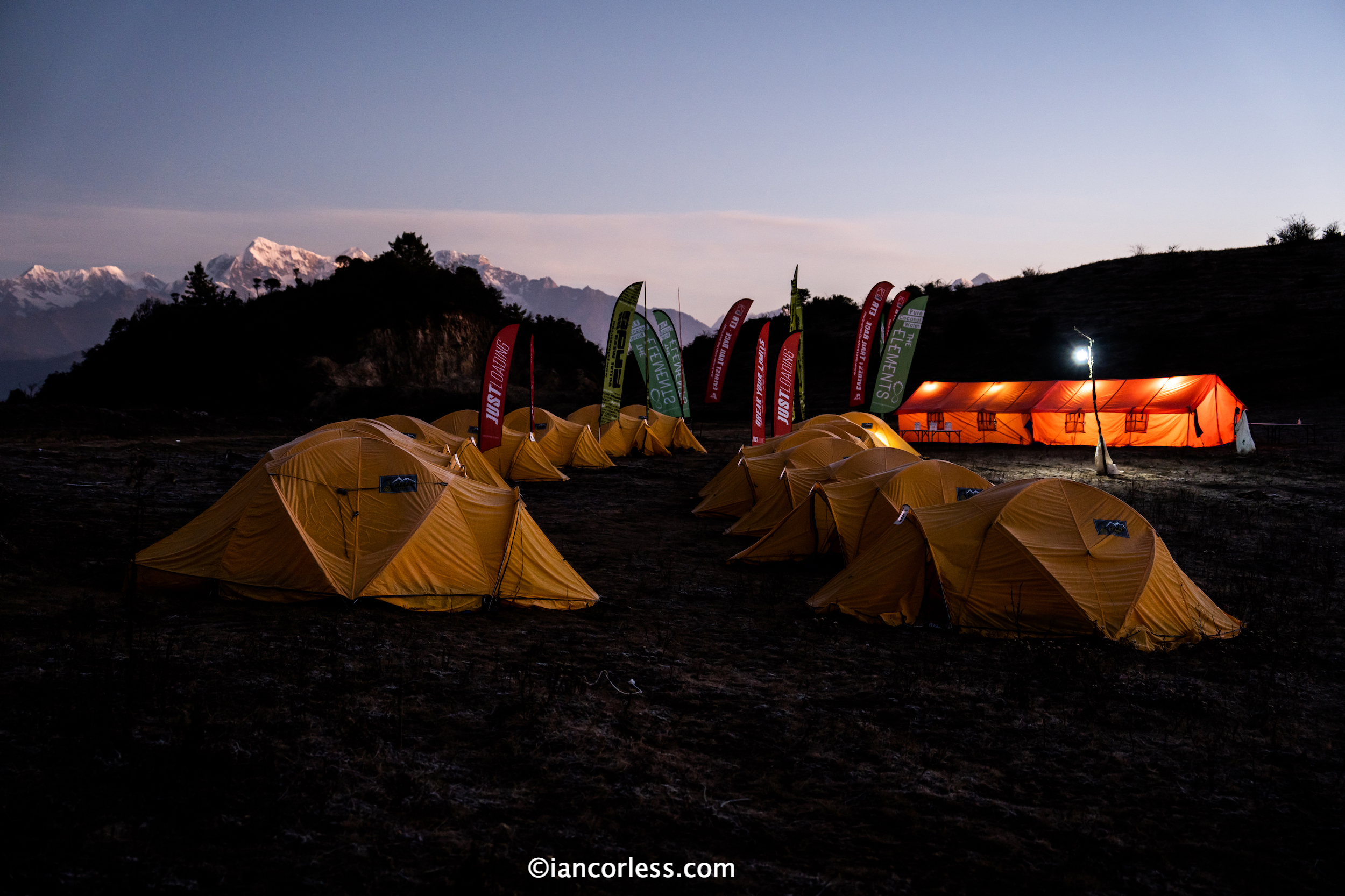
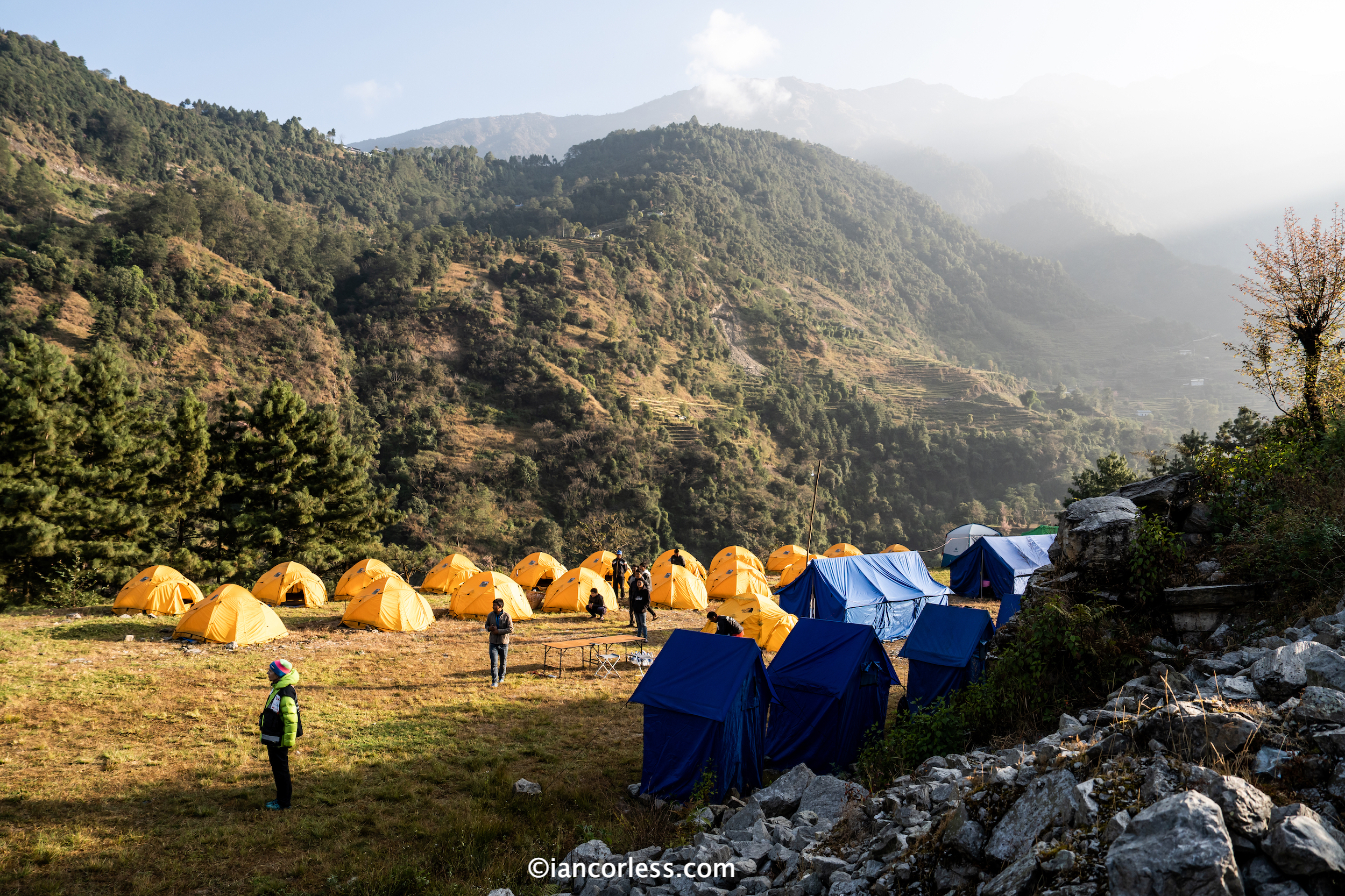
Arrival at camp 1 eventually comes. Camp is set up in advance and the glow of lights and yellow tents suddenly makes the whole experience come to life. Now, the ETR finally begins and everyone spends a first night in a tent.

Camp 1 Dhap ©iancorless

THE RACE

Great views to start the race ©iancorless

STAGE 1

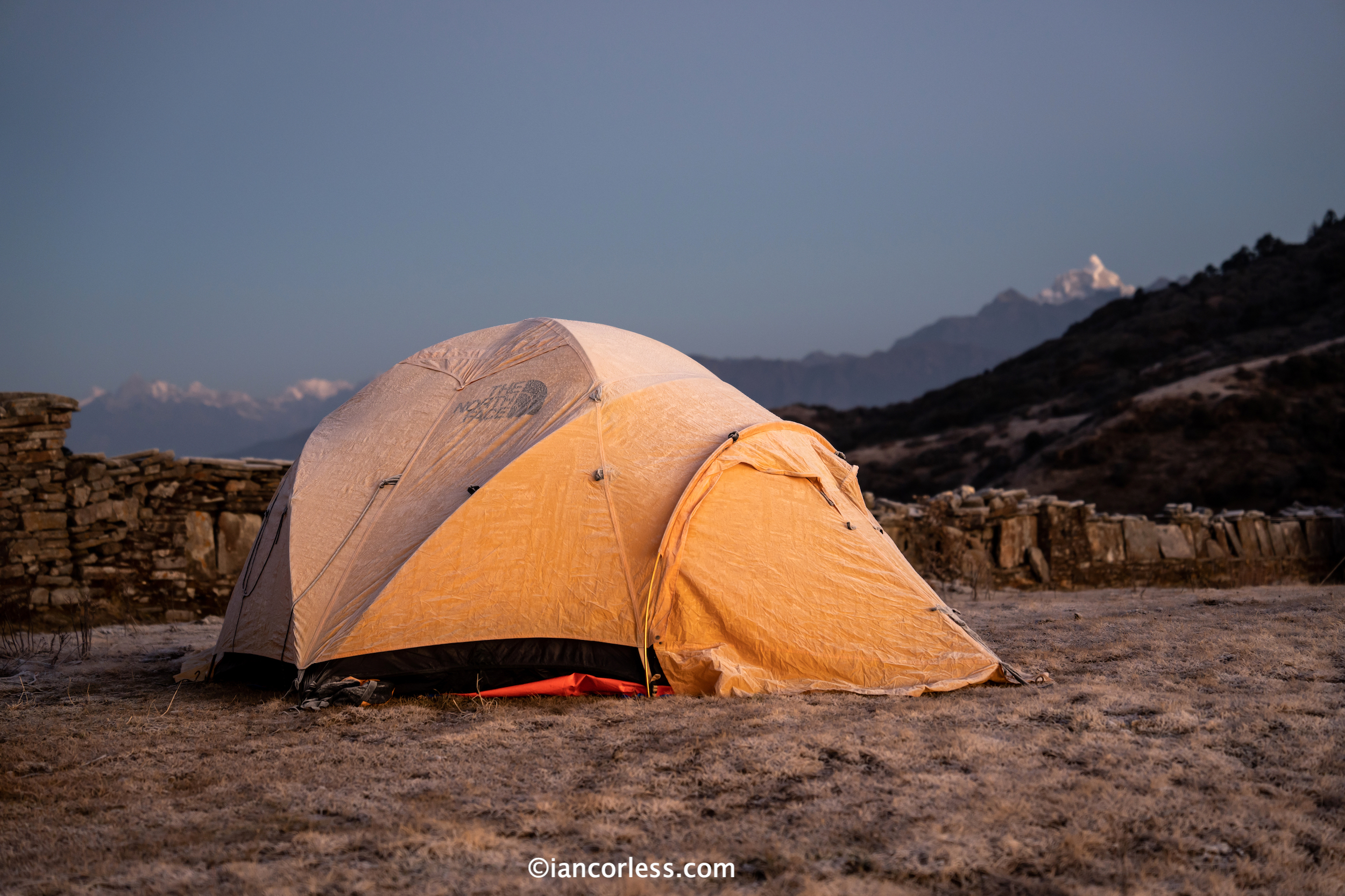
A first night under the stars and by Nepal standards in November, it was a relatively mild despite the layer of frost on all the tents and on the ground.

Participants were undecided if it had been cold or not, basically this came down to how good and warm their sleeping bags were. If a runner felt cold last night, the omens are not good for how well they will sleep in the coming days.

Warm sweet tea is a great way to start a day, especially while relaxing in a sleeping bag. But despite that luxury, breakfast called and the need to add layers and absorb calories for the day ahead was an immediate priority.

The sun came and with it warmth. The glow of head torches replaced, bags were packed and racing apparel was made ready.

Rationed water, gels and bars were provided and at the stroke of 0830 the runner’s departed for Stage 1 of the 2022 Everest Trail Race.

Local musicians at the start ©iancorless

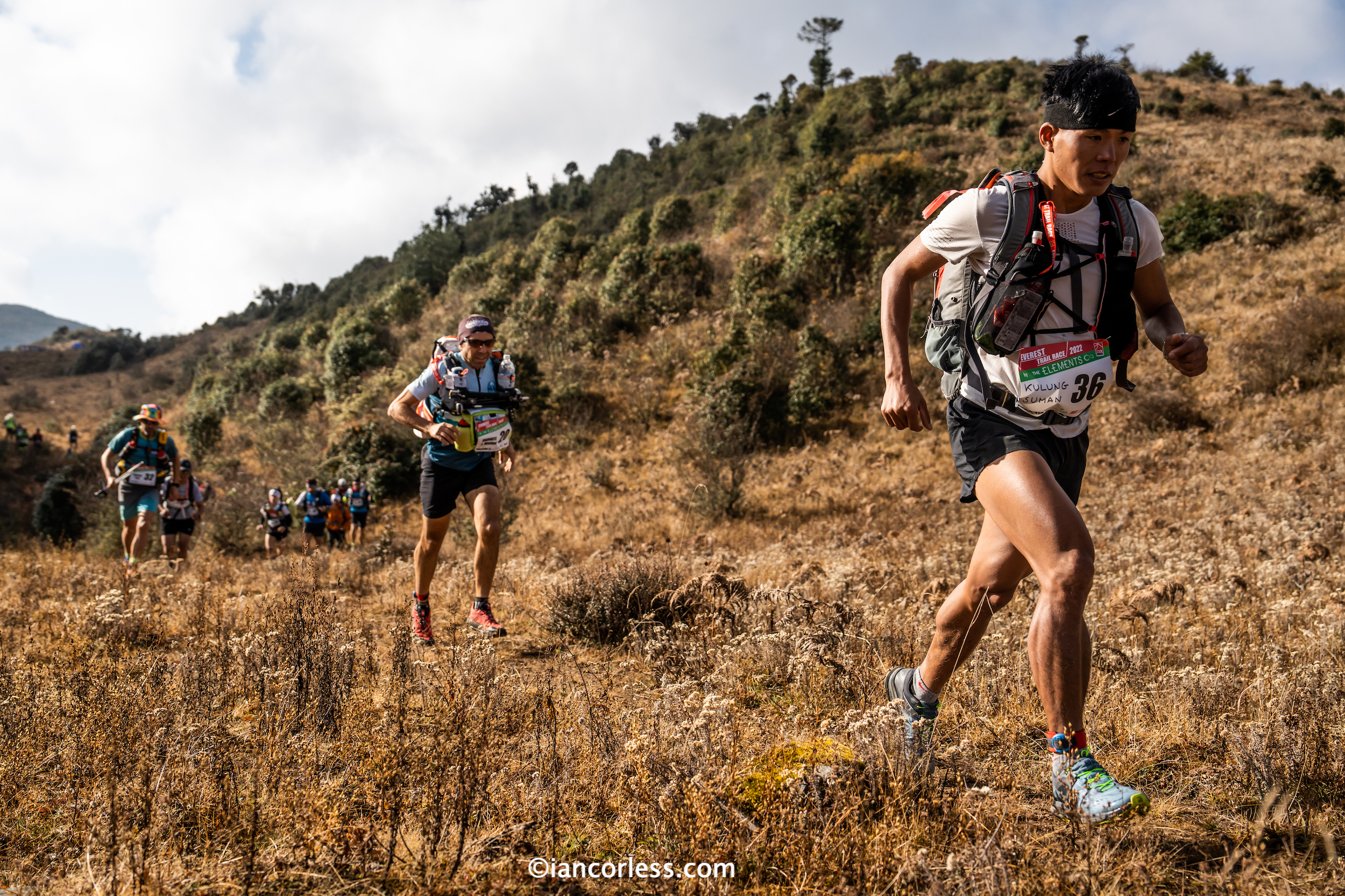
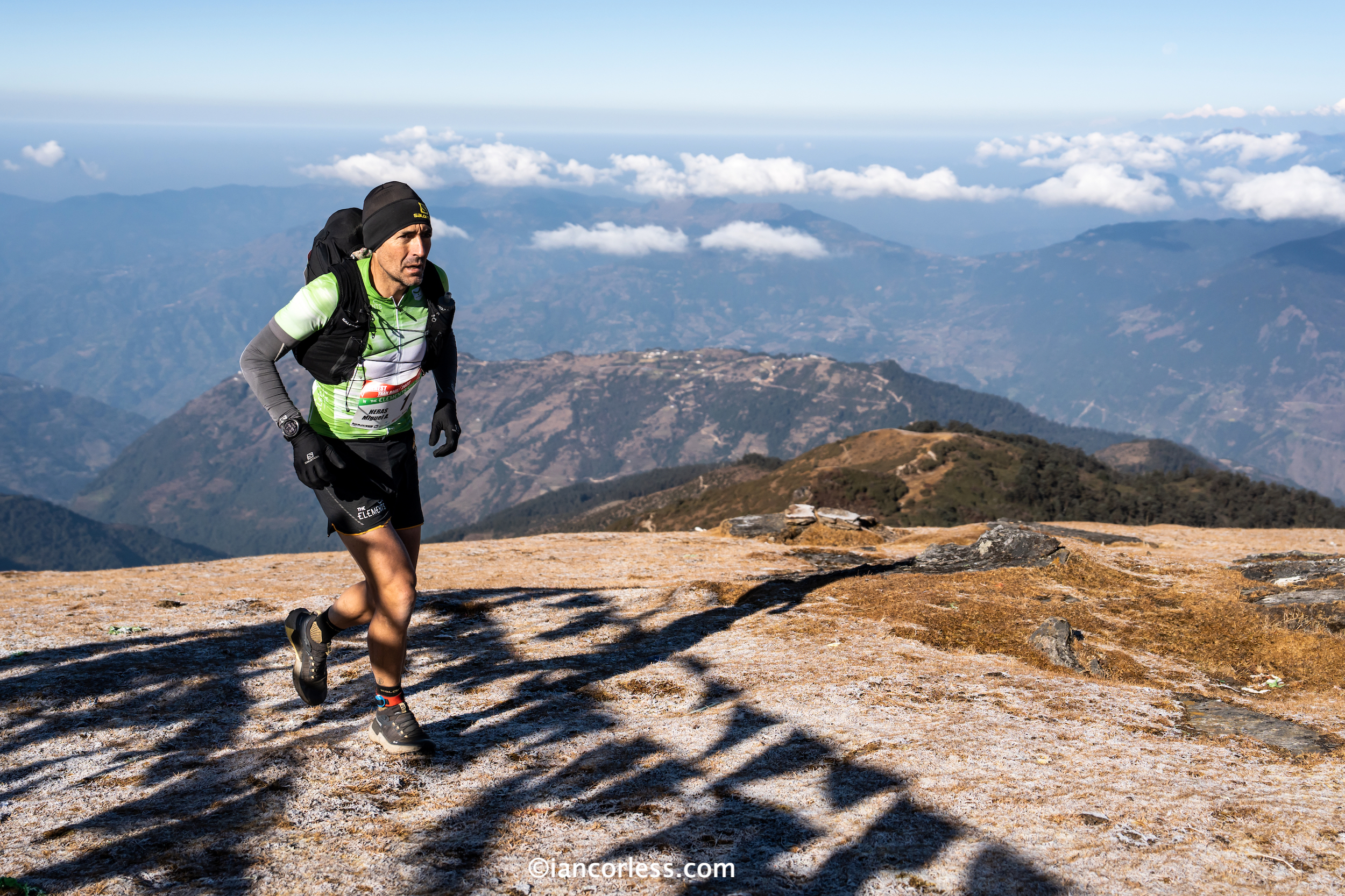
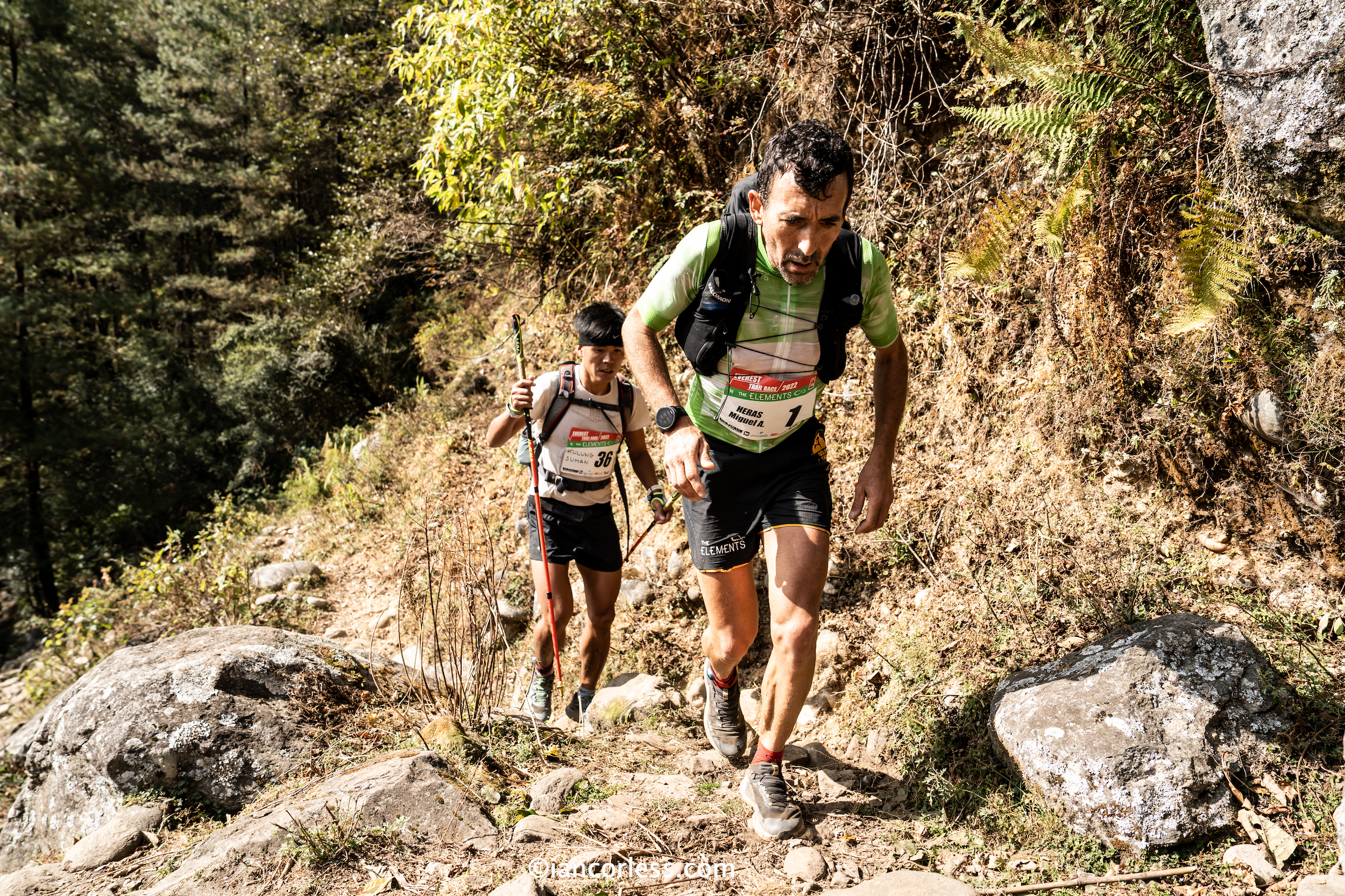
At 23.08km with 1551m+/ 1012m- the day was expected to be completed quickly by the front-runners. Miguel Heras did not disappoint crossing the line at exactly 1100am, behind, the 2019 ETR Suman Kulung finished just a couple of minutes later with the 2018 ETR champion, Jordi Gamito, finishing 3rd off the pace.

Suman Kulung ©iancorless

Miguel explained how he had made a silly mistake immediately after Cp2 whilst eating at not concentrating, he missed a marker and went off course. The mistake cost him first place and many minutes… He chased, caught Suman, and still obtained victory; a great run. However, he did say, “There are 5-days to go, anything can happen!”

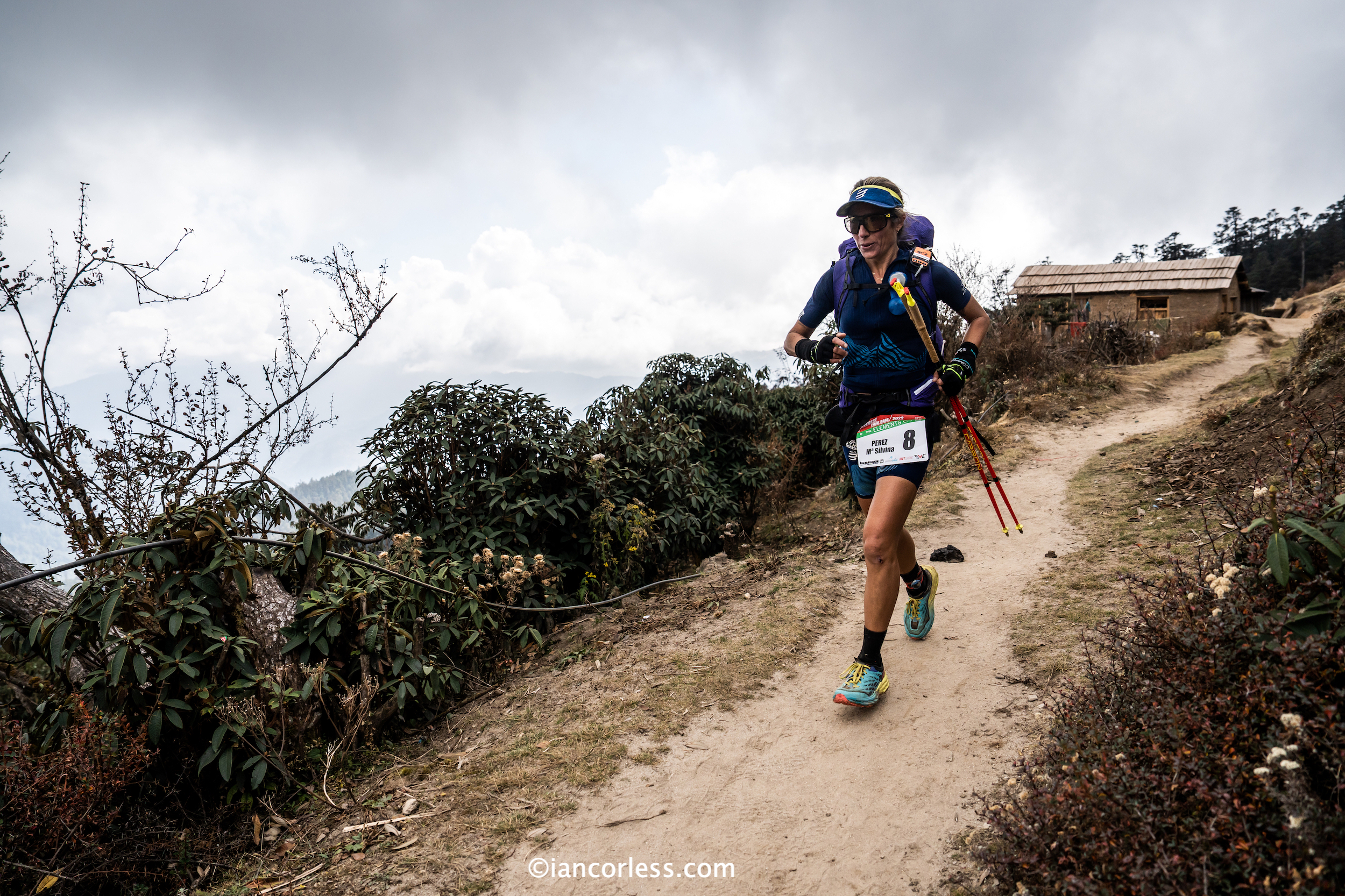
For the women, Silvina Perez ran a strong stage ahead of Nepali, Ang Furba Sherpa. Ester Alves from Portugal finished 3rd ahead of pre-race favourite, Caroline Turner, who summed her day up with a simple summary, “The altitude and the last climb kicked my ass!”

It was a successful day-1 with all participants completing the course before 1700hrs.

Silvina Perez ©iancorless

STAGE 2

It was a cold night at 3500m. The wind and cloud adding to the chilly temperatures. For those who have raced light, today is the day that they understand the importance of layers and a warm sleeping bag. A lack of sleep with a tired body is not pleasant, even warm tea and a hot breakfast could not lighten the mood of some. After day-1, based on finish times, ETR operates two starts for stage, 0700 and 0800, thus allowing slower competitors additional time to complete the stage.

A cold night ©iancorless

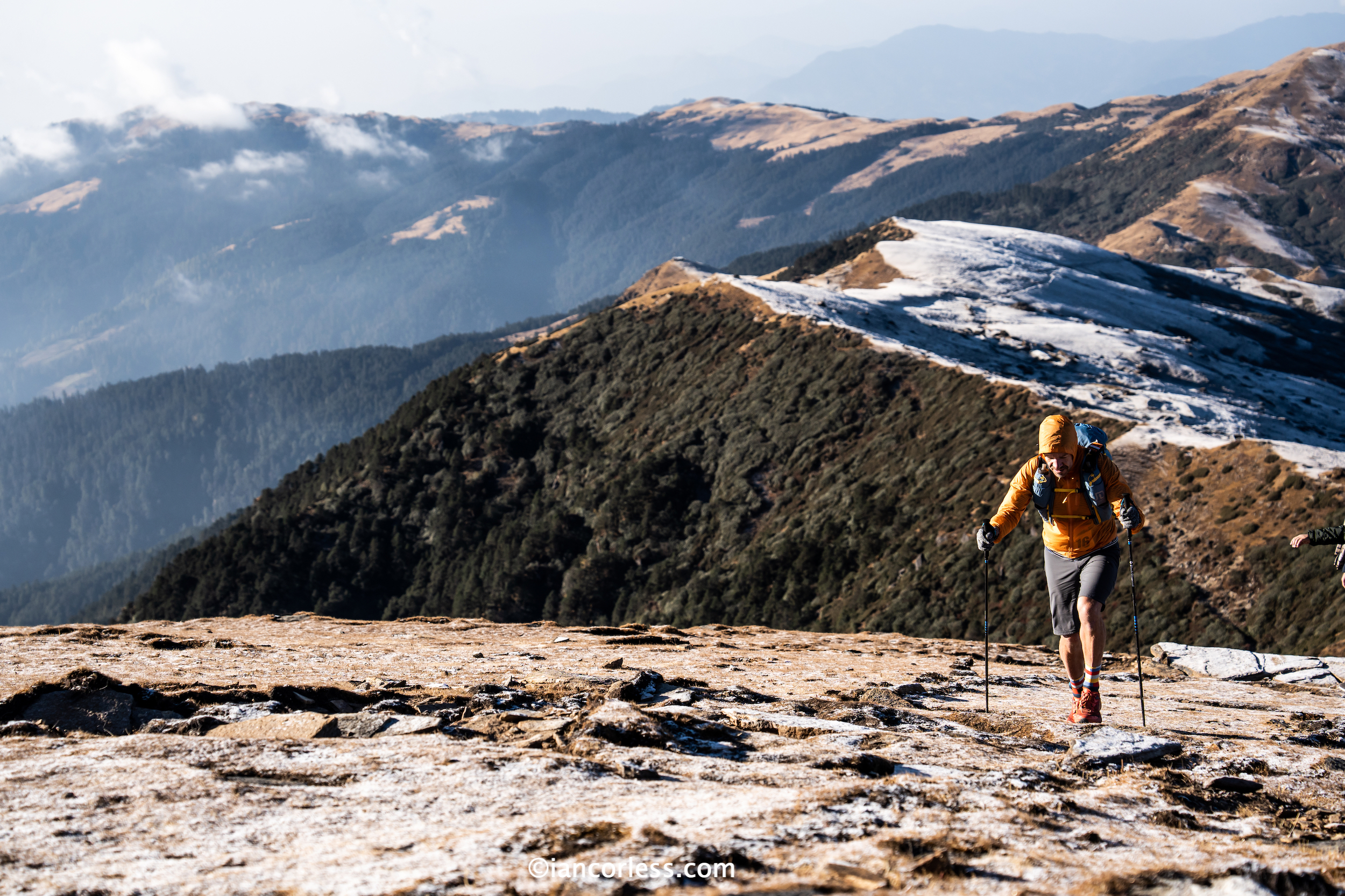
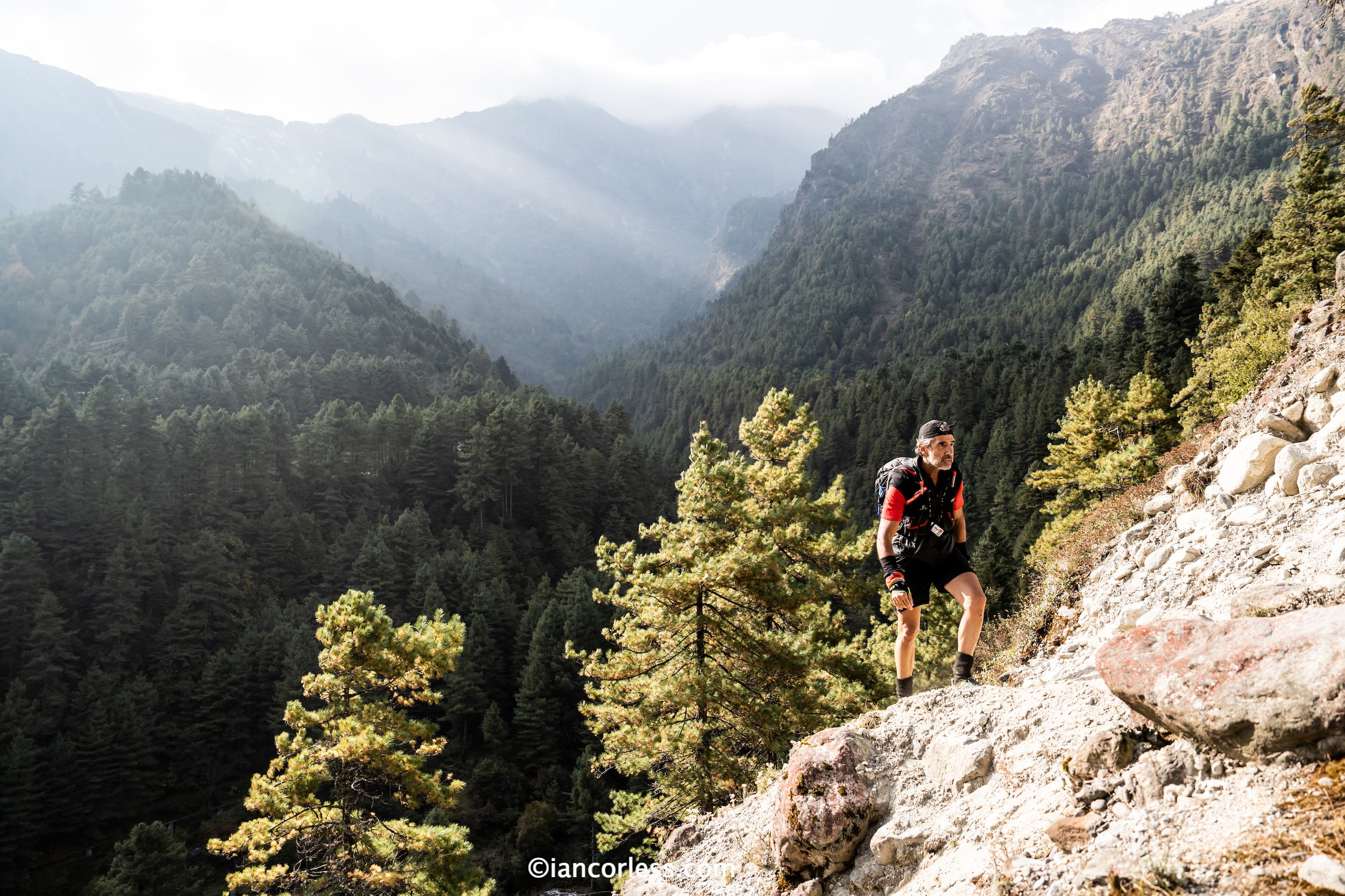
The day started with a 500m climb to the summit of Pikey Peak at 4041m. From here a twisting and technical descent to Jase Bhanjyang (3510m) and the Lamjura Pass towards Langate Peak and onward to Pungmuche and Thumptencholing. From 20.5km another climb to 24.5km, and then a tough finish with a long climb, descent and then a final short climb to the camp at Rinmo.

The climb to Pikey Peak ©iancorless

Everyone was unanimous, it was a seriously tough day and although we missed a peak due to landslide, it added distance, many recording between 34-36km.

Miguel Heras ©iancorless

The race at the front was intense and today, with so much altitude and added distance, Nepali Suman had the advantage over Miguel Hera, Jordi Gamito once again placing 3rd.

Purwha Lhamu Sherpa ©iancorless

For the women, it was a similar story with Nepali, Purwha Lhamu Sherpa having the advantage over Sivina Perez.

The impact of the day will no doubt be seen in stage 3, when the runners tackle 28.23km with 2028m+/ 2799m-

Many are already discussing the drop of over 2000m from 3855m at km7.5, to 1625m at km23. A tough day!

Himalayan Vista from Pikey Peak ©iancorless

STAGE 3

Nothing better than starting a 30km day with a 1200m climb to just under 4000m through forest trails. The downside, depending on viewpoint and preferences, was the 2700m of descent that followed via steep, technical, challenging and rocky trails. And then just when you think it’s all over, you finish the day with 500m of vert followed by another short decent to camp. It was a tough day!

Miguel Heras ©iancorless

The action started early with Miguel Heras and Sumun Kulung setting a harsh pace up the first climb, they were inseparable. Event the relentless descent could not break them. It was at the last checkpoint, with approximately 5km to go, 500m of vert, that Miguel put the hammer down and opened up an 11min gap over the Nepali. Quite incredible.

©iancorless

Once again, Jordi Gamito, the 2018 ETR champion, seemed happy to settle for the third spot – the duo ahead are at the moment, untouchable.

Blai Llopis Aulet ©iancorless

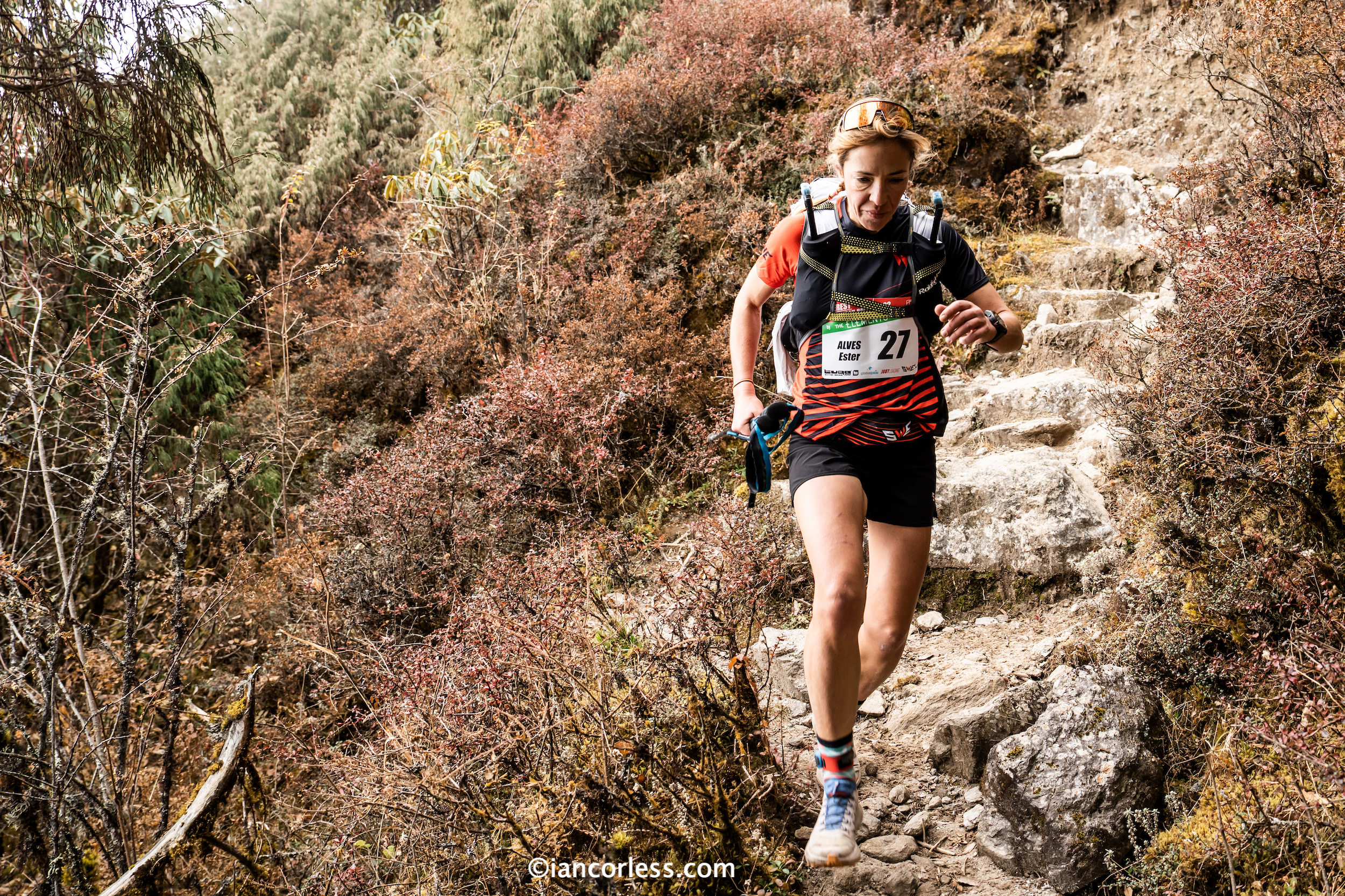
Purwha Lhamu Sherpa certainly has settled in to women’s race and once again took victory. Ester Alves, equally has found her comfort on the Nepal trails and today relished the relentless downhill trails to finish second. Day 1 victor, Silvina Perez, finished third.

Ester Alves ©iancorless

Mood in the camp was positive after the stage, these trails are quiet and remote. It was only in the final 5km, the climb to Kharikola, that it was possible to see homes and locals working the fields.

STAGE 4

©iancorless

KhariKola has been the stage 3 camp, day 4 start for many years. However, for 2022, the ETR no longer camped at the monastery but a little lower down in an isolated spot. Temperatures were mild for the night, just dipping below zero. So, runner’s were refreshed for the start of day 4 with a good nights sleep.

©iancorless

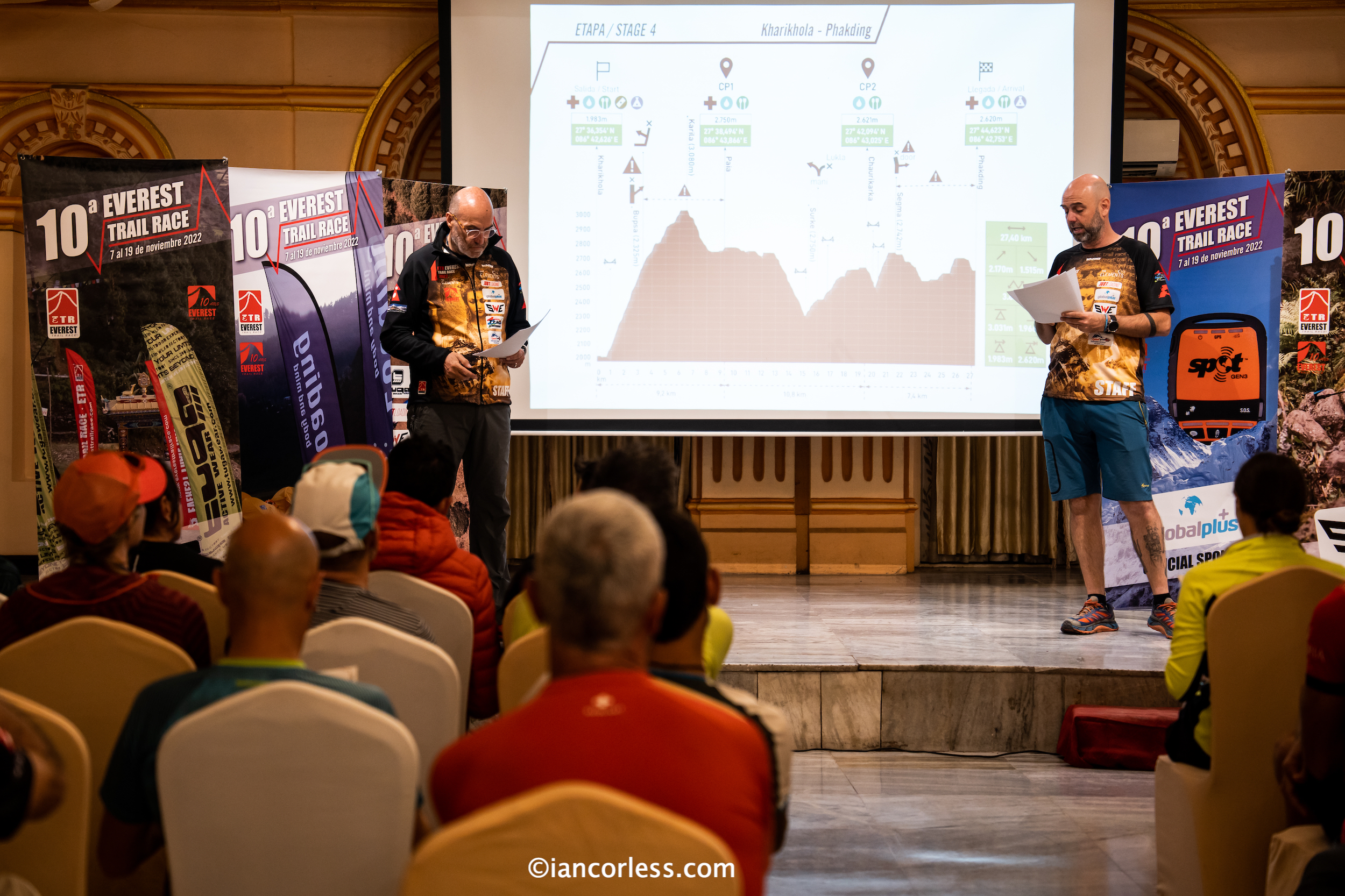
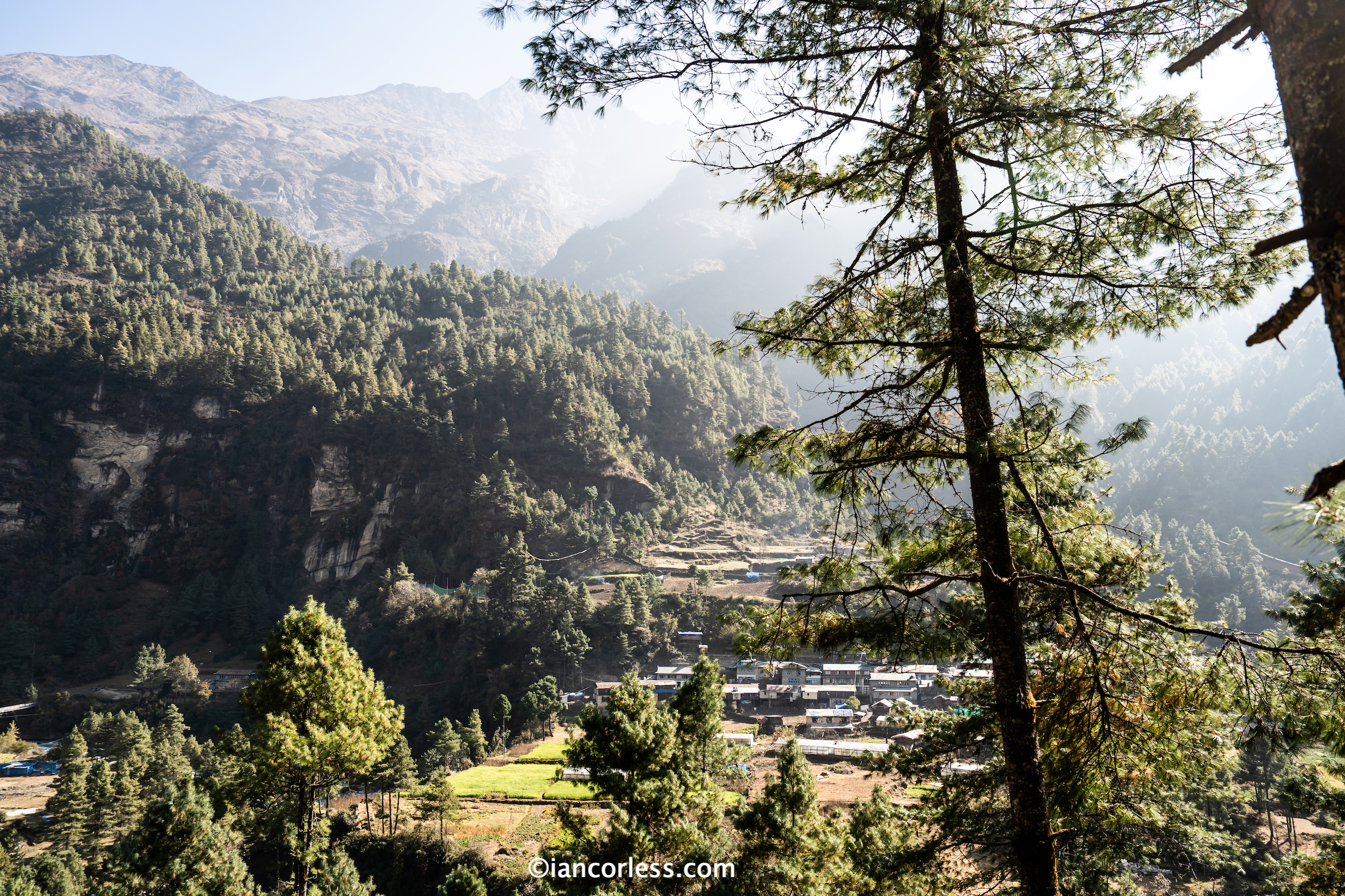
Today is the day the race enters the main trekking routes as Lukla approaches and the end of the day, Phakding.

However, unlike previous years, a new route was developed to avoid the ongoing dirt road development that is impacting on this area greatly.

Miguel and Suman ©iancorless

A tough 1000m climb kicked off the day to Karila at 3080m and then technical rocky trails to the lowest point of the day, Surke at 2300m. From here, a climb to Chaurikara (2621m) a steep descent and then a steep climb to Segma at 2742m. The ETR is now on new trails on the opposite side of the river all the way to the Phakding finish.

Once again it was the Miguel and Suman show at the front, the duo running together, again at a relentless pace. With the longest and arguably the toughest day of the race tomorrow, they crossed the line together, just a 1-second apart, no doubt saving some reserves.

Jordi Gamito finished third, quite a long way behind the leading two, his overall position is safe and he is no doubt just running a smart race now.

Caroline Turner ©iancorless

The women’s race was different today, with all three women running extremely close together, separated by just minutes. Today, the glory went to Ester Alves who gets better with each day, In the final km’s, Silvina Perez caught a fading Purwha Lhamu Sherpa  to place second.

©iancorless

STAGE 5

Stage 5, the highlight of the ETR. Today is the day the runners pass through Namche Bazaar and head up higher in the direction of the big peaks.

©iancorless

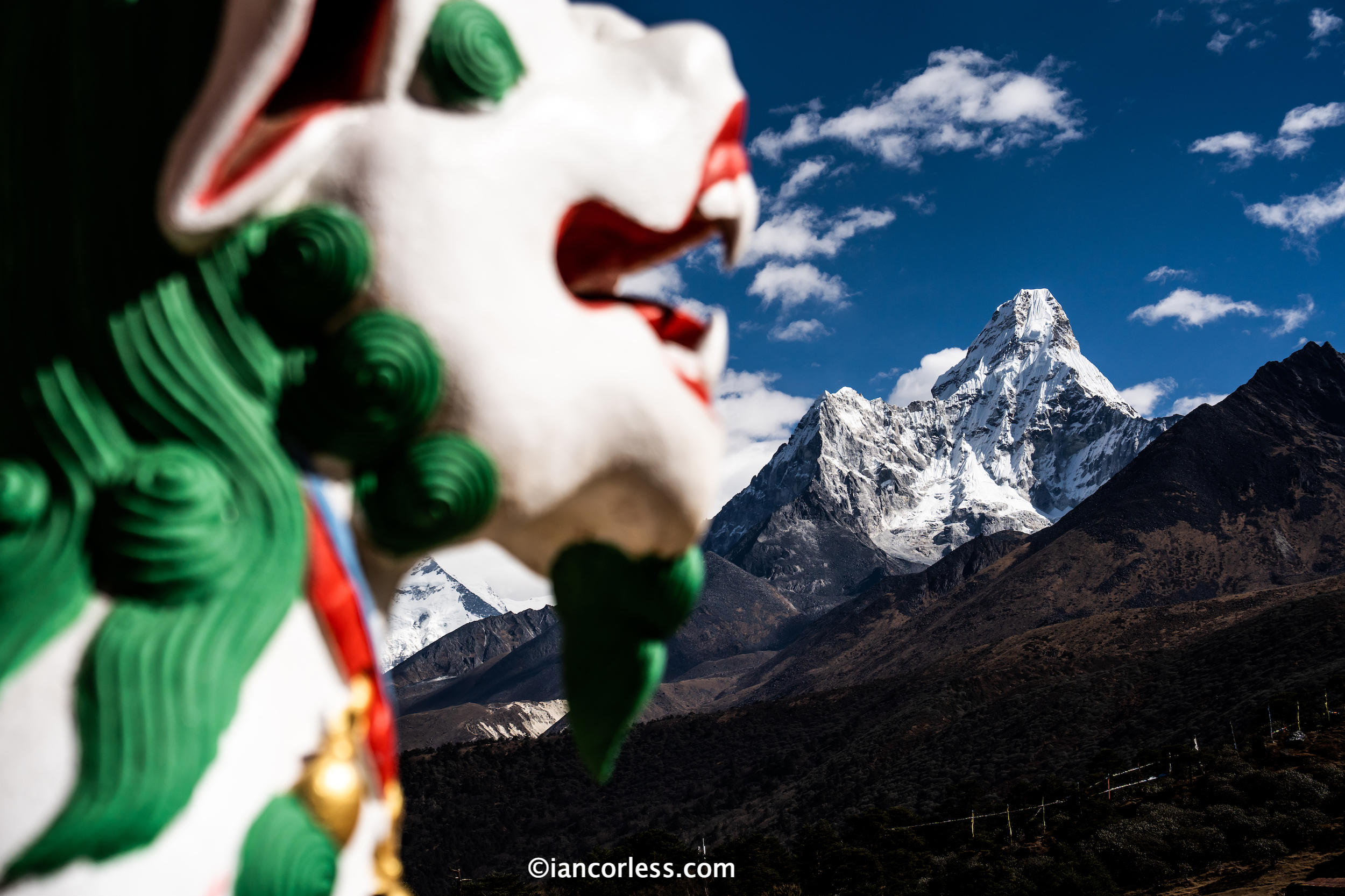
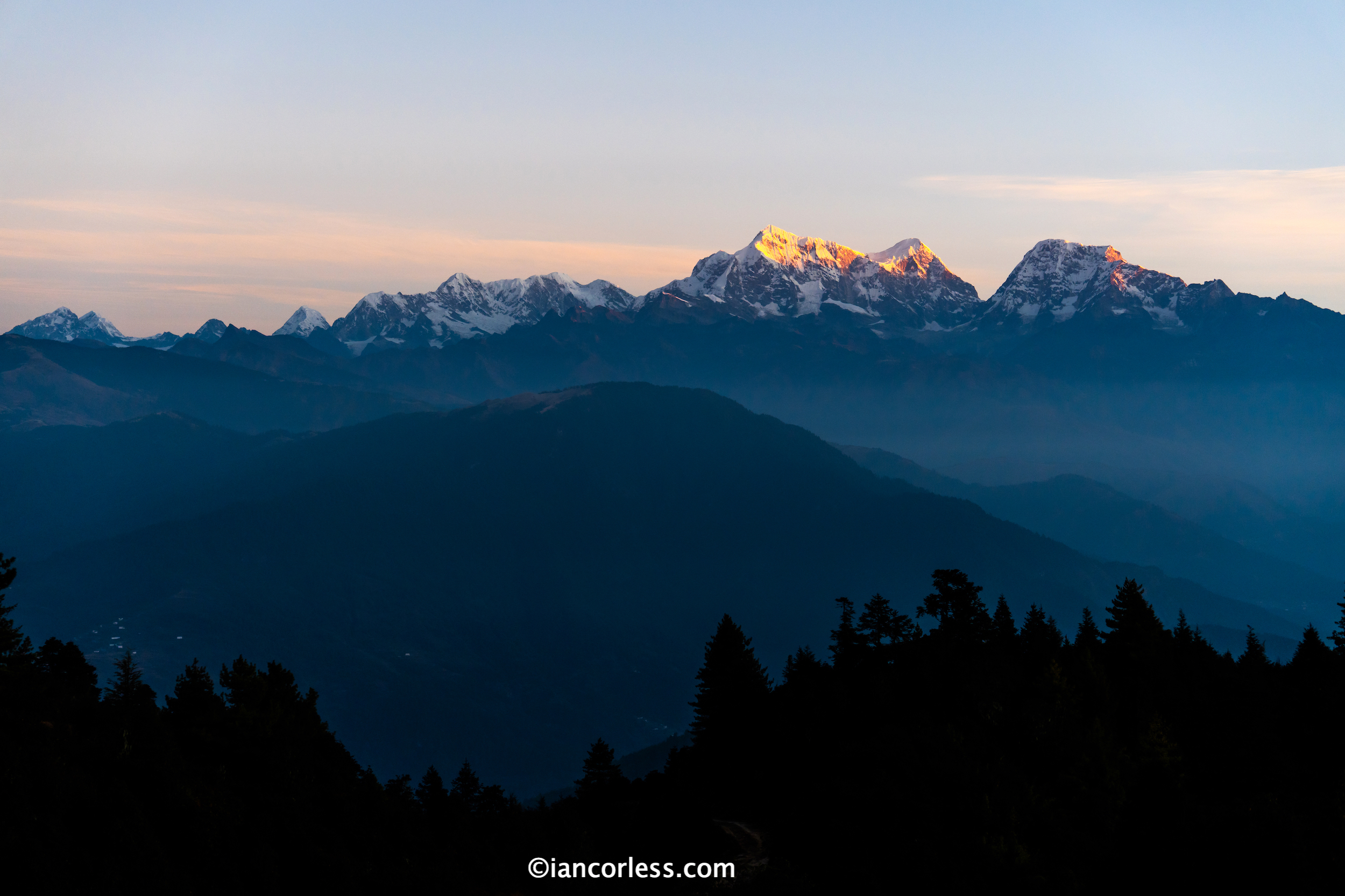
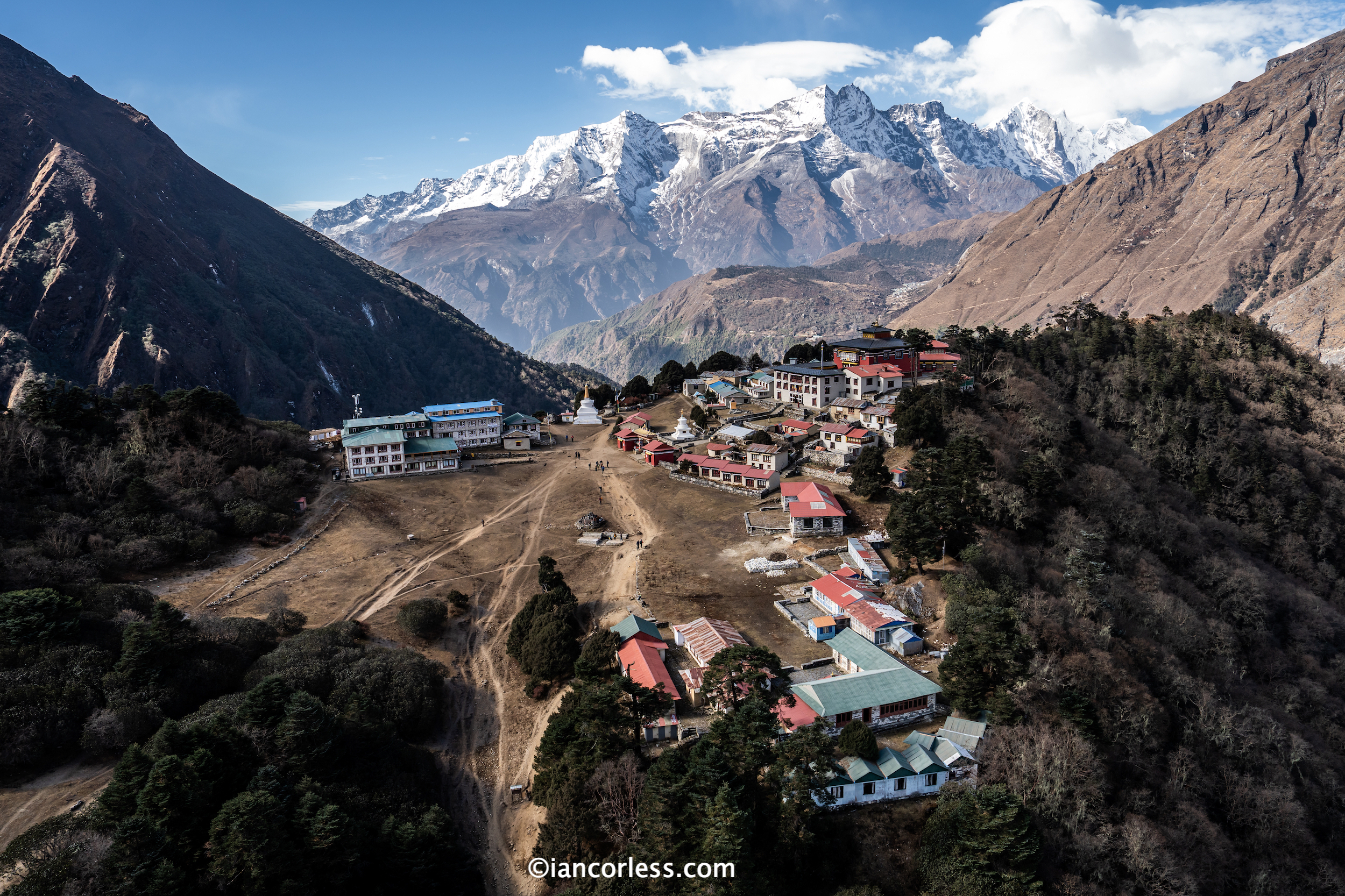
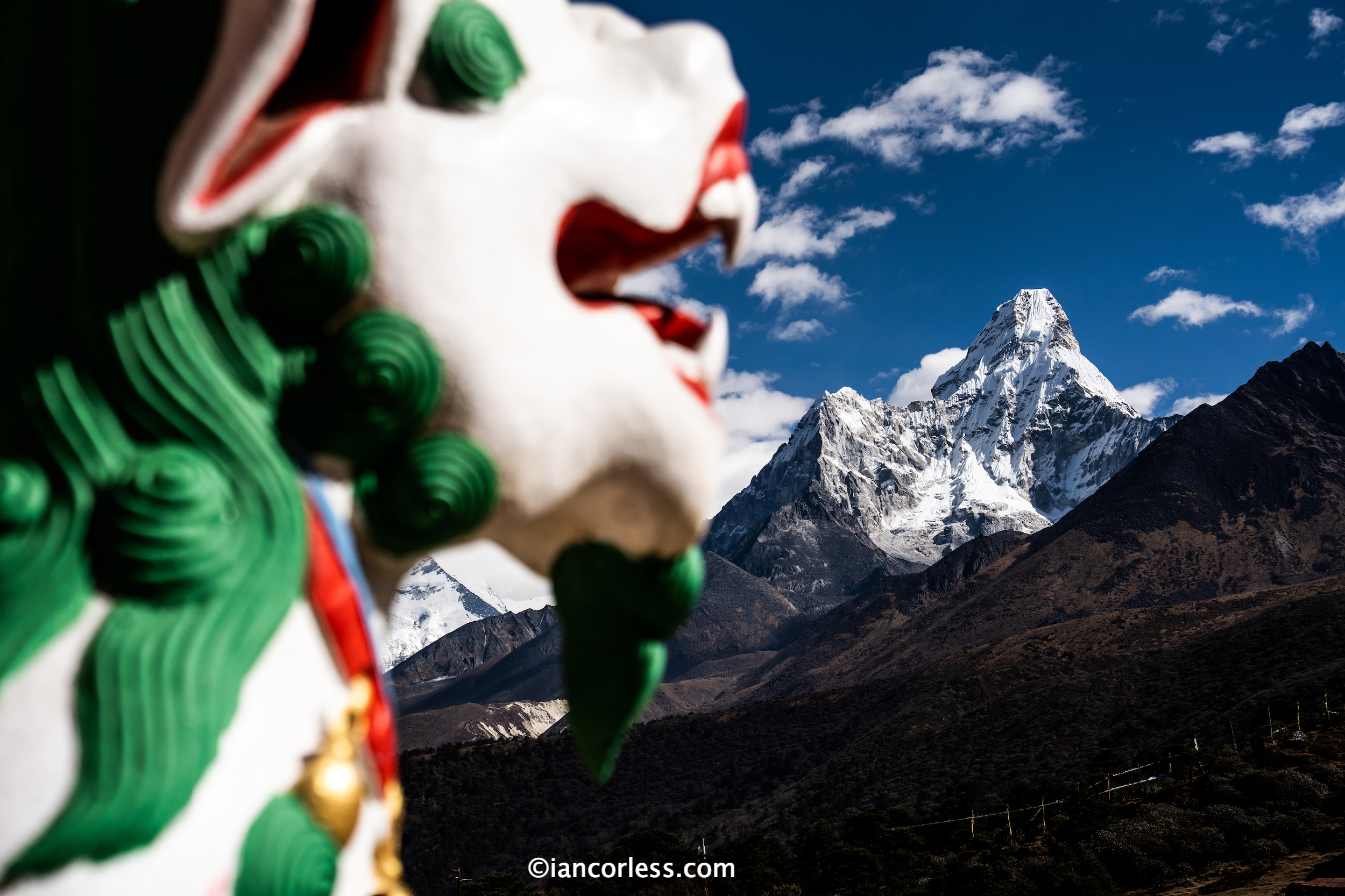
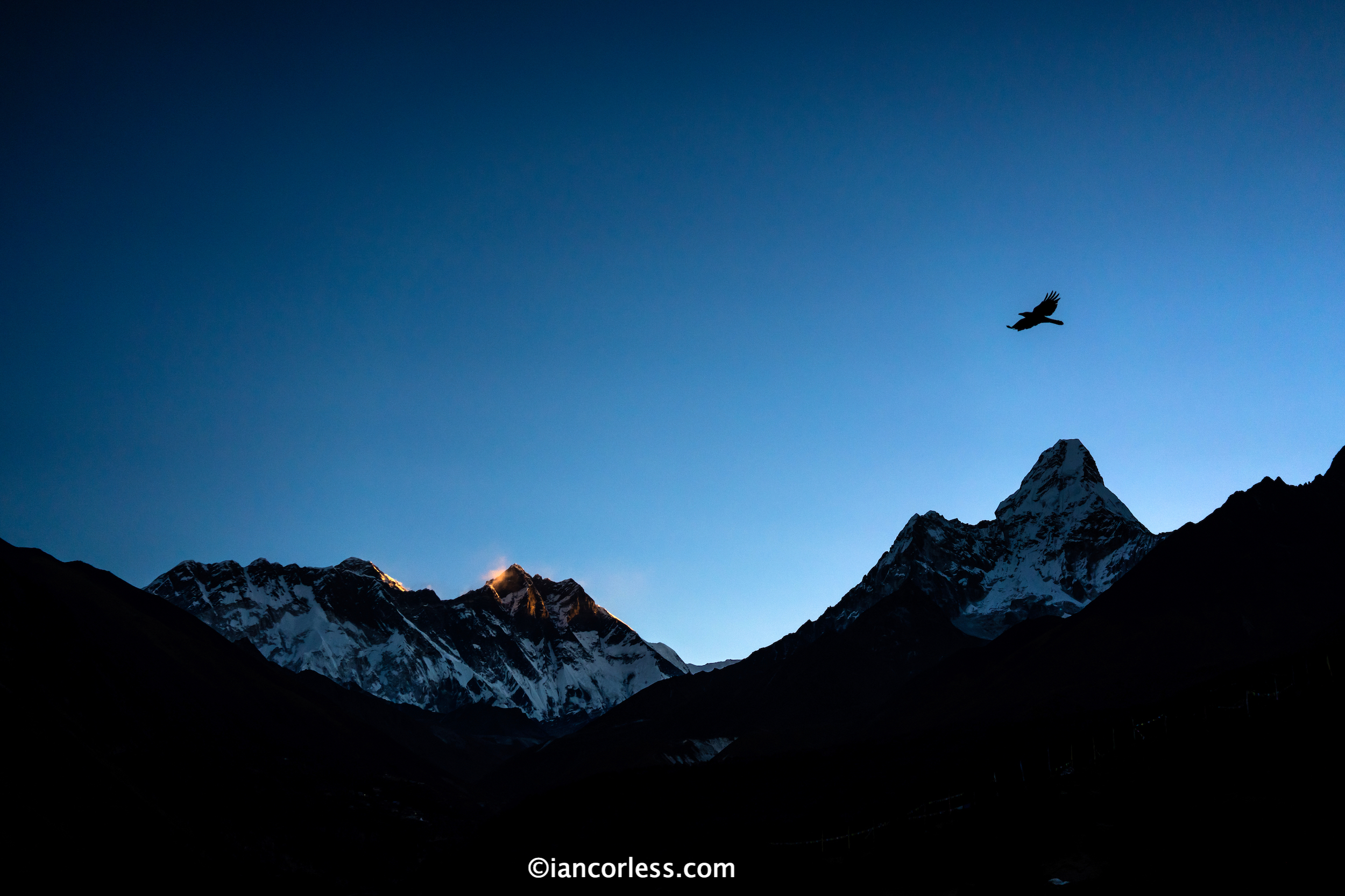
With much of the day above 3800m, it’s a brute, but the compensation is the magnificent backdrop of Everest, Lohtse, Nuptse and the stunning and iconic Ama Dablam.

Tyangboche ©iancorless

Starting in Phakding, it’s up, up and up to Namche and then onwards to Syangboche at 3760m. From here, a descent to Kumjung and then a climb to Mong La, 3973m. Phortse and a stunning single-track trail to Pangboche with amazing views is the cream on the Himalayan cake as the route travels at 4000m. Finally a descent to Debuche, 3741m, and then the climb to the finish at Tyangboche at 3875m.

Ama Dablam ©iancorless

The day held no surprises with Miguel and Suman running together and at tge line it was red-line effort from the Spaniard to take the stage win. Jordi Gamito once again placing third.

A tough day… ©iancorless

Purwha Lhamu Sherpa for the women took the stage with a truly gritty performance. With one ankle heavily taped and carrying an injury, she still managed a stellar performance, the altitude no doubt being an advantage. Ester Alves finished second, exhausted, expressing, “One of the hardest things I have ever done!’ Once again, Silvina Perez placed 3rd.

Depa ©iancorless

STAGE 6

Everest, Lohtse, Nuptse and Ama Dablam ©iancorless

The final stage back to Lukla. At 29km with 1770m+/ 2802m- it is by no means and easy day or chilled day and that was reflected in Miguel and Suman pushing hard all the way to the line finishing well under 3-hours and in course record for the stage. Miguel Heras was the 2022 ETR champion.

Miguel leading Suman with an iconic backdrop ©iancorless

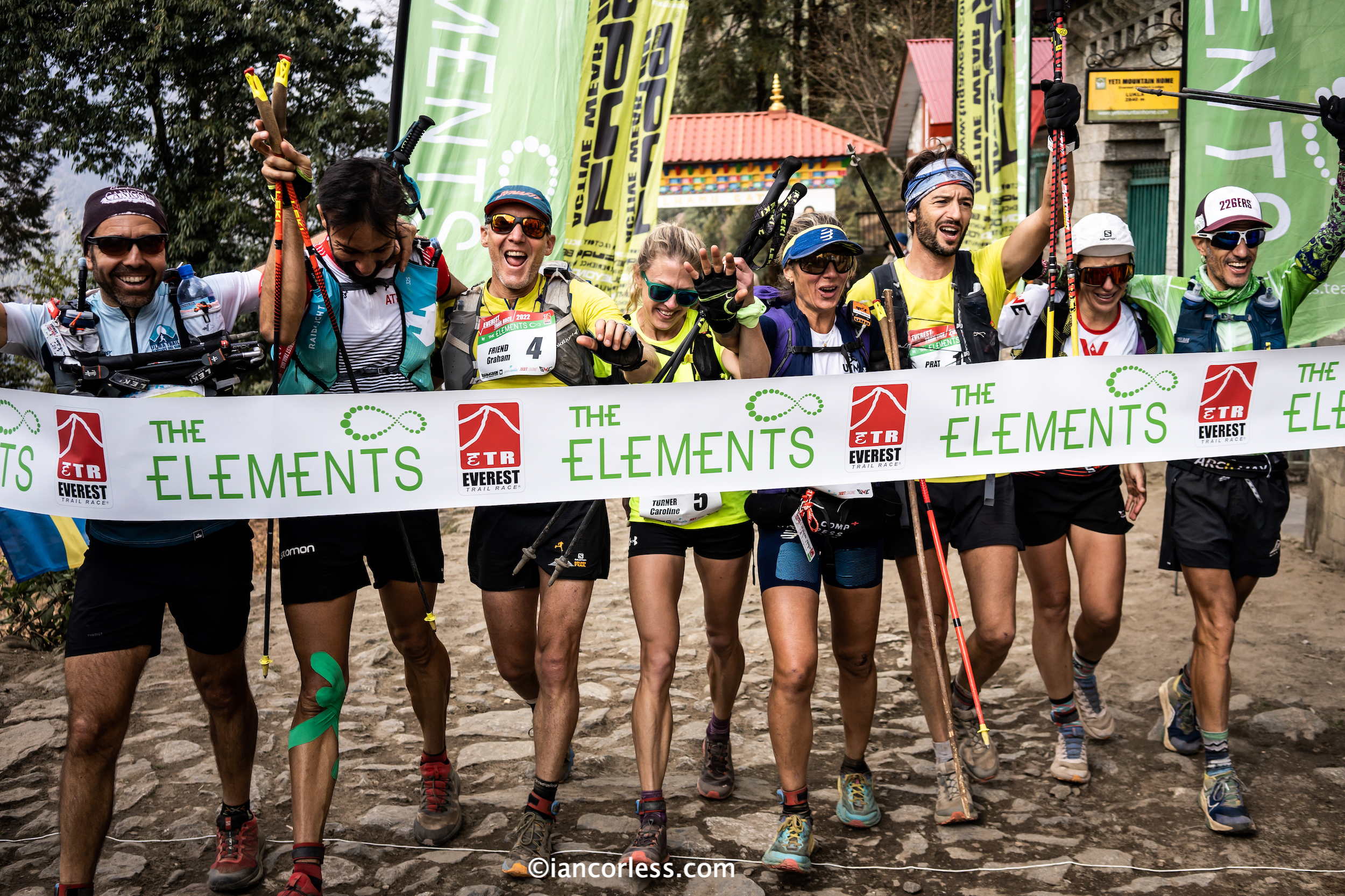
For the rest of the participants, the day was one of victory, the finish line providing the completion of an epic journey. The top women and a group of others, decided to enjoy the day and they all finished together.

©iancorless

Lukla provided an end to the 2022 ETR and the mood was high. For many, the experience had been a tough one. The altitude, climbing and descending providing a much harder and more challenging experience than other multi-day adventures.

“MDS is a walk in the park in comparison to the ETR. MDS may well be self-sufficient, but the terrain here is so much harder, add the altitude and cold nights, the challenge is considerably harder.”

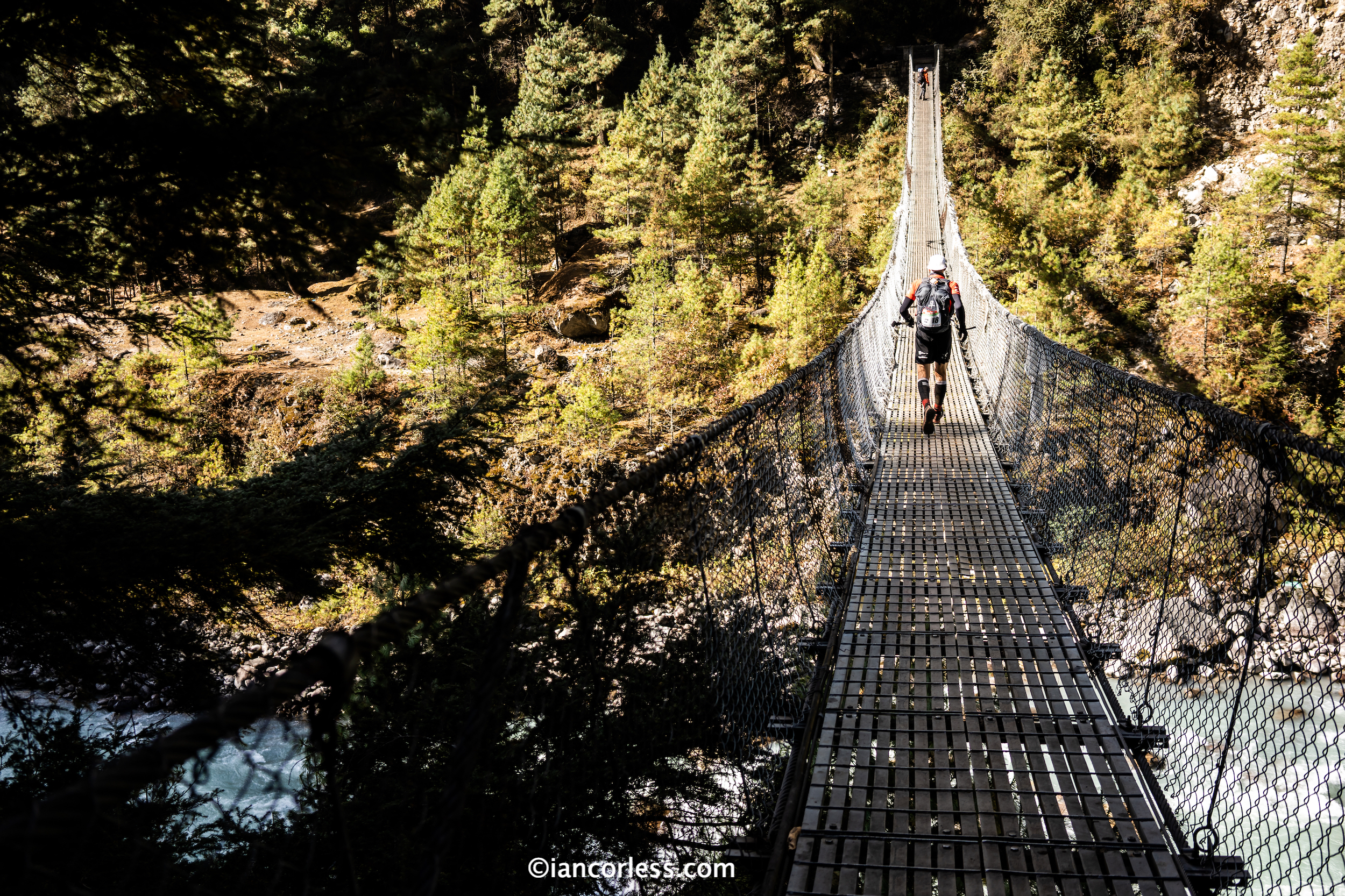
One of the many bridges ©iancorless

Now attention turn to 2023 and the next edition of the ETR. It really is one of the ‘must-do’ races not only for the challenge but for the immersive beauty and experience that Nepal brings.

VIEW THE IMAGE GALLERIES HERE

Follow on:

Instagram – @iancorlessphotography

Twitter – @talkultra

facebook.com/iancorlessphotography

Web – www.iancorless.com
Web – www.iancorlessphotography.com

Image sales –www.iancorless.photoshelter.com

Goal Setting for a MULTI-DAY Adventure or RACE

Before you start a multi-day, be that a race or a personal challenge, one thing is for sure, NOW is the time to set a goal and focus, fine-tune everything, including training, so that you can be at the start in the best shape possible.

First and foremost, have a complete understanding of the task ahead and set a goal or target. This is key not only in the physical adaptations that are required, but also the mental adaptations. There is a huge difference in doing something supported and in doing something self-sufficient. Marathon des Sables a prime example, understand the nature of the event and set a realistic but challenging goal.

MDS is an extreme event that takes place in the Sahara. The nature of the event is self-management both physically and mentally to endure the challenge, survive and reach the finish line. The weather (heat) is one of those challenges and surviving the weather is integral to the nature of the event. As is the ‘self-sufficient’ nature. Other than rationed water and a bivouac, be prepared to endure and complete this event with no outside assistance. Of course, help is at hand, but that help is and should be a safety element that is required in emergency. Equally, if undertaking a solo multi-day experience, do the research, plan routes, look at back-up options, can you re-supply with food, is water available?

Plan and prepare.

TRAINING

We are all unique and individual. Some of us are faster, some are mentally tough, some have a capacity to go for hours and hours and even days and yes, some runners combine all those elements.

Therefore, a multi-day training plan must be used as a template and framework to provide a structure for you, the individual, to achieve your goal.

Be sensible and adjust training plans so that they fit your ability, aspirations, training history and time available.

Think about when you place rest days, when you do long runs and when you work on hills and faster running. A training plan is like a jigsaw puzzle and managing the pieces and adding them together sensibly is how you make a successful and complete picture.

Any training plan is designed to progressively build strength, endurance, and confidence with gradual load increases. Rest is an important element of any training plan, so, rest with the same intensity that you train. Ultimately, you have decided to undertake this adventure, so, enjoy the process and make it fun.

Be specific. Make sure the training terrain, as much as possible, simulates your target event.

Always focus on the goal. Training plans for me start with the goal date and I then count back in time to a start point. That start point for you may well be before the 12-weeks but once you start the plan, focus on the target, and always make every session is as specific to the goal as possible.

For example, if participating in Marathon des Sables, you already know some key and important information:

  1. It will be hot.
  2. You will need to deal with hard and rocky plateaus, but you will also need to deal
    with soft sand and dunes.
  3. You will be on rationed food/ calories.
  4. You will only be supplied water to drink, and this is *rationed. In extreme weather such as the October 2021 edition, water rations were increased.
  5. Everything (not the tent) will be carried in a pack, on day 1 this will be at a minimum weight of *8kg. (*Minimum pack weight is 6.5kg but you must carry 1.5 liters of water which equates to 1.5kg.)
  6. You will sleep in an open tent, on the floor using a mat and sleeping bag.
  7. The long day comes on day 4 after approximately 90-100km of running, so, you
    need to be able to run for consecutive days and manage your pace and effort.
  8. The long day is (typically) between 70 and 90km and you have one full day, one night and most of the next day to complete it.
  9. After the ‘rest day’ is a marathon.
  10. You can complete the race by covering just 3km’s per hour.
  11. In 2019, the MDS was won by Rachid El Morabity and Ragna Debats in 18:31:24 and 22:33:36 respectively. The last runner was Ka Chun Chan from China in 69:29:16. For perspective, Rachid could have run the race nearly four times in 69:29! We are all individual.
     

Key elements each runner needs for a multi-day like MDS.

  1. You need to be mentally tough.
  2. Physically strong to endure multiple days of back-to-back exercise.
  3. Strong enough to carry a loaded pack and still move at a good pace.
  4. Adapted to function on restricted calories and food choices.
  5. Able to drink only water.
  6. Adapted to perform and function in heat.
  7. You need to be able to walk.
  8. You need to be able to handle un-planned situations.
  9. Have A, B and C goals.
  10. Be self-sufficient.

Multi-day racing and multi-day adventures are unique and particularly self-sufficient ones when you must carry all you need for the duration of the event. In a race, you will carry clothing, sleeping bag, sleeping mat, essential items and food for the duration of the event. At MDS minimum weight is 6.5kg plus water. Just as you prepare physically and mentally, also be meticulous with equipment and food preparation. You ideally need your pack to be 6.5kg and no more… Additional weight is additional stress.

If fastpacking, you may possibly be as above, but you will need to carry your own tent and you will need to re-supply with water en-route either using natural water supplies or utilizing retail outlets.

Be specific and understand the demands of the event you are undertaking and plan accordingly.
 

WHAT SHOULD A TRAINING PLAN LOOK LIKE?

All plans need to be progressive and geared towards the end goal of a multi-day like Marathon des Sables or a fast-packing adventure.

Remember, we are all individual, so while a generic plan may provide a guide and structure from which to work from, it’s important to adapt and tweak to individual needs. For example, the training plan for someone who is trying to be top 100 at a race will vary greatly to someone who hopes to complete and not compete.

Each week will typically have one or two rest days.

A simple strength training structure that can be done at home or in a gym.

Hill sessions and speed sessions (tempo/ intervals/ fartlek) have a place in any training plan, but the quantity and duration will depend on what type of runner you are and what your aspirations are.

Long sessions are essential and most certainly, an element of back-to-back sessions will help adapt the mind and body for the challenge ahead. However, injury risk goes up with any block like this, so, it needs to be placed carefully with adequate rest and recovery.

Learn to walk. There is a huge difference walking with purpose and pace to ‘just’ walking. Except for the top runners, walking is an integral element to a successful completion of a multi-day race or adventure. Many only realise during the event. Get walking dialed in training.

Do some specific work with a pack and weight BUT be careful as it is easy to get injured.

Think of training as blocks of 4-weeks, build for 3-weeks and then rest/ take it easier on the 4th. An example could be as below.

The final phase of a training plan should taper to allow you to be strong and fresh when the start comes, typically this 2 or 3-weeks long. This a perfect time to add specific race adaptations such as heat training, preparing for humidity, preparing for a cold environment and of course fine-tuning equipment and packing.

CONCLUSION

Multi-day running or racing is exciting and adds many more elements to think about than ‘just’ running. Taking time to plan training and working to a goal is a worthwhile and constructive – it gives you something to aim for!

Further reading:

  • MDS 2021 Summary HERE
    The Ultimate Guide to Desert Multi-Day HERE
  • Fuelling for a Multi-Day HERE
  • How to find your Running Shoe size and fit HERE
  • Sleeping Bag for an Adventure HERE
    Ten Top Tips for Multi-Day HERE
  • Top Tips to better Multi-Day Running HERE
  • Multi-Day Running in a Rainforest HERE
  • Fastpacking – A Guide HERE
  • Fastpacking Light – HERE
  • Fastpacking and Camping in Winter HERE
  • Fastpacking in Nepal HERE
  • Poles for Running and Walking HERE
  • Sleeping bags – PHD, Sea to Summit and Rab HERE


Recommended Races:

  • Marathon des Sables, Morocco (self-sufficient)
  • The Coastal Challenge, Costa Rica (supported)
  • Everest Trail Race, Nepal (semi self-sufficient)

JOIN OUR MULTI-DAY TRAINING CAMP IN JANUARY – INFO HERE

Follow on:

Instagram – @iancorlessphotography

Twitter – @talkultra

facebook.com/iancorlessphotography

Web – www.iancorless.com
Web – www.iancorlessphotography.com

Image sales –www.iancorless.photoshelter.com

Lanzarote Multi-Day Training Camp 2022 – Day 4 and 5

Day 4 of the Lanzarote Multi-Day Training Camp was after a sleepless night in bivouac. The wind started at midnight and built through the night making for a ‘perfect’ test scenario for a multi-day race, particularly one in a desert.

Tents were broken, clothing items were lost, tents (those that survived) were full of sand and all the participants had a great learning curve that ultimately was a priceless experience.

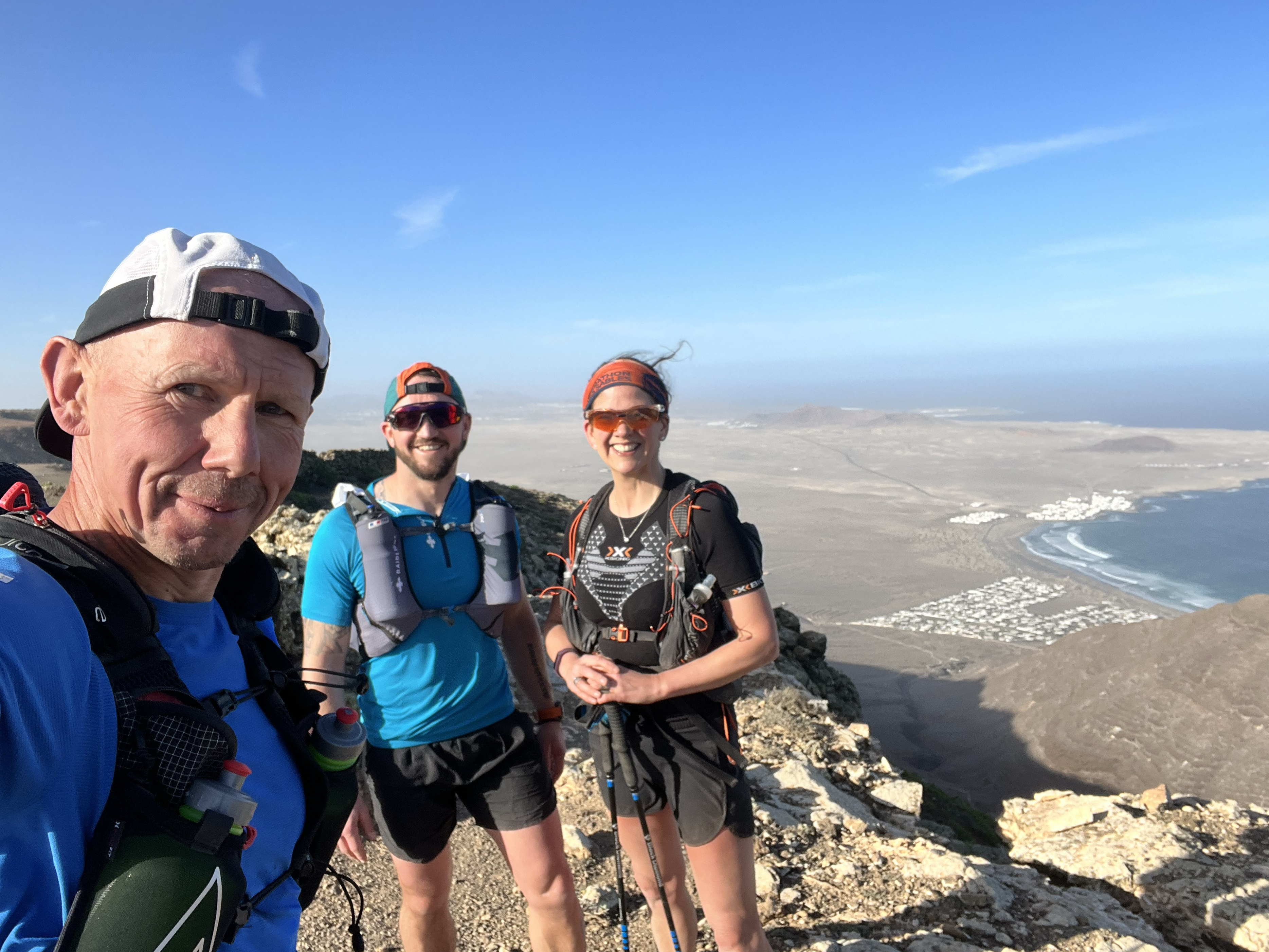
After a dehydrated breakfast, we split in to four groups, Inge taking a walking group, Sondre taking a run/walk group and Ian and Pierre taking run groups. Distances varied for the groups but Ian and Pierre took on a new route for the Lanzarote camp which totalled 18/ 20-miles and over 1000m vert with El Castillejo (615m) and Peñas del Chache (673m) the two high points. The wind made the challenge all the harder.

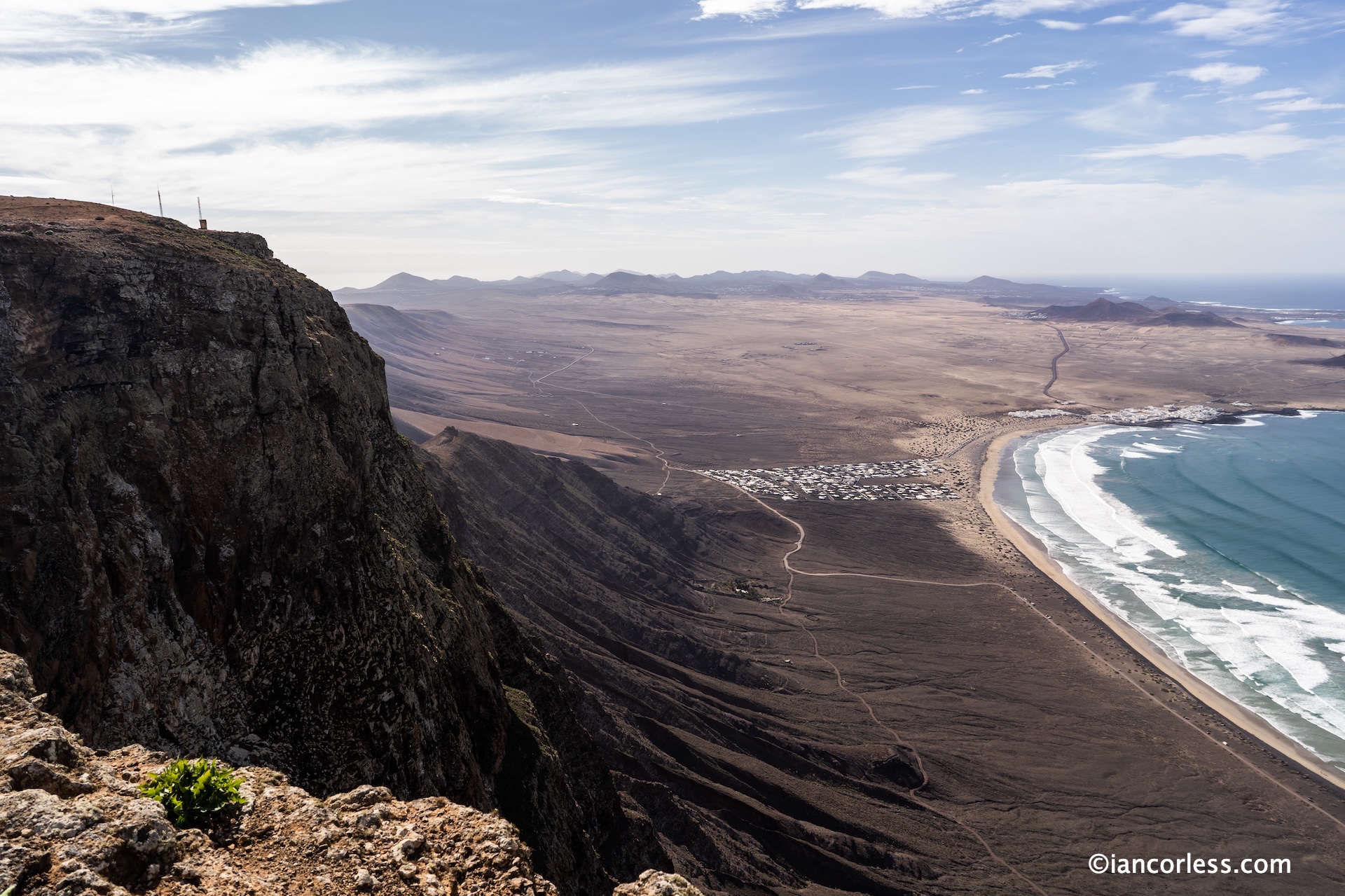
From the summit, you have great views of the ocean, Famara, and off in the distance, La Santa.

Back in Club La Santa, Elisabet and Pierre hosted a talk, Elisabet addressing foot care/ taping and Pierre bringing his physio skills to great use with a talk and practical on how to look after your body.

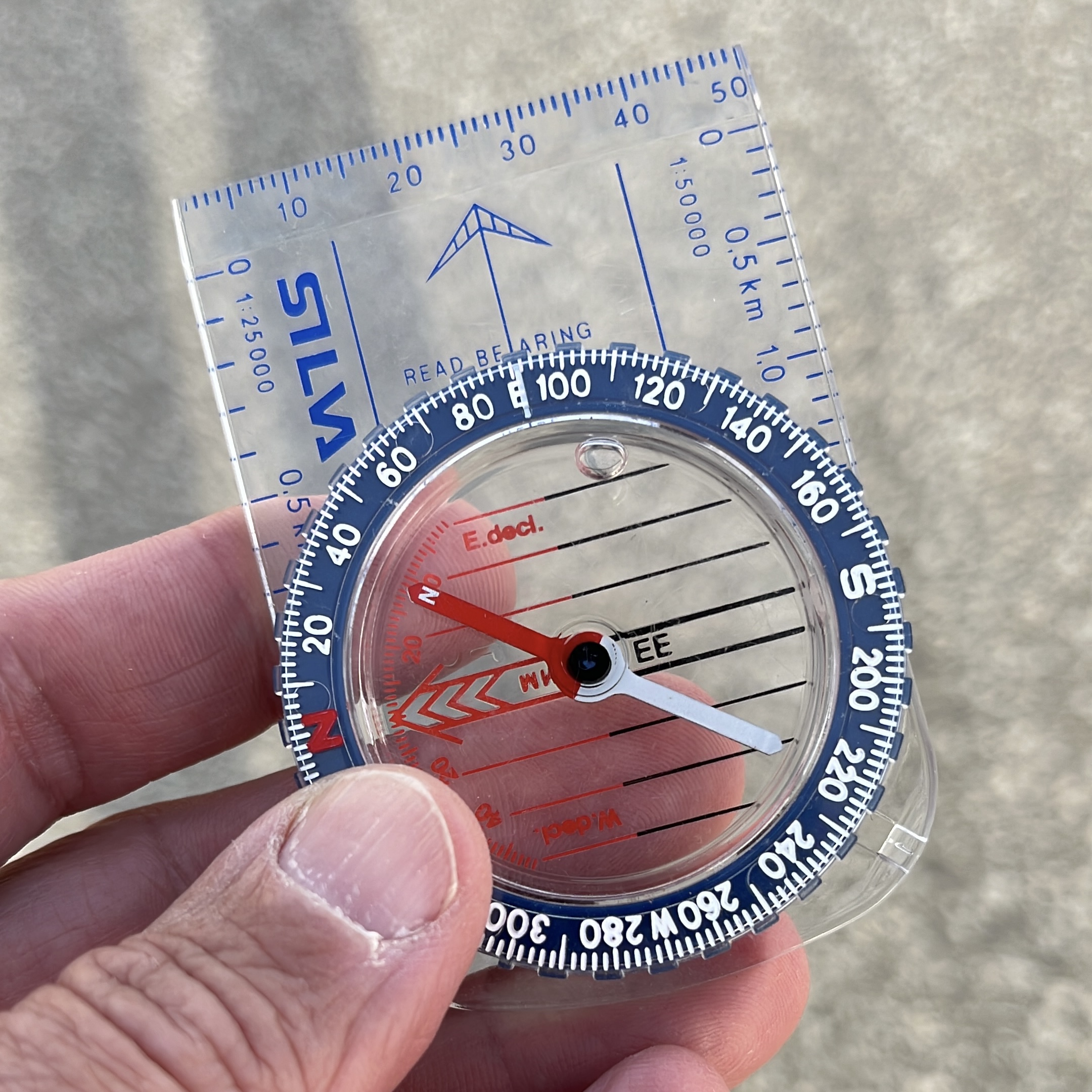
At 1730, Ian did a practical demonstration on compass and how to follow a bearing. An often neglected but required skill for races such as Marathon des Sables.

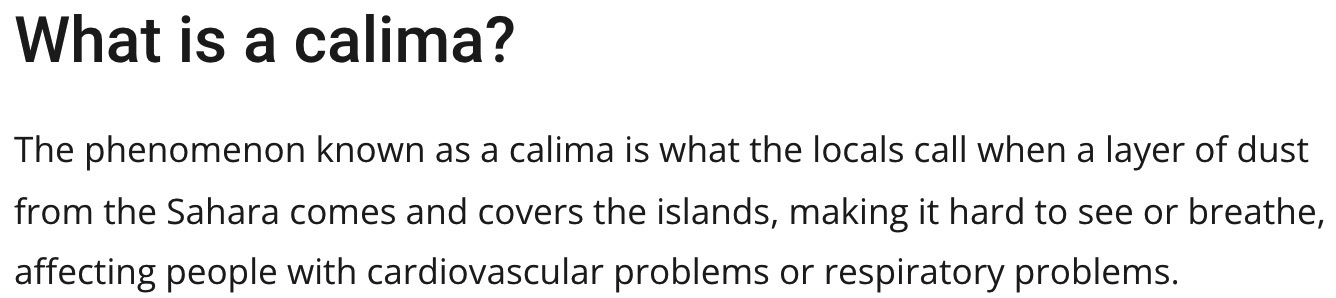
As day 4 concluded, the winds and ‘*Calima’ raged on. While the winds and sand bring a challenge, they are perfect for a training camp providing the clients with a great opportunity to really experience and learn.

*Calima – Link

Day 5

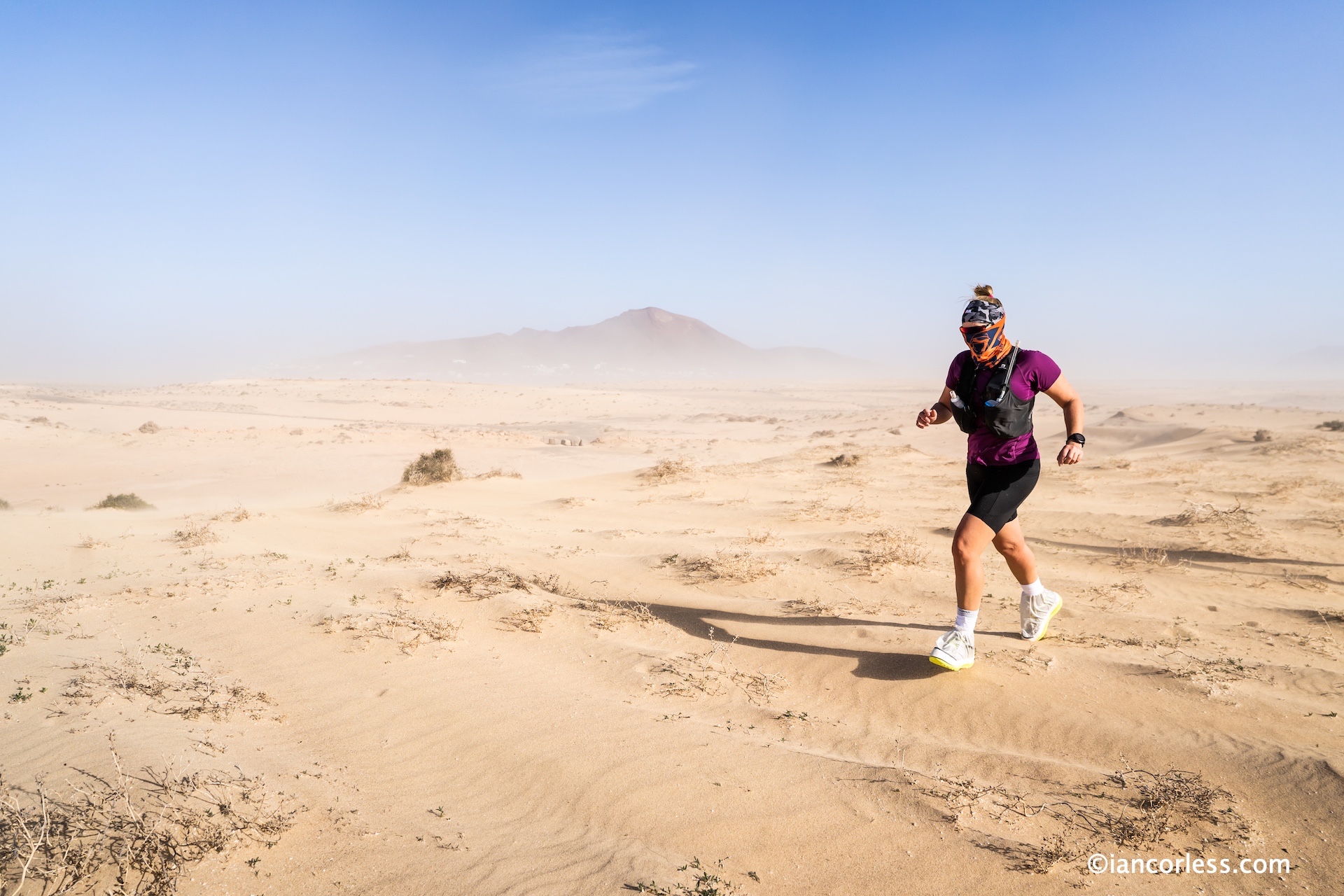
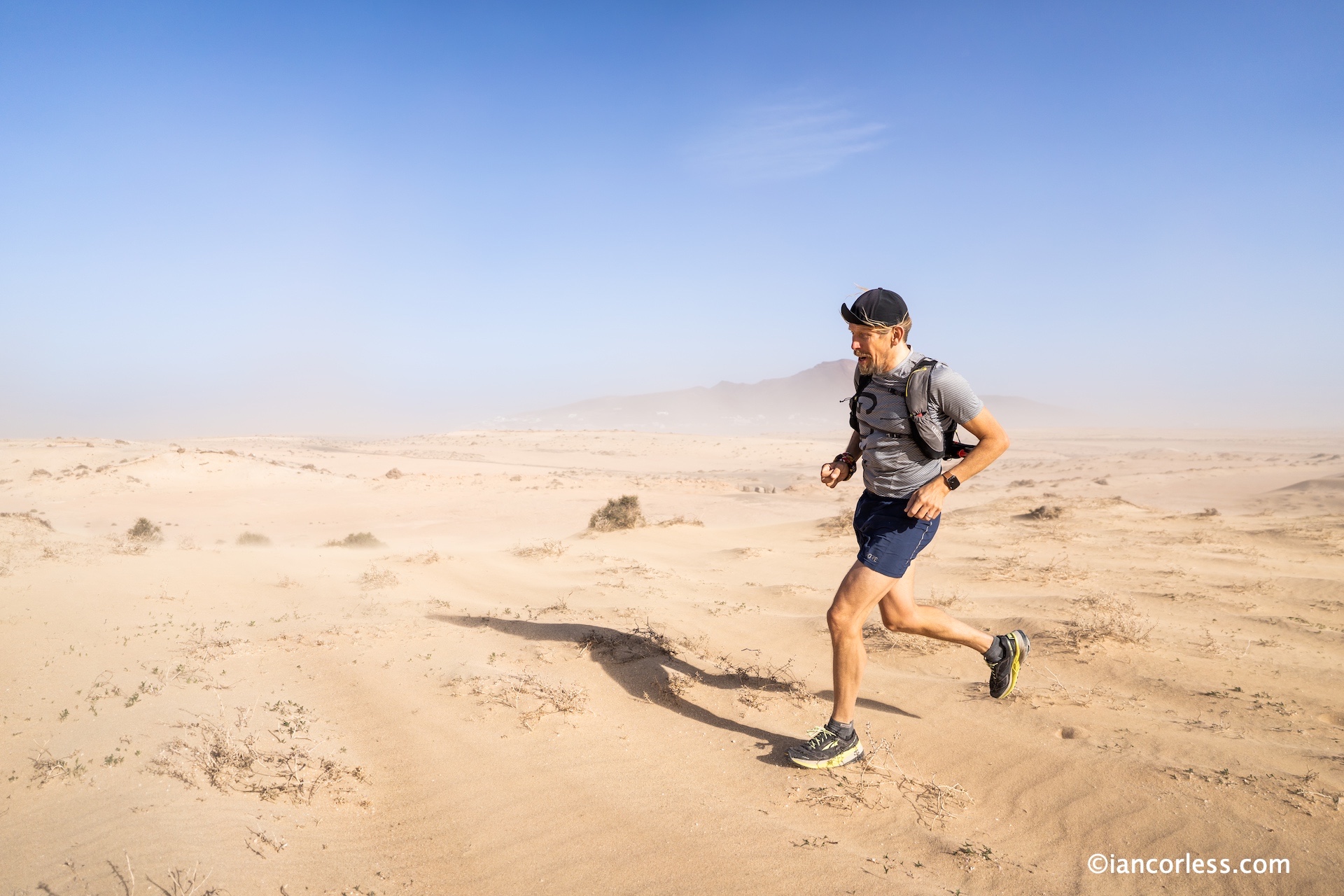
The winds raged on and the Calima intensified. Day 5 started with a soft sand/ dune run and we warned all participants to be mindful of the Calima and suggested wearing Buff (or similar) to protect nose and mouth. The reality was we had perfect sand storm conditions to run in.

After 10km of running in a strong headwind, battered by sand, we eventually settled in a soft-sand and small dune area to practice skills.

While many may consider strong winds and sand make for miserable running, we were all thankful of the opportunity that these conditions brought. Running in a sand storm takes skill, patience and a required mental approach.

With 20km done, it was a great morning of running and learning.

The afternoon talk by Elisabet and Sondre was about equipment, packing and how to ensure you choose the correct equipment for your desired race and how to get as light as possible without compromising what you need to race safely and effectively.

At 1730, the final session of the day was done by Ian who discussed poles and how to use them.

Day 6 tomorrow is a big day… A marathon over a point-to-point route starting in Uga and concluding at Club La Santa.

Interested in our 2023 Training Camp? Info HERE

Photo Galleries HERE

Please support this website. I believe everyone deserves to read quality, independent and factual articles – that’s why this website is open to all. Free press has never been so vital. I hope I can keep providing independent articles with your help. Any contribution, however big or small, is so valuable to help finance regular content. Please support me on Patreon HERE.

Follow on:

Instagram – @iancorlessphotography

Twitter – @talkultra

facebook.com/iancorlessphotography

Web – www.iancorless.com
Web – www.iancorlessphotography.com

Image sales –www.iancorless.photoshelter.com

Marathon des Sables 2021 #MDS – Stage 5 

The 35th Marathon des Sables drew to a conclusion today with stage 5, the last official timed stage of the 2021 race. Tomorrow is the compulsory charity stage which is not taking in to consideration for overall ranking.

It’s a classic marathon stage and as such has become a tradition of the MDS. Just 351 runners started the day, 50% of the original line-up that started day-1.

The 35th edition was always going to be memorable after three postponements, and while many thought this edition would be about handling a safe race around Covid, the reality was far from this. Covid has arguably not been mentioned or discussed since the start of stage-1. Instead, intense heat has been a major consideration, the death of a runner on day 2 and diarrhea and vomiting spreading through camp like a fire. The combination of self-sufficiency, rationed water and food, heat and sickness has all been too much for many and this is reflected in the finishing numbers. People were exhausted. Currently the exact cause of sickness is unknown or confirmed, it could be hyperthermia, bacteria, a bug, virus or maybe a combination of elements?

Starting in two waves, 0700 and 0830, runners had 12-hours to complete the course. The men’s race came down to a furious sprint with Mohamed El Morabity pipping a revived Mathieu Blanchard to the line.

Young sensation, Aziz Yachou placed 3rd and the boss, Rachid El Morabity placed 4th and in the process won his 8th Marathon des Sables.

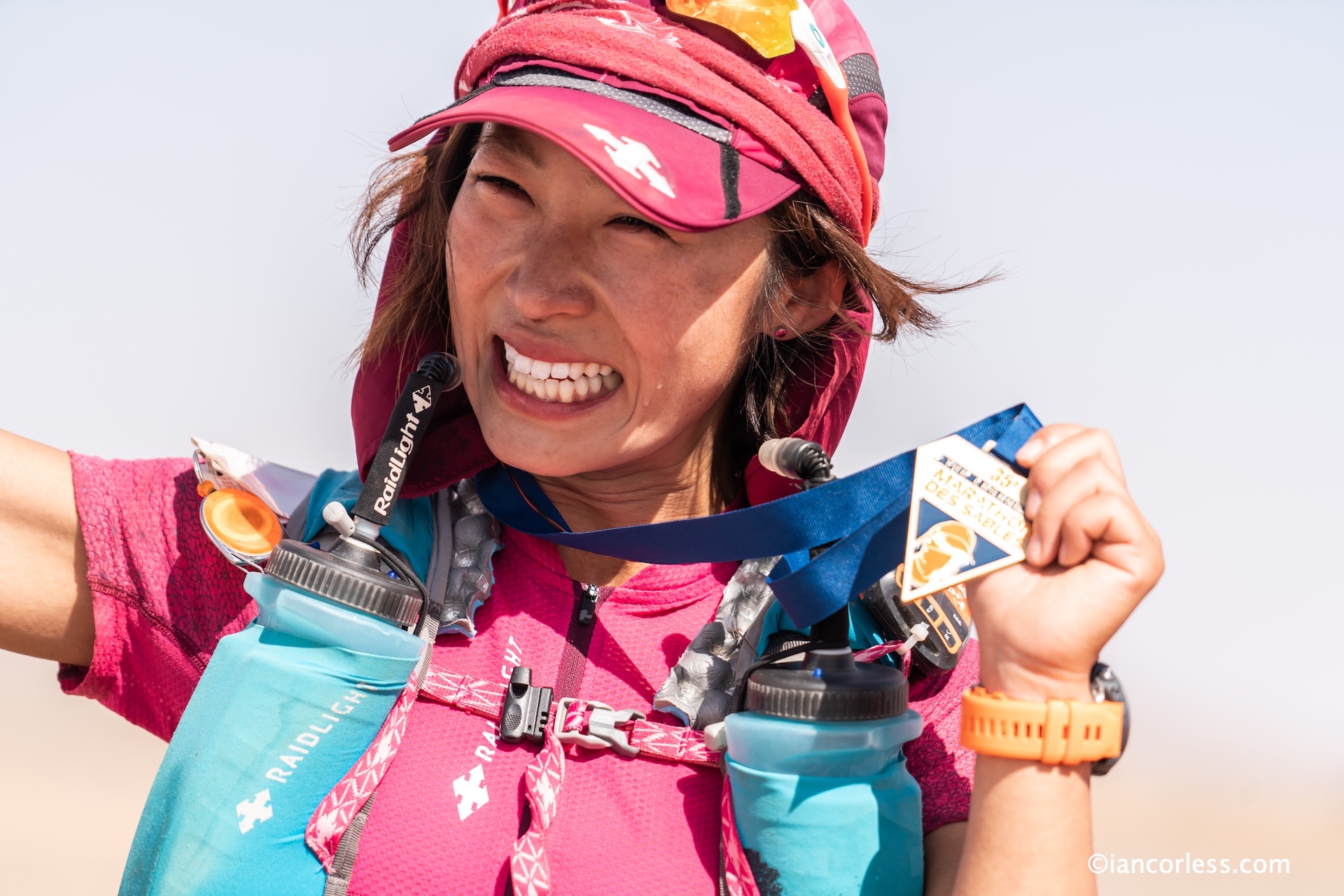
The ever smiling and happy Tomomi Bitoh won the ladies race with a strong run. She was full of emotion and tears at the finish. The realisation of an intense week coming to a dream ending.

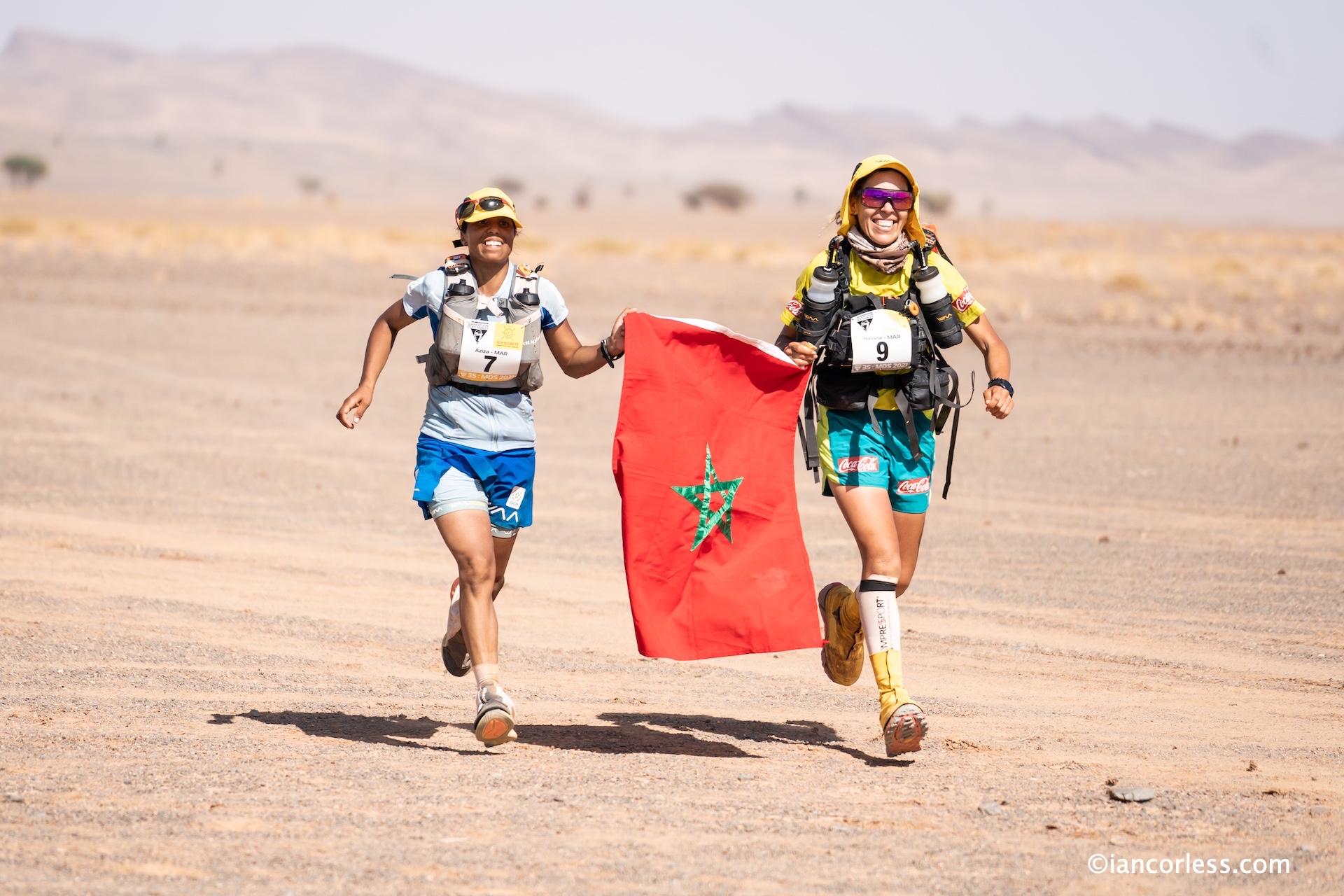
Aziza Raji finished 17-minutes later but her overall victory was secure and finally, a Moroccan female top-slot on the podium was a reality, the last occasion being 2008/ 2009 with Touda Didi.

Aicha Omrani had a tough day finishing down the field and although she retained a podium place, the strong run bt Tomomi elevated her to 2nd and placed Aicha 3rd overall.

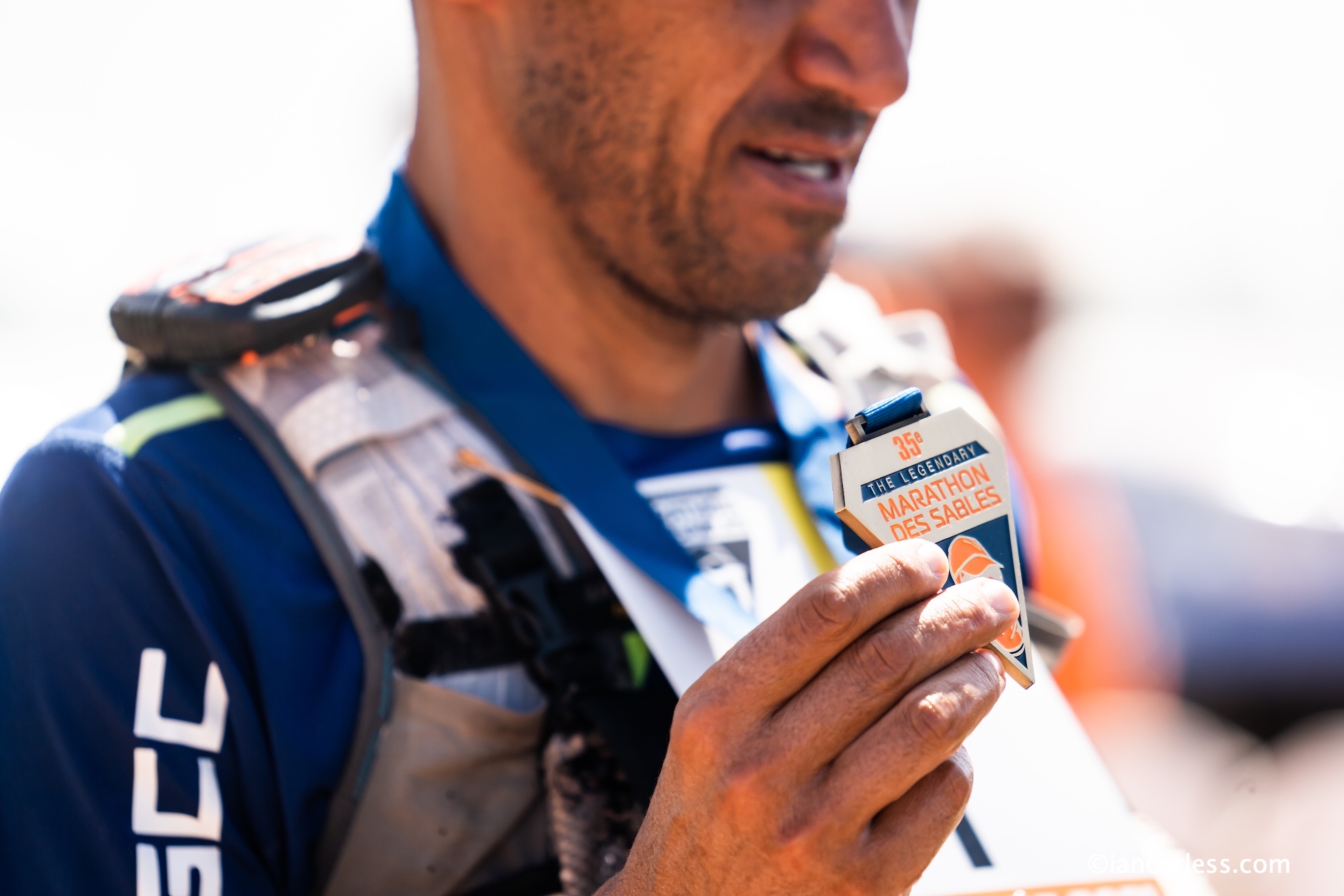
Needless to say, it was an emotional day as the 351 starters streamed in. Every and any finish at MDS is coveted, but this 35th 2021 edition may well just be the most coveted. It’s been an emotional rollercoaster for all concerned. Considerable highs and lows have taken its toll and the elation of the marathon day finish line and the sight of a medal is a pleasure for all.

For now, it’s time to celebrate the race and finishers. Send our love to the fallen and his family and remind all those who this year who were forced to withdraw, that they were in the arena.

It is not the critic who counts: not the man who points out how the strong man stumbles or where the doer of deeds could have done better. The credit belongs to the man who is actually in the arena, whose face is marred by dust and sweat and blood, who strives valiantly, who errs and comes up short again and again, because there is no effort without error or shortcoming, but who knows the great enthusiasms, the great devotions, who spends himself in a worthy cause; who, at the best, knows, in the end, the triumph of high achievement, and who, at the worst, if he fails, at least he fails while daring greatly, so that his place shall never be with those cold and timid souls who knew neither victory nor defeat.” – Roosevelt

RESULTS

  • Rachid El Morabity 21:17:32
  • Mohamed El Morabity 21:32:12
  • Mérile Robert 22:39:02
  • Aziza Raji 30:30:24
  • Tomomi Bitoh 34:39:17
  • Aicha Omrani 35:47:48

Please support this website. I believe everyone deserves to read quality, independent and factual articles – that’s why this website is open to all. Free press has never been so vital. I hope I can keep providing independent articles with your help. Any contribution, however big or small, is so valuable to help finance regular content. Please support me on Patreon HERE.

Follow on:

Instagram – @iancorlessphotography

Twitter – @talkultra

facebook.com/iancorlessphotography

Web – www.iancorless.com
Web – www.iancorlessphotography.com

Image sales –www.iancorless.photoshelter.com

How to deal with Race Postponement

This article is geared toward Marathon des Sables but is valid for any race with some adjustments and specific changes appropriate to the type of race and distance.

Marathon des Sables, once again, has been postponed. Originally scheduled for April 2020, the race was moved to September 2020 amidst growing worries and concerns over Coronavirus. As September approached, the writing was already on the wall and the decision was made to focus on April 2021 – everything will be fine then, won’t it!?

December 2020 soon came and with it, increased infection rates, new variants and despite the optimism of a vaccine, the world once again crumbled under the cloud of an ever-spreading pandemic. Christmas was cancelled and the new year unfortunately had nothing ‘new’ about it, it carried far too much of the old year.

January has been a disaster and the long-term view is not good. The world once again has been in a lockdown, some far worse than others. One thing is for sure, we are all a long way from ‘normal!’ So, it came as no surprise as events were cancelled all over the world.

Patrick Bauer.

MDS race director, Patrick Bauer, travelled to Morocco to assess the situation and on January 22nd, the MDS was once again postponed to another time; October 1-11, 2021.

All is good… the race WILL come!

I think it’s important to clarify, here and now, that at the end of the day, when people are dying globally, for a race to be postponed, is no big deal… I think once you accept that, dealing with race cancellation, disappointments and postponements becomes so much easier. It´s only a race! And we are fortunate to be able to race. It’s a luxury. But equally, livelihoods are struggling, RD´s are losing work, all the businesses associated with races are losing work, travel companies are losing customers, hotels, restaurants, design agencies, photographers, videographers and the list goes on, are all losing their livelihoods to an ongoing escalating pandemic. So while it is only a race, have a consideration for all involved and maybe, a little understanding for the very difficult challenges everyone is facing at the moment.

The locals need MDS, our tourism and our regular trips to Morocco.

Taking MDS as an example, 2020 participants will have entered in 2019 and some may well have entered in 2018. Typically, a MDS participant will prepare for 1-year. While the initial postponement was not great, it was easy to focus on September. 

Then September was cancelled… Already, many were struggling to re-focus, but April would be it, one last push and we are good to go! 

Now, with another postponement, MDS runners are left in a void, the race is 8-months away. They are all asking, what do I do now?

Gemma Game has been on the podium of MDS multiple times. She is a busy professional with a family.

Firstly…

When things change, adjust. Don´t kick-off against what has changed. Accept what is not in your control and control what you can. Adapt, move on (with running shoes) and train differently for a while; focus on different aspects of your running, weaknesses in particular. Look at the opportunities – focus on speed, work on hill strength, build a good core, do drills, stretch, maybe try yoga? A change of focus will give a physical and mental break and will help your performance. When the time is right, resume an appropriate training plan for your chosen race. I guarantee, you will be stronger, better prepared and ready for the challenge ahead. You are lucky and fortunate that you are able to even contemplate a race like MDS.

Uncertainty is a virus in itself, it can eat away at you. Quite simply, remove negativity and question marks. The current dates for MDS are 1-11 October. Do not consider the event will not happen, plan and train accordingly.

The reality is you are already in a good place. You have been training for a great deal of time already, just imagine how much better you will be when October comes.

Training in Lanzarote on a specific Multi-Day Training Camp HERE

Importantly though, it would be fool hardy to carry on with current training levels for an October race. You run the risk of injury and/ or getting peak fitness too early. Take a break!

“One of the mistakes I see most with runners is jumping from one race specific cycle to the next, without either giving themselves enough time between races or not “focusing” on training during the time between race and “taking a break”.

– runnersconnect

Kick back, take some time off from any structured plan and do a week/ two weeks (or even a little longer) of ´how you feel´ training. In this period, take time (with a piece of paper) to assess personal strengths and weaknesses. From this list, you can use February and March to address these weaknesses while ´maintaining´ fitness. Back off any intensity, maintain some decent mileage/ hours and keep sessions moderate.

Tom Evans placed 3rd at MDS and works on strength and core to enhance his running.

Importantly, get a running MOT from an experienced physio. Address any problems now and use that ‘extra’ time for therapy, strength, stretching and core. Find any underlying problems that may cause injury.

Work on admin – food for the MDS (article HERE), pack, sleeping bag (article HERE) sleeping mat and finalise equipment choices optimising weight, size and cost. Do everything you can to make your pack 6.5kg (plus water) for the start line on October 3rd. Read a guide HERE.

Do you need a 12-week and/ or 24-week Multi-Day Training Plan perfect for a multi-day adventure or a race like Marathon des Sables? They are designed to provide you with a structured weekly plan culminating in a target event.  

View a sample week HERE from the 12-week plan. Purchase HERE.  

View a sample week HERE from the 24-week plan. Purchase HERE.  

*****

The arrival of April will give you 6-months to race date. Now is the time to re-focus. Did you have races planned? If so (and they happen) maybe now they change focus and become preparation for MDS?

Use 3-months (April, May and June) to build on the weaknesses that you have worked on in February and March and lay the foundations for the key phase, July, August and September.

“One of the most common reasons runners hit a plateau is that they don’t work on their weaknesses between races, by focusing on your weaknesses now, you’re able to make progress long-term, even without training as hard.”

– runnersconnect
Do some specific training, here Sondre Amdahl at the Lanzarote Training Camp HERE

July should be the start of a very specific MDS phase (12-weeks) where you fine-hone all the relevant skills to make the 35th MDS not only successful but awesome.

It is easy to feel deflated with another disappointment and postponement but look at this cloud with a silver lining!

Please support this website. I believe everyone deserves to read quality, independent and factual articles – that’s why this website is open to all. Free press has never been so vital. I hope I can keep providing independent articles with your help. Any contribution, however big or small, is so valuable to help finance regular content. Please support me on Patreon HERE.

Articles:

Choosing a sleeping bag for an adventure HERE

Fuelling for a Multi-Day like MDS HERE

Multi-Day Racing – It´s Not Complicated HERE

The Ultimate Equipment Guide to Desert Multi-Day Racing HERE

Top Tips to Better Multi-Day Running HERE

References Runners World and runnersconnect

*****

Follow on:

Instagram – @iancorlessphotography

Twitter – @talkultra

facebook.com/iancorlessphotography

Web – www.iancorless.com
Web – www.iancorlessphotography.com

Image sales –www.iancorless.photoshelter.com

Lanzarote Training Camp 2020 – Day 8 and 9

The penultimate day of our training camp was a cracker and one that many of the camp attendees have called a highlight.

Our first run was between 8-10 miles and included a climb, traverse and descent of the Montana Soo. It’s a great route and one that pushes many out of their comfort zone as the terrain is often steep, technical and challenging with loose stones.

At the summit it provides a great photo opportunity with Club La Santa off to the right in the distance.

For the more experienced runners, they move fast over the terrain embracing the challenge that it brings. Others move slower, more deliberate and thoughtful. We include it in the camp as it closely replicates the feeling and exposure that one can get at the large Djebel at Marathon des Sables.

After the mountain loop, we all returned back to CLS for a 3 hour break before a self-sufficient run. This is our mini multi-day experience that allows all our clients to run to a bivouac location in ability based groups with packs carrying sleeping bag, essential, dehydrated food for dinner and breakfast and a minimum of 1.5ltr of water. Most packs weigh around the 5kg mark.

We transport tents to the bivouac, rationed water and two gas burners to provide hot water for cooking. Once the runners leave CLS, they are self sufficient.

At the bivouac, they put up tents.

As the sun disappears they test out dehydrated food and simulate a bivouac experience. They understand the weather, the need for warmth and then they sleep under the stars.

Our night started perfectly with beautiful clear skies. Amazing star views and warm temperatures. As the night progressed, the wind increased and very much simulated a stormy night in the Sahara. For many, it was a sleepless night with shaking tents and sand being blown everywhere.

An early breakfast call, self-sufficient breakfast, water rations given and they were then off for another 13-miles of soft-sand and dune training before returning back to CLS.

Our final day has one final talk by Elisabet Barnes and Sondre Amdahl and then a group dinner to say farewell…

The next time we will all meet will be in Morocco for the 35th Marathon des Sables.

Our 2021 Training Camp will be announced soon HERE

Huge thanks to our coaches guides

Elisabet Barnes 2x MDS champion

Sondre Amdahl MDS top-10 and Trans Atlas winner

Gemma Game 2x 3rd place at MDS

Jodie Moss 8th at MDS

Follow on:

Instagram – @iancorlessphotography

Twitter – @talkultra

facebook.com/iancorlessphotography

Web – www.iancorless.com

Web – www.iancorlessphotography.com
Image sales –www.iancorless.photoshelter.com