Scarpa SPIN Shoe Review

I have used Scarpa shoes and boots in the past and have always been impressed with the mountain pedigree the brand has. So, I was very welcome to receive the SPIN and the SPIN ULTRA for testing. 

The SPIN, in the words of Scarpa say, ‘… with more cushion and protection than the Atom, but a lighter, lower-profile design than the Neutron, the new Spin is the Goldilocks of our Alpine Running collection, for those who want both support and simplicity on rugged trails and craggy ridge lines.

I will discuss and write about the SPIN ULTRA at a later date.

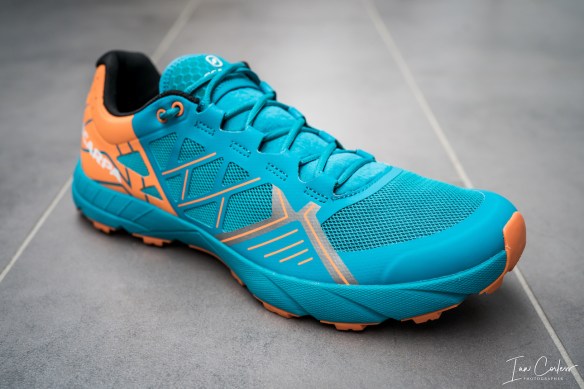
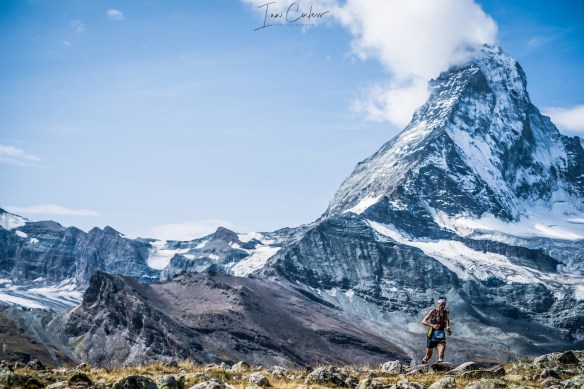
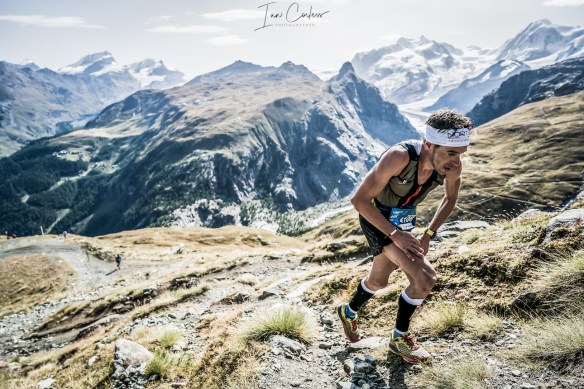
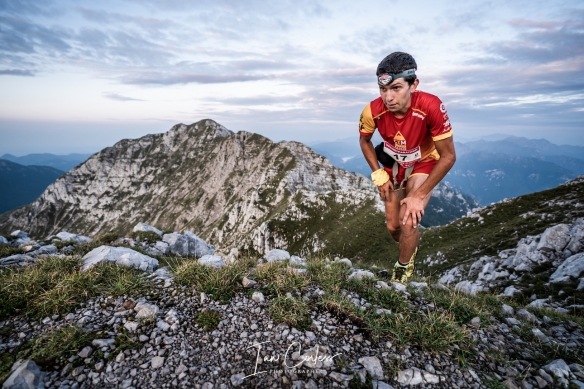
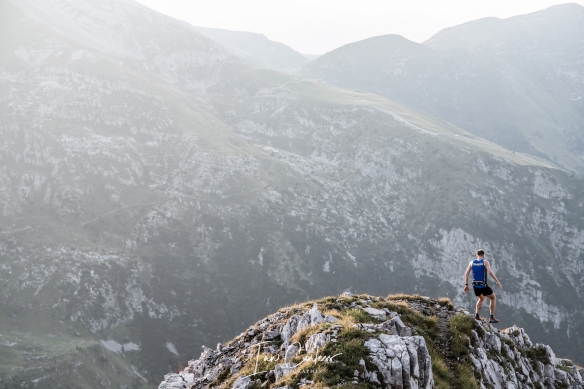
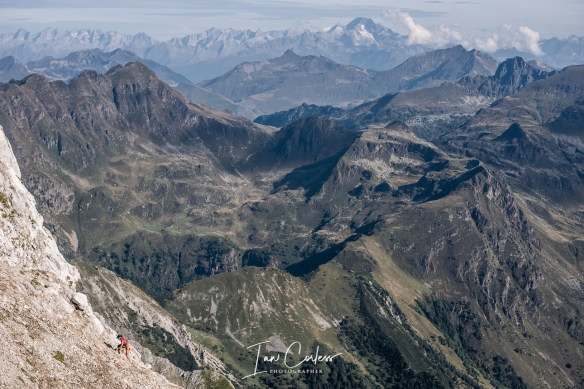
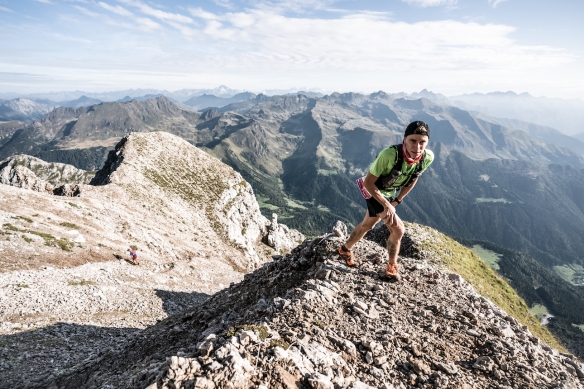
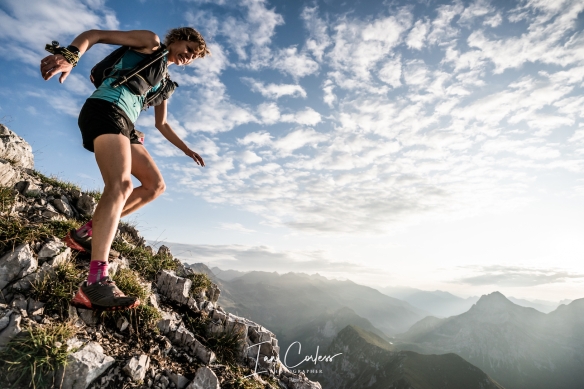
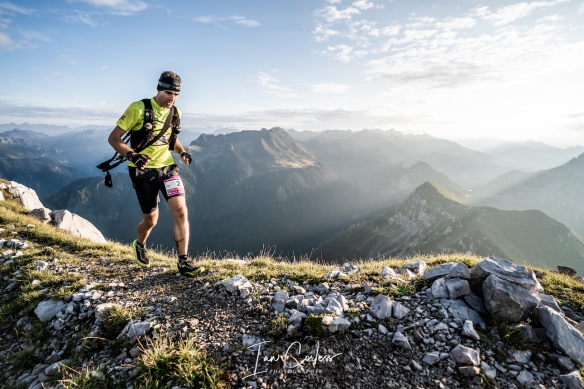
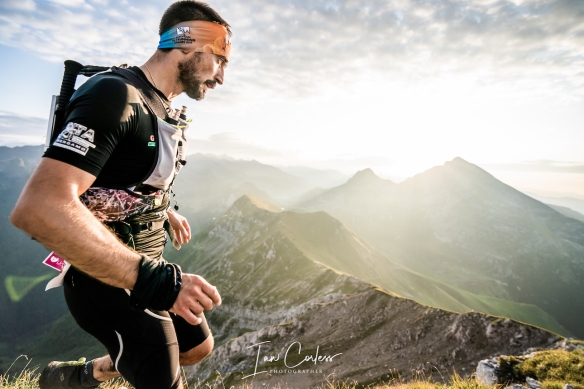
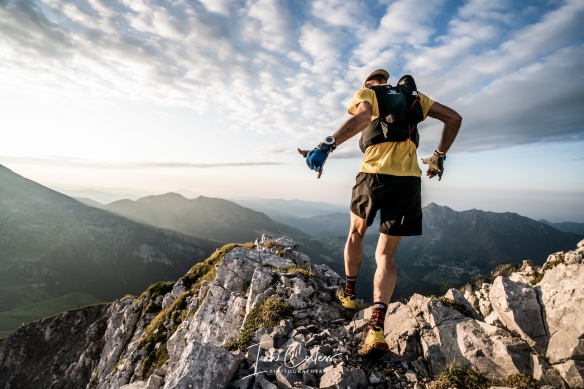
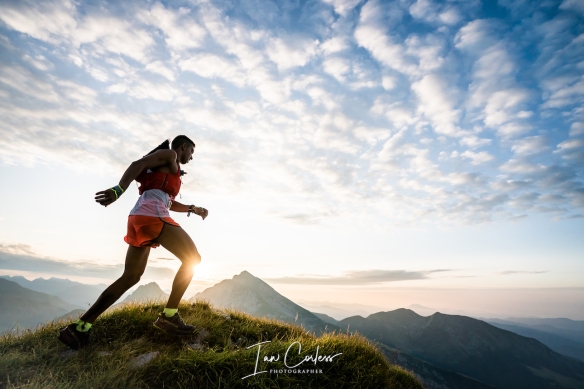
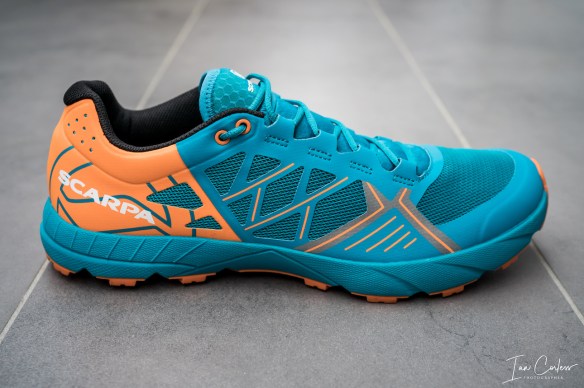
The SPIN is noticeably light (252g for EU42) and flexible. From the first look one can immediately see that this is a race or fast training shoe designed for a mountain environment. For sure, it’s a trail shoe, but I would extend that to be a mountain/ alpine shoe. It has ‘skyrunning’ written all over it and certainly from initial outings it immediately felt like VK’s and SkyRace (sub 42km) terrain would sit perfectly in the SPIN list of ‘go to’ uses.
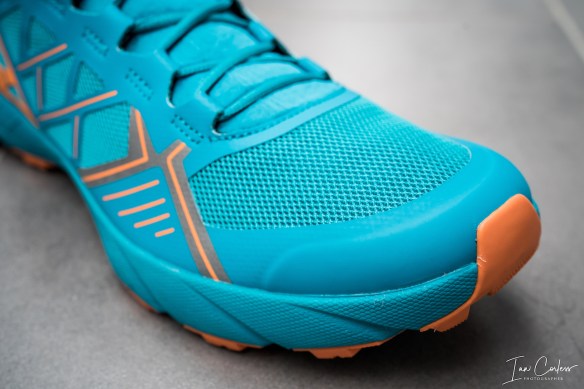
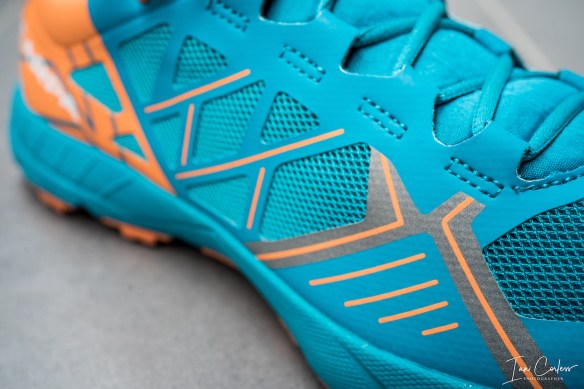
The upper is mesh and therefore very breathable, structure and support of the upper comes from welded PU overlay. One of the plus sides of this, as in other shoes using this method, there are no seams that can cause irritation or rubbing inside the shoe.
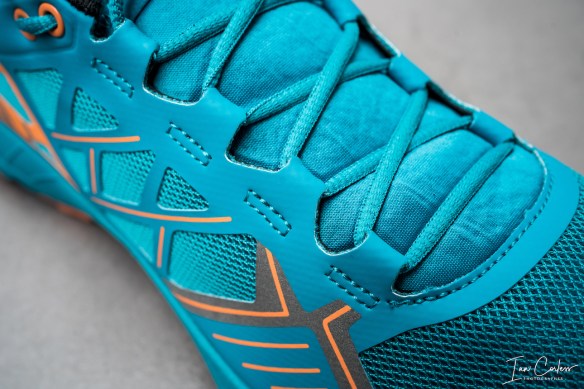
 The lacing is substantial with 5 sets of eyelets and the additional 6th eyelet should you wish to lace-lock. With a comfortable and padded auto fit tongue which extends slightly higher than other shoes I have tested, this is perfect for stopping any discomfort where the top of one’s foot joins the lower leg. There is a ‘lace-garage’ which is so obviously great, I have never understood why all run shoes do not use this method, or at least something similar.
 The heel is padded and plush and really holds the foot with comfort and security. Very noticeable when running or hiking uphill is the hold the shoe gives; it is very reassuring.
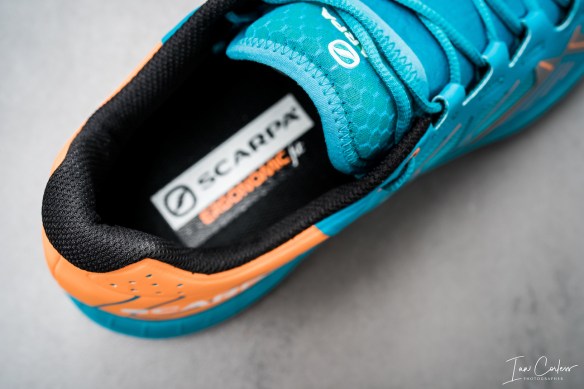
It has a ‘sock-like’ fit (SOCK-FITLW by Scarpa) which is just perfect as it provides a wonderful, secure and comfy hold of the foot.
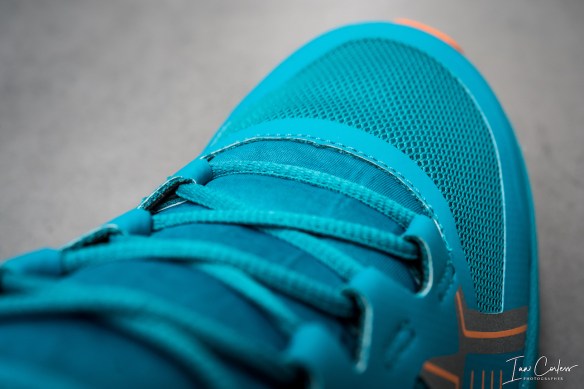
The toe box is well shaped, allows for toe splay but the SPIN is more of a ‘precision’ shoe designed for technical trail and as such it has a narrower fit but not very narrow. Certainly, if you need or require a wide toe box, the SPIN is unlikely to be for you, but you should try it… It has a toe bumper which provides some protection from contact with rocks or debris.
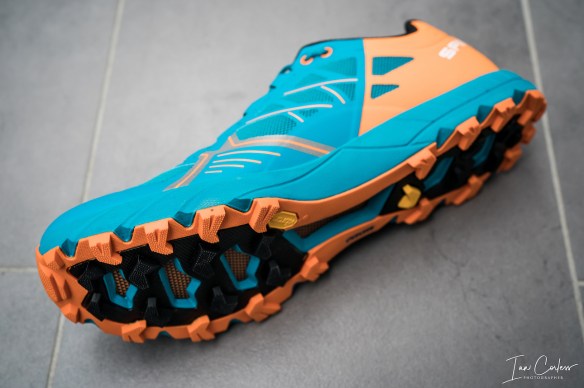
With a 4mm drop one needs to be a more efficient runner. It’s a shoe with cushioning (24mm/20mm) but not excessively so, hence I see that is a shorter/ mid-distance shoe. The midsole is EVA and I would say is on the firmer side, but after several runs one can feel it soften without compromising the shoe. It has a rock-plate, and this works really well offering great protection via a H-EVA Plate.
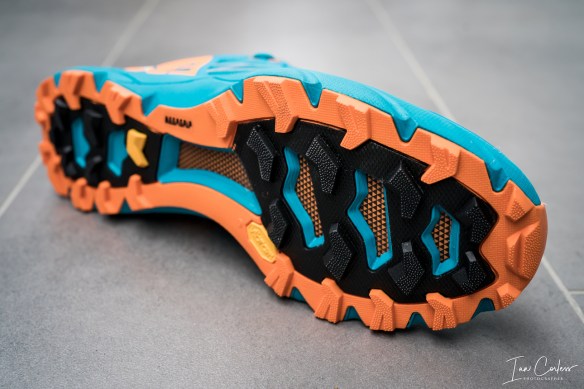
 The outsole is Vibram which is known throughout the world. MegaGrip is extremely popular and although aggressive, it is not extremely aggressive. It can handle mud but not really sloppy stuff. Then again, very little shoes can do well at everything. If running in lots of mud, there would be better outsoles than this. But the MegaGrip is perfect for the SPIN intentions – mountains, ridges, trails, rocks in wet or dry conditions. The lugs are 4mm and quite spaced out. Grip is very good on a wide variety of surfaces, but it works best on rock, ridges, loose gravel and soft ground. You will see the the SPIN has cut outs in the sole and here you can clearly see the rock-plate. The cut aways help reduce weight and increase the flexibility of the shoe. This is noticeable, especially in the propulsive phase.
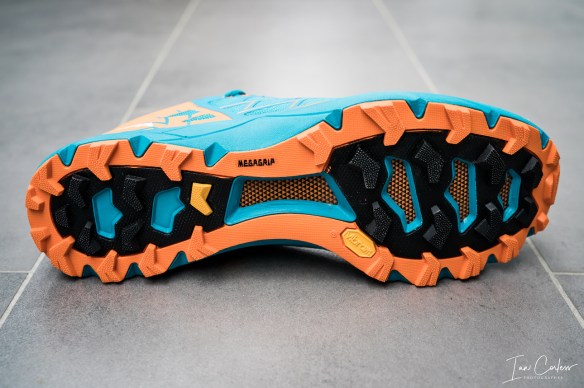
The SPIN comes with two foot beds. One minimalist and the other providing more cushioning and structure. This is a great idea! I personally used the more structured foot bed which secured the rear of my foot more. Switching between the foot bed really changes the feel of the shoe, so, if you prefer something more minimal. You will prefer the thinner of the two.
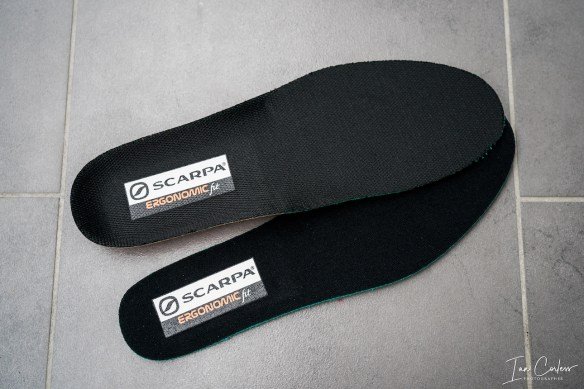
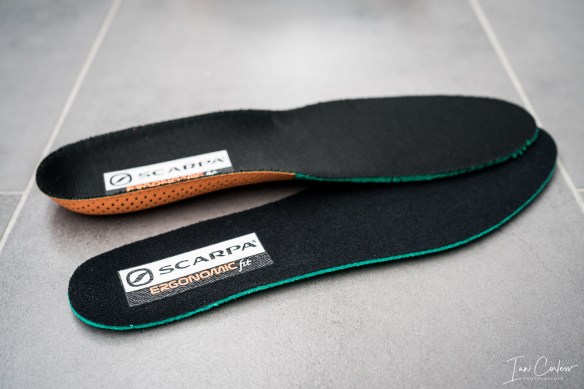
 Sizing is true to size, I use an EU44 and these fitted as expected.

IN USE
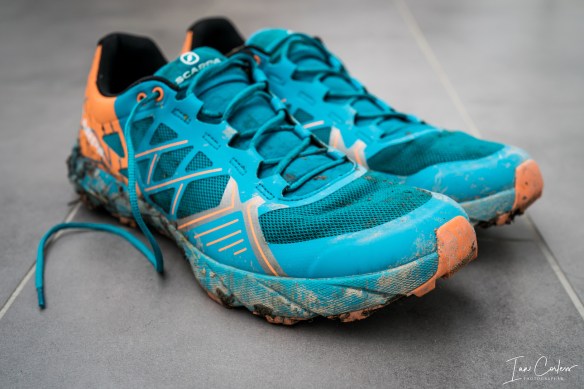
 The SPIN has great comfort and the sock-like fit is just perfect. The lacing system is superb at holding the foot and it is easy to adjust should you need. For example, I have a high instep, so I like to loosen my laces but not at the compromise of a secure foot hold. The addition of the the 6th eyelet allows for different lacing options; I didn’t need to lock lace as the foothold form the SPIN is so good. The lace garage is perfect for getting laces out of the way. One of the revelations is the heel area. It’s plush, extremely comfortable and is arguably the best hold I have had from any shoe. Climbing there is no movement or slipping. 

The upper is very breathable and my feet were comfy in either wet conditions or hot conditions. Drainage is good. The welded overlay is adequate and provides good stability. Toe bumper could be better, but it is a minor complaint.

On technical trail, foot roll is minimal, but the SPIN does have a wasp like (figure of 8) shape and so depending on your foot shape, you could have some roll? I had no roll at all. I got no issues with the SPIN rubbing my ankles, a problem I have had with other shoes on technical terrain, this is a real plus!

Cushioning is on the harder side and lacks life and bounce but that is compensated for with great flex, especially in the propulsive phase. Also, you have two foot bed options and the more padded/ supported option was a real boost for me. They are very comfortable shoes. 

The MegaGrip outsole works really well on a whole mix of terrain, wet or dry. But it works best on soft-ground, rocks and technical trail. Protection is very good but occasionally, you may find a stone getting in one of the gaps in the cutaways of the sole. It will not stay there, but if it is sharper, you may just feel it through the rock-plate.

CONCLUSION 

I have been using Scarpa for many years, the Charmoz a personal favourite. But I have never used a run shoe from the brand. The SPIN has been a revelation and certainly for runs up to 4-hours on technical/ mountainous routes, it’s a shoe I will use time and time again. The overall package is excellent combing lightweight, responsiveness, feel for the ground, cushioning, great comfort and excellent grip in most scenarios. It’s a shoe for faster training or racing in the mountains.  

Highlights come from excellent lacing, the sock-like fit, the shoes weight and the heel box.

There is little not to like in the SPIN. It is more of a precision shoe, but the fit is not as narrow as others, so, you would need to try them on to find out if they would work for you.

The only negative, for me, is the cushioning is a little hard and lacks a little life. It is a minor point and actually does not impair how the shoe performs, however, for some, it may influence how enjoyable the SPIN is to wear. 

Specs: 

  • 4mm drop
  • 252g for EU42
  • Upper Mesh w/ welded PU overlay
  • Insole H-EVA Plate
  • Midsole EVA-CM
  • Outsole Vibram Fixion/ MegaGrip
  • Cushioning 24mm/20mm
  • Sock like fit
  • Lace storage
  • Medium cushioning and protection
  • Choice of insoles

Please support this website. I believe everyone deserves to read quality, independent and factual articles – that’s why this website is open to all. Free press has never been so vital. I hope I can keep providing independent articles with your help. Any contribution, however big or small, is so valuable to help finance regular content. Please support me on Patreon HERE.

Follow on:

Instagram – @iancorlessphotography

Twitter – @talkultra

facebook.com/iancorlessphotography

Web – www.iancorless.com

Web – www.iancorlessphotography.com

Image sales –www.iancorless.photoshelter.com

RAB KAON Jacket Review

When it comes to mountains and outdoor terrain, UK brand RAB have been a ‘go-to’ for any outdoor enthusiast, whether that be for the Himalayas, mountaineering, trekking, climbing or a leisurely walk in the outdoors.

2020 will see RAB launch a series of new products under the heading of SKYLINE a range of products made up of ultra-lightweight clothing that does not compromise on protection. Intended for ‘fast and light’ days that blur the line between running and technical scrambling.

It’s a significant movement for the brand and as a firm RAB fan, the SKYLINE range has already gained my attention and no doubt, it will grab the attention of anyone who likes to move faster in the mountains.

I will be introducing element of the new SKYLINE range over the coming weeks, notably, the SONIC SHORT SLEEVE TEE, PACER JACKET, CHARGE JACKET and PHANTOM PULL ON.

Image ©RAB

But first, the KAON jacket. 

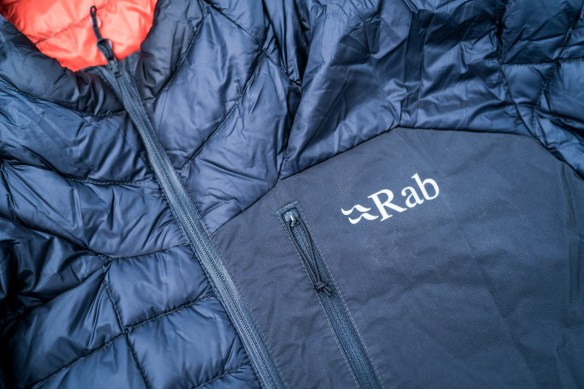
The new KAON jacket personifies and sets out the stall of the new direction and although it does not come under the SKYLINE banner, it certainly ticks all the boxes offering minimal insulation with low-weight and packing size. Balancing lightweight, warmth and protection, the KAON uses a combination of 800 fill Goose Down and Synthetic Status insulation. Concentrating on the core, the Kaon retains warmth where it is needed, while ‘Pertex Quantum Air’ allows complete freedom of movement under the arms.

The Kaon offers zoned insulation allowing a balance between warmth without compromising movement. It mixes down for the core and ‘Stratus’ synthetic fill on the shoulders, hood and cuffs. 

The down in the core is 800FP hydrophobic down (70g in the men’s and 65g for the women.) This is significant as down, while warmer and lighter, cannot get wet – it loses warmth! However, hydrophobic down is treated with a durable water repellent that allows for quicker drying and the ability to resist water for longer. In a nutshell, it makes the Kaon far more usable in a variety of situations.

The Stratus synthetic fill is significant as it allows the jacket to be more breathable, dry out faster and is 20% less absorbent to other rival insulation. Synthetic is effective at keeping one warm, even when wet, so, it is ideal for damp/ wet conditions. RAB have added this to key areas of stress, either from the weather or equipment or a combination of the two. For example, on the shoulders, synthetic insulation will be far more durable with pressure from rucksack straps. Also, when compressed, it retains warmth, unlike down which requires loft.

The Atmos outer shell will still allow for loft while reducing down leakage making a perfect combination of warmth v weight.

Under the arms and down the side of the torso, Pertex Quantum Air is used which allows heat to escape and therefore allowing for body temperature regulation, always a difficult balance when moving fast and light.

IN USE 

The KAON is a wonderful crossover jacket for mountain runs and alpinists who want to move fast and light but be prepared for any potential inclement conditions that the mountains can throw at you. 

On first look, it is a simple jacket with a full-length zip, hood (that will allow for a helmet), high collar for warmth, one chest pocket, no side pockets and the sides and under arms use a different more flexible and breathable fabric. It has stitch through construction that provides a small square look to the jacket which ensure the insulation stays put.

The fit is slightly tailored, RAB say ‘slim’ but it is not super tight. Movement is not compromised. The arms are a normal length with a simple elasticated cuff. The jacket length sits just below the waist and for me, covers my backside. When zipped up, the neck goes nice and high and sits just below the chin keeping out drafts. The hood fits perfectly and has no adjustment – as mentioned, you can wear a helmet if required.

Image ©RAB

Needless to say, it is very light (240g +/-) and packs small and comes with its own stuff sack.

It is available in 3 colours, ebony (blue), firecracker (red) and dark sulphur (yellow).

I normally wear medium and medium is perfect in the KAON, size options are XXS to XXL.

 Having used the jacket as we transitioned from Winter to Spring, I have found it perfect or everyday use. On chilly days I start with it on and then remove when my core is warm. It packs away small and fits in the side pocket of my Osprey Talon 11 pack (to provide an example.) On warmer days, I have added the KAON to my pack in the assurance that should the weather change, I have an excellent light layer that will work. In conjunction with a lightweight jacket, such as the PACER (here) – I have warmth and waterproof for well under 500g.

SUMMARY

The KAON is one of those essential kit items when going to the mountains. It’s size and weight make it a ‘mandatory’ item for me – there is no reason not to take it! Warm, lightweight and packs small = perfect.

RAB HERE

Please support this website. I believe everyone deserves to read quality, independent and factual articles – that’s why this website is open to all. Free press has never been so vital. I hope I can keep providing independent articles with your help. Any contribution, however big or small, is so valuable to help finance regular content. Please support me on Patreon HERE.

Follow on:

Instagram – @iancorlessphotography

Twitter – @talkultra

facebook.com/iancorlessphotography

Web – www.iancorless.com

Web – www.iancorlessphotography.com

Image sales –www.iancorless.photoshelter.com
Marco De Gasperi – Vertical Kilometer® Hints ‘n’ Tips

Marco De Gasperi is a legend of mountain and skyrunning. At the age of 16, he gained special permission to climb Monte Rosa with ISF president, Marino Giacometti and a small group of like-minded adrenaline filled mountaineers. It was the birth of skyrunning.

The rest his history, Marco has six-world titles and a list of victories from races all over the world. Marco, now in his 40’s is still respected as one of the best in the world. He recently became a Skyrunner World Series champion and has established FKT’s (fastest known times) on iconic courses such as Monte Rosa where his career began.

Courmayeur – Monte Bianco record

Marco De Gasperi – Sognavo di diventare Skyrunner

Born in Bormio (in the Alps) a hub for skiing and short-track skating. Living at 1200m provided Marco with advantages, however, he only found his true vocation at the age of 10-years. Marco had tried to adapt to Skiing and Nordic-Skiing, but the reality was soon apparent; he just didn’t have the required size and bulk required to be competitive. The mountains beckoned; daily he would leave his town, climb a peak and return in the same day.

At 12-years old, an encounter with Adriano Greco introduced him to the winter past time of ski-mountaineering and running in the summer months. Adriano was very much a coach and guide for Marco. He was introduced to a new aspect of sport, a new discipline that was at its birth. In 1994, Marco ran his first Vertical Kilometer® on the slopes of the Matterhorn.

Marco’s knowledge is invaluable in regard to mountains and how to run them! With the announcement of a new VK2 circuit HERE in Italy, it is timely that Marco provides some ‘hints and tips.’

Hints and Tips

Do you do any specific training for a Vertical Kilometer®?

My season always includes mountain races and races with plenty of climbing, so, I like to devote myself with specific training in the gym to build strength. For example, I use leg extension, leg press and other exercises such as squats. I also do up and down reps on a large box (60cm high), this is great for strength and endurance. It is also important to apply yourself outside and of course finding a steep incline of 30% and running at a smooth and consistent pace is ideal; it’s difficult to run all the way but I always try.

The Vertical Kilometer® is very demanding and runners incorporate different techniques to reach the summit in the fastest and most efficient way. Hands-on-knees and ‘poles’ are two methods; do you have a preference?

Application very much depends on the individual needs and demands of each runner and the course. For example, you will find many VK specialists come from a Ski-Mountaineering background and therefore they are very well adapted and practiced with the use of poles. Certainly, when slopes become much steeper, poles offer an advantage as they help balance the center of gravity and thus provide a more advantageous position. In principal though, I prefer to try and run!

Aerobically it is very easy to just ‘tip over the edge’ with a VK, do you have any special techniques in training to help to pace yourself?

You need to train and understand the muscular and mental aspects that are required to race a VK well. The correct pace is easy to find if your mind is prepared for the challenge ahead. Take long hills in training at an easy pace, try to keep running and enjoy the process, have fun! If I don’t have the possibility to train on long steep climbs, I like to find a short hill that is steep, and I do reps at a faster pace than racing… I walk back down to allow recovery and then repeat.

Walking for many will be a key element of a successful VK. I am well aware that you will try to run as much as possible. However, do you practice walking?

Long and steep mountains are very difficult, it’s all about efficiency and yes, sometimes it is far more efficient to walk. It’s about balance; I run for as long as possible, but a good climber knows when to switch to maintain rhythm and speed. You want to avoid building up too much lactic acid. I consider myself to be a good ‘walker’ and I am happy to switch as and when required. As for practice, no not really, just go out in the mountains and hike. It’s a perfect way to combine fun and training.

You have already mentioned indoor training and strength work. Have you ever trained on a treadmill and what about core and stability training?

Core and stability are very important, without doubt it provides benefits. Every week I do 3-4 sessions of five key exercises to work on this. In regard to a treadmill; it’s not the best way to train for a VK but maybe you have limited options? It can obviously be better than nothing. Just make sure you have it at an incline and work hard.

In regard to particular VK training, is it better to train on shorter or longer mountains; do you have a preference?

I have many years in the sport, in my opinion; I think that too many long mountains are not good for the specific demands of a VK. In particular, as a race approaches keep sessions in the 30 to 50-minute bracket.

Other than yourself (obviously) who do you regard to be the best runners at the VK distance?

You are very kind! I am going to split this. Urban Zemmer with poles, Berny Dermatteis without using poles and Valentina Belotti. I guess it comes as no surprise that these runners are all Italian, but the records show that they have the fastest times.

Finally, Marco, if you had to provide three invaluable tips for running a Vertical Kilometer® what would they be?

  1. Do 6-7 reps 3 times on a trail that is not too steep, rest by walking down.
  2. Make sure you have easier days between hard sessions
  3. To race and perform well on race day, your legs must be very relaxed and recovered.

Please support this website. I believe everyone deserves to read quality, independent and factual articles – that’s why this website is open to all. Free press has never been so vital. I hope I can keep providing independent articles with your help. Any contribution, however big or small, is so valuable to help finance regular content. Please support me on Patreon HERE.

Follow on:

Instagram – @iancorlessphotography

Twitter – @talkultra

facebook.com/iancorlessphotography

Web – www.iancorless.com

Web – www.iancorlessphotography.com

Image sales –www.iancorless.photoshelter.com
First published January 2014

Tom Evans – Zero to 100

It was incredible. The preparation. The event. The course. The journey.

The process. The outcome.

I knew I always wanted to challenge myself over 100 miles…I just never expected it to be in this incredible race. I was privileged to have qualified to race so to have a Race Crew and Filming Crew follow my journey over the race to an unexpected end was amazing.

I had the immense pleasure to meet Tom at Marathon des Sables, he was a complete unknown who on day-1 of the race, rocked the apple cart and the Moroccan dominance of the race. Myself, the rest of the media and all the runner’s in the race were asking the question, “Who is Tom Evans?”

By the end of the MDS, we had an answer. He placed 3rd and in the process, the ultra-running world welcomed a new star in the sport. He was without a sponsor and still a captain in the army.

Post MDS, we discussed opportunities and how Tom could achieve his goals. I was fortunate that Tom decided to join me on my annual Lanzarote Training Camp. He joined us as a coach and ambassador.

It was easy to see Tom’s ability. Few on the camp could keep up with him and those that could went on to race well at the following Marathon des Sables. In particular, Gemma Game who made the podium.

Following our camp, Tom joined me in Costa Rica for The Coastal Challenge. I was keen to see him race once again over multiple days and this time without being in a self-sufficient manner. I arrange the elite field and I was determined to give Tom and the rest, a hard race. Hayden Hawks, Timothy Olson and Marcus Scotney amongst others toed the line.

Tom arrived to race and it was clear from the off, he had an agenda. He had researched the race, looked at the stages, checked the times and not only did he have ambitions to win the race, but also set a new course record. Hayden and Tom raced head-to-head day-after-day but victory and the CR was never in doubt, Tom dominated.

It was time to set the goals higher and work to higher objectives. Tom represented his country and placed 3rd at the world championships. He dipped his toe in skyrunning races going head-to-head with skyrunning world champion, Jon Albon. But all along, the big goal was CCC part of the UTMB races.

Just prior to CCC, Tom signed a deal with Red Bull. I was fortunate to join Tom at his family home in the UK and document his training.

At CCC, running the perfect race, Tom closed on the lead in the latter stages of the race, forged ahead and won the biggest race of his life. A sponsorship deal with adidas Terrex followed and the dream of Western States started to fall in to place.

Zero to 100 tells the story of Tom’s inaugural 100-mile race, the iconic Western States in the USA. To place in the top-10 here would have been an incredible result, but Tom went on to place 3rd and in the process run under 15-hours. He trained in Ethiopia to prepare and you can listen to the whole process in episode 174 of Talk Ultra listed below.

ZERO TO 100

Process not Outcome

Tom has always discussed his thoughts on training and racing and one element that always runs true is ‘Process not Outcome.’ His ability to focus on the prize, dedicate himself to the task and take running to a higher and higher level is all down to his dedication and professional approach.

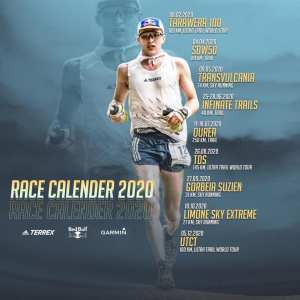
In 2020, Tom will target new races, new goals and new experiences. One thing is for sure, after victory at Tarawera Ultra in New Zealand early in the year, Tom is in the perfect place to fulfil his dreams. I would expect no less…!

2020 calendar subject to change based around Covid-19

Over the past couple of years, I have documented Tom’s progress via my podcast, Talk Ultra, you can listen to the episodes below:

Tom Evans and the 2017 Marathon des Sables HERE

Episode 133 Podcast, Marathon des Sables HERE

Episode 152 Podcast, The Coastal Challenge HERE

Episode 174 Podcast, Western States HERE

Please support this website. I believe everyone deserves to read quality, independent and factual articles – that’s why this website is open to all. Free press has never been so vital. I hope I can keep providing independent articles with your help. Any contribution, however big or small, is so valuable to help finance regular content. Please support me on Patreon HERE.

Follow on:

Instagram – @iancorlessphotography

Twitter – @talkultra

facebook.com/iancorlessphotography

Web – www.iancorless.com

Web – www.iancorlessphotography.com

Image sales –www.iancorless.photoshelter.com

New VK2 Circuit Announced


Exciting news from the FSA for a new VK2 circuit

The Vertical Kilometer® doubles in distance with a whole new circuit of five events all taking place in Italy, the home of skyrunning! The VK2 circuit is tailor-made for those who love vertical running and high altitude, the new circuit will bring those two elements together and yes, it will take your breath away, both visually and physically!

This new VK2 challenge brings together emblematic races, with three races that exceed an altitude of 3,000m. The circuit has 10,333m of ascent alone, with an average gradient of 30% and sections with over 50%.

The iconic Monte Rosa and Mont Blanc will provide participants the opportunity to test themselves in a truly alpine environment, fast and light, on snowfields with micro-crampons and in climbing sections with a harness and helmet.

The VK2 starts on June 20 from Alagna Valsesia with the AMA VK2 which reaches the altitude of 3,260m at Punta Indren, through pastures, stony ground and snowfields.

On June 28 the Double Vertical K2 at the highest fort in Europe on the summit of Mount Chaberton at 3,130m on the border with France.

On July 5, it’s the K2 Valtellina Extreme Vertical Race where you reach the summit of Cima Pisello at 2,272m.

In the spotlight, Mont Blanc with the UYN K2000 will be on August 1st. Starting in Courmayeur, the steep path climbs under the SkyWay cable car to Punta Helbronner at 3,460m to satisfy athletes and the public with breathtaking views.

The VK2 circuit concludes with the Gran Finale on 20 September with La Direttissima K2000 which starts from Piazza del Duomo in Trento to reach the 2,098m of the summit of Monte Bondone. Here, 25% extra points are up for grabs.

RANKING:

For the final ranking, the three best placements will be considered.  Each race assigns to the first 15 men and women, points to climb from 100 to 10 with 25% more at the Grand Finale. In all races, free entries and accommodation are assigned to the winners of the following race, and the VK2 Trophy is up for grabs, with cash prizes for the winners of the circuit.

For the many lovers of vertical, the VK2 represents a race towards the sky on steep paths, rocks and snowfields to run and climb in pure skyrunning style – all uphill!

CALENDARIO VK2

AMA VK2 – Punta Indren (3.260m) Alagna (VC)

DOPPIO VERTICAL K2 – Monte Chaberton (3.130m) Cesana (TO)

K2 VALTELLINA EXTREME VERTICAL RACE – Cima Pisello (2.272m) Talamona (SO)

UYN K2000 – Punta Helbronner (3.560m) Courmayeur (AO)

LA DIRETTISSIMA K2000* – Monte Bondone (2.098m) Trento (TN)

Follow on:

Instagram – @iancorlessphotography

Twitter – @talkultra

facebook.com/iancorlessphotography

Web – www.iancorless.com

Web – www.iancorlessphotography.com

Image sales –www.iancorless.photoshelter.com
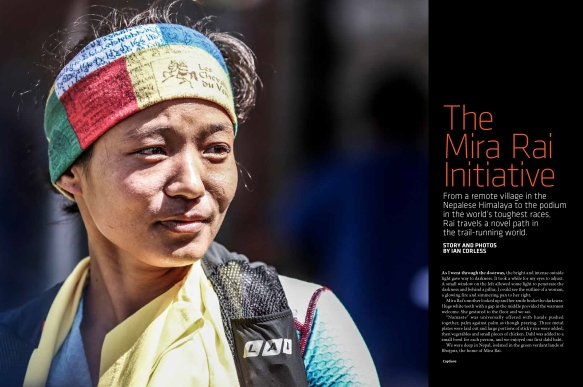
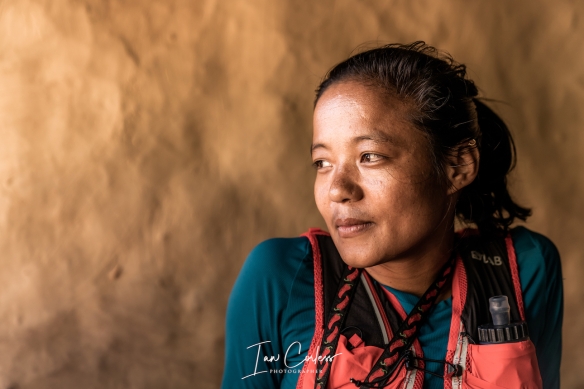
The MIRA RAI Initiative

I was fortunate in November 2019 to visit the home of Mira Rai in a remote part of Nepal.

I first met Mira, in 2015 as she rose through the racing ranks in Europe. Her ensuing story of success on the trails and then giving back to her community is the stuff of dreams. From our first encounter, I knew she was special. She was strong, dedicated and had a strength of character based on survival, perfect for long-distance running. She spoke no English, had a huge infectious smile and laughed when we couldn’t communicate, simply saying “Namaste.”

My images and story of the journey is now available in Trail Runner Magazine in the USA. Spread over 5-spreads/ 10-pages.

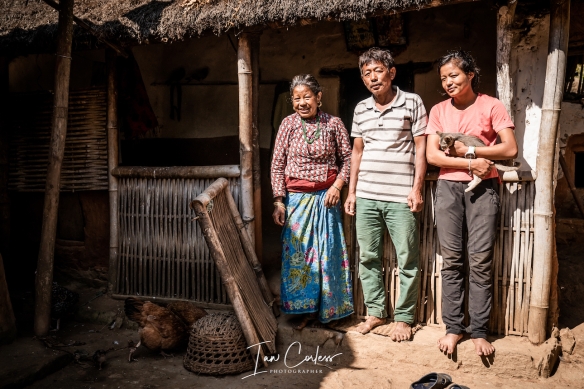
I met her parents, walked the trails, visited her school, shared meals, fed the animals and shared a magical time in Bhojpur.

As I went through the doorway, the bright and intense outside light gave way to darkness. It took a while for my eyes to adjust. A small window on the left allowed some light to penetrate the darkness and behind a pillar, I could see the outline of a woman, a glowing fire and simmering pan to her right.

Mira Rai’s mother looked up and her smile broke the darkness. Huge white teeth with a gap in the middle provided the warmest welcome. She gestured to the floor and we sat.

“Namaste” was universally offered with hands pushed together, palm against palm as though praying. Three metal plates were laid out and large portions of sticky rice were added, then vegetables and small pieces of chicken. Dahl was added to a small bowl for each person and we enjoyed our first dahl baht.

We were deep in Nepal, isolated in the green verdant lands of Bhojpur, the home of Mira Rai.

Trail Runner Magazine available HERE

The Mira Rai Foundation HERE

VIEW THE FULL IMAGE GALLERY HERE

Please support this website. I believe everyone deserves to read quality, independent and factual articles – that’s why this website is open to all. Free press has never been so vital. I hope I can keep providing independent articles with your help. Any contribution, however big or small, is so valuable to help finance regular content. Please support me on Patreon HERE.

Follow on:

Instagram – @iancorlessphotography

Twitter – @talkultra

facebook.com/iancorlessphotography

Web – www.iancorless.com

Web – www.iancorlessphotography.com

Image sales –www.iancorless.photoshelter.com
the INTERVIEWS Season 1-Episode 2 : KILIAN JORNET – The Matterhorn SOML

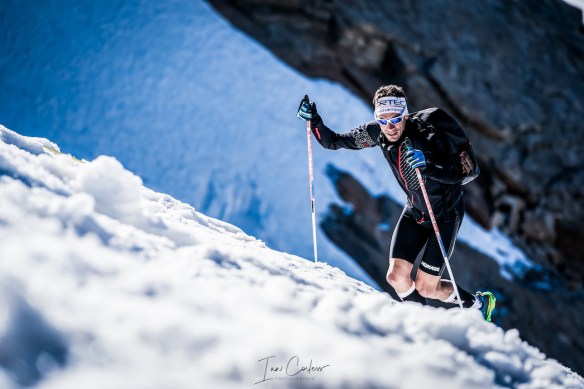
Recorded in September 2013, this interview was undertaken in a hotel in Zermatt just days after Kilian set a new FKT for the Matterhorn.

It’s the day after the Matterhorn Ultraks and just four days after Kilian Jornet’s successful attempt on the Matterhorn Summit record attempt from Cervinia. It has been quite a few days for this iconic mountain and although Kilian has excelled on both occasions, we all know, the mountain is still the boss.
Kilian arrives with Emelie Forsberg looking relaxed and fresh after a late breakfast. I congratulate him (and Emelie) once again on topping the podium at the Skyrunning Matterhorn Ultraks race and ask him how he feels, ‘I am a little tired but feel good. I was certainly tired in the race but I didn’t push too hard. I just did what I needed to do to win the race’.
Our conversation turns the TNF UTMB and we discuss how the race will unfold for the men and women. Kilian and Emelie are animated at the prospect of Julien Chorier, Miguel Heras, Anton Krupicka and the other contenders going head-to-head. Emelie gets excited at the thought of Nuria Picas in the ladies race, it’s her first 100-mile race and of course Emelie knows the Catalan well. We could talk all day but eventually I settle down with Kilian in a quiet corner and we discuss the Matterhorn.

Hosted on ANCHOR (HERE) the INTERVIEWS will also be available to listen on many other players, including SPOTIFY (HERE).

ANCHOR app on Apple HERE and Google HERE

Download links will be added in due course.

Apple Podcasts HERE
Breaker HERE
Castbox
Google Podcasts HERE
Overcast HERE
Pocket Casts  HERE
RadioPublic HERE
Spotify HERE
Stitcher
TALK ULTRA podcast will be released as normal providing you long shows as it has always done with ideally two shows per month. The back catalogue will be released randomly via the INTERVIEWS and not chronologically.

ARRAN SKYLINE joins the 2020 Skyrunner UK and Ireland Series

ARRAN SKYLINE brought to you by Ultra Trail Scotland joins the Skyrunner UK & Ireland series for 2020.

The Ultra Trail Scotland team of Andrew Falconer, Noreen Devine and elite mountain runner, Casey Morgan bring an out-and-out pure mountain running experience that harks back to the heritage of skyrunning races in Italy.

READ MORE HERE

Follow on:

Skype: @talkultra

Twitter: @talkultra

IG: @iancorlessphotography 

Websites:

Iancorless.com

Photography showcase: HERE

Photography sales: HERE

Maga Ultra SkyMarathon 2019 – ISF European Skyrunning Championships

In a spectacular downpour that hit the village of Serina, near Bergamo, Italy, spirits were high as the six medals at stake for the Ultra at the 2019 Skyrunning European Championships were awarded to dominant Spanish podiums today at the Maga Ultra SkyMarathon.

Lauri van Houten, ISF, reports on the action from Maga Ultra SkyMarathon

The strong world-class field pushed the pace, smashing the standing records, with the top 13 men and 6 women finishing under the previous time.

The men’s gold medallist, Italian Cristian Minoggio, closed in 6h37’26” slicing an incredible 1h06’ off the previous record. “I still can’t believe it. Until I have the medal in my hand, I won’t believe it,” commented an ecstatic Minoggio. “It was a splendid race, a course I felt in my heart from the first to the last step. Now all I can do is repeat this performance at Veia!”

The silver went to Spain’s Manuel Merillas, who initially led the race, but was overtaken after the first summit halfway through the race by Minoggio. “I didn’t expect such a technical and demanding course, especially on the downhill. I loved it and congratulate Cristian who took the win.”

View the full Image Gallery HERE

Bronze medallist, Italian Daniel Jung, held a steady fourth throughout until third man, Sweden’s André Jonsson had to pull out after 45 km, leaving Jung in third. “I’m very satisfied,” said Jung. “It was a really tough race and spectacular at the same time with a very high level of competition. I hoped to do well, and a medal is the best way to celebrate!”

The women’s podium, all-Spanish, had Ester Casajuana up front from the gun. “The race was as beautiful as it was hard. I pushed from the first to the last meter and I’m really happy with this medal and also because two other Spaniards, two friends, won the other medals!” She finished in 8h19’11”, almost an hour faster than the standing record. The silver went to Sandra Sevillano and the bronze, Silvia Puigarnau. In second until km 30, last year’s winner, Italian Cecilia Pedroni had to settle for fourth, despite knocking 35’ off her own record time.

The race

Today’s Ultra discipline was disputed at the Maga Ultra SkyMarathon, a tough 50 km course with a gruelling 5,000m vertical climb across four mountains topping out at 2,512m altitude. In true skyrunning style, it features stretches with fixed ropes and exposed ridges. 15 nations participated in the race which counted 149 participants.

Race organiser, Davide Scolari, commented, “We’re very proud to have held the first event of the Skyrunning European Championships. We’d like to thank all the athletes, volunteers and sponsors for their enormous support, and we’re thrilled to have had such an important international field.”

Some 150 athletes representing official teams from 19 countries will fight for the 27 medals at stake in the Championships: Andorra, Austria, Bulgaria, Czech Republic, Finland, France, United Kingdom, Greece, Hungary, Italy, North Macedonia, Netherlands, Norway, Poland, Portugal, Russia, Spain, Switzerland and Sweden.

Titles and medals

Individual, national and combined titles are at stake awarding 27 medals. Today’s Ultra awarded six individual medals to the top three men and women finishers from Europe, while the national and combined titles must wait for the conclusion of all three disciplines on September 7.

The National titles are based on the best four results scored by Official National Team members in each race, counting at least one per gender. After today’s Ultra, the country ranking has Spain in the lead with 336 points; Italy 318; Czech Republic 246; Portugal 198; Austria 146.

The Combined title is based on the best results of the top three men and women in the Vertical and Sky races. WADA anti-doping tests will be carried out at the finals where the Vertical and Sky categories will be celebrated on Thursday, September 5 and Saturday, September 7 in Piedmont, Italy at the Veia SkyRace® in a spectacular amphitheater surrounded by the Swiss 4,000m mountains.

View the full Image Gallery HERE

2019 Skyrunning European Championship medallists

Men
Gold: Cristian Minoggio (ITA) – 6h37’26

Silver: Manuel Merillas (ESP) – 6h52’03”

Bronze: Daniel Jung (ITA) – 7h0252″

Women
Gold: Ester Casajuana (ESP) – 8h19’11”

Silver:  Sandra Sevillano (ESP) – 8h33’35”

Bronze: Silvia Puigarnau (ESP) 8h41’11”

Follow on:

Instagram – @iancorlessphotography

Twitter – @talkultra

facebook.com/iancorlessphotography

Web – www.iancorless.com

Web – www.iancorlessphotography.com

Image sales –www.iancorless.photoshelter.com
Seven Sisters Skyline 2019 Summary

Kasia Osipowicz and Damian Gielty take victory in the Seven Sisters Skyline, the third race in the 2019 Skyrunner UK & Ireland Series.

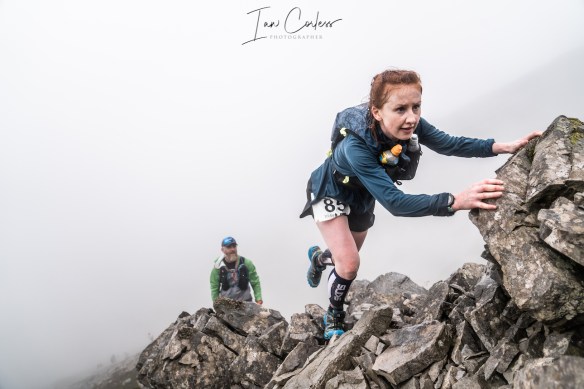
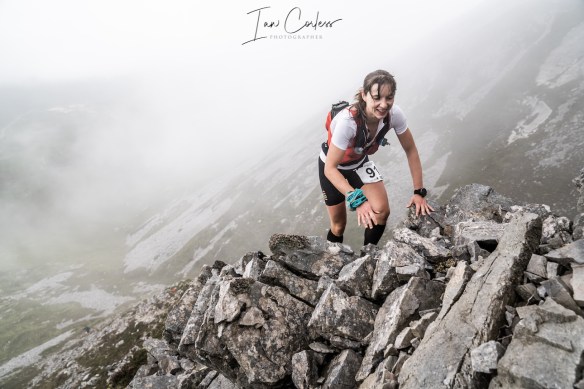
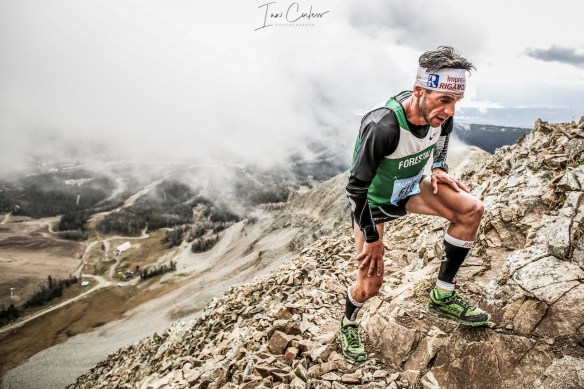
Despite a heat wave and glorious sunshine for a week, Ireland was shrouded in mist and light rain for the 2019 edition of the Seven Sisters Skyline. Some did say, ‘It’s Ireland, what did you expect?’ But for the skyrunner’s, the cooler temperatures and light winds were almost certainly preferable to the intense heat of the previous week.

The 50km route is a beast of a race that has very little obvious paths to run along, boggy ground and a great deal of vertical ascent. From the 0700 start, Adam Quinn, Jonny Steede and Damien Gielty dictated the pace opening up a substantial gap by the halfw point from Marek Wojnarowski, Lonan O’Farrell and a string of other close contenders.

The rocky and relentless climb to Muckish providing a challenge for all and it was the end of this section were the runners re-traced and headed via and out and back course, the two significant changes coming at the end with a circumnavigation and climb of Errigal and then a route around the River Clady before finishing in Dunlevy.

Damien Gielty proved too strong for the competition going solo and taking a strong victory in 6:32:56 ahead of Jonny Steede in 6:49:38. Initially it looked like Adam Quinn would place 3rd and after Errigal he held that position. However, he had sustained a serious head wound in a fall and took time out at the final checkpoint before carrying on to place 5th. This opened the doorway for Lonan O’Farrell who rounded the podium in 7:12:04.

For the women, Kasia Osipowicz was head and shoulders ahead of the the other women running the race solo from the start to the finish. Her time 8:42:47 providing her with victory and now the overall female lead in the 2019 Skyrunner UK & Ireland Series. Kasia has shown great consistency placing 2nd in the previous two races in the calendar and now a victory. Her points tally is 260.

Rachael Nolan and Bernadette O’Kane placed 2nd and 3rd, both producing solid and consistent runs to finish in 9:06:51 and 9:17:29.

Post-race, much of the comment was about the toughness and severity of the course. “I loved this course, it suited me with all the wet and boggy terrain,” said Kasia. “The mist kind of worked in my favour, you can’t see what is coming so you put your head down and get on with it. I loved the final climb up to Errigal, it was magical!”

IMAGE GALLERY HERE

The next race on the calendar is Snowdon Skyline in September and importantly, the male and female winners will not only get valuable points for the Skyrunner UK & Ireland Series but they will also be granted entry in the SkyMasters which will take place in Limone, Italy towards the end of October.

Follow on:

Instagram – @iancorlessphotography

Twitter – @talkultra

facebook.com/iancorlessphotography

Web – www.iancorless.com
Web – www.iancorlessphotography.com
Image sales –www.iancorless.photoshelter.com