If you read my day-6 report, you will remember I said:
“Now the delicate balance of when to carry on and when not to carry on must be considered. To continue covers miles and leaves less distance for the overall target, but it also means less rest. Not enough rest and the pace the following day may well drop substantially.”
“Ask yourself, what would you do?”
“It’s a tough call.”
Well, at 10pm on day-6, Yarom (who had run with Mike all day) and Mike decided to push on for another 12km. It was a touch and go call, but the duo said they felt good and therefore we all agreed to allow a final push and get 120+km.
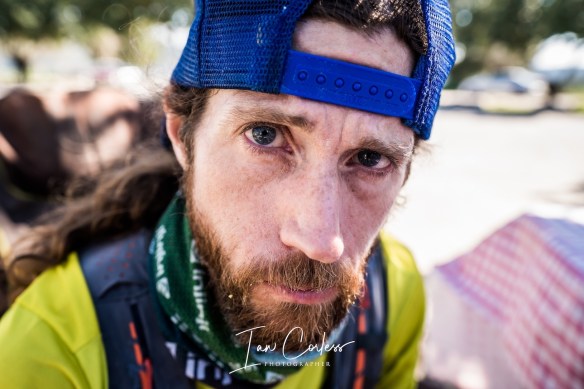
Turned out, that 12km was a really tough challenge. The trail was overgrown, route markers were hidden and the two of them got lost. They eventually finished 30-minutes past midnight, and they looked broken.
Had we snapped the elastic?
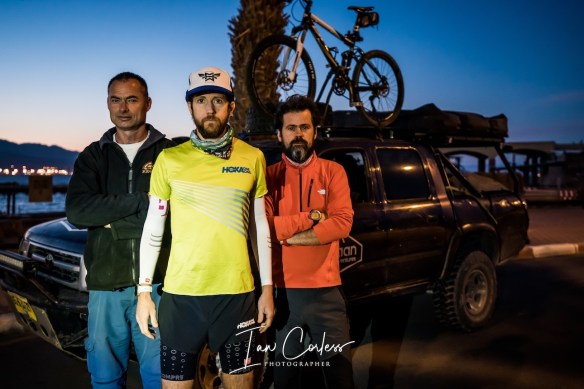
Mike said he felt nauseous. We wrapped him in a jacket and immediately departed for Yoram’s house – he had kindly offered a bed for Mike and the floor for me, Zoli end Eres.
Mike showered and ate. We were all asleep by 2am having agreed on a 7am wake-up and Mike starting the day at 0830!
Running an FKT is a balancing act and in retrospect, the additional 12km on day-6 was a mistake. It would have been better to stop on a good note. Have a good sleep and start the next day with the sun.
Lesson learnt!
I have to say, I was worried waking at 5am. Mike was the first to rise and when I asked him, ‘How are you?’
His reply, ‘I feel awesome man, so good!’
I keep saying this, but he really is a freak of nature.
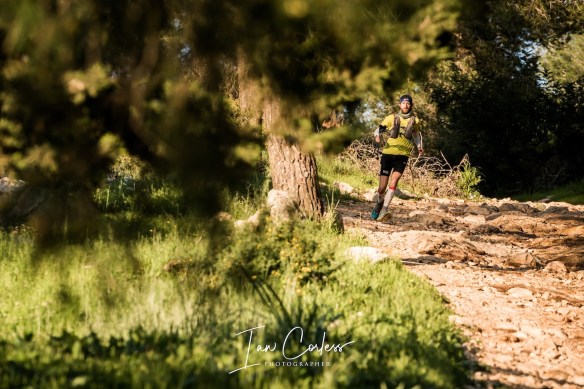
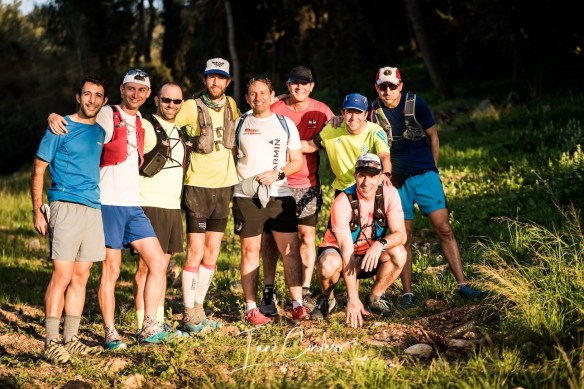
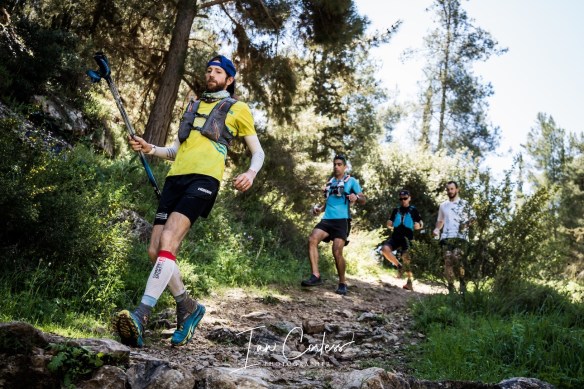
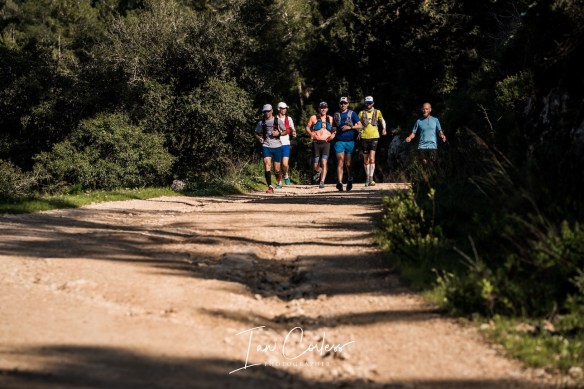
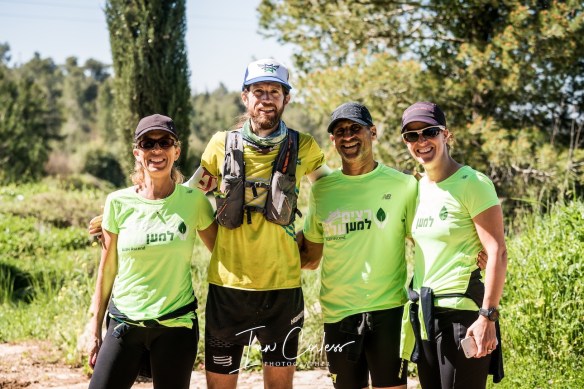
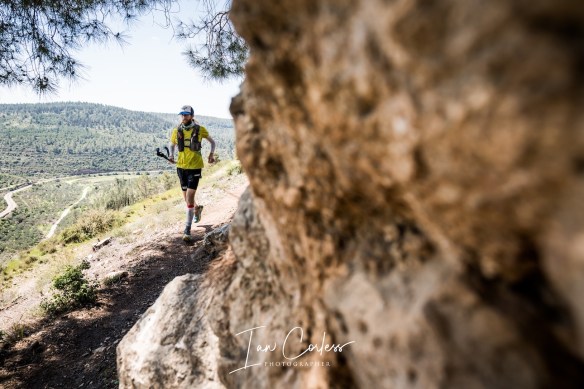
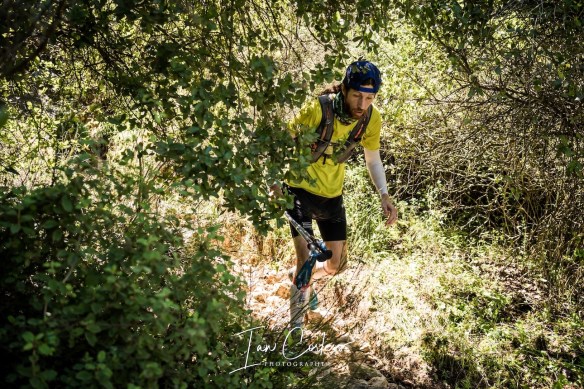
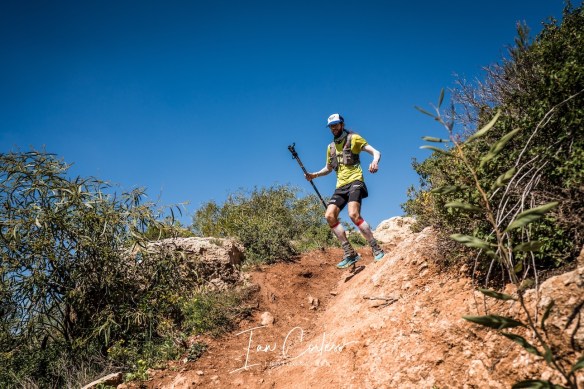
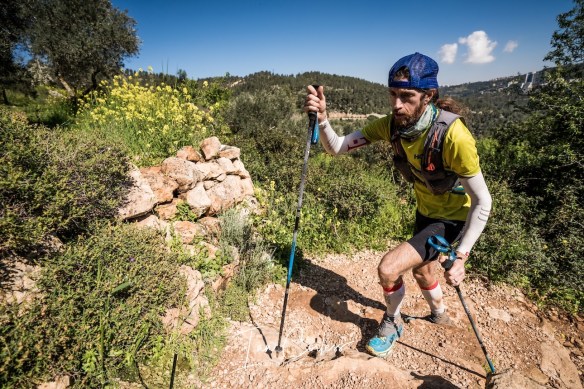
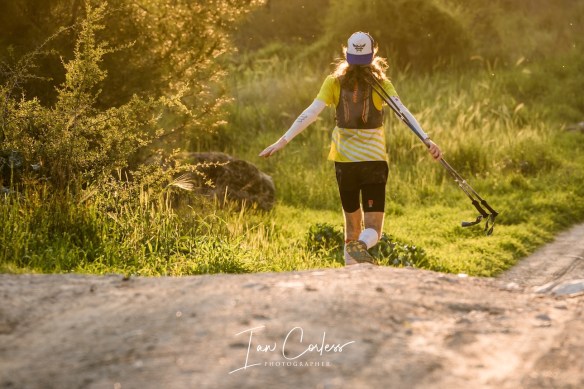
At 0829 he was on the trail with a pacer and if day-7 will be remembered for anything, it will all be about the Israeli run community. They came out in force to join Mike on the trails and look after him.
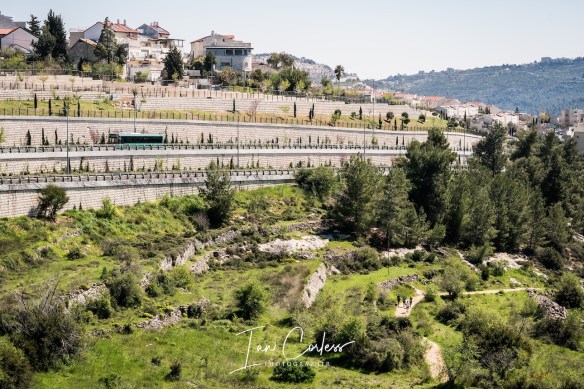
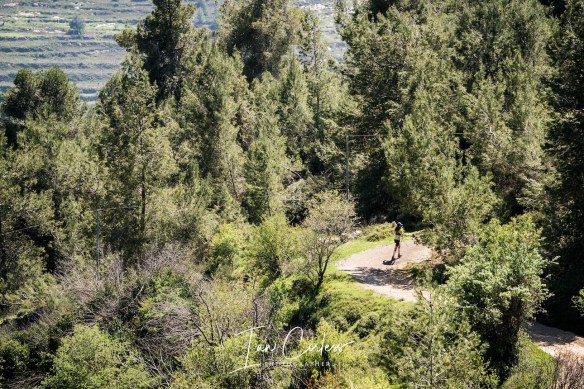
He was accompanied throughout the day, at times it looking like a scene from Forest Gump. Mike loved the company and relished the opportunity to switch off and let others find the trail markers. It was a huge boost. It was also a notable day for passing through the Jerusalem mountains and gently touching the outer edges of the city. The sun shone, it was a hot day and it everyone was relishing the #fktisrael
Day 7 times:
8:28 Atziona
Tzur Hadasa 10:30
Jerusalem 1247
Sataf 14:45
Mesilat Tzion 17:05
Latrun 18:22
A marathon was soon covered. Then 50km. At 61km Mike was still saying how good his legs were and at 73km darkness came and for the first time in the day he was alone on the trail.
Zoli and I were a little worried to leave him out there alone, so we tracked him closely and then 45-minutes later, at a trail head, he was met by two runners who agreed to pace Mike to the end of his day. At 9:15pm, he had covered 89km at ‘Mitzpe Modiin’ and then he departed for a final leg to close out the day at 100km.
In regard to planning and daily distances, after day-6, lessons have been learnt and as a team we are going to ensure Mike gets adequate rest. Therefore, we are more flexible on the distance covered per day, but equally, we will also be more flexible on the following day start time.
Mark my words, from Thursday morning, Mike will be in for one big push to achieve the FKT in 10-days and ‘x’ hours and minutes.
I have never seen anyone so mentally strong and committed to the challenge.
One thing is for sure, Mike will need all the help he can get for that big final push – we know the Israeli run community will come out and help.
One year of planning finally came to fruition today, when US based ultra-runner, Michael Wardian departed Eilat at 0546 to head north covering a total of 631-mile on the Israel National Trail in a target goal of 10-days.
It’s a huge undertaking and the man who came up with this idea, Zoli Bihari of Canaan Running Adventures knows only too well. He did a similar route over 3-years ago, it took him 23-days.
Michael is a legend in the ultra-running world and his reputation precedes his prolific achievements and his desire to run. Just recently he won the World Marathon Majors, running 7-marathons on 7-Continents. He then added 3 additional marathons so that he could set a world-record for the fastest average time for 10-marathons in 10-days.
Never one to refuse an adventure, Michael and Zoli met at the 2018 The Coastal Challenge in Costa Rica. The duo chatted and the idea for #fktisrael was created.
It is normal for trekkers to travel from the north and finish in the south. However, there are restrictions on the trails (in terms of movement in darkness) in the south, therefore, Zoli and Mike decided to start in the south and then if required, they could run in to the night later in the challenge and gain extra miles and time.
For a couple of days, Mike and the team explored the trails in advance of the FKT. It allowed some adjustment, planning, photo opportunities and also gain some relaxation time before a huge challenge.
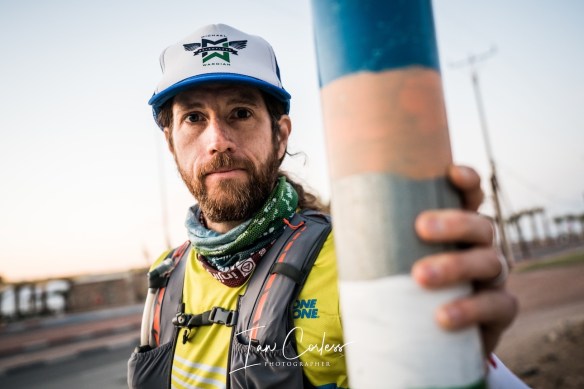
Placing his hand on the metal post with the ‘INT’ markers, he looked eager and motivated for the challenge ahead. For several days he had been saying he felt good. He was off…!
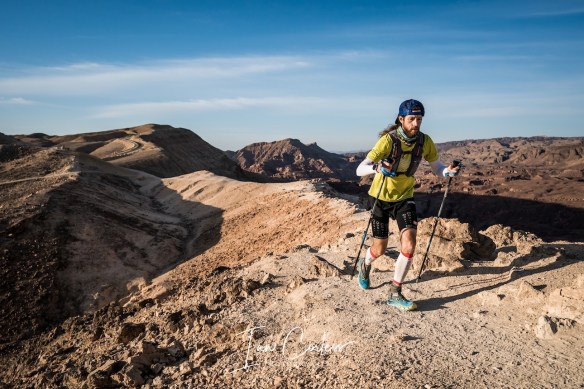
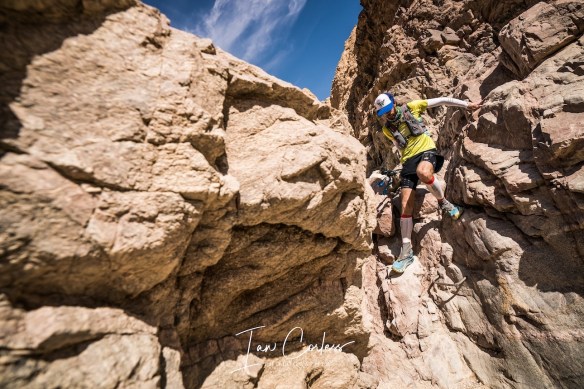
The landscape and scenery on day-1 is truly spectacular. I would go as far to say, that it is some of the most impressive I personally have witnessed. Beauty comes at a price though – the trails are technical, have plenty of climbing and descending and then add some intense heat.
Mike was always going to play a, ‘Let’s see?’ Scenario on day-1 and he was keen not to get too carried away, starting at a crazy pace. With 50-miles to cover, it seemed a sensible target.
Throughout the day Mike moved steadily, always looking relaxed and in control. However, it was clear from the outset that Mike’s ‘hopeful’ target time for day-1 would be extended. Not a problem! After all, this attempt is going to last 10-days – one needs to think of the long game!
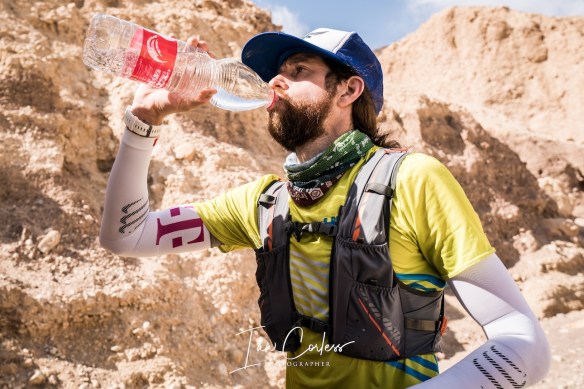
At each check-point he arrived, smiled, said he felt good and then stocked up on ‘Tailwind,’ drank some Coconut water, snacked on food, re-filled his bottles and off he went. Rarely did he spend longer than 10-minutes at any one stop.
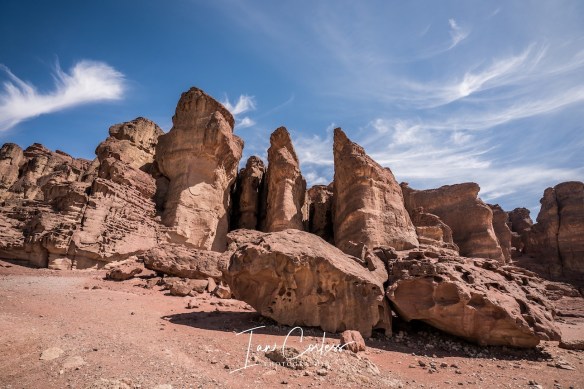
A highlight of the day came at Timna Park. The trails, the landscape and the views here are truly spectacular – for sure, it is a bucket list location. I joined Mike for a second time in the day to climb over the key mountain, run the technical trails and the descend to our feed point at 51km covered.
Mike was moving well, using poles when required and maintaining a good pace. At the feed, he went through a similar scenario as with all the other stations and then moved on.
At the final feed point, Beer Matak at 61.5km he was notably looking tired and fatigued from the day’s efforts. He was also feeling the heat from the last big climb of the day. It was time to dig deep and push on for a final 18km.
It was here, as darkness came that disaster struck. Mike followed the marker of the ‘INT’ but unfortunately missed the turn to our bivouac which was off the INT route. He pushed on, following the markers and it was our support runner who notified us that he was ‘missing’ after hearing from another trekker that he passed some 30-minutes early. Our camp no cellular connection, so, we departed following the approximate route that Mike would take, It was here that technology took over. We managed to liaise with Mike via WhatsApp, we shared ‘live locations’ and we were able to navigate to him a long way down the ‘INT’ route. The route that he should have done on day-2!
Mike was surprisingly in good spirits, but he had been out on the trail for almost 13-hours and 20-minutes, it was a tough first day! The only plus side coming that he had eaten in to tomorrow’s mileage.
Back in camp, it was all about recovery. He hydrated, ate some snacks, wiped down and put on fresh clothes. He soon needed a nap. It had been a very long day, both physically and mentally. The priority was good rest, some quality food and then focus the mind for the challenges that day-2 would present.
Day 2 and 3 at the Lanzarote Training Camp have been full-on. Shane Benzie of Running Reborn has been looking at everyones run technique and providing guidance for improvement in group and one-to-one sessions – Shane has been a huge hit with everyone and his advice invaluable.
On day 2 we took all groups for a long 5-6 hour walk at a fast pace. Over the years on the training camp we have understood that a key element of successful multi-day race is an ability to walk with ease and at pace.
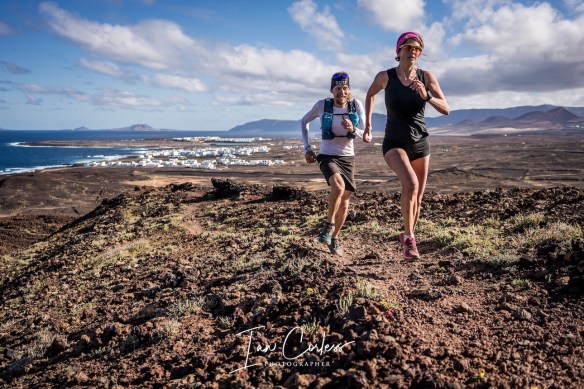
Day 3 started with glorious sunshine and our famous or infamous volcano hill reps. They are always a hit! The sun came out, we had blue skies and fluffy clouds.
In the afternoon, we had a run out to our bivouac location, inside a volcano. An opportunity for many to test out dehydrated food, sleeping bags, sleeping mats and also their packs with weight. It is always a fun night and this year even more special with gale force winds and rain – quite the experience. It really was brilliant!
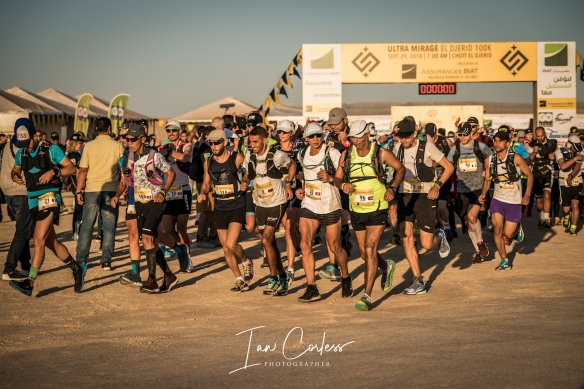
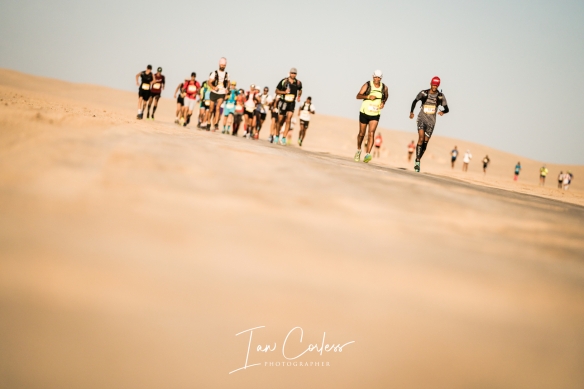
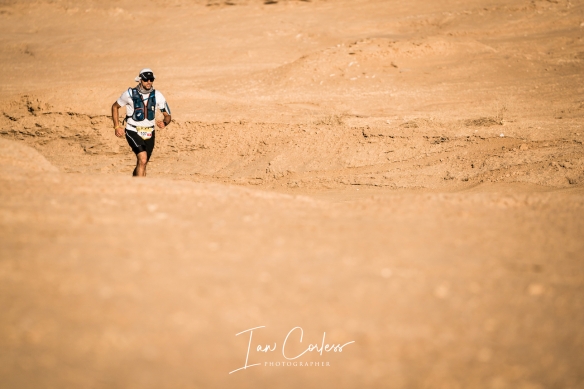
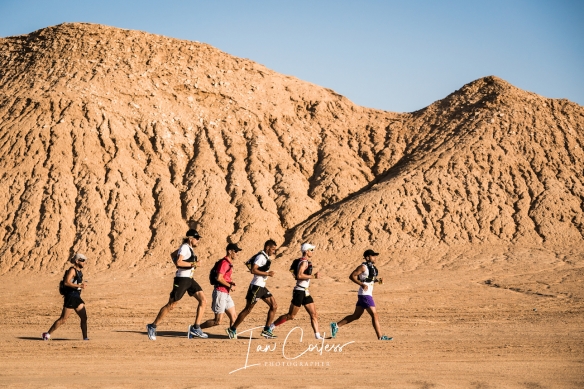
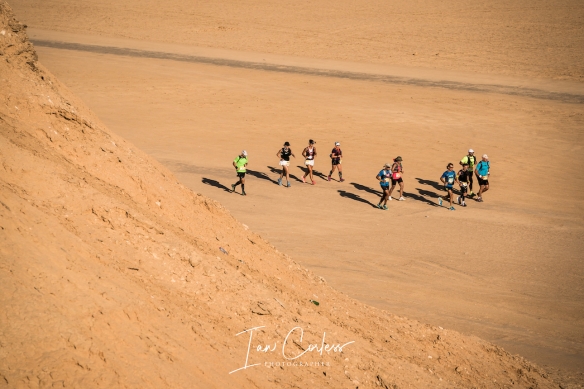
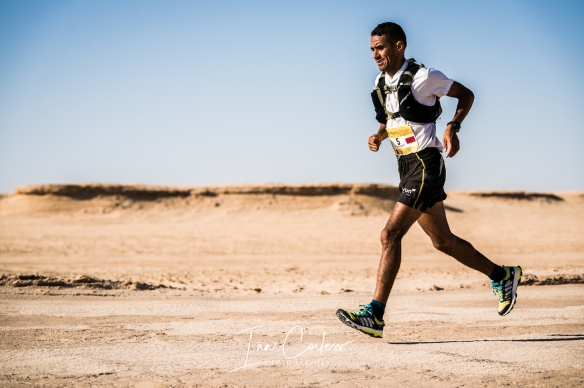
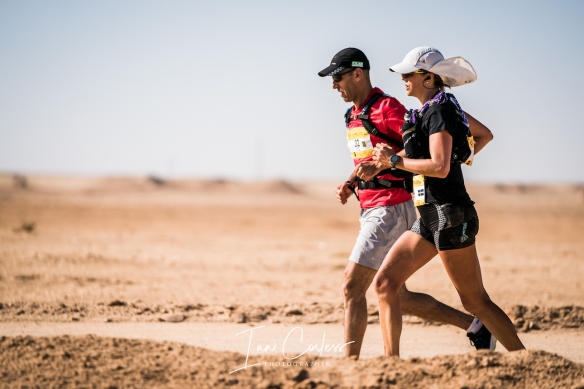
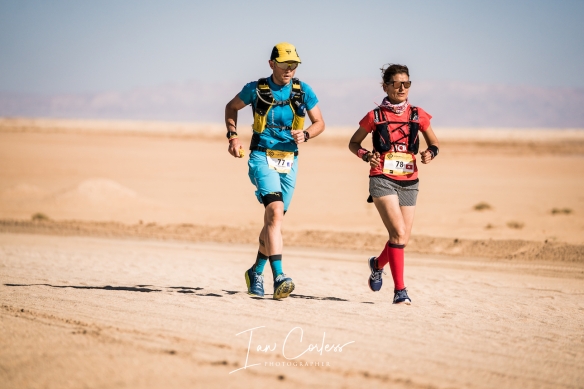
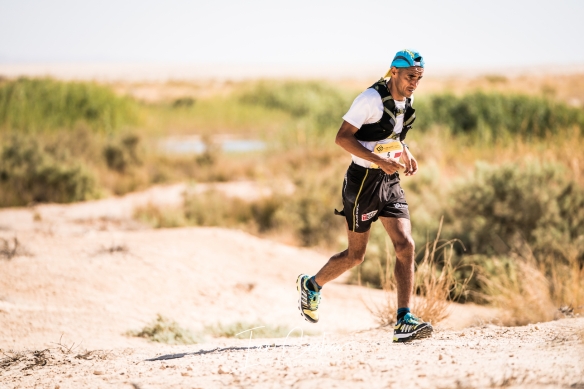
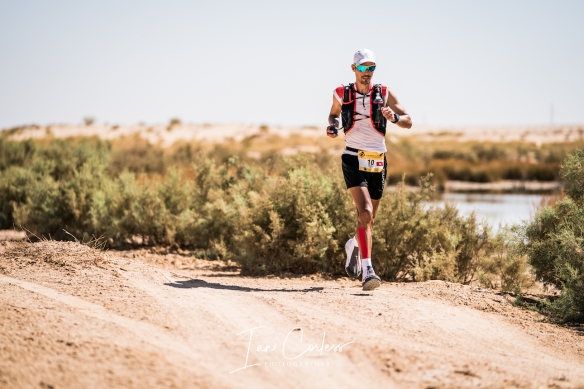
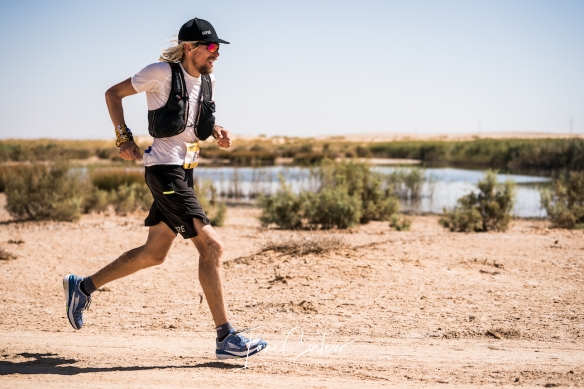
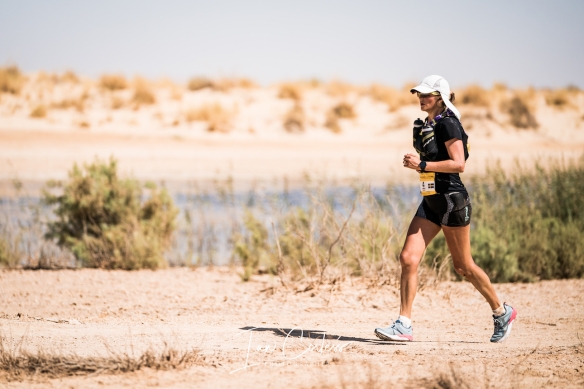
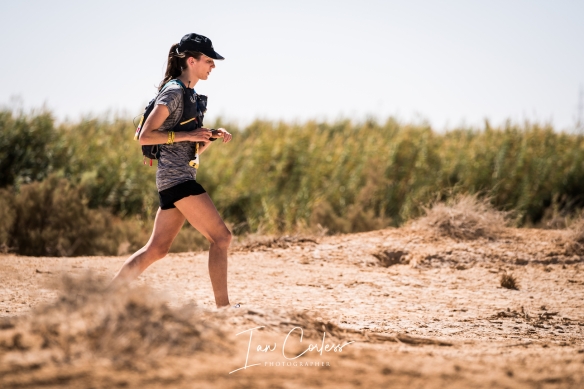
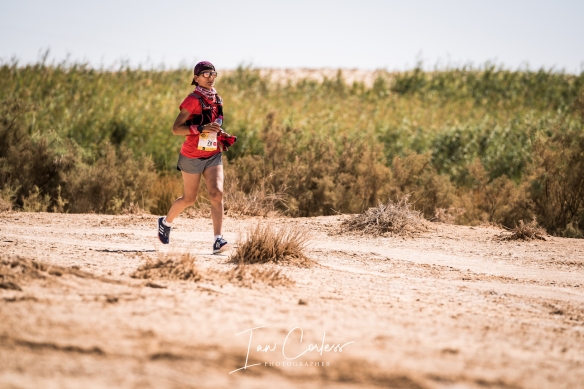
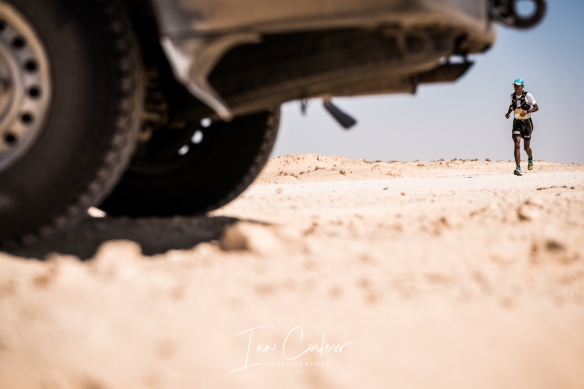
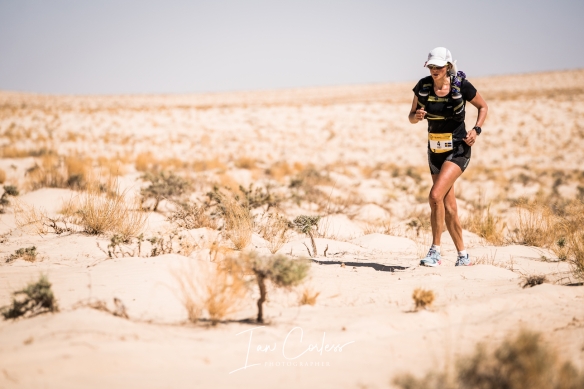
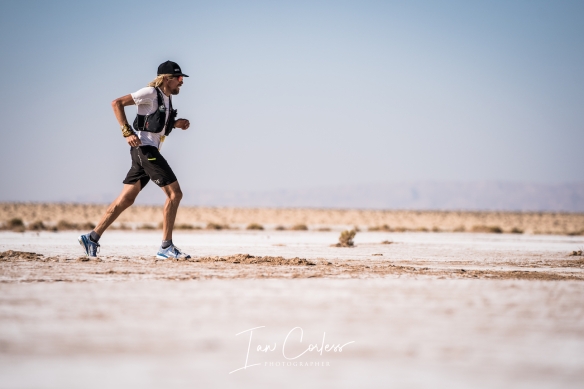
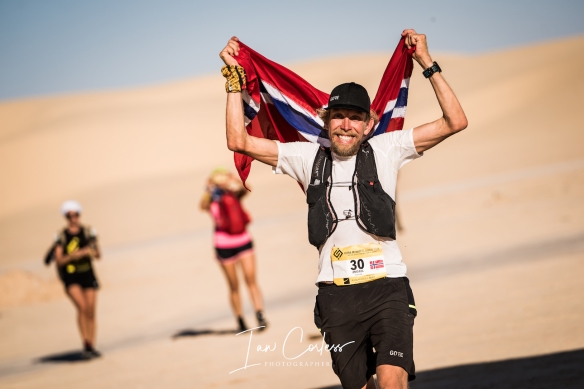
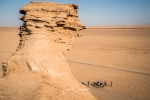
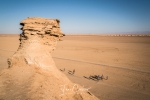
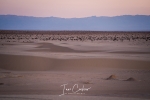
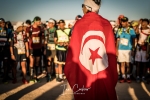
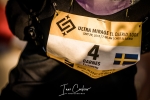
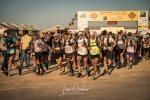
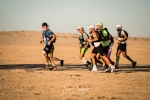
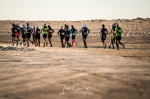
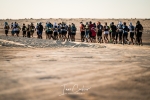
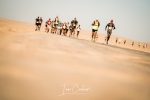
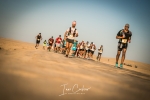
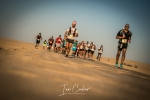
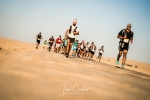
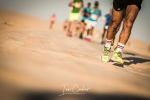
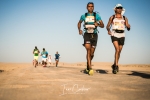
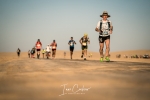
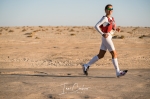
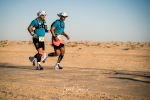
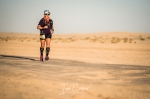
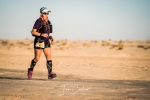
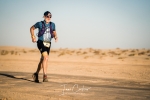
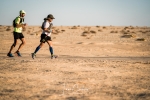
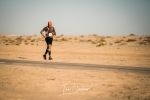
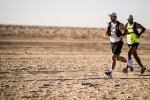
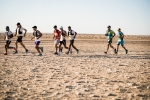
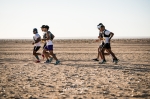
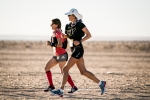
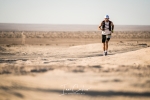
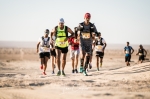
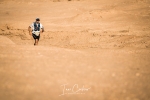
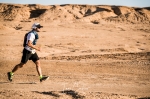
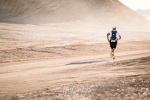
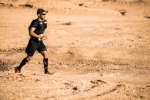
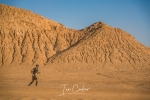
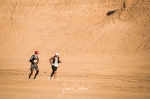
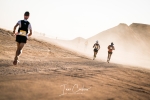
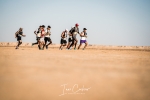
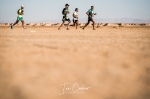
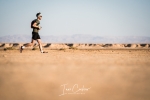
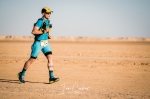
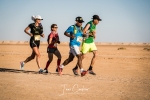
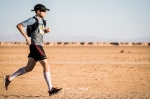
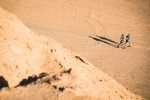
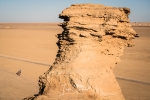
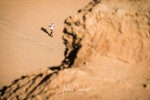
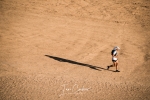
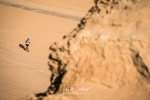
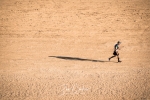
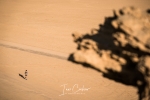
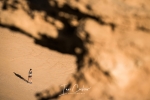
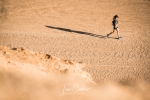
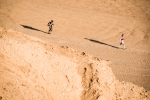
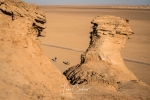
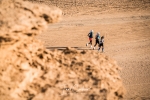
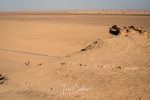
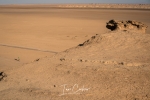
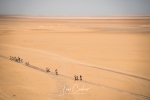
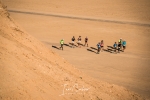
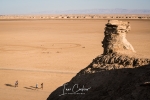
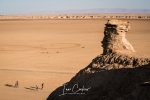
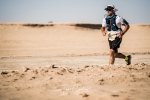
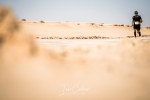
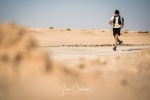
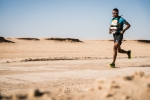
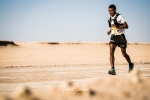
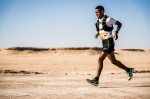
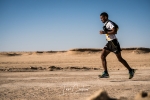
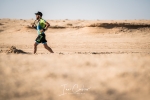
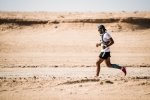
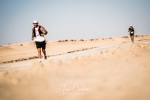
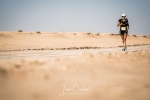
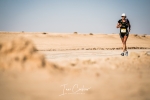
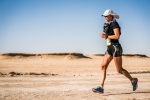
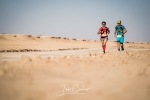
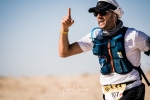
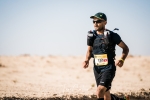
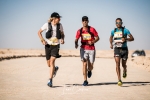
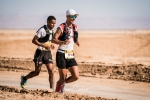
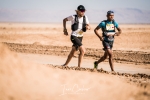
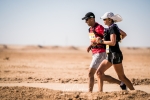
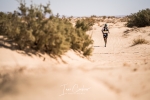
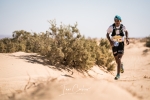
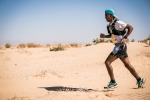
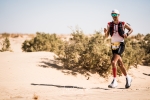
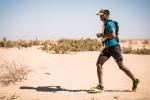
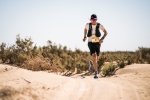
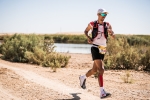
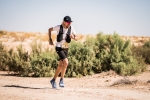
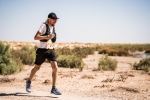
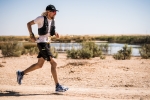
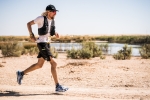
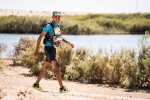
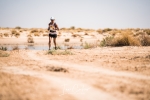
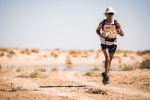
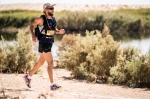
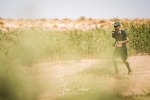
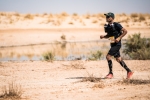
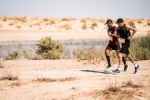
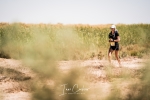
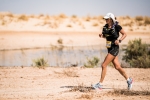
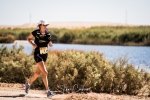
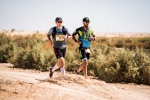
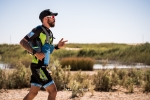
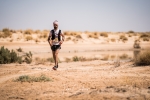
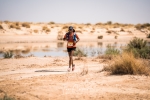
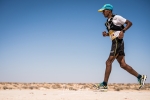
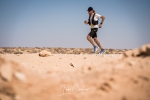
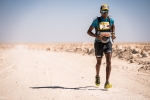
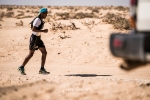
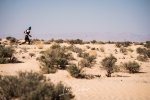
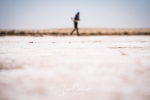
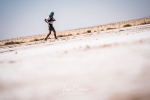
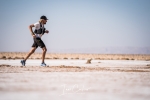
Over 130 runners from 23 nations stepped forward to undertake a circular 100km route through the Tunisian desert. Heat, sand, mixed terrain, palm groves, oasis all providing a stunning backdrop to an ultimate running challenge. The calm and quiet of the Sahara broken only by the sound of birds.
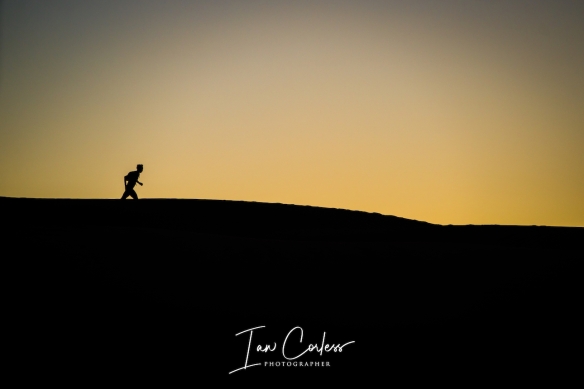
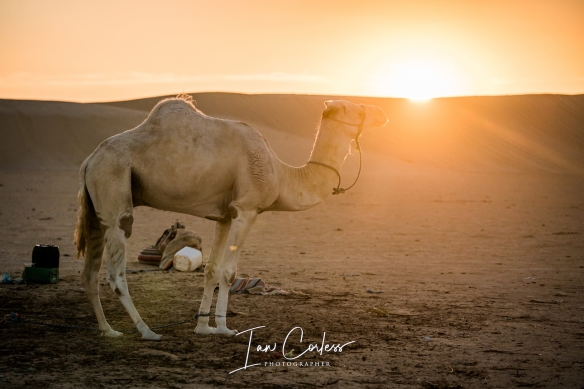
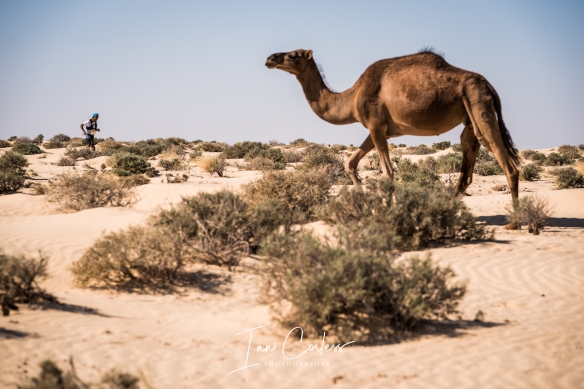
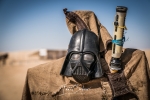
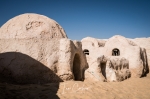
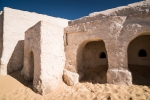
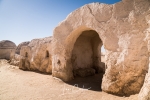
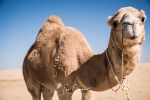
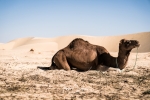
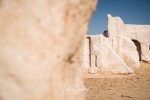
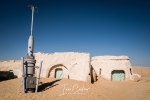
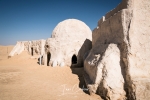
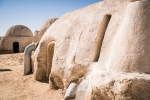
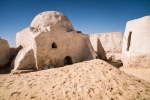
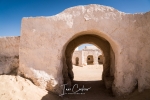
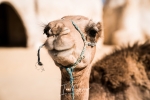
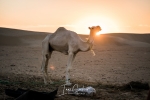
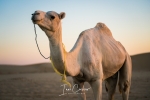
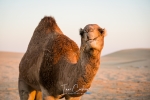
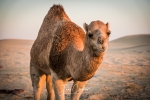
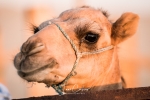
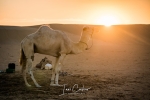
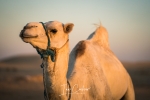
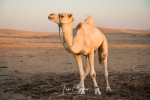
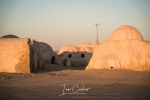
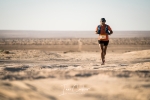
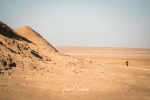
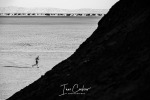
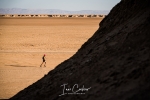
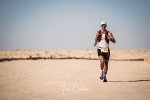
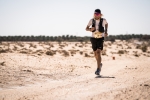
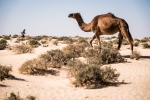
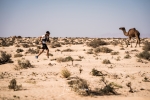
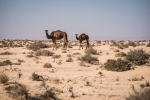
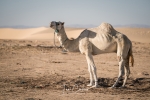
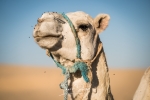
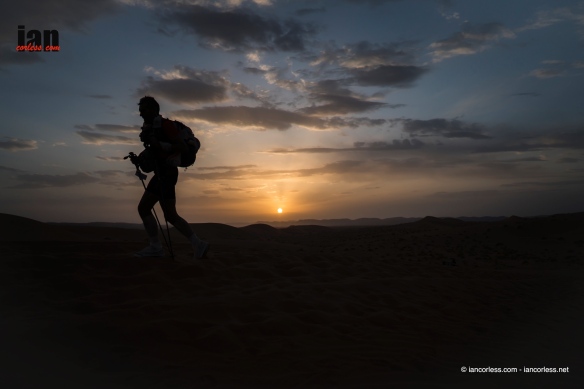
Any running journey can be a lonely one, but the desert really does provide isolation, only a snake or a camel providing any company. Of course, the sun only leaves the runner with darkness and as the rest from intense heat may be welcome, the complete darkness of the desert provides its own challenges as the runners navigate via reflective strips all the way back to where they started, the lunar landscape of Mos Espa and the bulbous film set village made famous by Star Wars.
The 2017 champion, Mohamed El Morabity had returned to defend his title, however, the desert king (Mohamed’s elder brother) Rachid El Morabity was also on the start line looking to upset the 2017 champions dreams. In the women’s field, two-time MDS champion, Elisabet Barnes was returning to racing after an almost year-long hiatus – what would the day hold for all of them?
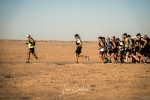
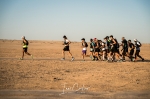
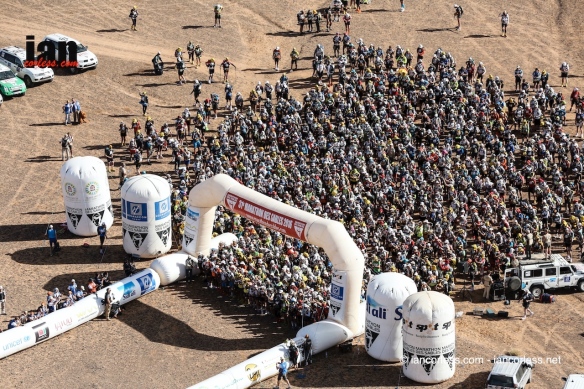
On the stroke of 0700 the runners were released. They had 20-hours to complete the desert journey via marked route and 5 checkpoints placed at 20km, 35km, 50km, 65km, 80km and the finish providing an end to an epic journey.
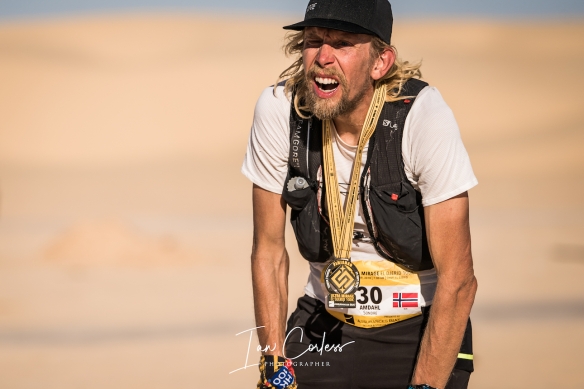
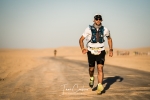
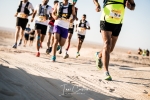
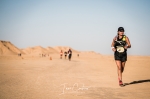
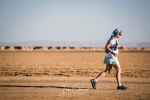
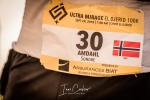
With no wind, the 30-degree temperatures seemed intense. From the start, the experienced runners reigned in their pace but at the front, Marwen Kahil from Tunisia dictated the pace followed by fellow Tunisian, Mohamed Mnsari – the duo no doubt wanting to put on a good show on home ground. All the main contenders followed some way back, they were in no rush to push the pace and Rachid, Mohamed and Sondre Amdahl maintained a close eye on each other.
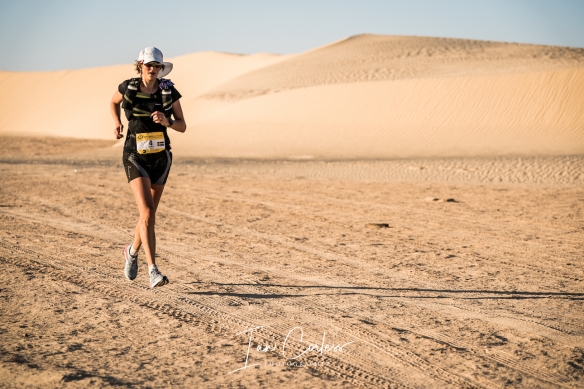
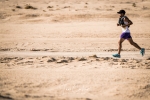
In the women’s race, Elisabet Barnes dictated the pace, shadowed by Tunisian, Shefia Hendaoui. Behind, Orianne Dujardin from France followed looking relaxed and in control.
At 20km, the positions had hardly changed. However, Elisabet had broken away from her shadow and was now dictating the pace at the front. With 80km to go, it was a brave move, but she looked strong and in control. For the men, there was little but the front of the race was starting to fragment with runners either forming small groups or running alone seconds and minutes apart.
By CP2, it was all change. The desert king Rachid had gently pressed on his accelerator pedal and in doing so he had split the men’s race apart. The early protagonists were left to struggle with the only runners able to follow the Moroccan’s pace coming from his brother, Mohamed and Tunisian, Emir Grairi. The duo looked strong and in control and then minutes later it was the arrival of Sondre Amdahl.
For the women, Elisabet was now pulling away from Shefia and Oriane and her pace was starting to impact on the men’s race with the Swedish runner placing well in the top 10.
With 50% of the race covered and the arrival of the first Oasis the race was taking shape. Rachid and Elisabet had opened huge gaps and were looking strong for victory, but behind them both the race was changing.
The 2nd male to arrive was the Tunisian Emir looking strong. Then Sondre arrived. What had happened to the 2017 champion Mohamed? He finally arrived walking, looking broken and explaining that he had hurt his ankle. He looked set to drop out but at the 3rd CP he pushed on.
For the women, the early pace had impacted on Shefia and now Oriane was running in 2nd. It was all to fight for though, the duo was only separated by minutes!
50-65km were the most challenging of the race with relentless soft sand that slowed the front runners to a walk at times. Behind, this section would eventually take its toll with over 30% of the UMED field not progressing past this section. Rachid and Elisabet took it in their stride but the impact on Emir was noticeable and he relinquished 2nd place to an in-form Sondre. Mohamed was somehow rejuvenated, and he now ran with the Tunisian, the duo looking for the final podium place.
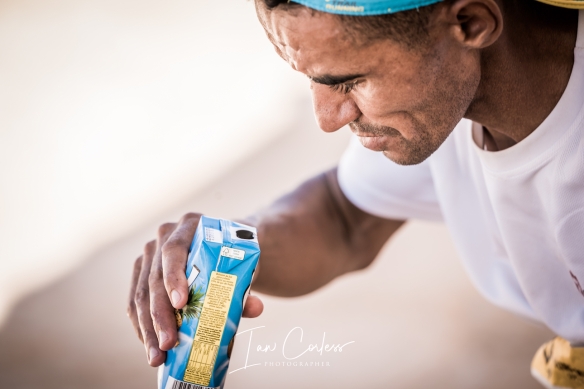
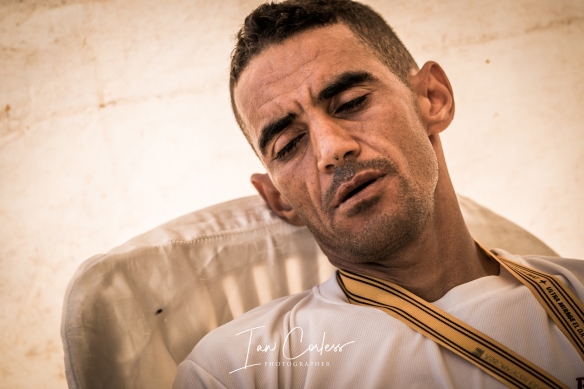
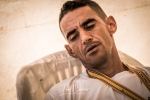
Rachid arrived at the 80km checkpoint looking tired and exhausted. The day was taking its toll. He searched for food and drink, but the fatigue was obviously confusing him, he was undecided what he needed. Sitting down he consumed two cartons of juice only to vomit them back up. He left for arguably the toughest 20km’s he would ever run. The gap Rachid had accumulated was crumbling and Sondre arrived just 3-minutes later. The fight was on!
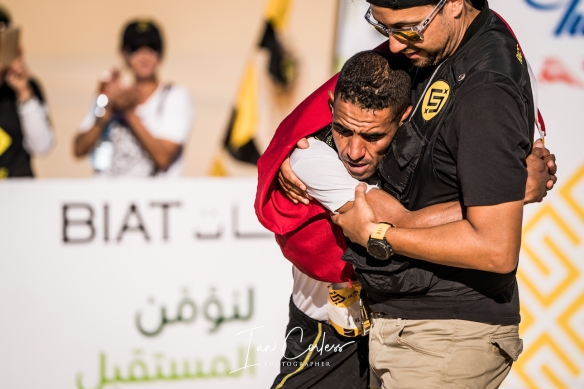
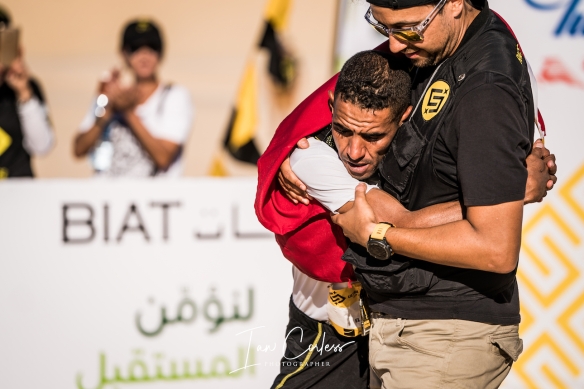
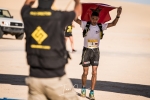
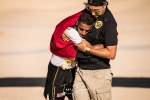
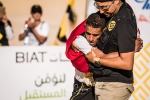
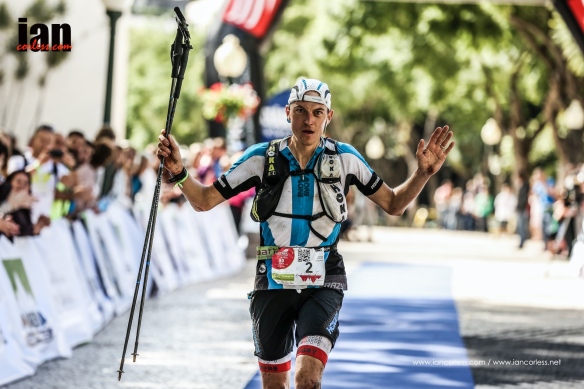
Sondre hunted the Moroccan down slowly pursuing but Rachid despite chronic fatigue never gave in, he arrived at the finish broken. He crossed the line and collapsed into the arms of the RD, Amir Ben Gacem. Moments later he was in the medic’s hands with an IV in his arm. Sondre finished a stunning 2nd just 6-minutes later. It had been an epic battle. The fight for 3rd came to an easy conclusion for the 2017 champion Mohamed when Emir dropped from the race with severe cramps just 5/6km from the line.
Elisabet was the next to arrive, the new female champion and 4th overall – she was back! This was a stunning world-class performance and her time was just 9-minutes slower than the 2017 champion, Mohamed.
“UMED was a really great experience. It was good to be back in a desert race after a break this year. I enjoyed the varying terrain, the heat, and the perfect mix of friendly atmosphere and hard racing.” – Elisabet Barnes
Behind, Oriane secured her 2nd place ahead of the local woman, Shefia.
With the arrival of darkness, the race took on a new challenge as the participants battled the terrain, darkness and the 0300 cut-off. As with all races, the dream of medals evaporated like water in a Mirage. Blisters, fatigue, dehydration, missing cut-off times, each runner had a story to tell.
“I did not dream of medal. I wanted to run strong and run well. That was my UMED goal. At half way I felt very unwell and I knew it was the beginning of heatstroke. I also had damaged feet with blisters… We had been advised that gaiters were not necessary, they were! I was mentally and emotionally strong, but I knew it was time to be kind to myself and I allowed myself to call it quits. I had done what I set out to do, I had run well, I had run strong, and that was for 50km. Next year’s goal will be to run well, run strong and get that medal.” – Sue Ding from Malaysia who had completed the 2018 Marathon des Sables.
As Roosevelt rightly said:
“The credit belongs to the man who is actually in the arena, whose face is marred by dust and sweat and blood; who strives valiantly; who errs, who comes short again and again, because there is no effort without error and shortcoming; but who does actually strive to do the deeds; who knows great enthusiasms, the great devotions; who spends himself in a worthy cause; who at the best knows in the end the triumph of high achievement, and who at the worst, if he fails, at least fails while daring greatly, so that his place shall never be with those cold and timid souls who neither know victory nor defeat.”
Racing does not give guarantees. It is why we test ourselves. Pain eases, memories fade, skin heals and soon, often the next day, the desire to return and put the demons to rest is what motivates everyone. The desert is magic and leaves only one desire: to come back and tame it!
Post-race, RD Amir Ben Gacem was proud of the race, “Last year, we had just 60 runners, this year we had over 130 and I am proud to say, over 30 women. That is stunning. The race will evolve, and we learnt some lessons this year that will be applied for 2019 only to make the UMED bigger and better!”
“Wow, I am really happy with that,” Sondre exclaimed. “I am the first ‘human’ – to place 2nd behind the desert king Rachid and to have his brother behind me is a true honour.”
Marathon des Sables is an iconic race. For over 30-years it has been the leading example of multi-day racing all over the world. It has often been copied, but never bettered. In its incredible history, runners from all over the world have toed the line for the experience of a lifetime.
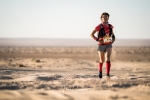
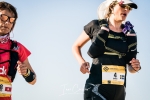
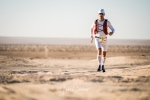
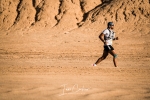
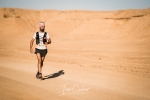
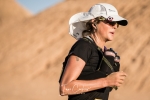
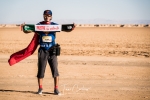
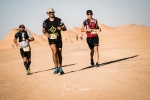
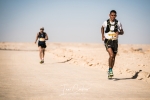
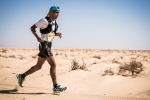
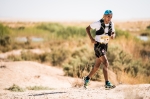
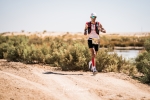
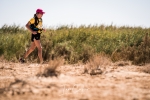
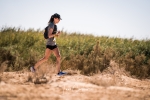
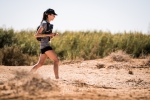
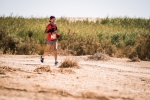
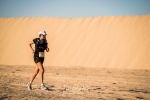
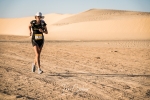
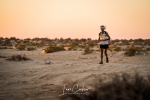
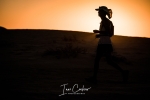
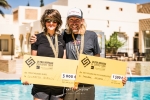
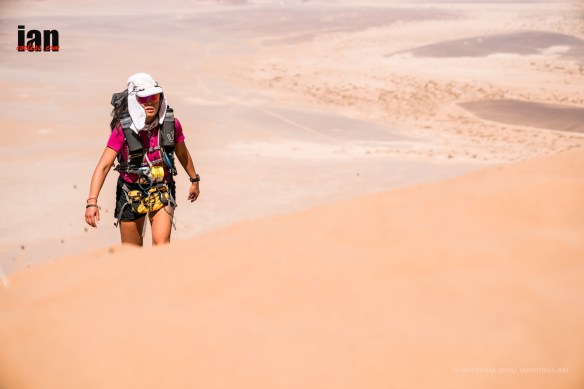
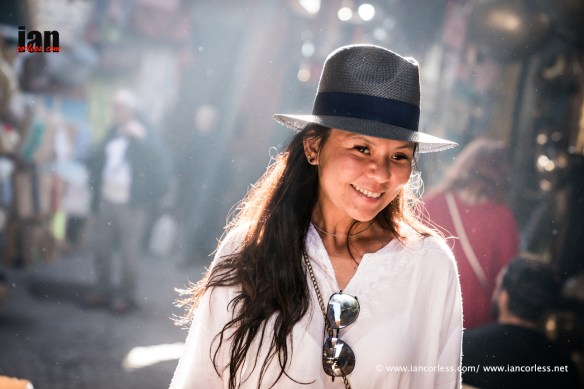
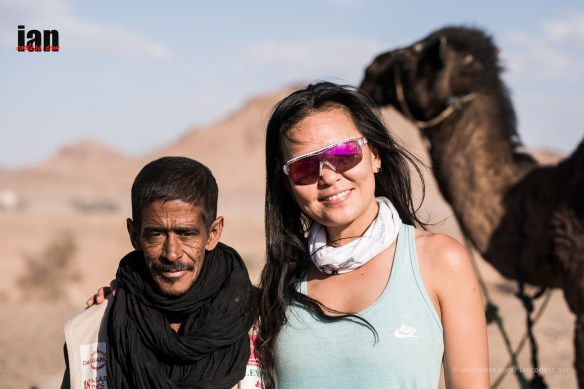
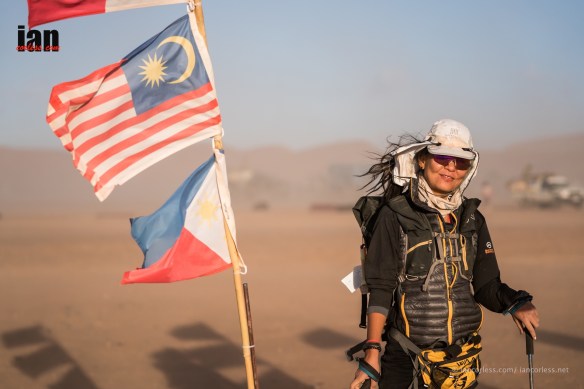
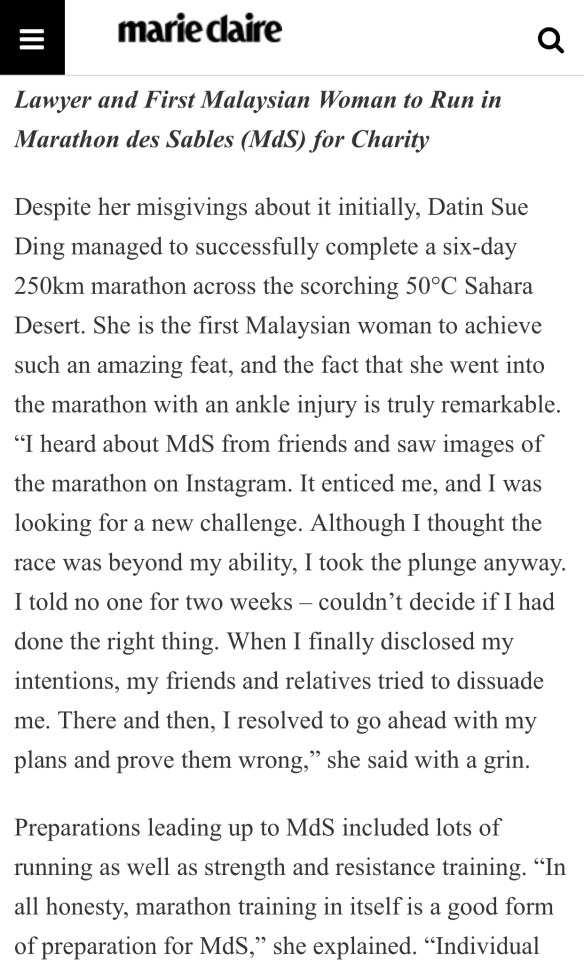
In 2018, for the first time ever, a Malaysian lady toed the line in the hope to be the first Malaysian lady ever to complete the race.
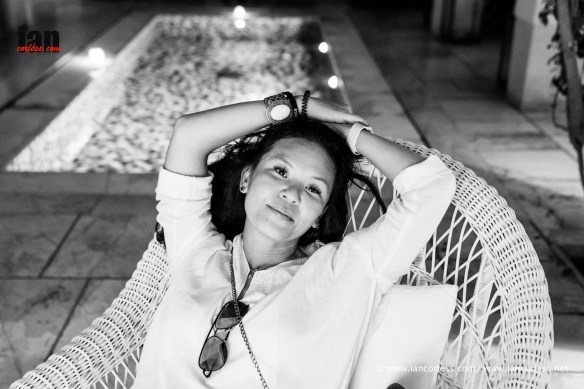
Sue Ding has been living in the UK for over 20-years. She came from Kuala Lumpur to study law at Liverpool University and then stayed successfully building her own legal practice in London. She is an entrepreneur, business woman and is extremely successful.
Running became an escape from the everyday stress of work. Like many, Sue built to the marathon distance and has successfully completed London, Berlin and Tokyo. But Marathon des Sables was something very different – a new challenge.
I first met Sue when she joined our Lanzarote Training Camp (HERE) in January 2018.
I was fortunate to follow her journey as she prepared for the 2018 MDS, both in training and then day-by-day throughout the race.
It turned out to be quite a story and shows that the mental aspect of ultra-running is often far more important than fitness.
You can listen to a full and in-depth interview with Sue on Talk Ultra podcast HERE
What initially made you decide to take part in MDS?
I had heard about the Marathon des Sables from friends and I had seen images on Instagram. It enticed me, I was looking for a new challenge and although I thought the race was beyond my ability I took the plunge and entered. I told nobody for two weeks as I couldn’t decide if I had done the right thing. When I did finally disclose my intentions, some friends and relatives were negative saying I was crazy and that I couldn’t do it… I needed no better motivation to prove them wrong!
You have run several marathons such as London and Tokyo. How does the MDS compare?
Other than running or walking, there is no comparison really. A road marathon is a challenge but it is safe, you have aid stations, there is always help at hand. MDS is just so much more than just running. It brings in elements of survival, it plays games with your mind and it pushes the individual to depths that they maybe never even realised they could reach.MDS is truly a transformational experience and although I will always remember my first road marathon, I now think, ‘it is only a marathon!’
What was your training and preparation like for the MDS? What are the differences in comparison to a road marathon?
In all honesty, marathon training is actually good preparation for MDS as the individual stages are marathon distance or below. Of course, the exception is the ‘long day’ which in 2018 was 86.4km (around 53 miles, so two marathons). Marathon training works well but of course one needs to build up strength and stamina for the challenge ahead. Therefore, most people allow 12-months to get ready for MDS. Time on feet is important and also including some specific ‘training’ races that provide a similar scenario to MDS. For example. Several races in the UK last 2 or 3 days therefore providing a mini MDS scenario.
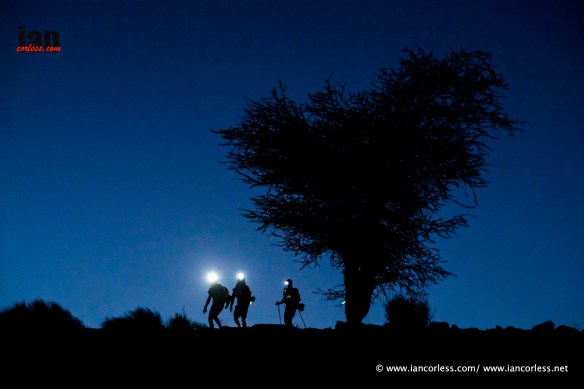
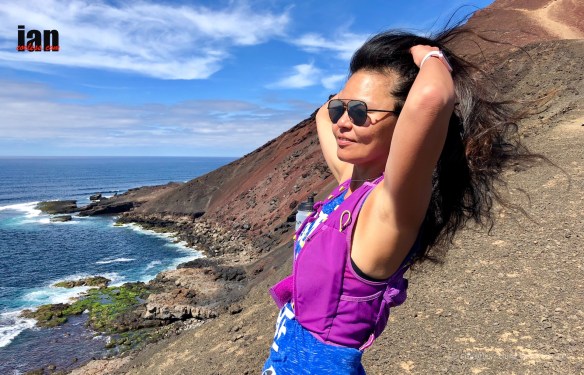
I also signed up for a specific desert training camp in Lanzarote, 3-months ahead of the race. This proved to be essential as I met other competitions, we trained on terrain specific and comparable to Morocco and I was able to test equipment. We even spent one night sleeping inside a volcano to simulate camp conditions in the Sahara.
Finally, two points. 1. Many runners think they will run MDS – the reality is that they will not! Walking is an essential and integral part of completing MDS for most participants and I can’t stress enough to walk, walk and walk in training. 2. Prepare the mind for the challenge. If you get the mind in the right place it will take the body to the line.
What was the biggest challenges out in the Sahara?
The challenges change daily. For example, just starting on day 1 seemed like a huge challenge as I was so anxious and nervous.
Then on day 2 I was silly and neglected taking my salt tablets, this impacted on my hydration and caused me to be dizzy. It was touch and go but I rallied and achieved the finish line.
That night we were hit by a sand storm which wiped out our tent and reduced sleep to a minimum. So, as you see, the challenges change daily, by the hour or even by the minute at times. This is what makes MDS so special, it is how you adapt both physically and more importantly, mentally at times.
How did you cope with the challenges, did you feel prepared?
One can only prepare so much. I really dedicated myself to the task and prepared methodically for the challenge. But after Tokyo Marathon I picked up a stress fracture.
This resulted in no running for three weeks and then a slow return to training. Ironically, my final preparation to MDS was terrible and that worried me. Friends were always positive, they told me, ‘You can do this!’ I trusted them and despite my reservations, I achieved the start line.
Equipment is equipment but it is essential. I took advice from the training camp and honed my equipment for my needs. I made last minute changes to the pack I would use and I also changed my down jacket. It all worked well. During the race you must be flexible and adapt to conditions – tiredness, dehydration, sore legs, snoring tent mates, sharing a space with 7 others – you can’t really prepare for that, it is this that makes MDS such an experience, it is a journey into the unknown.
What did you enjoy most about the whole experience?
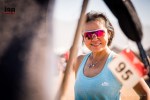
I was so anxious before the race but I feel like I blossomed as the race progressed. I embraced the challenge and got the race done – I did that and nobody can take that away. But my tent mates, Tent 95 were incredible and they will be friends for life. You were also at the race and shared my journey, that was so special and something that I will never forget. The race is a life changer, I was told this before I went to Morocco, it’s only now, afterwards, that I realised that this is true.
What were some of the most memorable or unforgettable moments for you, explain why?
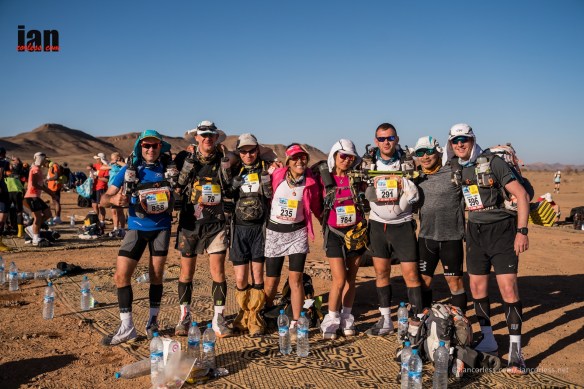
1. Tent 95 – Gary, Daniel, Mark, James, Brian, Taka and Denise were just the best. We laughed, we shared our stories in the morning and the evening and we rallied and encouraged each other. We all finished – what an experience!
2. On the long day it was dark, I was walking through large sand dunes and I was listening to Craig Armstrong music, I looked up to the sky and saw thousands of stars… I was lost in my mind and thoughts and it was truly magical.
3. I had low points throughout the race, times of despair and worries if I could push on through. They were my lowest moments but each time they became the most memorable – you would always arrive, just at the right time.
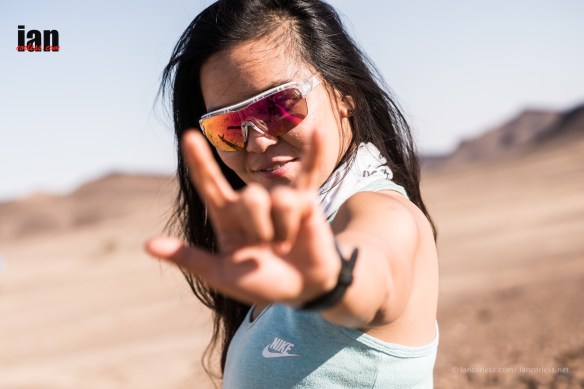
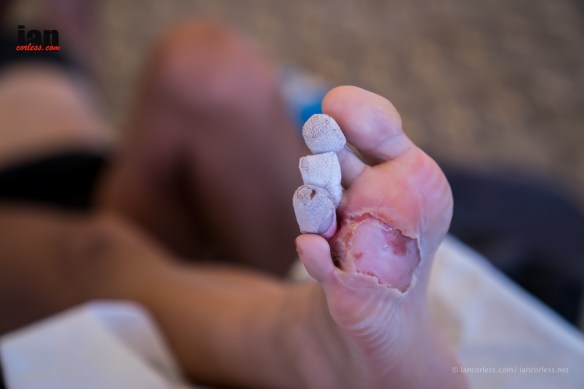
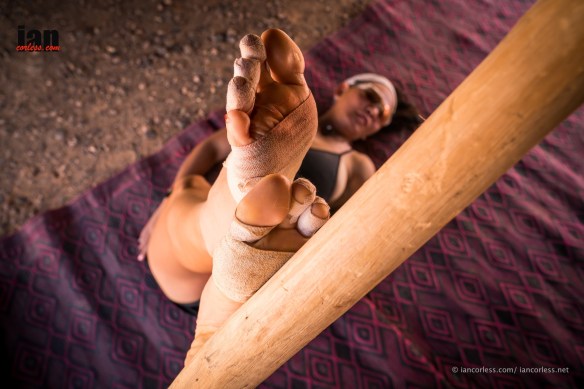
4. I got some really bad blisters which needed medical treatment and caused great pain – I had to continue on, ignore the negative and fight each day to achieve my goals.
How did you manage the conditions – heat, survival, rationed food etc?
In all honesty, I was expecting the worst and the reality was not as bad. We had cold nights, sand storms and hot days but I managed. I wore the same clothes for ten days with no showering or proper washing, it was unpleasant but I survived. I craved fresh food and had to eat dehydrated food.
I wanted so much a different drink other than water but water is the only thing available. I keep saying it but this is MDS. It is meant to test you mentally as much as physically and you need to embrace it. If you fight it, your week will be miserable. It’s best to laugh and soak up the experience.
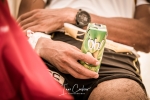
A Coke after the long day was so magical – simple pleasure! Going to the toilet is also somewhat an experience… you will need to use your imagination for that one!
What went through your mind during the race?
Ha! What didn’t I think about…? I put the world to rights, thought about my past, thought about my future. I concentrated on one foot ahead of the other and I escaped with music.
You have a great deal of time to think and I think this is why, for many, MDS has such an impact. You suddenly realise what is important. I have realised it. Experiences and memories are far greater than things and possessions – the Sahara and the MDS made me feel truly alive, pushed me to the limit and beyond.
Did you doubt yourself at any time, elaborate?
I had huge doubts and anxiety before the race but did as much specific preparation as possible and I listened to you and Elisabet Barnes, you both told me I could do it. I was so nervous on day 1 and of course on day 2 I was extremely worried.
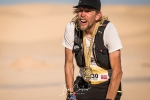
However, as the race progressed the stronger mentally I became. I was more tired, my body ached, my feet hurt but my mind was strong, there was no way I was giving up or not finishing – I had to prove all the doubters before the race wrong.
One lady had said, ‘If you finish the race, I will eat my hat!’ Guess what? I bought a hat in Morocco after the race…
What was crossing the finish line like?
On the marathon stage I had a moment early on when I cried but I got over it and pushed on despite the pain.
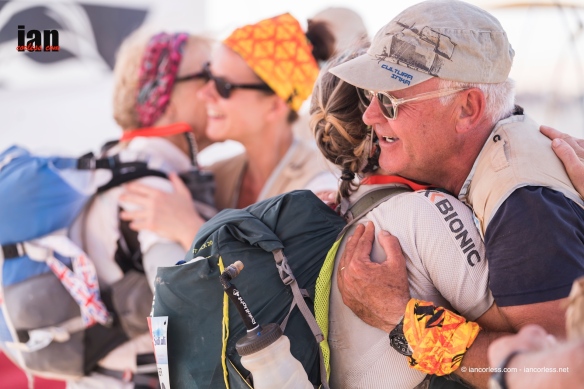
The miles ticked by and then as the finish line came, you were waiting as were all my tent 95 teammates.
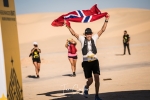
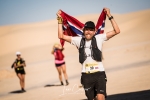
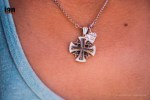
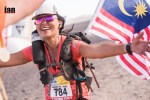
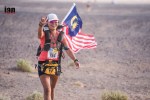
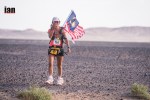
I had no more tears left, just smiles and gratitude. I was flying the Malaysian flag, I kissed my cross which was around my neck and I gave thanks for the opportunity to complete a truly magical, life changing journey.
What are the biggest takeaways from the race?
We are too protected, too comfortable in the world and we shy away from tough times. A little tough, some challenge, some hardship and some pain makes you realise you are truly alive.
I went to so many low points during the race and overcame them, I made new friends and I triumphed over arguably the toughest challenge I have ever undertaken.
I now feel invincible, I feel alive!
If you did MDS again, what would you change in preparation and why?
Well, I would definitely try not to get a stress fracture just 8 weeks before the race. In general though, I feel everything clicked into place. I would make sure my shoes did not give me blisters, I made a mistake there going with a shoe size too large.
What advice would you give to future MDS runners?
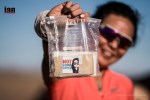
Prepare the mind and the legs and lungs will follow. I also had a ‘special’ bag with me ‘Not Gonna Happen’ it contained daily inspiration to keep me going… It was invaluable.
MDS is described as the toughest race on earth, on a scale of 1-10 give it a rating and explain why?
Tough question as I have done nothing like it to compare, so, for me it would be a 8, or 9. But the daily cut off times are generous and it is possible to complete the race walking, so, like I said previously, get the mind right and anything is possible.
Certainly, no change of clothes, carrying everything one needs on ones back and having rationed food and water takes things to another level and therefore it’s a combination of all those elements that makes the race so tough.
MDS is not cheap, can you elaborate on how much the whole process cost?
I don’t really want to think about it… The race costs so much more than just the entry fee. For example, entry fee, flights and hotels around £4000. But I started to prepare 12 moths in advance. I did training races, I did the Lanzarote training camp, I purchased all my equipment and then changed my equipment. I added some extras such as staying in Morocco afterwards. I have not tallied up the total cost but it would easily be £10.000.
You are the first Malaysian woman to complete the race, how does that make you feel?
I am proud to be Malaysian and cross the line flying the flag – it is a real honour.
You ran for charities, Make A Wish Malaysia and Malaysian Dogs Deserve Better, how much did you raise?
The total goes up daily as donations come in, but currently it is over £25.000.
“We all have our stories, we got together, encouraged each other, were there for each other, we went on a 250km MDS journey together… We are friends forever Tent 95! I was also privileged to have the additional support of a truly dear friend who documented our journey. Friendship and love completed the journey.”
Episode 157 of Talk Ultra is a full and packed show as Kurt Decker brings you a Western States special chatting with Kris Brown and Lucy Bartholomew. Ian brings you a full and in-depth chat with Sue Ding who was the first Malaysian woman ever, to complete the Marathon des Sables.
*****
Talk Ultra is now on Tunein- just another way to make the show available for those who prefer not to use iTunes – HERE You can download the Tunein APP HERE
Talk Ultra needs your help!
We have set up a Patreon page and we are offering some great benefits for Patrons… you can even join us on the show! This is the easiest way to support Talk Ultra and help us continue to create!
Many thanks to our Patrons who have helped via PATREON
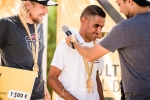
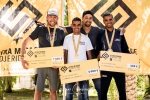
The day was all about Petter Engdahl, the young skier/ runner dominated the race from the front and although he had some close competition at times, he blitzed the course with an incredible performance finishing in 3:33:26 ahead of Pascal Egli 3:38:01 and David Sinclair from the USA, a surprise 3rd in 3:39:16.
The ladies’ race was a close run epic with Laura Orgue and Sheila Aviles trading blows throughout. It was touch and go who would win, eventually it was Laura 4:10:11 to 4:10:45. Elisa Desco, wife of RD Marco De Gasperi, made a great return to racing after her 2nd child to take 3rd. in 4:19:45.
So now, 2018, 25-years in the making, the sport’s founders present an exclusive new event, this time in teams of two, roped together to race in true skyrunning style across moraine, snow fields and glaciers for 35 kilometres with an astonishing 7,000m ascent and descent.
*****
00:19:16 Interview with SUE DING
*****
BROKEN ARROW 52km
Jimmy Elam won in 4:54 ahead of Nick Elson and Jeff Mogavero 5:05 and 5:10.
Megan Kimmel dominated the ladies’ race in 5:30 ahead of Rea Kolbl and Rory Bosio, 5:48 and 5:52.
MOUNT WASHINGTON RR
Cesare Maestri in 1:00:53 the first European to win the race. For the ladies’ Kim Dobson in 1:11:42
MOZART 100K
Florian Grasel pipped the UK’s Damian Hall, 10:29 to 10:29 and Alexander Rabensteiner 3rd 10:32.
Martina Trimmel, Sarah Morwood and Veronica Limberger went 1,2,3 in 11:57, 12:12 and 12:21.
LAVAREDO has a packed field:
Fulvio Dapit, Pau Capell, Hayden Hawks, Scott Hawker, Michel Lanne, Stephan Hugenschmidt, Diego Pazos, Tim Tollefson and more…
Fernanda Maciel, Nuria Picas, Beth Pascall, Keely Henninger, Clare Gallagher, Mira Rai. Kelly Wolf and more…
Importantly, go to iTunes and subscribe so that you automatically get our show when it’s released we are also available on Stitcher for iOS, Android and Web Player and now Tunein.
Please support Talk Ultra by becoming a Patron at www.patreon.com/talkultra and THANKS to all our Patrons who support us. Rand Haley and Simon Darmody get a mention on the show here for ‘Becoming 100k Runners’ with a high-tier Patronage.
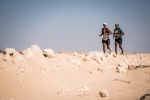
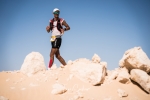
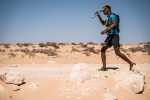
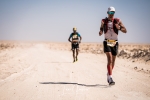
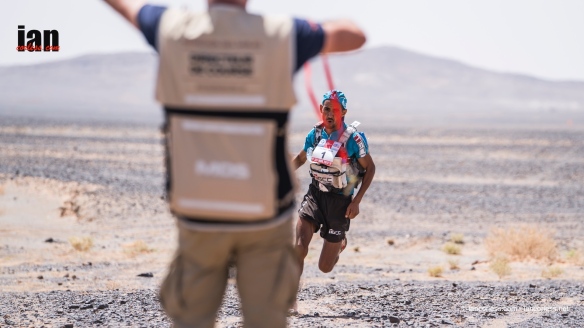
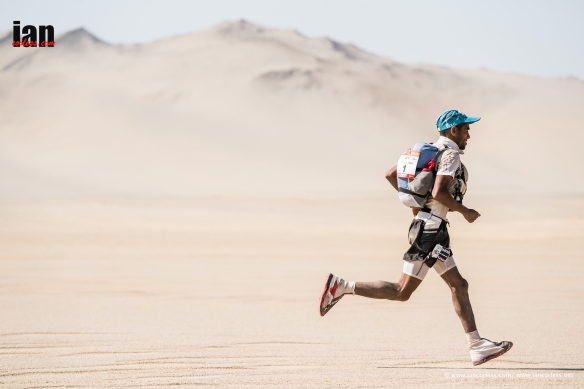
Today, the king and queen of the desert set out their stalls! For Rachid El Morabity, it was a day of showing the rest of the field a clean pair of heals as he slowly but surely pulled away from the field finally finishing almost 10-minutes ahead of his brother and day 1 champion, Mohamed.
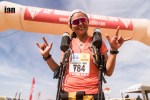
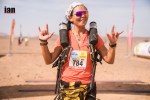
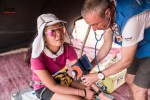
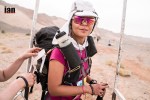
For the ladies, 2016 champion Natalia Sedykh was no doubt frustrated and angry after winning stage 1 only to be penalised 1-hour for failing to have a whistle at a kit check post day-1. A penalty was applied and now Natalia must run and race hard each day to make up the time. Today, she gained over 8-minutes on the ladies overall leader, American, Magdalena Boulet.
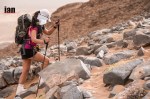
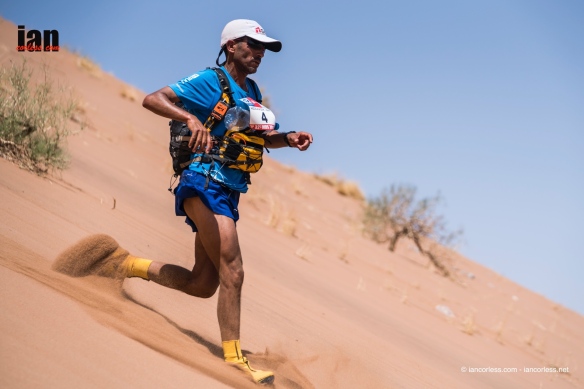
Day 2 was a tough day for all with relentless soft-sand which made moving tiresome. Throw in a stony and steep climb up Jebel El Otfal and then the fast and sandy descent to the final CP, and it was only really the final 4km’s that was stony, flat and faster.
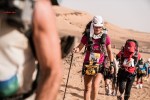
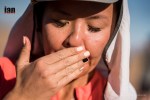
Day 1 had no drop outs but day 2 was taking it’s toll. Some runners were fighting demons to get to the line but there was some real grit and MDS spirit out there as participants dug in to achieve a lifetime goal.
At the front of the race Mohamed El Morabity trailed his brother to finish 2nd just 45-seconds ahead of Abdelkader El Mouaziz. Aziz Ell Akad finished 4th and Merile Robert 5th.
The USA’s Magdalena Boulet once again placed 2nd on the stage and looks at home in the sand, Bouchra Eriksen was 3rd ahead of the UK’s Gemma Game and Anna Marie Watson in 5th.
Rachid El Morabity 3:04:01
Mohamed El Morabity 3:14:36
Abdelkader El Mouaziz 3:15:16
Aziz El Akad 3:18:34
Merile Robert 3:18:34
Natali Sedykh 3:56:08
Magdalena Boulet 4:04:48
Bouchra Eriksen 4:16:08
Gemma Game 4:19:48
Anna Marie Watson 4:19:48
Tomorrow’s stage is 31.6km’s and starts at 0830 with a 10h 30m cut 0ff.
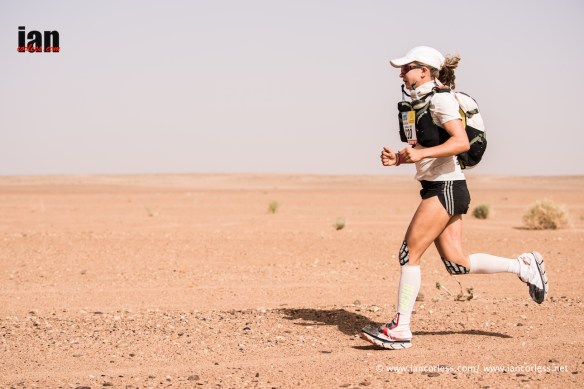
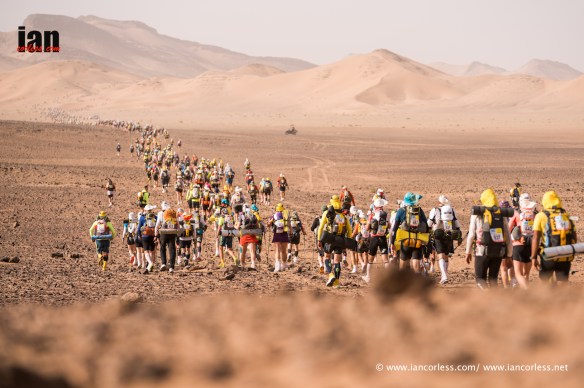
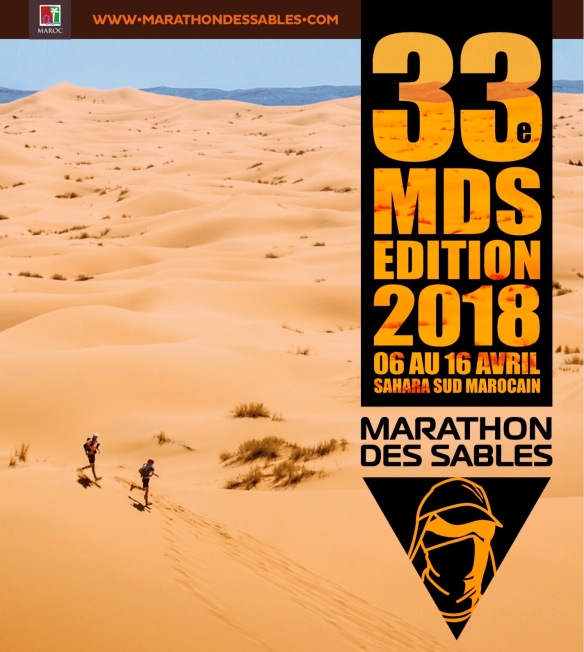
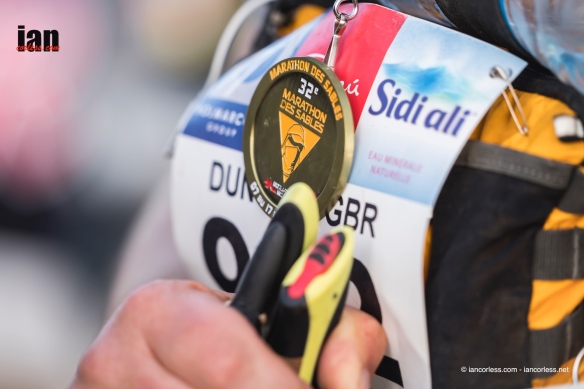
It is here, the 33rd edition of the iconic Marathon des Sables – 250km, 6 stages over 7 days and over 1000 runners from over 50 countries battling the sand and the heat of the Sahara in a self-sufficient manner.
The MDS is the granddaddy of multi-day racing and with its long history it is still the race that all other multi-day races base themselves on. Patrick Bauer’s vision is as strong today as it was back in the 80’s.
Bauer is not just a race director, he is a passionate man who loves Morocco and the people. The MDS ‘is’ Bauer and without him it is like the band QUEEN touring without Freddie Mercury center stage.
The stats for the race are impressive. They always are.
In 2018, as per usual. The 40-49 age group is the most popular. Yes, it is the mid-life crisis group with 349 males and 72 females toeing the line. The 30-39 group is next with 225 males and 58 females. Surprisingly, the 50-59 group comes in 3rd with a split of 177 to 37 male and female respectively.
The youngest runner is 17yr old Moroccan Ali Zaghloul who will be supported along the route by his father, Mehdi. The youngest female is Sally Wellock from the UK aged 23yrs.
France takes top honors for the oldest male, Jean-Claude Raymond aged 80yrs will look to complete his 12th MDS and Philippa Lloyd from the UK is the oldest female aged 69yrs.
I have to say, I have a soft spot for my good friend Didier Benguigui, this will be his 14th MDS and he is blind. I have seen him over the years overcome great adversity to achieve his medal. He is a true inspiration, he will make you cry – a legend of the MDS!
For those who love stats, believe it or not, the 2018 MDS will be Christian Ginter’s 31st MDS – yes folks, 31st edition – incredible!
ELITE RUNNERS
Female:
Natalia Sedykh returns to the MDS after winning the race in 2016 with a blistering performance. For me, she is the head and shoulders favourite for the 2018 race. She is currently in excellent shape and at the end of 2017 she won the Oman Desert Marathon.
Andrea Huser is a UTWT specialist and one of the strongest runners in the world with a string of incredible performances, be that UTMB or Transgrancanaria. She hasn’t run in the desert before and multi-day racing is a fickle beast. I see her doing well but I don’t think she will have the pace of Natalia.
One lady who will have the pace to take on the Russian is Magdalena Boulet. Magda has won Western States and placed 5th at UTMB. However, like Andrea, she is a desert Virgin and that will be her achilles heel for victory.
Anna Marie Watson can run in the sand, she won Half MDS Fuerteventura and recently placed top-10 at UTMB. She is likely to be a real contender for the podium this year and has trained specifically for the challenge ahead.
Gemma Game was 4th at MDS in 2015 and would have been a likely challenger for Natalia but has decided to ease of the gas for the 2018 race and she plans to have as much fun as possible.
Jax Mariash is a multi-day specialist who will bring her Gobi, Atacama and Namibia experience to Morocco. The question will be, does she have the speed to match the experience?
Also keep an eye on Bouchra Eriksen, Amelia Griffith and Beth Kay.
Male:
Rachid El Morabity is the desert king and you’d be a fool to bet against him. He won Morocco and Peru in 2017 and knows the sand like the back of his hand. He is an amazing runner with a wealth of experience and one of the nicest guys you will ever meet.
Mohamed El Morabity is Rachid’s younger brother and if Rachid was not running, Mohamed would have the nod for victory. He was 2nd in 2017, and he also won the 100km Ultra Mirage in Tunisia.
Abdelkader El Mouaziz won the London Marathon in 1999 and 2001. He has a marathon PB of 2:06:43 – ouch! He is a MDS vet having placed 2nd twice and 7th.
Aziz El Akad is a consistent Moroccan who has finished in the top 5 at MDS on 7 occasions – that speaks volumes!
Gediminas Grinius was new to sand and multi-day at MDS Peru at the end of 2017. The race didn’t start well for him, but he eased into the race and finished strong. I am sure Peru was invaluable for him to fine tweak his prep for MDS Morocco. I expect to see his kit and food fine-tuned and it to be lighter. He is a formidable performer, strong as on ox and never gives in.
Alejandro Fraguela placed 3rd at Half MDS Fuerteventura and that will set him up well for a strong and consistent run in Morocco.
Arnaud Lejeune is maybe the great French hope. However, his lack of desert experience will be against him despite great results at UTMF and a top-10 at UTMB.
Vajin Armstrong from New Zealand is a strong runner and fierce competitor, he’s a sand/ Sahara virgin and has a huge learning curve ahead of him.
Majell Backausen from Australia is also a strong competitor and like Armstrong will have his first desert experience in Morocco.
*Remigio Huaman is on my start list but I am not sure if he will race? If he does, he is a podium and most definitely, top 5 contender.
THE 2018 RACE
Speculation is always rife about the route the race will take and certainly looks like from the very brief description below that the 2018 edition of the race will be similar to 2017. I therefore predict a finish in Merzouga dunes.
For perspective, the 250km distance can be covered at 3km ph with an approximate 83hrs finish time. By contrast, the fleet of foot can cover the distance at 14km ph with a finish time of 18hrs.
For the record, 2017 distances per stage were as follows:
Day 1 30.3km
Day 2 39km
Day 3 31.6km
Day 4/5 86.2km
Day 6 42.2km
Day 7 Charity stage
I think it’s fair to say that the 2018 edition will have similar distances and therefore the key days will be day 2 and of course the long day!
2018 ROUTE OVERVIEW
Stage 1 – The terrain will be flat with a great deal of sand, small dunes and a small climb to the finish.
Stage 2 – Is a longer stage, with a great deal of sand. It will include a climb through a gorge and then a steep descent.
Stage 3 – Starts with a climb followed by small climbs one of which is very steep with a technical passage. This stage includes the first ‘real’ dunes of the 33rd MDS.
Stage 4 – The dreaded long day! It’s going to be a tough day with a great deal of sand. It includes two passages through small gorges, a climb up a djebel, a rollercoaster through sand and a technical descent. It’s a day about managing oneself and saving something for the night.
Stage 5 – Is the classic marathon stage with dunes to kick off the day. It’s a day of no major difficulty and it includes sandy oued and small sparse dunes. However, be prepared for the long plateau towards the end.
Stage 6 – Obligatory charity stage and buses will wait for the finishers to return them to civilization.
KEY STATS
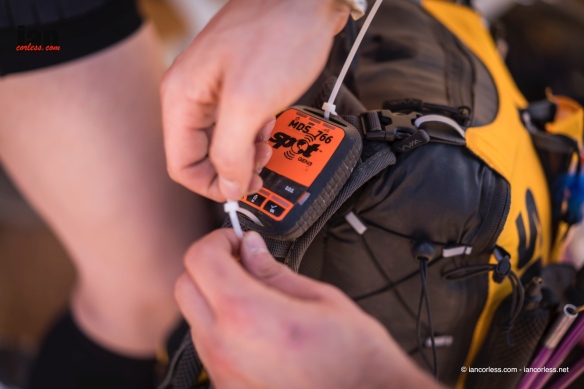
Needless to say, key elements of the MDS are the distance, heat, sand and self-sufficiency. The combination of all these elements makes the race a tough one! For safety, each runner is tracked and monitored with a SPOT tracker.
Each runner must carry all the food they require for the journey and the race specifies a minimum per day. This must be adhered to; however, a runner can carry as much food as they like. The downside is the weight. Therefore, the race is all about balancing calories to weight.
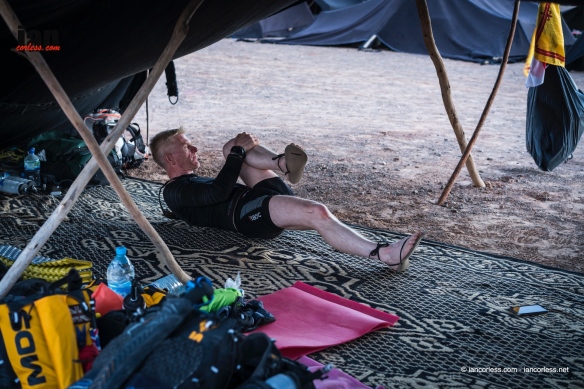
The runner must also carry a sleeping bag, sleeping mat (if they wish), any luxuries and they must decide if they carry a change of clothes – many don’t!
Mandatory kit is specified by the MDS organization and this must be carried. It includes:
SPOT tracker
Knife
Compass
Whistle
Lighter
Venom pump
Antiseptic
Sleeping bag
Survival blanket
Mirror
Salt tablets
Light sticks
Headlamp
In addition to the above, other items are specified and failure to carry them will incur a time penalty.
The only items provided by the race for each runner is water (rationed) and a bivouac (tent) that holds 8 people.
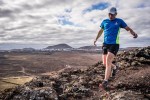
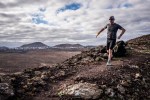
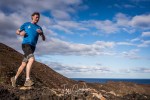
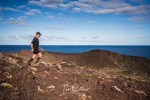
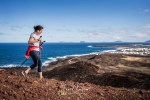
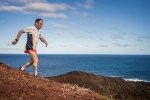
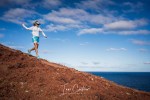
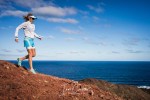
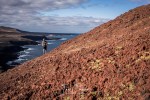
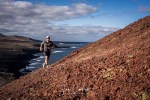
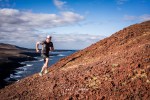
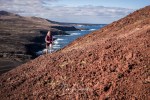
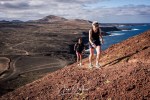
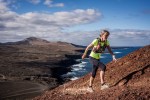
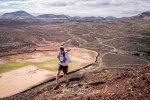
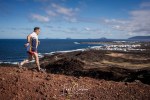
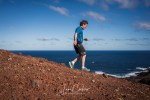
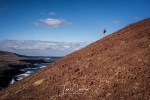
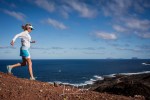
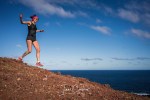
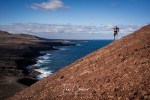
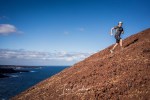
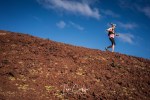
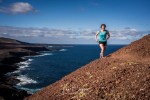
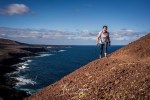
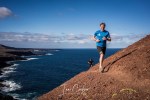
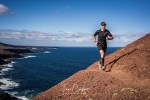
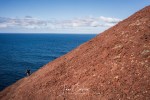
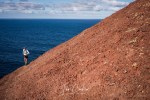
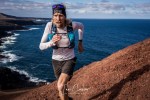
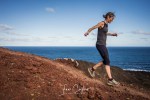
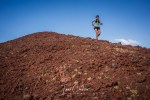
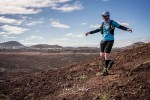
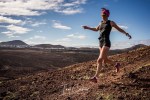
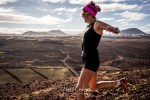
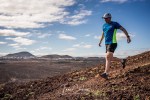
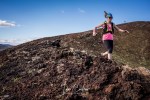
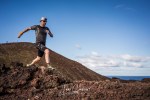
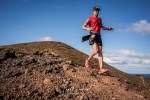
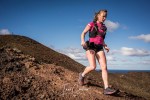
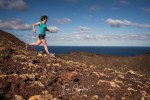
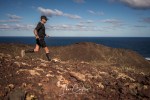
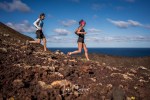
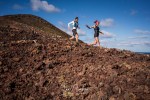
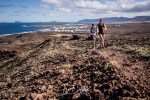
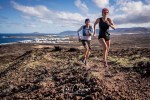
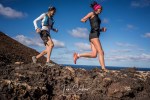
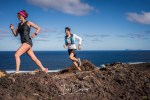
No pain, no gain – well, that is what they say! Today, was ‘pain’ morning at the Lanzarote Training Camp when all the participants did at least 6 reps of a volcano.
It’s a challenging morning and the vertical gain is designed to replicate the largest jebel that has appeared in all the latest editions of Marathon des Sables.
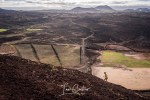
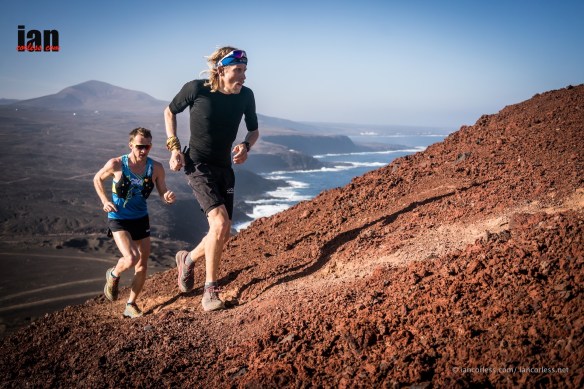
Steep with lose gravel for the climb and the descent is a mixture of stone, lose rocks and sharp lava – a gravel road section allows some recovery before a repeating.
It was a hot day and although the session was tough – everyone loved it!
A break for lunch and then Elisabet Barnes did a practical workshop of foot care. It’s an essential session that prepares everyone with all the relevant skills to allow them the flexibility to be self-sufficient when racing. Elisabet also showed and demonstrated foot taping as a preventive measure against blisters.
At 6pm, the day concluded with an easy 5 or 10km shake-outrun to loosen the legs!
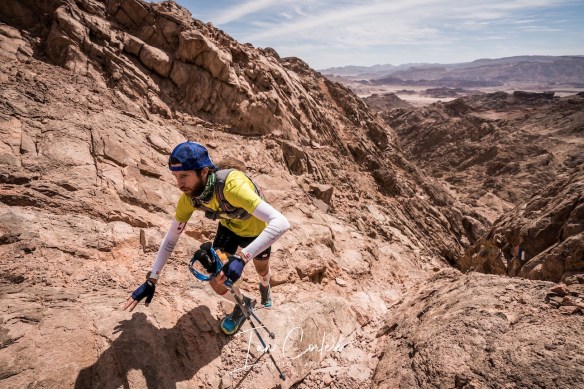
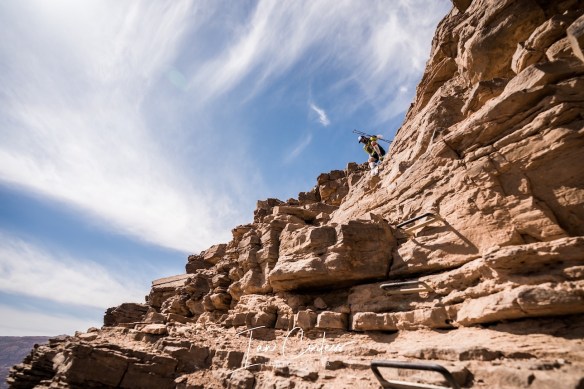
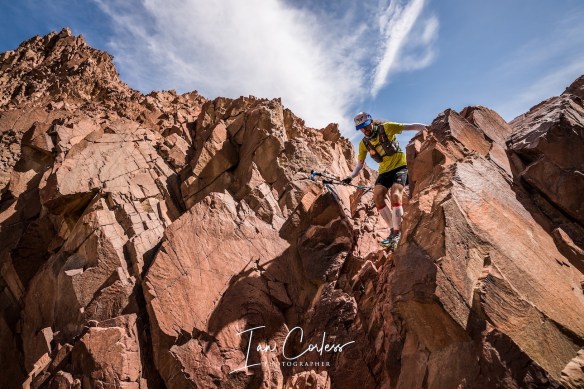
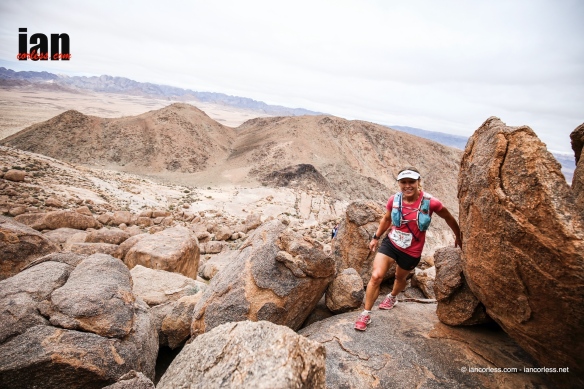
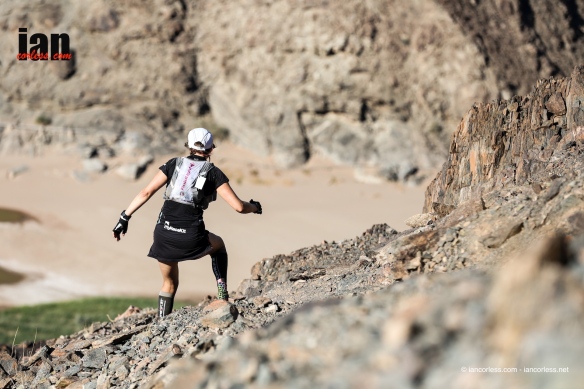
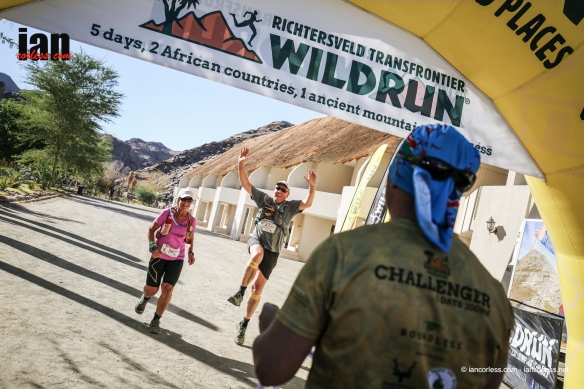
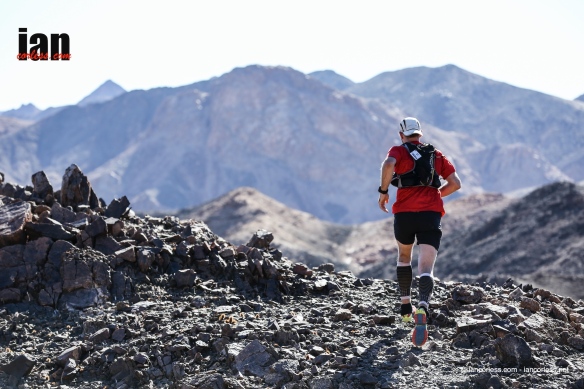
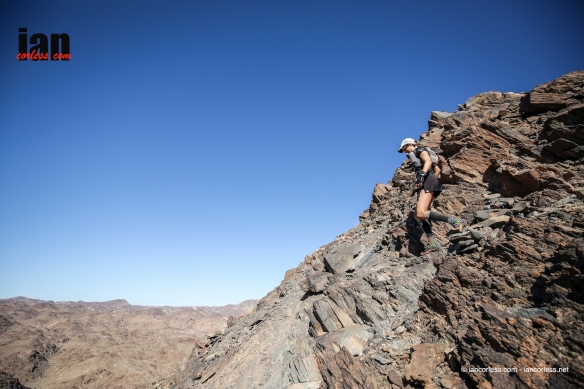
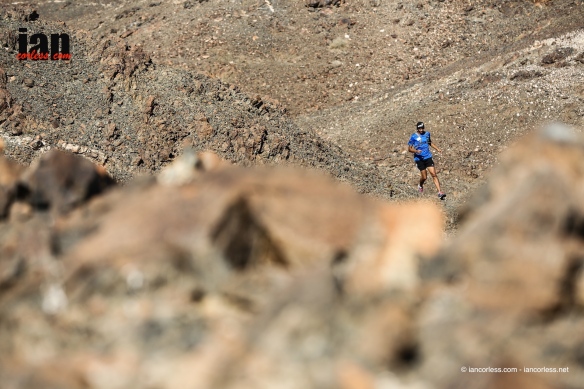
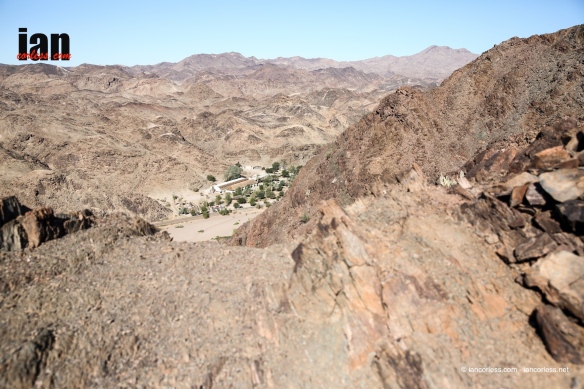
A new name, a new adventure! The NAMIBIA CROSSING is a 200km, five-day foot race from South Africa to Namibia through the ancient arid landscape of the /Ai/Ais-Richtersveld Transfrontier Park. The race was previously known as the Richtersveld Transfrontier Wildrun, the new name reflects the ‘crossing’ of the Orange River and the doorway to Namibia.
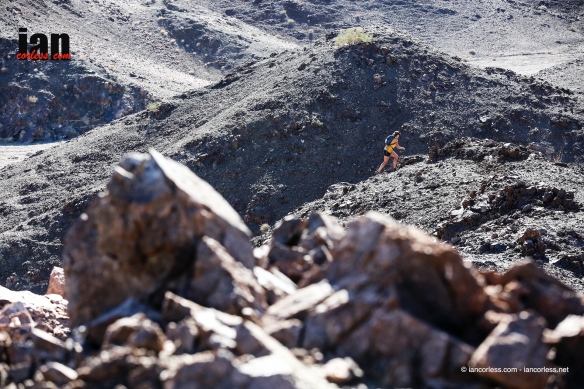
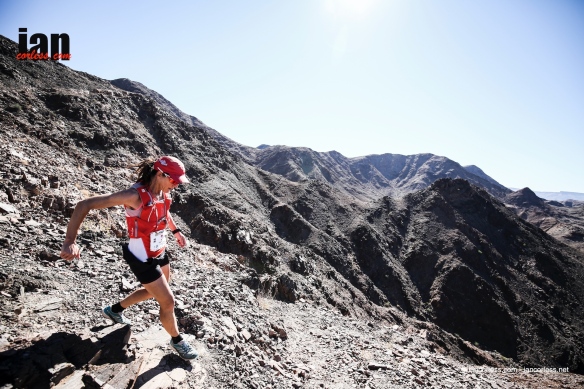
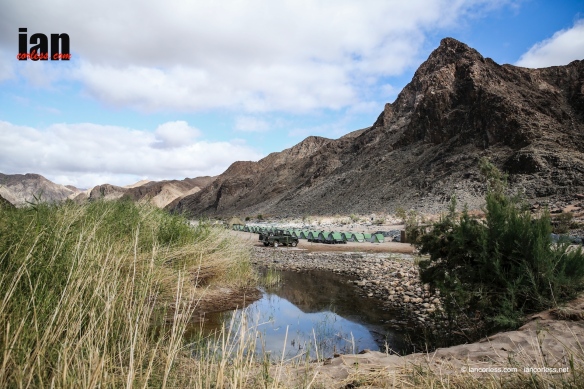
From the crystal fields of Sendelingsdrif in South Africa to the infamous giant boulders of Tatasberg deep in the /Ai/Ais-Richtersveld Transfrontier Park; this unparalleled journey then crosses the Orange River into Namibia and the wild lands of the Fish River Canyon. This is the running experience of a lifetime; this is the this is the Namibia Crossing.
Add the dates to your diary, June 16th to June 22nd 2019
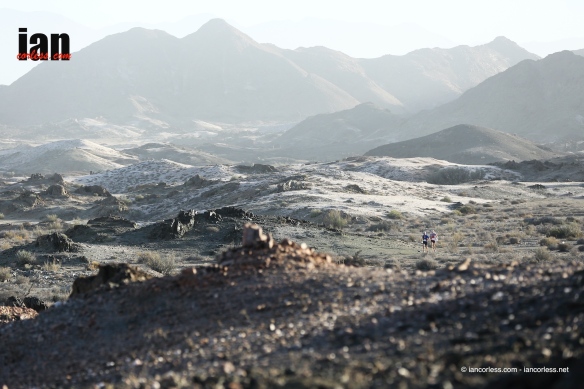
Overlaying the Orange River border line between South Africa and Namibia is a 5,920km2 arid mountain desert wilderness unlike any other in the world. This area is a jointly managed conservation initiative called the /Ai /Ais- Richtersveld Transfrontier Park, that incorporates the Richtersveld National Park in South Africa and the Fish River Canyon National Park in Namibia.
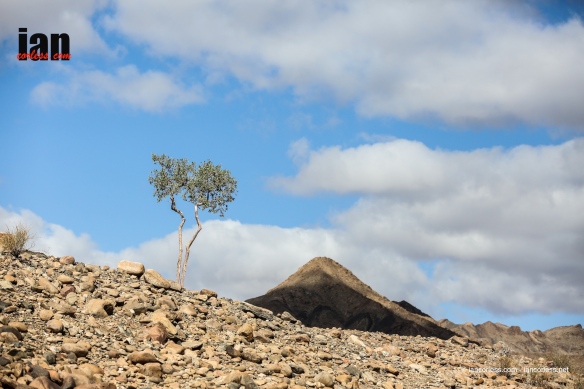
What this area contains is an ancient geological and natural landscape that is quite simply unparalleled on Earth. Not only is this is the oldest mountain desert in the world, it’s the richest one – holding more than a third of the worlds known succulent species. In fact, it’s second only to the Cape Floral Kingdom in terms of botanical diversity.
Throw in the largest canyon in Africa and some uniquely desert-adapted African wildlife and you have yourself a wilderness running experience that is quite simply unmatched.
The Race in Summary:
Day 1:
This 42km day takes us over the crystal fields, past the ‘Vyf Susters’ and up ‘Helskloof’ pass, to break through the ‘Numeesberge’ and into the heart of the Richtersveld and our overnight camp at De Koei.
Day 2:
This 33kms day takes us into the magnificent valley between the Tswayisberg and Vandersterrberg mountain ranges to a seldom visited ‘Armmanshoek’ (Poor-mans- corner). We overnight at Hakkiesdoring.
Day 3:
One of the most iconic days on the Namibia Crossing – this 39km day takes us across
the Springbok Vlakte, over the Tatasberg mountain and down to the Orange River.
Relaxing and washing off in the Orange River at De Hoop camp rounds out a thoroughly rewarding day.
Day 4:
The Namibia Crossing – A short boat trip across the Orange will drop you on Namibian soil and to the start of the longest day, at 50kms. This is a tough day but as your reward, you can relax in the hot hot springs right in the riverbed, where you will be staying the night. The final briefing will precede dinner in this open-air, canyon camp.
Day 5:
The final 25km takes on a final few bends of the Fish River, before we duck out, up Zebra valley, and follow game trails through the rolling foothills. There is a sting in the tail, but the view is worth it! A short elevator drop gets us to the finish at the Hot Springs Resort.
This is a fully supported running experience in a remote wilderness area which includes six nights fully-catered, individual tented accommodation, luxury bus transport from Cape Town to the reception venue and return, exquisite camp cuisine and a fully-stocked, remote camp setup. This also includes all entrance and permit fees, transport of personal items during the event and logistical & medical support throughout.
Embrace the journey of a lifetime!
South African entries and info:
Tamaryn Middleton – tamaryn@wildrunner.co.za or +27 21 789 0318. Otherwise try her mobile phone: +27 72 373 5081.
UK and European entries use the contact form below.







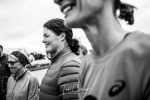
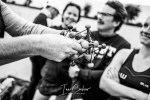
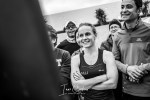
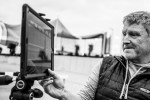
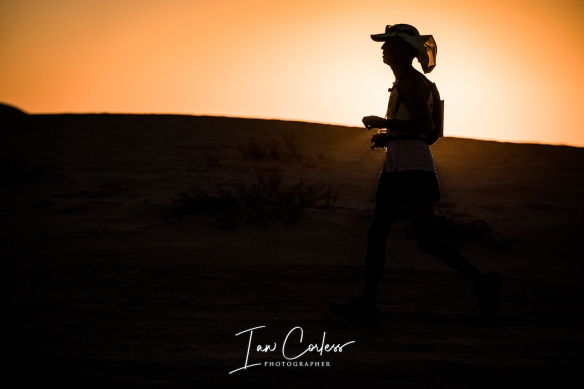
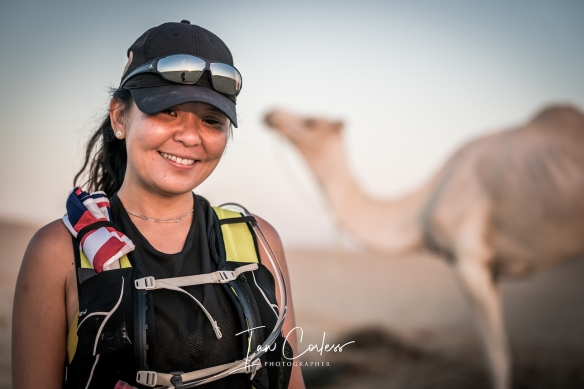




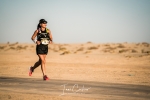
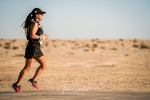
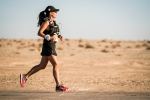
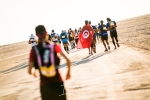





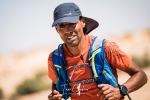
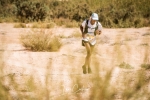
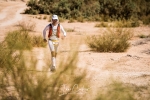
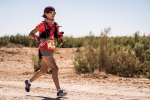
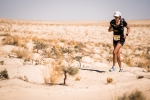
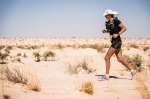
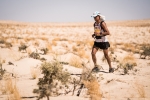



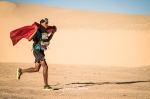
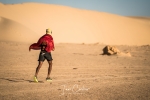
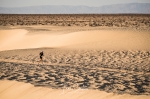
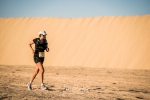
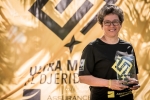
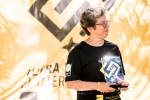

 In 2018, for the first time ever, a Malaysian lady toed the line in the hope to be the first Malaysian lady ever to complete the race.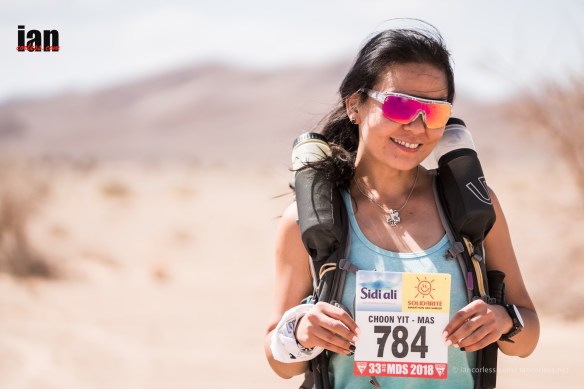
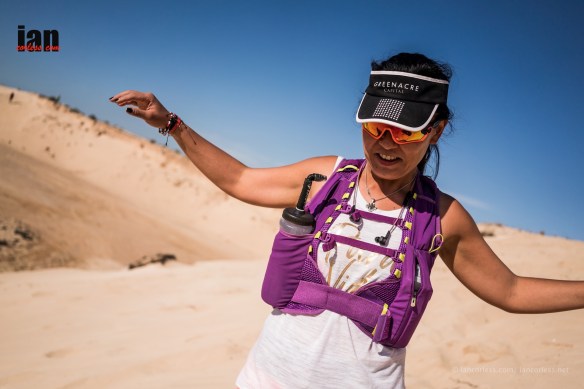

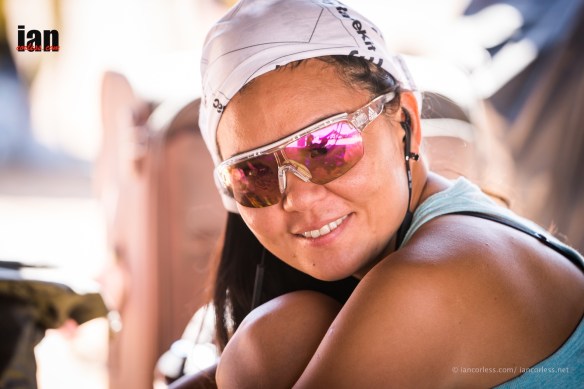
 I also signed up for a specific desert training camp in Lanzarote, 3-months ahead of the race. This proved to be essential as I met other competitions, we trained on terrain specific and comparable to Morocco and I was able to test equipment. We even spent one night sleeping inside a volcano to simulate camp conditions in the Sahara.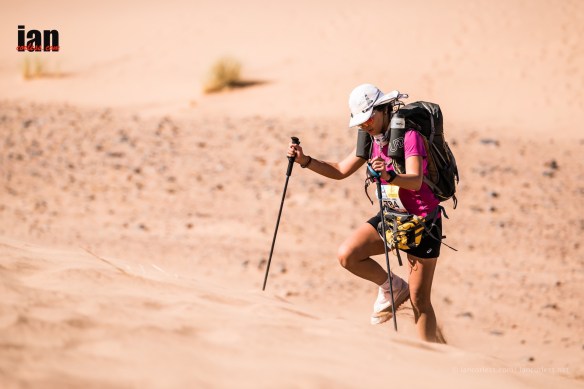
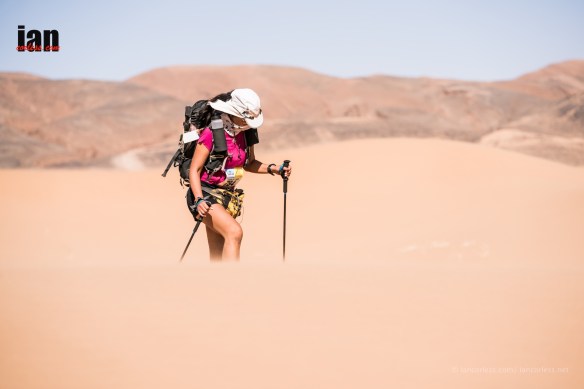
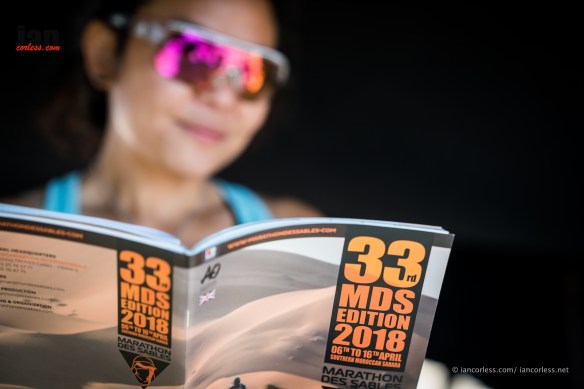
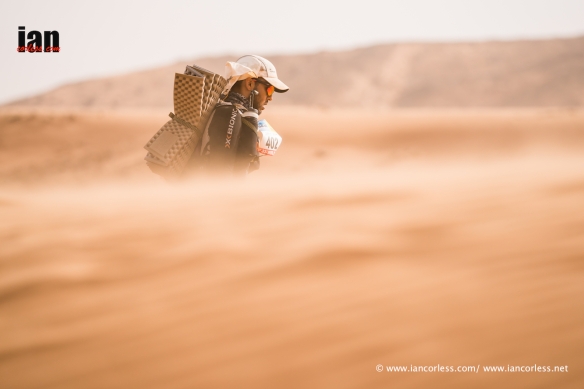
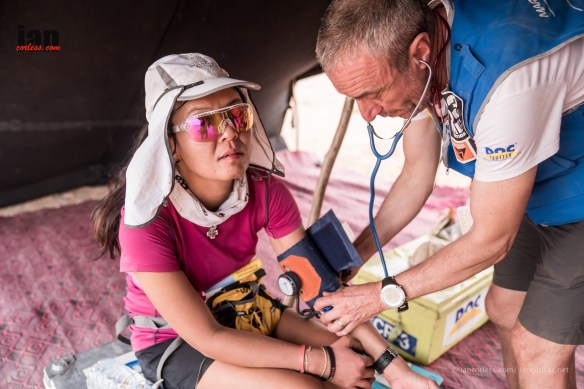 That night we were hit by a sand storm which wiped out our tent and reduced sleep to a minimum. So, as you see, the challenges change daily, by the hour or even by the minute at times. This is what makes MDS so special, it is how you adapt both physically and more importantly, mentally at times.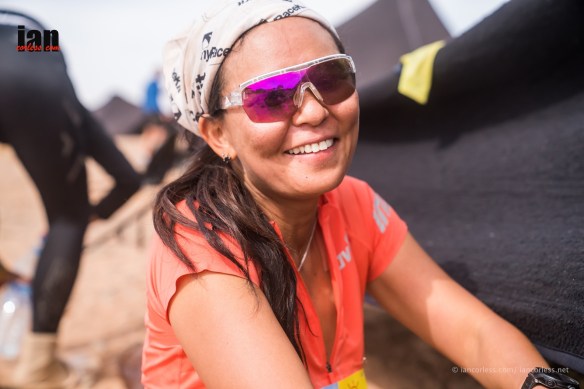
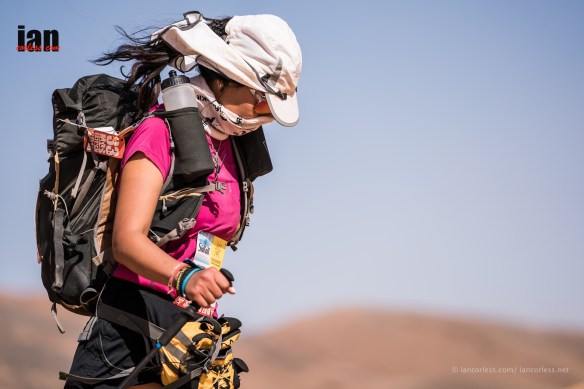 Equipment is equipment but it is essential. I took advice from the training camp and honed my equipment for my needs. I made last minute changes to the pack I would use and I also changed my down jacket. It all worked well. During the race you must be flexible and adapt to conditions – tiredness, dehydration, sore legs, snoring tent mates, sharing a space with 7 others – you can’t really prepare for that, it is this that makes MDS such an experience, it is a journey into the unknown.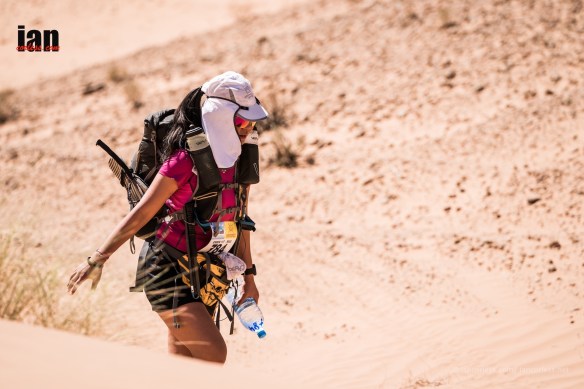
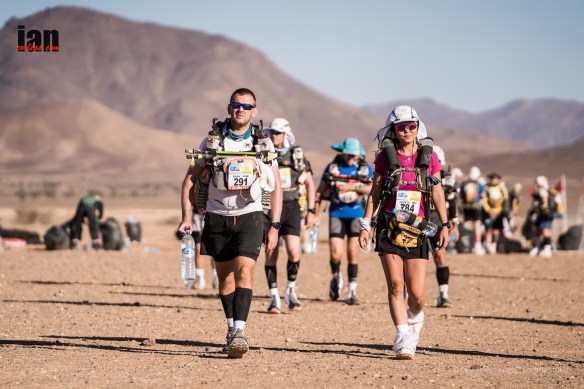
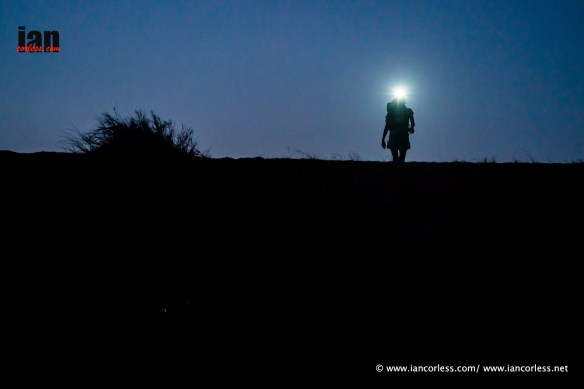 2. On the long day it was dark, I was walking through large sand dunes and I was listening to Craig Armstrong music, I looked up to the sky and saw thousands of stars… I was lost in my mind and thoughts and it was truly magical.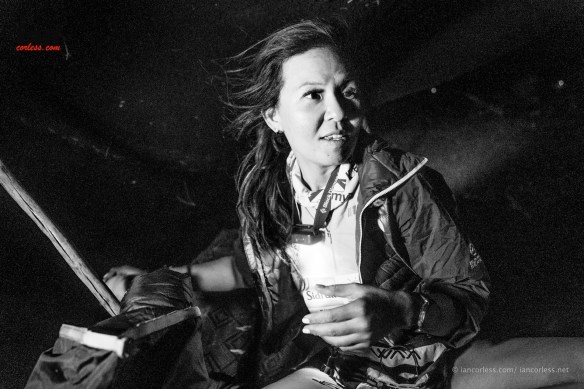
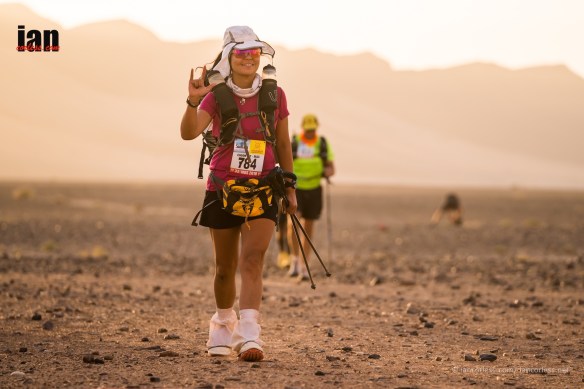

 A Coke after the long day was so magical – simple pleasure! Going to the toilet is also somewhat an experience… you will need to use your imagination for that one!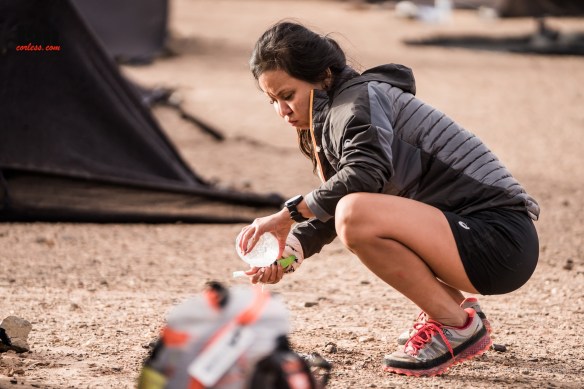
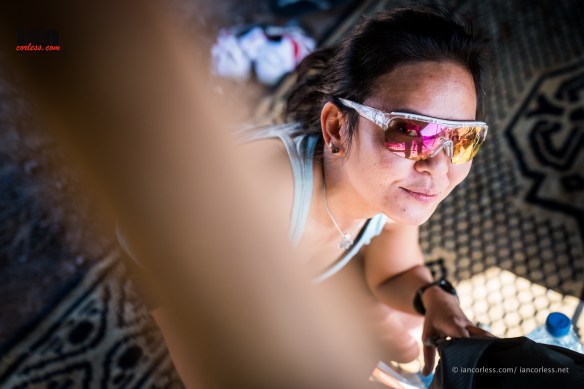 You have a great deal of time to think and I think this is why, for many, MDS has such an impact. You suddenly realise what is important. I have realised it. Experiences and memories are far greater than things and possessions – the Sahara and the MDS made me feel truly alive, pushed me to the limit and beyond.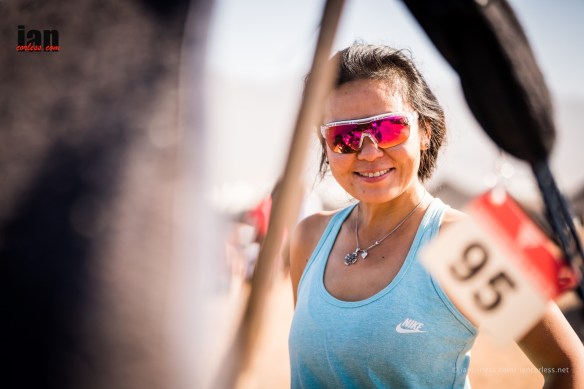
 However, as the race progressed the stronger mentally I became. I was more tired, my body ached, my feet hurt but my mind was strong, there was no way I was giving up or not finishing – I had to prove all the doubters before the race wrong.
 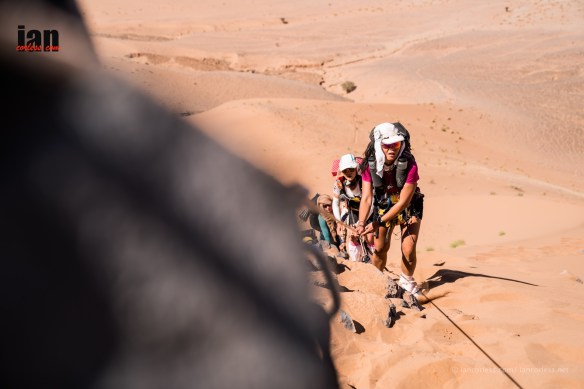 One lady had said, ‘If you finish the race, I will eat my hat!’ Guess what? I bought a hat in Morocco after the race…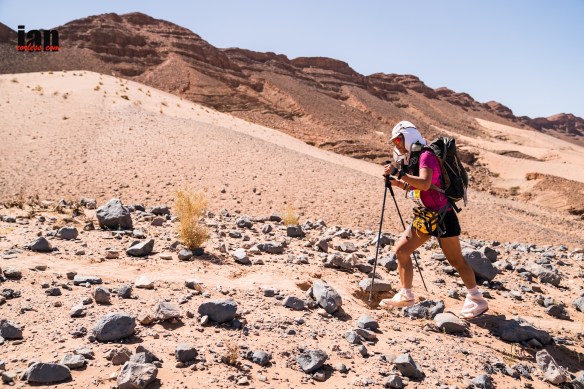
 The miles ticked by and then as the finish line came, you were waiting as were all my tent 95 teammates.
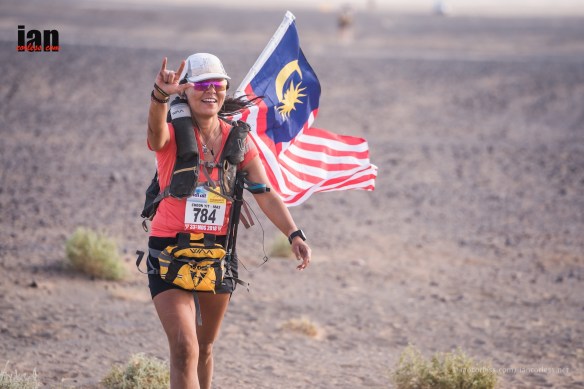 I had no more tears left, just smiles and gratitude. I was flying the Malaysian flag, I kissed my cross which was around my neck and I gave thanks for the opportunity to complete a truly magical, life changing journey.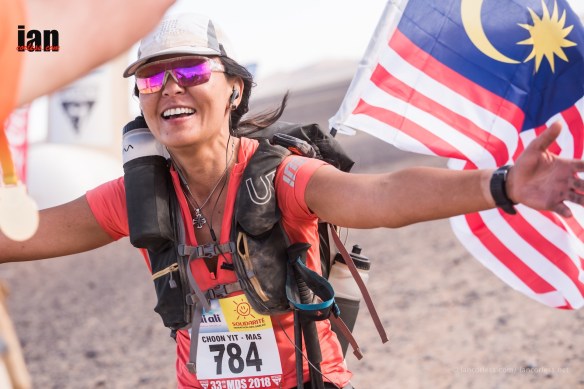
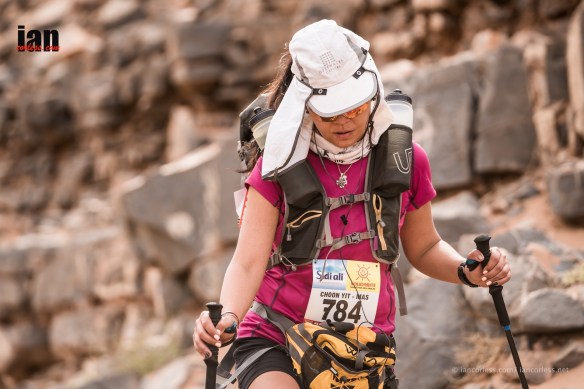 I went to so many low points during the race and overcame them, I made new friends and I triumphed over arguably the toughest challenge I have ever undertaken.
 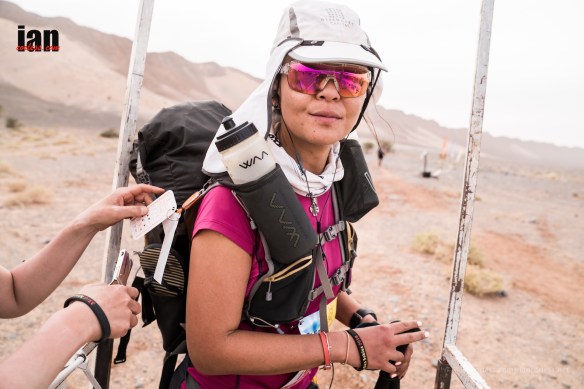 I now feel invincible, I feel alive!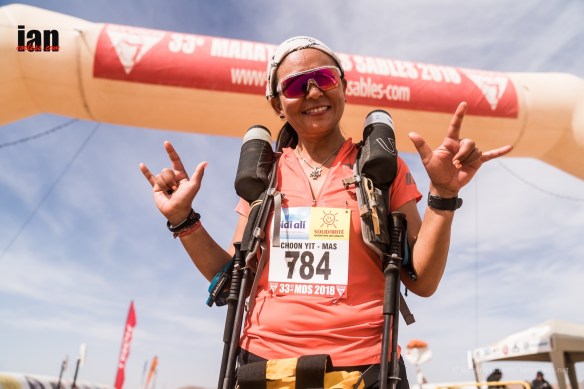

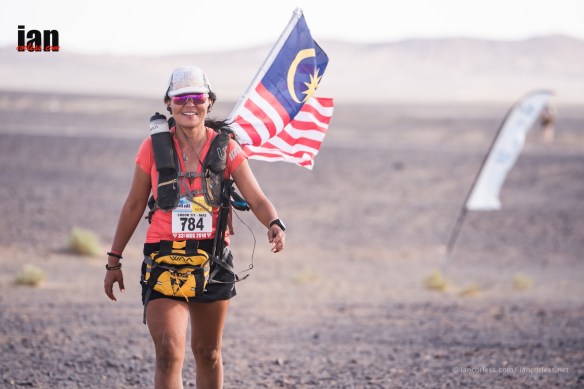 Certainly, no change of clothes, carrying everything one needs on ones back and having rationed food and water takes things to another level and therefore it’s a combination of all those elements that makes the race so tough.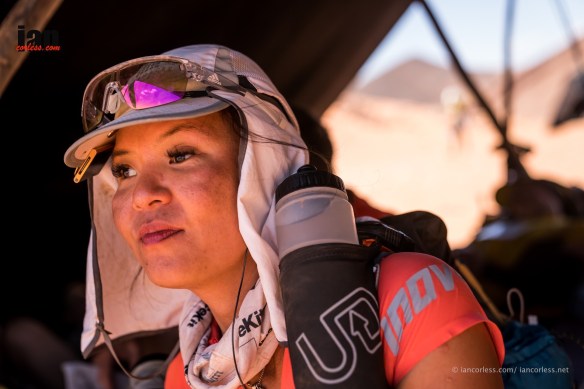

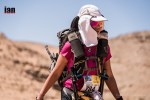
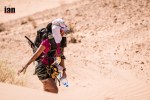
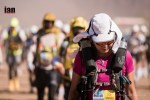
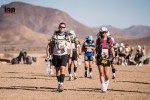

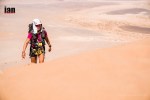
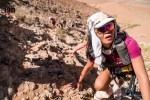
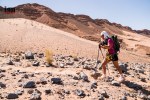
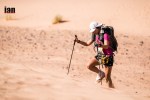
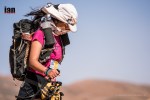
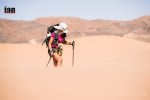
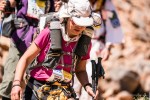
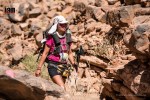
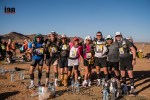

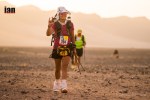
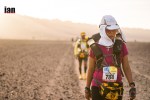
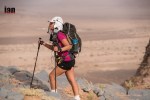
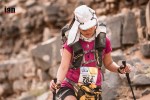


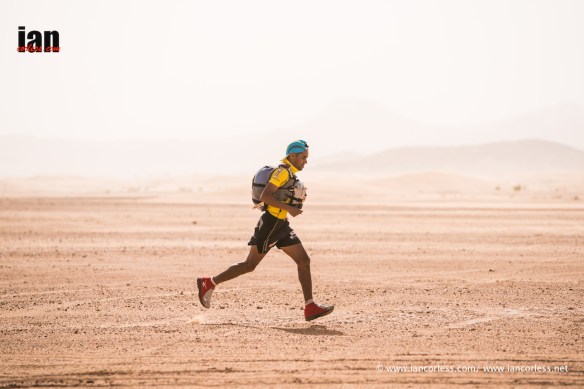 Today, the king and queen of the desert set out their stalls! For Rachid El Morabity, it was a day of showing the rest of the field a clean pair of heals as he slowly but surely pulled away from the field finally finishing almost 10-minutes ahead of his brother and day 1 champion, Mohamed.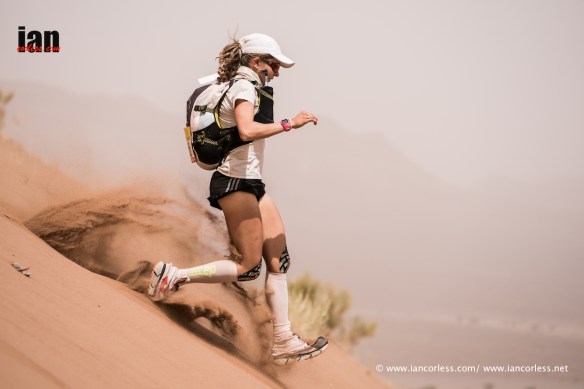
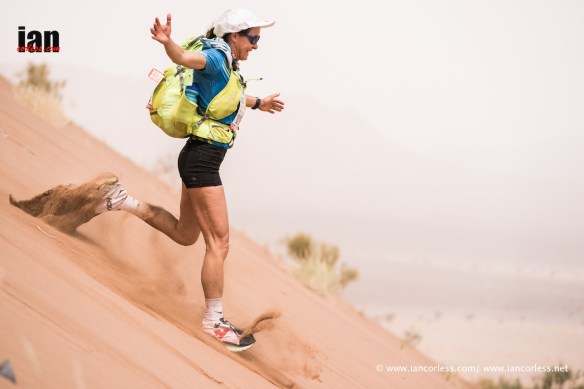
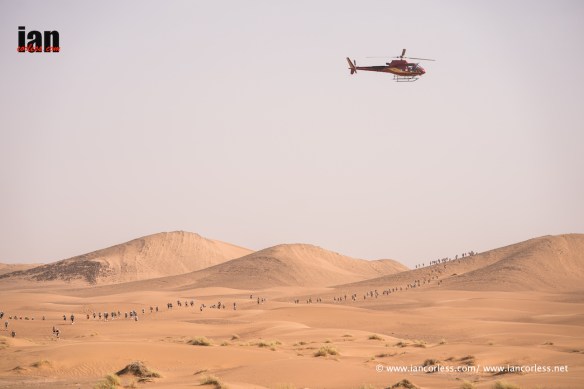
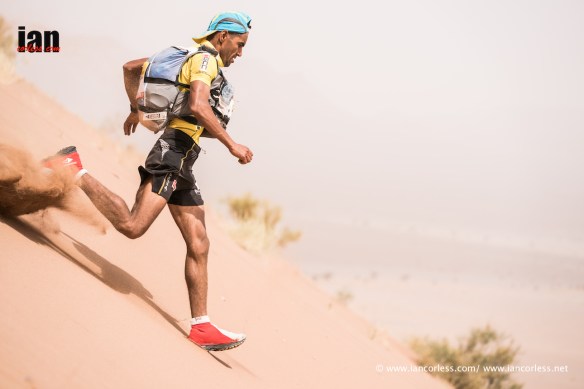
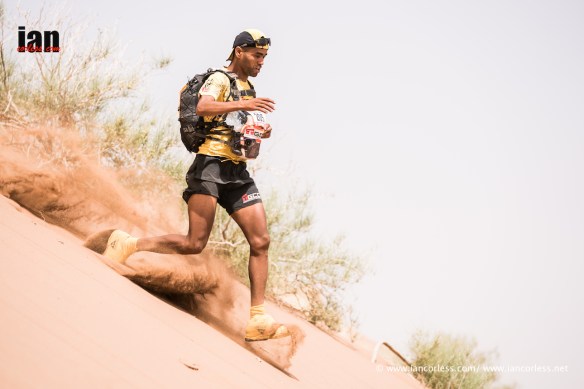
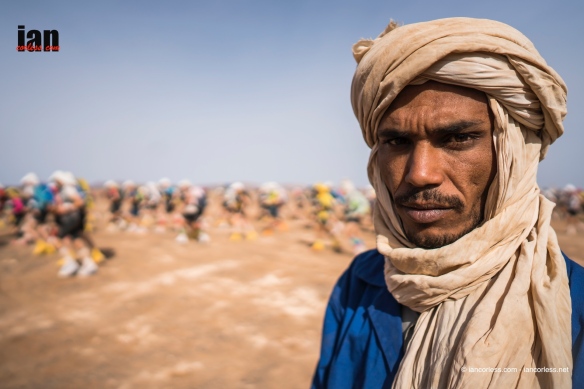
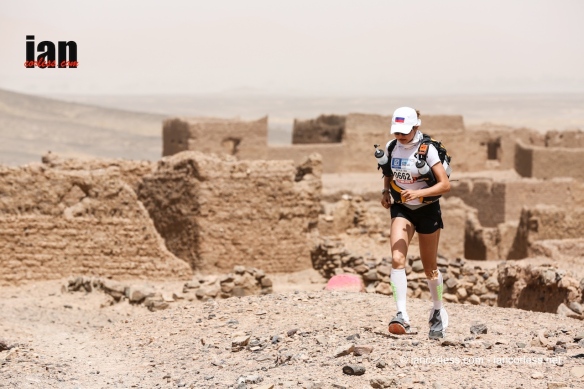
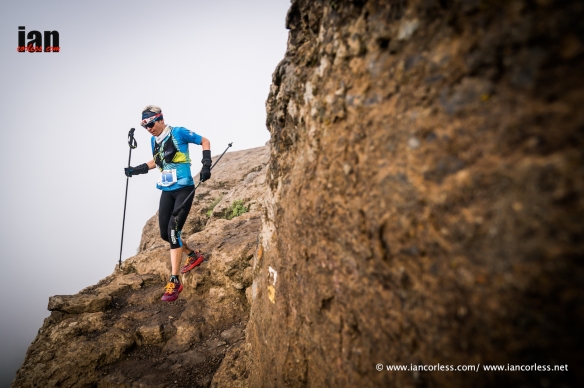
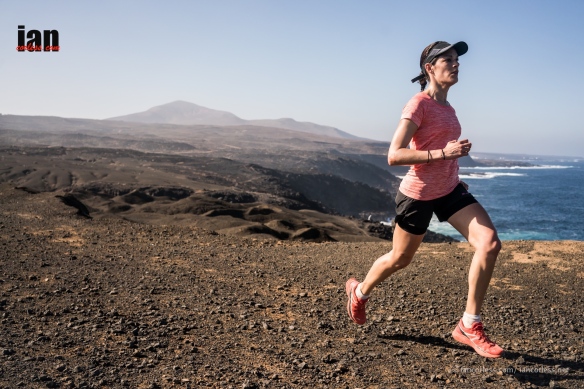
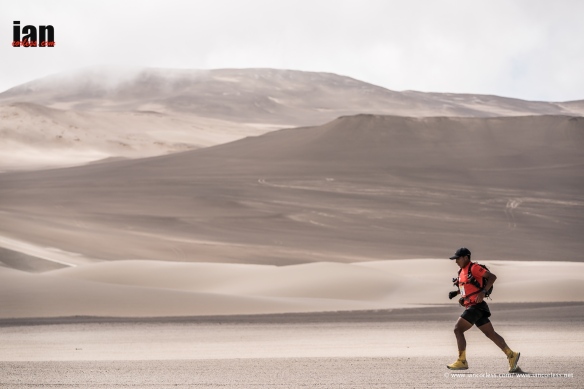
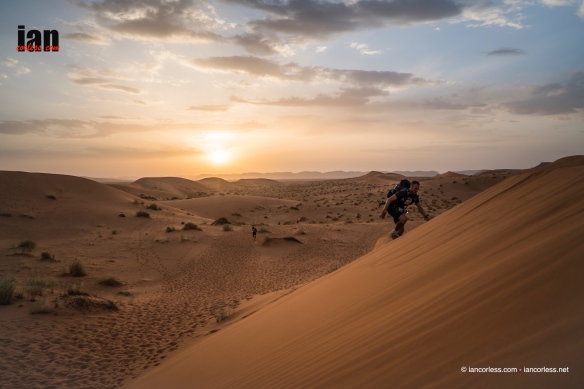
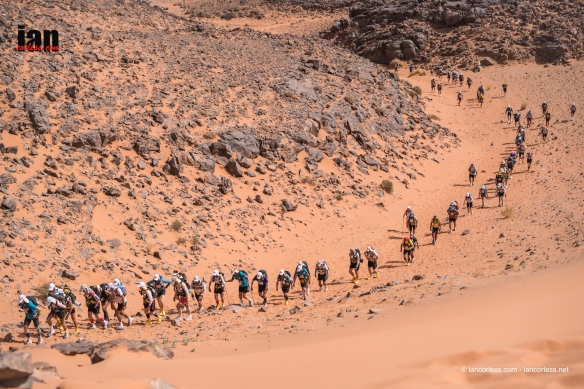

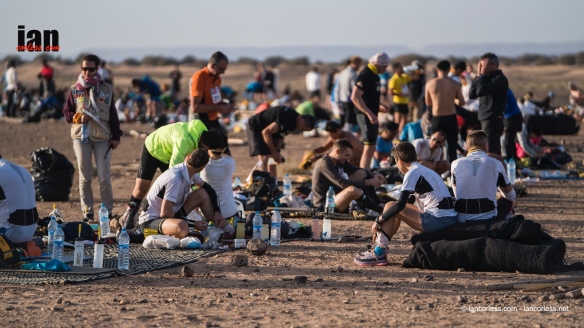
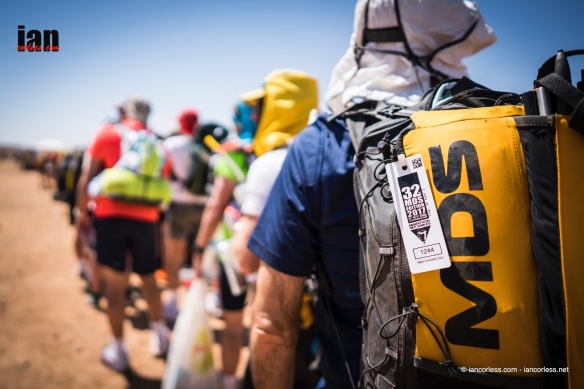
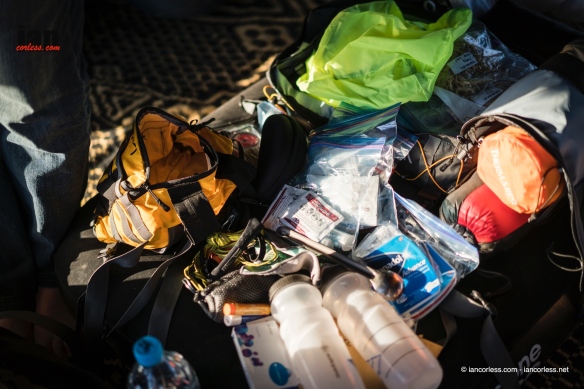
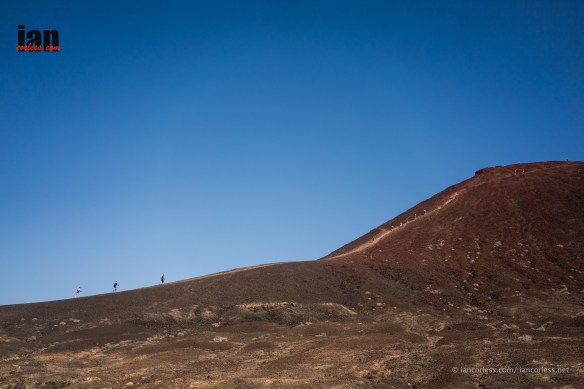
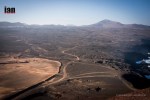
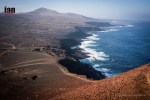
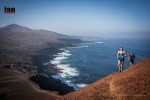
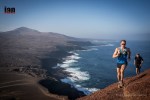
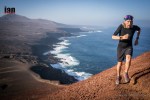
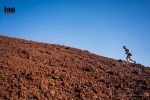
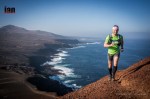
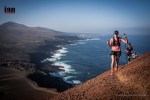
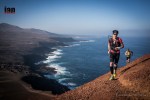
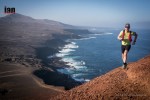
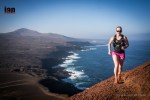
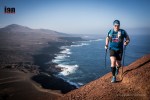
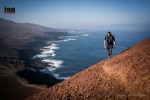
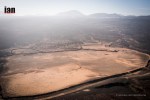
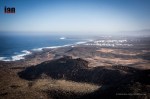
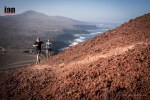
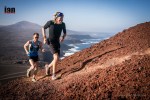
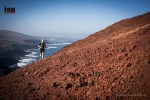
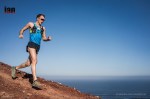
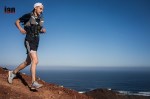
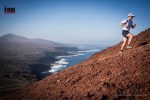
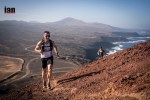
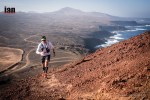
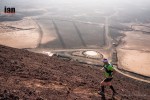
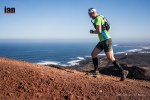
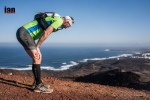
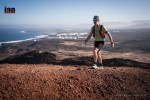
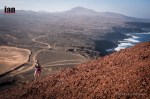
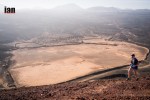
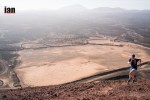
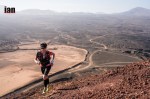
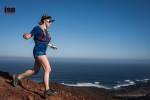
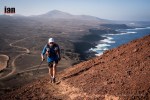
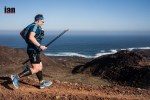
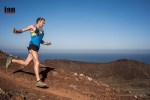
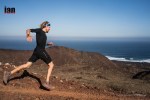
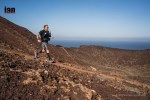
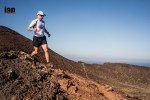
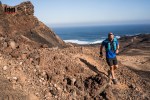
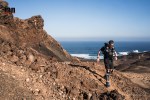
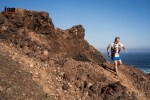
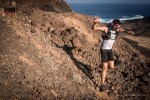
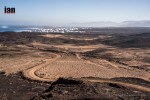
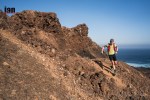
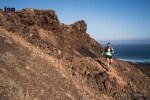
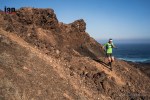
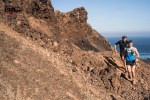
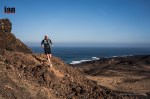
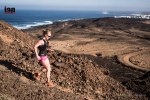
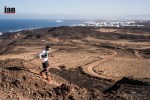
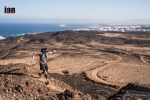
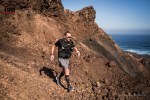
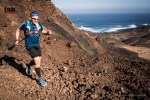
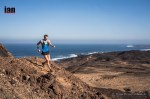
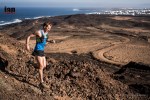
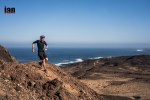
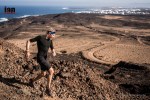
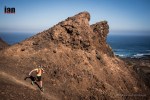
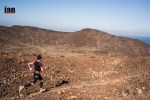
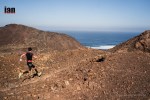
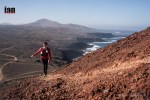
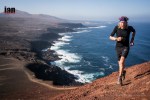
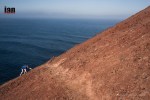
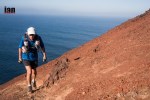
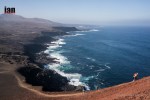
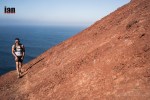
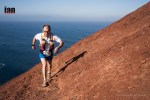
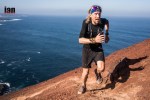
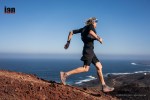
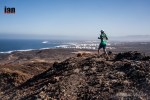
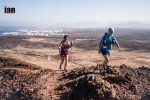
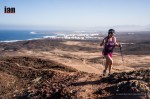
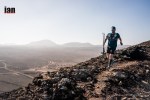
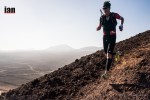
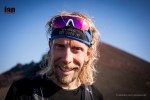
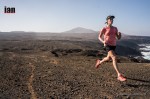
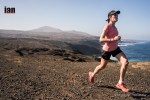
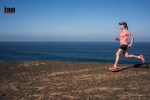
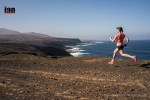
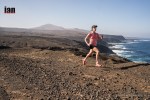
 From the crystal fields of Sendelingsdrif in South Africa to the infamous giant boulders of Tatasberg deep in the /Ai/Ais-Richtersveld Transfrontier Park; this unparalleled journey then crosses the Orange River into Namibia and the wild lands of the Fish River Canyon. This is the running experience of a lifetime; this is the this is the Namibia Crossing.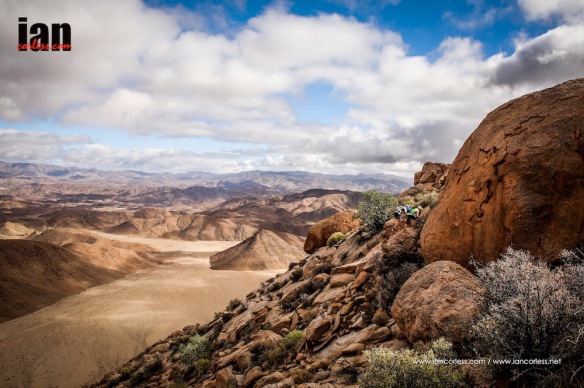




 IAN CORLESS