Everest Trail Race 2022 Summary

©iancorless

The Everest Trail Race (ETR) finally was all systems go after an extended break due to the Coronavirus situation. Needless to say, the return was welcome, not only by ETR staff but all the runner’s, many who had postponed entries for 12 or even 24-months.

Nepal is a magical place and to be back in the magic was special.

ETR organisation had not been dormant between 2020 and 2022, the opposite. With the ever expansio of gravel roads leading toward Lukla, it was important to return ETR to more isolated and raw trails, so, in comparison to pre-2020, the 2022 race would be a new experience, particularly over stages one to four with stages five and six remaining roughly the same to 2019.
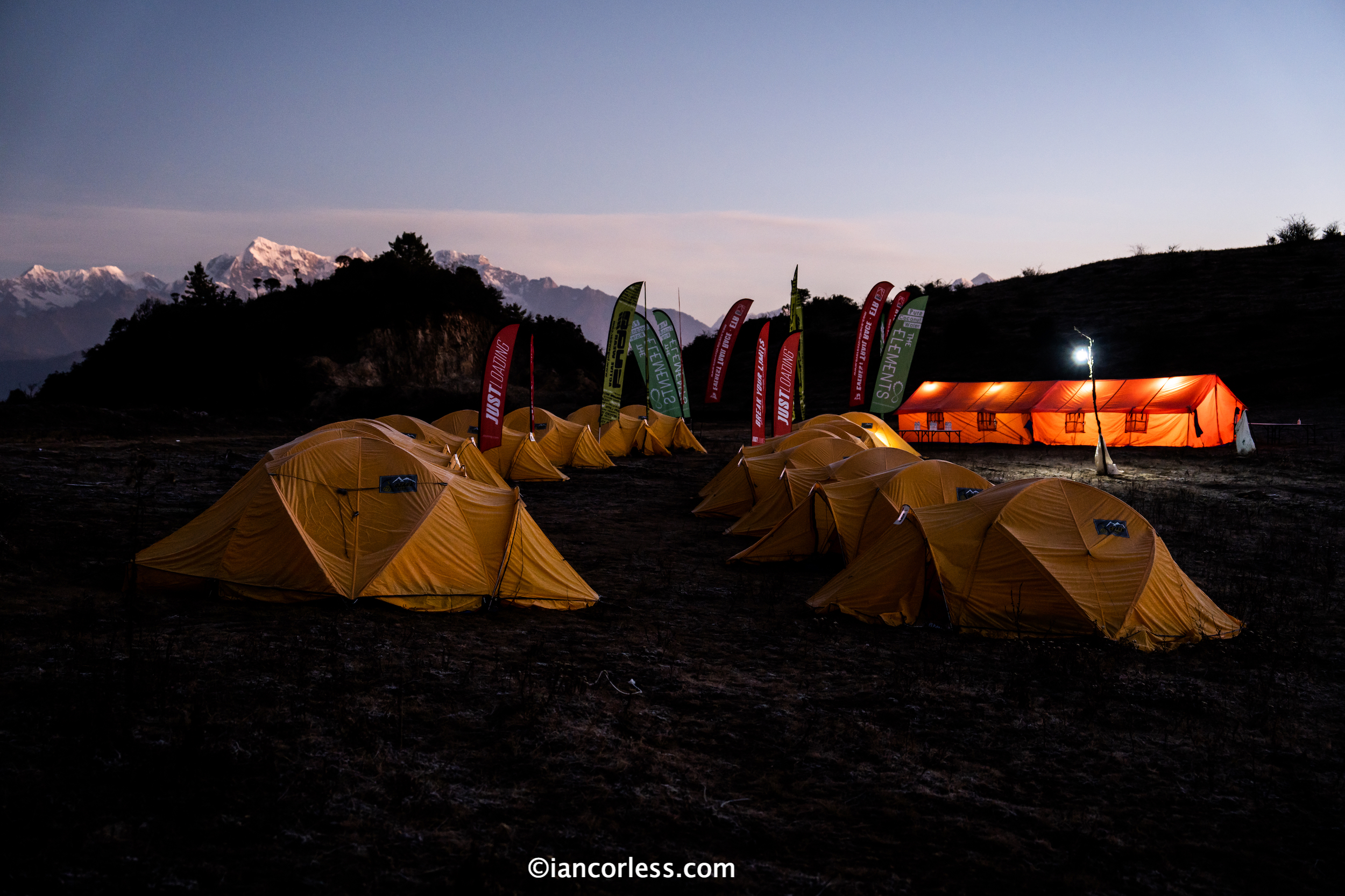
Camp 1 at Dhap ©iancorless

THE RACE

  • Stage 1 : 23.08km with 1551m+/ 1012m-
  • Stage 2 : 30.30km with 2365m+/ 3115m-
  • Stage 3 : 28.23km with 2028m+/ 2799m-
  • Stage 4 : 27.40km with 2170m+/ 1515m-
  • Stage 5 : 31.80km with 2850m+/ 1650m-
  • Stage 6 : 29km with 1770m+/ 2802m-
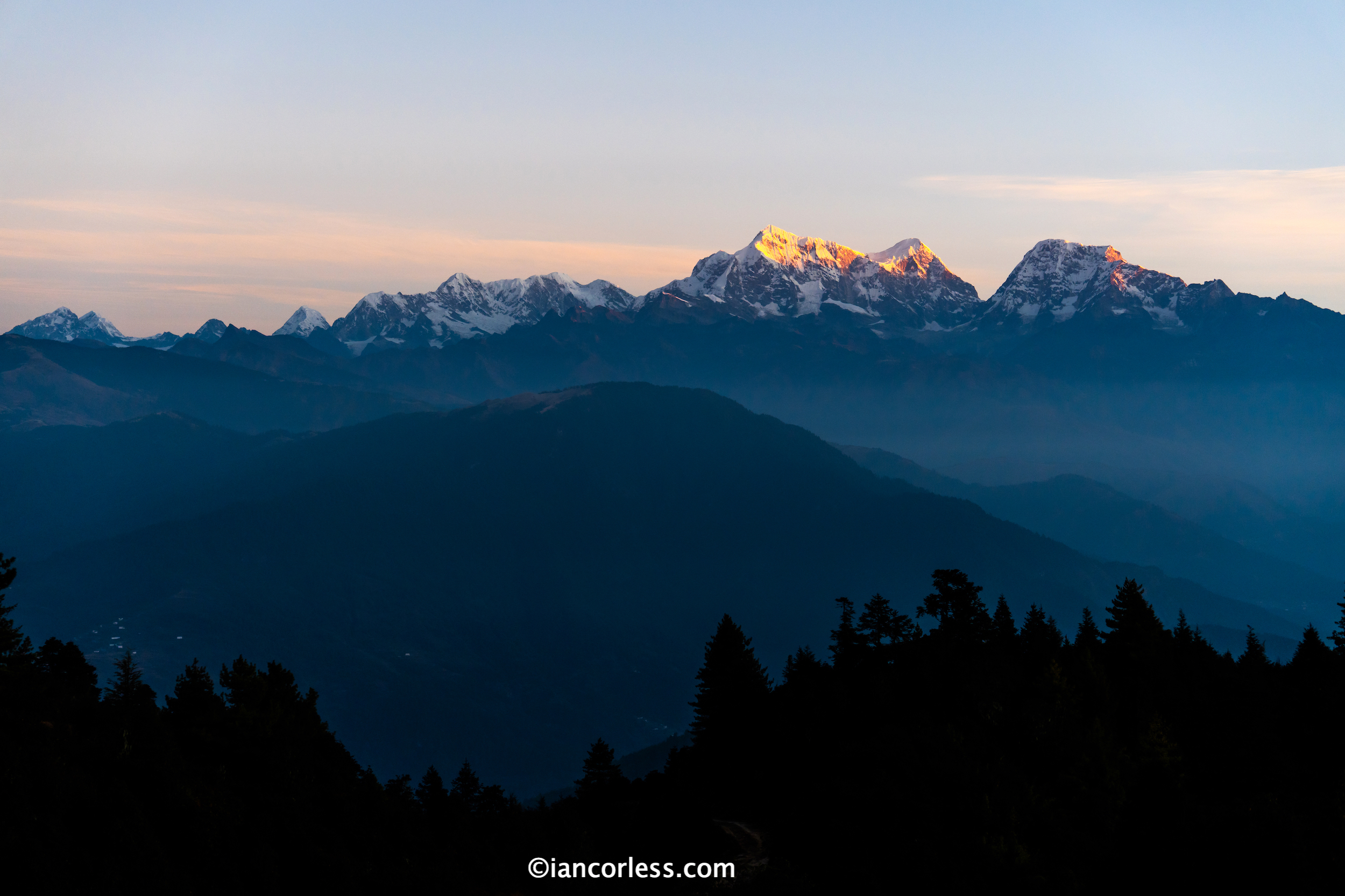
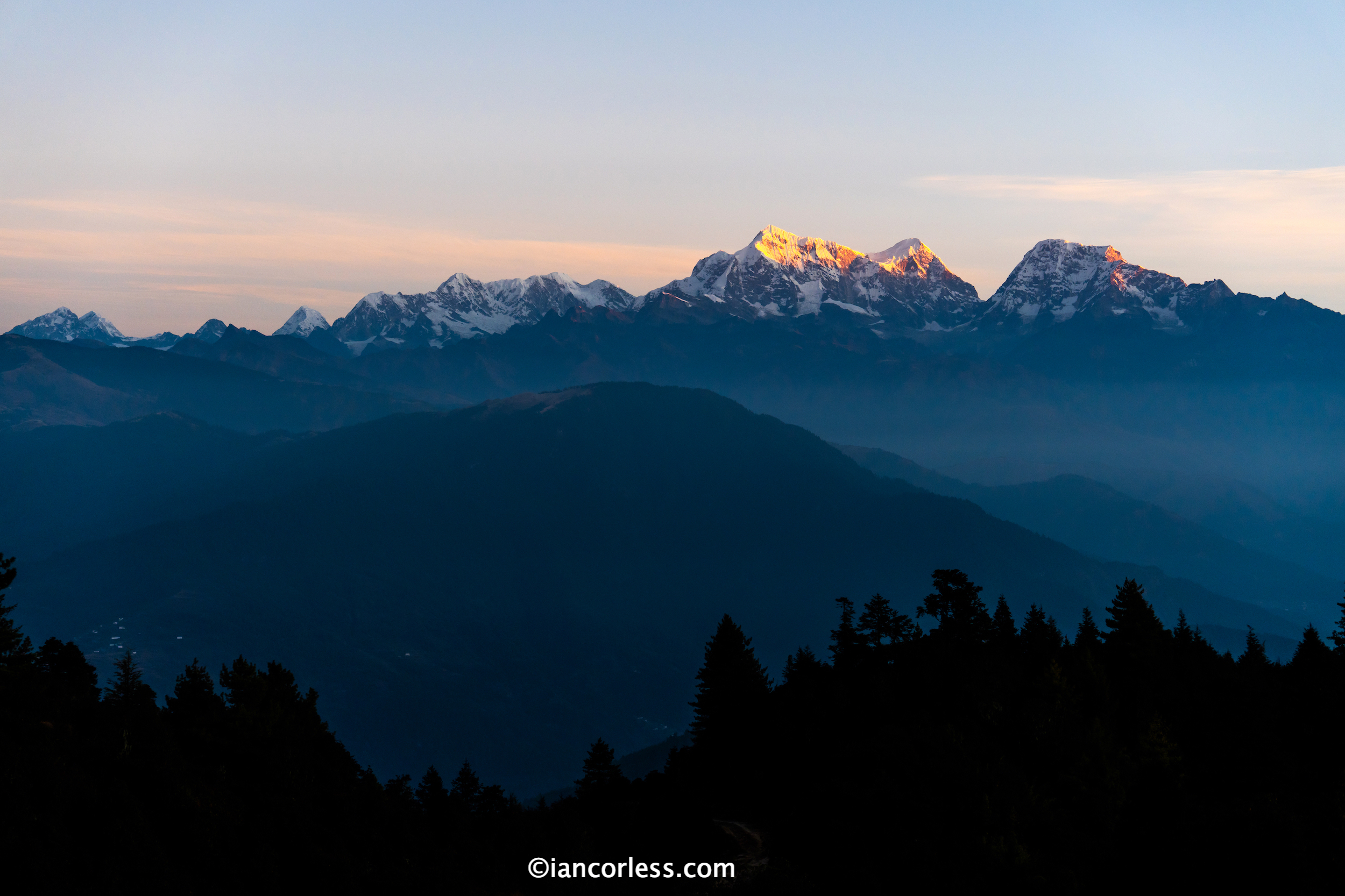
Amazing views to start the race ©iancorless

VIEW THE IMAGE GALLERIES HERE

ARRIVAL IN KATHMANDU

Travel is coordinated so all participants meet in Istanbul for an onward red-eye flight through the night to arrive in Kathmandu mid morning. During the Covid period, Kathamandu has not stood still either. There have been major improvements to the airport and what was a very painful arrival and immigration procedure is now considerably less painful if you have the relevant documents, photos and cash to pay for an entry visa.
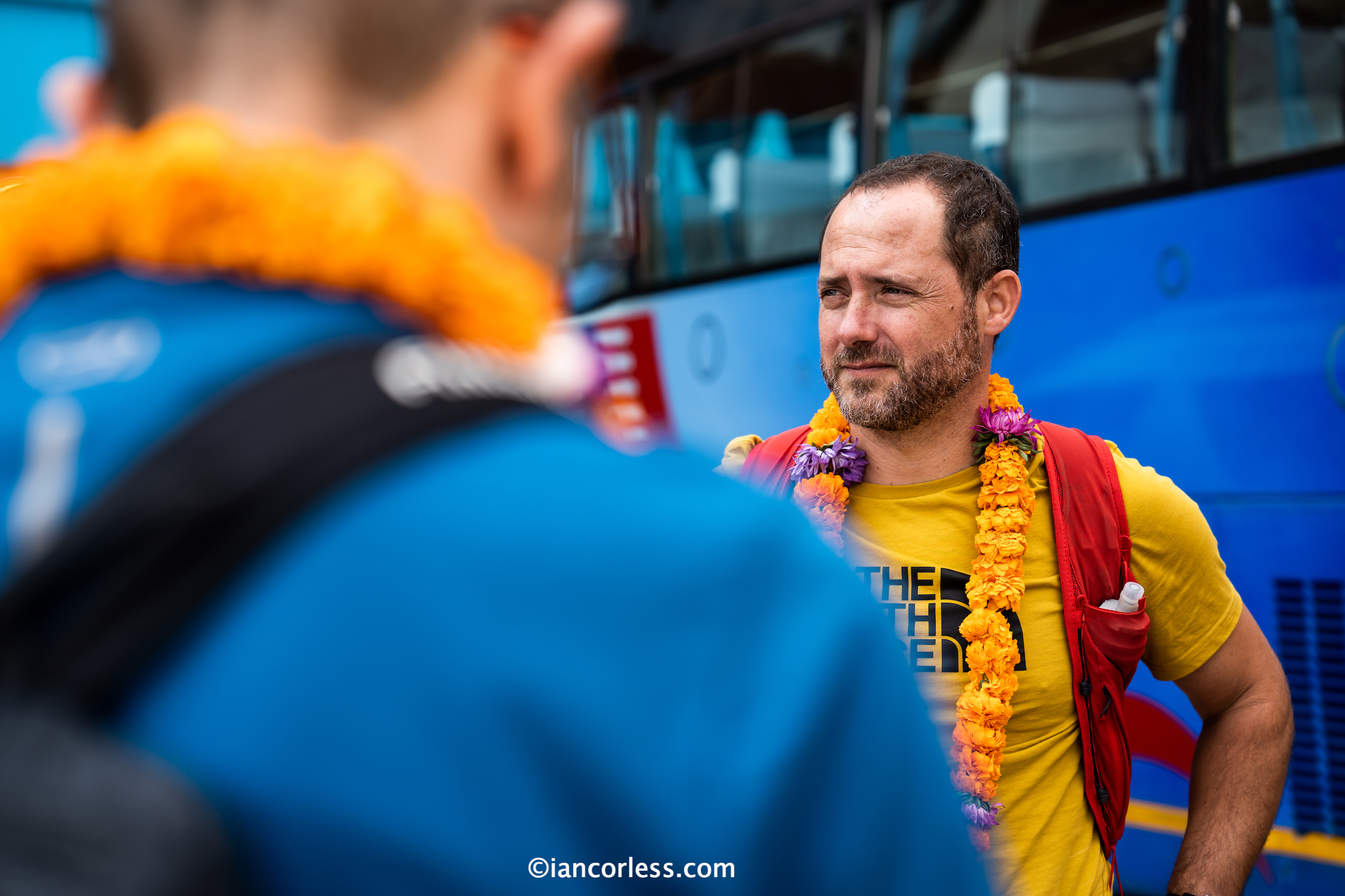
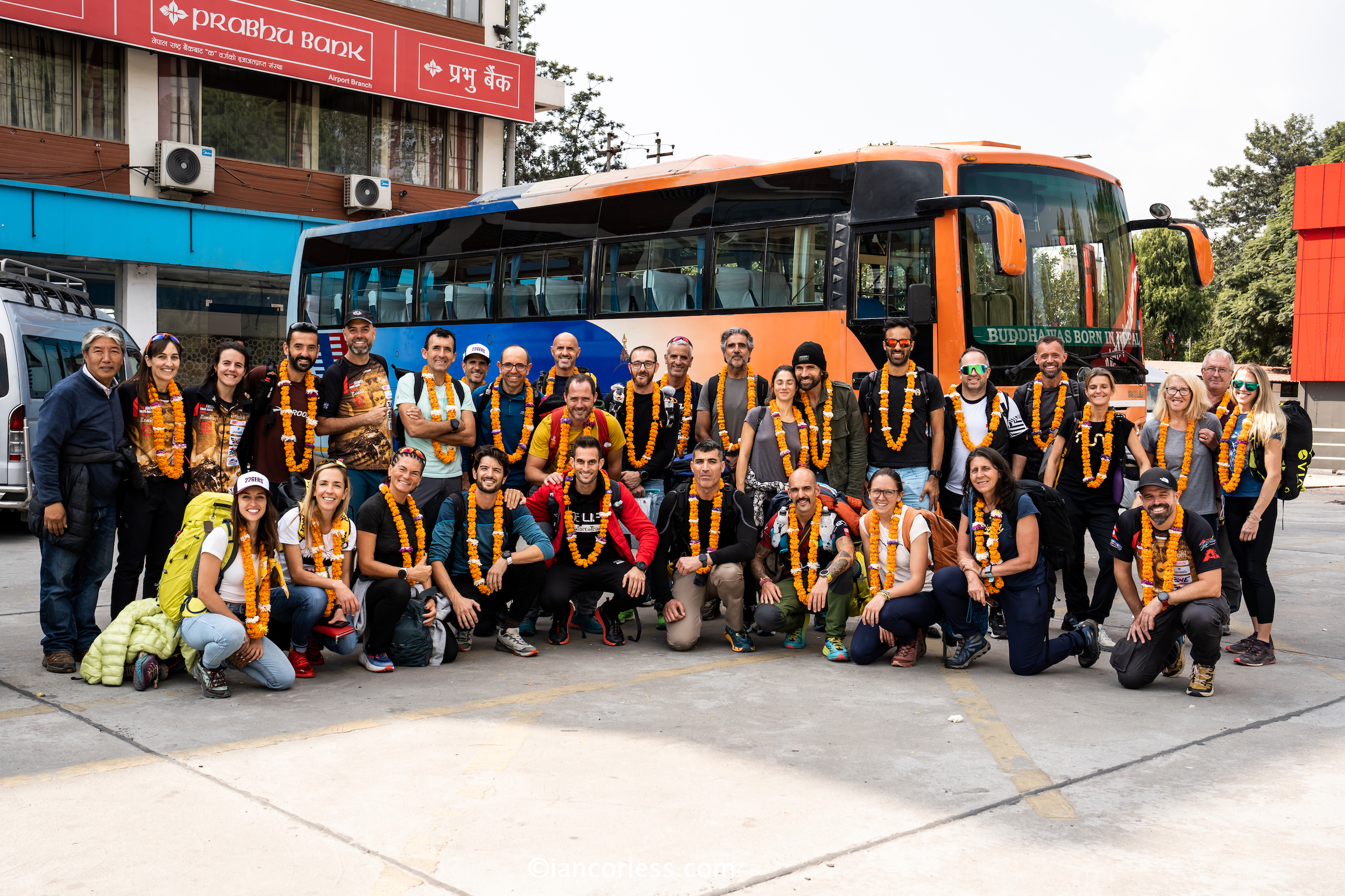
©iancorless
Airport welcome ©iancorless

Everyone is welcomed at the airport with a traditional garland and then it’s transfer time to the hotel which will be home for the next two days. For those who have not been to Kathmandu before, the driving is always somewhat of a shock. Organised chaos is the easiest way to explain it.

©iancorless

Arrival at Hotel Shanker, a calm and hidden oasis in noise and craziness of Kathmandu is welcome. Everyone is greeted and then it’s straight into initial race admin before relaxation time after long travel.

©iancorless

PRE-RACE

Monkey Temple ©iancorless

Day 1 morning is a group excursion to the Monkey Temple and Patan. The Monkey Temple for 2022 was considerably busier than other years due to timing of an important religious festival. It was rammed with people but that only added to the atmosphere.
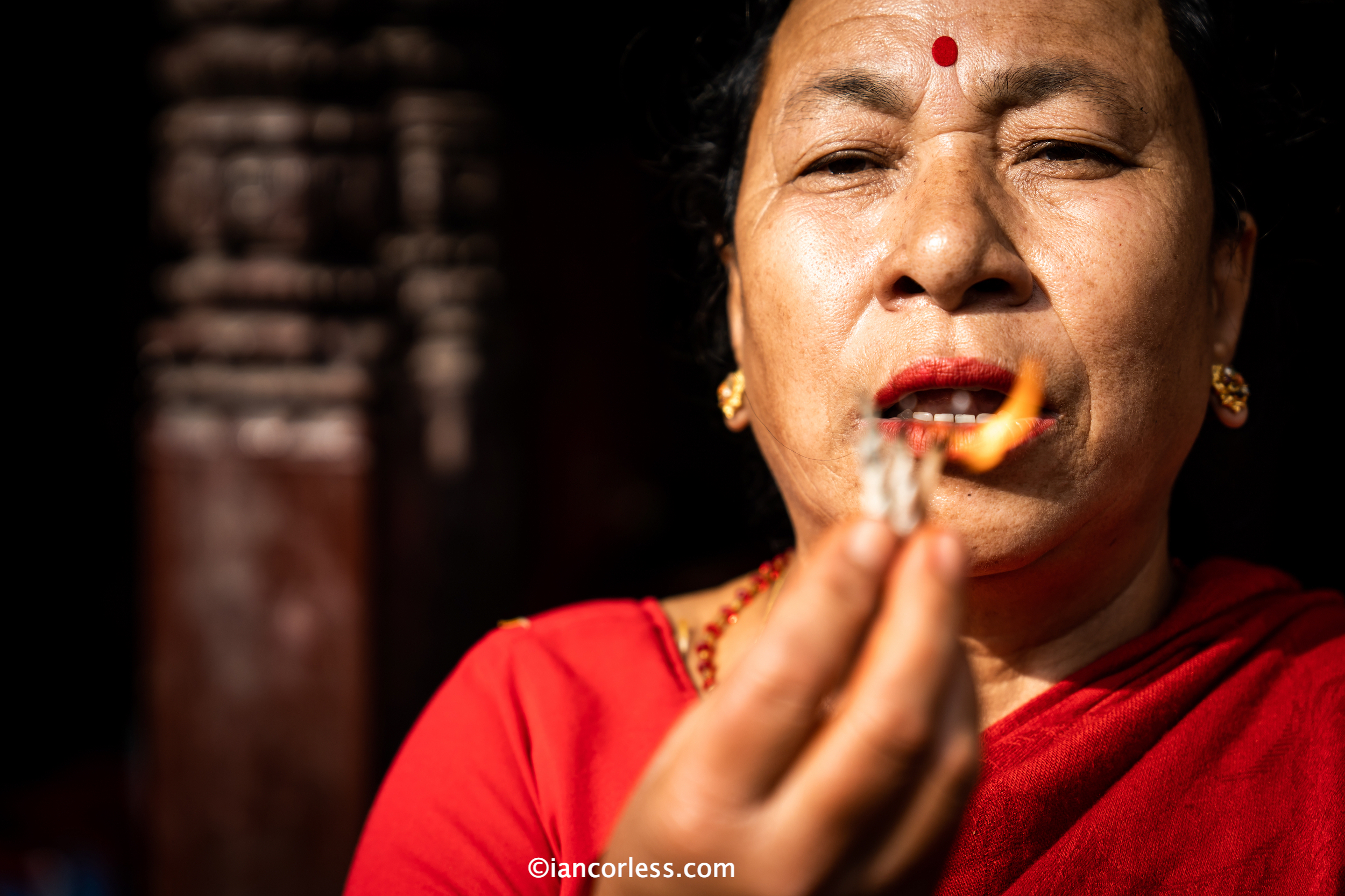
A time to pray ©iancorless

Of course, it’s always an eye-opener to experience a place like this. No matter how many times you visit, there is always something new and of course, it’s a popular place for beggars who hope to monetise the charity of the visitors.
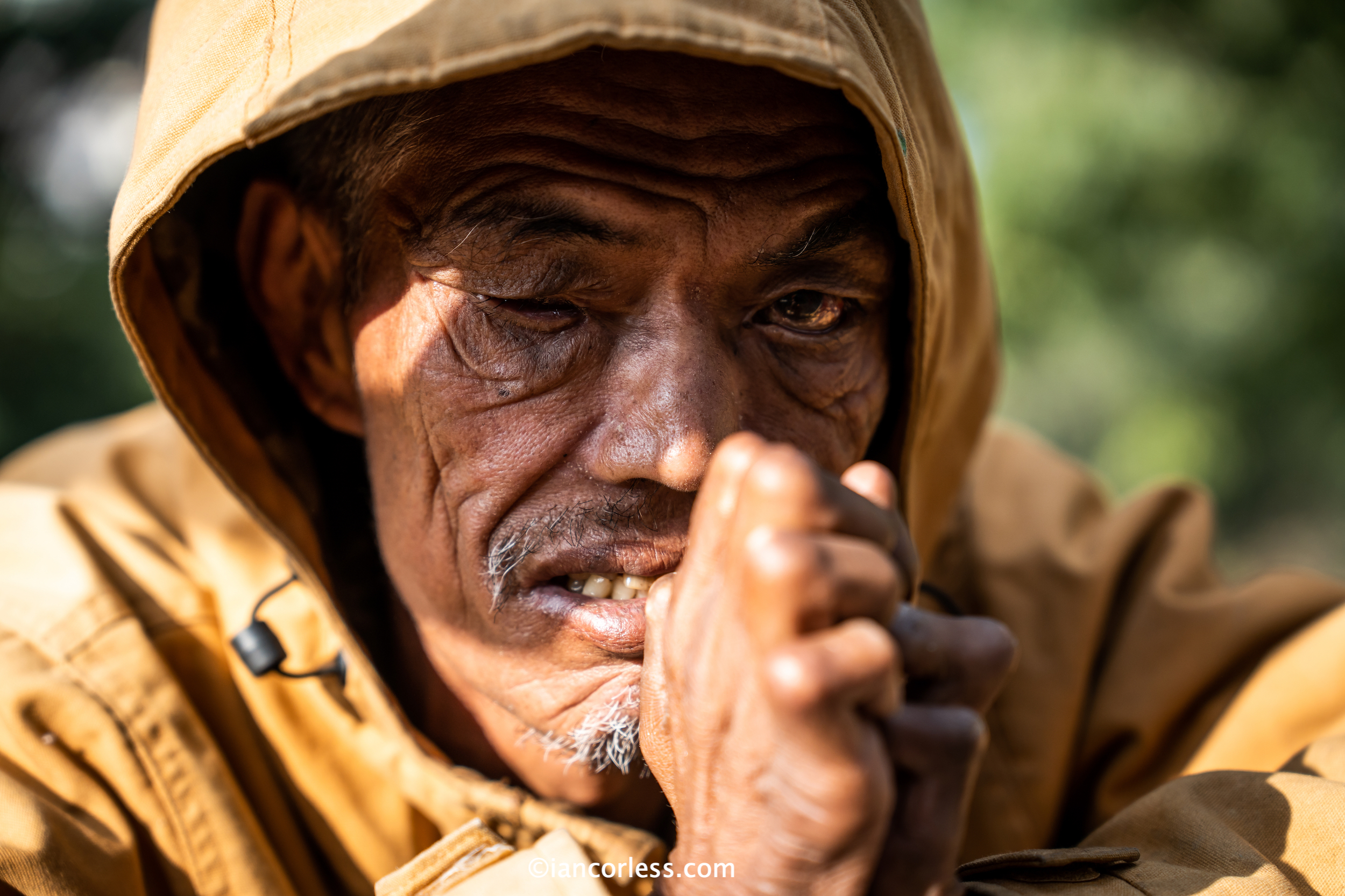
Nepal always provides a reality check ©iancorless

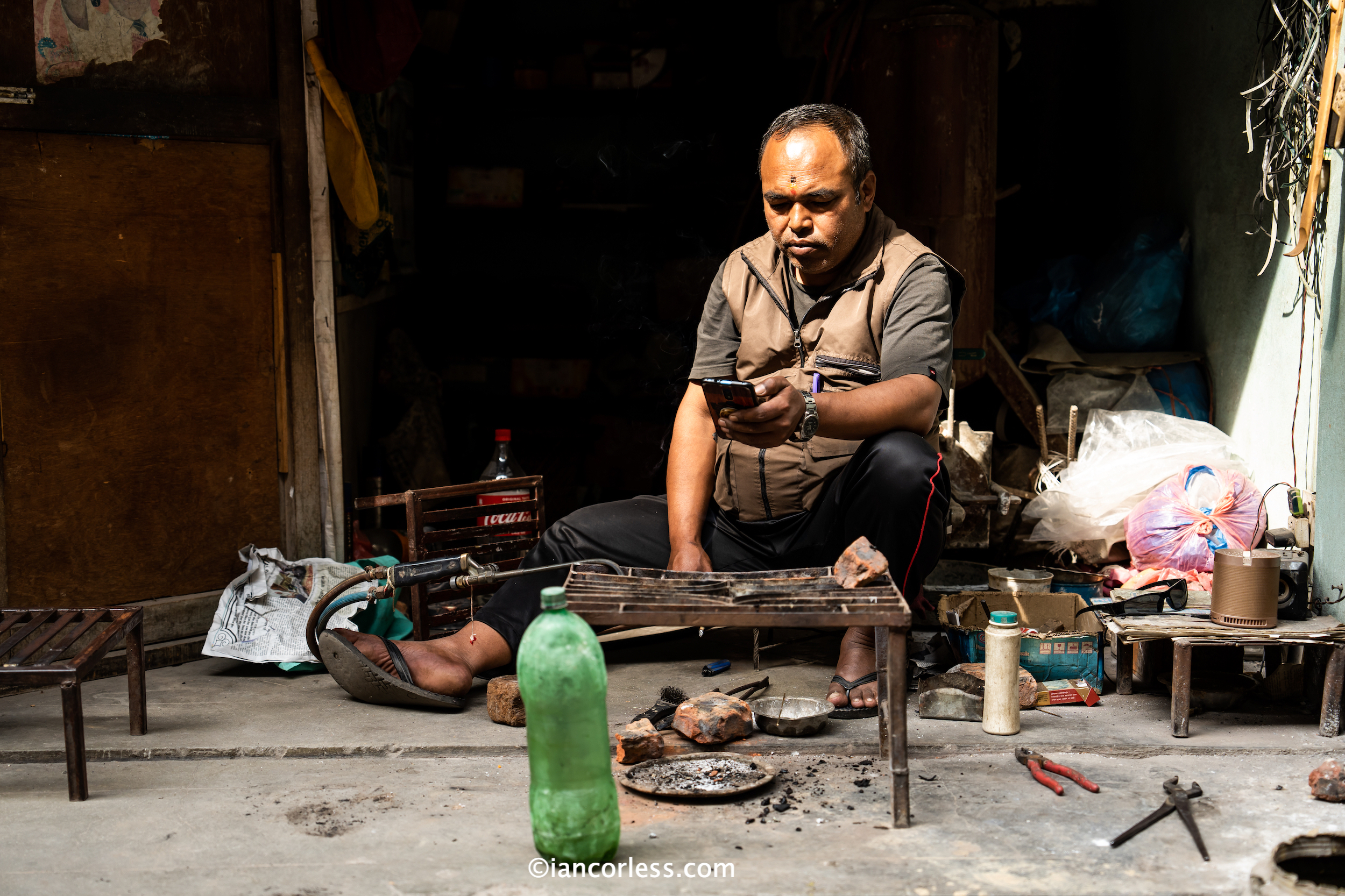
From the Monkey Temple to historical Patan. *Patan, also known as ‘Lalitpur’, the city of artisans, lies 5 km southeast of Kathmandu, and is home to the valley’s finest craftsmen who have preserved such ancient techniques as the repoussé  and lost wax process used to produce exquisite sculptures. The city retains much of the old charm with its narrow streets, brick houses and multitude of well-preserved Hindu temples, Buddhist monasteries (vihars) and monuments. (*https://ntb.gov.np/patan).
©iancorless

The buildings, the winding streets, the noise and colour – always special. But for many, the people are what is interesting… So many characters full of life, history and colour.
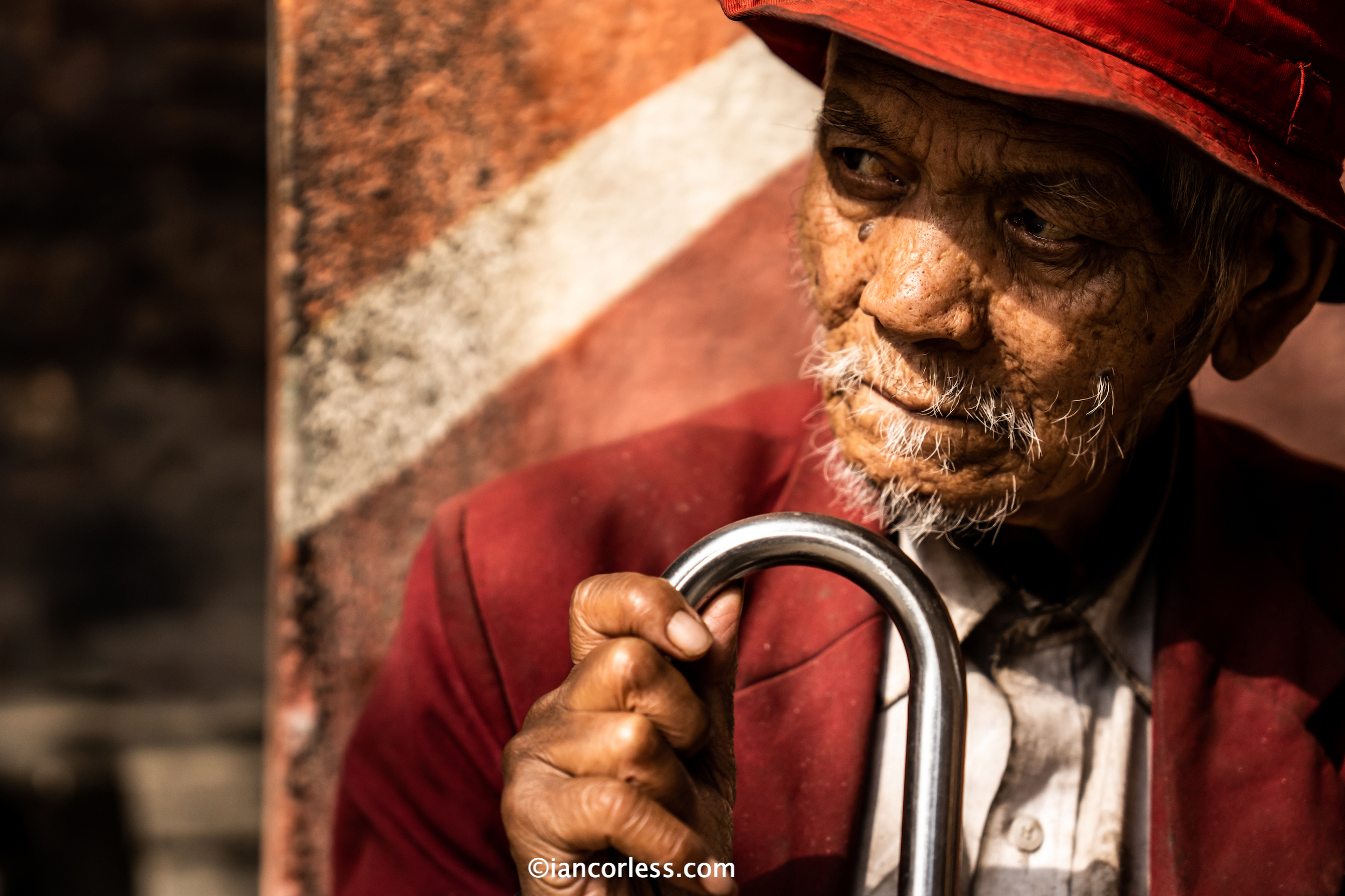
Local colour ©iancorless

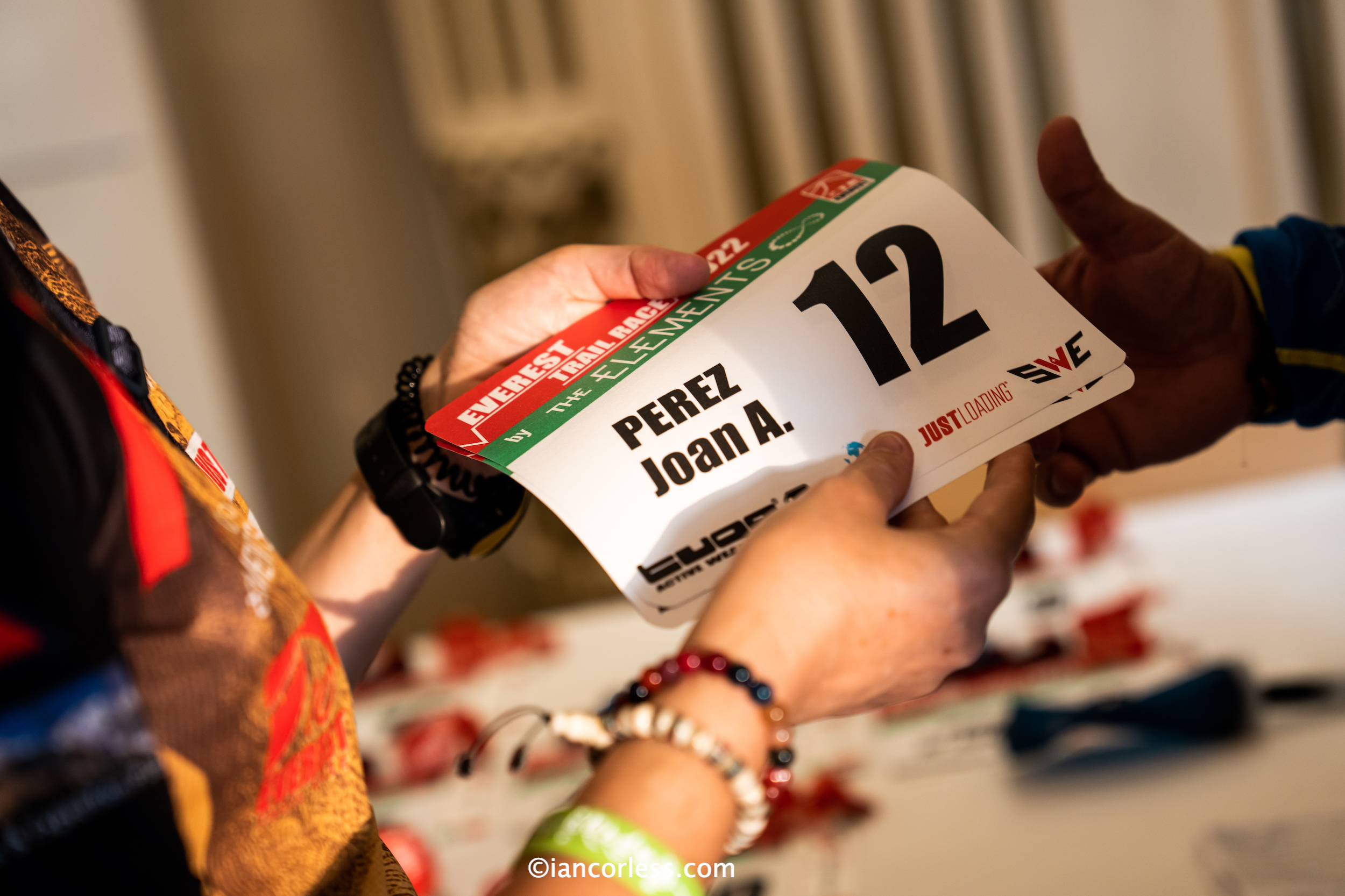
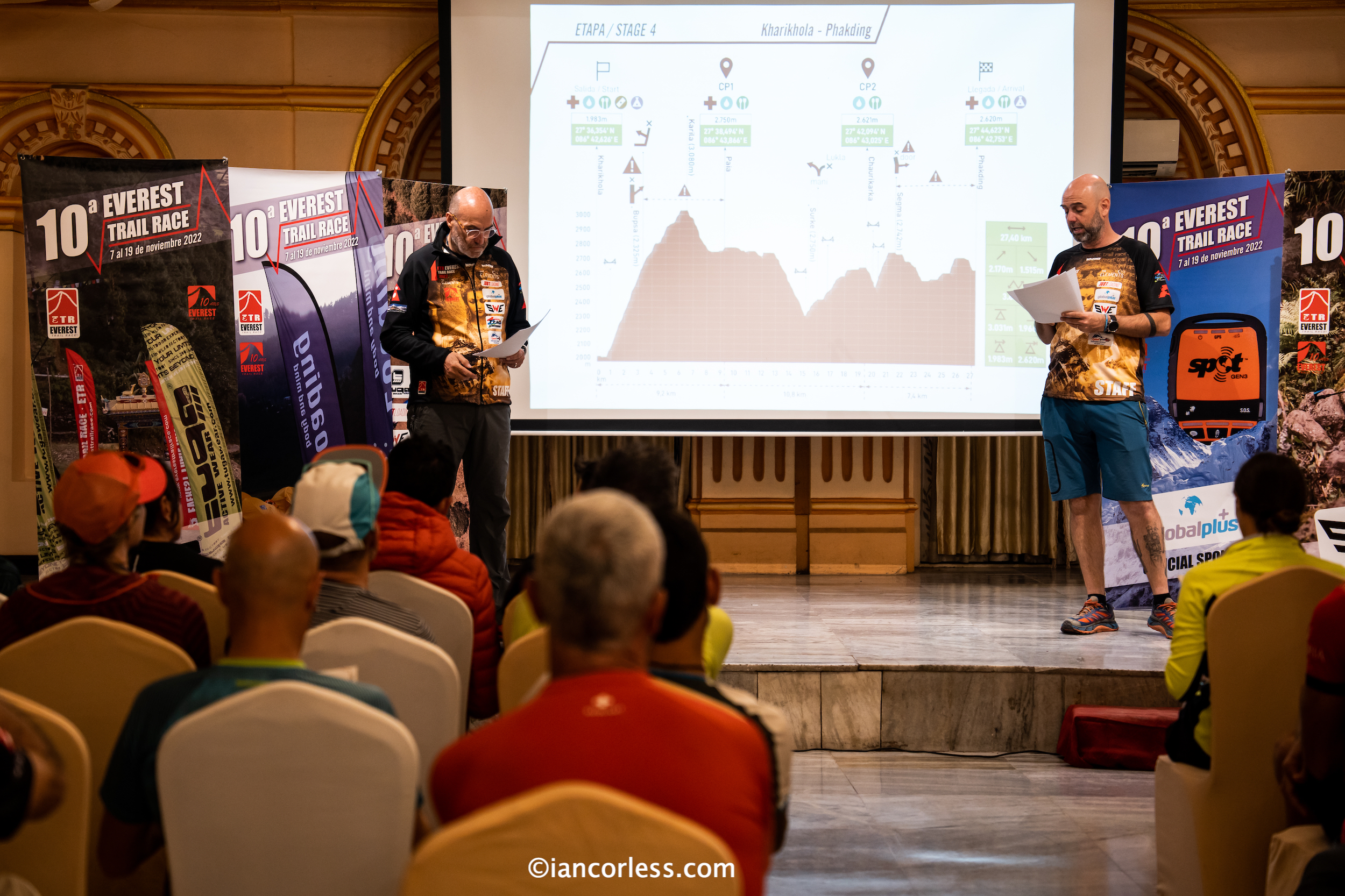
After a morning of relaxation and sightseeing, late afternoon is taken up with pre-race admin checks, number collection, medical checks and onwards to the evenings welcome dinner and race briefing.
©iancorless
©iancorless

TRAVEL TO CAMP 1

©iancorless

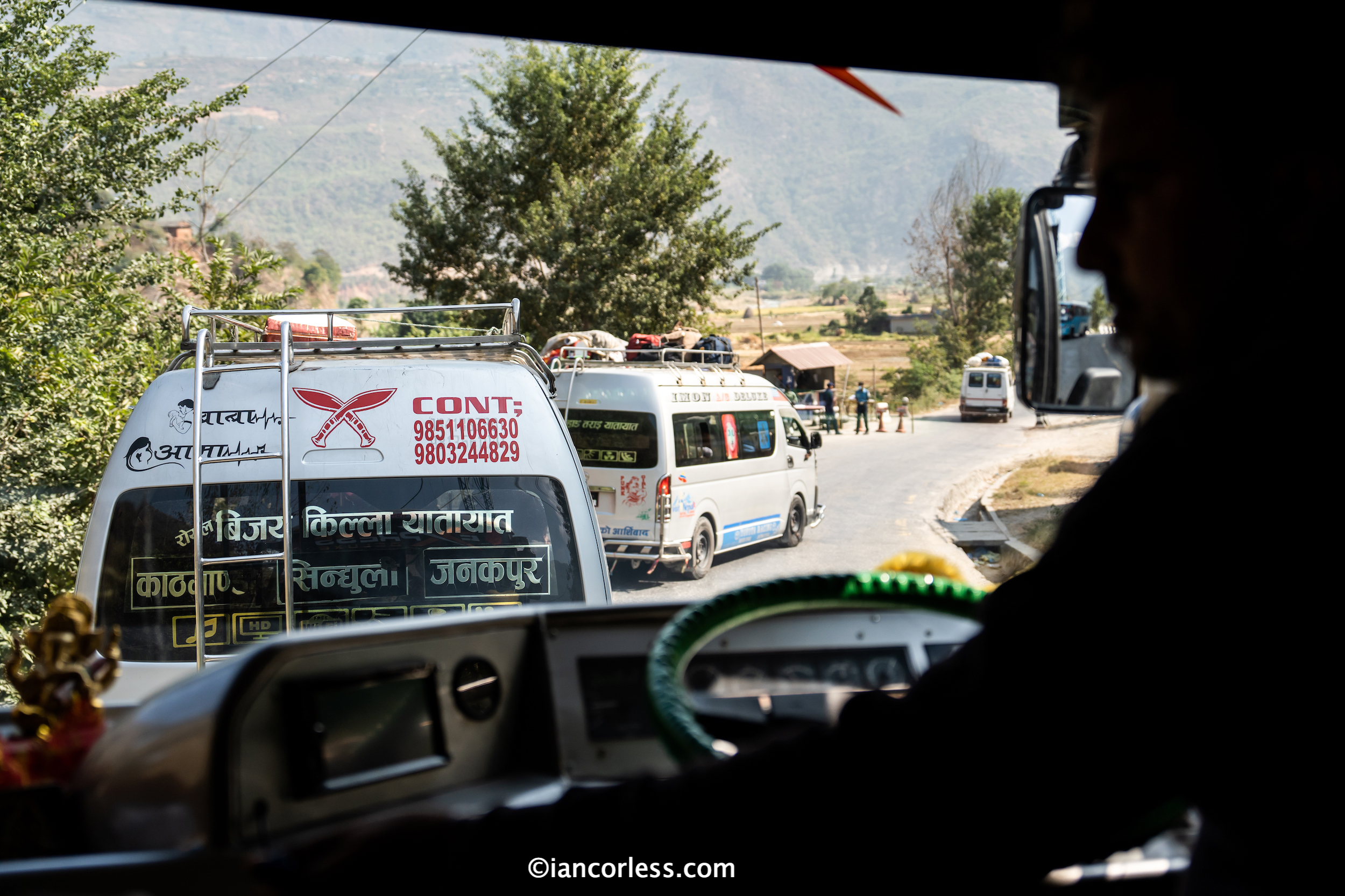
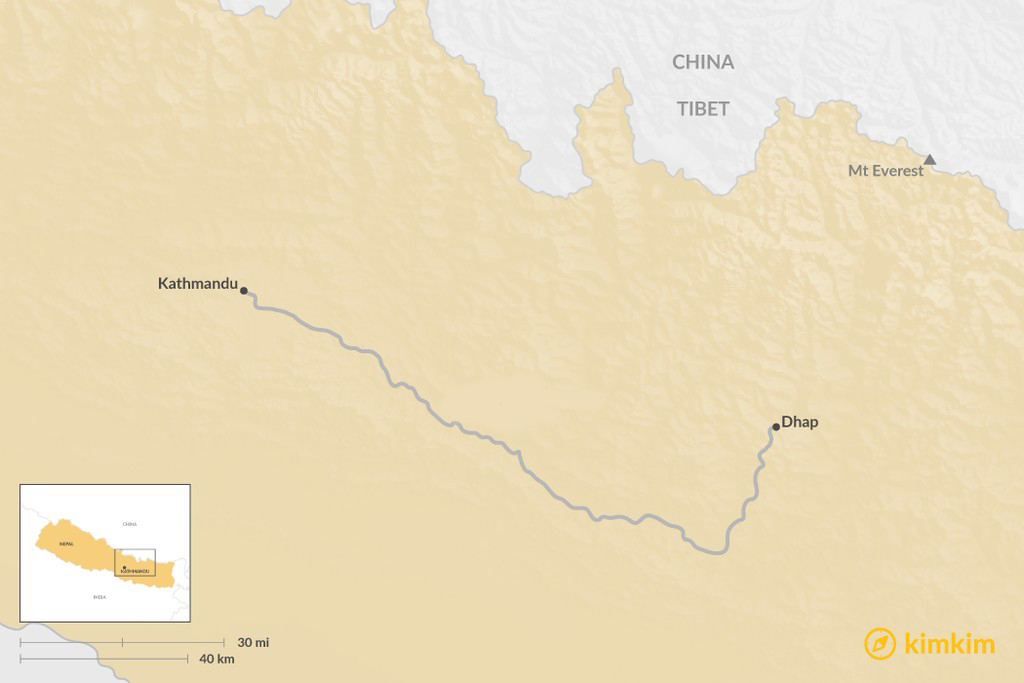
Travel to camp 1 in Dhap is via bus and it’s a long and lengthy journey of 8 to 12-hours.
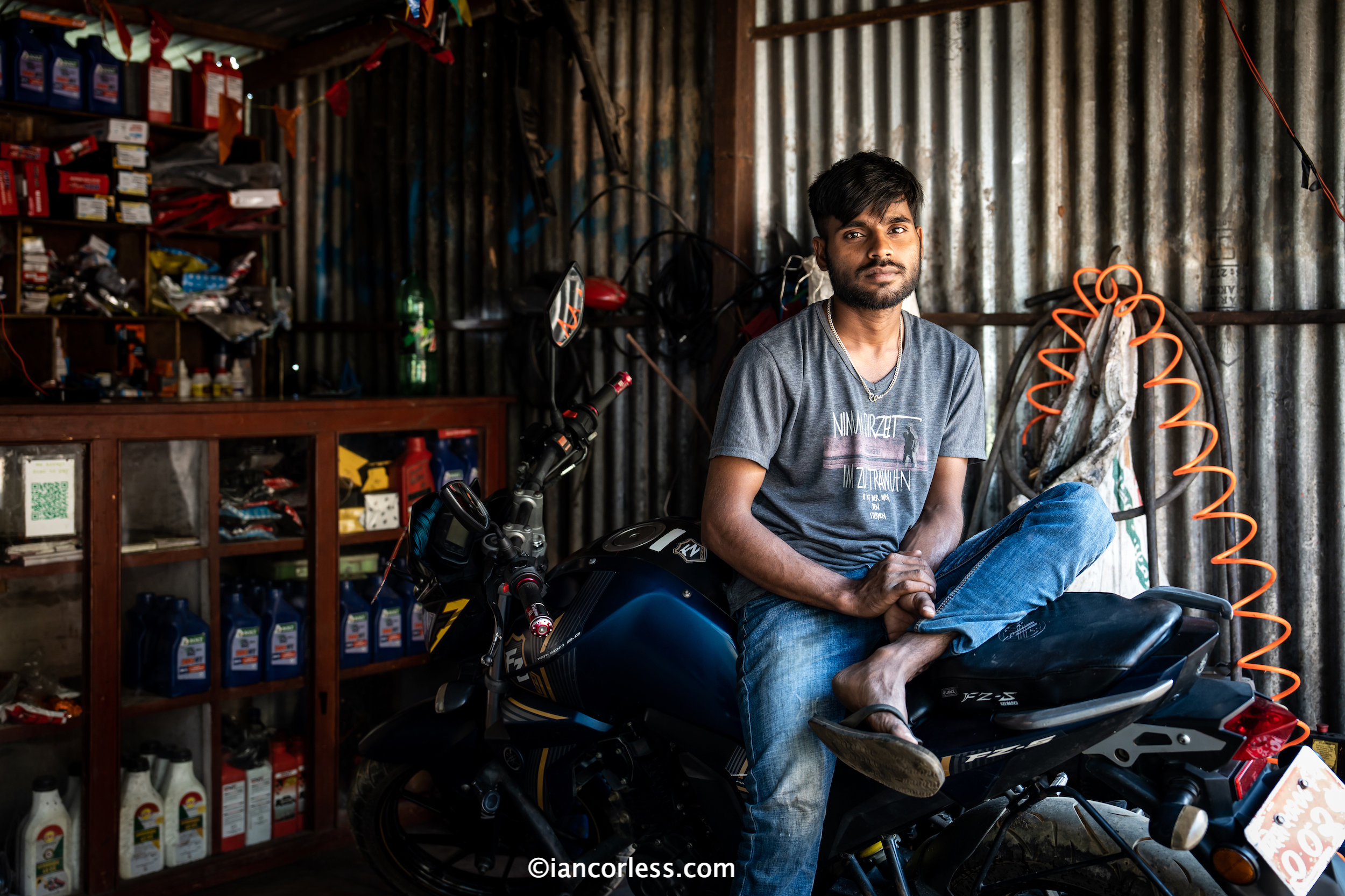
Of course regular stops break up the journey and there is an opportunity to see local colour and character on the way, one of the real benefits of travel via road in comparison to taking internal flights.
©iancorless

Arrival at camp 1 eventually comes. Camp is set up in advance and the glow of lights and yellow tents suddenly makes the whole experience come to life. Now, the ETR finally begins and everyone spends a first night in a tent.
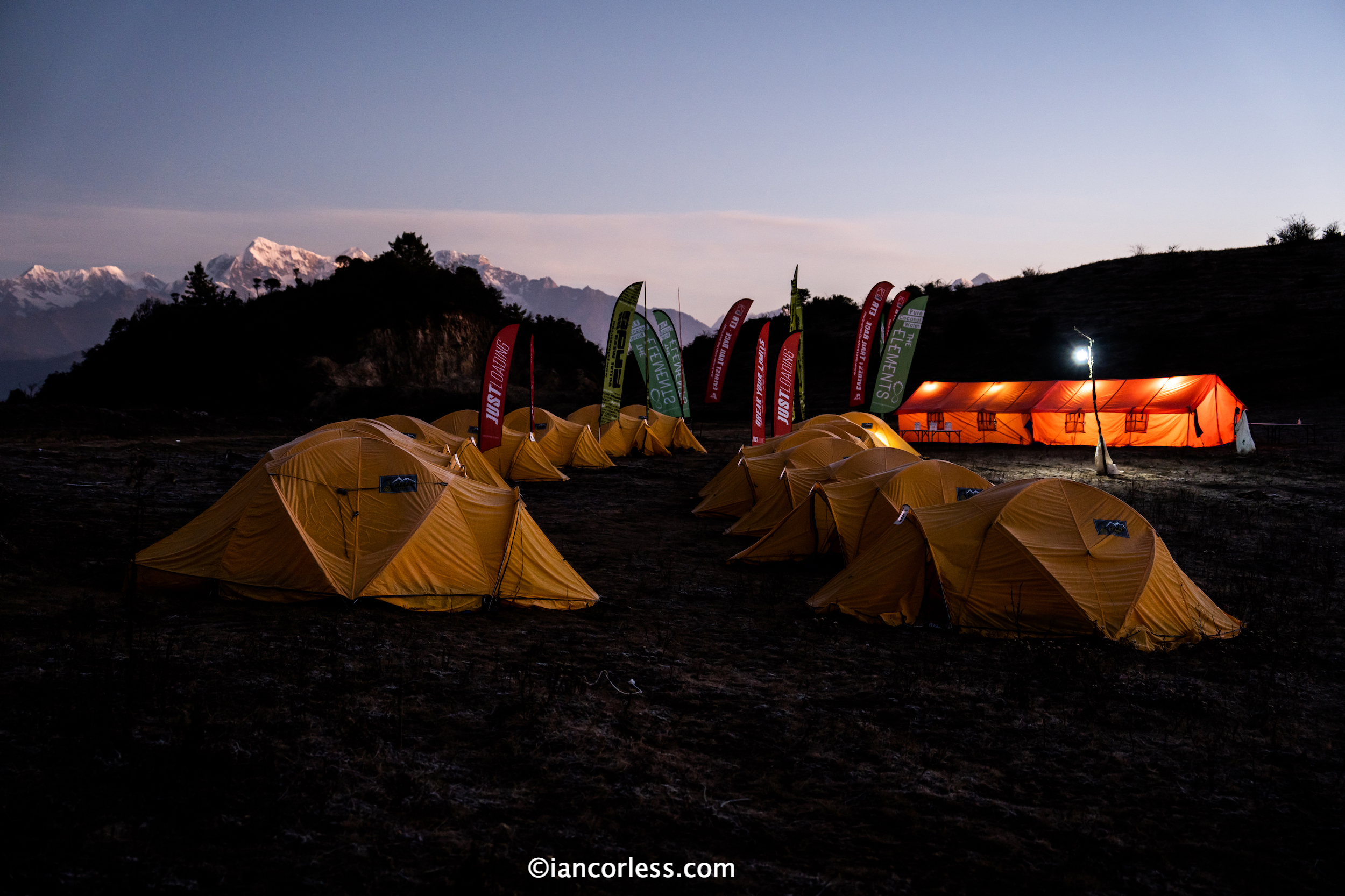
Camp 1 Dhap ©iancorless

THE RACE

Great views to start the race ©iancorless

STAGE 1

A first night under the stars and by Nepal standards in November, it was a relatively mild despite the layer of frost on all the tents and on the ground.

Participants were undecided if it had been cold or not, basically this came down to how good and warm their sleeping bags were. If a runner felt cold last night, the omens are not good for how well they will sleep in the coming days.

Warm sweet tea is a great way to start a day, especially while relaxing in a sleeping bag. But despite that luxury, breakfast called and the need to add layers and absorb calories for the day ahead was an immediate priority.

The sun came and with it warmth. The glow of head torches replaced, bags were packed and racing apparel was made ready.

Rationed water, gels and bars were provided and at the stroke of 0830 the runner’s departed for Stage 1 of the 2022 Everest Trail Race.

Local musicians at the start ©iancorless

At 23.08km with 1551m+/ 1012m- the day was expected to be completed quickly by the front-runners. Miguel Heras did not disappoint crossing the line at exactly 1100am, behind, the 2019 ETR Suman Kulung finished just a couple of minutes later with the 2018 ETR champion, Jordi Gamito, finishing 3rd off the pace.
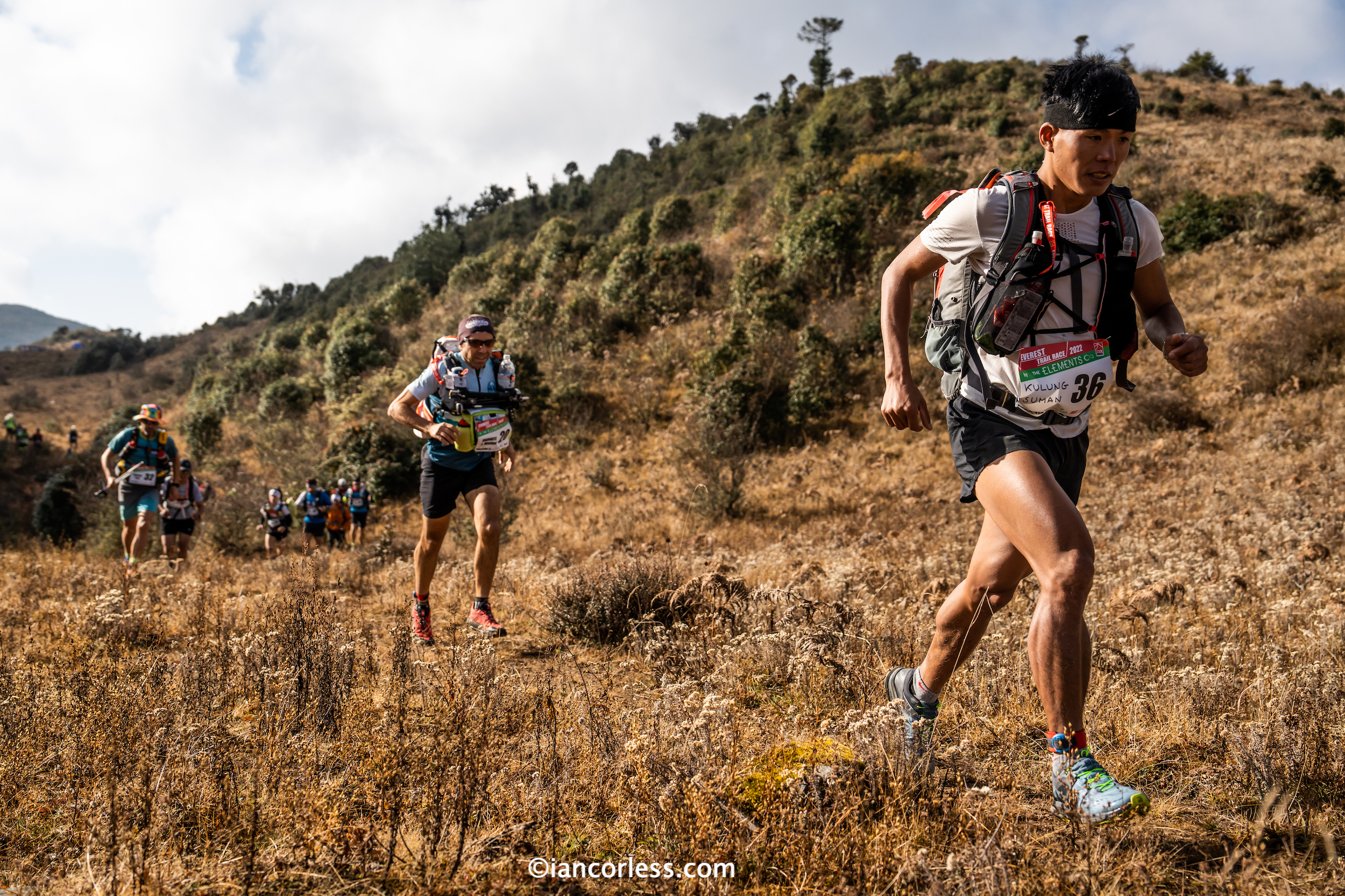
Suman Kulung ©iancorless

Miguel explained how he had made a silly mistake immediately after Cp2 whilst eating at not concentrating, he missed a marker and went off course. The mistake cost him first place and many minutes… He chased, caught Suman, and still obtained victory; a great run. However, he did say, “There are 5-days to go, anything can happen!”

For the women, Silvina Perez ran a strong stage ahead of Nepali, Ang Furba Sherpa. Ester Alves from Portugal finished 3rd ahead of pre-race favourite, Caroline Turner, who summed her day up with a simple summary, “The altitude and the last climb kicked my ass!”

It was a successful day-1 with all participants completing the course before 1700hrs.
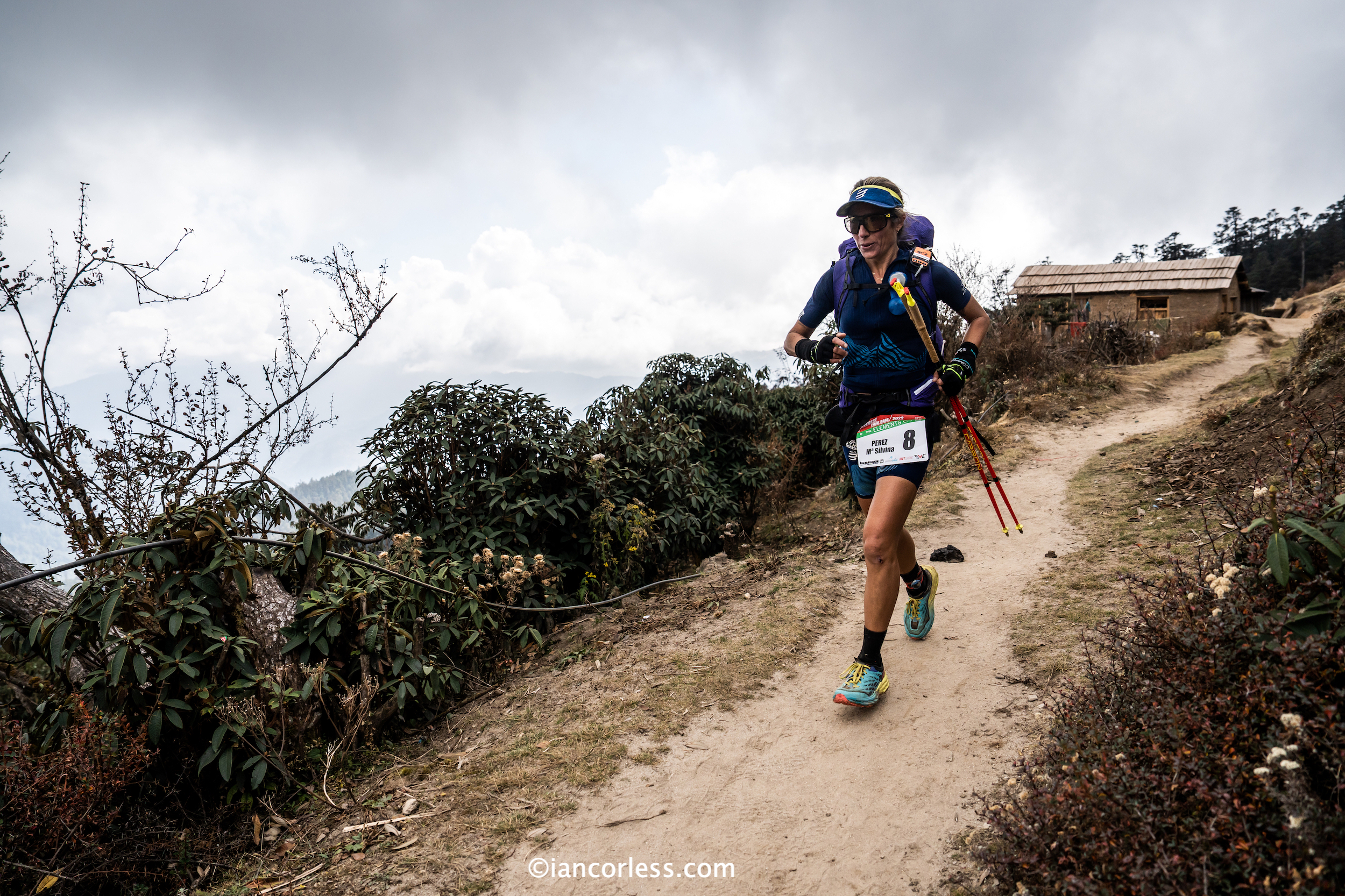
Silvina Perez ©iancorless

STAGE 2

It was a cold night at 3500m. The wind and cloud adding to the chilly temperatures. For those who have raced light, today is the day that they understand the importance of layers and a warm sleeping bag. A lack of sleep with a tired body is not pleasant, even warm tea and a hot breakfast could not lighten the mood of some. After day-1, based on finish times, ETR operates two starts for stage, 0700 and 0800, thus allowing slower competitors additional time to complete the stage.
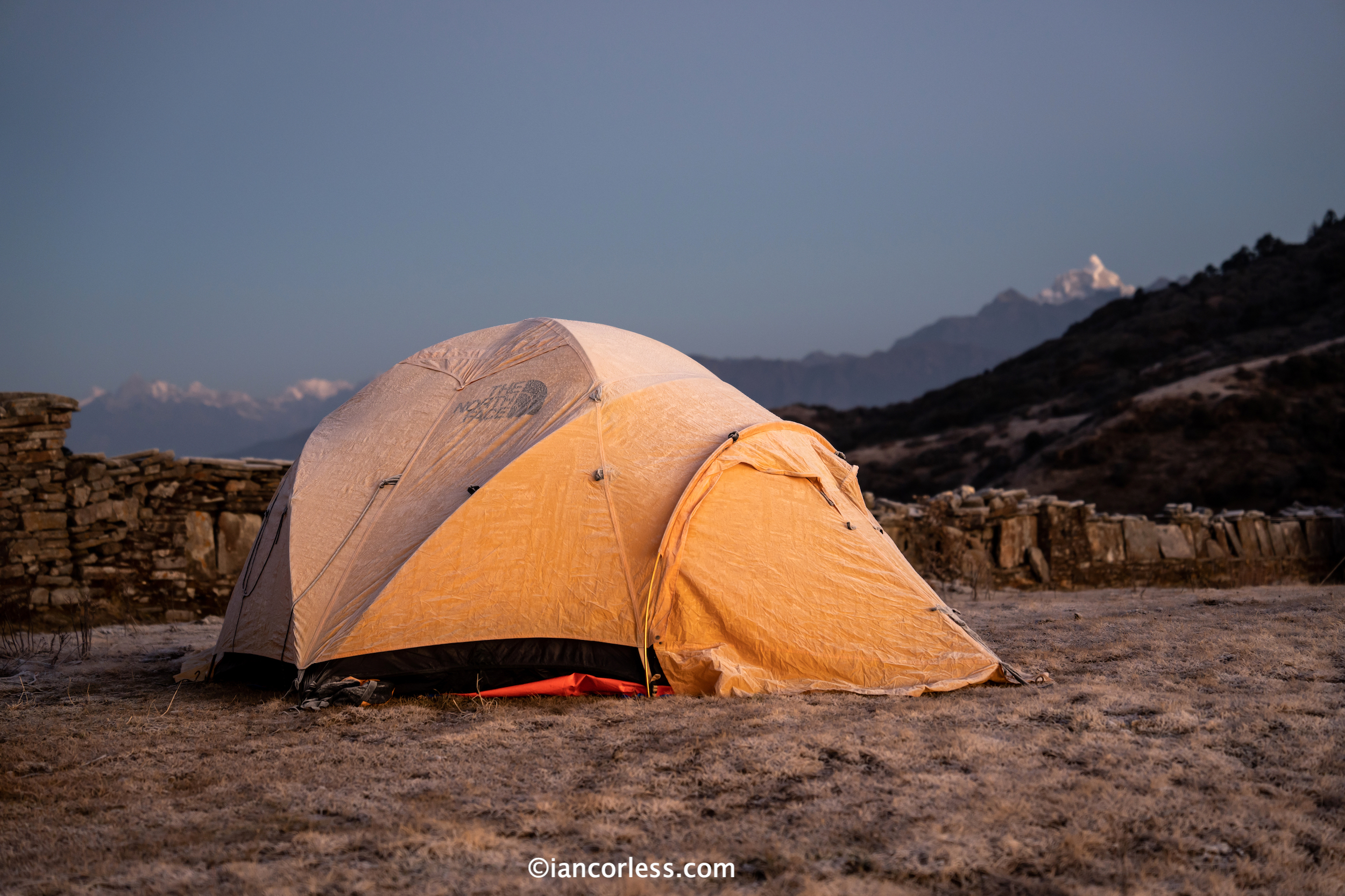
A cold night ©iancorless

The day started with a 500m climb to the summit of Pikey Peak at 4041m. From here a twisting and technical descent to Jase Bhanjyang (3510m) and the Lamjura Pass towards Langate Peak and onward to Pungmuche and Thumptencholing. From 20.5km another climb to 24.5km, and then a tough finish with a long climb, descent and then a final short climb to the camp at Rinmo.
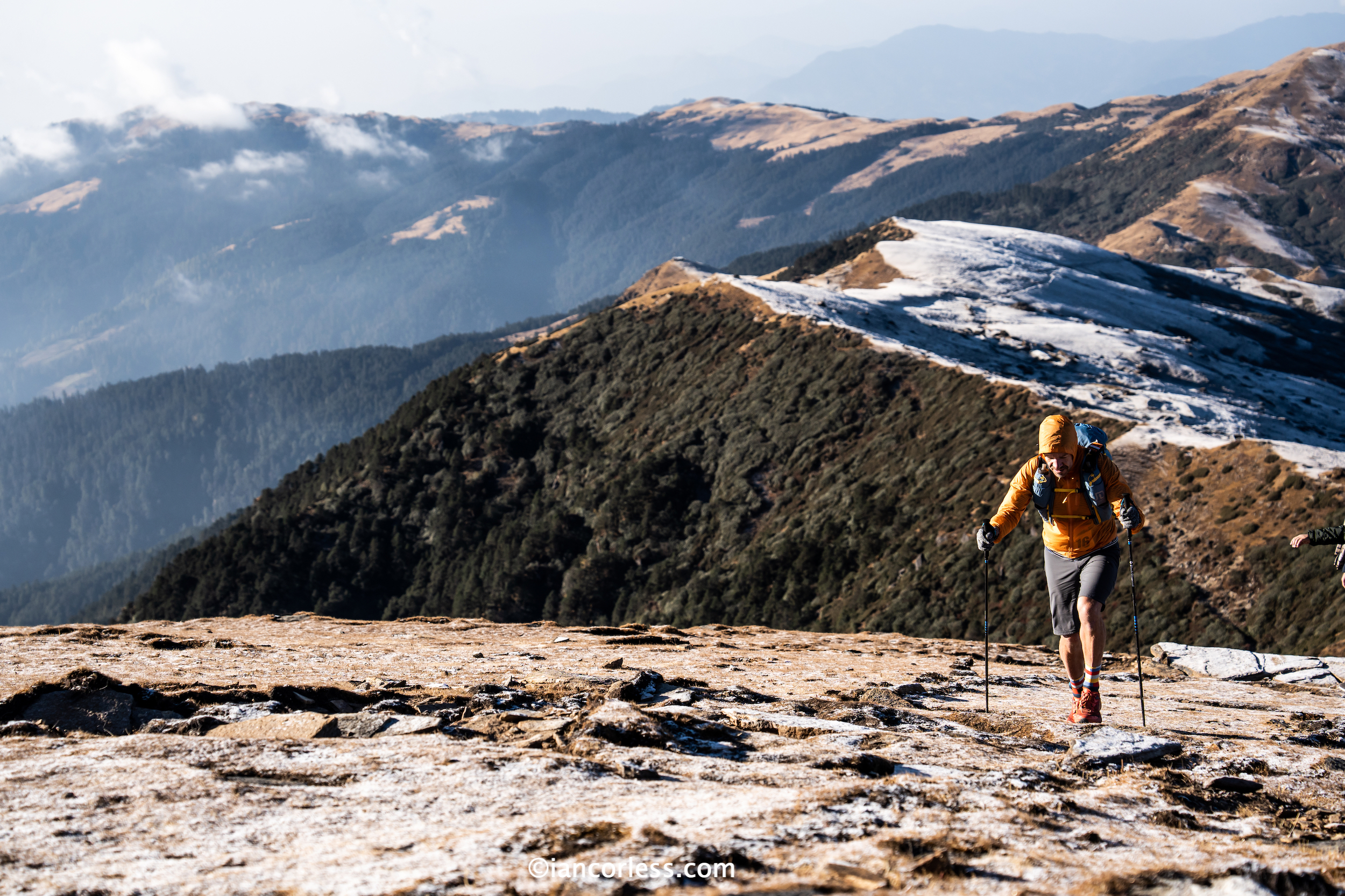
The climb to Pikey Peak ©iancorless

Everyone was unanimous, it was a seriously tough day and although we missed a peak due to landslide, it added distance, many recording between 34-36km.
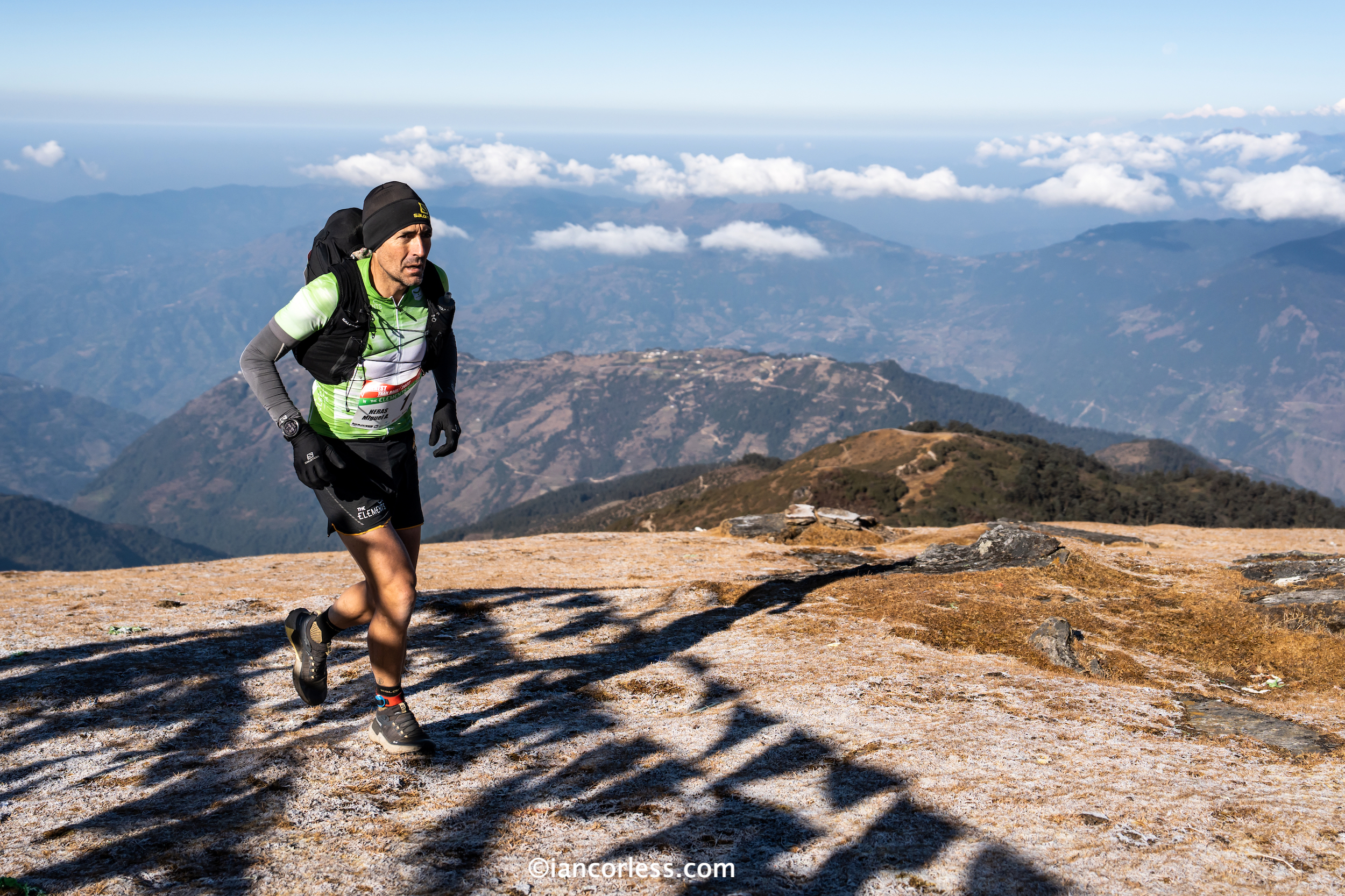
Miguel Heras ©iancorless

The race at the front was intense and today, with so much altitude and added distance, Nepali Suman had the advantage over Miguel Hera, Jordi Gamito once again placing 3rd.
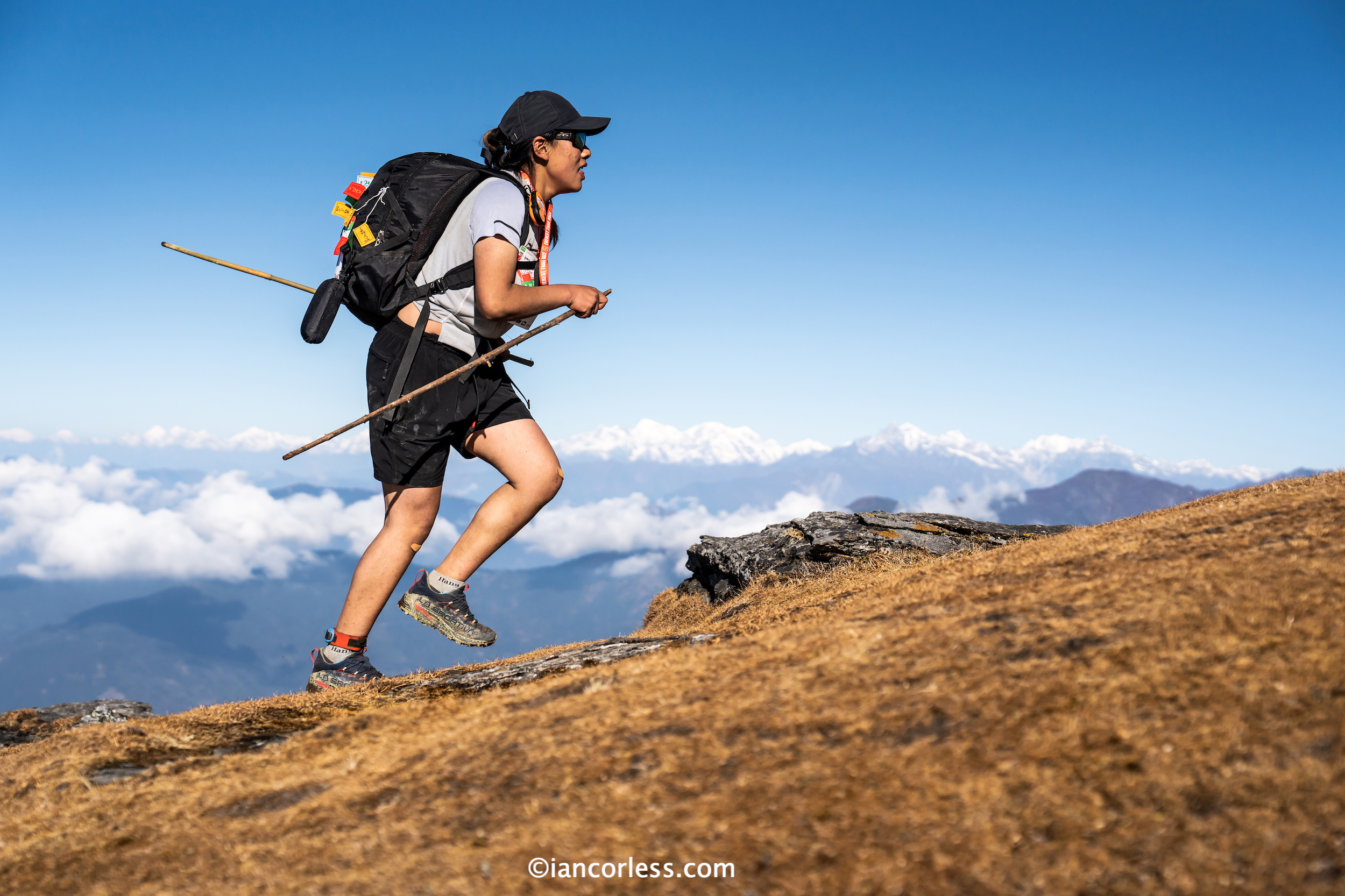
Purwha Lhamu Sherpa ©iancorless

For the women, it was a similar story with Nepali, Purwha Lhamu Sherpa having the advantage over Sivina Perez.

The impact of the day will no doubt be seen in stage 3, when the runners tackle 28.23km with 2028m+/ 2799m-

Many are already discussing the drop of over 2000m from 3855m at km7.5, to 1625m at km23. A tough day!

Himalayan Vista from Pikey Peak ©iancorless

STAGE 3

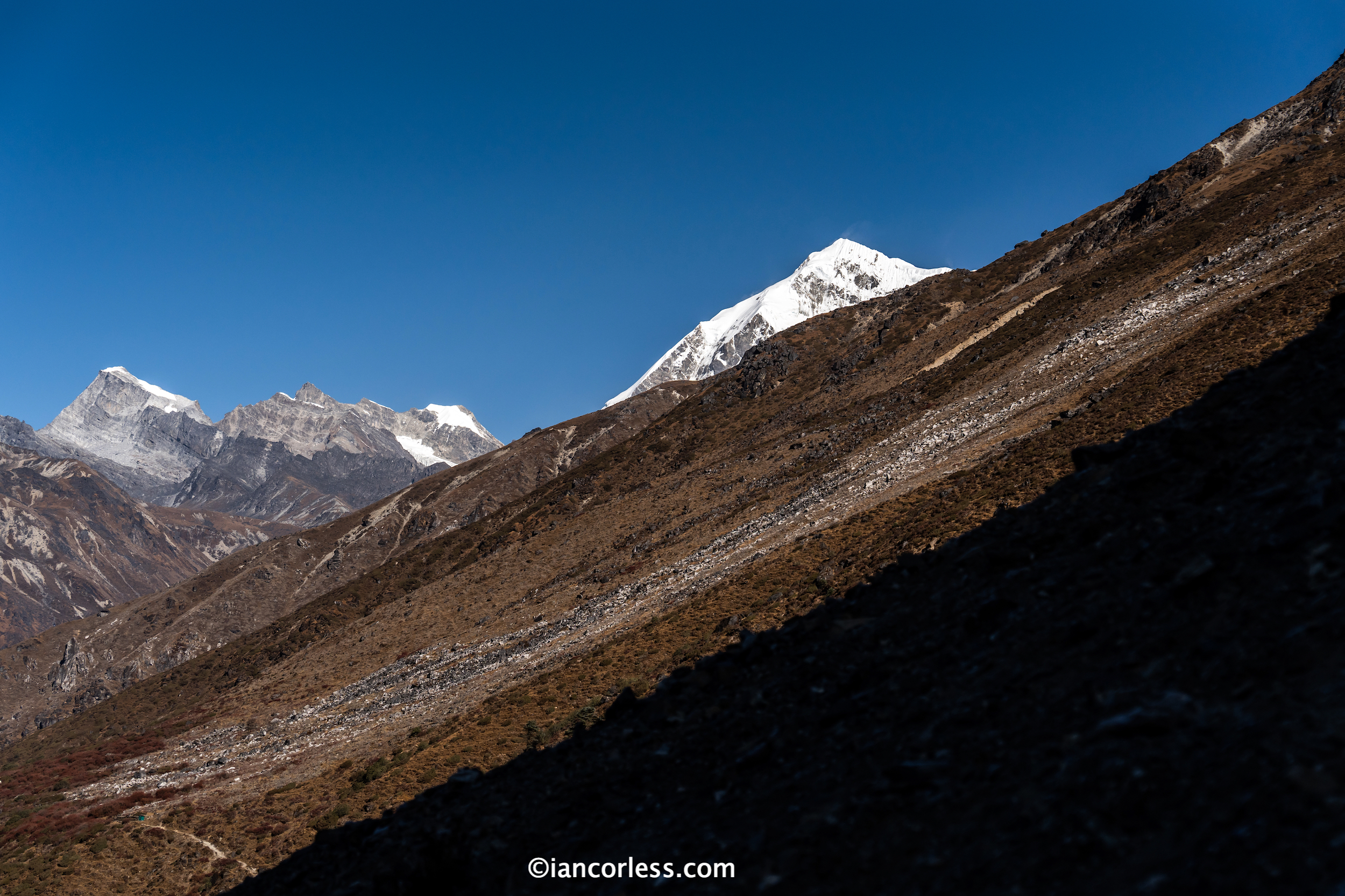
Nothing better than starting a 30km day with a 1200m climb to just under 4000m through forest trails. The downside, depending on viewpoint and preferences, was the 2700m of descent that followed via steep, technical, challenging and rocky trails. And then just when you think it’s all over, you finish the day with 500m of vert followed by another short decent to camp. It was a tough day!

Miguel Heras ©iancorless

The action started early with Miguel Heras and Sumun Kulung setting a harsh pace up the first climb, they were inseparable. Event the relentless descent could not break them. It was at the last checkpoint, with approximately 5km to go, 500m of vert, that Miguel put the hammer down and opened up an 11min gap over the Nepali. Quite incredible.
©iancorless

Once again, Jordi Gamito, the 2018 ETR champion, seemed happy to settle for the third spot – the duo ahead are at the moment, untouchable.

Blai Llopis Aulet ©iancorless

Purwha Lhamu Sherpa certainly has settled in to women’s race and once again took victory. Ester Alves, equally has found her comfort on the Nepal trails and today relished the relentless downhill trails to finish second. Day 1 victor, Silvina Perez, finished third.
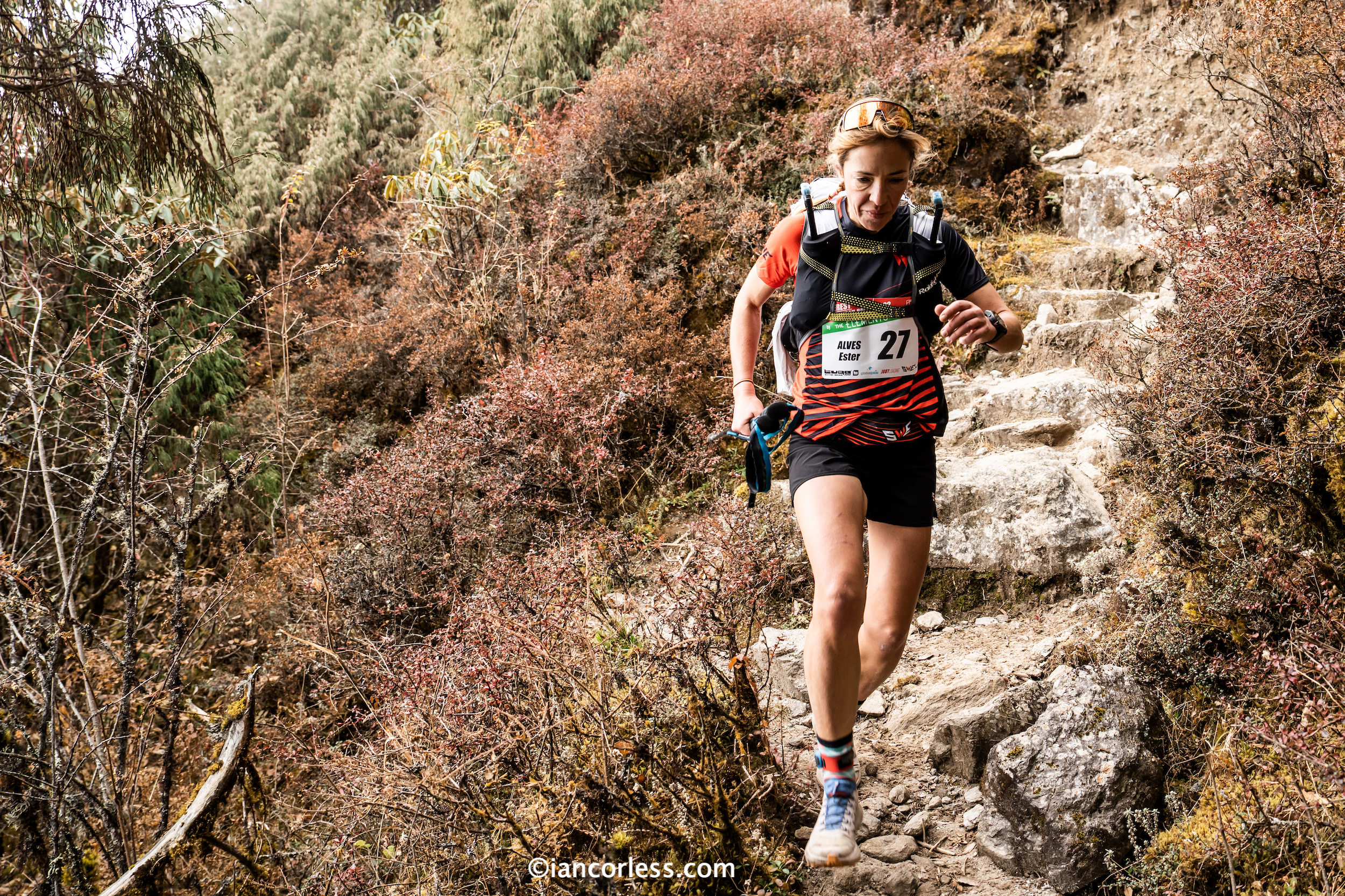
Ester Alves ©iancorless

Mood in the camp was positive after the stage, these trails are quiet and remote. It was only in the final 5km, the climb to Kharikola, that it was possible to see homes and locals working the fields.

STAGE 4
©iancorless

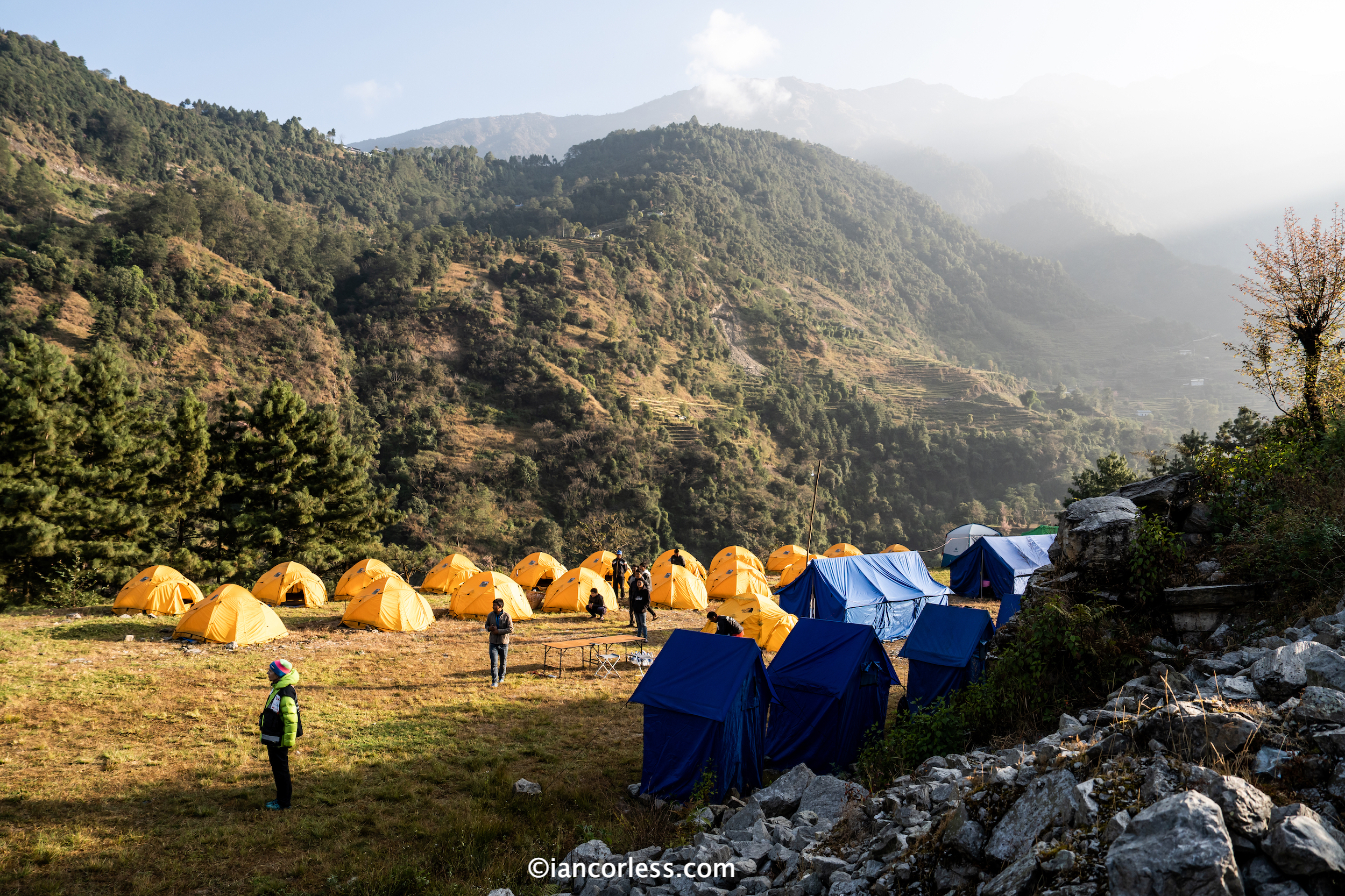
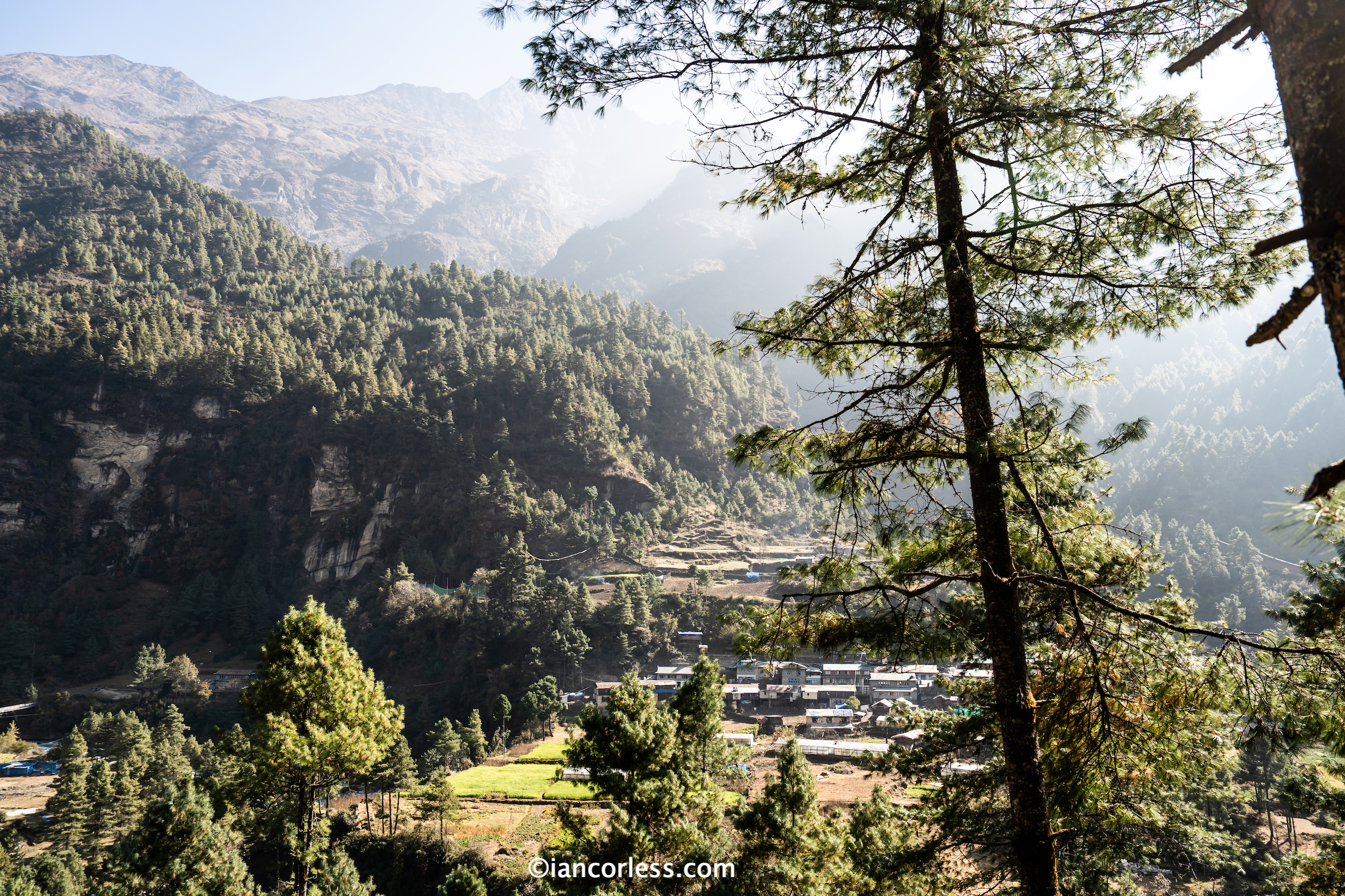
KhariKola has been the stage 3 camp, day 4 start for many years. However, for 2022, the ETR no longer camped at the monastery but a little lower down in an isolated spot. Temperatures were mild for the night, just dipping below zero. So, runner’s were refreshed for the start of day 4 with a good nights sleep.
©iancorless

Today is the day the race enters the main trekking routes as Lukla approaches and the end of the day, Phakding.

However, unlike previous years, a new route was developed to avoid the ongoing dirt road development that is impacting on this area greatly.
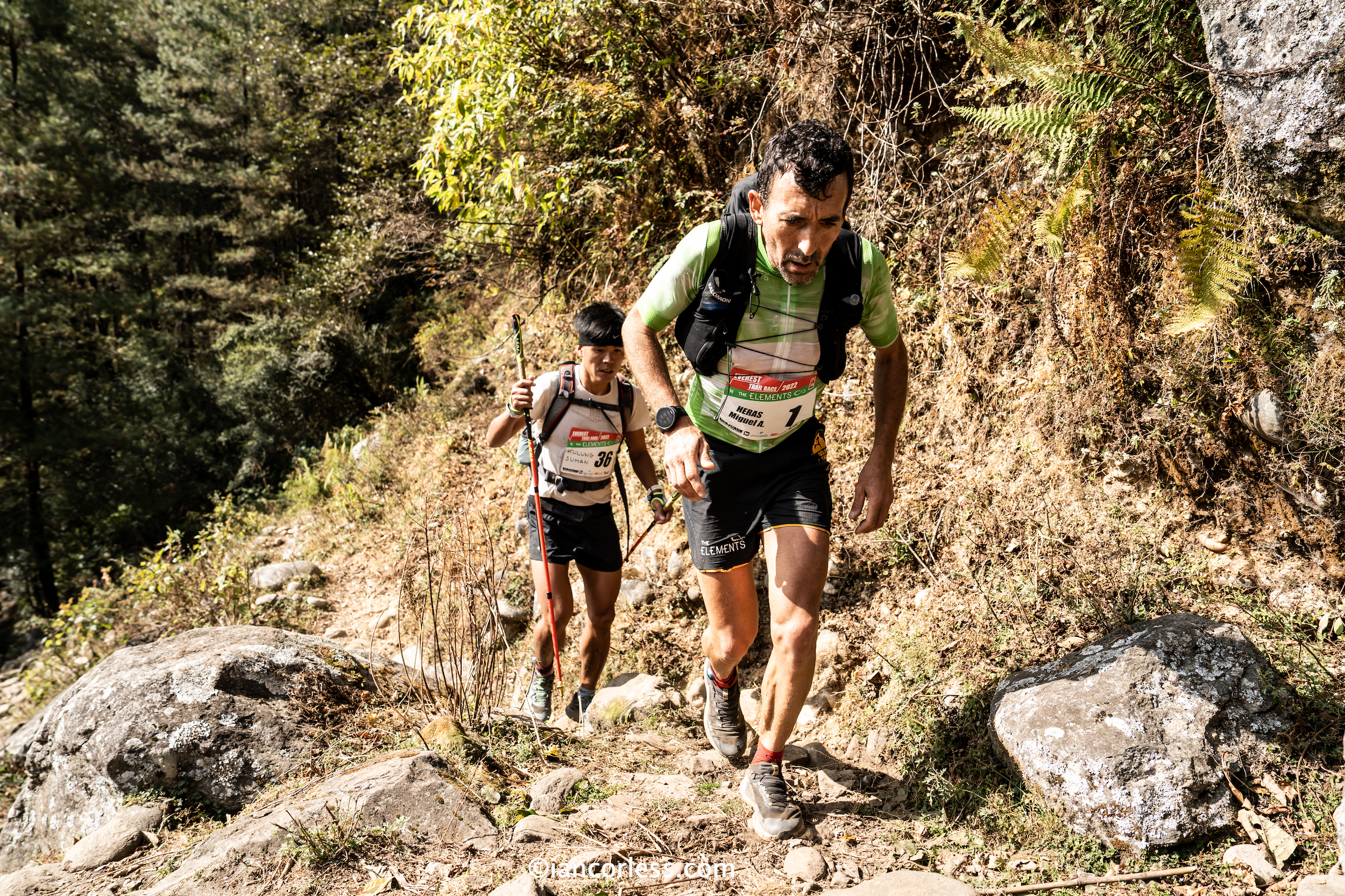
Miguel and Suman ©iancorless

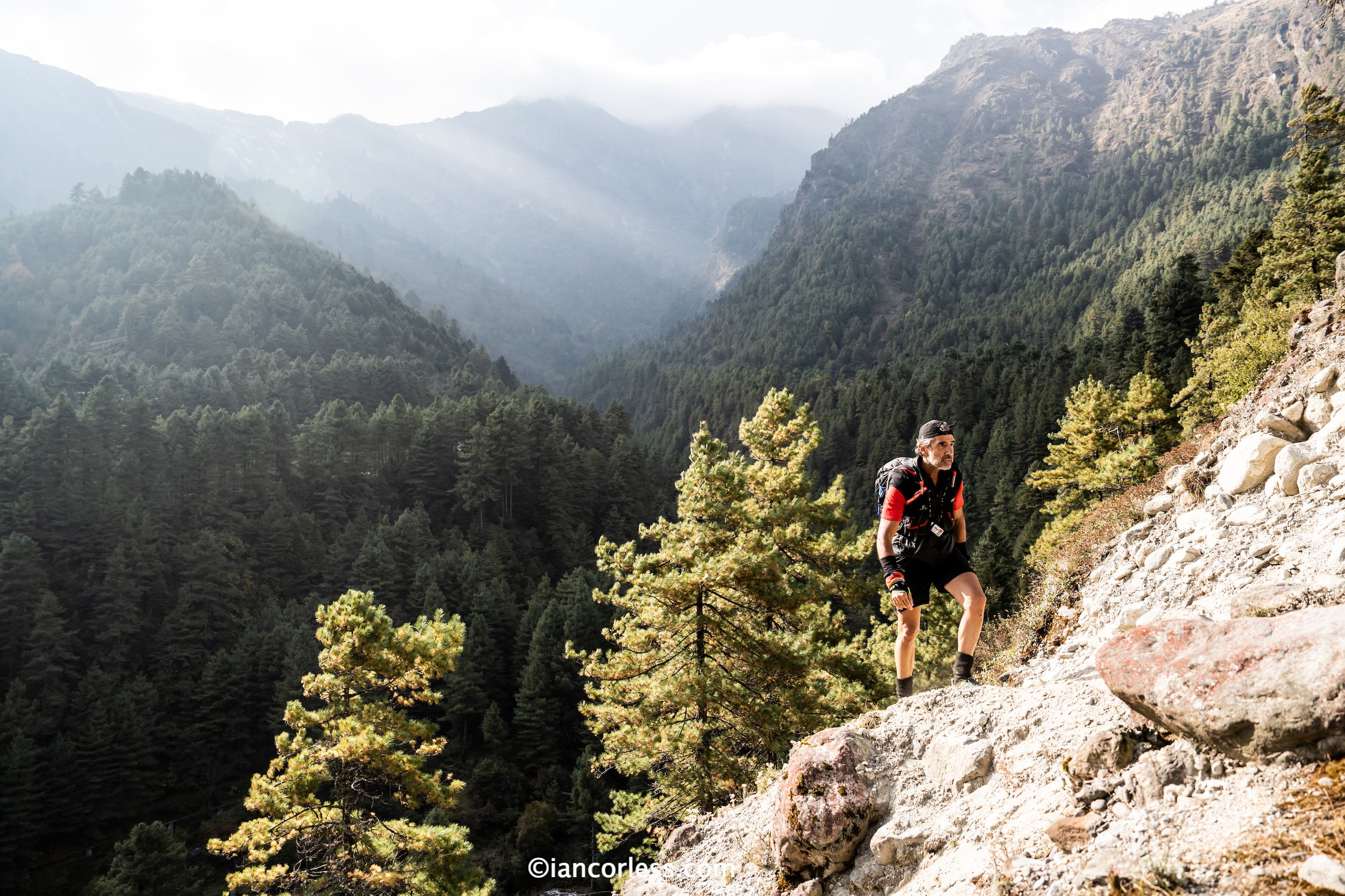
A tough 1000m climb kicked off the day to Karila at 3080m and then technical rocky trails to the lowest point of the day, Surke at 2300m. From here, a climb to Chaurikara (2621m) a steep descent and then a steep climb to Segma at 2742m. The ETR is now on new trails on the opposite side of the river all the way to the Phakding finish.

Once again it was the Miguel and Suman show at the front, the duo running together, again at a relentless pace. With the longest and arguably the toughest day of the race tomorrow, they crossed the line together, just a 1-second apart, no doubt saving some reserves.

Jordi Gamito finished third, quite a long way behind the leading two, his overall position is safe and he is no doubt just running a smart race now.

Caroline Turner ©iancorless

The women’s race was different today, with all three women running extremely close together, separated by just minutes. Today, the glory went to Ester Alves who gets better with each day, In the final km’s, Silvina Perez caught a fading Purwha Lhamu Sherpa  to place second.
©iancorless

STAGE 5

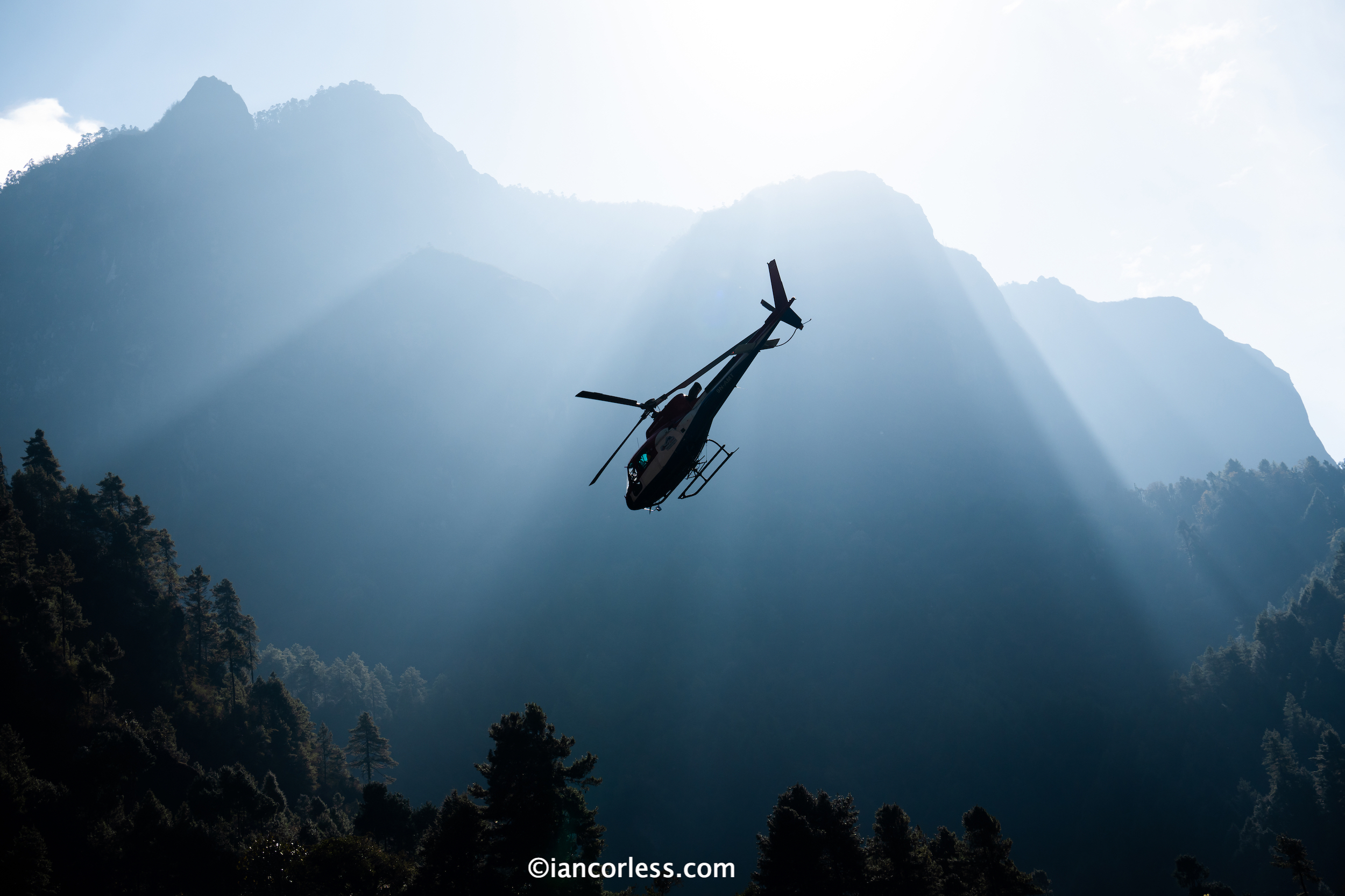
Stage 5, the highlight of the ETR. Today is the day the runners pass through Namche Bazaar and head up higher in the direction of the big peaks.
©iancorless

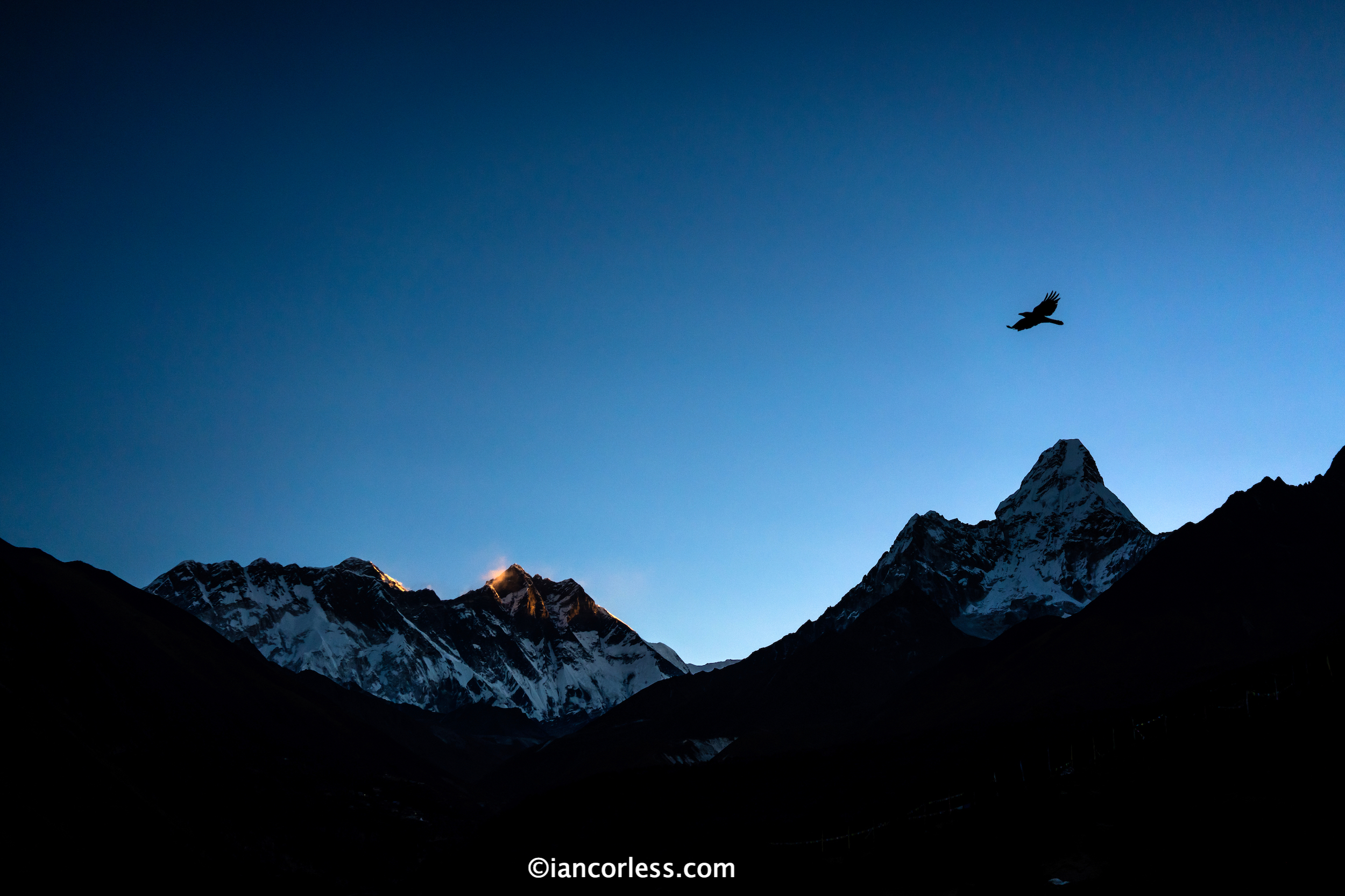
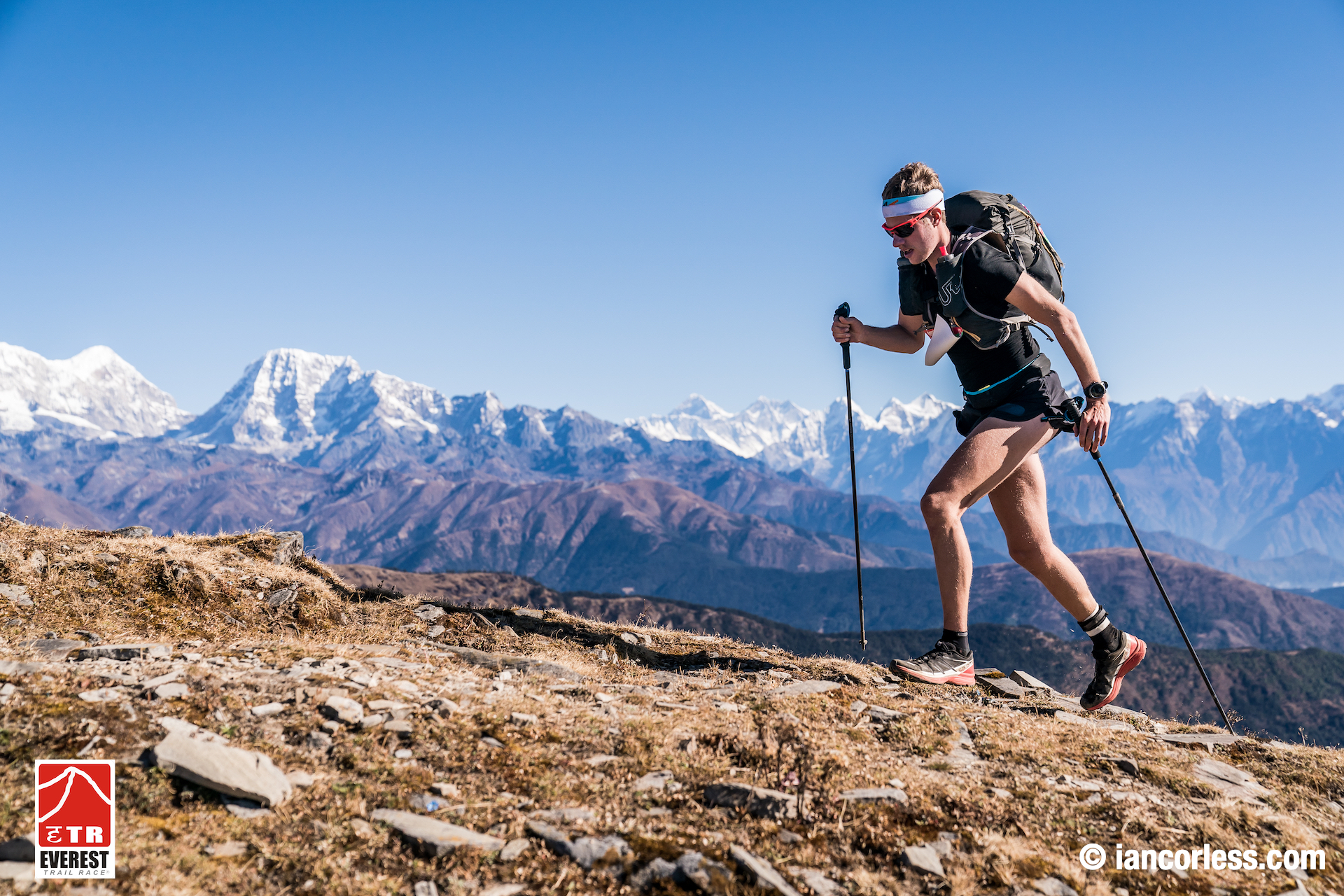
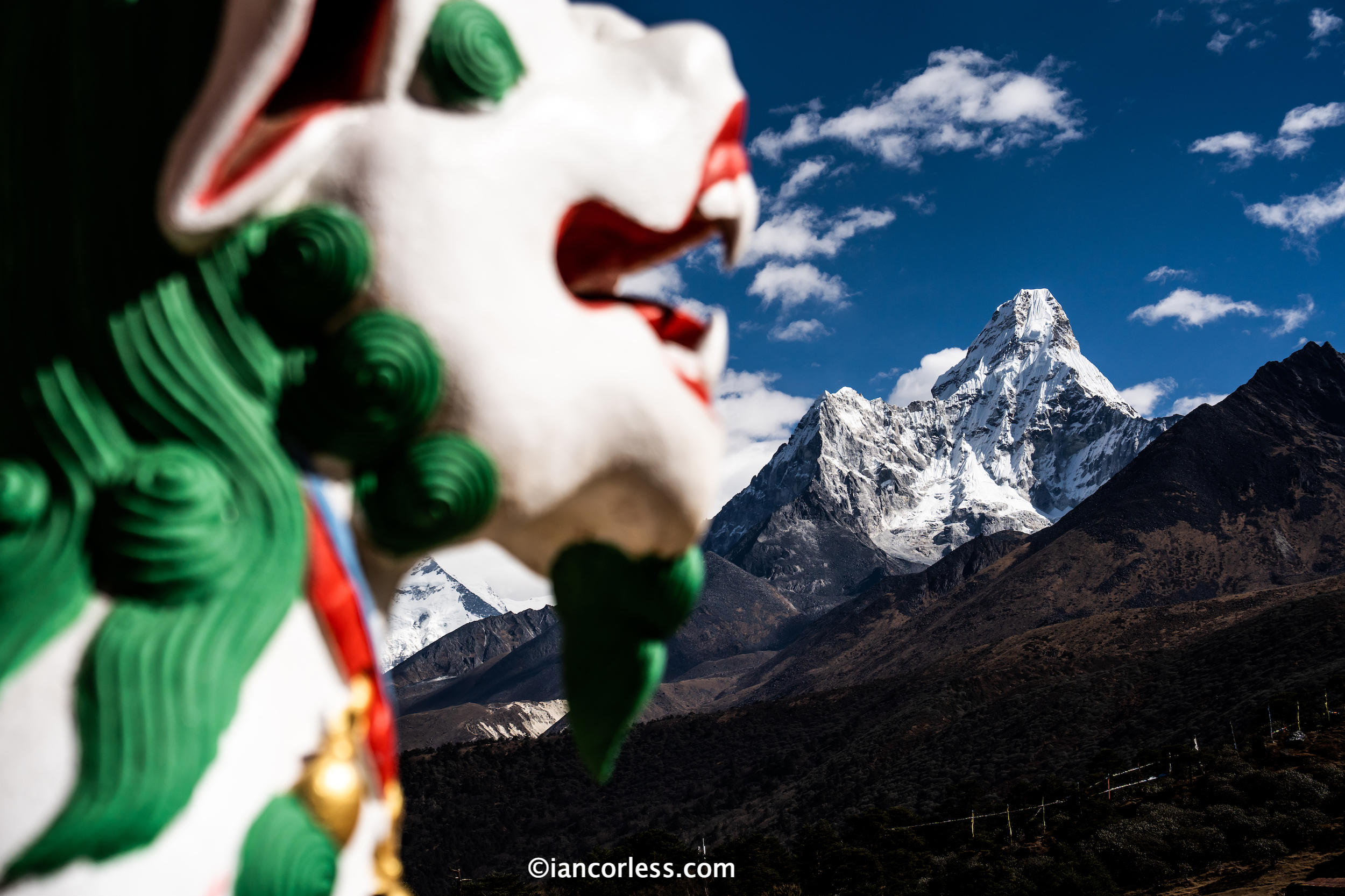
With much of the day above 3800m, it’s a brute, but the compensation is the magnificent backdrop of Everest, Lohtse, Nuptse and the stunning and iconic Ama Dablam.
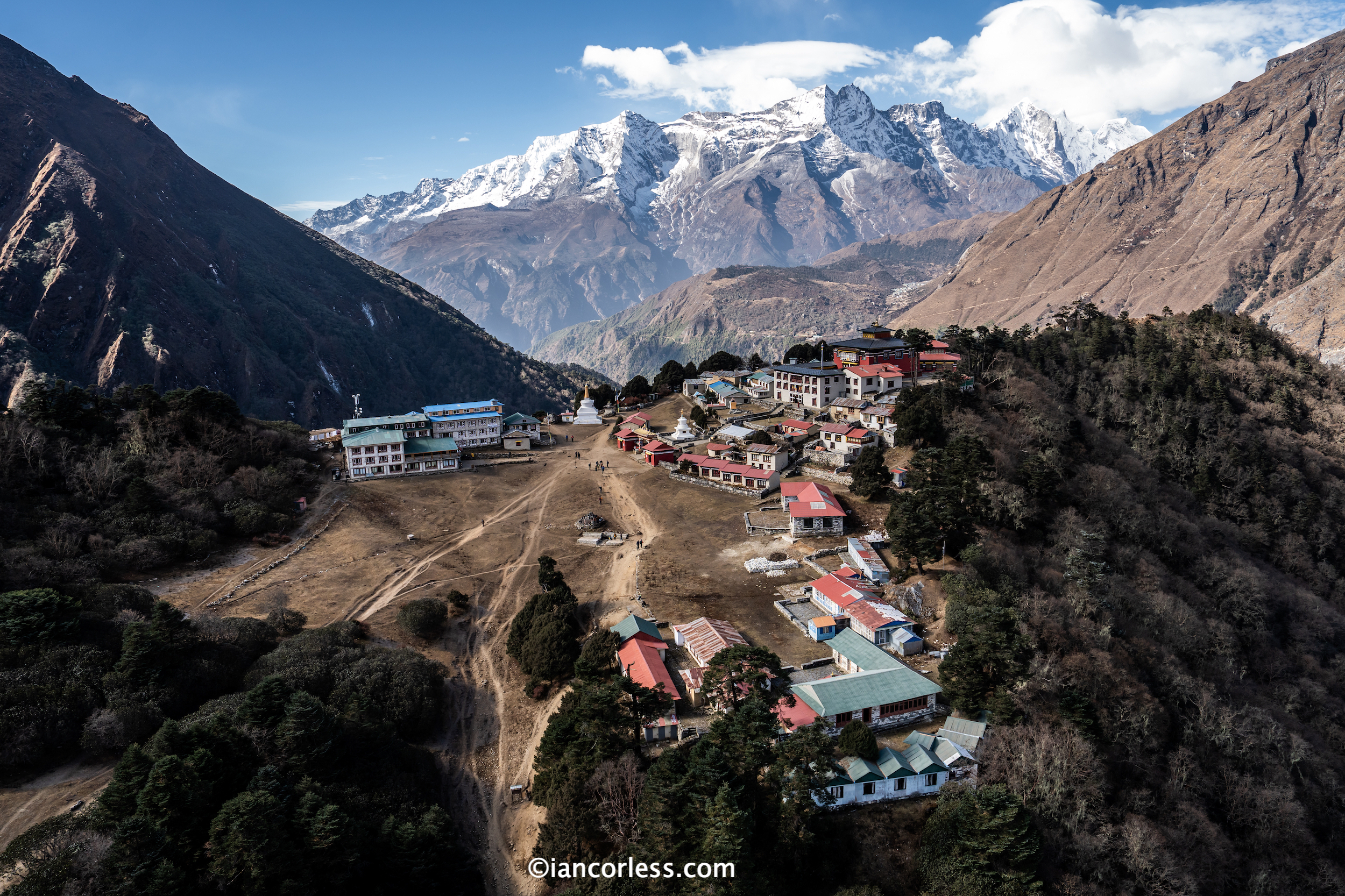
Tyangboche ©iancorless

Starting in Phakding, it’s up, up and up to Namche and then onwards to Syangboche at 3760m. From here, a descent to Kumjung and then a climb to Mong La, 3973m. Phortse and a stunning single-track trail to Pangboche with amazing views is the cream on the Himalayan cake as the route travels at 4000m. Finally a descent to Debuche, 3741m, and then the climb to the finish at Tyangboche at 3875m.
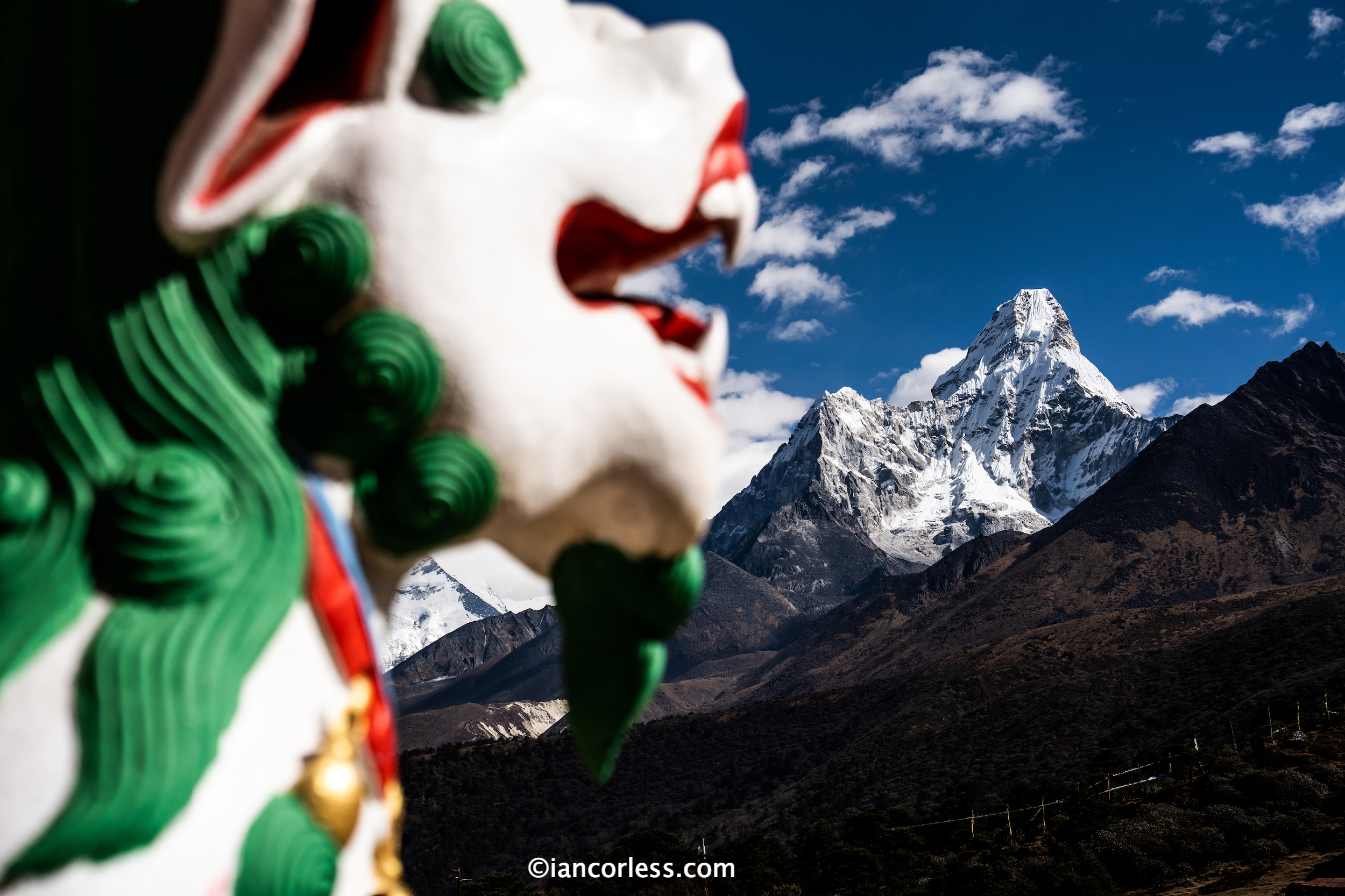
Ama Dablam ©iancorless

The day held no surprises with Miguel and Suman running together and at tge line it was red-line effort from the Spaniard to take the stage win. Jordi Gamito once again placing third.
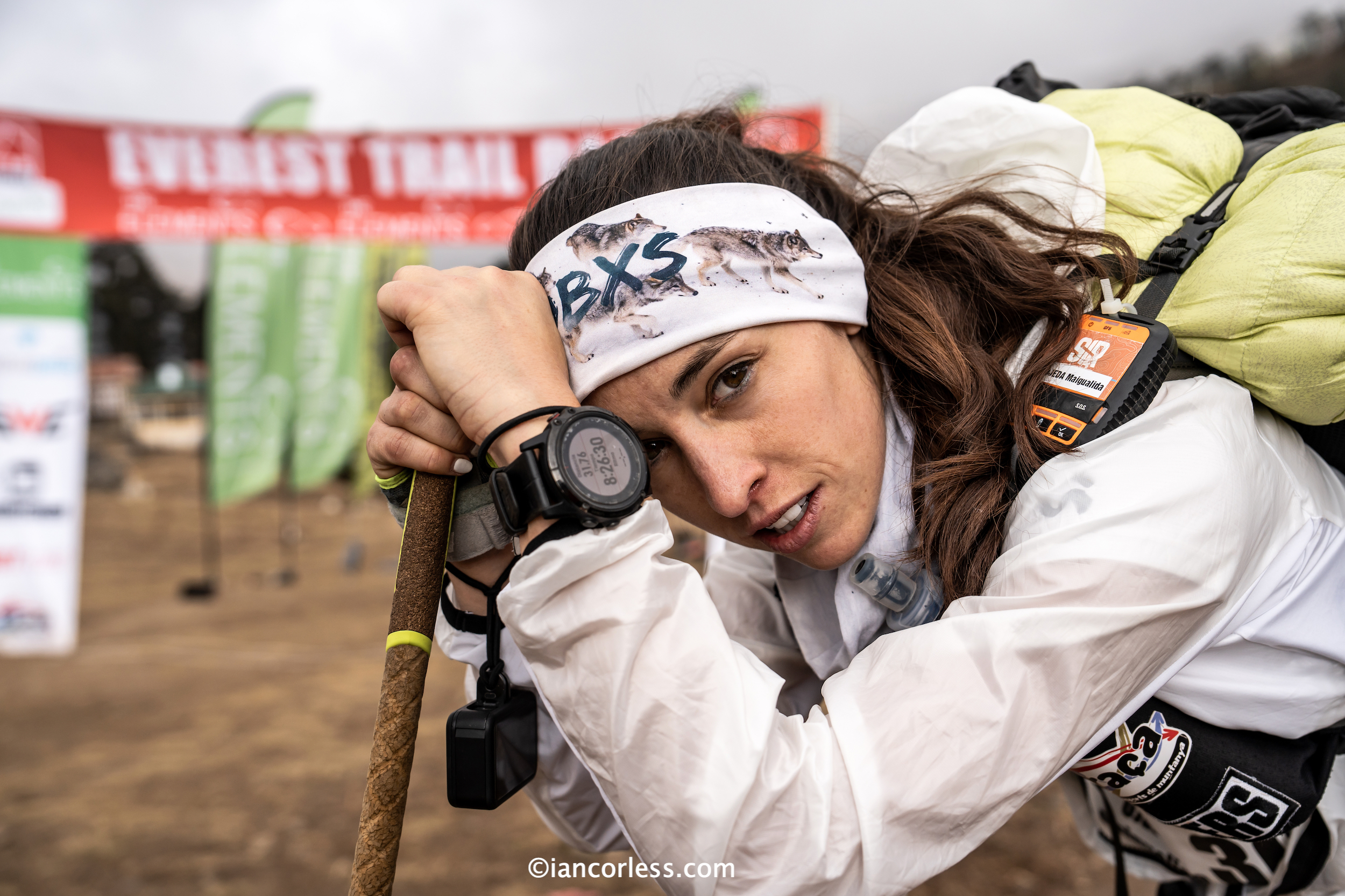
A tough day… ©iancorless

Purwha Lhamu Sherpa for the women took the stage with a truly gritty performance. With one ankle heavily taped and carrying an injury, she still managed a stellar performance, the altitude no doubt being an advantage. Ester Alves finished second, exhausted, expressing, “One of the hardest things I have ever done!’ Once again, Silvina Perez placed 3rd.
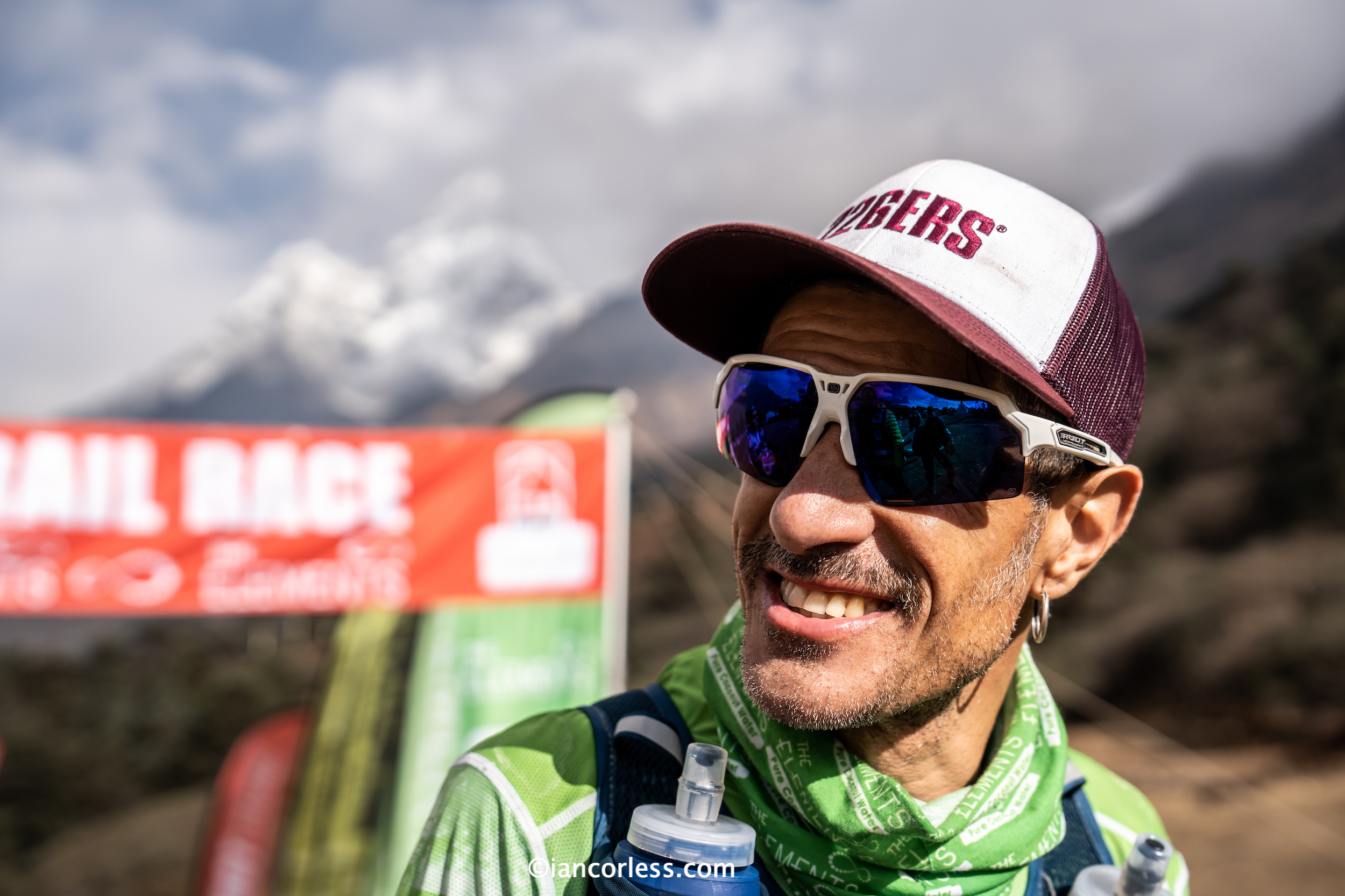
Depa ©iancorless

STAGE 6

Everest, Lohtse, Nuptse and Ama Dablam ©iancorless

The final stage back to Lukla. At 29km with 1770m+/ 2802m- it is by no means and easy day or chilled day and that was reflected in Miguel and Suman pushing hard all the way to the line finishing well under 3-hours and in course record for the stage. Miguel Heras was the 2022 ETR champion.

Miguel leading Suman with an iconic backdrop ©iancorless

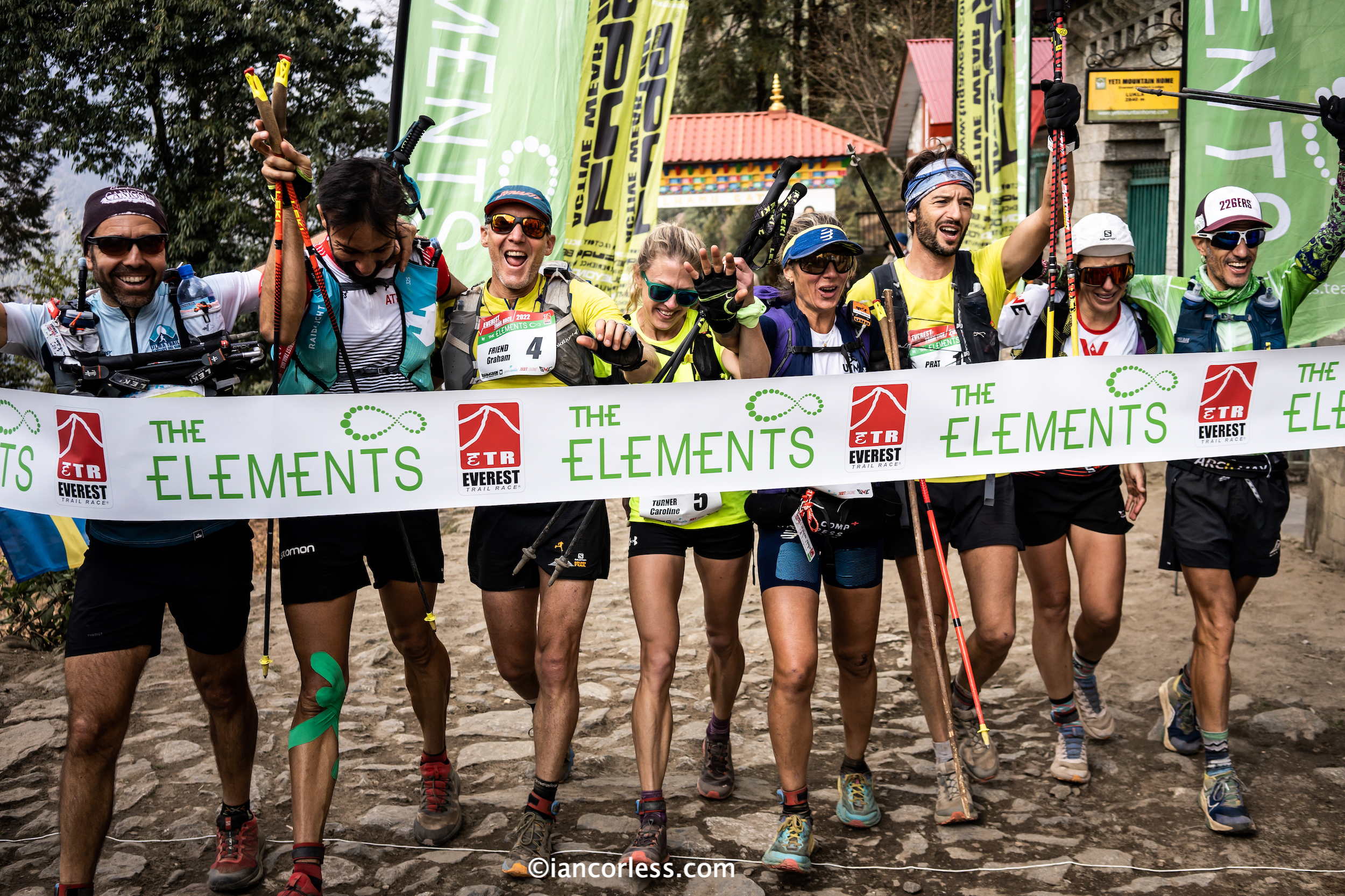
For the rest of the participants, the day was one of victory, the finish line providing the completion of an epic journey. The top women and a group of others, decided to enjoy the day and they all finished together.
©iancorless

Lukla provided an end to the 2022 ETR and the mood was high. For many, the experience had been a tough one. The altitude, climbing and descending providing a much harder and more challenging experience than other multi-day adventures.

“MDS is a walk in the park in comparison to the ETR. MDS may well be self-sufficient, but the terrain here is so much harder, add the altitude and cold nights, the challenge is considerably harder.”
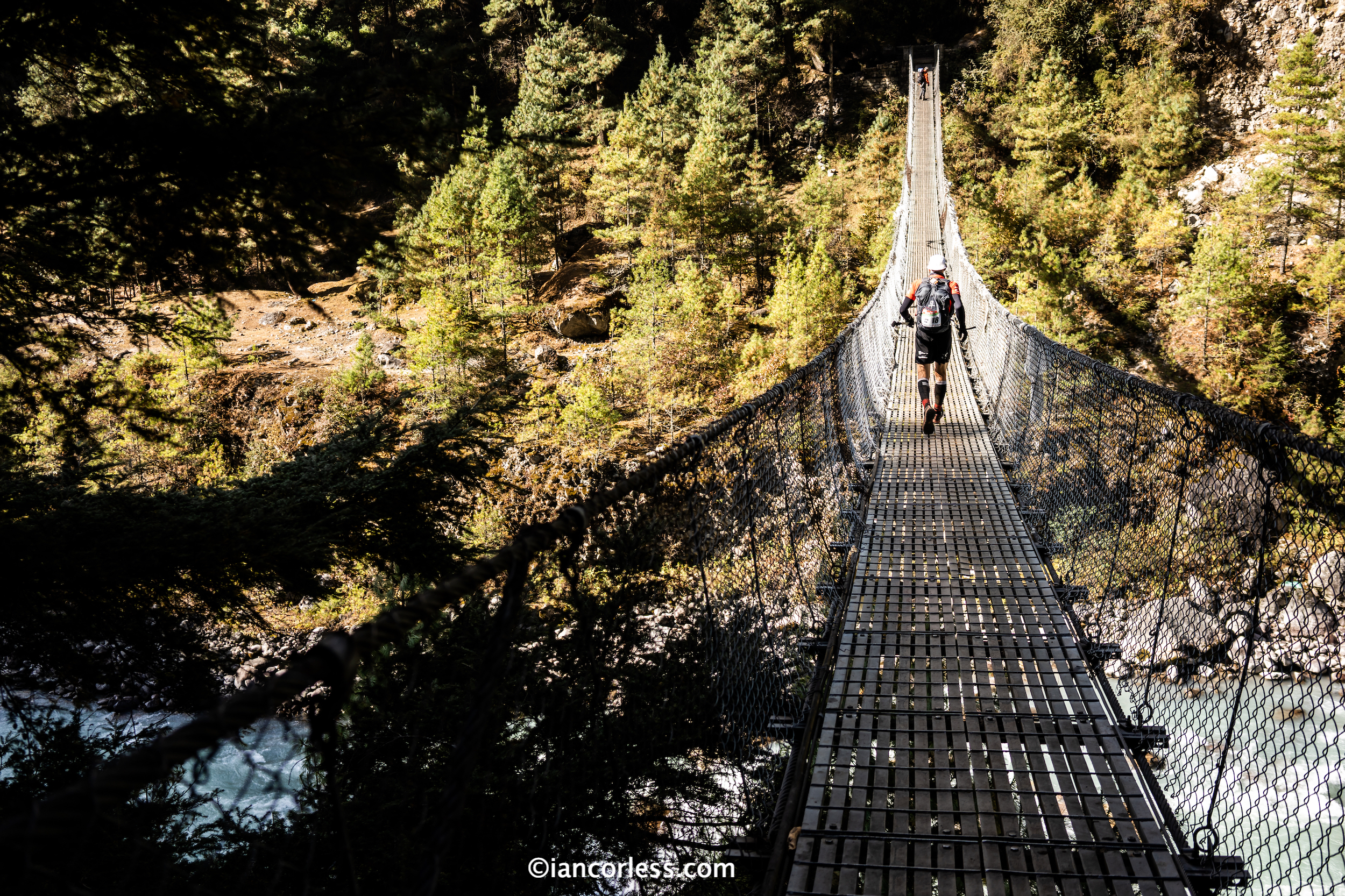
One of the many bridges ©iancorless

Now attention turn to 2023 and the next edition of the ETR. It really is one of the ‘must-do’ races not only for the challenge but for the immersive beauty and experience that Nepal brings.

VIEW THE IMAGE GALLERIES HERE
Follow on:

Instagram – @iancorlessphotography

Twitter – @talkultra

facebook.com/iancorlessphotography

Web – www.iancorless.com

Web – www.iancorlessphotography.com

Image sales –www.iancorless.photoshelter.com

Goal Setting for a MULTI-DAY Adventure or RACE

Before you start a multi-day, be that a race or a personal challenge, one thing is for sure, NOW is the time to set a goal and focus, fine-tune everything, including training, so that you can be at the start in the best shape possible.

First and foremost, have a complete understanding of the task ahead and set a goal or target. This is key not only in the physical adaptations that are required, but also the mental adaptations. There is a huge difference in doing something supported and in doing something self-sufficient. Marathon des Sables a prime example, understand the nature of the event and set a realistic but challenging goal.

MDS is an extreme event that takes place in the Sahara. The nature of the event is self-management both physically and mentally to endure the challenge, survive and reach the finish line. The weather (heat) is one of those challenges and surviving the weather is integral to the nature of the event. As is the ‘self-sufficient’ nature. Other than rationed water and a bivouac, be prepared to endure and complete this event with no outside assistance. Of course, help is at hand, but that help is and should be a safety element that is required in emergency. Equally, if undertaking a solo multi-day experience, do the research, plan routes, look at back-up options, can you re-supply with food, is water available?

Plan and prepare.

TRAINING

We are all unique and individual. Some of us are faster, some are mentally tough, some have a capacity to go for hours and hours and even days and yes, some runners combine all those elements.

Therefore, a multi-day training plan must be used as a template and framework to provide a structure for you, the individual, to achieve your goal.

Be sensible and adjust training plans so that they fit your ability, aspirations, training history and time available.

Think about when you place rest days, when you do long runs and when you work on hills and faster running. A training plan is like a jigsaw puzzle and managing the pieces and adding them together sensibly is how you make a successful and complete picture.

Any training plan is designed to progressively build strength, endurance, and confidence with gradual load increases. Rest is an important element of any training plan, so, rest with the same intensity that you train. Ultimately, you have decided to undertake this adventure, so, enjoy the process and make it fun.

Be specific. Make sure the training terrain, as much as possible, simulates your target event.

Always focus on the goal. Training plans for me start with the goal date and I then count back in time to a start point. That start point for you may well be before the 12-weeks but once you start the plan, focus on the target, and always make every session is as specific to the goal as possible.

For example, if participating in Marathon des Sables, you already know some key and important information:

  1. It will be hot.
  2. You will need to deal with hard and rocky plateaus, but you will also need to deal
    with soft sand and dunes.
  3. You will be on rationed food/ calories.
  4. You will only be supplied water to drink, and this is *rationed. In extreme weather such as the October 2021 edition, water rations were increased.
  5. Everything (not the tent) will be carried in a pack, on day 1 this will be at a minimum weight of *8kg. (*Minimum pack weight is 6.5kg but you must carry 1.5 liters of water which equates to 1.5kg.)
  6. You will sleep in an open tent, on the floor using a mat and sleeping bag.
  7. The long day comes on day 4 after approximately 90-100km of running, so, you
    need to be able to run for consecutive days and manage your pace and effort.
  8. The long day is (typically) between 70 and 90km and you have one full day, one night and most of the next day to complete it.
  9. After the ‘rest day’ is a marathon.
  10. You can complete the race by covering just 3km’s per hour.
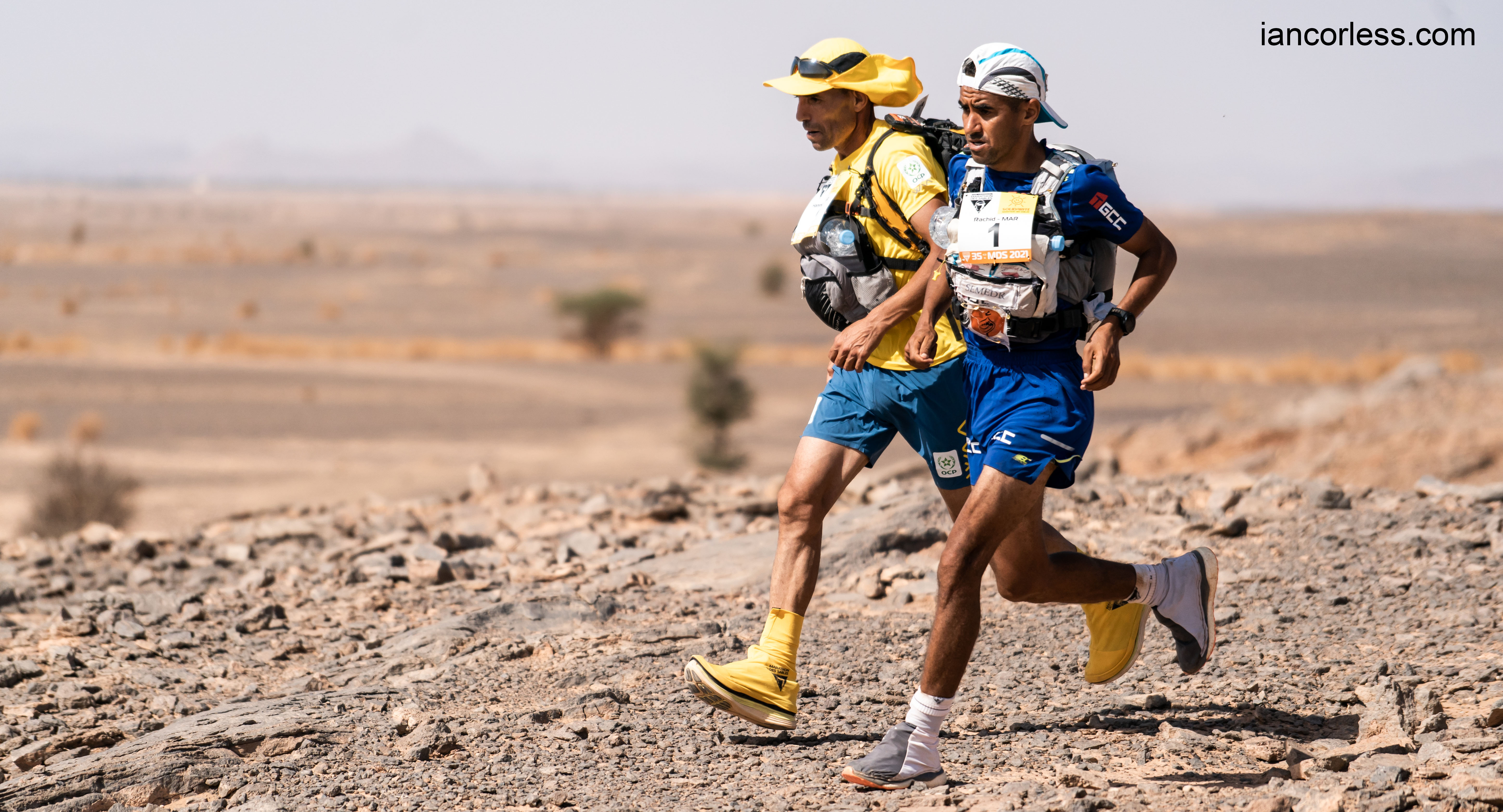
  11. In 2019, the MDS was won by Rachid El Morabity and Ragna Debats in 18:31:24 and 22:33:36 respectively. The last runner was Ka Chun Chan from China in 69:29:16. For perspective, Rachid could have run the race nearly four times in 69:29! We are all individual.
     

Key elements each runner needs for a multi-day like MDS.

  1. You need to be mentally tough.
  2. Physically strong to endure multiple days of back-to-back exercise.
  3. Strong enough to carry a loaded pack and still move at a good pace.
  4. Adapted to function on restricted calories and food choices.
  5. Able to drink only water.
  6. Adapted to perform and function in heat.
  7. You need to be able to walk.
  8. You need to be able to handle un-planned situations.
  9. Have A, B and C goals.
  10. Be self-sufficient.

Multi-day racing and multi-day adventures are unique and particularly self-sufficient ones when you must carry all you need for the duration of the event. In a race, you will carry clothing, sleeping bag, sleeping mat, essential items and food for the duration of the event. At MDS minimum weight is 6.5kg plus water. Just as you prepare physically and mentally, also be meticulous with equipment and food preparation. You ideally need your pack to be 6.5kg and no more… Additional weight is additional stress.

If fastpacking, you may possibly be as above, but you will need to carry your own tent and you will need to re-supply with water en-route either using natural water supplies or utilizing retail outlets.

Be specific and understand the demands of the event you are undertaking and plan accordingly.
 

WHAT SHOULD A TRAINING PLAN LOOK LIKE?

All plans need to be progressive and geared towards the end goal of a multi-day like Marathon des Sables or a fast-packing adventure.

Remember, we are all individual, so while a generic plan may provide a guide and structure from which to work from, it’s important to adapt and tweak to individual needs. For example, the training plan for someone who is trying to be top 100 at a race will vary greatly to someone who hopes to complete and not compete.

Each week will typically have one or two rest days.

A simple strength training structure that can be done at home or in a gym.

Hill sessions and speed sessions (tempo/ intervals/ fartlek) have a place in any training plan, but the quantity and duration will depend on what type of runner you are and what your aspirations are.

Long sessions are essential and most certainly, an element of back-to-back sessions will help adapt the mind and body for the challenge ahead. However, injury risk goes up with any block like this, so, it needs to be placed carefully with adequate rest and recovery.

Learn to walk. There is a huge difference walking with purpose and pace to ‘just’ walking. Except for the top runners, walking is an integral element to a successful completion of a multi-day race or adventure. Many only realise during the event. Get walking dialed in training.

Do some specific work with a pack and weight BUT be careful as it is easy to get injured.

Think of training as blocks of 4-weeks, build for 3-weeks and then rest/ take it easier on the 4th. An example could be as below.

The final phase of a training plan should taper to allow you to be strong and fresh when the start comes, typically this 2 or 3-weeks long. This a perfect time to add specific race adaptations such as heat training, preparing for humidity, preparing for a cold environment and of course fine-tuning equipment and packing.

CONCLUSION

Multi-day running or racing is exciting and adds many more elements to think about than ‘just’ running. Taking time to plan training and working to a goal is a worthwhile and constructive – it gives you something to aim for!

Further reading:

  • MDS 2021 Summary HERE
    The Ultimate Guide to Desert Multi-Day HERE
  • Fuelling for a Multi-Day HERE
  • How to find your Running Shoe size and fit HERE
  • Sleeping Bag for an Adventure HERE
    Ten Top Tips for Multi-Day HERE
  • Top Tips to better Multi-Day Running HERE
  • Multi-Day Running in a Rainforest HERE
  • Fastpacking – A Guide HERE
  • Fastpacking Light – HERE
  • Fastpacking and Camping in Winter HERE
  • Fastpacking in Nepal HERE
  • Poles for Running and Walking HERE
  • Sleeping bags – PHD, Sea to Summit and Rab HERE


Recommended Races:

  • Marathon des Sables, Morocco (self-sufficient)
  • The Coastal Challenge, Costa Rica (supported)
  • Everest Trail Race, Nepal (semi self-sufficient)

JOIN OUR MULTI-DAY TRAINING CAMP IN JANUARY – INFO HERE

Follow on:

Instagram – @iancorlessphotography

Twitter – @talkultra

facebook.com/iancorlessphotography

Web – www.iancorless.com

Web – www.iancorlessphotography.com

Image sales –www.iancorless.photoshelter.com
Fail to Prepare, Prepare to Fail

A Multi-Day race or a long-distance ultra is a huge undertaking. For many, it’s a 12-month project (or longer) that slowly but surely can consume every available day, hour, minute and second.

I get it, a long-distance race over multiple days in an unfamiliar terrain can leave more questions than answers. However, don’t panic, it’s not that complicated – read HERE.

As your key adventure looms, it’s time to focus the mind, body, and equipment so that you can plan for and anticipate all that may go wrong and right while undertaking this key target.

Quite simply, the old saying, ‘Fail to Prepare, Prepare to Fail’ does and can ring true.

So, what can be done?

Luck can have a place in any success; however, it should never be relied on. In multi-day events, particularly self-sufficient ones, the need to fine tune everything is a key element.

  • Training.
  • Kit.
  • Mind.

All of the above have very important roles to play in success.

  1. Get the training wrong, you may not have the fitness or an injury that will result in you not achieving the finish line.
  2. Get the kit wrong, be it too heavy, not durable or inappropriate may impact on your ability to achieve your goal.
  3. Many say the mind is a key and an integral part of any success. Often, the body can be willing, but the mind can be weak, get the mind focused and prepared.

You need to be prepared for whatever your multi-day adventure will throw at you.

In the final phase of training, 6-8 weeks before your adventure starts, is a great time to start working on the final phases and plans that will help ensure success.

THE PREPARE PHASE

If we assume that tapering will take 2 to 3-weeks, this key ‘Prepare Phase’ should be in weeks 4, 5, 6 and 7 before D-Day.

Train and prepare specifically.

First and foremost, understand the challenge that you are undertaking. You may feel that you already have a grasp on this, but there is no harm sitting down and going through all they key aspects. Terrain, weather, mandatory kit, distance, and conditions. Look at the October 2021 edition of Marathon des Sables, the race started with a series of protocols to manage Coronavirus. Ultimately, Coronavirus was not a consideration, it was extreme heat, sickness and stomach problems.

Understand the event and challenge.

Walk, WALK, WALK! – Walking will (for most) be an absolute essential skill to complete any multi-day adventure. You may think you will run most of the distance… But experience confirms that walking is a key to success. Walking, and walking with purpose is a skill. Practice. Consider poles, they may enhance your walking experience, if so, practice and use them.

Learn to walk.

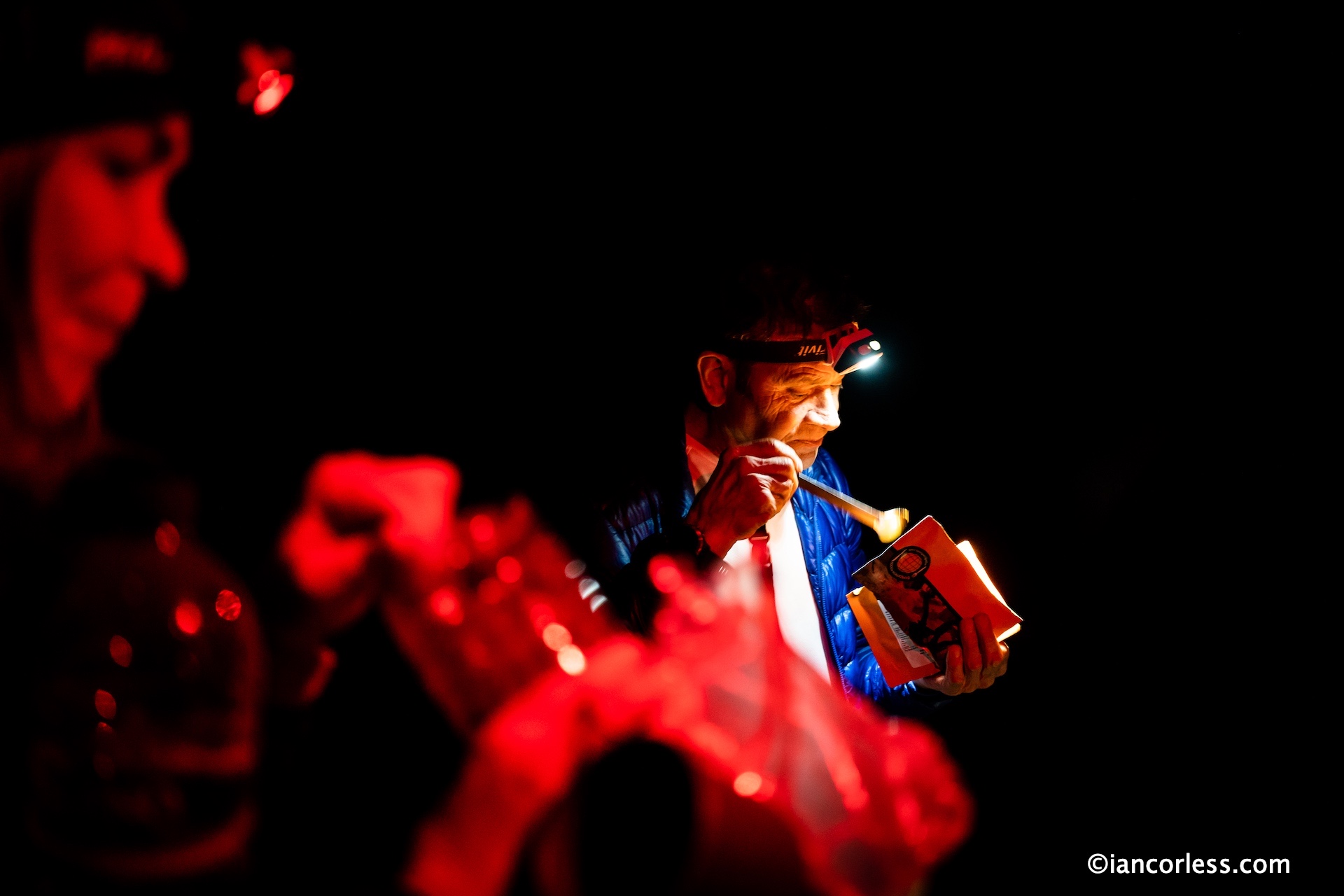
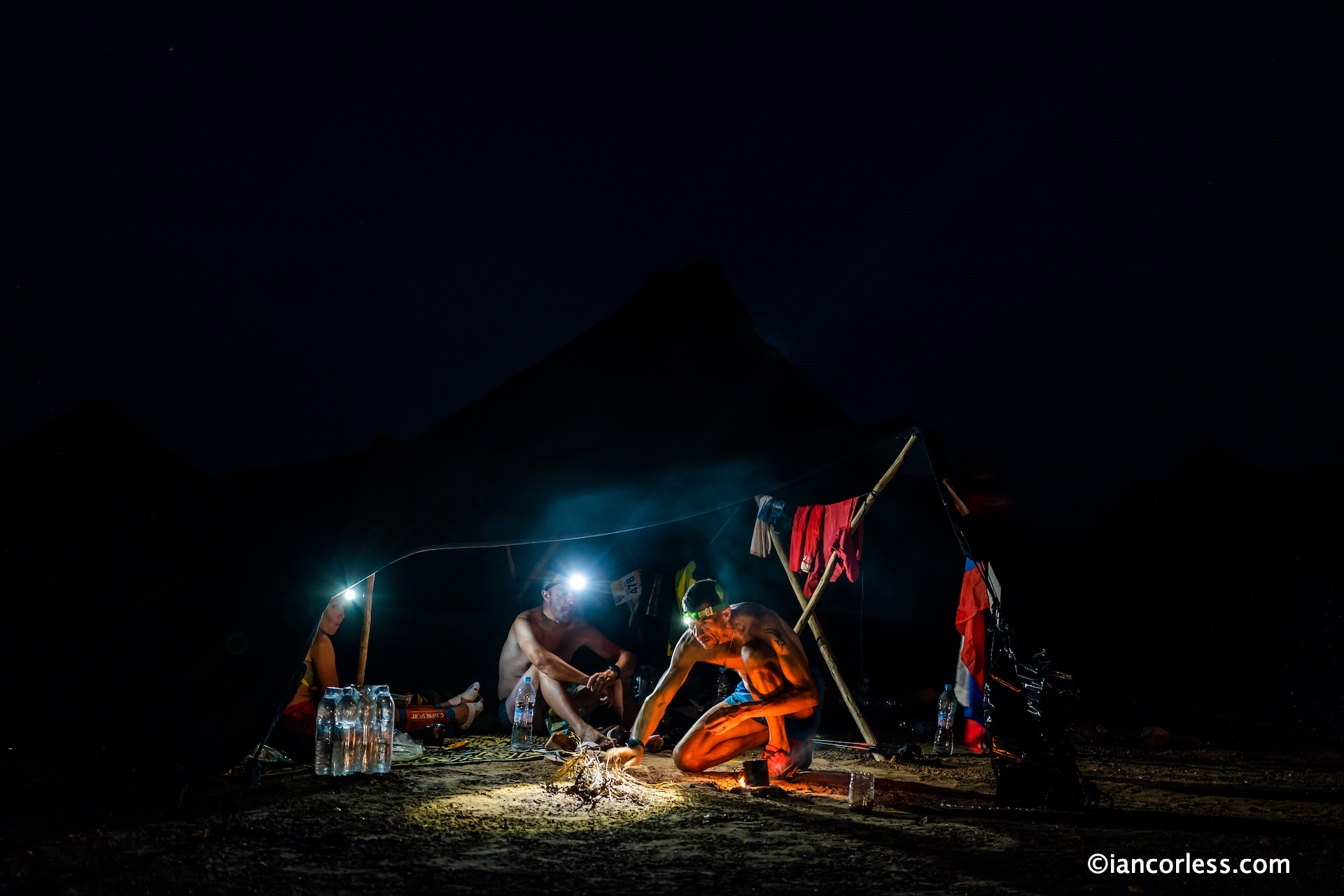
Without doubt you will have long days, and some will go in to the night and through the night. Take time and plan and include a session like this in the ‘Prepare Phase!’ Understand here that this is an opportunity to test kit, not only yourself. Is your head torch bright enough, how do temperatures vary, how does my appetite and requirement for fluid change etc. By doing this in training, you do it in a safe environment. If it all goes badly, you can always make a call and get picked up or get a taxi. You can’t do that in your race or event. Darkness and nighttime can play tricks.

Back-to-back runs may well have featured in your training but running/ walking tired is a skill. However, be careful how you plan this in training. You want adapt body and mind, not break them.

Practice makes perfect.

Perform training with rationed water and race/ event food. You need to learn what works and what doesn’t work. It’s all very well going for a long run and then getting home and eating chocolate and drinking Coca Cola – can you do that in your event? Mentally this can be a real tough challenge – be prepared.

Get a pack that fits perfectly and does not bounce.

Your pack will be with you for the duration of your event. It must be as light as possible and also sturdy enough to last the challenge without breaking. Be minimalist on equipment and purchase the lightest equipment possible. Remember though, lightweight can often mean less durable, less warm, less functional and so on… Better to break or damage equipment in training so that you can make changes ready for the important challenge ahead. Modify and adapt.

Be specific!

Be specific. Snow, mountains, altitude, heat, or cold. Understand the demands that will be placed on you in your challenge and plan for a specific phase (typically in the 2-3 weeks before the event) to help acclimate. This could be a heat chamber, it could be arriving early before an event and adjusting to high altitude, it could be some specific cold, ice or snow training.

Try out food for an adventure in training.

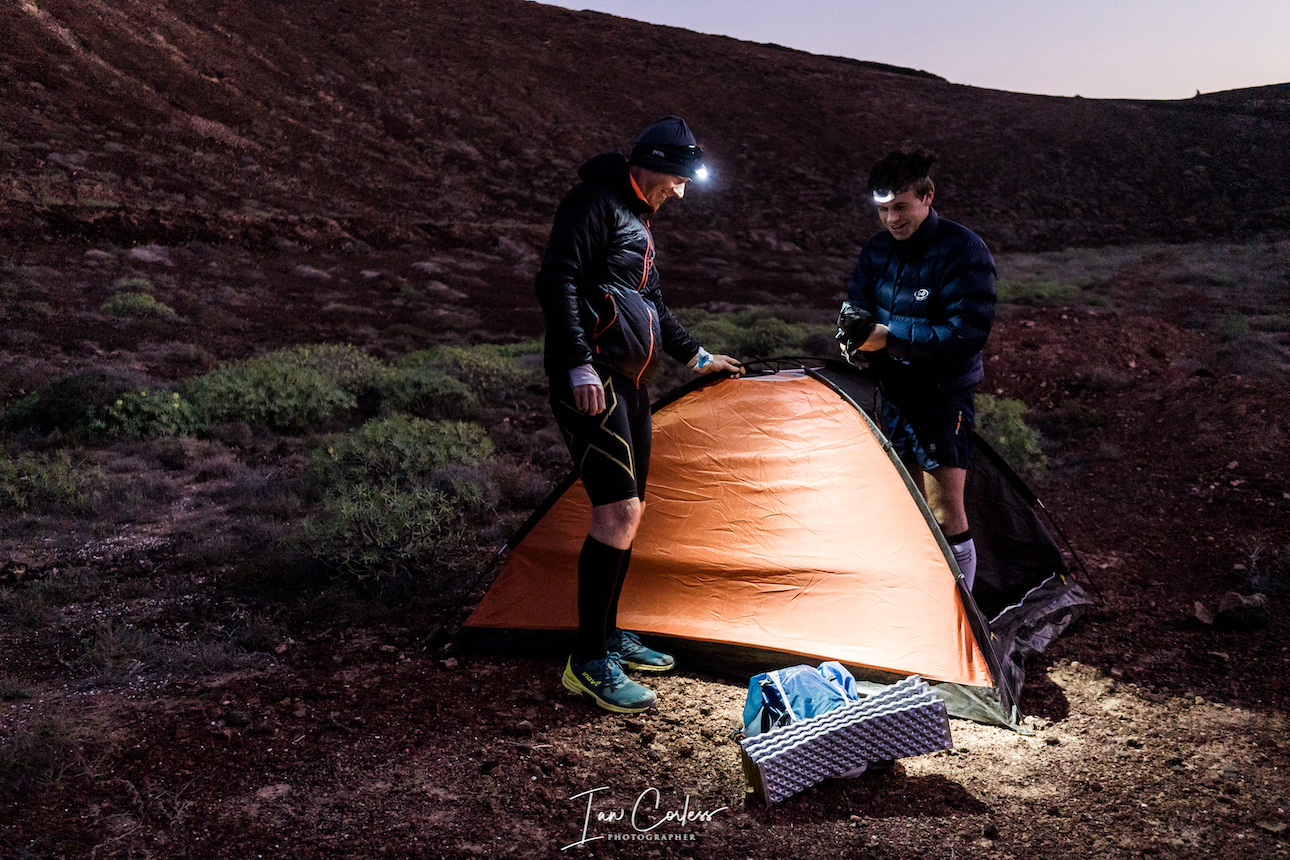
Plan an ‘event simulation’ that will require you to run for a specific distance, be self-sufficient overnight, sleep in a similar scenario/ situation to your event and then get up and run the next day. This can be a key element in understanding what does and does not work. Is your sleeping mat comfortable? Is the sleeping bag warm? Did your food taste good? How easy was it to cook? How about snacks, did they work? How was the pack weight and distribution of contents?

Spend a night out in training to find out what does and does not work.

Train with your pack and add weight, however, be careful NOT to do too much training with too much weight. This can result in injury. In addition, learn how to pack your bag so that it sits comfortably with minimal bounce. Understand where to put snacks so that you can access them on the go.

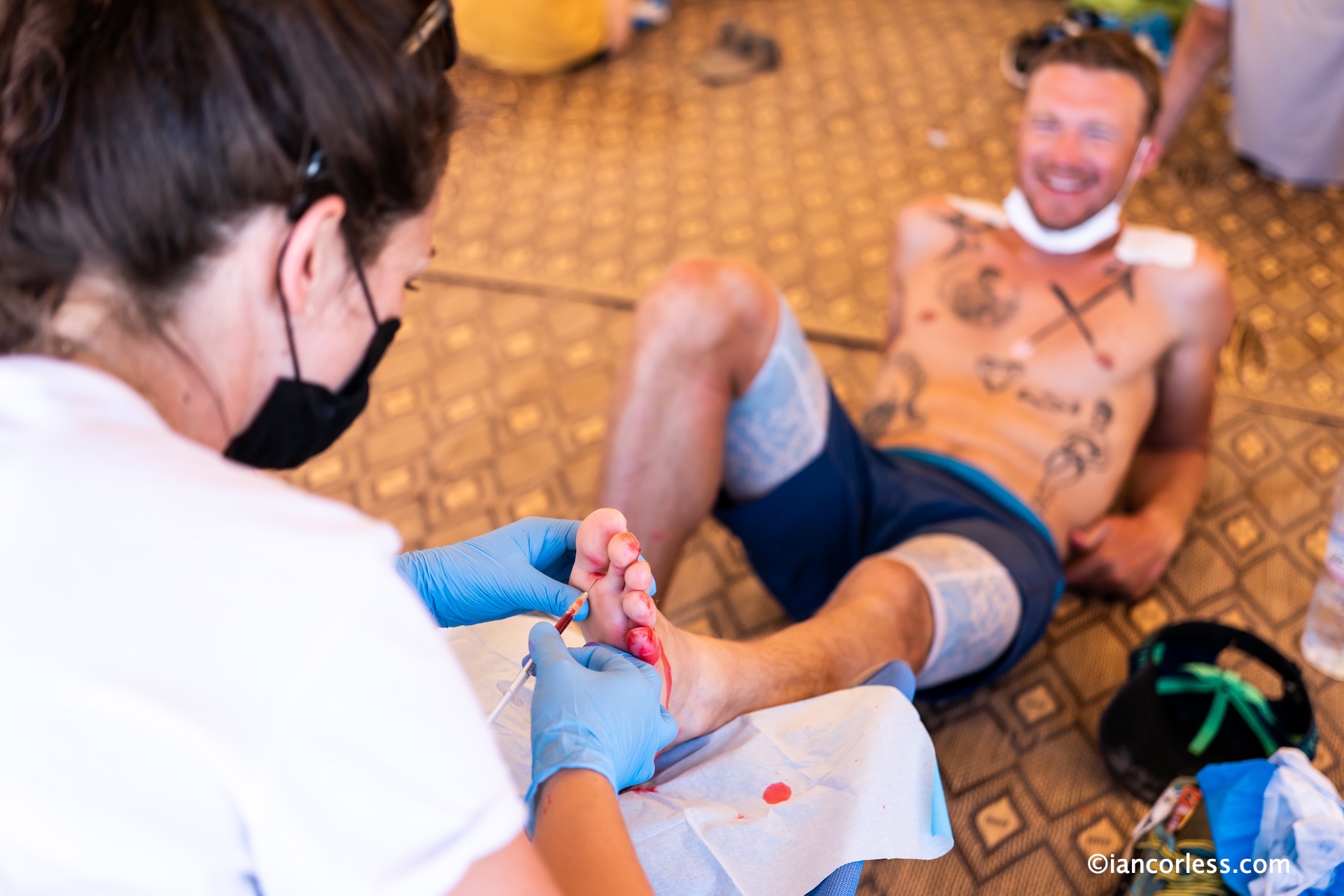
Look after feet – many failures come via poor shoe choice and foot care.

Feet and shoes. Please do not ask. ‘What shoe shall I use for ‘X’ Event?’ Runners are individuals and what works for one does not work for others. Gait, foot shape, foot width, foot length, toe length, run conditions and so on all impact. Read THIS article on how to find the correct run shoe.

Water and hydration is key to success.

Food glorious food. Calories are essential for an event, so is what they weigh. Understand food and its nutritional values and make sound educated choices that balance fat, protein, and carbohydrate. Also understand that taste changes. Sweet may be ok early on but typically savory is better as time passes. Is beef jerky better than nuts? What food rehydrates quickly or with cold/ warm water? Should I take bars? What about protein drinks? So many questions… They need answering!

Shops are not always available.

You only have to do three things at most multi-day events:

  • Run.
  • Eat.
  • Sleep.

All three impact on each other, so, make sure you have all of them dialed.

Finally, remember, we are all individual. What works for one person, will not work for another. It is your responsibility to take ownership of yourself, the challenge you are undertaking and the challenges it will bring. Ultimately, that is why you signed up, no?

JOIN OUR MULTI-DAY TRAINING CAMP HERE

Follow on:

Instagram – @iancorlessphotography

Twitter – @talkultra

facebook.com/iancorlessphotography

Web – www.iancorless.com

Web – www.iancorlessphotography.com

Image sales –www.iancorless.photoshelter.com

INSTINCT XX 20L Multi-Day/ Stage Racing Pack – REVIEW

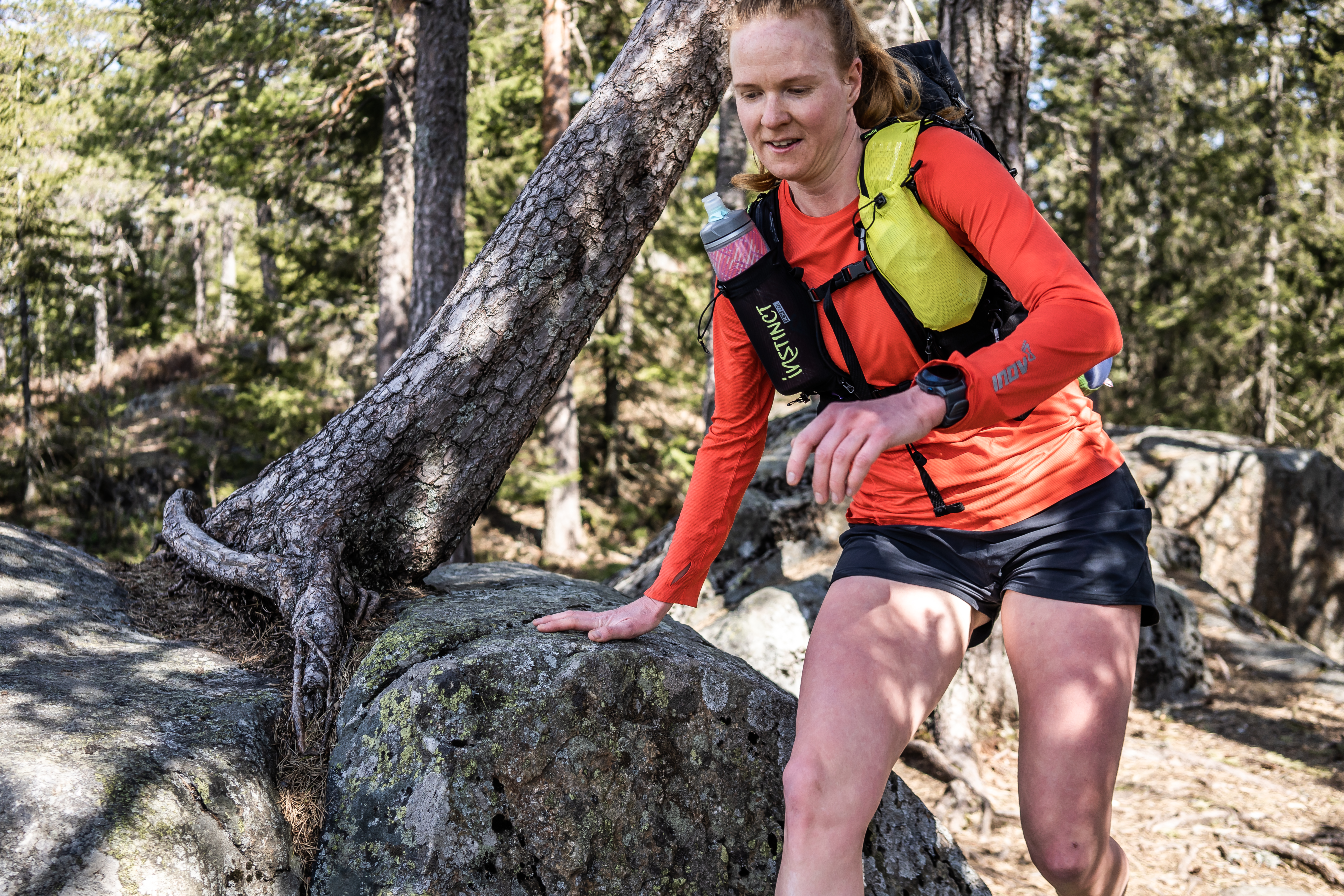
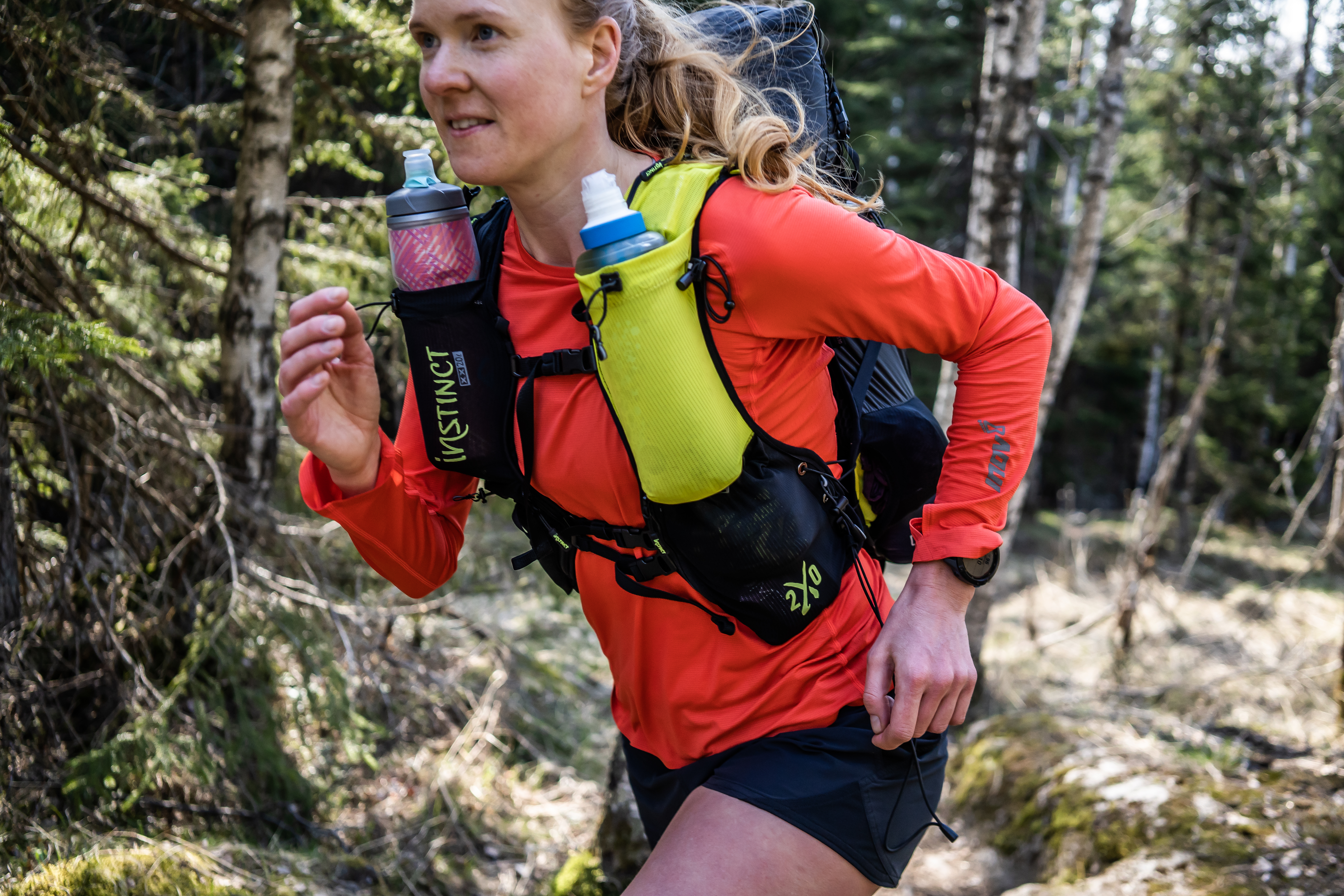
The INSTINCT XX 20L pack is a new addition to the stage/ multi-day racing scene and finally, dare I say, this pack begins to address many of the failures experienced in other packs.

It is in summary, the best pack we have used.

To clarify, this pack was provided free to test and this is not a paid review or advertisement. You can read and view some initial videos here.

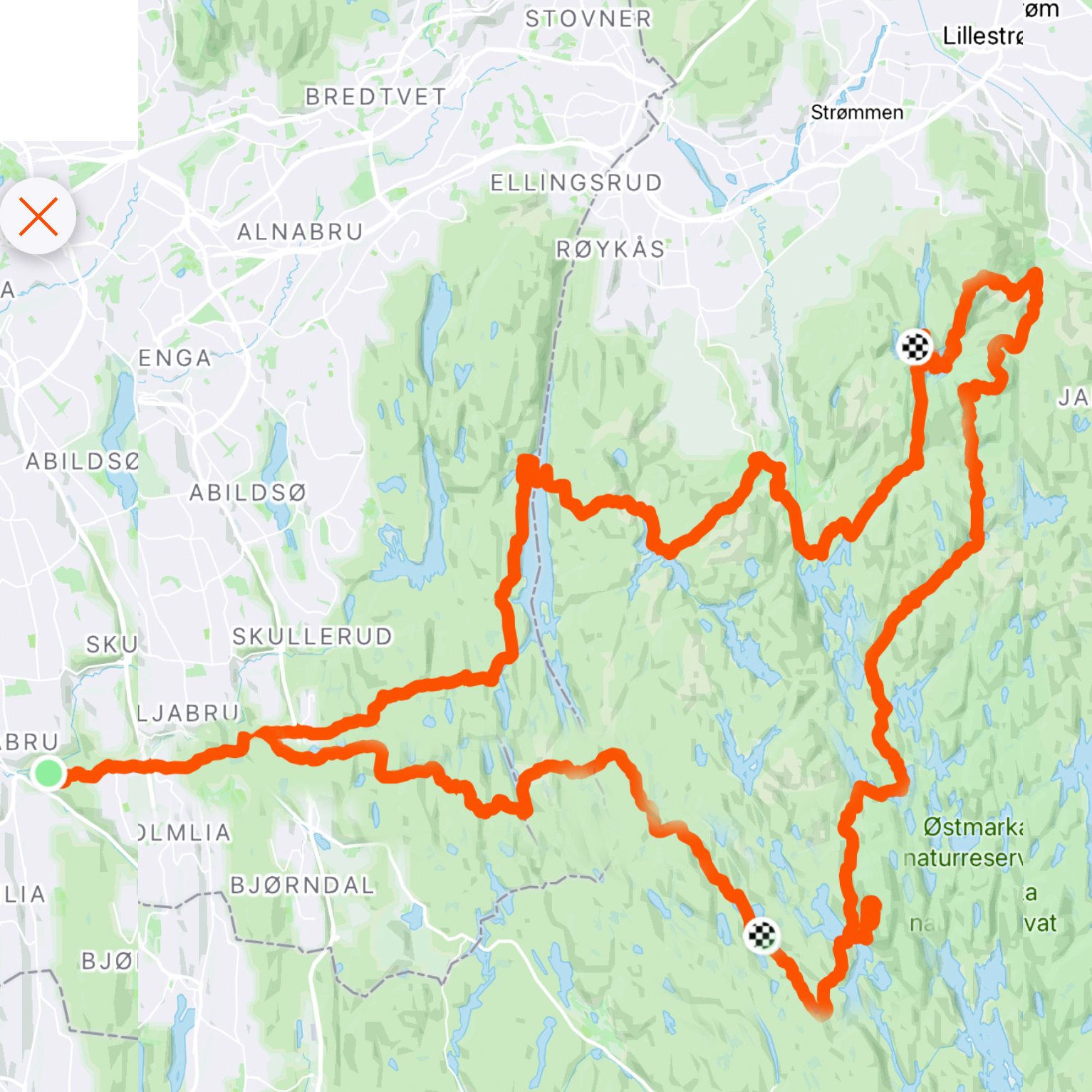
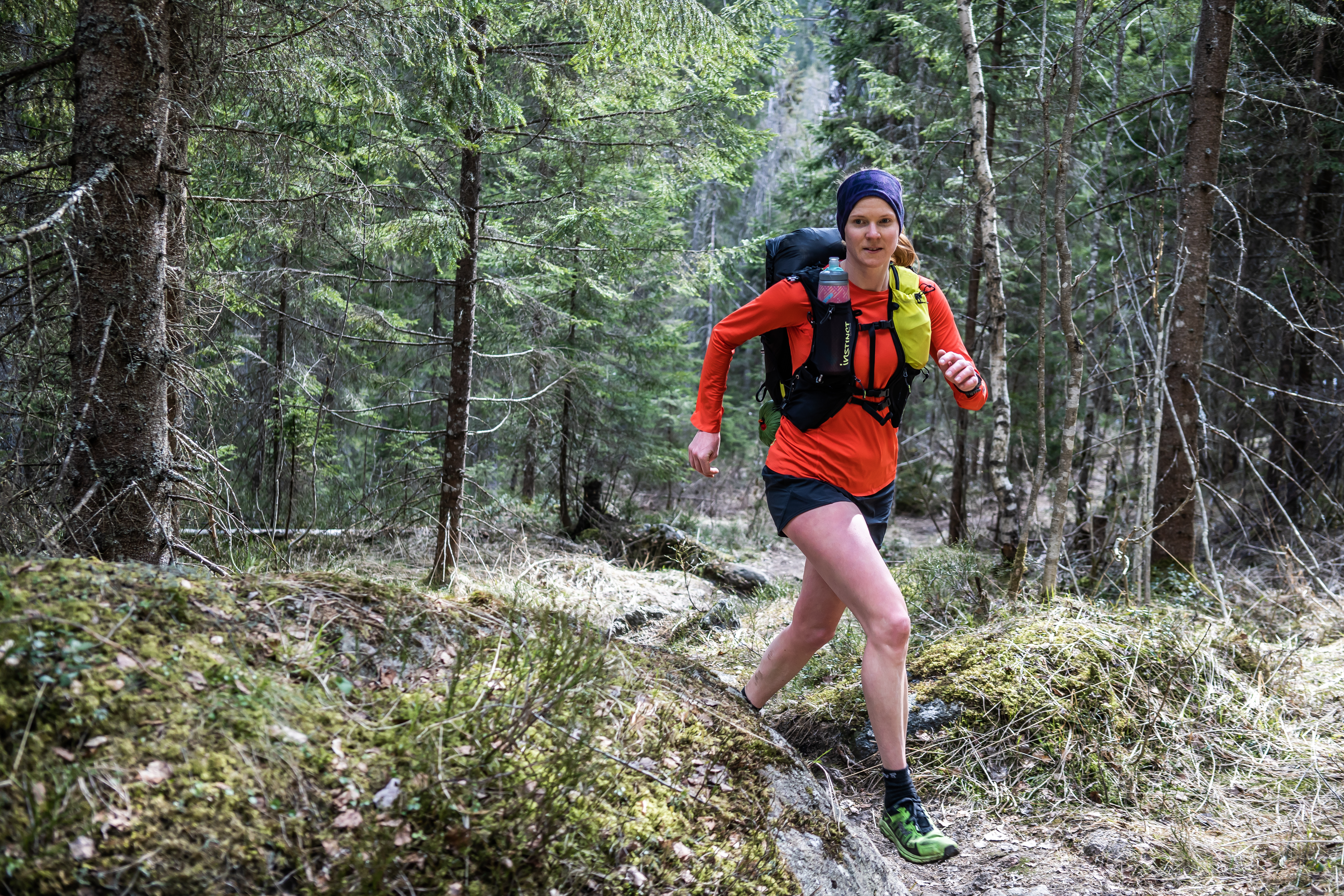
The only way to test any pack like this is in a ‘real’ scenario for male and female. So, Abelone Lyng and myself set off for a 3-day fastpack covering 65km carrying all we required.

Our 65km route.

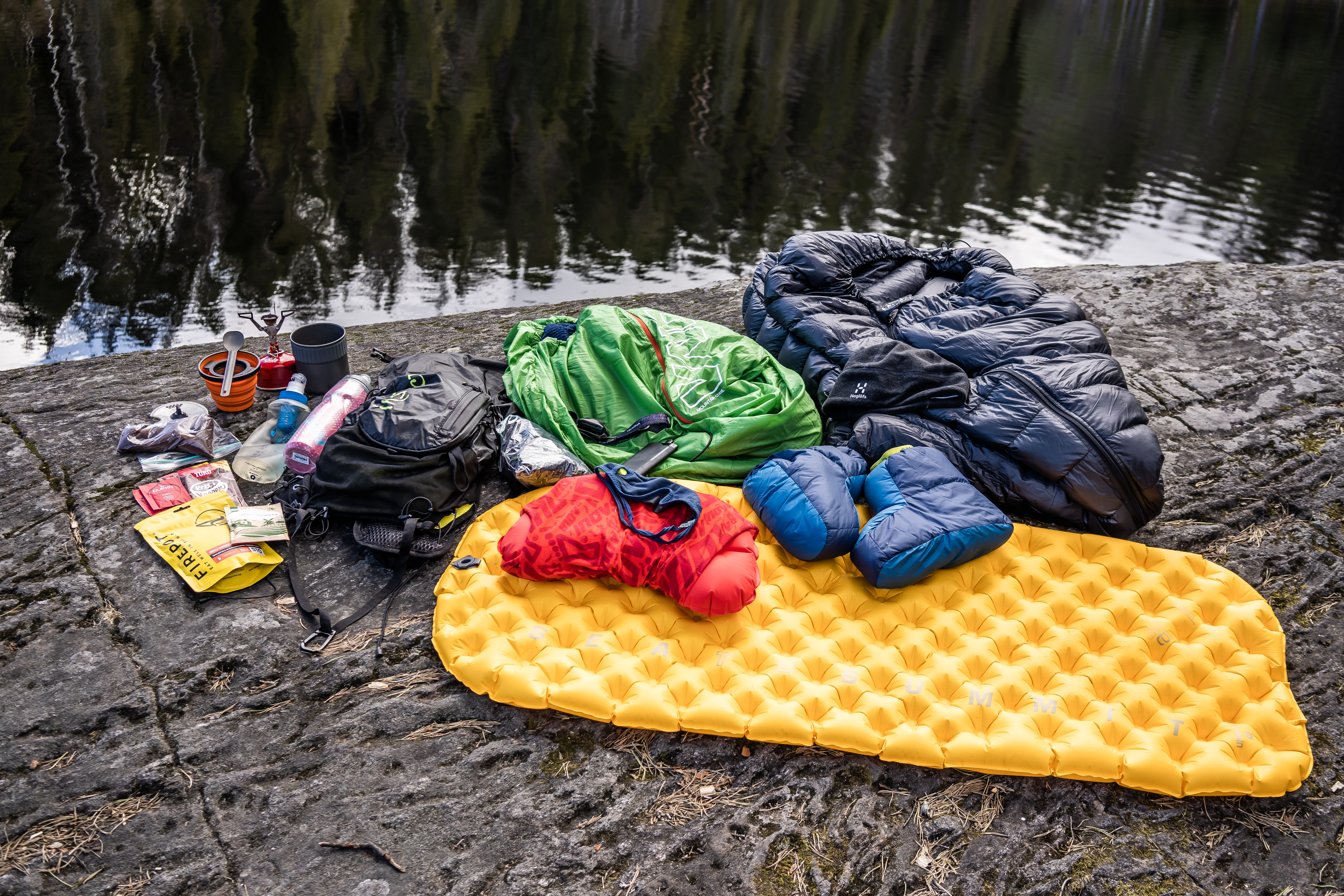
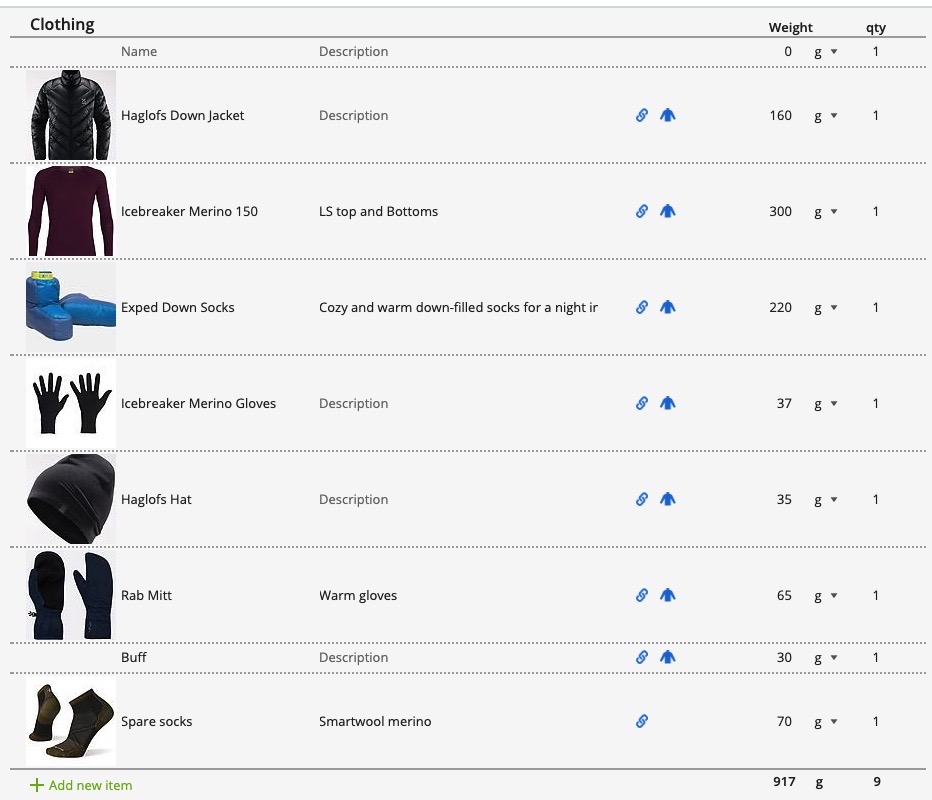
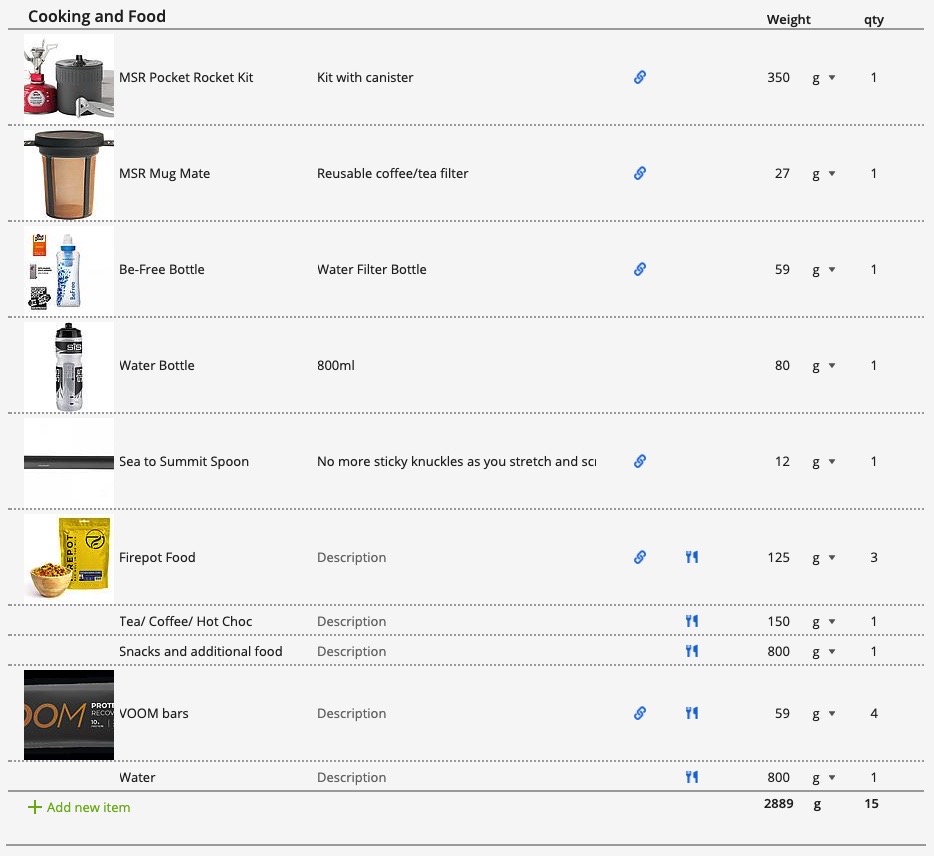
We both carried a pack, and the INSTINCT had more than required for one person. You can see in the photo above the majority of contents but in addition to the above was a 2-person tent, merino top and leg base layer, down jacket, hat and gloves. Also, 3 Firepot meals and additional snacks. Total weight, inc the pack was approx 6.5kg with 800g water.

See a time-lapse of packing below:

HERE are the pack contents itemised with weights and links.

There are several key features to the instinct and depending on the adventure you are undertaking, you would pack the bag differently. For our 3-day trip we needed a tent, but as an example, if doing a race like Marathon des Sables, you would have no need for a tent and this would free up considerable space for the food requirement of six or seven days.

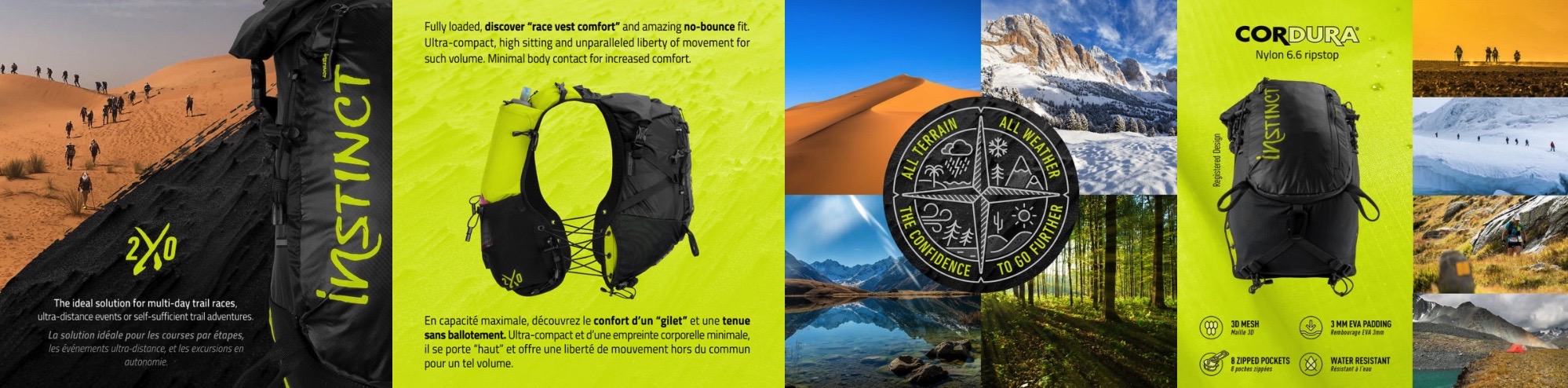
The pack has a maximum capacity of 24L and compresses to 18L by rolling down the top of the pack and compressing it. We recommend you view the videos here. This is extremely useful in self-sufficient races when you basically ‘eat’ the contents of the pack and therefore the pack reduces in size, weight and volume.

Here is a review video which gives a real-time review of the INSTINCT XX 20L.

Both Abelone and myself found the pack arguably the most comfortable we have used and tested and it stands out in several areas:

  • Flexibility and adaptability.
  • The ability to reduce the pack size as per requirements.
  • The ability to segregate items in different areas – top pocket, main pocket, two mesh pockets, zipper pockets.
  • The front of the pack is the best we have tried not only for two hard bottles but the ability to use four bottles or use two bottles and use the other pockets for storage.
  • The fit is excellent and while extremes of size, both large and small cannot be accounted for, in general, we feel that the pack will work with most body sizes and shapes.
  • Movement while running is minimal but not zero. It is the best we have used.
  • There are many small features – zipper pockets, elastics, the external carabiner fitting and so on that make the pack a pleasure to use.

With full weight (8kg) you soon realise if you have the Instinct packed incorrectly and it is worthwhile playing and spending time with different configurations. What works for one, may not work for another, so, find what what works for you. Certainly, what I personally thought would work for me initially, did not work and I had too much movement in the top pocket. When I re-packed, the improvement was considerable.

The one size fits all and elastic side does provide incredible flexibility and comfort and both Abelone or myself found no hot spots or irritation.

Packed correctly, the ability to access what you need, on the go, is superb. Ultimately, fine-tuning the pack to an individuals need is part of the process of what makes fastpacking fun. However, the crossover of fit, packing and individual needs between Abelone and myself was seamless and we could easily swap and change at any time with just an adjustment to the chest and elastic side straps making for a perfect fit.

How to fit the pack?

Notably, there are features to the pack that we did not use or mention:

  1. Large zipper pocket that will take a 2 to 3ltr bladder that will occupy the length of the pack between the back pad and the main compartment. This pocket could also be used to segregate clothes, for example, clean and dirty.
  2. Removable top pouch that we did not use that can also be used to secure a helmet if required – useful for snow/ climbing adventures.
  3. Three different areas to secure poles.
  4. Ice axe and shovel friendly with attachment points.

Specs:

The XX allows : 
– 2 x 750ml+ bottles/softflasks in front
– 2 XL vertical front zip pockets
– 2 zipped shoulder pockets
– 2 XL mesh front pockets
– 3 fixing options for poles (front/back)
– Ice pick on back
– Shovel fixture
– Easy backside carrying of sleeping mat or other objects (ex: tent)
– Independent 3L water bladder pocket
– X-Large 2-in-1 overlapping stretch mesh pockets on lower backside

KEY FEATURES : – Large back door = instant access to main compartment and easy viewing of internal items
– Independent roll-top pocket for increased storage
– Removeable top pouch carries smaller items (first aid kit, knife, etc). A stretch mesh pocket over the top allows instant access to jacket storage or a solar battery panel

COMFORT  & PROTECTION : 
– Entirely made of Cordura© Nylon 6.6 ripstop
– 3mm perforated EVA padding in back panel
– 3D mesh shoulder straps/back panel for ideal sweat dissipation

Is the INSTINCT perfect? No, it’s not, but it comes pretty darn close… I guess the question that I have is the zipper on the main compartment? If that fails, this would cause huge problems, however, it is a special zip, reinforced and extremely durable, I have no reason to think this would fail. The pack may be compromised on fit with small men or women, however, in general, based on myself and Abelone, we can see it fitting most body shapes.

Ultimately, for both of us, the INSTINCT XX 20L is the most complete and flexible pack we have used. It’s great to look at, it is really well thought out, it provides multiple options and flexibility and without doubt, has the best bottle holding and capacity of any pack I have used. The option to compress the pack to 18L means it can also be used for long single-day races, such as UTMB, when the need for mandatory kit is high.

Quite simply – HIGHLY RECOMMENDED.

Website HERE

Price 225 euro

Please support this website. I believe everyone deserves to read quality, independent and factual articles – that’s why this website is open to all. Free press has never been so vital. I hope I can keep providing independent articles with your help. Any contribution, however big or small, is so valuable to help finance regular content. Please support me on Patreon HERE.

Follow on:

Instagram – @iancorlessphotography

Twitter – @talkultra

facebook.com/iancorlessphotography

Web – www.iancorless.com

Web – www.iancorlessphotography.com

Image sales –www.iancorless.photoshelter.com

Episode 186 – Rickey Gates, Kevin Webber, Abelone Lyng and Stevie Kremer

Episode 186 of Talk Ultra is a packed show! We talk with Rickey Gates about his new book. Inspirational Keven Webber was diagnosed with terminal Prostrate Cancer and given 2-years to live, 6-years on he is inspiring many with his ultra and multi-day adventures. Abelone Lyng and Stevie Kremer talk about running and motherhood.
*****
Talk Ultra is now on Tunein – just another way to make the show available for those who prefer not to use iTunes – HERE  You can download the Tunein APP HERE
Talk Ultra needs your help! 
We have set up a Patreon page and we are offering some great benefits for Patrons… you can even join us on the show! This is the easiest way to support Talk Ultra and help us continue to create! 
Many thanks to our Patrons who have helped via PATREON
Donate HERE
*****
00:34:03 – RICKEY GATES book information HERE
*****
01:36:02 – KEVIN WEBBER donate HERE
*****
02:48:23 – ABELONE LYNG
*****
03:13:22 – STEVIE KREMER
*****
Please listen to the INTERVIEWS – please follow the show
Hosted on ANCHOR (HERE) the INTERVIEWS will also be available to listen on many other players, including SPOTIFY (HERE).
ANCHOR app on Apple HERE and Google HERE
Apple Podcasts HERE
Breaker HERE
Castbox
Google Podcasts HERE
Overcast HERE
Pocket Casts  HERE
RadioPublic HERE
Spotify HERE
Stitcher
TALK ULTRA podcast will be released as normal providing you long shows as it has always done with ideally two shows per month. The back catalogue will be released randomly via the INTERVIEWS and not chronologically.
______
Keep running
03:44:11
Stitcher You can listen on iOS HERE, Android HERE or via a web player HERE
Website – talkultra.com

10 Top Tips for Multistage and Multi-Day Racing

Running is running yes? Anyone can do it! Well I guess the answer is yes. However, variables come in to play. Running is broken down into many different distances, from 100m to 100-miles and beyond. The longer we run, the more the challenges and requirements on a runner change. Running for multiple days or running a multistage race on mixed terrain throws up many different scenarios. Over the years I have spoken with many champions who have raced in the sands of the Sahara, the forests of Costa Rica and the mountainous paths of Nepal. They all provide me with similar hints ’n’ tips to a successful multistage race.

TOP 10 TIPS FOR A MULTISTAGE

1 – RUNNING IN THE SAND

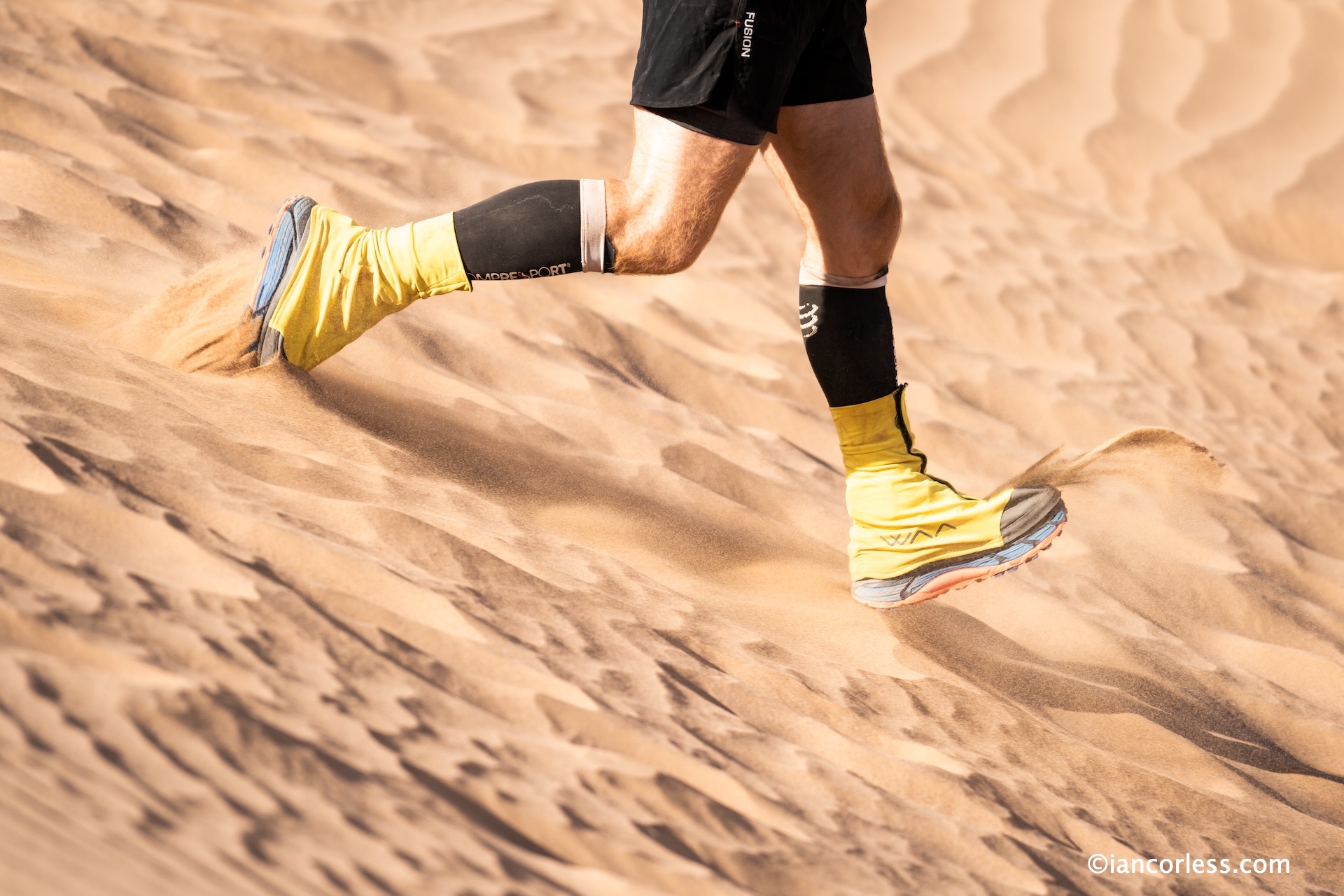
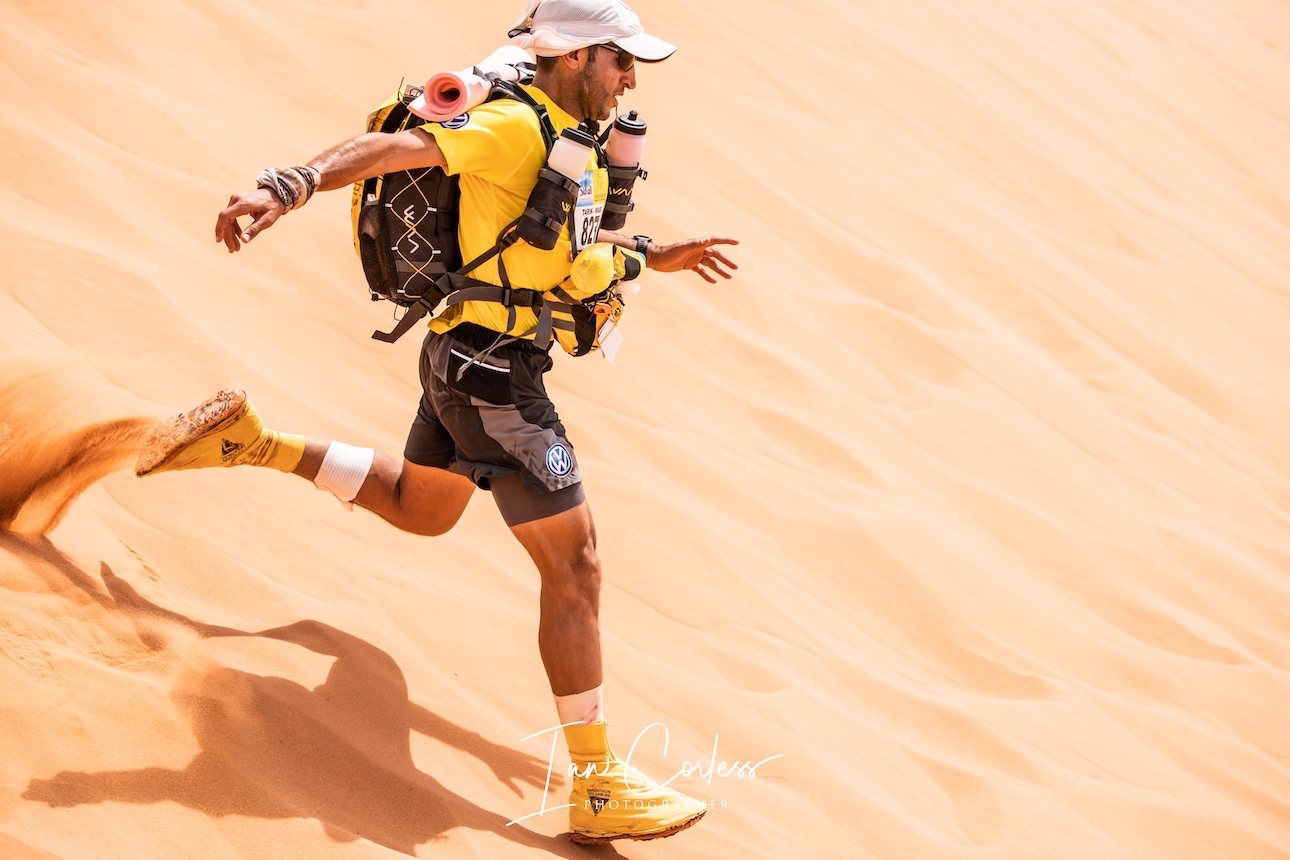
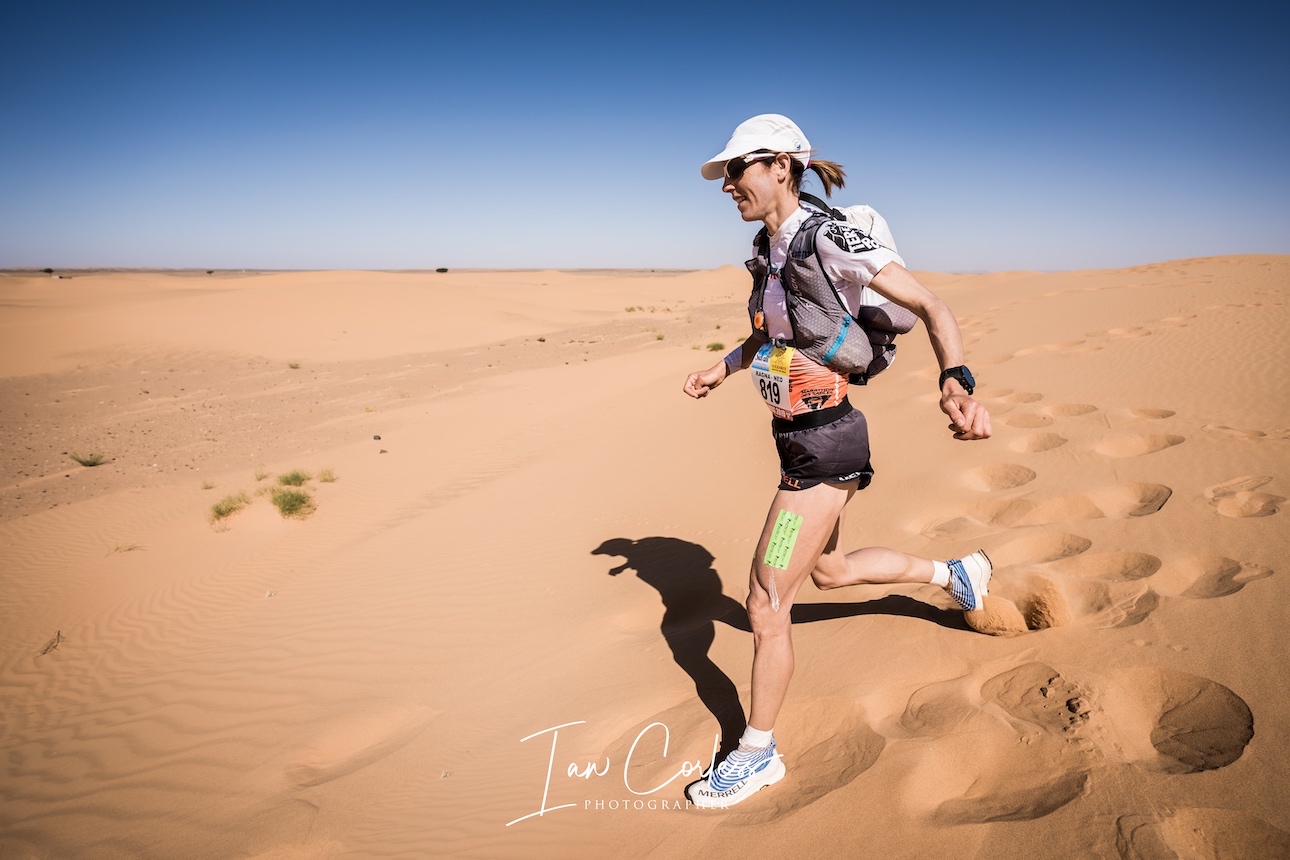
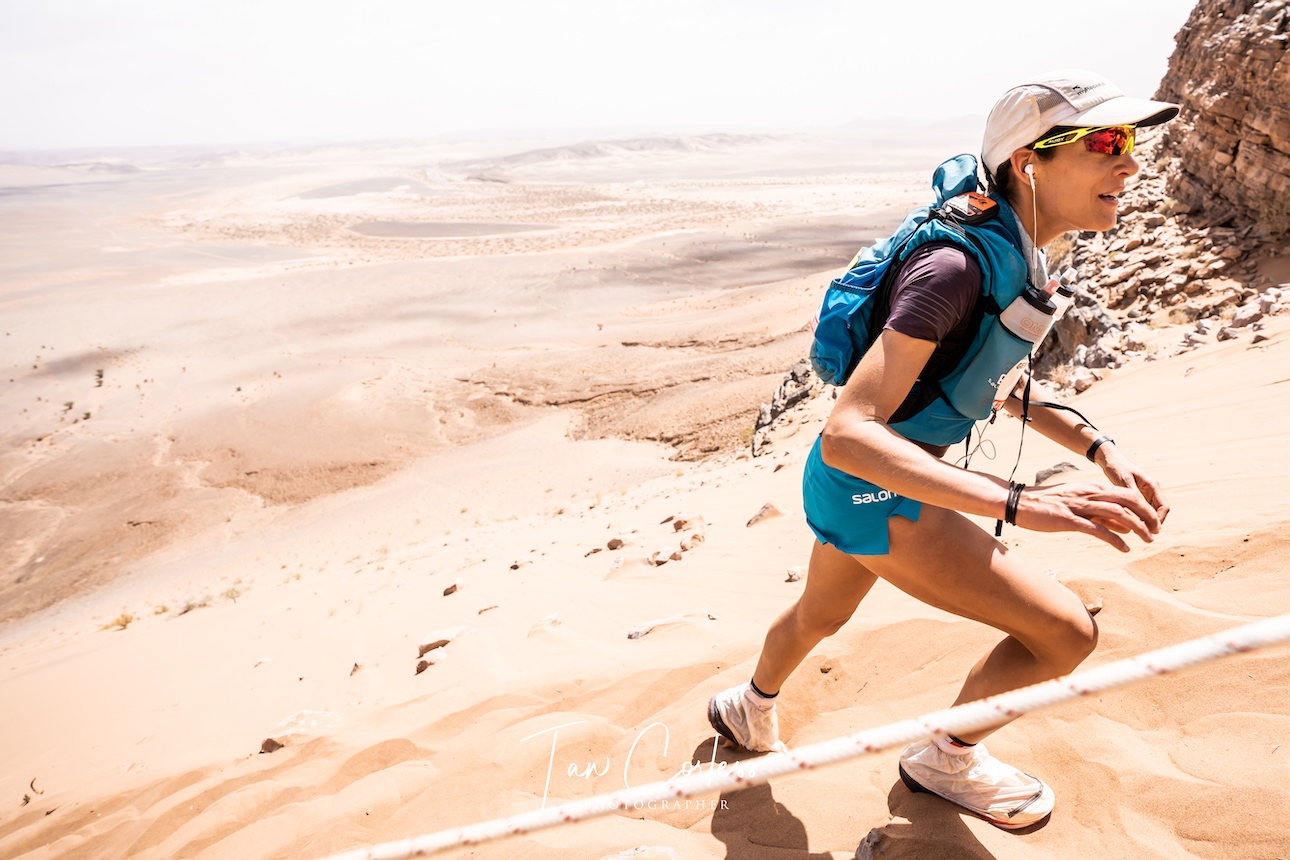
Desert races are very popular. Marathon des Sables for example is the father of multistage racing and over the years, many races have followed in the MDS format. A desert race is never all dunes but some races have more soft sand than others, so, be prepared. To avoid getting tired it’s important to read the terrain. Carve your own path running on fresh sand and when possible, run along the ridges. In smaller dunes (dunettes) it can be beneficial to run in tracks left by others, at all times, run light as though running on ice – you don’t want to sink in the sand!

2 – HYDRATION

Dehydration is a real risk in any race, particularly a self-sufficient race where water is rationed. The risks of dehydration increase when the mercury rises and a lack of cover comes. A desert for example will be open, have intense heat but humidity will be low. By contrast, a jungle such as those found in Costa Rica may well have plenty of tree cover and streams to cool off in but the humidity will be through the roof. In both scenarios it’s important to drink regularly. Take small and regular sips of water and supplement lost salt with salt tablets. Races like Marathon des Sables provide salt tablets at aid stations and they recommend dosage. Other races you will need to think of this and plan accordingly. Also think about food choices on the trail and when in camp – food rich in minerals and salts will also help you. Importantly, multistage racing is about management from day-to-day and this is what can trip people up. Think about the event as a whole and make sure you recover after each day – rehydrating is as important post a run as when running.

3 – BLISTERS

Many a multistage race is ruined by bad personal management of feet. Think about this well in advance of the race by choosing socks and shoes that work for you. Also choose shoes appropriate for the terrain you will be racing on. A shoe for MDS will be very different to a shoe for the Himalayas for example. By all means take advice on shoes from previous competitors BUT you are unique and your needs are unique. Do you pronate? Do you supinate? Do you need a low or high drop? Do you prefer a cushioned shoe or a more minimalist shoe? What about grip, do you need any? Do you need to fit gaiters? The questions can go on and on and only you can make a choice. If all this is new to you. Go to a running store that understand runners and can provide expert and impartial advice. They will assess you and your run style and provide advice. One consideration for multistage racing is that your foot ‘can’ possibly swell due to variables such as heat, running day-after-day and so on. Your foot will not go longer, but it may go wider. So, think about shoes that have some room in the toe box. Don’t purchase shoes that are 1 or 2 sizes larger – this is poor advice. Larger shoes will only allow your foot to move… a moving foot causes friction, friction increases the risk of soreness and soreness will lead to a blister. Also think about walking. Many people choose a shoe because they are good to run in… But how do they feel when you walk? Remember, a multistage race can involve a great deal of walking!

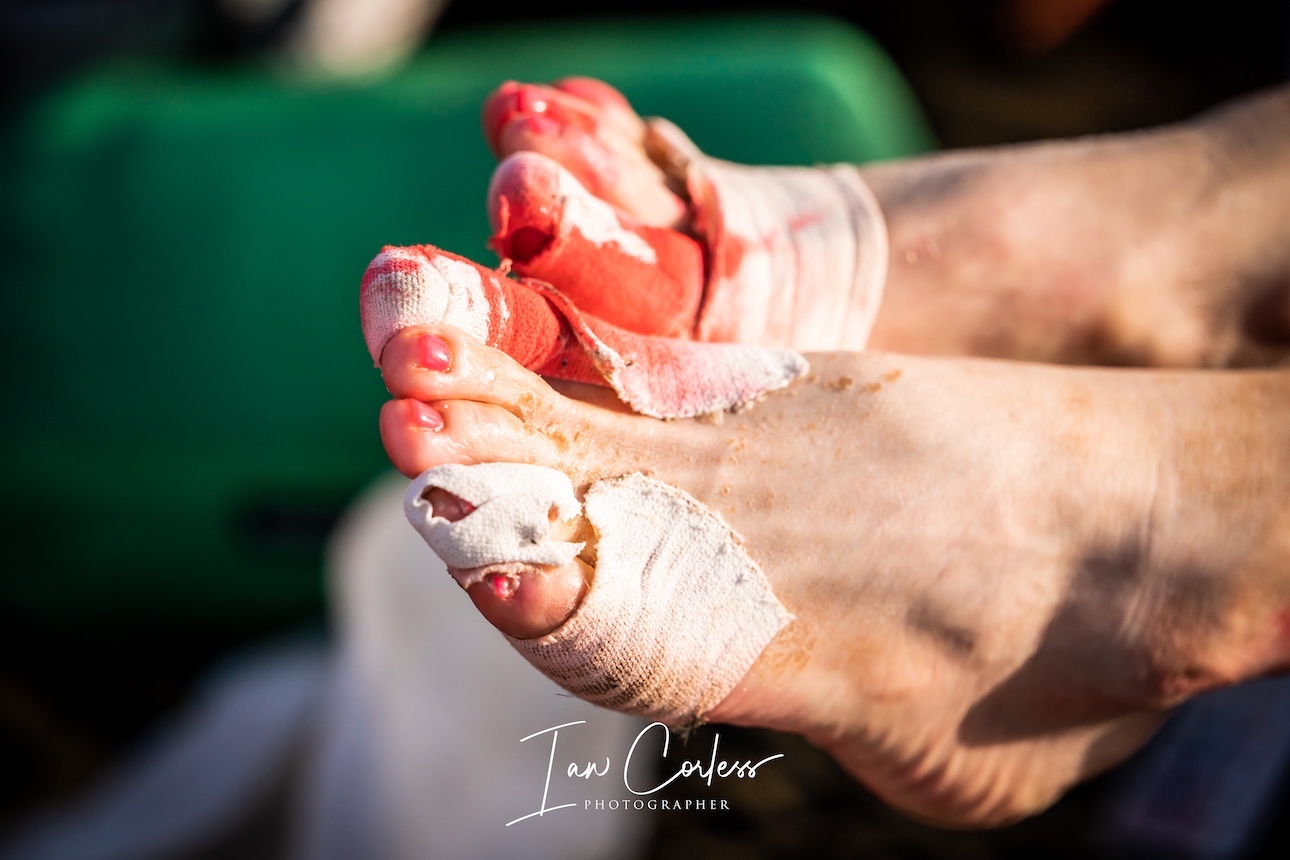
Do you have sensitive feet? If so, you can prepare your feet in the run-up to an event. Also make sure your nails are trimmed back. While racing, if you have blisters, stop and get them treated as soon as possible. Take responsibility and learn basic footsore before an event. You need to make sure you can make any necessary treatments. Finally, many races have a medical team that are provided to look after you and your feet. Don’t hesitate to use them, but remember, there may be a big line waiting. Self-care is an excellent way to make sure that you are ready to run in your own timeline.

4 – BALANCED PACK

Not all multistage races are the same. The Coastal Challenge in Costa Rica, for example, is not self-sufficient so a runner only needs to carry liquid, snack food and any ‘mandatory’ kit. By contrast, a self-sufficient multistage race requires you to carry everything. A simple rule is keep everything as light as possible and keep your pack balanced. Luxuries really are luxuries in a race over multiple days so really ask yourself, do I need to take that? You will need mandatory kit as specified by the race and in addition you will need (as a guide):

  • Sleeping bag
  • Sleeping matt
  • Warm layer
  • Spare socks
  • Food (minimum calories are specified per day)

Clothes, shoes, hat, sunglasses –  but you will be wearing these so they don’t go in the pack.

That’s it. Keep it simple and if at all possible, get your pack with its contents as close the minimum weight as specified by the race.

By general consensus, a luxury item is considered a music player (or 2) such as an iPod shuffle.

Also remember that minimum pack weight will be without water, so, if your pack weighs 6.5kg, you will have to add 1.5kg on the start line on day 1. This is where a front pack or a pack where bottles sit on the front works really well. Bottles on the front help balance the front and the back and provide a greater running experience. Also, think about items your need whilst running… it’s not a good idea having them in the back, they need to be at the front so you can access them ‘on-the-go!’

Many packs are available to choose from and you will see two or three are very popular – WAA, Ultimate Direction and Raidlight. Choosing a pack is light choosing shoes; we are all personal. However, keep a pack simple, make sure it’s comfortable and make sure it has little or no bounce when running/ walking.

Consider joining a multistage/ multi-day training camp HERE

5 – PROTECT FROM THE SUN

The sun can be a killer in any race, single stage or multistage – use sun protection and apply it daily. Also use products like arm coolers, a hat and a buff. At aid stations or whilst racing, you can keep these wet which will help cool you. Particularly the buff. If you overheat, slow down and apply cold/ water to the back of the neck. Use UV protective clothing and the jury is out on if clothing should be tight or loose. This often comes down to personal preference.

6 – EAT WELL

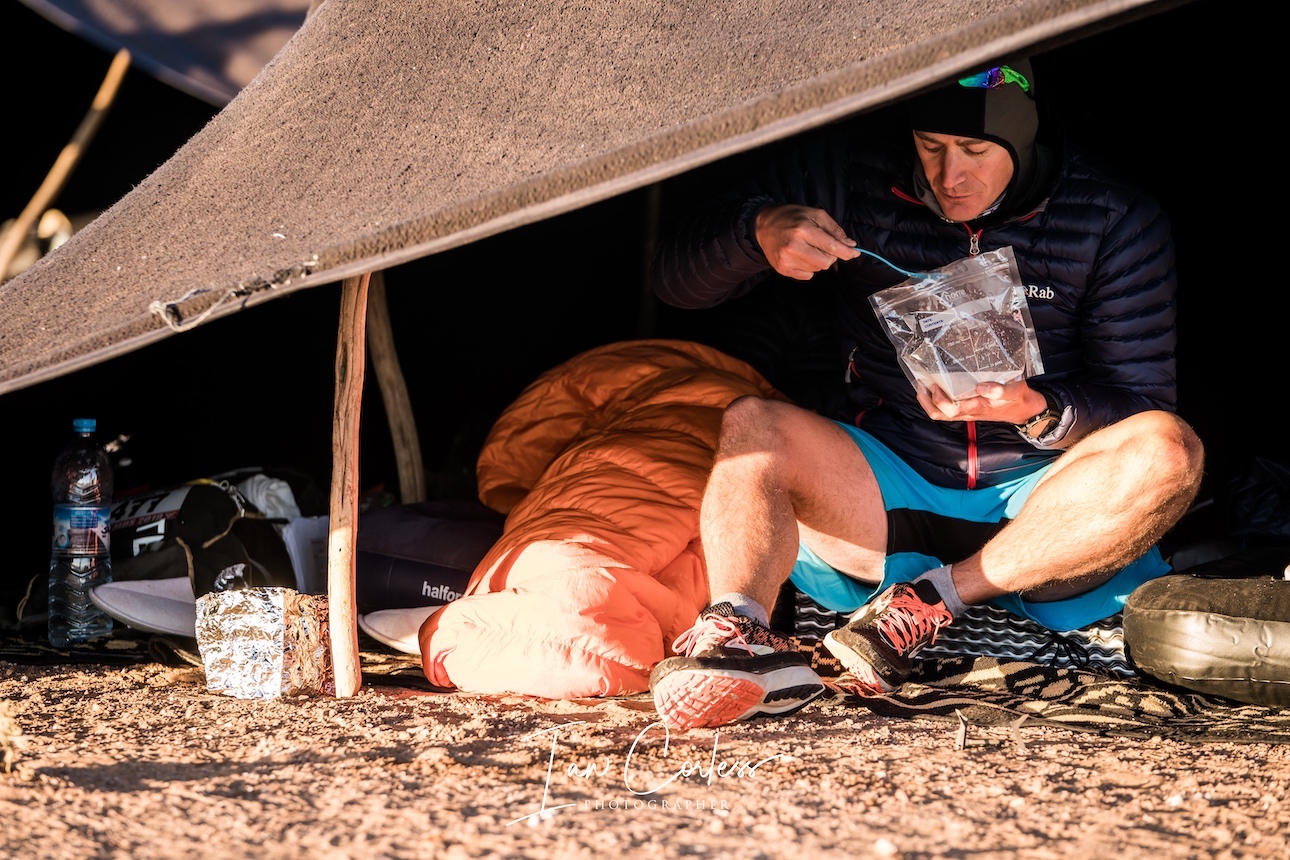
Any multistage race is quickly broken down into three phases – running, eating and sleeping. Food is a really important part of any race as it has to perform many functions. Most importantly, it has to sustain you so you will need carbohydrate, protein and fat. Individual requirements will vary but carbs will restore energy, protein will repair and fat is essential as this is one of the primary fuel sources for a multistage race. Remember though, our bodies have an unlimited reserve of fat. It’s important to understand that your diet whilst training may well be very different to when racing. In training you may well have eaten less carbs to teach your body to use fat, but when racing, you need to recover and be ready to run/race again the next day. Have variety in your food as your palette will change with fatigue, dehydration and heat. Real foods are good but dehydrated food also has a place. You also need to decide if you will require a stove for heating water? Don’t think twice about stepping up a little on the organization’s requisite minimum daily dose of 2,000 calories a day, remember though, it’s all weight!

7 – REST

Rest is crucial and how much you get will depend on how fast you run. Front runners have no shortage of rest time, however, those at the back of the race get minimal rest. Make sure you have a good sleeping bag that is warm enough for you and is as light and packs small as possible. You can save weight by not carrying a sleeping matt – general consensus says that carrying one is worthwhile as sitting and sleeping is much more comfortable. Matts come in two types: inflatable or sold foam. Inflatable matts work really well, pack small but you run the risk of a puncture without diligence. Foam matts won’t puncture but they can be bulky.

Make sure you have a warm layer for comfort, temperatures drop with darkness. A jacket (usually down) will also allow you to add warmth while sleeping if required. A lightweight sleeping bag and down jacket is preferable (by general consensus) over a combination sleeping bag that turns into a jacket. A jacket and bag offers flexibility, weighs less and packs smaller but will be considerably more expensive.

8 – PACE

Remember that you have entered a race that lasts multiple days. Spread your effort and have the big picture in mind – pace yourself. Don’t set off too quickly and consider race profiles, distances and cut-off times. YOU take responsibility of when you need to be at checkpoints. A day with a great deal of climbing, soft sand or technical train will take longer, allow for this and be prepared. Most multistage races have a long day and it’s fair to say it is the most feared day – keep some energy back for that day. Remember, the long day often has a generous time allowance so don’t be worried by taking a sleep break midway through.

9 – KEEP ON TRACK

Most races will have markers for you to follow but be sensible and self-aware of the challenge. If a race requires you to carry a map and compass, then please understand how to use them. Carry a Spot Tracker for safety and if you use a GPS such as Suunto or Garmin, remember that these watches plot a route that you can use to backtrack. In a race like MDS it is difficult to go off course due to the volume of people, remember though that dunes are not way-marked and you will be given a bearing to run off. If you are alone or in the dark, an understanding of how this works is a positive.

10 – ENJOY IT

A multistage journey often offers so much more than any single-day race. It’s an experience like no other and friends made in the desert, jungle or mountains will stay with you forever. Also remember that this journey is a hark back to a more primitive and simple time – embrace that. Leave gadgets at home and live a simple life for a week – I guarantee it will change you!

Please support this website. I believe everyone deserves to read quality, independent and factual articles – that’s why this website is open to all. Free press has never been so vital. I hope I can keep providing independent articles with your help. Any contribution, however big or small, is so valuable to help finance regular content. Please support me on Patreon HERE.

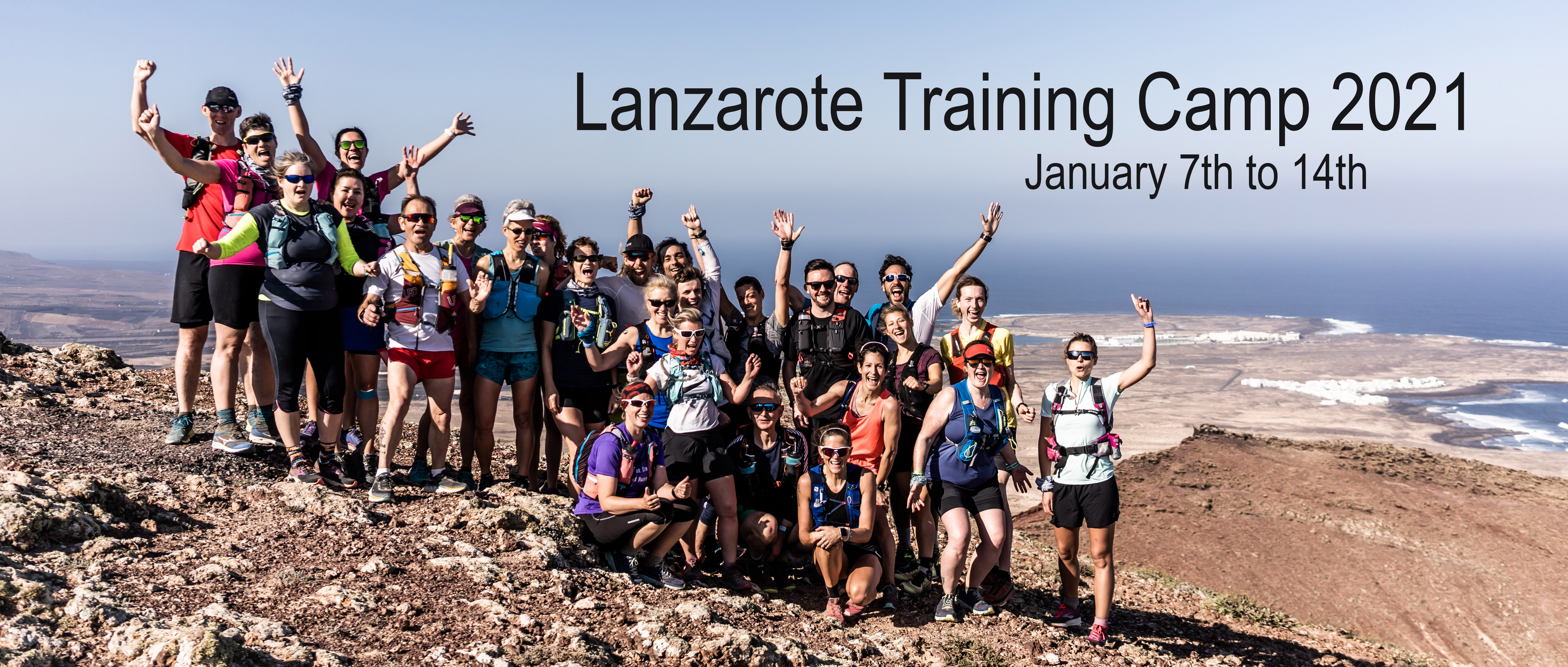
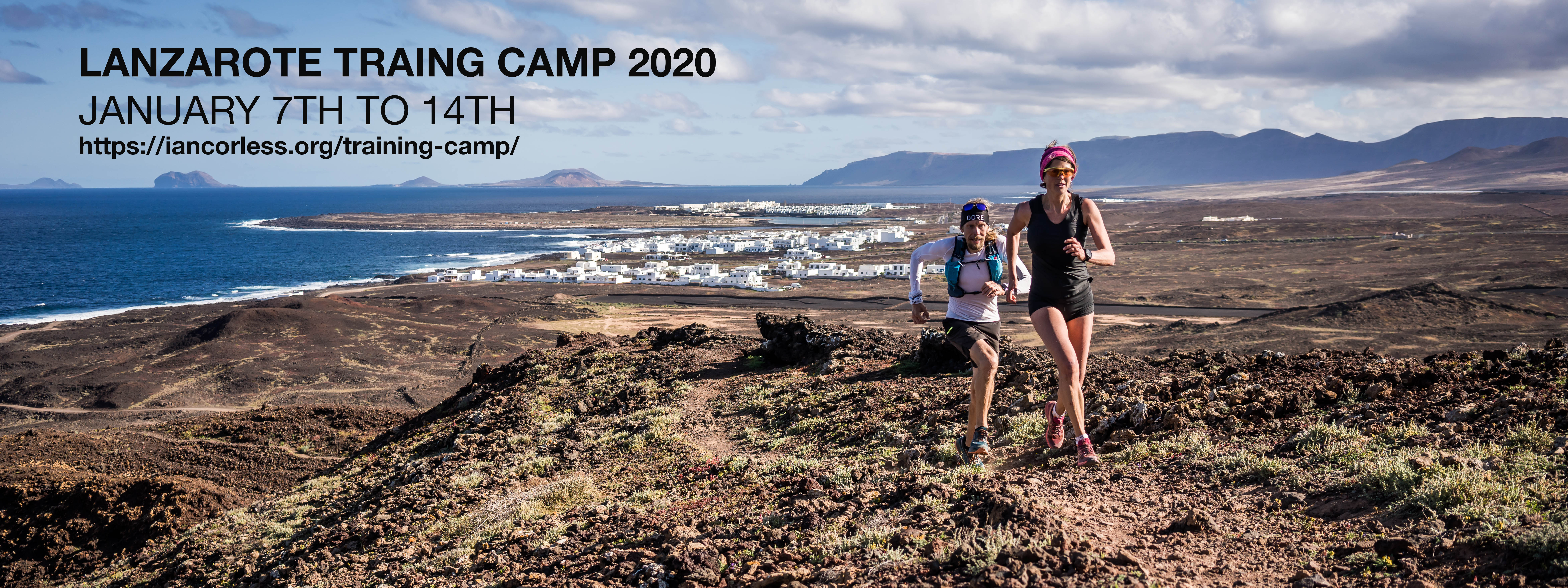
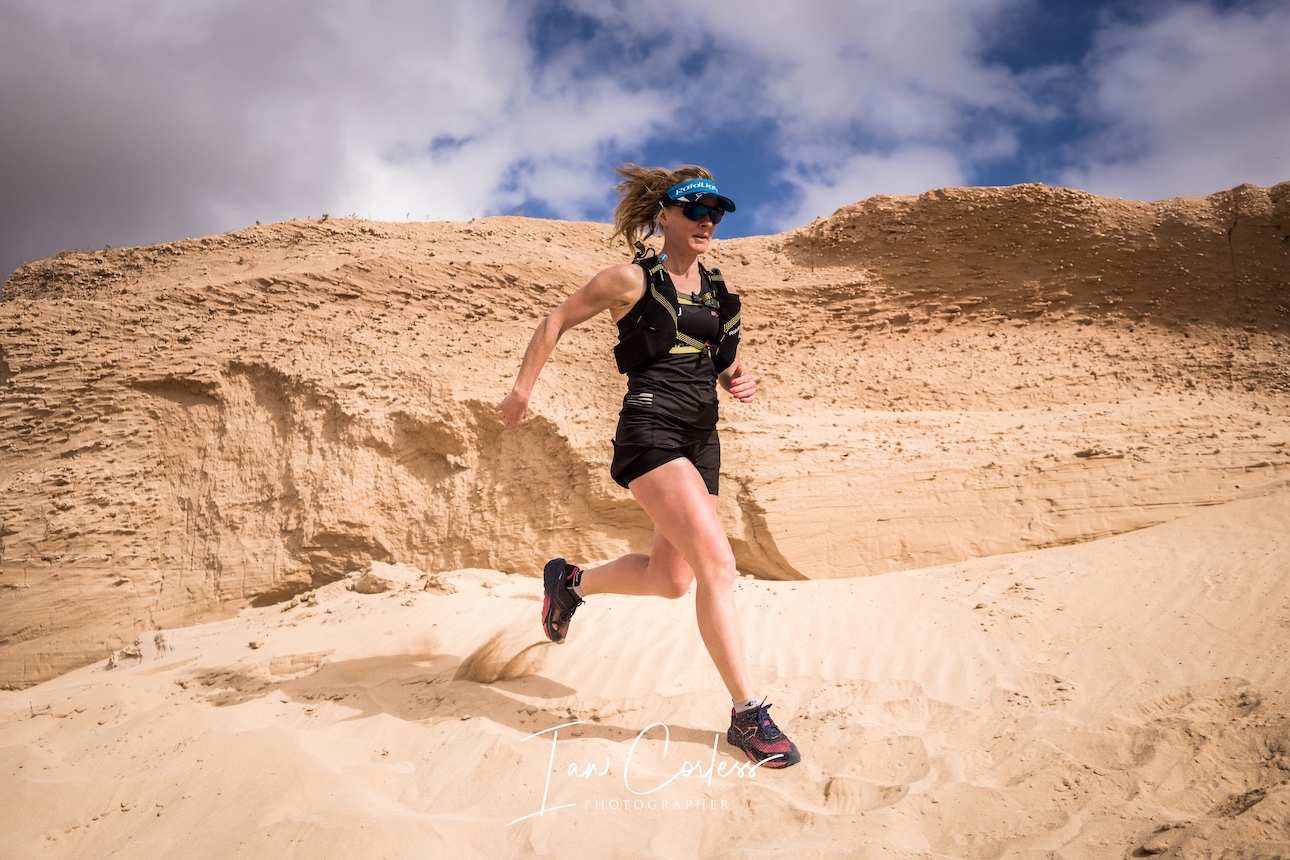
Lanzarote 2021 – The Ultimate Multi-Day Training Camp

Lanzarote 2021

January 7th to 14th 2020

We are well aware that we get many repeat customers for our Lanzarote Training Camp and in 2020 we spiced things up and it was a huge success. We actually think it may well have been our best ever camp….!

We are not going to lose sight of what makes the camp a success, so rest assured we will be providing the same experience as in previous years and developing what we have learned in 2020.

The core coaching team will be Ian Corless, Elisabet Barnes and Sondre Amdahl.

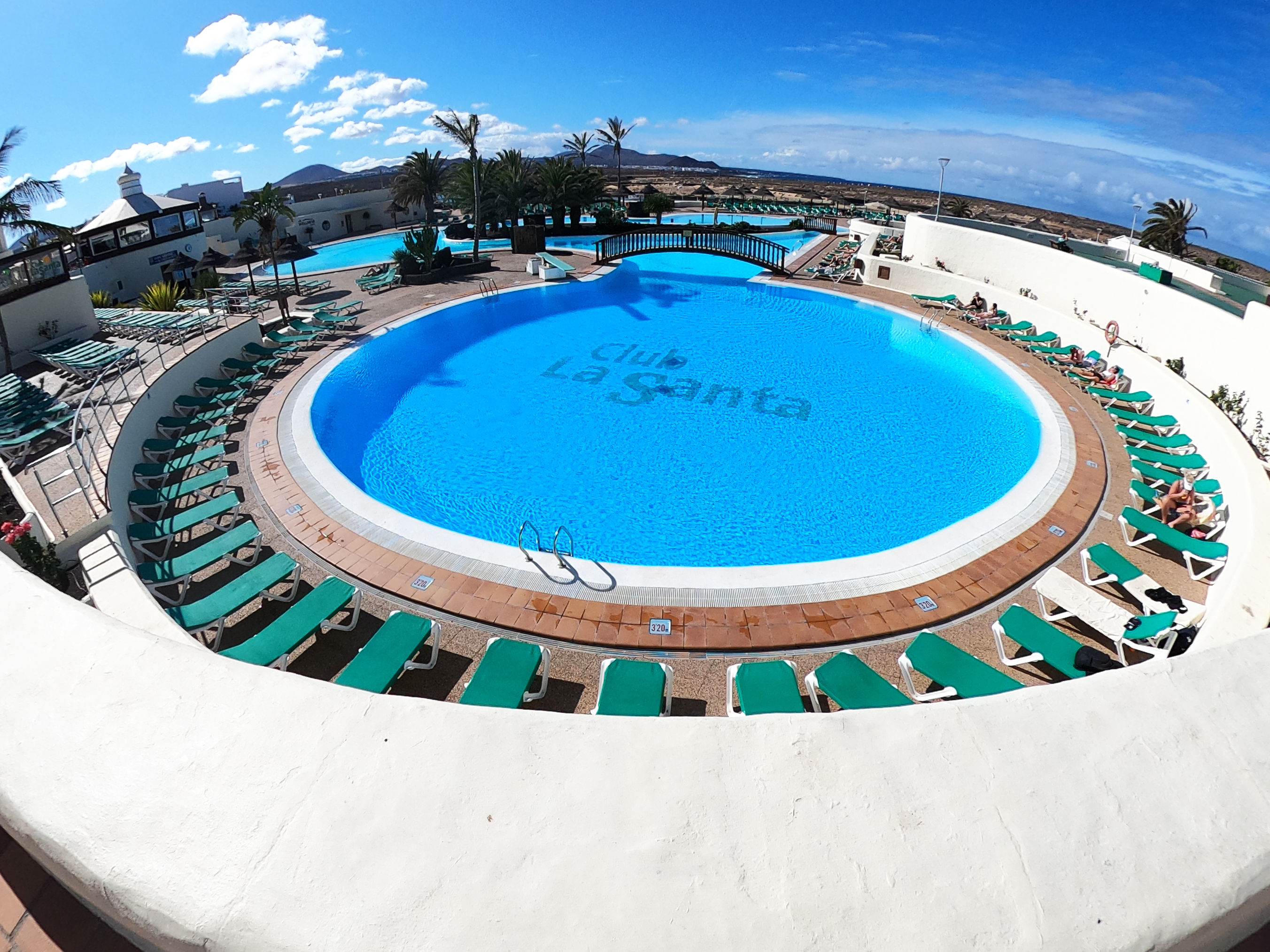
Our camp will start with a nice easy run of 1-hour and then followed with a specific group welcome in the Timanfaya meeting room at Club La Santa, here we will introduce you to the coaches and outline the week ahead. This will help ease those nerves.

Our welcome dinner will be in the El Lago restaurant which provides a great experience both in terms of ambiance and food.

In 2020 we started the camp on the 7th January, we were well aware that many of our clients are now expanding their multi-day running to other races, in particular The Coastal Challenge and Everest Trail Race. We therefore wanted to reflect that in the training camp. The earlier start of 7th January allows for more time between our camp ending and the start of TCC which is early February. As in all previous editions, the training is geared very much towards the Marathon des Sables.

TCC is a technical race at times with water crossings and coasteering – In 2020 we incorporated more technical running and the ability to be guided on technical coastal paths. This is of course optional – we fully appreciate that for some clients this may not appeal or be required.

ETR requires great strength, a real requirement to use poles correctly and an ability to climb with confidence and descend with confidence. We will work on specific sessions to get you ready for a race like this.

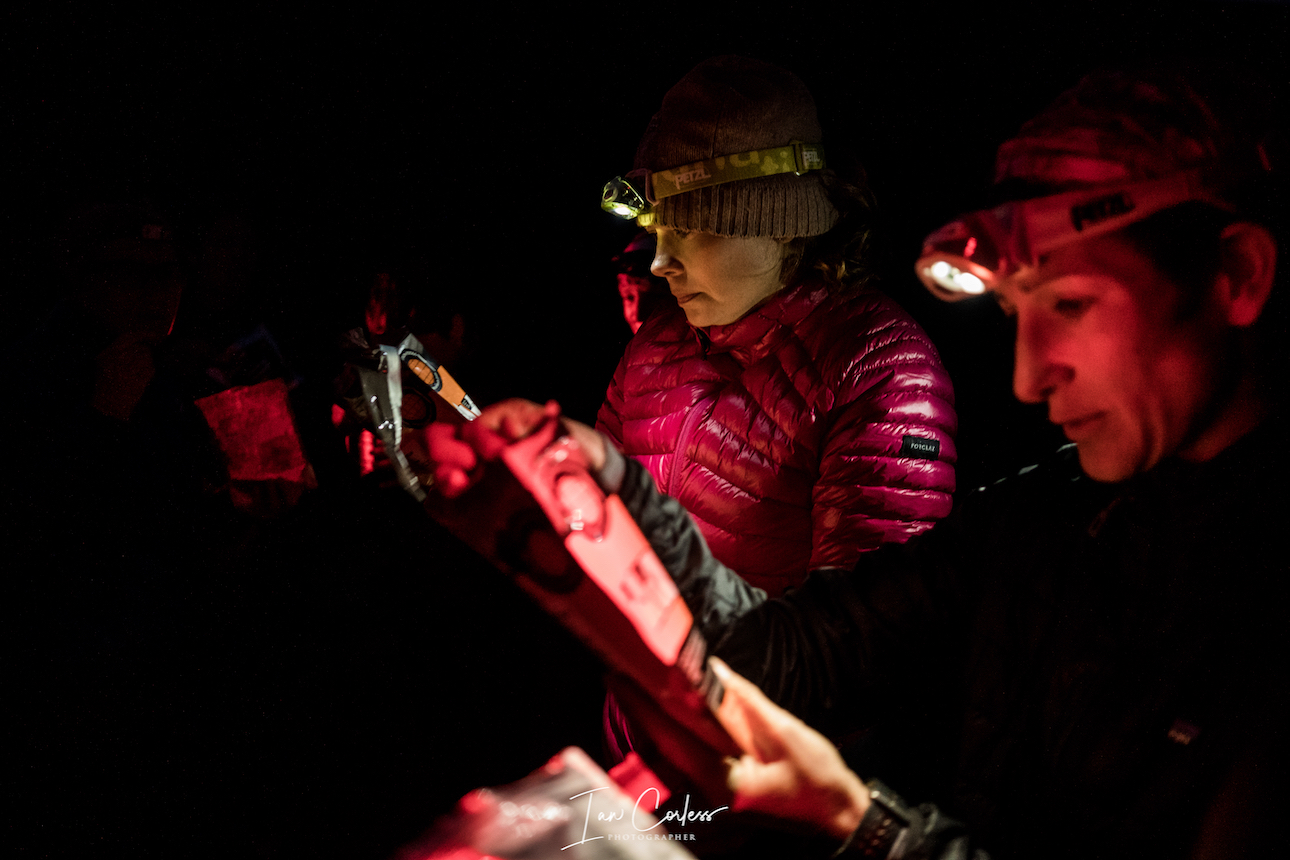
Night running is a skill and we will therefore add a specific night run in groups so that you all feel comfortable with the dark and running in a beam of light.

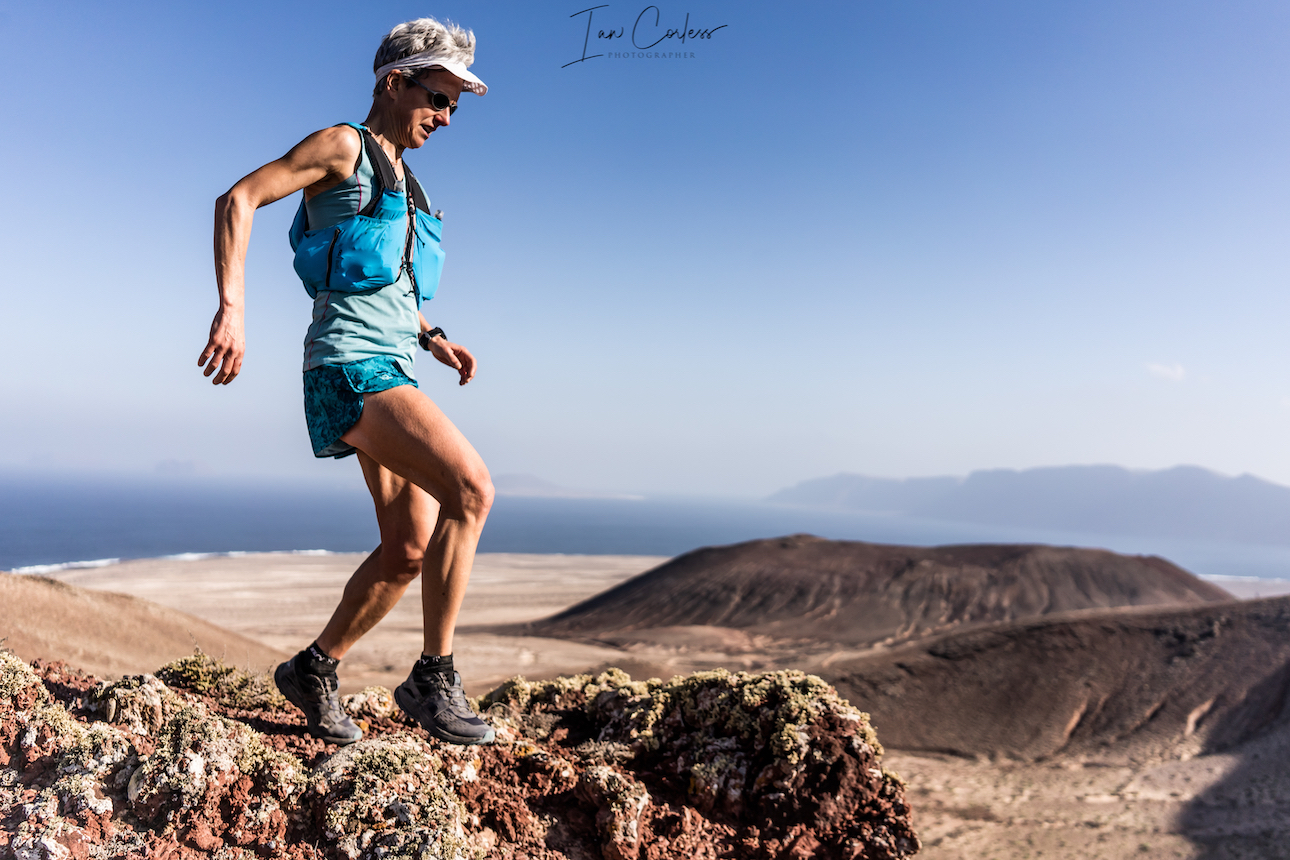
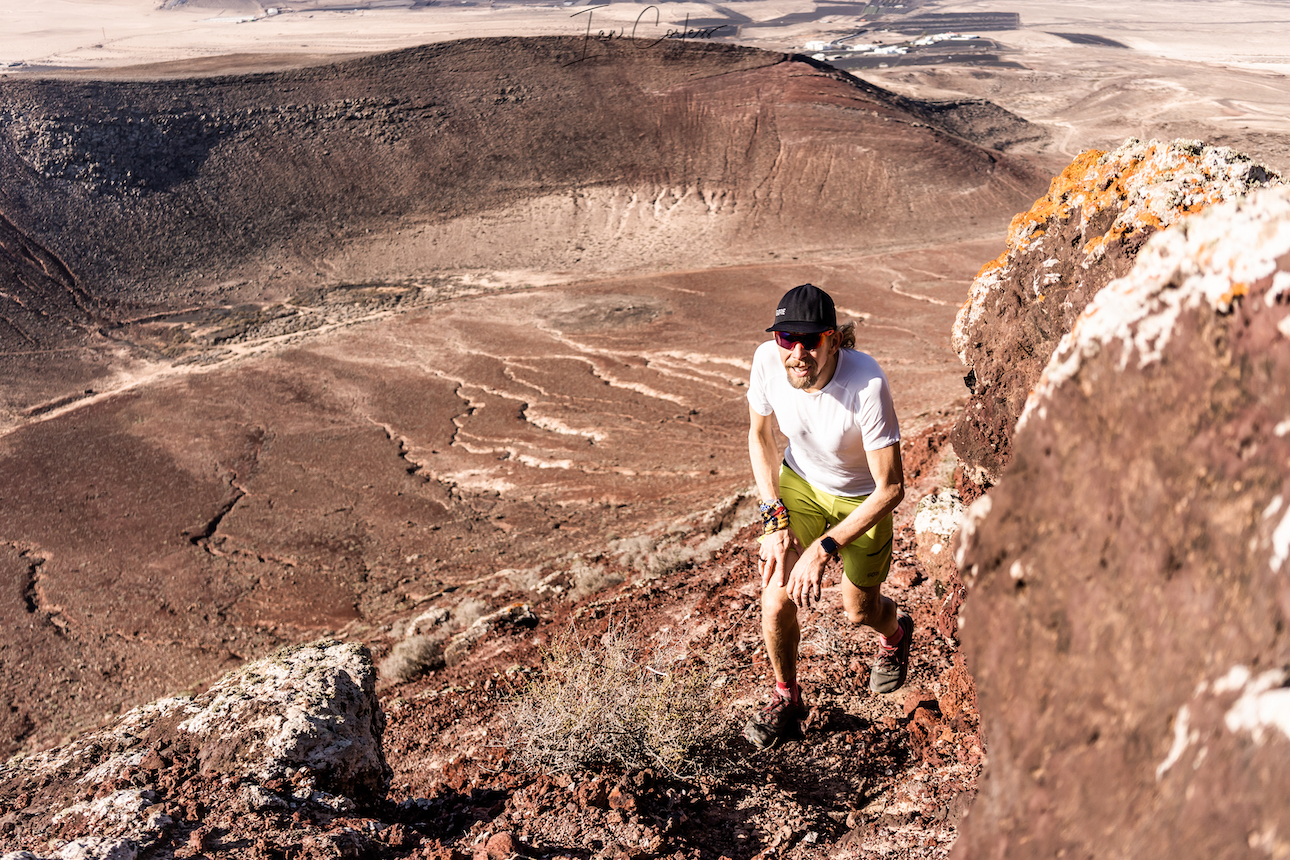
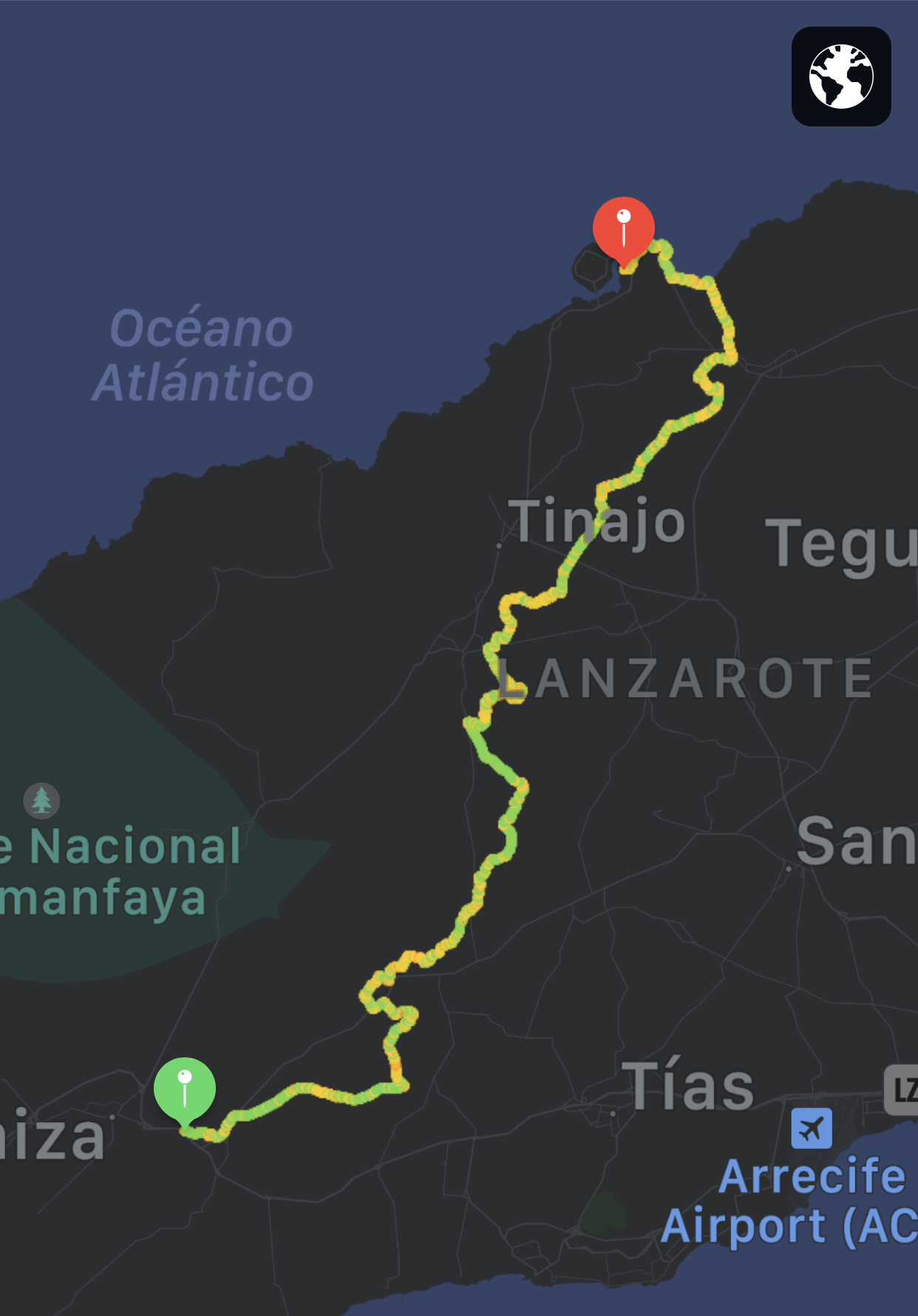
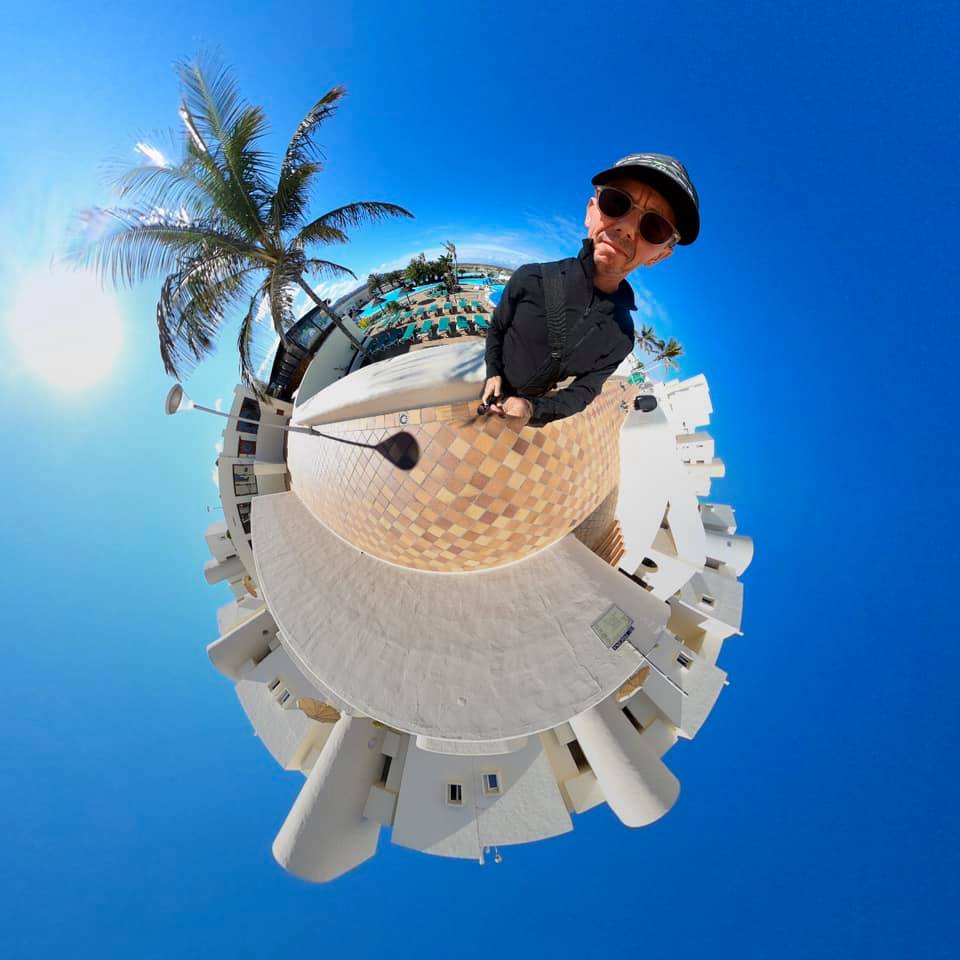
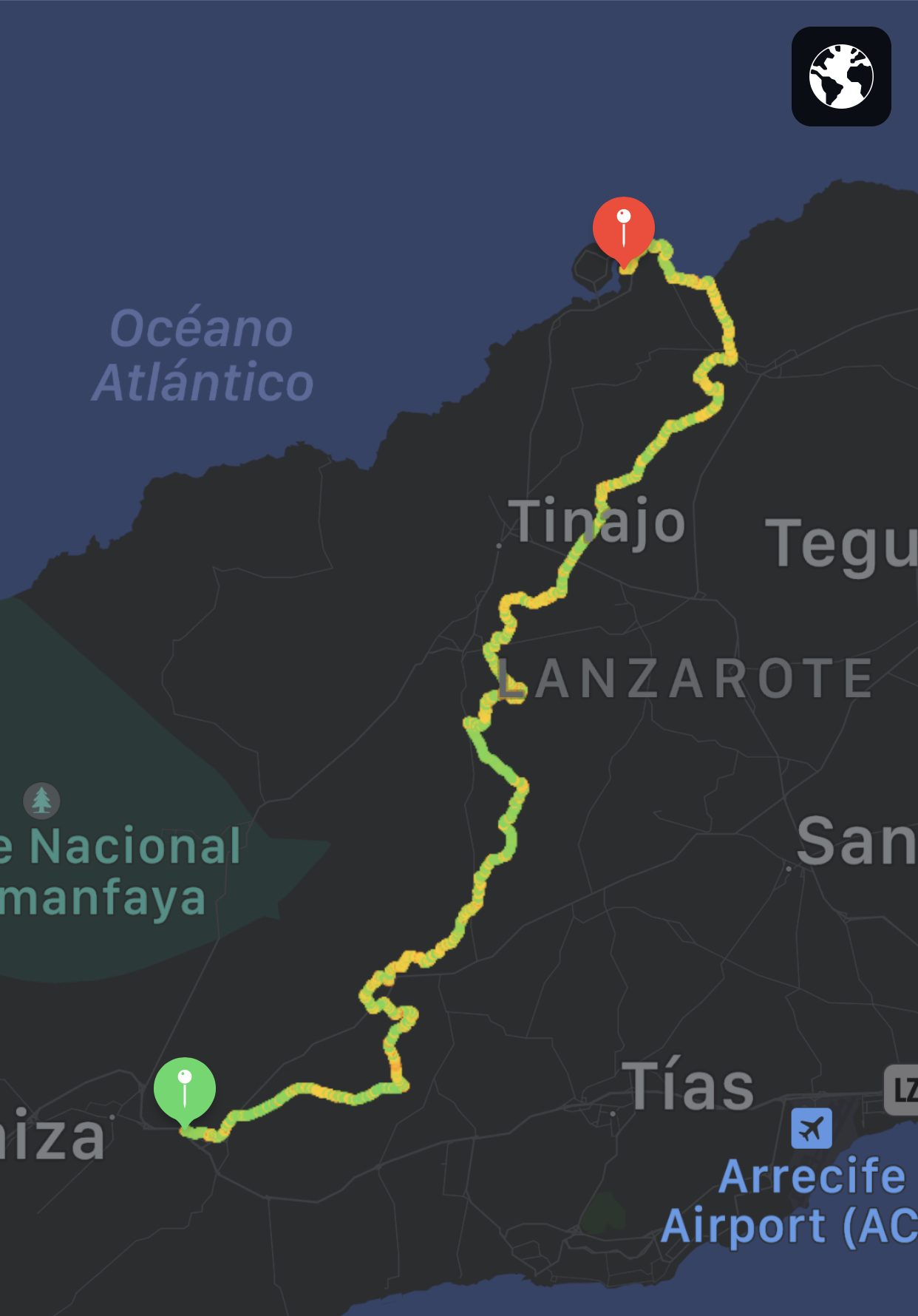
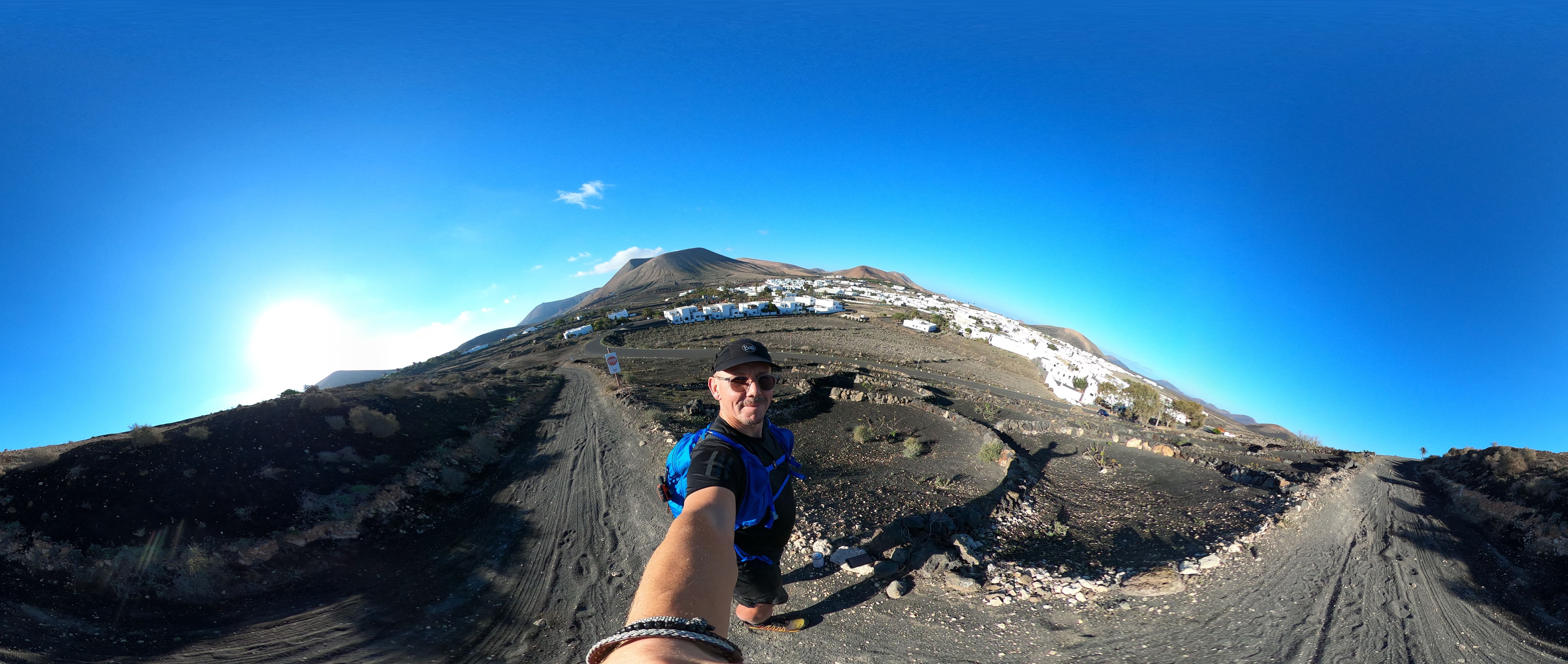
Lanzarote has some amazing trails and because we run, it is often difficult to explore more of the island. In 2020 we arranged a ‘point-to-point’ run. This required us to leave Club La Santa early morning, be driven to the Uga and we then ran/ jog/ walked back to CLS exploring new trails and gaining new experiences. This was a real highlight and it will be repeated in 2021.

Our bivouac still proves popular and for 2021 we will still have this on the camp – we are looking for ways to add a little spice and make it appealing for those who have camped before.

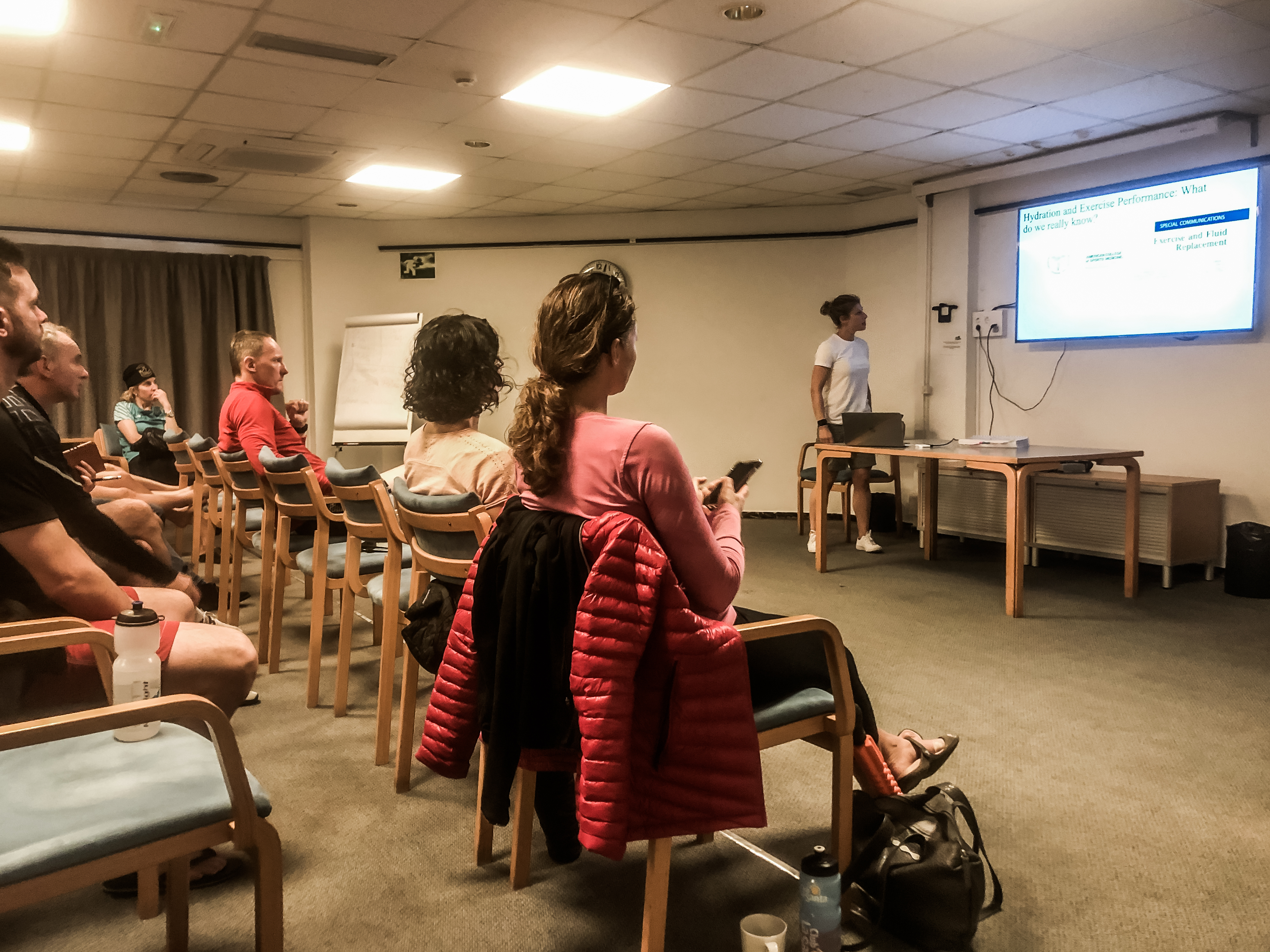
Talks are a key element of the camp and we are going to tweak them all for 2021 with the addition of some new talks.

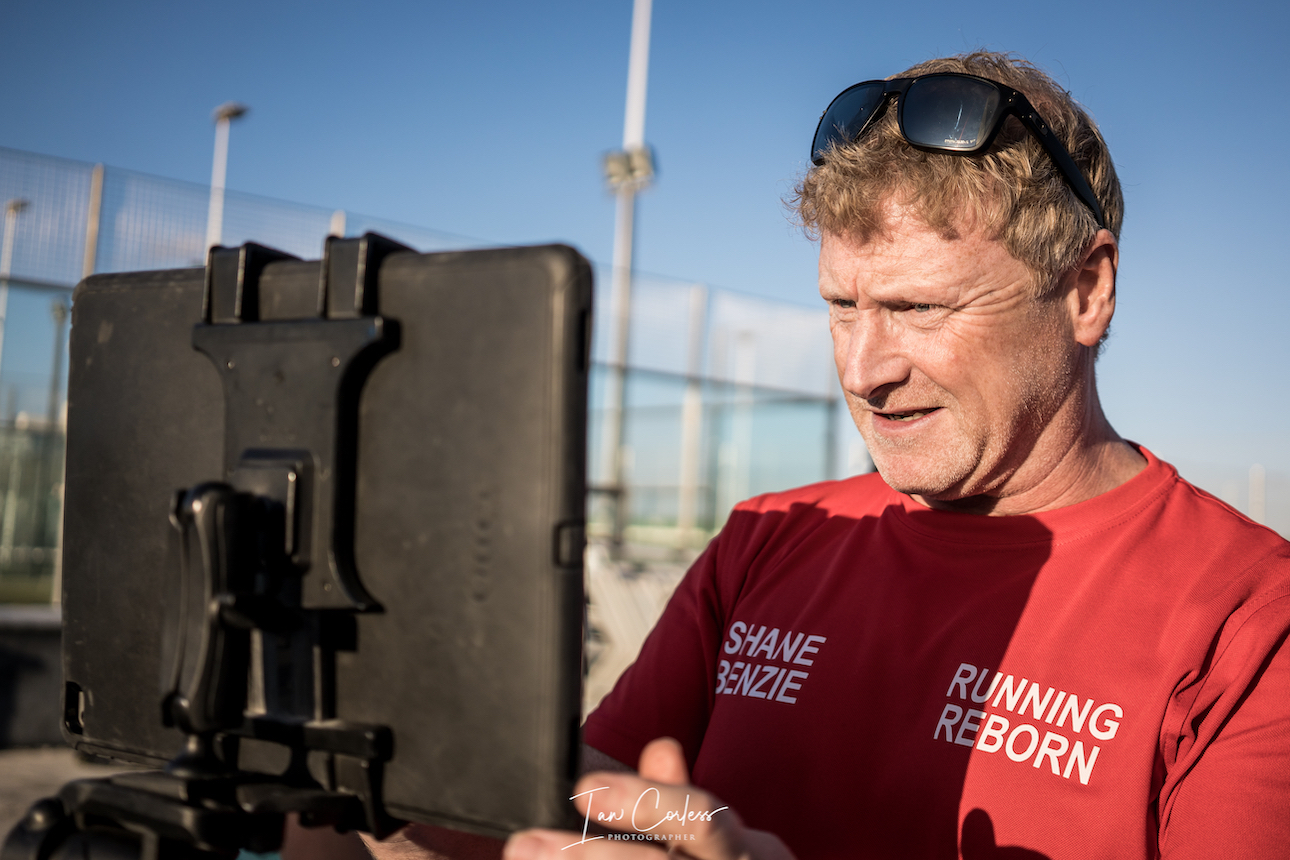
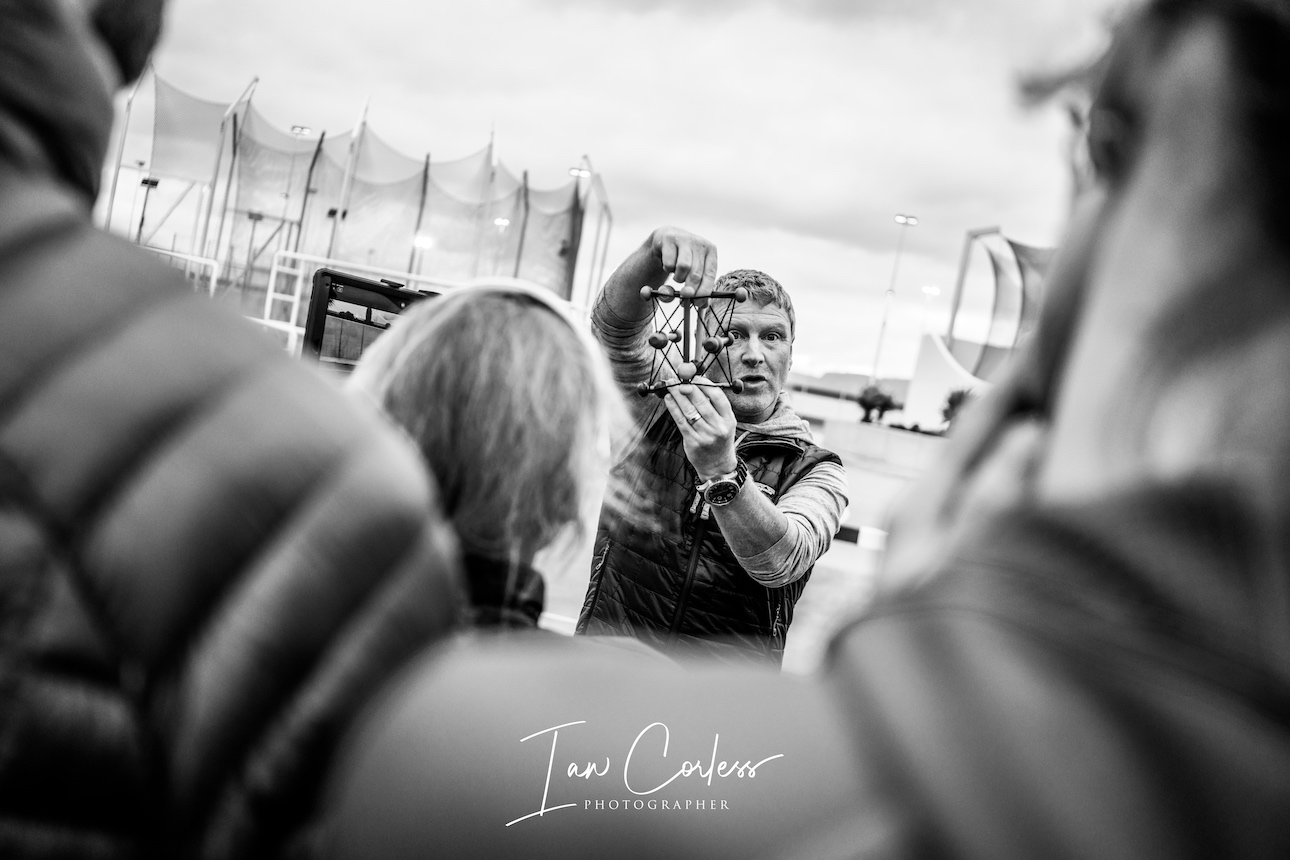
Finally, Shane Benzie of Running Reborn will return in 2021 (tbc). He will provide a group talk and presentation followed by two break out groups on the track for analysis. He will then be available for private bookings either on a one-to-one basis or in small groups, for example 2-4 people.

2021 is going to be an exciting year for the Lanzarote Training Camp, we are looking forward to welcoming back past participants and new participants for the ultimate multi-day training camp.

More information HERE and booking.

All enquirers to:

iancorless@mac.com

Website: https://iancorless.org/training-camp

Please support this website. I believe everyone deserves to read quality, independent and factual articles – that’s why this website is open to all. Free press has never been so vital. I hope I can keep providing independent articles with your help. Any contribution, however big or small, is so valuable to help finance regular content. Please support me on Patreon HERE.

Lanzarote Training Camp 2020 – Day 7

It was a cloudy day but the anticipated rain never came, thank goodness! In some respect, today was an easier day with just two run sessions and no talks.

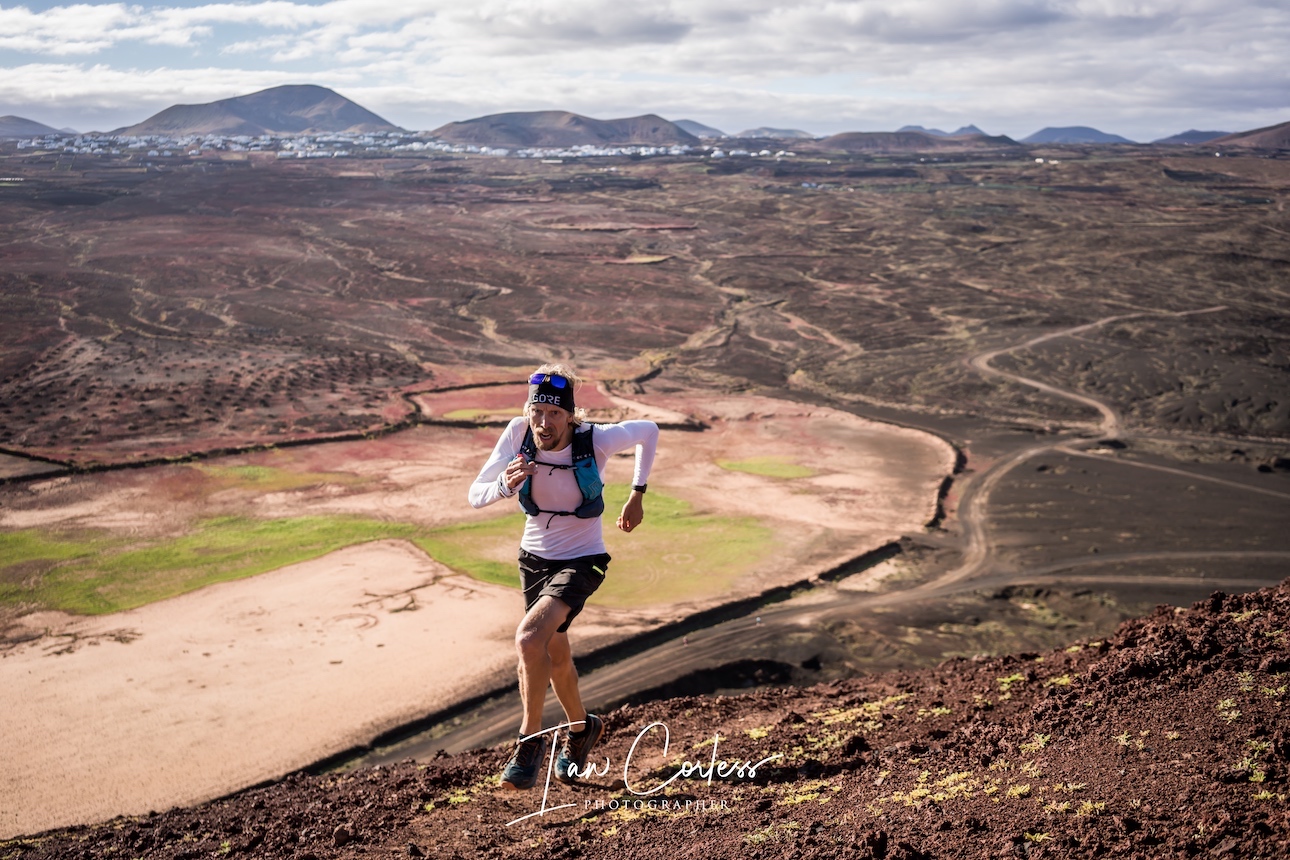
But… the day did include the in-famous Volcano Hill Reps.

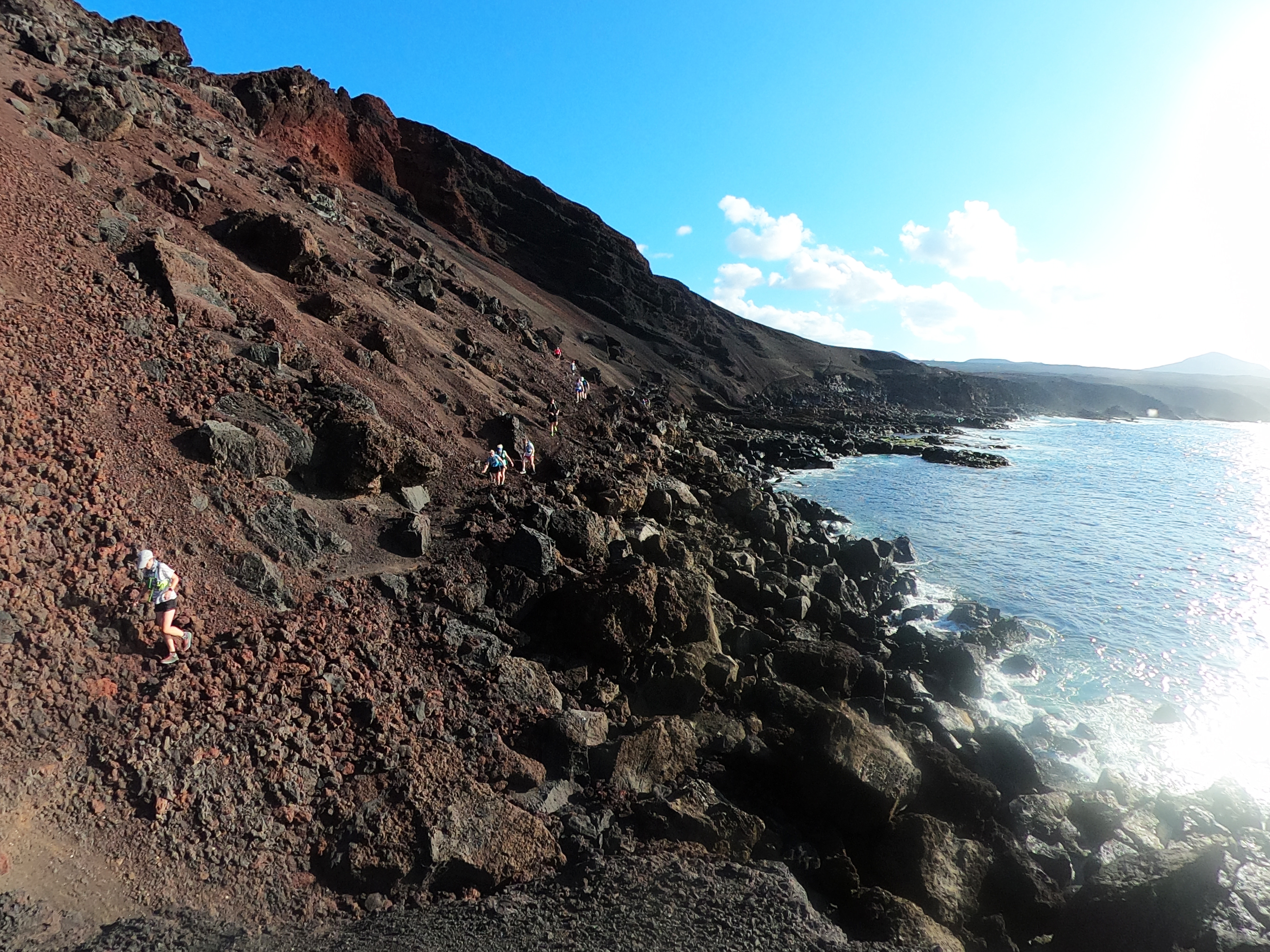
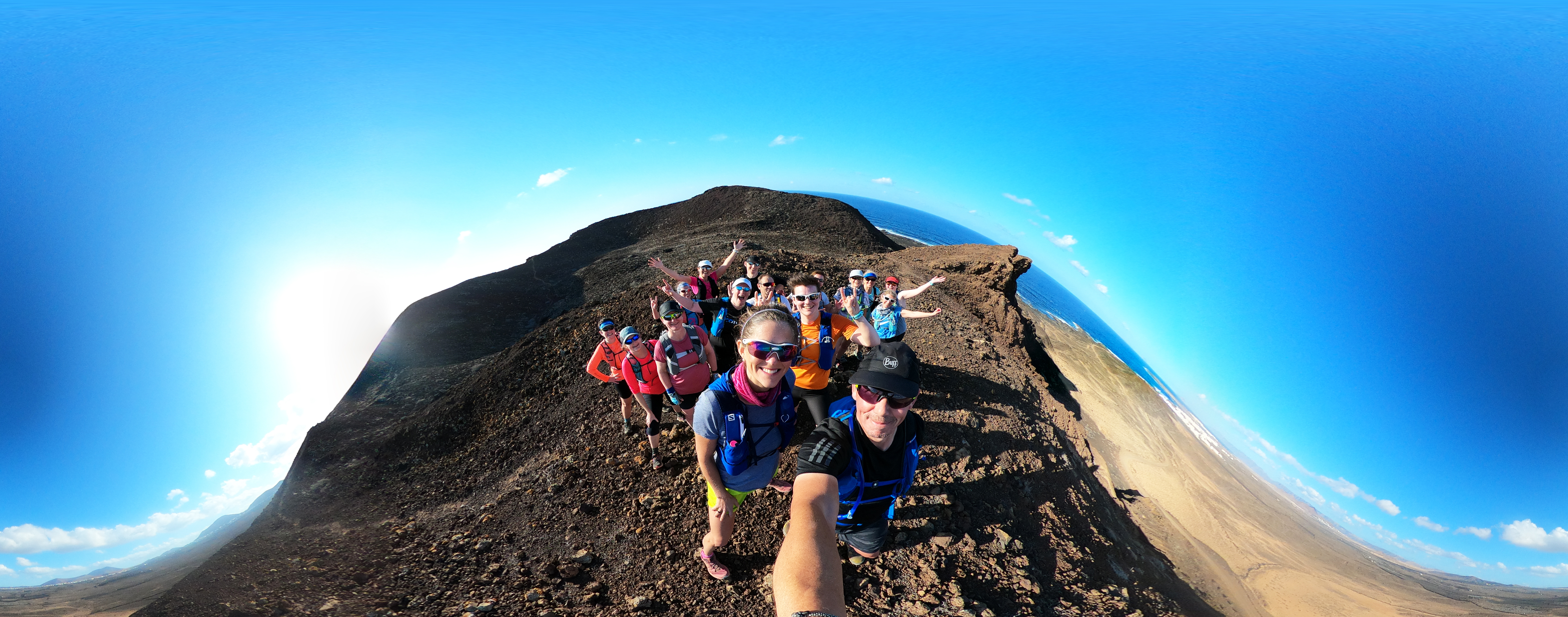
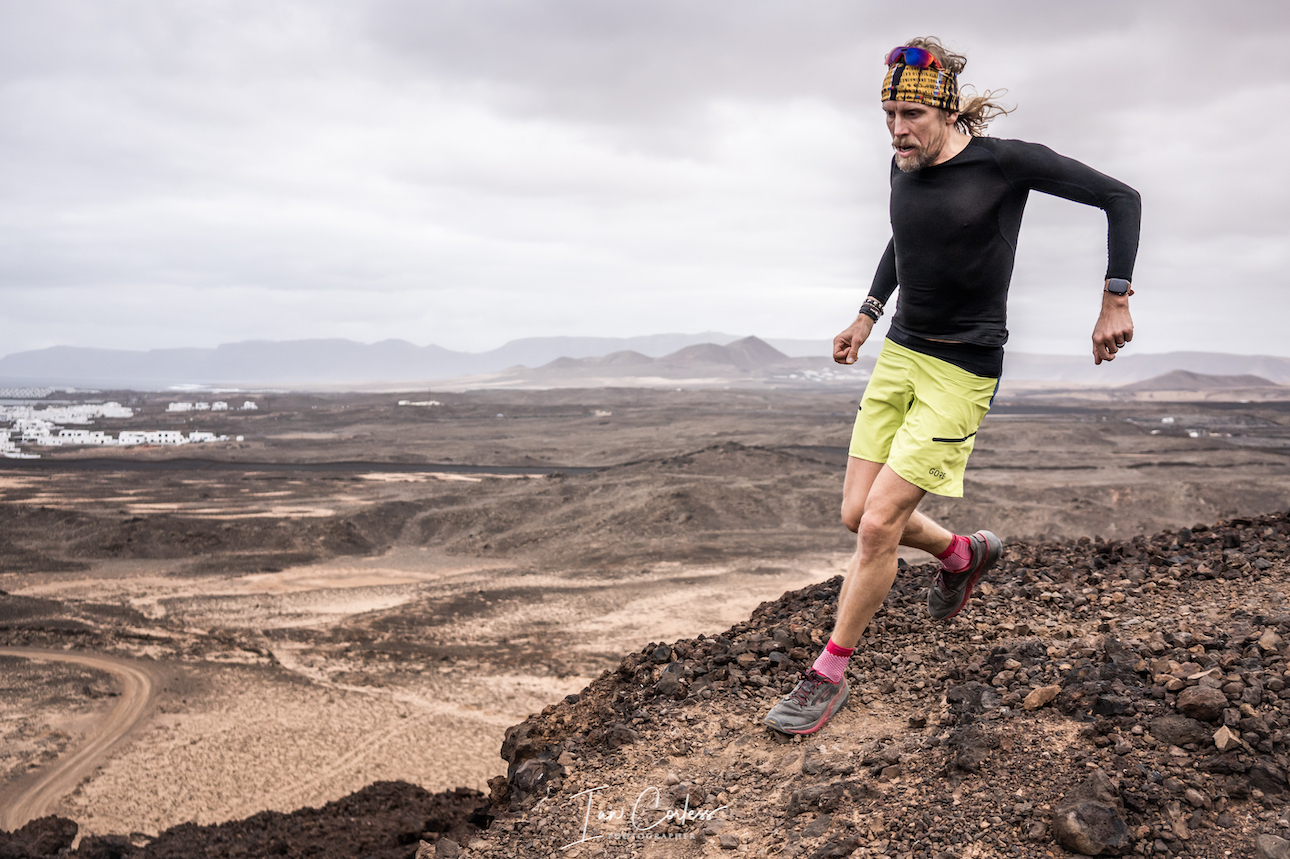
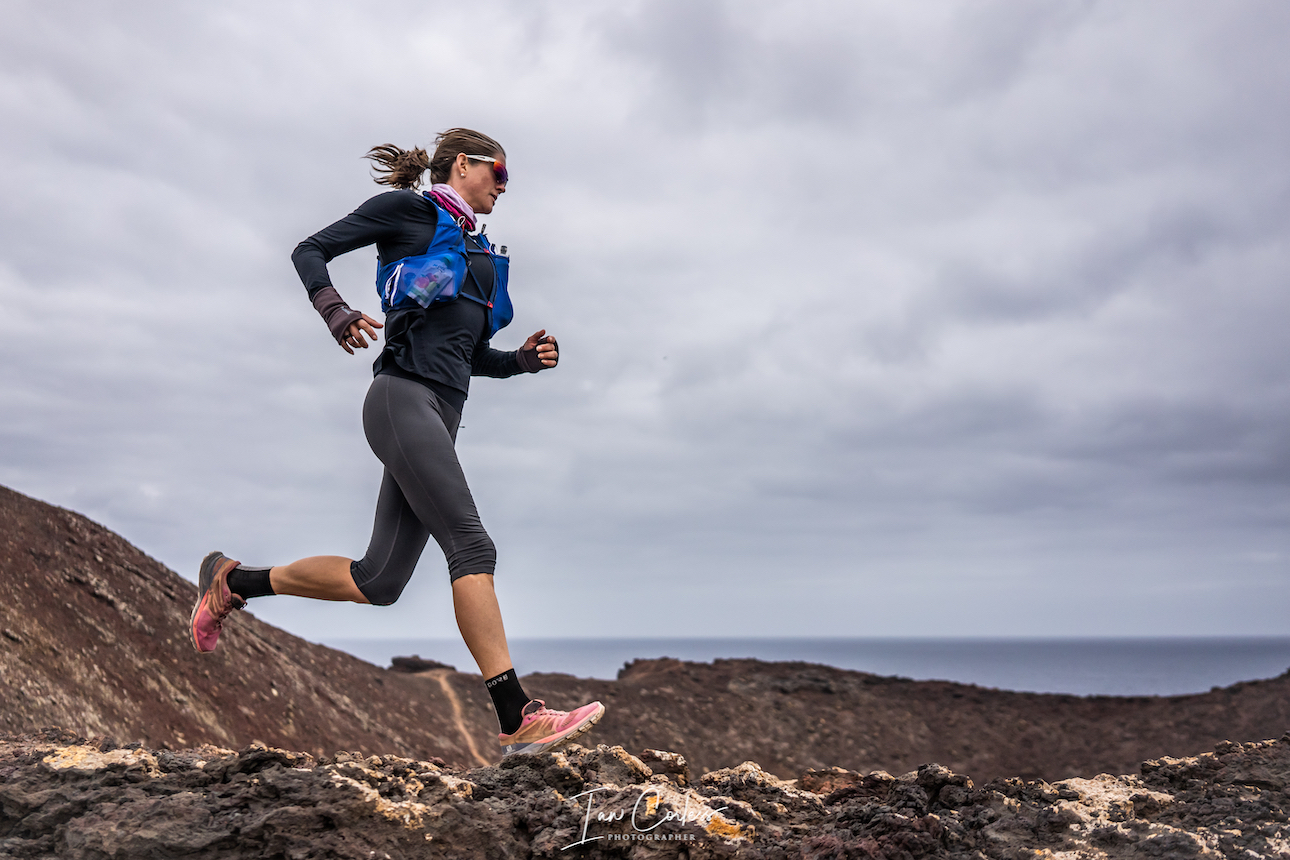
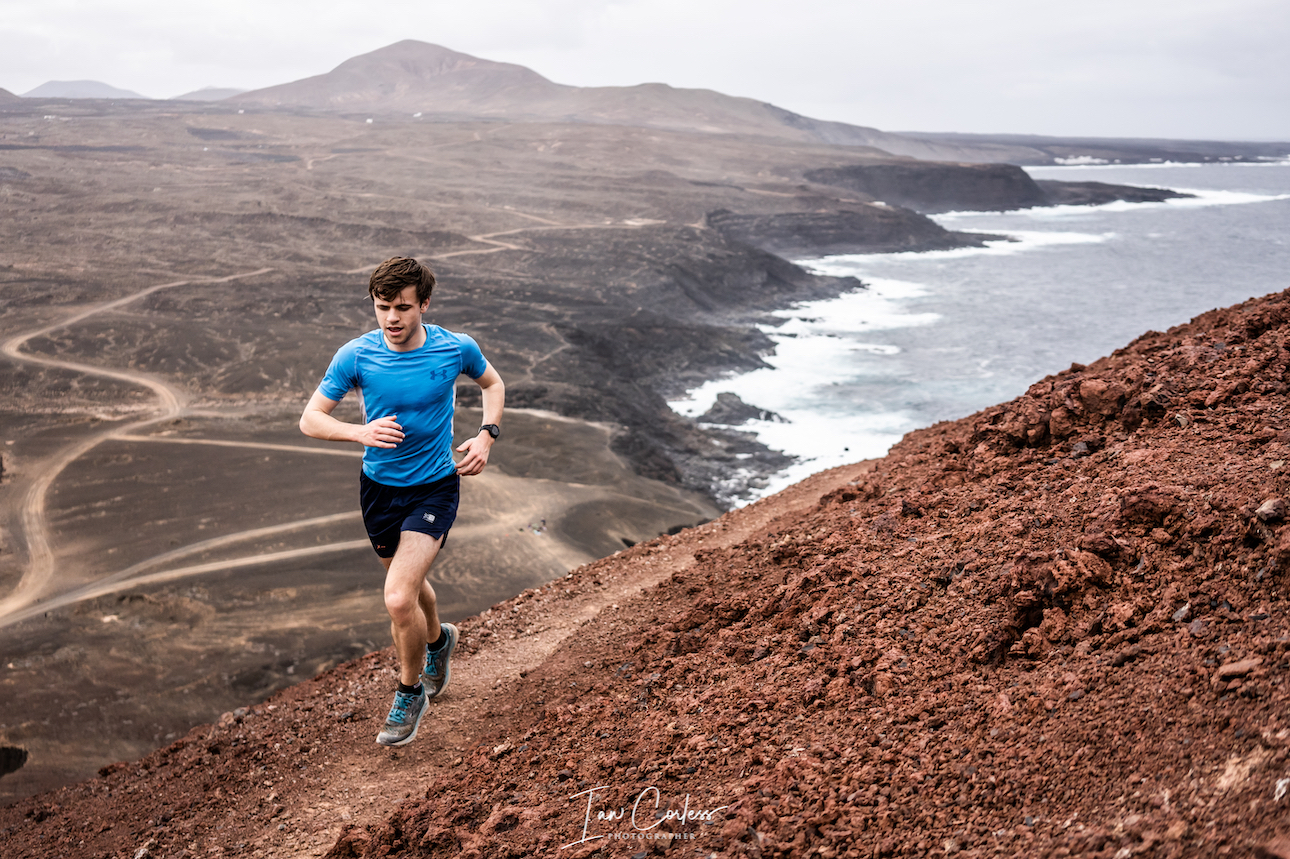
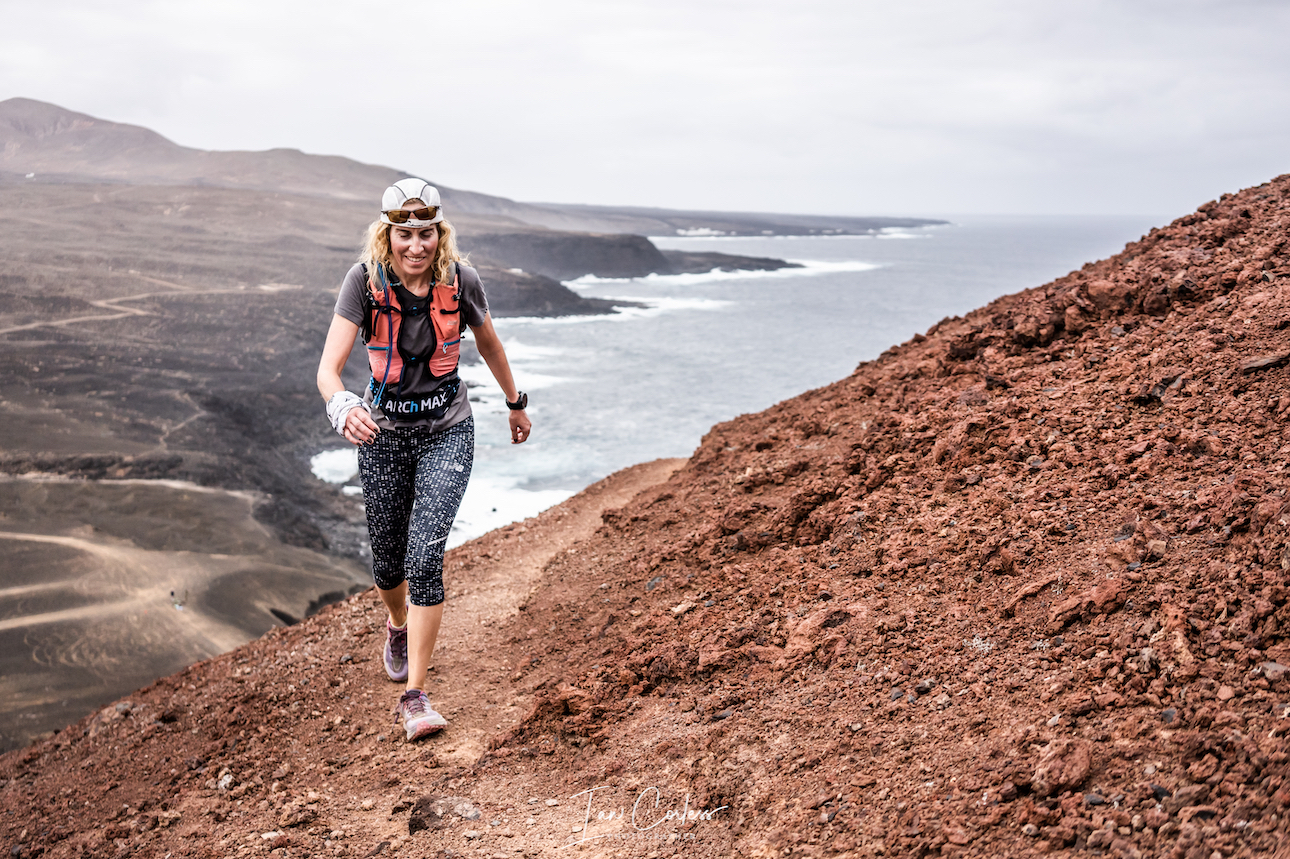
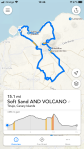
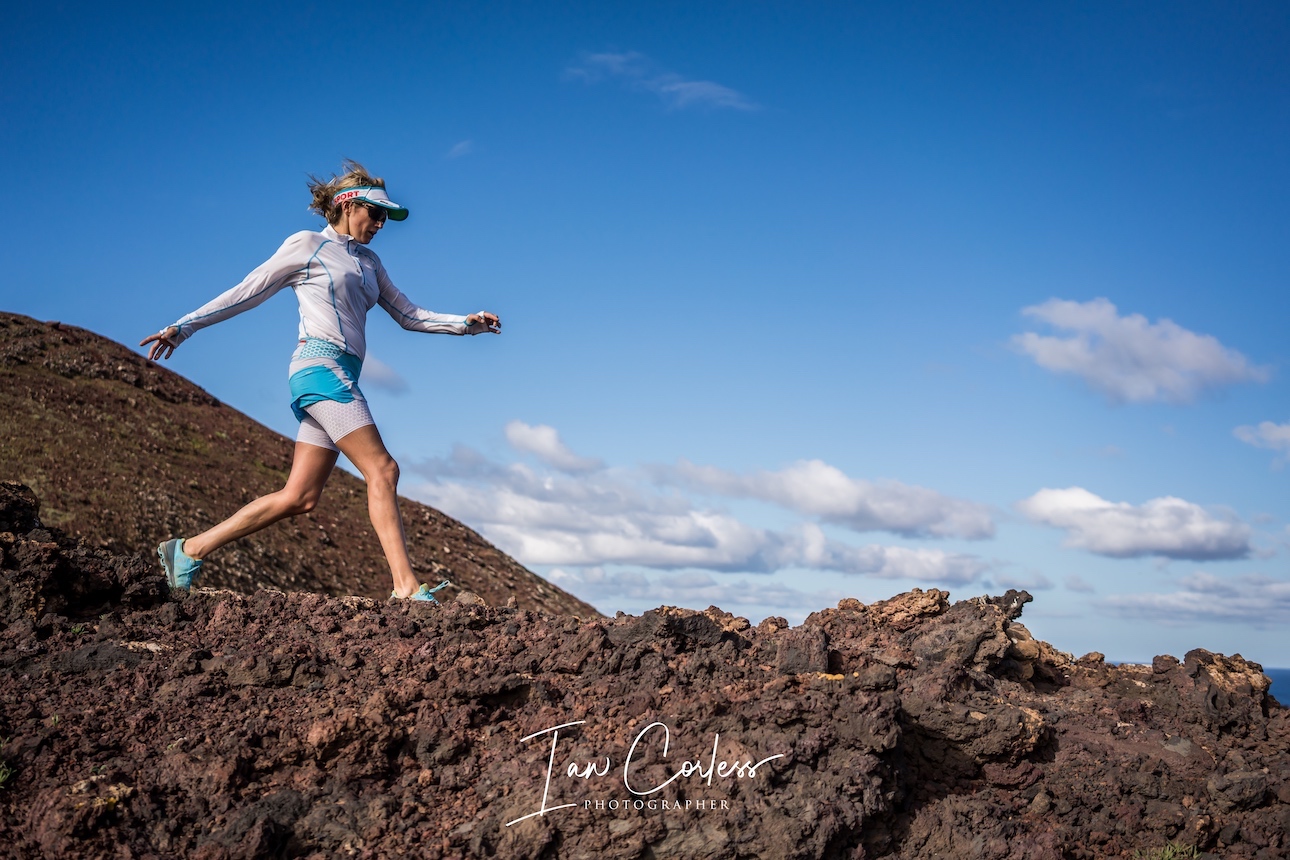
This kicks off with an easy 5km along the coast and then ideally, 6 repetitions of a loop up and down a volcano. It’s a perfect session that requires strength, running skill, an ability to handle technical terrain, good lungs and at time, nerves of steel.

The climb is approximately 100m up a narrow path of stoney sand. It requires commitment and depending on ability, some strong will and nerve.

The descent is very stoney with lots of loose rock, sand and gravel. As Elisabet Barnes said post the session:

“🌋 Volcano hill reps in a moody landscape was on the menu today. I’ve been nursing a cold so if I’m honest this shot was more a case of posing for the camera 😂🙈, but the others did work hard! 💪💪 I love this session. Some people just fearlessly bang out the reps and thrive on the technical terrain, but for others it’s a huge challenge and they may need to overcome fear of heights, fear of slipping or falling on the technical trail, step outside their comfort zone, and hopefully they leave a little more confident as a result.”

Elisabet nailed it in her words. It was great to see confidence increase along with speed on loops, 3, 4, 5 and 6. Several even did a 7th and even an 8th loop.

Back at Club La Santa, Shane Benzie was doing some one-to-one coaching sessions using his skills to improve running technique.

An extended break for lunch was followed with an ‘easy’ run for all groups to shake out the legs after what has been an intensive block of running.

2021 Training Camp dates and information will be available HERE soon.

Follow on:

Instagram – @iancorlessphotography

Twitter – @talkultra

facebook.com/iancorlessphotography

Web – www.iancorless.com

Web – www.iancorlessphotography.com

Image sales –www.iancorless.photoshelter.com

Lanzarote Training Camp 2020 – Day 4

It was a double run day today in Lanzarote starting at 0800 with a really great 9-miles with sunrise with trails along the coast leading to the volcanoes around the village of Soo and then a re-route back down to Club La Santa.

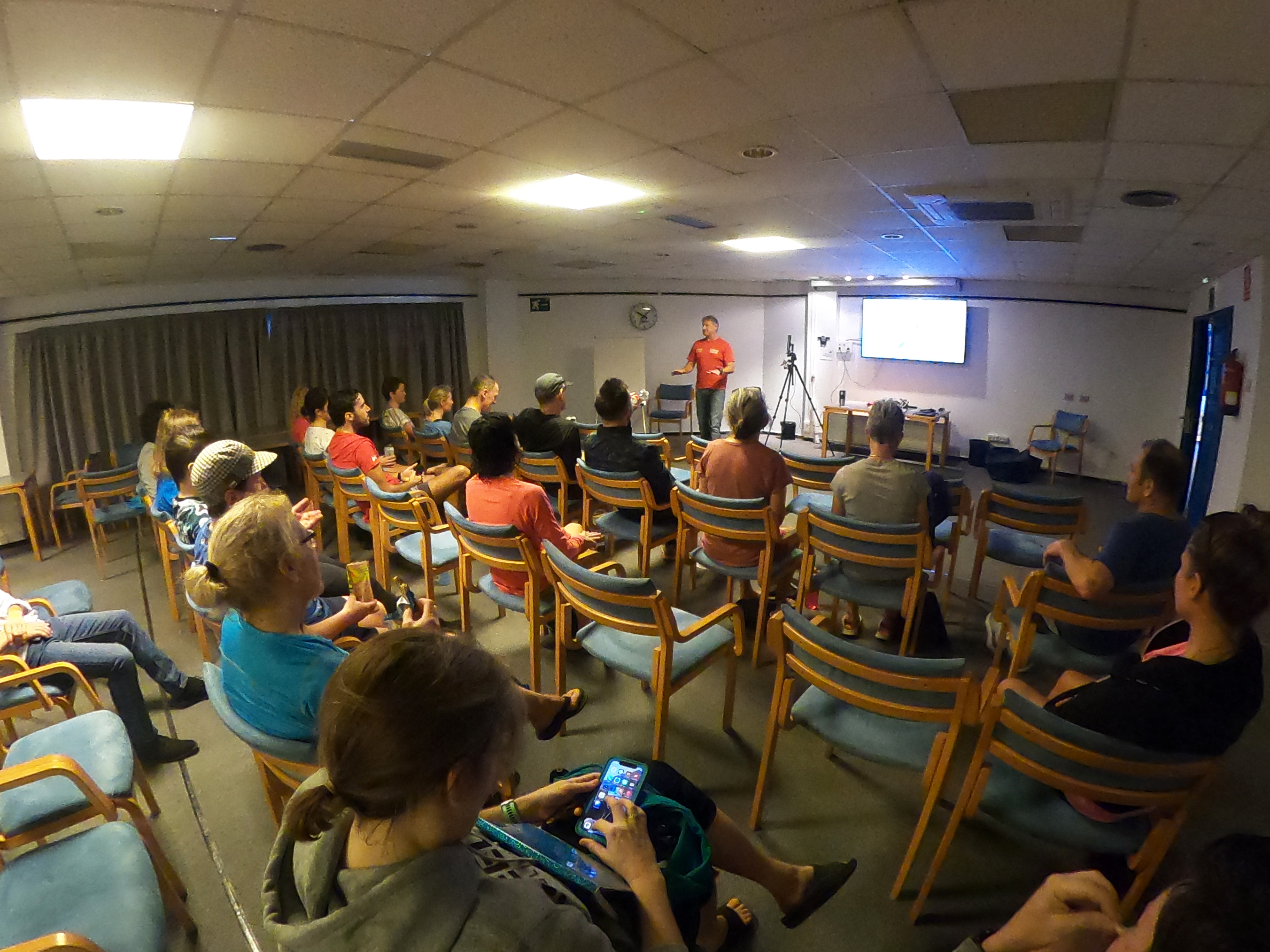
We then had a very quick turnaround to a 2-hour presentation by Running Reborn coach, Shanne Benzie. Shane is a the forefront of discussing and analysing run technique to increase performance and reduce injury, as usual it was fascinating.

A break for lunch and then the afternoon was split in to two 2-hour sessions.

Groups 1 and 2 remained on the run track and had analysis with Shane Benzie while groups 2 and 4 ran along the coast to play on one of the volcanoes climbing to the summit and descending.

You can move around the video image by using the toggle button that appears on the left of the video screen.

And then coasteering one of the technical paths returning back to Club La Santa.

Back at Club La Santa, the groups swapped with 3/4 remaining on the track with Shane and 1/2 heading out on the trails.

The day concluded at 7pm with everyone exhausted and exhilarated after a very full day.

Dates for our 2021 Camp will be announced soon HERE

Follow on:

Instagram – @iancorlessphotography

Twitter – @talkultra

facebook.com/iancorlessphotography

Web – www.iancorless.com

Web – www.iancorlessphotography.com

Image sales –www.iancorless.photoshelter.com

Lanzarote Training Camp 2020 – Days 1-3

A year soon passes and once again I am in Lanzarote for our annual Lanzarote Training Camp which is geared towards providing 7-days intensive training for ultra-runners and multi-day runners.

I arrived 3-days a go so that I could check out routes and in particular test a ‘long day’ route which would be a new addition to the camp.

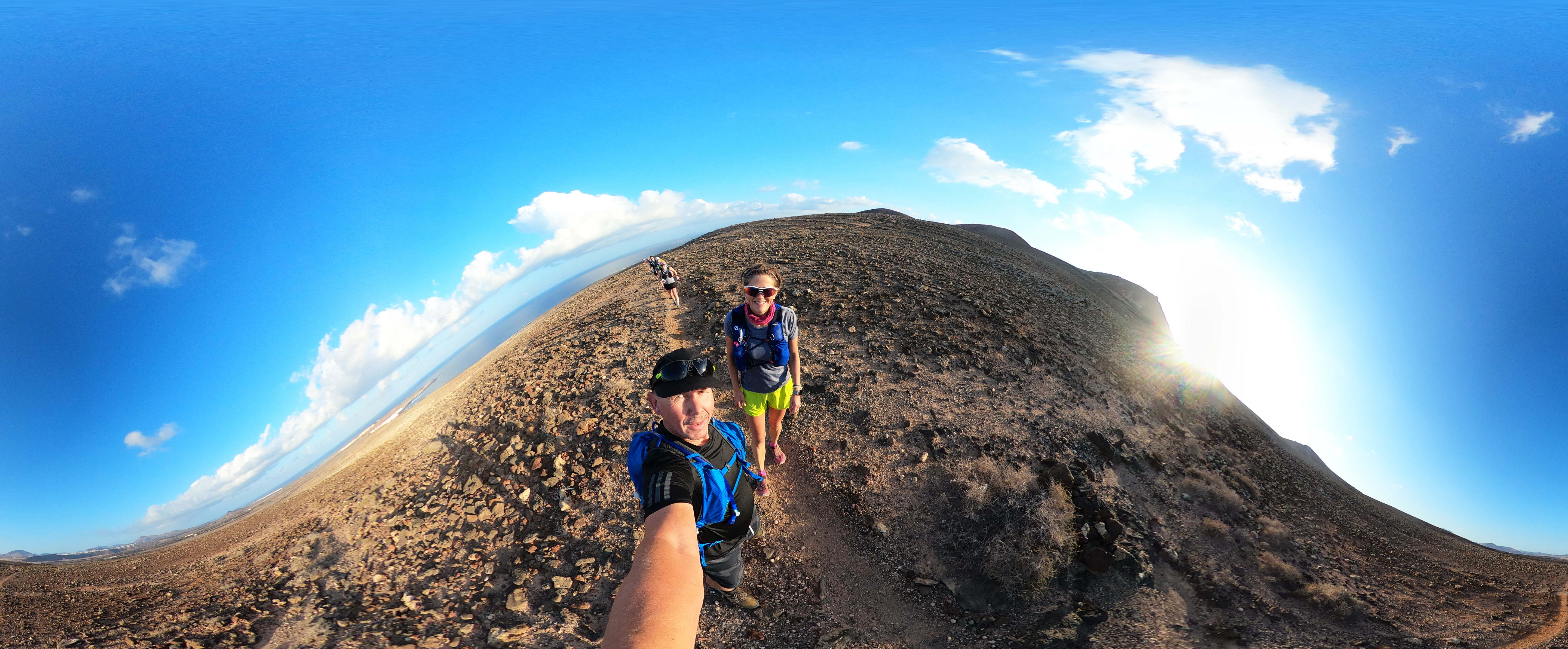
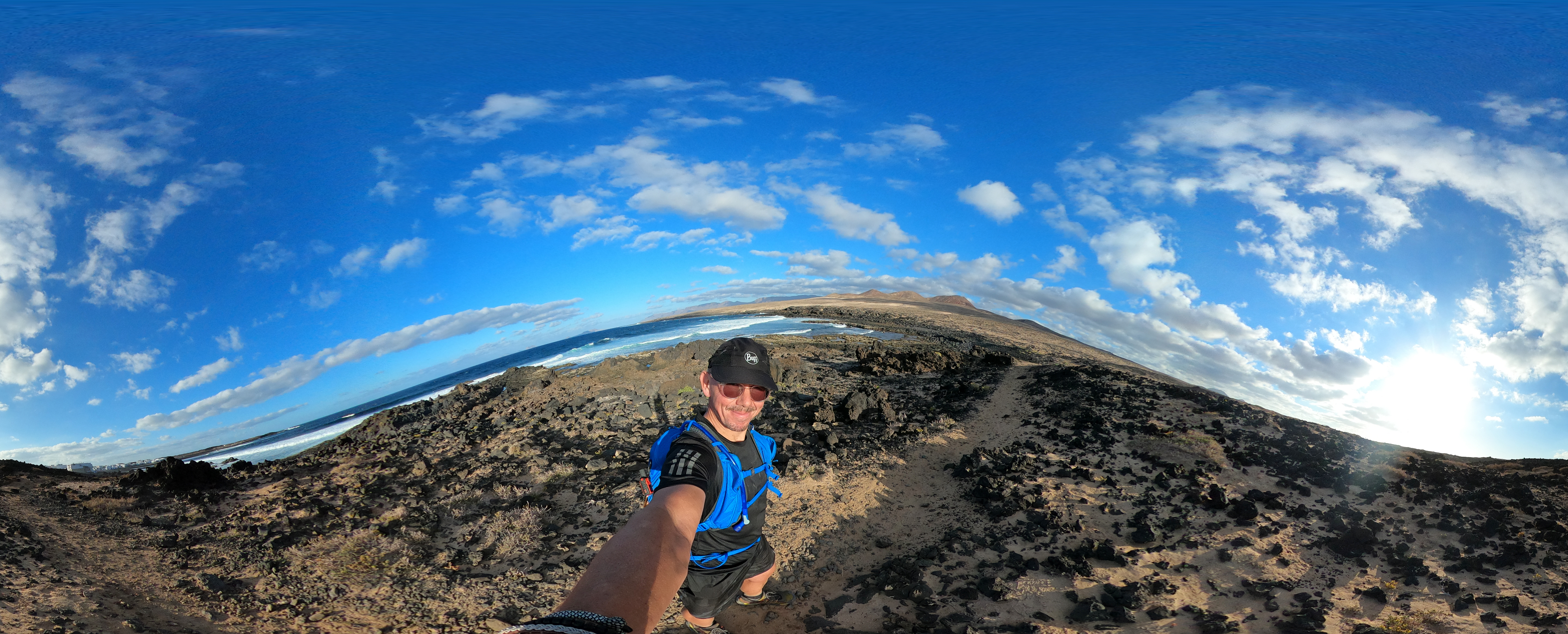
It was a real pleasure to travel from almost one side of Lanzarote to the other on foot. The new route is a point-to-point covering approximately marathon distance with 1800m of vertical gain.

Taking in the best of Lanzarote, the route is extremely varied with a mixture of terrain and gladly has very little road. Some sections cover little used paths and offer a real sense of adventure.

One again the base for the training camp is the sports complex of Club La Santa which is the perfect environment for an intensive week of training with a plethora of facilities on hand.

The camp takes place from Tuesday to Tuesday for 2020 and a full week of activity is planned with routes of varying distance and difficulty.

We have typically 4-5 groups guided and this allows for runners/ walkers to work at a pace that is comfortable for them. Our core team is myself, Elisabet Barnes who has won MDS twice and ranked highly in multi-day races all over the world. Sondre Amdahl who is an experienced single-stage and multi-day ultra-runner with an impressive list of results from all over the world.

Last year we had Running Reborn specialist, Shane Banzie join us and he is back in 2020.

Our additional guides for 2020 are Gemma Game (multiple times top-10 at MDS and 3rd in 2018 and 2019) and Jodie Moss who placed top-10 at the 2019 MDS and who has just completed a PHD and who will provide a talk on heat acclimation.

All the preparation is now done and we patiently await the clients arrival on January 7th. We ease them in to the camp with an easy 1-hour run, a welcome talk and then a group dinner.

Day 1 starts with an 0800 call and 9-mile volcano run. Note news to follow as the days progress.

You can view images from the 2019 Training Camp below and HERE

Dates will be announced soon for the 2021 camp HERE

Follow on:

Instagram – @iancorlessphotography

Twitter – @talkultra

facebook.com/iancorlessphotography

Web – www.iancorless.com
Web – www.iancorlessphotography.com
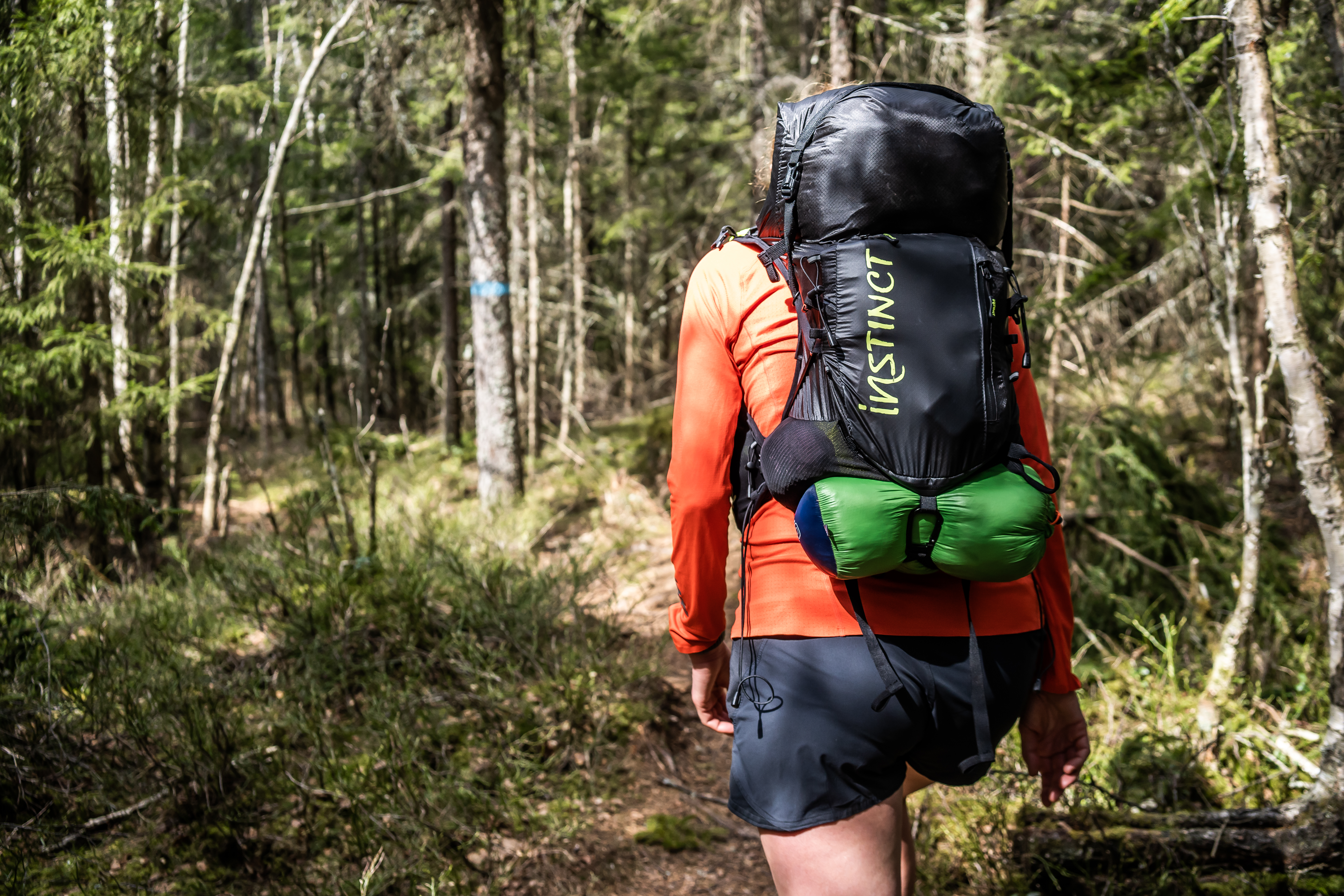
Image sales –www.iancorless.photoshelter.com