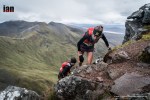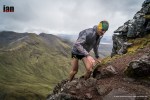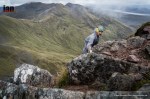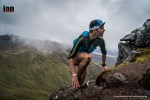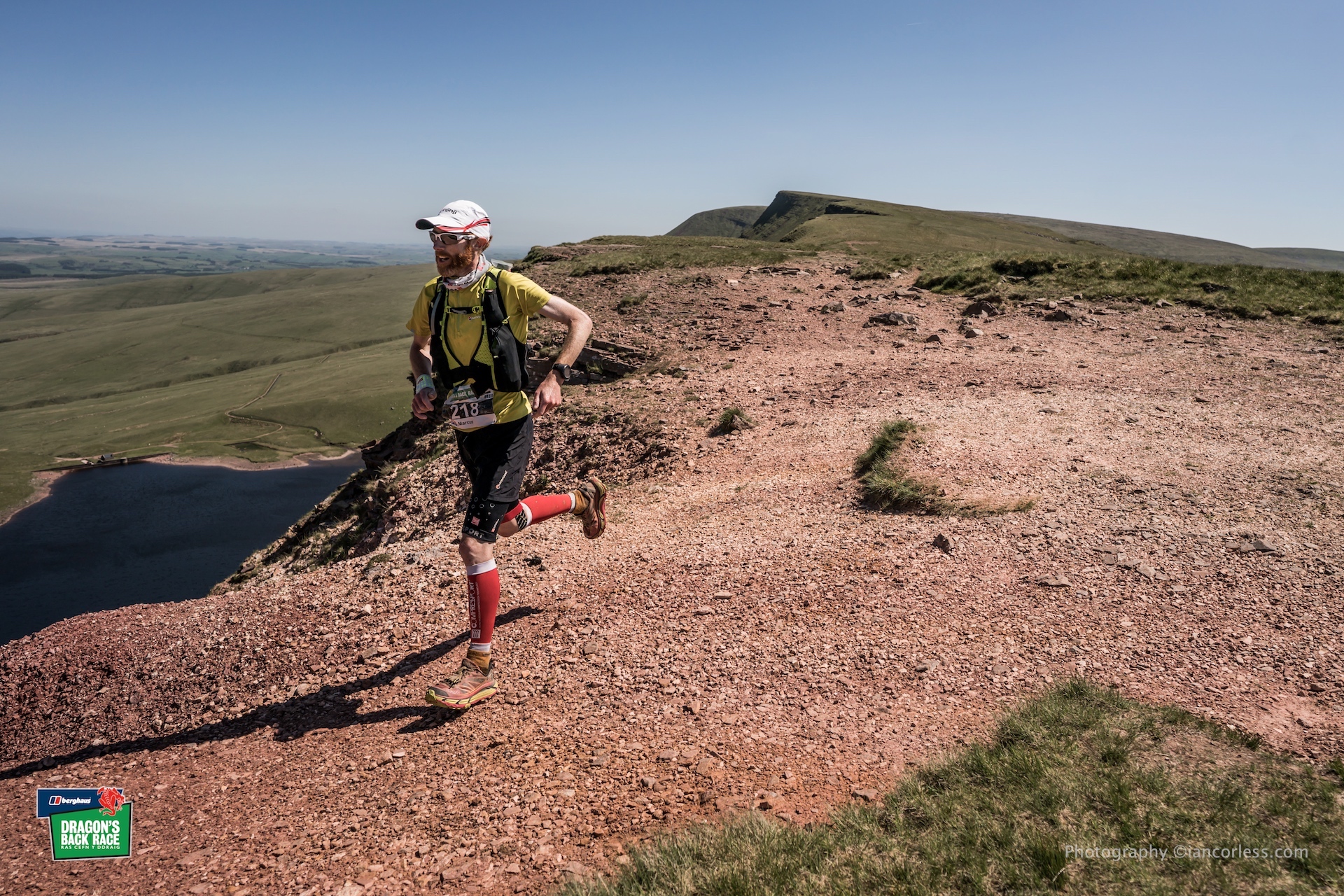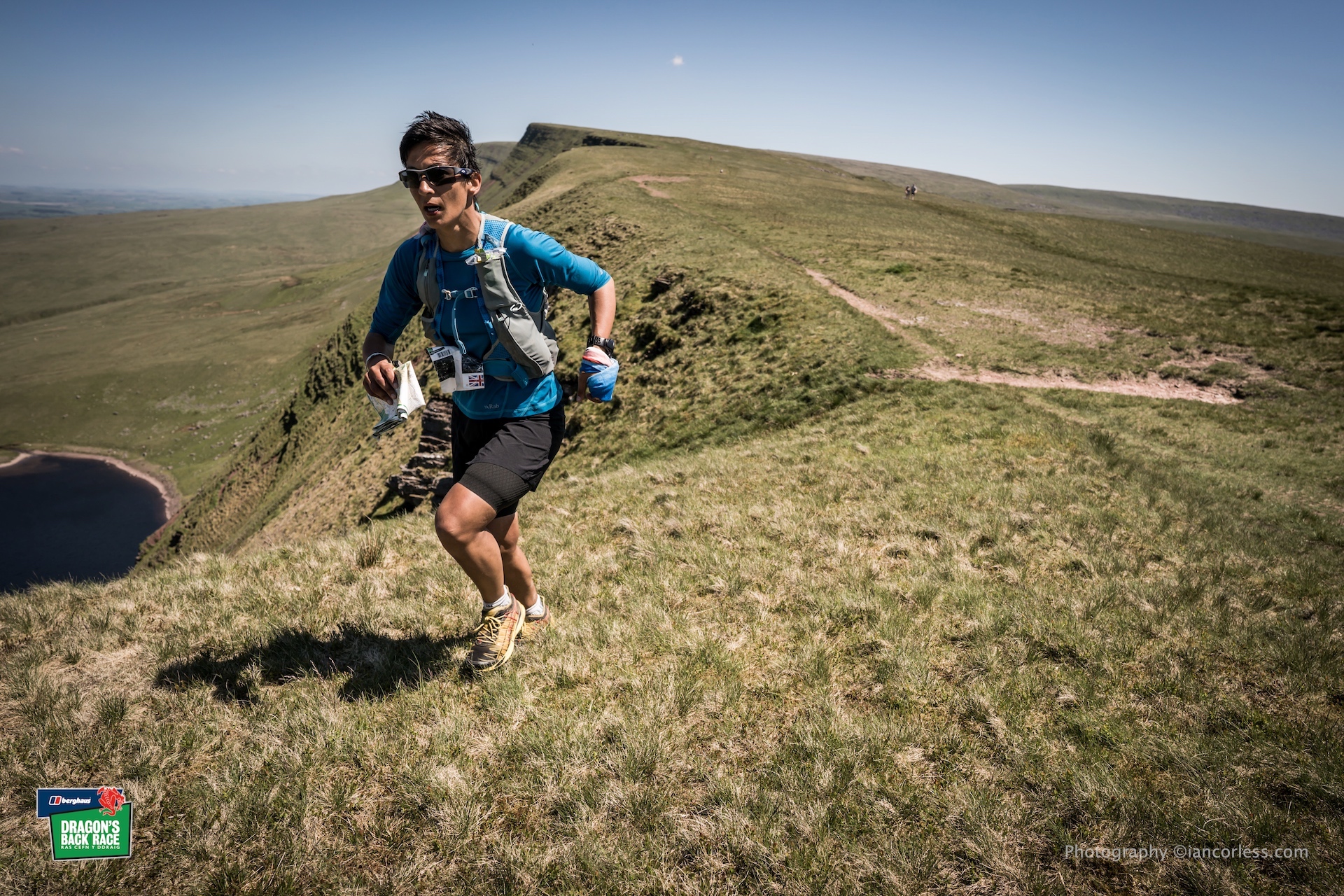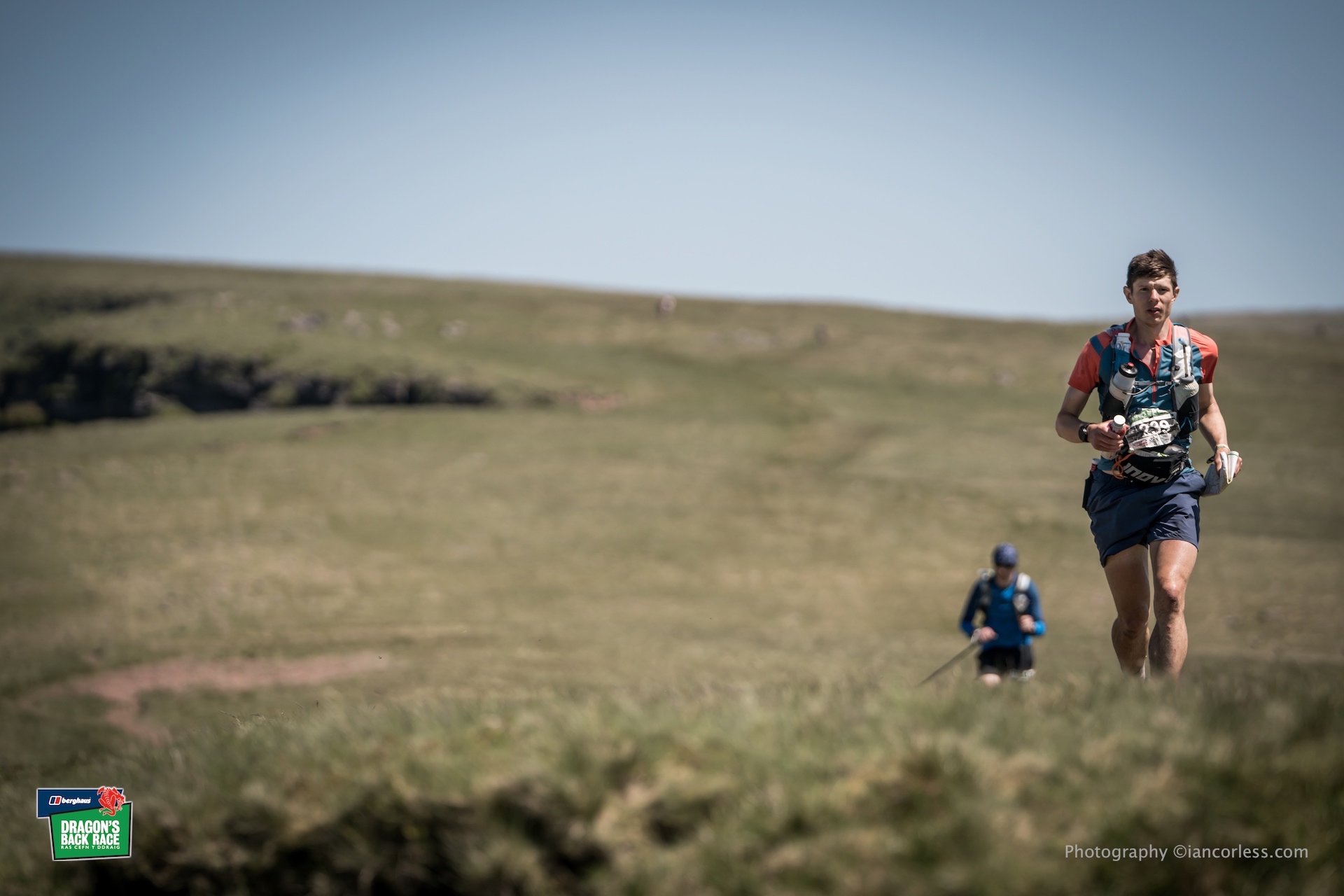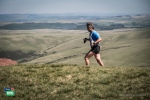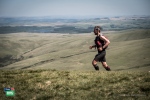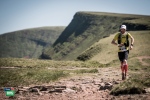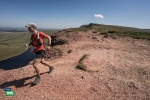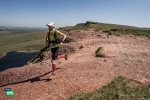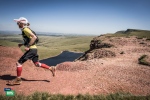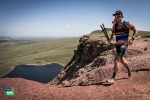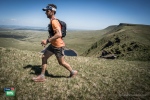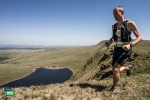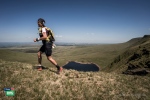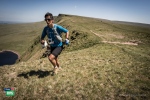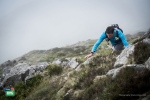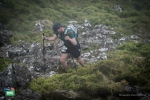
When the Trail Ends: Ourea Events

The statement from Shane Ohly announcing that Ourea Events has ceased trading reads, on the surface, like a simple apology paired with an explanation. But underneath that, it reveals something more complex. It is the end of a business in its current form, the exposure of a fragile economic model, and a moment of uncertainty for everyone tied to these events.

ReadOUREA EVENTS CEASE TRADING – A SAD DAY

For Shane and the company, this marks a decisive turning point. Ceasing to trade is not a pause or a scaling back. It is an acknowledgment that continuing would likely make the financial situation worse.

Regrettably, the current trend in entries for 2026 clearly indicates that the financial situation will only gradually deteriorate further this year. Therefore, it has become evident that continuing to trade is neither fair nor reasonable, as it risks increasing the overall debt owed to creditors, participants, and suppliers.

The reference to “professional advisors” strongly suggests that some form of insolvency process is underway, where financial and legal priorities begin to outweigh personal control. At that stage, decisions are no longer entirely in the hands of Shane, the founder. They are guided by what is fair and lawful for creditors as a whole.

Ourea Events was not a faceless operation. On the contrary. Ourea was built over fifteen years, with a strong reputation in the trail running world and a loyal international following. When something like this ends, it is not just a balance sheet that collapses. The tone of the statement reflects that. It does not read like a defensive corporate message. It reads like someone who knows people have trusted them, financially and emotionally, and feels the impact of that trust being broken. It is identity, relationships, and a sense of responsibility. You only need to turn to social media, you will see the support for Shane and Ourea. Equally, one has to acknowledge, those who have potentially lost money, are far more questioning and scathing.

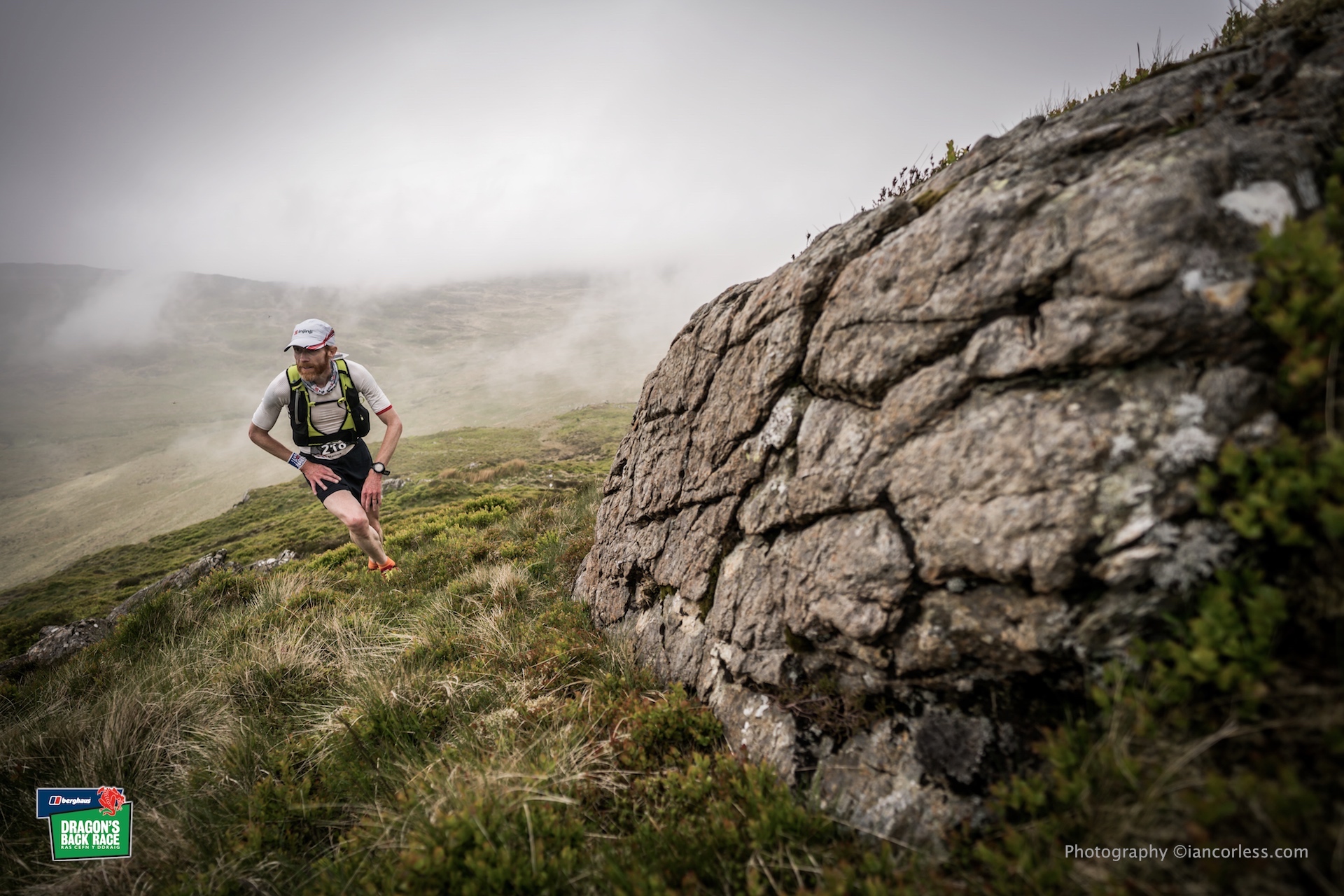
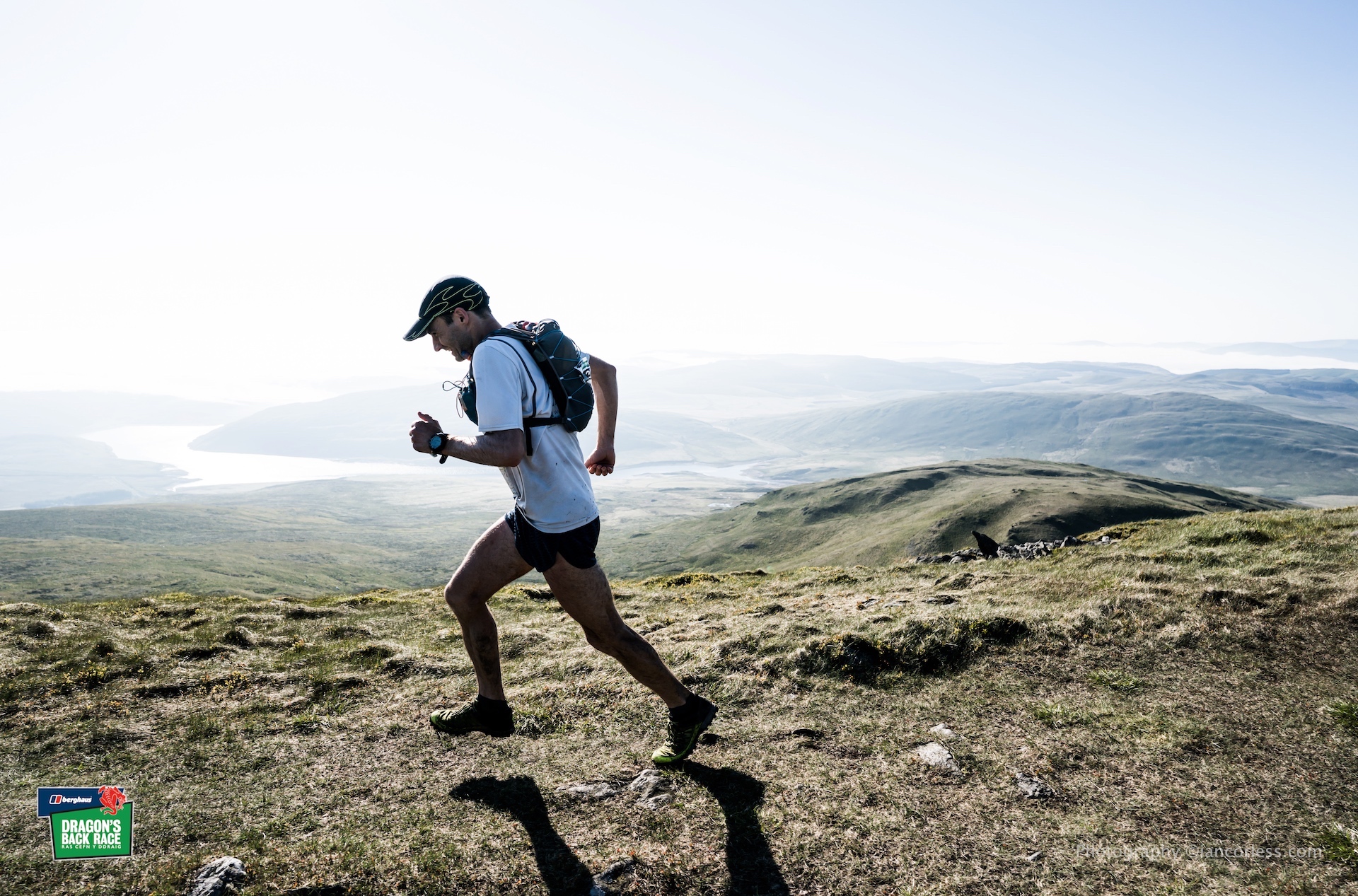
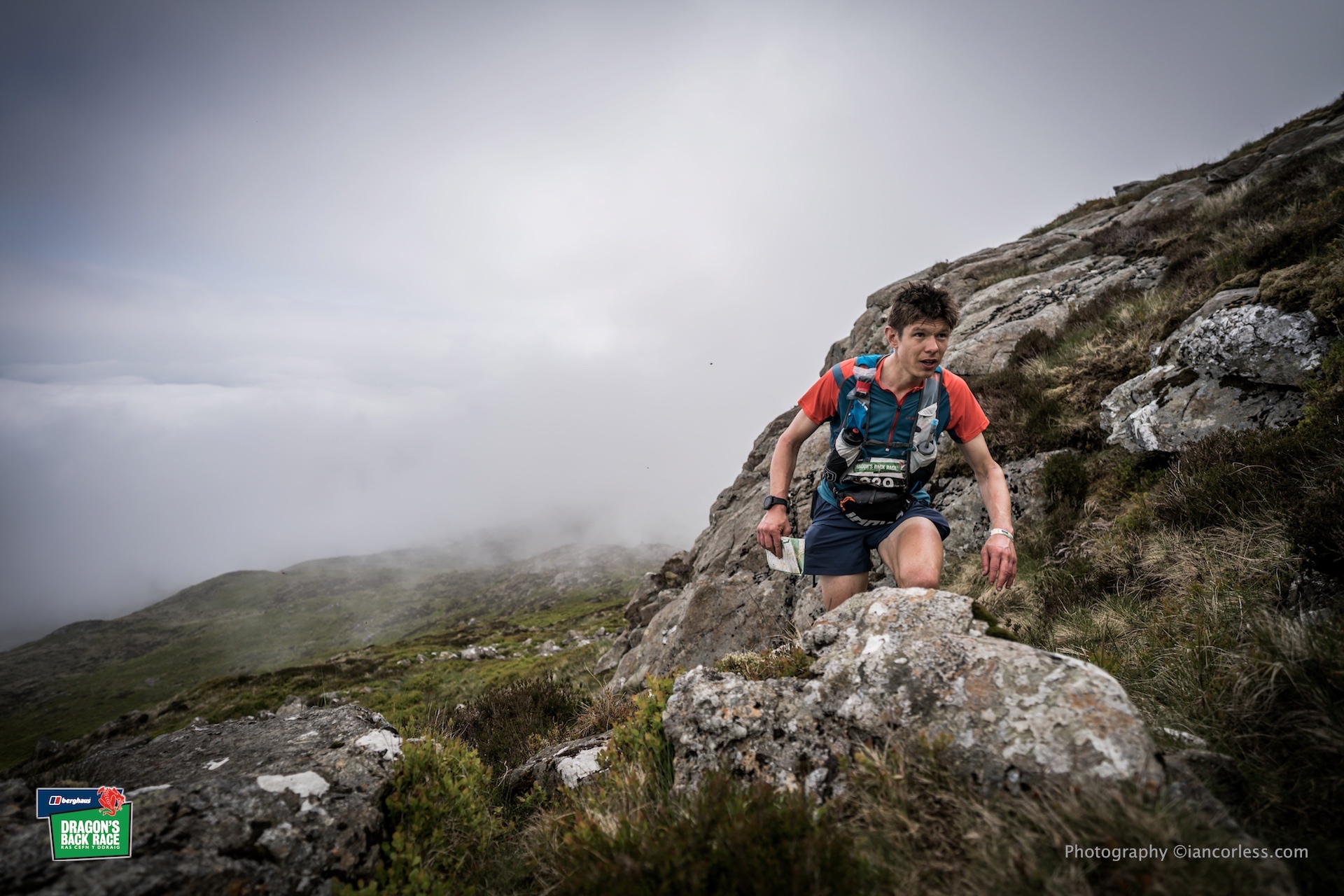
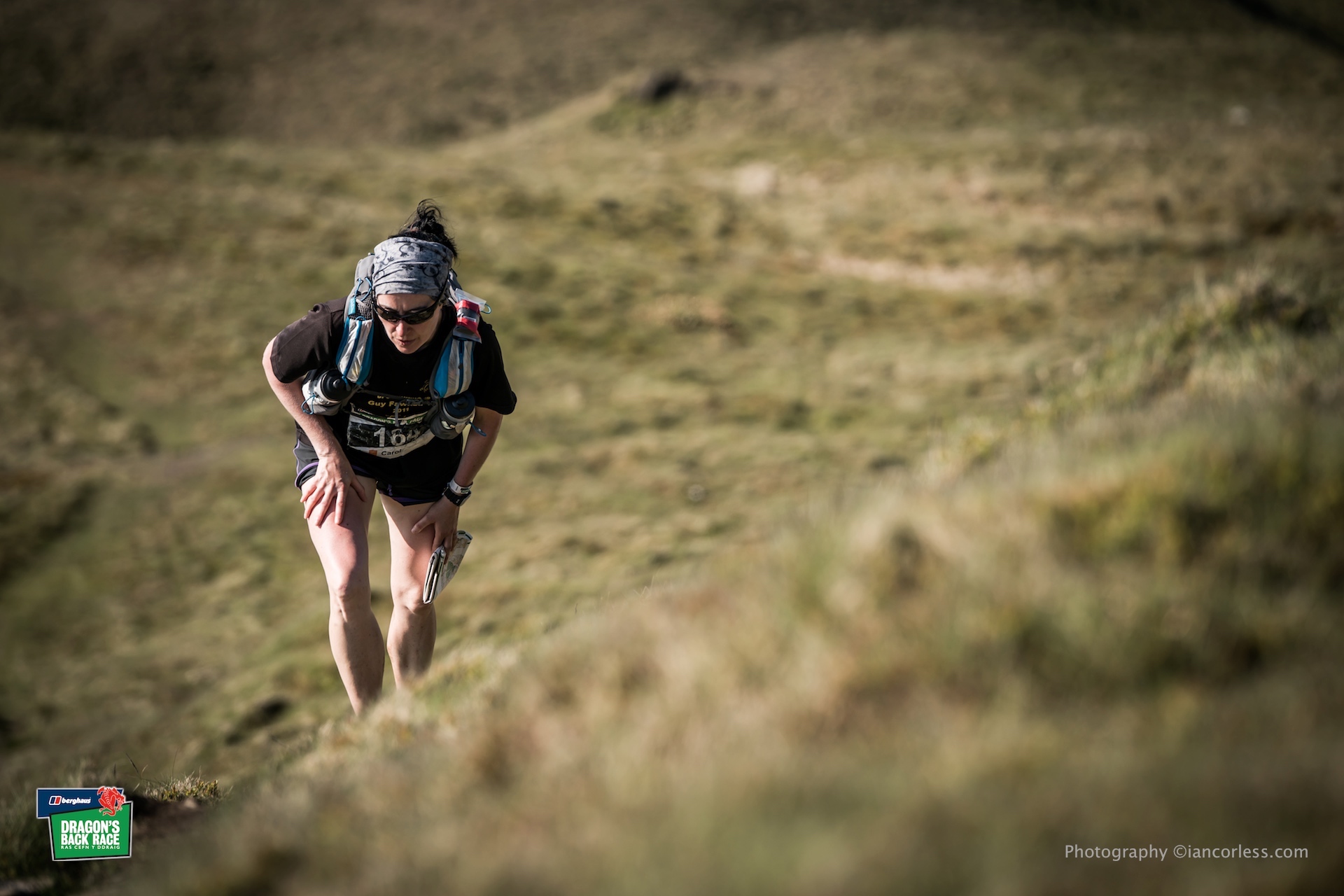
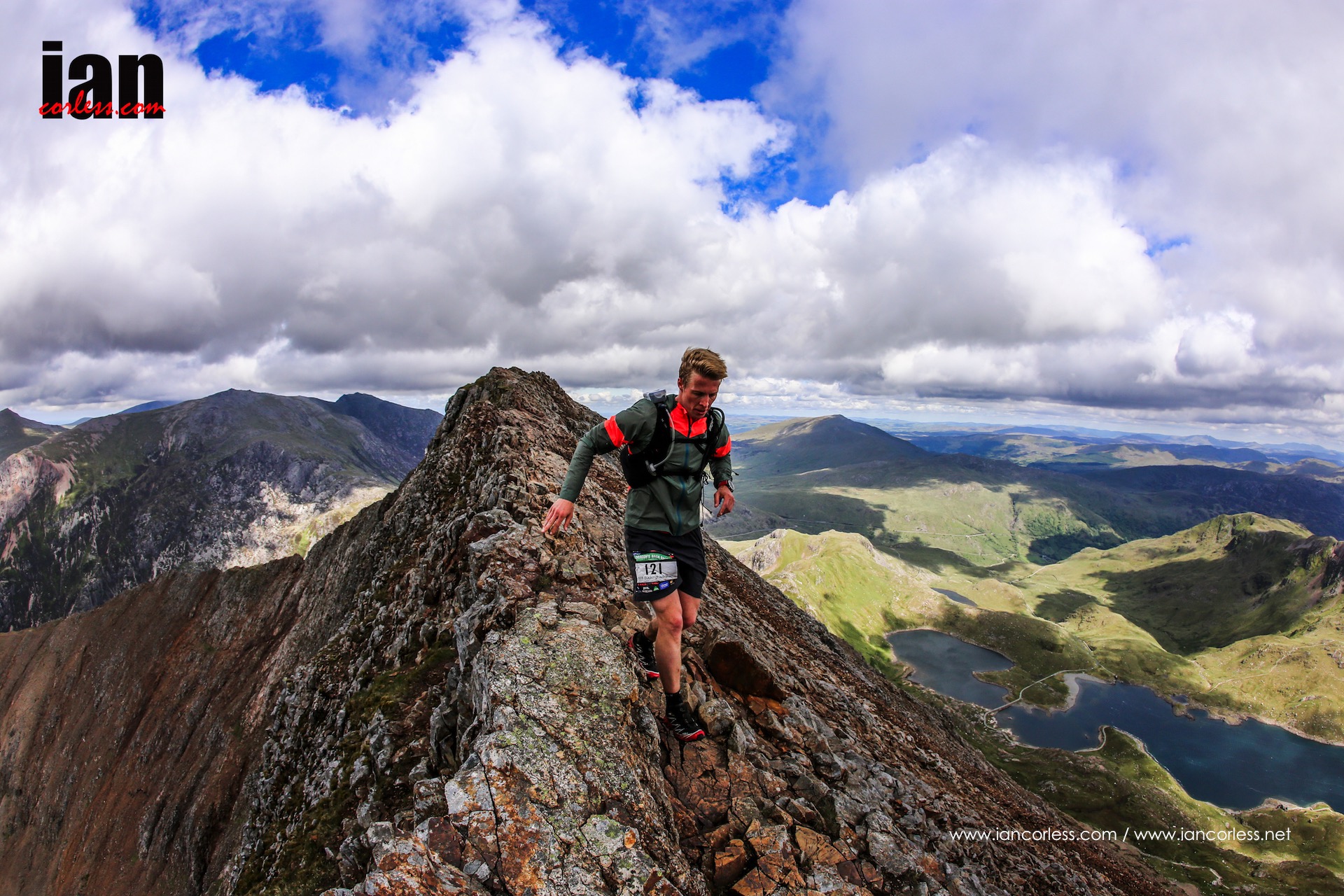
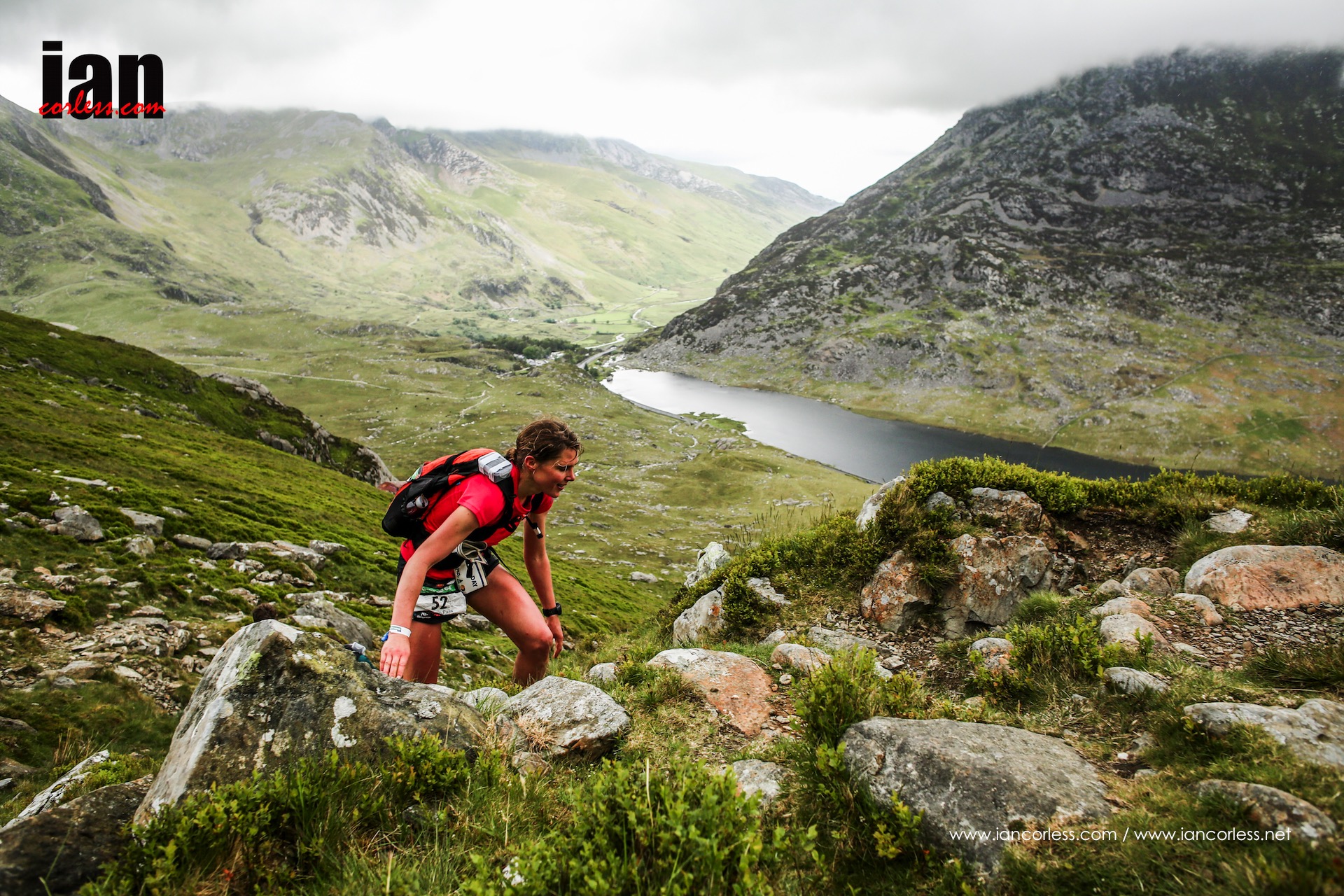
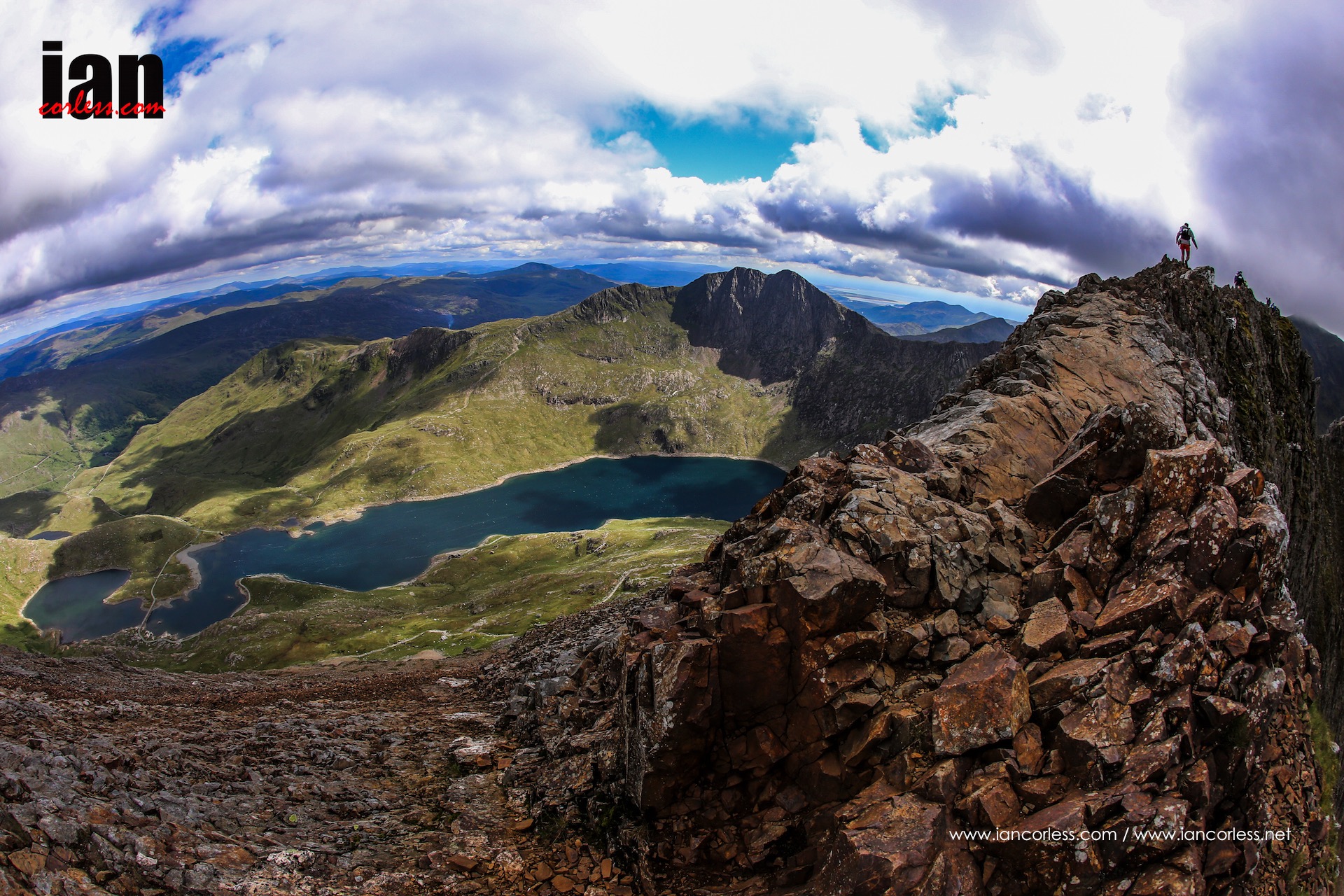
At the same time, this is not necessarily the end of the events themselves. There is a careful but important distinction in the wording. The company is ceasing to trade, but there is hope that the events may continue “under a different structure or ownership.” That suggests that what Ourea created still has value. Races like the Dragon’s Back Race or Cape Wrath Ultra are not easy to replicate. They carry brand recognition, proven demand, and a distinct identity. In practical terms, that means they could be sold, licensed, or revived by another organiser. If that happens, what survives is the idea and the experience, even if the original company does not.

HARD TRUTHS

For participants, however, the situation is far more immediate and uncertain. The key issue is money already paid. Entry fees for these kinds of events are often substantial and are usually paid long in advance. When a company ceases trading under financial distress, those participants effectively become unsecured creditors. That is a technical term, but the implication is simple. They are in line behind any secured lenders, and there is no guarantee of getting their money back. However, if participants have payed by credit or debit card with fees over 100.00 UK pounds, there may be a possibility to recoup payments via “Section 75 of the Consumer Credit Act 1974: This makes the credit card provider jointly liable with the retailer if a purchase goes wrong (e.g., goods not received, faulty, or company goes bust).”

The wording of the statement reflects this reality. It avoids promising refunds and instead speaks about trying to “deliver value.” That choice of language matters. It leaves open a range of outcomes, from partial refunds to the possibility of entries being honoured by a new organiser, or credits toward future events. It also signals that a full refund for everyone is unlikely. Even in the best case, any resolution will take time. These processes do not move quickly, and participants are left in a difficult position, waiting without clear answers.

If another company steps in, there is a chance that existing entries could be recognized in some form. That might mean a transfer, a discount, or priority access. But it depends entirely on whether a deal is reached and what a new organiser is willing to take on. There is no certainty in that outcome.

PerspectiveRunning Races Aren’t Cheap. And That’s the Reality We Need to Accept.

Stepping back, the situation says a great deal about the wider endurance event industry. Ourea’s explanation outlines a sequence of pressures that, taken together, became unsustainable. Before the pandemic, the business was profitable, even if modestly so. Then COVID-19 removed revenue entirely for an extended period while costs and obligations remained. That alone would have been difficult to recover from. But it was followed by Brexit, which significantly reduced international participation, a key part of the customer base. At its peak, half of some events’ participants came from abroad. Losing a large portion of that audience is not a temporary dip. It is a structural change.

On top of that came inflation and the cost-of-living crisis. Event budgets are set far in advance, and prices cannot always be adjusted quickly. When costs rise by around 20 percent but entry fees lag behind, margins disappear. What emerges from all of this is a business model that depends heavily on stability. It relies on predictable demand, steady costs, and a continuous flow of advance payments. When those conditions break, the model struggles to adapt.

The decision to cease trading now, rather than continue and risk accumulating further debt, is significant. It limits the damage, even if it does not prevent it. Continuing in the hope that things might improve can sometimes make the eventual outcome worse for everyone involved, Shane certainly eludes to this in his wording. In that sense, this is a controlled stop rather than a collapse at the last possible moment.

There is also value in the transparency of the explanation, however, for those who have paid money, there is still a great deal to be clarified and there are many questions, particularly when several have referenced a second company – OUREA EVENTS HOLDINGS LIMITED – which has Shane Ohly as Director – eager participants have researched this company, and on appearance, has a balance of 150,000 UK pounds, 31st Dec 2024. Now of course, there is no context here and I have no understanding of the implications of this.

Shane does not shift blame in his statement onto a single factor or avoid the financial reality. Instead, he lays out the combination of events that led here. For participants, that does not replace lost money or cancelled plans, but it does provide context. It makes clear that this was not a sudden failure or a single bad decision, but a gradual tightening of pressure over several years.

Still, the negatives are real and immediate. Participants may lose money, and even if they do not, they lose certainty. Training plans, travel arrangements, and personal goals built around these events disappear overnight. Trust is also affected. Endurance events often depend on participants committing early, sometimes a year or more in advance. Situations like this make people more cautious, which in turn makes the business model even harder to sustain.

There are also ripple effects beyond the runners themselves. Suppliers, local communities, and small partners who depend on these events lose income. Volunteers and staff lose opportunities. What looks like a single company closing is, in reality, a small network being disrupted.

We are especially aware of participants who have already paid race entry fees for our events. By opting to cease trading at this stage, our goal is to maximise the likelihood that the events will continue under a different structure or ownership.

Looking ahead, the most likely outcome is not a simple disappearance, but a reshaping. Could Ourea reappear in 1-year using Phoenixing? – the same business or directors trade successively through a series of companies which liquidate or dissolve leaving debts unpaid – Basically, Shane and Ourea could rise from the ashes – “…cease trading and allow the business to undergo a reorganisation” If that is a plan, it better be handled very, very delicately. “The law allows owners, directors and employees of insolvent or dissolved companies to set up new companies to carry on a similar business. This is as long as the individuals involved are not personally bankrupt or disqualified from acting in the management of a limited company.” – GOV.UK

Some of these events may return under new ownership, potentially at higher prices and with more conservative structures. Others may not come back at all if they are too complex or costly to run sustainably. Across the industry, there may be a shift toward more cautious growth, more realistic pricing, and perhaps a reconsideration of how much risk is placed on participants paying far in advance.

Ourea Events, as it has existed, is likely finished. In the end, this moment sits somewhere between an ending and a transition. But what Shane and Ourea created still has value, and there is a real possibility that parts of it will continue in a different form. For now, though, the dominant reality is uncertainty.

For Shane, it is the closing of a long chapter. For participants, it is a waiting game with no guaranteed outcome. And for the wider community, it is a reminder that even well-loved and well-run events are not immune to broader economic forces.

Follow Ian Corless

Instagram – @iancorlessphotography

Twitter – @talkultra

facebook.com/iancorlessphotography

Web – www.iancorless.com

Web – www.iancorlessphotography.com

Running Races Aren’t Cheap. And That’s the Reality We Need to Accept.

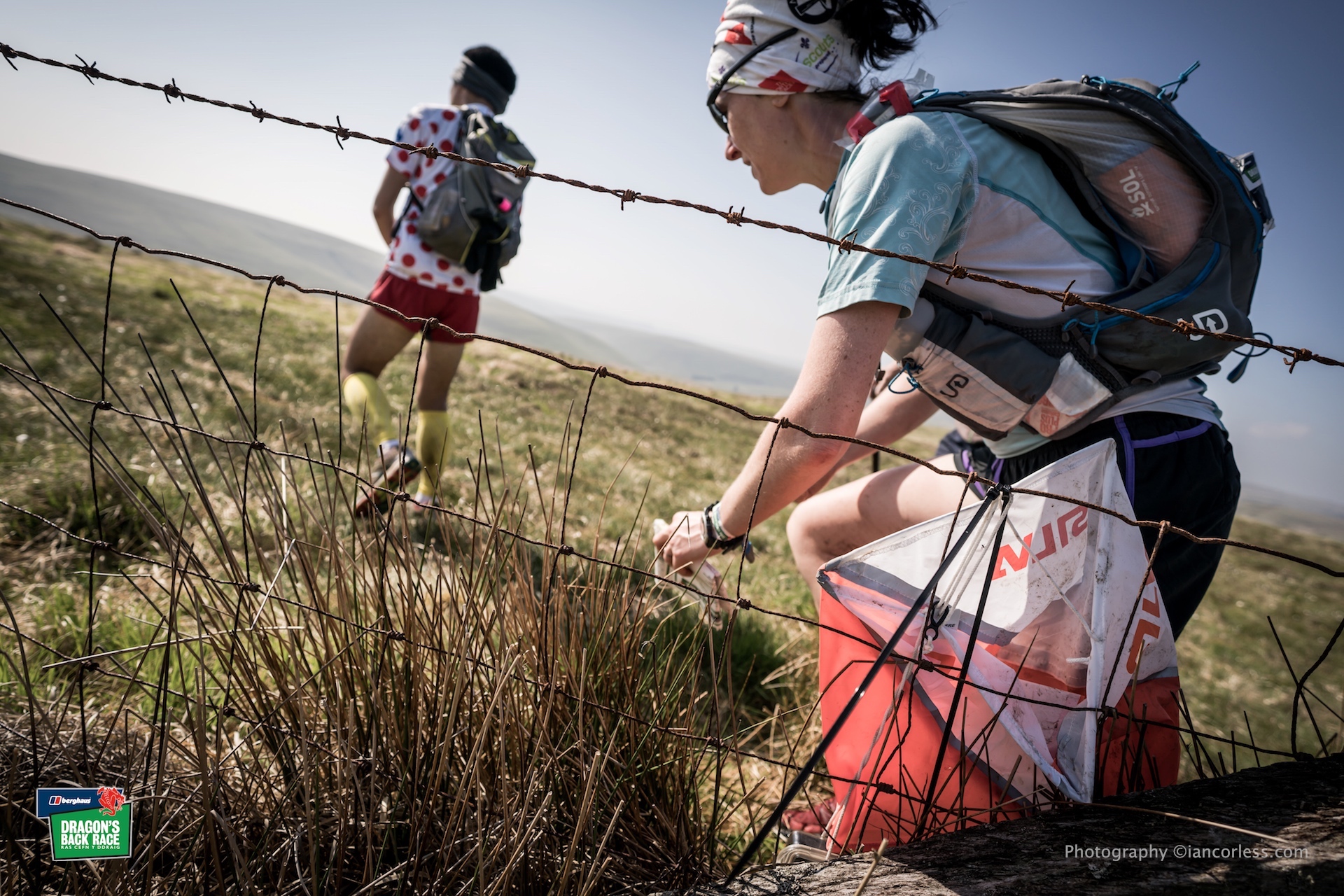
Dragons Back Race

There’s a long-standing idea in the running community that races should be cheap. The logic is simple: running itself is simple. Put on a pair of shoes, head outside, and run. So when people see an entry fee for a trail, mountain, or ultra race that feels high, the reaction is often the same. 

Why does it cost so much?

The truth is that the world those expectations came from barely exists anymore. Years ago, many races were small and local. They were often organised by running clubs or small community groups. The courses were modest. The participant numbers were manageable. Volunteers handled most of the work. Costs were relatively low, and so were entry fees.

Those races still exist in places, but the sport around them has changed dramatically. Trail running, ultrarunning, mountain racing and skyrunning have exploded in popularity. Courses have become longer, more remote and more technical. Participant numbers have increased. Expectations have risen. And alongside that growth has come something unavoidable: responsibility.

Modern race organisation carries real obligations.

If you put hundreds of runners into remote terrain, often in extreme weather and over difficult ground, you cannot simply mark a course and hope for the best. Safety is not optional anymore. It’s a requirement.

That means medical teams. It means coordination with mountain rescue. It means risk assessments, insurance, emergency plans and communications systems. It means trained marshals, sweep teams, and logistics that can respond quickly when something goes wrong.

All of this costs money.

Then there are the physical elements of the race itself. Start and finish areas. Timing systems. Course marking. Aid stations. Equipment transport. Permits. Land access. Environmental management. Insurance. Staffing.

Even a single-day race can involve months of preparation. Often a full year of planning. And that’s before considering the scale of many modern events.

Large trail races now operate almost like temporary cities. Hundreds or thousands of runners, staff and volunteers moving through remote areas across dozens or even hundreds of kilometres. Everything must work. Everything must be safe. None of that is inexpensive.

Now consider multi-day events.

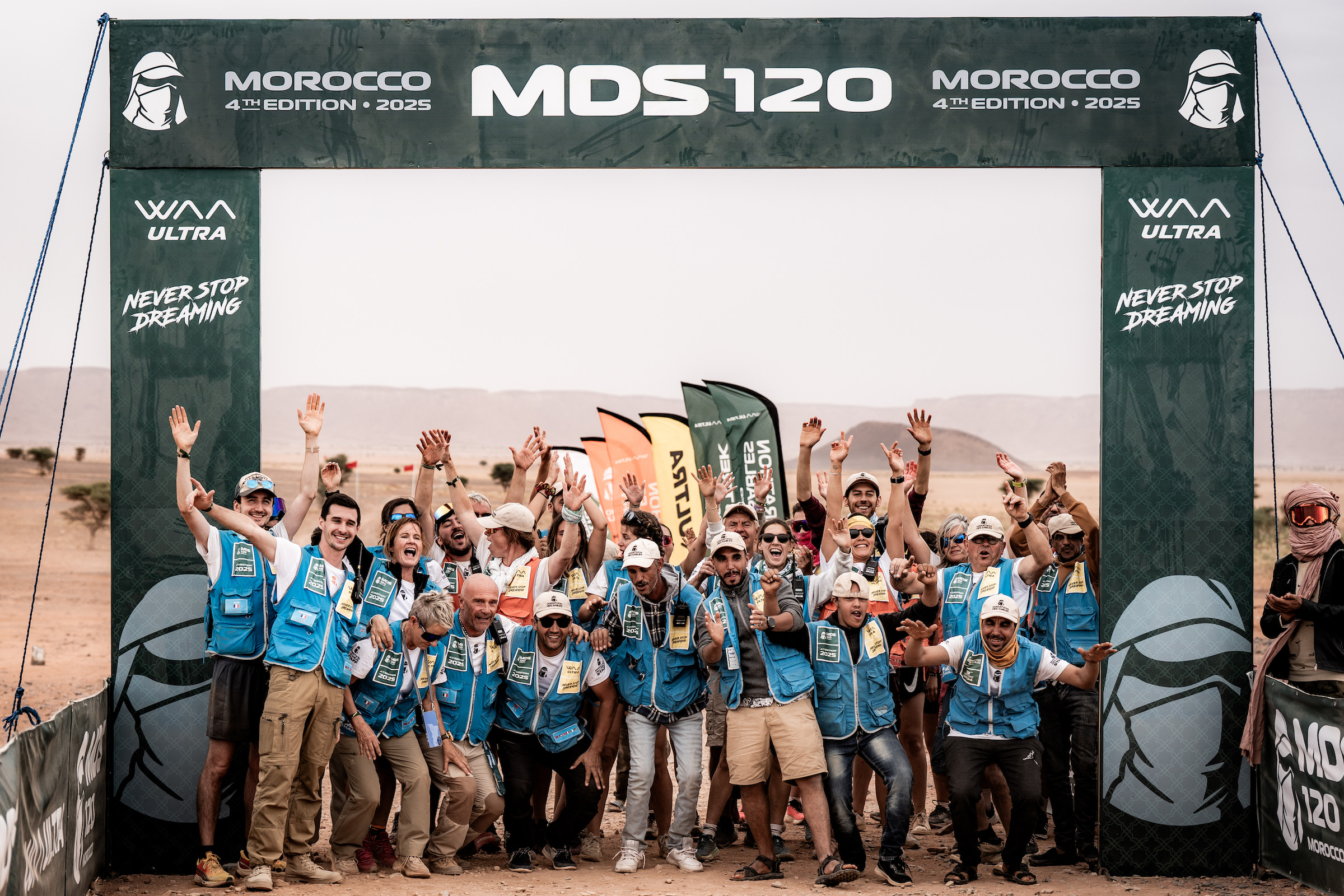
MDS 120 Morocco

Races like the Marathon des Sables or the Dragon’s Back Race take the complexity of a one-day race and multiply it several times over and then add some! Every additional day means more logistics, more transport, more staff, more food, more safety coverage, more accommodation, more contingency planning.

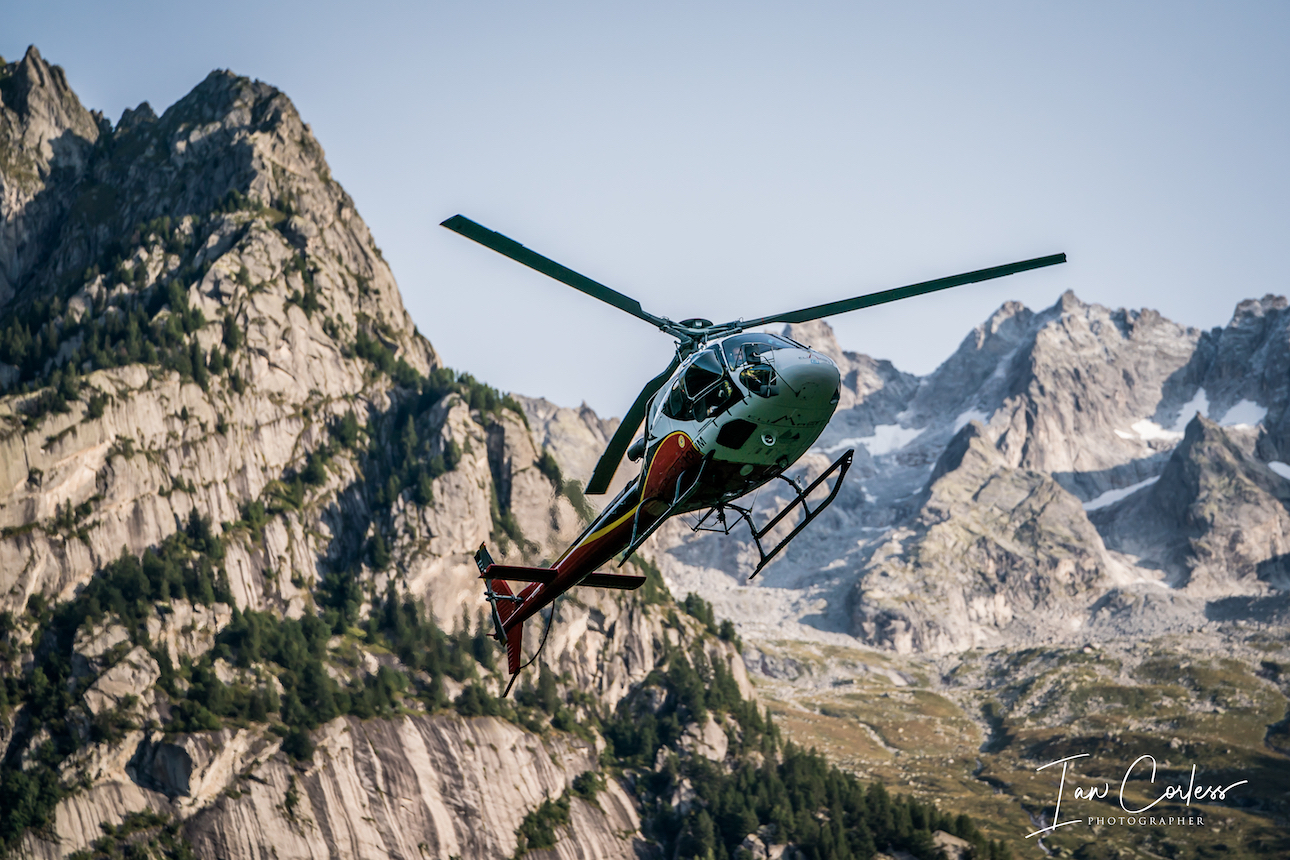
Trofeo Kima – Italy

A week-long mountain race is not just a race repeated seven times. It is an expedition with hundreds of participants. Costs scale quickly. And with that scale comes risk, financial risk.

Race organizer’s carry it all – permits, deposits, infrastructure, insurance, tracking, staff contracts, transport bookings, equipment hire, maybe even helicopter cover – most of these costs are committed long before the first runner even registers.

Running races today are not informal club gatherings. They are businesses. That does not mean organisers are making huge profits. In many cases, margins are incredibly tight. Weather can disrupt events. Participation numbers can fluctuate. A single cancellation can create massive financial losses.

Which brings recent events into focus.

Cape Wrath

The closure of Ourea Events surprised many runners. Their races, including the Dragon’s Back Race and the Cape Wrath Ultra, were often described as expensive. But when you actually look at what those races involved, the pricing begins to make sense.

Multi-day racing across remote mountains with extensive safety systems, complex logistics, transport of participants and equipment across long distances with camps, food, communications and medical support – this is expensive.

Events like that are extraordinarily complicated to deliver safely. Perhaps the bigger question is not whether those races were expensive. Perhaps the question is whether they were ever truly priced to reflect what they actually cost.

There is often an expectation that race organisers should keep entry fees low, almost as if races are a community service rather than a professional undertaking. But if you organise a race today, especially in remote or mountainous terrain, you are operating a business – you have to be. No business can survive if it consistently prices its product below its true cost.

The running community may need to confront an uncomfortable reality. If we want well-organised, safe, professionally run events with excellent logistics, that comes at a price.

If we want medical coverage in remote mountains, that costs money. If we want reliable course marking, well-stocked aid stations, experienced crews, proper safety oversight and seamless logistics, that costs money too.

None of it appears out of thin air.

Of course, no one is forced to enter a race. And that’s an important point. If a race entry fee feels too high, the trails are still there. The mountains are still there. You can run the same paths any day of the week for free.

But if we choose to participate in organised races, especially the kind that now define modern trail and ultrarunning, we need to understand what it actually takes to create them.

Behind every start line is a year of planning. Behind every finish line is a huge operational effort. And behind every race number is a long list of people, equipment, safety systems and infrastructure working to make sure runners get through the experience safely.

UTMB

Running may be simple.

Organizing a race no longer is.

And perhaps it’s time the community fully recognized that.

Follow Ian Corless

Instagram – @iancorlessphotography

Twitter – @talkultra

facebook.com/iancorlessphotography

Web – www.iancorless.com

Web – www.iancorlessphotography.com

OUREA EVENTS CEASE TRADING – A SAD DAY

The news that Ourea Events has ceased trading lands heavily on the UK mountain and ultra running community. For many of us, this isn’t just the loss of an event company. It feels like the closing of a chapter in the story of British mountain running.

Shane Ohly and his team didn’t just organise races. They shaped a culture.

At a time when the UK ultra scene was still finding its feet, Ourea created events that felt raw, adventurous, and deeply connected to the mountains. These were not simply races measured by split times and finish lines. They were journeys that asked something of you: navigation, resilience, judgement, and a willingness to be uncomfortable for long stretches of time.

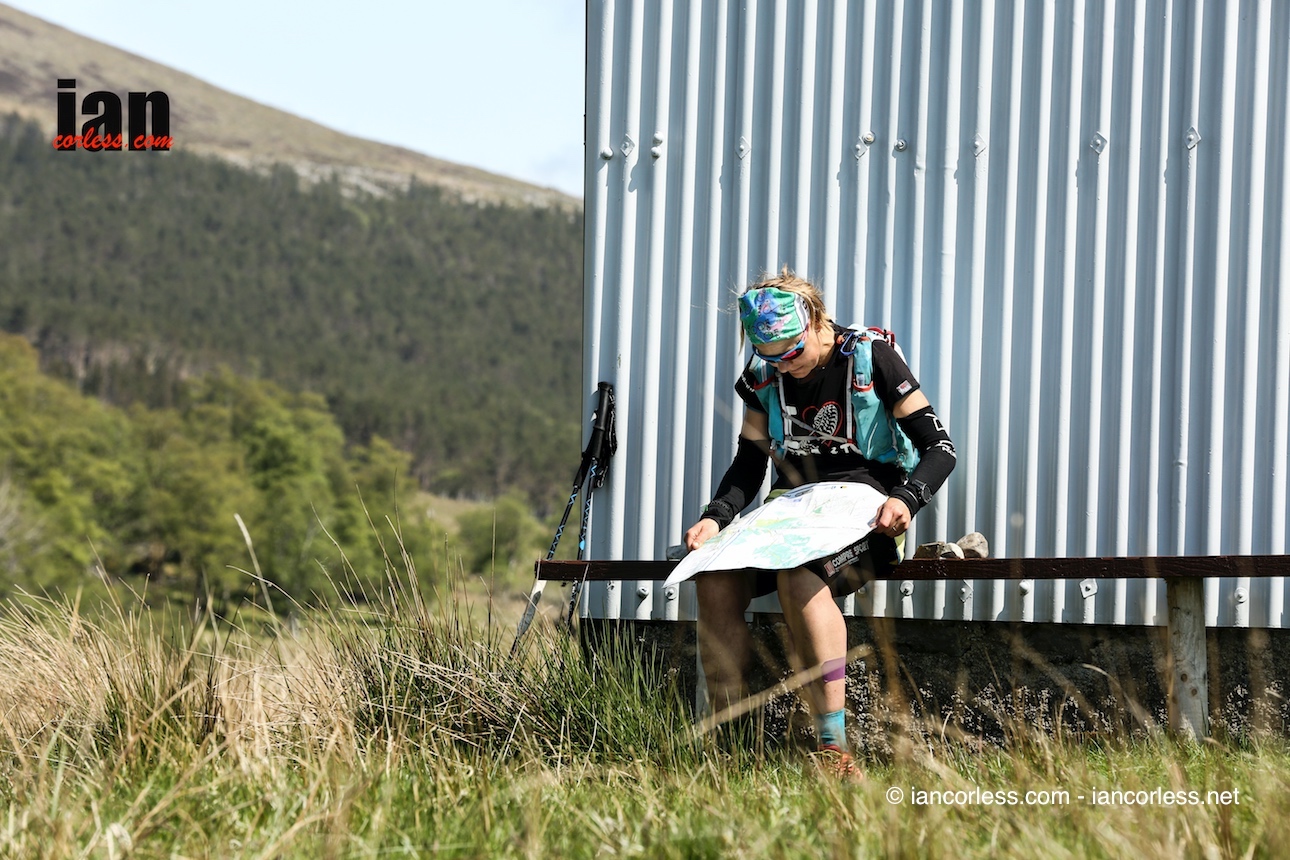
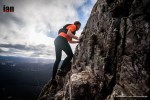
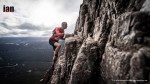
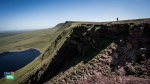
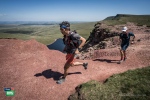
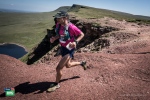
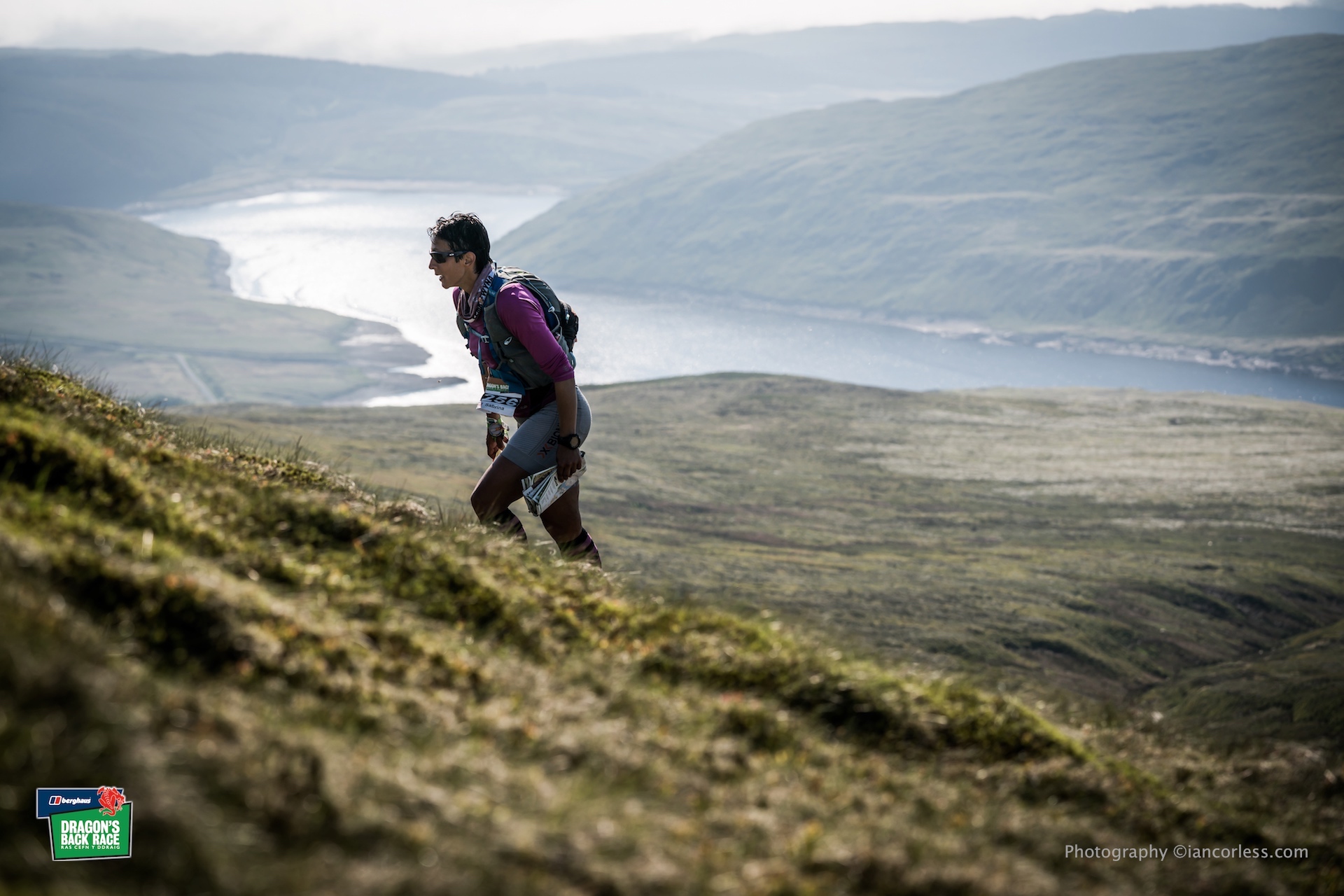
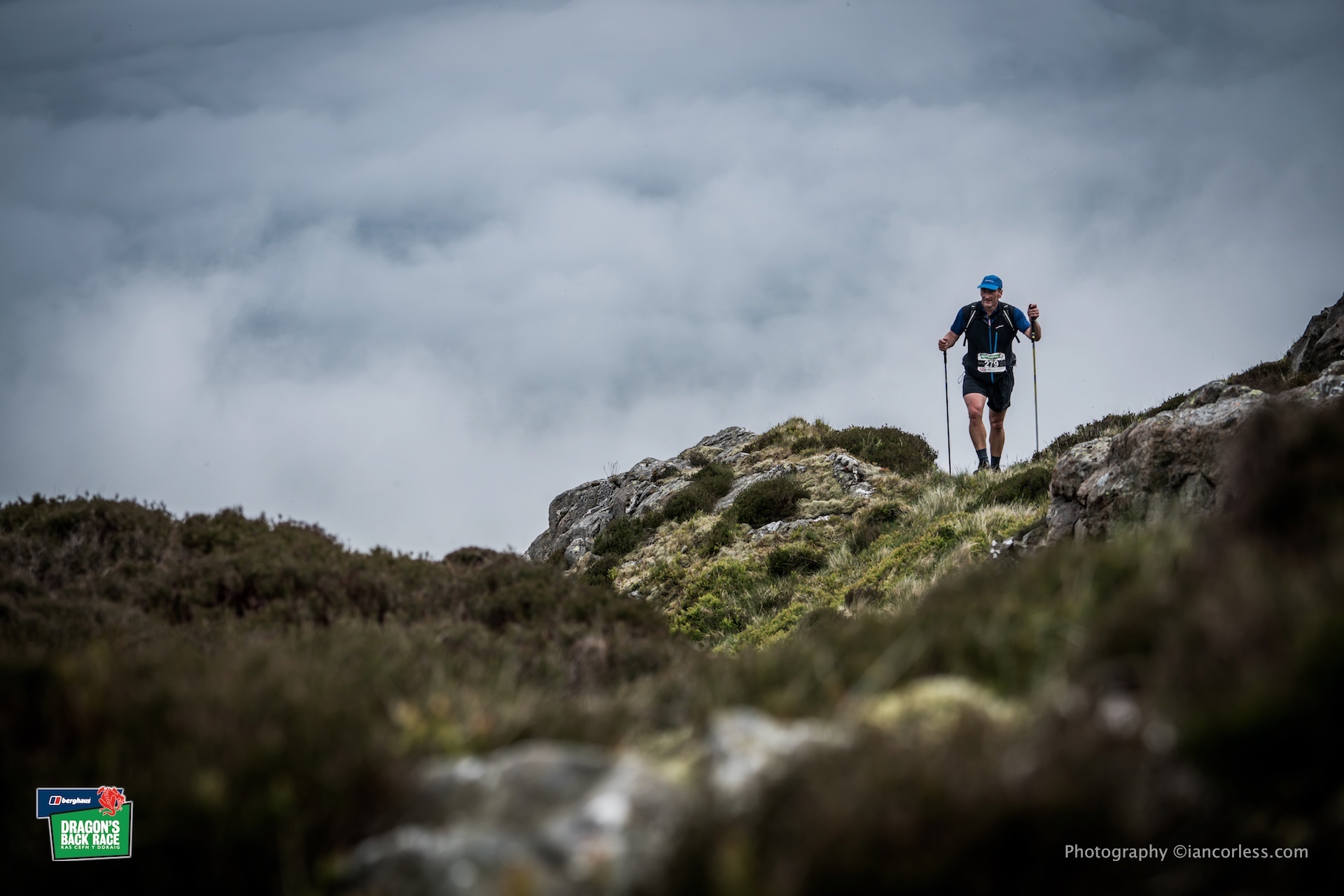
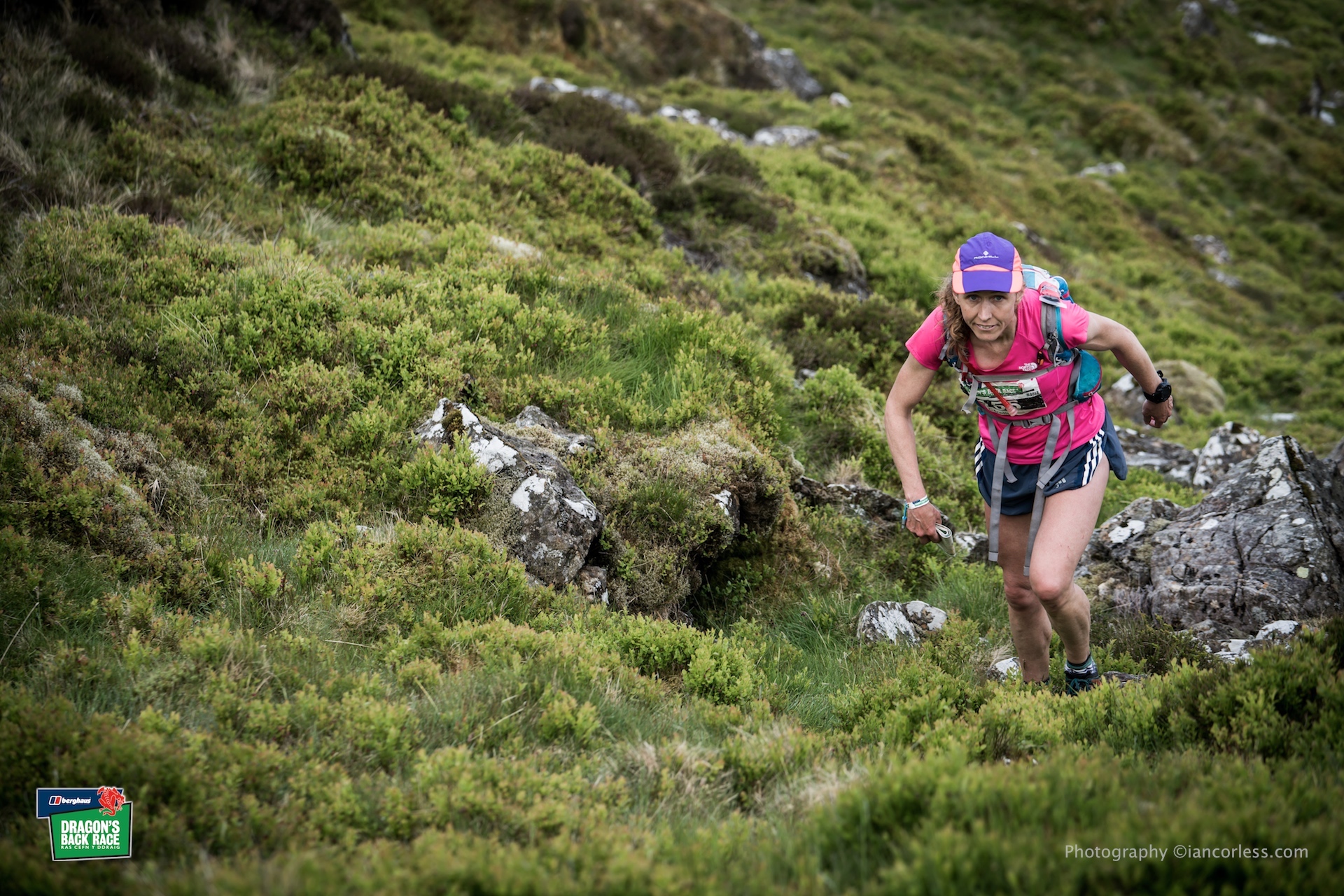
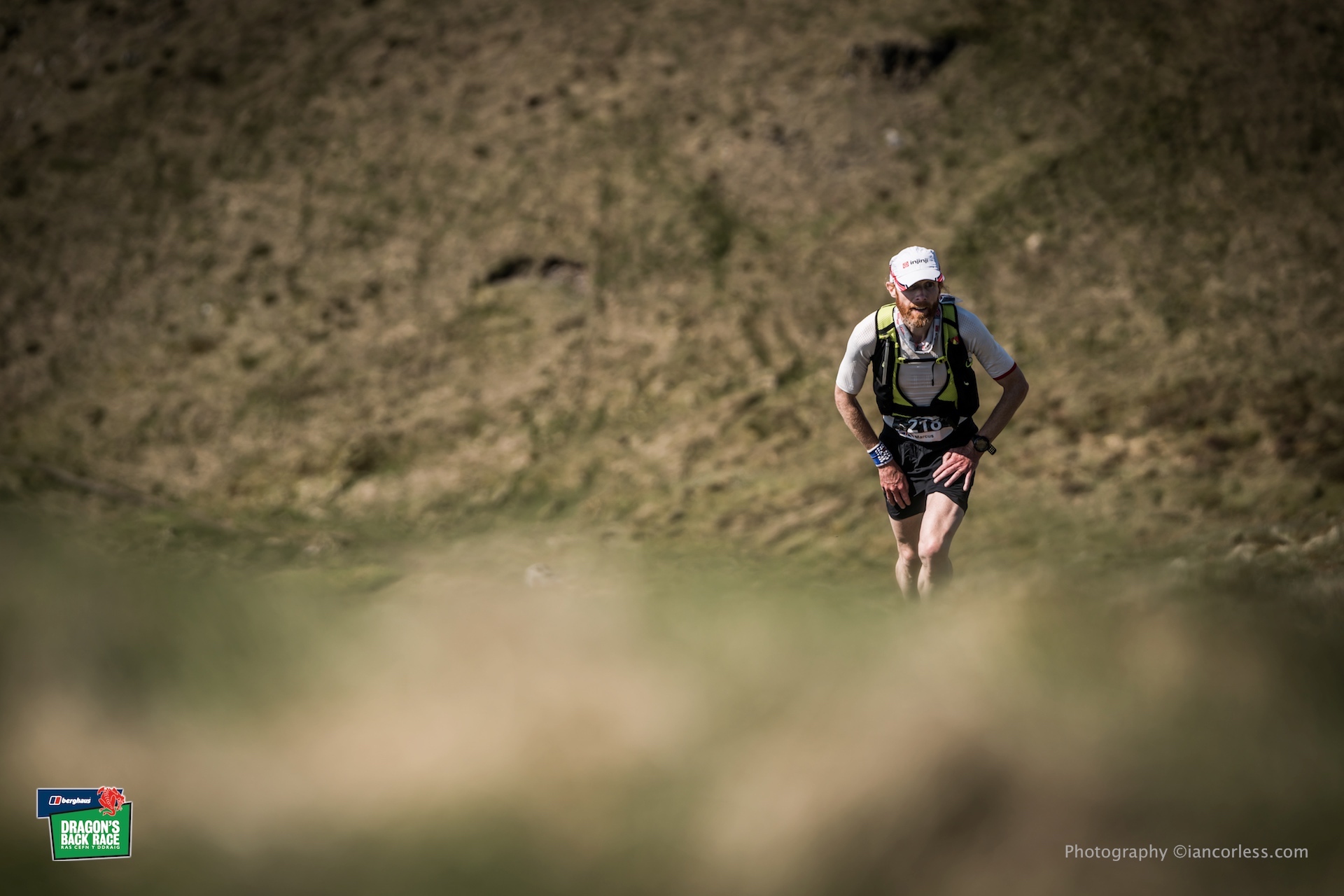
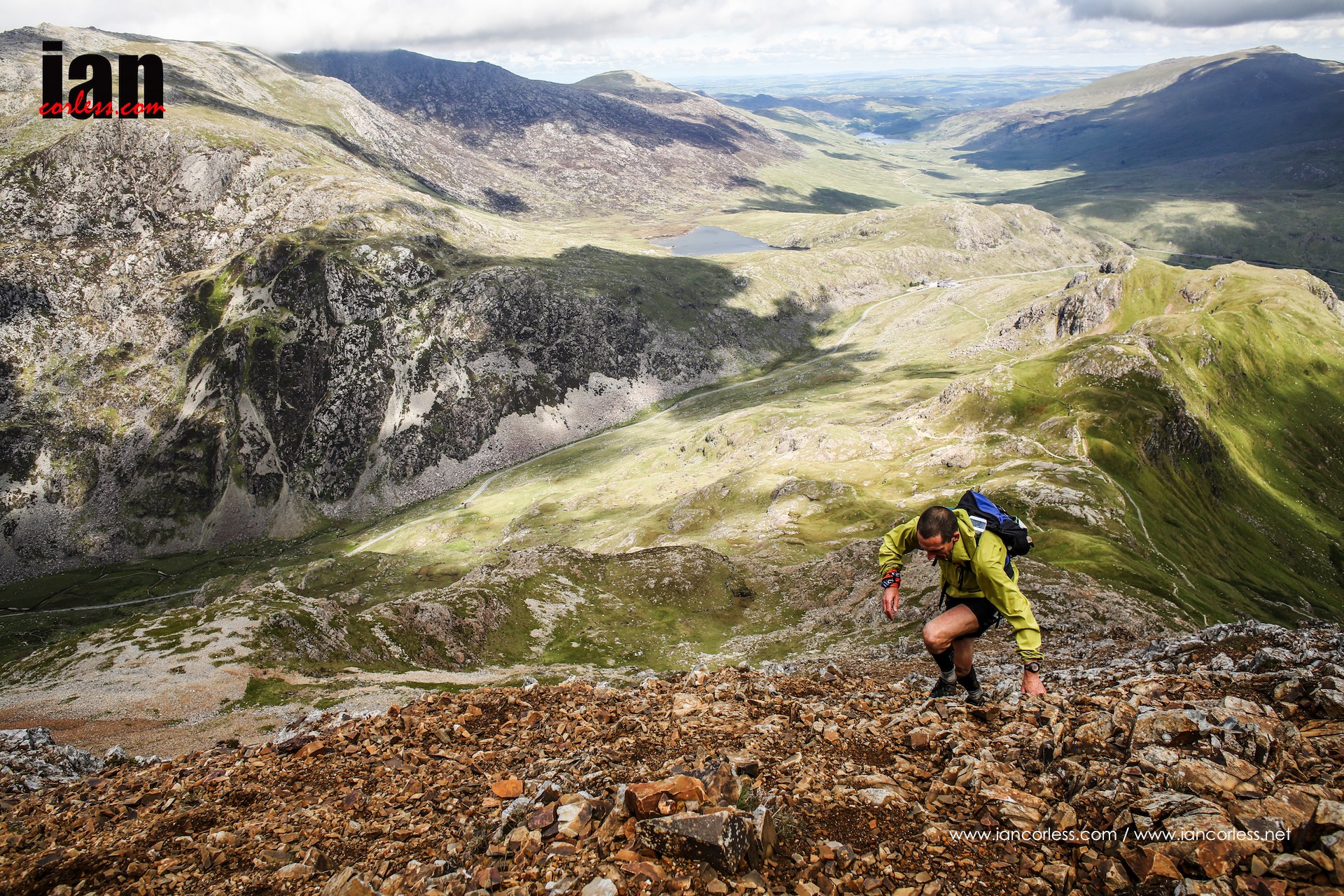
The Dragons Back Race set the tone. For many runners it was their first taste of a true multi-day mountain expedition disguised as a race. Self-navigation with map and compass across the spine of Wales made it feel less like a sporting event and more like an adventure in the purest sense.

From there came a string of events that helped define a generation of UK mountain runners. The Great Lakeland 3 Day, Dark Mountains, the ROC Mountain Marathon and more. Each had its own character, but they all carried the same spirit: serious mountains, thoughtful course design, and an expectation that runners would meet the terrain on its terms.

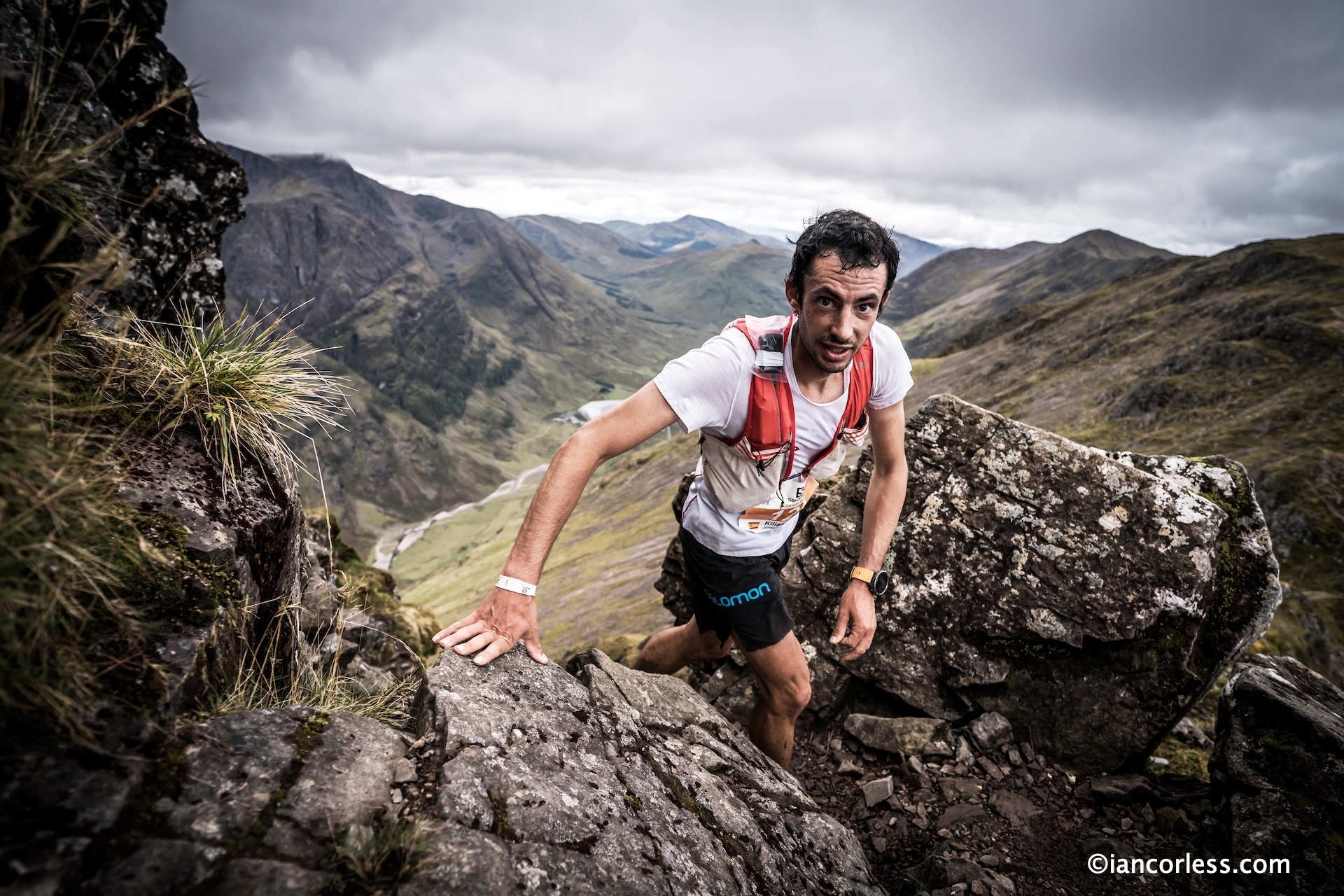
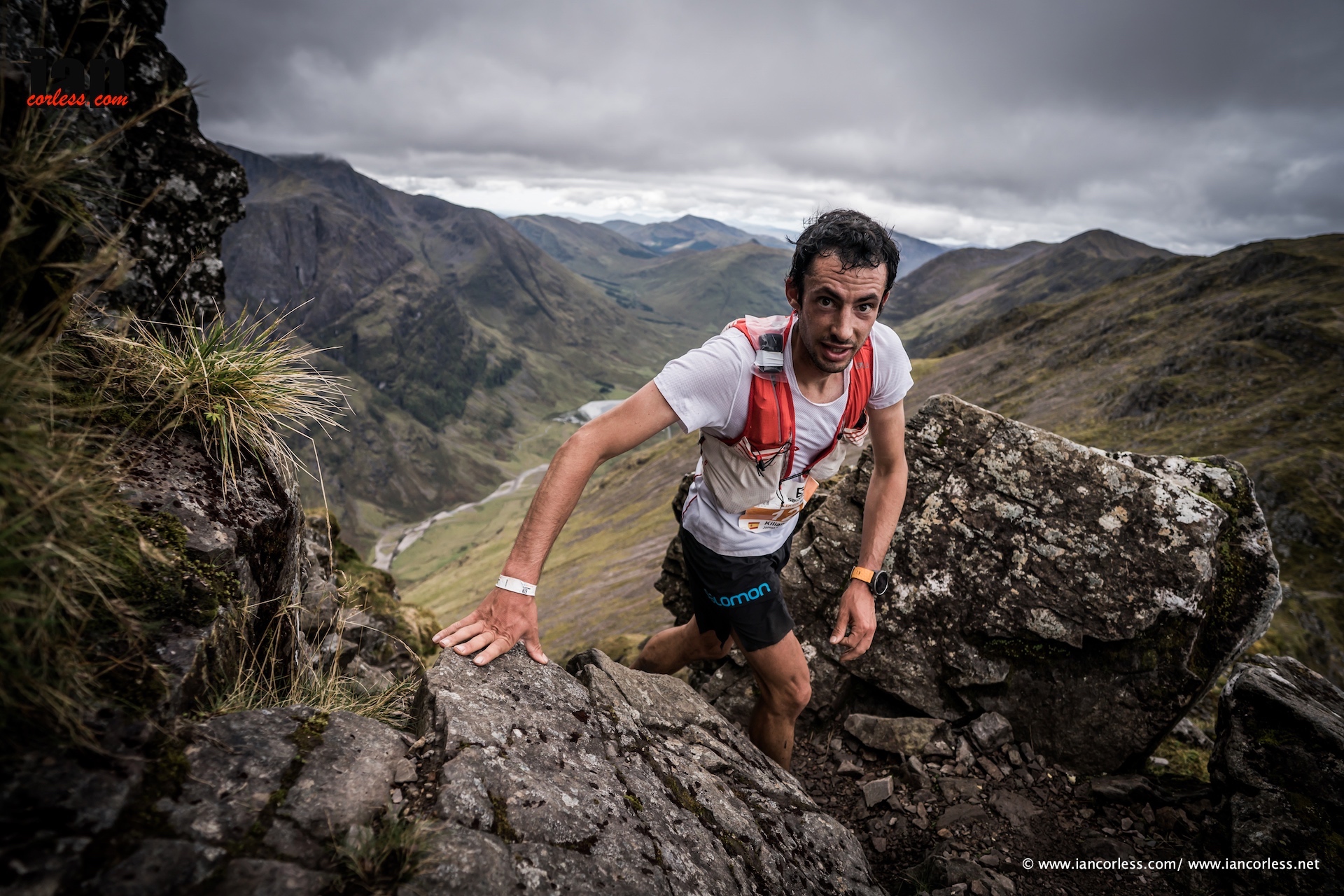
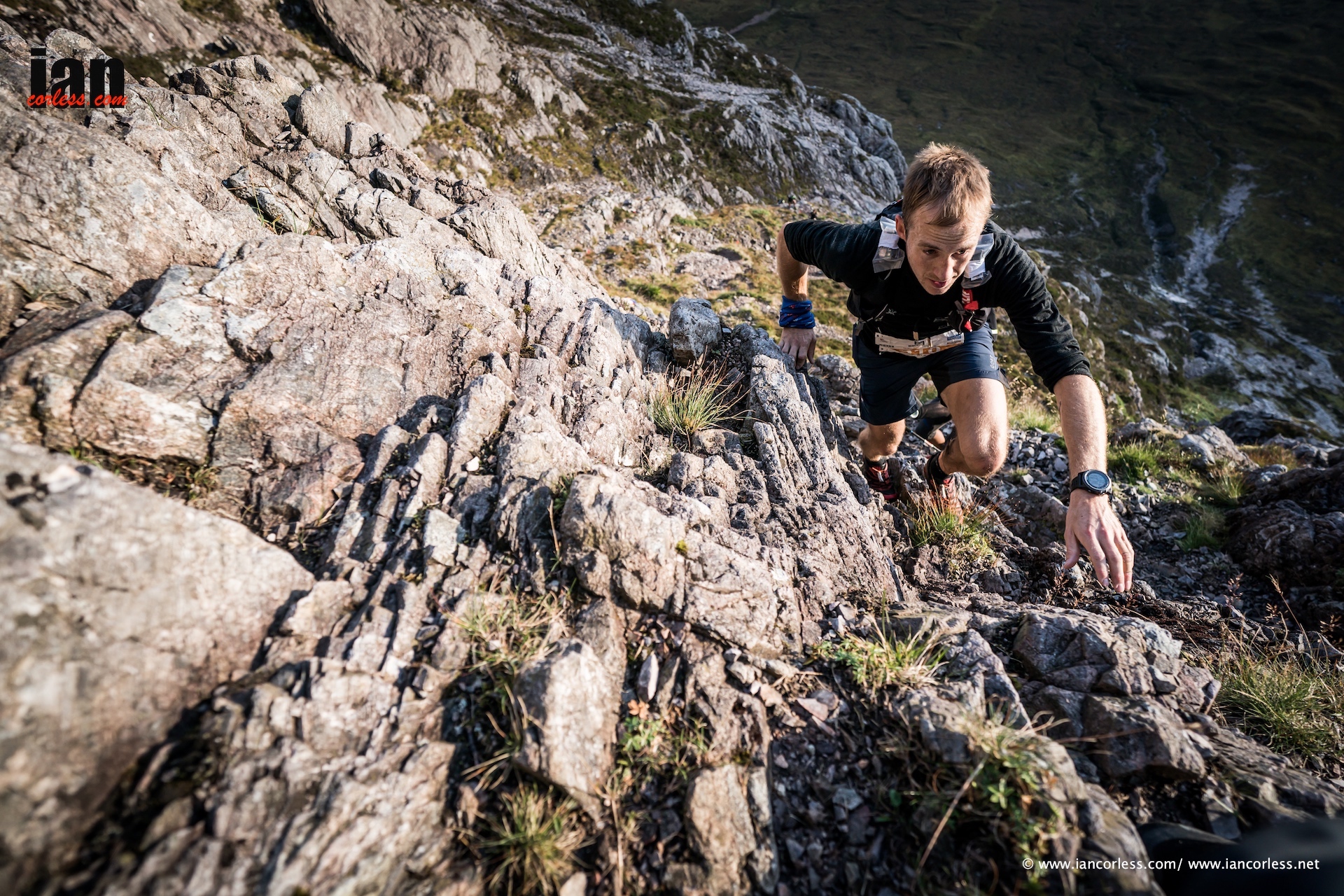
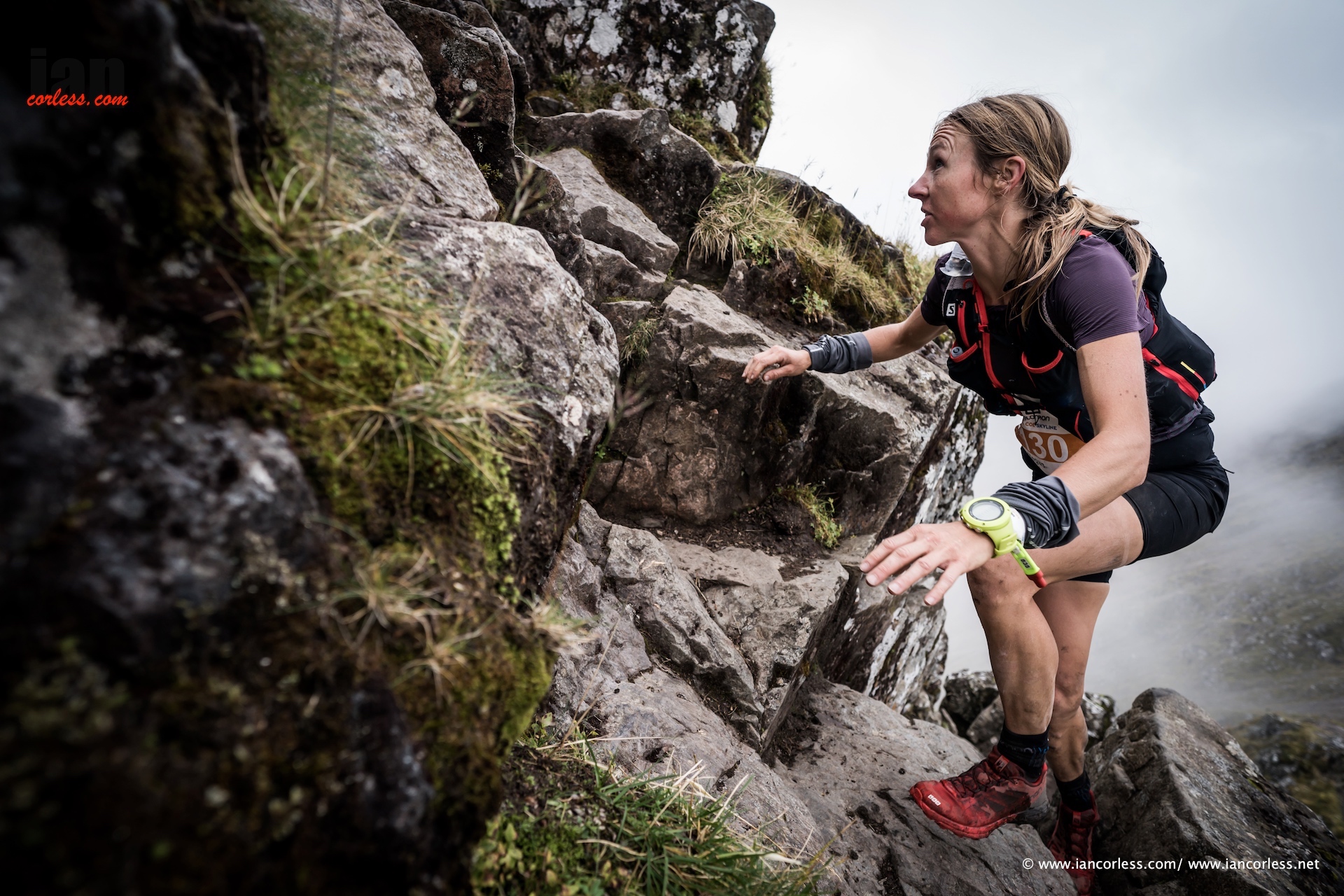
Like many others, I was lucky enough to experience several of these events firsthand. I was there for the first Cape Wrath Ultra. I experienced the return of the Dragons Back. And the moment I’m perhaps most proud of was helping create the Glencoe Skyline as part of Skyrunning UK. That event in particular showed just how far the UK mountain running scene had evolved. Technical, spectacular, and unapologetically demanding, it placed Scottish ridgelines onto the world skyrunning map. We brought the world’s best to Scotland – Kilian Jornet, Emelie Forsberg, Katie Schide, Jasmin Paris, Jon Albon, Marco Degasperi, Henrietta Albon, Tove Alexanderson, Laura Orgue, Hillary Gerardi and the list goes on…. A who’s who of the mountain running world.

So the collapse of Ourea feels deeply personal to many of us.

But it also raises bigger questions.

The last few years have been brutal for independent race organisers. Covid wiped out entire seasons and left financial scars that many companies never fully recovered from. Brexit complicated logistics, staffing, and international participation. Costs across the board have risen sharply.

At the same time, the global trail running landscape has changed. The rise and dominance of UTMB has reshaped the market, pulling attention, sponsorship, and runners toward a global series model. For smaller, independent organisers, competing in that environment is incredibly difficult.

Ourea may have technically survived Covid and Brexit, but survival does not mean recovery. The damage done during those years can take a long time to surface, and sometimes the final collapse comes long after the initial shock.

Right now, the most immediate concern is for runners who have paid entry fees for 2026 events. Hopefully many will be protected through credit or debit card payments and able to recover funds through Section 75 or chargeback claims. But even if that is resolved, the bigger uncertainty remains.

What happens now?

What happens to the UK mountain running scene without one of its most creative organisers?

And what happens to the races themselves?

Events like the Dragons Back, Cape Wrath Ultra, and Glencoe Skyline are more than entries on a calendar. They have become part of the identity of British mountain running. They hold stories, ambitions, and personal milestones for thousands of runners.

In some ways, races are like mountain routes. They can outlive the people who first established them.

So perhaps the real question is whether these events can find new custodians. Whether another organiser can pick up the threads and carry them forward without losing what made them special in the first place. That balance between professionalism and wildness is fragile, and it was something Ourea managed remarkably well.

For now, though, it is simply a moment to pause and recognize what was built.

Many of the most memorable mountain running experiences in the UK over the past decade trace back to the vision and work of Shane Ohly and the Ourea team. They created races that pushed boundaries, respected the mountains, and inspired a generation of runners to go further than they thought possible.

Whatever happens next for these events, that legacy will remain.

And for those of us who stood on start lines in Wales, the Lakes, the Highlands, or deep in the night at Dark Mountains, the memories will always be there.

Follow Ian Corless

Instagram – @iancorlessphotography

Twitter – @talkultra

facebook.com/iancorlessphotography

Web – www.iancorless.com

Web – www.iancorlessphotography.com

Episode 224 – Shane Ohly from Ourea Events

Episode 224 of Talk Ultra brings you an in-depth chat with Shane Ohly from Ourea Events and Speedgoat Karl co-hosts.

RECENT ARTICLES

VJ Sport XTRM2 Shoe Review Here

Matterhorn Skyrunning Workshop Here

Episode 223 – Marathon des Sables Special Here

Scarpa Golden Gate Kima Shoe Review Here

Episode 222 – Tom Evans, Ryan Sandes and Ryno Griesel Here

MDS Photo Gallery Here

FOLLOW ON

Talk Ultra FB HERE

Tweet us on Twitter – Talk Ultra on Twitter HERE

Instagram – HERE

Our web page at www.iancorless.com has all our links and back catalogue.

Please support Talk Ultra by becoming a Patreon at www.patreon.com/talkultra and THANKS to all our Patrons who support us. 

Spotify HERE

ITunes HERE

Stitcher You can listen on iOS HERE, Android HERE or via a web player HERE

Website – talkultra.com

Emelie Forsberg – Smiles and Miles; I am back!

©iancorless.com_GlenCoe2017-03356

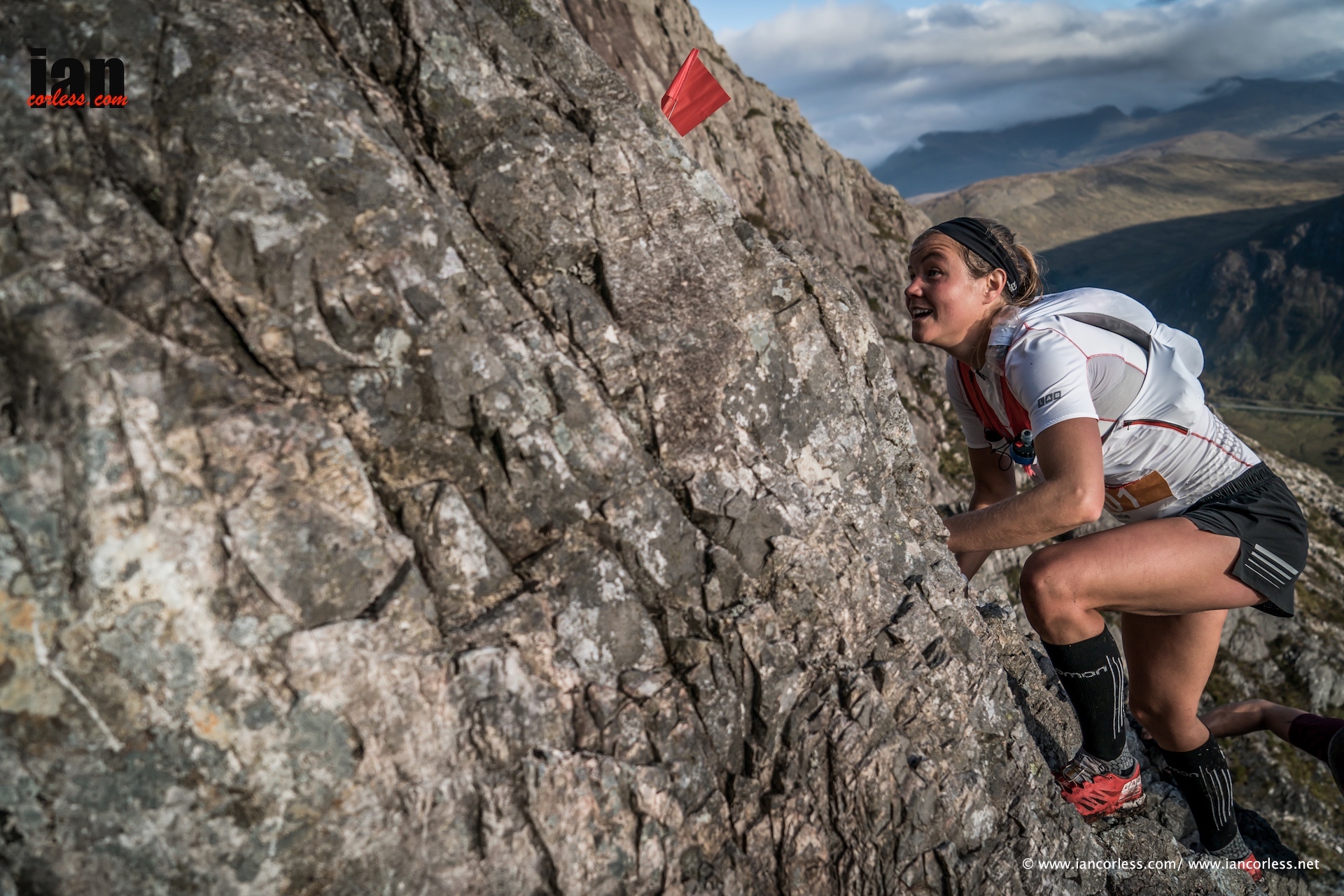
Emelie Forsberg is back! She has just won Salomon Glen Coe Skyline and with a stunning course record beating her 2014 time and once again confirming that many smiles and miles are ahead.

“About the pressure, yes, for sure, sometimes you can feel pressure. If you have been winning a lot of races, it’s like people expect you to do that. I was not in good running shape when I let my skis for the summertime. Some of my friends, who don’t run that much, they beat me a lot. I’m not the kind of skier that runs through the winter. I train with Ida Nilsson and she’s running a lot, which makes her in a great shape at the beginning of the season, but I can’t do that because then I’m not the ski mountaineer that I want to be. I just hope everyone realizes that I can’t be in a great shape in the beginning of the season.” – Emelie Forsberg
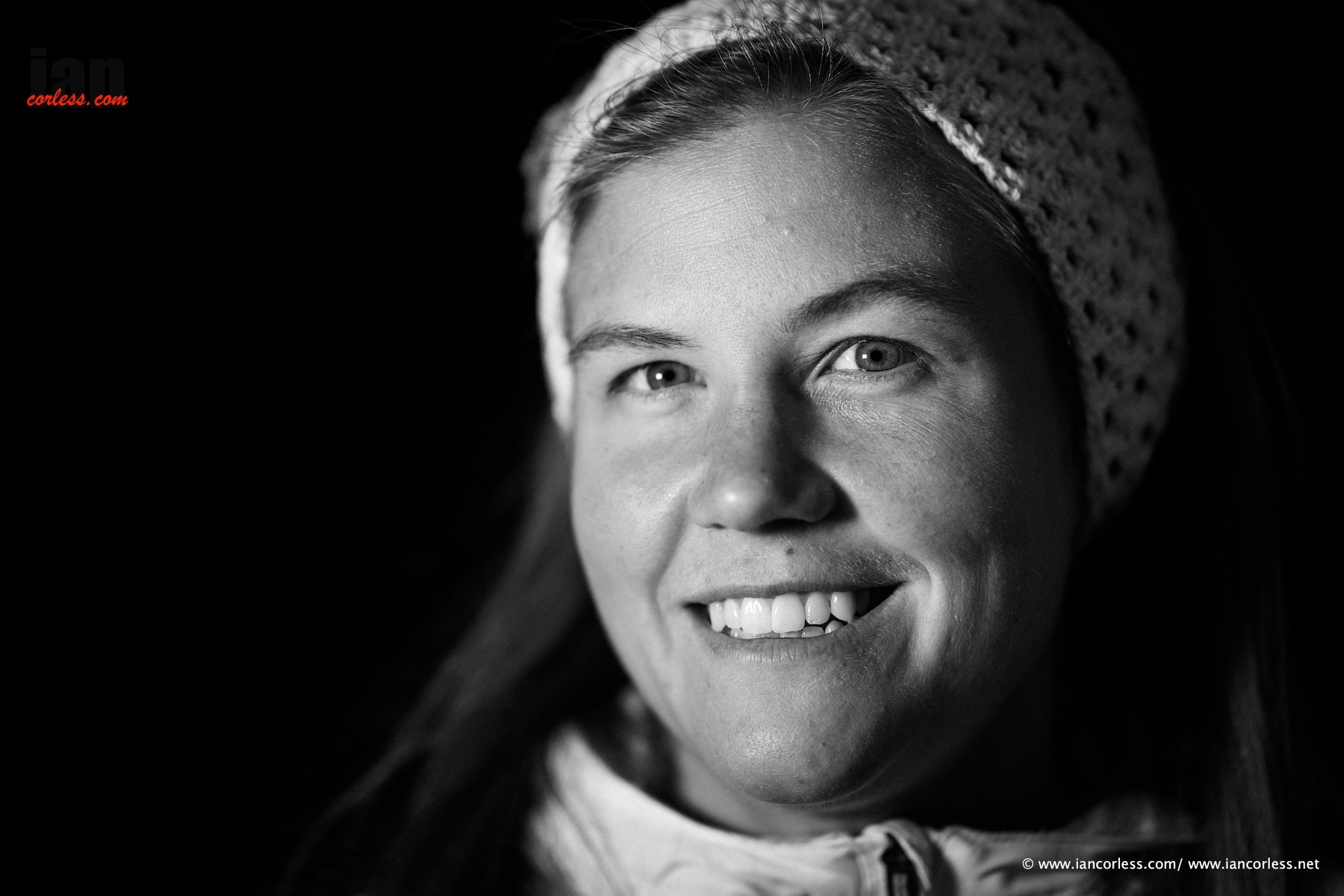
©iancorless.com_GlenCoe2017-07148An accident while skiing has made the last 12 to 18 months tough. Surgery, rehabilitation and being patient are all tough things for an athlete to manage, especially one as active as Emelie. But Emelie was patient understanding the need for a full recovery and to come back strong. Working on her strength and core she came back slowly and fine honed her yoga skills, she event spent a month in India on an intensive course. Emelie has set the example for how elite runners should return from an accident and surgery.

I caught ups with her post her Glen Coe victory as she settled back into recovery in her Norwegian home before she once again started training for new targets ahead.

You can listen to the interview in Talk Ultra podcast HERE
©iancorless.com_GlenCoe2017-02307

Ian: Before we come on to the race, I think the last time we spoke was about your rehabilitation from knee surgery and how you were managing that and of course, there’s been some ups and downs in that process, but you must feel now as though things are almost getting back to normal and the shape is there, the form is there, physically, mentally everything is good?

Emelie: Yes, everything is good now and yes, for sure, there has been a few ups and downs. I know what to do now when I switch from ski to running and my knee is working really well so it’s good. That is the short version…

Ian: Exactly. Well, it’s definitely working well because I saw you running up and down those fells and mountains in Scotland and it reminded me of exactly two years ago, when you came to Scotland and you won the race. You just ran that whole race with a big smile on your face and it seemed as though this year was — I was going to say the same, but I think probably even better.

Emelie: Yes, I think so because last summer I was only doing rehab and that was that. I wasn’t really in shape, but this year, my ski season went really well, but then, in the beginning of the summer, I didn’t really know… I had a lot of things going on. I have been writing a book and I wasn’t sure if I wanted to be ‘only’ a runner for Salomon anymore? But everything has been working out like I want it to be recently, it takes time to try to figure everything out.

Ian: There’s a price to pay for being… and I’m going to use the word famous, you might not like me using that word, but famous in the trail, mountain and ultra-world, and you are. We can argue about the semantics of that word, but you are. That brings a lot of pressure, a lot of people looking on, a lot of people even criticizing or commenting or supporting and, of course, there’s lots of good and bad in that. But have you found in this period, this last 12 to 18 months, that there’s been some pressure there that you’ve tried to escape from? And I guess living in Norway helps with that.

Emelie: Yes, for sure it does, but I can be good and bad with pressure, I think like all the athletes. But I just made it clear for everyone now that I need to make my own plan because I am a skier and I’m a hobby mountaineer or whatever you call it –  light alpinism? I want to improve in that too, so I just made it clear for everyone that I want to take time to do mountains in that style and I want to take time to do my ski season, and then I want to take care of my running, as well. I think the balance now is much clearer for me and my sponsors, which is great.

About the pressure, yes, for sure, sometimes you can feel pressure. If you have been winning a lot of races, it’s like people expect you to do that. I was not in good running shape when I let my skis for the summertime. Some of my friends, who don’t run that much, they beat me a lot. I’m not the kind of skier that runs through the winter. I train with Ida Nilsson and she’s running a lot, which makes her in a great shape at the beginning of the season, but I can’t do that because then I’m not the ski mountaineer that I want to be. I just hope everyone realizes that I can’t be in a great shape in the beginning of the season.

©iancorless.com_GlenCoe2017-07158

Ian: I guess in some ways, you’ve almost created a little bit of that pressure yourself, and that’s not a criticism, this is just the facts. If I think back to, say, 2012, 2013, 2014, you and I have often had those conversations, where you’ve come off skis and we’ve been talking about Transvulcania and you say to me, “I love that race and I really want to do it, but I’m not in shape and should I do it, shouldn’t I do it?” and you’ve done it and you’ve always done well.

But I think since 2014, the sport has changed and it’s been changing progressively year on year, now the sport is going faster, it’s changing completely and like you say, somebody like Ida Nilsson, who comes into Transvulcania with a lot more running, it’s very difficult for somebody like you, with such a high profile, to just step off skis and go into a race like that with expectation. Do you wish you could say, “You know, guys, I’m just going to run this because I want to run it and I might come 10th or I might come 20th, but give me a break.” Do you ever feel as though you want to do that?

Emelie: [laughs] Yes, I did that at Zegama. Zegama was really special this year because Kilian was trying his second attempt on the summit of Everest and I didn’t get any news until one hour before the race started. So, I didn’t sleep during the whole night. That was really, really hard. I can always run a race and do okay, but Zegama was really hard because of the stress, worry, lack of sleep and so on.

Ian: That’s an incredible pressure, a really incredible pressure. How do you deal with that?

Emelie: Yes, I just say to myself that in the end, it’s all about what I want to do. I cannot live a life through somebody else’s eyes and I just like to be honest, and if people are listening, they understand, I’m only human.

Ian: Absolutely. Following Zegama, you took a step back and maybe re-evaluated and this is the point where you say to yourself, “You know what? I have to do what I want to do because I know what I need to feel like, I know what training I need to do, I know what mental space I need to be in to perform.” In amongst that, you’ve already touched on the fact that you were writing a book, you’re a race director for the Tromso Sky Race. There’s all sorts of other things going on, but you said to me in Tromso, “I’ve sorted out my calendar now and I know exactly what I’m going to do.” That seemed like a really important process, where you got things clear.

Is that the type of thing now that you’re going to do moving forward and maybe communicate that with the fans, so that you don’t get that external pressure? You lay your calendar out early, or basically you say, “There is no calendar, leave me alone and I’ll tell you when the calendar’s available.”

Emelie: Yes, for sure, I will — it’s important to do the structure, especially as I said, that the beginning of the summer is really changing. Previously, many runners and my peers took a break during the winter and we all came to the races more or less with the same amount of running early in the season. Over the few years, I have realized that ski mountaineering is really important to me. I’m really excited and super motivated to do well there because I love the sport. It’s different from running and it’s something that makes me really happy and motivated to train for and focus on. I will try to or I will make a plan now in November for next year and let’s see if I share it or not. Things can happen and plans can change.

Ian: Okay. As the calendar changed, Salomon Glen Coe Skyline certainly became a priority. When I managed to get you over to the UK in 2014 to run the first edition, you said after that race, “Wow, this race is incredible.” Of course, my dream was not only to bring you back, but to bring Killian and to bring a world-class field. And we did it. This year we really, really did it. I think it’s been not only the best race in the UK, but worldwide. I think the quality of the field; the quality of the course was absolutely stunning. How important was it for you to come back? How important was it for you to come back with, say, Killian and the Salomon team?

©iancorless.com_GlenCoe2017-02273

Emelie: First, it was really nice to come back because last year, I wasn’t there. I really loved it, the course, it’s amazing, it’s pure Skyrunning. Yes, for sure, was super nice to have Killian there because I knew that he was going to love the race, which he did. So, great to have a big team there, as well, to see what they were thinking about it.

Ian: Expectations of going into the race? I know what you’re like, I know that when you race, you want to perform well. No disrespect to 2014, but there was maybe yourself and a couple of other runners that could have potentially won the race. Whereas this year, it was completely different. There was plenty of really top female runners who could push you to the line. Does that bring external pressures on you or is that something that makes you bring your A-game to the race?

Emelie: [chuckles] 2014 was special because I had a really big week that week. I think I climbed Mont-Blanc four days before I was going there and I was just pushing really hard… I can’t remember? I was supposed to do another race after that, that I was training hard for. I knew that I was really strong, so I had the confidence to do that then. But this year, I haven’t been running long-distances because of my knee. But since OCC, which was like three weeks ago, my knee has felt good in longer training. I had like two weeks that I could do a bit more hours, which was really good. But two weeks is only two weeks. I knew that Megan Kimmel is super strong, Ragna Debats had a super good summer too and there was so many strong women there. I really wasn’t confident that I could do well and that I would be able to run well after four hours. I was more like, “I’m going to be happy with whatever.”

Ian: The opening miles of the race changed to 2014, because the initial edition was based at the ski center and we realized after year one that actually it brought you to Curved Ridge too quickly and it created a bottleneck for the field. Also, logistically, it wasn’t in the most ideal place for the race growing. So, we moved the race over to Kinlochleven, which means that you have probably a good hour of running before you get to the really first technical section, which is the climb of Curved Ridge. When you got there, you had Megan Kimmel right on your heels. The two of you were together. Were you surprised by that or did you expect it?

Emelie: Yes, for sure [chuckles] I expected that. I expected because she’s a fast runner and I thought that Ragna was going to be with us, as well. But it was Megan who was setting the pace. I just followed her and on the technical part, I was in the front and on the downhill, I was in the front too. But in the uphill, she pushed the pace a lot and I was a bit worried that it was too fast, actually, but I just tried to follow her. Sometimes, she had maybe 30, 40 seconds on me in uphill, but I knew that in the downhill, it was nothing. I just tried to keep my own pace, even though it was a bit fast. [chuckles]

Ian: Yes. Do you think Megan pushing the pace was a contributing factor to a course record?

Emelie: I think so. I think it could have been anyway, but it was a good time and it was good to push in the beginning, because that’s when you have the energy to push. Megan pushed the pace for sure.

Ian: I’ve got to say, I was surprised that Megan handled the technical section so well. Because she openly says that she’s not really a technical runner. I guess at the back of your mind, you knew that when it came to the real crunch moments, the Aonach Eagach Ridge for example, you could use your strength and maybe that’s where you could open up the gap and pull away?

Emelie: Actually, Megan, she’s a good climber…

Ian: Yes, I know, but she always says that she can’t do technical?

Emelie: No. The technical part, she was doing good, actually. She’s a very all-around runner, I would say. She can perform really well in technical races, like Dolomites and Zegama. But she can also win Mont-Blanc Marathon. She’s maybe one of the best all-around runners I know. So, I wouldn’t say that she’s bad on technical, that’s my opinion. In the end, I don’t think that I made a big gap, even though I kept the lead over the Aonach Eagach Ridge.
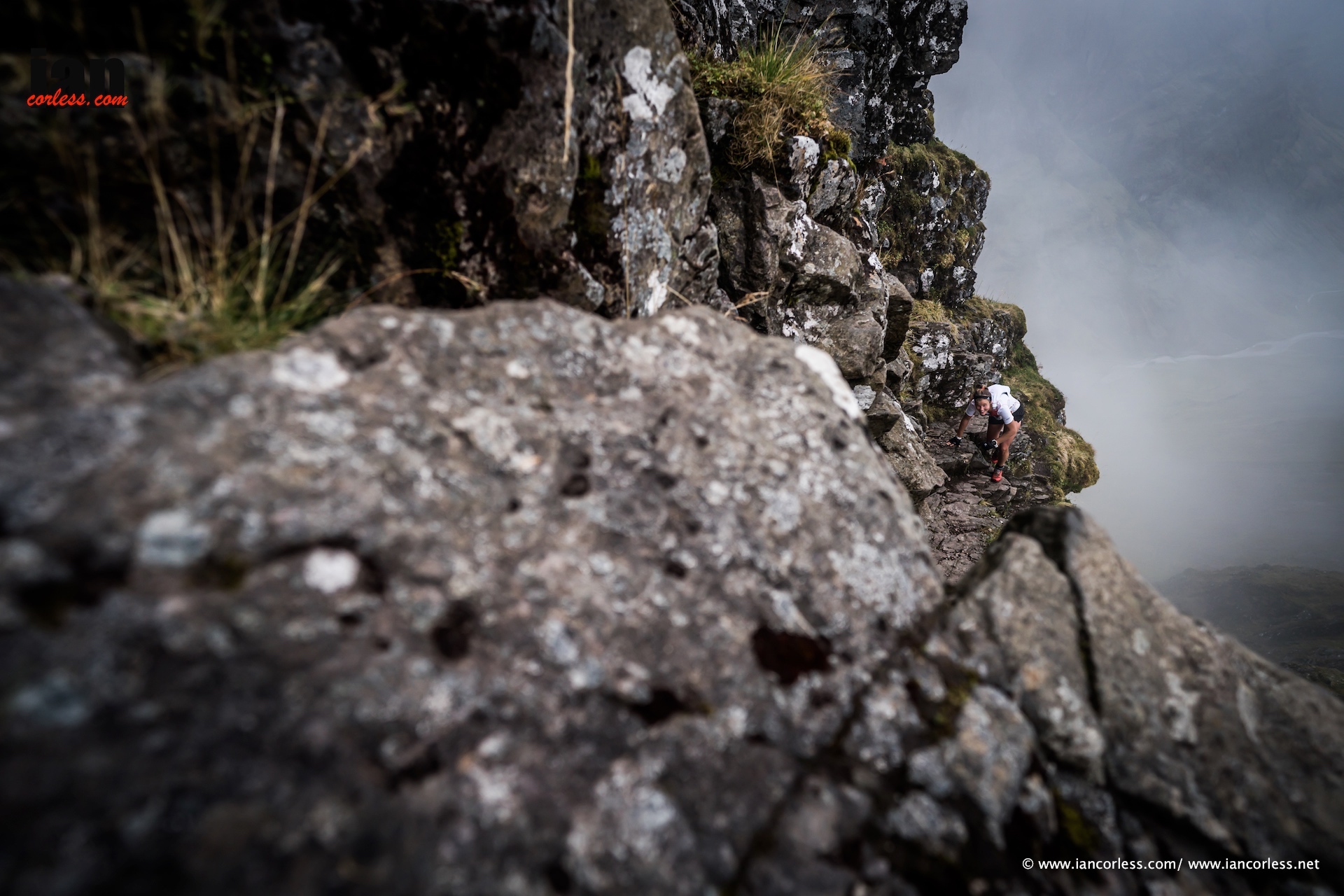
©iancorless.com_GlenCoe2017-03304

Ian: Tell me the highlights of the course and tell me why this race is so special.

Emelie: First of all, I think I need to say that it’s not a race for everyone right now. I think anyone can run it if they train for it and get experience – the race is vetted anyway! But you should have a lot of respect for it. I do and I would never do a race like this if I wasn’t comfortable in climbing Degree III. Because it’s technical, which I really love.

We start with maybe 10K of running, until we come to Curved Ridge, which is the most technical par. Super steep and scrambling up. Then, we follow beautiful ridges with some ups and downs and big climbs. Then, we have a big downhill coming to kilometer 35, where is the aid station, the second one. After that, it’s a very steep climb, like a vertical. I was actually looking to my watch and I think I did the climb in 52 minutes, which I do the same time as the vertical.

Ian: The vertical, yes.

Emelie: Yes, it’s a steep vertical there. Then, the ridge starts, the Aonach Eagach Ridge, which is a beautiful ridge. People tell me that they feel like that’s a technical part, but I don’t see the technical part there. It’s a ridge, which is super nice to be there and run and I don’t see the difficulty there.

Ian: How does the Aonach Eagach Ridge compare to the ridge in Tromsø?

Emelie: For me, it’s about the same, actually. I know that some people find Aonach Eagach Ridge a bit more technical, but I think it’s more or less the same.

Ian: I’ve been along both and I have to say that the Aonach makes me feel a little bit more exposed than the ridge in Tromsø. I think it’s just those couple of down-climbing sections. Nobody likes down-climbing. [laughs] If you’re not a complete mountaineer, and I’m not, I can scramble, I can go along the ridges. But down-climbing really does make you think a little bit. I think maybe for me, it’s those couple of sections and there’s also the rock chimney that you go down, which I find is fine. But I know a lot of people after the race had said to me, “Oh, the chimney was just horrendous.” Because you’ve got to put one hand to either side and put your feet down underneath you. But I guess it just comes down to comfort and experience level.

Emelie: Yes, I see what you mean with the down-climbing. For sure, it’s not any down-climbing like that in Tromsø. That’s the difference. I guess it’s just as you say — I can see the difference, but more or less, for me, I would say it’s the same.

Ian: One of the things that I said to you after the race, and to Killian, was the similarities of Scotland with Norway. If I close my eyes, and apart from a couple of distinctive details, maybe like the midges [laughs], you could feel as though you’re in Norway at times. I guess that really appeals to both yourself and Killian because it feels like home.

Emelie: Yes, for sure. It is like home, but it’s new, so that’s really a cool feeling. The culture is different and the people. Trails are much better there in Scotland because when it’s not technical, you run on a super nice trail, I really like the contrast there, you can run really fast. In Norway, we don’t have too many that well-marked or big trails.

Ian:  With the victory and with the course record, do you feel as though one chapter of your running career is maybe ended and a new point is starting?

Emelie: [chuckles] Yes, in one way because, as I said, I wasn’t sure about how my endurance would be and I know that it’s my kind of race, I love the terrain. In one way, I can be hard to myself and say that win didn’t really matter because it’s so much your kind of a race, but then I know that I’m unfair to myself, that I should be proud of what I’ve done, but I also want to train on my weaknesses, which is to run fast for a longer time. Now, I actually will start to train for Les Templiers, which is a really runnable race, so that’s exciting. I know that it’s really hard for me to go out and run on the road but I will do that, I will find some flatter trails and try to do some speed work on them.

Ian: Okay. The other thing that you did in the UK was the VK. I actually really like that VK course, it’s very different to other VK courses because it starts off and it’s very runnable and then, all of a sudden, it just goes really, really, really steep and it’s very muddy, it’s very slippery. How was your experience of that?

Emelie: Yes, it reminded me of Norway, actually. I knew that it was a VK that would suit me pretty well and I like to do VKs because it’s good training, but I also have been saying for the last few years I’m not a vertical runner, but I have been improving in that and that’s also really cool.

Ian: You’ve said it’s like Norway, there are so many similarities in that VK to your VK in Tromsø. I know the final section is much rockier in Tromsø, but the early meters are so similar to Tromsø, that you could feel as though you were in either place.

Emelie: Yes, exactly.

Ian: How do you progress now? You’ve got Templiers, which is a very different race to Glen Coe. It’s not very technical, it’s going to be a fast race, you’re going to need to move quickly for that. You’ve got to be fast, you’ve got to be endurant for that one because it’s also quite a long race and then what follows that?

Emelie: After that, I will do San Francisco, actually. It has been a race that I wanted to do again. I had one good year there and one not so good year and now it’s actually two weeks earlier, so it fits my calendar better. That’s motivating, as well. It’s going to be the same training as for Les Templiers. I need to speed up and move fast.

Ian: Correct me if I’m wrong, I’m going from memory here, but you won San Francisco 50 on your first attempt/

Emelie: Yes.

Ian: It’s a good benchmark race, I guess. Things have moved on. I’ve not seen the elite field for San Fran yet, it’s probably a little bit too early, but because of the prize money that’s available, it’s going to be very competitive, we know that. Is there anything that you think that you need to do to get yourself in the shape that’s going to give you potentially a podium or a victory?

Emelie: Yes, I need to train flat.

Ian: I can hear the disappointment in your voice…

Emelie: No, actually it’s different and I know it’s not my favorite, but actually it’s really motivating for me because I always want to improve what is my weak side and I have been doing that with uphill running and I’m eager to do it now with my flat running, too, so I’m actually really excited for it. I know that I’m going to be like, “Why do I need to do this race when I run my tempo runs on a dirt, flat road?” But I’m actually motivated for it and it’s going to be really fun because Ida Nilsson, who I consider one of the best flat runners, will also run both races and we’re training together – she’s really pushing me, which is great.

Ian: And you ski together as well, yes?

Emelie: Yes.

Ian: What does 2018 and maybe 2019 look like for you? Do you have a bucket list of races or experiences that you’d like to tick off?

Emelie: I do, actually. I have three or four things that I have planned already for 2018, and one of them is a project in the Himalayas, which I want to do by myself and it’s going to be really exciting.

Ian: That sounds really good! Exciting.

Emelie: Yes.

Ian: My other question, which is actually related to that one. Any dreams of 100-mile race, say, Hardrock 100?

Emelie: Yes, yes, for sure. I think I said this before to you that I really like the distance. I’m fascinated about it. I did Diagonale des Fous for experience but I want to try to race it, I think I could do really well there. I want to wait for it though, maybe five, six years. It sounds a lot, but I know that it will be even better if I wait because I want to do so many shorter distances, up to 80K right now.

Ian: I think that’s a good idea. History shows that 100-mile runners are very, very good or in their peak once they get to mid-to-late 30s and even into their 40s. There’s no issue there and, of course, it’s more years running, more endurance, which you can then carry over to that long distance. You might as well maximize the speed that you have and the ability that you have up to the 80-kilometer distance. Pressured question, will we see you in Glen Coe next year?

Emelie: I really hope so.

Ian: I hope so, too.

Emelie: It really fits in my calendar, so I will be there.

Ian: What about Tromsø?

Emelie: I think so. We’re working with it now and I said that I need to step down a little because there are so many things to do there. I think it’s much better if there’s someone that has more time and take care of it. Kilian and myself are still part of the organization, but I cannot do as much work, so I think for next year, it will be even better than it has been before.

Ian: It’s so difficult to balance a busy life, training, racing and being a race director. You know both sides now, you understand the complexities of that.

I’m going to thank you so much for your time. It’s been great to have you back in the UK, great to have you win the race here in Scotland, great for you to have a course record and great to see you back to the shape you had before your accident.

Roll on Les Templiers and San Francisco 50!
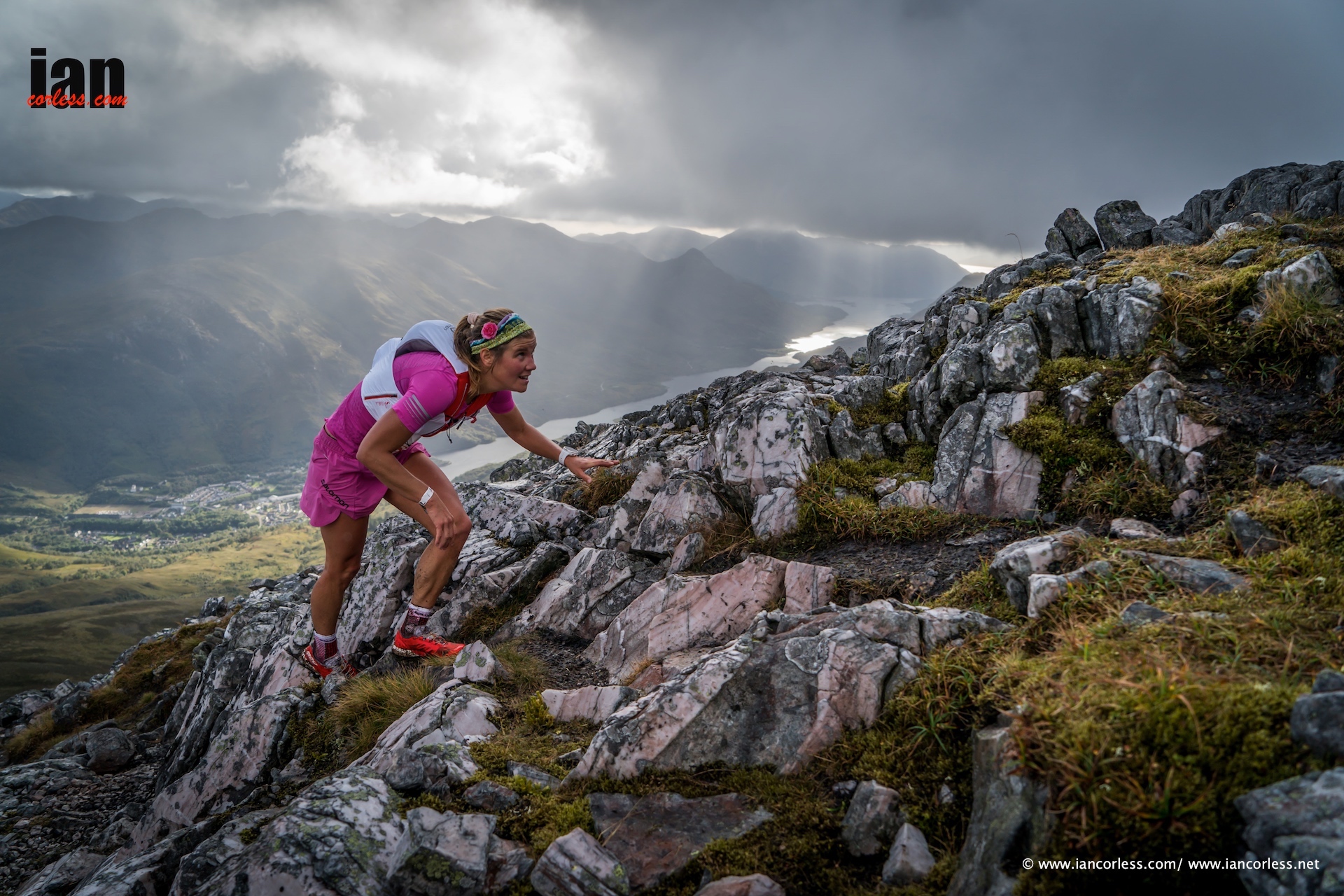
©iancorless.com_GlenCoe2017-08184


Salomon Glencoe Skyline 2017 Summary – Migu Run Skyrunner World Series

Kilian Jornet and Emelie Forsberg toed the line with one of the most ‘elite’ fields ever on UK soil for a mountain race. Yes, the 2017 Migu Run Skyrunner Extreme Series stepped up a notch and went Extreme! In Scotland for the Salomon Glencoe Skyline.
‘This’ race truly is one of the best races out there!’ Was the consensus when runners finally made it to the finish line. To get across the tape though requires some endurance, skill and the technical ability to climb Curved Ridge and to cross the infamous ‘Aonach Eagach’ ridge.

In the words of Kilian Jornet, ‘What a cool race! Glencoe Skyline is absolutely one (the one) to do!”
Gaining Skyrunner® Extreme Series status has had a huge impact on this race and like Jornet says, this race has become ‘the one’ to do in addition to the iconic KIMA which will take place in 2018 and Jornet’s and Forsberg’s own, TROMSO SkyRace.

No question about it, the 2017 edition of the race had the greatest field ever assembled for a mountain race in the UK with a who’s who of elite runners with runners coming from all over the world to test themselves on the best course against the best runners.

Coming into this edition, Jornet was the hot favourite, how could he not be? The Catalan didn’t disappoint, he opened up a small gap while climbing Curved Ridge but it all came back together again with Jon Albon, Bhim Gurung, Andre Jonsson, Alexis Sevennec and the USA’s Max King keeping in contention. As they climbed to Aonach Eagach Jornet made his move extending away from Albon. Albon re-caught him though and apparently took Jornet by surprise. Jornet looked around and moved into the next gear pulling away from the 2016 Skyrunner Extreme Champion. By the time he reached the finish line, a new course record was his in 6:25:39!

Last years winner Albon was ‘first human’ in 2nd place in 6:31:45. Importantly for him though, 2nd place confirmed that he would also be the 2017 Migu Run Skyrunner World Series Extreme Champion once again – a great result.

Alexis Sevennec placed 3rd, a race that for him is a little long (his words) but after racing the Mamores VK and Ring of Steel in 2016, he wanted a new challenge, 3rd on the podium 6:40:34 a great result.

Bhim Gurung placed 4th and Max King 5th. King went on to say, ‘This race is crazy, off-the-scale, mad, beautiful and just an outright challenge – it is amazing!’

In the ladies’ race, Emelie Forsberg lead from the gun and although Megan Kimmel pushed her close in the early stages, this race had Forsberg’s name written all over it! She won the first edition in 2015, missed 2016 with injury and now the comeback is complete. Forsberg beamed her amazing smile on the course and after it. ‘I so love this race and Scotland. It reminds me of Norway but it is also so different, just amazing!’ In the process, like Jornet it was a course record performance setting the new level at 7:53:30.

The USA’s Megan Kimmel is not known for her ability on technical terrain but here she excelled keeping on contact with Forsberg early on and then consolidating a strong 2nd place ahead of the indestructible Ragna Debats. The duo finished in 8:14:57 and 8:22:55 respectively.

Importantly, Maite Maiora who won the Royal Gran Paradiso and Tromso SkyRace did not run in Scotland as she already had the 2017 Migu Run Skyrunner World Series Extreme title secure with two victories.

Ever-present in the Extreme series, Malene Bikken Haukoy placed 4th and the UK’s Beth Pascall 5th, their times 8:26:53 and 8:34:14.

The Salomon Glencoe Skyline route features long and sustained sections of scrambling terrain, which is roughly equivalent to moderate standard rock climbing. In addition, the race traverses high and remote mountainous terrain, which is at times impossible to retreat from and may be subject to severe and rapidly changing weather. The day started in glorious sunshine but as predicted, a weather system arrived late morning bringing in cloud and clag, however, conditions remained dry. The crossing off the Aonach Eagach was considered the most challenging part of the route and although rocks were slippery, many considered conditions to be good.

Salomon Ring of Steall Skyrace 2017 Summary – Migu Run Skyrunner World Series

Uncompromising mountain running, ridges, scrambles, steep ascents, boggy ground and a bucket full of technical running made the 2017 Salomon Ring of Steall Skyrace™ an epic race. The sodden ground was muddy and uncompromising, the weather wet and brutally cold. This race had epic written all over it and it drew comparisons with the Skyrunning classic, Zegama-Aizkorri.

The h finish line post-race was full of praise, many stating that it was a pure classic, a race they would return to and yes, one of the toughest 25km’s they have ever run! A sentiment echoed by race winner Stian Angermund-Vik who won the previous day’s Amores VK and who was the champion of the Ring of Steall in 2016

“A Tough and beautiful race. The weather was harsh today and I didn’t feel great but I rallied in the latter stages. I saw my teammate Tom Owens, he shouted encouragement at me and it spurred me on!”

Stian produced a stunning win in an incredible 3:24, a new course record. In the early stages, the race was all together with the USA’s Andy Wacker leading from the front by a small margin. He was followed though by all the favourites, Marco De Gasperi, Jan Margarit, Kiril Nikolov, Stian Angermund-Vik and many more, As the conditions took hold and the temperatures dropped dramatically with an icy wind, Angermund-Vik pulled away from the race. In-form Pascal Egli pursued and Kris Jones from Wales was paving the way for UK runners. It was all close and anything could happen. Egli held on for second in 3:26, just 1-minute later Jones finished and then young-gun Margarit finished 4th ahead of Kiril Nikolov in 5th,m their times 3:29 and 3:30.

In the ladies’ race, Laura Orgue, like Angermund-Vik, was looking for the double, VK and SKY victories. She lead the race to the top of the first climb but then lost the lead only to regain it and then pull away with a strong and convincing victory in 4:05.

“I loved this race, the terrain, the mountains and the challenge. It was a close race and I had to fight which is good. It feels very different to the other races on the SWS calendar and I think it may be my favourite – Ioved it!”

Sheila Aviles moved up from outside the top-3 as the race progressed, showing her form that gave her victory at Comapedrossa earlier in the year. Once in 2nd she stayed there and crossed the line in 4:05:51 just 40-seconds behind Orgue. The Spanish duo are now head-to-head in the SWS17 ranking with Limone Extreme in October the deciding race.

Oihana Azkorbebeitia finished 3rd, the USA’s Hillary Gerardi continued her strong streak of top performances for 4th and Maite Maiora was 5th after placing 2nd at CCC just 2-weekas ago, their times 4:15, 4:21 and 4:22.

This Skyrunning race route incorporated two lofty ridges within the Mamores, including the Devil’s Ridge, which provides a thrilling and airy traverse with Glen Nevis visible ahead.

Full results HERE

Gallery 2

Berghaus Dragon’s Back Race™ 2017 – Day 5

The 2017 Berghaus Dragons Back Race concluded today in Llandeilo – five days of epic mountain racing over. By epic, we mean E P I C!

For those looking for one of the toughest races in the world, Wales and the Dragons Back Race is a perfect starting place. 223 runners toed the line in Conwy, just over 100 finished – yes, 50% of the field didn’t make the journey from the north to the south.

For the first two days the race was very much about 2015 champion Jim Mann dominating the race, for the ladies, Sabrina Varjee also built a very clear lead over her main rivals – Carol Morgan and Caroline McIlroy.

However, on day 3 it was all change for Mann. The 90-minute margin he had built over days 1 and 2 was wiped a way with two navigational errors and a charging Marcus Scotney. On day 4, the heat came and Mann used his 0730 start to press the pace and apply pressure. Scotney had a lead of almost 30-minutes, surely it was too much for Mann to pull back? Well yes, but he came close. The final days race was going to be brutal.

But the ladies race spiced up on day 4 with Verjee suffering in the heat and Carol Morgan having a great day – like the men’s race, it was all to fight for on the last day!

Morning in day 5 camp was one of mixed emotions, the end was in sight but a tough day was ahead and to add to the pressure, forecasts were predicting a scorching 30deg high.

The majority of the field started early at 0600 but all eyes were on the 0800 ‘chase’ starts. Scotney and Verjee would start on the stroke of 0800 and then 2nd placed runners, Mann and Morgan would depart as per their time deficits to the leader. The same applied for 3rd placed lady, McIlroy. Quite simply, the first man or woman across the line would be the 2017 Berghaus Dragons Back winner.

Scotney had complained the previous night of a sore knee and had contemplated not starting day 5, however, on reflection, he decided it was better to fight and run with a chance of victory in comparison to leaving questions unanswered. He was flying, the terrain suited him and allowed him to stretch his legs. By CP2, Scotney was pulling away from Mann and Verjee and Morgan were equally matched with McIlroy losing time.

More good running to CP3 and then the climb to CP4 and the run along the high ground with the impressive Llyn Y Fan Fact to the right saw Scotney extend his lead. When Mann arrived at CP5 he was over 30-minutes back and barring Scotney having any problems, the race was his for the taking. Mann no doubt paying a price for a tough first 3-days and a hard chasing 4th day.

Scotney crossed the line in 6:12:09 1st and Mann came in much later (7:43:40) having eased off the gas knowing that his place for 2nd was secure. Neil Talbott who had started later than the 1st and 2nd placed runners had a long day chasing all in front of him, his 3rd place secure in 7:31:04 placing 2nd on the stage.

In the ladies’ race, Verjee although in the lead to CP5 was struggling with the heat, the fatigue of 4-days of tough racing and being chased by Morgan and McIlroy. She looked agitated, stressed and not her normal self. By contrast, Morgan at CP5 was relaxed and when asked how she felt, “I feel great – fantastic!”

The possible threat of a blazing run from McIlroy didn’t happen and the race was now between Verjee and Morgan.

Morgan hunted Verjee down and by CP6 had caught and passed her. It was all about putting her head down and pushing on. Victory was hers in 7:57:16 and with it, the title of Ladies 2017 Berghaus Dragons Back champion.

Verjee and McIlroy made it to the line, 2nd and 3rd places in 8:52:04 and 9:30:54 respectively. Like Mann, Verjee’s final thoughts maybe ones of disappointment with questions of what might have been…

It’s been a tough race for all concerned but when you race over 5-days with the highs and lows that this type of race can throw at you, it’s about how the runner manages all aspects of the race and not just one day. The 2017 edition will go down in history as one of the most compelling, particularly in the final 2-days.

Attention will now turn to 2019 and the next edition of the race but as Ourea Events rightly say, don’t forget it’s the Cape Wrath Ultra in 2018 for those who need their fix!

  1. Marcus Scotney 37:58:37
  2. Jim Mann 39:38:14
  3. Neil Talbott 41:54:33


  1. Carol Morgan 48:41:17
  2. Sabrina Verjee 49:29:42
  3. Caroline McIlroy 50:23:47

Results HERE

Read day 1 report here

Read day 2 report here

Read day 3 report here

Read day 4 report here

All images will be at iancorless.photoshelter.com post race

Berghaus Dragon’s Back Race™ 2017 – Day 3

A day of drama in Wales as 2015 champion and 2017 race leader Jim Mann, makes a navigational error and not only loses his strong and convincing lead, but also gives away an additional 30-minutes… needless to say, on the finish line he was less than pleased with his navigational prowess.

The day started at 0600 as much of the field started early to maximise the time available to be back in camp before the 2300 cut-off. Forecast was for clear skies and sun and a tough day.

The first control at Pau Craig had a 2-hour guide and many were finding the early climb to just under 700m a challenge. For the lead ladies, Sabrina Verjee and Carol Morgan arrived together – Caroline McIlroy having started earlier. The men arrived in dribs and drabs – Marcus Scotney getting an early start and then the other main contenders arriving closer together, Neil Talbot  first, then Jez Bragg and then finally Jim Mann who appeared to be flying on the tough/ steep terrain.

Myndd Moel followed at 683m and a series of false peaks before dropping down to the first road crossing at Llanllwyda.

The ladies were running strong holding their respective places with Verjee and Morgan running together. Morgan no doubt looking to open up a gap on McIlroy – the duo were only 30+ seconds apart on general classification.

At Cadair Idris, Mann made his error – he navigated south off the course. Unfortunately he ran for many km’s before navigating back north only to go off course again and lose more time and distance.

Scotney, who loves to run, started to extend his lead and claw back the 90-minutes of Mann’s lead.

It was the end of the day when the damage was really starting to come clear. Scotney arrived at Pumlumon Fawr (the last control) looking strong, relaxed and focussed. He said, ‘I feel good!’ )n hearing the news that Mann had gone off course, he no doubt found some new gusto for the final downhill run to the line on good fast terrain. He crossed the line in 7:54:33.

When Mann finally arrived, he was a long way back and pushing hard. Of course it can be a little confusing as the duo did not start at the same time. Crossing the line in 9:30:43 – the true extent of the damage was finally confirmed, Scotney had taken the overall lead by approx 26-minutes, 24:25:02 to Mann’s 24:51:08 elapsed time.

Neil Talbott, Jez Bragg and Ken Sutor once again had strong and consistent days finishing 9:31:55, 9:36:35 and 9:34:30 respectively.

Sabrina Verjee and Carol Morgan pretty much shadowed each other for most of the day. In the latter stages Verjee looked hot and bothered with her effort in the strong hot sun – she crossed the line in 11:01:05 and retained the overall lead in 30:46 :13 elapsed.

Morgan finished in 11:07:46 with an elapsed time of 31:30:13 but the ladies story was all about McIlroy who finished in 11:06:52 and therefore consolidating her lead for 2nd with an elapsed time of 31:28:44.

Results HERE

Berghaus Dragon’s Back Race™ 2017 – Countdown Begins

©iancorless.com_DragonsBack2015Day2-5620

Berghaus Dragon’s Back Race™ 2017 Entries Confirmed

The 4th edition of the Berghaus Dragon’s Back Race takes place this May 22nd-26th 2017. The original race first took place in 1992 before being rekindled in 2012 by Ouea Events – the brainchild of Shane Ohly.

‘The toughest mountain running race in the world’

©iancorless.com_DragonsBack2015Day1-6649The 2017 edition of the race, sold out in less than 14-days and now, with just under 3 months to go, Ourea Events have a definitive list of those who will toe the line – 23 nationalities will be represented at the 2017 event.
©iancorless.com_DragonsBack2015Day1-5138

Ourea Events are also delighted to welcome back the Berghaus Relay team who are offered the unique opportunity to split the 5-day race between 5 of their staff, handing over the baton at each overnight camp.

©iancorless.com_DragonsBack2015-3902

Berghaus’s commitment to both the upcoming 2017 and 2019 editions of the race allows organisers to further cement the event’s world-class reputation in delivering a superb participant experience, live GPS tracking for a worldwide audience, and in daily releases of film footage and photography.

©iancorless.com_DragonsBack2015Day1-4430

Congregating at the start line at 7am on May 22nd inside the walls of Conwy Castle, 270 participants will take a first step on one of the ultimate running tests not only in the UK but the world. They will embark south on an incredible journey along the mountainous spine of Wales the Dragons Back!

©iancorless.com_DragonsBack2015Day1-6632

The 2015 route will remain mostly unchanged,and features one of the most punishing first days of any multi-stage race, tackling all but 3 of the 14 Welsh 3000s. Day 2 once again heads into some of the roughest and most arduous terrain in the UK; the craggy, heather-infested Rhinogs. “Think like a sheep” was advice anecdotally presented to 2015 participants by Race Director Shane Ohly in order to navigate through the myriad of faint trods. Statistically, if participants make it through both this and the following (longest – 68.3km) day, they are most likely to finish the full race.

©iancorless.com_DragonsBack2015Day2-5690

A 60-strong event team, a large proportion of which are volunteers, who take responsibility for campsite builds, checkpoint placing, mountain safety, media coverage, catering, and much more make this event possible, without them, there would be no event!

National Trust Wales, the National Parks, and landowners are equally valuable to the smooth progress of the race.

Full entry list can be viewed HERE

A full preview of the race and who we can expect to feature in the overall rankings will follow, however, as a teaser, here is a few names to whet the appetite.

©iancorless.com_DragonsBack2015Day1-4676

Jez Bragg will return after running in the 2015 event and Marcus Scotney, winner of the Cape Wrath Ultra will also toe the line. Carol Morgan will without doubt be a name to watch in the ladies’ race as will Sabrina Verjee – this is just the tip of the iceberg. A full preview to follow.

Winners of the 2015 event were Jim Mann and Jasmin Paris.

You can also follow on Facebook HERE, on Twitter HERE and on Instagram HERE

Support the podcast and website by becoming a Patron HERE

support_patreon

©iancorless.com_DragonsBack2015Day1-5017