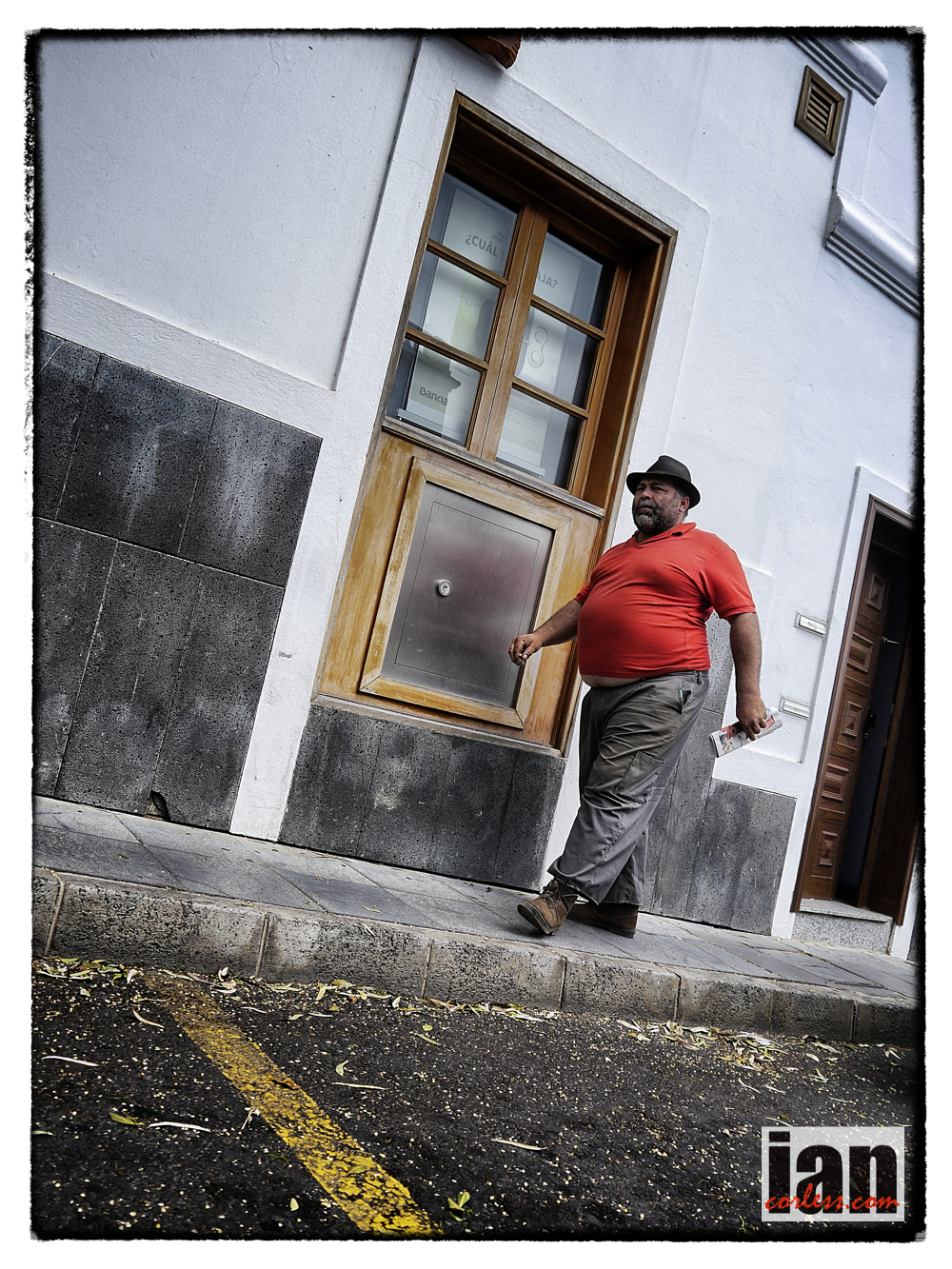
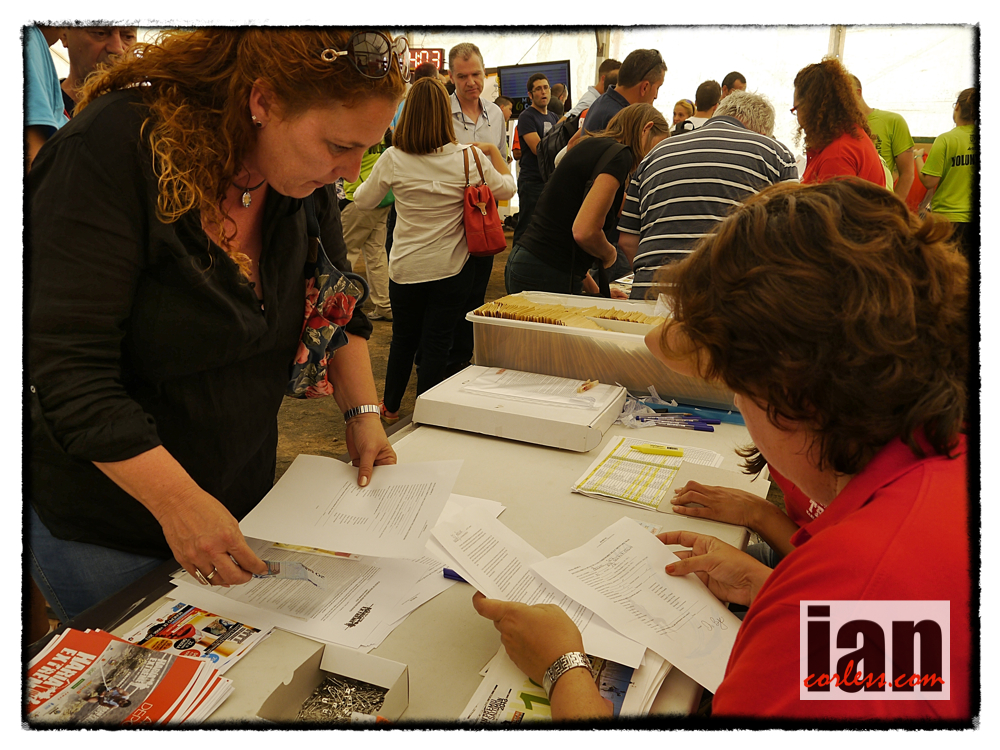
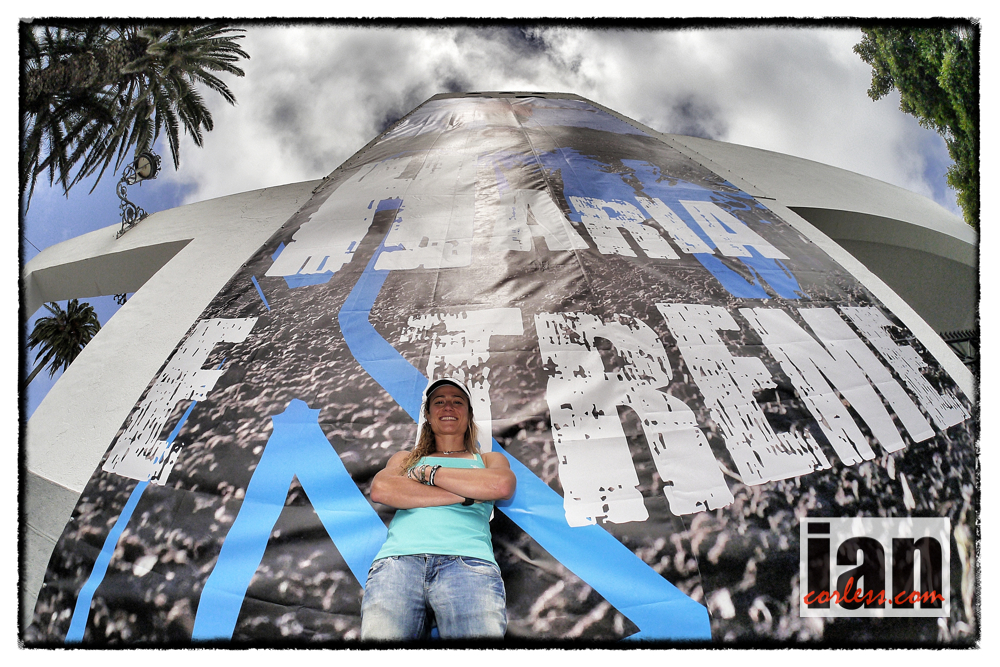
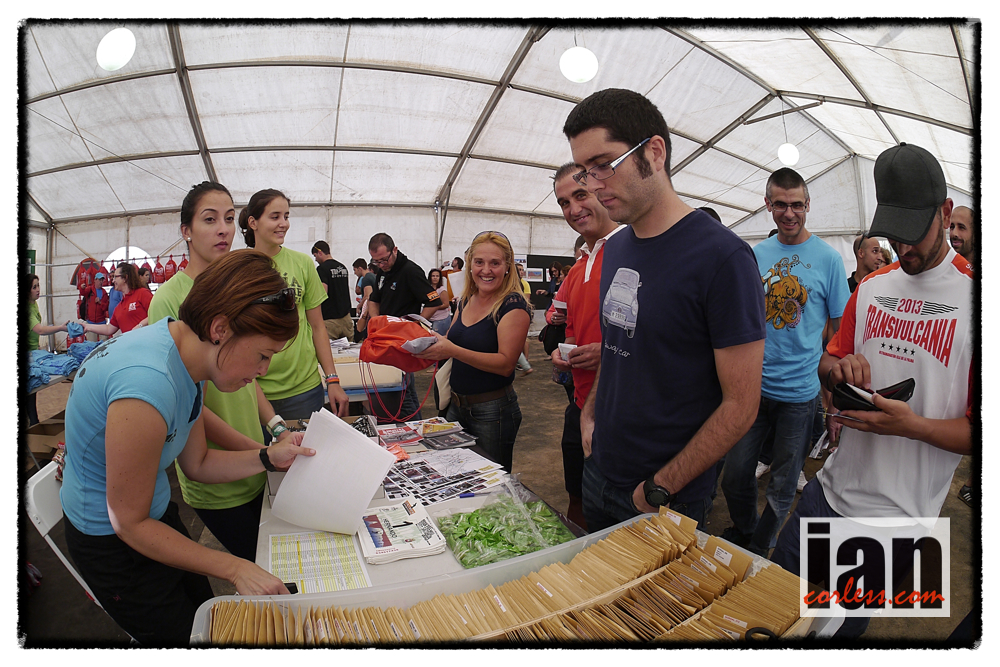
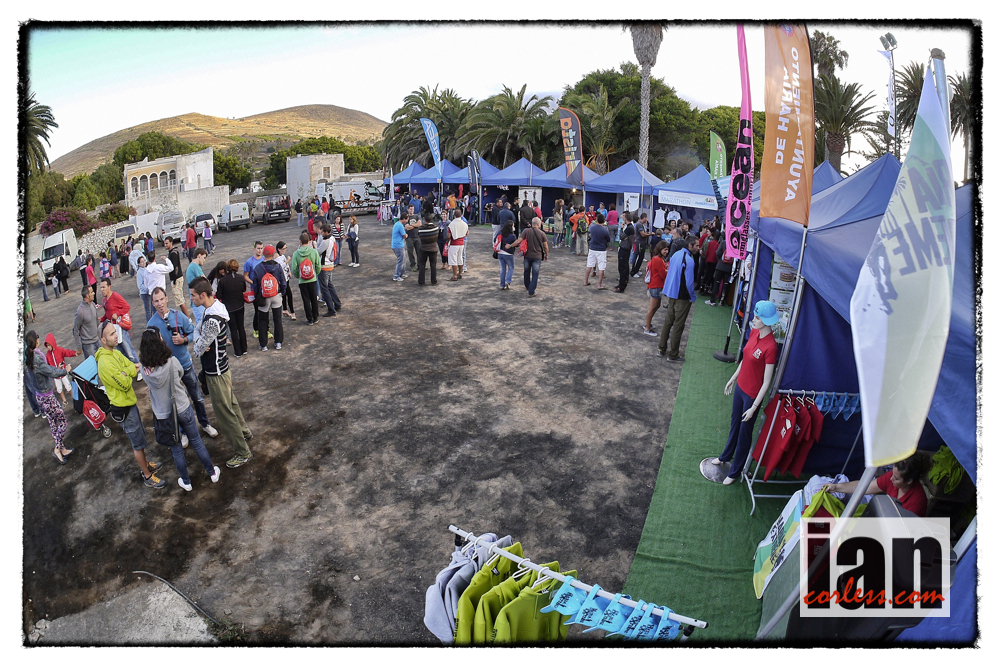
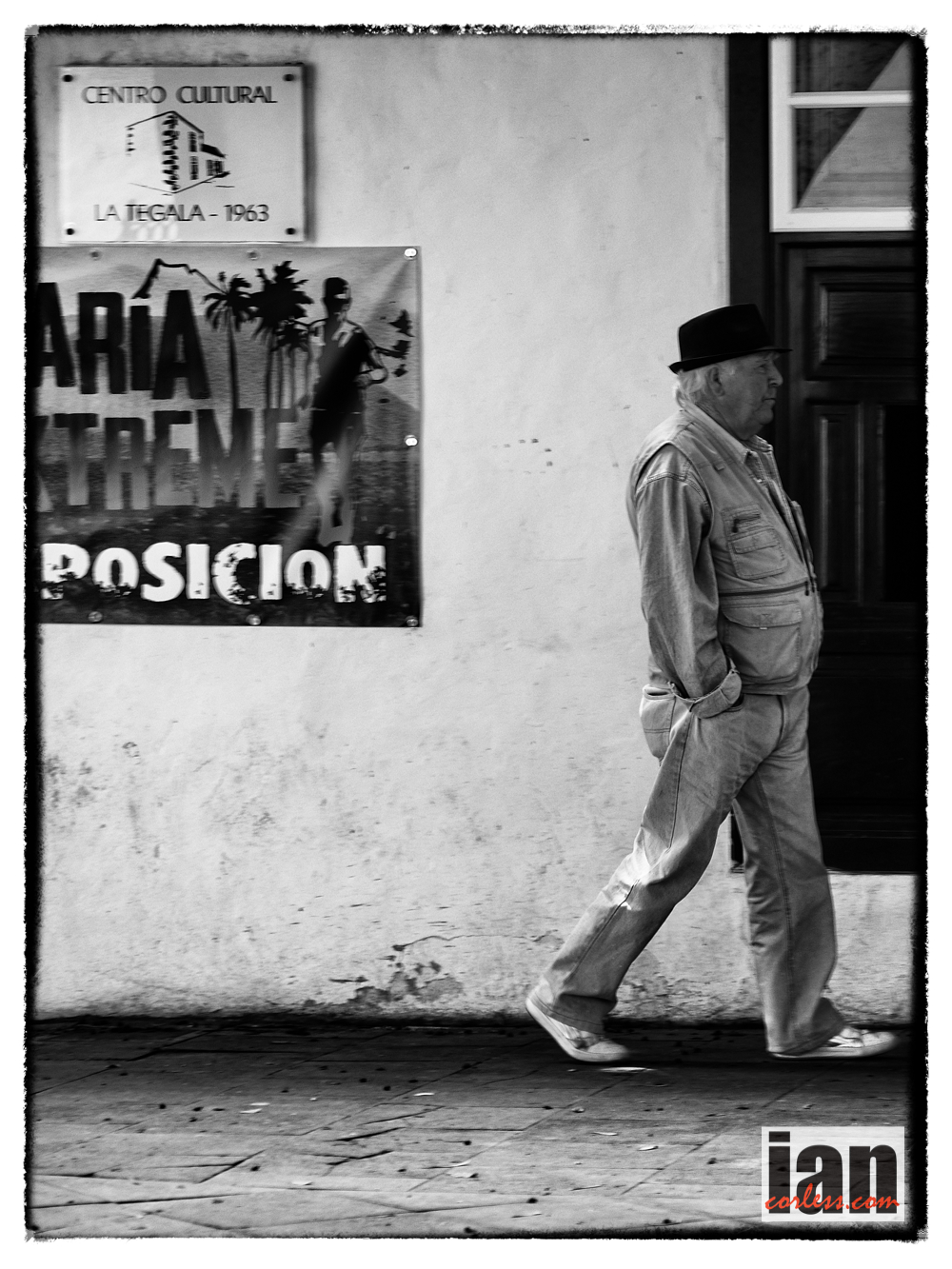
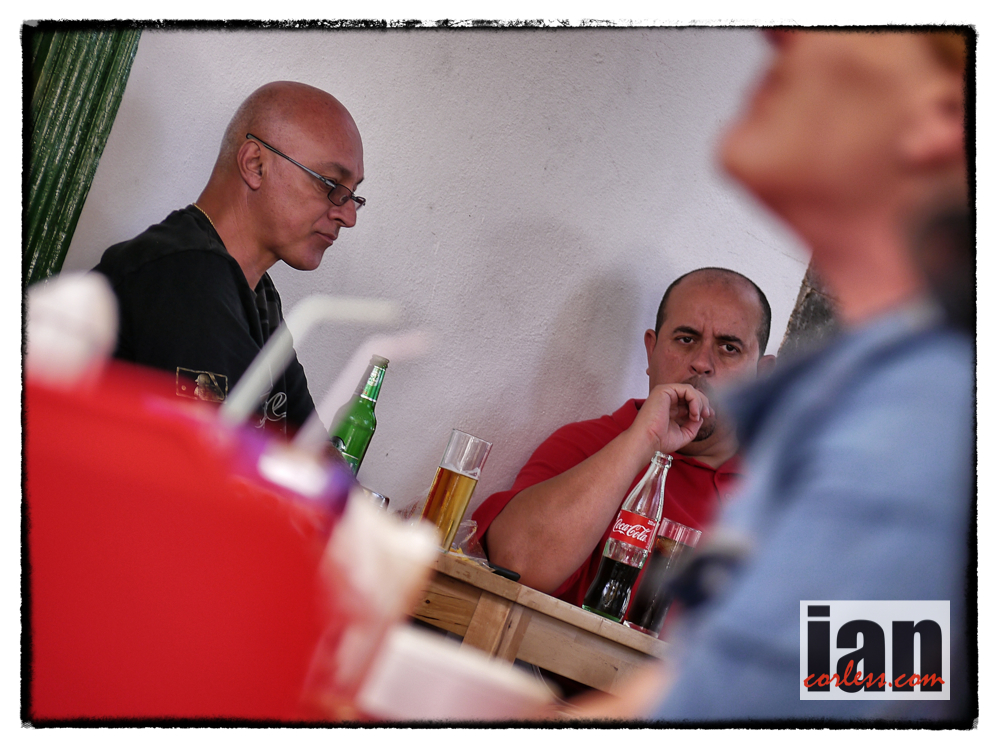
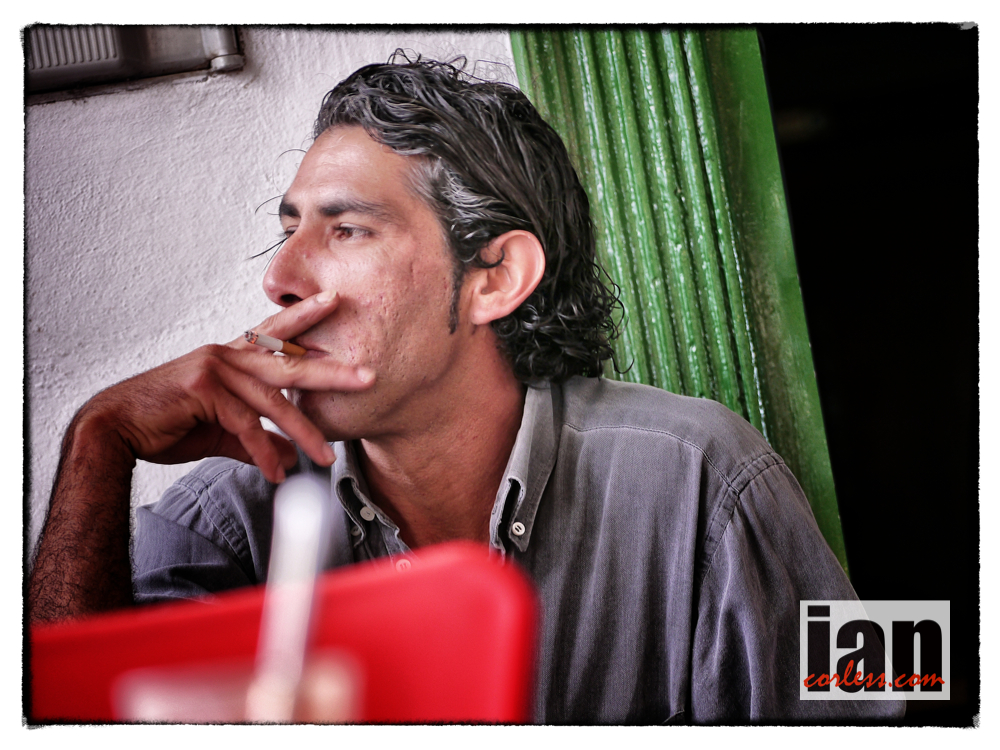
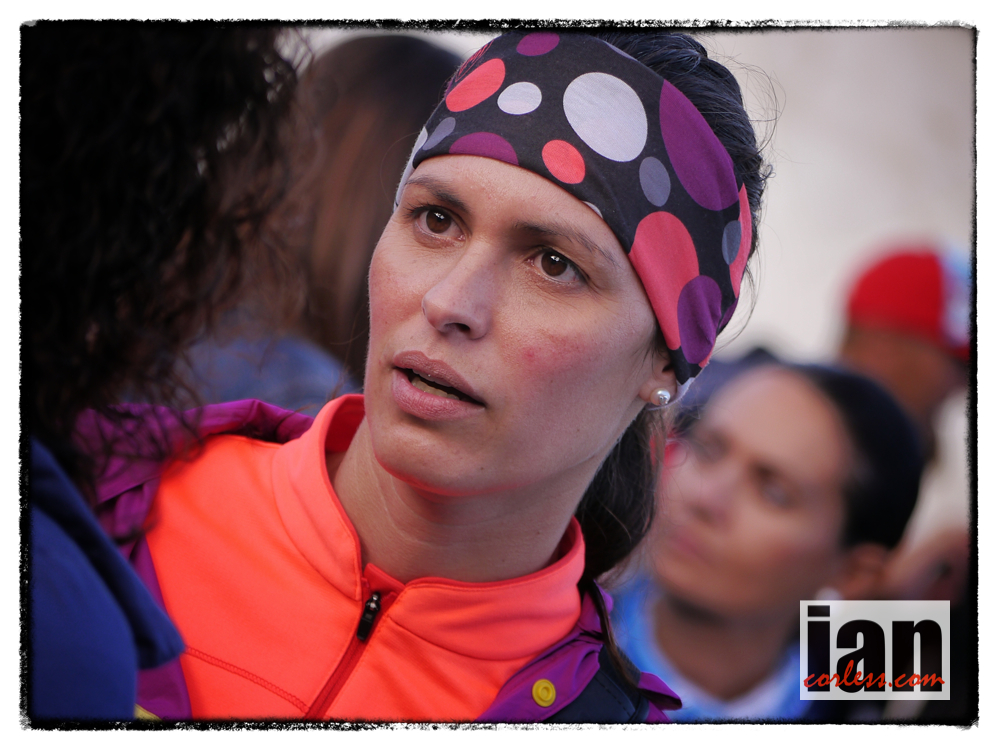
Images of Haria

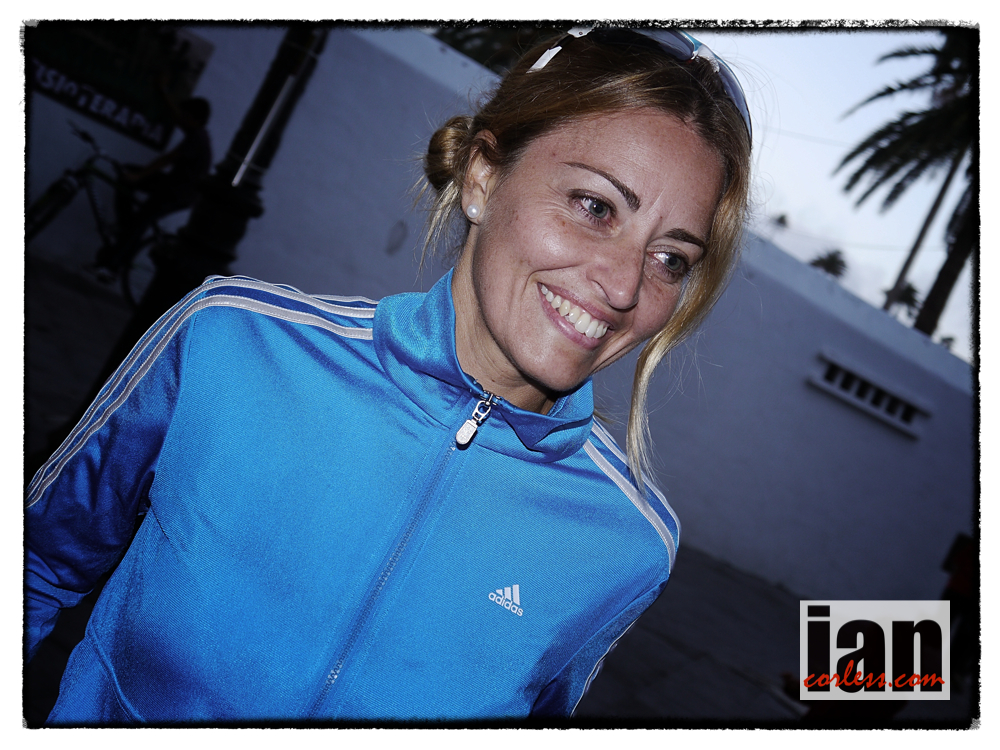
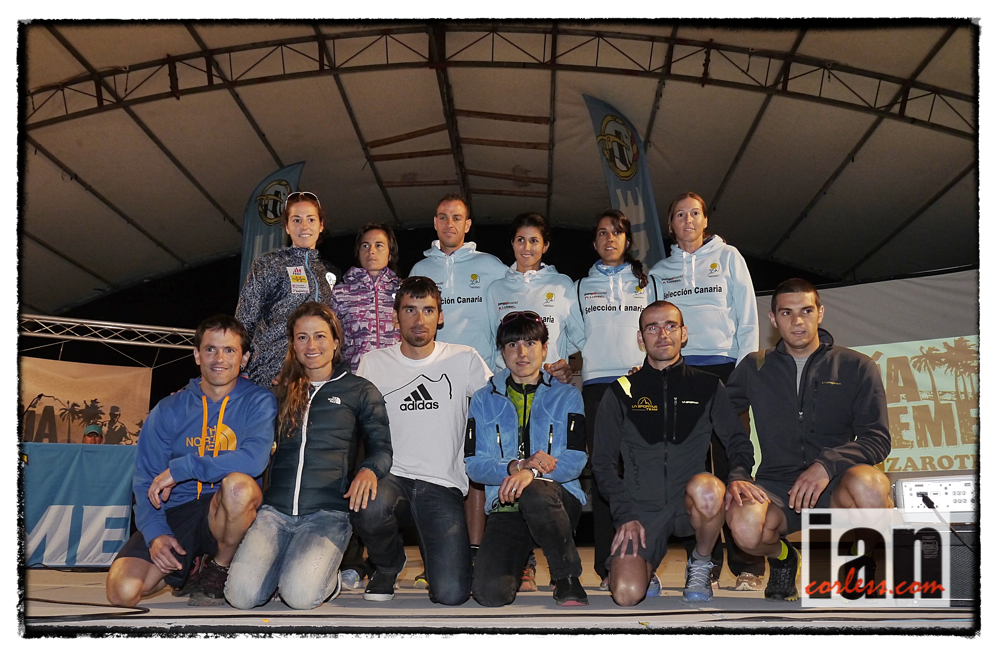
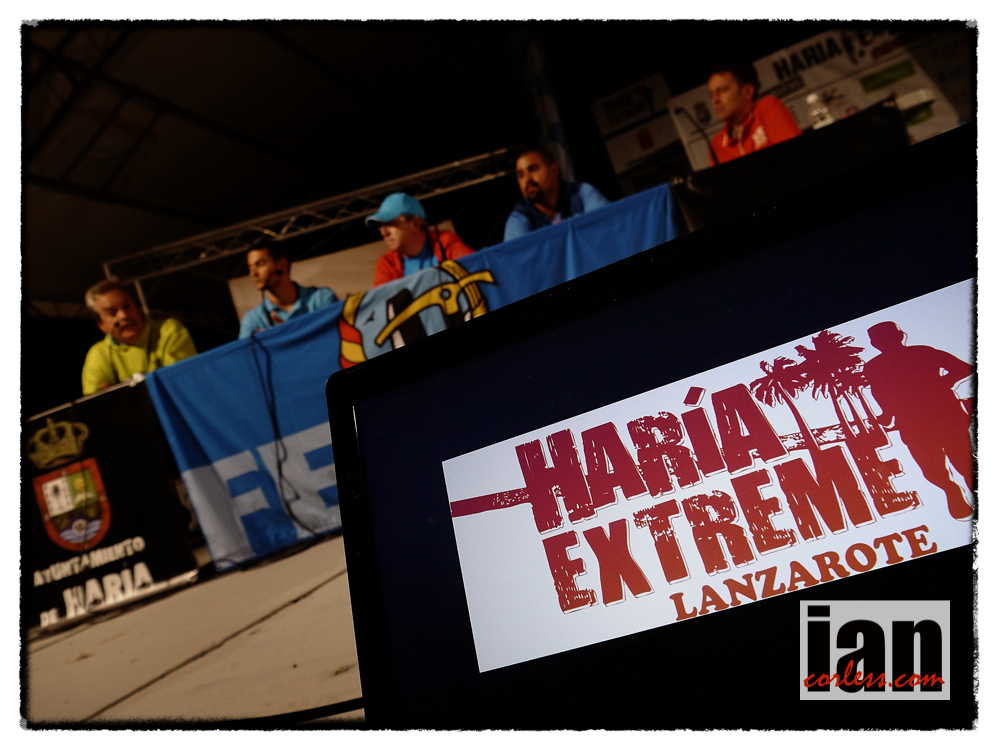
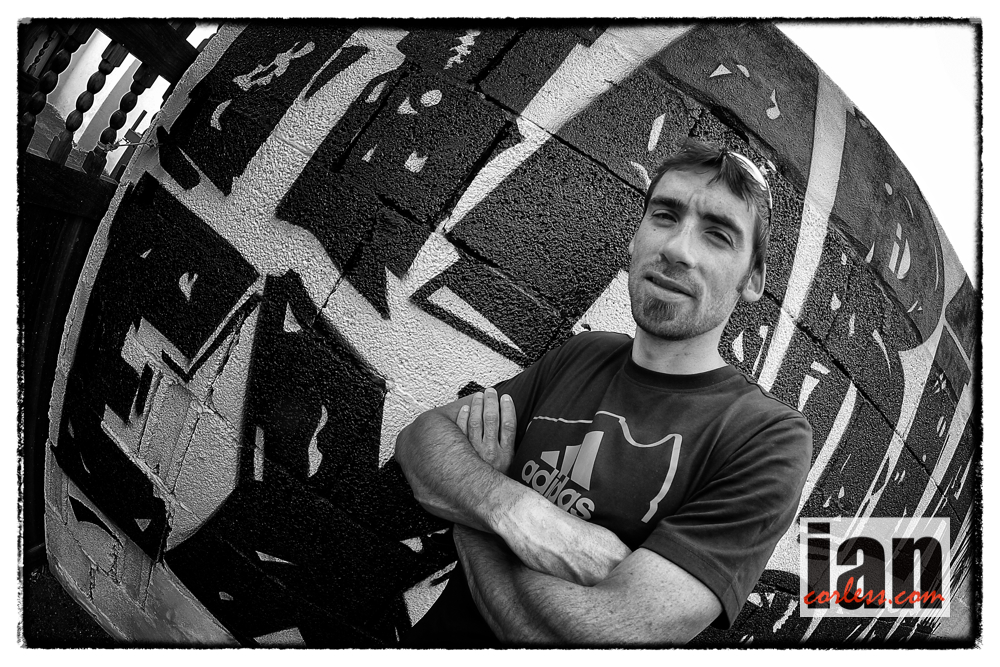
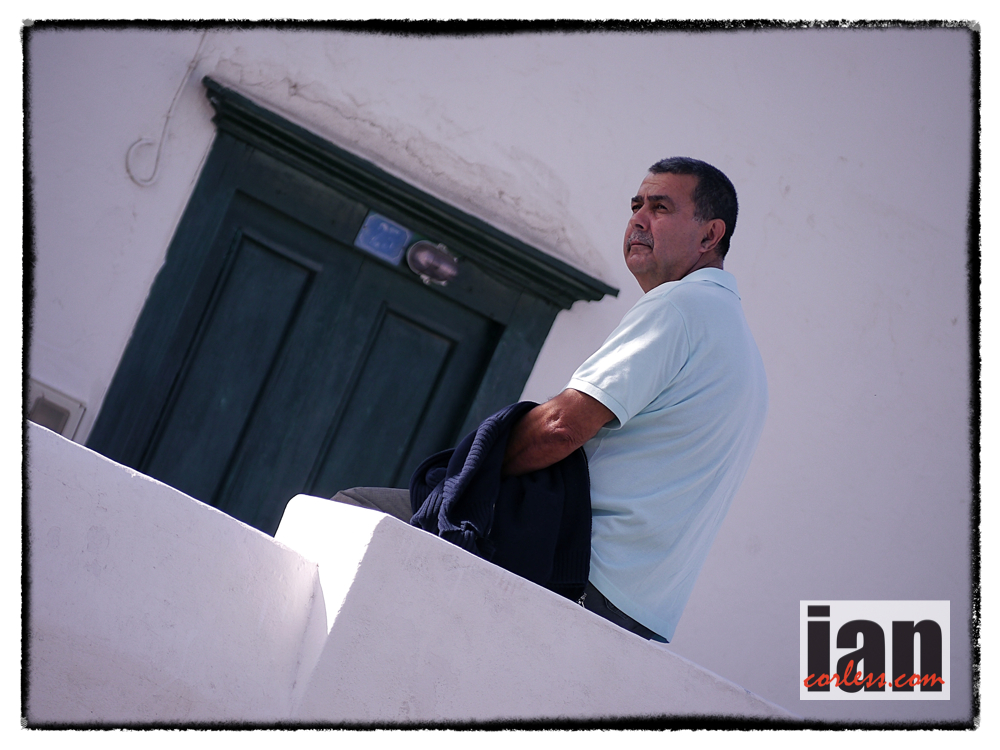
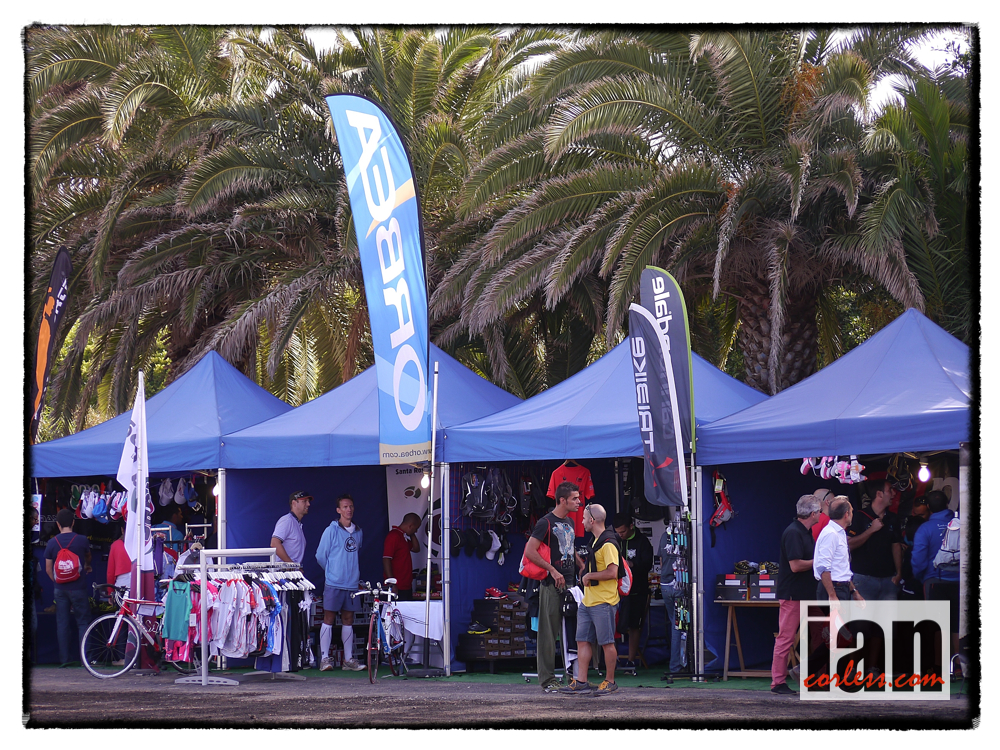
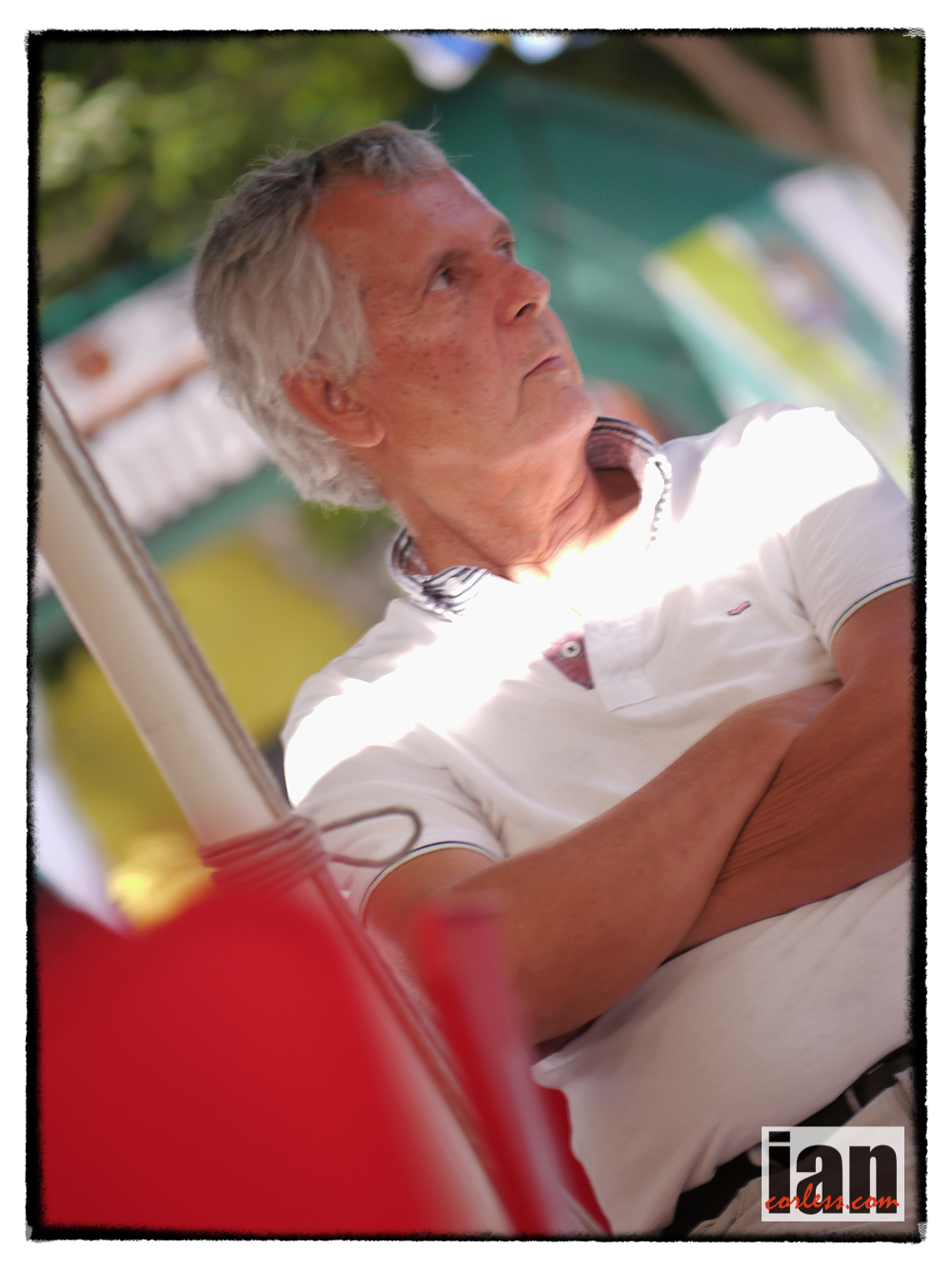
©copyright .iancorless.com.P1100578It’s the buzz I love. The hustle, the excitement, the sense of anticipation. A quiet village comes to life as it is invaded by runners, supporters and associated race staff. But underneath the buzz, Life goes on. Locals meet for coffee, children play and beers are drunk.
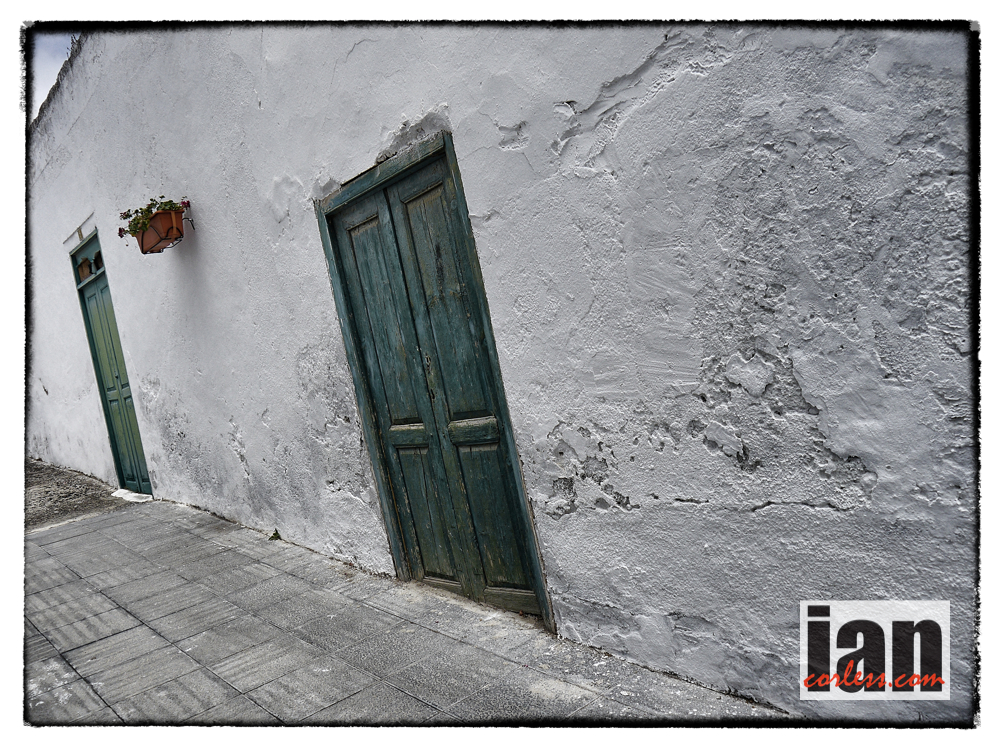

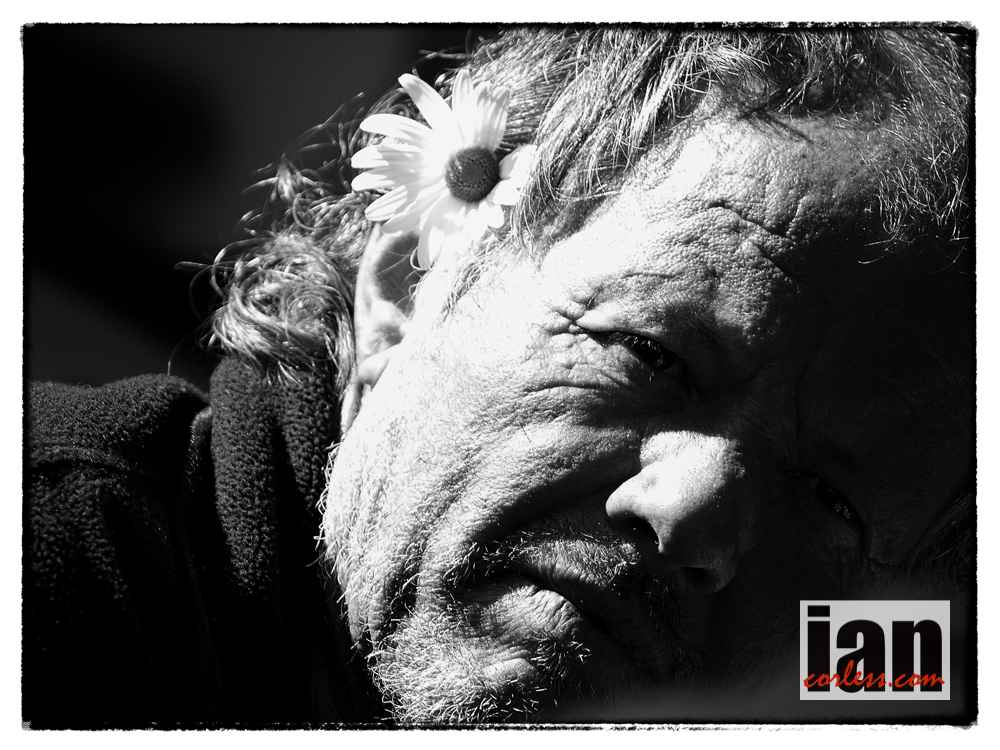
The natural beauty of a town is maintained underneath. White washed walls contrast against weathered wood. Cigarettes are smoked as a means of escape from daily chores and weathered faces are softened by a flower.

The tick of the clock is not stopped or paused as photographers and journalists document the circus. Come Monday, it will all be over… the influx will be gone and again the villagers will be able to hear the church bell, the birds in the trees and the rattle of a cup on a saucer.

©copyright .iancorless.com._1030550 ©copyright .iancorless.com._1030553 ©copyright .iancorless.com._1030556 ©copyright .iancorless.com._1030560 ©copyright .iancorless.com._1030569 ©copyright .iancorless.com._1030587 ©copyright .iancorless.com._1030589 ©copyright .iancorless.com._1030594 ©copyright .iancorless.com._1030617 ©copyright .iancorless.com._1030648 ©copyright .iancorless.com._1030653 ©copyright .iancorless.com._1030655 ©copyright .iancorless.com._1120163 ©copyright .iancorless.com._1120173 ©copyright .iancorless.com._1120183 ©copyright .iancorless.com._1120194 ©copyright .iancorless.com.P1100570 ©copyright .iancorless.com.P1100578 ©copyright .iancorless.com.P1100627 ©copyright .iancorless.com.P1100629 ©copyright .iancorless.com.P1100630 ©copyright .iancorless.com.P1100644 ©copyright .iancorless.com.P1100650 ©copyright .iancorless.com.P1100657 ©copyright .iancorless.com.P1100660 ©copyright .iancorless.com.P1100663 ©copyright .iancorless.com.P1100667 ©copyright .iancorless.com.P1100668 ©copyright .iancorless.com.P1100675 ©copyright .iancorless.com.P1100678

You know you are having a bad ultra when… ?

Accident

Following on from the great success of ‘You know you are an ultra runner when… ?’ we have part deux!

‘You know you are having a bad ultra when… ?’

Again, some really funny comments. Thank you all so much for the input and feedback.

Richard Hurdle Whats a bad ultra???

David Reese You did get a good-night’s sleep the previous night before and you don’t get in the pre-race bowel movement.

Carl Wibberley When every piece of kit you have on is irritating you at 10k.
Holly Rush You hope you trip on a curb and knock yourself out so you dont have to keep feeling the pain
Tripp Furman You forgot sport glide.
Andy Ellis The medic tells you your shoe is bleeding
Seamus Foy The RD tells you he was about to send out a search party. Remember that Josh Josh Katzman? Good thing it was 10k loops!
Richard Lendon When you vomit up everything you’ve ingested over the last 2 hours.
Talk Ultra My fave of all time is from an Ironman (one of the very early ones) when a participant post race said, “You know you are having a bad day when the morning papers have the results of a race that you are still running in!”
iancorless.comP1020193

Lorna Downes There’s a bad ultra?

Carter Swampy When you walk into the aid station and the volunteers say “oh shit, you’d better sit down”

Steve Blythe The pain stops.

Tim Steele The volunteers are packing up the aid station as you are limping towards it.

Malcolm Cox You fill in the entry form!

Jim Tinnion or you decide not to look at your feet because there are some things it’s better not to know.

Ewan Dunlop You visit the same aid station twice.

John Hitchen When you DNS.

Jeremy Spainhour When your trekking pole becomes your crutch (screw you, ITBS!).

Terence Lim Abrasion starts at 10k mark.

John Fitz You DNF.

Larry Roberts When you think if I walk a little slower I will get forcibly pulled from the race and can say you didnt quit.

Jim Tinnion when your stomach contents keep overtaking you.

Brent Colwell When you throw up 5 miles into a 100 mile run because you’ve been sick all week.

Dave West You abort at 125K, it’s only just past 1/2 way and you’re frightened to sit down because you don’t know where your support team will stop but you do know you won’t be able to get back up to find them.

Francis Pardo You think about retiring but the only way out you know is through the race course.

Shelb Snod When you break both of your handhelds, twice.

Ultrarunner Moorsman You think your in hospital with an IV Drip attached to your arm……..then realise its not an hallucination.

Jeremy Clark When you are stung on the heel in the first mile.

Steven Stewart You forget what day it is.

Endurance Fitnessuk Your laces in your huaraches snap within the first 10 paces, after you had a conversation with yourself stating “Yep, these are good for another 50 easy.”

Alan Johnson Half way through, The pizza arrives 30 mins late at pick up point and they added extra spicy peppers free of charge!

Henry Bickerstaff When the battery on your gamin dies before the first aid station.

Rob Bateman you cant find a secluded wall to go behind.

Russell Webster You wish you were just doing a marathon.

UTMB copyright Ian Corless

UTMB copyright Ian Corless

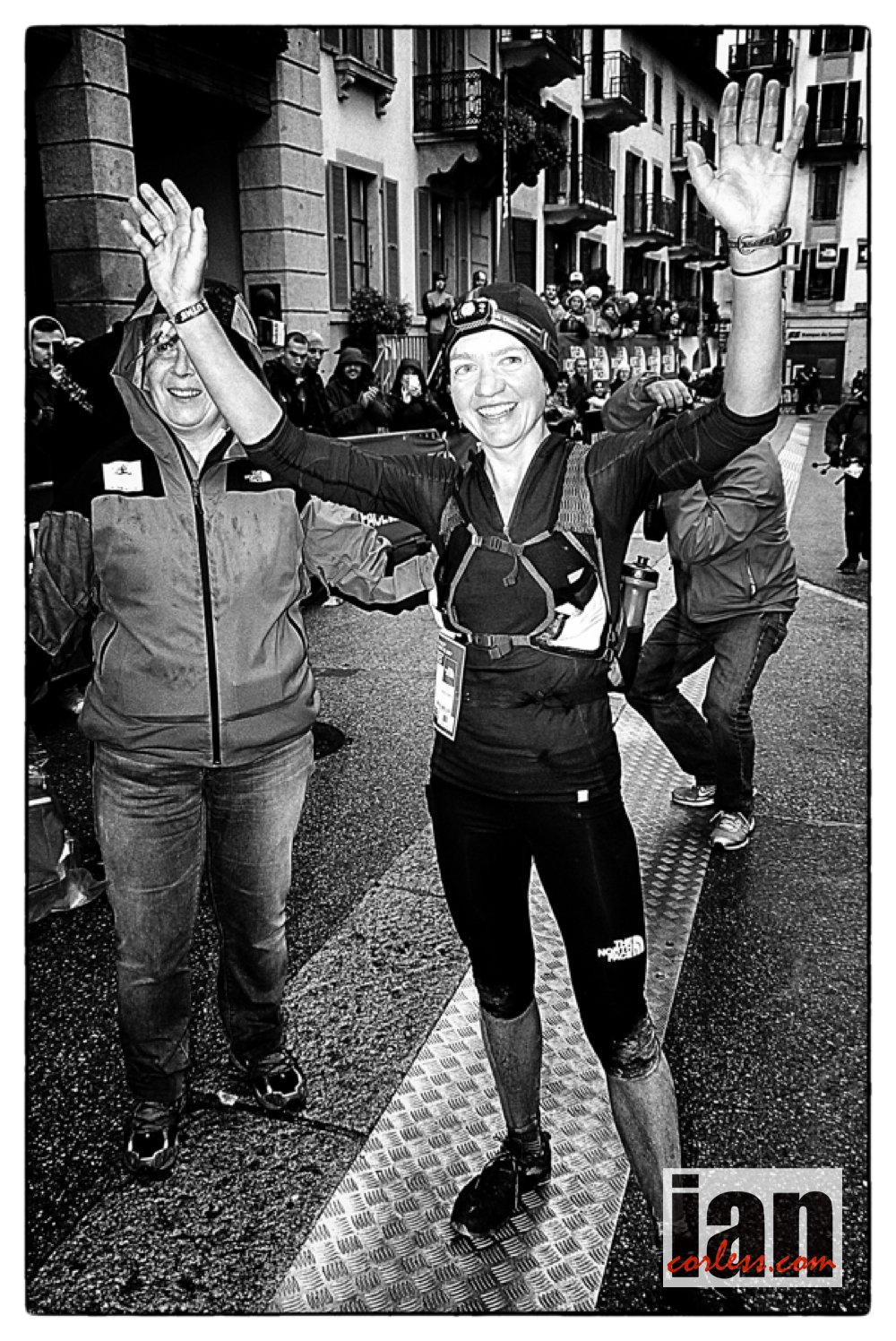
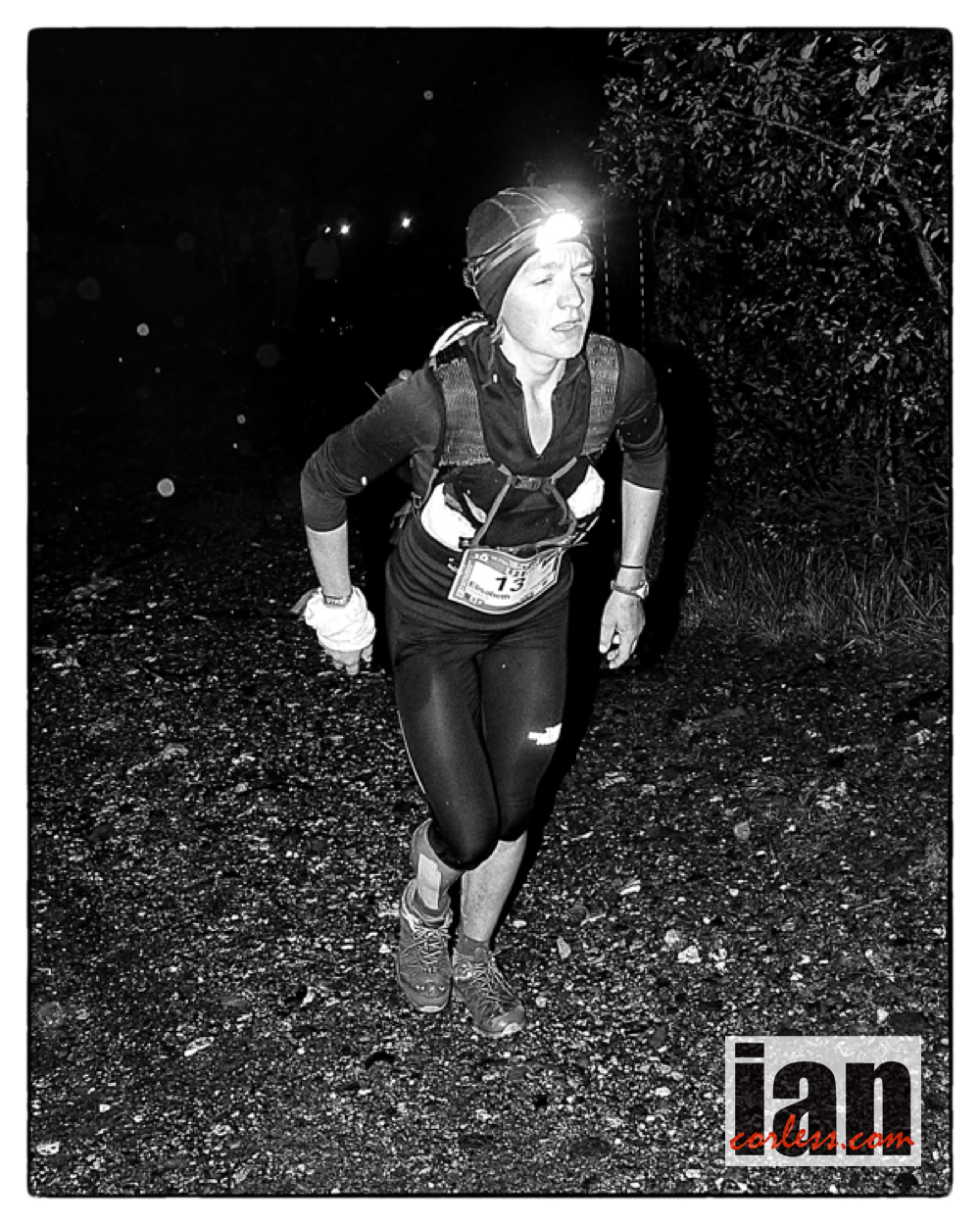
Lizzy Hawker – Interview

Lizzy Hawker, 2012 UTMB copyright Ian Corless

Lizzy Hawker, 2012 UTMB copyright Ian Corless

Lizzy Hawker is arguably one of the greatest female runners of all time. She has transcended what we all think is possible in running. Her versatility over multiple distances and terrain has without doubt made her one of the most respected ultra athletes of all time. She has dominated the UTMB, she is a 24-hour champion and she has set numerous course records. I was fortunate to catch up with Lizzy in early 2013. She had just had a very successful latter half to 2012 but was recovering from an injury before embarking on another full year of racing and personal challenges.

IC: Lizzy, it’s a real pleasure to finally chat, we have been trying to coordinate this for sometime.  Firstly, can we go back to how you got into running, you say you always remember running but at what point did you realize you had ability?

LH: Well going back, I can’t remember NOT running. I guess we all run as children, you know, just running around. I always remember at school that I preferred running in contrast to netball or similar sports. I don’t know how really but it just became normal to run everyday. It was only for fun though. It never crossed my mind to race or join or club. It was just my way to be outside and in nature. It was a balance to school, university and all other distractions. It’s just something that has always been there for me and I don’t think it was really until 2005 when I entered a couple of long races that I realized that I had something that I should really pursue.

IC: Pre 2005 is that when you where travelling doing expeditions. You were in Antarctica. An Oceanographer, yes?

LZ: I was actually finishing off my PHD and then I had a job with the British Antarctic survey.

IC: Running was very recreational then, a way to keep fit?

LZ: Absolutely, it was my way to be outside and an escape.

IC: Did you do any competitions, half marathons, marathons etc.?

LZ: I did London Marathon just because I felt I should… you know, it just seemed logical. I remember it was several years before I actually got a place due to the ballot. This was prior to my PHD but I was working at the Antarctic Survey when I got a place. I was actually at sea for six weeks. It was only a month before London that I got back on land. Not ideal preparation! It was my first race…

IC: How was that, how did it go?

LZ: I enjoyed it but my time wasn’t special.

IC: Time?

LZ: 3:40 ish

IC: Wow, considering how fast you now run that was a humble beginning. Nice for us all to hear… 3:40 for many is a good time but it was a very modest start for you. How did you progress?

LZ: From London a friend suggested that if I love hills then I should do a marathon in a hilly place, you know, somewhere nice. So, I did Snowdonia marathon in Wales for a few years and then the same friend suggested going ‘off-road’. You know, going across hills instead of around them. So, I entered the Welsh 1000’s. Because I didn’t have fell-running experience at all, I couldn’t enter the fell class, so, I was in the mountain class. It meant a heavy pack, long trousers and walking boots. I enjoyed it and did it a couple if times… that was the only experience I had prior to 2005.

IC: In 2005 what changed, what was it that you then did that paved the way to were you are now?

LZ: Two things really. I was visiting friends in South Wales to escape my PHD for a weekend. They were running a 40-mile track race in Barry. So I just entered it. Primarily because they had. I think that was March and then I was selected for the England team for the UK 100k champs. That was based on my time at the 40-mile race. The 100k was a month later and in-between that I went to Turkey to SkiMo (Ski Mountaineer). Not conventional prep! Also, I had read an article about the Ultra Tour de Mont Blanc (UTMB). UTMB did not have the prestige it has now and it had no wait list, so I entered. I was due to finish my PHD and it was a great excuse to go to the Alps. I would goo climbing and then race at the end. That was my first mountain race.

IC: So in 2005 with little or no experience, you go to UTMB. That is quite a step up eh?

LH: I had no idea what I was letting myself in for. I had nothing to gauge it against. I had no idea even if I would get back to Chamonix after starting. I certainly expected not to make one of the cut offs… I was on the start and I thought about a quote from Alice in Wonderland, you know, the one about starting in the beginning and stopping when you get to the end. That was my goal. To start and keep going until I stopped or was stopped.

IC: What was that first experience like?

LH: I loved it. I started in the masses. I was way back at the start. I was on the Church steps way back from the front. It was a long long time before I even started to run. Just the sheer number and volume of people slowed everything down. I can remember, after about 15 to 20k I was somewhere between about 500/600th place. I actually finished 25th or 26th overall by the time the end came. I just worked my way past everyone… I just loved it. It was my first experience of running at night and I can remember after one of the feed stations, I was running up  a climb and I could feel the beauty of the mountains. I knew then that I would have to go back. Yes, it was magic.

IC: You have won that race (UTMB) five times…

LH: Well, kind of five times…

IC: Ok, yes, five variations of the race! We spoke after the 2012 finish and you said you still had unfinished business. You want that ‘time’* on the course. Will that mean you will be back?

*Lizzy is very keen to set the fastest ladies time in the UTMB course.

LH: Yes, I am mulling over my plans. I can’t confirm for 2013 but I almost certainly will be back to UTMB, if not this year then maybe next. I do have unfinished business.

IC: Do you think the plans that the UTMB organization have made for 2013 and moving forward to correct issues* in the past will work?  *by issues, we refer to the race being shortened due to unpredictable weather.

LH: I don’t know. What I would like to see is a sliding start time. So that they have the possibility to bring the race forward or delay by 24 hours, this will allow for good weather windows. I am not sure how that would work with the other races (CCC and TDS) going on but it seems to me that the weather systems work through quite quickly and this window may very well be ideal to allow the full race to go ahead. We want the race to be as it should be, a full tour of Mont Blanc. That is 160km. If I were taking time of work, paying money to get there, I would much prefer to add one extra day either side and have that possibility to race for what may very well be moderate additional expense. I don’t think they (UTMB organization) have taken this as an option but it is what I would like to see.

IC: I think many would agree with you. The race is a ‘tour ‘of Mont Blanc. Not a 60k, 100k or 140k. You want to go back and do the race and get the time* but your variety of races are extreme, you know, you run on the track, you run on the road, you run mountains, you run trail, you do multi stage, how do you apply yourself in your training, do you literally just go out and run and enjoy it?

LH: Pretty much I guess. I think over the years I have kind of built up a high level of base endurance so depending on the race I am targeting next I kind of focus training to that specific event. But because of the way I came into running, running was part of my daily routine. I wanted to be outside, I wanted to be moving and I just love running, So, that is really the backbone of my training even now I guess. I just like to run.

IC: For someone who loves the mountains so much, You are passionate about Nepal for example, what is it in your mind that allows you to run on a 400m track, time and time again for 24 hours?

LH: I haven’t done that yet!

IC: Yes I know that, but I am curious what it is within you that will allow you to do this?

LH: I can remember back to my first track race in 2005. I hadn’t been on a track since school. It was funny, I couldn’t get lost, I couldn’t fall down a crevice, I had no avalanches to think about and it basically just simplified the process. I could think about the running movement. I could just focus. Almost like meditation.

IC: Do you use meditation when running?

LH: I use mediation for it’s own sake. But that is just during the last 12 months or so. But I have realized that most of my running is kind of a meditation. Or at least  it is my quiet time. Time alone with myself. Not every case obviously but when I am alone it is a relaxing and spiritual time.

IC: I followed you at UTMB in 2012. I had the benefit of being in the feed stations with Keith (Lizzies crew from The North Face). You would arrive; Keith would have everything laid out. It looked planned with a definite strategy. Get you in and out ASAP. But I remember you said to me that it isn’t that planned.

LH: No not at all. I never know what I want but if I have the options I can choose what I want. I need to move through as quickly as possible.

IC: Do you find that you turn yourself off? Do you almost become metronomic?

LH: Not really. It’s a body and mind connection. It has to be very strong. You need to know what is going on; particularly with your body but at the same time you need to be able to cut pain off. You need to hang on in and sort it out. It’s two sides of the coin if that makes sense.

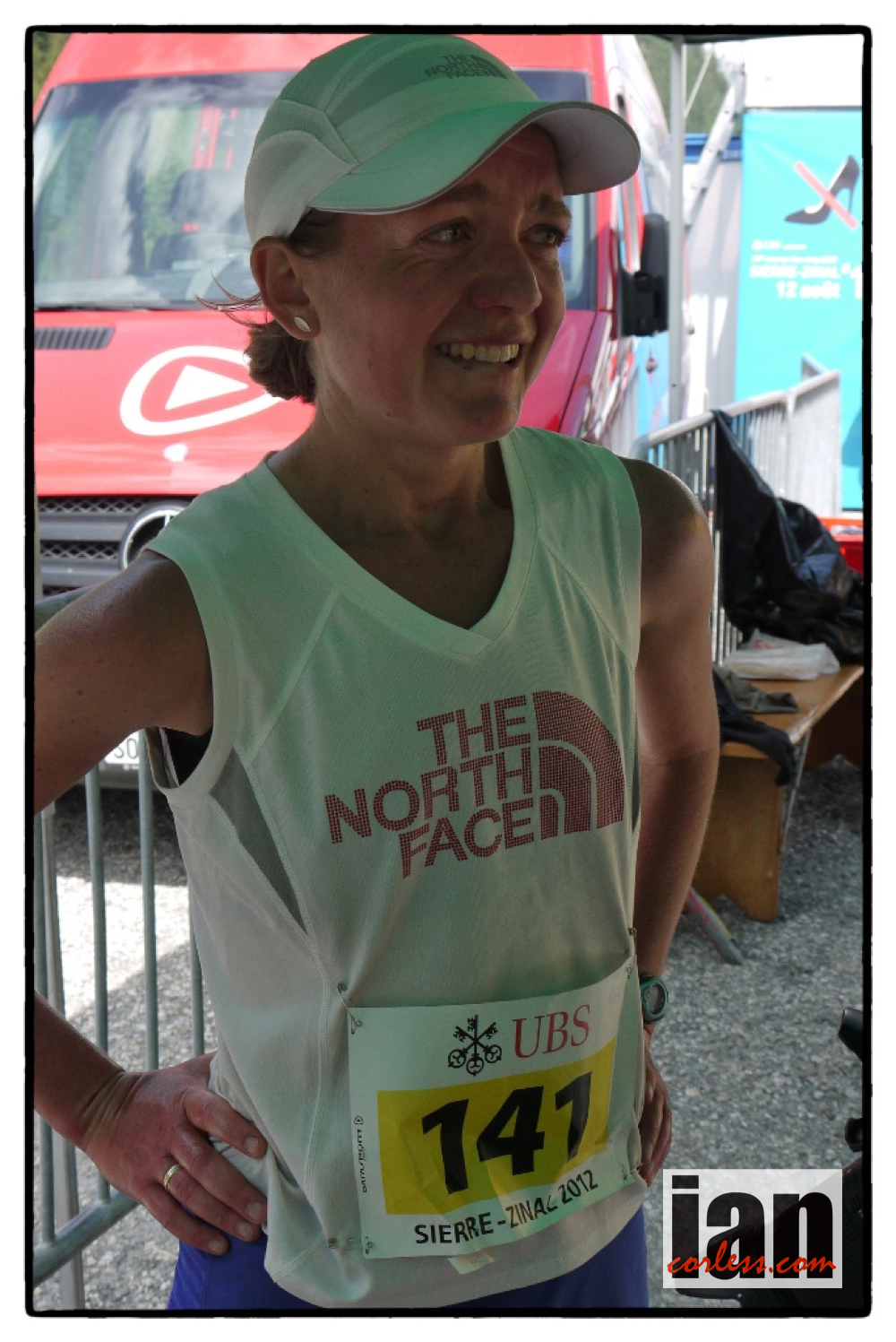
Lizzy Hawker at Sierre-Zinal 2012 copyright Ian Corless

Lizzy Hawker at Sierre-Zinal 2012 copyright Ian Corless

IC: If we look at your achievements, UTMB, 100k champs, 24-hour world record and in 2012 you had a golden period… UTMB, Run Rabbit Run and then Spartathlon. If we look at all these things, what are your highlights?

LH: Ultimately it is the running. It is an essential part of my life. The races are stepping stones within that. I think it is funny though, I look at what you call the ‘golden period’ and I don’t feel I raced at my best! I could have done so much more… It is kind of funny; I am always trying to improve. Go faster, go longer. I want to be so much better. I was happy with those three races but I felt I could have given more.

IC: Lets take Spartathlon. It is an iconic race in the ultra calendar. It is a race that has a different variety of people who take part, we often look at that race as giving some significant performances, and for example we talk about Yiannis Kouros and Scott Jurek. You raced for the first time in 2012. Did the race live up to its billing?

LH: It is an iconic race. The atmosphere is amazing. The route is not that wonderful, not so much the route but the fact that you are on busy roads and they don’t close them. I had times during the night with lorries passing me that were less than comfortable. It is an incredible race to be a part of though.

IC: Of course you had a pretty darn good race. You set a women’s course record, you were on the podium overall but yet you say it wasn’t good enough! Did you want to win outright?

LH: yes!

(Joint laughter)

IC: Funny. I love the standards that you set yourself. Will you go back?

LH: Yes, I am not sure in 2013 but I will go back and try again one year.

IC: After Spartathlon I guess you had a cleansing period in Nepal. You did Manasulu Trail. Is that type of race more for you, a personal race?

LH: Half and half. Of course, I love to be in Nepal. Nepal gives me so much back, to be in that place is rewarding but those Nepalese guys can really run, it is not easy.

IC: I love you say that you mention the men and the fact that you are not racing the women.

LH: It’s a small race!

IC: Yes, but women usually race women. You always race for the overall instead of racing for first lady. Are you very competitive?

LH: I guess I am competitive but the competition is within. I want to be the best I can be. I can win a race and not be happy or I could come way down the field but be happy because I did my best on that day. That is the way I feel about racing. It is a personal thing.

IC: You love Nepal. You attempted a full crossing, which unfortunately didn’t go to plan… you lost your sat phone amongst other things!

LH: Or the permits! Just a few things… (laughs)

IC: Will you try again; I know the rules have changed on how you can now do these crossings?

LH I definitely want to go back. It is my dream journey. To cross the Himalayas keeping as high as possible and moving fast is what really motivates me. I would love to go back.

IC: How long is that journey?

LH: About 1,000 miles.

IC: A long way!

LH: Yes, a pretty long way.

IC: A race has been announced that will take this whole route for 2014.

LH: Yes, Spring 2014 and 2016 I think.
IC:  Is that of interest to you or would you prefer solo?

LH: I can do both! (Laughs) I still want to do my solo journey because it will be so different. The race will miss the high passes. You can’t really compare the two. They both have validity and I would like to do both.

IC: 2013 is here, what does it have in store for you?

LH: Good question. I am mulling that over. Nothing is definite, not that it ever is. I am formulating race plans at the moment.

IC: Western States, Skyrunning, and UTMB?

** Please see UPDATE below

LH: Ronda del Cims 100m Skyrunning race is looking very likely in June. I hope to do Hardrock 100. I am on the wait list so I hope to race.

IC: You are high up on the wait list for Hardrock 100 if I remember correctly?

LH: Not sure it is high enough though? I will try to do those two and then we shall see what the rest of the year holds for me.

Lizzy Hawker copyright Ian Corless

Lizzy Hawker copyright Ian Corless

IC: Ronda del Cims is a tough course. It has plenty of climbing and altitude.

LH:  Yes. I am looking forward to it. It will be a real challenge and a great race.

IC: Well Lizzy as per usual, it has been an absolute pleasure to talk to you. Without doubt you are an inspiration to all. I really appreciate your time and I look forward to seeing you and following you around the Ronda del Cims course in late June.

LH: Thanks so much Ian.

*To get 2013 rolling, Lizzy raced at Annapurna 100k and won the ladies race. She then decided to break her own personal record running from Everest base camp to Kathmandu (319km/ 198m) in 63 hours and 08 minutes (here) smashing her previous record. Not content with running for 63 hours, Lizzy then raced the 277km Mustang Trail Race and was 2nd overall. However, just recently she entered the 24-hour championships and pulled out. Apparently all is well with Lizzy and her focus is now on Ronda dels Cims. I have to say, that Lizzy has not only the potential to win the ladies race but the race outright. Race preview HERE

UPDATE June 6th, An email from Lizzy “As it turns out I’ve just had an MRI confirming a stress fracture in my foot. So, Hardrock would have been off the cards, and now I also have to pull out of Ronda del Cims.”

Links:

Adam Campbell – Transvulcania 2013

Adam Campbell, Arc'teryx Transvulcania 2013 - copyright Ian Corless

Adam Campbell, Arc’teryx Transvulcania 2013 – copyright Ian Corless

Arc’teryx athlete Adam Campbell talks to Ian ahead of the 2013 Transvulcania La Palma. He discusses the race course, the competition and Arc’teryx.

Adam loves competition and revels the opportunity to race the best in the world. His running goals are to seek out interesting challenges in inspiring settings. A lifelong traveler and racer, Adam’s new belief is: if you are going to be suffering, you might as well suffer somewhere beautiful!

YouTube link HERE

Links:

  • Adam Campbell – HERE
  • Arc’teryx – HERE
  • Tranvulcania 2013 – HERE
  • Skyrunning – HERE

Fernanda Maciel – Transvulcania 2013

Fernanda Maciel, The North Face - copyright Ian Corless

Fernanda Maciel, The North Face – copyright Ian Corless

When I’m running on the top of the mountains or canoeing in the middle of the sea, I feel small as nothing…but yet I feel the highest sensation of freedom and peace, free spirit. I’m Brazilian, from the waterfalls and little mountains, Minas Gerais, my roots. I live in the Spanish Pyrenees’s mountains today, Coll de Nargó. I’ve worked as environmental lawyer, in recycle’s projects, international ONG Outward Bound (outdoor education), running Adventure Race… that means, working and teaching to protect the nature. My passion is for the forest, the mountains, the beaches and the rivers, to be there and take care of that. Move…positive.

I caught up with The North Face athlete, Fernanda Maciel less than 48 hours to the start of the 2013, Skyrunning Ultra, Transvulcania La Palma.

  • Location: Hotel SOL La Palma
  • May 9th

*apologies for the focus glitch at the end of the clip but I wanted leave the audio content as  I felt it was important what Fernanda said.

Video on YouTube: HERE

Links:

  • Fernanda Maciel – HERE
  • The North Face – HERE
  • Transvulcania La Palma – HERE
  • Skyrunning – HERE

Episode 34 – Hollon, Hicks, Davies & Stephenson

TU34

On this weeks show we speak to 22 year old Nick Hollon who just recently finished the infamous Barkley Marathon. We catch up with Natalie White who tells us all about the future plans for UK based Inov-8 who are 10 years old in June. We have chat with Ozzies Brendan Davies and Shona Stepehenson who placed 5th and 2nd respectively at UTMF in Japan. In Talk Training we speak to Mitch from Stride UK. We also speak to Chris Mills in 15 mins of fame. We have a blog, the news, up and coming races and of course, Speedgoat.

00:00:00

00:00:45 Start

00:09:50 News

Evesham Ultra

Robbie Britton 6:47:17, Mark Davies 07:11:58, Mark Denby 07:12:04

Hayley Stockwell 8:47:51, Joan Clarke 8:57:08, Sandra Goldsack 9:12:54

Lizzy Hawker

once again continues to inspire, she recently broke her own speed record from running Everest Base Camp to Kathmandu – 319km in 63hr 8min.

She is now pack in Nepal to do the Mustang Mountain Trail Race – multi stage 277k in 8 days

Iznik Ultra

130km

1  Mahmut Yavuz 13:52 2 .Aykut Çelikbas 14:15 3 . Mustafa Poyraz 15:14

1. Elena Polyakova 15:00 2. Muazzez Özçelik 19:53 3. Bakiye Duran 22:55

80km

1. Tanzer Dursun 8:13 2  Ahmet Zeren 8:19 3  Özgür Tetik 8:2

1.Amy Sproston 7:12 2.  Alessia De Matteis 9:29 3  Sirin Mine Kiliç 9:55

Leona Divide

50k

Yassine Diboun 4:03:33, Jeremy Humphrey 4:09:59 and Aaron Keller 4:33:19

Rachel Lipman 5:21:56, Gwendolyn Ostrosky 5:30:59 and Ruth McCoy 5:41:43

50m

Robert Krar 5:53:51, Jason Wolfe 6:43:10 and Jason Schlarb 6:44:54

Melanie Peters 7:30:47, Jenny Capel 7:59:23 and Kristina Folcik 8:31:05

UTMF 

1. Hara 19:39 2. Chorier 19:48 3.Chaigneau 19:50 4. Gary Robbins 20:20 5. Brendan Davies 20:38

1. Krissy Moehl 24:35:45 2. Shona Stephenson 25:56:52 3. Hitomi Ogawa 26:15:25

IAU – 100km European Championships on April 27th

Asier CUEVAS 6:53:14 Michaël BOCH 6:56:49 José Antonio REQUEJO 6:57:02

Irina ANTROPOVA 7:42:52, Sue HARRISON 7:48:12 and Sophia SUNDBERG 7:53:21

http://www.5000mileproject.org – British couple, David and Katherine are  running 5000m across South America in 1 year! They started on July 28th. I have had some email chats with David and we hope to hook up within the next month or so.

Zion 100

Pierre Loic Deragne 17:52:10, Andy Pearson 17:55:12, Matt Cecill 18:42:22

Jennifer Benna (and 5th overall) 19:01, Larisa Dannis 20:22:23, Pam Reed 24:09:23

Hoka Highland Fling

Lee Kemp 7:02:50 (new CR), Ricky Lightfoot 7:09:30 and Matt Williamson 7:21:51

Tracy Dean had a real battle to the line with a calf injury but held on to win by just over 1 min ahead of Fionna Cameron 9:12:21. Third was Sandra Bowers in 9:17:02

00:2415 Brendan Davies – Brendan recently raced at Tarawera ultra in New Zealand. Part of the Inov-8 international team, he recently raced at the Ultra Trail Mt Fuji in Japan. He says it is the hardest race he has ever done… he was 5th. We caught up with Brendan just days after the race. Website HERE

00:36:37 Back to News

00:38:30 Shona Stephenson – Shona, a personal trainer and mum of two girls also raced at the Ultra Trail Mt Fuji. Like Brendan, she is also part of the Inov-8 international team. Shona secured an impressive second place behind US based Krissy Moehl, we caught up with Shona when she arrived back home in Australia. Website HERE

00:56:08 Back to News

01:05:10 Meghan Hicks – has raced at Marathon des Sables several times before. However, in 2013 she returned with several objectives. Her main priority was to make the podium but her ultimate goal was to win the race…. we caught up with Meghan at her home in Utah, less than 14 days after the iconic 28th edition of the MDS. Website HERE

01:43:10 Blog – Anton Krupicka is back…. he always writes a very detailed daily post. Here is a highlight:

Sat-AM: 6:59, 11,500′ ~ Grand Canyon Double Crossing

Used the standard South-North Kaibab route and clocked a 6:59:24 roundtrip, which was a 17min PR for me and I think ~30sec under Mackey’s previously 2nd-fastest time (but still 6min short of Dakota’s FKT). I didn’t know if I was going to go particularly quick today, but thought I’d just see how the legs were feeling. After getting down to the river pretty quickly (despite being slowed a minute or two by a descending mule train), I decided to keep going steady and see how things shook out. Felt pretty solid all the way to the North Rim, hiking a fair bit above the Supai Tunnel, but then on the way back down I was definitely already getting pretty tired by time I made it back to the residence water spigot. Things got progressively worse on the run back to Phantom Ranch (stiff, achey, tired legs), but I pounded three bottles of water there (spending 4min at the spigot) and then climbed quite strongly all the way to Tip-Off, but above there things got pretty weak/queasy as I ran out of water about half-way up. At Tip-Off I thought there was a really good chance I could still get Dakota’s record–even take 5min or so off of it–but in the end I was just psyched to sneak in under 7hr. Great run, and a good confidence boost going into TV, as I know I still have a lot of running fitness to gain. Had another 12min of running on the day, getting to and from the South Rim. Splits: River, :46; Phantom Ranch, :53-54; Cottonwood, 1:54; Residence, 2:09-10; Bridge, 2:42; Supai Tunnel, 2:56; North Rim, 3:22; Supai Tunnel, 3:35; Bridge, 3:43?; Residence, 4:04-6; Cottonwood, 4:16; Phantom, 5:08-12; River, 5:19; Tip-Off, 5:49; Skeleton Pt, 6:14; Cedar Ridge, 6:37; South Rim, 6:59:24.

01:45:10 Talk Training – this week we introduce Mitch to Talk Training. Mitch is based in the UK and has a practice called STRIDE UK (http://www.strideuk.com). In our first episode we touch on the importance of flexibility and stretching.

01:59:45 Natalie White Inov-8 – UK based company Inov-8 have a reputation for making some of the best running shoes available. They have made some iconic products such as the famous ‘Mud Claw’. In 2013 they are introducing a new clothing range to the brand, they have created an inter nation racing team and they also celebrate a 10th birthday in June. Website HERE

02:17:45 Nickademus Holllon – Barkley ultra marathon is infamous. It strikes fear into any runner. So difficult is this iconic ultra that finishers are few and far between, Nick Hollon not only completed the race in 2013 but at the age of 22 he also became the youngest ever winner. We caught up with Nick to hear all about how he achieved a finish and also to find out how started in running… he has a great story. Believe me, he doesn’t like to make things easy! Website HERE

03:09:45 Back to Karl

03:14:00 Meltzer Moment – Speedgoat gives us his Good, Bad and Ugly.

03:18:40 15 min of fame – this week we speak to Chris Mills (24fifty.com). Chris is just an ordinary guy. He actually hasn’t run an ultra…. yet! But I am sure when you listen to him, you will find his story inspiring.

03:3210 Races – the up and coming races for the next two weeks.

03:40:05

Links

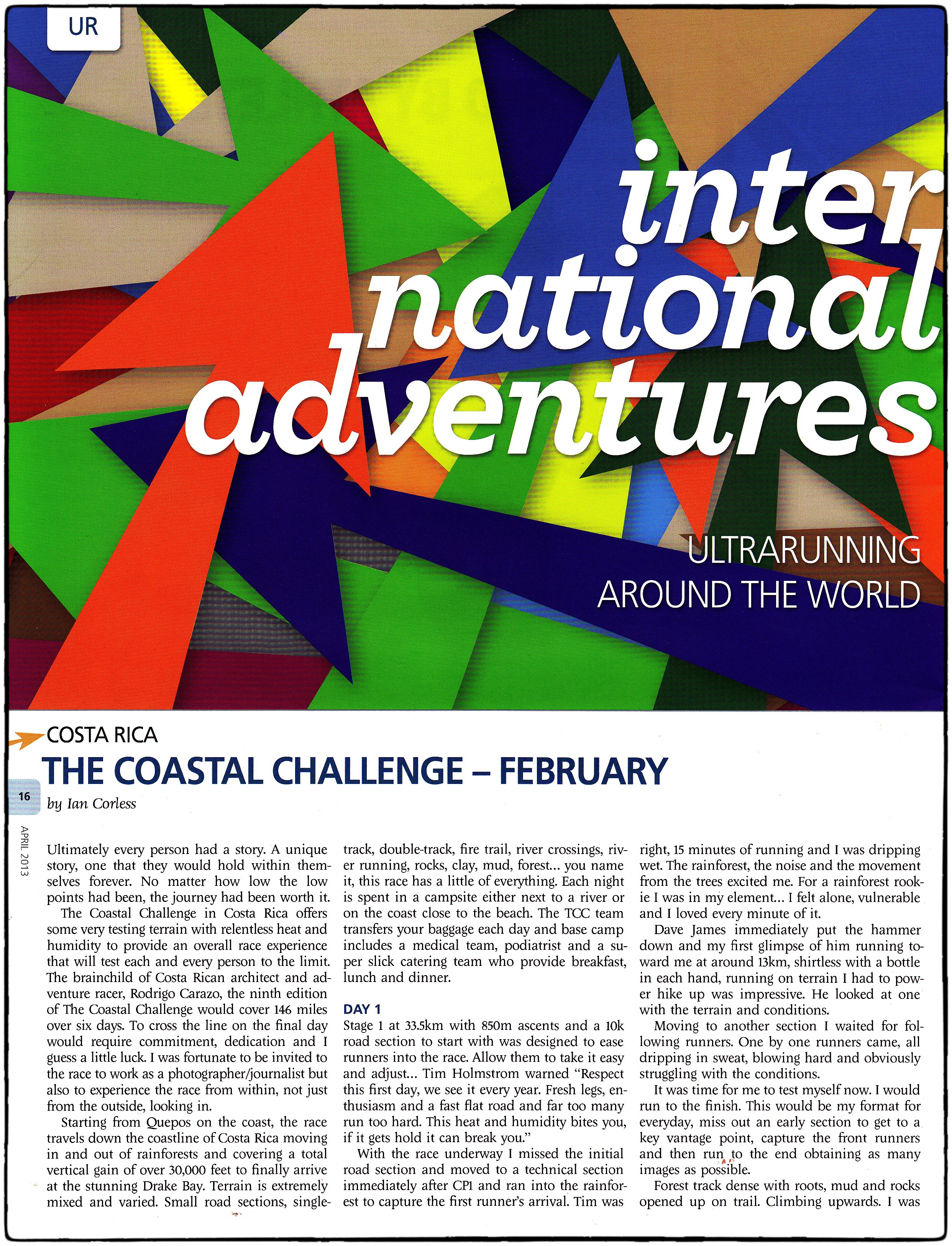
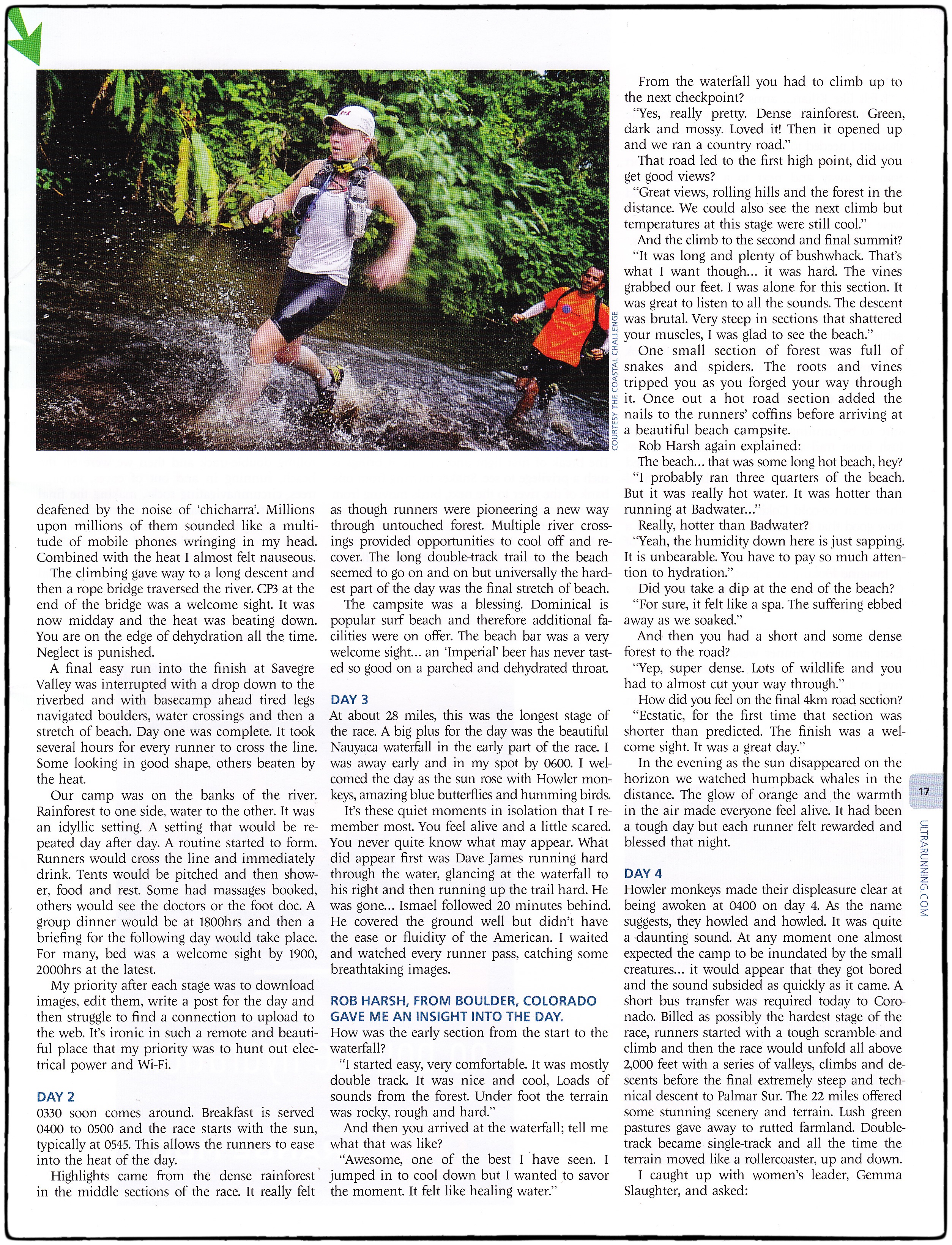
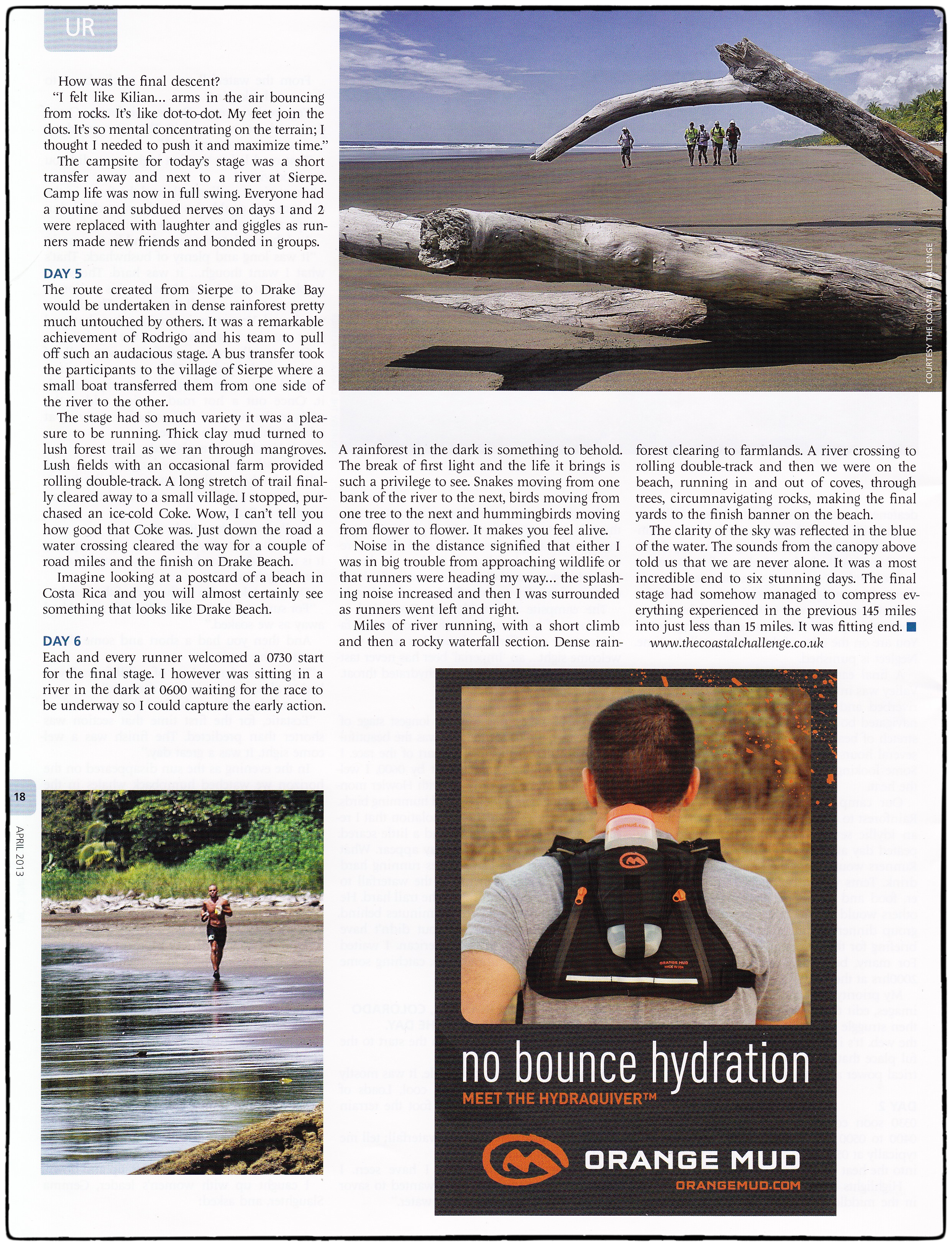
ULTRA Running Magazine Apr 2013

More coverage for the incredibly beautiful and challenging The Coastal Challenge in Costa Rica.

Entries now available for 2014 at:

  • HERE for UK entrants
  • HERE for outside UK

Ultra Running

Page 1

Page 2

Page 3

It is possible to purchase images from The Coastal Challenge for ‘personal use only’ from:

iancorless.photoshelter.com link HERE

Protected: Darkness to light – Marathon des Sables

This content is password-protected. To view it, please enter the password below.

Paleo, Maffetone & the Method

Have you ever asked yourself?

  • Why can’t I lose weight?
  • What can I do to reach my potential as an ultra runner?
  • Why do I sometimes have pain and discomfort?

Dr Phil Maffetone says he can’t tell you the answers to such questions but what he does say is that he can help you find out.

He has a mantra that ‘everyone can succeed’. I agree, we are all capable of so much more than we think. But often, we need to think outside the box or we need to think in a very different way. We all become programed; we conform to the general consensus when actually finding our own path may very well be the best decision we could make.
Forget easy fixes. They don’t really exist. If you want something, you are going to need to work at it. That doesn’t necessarily mean you will need to make sacrifices but it may mean that you will need to adjust your thought process and look at things from a completely different angle.

Dr Maffetone has evolved and developed his ‘method’. We are all individual but certain patterns exist within all of us when we are not balanced in a perfect way.

As Dr Maffetone says, “These were physical, biochemical and mental-emotional imbalances, complete with various signs and symptoms. These patterns provided vital information, which helped lead to quicker and more accurate evaluations, and faster therapeutic outcomes.”

The ‘method’ leads to specific questions such as “Do you get pain?”

  • How do you get the pain?
  • When does the pain start?
  • What makes it better or worse?
  • How long does the pain last?

“These questions are a vital part of my style, and important tools anyone can use to find and fix physical ailments, metabolic imbalances and other problems.” Says Dr Maffetone.

Ultimately we all need our own personal program that will allow us to progress and function to the best of our ability. We need to self-test.

“By testing the body by adding or avoiding certain foods or specific workouts, for example, one can obtain valuable information to begin piecing together the details of an individualized program.”

There are many different facets of health and fitness that also must work together to create optimum human potential for an ultra runner, we are primarily looking at the bodies efficiency at using fat as a fuel and the physical activity that we undertake in training to make us stronger and fitter for the challenges ahead.

Burning body fat helps any athlete to perform at high levels, particularly ultra runners. The benefits are incredible, lets face it, and we all have plenty to call on. If we are using the fat within our bodies effectively not only can we perform better but we also prevent the accumulation of excess stored fat and weight.

Most of the body’s energy for daily living comes from the conversion of both sugar (glucose) and fat to energy (in the form of ATP).” Says Dr Maffetone “Some people rely on larger amounts of fat, with the result of high physical and mental vigor, improved health, and better all-around performance.“

If you are not able to burn fat and rely mostly on sugar for energy, then you will burn less fat in day-to-day life but more importantly you are neglecting one of the primary fuel sources that will enhance your training and race experiences. In addition, you will have the highs and lows that are associated with the ‘spikes’ from a high sugar diet, you will gain body fat and weight and you may very well feel sluggish with less consistent energy to perform daily tasks.

Is a Paleo lifestyle something that you now feel will enhance your life?

But Paleo is only one aspect of the Maffetone Method. If you want to switch on the fat burning mechanism within your body and enhance it, then we need to look at how we undertake our physical activity. Dr Maffetone pioneered this process way back in the 80’s with Mark Allen (now a highly respected champion Ironman Triathlete).

We need to train our Aerobic system.

“By stimulating the full spectrum of slow-twitch muscle fibers, which rely on fat for fuel, improvements in the heart and lungs with increased circulation and better brain function also occur.”

If we don’t train our fat burning system we are missing a really key component that will enable us to function at the best of our ability, we actually run the risk of becoming aerobically deficient.

Dr Maffetone explains, “Being aerobically deficient is a common syndrome associated with fatigue, increased weight and body fat, reduced immune function, physical disability, and hormonal imbalance.”

The Maffetone Method also covers so many other aspects such controlling chronic inflammation and stress management, which you may like to follow up on in one of his many publications.

  • “In Health & Fitness” by Dr Phil Maffetone HERE
  • “The Maffetone Method” by Dr Phil Maffetone HERE

I caught up with Dr Maffetone for episode 32 of Talk Ultra and we discussed the Aerobic system and Paleo diet. You can listen to the full interview HERE

Aerobic Training

How do you calculate your own maximum aerobic training heart rate?

To find your maximum aerobic training heart rate, there are two important steps to the Maffetone Method:

1. Subtract your age from 180.

2. Modify this number by selecting among the following categories the one that best matches your fitness and health profile:

a. If you have or are recovering from a major illness (heart disease, any operation or hospital stay, etc.) or are on any regular medication, subtract an additional 10.

b. If you are injured, have regressed in training or competition, get more than two colds or bouts of flu per year, have allergies or asthma, or if you have been inconsistent or are just getting back into training, subtract an additional 5.

c. If you have been training consistently (at least four times weekly) for up to two years without any of the problems just mentioned, keep the number (180–age) the same.

d. If you have been training for more than two years without any of the problems listed above, and have made progress in competition without injury, add 5.

For example, if you are thirty years old and fit into category (b), you get the following:
180–30=150. Then 150–5=145 beats per minute (bpm). 

In this example, 145 will be the highest heart rate for all training. This is highly aerobic, allowing you to most efficiently build an aerobic base. Training above this heart rate rapidly incorporates anaerobic function, exemplified by a shift to burning more sugar and less fat for fuel.

If it is difficult to decide which of two groups best fits you, choose the group or outcome that results in the lower heart rate. In athletes who are taking medication that may affect their heart rate, those who wear a pacemaker, or those who have special circumstances not discussed here, further individualization with the help of a healthcare practitioner or other specialist familiar with your circumstance and knowledgeable in endurance sports may be necessary.

Two situations may be exceptions to the above calculations:

• The 180 Formula may need to be further individualized for people over the age of sixty-five. For some of these athletes, up to 10 beats may have to be added for those in category (d) in the 180 Formula, and depending on individual levels of fitness and health. This does not mean 10 should automatically be added, but that an honest self-assessment is important.

• For athletes sixteen years of age and under, the formula is not applicable; rather, a heart rate of 165 may be best.

Once a maximum aerobic heart rate is found, a training range from this heart rate to 10 beats below could be used as a training range.

For example, if an athlete’s maximum aerobic heart rate is determined to be 155, that person’s aerobic training zone would be 145 to 155 bpm. However, the more training at 155, the quicker an optimal aerobic base will be developed.

Initially, training at this relatively low rate may be stressful for many athletes. “I just can’t train that slowly!” is a common comment. But after a short time, you will feel better and your pace will quicken at that same heart rate. You will not be stuck training at that relatively slow pace for too long. Still, for many athletes it is difficult to change bad habits.

CASE STUDY taken and edited from markallenonline.com

Mark Allen says:

During my 15 years of racing in the sport of triathlons I searched for those few golden tools that would allow me to maximize my training time and come up with the race results I envisioned. At the top of that list was heart rate training. It was and still is the single most potent tool an endurance athlete can use to set the intensity levels of workouts in a way that will allow for long-term athletic performance. Yes, there are other options like lactate testing, power output and pace, but all of these have certain shortcomings that make them less universally applicable than heart rate.

In our sport there are three key areas of fitness that you will be developing. These are speed, strength and endurance. Strength is fairly straightforward to do. Two days per week in the gym focusing on an overall body-strengthening program is what will do the trick.

Next are the focused workouts that will give you raw speed. This is perhaps the most well known part to anyone’s training. These are your interval or speed sessions where you focus on a approaching a maximal output or your top speed at some point in each of these key sessions. But again, developing speed in and of itself is a fairly simple process. It just requires putting the pain sensors in neutral and going for it for short periods of time.

Now for the tougher part…the endurance. This is where heart rate training becomes king. Endurance is THE most important piece of a triathlete’s fitness (or ultra runner). Why is it tough to develop? Simply put, it is challenging because it usually means an athlete will have to slow things down from their normal group training pace to effectively develop their aerobic engine and being guided by what is going on with your heart rate rather than your will to the champion of the daily training sessions with your training partners!

For those patient enough to do just that, once the aerobic engine is built the speed work will have a profound positive effect their fitness and allow for a longer-lasting improvement in performance than for those who blast away from the first day of training each year.

What is the solution to maximizing your endurance engine? It’s called a heart rate monitor. And using one in the way I am going to describe will not only help you shed those last few pounds, but will enable you to do it without either killing yourself in training or starving yourself at the dinner table.

I lived by the motto “No Pain, No Gain” motto. And it worked…sort of. I had some good races the first year or two, but I also suffered from minor injuries and was always feeling one run away from being too burned out to want to continue with my training.

Then came the heart rate monitor. A man named Phil Maffetone, who had done a lot of research with the monitors, contacted me. He had me try one out according to a very specific protocol. Phil said that I was doing too much anaerobic training, too much speed work, too many high end/high heart rate sessions. I was forcing my body into a chemistry that only burns carbohydrates for fuel by elevating my heart rate so high each time I went out and ran.

So he told me to go to the track, strap on the heart rate monitor, and keep my heart rate below 155 beats per minute.

Maffetone told me that below this number that my body would be able to take in enough oxygen to burn fat as the main source of fuel for my muscle to move. I was going to develop my aerobic/fat burning system. What I discovered was a shock.

To keep my heart rate below 155 beats/minute, I had to slow my pace down to an 8:15 mile. That’s three minutes/mile SLOWER than I had been trying to hit in every single workout I did!

My body just couldn’t utilize fat for fuel.

So, for the next four months, I did exclusively aerobic training keeping my heart rate at or below my maximum aerobic heart rate, using the monitor every single workout. And at the end of that period, my pace at the same heart rate of 155 beats/minute had improved by over a minute. And after nearly a year of doing mostly aerobic training, which by the way was much more comfortable and less taxing than the anaerobic style that I was used to, my pace at 155 beats/minute had improved to a blistering 5:20 mile.

That means that I was now able to burn fat for fuel efficiently enough to hold a pace that a year before was redlining my effort at a maximum heart rate of about 190. I had become an aerobic machine!

On top of the speed benefit at lower heart rates, I was no longer feeling like I was ready for an injury the next run I went on, and I was feeling fresh after my workouts instead of being totally wasted from them.

Now use the 180 Formula as outlined above and….

Go out and do ALL of your cardiovascular training at or below this heart rate and see how your pace improves. After just a few weeks you should start to see a dramatic improvement in the speed you can go at these lower heart rates.

Over time, however, you will get the maximum benefit possible from doing just aerobic training. At that point, after several months of seeing your pace get faster at your maximum aerobic heart rate, you will begin to slow down. This is the sign that if you want to continue to improve on your speed, it is time to go back to the high end interval anaerobic training one or two days/week. So, you will have to go back to the “NO Pain, NO Gain” credo once again. But this time your body will be able to handle it. Keep at the intervals and you will see your pace improve once again for a period.

But just like the aerobic training, there is a limit to the benefit you will receive from anaerobic/carbohydrate training. At that point, you will see your speed start to slow down again. And that is the signal that it is time to switch back to a strict diet of aerobic/fat burning training.

Who is Mark Allen?

Mark Allen was born January 12, 1958 and is the six-time Ironman Triathlon World Champion. He graduated from Diego, where he was an All-American swimmer, with a degree in biology. After competing and losing in the Ironman Triathlon Championships six times, Mark Allen emerged victorious in 1989, winning one of the most difficult one-day sporting events in the world. It would be the first of six Ironman victories for Allen, the last coming in 1995 at age 37.

Web Site markallenonline.com

What is Paleo?

We have had some excellent discussions on Talk Ultra in the ‘Talk Training’ element of the show and I recommend that you go back and listen to them. In particular, my discussion with Barry Murray in episode 19 available HERE

The Paleolithic (‘Paleo’) lifestyle has been gaining a lot of interest lately. It has gained increased momentum recently with such notable figures as Prof Tim Noakes and Comrades legend, Bruce Fordyce changing to this way of eating and reaping the benefits. So much so, that Prof Tim Noakes is re writing the nutrition section of his iconic book “The Lore of Running’.

Followers of a Paleo lifestyle are finding that they loose weight quickly as well as generally feel better once their bodies adjust to it.

Paleo is a call to old food values for millions of years ago before a relatively recent event, ‘The Agricultural Revolution’, completely changed the way humans eat.

But what does Paleo mean for you and your running lifestyle?

Well, it will mean a complete change for many… A daily diet of rice, pasta or potatoes will go. No grains, no bread, and especially no sugar or processed carbs, nothing that comes out of a box or a carton and no vegetable oils.

Nothing labeled “low fat” or “light”. Low or light usually means fat is removed and replaced with processed sugar.

I can hear you now, but that is what I eat. I live on rice, pasta and bread.

Paleo is high fat, medium protein, and low carb. It is about eating plenty of meat, eggs, fish, vegetables, fruits and nuts. The emphasis of this diet is based around eating fats of all kinds such as the ones found in Canola oil. Ideally when cooking, you will use coconut oil or butter.

Paleo and exercise work well together and as we have explored with Dr Phil Maffetone and the case study of Mark Allen, if you are patient the rewards can be reaped. Many ultra runners (amongst other athletes) are switching to a Paleo approach, 2012 Western States winner; Timothy Olson is a classic example.

You may find this article taken from ‘Me & My Diabetes’ of interest.

Earlier this summer, Steve Phinney and Jeff Volek, authors of The Art and Science of Low Carbohydrate Performance, headed to the Western States 100-mile Endurance Run, to study how runners in this grueling race fared, literally, for they were checking how the athletes performed, AND how they ate.

Link HERE

Ultimately, and I love this quote, this article is ‘Food for Thought’. Paleo has been around for years and recently its prominence has grown. Just like barefoot running became the next best thing after the book ‘Born to Run’, Paleo may very well be the next best diet. I however feel that having investigated it for months that a Paleo approach, or should I say, a reduction in carbohydrate is certainly a direction that can reap rewards and benefits.

But it’s all about the individual and finding out what works for you!

I’d love to get your feedback and stories both for and against all that has been mentioned above.