Ian is a photographer, writer, reviewer and blogger at iancorless.com. Ian is currently travelling the world capturing stories from some of the most iconic ultras on the planet. Ian is also creative director and host of an ultra running podcast called Talk Ultra. The show is available every 2 weeks 'for free' on iTunes and talkultra.com.
Hong Kong is a cacophony of noise, colour and experiences. Add heat and high humidity and it provides a very unique setting for the 4th race in the 2015 Skyrunner® World Series.
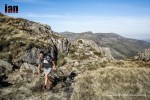
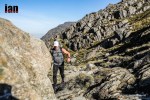
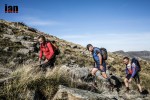
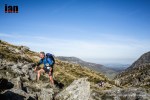
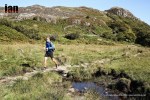
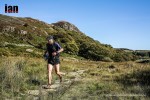
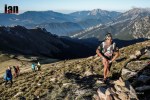
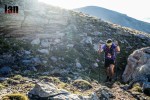
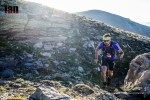
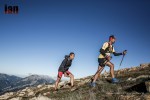
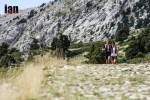
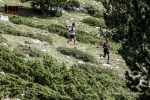
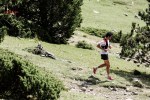
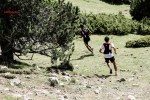
The race run by Action Asia Events starts and finishes in Tung Chung on Lantau Island and as the name suggests, takes in the 2 peaks; Sunset Peak and Lantau Peak. In just 23km’s the races climbs and drops a total of 3975m. ‘Steps’ offer unique terrain that signifies a Hong Kong race and ones’ ability to go up and down is taken to a new level by this demanding terrain.
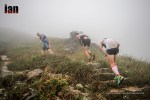
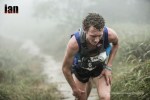
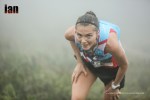
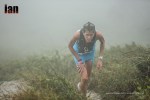
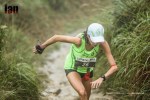
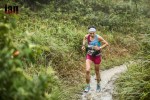
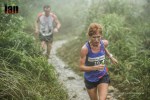
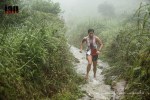
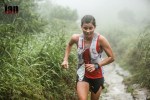
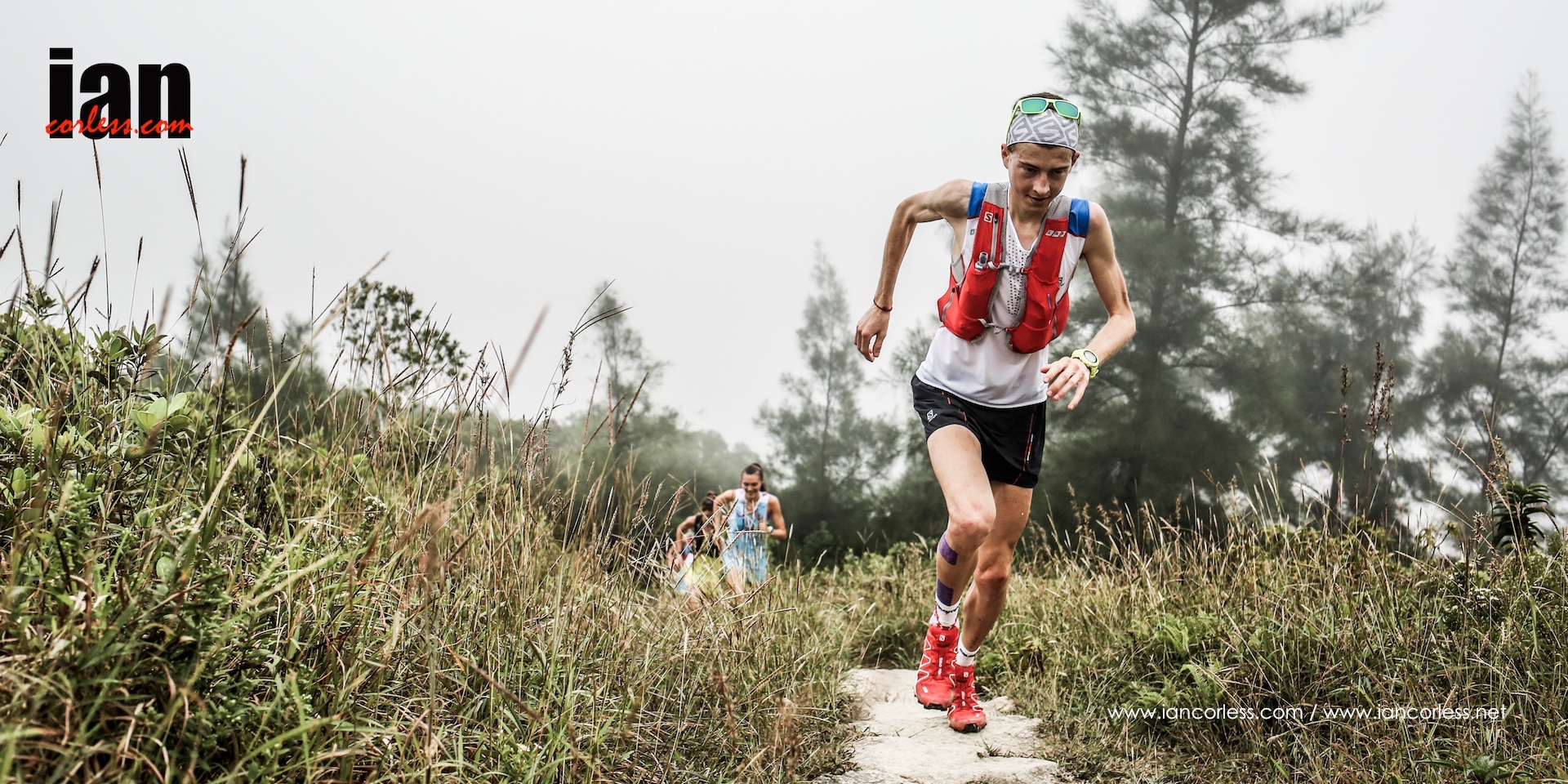
Two days of great Hong Kong weather unfortunately deteriorated the day before the race and many of the elite runners’ worst fears came true on race day when rain continued to fall accompanied by gale force winds that were rated as a level-3 typhoon. It’s not that elite runners don’t like running in the rain; not all. However, slick stone steps with a layer of water are a potential accident waiting to happen in any scenario, add ‘racing’ to the max and pushing the pace require a leap of faith. The wind was so strong at times you would be lifted of your feet and thrown like a piece of rubbish on the trail.
Yes, the 2015 Lantau 2 Peaks was one to remember!
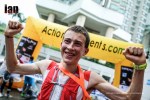
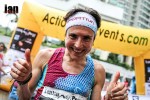
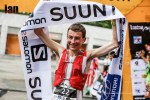
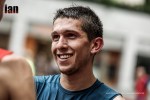
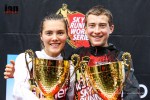
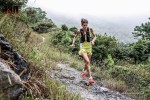
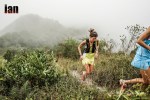
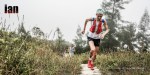
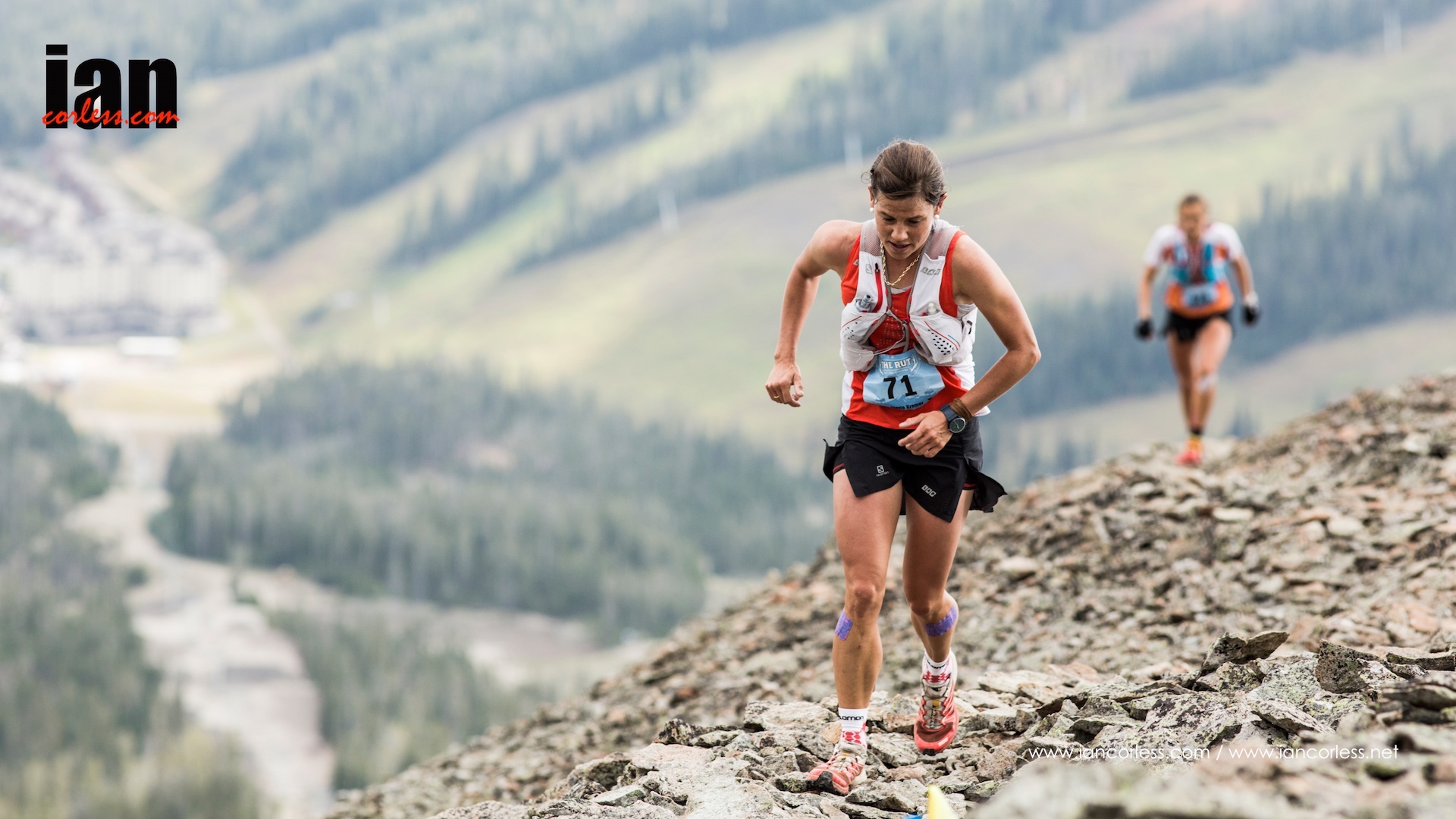
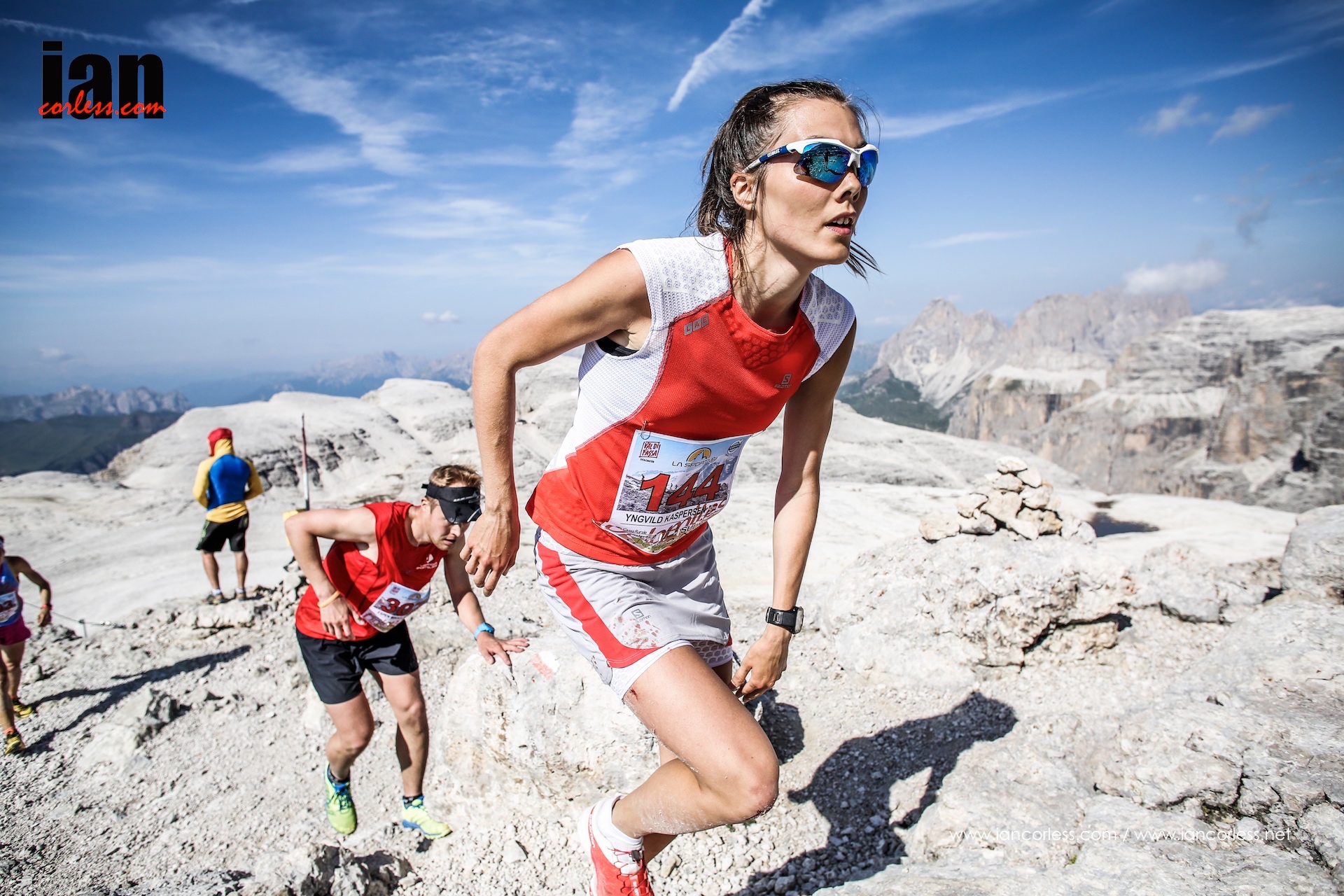
The race was ultimately about the rising of two stars; Remi Bonnet and Yngvild Kaspersen. Young guns having some fun with a smile and a passion. They really did show the rest of the field a master-class in running in the extremely tough conditions.
Race Report
Runners had arrived in Hong Kong a couple of days before the race to check out the course, adjust to the humidity and explore a little of what Hong Kong has to offer. Two days of excellent weather unfortunately turned sour the day before the race as storms came in from the sea, torrential rain and the possibility of a typhoon!
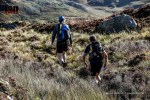
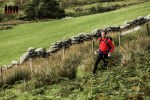
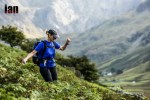
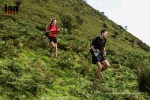
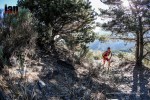
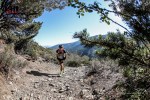
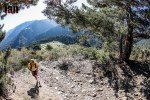
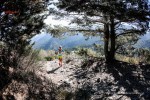
The island of Lantau provides a very different race experience to what one can expect in Europe. Stairs (stone steps irregularly placed) provide a key element of the course not only going up but coming down. The wet adds an additional element and one that would test each and every runner on race day.
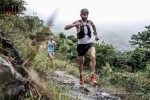
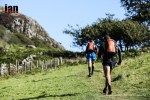
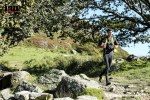
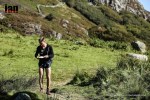
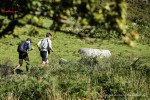
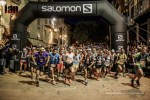
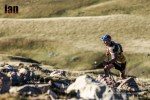
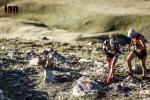
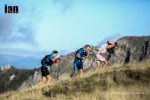
Starting in Tung Chunk at 0730, the runners had a fast and furious start over 2km’s before the climbing would start to the first peak of the day, Sunset Peak. The predicted typhoon hit in a force 3 making conditions ‘off-the-scale’ as rain flooded down the mountain creating impromptu rivers and waterfalls. Add to this gale force winds that would lift you off your feet and the stage was set for an epic battle.
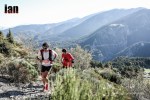
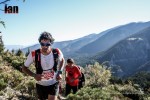
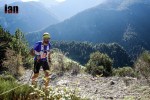
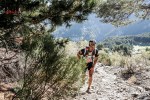
For the men, Remi Bonnet pushed the pace from the gun ahead of Manuel Merillas and Aritz Egea, in pursuit Tadei Pivk, Marco De Gasperi and the remainder of the elite runners were spread out over the mountain. Yngvild Kaspersen like Remi set a blistering pace at the front, behind Laura Orgue pursued and then Elisa Desco and Maite Maiora.
Over Sunset Peak (3rd highest in Hong Kong) steps provided a sharp and sudden drop to CP1 and the 2nd climb to Lantau Peak at 934m. The hard steps, slick conditions and fierce competition made the course extremely challenging.
Pushing upward to Lantau, the trail closed in, opened up and then intersperses steps once again. The course requires a unique style of running (or hiking) as the irregular height and depth of the steps makes finding a rhythm awkward.
Pre race, Laura Orgue had said, “Hong Kong will be an absolutely different race to what we are used to.” She was correct. The combination of mixed terrain and inclement weather on race day all made for a unique challenge.
Remi Bonnet and Yngvild Kaspersen were leading the respective men’s and ladies’ races with two master-class performances, one could even say they made it look easy! At the summit of Lantau Peak, barring an accident they both would be crowned 2015 champions. But with a huge drop from the summit and slick conditions to contend with, the final rankings were still open.
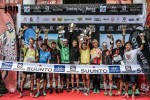
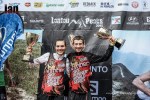
With 23km’s covered and 1987m of vertical gain and more importantly maybe, 1988m of vertical loss, Remi arrived triumphant at Citygate in Tung Chung, a circular trip completed taking in the Lantau 2 Peaks in a time of 02:14:07. Manuel Merillas fought a hard battle for 2nd and Tadei Pivk took 3rd place ahead of a charging Greg Vollet. Artiz Egea who had run in 3rd place earlier dropped to 5th.
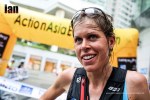
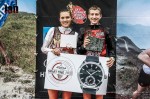
Yngvild Kaspersen won the race for the ladies in 02:42:04 and Laura Orgue held on to 2nd. Maite Maiora in the closing stages overhauled Elisa Desco on the descent and placed 3rd. Stevie Kremer placed 5th having struggled with jet lag having only landed in Hong Kong the night before the race after 24-hours of travel.
Results:
Remi Bonnet 2:14:07
Manuel Merillas 2:24:29
Tadei Pivk 2:26:39
Yngvild Kaspersen 2:42:04
Laura Orgue 2:49:58
Maite Maiora 2:51:19
RANKING
Sky Series ranking provisional results (after Lantau 2 Peaks & US Continental Championships)
Men
1. Tadei Pivk (ITA) Crazy Idea – 366 points
2. Manuel Merillas (ESP) Mammut/Compressport – 332 points
3. Tom Owens (GBR) Salomon- 268 points
3. Ionut Zinca (ROU) Valetudo – 268 points
5. Aritz Egea (ESP)E MF – 252 points
Hong Kong, it’s a place I have wanted to visit for sometime! The noise, the bustle of life, it has an energy that is far removed from many places that I visit. Nepal I suppose in some ways come close but only on a noise level, here everyone has the latest phone, computer, camera and so on
It’s a long way from the UK or anywhere in Europe. A short 1 –hour flight to Amsterdam, a couple of hours’ stopover and then a 10.5-hour flight through the night and of course 7-hours time difference. You arrive mid morning but you feel like you be wrapped up in bed.
Once you leave the air conditioned confines of the airport or train station, the heat hits you. It’s like someone just turned a hair dryer on and the humidity? It’s uncomfortably high.
Most normal people would get a couple of hours sleep. A little RnR maybe? No, not us. The Salomon team were on my flight; Greg Vollet (team manager), Remi Bonnet, Laura Orgue, Martina Valmassoi and Yngvild Kaspersen. It’s a multi-national bunch with France, Italy, Switzerland, Spain and Norway represented.
Active people don’t like being compressed in a cylindrical tube for any length of time, especially 10.5-hours. So it was a quick turnaround at the hotel, check-in, drop luggage in room, shower and go for lunch before heading out on the Lantau 2 Peaks course. Lunch was an interesting navigation of what felt like a lucky dip. We ticked boxes on a menu card and hoped for the best. Some of our choices were excellent, some average and the less we discuss the pork balls, the better!
Lantau 2 Peaks by Action Asia Events after all is why we are all here. Lantau is the 4th race in the 2015 Skyrunner® World Series for the SKY distance and the top male and female honours are all to play for.
Our early arrival in HK affords an opportunity to check out the 2nd section of the course, from Cp1 to the finish; it is one we seize. I get to look at some possible photo spots and loosen off from the travel, the Salomon team get a 13-14k mountain run in.
Running is easy! Navigating our way across Hong Kong via 2 trains, no ‘blue’ taxi’s meant that a bus was the only option. As it turned out it was a great adventure.
So here we are.
We have consumed food, used public transport, christened the trails and as darkness falls the place is coming to life in a glow of neon lights and sounds.
Episode 96 has a full and in-depth with Hillary Allen, rising star of the Skyrunning ranks. We also speak with Marie-Paul Pierson who takes on the challenge of her lifetime: Atacama. We have the News, Up and Coming Races and Speedboat is back!
Mention for Debbie Martin Consani who placed 5th and in 30:36 and Isobel Wykes 7th in 32:33. Plus a huge congrats to Marvellous Mimi Anderson who placed14th lady in 35:07:41 and then ran back and did the double!
UTMF
1 – Uxue Fraile 25:34:02
2 – Fernanda Maciel 26:44:25
3 – Aliza Lapierre 26:44:25
1 – Gediminas Grinius 20:40:58
2 – Arnaud Lejeune 21:54:51
3 – Jeff Browning 22:01:01
BEAR 100
1 – Mick Jurynec 19:01
2 – Dominiick Layfield 20:35
3 – Jesse Haynes 20:35
1 – Angela Shartel 22:34
2 – Cat Bradley 23:04
3 – Jenn Shelton 24:27
RUN RABBIT RUN 100
1 – Jason Schlarb 18:05
2 – Bob Shebest 19:13
3 – Andrew Skurka 20:12
1 – Emma Roca 21:42
2 – Emily Richards 22:00
3 – Kerrie Bruxvoort 22:54
ULTRA PIRINEU
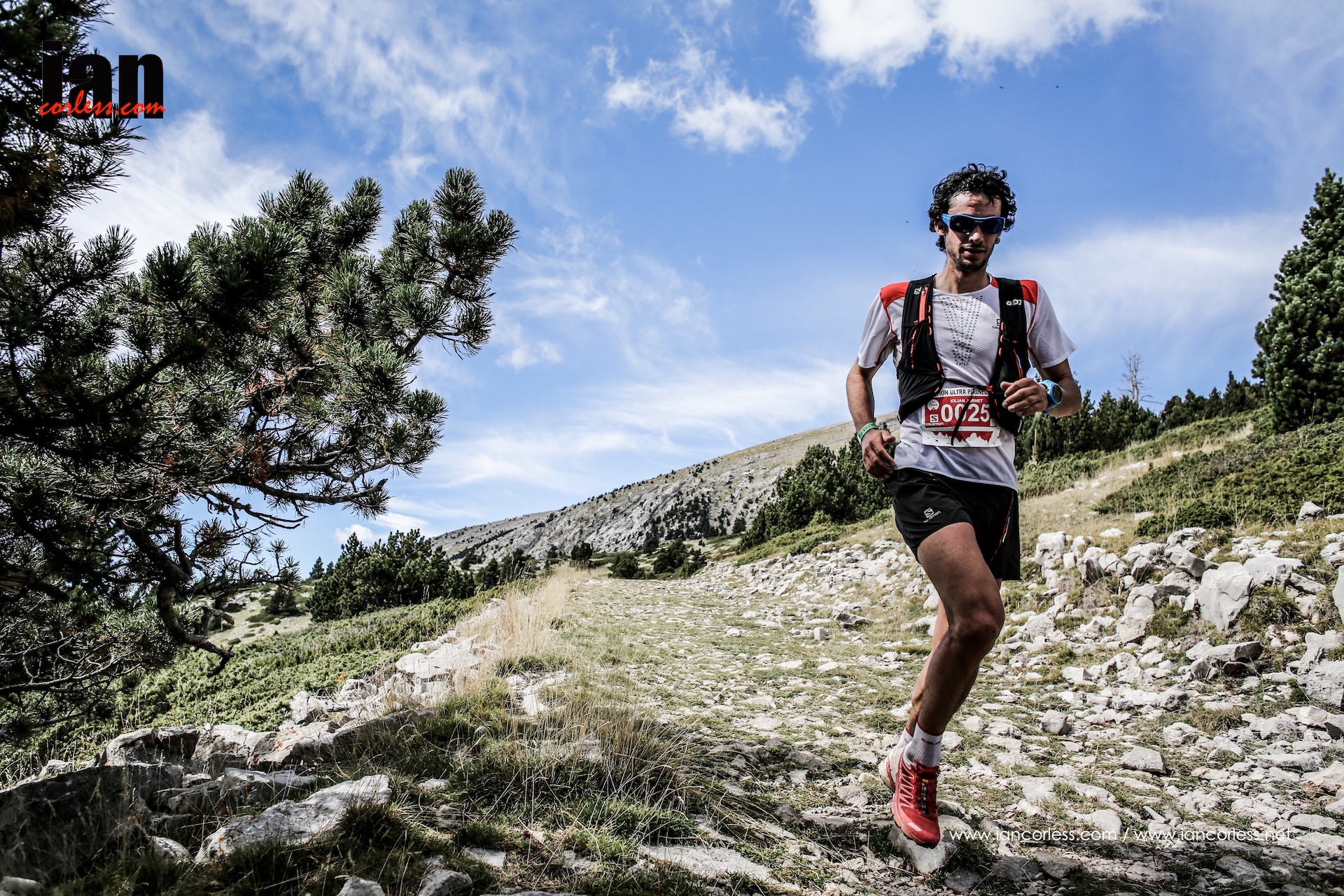
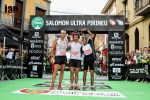
1 – Kilian Jornet 12:03
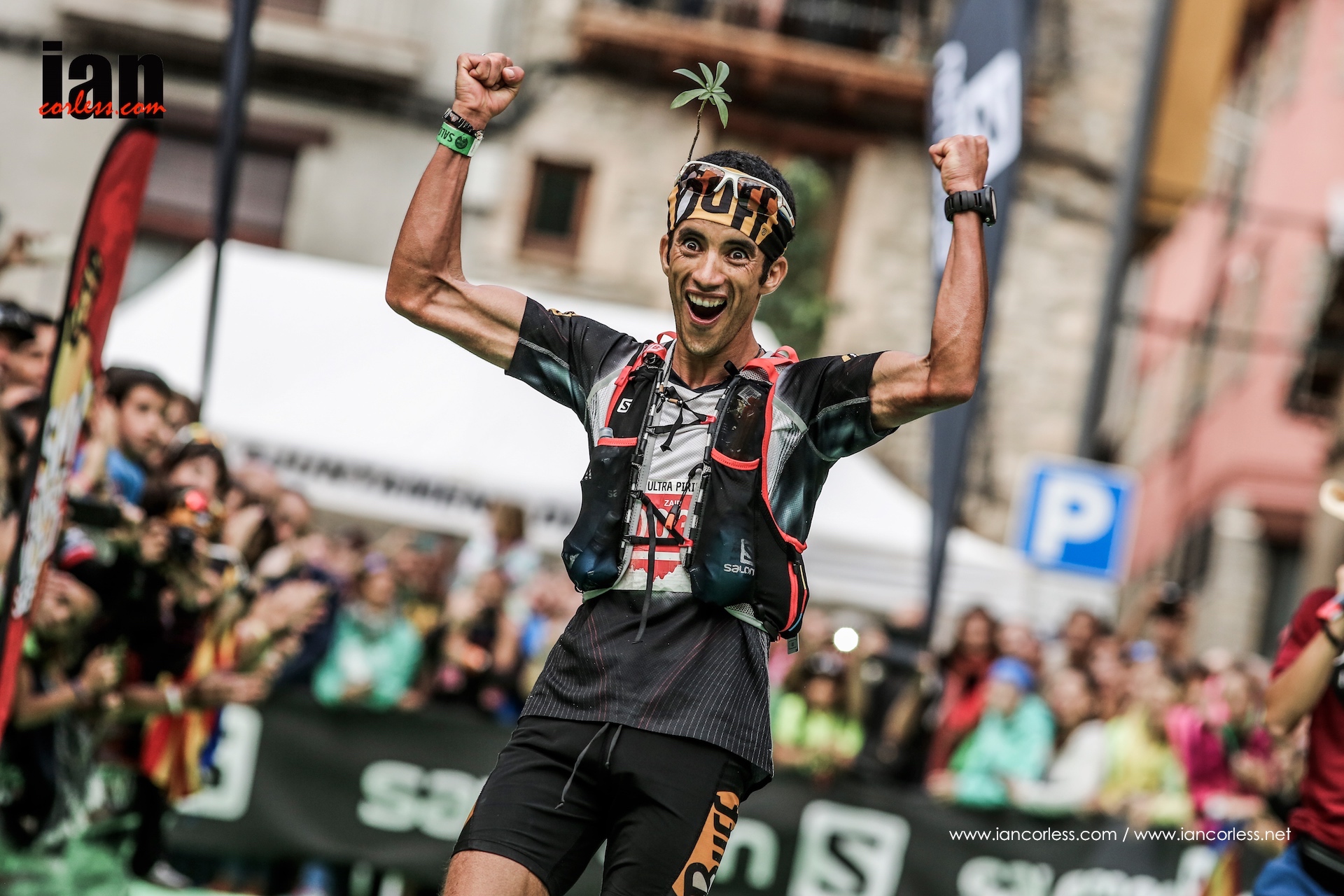
2 – Zaid Ait Malek 12:12
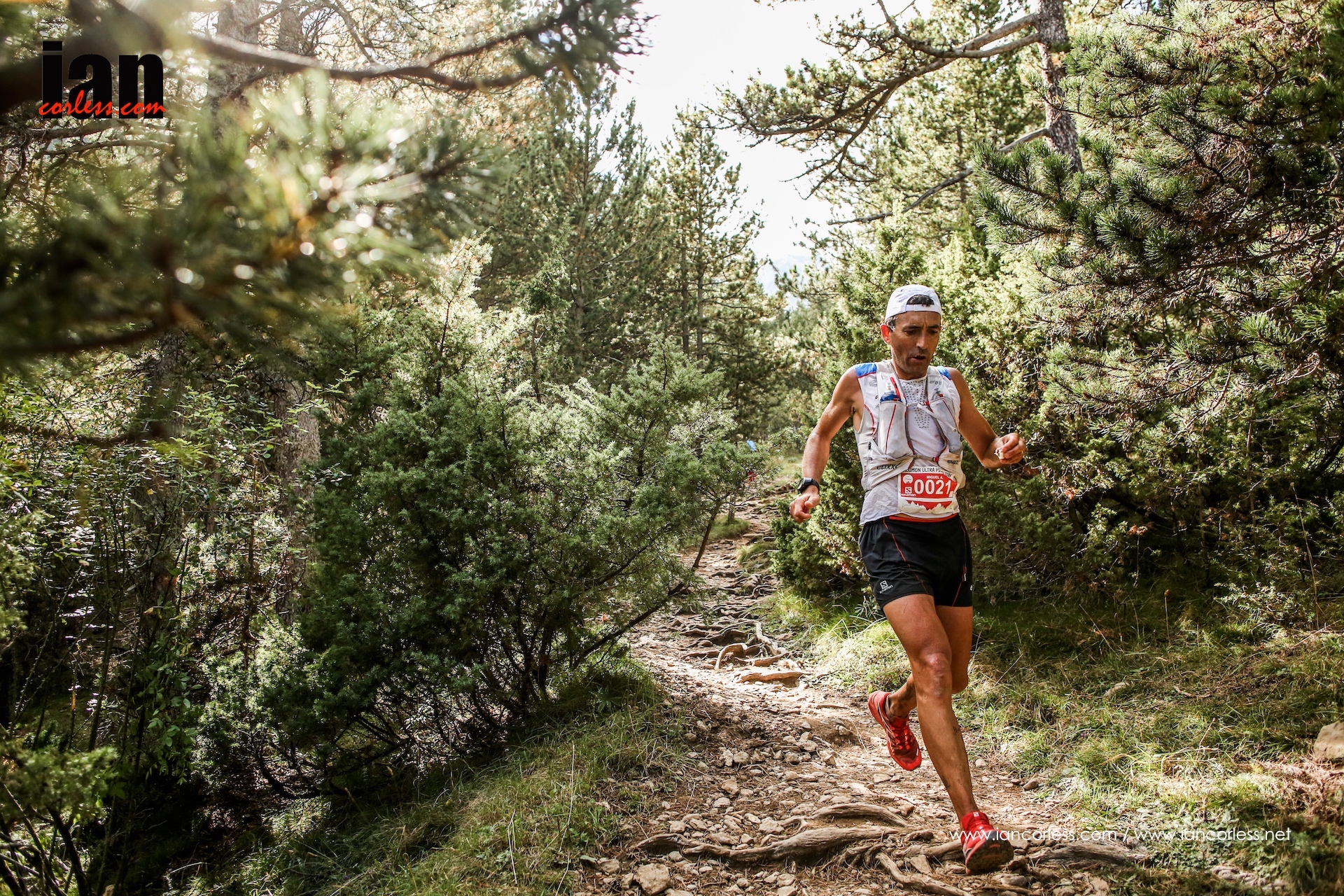
3 – Miguel Heras 12:20
1 – Emelie Forsberg 13:39
2 – Mira Rai 13:43
3 – Nuria Picas 14:13
IAU 100k CHAMPS
1 – Jonas Buud 6:22
2 – Asier Cuevas 6:35
3 – Giorgio Calcaterra 6:36
1 – Camille Heron 7:08
2 – Kasja Berg 7:20
3 – Marlja Vrajic 7:27
UROC
1 – Magdalena Boulet 10:03:29
2 – Larisa Dannis 10:25:41
3 – Kaci Lickteig 10:56:22
1 – Justin Houck 8:53:22
2 – Mario Mendoza 9:12:09
3 – Ford Smith 9:47:17
Tor des Giants was stopped due to bad weather, Patrick Board did complete the course though in 80 hours 20 minutes. Denise Zimmerman was declared the ladies champion.
Andrew Hamilton set a new FKT for the Nolans 14 of 53 hours 39 mins – 1 hour better than John Robinsons previous FKT.
Exciting and vibrant Hong Kong hosts the Lantau 2 Peaks this coming weekend, the 4th race in the 2015 Skyrunner® World Series. Following on from the RUT 25km and just 3 weeks before the series final in Limone, the Lantau 2 Peaks is going to be a very exciting race!
Located at Citygate, Tung Chung the race has a total distance of 23km’s and an elevation gain of 1987m. It’s a very tough course that will involve and require plenty of hands-on-knee action. The race website warns:
Please make sure you do hill training before competing in this category as you will be climbing some of the biggest peaks in Hong Kong.
Estimated winning time for the 23km is 3 hours which puts the course into perspective, especially when one also considers the cut-off time is 8 hours.
MEN
Ionut Zinca, Remi Bonnet, Marco De Gasperi, Tadei Pivk, Manuel Merillas, Aritz Egea, Hassan Ait Chaou, Iban Letamendi and Greg Vollet head up a world-class field and as one can imagine, it will be a battle royal for top honors.
Remi Bonnet is the new kid on the block and showed everyone a clean pair of heals at the RUT VK and SKY race with 2 stand out performances. The race here in Hong Kong will suit his racing style, particularly coming so close after the challenging USA course.
Tadei Pivk placed 2nd at the RUT behind Remi Bonnet and just seconds ahead of Marco de Gasperi. Tadei has had a great 2015 with stand out performances at Zegama-Aizkorri and the Dolomites SkyRace. He will be looking to get ahead of the rest of the field and score another 100% points to lead the world series ranking going into Limone Extreme.
Marco De Gasperi can never be rules out in ‘any’ SKY race. The 20+km distance is Marco’s forte and it’s a distance that he excels at. His recent FKT’s and 3rd place performance at the RUT show that he has plenty of great form.
Ionut Zinca adds even more firepower to the front of the race and he is an ever-present on the Skyrunner® World Series and one who consistently places on the podium. The battle here in China is a tough one but Ionut has the race to most certainly take one of the top-3 slots and of course, he can win the race!
Manuel Merillas was a rising star in 2014 and he has followed that up in 2015 with another string of tope performances. He has been a little quiet lately which will mean that he comes to Lantau with fresh legs. Considering the quality of this field it’s extremely difficult to say who will and who will not make the podium. Manuel for sure is podium material but we already have 4 runners listed above who potentially will take those slots… like I said, it’s going to be quite a battle!
Aritz Egea rounds up the hot favourites for the podium. Like Ionut Zinca, Aritz is a strong and consistent performer on the Skyrunner® World Series. Expect him to go out hard and potentially lead the race in the early stages. The question mark will come if he can hold on to that lead?
LADIES
Just like in the men’s race, the ladies race has a plethora of top female talent who in 2015 have excelled in the SKY distance: Laura Orgue, Yngvild Kaspersen, Stevie Kremer, Maite Maiora, Elisa Desco, Azara Garcia, Martina Valmassoi and Hanny Alston.
Elisa Desco in many respects heads up the ladies as arguably the most rounded athlete for this course. Her mixed ability to descend as well as she climbs makes her a hot contender to top the podium. Her recent victory at Matterhorn Ultraks confirms this. However, Elisa has had a mixed year?
Laura Orgue is a VK specialist who has started to race more often at the SKY distance. Strong performances at the RUT and the Dolomites have elevated Laura as ‘one-to-watch’ and I expect a podium placing here in Hong Kong. Climbing ability has sometimes been let down by descending, however, Laura is improving with every race.
Stevie Kremer has been racing in Europe less in 2015 and as a result has increased her profile within the USA. No stranger to Hong Kong, Stevie will be without doubt a force at the front of the race. In the early stages we can expect her to be up at the front with Laura as they charge up the climbs. My gut reaction says Laura, Elisa and Stevie may well be 1,2,3 but in what order?
Yngvild Kaspersen like Remi Bonnet is Salomon’s new secret weapon(s) for the future. Without doubt a star in the making, Yngvild has consistently run strong performances over VK and SKY distance. She won the Tromso SkyRace and placed 2nd in the VK just 1-second behind Emelie Forsberg. One to watch!
Maite Maiora has raced a great deal in 2015 and Lantau 2 Peaks adds to an already impressive list. On her day, Maite can run with the best and win. For me though, this has been a long season and the edge required for victory may well be missing. Don’t get me wrong though, she will be in the mix.
Azara Garcia won at Zegama-Aizkorri and looked set for an incredible 2015. Injury hit though. If fully recovered, Azara may well topple the whole race and come out with victory despite my 1, 2, 3 predictions. Without doubt she will be fresh and hungry.
Martina Valmassoi raced at the RUT and made the podium for the ultra distance; her 1st ultra! She comes to Hong Kong as a potential contender for a top placing. The question will come down to how fast she can turn the legs over? By all accounts, she is a great descender!
Hanny Allston rounds up the top contenders. The Aussie orienteer has turned heads recently and comes to Hong Kong as a potential dark horse who may well create quite a stir.
Needless to say, I have previewed the elite runners who are travelling to China to participate on the Lantau 2 Peaks race. Without doubt, local talent will figure in the overall results. So, if you have an ear to the ground and know of any hot tips for the win, please let us know.
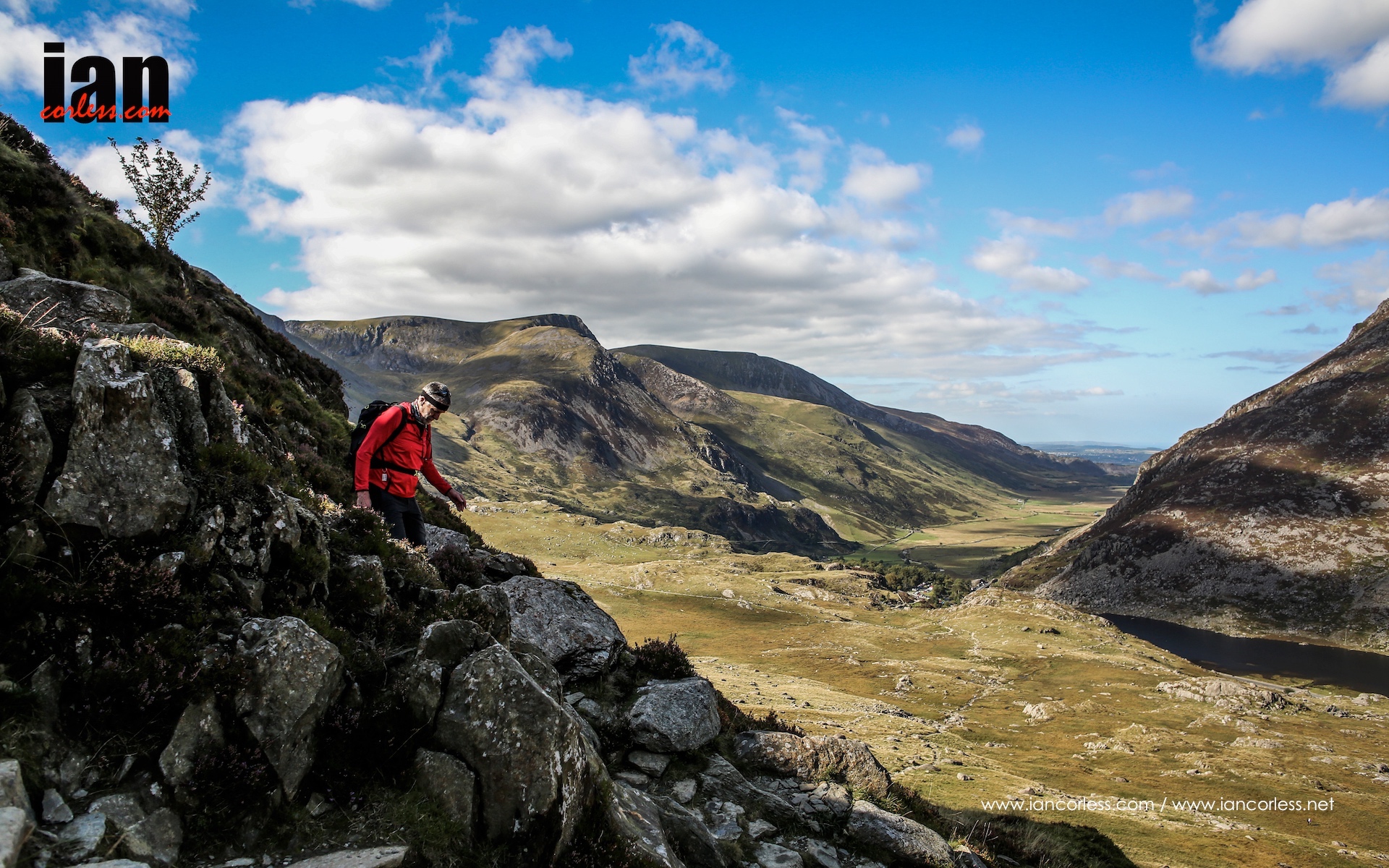
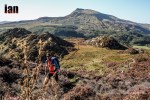
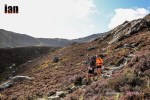
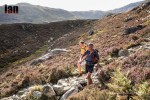
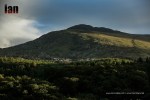
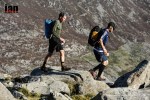
The Lake District, the Howgills and the Cheviots have all been previous locations for the Rab Mountain Marathon™. In 2015 it would be Snowdonia, Capel Curig provided the start and finish with the event using both the Carneddau and Glyderau.
What a weekend!
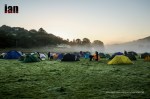
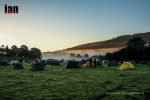
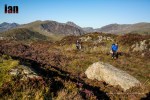
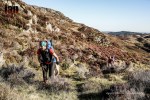
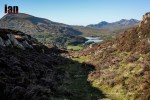
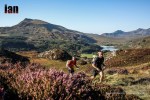
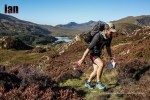
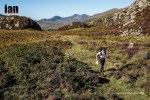
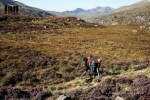
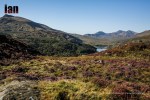
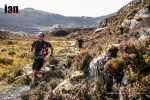
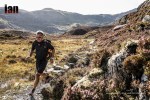
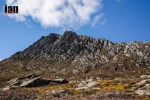
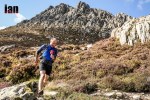
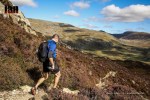
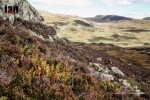
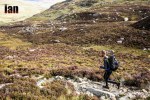
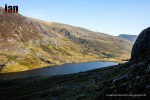
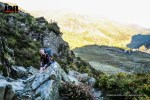
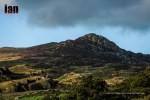
Wales, Snowdonia National Park and the challenging Carneddau and Glyderau were bathed in incredible sunlight, blue skies and warm temperatures. It was definitely one of those weekends when one is thankful that our sport requires amazing locations and terrain. Wales has never looked so good!
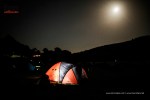
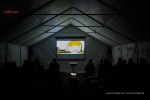
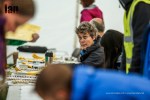
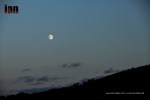
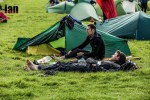
Many runners arrived in Capel Curig on Friday night as temperatures dropped. Clear skies, an amazing bright moon and a chill provided a great appetizer to a stunning weekend as beer and food were provided in the marquee and ‘Trails in Motion’ was screened in a makeshift cinema.
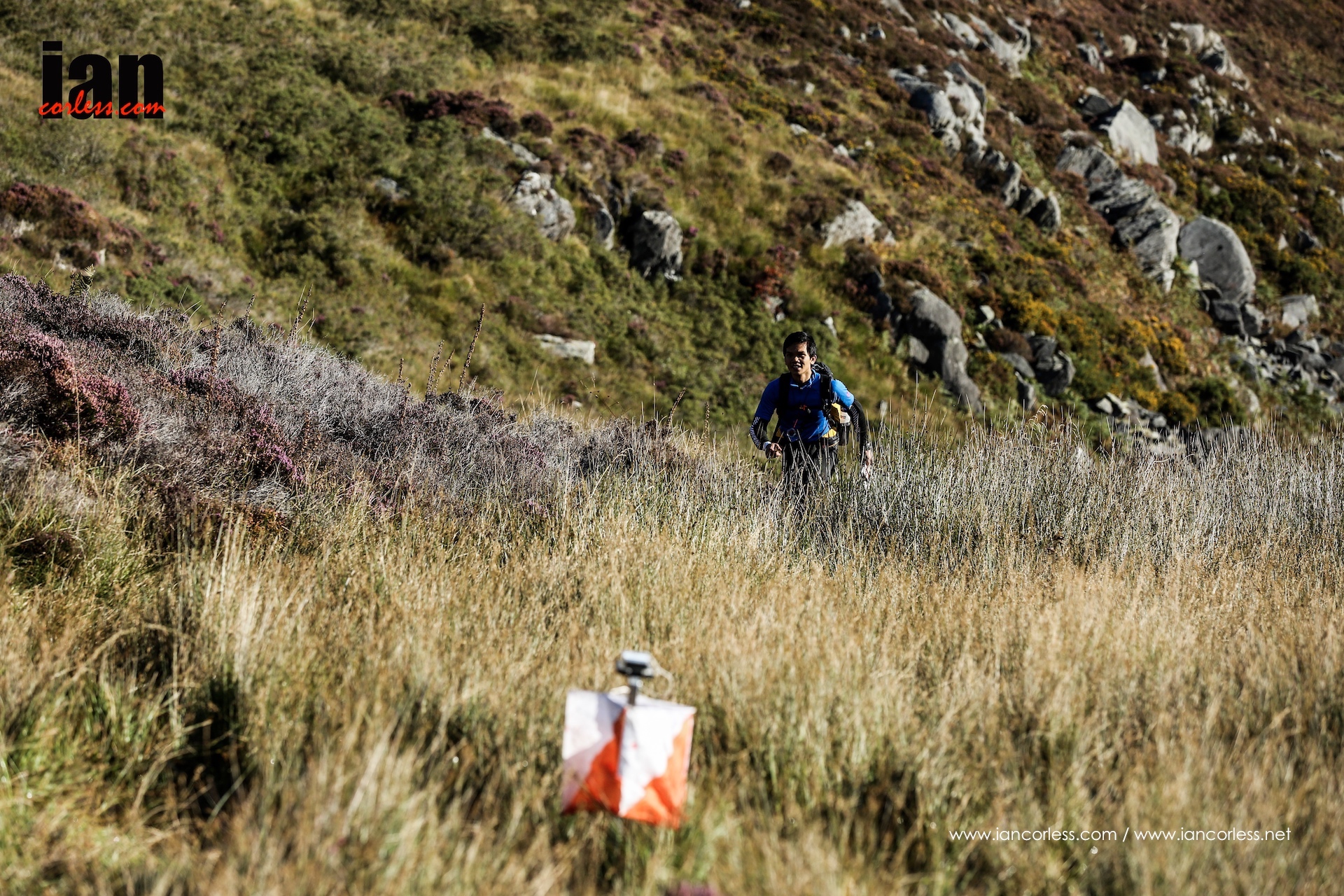
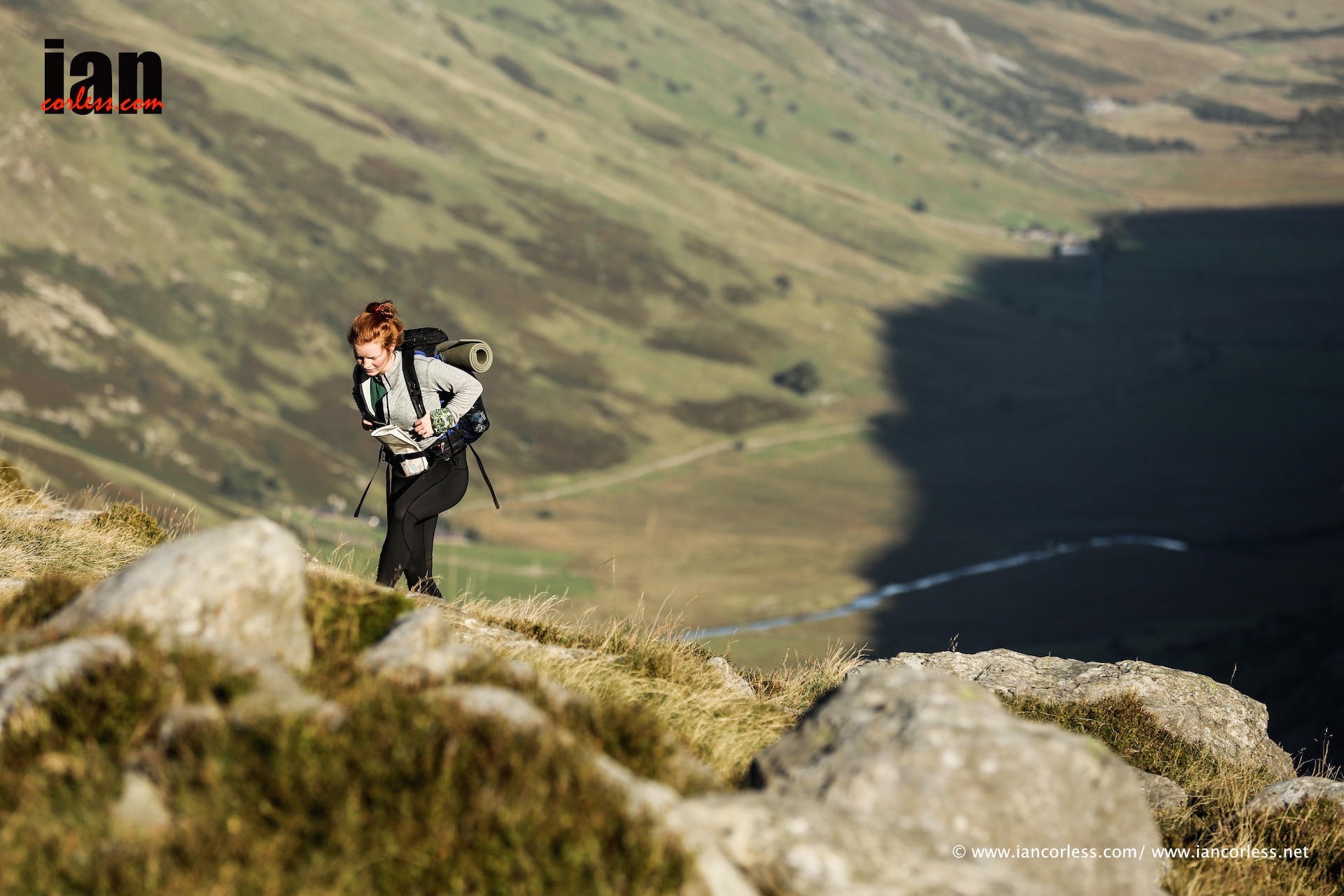
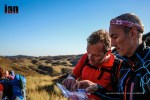
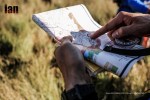
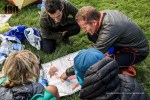
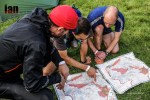
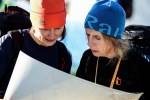
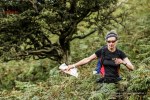
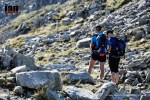
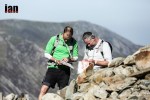
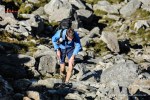
Tackling some very challenging mountain terrain, runners needed to be competent and confident when moving across the steep, rough and mountain terrain that Carneddau and Glyderau provided. Like all previous Rab Mountain Marathons™ the event was a score format. On Saturday a start window of 0830-1030 would ensure that runners avoided snakes as they moved from point to point. After all the race wants to test competitor’s navigation skills, yes? SPORTident electronic timing was used to ensure that accurate timings and logging of points were recorded and runners participated in one of the following categories: solo and teams of two. In addition to a variety of different runner’s class options there was also a walker’s class for those who want an easier, non-competitive weekend.
In any serious mountain event, competitors should always be prepared for the worst possible conditions as the competition area can be isolated and the hills are often exposed to serious weather. For once, this weekend the weather could not have been better. Temperatures during the day were warm, visibility was amazing and the only possible downside came when the sun disappeared and temperatures dropped at night.
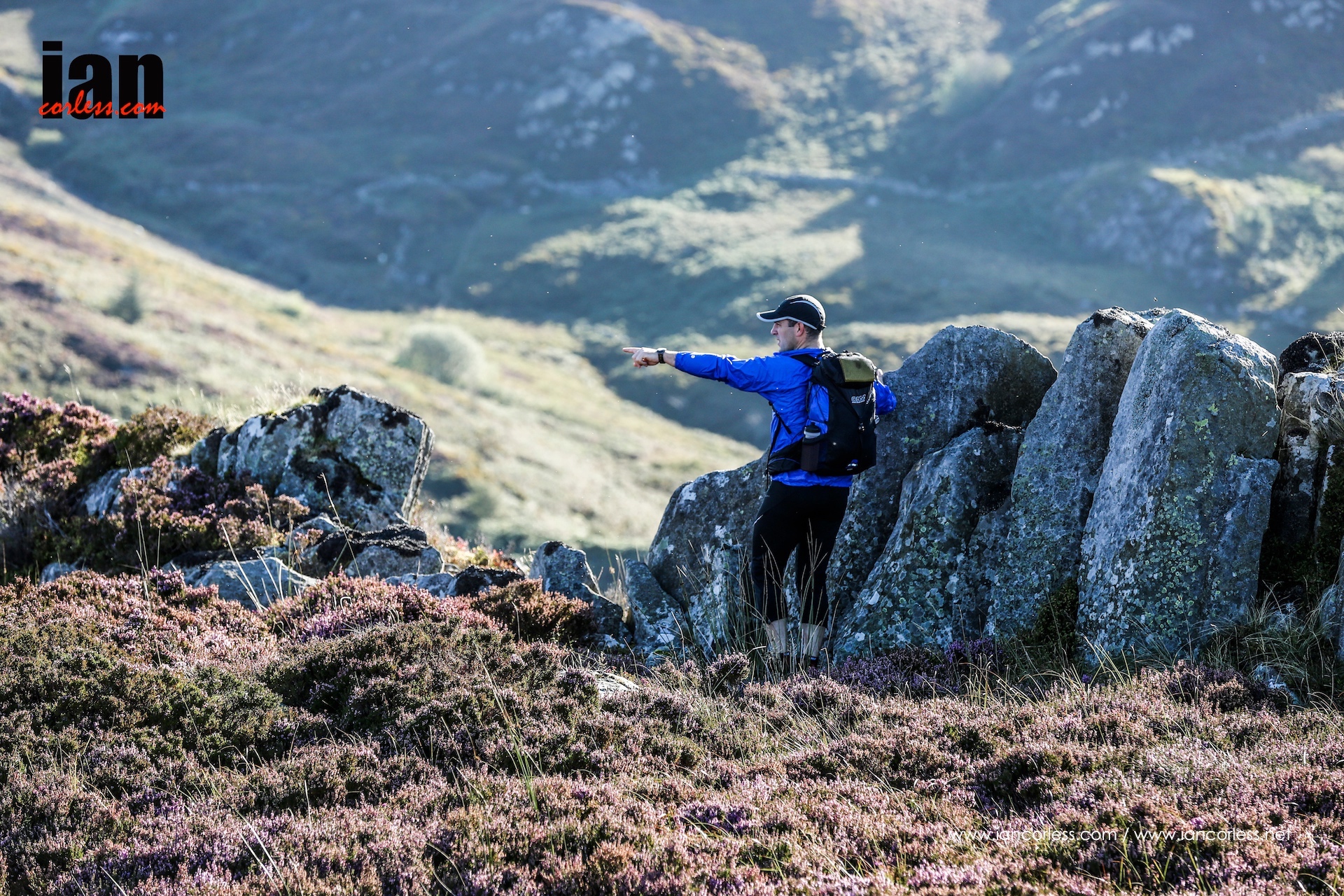
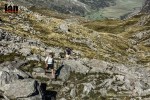
Much of the discussion pre race was based around the decision to go north or south? The Carneddau and Glyderau are split by a main road and although closely connected they offer two very different running terrains. The south without doubt provided a smaller area with controls much closer together but the terrain is much rockier and demanding.
Controls and points were split equally between north and south and any ‘visited’ control could not be re-visited the following day! Two main categories on long and short course made route planning and decision making a key element of the challenge and as one would expect, many got the decision process wrong by arriving after time and loosing points.
Ultimately though Wales was the hero of the day. The terrain, mountains and scenery was resplendent in the September light and as runners traversed and made their way around the course, one common thread was heard:
‘It’s just an amazing weekend to be in the mountains, irrespective of how many controls we visit.’
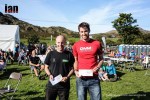
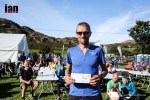
In the Long Score race, Adam Stirk and Andrew Higgins once again set the bar in the team race scoring 300 points (a maximum!) on day 1 and 215 points on day 2 to win with 515-points. Ian Bellamy won the solo Long Score race with 515-points too, he scored 280 on day 1 and 235 on day 2. First solo lady was Kirsty Hewitson, an ever-present at this type of event and her 215 and 200 (total 415) was 55 points clear of the next lady, Kate Worthington. Full Long Score results are HERE.
The Short Score race was won by male duo Alistair Macdonald and Richard Wren with 395 points (230/165) and Louise Beetlestone was 2nd overall, 1st lady and 1st solo competitor with 392 points, scored 220 and 172 respectively. Tom Woolley was the first male solo with 388 points. Full Short Score results HERE.
Shane Ohly, Ourea Events and all the volunteers once again provided a great event that was slick from beginning to end.
“Thanks for a great event, it was definitely a learning curve. Lovely smiley marshalls were brilliant. Met some great competitors on the course too.” – Adrianne Bolton
“It was my first and my sons first Mountain marathon it was one of my best experience. Massive learning curve as we got lost for three hours on the first day . Great organisers great staff will be coming back definitely.” – Phillip Bampton
Marathon des Sables celebrated 30-years in 2015. An amazing achievement. Just think about it, multi-day racing has been in existence for so many years. It’s a sign of how ultra running and the challenge of testing oneself over long distances and over multiple days is so appealing.
Racing is a word I like to use in a very casual way when I talk about ultra running. After all, only a very few runners can really race an ultra. The real story often is those who test and push themselves to see what is possible, to push a boundary, to achieve something that they thought impossible is what captivates me. Don’t get me wrong, I marvel at the front of the race but I can often feel a little removed from the supreme efforts.
Over recent years, multi-day racing has boomed due to several key factors:
It’s an opportunity to travel
It’s an opportunity to push boundaries
It may well be a once in a lifetime experience
It allows you to escape back to our primitive roots of survival and escape a material world
It affords an incredible opportunity to socialize with like minded people and create special bonds
You get memories that will last a lifetime
Imagine finding all of the above in Australia?
The Big Red Run is the brainchild of Greg Donovan, a runner who ran the 4 Deserts and then decided he needed a 5th, back home, in Oz.
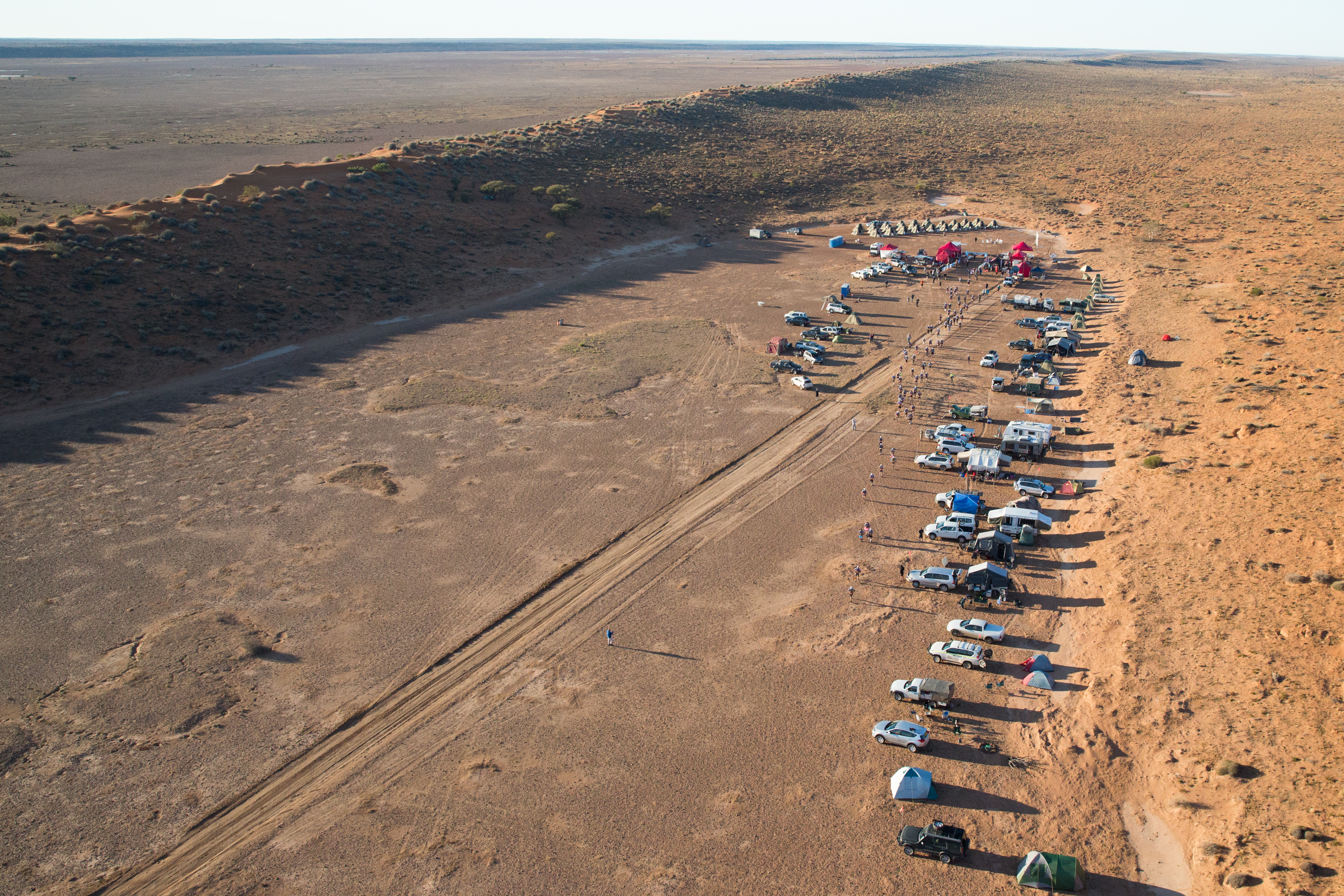
Taking on the classic multi-day racing format created by Marathon des Sables, runners at the Big Red Run will travel through the Simpson Desert on mainly untracked paths but gear is transported to each night’s camp allowing you travel each day without the burden of a heavy pack.
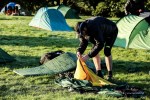
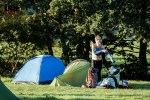
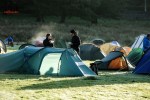
Sleeping in tented accommodation for the entire race, the week is topped and tailed with accommodation at the Birsdville Caravan Park or Sports Hall.
Mixing sand dunes, gibber plains, salt lakes, clay flats and several station tracks, the Big Red Run is a true adventure. Camp will be near Big Red for the first 2 nights and on a gibber plain in a dune amphitheater for the next 2 nights. The final camp after the long day is on the Diamantina River just outside of Birdsville.
Covering the classic distance of 250km in 6-stages the race is a great adventure into the Australian outback. 5 marathons and a long day of 84.39km make up the total distance for the race and if that is too much, a shorter race of 150km is available; The Little Red Run.
As with any race, the after party is a key element. Here in Oz they celebrate properly with a concert. Yes, runners gain entry into the ‘Birdsville Big Red Bash Music Festival’ that coincides with the end of the race.
Attracting a global audience, the Big Red Run in 2016 is inviting past winners to rejoin the race and to increase the competition, 2015 Marathon des Sables ladies champion, Elisabet Barnes will toe the line.
Entries for this unique experience opened on the 16th September 2015 and places are limited.
I caught up with Greg Donovan, the Big Red Run race organizer in a one-to-one interview to find out about him, his history and of course the Big Red Run – Listen HERE
Elisabet Barnes needs no introduction to a worldwide or UK audience, her rise in the sport in the past 12-months has been quite incredible. Speaking about the Big Red Run she said:
“I am really excited to be taking part in the Big Red Run. It will be my first time in Australia and getting the opportunity to experience it through a multi-stage desert race is just fantastic. Greg Donovan, the race director, has extensive experience from other multi-stage races around the world and he has created a truly unique event, aiming to offer the best possible experience to the participants. Having heard the feedback from previous entrants I can’t wait to head out to the Simpson Desert!”
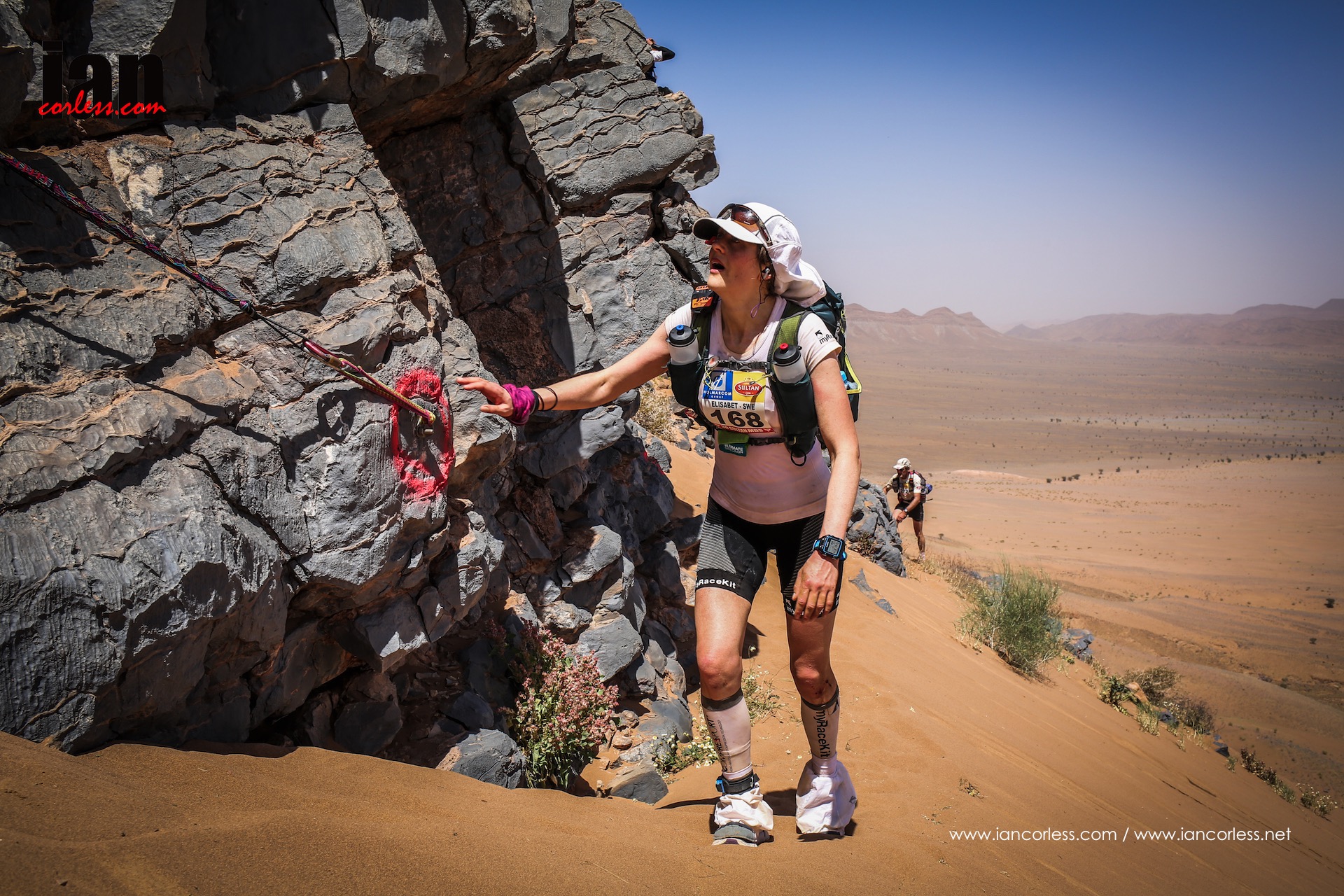
Elisabet Barnes at the 2015 Marathon des Sables
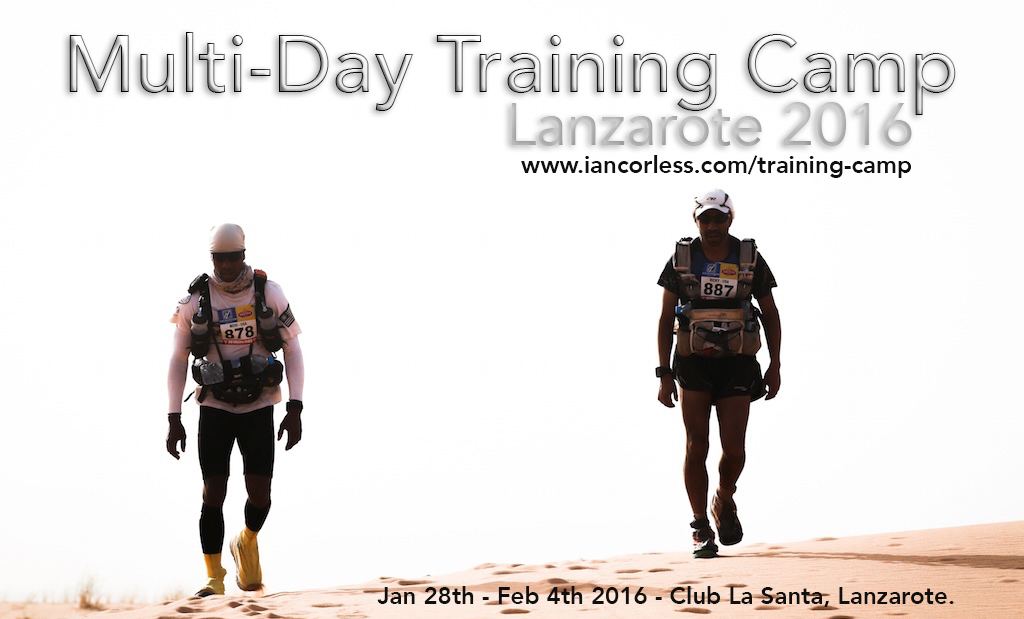
In conjunction with Elisabet, iancorless.com is running a multi-day desert training camp in late January that will provide a perfect opportunity to gain information and train specifically for a desert race such as Marathon des Sables or Big Red Run – Details HERE
Entries close on May 5th for the Big Red Run and all entrants who enter before January 16th will obtain an early bird discount.
Entry details are as follows:
Be sure to get in early and take advantage of the early bird specials outlined below which apply to both Australian and overseas participants!
All competitors and volunteers receive free tickets to the Birdsville Big Red Bash music festival on 5th and 6th July valued at over $300! Festival details to follow in late 2015.
Payment Installments
Register by 31st October 2015
Deposit $500
Balance8th April
Register 1st November 2015 to 16th January 2016
Deposit $1000
Balance 8th April*
Register 17th January 2016 onwards
Full entry fee payable
on registration
ENTRIES CLOSE 15TH MAY 2016
* Balance of entry fees will be invoiced and payable by 8th April 2016. Entry fees can be paid by direct transfer or credit card. Credit card payment will incur a 2.5% surcharge.
Early Bird Offers
For all entrants who register BEFORE 16th January 2016
Early Bird extras include
$100 entry fee discount
Helicopter flight voucher valued at $60
Big Red Run fleece valued at $60
Big Red Run casual T Shirt valued at $40
Total Early bird extras valued at $260. Early bird packs will be sent by 29th February 2016.
UK and European entrants can find out key information HERE. Pricing is as follows:
Overseas Fundraiser: AUD $2,850 Overseas Non Fundraiser: AUD $3,200
Please use the contact form below to express an interest in the race or book a place.
UTMF will be a VERY different race this year. First and foremost, the race date has moved from early in the year to late in the year; this is significant! Another important factor is the course. For 2015 (the 10th edition) the race will be run counter-clockwise and as such all the climbing and difficulty will come in the early stages and therefore leave the more runnable sections for later in the race; again significant!
With around 8500m of climbing and a distance over 100-miles (105) this race is a real challenge.
However, for me this years UTMF may very well be all about the UTMB.
Yes, UTMB was only 4-weeks ago and we all know the devastation that took place in and around Chamonix. It was carnage!
Much has been discussed about the DNF’s and failures at UTMB and unfortunately I think it’s a sign of the times. The racing calendar is full and race series like the UTWT encourage runners to race regularly 100km+ and 100-miles often; is too much? Francois D’Haene and Nuria Picas dominated the calendar in 2014 and where have they been in 2015?
Exhausted?
Just look at the start list here at UTMF. Many of the key players are runners who had tough, below par or DNF’s at UTMB.
Fernanda Maciel dropped with 2/3rds of the race done with severe foot pain.
Amy Sproston dnf
Gediminas Grinius dropped with over 90-miles completed.
Sondre Amdahl dropped with just over a marathon covered.
Jeff Browning dropped with a twisted ankle.
Of course, this is not all the favourites at UTMF but a pattern may be forming? All of the above have raced at one or more of the following: Lavaredo, HK100, Transgrancanaria, Western States, UTMB and now they line up at UTMF and I wonder how many post UTMF will travel to Reunion Island to take on the Diagonal des Fous (Raid de la Reunion). For many of the runners that will be 3 big 100-milers or a combination of 100-miles and 100km+ in relatively quick succession. The body may take it in 1-year but can it take year-after-year?
I merely raise the question?
So who is going to win?
THAT is a million-dollar question. Keeping in mind what I have said above, we can still expect Grinius, Amdahl and Browning to figure at the front of the race providing they have no issues. Sondre Amdahl(interview on Talk Ultra) should be the freshest of the 3 as he dropped early at UTMB and therefore it was probably just like a typical training run for him. However, what caused the ‘failure’ of his hamstring at a race that he obviously prepared meticulously for?
Jeff Browning (interview on Talk Ultra) loves the long and hard races. He dropped at UTMB but I am pretty sure he will be recovered here. He lacks some of the speed of the competition so although I think he will be in or around the top 5-10 I don’t think the podium could be his.
Gediminas Grinius (interview on Talk Ultra) has continually impressed. He loves the long hard races and he closes like a demon. I do worry that he is just tired though? I may be wrong. He has the race and skill set for UTMF, pretty sure he would have prepared the course the other way around but Transgrancanaria finishes with a very runnable last 20km and look what he did there!
Okay, so that is the UTMB contingent done and dusted and arguably I am now talking about who may win the race?
Gary Robbins has had a steady year with a great FKT (interview on Talk Ultra) and becoming a new Dad just a few weeks ago. He just missed the podium in 2013 and I think a podium slot may well be his this year.
Brendan Davies is a runner who I should add to the exhausted list above! He just ran the Worlds 100k and this year he did TNF100, Western States and Transgrancanaria where he had a really tough day out. He has potential to be on the podium BUT….
That leaves Didrik Hermansen for the top slot and if all things go well I think he can do it. He has the running legs for the latter half of the race and as he showed at Transgrancanaria and more importantly Lavaredo (where he won) he knows how to get the job done!
As one would expect the start list is extensive at UTMF and I have picked out some key names. For sure I will have missed some other key players, in particular the local talent who I am less familiar with.
Anyone we should look out for who can take a podium place?
Uxue Fraile made the podium at UTMB and considering my thoughts at the beginning of this article, can she be recovered? Actually, I think yes? I saw Uxue at the weekend spectating at Ultra Pirineu and she looked fresh, enthusiastic and excited for the race ahead. Her talent lies in the waiting game and more often than not she picks up the pieces as others fall by the wayside. I think we will see a similar strategy here at UTMF. Don’t be surprised with a podium place!
Fernanda Maciel was also spectating in Catalonia at the weekend! Her UTMB experience was far more dramatic and maybe traumatic that Uxue’s. Without a doubt, Fernanda has the race for UTMF as she proved last year with 2nd. Can she put the record straight so soon after UTMB?
Amy Sproston dropped at UTMB with approx. 100km in her legs. She can recover from that I think. Significantly (like Gary Robbins) she is a HURT 100 winner and that will be useful here at UTMF. It’s going to be a long day out!
Victory may well come from Aliza Lapierre. Her 8th at Transgrancanaria was off the lead ladies pace but significantly she placed 4th at Western States and has raced little since. At this point in the year with a whole bunch of tired legs around her, Aliza may well be the best option to fade the least.
Dong Li placed 3rd at Transgrancanaria with a breakthrough performance, she was 2nd at HK100 and won TNF 100. Add to that a 4th place at Mont-Blanc 80km and like Aliza she may well have fresh legs for the UTMF. She is going to need them though… as far as I know, this is the first time she will race 100-miles. This is a tough debut for the distance!
Shona Stephenson has raced well here in the past and with fresh legs she may well be a contender for the podium if not for the win if everything goes well.
Nora Senn may well turn a few heads and then like the men’s race a whole wealth of local talent will infiltrate the top 10.
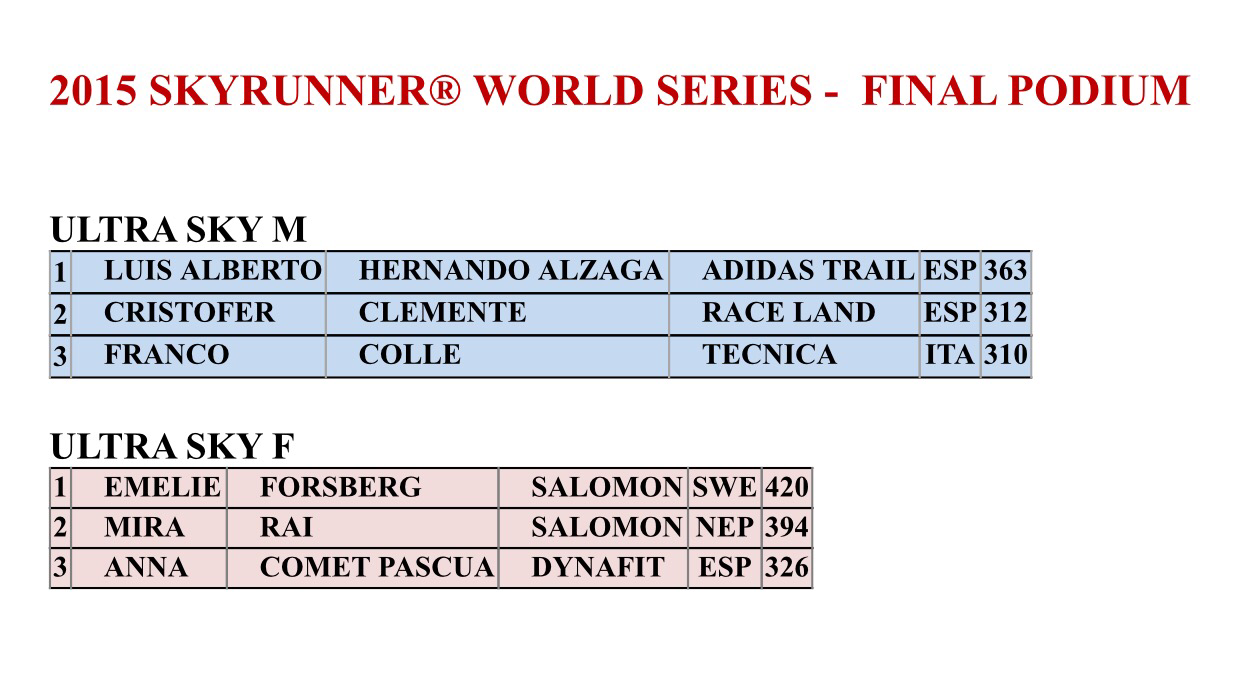
Nuria Picas was looking to defend her ‘home’ crown in a race that she has won for the last 4-years. Luis Alberto Hernando, champion in 2013 and 2014 was returning looking to make it a triple but more importantly the Skyrunner® World Series title for the ultra distance was at stake. Add to the mix Kilian Jornet and Emelie Forsberg, the last time the duo raced here in Baga was 2012. Kilian won that year ahead of Anton Krupicka and Dakota Jones, Emelie placed 3rd behind Nuria Picas and Anna Frost.
Starting at 0700 in the center of Baga, one has a full appreciation of how important running has become in Spain and I guess more importantly here in Catalonia. Kilian and Nuria are as important if not more important than football stars here in this part of the world. Autographs, photographs, shaking hands, pats on the back and the noise; wow the noise is incredible! Yes, they are the ‘Messi’ of the running world in these parts.
The day was always going to be one full of drama and battles. We had a race within a race and as such one had to keep an eye not only on who was running in the top-3 but also who was running in the top overall rankings. Coming into Ultra Pirineu Franco Colle was 1st in SWS rankings followed by Cristofer Clemente in 2nd and Luis Alberto Hernando in 3rd. It was all up for grabs. For the ladies the battle was relatively straight forward; if Emelie won the race she would be SWS champion. If Mira Rai won the race, she would become champion.
From the gun Emelie made her intentions clear and took hold of the race from the front and it stayed that way for the whole 110km. Although the story changed a little behind the dominant Emelie, the writing was on the wall; Mira Rai would place 2nd and Nuria Picas would place 3rd. At times Mira looked to close the gap and then it would extend whereas Nuria looked resigned to a solid 3rd place.
The men’s race was a little more unpredictable! I say unpredictable but in all honesty, did we (I) ever think anyone other than Kilian Jornet would win the race? I know I shouldn’t say that; anything can happen in 110km but barring an accident or some unforeseen problem, I really didn’t see any other scenario playing out.
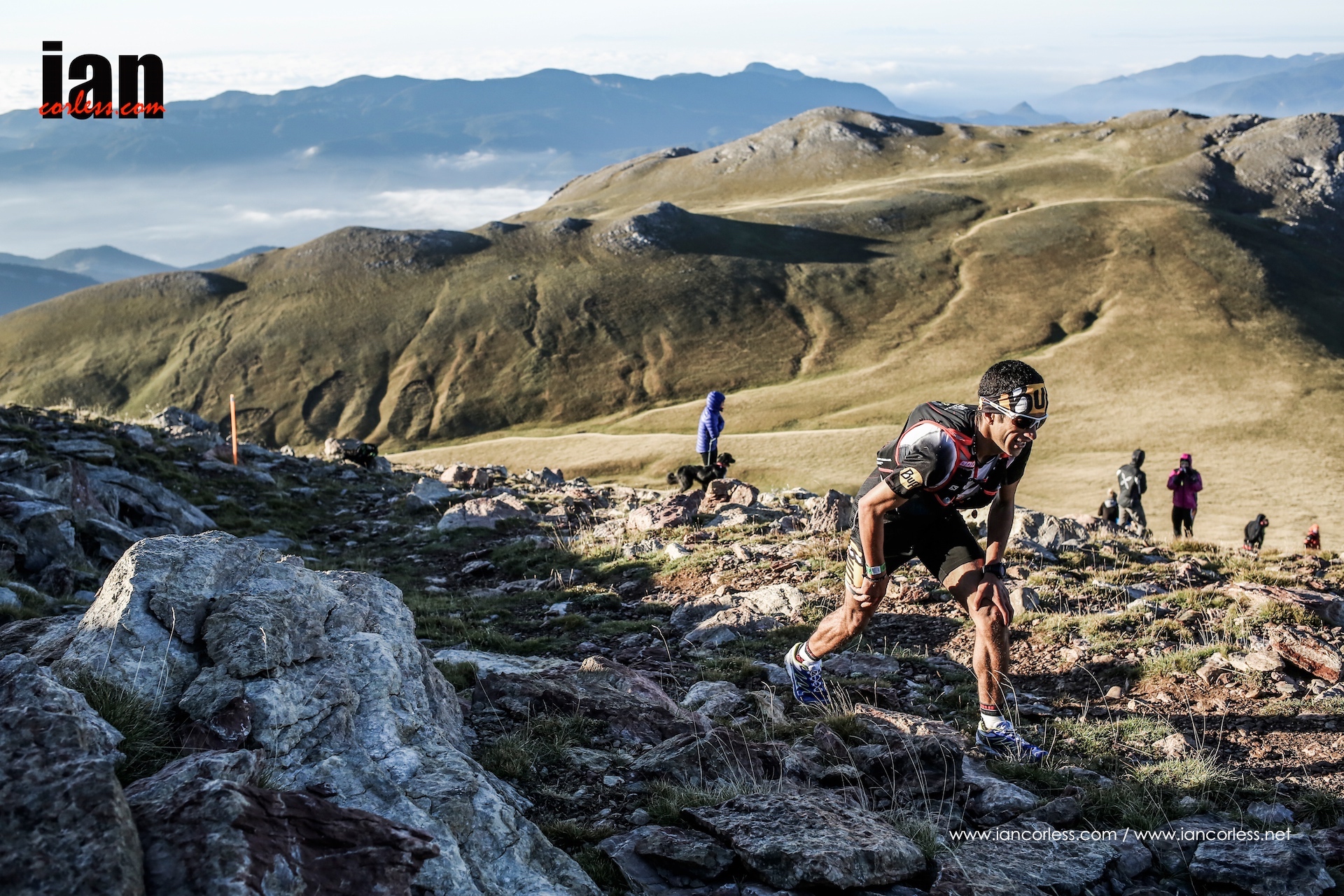
In the early stages Jessed Hernandez, Miguel Heras and Zaid Ait Malek accompanied the Catalan over the undulating terrain. Kilian always looked relaxed and in control. The protagonists changed at the front of the race, Miguel and Zaid would take a turn to pace and all the time Kilian would run in 2nd keeping his powder dry. The elastic finally snapped with Zaid and Kilian taking the front and opening up a gap over Miguel.
Behind the lead trio a battle was unfolding. Franco Colle SWS leader coming into the race dropped with sickness; his 2015 SWS chances over! Cristofer Clemente was running in 4th and Luis Alberto Hernando clearly tired from his 2nd place efforts at UTMB just 3-weeks earlier was running in and around the top-10 battling to win the SWS title.
Miguel didn’t give in though, he found some internal strength with 85km’s covered and closed the gap to then take over the lead with Kilian as Zaid faded. Over the final km’s, Kilian put his foot on the gas on one of the final climbs and quickly opened up a 6-minute gap over Miguel. The writing was on the wall, Kilian would win the 2015 Ultra Pirineu and he would be welcomed by a home crowd like a long lost son.
Behind the drama unfolded, Zaid refused to give in. He once again caught Miguel and this time pulled away and never looked back. He finished 2nd and produced one of the most impressive display finish line antics I have witnessed. Miguel took the final podium place and then attention turned to the SWS ranking.
Cristofer Clemente finished 4th and Luis Alberto Hernando had to finish in the top-15 to take the SWS crown; he did it! It has been quite a year for Luis. A series of high ranking victories and podium places, 2nd at UTMB, Skyrunning European Champion and now the 2015 Skyrunner® World Series Champion. Bravo!
Attention now turns to Limone Extreme for the respective SWS titles in VK and SKY.
If you think running a marathon is a feat in itself, imagine doing an ultra-marathon up a mountain. At “The Rut Mountain Race” in Big Sky, Montana, nearly 400 athletes from around the world gathered to compete across 31 miles. They cover more than 10,000 feet of elevation. The sport is known as “skyrunning.”
As part of the “CBS This Morning” series, “Pushing the Limits,” we take a look at the world’s elite athletes who are getting their high-altitude adrenaline rush.
Luke Nelson sums it up when he says:
“I run in the mountains because it gives me a freedom that I can’t find anywhere else…. I think the human body was meant to run; but this is pushing it!”
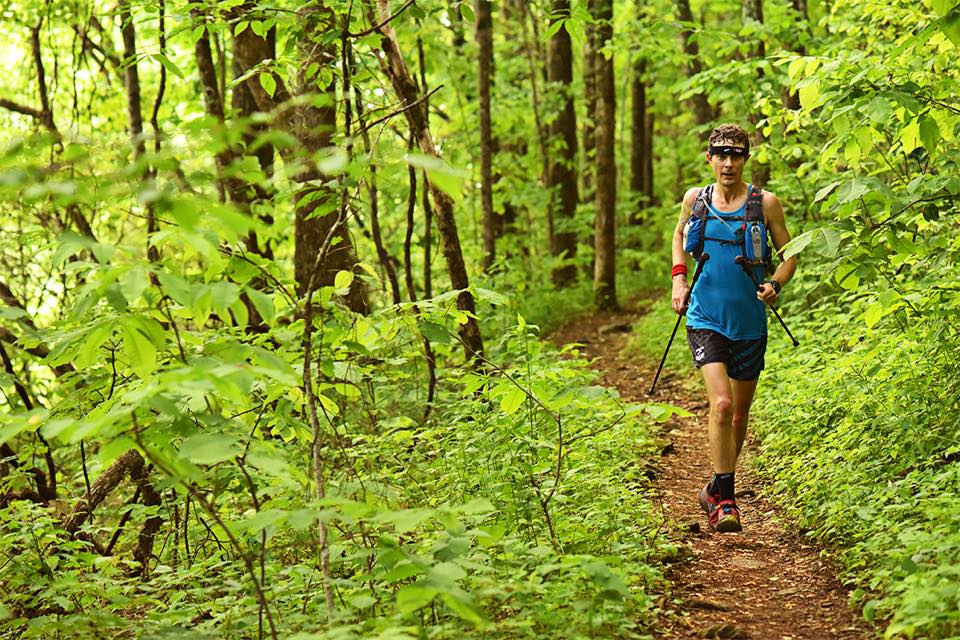
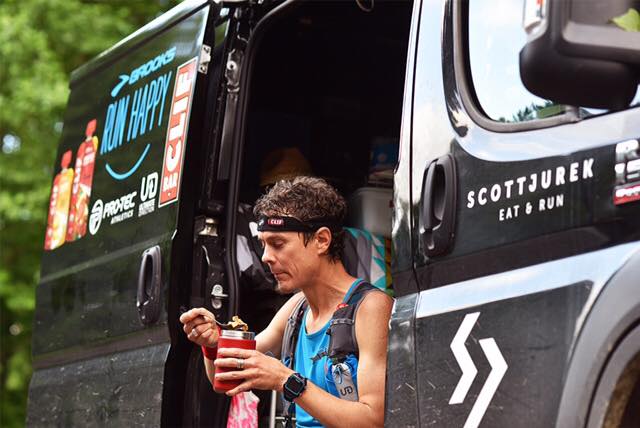
Episode 95 of Talk Ultra is a completely different show. We are devoting the episode to Scott Jurek and his wife Jenny. Scott Jurek completed the Appalachian Trail on July 12th covering the 2189-miles in 46 days, 8 hours and 7 minutes. It was a journey of incredible highs and lows, not only for Scott but also for Jenny. In this show we hear from both Scott and Jenny and and provide an insight into what it’s like to run and crew for such an epic and awesome journey… enjoy!
Here is a blow-by-blow account of Scott’s incredible journey in words and pictures of his record breaking Appalachian Trail FKT (HERE)
A creation that has been given much critical praise, especially one that is considered the greatest work of a person’s career or to a work of outstanding creativity, skill, or workmanship.
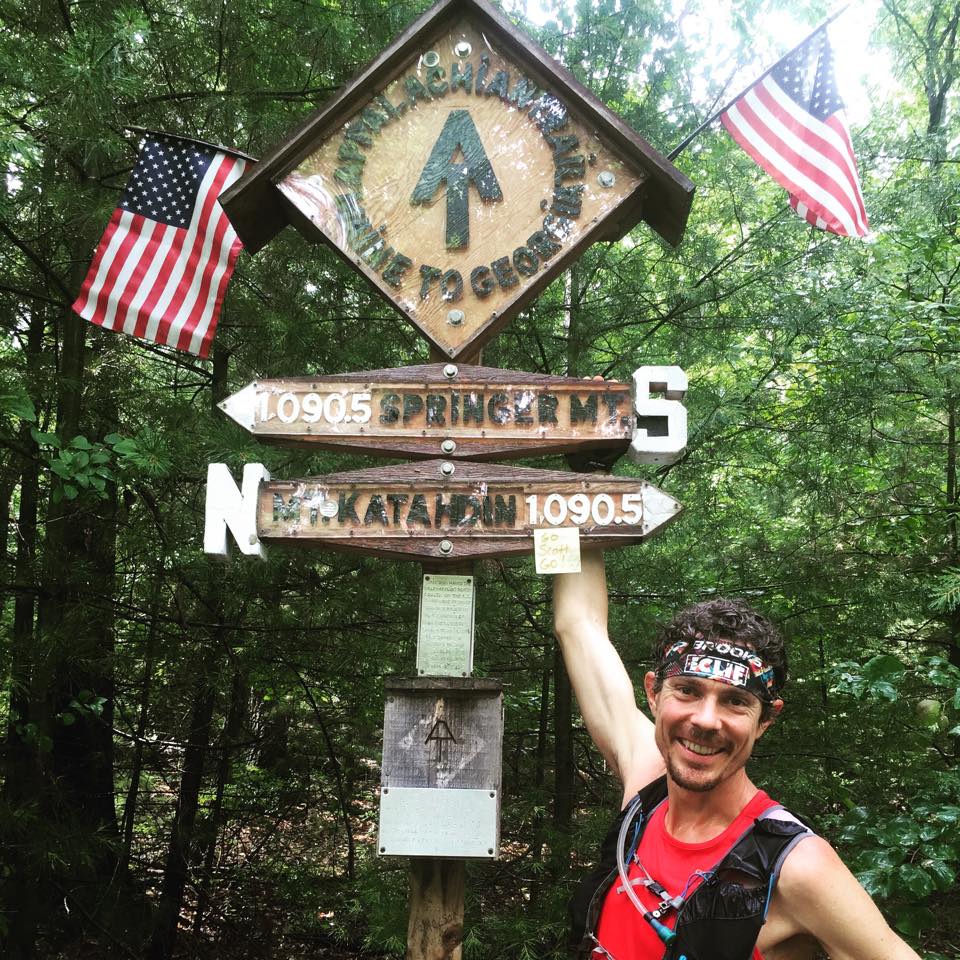
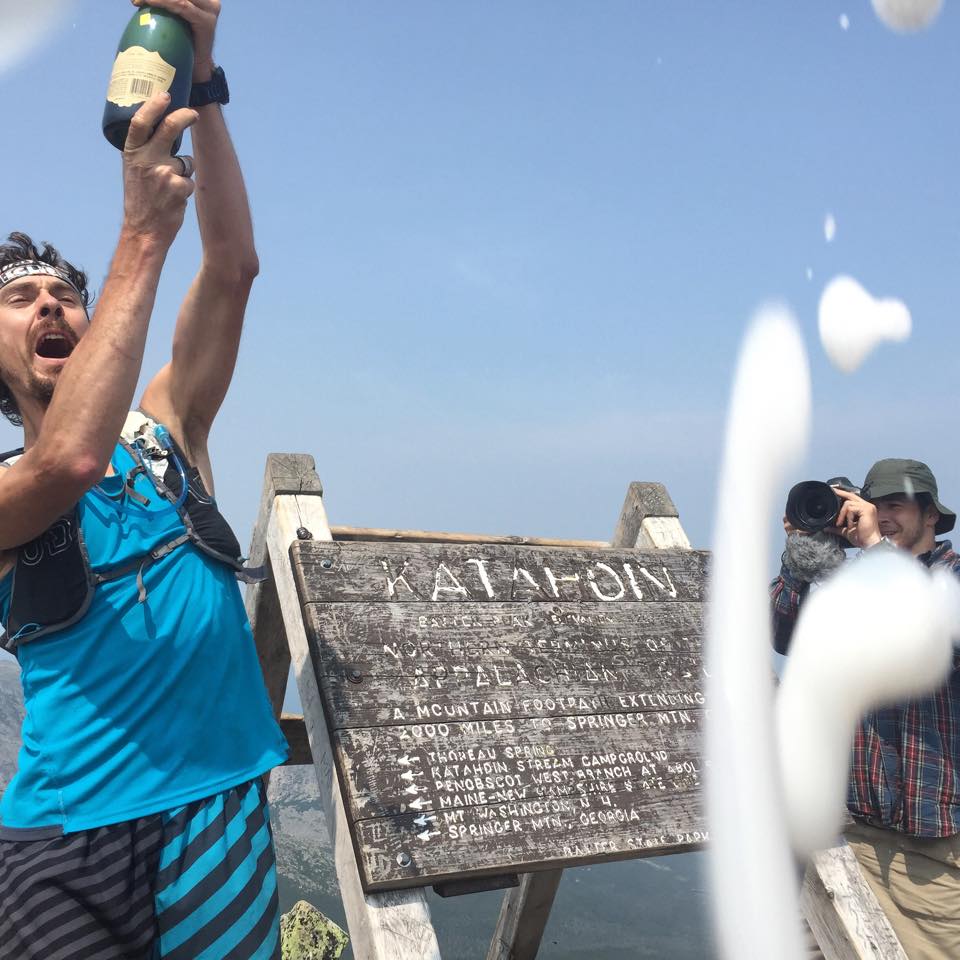
Scott Jurek called it his masterpiece and rightly so. We can all now look back at his incredible 2200 mile journey along the Appalachian Trail from Springer Mountain in Georgia to Mount Katahdin in Maine and acknowledge what he has achieved. Jennifer Pharr Davis had set the benchmark in 2011 in a time of 46 days 11 hours and 20 minutes for a supported thru hike. The speed hike record, unsupported is held by Mathew Kirk in a time of 58 days 9 hours and 40 minutes.
Scott Jurek completed the AT on July 12th 2015 in a time of:
46 days 8 hours 7 minutes
Undertaking the AT is a serious business. The demands that are placed on all involved are huge, you only need to ask Karl Meltzer what is required and he will tell you. It’s a beast and one that mustn’t be rushed in to. (Listen Karl’s in-depth chat on Scott and the AT on Ep90 HERE of Talk Ultra)
Months if not years of preparation go into a record so it came as a surprise when Scott Jurek announced on May 27th:
Embarking on a big adventure tomorrow, something I’ve always wanted to do. The time is now!
What has followed is an incredible journey. I encourage you to read my post HERE before continuing on.
What is the AT?
*The Appalachian National Scenic Trail, generally known as the Appalachian Trail or simply the A.T., is a marked hiking trail in the eastern United States extending between Springer Mountain in Georgia and Mount Katahdin in Maine. The trail is approximately 2,200 miles (3,500 km)[a] long, though the precise length changes over time as parts are modified or rerouted. The trail passes through the states of Georgia, North Carolina, Tennessee, Virginia, West Virginia, Maryland, Pennsylvania, New Jersey, New York, Connecticut, Massachusetts, Vermont, New Hampshire, and Maine. The path is maintained by 31 trail clubs and multiple partnerships, and managed by the National Park Service and the nonprofit Appalachian Trail Conservancy. The majority of the trail is in forest or wild lands, although some portions traverse towns, roads and farms.
The Appalachian Trail is famous for its many hikers, some of whom, called thru-hikers, attempt to hike it in its entirety in a single season. Others have managed to perform a “round-trip” of the trail where they thru-hike from one end to the other and then turn around to thru-hike the trail the other way, otherwise known as a “yo-yo.” Many books, memoirs, web sites and fan organizations are dedicated to these pursuits.
An unofficial extension known as the International Appalachian Trail continues north into Canada and to the end of the range, where it enters the Atlantic Ocean. Other unofficial extensions head south into Florida, creating what is known as the Eastern Continental Trail.
The Appalachian Trail, the Continental Divide Trail, and the Pacific Crest Trail form what is known as the Triple Crown of long–distance hiking in the United States.*
Below is a bow-by-blow account of Scott’s AT record as posted on his Facebook page in words and images. I don’t need to say more. What Scott has achieved is quite incredible. Bravo!
Appalachian Trail Day 1 in the books! Departed Springer Mountain at 5:56am EDT, arrived at Unicoi Gap, 13:16:42 elapsed time. 52.9 miles, 11,400′ ascent and 12,100′ descent. Lots of fog and a little light rain early, then sun and mega humidity. Finding my groove and feeling good. Patience is key; it’s a long way to Maine! Hoping to have live tracking tomorrow.
May 29th
Appalachian Trail Day 2 check! Departed Unicoi Gap at 5:49am EDT, arrived at Rock Gap, at 7:14pm EDT, 13:25:28. 53.0 miles, 12,942′ ascent and 12,230′ descent.
May 30th
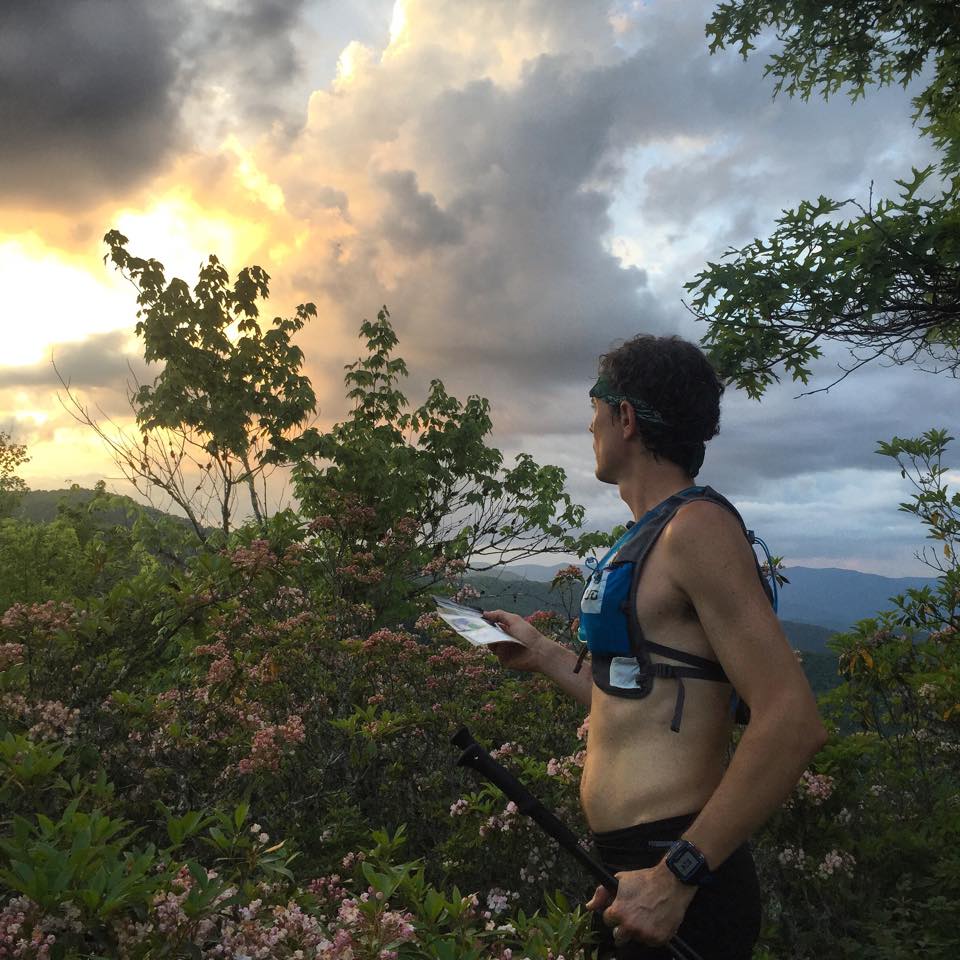
Going into the sunset hours tonight. After lots of rain today and a stiff dose of North Carolina Gnarl—aka long climbs and burly descents— this sunset on Bushnell Knob, 3,697′ is a welcome relief. 8:30pm, 48 miles in and 4 more to go!
May 31st
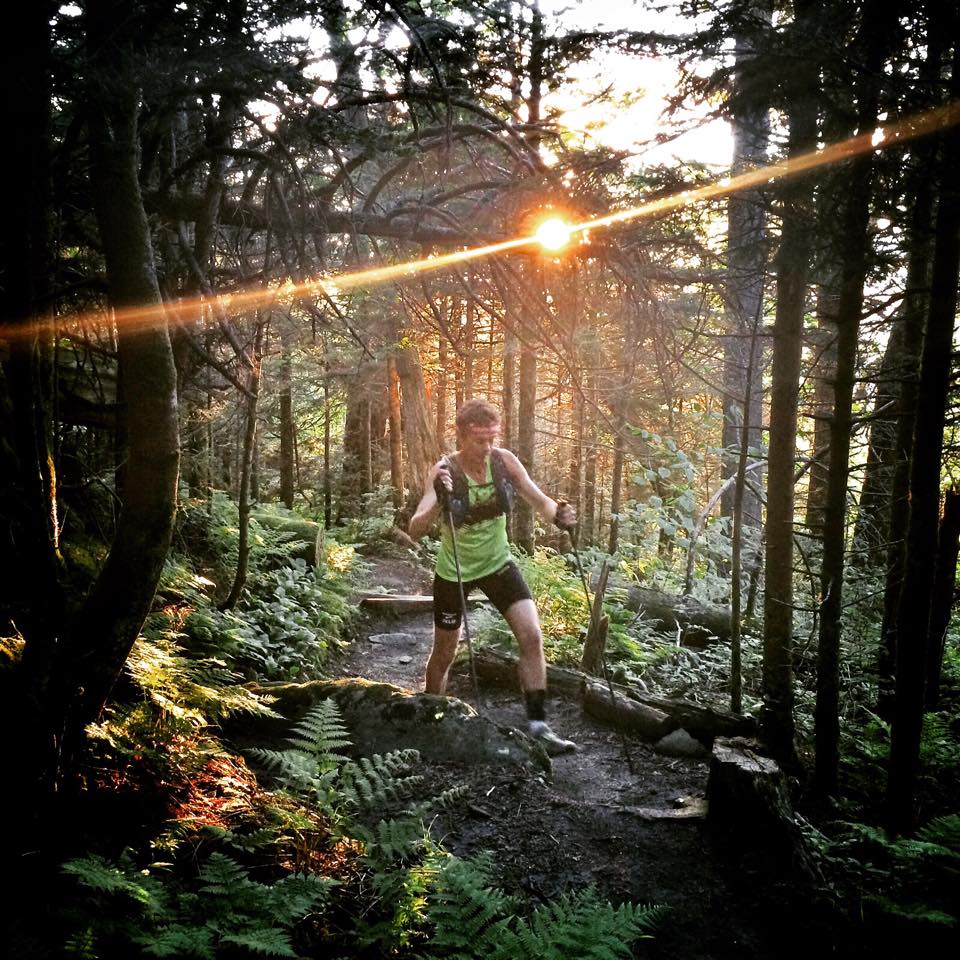
Appalachian Trail Day 4: Service was limited in Smokies and another long day on the trail. These mountains are making me earn it! Departed Yellow Creek Gap at 5:49am EDT, arrived at Newfound Gap, at 9:20pm EDT, 15:29:22. 48.5 miles (Garmin had 50.6), 13,694′ ascent and 11,702′ descent. Entered another state, Tennessee and did 40 miles in Great Smoky Mountains National Park. Had rough 4 hours midday and was so sleepy. It’s been hard sleeping at night due to fatigue in the legs. Took a 20-minute nap near Spence Field Shelter and came back to life. Got up the observatory tower for 360-degree views of the Smokies. Very impressed with the mountains here!
June 1st
Appalachian Trail Day 5 update: Started the day with old and new friends at Newfound Gap at 6:49am EDT, arrived at Lemon Gap at 11:04pm EDT, 16:15:59. 52.7 miles, 11,627′ ascent and 11,702′ descent. Enjoyed seeing the rest of the Smokies and got a good dose of thunderstorms well into the night. No cell reception from Lemon Gap, hence the delay. Hoping I can end a little earlier tonight to catch up on some sleep!
June 2nd and 3rd
Appalachian Trail Days 6 & 7: Got my first real shower today instead of sponge baths at the van all week. Covered over 300 miles in 6 days, the most I have ever done in a week and feeling some effects. Monday morning departed Lemon Gap at 5:53am EDT, arrived at Devil Fork Gap, at 10:07pm EDT, 16:14:28, 49.4 miles, 11,958′ ascent and 12,103′ descent. Last night my left quad developed a severe strain due to compensating for my right patella femoral joint (kneecap) that became irritated coming down from the Smokies. Today I walked into Erwin, TN from Devil Fork Gap, 33.1 miles. Staying positive and need to get the quad back in order over the next two days. Otherwise I’m enjoying being out on the trail and meeting more thru hikers. I got to spread a little trail magic today to “No Poles” who needed a new pair of shoes and I had an extra pair of Brooks RunningCascadias. Onward!
June 4th
Appalachian Trail Day 8 update: Yesterday was National Running Day and I found it ironic that I couldn’t run. Hope you all ran some miles for me! I had a good time on the trail, started in Erwin, TN at River Rd/Unaka Springs Rd 6:15am EDT, ascent 10,019′, descent 6414′, 37 miles to Carvers Gap at 9:27pm. 15:12:48 my knee and quad are slowly starting to rebound, it was good to have more ascent than descent. Today is a lot of downhill so we’ll see how everything holds up.
Photo from last night’s sunset on Roan Mountain, the 5th highest point on the AT. I didn’t know that several of the highest peaks are in the South!
June 5th
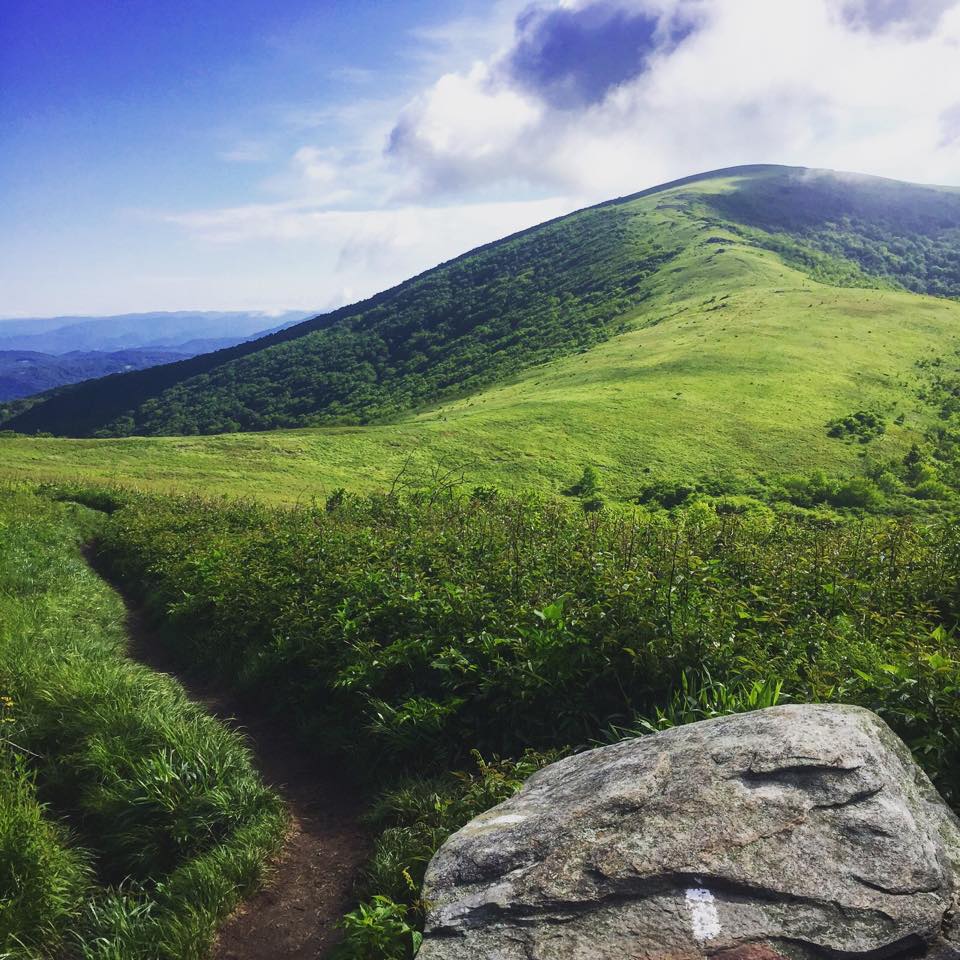
Appalachian Trail Day 9 update: Yesterday morning leaving Carvers Gap had some of the best views I’ve seen so far from several open balds, a really beautiful section. Departed at 6:16am, ascent 7568′, descent 10,485′, arrived at Dennis Cove Rd at 8:22pm, 38.8 miles total 14:06:52
June 6th
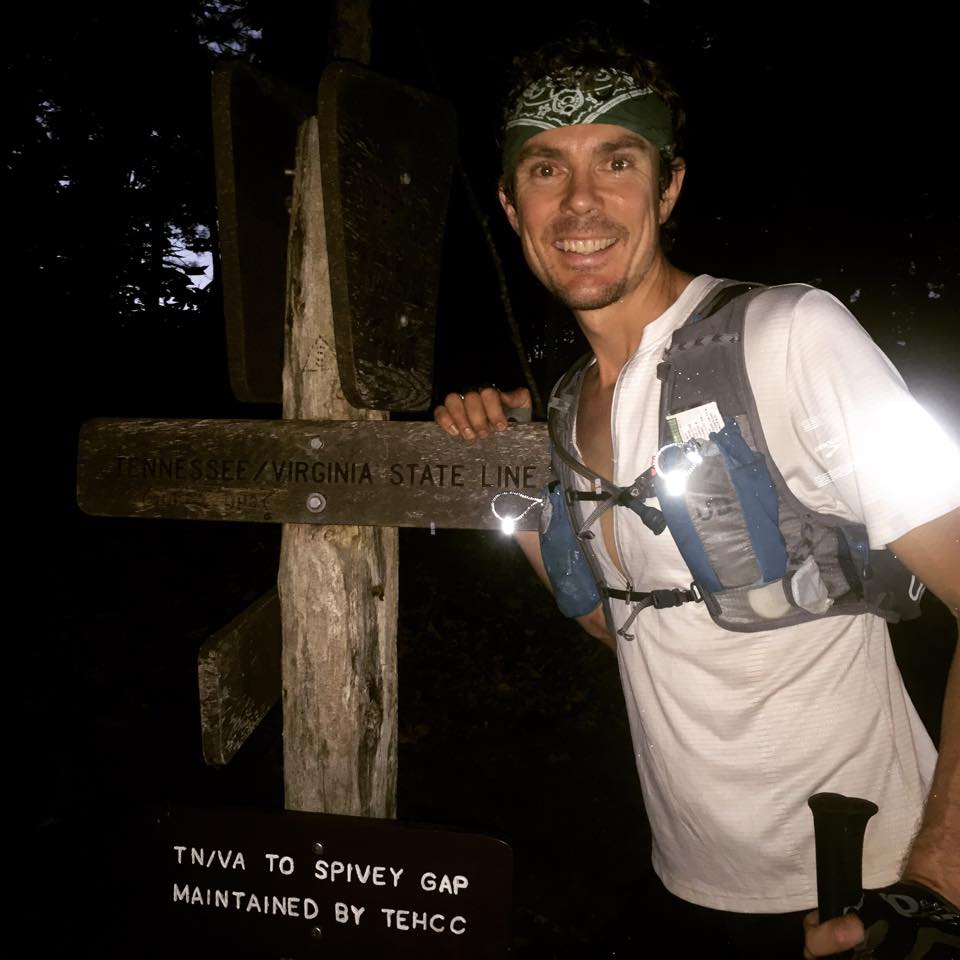
Appalachian Trail Day 10 update: Crossing a state border is always a thrill as it marks definitive progress. Stoked to make it to Virginia! Departed Dennis Cove Rd at 6:13am, ascent 10,088′, descent 10,495′, arrived in Damascus,10:07pm, 50.3 miles, 15:54:15. Huge thank you to The Duck House for putting us up last night and to the locals who joined me for some miles today and gave Jenny the morning off. No wonder they call this the “friendliest town on the AT!”
June 7th
They say a picture is a thousand words. El Venado and The Jurker are back!
June 9th
Appalachian Trail Day 14: This is Jenny Jurek checking in for Scott. He wanted me to post an update for him since he hasn’t had cell service the last 3 nights. Day 11 Damascus to Fox Creek, over the high point of Virginia, Mt Rogers, and saw the wild ponies at Massie Gap, 41.4 miles. Day 12 Fox Creek to VA 625, 51.8 miles. Day 13 VA 625 to Dismal Falls got to run with Clark Zealand in the morning and stopped by the party at the falls in the evening, 48.4 miles. Day 14, today he has two 20+ mile unsupported sections and we should be in Roanoke tomorrow where he can hopefully post another update.
Yes, I’m trying to fatten him up so we do appreciate all the vegan treats people have been bringing him. Thank you! PS if you ever see me in a McDonalds parking lot it’s because they have free Wi-Fi!
June 11th
Appalachian Trail Day 16: Good morning from Roanoke! Started up to McAfee Knob today with a great group of locals and the Fleet Feet Sports Roanoke crew, thank you! Day 14 started at Dismal Falls and ended on a rocky and technical route to VA 613 Mountain Lake Rd, 51.6 miles. Day 15 was a hot/humid morning with a fun scramble off of Dragons Tooth and cooler temps to end at VA 311, 46 miles. Knee is feeling good and I am enjoying Virginia so far!
June 13th
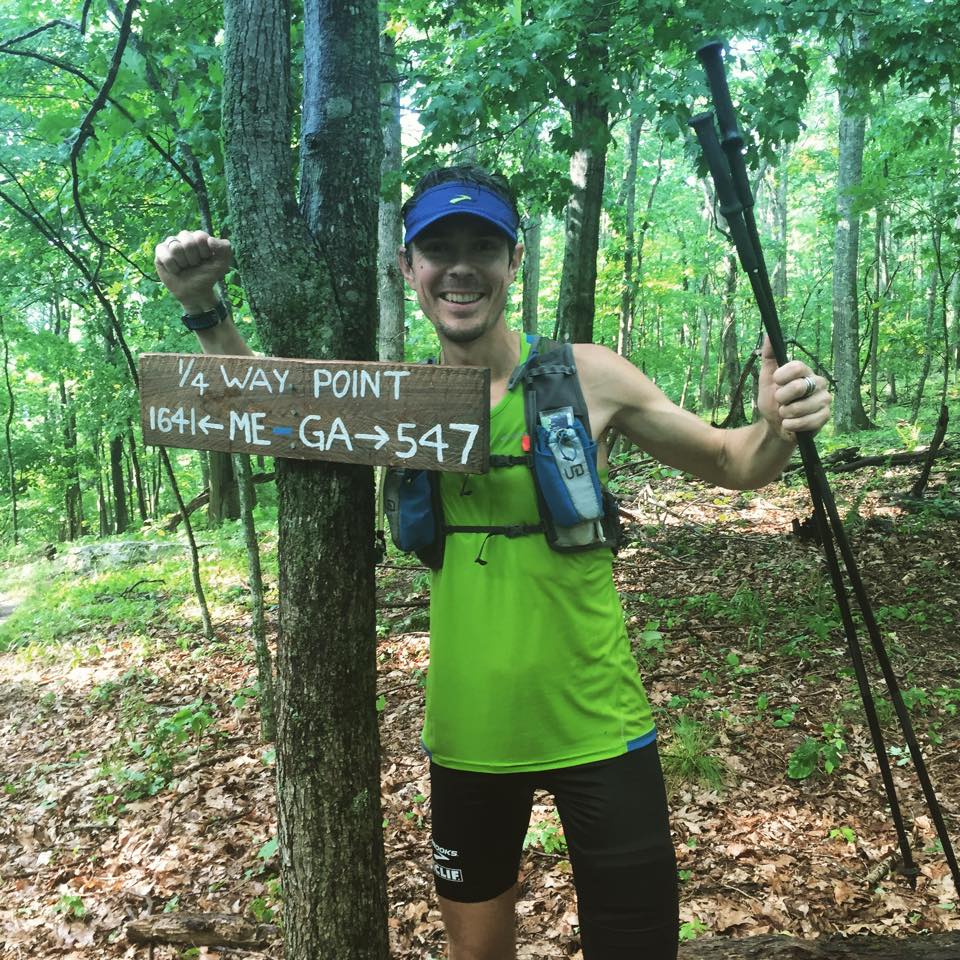
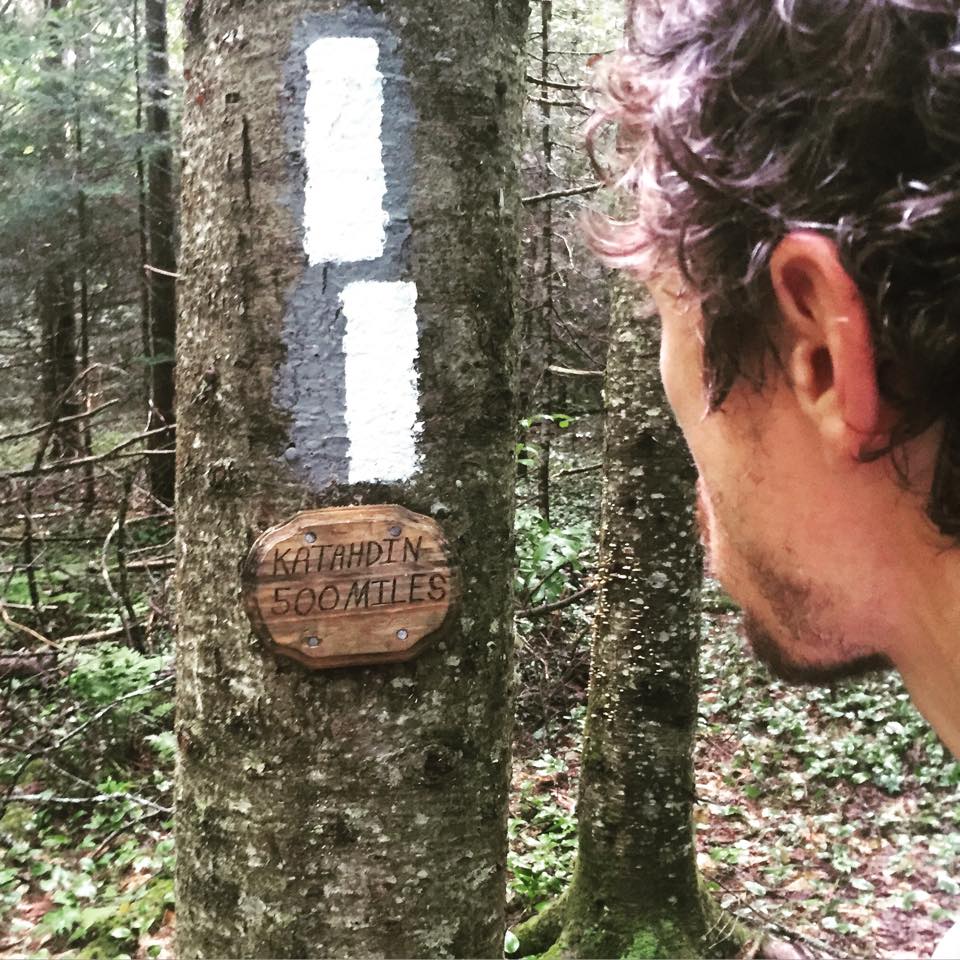
Milestones: Came upon these on the trail as I was making my way to Highway US 60 in the dark, finishing another hot and humid 50-mile day. Hard to believe we are over 800 miles into this 2,189-mile journey!
June 15th
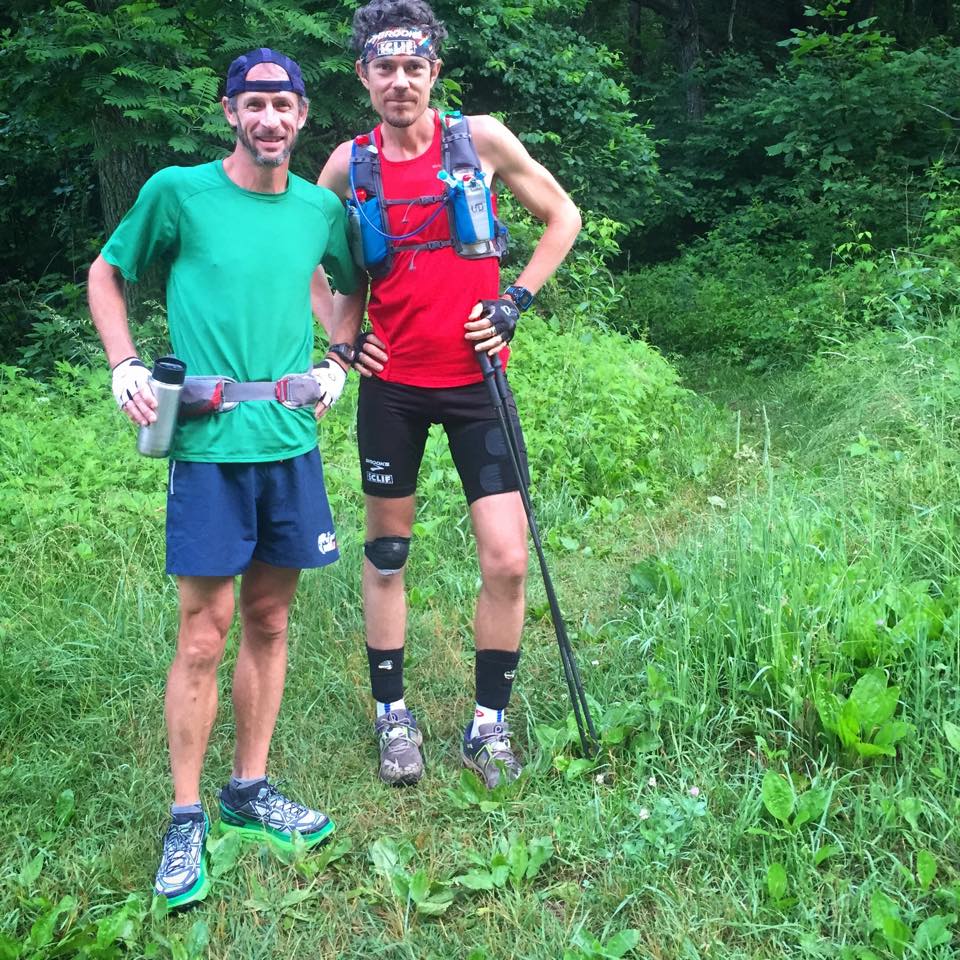
Appalachian Trail Day 20: Started the morning run with an old friend at mile 905.8 in Shenandoah National Park. Karl “Speedgoat” Meltzer has attempted to break the AT record twice and will give it one more go next year. Super psyched to share some miles and catch up with this guy who knows a thing or two about the trail ahead.
June 16th
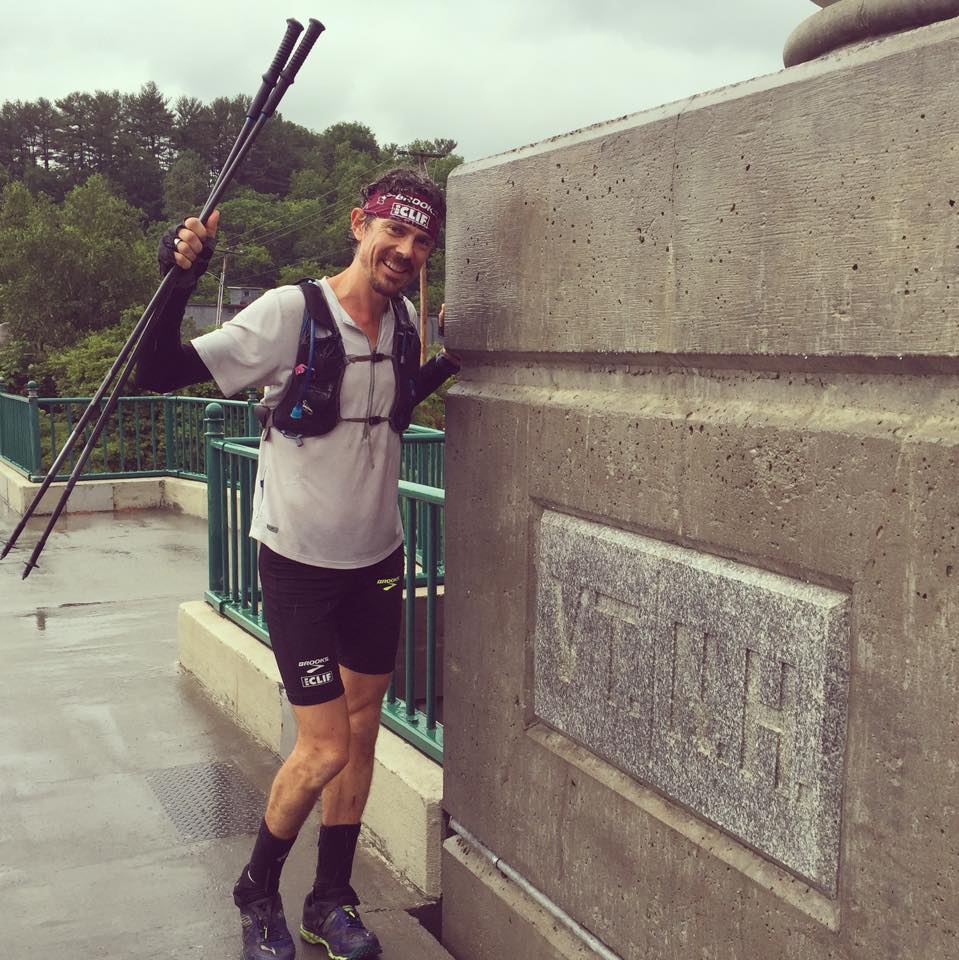
Appalachian Trail Day 17 crossed the longest footbridge on the AT over the James River and ended at US 60, 50.4 miles.
Day 18 lots of climbing up to Bald Knob, The Priest and Three Ridges and took a swim in the Tye River during the heat of the day, finished at Humpback Gap, 47.5 miles.
Day 19 entered my second National Park and welcomed the smoother footing through Shenandoah to Skyline 66.7, 51.9 miles.
Day 20 welcomed a nice breeze and my second mama bear sighting with two cubs on the trail, finished at Hogwallow Gap, 54.2 miles. Today is a new day!
Day 21: Three weeks! A quick recap of the last few days: Day 16 started at VA 311 and rolled into Jennings Creek, 48 miles.
June 17th
Live from I70 footbridge, mile 1035 of the Appalachian Trail. Hard to believe if I headed west I’d be home in Boulder/Denver. Feels good to be hitting familiar latitudes!
June 18th
Completed the four state challenge yesterday: Virginia, West Virginia, Maryland and Pennsylvania in a day. Made it to PA in the daylight and finished a 49 mile day after 54 and 57 mile days. First time in a while that I’ve finished before dark, feels so good! Maryland was a little training gym for the rocks of Pennsylvania!
June 19th
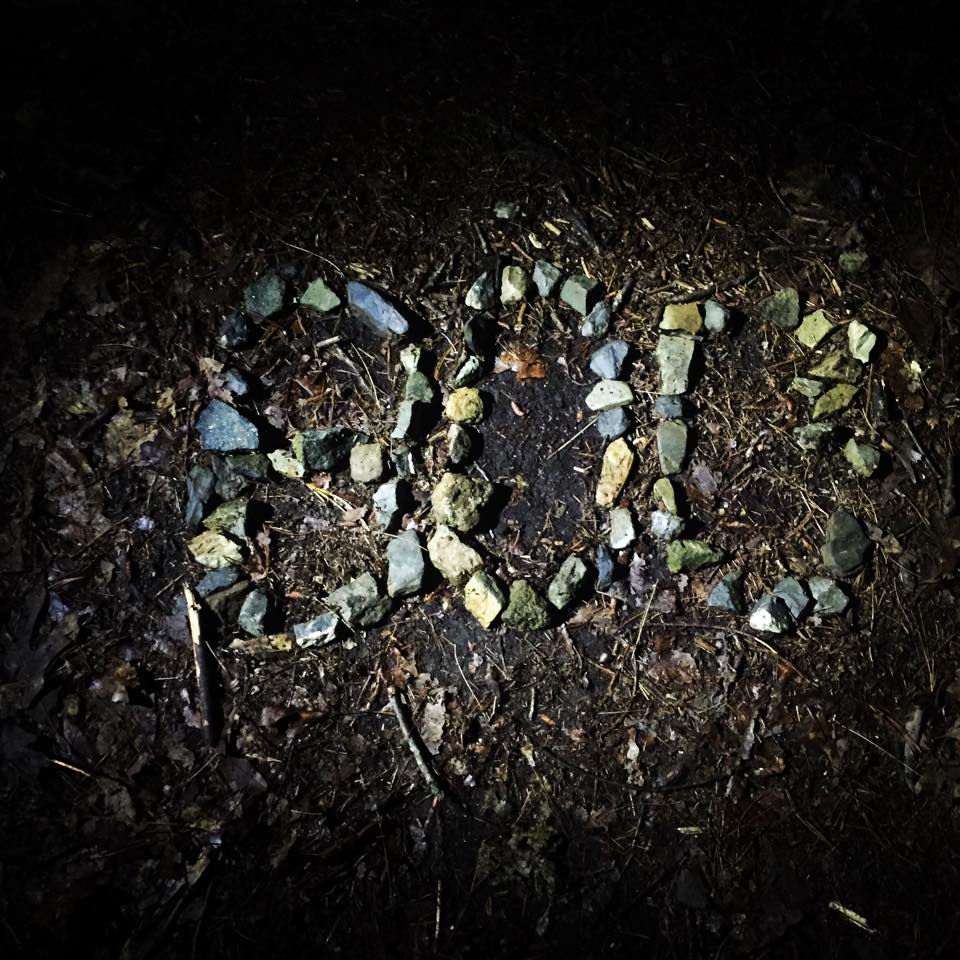
This happened yesterday: HALFWAY!
June 22nd
Appalachian Trail Day 21 started at Hogwallow Gap in Shenandoah National Park and ended at a road construction site at Keys Gap, 57.1 miles.
Day 22 Rickey Gates joined the team for two days on his way to Mount Washington Hill Climb; it’s always nice to see another familiar face. I completed the four state challenge (VA, WV, MD, PA) and met a lot of great folks including a big group from the Appalachian Trail Conservancy, finished in light rain at Old PA 16, 49.5 miles.
Day 23 crossed the official halfway point and ended at the ATC Mid-Atlantic Regional Office, 54.7 miles.
Day 24 so many great people all day kept me going to Greenpoint School Rd, 59.7 miles.
Day 25 ran through Hurricane Bill into the night over some rocky terrain to Hawk Mountain Rd, 52.3. My buddy Russell brought me Thai food from NYC and Vegan Treats delivered two boxes of out of these world desserts, which made everything better.
Today, I slept in! Ran with Glen Redpath, Nathan Echols and a bunch of locals all day and cut it short at Wind Gap to catch up on sleep, 45.5 miles.
Day 26: Happy Summer Solstice! It’s an AT tradition to hike naked today but my fear of ticks got the better of me. Good night!
June 23rd
Appalachian Trail Day 27 started at Wind Gap, entered the state of New Jersey, took a nap, and finished way past my bedtime at High Point State Park, 58.3 miles.
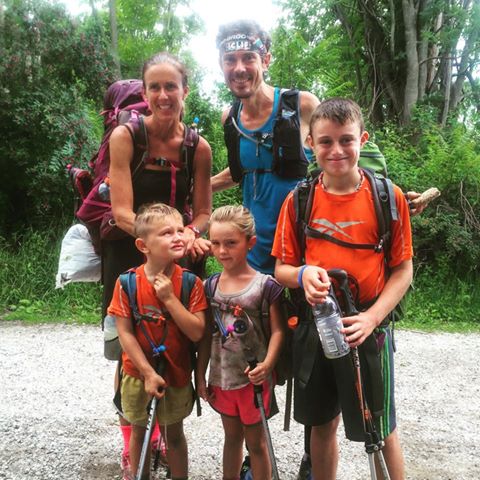
Day 28: I startled a large black bear this morning and then came upon “Mama Bear” and her 3 kids “Strongman” and “Little Butt” (5 year old twins) and “Spicy Guy” age 11. They thru-hiked from Springer Mt to Harpers Ferry last year and this year are completing the second half to Katahdin completely self supported. Trail tough kids, built to last!
June 24th
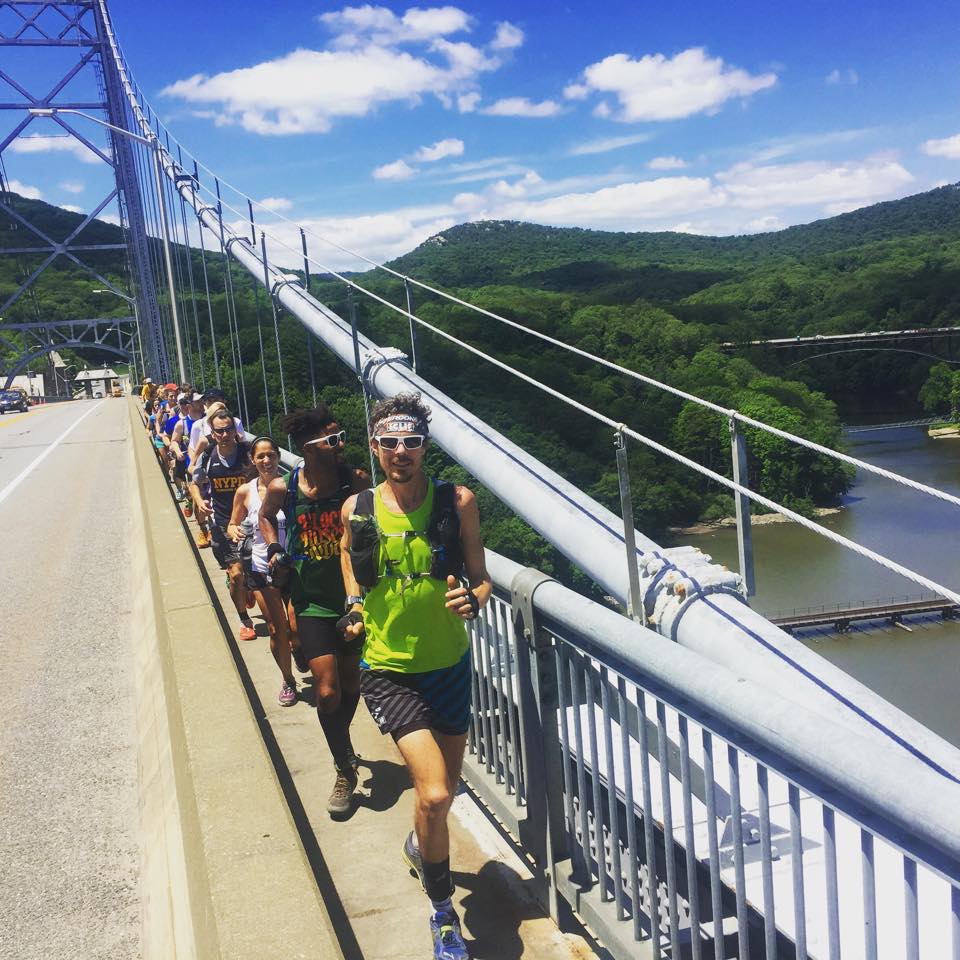
Appalachian Trail Day 29: Just ran over the lowest point of elevation on the entire AT, the Bear Mountain Zoo at 124′ (38m), right before crossing over the Hudson River. Kinda gives a new meaning to one of my favorite album’s opening lyric “New York, I love you, but you’re bringing me down.”
Amazing to be back in the Empire State, thanks for the love! Can somebody please bring me a vegan cinnamon roll from Peace Food Cafe?
June 25th
Throwback Thursday to Day 4 of the Appalachian Trail running across Fontana Dam, TN with the love of my life. Without her this journey would be impossible. She is my lifeline and makes sure this ship keeps heading north. Jenny inspires me to keep putting one foot in front of the other when it seems impossible. Hard to believe how far we’ve come, Day 30 today! This one is for you babe!
June 26th
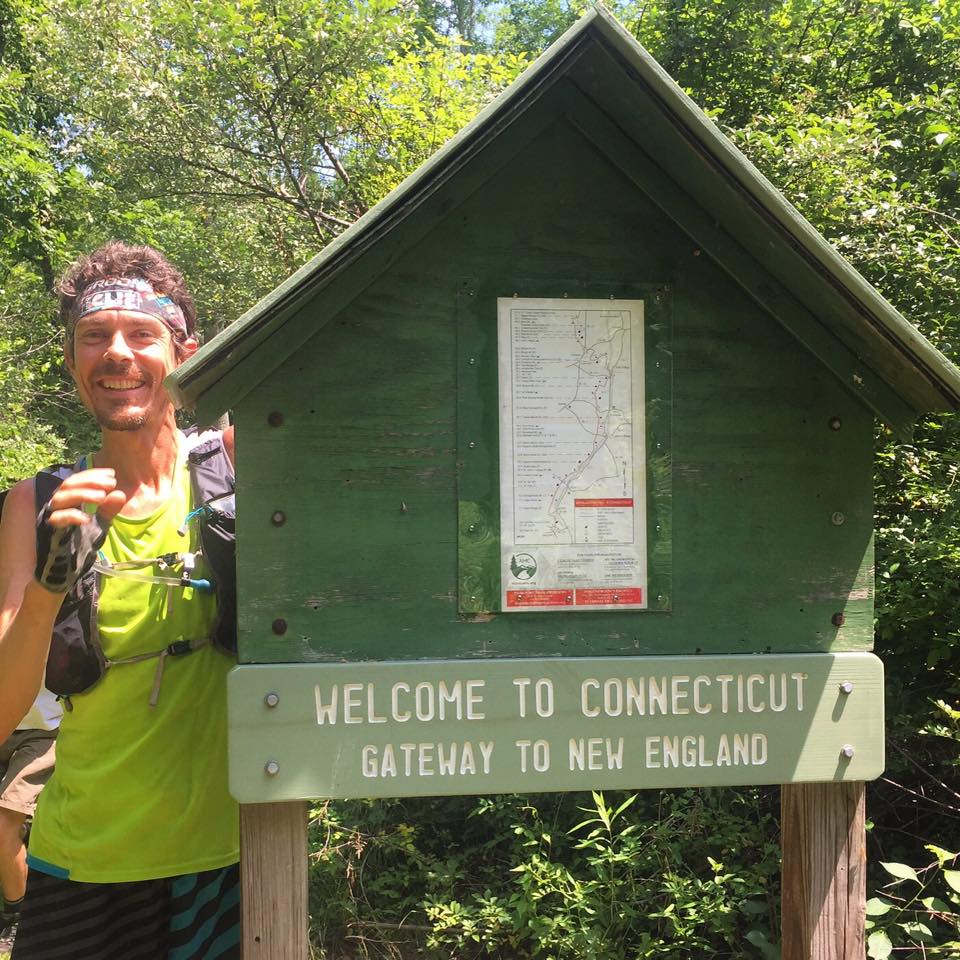
Appalachian Trail Day 30: Almost through Connecticut and onto Massachusetts tomorrow!
June 27th
Sunset from unnamed pond. The last two days in Connecticut and Massachusetts I’ve been noticing the subtle transitions to New England and the Northeast. Good night from Bear Mountain Road, MA!
June 28th
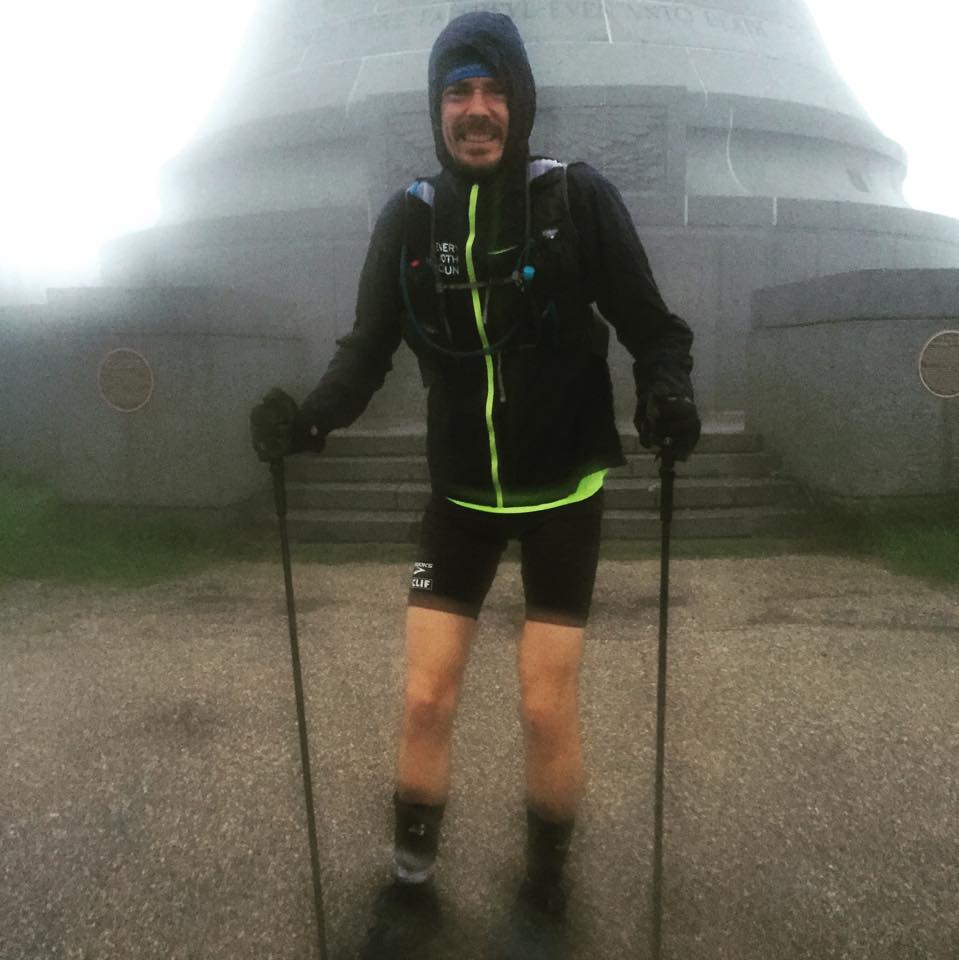
Appalachian Trail Day 33: A storm greeted me last night and sent me off this morning at the top of Mt Greylock (3491′) the highest point in Massachusetts. Strong winds blew several trees down on the trail and I saw a large porcupine under one of them. Hoping this weather doesn’t hang around too long as I head into Vermont, or as the local hikers say, “Vermud.”
June 29th
Happy Monday Morning! Everyday on the trail I eat at least one smoothie or shake, as it’s an efficient way to down calories and protein. Here is one of my favorite summer recipes, Avocado Key Lime Pie. Since this one is more like a dessert, I prefer to eat it in a bowl! So Delicious Dairy Free is having a Celebrity Shake Off and if my recipe receives the most votes they will donate $25,000 to my charity of choice Every Mother Counts. Please help support this amazing organization that helps make pregnancy and childbirth safe for mothers around the world. Vote today!
June 30th
July 1st
Appalachian Trail Day 36: It’s been the rainiest June in Vermont in 130 years so it’s only fitting that my last few miles were in a torrential downpour. Yesterday was a rough one but I was pumped to cross my second to last state line this morning. Hello New Hampshire!
July 3rd
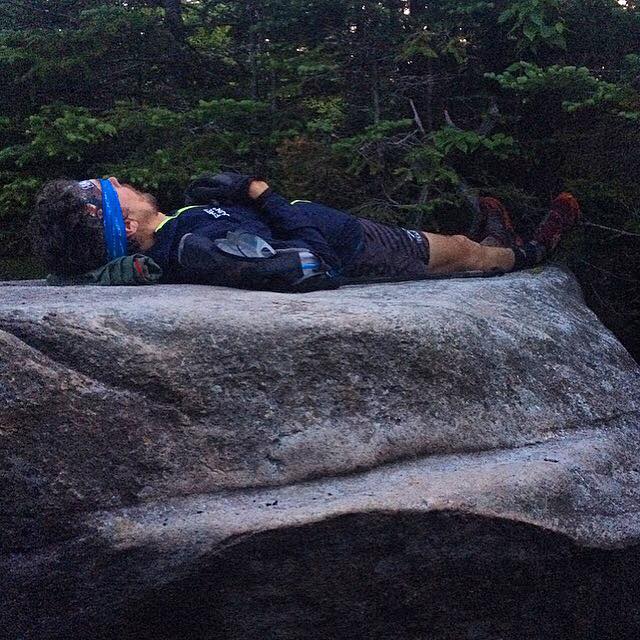
Appalachian Trail Day 38: Twenty-minute predawn cat nap after an epic all-nighter from NH 25A to Galehead Hut in the White Mountains, 48.4 miles. Surreal traveling over granite mountains under a waning moon. Good times with Timmy O’Neill, Andrew Drummond and former AT FKT record holder Andrew Thompson who joined us for some miles and imparted his sage wisdom. Huge thank you to the guys who found us on the trail bearing gifts of avocado maki and vegan pizza!
July 4th
Rise and shine!
July 5th
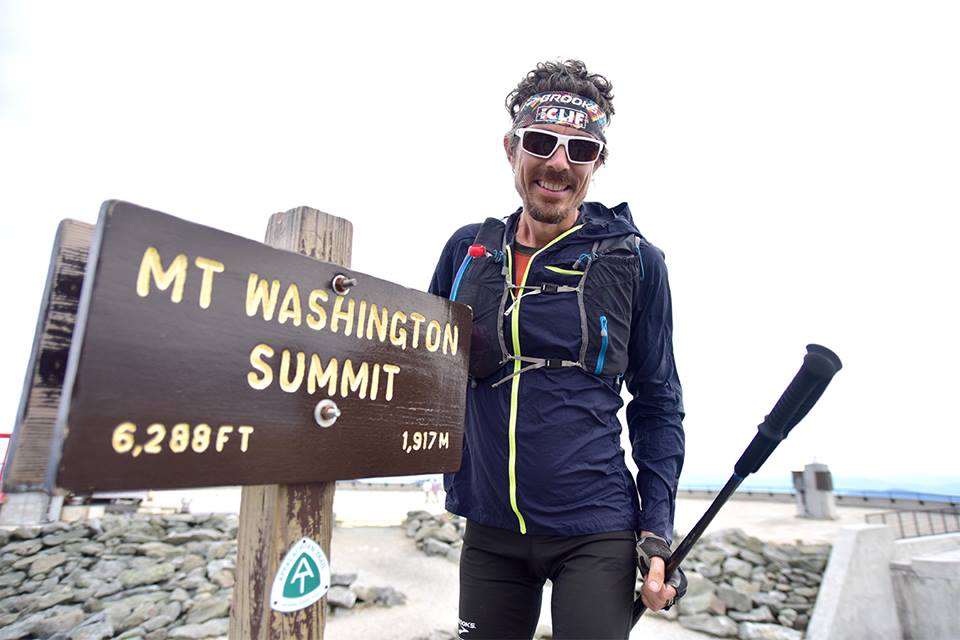
Appalachian Trail Day 39: Perfect temps and views from the Northern Presidential Traverse on Independence Day, I’ve been looking forward to this section and it did not disappoint. Happy 4th, everyone!
July 6th
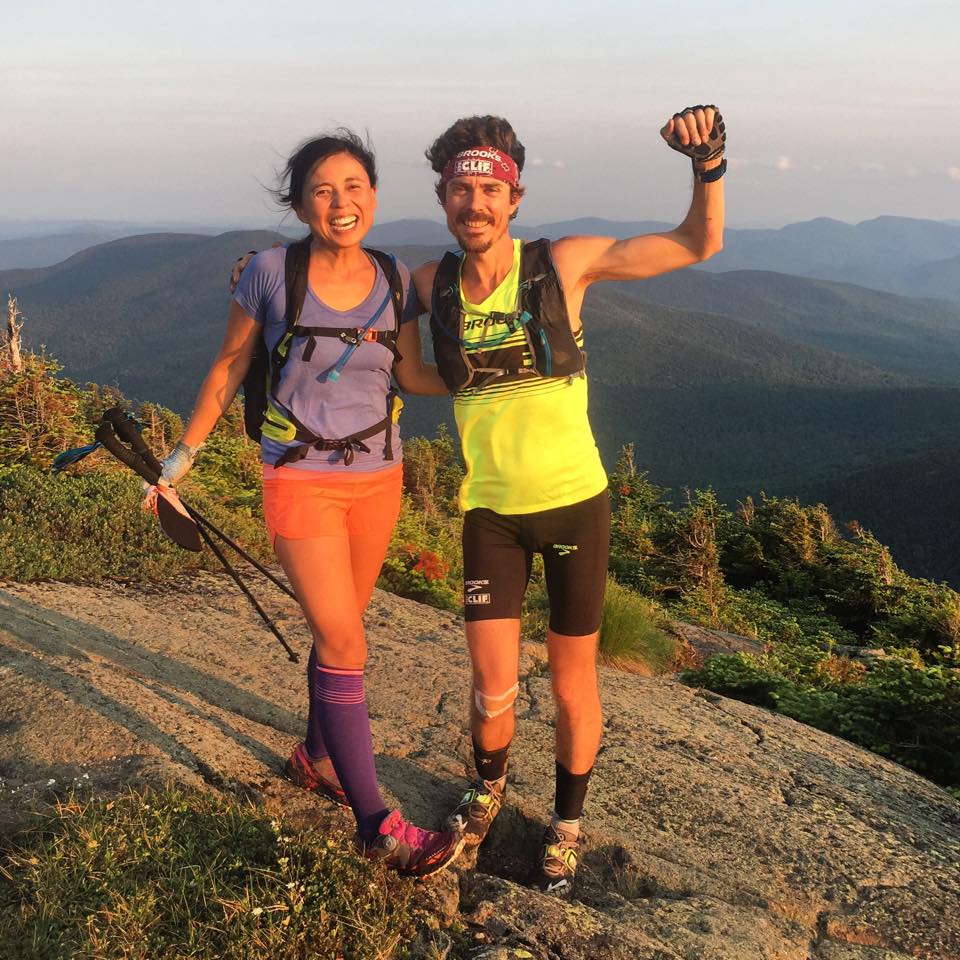
Appalachian Trail Day 40: Coming to you live from the magic hour in MAINE!!!
July 8th
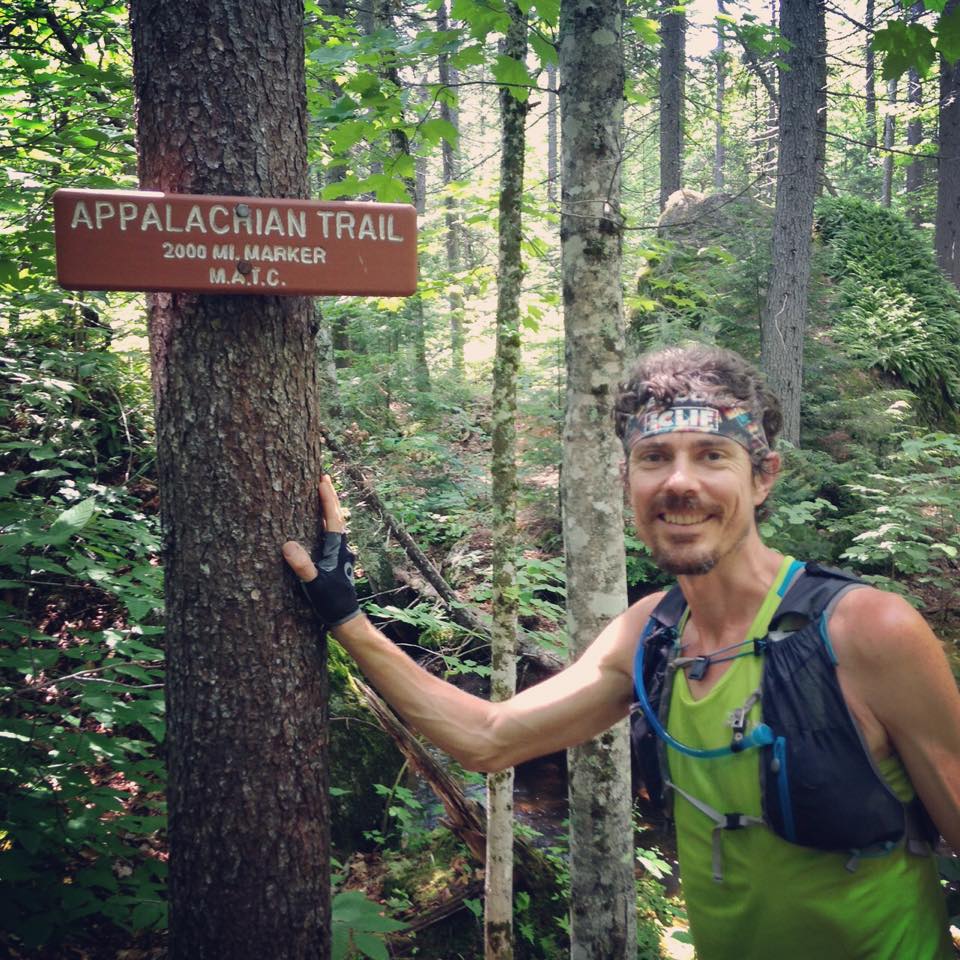
Appalachian Trail Day 43: 2000 miles down, 189.2 to go. Getting closer!
July 9th
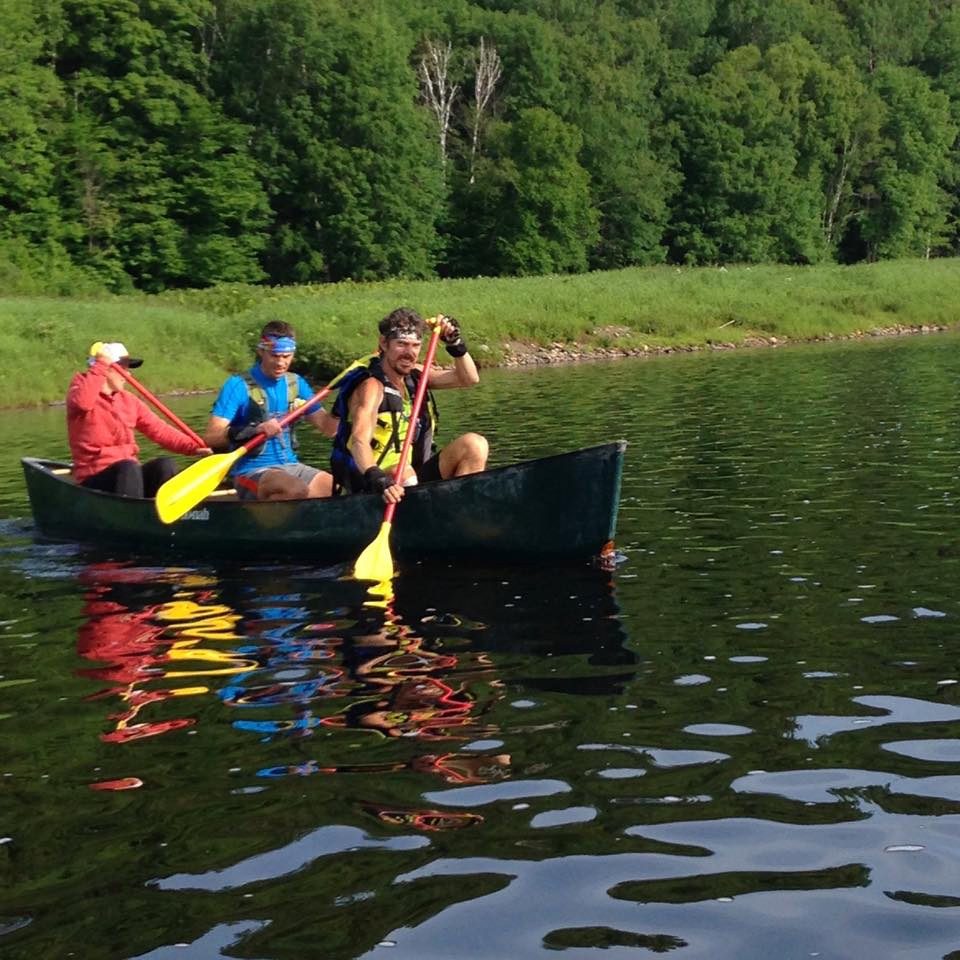
Appalachian Trail Day 44: Kennebec River crossing this morning with my buddy Topher Gaylord. Reminded me of being a kid again! HUGE thank you to Adventure Bound John and Mandy for making this possible.
July 12th
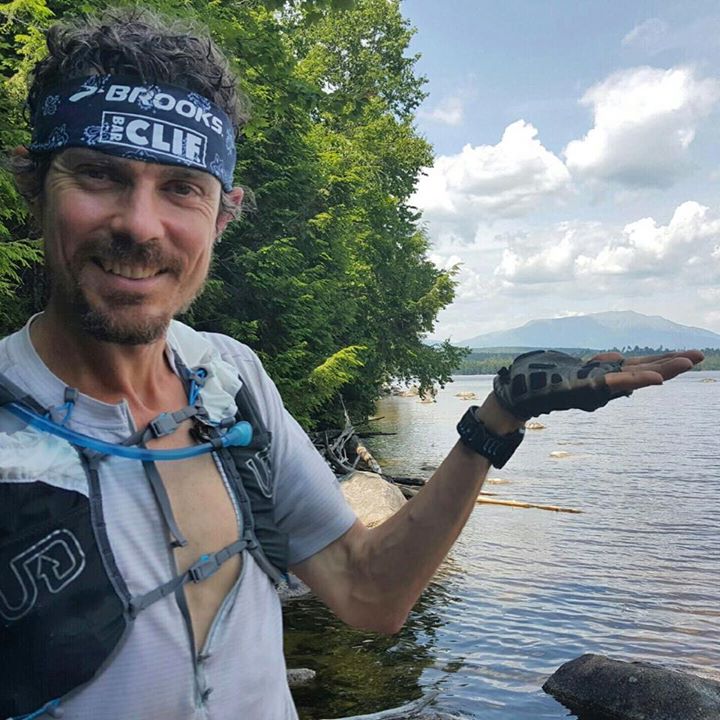
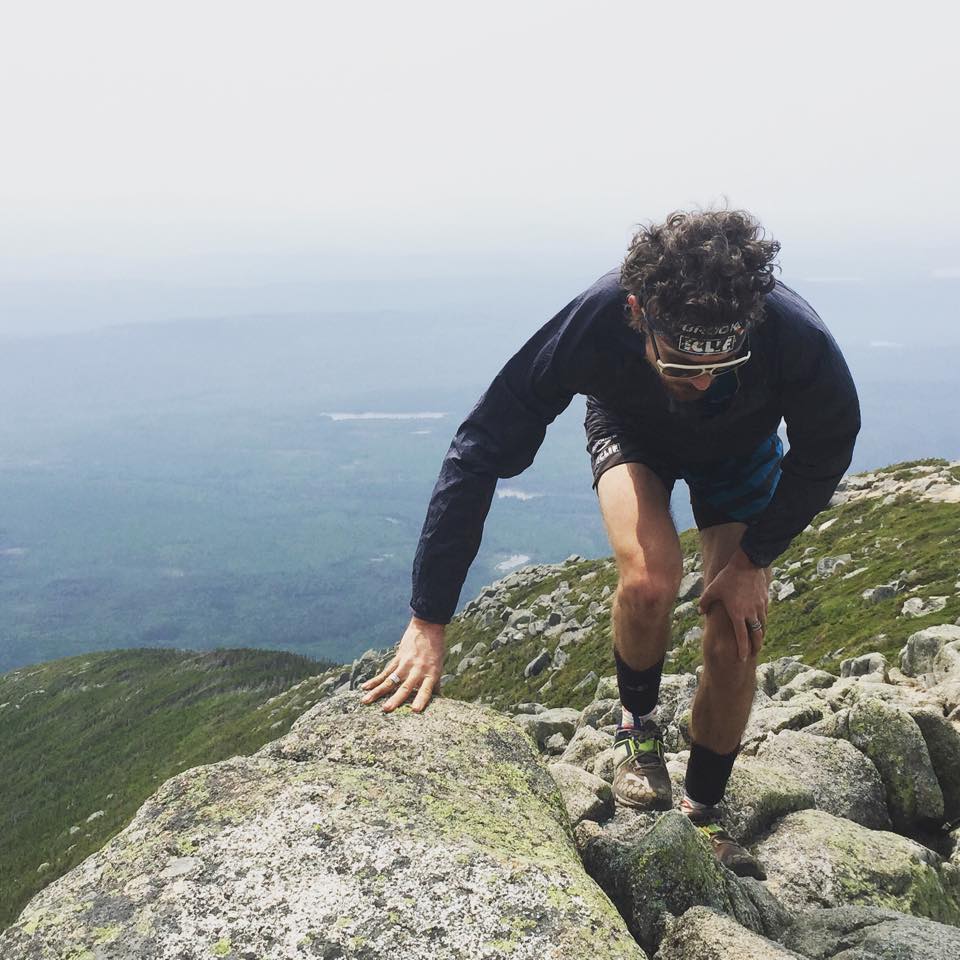
Appalachian Trail Day 46: My first view of Katahdin today, hard to put into words.
July 12th – Part 2
Appalachian Trail Day 46.5: Yes, this is happening.