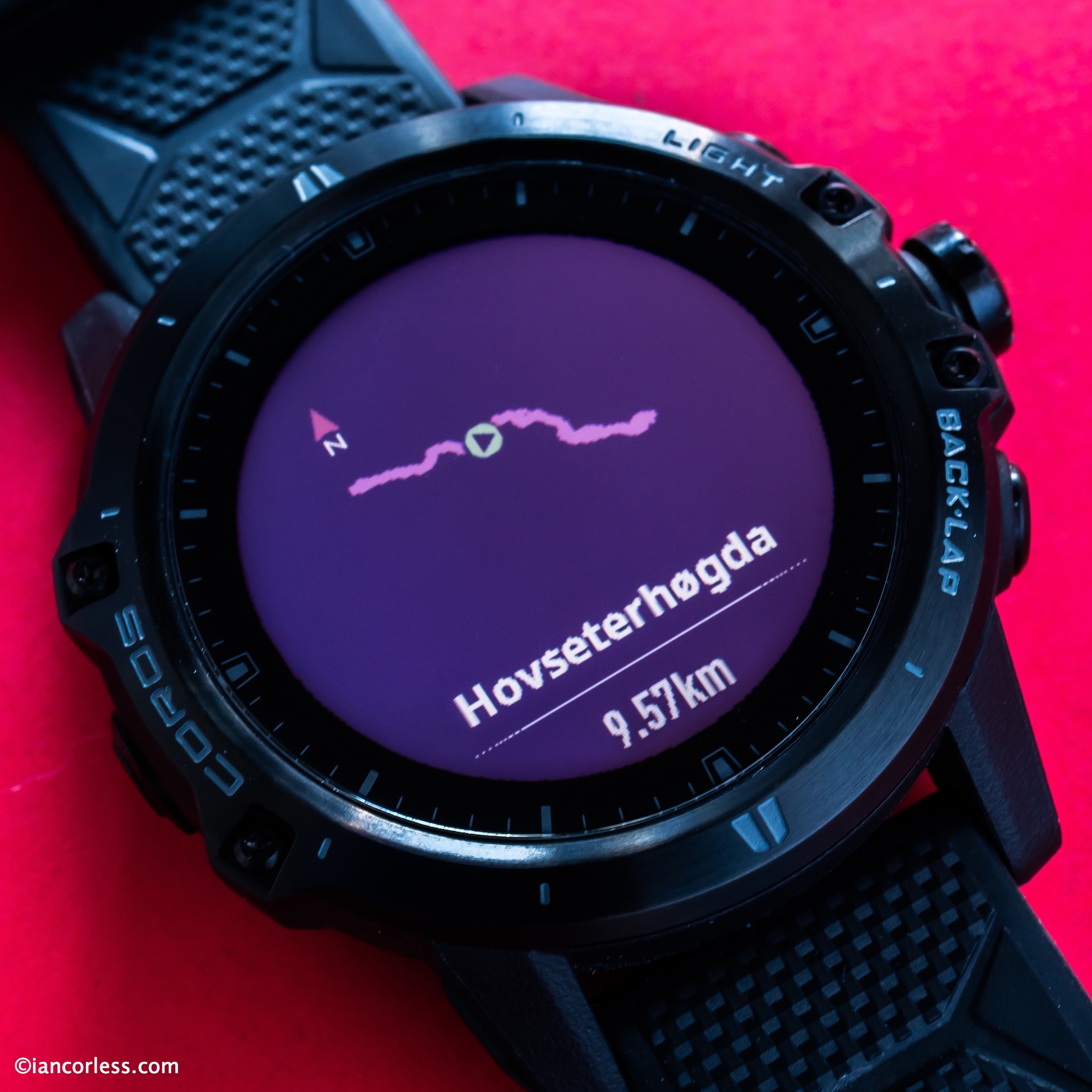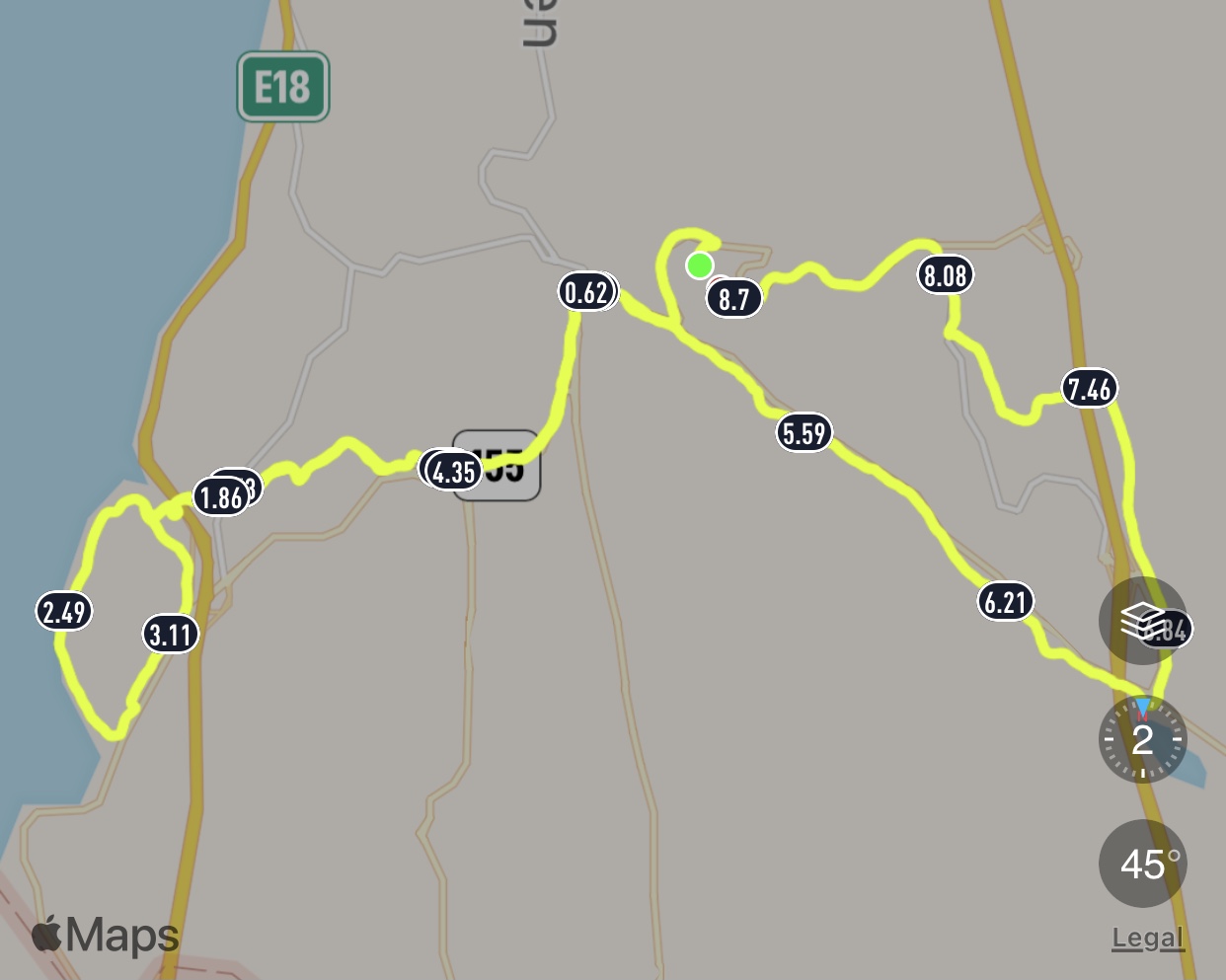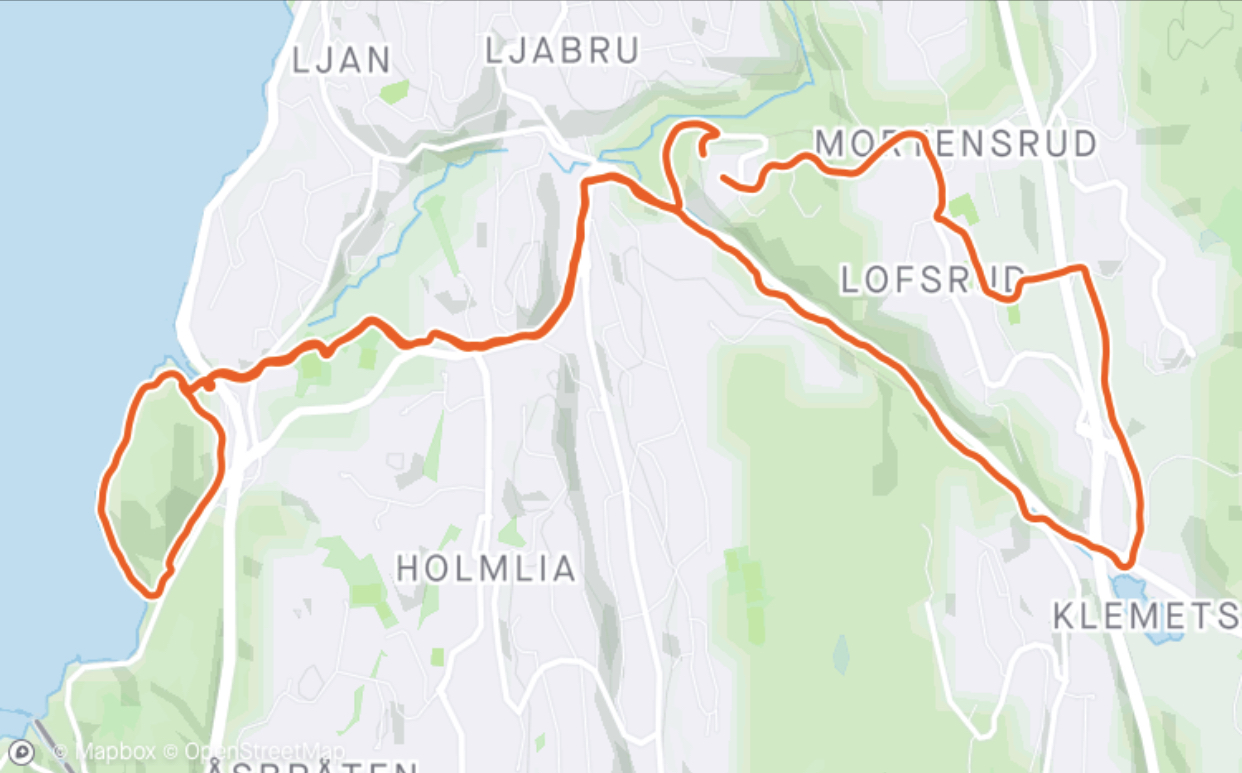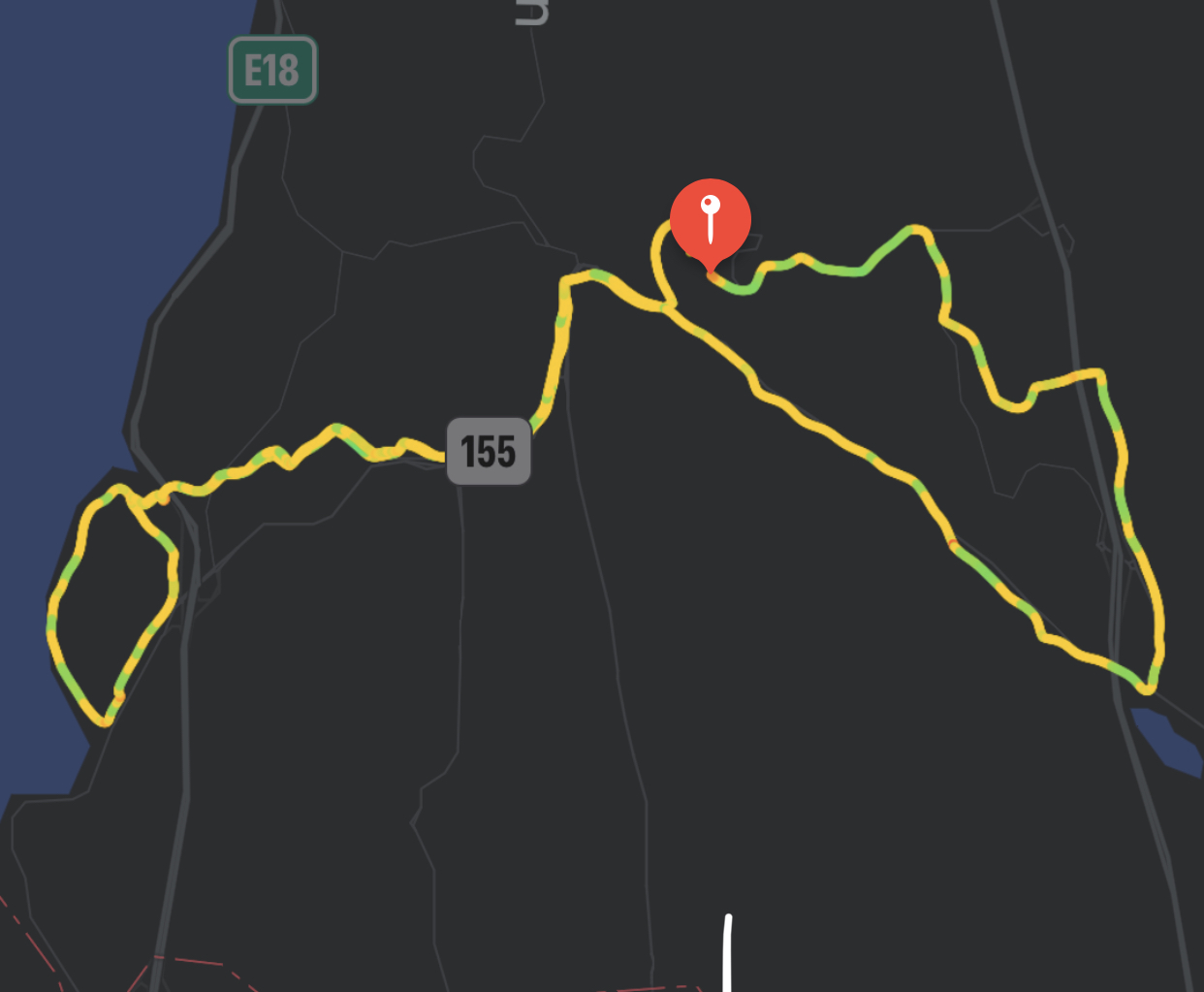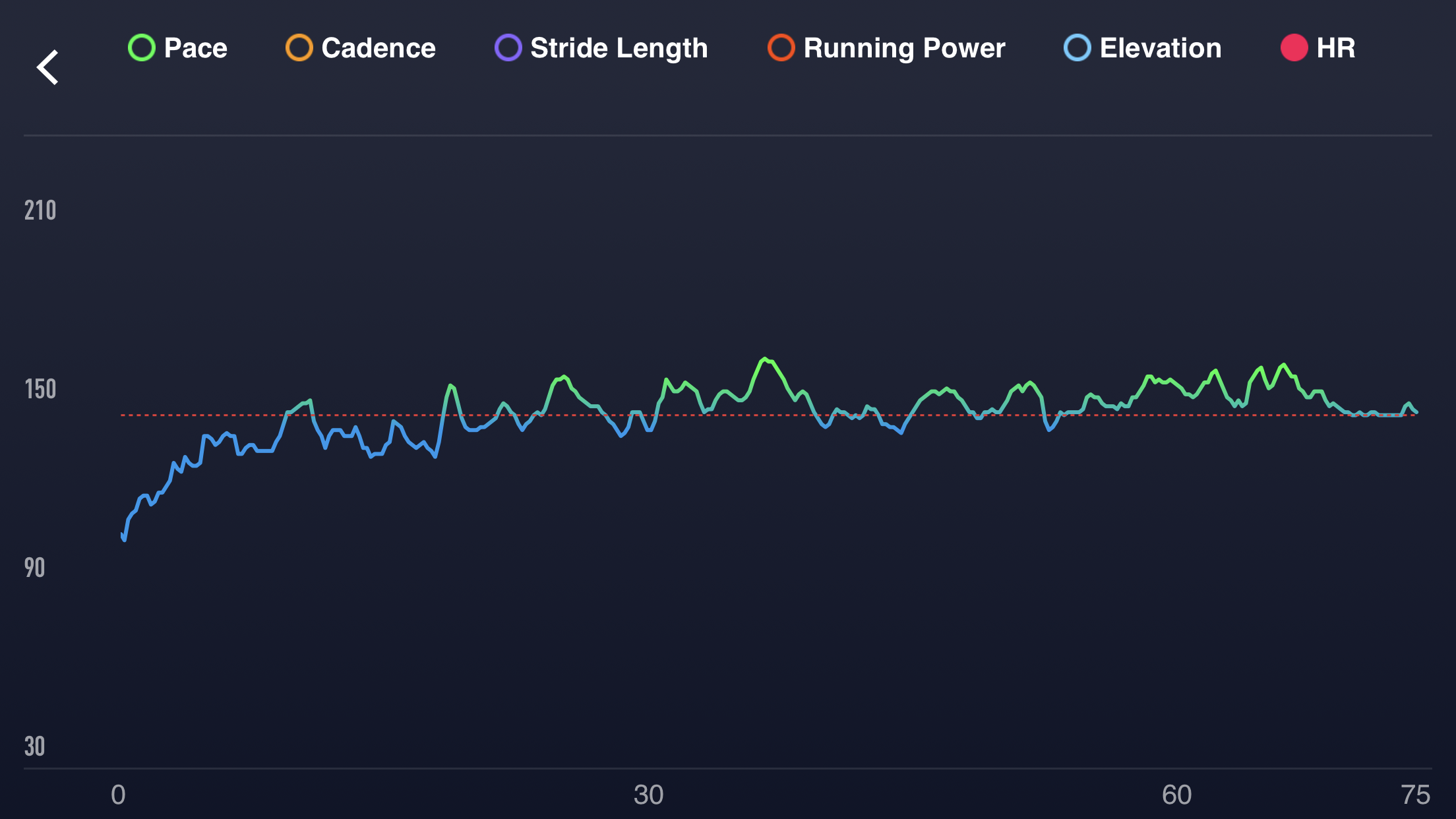
Episode 201 of Talk Ultra has a chat with #phantamsm24h runner, Simen Holvik and we discuss his 2021 July FKT plans in Norway.
Talk Ultra needs your help! We have set up a Patreon page and we are offering some great benefits for Patrons… you can even join us on the show! This is the easiest way to support Talk Ultra and help us continue to create! Many thanks to our Patrons who have helped via PATREON Donate HERE
Importantly, go to iTunes and subscribe so that you automatically get our show when it’s released we are also available on Stitcher for iOS, Android and Web Player and now Tunein. We are also on Spotify too.
Our web page at www.iancorless.com has all our links and back catalogue. Please support Talk Ultra by becoming a Patreon at www.patreon.com/talkultra and THANKS to all our Patrons who support us.
With the arrival of winter conditions, snow and ice impact on running significantly. For many, running indoors appears to be the only option, however, it doesn’t have to be that way.
Many brands now produce shoes specifically for winter running and specifically for running on ice. ICEBUG have been making specific winter shoes for many years and they are often, the ‘go-to’ shoe when it comes to challenging run conditions.
It’s important to clarify that Icebug provide multiple options when it comes to outsoles/ shoes and in many scenarios, the shoes can quite easily double up as orienteering shoes.
NewRun BUGrip – Runners on all levels, primarily seeking comfort and traction and longing for smooth runs on icy roads.
Oribi BUGrip – Many types of runners, seeking a super-light shoe with steel studs.
Rover – Almost everything and anyone. Great for running and speed hiking in harsh weather.
Spirit OLX – Orienteers, trail runners, and everyone else who wants to take their trail running to the next level.
And finally:
Pytho BUGrip – Trail runners seeking traction and comfort.
The PYTHO 5
The Pytho 5 is arguably the Icebug shoe that would appeal as an entry level for a trail or mountain runner.
It’s a shoe that works exceptionally well as an ‘all-rounder’ and is sold as such, recommended for trail running, forest running, orienteering and winter ice running.
The outsole has 17 dynamic carbide tip steel studs (BUGrip®) which evenly distributed to provide the most secure and reliable grip on a multitude of surfaces. I can’t clarify enough how this outsole has made a revelation of my local forest runs which include rocks, tree roots and a variety of terrain (with or without snow/ice) and the grip has been exceptional. On rock, it has almost made me desire to use a studded shoe for all runs; no doubt why studded shoes are popular in the orienteering world.
With a 5mm drop, a medium last, a wide toe box and medium cushioning the Pytho 5 is designed for longer distance running. The midsole is foam EVA made with 20% BLOOM®.
While not the lightest shoes available (320g for UK8/ 334g for UK10) the Pytho 5 is a solid shoe built to last for tough terrain and at the same time provide comfort.
The upper, while not Gore-Tex is designed to withstand the elements resisting water and does not absorb water. It is warmer than a conventional upper and of course less breathable. However, it is not insulated. Using Merino socks and running in -10 temperatures in snow/ ice, my feet have remained warm. This is a real plus and a requirement for a winter running shoe! The upper is also extremely resilient using 100% recycled PET polyester called bluesign® with mudguard. The lining of the shoe also uses a similar dyed recycled polyester textile.
The toe box is substantial and designed to really withstand impact on any terrain.
The heel box is padded, holds secure and is comfortable. The tongue is medium padded, and the lacing has 6 eyelets on either side with the option to lock-lace if required. Hold of the foot and importantly the instep is solid and secure providing security on technical terrain.
The toe box is classed as wide and of course, how wide will depend on you and your personal needs. The intention of the wider toe box is to provide more comfort on longer runs. Also, in winter, some additional room can be important to allow for blood flow.
IN USE
The Pytho 5 is a comfortable shoe that is true to size. One important consideration in any winter shoe is getting the correct size. Many a runner will wear additional or thicker socks in the coldest months, so, keep that in consideration. I usually run in UK9.5/ EU44 and in the Pytho 5 I chose a UK10/ EU45 – I wish I hadn’t. They are actually a little too large and my normal UK9.5/ EU44 would have been perfect, even with thicker socks. I strongly recommend using Merino socks as they retain warmth even when wet. Some runners like to use neoprene socks and others a wool sock with a Gore-Tex or similar product over the top. It comes down to personal choices and understanding what works for you.
The cushioning is noticeable and importantly, if you have not run-in studs before, the feel is always a little unusually initially. It takes one good run to get a ‘feel’ for any studded shoe, especially if you have some road before getting to trail/ snow or ice. Studded shoes are noisy on road.
Once on ice and snow, the shoes come into their own offering a reassured grip that gives confidence. You NEED to trust the shoes and the grip. Again, if you have not run in studded shoes before, you may well approach ice with hesitation… Top tip is do not do this! Any studded shoe requires you to be confident, brave, trust the shoe and plant your foot hard to the ground. Force and pressure are what pushes the outsole into the ice, and this is what gives the grip. Try to run lightly and grip is compromised. The 17 studs are placed to offer grip from the heel to the toe and to accommodate run styles when going up or down. The spread is perfect. You may well find that you alter your run style slightly looking to plant your foot more evenly, the more studs on the ground, the greater the grip!
The upper is very tough and resilient and little inflexible. I certainly found it took a good 6 runs before the upper softened.
Foot hold is really good and assured which for me is essential in any off-road shoe. The toe box is wide but not excessively so and certainly does allow more toe splay but not at the compromise of precision. If I was running very technical terrain, I would prefer a more precision fit, but for general trail running they are perfect.
Importantly, remember the Pytho 5 is not ‘just’ a winter shoe. It excels on muddy, rocky and tree root terrain. You may well be surprised with how much grip this type of shoe gives. So much so that you will consider using a shoe of this style throughout the year as and when the terrain dictates. Orienteers for example use studded shoes all year.
On ice, particularly a frozen lake, the Pytho 5 glides along and they put a smile on your face. Equally, running on icy paths or roads is assured making pedestrians look at you and question how you are doing that…
CONCLUSION
The downside of any studded shoe is that they are more tiring on the body. The Pytho 5 tries to address this with more cushioning and a wider toe box, however, if you go out on hard ice terrain for many hours you will certainly feel it. That is just the way ice running is and not a criticism of the shoe.
Icebug know how to make winter shoes and the Pytho 5 is a great all-rounder that tackles winter exceptionally well. As a plus, they handle trail and notably rocks and tree routes superbly; just as an orienteering shoe should.
Ice running takes a little practice, and the top tip is trusting the shoe and the outsole. Don’t be shy and delicate, run hard and press the studs in the ground, once you do, you will have great grip that will allow you to speed along in a multitude of conditions.
Key Specifications:
Weight: 320 grams
Drop: 5 mm
Last: Medium
Studs: Studded
Usage: Running, Trail running, Winter running
Insole: Ortholite Hybrid, lined with bluesign® 100% recycled and solution dyed PET polyester
Lining: Bluesign®, solution dyed
Midsole: Lightweight EVA with 20% BLOOM® Foam. TPU stabilizer
Terrain: Ice, Snow, Trail
Torsion: Stability Flex
Outersole: Rubber with BUGrip® 17 carbide tip studs
To clarify, the shoes were provided to test, as are all the shoes that I review. But this is not a paid review.
Please support this website. I believe everyone deserves to read quality, independent and factual articles – that’s why this website is open to all. Free press has never been so vital. I hope I can keep providing independent articles with your help. Any contribution, however big or small, is so valuable to help finance regular content. Please support me on Patreon HERE.
Nobody is going to forget 2020. For most of us, the year did not go as planned or as expected. It was a year of survival and already, the ‘I survived 2020’ tee-shirts are available.
teepublic.com
It has been a rollercoaster of highs and lows.
I started the year ‘as normal’ with my Lanzarote Training Camp… We had 40-athletes join us at Club La Santa and life was good, just like normal!
Running high in Lanzarote
From here I travelled to Morocco with Abelone, we had a few days in Marrakech and then climbing planned in the Atlas Mountains summiting Toubkal and the surrounding peaks. It was a perfect kick-start to what looked like was going to be a perfect year. This trip alone was a highlight of 2020.
One of the many summits in the Atlas Mountains with Abelone.
Late January, I was on a flight to Hong Kong for another year working on the 9 Dragons. As I departed the UK, rumors about a virus were escalating but the level of concern, at this stage was still very low. As I arrived in Hong Kong, I settled with my friends Mo and Janine and that evening we had a dinner planned with race directors, Michael and Steve. By the end of the dinner, the race was almost certainly going to be cancelled.
Michael McLean high above Hong Kong
This set the stage for 2020. Race cancellations, disappointment and an escalated level of worry and concern.
Leaving Hong Kong on and empty flight back to London, January 2020.
Information provided by the UK Government as I landed in London from Hong Kong, January 2020.

My immediate concern was firstly getting out of Hong Kong, the lockdown came quickly and while face masks are a regular sight here, they came compulsory. I changed my flights and made my escape.
February I once again returned to The Coastal Challenge in Costa Rica. The race was normal. We discussed Covid-19, we expressed concerns but many of us were of the mindset it will be okay, Spring should be fine! How wrong we were!
TCC2020 went ahead as normal.
Transgrancanaria concluded February and now, the impact of Covid-19 was becoming very real.
Pau Capell at 2020 Transgrancanaria
March signified a lockdown of the world.
I have to say, I cannot complain about 2020. My work life was pretty much shut down but on a personal level I made the most of free time that I would never normally have. I became elastic constantly stretching and contracting as situations around the world changed.
Needless to say, as the pandemic took over the world, it was hard to remain positive with the rise of infection and deaths globally.
One constant was my website, my podcast, photography and writing articles. I thought it timely to look back and list all the content from the past 52-weeks.
If you enjoy the content provided here on this website and in other media, please consider supporting me on Patreon. For as little as the cost of a take-away coffee, a monthly stating donation of £3.00 helps me to keep the content free for all.
Fuelling for a Multi-Day like Marathon des SablesHERE
And finally, on a personal level, a big thank you to Abelone Lyng who made 2020 a very special year. We shared countless trails, many mountains and countless summits.
Please support this website. I believe everyone deserves to read quality, independent and factual articles – that’s why this website is open to all. Free press has never been so vital. I hope I can keep providing independent articles with your help. Any contribution, however big or small, is so valuable to help finance regular content. Please support me on Patreon HERE.
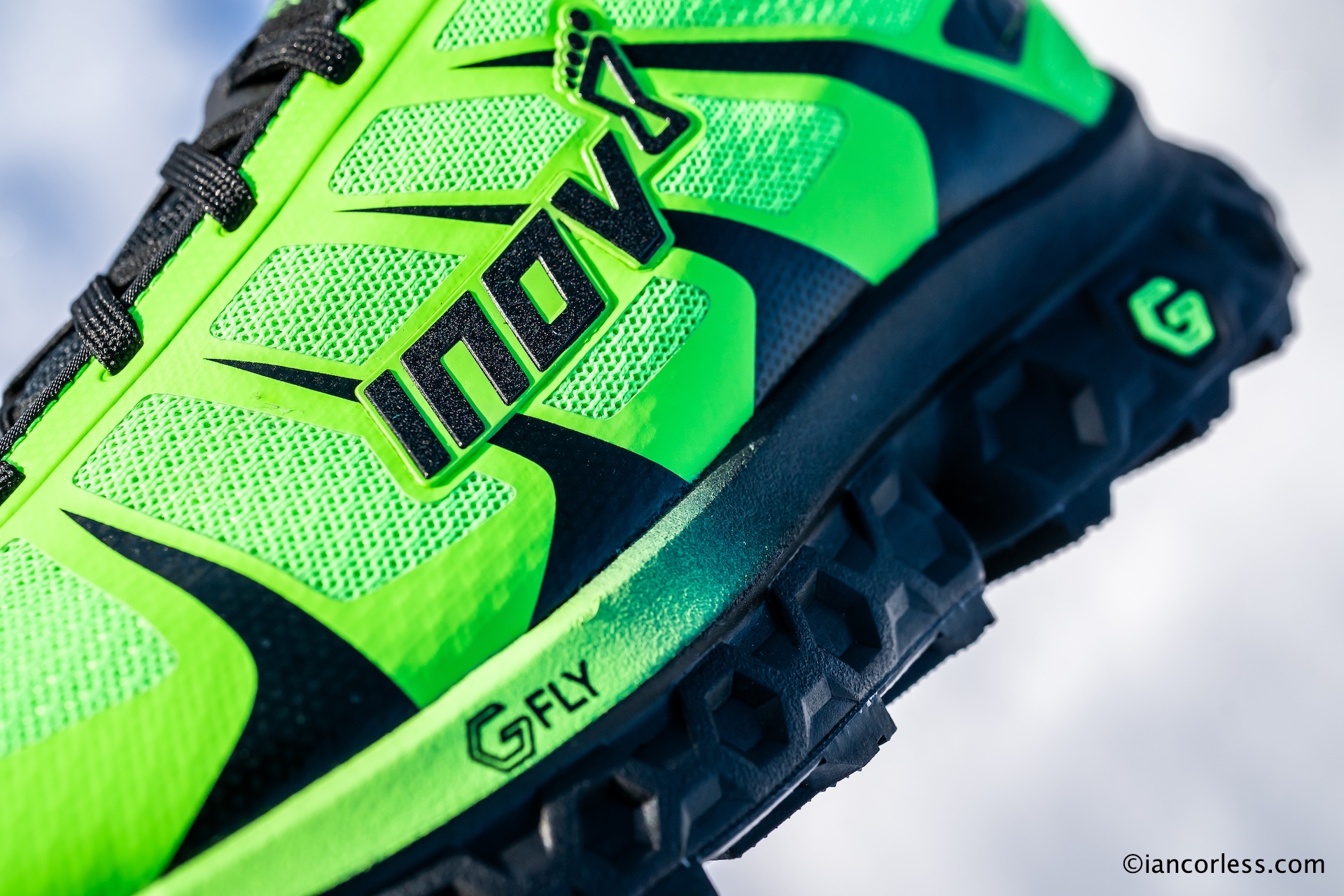
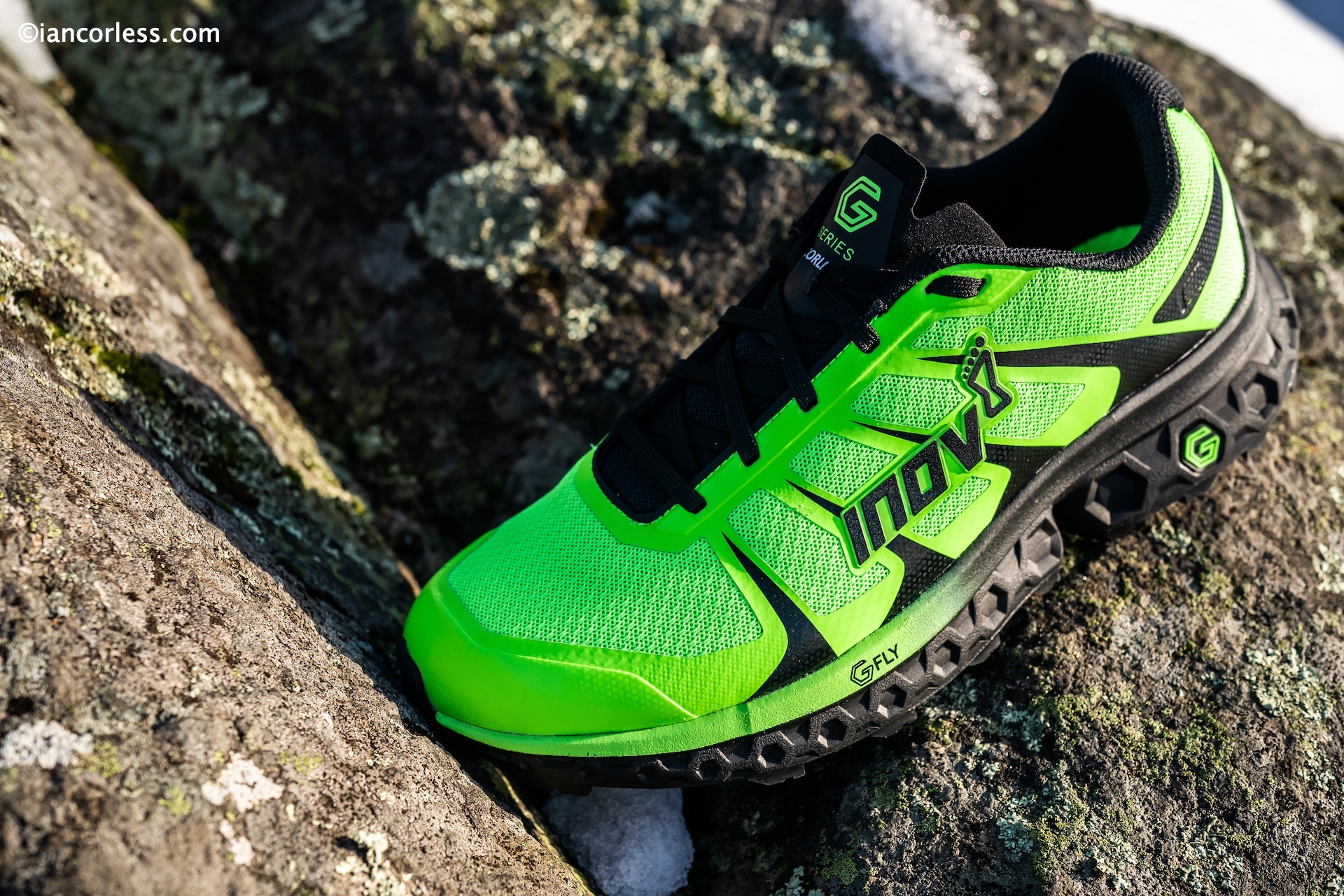
The name says it all, MUDCLAW, if you are looking for a shoe to handle soft, deep and slippery mud, then look no further. The inov-8 MUDCLAW G260 is for you…
BUT, before we go into what makes the MUDCLAW great, let’s have some perspective. This shoe needs perspective.
I often like to compare choosing a run shoe to cars. Going on a long drive with many hours and miles, you will no doubt want something a little more plush, relaxed and comfortable – a family car. Going off-road with mixed terrain, then maybe a 4×4. If going for spin on a summer’s day, feeling the wind in your air and the need for some speed and feel; maybe a sports car? And if you are going to go as fast as possible, want to stick to the ground and comprise comfort for speed and grip, then a Formula 1 is for you.
The inov-8 MUDCLAW G260 is a Formula 1 of run shoes.
If you are looking for a jack of all trades – the Mudclaw is not for you!
If you are looking for comfort for hours and hours – the Mudclaw is not for you!
If you are looking for insane grip in sloppy mud with an almost barefoot feel for the ground – the Mudclaw is for you!
The Mudclaw is a stripped back Formula 1 shoe for trails, fells and OCR racing. Running in the shoe reminds me of the early inov-8 posters showing a shoe tread on a foot.
inov-8 advert that really echoes the feel of the Mudclaw
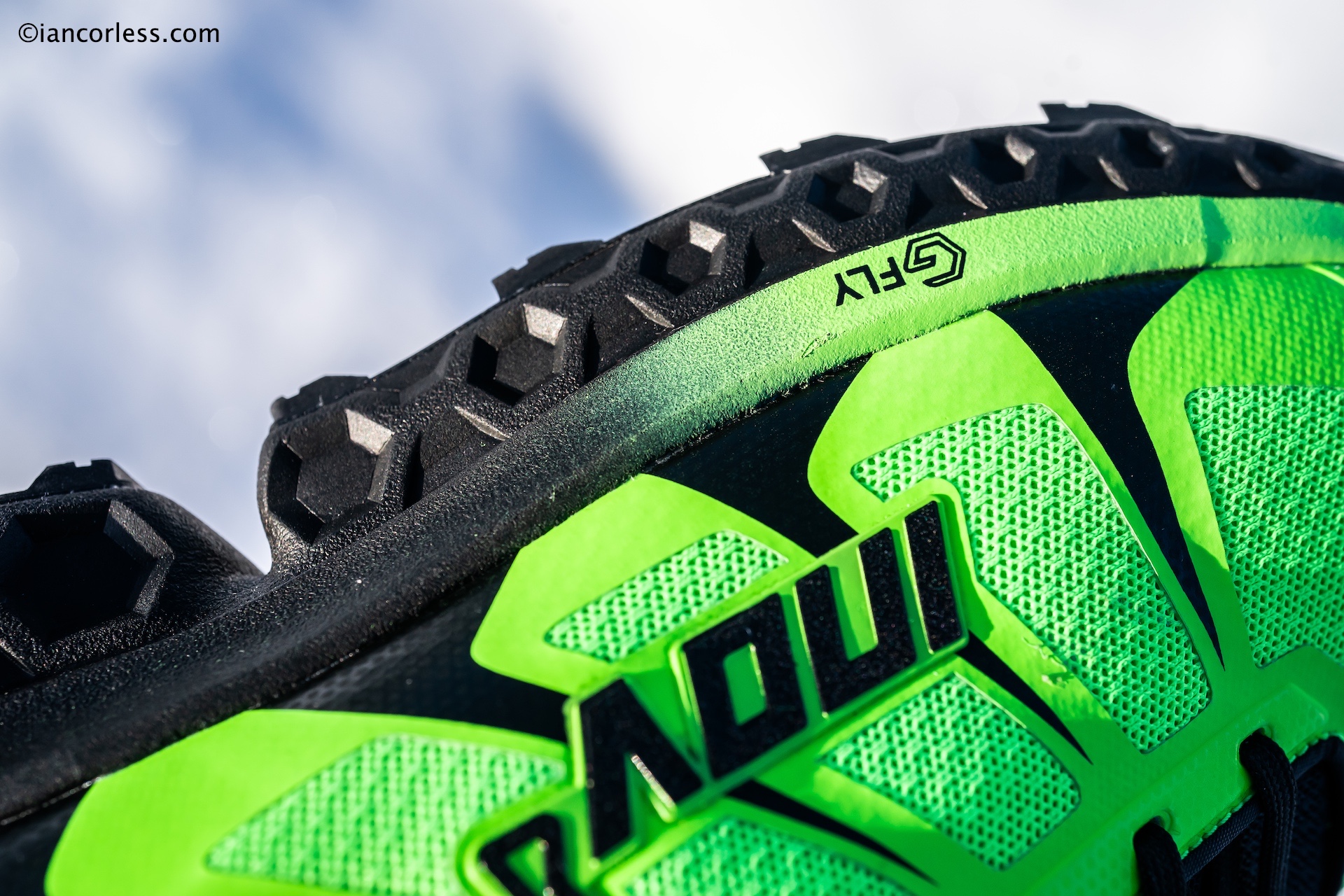
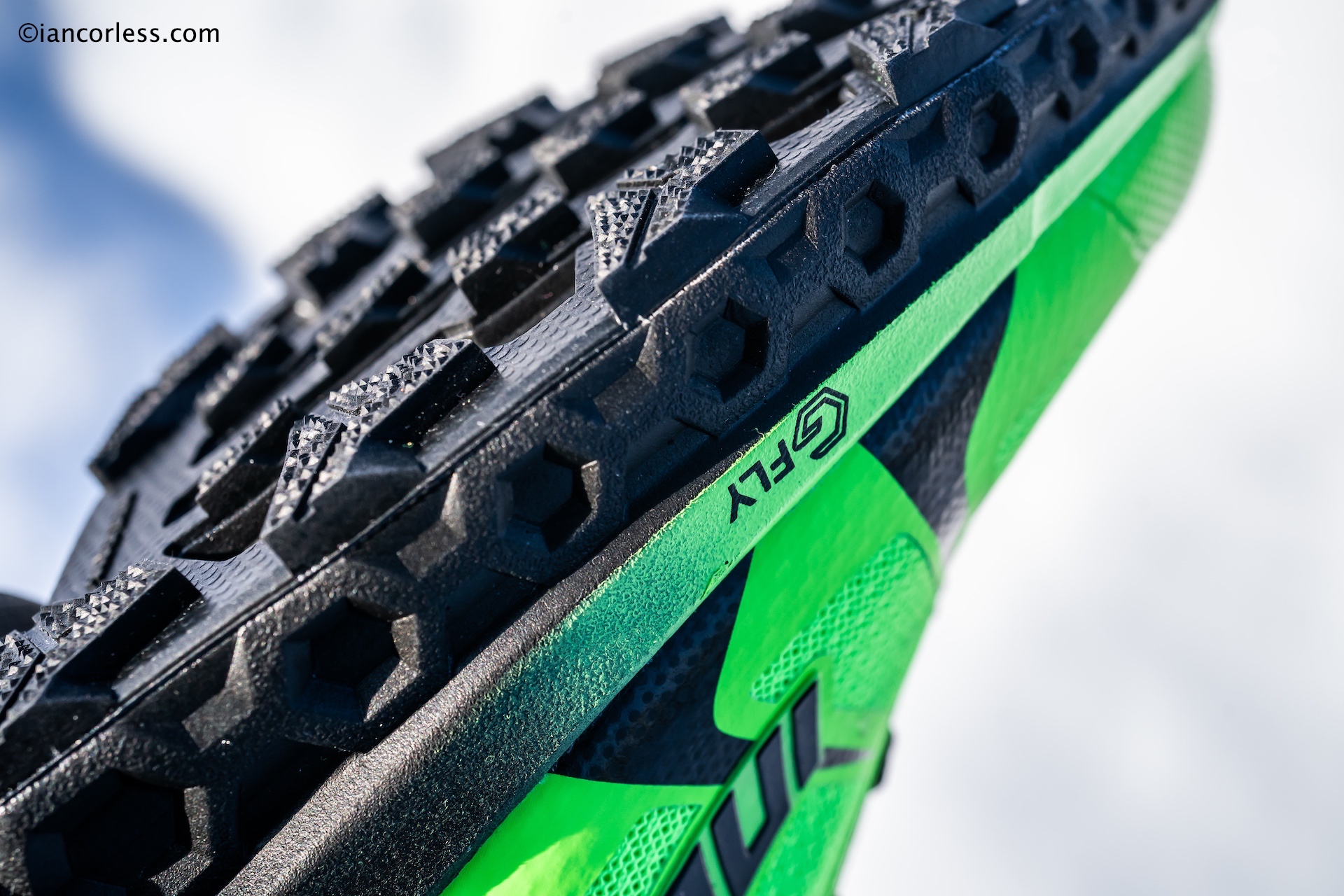
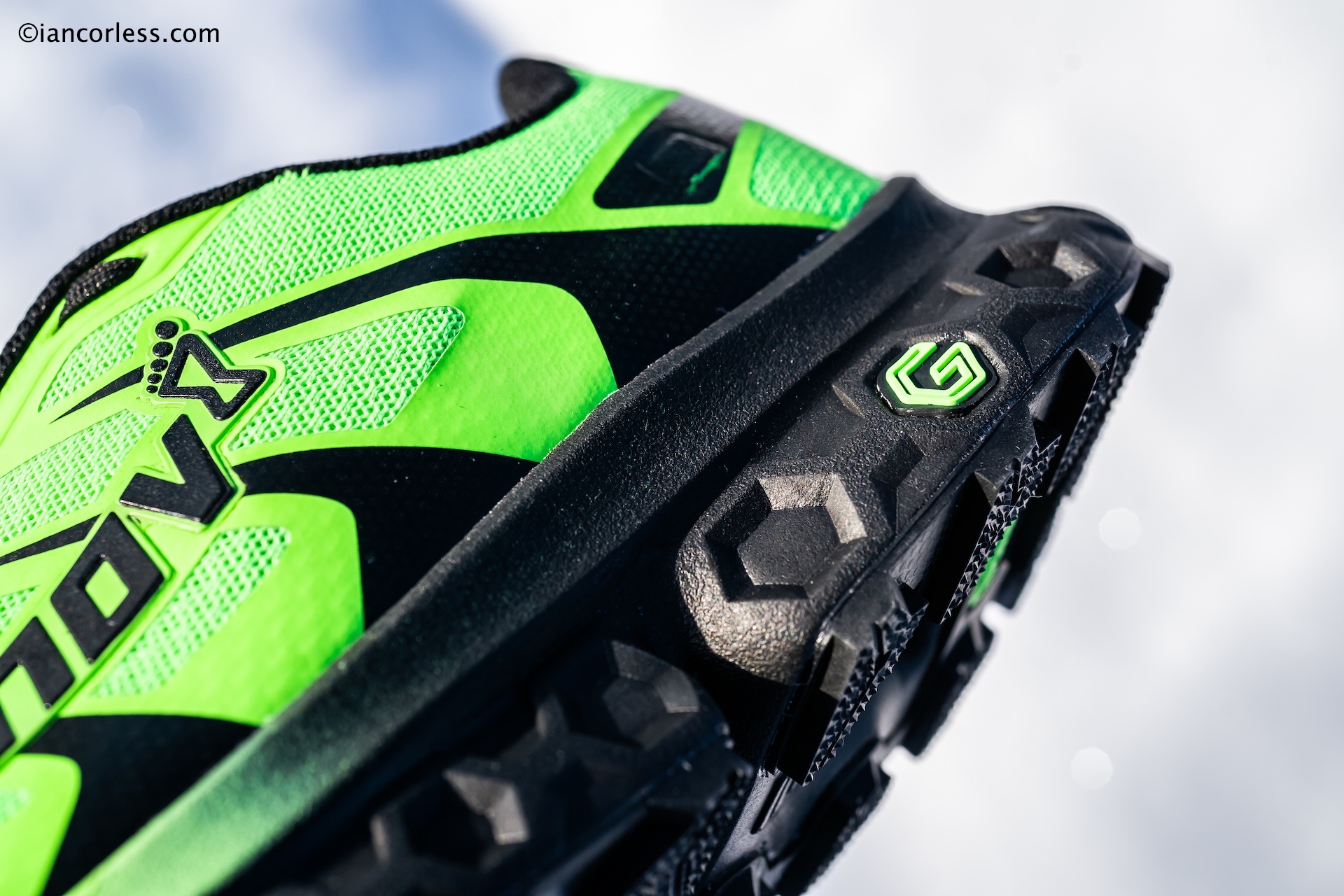
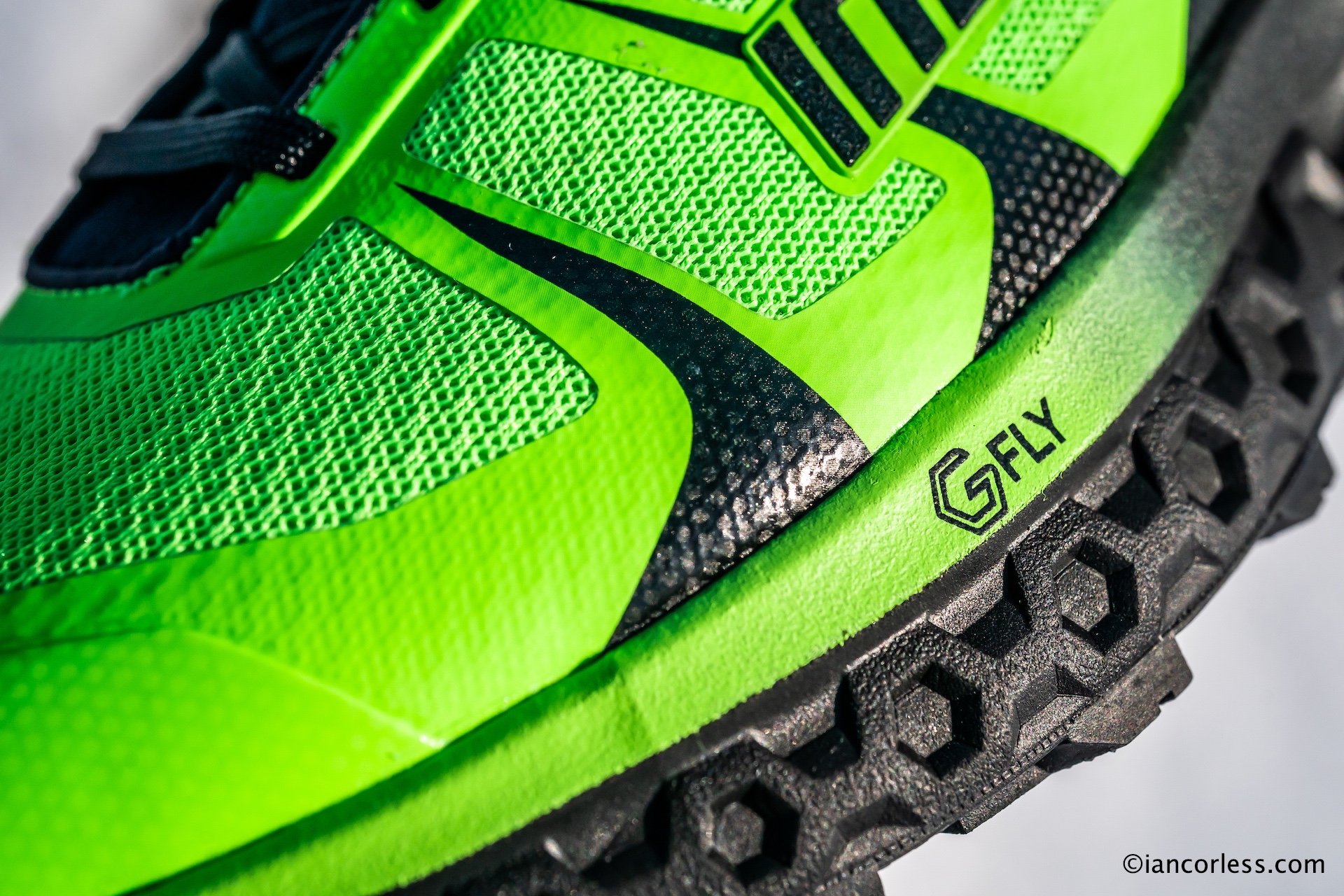
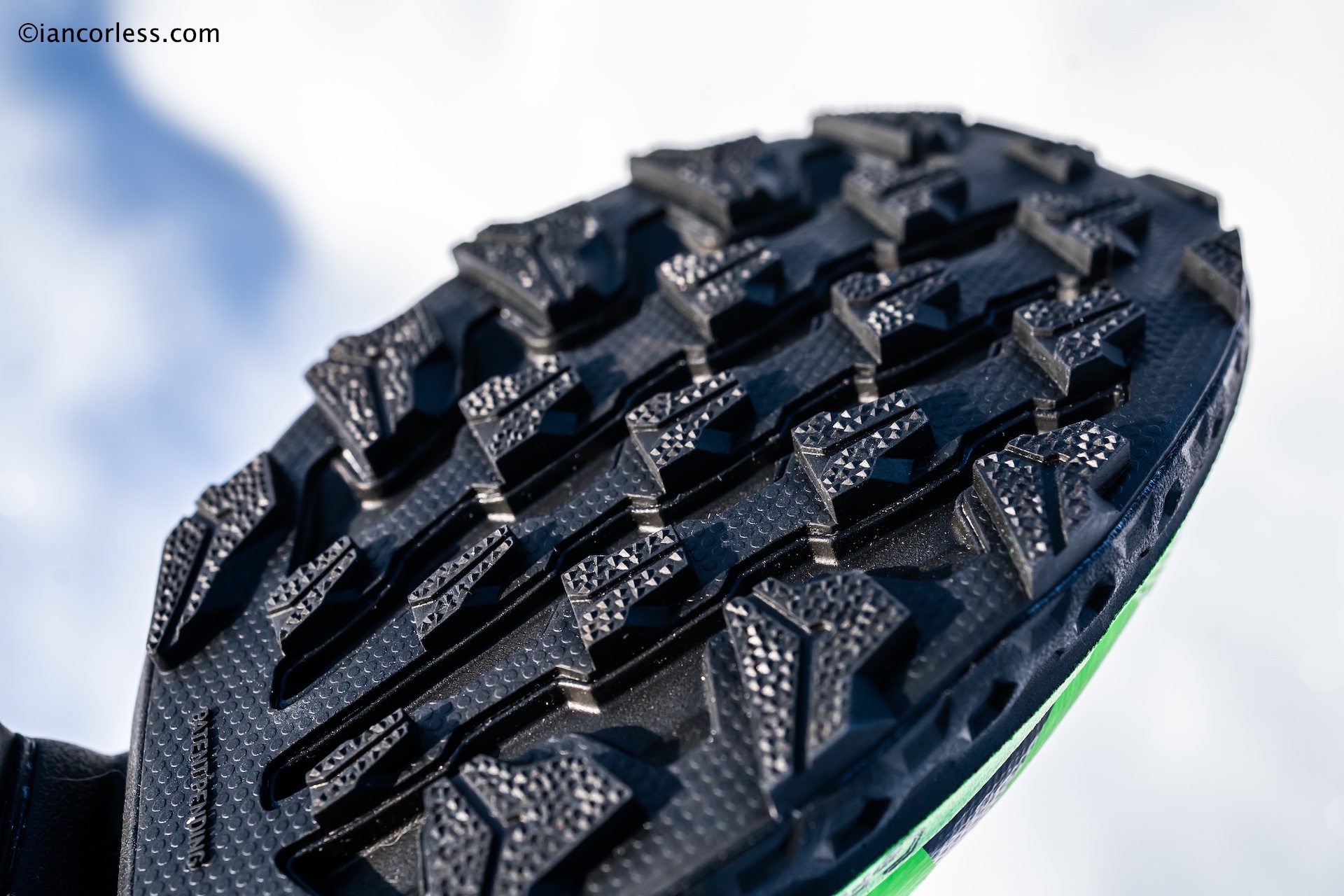
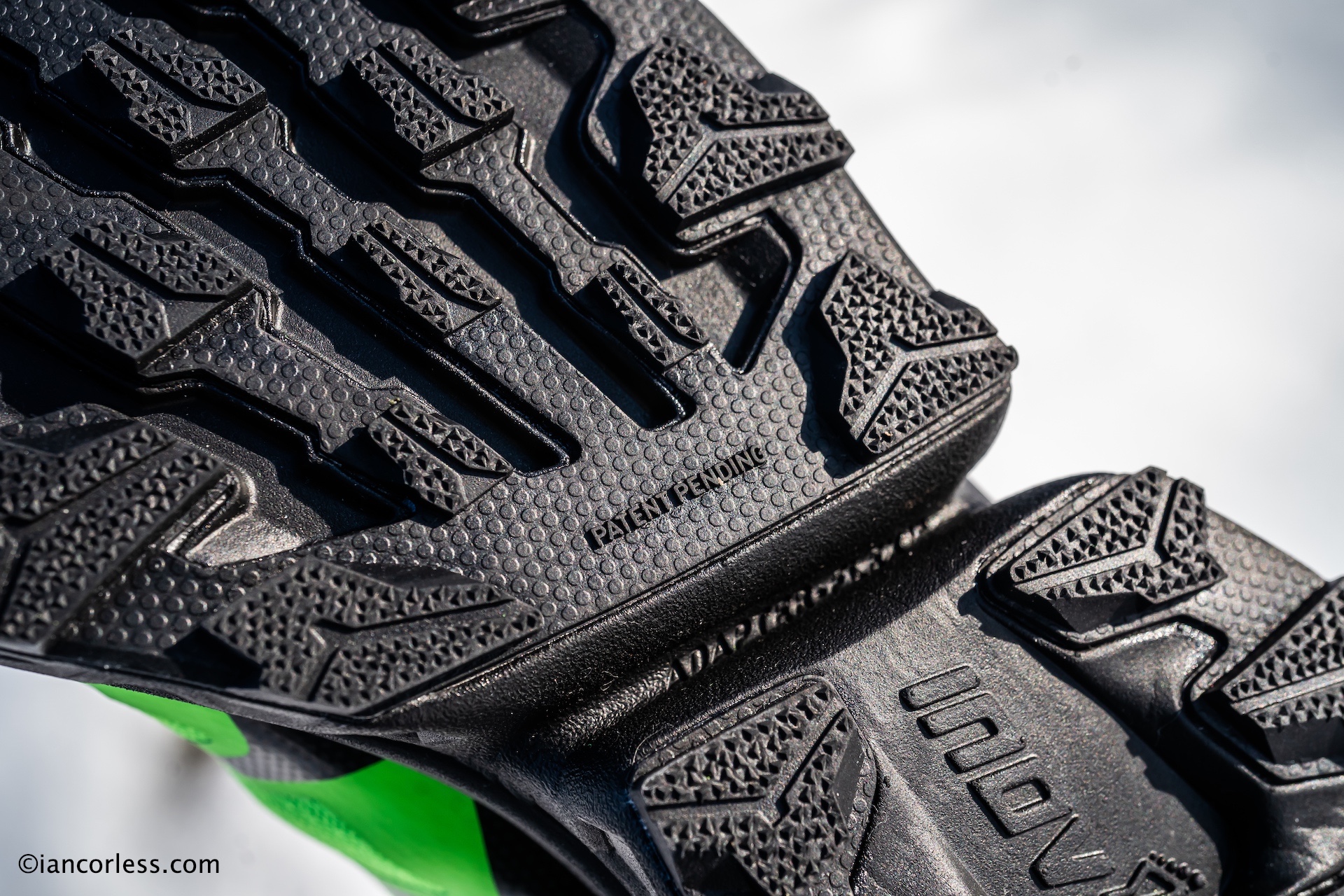
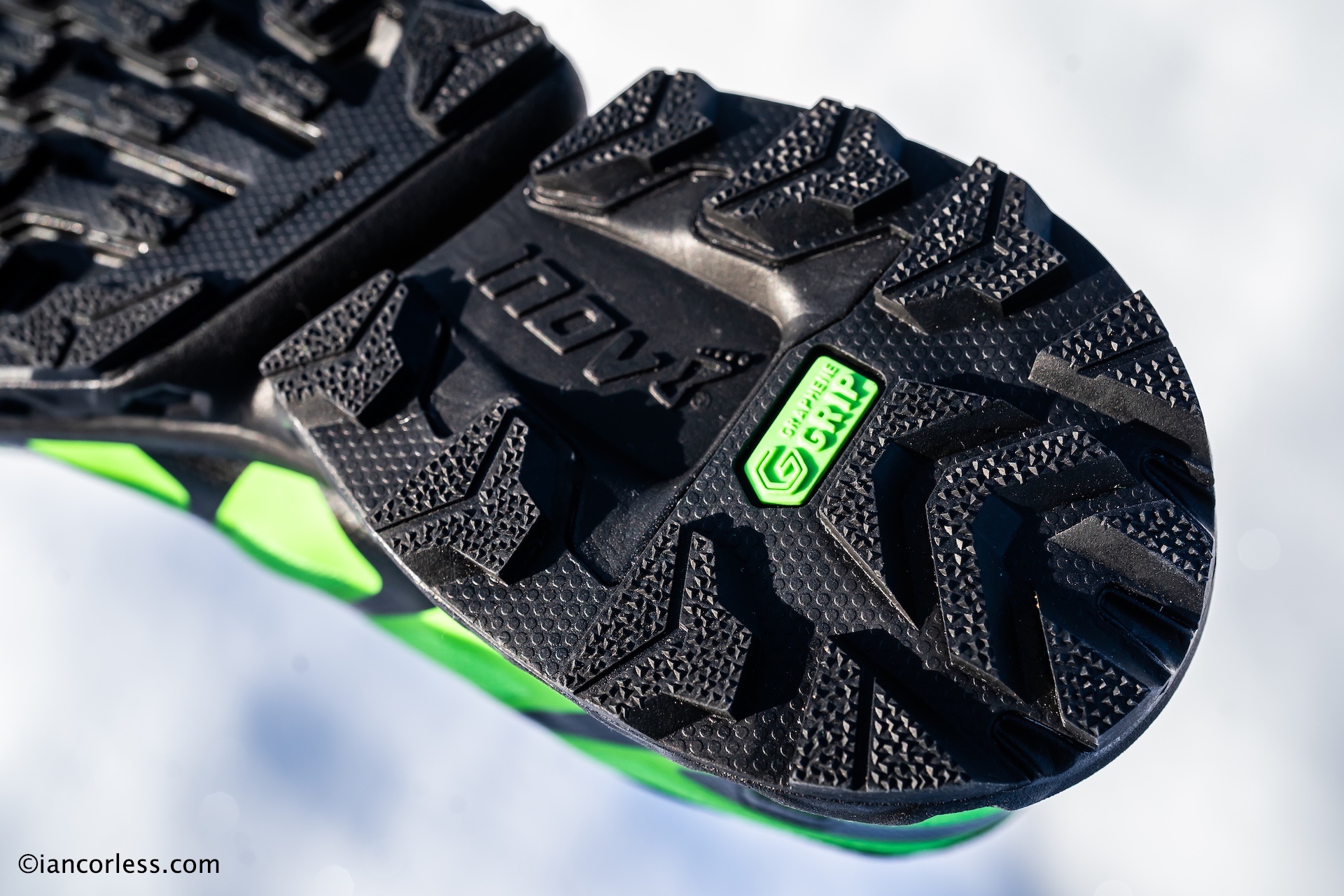
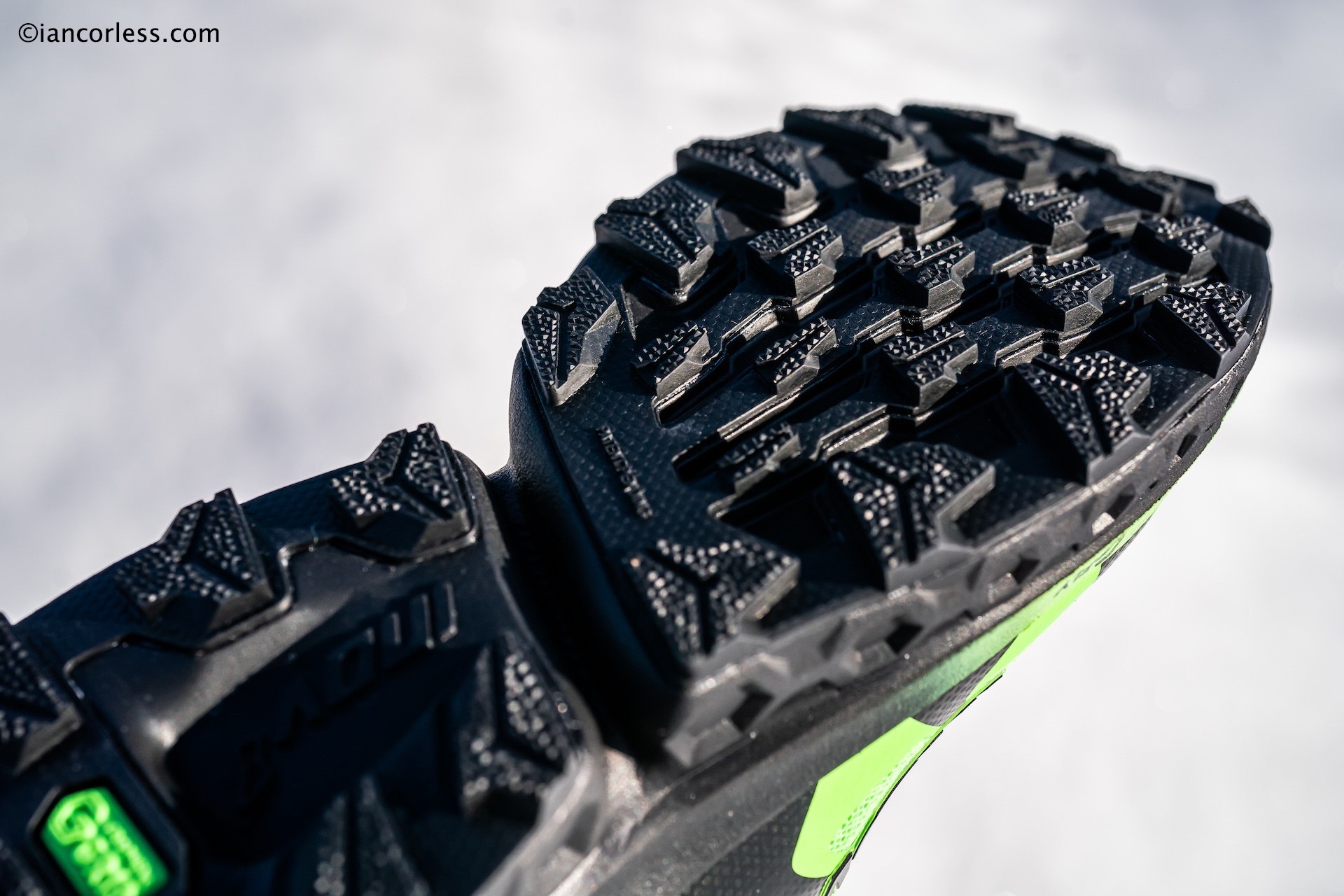
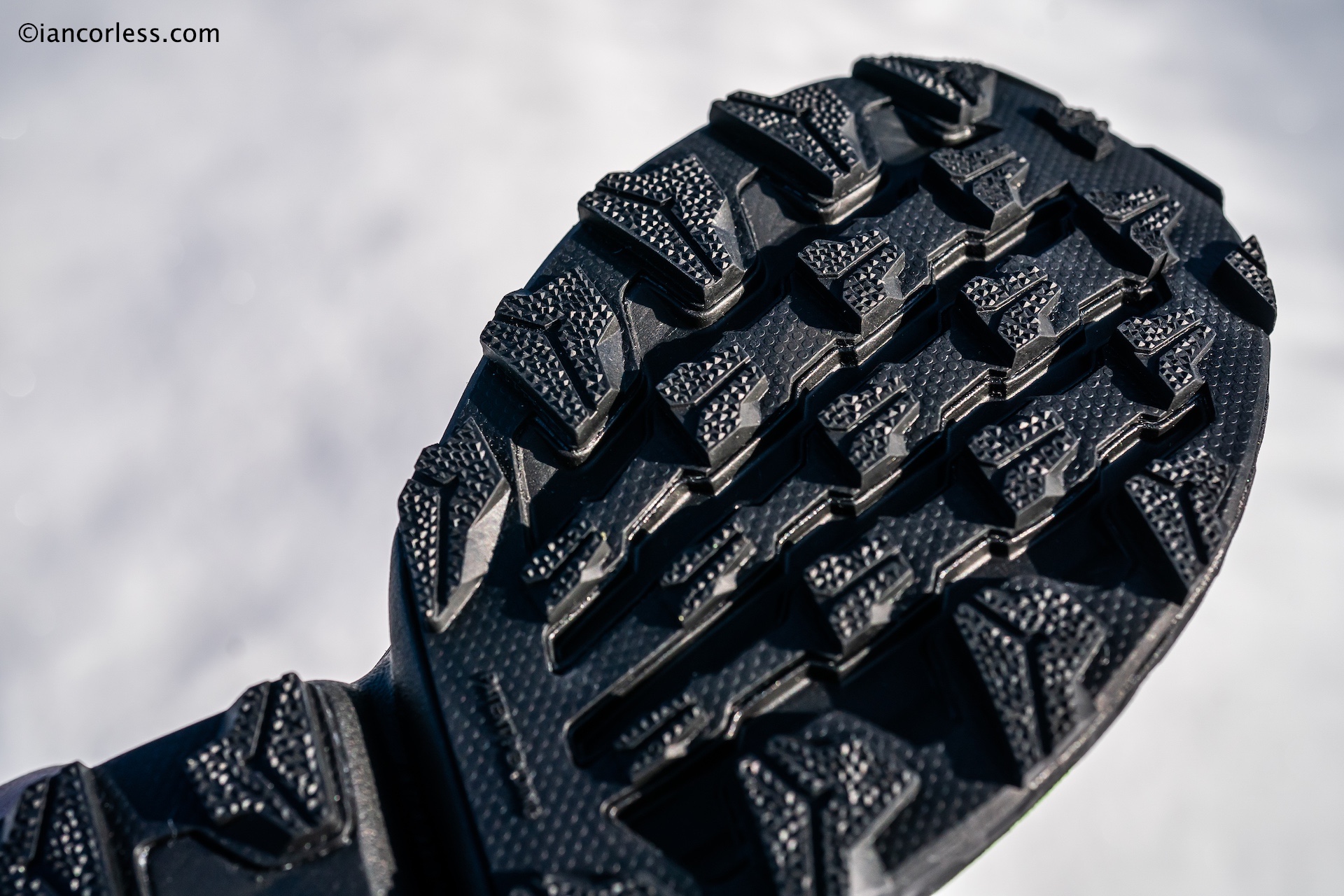
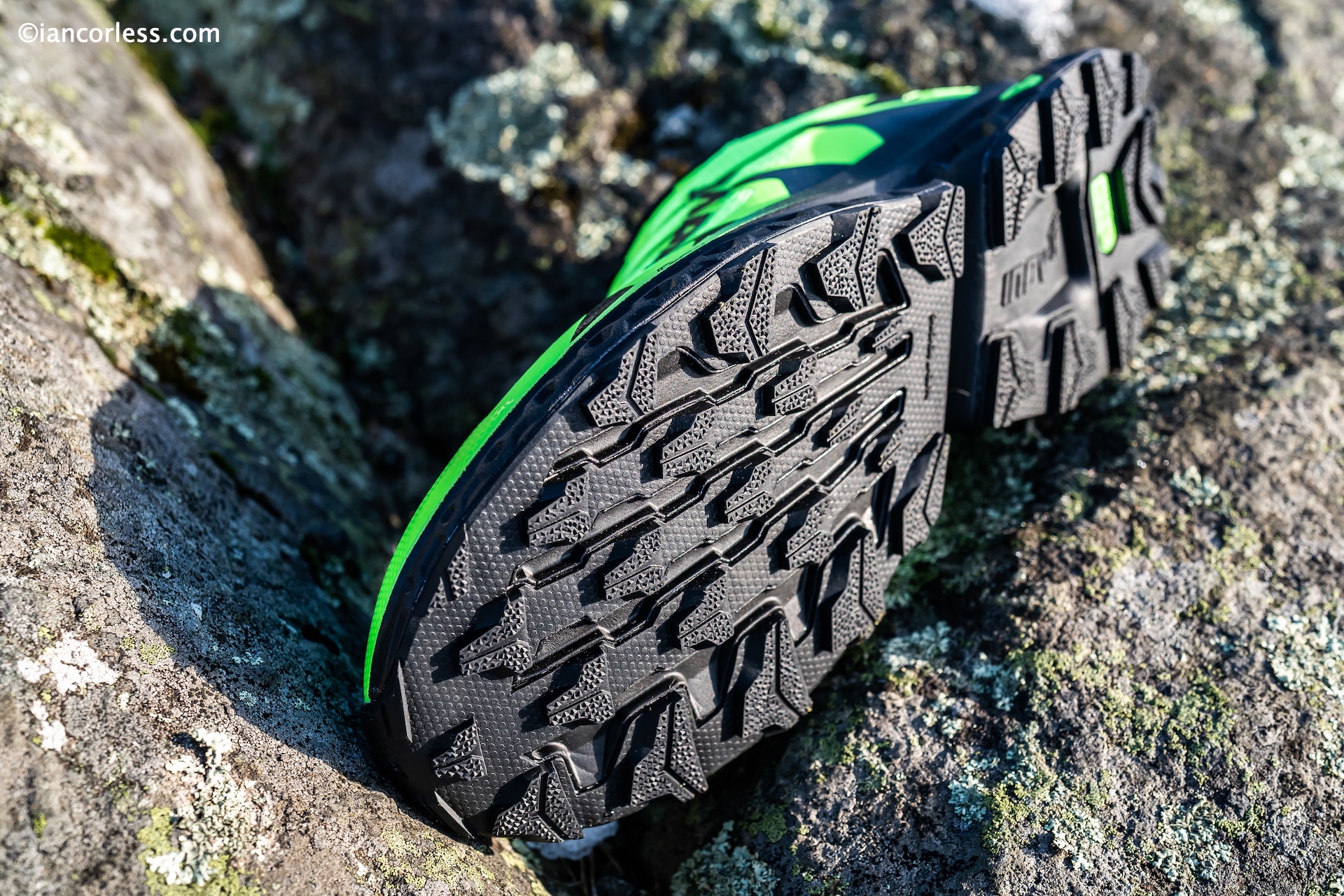
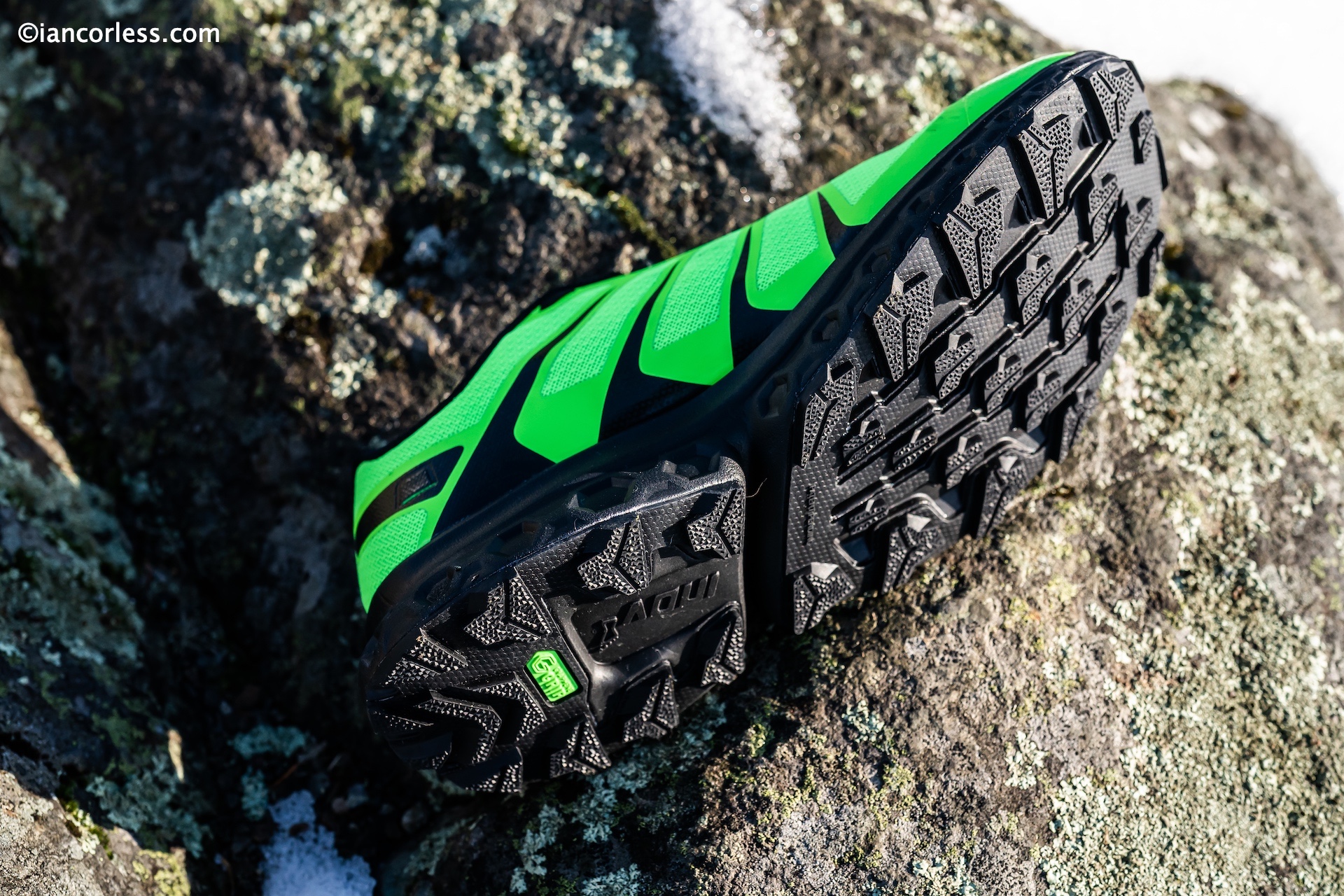
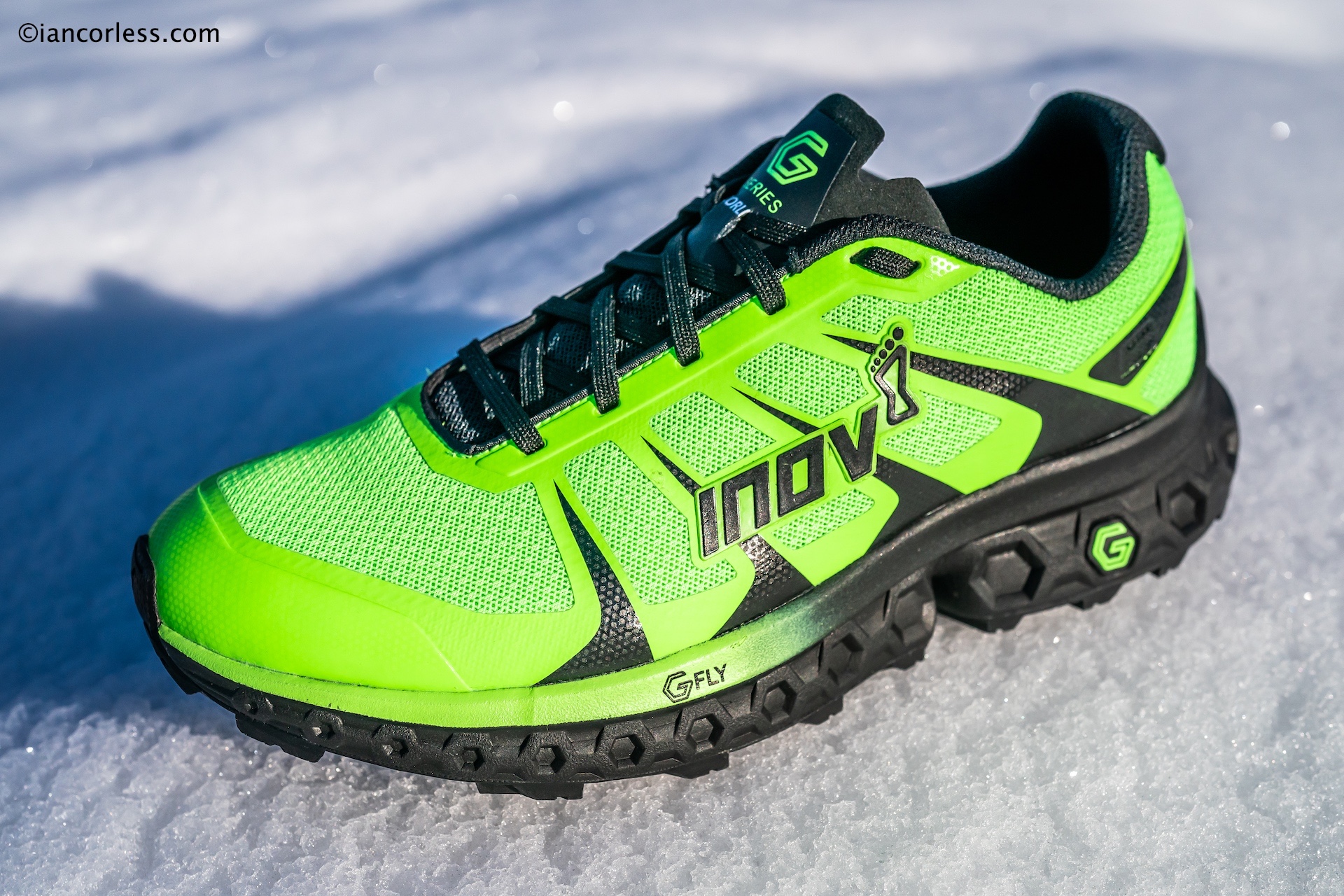
The 8mm Graphene lugs are akin to football boots and hark back to what elevated inov-8 to a world-stage many years ago. Grip, grip and more grip. There is currently no other shoe on the market that has soft-ground grip that compares with the Mudclaw G260. One shoe comes close, the iRock3 by VJ Sport, but even the 6mm Butyl of the VJ does not claw and grip like the G260.
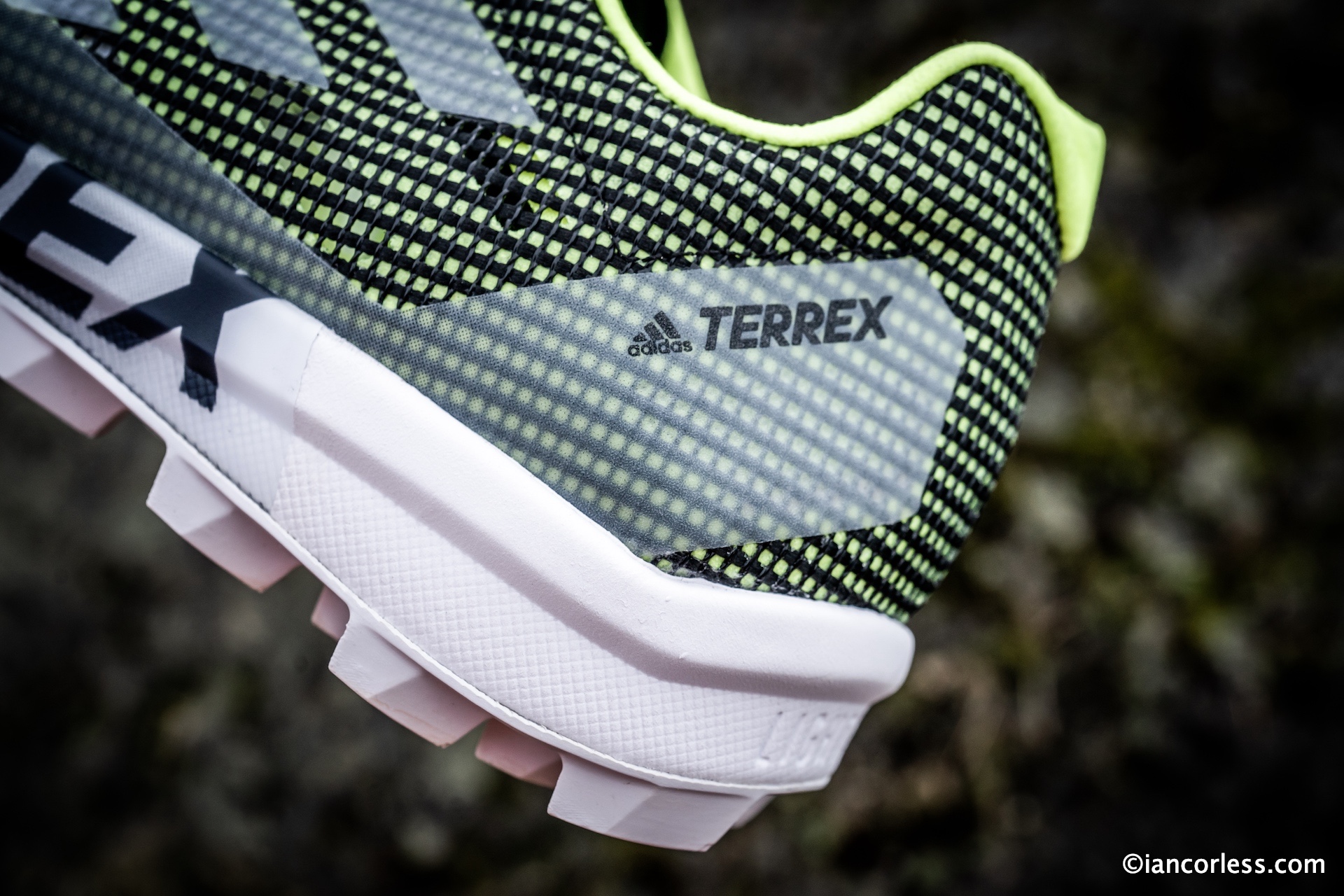
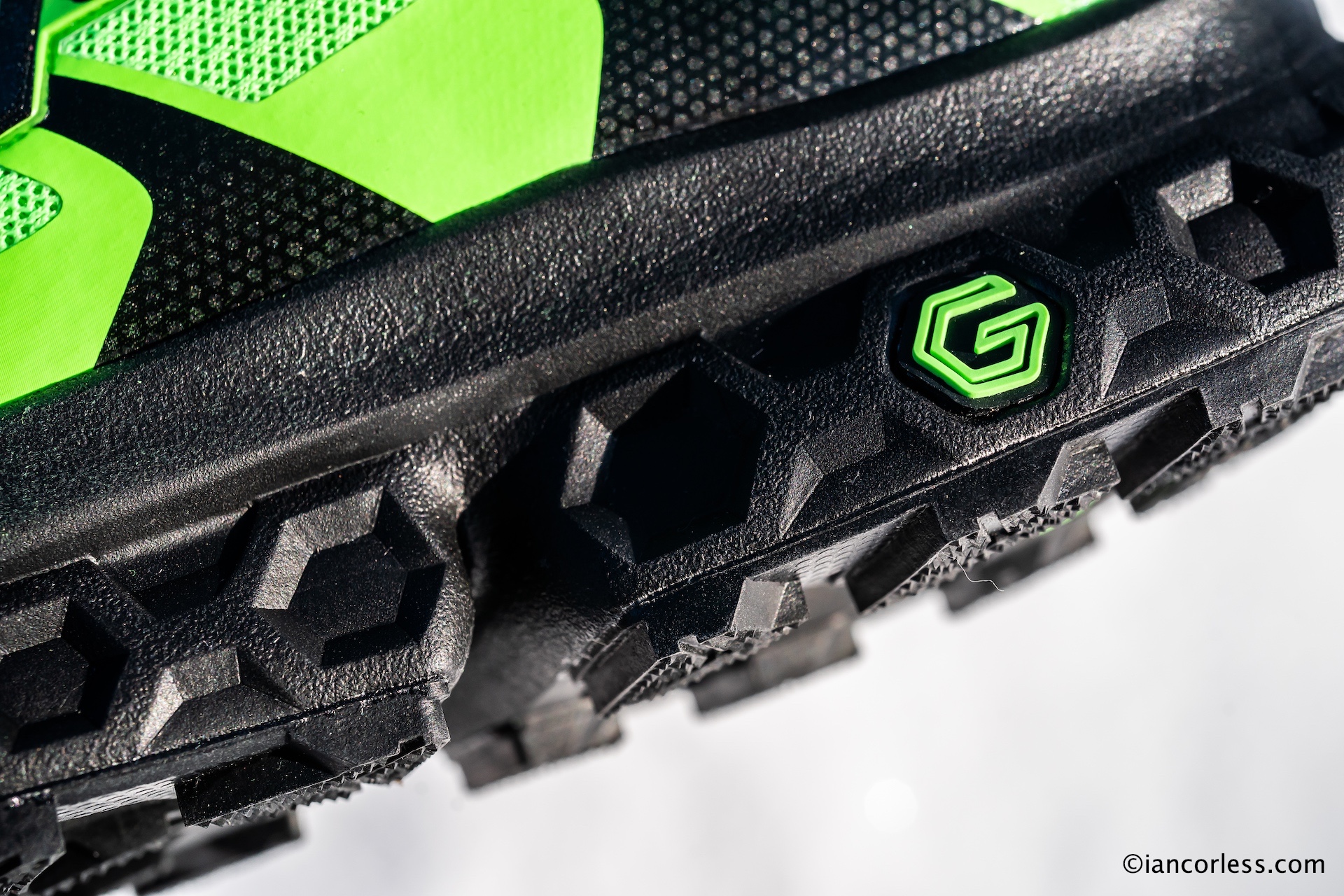
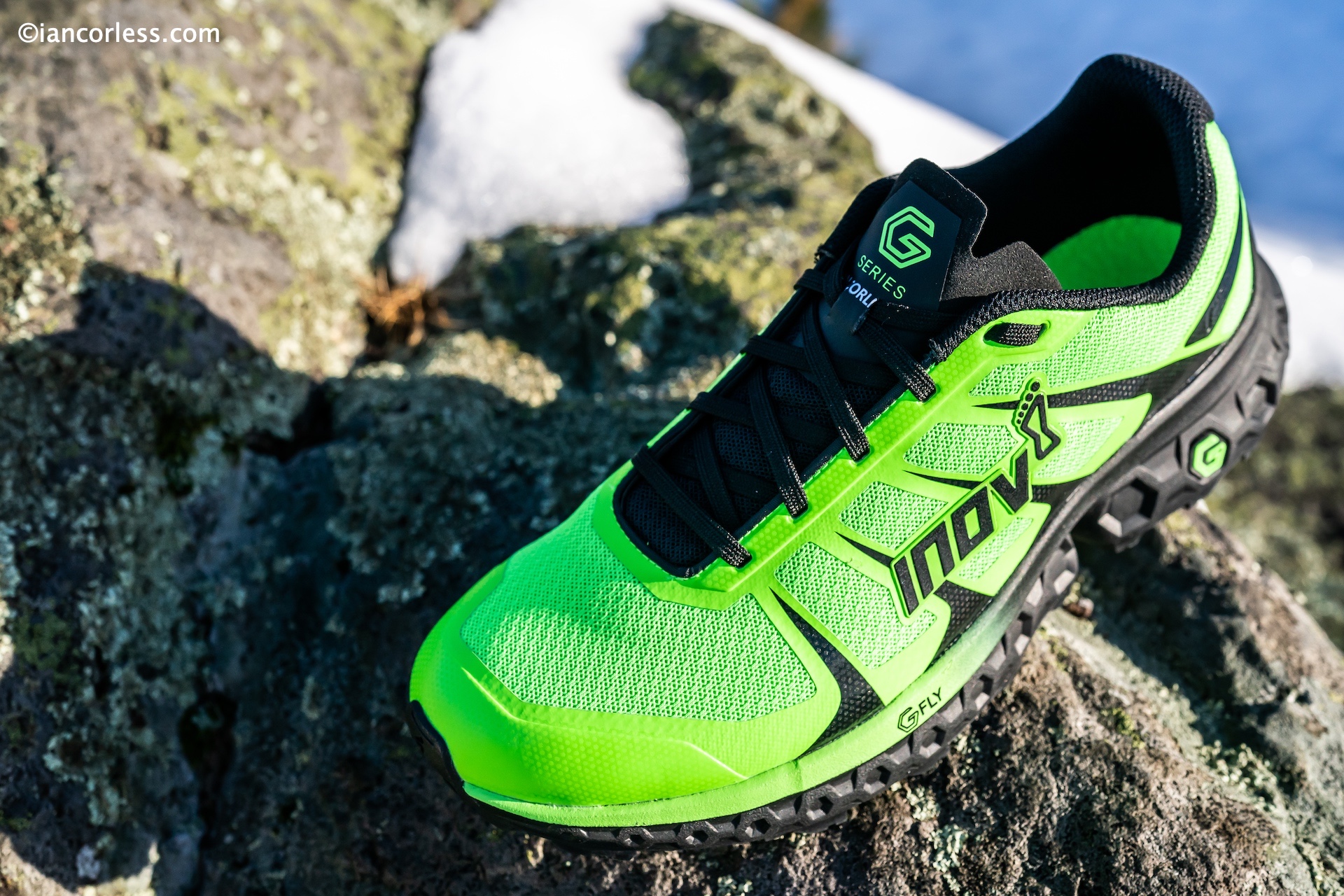
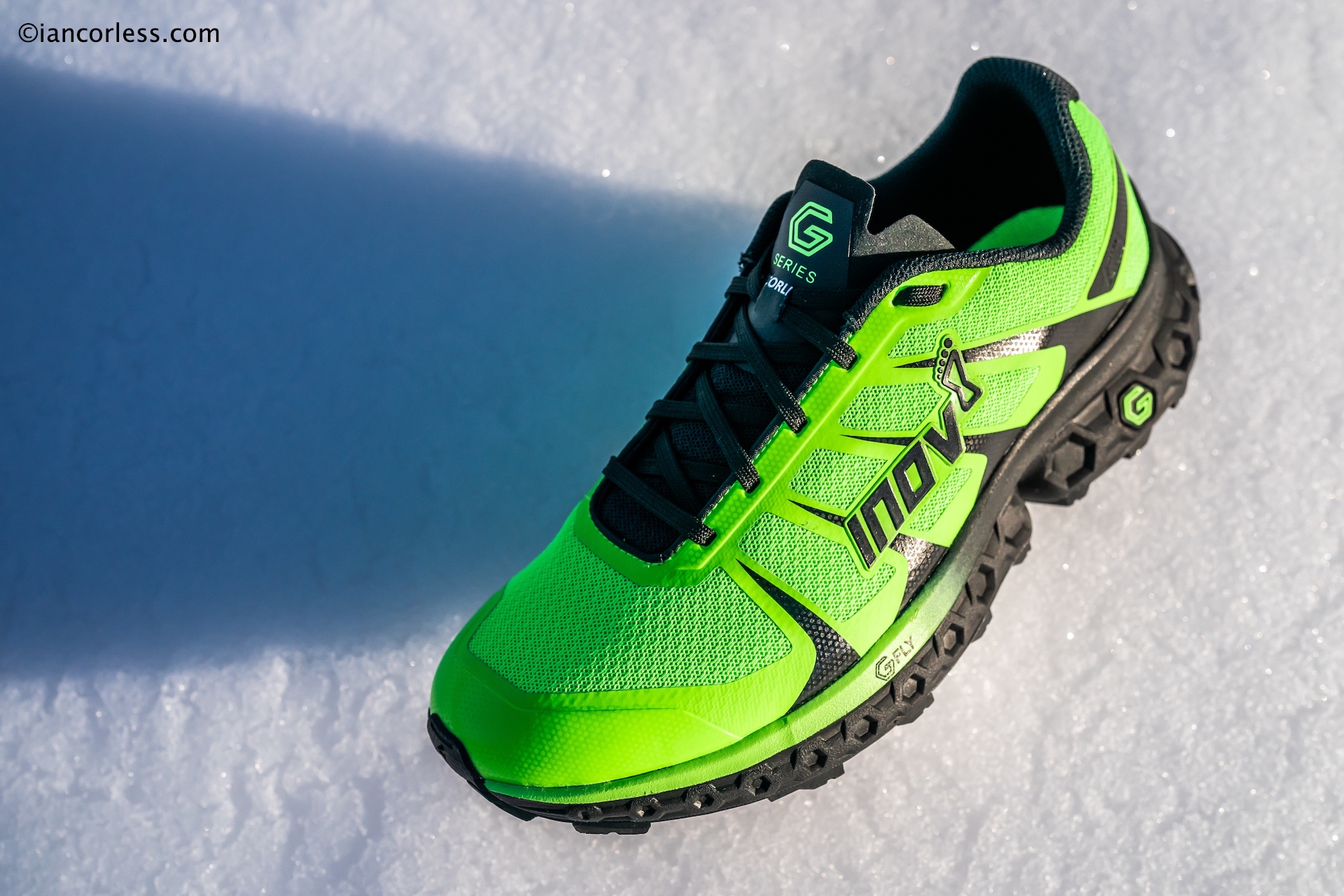
The Graphene outsole (renowned sticky rubber infused with Graphene) is now reaching many of the shoes in the inov-8 line-up and the recent success of the Terraultra G270 (here) has really turned heads. The G260 takes that Graphene and adds it to crazy lugs. So, is the grip between the G270 and the G260 comparable? Yes and no. The G270 grips incredibly on dry and wet trail, on rocks (wet or dry) but is compromised in mud as the lugs are only 4mm. With the G260, the grip in mud is incredible but with less overall contact points, the grip on wet rock is not as secure as the G270.
Quite simply, the G260 is for mud and lots of it!
When running off-road, particularly in mud, feel for the ground is important and inov-8 know this, they have therefore reduced the cushioning in the G260 to a mere 4.5mm at the front and 8.5mm at the rear. It’s almost like running barefoot. The principal is, the mud and soft-ground provides the cushioning and any additional cushioning would only compromise feel and responsiveness.
The 4mm drop, 6mm footbed and minimal Meta-Plate is ideal and in-keeping for the Mudclaw’s intentions; low to the ground and increased feel for the ground.
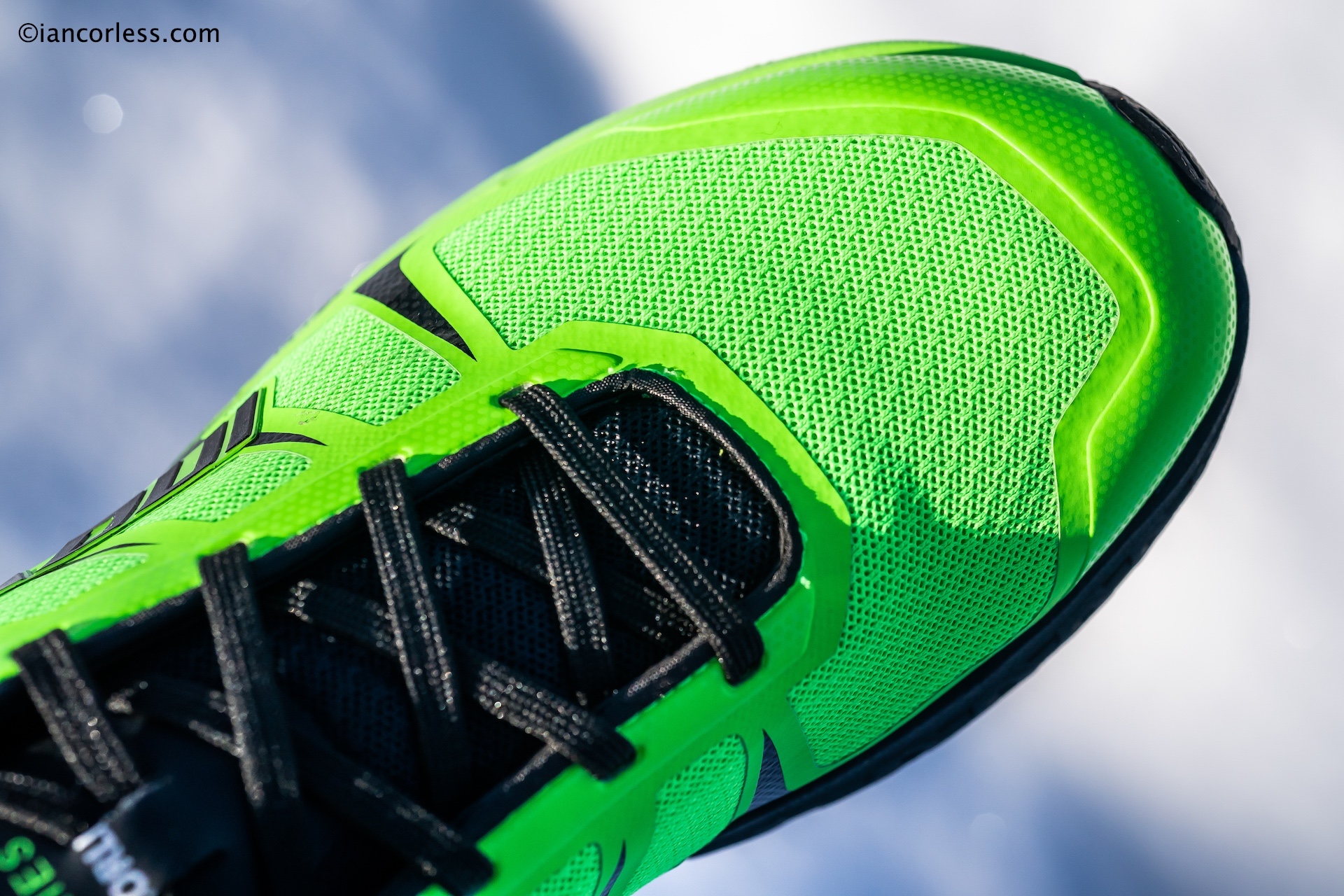
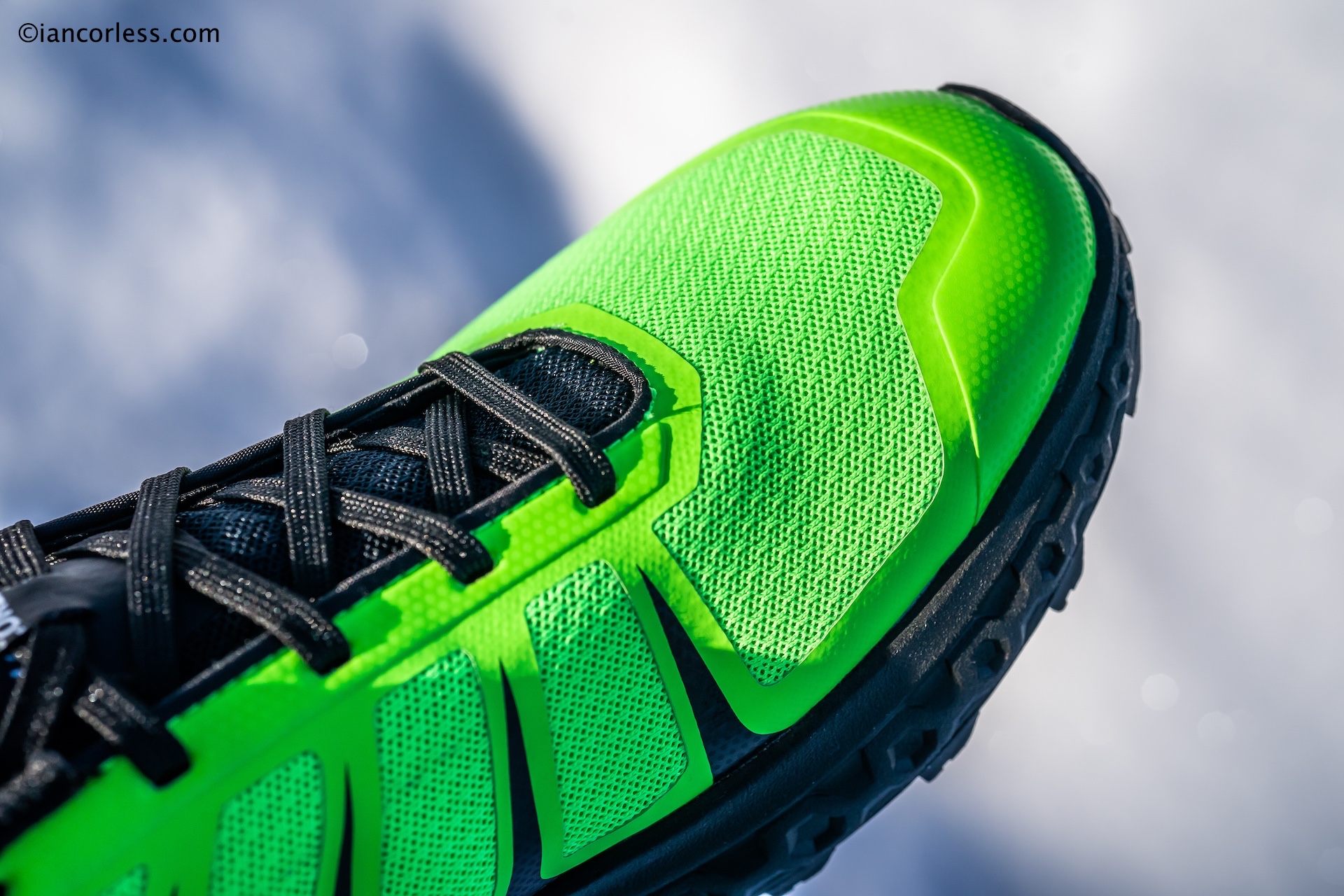
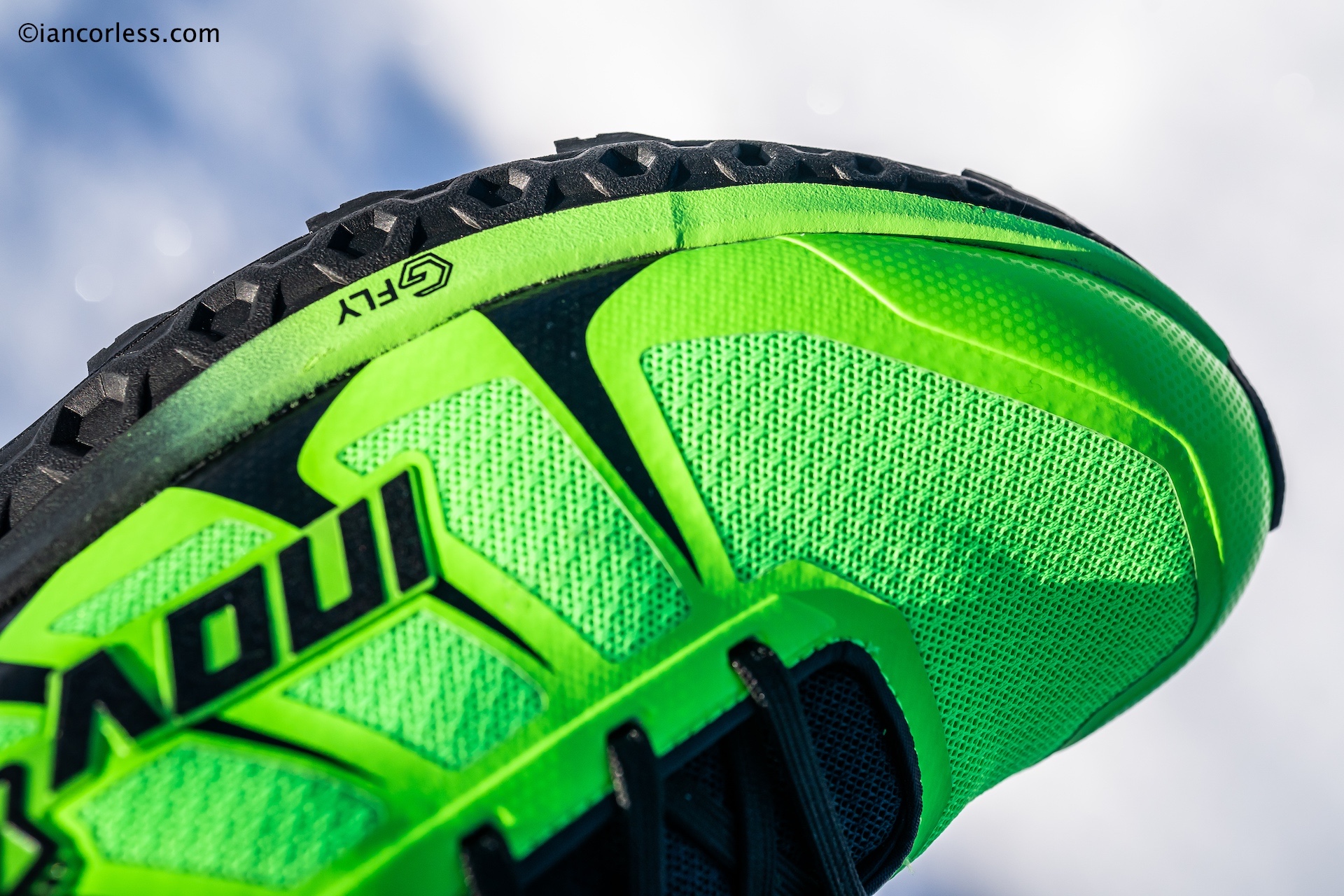
The upper has been reworked and like the Terraultra G270, it has a super-strong materials give high levels of durability and breathability which is proving to be a real plus with considerably less wear and tear over previous inov-8 uppers. The upper is also extremely breathable and this has an added bonus for water drainage.
As the name suggests, the weight is 260g in a UK8, so, they are super-lightweight.
Like many inov-8 shoes, the rear of the shoe has gaiter attachment points on either side to help keep out or reduce debris entering the shoes.
The fit is ‘1’ on the inov-8 scale and that quite simply means precision – no surprise for a Formula 1 shoe.
IN USE
I keep referring to a Formula 1 car and this is really important when explaining how the shoe feels. To drive a F1, you would have it toed out of the pit lane and then you would drive on the circuit. The Mudclaw is no different, you really want to put this shoe on at the trail head and run immediately off-road and in mud.
It’s hard for me to go directly to trail unless I drive there, so, even for a ‘normal’ run I will have a minimum of 1-mile of road or path. You can really feel that the shoe has little to no cushioning. It’s bearable for short distances but you really do need to keep to a minimum.
When in mud, the shoe is wonderfully at home. It grips when other shoes would not, you have a feel for the ground without compromise and the foot-hold is excellent from the lacing configuration.
The upper is robust for the conditions and gladly drains water quickly. The overlays add structure and help hold the foot in place.
The Mudclaw is a narrow shoe and particularly narrower at the heal. Back to the Formula 1 scenario; this is a race shoe and as such some comfort is compromised. Think of a Ballerina, they would not walk around in ballet shoes, but when they perform they need a very specific shoe. The Mudclaw is the same.
Sizing leaves me with a question mark. I have been testing inov-8 for years and I am always a UK9.5. The Mudclaw feels a little too long for me in ‘my’ size but having said that, I have used them… Despite the narrow fit, I used a very thin Merino liner sock with a thicker Merino sock over the top to make some compensation. It has worked for me but I would recommend trying normal size and maybe a half-size smaller to be sure.
Back to the upper. The flex point (Meta-Flex with inov-8) in the propulsive phase is always a problem area in many shoes and in the Mudclaw the upper flexes differently, no doubt due to the material used.
At times it can feel as though there is a little too much fabric and this may cause a weakness at the bend point? With over 100km in the shoes, there is no wear showing. I will do a long-term update after 400km.
Heel box is minimal and it holds as one would expect but there is little cushioning comfort. Toe bumper is great and offers excellent protection.
The outsole is the hero of the shoe and the 8mm lugs are quite simply the best I have tried or used in mud. Give or take, there are 40 +/- lugs designed to claw into the ground and provide purchase on what normally would not be possible. This applies for soft-grass too. Despite the same Graphene as the G260, I found the hold on wet rock not quite as assured as the Terraultra G260. I put this down to less contact points. But then again, I need to clarify, this shoe is for mud!
IN SUMMARY
The Mudclaw is a shoe to be considered in addition to other shoes that you already own. It’s not a shoe that you can use for day-to-day running, it’s not even a shoe that you can use for trail runs. This shoe is for mud and mud alone. Yes, it can take a little hard-trail, yes it can take some rocks, wet or dry, and yes, you can run a little road to get to muddy trail but all times, you need to keep this to a minimum. It’s narrow, has a precision fit, offers a great feel for the ground and return gives you speed and grip.
If you want a shoe that does the above but has more comfort and has more flexibility then you need to look at X-Talon 260 which has a wider fit (4,) considerably more cushioning (6/16mm,) 8mm drop and still 8mm lugs.
It’s a shoe for mud…
Specs:
Fit 1
Drop 4mm
Footbed 6mm
Lug 8mm
4.5mm front / 8.5mm rear
Graphene Grip
Meta-Plate Shank
RRP £140
To clarify, the shoes were provided to test, as are all the shoes that I review. But this is not a paid review.
Please support this website. I believe everyone deserves to read quality, independent and factual articles – that’s why this website is open to all. Free press has never been so vital. I hope I can keep providing independent articles with your help. Any contribution, however big or small, is so valuable to help finance regular content.
Since its release, the inov-8 Terraultra G270 has received acclaim all over the world. Many magazines, reviewers and bloggers hailing it the shoe of 2020. In late July I wrote my review HERE.
Now, with over 600km+ in the shoes it’s time to make a long-term review and assessment.
I am not going into the analysis of the shoe as in a typical post, you have a review linked above that goes through the pros and cons and all the technical jargon. This is a usage review.
First off, the Graphene outsole and 4mm lugs is a 100% winner. The durability has been superb, the grip incredible and the traction has been without equal. Even in mud, the outsole has performed but of course it is compromised. The lugs are just not aggressive enough to grip in very soft or deep mud, but a thin layer of mud and the G270 really does perform. Wet rock grip has been superb and arguably the most impressive aspect. Many have raved and provided a 5/5 review. I can’t give 5/5 because it is compromised in mud, therefore it gets a 4/5 BUT and this is a BIG but, in all honesty, you should not be using the G270 in mud, there are other shoes for that. So, if reviewing for intended purpose, it would get a 5/5. This may sound a little weird, but the G270 has become my ‘go-to’ road shoe, especially with the arrival of Autumn and Winter, the grip on wet roads, pavement and hard-pack trail has been superb. Although not a ‘hybrid’ shoe (road to trail) it performs like one and I would recommend for that use.
The cushioning has really surprised me. It’s plush without being squidgy. It’s super comfortable without losing that all important feel for the ground. It takes 20km hard trail runs in its stride and still allows legs to feel fresh after. The G270 is designed for longer races and as such, it comes highly recommended. An improvement on the G260. There was a mention of a ‘Boomerang Insole’ in the technical jargon that provides extra energy return, I have no idea if this is resulting in the positive feel of the shoe, but something is definitely working better over the previous G260 incarnation.
Zero drop – you are either going to be for or against. I am fortunate, I test shoes all the time and I am regularly mixing up drops from 0 to 10 and all the steps between. With zero I am usually careful not running too long or too often. The G270 changed that, I have been running regularly 3-4 runs per week since November with total distances of 50-80km (per week) just in the G270 and they have been superb. The days between I have been using 4, 8 and even 10mm drop on the odd occasion. Drop is very personal, so, I just warn against potential problems if zero is not normal for you.
The toe box is wide, and I have really enjoyed the extra space and comfort on long road or hard trail runs. With Injini socks, my toes can really splay for comfort. The G270 would be a great fastpacking shoe or multi-day shoe. I can see it being really popular in races like Marathon des Sables. The wide toe box though is too wide for me on technical trail… I don’t have the control or the precision I need, so, it’s not a shoe for me when running on technical terrain.
A major improvement is the upper. After 600km+ I have no signs of wear. The important ‘bend’ area behind the metatarsals that can often split in the corners is still good and showing no weakness. I mentioned the hold of the foot in my initial review and that has been one of the key pluses of the G270, particularly over the G260. The lacing, ‘Adapterfit’ and hold of the instep is reassuring, particularly important for me with a wider toe box.
All things considered, the G270 is one of the shoe highlights of 2020 without a doubt. It’s not perfect, but then again, show me a shoe that is. If you want zero drop, grip, traction, cushioning and a wider toe box, I think you’d find it hard to find a shoe that compares with the G270.
Please support this website. I believe everyone deserves to read quality, independent and factual articles – that’s why this website is open to all. Free press has never been so vital. I hope I can keep providing independent articles with your help. Any contribution, however big or small, is so valuable to help finance regular content. Please support me on Patreon HERE
Episode 200 of Talk Ultra has a chat with #phantamsm24h runner, Seb Conrad who joined Kilian Jornet on the track setting a great distance for 12-hours and an incredible time for 100-miles. We also chat in-depth with Jill Wheatley who’s life changed after a brain injury and loss of vision.
Talk Ultra is now on Tunein – just another way to make the show available for those who prefer not to use iTunes – HERE You can download the Tunein APP HERE Talk Ultra needs your help!
We have set up a Patreon page and we are offering some great benefits for Patrons… you can even join us on the show! This is the easiest way to support Talk Ultra and help us continue to create! Many thanks to our Patrons who have helped via PATREON Donate HERE
Importantly, go to iTunes and subscribe so that you automatically get our show when it’s released we are also available on Stitcher for iOS, Android and Web Player and now Tunein. We are also on Spotify too.
Depending on where you live, the arrival of Autumn and Winter can put fear in many a runner. Snow and more importantly ice, are not a runner’s friend.
I get no traction cause I’m running on ice
It’s taking me twice as long
I get a bad reaction cause I’m running on ice
Billy Joel – Running On Ice
Imagine a scene, the snow is on the ground, the sky is blue, and you just can’t wait to get out. Within 10-strides you are on your butt… ice was under that wonderful white powder.
However, it doesn’t need to be that way. It’s perfectly safe to run in winter and contrary to what you may think, it’s fun and exciting. Read an article HERE about preparing for winter.
Firstly, snow is fine to run on and in all honesty, a good trail running shoe with a good aggressive outsole will work fine, providing no ice is underneath. Look at shoes that perform well in mud and they will provide great grip in soft snow. Think about how you will keep your feet warm? A Merino sock is essential as they still keep feet warm even when wet. However, if you anticipate feet to be constantly wet, the use of a barrier sock in addition to a Merino sock is a great idea, SealSkinz being a good example. Importantly, take into consideration that your winter shoe may need to be a half size larger to accommodate for extra sock width.
The use of a gaiter is a good idea as this may stop or delay snow going in the shoe around the ankle. As an example, inov-8 produce specific fixture points and gaiters on many of the shoes they make.
Accept that in snow you will move slower and that runs will be more demanding. You naturally get a harder work out, so now is not the time to try speed or intervals.
Fresh snow is great to run on providing it is not too deep. Constantly sinking into deep fresh snow is exhausting, look for footprints or flattened snow, this will make moving easier. If you do wish to run in soft and deep snow, snow shoeing is a great option.
Think about when you run, early morning and evening you run the risk of more ice, then you need to consider the information below. Ice forms around dawn and late evening, when temperatures are typically drop. The ground temperature causes precipitation to freeze, thus creating ice. Of course, some places have permanent ice due to consistent sub-zero temperatures, in many ways, this makes shoe choice easier as you know what to expect. Darkness can make ice and particularly black ice difficult to see, so, be careful. A good headlamp is essential and a waist/ chest lamp in conjunction with a headlamp really makes viewing the ground optimal.
Trail is often better than the road, so if you have the chance, use trails. Trail has a naturally rough surface making traction and the risk of slipping reduced.
Snow running is a little like running in sand. You will use more muscles, get fatigued in a different way, you will use your core more and mentally you will be constantly engaged, it’s difficult to just switch off when snow or ice running.
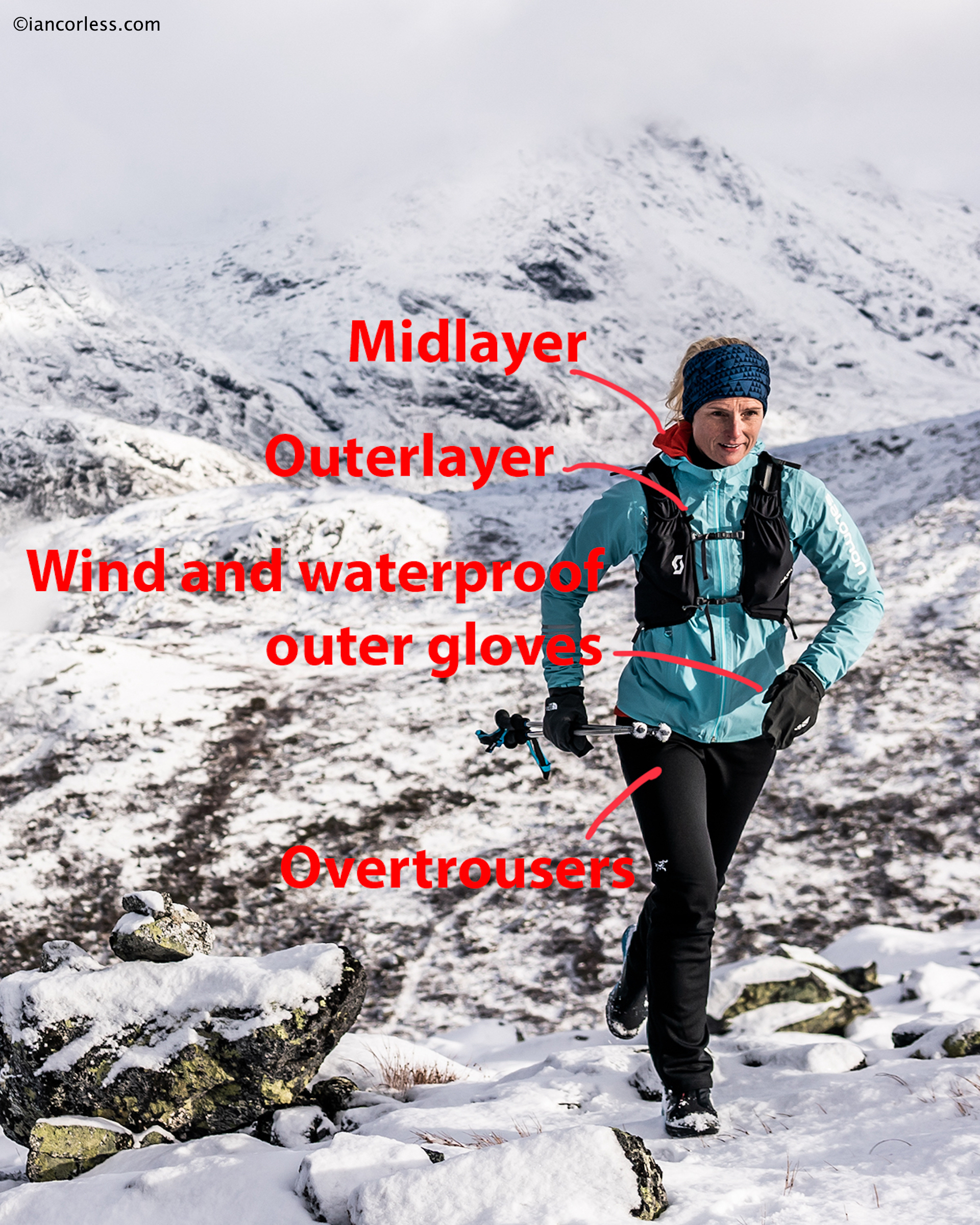
Needless to say, layer clothing (article HERE) and make sure you use long tights and higher socks. You do not want to get snow burn!
Once snow becomes packed down, hard and frozen, you need to re-think and consider ICE running.
ICE
inov-8 Artic Talon winter shoe has 14 studs for grip.
Have you ever been running, hit some ice and had that feeling of the world going into slow motion? Your core engages, your arms go high, your feet go in different directions and somehow, you stop yourself from falling… Or you hit the deck! It’s an awful feeling and one that stops you in your tracks forcing you to move at a snail pace afterwards. It doesn’t need to be like that though.
You have 3 options when it comes to running outdoors in ice conditions:
You stay inside and do not run opting for treadmill, gym, cross training or other exercise options.
You use your normal run shoes and are prepared with the addition of nano or micro spikes.
You use specific winter shoes with studs OR you add studs to your run shoes.
Option 1 is easy – a treadmill is safe if not a little boring and yes, cross training is a great addition to any training plan. However, you do not want to be indoors all the time.
Option 2 is a difficult one from the perspective of I would only use nano or micro spikes if I was expecting the road or trails to be mostly runnable BUT there may be a chance of ice. The main reason for this, although these spikes work great, they are not ideal if used for prolonged periods of time as they are not as comfortable. So, these spikes tend to be in my run pack and then used for short periods of time as and when road or trail conditions dictate.
Option 3 is dictated by permanent ice on roads and trails and quite simply it makes shoe choice easy. I personally dislike that transition period hovering around zero when ice may or may not be around. Give me cold temperatures and ice any day over the question mark conditions. With ice everywhere I use specific winter shoes that have studs embedded into the outsole that create grip and provide security. Once you have used a specific shoe like this, you will never go back.
TECHNIQUE
Like anything, you need to learn to run on ice and the biggest tip I can give is, trust the shoe! If you are using a winter shoe with studs or a normal run shoe with nano or micro spikes, accept that it will do the job and trust them!
Body weight and force is a friend with ice. Don’t fear it and hold back, run with force and really plant your foot. Pressure (with body weight) sticks the studs into the ice and that is what gives you the grip.
A shorter stride, firm foot placement and confidence.
If possible, try to land on the middle of the foot, this will allow more of the outsole to have contact with the ground, again, this gives more grip and security.
A shorter stride and higher cadence works in most scenarios and look ahead, typically 2-3 meters and plan a route.
Going uphill the front of the outsole will be used, run strong and forceful. Downhill, trust the shoe and try to place your foot flat optimising the whole of the outsole and its studs and/ or nano/micro spikes.
Accept that ice running is tiring, many consider it to be harder on the body even in comparison to road running.
These are low-profile ice spikes (varying sizes and types) which enable you to run or walk on slippery frozen surfaces with confidence. Typically, they have an elastomer harness that stretches over any run shoe and they come in sizes, just like socks.
Kahtoola Nano Spikes offer studs that are very similar to specific winter run shoes like those listed below. They have 6 studs at the front and 4 at the rear. They come in XS, S, M, L and XL. I personally go down one size when using any of the ‘add-on’ spikes as I feel that they are more secure.
Yak Trax offer several options and the ‘Pro’ is recommended for running as the ice grips have stronger, shaped-edge, coils and a retaining strap which goes over the top of the footwear for extra security.
Nortecare specialists with ‘add-on’ spikes and they have three distinct models. The Corsa is very much like the Khatoola spikes with a 6/4 configuration. TheTrailhas spikes just at the front and rear and are more aggressive. The Nordicare ideal in more mountain and severe environments when one is encountering Alpine conditions.
Nortec Nordic.
Snowline like Nortec produce many ‘add-on’ crampons, a personal favourite is the Chainsen Pro.
WINTER RUN SHOES
VJ Sport Xante has 5mm lugs and 20 carbon steel studs.
Specific winter run shoes offer the best run, the most secure grip and the most comfortable ride when running on ice. Many brands produce specific shoes as part of their range to offer an excellent winter running experience.
Top tips: Low temperatures don’t go well with a narrow-fit shoe so a roomy toe box may be worth considering. Also, ice running is tiring, more cushioning may well prove to be advantageous. Finally, you may wish to wear two pairs of socks and/ or barrier socks, so, keep this in mind, sometimes a half or full size bigger may be a consideration BUT make sure you try the shoes on with the socks you expect to wear.
VJ Sport Xante is a cushioned shoe and very comfortable for longer runs. It has a 10mm drop and medium fit. Cushioning is 10mm/20mm with 5mm lugs and 20 carbon steel studs.
Arctic Talon inov-8
inov-8 Artic Talon has a 4mm drop, 7mm lugs, great cushioning with 17.5mm at the front and 21.5mm at the rear, excellent weight, a more precision fit and 14 studs that are longer than those offered by VJ and Icebug.
Abelone in Artic Talon, Ian in VJ Sport XanteNewrun by Icebug
Icebug NewRun BUGrip GTX – includes a BOA adjustment which works really well in cold conditions when gloves could hinder adjusting laces, they have 17 steel studs that adapt to the surface, a wider toe box, 7mm drop and good cushioning.
Saucony Peregrine 8 Ice (This shoe does not have studs but features Vibram’s Artic Grip® outsole utilizing Wet Ice Tech to keep you pushing the pace without slipping.
Vibram Artic Grip has no studs.
MAKING YOUR OWN ICE SHOES
One option is to make your own winter shoes. Maybe you have a favourite trail or road shoe that you’d like to adapt? I’d recommend that you use a shoe that has seen some use, say 2 to 300-miles. If you were using a new pair of shoes, it would make better sense you purchased a specific shoe as listed above. However, this way you breathe life into a shoe that would soon not be used due to wear.
Purchase Hex Head Screws from a DIY store. Be careful on size, typically 3/8 or 1/4 is best.
Screw the shoes into the outsole of the shoe using an electrical screwdriver, makes things much easier. I suggest you mark the areas with a pen first. Think about foot placement and where you want grip. Ideally 10 at the front and 6-8 at the rear.
Tighten the screw into the outsole until the head is flush with the shoe. The head of the screw provides the traction. Be careful not to screw too far and go through the shoe and into the insole.
Job done.
Elite runner, Jeff Browning wrote and article on this.
*From experience, I do feel that a hex screw does not give as much grip or confidence as a specific winter stud. Also, you will find that you will need to replace them regularly.
CONCLUSIONS
Snow running is great fun, provides a great workout and provides a great change from your typical Spring and Summer runs.
Ice running is often feared, but if you follow the tips above, there is no need to fear the conditions. If you have a specific product that will provide grip, that can be a Nano Spike, a specific winter run shoe or even a *homemade run shoe, then you can be confident that you will have grip.
Only you know your needs.
If ice running is something you will do only now and again, I recommend using a product like the Khatoola Nano Spike for roads and trails with ice. If heading off-road where ice will be mixed with snow, a more aggressive spike such as those by Nortec or Snowline would be better.
If snow and ice running is going to be a day-to-day occurrence, investing in a specific winter shoe is a great choice. The comfort levels and grip are considerably better.
Have confidence and enjoy the running.
Please support this website. I believe everyone deserves to read quality, independent and factual articles – that’s why this website is open to all. Free press has never been so vital. I hope I can keep providing independent articles with your help. Any contribution, however big or small, is so valuable to help finance regular content.
The trail and ultrarunning world was shocked yesterday, Monday November 30th with the news that 2017 UTWT (Ultra-Trail World Tour) champion, Andrea Huser, was killed while training on Sunday November 29th.
Media resource, 20min.ch reported, “The sports scene mourns Andrea Huser: The athlete and mountain bike European champion from 2002 had a fatal accident while training in Saas-Fee.”
At Marathon des Sables, Morocco.
Rescue workers from the Saastal rescue station found the 46-year-old dead above Saas-Fee in the Oberi Schopfen area around noon on Sunday. Canton police in Valais, have reported, “she wanted to cross a stream several meters long while training. She apparently slipped and fell about 140 meters down a steep slope.”
Andrea, was reserved and avoided the limelight. She let her performances speak for themselves and her reputation within the sport of mountain, ultra and trail running was without compromise.
Gediminas Grinius, a friend and fellow competitor posted via social media, “I was lucky enough to call Andrea my dear friend & though it feels not fair to loose her so sudden and early, sooner or later we once again be playing together on the endless running trails!”
Known recently for exploits as a trail runner, Andrea was also a world-class mountain biker who In 2002, was crowned European champion and was Swiss champion in cycling marathon in 2004. Triathlon, cross-country skiing and of course running, her reputation was fortified in tough mountain races, “Give me steep climbs, technical trails and fast downhills” she told me on the finish line of Transgrancanaria.
“Many of us have had the privilege of meeting Andrea. She won the UTWT title in 2017. A bright and discreet woman leaves us too fast”
Marie Sammons for Ultra-Trail World Tour via Twitter
“She was an extraordinary ultrarunner, some seasons she literally run everything, linking ultras every week. We’ll miss you Andrea. My condolences to the family and friends.”
Kilian Jornet via Twitter
Key results:
Swiss Alpine Davos 78km 2013 2nd
Eiger Ultra Trail 101km 2014 5th
UTMB 2014 7th
Transvulcania 2014 7th
Transgrancanaria 2015 4th
Eiger Ultra Trail 101km 2015 2nd
Swiss Alpine Davos 78km 2015 2nd
UTMB – TDS 2015 1st
Grand Raid Reunion 2015 3rd
Transgrancanaria 2016 2nd
MIUT 2016 2nd
Maxi Race Annecy 84km 1st
Lavaredo Ultra Trail 2016 1st
Eiger Ultra Trail 101km 2016 1st
Swiss Alpine Davos 78km 2016 2nd
UTMB 2016 2nd
Grand Raid Reunion 2016 2nd
Transgrancanaria 2017 2nd
MIUT 2016 1st
UTMB 2017 2nd
Eiger Ultra Trail 101km 2017 1st
Grand Raid Reunion 2017 1st
Transgrancanaria 2018 2nd
Please support this website. I believe everyone deserves to read quality, independent and factual articles – that’s why this website is open to all. Free press has never been so vital. I hope I can keep providing independent articles with your help. Any contribution, however big or small, is so valuable to help finance regular content. Please support me on Patreon HERE.
Episode 199 of Talk Ultra we talk with Hayden Hawks and Camille Herron who both won JFK50.
Talk Ultra needs your help! We have set up a Patreon page and we are offering some great benefits for Patrons… you can even join us on the show! This is the easiest way to support Talk Ultra and help us continue to create! Many thanks to our Patrons who have helped via PATREON Donate HERE
Importantly, go to iTunes and subscribe so that you automatically get our show when it’s released we are also available on Stitcher for iOS, Android and Web Player and now Tunein. We are also on Spotify too.
Please support Talk Ultra by becoming a Patreon at www.patreon.com/talkultra and THANKS to all our Patrons who support us.
Winter is looming. It’s dark in the morning and darkness arrives earlier and earlier in the evening. The lure of a treadmill or training in a gym is just not an option for some and therefore the need to be outdoors getting in some fresh air is essential for day-to-day function. So, if you are going to keep running during the winter months a headlamp is going to be essential. Here is a guide to help you make the correct choice.
Headlamps are an important piece of kit and arguably one that is ‘mandatory’ when heading to the trails, particularly during winter months or when racing. It may be light when you leave home, but have you noticed how suddenly the light switch is flicked off and how quickly light disappears. If you are on the road (with streetlights) this is not too much of an issue but if you are off-road, you are going to need a light that illuminates the trail, has durability and good battery life.
BEAM
One thing I hate about running at night is that I eventually fall into the beam and I feel that I am in a tunnel. It affects my mind, my vision and my concentration. Many head torches have ‘beam options’ that usually are ‘narrow’ or ‘wide’. This option is an essential item to allow you to adapt to the environment and your vision needs.
Morning arrives in a trail race in the USA.
NARROW will focus the beam. For example, you may be running single-track and need vision in a very specific area. You need to see roots, rocks or any other obstacles. The narrow beam will facilitate your vision and allow you to make on-the–go decisions without losing speed.
WIDE as it suggests provides a softer more widespread light that provides a much more general field of view. This tends to work well with clearer skies or on open trail when obstacles are reduced.
Some head torches have two lamps, one wide and one narrow that provides the best of both worlds. some headlamps allow ‘variations’ between wide and narrow.
BRIGHTNESS
Brightness is measured in lumens and while many think more lumens are better, this is not always the case. Brightness is a key consideration for faster sports such as skiing and Mountain Biking when the need to react at speed is paramount. But for running, the pace is lower and therefore the need for a really bright light is not essential. Many headlamps have several settings, for example, a 400-lumen product may have a 50, 200 and 400 setting. This is useful when using a headlamp in mixed lighting/ darkness scenarios. If running on roads with streetlights, you may only need to be visible and then 50 lumens is ideal. However, if you are on dark forest trails with no ambient light, 400 lumens will be required.
In addition, some products have a ‘flash’ option that can be used for safety.
Manually adjusting brightness with 1, 2 or 3 clicks is for me preferable to some of the new head torches that ‘auto-adjust’ to conditions. I have issues with these when in fog, mist, rain and so on as the sensor becomes confused. It over engineers a simple problem that a button click resolves.
Racing a VK during the night in a rainstorm. A double bean headlamp providing wide and narrow light.
Be careful of ‘boost’ modes, they are designed to produce brighter light for shorter periods, they will eat through battery life.
Understand your needs and be specific when purchasing. A light that provides too much power can be turned down BUT a light with not enough lumen cannot be turned up.
Also, when looking at power and brightness, this goes hand-in-hand with the beam. A narrow beam may well require less power because the beam is so concentrated, however, when on wide, you may wish to up the power as the light provided is softer.
BATTERY LIFE
Battery life, lumen power and weight are a delicate balancing act. Quite simply, autonomy comes from a larger battery and that will always mean more weight. If you are using a bright headlamp on a full power setting, then you need to balance this combination and understand your needs.
If you use a headlamp occasionally, using conventional batteries such as AAA or AA may be an option. However, regular headlamp use will almost certainly require rechargeable batteries which are better on cost and the environment.
Top tip: Choose a headlamp that can switch between conventional batteries and rechargeable seamlessly. Not only does this provide the best of both worlds but it will also allow you the opportunity to always have conventional batteries as a backup.
Silva Trail Runner Free can change from AAA to rechargeable.
Another key consideration is the option to use the batteries on and off the headband. The reasons for this are twofold:
The more power/ autonomy you need, the heavier the battery will be. The option to store in a pack or pocket is considerably more comfortable.
In colder weather, batteries last longer if warm. Storing off the head and in a pocket close to your torso will provide more autonomy.
Silva Trail Runner Free has a Hybrid case that takes AAA and rechargeable and can be used off the head.
Be specific. If you run typically 1-2 hours on dark trails, a 400-lumen light will be ideal, and the batteries will last for the duration of the run.
If you are running and you know you will have 8-hours or more under darkness, you will almost certainly need one spare set of batteries and maybe even two! So, the option to change rechargeable batteries and/or use conventional batteries can be a deal breaker. The Silva Trail Runner Free balances this perfectly with multiple options available.
On a final note, batteries can either fit in the lamp unit at the front (typically 2 x AA or 3 x AAA) or at the rear in a battery box that is sealed from the weather. The latter option usually means that you will have more power and the light will have more autonomy, but you will need to check! Is one better than the other? It all depends on your preference; I have found that a lamp at the front and batteries at the back balances the light well when in use. However, I do like the simplicity of everything in the head unit as it does allow you to use the light in other scenarios.
ADJUSTMENTS
Headlamps will tilt and some swivel. The tilt function is most important and will allow you to adjust the angle of the light based on your running style. This is important as we all have different run styles. You want the beam to be in a natural position taking into account your head angle whilst running and what field of vision you require. Usually, 2-3 meters ahead is ideal as this allows a natural run pace without slowing due to vision problems. If the trail is gnarly, you may need to adjust the angle, power and beam so that you are able to see obstacles.
Fog and mist can cause issues for any headlamp. Instinctively you try to increase the light to improve visibility only to find the light bounces back and makes visibility worse. In this scenario, using a light on your chest or waist can make improvements – just like they way fog lights on a car work. Simply removing the torch from your head and holding in your hand will improve matters considerably. Some actually prefer chest or waist mounted lights all the time. Personally I do not. I think they are a good addition to a headlamp but not a replacement.
Adjusting beam power is useful when reading maps.
Nearly all head torches use an elastic system to stretch around the head and hold the light in place. One or two also include a strap that goes over the top of the head too. This adds extra stability but often is a problem when wearing hats and so on. Ultimately you just want something that is comfortable.
SUMMARY
Night running is awesome. If you haven’t tried it, head out with friends at first, you will feel more secure as It can take some getting used to as you may feel disorientated.
But once you have the feel for it, it will be something you embrace and of course it adds some spice to your running.
If snow falls, embrace the opportunity of dark skies, white snow and the glow of a light!
Recommendations:
MoonlightMountain Gear provide very powerful lights beyond 2000 lumens HERE
Silva Trail Runner Free specifically for running that takes AAA and rechargeable HERE
Please support this website. I believe everyone deserves to read quality, independent and factual articles – that’s why this website is open to all. Free press has never been so vital. I hope I can keep providing independent articles with your help. Any contribution, however big or small, is so valuable to help finance regular content. Please support me on Patreon HERE.