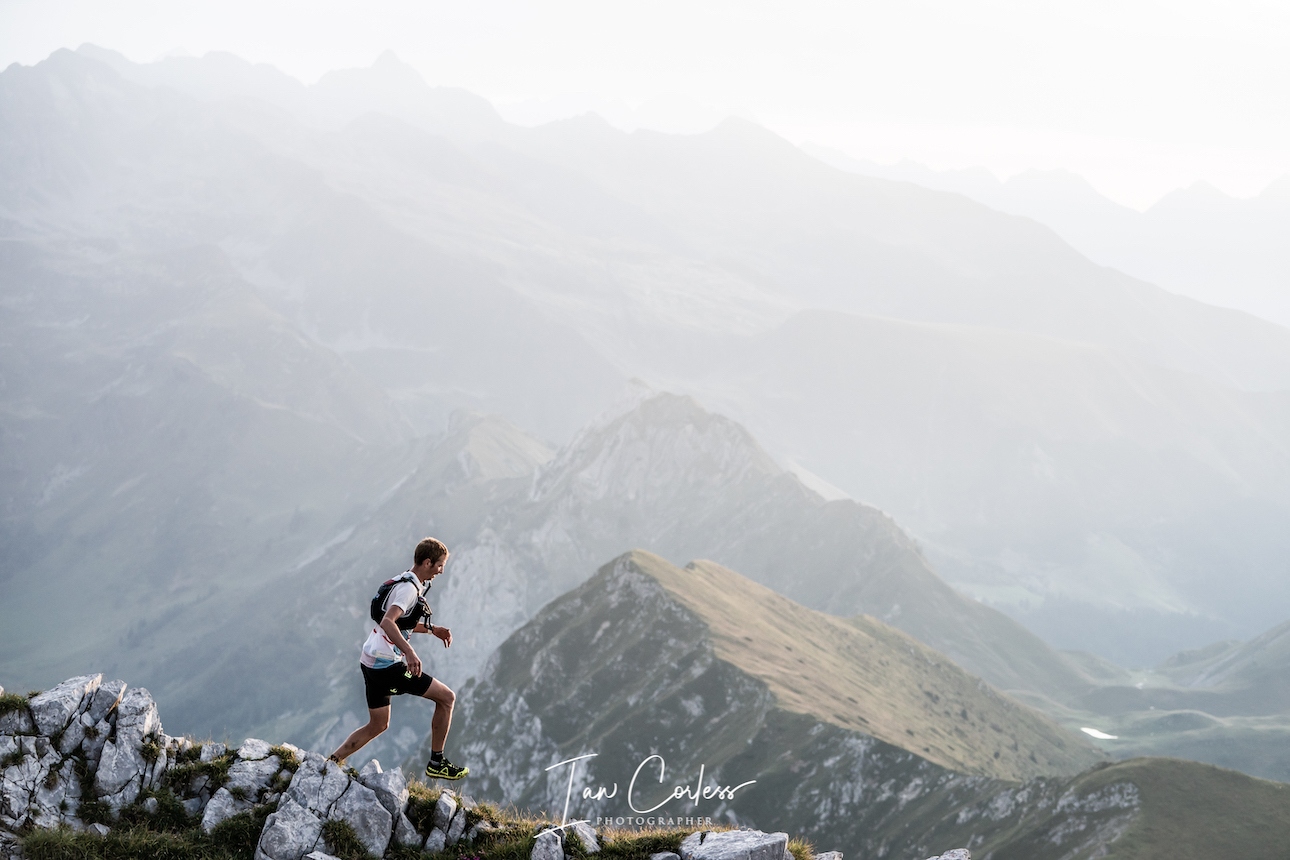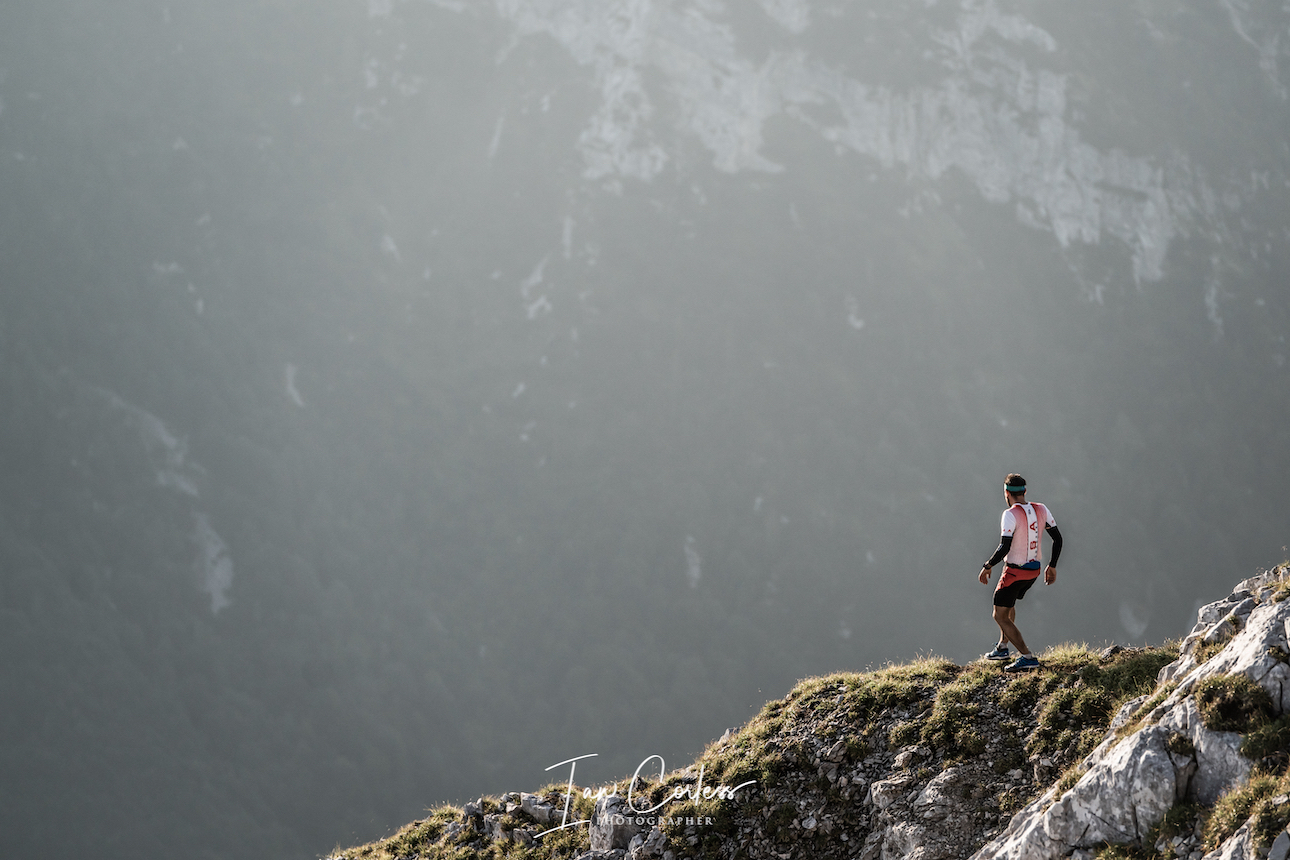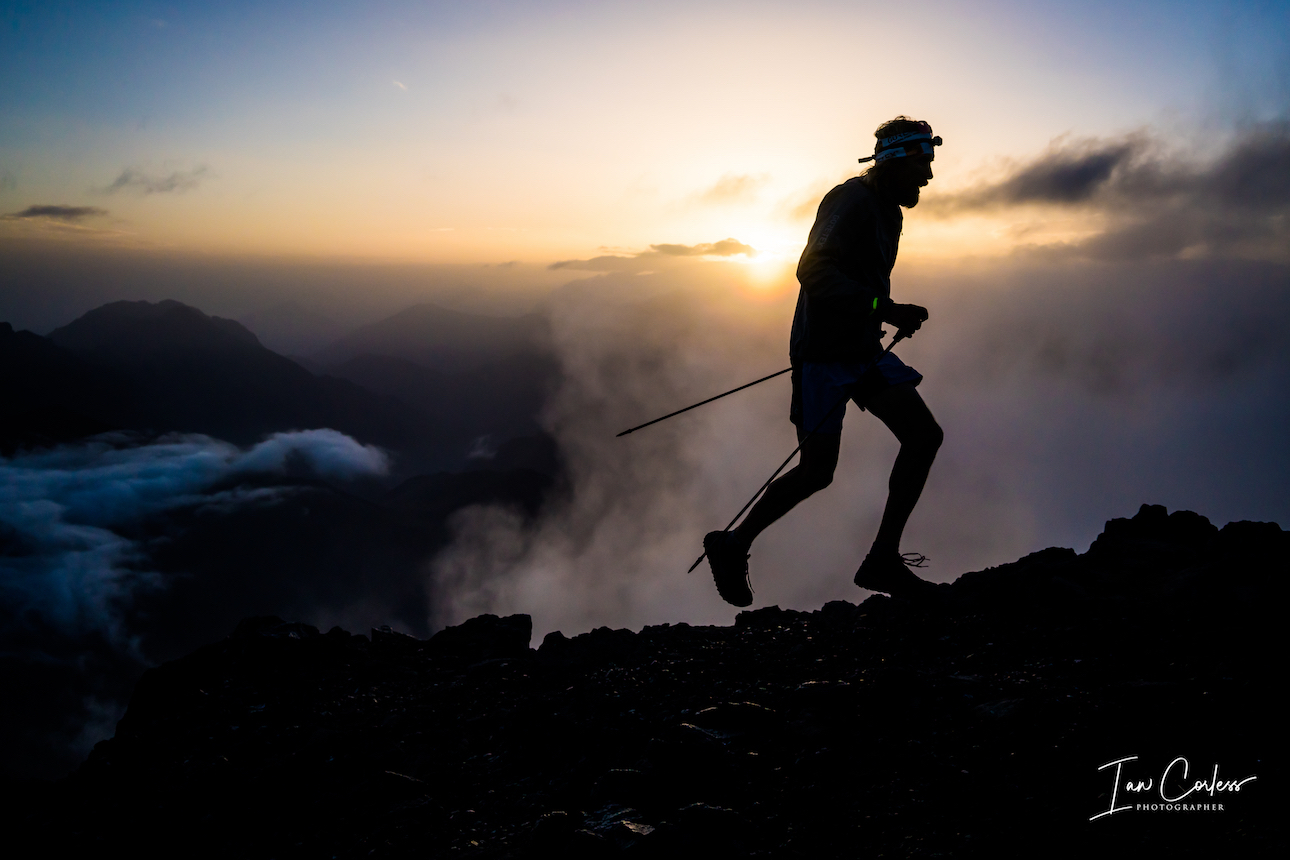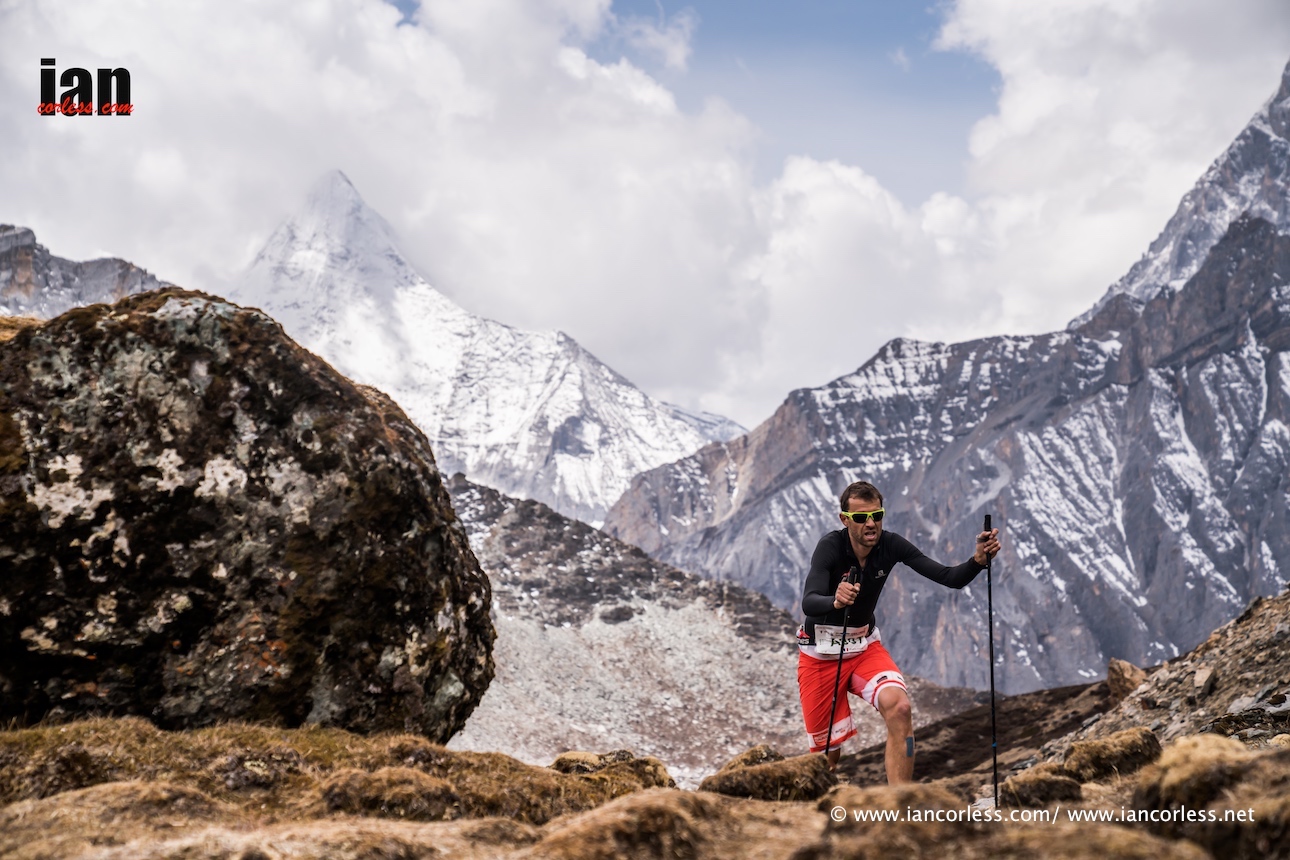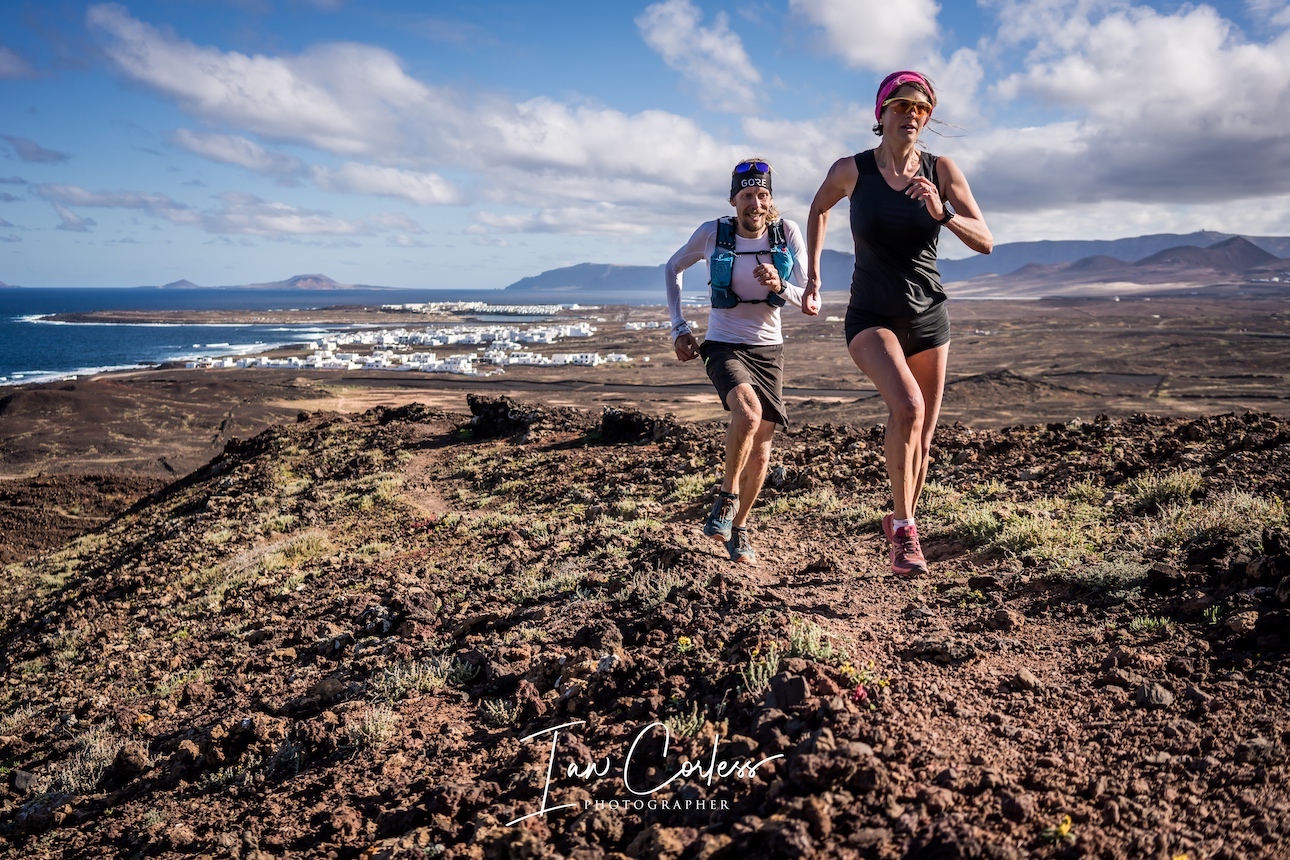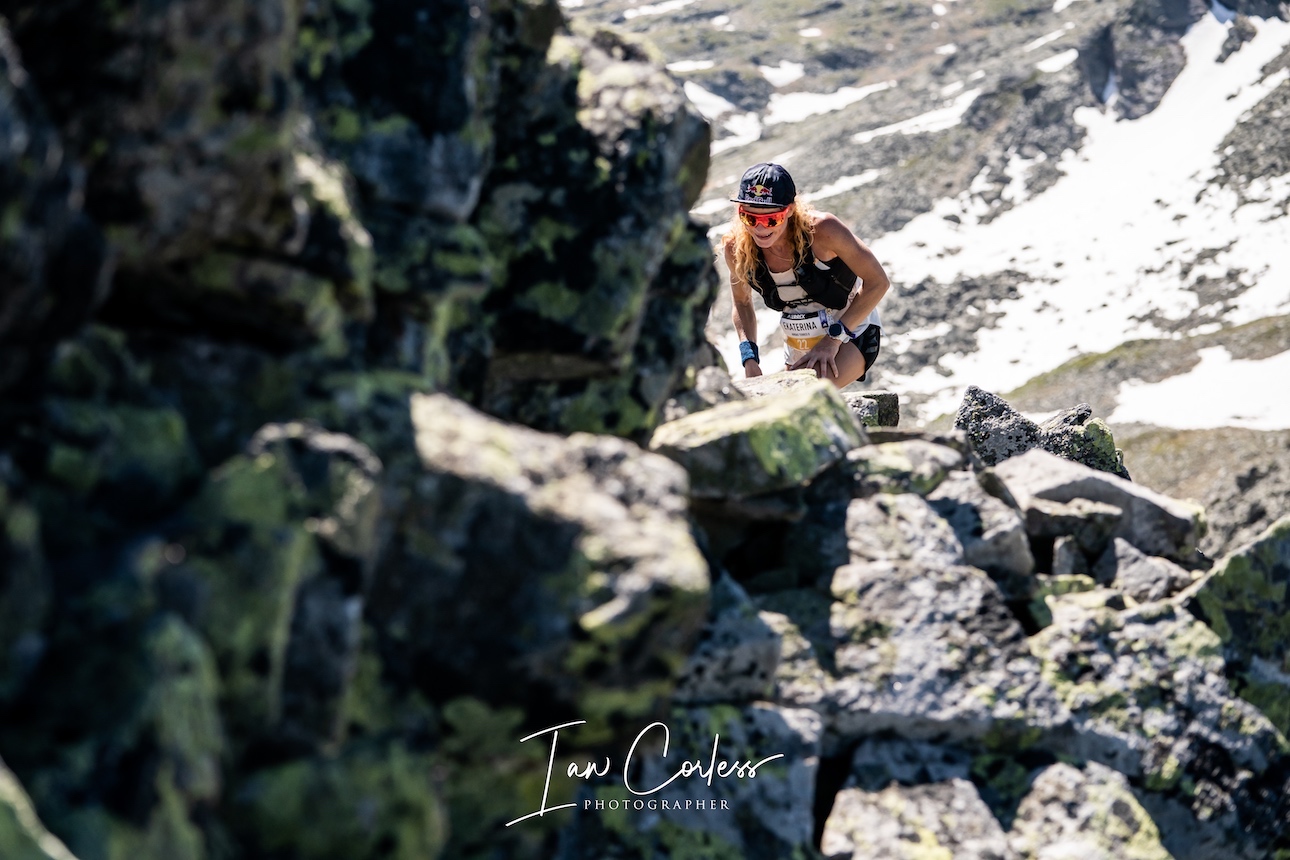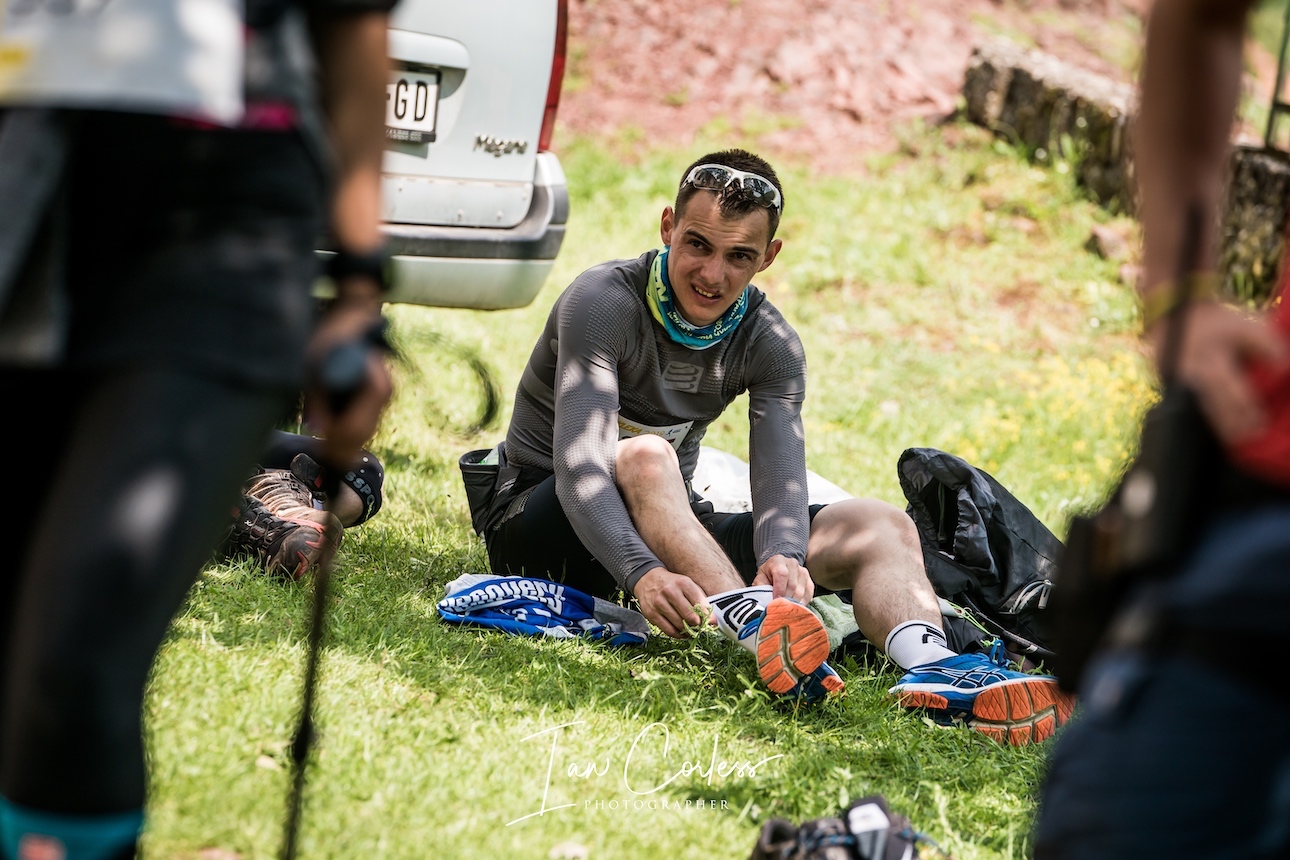
adidas Terrex and the 2019 UTMB Series of Races

I was recently in Chamonix for the UTMB series of events. I have to be honest, I have avoided Chamonix at the end of August for the last few years… The whole UTMB extravaganza just feels too overwhelming, there is no escape. So, I have chose to either have a holiday or work on smaller races.

This year I was asked by adidas to work on the event, documenting the experience of their Terrex Team as they prepared to tackle all of the events the UTMB offer, the exception coming with the crazy long PTL.

Working for a brand brings a whole new perspective and experience to an event like UTMB. Instead of chasing multiple runners over multiple locations, my priority would be to follow the favourites within each of the respective races – OCC, CCC and TDS. The UTMB would also be raced and followed by the whole Terrex Team but due to a prior commitment, I would skip the big loop around France, Italy and Switzerland.

UTMB needs no introduction, the series of races have arguably become a flagship for the sport. As UTMB has grown, so has the demand for people to race and for media to cover the event. This brings a whole set of challenges, especially for media. As a brand, adidas were required to pay a fee to allow myself and the film crew access to certain areas of the race, for example aid stations and finish line, and thus we could capture certain required images and also have the license to use them. UTMB provide live coverage of the event and it must be said, they do an incredible job using a helicopter, runners and mountain bikes to cover much of all the race routes. It is quite an incredible logistical problem and in addition, they provide live commentary with an ever-changing group of people providing on the spot analysis of the race. You can pretty much follow every race, start to finish live.

adidas and the UTMB

The team arrived in Chamonix one week before the UTMB main event and I arrived on the Monday. This meant the YCC started Tuesday, TDS Wednesday, OCC Thursday, CCC and UTMB starting Friday. You can do the math, that means long days, early starts, late nights and little sleep.

As a team, adidas had rented one huge chalet that would host the whole team, the hashtag #oneteam being a very important motto and ethos not only during race week but it is a hashtag that the team is using to bring the whole Terrex ethos together. It is very much ‘all for one, one for all!’ The chalet had two chefs who provided meals for the entire team and in so doing, dietary needs could be looked after and the need to try to find a restaurant in Chamonix was removed.

A team physio, Dave, was literally ‘hands-on’ everyday from morning to evening to keep the whole team in top condition. In the words of Team Manager, Robert, ‘without his immense treatments, day and night, someone like Luis may well have not raced!’

I am fortunate, after years covering races, I was well acquainted with much of the team; Luis Alberto Hernando, Sheila Aviles, Dmitry Mityaev, Ekaterina Mityaeva, Tom Evans and so many more. This always makes my job easier as to work closely with athletes, particularly in race week, there has to be trust and respect.

I was working alongside the adidas film crew who have been working on the Terrex brand for some time. A great group of guys who know how to work hard, laugh hard and find the time for a beer at the end of the day, no matter how long it may be. Big shout for Rapha, Andy, Patrick, Yannick and then man stuck to an editing stool, Bene. We had a separate chalet as the hours we work are not ideal when athletes are trying to sleep. Meal times were a family affair though and the athlete house was our hub for the week starting with an 0800 breakfast as and when applicable.

Behind the scenes is always fascinating. Looking at apparel, shoes and new development it was clear to see that adidas’ commitment to trail and mountain running is huge. They had specifically designed waterproof jackets and trousers for the team that complied with UTMB rules while still being light and packing small.

Athletes such as Yngvild Kaspersen and Tom Evans (Yngvild 2nd at Pikes Peak and Tom 3rd at Western States) were flown into Chamonix to be part of #oneteam even though they would not race. It was clear that adidas’ commitment to bringing everyone together is a high priority.

A signing in the UTMB expo allowed fans to get close, chat and get a signed photo from Tom, Luis, Holly and Sheila. The buzz was incredible.

Post the signings, we took Tom in to the mountains for a photo shoot. The most ransom moment of the whole week… A couple just married saw Tom, recognized him and then came for a wedding photo! The groom was running UTMB.

Over the course of the week, racers and non-racers would each continually give up their time to crew, support, follow and cheer on the team. A prime example being Ekaterina crewing for Dmitry during TDS to a stunning 2nd place. Two days later, Ekaterina would run UTMB and place 4th while Dmitry crewed her.

Filming and photographing brings its own challenges of long drives, big hikes and a relentless pace that leaves one drained and exhausted by the end but high on emotion. It’s always a tough call on who to follow? Many of the races had more than one adidas runner participating but from a story and media perspective, we would have to make decisions in advance. The TDS for example, our emphasis was on Dmitry. For CCC, Luis Alberto Hernando was our primary story. Needless to say, it’s incredible when it all comes together, Dmitry placed 2nd and Luis won CCC. To be able to see the journey unfold at close quarters and tell the story is quite special.

While we raced around with cameras, the remaining crew would chase around providing aid and support. Tom Evan’s quite rightly said, ‘I have raced and won CCC, I have also crewed on big races – I know how hard and tiring crewing is.’

But despite the long hours, the short nights and the relentless fatigue, nobody complained. On the contrary. As the week went on and the results came in, everyone was becoming hyped by the experience and results. It was infectious.

But nothing is perfect. Racing is fickle. While racing went well for Dmitry and Luis for example, others had a tough time. It’s here when the #oneteam ethos kicks in. We are all human, sometimes we are ahead and all is going well, other times, things don’t click, for whatever reason. As an athlete, that can be very hard. It takes months to prepare for an event and then on the day, for it not to come together as expected can be hugely disappointing. As one runner said, ‘I have let the team down…’ But the response was unequivocal, ‘You have let no one down!’

Sheila Aviles had stomach issues in OCC, Timothy Olson struggled at UTMB and finally had to withdraw and all along, the support from adidas and the team was 100%. 

Holly Page made a last minute decision to run CCC, battled through the first half of the race with terrible stomach problems only to come out of the other side and then race strongly over the latter stages for her first 100km finish. It was a story echoed throughout the whole week, ordinary people doing extraordinary things.

Being ‘In the arena’ to quote Roosevelt is what the sport of trail and mountain running is all about, ‘ The credit belongs to the man who is actually in the arena… who at the best, knows in the end the triumph of high achievement; and who at the worst if he fails, at least fails while daring greatly, so that his place shall never be with those cold and timid souls who know neither victory or defeat.’

Roosevelt in his quote sums up all adidas stand for with the Terrex Team.

A Day at UTMB – Following Luis Alberto Hernando at CCC

Our day started with an early alarm, a quick breakfast and a drive to Courmayeur – the plan to climb to Refuge Bertone and capture early content with Mont Blanc providing a stunning backdrop.

Plans hit a problem from the off with a long wait to get through the Mont Blanc tunnel. Once in Courmayeur it was gps time to navigate a route to the trail head. This was a constant theme of the whole week… Great gps software and gpx route are essential – we could plan to meet the runners as much as possible during a race.

We started our climb later than we would have liked but we pushed the pace – not that easy with a 15kg camera bag! Once there, the weather was perfect, the scenery magical and we knew we were going to get some great content. 

For Luis, we were aware we could capture him on the descent, chase after him and then capture him again after he had visited the aid station.

I positioned myself on the descent knowing that I would get a dynamic shot as Luis dropped in front of me taking a left turn with Mont Blanc behind him.

As Luis approached, disaster struck. A ‘runner’ who was spectating ran ahead of him ruining all my ‘pre’ shots. As I shouted for them to get out of the way, they then stopped directly ahead of me, right in the middle of my shot. I had to compromise… shit happens!

I then raced after Luis on the descent and then got to my second spot. This time all was good with clear shots and I then ran with him capturing more content before he raced off around the mountain.

Being early in the day, we decided to wait and capture the other adidas runners who were participating as the time gaps at this stage would not be too great. Later, it would be impossible if Luis ran the race we anticipated! Abi Hall, Macy were looking good but Holly Page was struggling with a bad stomach.

Dropping bag to the car via the twisty descent, we now had a 2-hour drive to Champex Lac. Luis was motoring and now in the lead. Race projections said he would arrive at 1425. Our navigator said we would arrive 1410.

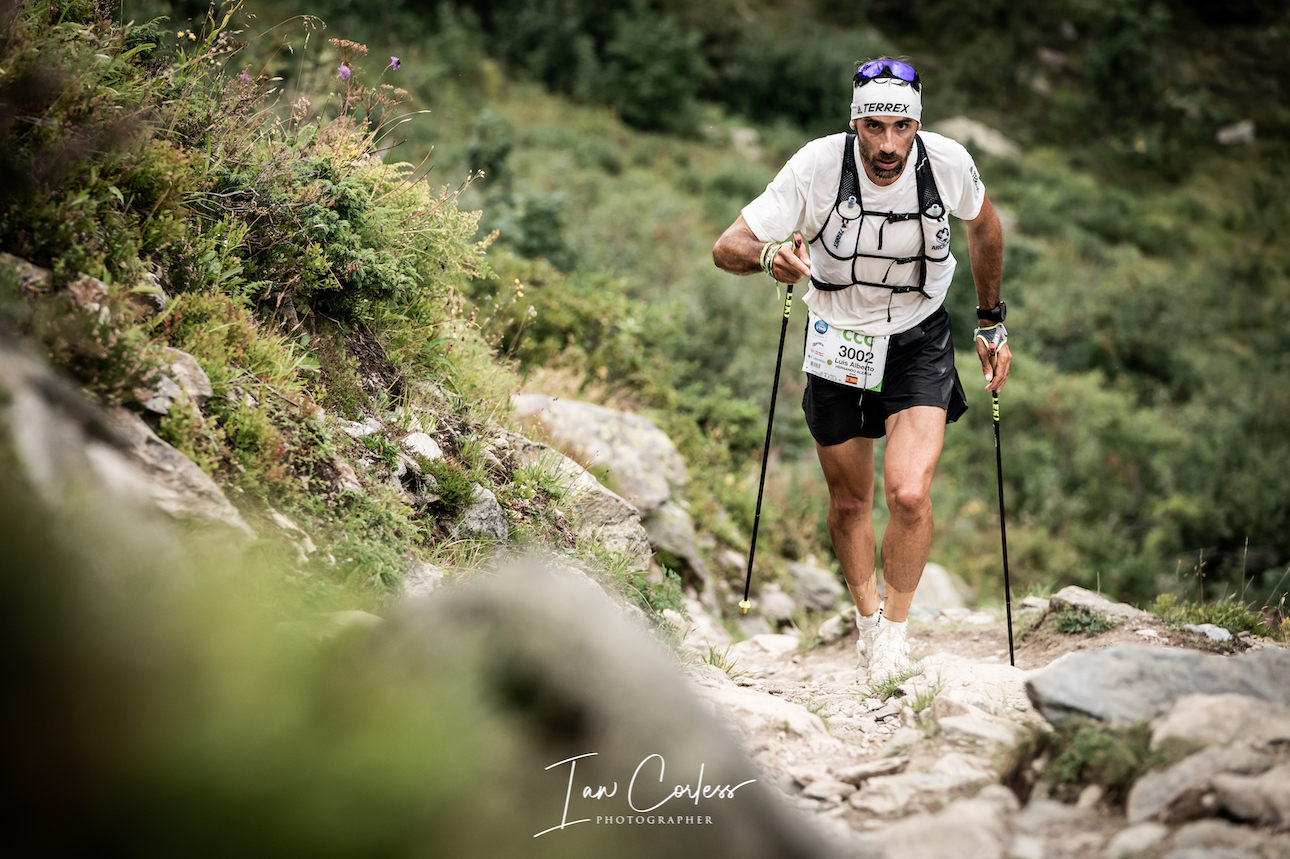
Once again we used gps software to find an access point pre Champex Lac that would allow us to capture content on steep forest trails. Luis arrived like clockwork powering up the climb using poles to keep the momentum.

At Champex Lac he ran the footpath and roads around the lake allowing more opportunities before we went off-piste on a dirt road allowing for one last shot before we would then lose him only to re-connect at Trient.

Trient provided a shot before the aid station and then we drove out of Switzerland and back in to France before capturing Luis on the climb of the Col des Montets – our last opportunity before his arrival at the finish.

Now Luis was motoring and opening up a gap on the 2nd place.

At the finish, myself and Patrick (film crew) waited for Luis in the press area while the remaining adidas team watched the huge screens in the square.

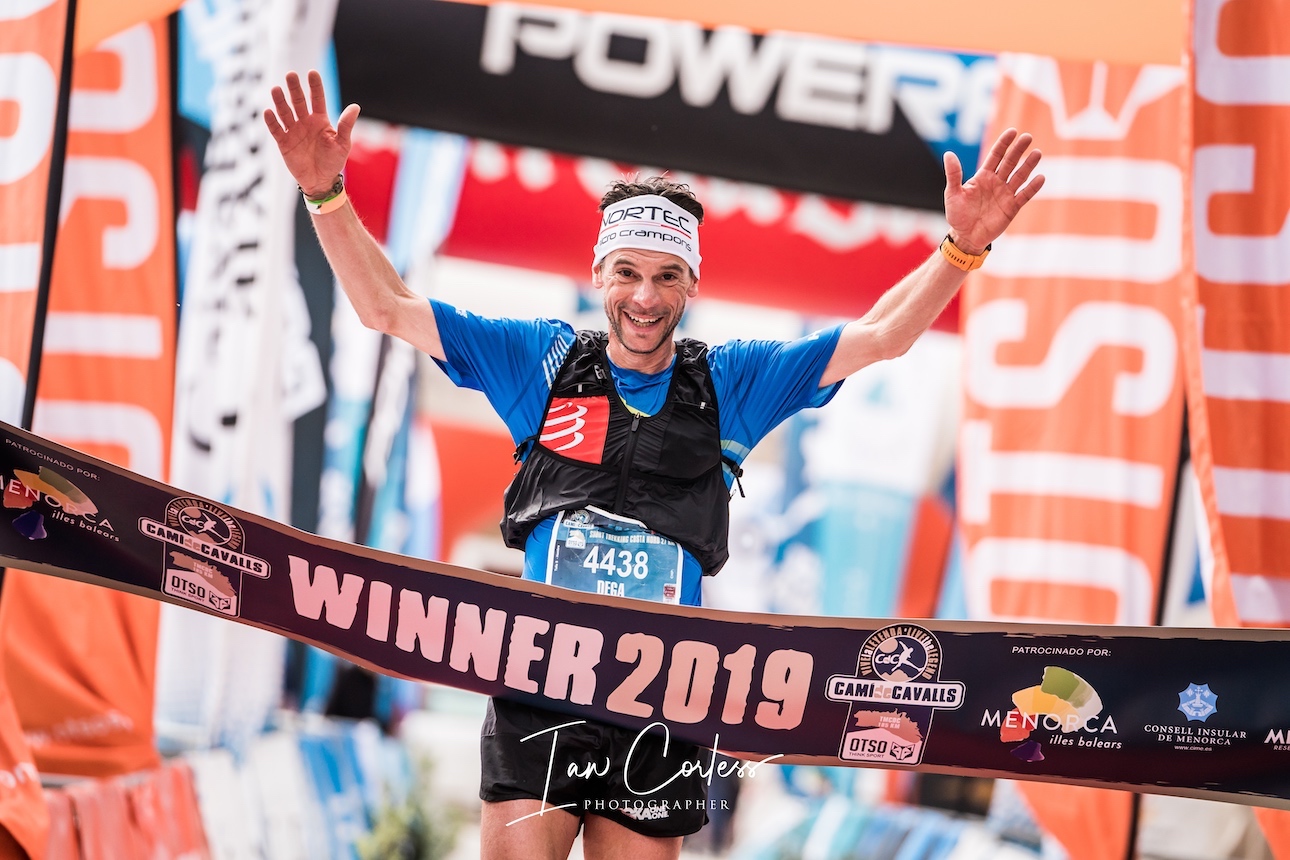
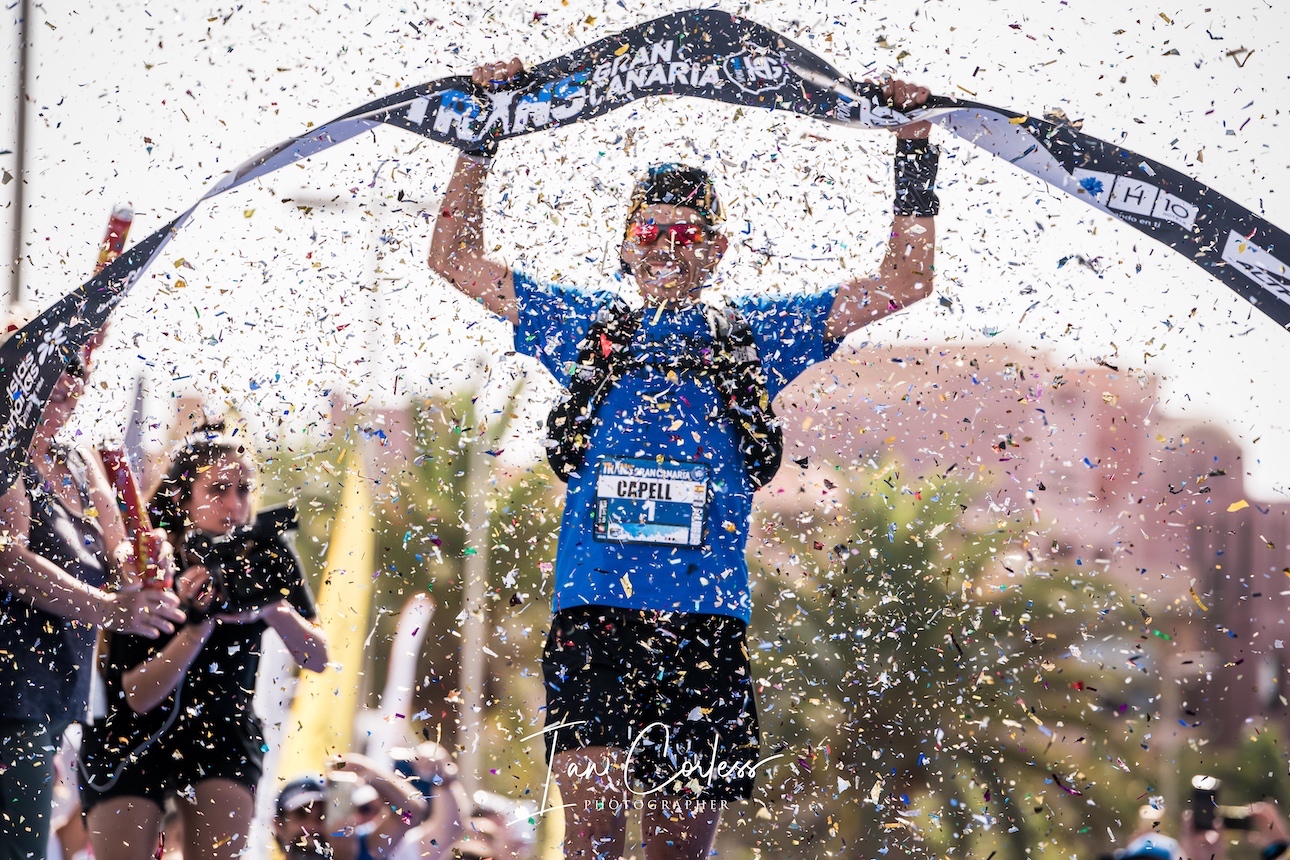
Finally, Luis achieved his coveted UTMB victory. It was an emotional finish. His wife, Nieves, greeted him with open arms. The Terrex team mobbed him as soon as they could… A post-race drug test delaying that process for some time!

Back at the chalet it was time to download the day’s work and release the content.

#ONETEAM

There is no ‘I’ in team and that was personified during this intense UTMB experience. We all had roles but flexibility is key. Athletes became crew, office workers became car drivers and everyone became a supporter both in a physical and mental capacity. 

It was a real pleasure to be immersed with a brand and follow closely the whole process that make a race and team come together. Certainly, the UTMB and Chamonix experience made team bonds stronger.

On a personal note, to leave on Saturday am while the UTMB was underway was hard, especially with Ekaterina running. I have witnessed her growth in skyrunning over the last year’s and then to see her rise to 4th at UTMB not only made me really proud but also a little jealous and envious that I wasn’t available to capture that journey in images…. Next time!

Follow on:

Instagram – @iancorlessphotography

Twitter – @talkultra

facebook.com/iancorlessphotography

Web – www.iancorless.com

Web – www.iancorlessphotography.com

Image sales –www.iancorless.photoshelter.com
Multi-Day Racing – It’s not complicated

It’s Not Complicated…

Let’s get one thing clear, multi-day racing is simple, it is often over complicated and this creates too many questions and too much confusion.

Let’s hark back to Patrick Bauer’s pioneering days and simplify the process, just like he did. Over the years I have interviewed and chatted with many runners in bivouac and after racing who have done just that, they had applied simple logic and worked out what would work for them. 

Yes, they had taken advice, looked at websites, processed information but importantly they had found out what worked for them. They realized early on that they were an individual and as such, they needed a personal approach to multi-day racing and not a generic one. Not all multi-day races are the same, some are completely self-sufficient, some are semi self-sufficient and others are supported where all you need is transported for you.

When you break a race down, particularly a self-sufficient race, key things are really important:

Pack

Must fit and be comfortable when loaded. Have enough room (but not too much) for all your equipment and provide easy access to fluid. You must also make sure that your race number is visible as per race rules. Think about additional pockets, such as a waist belt for snacks.

Sleeping Bag

Lightweight, packs small and warm enough. I would always recommend a sleeping bag and jacket as it offers more flexibility, reduced weight and reduced pack size. Popular sleeping bags year-on-year are PHD, Yeti and OMM. Read HERE on how to choose a sleeping bag.

Clothes

You just need what you will run in. However, a spare pair of socks is often commonplace and many runners have one or all of the following: a warm base layer, a lightweight down jacket or waist coat, buff and maybe long lightweight pants. Remember, you have to carry everything, so, it’s all about getting the pack as close to minimum weight. At MDS that is 6.5kg plus water.

Sleeping Mat

It’s optional but a good nights sleep is important and usually those who do not take one wish they had. It provides comfort and importantly an insulating layer between you and the ground. Two options exist – inflatable and roll out solid foam. The choice is yours. The inflatable ones offer more comfort, more flexibility in packing but with poor admin, you do run the risk of a puncture. I’ve used inflatable for many years with no issue. A solid foam Matt will last the week with no risks of problems but they roll large and need to sit outside the pack.

Shoes and Gaiters

Shoes (more below) are personal, just make sure they have a good fit, appropriate drop for your needs and suit your run/walk style with enough durability for you. I say ‘you’ because someone like Rachid El Morabity can complete the whole of MDS race in say 21-hours whereas most people won’t even do just the long day in that time – his shoe shoe choice will and can be very different to what most of us need!

Continue reading

Choosing a Sleeping Bag for an Adventure

If you are going on an adventure, taking part in a multi-day race or basically going on a one night jolly in the wilds somewhere, a sleeping bag is going to be an essential item.

Choosing a sleeping bag one would think is easy… Go to a shop, find one that fits into your budget, purchase and use.

The reality is, the above is far from the truth.

Need Coaching or a Training Plan? Information HERE

ASK INITIAL QUESTIONS

A good sleeping bag is not cheap and going cheap is most certainly not a good idea. So, from the off, accept that you will need to dedicate a good portion of your hard earned cash.

One sleeping bag will not work in all situations, however, if one is clever, one can make a sleeping bag adapt to other situations and therefore it is possible to increase the range of use and temperatures that a sleeping bag will work in.

Sleeping bags mainly use two fillings: Down or synthetic such as Primaloft.

  • Down: Is lighter and the weight to warmth ratio is higher. It packs smaller and can be compressed to a very tiny package if required. Down however cannot get wet. If it gets wet it all sticks together and will offer no warmth at all. Down is expensive and one should make sure that if purchasing down that it is ethically sourced.
  • Primaloft: A synthetic product, it is heavier and packs larger than down. It’s a cheaper product than down and importantly it can get wet and still retains warmth.

The first questions one should ask are:

  1. Am I using the sleeping bag in a dry or wet climate?
  2. Is the weight of the bag really important. Normally the answer here is, if you are carrying it, yes, the weight is important.
  3. Do I need the sleeping bag to pack as small as possible?
  4. Do I need the bag to work in one or more situations? Another way of looking at this is, do I need to compromise on points 1-3 to get value for money.

Ask some personal questions:

  1. Do I sleep warm?
  2. Do I like to be warm and if not warm, am I miserable?
  3. Am I prepared to be a little cold to be as light as possible?
  4. Do I need a full-length zip, half-zip or am I happy to have no zip?

Consider other factors:

  1. If you are tall, wide, have big shoulders etcetera, etcetera then some sleeping bags will just not work for you as they will be too small.
  2. If you are small/ petite an off-the-shelf sleeping bag actually could be too big for you, this is not a huge problem, but if you wanted the bag to be as small and light as possible, you could go custom made.

Sleeping bags have a ‘Comfort Rating’ as follows:

Upper limit – the highest temperature the average male can expect to have a comfortable night’s sleep at without too much sweating.

*Comfort – the temperature at which the average adult woman can expect to have a comfortable sleep. *This is the ideal for most people choosing

Lower limit – the temperature at which the average adult male can expect to have a good night’s sleep in a curled position.

Extreme – the lowest temperature at which the average adult woman can survive. This rating comes with caution and additional consideration should be given if you plan to sleep in temperatures this low.

Layering:

Irrespective of what sleeping bag you choose. Layering for me is a key consideration when choosing a sleeping bag and this is one key factor that helps make a sleeping bag stretch over a multitude of uses and temperatures. (See the image below.)

  1. Sleeping alone.
  2. Sleeping bag, T-Shirt and shorts.
  3. Sleeping bag, L/S top and long leggings.
  4. Sleeping bag, L/S top, long leggings and Jacket (down or primaloft).
  5. Sleeping bag, L/S top, long leggings, Jacket (down or primaloft) and over-trousers (down or primaloft).

Note – By wearing a hat/ Buff/ balaclava or combination of all three, you will retain a great deal of body heat – remember this!

With the above diagram, you suddenly see how one sleeping bag can cover at least 5 temperature ranges and still provide comfort.

From a personal perspective, I prefer a sleeping bag that is probably not quite warm enough as stand alone for my chosen environment. Why? 

  1. Should the weather be warm, I know my sleeping bag will be fine on it’s own and if it has a zip, I can regulate even more.
  2. I know that I can get warm by incorporating layers.

How do I know what layers I will need and what about additional weight?

The answer to the above is actually part of the process and in some ways, part of the fun of what works for you. Let’s take two scenarios, Desert and Himalayas:

Desert:

Multi-day desert races such as Marathon des Sables, require runners to carry all they need for the duration of the event. Therefore, weight is critical. However, desert temperatures can vary greatly. Some evenings can be mild and even hot. Other nights you can be blasted by wind and sand and the temperature drops to zero or below. So, the sleeping system needs to potentially cover a range of temperatures, let’s say 10 degrees. If you purchase a sleeping bag that is warm at say zero, it is going to be way too hot at 10 degrees. The sleeping bag will also be heavier and pack larger. By contrast, if you had a sleeping bag that was good for say 5 degrees, not only will it be lighter, pack smaller but importantly it will be more comfortable in warmer temperatures. You then make the bag warmer, should you need by adding layers… hat, T, shorts, longer leggings and then finally jacket. A question is often raised about the need for a jacket? I personally think it is essential – they are perfect in the morning and evening when sitting around and importantly, they are that extra important layer if you get a cold night. From my drawing sample, you would be looking at 1 to 4.

“Smart lightweight campers have been using their clothes to boost the warmth of their sleeping bags for years and climbers do it when they have to. Yet most of us are still carrying bags much bulkier and heavier than we need.” – Peter Hutchinson Designs

Himalayas:

The principal of the desert applies to the Himalayas. But obviously, one would not use the same sleeping bag. The initial starting point will be a warmer bag that is obviously heavier and larger. Also, down would almost certainly be the choice. The layering would go from 1 to 5. The reason being that daily temperatures in the Himalayas can be say, 10/15 or even 20 degrees. In the evening, depending where you are and how high you are, the temperatures can be -20. That is a huge difference and therefore you need a system that works over a huge range – this can only come from layering! Read about my Three High Passes Trek HERE

NOTE: Both of the above systems benefit greatly from a good sleeping matt that provides a layer between you and the ground. This is an essential item in my opinion. Not only does it add a barrier, it importantly adds comfort. If you are comfortable, you will sleep better. A good nights sleep means you are fresh and recovered for the next day’s challenges.

Professional explorer, Eric Larsen commented to Outside online:

“Larsen firmly believes in layering heavily in the cold, an opinion developed after years spent sleeping in subfreezing temps. “There is no such thing as a cold night’s sleep, only not enough layers,” he says. “I layer when I’m inside the bag just as much as I do while outside the bag. When you’re climbing Everest, you’re not naked under your down suit. The more heat you can preserve in a warm layer next to your body, the better.”

url https://www.outsideonline.com/2271191/how-experts-layer-sleeping-bag

PRODUCTS

Choosing a sleeping bag is something very personal and we are all individual. A 6ft 2” guy weighing 85kg is going to need something very different than a 5ft 6” woman weighing 55kg, so, keep that in mind!

You know you! It’s ok to ask for advice and recommendations, but you need to keep the points above high in your mind.

There is a general rule with sleeping bags and down jackets, the more you spend, the better they are. But there are many options out there.

Understand that when purchasing a sleeping bag that often it is possible to choose a size, just like when purchasing clothing.

A UK based company PHD (Peter Hutchinson Designs) takes things one step further and can custom make a sleeping bag to your exact specifications and needs. “…a footzip, which adds 10g and allows some air circulation around the feet. Zips are an option on the Minim bags, but most competitors don’t ask for one. A short zip with draft tube adds about 55gm (2oz): a full zip and tube adds about 120gm (4oz). Zips also add to the packed size.” One of the advantages of PHD is you can get exactly what you need.

A few years ago I compared PHD, OMM and YETI at the Marathon des Sables HERE

In a recent article, I compared Rab, Sea to Summit and PHD HERE

CONCLUSIONS

Sleeping bags are an essential piece of equipment. Choosing the correct one can make or break an adventure. In simple terms, a good nights sleep allows you to rest and recover for the next day’s demands.

Nobody likes being too cold, especially at night, so keep this in mind and embrace the layering system.

Understand that we are all individual, what works for one, does not work for all.

Research the race and environment you are racing and check the highest and lowest temperatures. Start looking at sleeping bags with the appropriate *comfort rating and narrow down a search from here.

Remember, not two places are the same! For example, there is a huge difference in the desert/ weather say for Morocco, Atacama and the Grand to Grand in the USA.

Also understand the specifics of your adventure and what bag best suits your needs. To clarify on this, if you are going to the desert and the Himalayas, you will need two sleeping bags as the demands are very different. However, if you are going to the desert and then going back-packing in France in summer, the same sleeping bag will almost certainly work.

A sleeping mat is a no brainer when it comes to sleeping. It adds comfort and a barrier between you and the ground. For example, in the Himalayas when the ground is frozen and hard, why would you not put a barrier between you and basically a hard block of ice. 

Please support this website. I believe everyone deserves to read quality, independent and factual articles – that’s why this website is open to all. Free press has never been so vital. I hope I can keep providing independent articles with your help. Any contribution, however big or small, is so valuable to help finance regular content. Please support me on Patreon HERE.

Follow on:

Instagram – @iancorlessphotography

Twitter – @talkultra

facebook.com/iancorlessphotography

Web – www.iancorless.com

Web – www.iancorlessphotography.com

Image sales –www.iancorless.photoshelter.com

Mount Toubkal, Morocco – Embrace the highest peak in North Africa

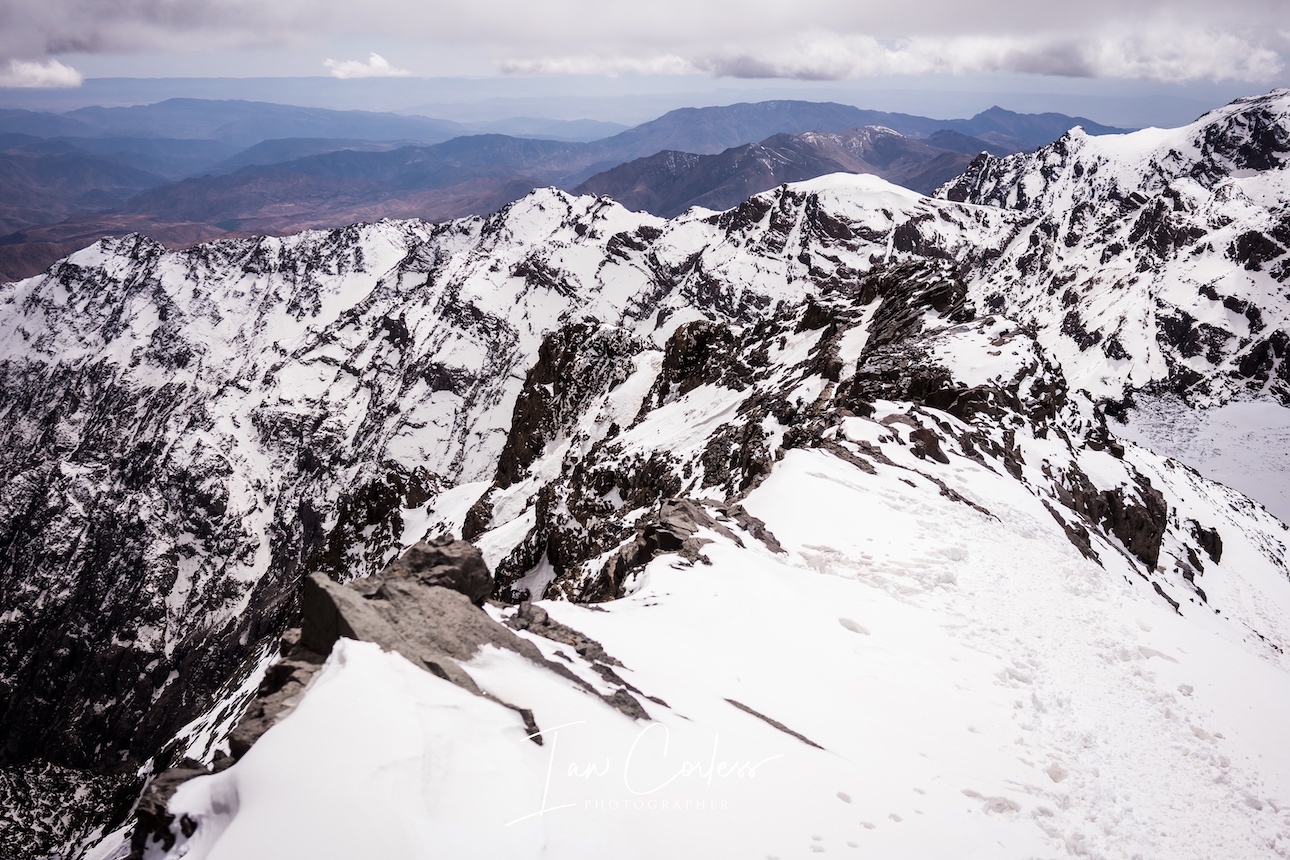
Located in the Toubkal National Park, Morocco, at 4167m, Jebel Toubkal is the highest peak in the Atlas Mountains. It is also, the highest peak in North Africa and the Arab World.

Located just 75-minutes drive from Marrakech (approximately 40-miles) the National Park and the Toubkal summit has long been an excellent opportunity for those looking for a challenge, either for a specific purpose or as an add-on to an active holiday. As ultra-running, mountain running and the desire to explore new places grows. Morocco and Toubkal is a great place to adventure. Toubkal is considered by many as a great entry level mountain and it’s altitude is a great allure.

Toubkal has two-seasons, Winter and Summer. In winter, summiting the peak brings different challenges as it is completely covered in snow and ice. Winter mountain skills are required and the use of crampons are essential.

So, in this article, we look at Toubkal as a summer adventure and in due course, I will follow up with a Winter article.

PRACTICALITIES

Flights to Marrakech are in abundance and if you plan ahead, you can get very good deals, particularly from some of the budget airlines.

If you have not been to Marrakech before, I would say it is essential to soak up the atmosphere of the place by staying in the Medina (souk) in a typical Riad. Riad’s are standard Moroccan accommodation and like anywhere, you can go cheap or expensive. I have several favourites. My all time favourite, the ‘Dixneuf La Ksour’ (http://www.dixneuf-la-ksour.com ) which has only 6-rooms, excellent staff and they serve wonderful local food in the evenings and they have a licence to serve alcohol, if that is your thing!

My advice would be, arrive Marrakech and then spend two days sightseeing. Visit the Medina, get lost and haggle for a bargain. On the following day you could visit the Yves-Saint-Laurent Museum (https://www.museeyslmarrakech.com/fr/ ) and the Jardin de Marjorelle (https://www.jardinmajorelle.com)  both worth the effort. There are many other things that one can do, but this is a good starting point. You could then go to Imlil/ Toubkal for your adventure and the return back to Marrakech for another day or two before returning home.

TOUBKAL

Depending on your budget, you can either get a taxi or a private car to the village of Imlil. This is the starting place for all summit attempts. A taxi will be 35-40 euro and private car 80 euro.

OPTION ONE:

This is a standard option for Toubkal, and what most people do on a first attempt.

They leave Marrakech after breakfast, looking to arrive Imlil, say for 11am. You then meet your *guide, have tea (nearly always compulsory) and then leave for the refuge.

*A guide is now compulsory in the National Park and you cannot enter without one. There are currently three checkpoints that you go through and on each occasion your guide must provide your passport and the details are logged.

Imlil to the refuge is designed to introduce you to the terrain and slowly adapt you to the altitude. Imlil is at 1800m and the ‘Les Mouflons’ refuge is at 3207m. Depending on experience and adaptation, Imlil to the refuge can take 3-6 hours. 

Leaving Imlil, you have a narrow trail that rises quickly to a road and then the village of Aroumd. Here you will meet the first passport control and then you cross a floodplain before starting the climb to the refuge. The terrain is rocky and rough but not dangerous.

Chamharouch is the next passport control and here you will see a large white rock that is a Muslim Shrine. Here it is possible to get water, food if required and soft-drinks such as Coke.

The path now climbs steeply and gently reaches upwards, once again the terrain is rocky. You will arrive at two disused building that now sell drinks and here is the 3rd and final passport check. Before you know it, you will arrive at the refuge located at 3207m.

Depending on what you have arranged with your guide, you will have a meal at the refuge and then you will stay in a shared dorm with all the other climbers. These dorms are often unisex, so be prepared. You also need to be self-sufficient in terms of sleeping bag, additional clothes and warm layers. Everyone usually sleeps by 8/9pm.

The summit day will typically start at 0400 with breakfast and the intention will be to start the climb asap. Sunrise is approximately 0700, so, depending on your projected speed, the guide will advise on a departure time so you can climb from 3207m to 4167m.

In summer, the trail is very dry and although not a technical climb, Toubkal does have a great deal of loose scree and rocks. With the addition of the demands of altitude, the climb can provide an excellent challenge for someone new to experiences like this. Or, experienced runners and climbers can use it as a form of training. The trail goes straight up often zig-zagging to ease the gradient. Once at the saddle, the trail goes left and right. Here you go left for a final push to the summit. On a clear day, the views are magnificent and if you time it correctly, the sunrise can be truly magical.

Importantly, be prepared for the cold. It may be 30-40 degrees in Marrakech but the summit can be very cold and windy. Make sure you have wind proof jacket/ trousers, warm layer, hat and gloves as a minimum.

Most arrive at the summit between 0700 and 0900, you spend time soaking the views and taking photos and then return via the path you came. (There is another way down, more on that later!)

Descending becomes easier from an altitude perspective, with every meter you go down, the easier it will become to breathe. However, I think many find the descent harder and more challenging than the climb. This is due to the loose scree and rocky terrain. If experienced, one can drop from the summit to the refuge in 60-75 minutes. However, many eek their way down and falling/ slipping is a very real possibility. To clarify, there are no exposed ridges or real danger. It will just be a slip and a slide.

Once back at the refuge, many take a break for lunch and they will look to descend back to Imlil in the afternoon via the exact same route they went up the previous day. The out and back route is approximately 22 miles.

Once back in Imlil, it makes sense to book a local Riad, they are very inexpensive and serve great Tagine. The following morning you can arrange for a taxi/ car to collect you and you will be back in Marrakech for lunch.

OPTION TWO:

If you are experienced or want a challenge. Imlil-Toubkal-Imlil can be done in one day. I have done this twice now, once in Winter and once in Summer.

Most recently (August) I left Marrakech at 0530. I met my guide at 0700. We summited at midday and I was back in Imlil before 4pm in the afternoon. I had a car collect me and I was back in Marrakech before 7pm.

The above is not for everyone, but for me, it was an ideal opportunity to fit an action packed day between holiday days, before and after in Marrakech.

OPTION THREE:

As option two, but from the summit it is possible to take another route down. This is a more challenging descent with some exposure, very loose scree and lots of technical rocks. In terms of distance, it is maybe a little less than the standard up and down route but it does offer more excitement! I took this route down on my first trip to Toubkal. It rejoins the path up to the refuge below Les Mouflons.

EQUIPMENT:

During the day, shorts and t-shirt is ideal for the climb to the refuge. Shoes should be good trail running shoes with toe protection. Hikers will probably use walking shoes, approach shoes or boots. I used VJ Sport MAXx shoes which were perfect on these trails. You will need a pack and in that pack a change of clothes, warm layers, a sleeping bag and the capacity to carry liquid and some snacks. Refuge to the summit and back can be cold and windy. Be prepared with a Primaloft warm layer, gloves, hat and wind proof pants and jacket. It is recommended to have waterproof (just in case!)

I think poles for most people are an essential item. They will considerably help on the climb up and on the descent, they will add a security blanket.

TIME OF YEAR:

August for me is perfect. Marrakech is hot but has less tourists. Expect 30-40 degrees during the day. Imlil to the refuge, temperatures will be somewhere between 15 degs at 0700 and 30 deg in the afternoon. May can still have snow, so, be careful.

BOOKING:

The refuge at Toubkal is a great place to liaise with in regard to booking. 

refugetoubkal@gmail.com  – Liaise with Hamid.

Refuge Tariffs:

34.5 euro per person per night full board ( Dinner, breakfast and lunch )

29.5 euro per person per night half board ( Dinner and breakfast  )

19.5 euros per person per night ( without meals )

The refuge can also arrange the following for you:

Transport from and back to Marrakech

Accommodation in Imlil

Mountain Guide – A guide will be approximately 80 euro per day and is payable in cash only.

IMLIL HOTEL:

The Riad Atlas Prestige is located on the climb out of Imlil. It’s cozy, provides an excellent service and the food is great. It also very inexpensive at typically 30 euros a night for 2-people.

The hotel is on booking.com or you can contact directly +212 666 494954

SAFETY:

Morocco is safe. I have been travelling in different areas for over 7-years and I have always had a great time with wonderful experiences. Of course, there are cultural differences and as a tourist, it is we that must adapt. Women in particular should consider ‘covering up’ a little more, particular if running. But, in Marrakech, there are so many tourists that pretty much anything goes. Taking photographs, one should be careful. The locals really do not like it, and this I know from first hand experience.

Unfortunately, in December 2018 two girls were murdered between Imlil and Toubkal and this created a stir worldwide and locally. Hence the need for a guide and three passport controls now. I cannot emphasise enough that this incident was a one-off and to clarify, I have been back to Morocco and Imlil twice since this incident and at no point was I worried.

CONCLUSION:

An active weekend away or part of a longer trip to Morocco, Imlil and Toubkal is a real adventure and is highly recommended. For example, it would be quite feasible to fly from the UK (for example) on a Friday and return on Monday having visited Imlil and summited Toubkal over the weekend.

For those with more time Imlil is also a great place for a longer stay. There are many trails to explore in the area and the place is a hidden gem.

For those combining holiday and adventure, Imlil and Toubkal is a great active outlet amidst a more relaxed time in Marrakech. If you are planning to be in Morocco for longer than 7-days, also consider heading to the coast to visit Essaouira which is a 4-hour drive. It’s an old place with a very different feel to Marrakech. Of course, the options are only limited by your imagination and budget – it is also possible to go and stay overnight in the desert and have a bivouac experience.

As destinations go, Morocco is a magical place.

Strategy for Completing and not Competing

The last time I toed the line with purpose as a runner was in 2012. It was at the Lakeland 50 in the UK. I was confident, I was really fit and in April, I had won an ultra in Turkey.

However, everything was not ok.

I was getting constant knee pain and I kept ignoring it… Ultra runners are good at that!

Anyway, for much of Lakeland 50 I was near the front, that is until Ambleside and then it all fell apart with constant knee pain. My hopes of a top-10 disappeared and I eventually crossed the line in 36th place in 9:59. My target had been to run around 8:40. In retrospect, I should have been happy. But I wasn’t. I went away knowing that my knee issue had stopped me performing and it needing addressing. 

My knee injury was chronic and required two, maybe three operations. I declined all knowing that knee surgery success is hit and miss. So, ever since, I have managed that pain, changed my goals and loved adventures. Gladly, big hikes and fast packing/ multi-day is what I really love. I still get pain, but I manage it. So, all is good. I am happy to do what I can. I run regularly, daily sometimes and even now, 30-50km training runs are a regular. But walking has always been something I have used to keep moving and rather than it being a negative, I always made it a positive.

So, why am I writing?

Well, I started running after cycling and triathlon. I have to say, I have never considered myself a good runner. I dropped my marathon PB to 2:53 which was creditable but in doing so, I lost the true reason for running. FUN! Do not get me wrong, I had loads of fun running but PB’s, time, diet and training all took over from a healthy outlook on my running. 

I was obsessed by my running. I must clarify, I was previously obsessed by cycling and triathlon and that is why I stopped…!

Being a photographer and journalist has allowed me to look at running in many different ways. I mostly follow the elites, but multi-day races, such as Marathon des Sables, allow me to follow runners achieving a life time goal. I must clarify, achieving a life time goal may be a 5km, 10km, half-marathon and so on. I use longer distances as this is the area I usually deal in – ultra.

Many are looking to complete and not compete.

I have learnt since 2012 that I normally complete anything I set my mind to in sport and the reason for that is strategy, planning, getting the mind in the right place and yes, embracing walking!

The Older I Get, The Better I was!

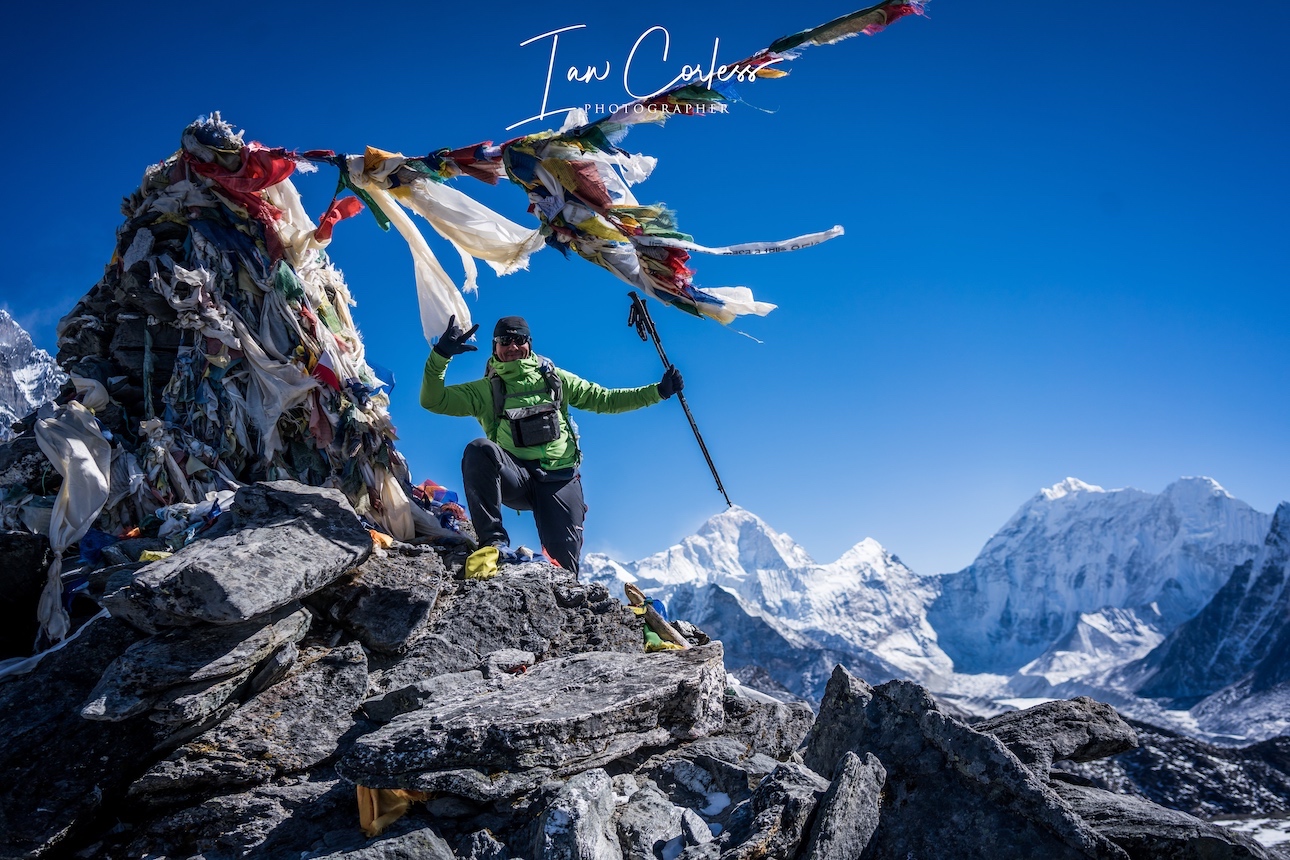
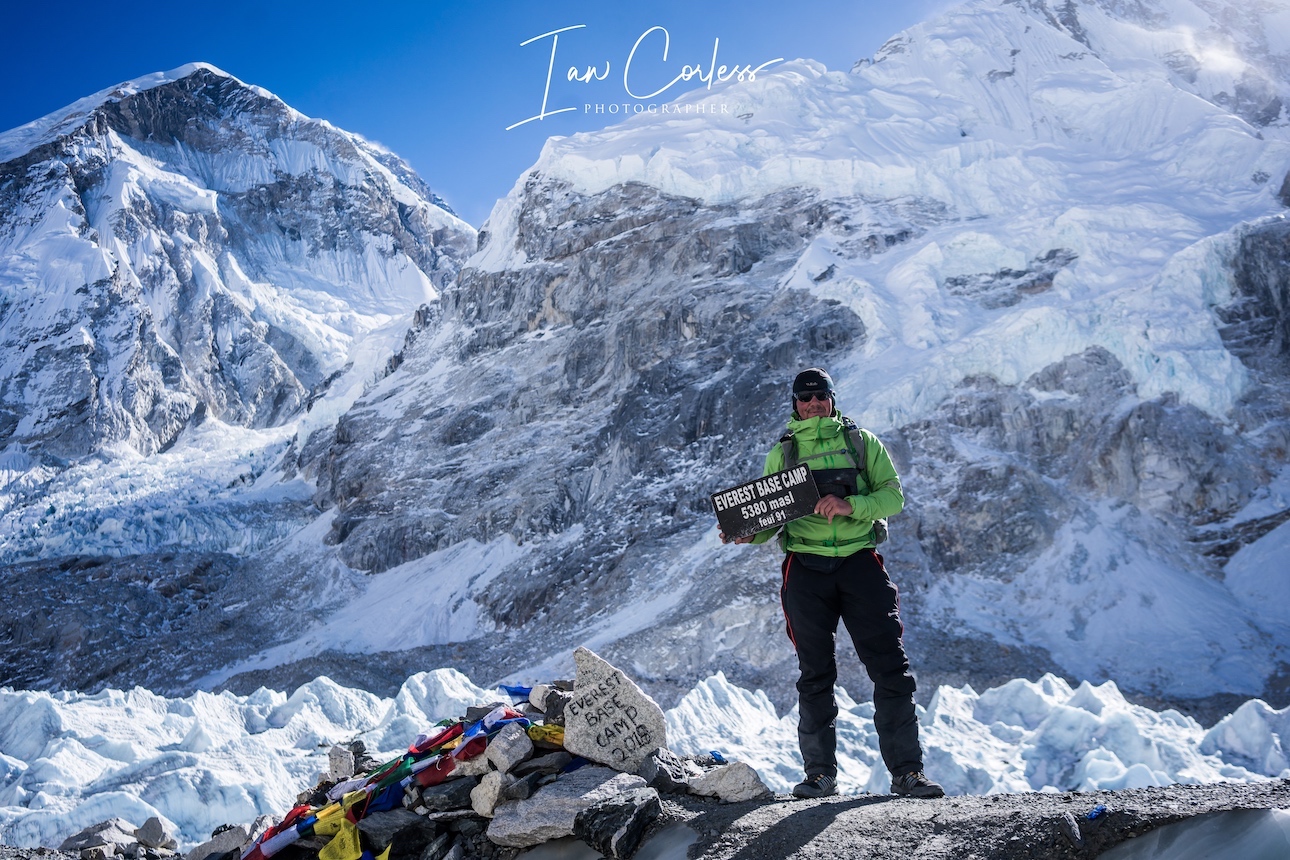
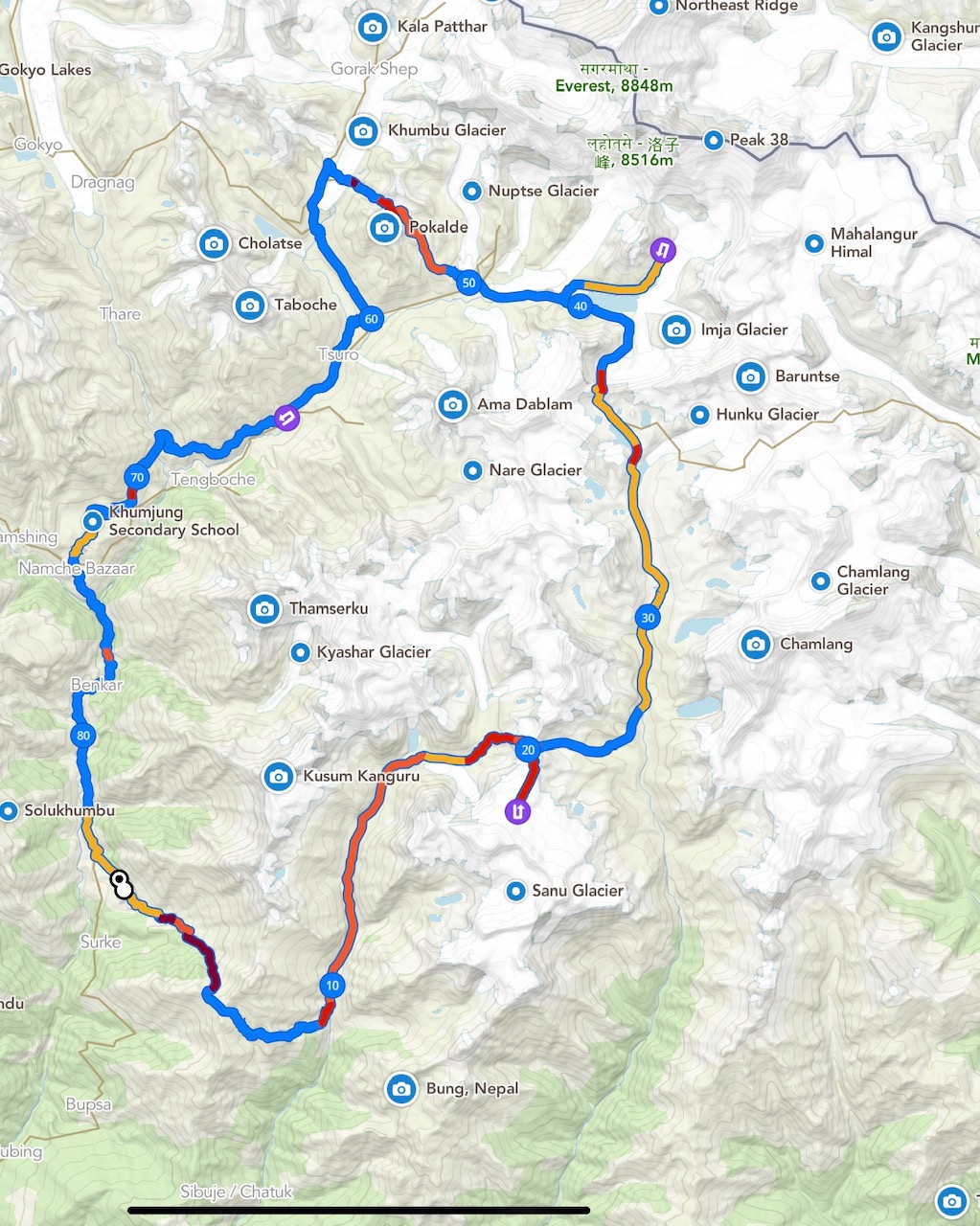
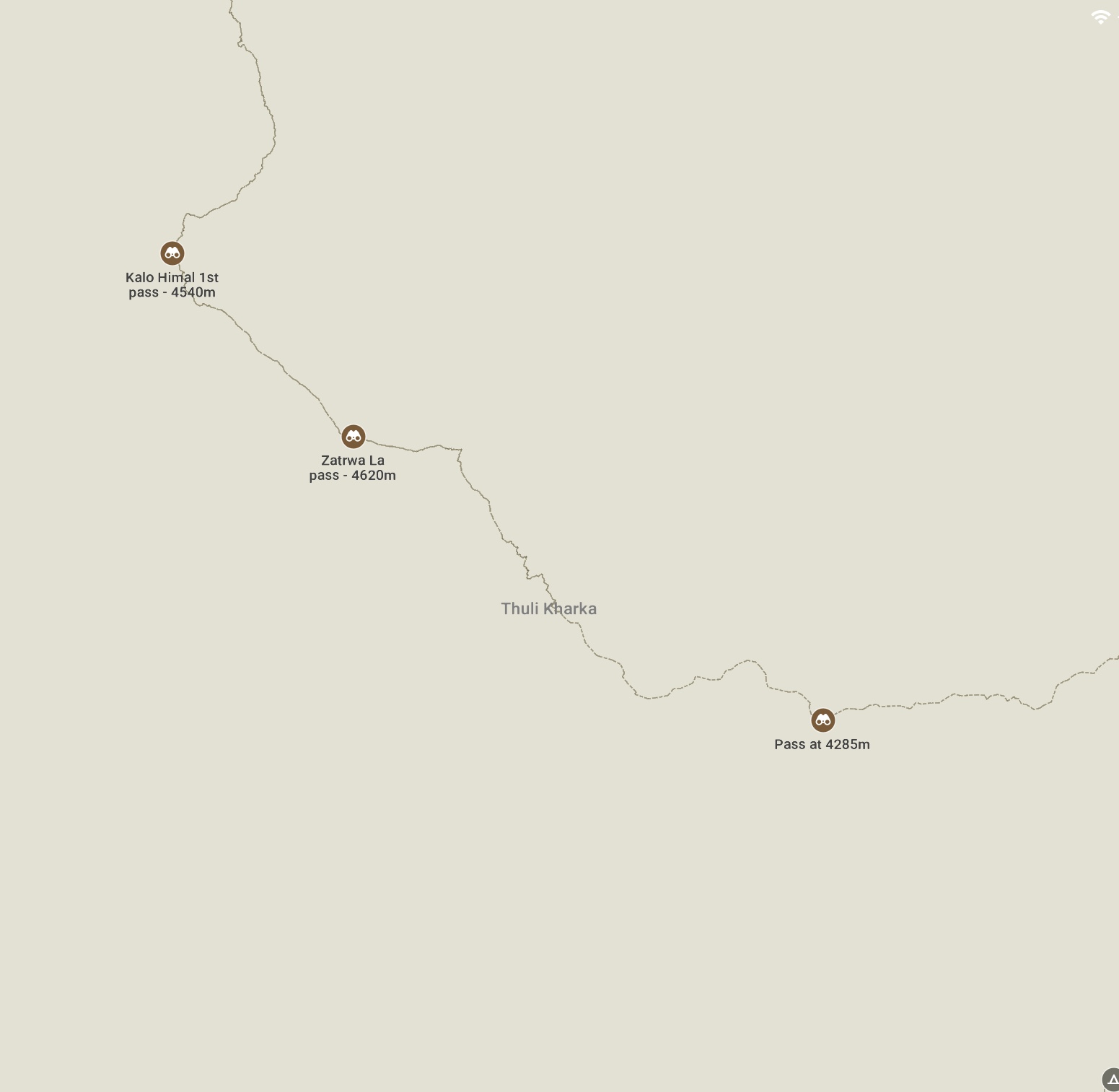
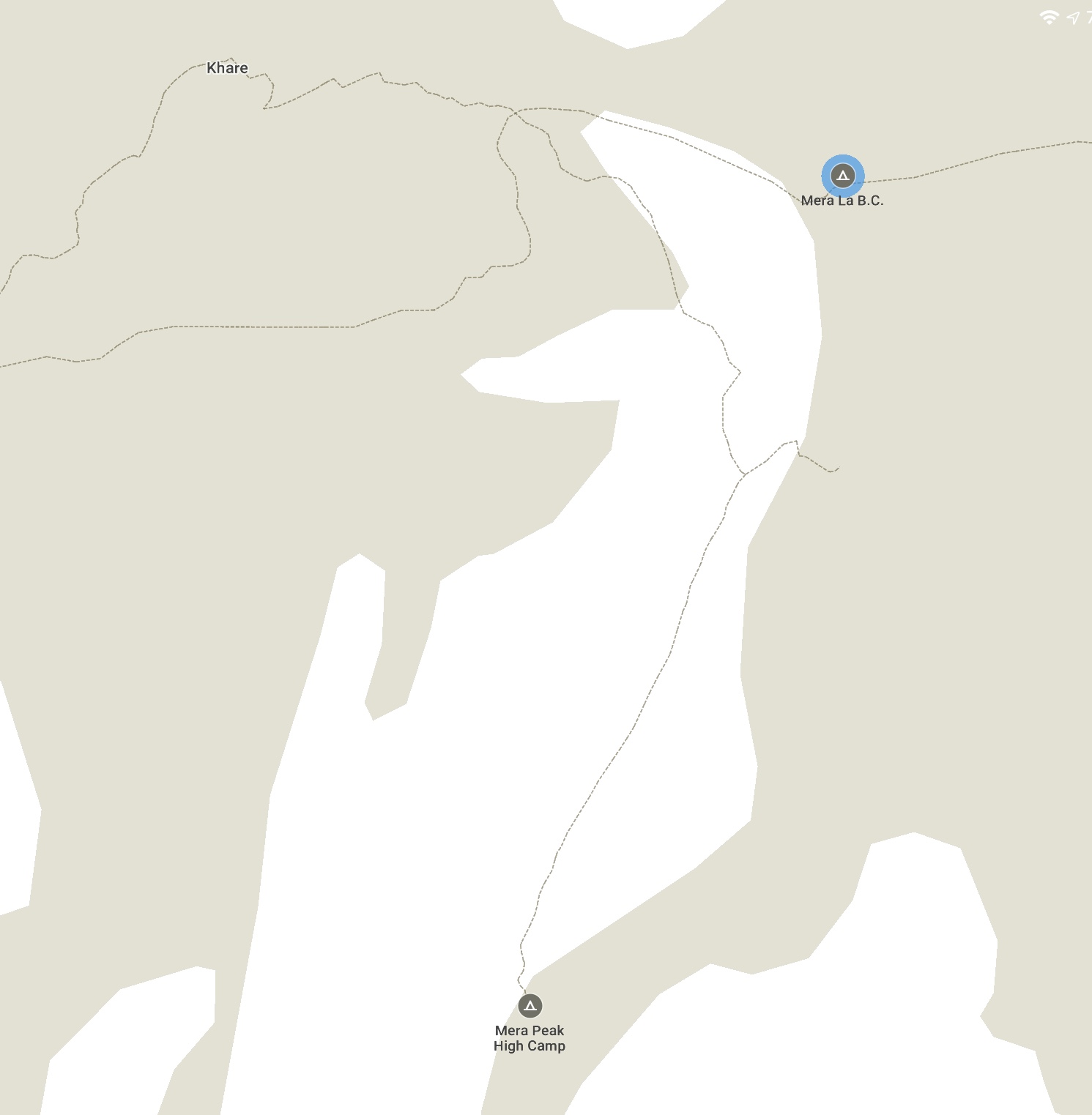
So much truth here… For me anyway. As the time has passed from 2012 I have worked on races worldwide and all of those races have required me to have a level of fitness. For example, Everest Trail Race, I do pretty much most of the race with cameras – it is the only way. For personal adventure, I have done big treks, several in Nepal, the most recent being the ‘High Passes’ with the additions of Kala Pather, Everest Base Camp and Ama Dablam BC. In 2020 I have done more multi-day adventures than ever before; regularly moving in a self-sufficient (with tent) way for over a week. A recent trip to Jotunheimen in Norway lasted 9-days and in Trysil, I completed 100km in 2-days with an overnight wild camp. So, all is good!

NEED COACHING and a TRAINING PLAN? HERE

There is one truth in completing. YOU NEED TO BE ABLE TO WALK.

Walking is often looked on as a negative. To be honest, I have heard some people say, ‘I don’t care what time I do, as long as I do not walk!’

The reality is, if walking is embraced, learned and practiced, finishing times will not only get faster but more enjoyable.

For perspective, we now include walking as a key training element at our Lanzarote Training Camp (HERE) with a specific walking group and one day dedicated to a long walk, for all!

So, how do you start?

Firstly, there is a big difference between walking to the shop for a carton of milk and walking in a race/ training. If there is not, there should be!

Walking in a race (or training) should be meaningful, strong and powerful.

There are many strategies one can use.

For example, one strategy I use is a thing I call “7’s” or “5×2”.

Quite simply, it is about covering 7km by walking 5km and running 2km.

JOIN MY LANZAROTE TRAINING CAMP, JANUARY HERE

The Strategy:

Firstly, with my coaching clients I ask them to walk 5km and time it. We then look at technique and discuss how to get faster.

I need to clarify here, we keep the route flat on road or good hard trail.

I am aiming for, where possible, sub 10-minute km’s. Now of course, many variables come in to play – terrain, weather, climbing and descending to name but a few. But let us assume flat terrain, good weather and fast trail.

Once we get the walking of 5km in under 50-mins, I then add running. Firstly 1km. So, walk 5km and run 1km. Once that fees comfortable, I add another 1km. And here is where the “7’s” or “5×2” comes in.

Basically, the plan is walk 5km and jog 2km.

Like any plan it is progressive, starting with walk 5 and jog 2. Then walk 5, jog 2, walk 5. Then, walk 5, jog 2, walk 5, jog 2 and so on…

This teaches the mind to break down distance and time in manageable blocks. You can focus on the walking, knowing that a jogging break is coming up. You can endure the jogging, knowing that a walking break is coming up.

Why, “7’s” or “5×2.”

Well, 7 conveniently goes in to a marathon – 7/14/21/28/35 and 42.

I think a marathon is something we all understand and although I will round numbers up (for ease) 50-miles is two marathons and 100-miles is four marathons, 7’s provides a great strategy.

So, you see my thinking?

Let’s say, you trained your walking to be so good, that you could walk 5km and jog 2km in under 1-hour. Suddenly, you are doing a 6-hour marathon with actually only maybe 50-60 minutes of total running.

So, if that pace is maintainable, you could do 50-miles in sub 12-hours and maybe even 100-miles in the desirable sub 24-hours!

Here is an example and of course, pace fluctuates based on terrain conditions, but it provides a good perspective.

Continue reading

Kilian Jornet and Maude Mathys make history at Sierre-Zinal report by Salomon Running

 ZINAL, SWITZERLAND – Sierre-Zinal is a legendary trail race because of its nearly five decades of history and revered athletic performances, and on Sunday along its famed trails in the Swiss Alps another trail running legend added yet another chapter to both his own storied legacy and the race’s as well. Setting out with a blazing fast pace, Spain’s Kilian Jornet (Team Salomon) ran away from one of the most competitive trail running fields in recent memory to win in 2:25:35, shattering Jonathan Wyatt’s longstanding course record of 2:29:12 by three minutes and 37 seconds. It was Jornet’s seventh win at Sierre-Zinal in nine tries. 

📷Kilian at the 2014 Sierre-Zinal

On the women’s side, Switzerland’s Maude Mathys* (Team Salomon) also broke the Sierre-Zinal course record, winning in 2:49:20 to best Anna Pichrtova’s 2008 time by nearly five minutes.

*(In 2015 Mathys was reprimanded for an ADRV for using clomiphene, a fertility drug which features on the WADA Prohibited List under section S4: Hormone and Metabolic Modulators. Mathys was let off with a warning as the drug was being taken in the hope of getting pregnant.)

Both Jornet and Mathys won from the front, surging to the lead on the challenging early uphill. As part of the second season of the Golden Trail World Series, Sierre-Zinal had another deep, talented field.

That seemed to bring the best out of the athletes taking to the starting line at the fourth stop of the six-race Series.Jornet was chased valiantly by 2016 winner *Petro Mamu from Eritrea, who also broke the former course record, finishing just 56 seconds behind the Spaniard in 2:26:31.

*(Petro Mamu (ERI) tested positive at the doping control in Premana after both the World Mountain Running Championships and the World Long Distance Mountain Running Championships. Mamu received a nine-month ban starting on 19 September 2017 after admitting to the findings and co-operating with the IAAF (reduced from 2 years).  All results of his  following 30 July 2017 were cancelled.  The substance being a medication normally used to assist with Asthma.)

American runner Jim Walmsley (Team Hoka), competing for the first time at Sierre-Zinal, was 3rd in an impressive 2:31:52. Juan Carlos Carera was 4th in 2:32:52 and Great Britain’s Robbie Simpson was 5th in 2:33:55.

Kilian Jornet grabbed the lead a few strides into the race and was alone from there on out. The course gains 2,200 meters from the start in Sierre to the finish line in the idyllic alpine village of Zinal, rolling along before a big downhill finish. Jornet wasted no time letting the competition know he was going for broke. At the Chandolin checkpoint he was ahead of Mamu by two minutes 1:05:59 and in hot pursuit of the course record set by Wyatt in 2003.

“I checked the time after the climb from the start and I knew it was good,” Jornet said. “I expected a couple guys to come with me on the first climb like Petro and Davide Magnini, but I was alone from the start after a few hundred meters. I have big respect for the record of Jonathan. He was a leader of the sport so to follow in his footsteps is a great feeling. This is special of all the victories.”

Jornet set his sights on the 31km Sierre-Zinal race with a dedicated training regimen that he knew was necessary if he was to approach the record of Wyatt. He scaled back his racing schedule this season to focus his training in an attempt to see just how fast he could be.

“I usually average about 15 races per year, and there have been years where I did 50 races between trail running and ski-mo, so you don’t train. You race and recover,” Jornet said after his win. “The goal this year was to focus on training and see if it makes a difference in the performance. I always target to win, but I plan a strategy in each race so I don’t really race full-out because I know I have another race just after, sometimes the next week. This year, the goal was to give everything and not have to worry about recovering for the next race. And I was six minutes faster than my best time here so it seemed to work. I thought it was possible to break the record, but I thought I’d be counting seconds.”

After winning in his 2019 debut at Zegama-Aizkorri Mountain Marathon in June, Jornet was appearing in his second Golden Trail World Series race of the season. Next, he will set his sights on the oldest trail race in America, the Pikes Peak Mountain Marathon in Colorado, the fifth stop of the 2019 Golden Trail World Series, on August 25th

In the women’s race, Mathys made sure Jornet wasn’t the only one breaking a record on the day. Her time of 2:49:20 was five minutes ahead of fellow Swiss Judith Wyder (Team Salomon) who finished in 2:54:20, and it broke the former course record of 2:54:26 by five minutes and six seconds. Wyder was also under the former record by six seconds. 

Mathys was 3rd at the Dolomyths Sky run in Italy a couple of weeks back, but on Sunday she used her strength in the uphill to put distance between herself and the field in the early going. She was more than three minutes ahead at the Chandolin checkpoint and was never seen again by the rest of the pack.  

Italy’s Silvia Rampazzo (Team Tornado) was 3rd with another strong effort on the Golden Trail World Series. She finished in 2:56:17. New Zealand’s Ruth Croft (Team Scott) continued her amazing consistency with a 4th place finish in 3:01:56, while  France’s Anais Sabrié was 5th in 3:01:58.  

ABOUT THE GOLDEN TRAIL SERIES:

The elite runners of the Golden Trail World Series are trying to earn points in the season-long chase for a spot in the Grand Final, which will take place in Nepal in October. The athletes must participate in three of the six races during the series in order to be eligible for the final. The top-10 men and women with the most points in their three best races will earn a trip for themselves and a person of their choice to the Grand Final. The overall final standings (and the men’s and women’s champions) of the Golden Trail World Series will be determined again by the runners’ three best finishes during the season, plus their result at the Grand Final.  


For up-to-date Golden Trail World Series standings

Photo credits: Martina Valmassoi and Jordi Saragossa


Follow on:

Instagram – @iancorlessphotography

Twitter – @talkultra

facebook.com/iancorlessphotography

Web – www.iancorless.com

Web – www.iancorlessphotography.com

Image sales –www.iancorless.photoshelter.com
Seven Sisters Skyline 2019 Summary

Kasia Osipowicz and Damian Gielty take victory in the Seven Sisters Skyline, the third race in the 2019 Skyrunner UK & Ireland Series.

Despite a heat wave and glorious sunshine for a week, Ireland was shrouded in mist and light rain for the 2019 edition of the Seven Sisters Skyline. Some did say, ‘It’s Ireland, what did you expect?’ But for the skyrunner’s, the cooler temperatures and light winds were almost certainly preferable to the intense heat of the previous week.

The 50km route is a beast of a race that has very little obvious paths to run along, boggy ground and a great deal of vertical ascent. From the 0700 start, Adam Quinn, Jonny Steede and Damien Gielty dictated the pace opening up a substantial gap by the halfw point from Marek Wojnarowski, Lonan O’Farrell and a string of other close contenders.

The rocky and relentless climb to Muckish providing a challenge for all and it was the end of this section were the runners re-traced and headed via and out and back course, the two significant changes coming at the end with a circumnavigation and climb of Errigal and then a route around the River Clady before finishing in Dunlevy.

Damien Gielty proved too strong for the competition going solo and taking a strong victory in 6:32:56 ahead of Jonny Steede in 6:49:38. Initially it looked like Adam Quinn would place 3rd and after Errigal he held that position. However, he had sustained a serious head wound in a fall and took time out at the final checkpoint before carrying on to place 5th. This opened the doorway for Lonan O’Farrell who rounded the podium in 7:12:04.

For the women, Kasia Osipowicz was head and shoulders ahead of the the other women running the race solo from the start to the finish. Her time 8:42:47 providing her with victory and now the overall female lead in the 2019 Skyrunner UK & Ireland Series. Kasia has shown great consistency placing 2nd in the previous two races in the calendar and now a victory. Her points tally is 260.

Rachael Nolan and Bernadette O’Kane placed 2nd and 3rd, both producing solid and consistent runs to finish in 9:06:51 and 9:17:29.

Post-race, much of the comment was about the toughness and severity of the course. “I loved this course, it suited me with all the wet and boggy terrain,” said Kasia. “The mist kind of worked in my favour, you can’t see what is coming so you put your head down and get on with it. I loved the final climb up to Errigal, it was magical!”

IMAGE GALLERY HERE

The next race on the calendar is Snowdon Skyline in September and importantly, the male and female winners will not only get valuable points for the Skyrunner UK & Ireland Series but they will also be granted entry in the SkyMasters which will take place in Limone, Italy towards the end of October.

Follow on:

Instagram – @iancorlessphotography

Twitter – @talkultra

facebook.com/iancorlessphotography

Web – www.iancorless.com

Web – www.iancorlessphotography.com

Image sales –www.iancorless.photoshelter.com
Michael Wardian and FKT Israel in RUNANDTRAVEL.pl

More exposure for Michael Wardian‘s incredible FKT Israel. This time in runandtravel.pl

The 13-page article will go online HERE please check it out!

Follow on:

Instagram – @iancorlessphotography

Twitter – @talkultra

facebook.com/iancorlessphotography

Web – www.iancorless.com

Web – www.iancorlessphotography.com

Image sales –www.iancorless.photoshelter.com
Episode 175 – Emelie Forsberg and Shane Benzie

Episode 175 of Talk Ultra brings you an interview with Emelie Forsberg about being a mum and running. We also talk with Shane Benzie from Running Reborn. Speedgoat is back to co-host and tell us about The Longtrail.
*****
Talk Ultra is now on Tunein- just another way to make the show available for those who prefer not to use iTunes – HERE  You can download the Tunein APP HERE
Talk Ultra needs your help!
We have set up a Patreon page and we are offering some great benefits for Patrons… you can even join us on the show! This is the easiest way to support Talk Ultra and help us continue to create!
Many thanks to our Patrons who have helped via PATREON
Donate HERE
*****
00:10:12 NEWS
SPEEDGOAT 50KM
Michelino Sunseri took the win ahead of Benjamin Stout and Alex Nichols in 3rd, 5:14, 5:20 and 5:35 respectively. Anna Mae Flynn, Taylor Nowlin and Alexis Crellin were 1,2,3 for the women, 6:30, 6:37 and 7:02.
ROYAL ULTRA SKYMARATHON
Cristian Minoggio battled hard for a win ahead of Gautier Airiau and Run Ueda 6:50, 6:51 and 6:56. For the women, pre-race favourite Ragna Debats bided her time after Myriam Guillot lead from the front. Ragna flew over the last third and set a new CR 7:52. Oihana Azkrbebeitia was 3rd.
EIGER ULTRA
Jean-Philippe Tschumi and Kathrin Gott were the winners in 11:38 and 14:05. Andrew Ronimoiss and Walter Manser placed 2nd and 3rd, 11:48 and 11:52. Ajda Radinja and Helene Ogi, 14:46 and 15:18 rounded the women’s podium.
ANDORRA ULTRA TRAIL
Many races take place over the weekend and the Ronda del Cima (170km with 13500m +) is the key race. Sergio Tejero and Silvia Trigueros were the champions in 30:21 and 34:21. Silvia’s time a new CR. Full results HERE
BADWATER 135
A record breaking run by Yoshihiko Ishikawa bettered Pete Kostelnick’s CR by 22-mins with a stunning 21:33. The women’s record was also obliterated by Patricia Bereznowska running 24:13 (previous CR 25:53).
DOLOMYTHS SKYRACE
No longer an ‘official’ Skyrunning race but now Golden Trails, man on fire Davide Magnini completed the route in 2hrs almost beating Kilian Jornet’s CR – keep an eye on this guy, a star of the future! Nadir Maguet and Elazzaoui Elhousine finished in joint 2nd….! In 2:02. The women’s race was a blinder with Judith Wyder winning in 2:18 obliterating the old CR by 7-minutes. On fire Ruth Croft was 2nd in 2:12 ahead of Maude Mathys who had started the downhill in first place.
*****
EMELIE FORSBERG 00:31:25
****
  • ROYAL ULTRA SKYMARTHON HERE
  • ADIDAS AGRAVIC BOA SHOE REVEW HERE
  • DON’T MISS OUT ON EPISODE 174 HERE
*****
SHANE BANZIE 01:11:46
*****
02:18:10 close
02:21:21
*****
Share us on Facebook – Talk Ultra FB https://www.facebook.com/talkultra/
Tweet us on Twitter – Talk Ultra on Twitter https://twitter.com/Talkultra
Please support Talk Ultra by becoming a Patron at www.patreon.com/talkultra and THANKS to all our Patrons who support us. Rand Haley and Simon Darmody get a mention on the show here for ‘Becoming 100k Runners’ with a high-tier Patronage.
*****
Stitcher You can listen on iOS HERE, Android HERE or via a web player HERE
Website – talkultra.com
UP & COMING RACES go to https://marathons.ahotu.com

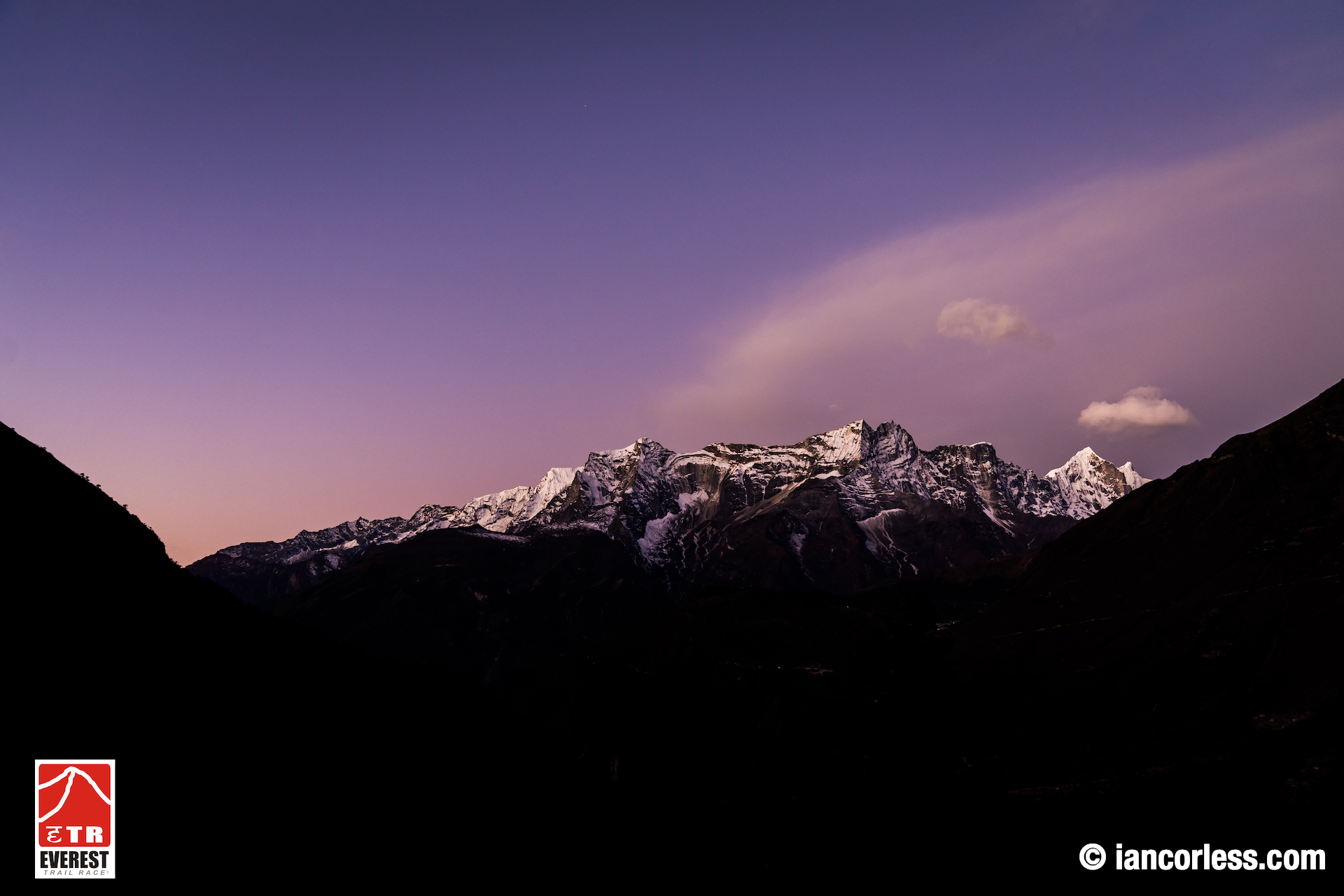
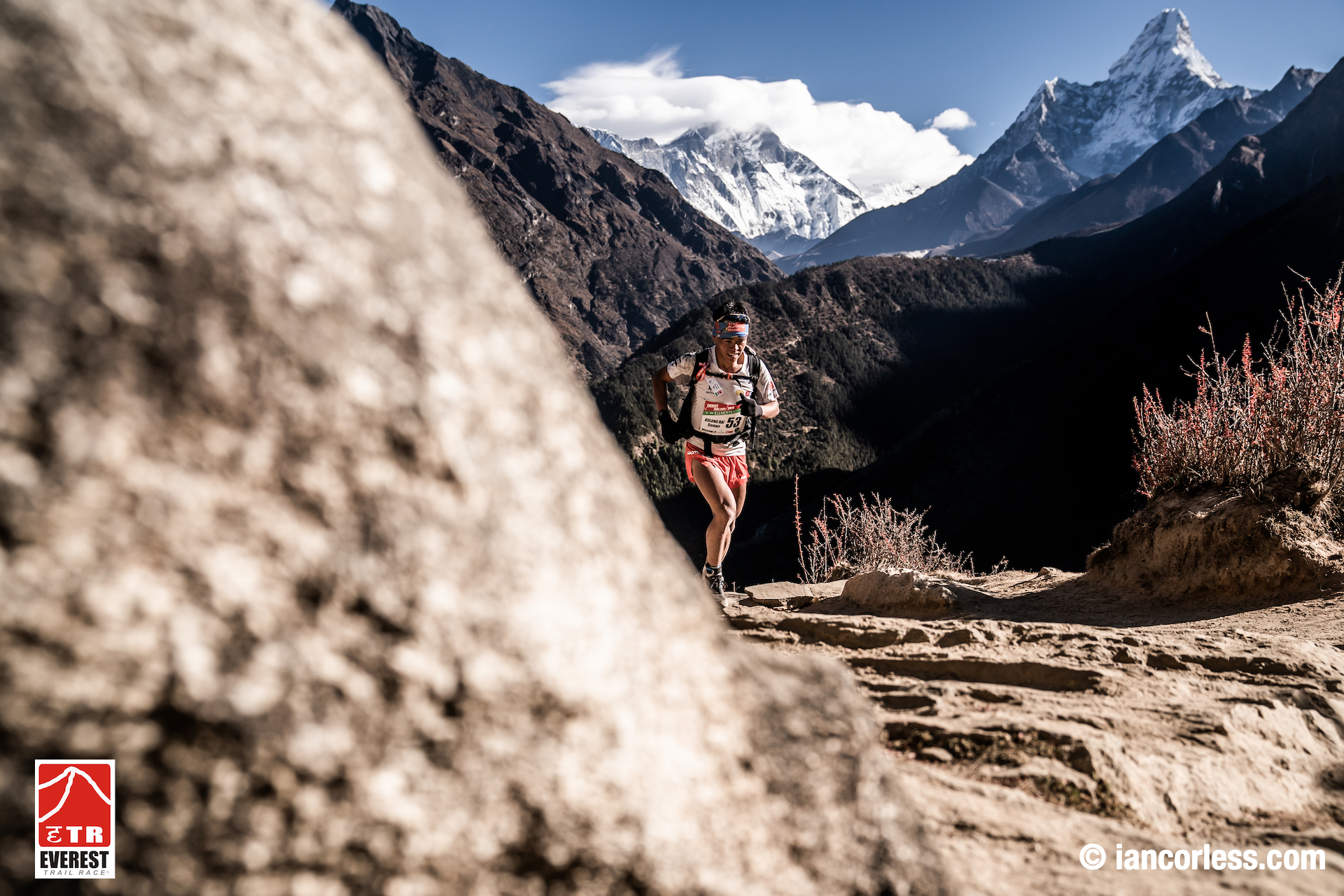
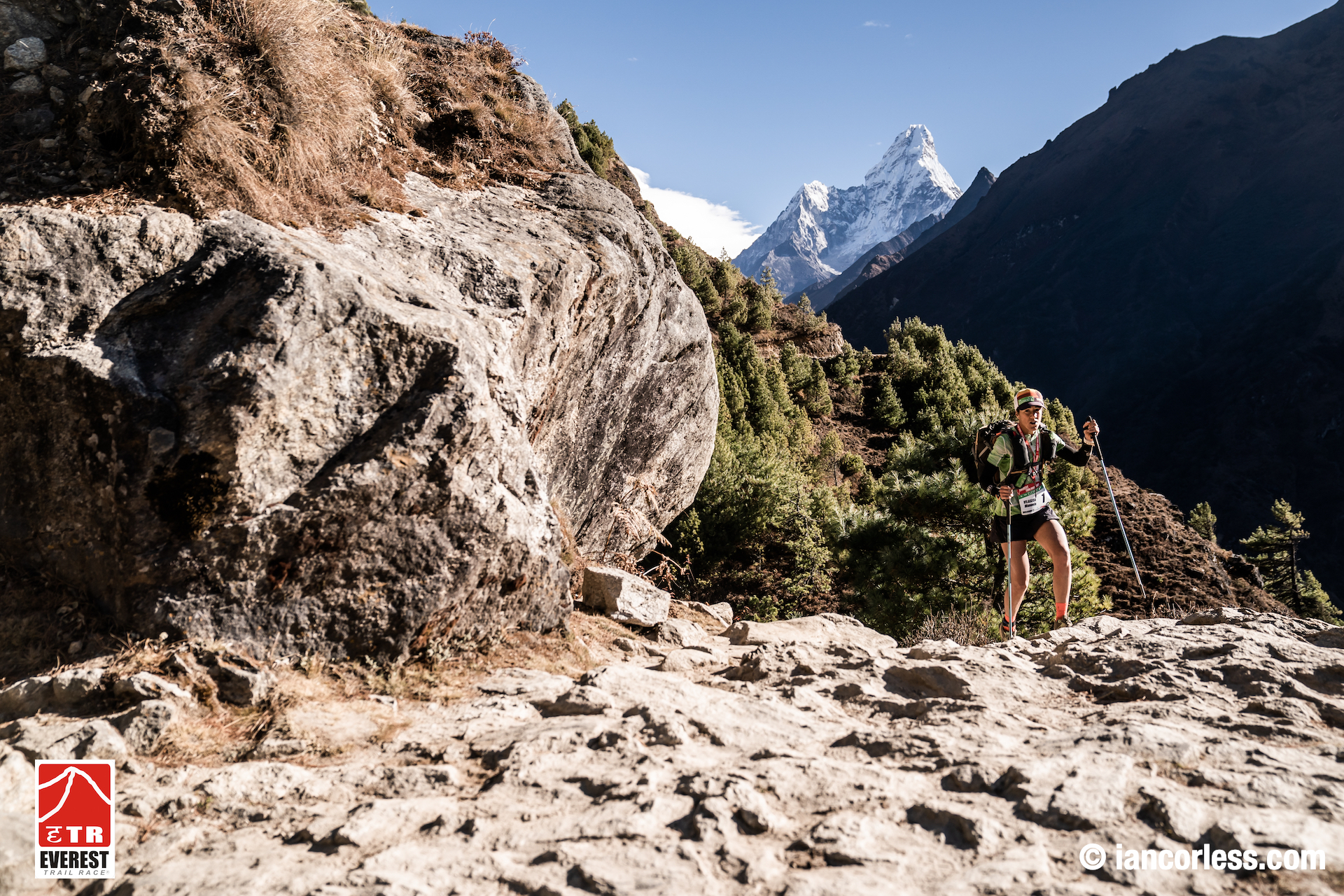
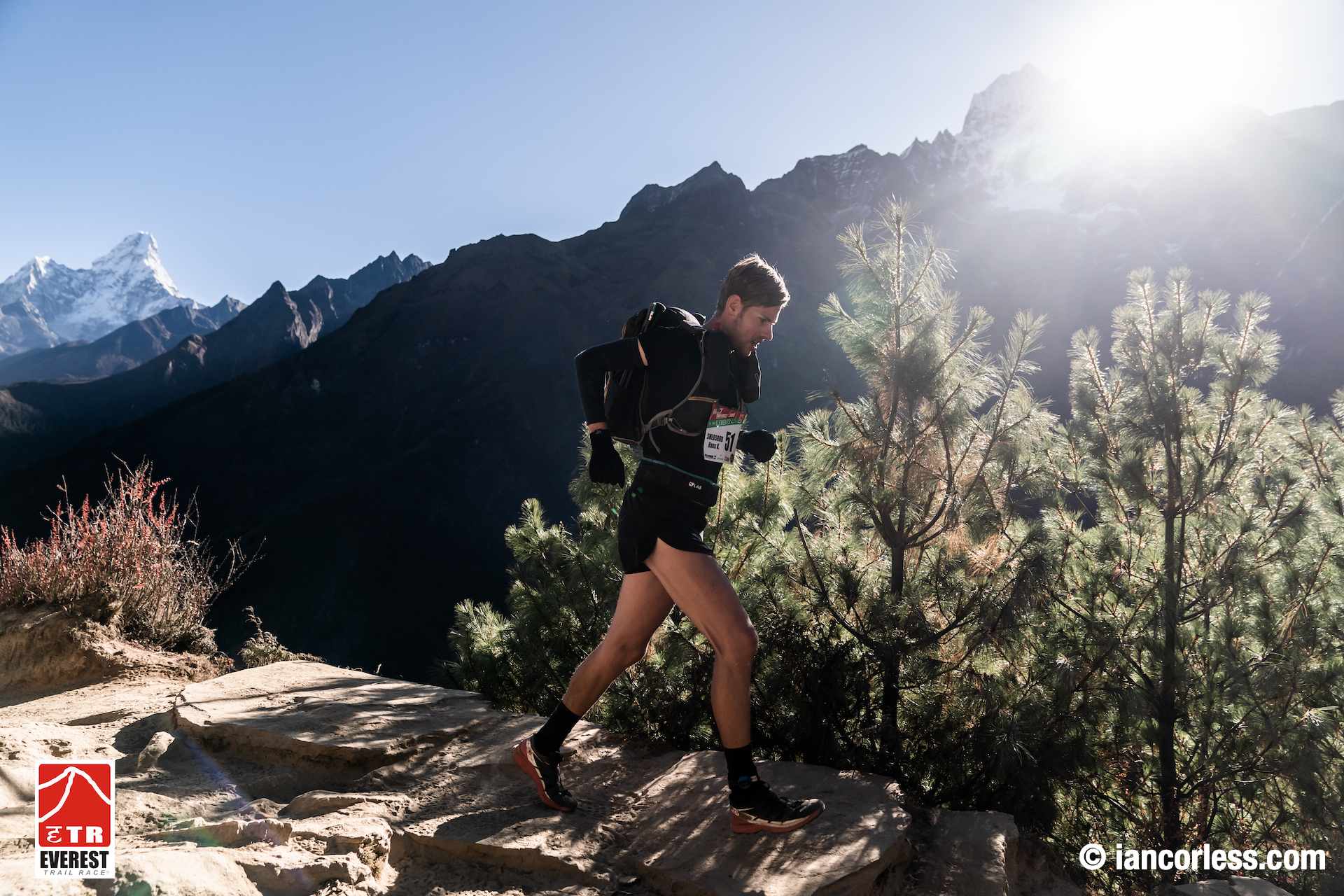
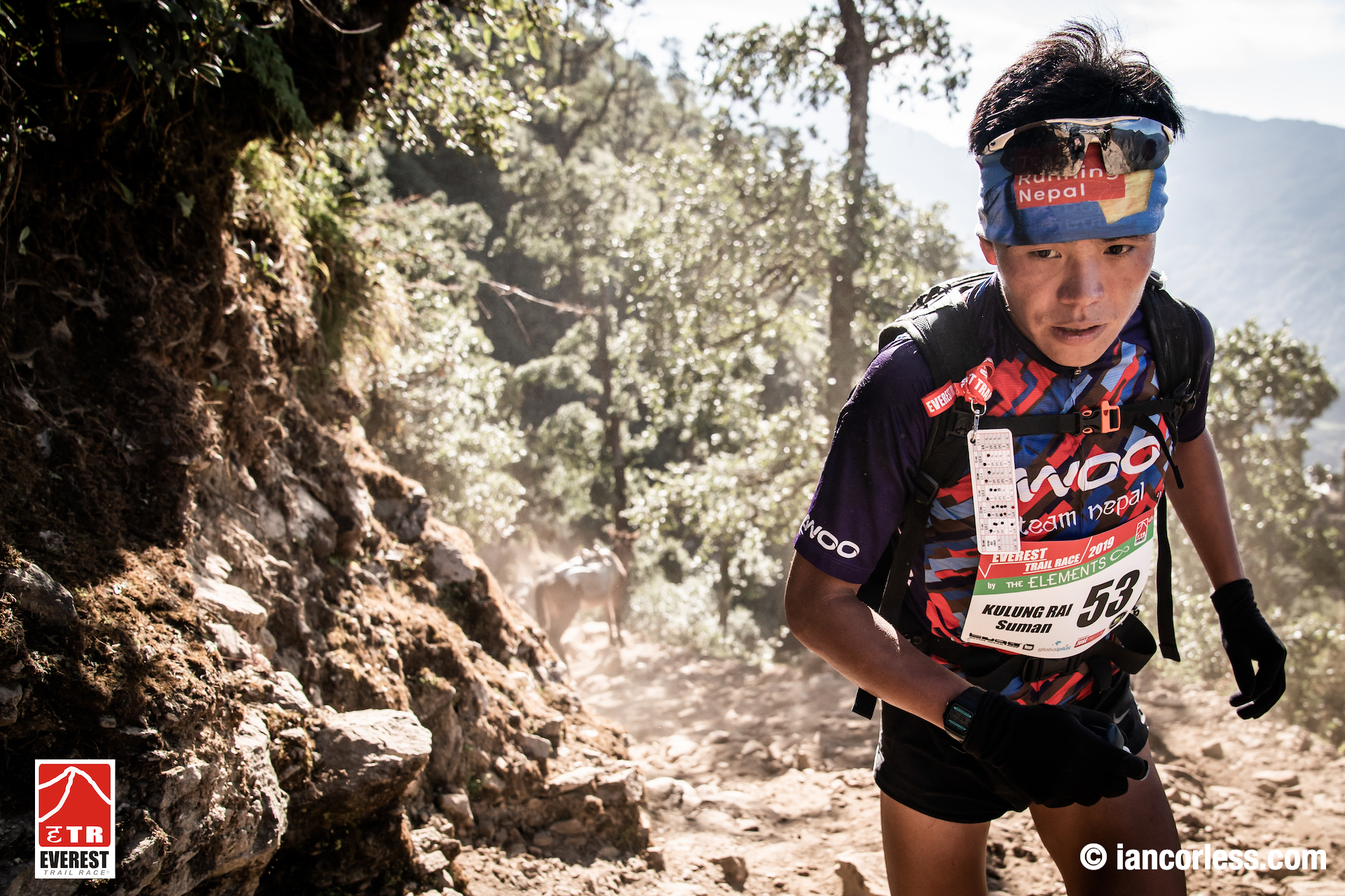
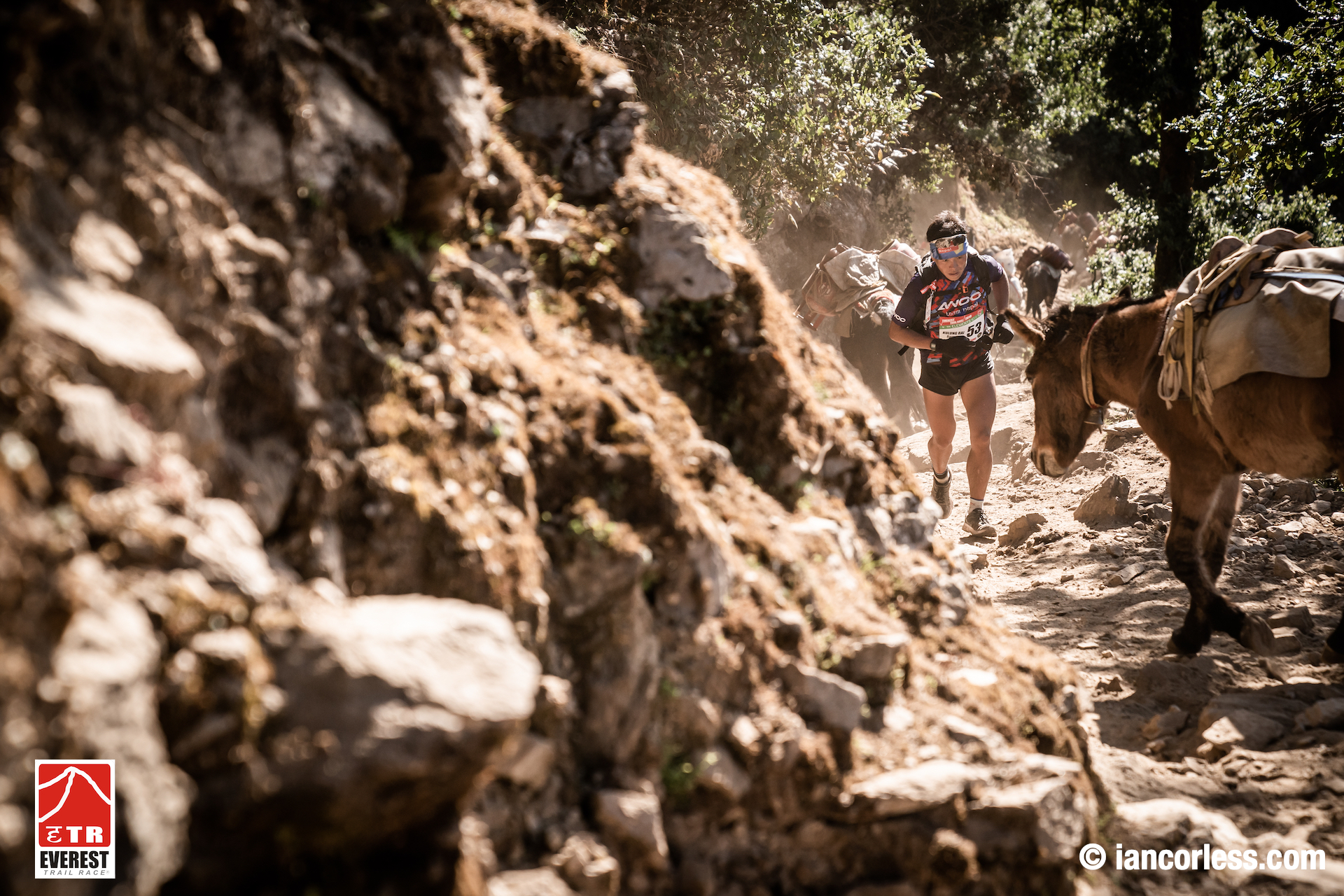
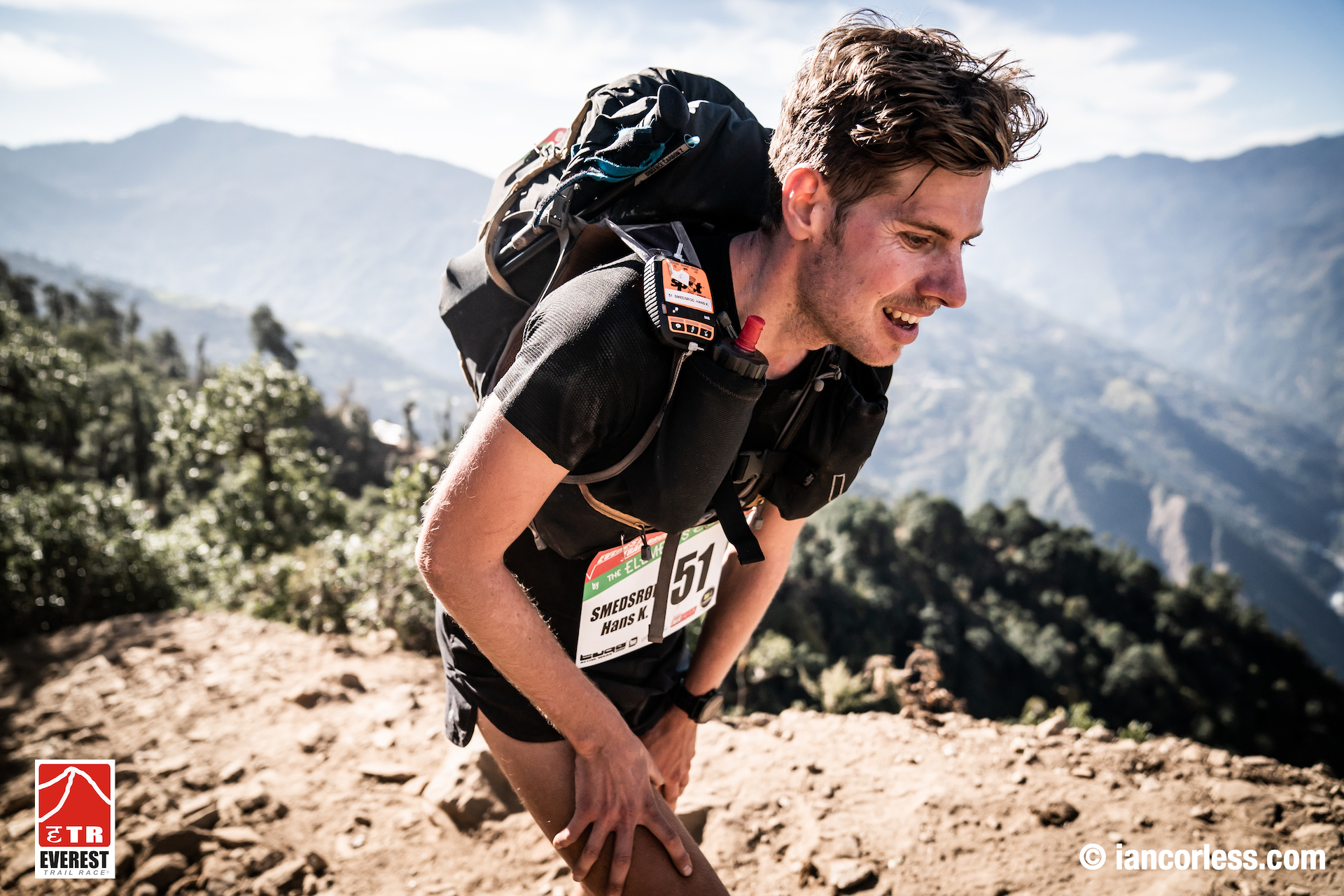
Breaking News! New route for the 2019 The Elements EVEREST TRAIL RACE #ETR2019

The ETR, The Elements Everest Trail Race, after 8 editions will explore new trails for the 2019 edition.

In 2017 and 2018, it became apparent to the whole ETR team that the development of road networks from Jiri were beginning to impact on the true spirit of the ETR. Some call it progress… But the road network, albeit dirt road, is slowly but surely reaching towards Lukla.

Race Director, Jordi Abad, for the past 3-years has looked at options to explore new trails and go back in time and create a more raw and unique experience as was found in the early editions of the ETR. This is not to say the more recent editions have been compromised, on the contrary, one only has to listen to the feedback form the racers. ETR gains universal acclaim from every competitor as being one of the most exhilarating and awe-inspiring journeys one can take by foot.

In 2019, the ETR may well almost appear to be a new race but rest assured, it goes back to the roots of Jordi’s initial vision and it will still offer a unique journey that covers some of the ground raced in past editions.

So, what is new?

The Everest Trail Race by The Elements is now fully developed within the Solu Khumbu district. In the previous editions the first stage was developed in the Dolakha district and it was not until the second stage that entered into the Solu Khumbu.

The ETR will return to the original inspiration to develop by the rural Khumbu, as far as possible away from the tourist circuits. The first 3 stages will meet this objective and will be developed by rural non-tourist areas. The same will happen in a part of the 5th stage.

These changes will also involve changes in a part of the rules, regarding the water supply in campsites and check points. The difficulties to acquire (buy) water or any other liquid during especially the first 3 stages, as well as, the starting at a higher elevation, make these changes necessary.

For past participants, there is a real incentive to return to the ETR with 70-75% of the race route on new and unexplored trails – 2019 will truly be a unique experience harking back to the first edition.

The 4th stage remains entirely the same as in the previous editions. A change in this sector in the current situation would compromise the safety of the runners due to orographical reasons and extremely dangerous paths.

The 2019 edition will be 12 Km longer with an additional 500m of vertical gain. Importantly, the race starts at a higher elevation of 2800m, therefore, some pre-acclimatisation in training would be advised. In previous editions, Jiri was at an altitude of 1800m, this increase of 1000m is a key and important change.

Adapting to altitude is a key element of the ETR and in 2019 approximately 40 km of the race will be runover 3,500 m altitude, of which approximately 23 km will be made between 3,800 and 4,100 m (19 km entirely in the 5th stage). This is a key difference and truly brings a more demanding Himalayan experience to the race.

Importantly, stage campsites are located below the maximum elevation reached during each day, this will facilitate recovery.

As in 2018, participants will continue to be geolocated, even taking into account the limitations of the system in the Himalayas.

In summary, the 2019 edition of the ETR will be an incredible adventure and one that will be talked about in years to come. With a total distance of 170 km and a whopping 26,000 m of accumulated gain – 13,500 m of positive / maximum elevation 4,104 m / minimum elevation 1,500 m.

Daily distances are as follows:

  • Stage 1 – 25km 3625m+/-
  • Stage 2 – 26km 3735m+/-
  • Stage 3 – 30km 5396 +/-
  • Stage 4 – 27.5km 4130m +/-
  • Stage 5 – 32km 4465m +/-
  • Stage 6 – 30km 4572m +/-

Interested in joining the most awe-inspiring multi-day race in 2019, go to the website HERE

← Back

Thank you for your response. ✨