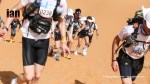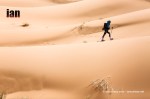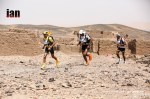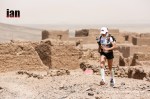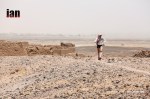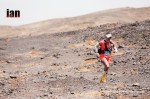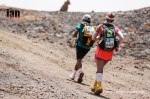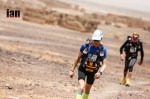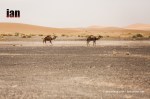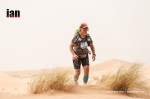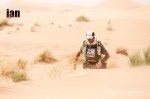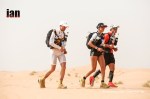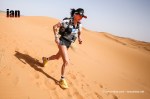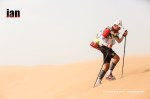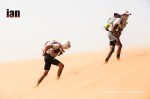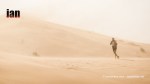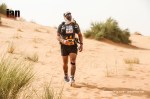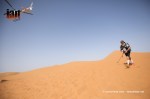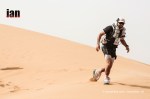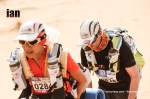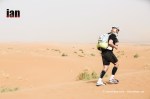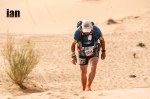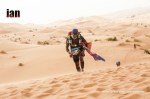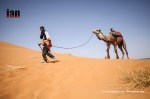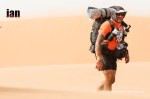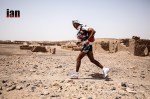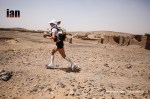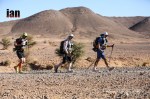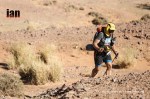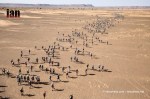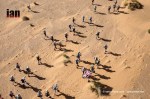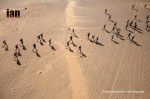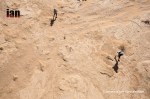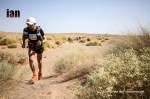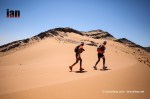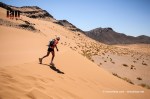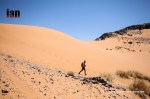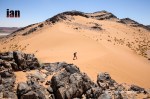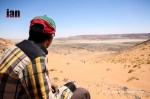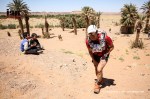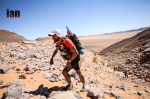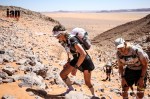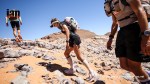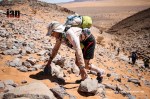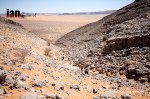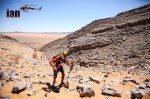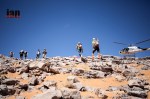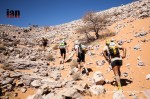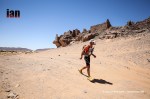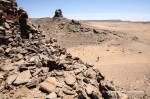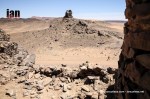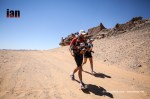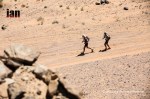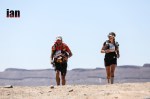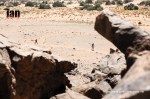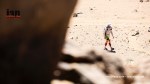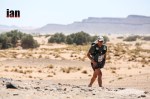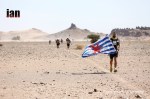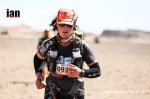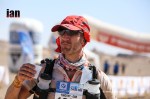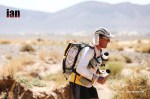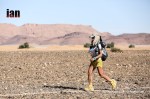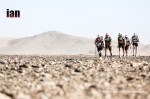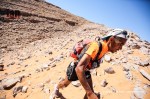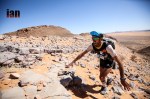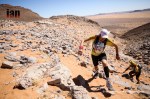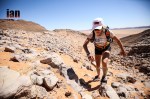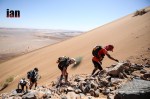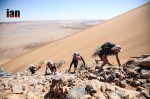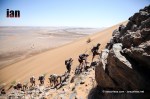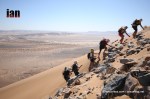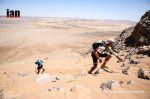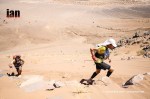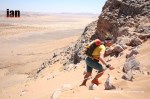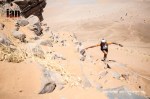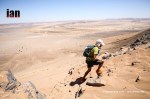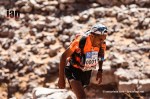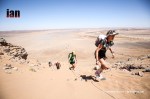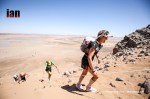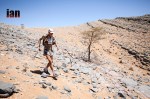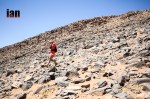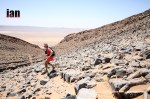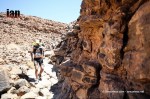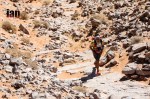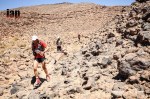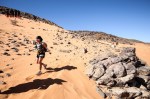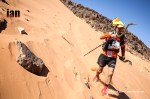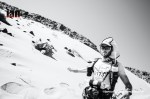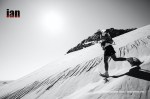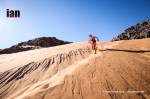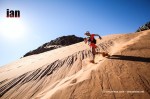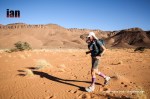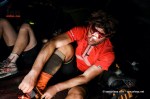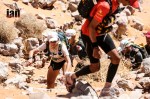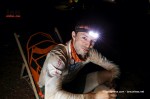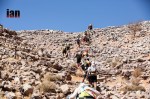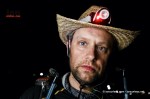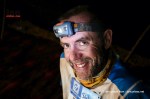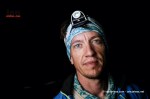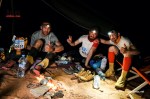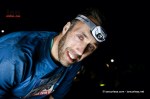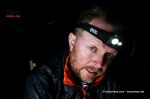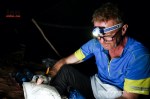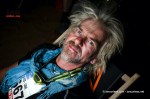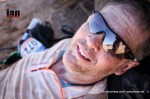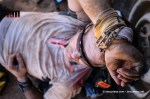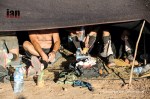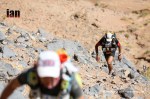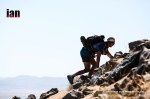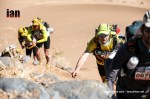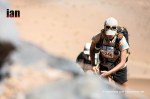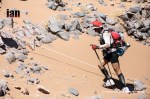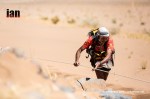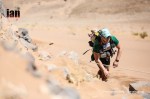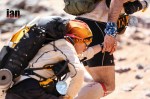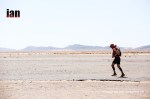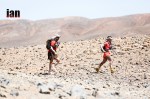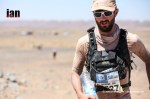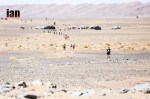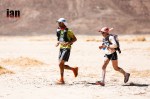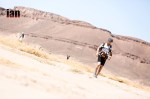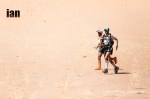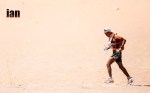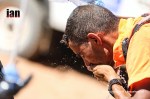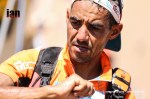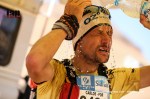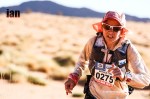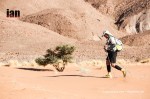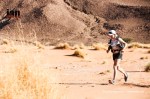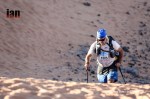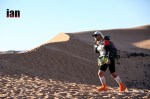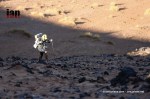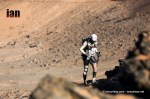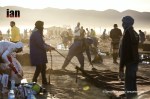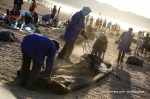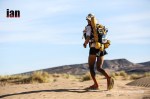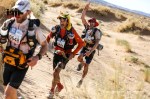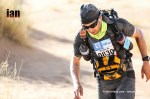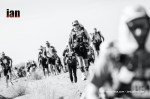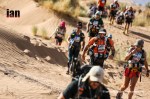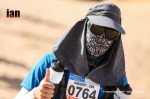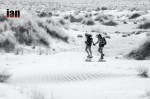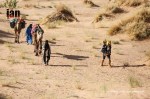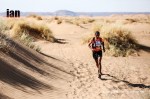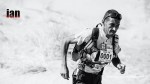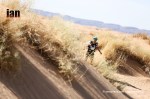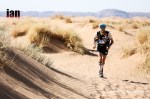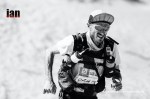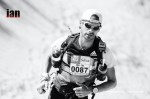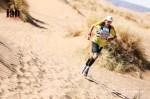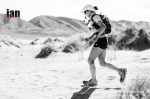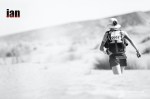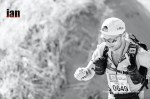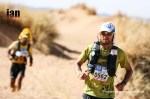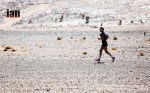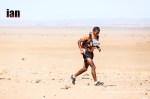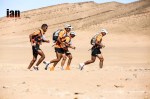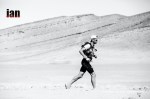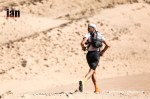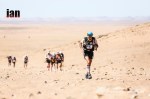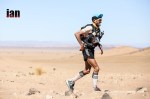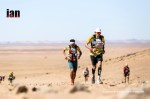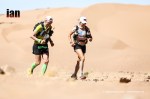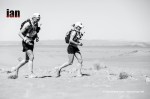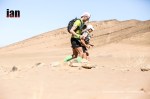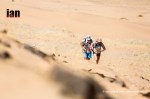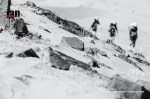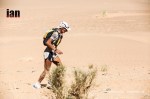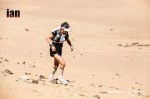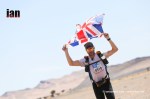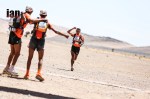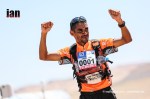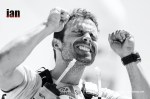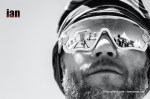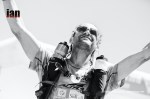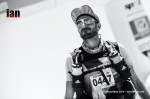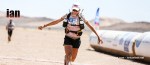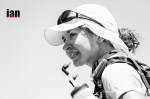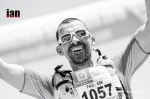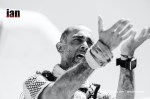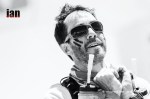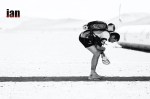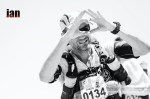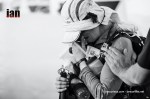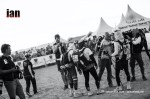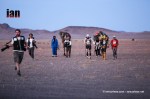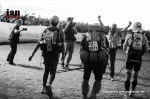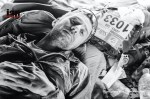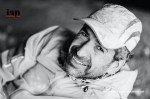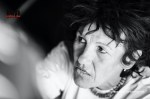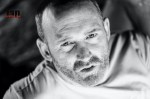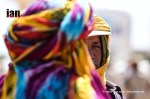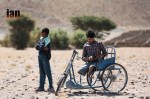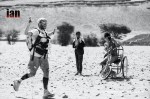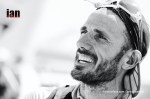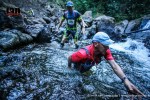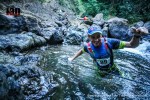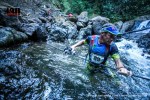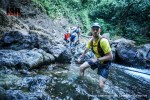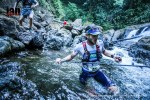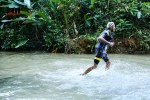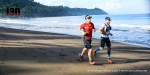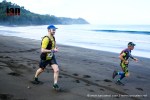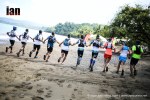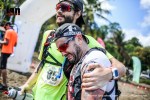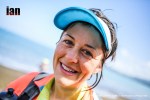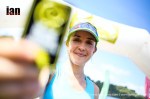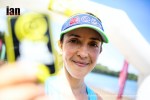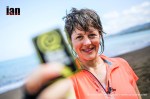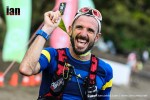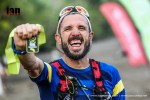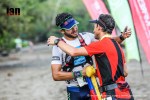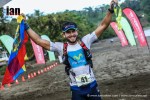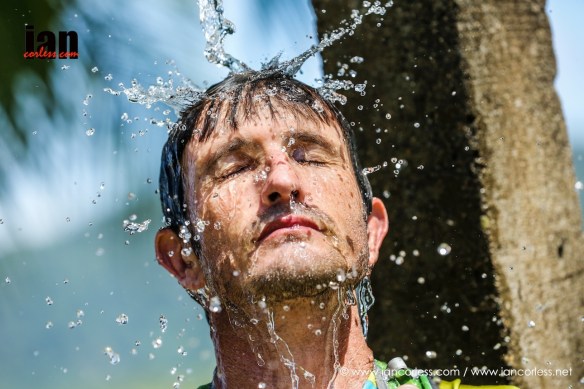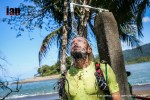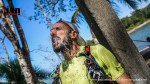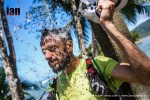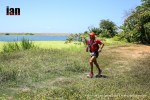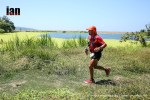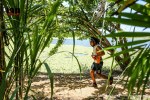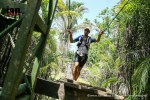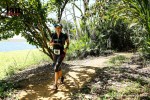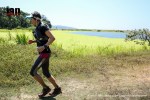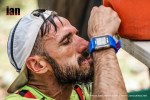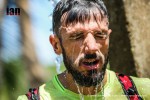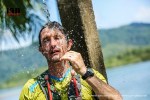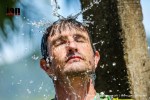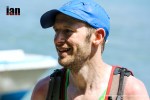
Top Tips To Better Multi-Day Running

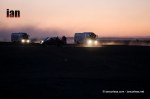
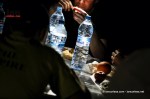
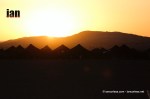
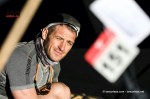
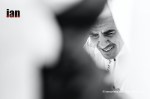
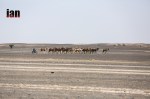
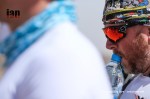
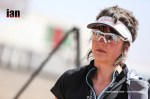
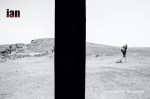
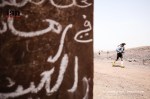
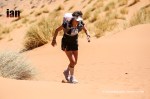
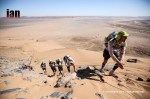
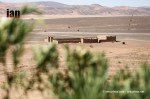
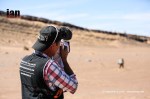
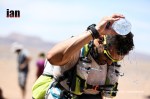
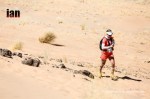
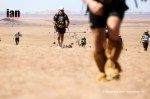
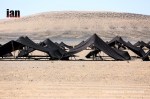
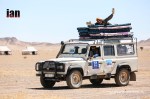
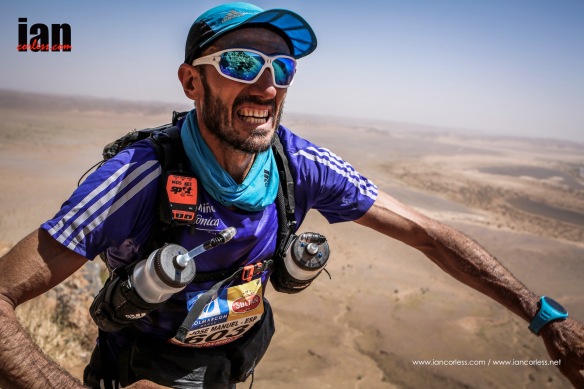
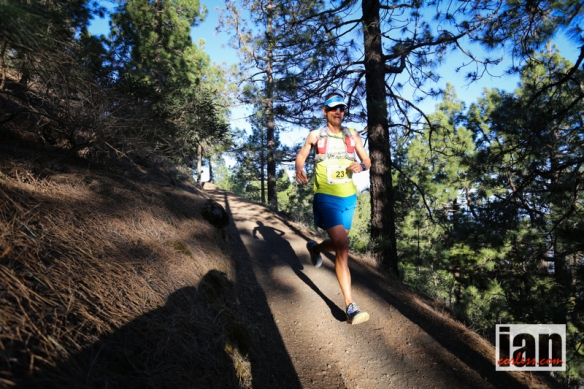
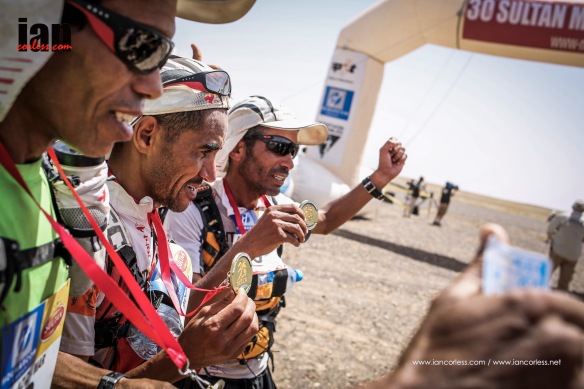
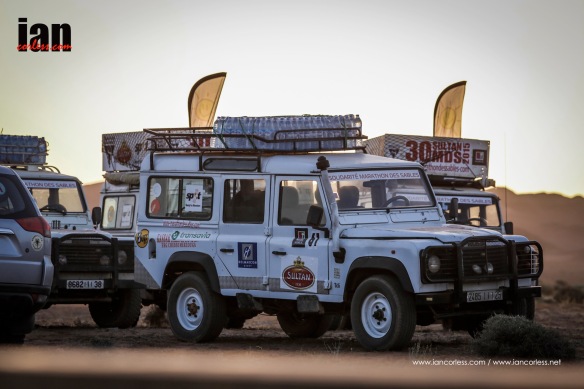
©iancorless.com_MDS2016-8007

Is the last edition of the Marathon des Sables always the toughest? It would appear so? You always hear as the race concludes, ‘Wow, that was the toughest race ever!’

Of course many variables come into play when one says it’s the toughest. First and foremost, you most certainly need to have done at least one other edition to be able to compare, but in truth, multiple editions or experiences must count to be able to claim any edition of a race as a toughest. Also, age, fitness, condition, state of mind and so many other variables impact on a decision. It’s not always easy to be ©iancorless.com_MDS2016-2441objective. I have often considered myself to be fit going into a race, only to find that my fitness is not where I thought it was and therefore a race has appeared harder! Truth is, the race was the same, it’s just that I wasn’t up for it. Let’s be clear, I’m not providing excuses, on the contrary, I am trying to provide perspective.

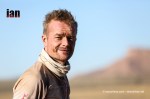
I’ve been at the MDS for the past 4-years, not as a runner (although I have 30-years of experience) but as a photographer and journalist. I like being on this side of the camera, for sure, there are days when I look at the race (or any race) and I wish that were me, once again fighting the terrain and fatigue to achieve a goal. My goals have now changed and as my good friend and photographer (who sadly has passed away) Mark Gillet used to say, ‘I sometimes think it’s harder working on the race than running it! Perspective once again…

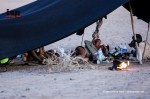
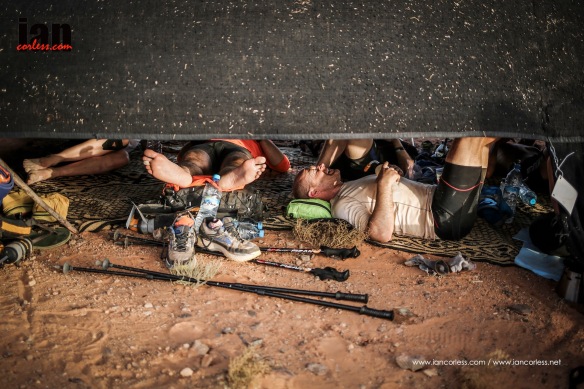
I actually don’t agree with Mark, working on the MDS or any multi-day race is hard, stressful and the long 18-20 hour days do have an impact. Yes, I get out on the course and cover the terrain on foot but I get to change my clothes, I get to eat two times a day and although I sleep in a bivouac, it does usually have sides to it which blocks out the wind.

So with the 31st MDS in the bag, I wanted to reflect on the race and provide an objective overview from the outside looking in of what I consider worked and what didn’t work at MDS and provide some key pointers that anyone can take away and apply for a future MDS or other multi-day race. I must stress, these are my thoughts and on some points you will agree and on other points you won’t. That’s ok! It’s called opinion and we are all entitled to one.
©iancorless.com_MDS2016-8110

First of all though, lets answer that burning question, ‘Was the 2016 Marathon des Sables ever?’

No!

It was a tough one for sure, it ranks with the toughest but I don’t really think anyone can hand on heart say that any one edition is the toughest.

Each year, Patrick Bauer and his team work a little Sahara magic and as many MDS runners who have participated in previous editions will tell you, the race always covers some familiar terrain. It’s the nature of the Sahara and the complex route of access trails dictate where the race can go and where it can’t due to the huge convoy of vehicles that daily move the ‘circus’ from one place to the next. For example, the 2016 route had much of the 2014 route but in a nod to the tough course, the 2014 route was also considered a tough one with a very big drop out rate on day one.
©iancorless.com_MDS2016-0946

Having said all of the above, the 31st edition was a serious toughie and here is why:

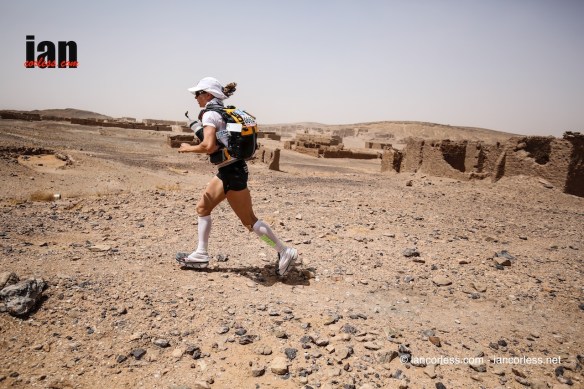
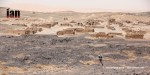
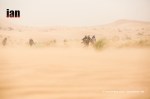
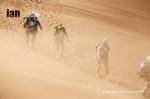
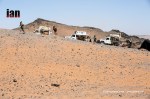
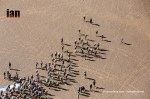
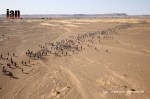
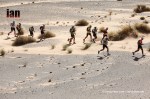
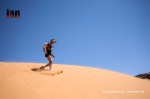
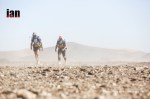
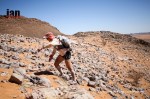
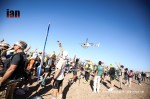
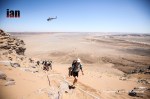
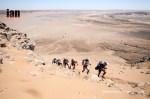
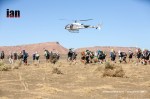
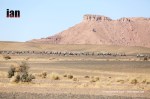
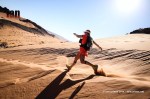
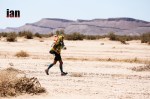
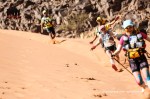
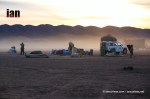
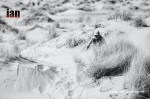
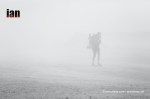
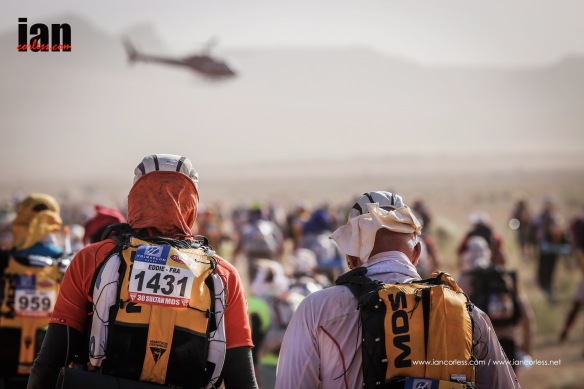
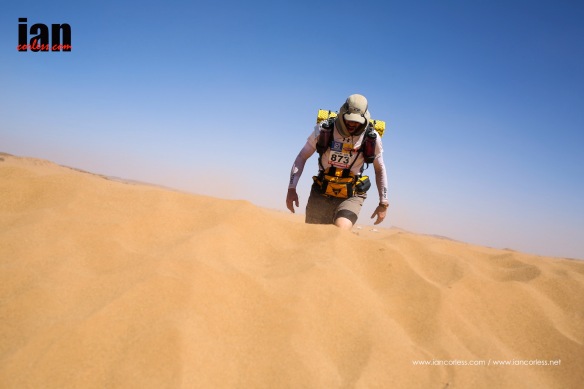
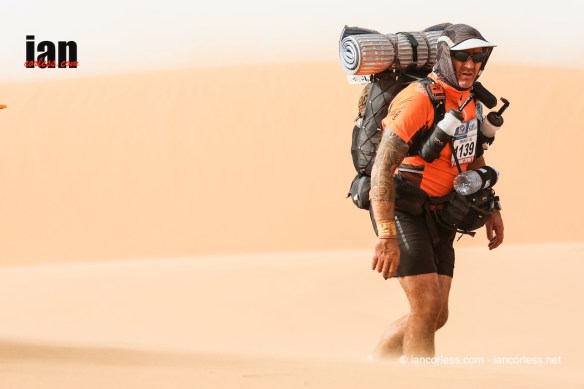
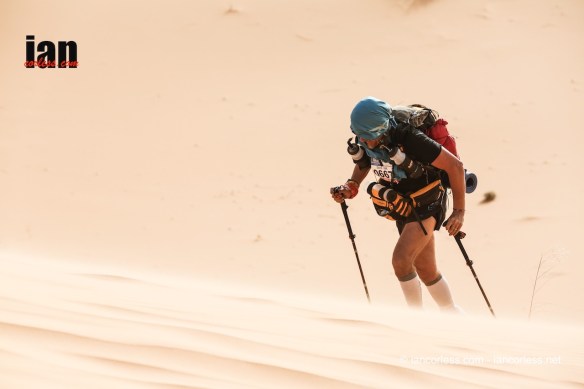
Day 1 kicked of with the huge Mezouga dunes that are tough for any runner, even experienced ones. The day also concluded with a tough section of dunes but to add to the difficulty and complexity, midway during the stage winds increased and increased causing severe sandstorms that hampered navigation, onward progress and resulted with a chunk of DNF’s and those who finished were left exhausted.
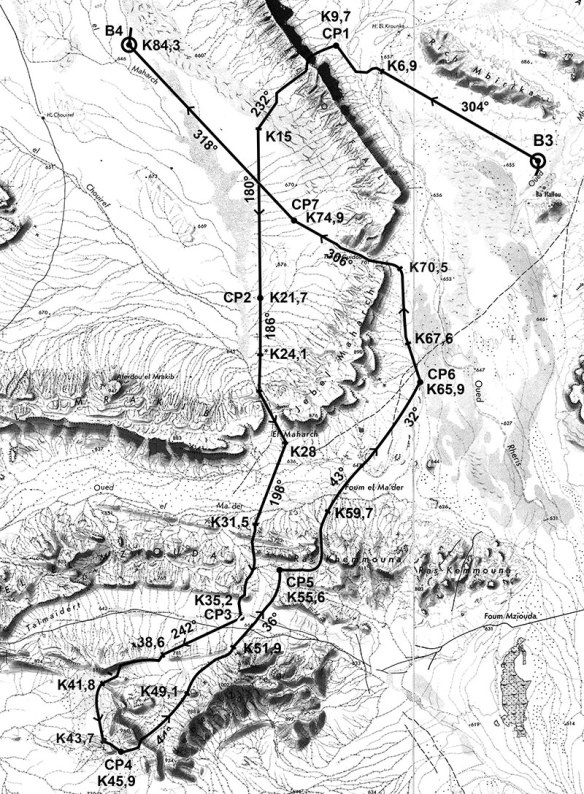
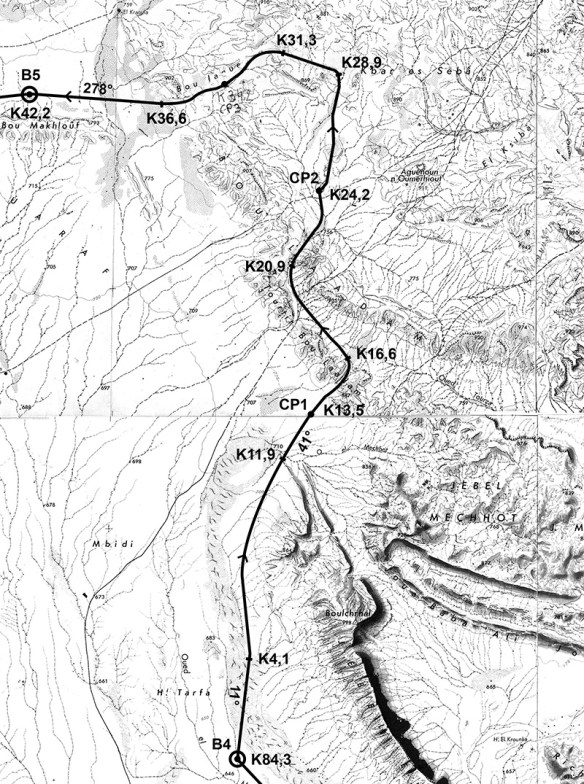
At 257km, the race was the longest edition ever making all stages close to marathon distance. This impacts greatly on every runner as recovery time is reduced. The long day was not as long as many anticipated at 84km, especially after the 30th edition 90+km day. However, the long day was a tough one with plenty of climbing and loads of soft sand. The final charity day is usually a jog to the line and a way to exit the Sahara and get back to the buses, this year, the charity stage was 17km – too long!
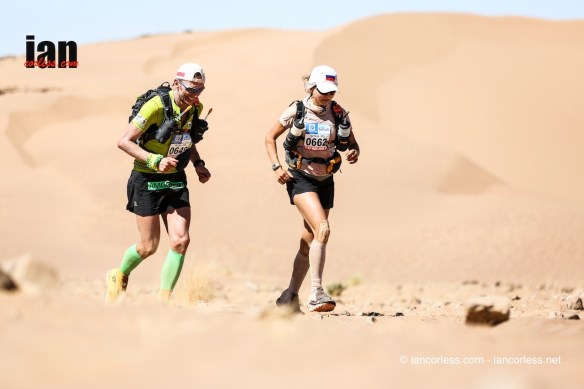
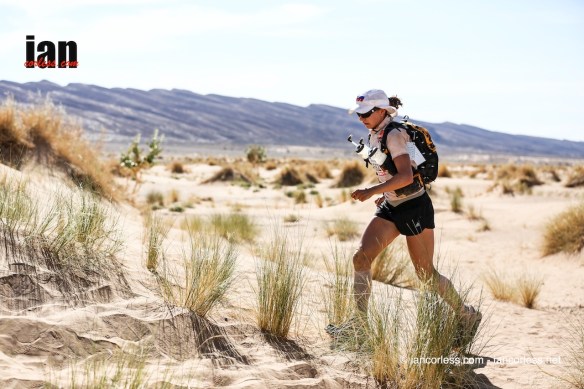
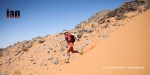
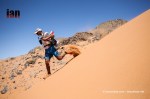
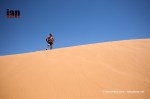
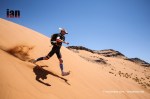
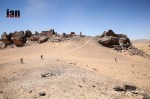
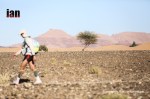
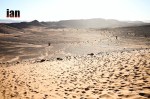
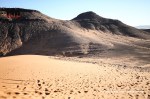
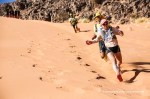
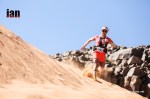
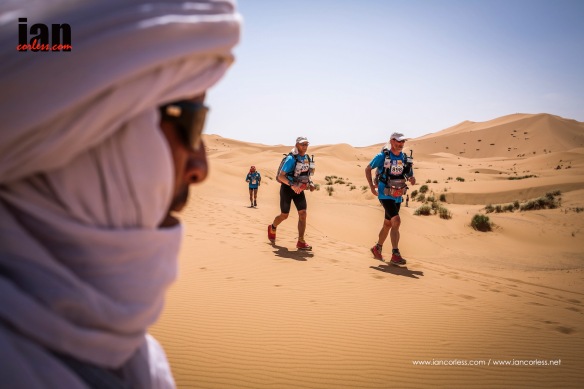
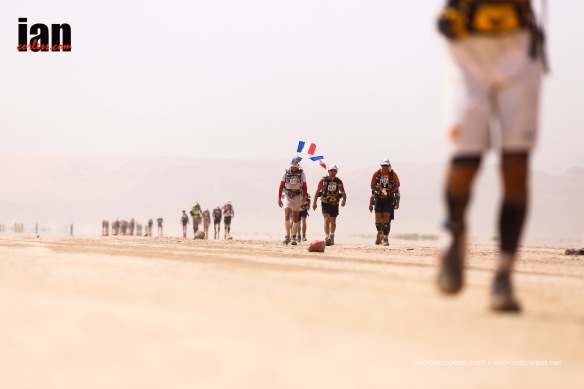
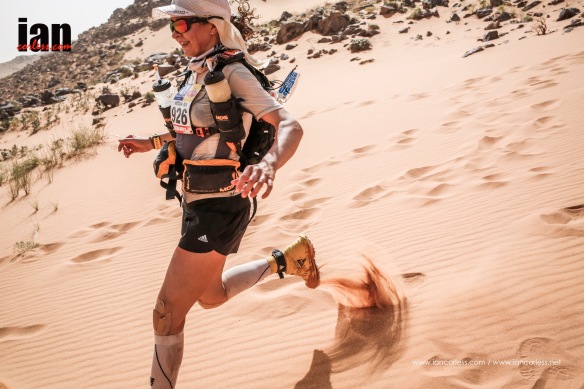
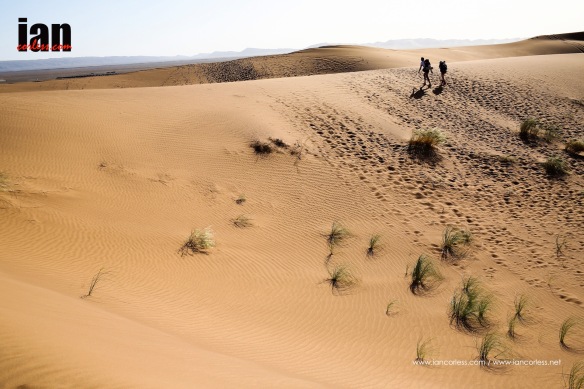
Sand, sand and more sand. I know it’s the Sahara and therefore one would expect sand to be everywhere but in reality, MDS usually only has around about 30% soft sand. This year it was considerably more and that impacted on everyone.
Wind came and went but it’s impact on the racing and bivouac life was notable.
Temperatures rose just in time for the long day and then stayed very high for the remainder of the race.
Day 2 dropout rate was very high which reflected a tough stage but also the knock-on effects from a very tough day 1.
The overall drop out race once the race concluded was over 10%, a sure sign of a tough edition of the MDS.

There you have it, some solid points on why the 31st edition was a tough one and of the many runners who completed the race, I am sure they could add so many more points to my brief synopsis above.
©iancorless.com_MDS2016-2799

OVERVIEW©iancorless.com_MDS2016-8488

It’s funny how everyone is now looking to 2017 and the 32nd edition of the race. Questions are being asked – what, how, why, should I, can I, will I and so on…
©iancorless.com_MDS2016-3382

MDS is not complicated:
Let’s get one thing clear, Marathon des Sables is a simple race that is over complicated by too much information and too many people saying WHAT SHOULD be done. Let’s hark back to Patrick Bauer’s pioneering days and simplify the process of running the MDS. I interviewed and chatted with many runners in bivouac who had done just that, they had applied simple logic and worked out what would work for them. Yes, they had taken advice, looked at websites, processed information but importantly they had found out what worked for them. They realised early on that they were an individual and as such, they needed a personal approach to MDS and not a generic one. When you break the race down, key things are really important:

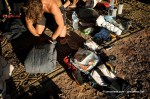
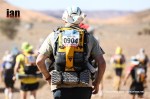
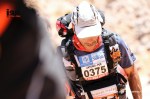
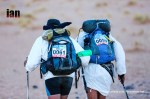
Pack – must fit, have enough room (but not too much) for all your equipment and provide easy access to fluid and you must make sure that your numbers are visible as per race rules.
Sleeping bag – lightweight, packs small and warm enough. I would always recommend a sleeping bag and jacket as opposed to a ‘combi’ as it offers more flexibility, reduced weight and reduced pack size. Popular sleeping bags this year were PHD, Yeti and OMM. There is a review on my website that compares all three. The Raidlight Combi was also popular, certainly with a small selection of the British contingent; it worked well and those who used it were happy – all about what works for you!
Clothes – you just need what you will run in. However, a spare pair of socks was commonplace and many runners had one or all of the following: a warm base layer, a lightweight down jacket or waist coat, buff and many had lightweight pants.
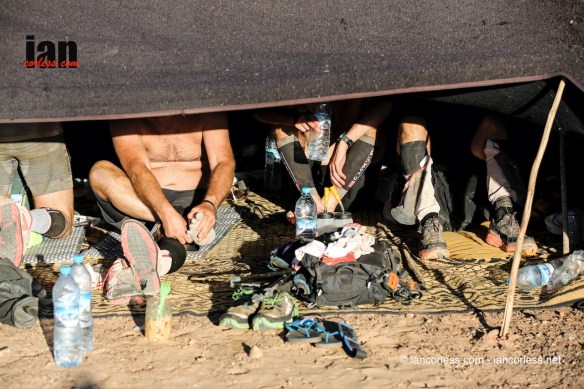
Sleeping Matt – It’s an optional one but a good nights sleep is important and those who hadn’t taken one were wishing they had in most scenarios. Two options exist – inflatable and roll out solid foam. The choice is yours. The inflatable ones offer more comfort, more flexibility in packing but with poor admin, you do run the risk of a puncture. I’ve used inflatable for the past 4-years with no issue. A solid foam Matt will last the week with no risks of problems but they roll large and need to sit outside the pack.

©iancorless.com_MDS2016_Day4_0116

Shoes and Gaiters – Shoes (more below) are personal, just make sure they have a good fit, appropriate drop for your needs and and suit your run style with enough durability for you. I say ‘you’ because Rachid El Morabity will complete the whole race in 21-hours whereas most people won’t even do just the long day in that time – his shoe shoe choice will and can be very different to what most of us need! Get your Velcro sewn on your shoes and make sure that when you get the shoes back the fit has not been altered. Plan in advance, don’t leave this to the last few weeks.

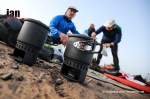
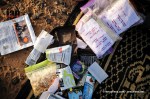
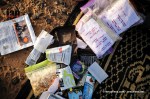
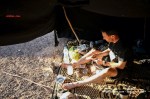
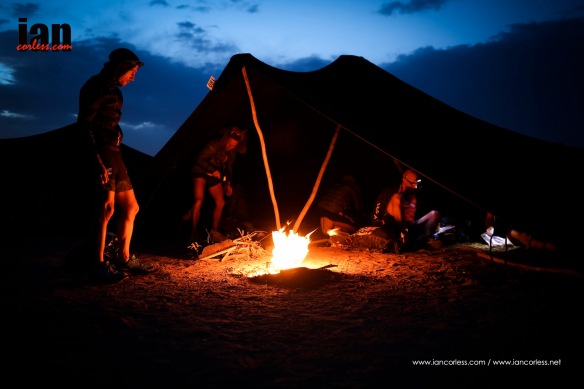
©iancorless.com_MDS2016-2288Food – You need a minimum amount of calories per day specified in the race rules and how those calories are made up are up to you. This for many is a difficult one. It raises many questions and yes, it’s good to find out what other people do and use but ultimately, YOU have to eat it. The decision to use a stove is another question mark but it would appear that most runners like that hot water option. Remember though, you can make a fire from twigs, shrub and branches that surround bivouac. Also note here that food choices and what you eat during running varies greatly depending on how fast you run. For example, the top runners are done and dusted on the marathon stage in 3-4 hours and they are using carbohydrate as a fuel, they therefore can get away with 1-2 gels. If however, a typical day for you will be 6, 7, 8, 9 or even longer, gels are not going to be a good choice. Fat and real food are going to be essential. Understand this now and you can start making the necessary adaptations in training so that food choices will work for you. Training on limited calories and getting fat adapted is a key element for a successful MDS for many runners. Food is also the heaviest and most bulky thing you will carry, think about repacking in smaller packs and making everything as small as possible.

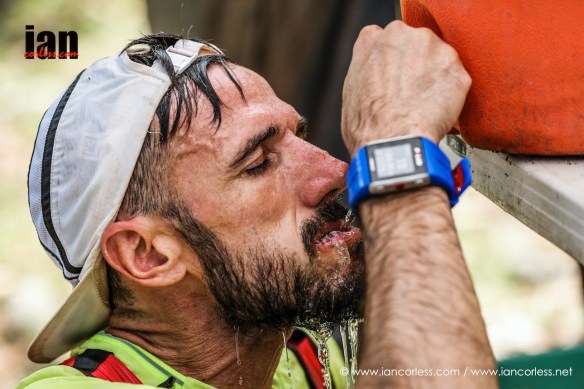
©iancorless.com_MDS2016_Day0_0003Water and Salt Tablets – These are provided by the race and it’s easy really, take the tablets as recommended and drink the water. Dehydration in 2016 once again was a huge issue.

©iancorless.com_MDS2016_Day4_0123

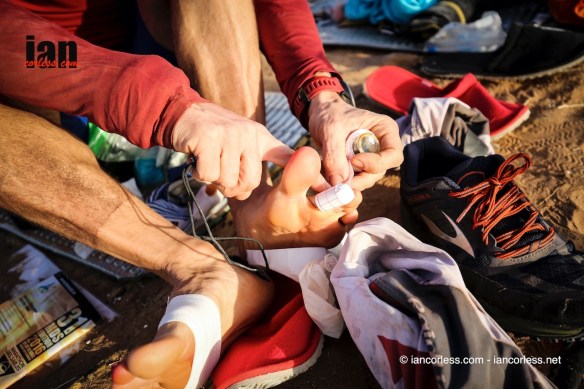
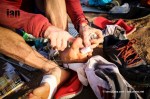
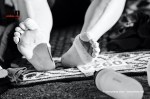
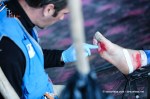
Feet – Look after them, along with dehydration, blistered and damaged feet are a key reason for failure in any multi-day race.

Extras – Mandatory kit is as one would expect, mandatory! So purchase what is on the list. You can save weight by shopping around. Simple rule; the lighter and smaller, the more expensive it will be! Optional extras are very personal and my advice would be take nothing extra other than a MP3 player and earphones. The Apple iPod Shuffle is super small, super lightweight and holds plenty of music for MDS (you can even take two). They cost about £40 and music may well just pull you through when the going gets tough. Anything else is a waste in my opinion. Embrace the isolation, embrace a simple life and you will find you have a new perspective at the end of the race.

Hints and Tips to make your race better
©iancorless.com_MDS2016-3394

You:
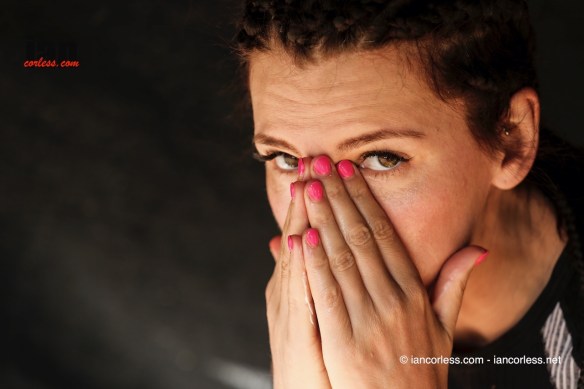
You signed up for the challenge, you wanted to be on the start line and therefore you are responsible for the outcome. Believe me, the you that leaves the Sahara is not the same you that entered. Arguably, you change the moment you pay the deposit, the transformation process begins. Embrace the journey and apply yourself. Most of us can loose a little weight and believe me, pounds shed in training make the race easier. Pointless striving for a 6.5kg pack and then to be carrying an extra 2, 3, 4 or more kg on your body. But keep perspective, the MDS journey is an enhancement of you as a person. It’s easy to become obsessed, ultimately the majority of runners at MDS are enthusiasts, if you keep that in mind the journey will be a complete one.

Training:
Plan ahead, formulate a long term plan and don’t rush. The sooner you start this process, the greater your chance of success and the less chance of injury. Plan stepping stone races and don’t be fooled into thinking that you need to run marathons day-in and day-out. You don’t! Training is about ALL the training you do and not about anyone run.
©iancorless.com_MDS2016-9288

Walking:
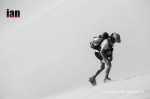
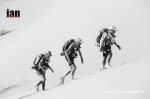
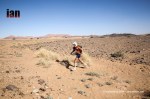
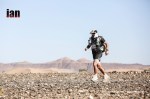
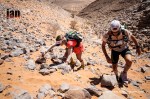
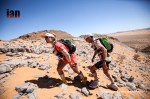
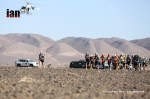
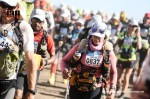
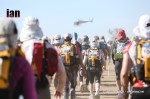
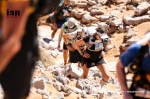
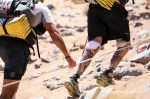
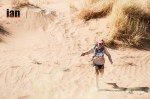
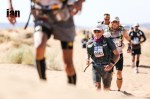
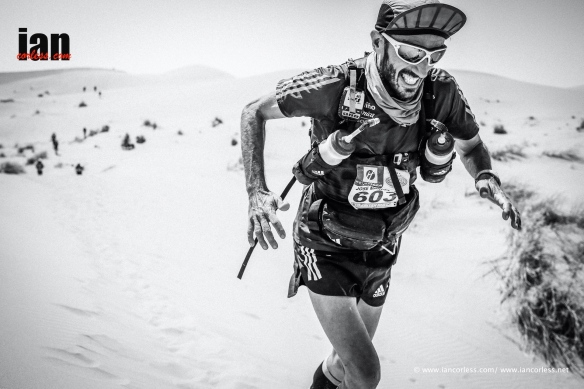
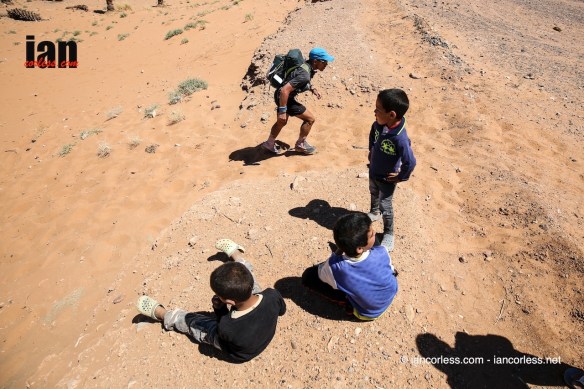
If we exclude the top 50-100 runners (who also walked) the majority of the 1000 strong field spend a huge amount of time walking. Learn to walk! Believe me, it’s a huge tick in the MDS box and rest assured that if you are able to walk at a good consistent pace (barring injury or dehydration) you will finish MDS. The 31st edition at times (from my perspective) seemed almost like a walking race and this can directly be attributed to more soft sand and longer days. Countless runners I spoke to said, ‘If only I had walked more. I trained to run and now I am here, I am finding that running is a luxury.’
©iancorless.com_MDS2016-0923

Poles:
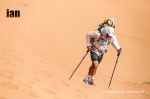
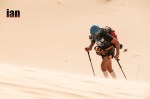
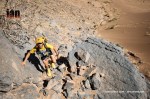
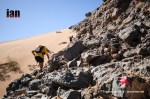
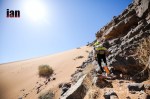
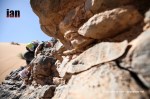
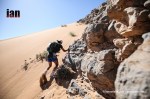
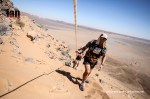
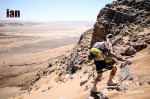
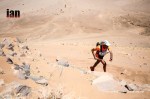
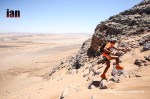
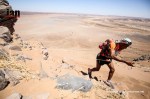
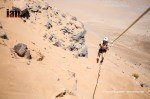
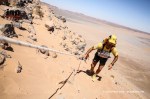
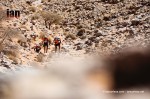
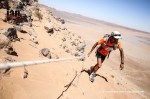
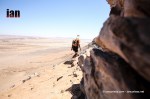
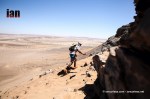
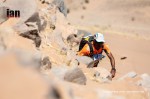
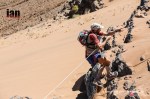
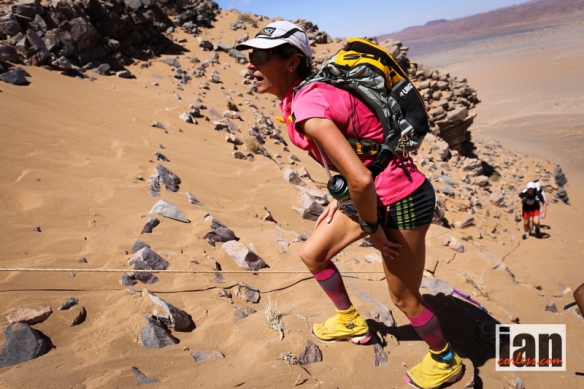
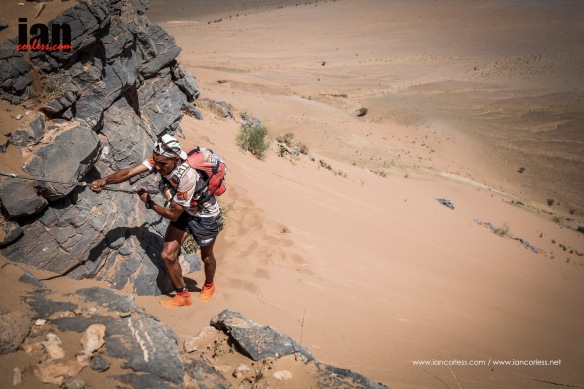
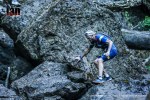
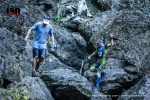
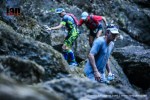
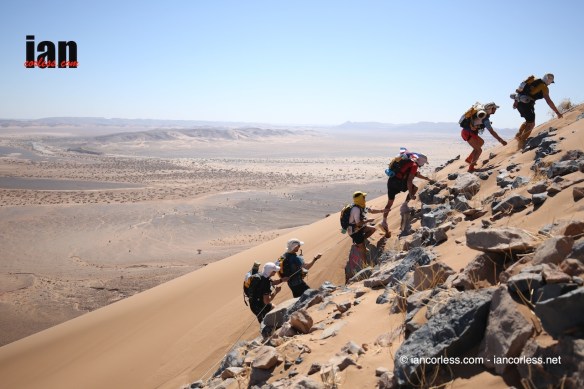
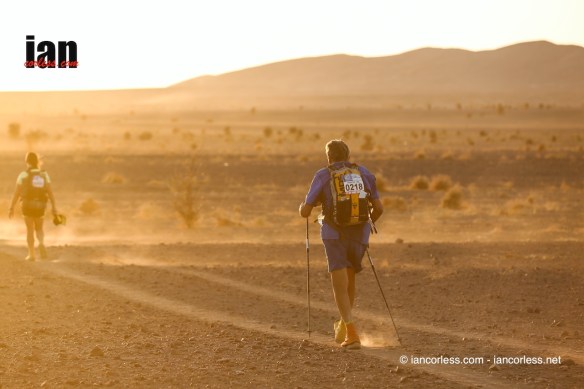
If you are looking to race MDS, figure in the top 100 and are able to run in ‘most’ scenarios, poles will not help your MDS experience. However, once we get out of the top-100 and in particular, once you start to look at the mid to back of the pack, poles may well provide a huge advantage. They provide stability, momentum, drive and in soft sand, they are a little like 4-wheel drive. My recommendation would be try training sessions with and without poles and see what works for you. Don’t get poles 3-4 weeks before a race and think it will be okay… Poles require technique and yes, they will impact on your shoulder, arms and neck. In 31st edition with so much soft sand, poles were a god send for many. They are like Marmite though, some love them, others hate them. For me, they are something I would take. Just make sure you get good ones that are light and that will fold small so that you can pack them when not needed. A good example of this is the big Jebel climb with ropes at the top, some participants struggled up with poles when in reality they needed both hands free for the terrain.

Shoes:
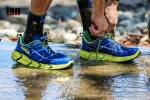
Dare I open this can of worms? Shoes are personal and first and foremost you must consider your own run style – gait, pronation, width, drop and so on. NEVER take advice from anyone online that tells you that ‘X’ is the shoe to wear for MDS unless they know you and your run style. Having said that, certain considerations come into play which help narrow the selection process down. In previous editions of MDS I have seen Hoka One One shoes almost melt with the soft sand, this year, Hoka were one of the most popular shoes and during the race I photographed multiple pairs and saw none of the horror stories from previous year. Brooks have been a popular MDS shoe in recent years and I saw three pairs with horrendous soles that had started to fall apart, however, many runners have commented how well the Cascadia version of Brooks shoes performed. Altra with very low drop and a super wide toe box worked excellently for those who required a minimalist shoe and the re-vamped inov-8 270 (4mm) and 290’s (8mm) had rave reviews from those who used them. Mizuno, adidas and Scott also featured in MDS bivouac amongst others and what was reassuring is how well they all performed. The key here is that runners had found the shoe that worked for them. Make sure you do the same. It’s good to ask for thoughts but ultimately, ask 10-people, you will get 10 view points. Despite all this, there were plenty of foot horror stories. There always will be horror stories and certainly considerable more soft sand added to people’s issues this year. Notably, going back to the walking point, MDS participants often come to MDS prepared to run with shoes that work for running, in some scenarios, these shoes don’t work as well for walking. Think about this and walk in your run shoes! Also shoe size, forget the advice about going up a size or two sizes. It’s a recipe for disaster unless you know that your feet swell? A shoe that is too big will allow your foot to move, a moving for causes friction, friction causes blisters and the rest of the story speaks for itself. General advice is that if you have a ‘thumb nail’ of room at the front of the shoe above the big toe, this generally works. Notice I say ‘generally’ – there are exceptions. One thing that may happen, is your foot may get wider (rarely or never longer) with the heat and additional time on feet, therefore a shoe with a wider toe box often works well for many runners.

©iancorless.com_MDS2016-0541

Equipment:
Minimum pack weight is 6.5kg plus water, get as close to this as you can. Additional weight is additional stress and just makes the journey harder. Luxuries are ok if they improve the journey and make it easier, music is a good example of an additional extra. I can’t really think of anything else…

Friends:
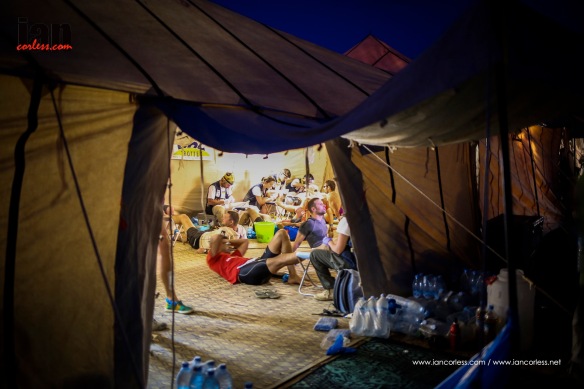
You are going to share bivouac with 7 other people and you are going to have some serious highs and lows. These tent mates will pull you through and motivate you. They will become friends for life. Ideally find tent mates before you head out to the Sahara.

©iancorless.com_MDS2016-7694 copy

The Mind:
The legs, lungs, heart and feet will only get you so far. The mind is what will get you to the finish. On the long day I was at CP5 with 54km covered and 30km to go. I stayed there all night from 9pm till the early hours of the morning when the last person left with the camels. I saw broken individuals with bodies in tatters but mentally strong. It was amazing to watch people leave with a smile, hobbling at a snails pace and then to see them cross the line later in the day. Despite the hardships and pain, they embraced the journey and mentally where superior in strength. It was the mind that got them to the line.

Laugh:
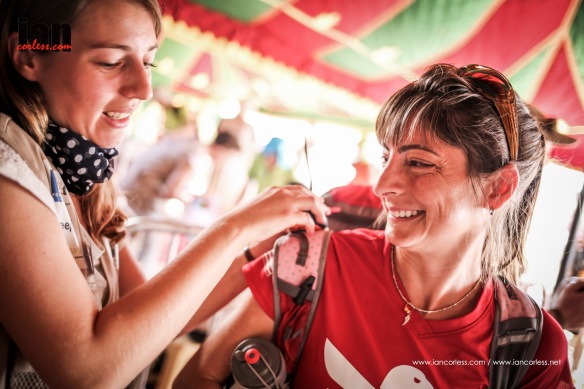
If you laugh, you are having fun. Laugh when you hit rock bottom, why not. Laugh when you are going the toilet in a brown plastic bag and most of all laugh with and at your tent mates and fellow runners. The comradeship of MDS is quite unique, embrace it.

Admin and preparation that you may not think of:

  • Take essentials on the plane and wear your run apparel and shoes. That way, should a baggage disaster happen your chances of racing improve.
  • Take food with you for the travel and on the plane. If I were running, I wouldn’t eat plane food!
  • The journey from the airport to bivouac 1 is always lengthy, MDS will provide a picnic and water but I would still have my own supplies.
  • Night 1 and night 2 in bivouac are NOT self-sufficient so take extras such as an inflatable bed, food and luxuries that you are happy to give away to the berbers. May as well have 2 comfortable nights and a comfortable day before the racing starts.
  • Food before the race starts in recent editions has been provided by a French catering team. It has always been excellent. For the 31st edition, Moroccan caterers were used for the first 2 nights to provide an ‘authentic’ Moroccan feel and experience. It was potentially food that could increase the chances of going to the toilet. Personally, I’d take food with me that would at least allow me a ‘safe’ option. This is food in addition to your ‘mandatory’ requirement so it can be as much as you require and it can weigh as much as you like.
  • Admin day was a lengthy multi-hour experience in previous editions, in the 31st it was slick and streamlined and seemed to take most people 30-45mins which was great. Just make sure you take some water and a little snack food.
  • Keep sun screen on and keep hydrated. No need to drink vast volumes – drink to thirst before the racing starts.
  • Have additional items such as a base layer, sleeping bag liner and other items that may be on a ‘question’ list for the race. On night 1 and before you go to admin, you can make final decisions of what to and what not to take. Particularly important if you think you may be cold at night.
  • Remember that after bag drop and check-in you have no access to any additional items, however, you only become completely self-sufficient when you start the race. With that in mind, you can have additional food and luxuries with you until day 1 kick-off, it’s a useful tip and does mean that you can have additional comfort for a good 12-hours.

Conclusions:

Marathon des Sables is a magical and life changing journey as are most if not all multi-day races. It really is a true challenge of mind and body to race over many days, irrespective if you complete the race in just over 20-hours or 60+ hours. It’s a hark back to a more primitive time, a time without clutter and modern technology. Embrace this. Embrace the silence of the surroundings and the simplicity of placing one foot in front of the other, eating, resting and sleeping and then doing it all again.

As I said previously, MDS and other multi-day races are all relatively simple in process, you need a minimum of kit, some food, regular water and a level of fitness to complete the challenge. Yes, it is THAT simple.

Plan ahead, do some research on kit but it’s not rocket science. Just find out what works for you and then pray the the multi-day gods are on your side. Drop out rates are relatively low considering the challenge, however, shit happens that you just can’t plan for.

Ultimately get the mind in the right place and the body will follow. A plan ‘A’ is great but have a plan ‘B’ and ‘C.’

Finally, set yourself a realistic goal (that may just be to finish) so that you manage not only your expectations but pace. Way too many start off too quick and most dropouts come on days 1 and 2.
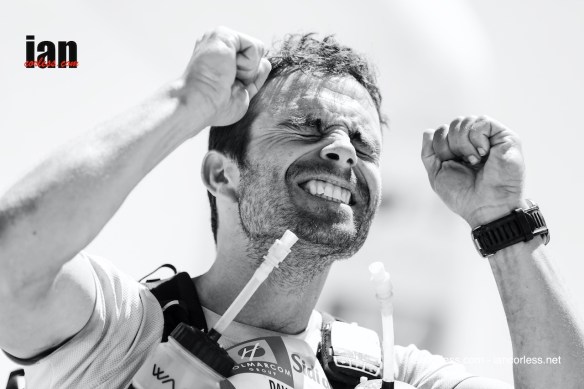
©iancorless.com_MDS2016-6744

Join our MULTI-DAY TRAINING CAMP IN LANZAROTE with 2015 Marathon des Sables champion, ELISABET BARNES info HERE

If you need any specialist equipment, Iancorless.com partners and recommends MyRaceKit for expert advice on an multi-day racing equipment requirements.
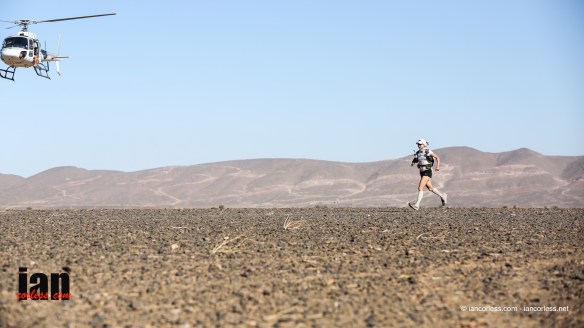
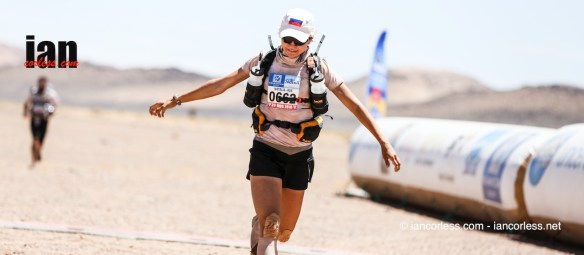
Natalia Sedykh – FROM RUSSIA WITH LOVE #MDS2016

©iancorless.com_MDS2016-1323

Niandi Carmont writes from within the bivouac of the 2016 Marathon des Sables, a series of insightful profiles that brings to life the highs, the lows and the inspiration from the worlds most inspiring multi-day race. Lets kick off these interviews with ‘From Russia with Love’ the 2016 ladies champion, Natalia Sedykh.

©iancorless.com_MDS2016-6960

The Russian rocket takes us by surprise …

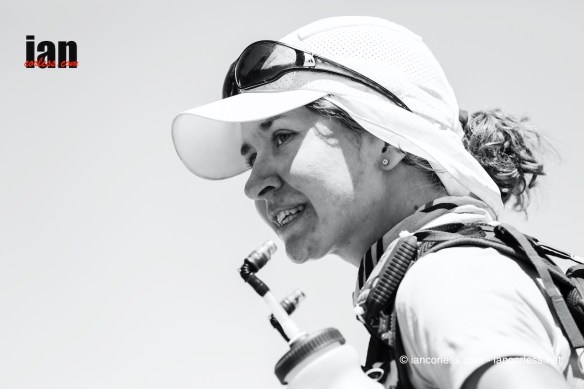
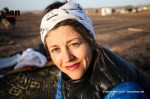
I peep under the bivouac and ask for Natalia SEDYKH. The girl sitting there indicates that it is her. She invites me to sit down. She’s a little distant. She looks calm and composed, not like an athlete who has just completed the long stage of the MARATHON DES SABLES. But then I was expecting that – her race management has been exemplary. She’s paced herself regularly winning every single stage apart from the long one. She’s gained 45 min over her closest rival and is 11th in the overall general.

She relaxes and starts chatting about what got her running and her life in Russia.

“I was in love with a boy when I was 16 and he did 100m hurdles and I wanted to see him every day. So I decided to do track. Initially I couldn’t run consecutive 400m laps because I when I was a child I was told not to run because of my health issues. But I persevered and gradually increased my distance. Since then I’ve trained really hard. If you can dream it, you can do it.”

©iancorless.com_MDS2016-6986

She initially concentrated on sprint, then longer distances but she admits to being more of a track athlete. Her PB over 10km is 33min54s.

“I don’t like extreme events. Life in Russia is extreme as it is.”

Her big break came 5 years ago when a coach Serguei Popov discovered her potential. At the time she was still a sprinter. After a period of injury, she stopped for 2 years. She set herself the objective of running her first marathon.

“I am not a professional runner. I’m a professional coach so I coached myself.”

Her marathon PB is 2.46 last year. Her half marathon PB was on slippery ice with -25C. Not exactly your typical MDS temperatures! We talk a little about her life, it’s not easy living in Russia, you need determination, commitment, strength and most of all, willpower.

“I am an ordinary woman. I want to travel, keep fit, maybe get married, have a family and cook nice soups. My father is a train driver and my mother a seamstress. The standard of living in Russia is low. I hope to save and help my parents financially. They believe in me – I need to do my best for them.”

©iancorless.com_MDS2016-6313

So back to the subject of MDS. How did she train?

“I did a lot of preparation for this race. Last year I got a penalty so I decided to come back and settle a score. Last year I didn’t get in a lot of preparation. I was a tourist.” She laughs. “I was living in Russia. It was sub-zero, icy, a lot of snow.”

Needless to say the conditions were not the same.

“In addition to that I was overworked. I was working in a fitness club and worked long days.”

She then goes on to explain that she’s been in Dubai for 2 months and is still coaching – novice runners this time.

©iancorless.com_MDS2016-5864

I wonder if the past 2 months have allowed her to be heat-adapted?

“In March I missed 2 weeks of peak training as I wasn’t used to the heat. In Dubai you need to get up very early at 5am or 6am to go training because of the humidity.”

I ask her if training in Dubai is complicated?

“Women run with veils. They are very health-conscious. I do my training sessions early or in the desert so I don’t attract attention.”

It’s getting dark and she has to prepare for the next day. I leave her and wonder if this girl who doesn’t like extreme will be back to defend her title in 2017.

Time will tell …

©iancorless.com_MDS2016-8177natalia

Words by Niandi Carmont for the Marathon des Sables media team ©marathondessables

Images ©iancorless.com

Natalia went on to dominate the 2016 Marathon des Sables. It was an outstanding performance. As Niandi questions, will Natalia return in 2017? Part of me things not, but then again, who knows… One thing is for sure, Natalia has set a benchmark for all the other ladies to follow, just as Elisabet Barnes did in 2015 by winning every stage. Natalia is the first lady to make the top-10 overall. A remarkable achievement.

Read a 2016 race summary HERE

MDSlogo

Marathon de Sables 2016 – Race Summary and Images #MDS2016

©iancorless.com_MDS2016-5093

Photography by iancorless.com

Race summaries by Emmanuelle Lamarle for MARATHON DES SABLES

Translations from French to English by Niandi Carmont

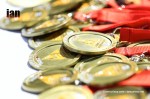
The 2016 and 31st edition of the MARATHON DES SABLES concluded in Morocco on Saturday April 16th. It will go down in the history of the race as one of the toughest and most beautiful editions. At 257km long, it was the longest in the races history and although the long stage was 84km, the daily distance were higher and continually hovered around the marathon distance and thus made the multi-day challenge considerably harder. In the early days, particularly day 1, strong winds and sandstorms battered the runners making what was already a very hard day, considerably harder. This was reflected in day 2 with a high drop out rate. Day 3 was a beautiful stage but just an appetiser for the long day. The feared long day lived up to its reputation and although a very tough, relentless and challenging route, it was compensated for with it’s incredible beauty. Day 5, the classic marathon day, was for many a walk in the park after the long day, this was reflected in the emotions on the finish line when 5 days of effort were released. Day 6, the compulsory charity day concluded the race and with it, each runner received a medal on the line from race director and race creator, Patrick Bauer.

The Sahara, Morocco and the MARATHON DES SABLES never disappoints, 2016 though was a special one – tough, relentless and beautiful. the desert, the multi-day experience and the challenge really does make everyone look inward. The Sahara has a way of stripping you bare, down to your core and the looks of emotion, relief and celebration are moments to savour and all those who completed the journey will be changed forever.

Below is a brief summary of the race week with images to provide some perspective to what has been an incredible 31st edition of the ‘MDS!’

Travel and arrival

DAY ONE

MDSday1Moroccans dominated the men’s race as expected and the female field was shaken up by Russian Natalia Sedyhk.
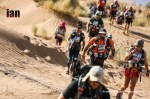
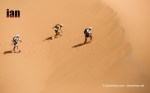
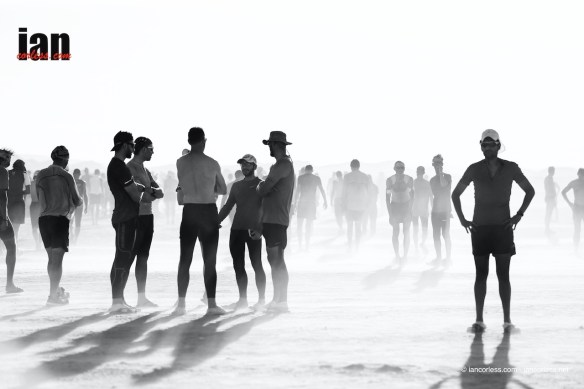
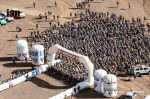
Make no mistake the top male and female runners were bursting to go. In the minutes preceding the start the Russian athlete Natalia Sedykh (3rd in 2015) was doing some sprint warm ups; a definite indication of her intentions for the race.

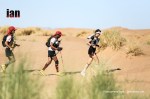
An hour and a half later, on the other side of the incredible Mezouga dunes, the first 2 Moroccan runners surged from the North, then 2 other Moroccans joined them. To no-one’s surprise, the fennecs of the desert took advantage of the 12km dune section to open the gap, leaving behind their European competitors. Their run gait is incredible to watch. Light-footed, they hardly touch the sand. Three Moroccans take the lead and finish the stage claiming the first three places: Rachid El Morabity, last year’s winner, Hammou Ou Mohamed Moudouji and Abdelkader El Mouaziz all within 35 seconds of each other. Third and fourth, the Spaniard Jose Manuel Martinez and the Frenchman Erik Claveryfollow 9 and 14 minutes later.

In the female field, Natalia Sedyhk (RUS) arrived first at CP1 looking very fresh, she was pushing a relentless pace and looking to improve on her 3rd place in 2015 when a 2-hour penalty impacted on her race. Nathalie Mauclair followed in pursuit sticking to a regular pace but the Russian was too strong. Natalia sprinted across the finish line victorious winning the stage having outdistanced Nathalie Mauclair by 17 minutes. 2015 race winner, Elisabet Barnes crossed the line third looking relaxed and comfortable. Nathalie was very happy with her performance today:

“I stuck with a group so that I didn’t waste energy battling the wind alone. In the dunes I felt really good but I didn’t want to speed up as I didn’t want to overdo it. In the second dune section I had to use my compass to navigate and that went very well”.

The day was notable in terms of difficulty, especially the strong winds and sandstorms that made running and navigation equally important.

Women
1 – Natalia SEDYHK (RUS) – 3:40:20
2 – Nathalie MAUCLAIR (FRA) – 3:57:30
3 – Elisabet BARNES (SUE) – 4:10:57
4 – Elizabeth HOWARD (USA) – 4:17:50
5 – Fernanda MACIEL (ESP) – 4:22:49

Men
1 – Rachid EL MORABITY (MAR) – TGCC – 3:10:29
2 – Hammou Ou Mohamed MOUDOUJI (MAR) – TEAMAROC – 3:10:45
3 – Abdelkader EL MOUAZIZ – (MAR) – TGCC – 3:11:04
4 – Jose Manuel MARTINEZ (ESP) – 3:20:30
5 – Erik CLAVERY (FRA) – TERDAV EQUINOX 1 – 3:25:52

DAY TWO

MDSday2

The Gap opens in the Moroccan field in the men’s race and Natalia SEDYHK keeps the lead in the women’s race.

In the first fifteen kilometres of the second stage of the MARATHON DES SABLES race predictions were that the Moroccans would yet again dominate the race and rank in the top 10 of the male field.

On the second part of the course, the Europeans held on and better still even overtook some of their Moroccan rivals including Hammou Ou Mohamed Moudouji , who for his first edition would have liked to stick to the heels of Rachid El Morabity, but he blew up. Which goes to show that even the Moroccans are not perfect!

At the finish Rachid finished before Abdelkader El Mouaziz , and was followed by a duo arriving hand-in-hand : the Spaniard Jose Manuel (Chema) Martinez  and Aziz El Akad . Erik Clavery (D 087 – FRA) finished sixth and was first Frenchman. Sondre Amdahl was seventh.

In the female race, Natalia Sedykh was in the lead again, she seemed a little fragile and less fiery but despite this, she once again dominated the stage making many runners comment, ‘she is on another planet this year!’ Natalia won the stage, finished in the top-10 overall – incredible! Nathalie Mauclair followed 15 minutes later and Fernanda Maciel  came in third position, 2 minutes behind her gaining an advantage over 2015 champion Elisabet Barnes who finished fourth.

WOMEN

D662 SEDYKH Natalia RUS F 7:51:06
D275 MAUCLAIR Nathalie FRA F 8:22:13
D482 MOURA ANTUNES MACIEL Fernanda ESP F 8:49:36
D2 BARNES Elisabet SWE F 9:02:43
D525 HOWARD Elizabeth USA F 9:15:40

MEN

D1 EL MORABITY Rachid TGCC MAR M 6:34:33
D4 EL MOUAZIZ Abdelkader TGCC MAR M 6:35:35
D447 MARTINEZ Jose Manuel ESP M 7:03:36
D6 AKHDAR Samir TGCC MAR M 7:21:16
D3 EL AKAD Aziz TGCC MAR M 7:22:11

DAY THREE

MDSday3

A foregone conclusion to today’s race – not only do the Moroccans hold a faster pace but they know how to manage their race strategy running together in a small group.

Moroccan runners once again lead the race, setting off at a very fast and regular pace on a course which is going to be very runnable. Apart from two successive dune sections and a climb up a djebel, this pace was maintained. At the first check-point El Morabity was leading but closely followed by his compatriots. Only Manuel (Chema) Martinez  and Erik Clavery manage to keep up the gruelling pace that the local set. Clavery was definitely feeling much better today at the start. “It was much better today, I managed my race better”.

After the tough stoney djebel, three Moroccans continued to lead the race: Rachid El Morabity, Aziz El Akad and Abdelkader El Mouaziz. Sticking together they manage their race cleverly, running fast enough to hold off the competition but not too fast to risk blowing up. Behind them Chema Martinez was running hard though and he eventually caught up with  Samir Akhdar moving into 4th place with Erik Clavery hot on his heels. This order didn’t change before the finish although the gap between the runners widened confirming the Moroccan superiority and the leaders’ positions.

In the female race, Natalia Sedykh once again set a gruelling pace to shake off her rivals and although the long stage would follow, word in the camp was that it would take a monumental mistake by the Russian to loose the race. Aziza Raji, third at the first check-point, didn’t manage to stave off Nathalie Mauclair  and Fernanda Maciel.

Ranking of Stage 3:

First 5 women

  1. D662 SEDYKH Natalia RUS 03:49:15
  2. D275 MAUCLAIR Nathalie FRA 03:53:34
  3. D482 MACIEL Fernanda ESP 03:55:53
  4. D33 RAJI Aziza MAR 04:16:41
  5. D2 BARNES Elisabet SWE 04:37:28

First 5 men

  1. D1 EL MORABITY Rachid MAR 03:03:41
  2. D4 EL MOUAZIZ Abdelkader MAR 03:04:02
  3. D3 EL AKAD Aziz MAR 03:05:40
  4. D447 MARTINEZ Jose Manuel (Chema) ESP 03:18:55
  5. D6 AKHDAR Samir MAR 03:25:22

General Ranking

First 5 women

  1. D662 SEDYKH Natalia RUS 11:40:21
  2. D275 MAUCLAIR Nathalie FRA 12:15:48
  3. D482 MACIEL Fernanda ESP 12:45:31
  4. D2 BARNES Elisabet SWE 13:40:12
  5. D33 RAJI Aziza MAR 13:56:47

First 5 men

  1. D1 EL MORABITY Rachid MAR 09:38:16
  2. D4 EL MOUAZIZ Abdelkader MAR 09:39:38
  3. D447 MARTINEZ Jose Manuel (Chema) ESP 10:22:31
  4. D3 EL AKAD Aziz MAR 10:27:52
  5. D6 AKHDAR Samir MAR 10:46:40

DAY FOUR

MDSday4

Rachid El Morabity  and Natalia Sedykh claim victory on the 31st edition of the MARATHON DES SABLES with excellent long day results.

Rachid El Morality was congratulated like never before on the finish line of the long day in the 31st edition of the MARATHON DES SABLES. The Moroccan almost certainly sealed his 4th consecutive edition, claiming victory in all the stages with a comfortable lead on his rivals – just the marathon stage to go! His race management has been exemplary and irreproachable. Abdelkader El Mouaziz lost 2 more minutes to Rachid but crossed the finish to claim a well-deserved second place. Jose Manuel (Chema) Martinez ran a hard race and completed the podium of the long stage – a great result and a real improvement on his 2015 6th place overall.

Frenchmen Erik Clavery and Jean-Sébastien Braun, as well as Carlos Sa  and Sondre Amdahl all came in the top 10.

Talking about the Top 10: female Russian runner Sedykh  is the only women to rank in the top-10 general ranking, in spite of her loss in energy during the long stage where she placed 2nd behind Nathalie Mauclair. Sedykh has a 24-minute lead on the French lady and although Macular will try to take back that time in the marathon, it is highly unlikely she will succeed. It really is is hard to see how Sedykh’s rivals can close the gap on the marathon stage tomorrow. Nathalie Mauclair did manage to gain 12 minutes on her Russian counterpart on the long day with a really aggressive run but the Russian remained consistent. Fernanda Maciel placed 3rd, which as with the men’s podium should change very little on the marathon stage. The gaps have widened in the leading field and behind.

Ranking Stage 4

First 5 women

  1. D275 MAUCLAIR Nathalie 09:07:59 FRA 9,20
  2. D662 SEDYKH Natalia 09:19:53 RUS 9,00
  3. D482 MOURA ANTUNES MACIEL Fernanda 10:30:12 ESP 8,00
  4. D2 Elisabet BARNES 11:36:11 SWE 7,24
  5. D267 Sophie LAVERSANNE 267 12:00:25 FRA 7,00

First 5 men

  1. D1 EL MORABITY Rachid 08:11:24 MAR 10,26
  2. D4 EL MOUAZIZ Abdelkader 08:14:28 MAR 10,19
  3. D447 MARTINEZ Jose Manuel 08:25:55 ESP 9,96
  4. D3 EL AKAD Aziz 08:28:04 MAR 9,92
  5. D87 CLAVERY Erik 08:41:20 FRA 9,67

General Ranking

First 5 women

  1. D662 SEDYKH Natalia 21:00:14 RUS 9,33
  2. D275 MAUCLAIR Nathalie 21:23:47 FRA 9,16
  3. D482 MOURA ANTUNES MACIEL Fernanda 23:15:43 ESP 8,43
  4. D2 Elisabet BARNES 25:16:23 SWE 7,76
  5. D33 Aziza RAJI 26:09:24 MAR 7,49

First 5 men

  1. D1 EL MORABITY Rachid 17:49:40 MAR 10,99
  2. D4 EL MOUAZIZ Abdelkader 17:54:06 MAR 10,95
  3. D447 MARTINEZ Jose Manuel 18:48:26 ESP 10,42
  4. D3 EL AKAD Aziz 18:55:56 MAR 10,35
  5. D87 CLAVERY Erik 19:32:54 FRA 10,03

DAY FIVE

MDSday5

“The Moroccans are on a different planet” Erik Clavery

A thrilling race with the top 4 Moroccans claiming victory and leaving Jose Manuel (Chema) MARTINEZ  out of the podium. The female field remains unchanged with Natalia SEDYKH leading the field.

Once again the Moroccans claimed victory in the men’s field in today’s stage. They set off fast from the outset and widened the gap over the succession of sandy dunes and more runnable sections of the marathon day. Although yesterday’s stage pre-determined the winner Rachid El Morabity and runner-up, the third place was still uncertain with an 8-minute gap between Jose Manuel (Chema) Martinez and El Akad. Yesterday they knew that they would be battling it out the next day. For Chema the strategy was simple:

“I’m going to stick to Aziz and accelerate in the final runnable stretch.”

Aziz on the other hand intended to give it his best shot on the marathon stage

“I’m going to do everything I can to get on the podium tomorrow. I’ll make it or break it.”

And that is what happened Jose Manuel (Chema) Martinez lost 30 minutes to EL AKAD however this does not reflect the true story. ‘Chema’ was stopped early on in the race and was required to change his numbers due to a ‘technicality’ based on the race rules. This stopped Chema in his tracks and while he removed his pack and changed his numbers, his race was broken…  Rachid El Morabity did not win the stage coming in second behind El Mouaziz. Erik Clavery came in 3rd looking shattered.

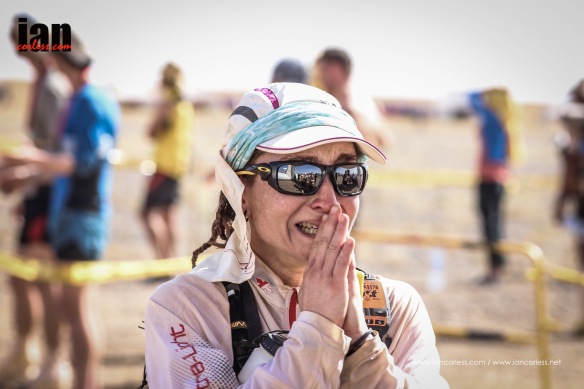
“It’s the first time I am in tears at the end of a race. I am so happy. I really managed the race to the best of my ability. But the Moroccans are unbeatable – it’s another planet.”

In the female race, the ranking hardly changed. Natalia Sedykh lead the stage and opened a small gap with her rivals. She was flying at the finish of this 5th stage. Nathalie Mauclair tried to hang on but couldn’t keep up with the pace set by her Russian rival. Very moved she spent several minutes in front of the webcam at the finish blowing kisses to her kids and family back in France. Surprise of the day was the performance of the Chinese runner Pui Yan Chow who crossed the line in 2nd place. Fernanda Maciel remained third but like Chema, Maciel also was penalised for a number infringement, luckily it did not impact on her 3rd place but it was close….

Top 5 women Stage 5

Running Runner Number Time Country Speed
1 SEDYKH Natalia 662 3:45:12 RUS 11,19
2 CHOW Pui Yan 766 3:50:23 CHN 10,94
3 MAUCLAIR Nathalie 275 4:07:08 ESP 10,20
4 RAJI Aziza 033 4:32:07 MAR 9,26
5 MOURA ANTUNES MACIEL Fernanda 482 4:43:00 ESP 8,90

NOTE – “Puy Yan CHOW has received a time penalty of 3 hours for non-respect of the starting wave at stage 5 and we are going to update the ranking.”

Top 5 men Stage 5

Ranking Runner Number Time Country Speed
1 EL MOUAZIZ Abdelkader 4 3:11:32 MAR 13,16
2 EL AKAD Aziz 3 3:11:34 MAR 13,15
3 EL MORABITY Rachid 1 3:11:41 MAR 13,15
4 AKHDAR Samir 6 3:18:54 MAR 12,67
5 CLAVERY Erik 87 3:27:24 FRA 12,15

General Ranking 2016

Top 5 women MDS 2016

Ranking Runner Number Time Country Speed
1 SEDYKH Natalia 662 24:45:26 RUS 9,61
2 MAUCLAIR Nathalie 275 25:30:55 FRA 9,33
3 MOURA ANTUNES MACIEL Fernanda 482 27:58:43 ESP 8,51
4 BARNES Elisabet 002 30:02:26 SWE 7,92
5 RAJI Aziza 033 30:41:31 MAR 7,75

Top 5 men MDS 2016

Ranking Runner Number Time Country Speed
1 EL MORABITY Rachid 1 21:01:21 MAR 11,32
2 EL MOUAZIZ Abdelkader 4 21:05:38 MAR 11,28
3 EL AKAD Aziz 3 22:07:30 MAR 10,76
4 MARTINEZ Jose Manuel 447 22:27:50 ESP 10,59
5 CLAVERY Erik 87 23:00:18 FRA 10,35

The Charity Stage

MDScharity

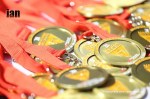
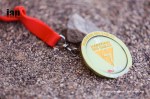
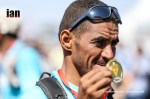
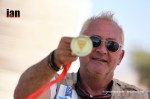
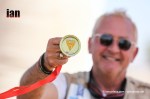
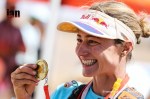
The compulsory charity stage concluded the 2016 MARATHON DES SABLES and although the overall rankings would not change with is stage, it offered all the runners a casual way to transition from aggressive racing to recovery. Patrick Bauer awarded each and every runner, first to last, with a medal. A significant moment that concluded the 2016 MDS!

Local colour in Ouarzazate

All images ©iancorless.com – all rights reserved

A series of runner profiles by Niandi Carmont will allow over the coming days

A full image gallery will be displayed on iancorless.photoshelter.com

Many thanks to the MARATHON DES SABLES

MDSlogo

Marathon des Sables 2016 #MDS2016 Race Preview

©iancorless.com_MDS2015Day6-0982

MDS, Marathon des Sables, The Toughest Race in the World… whatever you want to call it, the 31st edition is just around the corner. Think about it, 30-years. It’s quite incredible how this race has grown and has become ‘the’ multi-day race to do irrespective of experience. It was the first and is still the best race offering an ultimate adventure for novice and experienced runner.

MDSlogo

It’s more than a race. It’s an experience, it’s escape and it’s a challenge. The combination of self-sufficiency, life in bivouac and running 250-km’s through the heat of the Sahara is something that those that have experienced it will never forget. It is the story of life, a story of men and women who have come to the heart of the desert to rid themselves of the superficial to keep only the essentials and get in touch with their true selves.

©iancorless.com_MDS2015Day7-2789

“What concerns me the most is the runners’ safety, and our capacity to ensure rapid medical intervention and emergency health evacuation. The weather is another worry, but unfortunately totally out of our hands.” – Patrick Bauer

For the past three decades, some 19,000 runners have signed up for this experience, so, with the imminent running of the 2016 edition, it’s fair to say that race will see a great number of participants returning.

To summarise the impact on participants over 30 years:

(statistics provided by MDS media team/ official press documentation)
  • 30-40% are returning,
  • 70% are international,
  • 30% are French,
  • 17% are women
  • and 45% are veterans thus confirming that you are never too old to take part!

2016 will see 1200 runners participate, a huge increase from 1986 when only 23 runners took part.

©iancorless.com_MDS2015Day6-9440

“The desert strips you bare, all the more so on a race like this. Values like sharing, solidarity, and respect for differences and cultures are omnipresent. So of course, friendships develop between the brothers and sisters of the desert who have no more barriers or boundaries and are all united to achieve the same goal.” – Patrick Bauer

©iancorless.com_MDS2015Day4-6694

Lasting six days’ participants must be self-sufficient carrying everything they need in a pack. Water is provided but rationed and a tent (bivouac) is provided each evening that must be shared with seven other participants.
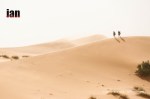
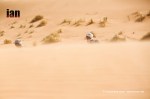
The 2016 edition of the race will be 257-km’s offering a series of challenges that will test the mind and body in equal measure.

©iancorless.com_MDS2015Day5-7840

“We try to convey happiness, enthusiasm and positive thinking through what we do and the sense of belonging is particularly intense for the runners, almost tribal, after ten days of sharing the adventure and fulfilling the same dream. Another thing I’d say was very important and a big part of the marathon’s success is the security and care that we bring the runners. The average age of participants is about forty, and most of them have children and have opted for a mishap-free adventure. In any case, when your family is far away, you count on quality organization.” – Patrick Bauer

©iancorless.com_MDS2015Day5-7951-2

The Route

On a course punctuated by difficulties, competitors will get to see all of the Sahara’s different facets. Runners will have to cross ergs (dune fields), djebels (mountains), stony plateaus, dried-up lakes and oueds in which only sand flows, as well as oases, nomad camps, and traditional, rammed-earth villages. The desert has its secret gardens and those taking part in MARATHON DES SABLES will be lucky enough to contemplate them as a recompense for their efforts.

Stage 1 – 10th April

12km of majestic dunes kick off the race anddunes conclude the stage for the last 3km before competitors reach the bivouac. In-between, runners will have the time to appreciate the difficulty of making their way down a sandy oued and crossing a ghost village. Although not confirmed, I would anticipate that the Erg Chebbi Dunes may start the 2016 race. These dunes finished the 2015 edition on the charity stage. This will most definitely mean a longer transfer from the airport to the start of the race and these dunes are tough! “The dunes of Erg Chebbi reach a height of up to 150 meters in places and altogether spans an area of 50 kilometers from north to south and up to 5–10 kilometers from east to west lining the Algerian border.”

Stage 2 – 11th April

A long stage, with a wide variety of terrains. The standard dunes will be accompanied by stony plateaus where time stands still, rammed-earth villages inhabited by courageous souls farming arid land, and some steep djebels. As beautiful as it is difficult.

Stage 3 – 12th April

MARATHON DES SABLES will merit its name on this stage. The first part will go fast but, before the 1st check point the dunes will emerge… and then carry on, with more before and after the 2nd check point and a few more before the bivouac. The desert will go up and down with a slight climb before some slopes of over 20% that will put it all into perspective.

Stage 4 – 13/14th April

Known as “the long one” by old hands, this is the most testing part of the race, where you really need to manage your energy. The list of remarkable sites along this stage is particularly long. It’s the kind of stage that made MDS’s reputation. In less than 35 hours, runners’ minds and bodies will have had their fill. Running through the sand at night under the stars teaches all of them about humility. No one emerges from this long pilgrimage unchanged.

Stage 5 – 15th April

The Marathon stage. For those who thought they’d seen it all, get ready for a revelation. This entirely new route will take you through some splendid sites and end in a battle for the leading places. The less hurried will take their time to admire the landscapes. A lot more dunes and hills for 42.2km.

Stage 6 – 16th April – SOLIDARITY UNICEF legs

This obligatory stage is timed but does not count in the MDS ranking. You have to cross the finish line to feature in the ranking of the 31st MDS and receive a finisher’s medal. When they reach the small village in which the final finish line is located, competitors, sponsors and families signed up on this stage will make up the caravan and be able to appreciate the beauty of the landscape, all wearing the colours of UNICEF, which supports projects for impoverished children. This stage is mostly a chance to reflect on the experience of this amazing human adventure, and raise awareness of solidarity before returning to civilization.

©iancorless.com_MDS2015Day2-1527

ONES TO WATCH AT MDS 2016

The LADIES ©iancorless.com_MDS2015Day3-2734

Elisabet Barnes is the defending champion and has become a dominant force in the world of multi-day running. She followed MDS victory in 2015 with victory in Oman and placed 2nd lady at the recent The Coastal Challenge in Costa Rica. Recent life changes have impacted on Elisabet’s preparation for the 2016 edition of the race but she knows the desert, she knows the sand and she knows how to race over multiple days.

PRE RACE INTERVIEW WITH ELISABETH BARNES HERE

“I have a lot more experience than I had in 2012. I do train a little more, but it’s really that I understand more about pushing myself further and how to manage my food and water. My bag was also a lot lighter than in 2012, my 2015 bag only weighed 7 kilos compared to 11 kilos in 2012.”

©copyright.iancorless.com.P1070838

Fernanda Maciel is a newbie to the Sahara and multiple day racing despite victory at the 2013 Everest Trail Race. One thing is for sure, the heat should not be a problem for the Brazilian ultra runner. An experienced competitor, Fernanda recently spent a long period of time at altitude in an effort to set a ‘FKT’ (fastest known time) on Aconcagua. Something she achieved! Her success at races such as UTMB, Transgrancanaria and Ultra-Trail Mt Fuji will almost certainly mean that she will be a force to be reckoned with.

©copyright .iancorless.com._1000768

Nathalie Maculair will without doubt shake things up at the 2016 edition. Her results speak for themselves and her ability to run fast, climb, handle technical trail will (and quite rightly so) intimidate her competition. Nathalie has raced well at Transvulcania, become a world trail champion and also won the ridiculously tough, Grand Raid de la Reunion (Diagonale des Fous). This will be Nathalie’s first multi-day race but she has raced in ‘Raids’ before. Her small size will without doubt be a huge disadvantage in the early stages.  A wife and mother, this may well be the ultimate escape for her.

“Given my small size, transporting 6-7 kg will be quite a challenge. But I’ve already run with a large bag on multisport raids. I enjoy the period when you prepare the bag and start picturing yourself on the race and thinking about what you’ll need. Once I’m in that phase, part of me is already there.”

©iancorless.com.IMG_3927MDS2014

Laurence Klein has won the race multiple times (2007, 2011 and 2012), and knows the sand and the race better than anyone else. You van never rule her out! In recent years’ things have not gone to plan in the big sand pit, but Laurence is back once again, that can only mean one thing; she believes she can win!

©iancorless.com_MDS2015Day1-9651

Liza Howard ran MDS last year and placed 16th which does not reflect her ability. She has real experience of ultra running as she proved with victory at Leadville 100 in late 2015 (she also won Leadville in 2010) and I am sure that she learnt valuable lessons in the 2015 edition of MDS that will only make her stronger and more resilient in 2016.

Aziz Raji a name I initially missed but a hot contender for the podium after great runs at Trans Atlas Marathon and in Oman.

Meghan Arbogast is another USA based runner that has all the credentials and history to make a real impact in the dunes and the hard packed sand of the Sahara. A fast runner, particularly over 100km, Meghan’s race history dates back to 1996 and is compulsive reading.

©iancorless.com_MDS2015Day5-7531

Natalia Sedykh placed 3rd last year and like Elisabet Barnes was an unknown entity. She had a steely grit and determination and I can’t help but think that 1-year on, she will come to the race meticulously prepared with just one objective; overall victory!

Ladies to watch:

Frederica Boifava, Annick Ballot, Gweanelle Coupon, Elise Delannoy, Sophie Laversanne, Claire Price, Holly Zimmermann, Maree Jesson and more.

The MEN

©iancorless.com_MDS2015Day3-2986

Rachid El Morabity has won the race three times, is defending champion, has local knowledge and is the man to beat, need I say more?

©iancorless.com_Rut2015-2194

Franco Colle is a surprise entry as he loves the mountains. He had an incredible 2015 racing on the Skyrunner World Series and by contrast he has won the epic and demanding, Tor des Geants. He has strength, technical ability and is used to carrying a pack in the mountains, this is his first MDS but don’t rule him out!

©iancorless.com_Transgrancanaria15-6958

Sondre Amdahl has been a revelation in recent years with a sting of world -class performances at UTMB, Western States, Transgrancanaria, UTMF and so on. He recently pulled out of the 2016 edition of Transgrancanaria and has then devoted himself to preparing for the Sahara. A fierce competitor, he will try his hardest day-after-day.

PRE RACE INTERVIEW WITH SONDRE HERE

“I’m not afraid of it, but I do have a great deal of respect for the race. I’m trying to prepare myself as best as I can, especially for the heat, sand and lack of food. I live in Norway, and it’s cold there right now, so I’ll spend some time in Spain and Morocco before the race.”

©iancorless.com_MDS2015Day6-0651

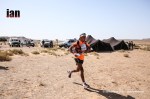
Erik Clavery is the great French hope. He has said numerous times that MDS is a dream race and he has set his sights high.

“This weekend I set off to the dunes in western France once again with my 6.5 kg bag on my back. The hardest part will no doubt be getting used to the heat. It’s not easy to reproduce those conditions over here in the winter. So I work on my home trainer wearing a thermal jacket!”
©iancorless.com_TCC2016-1787

Carlos Sa has come close but never quite managed to smoke the MDS cigar. He placed 4th in 2012 and 7th in 2013. This year, Carlos has really set his sights on MDS and his recent run in Costa Rica at The Coastal Challenge was great training. We all know he can run in the heat as his 2013 victory at Badwater 135 confirms. I hope he makes the podium!

©iancorless.com_MDS2015Day3-3254

Chema Martinez is a 2:08 marathon runner, he placed 6th at MDS last year and recently had a great run in Costa Rica at The Coastal Challenge. He’s a fun loving guy who loves to race and race fast. He made mistakes in 2015 and will look to put them right in 2016 – watch this space!

©iancorless.com.IMG_7592Transvulcania14

Jason Schlarb is one of the USA’s top runners who has excelled at races such as UTMB. Just recently he skied (with 3 others) the Hardrock 100 course over 4-days. A world first and a huge achievement. Without doubt, MDS will be a huge learning curve for Jason but it’s a challenge he is embracing. He sees the race as one big adventure!

©iancorless.com_MDS2015Day6-1084

The Moroccans

  • Aziz El Akad has been in the top 5 six times, so a repeat performance is highly likely.
  • Abdelkader El Mouaziz was 2nd last year and a super fast runner. He will be looking to oust Rachid for the top slot and he has the race to do it!
  • Samir Akhdar has never won MDS but has placed in the top 8 seven times.

Men to watch:

Jean-Sebastien Braun, Marco Olmo, Greg Dunning, Glenn McDougall, Alejandro Lopez Reyes, Ahmed Tahiri, Mohamed Faraj, Marco Pajusco, Juan Manuel Cortes and more.

©iancorless.com_MDS2015Day5-9765

Crazy Statistics of the MDS

“The logistics are a big headache and we organize every last detail in advance! We’re a village of 2,000 people that has to be set up and dismantled every days and needs to be self-sufficient in energy, food, water and fuel. As one of my friends says, ‘Let’s expect the worst because the best will never surprise us!’ We also benefit from the infallible support of the Royal Moroccan Army, which makes available about 25 6WD military trucks to transport all of our equipment.” – Patrick Bauer

©iancorless.com_MDS2015Day3-6232

▪    150 volunteers to supervise the race,

▪    450 general support staff,

▪    120,000 liters of bottled mineral water,

▪    300 Berber and Saharan tents,

▪    120 all-terrain vehicles and trucks,

▪    2 Squirrel helicopters and 1 Cessna plane,

▪    8 Transavia ‘MDS special’ commercial planes,

▪    30 buses,

▪    4 dromedaries,

▪    1 incinerator lorry for burning waste,

▪    5 quad bikes to monitor race environment and safety,

▪    72 medical staff,

▪    2.3kms of Elastoplast,

▪    12,200 compresses,

▪    6,000 painkillers,

▪    150 liters of disinfectant,

▪    1 editing bus,

▪    5 cameras,

▪    1 satellite image station,

▪    10 satellite telephones,

▪    30 computers, fax and internet,

▪    18,000 competitors since 1986

▪    30% returning competitors, 70% international, 30% French,
17% women, 45% veterans,
30% in teams,
10% walkers,
90% alternate walking and running,

▪    14 km/hr.: average maximum speed, 3 km/hr.: average minimum speed,

▪    15 years of age for the youngest competitor and the oldest, 83!

©iancorless.com_MDS2015Day3-5132

30 Years of the MDS

1986 – Michel GALLIEZ (FRANCE) – Christiane PLUMERE (FRANCE)

1987 – Bernard GAUDIN (FRANCE) – Marie-Ange MALCUIT (FRANCE)

1988 – Bernard GAUDIN (FRANCE) – Marie-Ange MALCUIT (FRANCE)

1989 – Hassan SEBTAOUI (FRANCE) – Marie-Claude BATTISTELLI (FRANCE)

1990 – Hassan SEBTAOUI (FRANCE) – Claire GARNIER (FRANCE)

1991 – Hassan SEBTAOUI (FRANCE) – Monique FRUSSOTE (FRANCE)

1992 – Mohamed BENSALAH (MOROCCO) – Monique FRUSSOTE (FRANCE)

1993 – Mohamed BENSALAH (MOROCCO) – Irina PETROVNA (RUSSIA)

1994 – André DERKSEN (RUSSIA) – Valentina LIAKHOVA (RUSSIA)

1995 – André DERKSEN (RUSSIA) – Béatrice REYMANN (FRANCE)

1996 – André DERKSEN (RUSSIA) – Anke MOLKENTHIN (GERMANY)

1997 – Lahcen AHANSAL (MOROCCO) – Rosanna PELLIZZARI (ITALY)

1998 – Mohamad AHANSAL (MOROCCO) – Rosanna PELLIZZARI (ITALY)

1999 – Lahcen AHANSAL (MOROCCO) – Lisa SMITH (USA)

2000 – Lahcen AHANSAL (MOROCCO) – Pascale MARTIN (FRANCE)

2001 – Lahcen AHANSAL (MOROCCO) – Franca FIACCONI (ITALY)

2002 – Lahcen AHANSAL (MOROCCO) – Simone KAYSER (LUXEMBOURG)

2003 – Lahcen AHANSAL (MOROCCO) – Magali JUVENAL (FRANCE)

2004 – Lahcen AHANSAL (MOROCCO) – Simone KAYSER (LUXEMBOURG)

2005 – Lahcen AHANSAL (MOROCCO) – Simone KAYSER (LUX)

2006 – Lahcen AHANSAL (MOROCCO) – Géraldine COURDESSE (FRANCE)

2007 – Lahcen AHANSAL (MOROCCO) – Laurence KLEIN (FRANCE)

2008 – Mohamad AHANSAL (MOROCCO) – Touda DIDI (MOROCCO)

2009 – Mohamad AHANSAL (MOROCCO) – Touda DIDI (MOROCCO)

2010 – Mohamad AHANSAL (MOROCCO) – Monica AGUILERA (SPAIN)

2011 – Rachid EL MORABITY (MOROCCO) – Laurence KLEIN (FRANCE)

2012 – Salameh AL AQRA (JORDAN) – Laurence KLEIN (FRANCE)

2013 – Mohamad AHANSAL (MOROCCO) – Meghan HICKS (USA)

2014 – Rachid ELMORABITY (MOROCCO) – Nikki KIMBALL (USA)

2015 – Rachid ELMORABITY (MOROCCO) – Elisabet Barnes (SWE)

©iancorless.com_MDS2015Day3-5136

A brief history of the MDS

1984: At 28 years of age, Patrick Bauer decided to make for the Sahara to try to traverse a 350km expanse of uninhabited desert, on foot, alone, where he wouldn’t come into contact with a single village, oasis or watering place. Totally self-sufficient, with a rucksack weighing 35kg and containing water and food, he set off on a journey that was to last 12 days. It was the starting point of what was to become the MARATHON DES SABLES.

1986: The creation of the first MDS in the Moroccan Sahara. The 23 pioneers who took the start never imagined that their footprints would mark the start of a legendary event, which has today become a must among the major adventure sport meets. The creation of a non-mechanical competition in the Moroccan sands offers adventure runners a wealth of new prospects.

1987: Creation of the MDS logo: the face of a runner covered by a keffiyeh, the eyes protected by a pair of sunglasses and the pipette from the runner’s water container clenched between the teeth.

1989: 170 competitors take the start of the race.

1991: The gulf drama puts the MDS at a disadvantage and the financial partners withdraw. Fortunately, some runners answer the call. For these competitors, the true victory lies in meeting athletes from different backgrounds and their communion in the desert around the same goal. Sport proves once again that it can bring people together and create bonds.

1992: One and the same regulation for everyone. This year sees the establishing of unexpected draconian tests, to ensure that each participant properly transports all his or her gear from one end of the course to the other. A 30-point charter is drawn up.

First participation by the Moroccan Lahcen Ahansal

1994: Arrival of the Doc Trotters at the event.

1995: 10th anniversary. Since the start, over 1,500 men and women have left their footprint and their passion in the desert. Installation of water-pump for the inhabitants of the village of Ighef n’rifi (South of Er-Rachidia) – an idea by competitor Gilles Flamant and backed by Rolland Barthes and Patrick Bauer. Its success is to be repeated again and again

1996: First participation by Mohamed, a younger sibling of Ahansal. The two Moroccan brothers set off together and rank 4th and 5th respectively.

1997: This year heralds the start of the Ahansal saga. Morocco is honored with Lahcen’s first victory. He beats his two pursuers by nearly 30 minutes, despite them being international long-distance running champions.

1999: A mobile hospital on the MDS comes into being. There are around thirty practitioners on the ground, with doctors and nurses joining the caravan. A dedicated helicopter and ten all-terrain vehicles track the competitors each day. On- board these vehicles there are doctors of course, as well as high-tech equipment. The village boasts a genuine field hospital.

2000: Internet puts in an appearance in the large MDS village. The organization decides to broadcast the texts and photos of the race live, day after day. The competitors can communicate with their nearest and dearest and receive messages of encouragement.

2001: For the first time the long leg, traditionally called “The 70”, exceeds the 80km barrier to reach 82km. The threshold of 240km is also surpassed since the 16th MARATHON DES SABLES spans 243km. Another first relates to the fact that there are no Moroccans on the podium this year.

2002: This edition is punctuated by a sandstorm, involving headwinds, which lasts the entire week. The doctors invent a machine for ‘low pressure cleansing’ to rinse out the runners’ eyes. Despite the difficult conditions, there are few retirements to report as the wind considerably reduces the temperature.

2005: The Luxembourg runner Simone Kayser is the first woman to win 3 MARATHON DES SABLES. For this 20th edition, the total number of runners exceeds 700 for the first time, with no fewer than 777 runners taking the start.

2006: A drying wind and very high humidity levels cause damage to the runners’ bodies. Despite additional allocations of water, a whole series of retirements ensues. There are a total of 146 retirements ultimately, which equates to double that of the previous record… Race management decides to shorten the long leg by over 10km given how tired the runners seem.

2008: The Solidarité MDS association is created. The aim: to develop projects to assist children and disadvantaged populations in the domains of health, education and sustainable development in Morocco. 

2009: MDS is disrupted by flooding and the 1st and 6th stages are not able to take place. To avoid the flood zones, the organization is obliged to improvise new legs on a day-to-day basis. In this way, the edition goes down in legend for its 3rd leg, which is the longest ever contested: 92km of sand, loose stones and rocks… The leg even sees the retirement of Lahcen Ahansal… At the prize giving the 2 winners admit to having competed in their hardest MDS. However, it was also the shortest: 202km.

2010: For its 25th edition, the number of participations reaches a record high of 1,013 participants. It is to be the longest MARATHON DES SABLES. It spans 250 kilometers with a course considered by former entrants to be the most difficult ever organized.

2012: A dramatic turn of events on the longest leg as the then leader in the overall standing, Rachid El Morabity (MAR) injures himself one kilometer from the finish. Medical examinations reveal a serious muscular lesion in the quadriceps. After over five years on the 2nd or 3rd step of the podium, Jordanian Salameh Al Aqra secures the title.

2013: 1,027 competitors on the start line make this a new participation record. New feature: a final “Charity” stage sponsored by UNICEF and traversing the Merzouga dunes round off the race. Sports wise, Mohamad Ahansal and Megan Hicks are the champions of the 231.5km event. On a human level, all of the finishers pull off their crazy bet.

2014: 2011 winner, Moroccan Rachid El Morabity (MAR) wins the overall ranking and takes Mohamad Ahansal’s crown. In the women’s category, another American stamps her mark, Nikki Kimball. The French revelation is one Michaël Gras, 22 years of age, 8th overall and top Frenchman. A major athletics star, Moroccan Hicham El Guerrouj lines up to take the start of Saturday’s Unicef Charity leg.

©iancorless.com_MDS2015Day3-4845

Follow the 2016 Marathon des Sables in images and words on iancorless.com

VIEW THE 2015 RACE IN IMAGES HERE

Instagram

Instagram HERE

Twitter_logo

Twitter HERE

Facebook Logo

Facebook HERE

RICHTERSVELD TRANSFRONTIER WILDRUN 2016 – Entries close soon!

©iancorless.com_RichtersveldRaceDay32015-0853

“The simple act of running, placing one foot in-front of the other as a method of transport takes us back to our roots, our basic instincts. In search of a place to sleep, to hunt for food; it is about being in the wild, surviving and fulfilling a primal need.”

Richtersveld Wildrun | Avaunt Magazine-1

VIEW ON AVAUNT HERE

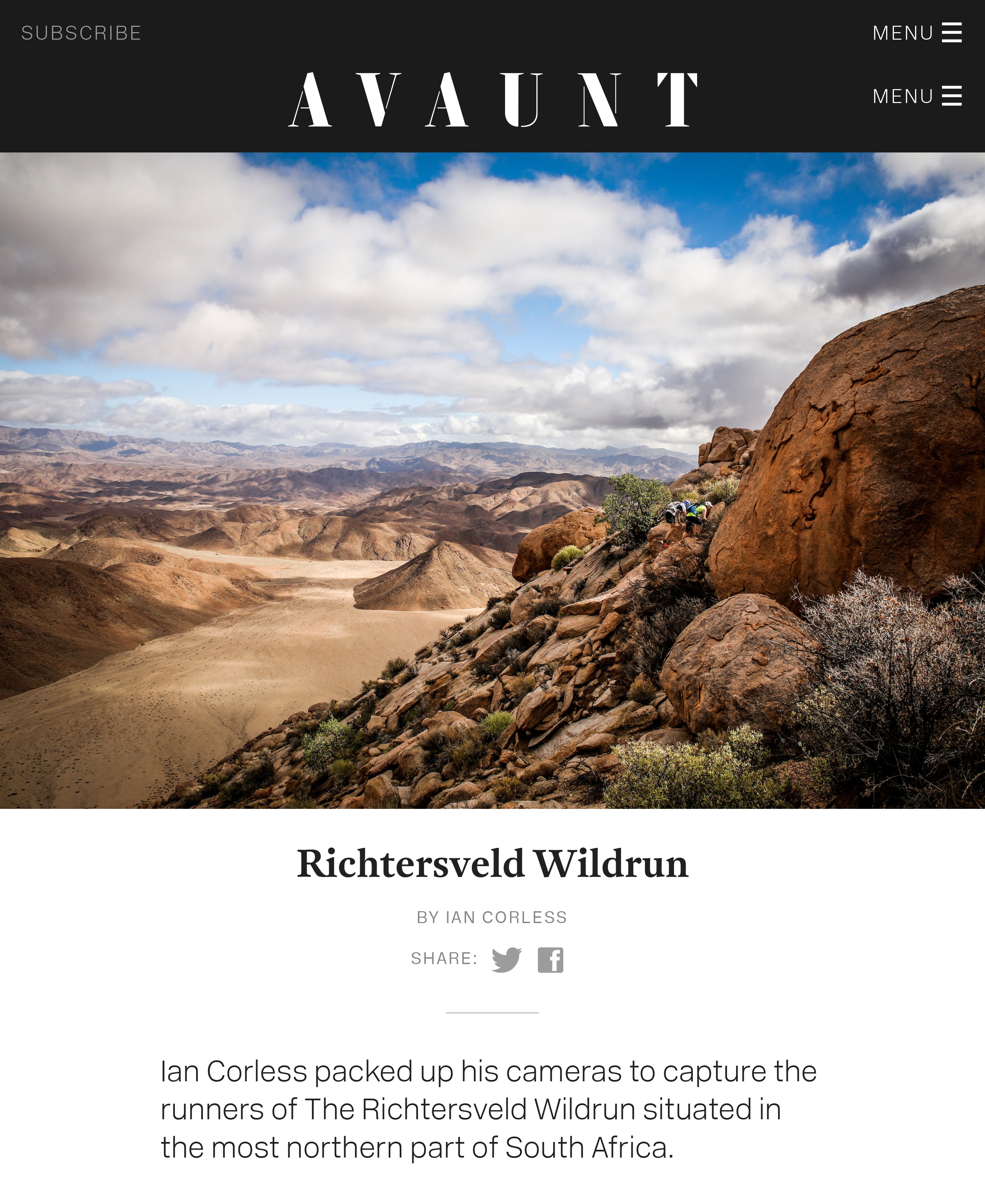
Join 2015 Marathon des Sables champion, Elisabet Barnes, South Africa’s unstoppable Linda Doke and the UK’s Tobias Mews in the 2016 Richtersveld Transfrontier Wildrun.

Linda Doke, Zinal, Switzerland - image ©iancorless.com

Linda Doke, Zinal, Switzerland – image ©iancorless.com

The 2015 edition of the race was an incredible, mind-blowing journey but in 2016, the race goes one step further and becomes ‘Transfrontier.’ The race will now pass over the Orange River and in to Namibia.

Elisabet Barnes 2016 The Coastal Challenge, Costa Rica (2nd place lady).

Elisabet Barnes 2016 The Coastal Challenge, Costa Rica (2nd place lady).

Known as one of the most scenic and unique trail running stage race events on the South African trail running calendar the Richtersveld Wildrun™ takes a new direction and in doing so become a cross-border trail running event; a worlds first! Extending to a linear 200km race, the five day crossing from South Africa to Namibia goes through the heart of the stunning /Ai/Ais-Richtersveld Transfrontier Park.

“We are absolutely thrilled to have unlocked a truly unique opportunity to experience both sides of such a unique and powerful place  – and to finish a long day at a natural hot springs in the middle of the wilderness is unbelievable!”said Owen Middleton,” MD of Wildrunner, the events company behind the Wildrun™ events.

Tobias Mews, The Dragon's Back Race 2015.

Tobias Mews, The Dragon’s Back Race 2015.

Including the Vyf Susters, Hellskloof Pass, Armmanshoek, the Tswayisberge, Springbokvlakte and the iconic Tatasberg boulders, the new route will maintain the best of the first three days of the original edition but on day 4, the route will veer of its original course and cross the Orange River at De Hoop into Namibia. Yes, the race will go into the untouched southern section of the Fish River Canyon made famous by Ryan Sandes.

©iancorless.com_RichtersveldRaceDay32015-0156

It’s no easy addition to the race, runners will need to cover 50km into a wilderness that is completely inaccessible by vehicle. Rich in wildlife, runners will have a once in a lifetime experience with a possibility of seeing Hartmann’s mountain zebra, kudu, gemsbok, springbok, Namibian wild horses and giraffe. It’s the race of a lifetime!

Tobia Mews is no stranger to incredible races, his recent book release called ’50 Race To Run Before You Die’ looks like it will need a new chapter, 51 Races…

“I am so looking forward to this race. For me it’s the epitome of adventure running wrapped up in one of the most stunning places on earth. And it’s partly Ian Corless‘s fault for producing such amazing photos from last year.” – Tobias Mews

©iancorless.com_RichtersveldRaceDay42015-0939

After a long, tough day in Namibia, runners will spend the evening in a canyon at a natural hot spring, before taking on the final day of roughly 25km to finish at the /Ai-/Ais Hot Springs Resort and wrap up a powerful and truly unique experience.

Race dates are 13-17 June 2016

ENTRY CLOSES VERY SOON, APRIL 1st

International entries HERE

European entries HERE

The overall race distance for 2016 will be 200km and the daily distances will be – 36.3km + 32.1km + 34km + 48.3km + 21.3km.

©iancorless.com_RichtersveldRaceDay32015-0346

Terrain is very mixed, varied and stunning and requires adaptation to sandy terrain, heat, climbing, remoteness and an ability to run with a GPS.

Need help with multi-day training? join our 2017 multi-day training camp in Lanzarote.

Details are HERE

Multi-Day Camp Image

Roland Vorwerk, marketing manager of Boundless Southern Africa, one of the driving forces behind the success of the event, said they are very happy to support this new cross-border trail running event.

“This new route contains even more highlights than the original Richtersveld Wildrun™, and promises to give participants a challenging but spectacular trail running experience.”


©iancorless.com_RichtersveldRaceDay32015-0771

If you need inspiration, check out the film from 2015 below.

You can also view photo galleries HERE

BARNES is BACK! The Coastal Challenge 2017 #TCC2017

©iancorless.com_TCC2016-4874

2017 UK registrations now open HERE

The Coastal Challenge are pleased to announce that Elisabet Barnes (Sweden/UK)), female winner of the 2015 Marathon des Sables, Oman Desert Marathon and runner up in the 2016, The Coastal Challenge will return once again to Costa Rica in 2017.

“TCC is a magical race and this has been echoed by so many participants after the 2016 edition. I loved the variety of the course, the challenges in terms of heat, humidity and terrain and the friendly atmosphere. I am really looking forward to returning in 2017 already!”

A multi-day race over 6-days starting in the southern coastal town of Quepos, Costa Rica and finishing at the stunning Drake Bay on the Osa Peninsula, The Coastal Challenge is an ultimate multi-day running experience that offers new challenge even to the most experienced runner.

“I now know what aspects of the course and the terrain I coped well with and what aspects I can improve on.” Elisabet said after the 2016 edition. “The good thing is that I have quite a few improvement areas on this type of terrain so if I manage to do specific enough preparations there is certainly potential to do better next time around. I think this is encouraging and it will help me develop as a trail runner, broadening my skill set.”

©iancorless.com_TCC2016-4677

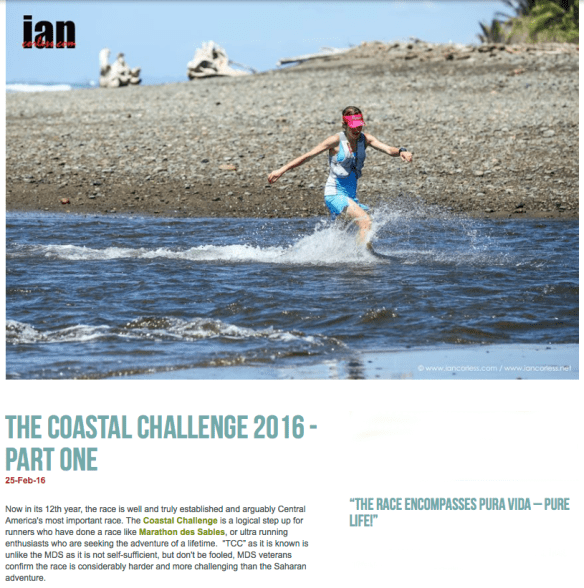
Intense heat, high humidity, ever-changing terrain, stunning views, Costa Rican charm, exceptional organisation; the race encompasses Pura Vida! Unlike races such as the Marathon des Sables, ‘TCC’ is not self-sufficient, but don’t be fooled, MDS veterans confirm the race is considerably harder and more challenging than the Saharan adventure.

“Not carrying equipment makes the running easier and that is nice of course. However, if I look at my strengths I like the completely self-sufficient races too. I am tall and strong and I run well with a backpack. In many cases this means I can get a relative advantage over runners who are less experienced running with a pack or who have a smaller frame than me. I still felt that the TCC was a tough race due to the humidity and terrain and if it was self-sufficient it would be incredibly hard.”

©iancorless.com_TCC2016-0831

Hugging the coastline, the race travels in and out of the stunning Talamanca mountain range via dense forest trails, river crossings, waterfalls, long stretches of golden beaches backed by palm trees, dusty access roads, high ridges and open expansive plains. At times technical, the combination of so many challenging elements are only intensified by heat and high humidity that slowly but surely reduces even the strongest competitors to exhausted shells by the arrival of the finish line.

“You always have an advantage when you have done a race once. I know the course and the challenges better now. In terms of the heat and humidity I found it tough but not a major problem. Time was a limiting factor before the race but ideally I would have spent a bit more time acclimatizing to the conditions.”

©iancorless.com_TCC2016-9354

2017 will signify the ‘lucky for some’ 13th edition and building on the success of the 2016 edition, Central America’s most important multi-day race looks set to elevate itself to new heights. The race has already announced that Anna Comet, winner of the 2014 and 2015 editions of the Everest Trail Race will participate in 2017. Anna Comet in recent years has shot to fame as a trail and mountain runner after a very successful career as an Alpine skier and ski mountaineer. Her 2014 victory at the Everest Trail Race (also a multi-day race) paved the way for a strong and consistent Skyrunning year in 2015.

But Elisabet Barnes is a multi-day expert and before 2017 comes around, a very busy calendar awaits:

“First I am going back to Marathon des Sables in April and it will be my third race. I am looking forward to it and I predict a very competitive women’s race this year with several top runners coming back from previous years and also some new, extremely competent runners participating. It should be interesting. After this I am going to Richtersveld Transfrontier Wildrun in South Africa in June, followed closely (1 week!) by the Big Red Run in Australia. Later in the year I am going to the US for Grand to Grand. I am very excited about all of these races and the year ahead.”

©iancorless.com_TCC2016-9342

The 2016 edition of TCC tested Elisabet and unlike the MDS, the race is not self-sufficient. In many respects it was a learning curve but 2017 will be very different.

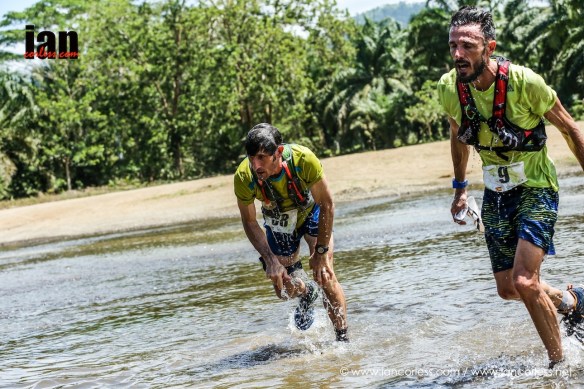
“The TCC is not self-sufficient so you can afford to take some more luxuries like a fresh set of running gear for every day, a few pairs of shoes etc. Also not having to cook reduces admin time in camp and means you can spend more time relaxing. From the perspective of the terrain it is completely different with a lot more ascent and descent and technical parts of trail. It requires a different skill set than running in sand and over flat hard packed desert terrain. Finally, the humidity makes it a different beast. Heat is always tough but when you add humidity you have another element to deal with and possibly have to monitor your body even more closely. The same is true with all the water you run through which means that your feet are wet pretty much 100% of the time.”

©iancorless.com_TCC2016-8610

Anna Comet will no doubt push Elisabet every step of the way on the 2017 TCC journey and of course, at this stage, other female elite racers may decide to enter the race. The TCC has a long history of top female competition – Anna Frost, Jo Meek, Julia Better and Nikki Kimball to name just a few. Of course, Elisabet’s main concern may well be the possibility that 2016 champion Ester Alves from Portugal may return?

“It was great to race against Ester in 2016. She is a lovely girl and a genuinely nice person. I am very happy for her that she won the race. I now know more about her strengths relative mine and how I can improve to reduce the gaps that led her to victory. I know that Ester is very focused though, so should she decide to return I am sure she will work very hard to keep improving too. If our paths don’t cross in TCC next year, I am sure we will see each other in another race before long.”

©iancorless.com_TCC2016-0130

In a very short space of time Elisabet has rose through the ranks to be one of the most respected multi-day races in the world. A very busy 2016 will only add to that reputation! The 2017 TCC is already looking like an incredibly exciting race.

©iancorless.com_TCC2016-1229

All images ©iancorless.com – all rights reserved

Contact Information

Email: HERE

Website: HERE

Facebook: HERE

Twitter: @tcccostarica

Global Contacts: HERE

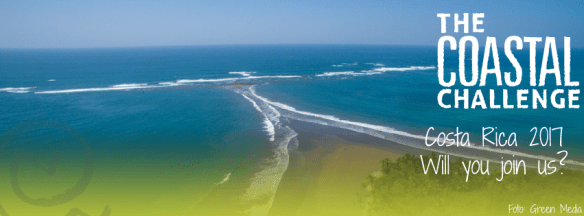
TCC_2017_JoinUs?

More information:

Read the full 2016 TCC race story HERE

View and purchase images from the 2016 TCC race HERE

You can read daily reports from the 2016 TCC edition HERE


Episode 106 – The Coastal Challenge 2016 Special #TCC2016

A_GRAVATAR

This is Episode 106 of Talk Ultra. This show is all about The Coastal Challenge multi-day race in Costa Rica. We talk in-depth about Niandi’s experience and we bring you a selection of interviews to give you a feel for the race.

Book writing – RUNNING BEYOND will be released in November 2016 by Aurum Publishing.

00:01:04 Show Start

00:04:58 NEWS

ACONCAGUA – Fernanda Maciel established the first women’s FKT on , Aconcagua, earlier this month and I caught up with her immediately afterwards.

06:07:00 INTERVIEW

Fernanda said at the time should the weather be okay for a 2nd attempt that she would return. Return she did to established the first women’s FKT on the longer route. She traveled from the Horcones entrance gate to the summit and back – 60 kilometers and 4,100 meters of climb in 22:52. The mens record is almost have this time set by Karl Egloff who took the record from Kilian Jornet

ADDO ELEPHANT in South Africa

“As the only national Park in the world that offers visitors a chance to see the ‘Big Seven’ (elephant, lion, leopard, rhino, buffalo and the southern right whale and the great white shark in the marine area), we’re thrilled to be hosting the race again this year,” says Fayroush Ludick, SANParks Regional Communications Manager. “Because athletes will be running through areas of the park that they wouldn’t traditionally have access to, they will experience the park and its residents as never before.”

1 – Bennie Roux and Tom Adams finished together 21:45:08

2 – Chris Darke 22:24

3 – Ryno Griesel 24:55

1 – Linda Doke 29:25:34

2 – Kim Van Kets 33:34:12

ROCKY RACCOON 100 

1 – Ian Sharman 13:45, Paul Terranova 2nd and Will Swenson 3rd.

1 – Sabrina Little ran the 2nd fastest lasted time of 14:55, Amy Clark and Olga Buber were 2nd

and 3rd.

Notably, WSER legend Gordy Ainsleigh ran 28:31 to gain his WSER entry slot which many feel should have been guaranteed anyway!

TARAWERA

Jonas Buud won the race in 8:00 followed by David Bryne in 8:22 and Ryan Sandes 3rd in 8:30

Fiona Hayvice won the ladies race in 10:34 despite Ruby Muir leading for much of the race and then dropping with injury. Melissa Robertson and Fiona Eagles placed 2nd and 3rd with 10:56 and 11:24.

This weekend as the show comes out Transgrancanaria will be staring and it is quite a stacked field, certainly the first big race of 2016. Read the preview HERE

01:16:56 INTERVIEW THE TCC INTERVIEWS

Read the daily reports from Costa Rica HERE

The Coastal Challenge 2016 – The Full Story HERE

Images from The Coastal Challenge 2016 HERE

UP & COMING RACES

Australia

Australian Capital Territory

100km | 100 kilometers | March 05, 2016 | website

50 km | 50 kilometers | March 05, 2016 | website

New South Wales

Wild Women on Top Sydney Coastrek 100 km Team Challenge | 100 kilometers | March 04, 2016 | website

Wild Women on Top Sydney Coastrek 50 km Team Challenge Day: Party All Night | 50 kilometers | March 04, 2016 | website

Wild Women on Top Sydney Coastrek 50 km Team Challenge Day: Sun, Sand, Surf | 50 kilometers | March 04, 2016 | website

Belgium

Wallonia

55 km | 55 kilometers | March 12, 2016 | website

Canada

British Columbia

Dirty Duo 50 km Ultra | 50 kilometers | March 05, 2016 | website

Yukon

Likeys Ultra 6633 – 120 Mile | 120 miles | March 11, 2016 | website

Likeys Ultra 6633 – 350 Mile | 350 miles | March 11, 2016 | website

Costa Rica

51 km | 51 kilometers | March 05, 2016 | website

80 km | 80 kilometers | March 05, 2016 | website

France

Gard

Trail aux Etoiles | 58 kilometers | March 05, 2016 | website

Ultra du Bout du Cirque | 100 kilometers | March 05, 2016 | website

Ille-et-Vilaine

Endu’Rance Trail des Corsaires | 64 kilometers | March 05, 2016 | website

Pas-de-Calais

Le Poilu | 51 kilometers | March 13, 2016 | website

Puy-de-Dôme

Ultra trail de Vulcain | 81 kilometers | March 06, 2016 | website

Germany

Bavaria

Chiemsee-Ultramarathon März | 108 kilometers | March 05, 2016 | website

Hong-Kong

Translantau 100 km | 100 kilometers | March 11, 2016 | website

Translantau 50 km | 50 kilometers | March 12, 2016 | website

Hungary

BSI Lake Balaton Marathon+ Fonyód – Szigliget | 52 kilometers | March 18, 2016 | website

BSI Lake Balaton Supermarathon | 195 kilometers | March 17, 2016 | website

Italy

Umbria

Trasimeno Lake Ultramarathon | 58 kilometers | March 06, 2016 | website

Malaysia

KubUltra 60 | 60 kilometers | March 05, 2016 | website

TITI 200KM | 200 kilometers | March 18, 2016 | website

New Zealand

Old Ghost Ultra | 85 kilometers | March 12, 2016 | website

Te Houtaewa Challenge 60 km Open Ultra Marathon | 60 kilometers | March 12, 2016 | website

Waiheke Round Island 100 km Relay | 100 kilometers | March 12, 2016 | website

Philippines

All Women Ultra-Marathon | 50 kilometers | March 12, 2016 | website

Portugal

75 km | 75 kilometers | March 05, 2016 | website

South Africa

Om Die Dam 50 km Marathon | 50 kilometers | March 12, 2016 | website

Spain

Andalusia

150 km | 150 kilometers | March 04, 2016 | website

73 km | 73 kilometers | March 04, 2016 | website

Canary Islands

Transgrancanaria | 125 kilometers | March 04, 2016 | website

Transgrancanaria – Advanced | 84 kilometers | March 05, 2016 | website

Catalonia

Marxa dels Castells PLUS | 81 kilometers | March 13, 2016 | website

UT les Fonts | 120 kilometers | March 11, 2016 | website

UT les Fonts – Trail de les Fonts | 70 kilometers | March 12, 2016 | website

Valencian Community

84 km | 84 kilometers | March 12, 2016 | website

Sri Lanka

The Wild Elephant Trail | 210 kilometers | March 12, 2016 | website

Taiwan

100 km | 100 kilometers | March 12, 2016 | website

120 km | 120 kilometers | March 12, 2016 | website

60 km | 60 kilometers | March 12, 2016 | website

United Kingdom

Aberdeen City

D33 Ultra | 33 miles | March 12, 2016 | website

Bihar

Green Man Ultra | 44 miles | March 05, 2016 | website

Bradford

Haworth Hobble | 32 miles | March 12, 2016 | website

Dorset

Jurassic Coast Challenge | 78 miles | March 18, 2016 | website

Telford and Wrekin

Millennium Way | 38 miles | March 06, 2016 | website

Wiltshire

Imber Ultra Marathon | 33 miles | March 06, 2016 | website

USA

Alabama

Delano Park 50 Mile Solo | 50 miles | March 05, 2016 | website

Arizona

50K | 50 kilometers | March 12, 2016 | website

50M | 50 miles | March 12, 2016 | website

Old Pueblo 50 Miler | 50 miles | March 05, 2016 | website

Arkansas

3 days of Syllamo | 150 kilometers | March 18, 2016 | website

California

Deo 50K | 50 kilometers | March 13, 2016 | website

Marin Ultra Challenge 50K | 50 kilometers | March 12, 2016 | website

Marin Ultra Challenge 50 Mile | 50 miles | March 12, 2016 | website

Razorback 100K Endurance Race | 100 kilometers | March 06, 2016 | website

Razorback 100 Mile Endurance Race | 100 miles | March 06, 2016 | website

Razorback 50K Endurance Race | 50 kilometers | March 06, 2016 | website

Razorback 50 Mile Endurance Race | 50 miles | March 06, 2016 | website

Way Too Cool 50k | 50 kilometers | March 05, 2016 | website

Florida

100K Individual | 64 miles | March 13, 2016 | website

100K Team ( 3-4 Person Teams ) | 64 miles | March 13, 2016 | website

50K Individual | 32 miles | March 13, 2016 | website

DWD Green Swamp 50K | 50 kilometers | March 12, 2016 | website

DWD Green Swamp 50M | 50 miles | March 12, 2016 | website

Georgia

Bear Blaster 50k | 50 kilometers | March 12, 2016 | website

Kentucky

50 mile run | 50 miles | March 12, 2016 | website

60k | 60 kilometers | March 12, 2016 | website

Maryland

Seneca Creek Greenway Trail 50K | 50 kilometers | March 05, 2016 | website

Mississippi

Carl Touchstone Mississippi Trail 50 K | 50 kilometers | March 05, 2016 | website

Carl Touchstone Mississippi Trail 50 Mile | 50 miles | March 05, 2016 | website

Nevada

50K | 50 kilometers | March 12, 2016 | website

50M | 50 miles | March 12, 2016 | website

New Jersey

Lenape Trail Run | 34 miles | March 05, 2016 | website

North Carolina

Graveyard 100K Ultramarathon | 100 kilometers | March 12, 2016 | website

Graveyard 100 Mile Ultramarathon | 100 miles | March 12, 2016 | website

Long Course | 39 miles | March 12, 2016 | website

Ohio

Green Jewel 50K Fun Run | 50 kilometers | March 05, 2016 | website

Pennsylvania

Naked Bavarian 40M | 40 miles | March 06, 2016 | website

South Carolina

Foothills 50k | 50 kilometers | March 05, 2016 | website

Texas

50K | 50 kilometers | March 12, 2016 | website

Utah

Antelope Island 100 Mile | 100 miles | March 18, 2016 | website

Red Mountain 50K | 50 kilometers | March 05, 2016 | website

Vermont

PEAK Snowshoe 100 Mile Race | 100 miles | March 18, 2016 | website

Virginia

50K | 50 kilometers | March 12, 2016 | website

50 mile | 50 miles | March 12, 2016 | website

Thomas Jefferson 100k | 100 kilometers | March 12, 2016 | website

02:39:31 CLOSE

02:47:13

ITunes http://itunes.apple.com/gb/podcast/talk-ultra/id497318073

Libsyn – feed://talkultra.libsyn.com/rss

Website – talkultra.com

Enter The Coastal Challenge 2017 HERE

TCC_2017_JoinUs?

The Coastal Challenge 2016 #TCC2016 – The Full Story

©iancorless.com_TCC2016-6466

The 2016 The Coastal Challenge was an incredible race, year-on-year the race grows and it is now one of the most respected multi-day races on the calendar. Following the classic multi-day format, runners travel in the south of Costa Rica on foot covering approximately 250km’s. Like races such as Marathon des Sables, the TCC is not self-sufficient. Don’t be fooled into thinking that this makes the races easier… read on!

View the full 2016 The Coastal Challenge image gallery HERE

TCC

“Hugging the coastline, the race travels in and out of the stunning Talamanca mountain range via dense forest trails, river crossings, waterfalls, long stretches of golden beaches backed by palm trees, dusty access roads, high ridges and open plains. At times technical, the combination of so many challenging elements is only intensified by the heat and high humidity that slowly but surely reduces even the strongest competitors to exhausted shells.”

screenshot_100

READ PART ONE – HERE

“Encapsulating the true sense of adventure, TCC requires a runner to be more than ‘just’ a runner. The race manages to make or break the most experienced competitor. Hopping from rock-to-rock, traversing a ridge, clambering over slimy boulders, swimming river crossings or running up and down single or double track, the race truly requires a rounded athlete to gain victory.”

screenshot_101

READ PART TWO – HERE

“The men’s race looked all set for a group run to the line with Don-Wauchope, Calisto and Martinez running side-by-side over all of the first 25km. Don-Wauchope safe in 1st place, Calisto safe in 2nd and Martinez no threat to the overall standings.”


“But where was Sa?”


“Sa was trailing a few minutes back. When the trio entered the river bed, Sa apparently flew past like a man possessed. It was a last ditch effort to secure 2nd place ahead of Callisto.”

screenshot_102

READ PART THREE – HERE

Demand for the 2017 The Coastal Challenge is already high with pre-requests and provisional bookings. Entries open in the UK and Europe this week via www.thecoastalchallenge.co.uk

Why not take part in our 2017 Multi-Day Training Camp which takes place in January each year? Details are available HERE

Interested in The Coastal Challenge 2017? Use the form below to secure one of the 100 available places

← Back

Thank you for your response. ✨

Warning
Warning
Warning
Warning

Warning.

run-ultra-logo

The Coastal Challenge 2016 #TCC2016 – Stage 6 Results and Summary

©iancorless.com_TCC2016-1360

Images available for personal and commercial use HERE

The stunning Drake Bay hosted the final day of the 2016 The Coastal Challenge. It’s an idyllic location located within the Osa Peninsula. Turquoise seas, blue skies and lush tropical vegetation make it one the most iconic places in Costa Rica.

The final day is to all intents and purposes a victory lap. Racing only really takes place if overall top positions are close, in the 2016 race, gaps between the top 3 were wide enough to make the day neutralised. However, despite this, Chema Martinez from Spain wanted to run and from the sound of the gun at 0615 he pushed hard at the front of the race and crossed the line alone for the final stage victory.

Iain Don-Wauchope, kicked back, puled out his GoPro and let the runners go ahead of him; it was a day of fun ahead.

Carlos Sa pushed the pace in one last effort to maybe take 2nd but when Gonzalo Callisto caught him and ran at his side with 50% of the day covered, they eased back and enjoyed the run for home.

©iancorless.com_TCC2016-1613

The ladies race was well and truly over and Elisabet Barnes and Ester Alves ran the whole stage together, side-by side and they soaked up the Costa Rican ambience. They partied while running.

©iancorless.com_TCC2016-1768

The final day is not without challenges though, an early run through a river bed, the crossing of a waterfall, hot running through open plantations and then a return journey to the beach finish at Drake Bay while weaving in and out of the stunning coastline.

The 2016 TCC will be remembered quite simply in just a few words:

Brutal, Beautiful and Hot!

It may well have been one of the hottest editions and word in and amongst the camp confirms that the race really has been a true test. MDS 2015 champion and Oman Desert Cup Champion, Elisabet Barnes, confirmed the thoughts of many on the finish line:

“This has been possibly one of the best races I have ever run. It has so much variety, so many challenges, no two days are the same and I have well and truly been pushed beyond my limits. The combination of such mixed terrain, intense heat and high humidity really do this make this race an ultimate challenge. But in and amongst this, the camp is relaxed, the food provided by the race incredible and the whole Costa Rican experience is one I will not forget. It has been special, really special.”

©iancorless.com_TCC2016-8997

Damian Hall from the UK has placed in the top 50 at UTMB, been on the podium at The Spine and The Dragons Back and he also found TCC a true test placing 5th overall.

“The heat has been punishing, combined with humidity was brutal. The terrain has been so varied, it’s runnable at times but then other times you are just drawing along. It’s a seriously challenging race and the line-up has been top quality, I am really happy with 5th. The camp sites are amazing, the food has been brilliant and all-in-all it’s been a fantastic experience.”

Iain Don-Wauchope and Ester Alves are the 2016 champions, but to be honest, it may well sound like a cliche, any runner who survived this incredible 6-day experience deserves the ultimate respect.

It has been an awesome edition and talk now turns to 2017. Who will be back? Word in camp just hours after the race confirms that a few familiar names will return…

The overall standing in the ladies’s race are now:

  1. Ester Alves 33:04:32
  2. Elisabet Barnes 33:46:20
  3. Amy Gordon 42:18:15

Full ladies’s results HERE

The overall standings in the men’s race are now:

  1. Iain Don-Wauchope 24:25:11
  2. Gonzalo Calisto 25:27:38
  3. Carlos Sa 25:46:59

Full men’s results HERE

Stage 6 is a wonderful looped lap of drake Bay – a victory lap.

Full race results HERE

The Coastal Challenge 2016 #TCC2016 – Stage 5 Results and Summary

©iancorless.com_TCC2016-1113

Images available for personal and commercial use HERE

Today was hot, very hot and very long! The longest stage of the 2016 The Coastal Challenge may well have been one of the most beautiful but 50km under the intense Costa Rican heat really did test every single runner int the race.

For the first time in the races’ 12-year history, the stage had an extra 4km. It doesn’t sound a great deal but at times it was technical and in addition, a new long beach section, a water crossing via boat and a stunning wooden rope bridge added to the days attractions.

©iancorless.com_TCC2016-5157

The cool temperatures from the 0530 start soon disappeared and the intense, uncompromising heat arrived to punish the runners, the only consolation coming at the end with the stunning Drake Bay.

©iancorless.com_TCC2016-6430

Chema Martinez finally found his Costa Rican legs and ran the stage side-by-side with race leader, Iain Don-Wauchope. They looked to be cruising on what was a very tough day. Don-Wauchope having run and won TCC in 2015 could appreciate the new course:

“The new additions are really stunning, no fantastic. But they are tough and challenging. The beach section was extremely tough due to the high tide. We had to run the tree line which made it difficult. But it’s a beautiful new addition to the race.” – Iain Don-Wauchope.

Crossing the sea to river inlet by boat, Both Martinez and Don-Wauchope took an extended break to cool off and then finished off the stage in style by cruising to the line together.Gonzalo Callisto finished 3rd and secured his 2nd overall.

©iancorless.com_TCC2016-5662

It was a similar story in the ladies race however it was less planned. Ladies race leader Ester Alves took the lead relatively early on and at one point had extended her lead to approximately 30-minutes. A couple of navigation errors reduced this to just 1-minute in the latter stages of the race and with just 8km to go, Elisabet Barnes and Alves ran together to the line.

©iancorless.com_TCC2016-1158

“It was the correct thing to do,” Alves said after the race. “There was nothing left to race for in the final km’s and I enjoyed the time talking with Elisabet.”

It was a sentiment echoed by Elisabet Barnes:

“I was feeling very rough this morning with a very dodgy tummy and took me 20km’s to feel good. Ester pulled away and there was nothing I could do. I eventually caught her but we once again entered a very technical section and she once again pulled away. We finally came together again after the rope bridge with 8km to go, running together was a pleasure after a great battle. Today was beautiful but so hot!”

The race concludes tomorrow with what will be a victory lap of Drake Bay and the National Park. The 2016 TCC has been an incredible race; very tough but many will remember it because of the intense heat.

The overall standing in the ladies’s race are now:

  1. Ester Alves 7:42:49
  2. Elisabet Barnes 17:42:49
  3. Tbc

Full ladies’s results HERE

The overall standings in the men’s race are now:

  1. Iain Don-Wauchope 5:4130
  2. Chema Martinez 5:41:30
  3. Gonzalo Calisto 5:52:16

Full men’s results HERE

Stage 6 is a wonderful looped lap of drake Bay – a victory lap.

Full race results HERE

©iancorless.com_TCC2016-1196

©iancorless.com_TCC2016-0831

©iancorless.com_TCC2016-5593

©iancorless.com_TCC2016-5743

©iancorless.com_TCC2016-5909

©iancorless.com_TCC2016-5994