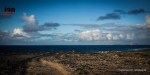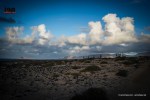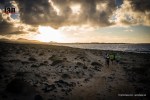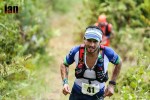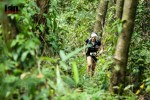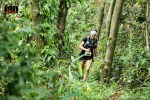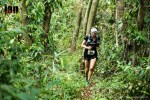
Lanzarote Training Camp 2017 – Day 7

iancorless-com_lanza2017-05229

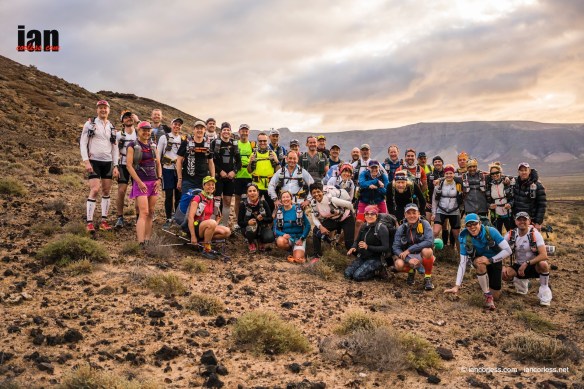
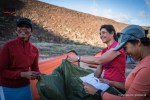
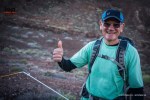
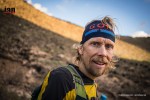
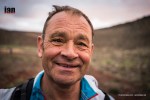
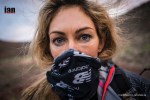
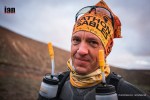
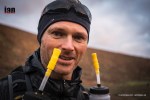
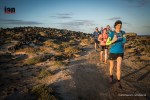
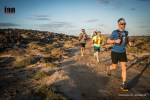
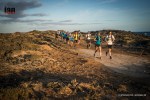
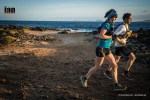
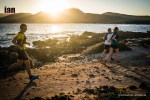
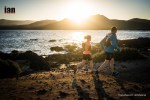
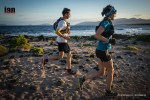
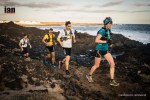
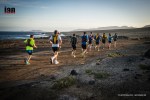
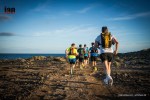
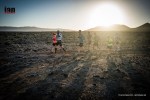
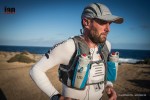
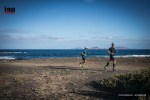
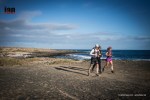
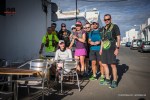
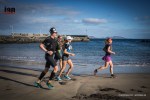
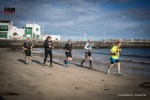
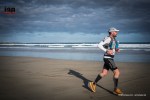
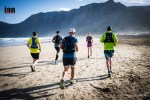
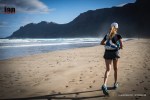
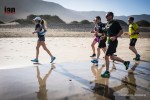
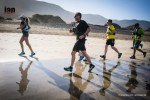
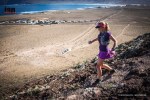
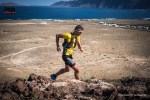
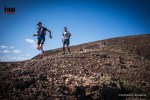
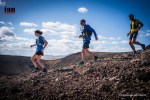
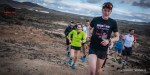
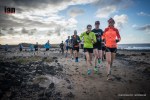
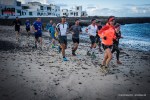
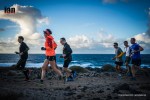
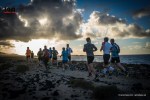
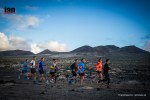
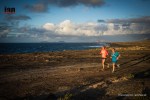
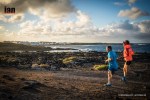
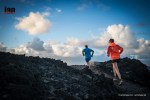
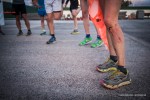
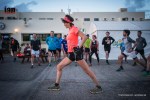
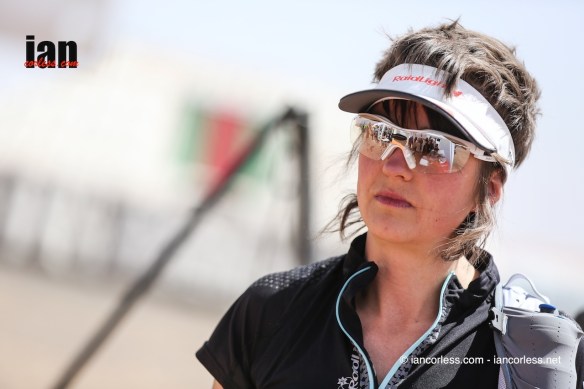
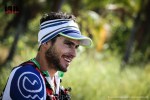
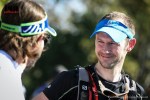
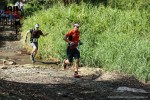
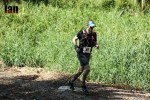
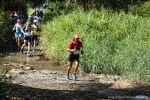
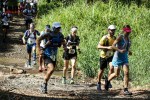
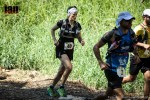
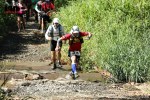
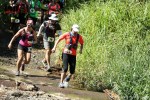
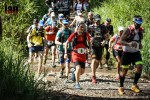
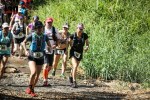
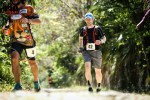
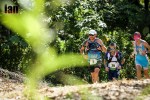
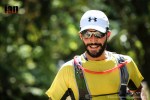
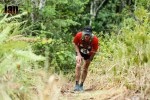
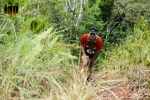
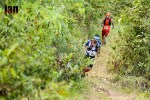
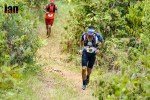
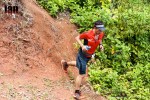
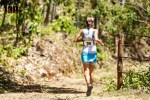
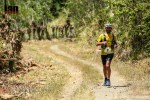
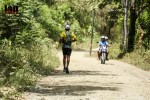
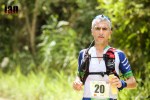
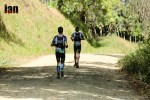
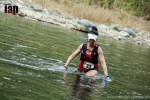
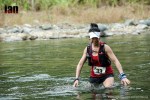
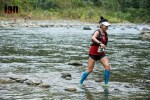
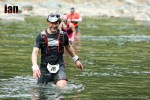
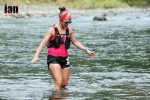
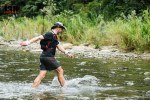
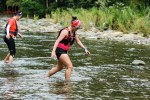
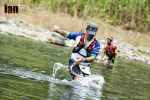
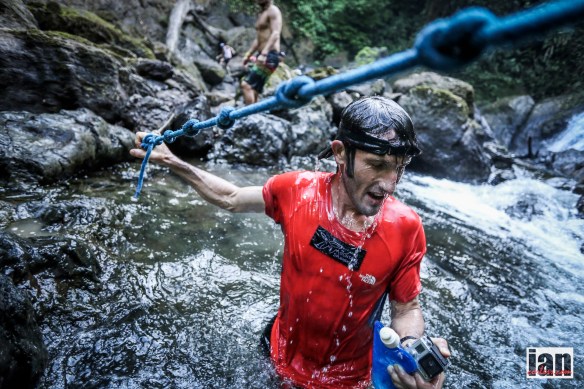
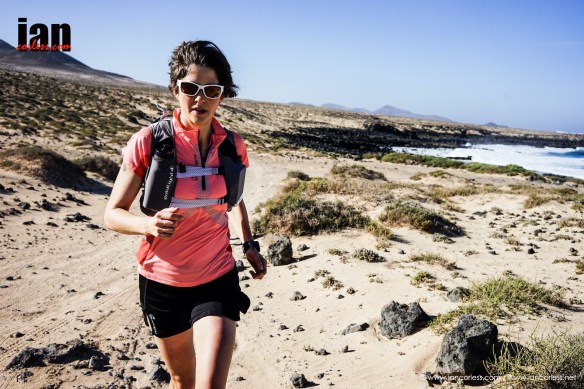
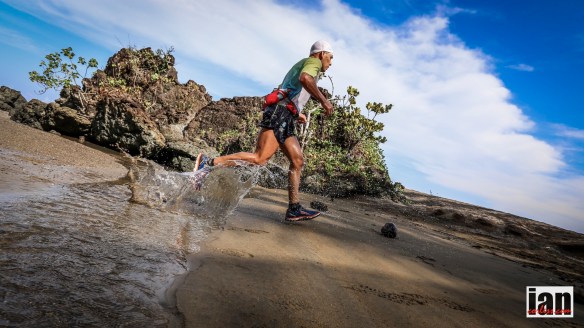
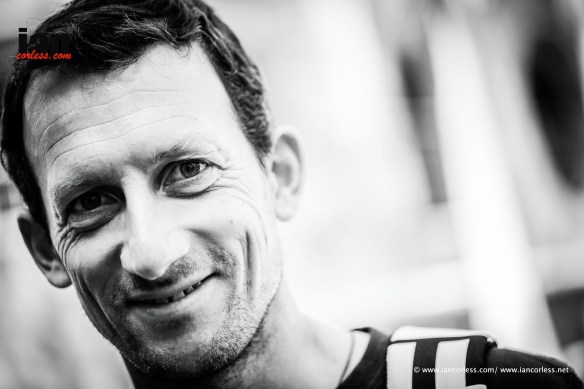
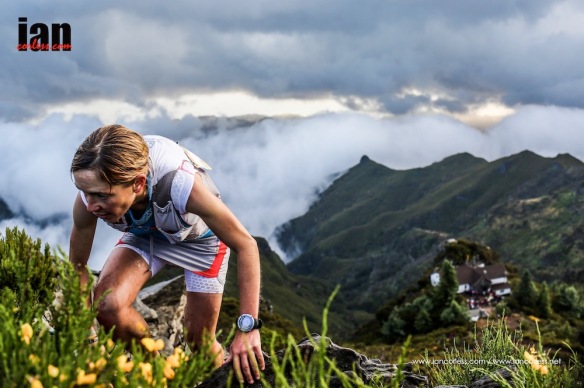
Day 7 started with two sessions – a tempo/ fartlek run of 5 to 8-miles or a technique session on using poles. Both were valuable sessions. Sondre Amdahl (9th overall at the 2016 Marathon des Sables) lead the fast men in a hard tempo session, Elisabet Barnes (2015 MDS ladies champion) pushed the pace for the second group and then Niandi Carmont lead group three with Marie-Paule leading the walkers. At the run track, Ian Corless provided a technique session on using poles. Many had the question answered, ‘should I take poles?’ Yes! was the unanimous answer. The awkward 20-30minutes of adapting to the technique required was rewarded with a faster pace for less effort.

At 1100, Marie-Paule talked, ‘Zero to Atacama’ where she told the story of how she went from little interest in endurance sport to completing the 2016 Atacama without running a step! The power of walking!

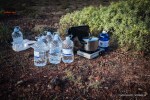
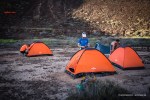
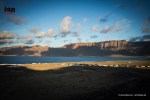
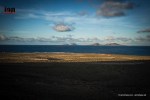
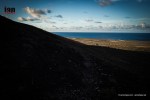
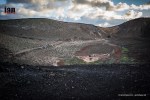
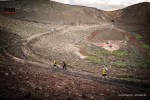
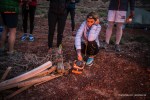
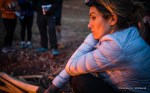
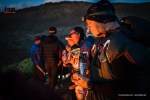
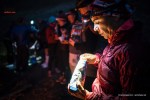
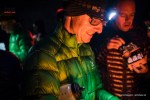
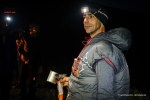
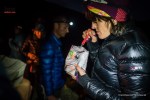
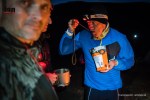
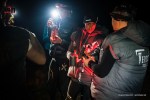
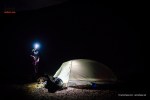
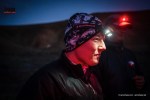
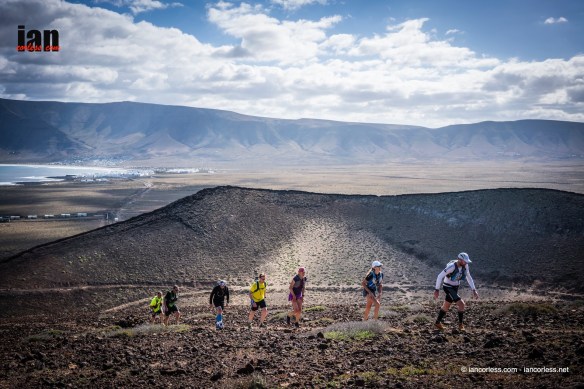
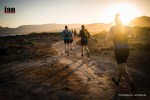
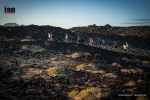
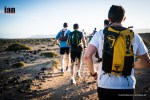
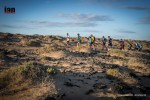
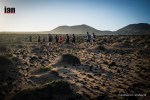
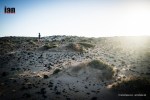
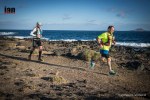
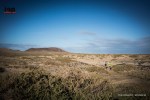
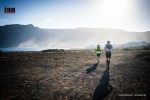
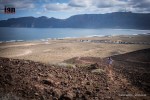
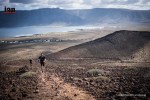
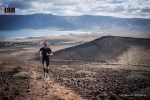
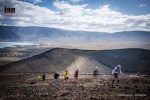
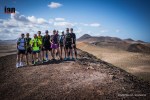
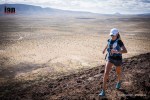
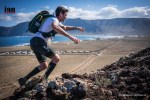
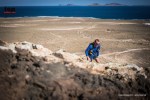
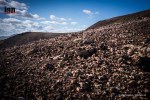
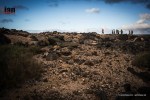
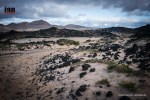
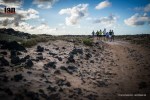
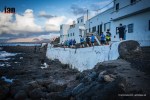
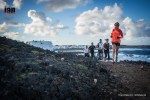
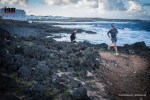
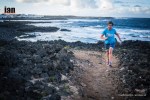
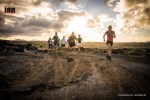
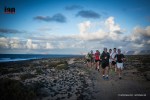
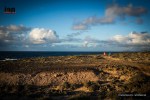
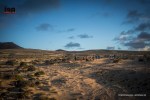
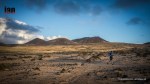
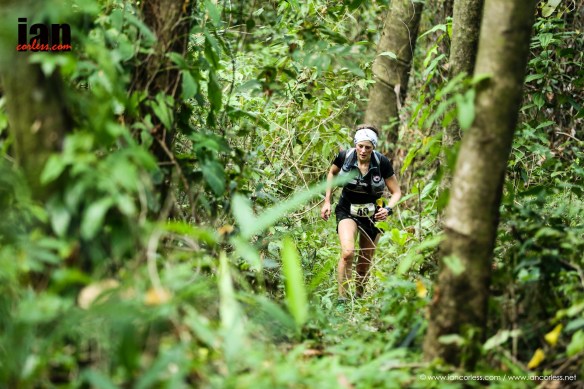
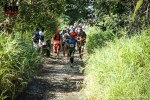
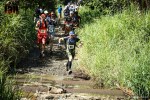
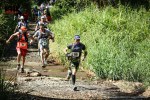
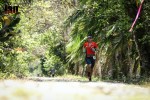
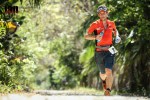
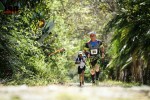
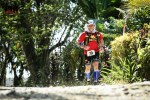
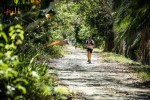
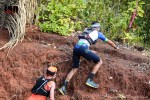
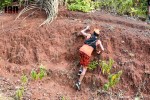
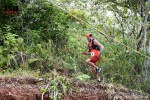
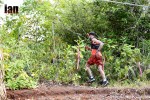
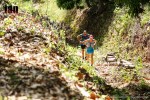
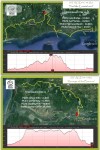
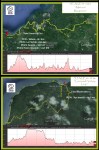
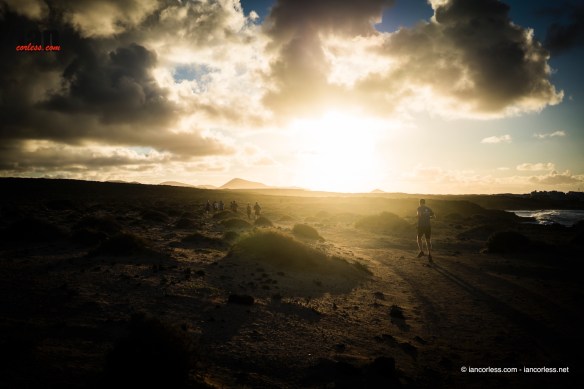
Lunch was followed with arguably one of the highlights of the #multidaytrainingcamp – a walk, run/ walk or run of 20-30km to an overnight bivouac inside a volcano.

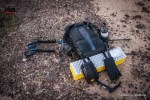
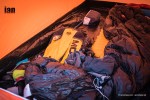
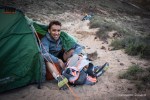
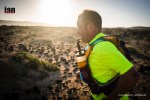
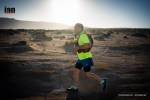
It’s this ‘real’ experience that provides everyone on the camp a true understanding of what will lie ahead at future multi-day race. For many, it was the first time running with a pack that had food, sleeping bag, mat, clothing etc. A learning curve. For some the experience was rewarding and a confirmation they had made the correct choice of items. For others, alarm bells were ringing… the wrong pack, the wrong sleeping bag, the wrong sleeping mat, the wrong food and so on! This experience is invaluable in making sure that all the questions marks, all the potential problems are eradicated now so that the race experience is a good one!

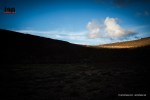
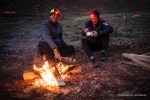
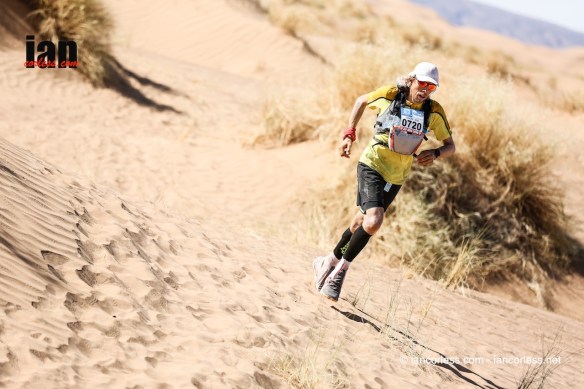
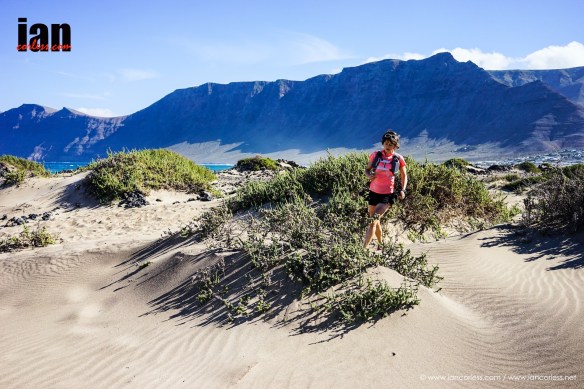
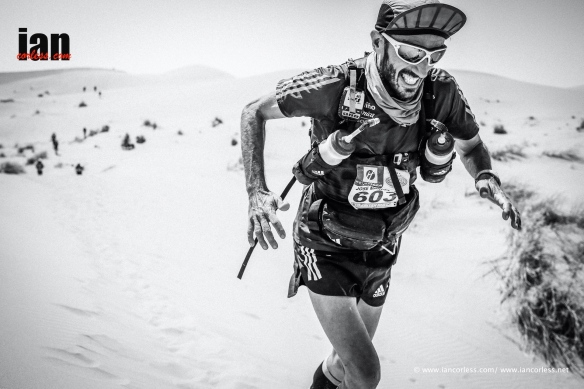
A windy but relatively warm night under the stars and it was a self-sufficient breakfast before another 20+km run that included dunes.

As everyone arrived back at Club La Santa, there was a buzz. The last 24-hours had made the future ‘race’ a reality.

Interested in joining out Multi-Day Training Camp in 2018? Go HERE

Lanzarote Training Camp 2017 – Day 4

iancorless-com_lanza2017-03561

Clear skies. Yes, at 0800 the sky was clear and we all knew that it was going to be a great day!

Friday, was the first full day of the 2017 Multi-Day Training Camp and what a way to start! Participants were split into three groups and they would cover somewhere in the region of 32 – 38km. Elisabet Barnes lead the fast group, Niandi Carmont the medium group and Marie-Paule Pierson looked after the walkers. Ian Corless worked as ‘pick-up’ between the groups looking after runners who found the pace of their respective groups a little to ‘hot’ and needed to drop the the group below.

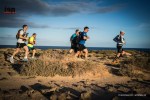
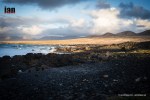
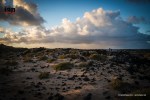
It was a stunning day. Hugging the coastline, all the groups headed out to Famara and beyond and then circumnavigated back via a different route with the climb of a dormant volcano.

One thing was clear – a warm day, terrain that replicated race scenarios and specific paced groups made for a happy bunch of runners.

Back at Club La Santa, it was time to refuel and hydrate before two talks in the early evening, one on foot care and the other on hydration.

The day ended with some good food and of course, the odd beer or glass of wine, it’s a holiday after all…

Interested in the 2018 Training Camp? If so, go HERE

Lanzarote Training Camp 2017 – Day 3

iancorless-com_lanza2017-03044

A glorious morning was followed by a windy and chilly afternoon but Lanzarote put a smile on every clients face as they arrived in 15-degree temperatures after leaving a -5 London behind.

It was an admin day as everyone checked in, stocks up on supplies, relaxed and then at 1700-hours it was an introduction to the terrain and conditions they will encounter for the next 7-days.

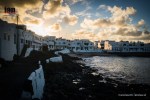
It was a stunning end to the day as we ran for 60-minutes in three ability based groups. The sun accompanied us and as we returned back to La Santa we were provided with one of this magical sunsets that made everyone realise in an instant, why they are here.

Light stretching followed the run and then in the evening it was casual drinks and a group meal.

Day 4 starts at 0800 with a full-on run that will see most participants on the trail for 4 to 6 hours.

Interested in joining us in 2018? Go HERE

Lanzarote Training Camp 2017 – Day 1

iancorless-com_lanza2017-01661

The snow, the ice, the rain and the cold arrived in the UK. Temperatures plummeted. Lanzarote was the only place to be and thank goodness our multi-day training camp is now an annual fixture.

Elisabet Barnes, Niandi Carmont and myself arrived on this majestic Canary island of Lanzarote, two days ahead of our 2017 camp to put logistics in place and do a final check of some of the run routes we will use.

Blue skies and 20 degree temperatures greeted us. The bright blue sky, the warm rays immediately rejuvenating us from the cold and dark of the UK. No confirmation is needed but within seconds we know only too well why we do this camp at this time of year.

Today was all about settling in but it would be rude not to get out on the trails as the day came to a close. Using one of our training run routes, we ran, climbed and scrambled one of the many volcanoes that are located on this island. It was a magical way to end the day.

Wednesday, we will do a full long run route recce and then on Thursday, our clients will arrive from all over the world to start a full-on week learning how best to train, prepare and plan for a multi-day race. Lanzarote is the perfect environment for this.

Out 2017 #multidaytrainingcamp is underway!

Lanzarote Training Camp 2017 – Breaking News

©iancorless.com_MDS2016-6279

I am pleased to announce that Sondre Amdahl will join us as a special guest at our Lanzarote Training Camp which will take place in just 1-week at Club La Santa.

Sondre is an experienced and highly successful ultra-runner. In 2016, he placed in the top-10 overall at the Marathon des Sables and he also had a very successful race at the Oman Desert Marathon later in the year placing 6th.

Recently he won a 115km race in Hong Kong and he is now in his final preparations to race The Coastal Challenge in Costa Rica in February (preview HERE).

Needless to say, Sondre will be a great addition to the training camp and his advice on kit, training, food and survival in a multi-day race will enhance everyones training camp experience.

©iancorless.com_MDS2016_Day0_0013

As a reminder, we also have the 2015 Marathon des Sables and Oman Desert Marathon ladies champion, Elisabet Barnes as head-coach for the entire week.

©iancorless.com_MDS2016-5765

Our 2017 Training Camp is full but we are already taking bookings for 2018 HERE

You can also read daily reports from the 2016 edition HERE

Multi-Day Running in a Rainforest – Hint ‘n’ Tips

©iancorless.com_TCC2016-3069Multi-day racing brings many challenges and variables not only in the terrain that you can and will encounter but also how one journeys from day-to-day. For example, the Marathon des Sables is a multi-day race that requires self-sufficiency, the only exception comes with water, provided by the race but rationed and the provision of a ‘bivouac’ which provides basic cover which must be shared with seven others. It’s why the ‘MDS’ has become THE multi-day race to do. It strips the runner back to basics.

The Coastal Challenge with takes place in Costa Rica, by general consensus, provides a more challenging course than its desert counter part, however, there is no self-sufficiency.

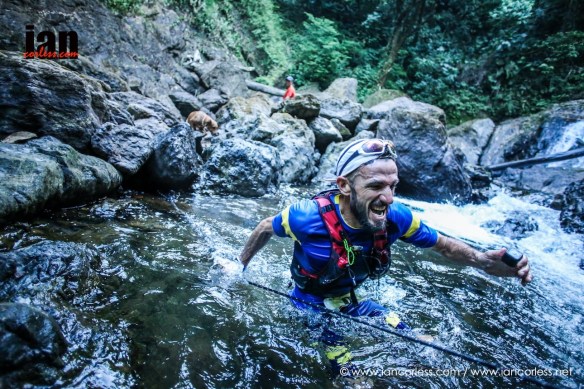
Don’t be fooled though, the race throws many a challenge at participants and below we provide ‘Hints-n-Tips’ that will make a journey into the rainforests of Costa Rica not only more enjoyable but more successful.

What is The Coastal Challenge?

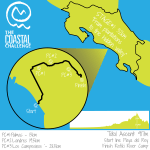
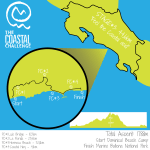
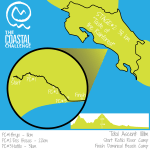
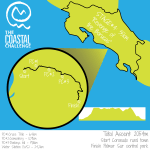
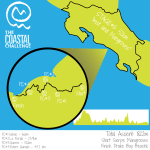
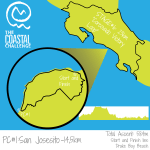
The race is a multi-day journey that travels from Quepos to Drake Bay over five days and the sixth day is a loop around the Corcovado. Distances are as follows:

  1. 32km (917m+)
  2. 44.6km (1788m+)
  3. 38km (1811m+)
  4. 35km (2054m+)
  5. 52km (1822m+)
  6. 23km (584m+)

Is the race harder than Marathon des Sables?

To provide an ambiguous answer – yes and no!

NO:

  • The race is not self-sufficient and therefore runners only need to run with a small pack with essentials and water.
  • Aid stations are provided with some food and therefore the need to carry anything heavy is minimal but one should think about personal needs, tastes and requirements.
  • You take your own tent (or hire one from the race) and therefore you have your own space to sleep and recover.
  • You have a bag or box that is transported each day to the finish of each stage and therefore you can have fresh clothes, shoes, medical supplies, food etc at your disposal.
  • Food is provided in  the morning, post run and in the evening – you can pretty much eat as much as you like.
  • Many of the campsites are in amazing locations and some local amenities are available, for example, you can have a beer or a cold drink most evenings.
  • The ‘long day’ is not as long as MDS.

YES:

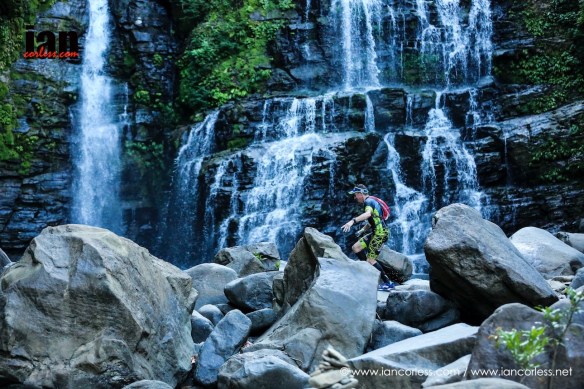
  • The terrain is very varied and at times brutal, you need to be able to handle technical terrain.
  • The course has many 1000’s of meters elevation and descent.
  • Fire trails connect the forest, beach and technical sections which are hard on the legs.
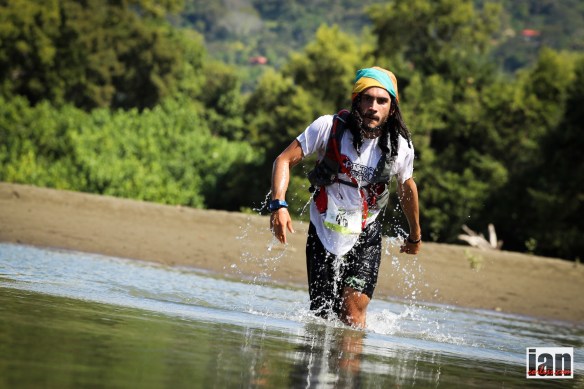
  • Beach sections are long and physically exhausting and mentally tiring.
  • The heat is relentless.
  • The humidity is 75% + and you will sweat, sweat and sweat.
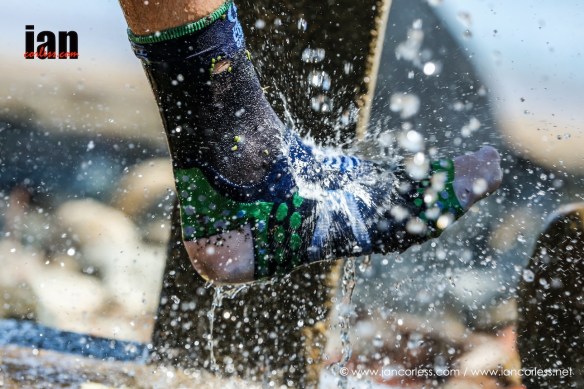
  • Your feet will be in and out of water everyday.
  • The long day is not as long as MDS but at 52km with 1800m+ of vertical over very technical terrain with relentless heat and humidity, it is more than enough of a challenge.

How does one achieve success at TCC?

©iancorless.com_TCC2016-0848

KIT:

Bag/ Storage:

©iancorless.com_TCC2016-0077

Within reason you can take as much kit as you need as this is transported daily by the race. The race organisation ask that you use ‘Action Packer’ boxes for a couple of reasons: 1. They are waterproof. 2. They are easy for the race to transport as they pack together and are durable. However, from a UK or Europe perspective they are a nightmare to travel with and are troublesome. I recommend *The North Face Base Camp Bag Duffle (here), an Overboard Waterproof Bag (here) or an Ortlieb Waterproof Bag (here). Waterproof is important as you ae going to a rainforest and you do stand the chance of rain on at least one day. You can of course use individual waterproof bags inside to separate and itemise clothing, equipment and so on. *The TNF is not 100% waterproof but I have used it and had no problems.

Clothing:

©iancorless.com_TCC2016-9985

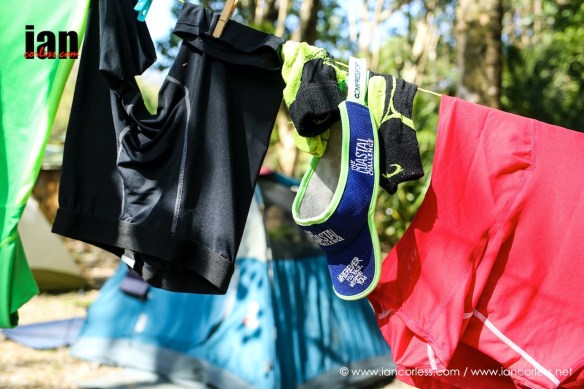
You have a bag that can carry all your kit, so, take 6-8 sets of clothing. It’s really simple, you run in one set of clothing and at the end of the day you freshen up and change into the next days run clothing (which you can sleep in). You can of course add some additional casual clothing if required.

©iancorless.com_TCC2016-9808Make sure clothing is breathable, comfortable and I recommend that tops cover your shoulders as this can be a problem area in such intense heat and sun. You will need a hat without a doubt and some prefer to run with a hat that has protection that comes over the back of the neck. Ladies – just a word of warning on ‘strappy’ tops, they expose more of your skin and you end up with some crazy sun tan.

Feet:

©iancorless.com_TCC2016-6209

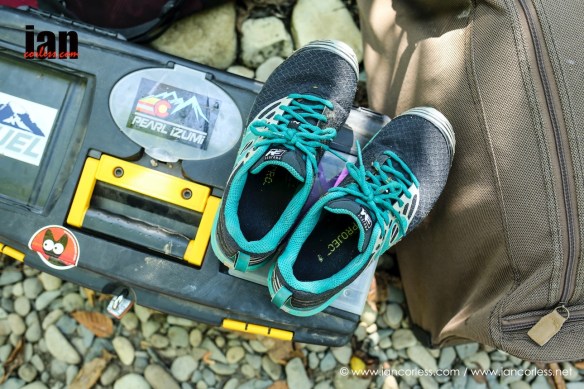
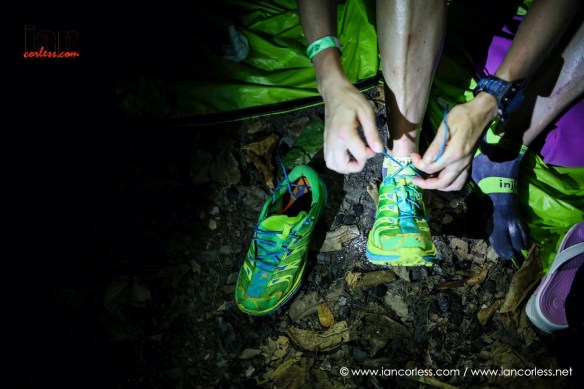
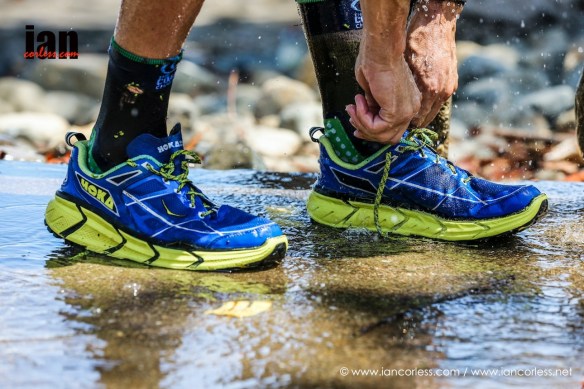
Not looking after your feet is one of the main reasons (in addition to dehydration) why you will not finish the race. Feet will get wet everyday and you will run on all sorts of varied terrain from gravel fire trail to technical and rocky boulder sections. Your ankles will be twisted and your feet can feel pretty beat up. Obviously you can take advantage of having more than one pair of shoes, I would definitely take two pairs and ideally three. Maybe you could take one pair a 1/2 size larger as a ‘just in case!’

©iancorless.com_TCC2016-9973Think about the fit of your shoe. Forget the advice about going a size larger, for me, this is just bad advice. A shoe that is too big will allow your foot to move, a moving foot causes friction, friction causes blisters – the rest is a horror story and believe me, I have seen some horror stories at TCC. You need a thumb nail of space above your big toe, no more! Of course I provide generic advice here and should YOU know you need something different from experience, trust your instinct. Because the trail is often technical, you need a shoe that can handle a multitude of surfaces that includes rocks, gravel, sand, wet rock and so on. You need trail shoes! Consider your gait, the amount of drop you prefer and how much cushioning.

©iancorless.com_TCC2016-0044Only you know this and nobody can tell you which shoe to use. Also considerer that a shoe needs to be breathable – your feet will get very hot but more importantly your feet will be in and out of water. A shoe that drains water is essential. As an example, Scott Kinabalu (here) has drainage holes that allows water to escape, inov-8 are also making a shoe called ‘Chill’ which is designed for hot weather (here). Some runners like to tape their feet to protect them, if that is the case with you, do that in training so that you understand how that impacts on what size of shoe you require.

©iancorless.com_TCC2016-6245Good socks are essential and in four years of running and working at TCC I have always worn Injinji and never had one blister! Take a fresh pair for each day. Finally, the TCC does have one or two foot doctors who will look after you should a problem happen, my advice, avoid the problems by understanding your needs before arriving in Costa Rica.

Tent:

©iancorless.com_TCC2016-9974

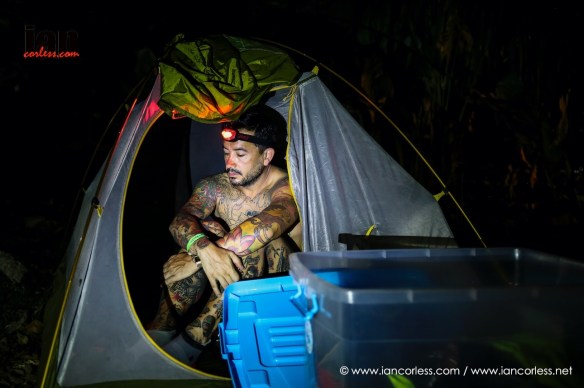
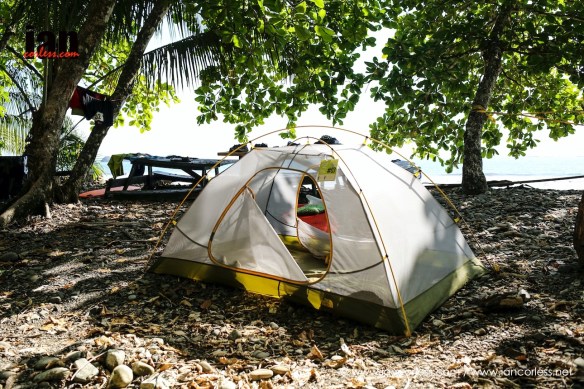
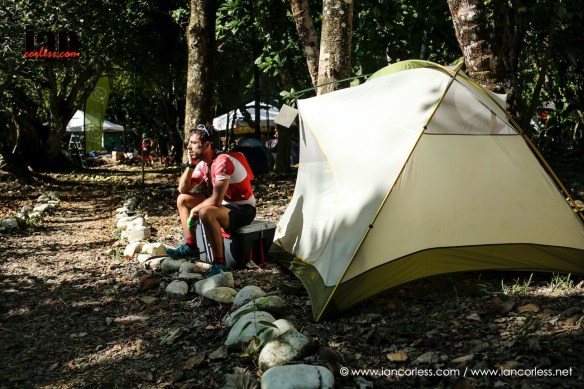
The race can provide a tent for you which you can hire, however, I prefer to take my own. The most important thing with your tent is that it must pitch ‘inner’ only. The reason for this is that it’s hot, really hot, and therefore you want as much air-flow as possible. An inner tent with lots of mesh is ideal too. You also don’t really need to worry about the size, I don’t recommend bringing a huge tent but I also don’t recommend bringing a tiny tent. Although I recommend an inner pitch tent, please bring the fly sheet that makes it waterproof – it is a rainforest remember! You can just throw the fly sheet over if required.

Equipment:

©iancorless.com_TCC2016-9931

Unlike other multi-day races, what you require whilst on the trail is quite minimal. I recommend a ‘vest’ like pack that can hold bottles, bladder or bottles and bladder. You will drink lots and lots and over the years I have found that having a bladder and two bottles takes some of the worry away from drinking. At times, aid stations can be very far apart, you don’t want to be without water! I would take a simple first aid kit, a whistle (just in case), purification tablets, phone, pocketknife, cash and some sun cream. In past editions, some runners have taken a ‘Spot’ tracker or similar. Poles at times will be useful, it depends if you are a racer or a completer. Importantly, should you take poles, make sure they fold, make sure you can store them quickly and make sure you know how to use them. I would bring your favourite run snacks (gels, bars or whatever) and think what you will need for six days. I have mentioned clothing and shoes, no need to compromise, so don’t! Think about toiletries, medical supplies and personal items that will make your journey in the rainforests better – for example an iPod. You will not need a sleeping bag, it’s too hot, however, I do recommend that you bring a sleeping bag liner, it can often get just a little chilly around 2 or 3am. Pretty much everyone sleeps in run clothing. Bring a sleeping matt and one that provides good comfort, some campsites are rocky!

Hydration:

©iancorless.com_TCC2016-3303

Think you have already understood that it’s hot, very hot. You will sweat immediately and you will sweat all day. This places unique demands on you and you will need to keep hydrated. I have already mentioned about carrying enough liquid – make sure you do! I would normally recommend drinking to thirst, but here, I would drink every 10-15min and keep that going. Electrolytes are a constant debating point, particularly with Tim Noakes ‘Waterlogged’ book. However, you will need to replace salts and how you do that will depend on you and your needs.

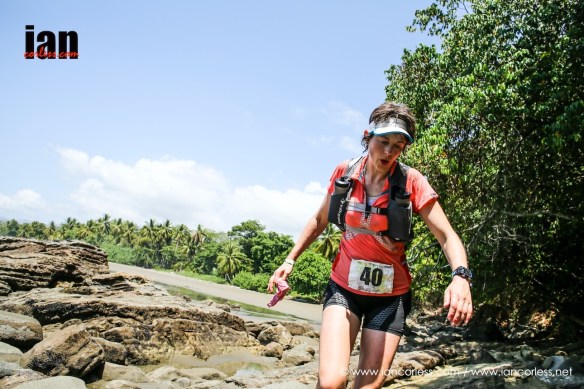
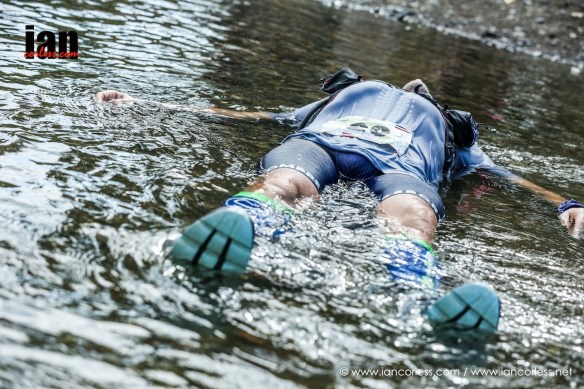
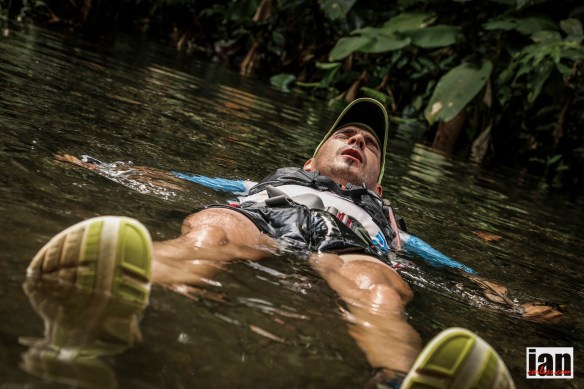
©iancorless.com_TCC2016-7175The course has constant possibilities for you to submerge yourself in water and reduce your core temperature – do so, it’s essential! Never pass an opportunity. Just 2-3 minutes fully submerged will allow you to continue on feeling refreshed. Never run in the sun when you can run in the shade and cover up your head and shoulders.

©iancorless.com_TCC2016-0605

Top Tips:

  • Day 1 starts with 10km of good running. Everyone starts out way too fast and ironically, day 1 at TCC has the most drop outs through exhaustion and dehydration. Start slow! Ease into the race and without doubt, if possible, get some heat acclimatisation before coming out to costa Rica. Day 1 also starts much later than every other day, so, the shock is magnified!
  • From day 2 you will start running with sunrise, take advantage of the cooler hours but don’t go out running hard like a wild animal. You will pay for it.
  • Feeling tired? Run in the shade, walk in the sun.
  • Poles are a benefit at times and I would certainly bring them so you can make a choice whilst at the race.
  • Understand that this is a technical race with very varied terrain, lots of climbing and lots of descending. Practice this and prepare both physically and mentally.
  • Learn to walk – everyone will walk at some stage.
  • Take advantage of every possibility to submerge yourself in pools, rivers, ponds etc.
  • Use a buff or similar product and keep that wet and cool.
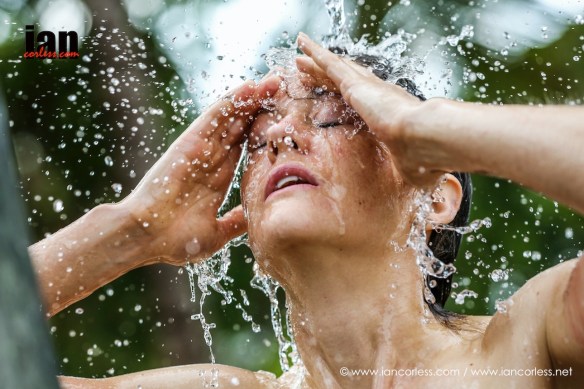
  • Pour water over your head regularly to avoid over-heating.
  • Use a hat.
  • Flowing water is often drinkable but be careful, I take water purification tablets as a precaution.
  • Never pass a feed staton without filling bottles/ bladder.
  • Think of your own food needs and diet requirements.
  • The course is exceptionally well marked and be attentive, it’s easy to pass a marker when you have your head down. Not seen a marker in 5-minutes? Chances are you have gone the wrong way.
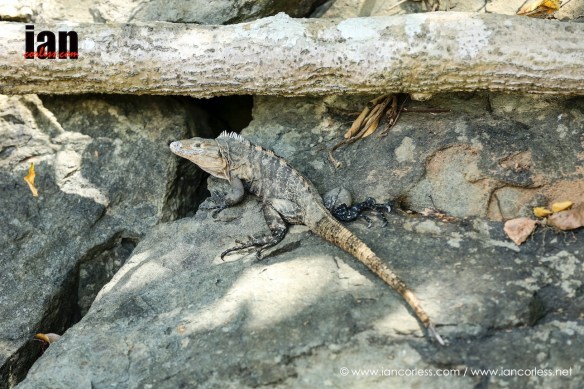
  • Wildlife will surround you and the reality is that you will not see any of it as the animals are too frightened of you. However, you will hear lots of noises, that is part of the fun! You stand a good chance of seeing monkeys, maybe a snake, spiders and birds.
  • Calf guards or compression may be a good idea on some of the more technical sections, however, I prefer the airflow to keep cooler.
  • When back in camp after a day running, take shoes off first and put some flip-flops on and let your feet breathe. Check for any irruption and blisters and get that seen to asap.
  • Have a shower and freshen up, get some fresh clothes on.
  • Eat and hydrate.
  • Take a nap and elevate your legs.
  • Masseurs are available at a charge (tbc).
  • Evenings are very social and you will be able to relax and bond with fellow runners. However, you do have your own personal tent, so, you can escape and have quiet time if you wish.

©iancorless.com_TCC2016-9993

Check List:

  • Waterproof bag or box
  • 2/3 pairs run shoes
  • Run apparel for 6 days
  • Casual clothing
  • Tent that pitches inner only but bring fly sheet
  • Head torch/ tent light
  • Sleeping bag liner
  • Hat
  • Sunglasses
  • Travel towel
  • Phone
  • Knife
  • Electrolytes
  • Food for running
  • Whistle
  • Sun cream
  • Medical kit and medication
  • Cash
  • Credit card
  • Poles
  • Gaiters
  • iPod
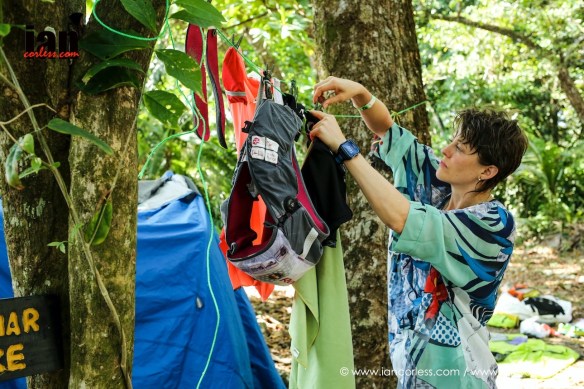
  • Rope to make a washing line
  • Pegs

©iancorless.com_TCC2016-2992

Finally:

Running a multi-day race is an experience and something to cherish. Look around and take advantage of what is a stunning environment. Accept now that this race will challenge you and that it will be tough. Get your head in the right place. Prepare as best you can for heat, humidity, technical running, climbing and descending, if you come prepared, the race will be so much easier.

I always provide impartial advice based on my experiences and knowledge. However, I do accept that I don’t always know or understand what ladies require at a multi-day race. Niandi Carmont has run the shorter Adventure Race and the full distance race at TCC and she provides here a little additional advice for female competitors:

©iancorless.com_TCC2016-9253

You might be spending a significant part of your day out on the course but it is always nice to have something clean and light to change into other than run kit. Since you don’t have to transport this, think about light cotton sundresses you can change into after your shower at the end of the daily stage. It will be boiling hot and humid in the evenings so no point bringing anything warm.

©iancorless.com_TCC2016-8933

Flip flops are a must. Bring a good quality pair that won’t break the first day in camp. Your feet will swell up and will have macerated in run shoes the whole day. They will have taken a pounding and thank you for allowing them to breathe a few hours. Also I recommend taking showers with flip flops as the showers won’t be sparkling clean and this will reduce the risk of catching anything like athlete’s foot or plantar warts which are highly contagious and prevalent amongst ultra-runners.

Bring a 2-piece swimsuit – there will opportunities to bathe in rivers or the sea at the end of the day.

©iancorless.com_TCC2016-0383

I suggest a very, very light negligee to slip into in your tent if you don’t like sleeping in the nude as you will be sweating and no doubt not be using your sleeping back or liner. Temperatures hardly drop at night and it remains humid.

Don’t economise on sun cream – bring a spray, high SPF type, which is non-greasy. Don’t forget you will be sweating a lot in the high humidity so this will have to be applied regularly on the course. Carry a small tube (Tingerlaat (here) do a tiny tube with SPF 50). Take a small tube of anti-chafing cream or gel (Gurney Goo do small tubes) in your pack too. With the high humidity and being constantly wet, running through water even runners who don’t usually suffer from chafing will find this an issue. Apply beneath your sports bra and inner lining of run shorts.

I would recommend against running in ‘skorts’ as you will be constantly sweating and trying to cool off in rock pools to keep your body temperature down. The skirt part will just weigh you down with water. Bring single-layered run shorts or short breathable tights. You will probably suffer less from chafing too with tights.

©iancorless.com_TCC2016-7250

Hair conditioner is an absolute must as you will be showering every day and if you don’t want to end up with damaged, straw-like hair or knots, bring a good conditioner. I have had plenty of experiences of leaking bottles of haircare products so I take enough L’Oréal sachets which pack very well and are single use.

Don’t wear rings! Your fingers are going to swell up through heat and some dehydration – so leave the solitaire at home. You will just have to put up with the unsightliness of sausage-finger syndrome for a while.

Bring waterproof zip-locks for cash and toilet paper to carry with you on the daily stages as you will be running through a lot of water and believe me you will be happy to buy an ice cold coke some days on the course. Also make sure your mobile phone is in a waterproof casing/bag or don’t take it with you on the river sections.

©iancorless.com_TCC2016-1360

Marathon des Sables 2016 #MDS2016 Race Preview

©iancorless.com_MDS2015Day6-0982

MDS, Marathon des Sables, The Toughest Race in the World… whatever you want to call it, the 31st edition is just around the corner. Think about it, 30-years. It’s quite incredible how this race has grown and has become ‘the’ multi-day race to do irrespective of experience. It was the first and is still the best race offering an ultimate adventure for novice and experienced runner.
MDSlogo

It’s more than a race. It’s an experience, it’s escape and it’s a challenge. The combination of self-sufficiency, life in bivouac and running 250-km’s through the heat of the Sahara is something that those that have experienced it will never forget. It is the story of life, a story of men and women who have come to the heart of the desert to rid themselves of the superficial to keep only the essentials and get in touch with their true selves.
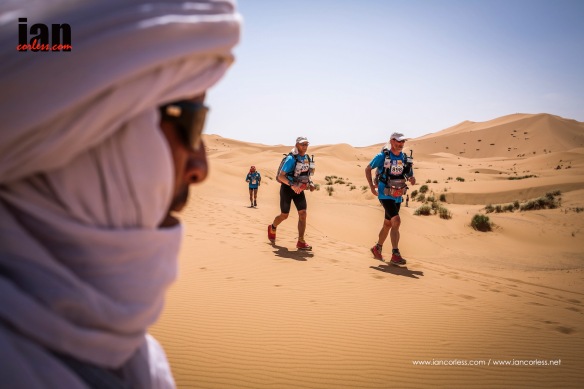
©iancorless.com_MDS2015Day7-2789

“What concerns me the most is the runners’ safety, and our capacity to ensure rapid medical intervention and emergency health evacuation. The weather is another worry, but unfortunately totally out of our hands.” – Patrick Bauer

For the past three decades, some 19,000 runners have signed up for this experience, so, with the imminent running of the 2016 edition, it’s fair to say that race will see a great number of participants returning.

To summarise the impact on participants over 30 years:

(statistics provided by MDS media team/ official press documentation)
  • 30-40% are returning,
  • 70% are international,
  • 30% are French,
  • 17% are women
  • and 45% are veterans thus confirming that you are never too old to take part!

2016 will see 1200 runners participate, a huge increase from 1986 when only 23 runners took part.
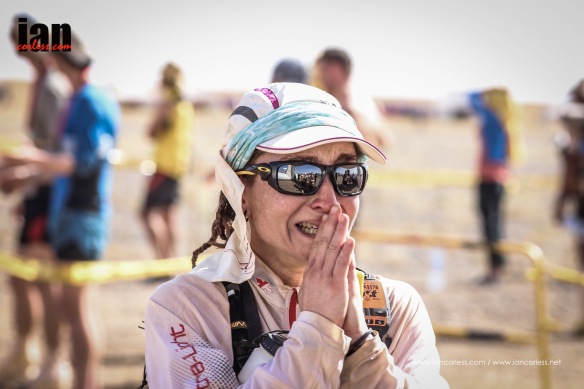
©iancorless.com_MDS2015Day6-9440

“The desert strips you bare, all the more so on a race like this. Values like sharing, solidarity, and respect for differences and cultures are omnipresent. So of course, friendships develop between the brothers and sisters of the desert who have no more barriers or boundaries and are all united to achieve the same goal.” – Patrick Bauer
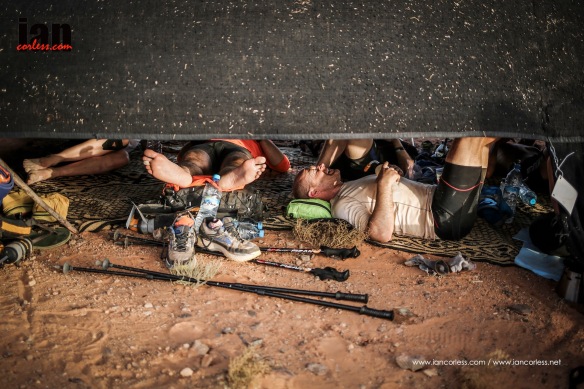
©iancorless.com_MDS2015Day4-6694

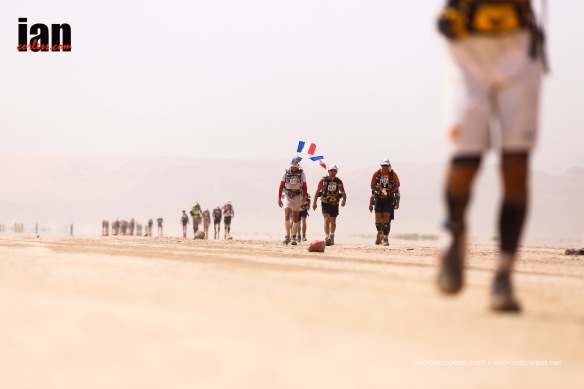
Lasting six days’ participants must be self-sufficient carrying everything they need in a pack. Water is provided but rationed and a tent (bivouac) is provided each evening that must be shared with seven other participants.

The 2016 edition of the race will be 257-km’s offering a series of challenges that will test the mind and body in equal measure.
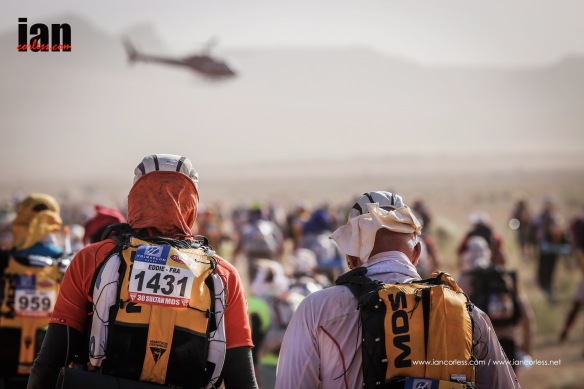
©iancorless.com_MDS2015Day5-7840

“We try to convey happiness, enthusiasm and positive thinking through what we do and the sense of belonging is particularly intense for the runners, almost tribal, after ten days of sharing the adventure and fulfilling the same dream. Another thing I’d say was very important and a big part of the marathon’s success is the security and care that we bring the runners. The average age of participants is about forty, and most of them have children and have opted for a mishap-free adventure. In any case, when your family is far away, you count on quality organization.” – Patrick Bauer
©iancorless.com_MDS2015Day5-7951-2

The Route

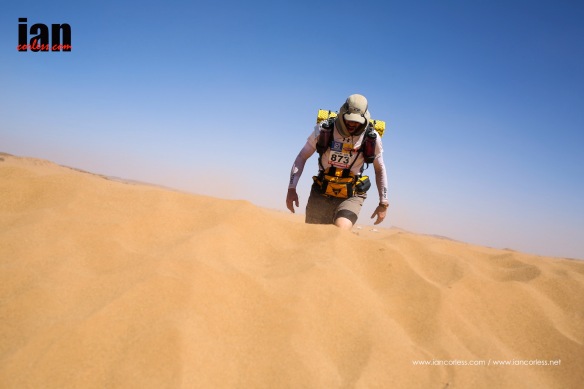
On a course punctuated by difficulties, competitors will get to see all of the Sahara’s different facets. Runners will have to cross ergs (dune fields), djebels (mountains), stony plateaus, dried-up lakes and oueds in which only sand flows, as well as oases, nomad camps, and traditional, rammed-earth villages. The desert has its secret gardens and those taking part in MARATHON DES SABLES will be lucky enough to contemplate them as a recompense for their efforts.

Stage 1 – 10th April

12km of majestic dunes kick off the race anddunes conclude the stage for the last 3km before competitors reach the bivouac. In-between, runners will have the time to appreciate the difficulty of making their way down a sandy oued and crossing a ghost village. Although not confirmed, I would anticipate that the Erg Chebbi Dunes may start the 2016 race. These dunes finished the 2015 edition on the charity stage. This will most definitely mean a longer transfer from the airport to the start of the race and these dunes are tough! “The dunes of Erg Chebbi reach a height of up to 150 meters in places and altogether spans an area of 50 kilometers from north to south and up to 5–10 kilometers from east to west lining the Algerian border.”

Stage 2 – 11th April

A long stage, with a wide variety of terrains. The standard dunes will be accompanied by stony plateaus where time stands still, rammed-earth villages inhabited by courageous souls farming arid land, and some steep djebels. As beautiful as it is difficult.

Stage 3 – 12th April

MARATHON DES SABLES will merit its name on this stage. The first part will go fast but, before the 1st check point the dunes will emerge… and then carry on, with more before and after the 2nd check point and a few more before the bivouac. The desert will go up and down with a slight climb before some slopes of over 20% that will put it all into perspective.

Stage 4 – 13/14th April

Known as “the long one” by old hands, this is the most testing part of the race, where you really need to manage your energy. The list of remarkable sites along this stage is particularly long. It’s the kind of stage that made MDS’s reputation. In less than 35 hours, runners’ minds and bodies will have had their fill. Running through the sand at night under the stars teaches all of them about humility. No one emerges from this long pilgrimage unchanged.

Stage 5 – 15th April

The Marathon stage. For those who thought they’d seen it all, get ready for a revelation. This entirely new route will take you through some splendid sites and end in a battle for the leading places. The less hurried will take their time to admire the landscapes. A lot more dunes and hills for 42.2km.

Stage 6 – 16th April – SOLIDARITY UNICEF legs

This obligatory stage is timed but does not count in the MDS ranking. You have to cross the finish line to feature in the ranking of the 31st MDS and receive a finisher’s medal. When they reach the small village in which the final finish line is located, competitors, sponsors and families signed up on this stage will make up the caravan and be able to appreciate the beauty of the landscape, all wearing the colours of UNICEF, which supports projects for impoverished children. This stage is mostly a chance to reflect on the experience of this amazing human adventure, and raise awareness of solidarity before returning to civilization.
©iancorless.com_MDS2015Day2-1527

ONES TO WATCH AT MDS 2016

The LADIES ©iancorless.com_MDS2015Day3-2734

Elisabet Barnes is the defending champion and has become a dominant force in the world of multi-day running. She followed MDS victory in 2015 with victory in Oman and placed 2nd lady at the recent The Coastal Challenge in Costa Rica. Recent life changes have impacted on Elisabet’s preparation for the 2016 edition of the race but she knows the desert, she knows the sand and she knows how to race over multiple days.

PRE RACE INTERVIEW WITH ELISABETH BARNES HERE

“I have a lot more experience than I had in 2012. I do train a little more, but it’s really that I understand more about pushing myself further and how to manage my food and water. My bag was also a lot lighter than in 2012, my 2015 bag only weighed 7 kilos compared to 11 kilos in 2012.”
©copyright.iancorless.com.P1070838

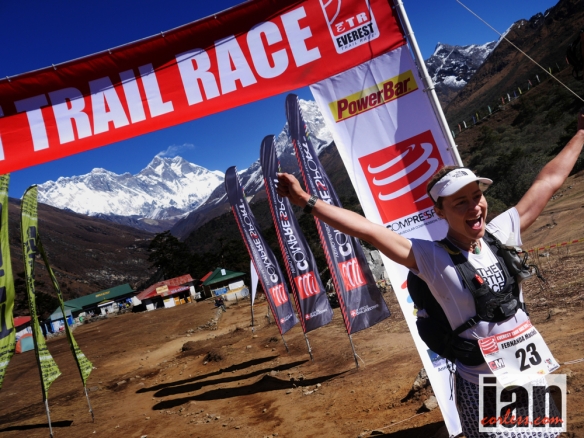
Fernanda Maciel is a newbie to the Sahara and multiple day racing despite victory at the 2013 Everest Trail Race. One thing is for sure, the heat should not be a problem for the Brazilian ultra runner. An experienced competitor, Fernanda recently spent a long period of time at altitude in an effort to set a ‘FKT’ (fastest known time) on Aconcagua. Something she achieved! Her success at races such as UTMB, Transgrancanaria and Ultra-Trail Mt Fuji will almost certainly mean that she will be a force to be reckoned with.
©copyright .iancorless.com._1000768

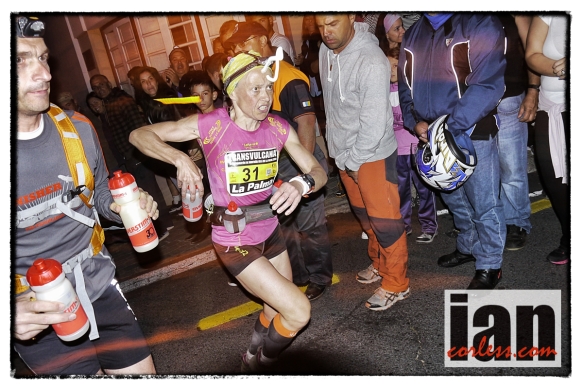
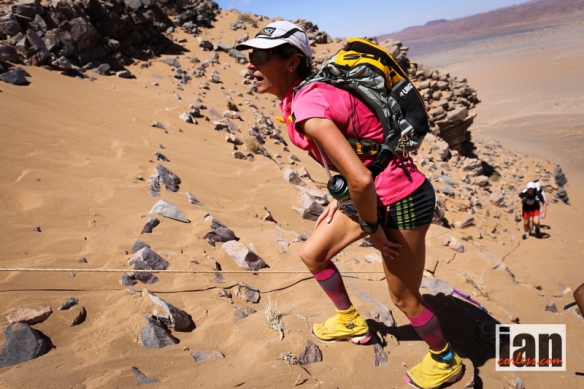
Nathalie Maculair will without doubt shake things up at the 2016 edition. Her results speak for themselves and her ability to run fast, climb, handle technical trail will (and quite rightly so) intimidate her competition. Nathalie has raced well at Transvulcania, become a world trail champion and also won the ridiculously tough, Grand Raid de la Reunion (Diagonale des Fous). This will be Nathalie’s first multi-day race but she has raced in ‘Raids’ before. Her small size will without doubt be a huge disadvantage in the early stages.  A wife and mother, this may well be the ultimate escape for her.

“Given my small size, transporting 6-7 kg will be quite a challenge. But I’ve already run with a large bag on multisport raids. I enjoy the period when you prepare the bag and start picturing yourself on the race and thinking about what you’ll need. Once I’m in that phase, part of me is already there.”
©iancorless.com.IMG_3927MDS2014

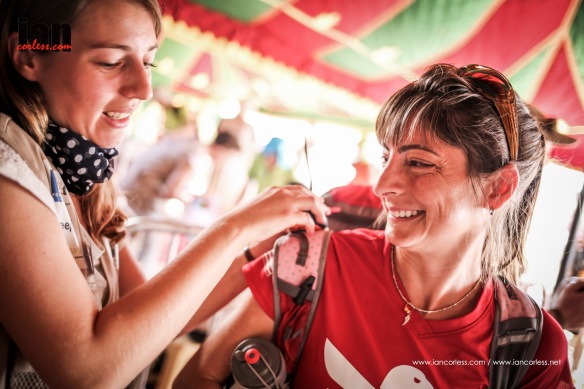
Laurence Klein has won the race multiple times (2007, 2011 and 2012), and knows the sand and the race better than anyone else. You van never rule her out! In recent years’ things have not gone to plan in the big sand pit, but Laurence is back once again, that can only mean one thing; she believes she can win!
©iancorless.com_MDS2015Day1-9651

Liza Howard ran MDS last year and placed 16th which does not reflect her ability. She has real experience of ultra running as she proved with victory at Leadville 100 in late 2015 (she also won Leadville in 2010) and I am sure that she learnt valuable lessons in the 2015 edition of MDS that will only make her stronger and more resilient in 2016.

Aziz Raji a name I initially missed but a hot contender for the podium after great runs at Trans Atlas Marathon and in Oman.

Meghan Arbogast is another USA based runner that has all the credentials and history to make a real impact in the dunes and the hard packed sand of the Sahara. A fast runner, particularly over 100km, Meghan’s race history dates back to 1996 and is compulsive reading.
©iancorless.com_MDS2015Day5-7531

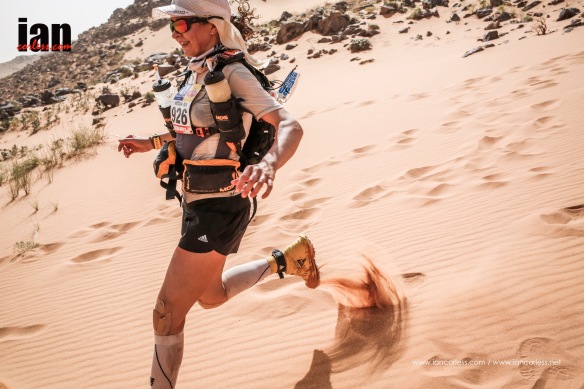
Natalia Sedykh placed 3rd last year and like Elisabet Barnes was an unknown entity. She had a steely grit and determination and I can’t help but think that 1-year on, she will come to the race meticulously prepared with just one objective; overall victory!

Ladies to watch:

Frederica Boifava, Annick Ballot, Gweanelle Coupon, Elise Delannoy, Sophie Laversanne, Claire Price, Holly Zimmermann, Maree Jesson and more.

The MEN
©iancorless.com_MDS2015Day3-2986

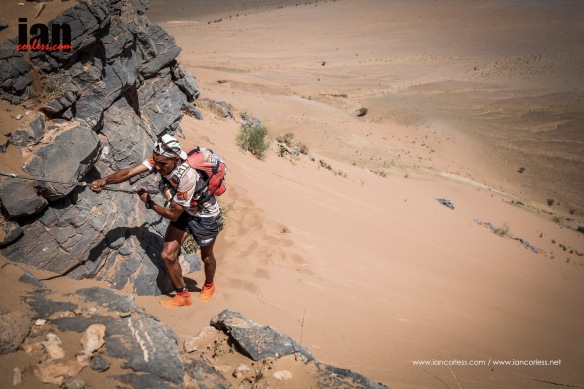
Rachid El Morabity has won the race three times, is defending champion, has local knowledge and is the man to beat, need I say more?
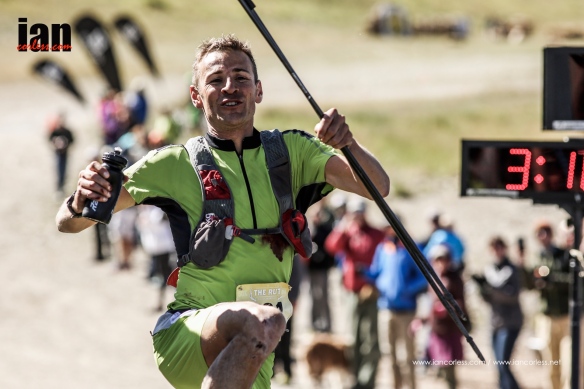
©iancorless.com_Rut2015-2194

Franco Colle is a surprise entry as he loves the mountains. He had an incredible 2015 racing on the Skyrunner World Series and by contrast he has won the epic and demanding, Tor des Geants. He has strength, technical ability and is used to carrying a pack in the mountains, this is his first MDS but don’t rule him out!
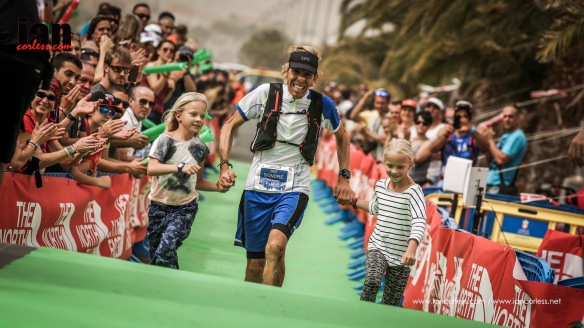
©iancorless.com_Transgrancanaria15-6958

Sondre Amdahl has been a revelation in recent years with a sting of world -class performances at UTMB, Western States, Transgrancanaria, UTMF and so on. He recently pulled out of the 2016 edition of Transgrancanaria and has then devoted himself to preparing for the Sahara. A fierce competitor, he will try his hardest day-after-day.

PRE RACE INTERVIEW WITH SONDRE HERE

“I’m not afraid of it, but I do have a great deal of respect for the race. I’m trying to prepare myself as best as I can, especially for the heat, sand and lack of food. I live in Norway, and it’s cold there right now, so I’ll spend some time in Spain and Morocco before the race.”
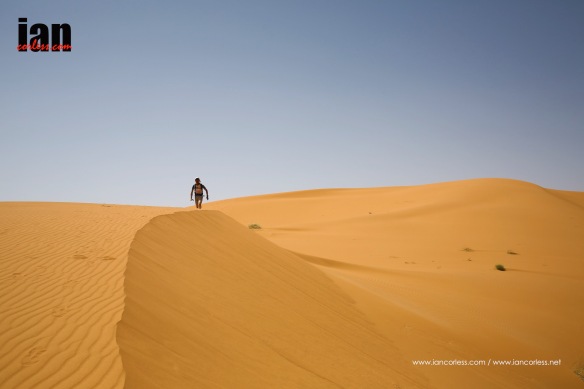
©iancorless.com_MDS2015Day6-0651

Erik Clavery is the great French hope. He has said numerous times that MDS is a dream race and he has set his sights high.

“This weekend I set off to the dunes in western France once again with my 6.5 kg bag on my back. The hardest part will no doubt be getting used to the heat. It’s not easy to reproduce those conditions over here in the winter. So I work on my home trainer wearing a thermal jacket!”
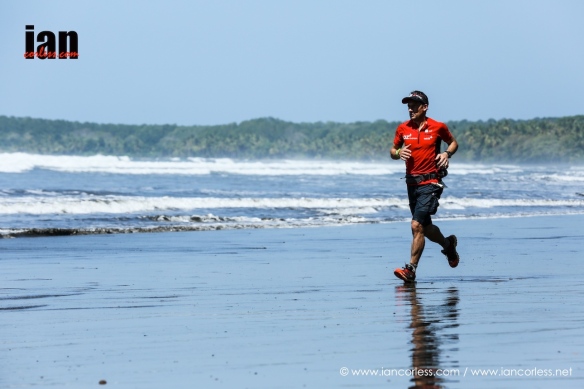
©iancorless.com_TCC2016-1787

Carlos Sa has come close but never quite managed to smoke the MDS cigar. He placed 4th in 2012 and 7th in 2013. This year, Carlos has really set his sights on MDS and his recent run in Costa Rica at The Coastal Challenge was great training. We all know he can run in the heat as his 2013 victory at Badwater 135 confirms. I hope he makes the podium!
©iancorless.com_MDS2015Day3-3254

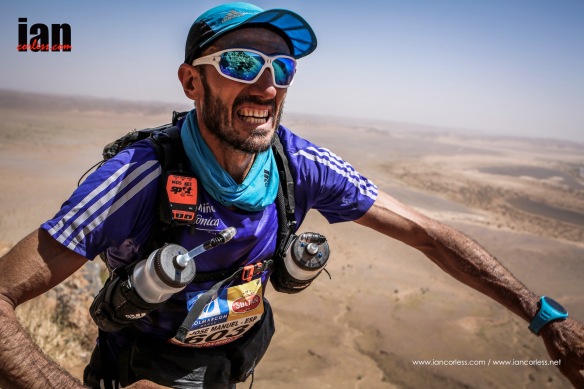
Chema Martinez is a 2:08 marathon runner, he placed 6th at MDS last year and recently had a great run in Costa Rica at The Coastal Challenge. He’s a fun loving guy who loves to race and race fast. He made mistakes in 2015 and will look to put them right in 2016 – watch this space!
©iancorless.com.IMG_7592Transvulcania14

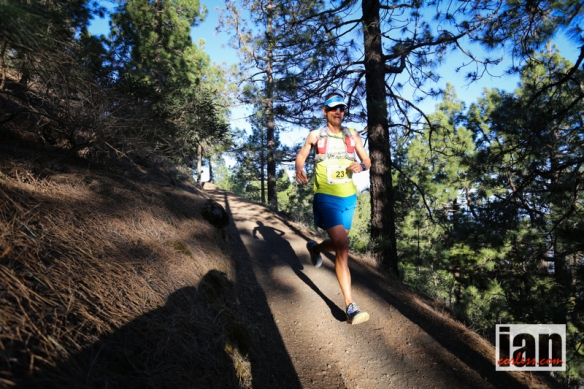
Jason Schlarb is one of the USA’s top runners who has excelled at races such as UTMB. Just recently he skied (with 3 others) the Hardrock 100 course over 4-days. A world first and a huge achievement. Without doubt, MDS will be a huge learning curve for Jason but it’s a challenge he is embracing. He sees the race as one big adventure!
©iancorless.com_MDS2015Day6-1084

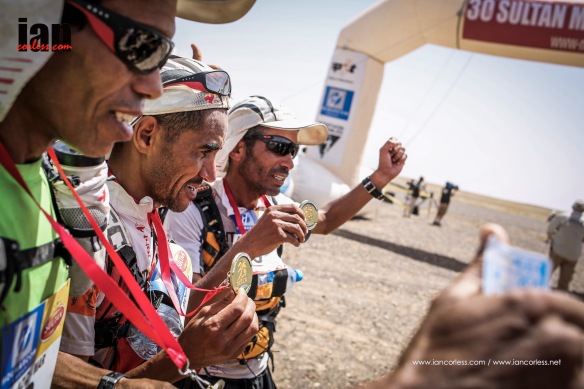
The Moroccans

  • Aziz El Akad has been in the top 5 six times, so a repeat performance is highly likely.
  • Abdelkader El Mouaziz was 2nd last year and a super fast runner. He will be looking to oust Rachid for the top slot and he has the race to do it!
  • Samir Akhdar has never won MDS but has placed in the top 8 seven times.

Men to watch:

Jean-Sebastien Braun, Marco Olmo, Greg Dunning, Glenn McDougall, Alejandro Lopez Reyes, Ahmed Tahiri, Mohamed Faraj, Marco Pajusco, Juan Manuel Cortes and more.

©iancorless.com_MDS2015Day5-9765

Crazy Statistics of the MDS

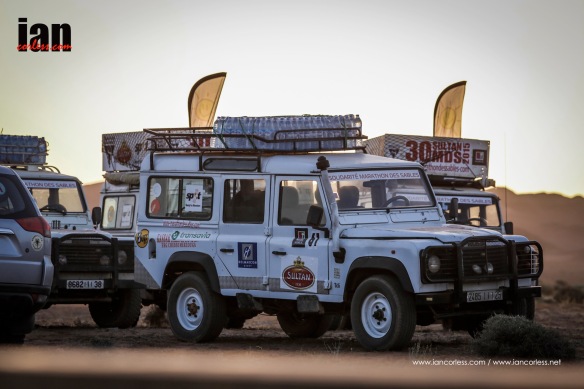
“The logistics are a big headache and we organize every last detail in advance! We’re a village of 2,000 people that has to be set up and dismantled every days and needs to be self-sufficient in energy, food, water and fuel. As one of my friends says, ‘Let’s expect the worst because the best will never surprise us!’ We also benefit from the infallible support of the Royal Moroccan Army, which makes available about 25 6WD military trucks to transport all of our equipment.” – Patrick Bauer
©iancorless.com_MDS2015Day3-6232

▪    150 volunteers to supervise the race,

▪    450 general support staff,

▪    120,000 liters of bottled mineral water,

▪    300 Berber and Saharan tents,

▪    120 all-terrain vehicles and trucks,

▪    2 Squirrel helicopters and 1 Cessna plane,

▪    8 Transavia ‘MDS special’ commercial planes,

▪    30 buses,

▪    4 dromedaries,

▪    1 incinerator lorry for burning waste,

▪    5 quad bikes to monitor race environment and safety,

▪    72 medical staff,

▪    2.3kms of Elastoplast,

▪    12,200 compresses,

▪    6,000 painkillers,

▪    150 liters of disinfectant,

▪    1 editing bus,

▪    5 cameras,

▪    1 satellite image station,

▪    10 satellite telephones,

▪    30 computers, fax and internet,

▪    18,000 competitors since 1986

▪    30% returning competitors, 70% international, 30% French,
17% women, 45% veterans,
30% in teams,
10% walkers,
90% alternate walking and running,

▪    14 km/hr.: average maximum speed, 3 km/hr.: average minimum speed,

▪    15 years of age for the youngest competitor and the oldest, 83!
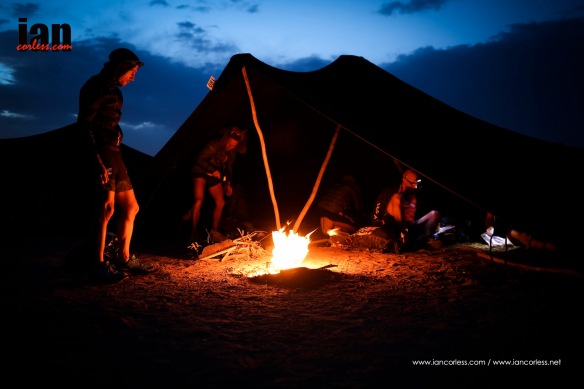
©iancorless.com_MDS2015Day3-5132

30 Years of the MDS

1986 – Michel GALLIEZ (FRANCE) – Christiane PLUMERE (FRANCE)

1987 – Bernard GAUDIN (FRANCE) – Marie-Ange MALCUIT (FRANCE)

1988 – Bernard GAUDIN (FRANCE) – Marie-Ange MALCUIT (FRANCE)

1989 – Hassan SEBTAOUI (FRANCE) – Marie-Claude BATTISTELLI (FRANCE)

1990 – Hassan SEBTAOUI (FRANCE) – Claire GARNIER (FRANCE)

1991 – Hassan SEBTAOUI (FRANCE) – Monique FRUSSOTE (FRANCE)

1992 – Mohamed BENSALAH (MOROCCO) – Monique FRUSSOTE (FRANCE)

1993 – Mohamed BENSALAH (MOROCCO) – Irina PETROVNA (RUSSIA)

1994 – André DERKSEN (RUSSIA) – Valentina LIAKHOVA (RUSSIA)

1995 – André DERKSEN (RUSSIA) – Béatrice REYMANN (FRANCE)

1996 – André DERKSEN (RUSSIA) – Anke MOLKENTHIN (GERMANY)

1997 – Lahcen AHANSAL (MOROCCO) – Rosanna PELLIZZARI (ITALY)

1998 – Mohamad AHANSAL (MOROCCO) – Rosanna PELLIZZARI (ITALY)

1999 – Lahcen AHANSAL (MOROCCO) – Lisa SMITH (USA)

2000 – Lahcen AHANSAL (MOROCCO) – Pascale MARTIN (FRANCE)

2001 – Lahcen AHANSAL (MOROCCO) – Franca FIACCONI (ITALY)

2002 – Lahcen AHANSAL (MOROCCO) – Simone KAYSER (LUXEMBOURG)

2003 – Lahcen AHANSAL (MOROCCO) – Magali JUVENAL (FRANCE)

2004 – Lahcen AHANSAL (MOROCCO) – Simone KAYSER (LUXEMBOURG)

2005 – Lahcen AHANSAL (MOROCCO) – Simone KAYSER (LUX)

2006 – Lahcen AHANSAL (MOROCCO) – Géraldine COURDESSE (FRANCE)

2007 – Lahcen AHANSAL (MOROCCO) – Laurence KLEIN (FRANCE)

2008 – Mohamad AHANSAL (MOROCCO) – Touda DIDI (MOROCCO)

2009 – Mohamad AHANSAL (MOROCCO) – Touda DIDI (MOROCCO)

2010 – Mohamad AHANSAL (MOROCCO) – Monica AGUILERA (SPAIN)

2011 – Rachid EL MORABITY (MOROCCO) – Laurence KLEIN (FRANCE)

2012 – Salameh AL AQRA (JORDAN) – Laurence KLEIN (FRANCE)

2013 – Mohamad AHANSAL (MOROCCO) – Meghan HICKS (USA)

2014 – Rachid ELMORABITY (MOROCCO) – Nikki KIMBALL (USA)

2015 – Rachid ELMORABITY (MOROCCO) – Elisabet Barnes (SWE)
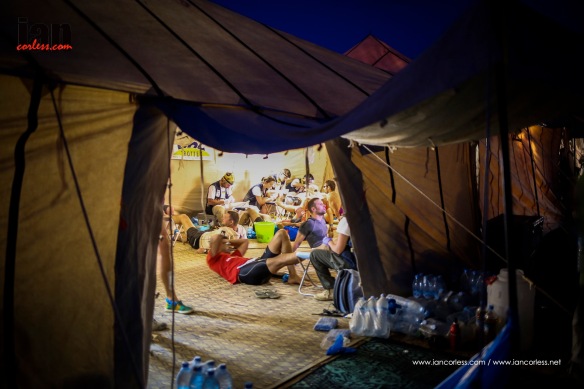
©iancorless.com_MDS2015Day3-5136

A brief history of the MDS

1984: At 28 years of age, Patrick Bauer decided to make for the Sahara to try to traverse a 350km expanse of uninhabited desert, on foot, alone, where he wouldn’t come into contact with a single village, oasis or watering place. Totally self-sufficient, with a rucksack weighing 35kg and containing water and food, he set off on a journey that was to last 12 days. It was the starting point of what was to become the MARATHON DES SABLES.

1986: The creation of the first MDS in the Moroccan Sahara. The 23 pioneers who took the start never imagined that their footprints would mark the start of a legendary event, which has today become a must among the major adventure sport meets. The creation of a non-mechanical competition in the Moroccan sands offers adventure runners a wealth of new prospects.

1987: Creation of the MDS logo: the face of a runner covered by a keffiyeh, the eyes protected by a pair of sunglasses and the pipette from the runner’s water container clenched between the teeth.

1989: 170 competitors take the start of the race.

1991: The gulf drama puts the MDS at a disadvantage and the financial partners withdraw. Fortunately, some runners answer the call. For these competitors, the true victory lies in meeting athletes from different backgrounds and their communion in the desert around the same goal. Sport proves once again that it can bring people together and create bonds.

1992: One and the same regulation for everyone. This year sees the establishing of unexpected draconian tests, to ensure that each participant properly transports all his or her gear from one end of the course to the other. A 30-point charter is drawn up.

First participation by the Moroccan Lahcen Ahansal

1994: Arrival of the Doc Trotters at the event.

1995: 10th anniversary. Since the start, over 1,500 men and women have left their footprint and their passion in the desert. Installation of water-pump for the inhabitants of the village of Ighef n’rifi (South of Er-Rachidia) – an idea by competitor Gilles Flamant and backed by Rolland Barthes and Patrick Bauer. Its success is to be repeated again and again

1996: First participation by Mohamed, a younger sibling of Ahansal. The two Moroccan brothers set off together and rank 4th and 5th respectively.

1997: This year heralds the start of the Ahansal saga. Morocco is honored with Lahcen’s first victory. He beats his two pursuers by nearly 30 minutes, despite them being international long-distance running champions.

1999: A mobile hospital on the MDS comes into being. There are around thirty practitioners on the ground, with doctors and nurses joining the caravan. A dedicated helicopter and ten all-terrain vehicles track the competitors each day. On- board these vehicles there are doctors of course, as well as high-tech equipment. The village boasts a genuine field hospital.

2000: Internet puts in an appearance in the large MDS village. The organization decides to broadcast the texts and photos of the race live, day after day. The competitors can communicate with their nearest and dearest and receive messages of encouragement.

2001: For the first time the long leg, traditionally called “The 70”, exceeds the 80km barrier to reach 82km. The threshold of 240km is also surpassed since the 16th MARATHON DES SABLES spans 243km. Another first relates to the fact that there are no Moroccans on the podium this year.

2002: This edition is punctuated by a sandstorm, involving headwinds, which lasts the entire week. The doctors invent a machine for ‘low pressure cleansing’ to rinse out the runners’ eyes. Despite the difficult conditions, there are few retirements to report as the wind considerably reduces the temperature.

2005: The Luxembourg runner Simone Kayser is the first woman to win 3 MARATHON DES SABLES. For this 20th edition, the total number of runners exceeds 700 for the first time, with no fewer than 777 runners taking the start.

2006: A drying wind and very high humidity levels cause damage to the runners’ bodies. Despite additional allocations of water, a whole series of retirements ensues. There are a total of 146 retirements ultimately, which equates to double that of the previous record… Race management decides to shorten the long leg by over 10km given how tired the runners seem.

2008: The Solidarité MDS association is created. The aim: to develop projects to assist children and disadvantaged populations in the domains of health, education and sustainable development in Morocco. 

2009: MDS is disrupted by flooding and the 1st and 6th stages are not able to take place. To avoid the flood zones, the organization is obliged to improvise new legs on a day-to-day basis. In this way, the edition goes down in legend for its 3rd leg, which is the longest ever contested: 92km of sand, loose stones and rocks… The leg even sees the retirement of Lahcen Ahansal… At the prize giving the 2 winners admit to having competed in their hardest MDS. However, it was also the shortest: 202km.

2010: For its 25th edition, the number of participations reaches a record high of 1,013 participants. It is to be the longest MARATHON DES SABLES. It spans 250 kilometers with a course considered by former entrants to be the most difficult ever organized.

2012: A dramatic turn of events on the longest leg as the then leader in the overall standing, Rachid El Morabity (MAR) injures himself one kilometer from the finish. Medical examinations reveal a serious muscular lesion in the quadriceps. After over five years on the 2nd or 3rd step of the podium, Jordanian Salameh Al Aqra secures the title.

2013: 1,027 competitors on the start line make this a new participation record. New feature: a final “Charity” stage sponsored by UNICEF and traversing the Merzouga dunes round off the race. Sports wise, Mohamad Ahansal and Megan Hicks are the champions of the 231.5km event. On a human level, all of the finishers pull off their crazy bet.

2014: 2011 winner, Moroccan Rachid El Morabity (MAR) wins the overall ranking and takes Mohamad Ahansal’s crown. In the women’s category, another American stamps her mark, Nikki Kimball. The French revelation is one Michaël Gras, 22 years of age, 8th overall and top Frenchman. A major athletics star, Moroccan Hicham El Guerrouj lines up to take the start of Saturday’s Unicef Charity leg.
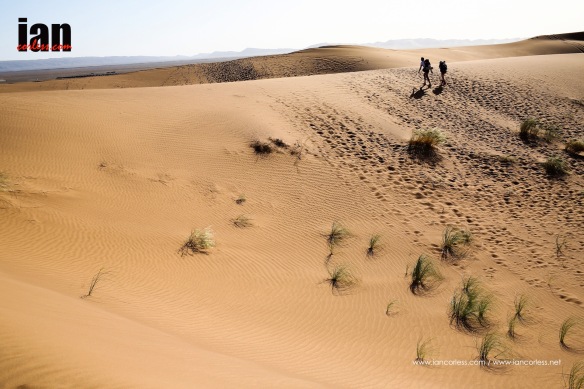
©iancorless.com_MDS2015Day3-4845

Follow the 2016 Marathon des Sables in images and words on iancorless.com

VIEW THE 2015 RACE IN IMAGES HERE

Instagram

Instagram HERE

Twitter_logo

Twitter HERE

Facebook Logo

Facebook HERE
THE CHAMPION RETURNS – ESTER ALVES and The Coastal Challenge #TCC2017

©iancorless.com_TCC2016-2474

Ester Alves a former road cyclist from Portugal, who represented her nation at the 2009 UCI Road World Championships and ladies winner of the 2016 The Coastal Challenge has confirmed that she will return to Costa Rica in 2017 to defend her crown.

It was a tremendous experience. Every day is like your last day, and after the end of each stage, you have only few hours to reborn, to recover. It’s an amazing transcendent experience. Similar to a cycling stage race…. You always give your best for each stage and then you just hope your body will recover as soon as possible.

©iancorless.com_TCC2016-6285

The Coastal Challenge is multi-day race over 6-days starting in the southern coastal town of Quepos, Costa Rica and finishing at the stunning Drake Bay on the Osa Peninsula. Considered by many an ultimate multi-day running experience, it challenges even the most experienced runner.

Everything is special, the heat, the forest, the solitude of the race, the hot pacific sea, the intimacy between organisation, camping, athletes, workers and locals from the little villages. The closeness between my new ‘coastal family’ was enormous and in a week of racing and relaxing you create bounds for life… it’s what makes the race so special.

©iancorless.com_TCC2016-1059

‘TCC’ is not a self-sufficient race, but don’t be fooled, MDS and other multi-day veterans confirm the race is considerably harder and more challenging than many other adventures they have participated in. It’s a race that can provide a steep learning curve. Intense heat, high humidity, ever-changing terrain and the need to adapt, Ester says in 2017 she will be better prepared.

I will try to go to Costa Rica or I will do some specific training using heat sessions at home. Maybe a sauna will be a good idea as it is winter in Portugal in the key training phase. In 2016 I went from 8 º C To 34 ºC, the first day was tough! Each day I adapted to heat and the my body recovered better, to make this adaptation in advance would be very beneficial.

©iancorless.com_TCC2016-1841

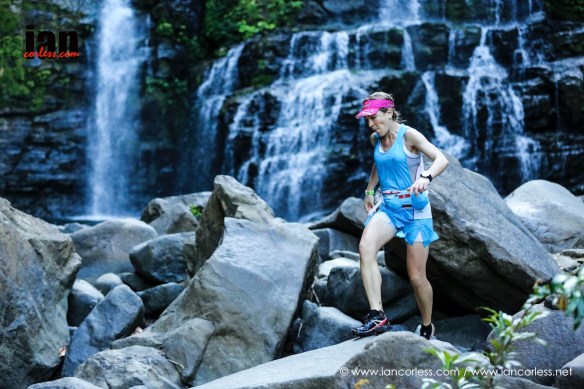
Hugging the Talamaca coastline, the TCC travels in and out of the stunning mountain range that runs parallel to the sea. Dense forest trails, waterfalls, river crossings, long stretches of golden beaches, an abundance of palm trees and many winding and interconnecting dusty access roads provide a unique challenge.

Every day I ended  a stage with the feeling of lungs burned and legs tired, and in the next day I was running again with a reinforced motivation. I can’t wait to return.

©iancorless.com_TCC2016-1113

At times technical, the combination of so many challenging elements are only intensified by heat and high humidity that slowly but surely reduces even the strongest competitors.  In 2017, Anna Comet, 2x winner of Everest Trail Race and someone you have raced against in Skyrunning along with Elisabet Barnes will be present. When Ester was asked  about the challenge, she replied:

I will run with all my soul and strengths as always, but next year with more knowledge I can hopefully enjoy the forest and the trails even more, TCC is just a wonderful experience.

©iancorless.com_TCC2016-0246


With victory in 2016 secured, Ester has a busy year ahead racing in the Skyrunner World Series, something she has embraced, particularly in 2015 where she had great success at races such as Transvulcania. Many runners however will sign up for the 2017 TCC with little or no experience of Costa Rica, the heat, the humidity and the terrain; what advice would Ester give them?

Train hard and consolidate the marathon distance before the race and prepare the body for the heat and dehydration. Also teach your body to be more economic, it’s a long and difficult race!

A long year ahead but Ester is already looking into the distance, thinking of the heat, the humidity and the beautiful surroundings that Costa Rica provides.

The Coastal Challenge is more than a race, it’s an experience, it something to be shared. It provides closeness and an intensity of feelings that will never be forgotten… I wish to be there right now.

©iancorless.com_TCC2016-9965

All images ©iancorless.com – all rights reserved

Contact Information

Email: HERE
Website: HERE
Facebook: HERE
Twitter: @tcccostarica

Global Contacts: HERE
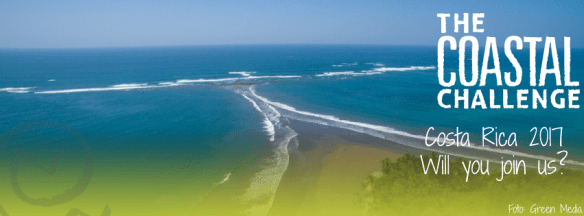
TCC_2017_JoinUs?

More information:

Read the full 2016 TCC race story HERE
View and purchase images from the 2016 TCC race HERE
You can read daily reports from the 2016 TCC edition HERE
©iancorless.com_TCC2016-0221

The Coastal Challenge 2016 #TCC2016 – Stage 1 Results and Summary

©iancorless.com_TCC2016-6700

Images available for personal and commercial use HERE
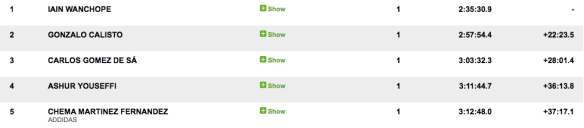
Iain Don-Wauchope return to the heat, humidity and rainforests of Costa Rica and despite below par training in the build up to the race, repeats his 2015 first day with a blistering performance against a world-class field that left his nearest rival 19-minutes back at the finish line.

Lady on fire, Elisabet Barnes, followed up her 2015 MDS victory and Oman multi-day race with a strong first day performance ahead of Portugal’s Ester Alves.

The day started at 0345 with an early call and a 3-hour transfer from San Jose to the coastal town of Queopos. The race started at 0930, the only day that the race will have a late start. All other days start at sunrise due to the heat and humidity.

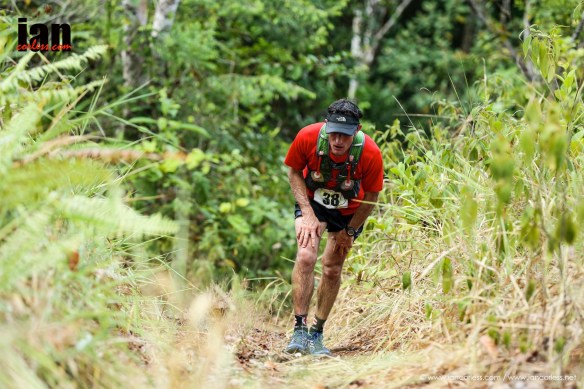
Each year the race director Rodrigo, warns the runners of the heat, the dangers of dehydration and how important it is to start slow and ease in to the day. Boom… the race started and as in every other year a lead group of men shot off the front at a super fast pace. The inevitable explosions started to happen from just 6km and a very savvy Iain Don-Wauchope used his experience from last year and slowly but surely puled away opening a 6-minute gap just after PC1 and he continued to extend this all the way too the line.

“You wouldn’t believe how little running I have done. I am not sandbagging. Today’s run came from somewhere… maybe a little help from above. I am really happy with the run but as we saw in 2015, day 1 is just 1 day. The men behind are world-class and they could pull back my lead with just one day.” – Iain Don-Wauchope

Chema Martinez and Gonzao Calisto were chasing hard but it was very apparent that 2:08 marathon runner,


Martinez was suffering in the heat.  Calisto continued to chase trailing Don-Wauchope by 19-minutes at the line.

Carlos Sa closed with a consistent paced run to place 3rd. Martinez unfortunately slowed as the day progressed and struggled on the final technical descent the followed with a water crossing to the finish line.

“From 6km I had nothing. It was just an awful day and on the final descent, I couldn’t run, I just had to walk. At the finish the doctor looked at me and my blood pressure was low – it’s all down to the heat and humidity; a rally tough day!” – Chema

Overall men’s results here

screenshot_315

©iancorless.com_TCC2016-6968

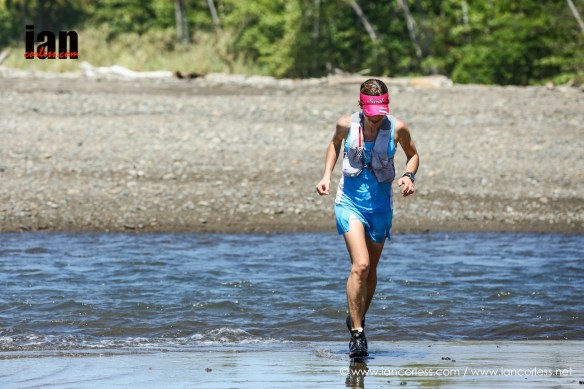
Elisabet Barnes ran with Portugal’s Ester Alves in the early stages but the heat soon took hold and the high humidity caused Alves to slow, Without increasing her pace, Barnes slowly pulled away and continued to do so all the way to the line to secure a first stage victory.

Elisabet Barnes, “I knew it was going to be hot but I was surprised by the heat at the start. I enjoyed the stage, all very runnable and the 2nd half was tougher than the first; more undulations. The humidity made what was already tough, tougher and apparently it was a little cooler today because of cloud cover. I have a small lead but as we have seen in the men’s race, anything can happen, I will take one day at a time but it was a good start.”

Alves held on for 2nd place and although looking relaxed at the finish, she did say the heat and been a limiting factor today.

Amy Gordon ran a solid pace for 3rd overall on the ladies category.

Overall ladies results HERE
screenshot_316

Tomorrows stage will be 38km and the estimated start time is 0530.

The Coastal Challenge 2016 Race Preview

©iancorless.com_TCC2015_Day6-2849

The Coastal Challenge, Costa Rica celebrates it’s 12th year with an incredible line up once again!

The 2016 edition of The Coastal Challenge, Costa Rica gets underway on February 14th, yes, valentines day! It’s appropriate, most people fall in love with Costa Rica. Runners from all over the world will arrive in San Jose in preparation for the journey down to the coast and the 12th edition.

“Reaching the 12th edition is humbling and gratifying. It is a privilege and not to one to be taken lightly. We are happy and grateful to have made it this far.” – Rodrigo Carazo

Rodrigo Carazo has pulled together an incredible line-up for the race and without doubt it will arguably be one of the most competitive multi stage races of 2016 with the 2015 Marathon des Sables ladies champion, Elisabet Barnes heading up the ladies field and 2015 champion and course record holder, Iain Don-Wauchope returning after his incredible 2015 performance and course record.

©iancorless.com_Lanzarote2016-00615

“Twelve years of exploring, adventuring and discovering Costa Rica and the beginning of a bright new era to come!” Rodrigo Carazo

RD - Rodrigo

RD – Rodrigo

Elite runners will toe the line in Quepos with everyday runners, they will all have one purpose in mind, to embrace the tough and technical challenge that lies ahead of them and enjoy every moment.

Known locally as the Rainforest Run, the TCC is a 236km stage race over 6-days that weaves in and out of a lush and tropical Pacific coastline. The Talamancas – a coastal mountain range spread across the southwest corner of the country – provide not only a stunning backdrop but also many of the tough and technical challenges that the runners will face on a day-to-day basis

Steve Diederich (HERE) the UK agent for the TCC had this to say:

 “A backdrop of some of the most breathtaking rainforest and coast on the planet, The Coastal Challenge has joined the exclusive club of iconic multi-day ultras.”

©iancorless.com_TCC2015_Day6-3157

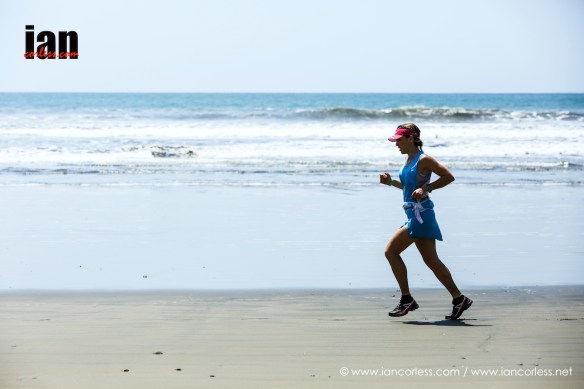
Beaches that last km after km are interspersed with dirt tracks, mountain paths, dense jungle, ridges, water crossings, open plains and highland; Costa Rica is bursting with variety. In addition, add 40deg temperature and high humidity, the TCC is no easy challenge.

TCC is a supported race and each day camp is moved ahead of the runners. Running light and fast, equipment is kept to a minimum and as such, racing is extremely competitive. The 2016 edition of the race is proving to be extremely exciting, particularly when one looks at the line up of runners.
 

©iancorless.com_MDS2015Day6-0982

2016 will see an incredible line up of runners and in the men’s Chema Martinez (José Manuel (“Chema”) Martínez Fernández) brings super fast 10,000m and maybe more importantly, marathon running speed to the TCC. A 2:08 marathon runner, Chema cut his multi-day teeth at Marathon des Sables in 2015 and TCC will allow him to run fast without the weight of a pack.

CarlosSa

Carlos Sa has run at the TCC before but made a huge navigational error on day 1 which ruined any chance of overall success. A runner who inspires through inspiration, Carlos has a varied list of results with highlights coming with 1st place at Badwater 135, 4th at the Marathon des Sables and a string of top-10 places in races all over the world, including UTMB.
©iancorless.com_TCC2015_Day2b-0716

Miguel Capo Soler has placed 3rd at Marathon des Sables (2013) and shows great pedigree in multi-day and single day running. TheTCC will suit his running style but he will need to watch out for all the local ‘Tico’ talent: Ashur Youseffi, Roiny Villegas and Frederico Pacheco.

©iancorless.com_TCC2015_Day5-2508

A surprise package may well come from Brit, Damian Hall. The other runners in the race will almost certainly not know Damian but recent success at the UK’s Dragon Back Race, The Spine and last year a top-50 result at UTMB means that he will certainly be in contention in the top-5.

©iancorless.com_DragonsBack2015Day4-7948

Finally returning champ, Iain Don-Wauchope from South Africa impressed everyone in 2015 with how he made what is a very tough course look (relatively) easy.  This year he has said in advance that training has been sporadic and that he has suffered with some over training issues. What’s important is, he is back.
©iancorless.com_TCC2015_Day6-0400

The ladies race has less depth than in previous years and defending champion, Veronica Bravo is taking a year away from the race. However, two ladies will battle on this course. Ester Alves from Portugal had an impressive 2015 with a very full calendar, maybe too full! High quality and world-class performances were sometimes followed with less impressive performances due to fatigue. A former road cyclist, her transition to trail came in 2014. Top performances are 8th at UTMB, 6th at Transgrancanaria and 7th at Transvulcania.

©iancorless.com_USM2015-3127

Elisabet Barnes is a lady on fire at the moment, particularly in multi-day racing. Her 2015 victory at Marathon des Sables (she won every stage) was followed up with a repeat performance in Oman. Having just completed a multi-day training camp in Lanzarote (here), Elisabet went into the heat chamber to prepare for Costa Rica’s humidity. It’s going to be exciting to see Elisabet race this TCC course. Recent sonship with Raidlight and a full calendar of multi-day racing in 2016 will see Elisabet race at MDS, Richtersveld Wildrun, Big Red Run and Grand to Grand.

©iancorless.com_Lanzarote2016-00994

“This race will bring a whole new experience. I expect it to be more technical than what I am used to and I know from the heat chamber sessions I have done that the humidity will make it very tough. I am really looking forward to the challenge though and to visiting Costa Rica for the first time” – Elisabet Barnes

Racing starts on Sunday very early and I will be posting daily reports and images on this website as and when internet connection allows.

You can view the race route below.

Follow the race on Twitter @talkultra on Instagram @iancorlessphotography and on Facebook facebook.com/iancorlessphotography

#TCC2016