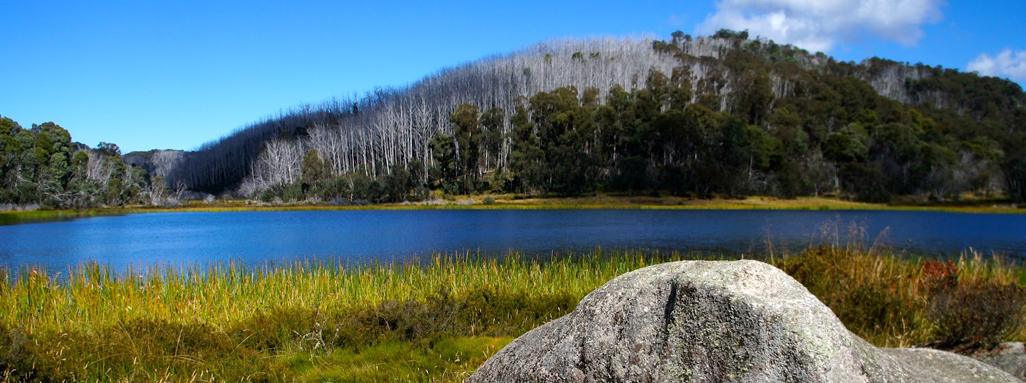
THE BUFFALO STAMPEDE brings Skyrunning to Australia

iancorless.com

“The purest form of mountain running … getting to the top of a mountain and back down again as quickly as possible. It’s the athlete versus the mountain. It’s not for the faint‐hearted. It’s definitely a significant challenge and the athlete needs to know what they are doing.’ Marcus Warner

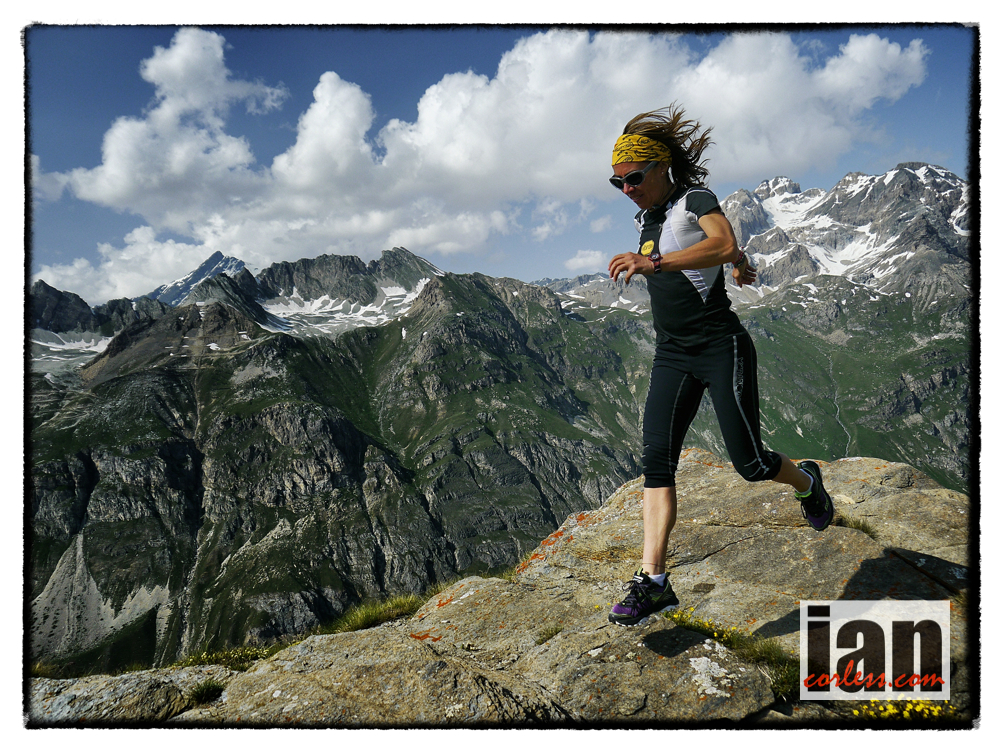
For the very first time, Australia has a new trail running event which is part of the internationally prestigious Skyrunning brand that attracts top athletes to the top of the world, where earth and sky meet.

Officially launched today, the Buffalo Stampede in the Victorian alpine country is expected to attract a bumper field of talented local and overseas runners as it forms the foundation stone of a planned Australia‐New Zealand Skyrunning series.
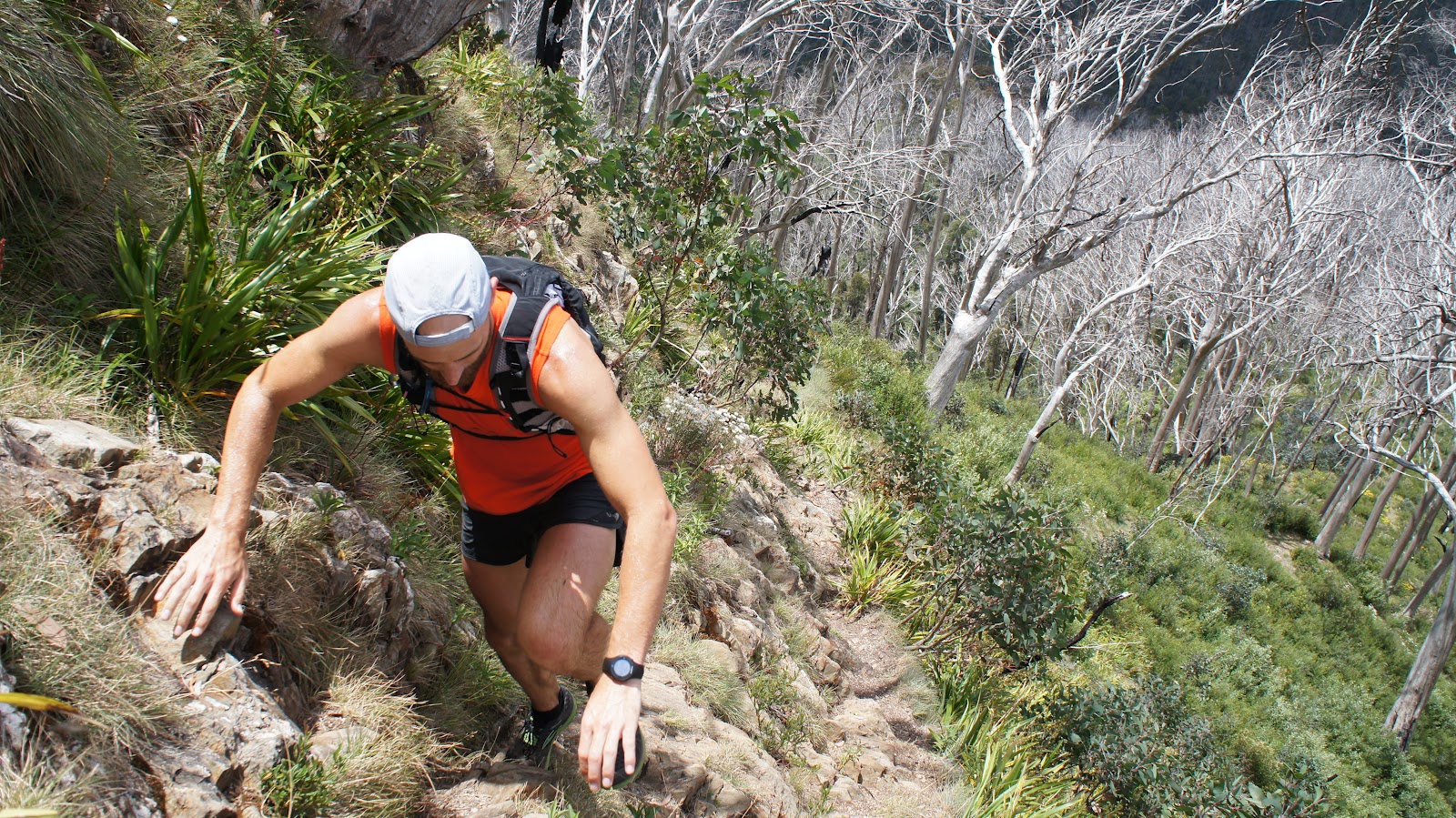
©buffalostampede

©buffalostampede

To be staged on April 5 and 6 next year (2014), it is hoped that ultimately the Buffalo Stampede will join the elite list of Skyrunning World Series events like the Mont Blanc Marathon in France, Speedgoat 50 in the USA and the Mount Elbrus Vertical Kilometre in Russia.

Skyrunning as a recognised discipline traces its roots back to Italian mountaineer Marino Giacometti and fellow enthusiasts who started pioneering races and records on famous European peaks like Mont Blanc in the 1990s.

Today the sport is managed by the International Skyrunning Federation and features superstars like Spanish alpine master Kilian Jornet.
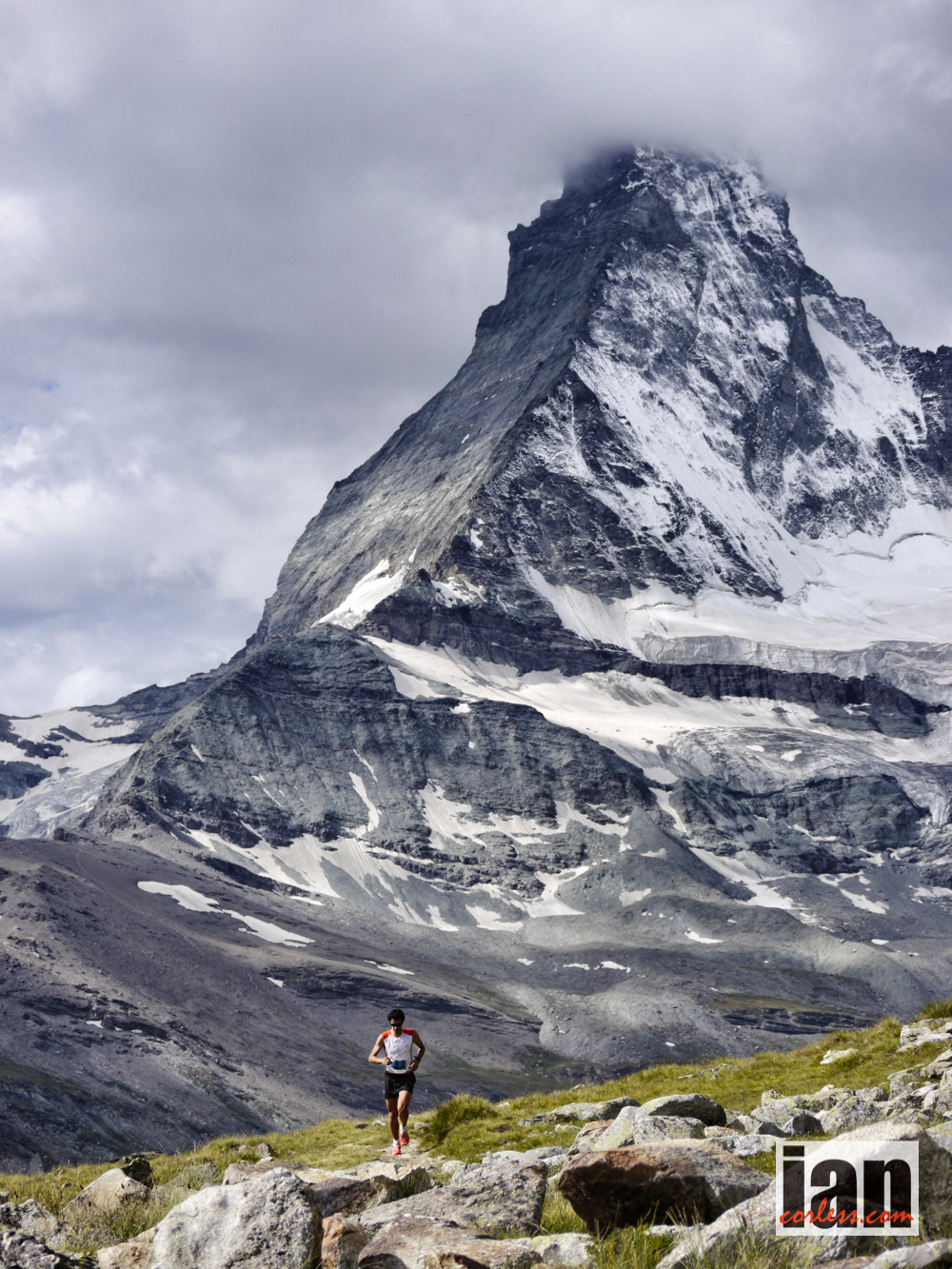
Kilian Jornet, Matterhorn ©iancorless.com

Kilian Jornet, Matterhorn ©iancorless.com

Marcus Warner, the president of Skyrunning Australia and New Zealand, says the Buffalo Stampede embodies what Skyrunning is all about: “The purest form of mountain running … getting to the top of a mountain and back down again as quickly as possible. It’s the athlete versus the mountain. It’s not for the faint‐hearted. It’s definitely a significant challenge and the athlete needs to know what they are doing.’

The Buffalo Stampede, Warner says, will finally “put Australia on the map’’ of Skyrunning because it will finally convince overseas runners that Australia possesses the terrain to stage a serious mountain running challenge. “Elevation is really what drives the difficulty of it. [The organisers] have really sought out the most extreme mountain in Australia that really embodies Skyrunning because of how steep it is. Nearly 5000m [of elevation gain] over 75km is up there with some of the best races in the world. [Elite overseas runners] are going to go away pretty sore and pretty beat up from this race.’’

Lauri Van Houten, Executive Director of the ISF had this to say, “Of course we’re very excited about the launch of ANZ skyrunning in the capable hands of Marcus Warner and his associates and with the support of an ambassador like Anna Frost.  In global terms Skyrunning has been active in Malaysia and the Philippines for many years and more recently,  South Africa and China. Australia and New Zealand was included as an ISF member at our last General Assembly and, as the home of many great runners, they can’t help but make their mark on the sport!”
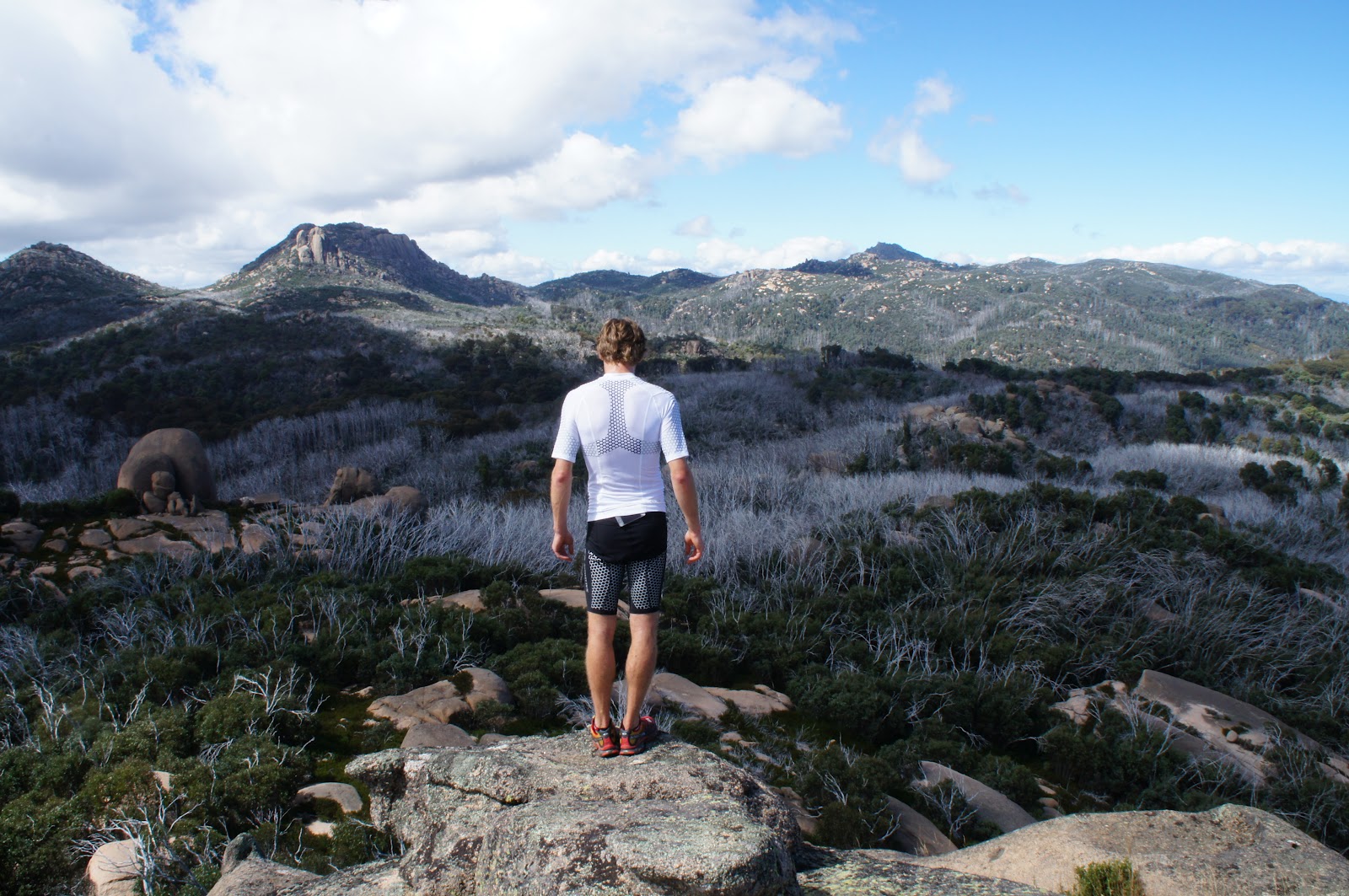
Mick Donges - ©buffalostampede

Mick Donges – ©buffalostampede

The Buffalo Stampede has been organised by Sean Greenhill from the respected outdoor adventure company Mountain Sports.

A passionate trail runner himself, Greenhill already stages popular trail running events like the Glow Worm Tunnel Marathon and the Sydney Trailrunning Series.

He chose Mount Buffalo National Park in Victoria as the venue for the Buffalo Stampede Ultra SkyMarathon (75km) and Buffalo Stampede SkyMarathon (41.4km) because it is one of the few areas in Australia where he could satisfy the exacting Skyrunning rules about vertical gain.

No other runs in Australia over similar distances will have as much climbing as the Buffalo Stampede Ultra SkyMarathon (4545m) and the Buffalo Stampede SkyMarathon (2924m).

“I can’t think of a marathon in Australia that comes within 500m of gain of the Mount Buffalo SkyMarathon,’’ Greenhill says. “They are, in terms of elevation gain over distance, the most difficult events of their kind in Australia.’’

And because it is the eroded magma chamber of an extinct volcano, Mount Buffalo boasts a spectacular granite terrain like no other peak in the Snowy Mountains.

Greenhill also chose Mount Buffalo because it allows him to start the Buffalo Stampede events in the beautiful town of Bright, which he loves for its alpine scenery, fine food, local produce, boutique beer and outdoor sports culture.
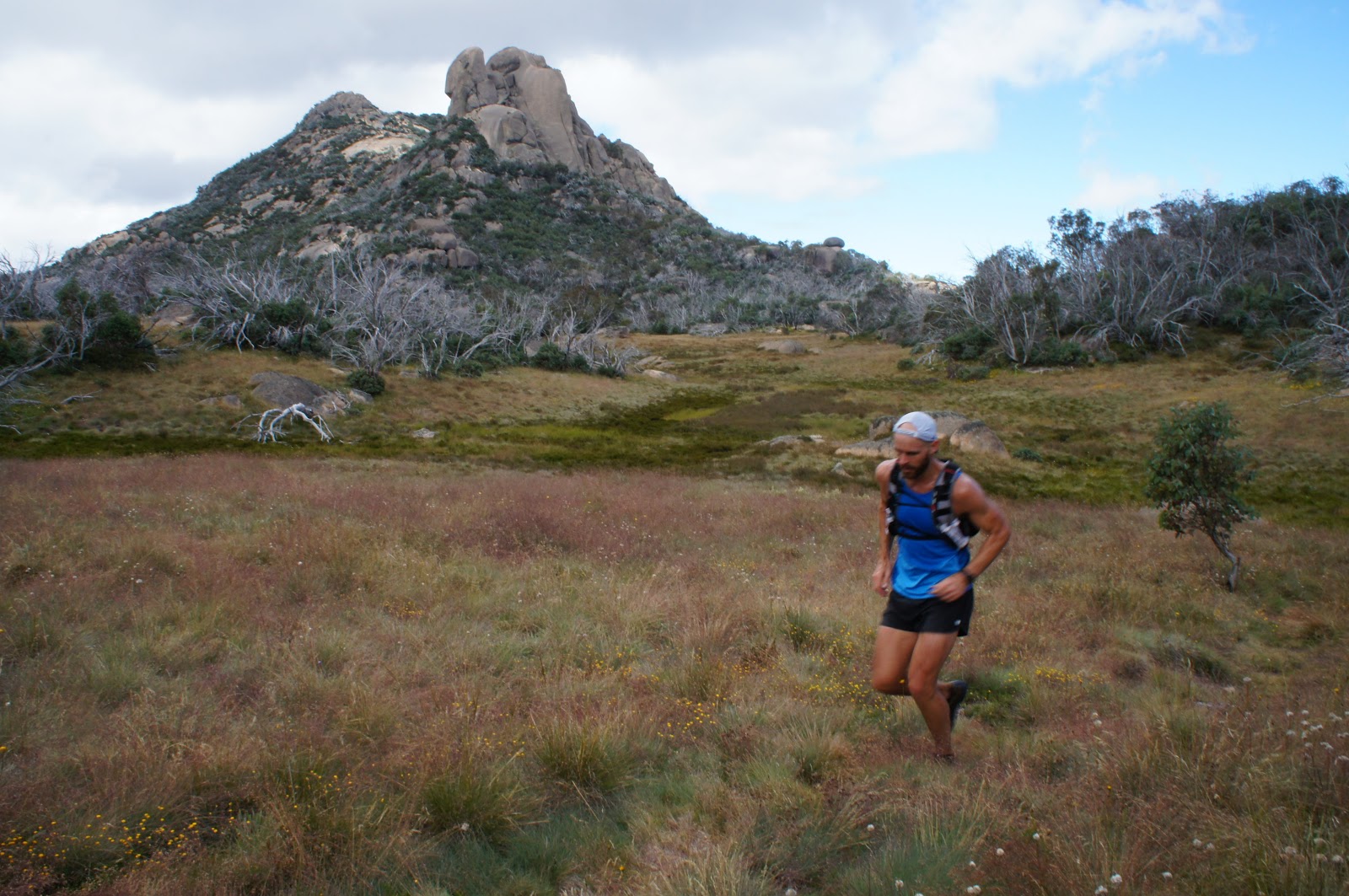
Trail to Cathedral ©buffalostampede

Trail to Cathedral ©buffalostampede

Clayton Neil, the manager for economic development with Bright’s Alpine Shire Council, said: “We see the Buffalo Stampede as a really strong addition to our events calendar that really aligns with where we are heading. It embraces being active in nature and living life outside. Bright has always been a popular place for people who love the outdoors and this event takes that to another level.’’

Although the Buffalo Stampede races will be among Australia’s toughest, they are open to entry from anyone, with no qualifying needed.

Up for grabs in the Buffalo Stampede are tickets to the 2014 Skyrunning World Championships to be held next June in the famed French alpine resort of Chamonix, at the foot of Mont Blanc

A three‐day Buffalo Stampede training camp based in Bright will be hosted by top Australian trail runners Brendan Davies and Hanny Allston from January 17 to 19.
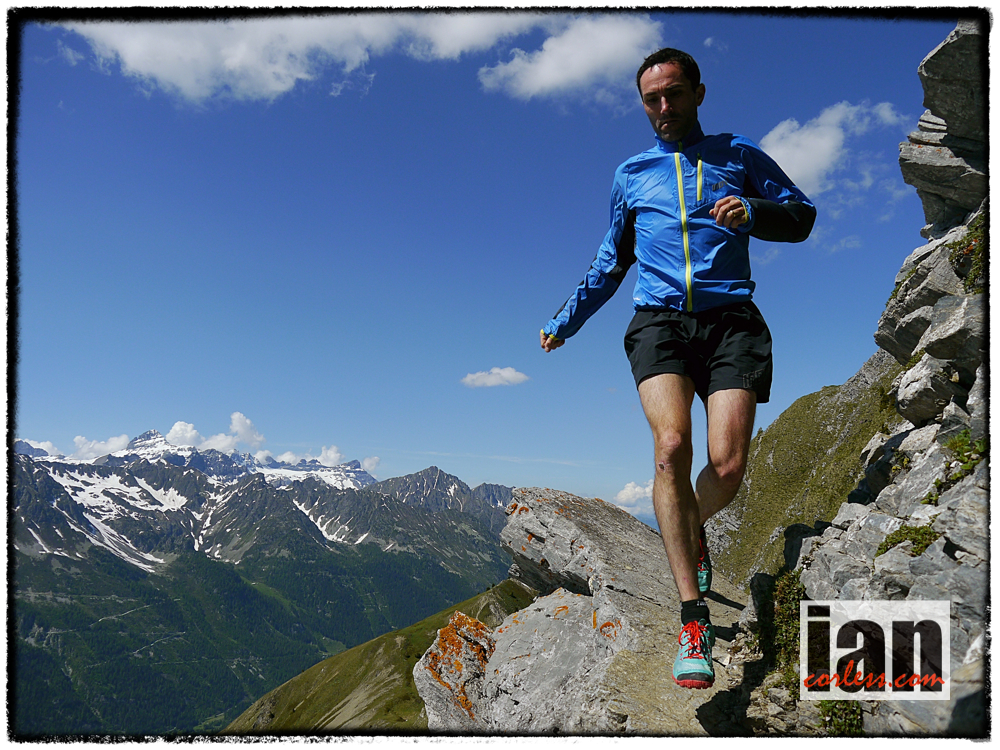
Brendan Davies  inov-8 ©iancorless.com

Brendan Davies inov-8 ©iancorless.com

Davies raced in the Skyrunning Mont Blanc Marathon this year and will be competing in the Buffalo Stampede Ultra SkyMarathon in April in the hope of winning a ticket back to the slopes of Mont Blanc for the Skyrunning World Championships.

Davies, a Mountain Sports ambassador for the Buffalo Stampede, said: “The Skyrunning label brings with it a lot of credibility. It puts [Australia] on the world map as a destination for the world’s elite trail runners. For Australian runners, it gives us the capacity to dip our feet into the Skyrunning series without having to travel overseas. It’s just a plus for the sport. I see it as a real positive for everyone. I’m going to be going all out for that race.’’

Race Stats:

Ultra Stampede

  • 75.5km
  • Elevation gain 4545m
  • Elevation loss 4545m
  • Max altitude 1380m
  • 8 aid stations
  • 15 hour cut off

Stampede Marathon

  • 41.4km
  • Elevation gain 2924m
  • Elevation loss 1941m
  • Max altitude 1380m
  • 4 aid stations
  • 10 hour cut off

Go to www.buffalostampede.com.au for more details about the Buffalo Stampede.
Sean Greenhill is available for interviews on 0409 047 714 or via sean@mountainsports.com.au

LINKS
  • More information on Skyrunning available HERE
  • Buffalo Stampede on Facebook HERE
  • Buffalo Stampede on Twitter HERE
  • Race Website HERE
  • Skyrunning ANZ website HERE
  • Skyrunning ANZ on Facebook HERE
  • Skyrunning ANZ on Twitter HERE

Ultra Trail World Tour (UTWT) response from FPerrin

Hi Ian,

I will try to answer as clearly as possible. I understand that you want the progression of the sport. Be assured that I feel the same. I am open to any discussion if it can make the project better.

1. It’s an ultra world tour over multiple distances and terrains. Therefore, does a runner need to do different distance and different terrain to be the world champion?

Maybe was I not clear enough during the presentation, sorry for that. The runner who will
have the best results at the end of the Ultra-Trail World Tour will
be the “UTWT 2014 Champion”, NOT the “Trail Running 2014 Champion”!
For me, it is a completely different vision.

2. Your criteria stipulates a minimum two editions, min 500 entrants and
open to ALL! What will happen with races like Western States? It’s
a lottery with only 20 guaranteed places and an entry limit under
500. More like 397 entries.


There was a precision of “around min 500 entrants” :-)… the first objective of the project was to bring together the most emblematic races of the world, the races of all our dreams… well… we could not imagine it without the Western States… “Open to all” means for us that elite athletes and average runners are running together, that the races are not reserved for elites. The UTWT will change nothing to the entry rules of the different races. The WS100 has its specific rules, the UTMB too, and the UTMF… each race will keep complete control over its organization.

3. How will a multi stage race such as MDS fit into this series? And
are you planning to add more multi day events?

Well, some of us ran it, and are completely sure that the MDS has all its place in the UTWT, that it shows all the diversity of trail running. The race directors all agreed on this initial list which will soon be completed with other races.

4. It would appear, at least to me that the UTWT may almost be perceived as a travel agent to a series of races over the world. What are the benefits that
UTWT will bring to elite and non-elite runners? Why would we join the UTWT?

For non-elite runners, but also for elite runners, the main reason is -for me- the “challenge” over the years, and the promise to discover different races, terrains, people, countries. The project was born at the UTMF this year: we were discussing how enriching it was for us to discover this country, the runners from Japan and from other countries, the specific trails of Mt. Fuji… We started to list the races that we had already finished, and our “wish-list” races… and it all started. This project is about culture, passion, traveling, and common values. For elite runners, I hope that they will have the same motivation than non-elite, but I think that an other reason should be -for me again-be part of a circuit which story will be told all over the year.

5. Do the runners need to purchase ‘The Passport’?

The first idea was to make it free.We will decide it with the race directors, but maybe the runners will have to pay a small participation if we send it through postal mail.

6. Does it cost each runner any extra to be part of the UTWT?

No.

7. What are the races paying to be part of the UTWT and what does that bring what are the benefits?

They pay a contribution of 15’000 EUR, which will be 100% used for the promotion of the Ultra-Trail World Tour, and the travel fares of the athletes.

8. Who is the UTWT? Who are the people involved, for example WAA, UTMB all seem involved. Can we have clarification?

The 2 main partners (and operationals) are Jean-Charles Perrin (eco-trail de
Paris race director), and myself, Fabrice Perrin. We are not relatives. Cyril Gauthier from WAA is also involved (no operational role), and we asked Catherine and Michel Polett (from UTMB) to be part of it too, but they have no operational role.

9. What are the elite packages. It was mentioned that they will get travel and hotels for Elite1. Is this open ended, will all eligible elites get this package?

We will try to help the athletes at the maximum (travel and lodging), with the money that we will be able to raise. We will discuss this fall the rules with the race organizers.

10. What prize money will be available at each race and will prizes be split. Elite and non elite?


Each race will keep its rules. Some have prizes, some not. The UTWT will not change this.

11. A world champion is awarded each year, make and female. What do they get, what remuneration will the world champion receive and in addition, will you have non elite world champions too?

No “remuneration” is planned so far for 2014. Again, I would like to precise that it will not be a “world champion”, but an “UTWT Champion”. The non-elite will be in the same ranking than the elite runners.

I would like to thank the UTWT and Fabrice for the answers to the above questions. It really does clarify some initial questions. I am sure more questions will arise and I feel confident that the UTWT will provide responses as and when required.

UTWT press releases

Following on from the press conference for the launch of the Ultra Trail World Tour (UTWT) three press releases have been made available via a special link on the UTWT website.

Although many questions are still unanswered it may provide an insight into the long term objectives and motivations.

20130907-104034.jpg

20130907-104119.jpg

20130907-104049.jpg

UTWT – Ultra Trail World Tour analysis

“We could make runners stash their own gatorade bottles (glass) and run with the horses, but it’s not 1974.” Craig Thornley, Western States race director.

It’s a good place to start. The world of trail, mountain, road ultra running is changing. In recent years we have seen rapid growth. Runners, elite and non elite want to test themselves on ever demanding courses and ultimately test themselves against each other and see who comes out on top.

However, ultra running is not quite like any other sport. It places extreme demands on the body. Pushed too hard and the body breaks… ask Geoff Roes what he thinks.

So, although an Ultra Trail World Tour sounds attractive caution is needed. But before we worry about those aspects, we first need to look at what this UTWT entails.

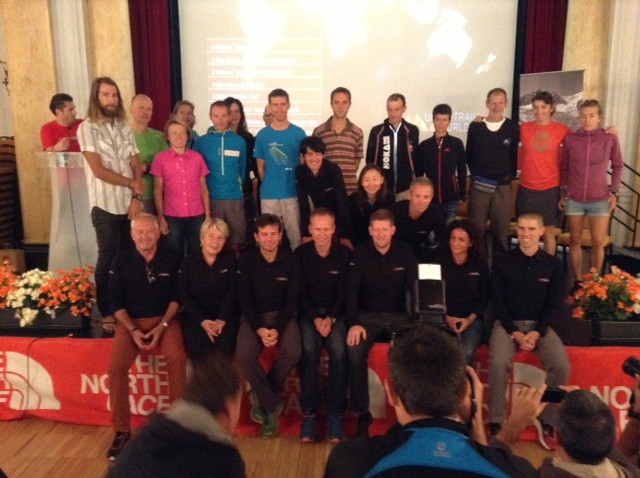
The UTWT was launched on September 1st amidst the Ultra-Tour du Mont-Blanc. The fact that the race was not over and that many runners were still trying to get to the finish line may well have been a touch of bad timing. Admittedly though, many press leave immediately after the event so this may very well have been a logistical issue.

One by one, the initial races were announced and with them a representative from each race came to the stage.

2014 confirmed races are as follows:

  • January 18th Vibram Hing Kong 100
  • March 1st The North Face Transgrancanaria
  • March 15th Vibram Tarawera 100km
  • April 4th to 14th Marathon des Sables
  • April 25th Ultra Trail Mt Fuji
  • June 27th The North Face Lavaredo Trail
  • June 29th Western States
  • August 29th The North Face Ultra-Trail du Mont-Blanc

So, this takes us up to August and apparently other races have been asked to participate and we can expect confirmation of these, on or before September 15th.

Of course, alarm bells initially ring at the presence of Western States. Secondary alarm bells ring at the presence on Marathon des Sables but I will come onto that later.

How does it work?

The UTWT will propose an international competitive circuit in partnership with the International Trail Running Association. The events should already be open to the widest public and will offer ‘everyone’ a unique chance, throughout each year, to participate. Question: How does that relate to Western States with limited capacity and demand far outweighing places available? Also, Marathon des Sables… UK entrants for example are on a three year waiting list.

In each race points are awarded to every runner and therefore at the end of the year, a male and female UTWT world champion will be announced. To attract elite athletes, certain events will have Ultra Trail Series status and these will offer more important weighting in the ranking. (I assume this will be for races like Western States?)

Runners will be presented with a Passport. This can be ordered online before the end of the year, it was not made clear if these passports need to be paid for? When you complete a race, you are awarded a visa, this is added to your passport and shows your completion.

The minimum race distance will be 100km, races must have had two previous editions to qualify and already have 500 minimum participants (again, Western States has less than 400). A minimum of twenty countries will be represented and be emblematic venues.

So, how do you become World Champ?

All finishers in every race will be awarded points according to his performance. These points will be added to the International ranking and updated after each race. This ranking will be available on line at the UTWT website. The circuit will be an International competitive circuit in partnership with the ITRA (International Trail Running Association).

As mentioned, a limited number of races will be called Ultra Trail Series and you may only use two best performances from these races in building up points for the world title. In total, three races score, so, you could have two UTS races and one other.

A world champion lady and male will be announced each year.

ANALYSIS

Okay, first and foremost, we don’t have the complete picture, so, you will need to be patient.

The press conference was slick, enticing and all was going well until a call for questions came. I jumped in and asked about Western States…

It’s not just ‘any’ race, it has a limited field, it’s a desirable race, what is the impact and so on a and so on.

The answer was vague and very unconvincing. In actual fact it was embarrassing. One comment that came from the stage was, “it’s early days and we haven’t worked these things out yet”. Not a good start.

One journalist asked several questions:

Will you have doping control? YES

Will you have prize money? EACH INDIVIDUAL RACE CAN HAVE PRIZE MONEY, IT’S UP TO THE RACE. We did not have clarification though if the world title had a prize, other than the ‘title’ of world champ.

What will the elites get? ELITE 1 RUNNERS WILL GET TRAVEL AND HOTELS PAID FOR. But they never clarified if that is open to all elite 1. Lets say 50 want to do Western States, will they all get hotels and travel?

The series very much seems like the Skyrunning concept, is this competition or are you offering something different?. THE RACES WILL BE 100km OR MORE AND ON VARIED TERRAIN, SKYRUNNING WORK TO A SPECIFIC FORMAT AND WITH THE ODD EXCEPTION, ALL RACES ARE UNDER 100k. I agree, the UTWT is very different to Skyrunning, it is taking some principles from the Skyrunning ethos, for example, a series of races, three qualify out of five and the winner is world Skyrunner champion but the terrain is varied. Skyrunning look at altitude and technical.

At this point, the stage participants could feel more and more questions were coming and the conference was drawn to a close quite quickly.

Overall, it started well and ended badly. It certainly appears that the UTWT team wanted to maximise the UTMB as a platform to launch but they had far too many question marks and lack of answers to leave me feeling reassured or convinced.

POINTS TO CONSIDER

I have to say, I like a championship that includes mixed terrains and distances. That will provide a true rounded athlete. However, the UTWT never specified how runners enter, so, for example, to qualify, do you have to do one 100k, one 100m and one stage race? Do you have to do one on sand, one in the mountains and one jungle for example? Without this specified, I could maybe do three 100k races on fast trail and get maximum points if that is what I was best at? We need clarification.

World destinations, iconic races are great. I can see the beauty and excitement of going to New Zealand, Hong Kong and so on, BUT these races already exist and to be honest, if I went to one it would be highly unlikely I would go to another. Far too expensive for the average pocket.

Travel and hotels for elites are all well and good but who is paying? Surely that is what sponsorship from a team is about. I am we’ll aware that places are offered and expenses paid already exists but this is very much in conjunction with a race, the RD and the athlete. Blanket travel and hotels need to be paid for and by someone and that will come down to the everyday runners and the races themselves who I am assuming are paying a yearly fee to be part of the UTWT. Transparency is needed here. Many figures have been mentioned that ravces are paying 15,000 to 30,000 euro to be part of UTWT. I believe this to be speculation.

The UTWT title needs additional incentives. Prize money! However, that has no bearing on all the other runners. I can’t help but think that only a small few (who are rich enough) will travel to several continents to experience the world tour.

What will the races get out of it? Well, recognition and exposure for one. But, I know I go back to Western States, does that race need more exposure… Does it need more entries, does it need more PR? Same applies for UTMB, you already have to get points and enter a lottery, so, if you get a ‘Passport’ does it mean you get automatic entry in a UTWT event? Confusing!

MDS is a completely different race to all the others, to have just one stage race and no others would be long term problematic. In addition, I am not even sure it should be in this series. A great race but is a unique race.

We also need to think about the runners, all the runners. The calendar is increasingly becoming larger with more and more choice. Do we really need to insist that participants run three races over 100k to be a world champion? In addition, for this to be a true championship, one of those three races would need to be a 100-miles.

Ultra is not always better when longer. I wonder if some races under 100k should be allowed?

Why not have an Ultra World Tour and include road? Comrades is an iconic race for example and surely a true ultra world champ should be able to run road too?

Are we seeing the creation of an ‘Ironman’ for trail or is this ‘just’ a series of races with quite simply a world title?

I’d like to know who is beyond this with clear transparency. I have experienced many things in the last twelve months that I have questioned and now suddenly they all add up. For example, late 2012 WAA (What an Adventure) became the official pack for MDS. At the 2013 MDS, Catherine Poletti was present at the finish in the Sahara and then WAA became the official supplier of the blue UTMB bag. Also, I believe that Catherine Poletti visited Western States to view the event… So, is the UTWT an extension of the UTMB organisation and what does it mean? Is this good or bad? I merely ask the question.

At this stage we do not have any answers. Paul Charteris from Tarawera ultra was prepared on Sunday at the press conference, although he did not attend he was online and responded to my tweets. He also had a press release ready and he has been open and transparent. Equally, Transgrancaria have been proactive and the team at Lavaredo I spoke with personally. They all want the races to be valued, increase in size and stature and be part of something bigger. I think Craig Thornley and team are having a harder time. Western States is the holy grail and change here will be difficult and in many cases not welcome. The sport must move on and grow and that means all the sport, Craig in many ways is correct when he tweeted, “We could make runners stash their own gatorade bottles (glass) and run with the horses, but it’s not 1974.”

So what do YOU think?

I don’t have the answers and I will have missed many points. Please provide some input.

*Please note, for reasons of clarity, I do work alongside the ISF Skyrunning Federation and my thoughts and comments in this posting are impartial and with the pure objective of what is the best for our sport.

Ultra Trail World Tour announcement (UTWT)

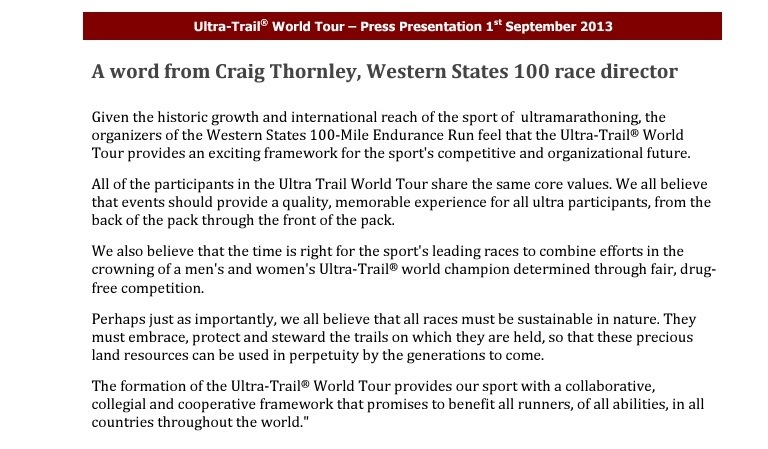
Ultra-Trail® World Tour: bringing together the most emblematic trails (of 100km or more) in the World.

Chamonix, 1st September 2013
The organizers of:

– The Western States 100 Mile Endurance Run
– Marathon des Sables
– The North Face® Ultra-Trail du Mont-Blanc®
– The North Face® Transgrancanaria
– The North Face® Lavaredo Ultra-Trail
– Vibram® Tarawera 100km Ultramarathon
– Vibram® Hong Kong 100
– Ultra-Trail® Mont. Fuji

have today announced at Chamonix their participation in the 2014 Ultra-Trail® World Tour.

International circuit, shared values
The races in the Ultra-Trail® World Tour, in their specific natures, illustrate all the diversity of trail: steep paths of the Alps, California trails, hills and beaches of Hong Kong, Moroccan desert…
The races’ many different formats will present participants with a real adaptation challenge .

Between The North Face® Lavaredo Ultra-Trail and the Vibram® Tarawera 100km Ultramarathon, between the Ultra-Trail Mont Fuji and The North Face® Transgrancanaria, participants will need very different qualities to win, or simply to become a finisher.

While being fundamentally different, the Ultra-Trail® World Tour races will have common values, which they are proud to share and to promote. Ethics, equality in sports, self-respect, respect for others, for the Environment…
Taking part in the Ultra-Trail® World Tour will be the opportunity, throughout the years, to discover cultural and sporting differences. Every continent will be visited: Africa, America, Asia, Europe, Oceania… providing opportunities to enhance their sporting culture, create new friendships, and to feed on emotions in order, one day perhaps, to be a “finisher” in all the events!

Simple criteria of eligibility

Long distance trail running races of at least 100km.
Emblematic venues.
Popular races (around 500 runners minimum).
International events (a minimum of 20 countries represented).
Minimum 2 realized editions
An annual ranking for the award of the title of champion of the Ultra-Trail® World Tour
Any “Finisher”, according to his performance, will be assigned a number of points and be integrated into the international ranking , updated for each race, and available online at http://www.ultratrailworldtour.com site.
The Ultra-Trail® World Tour will propose an international competitive circuit, in partnership with the International Trail Running Association (http://www.i-tra.org).

With the goal of bringing together top athletes, a limited number of races will be labelled «Ultra-Trail® Series». Only the 3 best results should be taken in consideration, with a maximum of 2 “Ultra-Trail® Series”.

At the end of the year, after the last race, the titles of “Ultra-Trail® World Tour 2014” champion, male and female, will be awarded.
Who will win? Encourage your favorites!

A passport for all races
By the end of 2013, all runners planning to participate in one or more stages of the Ultra-Trail® World Tour can order their “Ultra-Trail® World Tour” passport on the http://www.ultratrailworldtour.com site.
Whenever they are “finishers” in a racing circuit, they receive a visa to stick in this passport.
Participation in one of these circuit races will automatically imply integration in the rankings for the Ultra-Trail® World Tour of the given year .

2014, a year full of promise
For its very first year, the Ultra-Trail® World Tour will be present on all the continents, with a dozen venues spaced out throughout the year.
The following have already been confirmed:
– January 18th: Vibram® Hong Kong 100 (Hong Kong, China)
– March 1st: The North Face® Transgrancanaria (Spain)
– March 15th: Vibram® Tarawera 100km Ultramarathon (New Zealand)
– April 4th to 14th: Marathon des Sables (Morocco)
– April 25th to 26th : Ultra-Trail Mt.Fuji® (Japan)
– June 27th to 29th : The North Face® Lavaredo Ultra Trail (Italy)
– June 29th: The Western States 100 Mile Endurance Run (USA)
– August 29th: The North Face® Ultra-Trail du Mont-Blanc® (France, Italy, Switzerland)

Other emblematic races will soon be confirming their participation.

Many questions were left unanswered at the press conference. It felt as though the organisation wanted to monopolise on the media presence available for the UTMB and spread the UTWT news.

Importantly, when I asked questions directly about Western States the answer was less than reassuring. I can’t help but think all those who love WSER will be asking serious questions.

I will update more on this but please respond? Make your points here.

For in depth live coverage from the press conference go to @talkultra twitter feed and follow by blow-by-blow comments from 0930 French time. Or use #UTWT and follow the thread.

More to follow

photo 5

Speedgoat 50k Preview – The Ladies Field

SpeedgoatMy preview of the race and the men’s field can be viewed HERE, today, it’s the ladies!

The ladies field at Speedgoat doesn’t have the depth of the men’s field but a couple of names stand out. First and foremost is the name, Ruby Muir. Now our Southern Hemisphere followers will be smiling at the prospect at what this Vibram clad runner can do in Utah. She blazed a trail at Tarawera earlier this year and many of us think, me included, that several men will need to be looking over shoulders to ensure that this lady doesn’t come flying past. For me, she is the outright favourite for the win even though she has never raced in the US before. Having spoken to friends of mine who know her, they have all confirmed, she the most naturally gifted runner out on the trail.

Kerrie Bruxvoort placed second at Speedgoat last year and although she didn’t have a great day at Western States recently, I can’t help but think she will try to put that record straight in Utah

A win at UTMF in Japan does mean that Krissy Moehl has some great fitness. Nobody doubts the experience and caliber of this lady but she is more like Francesca Canepa, I see this race being a little too short and too fast. She will doubt figure up front but not top of the podium.

©copyright .iancorless.com._1060310

Francesca Canepa from Italy, also Vibram sponsored (and Montura) will becoming into this race tired, very tired. She must be… she won Ronda dels Cims, went to Wales for the World Trail Champs, she was second at Ice Trail Tarentaise and then just last weekend won the 100km Eiger Trail. Francesca is super talented on long, tough and technical terrain, I just can’t help but think that Speedgoat will be too short and not technical enough.

Jodee Adams Moore is a winner and loves the shorter distances. She will enjoy the 50km distance, the only question will come in regard to the altitude.

A real interesting name to toe the line is Danelle Ballengee. Think back to 2006, Danelle fell of a cliff had a near death experience. It makes for a fascinating read, Google it! She is an experienced Skyrunner and as Skyrunning President, Marino Giacometti says, ‘Danelle has raced in Skyrunning events for over a decade, she is quite a lady’. Danelle may not figure at the very front of the race but it’s great to see her mix it up.

iancorless.orgiancorless.orgP1060762_SnapseedfacesofUTMBfacesofUTMB

Emma Roca adds to the European contingent. Third place at TNF UTMB in 2012 plus a list of results the length of my arm, does mean that Emma will mix it up with the ladies at the front.

Joelle Vaught dropped at Western States but she is a top quality runner. A great run at Speedgoat will al depend on what happened at Western States and if she has recovered.

©copyright .iancorless.com.P1110578

Karine Sanson from France probably wont contest the podium but it’s great to have another European, along with Francesca taking part. Karineplaced top ten at Ice Trail recently and also figured in the top ten at Transvulcania. Without doubt she can make a similar placing here.

Finally, Anita Ortiz, Speedgoat winner from 2008 will return. She has quite a pedigree but it is almost impossible to say what her current form is like. She has been a US Mountain Running Champion several times, won Western States and she has also won Pikes Peak, so, she has a great mix of endurance, speed and altitude adaptation; she may be a surprise on the day!

Ones to watch: Alicia Shay, Julie Bryan and Bethany Lewis

Links:

Speedgoat 50k HERE

Skyrunning HERE

MARATHON DES SABLES 2013 Preview

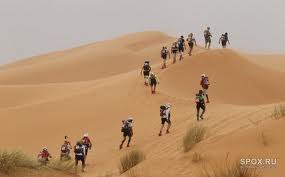
copyright Marathon des Sables

copyright Marathon des Sables

MARATHON DES SABLES 2013

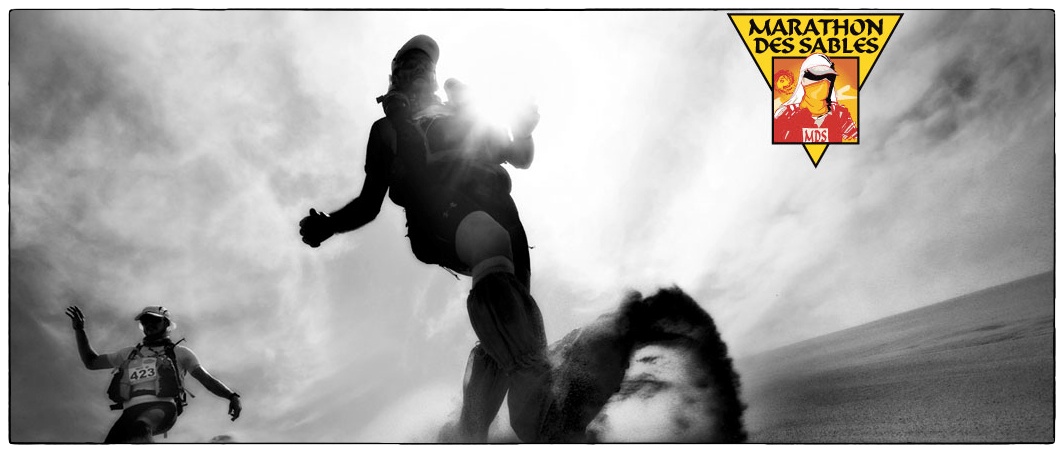
The 2013 edition of the Marathon des Sables is a self-sufficient race in the South of the Moroccan desert, the event will take place from 5th to 15th April 2013. For the 18th consecutive year, it will be run under the patronage of his Majesty King Mohammed VI.

Since its creation in 1986, the Marathon des Sables has attracted over 13,000 competitors over 27 editions. From humble beginnings, the race is now the most prestigious multi-stage race in the world.

The 2013 Marathon des Sables will see 1,091 entrants toe the line. With 45 different nationalities and a strong presence from France and the UK, the 28th edition will be a memorable one.

Taking place in South Morocco, in the provinces of Errachidia and Tinghrir the race will cover 223.8km over 5 stages. It will encompass some of the most beautiful terrain in the Moroccan desert. Eagerly awaited by one and all, the dunes, ergs and dried-up wadis will delight the thousand or so entrants from the fifty plus countries across the globe.

MDS LOGO

Race Programme:

5 April 2013: Leave country of residence for Morocco (UK entrants leave on the 4th) – Arrival in Ouarzazate, bus transfer to the 1st bivouac.

6 April 2013: Administrative, technical and medical checks – Day to acclimatise.

From 7-12 April 2013: Race in progress. (The self-sufficiency begins from breakfast on the 1st leg).

12 April 2013: Prizing ceremony in desert.

13 April 2013: Charity leg for UNICEF– Transfer to Ouarzazate.

14 April 2013: Day of relaxation, festivities.

15 April 2013: Return to country of residence.

Race Logistics

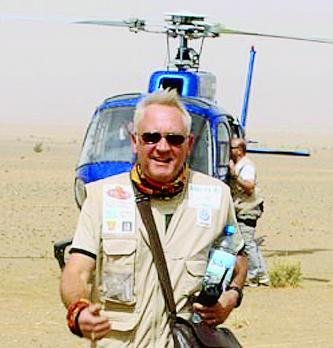
Patrick Bauer affectionately describes the Marathon des Sables as a big circus. It’s like moving a city everyday… just look at what is involved.

Race management : This team comprises more than 100 people including a race HQ, race marshals, controllers, timekeepers and ranking compilers. Since 2010, the official ranking has been achieved using a “transponder” for all the competitors.

Supervision : 400 people: technical, logistical and medical skills, 100 vehicles, 2 helicopters, 1 CESSNA plane, 4 dromedaries… and the active support of the Royal Armed Forces: 21 lorries (6×6) and 40 men to supervise logistics.

Medical Assistance : A team of 50 people under Dr Frédéric COMPAGNON, DOC TROTTER supervises the runners as much on a medical level (care of feet, resuscitation…) as a mental level, both of which fail sometimes in front of the toughness of the event and the hostility of the climate.

In the 27th SULTAN MARATHON DES SABLES, 3 tonnes of gear was transported and the medical team used : 5km of Elastoplast, 2,700 second-skin patches, 125 litres of disinfectant, 230 litres of drip solutions, 15,000 compresses, 2,800 pairs of surgical gloves,…

The Team

  • 115 volunteers on the course itself
  • 400 support staff overall
  • 120 000 litres of mineral water
  • 270 berber and saharan tents
  • 100 all-terrain vehicles
  • 
2 “Squirrel” helicopter and 1 “Cessna” plane
  • 6 “MDS special” commercial planes
  • 23 buses
  • 4 dromedaries
  • 
1 incinerator lorry for burning waste
  • 4 quad bikes to ensure environment and safety on race
  • 
52 medical staff
  • 6.5 kms of Elastoplast, 2 700 Compeed, 19 000 compresses 6 000 painkillers, 150 litres of disinfectant
  • 4 editing stations, 5 cameras, 1 satellite image station
10 satellite telephones, 30 computers, fax and internet

Marathon des Sables

Marathon des Sables – how did it start?

Patrick Bauer interview available HERE

1984 : At the age of 28, Patrick Bauer decided to make a journey into the Sahara. His objective was to traverse 350km’s of uninhabited desert, on foot, alone and without any possibility of encountering a single village, oasis or watering place. Totally self sufficient, Patrick entered the desert with a pack weight of 35kg containing all his water and food. The journey lasted 12 days and it was the starting point of what has now become the MARATHON DES SABLES.

Patrick Bauer, Marathon des Sables copyright www.lest-eclair.fr

Patrick Bauer, Marathon des Sables copyright http://www.lest-eclair.fr

1986 : The creation of the first MARATHON DES SABLES in the Moroccan Sahara. The 23 pioneers who took the start never imagined that their footprints would mark the start of a legendary event, which today has become unmissable on the schedule for major adventure sport meets.

1989 : 170 competitors take the start of the race and the rest is history.

I caught up with Patrick Bauer at the MDS UK expo in late 2012. You can listen to that interview (lasts 13 minutes):

talkultra.com

LISTEN HERE

The 2013 Race – who will be taking part?

1,090 competitors aged 20 to 76 are expected to take the start (definitive number on 6 April following administrative and medical checks) representing 45 different nationalities: Algeria, Argentina, Australia, Austria, Belgium, Bulgaria, Canada, China, Costa Rica, Czech Republic, Denmark, England, Finland, France, Germany, Holland, India, Ireland, Italy, Japan, Jordan, Kuwait, Latvia, Luxembourg, Morocco, New Zealand, Norway, Poland, Portugal, Republic of El Salvador, Romania, Russia, Saudi Arabia, Scotland, Singapore, Slovakia, Slovenia, South Africa, South Korea, Spain, Sweden, Switzerland, Turkey and the United States.

The participants are men and women with various and varied profiles (Doctors, farmers, coppersmiths, pilots, builders, chefs, servicemen and women, students, professional athletes and retired persons…).

The 2013 MDS Challengers for the overall win

DRAYMDS2012-04-08-7945-1

The Female contenders for the overall win :

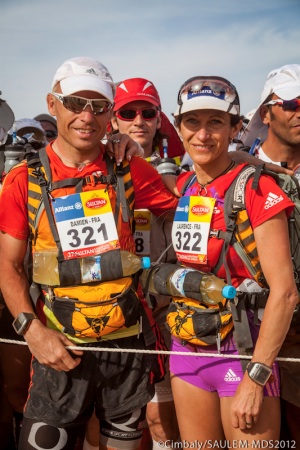
Laurence Klein 2012 MDS

Laurence Klein 2012 MDS

  • Laurence KLEIN (FRA) – 1st woman in 2007, 2011 and 2012, European 100km Champion.
  • Meryem KHALI (MAR) – 2nd woman in 2012. N°1082:
  • Megan HICKS (USA) – 2nd woman in 2009.
  • Simone KAYSER (LUX )– 3 victories in the MDS.


The Male contenders for the overall win : 

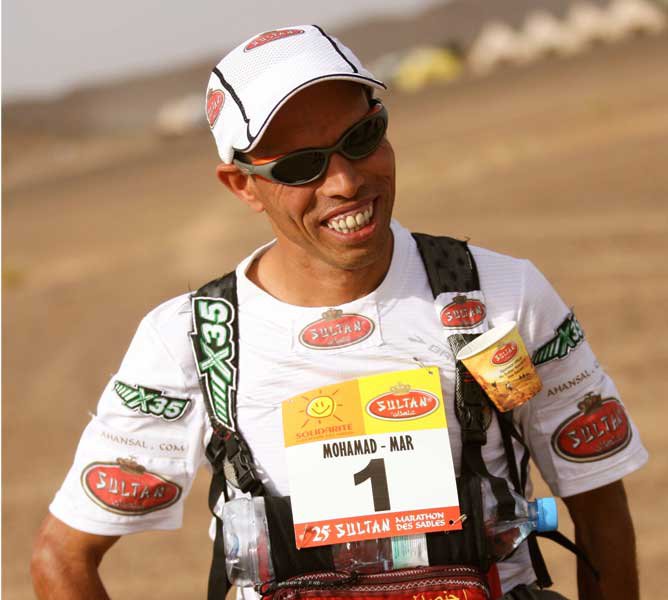
Mohamad Ahansal

Mohamad Ahansal

  • Salameh AL AQRA (JOR) – 1st in 2012, 2nd in 2008, 2010, 3rd in 2009, 2011.
  • Mohamad AHANSAL (MAR) – 4 victories and 2nd place 9 times.
  • Samir AKHDAR (MAR) – 6th in 2011, 7th in 2009.
  • Rachid EL MORABITY (MAR) – 1st in 2011.
  • Aziz EL AKAD (MAR) – 2nd in 2009 and 3rd in 2008 and 2012.
  • Christophe LE SAUX (FR) – 6th in 2012, 1st Guyan’trail 2011 and 2012.
  • Anton VENCELJ (SLO) – 4th in 2010, 8th in 2012.
  • Abdelaaziz TAYSS (FR) – French Cross-Country champion 2008 and 2011
  • Vincent DELEBARRE (FR) – 9th in 2005, 1st UTMB, Réunion, Templiers, etc
  • Martin FIZ (SP) – World Marathon Champion in 1995.
  • Carlos GOMEZ DE SA (POR) – 4th 2012 and 8th in 2008, 4th UTMB 2012.
  • Marco OLMO (ITA) – Top 10 in the MDS, 2 UTMB victories.
  • Antonio Filippo SALARIS (ITA) – 7th in 2012.

In 2013 I followed two runners in the build up to the 2013 Marathon des Sables. Tobias Mews placed 21st overall in the 2010 race and Stuart Rae is toeing the line for the first time in 2013. Each interview alternated on episodes of Talk Ultra but they have been joined together in one episode (lasts just under 1 hour)

talkultra.com

LISTEN HERE

2012 results (for reference)

1st : Salameh Al Aqra (JOR) in 19h59’21’’
 2nd : Mohamad Ahansal (MAR) 21’02’’ behind 3rd : Aziz El Akad (MAR) 1h38’56’’ behind

1st : Laurence Klein (FRA) in 26h15’40’’ 2nd : Meryem Khali (MAR) 1h19’38’’ behind 3rd : Karine Baillet (FRA) 1h31’07’’ behind

iancorless.comscreenshot_217

The 2013 race route

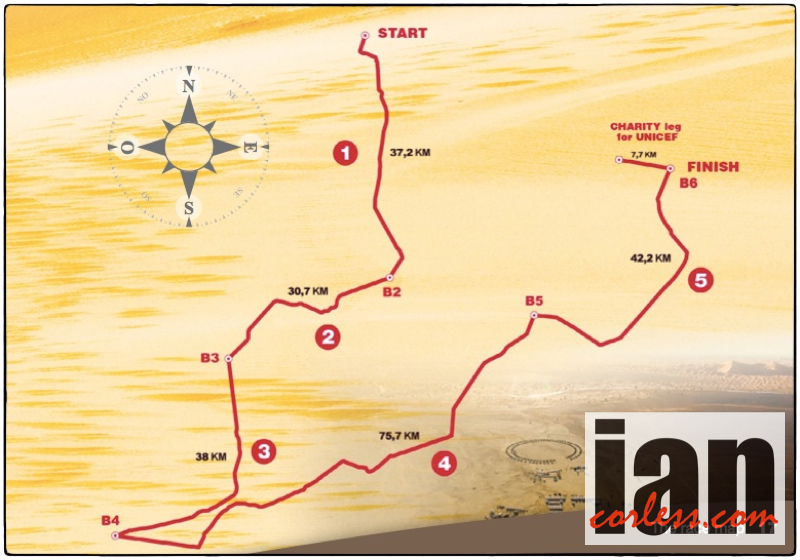
  • 1st leg – 37.2k Undulating terrain, interspersed with small ergs representing 5km of small dunes (dunettes).
  • 2nd leg – 30.7km 3 djebels with 10 to 25% gradients – exceptional panoramic views.
  • 3rd leg – 38km 2 djebel sections, 2 dried-up lakes and lots of sand.
  • 4th leg – 75.7km a total of 13km of dunes and around 30km of sandy terrain.
  • 5th leg – 42.2km the final leg is a marathon with ergs, regs, a dried-up lake and wadi beds…
  • Total Distance – 223.8km

Mandatory Kit

One of the key aspects of the Marathon des Sables is what kit to take? Here is a list of ‘mandatory’ kit. Of course, you need to add to this food requirements, cooking equipment and any additional luxuries.

  1. Distress flare: For use in the event of an extreme emergency. A range in excess of several dozen metres once activated.
  2. Knife: Equipped with a metal blade, it’s obviously useful in the bivouac and it can be of service when useful in the bivouac and it can be of service when running too.
  3. Compass: Surpassing both intuition and signposting, the compass is the marathon runner’s signposting.
  4. Whistle: Slowed by problems with your health or astray of the initial route, it enables other competitors or the organisation to be alerted to your whereabouts.
  5. Lighter: An important ally after a day’s running, whenit’s time to make a fire to heat up your meal.
  6.  Anti-venom pump: Even though it’s rare to have an unpleasant encounter with a snake, the anti-venom pump is compulsory and can enable action to be pump is compulsory and can enable action to be taken quickly.
  7. Antiseptic: As the days go by, all kinds of injuries can crop up, even during the race sometimes. So whilst awaiting assistance from a Doc Trotter, antiseptic can be important prior to linking up with the medical team.
  8. Sleeping bag: To be carried for seven days, ideally it shouldn’t exceed 400g and should be suitable for temperatures of between 5°C and 10°C. Indeed, the nights are cold in the desert.
  9. Survival blanket: In the event of serious problems, the survival blanket enables you to protect yourself from both the cold and sun. It weighs in at no more than 60g.
  10. Signalling mirror: If lost, someone competing in the Marathon des Sables will want to signal his or her presence. Playing with the sun and a mirror may be an alternative prior to using a distress flare.
  11. Salt tablets: Not exactly pleasant tasting, they are nonetheless essential for avoiding dehydration.
  12. Glow sticks: The perfect marker during the long leg.
  13. Headtorch: once night falls or when wandering around the bivouac, the headtorch is essential.

I will be reporting from the 2013 event as the race unfolds and providing I am able to gain adequate access to internet, I will update my website, Facebook and Twitter with reports and images as often as possible. So please keep checking!

Episode 31 – Joe Grant & Ruby Muir

Episode 31, Joe GRant, Ruby Muir, Atacama Crossing

Episode 31 of Talk Ultra. Joe Grant tells us all about his experiences covering 350 miles at the Iditarod Trail Invitational in Alaska. New run sensation, 21 yr old Ruby Muir from New Zealand tells us what it’s like dominating Tarawera Ultra and placing 7th overall. We speak with Daniel Rowlands & Rebecca Pattinson, respective winners of the Atacama Crossing in Chile. Ian Sharman discusses the News, Marc Laithwaite talks hills in Talk Training, Speedgoat has a Meltzer Moment and of course we have A year in the life of, MDS special and the Up & Coming Races.

00:00:44 Start
00:20:10 A Year in the life of… with Amanda Hyatt. Amanda finally seems to be getting the hand of ultra running. After being ‘shocked’ with her first race experience, she now has another race under her belt and feels far more confident.
00:33:30 News with Ian Sharman. Ian has had a niggle with a knee injury but is back in training and has a race coming up in the next couple of weeks. He discusses the news from around the world.
00:41:40 Ruby Muir – 21 year old ultra newbie, Ruby Muir has elevated herself to a whole new level with a stunning performance at the very competetive Tarawera Ultra in New Zealand. Not only did she dominate the ladies race, she placed 7th overall. I caught up with her just this last week… “I am just a runner” this modest star of the future says.
01:00:00 Back to News
01:04:40 Daniel Rowlands from Zimbabwe has just won the Atacama Crossing in Chile. You can hear what he has to say and read his blog HERE
01:14:05 Rebecca Pattinson from the UK won the ladies race at Atacama Crossing and is somewhat surprised! She talks about her training and racing money for Autism. Take a look HERE
01:34:40 Back to News
01:42:15 Blog/ Video – SILENCE – Surrounded by the noise of the city, a noise that can drown out our ability to fully listen to what our bodies are telling us, the video highlights how it can disconnect us from the places that we’re running in and although running becomes an escape – it isn’t always relaxing. Why we Run? Watch it HERE
01:45:00 Talk Training with Marc Laithwaite, this week we discuss Hills. Going up and down them.
02:06:45 Interview. Our final catch up with Arc’teryx/Inov-8 athlete Joe Grant. Joe has just completed the 350 mile Iditarod Trail Invitational in joint 2nd place. It was a little tougher than he expected.
02:49:35 Back to Karl
02:56:30 A Meltzer Moment with Speedgoat Karl
03:03:05 MDS Special – This week we have our final catch up with Stuart Rae. The next time we speak it will be in the Sahara.
03:12:10 Up & Coming Races for the next two weeks.
03:14:45 Close
03:16:37

http://traffic.libsyn.com/talkultra/Episode_31_Grant__Muir.mp3

ITunes http://itunes.apple.com/gb/podcast/talk-ultra/id497318073

Libsyn – feed://talkultra.libsyn.com/rss

Website – talkultra.com

Tarawera update

Tarawera logo

Locals Vajin Armstrong, Brendan Davies and Mick Donges had spent a summer preparing for what was almost certainly the most high profile race to have been staged in this part of the world.

Vajin Armstrong had been doing some crazy mileage in training each week (over 200k) in the build up to the event and was most definitely fired up to take the race to the ‘Yanks’. Fast man Brendan Davies was equally fired up and on paper certainly had the potential to give Sage and Timmy a race. Mick Donges as the 2012 winner of the race had some added pressure on his shoulders but he was in shape.

Sage Canaday was coming into this race as a relative newbie. His progression from a 2:16 marathon runner into one of the best ultra runners in the world (up to 100k) is nothing short of miraculous. He showed incredible strength in 2012 with some stunning wins and he showed this form had carried over to 2013 with a great win and course record at Bandera 100k.

Timmy Olson on the other hand had most definitely kicked back after Western States and had enjoyed getting married and was relishing the birth of his son. He also started the year at Bandera but raced the 50k. Although winning the event, his time was slower than Sages’ split time for the distance. However post Bandera Timmy had knuckled down and pre Tarawewra had stated he had had some great training and was ‘in shape’.

Race Day

Fast is probably the easiest way to describe it. Brendan Davies set an early pace that almost seemed like suicide. He was either in the shape of his life and was going to teach everyone else in the race a lesson or he was going to crash and burn. Ultimately it turned out to be neither. He most certainly dominated the race over the opening 20km by gaining a 1 minute lead but had to ease back as Sage took over the race and by the 45km mark, Sage was pulling away from a chasing Brendan Davies and Vajin Armstrong  with Timmy Olson and Mick Donges following.

At 40km Sage had a 6/7 minute lead and he then seemed to turn the after burners on. He just seemed to be getting faster and faster. At half way he had a 12 minute lead and in reality we looked back into the field and had to decide who was likely to take 2nd place.

Timmy Olson took over the reins at the front of the chasers and started to move away from Vajin Armstrong. It now seemed that Brendan Davies was paying for that first 20km’s and Mick Donges now in 5th was heard saying “I am saving myself for the final 15km”.

Feedback in the latter stages of the race became sporadic due the difficulty with comms. I had been told at one point that Sage had a 20 min lead. I had just posted on Facebook that I expected Sage to finish in approximately 10 min and Bryon Powell from iRunFar tweeted that Sage was in the final 2/3km.

But then the shocker…. a following tweet saying Timmy was only 2/3 min behind. Really? Had Timmy closed that gap?

Sage went on to say after the race “yeah, I went a little too fast in the middle and it almost got me in the end!”

Sage held on and crossed the line in 8:53:30 managing to avoid a sprint finish.

Timmy really had paced himself perfectly and to be honest, if the race had been a little longer he may very well have taken the win. But hey, the finish line is where it is and he crossed it in 8:56:45. I am still not sure of what the gap between the two front men stretched too but 12 mins or 20 mins, Timmy did a great job of closing down.

Vajin Armstrong took the final slot on the podium in 9:39:45 and was followed by Brendan Davies in 9:51:50 and Mick Donges in 9:59:47.

In the ladies race pre race favourite Ruby Muir absolutely dominated a small field and led from start to finish. New to the 100km distance she showed experience beyond her years. My pre race prediction that she would be doing some ‘chicking’ while out on the course came to fruision. She crossed the line winning the ladies race in 10:30:07. Her time was fast enough for a 7th overall. Impressive.

At the time of writing updates on the remaining ladies have been sporadic but Beth Cardelli a certainly looked likely to be taking a podium slot.

Update ladies result

2nd Beth Cardelli  : 11:43:56

3rd Kelly Harrington : 14:23:56

4th Raewynne Blommerde  14:35:55

5th Kate Townsley : 15:54:13

We must remember that other races did take place, a 60km and 85km event. Notable interest for these events are the relay pairings of Francois d’Haene and Emelie Forsberg going head-to-head against Rickey Gates and Anna Frost in the 85km. Also, Salomon Team manager, Greg Vollet was racing in the 60km.

It’s TARAWERA time

“The quality of the field is amazing,” says Charteris, with a grin. “The 2013 Tarawera Ultra will be the most competitive long distance running event in New Zealand since the 1990 Commonwealth Games marathon.” Paul Charteris, RD

I shouldn’t say it but I guess I must, I am starting with a negative. After some serious smack down talk just months ago, Anton Krupicka has pulled out of the Tarawera race. This is not breaking news, he actually stated this on his blog a couple of weeks ago but it is sad news for the race and for Anton.

“I decided over a week ago to not make the trip down to New Zealand for the Tarawera 100K in 10 days, and despite my hip showing significant improvement I know it was the right choice. I’ve done no long runs of any type since December and don’t have any desire to travel all that way to muddle through 62 miles with poor fitness and a very likely chance of re-injuring myself”

However a race will go ahead and the missing Anton just means one less name in a stacked field. The European contingent of Francois d”Haene, Emelie Forsberg, Greg Vollet will not mix it up in the ‘main event’. Francois announced at the press conference that he stepped down to the 80km relay and would partner Emelie Forsberg. That will mean that the Francois/Emelie show will be going head-to-head against Salomon teammates Rickey Gates and Anna Frost.

The Main Event

As announced earlier in the week, the main race is now even tougher as the course has had some modifications due to fire risk. You can read the post HERE.

The Men

Ultimately, particularly in the mens race race it is the Southern Hemisphere against the USA. The USA have three top representatives toeing the line in the land of the Hobbits.

Timothy Olson, Jason Schlarb and Sage Canaday.

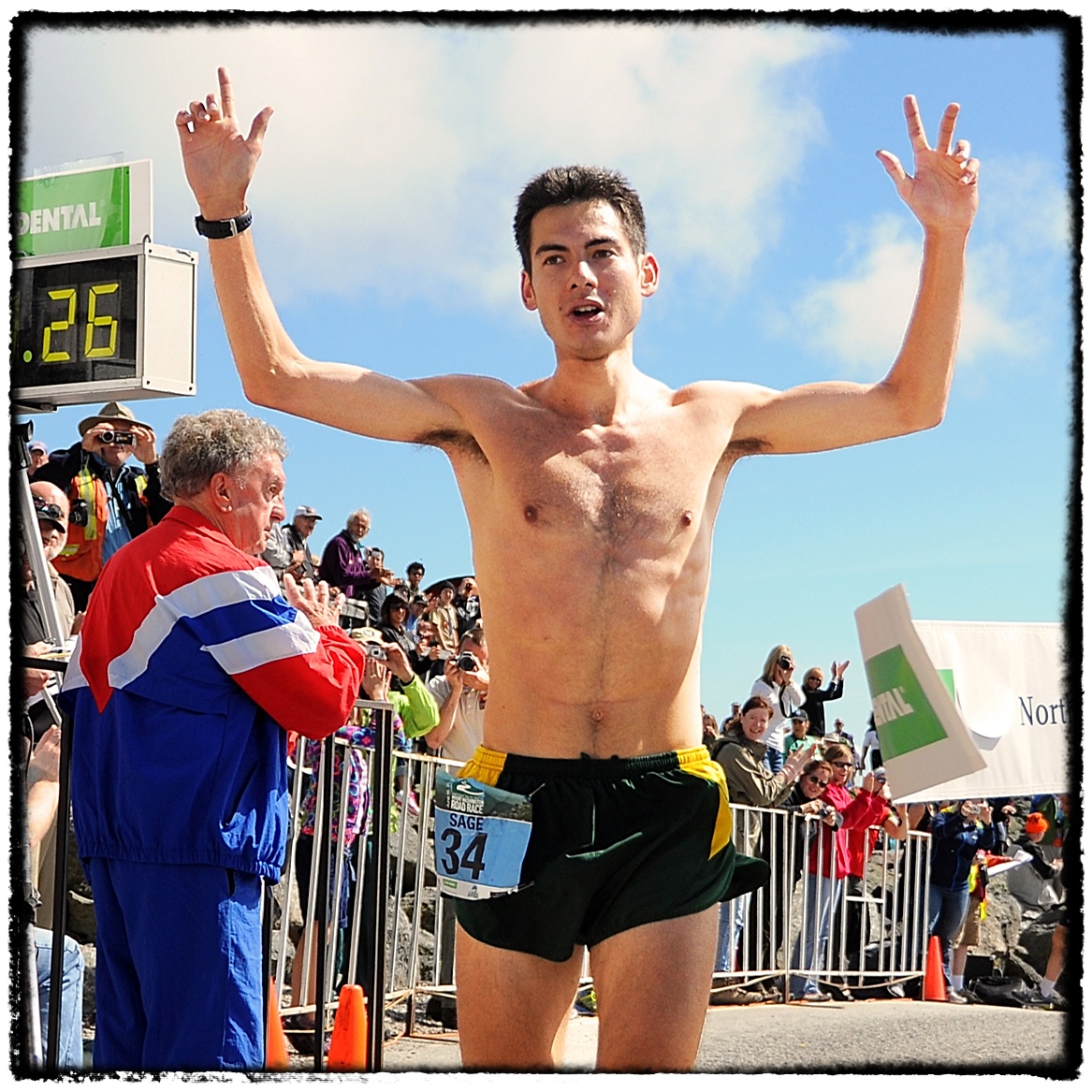
Sage Canaday, of Boulder, raises his hands in victory, after winning the 52nd running of The Northeast Delta Dental Mount Washington Road Race, with an official time of 58:27, in Pinkham Notch, NH, on June 16th, 2012. 1,200 runners raced up the 7.6 mile Mo

Without doubt, my hot tip is Sage Canaday. Sage throws some freakish speed into the mix. A 2:16 marathoner, he has recently switched to ultra distance racing and became the United States 100km trail champion. He started 2013 by running a stunning course record at Bandera 100k in 8:13:49. His marathon training background and natural speed make him a danger on any course. He may not be used to high mountains but Tarawera will suit him. You can listen to an interview with Sage Canaday on Talk Ultra episode 27.

Timothy Olson needs no introduction after his incredible run at Western States in 2012. Married life and the birth of his son saw him take a more relaxed approach to 2012 and he too started 2013 by running at Bandera but in the shorter 50km race. Although he won that race his pace was casual. It was very much a ‘getting into a new year run’. Since then he has put in the miles and has knuckled down and says he is in good shape. He is without doubt a contender for the podium but I can’t help but think his passions and motivations will be concentrated on Western States and the UTMB. It is still very early in the year for him.

In contrast, Jason Schlarb looks ready for this race. He has spent several months in the Southern Hemisphere preparing so he is going to feel relaxed and adapted. Unlike Sage and Timmy who are really only just starting a racing season, Jason is in the thick of it. This will play into his hands. He has the speed to be up a the front and with Sage and Timmy taking the limelight he may just slip under the radar and take many by surprise.

With USA contingent covered we now look at the Southern Hemisphere.

Vajin Armstrong, Brendan Davies, Mick Donges and Dave Eadie.

My tip here would be Brendan Davies. Brendan really is super focused on this event. Like Sage he brings a real speed element to the race and I wouldn’t be surprised to see these two battling at the front for much of the day. I interviewed Brendan for episode 23 Talk Ultra and you can listen to that HERE. Brendan has recently run a 3:16 50k at Stromlo and he is a top 100k runner.

Mick Donges comes to this race with some pressure on his shoulders as last years winner. I spent time with Mick in 2012 in and around Sierre Zinal and UTMB. He is certainly a talent and he has the speed to go with it. However, pressure and the big occasion can seem to affect him. They don’t get any bigger that Tarawera this year so how will he hold up? Mick ran the famous six foot track marathon just last weekend (was that a good idea?) in 3:35.

Vajin Armstrong wants this race. I actually really think he had focused his mind on taking on Anton after the ‘smack down’ talk months ago and as such has been doing some really heavy training. He won the 2012 Kepler Challenge in 4:55:24 and like Brendan he will be pushing for the win or at least, the podium.

Finally Dave Eadie is without doubt a quality runner but I don’t think he will be in the mix for the podium. No disrespect for Dave (honestly Dave). He has done it all… just last year he was at Badwater crushing out those 135 miles in the soaring heat. He has run Western States and has been a multiple 100k champ. He will go out strong and hope he can hold on.

Who do I predict? Sage Canaday. To be honest, I think he will run hard and smash it. Lets just hope he doesn’t go off course.

The Women

I guess with Anna Frost and Emelie Forsberg taking some spice out of the ladies race by running the relay we have four who will fight for the podium.

Ruby Muir, Candice Burt, Shona Stephenson and Beth Cardelli.

“The ultra-racing world is keen to see how 21-year-old Barefoot Inc sponsored, Ruby Muir from Napier will handle the distance”, says Charteris. “She’s unbeaten – including winning her first ever ultra distance run when she stormed away from the field at the 2012 60k Kepler Challenge in Te Anau.”

Tarawera Logo

Beth Cardelli won the last eight events she entered in her home country. That is impressive! She was Australia’s ultra athlete of the year but having had some recent injury issues it does look like her emphasis will be on a good consistent run to lay a foundation for racing some of the 2013 Skyrunning calendar.

Shona Stephenson, like Cardelli had a really impressive 2012. She has recently won a 50km in Victoria but I don’t see her beating Ruby Muir.

Finally, Candice Burt placed 3rd at Hurt 100 and she also had a top 3 placing at the Tahoe Rim Trail. She most certainly has the endurance but does she have the speed. It may very well be that if Beth Cardelli really is not in perfect form that Candice can take that 3rd podium slot or maybe even the 2nd if she has a great day.

Who do I predict? Ruby Muir. She is new to the 100k distance but I think she will lead this race out and may very well ‘chick’ a few guys in the process.

Interviews are available on Talk Ultra as listed below:

  • Brendan Davies episode 23 HERE
  • Timothy Olson episode 12 HERE
  • Anton Krupicka episode 19 HERE
  • Anna Frost episode 3 and 9 HERE & HERE
  • Emelie Forsberg episode 28 HERE

“It’s like organising a local bicycle race and having half of the Tour de France peloton show up for the ride,” says Charteris, as he scoped out a section of the course in Rotorua’s world-renowned Whakarewarewa Forest. “It’s humbling – and frankly, scary.”

  • Race coverage will come from ULTRA168 and iRUNFAR and I will help spread what they provide via Talk Ultra
  • Race website HERE
  • Results will be available HERE