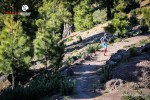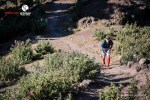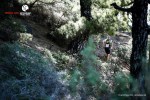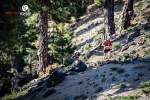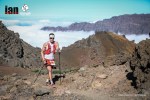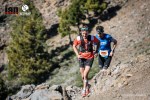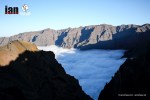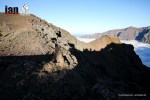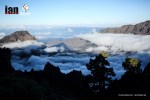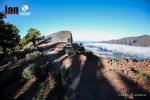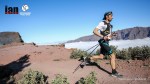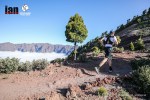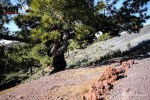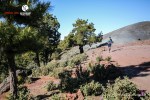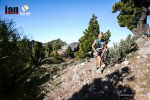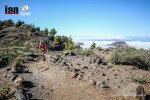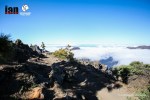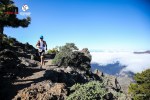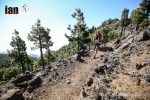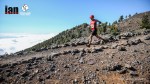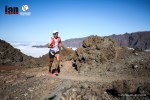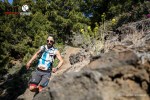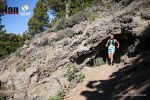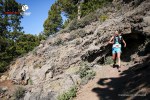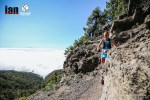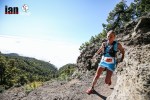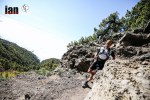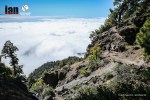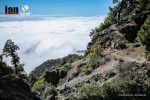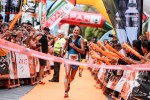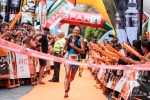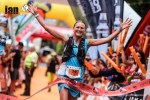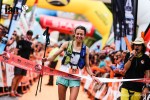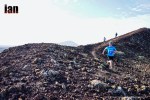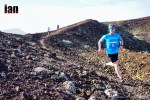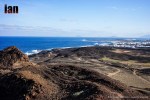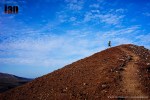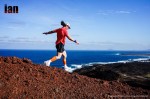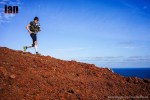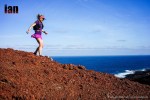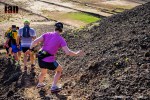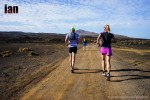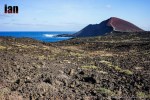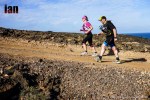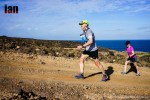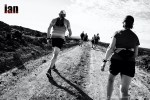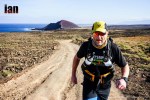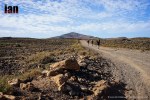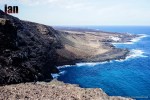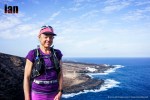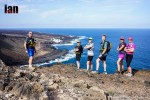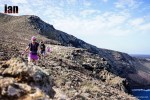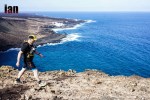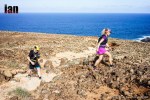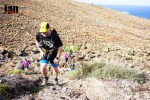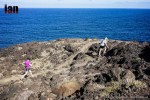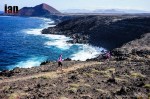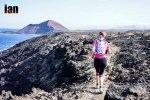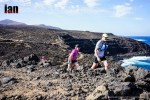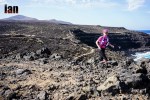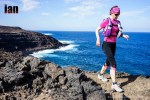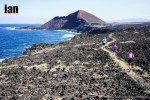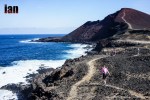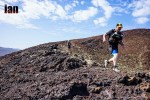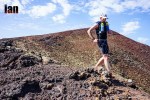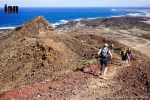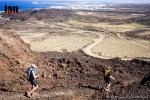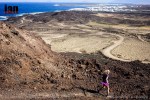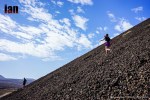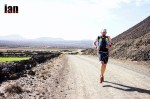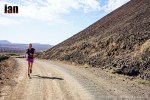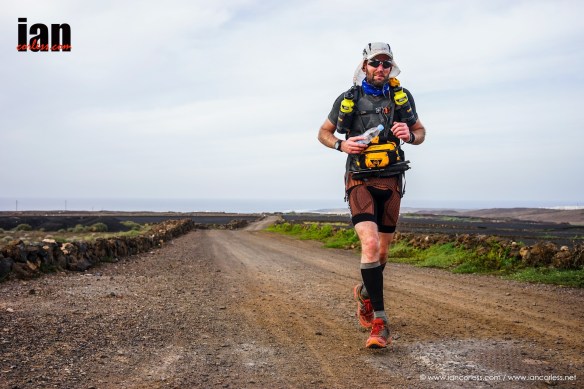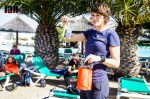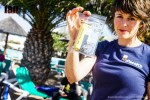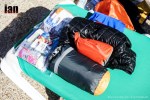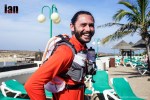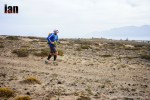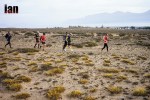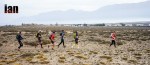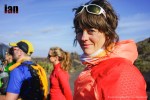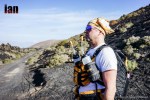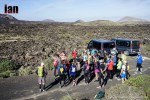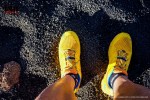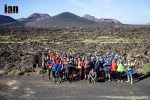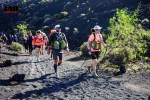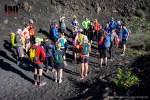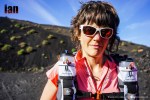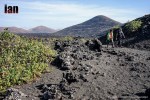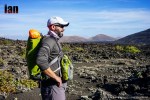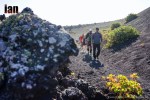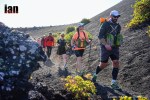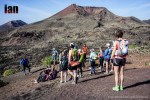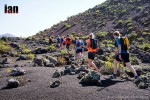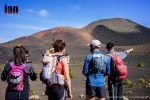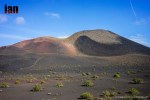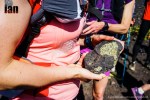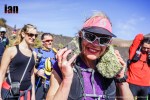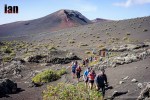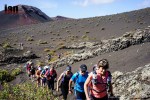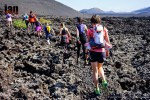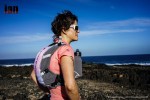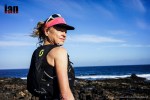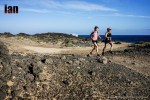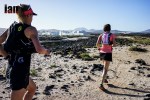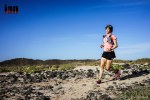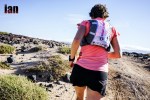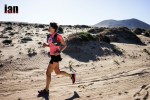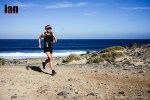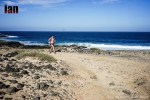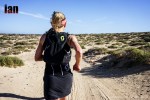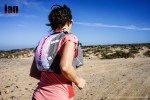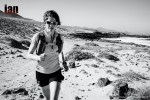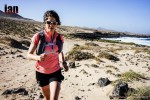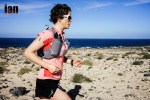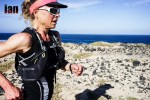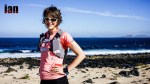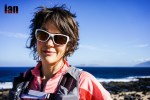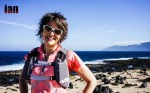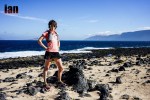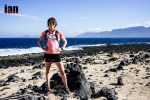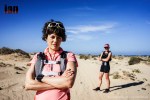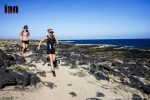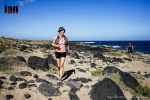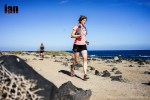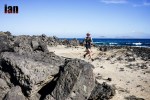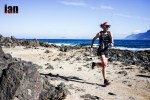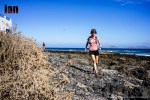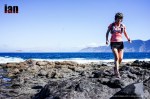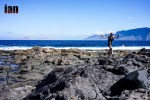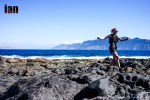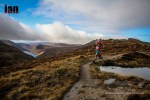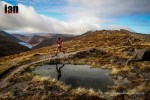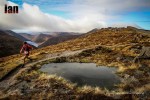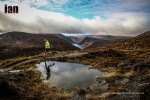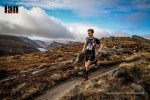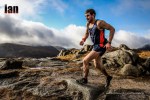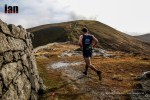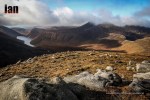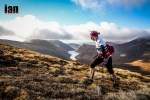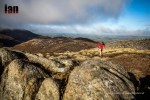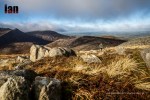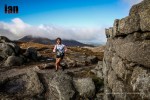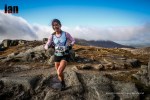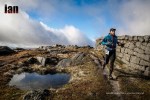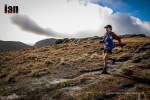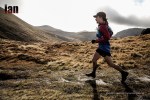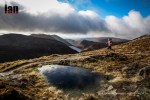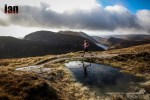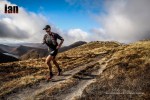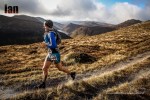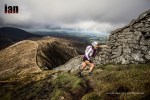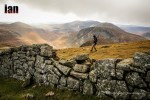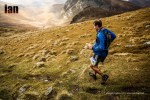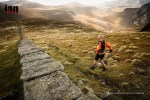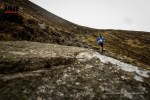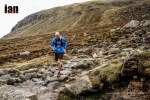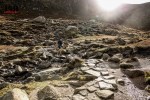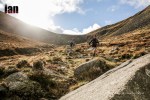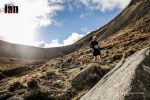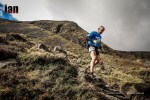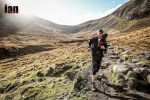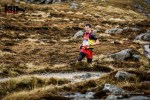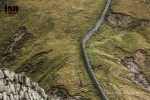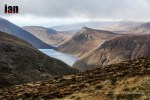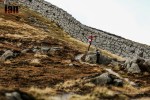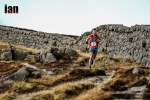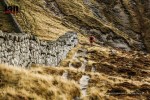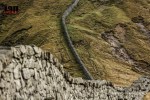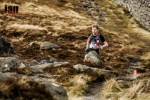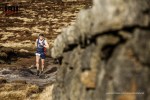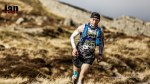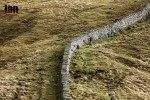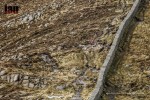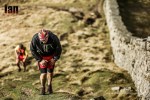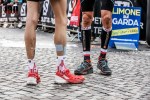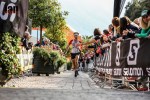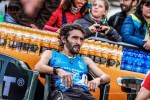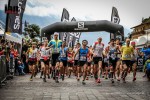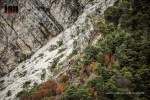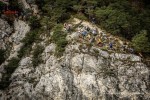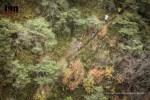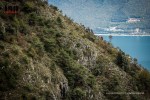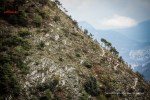
Transvulcania Ultramarathon 2016 RACE IMAGES – Skyrunner® World Series

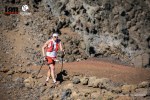
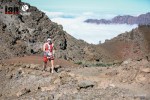
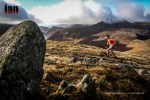
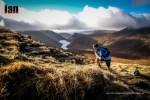
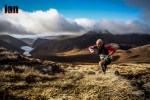
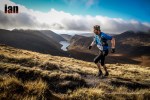
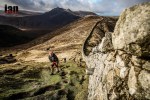
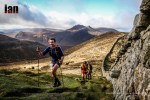
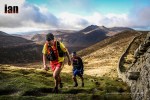
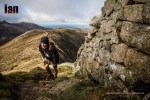
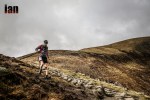
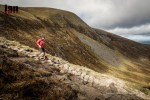
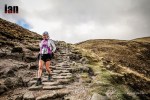
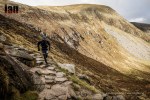
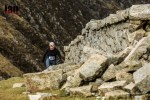
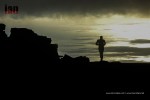
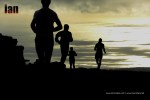
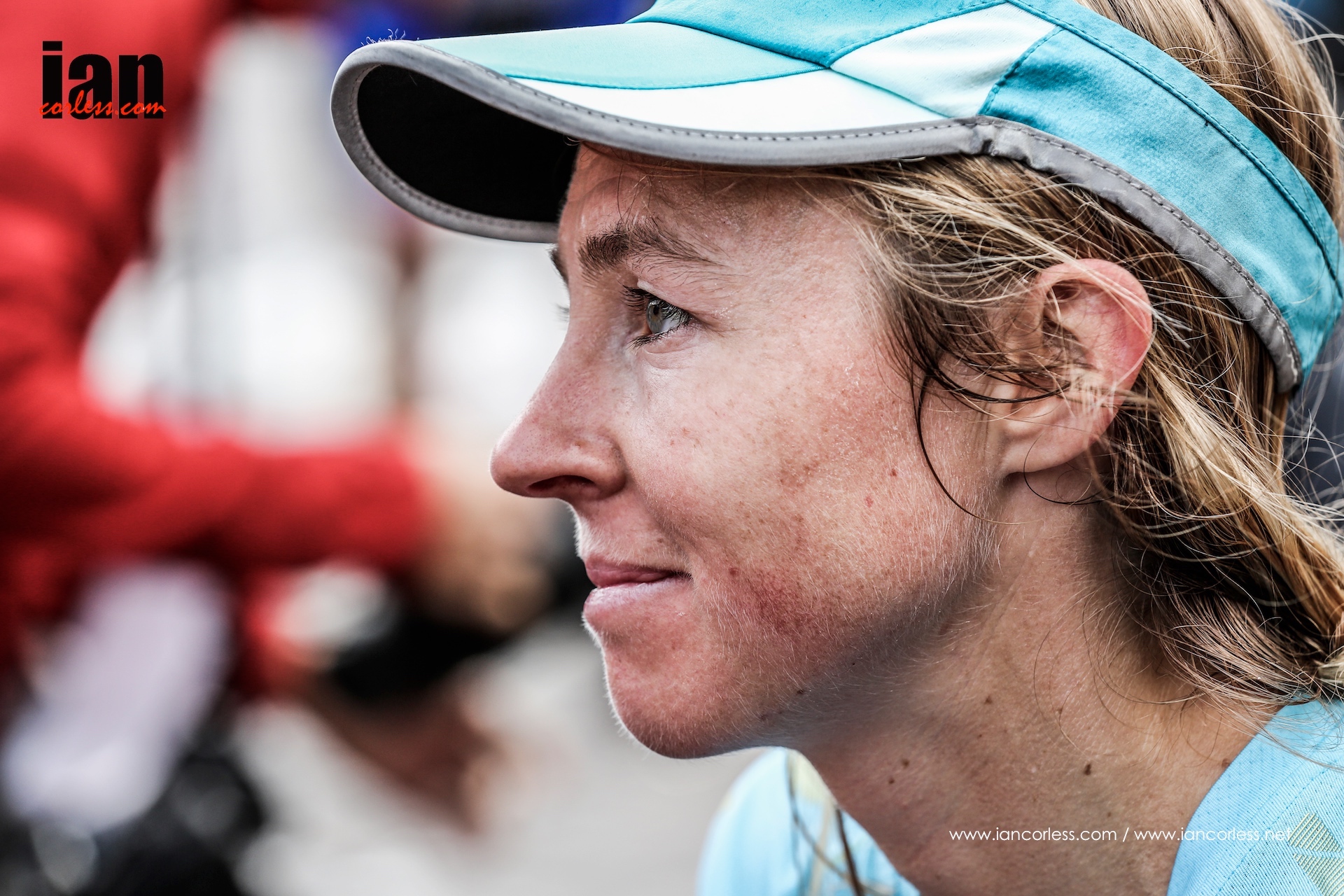
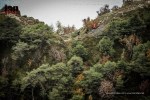
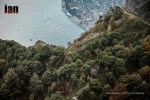
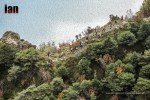
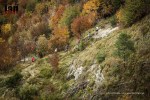
©iancorless.com_Transvulcania2016-3687

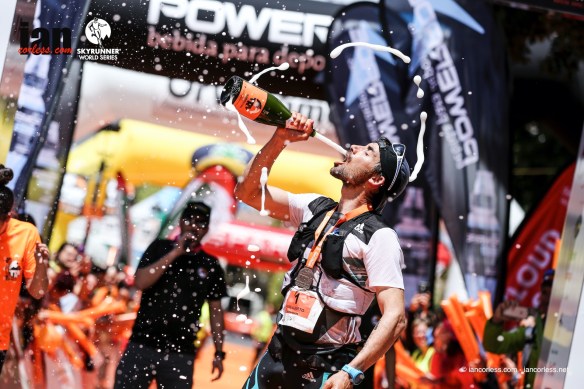
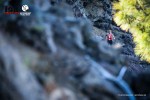
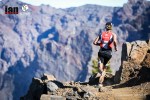
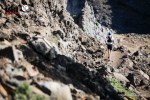
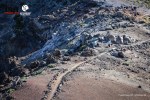
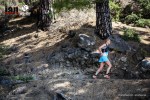
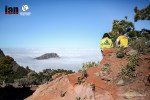
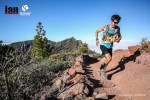
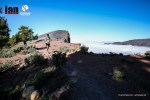
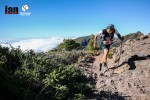
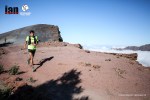
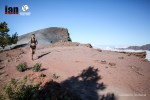
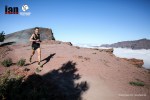
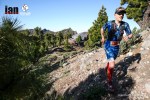
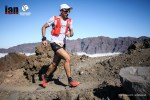
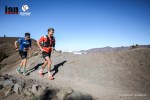
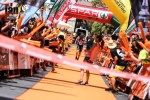
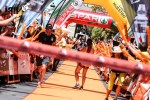
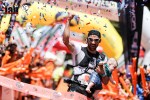
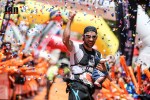
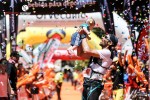
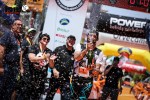
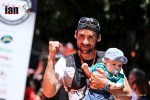
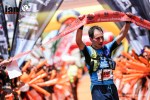
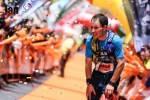
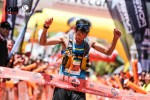
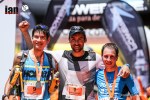
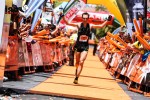
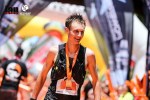
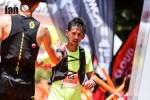
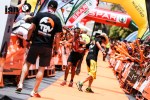
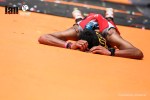
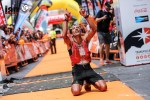
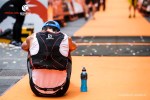
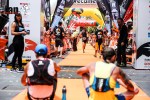
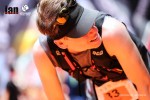
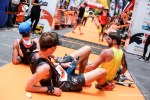
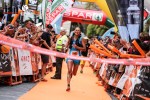
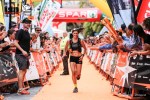
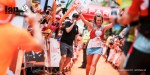
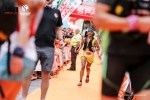
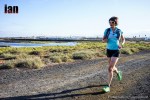
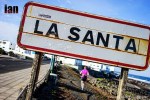
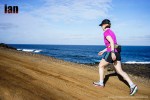
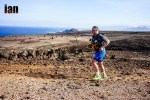
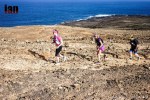
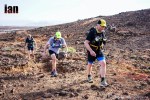
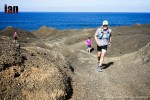
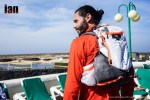
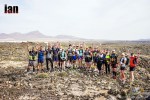
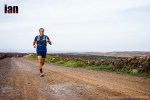
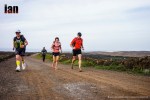
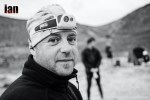
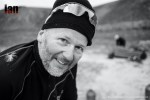
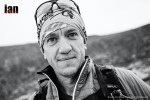
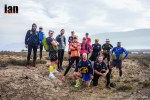
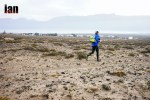
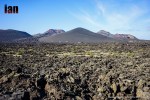
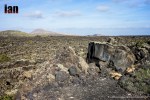
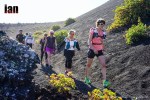
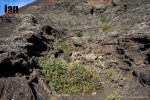
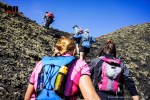
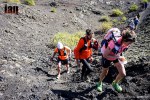
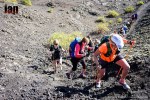
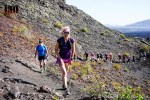
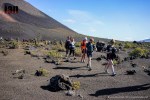
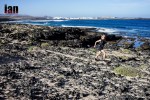
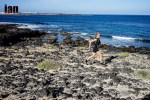
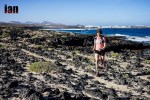
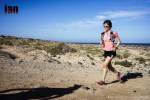
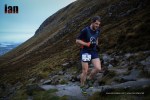
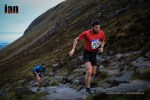
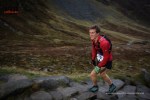
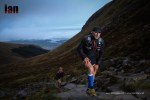
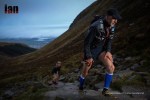
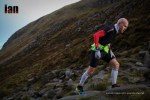
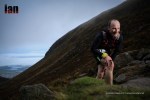
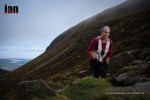
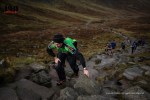
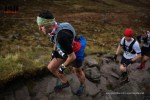
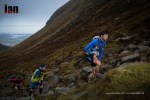
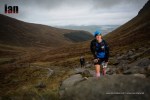
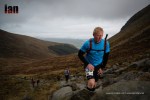
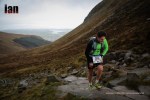
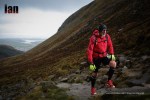
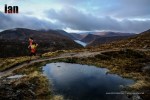
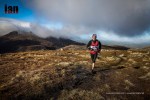
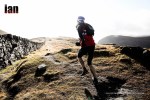
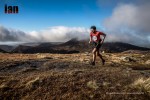
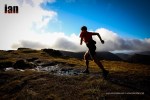
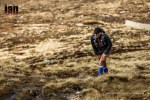
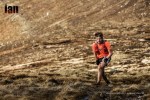
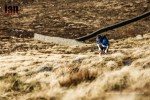
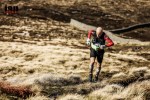
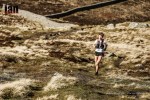
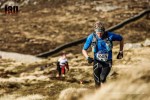
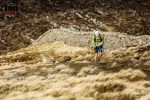
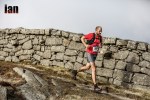
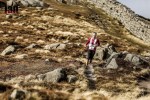
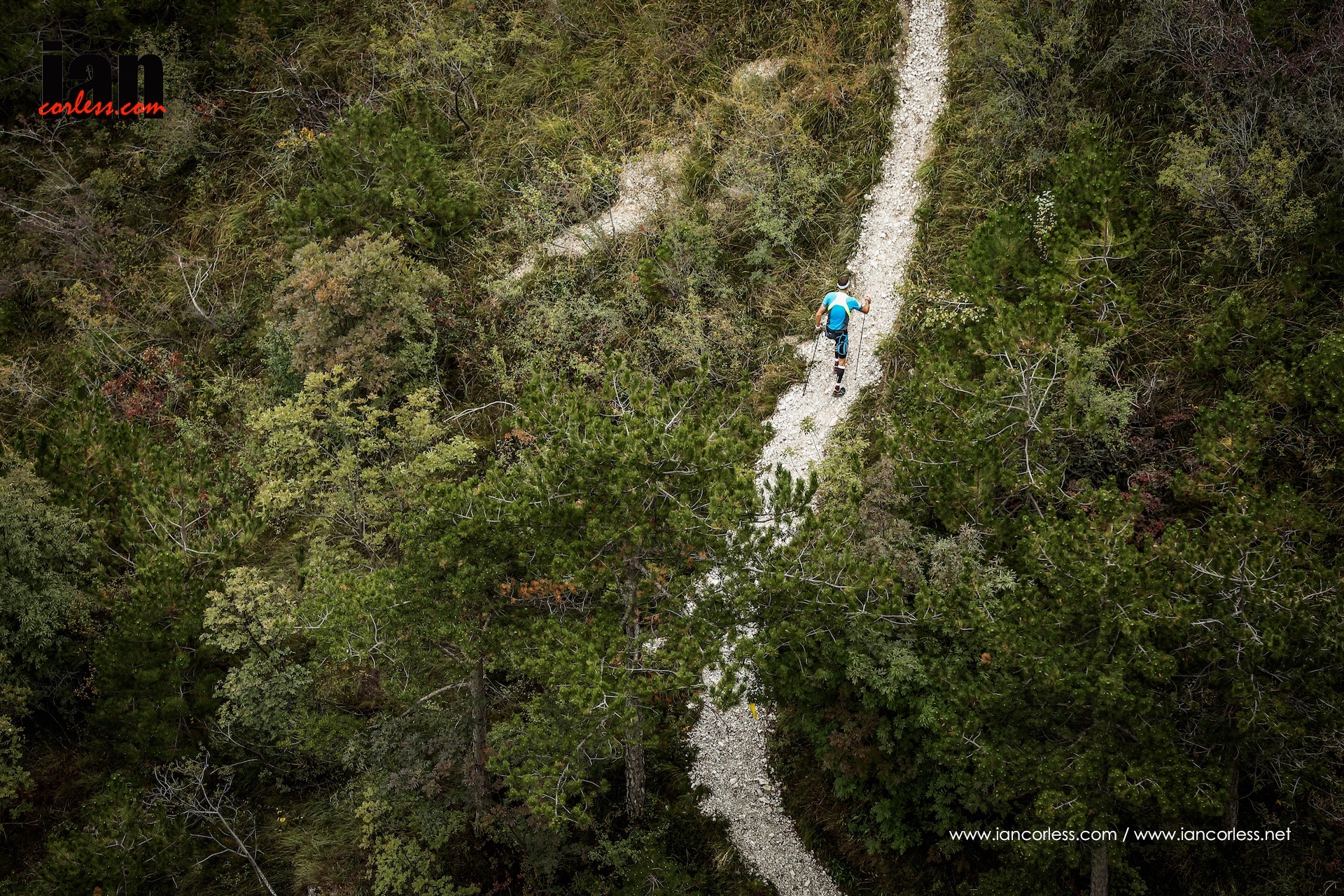
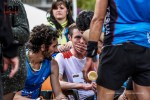
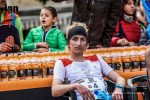
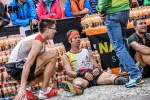
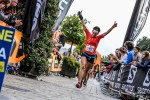
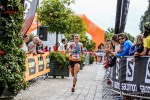
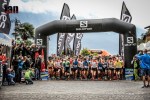
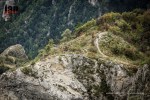
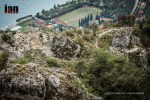
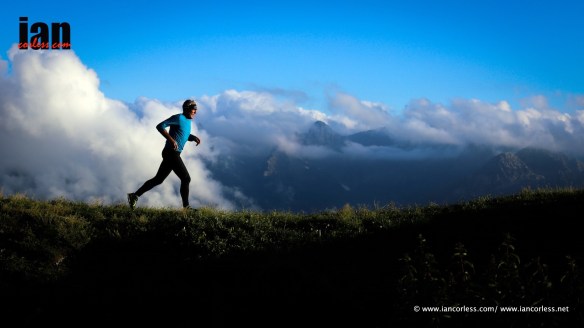
Luis Alberto Hernando once again powered to glory for the third time in a row after running a very controlled and patient race. American Sage Canaday who finished third had lead the race all the way to Roques de los Muchachos, a desperate attempt to build a buffer before the long descent. Frenchman Nicolas Martin, had been in the lead pack throughout the day and with Hernando, overtook Canaday on the downhill from the 2,423 island summit, to finish second.

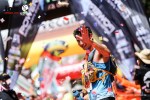
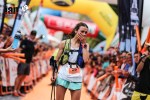
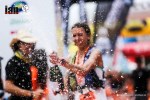
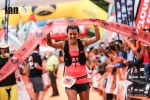
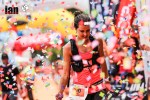
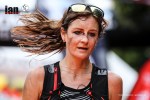
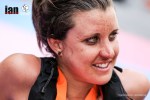
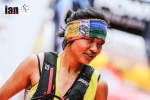
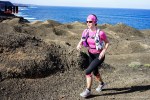
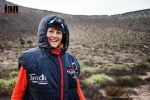
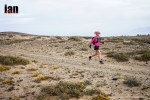
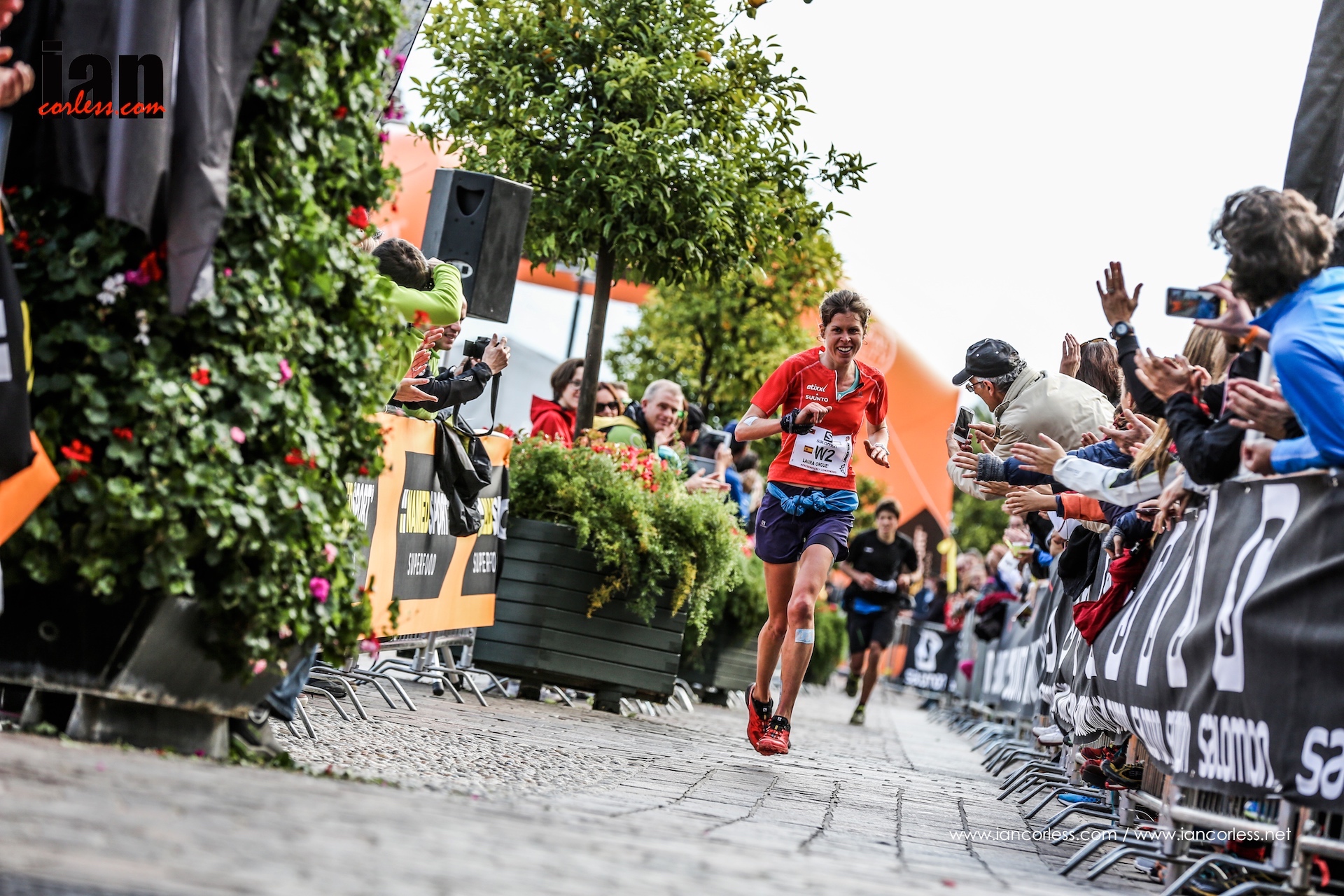
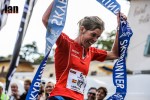
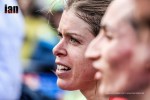
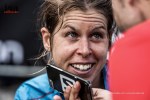
Ida Nilsson, from Sweden, ran an incredible race from the gun and her victory never looked in doubt, that is until the long downhill… At the highest point of the race at 2,423m Ida was leading by 30-minutes, unused to downhill running, her lead was reduced by Anne-Lise Rousset from France who placed second, and skyrunning newcomer, Ruth Croft from New Zealand, placed an excellent third less than a minute later.

Results

Men

  1. Luis Alberto Hernando (ESP) – 7h04’44”
  2. Nicolas Martin (FRA) – 7h10’40”
  3. Sage Canaday (USA) – 7h14’16”
  4. Andy Symonds (GBR) – 7h25’04”
  5. Chris Vargo (USA) – 7h26’53”

Women

  1. Ida Nilsson (SWE) – 8h14’18”
  2. Anne-Lise Rousset (FRA) – 8h31’53”
  3. Ruth Croft (NZL) – 8h33’32”
  4. Alicia Shay (USA) – 8h49’46”
  5. Hillary Allen (USA) – 8h54’57”

READ THE RACE REPORT HERE

img_7692-1

The 2016 Skyrunner® World Series is brought to you with a new management company, Geneva based SkyMan SA

SkyMan SA  is pleased to present a new Main Partner, Migu Xempower, a Chinese exercise and health management platform which also counts a rich experience in organising marathons, city and mountain races for millions of runners.

The well-established, SkyUltra and Vertical format is joined by the Extreme Seriespresented by Alpina Watches, which more than ever expresses the true spirit of skyrunning defined not only by distance, but vertical climb and technical difficulty.

Skyrunner® World Series is supported by Migu Xempower, Alpina Watches, Compressport, Salomon and Scott Sports.

iancorless.com is the official photographer and media partner for the Skyrunner® World Series Follow on:

 Facebook/iancorlessphotography

Twitter (@talkultra)

Instagram (@iancorlessphotography) 

Follow the Skyrunner® World Series on social media platforms

Facebook.com/skyrunning

Twitter @skyrunning_com

Instagram @skyrunning

Lanzarote Multi-Day Training Camp 2016 – Day 8

©iancorless.com_Lanza2016-05261

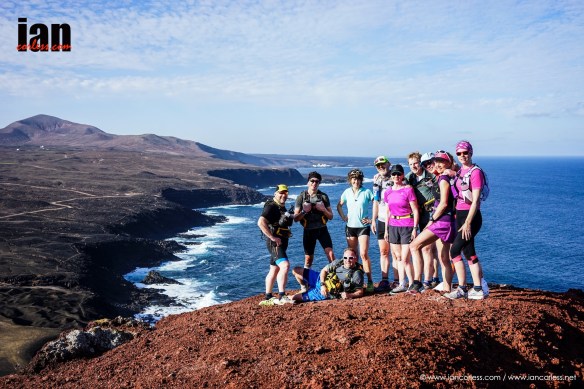
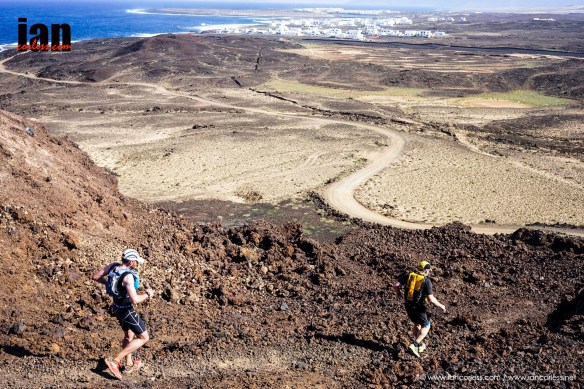
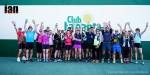
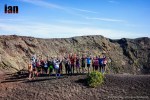
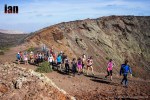
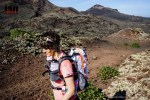
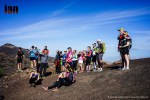
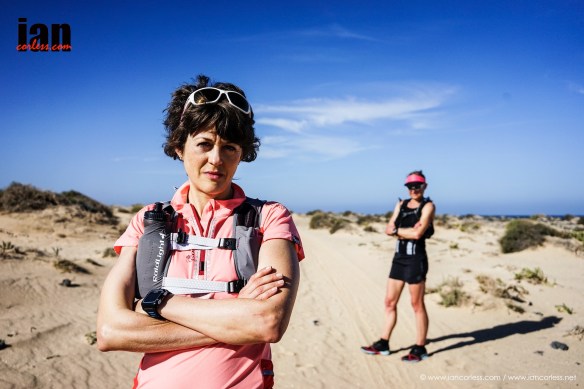
Day 8 of the 2016 Lanzarote multi-day camp was a cracker. The hottest day of the week with little or no wind, a stunning coastal route with mixed terrain, volcano climbing and descending and of course, stunning views and amazing people.

©iancorless.com_Lanza2016-05948

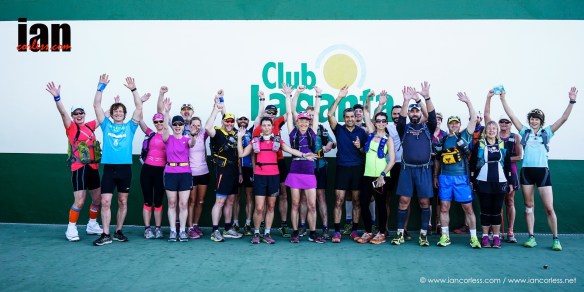
As on all previous days, we had three run/ walk groups. Everyone managed to cover somewhere between 20 and 35km and it was interesting to see how during the week, people progressed, not only in fitness but in regard to equipment, planning and preparation.

©iancorless.com_Lanza2016-05451

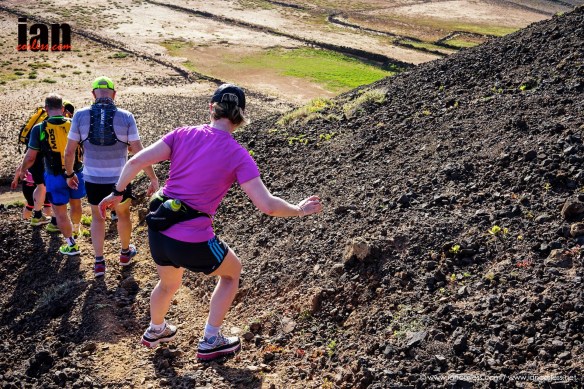
We also pushed everyone out of their own comfort zones with some tough climbing, very technical terrain and challenging descents. It’s all about taking things up a notch so that when race day comes around, the runners are prepared.

©iancorless.com_Lanza2016-05261

“Brilliant MdS training camp in Lanzarote with organiser, coach and photographer Ian Corless and MdS 2015 champion Elisabet Barnes. 100-miles run in the week with some excellent advice and support plus great people!” – Paul Allum

Paul’s thoughts were echoed by so many of the camp attendees. Elinor Evans in particular found the whole experience enlightening and invaluable. During the weekly runs, the overnight bivouac, the volcano walk and the daily talks, Elinor realised that she had the wrong pack for her, the wrong sleeping bag, a need to address her nutrition and look at her MdS admin. Invaluable!

“The Training Camp in my opinion was exceptional and far exceeded my expectations. The whole program start to finish pushed everyone to achieve their potential while taking into account the wide variety of abilities. All of the coaches were supportive and challenging and while clearly experts in their field never made novices like me feel stupid. The information we got was priceless and the blend of commercialism and a genuine desire to want to help people achieve their goal of competing or completing MDS was incredibly well done. I wouldn’t just recommend this to future MDS competitors I’d suggest you add it to your Compulsory Kit list! Simply brilliant!” – Simon Dunn

Listen to camp attendee feedback HERE

“Fantastic week in magical terrain with lovely people – thank you Ian, Elisabet, Niandi and Marie-Paule – Sahara countdown is ON.” – Elinor Evans

The morning run of 3-5 hours was followed with a relaxing lunch and then an afternoon Q&A which addressed many of the issues raised during the week and allowed everyone to clarify and appease their minds ahead of their next multi-day race.

The day finished with 20-30min cool down run and then an evening group meal and drinks. It has been an incredible week and one that has provided inspiration for all concerned. Roll on 2017.

‘How was your holiday?’ ask the lads at work. 

‘Amazing’ I say. ‘Look at these pictures’. ‘That’s how to round tape to ensure you minimize the risk of blisters’. Blank looks. 

‘See her? She’s the 2015 MdS champion putting the needle into my foot’. 

More indifference. 

‘Lads, this is the same you fat bastards going to Weston Karting centre at the weekend and Jensen Button turning up to do the safety briefing’. 

They still don’t get it. 
‘Did you learn much in Lanzarote darling?’. 

‘I certainly did. The WAA bag is a goner. It would be like taking a knife to gun fight. Ok, it would be like taking a clutch bag to an all day shopping trip. You know, when only a tote will do’. 

A nod of understanding, but really boredom turning to neutrality at best. 
‘Was it fun running Daddy?’ ‘It was. Midpack daddy is certainly going to need more fat than carbs to keep him going in the dunes girls’. 

‘Did you bring us back any sweets?’. 

‘No’. 

‘Can we watch TV?’ 
‘How was the volcano mate?’. ‘Wonderful. It was cold, but the stars were out and we all had an amazing time’. 

‘Get much sleep?’ 

‘Yes. In fact I’ve found it hard to sleep since without the sound of Elaine gently rustling inside her tent next to me’.  

These people don’t understand me anymore…. I miss #Lanzarote 
– Rich Carps

©iancorless.com_Lanza2016-05055

If you would like to take part in the 2017 Multi-Day Training Camp, please go HERE

Many thanks for the support of MyRacekit, OMM, Raidlight, PHD. Scott Running, inov-8 and Berghaus.

“Really great few days, some invaluable experience and some valuable miles in the legs. Kit choice, food, packing the bag now all things I’m ready for. Thank you to the organisers and thank you to the fellow participants for making it such a nurturing environment in which to prepare for the MdS.” – Leon Clarance

Lanzarote Multi-Day Training Camp 2016 – Day 6 and 7

©iancorless.com_Lanza2016-04780

For the participants of the 2016 Lanzarote multi-day training camp, it all got ‘real’ on day 6 and 7 of the camp.

It all started of with blue skies, sun and a 2 hour run without packs so that everyone had an opportunity to work on a little faster running. In most cases it was a great tempo 10-12 miles in the bag.

©iancorless.com_Lanza2016-04163

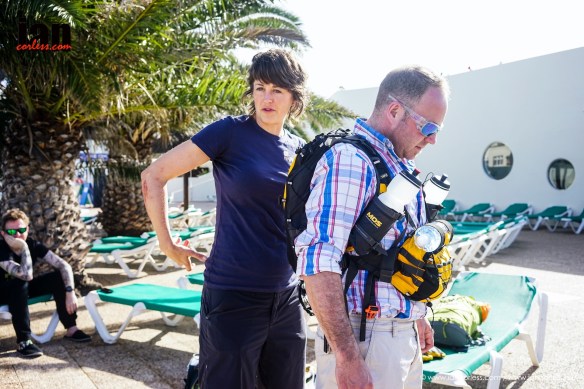
Following this we had a 2-hour talk, demo and an opportunity to test packs from WAA, OMM, Raidlight and Aarn with a very informative and enlightening discussion on bag packing from Elisabet Barnes. It really raised the question; what is and is not an essential item?

©iancorless.com_Lanza2016-04204

Ultimately the day (and night) was all about a medium length run of 2-3 hours and an overnight bivouac.

©iancorless.com_Lanza2016-04296

Heading out along the course, the runners departed in three groups: walking, run/ walking and ‘mostly’ running to a pre-arranged rendezvous on the coast.

Ian Corless moved ahead and set up camp inside an incredible and dormant volcano. Rendezvous time was 1900 and right on cue, the three groups all arrived from different directions within 15-minutes of each other.

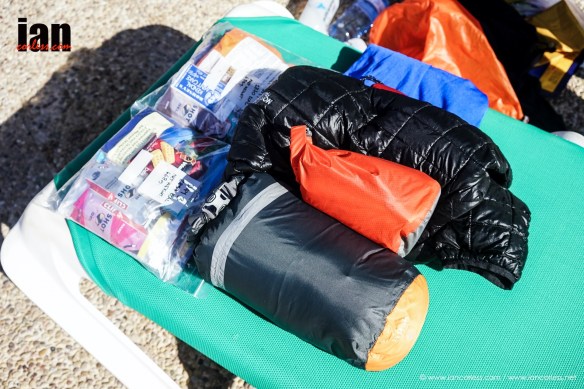
Running with packs, the runners carried all essentials less the additional days food. Food requirements were snack for the run on both days, evening meal and snacks plus breakfast.

At the overnight bivouac we operated self-sufficiency, water was provided but rationed. The only treat came from 24 beers (alcoholic and non-alcoholic) transported in as a special treat.

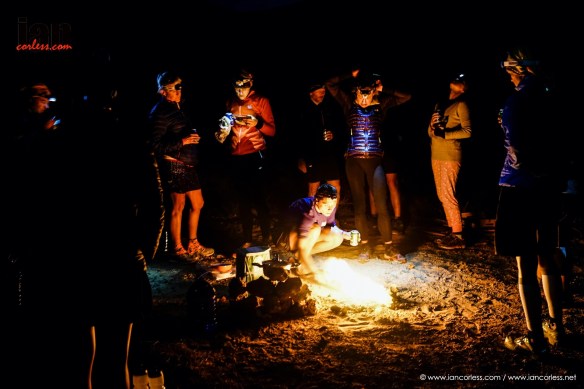
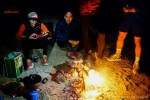
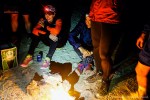
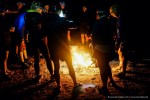
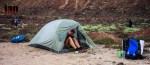
A clear starry sky, camp fire and the illumination of head torches within the stunning setting of an amphitheatre of rock made everyone suddenly realise that it was one of the special moments.

It wasn’t all plain sailing though. One or two runners realised on the run that their chosen pack just wasn’t the one for them. This is the whole reason behind providing a real scenario such as this on a training camp. It’s invaluable to find out these issues before your chosen must-day race.

©iancorless.com_Lanza2016-04483

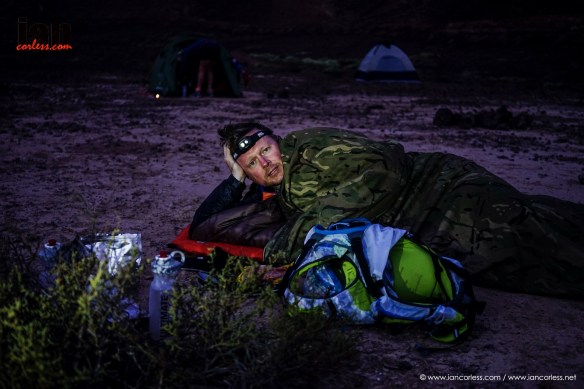
It was lights out, well, head torches out around 9pm and as the warm night drifted past midnight, the temperatures dropped. Unlike races such as Marathon des Sables, the night was damp lowering temperatures even more. One common thread with 0700 wake up call, a cockerel crow by Niandi, was, ‘My sleeping bag is not warm enough!’

Yes, it had been a rough night for some.

Elinor Evans said, “This experience has been incredibly invaluable. I have learnt my packs not right for, my sleeping bag is not warm enough and I need a warmer jacket. Last night was beautiful but also a little harrowing as I got so cold. Better here though than at my race!”

©iancorless.com_Lanza2016-04617

It was a sentiment echoed by Leon Clarance, “I was just cold last night. Despite additional layers, my sleeping bag was not warm enough. I also made the mistake of removing my socks. I woke up with feet of ice.”

In general though, freeze dried food and peoples selections seemed to hit the spot, apple pieces with custard proving to be a hit with those lucky enough to be carrying it.

©iancorless.com_Lanza2016-04606

©iancorless.com_Lanza2016-04629

The bivouac provided everyone with a very real and practical scenario and valuable lessons were learnt. A bivouac debrief back at Club La Santa will allow everyone to discuss this.

Leaving camp, the sun was getting higher in the sky, a new day and more valuable experiences to follow. But before that debrief, there was another 2-3 hours of running.

It’s been a great two days and night.

If you would like to join our 2017 camp, please go HERE

Many thanks to Raidlight, OMM, PHD, inov-8, Berghaus, Scott Running and MyRaceKit for the support


Lanzarote Multi-Day Training Camp 2016 – Day 4

©iancorless.com_Lanza2016-02363

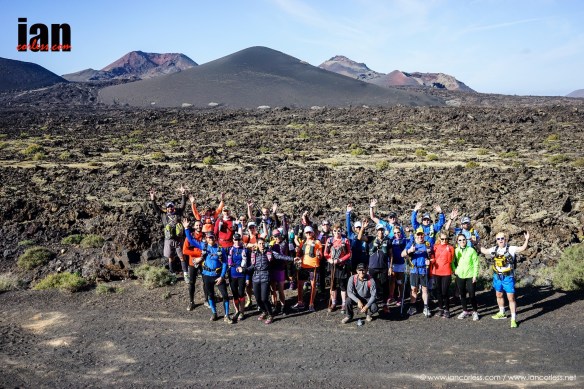
It was an active recovery day at the 2016 Lanzarote multi-day training camp. It was kicked off with a guided 3-hour walk through some of the islands most stunning volcano sections close to the Timanfaya National Park.

©iancorless.com_Lanza2016-02639

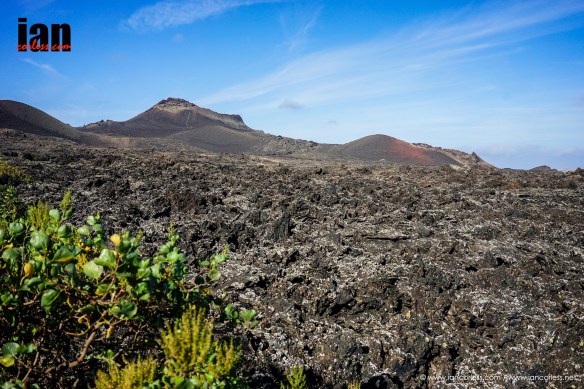
Famous for it’s volcanic landscape, today everyone was able to appreciate up close how dramatic and tough these trails can be. Black lava sand, interspersed with jagged rocks but ultimately everyone was blown away with the dramatic and somewhat eerie vistas. In the early 1700’s, this area had six continuous years of volcanic eruptions that created this stunning landscape.

©iancorless.com_Lanza2016-02533

Elinor Evans, a yoga expert undertaking Marathon des Sables for the first time in 2016 commented after the walk:

“It’s been a really special day in this environment. We have walked with our packs, covered some miles and in the process had a wonderful learning experience. It has been magical.”

It was a sentiment echoed by everyone in the camp and with 5-hours of running waiting for everyone tomorrow, the opportunity to walk today was welcome.

The evening discussion was all about food and hydration for multi-day racing and we discussed the different nutritional needs for someone who may be looking to compete, the mid-packer and the walker. Of course, it’s all very personal, but many similarities from all three scenarios crossed over providing all the participants with plenty of key and essential information that they can now take away and formulate their own strategies for their chosen race.

Tomorrow, Sunday, kicks off with a 5-hour run along a new coastal section that will involve some climbing, scrambling and of course a plethora of mixed terrain.

If you are interested in a multi-day training camp, our 2017 dates are set and you can view HERE

Many thanks to:

Raidlight, OMM, inov-8, Berghaus, PHD, MyRaceKit and Scott Running for the support with this camp.

Lanzarote Multi-Day Training Camp 2016 – Day 1

©iancorless.com_Lanzarote2016-00826

Day 1 in Lanzarote for the 2016 multi-day training camp. It’s all about scouting courses, checking out terrain and looking for some specific routes that will put our 26 clients through their paces that will help simulate classic multi-day races like Marathon des Sables, Atacama, The Coastal Challenge and more…

MDS 2015 champion, Elisabet Barnes is here and just recently she has secured a three year sponsorship deal with Raidlight. Lanzarote is not only an opportunity to test new Raidlight apparel and packs but also to train and pass on Elisabet’s experience to those who may well be undertaking a multi-day race for the first time.

Our other coaches, Niandi Carmont and Marie-Paule Pierson will also be passing on their own wisdom from their own multi-day experiences. Niandi in particular has been racing ultras for approximately 20-years, anything from 50k, 100k, 100-miles and of course multi-day races such as Marathon des Sables and The Coastal Challenge,

Our clients arrive tomorrow, Thursday. It will be a settle in day with an easy run late afternoon and then all the action starts on Friday with a coastal run that includes mixed terrain, soft sand, some scrambling and of course great weather and great views.

Thanks to OMM, inov-8, Scott Running, Raidlight, Berghaus and PHD of the support on this camp.

Scott Kinabalu ENDURO – First Impressions

©iancorless.com_ScottEnduro-00069

Since 2012 I have been using Scott shoes, yes, Scott make run shoes in addition to bikes. I say that, because that is what I get when other runners look at my shoes and say, ‘Scott, oh, thought they made bikes?’

Since the original T2 Kinabalu, I have been a fan. I remember the original incarnation in 2012 which I used to run all over the Transvulcania course (Review HERE). Since the original model, the T2 Kinabalu has had a few tweaks and the current incarnation is the 3.0 HERE.

Scott launched the Kinabalu Supertrac (original look HERE) and this shoe went on to be my favourite shoe of 2015. I even went through many other shoes I had been testing to work out which shoe (for me) was the best. The ‘Supertrac’ won, see HERE.

As 2015 came to a close, Scott informed me of several new shoes, one being the Enduro.

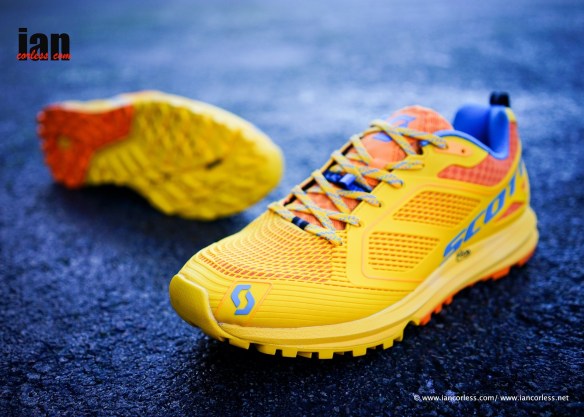
Well, the Scott Kinabalu Enduro has arrived and here are our first impressions and look.

©iancorless.com_ScottEnduro-00114

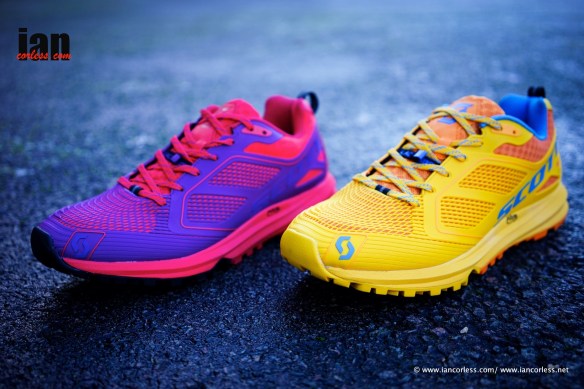
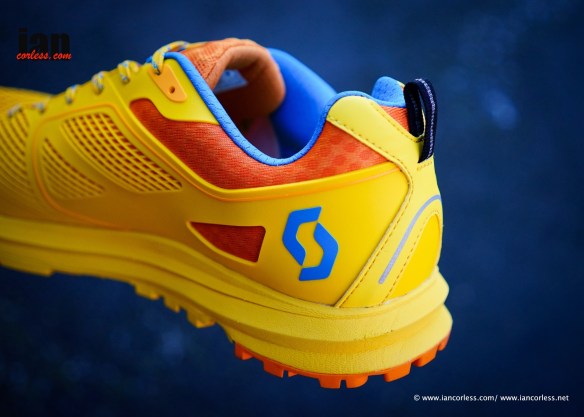
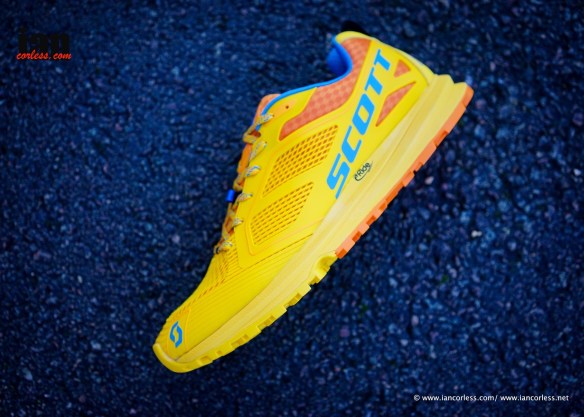
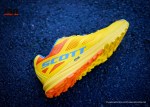
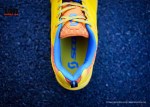
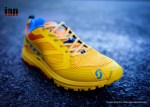
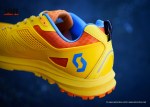
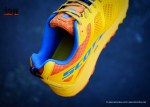
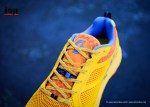
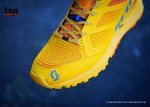
One thing is for sure, there is no hiding in the male version. Bright yellow, these shoes from the off say that they mean business. The ladies version is also bright but considering that many women wear bright apparel, I’m sure the colours will appeal. Certainly the original reaction from Niandi (who will test the ladies shoe) was wow, I LOVE the colours.

The shoes are not light. In all honesty, they were both noticeably heavy when removed from the boxes. The ladies a UK 8 weighs 380g and the mens UK9.5 weighs 418g. That is heavy; no doubt about it and I have to say initially disappointing.

Looking at the shoe closely, you soon realise why. The whole upper of the shoe has a plastic coating on top of the mesh below.

©iancorless.com_ScottEnduro-00081

I have to say, I asked why? Why is it necessary to add some much structure and protection to the upper of the shoe? Scott call this: Protective-High-Abrasion-Casing.

I took a look at Scott’s website and the description is as follows:

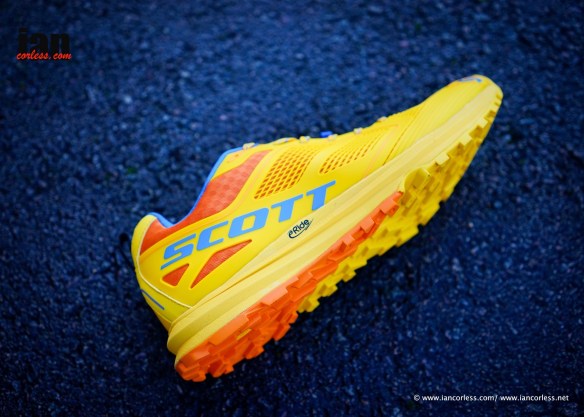
The brand new SCOTT Kinabalu Enduro is the latest addition to the range. The seemless one piece upper offers protection and comfort for all day adventures while the eRide tuned midsole and VIBRAM outsole provide performance and stability during your run.

Seamless upper – perfect

Protection – great

Comfort – brilliant

eRide – works, so great.

Vibram – tried and tested, so great

I still have to question though, why so heavy? My only point of question on the excellent Kinabalu Supertrac was the weight. Here Scott have beefed up the Kinabalu and made it bullet proof, it’s obviously way to early to tell but on first impressions, if you want a shoe to last and get value for money from, this may be the one!

©iancorless.com_ScottEnduro-00098

Cushioning as you would expect from Scott is good with 28mm at the rear and 17mm in the forefoot. However, these two figures cause me a little confusion, why for 2016 are Scott releasing a shoe with an 11mm drop? They dropped the ‘Supertrac’ from the Kinabalu’s original 11mm drop to 8mm drop and this for me made perfect sense. 8mm is a perfect sweet spot that appeals to many a runner and when running long it’s not too low to cause any issues. Having said that though, after just 2 runs in the ‘Enduro’ they do feel comfortable and offer a great feel. I have said this before, the ‘rocker’ system that Scott uses does give the shoes a feeling of lower drop due to the rolling action. I must point out too that I do fore foot strike so that will also help.

eRide – “Dynamic stability is the body’s own way to run efficiently and safely over uneven terrain. The eRIDE TUNED midsole has strategic flex zones to provide asymmetric flexibility and enhance ground adaptation while a EVA foam provides cushioning.”

©iancorless.com_ScottEnduro-00082

The outsole sits somewhere between the T2 Kinabalu and the Supertrac and therefore it will be a great all rounder for those who may well be looking for a ‘one shoe does all’ scenario. Made by Vibram, the outsole uses ‘MEGAGRIP’ as witnessed on the Supertrac but this version is less aggressive. From repeated year long use of the Supertrac I can confirm that this outsole is tried and tested and a favourite. This version does feels stiffer and less supple than the Supertrac version, we shall see?

©iancorless.com_ScottEnduro-00074

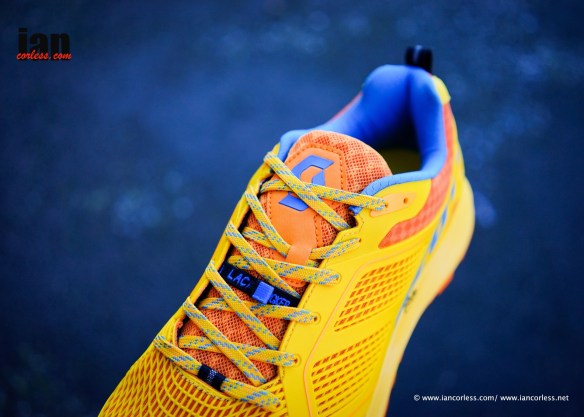
Lacing is standard and incorporates the ‘lace bungee’ for storing excess lace after you have tied your shoes. It’s a very simple and effective way for removing something that may catch on branches or trail obstacles.

©iancorless.com_ScottEnduro-00084

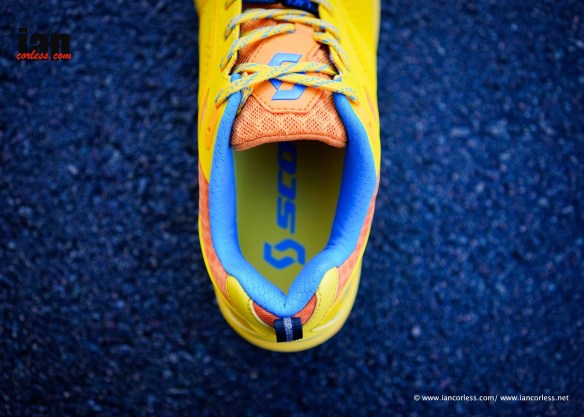
Heel box is very plush and secure. Always a key feature of Scott shoes and it really does add a secure and confident feel to the shoes.

©iancorless.com_ScottEnduro-00096

©iancorless.com_ScottEnduro-00088

©iancorless.com_ScottEnduro-00086

Sizing feels a little larger than normal. I always take a UK9.5 and the ‘Enduro’ does feel just a little more spacious, so, if you are new to Scott or if you have used Scott in the past, you may just want to check on sizing. The toe box is a little narrower than the T2 Kinabalu 3.0 and Kinabalu Supertrac and this may be why they size a little larger? If you like a wide roomy toe box, this may not be the shoe for you?

©iancorless.com_ScottEnduro-00076

Technologies:

  • Lace Bungee
  • Protective-High-Abrasion-Casing
  • Seamless-One-Piece-Upper
  • Rock-Protection-Plate
  • Vibram-Megagrip

Initial Conclusion

Our initial reaction to the ‘Enduro’ was shock. We were surprised at how ‘protected’ this shoe is. But having run in them on just 2 occasions and reflected on what Scott are trying to do, I completely understand the the addition of this shoe to the Kinabalu range. This is not a shoe to replace the T2 Kinabalu or the Kinabalu Supertrac it’s a shoe to be used in addition. So, if you like the other 2 models you will like this.

I’m still perturbed that the shoe is 11mm drop and not 8mm but it runs well; so why worry?

What’s the shoe for?

Well I guess you can use the shoe for any running, from groomed trail, fire trail to mountains. But considering the protection that has been added to the ‘Enduro,’ one has to think that this is intended for the rough stuff; rocks, snow, ice, gravel, slate and so; anything that can really batter a shoe and reduce its life.

For perspective, I recently ran for 1-month in La Palma on the Transvulcania course, I used a brand new pair of Supertrac and I used them every day, at the end of the month I threw them away. I am not saying the ‘Supertrac’ was no good, on the contrary, I love the Supertrac but the trails out in La Palma are harsh and abrasive; it eats shoes. The Enduro may well be a good shoe for a course like that due to the key elements of:

  • Protective-High-Abrasion-Casing
  • Seamless-One-Piece-Upper
  • Rock-Protection-Plate
  • Vibram-Megagrip

We will be reporting back in a couple of months after long term testing and only then will we really know how the Scott Kinabalu Enduro stacks up.

Scott shoes are available HERE


Scott Els 2900 Alpine Run

pic by https://www.facebook.com/jordisaragossa

                                   pic by https://www.facebook.com/jordisaragossa

Press release from Scott Running re the Scott ELS 2900 Alpine Run

Race directors: Matt Lefort and Carles Rossell

You can listen to two interviews on Episode 99 of Talk Ultra podcast, one with Matt Lefort and the other with 3rd placed runner, Andy Symonds. The show will be released Fri 13th Nov and will be available on this website and on iTunes HERE

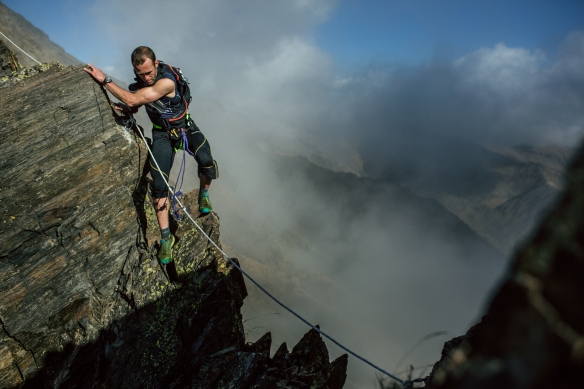
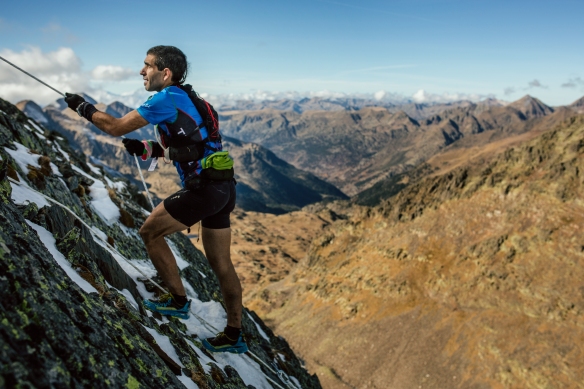
At midnight on October 31st, the 37 participants of the inaugural edition of the SCOTT Els2900 Alpine Run started from the Refugi Estanys de la Pera. Their goal, link all 7 peaks over 2900m high in Andorra, in less than 24h.

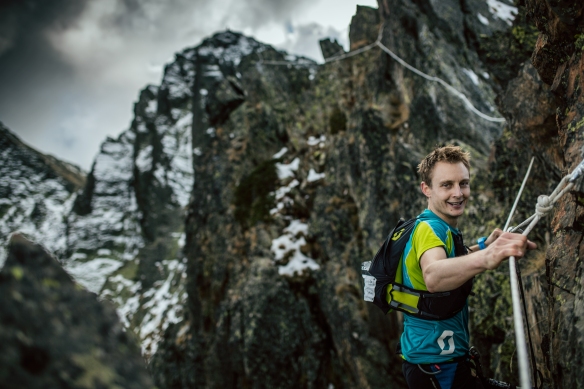
Unlike other ultra running events, participants were required for sole mandatory equipment a phone, a harness, two 60cm runners and a minimum of two carabiners. The rest was up to the athletes, leaving everyone’s personal experience dictate what to bring to move as fast and light as possible without putting one’s life at risk. So is the true essence of the sport, initiated 25 years ago by a handful of pioneers who did run up and down Mount Blanc and Monte Rosa. Such legends, Pep Ollé and Matteo Pellin, were actually involved into setting up the ropes to secure the Cresta dels Malhiverns section.

pic by https://www.facebook.com/jordisaragossa

                                    pic by https://www.facebook.com/jordisaragossa

Even though the risk factor is never down to zero being out in the mountains, the race organizers lowered it considerably by carefully selecting each participant based on their experience in such terrain. This is how elite athlete were denied entry, while much less popular yet highly skilled mountain people made the cut to create a crowd of humble and like minded peers.

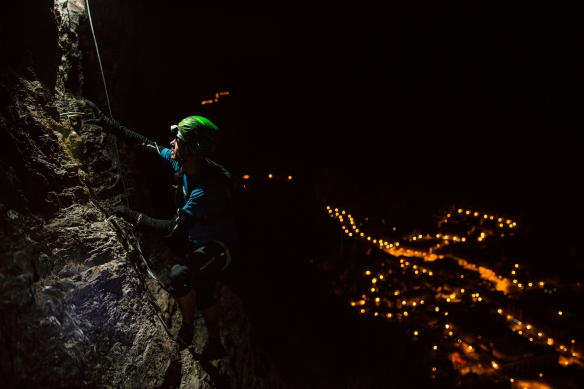
The 70km route took the most direct line between each peaks, amounting a gruelling 6800m of elevation gain, through rocky cols, over exposed ridges, steep couloirs and even a via ferrata section that was performed at night.

pic by https://www.facebook.com/jordisaragossa

                                    pic by https://www.facebook.com/jordisaragossa

At this game, Jokin LIZEAGA (ESP) was the best on the day, taking the win in14h48, followed by Nicolas DARMAILLACQ (FRA) in 15h37 and Andy SYMONDS (UK) in 16h11 wrapping up the mens podium. The woman’s fields made of two at the start line will only see Sonia REGUEIRO RODRIGUEZ (ESP) cross the finish line at the Refugi de Coma Pedrosa in 21h51, crowning her 2015 winner of the SCOTT Els2900 Alpine Run.

True camaraderie was shown until the end where race winner Jokin welcomed the last out of the 22 runners who completed the course (Paul Marie, FRA) and popped a bottle of Cava with the whole crew who had joined to witness the scene.

pic by https://www.facebook.com/jordisaragossa

                                      pic by https://www.facebook.com/jordisaragossa

All images ©scott ©jordisaragossa

Find out more about the race here and SCOTT Running here 

Andy Symonds wrote an interesting post about the race HERE

What is the best shoe for Road, Trail, Off-Road or Mountain?

©iancorless.com-3679

What is the best shoe for road, off-road, trail and mountain?

You won’t believe how many times I get asked this question. Of course I can’t answer it. Far too many variables come into play.

  • Drop
  • Cushioning
  • Grip
  • Upper type
  • Lacing
  • Outsole

Taking into consideration all of the above, certain elements are comparable and with 2015 drawing to a close I thought I would take a look back at some of the shoes I have tested and worn in the last 10-months and then put my neck on the line and say, which shoe (for me) is the best.

Shoes to look at:

  • Salomon S-Lab Sense – 4mm drop
  • Salomon S-Lab Sense SG (soft ground) – 4mm drop
  • Salomon Sense Mantra 3 – 6mm drop
  • The North Face Ultra MT – 8mm drop
  • The North Face Ultra Cardiac – 8mm drop
  • inov-8 Race Ultra (2-models) – 4mm and 8mm drop
  • inov-8 Terraclaw (2-models) – 4mm and 8mm drop
  • inov-8 Mudclaw 300 – 6mm drop
  • Scott Kinabalu 3 – 11mm drop
  • Scott Kinabalu Supertrac – 8mm drop
  • Scott Trail Rocket – 5mm drop

Notice that I have added the drop next to all the the shoes above. Drop has become a very important element when choosing a shoe. What drop you require as a runner is open to debate and to a certain extent; genetics. The book, ‘Born to Run’ inspired many runners to get low and minimal and what followed was carnage and very happy physiotherapists. Please read this post HERE to provide some perspective of my thoughts.

Drop and minimal are two separate issues.

1. Drop is the angle from the heel to the toes that the foot will sit at when parallel to the ground.

2. Cushioning is the amount of ‘soft stuff’ between you and the ground.

To clarify:

  • You can have low drop (typically 4mm) and LOADS of cushioning = Hoka One One
  • You can have low drop (zero) and no cushioning = Vibram
  • You can have a combination of varying drop and varying cushioning = Many of the above shoes.

So, if you want zero drop and no cushioning OR you want lower drop and maximal cushioning; stop reading, this is not the review for you!

If however, you are looking for a shoe that can handle some road, off road or mountain paths then read on; which shoe is a jack of all trades?

Where do I start?

It’s quite daunting taking so many shoes and then saying which pair, in my opinion is the best. So, here is my criteria:

  • Ability to run on road
  • Ability to run on hard trails
  • Ability on dry and wet rocks
  • Grip in mud
  • Climbing
  • Descending
  • Time on feet
  • Fit
  • Lacing
  • Cushioning
  • Outsole
  • Wear and tear
  • Drop
  • Conclusion

©iancorless.com_Sense4SG-9068

Salomon S-Lab Sense SG – Read full review HERE

Ability to run on road – For a shoe with an aggressive outsole, on road experience is good but as the name suggests, the SG is for Soft Ground.

Ability to run on hard trails – Good. Handles the trail well with comfort.

Ability on dry and wet rocks – On dry rocks, grip is very good. On wet rocks the grip is very compromised and at times sketchy/ scary.

Grip in mud – For such an aggressive outsole, the grip is moderate. The SG sits somewhere in the middle.

Climbing – Shoes feel great. They are flexible, hold your foot snug and you have a feeling of precision. They also handle wet ground well providing it does not get very muddy. Wet rock is hit and miss.

Descending – As above but in mud, or on wet it can be a challenge.

Time on feet – 6mm drop, adequate cushioning and great fit make this shoe very popular. Excellent for 50k and after that it depends on the runner and the runners adaptation.

Fit – Excellent. Endofit and the speed lacing system is the best out there!

Lacing – The best but lacks an ability to tweak or adjust.

Cushioning – Cushioning is good and finds a nice mix that still allows feel and contact with the ground.

Outsole – It’s a soft ground outsole but for me it’s a great outsole for dry terrain with a variety of surfaces and not too much mud.

Toe box – Narrow, precision fit.

Wear and tear – Moderate – 500k – 600k

Drop – 4mm

Conclusion – Great fit, 4mm drop and soft ground outsole. For many this is the ultimate off road, trail and mountain shoe for longer days training or racing. It’s limited in the wet and mud though.
©iancorless.com_Sense4-8534

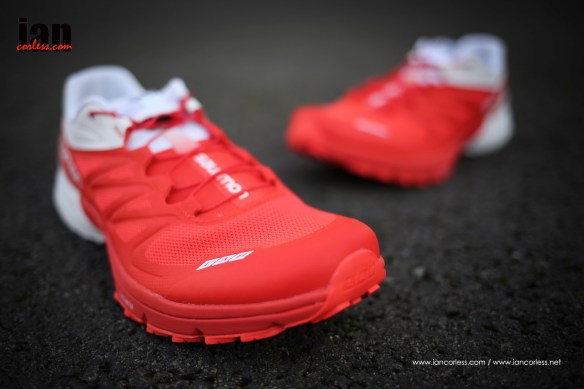
Salomon S-Lab Sense 

Ability to run on road – Excellent. The outsole has a low profile.

Ability to run on hard trails – Excellent. The outsole has a low profile and therefore if the trail is dry, these shoes will fly along.

Ability on dry and wet rocks – On dry rocks, grip is very good. On wet rocks the grip is compromised and at times sketchy. You lack 100% confidence and that makes you go slower.

Grip in mud – Hopeless.

Climbing – Shoes feel great. They are flexible, hold your foot snug and you have a feeling of precision. Not good in the wet or mud.

Descending – As above but in mud, or on wet rock forget it!

Time on feet – This depends on ones adaptation to a more minimal shoe. If you like being close to the ground with a low drop this shoe will be perfect. However, for me I prefer this shoe for shorter runs on dry trails.

Fit – Excellent. Endofit and the speed lacing system is the best out there!

Lacing – The best but lacks an ability to tweak or adjust.

Cushioning – This is a more minimal shoe but it does have cushioning.

Outsole – For dry trails

Toe box – Narrow, precision fit.

Wear and tear – Moderate – 500k.

Drop – 4mm

Conclusion – It’s a racing shoe for dry trails for mid to fore-foot runners. Fit is excellent if you like a precision feel.
©iancorless.com_Mantra3-7562

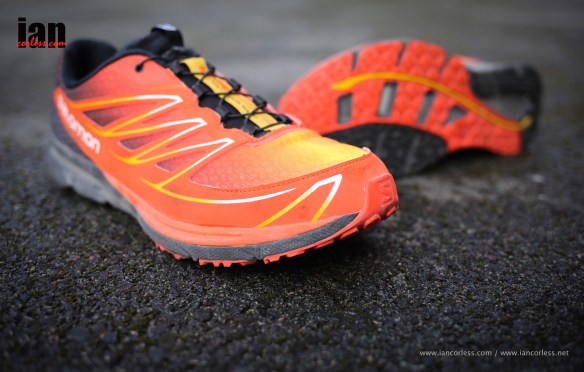
Salomon Sense Mantra 3 – Read full review HERE

Ability to run on road – Excellent. The outsole has a low profile.

Ability to run on hard trails – Excellent. The outsole has a low profile and therefore if the trail is dry, these shoes will fly along.

Ability on dry and wet rocks – On dry rocks, grip is very good. On wet rocks the grip is compromised and at times sketchy. You lack 100% confidence and that makes you go slower.

Grip in mud – Hopeless.

Climbing – Shoes feel great. They are flexible, hold your foot snug and you have a feeling of precision. Not good in the wet or mud.

Descending – As above but in mud, or on wet rock forget it!

Time on feet – This depends on ones adaptation to a more minimal shoe. If you like being close to the ground with a low drop this shoe will be perfect. However, for me I prefer this shoe for shorter runs on dry trails.

Fit – Excellent. Endofit and the speed lacing system is the best out there!

Lacing – The best but lacks an ability to tweak or adjust.

Cushioning – This is a more minimal shoe but it does have cushioning.

Outsole – For dry trails

Toe box – Toe box is generous and for those looking for a Salomon with more room, this is the shoe for you!

Wear and tear – Good 700K

Drop – 6mm

Conclusion – I think the Mantra is a shoe that more people should look at. They often go for the S-Lab Sense because of the S-Lab tag but for me, this is a better all around shoe and far more suited for most runners. It has 6mm drop, wider toe box and more cushioning. If you run long on dry trails this is a great shoe.
©iancorless.com_TNFUltraMT-3637

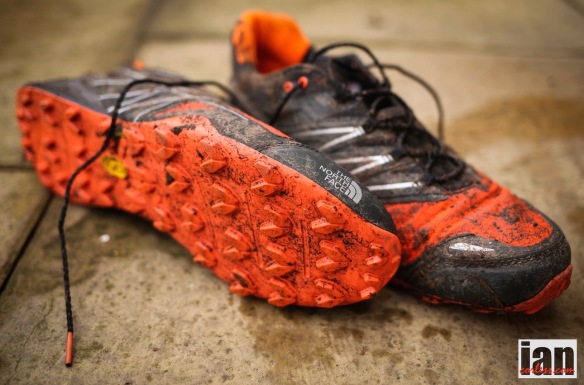
The North Face Ultra MT – Read full review HERE

Ability to run on road – Good considering the outsole but keep it to a minimum.

Ability to run on hard trails – It handles hard and dry trails well but the shoe lacks flexibility and is a little firm.

Ability on dry and wet rocks – On dry rocks, grip is very good. On wet rocks the grip is better than the Salomon due the Vibram sole. Felt far more confident in this shoe.

Climbing – Good but they are not as supple and flexible as others in the test. Grip is goo.

Descending – As above.

Time on feet – The Ultra MT is a relatively firm shoe that excels on softer, muddier and forgiving ground. If you stick to that terrain they are excellent.

Fit – Pretty good, you may need to replace the laces (not great) and tweak how they are laced to get the best fit.

Lacing – Provided laces are average.

Cushioning – It’s a firm shoe and although cushioning is present, it’s not a cushioned shoe.

Outsole – Is Vibram and aggressive. It’s good!

Toe box – Has loads of protection and although not over wide it will work for most people.

Wear and tear – Good 600k but less if you go on the road a great deal.

Drop – 8mm

Conclusion – I was disappointed with the Ultra MT at first. I wanted it to be something else I think! But after several runs I found that they excelled off road when the terrain was forgiving (cushioned) and muddy, wet or slick. It’s a good mountain shoe that protects the foot.
©iancorless.com_TNFUltraCardiac-7006

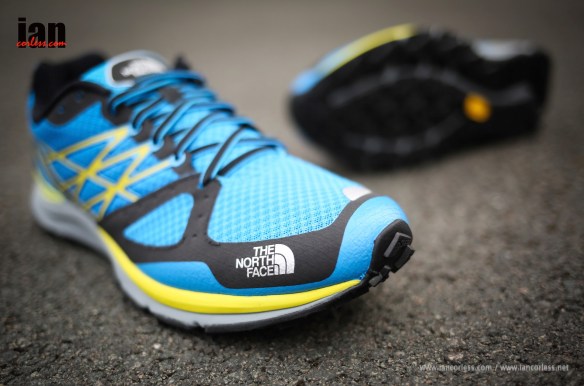
The North Face Ultra Cardiac – Read full review HERE

Ability to run on road – Excellent. The outsole has a relatively low profile.

Ability to run on hard trails – Excellent. The outsole has a low profile and therefore if the trail is dry, these shoes will fly along.

Ability on dry and wet rocks – Good. Confidence in both scenarios.

Grip in mud – Moderate. It’s a great middle ground shoe so does not handle the real muddy terrain well.

Climbing – Shoes feel great. They are flexible, hold your foot snug and you have a feeling of precision. Not good in the wet or mud.

Descending – As above but in mud it’s compromised.

Time on feet – Great. The combination of 8mm drop and good cushioning make this a great long distance trail. mountain or off road shoe for primarily dry conditions. I’d recommend these for 100-miles and multi-day racing.

Fit – Good with a well padded tongue.

Lacing – Standard lacing that you may wish to tweak for the best fit.

Cushioning – Great cushioning but not maximal. Ideal for longer days.

Outsole – Great compromise outsole that can handle road and trail. Okay for mud but not too much!

Toe box – Is average width so if you need a wide toe box you may want to try them.

Wear and tear – The upper lacks durability which is the only downside of the shoe – 500k?

Drop – 8mm

Conclusion – One of the best ‘all-rounders’ in this test that can handle multiple terrains with an 8mm drop that will allow you to run long.
©iancorless.com_RaceUltra270-7533

©iancorless.com_P6100002RaceUltra290

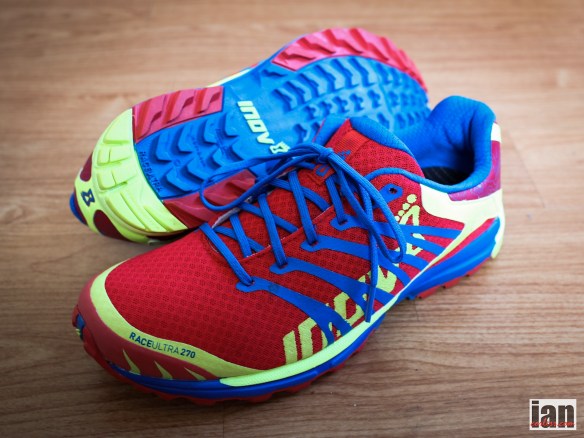
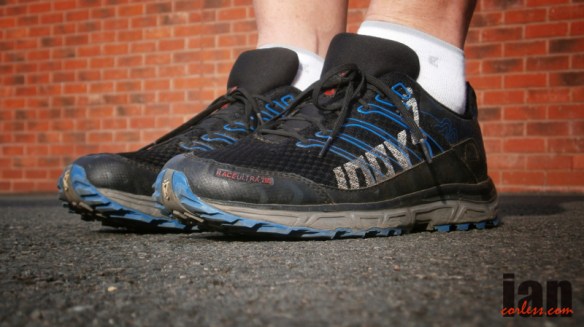
inov-8 Race Ultra 270 (4mm drop) and 290 (8mm drop) – Read full reviews HERE (270) and HERE (290)

Ability to run on road – Good, the outsole has minimal tread and they work well on road.

Ability to run on hard trails – As above, good outsole for hard and dry trails.

Ability on dry and wet rocks – Average grip and terrible when wet.

Grip in mud – Hopeless.

Climbing – If you have really wide feet they will feel ok, if not they feel sloppy, over stiff and lack any true feeling with the ground beneath.

Descending – Toe box is too wide and therefore foot moves around inside the shoe causing friction, toe impact and a lack of control.

Time on feet – A real plus of inov-8 shoes is that they provide you with 2 drops, 4mm and 8mm so that you can get the correct shoe for you. I personally prefer the 8mm drop shoe and the cushioning that goes with it for longer runs.

Fit – If you have wide feet one of these shoes may well be for you. They are roomy! Too roomy for me.

Lacing – Standard lacing and I used a ‘lock-lacing’ method to make both shoes feel more secure on my feet.

Cushioning – In both models is good but lacks feel for me and suppleness.

Outsole – For dry trails only.

Toe box – Wide, very wide.

Wear and tear – Very good 7/800k

Drop – 4mm and 8mm

Conclusion – The Race Ultra shoes look great and have been extremely popular. I personally don’t get along with either model. I can run in them for sure but I wouldn’t if I can choose any other shoe in this list. For me they lack feel for the ground, they are sloppy and stiff.
©iancorless.com_Inov8Terraclaw-7051

©iancorless.com_Inov8Terraclaw-7086

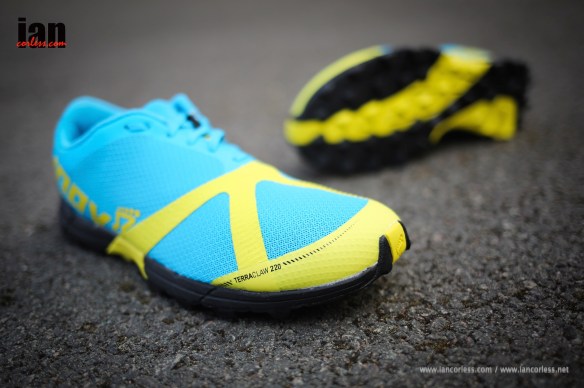
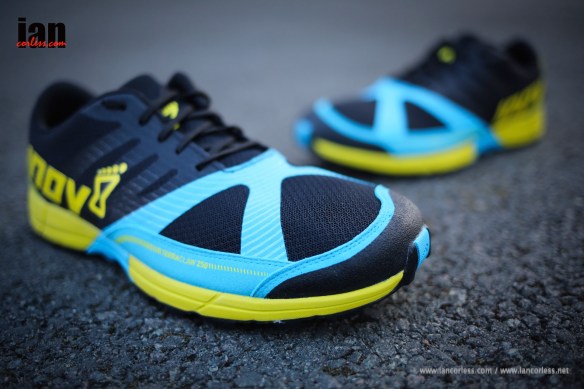
inov-8 Terraclaw 220 (4mm drop) and 250 (8mm drop) – Read full reviews HERE (220) and HERE (250)

Ability to run on road – Both shoes run well on the road with good feedback but be warned, the outsole will wear dowm.

Ability to run on hard trails – Excellent. Plenty of feeling in both shoes and the grip works well.

Ability on dry and wet rocks – On dry rocks, grip is very good. On wet rocks the grip is compromised and at times sketchy. You lack 100% confidence and that makes you go slower.

Grip in mud – If it’s not too muddy they work well. This shoe is trying to be the perfect trail shoe doing all things well. Of course, compromises are made at the extremes: all road or all mud.

Climbing – Shoes feel great. They are flexible, hold your foot snug if laced correctly but the wide toe box lacks precision and makes them feel too sloppy for me.

Descending – As above but in mud grip is compromised and on wet rock you slow down.

Time on feet – This depends on ones adaptation and preference. Two shoes and two options, for me the 250 with 8mm drop is the shoe for longer days but if you are efficient and like low drop, the 220 works great,

Fit – Slipper like feel as the shoe has very little seams. You get a great barefoot feel from the wide toe box and if you lace the shoe as per your needs, they are very comfortable.

Lacing – The 250 laces conventionally and the 220 laces at an angle. I used lock lacing in both models to get a more firm hold of my foot which added security.

Cushioning – Cushioning is good in both but the 250 is for longer runs with more cushioning.

Outsole – Has good grip made from 2 compounds. The sole is aggressive but not too aggressive. You can run on the road in comfort and on the trails. Comprises would be made when the trail gets muddy, you start to loose grip. I also wouldn’t recommend for just road runs.

Toe box – Very wide.

Wear and tear – Good but not great, 6-700k

Drop – 4mm and 8 mm

Conclusion – The Terraclaw is everything the Race Ultra should be. They are comfortable, have great feel for the ground and the grip is great for all around use.
©iancorless.com_Mudclaw300-7440

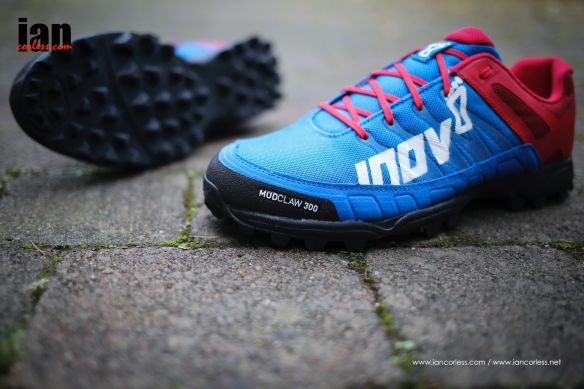
inov-8 Mudclaw 300 – Read full review HERE

Ability to run on road – Surprisingly good considering the outsole but keep it to a minimum.

Ability to run on hard trails – Okay but this shoe is for the soft and muddy stuff as the name implies.

Ability on dry and wet rocks – On dry rocks, grip is very good. On wet rocks the grip is excellent for such an aggressive outsole. I would say the best in this group.

Grip in mud – Excellent. They will take loads of mud, soft grass and give you more security than any other shoe here.

Climbing – Shoes feel great. They are flexible, hold your foot snug and you have a feeling of precision. Although precision fit the toe box has room.

Descending – Excellent. Shoes give you great confidence.

Time on feet – If you are running in mud all day, the 300 has cushioning to go with the grip and I’d say they are one of the better long distance off road/ fell shoes. If you are on hard or dry trails you’ll start to feel it.

Fit – Precision fit shoe designed to hold your foot so that you can run with confidence. Toe box was roomier than expected and I had to lace with a locking method as they have a low heel to reduce problems with the achilles tendon.

Lacing – Standard lacing and I used a lock lacing method to add a more secure feel.

Cushioning – This is a more cushioned fell shoe and therefore it’s great for longer soft ground running.

Outsole – Aggressive for the soft and muddy stuff.

Toe box – Narrow, precision fit.

Wear and tear – On soft ground they will last but add hard trail, gravel and road and they will wear because of the soft rubber outsole.

Drop – 6mm

Conclusion – Brilliant off road shoe with great cushioning and 6mm drop for long days on soft, mountain and boggy terrain. A comprise comes with shoe longevity if you run on road and gravel but then again, the shoes name tells you where you should be using it! Grip is excellent even on rocks when dry and wet.
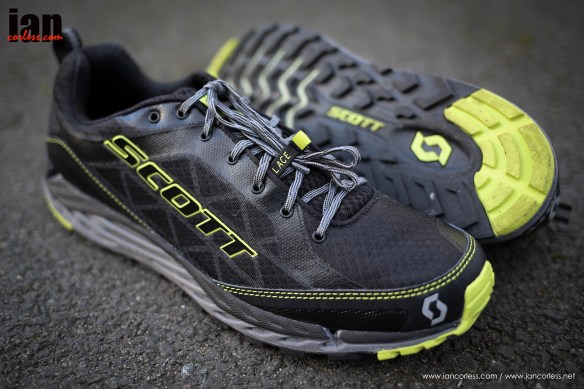
Scott T2 Kinabalu 2015

Scott T2 Kinabalu 2015

Scott T2 Kinabalu 3 – Read full review HERE

Ability to run on road – Excellent. It’s not a road shoe but it runs great on the hard stuff.

Ability to run on hard trails – Excellent. The outsole has a low profile and therefore if the trail is dry, these shoes will fly along.

Ability on dry and wet rocks – On dry rocks, grip is very good. On wet rocks the grip is compromised.

Grip in mud – Moderate, they can handle a little soft stuff but not too much.

Climbing – Pretty good. The shoes are a little more substantial than others in the test and therefore they are a little heavier and a little more rigid.

Descending – Good feel and cushioning but grip is compromised on wet and muddy trail/ rocks.

Time on feet – Great shoe for longer running and a very durable upper with great protection. The shoe has an 11mm drop which is almost unheard of these days. 8mm has become the norm. But Scott use a ‘rocker’ and this does keep you mid to fore-foot and they don’t feel like 11mm drop when running.

Fit – Great fitting shoe that feels comfortable and holds the foot.

Lacing – Standard lacing with ‘lace-locker’ to hold excess lacing after they are tied.

Cushioning – Very good.

Outsole – It’s a road to trail shoe that offers grip similar to the TNF Ultra Cardiac but they have more grip than the Race Ultra, S-Lab Sense and Sense Mantra 3.

Toe box – Standard with good protection

Wear and tear – Very good 800k.

Drop – 11mm

Conclusion – The Kinabalu in it’s 3rd incarnation is a really good shoe, if it was 8mm drop it would be excellent. It’s a great shoe for those who want one shoe to do all things.
©iancorless.com_ScottSupertrac-5043

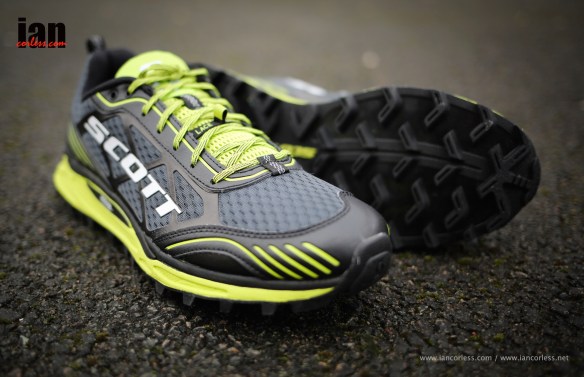
Scott Kinabalu Supertrac – Read full review HERE

Ability to run on road – Surprisingly good for an aggressive sole and you can run comfortable for longer periods of time.

Ability to run on hard trails – Excellent. As above.

Ability on dry and wet rocks – On dry rocks, grip is very good. On wet rocks the grip is compromised at times but you have confidence in the shoes.

Climbing – They are heavier shoes with less flex but the combination of grip and firm foothold make them very pleasing to wear.

Descending – Good cushioning and a robust (bomb proof) upper make you feel confident to tackle most terrain.

Time on feet – 8mm drop, good cushioning and a bomb proof upper make these great for long days. The only downside comes with the weight of the shoe. They are a fair bit heavier (340g) than other shoes in this test.

Fit – Great fitting shoes, maybe a little stiff when new but they soften. Toe box has room but not too much room and protection is excellent.

Lacing – Standard with ‘Lace-Locker.’

Cushioning – Excellent

Outsole – Aggressive that works on a multitude of surfaces.

Toe box – Standard with good protection.

Wear and tear – Excellent 800k

Drop – 8mm

Conclusion – This shoe is a real winner that mixes up different surfaces really well in a shoe that gives great cushioning all with an 8mm drop. The downside is the weight.
©iancorless.com_Scott-8036

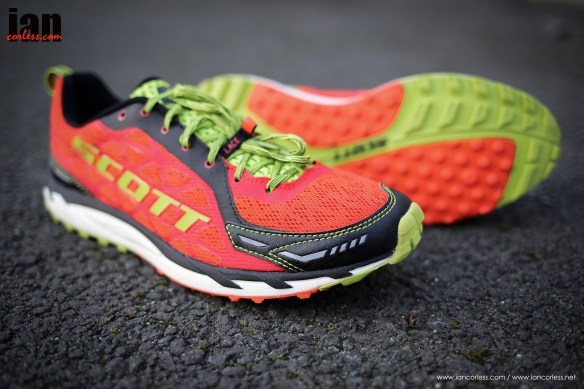
Scott Trail Rocket – Read full review HERE

Ability to run on road – Excellent.

Ability to run on hard trails – Excellent.

Ability on dry and wet rocks – On dry rocks, grip is very good. On wet rocks the grip is compromised.

Climbing – Shoes feel great. They are flexible, hold your foot snug and you have a feeling of precision. Not good in the wet or mud.

Descending – Okay if it is dry.

Time on feet – This depends on ones adaptation to a more minimal shoe. This is a shoe for faster running on dry/ mixed trail.

Fit – Good snug fit with precision feel.

Lacing – Standard.

Cushioning – This is a more minimal shoe for faster running but they are well cushioned.

Outsole – For dry trails

Toe box – Narrow, precision fit.

Wear and tear – Moderate – 5/600k.

Drop – 5mm

Conclusion – Great fitting shoe and the race rocker works well for keeping you mid to forefoot. This shoe compares to the Salomon S-Lab Sene, Mantra 3 or the Race Ultras. It has a specific use.

And the winner is?

Before I say my winner, lets look at my thought process. By ‘best’ shoe I am taking into consideration many things such as: comfort, drop, cushioning, longevity, fit and so on. I am not looking at the colour or the price of the shoe. It may sound flippant but all shoes are around the same price these days and to be honest, if the shoe is what I want and I know it works then I will pay the bucks.

You may well say, ‘But you can’t compare 4mm drop shoes to 8mm drop shoes and shoes with hardly any grip to shoes with loads of grip!’

Yes, I know.

But in some respects, this review or this comparison is all about purchasing one pair of shoes that can do all things well. If I wanted to just run in the mud I would get the Mudclaw 300. If I was just going to run fast hard trail I may well go for the Salomon Sense Mantra 3.

So, here you go:

Scott Kinabalu Supertrac

Surprised?

I am! When I started this process I didn’t think the Scott would come out on top but you know what, it has been a relatively easy decision.

I know it’s a heavy shoe and that is a big down side, especially when you compare it to say the Salomon which are almost 100g lighter; that is huge! But if I could only have one pair of shoes that had to take me along roads, along dry trails, up mud, down mud and along rocks in the wet and dry then the Supertrac would be the ones for me! The combination of 8mm drop, excellent cushioning, bullet proof upper, ‘rocker’ design and the aggressive outsole make them a winner; for me!

On a final note, shoes often have very specific uses and all the shoes above (in most cases) do one thing well! So, if you have the funds and the desire to own multiple pairs of shoes this almost certainly is the best way to go.

Three key shoe choices:

  • Road/ dry trails
  • Trail shoes for mixed conditions
  • Mud/ off-road shoes

The other key choice is drop and cushioning – you know your needs!

What are your thoughts and what shoes have I not tried here that would provide some competition?
Garmin Mourne Skyline MTR 2015 – Race Summery and Images

©iancorless.com_Mourne2015-3752

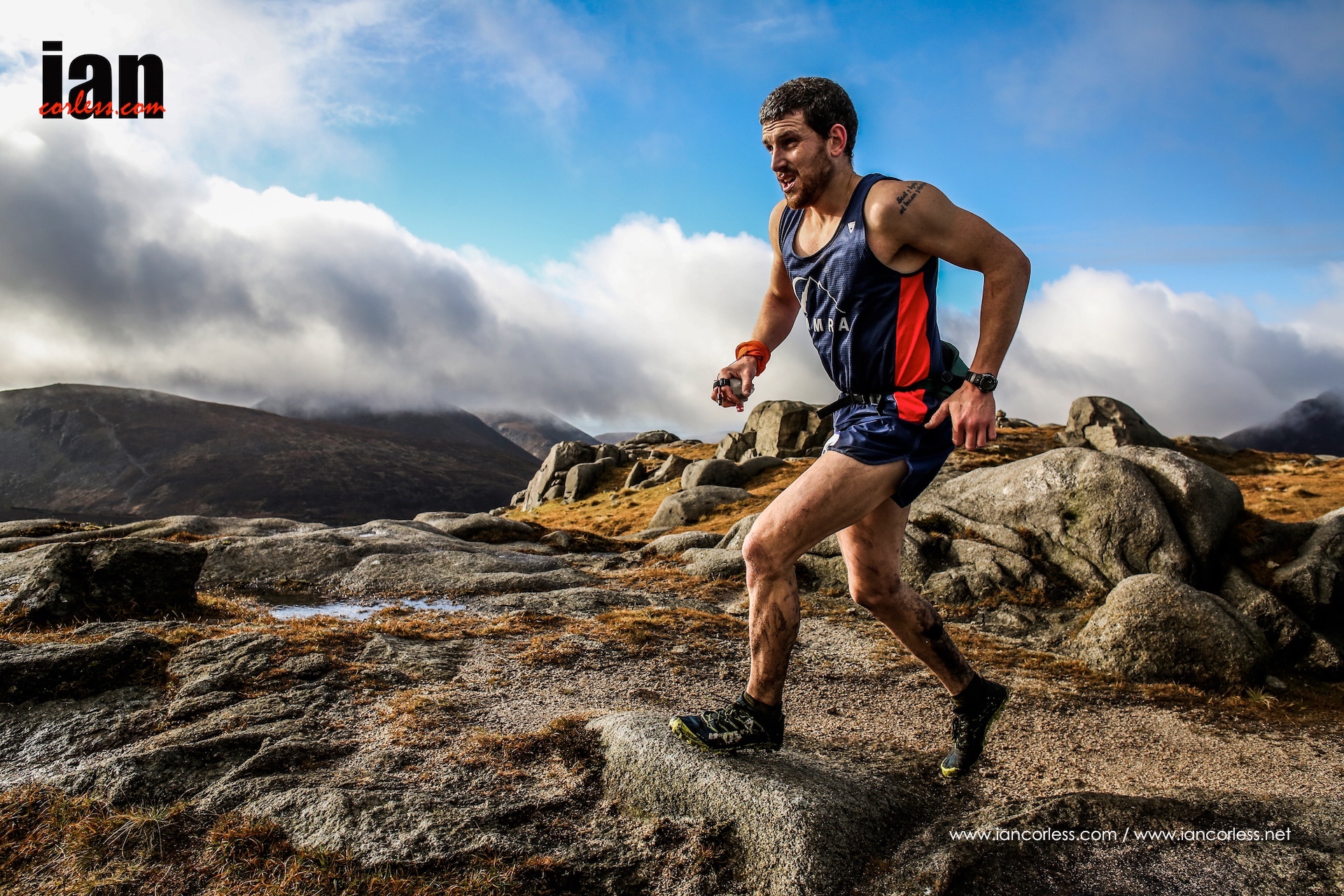
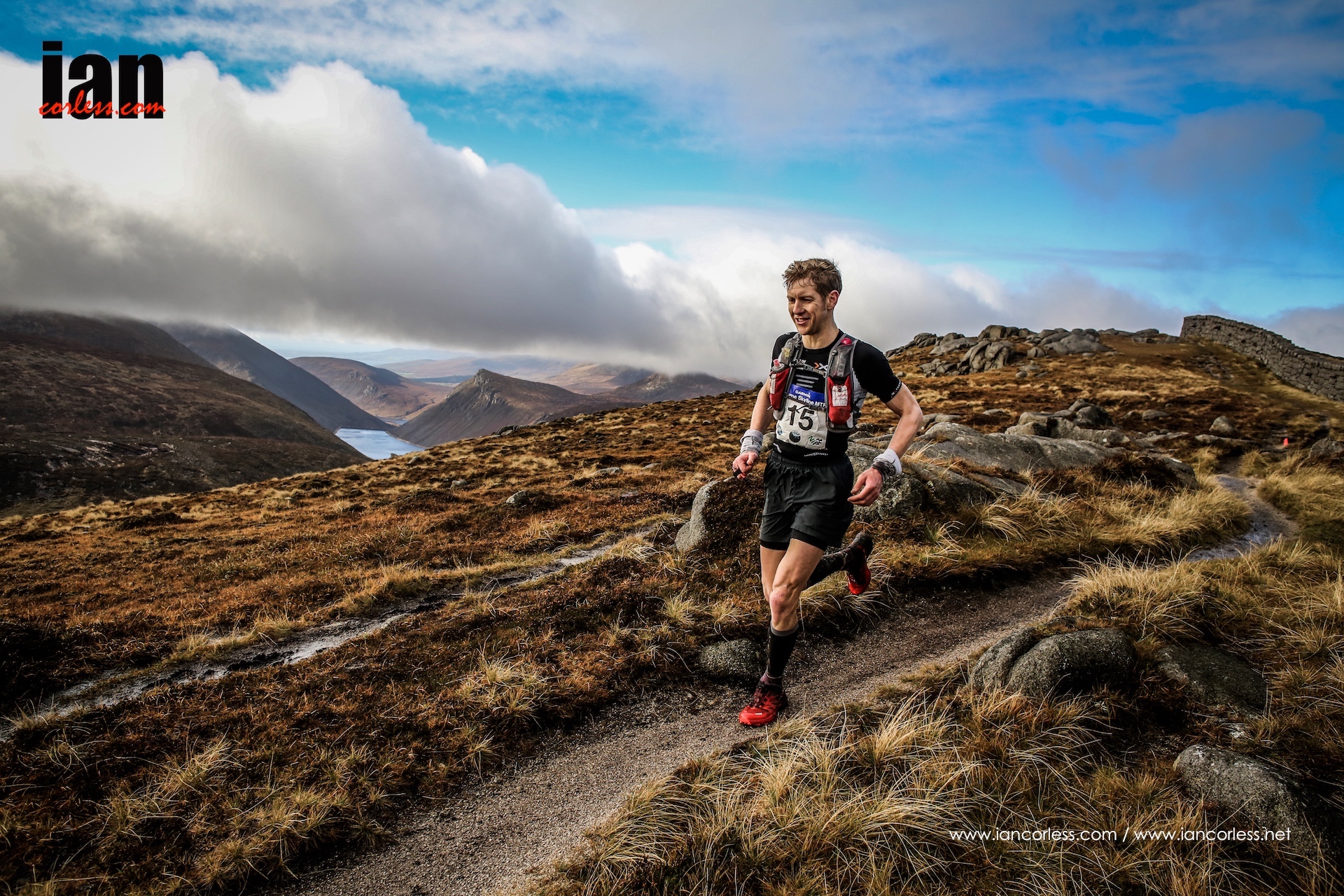
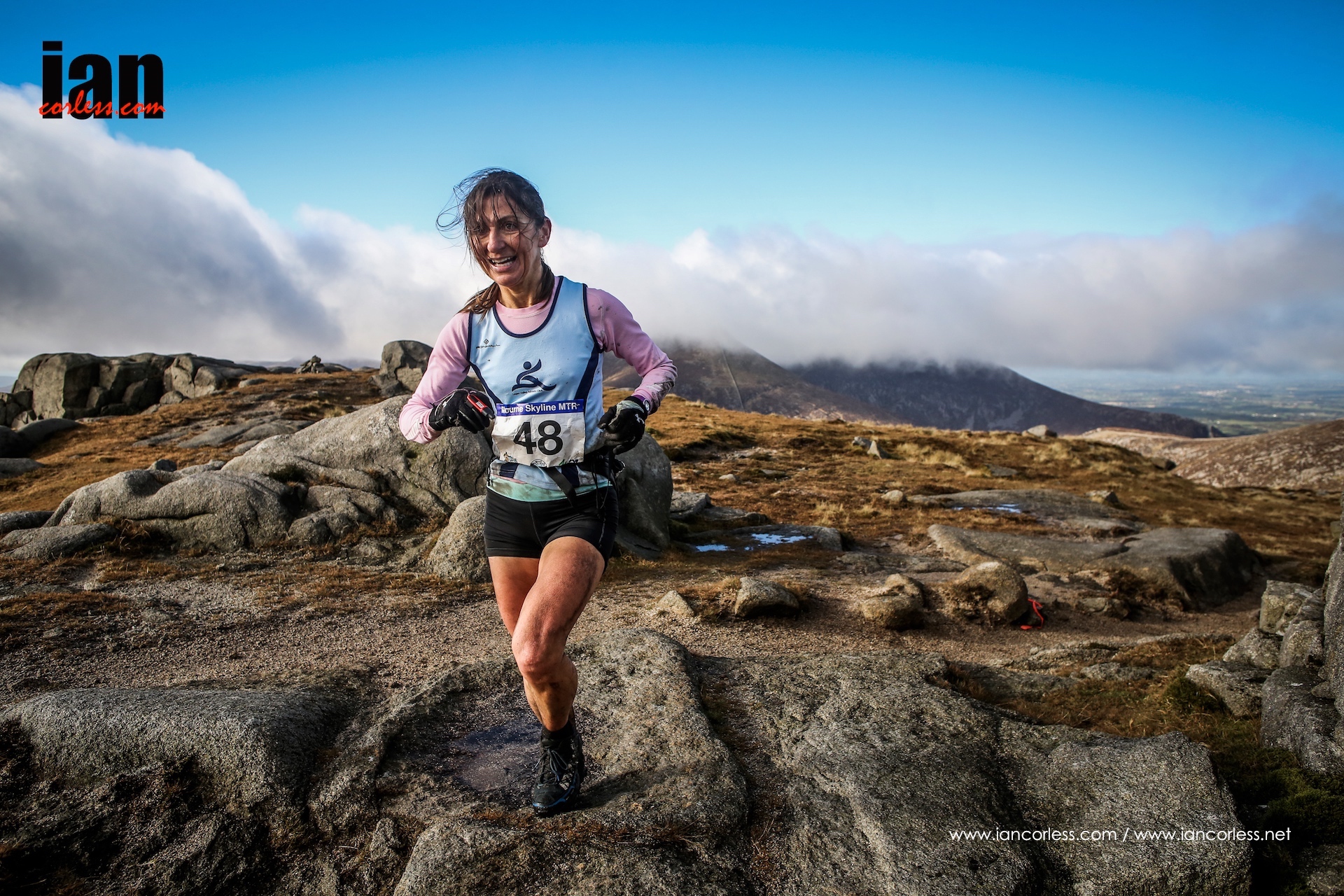
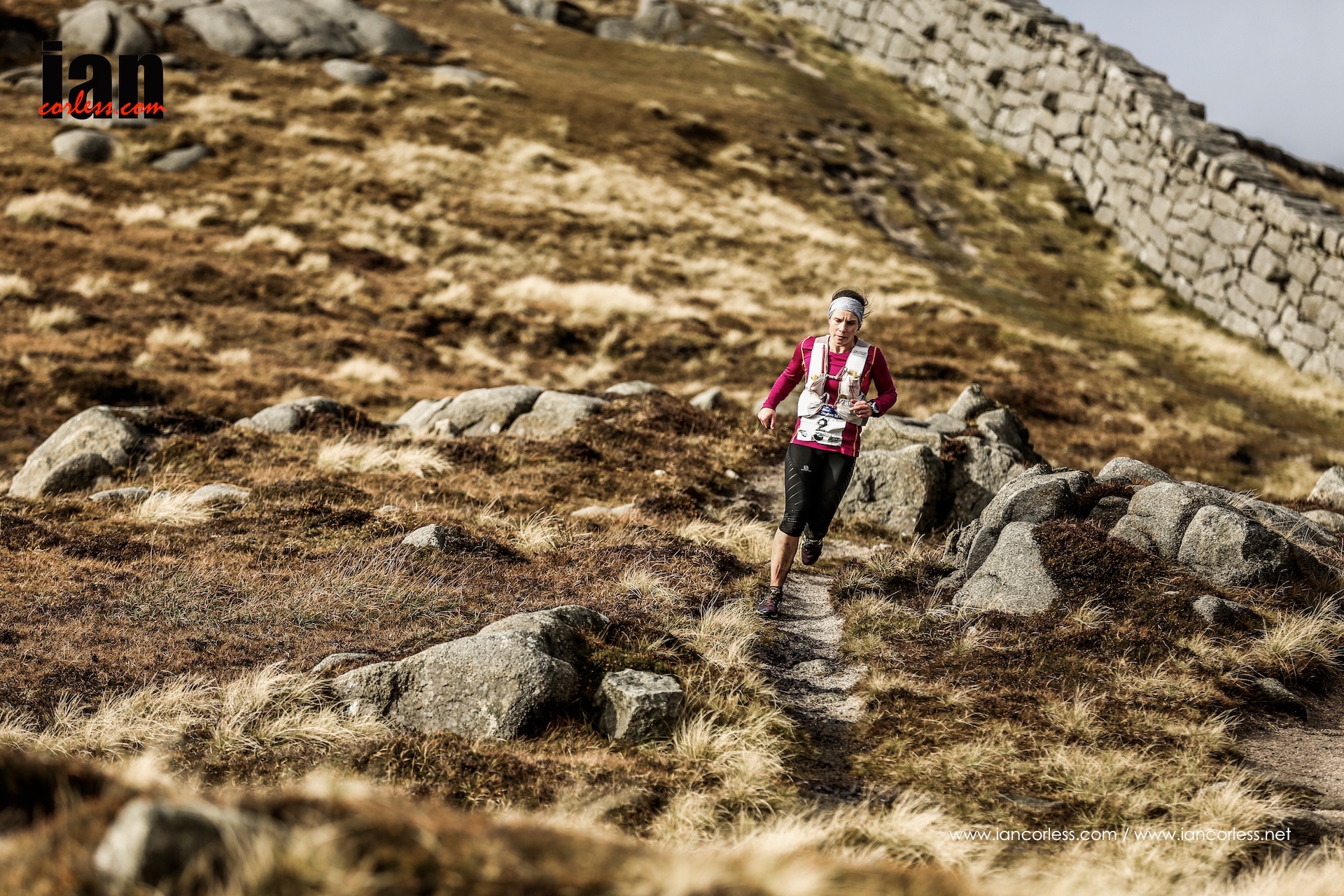
Iain Bailey and Diane Wilson were the 2015 champions for the 2nd edition of the Mourne Skyline MTR, the 6th and final race in the Skyrunning UK calendar.

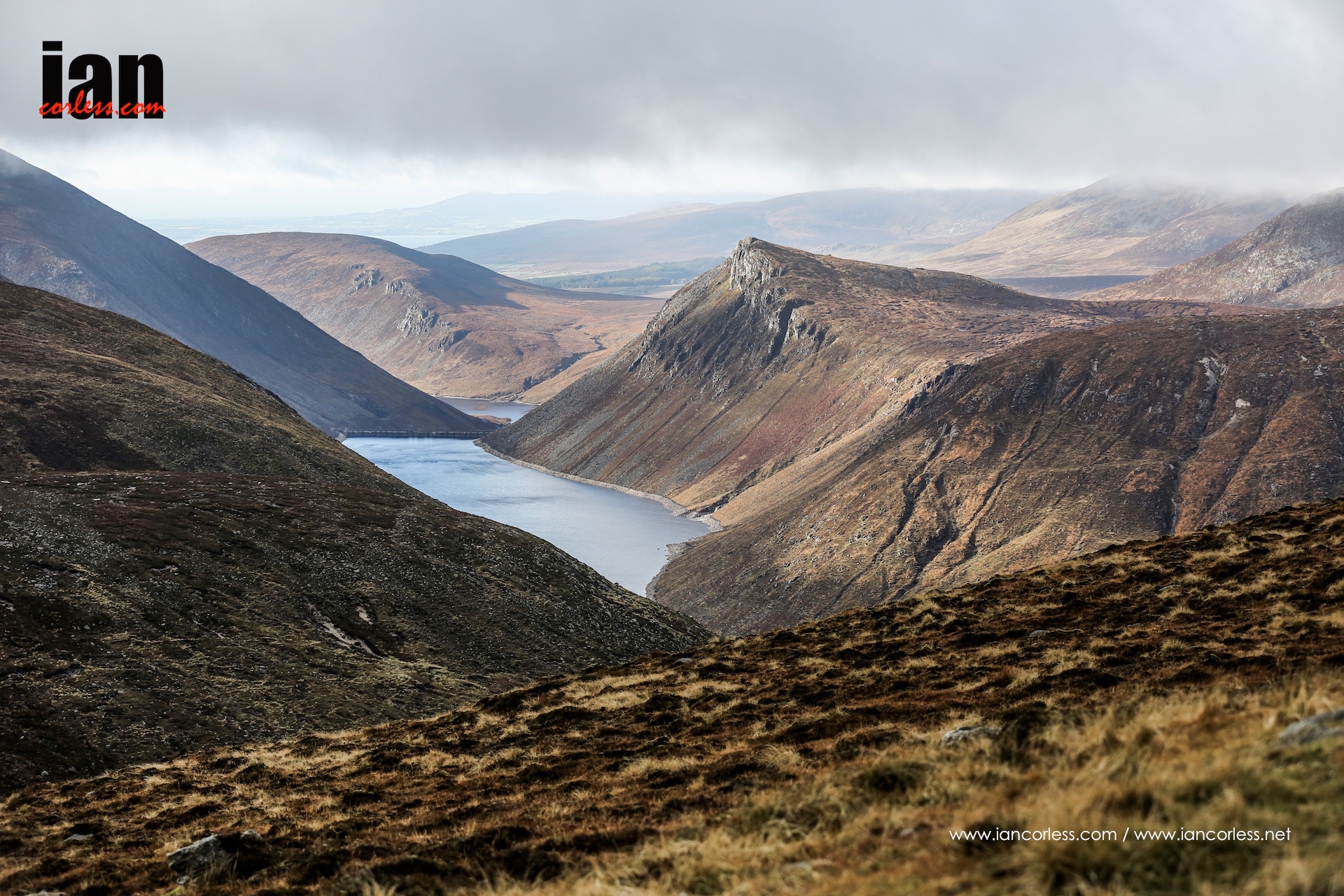
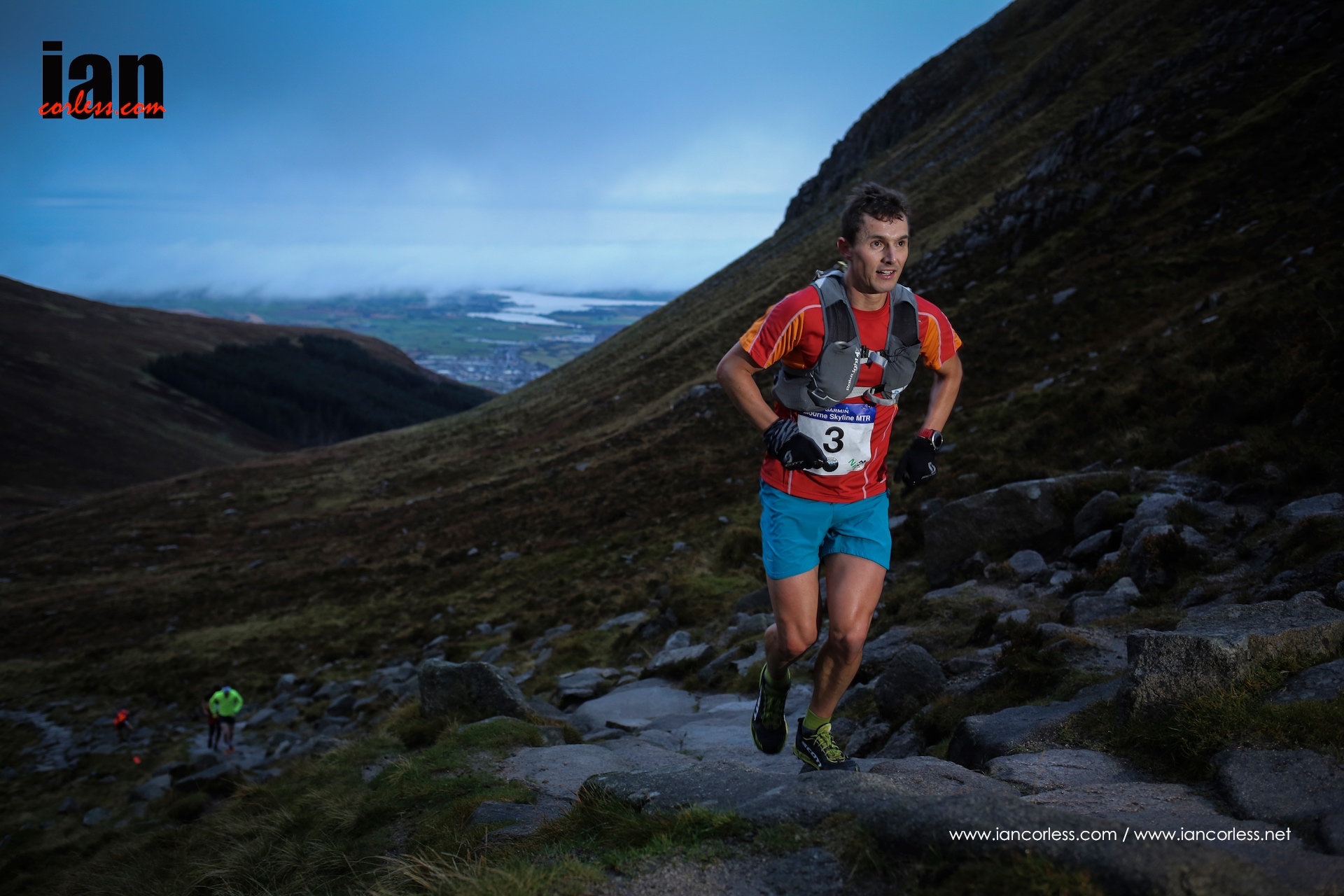
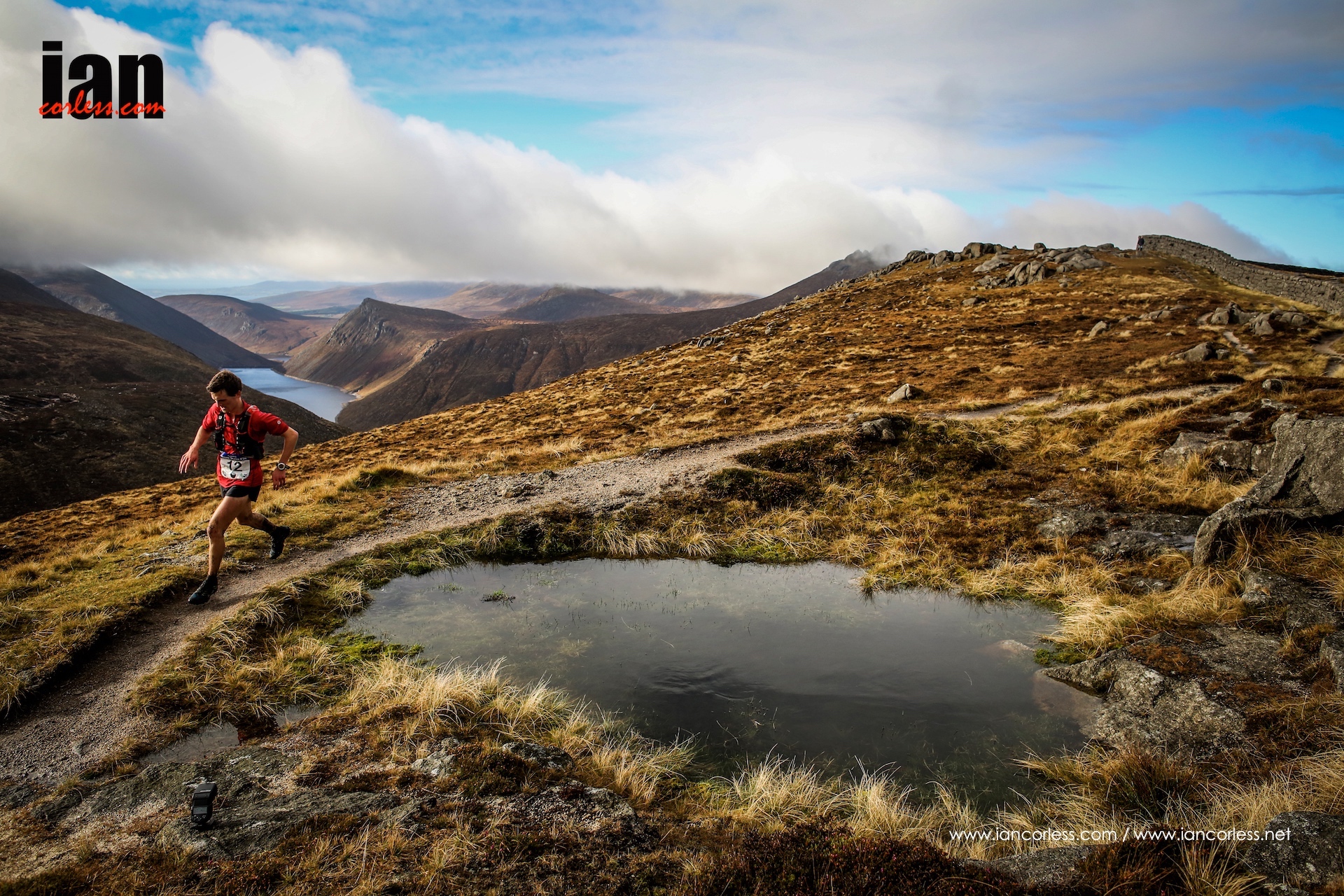
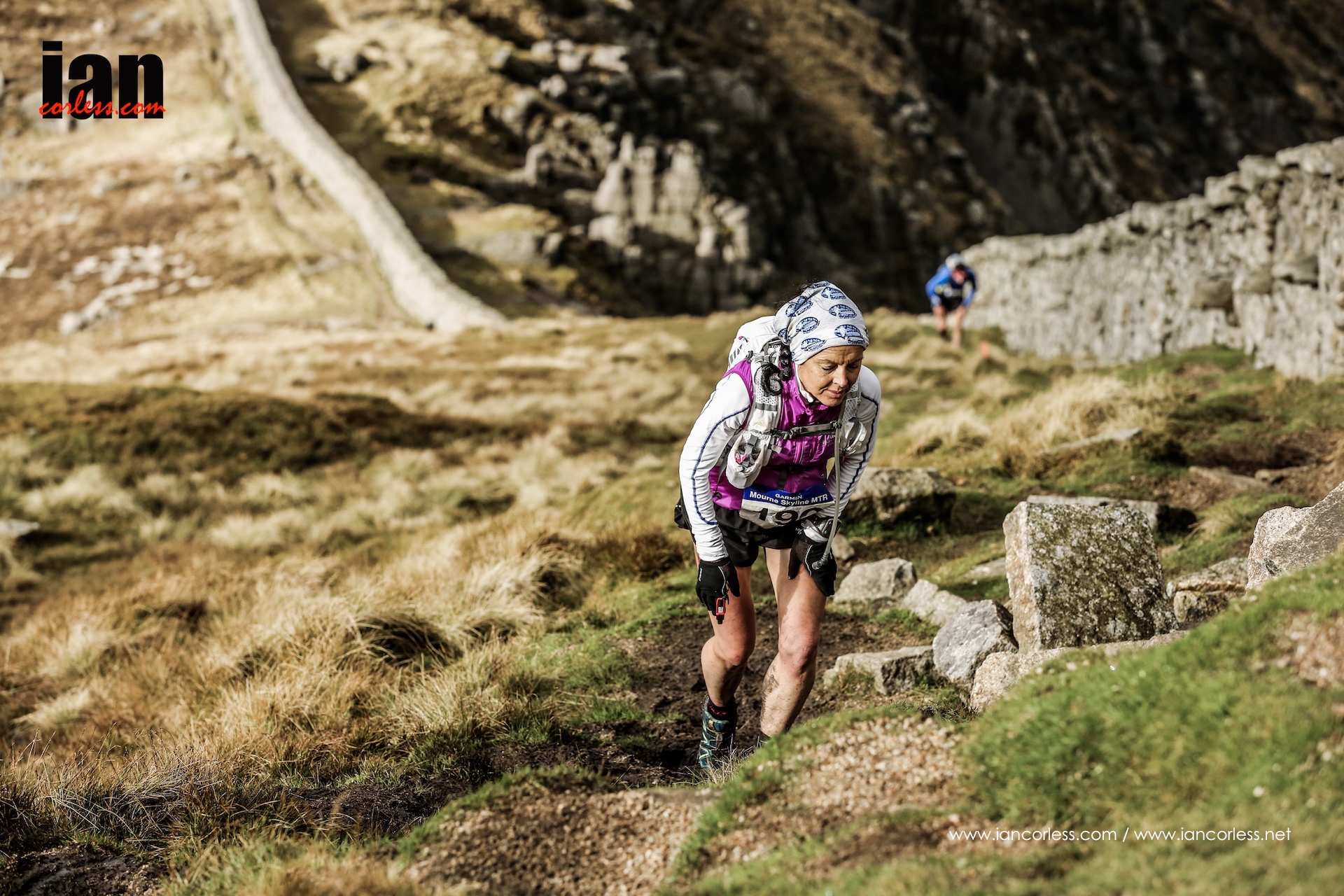
Considered by many to be Northern Ireland’s toughest and most challenging race, the Mourne Skyline MTR covers 35km’s with a whopping elevation gain of 3370m. Starting and finishing in the seaside resort of Newcastle, the race is now considered to be a highlight not only of the Skyrunning UK calendar but also the racing calendar in Northern Ireland.

The first edition of the race was made especially difficult with gale force winds that at time lifted runners off their feet and ‘helped’ them along the course. It looked like a repeat day was in store for the 150-runners who would tackle the 2015 edition when overnight wind and rain battered the coastline.

©iancorless.com_Mourne2015-7464

At 0800 leaving the promenade of Newcastle, the cold temperatures, strong winds and light rain certainly added to the trepidation of a tough day in the mountains. From the off, Dan Doherty dictated the men’s race but he was closely followed by the day’s main protagonists of Eoin Lennon, Ian Bailey, Jayson Cavill and Ally Beaven. For the ladies, Shileen O’Kane pushed the early pace ahead of Lizzie Wraith and Diane Wilson.

©iancorless.com_Mourne2015-7641

At the col between Slieve Donard and Slieve Commedagh, with 6.6km covered, the action started to unfold as the runners headed out on the more demanding sections of the course. Climbing the rocky and technical Slieve Meelmore, the real race started to take place but at all times the main protagonists jockeyed for position.

©iancorless.com_Mourne2015-7913

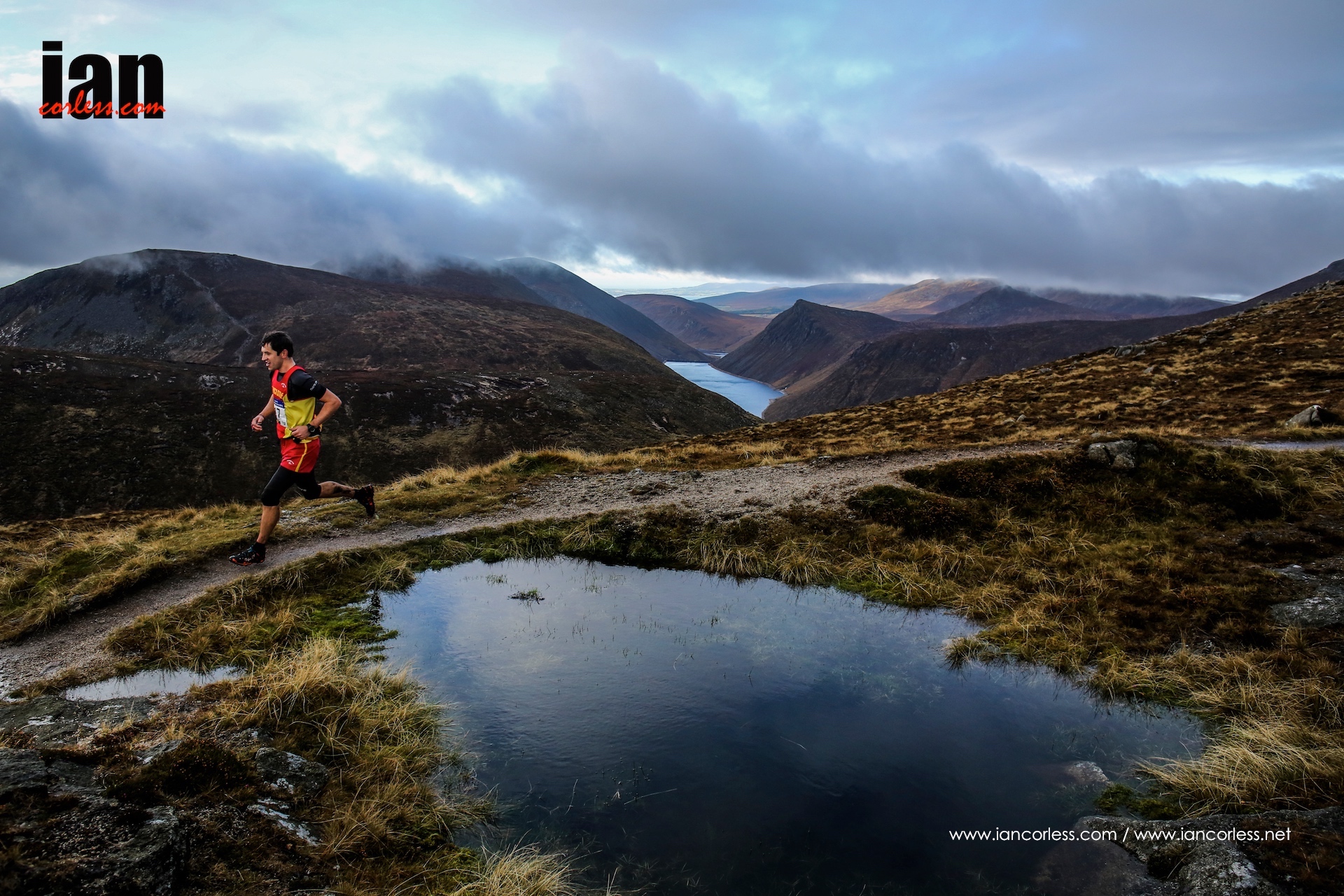
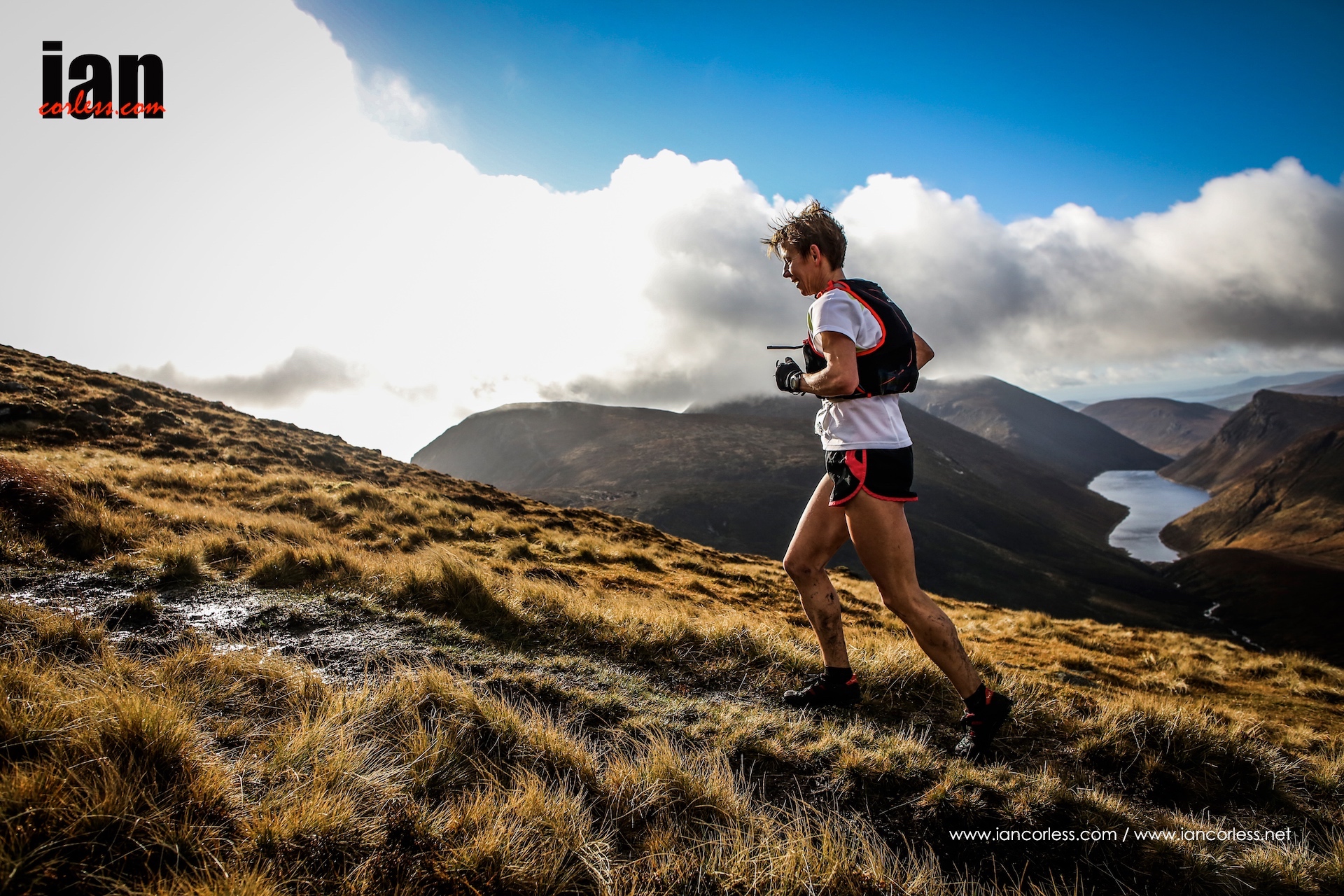
Iain Bailey and Diane Wilson took the respective race leads for the men and the women and this coincided with the skies clearing and the arrival of the sun. Finally, it was possible to see out across the stunning Mourne Mountains and take in the beauty this area has to offer. The sea glistened in the distance and the yellow and amber colours of the terrain provided a stunning backdrop to hard, tough and technical racing.

Overnight rain had made the course exceptionally difficult under foot and many runners commented post race how challenging it was to remain upright while descending.

©iancorless.com_Mourne2015-7703

Slieve Bearnagh offered one of the toughest climbs of the day and then a drop down to Hare’s Gap where the ever-present Mourne Wall then guides the runners to Slievenaglogh, Slieve Commedagh and then final push of the day up and over Slieve Donard (2788ft) before dropping all the way down from the summit to the finish line in Newcastle.

©iancorless.com_Mourne2015-7685

Pre race favourite Dan Doherty went to through a bad patch in these sections as he chased Iain Bailey who had a convincing lead of well over 5-minutes, “I am lacking energy and feeling tired,” Doherty shouted as he ran past hotly pursued by Ally Bevan, Eoin Lennon and Jayson Cavill. One would have thought that Doherty would not hold on to 2nd but he found the energy from somewhere!

©iancorless.com_Mourne2015-7656

Bevan, Lennon and Cavill contested the final podium place and it was a close battle before Lennon found that extra few percent to open up a gap. Bevan looked secure for 4th but a charging Cavill looked like he may well have upset that as he raced for the line. Bevan held off for 4th by just 7-seconds.

©iancorless.com_Mourne2015-8022

Pre race favourite Diane Wilson never looked back after taking over the front of the race and ran a well paced and controlled run to take victory, behind Helen Brown held off early leader Shileen O’Kane for 2nd and GB athlete Lizzie Wraith finished 4th ahead of Jaqueline Toal. “I had completely wrong shoes today,” said Wraith post race, “the descents were so slippery that I just couldn’t push the pace. I am happy though!”

©iancorless.com_Mourne2015-4244

Although the start of the day was a tough one many commented that the conditions after a couple of hours of running were considerably kinder than the 2014 edition when the gale force winds battered the runners, this was reflected in a new course record by Iain Bailey of 3:51:22.

©iancorless.com_Mourne2015-4434

A notable mention must also go to Garmin who for the first year sponsored the Mourne Skyline MTR and the input of the GPS watch brand was instrumental and securing a 30-minute program on the race for channel 4 TV. Needless to say this will be a great boost for the race, running in Northern Ireland and Skyrunning UK.

The program will be televised in November and we currently have a possible date of 8th.

Mourne Skyline MTR concluded the 2015 Skyrunning UK calendar. Just 2-years old, this series of races is now firmly becoming one of the most exciting race circuits. 2016 will see the series grow with points awarded for each race, prize money at every race and some special prizes on offer for the 2016 SKY and ULTRA champions, make sure you keep an eye on www.skyrunninguk.com


RESULTS

  1. Iain Bailey 3:51:22 new CR
  2. Dan Doherty 4:04:07
  3. Eoin Lennon 4:07:45
  4. Ally Beaven 4:10:21
  5. Jayson Cavill 4:10:28
  1. Diane Wilson 4:33:26
  2. Helen Brown 4:42:12
  3. Shileen O’Kane 4:50:19
  4. Lizzie Wraith 5:04:12
  5. Jacqueline Toal 5:25:03


Race images are available at iancorless.photoshelter.com

All of the images below are copyright protected. You can share on social media but do not crop, adjust or modify and no commercial use. If you don’t wish to purchase images, consider a donation here

Mourne Skyline MTR website HERE

Limone Extreme SkyRace 2015 – Race Summary and Images

©iancorless.com_Limone2015-0884

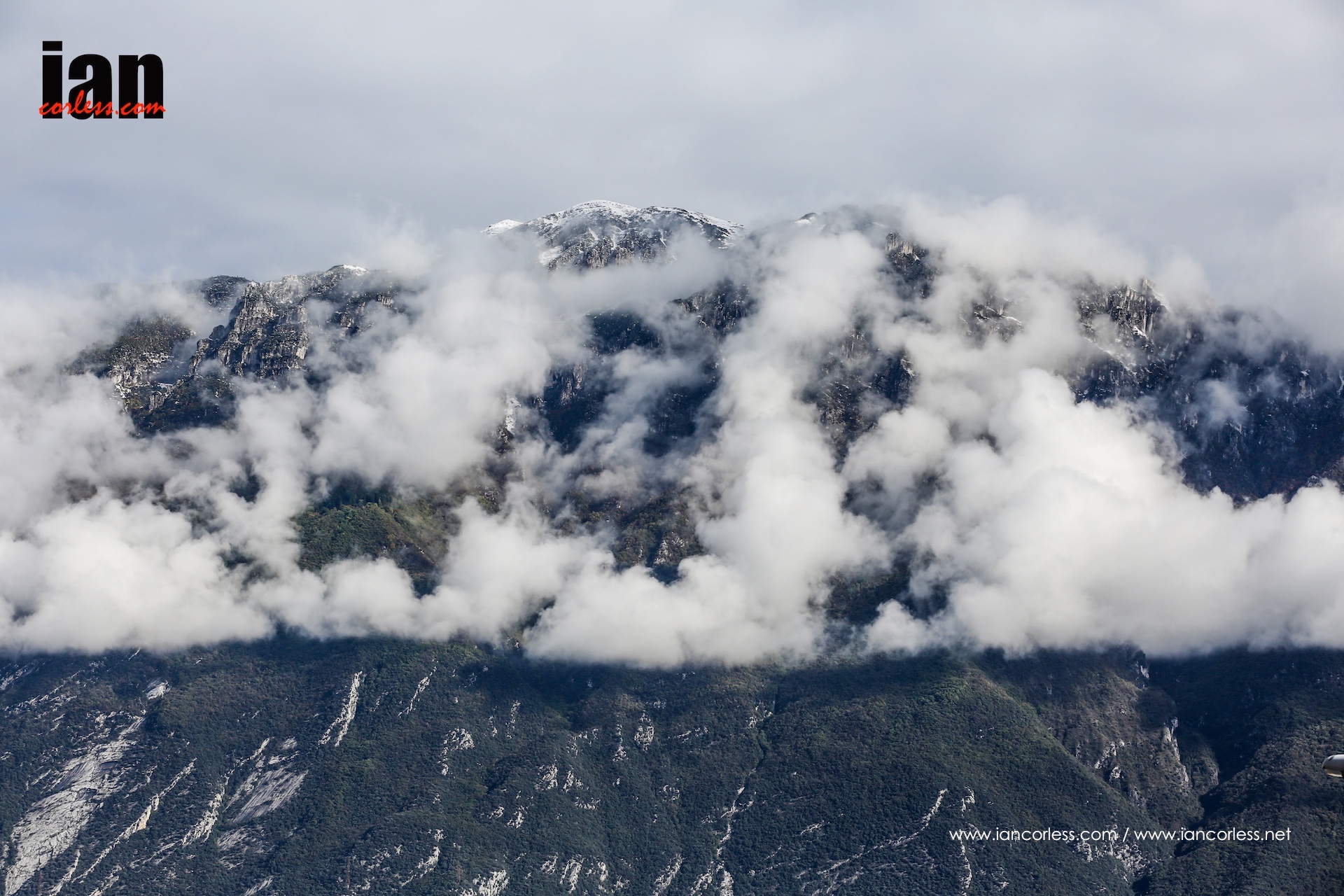
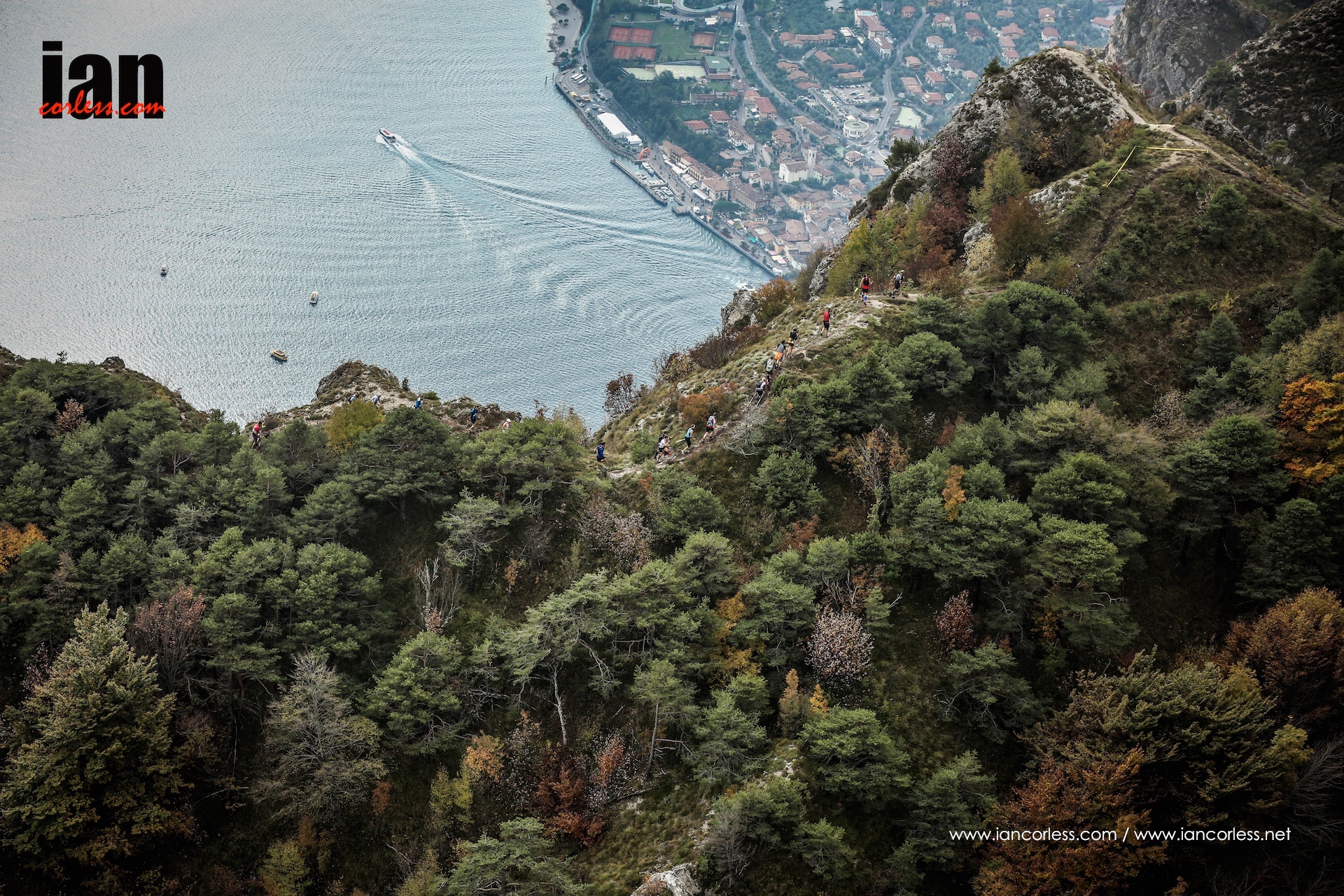
Another season of Skyrunning concluded in Limone sul Garda with the Limone Extreme SkyRace, the final race in the 2015 Skyrunner® World Series. As expected, it was a day of high emotions that ultimately resulted in blood, sweat, tears and elation.

©iancorless.com_Limone2015-0615

Although race day conditions were ideal, a new course had been created after the thunderstorms of Thursday night and Friday morning. The resulting race although the same distance (23km) had an additional 800m of elevation and descent. Work it out! 23km and 2800m of elevation gain and descent, that can only mean one thing; pain!

©iancorless.com_Limone2015-1067

One thing became clear though post race, although this new course was tougher it had a unanimous nod from all the runners that the additional difficulty was a good thing; that’s Skyrunning for you!

Final races in a series can often have a forgone conclusion of who will be crowned respective male and female Skyrunner® World Series champions, not here in Limone. It was wide open and all to fight for.

Click on the images to view pre race photographs:

©iancorless.com_Limone2015-2657

In the men’s race, Remi Bonnet once again proved that we have a star in the making. He followed on from the previous nights VK victory with a world-class SKY performance that left every other runner in the race trailing in his wake. It was stunning to watch. This course is tough, don’t doubt it! Remi ran every step. He has an incredible style, almost shuffling as he moves from left-to-right foot in small movements. It’s incredibly effective and ultimately impossible to follow. Despite him winning the race outright, he could not follow up his Skyrunner® World Series victory for the VK distance as he did not have a result on a Continental race, had he had this, he may well have been the 2015 champion?
©iancorless.com_Limone2015-2258

Behind Remi, series leader, Tadei Pivk grabbed the bull by the horns and followed the young Swiss runner with 100% determination. His style on the climbs was in complete contrast to Remi; he almost fought the terrain! On the final long descent back down to the Lake and the finish line in Limone, I had expected Tadei to close the gap as he descends incredibly well. Alas no, the day was not for him but his 2nd place gave him the ultimate prize of the 2015 Skyrunner® World Series title.

©iancorless.com_Limone2015-2085

Ever present Manuel Merillas, also a strong contender for the overall series ran a well paced race and moved from 6th, 5th and 4th to finally finish 3rd. It was a great result and ultimately secured his 2nd place in the Skyrunner® World Series rankings ahead of Martin Anthamatten who took the final podium slot despite finishing 13th on the day, no doubt carrying over fatigue from his recent victory in the USA.

©iancorless.com_Limone2015-3127

In the ladies race a hotly anticipated battle between Laura Orgue and Megan Kimmel really came to fruition and as always happens in these scenarios, somebody wins, somebody looses. Laura Orgue already had the Skyrunner® World Series title for the VK distance secure before Friday’s VK race and she made the very sensible decision not to race and save her legs for the following day and Saturday’s Sky race.

©iancorless.com_Limone2015-0828

Running at the front of the race, the VK specialist really embraced the additional 800m of vertical gain and used all her climbing skills to pull off a stunning victory. It was a gutsy ‘give it everything’ performance and one that Maite Maiora tried to spoil. They traded blows throughout the day and Laura managed to squeeze ahead and find those extra percentages of performance to finish just 17-seconds ahead of the La Sportiva runner.

Could Megan Kimmel finish 3rd and secure the world series title?
No! A tough day in the office and carried over fatigue from a recent victory in the USA’s Flagstaff race resulted in Megan feeling tired all day. Of course, the additional 800m of vert didn’t help. Megan finally finished 6th and just had to accept that ‘these things happen!’

©iancorless.com_Limone2015-3339

Oihana Kortazar followed up a great run from the previous days VK with the final podium place ahead of Elisa Desco and Yngvild Kaspersen.

A season comes to an end and with it we have memories, emotions and passion. The 2015 Skyrunner® World Series champions are:

Laura Orgue and Remi Bonnet are the SWS champions for the VK distance.

Laura Orgue and Tadei Pivk are the SWS champions for the SKY distance.

Emelie Forsberg and Luis Alberto Hernando are SWS champions for the ULTRA distance.

©iancorless.com_Limone2015-7349

Attention now turns to 2016 and the calendar of races that will once again secure the hearts and minds of the mountain running community.

Less Cloud, More Sky!

Results

  1. Laura Orgue 3:18:50
  2. Maite Maiora 3:19:07
  3. Oihana Kortazar 3:22:24
  4. Elisa Desco 3:28:00
  5. Yngvild Kaspersen 3:28:40
  1. Remi Bonnet 2:45:25
  2. Tadei Pivk 2:51:08
  3. Manuel Merillas 2:52:52
  4. Jokin Lizeaga2:53:55
  5. Aritz Egea 2:55:47

Moments from the finish line, click on images to view larger:

RACE DAY IMAGES – more images to follow as soon as wifi becomes available

Check out my Facebook page HERE

Skyrunning HERE