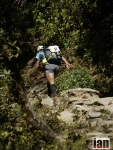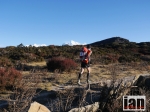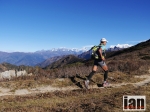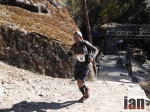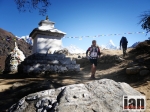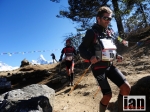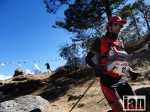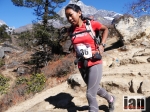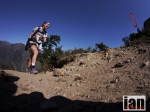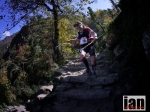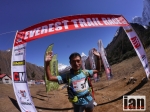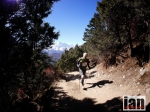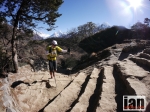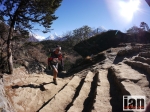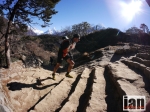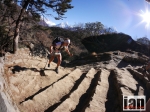
Middlefell Fell Race #inov8retreat – Wasdale, English Lakes

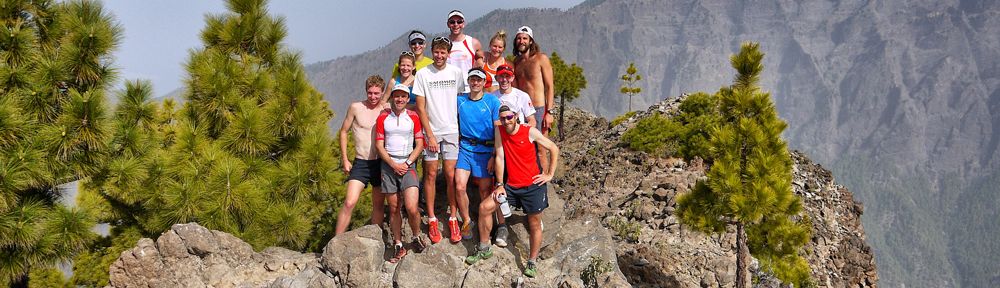
Day 2 of the inov-8 athlete retreat and after a morning of discussing new products (apparel, shoes and packs) for 2015, the inov-8 team and support staff travelled to Nether Wasdale for Middlefell Fell Race.

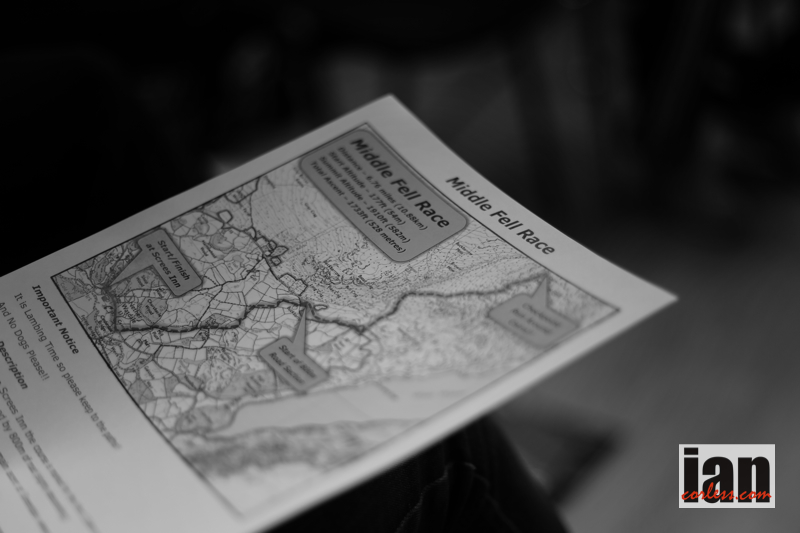
Covering 6.6-miles, runners climb to 1,700-feet on an out and back course in the heart of the English Lakes.

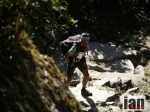
Dashing along roads, tracks and fields for approximately 2-miles, after Greendale, runners branched left and and started the ascent following the Wasdale route but after a short sharp and steep climb, the route then branches right at a natural fork and then ascends to the summit of  Middlefell. It’s an out and back route so after turning at the cairn at the summit, runners re trace back to the start.

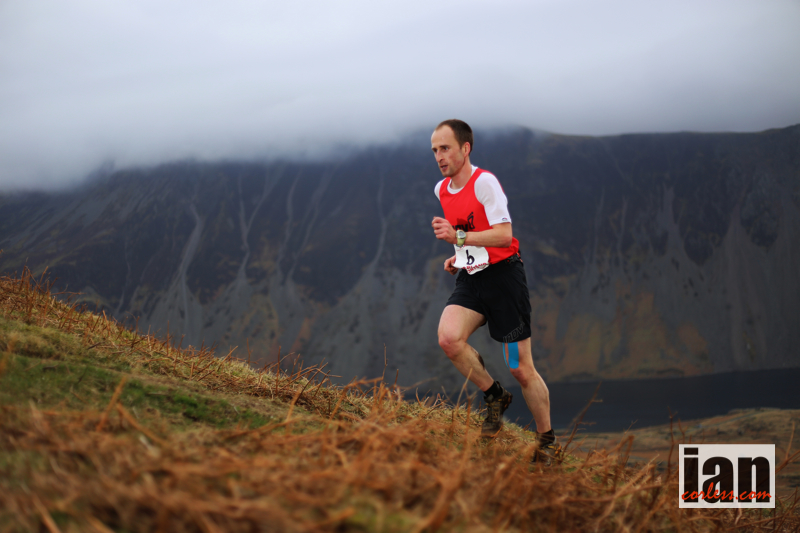
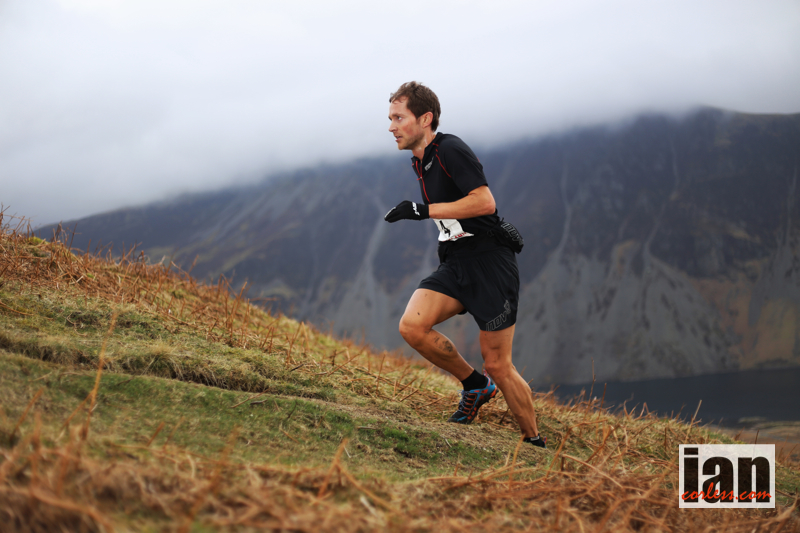
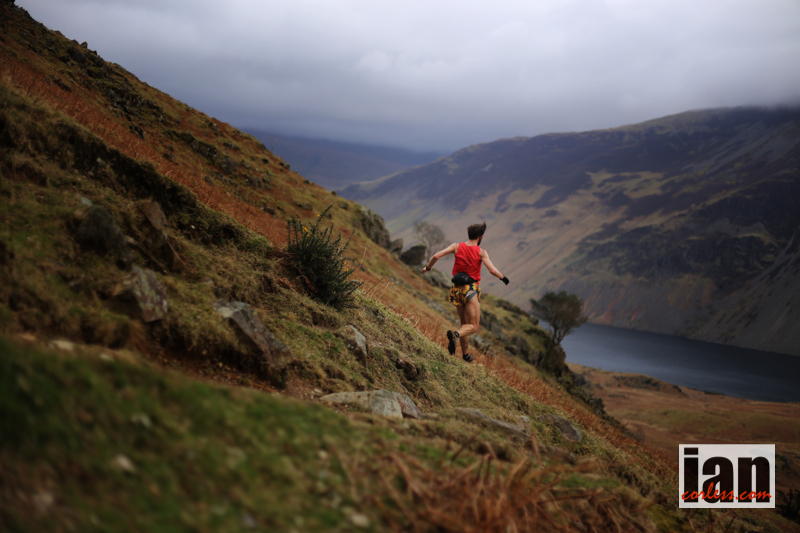
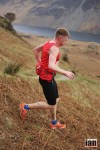
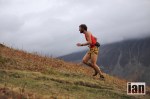
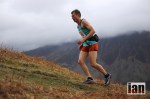
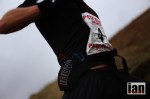
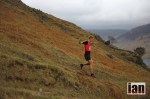
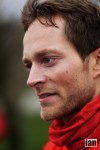
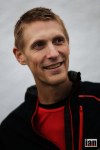
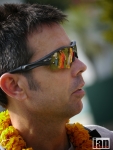
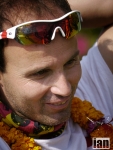
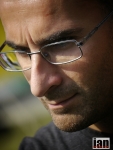
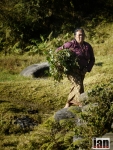
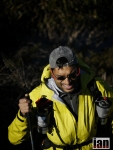
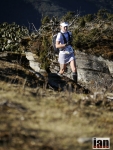
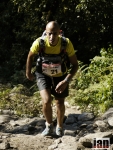
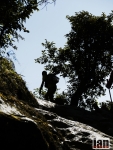
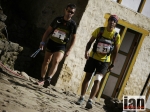
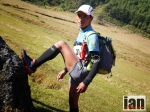
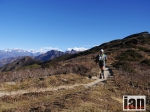
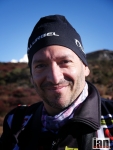
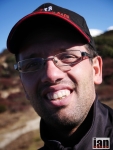
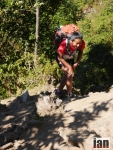
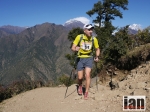
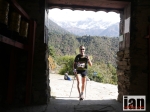
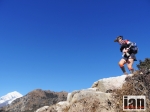
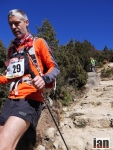
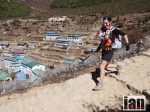
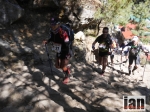
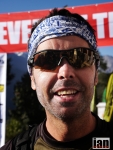
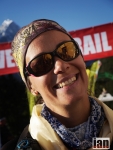
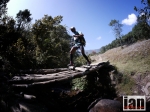
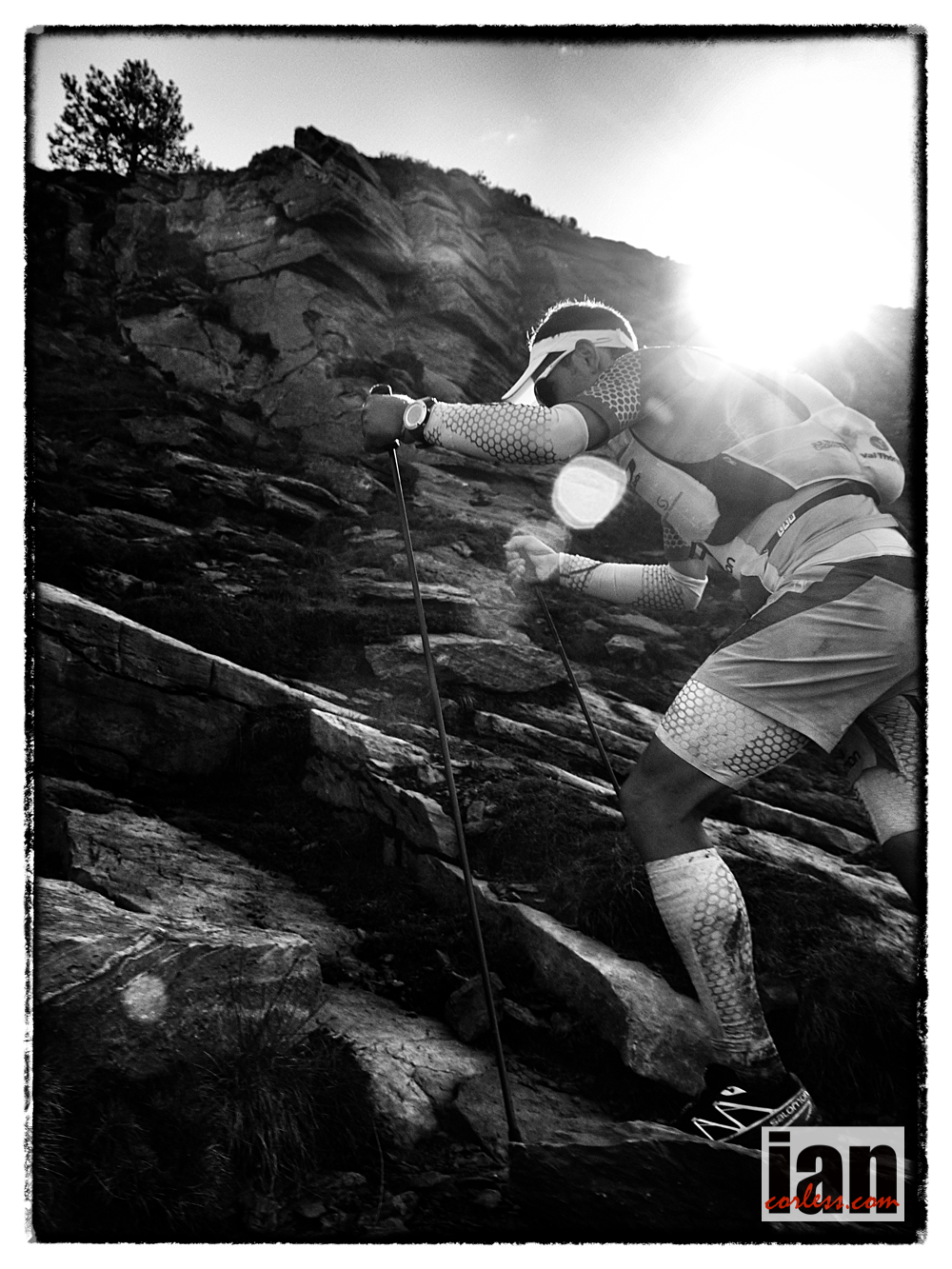
David Schneider ©iancorless.com

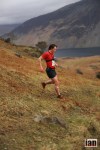
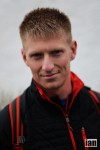
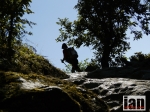
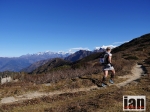
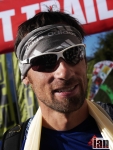
David Schneider ©iancorless.com

Wasdalefell is normally a small fell race, but today, an influx of inov-8 athletes almost doubled the numbers and the pace! With a strong representation from the UK, Norway, Switzerland, Catalonia, France and the Basque country, this small fell race became a truly International affair.

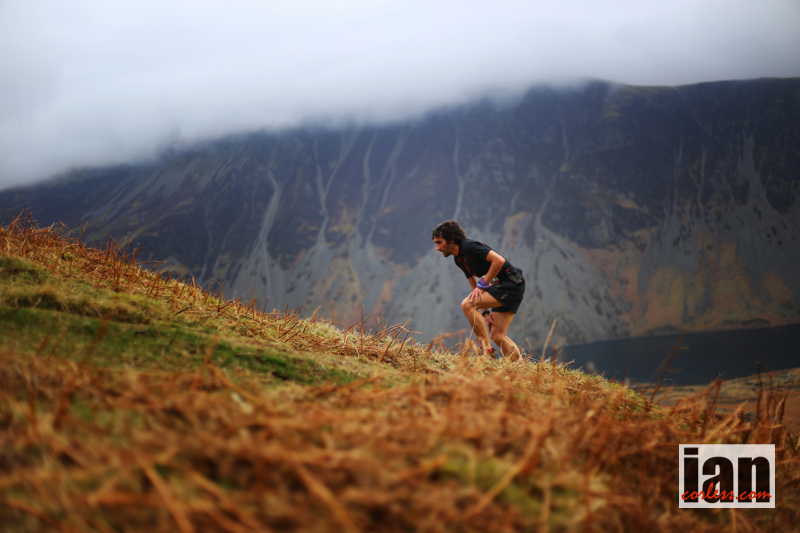
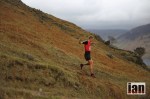
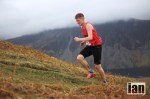
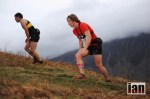
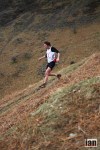
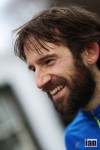
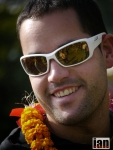
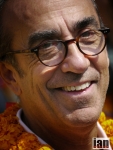
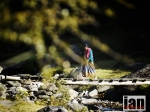
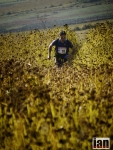
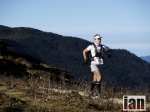
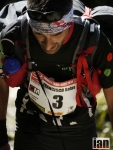
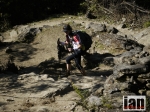
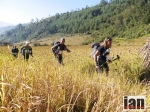
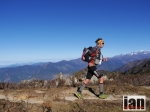
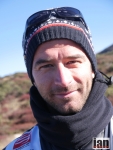
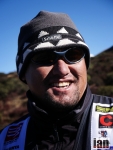
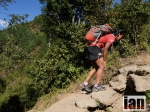
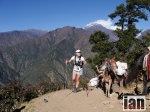
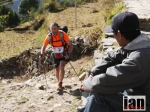
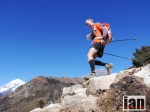
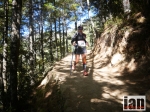
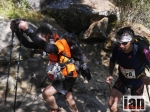
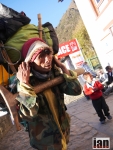
Erik Haugsnes ©iancorless.com

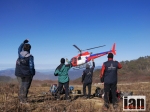
Erik Haugsnes ©iancorless.com

Pre-race discussions had been all about who would take the win and how would ‘Skyrunners‘ from Switzerland, Norway and Catalonia fair against out-and-out fell runner’s?

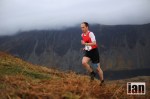
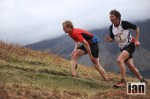
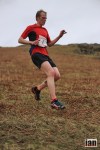
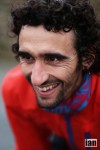
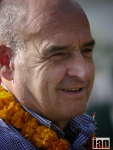
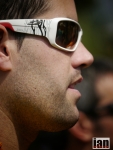
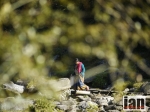
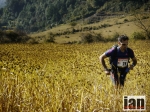
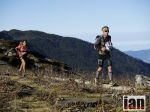
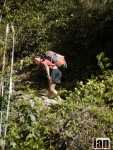
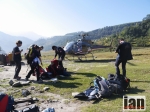
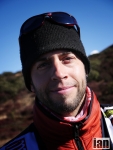
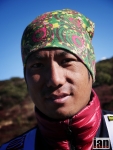
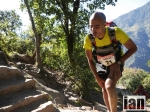
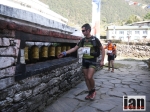
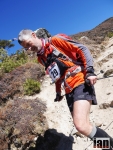
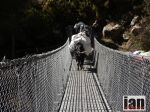
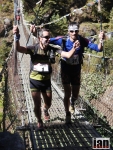
Aritz Egea ©iancorless.com

Aritz Egea ©iancorless.com

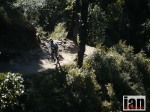
With the flat early 2-miles over, it was great to see, Swiss runner, David Schneider leading Baque, Artiz Eregea in the early stages, This strong European representation was also backed up with Erik Haugsnes from Norway. Tom Addison and Orlando Edwards was leading the ‘local’ attack and were closely followed by Gary Priestley and Morgan Connelly.

Early morning low lying mist had lifted leaving a relatively clear day, with light winds and a bite in the air. The push to the summit was followed with a turn and quad busting descent.

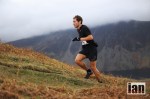
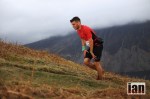
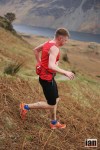
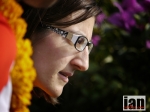
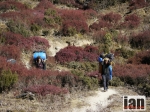
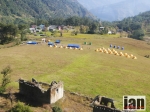
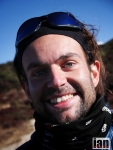
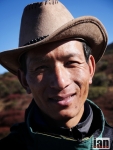
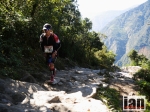
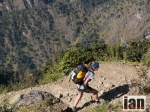
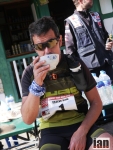
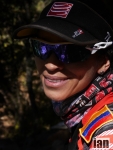
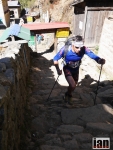
Orlando Edwards ©iancorless.com

Orlando Edwards ©iancorless.com

Orlando was first to appear setting a relentless pace. Looking cool, calm and relaxed; he was giving a masterclass of fell running descending. Erik Haugsnes from Norway followed, closely pursued by Artiz Egea, Tom Addison and David Schneider.

Unfortunately, a wrong turn by Orlando on his way back to the finish messed up his race! Erik followed Orlando but soon realised his error and re-joined the course. With Aritz now in the lead, Erik and Tom followed and with 1km to go, Tom made his move and took out the win ahead of Aritz and Erik.

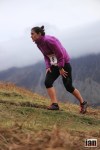
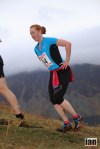
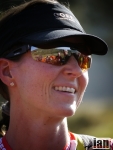
The ladies race had less runners participating in contrast to the men’s race. Sharon Taylor was a convincing leader from the start and finessed a clear leader ahead of Hazel Robinson and Lyn Thompson.

In true fell running fashion, the race finished at a pub and was followed with a beer and quality plate of local food.

It was a great day! A small quality race unfolded on the fells of Wasdale, and just as we all had appeared from nowhere, within just a few hours, we all disappeared again.

Skyrunner® Spain & Andorra Series announced

SNS SPAIN ANDORRA Logo-Light

After France, USA, South Africa, UK and Italy, Spain and Andorra join forces to present an imposing calendar for the Skyrunner® National Series launched today which count some of the best and most popular races on the international stage. Ultras include the Transvulcania Ultramarathon, the 112 km Mitic in Andorra and the new Ultra Pirineu (formerly Cavalls del Vent). Zegama-Aizkorri in the Sky Series and the Cara Amón Vertical KM feature in an important and exciting fifteen-race calendar.

 All the races echo the Skyrunning credo where altitude reigns, the courses are steep and demanding and excitement runs high. The Sky Series takes place entirely in “Mountain Parks” a seal of quality for the protection of the environment.

The races in the Spain & Andorra National Series are:

Vertical:

  • Cara Amón
  • Transvulcania Vertical Kilometer
  • Nit Pirineu
  • and Sitja del Llop

Sky:

  • Marató Montserrat
  • Zegama-Aizkorri Marathon
  • SkyRace Vallibierna
  • SkyRace Comapedrosa
  • Marató Pirineu
  • and Montseny Marathon; and in the

Ultra: 

  • Transvulcania Ultramarathon
  • Ultra del Montseny
  • Ultra Mitic Andorra
  • and Ultra Pirineu (formerly Cavalls del Vent)

The winners of each National Skyrunner Series in the three disciplines will be awarded travel, free entry and accommodation to the first races on the 2015 Skyrunner® World Series calendar.

©copyright .iancorless.com.iancorless.comP1010311cavallsdelvent

The much anticipated Series offers the best of Skyrunning in two countries that have a long tradition of high-profile international races and have provided many of the world’s best athletes and champions:

Kilian Jornet, Luis Alberto Hernando, Tofol Castanyer, Agusti Roc, Miguel Heras, Iker Karrera from Spain, the Texeido and Casal Mir brothers from Andorra and, among the ladies, Nuria Picas, Oihana Kortazar, Nuria Dominguez, Nerea Martinez, Emma Roca, Uzue Fraile, Laura Orgue… to name but a few.

©copyright .iancorless.com.P1080588_Snapseed

The National Series is managed by Ocisport, long-time partner of the ISF responsible for the 2006 and 2012 SkyGames® in Andorra and central to the foundation of the Skyrunner® World Series in 2003. The Series is supported by FEDME (Spanish Federation for Mountain and Climbing Sports) and FAM (Andorran Mountaineering Federation), ISF Member nations.

Check out the Skyrunner® Spain & Andorra Series at www.skyrunnerseries.es

Skyrunner® National Series

ISF Ranking 

Skyrunner® goes nationwide

©highterrainevents_DSC02842


Ten years on and the Skyrunner® World Series goes nationwide. The successful 15-race model with three distances, Vertical, Sky and Ultra, will be reproduced, where possible, in many ISF member countries, which currently count 27.

Earlier last year, France was the first country to launch the Skyrunner® National Series which includes some of the best races in the country in the 42 km to 80 km range.  USA followed in December with a full calendar featuring five Sky, five Ultra and four Verticals.

National Series Logo

South Africa launched with three SkyMarathons and the new, much acclaimed Lesotho Ultra Trail in November.  Two more races are to be announced.

The UK as we know, lacks the higher altitude common to skyrunning, but it lacks nothing of the tough, challenging courses that have produced skyrunning stars of the highest level.  The first race announced earlier this month has 4,000m of vertical gain over 80 km – enough to satisfy even the most demanding Skyrunner.

Today, Italy, birthplace of skyrunning, announces their calendar, which perfectly reproduces the World Series format with five races in each discipline – Vertical, Sky and Ultra. In a country that boasts over 120 affiliated races and 90 associations, the calendar is spoilt for choice.  The National Series was created to mirror the SWS format and includes some of the country’s top races, such as the Giir di Mont, the Trans D’Havet (last year’s European Ultra Championships) and the Cervino Vertical K, where the first Vertical Kilometer took place 20 years ago at the foot of the Matterhorn.  The Italian Championships (one race per discipline), will be announced at the end of the month.

The concept of launching National Series lies in promoting the skyrunning philosophy at grass roots level and to offer runners in many different countries an opportunity to experience the skyrunning concept on home ground – to participate in well-organised, quality events with the passionate support of organisers and supporters; to enjoy spectacular courses that embody the skyrunning spirit; to push themselves further and higher on challenging terrain; to enjoy strong competition and, to reap the rewards of race and Series’ prize money.  The winners of each Series will win a place in the 2014 World Series finals (or the first 2015 races) together with travel contributions and other benefits.

Particularly welcome has been the response from National Series organisers to create races and circuits that reflect the spirit and the values of skyrunning and where, no doubt, future stars will emerge.

 Other National Series are in the pipeline, starting with one of skyrunning’s most important countries for both races and runners, Spain and Andorra.

Following on will be announcements from Australia & New Zealand, China, Czech Republic, Greece, Poland, Russia…

Skyrunner® France Series

Skyrunner® USA Series

iRunFar – an in-depth article on the US Series launch

Skyrunner® South Africa Series

Skyrunner® UK Series

Spain’s Carreraspormontana – report

Skyrunner® Italy Series

Trail running in America & mountain races in Europe

Are there really any differences when it comes to racing in Europe & America? Runners from both sides of the Atlantic have their say about trail running on both continents.

When Michel Poletti, president of ITRA, spoke recently at the presentation of the Spain Ultra Cup about what type of international race organizations would de targeted for future membership, he affirmed that the ITRA would be particularly hoping to attract “organisations with long-distance races taking place in natural scenery“. Although this definition may sound a little vague, it is in fact quite difficult to find a common denominator that might aptly describre races taking place on both sides of the Atlantic.

Are we talking about the same kind of race on both continents? It doesn’t seem that way from what some of our top runners have to say. In any case, surely the “variations on a theme” are what make this sport so appealing, right?  What are the differences anyway, between trail running & mountain running? According to the ISF, “The difference lies in the terminology itself: trail & montain“. 

ISF

We’ve asked some of the top runners about what it is that makes racing different on both sides of the Atlantic. Here are their answers, together with our conclusions:

American races, much faster

The main difference, which everyone seems to agree on, is the greater technical difficulty of races in Europe and the faster speed of races run in the US.

Tofol

As Tòfol Castanyer points out, this means that“American races are more runnable” suggesting that faster ultra-distance racers have the advantage, as opposed to mountain running specialists.

This difference has already been discussed in our article in Spanish, la diferencia entre trail running, fell running y carrera de montaña. In the US the sport is called “trail running“, whereas in Europe, terms such asmountain runningskyrunning or fell running (UK) are used. The term “trail running” obviously refers to the kind of track or path followed, whereas in Europe it’s all about “mountains“. Whereas “trail running” doesn’t necessarily imply elevation gains.

Heras

In Europe the elevation gains are usually greatersays Miguel Heras,I think that this difference is motivating for us Europeans when we go there, as it is for the Americans when they come over to Europe to compete.

Stricter rules in the US

Many of the races held in the US run through national parks, which follow a stricter legislation than we’re used to in Europe, regarding how hikers & runners should use the footpaths or trails. All these measures are imposed with the greater benefit of protecting the lanscape & natural habitat of the species found in the parks. This means that anyone wondering off the trail will be sanctioned (usually with disqualification), something that Europeans are simply not used to.

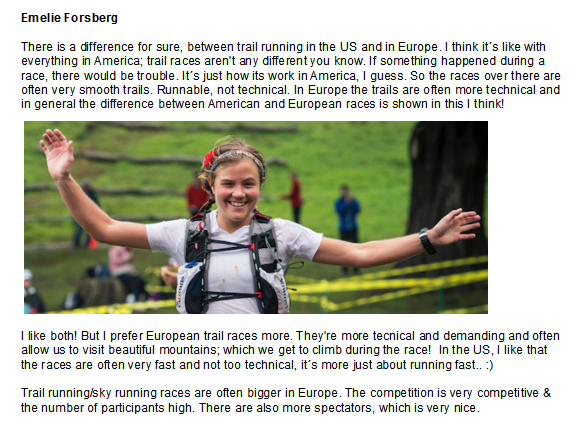
Emelie

As Emelie Forsberg jokes, “I think it´s like with everything in America; trail races aren’t any different you know“. Rules are rules!

In Europe, things are very different, where, in most cases,the race course simply follows the most direct route across the mountain.

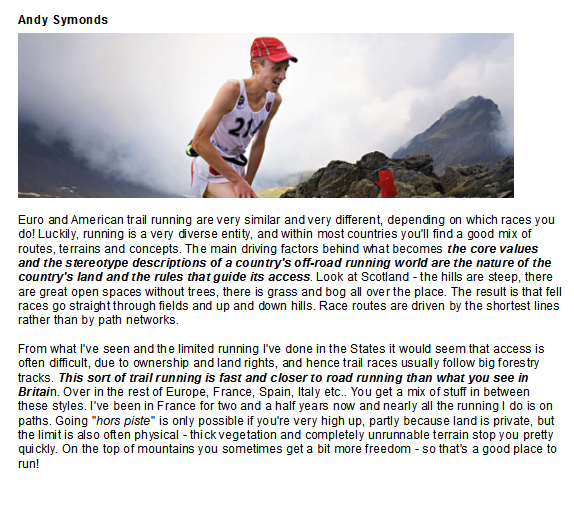
Andy

In Scotland“, for example, says Andy Symonds,” the hills are steep, there are great open spaces without trees, there is grass and bog all over the place. The result is that fell races go straight through fields and up and down hills. Race routes are driven by the shortest lines rather than by path networks”.

Consecuently, European trail runners find that they have to change their whole approach to racing, as Silvia Serafini states, “I know that in the US there are very strict rules about ‘shortcuts‘. You are out of the race if you don’t follow exactly the signed trail“. Kilian Jornet can testify to this, as he was stripped of his prize money and course record, in last year’s Speedgoat 50k for cutting switchbacks.

In Europa, it’s more competitive

So what’s Dakota Jones take on the subject? He interestingly points out that “ In America, trail running came out of a culture of hiking and mountain climbing that has its roots in solitude and escape“. Whereas, “Europeans accept mountain running more and are allowed to have more people in their races, so the scene is much more professional than anywhere else”. ” When Americans race, they are almost afraid to say they are racing, because they don’t want to betray traditional values about the purity of the sport“.

Dakota

Sportswear

In an episode of Kilian´s Quest we can see how the young Catalonian runner meets up with running legend, Pablo Vigil. It’s interesting to compare how the two are dressed; Kilian with his specialized gear  –Suunto GPS heart rate monitor, Salomon technical shorts & training shoes, while Pablo Vigilcan be found wearing the traditional runners sorts and a pair of Nike road trainers. Although this is a simple anecdote, it does undeline the point that, in general, European runners seem to get moredressed up for the occasion!

Anna Frost comments that “Clothing differs…with fashion and trends. Euro wearing more technical lycra and USA wearing looser fitting comforts.

Frosty

What’s in common? People, volunteers, the spirit of racing

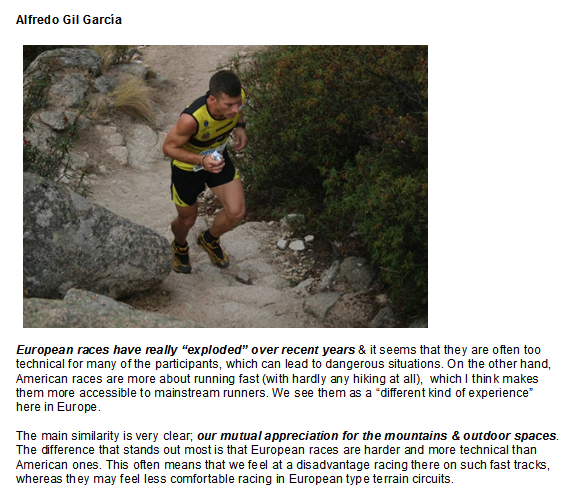
There seems to be a common agreement among runners that there is one characteristic to be found on both sides of the Atlantic: the spirit of running, be it trail running in the US or fell running (UK), mountain running or skyrunning in Europe, “our mutual appreciation for the mountains & outdoor spaces”, says Alfredo Gil, Spain’s national champion. “I think we all have that in common“.

Alfredo

American, Stevie Kremer, also emphasises this point & recognizes the efforts of all the people, behind the scenes, who support the races: “both have incredible supporters and volunteers, without which these races would never be successful!”

Stevie
It seems that, as more and more runners make the jump, from one continent to another, things are changing. As Jonathan Wyatt observes, ” We see a lot of North American runners who have learnt a lot from the European style of trail running and they are excited to bring some of these elements to North America including the more technical running trails“.

Jono

Finally, let’s just remember the words of Silvia Serafini, who defines the atmosphere of our sport perfectly, “I can’t really choose which I like most, racing in America or in Europe. I love the atmosphere, the welcome of the people, which I have found on both continents“.

Silvia


LINKS & CREDIT:

© Escrito por Nigel John Wilson / David Clavera / Pablo Cantó

This article is a re post from : corredordemontana.com

It is reproduced with the full approval of corredordemontana.com and Nigel John Wilson and has not been altered or adjusted in anyway. The original article is available HERE should you wish to view it.

It is also available in Spanish HERE

All content (inc images) ©corredordemontana.com


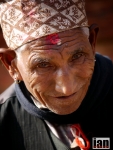
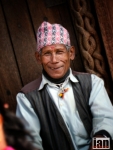
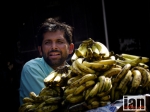
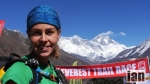
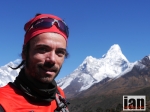
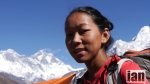
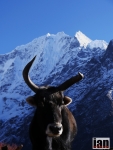
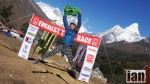
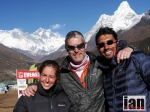
Nepal & Everest Trail Race – IMAGES

©copyright .iancorless.com._1110758


ALL IMAGES AVAILABLE TO PURCHASE FOR PERSONAL OR COMMERCIAL USE

HERE

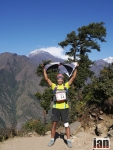
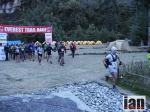
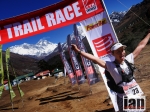
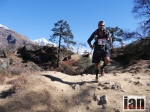
Everest Trail Race – Day 6 Race Stage 3 Jase Bhanjyang to Kharikola

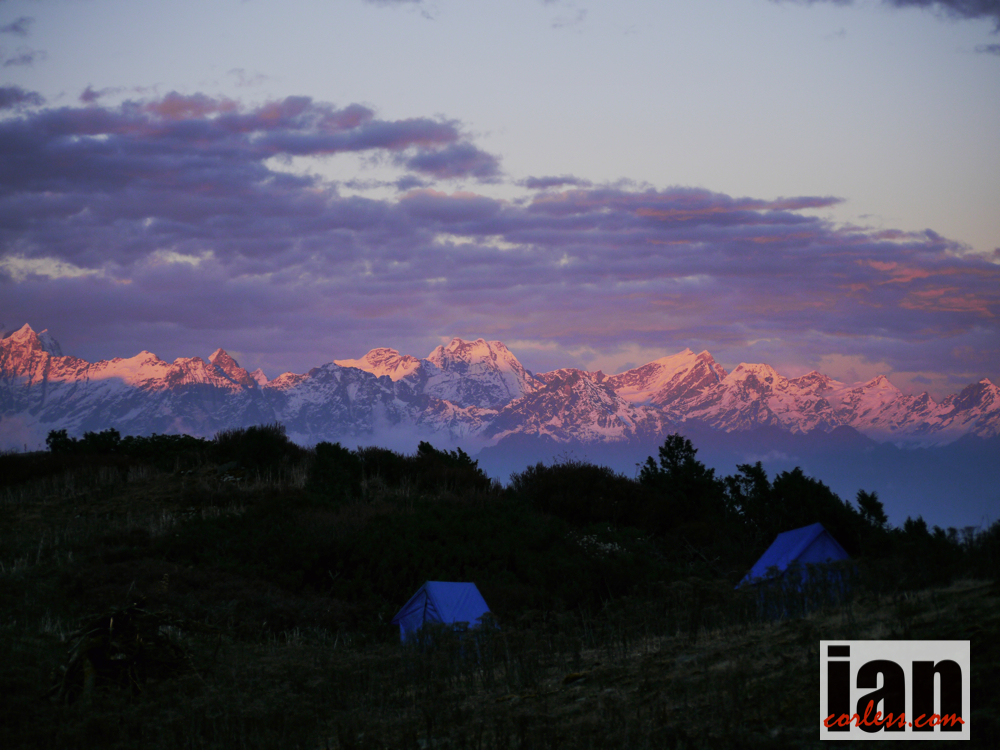
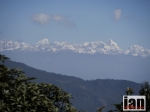
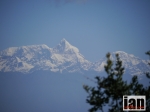
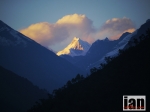
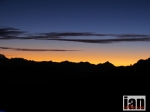
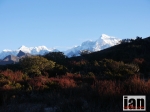
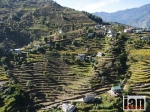
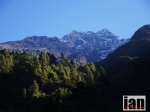
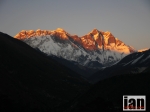
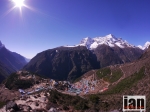
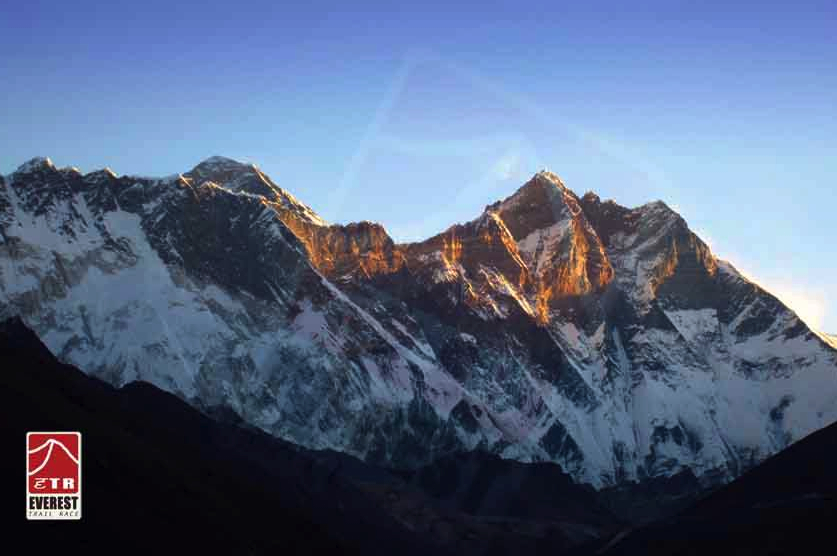
sunrise and mountains

Everest Trail Race – Day 6 Race Stage 3 Jase Bhanjyang to Kharikola

Image gallery and image sales available HERE

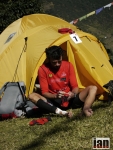
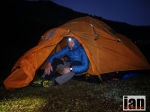
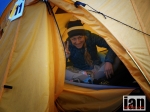
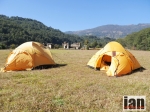
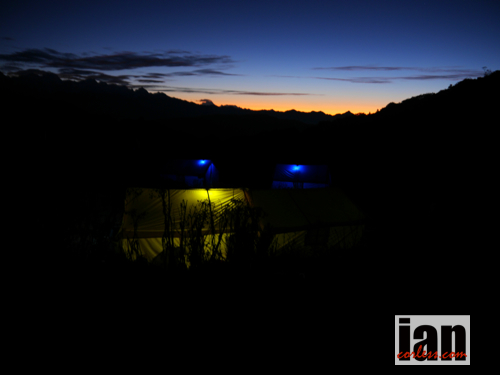
Oh boy, did it get cold last night! Of course, cold is relative, but -10 in a tent is pretty darn cold for this Brit boy. Needless to say, no matter how good your sleeping is/was, pretty much everyone slept in base layers and down jackets with either hoods up or hats and a ‘buff’ on.

I was comfortable, however, how do you keep your feet warm? I need to know the answer to that question.

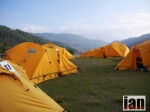
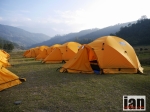
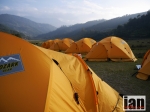
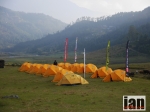
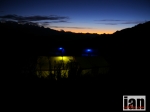
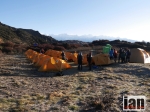
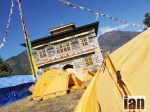
glowing tents

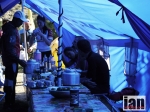
A smiling Sherpa provided me with steaming mug of sweet black tea at 0500 to awake me. What a way to start the day. The sky was clear and although it was still well below freezing we all knew that hot and beautiful day was ahead of us.

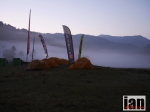
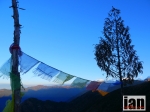
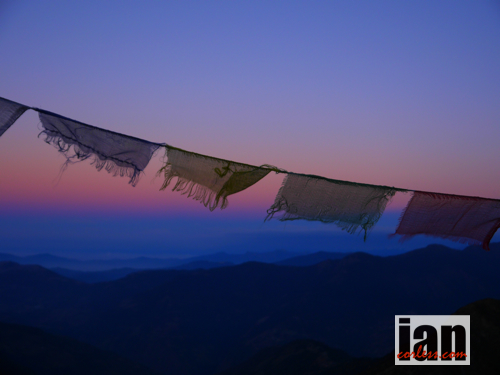
flags

I hiked out of camp to a near by summit and photographed the sun greet us with it’s warmth. By the time I returned, camp was back to life as Sherpa’s and porters prepared food, set up equipment and made ready for another long day.

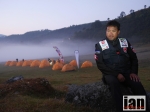
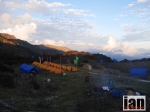
campsite

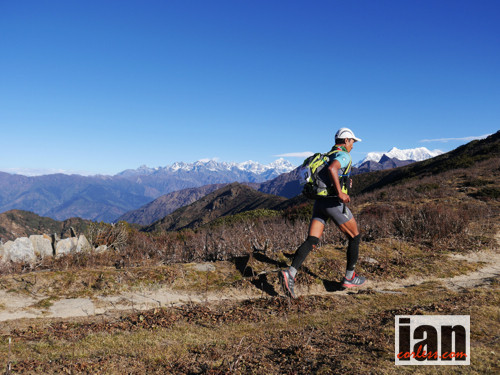
Once again, it would be a split start, 0700 and 0800. Today’s stage had considerably less climbing than stage two, however, it had lots of descending, it may not hurt the lungs as much but it would certainly hurt the legs.

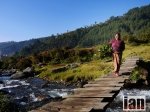
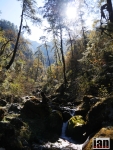
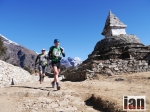
A short climb out of camp the runners would then descend to Jumbesi (CP1) at 2696m. This initial trail would see them running through a dense forest section.

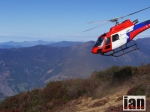
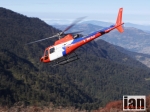
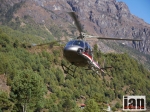
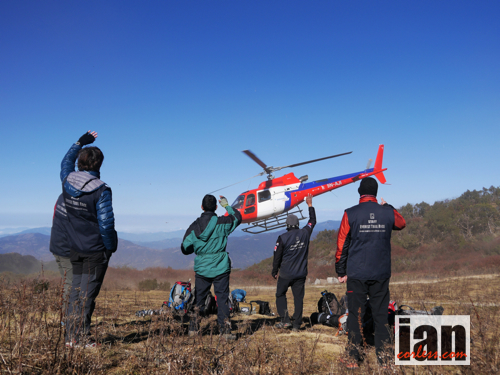
helicopter

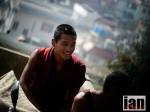
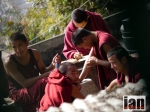
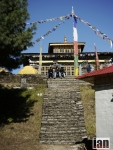
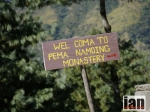
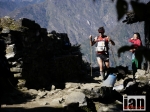
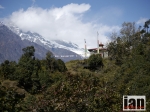
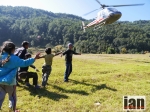
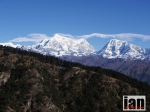
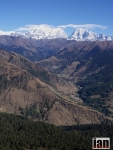
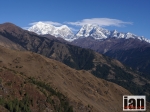
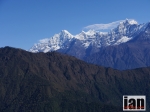
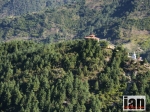
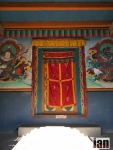
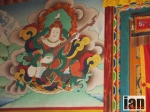
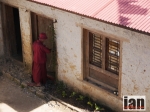
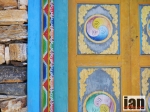
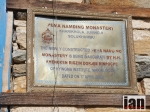
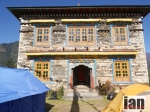
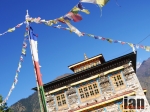
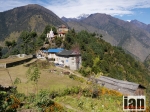
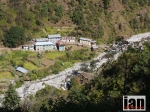
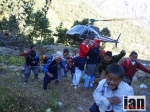
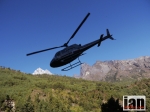
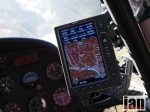
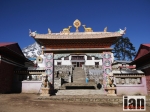
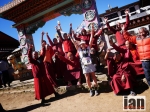
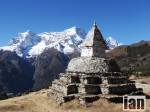
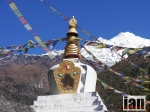
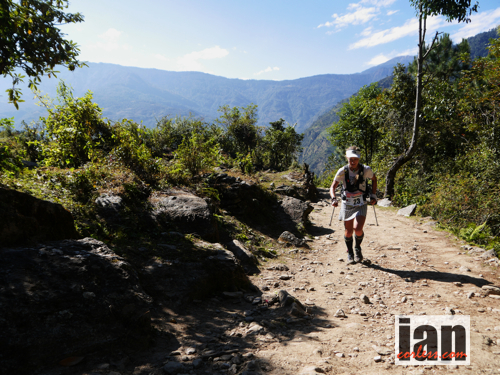
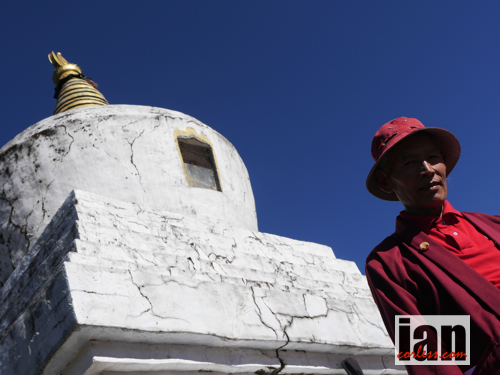
No hiking on the trail for me today, we were helicoptered out and treated to a stunning ride with the 8000m peaks to our left. What an experience! Our arrival at Kharikhola was equally impressive. Nestled on top of the mountain was a beautiful Monastery (Pema Namding) and the finish line of stage 3.

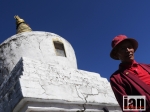
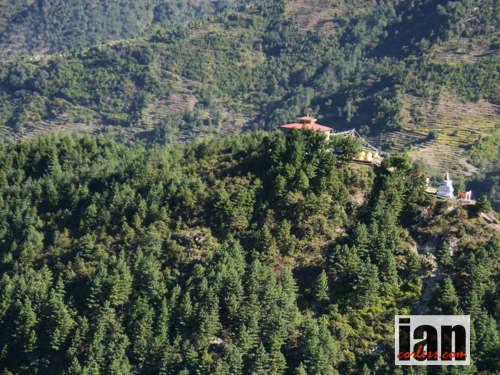
Monastery

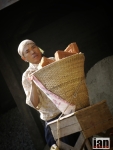
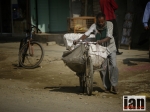
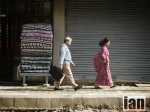
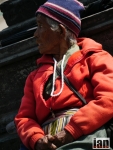
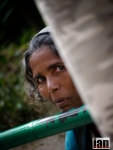
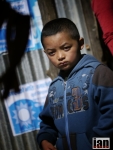
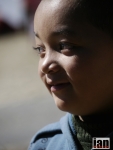
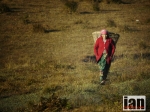
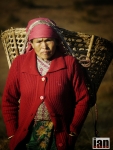
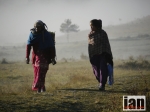
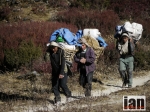
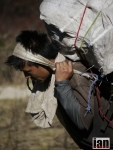
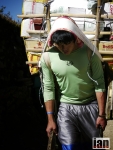
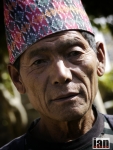
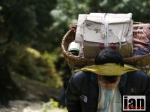
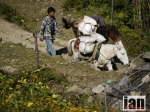
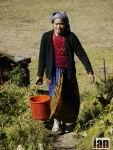
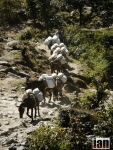
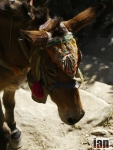
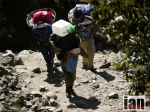
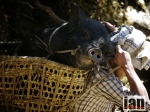
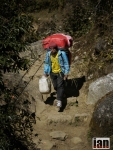
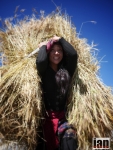
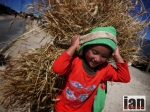
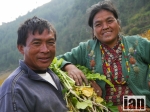
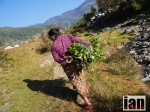
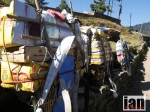
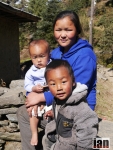
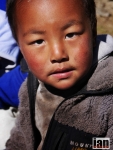
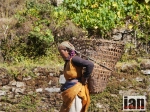
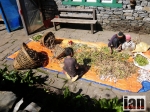
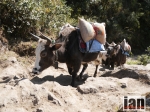
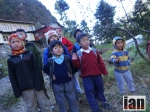
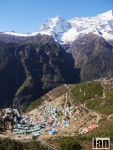
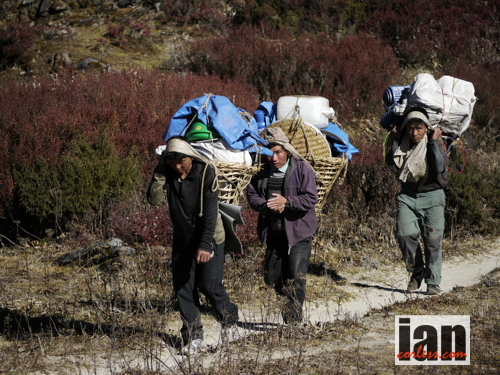
Kharikhola is a main trekking route and in addition, it is a main route for supplies. It amazes me to watch children carry baskets literally as big as they are and for sure, probably twice the weight. Donkeys go up and down the trail all day carrying all sorts of supplies, from bottles of gas, water, corn, maize, beer, Coke, cigarettes and so on. You suddenly realize how life moves around in these mountains.

porters

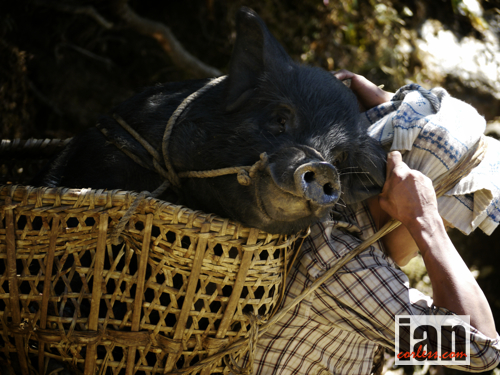
 pig

Sherpa’s arrive carrying packs that look as though it will be break their packs, behind them, a string of tourists with small packs and poles. No wonder the Nepalese make such great runners and mountain men. It’s a gift, a gift that Nepal provides them.

Upendra

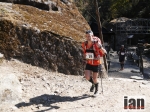
Back on the trail, not surprisingly, Upendra Sunwar was once again blazing a trail along this tough ETR route and Fernanda Maciel continued her dominance not only in the ladies race but a top-3 position overall.

Fernanda

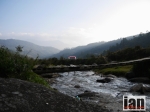
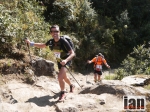
After CP1 at Jumbesi, the runners crossed the Junbesi Khola river and climbed up to Phurteng at just over 3000m. Descending to CP2 at Lharpa another climb awaited. The race now had a familiar format; Upendra would lead the men by a considerable margin, followed by Andrea Schambeck (today he said he didn’t feel quite as good) Francisco Salas and Ismael Dris. Ismael had a tough day on stage 2 looking as though he may pass out at Pikey Peak but he somehow he held it together. Today though he took a fall and was complaining of leg issues. He was still up in the top-5 though.

Monastery close up

For the ladies, Fernanda like Upendra would lead by a considerable margin, followed by Nepalese, Yangdi Lama Sherpa and American, Shiri Leventhal.

Leaving Taksindu La, the final long descent of the day, 3100m to 1500m in 10km. However, at the bottom the sting in the tail, a 4km climb from Jubhing to the Monastery finish at Kharikhola. I have seen and witnessed some very impressive race finishes in my time, but this one takes the crown. Incredible.

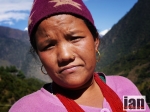
Lama

Upendra and Fernanda took out the respective stage wins and a detailed results listing will follow as and when available.

Stage 4 preview: Kharikhola to Llegada 27.5km

Departing the monastery a small descent awaits the runners of just 4km before a long tough climb to Kari La (CP1) at 2900m. From here the course goes up and down all around 2700/2800m for appx 10km before a very steep descent to CP2 at Surke (2200m). A continual climb to CP3 at Cheplung continues to the arrival at Phakding/ Llegaga.

Salomon Running TV Season 3

Kilian Jornet and Stevie Kremer Limone Extreme ©iancorless.com


An all new season of Salomon Running TV! On October 30th, 2013 season 3 of Salomon Running TV begins and it promises to offer a completely new look on the sport we love so much. With a variety of characters and stories that span the globe — join us on our journeys and adventures!

Follow us:

http://www.salomonrunning.com
http://www.facebook.com/salomonrunning/
http://www.twitter.com/salomon_running/
http://www.instagram.com/salomonrunning/

©salomonrunning

Spartathlon 2013

screenshot_349

SPARTATHLON is a historic ultra-distance foot race that takes place in September of every year in Greece. Arguably, it is one of the most difficult and satisfying ultra-distance races in the world because of its unique history and background.

The Spartathlon revives the footsteps of Pheidippides, an ancient Athenian long distance runner, who in 490 BC, before the battle of Marathon, was sent to Sparta to seek help in the war between the Greeks and the Persians. According to the ancient Greek historian Herodotus, Pheidippides arrived in Sparta the day after his departure from Athens. Inspired by the report of the Greek historian, in 1982 five officers of the British Royal Air Force (RAF), who were also long-distance runners, traveled to Greece, led by Colonel John Foden. Their purpose was to ascertain whether it was possible to cover the 250 kilometers separating the two towns in one and a half days. The enthusiastic British team showed that the report by Herodotus was entirely plausible.

A man is indeed able to cover 250 km in less than two days and in fact in less than 40 hours. After the success of the project, the architect of the feat, John Foden, began to envision the establishment of a race that would bring long distance runners to Greece from around the world to run on the trail of the ancient runner Pheidippides. The next year a multinational team of British, Greek and other enthusiastic supporters of the idea, led by Michael Callaghan, a philhellene, organized the First International Spartathlon (Open International Spartathlon Race), wherein the name for the race combines the Greek words for Sparta and Feat.

The race was held with the approval and supervision of the Athletics Federation with the participation of 45 runners from 11 countries and included the participation of women. The organizational success of this inaugural race and its broad appeal were decisive to the subsequent establishment of the annual race.

Accordingly, in 1984 the International Association “Spartathlon” was founded. Since then a yearly race has been organized each September. Why September? Because that is the time reported by Herodotus for Pheidippides run to Sparta.

Information taken from http://www.spartathlon.gr ©Spartathlon.gr

The Race

The 2013 edition of the race will start on Friday 27th September with 350 participants and for any last minute dropouts; this entry list will be topped up from a waiting list of 160 runners.

UK entrants:

  • Mark Woolley
  • Robert Pinnington
  • Lindley Chambers
  • Claire Shelley
  • James Adams
  • Drew Sheffield
  • Martin Ilott
  • Philip Smith
  • Mathew Mahoney
  • Mimi Anderson *
  • Paul Ali
  • Mike Blamires
  • Cat Lawson
  • Steve Scott
  • Pat Robbins
  • Martin Bacon
  • Mark Hines
  • Laurence Chownsmith
  • Robbie Britton *
  • Jonathan Hall
  • Peter Johnson
  • James Elson

Countries represented:

Sweden, Poland, Australia, Japan, Germany, Italy, Hungary, Denmark, France, Spain, Netherlands, Finland, Argentina, Portugal, China, Malta, United States, Uruguay, Belgium, Austria, Brazil, Mexico, Czech Republic, Faeroe Islands, Switzerland, Russia, Serbia, Slovakia, Hong Kong, United Kingdom and of course Greece.

Spartathlon, for many is a bucket list race. It has a magic that cannot be found at other races. The distance, strict cut-off times, the heat and so on all add to the drama. The course is conducted point-to-point and elevation ranges from sea level to 1,200 meters (3,937 ft), over tarmac road, trail and mountain footpath. Aid stations are placed every 3 to 5 km and are provisioned with food, water and other refreshments as well as the runners’ personal supplies. The race is run under police and medical supervision with doctors, physiotherapists, and emergency vehicles being on call throughout the 36-hour race duration. The race is very demanding.

The course is not the most spectacular and 153 miles of roads may not appeal to many, particularly if coming from a trail or mountain running background. However, I’ve yet to meet anyone who has run this race and not loved it. For sure, the Greeks, French, Japanese, German and now a growing UK participation love this race and demand is continuing to grow.

Lizzy Hawker raced in 2012 and not only won the ladies race in 27:02:17 but placed third overall. The outright winner was Stu Thoms from Germany in 26:28:19.

For the 2013 edition of the race, all entrants are of interest. For many, Spartathlon is a journey about completion and not competition. However, two people are of interest and for opposite reasons. Firstly, Robbie Britton from the UK is coming to Spartathlon for the first time but he is potentially an exciting prospect for the overall with a solid 100-mile result at the South Downs Way 100 in a time of 15:43:53 and 239.008km at the World 24-hour championships. Robbie has said in his blog, “I’m right excited about getting to Sparta now and can’t wait for the great challenge of this historic race. We’ve got a solid British team heading out there; including a few Grand Union Canal Race winners, one of whom is attempting a double Spartathlon and it should be a great atmosphere out there. After a strong showing from the Brits at UTMB and The Grand Slam of Ultra Running, I guess we best put a bit of effort into Spartathlon now too…” Bog here

Secondly, Mimi Anderson will be doing Spartathlon her own way in 2013… she raced in 2011 and surprised herself with her performance. So much so, this year she is coming back to do it twice! Yes, twice.

Mimi’s press release:

‘Marvellous’ Mimi Anderson, the 51 year-old grandmother from Smarden in Kent who is a triple long distance running Guinness World Record holder and already the legendary finisher of several ‘doubles’ of extreme long distance races for which the one-way normal run would be beyond most mere mortals, is about to attempt probably her most daring double – a two-way run of the iconic Spartathlon race held in Greece each year.

Traditionally there are about 20 runners from the UK each year and Mimi first ran the race in 2011 when she finished 3rd lady overall and the 1st UK finisher in 32 hours 33 minutes 23 seconds. She has decided to return in 2013 and having completed the normal race on her previous visit, she will be attempting the double this year (a distance of 306 miles), which is believed to have only ever been done once before. It has certainly never been done by anyone from Britain and no female has ever attempted it.

Mimi’s plan is to do the race first then, all being well, start the return leg at midnight on Saturday night.  She will be running the race itself to achieve the best time she can and then attempting the return leg in in the same tough 36 hours maximum time allowed for the race.

Her husband Tim and friend Becky Healey will be crewing for her during the event and the reason for starting the return leg at midnight on the Saturday is to enable the crew to get some sleep – otherwise it becomes too dangerous for them to be driving safely!

Mimi will be running to raise money for her usual cause – the 10 Million Metres Campaign, which was set up by Alex Flynn when he was diagnosed with Parkinson’s disease 4 years ago.  People can donate on the Justgiving site at www.justgiving.com/marvellousmimi1

The 2013 event for sure will be exciting for all involved and for those watching. If you would like more information, please go to the race website.

Links:

All entrants can be viewed here

Live Tracking for race day here

RUNshots – an inspired run image a day

Runshots


Everyday, an inspired run image straight into your inbox.

Follow at: www.runshots.com

Twitter at: @runshots

©copyright .iancorless.com._1040381

Everest Trail Race – Fernanda Maciel Interview

LOGO ETR

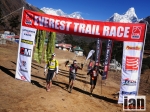
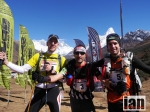
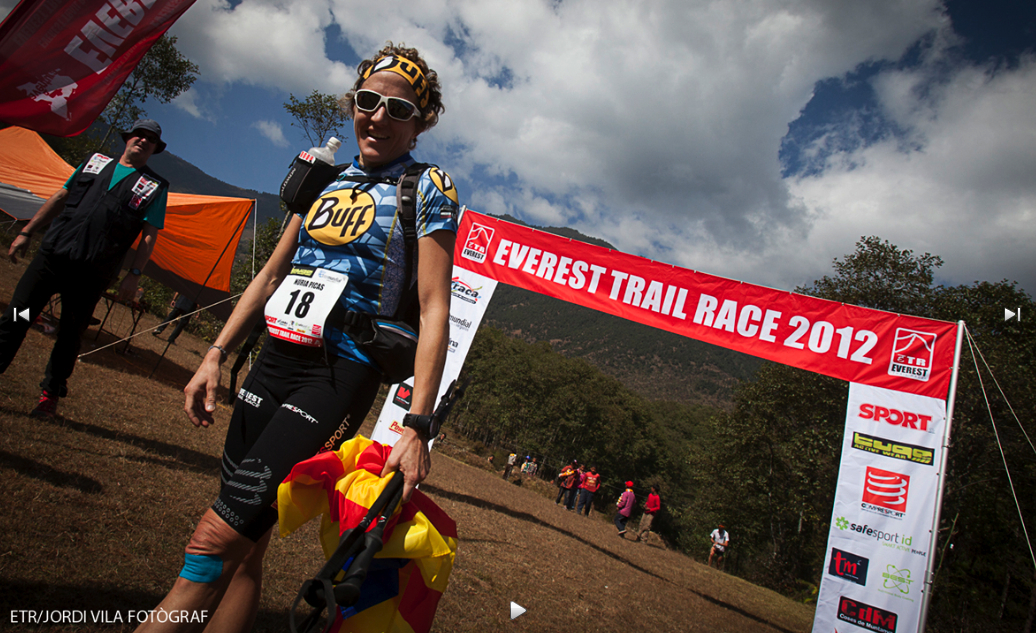
Everest! Do you really need any other description? Later this year, the third edition of the Everest Trail Race (ETR) will take place. Starting on the 3rd November and finishing on the 15th November, runners from around the world will join together for one of the toughest high altitude ultra marathons.
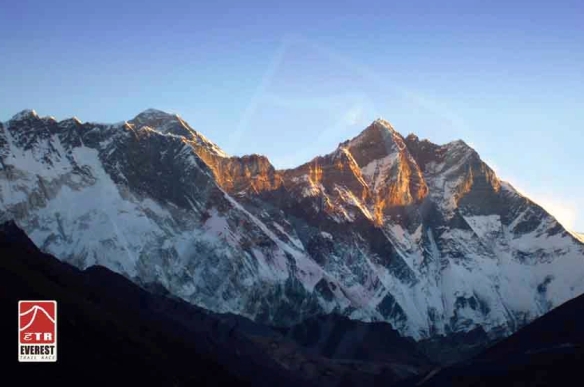
Image taken from - everesttrailrace.com ©

Image taken from – everesttrailrace.com ©

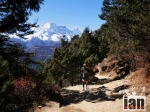
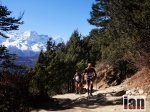
Set against one of the most awe inspiring backdrops, the race will last for six days covering a total distance of 160km. Daily distances are on the face of it relatively easy at; 22, 28, 30, 31, 20 and 22km, however, daily altitude difference goes from 3000m to almost 6000m.

It is a demanding race and although each participant is required to be self-sufficient during each day, food, water and an evening camp are provided by the race organization.
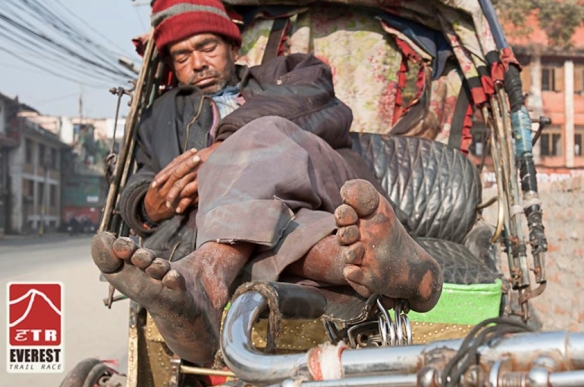
Image taken from - everesttrailrace.com ©

Image taken from – everesttrailrace.com ©

Daily temperatures can vary from -10c to +18c and the terrain will offer incredible variety; frozen earth, snow and rocks of varying color. Without doubt, the ETR is a challenge, why else would you do it? But it is a challenge all can undertake with some specific training. It is ideal for runners or hikers who want to push the limit.
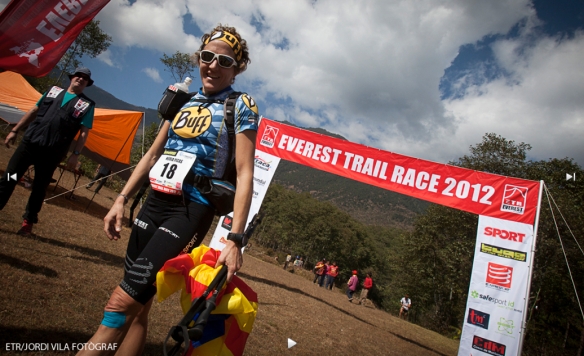
Image taken from - everesttrailrace.com ©jordivila

Image taken from – everesttrailrace.com ©jordivila

Created in 2011 by Jordi Abad, a Spanish extreme ultra runner, the ETR is staged at the beginning of the dry season. Why? Well, the air is clean after the monsoons, visibility is impeccable and the surroundings are resplendent.

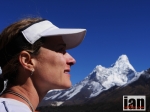
In order to get a greater understanding of what the ETR may offer, I caught up with Brazilian, Fernanda Maciel. Fernanda is currently preparing for the ‘CCC’ in Chamonix at the end of August and will make the journey to Nepal in November to take part in the 3rd edition of the ETR.
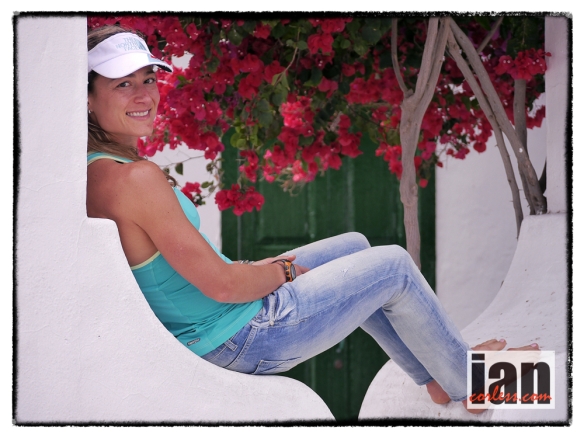
©copyright .iancorless.com.P1100588

IC – Fernanda, welcome, how are you, I believe you are currently at your home in Spain?

FM – I am great thanks Ian. Yes, I am in Spain.

IC – I presume you are training in the mountains?

FM – Yes sure, one month ago I damaged my foot so I have been recovering and training. I live in the Pyrenees. It’s a great place to be. It is a great background for training and to prepare for the CCC and other races.

IC – Let’s hope they get good weather at the CCC this year…

FM – I Hope so!

IC – I guess coming from Brazil you would prefer hot weather.

FM – Yes, but I live in the Pyrenees so I am used to the cold and snow but hot weather would be nice for the race.

IC – I often think of you as an ultra runner but you are a much more diverse person than that. Can you take me back to what got you into sport and what made you realize that you had a passion for all things connected to running, cycling and swimming. You have done so many sports with such variety.

FM – From the age of 8 I was training as an Olympic gymnast. At 10yrs old I was in the US doing competitions and training every day for four hours. So, my background in sport was established when I was a child. This helped a great deal. For me the sports I have done in my life I have really enjoyed. I couldn’t separate sport from my life; it is my life. I also did martial arts. My father was a master and my grandfather was also a master in jujitsu. So I was always fighting too…
©copyright .iancorless.com.P1100600

IC – So a gymnast and fighter, the message is, don’t mess around with Fernanda!

FM – Yes, it was so funny. My grandfather’s house had a fighting ring.

IC – Like a dojo?

FM – Yes a fighting ring. So my cousin and I would fight all the time. It was so funny. I loved this time. When I was 15/16 years old I started to run, 5k on the road and then 10k. When I was 20 years old I started doing half-marathons. The changing point came at 23 years old. I was invited to do some adventure racing. I purchased a bike and started to do mountain biking. I was running before but not MTB. So I progressed to adventure racing at 23. I became an endurance runner through adventure racing. The races are always long, you don’t stop, you don’t sleep so it was perfect preparation for ultra running and ultra trail. It was easy for me to progress to long distance.

IC – Do you think with ultra and trail you have found ‘your’ sport?

FM – I feel complete when I do trail and ultra. I am not sure if I can try another sport and be better but I love running. I cannot be without one day of running. I love it. Of all the sports I have done, running gives me movement, style and great experiences during and after. To be on the trails, mountains, sand or whatever; it is what I really enjoy. Currently I love the mountains. It provides great views, fresh air; I love it. It completes me. I also love flowers and animals so it’s great. Very interesting. When you go above the clouds the sensations are so amazing. It’s a great feeling.

IC – I’d like to talk about your professional life. I think of you as a professional sports person, which of course you are. But you practiced as an environmental lawyer and a sports nutritionist. Do you still practice law?

FM – I have a company in Brazil. I am a businesswoman. I also work in sport nutrition. I can do all my work remotely, so, I just need a computer. I have people in Brazil who help me. In the past I was a lawyer but when I came to Spain I needed five more years study because the law was different. Lawyers need to be in a city, I chose sport instead. Sport nutrition allows me more flexibility. It fits in with my life. I breathe sport. It’s better. I love law, I love to study and read but I didn’t want to be in an office all day. I didn’t have much contact with nature. I also became an outdoor bound instructor in addition to everything else.
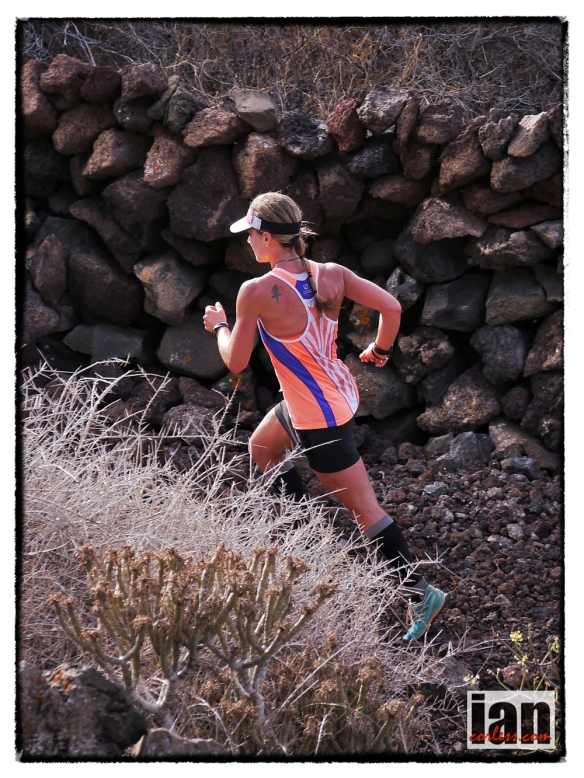
©copyright .iancorless.com.P1100803

IC – If we look back over your run career, it starts in 2006 and you have had some great results. You won at Transgrancanaria, you won Andorra Ultra Trail, you were fourth at UTMB, recently you had success at Lavaredo, TNF Mt Fuji but the one thing that sticks out is Camino of Santiago de Compostela, 860km and you did this as a personal challenge in ten days. What was that like?

FM – It was the hardest run of my life. I knew the Camino. I thought maybe if I run the Camino I could help children with Cancer. When I was in Brazil as Lawyer, I also helped children with cancer. So, I made this project with charity in mind and it was really tough. I was running 90-100km per day without a support team. I carried everything and slept in huts along the route. It was super tough. It think it’s a great way to do the Camino… I am writing a book now about the experience to encourage others to maybe run the Camino instead of hiking.

IC – I remember when we spoke at Haria Extreme race you told me of the difficulty on getting approval. They wouldn’t stamp your card because you moved along the trail too quickly.

FM – Yes, the church think that the runners move too fast so they don’t have time to think and reflect… I told them I had plenty of time! I was running ten or eleven hours a day. I had plenty of time to think. I hope that running will be an option for others in the future.

IC – Other races in your career, what would you pinpoint?

FM – I love the UTMB, CCC and TDS. I did the TDS in 2009 and for me it is an amazing race. It is so technical and beautiful. It is so different to the UTMB. The views are amazing. It is a really great race and one I would recommend. I have run in many races around the world, but I prefer races in Europe because they have more elevation. I prefer high mountains. I would like to try Hardrock 100. Hopefully I can get a place next year? I am going to Patagonia soon, this will give me high mountains and altitude.

IC – You have mentioned the high mountains and both of us will be in the high mountains in November. We are going to Everest Trail Race. I will be along as a journalist and photographer, very exciting for me. You will be participating. An exciting place to race…

(Laughter)

FM – Yeeesssss!

(Laughter)

IC – I can hear the excitement.

FM – Yes, I am so excited. We have support but we also need be self-sufficient too. I prefer this. It is wilder. I like this aspect of racing; it makes things more interesting. The race will provide the best views ever. It will be hard and it will be technical. It is my first stage race. It will be interesting; I can share my feelings and thoughts with other runners. We will all learn so much. The mountains will also teach us. We will be one week in this environment.
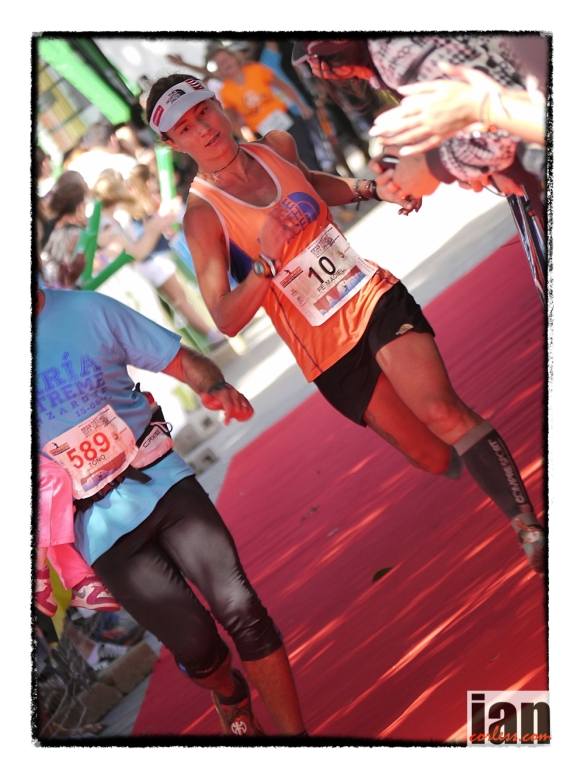
©copyright .iancorless.com.P1110316

IC – It takes place in the Solukhumbu region of the Himalayas in Nepal. It has an altitude gain of more than 25,000m (ouch). It has long hard trails of frozen earth, snow, rocks it is 160km in total over 6-days broken down into 22, 28, 30, 31, 20 and 22km‘s per day. The distances don’t sound too much but when you look at elevation per day of 3000 to 6000m per day that will be extremely tough. It will be a different experience. Have you been doing anything specific in preparation?

FM – I am already preparing as I climb and spend time at elevation. It will be like a climb/run because of the elevation. The race has short distances but high elevation and that will make it tough. I go into the mountains to adapt, in the last two weeks for example I did a 60km race and I did 4500m in elevation. This is good preparation. I need altitude and high elevation. Sometimes I prefer to climb, it is good cross training and it is also good for my mind. It’s good to be in open areas.
IC – In terms of the race, snacks, meals and water are provided both along the route and at camp at the end of each day. During the race you need to be self sufficient in terms of safety kit. You need technical kit, sleeping bag, warm clothes, and mandatory kit. You have already said that this is something that excites you. Do you have any specific things that you will take?

FM – No. I will have what I need and what is specified in the rules. I will want my kit to be light, so, I will use the lightest products possible. I won’t have special drinks or food. I don’t eat cheese or meat but I have made sure that vegetarian food will be available. Apparently we need to be careful with water but apparently we will be supplied good water.

IC – You are sponsored by TNF (The North Face), are they producing any products for you specifically or will you use what is available in the consumer range

FM – I will use normal product. I may have some prototypes to test in the coming weeks, so, I may take some of this with me but I will need to test. But I think for Everest, the pack, sleeping bag, jacket and so on will be normal product in the TNF range.

IC – One thing that has always impressed me is that you like to raise money for charity. You get involved. Are you doing anything in particular for the Everest trip.

FM – Yes, at the Everest trip I have one day free after the race. I have a friend who asked if I could help children for Fundació Muntanyencs per l’Himàlaia. So, the Everest trip was perfect. Last week I had a meeting with the foundation in Spain. They need children’s clothes. In the race, we will pass through the villages of the children, where they were born. So I will hopefully bring clothes and resources to Nepal and provide them for the foundation. In the coming weeks I will start to collect everything and then I can take it with me.
IC – Great, something really incredible to help the local communities.

FM – We will need to run to the Village to help them, so if you can help me that would be great. Also, I hope Lizzy Hawker will help us too.

IC – Absolutely, I would love to get involved. It’s a great thing! Finally, many people will read this and look at your achievements and the experience you have. If you had to give advice to someone who was maybe thinking about going to Nepal, what advice would you give to help him or her?

FM – Have an open mind and open heart. The mountains will talk with you. This is the best experience for everyone. It will be incredible to be in this place. Yes, for sure, you need to train but this is only one aspect. Train the mind and the heart, the rest will follow.

IC – Perfect. Of course, the Everest Trail Race is about experience. Due to the nature of the terrain and altitude it will not be a full on running race, you will also need to be a good hiker…

FM – Yeeesss. For sure! I think if you have confidence and a good mind then it won’t be a problem. Yes we will walk, we will also run but we will also take photographs. It’s about being in the mountains. After all, it is Everest! It is another world.

IC – Fernanda, than you so much for your time. I am looking forward to catching up at CCC and of course later in the year in Nepal.

FM – Great. Here are the details of the foundation:

The children (5 to 18 years old) that we can help…

Mountaineers for Himalayas Foundation

Fundació Muntanyencs per l’Himàlaia

info@mount4him.org

www.mount4him.org

Finally, a word from Jordi Abad, ETR director.

” If this was only a pure and hard competition, it would be a nonsense; environment gives its hardness but not the competitiveness itself. We are here to share and to help each other. It is possible to make the effort running any city marathon in the world, but the sensations, the environment and the feelings are to share them with friends, to know new people with whom laughing and weeping. This is what remains in the end and what makes it an unique experience for all”.

LINKS:

  • Website for ETR – HERE
  • Fernanda Maciel – HERE
  • The North Face – HERE 

INTERESTED? in participating in the 2013 Everest Trail Race? It is not too late… some places are still available. Please use the contact form below and obtain a discount, only available through this contact form:

← Back

Thank you for your response. ✨

Warning
Warning
Warning
Warning

Warning.

*Note, I will attend the 2013 ETR at the invite of the race organisation.