Episode 84 – Hawker Canaday Kimball

Ep84

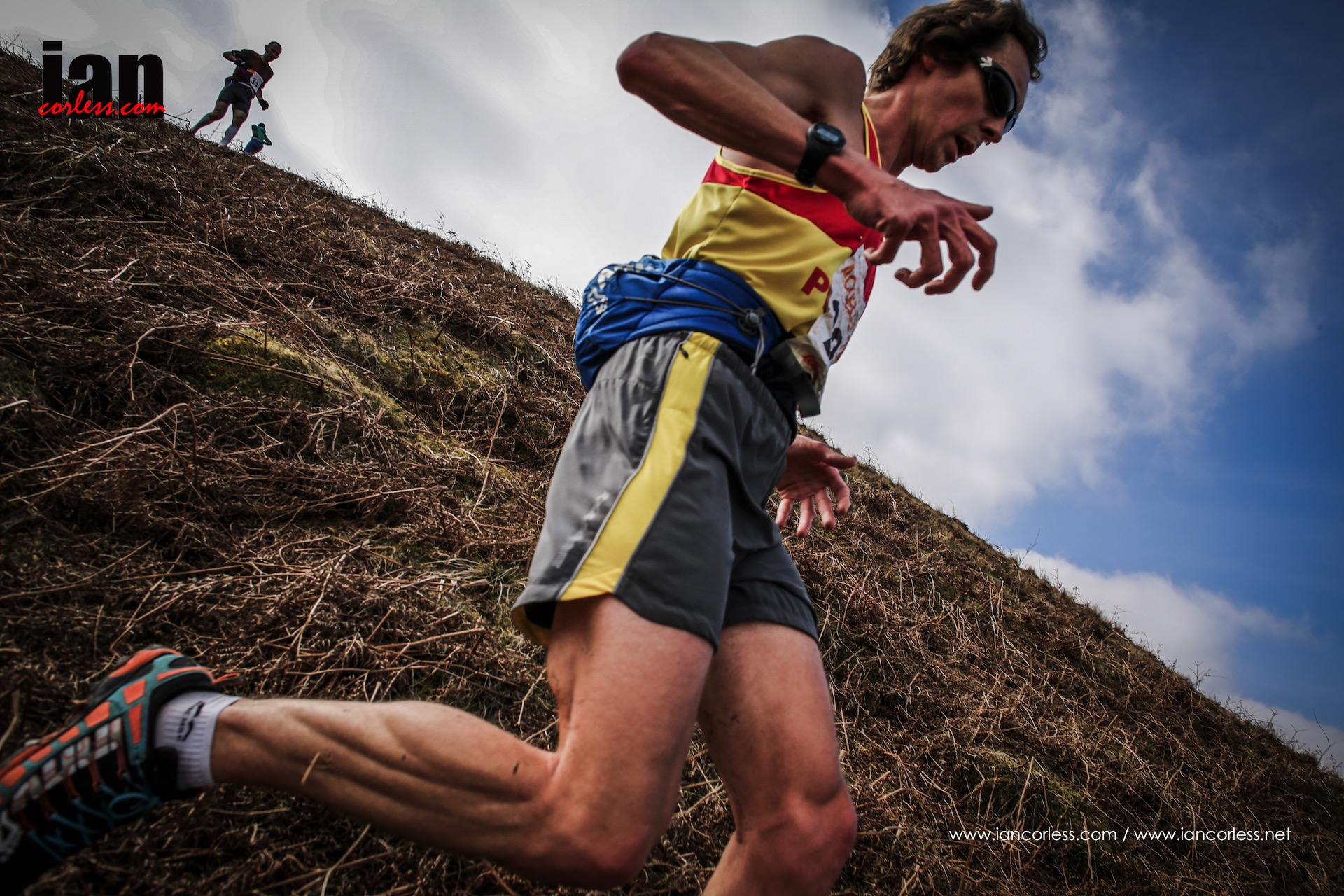
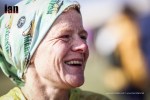
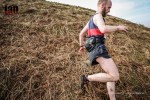
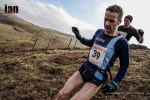
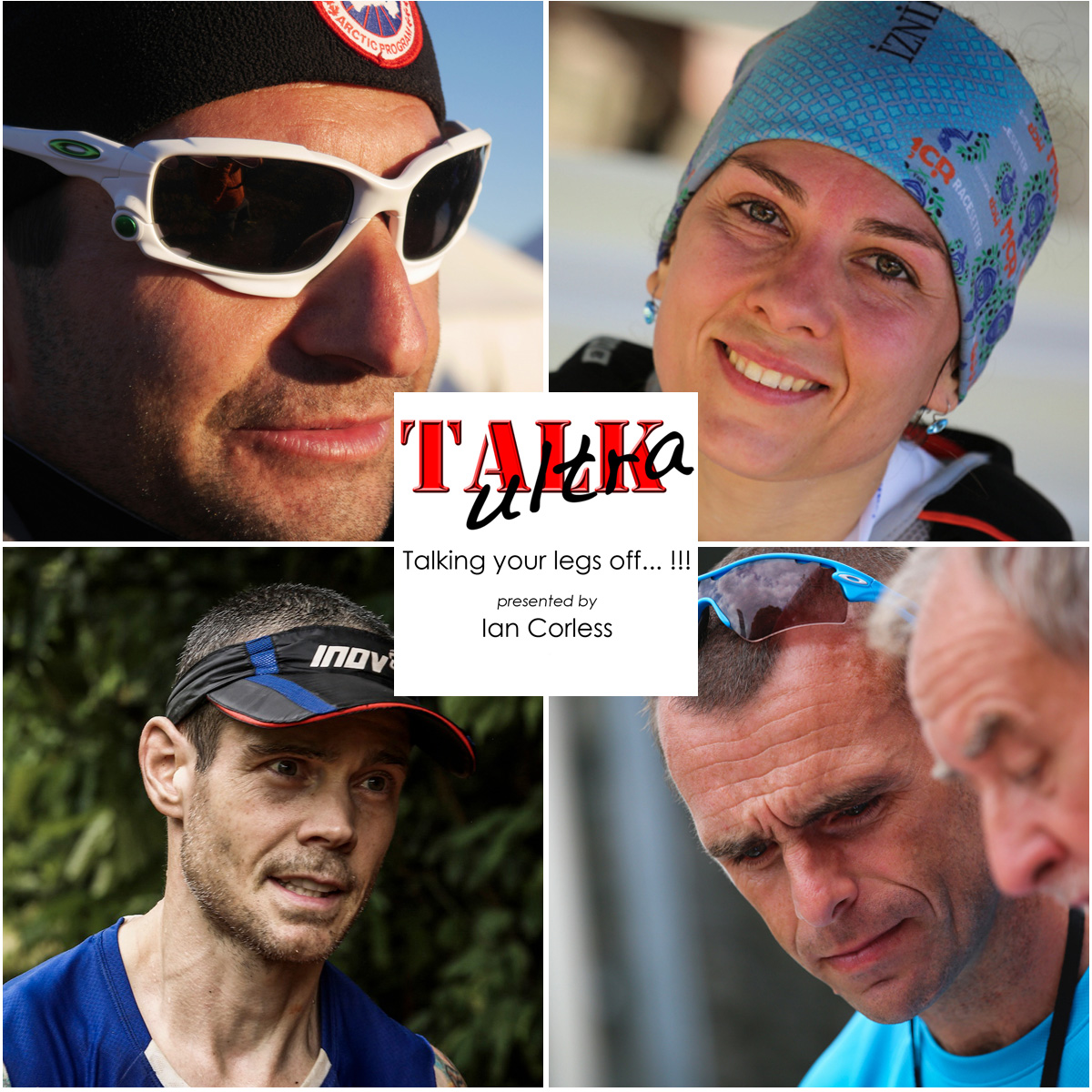
Episode 84 of Talk Ultra has an interview with Sage Canaday talking about coaching and training, Lizzy Hawker tells us all about her new book and Nikki Kimball talks TCC, fell running, her new film and racing in South Africa. Talk Training, the News, Up and Coming Races and Speedgoat.
00:13:48 NEWS
 
Barkley
Fair play to Jamil Coury but nobody finished….
Chuckanut 50k
David Laney 3:40
Andrew Benford 3:40
Brett Hornig 3:35
Magdalena Boulet 4:13
Catrin Jones 4:25
Cassie Scallon 4:29
 
Gorge Waterfalls
Justin Houck 9:22 CR
Chris Denucci 9:49
Ben Stern 9:59
Michele Yates 11:03 CR
Joell Vaught 11:10
Olga Nevtrinos 11:20
Ryan Sandes sets FKT on Table Mountain and Red Bull sets up a website to see if you can beat it…
Kilian tells us about his 2015 plans as does Timmy Olson
 
Sage Canaday going to run UTMB
 
Marathon des Sables kicks off…. Preview HERE
00:35:18 INTERVIEW
 
SAGE CANADY provides us with an insight into his coaching and training ethos and how he applies them to his own racing HERE
01:29:00 BLOG
 
What goes in the MDS pack? Read HERE
01:30:55 INTERVIEW
 
LIZZY HAWKER has been away from the running scene with injury. However, she has used the time wisely writing a book called RUNNER. We catch up with her, discuss the book and you have an opportunity to win one of two copies.
WIN A COPY OF THE BOOK HERE
Purchase the book HERE
 
02:16:03 TALK TRAINING
Marc Laithwaite talks all about race pacing. Read the blog post HERE
02:44:50 INTERVIEW
 
NIKKI KIMBALL talks about The Coastal Challenge, her new film, fell racing and heading to South Africa
Finding Traction movie HERE
03:31:20 UP & COMING RACES

Argentina

Patagonia Run 100k | 100 kilometers | April 11, 2015 | website

Patagonia Run 63k | 63 kilometers | April 11, 2015 | website

Patagonia Run 84k | 84 kilometers | April 11, 2015 | website

Australia

Australian Capital Territory

Australian Running Festival Ultra Marathon | 50 kilometers | April 12, 2015 | website

Queensland

Wildhorse Criterium 50 km | 50 kilometers | April 05, 2015 | website

Wildhorse Criterium 70 km | 70 kilometers | April 05, 2015 | website

Victoria

Buffalo Stampede Ultra SkyMarathon | 75 kilometers | April 11, 2015 | website

Western Australia

3 Waters 50km Ultra Marathon | 50 kilometers | April 12, 2015 | website

Canada

British Columbia

Diez Vista 50k Trail Run | 50 kilometers | April 11, 2015 | website

Chile

Ultra Fiord 100K | 100 kilometers | April 17, 2015 | website

Ultra Fiord 100M | 100 miles | April 16, 2015 | website

Ultra Fiord 70K | 70 kilometers | April 17, 2015 | website

Croatia

100 Miles of Istria | 100 miles | April 17, 2015 | website

France

Bouches-du-Rhône

Trail Sainte Victoire 60 km | 60 kilometers | April 12, 2015 | website

Haute-Loire

L’Ultra trace de St Jacques | 740 kilometers | April 12, 2015 | website

Jura

Le Savagnin | 58 kilometers | April 12, 2015 | website

Rhône

Ultra Beaujolais Villages Trail | 110 kilometers | April 11, 2015 | website

Germany

Hesse

Bilstein-Marathon BiMa 53+ | 53 kilometers | April 12, 2015 | website

Guadeloupe

GUADARUN : ultra-marathon des îles de Guadeloupe | 136 kilometers | April 04, 2015 | website

Indonesia

Trans Sumbawa 200 Miles | 200 miles | April 08, 2015 | website

Ireland

Connacht

Connemara Ultramarathon | 39 miles | April 12, 2015 | website

Israel

Race the Promised Land Ultra | 124 kilometers | April 16, 2015 | website

The Sea to Jerusalem 144 km Ultra | 144 kilometers | April 16, 2015 | website

The Sea to Jerusalem 54 Ultra | 54 kilometers | April 16, 2015 | website

The Sea to Jerusalem 70 km Ultra | 70 kilometers | April 17, 2015 | website

Italy

Latium

UltraTrail dei Monti Cimini | 80 kilometers | April 11, 2015 | website

Piedmont

100 km di Torino | 100 kilometers | April 11, 2015 | website

Tuscany

Elba Trail “Eleonoraxvincere” | 54 kilometers | April 12, 2015 | website

Jordan

Dead Sea Ultra Marathon | 50 kilometers | April 03, 2015 | website

Morocco

Ecotrail de Ouarzazate | 111 kilometers | April 16, 2015 | website

Marathon des Sables | 250 kilometers | April 03, 2015 | website

Nepal

Annapurna Mandala Trail | 250 kilometers | April 15, 2015 | website

Buddhist Stupa Trail Marathon | 50 kilometers | April 04, 2015 | website

Netherlands

North Holland

Castricum Ultraloop | 60 kilometers | April 11, 2015 | website

De Zestig van Texel – 120 km | 120 kilometers | April 06, 2015 | website

De Zestig van Texel – 60 km | 60 kilometers | April 06, 2015 | website

Norway

Bergen Maratonkarusellen no3 – 1 1/2 Marathon | 63 kilometers | April 11, 2015 | website

Bergen Maratonkarusellen no3 – Ultra 100km | 100 kilometers | April 11, 2015 | website

Philippines

Mayon 360º | 80 kilometers | April 11, 2015 | website

Portugal

Madeira Island Ultra Trail 115 | 116 kilometers | April 11, 2015 | website

Madeira Island Ultra Trail 85 | 85 kilometers | April 11, 2015 | website

South Africa

Old Mutual Two Oceans Marathon | 56 kilometers | April 04, 2015 | website

Spain

Catalonia

24 hores del Cap de Creus | 87 kilometers | April 11, 2015 | website

Extremadura

LXVII Milhas Romanas | 100 kilometers | April 10, 2015 | website

United Kingdom

Calderdale

The Calderdale Hike – Long | 36 miles | April 11, 2015 | website

Carmarthenshire

Pendine Sands Ultra | 32 miles | April 05, 2015 | website

Devon

Coastal Trail Series – Exmoor – Ultra | 34 miles | April 11, 2015 | website

Dorset

The ONER | 78 miles | April 11, 2015 | website

The ONER Half Day Section | 39 miles | April 11, 2015 | website

East Sussex

South Downs Way 50 | 50 miles | April 04, 2015 | website

Glasgow City

Glasgow – Edinburgh Double Marathon | 55 miles | April 04, 2015 | website

Hampshire

Compton 40 mile Challenge | 40 miles | April 04, 2015 | website

Highland

2XU Jogle | 860 miles | April 10, 2015 | website

Surrey

North Downs Way 50 | 50 miles | April 05, 2015 | website

USA

Arizona

Solemates Prescott Circle Trail 100 Miler | 104 miles | April 10, 2015 | website

Solemates Prescott Circle Trail 150 Miler | 156 miles | April 09, 2015 | website

Solemates Prescott Circle Trail 200 Miler | 208 miles | April 09, 2015 | website

Solemates Prescott Circle Trail 50 Miler | 52 miles | April 11, 2015 | website

California

American River 50-mile Endurance Run | 50 miles | April 04, 2015 | website

Grizzly Peak 50 Km Trail Run | 50 kilometers | April 04, 2015 | website

Lake Sonoma 50 | 50 miles | April 11, 2015 | website

Oriflamme 50k | 50 kilometers | April 11, 2015 | website

Ragnar Relay So Cal | 200 miles | April 10, 2015 | website

Woodside Crossover 50K | 50 kilometers | April 12, 2015 | website

Florida

Croom Trail 50K Fools Run | 50 kilometers | April 04, 2015 | website

Croom Trail 50M Fools Run | 50 miles | April 04, 2015 | website

Wild Sebastian 100 Spring Edition – 100 Miles | 100 miles | April 11, 2015 | website

Wild Sebastian 100 Spring Edition – 50 Miles | 50 miles | April 11, 2015 | website

Wild Sebastian 100 Spring Edition – 75 Miles | 75 miles | April 11, 2015 | website

Illinois

Potawatomi 100 Mile Trail Run | 100 miles | April 11, 2015 | website

Potawatomi 150 Mile Trail Run | 150 miles | April 10, 2015 | website

Potawatomi 50 Mile Trail Run | 50 miles | April 11, 2015 | website

Indiana

2 Person Team | 100 miles | April 11, 2015 | website

3 Person Team | 100 miles | April 11, 2015 | website

4 Person Team | 100 miles | April 11, 2015 | website

5 Person Team | 100 miles | April 11, 2015 | website

6 Person Team | 100 miles | April 11, 2015 | website

7 Person Team | 100 miles | April 11, 2015 | website

8 Person Team | 100 miles | April 11, 2015 | website

Iowa

Hawkeye 50k | 50 kilometers | April 11, 2015 | website

Kansas

Rocking K Trail 50 Mile Run | 50 miles | April 04, 2015 | website

Louisiana

LUR’s Sleepy 50K | 50 kilometers | April 11, 2015 | website

Massachusetts

Cape Cod Trail Race – Run Forward. Give Back – Ultra | 50 kilometers | April 12, 2015 | website

Michigan

Kal-Haven Trail Run | 33 miles | April 11, 2015 | website

Minnesota

Zumbro 100k | 100 kilometers | April 10, 2015 | website

Zumbro 100M | 100 miles | April 10, 2015 | website

Zumbro Midnight 50 Mile | 50 miles | April 11, 2015 | website

Mississippi

Gulf Coast Interstate Relay – Ride or Run | 263 miles | April 03, 2015 | website

Race Across Mississippi – Border to Border (7 Marathons) | 192 miles | April 10, 2015 | website

Missouri

Ozark Foothills 50K | 50 kilometers | April 11, 2015 | website

Nebraska

Double Half Mary+5 | 50 kilometers | April 10, 2015 | website

New York

100 Mile PEACE Ultra Marathon | 100 miles | April 17, 2015 | website

North Carolina

Cedar Island 40 | 42 miles | April 11, 2015 | website

Ohio

Forget the PR Mohican 50K | 50 kilometers | April 11, 2015 | website

Oklahoma

Tatur’s Lake McMurty Trail Race 50K | 50 kilometers | April 11, 2015 | website

Oregon

Peterson Ridge Rumble 40 Mile Trail Run | 40 miles | April 12, 2015 | website

Shotgun Trail Blast 50K | 50 kilometers | April 04, 2015 | website

South Carolina

Blind Pig 100K Ultra Marathon | 100 kilometers | April 11, 2015 | website

Blind Pig 100 Mile Ultra Marathon | 100 miles | April 11, 2015 | website

Tennessee

Power to the Tower 50k Ultra | 50 kilometers | April 04, 2015 | website

War at Windrock – 3 stages race | 51 kilometers | April 11, 2015 | website

Texas

Hells Hills 50 km Endurance Trail Run | 50 kilometers | April 04, 2015 | website

Hells Hills 50 Mile Endurance Trail Run | 50 miles | April 04, 2015 | website

Utah

Zion 100k | 100 kilometers | April 10, 2015 | website

Zion 100 Mile | 100 miles | April 10, 2015 | website

Zion 50K | 50 kilometers | April 11, 2015 | website

Virginia

Bull Run Run 50 Mile | 50 miles | April 11, 2015 | website

Washington

Alger Alp 50k | 50 kilometers | April 12, 2015 | website

Lumberjack 100 K Run | 100 kilometers | April 11, 2015 | website

Lumberjack 100 Mile Run | 100 miles | April 11, 2015 | website

Lumberjack 50 Mile Run | 50 miles | April 11, 2015 | website

Squak Mountain 50K Trail Run | 50 kilometers | April 11, 2015 | website

Wisconsin

Mad City 100K | 100 kilometers | April 11, 2015 | website

Mad City 50K | 50 kilometers | April 11, 2015 | website

Zimbabwe

33 Miler | 33 miles | April 12, 2015 | website

33 Miler Relay | 33 miles | April 12, 2015 | website
03:35:32 CLOSE
03:41:11
LINKS:

Race Day Nutrition (Part One) – Marc Laithwaite

©iancorless.com_TCC2015_Day5-2539

In recent articles, we’ve discussed the 2 main fuel sources for endurance exercise (fat and carbohydrate) and how you should optimise your body to burn fat, thereby allowing you to save precious carbohydrate stores. When it comes to race day then the game and the rules change completely. As a recap, when training you should:

1. Ride or run at the correct intensity or follow a specific protocol such as Maffetone
2. Avoid fluctuations in intensity, remember that average heart rate or power output are NOT the critical figures, it’s TIME IN ZONE that counts
3. Eat foods which are balanced with low GI carbohydrates and fats to encourage fat usage and avoid sugar spikes
4. Avoid gels and sugar products based on point 3 above

If you follow the above guidance, over a 12-16 week training period, you can teach your body to utilise a greater amount of fat as fuel and also to use less calories overall, making you more economical. The important thing to remember is that ‘training’ and ‘racing’ are 2 separate things and your fuelling approach should reflect this.

What happens during the race?

Okay, let’s presume that you have trained correctly and maximised your fat burning potential and fuel economy. You reach the first event of the year and when riding or running at race pace you are using 700kcal per hour, 50% of which comes from carbohydrate and 50% of which comes from fat. You only need to worry about the carbohydrate loss as that’s the one which is critical, so let’s focus on the 350kcal of carbohydrate which equates to 88 grams of carbohydrate (4 kcal per gram).

The limitation of carbohydrate intake

Here’s the big problem, you can only absorb approximately 60g of carbohydrate per hour. Imagine that there are small boats, which ‘ferry’ carbohydrate across the intestine wall into your blood stream. Unfortunately you only have so many ‘ferry boats’ so no matter how much carbohydrate you throw in there, the amount which can be ferried is limited to a pretty standard 60g. For our example above, that means that you’re going to fall short. You’re using 88 grams per hour and you can only replace 60 grams per hour. That’s a 28 gram / 112 kcal per hour deficit.

So I can’t just eat more?

Unfortunately not. If you eat more, it’s unlikely to be digested and will simply sit in your stomach or intestines without providing energy. There are a lot of people who suffer from gastric problems during long distance events and this is generally caused by eating too much food which they are unable to digest. It’s really important that you understand, eating more food doesn’t mean you’ll have more energy and it may well mean that you’ll face stomach upsets. I stress this point knowing how obsessed Ironman athletes in particular become with regards to feeding on the bike.

A deficit of 112 Kcal per hour doesn’t sound too bad

No, it doesn’t. But that is based on the presumption that you are only using 700kcal per hour, bigger people and less efficient people may be using more. It’s also based on the assumption that 50% is coming from fat and that may not be the case at all, in fact, as much as 80-100% may be coming from carbohydrate. What makes this worse is that bigger people can’t necessarily take on board more fuel, the 60g limit still pretty much applies. It’s a gut issue, it’s not about how big your muscles are and how much you can store in there.

So the 3 things you might want to know are:

1. How many calories do I burn per hour?
2. How many of them come from fat and carbohydrate?
3. How much should I be taking in as a consequence?

As a start point, you can probably work out your calorie usage by using a heart rate monitor or power meter. Run or ride at race pace and it’ll do the calculation for you, although the power meter is a lot more accurate than the heart rate monitor, it’s still a start point. Warm up, then do an hour at your ‘race pace’ and work out the figures. It’s amazing how many people who consider their training and racing to be ‘serious’, still have no clue how many kcal they use when racing. How can you have any grasp of nutrition requirements without knowing this figure? Once you’ve calculated that figure, apply the following rule:

80/20: If you are struggling to ride 50 miles / run 15 miles even when fuelling yourself throughout, then apply the 80/20 rule. That means 80% of your fuel is carbohydrate and 20% is fat.

65/35: If you can ride 50 miles / run 15 miles comfortably using fuel, then apply the 65/35 rule. That means 65% of your fuel is carbohydrate and 20% is fat.

50/50: If you can ride 50 miles / run 15 miles comfortably without using any fuel whatsoever, then apply the 50/50 rule. That means 50% of your fuel is carbohydrate and 50% is fat.

Are those figures accurate?

Absolutely not, I just made them up. They are by no means 100% accurate but they will give you a good start point and will allow you to calculate an approximate figure. The running figures are less ‘straight forwards’ than the cycling, as the impact of running can really fatigue your legs, so you may find 15 miles difficult, even if your fat burning and fuel economy is good. for cycling, the impact is low, so it’s more likely governed by metabolism and fuel.

Ok, so what’s the next step?

Here’s what we’re going to do. Prior to next week you are going to do a 1 hour ride or run at your ‘race pace’ and then using your cycle power meter, GPS or heart rate monitor, calculate how many calories per hour you are using when exercising at that intensity. I feel this is a pretty important thing for you to understand if you are to race successfully. It’s easy with a power meter for cycling, it does the maths for you. Most heart rate monitors will use your age and weight to work out kcal per hour. There are some tools on the internet such as: http://www.braydenwm.com/calburn.htm which can help to give you a basic idea.

Go forwards my endurance friends and do the maths, next week, we will be looking at planning your intake.

Until then, stay healthy.

– Marc Laithwaite

About Marc:

Sports Science lecturer for 10 years at St Helens HE College.

2004 established The Endurance Coach LTD sports science and coaching business. Worked with British Cycling as physiology support 2008-2008. Previous Triathlon England Regional Academy Head Coach, North West.

In 2006 established Epic Events Management LTD. Now one of the largest event companies in the NW, organising a range of triathlon, swimming and cycling events. EPIC EVENTS also encompasses Montane Trail 26 and Petzl Night Runner events.

In 2010 established Montane Lakeland 50 & 100 LTD. This has now become the UKs leading ultra distance trail running event.

In 2010 established The Endurance Store triathlon, trail running and open water swimming store. Based in Appley Bridge, Wigan, we are the North West’s community store, organising and supporting local athletes and local events.

Check out the endurance store HERE

Endurance Store Logo

A Day on Fells – Wolf’s Pit, Peak District

©iancorless.com_FellRace15-8006

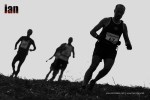
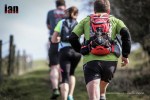
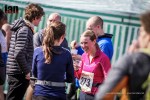
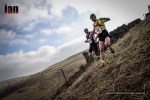
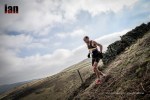
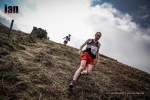
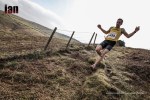
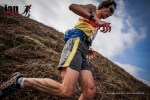
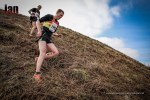
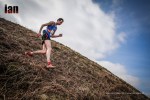
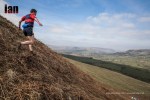
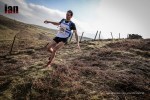
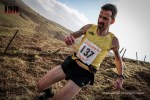
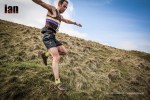
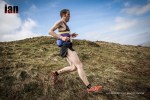
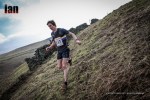
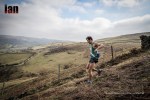
A fun weekend in Sheffield for ShAFF (Sheffield Adventure Film Festival) and the opportunity to take American ultra running legend, Nikki Kimball to experience a fell race.

It was a blast. I had so much fun… a course like this for 100-miles would be great! – Nikki Kimball

Well, I am not sure that anyone else in the race would fancy running the route eighteen times to make up the required 160-km but hey, we know what Nikki means (I think!).

The Peak District played ball and the sun came out. Great day!

Wolf’s Pit, Peak District

  • Date & time: Sun 22nd Mar 2015 at 11:00
  • Country: England
  • Region: Peak District
  • Category: AS
  • Website: www.wolfspitfellrace.org.uk
  • Distance: 9km / 5.6m
  • Climb: 450m / 1476ft
  • Venue: Shatton, nr Bamford, Hope Valley.
  • Grid ref: 196825
  • Skills & experience: ER, PM, LK, NS
  • Minimum age: 16

LAKES SKY ULTRA – new race for 2015

lakesskyultra

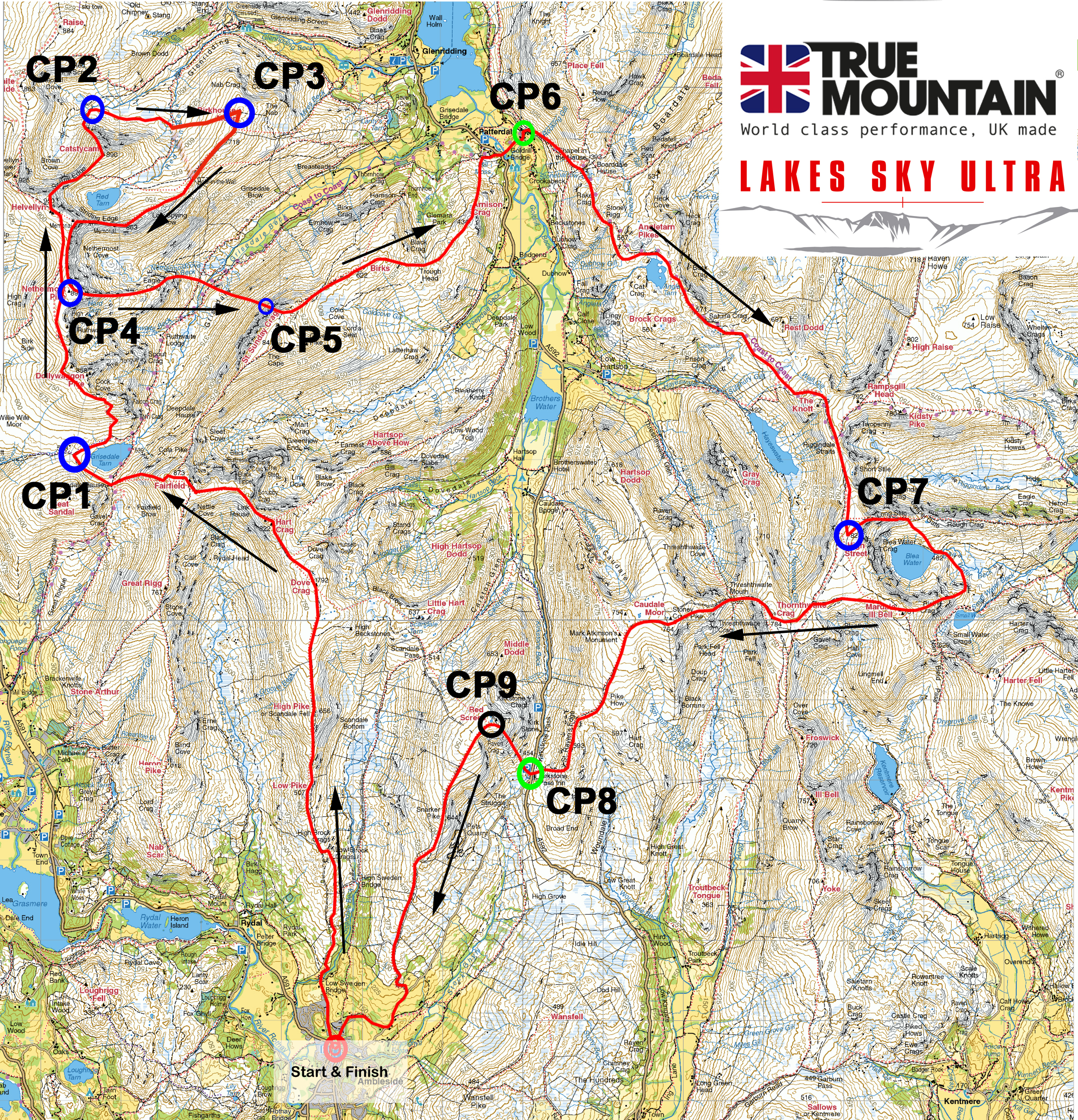
Skyrunning UK is pleased to announce a new race for 2015, the LAKES SKY ULTRA™. A 50km+/- course with 4300m+/- ascent that includes soaring ridgelines, rock scrambling and a course that will test the most experienced competitor. Starting and concluding in the iconic Lakeland village, Ambleside: the LAKES SKY ULTRA will look to bring a European feel and ambiance to Skyrunning in the UK.

Ben_Abdelnoor_Sky_Race

Created by Charlie Sproson (Mountain Run) and Andrew Burton, the LAKES SKY ULTRA™ will follow on from the recently announced Glen Coe Skyline in providing competitors from the UK and overseas with an opportunity to test themselves on a course that harks back to the late 80’s and early 90’s when ISF President, Marino Giacometti went fast and light to the summit of Monte Rosa.

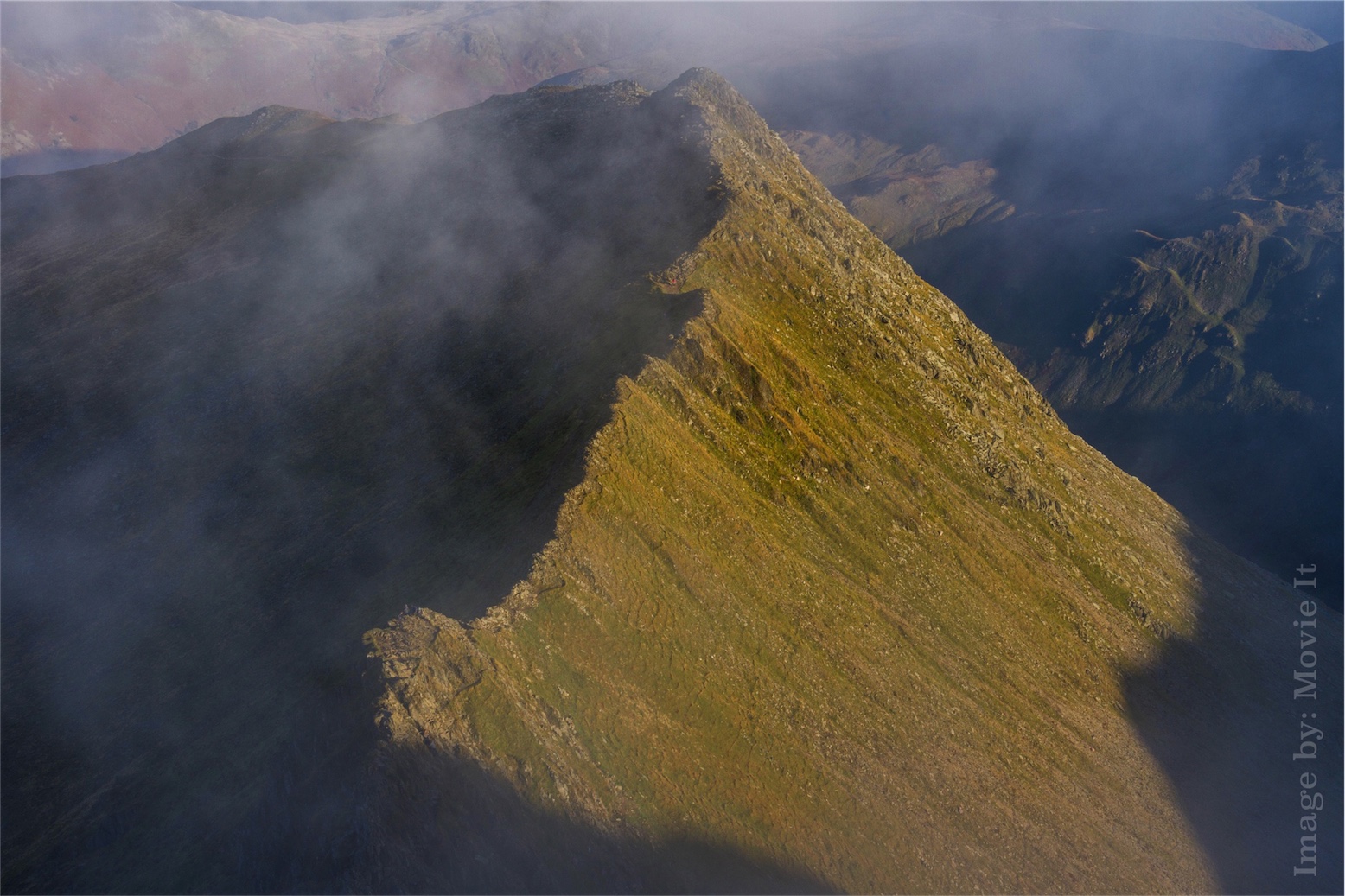
We may lack altitude in the UK but we have a strong history and heritage founded in the traditions of fell and mountain running. The LAKES SKY ULTRA™ will combine a series of graded scrambles: 0.5 at Swirral Edge, grade 1 at Striding Edge and grade 3 at Pinnacle Ridge to offer a unique racing experience but it is not for the feint hearted…

Sky-Race-Map-from-Ambleside-_LSU-version

“We have so much great scenery and courses in the UK; we certainly have exposure and technical terrain. We have a sense of high mountains even though we lack altitude. Throw in British weather and our course will be a challenge. No question. We are offering an opportunity to explore from a different perspective.”

Andrew and Charlie have had some great days out planning routes and have therefore created a course with added spice. It will be a test and the route will inspire those who like a challenge. They have pulled together something quite special. Soaring ridgelines in the sky… Skyrunning!”

“We have some very technical parts on this course but we also have plenty of simple running. The route has three graded scrambles so foot and hand placements are going to be important. We have elements of not just running but hands-on rock fun to be had!”

In year one the LAKES SKY ULTRA™ will only have 100-places available and this race will require a certain type of runner. Participants will need to provide a list of past experience when applying. Just being an ultra runner won’t cut it. Charlie and Andrew quite clearly state, “We need scrambling and rock climbing experience. However, we are planning a mountain skills course in August to help those interested to gain experience… but this will not guarantee race entry!”

Striding_Edge_LSU

Safety is key in any race, however, Skyrunning races of this style are designed to challenge… so, although Charlie and Andrew are looking at safety, a course of this nature does bring risk and ultimately, that is part of the attraction; hence the vetting procedure. “If a runner is asking, ‘I wonder if I have the correct experience?’ they probably don’t!” says Andrew.

Charlie Sproson on a recce day. Image ©steveashworth MovieiT

Charlie Sproson on a recce day. Image ©steveashworth MovieiT

The LAKES SKY ULTRA ™ course is designed to have an element of danger, however, no compromises are being made in regard to the safety of everyone.

“We will have manned checkpoints at high level sections of the course, electronic checkpoints and a cut-off at Patterdale.” Charlie explains. “We will also have evacuation routes should they be required due to danger or injury. An appointed safety officer, Joe Faulkner from Nav4 will look at the course and will provide safety without taking away the excitement… for example, on the grade 3 scramble we may have a fixed rope? Many of these elements are yet to be decided but we are looking at all aspects.”


Make a date in your diary, 12th September 2015.

The LAKES SKY ULTRA™ is coming.

http://www.lakesskyultra.uk/

Email Charlie Sproson: charlie@lakesskyultra.uk

“The Helvellyn range is one of the most iconic massifs in the Lake District. The combination of this spectacular mountain and a series of scrambles make the LAKES SKY ULTRA™ route a real highlight within the UK. We have fantastic edge running from Riggindale Straights to Kirkstone pass with some amazing scenery. You can look over Ambleside from Red Screes… this course has it all. Mountain scenery, splashed with lakes and technical terrain make this a True Mountain™ experience.”

The race will start and finish in Ambleside and Skyrunning UK sincerely hope over time that the race will mimic some of the experiences that have been encountered in some of the top European races. Think Zegama-Aizkorri or the Dolomites Sky Race. A town center race start and finish includes everyone: families, shops, restaurants, tourists, supporters and of course the race can interact with everyday life. It’s going to be incredible to bring this experience to an iconic Lakeland town. We want people with cowbells, whistles and cheering. A carnival of Skyrunning!

Images all ©MovieiT

Salomon Sense Mantra 3 – Review

©iancorless.com_Mantra3-7562

When Salomon signed Ellie Greenwood and Max King (just ran 2:17 for Olympic qualifier) for 2015 sponsorship, the two current 100km champions, it was a clear statement that the brand wants to make some headway on the road as well as trail.

The new S-Lab X Series (Here) is an out-and-out road shoe but Salomon are also very keen to capture all of hose runners that run on road, trail, road, trail and then road… but not necessarily in that order. The birth of CITYTRAIL. It’s not rocket science but if in doubt, CITYTRAIL shoes combine the best of a road shoe and then mix it up with a trail shoe.

©iancorless.com_Mantra3-7568

The original Salomon Mantra (2012) was ground breaking. However, the shoe has come a long way from its original incarnation and although the new Mantra 3 does hold some of the original traits, it’s fair to say that the Sense Mantra 3 is a completely new shoe.

Imagine taking the much loved S-Lab Sense, breeding it with the original Mantra and in many ways you have the Sense Mantra 3.

©iancorless.com_Mantra3-7559

Do you like the S-Lab Sense in either normal or soft-ground versions? If so, you are almost certainly going to like the Mantra 3.

The shoe has all those wonderful S-Lab characteristics that we have all come to love:

  • Sensfit
  • Endofit
  • Lace pocket
  • Quicklace
  • OS Tendon
  • Ortholite
  • Profeet Film

So many buzz words but in brief they all add up to…  awesome!

©iancorless.com_Mantra3-7577

Okay, I fully appreciate that here I am again waxing lyrical about another pair of shoes and arguably another pair of Salomon’s that are a joy to wear. But I only tell it like it is… I loved the Sense 3 SG and I loved the Sense Pro, so, combine those two shoes and you arguably have the Sense Mantra 3. BUT the shoe has some significant differences.

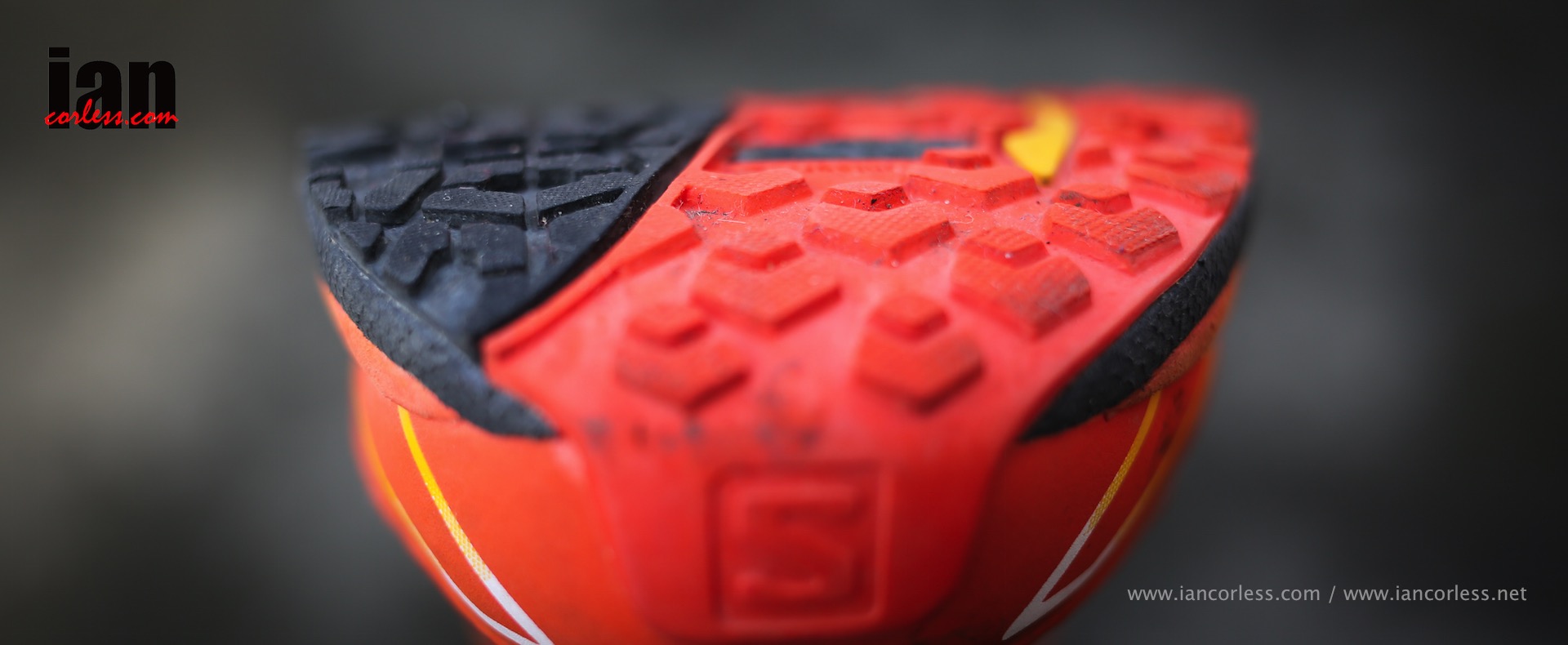
©iancorless.com_Mantra3-7596First and foremost, the sole of the shoe has been redesigned and it has a completely new look. Need a shoe for soft or muddy ground? Look elsewhere. But if you are mixing road, hard trail, rocks and anything in and around that scenario, the Mantra 3 is a dream.

©iancorless.com_Mantra3-7565 The shoe feels very cushioned and plush. This almost certainly comes from Endofit. Lets face it, once you have used Endofit; other shoes feel a little sloppy. Endofit holds the foot snug, secure and as such provides great feel and security. Basically it’s a wrap for your foot.

©iancorless.com_Mantra3-7571

The Mantra 3 has 15mm cushioning at the rear and 9mm at the front. I was a little surprised by those stats. The shoe feels a little more cushioned than that but I don’t mean that in a negative way. You still have plenty of feel, loads of response and arguably the 6mm drop provides an ideal sweet spot.

Weight is awesome at 275g (UK8) and the shoe feels light. Flexibility is great and when out running, the shoe actually makes you want to increase your cadence and pick up the pace. I loved that feeling… I just wish my lungs and heart could keep up with the shoes.

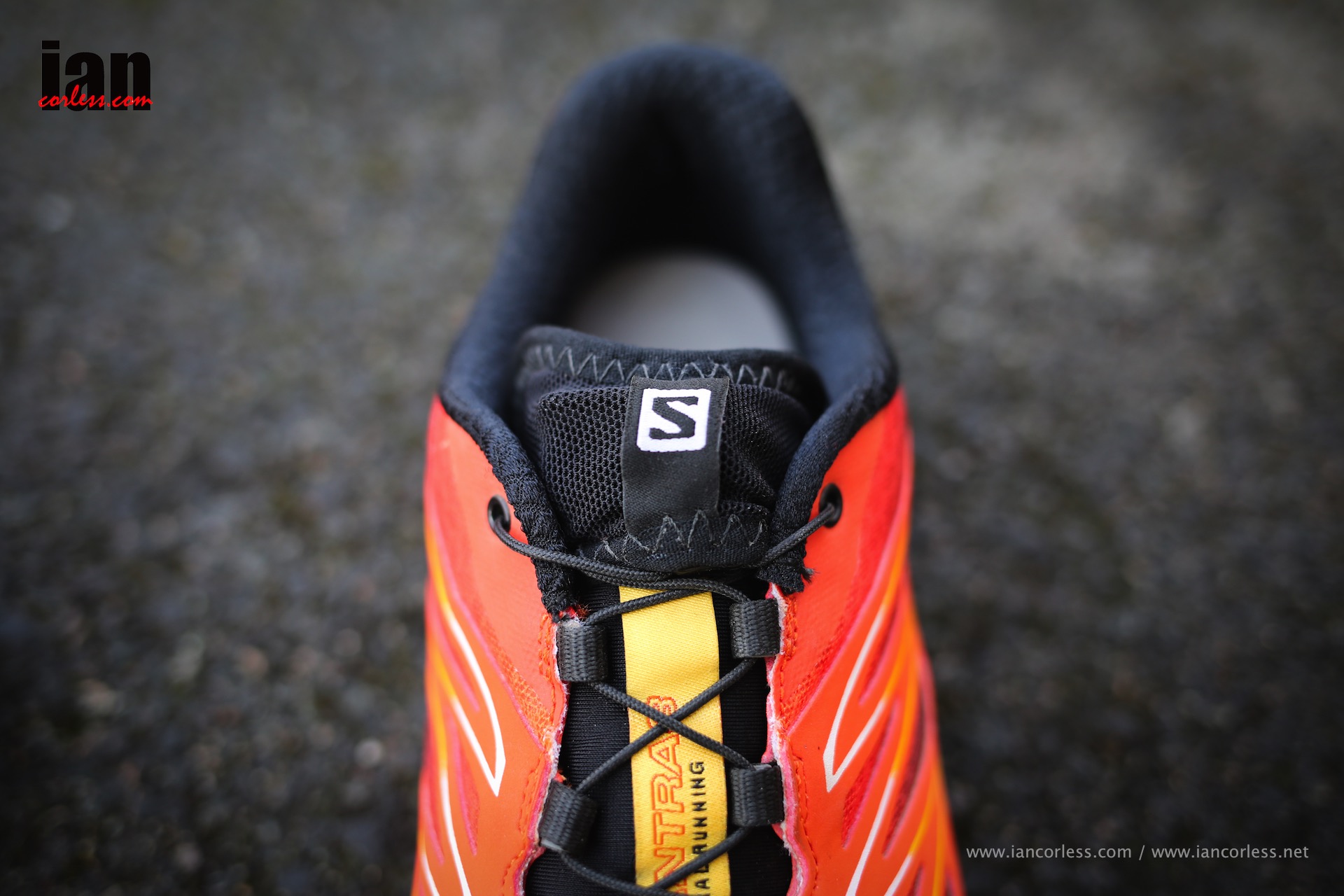
©iancorless.com_Mantra3-7573Lacing is legendary and the ‘Quicklace’ system works flawlessly. I have no problems with this system but it is fair to say that if you like to tweak your laces and loosen them in places, that is difficult to do here. Excess lace is stored in the equally legendary ‘Lace Pocket.’

I personally found that my shoes sized a little small. I use UK9.5 in Sense 3, Sense 3 SG and Sense Pro but I found that I needed a UK10 for the Mantra 3. Of course this may just be a one off? However, if ordering online, keep this in mind.

©iancorless.com_Mantra3-7593 The noticeable difference in the Mantra 3 is the toe box! It is without doubt considerably wider and roomier than any other Salomon shoe I have used. So much so that I found myself tweaking the tightness of my laces to compensate. I know only too well how many people complain that Salomon shoes are too narrow. Well, this may well be a shoe for you to try. I thought the Sense Pro had a wider toe box but the Mantra 3 is definitely wider. This all may be part of Salomon’s new strategy as the S-Lab Sense 4 and Sense 4 SG have a slightly wider toe box too. Depending on how you run and what your preferences are, the wider toe box can be a negative as much as a positive. Having used both versions of the Sense 3 and the Sense Pro (and loved them) I found that at times I had a little ‘too’ much movement in the toe area on the Mantra 3, which didn’t give me the precision feel I am used to. We have to remember here that the Mantra 3 is a hybrid shoe, so this additional freedom is intentional. Certainly on longer runs this additional area was welcome should your feet swell and expand.

©iancorless.com_Mantra3-7585The heel area of the shoe is plush, holds the foot tight and has no friction. Toe protection at the front of the shoe is minimal, so, should you get on some really rocky terrain, be careful of your toes.

©iancorless.com_Mantra3-7600

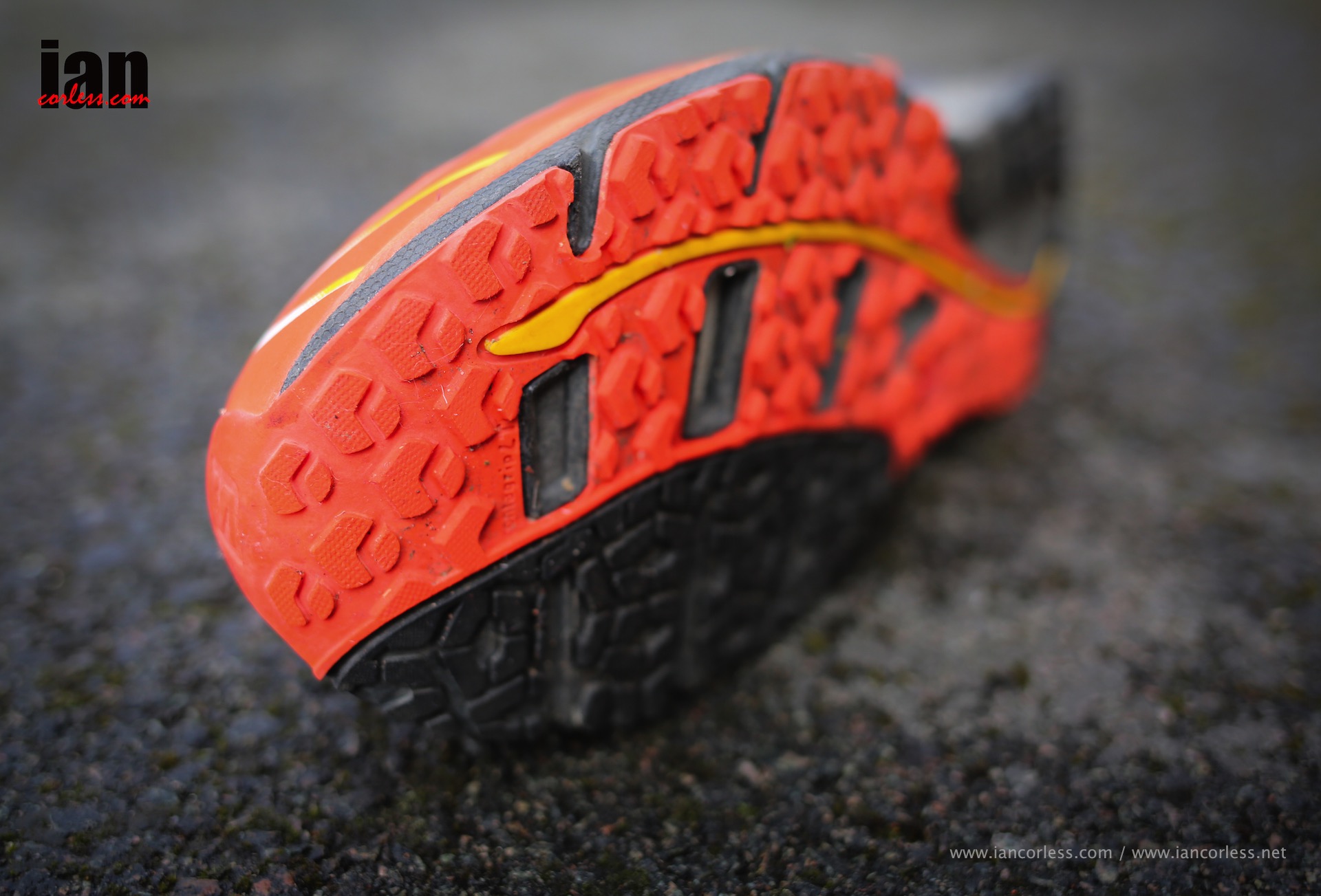
The outsole as I mentioned has been redesigned and I have to say that if you keep to hard trail, rocks or road the grip is great. Equally I had full confidence in wet conditions. If you are heading out into the mud, this is not the shoe to take… look at the Sense 4 SG, Speedcross or Fellcross.

As mentioned, the Ortholite/ Sensifit combination provides a plush and cushioned feel and the addition of a Profeet Film adds security and protection from the road and/or trail surface.

In summary, the Mantra 3 is a great shoe for someone who mixes up road running and trail running on a daily basis. But don’t be put off by this ‘compromised’ approach. For me, the Mantra 3 is a great dry trail shoe or a great road shoe, I would have no problem running for extended periods on either surfaces. The 6mm drop is ideal for many providing a sweet middle ground and the cushioning is ideal for long runs. It is arguably a perfect long distance dry trail shoe. If I was running a race similar to Western States, I personally think the Mantra 3 would be my preference over the S-Lab Sense 4. The additional cushioning, roomier toe box and extra height on the drop for me make this shoe a winner for ultra runners.

Pros

  • Endofit
  • 6mm drop
  • Weight
  • Cushioning
  • Wide toe box
  • Lacing
  • Lace pocket

Cons

  • Toe box may be too wide for some
  • Sizes a touch small (for me anyway)
  • No good in mud

Specs

  • Weight 275g
  • Drop 6mm
  • Cushioning 9mm/ 15mm
  • RRP £90.00
  • Available early 2015

Salomon really are extending the CITYTRAIL range in terms of shoe range and clothing. Take a look HERE

Salomon Logo

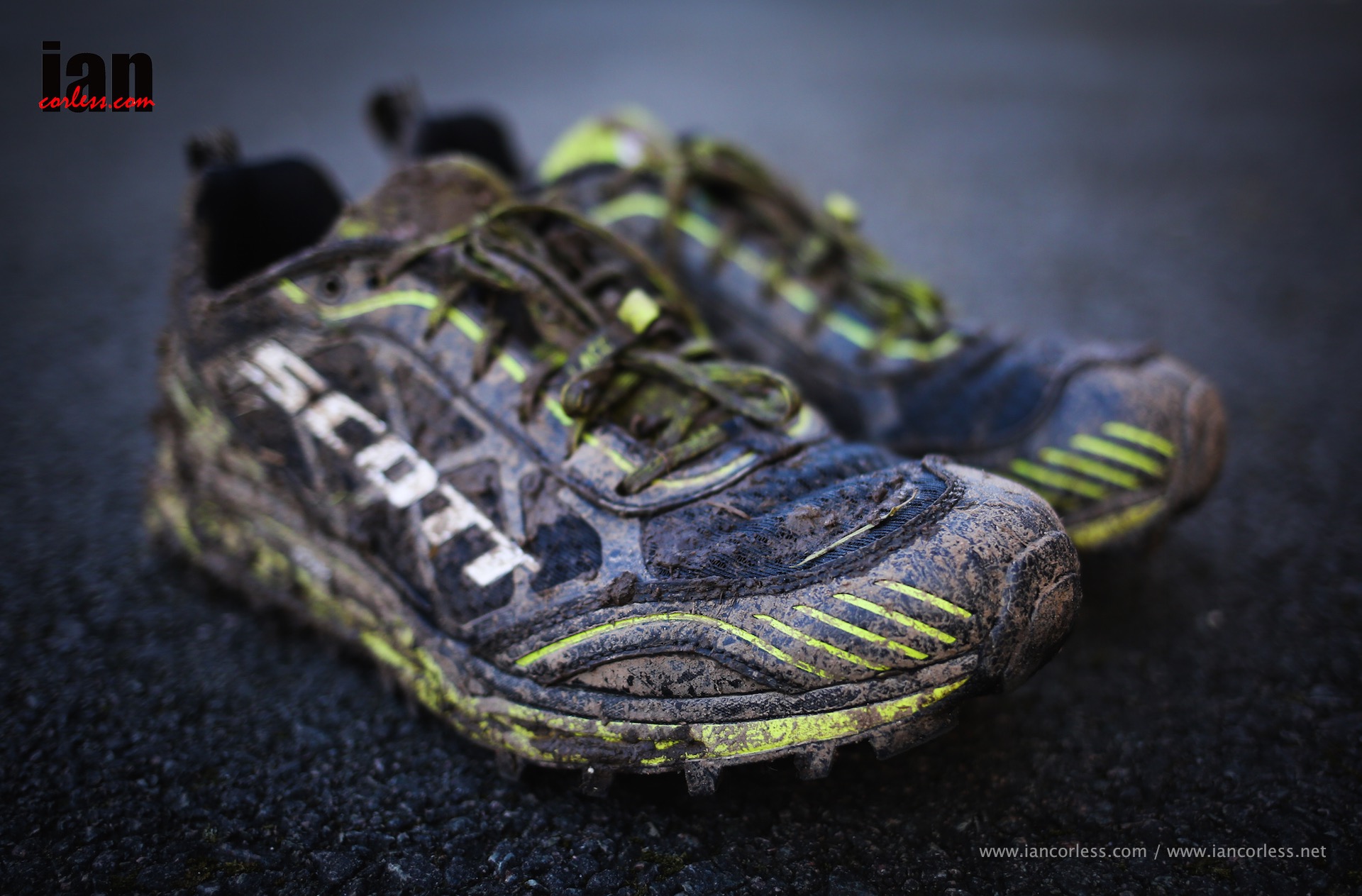
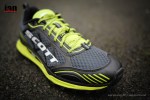
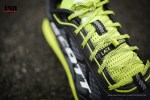
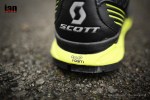
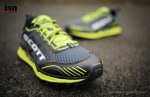
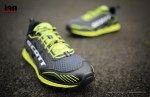
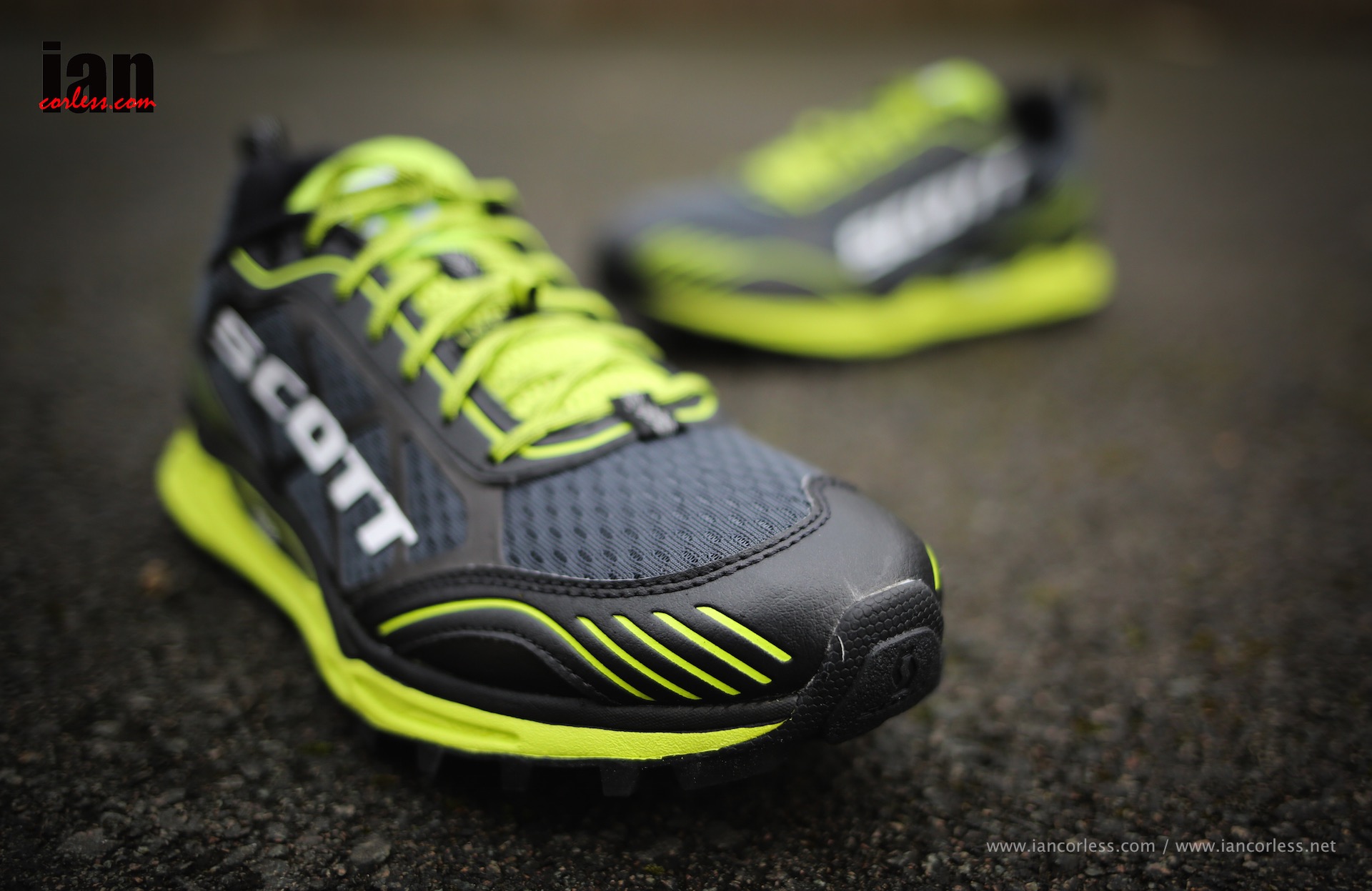
SCOTT KINABALU SUPERTRAC – First Impressions

©iancorless.com_ScottSupertrac-5082

Spring is here and new run shoes are a plenty. Christmas takes place in December but I have to say, if you are a runner, February is stepping up to be a great month for a few surprise presents. Recently I have had new shoes from The North Face (Ultra MT, Cardiac and TR2, the Salomon S-Lab Sense 4 is due to arrive any day and several weeks back I looked at the Scott Trail Rocket and mentioned the Kinabalu.

Today we are taking a look at a new shoe from SCOTT, the KINABALU SUPERTRAC.

This is a shoe I asked Scott to make some 12-18 months ago! Having used and loved the Kinabalu (Here) I pleaded with them to come up with an 8mm drop shoe with a more aggressive sole. They have only gone and done it!

©iancorless.com_ScottSupertrac-5043

This shoe is a winner!

Looking at current shoe trends, Scott like The North Face, Salomon and other key brands have realised that a lower drop is the way forward. For many companies, 8mm provides that sweet middle ground. New Balance, TNF and now Scott have confirmed this while Salomon pave a way with 4mm and 6mm drop shoes.

As mentioned previously, if you are after a fast trail shoe (for dry conditions) and with a lower drop (5mm), you can’t go far wrong with the Scott Trail Rocket. But if you are after a shoe that can handle mud and a multitude of different conditions then the 8mm drop, Kinabalu Supertrac may be for you!

©iancorless.com_ScottSupertrac-5053

Carrying over many of the characteristics of the Kinabalu, the Kinabalu Supertrac in summary :

Fits like a glove, laces up nice and tight, hugs the heel without rubbing, the toe box provides a secure hold of your foot with a precise feel and grip is AGGRESSIVE!

©iancorless.com_ScottSupertrac-5061

In Detail

The Kinabalu Supertrac introduces a new level of technical shoe and a completely new concept of superior grip. The shoes are designed to match the needs of trail and mountain runners in the most extreme conditions : mud, snow, rock and mountain! Delivering great traction on soft and rough surfaces and all within a shoe that provides great comfort, cushioning and with an 8mm drop.

It comes as no surprise to me really. As I said previously, I loved the Kinabalu. I just wanted more grip and lower drop. Scott have that now provided me with that, so this can only mean one thing: happy runner!

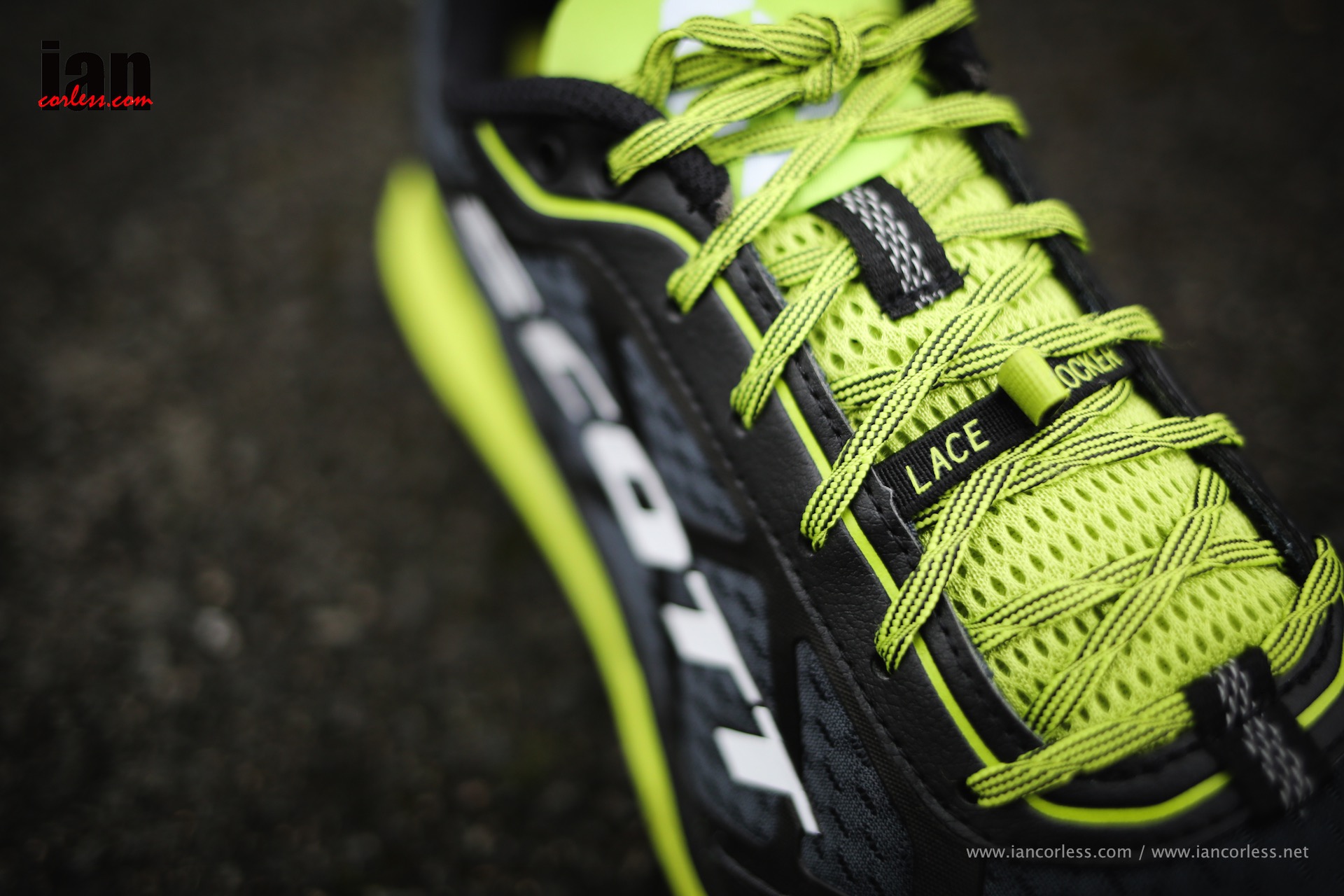
If you are familiar with the Kinabalu, this ‘Supertrac‘ version will feel familiar. The tongue is padded, extremely comfortable and the laces are thin and textured. Importantly, the laces stay tight when tied. Scott’s ‘Lace Locker‘ is present and this provides a no nonsense simple solution to store loose laces.

©iancorless.com_ScottSupertrac-5070

The shoes are neutral fitting and cushioned using AeroFoam+ which provides additional cushioning, increased durability and great rebound. The upper is breathable mesh with synthetic overlays and the lower part of the shoe is constructed from EVA and rubber.

©iancorless.com_ScottSupertrac-5088

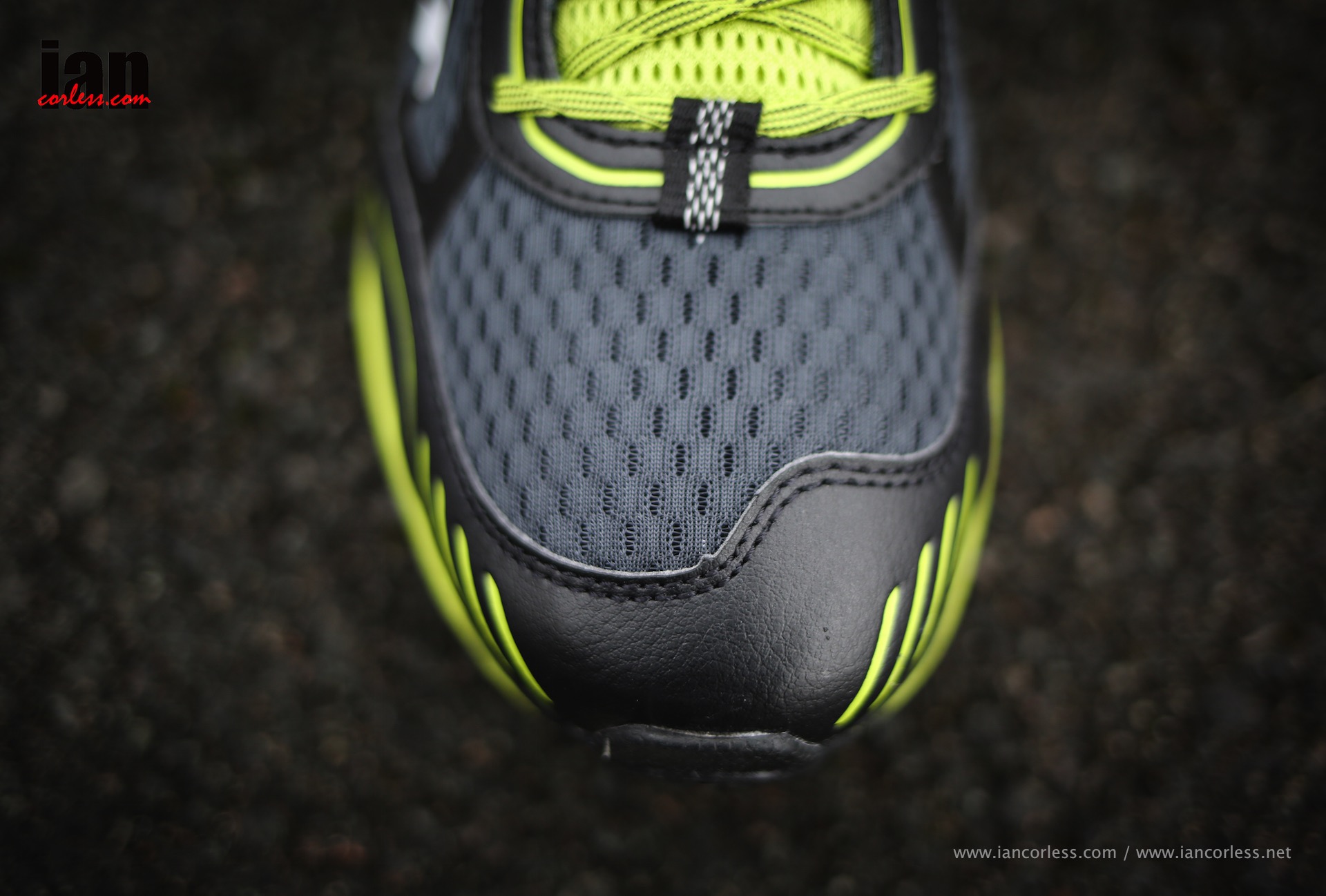
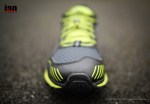
The toe box is reinforced extremely well and will withstand some serious contact with rocks or unwanted obstacles. I usually prefer a wider shoe and the Supertrac allows for this but still holds my forefoot firm and without hot spots.

©iancorless.com_ScottSupertrac-5073

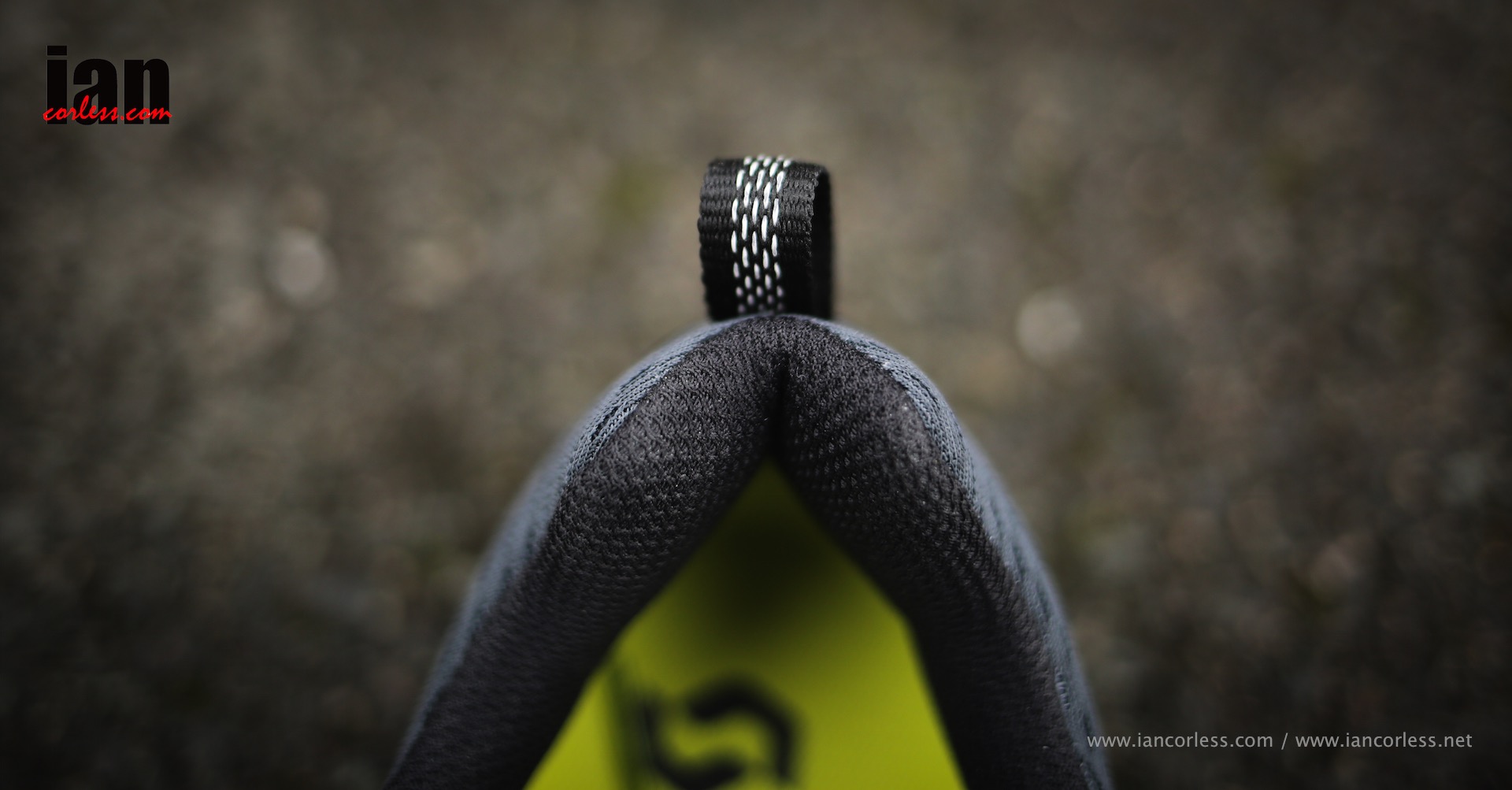
The heel is injection moulded, plush, soft has no harsh contact points and provides a secure firm grip irrespective of when running on the flat, descending or going uphill. I had no movement at all.

©iancorless.com_ScottSupertrac-5075

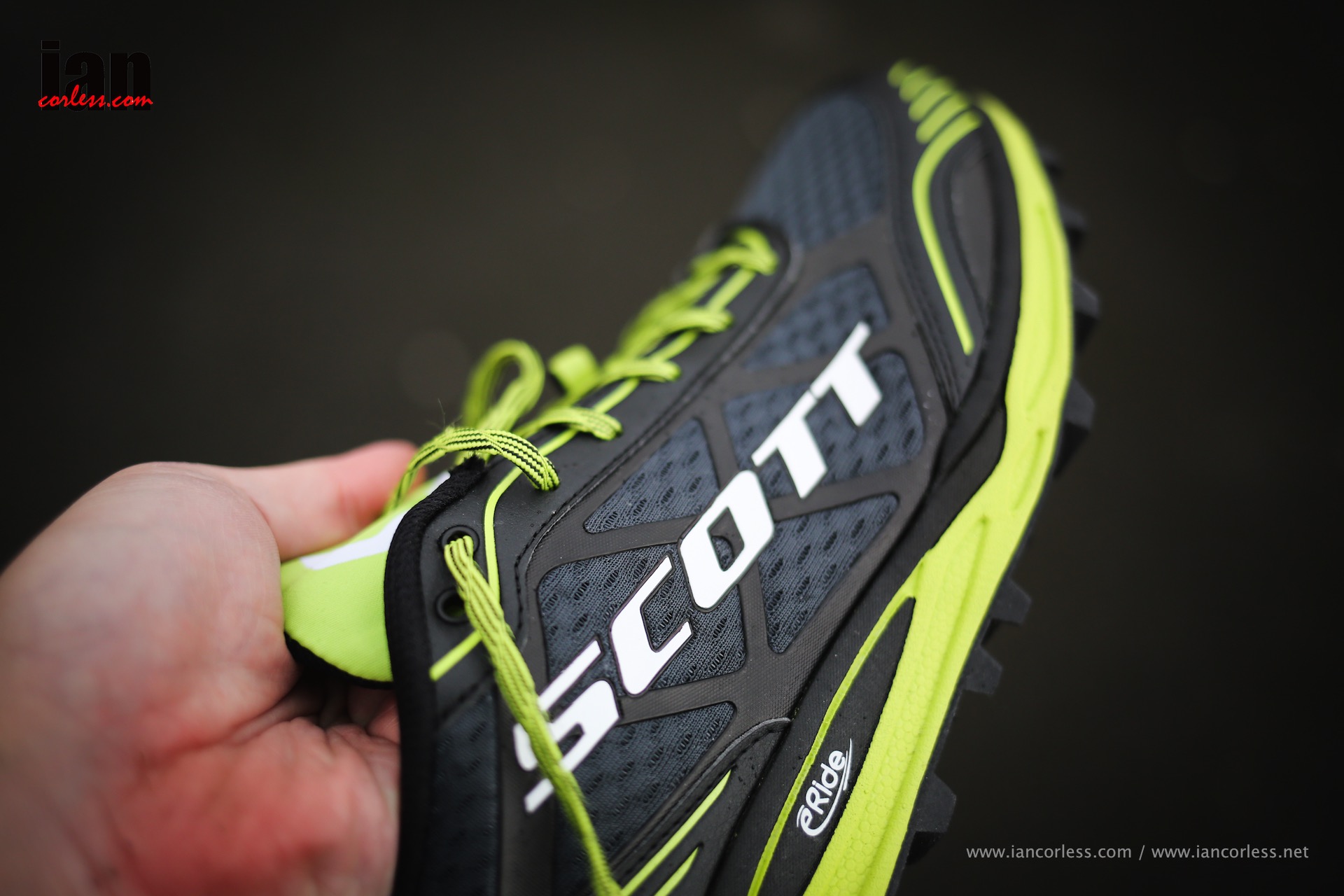
As one would expect, Scott carry over many features that we have seen on other shoes in the range. The eRIDE is a ‘rocker’ platform that is designed to guarantee a more efficient foot strike. If you already strike mid to forefoot, this may be less noticeable. However, if you are heel striking, the rocker really does roll you forward on to your toes.

©iancorless.com_ScottSupertrac-5094


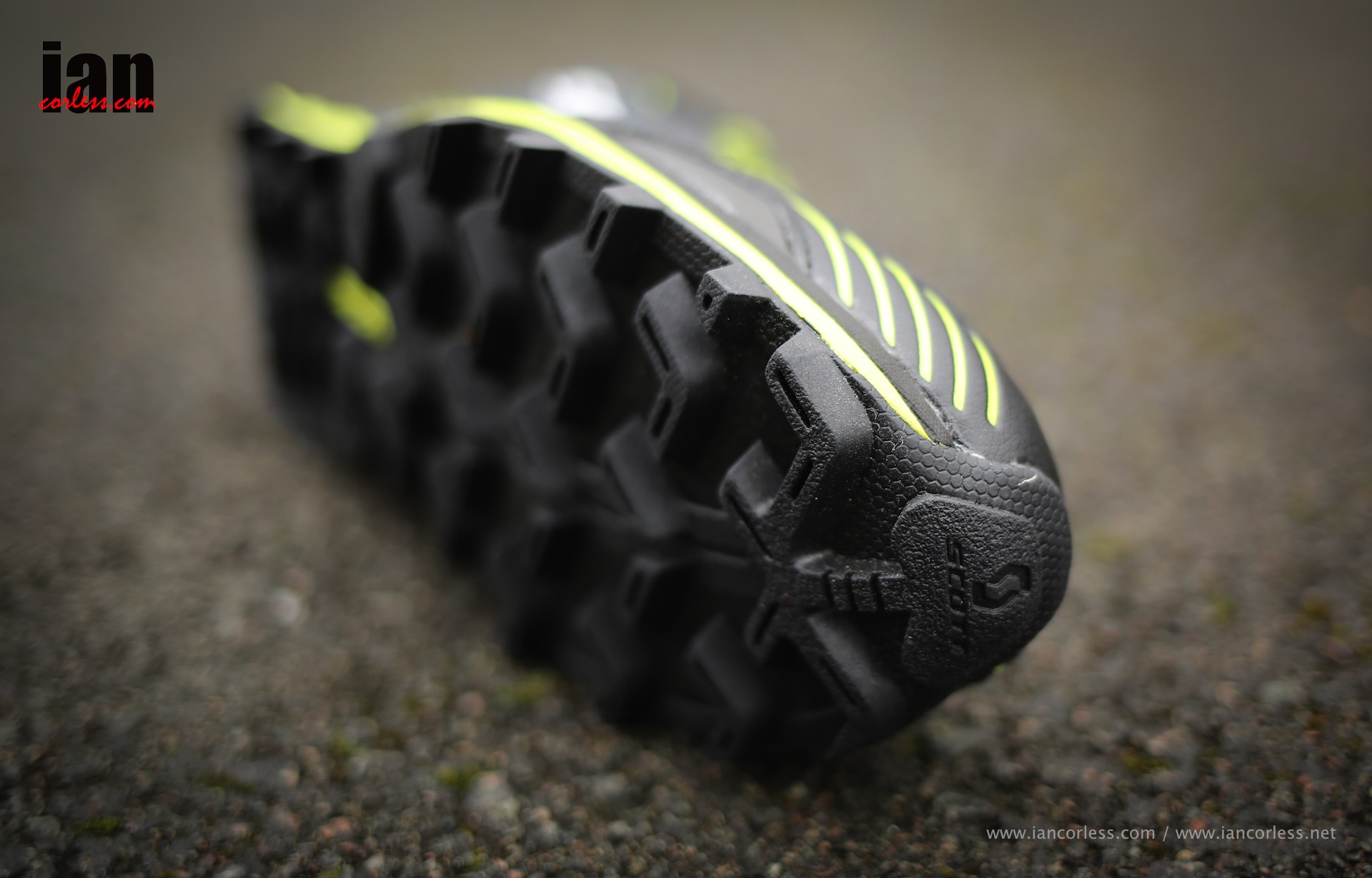
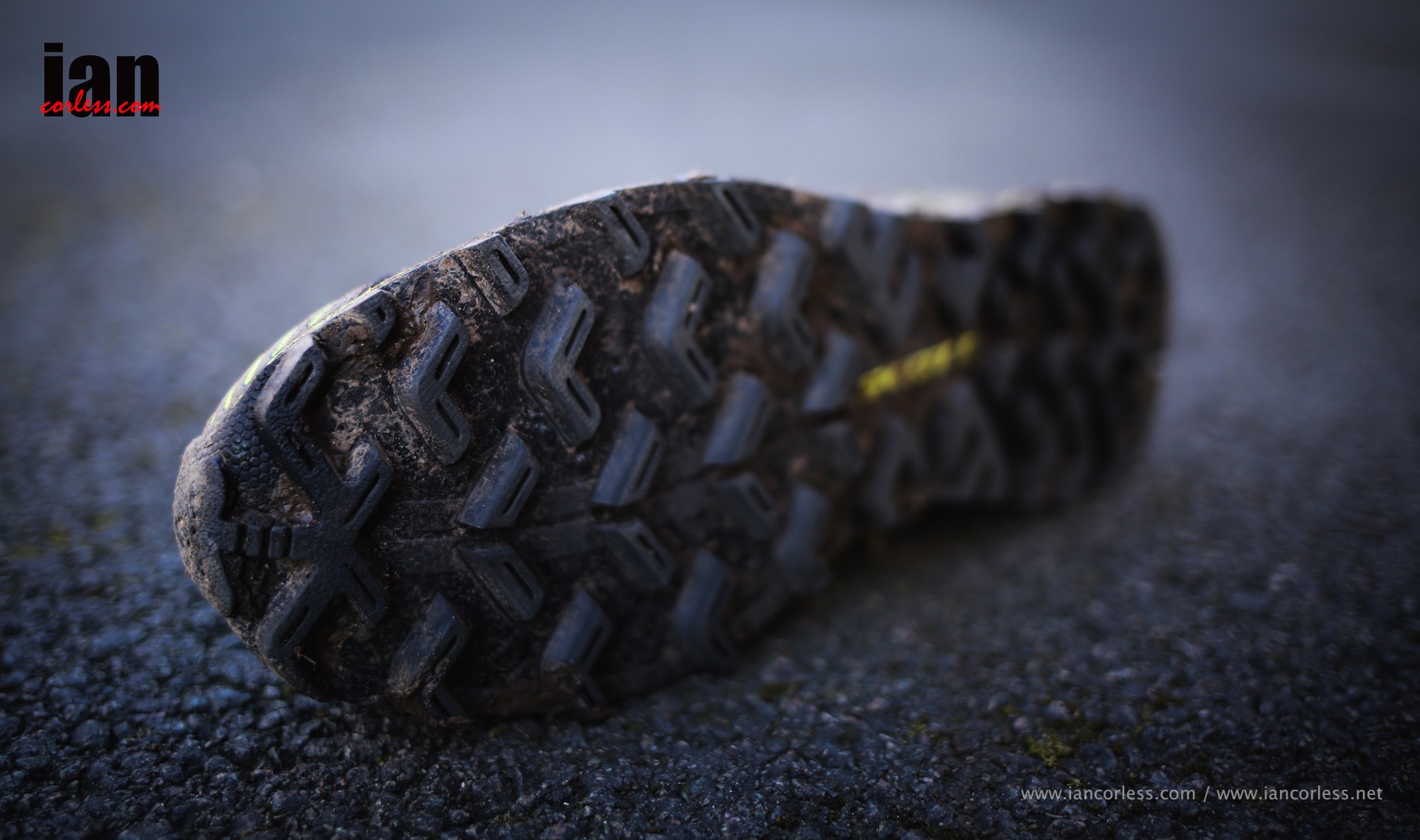
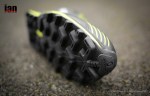
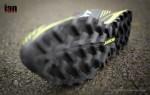
The most noticeable aspect of the shoe is the GRIP! I can’t write about the GRIP without putting it in capital letters. Boy do they GRIP…

©iancorless.com_ScottSupertrac-5061

Think JCB meets running shoe. The outsole is extreme and made from a superior wet traction rubber compound that works really well on a multitude of surfaces. I am really impressed with just three to four runs*.

Conclusion

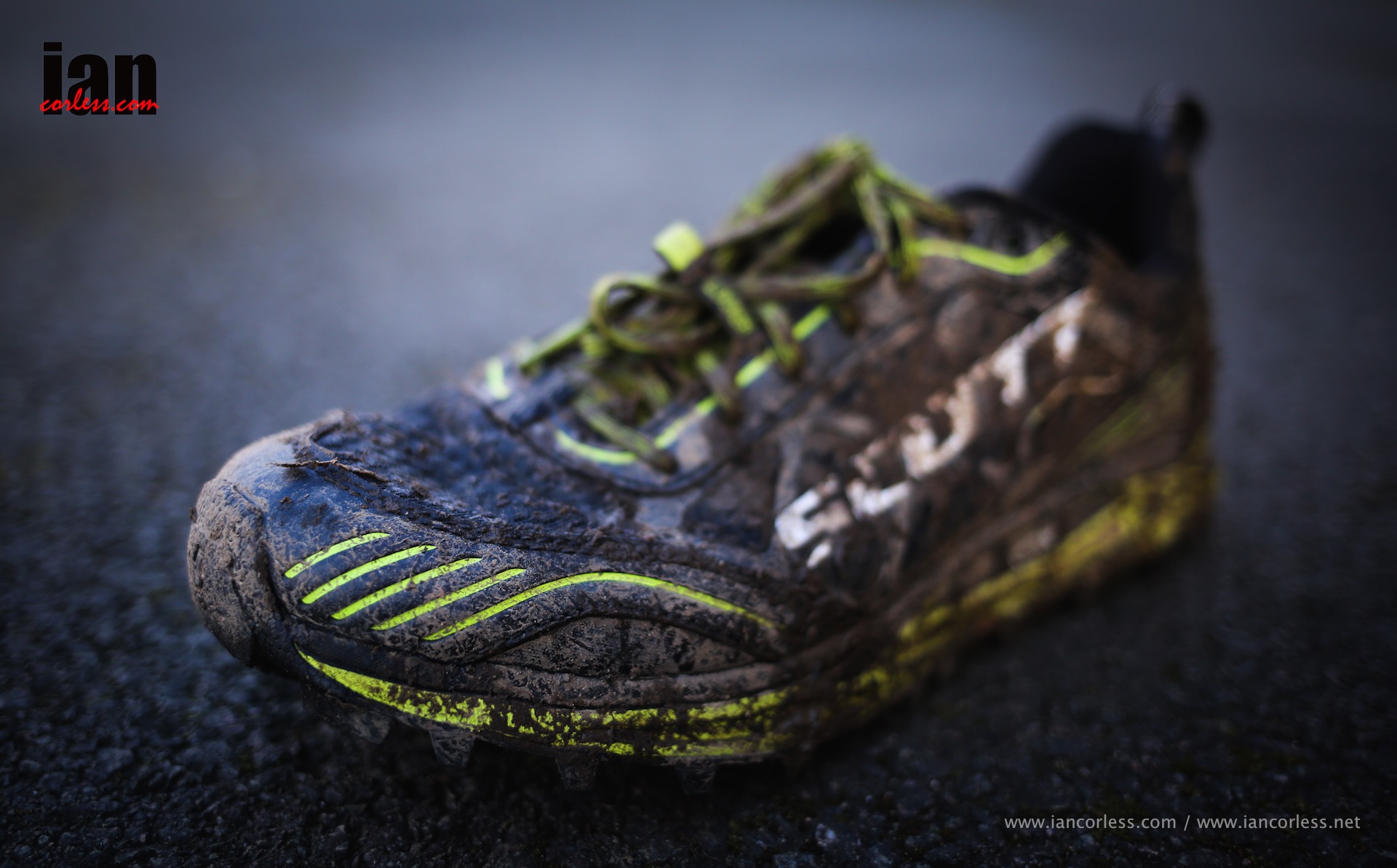
If you are looking for an out-and-out trail beast with great cushioning, 8mm drop and a comfort rating that will least all day, the Kinabalu Supertrac is going to be a serious contender. It has very quickly become my ‘go to’ when heading out on my local muddy trails.

Expect to see Marco De Gasperi, Elisa Desco and Joe Gray using this on the trails and mountains of Europe and the USA.

Pros:

  • GRIP
  • Cushioned
  • Spacious toe box with protection
  • True to size fit

Cons:

  • Not the lightest shoe

Details:

RRP £105

Available SS2015

Technology:

  • Lace bungee
  • Wet traction rubber
  • eRIDE Platform
  • AerFoam+
  • Self cleaning lugs
  • Upper: Mesh/ synthetic overlay
  • Lower: EVA/ Runner
  • Drop: 8mm
  • Weight: 340g (UK8)
  • Sizes: US7-14

#noshortcuts

©iancorless.com_ScottSupertrac-5096

©iancorless.com_ScottSupertrac-5104

©iancorless.com_ScottSupertrac-5107

*I will provide an updated review after 1-month and plenty of nice muddy shots to show the shoe’s durability in the upper and outsole

Don’t worry, we will give you a credit!

©iancorless.com_P1060017

I am lucky, very lucky! I have a life and business that allows me to travel to amazing places documenting a sport that I love. It’s a dream job and one that I throw myself into 100% each minute, of each hour of everyday.

It’s a job that not many can do. It requires long hours, an ability to handle stress and you need to be fit. Well, you need to be fit if you do the job in the way that I do it!

I have built a business out of hard graft and my commitment has been rewarded. For example, in 2014 I travelled and worked on over thirty races. In 2015, I will work on a similar quantity.

I do have a ‘USP.’ I am not only a photographer. I offer a one stop package for a race with writing, podcast and a website that generates thousands of hits on a daily basis.

But don’t be mislead. If I was doing any other job, I would arguably be wealthy. But working in a niche sport does limit what is available in regards to re-numeration. I accept that!

However, I don’t like having the piss taken!

Let me give you a scenario:

Imagine you work for a magazine. You go to the office on Monday and you start work at 0900. You take a lunch break at 1300, return to work at 1400 and then work to 1800. You do this day after day… At the end of the week, the magazine you have toiled on is ready. You have dedicated forty hours minimum to its success. Your boss comes in, congratulates you on an awesome job and says how great your work is! You feel proud. You feel happy and you pat yourself on the back.

“We have decided not to pay you for your work this week. We have no budget! But don’t worry, we will give you a credit in the magazine. It’s a real plus for you, your name will be associated to the incredible body of work you have created. What more could you want?”

I am well aware that belts are being tightened in the world of running magazines. Lets face it, It’s no surprise… magazines print old news that will have appeared on websites like mine weeks and more than likely months before. However, it’s always nice to have something in print both from a consumer perspective and a contributor’s perspective. But lets not be fooled, somebody somewhere is making money.

Let’s just look at a potential scenario:

  • A magazine sells at £4.99 per issue.
  • They sell 28,000 copies.
  • That is £130,000+ of sales.

“It will be great advertising for your work and getting published by us will help you professionally.”

****

So does this argument have any merit?

Who doesn’t like seeing their work in a magazine? It’s a great showcase and of course as a photographer, it’s a confirmation of my ability.

However, readers of magazines are not the people who are going to commission future work from me, so, other than an ego boost; little gains come from a ‘credit.’

But, I do get a tear sheet and I can add it to my website HERE to show that I am credible and trustworthy! My photography is so credible that the magazine editor didn’t respect me, or my work enough to pay me for my time, skills and professionalism?

“Yes, but other magazine professionals and people in the industry will see how good you are, phone you up and commission something from you.”

No! Potential clients think, aaagh, you worked for ‘X’ magazine, they have a reputation for not paying, so you probably did the work for free.

Without wishing to blow my own trumpet. I am well established in the trail, mountain, sky and ultra world. My work is known and I get the job done. That is a USP and it is a bonus for any commissioning editor or client.

I can overcome obstacles and always come up with the goods. These things all mean far more than if I have been published. As a photographer, the best way to help me (and those like me) is to do what professionals do — treat us with respect and pay us for the work we do!

I work on races all the time. I provide a service and I get paid for that service. So, when an  editor of a magazine emailed recently asking me to use my photos of a particular race I asked, “what budget is available” and I was clear. “I can be flexible.”

“We don’t have a budget for photography,” the editor said in a way that was almost saying; “how dare you request a fee.”

I replied and I used my scenario of going to the office, working all week and then getting a ‘credit’ instead of getting paid.

“Ah, but that is different,” they said, “You were paid by the race to cover the event and therefore you should provide images for free to help promote the race, that is normal!”

Errr no! Some races ‘may’ well have a photographer that ‘may’ be contacted in who ‘may’ have signed a deal where all images are available post race and then the images ‘may’ be used in multiple media outlets? In theory, the photographer will have been paid ‘extra’ to allow this.

I don’t do this!

For one, it devalues my work.

I provide a quality service and any fee I receive covers my time and not the images I take. My images are mine and they are unique to me. They have my style, my fingerprint and that is the value. They are a piece of art with intrinsic value and they are protected under copyright.

Of course, I also provide considerably more! My website can get over 40,000 hits per day when I post images from a race. I also write race reports and I promote a race through my reach… social media has a huge benefit and you will see ‘branded’ low resolution images of my work everywhere. It’s a package that I provide and one that works.

It is time to stand firm

Photographers please stand firm. Don’t let publications walk all over us.

I, just like you am a professional. I have done five years at university; I have been in the business for twenty-five plus years and I have served my apprenticeship.

My work is unique, valuable and worth a fee.

If we are not getting paid, how are we different from the millions of budding photographers who do this as a hobby while still making money in another profession? How do we pay the rent, how do we put food on the table if we don’t charge for our services?

It is time to stick to our guns and not give away our work and make the magazines (or other businesses) pay us our due rewards for the work that we provide.

What other profession would be expected to work for free?

Clients have the money, they just play the game and far too many times, they win through pressure. If we have photos that are good enough to be published, they are good enough to be paid for!

Magazines will always continue to get ‘free’ content from enthusiasts but in time, the quality will soon drop and with it, the life of the magazine.

****

Note: This post has been generated through a frustration from those in the industry who continue to use bullying tactics in a hope that I will succumb to providing content for magazines and other similar publications without payment.

This post is not a reflection on races, race directors and brands who I work with on a professional basis, day-in and day-out and who I have an excellent working relationship with. To all those, I thank you for your continued loyalty.

Please look at my photography website HERE

Image sales available HERE

The 2015 11th edition of The Coastal Challenge on RUNULTRA

TCC 2015

“Anything can happen in a race that lasts multiple days and believe me, The Coastal Challenge provided more than its fair share of excitement. But as a battle raged at the front, behind, the story was one of survival, perseverance and enjoyment in equal measure.”

Read the full article  and view a selection of images from the 2015

The Coastal Challenge

HERE

A full selection of images are available HERE

And you can read daily reports with images from the race here:

Day 1 HERE

Day 2 HERE

Day 3 HERE images HERE

Day 4 HERE images HERE

Day 5 HERE images HERE

Day 6 HERE

run-ultra-logo

Episode 81 – Murphy Polyakova Zahab Laithwaite

Ep81

Episode 81 of Talk Ultra is out… Mike Murphy talks about pushing to the limits (and beyond) at The Coastal Challenge, Elena Polyakova talks about ultra running in Turkey and the up and coming Cappadocia Ultra Trail and Ray Zahab fills us in on his last expedition. Marc Laithwaite return for Talk Training and we discuss Maffetone. A Blog, Up and Coming Races, the News and Speedgoat Karl co-hosts.

00:17:09 NEWS
 
Sean O’Brien 100k
Ryan Smith 8:41
Seth Swanson 8:57
Jorge Pacheo
Magdalena Boulet 9:51
Anita Ortiz 10:40
Silke Koester 11:11
Tarawera 100k
Dylan Bowman 7:44 CR
Jorge Maravilla 8:01
Yoshikazu Hara 8:12
Ruby Muir 9:02 CR
Ruth Croft 9:14
Nuria Picas 9:40
 
MSIG Sai Kung 28k
Dai Matsumoto 2:49
Elisa Desco 3:41
 
MSIG Sai Kung 50k
Samir Tamang 4:48
Mira Rai 5:39
 
The Coastal Challenge
Iain Don Wauchope 22:29:08
Ashur Youseffi 26:09:54
Roiny Villegas 26:23:53
Veronica Bravo 29:35:20
Nikki Kimball 32:31:50
Maria Rivera 34:07:13
00:39:29 INTERVIEW
 
MIKE MURPHY pushed things to the limit at the 2015 The Coastal Challenge, in this interview we discuss his experiences in-depth.
 
Black Canyon 100k
Ford Smith 8:31 (18 years old)
Dave Mackey 8:33
Ryan Ghelfi 8:40
Caroline Boller 10:05
Angela Shartel 10:55
Gina Lucrezi 11:51
 
Red Hot 55k
Alex Nichols 3:48
Rob Krar 3:51
Jim Walmsley 3:54
Ashley Erba (19 years old) 4:29
Kara Henry 4:44
Kerrie Bruxvoort 5:03
 
Susitna 100
David Johnston 21:29
Rachel Gano 29:34
01:48:18 INTERVIEW
 
ELENA POLYAKOVA has pioneered ultra running in Turkey. In this interview we discuss her experiences and the up and coming TNF Cappadocia Ultra Trail 
 
02:20:12 INTERVIEW
 
RAY ZAHAB is no stranger to adventure, earlier this year he ventured into Patagonia. We hear all about it.
 
02:53:04 BLOG
Iain Don Wauchope writes about The Coastal Challenge – HERE
 
02:53:37 TALK TRAINING
 
Marc Laithwaite talks Maffetone
References:
 
Maffetone for Better Endurance HERE
Paleo, Maffetone and the Method HERE
03:28:23 UP & COMING RACES
 

Australia

New South Wales

Wild Women on Top Sydney Coastrek 100 km Team Challenge | 100 kilometers | March 06, 2015 | website

Wild Women on Top Sydney Coastrek 50 km Team Challenge Day: Party All Night | 50 kilometers | March 06, 2015 | website

Wild Women on Top Sydney Coastrek 50 km Team Challenge Day: Sun, Sand, Surf | 50 kilometers | March 06, 2015 | website

Victoria

Dendy Park Urban Trail 50K | 50 kilometers | March 01, 2015 | website

Cayman Islands

Off the Beaten Track | 50 kilometers | March 01, 2015 | website

Finland

Lapland

Rovaniemi 150 | 150 kilometers | February 20, 2015 | website

France

Ille-et-Vilaine

Endu’Rance Trail des Corsaires | 64 kilometers | February 28, 2015 | website

Loire-Atlantique

Le Trail du Vignoble Nantais – 50 km | 50 kilometers | March 01, 2015 | website

Puy-de-Dôme

Ultra trail de Vulcain | 81 kilometers | March 01, 2015 | website

Germany

Hesse

Lahntallauf 50 KM | 50 kilometers | February 28, 2015 | website

Hong-Kong

Rotary HK Ultramarathon | 50 kilometers | March 01, 2015 | website

Italy

Tuscany

Terre di Siena 50 km | 50 kilometers | March 01, 2015 | website

Malaysia

TITI 200KM | 200 kilometers | March 06, 2015 | website

Mexico

Ultra Caballo Blanco | 50 miles | March 01, 2015 | website

New Zealand

Bedrock50 | 53 kilometers | February 21, 2015 | website

Taupo 155 km Great Lake Relay | 155 kilometers | February 21, 2015 | website

Taupo 67.5 km Great Lake Relay | 67 kilometers | February 21, 2015 | website

Waiheke Round Island 100 km Relay | 100 kilometers | February 28, 2015 | website

Peru

North Face Endurance Chalenge Peru 50K | 50 kilometers | February 28, 2015 | website

North Face Endurance Chalenge Peru 80K | 80 kilometers | February 28, 2015 | website

Philippines

Davao50 | 50 kilometers | February 22, 2015 | website

Luneta to Tagaytay(LU2TA) Midnight Ultramarathon 60km | 60 kilometers | February 21, 2015 | website
Portugal

Trail Terras do Sicó | 50 kilometers | March 01, 2015 | website
Ultra Trail Terras do Sicó – 100 km | 100 kilometers | February 28, 2015 | website

Senegal

Raid Téranga 250 | 250 kilometers | February 22, 2015 | website

South Africa

South African Addo Elephant 44 km Trail Run | 44 miles | February 28, 2015 | website

South African Addo Elephant 76 km Trail Run | 76 kilometers | February 28, 2015 | website
Three Cranes Challenge | 106 kilometers | February 26, 2015 | website
Spain

Andalusia

Ultra Trail Sierras del Bandolero | 150 kilometers | March 06, 2015 | website
Canary Islands

Transgrancanaria | 125 kilometers | March 06, 2015 | website
Catalonia

UT les Fonts | 120 kilometers | March 06, 2015 | website

United Kingdom

Essex

St Peters Way Ultra | 45 miles | March 01, 2015 | website
Northumberland

Coastal Trail Series – Northumberland – Ultra | 34 miles | February 28, 2015 | website

Telford and Wrekin

Millennium Way | 38 miles | March 01, 2015 | website
USA

Alabama

Black Warrior/Phillip Parker 50k Trail Run | 50 kilometers | February 21, 2015 | website
Mount Cheaha 50K | 50 kilometers | February 28, 2015 | website
Alaska

Chena River to Ridge Endurance Race 45 Mile | 45 miles | February 28, 2015 | website
Iditarod Trail Invitational 1000 mile | 1000 miles | March 01, 2015 | website

Iditarod Trail Invitational 350 mile | 350 miles | March 01, 2015 | website

Arizona

Elephant Mountain – 50K | 50 kilometers | February 21, 2015 | website

Ragnar Relay Del Sol | 200 miles | February 20, 2015 | website

Ultra Adventures Antelope Canyon 100 Mile | 100 miles | February 21, 2015 | website

Ultra Adventures Antelope Canyon 50 Mile | 50 miles | February 21, 2015 | website

Ultra Adventures Antelope Canyon 55K | 55 kilometers | February 21, 2015 | website

Arkansas

LOVit 100k | 100 kilometers | February 21, 2015 | website

LOVit 100 Mile | 100 miles | February 21, 2015 | website

Sylamore Trail 50k | 50 kilometers | February 21, 2015 | website

California

Chabot Trail Run 50K | 50 kilometers | February 21, 2015 | website

FOURmidable 100K | 100 kilometers | February 21, 2015 | website

FOURmidable 50K | 50 kilometers | February 21, 2015 | website

Lake Natoma 50K | 50 kilometers | March 01, 2015 | website

Montara Mountain 50K Trail Run | 50 kilometers | February 21, 2015 | website

Orange Curtain 100K | 100 kilometers | February 28, 2015 | website

Orange Curtain 50K Afternoon | 50 kilometers | February 28, 2015 | website

Orange Curtain 50K Morning | 50 kilometers | February 28, 2015 | website

Razorback 100K Endurance Race | 100 kilometers | February 28, 2015 | website

Razorback 100 Mile Endurance Race | 100 miles | February 28, 2015 | website

Razorback 125 Mile Endurance Race | 125 miles | February 28, 2015 | website

Razorback 50K Endurance Race | 50 kilometers | February 28, 2015 | website

Razorback 50 Mile Endurance Race | 50 miles | February 28, 2015 | website

Run for Amma 50K | 50 kilometers | February 28, 2015 | website

Run for Amma 50 Miler | 50 miles | February 28, 2015 | website

Salmon Falls 50K | 50 kilometers | February 28, 2015 | website

Sycamore 100k | 100 kilometers | February 28, 2015 | website

West Coast 50K | 50 kilometers | February 22, 2015 | website

Colorado

Headless Horsetooth Fat Ass 50K | 50 kilometers | February 21, 2015 | website
Florida

Everglades 50K Trail Race | 50 kilometers | February 21, 2015 | website
Everglades 50 Mile Trail Race | 50 miles | February 21, 2015 | website
Manasota Track Club 50K Ultra | 50 kilometers | February 21, 2015 | website

Louisiana

Q50 50M Ultra | 50 miles | February 28, 2015 | website

Maryland

Frozen Heart 50 km | 50 kilometers | February 21, 2015 | website

Hashawha Hills 50 km Trail Run | 50 kilometers | February 28, 2015 | website
New Jersey

Febapple Frozen Fifty – 50K | 50 kilometers | February 21, 2015 | website

Febapple Frozen Fifty – 50M | 50 miles | February 21, 2015 | website

New Mexico

Race Across New Mexico – Alien Encounter (4 Marathons) | 100 miles | February 27, 2015 | website

Race Across New Mexico – Heart of New Mexico (4 Marathons) | 106 miles | February 24, 2015 | website
North Carolina

Mount Mitchell Challenge | 40 miles | February 28, 2015 | website

Oklahoma

Tulsa Running Club Post Oak Lodge 50K Trail Run | 50 kilometers | February 28, 2015 | website

Texas

A2B2: Alamo To Border 2 | 162 miles | February 27, 2015 | website

Cowtown Ultra Marathon | 50 kilometers | March 01, 2015 | website
Cross Timbers Trail Runs 50M | 50 miles | February 21, 2015 | website

Race Across Texas – Border to Border (22 Marathons) | 587 miles | March 04, 2015 | website

Race Across Texas – The Wild West (4 Marathons) | 106 miles | March 06, 2015 | website

Virginia

The Reverse Ring | 71 miles | February 21, 2015 | website

Washington

Lord Hill 50 Km | 50 kilometers | February 22, 2015 | website

03:31:56 CLOSE
03:35:27

Links:

ITunes http://itunes.apple.com/gb/podcast/talk-ultra/id497318073

Libsyn – feed://talkultra.libsyn.com/rss

Website – talkultra.com

Maffetone Formula for better endurance performance by Marc Laithwaite

Marc Laithwaite at Lakeland 100/ 50 2014

Marc Laithwaite at Lakeland 100/ 50 2014

In a new series of articles, Marc Laithwaite (The Endurance Store), endurance coach and regular contributor to Talk Ultra podcast will provide insight in how you can become a better endurance athlete by training smart and eating for performance.

In the first article, we look at the Maffetone Formula also known as ‘MAFF.’


The term ‘aerobic base’ is used widely in endurance sports but what exactly does it mean? To build aerobic base athletes will generally do long and slow distance to gain specific benefits, we consider those 2 key benefits to be as follows:

  1. Conditioning – Your legs deal with a great amount of impact every time they hit the ground, which causes muscle damage. In turn, this muscle damage will slow you down. The only way to prevent this muscle damage is to become accustomed to ‘time on your feet’. Hence, by slowing down and running long distances at a slower pace, you will ‘harden your legs’ and prevent damage. If you run too hard during your ‘base training runs’ you will not be able to run far enough to get the required ‘time on feet’ so slowing to the correct intensity is critical. It’s important to note that this applies to cycling also, whilst the impact isn’t the same, the repeated action of pedalling means that your muscles will break down, your hips will become tight and your back will ache!
  2. Metabolic Adaptation – Your muscle fibres will adapt and more closely resemble the ‘slow twitch variety’. One of the key changes is the ability to use fat as a fuel source and also to use less energy overall. These combined changes mean that you are less likely to run out of fuel during longer distance exercise. If you can change your muscle fibres so running out of fuel is unlikely, combined with your ‘hardened legs’ which don’t become damaged easily, you are ready for some serious endurance action.

So how slow should I run?

It’s very common for endurance athletes to get the ‘training zone’ thing very wrong. The key thing to remember is that variation is critical, so easy sessions to develop base should be easy and high intensity sessions to develop power should be extremely hard. Many athletes tend to drift into the middle ground where no training is really easy, no training is really hard, but pretty much everything is ‘moderately hard’.

What is the Maffetone Formula?

Made famous by Mark Allen who won the famous Iron War with Dave Scott in 1989. Allen had repeatedly failed to beat Dave Scott, always running out of fuel in the marathon stage. He turned to Maffetone who revolutionised his training, with the principal aim of enhancing fat burning to make him a more effective runner. Maffetone employs a maximum aerobic heart rate above, which you cannot exercise. Initially, athletes find it very frustrating as they will be running very slowly, but over time there are large benefits to be had as the base aerobic system improves.

What’s the Formula?

Subtract your age from 180.

Modify this number by selecting among the following categories the one that best matches your fitness and health profile:

If you have or are recovering from a major illness (heart disease, any operation or hospital stay, etc.) or are on any regular medication, subtract an additional 10.

If you are injured, have regressed in training or competition, get more than two colds or bouts of flu per year, have allergies or asthma, or if you have been inconsistent or are just getting back into training, subtract an additional 5.

If you have been training consistently (at least four times weekly) for up to two years without any of the problems just mentioned, keep the number (180–age) the same.

If you have been training for more than two years without any of the problems listed above, and have made progress in competition without injury, add 5.

For example, if you are thirty years old and fit into category (b), you get the following:

180–30=150. Then 150–5=145 beats per minute (bpm).

If it is difficult to decide which of two groups best fits you, choose the group or outcome that results in the lower heart rate. In athletes who are taking medication that may affect their heart rate, those who wear a pacemaker, or those who have special circumstances not discussed here, further individualization with the help of a healthcare practitioner or other specialist familiar with your circumstance and knowledgeable in endurance sports may be necessary.

Two situations may be exceptions to the above calculations:

  • The 180 Formula may need to be further individualized for people over the age of sixty-five. For some of these athletes, up to 10 beats may have to be added for those in category (d) in the 180 Formula, and depending on individual levels of fitness and health. This does not mean 10 should automatically be added, but that an honest self-assessment is important.
  • For athletes sixteen years of age and under, the formula is not applicable; rather, a heart rate of 165 may be best.

Once a maximum aerobic heart rate is found, a training range from this heart rate to 10 beats below could be used as a training range. For example, if an athlete’s maximum aerobic heart rate were determined to be 155, that person’s aerobic training zone would be 145 to 155 bpm. However, the more training at 155, the quicker an optimal aerobic base will be developed.

Completing the Test:

Completing the test is simple, for running find a flat 3 miles course or complete 20 minutes. The simplest way is to find a running track as this makes distance measuring easier. Warm up for 15 minutes within the Maffetone Training Zone and then run 3 miles within the Maffetone Training Zone and record your time. You could use a flat circuit on road and use a GPS but variations in GPS accuracy mean that a running track is more accurate. Record your time for the 3 miles and preferably record your time for each of the mile splits. For the bike, it’s best done on a calibrated turbo training or riding to power. Warm up for 15 minutes in Maffetone Training Zone, then ride 30 minutes within the Maffetone Training Zone and measure average power or distance completed. Remember that the turbo and power meter needs to be calibrated or the accuracy is poor.

Practicalities:

You may find the run pace very slow and frustrating, if so, then you should take this as a positive, your base is very poor and you therefore have plenty of improvement to make for the 2015 season!! All of your easy mileage running should be done in the Maff Training Zone and the test can be repeated every 4-8 weeks. You should see an increase in speed and distance for the same heart rate as your base fitness improves. If you keep getting quicker, then don’t worry about speed work until the Maffetone training reaches a plateau. Develop your base as much as possible at the start of the year for maximum gains later.

On the bike, heart rate is generally lower than it is during running, so you’ll find the test a little less frustrating. In reality, the Maffetone Training Zone for cycling should be adjusted by reducing it between 5-10 beats (my opinion – you might want to incorporate it). This test is based on 180 minus age and we all know that maximum heart rate varies from person to person (220 minus age to calculate maximum has been widely criticised), but just go with it and try the formula, nothing is perfect!

We’d be keen to hear your feedback, go and give the test a try and let us know your progress. If you found this article useful, please share with your friends and re-post on Facebook or Twitter!

– Marc Laithwaite

About Marc:

Sports Science lecturer for 10 years at St Helens HE College.

2004 established The Endurance Coach LTD sports science and coaching business. Worked with British Cycling as physiology support 2008-2008. Previous Triathlon England Regional Academy Head Coach, North West.

In 2006 established Epic Events Management LTD. Now one of the largest event companies in the NW, organising a range of triathlon, swimming and cycling events. EPIC EVENTS also encompasses Montane Trail 26 and Petzl Night Runner events.

In 2010 established Montane Lakeland 50 & 100 LTD. This has now become the UKs leading ultra distance trail running event.

In 2010 established The Endurance Store triathlon, trail running and open water swimming store. Based in Appley Bridge, Wigan, we are the North West’s community store, organising and supporting local athletes and local events.

Check out the endurance store HERE

Endurance Store Logo