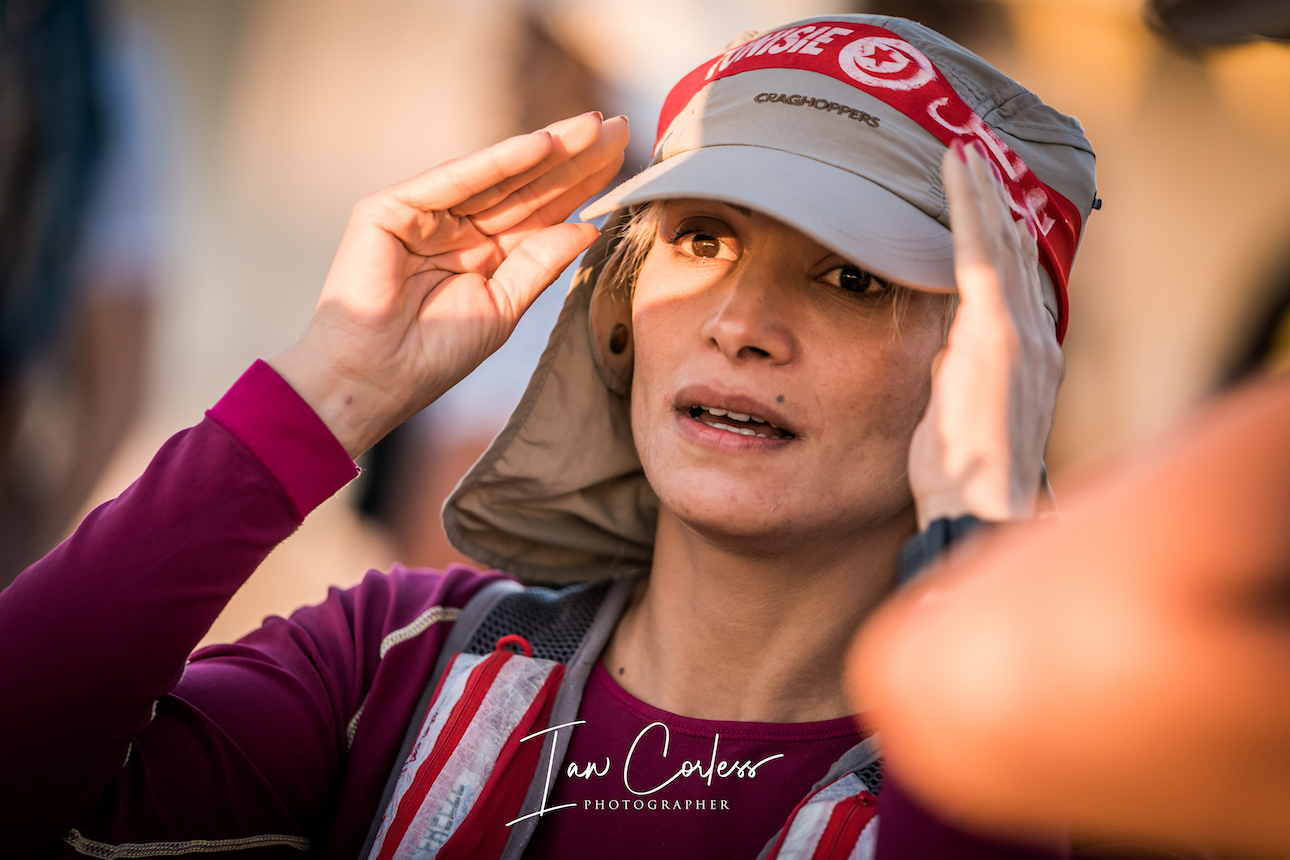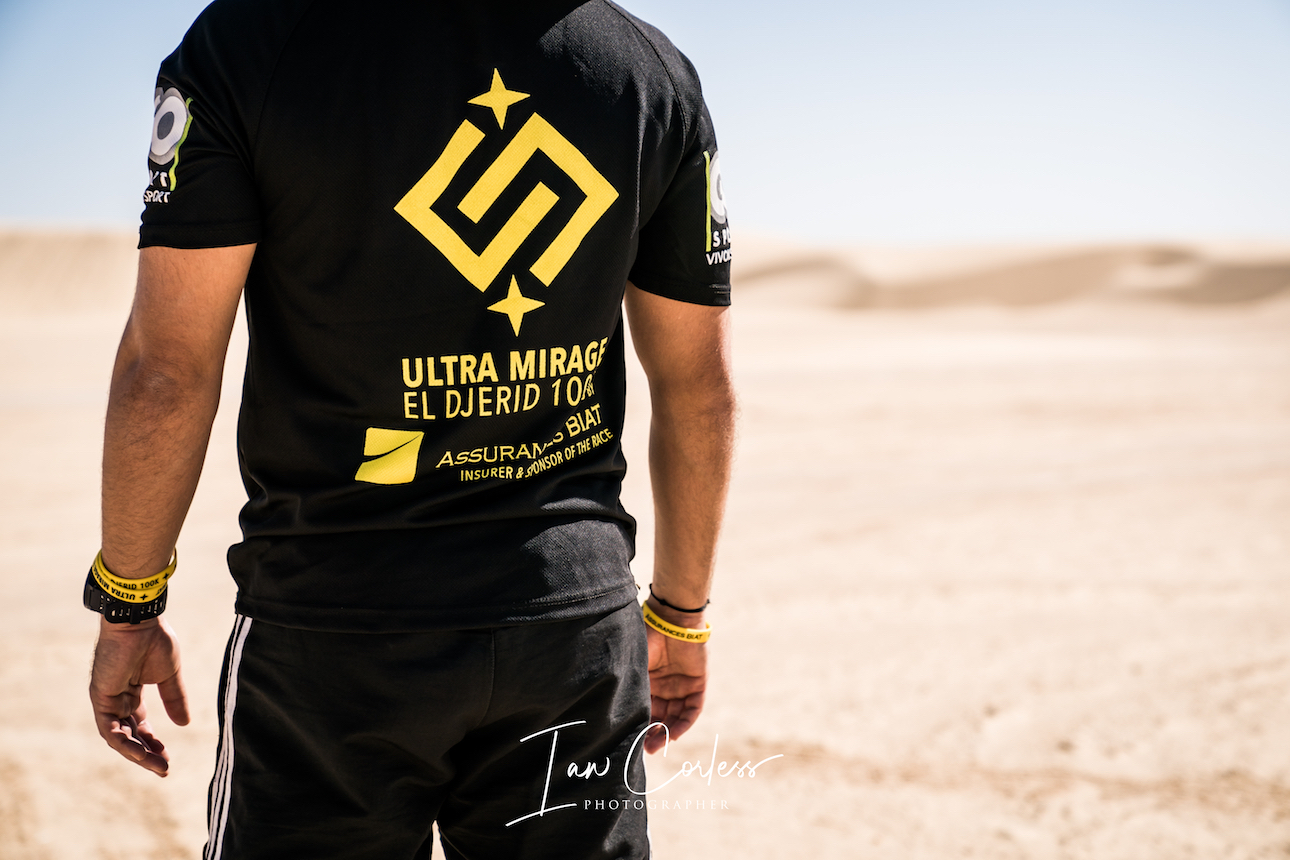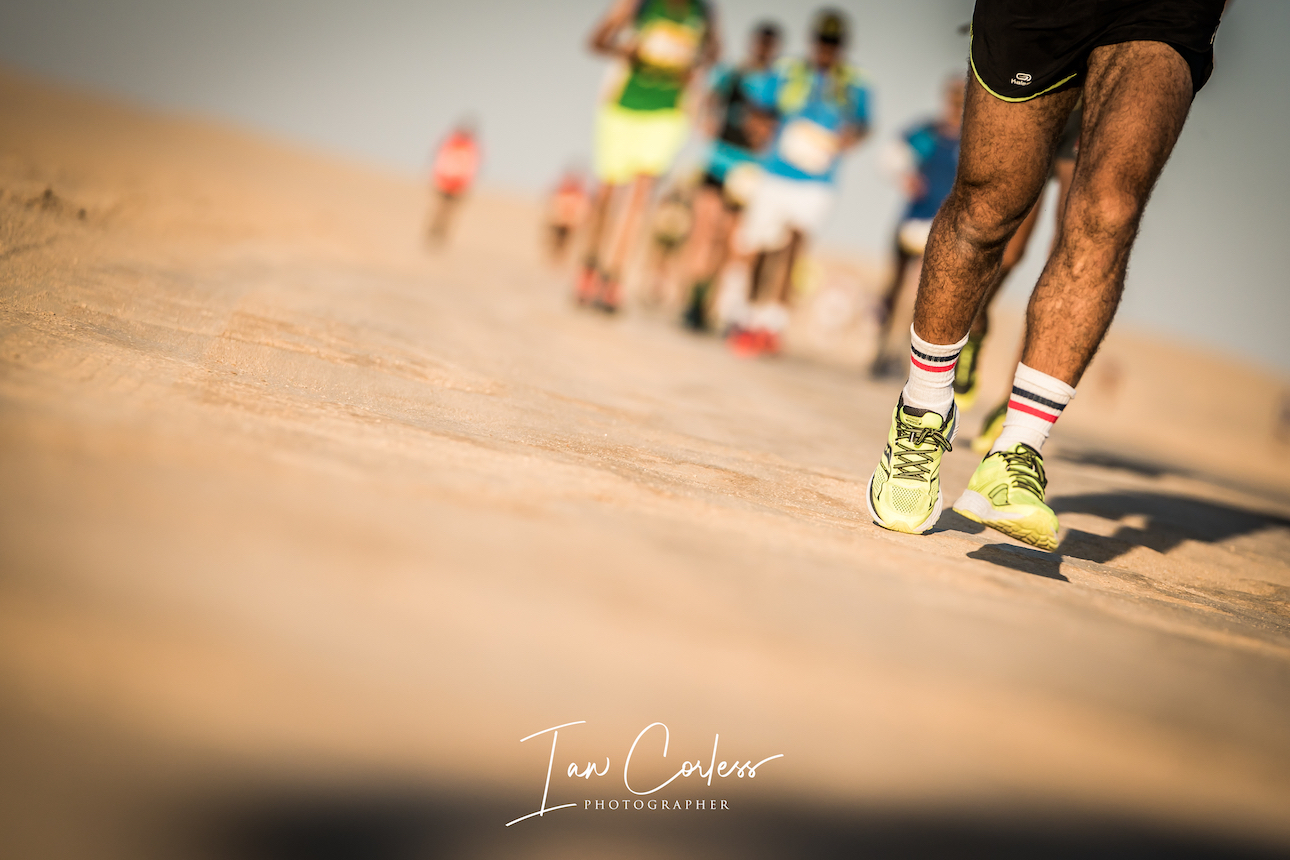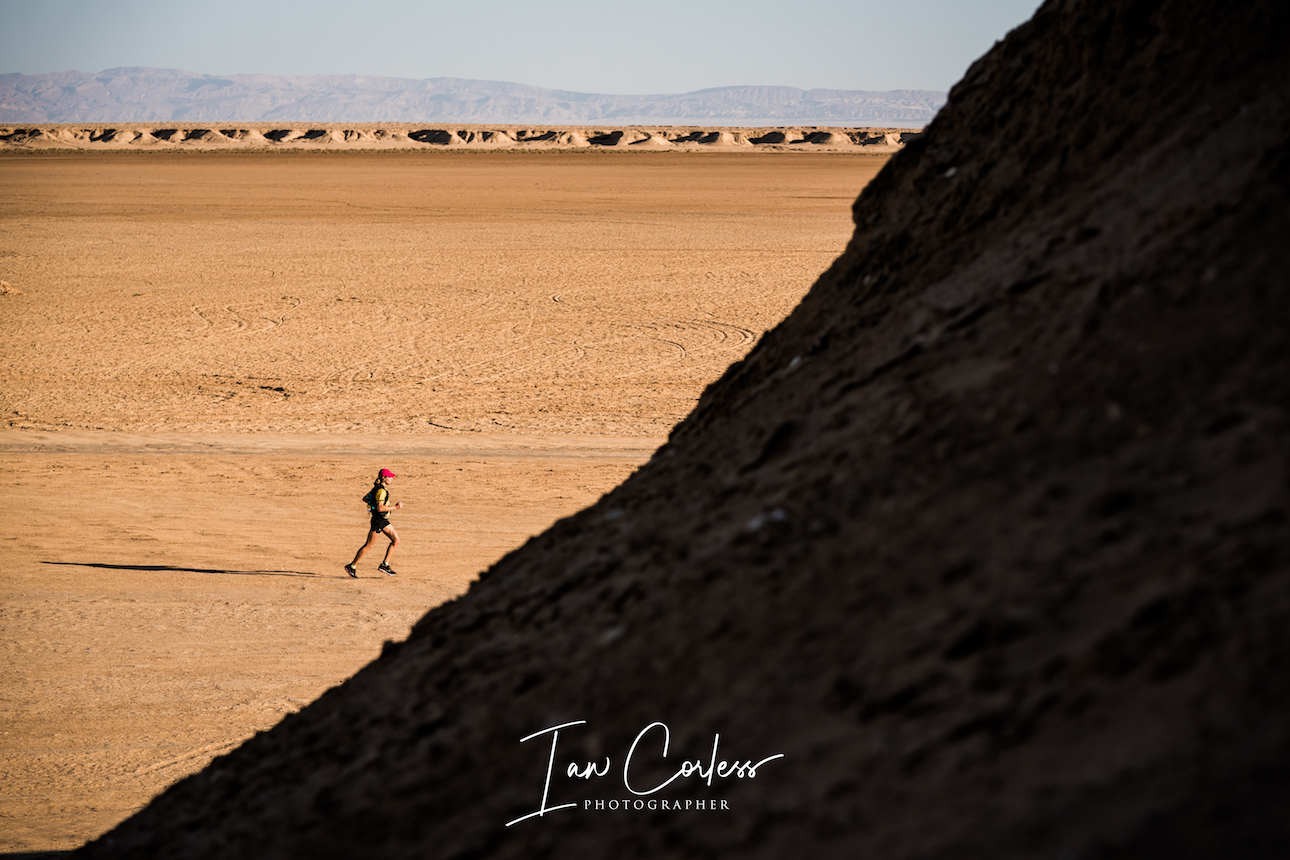
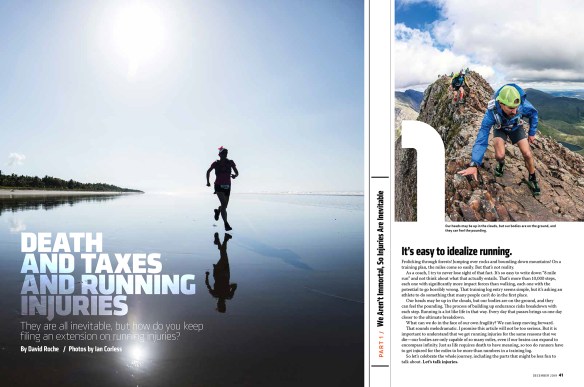
DEATH and TAXES and RUNNING INJURIES

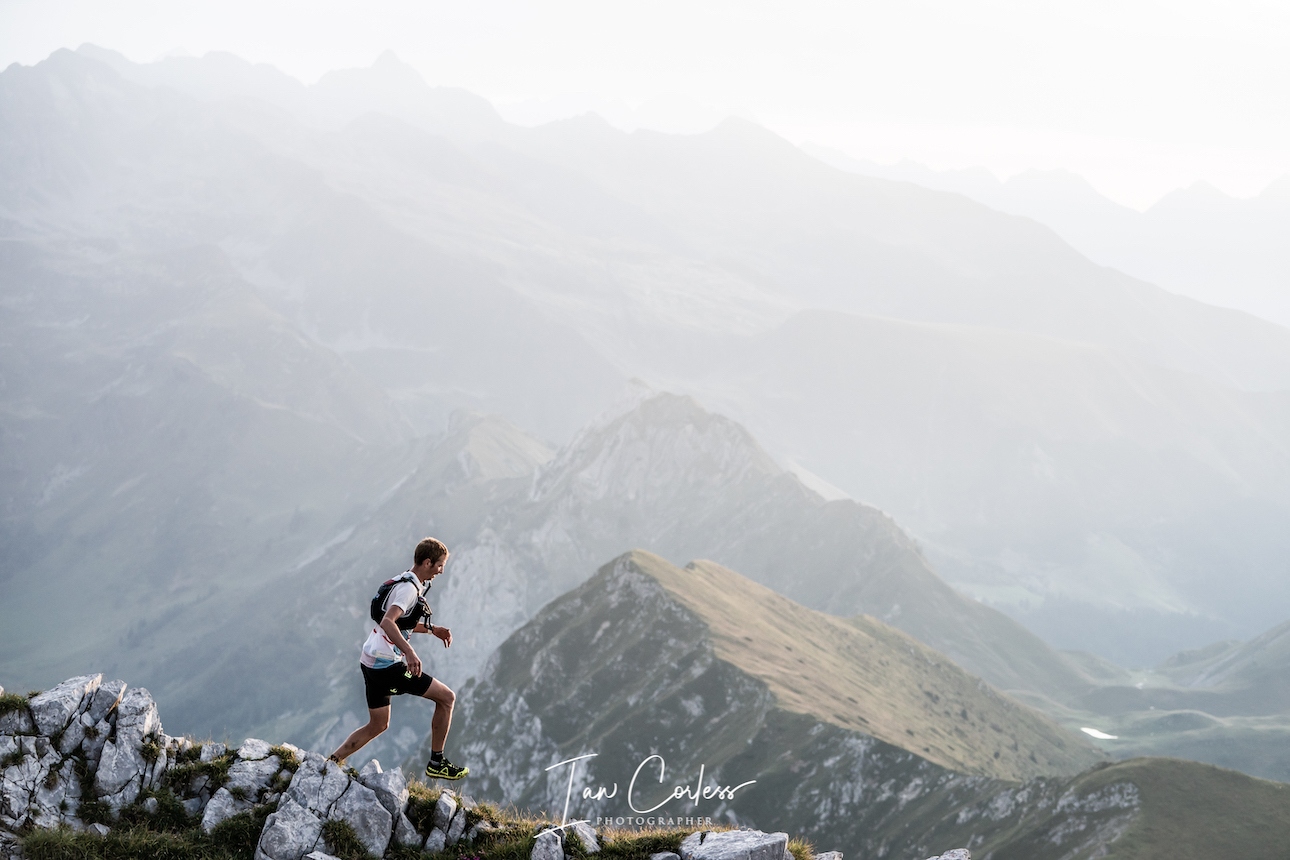
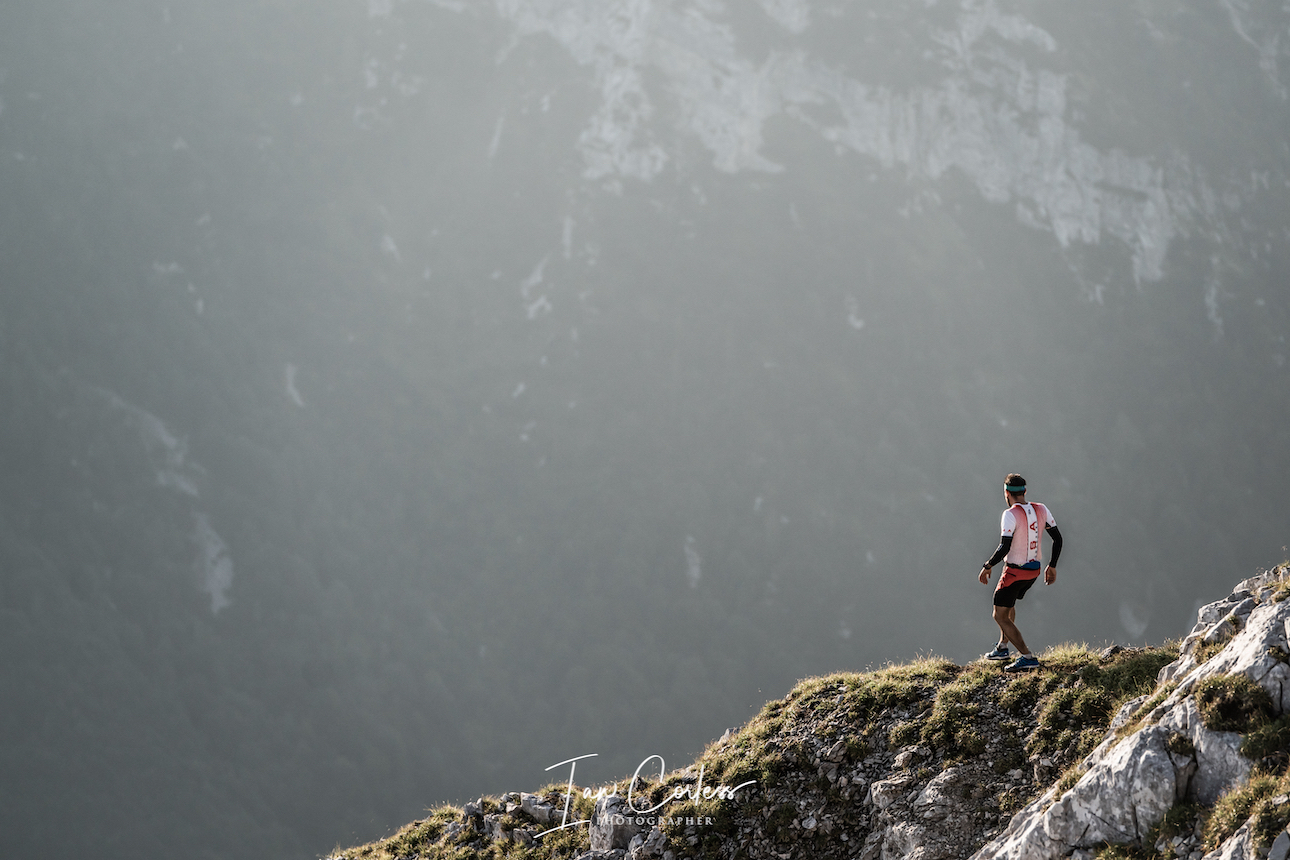
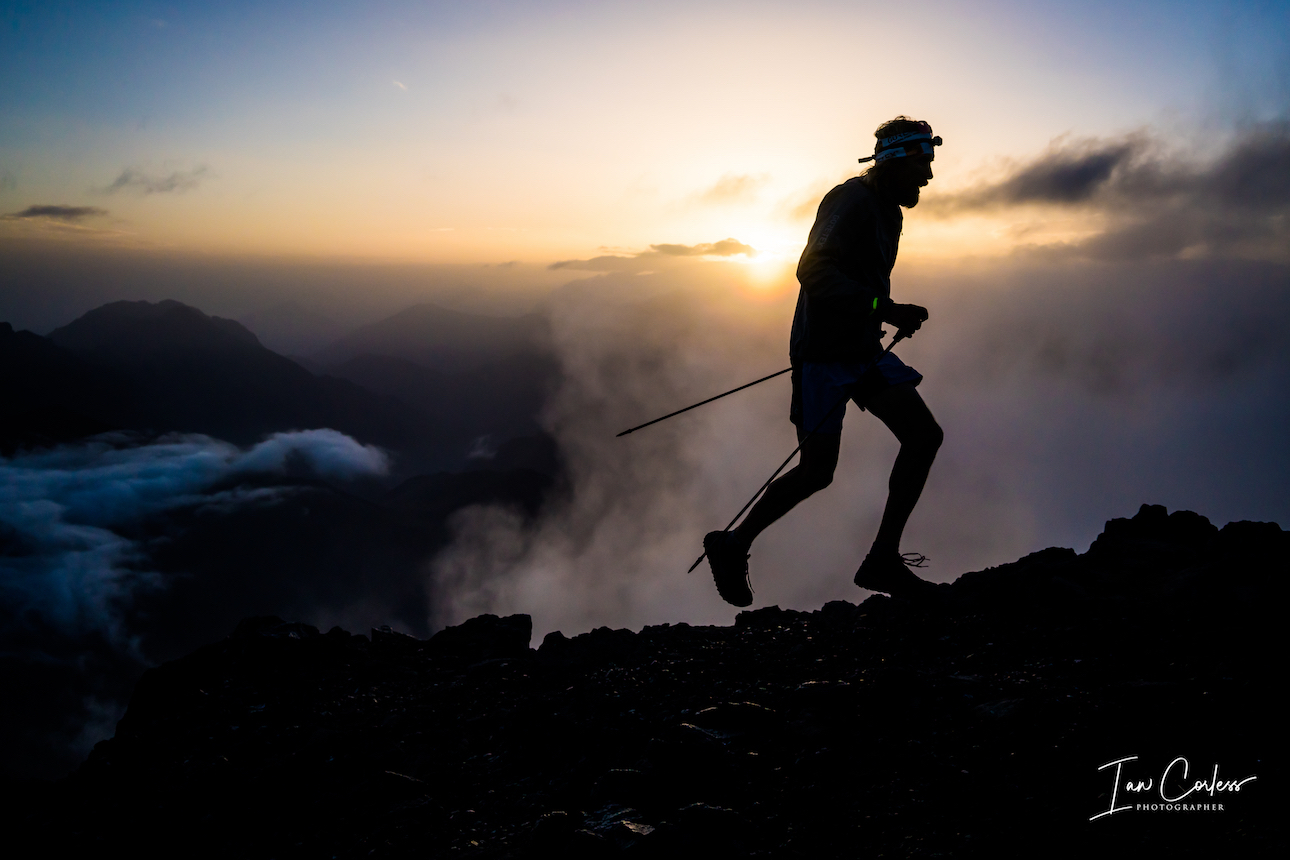
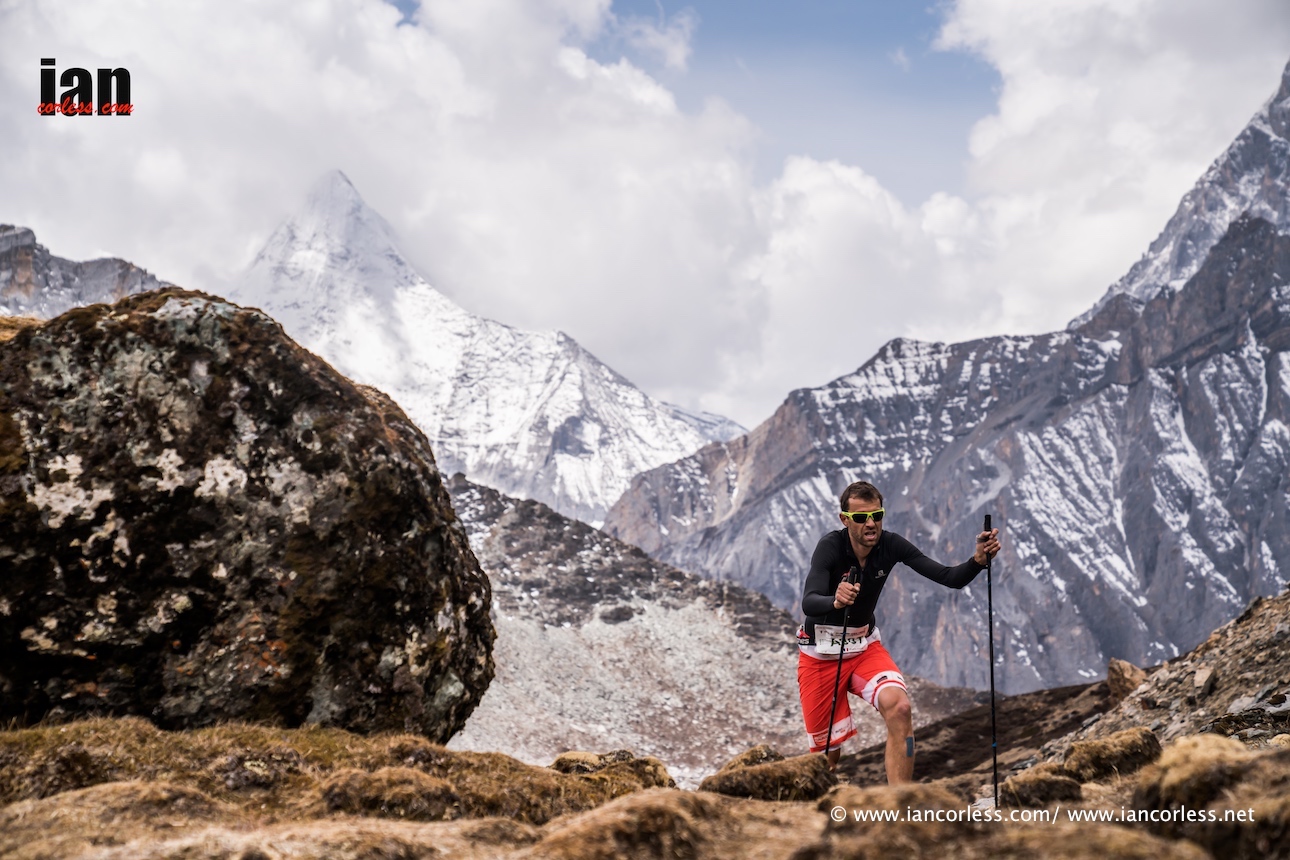
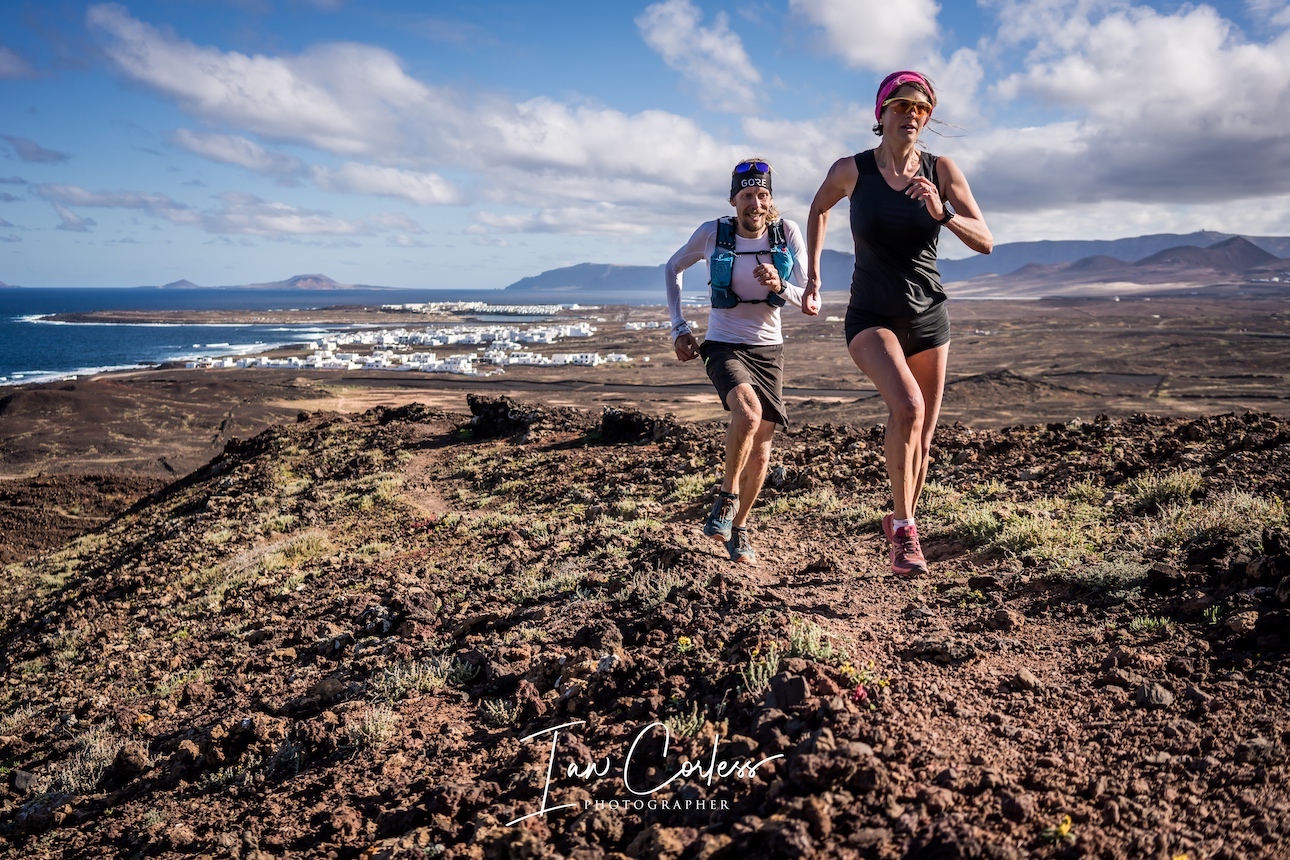
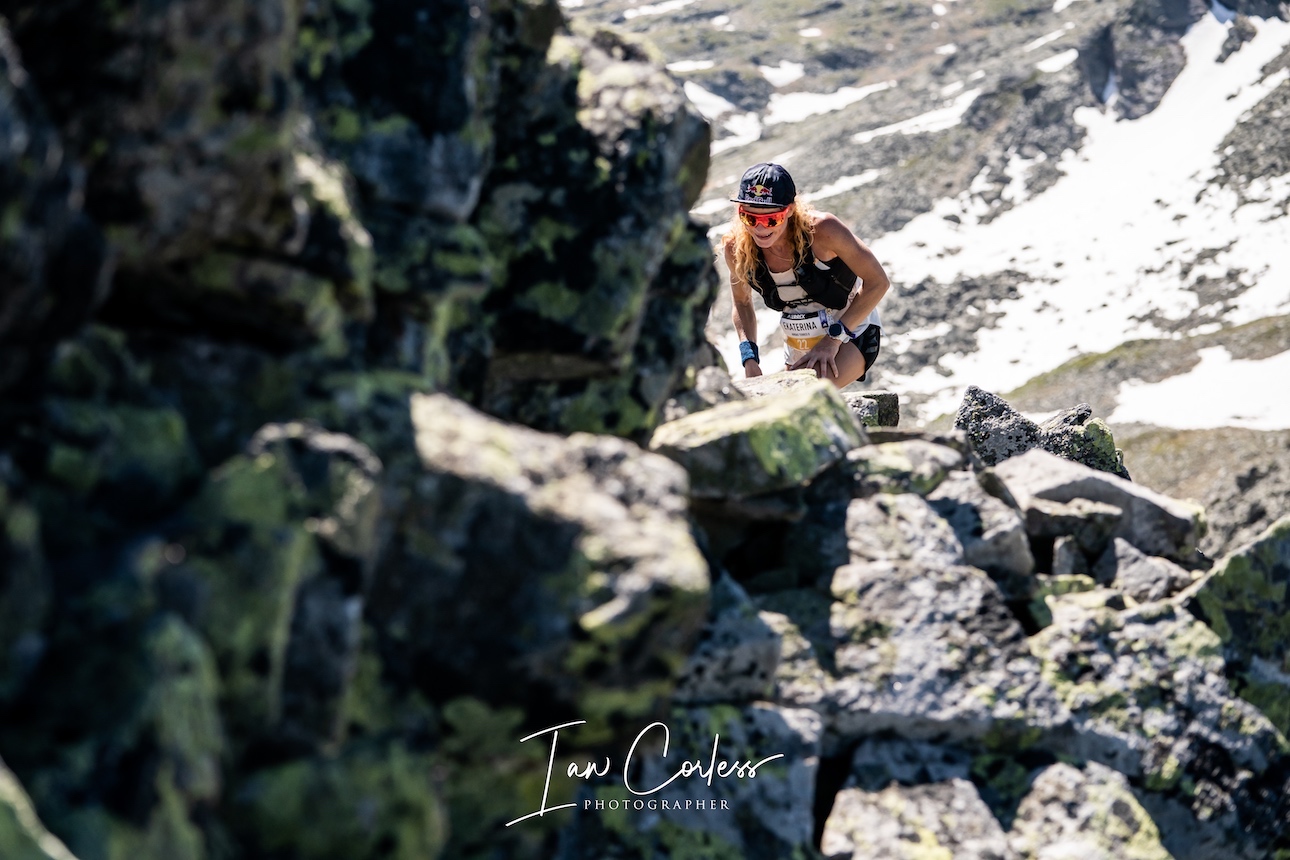
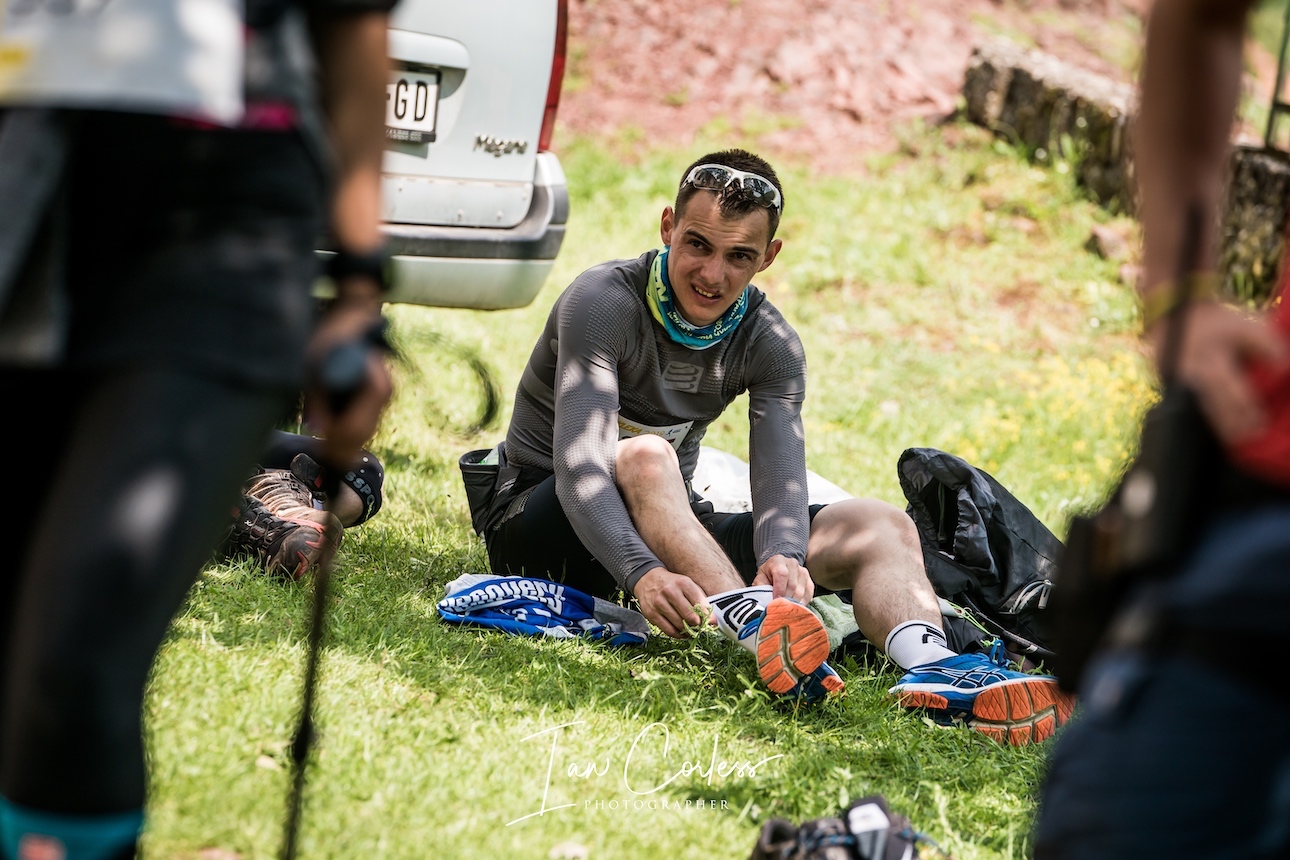
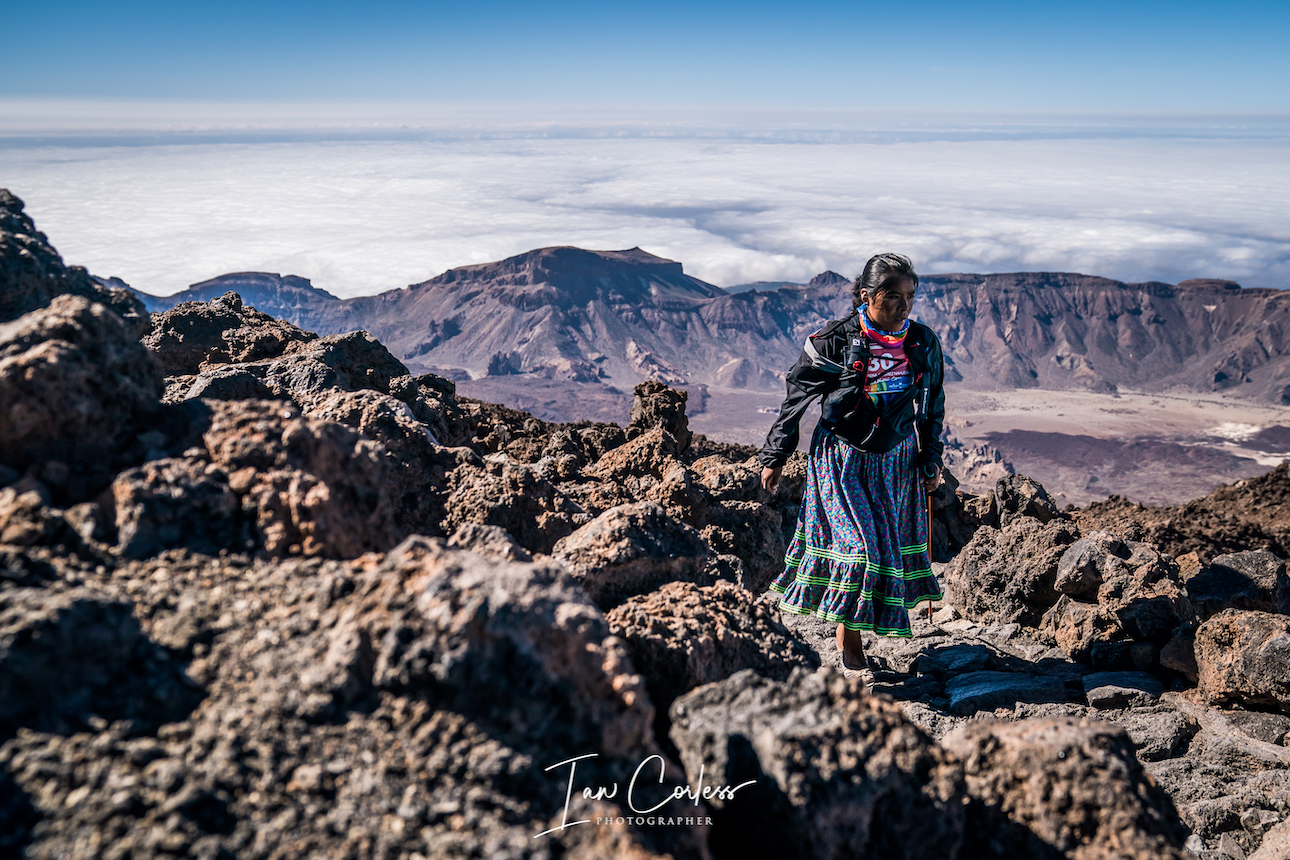
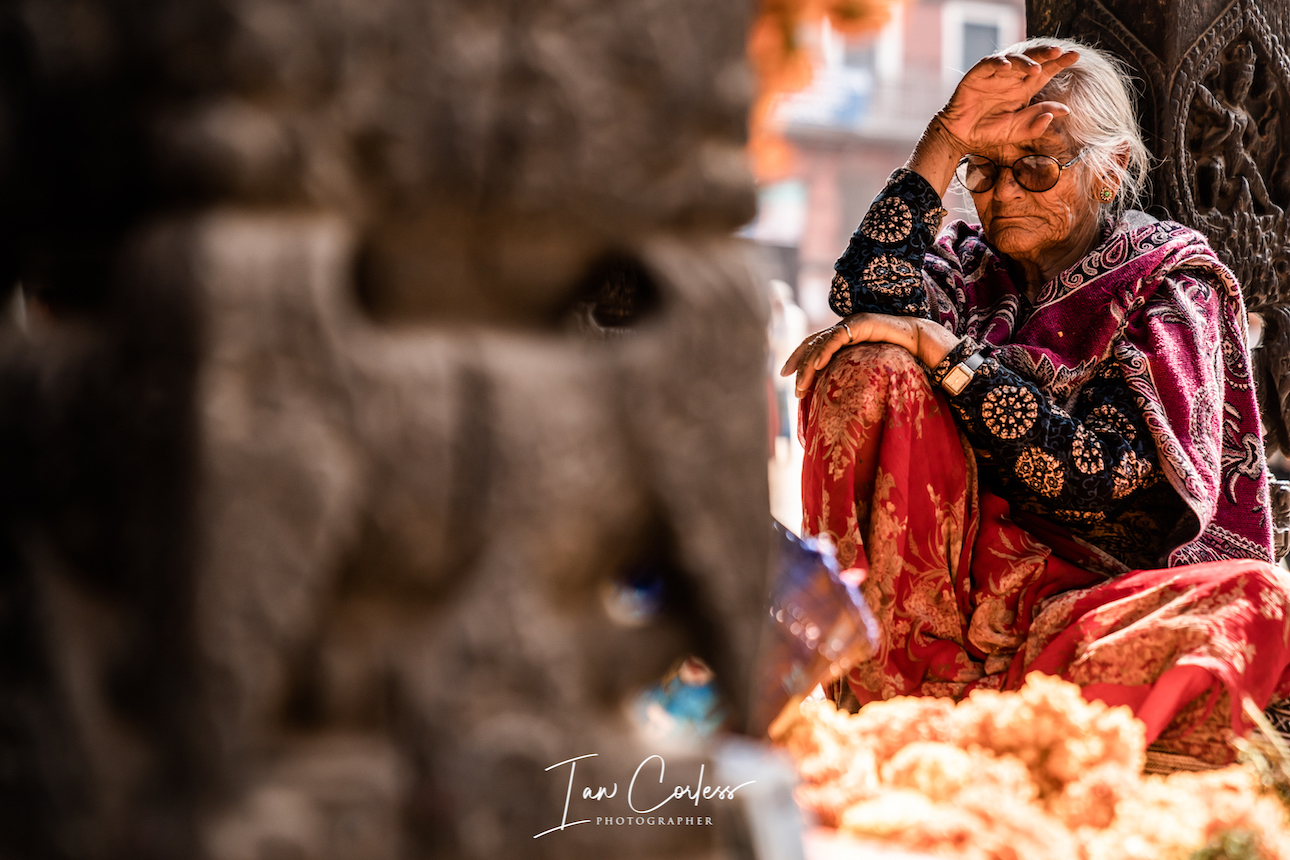
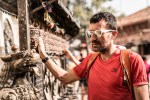
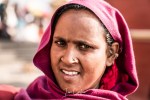
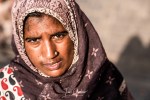
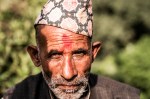
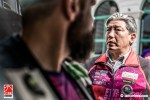
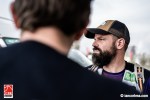
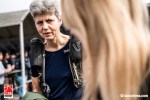
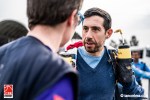
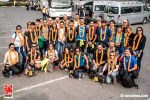
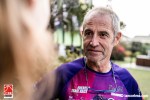
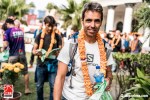
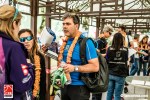
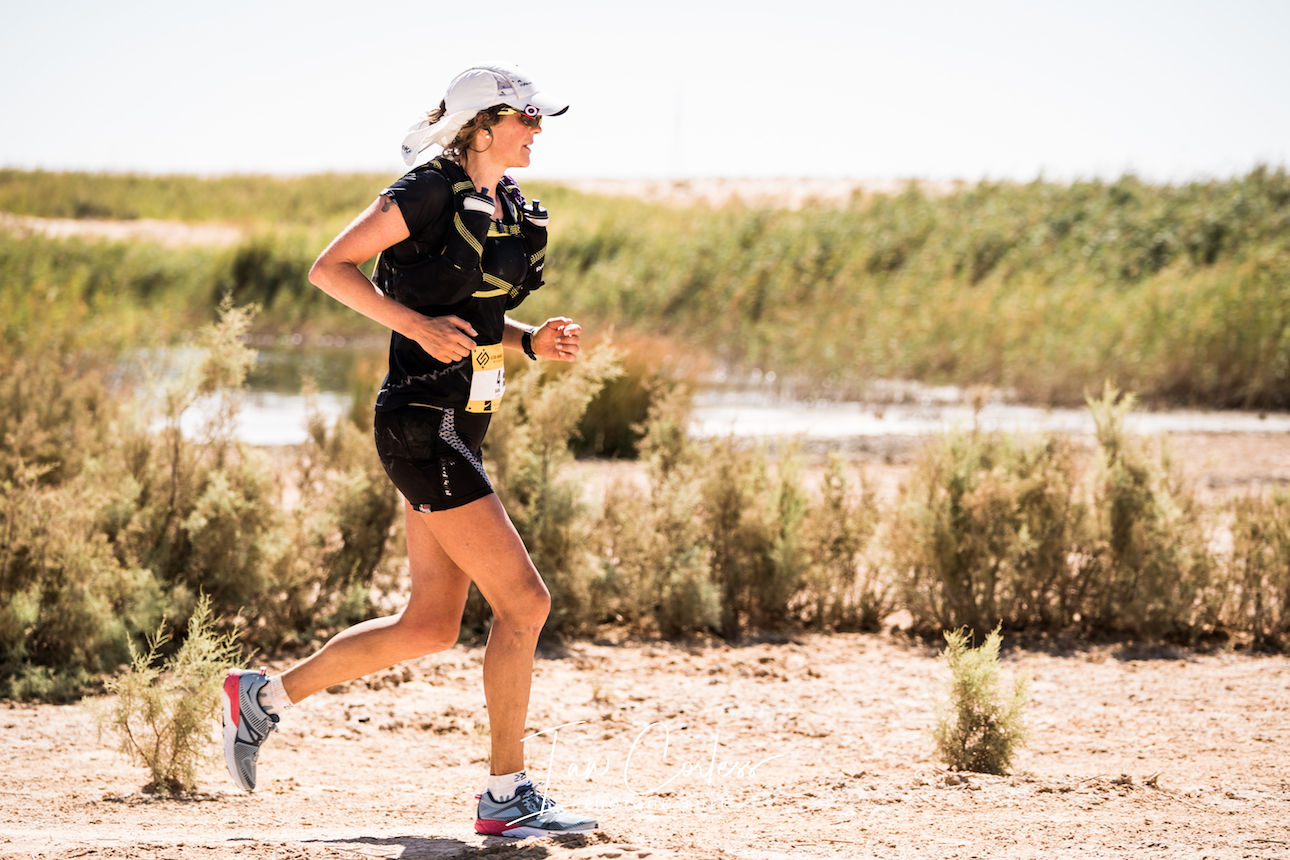
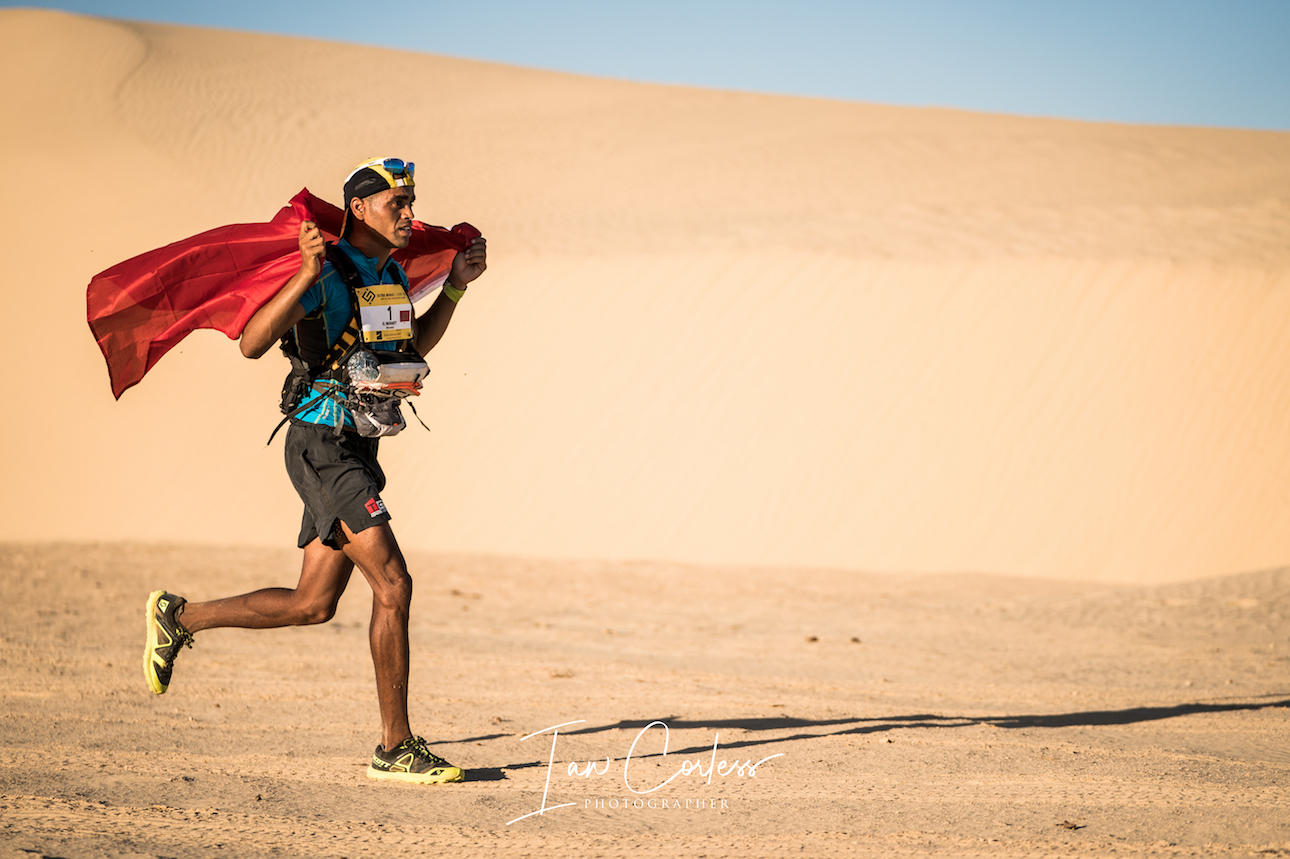
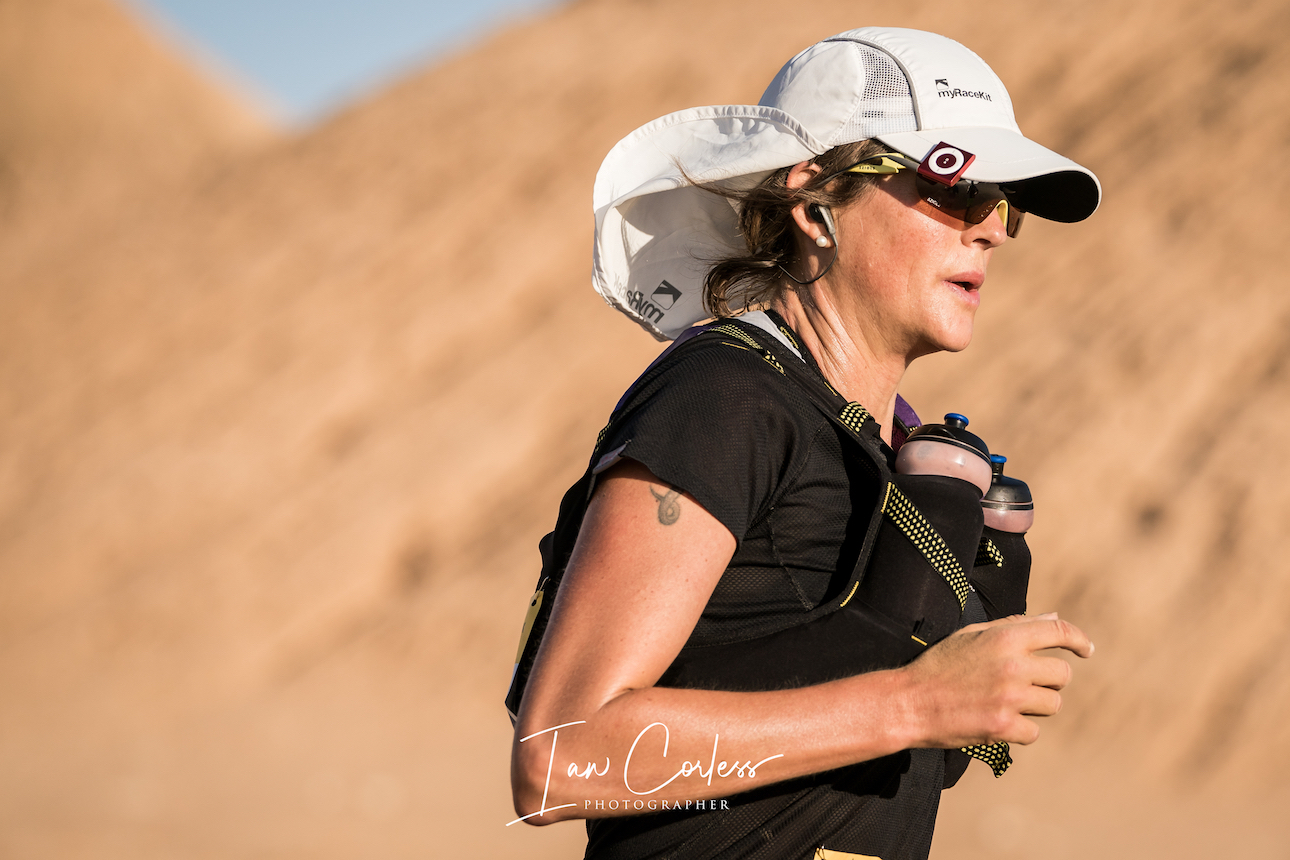
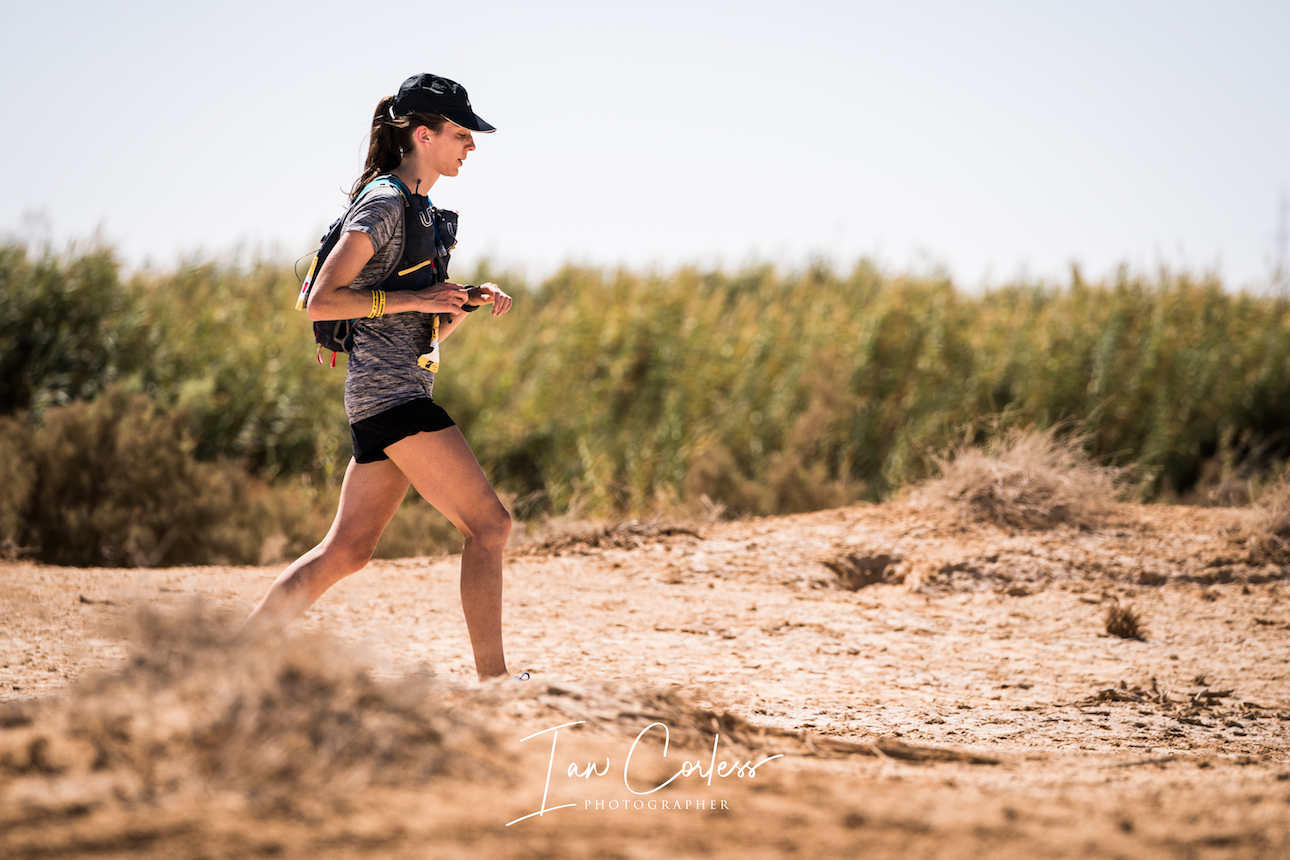
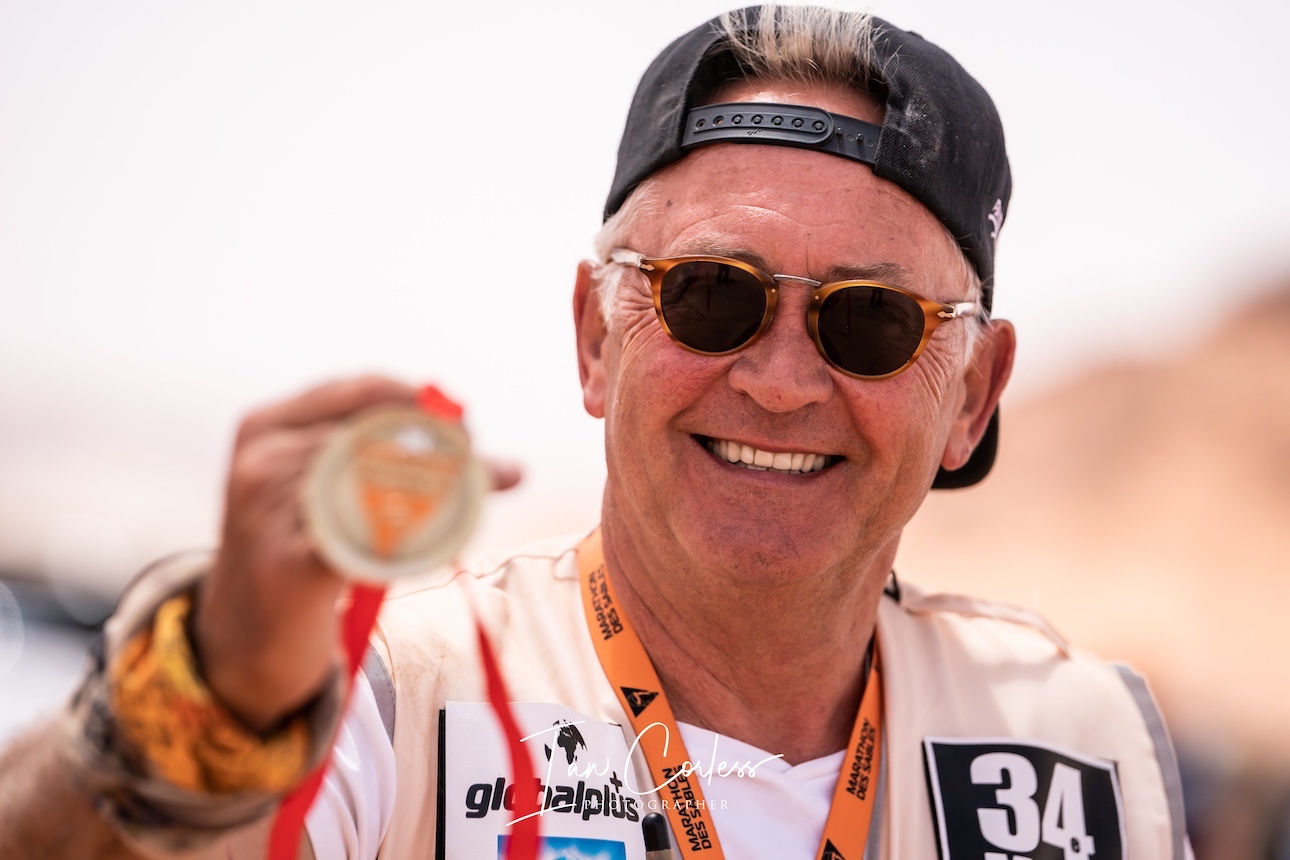
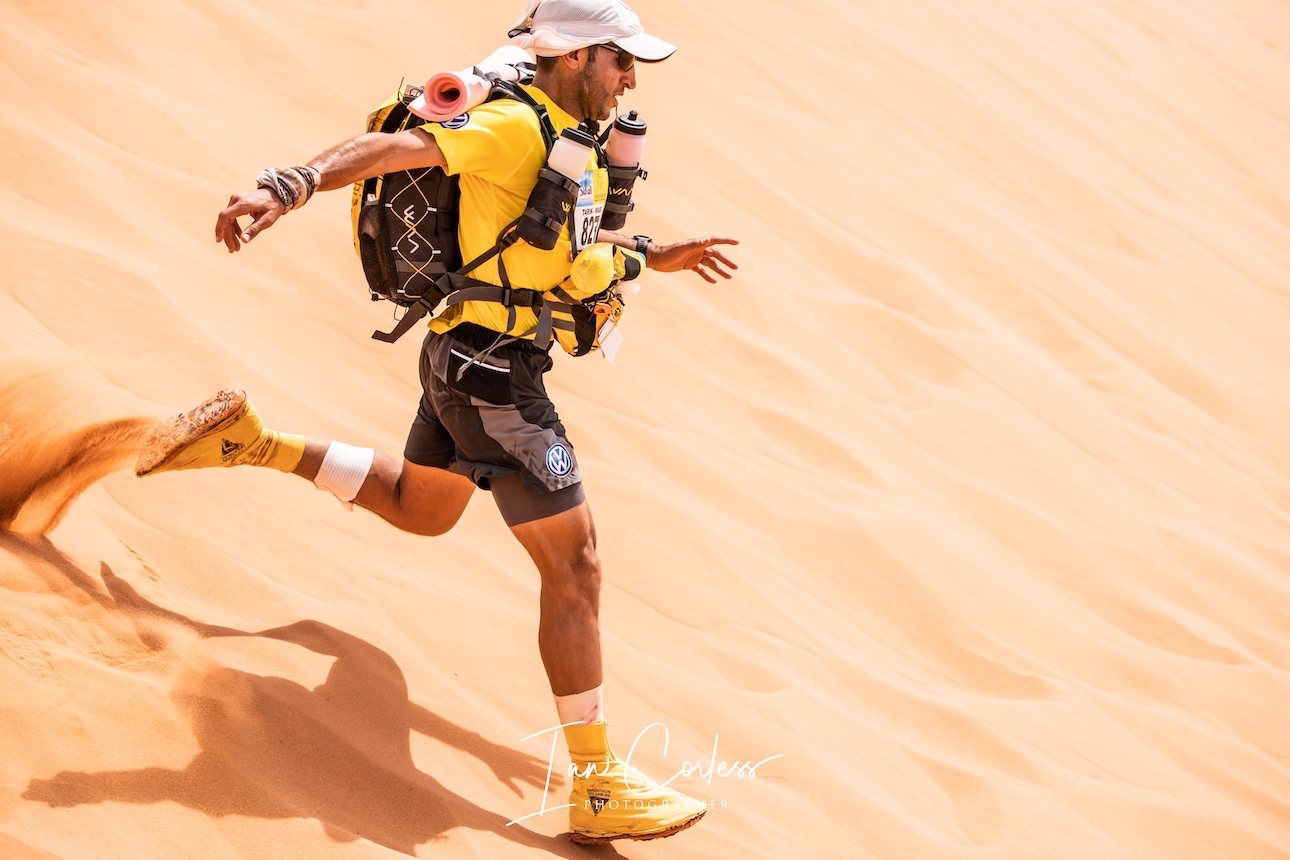
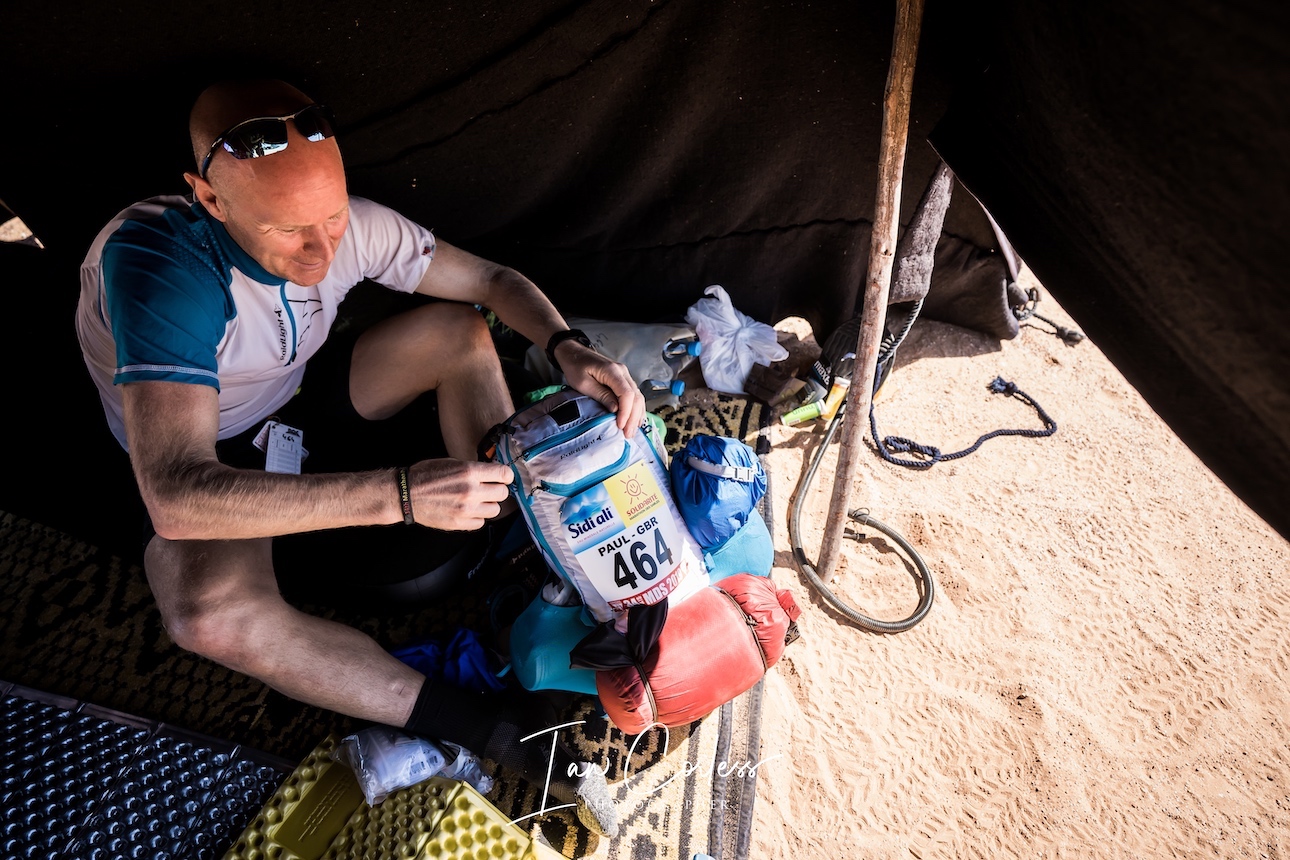
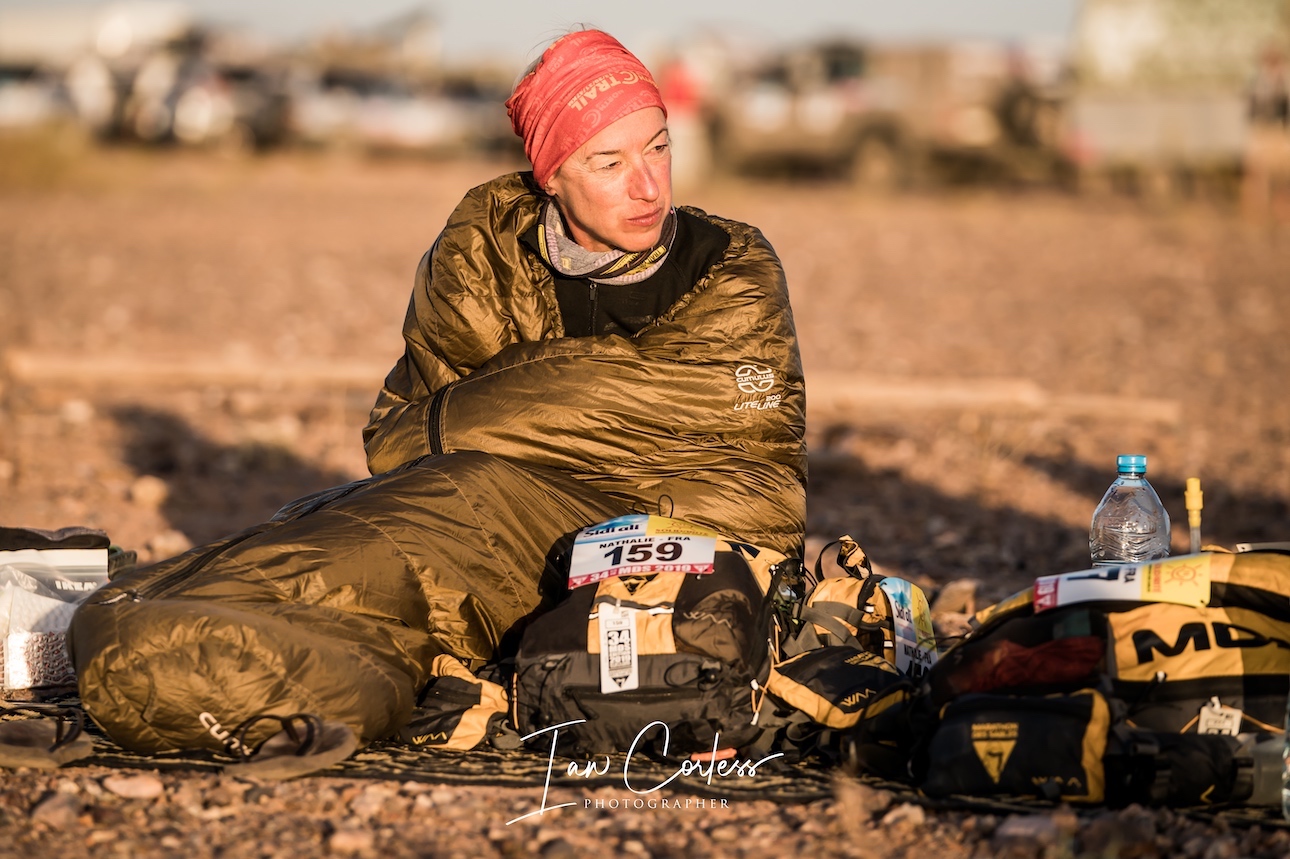
Pleasure to provide the images to accompany the words of David Roche for the article, ‘Death and Taxes and Running Injuries’

for Trail RUNNER Mag

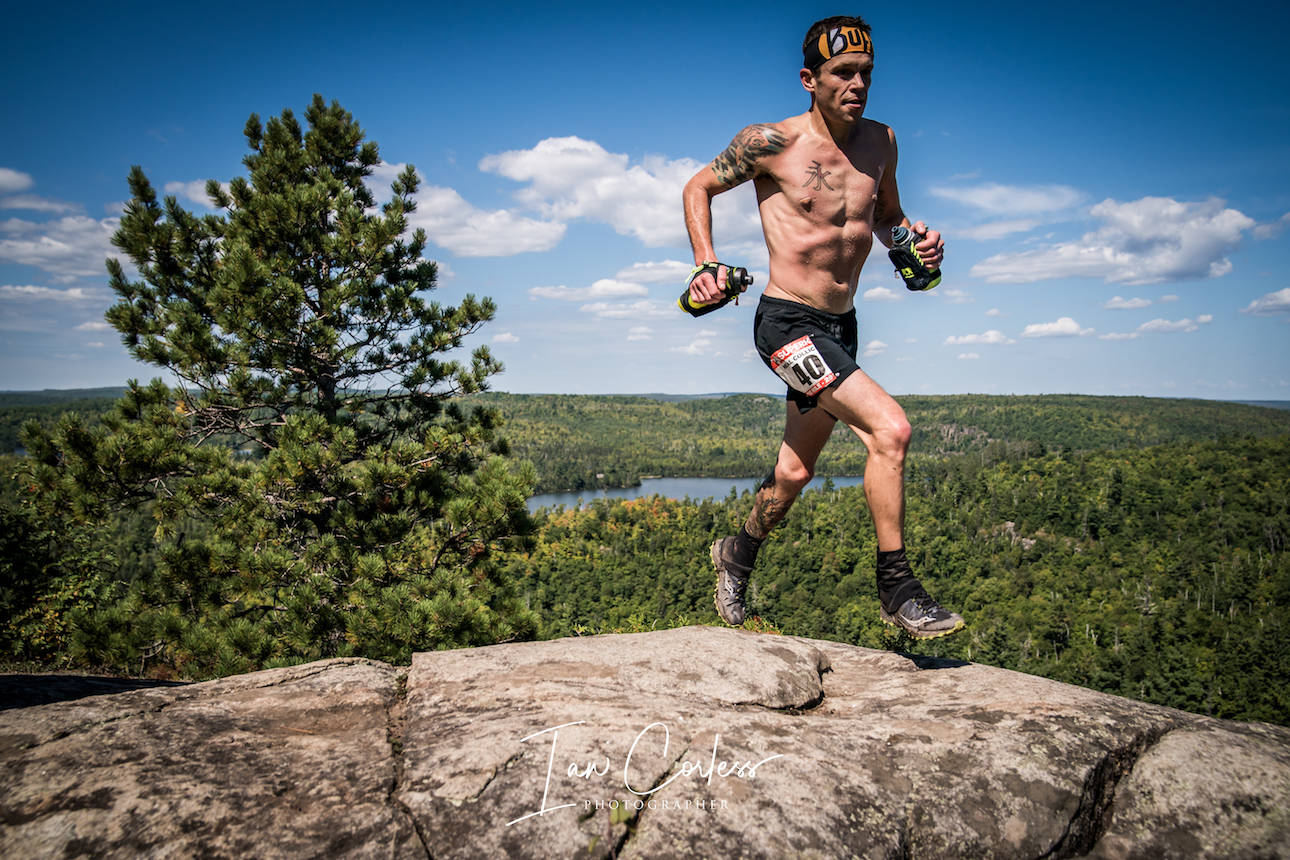
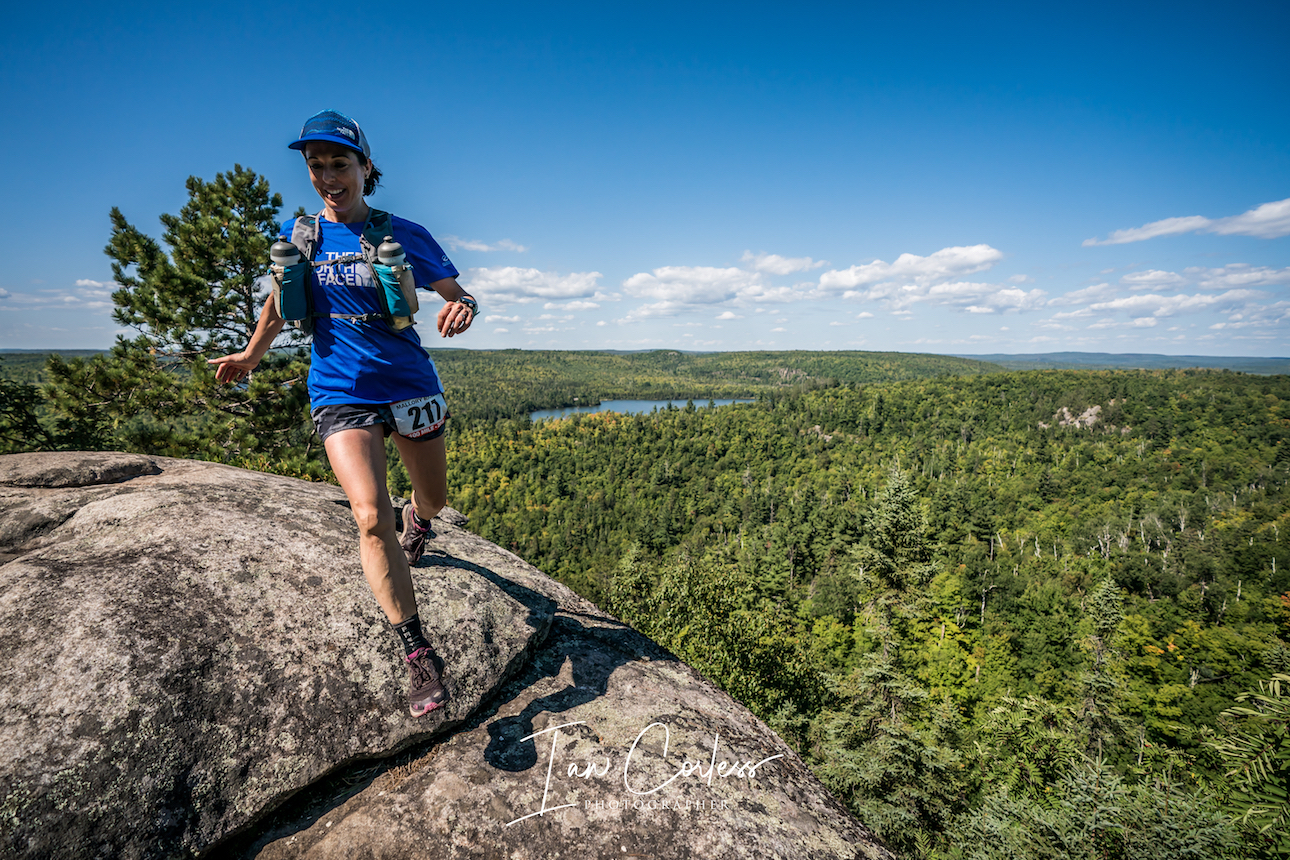
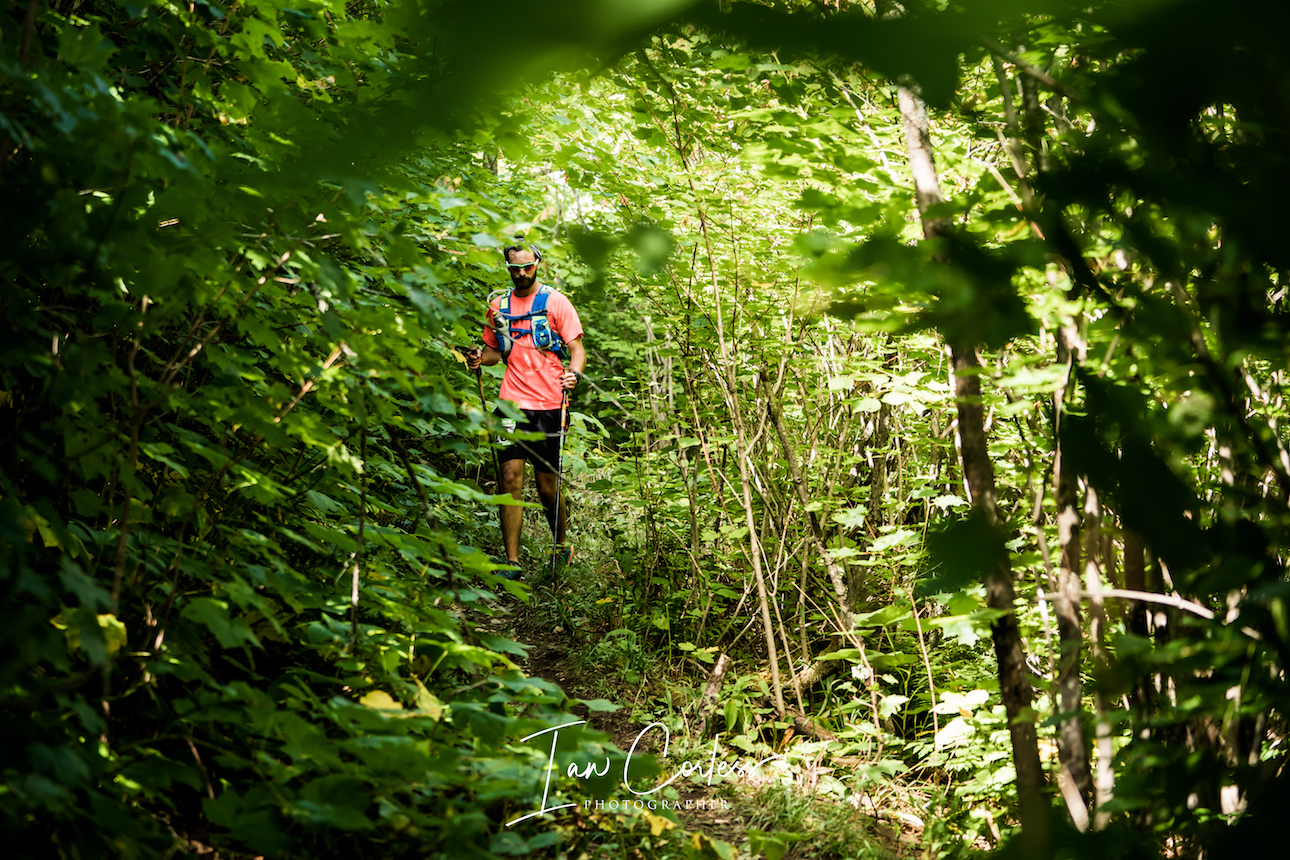
It’s easy to idealize running.

Frolicking through forests! Jumping over rocks and bounding down mountains! On a training plan, the miles come so easily. But that’s not reality.

As a coach, I try to never lose sight of that fact. It’s so easy to write down “8 mile run” and not think about what that actually entails. That’s more than 10,000 steps, each one with significantly more impact forces than walking, each one with the potential to go horribly wrong. That training log entry seems simple, but it’s asking an athlete to do something that many people can’t do in the first place.

Our heads may be up in the clouds, but our bodies are on the ground, and they can feel the pounding. The process of building up endurance risks breakdown with each step. Running is a lot like life in that way. Every day that passes brings us one day closer to the ultimate breakdown.

What can we do in the face of our own fragility? We can keep moving forward.

That sounds melodramatic. I promise this article will not be too serious. But it is important to understand that we get running injuries for the same reasons that we die—our bodies are only capable of so many miles, even if our brains can expand to encompass infinity. Just as life requires death to have meaning, so too do runners have to get injured for the miles to be more than numbers in a training log.

So let’s celebrate the whole journey, including the parts that might be less fun to talk about. Let’s talk injuries.

Read the full article HERE

Trail RUNNER Mag HERE

Follow on:

Instagram – @iancorlessphotography

Twitter – @talkultra

facebook.com/iancorlessphotography

Web – www.iancorless.com

Web – www.iancorlessphotography.com

Image sales –www.iancorless.photoshelter.com
Planning A Running Year

As a racing season comes to an end it is time to look back over your achievements and yes, your failures over the last 12 months.

What went right, what didn’t go right? It is a question we should all ask ourselves.

  • What were my strengths?
  • What were my weaknesses?

Once you know the answers to the above, you have an idea of what to do over the winter months to make the following year a better one, not only in racing but training.

Planning is key. You need to periodize training so that you get the most from it.

  • Do you lack endurance?
  • Do you lack strength?
  • Do you lack speed?
  • Do you lack an ability to run on technical terrain?
  • Can you climb well?
  • Are you mentally strong?

The above list can go on and on.

Certain key elements should be present in any training plan and by answering questions similar to those above, you will start to understand what you need to do.

Winter has often been thought upon as time to do ‘base’ miles. These were long and steady miles with many hours building endurance. It is easy to fall in a trap and do too much of this. Don’t do what everyone else is doing, instead do what you need to do. Ultra-runners often have loads of endurance, after all, they race long distances all year. But with all that endurance, they can lack some strength and speed.

You need to look at yourself and ask, ‘What do I need to do?’

Decide on objectives for the following year and yes, you can even decide on plans for the year after too. Sometimes our long-term goals are so big or challenging that we need longer than a year to prepare!

Decide on A, B and C races, please remember that you can have multiple A goals, you just need to make sure that you can train, race and recover. The best thing to do here is to get a planner that shows the whole year and then add objectives marking them A, B and C – you will soon see if your targets are achievable. This is an invalidly process and actually takes very little time.

A target needs blocks of training and depending on the A-Race, that block will vary in length based on the challenge and the experience of the individual. A classic marathon plan may be 12-16 weeks, whereas for 100-miles you may work on 28-weeks.

In our scenario, we are saying that our A race is a 100-mile race, 28 weeks away.

Yes, its a long way off but dont be fooled into thinking you have plenty of time. Key races have a habit of sneaking up on you.

Go through the questions again.

If this is your first 100, training will be very different to someone who is running there 20th for example. Endurance may well be a primary target, whereas the experienced 100 runner will have endurance but may well want to go quicker?

100-miles is a long way so *base training and getting the miles in is key. We have allocated 8 weeks for this in the plan below. Hours of easy miles progressively building up to a C race (marathon or 50k). It is always good to have a goal and a target to aim for. The C race is a training race and will have no taper, you would race through it as a training long run.

*A traditional pyramid training plan starts with base and then typically adds speed as an event comes closer. However, we are ultra-runners and it is important to be specific. High intensity training creates a lot of fatigue and this is why I am a huge fan of reversing the pyramid and getting speed work done during the winter so that the training plan that leads into an A race is specific to the demands of the race.

So, if you are an experienced ultra-runner looking to improve with years of running and loads of endurance, think about making weeks 1-8 speed based with a fast marathon as a C (or maybe even A) race objective at the end of this block.

When you enter your racing season this will be in the build phase so its a good idea to place a B race objective that will allow you to progress to the A goal or multiple A goals.

As you come to the end of the build phase, you should be in form and race fit. What you want to do now is fine tune that form, tweak it and hold it for the A race. If you are cramming long runs in or looking for speed, its too late. You basically misjudged the planning or started training too late.

Maintaining what fitness, you have is also about being specific to the A target. 

   1    Is your 100-mile target race on groomed trail with little elevation gain?

   2    Is it an out-and-out mountain race with gnarly terrain and plenty of elevation gain?

Its important to be specific now, the two races above require very different approaches. This is something that you will have understood in January (or earlier in the year) when you looked back at last year, looked ahead to this year and understood your strengths and weaknesses so that you could plan accordingly.

       Scenario 1 requires running, good form and leg speed.

       Scenario 2 requires hiking, climbing, leg strength and plenty of endurance.

You cant perform well at every event and this is why A, B and C races are important. Yes, I know the elite runners manage to race several key races a year but look at the training and look at the planning. We have all seen top runners turn up at early season races and place just inside or outside the top-10.

– Francois D’Haene

Francois dHaene always provides a good examples of how to:


       Build

       Peak

       Win

       Recover

       Build

       Peak

       Win

       Recover

       Build

       Peak

       Win

       Recover


In 1 racing year, Francois won 3 x 100-mile races.

That is an incredible skill and for sure as racing becomes more aggressive, faster and more brutal, this training approach is going to become far more important for those who want to race to their own potential and maybe more importantly race year-on-year. We have all witnessed the damage that racing and training too much can do at an elite level runner. Listen to my podcast with Geoff Roes HERE as he provides a great insight into potential problems. 

JOIN OUR TRAINING CAMP IN LANZAROTE HERE

Ask questions such as:

   1    Do I race every weekend?

   2    Do I rest?

   3    Do I allow easy and recovery weeks?

   4    Do I cross train?

   5    Do I sleep well?

   6    How is my nutrition?

   7    Am I constantly tired?

   8    Do I feel alive and full of beans?

   9    Hows my resting heart rate?

   10  Is my pace good?

   11  Hows my strength?

   12  Hows my recovery?

   13  Do I have a plan?

   14  Have I structured my plan to an A race?

The above questions are a starting point. Read through the list and add your own questions to appraise what type of runner you are. It may well be that running for you is an escape and social thing, you may be happy to race week in and week out and you are not worried about gaining a PB or improving; if that is you, great. Id still say planning some RnR is a good thing to avoid burn out.

If you are someone looking to perform and improve, you need to be more self-critical. Plan your training and periodize your training so that you are able to (hopefully) predict good form on 1 or multiple A race days in a year. This is not easy.

Carefully plan races in terms of importance,Abeing the most important. Also make the races progressive and in line with your A race. For example, if your A race is a 100-mile race, a C race may be a marathon, a B race may be a 50K or 100K and then the Ais the big step of 100-miles.

Remember you can only hold form for a limited length of time and if you want to peak, you need to make sure that this planning stage is done early so that you understand what you are trying to achieve. Its all about steppingstones.

Ask yourself, what is the purpose of the training blocks you are planning:

       Are you laying base training?

       Building fitness?

       Maintaining fitness?

       Racing?

A training block with 2 x A races (the 2nd race being 100-miles) may look like this:

Base Training Phase

Week 1 – Base or Speed

Week 2 – Base or Speed

Week 3 – Base or Speed

Week 4 – Base or Speed (with the addition of a longer run)

Week 5 – Base or Speed (with the addition of a longer run)

Week 6 – Base or Speed (with the addition of a longer run)

Week 7 – Base or Speed (with the addition of a longer run)

Week 8 – Base with C Race probably a marathon.


Build Training Phase

Week 9 – Build

Week 10 – Build

Week 11 – Build maybe a C Race just as a long run?

Week 12 – Build

Week 13 – Build

Week 14 – Build with B Race 50K.


Maintain

Week 15 – Maintain/ Specific

Week 16 – Maintain/ Specific

Week 17 – Maintain/ Specific

Week 18 – Maintain/ Taper with A Race


Recovery

Week 19 – Recovery

Week 20 – Recovery easing back into Build.


Build

Week 21 – Build

Week 22 – Build

Week 23 – Build

Week 24 – Build

Week 25 – Build

Week 26 – Build

Week 27 – Taper

Week 28 – Taper and A Race (this scenario 100-miles)


Recover, Recover and Recover.

This article is not a hard and fast plan, its a guide for you to go away, look at your targets having assessed past targets and hopefully it makes you think about future objectives so that you can plan for a successful, injury free year of running and racing.

Follow on:

Instagram – @iancorlessphotography

Twitter – @talkultra

facebook.com/iancorlessphotography

Web – www.iancorless.com

Web – www.iancorlessphotography.com

Image sales –www.iancorless.photoshelter.com

*article first published in 2016 and has been updated.

Lorena, Light-Footed Woman

The Tarahumara have long gained a reputation for being incredible runners, we can thank Chris McDougall and his book, ‘Born to Run’ for this.

But I have fond memories of watching documentary, made by a friend of mine that told the story of the Tarahumara racing at Western States with Ann Trason back in 1995. I still have a copy of the movie that one day I hope to gain permission to re-release.

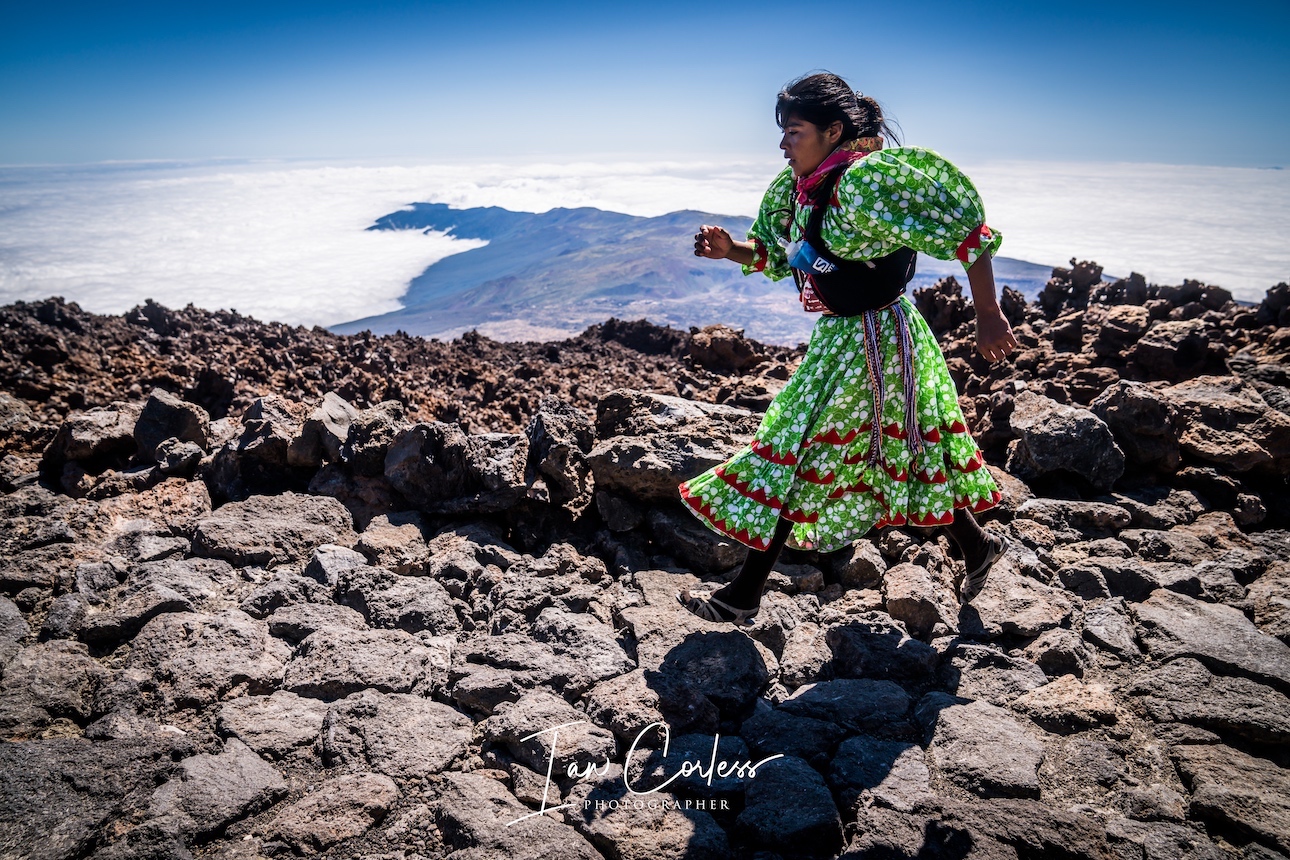
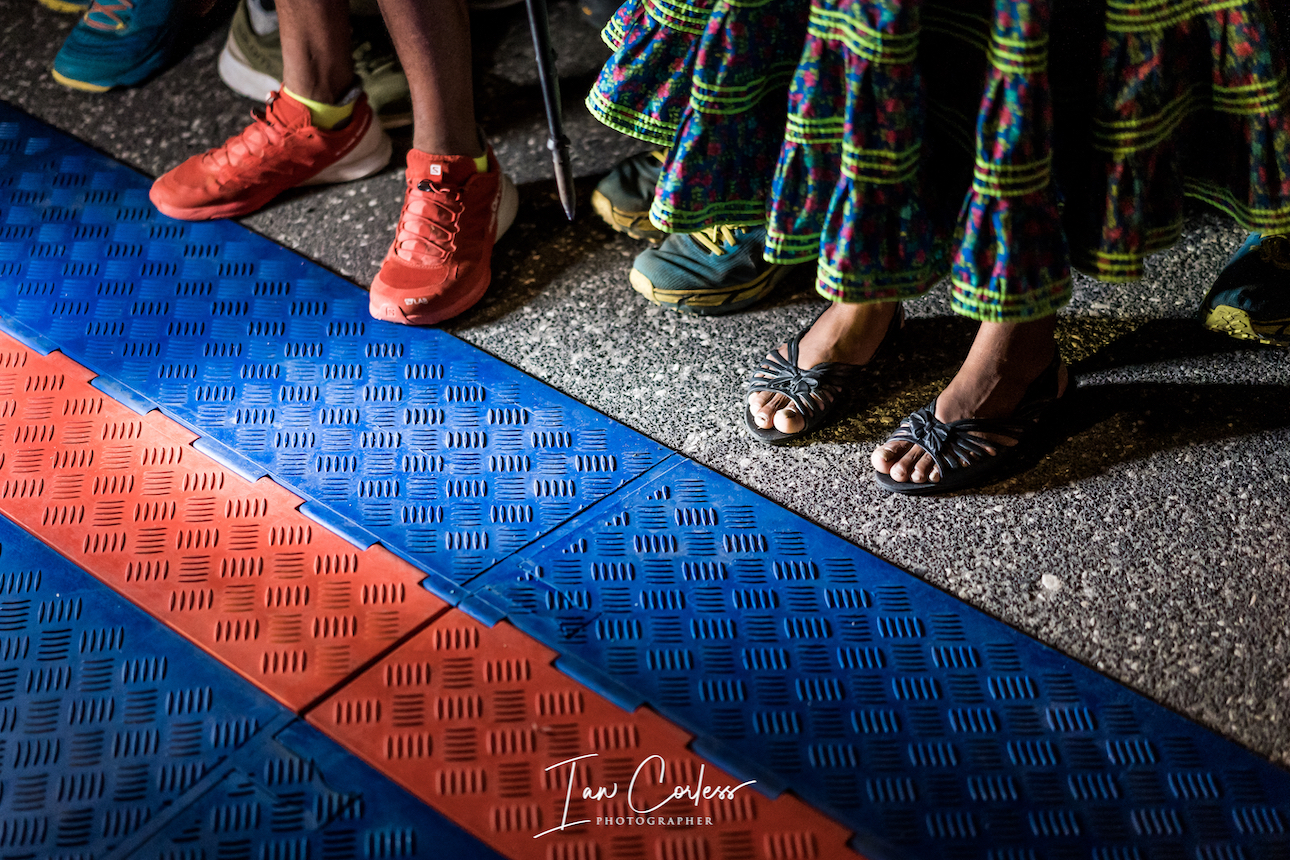
So, standing on the start line of Tenerife Blue Trail a few years ago, my radar was finely tuned to the Tarahumara on the start line. Notably, Lorena Ramirez in a green dress with touches of red, a Salomon vest and jelly bean shoes. Her brother was standing next to her, almost as a guardian. He wore a mixture of traditional dress and modern shoes.

She came back once again in 2019, this time with a different dress, but the same shoes.

NETFLIX on the 20th November started to stream, “LORENA, LIGHT-FOOTED WOMAN” a short documentary 0f just under 30-minutes.

John Serba of decider.com had this to say after watching the film for the first time:

“Netflix may have another serious Oscar contender on its hands with Lorena, Light-Footed Woman — or Lorena, la de pies ligeros in its native Spanish… The film may be short, but it’s long on inspiration and breathtaking cinematography…”

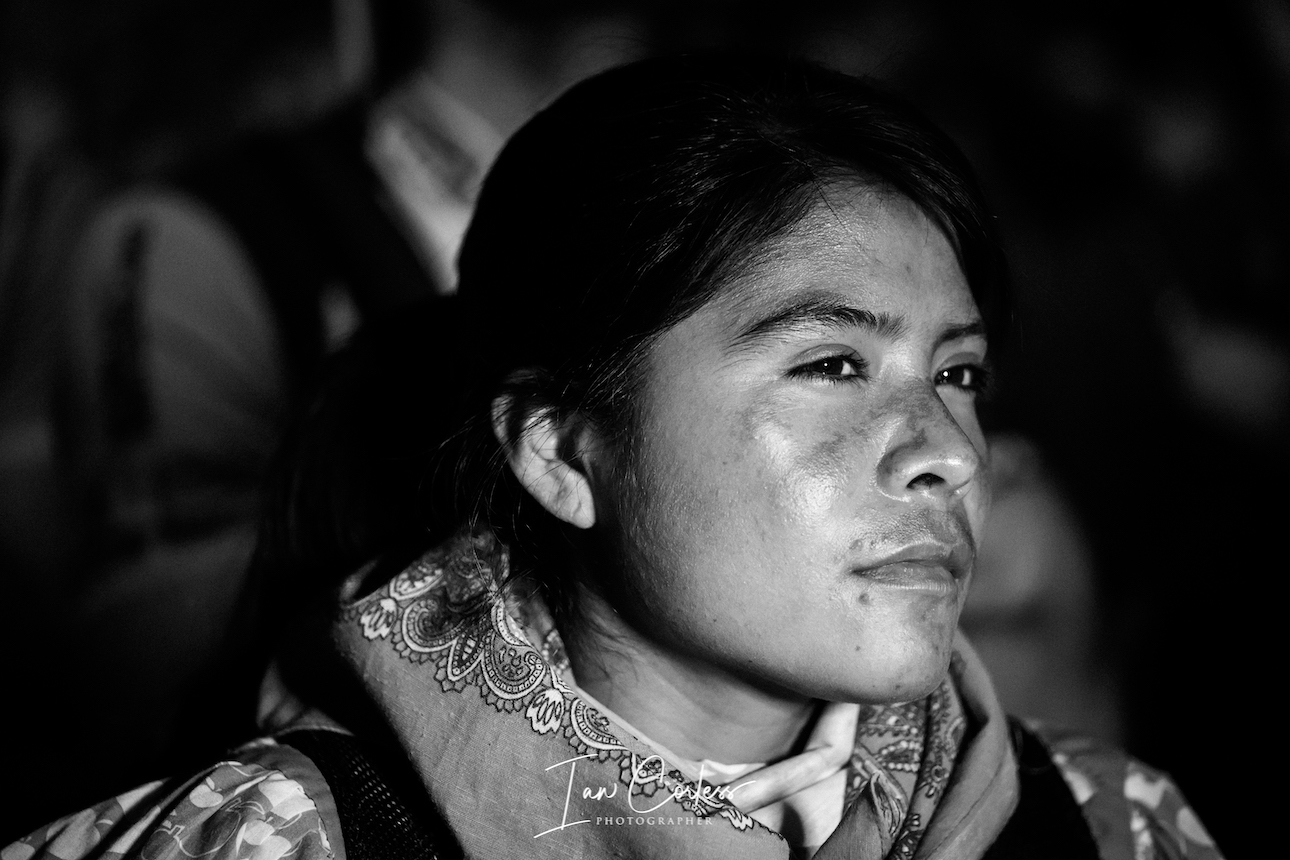
Lorena lives along the Tarahumara mountain range in Chihuahua, Mexico. She has a simple life, shares a shack with her family. She is a shy person. I have met her multiple times and shared few words with her. For the camera she is reserved, and one can almost feel as though one is invading her space with a camera. She has assured me I am not.

The movie shows an abbreviated version of Lorena’s life. Actions speak louder than words, and with Lorena that is really important. I draw parallels to Mira Rai and how ‘training’ is not really a requirement in such a harsh environment, just living and functioning is enough.

Lorena does not laugh or smile much, bit in one scene, she opens a box with new Salomon shoes. She smirks, laughs and then says, “They feel wrong I am not used to running in them… I don’t think I will use them. The people who do are always behind me!”

Her brother then jokes about her sandals and adds up she has about 300-miles on them. Here, Lorena open up and laughs.

The scene changes and as a family, six of them go for a run. “Look we run up here with food..” says the Father. “…taking care of owls, running all over the place, up and down.”

As Chris McDougall coined in his book, Lorena was born to run…

If you love the pure art of running, the simple inspiration that running can bring (moving from one place to another via foot), then Lorena and he story will enlighten your life.

“How would you feel if you had to live in another country?” Her brother asks.

“I would miss it here a lot,” Lorena replies.

One can almost feel the tension, the dilemma that her running and travel brings. But she laughs with her brother when he asks and questions how serious she takes it.

Running up a steep hill, a cameraman almost falls as she whispers about fireflies, “I will keep running as long as I can, and as long as I have the strength.”

Enjoy on NETFLIX HERE


The Elements EVEREST TRAIL RACE #ETR2019 – Patan and The Monkey Temple

Today, the calm of the Monkey Temple and historical Patan. It’s a day of noise, colour and amazing people as the ETR runners relax and soak in the beauty of this magical area.

The Monkey Temple *’Swayambhunath’  is an ancient religious architecture atop a hill in the Kathmandu Valley. The Tibetan name for the site means ‘Sublime Trees’ for the many varieties of trees found on the hill. For the Buddhist Newars, in whose mythological history and origin myth as well as day-to-day religious practice Swayambhunath occupies a central position, it is probably the most sacred among Buddhist pilgrimage sites. For Tibetans and followers of Tibetan Buddhism, it is second only to Boudha.

Patan *Lalitpur Metropolitan City is the third largest city of Nepal after Kathmandu and Pokhara and it is located in the south-central part of Kathmandu Valley which is a new metropolitan city of Nepal. Lalitpur is also known as Manigal. It is best known for its rich cultural heritage, particularly its tradition of arts and crafts. It is called city of festival and feast, fine ancient art, making of metallic and stone carving statue.

IMAGE GALLERIES HERE

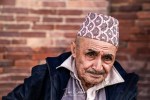
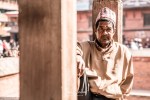
Each year I am constantly surprised and blown away by my experiences as I meet the locals in their environment, some I now have seen for several years on my trips to these magical places.

Tomorrow the runner’s leave early morning for camp 1 with a 0545 departure, the race starts the following day at 0900, Monday 11th November.

Follow on:

#ETR2019

Instagram – @iancorlessphotography

Twitter – @talkultra

facebook.com/iancorlessphotography

Web – www.iancorless.com

Web – www.iancorlessphotography.com

Image sales –www.iancorless.photoshelter.com
Running Beyond Book HERE

The Elements EVEREST TRAIL RACE #ETR2019 – Arrival in Kathmandu

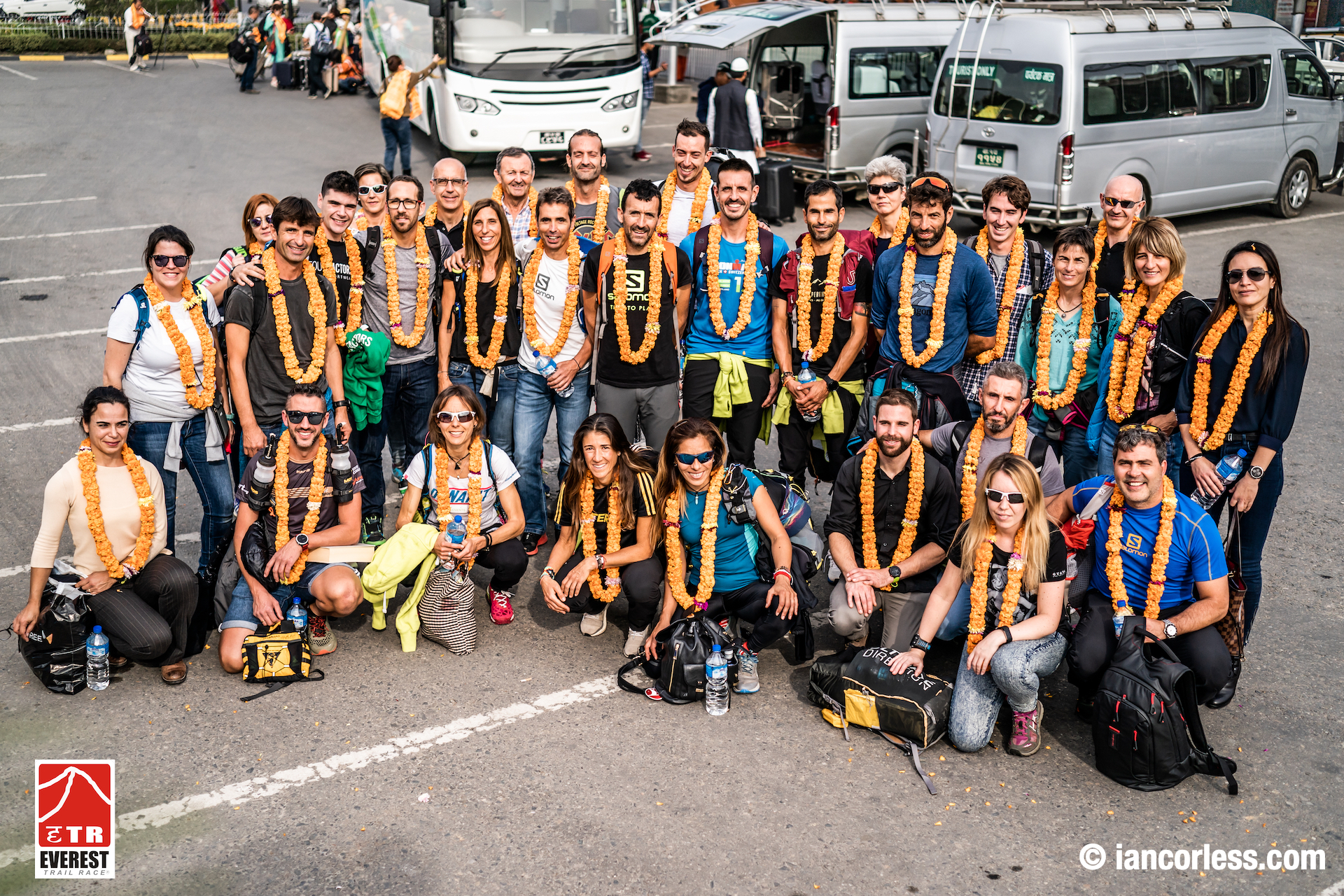
Runners from all over the world arrived in Kathmandu today after a long-haul flight through the night via Istanbul.

The noise and chaos of Kathmandu assaulting the sleep deprived senses of the 2019 participants as they journeyed from the airport via bus to Hotel Shanker close to the popular area of Thamel.

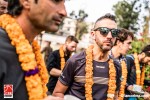
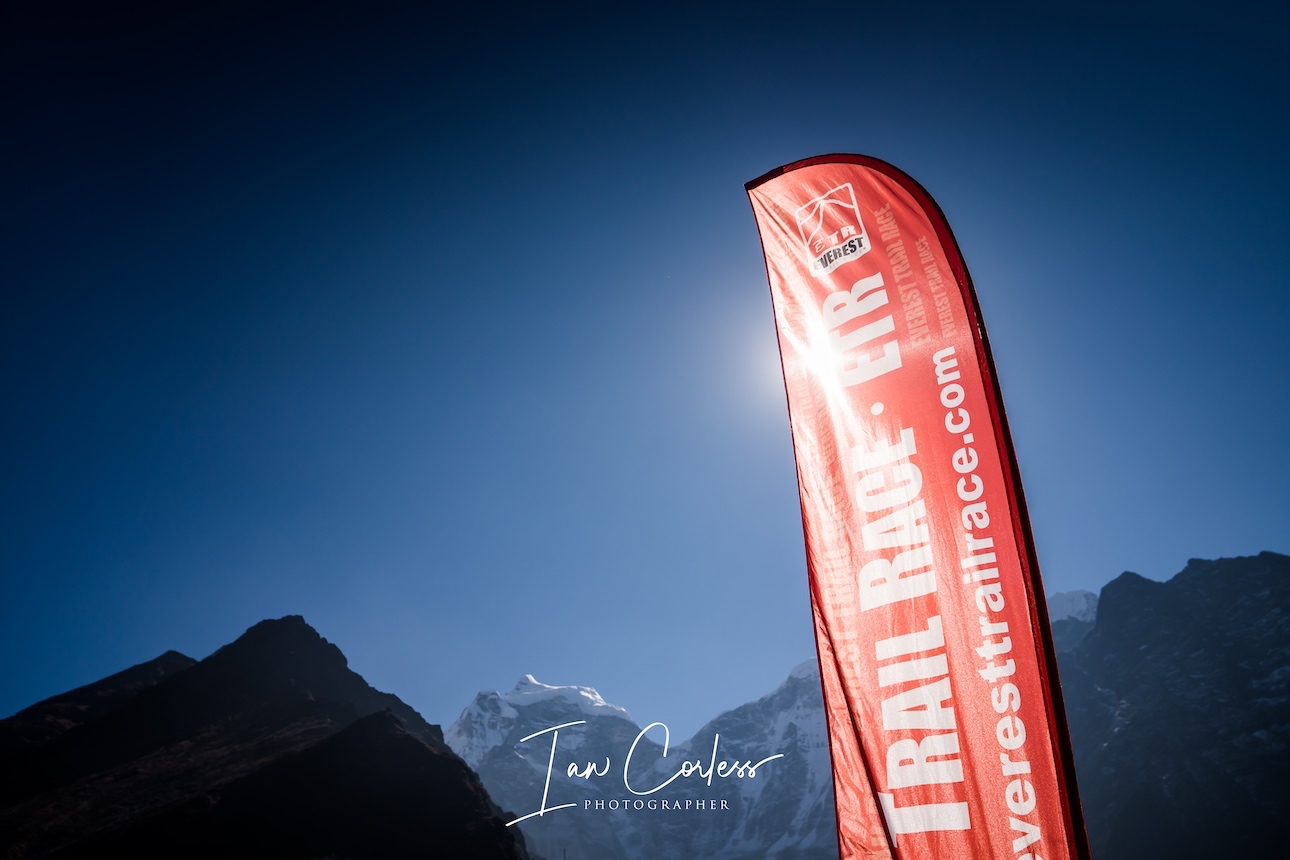
Teardrop flags, the ETR finish arch and a welcome party of ETR crew and hotel staff now making the 9th edition of the Everest Trail Race all too real. Day one is a relaxed day allowing weary travellers to adjust to the time change.

Nerves, excitement, trepidation and anxiety were all present in varying degrees for the challenge ahead. Despite the ETR’s history, the 9th edition will be remembered for a new route. In the 2017 and 2018 editions of the race, it became apparent to the whole ETR team that the development of road networks from Jiri were beginning to impact on the true spirit of the ETR.

Race Director – Jordi Abad

Race Director, Jordi Abad, had looked at options to explore new trails and go back in time and create a more raw and unique experience as was found in the early editions of the ETR.

Now fully developed within the Solu Khumbu district. The 2019 ETR has four entirely new stages in rural, non-tourist areas. Stages 1-3 and stage 5 bringing a whole new experience of trails and views.

The 2019 ETR will truly be a unique experience harking back to the pioneering first edition.


The 4th stage remains entirely the same as in the previous editions, and the final stage will once again start in Tengboche and conclude in Lukla but using a different trail between Tengboche and Namche Bazaar.

The 9th edition will be 12 Km longer with an additional 500m of vertical gain. Importantly, the race starts at a higher elevation of 2800m, In previous editions, Jiri was at an altitude of 1800m, this increase of 1000m is a key and important change.

In summary, the 2019 edition of the ETR will be an incredible adventure for all involved. With a total distance of 170 km and a whopping 26,000 m of accumulated gain/ loss – 13,500m of positive / maximum elevation 4,104 m / minimum elevation 1,500 m.

Daily distances are as follows:

  • Stage 1 – 25km 3625m+/-
  • Stage 2 – 26km 3735m+/-
  • Stage 3 – 30km 5396 +/-
  • Stage 4 – 27.5km 4130m +/-
  • Stage 5 – 32km 4465m +/-
  • Stage 6 – 30km 4572m +/-

Daily reports and images will be reported here on this website.

It is anticipated that communication, particularly on stages 1 and 3 may very well be very sporadic, so, please be patient.

Race Website:  Global HEREUK HERE

Follow on:

#ETR2019

Instagram – @iancorlessphotography

Twitter – @talkultra

facebook.com/iancorlessphotography

Web – www.iancorless.com

Web – www.iancorlessphotography.com

Image sales –www.iancorless.photoshelter.com
Running Beyond Book HERE

Episode 177 – Will Hayward, Magdalena Boulet and Kasia Osipowicz

Episode 177 of Talk Ultra brings you an interview with Will Hayward who was the ‘Last Man Standing’ but not the winner at Bigs Backyard Ultra. We chat with Magdalena Boulet about her recent FKT attempt and we speak with Kasia Osipowicz about her 2019 Skyrunning UK season and winning the Skyrunner UK & Ireland Series.
*****
Talk Ultra is now on Tunein – just another way to make the show available for those who prefer not to use iTunes – HERE  You can download the Tunein APP HERE
Talk Ultra needs your help! 
We have set up a Patreon page and we are offering some great benefits for Patrons… you can even join us on the show! This is the easiest way to support Talk Ultra and help us continue to create! 
Many thanks to our Patrons who have helped via PATREON
Donate HERE
*****
00:04:00 NEWS
Bigs Backyard Ultra – Maggie Guertl runs 250 miles to win Laz’s demonic loop of his backyard
*****
WILL HAYWARD 00:28:45
*****
World 24-hour champs in France – Camille Herron is on fire…. 167.75 miles tbc
Javelina Hundred won by Kaci Lickteig and Pat Reagan
*****
MAGDALENA BOULET 01:25:35
*****
KASIA OSIPOWICZ 02:24:49
*****
INFINITE TRAILS 2020 – Looking for an incredible experience in 2020? Put a team of 3 together. Head to Austria and take on an incredible trail loop of varying distance in relay format. Fastest team wins… But Infinitetrailswch is more than that. It’s an incredible weekend of community spirit. Download the info HERE
*****
CLAIRE SMITH – Remember Claire Smith from episode 162 here HERE – Well, she is doing a ‘Double Deca’ Ironman – yes, 20x Ironman distance… She has completed a 48 mile swim, finished a 2,240 mile bike ride and is now halfway through a 520 mile run but in pain… Go to Brutal Events and give some encouragement – this is mind blowing. Way to go Claire Smith
*****
02:53:30 close
02:56:55
*****
Share us on Facebook – Talk Ultra FB https://www.facebook.com/talkultra/
Tweet us on Twitter – Talk Ultra on Twitter https://twitter.com/Talkultra
*****
Stitcher You can listen on iOS HERE, Android HERE or via a web player HERE
Website – talkultra.com
UP & COMING RACES go to https://marathons.ahotu.com

Ultra Mirage El Djerid 100km 2019 Race Preview – Fierce Mind’s Edition

The 2019 Ultra Mirage El Djerid 100k #UMED rolls closer. Now in its 3rd edition, this 100km desert race based in Tozeur, Tunisia, North Africa brings 300 runners from all over the world to experience something very special in a unique environment.

The 1st edition had just 60 runners from 12 countries, for 2018, these numbers escalated to over 150 and a remarkable 20+ countries for 2018 and now 300 will toe the line.

Tozeur is the main city of the Djerid, known for its stunning surroundings it has a mixture of rocky mountains, valleys, salt lakes and desert dunes. The Ultra Mirage© El Djerid (UMED) is the first 100km Ultra Trail taking place in the stunning Tunisian Sahara desert.

A single-stage race that takes runners across a wide diversity of terrain, the start is at Mos Espa, famous as a movie set and tourist attraction as it was the home of Luke Skywalker in the original Star Wars movie. The film set still exists and provides all involved a great opportunity for a photo before or after the race!

Soft sand, small dunes, rocks, dried river beds and multiple oasis, participants have 20-hours to finish the race with very specific deadlines to reach each of the checkpoints which will be between 15-20km apart. Starting at 0700, the race concludes at 0300.

Offering 4 ITRA points and equal prize money for the top female and male athletes, the 2019 edition of UMED looks set to be a great race: #1 EUR 3000, #2 EUR 1500, #3 EUR 500.

2018 Champions, Rachid El Morabity and Elisabet Barnes return to defend their crowns, can they beat the course records? Mohamed El Morabity has a faster time from 2017, (08:48:11) but the race route was very different! Elisabet Barnes set the 2018 record, 10:12:12. However, the 2019 route does have approximately 20% course change, and in the words of Race Director, Amir Ben Gacem:

“From cp3 at 50km is identical to last year: straight long lines in the desert. The first part will be the same for the first 20km across Chott el Gharsa. But between 20km and 50km we are probably changing the route to skip the road section in favour of plain desert. It will be more difficult as there will be no shade at all except at check points, and there will be more soft sand.”

MEN

Rachid is the outright favourite and little more needs to be said, he is the desert king. Rachid’s brother, Mohamed, will also return. The duo, both desert specialists, encountered difficult races in 2018 – the intense heat challenging them. Rachid collapsed at the finish line with dehydration and exhaustion, his brother making the podium after a very difficult final 20km. As desert experts, Rachid a multiple champion at Marathon des Sables, Mohamed equally a desert expert, but often in the shadow of his older brother, they are without doubt favorites for the 2019 title.

Sondre Amdahl from Norway will also return after making the podium in 2018 and nearly upstaging the desert king, Rachid. The final 10km really was a spectacular battle as they traded run stride and cadence to be champion. Sondre has raced at Marathon des Sables where he placed in the top 10. Certainly, the single-stage format and 100km distance will suit him as he proved last-year, however, he has been injured recently and therefore his form may well be below his own exacting standards.

Christophe Le Saux, France, also toes the line. He is a long distance expert, has a great history with MDS and he loves the desert. The men’s race will be interesting in 2019!


The UK’s Ben Whitfield will not be a name you know, but mark my words, you will after the 2019 UMED!

WOMEN

Two-time Marathon des Sables champion, Elisabet Barnes, will head up the women’s race and after placing 4th overall, setting a CR in 2018, she is without doubt the favorite. A solid June and July saw Elisabet clock some great training miles which she has tried to maintain throughout August.

Bouchra Lundgren Eriksen will push Elisabet for the victory, a very accomplished marathon runner and podium finisher at MDS, she may well be the one person who challenges the MDS Queen, Elisabet, for victory.

Oriane Dujardin placed 2nd in 2018 and ran a solid and consistent race. With more experience and one year of training, she will once again contend the podium.

Rebecca Ferry has experience in multi-day racing and ultra-running, particularly at the 100km distance. She recently ran CCC and DNF’d, however, she has kept her powder dry since. If she has a good day, she will definitely contend the podium.

Chefia Hendaoui is the female Tunisian hope and she made the podium in 2018 – can she place higher?

As in any race, nothing is guaranteed. As the distance takes its toll, the soft-sand wears the runners down and the heat exhausts, anything can happen. Stay tuned for the action as it unfolds in Tunisia. No doubt, some names will shine that are not mentioned here.

One thing is for sure, the desert, Tunisia and the UMED organisation will provide a special experience for all.

Runners will start to arrive in Tunisia from Thursday 28th and transfer to Tozeur. Friday is registration and briefing and then the action starts Saturday, 0700.

You can obtain more specific information from the race website, HERE

Superior 100 2019 – Preview

It is September and once again I am back in the USA with my Minnesota family. I was going to write a preview of the 2019 edition and decided that I would re-post my experience of first coming to Superior, Minnesota and meeting the family…

The 2019 edition will doubt be another awesome experience with female course record holder and 2018 champion, Mallory Richard returning to race. The 2019 male Champion, Neal Collick, this year will join the race but as a volunteer. Therefore, the two favorites to go head-to-head are Michael Borst and Mick Jurynec. For either of them to come close to Collick’s sub 19-hour run will be truly impressive!

SUPERIOR 100, USA

And so it began. It was my first time in Minnesota and in all honesty, I knew very little about this area and more importantly, I was somewhat ignorant about the proximity to Canada. You see, too much information can lead to disappointment and more importantly, it can cloud judgement. I like to be a canvas, primed and ready but without the stroke of a brush. Like any painting, I like to lay down a base, build up the layers and finish it off with a frame. The end result may well be a masterpiece but in the early stages, who knows?

Off the bat, Kurt Decker, my host and on-hand guide whilst on my voyage of discovery was a welcoming and bubbling knowledge of local running. Decker has been involved in running for 20+ years and is currently working as a manager at Minneapolis run store, Twin Cities Running Company. ‘Dude, it’s so great to have you join us,’ he wasn’t ruffled or angry at my extensive 3-hour delay at passport control. ‘You are going to stay with my family and we have a ‘RV’ all lined up for you to make your stay easy and provide you with some privacy.’

‘You are going to love this race Dude, Superior 100 is a real tough race and we are so happy to have you come and see it for yourself.’ Decker was enthusiastic; no, he was passionate, he overflowed with running enthusiasm.

Running brings people together, together in a way like no other; it crosses boundaries, crosses countries and binds like a harmonious family. I’d been in Minneapolis for just over an hour and I already knew that I was going to love this place.

Aaron Ehlers is a young guy with a family, new to ultra he has a fire within. Last year he bailed (did not finish) at Superior and this year he was going back; unfinished business. More miles, more focus and an understanding of what’s required to complete 100-miles. On the roads to Duluth we chewed the fat. He knows the sport of ultra, ‘I just want to learn, soak up the sport and become better. Even my wife Mary, has found the passion. At Superior she will run her first 50-miler.’ A new friend, Aaron feels like an old friend. A bond made in sport but ultimately a great guy to hang with. Selfless and giving, Aaron is a true Minnesota guy.

Two black spiral earrings, Mohican haircut, black t-shirt with a huge artistic print and cargo shorts, John Storkamp looks like a rock star. He greets me with a hug and the shake of hands, ‘It’s great to have you here man.’ Storkamp is the RD for the Superior 100, a runner himself; he has a resume that deserves respect. Modest in approach, he welcomes each and every runner as they arrive for packet pickup (collecting race numbers). ‘Welcome to the Superior 100, the rugged, the most relentless and remote 100 miler in the USA now let me hear you howl like a wolf.’ 

The response is loud and spine chilling. Without wishing to bore everyone, Storkamp provides a brief history of the race, the journey of 100-miles along the Superior Hiking Trail (SHT). ‘This race follows the ridgeline overlooking Lake Superior, a ridgeline of the Sawtooth Mountains. It’s gnarly, tough, rutted and many of you won’t finish.’ 

Storkamp has a twinkle in his eye, the challenge he and his wife Cheri provide is tough, the runners know it. But they want everyone to achieve and as he says, not all of them will, however, they need to be on the journey with a chance of completing and if they make the finish or not, lives will be changed. Storkamp knows the enormity of the task and the responsibility he has. Like a father, the runners are his children; if possible he will nurture them to the line.

You can’t run without aid stations and volunteers. It just can’t happen. Those who are passionate about the sport often pay back with a volunteer stint at an aid station, marking the course or manning road crossings. After all, we are all runners’ right? Imagine working an aid for 16 consecutive years; Mum, Dad, Son and Daughter. A family enterprise! The selfless task of helping others and asking nothing in return, that’s the Immerfall family. An inspiration to all and believe it or not, they are not runners. They just want to give and have pleasure in the act. In 2014, Storkamp welcomed them into the Superior 100 hall of fame. An award that stirred emotions, many shed a tear when the award was given, a standing ovation somehow feeling inadequate.

Arguably the happiest runner and most grateful runner I have ever witnessed, Kevin Langton illuminated the trails as he ran the race. ‘Thank you for being here guys and supporting.’ Running with a smile and grin, whenever he passed he repeated, ‘Thank you for being here guys and supporting.’ You’ve got to love this sport. Despite the difficulty, despite the fatigue, despite sore legs and being mentally tired, Langton’s smile never slipped, the positivity never wavered. Oberg, 93-miles, Langton’s family welcomed him with a hug and high fives, ‘let’s get this done’ he said.

Kevin Langton – Superior 100

Bridesmaid at Superior 100 twice before, in 2011 and 2010, Adam Schwarz-Lowe really wanted a win at Superior, would 2014 be the one? A sub 20-hour running at the iconic Western States earlier in the year showed the form was good. On the trails of the ‘SHT’ Schwarz-Lowe bided his time and eventually made his move with three quarters of the race covered. Buckle in hand the victory was his.

Adam Schwarz Lowe

Only one man and one lady can top the podium. So why run? Superior 100 provided many answers to this question; the race provided a collective gathering of many individual passions that came together to create one wonderful whole. Each runner, from first to last; a welcome warrior who achieved greatness on the trails of Minnesota and the SHT. Storkamp told them all the experience would change them, it did, I am sure of it. It not only changed them, it changed me… And once again I am back for my annual pilgrimage to Minnesota, Superior 100 the jagged Sawtooth Mountains that run parallel to Lake Superior.

Follow on:

Instagram – @iancorlessphotography

Twitter – @talkultra

facebook.com/iancorlessphotography

Web – www.iancorless.com

Web – www.iancorlessphotography.com

Image sales –www.iancorless.photoshelter.com
Multi-Day Racing – It’s not complicated

It’s Not Complicated…

Let’s get one thing clear, multi-day racing is simple, it is often over complicated and this creates too many questions and too much confusion.

Let’s hark back to Patrick Bauer’s pioneering days and simplify the process, just like he did. Over the years I have interviewed and chatted with many runners in bivouac and after racing who have done just that, they had applied simple logic and worked out what would work for them. 

Yes, they had taken advice, looked at websites, processed information but importantly they had found out what worked for them. They realized early on that they were an individual and as such, they needed a personal approach to multi-day racing and not a generic one. Not all multi-day races are the same, some are completely self-sufficient, some are semi self-sufficient and others are supported where all you need is transported for you.

When you break a race down, particularly a self-sufficient race, key things are really important:

Pack

Must fit and be comfortable when loaded. Have enough room (but not too much) for all your equipment and provide easy access to fluid. You must also make sure that your race number is visible as per race rules. Think about additional pockets, such as a waist belt for snacks.

Sleeping Bag

Lightweight, packs small and warm enough. I would always recommend a sleeping bag and jacket as it offers more flexibility, reduced weight and reduced pack size. Popular sleeping bags year-on-year are PHD, Yeti and OMM. Read HERE on how to choose a sleeping bag.

Clothes

You just need what you will run in. However, a spare pair of socks is often commonplace and many runners have one or all of the following: a warm base layer, a lightweight down jacket or waist coat, buff and maybe long lightweight pants. Remember, you have to carry everything, so, it’s all about getting the pack as close to minimum weight. At MDS that is 6.5kg plus water.

Sleeping Mat

It’s optional but a good nights sleep is important and usually those who do not take one wish they had. It provides comfort and importantly an insulating layer between you and the ground. Two options exist – inflatable and roll out solid foam. The choice is yours. The inflatable ones offer more comfort, more flexibility in packing but with poor admin, you do run the risk of a puncture. I’ve used inflatable for many years with no issue. A solid foam Matt will last the week with no risks of problems but they roll large and need to sit outside the pack.

Shoes and Gaiters

Shoes (more below) are personal, just make sure they have a good fit, appropriate drop for your needs and suit your run/walk style with enough durability for you. I say ‘you’ because someone like Rachid El Morabity can complete the whole of MDS race in say 21-hours whereas most people won’t even do just the long day in that time – his shoe shoe choice will and can be very different to what most of us need!

Continue reading

Strategy for Completing and not Competing

The last time I toed the line with purpose as a runner was in 2012. It was at the Lakeland 50 in the UK. I was confident, I was really fit and in April, I had won an ultra in Turkey.

However, everything was not ok.

I was getting constant knee pain and I kept ignoring it… Ultra runners are good at that!

Anyway, for much of Lakeland 50 I was near the front, that is until Ambleside and then it all fell apart with constant knee pain. My hopes of a top-10 disappeared and I eventually crossed the line in 36th place in 9:59. My target had been to run around 8:40. In retrospect, I should have been happy. But I wasn’t. I went away knowing that my knee issue had stopped me performing and it needing addressing. 

My knee injury was chronic and required two, maybe three operations. I declined all knowing that knee surgery success is hit and miss. So, ever since, I have managed that pain, changed my goals and loved adventures. Gladly, big hikes and fast packing/ multi-day is what I really love. I still get pain, but I manage it. So, all is good. I am happy to do what I can. I run regularly, daily sometimes and even now, 30-50km training runs are a regular. But walking has always been something I have used to keep moving and rather than it being a negative, I always made it a positive.

So, why am I writing?

Well, I started running after cycling and triathlon. I have to say, I have never considered myself a good runner. I dropped my marathon PB to 2:53 which was creditable but in doing so, I lost the true reason for running. FUN! Do not get me wrong, I had loads of fun running but PB’s, time, diet and training all took over from a healthy outlook on my running. 
I was obsessed by my running. I must clarify, I was previously obsessed by cycling and triathlon and that is why I stopped…!

Being a photographer and journalist has allowed me to look at running in many different ways. I mostly follow the elites, but multi-day races, such as Marathon des Sables, allow me to follow runners achieving a life time goal. I must clarify, achieving a life time goal may be a 5km, 10km, half-marathon and so on. I use longer distances as this is the area I usually deal in – ultra.

Many are looking to complete and not compete.

I have learnt since 2012 that I normally complete anything I set my mind to in sport and the reason for that is strategy, planning, getting the mind in the right place and yes, embracing walking!

The Older I Get, The Better I was!

So much truth here… For me anyway. As the time has passed from 2012 I have worked on races worldwide and all of those races have required me to have a level of fitness. For example, Everest Trail Race, I do pretty much most of the race with cameras – it is the only way. For personal adventure, I have done big treks, several in Nepal, the most recent being the ‘High Passes’ with the additions of Kala Pather, Everest Base Camp and Ama Dablam BC. In 2020 I have done more multi-day adventures than ever before; regularly moving in a self-sufficient (with tent) way for over a week. A recent trip to Jotunheimen in Norway lasted 9-days and in Trysil, I completed 100km in 2-days with an overnight wild camp. So, all is good!
NEED COACHING and a TRAINING PLAN? HERE

There is one truth in completing. YOU NEED TO BE ABLE TO WALK.

Walking is often looked on as a negative. To be honest, I have heard some people say, ‘I don’t care what time I do, as long as I do not walk!’

The reality is, if walking is embraced, learned and practiced, finishing times will not only get faster but more enjoyable.

For perspective, we now include walking as a key training element at our Lanzarote Training Camp (HERE) with a specific walking group and one day dedicated to a long walk, for all!

So, how do you start?

Firstly, there is a big difference between walking to the shop for a carton of milk and walking in a race/ training. If there is not, there should be!

Walking in a race (or training) should be meaningful, strong and powerful.

There are many strategies one can use.

For example, one strategy I use is a thing I call “7’s” or “5×2”.

Quite simply, it is about covering 7km by walking 5km and running 2km.

JOIN MY LANZAROTE TRAINING CAMP, JANUARY HERE

The Strategy:

Firstly, with my coaching clients I ask them to walk 5km and time it. We then look at technique and discuss how to get faster.

I need to clarify here, we keep the route flat on road or good hard trail.

I am aiming for, where possible, sub 10-minute km’s. Now of course, many variables come in to play – terrain, weather, climbing and descending to name but a few. But let us assume flat terrain, good weather and fast trail.

Once we get the walking of 5km in under 50-mins, I then add running. Firstly 1km. So, walk 5km and run 1km. Once that fees comfortable, I add another 1km. And here is where the “7’s” or “5×2” comes in.

Basically, the plan is walk 5km and jog 2km.

Like any plan it is progressive, starting with walk 5 and jog 2. Then walk 5, jog 2, walk 5. Then, walk 5, jog 2, walk 5, jog 2 and so on…

This teaches the mind to break down distance and time in manageable blocks. You can focus on the walking, knowing that a jogging break is coming up. You can endure the jogging, knowing that a walking break is coming up.

Why, “7’s” or “5×2.”

Well, 7 conveniently goes in to a marathon – 7/14/21/28/35 and 42.

I think a marathon is something we all understand and although I will round numbers up (for ease) 50-miles is two marathons and 100-miles is four marathons, 7’s provides a great strategy.

So, you see my thinking?

Let’s say, you trained your walking to be so good, that you could walk 5km and jog 2km in under 1-hour. Suddenly, you are doing a 6-hour marathon with actually only maybe 50-60 minutes of total running.

So, if that pace is maintainable, you could do 50-miles in sub 12-hours and maybe even 100-miles in the desirable sub 24-hours!

Here is an example and of course, pace fluctuates based on terrain conditions, but it provides a good perspective.

Continue reading