The Coastal Challenge, Costa Rica’s number one multi-day race moved to stage 3 and it conformed that there are no guarantees when it comes to racing. It was a day of drama and problems as the ‘Expedition’ runners travelled 47.5km to Playa Ballena.
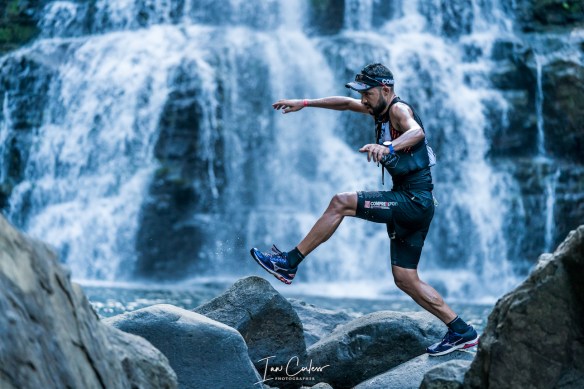
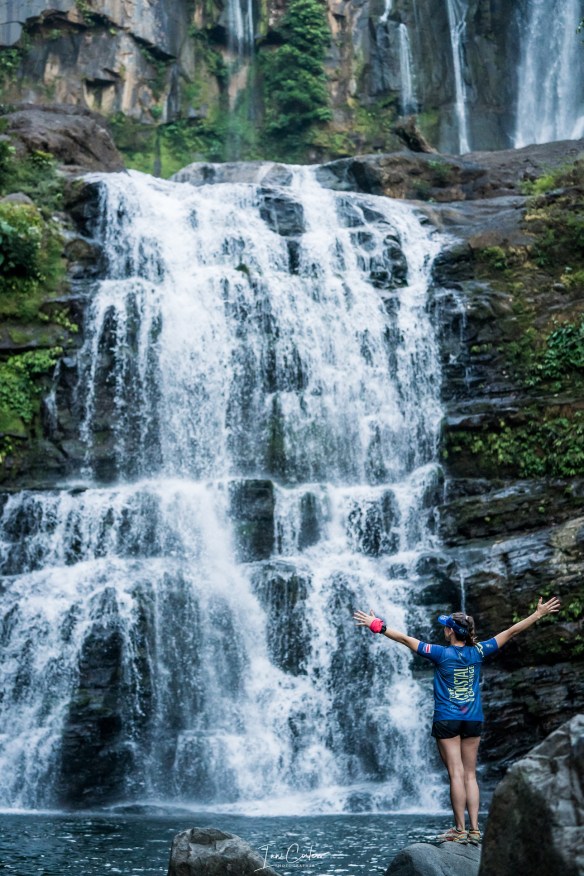
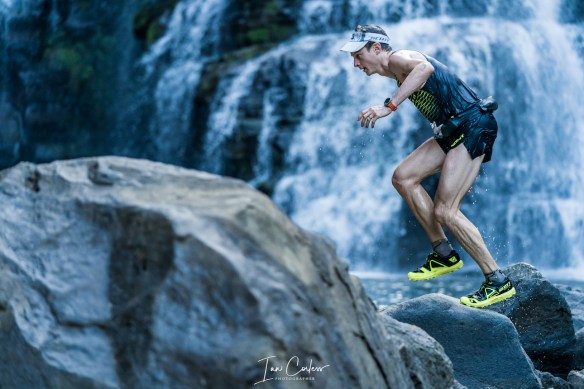
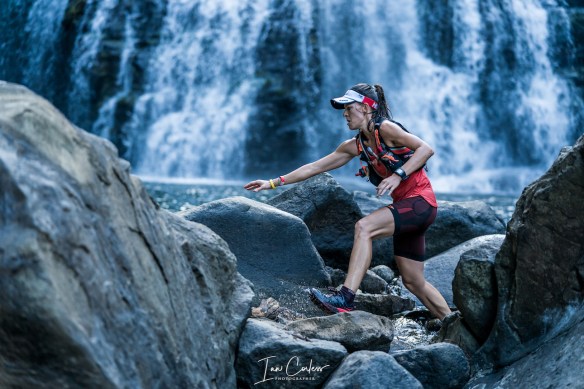
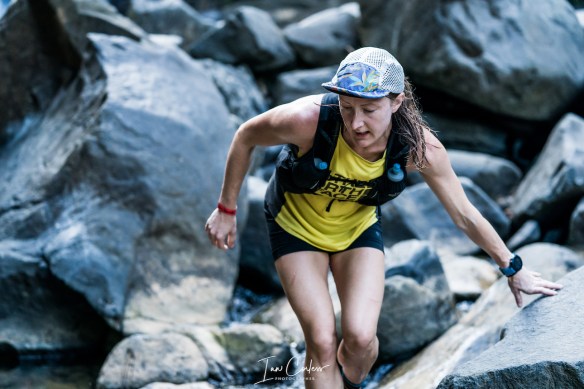
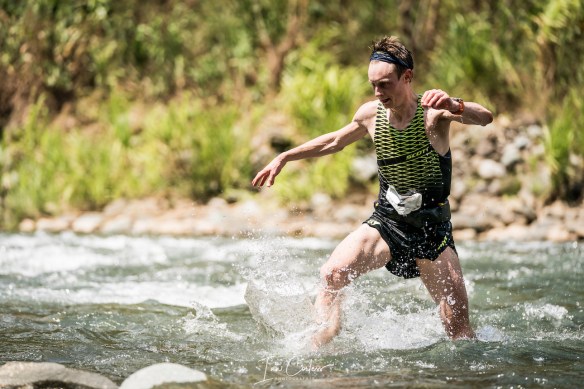
The iconic Nauyaca Waterfall welcomed the runners after 12km but first a technical run through a river bed was the first challenge. Local runner and past TCC participant, ErickAgüero used his local knowledge and experience to take a lead over the Scott Athletes, Cody Lind and Andy Symonds. Race leader, Mauricio Mendez followed closely behind. We were seeing the Costa Rican runner take the race on by the horns.
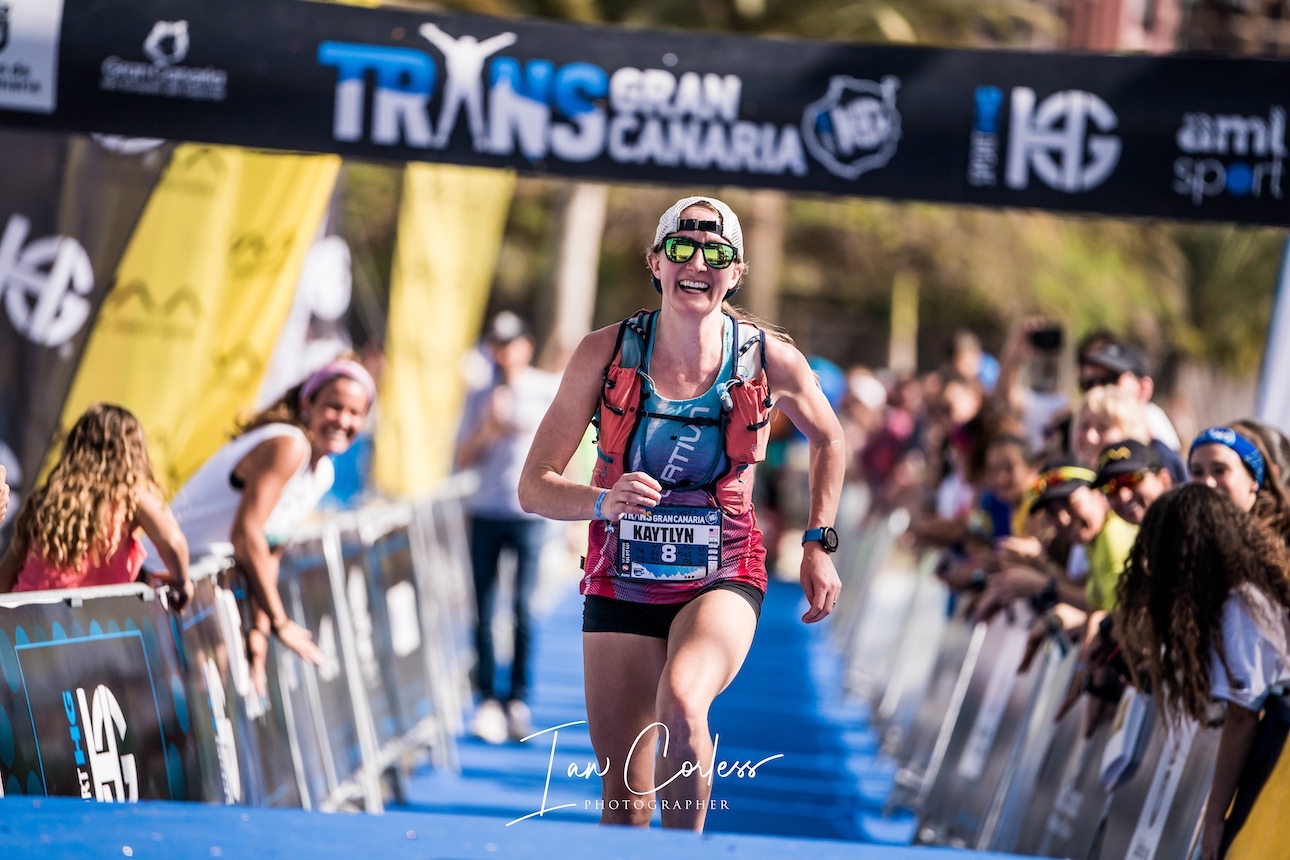
Equally, the women’s race had Natalia López Arrieta taking a lead over race leader, Kaytlyn Gerbin.
Behind, 3rd on GC, Abelone Lyng followed just behind Manu Vilaseca who seemed to be having a better day in adapting to the heat. Unfortunately, at the waterfall, disaster struck for Vilaseca with a broken lace system on her ‘BOA’ shoes. Luckily, one of the race team offered their own shoes as a replacement… Vilaseca could race on.
Agüero was running hard today and by checkpoint 2 he had a 6-minute lead over Lind, Symonds and Mendoza who were pursuing together. It soon became clear that Mendoza had issues by the expression on his face.
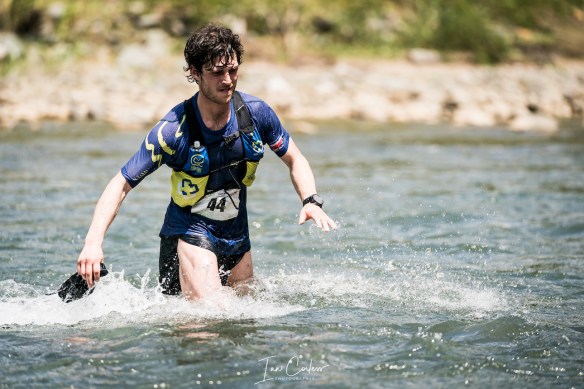
Lind and Symonds cooled over with a water pipe and left. Mendoza by contrast, sat on the ground, removed his shoes and grimaced with pain. It turned out after the race he had Tendonitis.
Arrieta and Gerbin charged ahead at the front of the women’s race but behind, course sabotage sent Vilaseca and Lyng off course for approximately 4km on very tough terrain. It was the kind of disaster that can lose a runner 45-minutes. Later, the impact was clear to see as Lyng, who would have finished 3rd woman on the stage, eventually finished a little farther back losing a chunk of unnecessary time and effort.
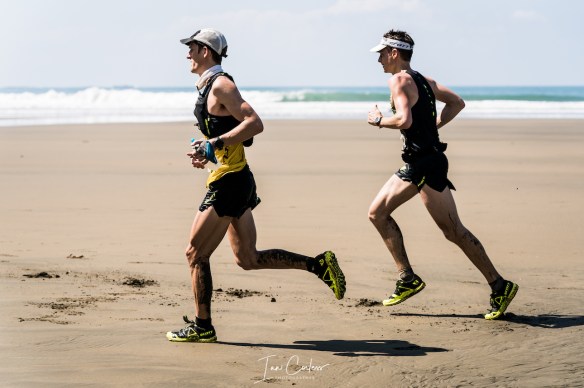
At Hermosa Beach and all the way to the finish line, Agüero hello off the Scott athlete charge and won the stage for a great Costa Rican victory, the result providing him the overall lead of TCC2020 by less than one minute, his overall time 11:47:50.
Lind and Symonds finished together and they now 2nd and 3rd on the overall GC with a time of 11:48:39 and 11:51:08 respectively. Unfortunately, Mendez lost a chunk of time and the overall race lead a currently a podium place. It was a disastrous day for the young Mexican runner.
“I had some discomfort in my feet from day 2 but I thought it was just tiredness, however, in the first 3-miles of stage 3 I knew my foot was not good,” Mendez said at the finish line. “I was chasing Erick with Andy and Cody but the pain was terrible. I took time out at CP2 to cool off my foot and massage it but the damage was done. Not finishing was not an option so I pushed on and finished the stage. I have spoken with the medics and I have tendonitis… So, I am unsure what stage 4 will bring?”
For the women, Gerbin caught Arrieta and applied the pressure, once again she pulled away for a third stage win in three days, she now has an overall time of 13:53:26.
Arrieta ran a strong race and finished the stage 3 with an accumulated time of 14:38:53.
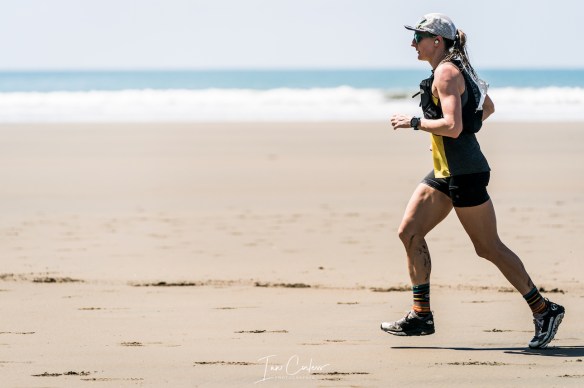
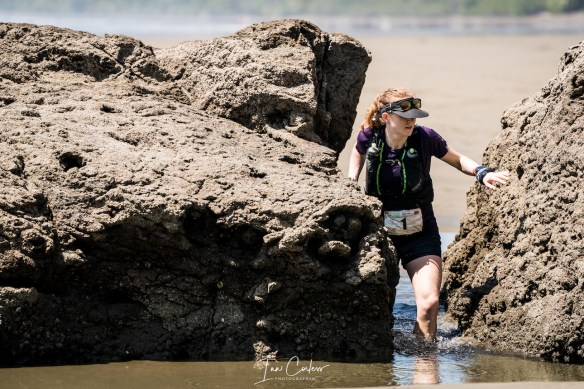
Lyng, despite the run off-course still occupies the 3rd podium place with an accumulated time 16:48:21 but finished 4th on the stage (7:39:11) behind Viviana Piedra Solano.
Stage 4 tomorrow is a tough day as the runners start the day with a tough climb, they then stay high and finish the day with a descent to Palmar Sur, the distance 36.2km. The Adventure race will cover 16.5km.
Ranking:
Men:
Erick Agüero 4:59:39 – Leader on GC
Andy Symonds/ Cody Lind 5:03:14
Mauricio Mendez 5:42:36
Women:
Kaytlyn Gerbin 6:01:21 – Leader on GC
Natalia López Arrieta 6:22:18
Vivian Piedra Solano 7:17:03
Please support this website. I believe everyone deserves to read quality, independent and factual articles – that’s why this website is open to all. Free press has never been so vital. I hope I can keep providing independent articles with your help. Any contribution, however big or small, is so valuable to help finance regular content. Please support me on Patreon HERE.
The Coastal Challenge, Costa Rica’s number one multi-day race moved to stage 2 after the runners had a good nights sleep near the Savegre River in a purpose built campsite.
The heat of day 1 had taken its toll with runners retiring to sleep soon after dinner at 1900 hours. It was a hot night with little air and the 0330 wake up call came all too early for many. Breakfast at 0400 and then with the arrival of the sun, runners departed for 40.2km.
The early morning sun was magnificent and the Costa Rican landscape glowed as the rays illuminated the landscape.
The day started with almost a disaster with many of the top men, including all the top-4 contenders going off course with women leader, Kaytlyn Gerbin. They lost over 15-minutes and what followed was a hard chase into the long first climb of the day.
The men’s race came back together with race leader, Mauricio Mendez catching ErickAgüero who had initially gone wrong, realised his mistake early and turned back. Cody Lind and Andy Symonds chased with Scott Maguire running on his own further back.
For Kaytlyn, it was over 2-hours before she finally caught all the women, the 2nd placed woman on GC being Natalia López Arrieta.
With order resumed at the front, the race could continue as normal over a very tough course. Relentless fire road descents making the going hard both physically and mentally. Mendez finally made a move around CP3 and pulled away from Agüero while Lind and Symonds pursued together. They would stay this way all the way to the line. Maguire faded in the latter stages of the day as the heat and course took its toll, he finished 5th once again.
“I think I was a little too focussed and early on we went wrong… Crazy! We wasted at least 10-minutes. I was in a group and we all backtracked. It was 10km before I caught Erick with Scott. I was then running alone with Rick to CP3 and then I made a move. I was feeling good, my legs were tired and the heat did not seem as hot as day 1. I was really happy to get a 2nd stage victory, but I need to be smart for day 3, I know it will be tough, I have lots to learn!” – Mauricio Mendez
Once Gerbin had hold of the front of the race she extended the gap and her lead. She looked strong, focussed and relentless for the pursuit of the line and a stage 2 victory. Behind Arrieta once again ran strong for 2nd and Norway’s Abelone Lyng entered into a battle with TCC regular and past woman champion, Veronica Bravo. At the final two water crossings, Lyng lead Vero but the gap at best was only a minute. Lyng fought hard and finished 3rd ahead of Bravo’s 4th. Ashton Keck Keck who placed 3rd on tase 1 finished 6th in 5:32:21.
“Veronica caught me and she looked strong but on the final beach sections I pushed hard and caught her again,” said Lyng. “I wanted to be finished and Veronica was looking tired so I pushed hard. It was a tough race to finish a long day but I am happy with the result. I have been worried about the heat but my adaptation seems to have worked, it is very hot but I am feeling good, that makes me very happy.”
Ranking:
Men:
Mauricio Mendez 3:50:48 – Leader on GC
Erick Agüero 3:53:58
Andy Symonds/ Cody Lind 3:56:16
Women:
Kaytlyn Gerbin 4:33:17 – Leader on GC
Natalia López Arrieta 4:44:57
Abelone Lyng 5:12:20
Stage 3 of #TCC2020 will depart with sunrise once again, ahead 47.5km to Marino Ballena. The ‘Adventure’ category will run 12.7km starting from aid station 2.
Please support this website. I believe everyone deserves to read quality, independent and factual articles – that’s why this website is open to all. Free press has never been so vital. I hope I can keep providing independent articles with your help. Any contribution, however big or small, is so valuable to help finance regular content. Please support me on Patreon HERE.
Runners departed San Jose at 4am for a 4 hour transfer to the coast for the start of the 2020 The Coastal Challenge, Costa Rica’s number one multi-day race.
It’s always a tough day as the runners depart the stage start after 0900 and the heat of the day is already intense.
It’s a day for caution!
From the off, the elite men pushed hard setting a relentless pace to checkpoint 1 with the UK’s Andy Symonds leading the way with Mauricio Mendez. Cody Lind and local, Erick Agüero followed. For the women, pre-race favourite Kaytlyn Gerbin lead from the front pulling away from Brazils, Manuela Vilaseca.
After checkpoint one, the heat was starting to influence the race with Symonds and Vilaseca both going through bad patches, this allowed Mendez and Gerbin to extend their leads.
Mendez took hold of the front of the race and the 2016 Xterra World Champion pushed home for the win looking very strong and relaxed in 2:44:35. The USA’s Lind moved in to second place with 2:49:08 and Symonds rallied in the closing stages to hold on the a podium place in 2:51:37 ahead of the local hero, Scott Maguire from Canada in 2:53:06. Local hero Agüero was 5th in 2:54:12.
“It was so hot today. Although a three hour race for me I treated it like an ultra and held things back. I never ran past water, I immersed myself all the time when I could. As the day progressed and I moved up through the field and finished 2nd, a good day!” – Cody Lind
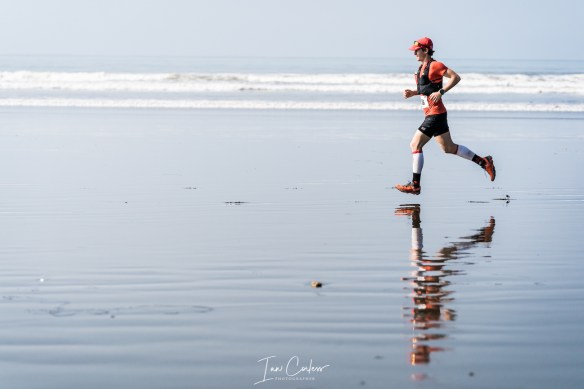
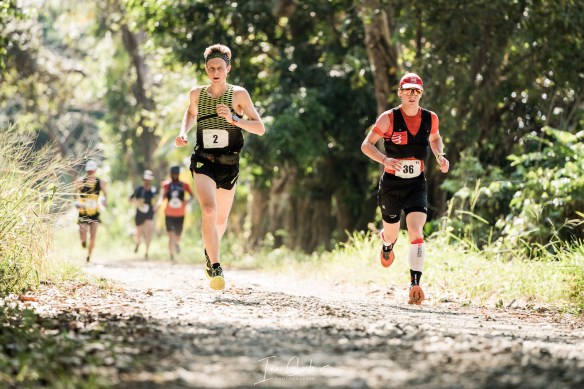
Gerbin pushed for line with a convincing lead in 3:18:47 and behind her, Costa Rican runners, Natalia López Arrieta and Ashton Keck Keck placed 2nd and 3rd ahead of Norway’s, Abelone Lyng in 3:31:37, 3:48:09 and 3:56:49 respectively.
“I wanted a strong first day but I needed to respect the heat. A great deal if fire road today and that was tough…” Gerbin said after the finish. “But I have a lead now and I will run my own race each day. It was hot today, it needs so much respect.”
Ranking:
Men:
Mauricio Mendez 2:44:35
Cody Lind 2:49:08
Andy Symonds 2:51:37
Women:
Kaytlyn Gerbin 3:18:47
Natalia López Arrieta 3:31:37
Ashton Keck Keck 3:48:09
Stage 2 of #TCC2020 with depart with sunrise, ahead 40.2km to Dominical beach. The ‘Adventure’ category will run 17.4km starting from aid station 2.
#TCC2020
Please support this website. I believe everyone deserves to read quality, independent and factual articles – that’s why this website is open to all. Free press has never been so vital. I hope I can keep providing independent articles with your help. Any contribution, however big or small, is so valuable to help finance regular content. Please support me on Patreon HERE.
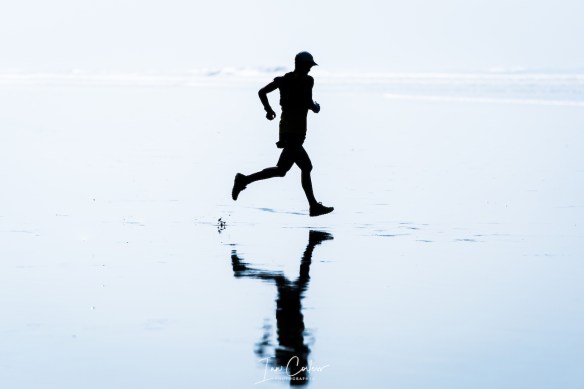
Welcome to Costa Rica. Welcome to the 16th edition of The Coastal Challenge #TCC2020
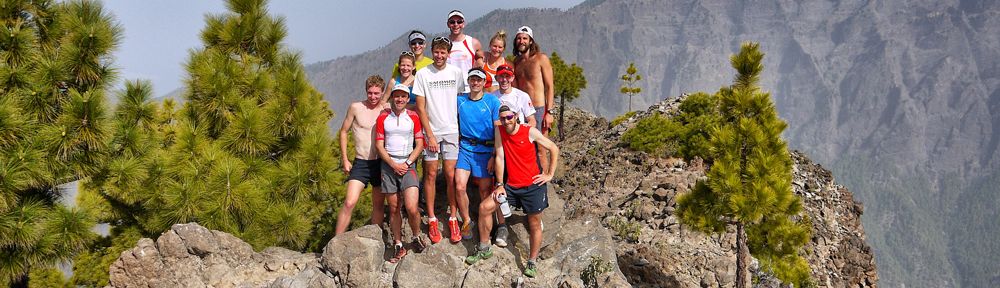
Runners from 16 countries are arriving in sunny Costa Rica, land of mountains and coasts, to run 230 kilometres and over 8700 meters of vertical gain in six stages. The Coastal Challenge is without a doubt much more than a challenge!
The 2020 edition holds a premium list of elite runners: Veronica Bravo, Manuela Vilaseca, Katlyn Gerbin, Cody Lind, Andy Symonds, Erick Aguero and Mauricio Mendez are amidst the elite field running the race.
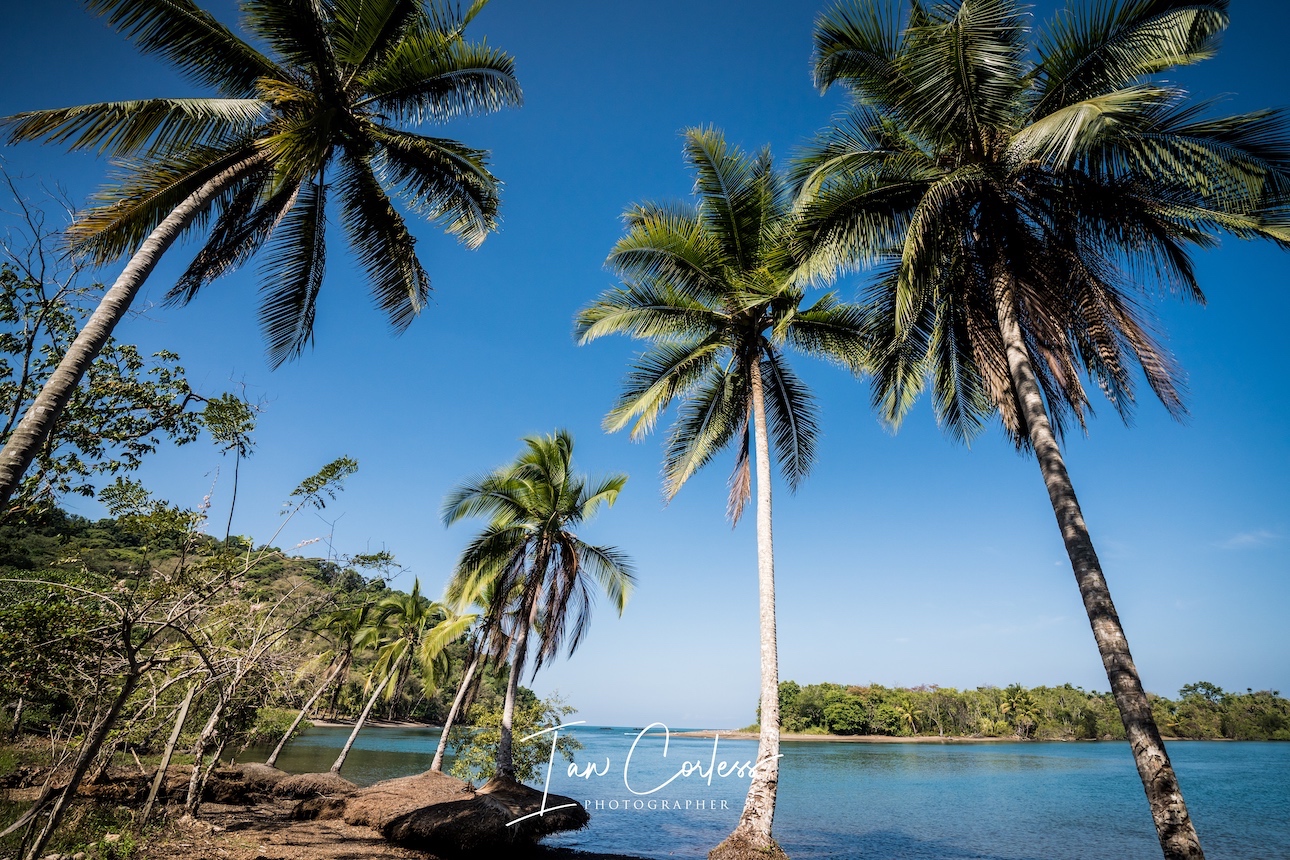
Costa Rica is much more than rugged terrain and challenging trails, it’s a country which holds beautiful customs and warm people, tasty food and lots of smiles, it’s a country which will win the racer’s heart, they will go back home with dreams and memories of this great adventure.
Episode 182 of Talk Ultra brings you an in-depth interview with John Kelly, winner of the 2020 Spine Race and Damian Hall who set a new winter FKT in the UK.
*****
Talk Ultra is now on Tunein – just another way to make the show available for those who prefer not to use iTunes – HERE You can download the Tunein APP HERE
Talk Ultra needs your help!
We have set up a Patreon page and we are offering some great benefits for Patrons… you can even join us on the show! This is the easiest way to support Talk Ultra and help us continue to create!
Many thanks to our Patrons who have helped via PATREON
Importantly, go to iTunes and subscribe so that you automatically get our show when it’s released we are also available on Stitcher for iOS, Android and Web Player and now Tunein.
Our web page at www.iancorless.com has all our links and back catalogue.
Please support Talk Ultra by becoming a Patron at www.patreon.com/talkultra and THANKS to all our Patrons who support us. Rand Haley and Simon Darmody get a mention on the show here for ‘Becoming 100k Runners’ with a high-tier Patronage.
Bruce Fordyce (born 3 December 1955 in Hong Kong) is a South African marathon and ultramarathon athlete. He is best known for having won the South African Comrades Marathon a record nine times, of which eight wins were consecutive. He also won the London to Brighton Ultramarathon three years in a row. He is the former world record holder over 50 miles and the former world record holder over 100 km.
TALK ULTRA podcast will be released as normal providing you long shows as it has always done with ideally two shows per month. The back catalogue will be released randomly via the INTERVIEWS and not chronologically.
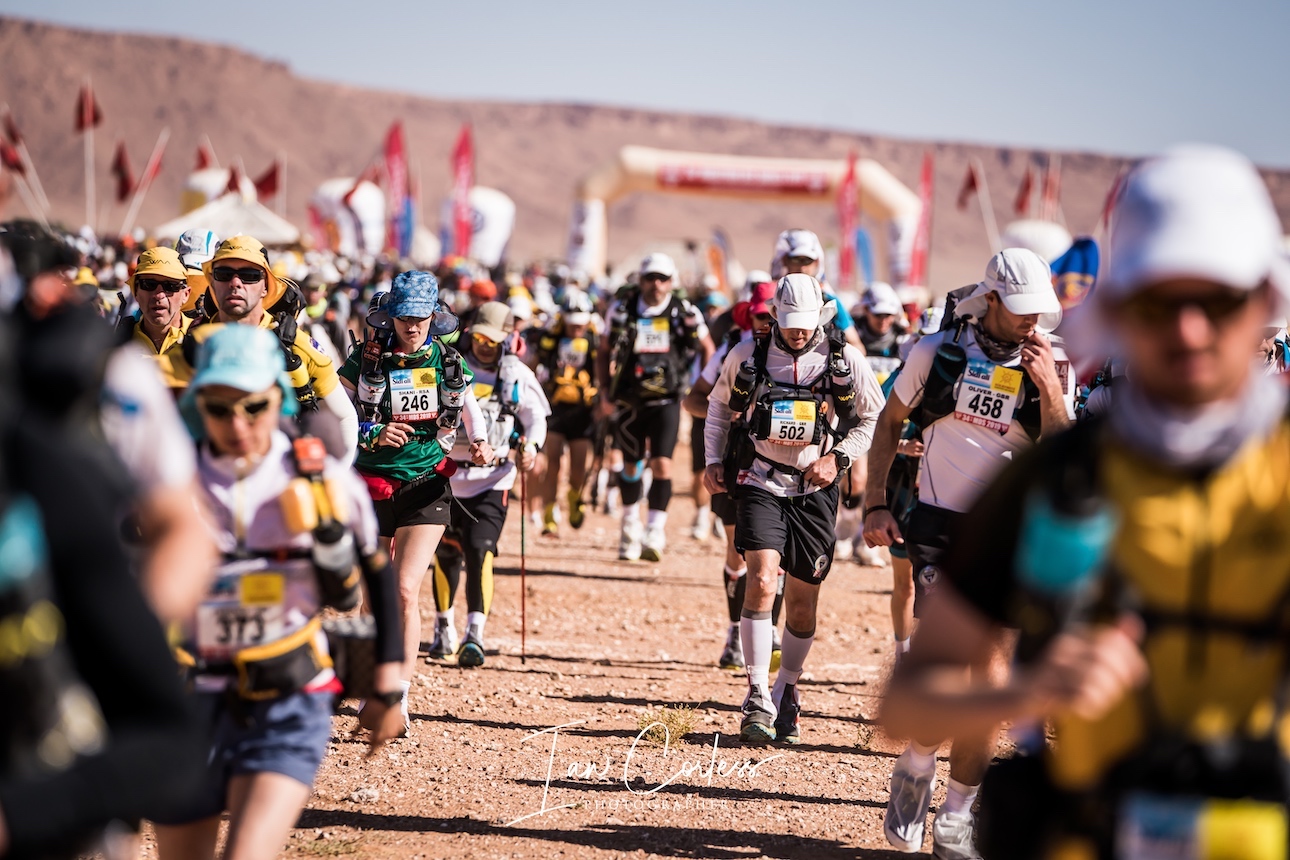
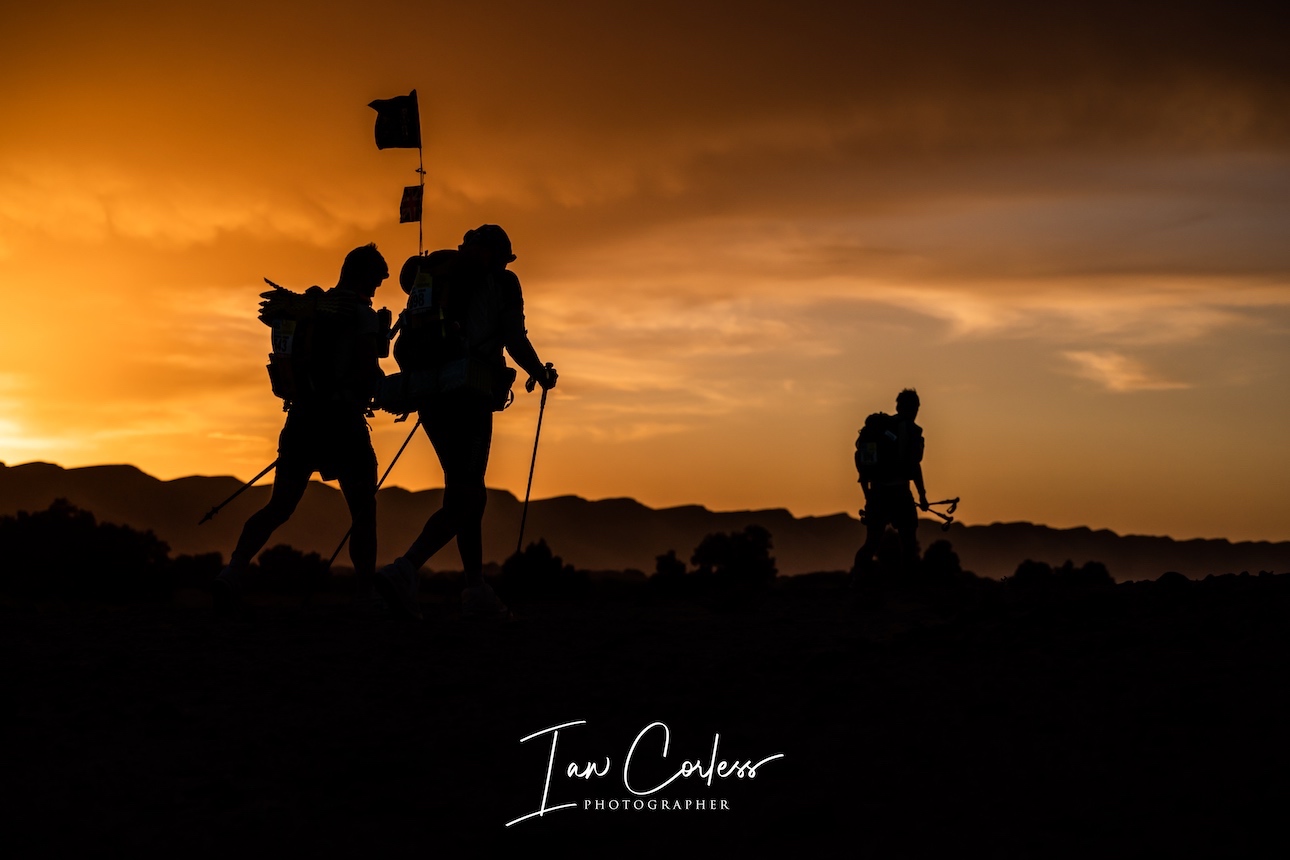
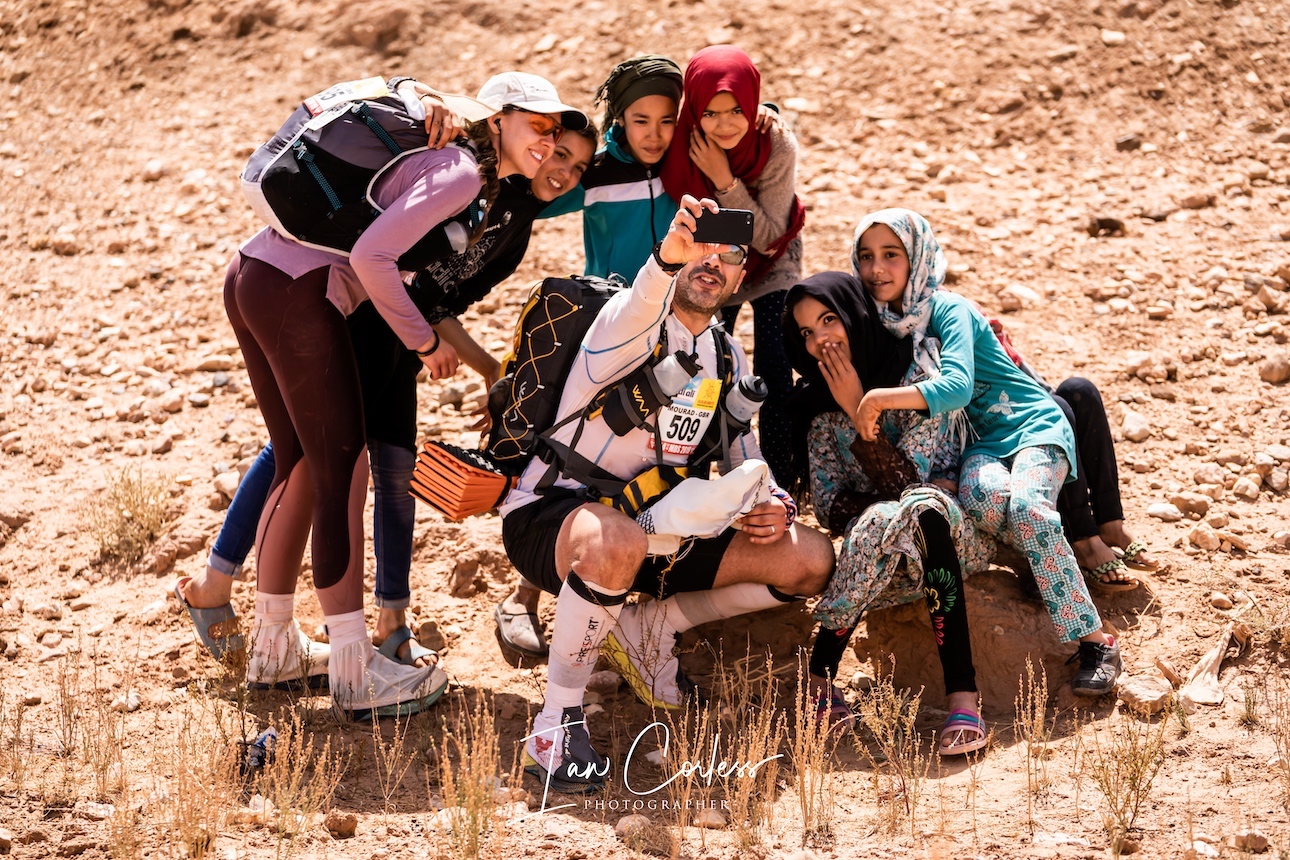
Running is running yes? Anyone can do it! Well I guess the answer is yes. However, variables come in to play. Running is broken down into many different distances, from 100m to 100-miles and beyond. The longer we run, the more the challenges and requirements on a runner change. Running for multiple days or running a multistage race on mixed terrain throws up many different scenarios. Over the years I have spoken with many champions who have raced in the sands of the Sahara, the forests of Costa Rica and the mountainous paths of Nepal. They all provide me with similar hints ’n’ tips to a successful multistage race.
TOP 10 TIPS FOR A MULTISTAGE
1 – RUNNING IN THE SAND
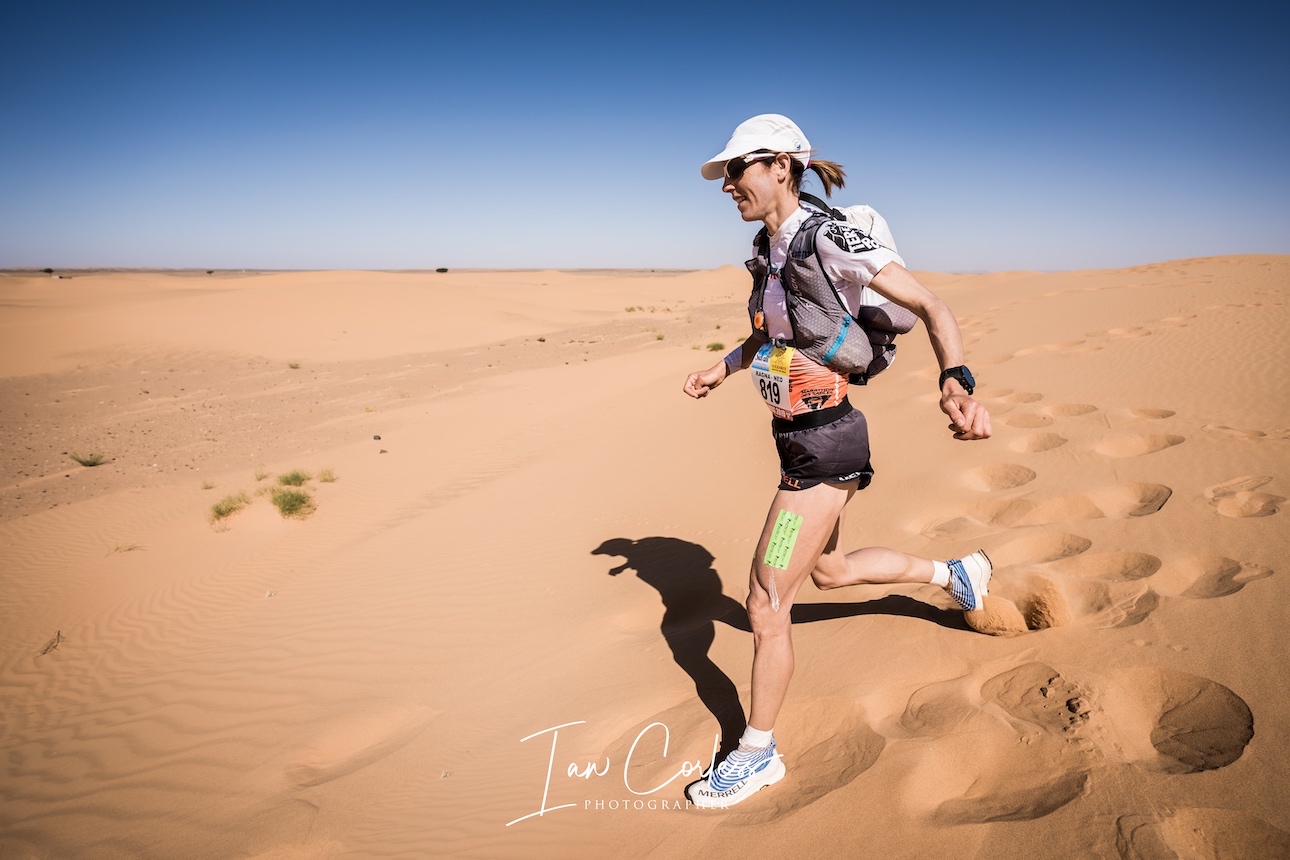
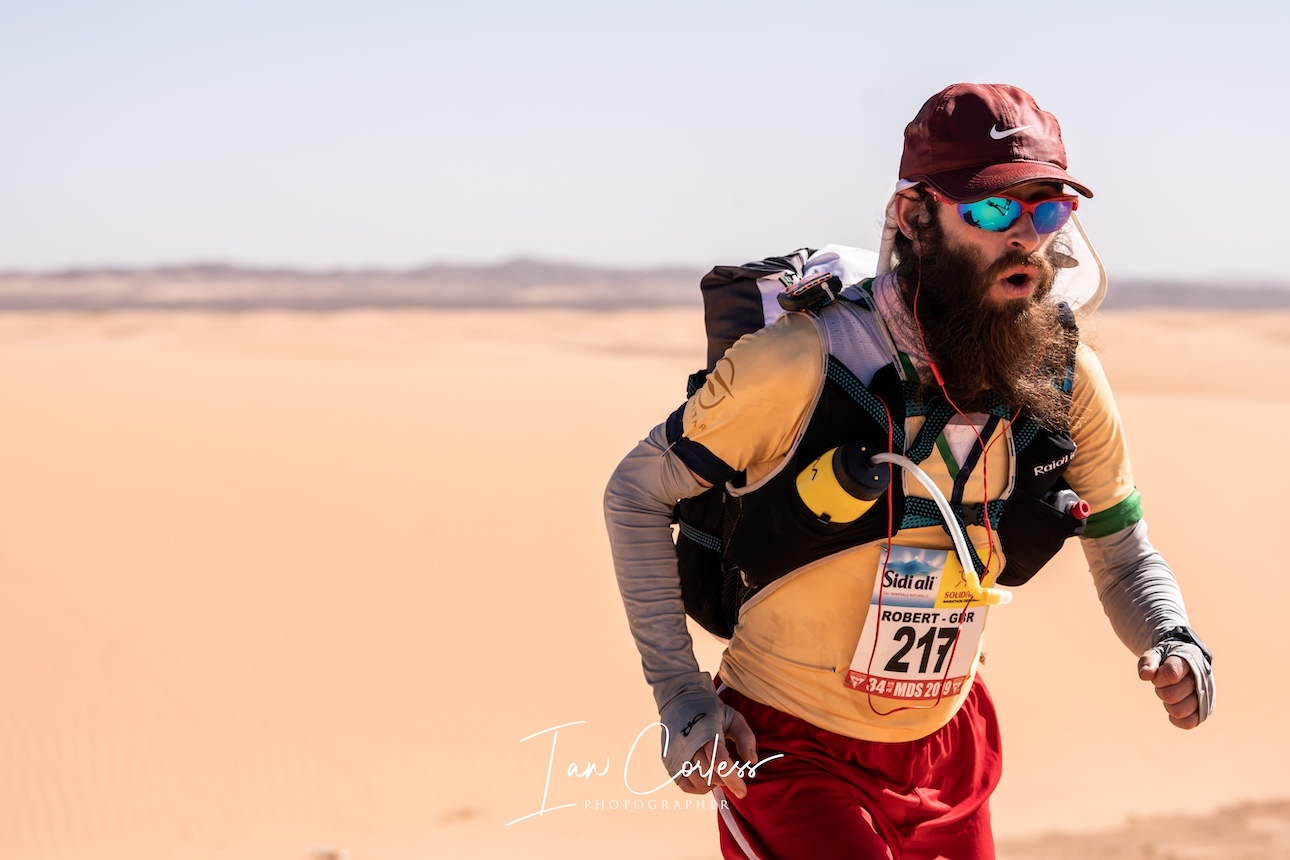
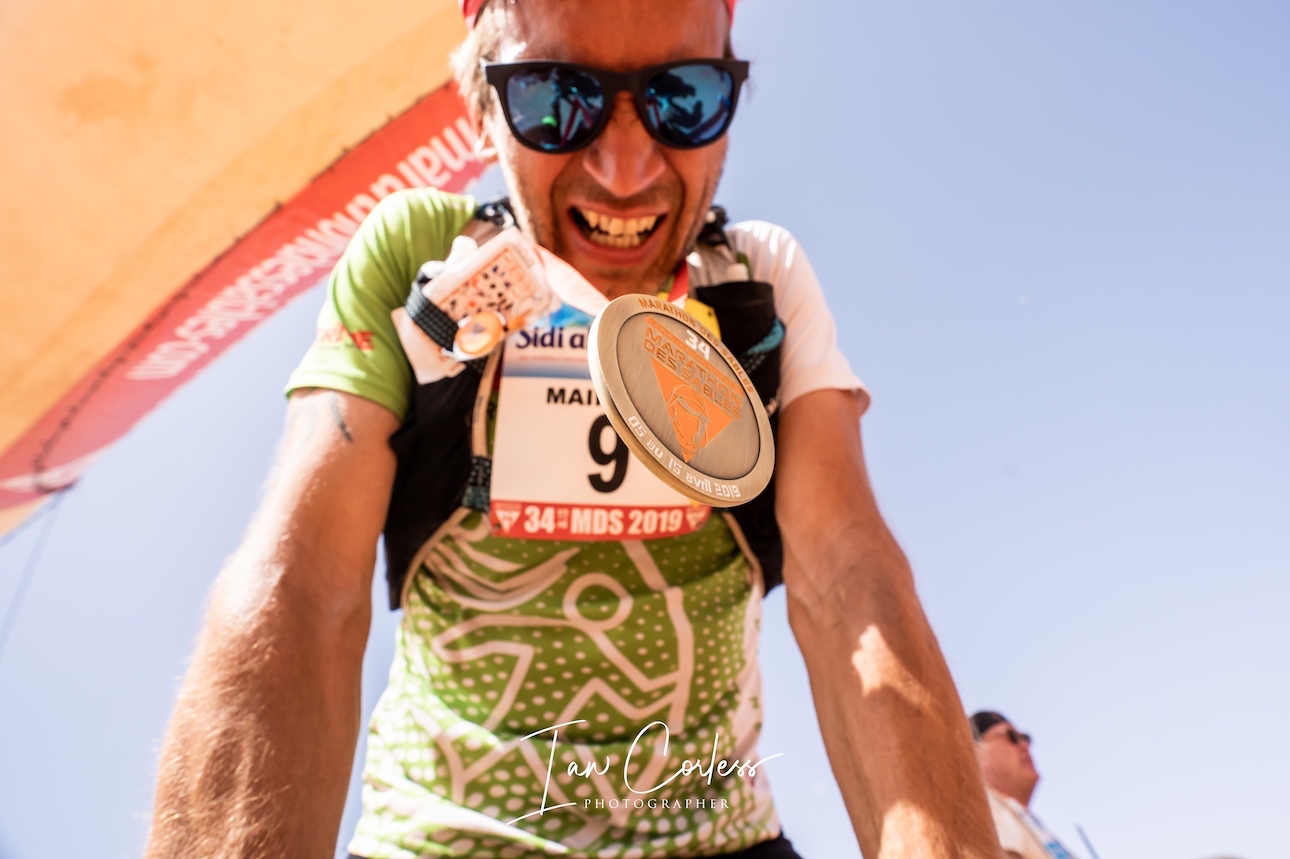
Desert races are very popular. Marathon des Sables for example is the father of multistage racing and over the years, many races have followed in the MDS format. A desert race is never all dunes but some races have more soft sand than others, so, be prepared. To avoid getting tired it’s important to read the terrain. Carve your own path running on fresh sand and when possible, run along the ridges. In smaller dunes (dunettes) it can be beneficial to run in tracks left by others, at all times, run light as though running on ice – you don’t want to sink in the sand!
2 – HYDRATION
Dehydration is a real risk in any race, particularly a self-sufficient race where water is rationed. The risks of dehydration increase when the mercury rises and a lack of cover comes. A desert for example will be open, have intense heat but humidity will be low. By contrast, a jungle such as those found in Costa Rica may well have plenty of tree cover and streams to cool off in but the humidity will be through the roof. In both scenarios it’s important to drink regularly. Take small and regular sips of water and supplement lost salt with salt tablets. Races like Marathon des Sables provide salt tablets at aid stations and they recommend dosage. Other races you will need to think of this and plan accordingly. Also think about food choices on the trail and when in camp – food rich in minerals and salts will also help you. Importantly, multistage racing is about management from day-to-day and this is what can trip people up. Think about the event as a whole and make sure you recover after each day – rehydrating is as important post a run as when running.
3 – BLISTERS
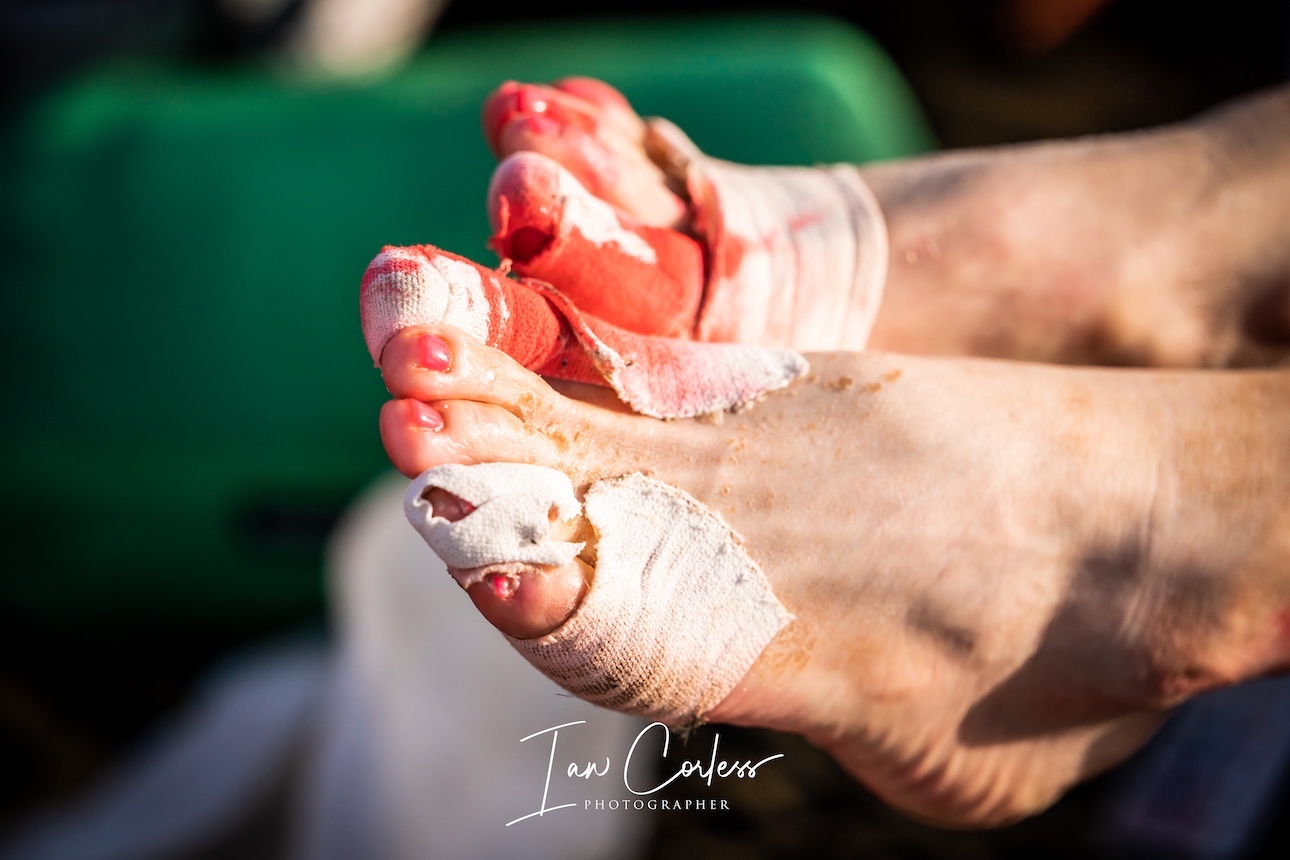
Many a multistage race is ruined by bad personal management of feet. Think about this well in advance of the race by choosing socks and shoes that work for you. Also choose shoes appropriate for the terrain you will be racing on. A shoe for MDS will be very different to a shoe for the Himalayas for example. By all means take advice on shoes from previous competitors BUT you are unique and your needs are unique. Do you pronate? Do you supinate? Do you need a low or high drop? Do you prefer a cushioned shoe or a more minimalist shoe? What about grip, do you need any? Do you need to fit gaiters? The questions can go on and on and only you can make a choice. If all this is new to you. Go to a running store that understand runners and can provide expert and impartial advice. They will assess you and your run style and provide advice. One consideration for multistage racing is that your foot ‘can’ possibly swell due to variables such as heat, running day-after-day and so on. Your foot will not go longer, but it may go wider. So, think about shoes that have some room in the toe box. Don’t purchase shoes that are 1 or 2 sizes larger – this is poor advice. Larger shoes will only allow your foot to move… a moving foot causes friction, friction increases the risk of soreness and soreness will lead to a blister. Also think about walking. Many people choose a shoe because they are good to run in… But how do they feel when you walk? Remember, a multistage race can involve a great deal of walking!
Do you have sensitive feet? If so, you can prepare your feet in the run-up to an event. Also make sure your nails are trimmed back. While racing, if you have blisters, stop and get them treated as soon as possible. Take responsibility and learn basic footsore before an event. You need to make sure you can make any necessary treatments. Finally, many races have a medical team that are provided to look after you and your feet. Don’t hesitate to use them, but remember, there may be a big line waiting. Self-care is an excellent way to make sure that you are ready to run in your own timeline.
4 – BALANCED PACK
Not all multistage races are the same. The Coastal Challenge in Costa Rica, for example, is not self-sufficient so a runner only needs to carry liquid, snack food and any ‘mandatory’ kit. By contrast, a self-sufficient multistage race requires you to carry everything. A simple rule is keep everything as light as possible and keep your pack balanced. Luxuries really are luxuries in a race over multiple days so really ask yourself, do I need to take that? You will need mandatory kit as specified by the race and in addition you will need (as a guide):
Sleeping bag
Sleeping matt
Warm layer
Spare socks
Food (minimum calories are specified per day)
Clothes, shoes, hat, sunglasses – but you will be wearing these so they don’t go in the pack.
That’s it. Keep it simple and if at all possible, get your pack with its contents as close the minimum weight as specified by the race.
By general consensus, a luxury item is considered a music player (or 2) such as an iPod shuffle.
Also remember that minimum pack weight will be without water, so, if your pack weighs 6.5kg, you will have to add 1.5kg on the start line on day 1. This is where a front pack or a pack where bottles sit on the front works really well. Bottles on the front help balance the front and the back and provide a greater running experience. Also, think about items your need whilst running… it’s not a good idea having them in the back, they need to be at the front so you can access them ‘on-the-go!’
Many packs are available to choose from and you will see two or three are very popular – WAA, Ultimate Direction and Raidlight. Choosing a pack is light choosing shoes; we are all personal. However, keep a pack simple, make sure it’s comfortable and make sure it has little or no bounce when running/ walking.
Consider joining a multistage/ multi-day training camp HERE
5 – PROTECT FROM THE SUN
The sun can be a killer in any race, single stage or multistage – use sun protection and apply it daily. Also use products like arm coolers, a hat and a buff. At aid stations or whilst racing, you can keep these wet which will help cool you. Particularly the buff. If you overheat, slow down and apply cold/ water to the back of the neck. Use UV protective clothing and the jury is out on if clothing should be tight or loose. This often comes down to personal preference.
6 – EAT WELL
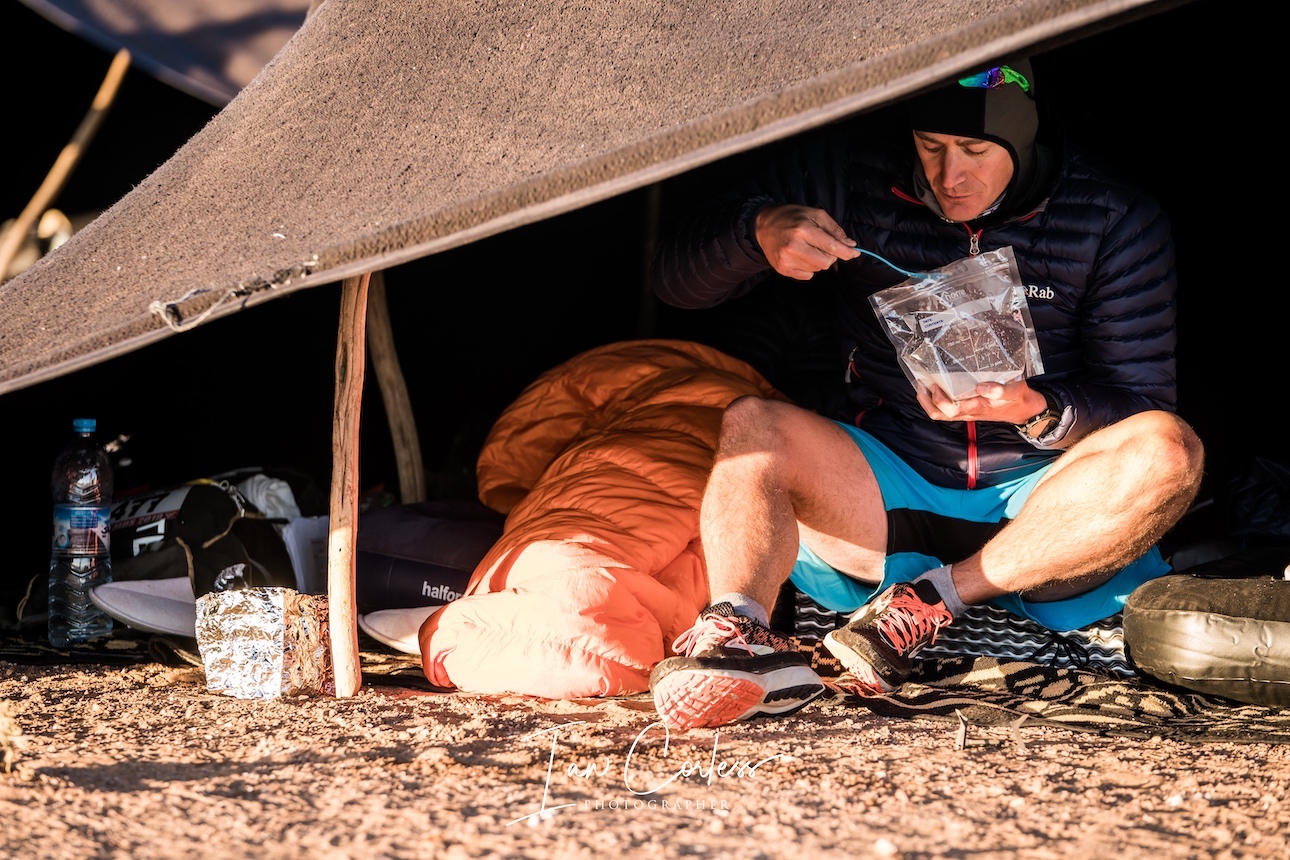
Any multistage race is quickly broken down into three phases – running, eating and sleeping. Food is a really important part of any race as it has to perform many functions. Most importantly, it has to sustain you so you will need carbohydrate, protein and fat. Individual requirements will vary but carbs will restore energy, protein will repair and fat is essential as this is one of the primary fuel sources for a multistage race. Remember though, our bodies have an unlimited reserve of fat. It’s important to understand that your diet whilst training may well be very different to when racing. In training you may well have eaten less carbs to teach your body to use fat, but when racing, you need to recover and be ready to run/race again the next day. Have variety in your food as your palette will change with fatigue, dehydration and heat. Real foods are good but dehydrated food also has a place. You also need to decide if you will require a stove for heating water? Don’t think twice about stepping up a little on the organization’s requisite minimum daily dose of 2,000 calories a day, remember though, it’s all weight!
7 – REST
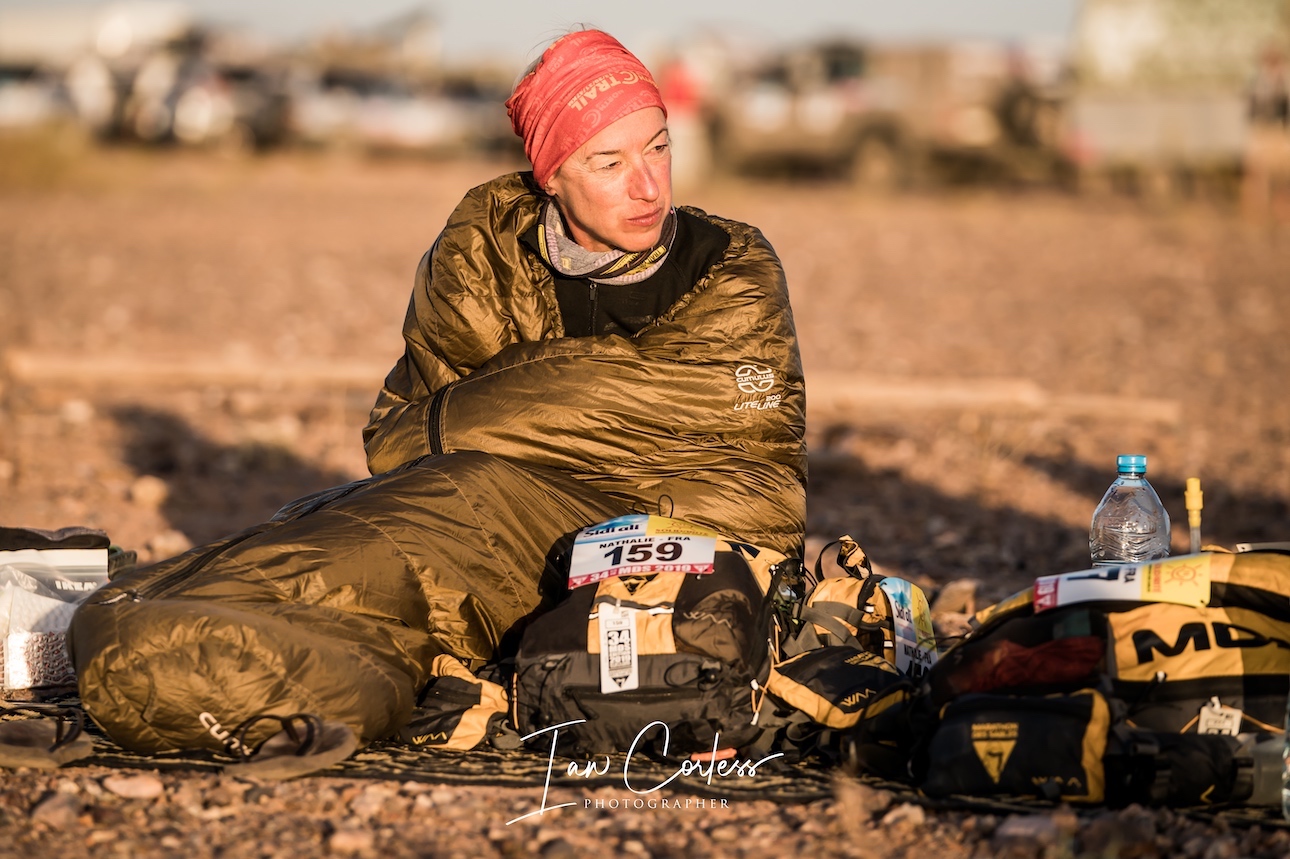
Rest is crucial and how much you get will depend on how fast you run. Front runners have no shortage of rest time, however, those at the back of the race get minimal rest. Make sure you have a good sleeping bag that is warm enough for you and is as light and packs small as possible. You can save weight by not carrying a sleeping matt – general consensus says that carrying one is worthwhile as sitting and sleeping is much more comfortable. Matts come in two types: inflatable or sold foam. Inflatable matts work really well, pack small but you run the risk of a puncture without diligence. Foam matts won’t puncture but they can be bulky.
Make sure you have a warm layer for comfort, temperatures drop with darkness. A jacket (usually down) will also allow you to add warmth while sleeping if required. A lightweight sleeping bag and down jacket is preferable (by general consensus) over a combination sleeping bag that turns into a jacket. A jacket and bag offers flexibility, weighs less and packs smaller but will be considerably more expensive.
8 – PACE
Remember that you have entered a race that lasts multiple days. Spread your effort and have the big picture in mind – pace yourself. Don’t set off too quickly and consider race profiles, distances and cut-off times. YOU take responsibility of when you need to be at checkpoints. A day with a great deal of climbing, soft sand or technical train will take longer, allow for this and be prepared. Most multistage races have a long day and it’s fair to say it is the most feared day – keep some energy back for that day. Remember, the long day often has a generous time allowance so don’t be worried by taking a sleep break midway through.
9 – KEEP ON TRACK
Most races will have markers for you to follow but be sensible and self-aware of the challenge. If a race requires you to carry a map and compass, then please understand how to use them. Carry a Spot Tracker for safety and if you use a GPS such as Suunto or Garmin, remember that these watches plot a route that you can use to backtrack. In a race like MDS it is difficult to go off course due to the volume of people, remember though that dunes are not way-marked and you will be given a bearing to run off. If you are alone or in the dark, an understanding of how this works is a positive.
10 – ENJOY IT
A multistage journey often offers so much more than any single-day race. It’s an experience like no other and friends made in the desert, jungle or mountains will stay with you forever. Also remember that this journey is a hark back to a more primitive and simple time – embrace that. Leave gadgets at home and live a simple life for a week – I guarantee it will change you!
Please support this website. I believe everyone deserves to read quality, independent and factual articles – that’s why this website is open to all. Free press has never been so vital. I hope I can keep providing independent articles with your help. Any contribution, however big or small, is so valuable to help finance regular content. Please support me on Patreon HERE.
The 2020 ‘The Coastal Challenge’ is upon us! Six days, 230.5km of racing and 9543m of vertical gain, 9413m of vertical descent – TCC is more than a challenge!
Hugging the coastline of the tropical Pacific, TCC is the ultimate multi-day experience that weaves in and out of the Talamancas; a coastal mountain range in the Southwest corner of this Central American country.
The terrain is ever-changing from wide, dusty and runnable fire trails to dense and muddy mountain trails. Runners will cross rivers, boulders, swim through rivers, pass under waterfalls, survive long and relentless beaches and finally finish in the incredible Corcovado National Park, a Unesco World Heritage site with a stunning final loop around Drake Bay before departing for their journeys home via speedboat.
The Race:
Stage 1 34.6km 1018m of vert and 886m of descent
Stage 2 39.1km 1898m of vert and 1984m of descent
Stage 3 47.4km 1781m of vert and 1736m of descent
Stage 4 37.1km 2466m of vert and 2424m of descent
Stage 5 49.8km 1767m of vert and 1770m of descent
Stage 6 22.5km 613m of vert and 613m of descent
Total 230.5km – Vertical 9543m/ Descent 9413m
Stage 1
It’s a tough day! Runners depart San Jose early morning (around 0530) for a 3-hour drive to Playa Del Rey, Quepos. It’s the only day that the race starts late and ‘in the sun!’. It’s the toughest day of the race, not because the the terrain or distance, but because of the time of day! The runners are fresh and feel great. That is until about 10km and then they realise the heat and humidity is relentless. It’s a day for caution – mark my words! The 34.6km is very runnable with little vertical and technicality, it welcomes the runners to Costa Rica.
Stage 2
From here on in, it is an early breakfast, around 0400, the race starts with the arrival of the sun! The only way is up from the start with a tough and challenging climb. It’s a tough day with an abundance of climbing and descending and a final tough flat stretch on the beach, just as the heat takes hold.
Stage 3
It is basically 25km of climbing topping out at 800m followed by a drop to sea and a final kick in the tail before the arrival at camp. For many, this is a key day and maybe one of the most spectacular.
Stage 4
It’s another tough start to the day with a relentless climb, but once at 900m the route is a roller coaster of relentless small climbs and descents, often littered with technical sections, rain forest, river crossings and boulders. At 30km, it’s a short drop to the line and the finish at 37.1km.
Stage 5
The long day but what a beauty! This route was tweaked a couple of years ago and now has become iconic with tough trails, plenty of climbing, sandy beaches and yes, even a boat trip. The finish at Drake Bay is iconic.
Stage 6
The victory lap! For many, this stage is the most beautiful and memorable. In just over 20km, the route manages to include a little of all that has gone before. It’s a stage of fun and challenges and one that concludes on the beach as a 2018 medal is placed over your head – job done!
THE 2020 ELITE LINE UP
Katlyn Gerbin
Kaytlyn joins the line-up of the 2020 TCC with an extremely solid and consistent resume, known in Canada and the USA for a string of top performances, it was a podium place (2nd) at Transgrancanaria that introduced her to worldwide attention. Winner of the Pine to Palm 100 in 2016, Kaytlyn has mixed races distances for the last 3-years, excelling at 50km and 100km with victories at Gorge Waterfalls and Sun Mountain amongst others. In 2017 she won Cascade Crest 100 but her calling cards are 4th place and 2nd place at the 2017 and 2018 Western States.
Manuela Vilaseca
Is a last-minute entry to the race but that is no problem for the experienced ultra-trail and mountain runner. In November, she once again made the podium at the Everest Trail Race. She has two top-10 finishes at UTMB and a high-ranking in the UTWT. Born in Brazil, Manuela will embrace the Pura Vida approach of The Coastal Challenge.
Abelone Lyng
Hailing from Scandinavia, Abe has gained a reputation in just 4-years for tenacity in ultra-trail races. She recently won the 230km Ice Ultra in the Arctic wilderness and placed 4th overall. TCC no doubt will give this cold weather expert some new challenges but Abe embraces a challenge!
Rebecca Ferry
Becks, as she is known to her friends, has gained a reputation in recent years for achieving great results, be that Everest Trail Race or on the UK trails setting course records. She comes to the TCC with excellent experience of multi-day racing and is a prime contender for the podium.
Brittany Peterson and Kelly Wolfe were due to race and both have sustained injuries preventing participation in the 2020 race. Brittany however will still join us in Costa Rica.
MEN
Cody Lind
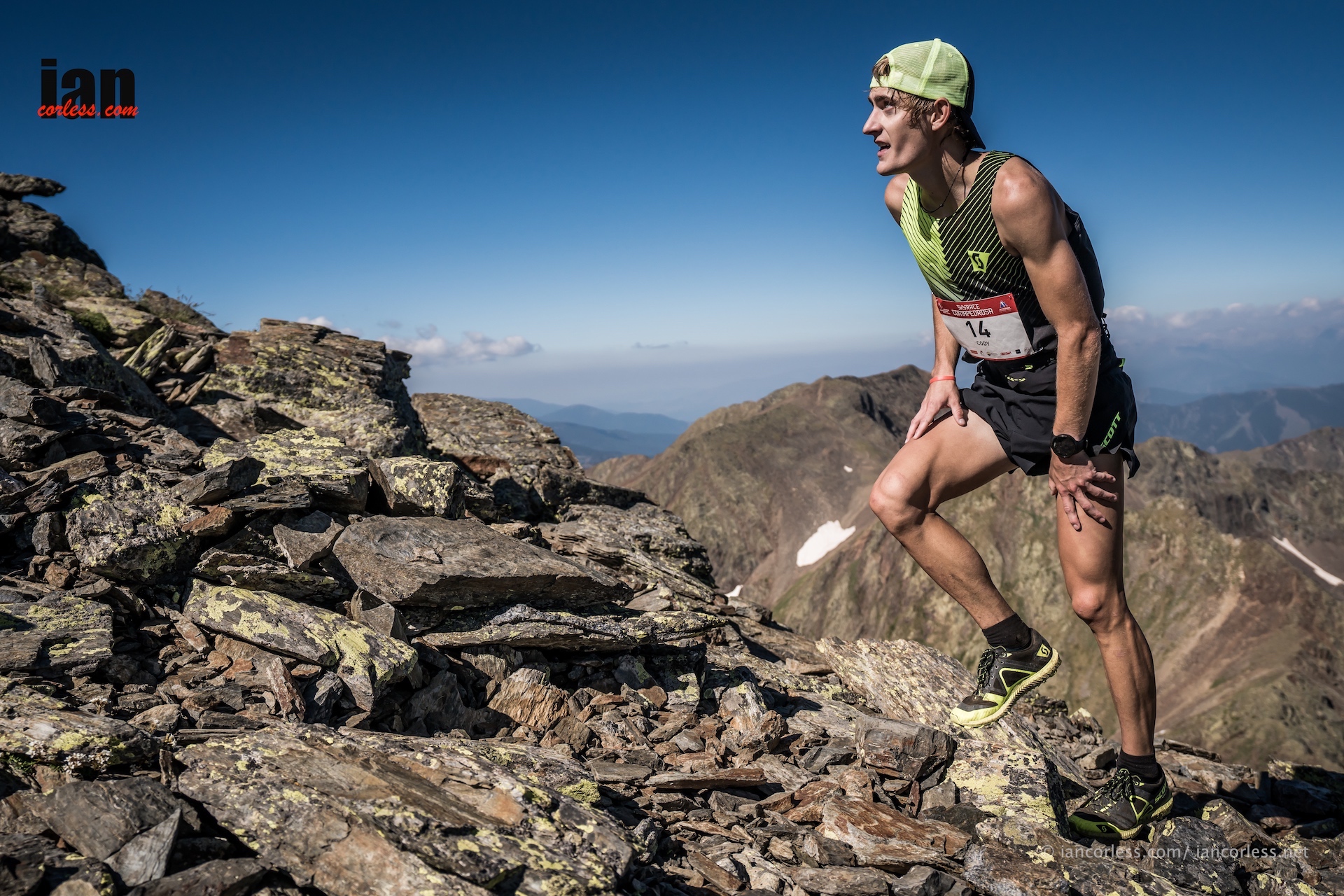
Cody has been racing for some years, but may well have only come on your radar after 2017 with a very committed foray in the Skyrunning circuit – He placed 8th at Tromso in 2017 and then followed the SWS circuit racing on iconic courses throughout the world. Recently he raced them Rut in the USA and came away with victory. Cody manages to mix speed and technical ability, it’s a perfect mix for the trails in Costa Rica.
Andy Symonds
Andy is one of the UK’s greatest mountain runners. He has traditions in fell running and has mixed Skyrunning and ultra-running throughout a long and successful career. He recently placed 5th at UTMB after 3 attempts. He has raced Marathon des Sables and placed in the top-10 but Andy will always be considered a mountain specialist. He has won Lavaredo, placed 3rd at Marathon Mont Blanc, 5th at Transgrancanaria and has represented his country at many World Championships. The technical and demanding trails of Costa Rica with plenty of climbing and descending provide Andy a perfect playground.
Mauricio Mendez
Mauricio is a rising star from Mexico who is currently an Xterra World Champion. He joins TCC as somewhat as a dark horse but no doubt he will be the hope of the locals. He started running because of his Father and in his own words, is a dreamer!
Julien Chorier unfortunately, took a fall in training and sustained a fracture and therefore is unable top race in the 2020 edition of the race. We wish him a speedy recovery and hope he can join TCC2021. Jordi Gamito should have toed the line at the 2019 TCC but injury prevented his participation and once again, while training in Africa over Christmas, he has sustained a knee injury which unfortunately will keep him away from the race.
The 2020 TCC starts in February as runners from all over the world will assemble in San Jose before transferring to the coast for stage 1 of the race starting on Saturday 8th. Year-on-year, the TCC has grown to be one of ‘the’ most iconic multi-day races.
Dean Karnazes born Constantine Karnazes; August 23, 1962, is an American ultra-marathon runner, and author of Ultramarathon Man: Confessions of an All-Night Runner, which details ultra endurance running.
Karnazes has completed a plethora of endurance events, most notable achievements include:
Ran 350 miles (560 km) in 80 hours and 44 minutes without sleep in 2005.
Single-handedly completed “The Relay”, a 199-mile (320 km) run from Calistoga to Santa Cruz, eleven times
Ran a marathon to the South Pole in −13 °F (−25 °C) temperatures without snowshoes in 2002
Ran a marathon in each of the 50 states in 50 consecutive days in 2006
Other athletic achievements include:
Winner (male), Badwater Ultramarathon (135 miles (217 km) across Death Valley in 120 °F (49 °C) temperatures), 2004 (with five other top-10 finishes from 2000-2008)
TALK ULTRA podcast will be released as normal providing you long shows as it has always done with ideally two shows per month. The back catalogue will be released randomly via the INTERVIEWS and not chronologically.
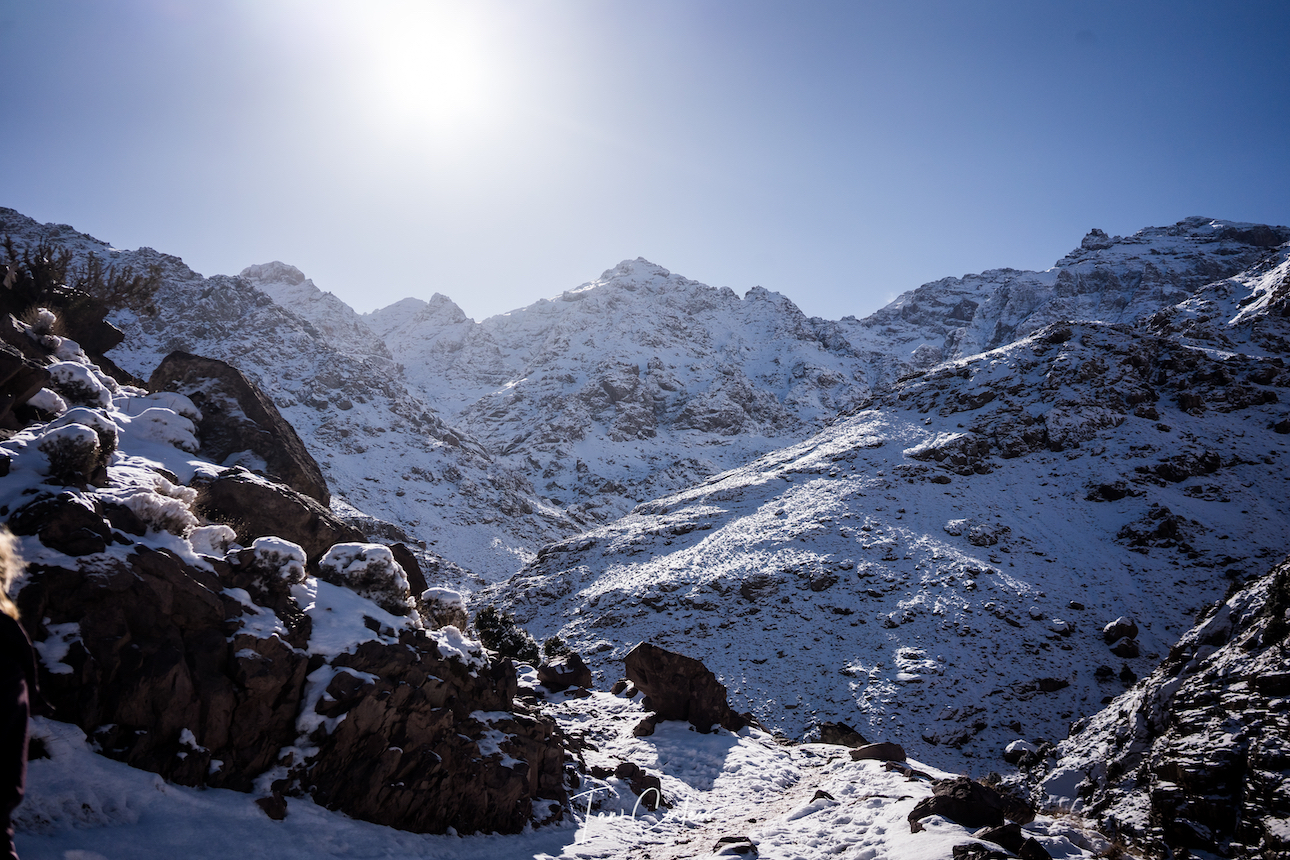
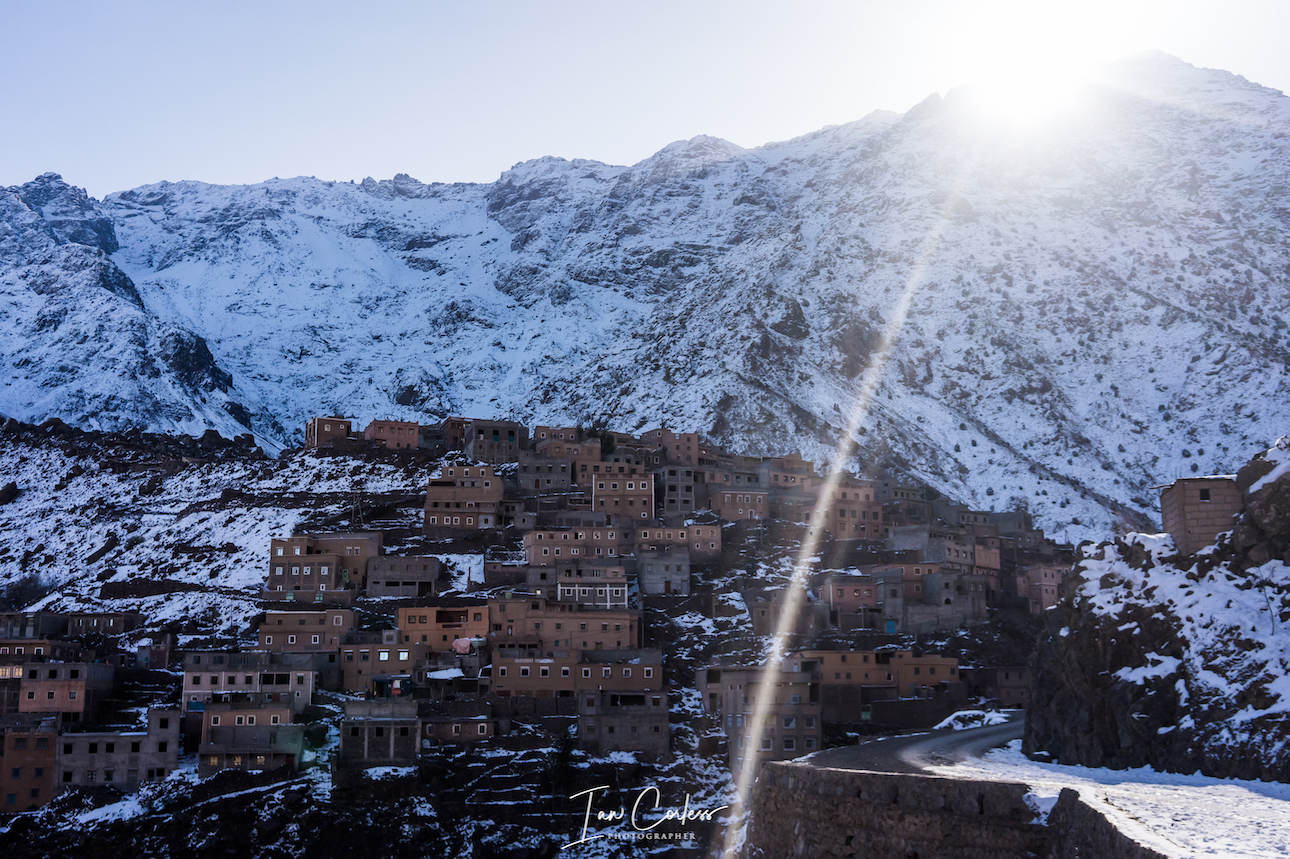
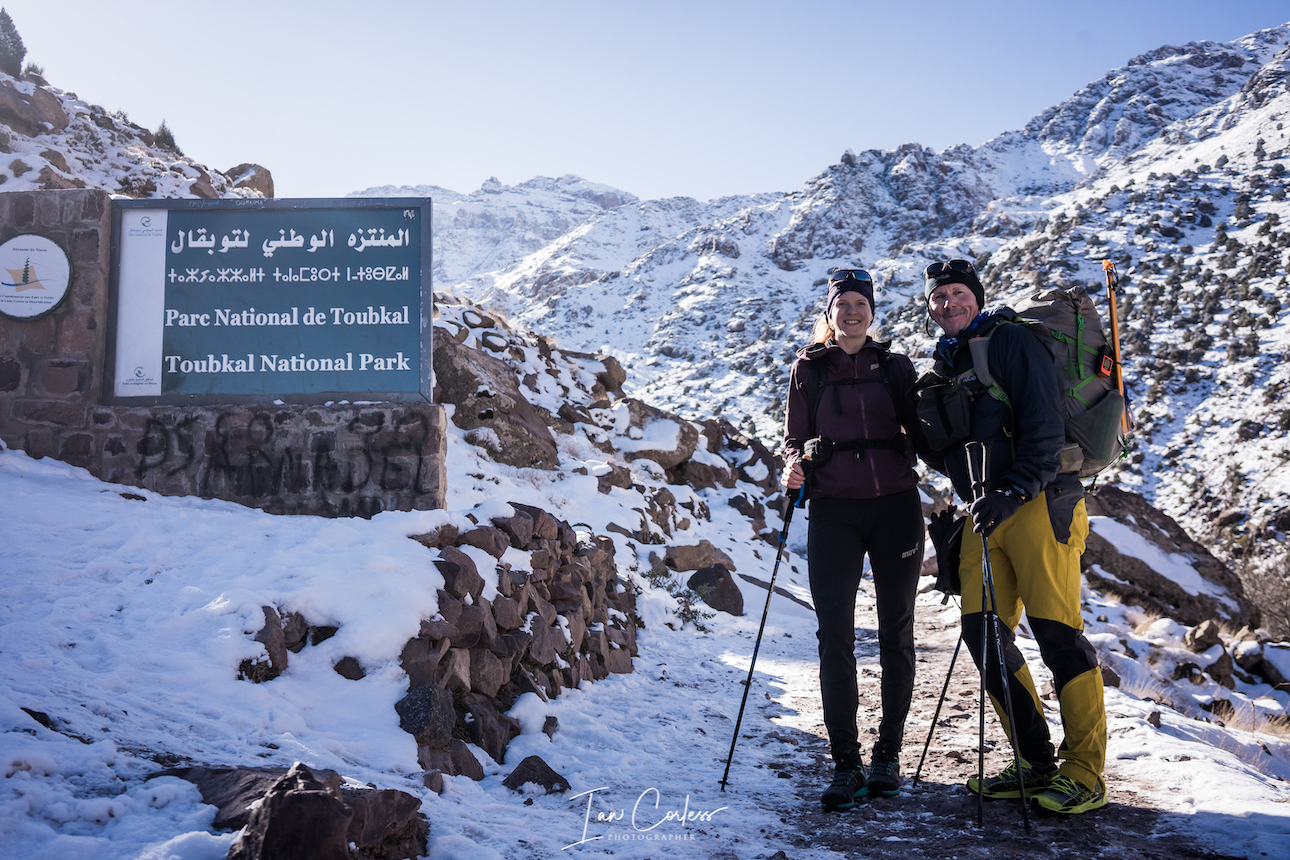
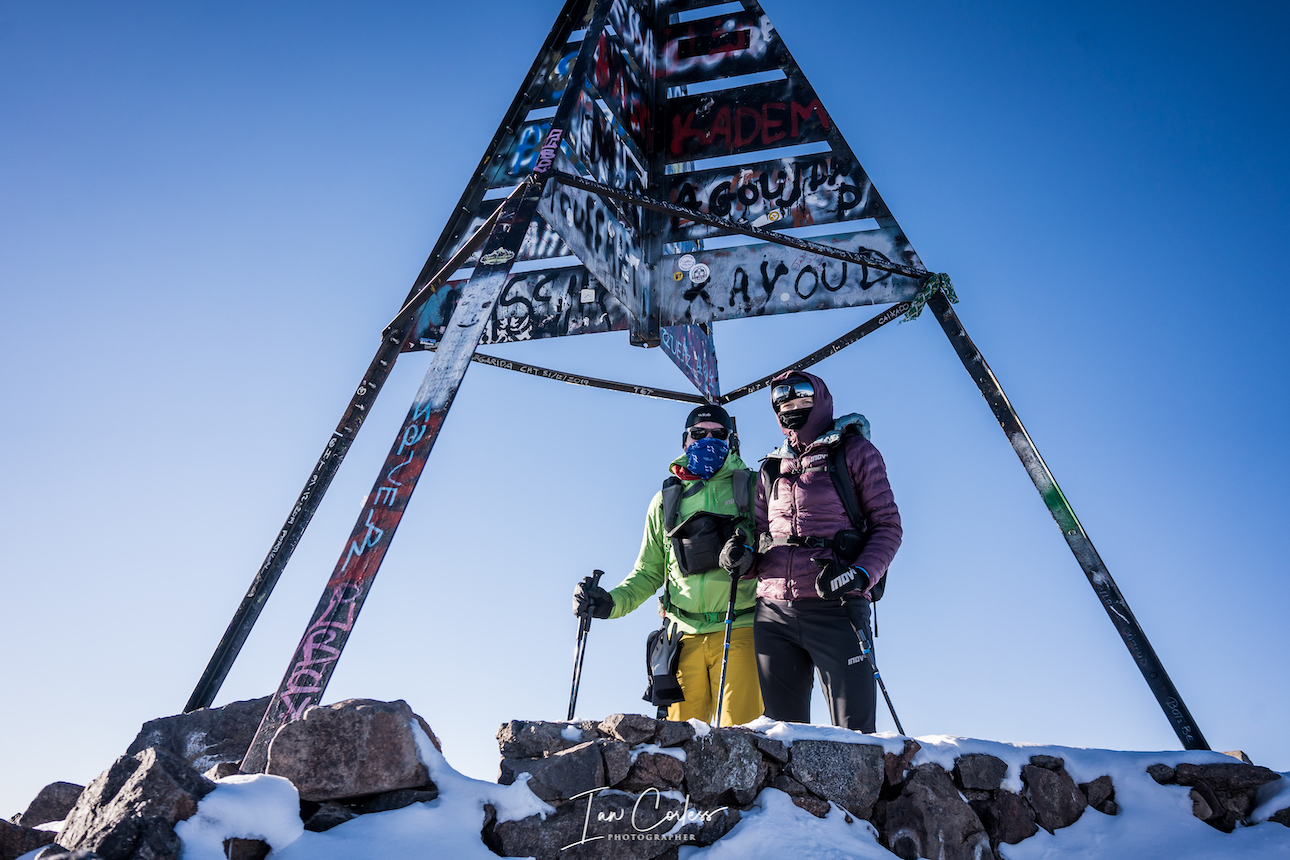
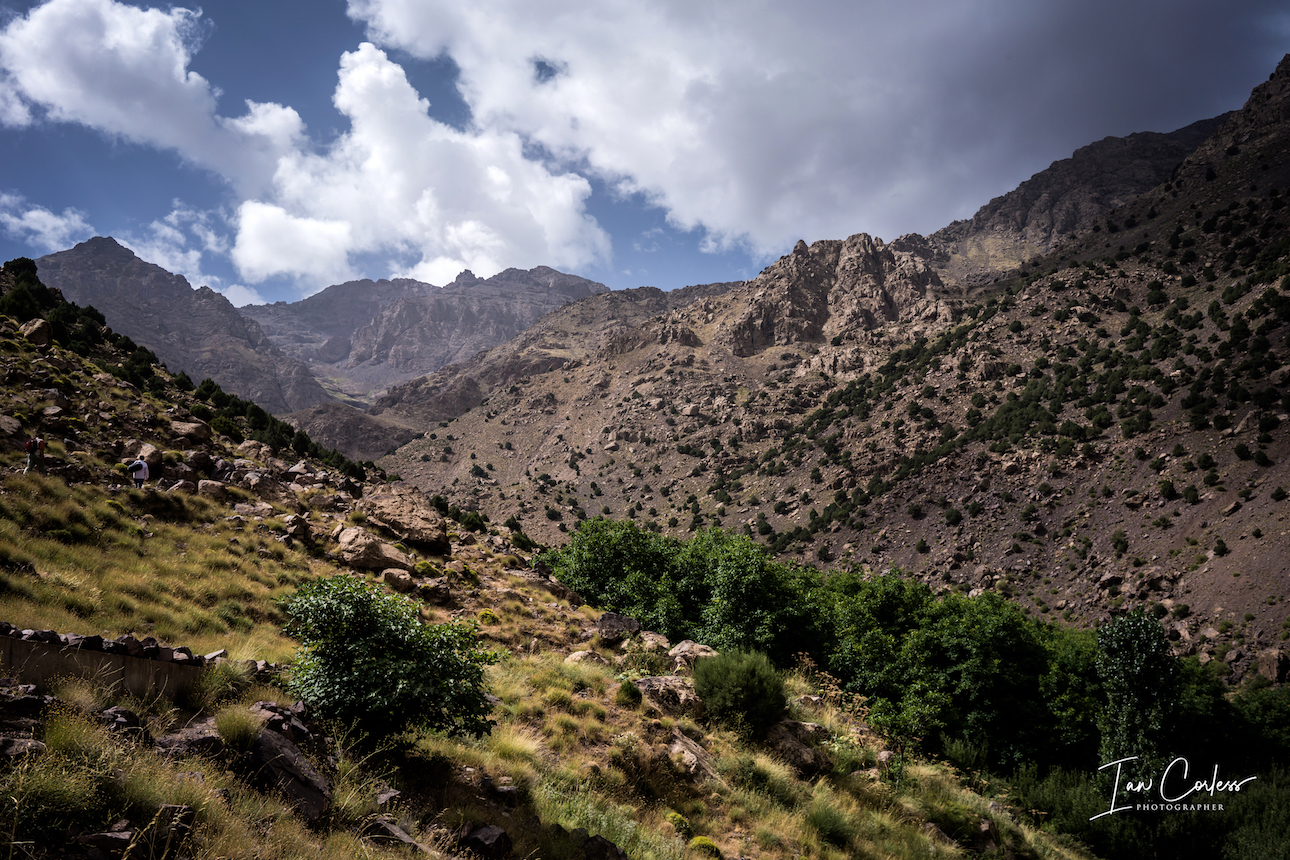
Located just 75-minutes’ drive from Marrakech (approximately 40-miles) the Toubkal National Park and Jebel Toubkal(4167m) is the highest peak in the Atlas Mountains. It is also, the highest peak in North Africa and the Arab World.
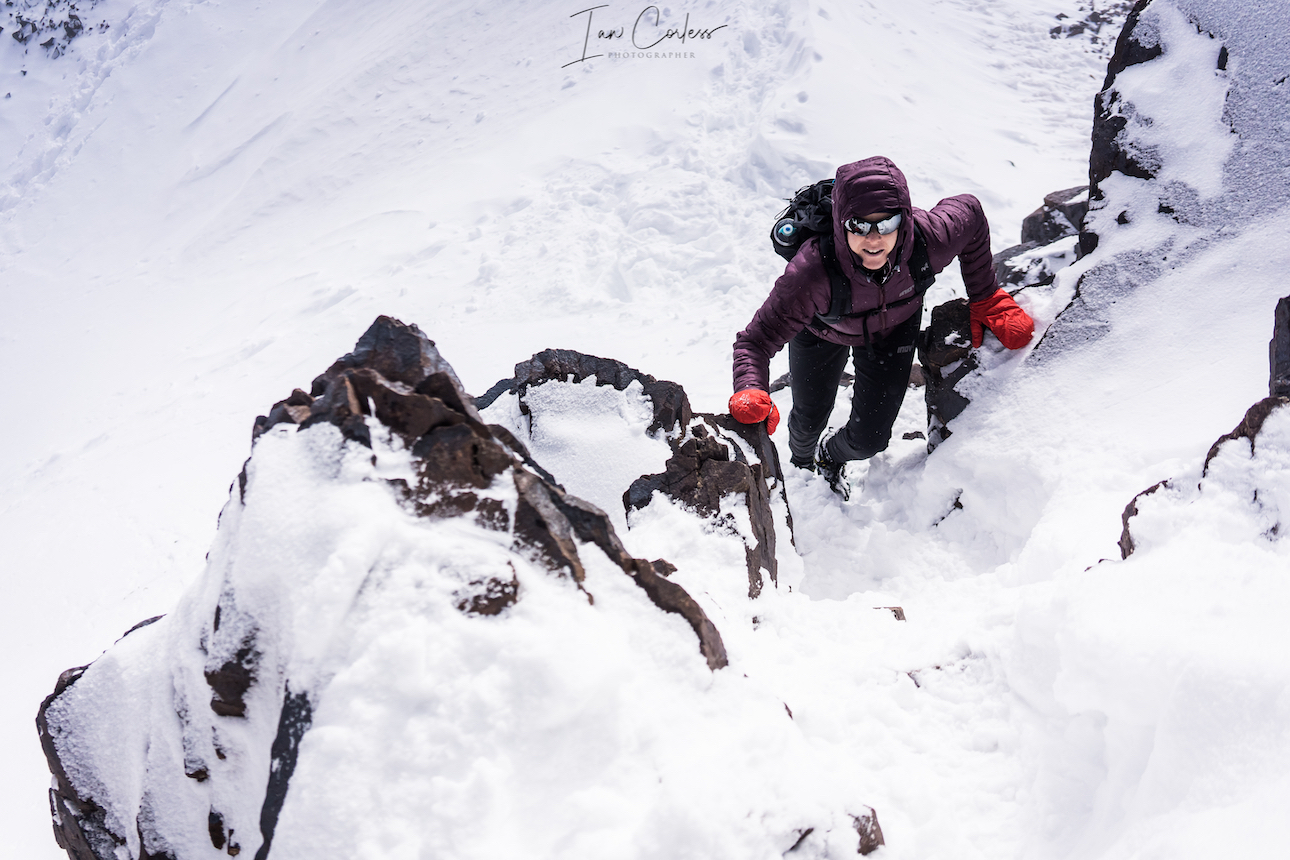
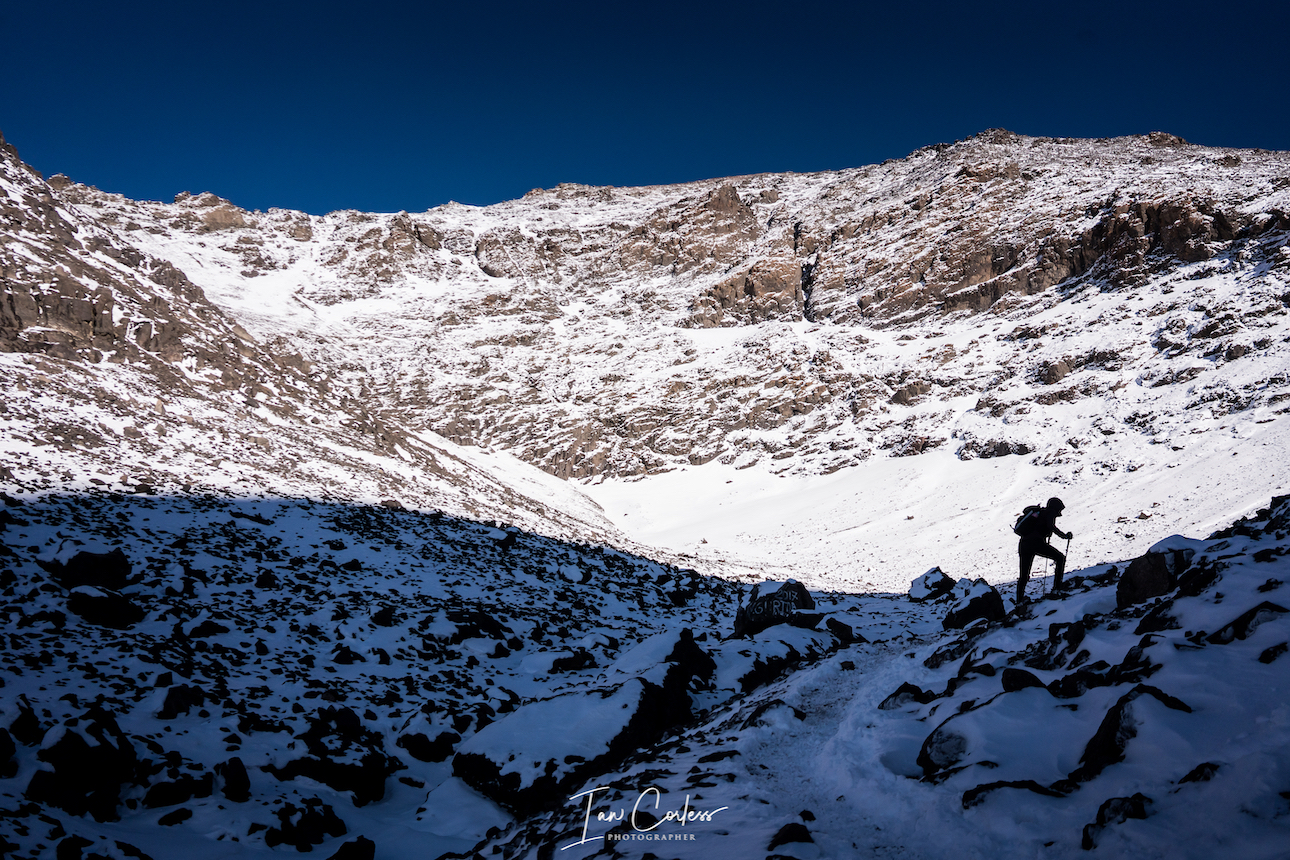
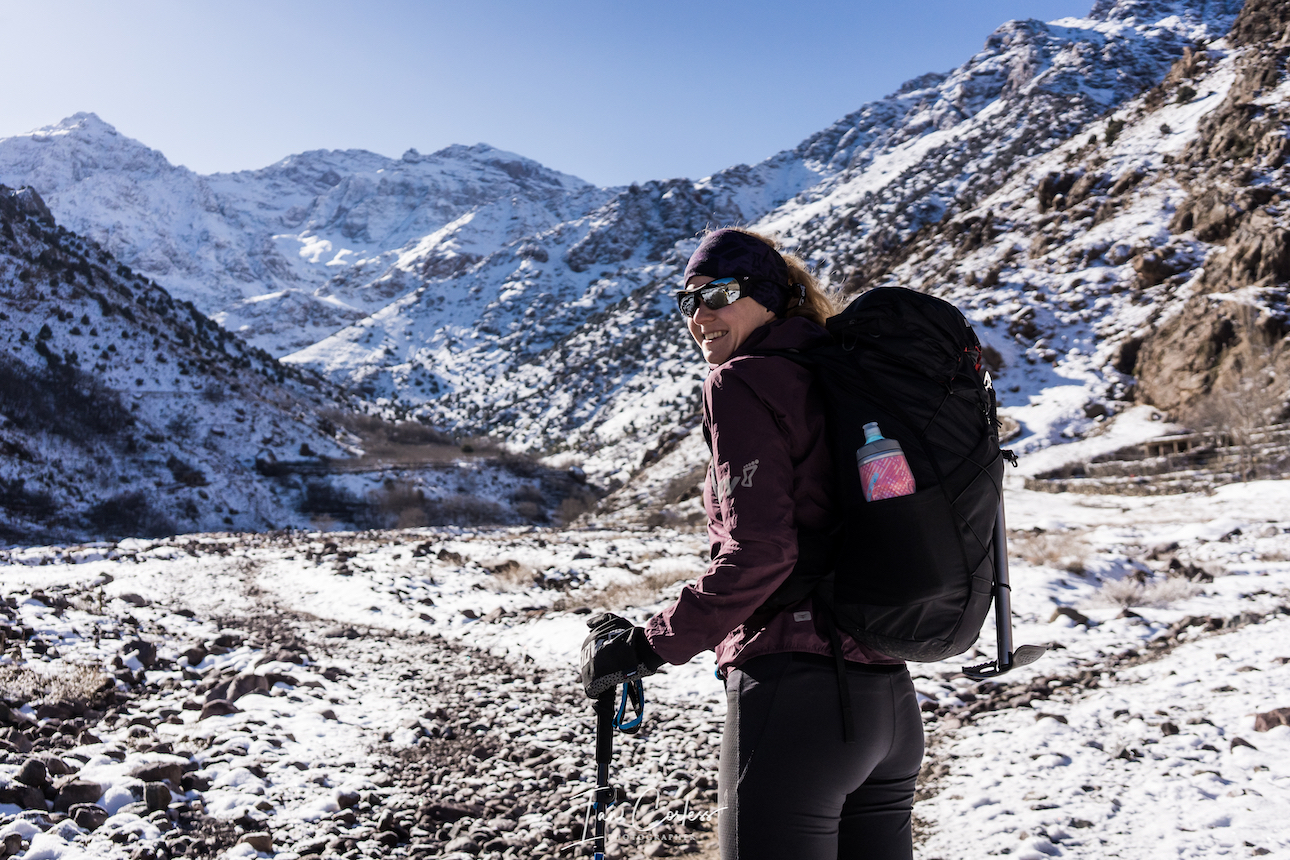
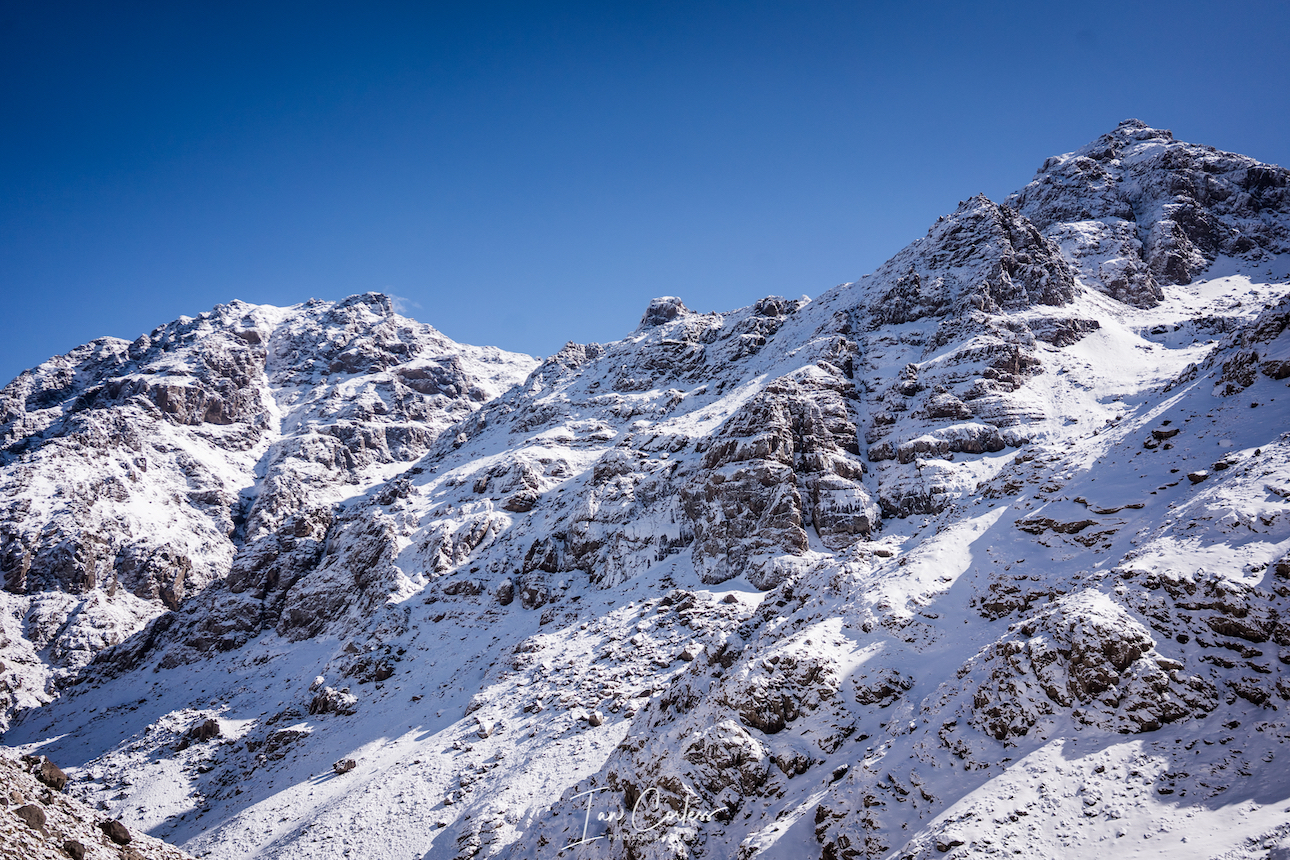
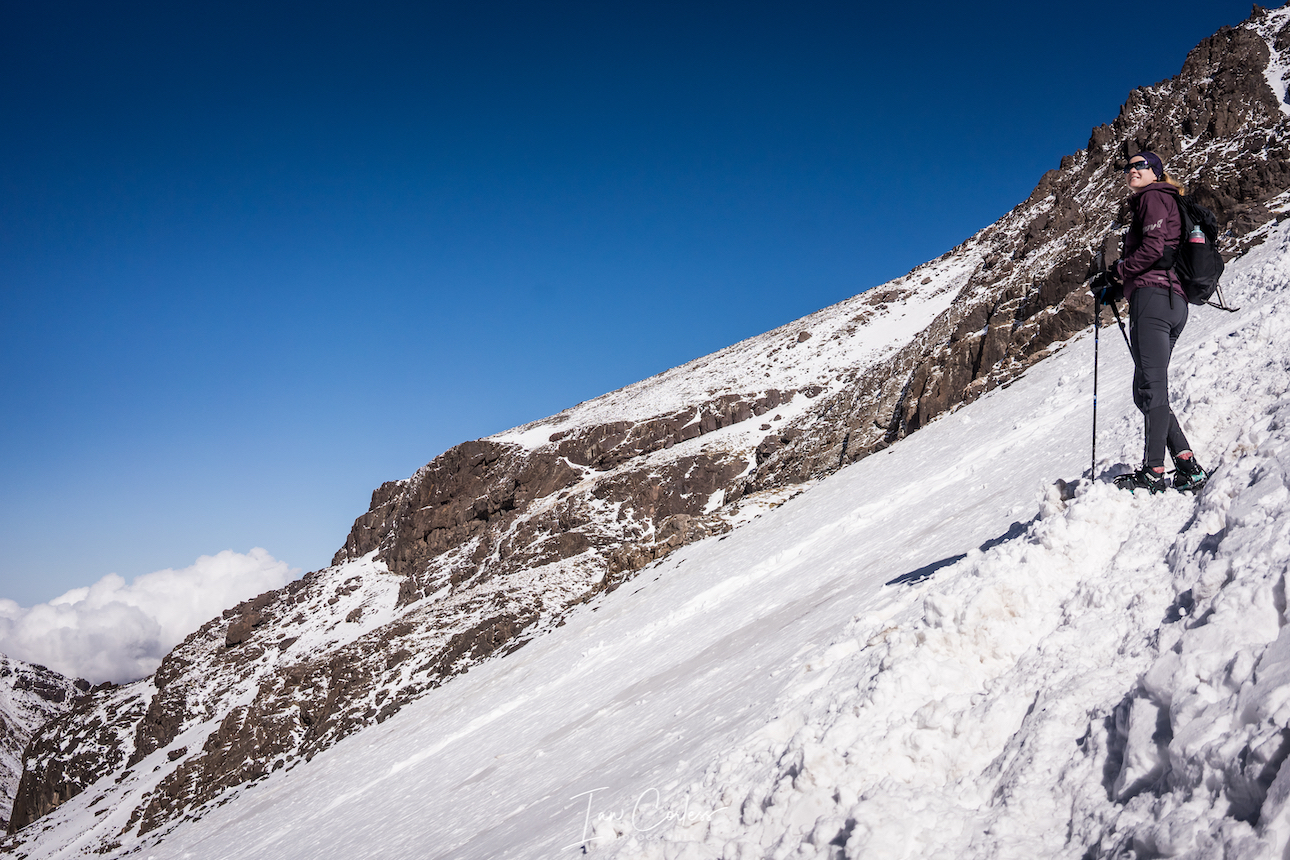
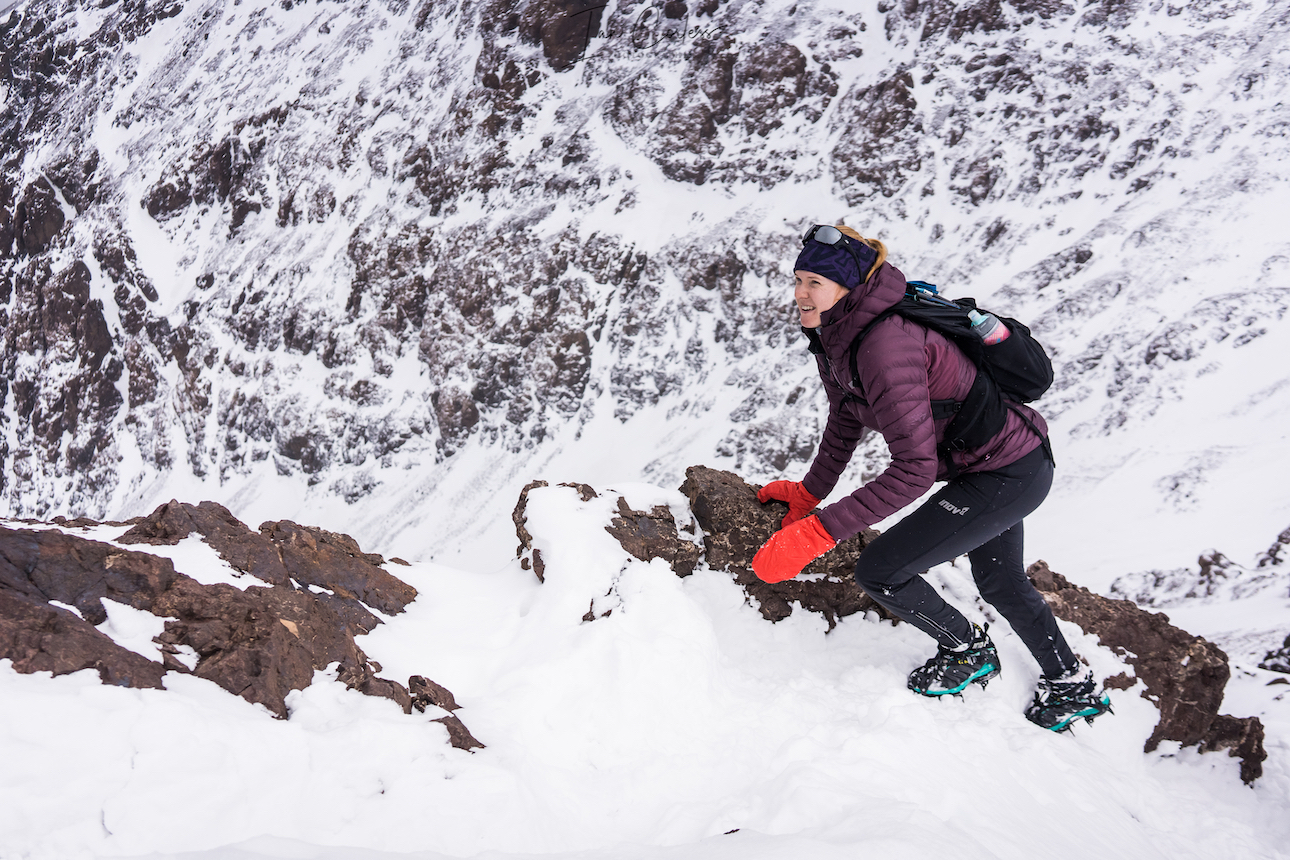
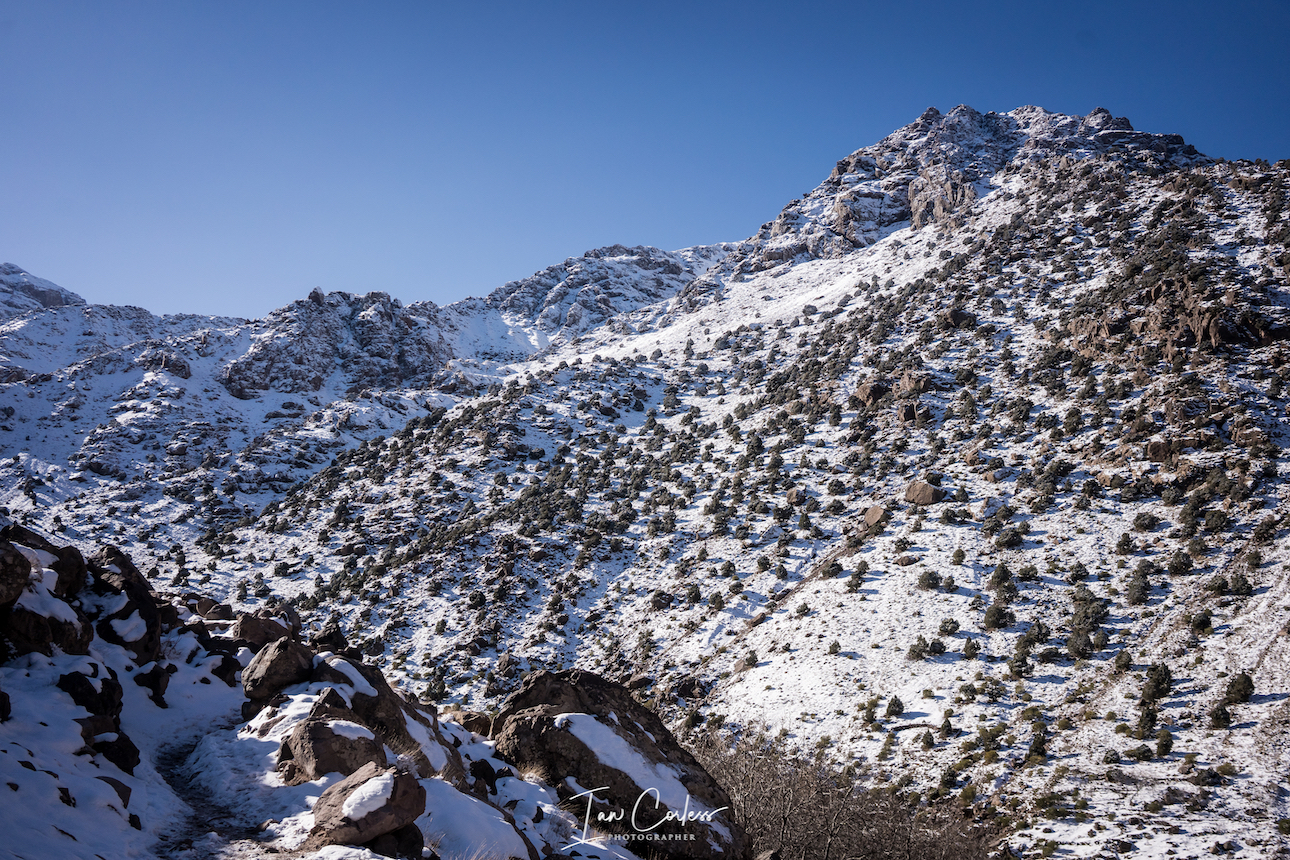
Toubkal has two-seasons, Winter and Summer. In winter, summiting the peak brings new challenges as it is completely covered in snow. Winter mountain skills are required, and the use of crampons is essential.
I wrote an in-depth article about visiting Toubkal in summer months HERE and some of the information from that article is repeated below.
PRACTICALITIES
The gateway to Toubkal is Marrakech which is less than a 90-minute journey away from Imlil via taxi or private car. Imlil is the starting point for any adventure in the Atlas Mountains with a small village of restaurants, shops and hotels.
Flights to Marrakech are abundant and many budget airlines offer great prices, particularly if one can travel on a weekday.
If you have not been to Morocco before, I strongly recommend staying in Marrakech for several days before and after any trip to the Atlas. Even now, after multiple trips to the region, I still enjoy a pre/post stay in a Riad (local traditional hotel) to help provide some luxury and RnR either side of a strenuous hiking/ climbing period. There are many Riads in Marrakech all offering something unique and prices vary considerably, my favourite is the Dixneuf La Ksour which has only 6 rooms.
If you have been to the region before and want to maximize time, it is of course possible to land in Marrakech, get a taxi at the airport and be in Imlil within 2-hours. Riads in Imlil are very inexpensive and I have stayed at the ‘Riad Atlas Prestige’ on all my trips – it is inexpensive and offers great food.
A taxi to Imlil will be approximately 40 euro and a private car, usually arranged by your Riad will be 80 euro.
TOUBKAL and the ATLAS MOUNTAINS
If you have not been to the region before, it would make sense that you visit the area in the non-winter months when hiking/ climbing is much easier and very predictable.
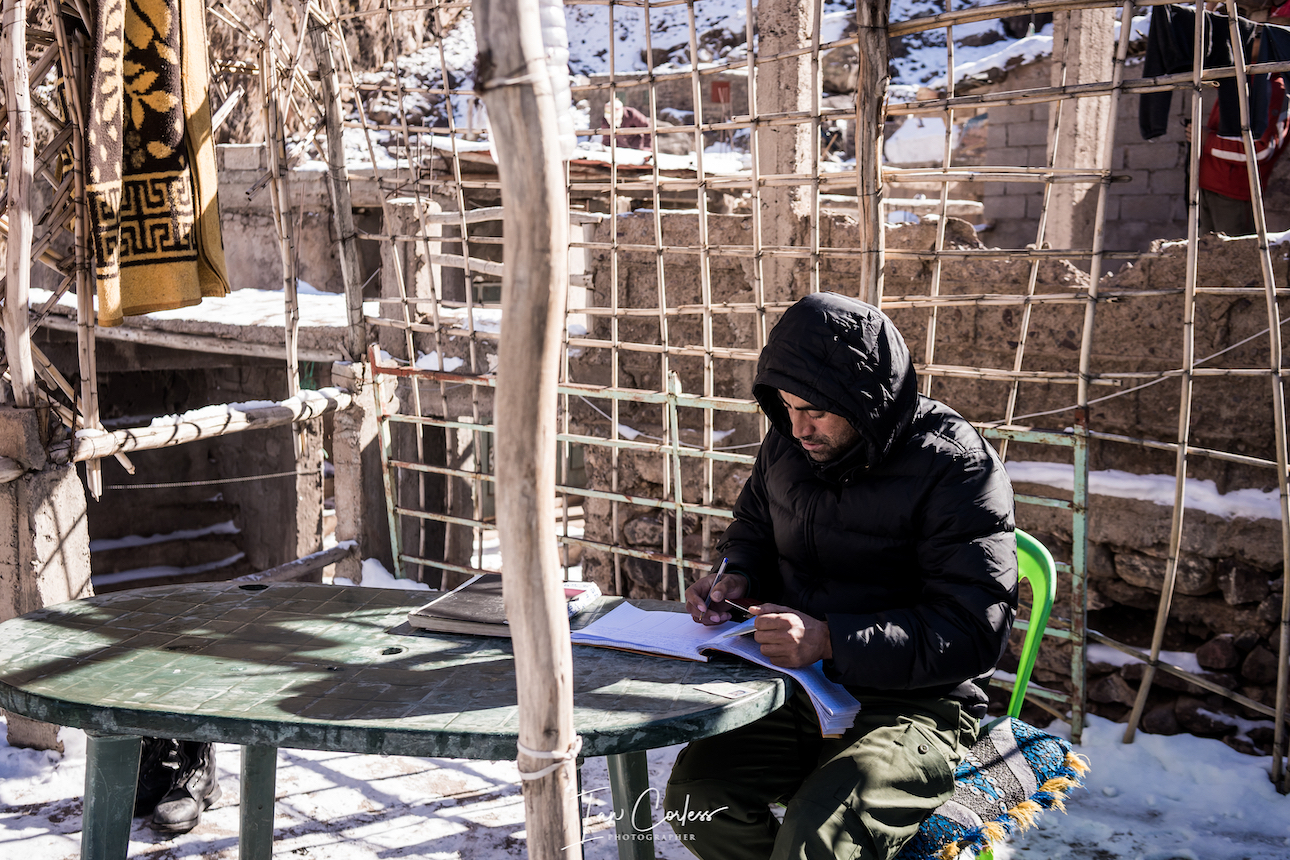
Please note! You now MUST have a guide for any treks/ climbs in the region. This was a rule imposed in late 2018. There are currently three passport checkpoints on the way to the refuge. This in time will change with one new police checkpoint that is currently being constructed just before the entrance to the National Park.
Our guide, Mustafa
The refuge at Toubkal is a great place to plan a booking as you are able to arrange a guide and a bed at the refuge all in one email. Hamid is my contact who is always helpful.
34.5 euro per person per night full board (Dinner, breakfast and lunch)
29.5 euro per person per night half board (Dinner and breakfast)
19.5 euros per person per night (without meals)
The refuge can also arrange the following for you:
Transport from and back to Marrakech
Accommodation in Imlil
Mountain Guide
A guide will be approximately 50-80 euro per day and is payable in Euro (cash only).
CLIMBING and TREKKING
Toubkal is considered an entry level 4000m peak and as such it is a great place for training and gaining experience, particularly in summer.
In winter, it is still considered an entry level 4000m peak, however, far more equipment is required and some exposure to harsh winter environments would be strongly recommended.
In summer one can usually wear shorts and t-shirts during the day but it is essential to have trekking pants, a warm upper layer, waterproof jacket/ trousers, hat and gloves at a minimum for any summit treks. Poles are for many an essential item too!
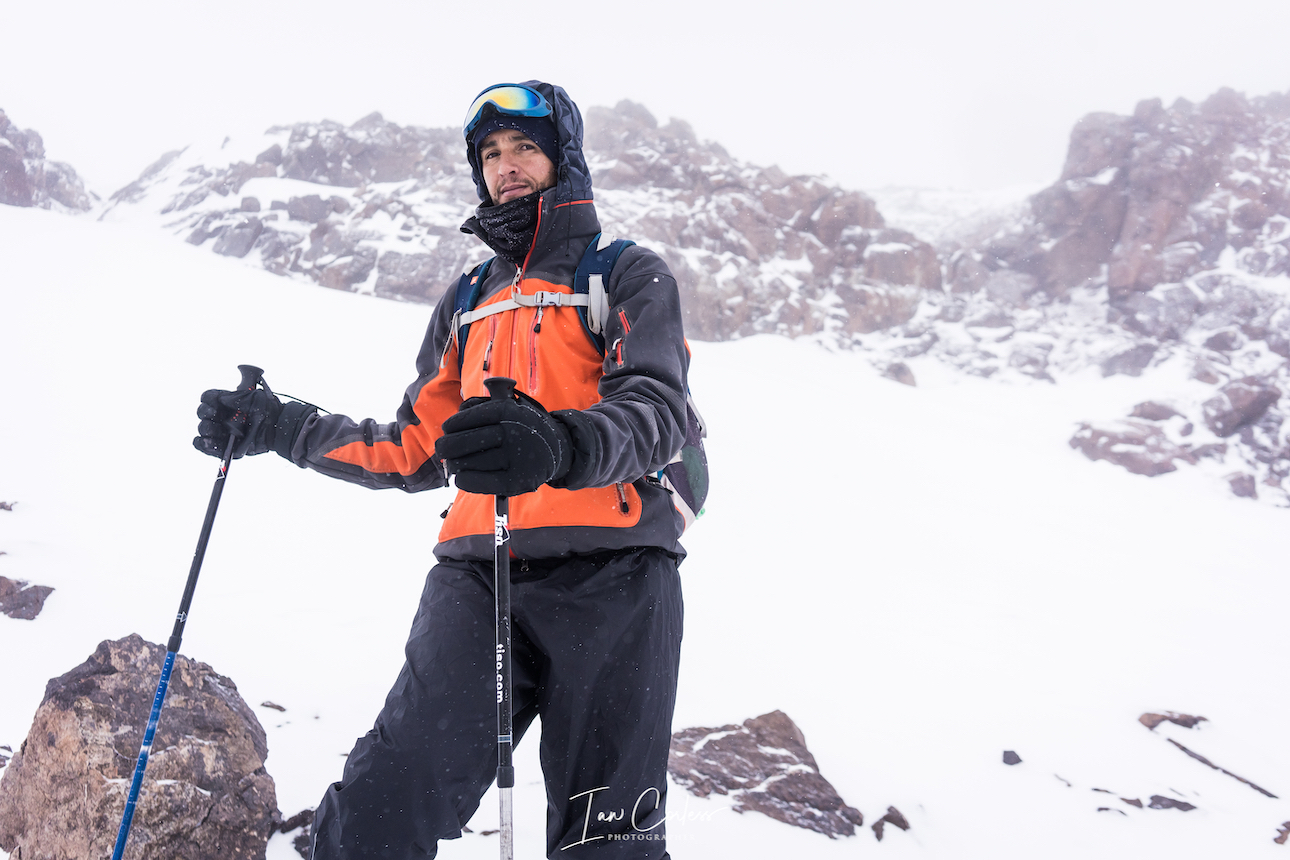
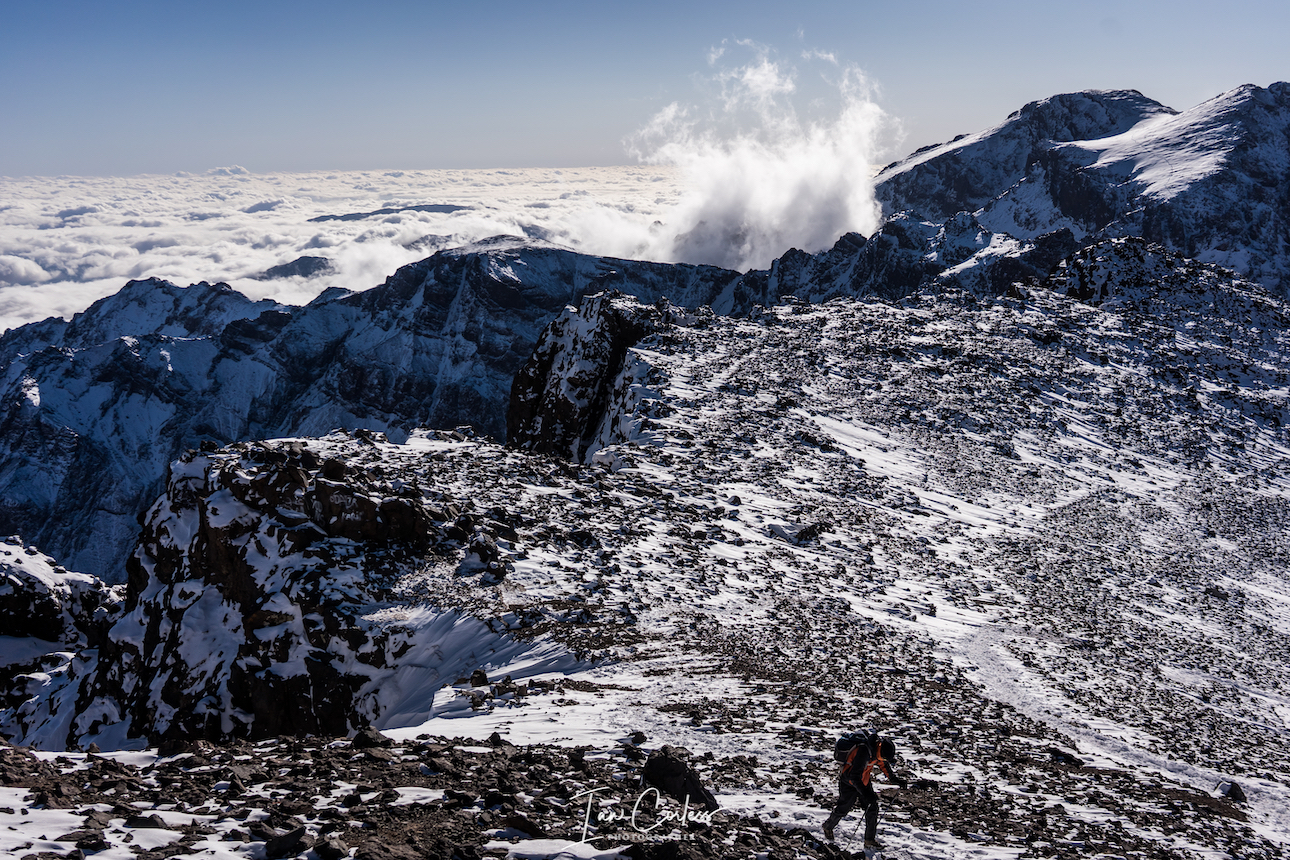
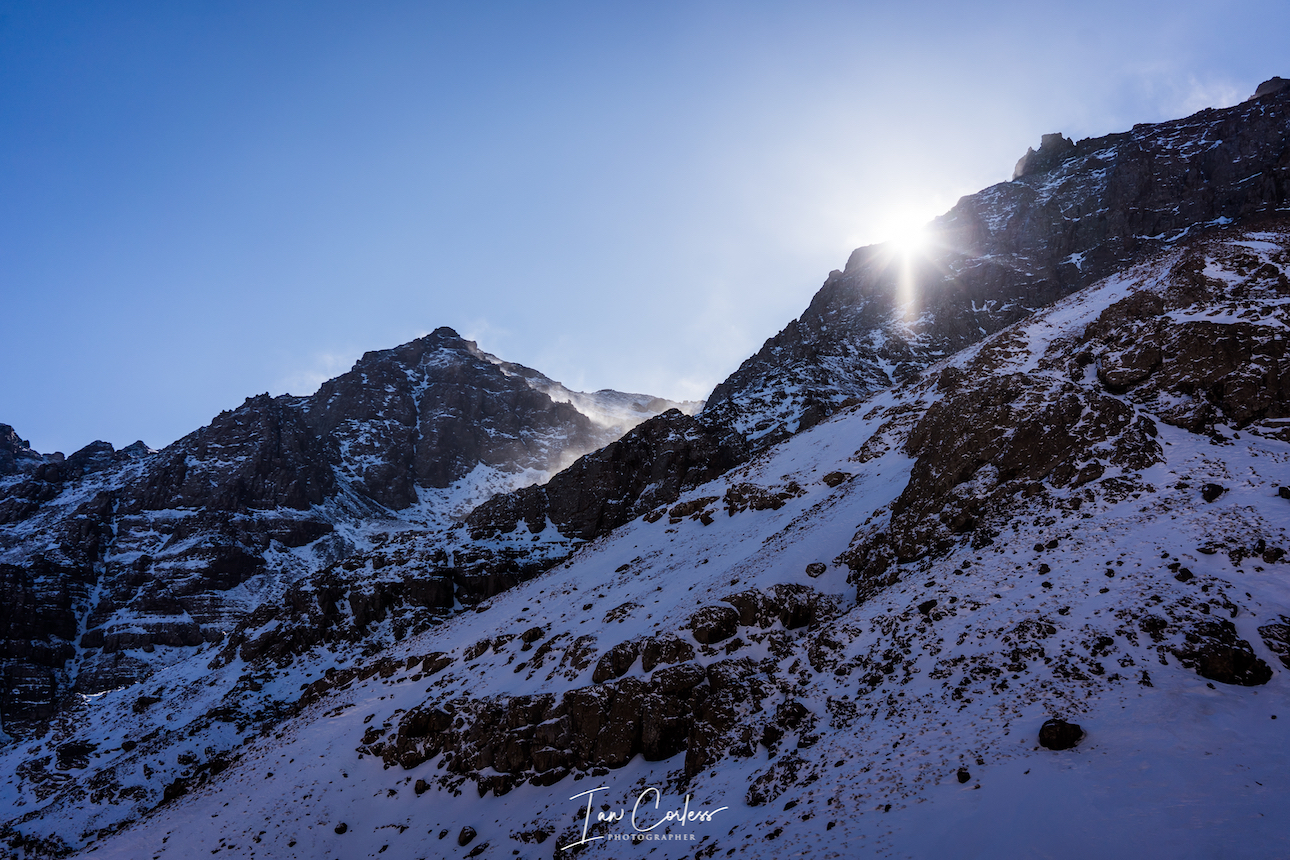
Winter is completely different, and the environment can be very harsh and dangerous. One needs to be prepared for conditions that can be below -20 with very strong winds, thick snow and a great deal of ice.
At a minimum you will need:
Merino base layer, top and bottom.
Trekking pants.
Mid-layer thermal top.
Down or Primaloft upper insulation.
Gore-Tex or equivalent out layer, top and bottom.
Very warm gloves. Probably with inner Merino layer.
Very warm socks, usually two pairs made up from inner Merino and outer mountain sock.
Climbing boots suitable for harsh winter than can take a mountain crampon – La Sportiva G5 as an example.
Crampons.
Ice Axe.
Poles.
Pack.
Sleeping bag (the refuge is usually quite warm (in the sleeping dorm), so, with a merino base layer, a bag with comfort to -5 should be ok).
ROUTE TO THE REFUGE
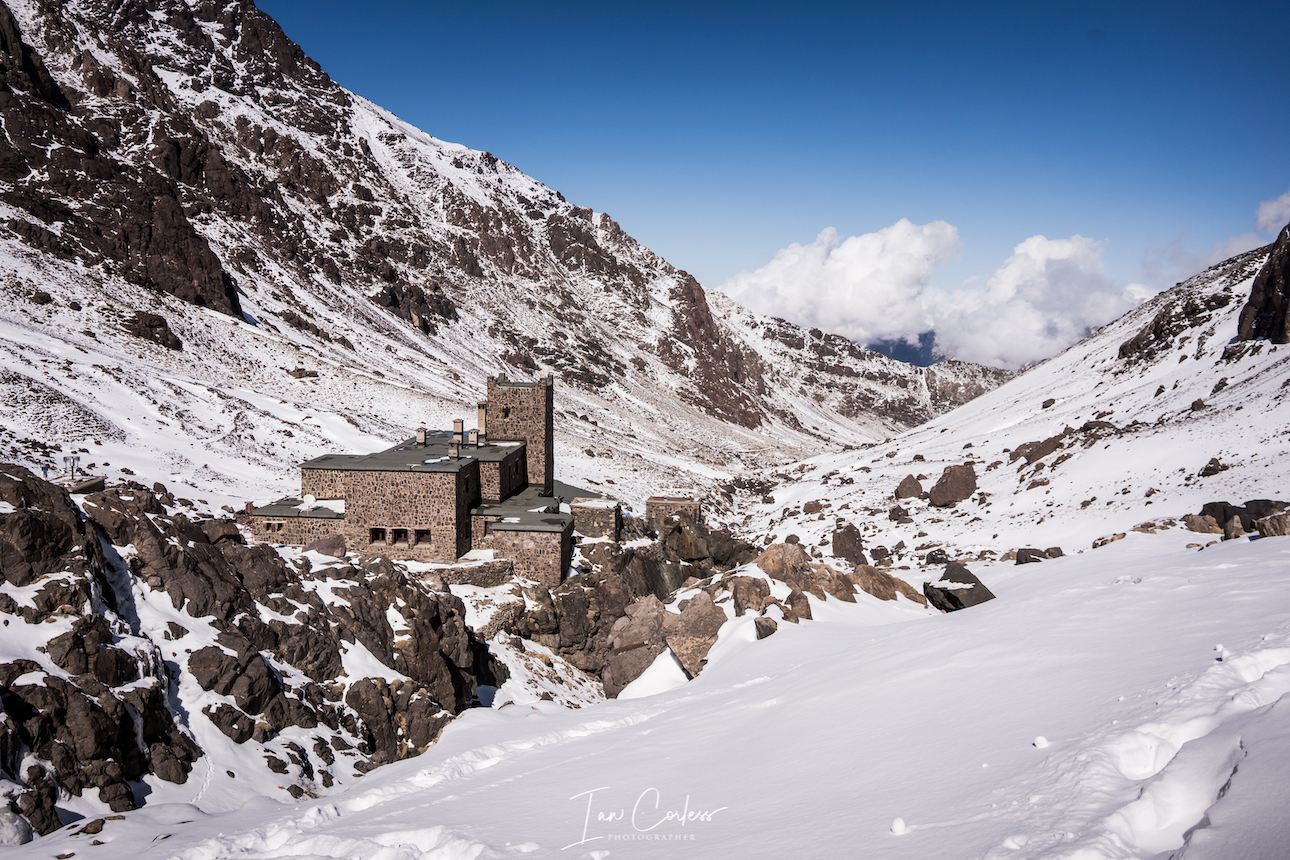
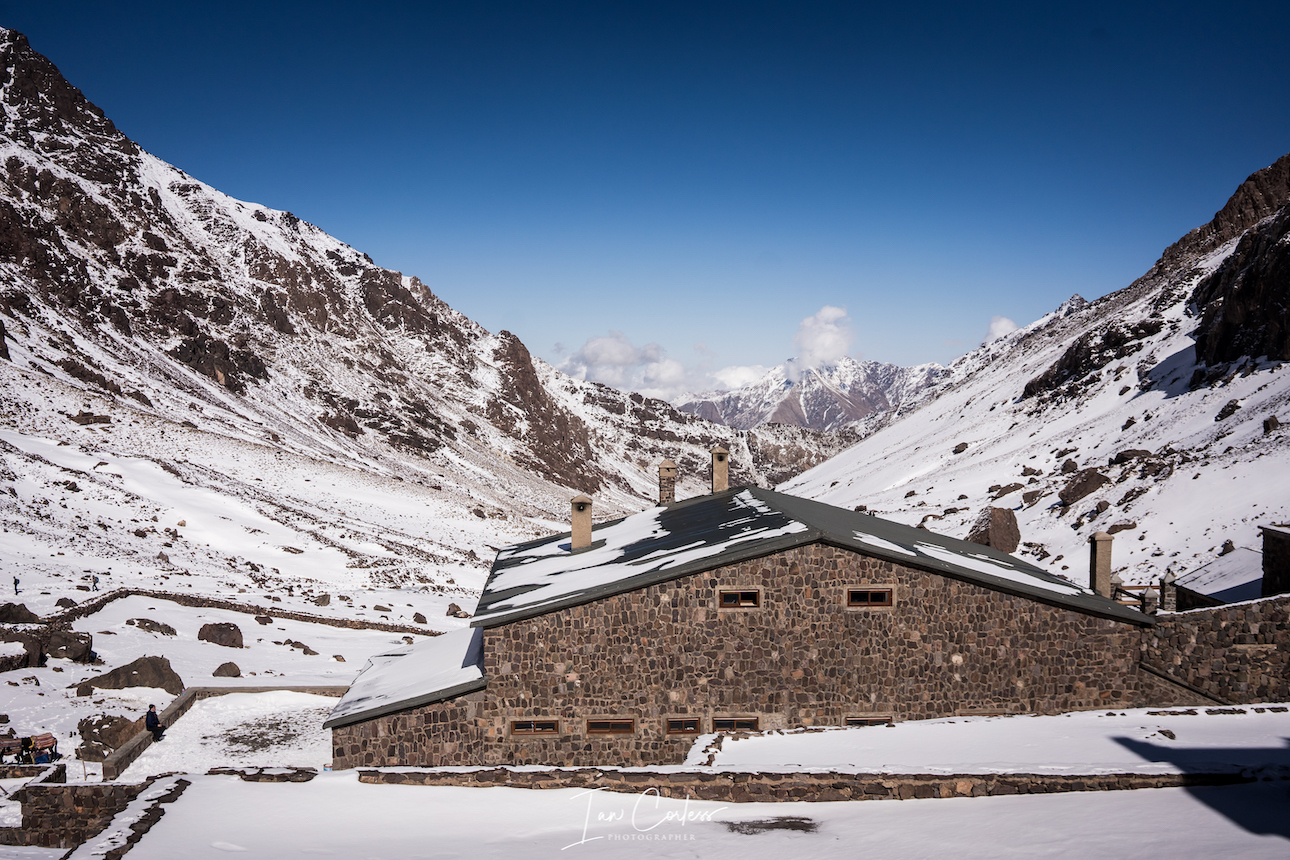
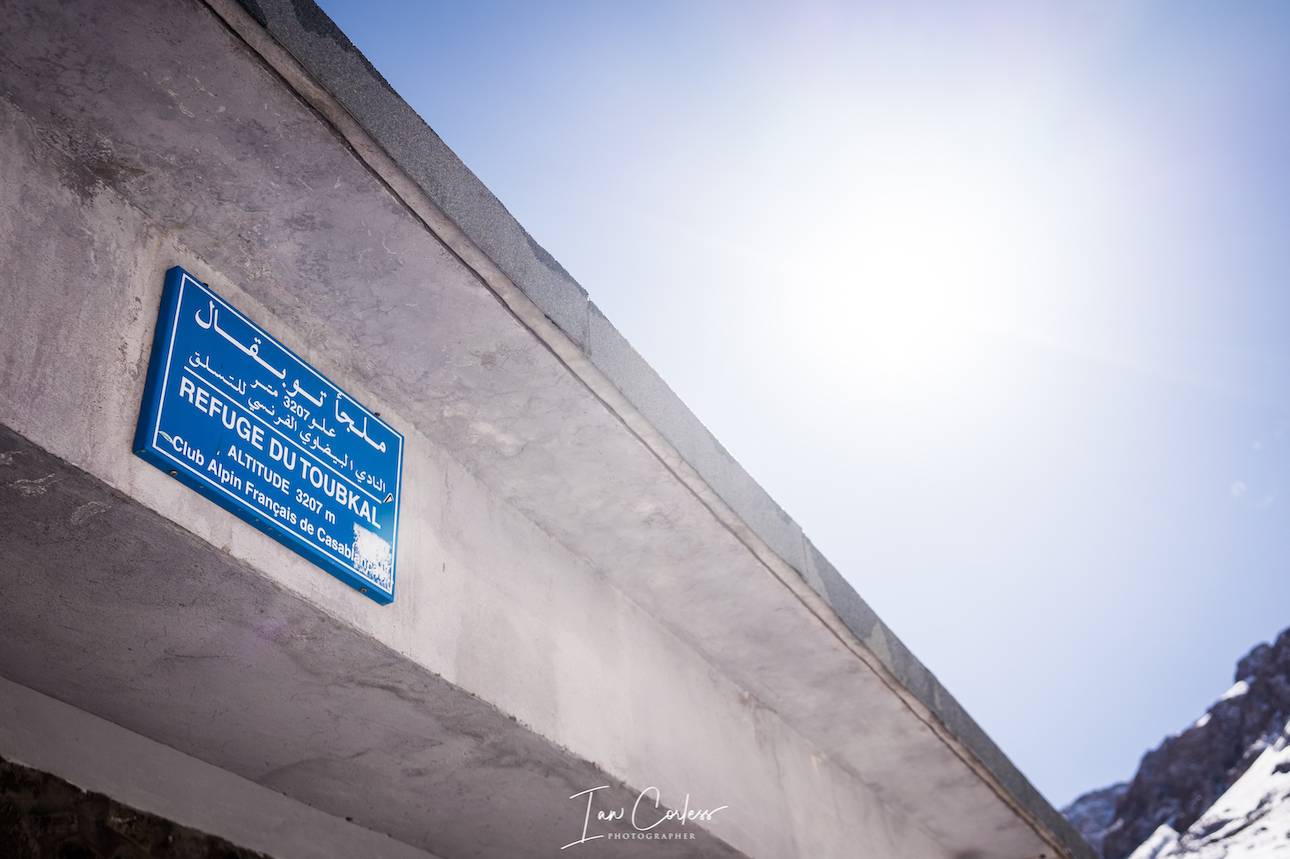
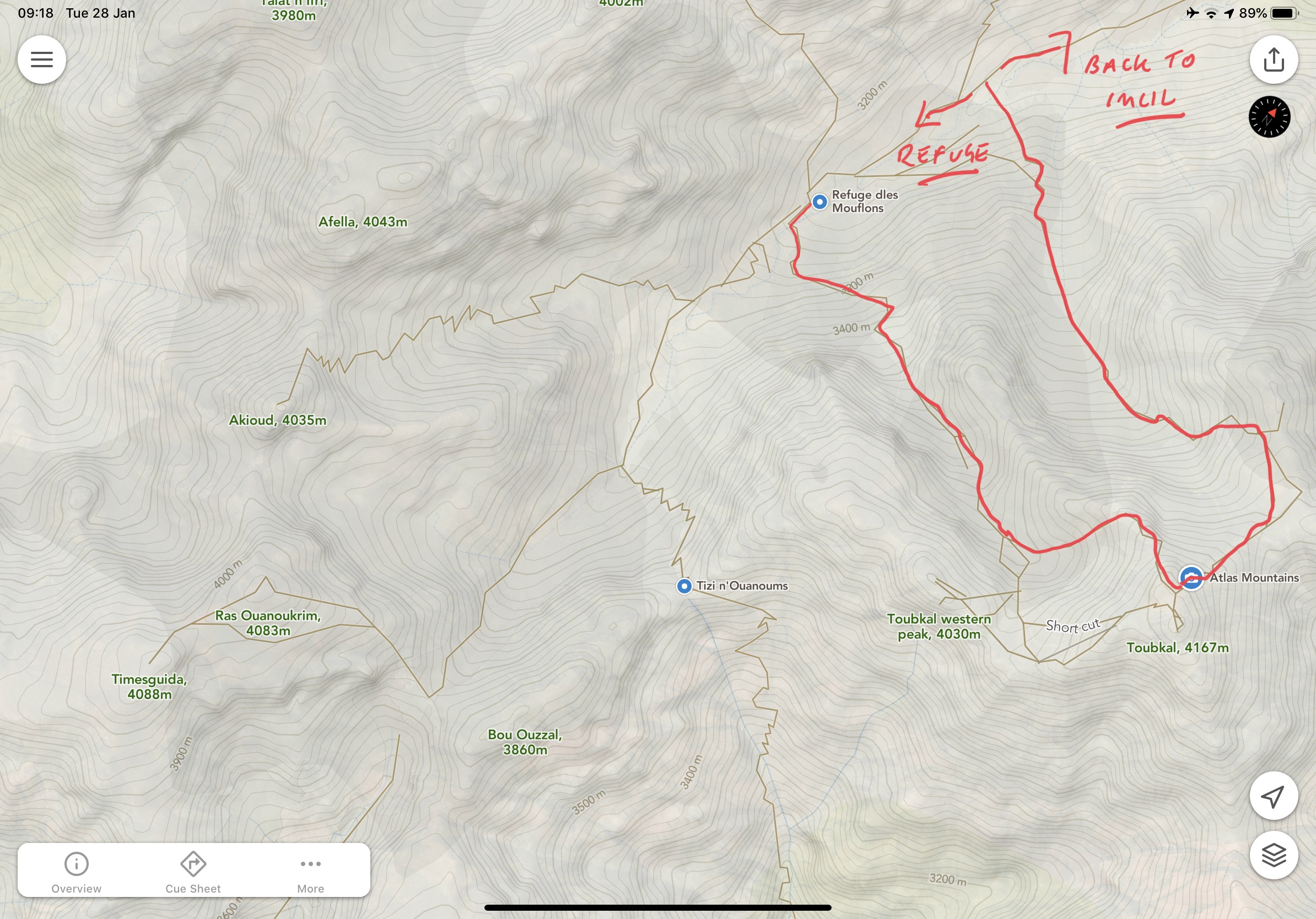
Imlil to the refuge is designed to introduce you to the terrain and slowly adapt you to the altitude. Imlil is at 1800m and the ‘Les Mouflons’ refuge is at 3207m. Depending on experience and adaptation, Imlil to the refuge can take 3-6 hours.
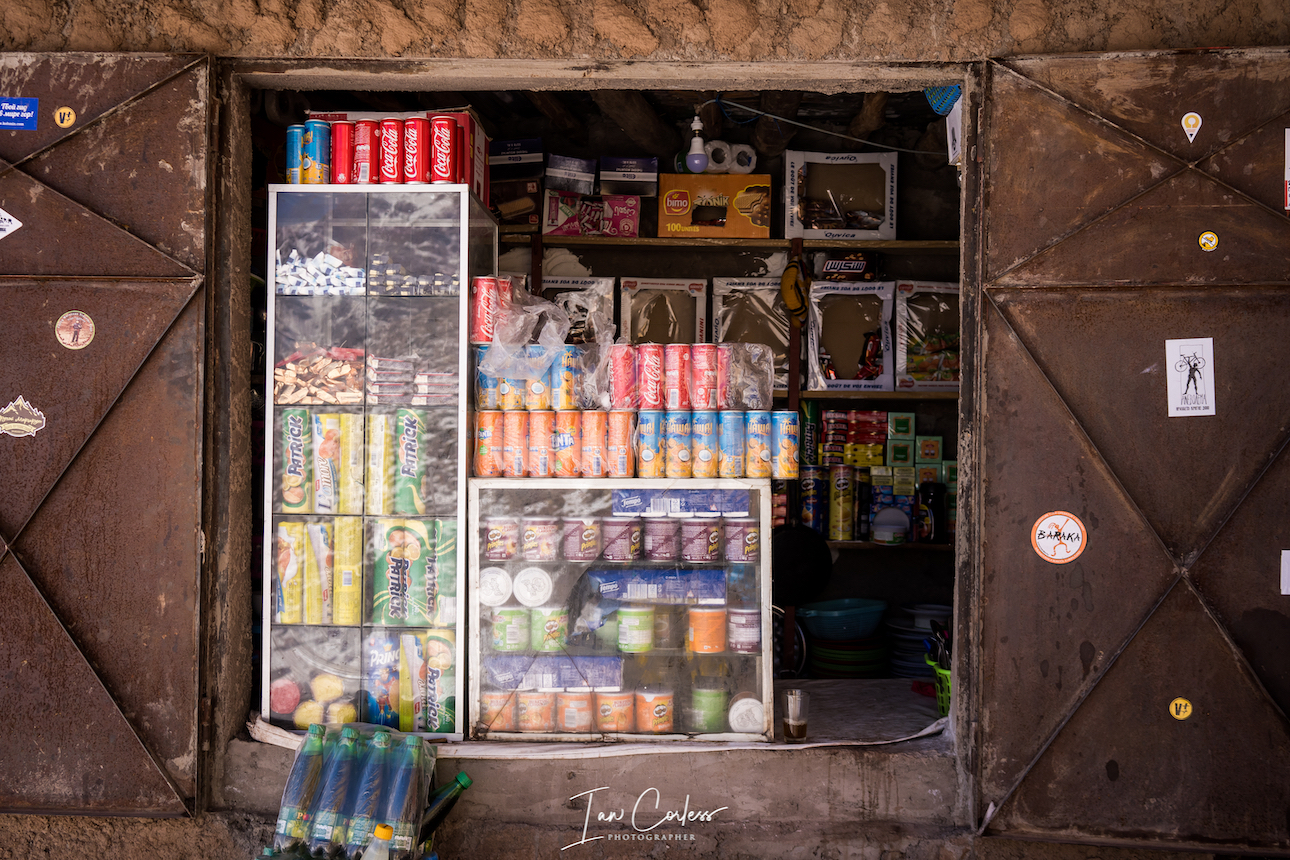
Leaving Imlil, you have a narrow trail that rises quickly to a road and then the village of Aroumd. Here you will meet the first passport control and then you cross a floodplain before starting the climb to the refuge. The terrain is rocky and rough but not dangerous. Chamharouch is the next passport control and here you will see a large white rock that is a Muslim Shrine. Here it is possible to by water, food if required and soft drinks such as coke.
Depending on the time of year and how harsh the winter has been, snow may already be present on the trail. Usually, just wearing trekking shoes or boots is fine to the refuge, however, it can be possible to need to add crampons in a harsh year, so, make sure they are easily accessible from your pack when you leave Imlil.
Passport check point
The path now climbs steeply and gently reaches upwards, once again the terrain is rocky. You will arrive at two disused building that now sell drinks and here is the 3rd and final passport check. Before you know it, you will arrive at the refuge located at 3207m.
Depending on what you have arranged with your guide, you will have a meal at the refuge and then you will stay in a shared dorm with all the other climbers. These dorms are often unisex, so be prepared. You also need to be self-sufficient in terms of sleeping bag, additional clothes and warm layers. Everyone usually sleeps by 8/9pm. Bring wet wipes/ toilet roll as this is not provided at the Refuge.
Dinner is typically served at 1830 and offers soup, bread, a carb rich main meal with protein, fruit dessert and tea. A shop is available to purchase soft drinks, water, chocolate and other items.
Breakfast is bread, mixed jams/ honey, soft cheese and a selection of drinks. Depending on one’s plans, breakfast is often served from 0400 through to 0900.
Lunch is served on request.
ROUTE OPTIONS
TOUBKAL
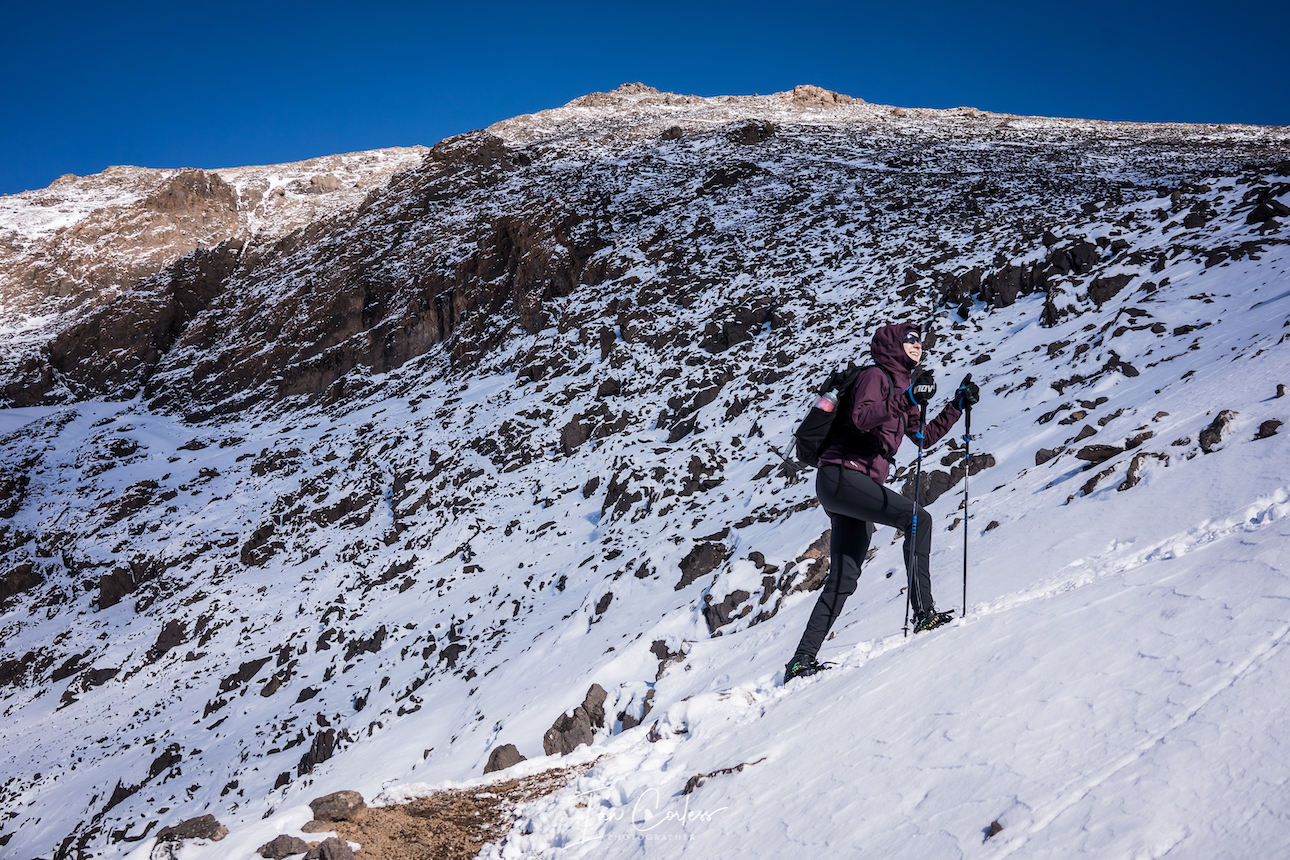
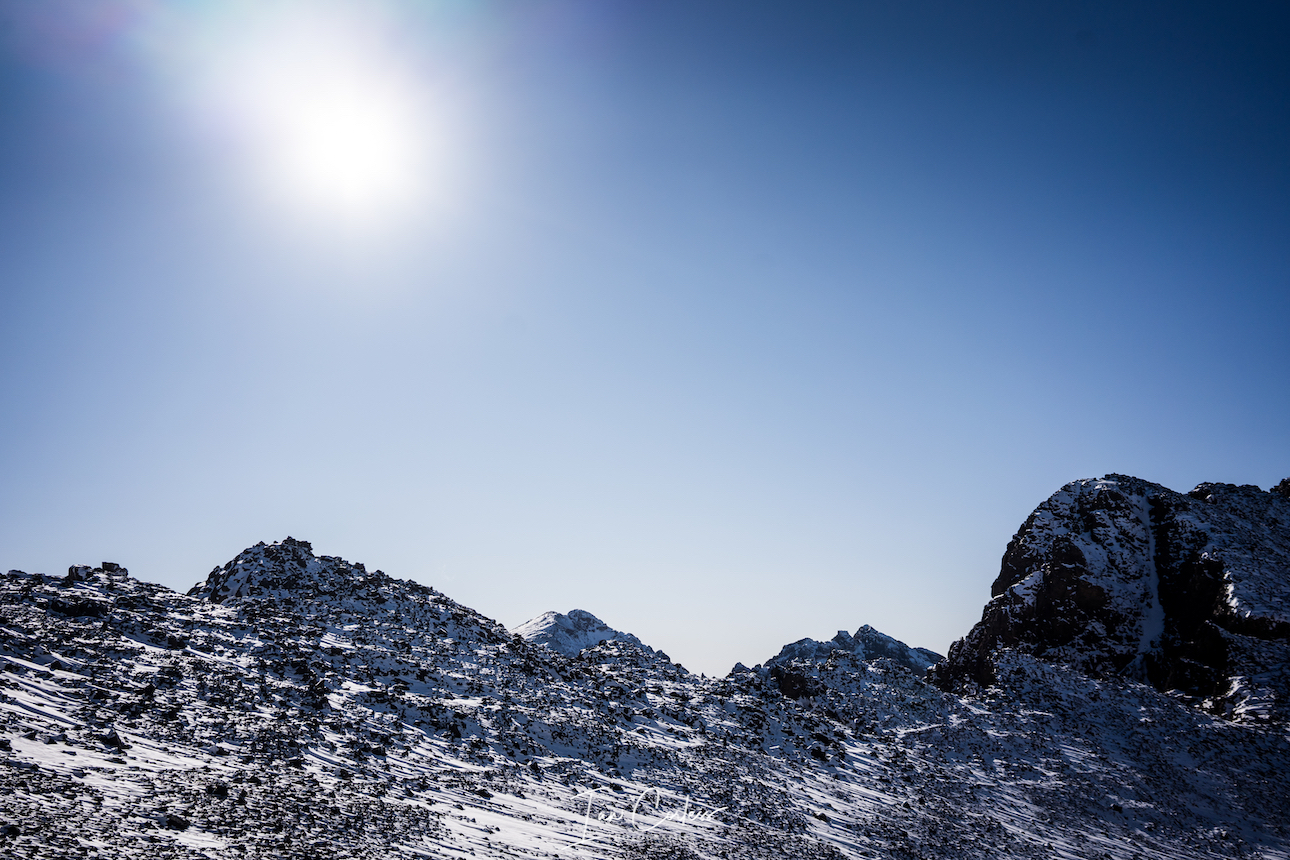
The standard Toubkal summit day will typically start at 0400 with breakfast and the intention will be to start the climb asap. Sunrise is approximately 0810 (+/-) in winter, so, depending on your projected speed, the guide will advise on a departure time so you can climb from 3207m to 4167m and arrive at the correct time to experience sunrise.
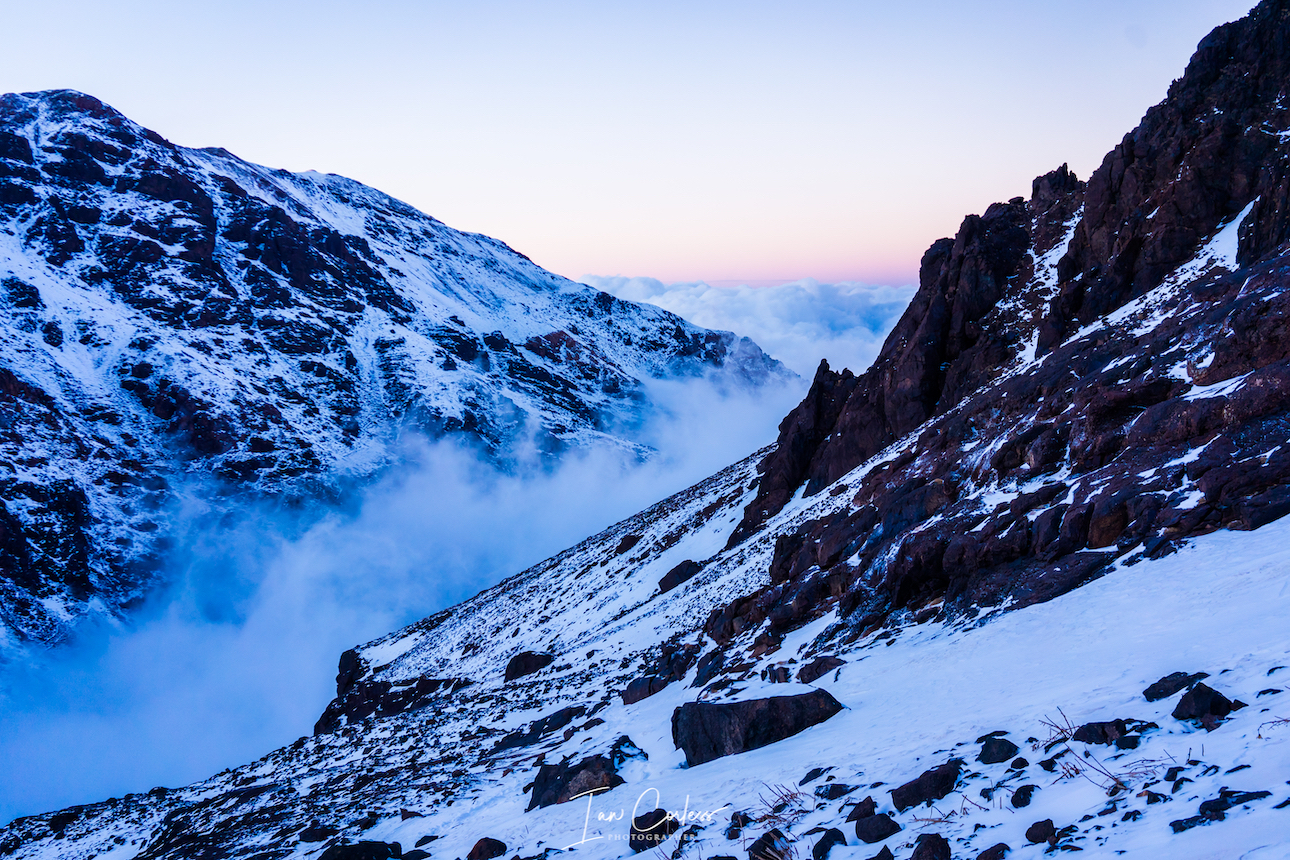
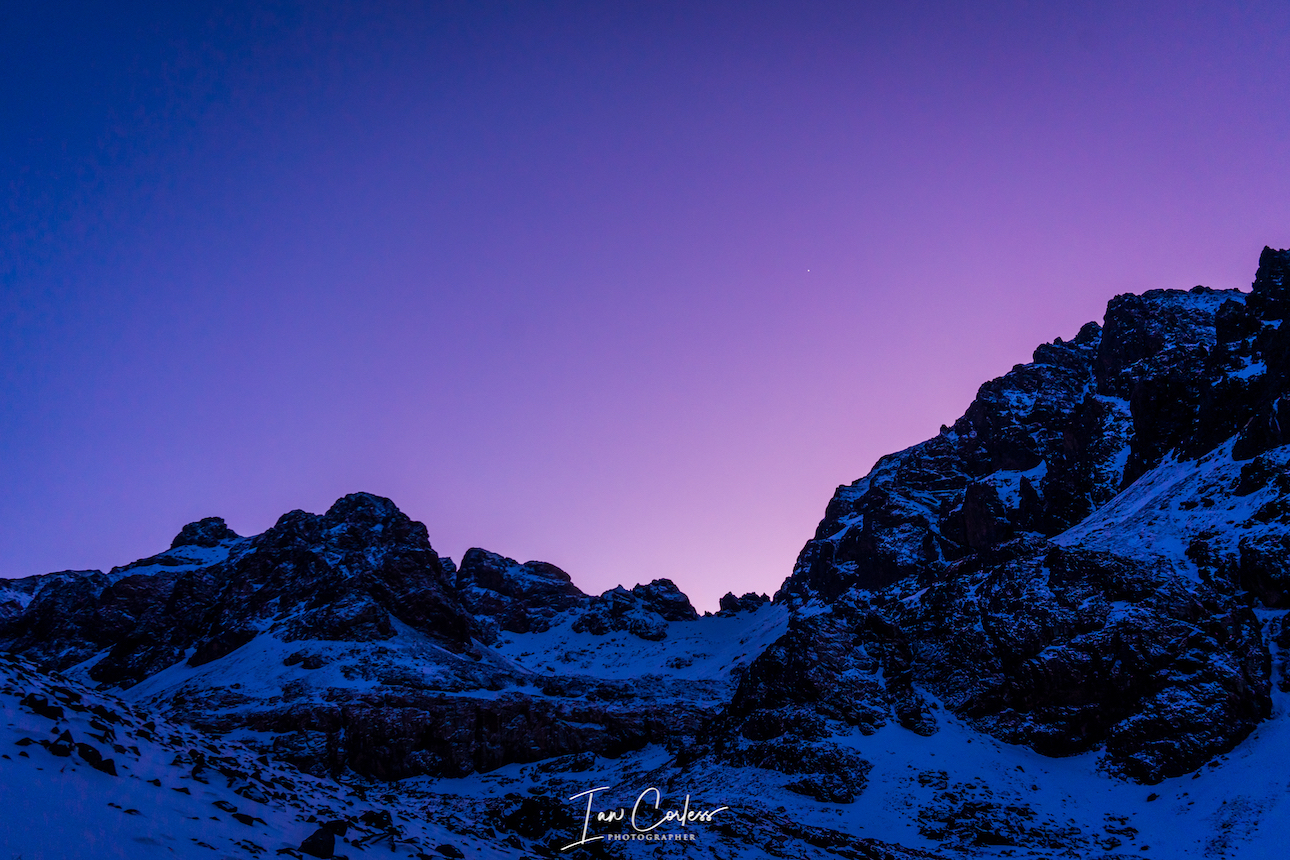
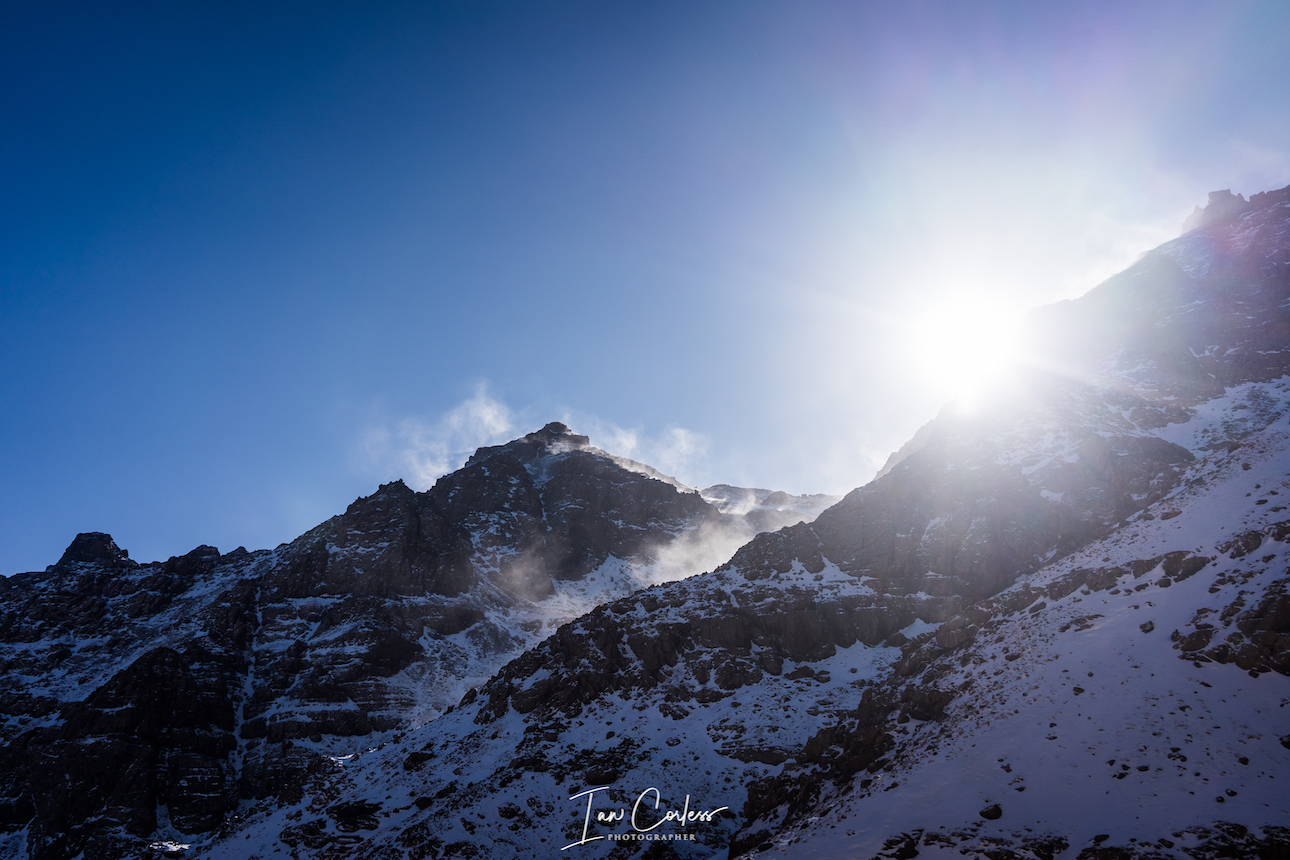
Note – It is dark for pretty much all the climb and very, very cold. How cold depends on many factors but be prepared! Ambient temperature may be -10 but in the wind chill this can easily be beyond -20.
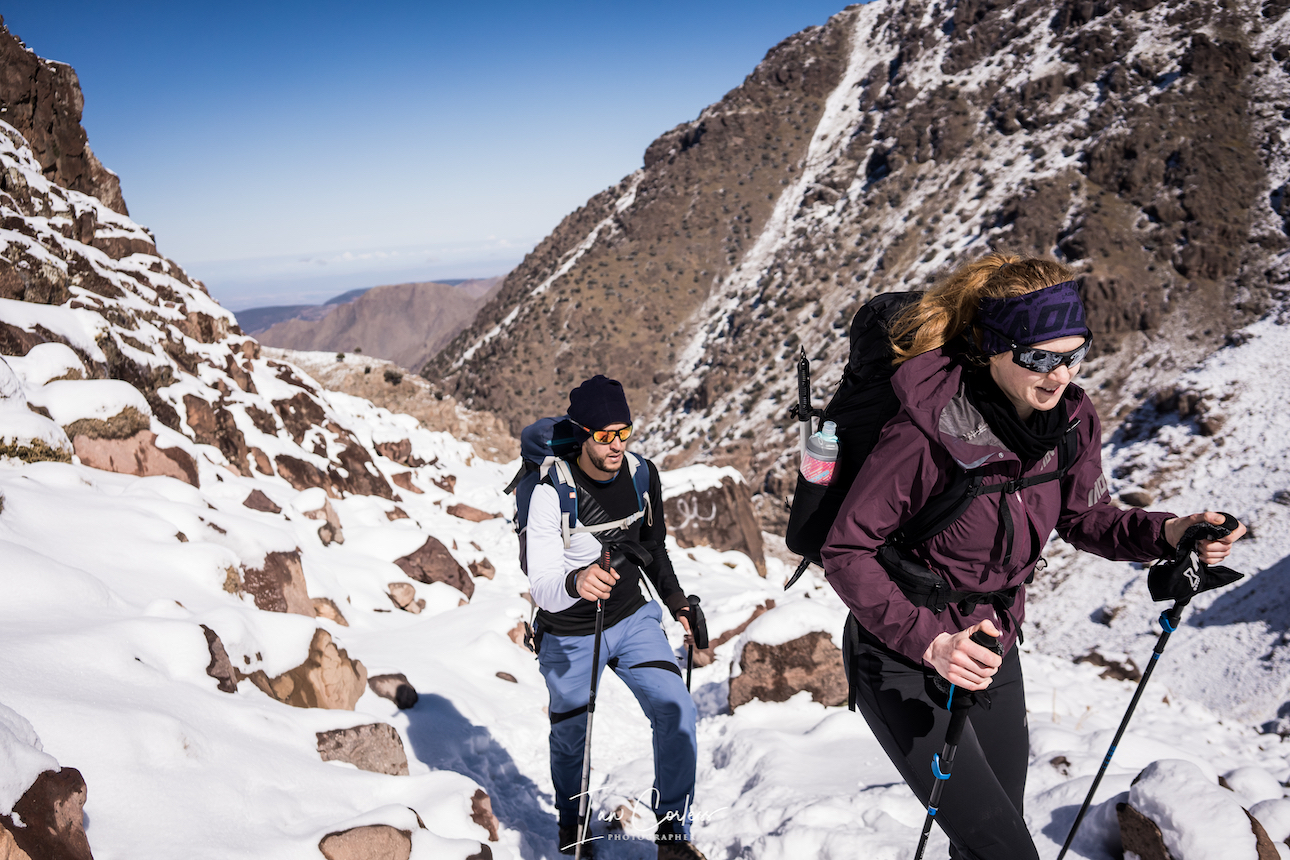
The trail goes straight up often zig-zagging to ease the gradient. The snow and ice can be unpredictable, and crampons are essential. The use of poles is highly recommended and the carrying an ice axe is in my opinion compulsory. You may very well not need it, but better to have one just in case.
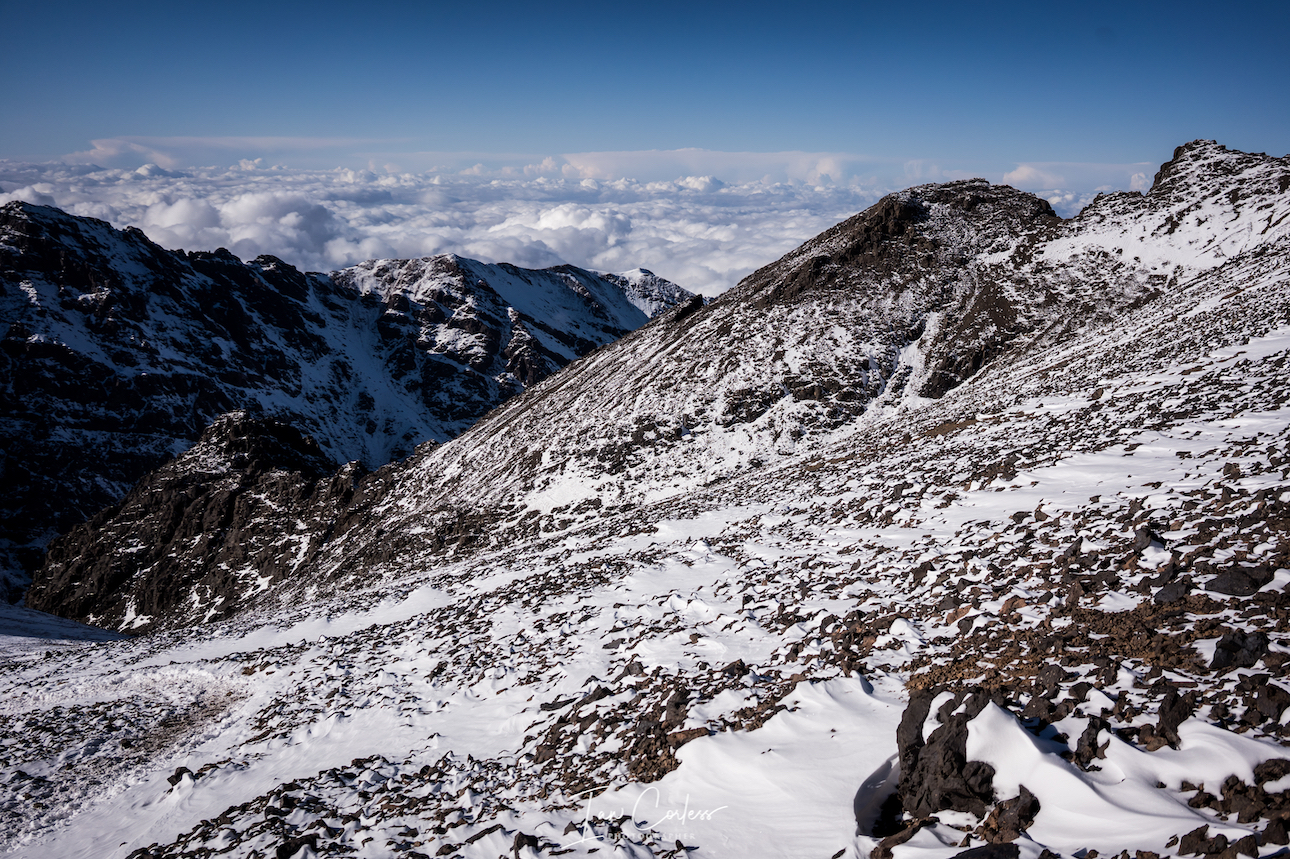
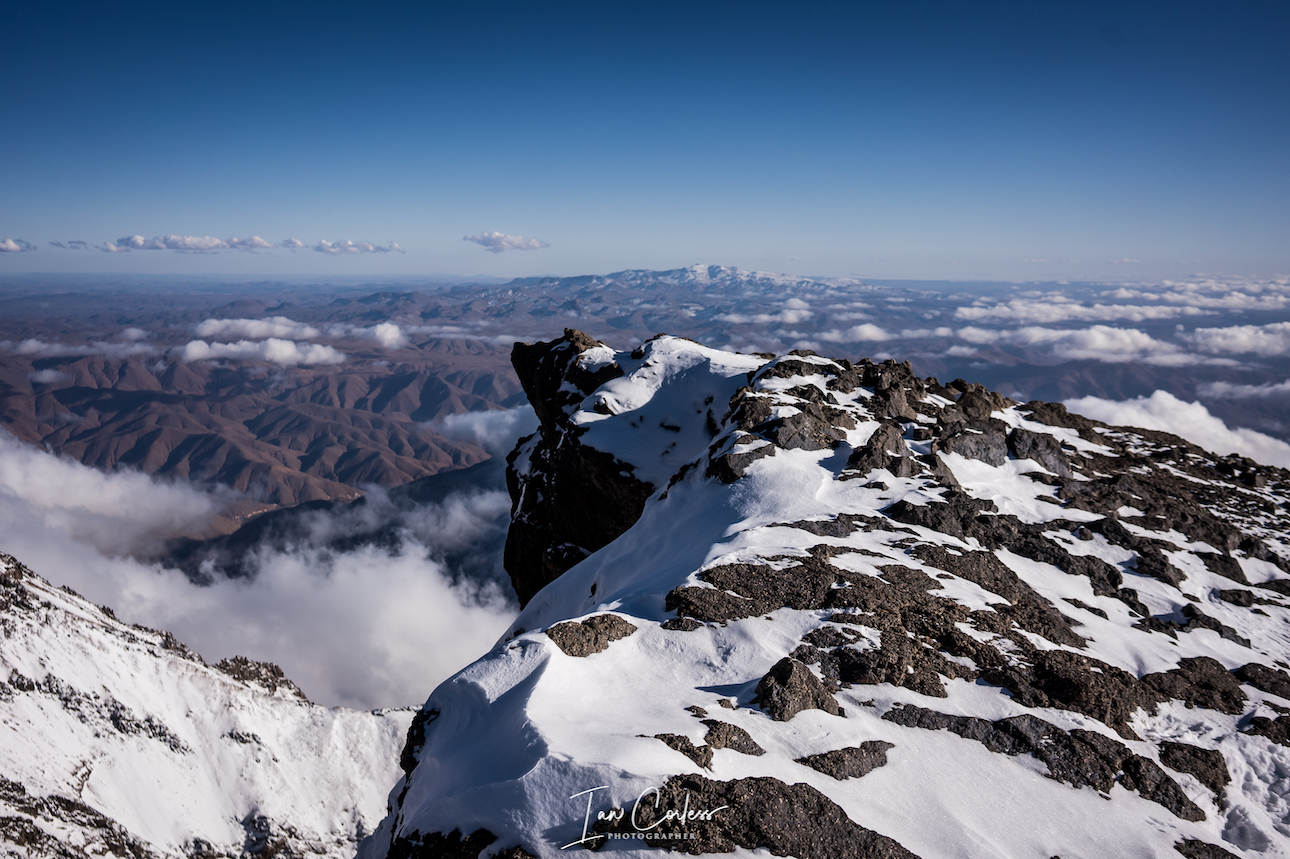
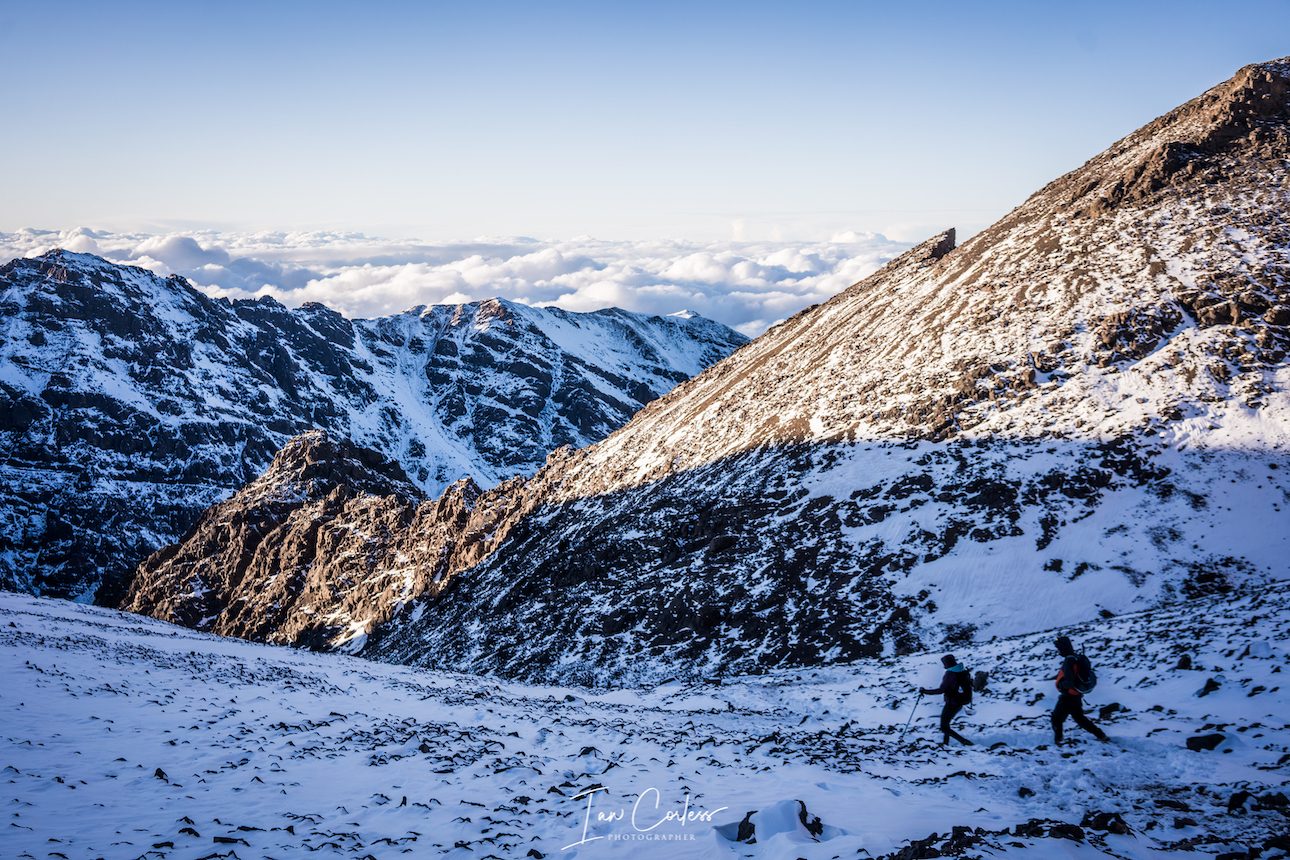
Once at the saddle, the trail goes left and right. Here you go left for a final push to the summit. On a clear day, the views are magnificent and if you time it correctly, the sunrise can be truly magical. The terrain here is not as steep but depending on route options, it can be a little more technical.
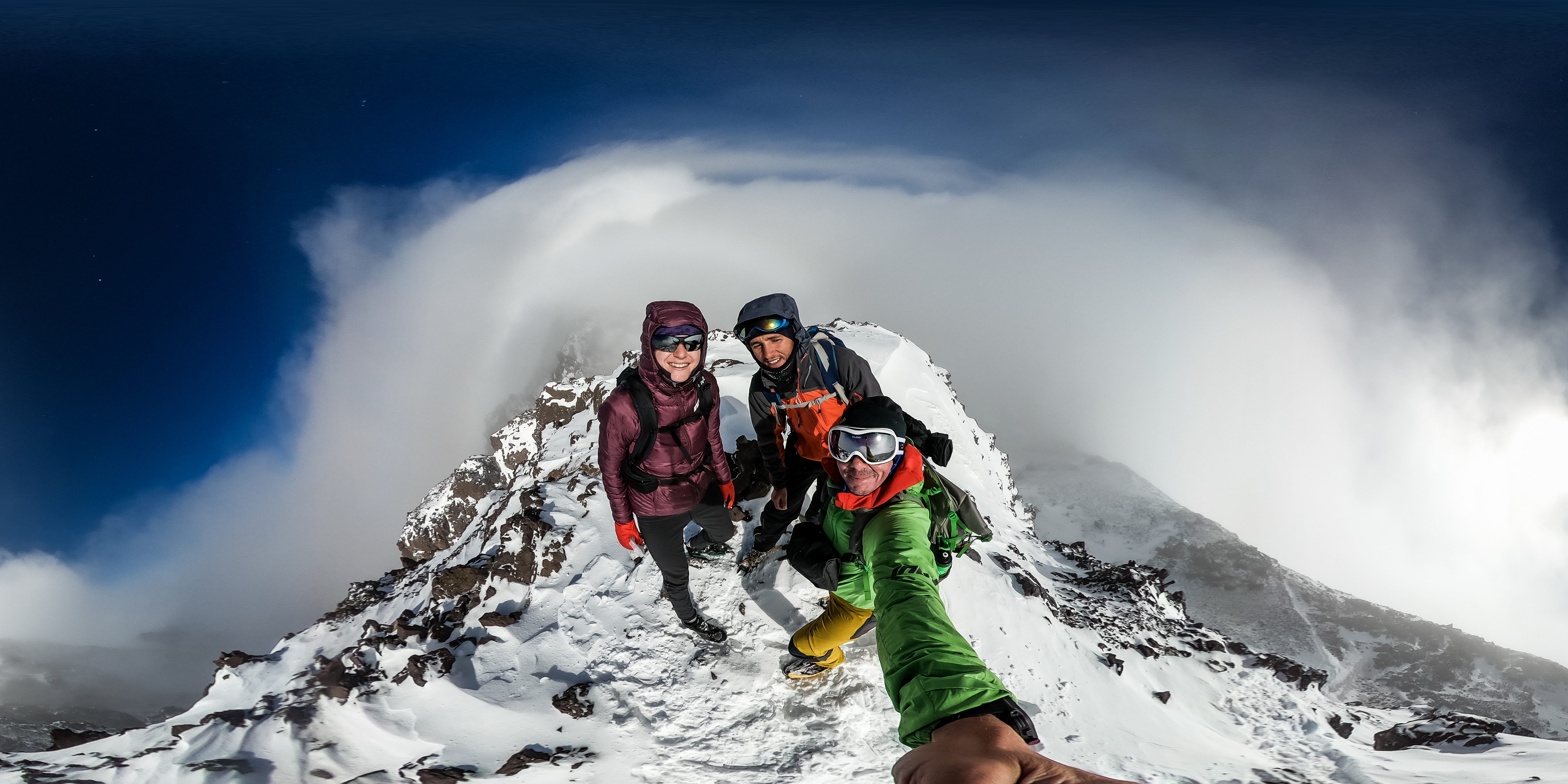
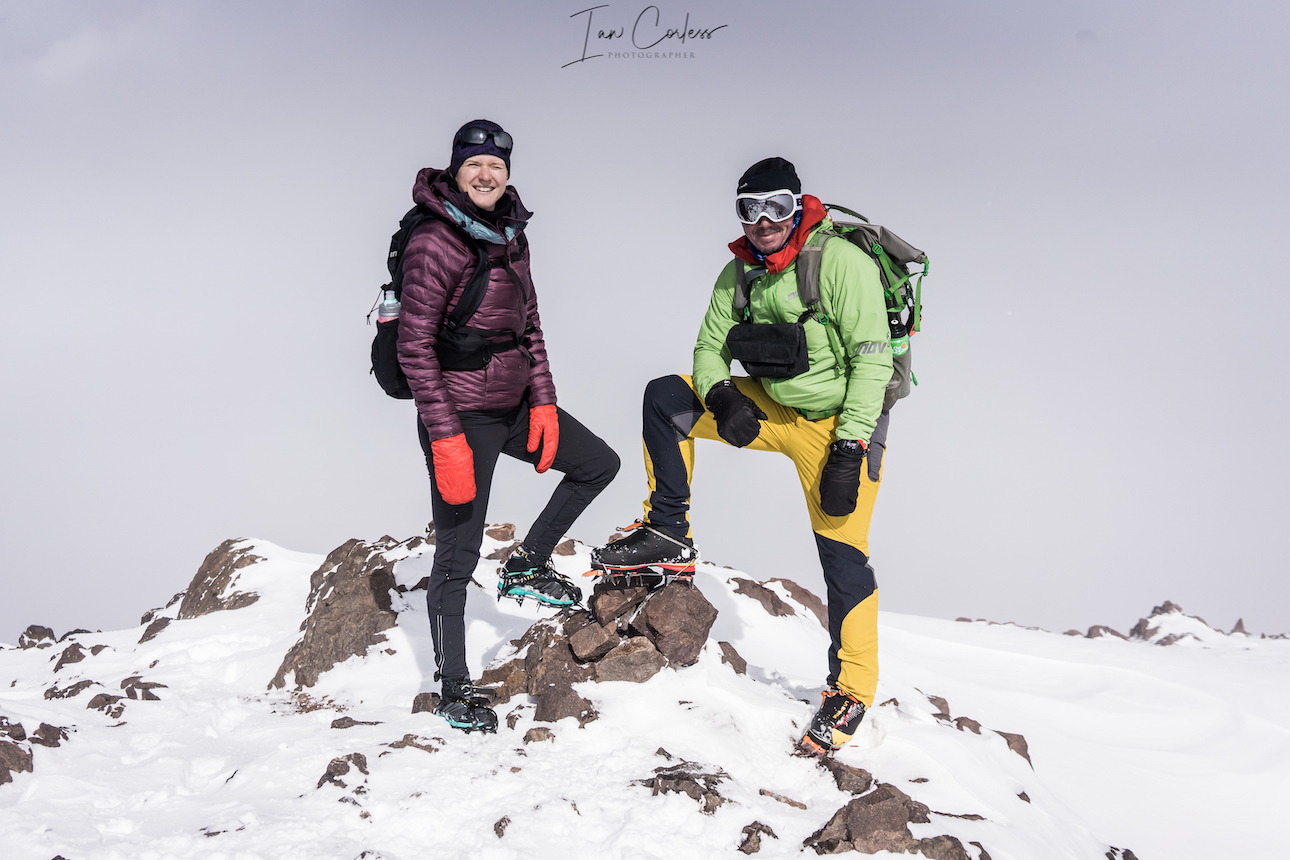
Most arrive at the summit between 0745 and 0900 to experience the winter sunrise. Depending on the day, hanging around is usually not an option; it is too cold. Of course, you may want to take a photo? Be careful! Removing gloves at the summit in -20 is not a good idea. Be sensible.
Descending becomes easier from an altitude perspective, with every meter you go down, the easier it will become to breathe. Rely on your crampons on the descent, they provide great security and often, depending on conditions, it is possible to take a more direct line. Let the guide dictate, they know all the route options and will keep you safe.
Once back at the refuge, many take a break for lunch and they will look to descend back to Imlil in the afternoon via the exact same route they went up the previous day.
The above scenario is the classic Imlil-Toubkal-Imlil mini-trek that is ideal to do over a weekend, Friday to Sunday or as a mid-week adventure. If possible, I always recommend mid-week, far less people!
FAST OPTION:
If you are experienced or want a challenge. Imlil-Toubkal-Imlil can be done in one day. I have done this twice now, once in Winter and once in Summer. Depending on one’s speed and ability, it is possible to leave Marrakech at 0530, meet a guide at 0700 in Imlil, summit at midday/ early afternoon and then be back in Imlil before dark.
The above is not for everyone, but for me, it was an ideal opportunity to fit an action-packed day between holiday days, before and after in Marrakech.
ALTERNATIVE OPTION:
Once you have summited Toubkal it is possible to take another route down. This is a more challenging descent with some exposure, very lose scree and lots of technical rocks in summer. In winter, you would need an experienced guide who understands the route and weather conditions and you personally would need a greater level of skill. The route rejoins the main trekking path and you then have an option to go left and return to Les Mouflons refuge or go right and return to Imlil.
OUANOUKRIM ROUTES
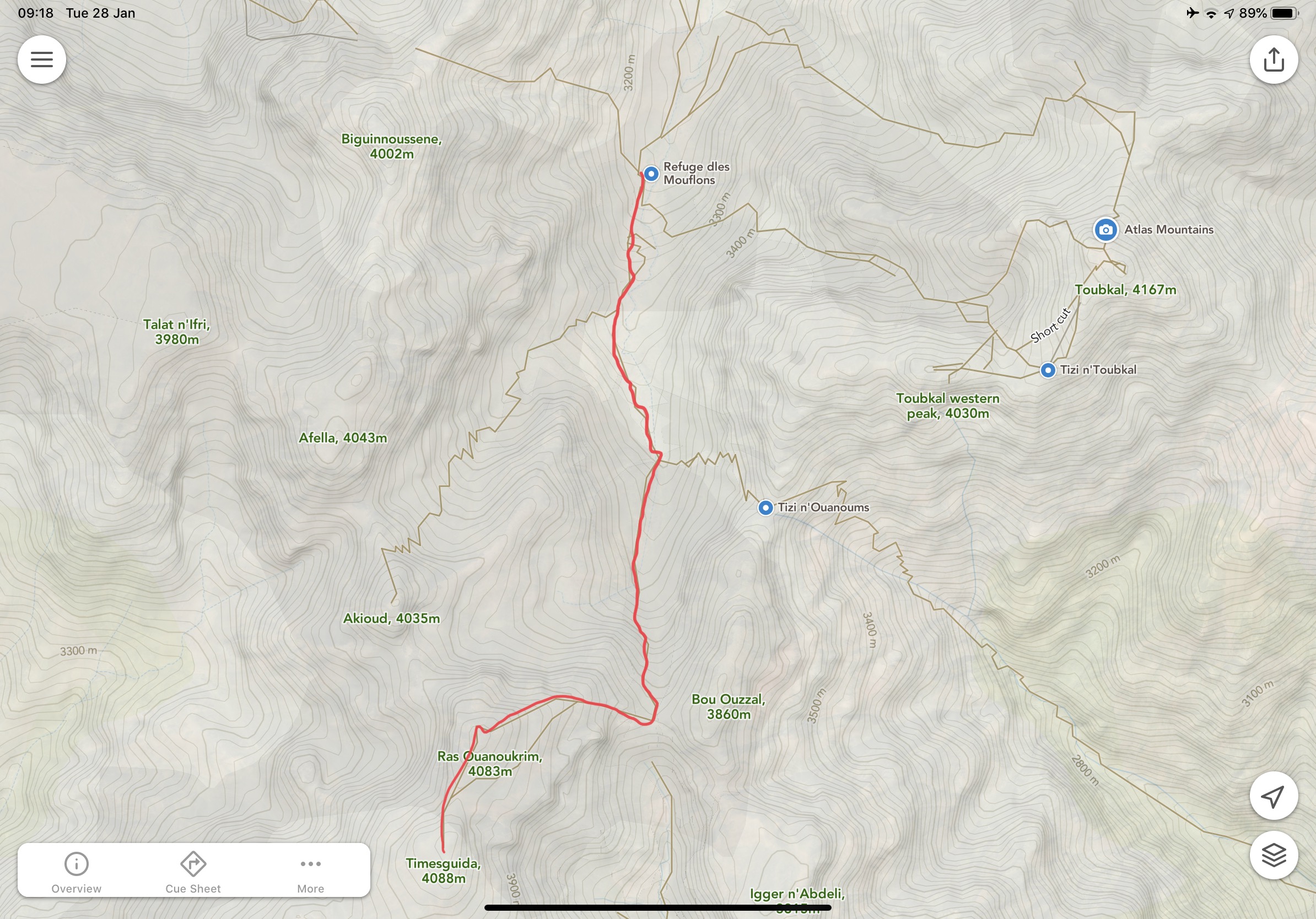
Located high above Les Mouflons refuge, Ouanoukrim offers the 2nd ‘TIMZGUIDA’ and the 3rd, ‘RAS’ highest peaks of the Atlas range. These two peaks are often neglected due to Toubkal being the highest peak, but these two are just a fraction lower at 4089m and 4083m and they offer much more challenging and technical climbing.
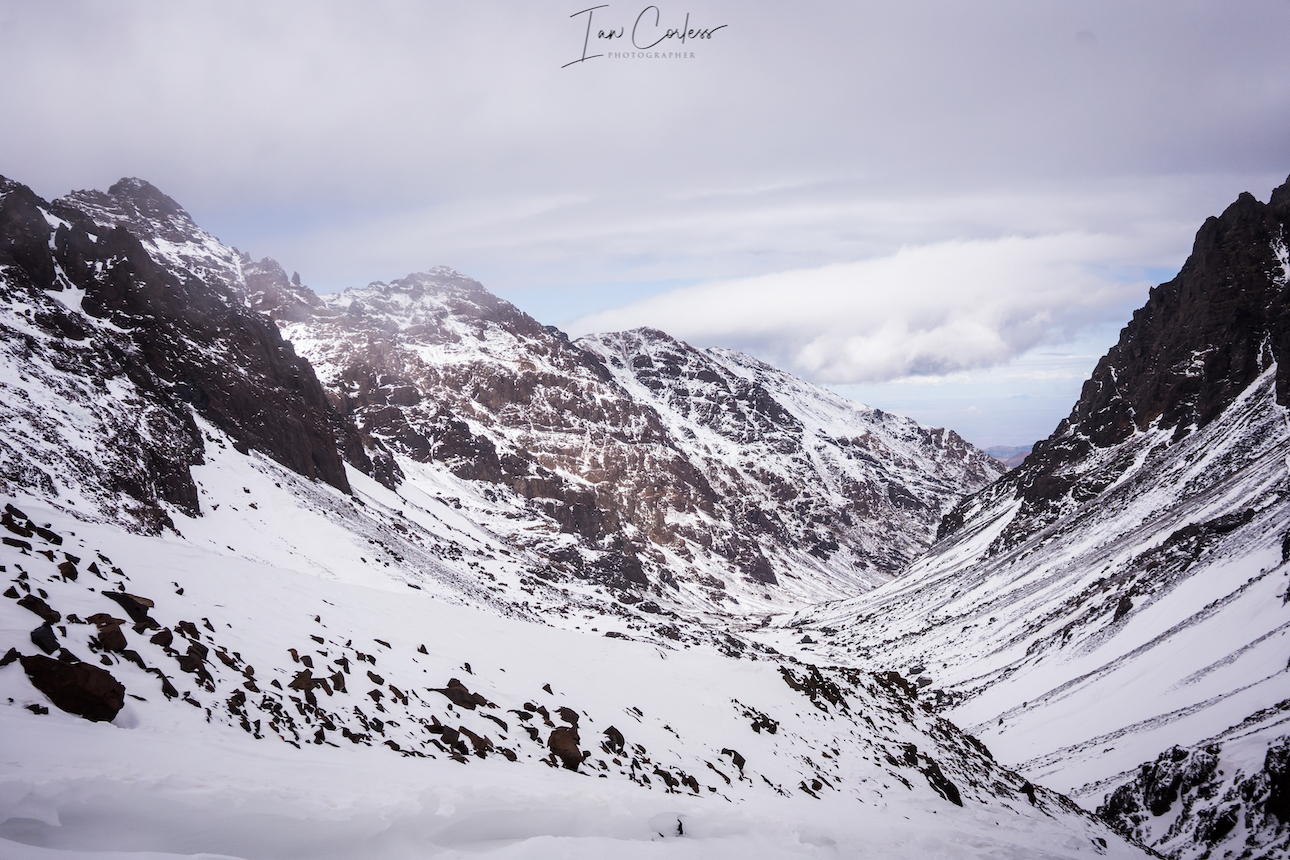
Leaving Le Mouflons, one heads up the mountain, Toubkal is to the left and you take the valley leading to the peaks ahead. The out and back trek/ climb is longer than Toubkal and the early gradients are less severe. However, as one moves up the climb the terrain becomes increasingly challenging and steeper.
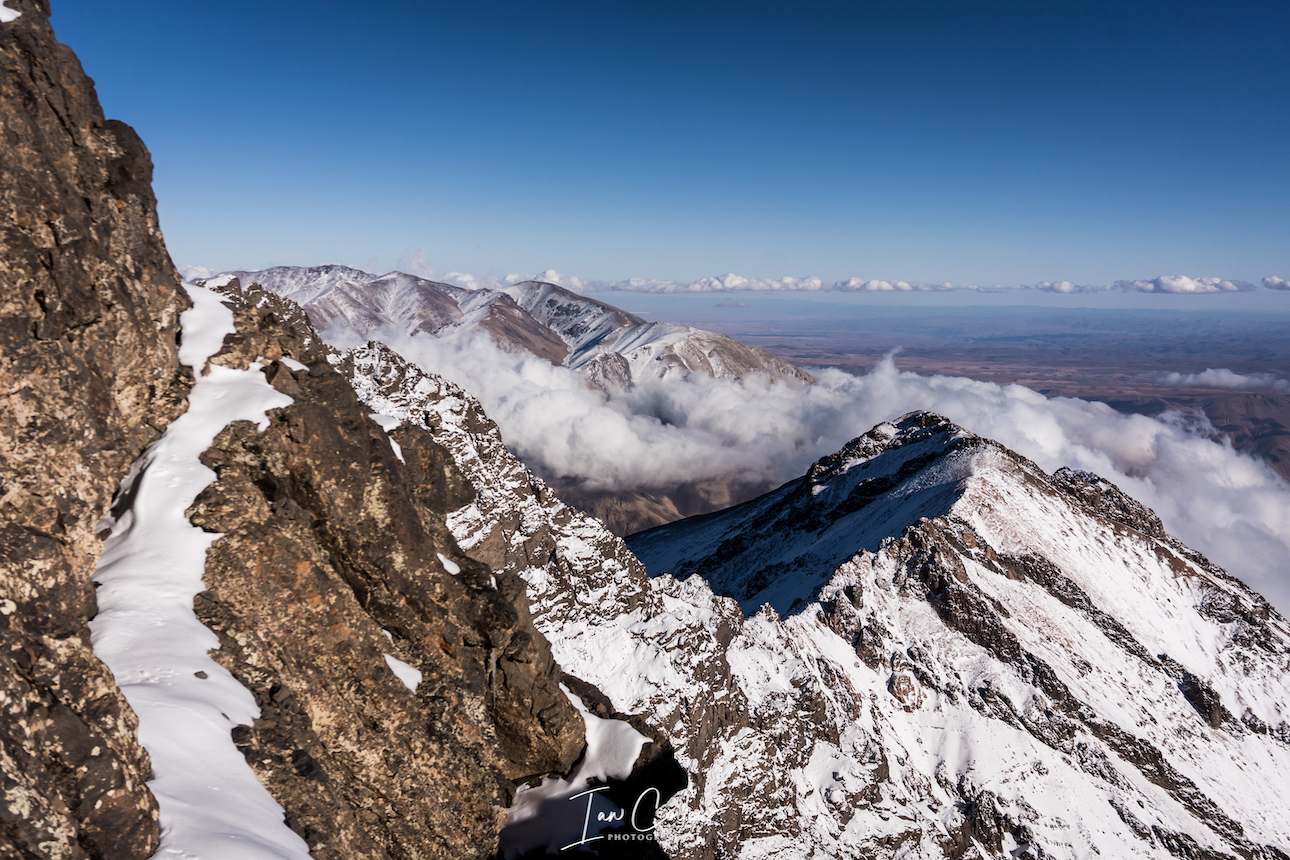
At the saddle, you can decide to go left for RAS or right to TIMZGUIDA. TIMZGUIDA is higher and a more challenging climb that in winter requires more advanced scrambling skills, the need for an ice axe and a level head. It’s a stunning route that is perfectly achievable, even for a novice climber, as long as you have a good guide and the correct equipment.
After several scrambling sections, the mountain opens up with one last scramble to the summit.
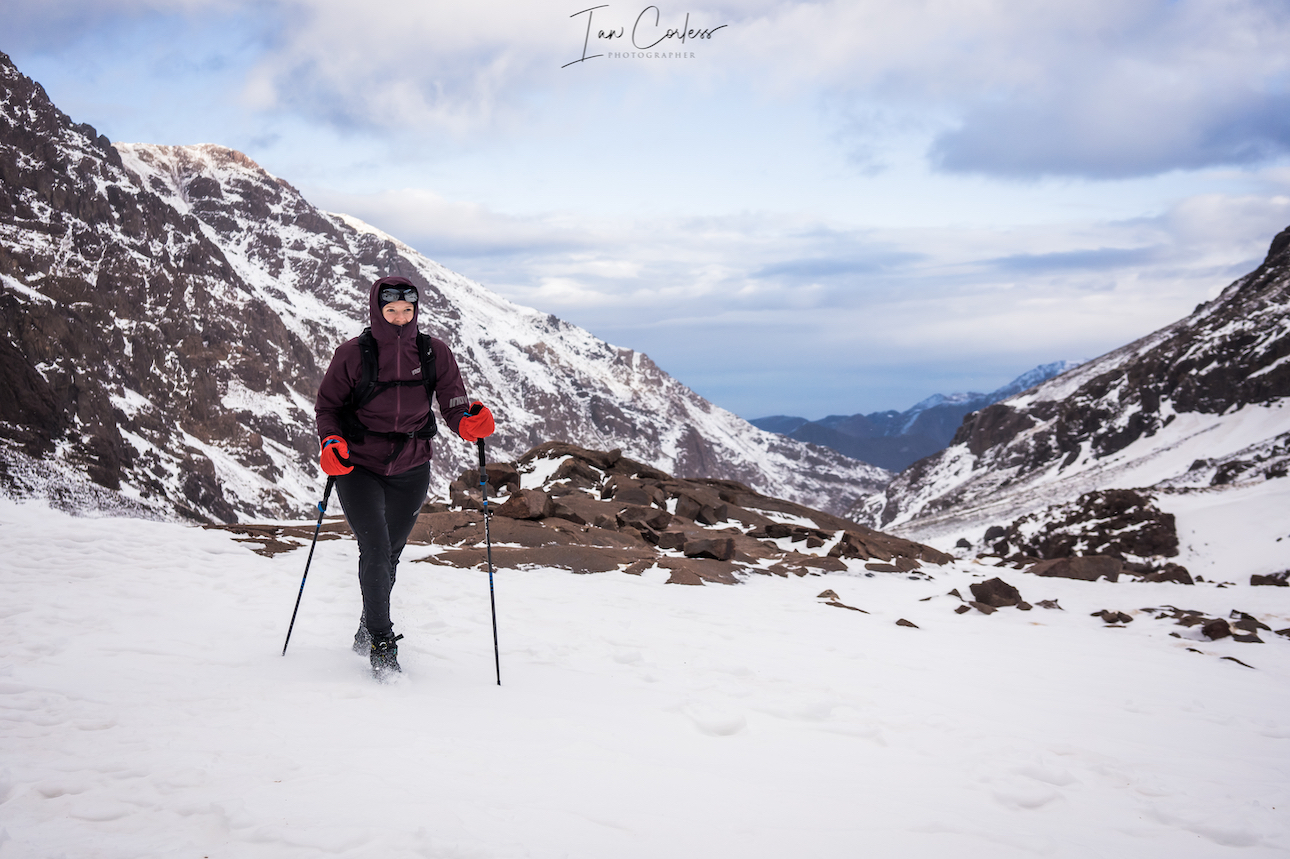
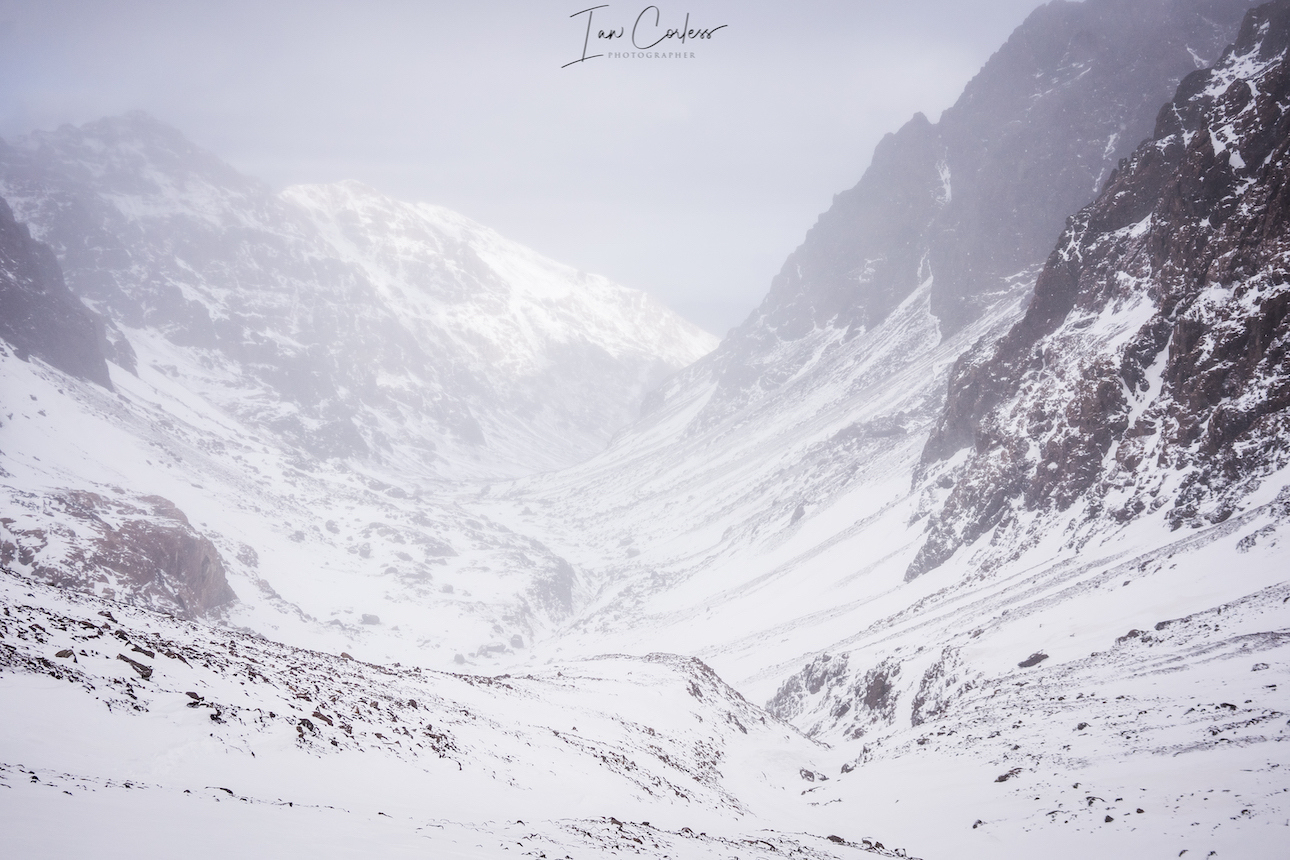
The return is via the way you arrived, so, constantly ask yourself on the way up, ‘Am I happy down climbing these sections?’ – It is always easier to climb up than climb down. Exposure to the elements is a factor that you must consider, especially in the final 100-200m where the mountain is exposed. On my most recent trip, we had thick snow which made trekking up and down hard, we had snow flurries, thick mist, fog and very, very cold temperatures.
Of course, it is possible to do RAS and TIMZGUIDA in one day.
OTHER ROUTE OPTIONS
AFELLA 4043m and AKIOUD 4035m are two other route options from the Toubkal refuge.
AFELLA is to the west of the refuge with more complex faces. The majority of the winter lines are on the south face and are accessed by a narrow ravine. The east face requires ice climbing.
AKIOUD is accessed from the south via the ‘Assif ait Maine.’ The climb can take 3 hours based on conditions and it is possible to ski down following a south east direction.
Other route options exist that can be made up of multiple days.
EQUIPMENT:
As suggested previously, summer on Toubkal and you can get away with standard running apparel with the addition of a warm layer (PrimaLoft or down) and water/wind proof top and bottoms for the climb and summit. Gloves, beanie, buff and so on are also essential.
In winter, you need very specific equipment which I will list below with links. Climbing boots are large and heavy and I strongly suggest you use a much lighter approach shoe or run shoe for the trek from Imlil to refuge and back.
Base layer:
RAB Forge leggings and top
Mid layer:
RAB Shadow hoody
Insulation:
RAB Xenon Jacket (Stratus insulation)
Pants:
RAB Torque and Winter Torque
Gloves:
RAB Forge liner glove and RAB Xenon Mitt
Hat:
RAB Shadow Beanie
Waterproof layer:
inov-8 Stormshell
Shoes:
La Sportiva Mutant (used for Imlil to refuge)
Boots:
La Sportiva G5 mountaineering boot
Crampons:
Petzl Irvis Hybrid
Ice axe and Poles:
Petzl Glacier and Black Diamond Distance Z Carbon
For extreme cold:
RAB Neutrino Pro Jacket
RAB Aragon Pants (down)
Sleeping Bag:
RAB Neutrino 600
Other:
Make sure you have good sunglasses and I found goggles essential in winter conditions.
Make sure you apply sun screen.
I recommend you have an emergency tracker, I use a Garmin InReach for all outings.
TIME OF YEAR:
Summer:
August for me is perfect. Marrakech is hot but has less tourists. Expect 30-40 degrees during the day. Imlil to the refuge, temperatures will be somewhere between 15 degs at 0700 and 30 deg in the afternoon.
Winter:
January through to April provides excellent winter conditions and snow/ ice levels will vary depending the usual weather variations. I have climbed in January and April. January provided more extreme conditions with much colder temperatures.
RETURNING TO IMLIL
The way to return to Imlil is via the trekking path used when coming out. There is no need or requirement to visit the control points and show your passport.
This January Toubkal and Atlas Mountain trip was undertaken in preparation for a 2020 expedition to Nepal for the ‘Three Summits Expedition‘ – read more HERE
Please support this website. I believe everyone deserves to read quality, independent and factual articles – that’s why this website is open to all. Free press has never been so vital. I hope I can keep providing independent articles with your help. Any contribution, however big or small, is so valuable to help finance regular content. Please support me on Patreon HERE.


 Lind and Symonds cooled over with a water pipe and left. Mendoza by contrast, sat on the ground, removed his shoes and grimaced with pain. It turned out after the race he had Tendonitis.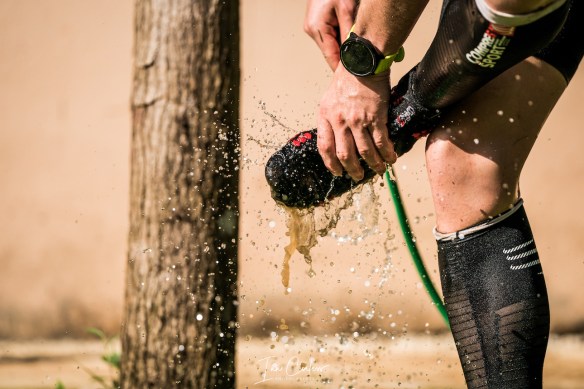




 Lyng, despite the run off-course still occupies the 3rd podium place with an accumulated time 16:48:21 but finished 4th on the stage (7:39:11) behind Viviana Piedra Solano.




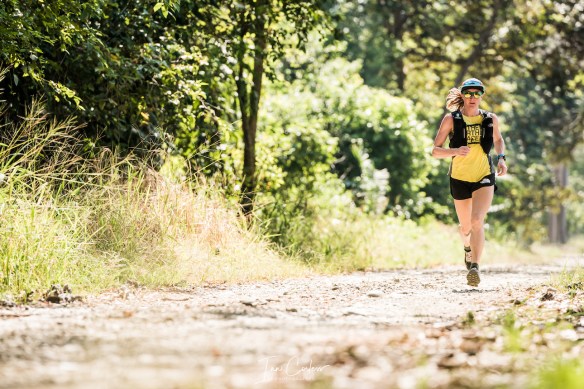
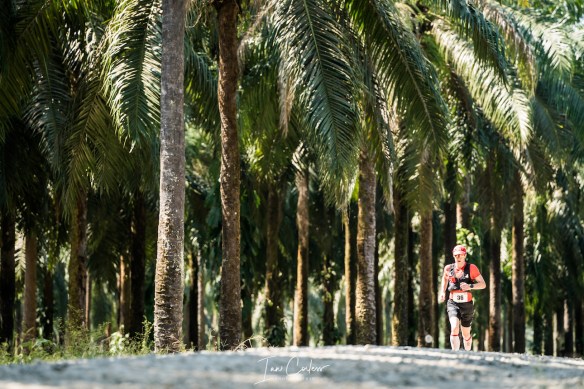


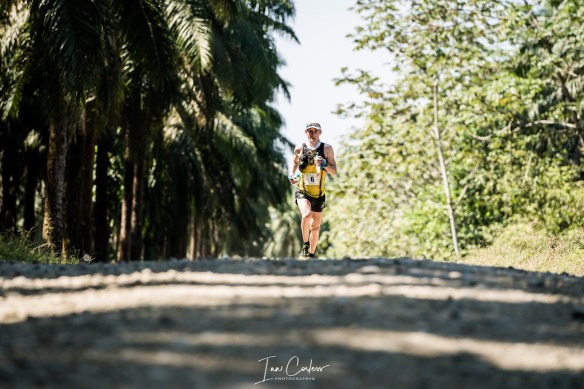


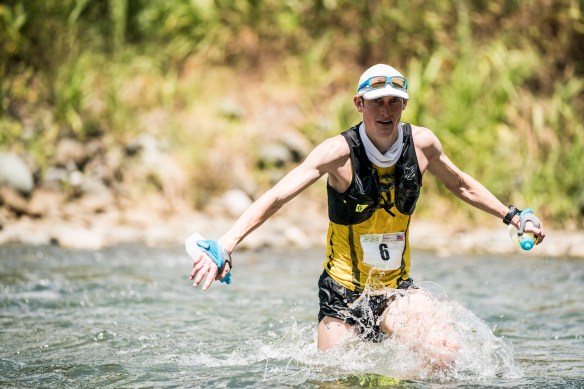
 Gerbin pushed for line with a convincing lead in 3:18:47 and behind her, Costa Rican runners, Natalia López Arrieta and Ashton Keck Keck placed 2nd and 3rd ahead of Norway’s, Abelone Lyng in 3:31:37, 3:48:09 and 3:56:49 respectively.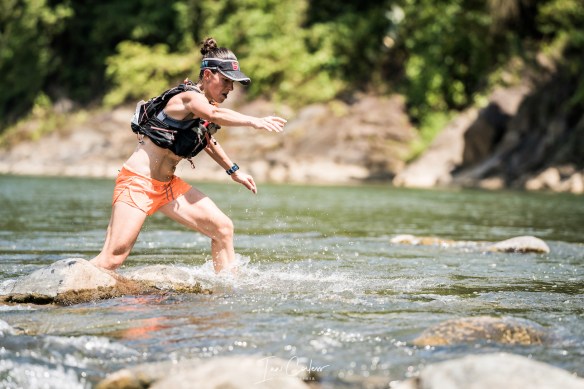

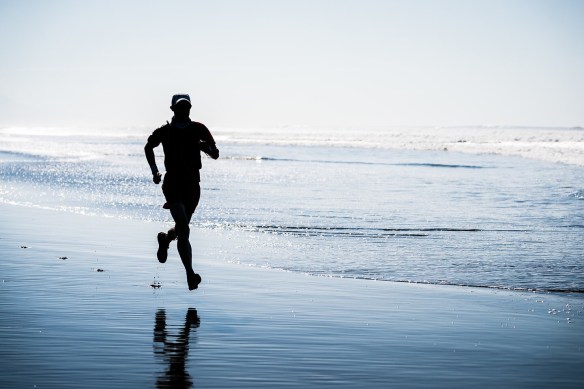 Welcome to Costa Rica. Welcome to the 16th edition of The Coastal Challenge #TCC2020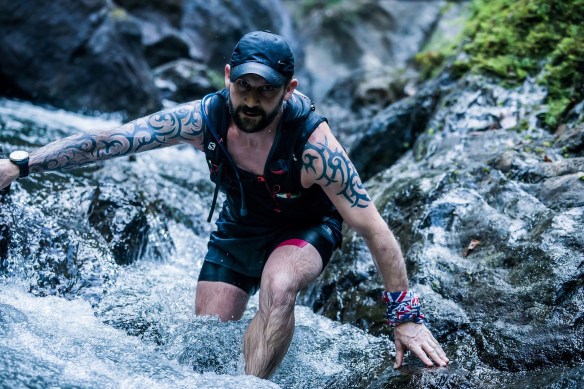
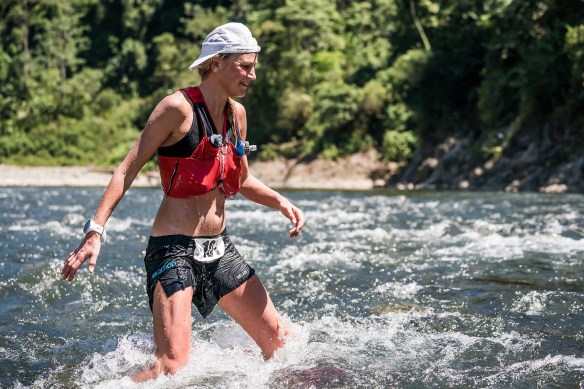
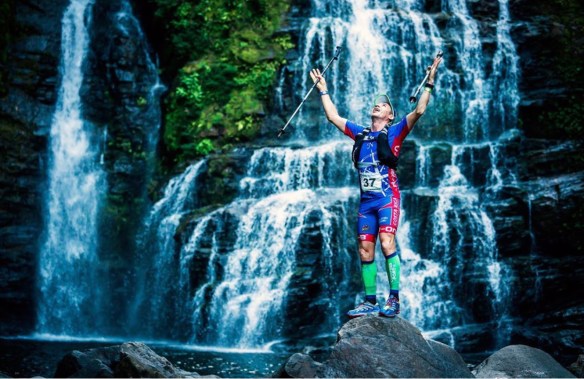 Costa Rica is much more than rugged terrain and challenging trails, it’s a country which holds beautiful customs and warm people, tasty food and lots of smiles, it’s a country which will win the racer’s heart, they will go back home with dreams and memories of this great adventure.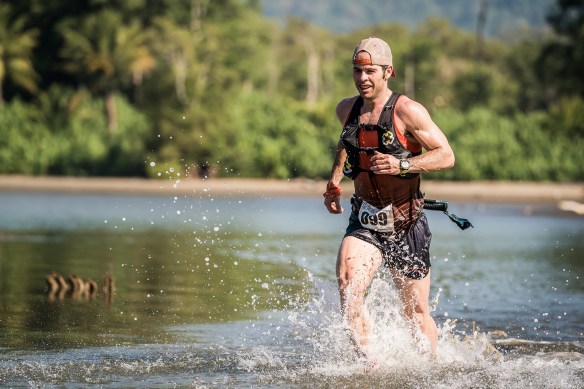


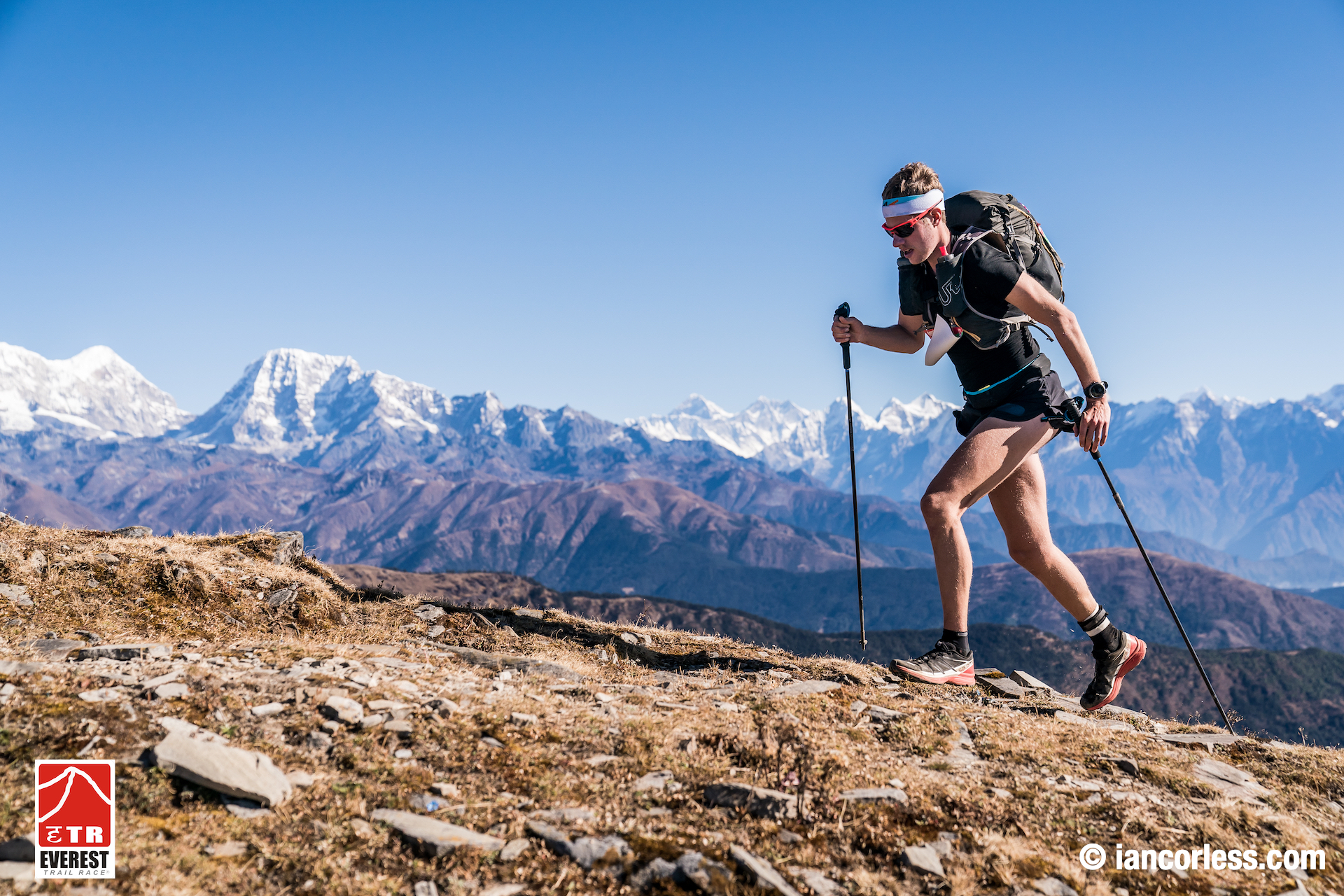 Running is running yes? Anyone can do it! Well I guess the answer is yes. However, variables come in to play. Running is broken down into many different distances, from 100m to 100-miles and beyond. The longer we run, the more the challenges and requirements on a runner change. Running for multiple days or running a multistage race on mixed terrain throws up many different scenarios. Over the years I have spoken with many champions who have raced in the sands of the Sahara, the forests of Costa Rica and the mountainous paths of Nepal. They all provide me with similar hints ’n’ tips to a successful multistage race.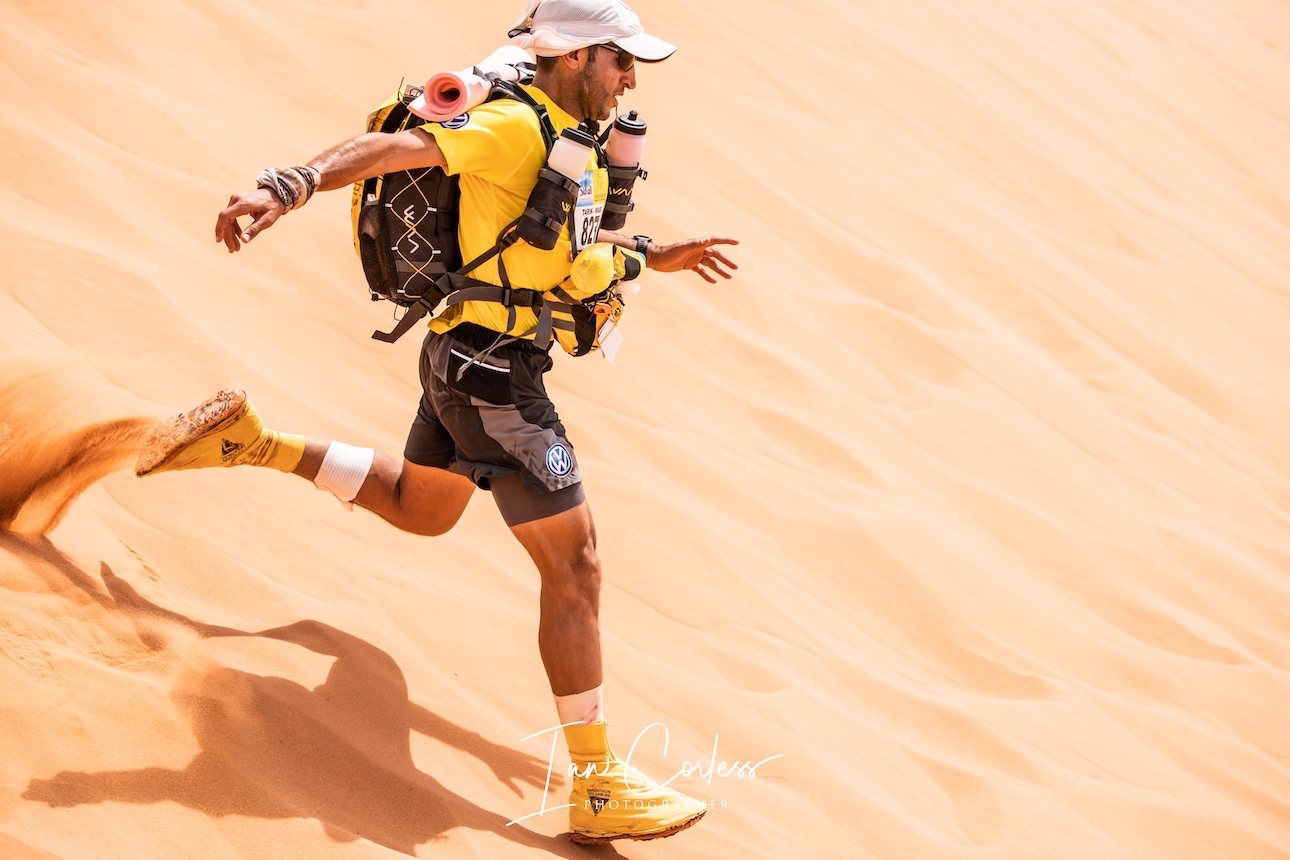














 IAN CORLESS