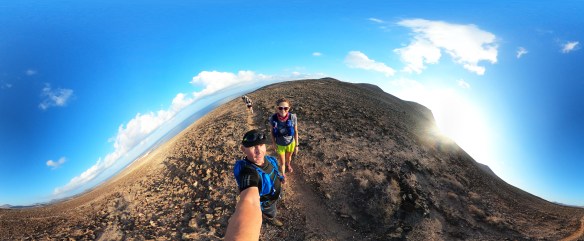
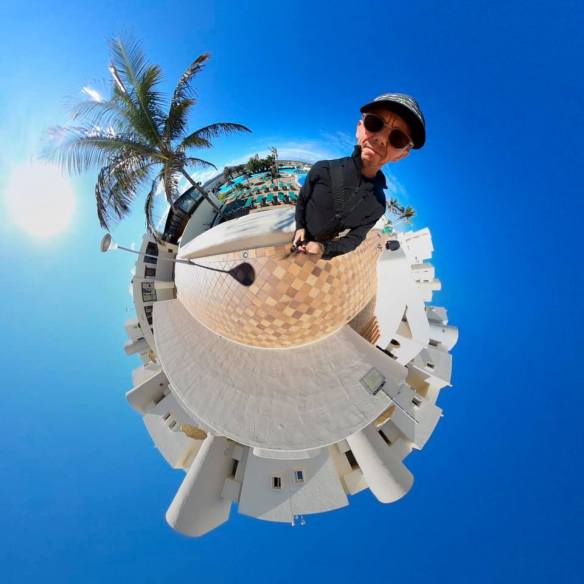
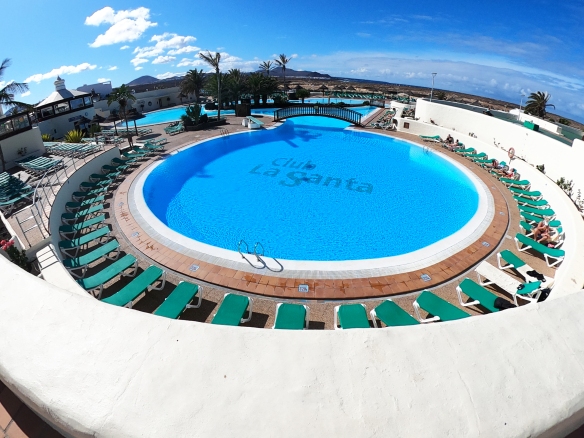
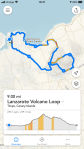
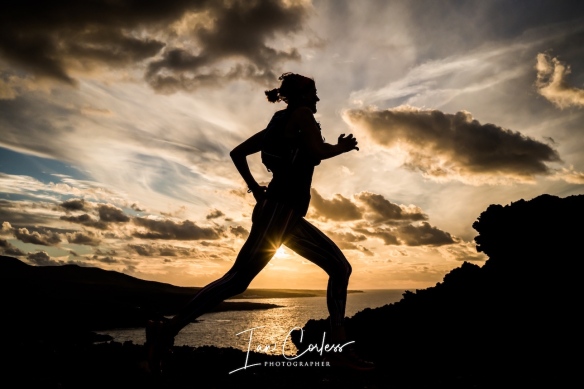
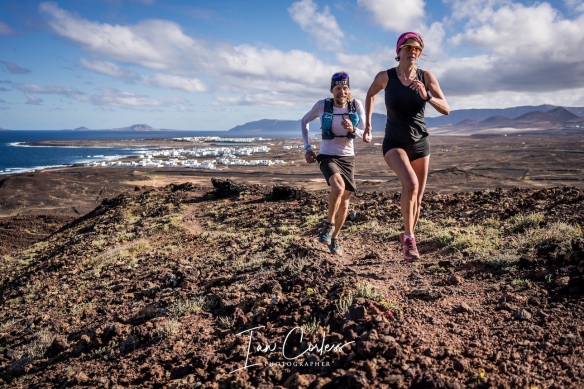
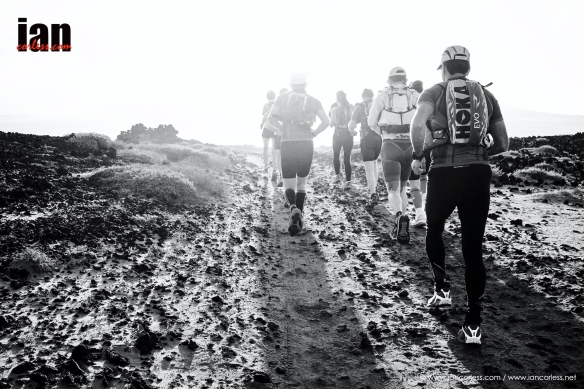
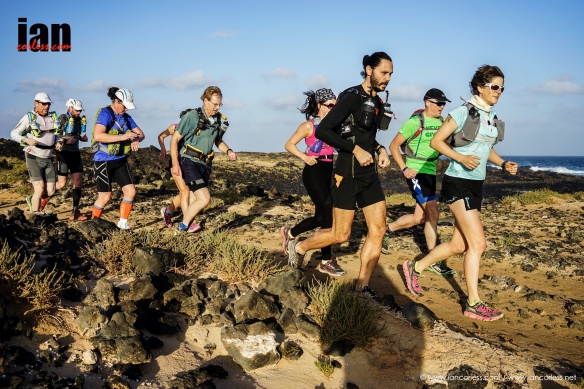
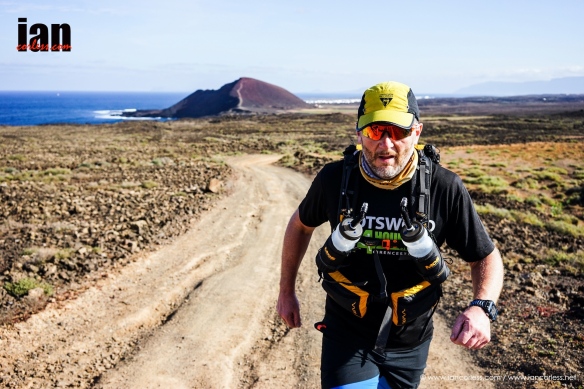
It was a double run day today in Lanzarote starting at 0800 with a really great 9-miles with sunrise with trails along the coast leading to the volcanoes around the village of Soo and then a re-route back down to Club La Santa.
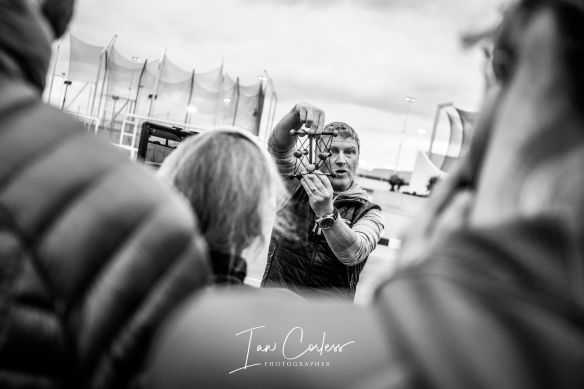
We then had a very quick turnaround to a 2-hour presentation by Running Reborn coach, Shanne Benzie. Shane is a the forefront of discussing and analysing run technique to increase performance and reduce injury, as usual it was fascinating.
A break for lunch and then the afternoon was split in to two 2-hour sessions.
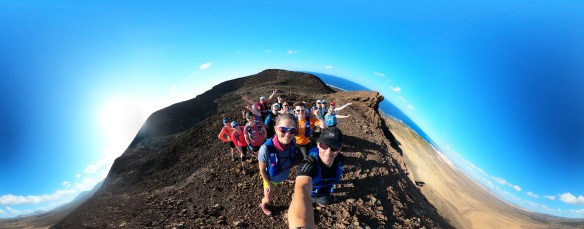
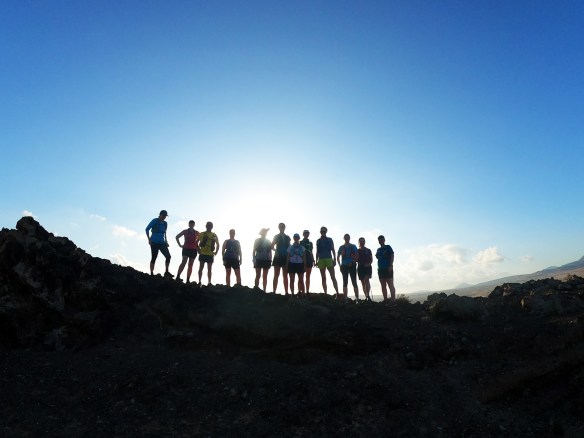
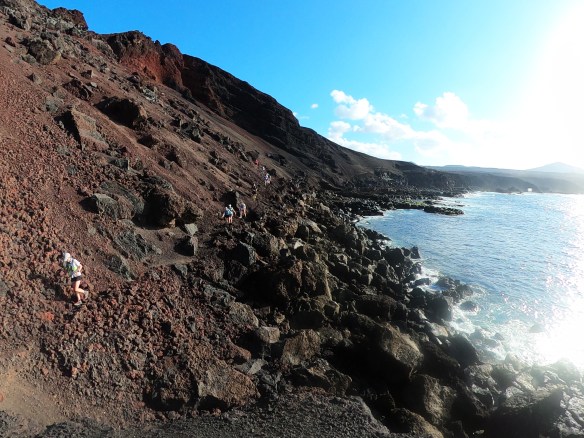
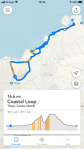
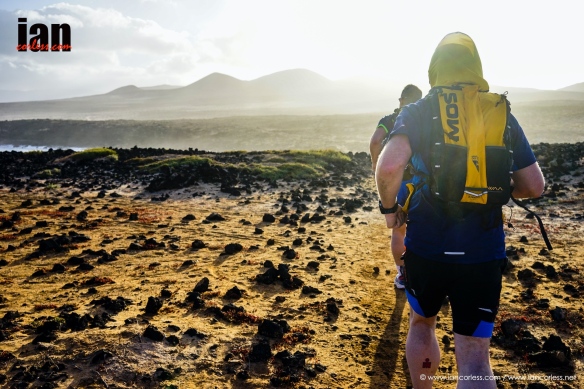
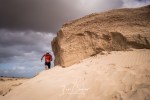
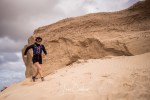
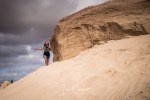
Groups 1 and 2 remained on the run track and had analysis with Shane Benzie while groups 2 and 4 ran along the coast to play on one of the volcanoes climbing to the summit and descending.
You can move around the video image by using the toggle button that appears on the left of the video screen.
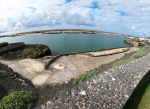
And then coasteering one of the technical paths returning back to Club La Santa.
Back at Club La Santa, the groups swapped with 3/4 remaining on the track with Shane and 1/2 heading out on the trails.
The day concluded at 7pm with everyone exhausted and exhilarated after a very full day.
Dates for our 2021 Camp will be announced soon HERE
A year soon passes and once again I am in Lanzarote for our annual Lanzarote Training Camp which is geared towards providing 7-days intensive training for ultra-runners and multi-day runners.
I arrived 3-days a go so that I could check out routes and in particular test a ‘long day’ route which would be a new addition to the camp.
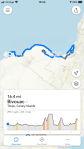
It was a real pleasure to travel from almost one side of Lanzarote to the other on foot. The new route is a point-to-point covering approximately marathon distance with 1800m of vertical gain.
Taking in the best of Lanzarote, the route is extremely varied with a mixture of terrain and gladly has very little road. Some sections cover little used paths and offer a real sense of adventure.
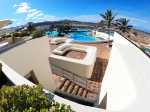
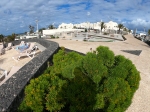
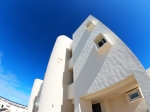
One again the base for the training camp is the sports complex of Club La Santa which is the perfect environment for an intensive week of training with a plethora of facilities on hand.
The camp takes place from Tuesday to Tuesday for 2020 and a full week of activity is planned with routes of varying distance and difficulty.
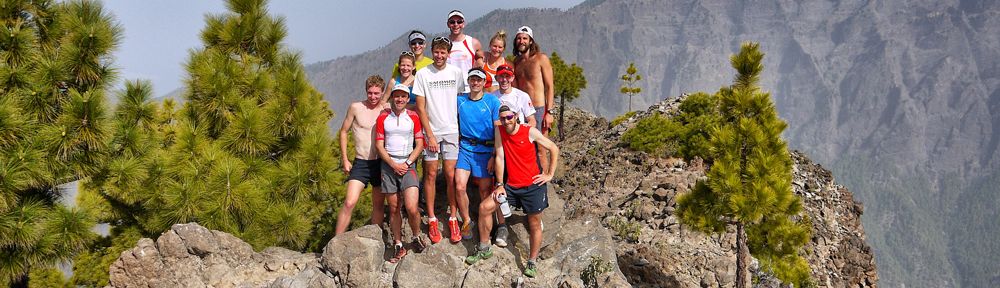
We have typically 4-5 groups guided and this allows for runners/ walkers to work at a pace that is comfortable for them. Our core team is myself, Elisabet Barnes who has won MDS twice and ranked highly in multi-day races all over the world. Sondre Amdahl who is an experienced single-stage and multi-day ultra-runner with an impressive list of results from all over the world.
Last year we had Running Reborn specialist, Shane Banzie join us and he is back in 2020.
Our additional guides for 2020 are Gemma Game (multiple times top-10 at MDS and 3rd in 2018 and 2019) and Jodie Moss who placed top-10 at the 2019 MDS and who has just completed a PHD and who will provide a talk on heat acclimation.
All the preparation is now done and we patiently await the clients arrival on January 7th. We ease them in to the camp with an easy 1-hour run, a welcome talk and then a group dinner.
Day 1 starts with an 0800 call and 9-mile volcano run. Note news to follow as the days progress.
You can view images from the 2019 Training Camp below and HERE
Dates will be announced soon for the 2021 camp HERE
With a New Year looming it’s finally great to announce that in May 2019 I agreed to join forces with ULTRA X and myRaceKit to work with them in promotion of two events on the 2020 calendar:
Azores April 23rd to 26th
Jordan October 3rd to 11th
ULTRA X have had a great 2019 with events in Sri Lanka, Jordan, Mexico and the Azores, in 2020 they move forward:
Sri Lanka – March
Azores – April
Jordan – October
Mexico – November
Bolivia – tbc
China – tbc
ULTRA X have brought a new experience to the multi-day world offering race entry at accessible prices, easy registration, a global series, a community and club for all and uniquely, they a proposing a ULTRA X World Championship that will take place every 2-years, starting in 2021.
Although new to the multi-day world, ULTRA X had significant growth in 2019 and now with the help of myRaceKit, specialist equipment supplier for multi-day races, 2020 looks set to be a great year.
Rebeca from myRaceKit is an accomplished ultra-runner, here at the 2019 Marathon des Sables.
Many will know myRaceKit through two-times Marathon des Sables and multi-day specialist, Elisabet Barnes. Elisabet was the owner of myRaceKit until she sold to the new owner, Rebeca Ehrnrooth, Elisabet remaining as a shareholder.
Moving in to 2020, myRaceKit are the exclusive equipment partners for ULTRA X events including pre-race weekends. At the Azores and Jordan races, Elisabet Barnes and Sondre Amdahl will fly the myRaceKit flag amongst two hotly contested races with runners from all over the world attending.
Elisabet and Sondre training in Lanzarote in 2019. They will return again, January 2020.
AZORES
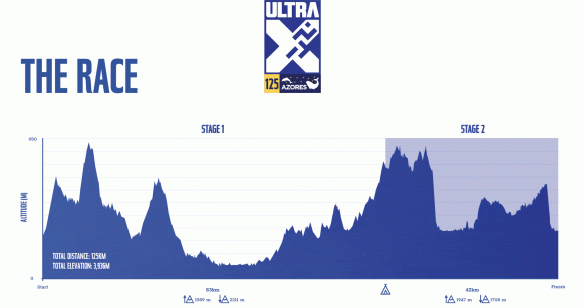
The ULTRA X Azores 125 is 2-day eventin April and is designed as introduction to the multi-day format. It is the first half-distance race Ultra X have offered. The Azores are truly spectacular situated 1000-miles in the Atlantic Ocean. Close to Portugal, this tiny archipelago of islands offers incredible trails along volcanoes, through amazing green valleys and past stunning lagoons.
Taking place on the island of Sao Miguel, nicknamed “the Green Island”. It is one of the nine volcanic islands based out in the Mid Atlantic. Governed by Portugal, this wild and remote archipelago is characterised by dramatic landscapes, fishing villages and green pastures. The climate of the Azores is very mild for such a northerly location, due to the marine influence, temperatures remain around 20c all year-round.
Racing takes place over 2-days, with 83km to cover on day-1 and 42km to cover on day-2. It’s not an easy challenge! Included in entry is accommodation during the race, race entry, rationed water, medical team, ground assistance and a medal at the finish. The race is self-sufficient, so runners must come prepared to survive for the duration of the race.
Ultra X Jordan (previously the Wadi Rum Ultra) takes participants through the land of Lawrence of Arabia. The mystical course takes competitors through historic sites, into dramatic Wadis and over magnificent sand dunes.
Wadi Rum’s nickname is ‘the valley of the moon’ and you will see why.
Its landscape, characterised by unique towering rock formations will truly blow you away, as will the challenge. As locations go, this place is unrivalled in its beauty.
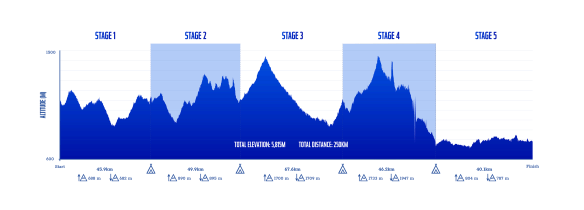
A 5-day race, the race will cover daily distances of 46km, 50km, 70km, 46km and finally, 38km. As will all ULTRA X races, the event is self-sufficient, so, runners need to carry food, clothes, sleeping bag and all they need for the event. Rationed water and a tent is provided.
Speaking to Sam Heward from ULTRA X in October, I expressed how happy I was to be joining in 2020:
“It is great to see that Ultra X are creating new races, in new locations around the world. Ultra X 125 Azores is something a little different with it being just a two day race, this will appeal to many as a mini adventure and an opportunity to test themselves before stepping up to a 5-day format. I have heard much about the Azores and it’s a place I am keen to visit and explore.”
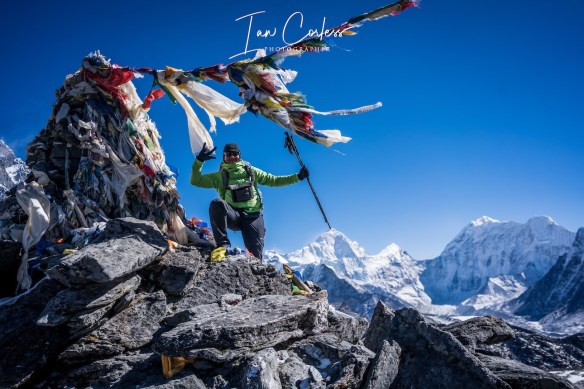
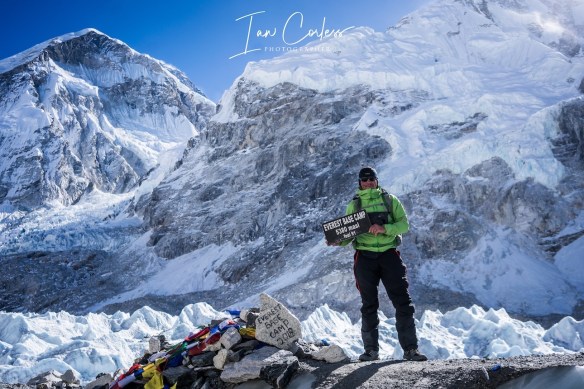
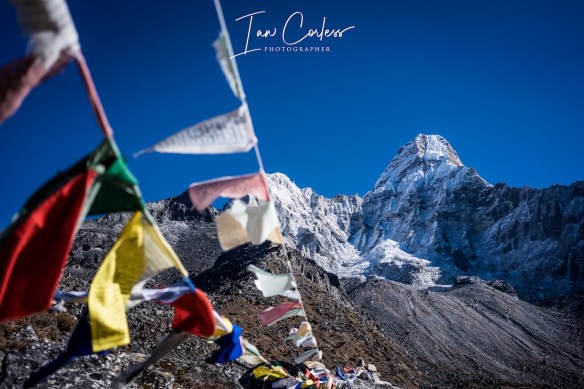
This time last year I was making final preparations for my ‘Three High Passes‘ trek that included Renjo La, Cho La, Kongma La and the additions of Kala Patthar, Everest Base Camp and Ama Dablam Base Camp.
You can read about the route HERE and view photos HERE.
Having just returned from Nepal, this time visiting Mira Rai in her home village and working on Everest Trail Race (here). I was fueled to put a plan into action that I have contemplated for the last 12-months.
MERA PEAK, ISLAND PEAK and LOBUCHE EAST
Three 6000+ summits, in succession in a 16-20 day period.
It seems a logical progression for me, the peaks being considered entry level 6000’ers that are graded as ‘trekking peaks’and not ‘expedition peaks.’
To clarify, I have come to higher mountains and challenges as a natural progression. I am a runner who has been fortunate to get high, work in difficult places and organically push my boundaries. Of all the things I have done, my 2018 High Passes Trek was the most rewarding and it has left me wanting more.
‘Three Summits Expedition’
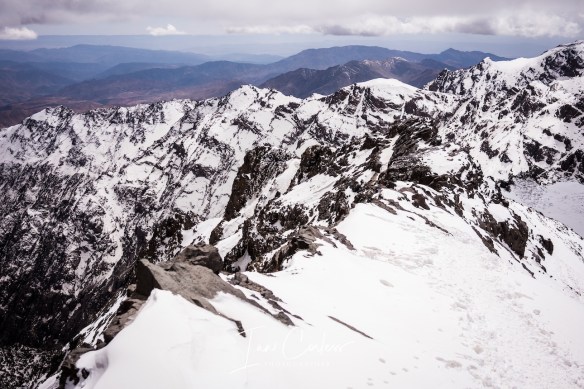
It’s not a project I will take lightly, and I have already started the necessary learning curves to hopefully make the 2020 Three Summits a success. I have three ascents of Toubkal (Morocco) under my belt, two in summer and more importantly, one in winter that will replicate many of the conditions I will encounter on Mera for example. I plan at least two trips (in winter) to Toubkal in early 2020. I have the first planned for January, the second probably in April. I also plan to climb Monte Rosa (4600m) in June and then if all plans fall together, hopefully Mont Blanc (4800m) in August.
In addition to the above I have signed up for ice climbing lessons, a winter skills weekend and a basic abseiling course. I don’t want to leave anything to chance and, in the process, I want to really enjoy the learning curve.
What will the ‘Three Summits’ entail?
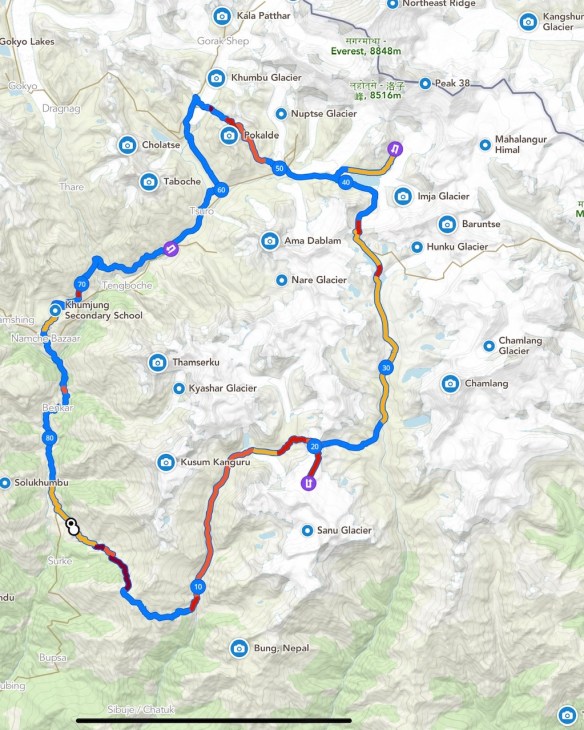
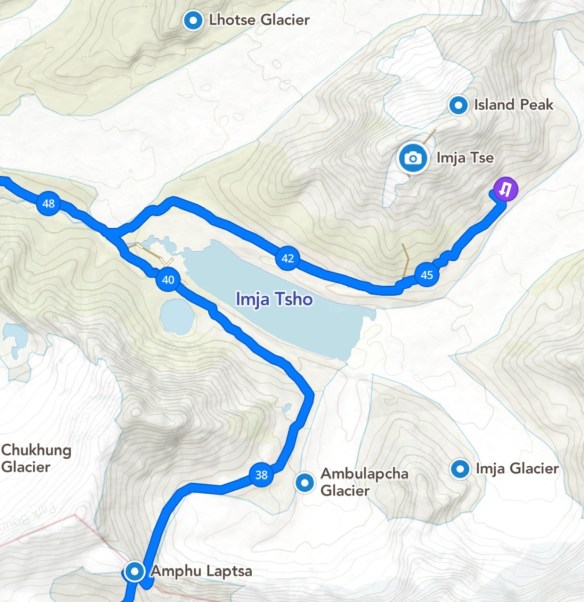
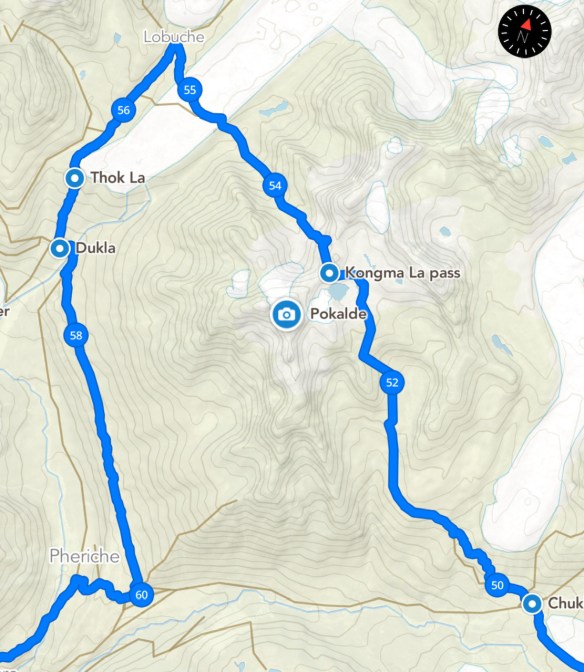
The loop above shows an approximation of the route and the return leg after Lobuche may change as mentioned below. The total distance will be approximately 120-miles but it is hard to get a fixed figure on this, especially with so much vertical.
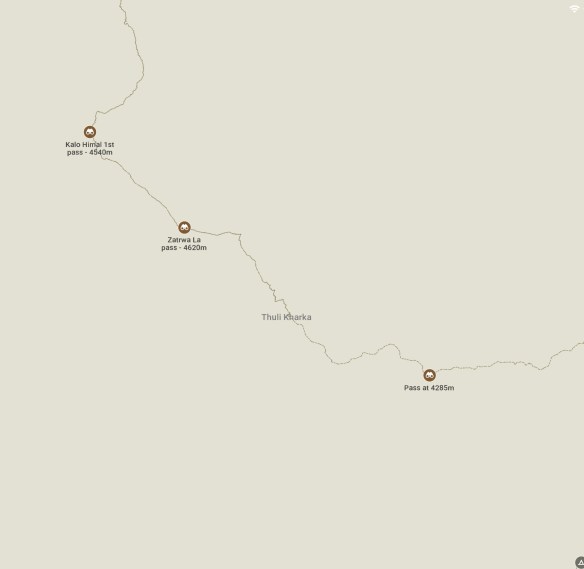
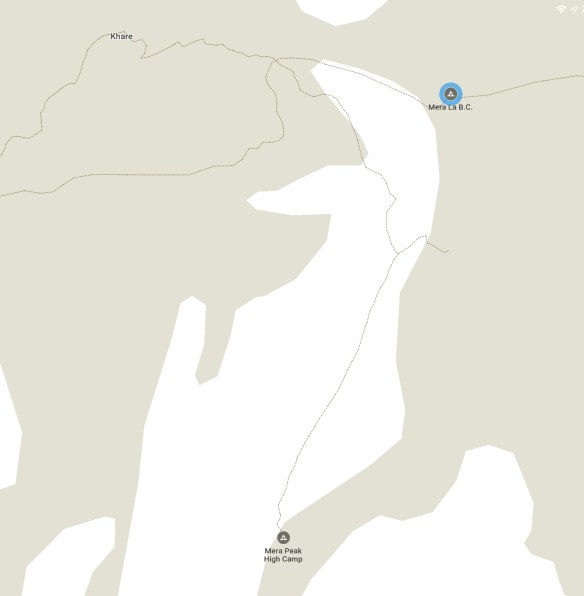
Arriving in Lukla, we would take the quiet trekking route to Thuli Kharka that includes crossing three passes: Kalo Himal 1st 4540m, Zatrwa La Pass 4620m and an unnamed pass at 4285m. Thank Tok follows, then Kothe (Namaste Lodge and Lama Lodge) may provide us with a lodge option? Thangnak leads to Khare and then base camp for Mera Peak.
Mera Peak at 6476m is the highest trekking peak in Nepal. A trek that leads though rhododendron forest trails of the Hinku Valley. Once acclimatized we will ascend to a high camp just below Mera La and prepare for an attempt on the central summit of Mera Peak (6461m).
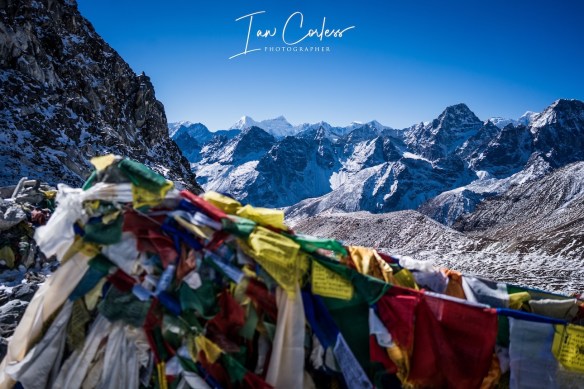
Of all the peaks we will attempt on this expedition, Mera is not technically demanding but climbing at this altitude is physically challenging, we will also need to be attentive to snow conditions and wait for an optimal weather window. From the summit, we will have perfect views of five of the six highest mountains on earth.
From Mera Peak we will descend to Base Camp and then the following day start our trek to Island Peak.
This section of the trek is arguably the most challenging with a crossing of Amphu Labtsa Pass, at an elevation 5845m. It is a glaciated pass covered in Serac cliffs. It is the only way out of the otherwise isolated Honku valley. The base of the valley is at 5,000m and has several glacial lakes including the Panch Pokhri or Five Sacred Lakes. The Amphu Labtsa Pass involves technical mountaineering and is Alpine Graded D (difficult). The ice and rock summit is exposed and the descent to the Imja Valley that will lead to Island Peak requires abseiling following a fixed rope. Arguably, the Amphu Labtsa Pass may be more challenging than the three summits on this expedition?
Island Peak is a classic 6000+ Himalayan Peak and graded PD+/AD which will require our team to use multiple skills that includes crampons, fixed ropes and potentially crossing ladders over crevasses. The attempt for summit will take place early morning (estimated at 2am) and will require many hours in darkness on steep ground covering scree, loose rocks and switchbacks. The final ascent to the summit is steep (40-55 deg) and will require fixed rope work (Ascender and carabiner on a cow tail rope) via mixed terrain: rock, snow and ice.
At the top of the headwall the summit ridge extends a further 250m to the small peak with amazing views looking back towards Ama Dablam. Because Island Peak is close up to the vast and dramatic south side of the Lhotse/Nuptse wall, Everest will not be visible. The climb down is a reverse of the way up and will require some abseiling on the upper sections. It is a single line abseil with no top roping. The lower one gets, the easier it becomes, and we will descend to base camp.
The next section of the trek will go to Chukhung and then Lobuche via one of the three‘High Passes’ – Kongma La.
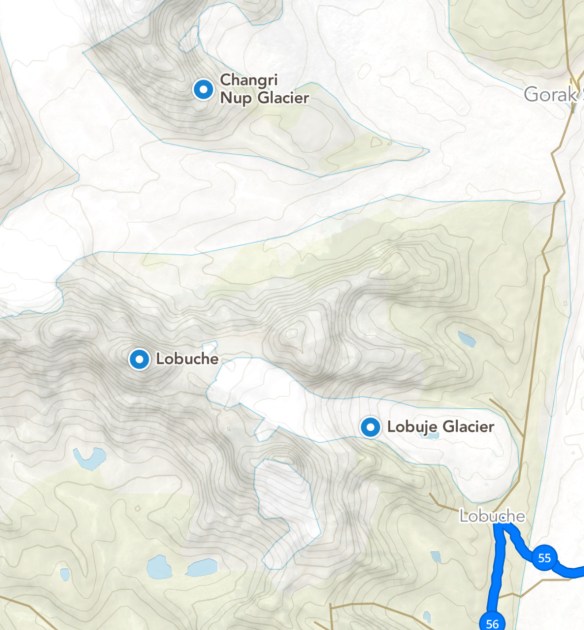
Once at Lobuche, the final summit of Lobuche East at 6119m waits for us. Considered one of the more challenging trekking peaks in the Everest region our summit attempt will be made from high camp on the south ridge.
Once back at Lobuche, our expedition will then return to Lukla and the route/ schedule here is currently flexible based on time available. We are anticipating and attempting the whole route in a challenging 16-days; however, we will have 20-days available. This will allow us some contingency days for bad weather.
Route options for the return:
1. The most direct route will be to drop down to Dingboche, Pangboche and then take a high pass to Phortse. From here we will pass through the Khumjung Valley, Namche Bazaar and then take the main trekking route back to Lukla.
2. One other option would be to complete the ‘High Passes’ and from Lobuche take Cho La Pass to Gokyo and then Renjo La Pass to Thame. From here we would go to Namche Bazaar and then follow the main trekking route to Lukla.
Summary
The above is a challenge and one that is not taken for granted. The mountains are the boss and all I can do is plan accordingly. I have liaised with my contacts in Nepal, namely Pasang Sherpa who is a good friend. He has summited Everest twice, Ama Dablam many times and when it comes to the Himalayas, he is my Mr. Fixer. As such, he will be present on the expedition and have ultimate control of all aspects.
Our team will be small and personally selected with 4 and no more than 6 in the team. In addition, we will have Pasang and porters.
My ethos is to be self-sufficient as much as possible. I want and am happy to support the Nepali community and pay for porters. But I am not happy for me to carry 10kg and a porter carry 40kg. Therefore, I expect each member of the expedition to carry equal weight.
Altitude is a fickle beast and there are no guarantees. Fitness is not an indicator of how well one works above 4/5 and 6000m and in advance we will most definitely have group discussions on plans of how we work this in a real situation.
Our expedition will need individual plans so that we all understand what will happen when plans do not go as expected. For example, in a group of 4-6, it is not unreasonable for 1 person to have an issue on one or all of the ascents. We will need to have safety for 1 person (or more) to turnaround if required, while the others proceed to a summit.
There are little or no lodges between Lukla and Island Peak and what is available, may not be open in late November/ early December. Therefore, we will need to carry tents, cooking supplies and food for this section of the expedition.
Late November and early December will hopefully bring more stable weather, but we do run a risk of increased snowfall. It is also colder.
We will have specific equipment needs for each of the summit attempts in addition to what we will need for day-to-day trekking:
High altitude boots
Crampons
Helmet
Harness
Ice Axe
Cow Tail
Ascender
Carabiners
Departure date from Kathmandu to Lukla will be November 23rd (tbc). With the expedition taking 16-20 days. (We need to allow for 20 because we may not be able to summit due to bad weather.) Return to Kathmandu will be scheduled for Dec 12th.
Finally
This expedition is without doubt a challenge. It is going to push me to some new areas and in the process, I am going to learn not only new skills, but I am going to learn a great deal more about myself.
I plan to document the process in words and images. Lessons learnt, mistakes made and hopefully provide a platform for mutual learning.
With a New Year looming, I am excited to start it with my most adventurous project yet!
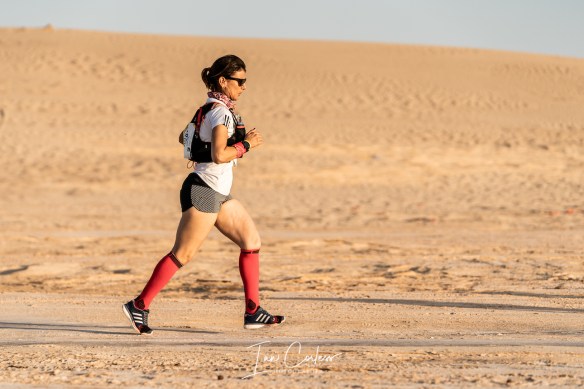
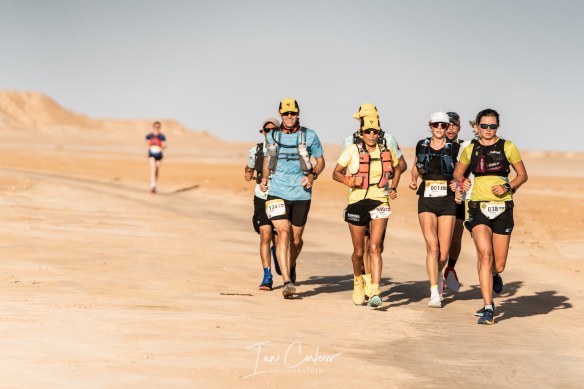
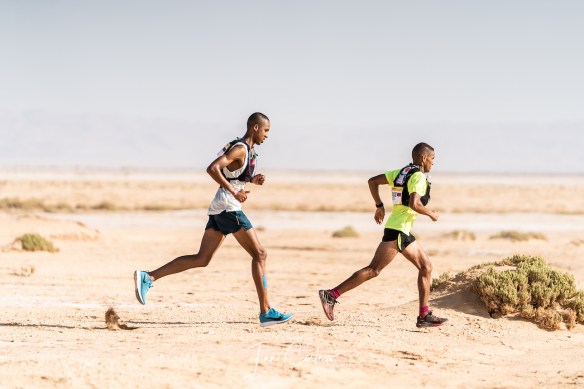
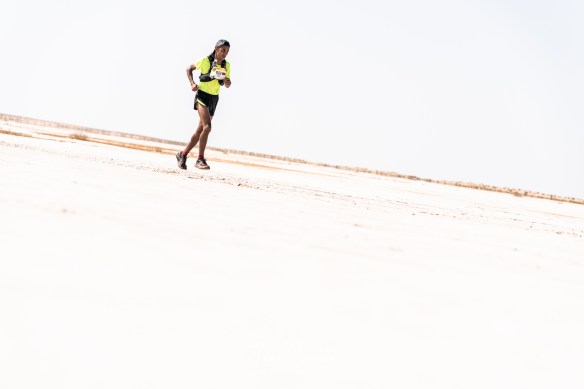
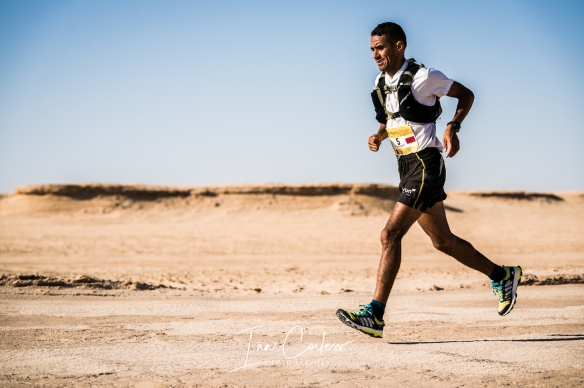
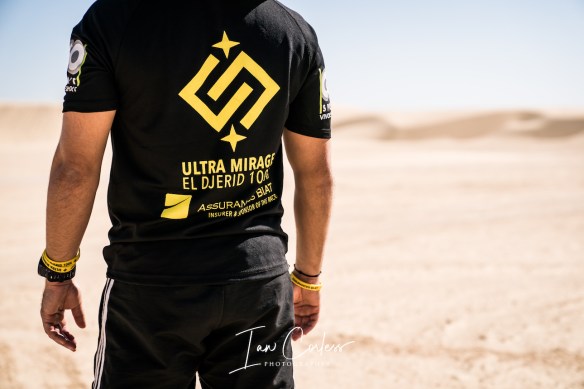
The 2019 Ultra Mirage El Djerid 100k #UMED is over and what an epic 3rd edition of the race! Pre-race favourites, Rachid El Morabity and Bouchra Lundgren Eriksen were crowned the champions.
Three editions and three courses, the 2018 and 2019 courses similar but as race director, Amir Ben Gacem said pre-race, the 2019 route would be harder due to more soft-sand in key sections. The route was harder and this was confirmed by all alumni.
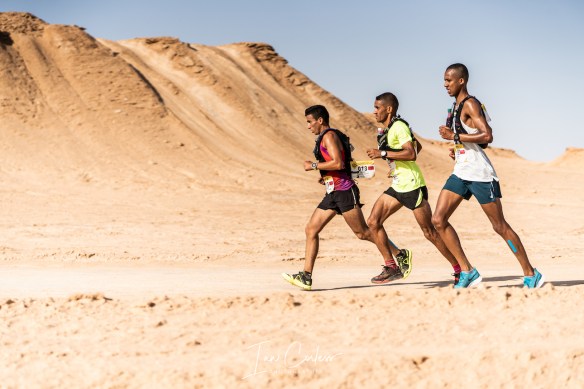
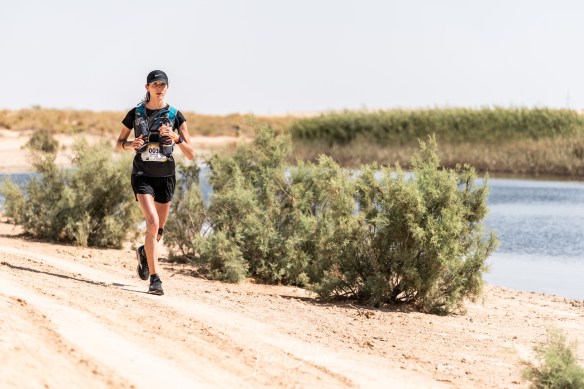
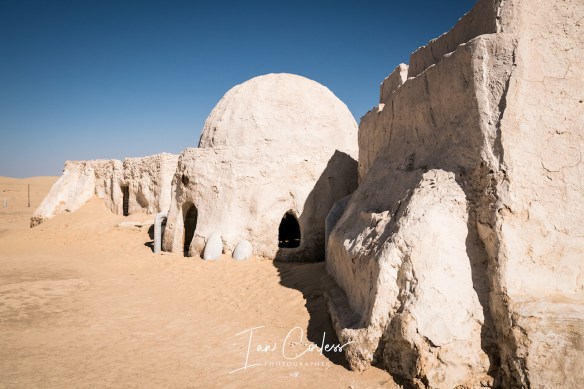
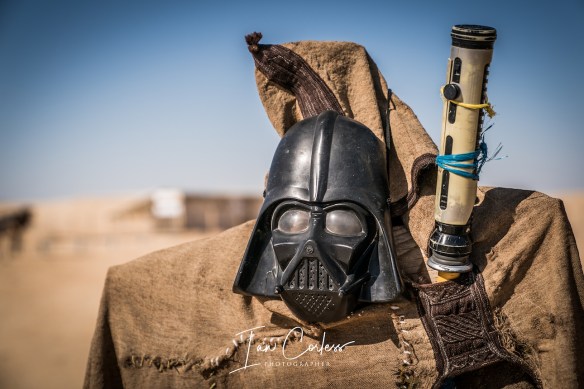
100km desert based in Tozeur, Tunisia, North Africa brought runners from all over the world to experience something very special in a unique environment. The start and finish at the Star Wars film set made famous as Luke Skywalker’s home – Mos Espa.
The 1st edition had just 60 runners from 12 countries, for 2018, these numbers escalated to over 100 and a remarkable 20+ countries for 2018 and now 168 toed the line in 2019.
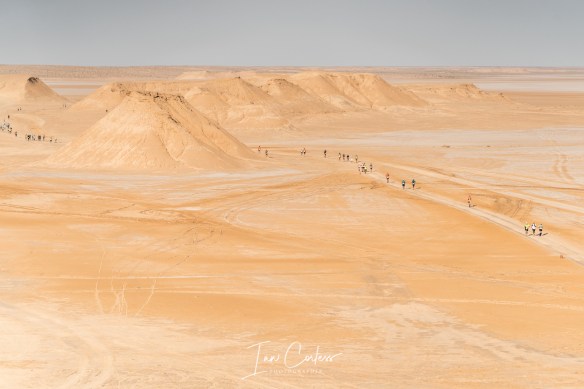
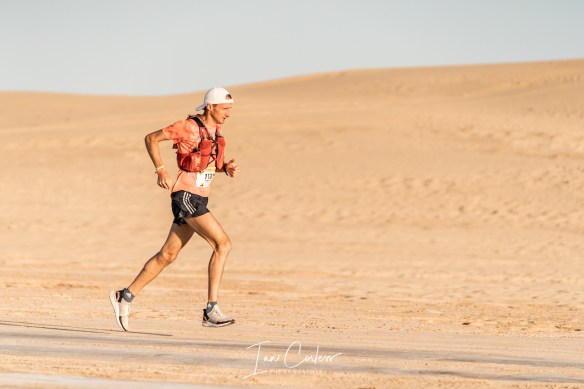
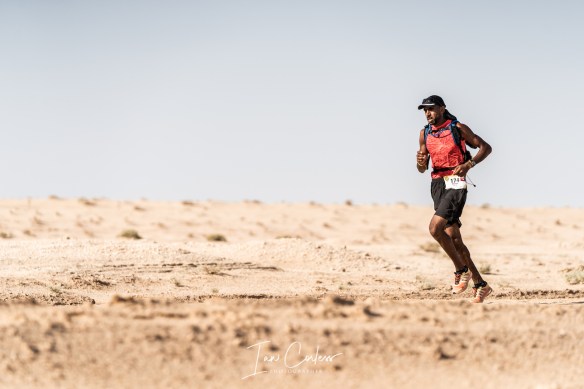
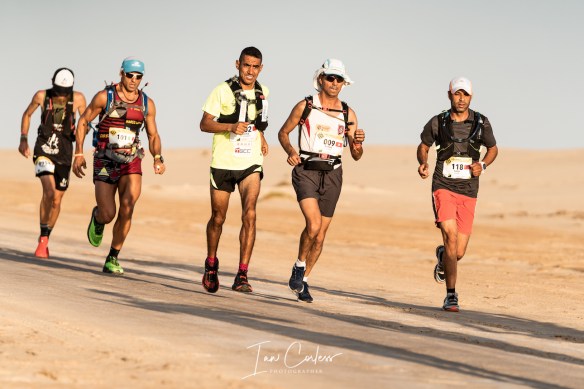
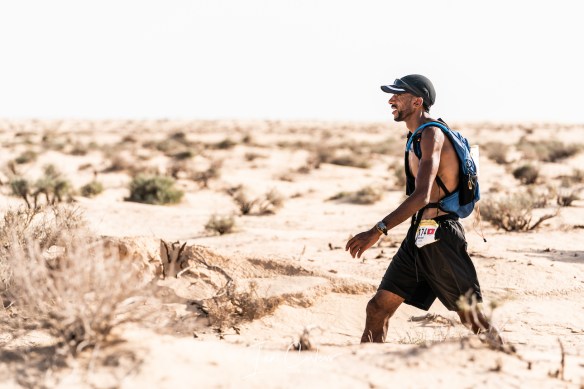
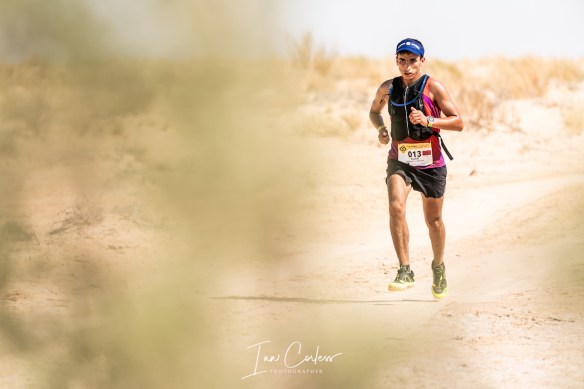
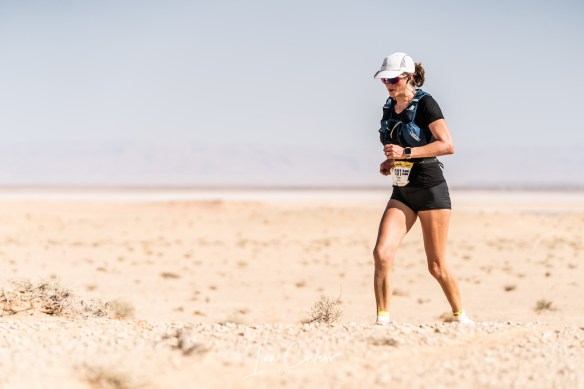
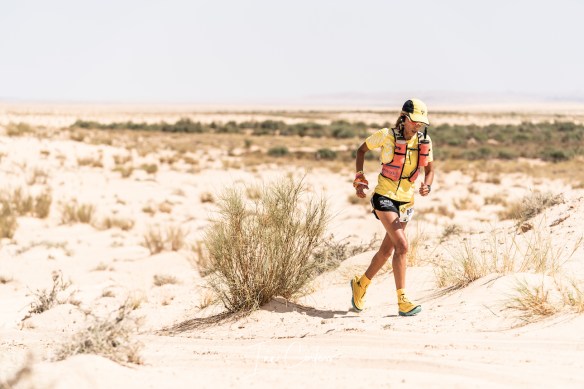
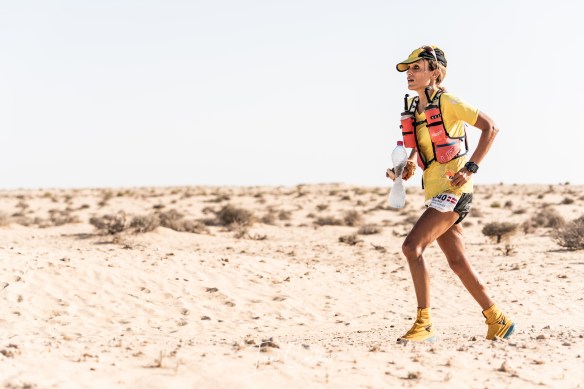
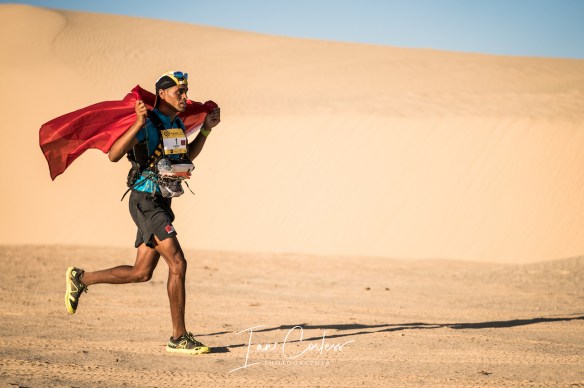
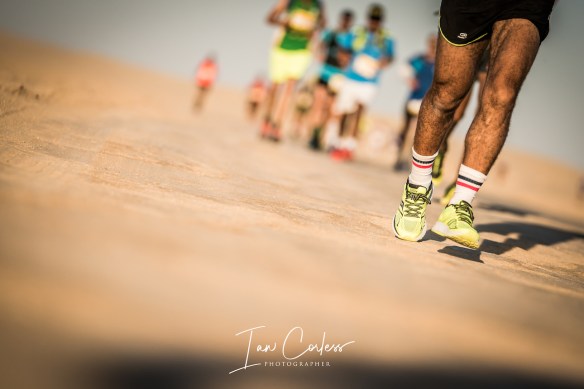
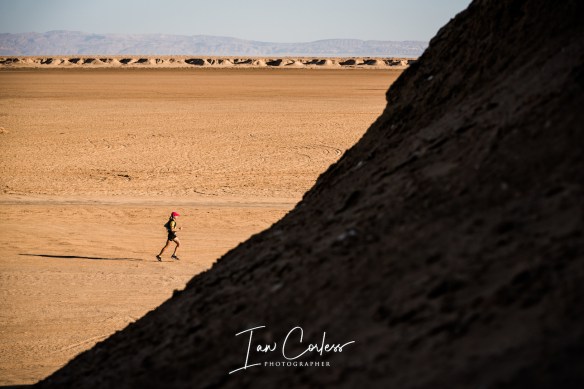
Soft-sand, small dunes, rocks, dried river beds and multiple oasis, participants had 20-hours to finish the race with very specific deadlines to reach each of the checkpoints which will be between 15-20km apart. Starting at 0700, the race concluded at 0300 with a drop-out rate of 30%.
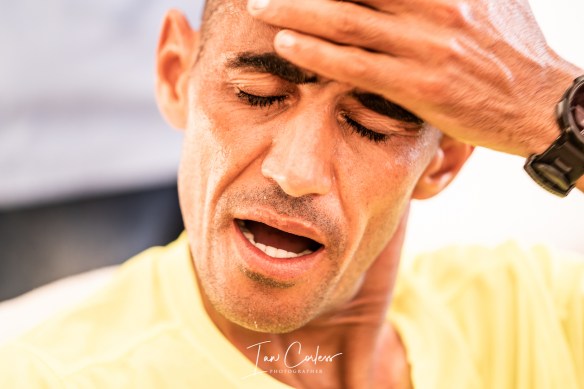
On paper, the 2019 editions of the race, despite a harder route, looked like it may have the bonus of cooler temperatures… Not so, race day proved to be a scorcher with temperatures hitting 40+ degrees causing problems for runners who baked in the intense heat – the checkpoints were too far away for such intense heat!
The early stages of the race were dictated by Evgenii Glyva who set a ridiculous pace considering the distance ahead.
Tunisian runner, Mosbah Lagha pursued at a distance and quite sensibly, any runner who was hoping to be around at the finish line decided to stay around Rachid El Morabity, the 2018 champion.
Chefia Hendaoui who placed 3rd last year, from the gun, left the top women trailing behind. For over 10km, she actually ran ahead of Rachid finally succumbing and joining the top contenders of Elisabet Barnes, Bouchra Lundgren Eriksen, Oksana Riabova and more.
After Cp1, Rachid trailed the duo upfront by over 10-minutes. It was enough for him to decide to react and what a reaction. The desert king closed the distance in no time and with another change of gear pulled away at a ridiculous pace. It took less than 10km for the gap to extend to almost 30-minutes.
The question would be, could Rachid hold this pace? In 2018 he crumbled with 20km to go and fought fatigue and dehydration to take victory, but in the process he collapsed in the arms of RD Amir and ended up on IV drips.
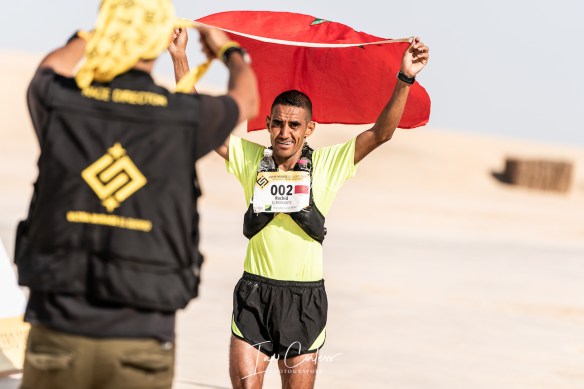
This year he was prepared. I have seen Rachid run all over the world and here he impressed me like no other time – cool, calm, controlled and metronomic. Somehow, on a more difficult course he ran a new CR crossing the line 8:21:39.
Behind the Moroccan, it was carnage as the heat and course took its toll. But early protagonist Mosbah Lagha from Tunisia flew the home flag and battled hard to hold on for 2nd in 10:17:02 ahead of another Moroccan, Rachid Aamimi El Armani who crossed the line in 11:18:21.
For the women, 2018 champion Elisabet Barnes was feeling strong and after cp1 and pushed the pace.
Bouchra Lundgren Eriksen was having none of it though and marked the move eventually taking the lead. Bouchra pulled away, an error going off course gave Elisabet the lead once again but Bouchra quickly hunted her down and regained control.
After cp2, the heat and soft-sand took its toll with many drop-outs including the 2018 1st and 2nd place runners, Elisabet and Sondre Amdahl.
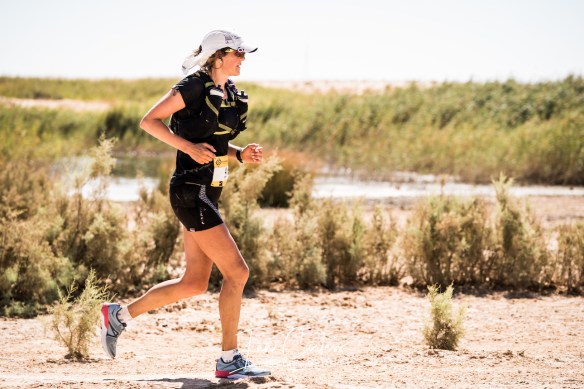
Bouchra was now taking control of the front of the race and last year’s 2nd place, Oriane Dujardin kept her in contact until the final 25% when Bouchra pulled away to take victory in 11:20:54.
Oriane was a clear 2nd in 12:02:23 and Judith Havers from Germany placed 3rd in 13:24:06.
The story of the day though was intense heat, a tough and relentless course and dehydration. As in any race, nothing is guaranteed. Rachid’s performance was spectacular, the CR may well last for some time!
STARTERS: 168
FINISHERS: 117
ABANDONS / DNF: 51
New record : Rachid El Morabity
Men overall
1. Rachid Elmorabity🇲🇦08:21:39
2. Mosbah Lagha 🇹🇳10:17:02
3. Rachid Aamimi El Amrani 🇲🇦11:18:21
Women overall
1. Bouchra Lundgren Eriksen🇩🇰11:20:54
2. Oriane Dujardin🇫🇷12:02:23
3. Judith Havers🇩🇪13:24:06
You can obtain more specific information from the race website, HERE
The 2019 Ultra Mirage El Djerid 100k #UMED rolls closer. Now in its 3rd edition, this 100km desert race based in Tozeur, Tunisia, North Africa brings 300 runners from all over the world to experience something very special in a unique environment.
The 1st edition had just 60 runners from 12 countries, for 2018, these numbers escalated to over 150 and a remarkable 20+ countries for 2018 and now 300 will toe the line.
A single-stage race that takes runners across a wide diversity of terrain, the start is at Mos Espa, famous as a movie set and tourist attraction as it was the home of Luke Skywalker in the original Star Wars movie. The film set still exists and provides all involved a great opportunity for a photo before or after the race!
Soft sand, small dunes, rocks, dried river beds and multiple oasis, participants have 20-hours to finish the race with very specific deadlines to reach each of the checkpoints which will be between 15-20km apart. Starting at 0700, the race concludes at 0300.
Offering 4 ITRA points and equal prize money for the top female and male athletes, the 2019 edition of UMED looks set to be a great race: #1 EUR 3000, #2 EUR 1500, #3 EUR 500.
2018 Champions, Rachid El Morabity and Elisabet Barnes return to defend their crowns, can they beat the course records? Mohamed El Morabity has a faster time from 2017, (08:48:11) but the race route was very different! Elisabet Barnes set the 2018 record, 10:12:12. However, the 2019 route does have approximately 20% course change, and in the words of Race Director, Amir Ben Gacem:
“From cp3 at 50km is identical to last year: straight long lines in the desert. The first part will be the same for the first 20km across Chott el Gharsa. But between 20km and 50km we are probably changing the route to skip the road section in favour of plain desert. It will be more difficult as there will be no shade at all except at check points, and there will be more soft sand.”
MEN
Rachid is the outright favourite and little more needs to be said, he is the desert king. Rachid’s brother, Mohamed, will also return. The duo, both desert specialists, encountered difficult races in 2018 – the intense heat challenging them. Rachid collapsed at the finish line with dehydration and exhaustion, his brother making the podium after a very difficult final 20km. As desert experts, Rachid a multiple champion at Marathon des Sables, Mohamed equally a desert expert, but often in the shadow of his older brother, they are without doubt favorites for the 2019 title.
Sondre Amdahl from Norway will also return after making the podium in 2018 and nearly upstaging the desert king, Rachid. The final 10km really was a spectacular battle as they traded run stride and cadence to be champion. Sondre has raced at Marathon des Sables where he placed in the top 10. Certainly, the single-stage format and 100km distance will suit him as he proved last-year, however, he has been injured recently and therefore his form may well be below his own exacting standards.
Christophe Le Saux, France, also toes the line. He is a long distance expert, has a great history with MDS and he loves the desert. The men’s race will be interesting in 2019!
The UK’s Ben Whitfield will not be a name you know, but mark my words, you will after the 2019 UMED!
WOMEN
Two-time Marathon des Sables champion, Elisabet Barnes, will head up the women’s race and after placing 4th overall, setting a CR in 2018, she is without doubt the favorite. A solid June and July saw Elisabet clock some great training miles which she has tried to maintain throughout August.
Bouchra Lundgren Eriksen will push Elisabet for the victory, a very accomplished marathon runner and podium finisher at MDS, she may well be the one person who challenges the MDS Queen, Elisabet, for victory.
Oriane Dujardin placed 2nd in 2018 and ran a solid and consistent race. With more experience and one year of training, she will once again contend the podium.
Rebecca Ferry has experience in multi-day racing and ultra-running, particularly at the 100km distance. She recently ran CCC and DNF’d, however, she has kept her powder dry since. If she has a good day, she will definitely contend the podium.
Chefia Hendaoui is the female Tunisian hope and she made the podium in 2018 – can she place higher?
As in any race, nothing is guaranteed. As the distance takes its toll, the soft-sand wears the runners down and the heat exhausts, anything can happen. Stay tuned for the action as it unfolds in Tunisia. No doubt, some names will shine that are not mentioned here.
One thing is for sure, the desert, Tunisia and the UMED organisation will provide a special experience for all.
Runners will start to arrive in Tunisia from Thursday 28th and transfer to Tozeur. Friday is registration and briefing and then the action starts Saturday, 0700.
You can obtain more specific information from the race website, HERE
Let’s get one thing clear, multi-day racing is simple, it is often over complicated and this creates too many questions and too much confusion.
Let’s hark back to Patrick Bauer’s pioneering days and simplify the process, just like he did. Over the years I have interviewed and chatted with many runners in bivouac and after racing who have done just that, they had applied simple logic and worked out what would work for them.
Yes, they had taken advice, looked at websites, processed information but importantly they had found out what worked for them. They realized early on that they were an individual and as such, they needed a personal approach to multi-day racing and not a generic one. Not all multi-day races are the same, some are completely self-sufficient, some are semi self-sufficient and others are supported where all you need is transported for you.
When you break a race down, particularly a self-sufficient race, key things are really important:
Pack
Must fit and be comfortable when loaded. Have enough room (but not too much) for all your equipment and provide easy access to fluid. You must also make sure that your race number is visible as per race rules. Think about additional pockets, such as a waist belt for snacks.
Sleeping Bag
Lightweight, packs small and warm enough. I would always recommend a sleeping bag and jacket as it offers more flexibility, reduced weight and reduced pack size. Popular sleeping bags year-on-year are PHD, Yeti and OMM. Read HERE on how to choose a sleeping bag.
Clothes
You just need what you will run in. However, a spare pair of socks is often commonplace and many runners have one or all of the following: a warm base layer, a lightweight down jacket or waist coat, buff and maybe long lightweight pants. Remember, you have to carry everything, so, it’s all about getting the pack as close to minimum weight. At MDS that is 6.5kg plus water.
Sleeping Mat
It’s optional but a good nights sleep is important and usually those who do not take one wish they had. It provides comfort and importantly an insulating layer between you and the ground. Two options exist – inflatable and roll out solid foam. The choice is yours. The inflatable ones offer more comfort, more flexibility in packing but with poor admin, you do run the risk of a puncture. I’ve used inflatable for many years with no issue. A solid foam Matt will last the week with no risks of problems but they roll large and need to sit outside the pack.
Shoes and Gaiters
Shoes (more below) are personal, just make sure they have a good fit, appropriate drop for your needs and suit your run/walk style with enough durability for you. I say ‘you’ because someone like Rachid El Morabity can complete the whole of MDS race in say 21-hours whereas most people won’t even do just the long day in that time – his shoe shoe choice will and can be very different to what most of us need!
Episode 173 of Talk Ultra is here… Casey Morgan, Debbie Martin Consani and Rob Sinclair talk all about Ultra Trail Scotland. Sondre Amdahl discusses Trans Atlas and plans for Ultra Mirage and Elisabet Barnes co-hosts.
*****
Speedgoat is currently on ‘The Longtrail” with Belz (his crewman from the AT)
Talk Ultra is now on Tunein- just another way to make the show available for those who prefer not to use iTunes – HERE You can download the Tunein APP HERE
Talk Ultra needs your help!
We have set up a Patreon page and we are offering some great benefits for Patrons… you can even join us on the show! This is the easiest way to support Talk Ultra and help us continue to create!
Many thanks to our Patrons who have helped via PATREON
Sondre Amdahl and Elisabet Barnes won in 30:14 and 34:15 for the 6-stage race in Morocco.
*****
WORLD TRAIL CHAMPIONSHIPS, PORTUGAL
Jon Albon is the world champ along with Blandine L’Hirondel. The podium was Julien Rancon and Christian Mathys for the men and Ruth Croft and Sheila Aviles for the women.
*****
COMRADES
Edward Mothibi in 5:31 ahead of Bongmusa Mthembu who was 2nd just 25-secs later – ouch! Nah Kazami was 3rd in 5:39. Gerda Steyn broke the record books with a sub-6 5:58 – the first time in the 94 year history! Alexandra Morozova 6:17 for 2nd and Ireland’s Caitriona Jennings was 3rd 6:24.
*****
MOZART 100km
Pau Capell Sally McRae took the wins in 10:54 and 14:38 with Aysen Soland and Colette Coumans 2nd/ 3rd for the women and Andris Ronimoiss and Gerald Fister rounding out the podium for the men.
*****
LIVIGNO
Great win by Florian Reichert who is in fine form this year! He was ahead of Tofol Castanyer and Marcin Swierc 6:04, 6:10 and 6:13. Magdalena Laczak 7:29 was ahead of Simone Schwarz and Juliane Totzke 7:44 and 7:50.
*****
ZUGSPITZ ULTRATRAIL
Pau Capell Sally McRae took the wins in 10:54 and 14:38 with Aysen Soland and Colette Coumans 2nd/ 3rd for the women and Andris Ronimoiss and Gerald Fister rounding out the podium for the men.
Please support Talk Ultra by becoming a Patron at www.patreon.com/talkultra and THANKS to all our Patrons who support us. Rand Haley and Simon Darmody get a mention on the show here for ‘Becoming 100k Runners’ with a high-tier Patronage.
Recently I have produced several articles that have been created to help runners formulate a plan for a new year of racing and training. The articles have been as follows:
Recently I was involved in a series of discussions about the Marathon des Sables. One thing that became very clear is the panic and apprehension many runners feel about a goal that may well be a ‘one-off’ or lifetime goal.
Experienced runners will know how to goal set, they will know how to periodise and plan their training so that they hopefully arrive at a target event in peak form. This was discussed in Planning a Running and Racing Year (HERE). However, goals that go beyond one macrocycle (one year) require a much greater perspective and overview. If you are new to running, well, it can be just terrifying.
A great deal of advice can be extremely counter productive as it makes many runners feel inadequate, inexperienced, lacking confidence and in the worse scenarios even questioning if they should even go ahead with the race.
Let’s be clear. Everyone is an individual, I have yet to find two runners who need the same training plan or structure. However, certain scenarios work for all and it is with this in mind that I am writing this post.
Long term goals provide incredible motivation to step out of the door and to train. You will have heard the saying, ‘if it was easy, everyone would do it!’
To that end, iconic races such as UTMB and Marathon des Sables, are races that for many are the ultimate race, they are races to be built up to and therefore a macrocycle is not enough time to prepare; hence long term goal setting.
Irrespective of experience, two key words come in to play when setting a long term plan: Structured and Progressive.
In this scenario, I am using goal setting for Marathon des Sables.
STRUCTURE
A macrocycle is one training year and this is broken down into mesocycles. It may sound like a fancy word but a mesocycle is a series of blocks of training that make up one macrocycle. For purposes of explanation, let’s assume that you are running the Marathon des Sables which takes place in April 2020.
I always recommend getting a year planner so that you get a big picture of what lies ahead. Fourteen months may seem like a long way off, it is, no need to panic, but also don’t become complacent. What’s important here is experience. I am therefore going to have two runners.
Please Note – This guide below is geared towards someone who aims to run as much as possible at MDS. Very few run all of MDS and most walk considerably more than they think. For me, walking is a key element to a very successful training plan. The structure below still applies, the sessions would adjust accordingly.
Runner A has run a marathon, runs to keep fit and has set the lifetime goal of Marathon des Sables. Priority is completion.
Runner B has been running for years, eats marathons for breakfast, races ultra races regularly and is going to Marathon des Sables as a challenge, to test him or herself and plans to compete over complete.
You don’t need to be a rocket scientist to work out that runner A and runner B need completely different training plans and strategies. Keeping in mind that A has less experience, more insecurities and a great deal of anxiety about the big target, I will talk through the possible planning cycle for A.
Let’s break down the macrocycle. As I said, we have twelve months (+/-) to play with, so a schedule may look like this:
Phase 1: Apr, May with C race objective (half-marathon).
Phase 2: June, July, Aug with B race objective (marathon to 50km).
Phase 3: Sep, Oct, Nov with A race objective (multi-day race)
Phase 4: Dec, Jan with B race objective and/ or specific warm weather training camp.
Phase 5: Feb, Mar.
Phase 6: Apr – A race.
Phase 1
Is all about consistent and regular running based on available time, ability and commitments. Set yourself a C race target for the end of this period. It could be a half marathon. It’s always good to have intermediate targets to work to and we often use C and B races as stepping stones to an A race, in this scenario, Marathon des Sables.
Be realistic here, it’s important. Ask yourself a couple of key questions:
How many days can I train?
How many hours a week can I train?
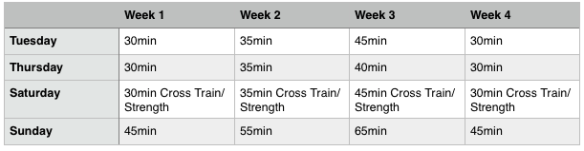
We are going to assume that running three/four days is possible every week with a fourth/ fifth day for cross training and strength work. A microcycle (week) in phase 1 may well look like:
Tuesday – key day
Thursday – key day
Saturday – Cross training
Sunday – key day
In phase 1 we want to just walk, run or walk/ run and build a base of fitness from which to build. No need to rush in and panic. Be sensible and progressive. A safe way to do this is build for three weeks and on the fourth week rest and recover, Yes, rest and recovery is just as important as running.
Use the 10-20% rule and never add more time than this to each run. An example for the first month may look like:
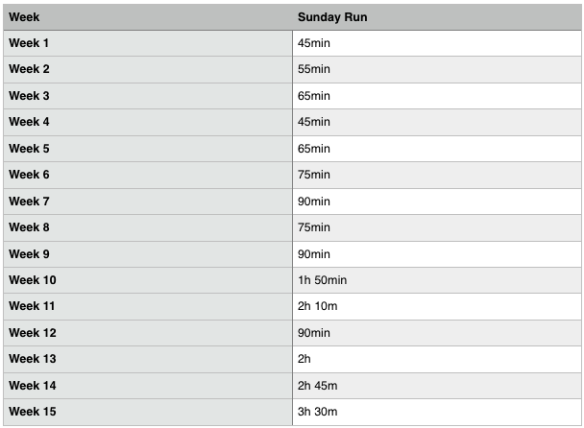
Over this phase, you would eventually cap the length of time for the Tuesday and Thursday runs at 60 to 90-minutes and the Sunday run would progress to 3-hours 30-minutes as follows:
Use this system in phase 1 building week on week over four months to lay a great foundation of progressive miles and time on feet. If you have built progressively, your Sunday long run will have progressed to over three hours which puts you in a great place for a C run target.
A marathon would be a good C target at the end of phase 1. You wouldn’t taper for a race like this, it would be a training run that would be added to your plan.
Phase 2
You have phase 1 under your belt and the confidence of completing a C target. Phase 2 now builds and at the end of this phase you will have a B race target as a goal. This race should be challenging but not so challenging that it becomes intimidating or breaks you. If you ran a half marathon as a C race, then your B race could be a marathon. If your C race was a marathon, then your B race may be a marathon or 50km race if you feel that training is going very well?
It’s also important now to think ahead to Phase 3 and an intermediate A race target that will motivate you and boost your confidence for phase 4, 5 and 6.
Also think about planning and booking heat chamber sessions or equivalent for the final build up phase just before the race; this usually takes place in the final 2-3 weeks and sessions go quickly.
In the UK, a race takes place in November called the Druids. It’s a three day race where runners take on a marathon for three consecutive days. It’s a perfect ‘mini’ Marathon des Sables scenario and a great opportunity to test clothing, pack, fitness and build confidence.
Assuming that four days training are still possible and that you have had no injury issues or problems, we can now progress training building on endurance in the long runs and adding some faster/ strength sessions during the week.
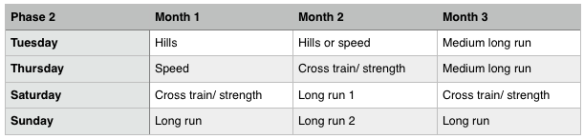
A week may look like this:
Tuesday – Hills.
Thursday – Speed
Saturday – Cross training and strength.
Sunday – Long run.
As in phase 1, progression is really important and the plan would actually change and evolve over this period with each month looking different.
The above plan is a guide and this is where a run coach can step in and provide structure and remove the guess work away from how the plan is put together. It’s all about placing the right emphasis at the right place and at the right time.
You will see how month 3 changes from months 1 and 2 so that it is specific to the B target at the end of this mesocycle.
Phase 3
You have just completed your longest run in a B race, be that 50k, 50m or somewhere in-between and your confidence is sky high. You now have an A race on the horizon (November) that involves three back-to back marathons and suddenly your appreciation of what is required is much clearer. You respect the Marathon des Sables target but now it is less intimidating as you have moved your way up through logical and incremental steps.
Another three month phase of training that allows is to fine tune and hone in on the racing skills required.
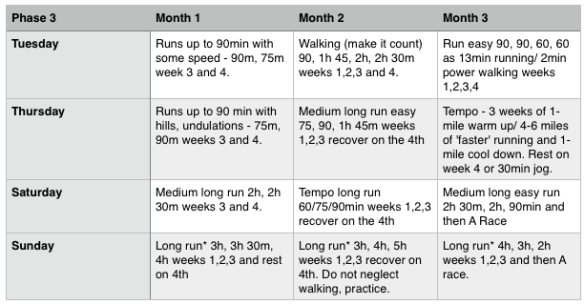
As you may expect, phase 3 starts with recovery from your B race target. You will need to cross train or just run easy for 3-4 days. By the time the weekend comes around, you will feel as though recovery is well on the way, don’t rush. Take your time and the following week run easy Tuesday and Thursday for up to 60-minutes and then do 60 and a 90-minute run on Saturday and build on the Sunday run. An example of phase 3 is below. Please remember, YOU are an individual with specific needs and what I provide below is a possible structure leading to an A race in November.
The A race at the end of November provides a significant marker in your training. The experience will allow you an opportunity to find out what worked, what didn’t work, how your kit worked, what was good, what was bad and so on.
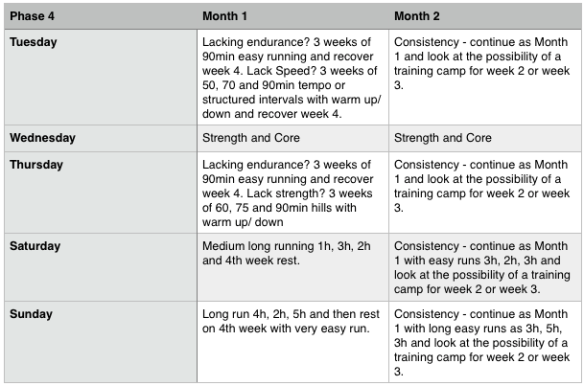
December is now upon you and Phase 4 is an opportunity to look at weaknesses and work on them so that you are in great shape to take on Phase 5 which is the final period before your key race.
1. If you lacked endurance in your November A race, keep working on consistency and build endurance with time on feet.
2. If you lacked speed and want to run faster, December is a perfect opportunity to cut back on distance and long runs and add some speed work.
3. Due to the demands of running with a pack, running long and all the associated fatigue, make sure that you incorporate a strength and core routine to make you a stronger runner. It’s easy to say here, ‘I don’t have the time!” You do, cut down your run time on a Tuesday and Thursday and free up time for strength and core. Maybe you can even find an extra day in your week (Wednesday) to allow you to work on this. Alternatively, work on strength and core at home maybe while watching television? The time is there, you just need to find it and be creative.
4. Practice walking. Effective and fast walking is a key weapon to a successful race in any long ultra or multi-day race.
With a new year coming, April and the heat of the Sahara looms on the horizon. January provides a perfect opportunity for a warm weather training camp just as the weather is wet, miserable and cold in Europe.
Fancy a Training Camp?
I run a week long camp in Lanzarote that provides the perfect opportunity to test everything in a real situation. We even provide a bivouac experience. You can listen to client feedback below and info HERE.
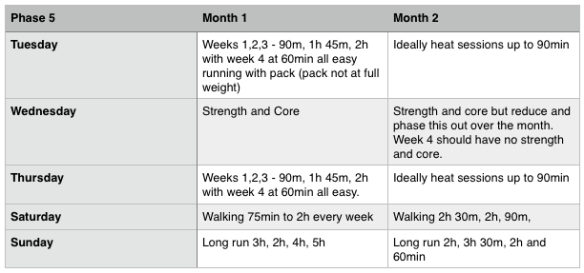
Phase 5 is the last phase and ultimately you have 6 weeks to get prepared and ready for your key race. If you attended a training camp you will now have a full appreciation of everything that you need to do. That may be changing kit, more time on feet, looking at nutrition or even a combination of all elements
Now is the time to make sure you have all your admin sorted – insurance, medical, compulsory kit and so on.
Don’t leave anything to chance now. If in doubt about equipment, contact MyRaceKit, they are able to provide expert advice in regard to everything that you will need.
Think about heat and how you will adapt. With luck, back in phase 2 or 3 you will have thought ahead and booked time in a heat chamber. Ideally this will take place in the final 2-3 weeks before the race. No sessions booked? Train in a gym with additional layers, take a sauna, do Bikram Yoga etc
Again, consistency is key here. You have been training for this long term goal for sometime, don’t do anything silly, don’t do a long run that is really long; you up your chances of injury risk. Remember, training is about ALL the sessions you have done and not just one session
Pack weight is a consideration and get it as close to 6.5kg as possible. On day-1, when you add water it will be 8kg. BE CAREFUL training with too much weight, it is a guaranteed route to injury. For sure, do some sessions with weight, be progressive and slowly build up. Just do one session per week in the final phase and only do 1 or 2 sessions with pack at 8kg and do not go too long.
Phase 6 is race time.
Be organised, be prepared, think of everything and have the race of your life.
It’s in this final phase when you are so close that little things can go wrong. Be prepared as best as you can. You can’t account for the unexpected but reduce chances of anything going wrong by taking no risks.
The information provided above is designed to provide an outline and a guide on how to plan for a long term goal. Although you may be able to take this plan away and use it, please be sensible and assess your own experience, fitness and goals. Importantly, the scenario provided is with a multi-day race in mind, you would need to tweak and adjust this for a single stage race or a mountain ultra for example.
I can’t emphasise enough that we are all individual, so you need to find out what works for you.
Good luck.
If you enjoyed this article, think about becoming a Patron and supporting Talk Ultra podcast and this website on Patreon HERE
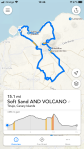
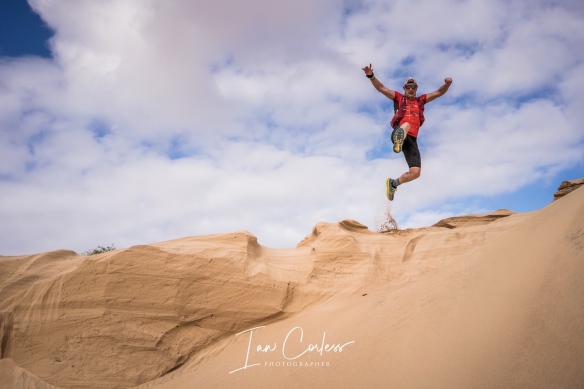
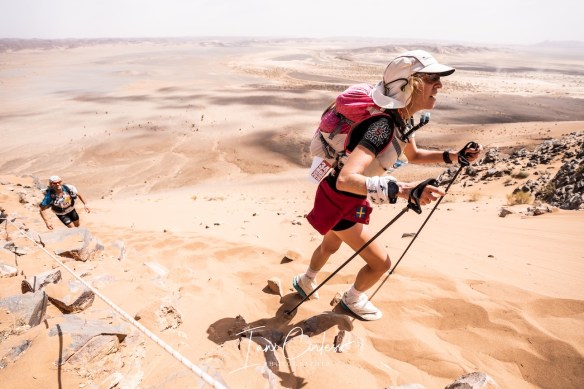
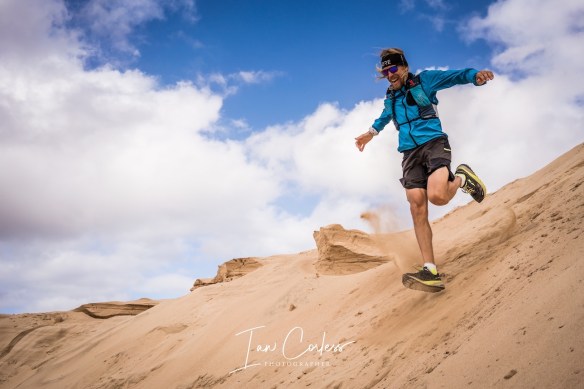
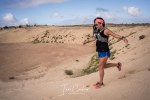
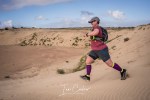
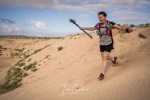
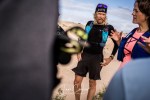
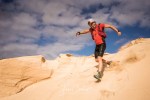
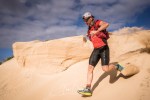
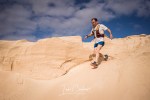
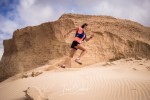
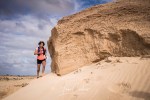
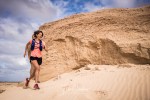
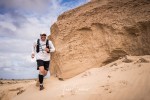
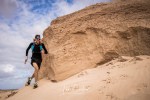
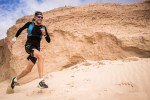
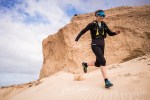
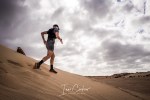
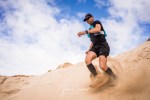
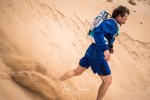
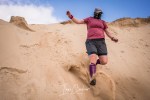
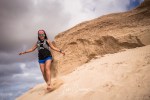
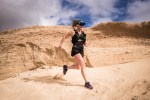
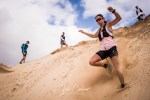
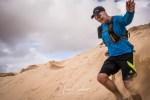
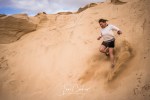
Plenty of soft sand today with a really specific session out in Lanzarote’s small dunes. It was a 60min run to the dune section and then a prolonged period allowing everyone to run up, down and around the section.
All about understanding how the sand reacts, how much energy you expend and what is the best approach.
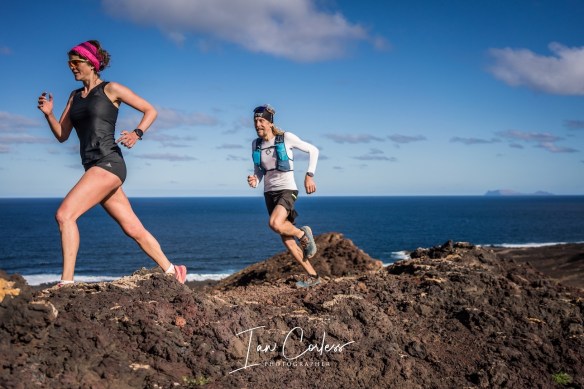
Soft sand was followed by a run to the coast and an opportunity to explore one of the many volcano on foot before returning back to the coast and eventually Club La Santa. It was another 4-5 hour session.
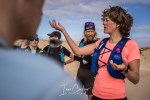
The afternoon had a talk by Elisabet Barnes on how to look after your feet for a multi-day race and this included practical taping solutions.
The day concluded with an easy evening shake out run.







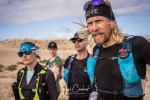
 Our additional guides for 2020 are Gemma Game (multiple times top-10 at MDS and 3rd in 2018 and 2019) and Jodie Moss who placed top-10 at the 2019 MDS and who has just completed a PHD and who will provide a talk on heat acclimation.





 Of all the peaks we will attempt on this expedition, Mera is not technically demanding but climbing at this altitude is physically challenging, we will also need to be attentive to snow conditions and wait for an optimal weather window. From the summit, we will have perfect views of five of the six highest mountains on earth.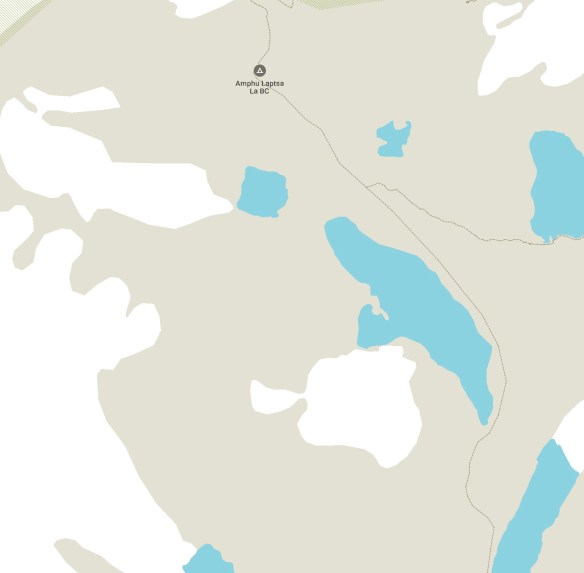





























 IAN CORLESS