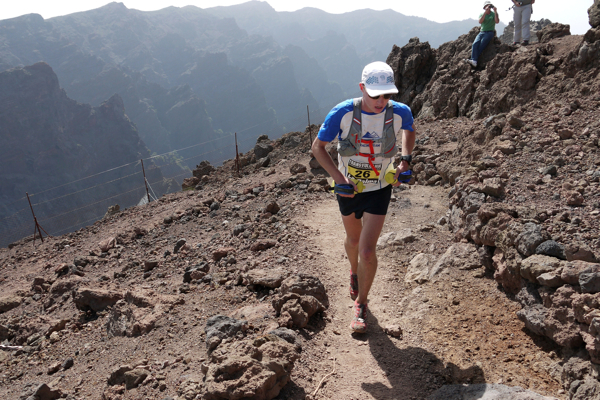
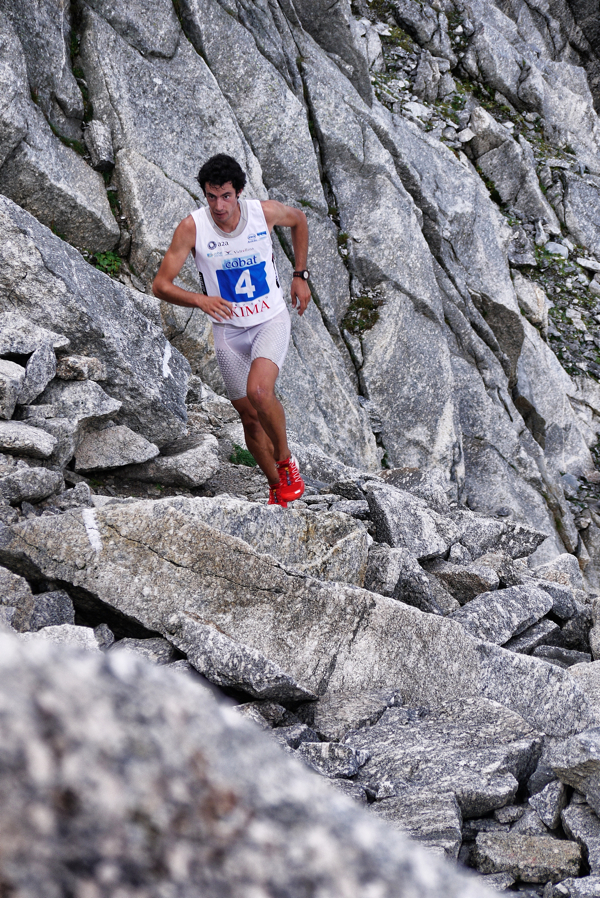
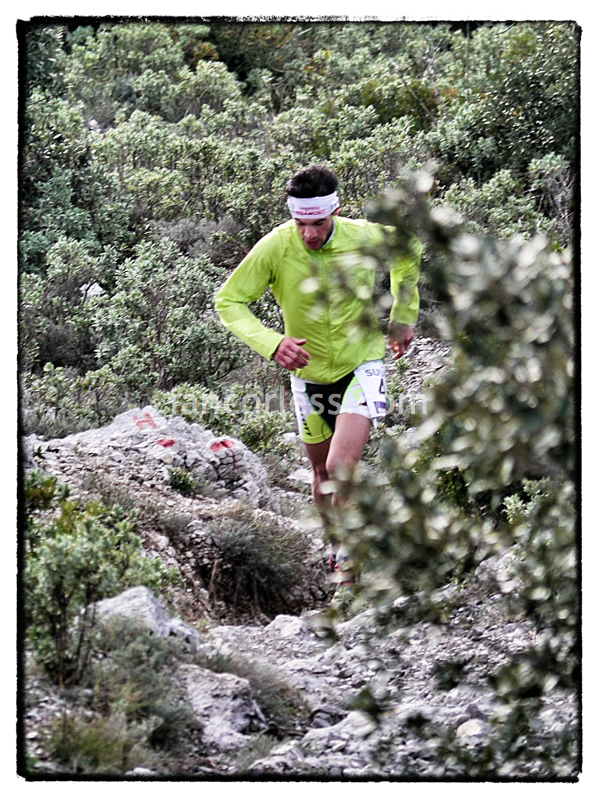
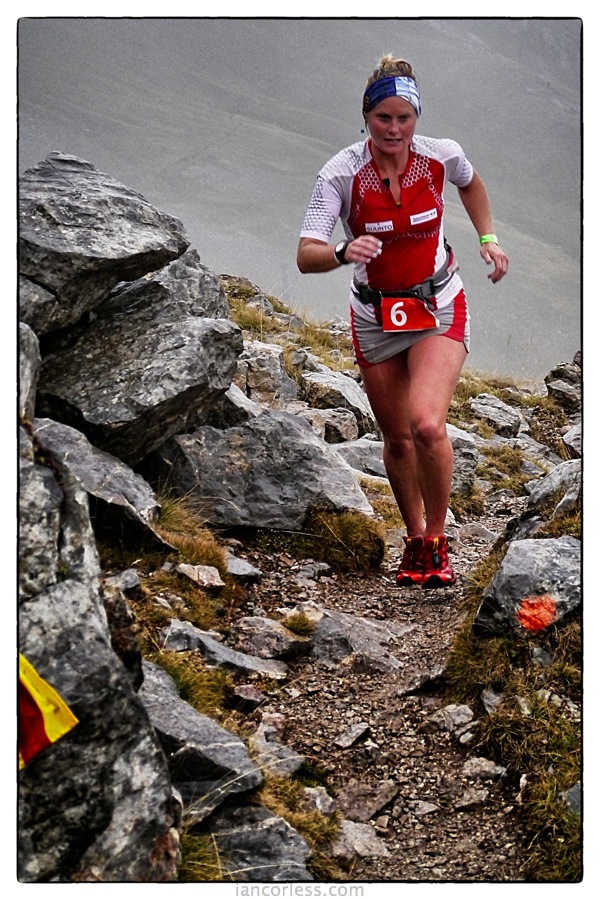
Ronda dels Cims, Andorra 170km Preview

screenshot_283

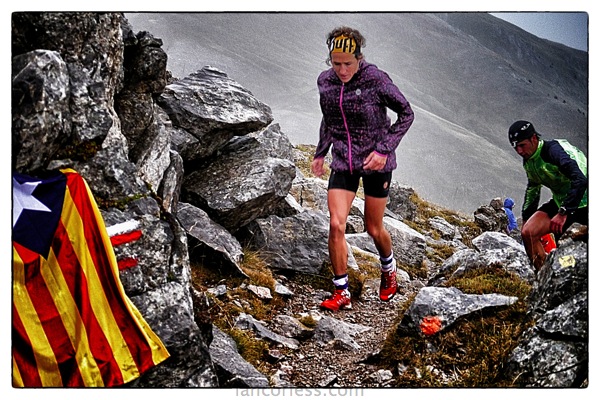
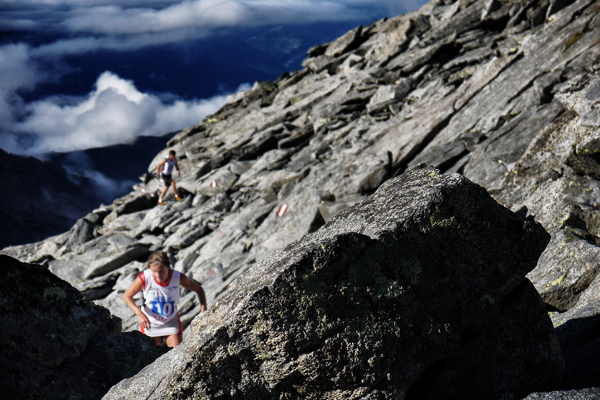
It’s only 170km’s long. Don’t worry; it only has 13,000m of vertical gain and loss. It’s 94% single track, 5% path/trail and 1% on road so you can make up some time! It has 13 aid stations, starts on Friday 21st June at 0700 and you have 62 hours to complete the event. Easy! I don’t think so…

Logo_Skyrunning_World_SeriesTwelve months ago on the island of La Palma, Skyrunning held a conference post Transvulcania La Palma and pre Zegama-Aizkorri. The conference was called, ‘Less Cloud, More Sky’. It assembled some of the best ultra runners from around the world, team managers, ancillary staff and journalists. The purpose was to help forge a direction for the sport. To cut a long story short, what was apparent was the need for technical courses that would attract and test the best runners in the world. Also, the 100-mile distance, for many, was perceived as the one distance that Skyrunning did not cover. Twelve months down the road, or should I say the trail and we have Ronda del Cims, now in its fifth year. Possibly one of the toughest, gnarly 100 mile races on the planet.

With less than a month to the start of one of the most important mountain competitions, the ‘Andorra Ultra Trail Vallnord’, a series of races starting at 10km and culminating in the main event, the 170km Ronda dels Cims.

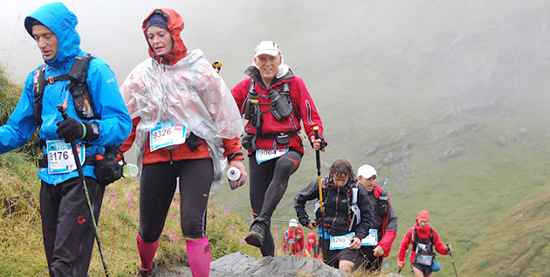
Over 2,000 athletes will arrive in Ordino, Andorra from June 20th to 23rd to participate in an event that for them will be a tough and life changing personal challenge. In simple terms, the races on offer are hard, technical and pure. They offer a total immersion in nature and as such, must be completely respected.

The 2013 edition of the race will be particularly challenging. Due to a harsh and prolonged winter, several peaks and mountain passes will almost certainly have snow. Believe me, the fifth edition of the Ronda dels Cims has all the makings of a classic. So. Lets look who are the likely contenders in the female and male race over the 170km distance.

LADIES

The ladies race has all the makings of being a classic. We have some very tough mountain ladies taking part, all in with a chance of winning this race!
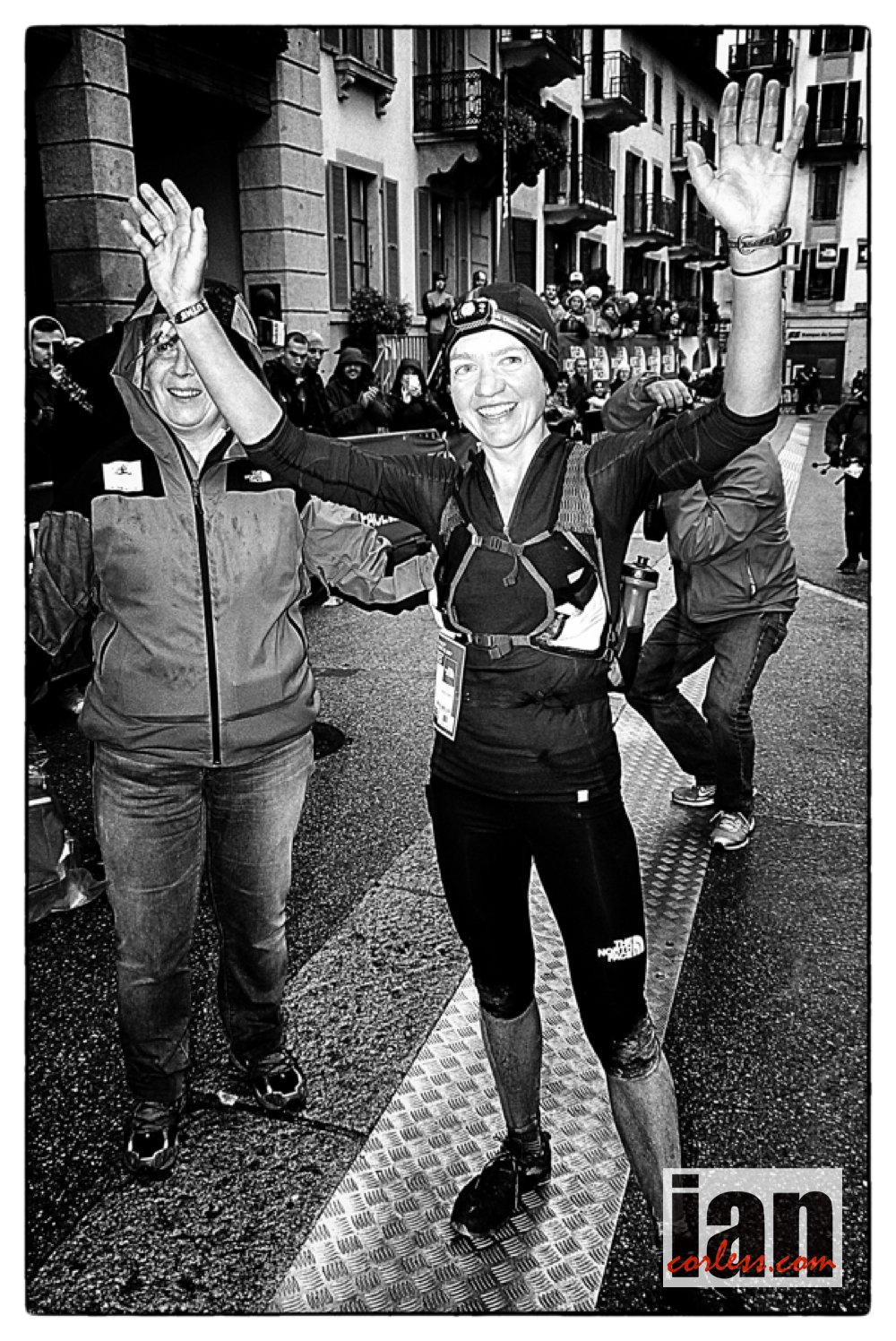
Lizzy Hawker, 2012 UTMB copyright Ian Corless

Lizzy Hawker, 2012 UTMB copyright Ian Corless

Lizzy Hawker (The North Face) needs no introduction. Unlike Emilie, Lizzy has no specialization. She is an out and out ultra runner and performs to the highest level on road, trail or mountains. A multiple champion at the TNFUTMB she will bring all that experience to Ronda dels Cims. In the latter half of 2012 she had a real purple patch with wins at a shortened TNFUTMB, Spartathlon and Run Rabbit Run. However, she did have injury issues over the Christmas period. They have now cleared up and to get 2013 rolling she raced at Annapurna 100k and won the ladies race. She then decided to break her own personal record running from Everest base camp to Kathmandu (319km/ 198m) in 63 hours and 08 minutes (here) smashing her previous record. Not content with running for 63 hours, Lizzy then raced the 277km Mustang Trail Race and was 2nd overall. However, just recently she entered the 24-hour championships and pulled out. Apparently all is well with Lizzy and her focus is now on Ronda dels Cims. I have to say, that Lizzy has not only the potential to win the ladies race but the race outright.

UPDATE June 6th, An email from Lizzy “As it turns out I’ve just had an MRI confirming a stress fracture in my foot. So, Hardrock would have been off the cards, and now I also have to pull out of Ronda del Cims.”

Francesca Canepa copyright iancorless.com

Francesca Canepa copyright iancorless.com

Francesca Canepa (Team Vibram) placed 2nd to Lizzy Hawker at the reduced TNFUTMB in 2012 but then just seven days later lined up at the Tor des Geants and won it. An incredible double. Like many other ladies in this race, she loves tough and technical. The distance will not be a problem for her and when in form, she can push Lizzy, Emilie, Nerea and the rest right to the line. A very exciting addition to the race.
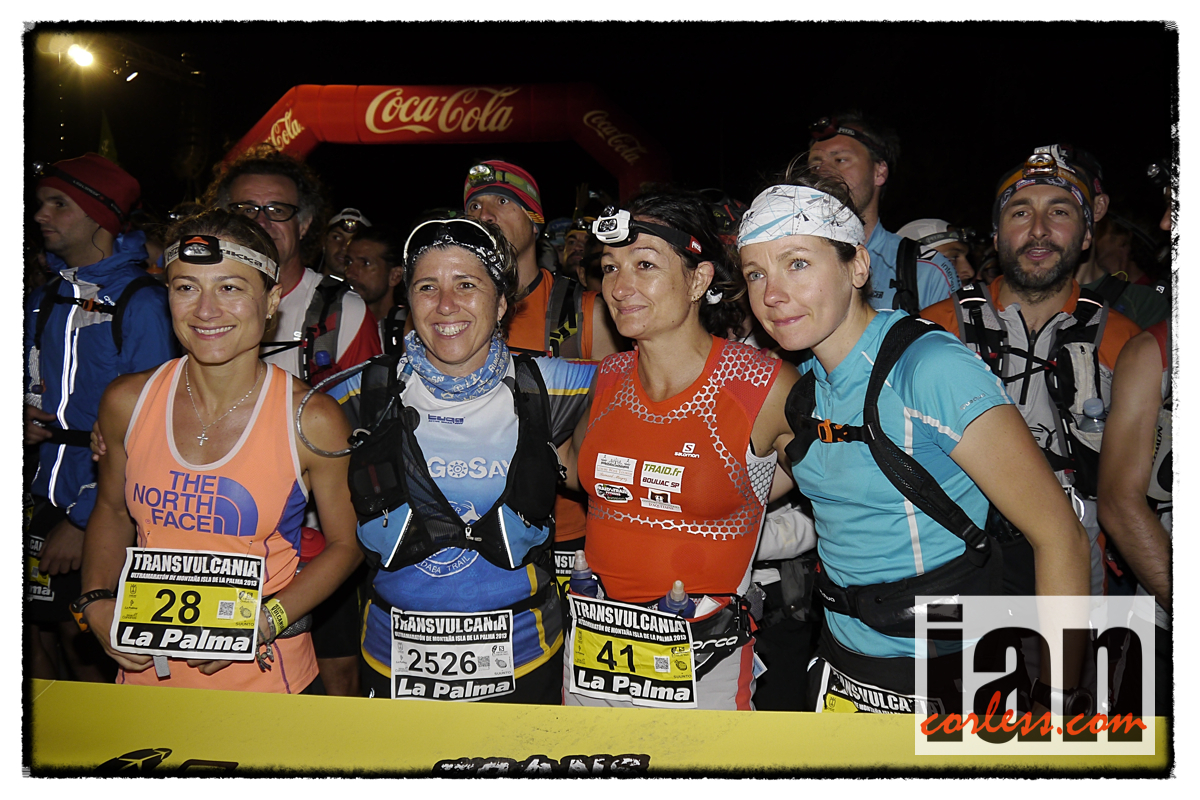
Emilie Lecomte far right, Transvulcania 2013 copyright Ian Corless

Emilie Lecomte far right, Transvulcania 2013 copyright Ian Corless

Long distance specialist Emilie Lecomte (Quechua) from France comes to Andorra after a very successful 2012. She set a new course record on the GR20 long trail in Corsica and she won the tough and technical, 100m Diagonale des Fous (Raid de la Reunion) on Reunion Island. She recently raced at Transvulcania La Palma and although placed 5th overall she was 2 hours behind race winner, Emelie Forsberg. Without a doubt, Ronda dels Cims is a completely different race to Transvulcania and for sure, Emilie will revel in the tough and technical aspects that this race brings.
Nerea Martinez copyright cmdsport.com

Nerea Martinez copyright cmdsport.com

Nerea Martinez (Salomon Santiveri) has already had a successful 2013. She won the 119km Transgrancanaria, won the Apuko 83km, won the Royal Raida 79km and just last month, won the 115km Ultra Trail Madeira. Wow! That is some start to 2013 and looking at her schedule, she has lots more planned! Without doubt she is in form but two of those races in the last two months, Transgrancanaria and Ultra Trail Madeira have been tough and long days out, 17h: 16m and 19h: 15m respectively. One has to question if these will leave Nerea a little jaded for Ronda dels Cims, if not, watch this space.
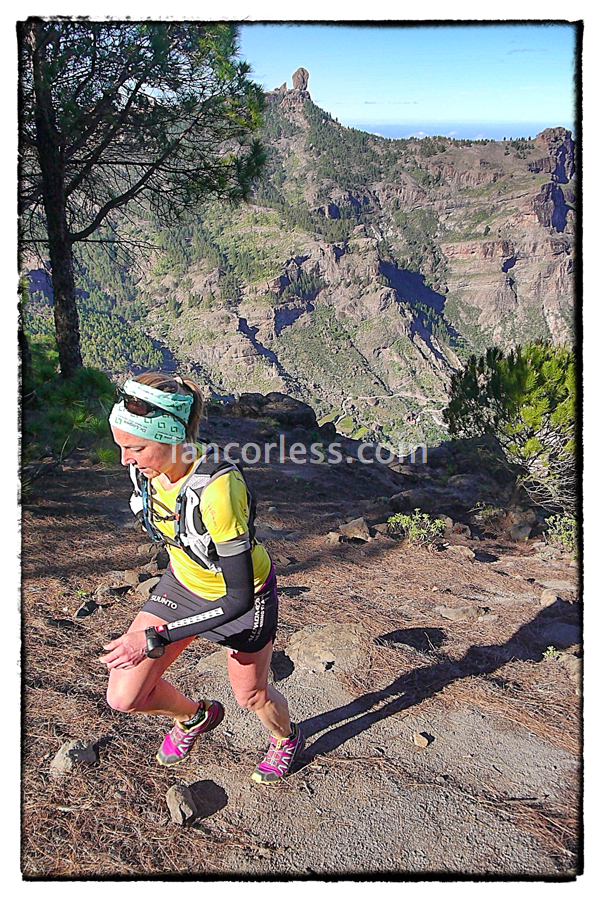
Julia Boettger copyright iancorless.com

Julia Boettger copyright iancorless.com

Julia Boettger (Salomon) is equally at home on the long tough trails. In 2012 she was on the podium behind Emilie Lecomte at Diagonal des Fous so she has all the required credentials, strength and mental fortitude to battle over a very tough and technical 170km. She was due to race Transgrancanaria earlier in 2013 but picked up a virus in the days before. She was due to race the 115km Penyagolosa Trails but she either did not start or pulled out. Ronda dels Cims will be her first big race in 2013 and without doubt she will arrive prepared for the battle. 

Update, 18th June. Julia has had to withdraw from the race for personal reasons.

Hiroko Suzuki (Salomon) gets a notable mention as another name to watch.  Hiroko placed 2nd in UTMF in 2012 and was 4th at Tor des Geants. Without doubt she has experience of long tough races and will be one to watch.

Karine Sanson will also perform to the best of her ability and push all the way.

MEN
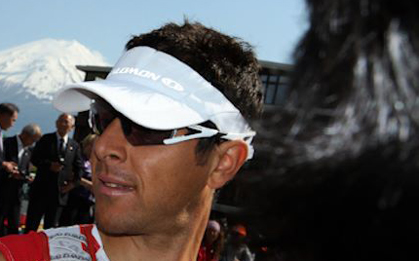
Julien Chorier copyright mudsweatandtears.co.uk

Julien Chorier copyright mudsweatandtears.co.uk

The men’s field on paper has less depth than the ladies field. The out-and-out favorite is Julien Chorier. He excels on tough and technical terrain and as a previous winner of Hardrock 100, he will come to Ronda dels Cims understanding 100% what is required to win the race. In early 2012 he won the 100m UTMF in Japan. When TNFUTMB was shortened he left Chamonix and like Emilie Lecomte he made an attempt on the GR20 in Corsica. His plan was to break Kilian Jornet’s record time. However, the weather was against him. Just a few months ago he returned to Japan and this time he placed 2nd at UTMF. Renowned for meticulous preparation, he will be racing in Andorra with only objective, to win!
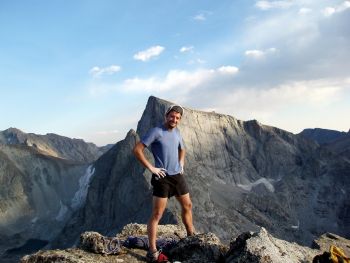
Jared Campbell copyright La Sportiva

Jared Campbell copyright La Sportiva

*Breaking news… no sooner had I done this preview and I was made aware that Jared Campbell (La Sportiva) would be toeing the line at Ronda dels Cims. Why has this now been confirmed? Well, he ‘tweeted’ this just a few hours ago… “The Andorra course (Ronda dels Cims) looks to be in primo condition! Is it bad that this gets me excited?”

Jared without doubt brings a whole new mix to the men’s race. He is notorious for tough and technical races. Without doubt he will embrace the course in Andorra and embrace the challenge it will bring. One of the very few to finish Barkley, Jared will tough this course out to the bitter end. He recently ran at Pocatello 50 and said he had tired legs but that will have been a training run for the end of June and then Hardrock 100.
BL5GCUQCQAAfjgd

bruno

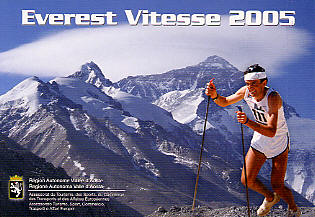
Bruno Brunod (Team Forte di Bard) is a legend in Skyrunning. Born in 1962 he has a list of achievements that we can only bow down to and acknowledge:

Record ascent and descent of Matterhorn from Cervinia in 3 hours and 14 minutes. Record of ascent and descent of the Monte Rosa from Gressoney in 4 hours and 45 minutes. Record ascent and descent of Aconcagua in 5 hours and 57 minutes. Record ascent of Kilimanjaro on the Marangu route in 5 hours and 38 minutes. Record ascent of Mount Elbert in 1 hours and 54 minutes. Just like Kilian Jornet, he is a true Alpinist. I have very little knowledge of his recent attempts and endeavors but his palmares alone mean that he should be respected and certainly he will be one-to-watch.
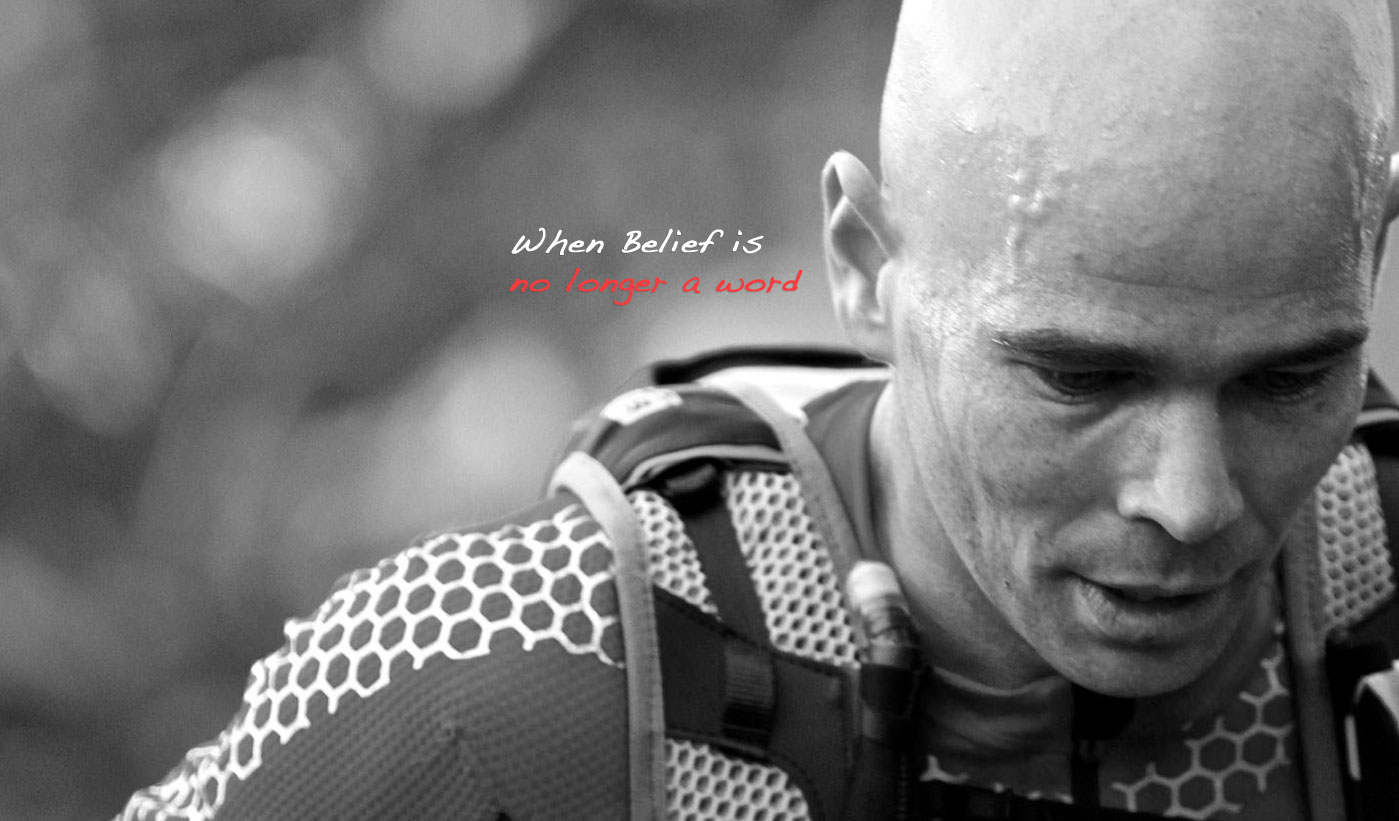
Matt Cooper copyright mattcooper.com.au

Matt Cooper copyright mattcooper.com.au

Matt Cooper (Salomon Australia) is currently training in Chamonix preparation for the race. He was 5th at TNF 100 in 2012 and may add an element of the unknown to the front of the race. He was due to race Bogong to Hotham in January but that race was cancelled. At Cradle Mountain Ultra (82k) he placed 3rd, recently won the 100k Alpine Challenge in 12:31 so he looks to be coming in to form.
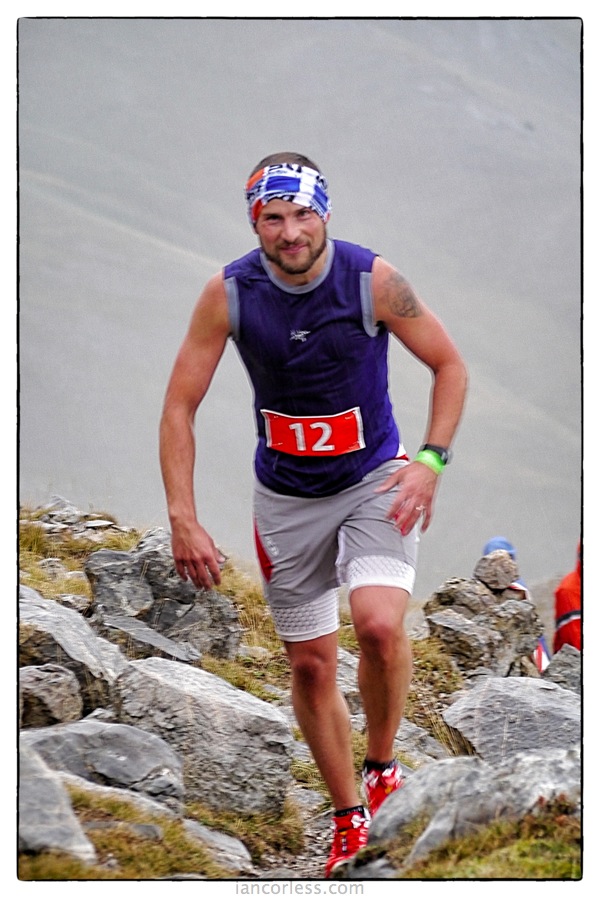
Terry Conway at Cavalls del Vent copyright Ian Corless

Terry Conway at Cavalls del Vent copyright Ian Corless

Terry Conway (X-Bionic) from the UK is new to Skyrunning. In the UK he has had great success with wins and course records on the Lakeland 100 course but his recent trips to Europe to run at Cavalls del Vent and then La Course des Templiers gave no real indication of his ability to perform against much more competitive fields. In early 2013 he raced at Ultra Trail Barcelona and placed 3rd. He has been out on the Lakeland fells and mountains in recent months gaining time on his legs and accumulating as much vertical as possible. However, the trails in Andorra are a long way removed from those in the UK.
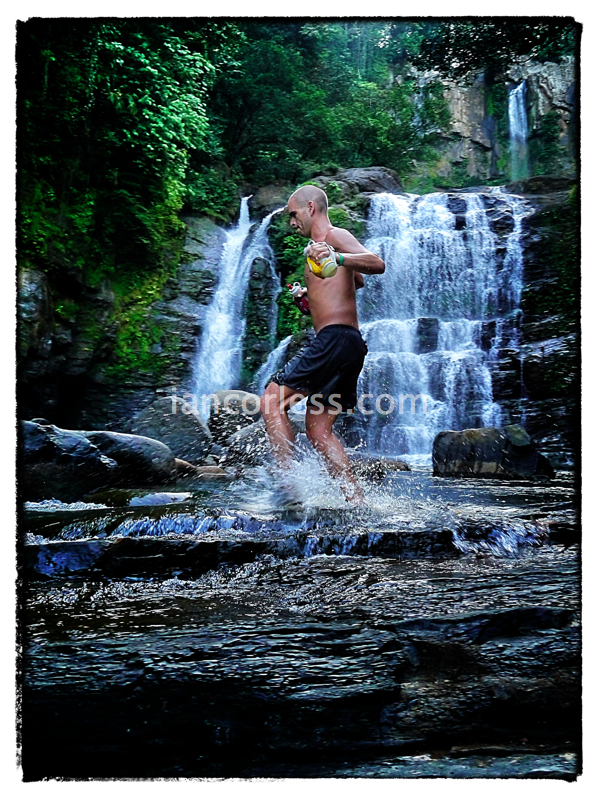
Dave James, The Coastal Challenge copyright iancorless.com

Dave James, The Coastal Challenge copyright iancorless.com

Dave James from the US has been immersing himself in Skyrunning recently. He raced at Transvulcania La Palma, Zegama-Aizkorri and now he will line up at Ronda dels Cims. Dave has a pedigree. He is a 100m US champion and has a fastest 100m time of just over 13 hours. However, he is just not used to the technical terrain that Andorra will throw at him. He is spending time on the course in the coming weeks. It will be a big learning curve buy he is under no illusions of what lies ahead.
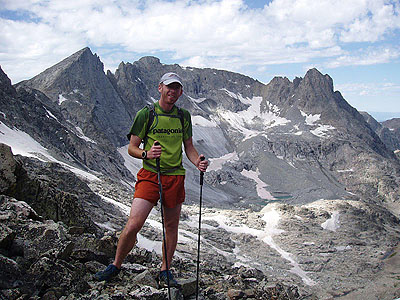
Ty Draney copyright door5.com

Ty Draney copyright door5.com

Ty Draney (Patagonia Ultra Running Team) from the US is 38 years old and has over a decade of ultra running experience to fall back on. Way back in 2003 he placed 4th at Bear 100, a race that he then went on to win in 2008. He has placed top 20 at Hardrock 100 and most recently won Grand Teton 100m in 2009, placed 3rd at Grindstone 100m in 2010 and was 5th at The Bear in 2012. His recent form is open to question and a 27th placing at Gorge Waterfalls 50k in March leaves us with little indication of he will perform over 100+m tough mountain miles.

Finally, Nico Valesia (Salomon Agisko) I know little about. His most recent results are as follows: 1st Trail Bianco di Cesana 24 km,  1st Mini Trail di Gargallo,  2nd Trail Lago di Como 106 km,  2nd Trail del LAgo d’Orta 63 km,  7th Trail Oulx 48 km.

18th June, Nico has had to withdraw with an injury

One thing is for sure, Ronda dels Cims will be an incredible few days of ultra mountain trail running. Although I have highlighted the ‘elite’ runners one cannot rule out local talent who will have knowledge and experience of the trails, conditions and mountain. It will be very exciting!

Ones to watch:

Oscar Perez Lopez (2012 winner of the race), Uli Calmbach, Kenichi Yamamoto , Hugues Vos, Pep Ballester Gomes, John Todd, Amando Jorge Teixeira, Jean-Hugues Vos, Pep Ballester Gomes, Jordi Comas Corral, Jordi Codina Ventura and Marc Llucià Fleitas.

You will be able to follow the action unfold via Twitter, Facebook and via iancorless.com 
  • The race website is HERE
  • Skyrunning HERE

FACES on TrailChile

iancorless.comP1040839

Faces por Ian Corless

Posted by 

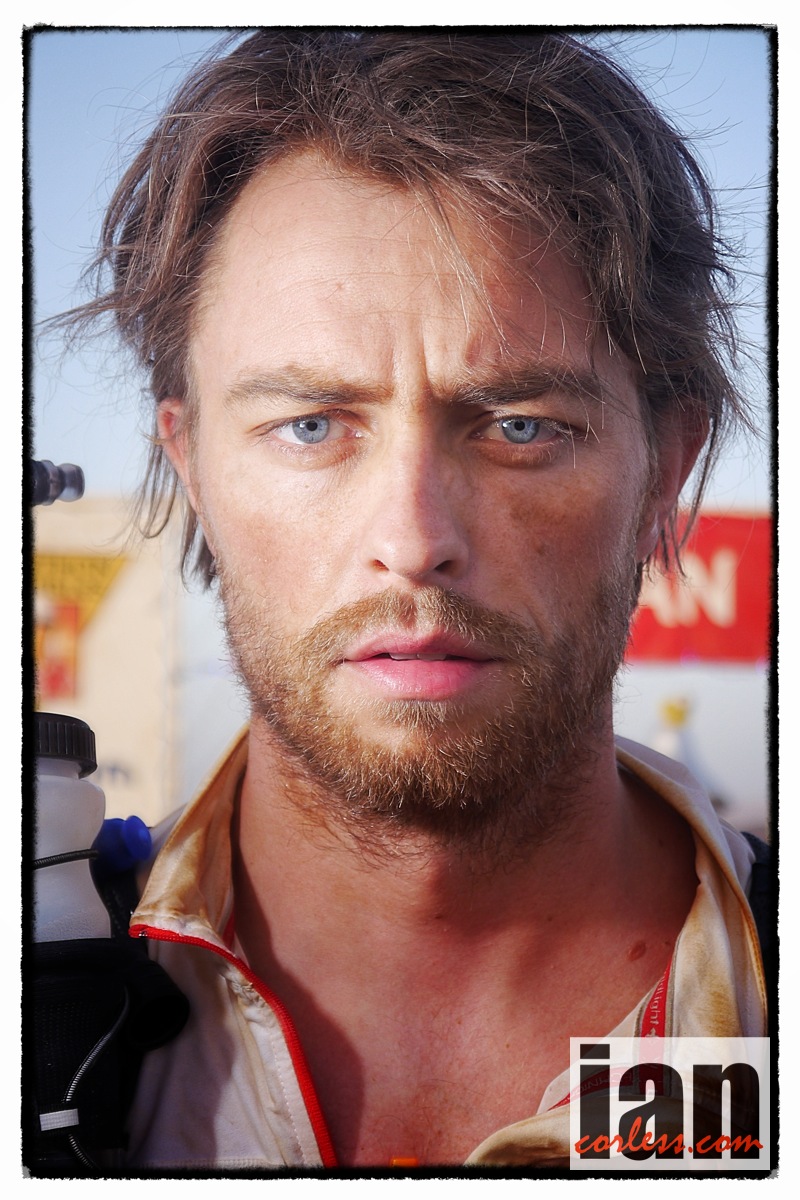
Cada cara cuenta una historia, fatiga, cansancio y falta de sueño, cada línea de la cara como un campo arado listo para nuevos cultivos. Las mejillas se han vuelto cuevas, excavadas y colocadas bajo los pómulos.

Miradas fijas faltas de emoción. Los ojos se han vuelto hoyos en el espacio; miras en ellos y encuentras nada.

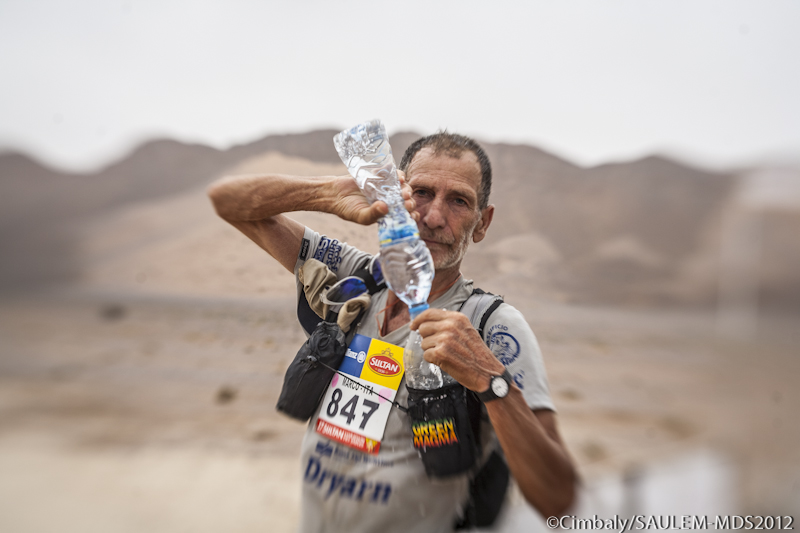
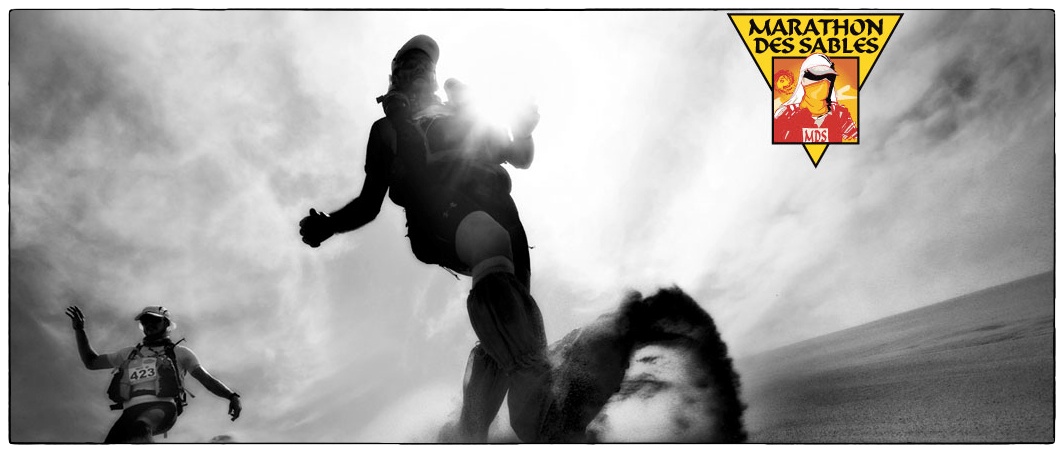
Esta es la 28va edición de la Marathon des Sables. Terreno rocoso, calor abrasador y dunas implacables empujas a todos hasta el límite pero es la cara de cada corredor la que muestra el dolor o la gloria, lo ves, sus rostros cuentan historias.

La Marathon des Sables ha sido descrita como una de las carreras de resistencia más duras en el planeta. Son seis días de autosuficiencia en el Sahara Marroquí. Cada corredor debe cargar todo lo que él o ella necesita para lograr terminar, la única excepción es el agua, la cual es racionada cada día.

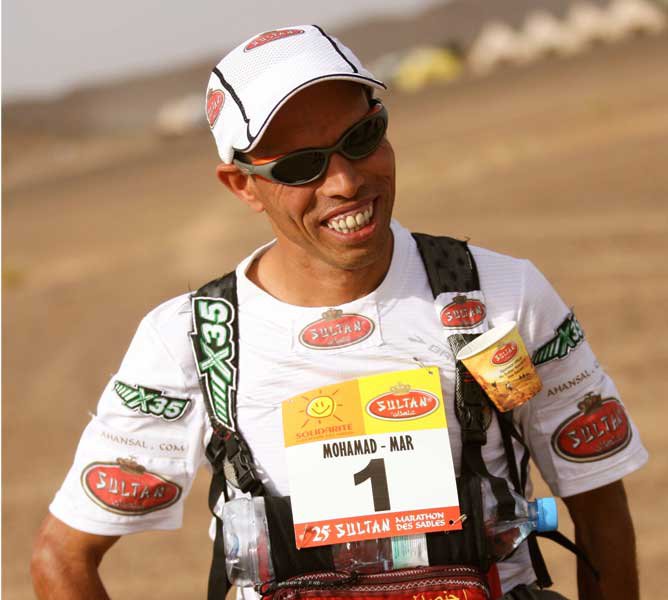
El marroquí Mohamad Ahansal, cuatro veces ganador de esta carrera, vuelve por una quinta victoria. Su cara lleva confianza, su sonrisa ancha y brillante. Meghan Hicks, solo la segunda americana en la historia, después de Lisa-Smith Batchen en ganar dentro de las mujeres, se ve fresca y casi como un querubín con sus dos racimos de pelo salen de los lados de su cabeza.

  • You can read the full article HERE
  • Puede leer el artículo completo AQUÍ

You can view FACES OF MDS HERE

TrailChile HERE

  • Ian Corless
  • Marathon des Sables 2013
  • iancorless.com
  • Texto Original y fotografías: Ian Corless
  • Traducción: Matías Bull

Protected: Darkness to light – Marathon des Sables

This content is password-protected. To view it, please enter the password below.

Zegama – Aizkorri 2013 Preview

Zegama - Aizkorri

Zegama – Aizkorri needs no introduction to those who follow Skyrunning. It is a course that has created many a story over the years.

Located in a natural park, Aizkorri-Aratz, it brings respect and excitement to every mountain runner that toes the line.

Zegama Map iancorless.com

In July 2002, the Village Council decided to revitalise and bring life to the local area, in order to achieve these objectives the Zegama-Aizkorri Mountain Marathon Association was created. Today, the AIA-renovated Alpine Marathon has a reputation in the world as one of the world’s most prestigious mountain marathons.

Part of the Skyrunner World Series it is the ultimate mountain marathon test. In 2008 the European Championships were hold on this very course. When Kilian Jornet was asked about Zegama, he quite simply said:

“Zegama? It’s Zegama!”

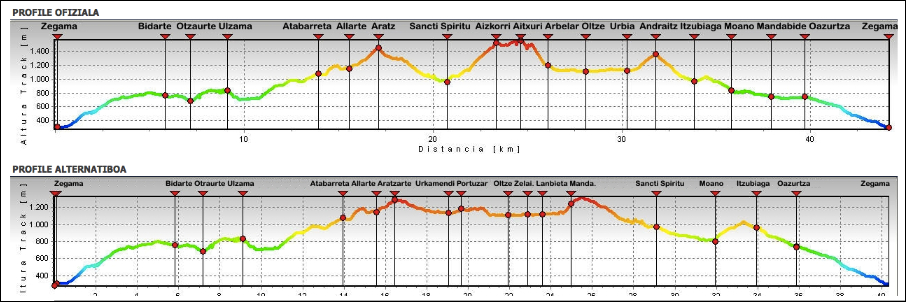
Zegama Profile

In other words, nothing more needs to be said. It has a reputation that demands respect from the higher echelons of the mountain running world.

2012 Summary

Zegama followed just 7 days after Transvulcania La Palma in 2012 and therefore we almost had a re run of the La Palma race. Of course, conditions were a little different. The dry heat of La Palma was replaced by torrential rain, mud, cold and the occasional snow blizzard.

The American contingent who had raced well on La Isla Bonita transferred en-mass to mainland Spain with a couple of additions. Nick Clark representing Pearl Izumi and the ‘hot tip’, Max King. Max had everything in is his favour; speed and a mountain pedigree.

As it happened, the American contingent had a lesson on European mountain running and never got in contention. For many of them they could hardly stand up in the tough conditions and as Nick Clark crossed the line he exclaimed

“Now THAT is a mountain race!”.

It was a shock to the system. Dakota Jones victorious just a week earlier had taken the race easy, a pre-race plan as he had nothing to prove after topping the podium at Transvulcania. In comparison, Kilian Jornet had something to prove and now had some running in his legs… midway through the race he applied the pressure and once again proved that he is the king of the mountains.

In the ladies race Oihana Kortazar showed her dominance over this Sky distance and we started to get a glimpse of a star in the making, Emelie Forsberg. Nuria Picas also set her stall out for a year-long process of podium places over all distances, from marathon to ultra. Anna Frost tired after a dominating Transvulcania performance decided not to race at Zegama and keep some powder dry for another day.

2013

* PLEASE LOOK FOR UPDATES posted 26th April marked in BLUE

The 2013 race is going to see some great representation from top ranking teams: Salomon, New Balance, Adidas, La Sportiva, Arc’teryx, Valetudo Skyrunning, Inov-8 and Scott.

Zegama this year is two weeks after Transvulcania and although that would work well for additional recovery, it doesn’t necessarily work well for travel budgets, so, we wont have Sage Canaday, Timothy Olson, Anton Krupicka, Joe Grant and the ‘other names’ joining the Zegama party.

The Mens Race

Kilian Jornet copyright Ian Corless

Kilian Jornet copyright Ian Corless

Kilian Jornet will be a dominating force at Transvulcania La Palma and I see him on top of the podium, two weeks recovery is a life-time for Kilian and after his dominating performance in 2013 I see him replicating the win at Zegama. He has just flown around the Transvulcania La Palma course and set a new course record. Respect!

His sparing partner, Marco De Gasperi, a legend in mountain and Skyrunning unfortunately has now pulled out of the race with a knee problem. This is a great shame, we all love to see Kilian and Marco go head-to-head.

Marco De Gasperi copyright Ian Corless

Marco De Gasperi copyright Ian Corless

This almost certainly means that we will have a re run of the 2012 Zegama race and also the 2013 Transvulcania… Kilian’s main competition will now come from Luis Alberto Hernando. Luis was second behind Kilian at Zegama last year and is almost certainly in some of the best form of his life at the moment. He pushed hard at Transvulcania just over a week ago and was leading the race at the final summit, ultimately loosing his lead to Kilian on the descent. His race on the island of La Palma is even more impressive considering it was his first ultra.

Transvulcania 2013 copyright Ian Corless

Transvulcania 2013 copyright Ian Corless

Missing from Transvulcania and deciding to run the ‘Sky’ distance in 2013 is Andy Symonds. Andy comes from a traditional fell/ mountain running background and just like Tom Owens, he will love the conditions here. Both Andy and Tom have withdrawn from Zegama I am afraid. In an email from Andy Symonds, he says, “We’re both injured!! can you believe it.. Tom’s got some pretty bad tendon rumpture in his foot and I’m limping with a duffed iliopsoas… neither of us have run for several weeks (much more for Tom). And so, no Zegama this year.. booo.. :-(” A real shame not to have these two top performers at the race. Speedy recovery guys.

Andy Symonds copyright Ian Corless

Andy Symonds copyright Ian Corless

Miguel Heras missed Transvulcania due to injury so we currently have a question mark if he will run at Zegama. In form he is one of the best runners in the world, so, he will most definitely mix it up at the front. Tofol Castanyer recently raced the Three Peaks in the UK and had a good race but was not used to the ‘navigation’ element of UK fell running, he too has the potential to win, particularly when running on Spanish soil.

Tofol Castanyer copyright Ian Corless

Tofol Castanyer copyright Ian Corless

Miguel Heras copyright Ian Corless

Miguel Heras copyright Ian Corless

Michel Lanne from France had a great race over the tough and technical trail at Trofeo Kima in 2012 and has been racing regularly in the build up to this Spanish race. He will arriving in form and ready to take on the front of the race. Just this week he has been on the trails with Kilian.

Inov-8 have Alex Nichols and Ben Bardsley taking part and they may very well be two dark horses. Ben is well versed in fell and mountain running and will almost certainly come into the race a little under the radar… one person who knows and respects Ben’s ability is Andy Symonds. Expect a surprise! Also watch out for South African fast man, AJ Calitz, he may well struggle a little with the terrain, technicality and temperatures at Zegama. But a surprise can come from anywhere…

Other contenders are Michel Rabat, Nicholas Pianet, Dai Matsumoto, Toru Miyahara, Dawa Sherpa, Dave James and Daniele Capelletti.

The Ladies Race

Emelie, Frosty, Maud, Lizzy, Nuria copyright Ian Corless

Emelie, Frosty, Maud, Lizzy, Nuria copyright Ian Corless

The ladies race will be a battle royal and although the men’s field has a top quality field I can’t help but think that some real excitement and a nail biting finish will come from this select group of women. Of course, Oihana Kortazar is returning to hopefully repeat her 2012 victory. She will be fresh as she will have not raced at Transvulcania. However, I am going to go out on a limb and predict a podium place, if not a win for Stevie Kremer. Stevie (from the US and now living in Italy) may not be a name too familiar to many but believe me, she has all the class and ability to create some waves over the ‘Sky’ distance in 2013. She has just recently placed on the podium in a very tough race in Italy (overall podium, not the ladies) and after seeing her perform at Sierre Zinal and other races, I think Stevie will be the surprise package of Zegama.

Stevie Kremer copyright Ian Corless

Stevie Kremer copyright Ian Corless

Nuria Picas once again had a great race at Transvulcania 2013 and will come to Zegama ready to push hard and go full speed for the win. She had an incredible 2012 season and performed over all distances always making the podium and in most cases, she stood on top of the podium. She is a true champion and a great ambassador for the sport.

Nuria Picas copyright Ian Corless

Nuria Picas copyright Ian Corless

Emelie Forsberg had a superb race in 2012 and she will be back fighting for the podium. She can go downhill like no other and as she showed last year, she took the final descent at break neck speed and got on the podium. She is wiser, stronger and more experienced now. She is going to be fired up after her incredible run at Transvulcania and just missing Frosty’s CR by a couple of minutes. I think back 12 months when I first met Emelie, Zegama really was her first big race… boy she has come such a long way in twelve months. What does the future hold for her?

Trofeo Kima 2012 copyright Ian Corless

Trofeo Kima 2012 copyright Ian Corless

Silvia Serafini is also another great potential for a podium place. I don’t see her on top of the podium… she is still very much a lady who likes speed and good running terrain BUT she is learning fast and has heaps of talent and ability. Just this last weekend, the 18th May, she set a new CR in The Great Wall run in China.

Silvia Serafini - copyright Ian Corless

Silvia Serafini – copyright Ian Corless

Anna Frost gets a notable mention. She won’t be racing this year. She missed Transvulcania due to injury but just this last week has had some good news and she is now back on the trails, albeit slowly and one step at a time. She will be back!

Anna Frost 'Frosty' copyright Ian Corless

Anna Frost ‘Frosty’ copyright Ian Corless

Emanuela Brizio will lead the rest of the ladies gunning for one of those coveted podium slots. Maud Gobert, Stephanie Jimenez, Debora Cardone, Sarah Ridgeway and Anna Lupton make up the main contenders for the 2013 edition.

Links

Calendar

SKY
1. SPAIN: Maratòn Alpina Zegama-Aizkorri – 42k, Zegama – May 26
2. FRANCE: Mont-Blanc Marathon – 42k, Chamonix – June 30
3. USA:  Pikes Peak Marathon – 42k, Manitou Springs, Colorado – August 18
4. SWITZERLAND: Matterhorn Ultraks – 46k, Zermatt – August 24
5. ITALY: Skyrunning Xtreme – 23k, Limone sul Garda – October 13

Tom Owens – Is the SKY the limit?

Tom Owens running a ridge at the stunning Trofeo Kima copyright Ian Corless

Tom Owens running a ridge at the stunning Trofeo Kima copyright Ian Corless

Tom Owens  is a British runner who I guess in ultra terms, as Tom keeps telling me, is not an ultra runner. But when you are on the podium repeatedly in Skyrunning races in 2012 and push Kilian Jornet, the term ‘ultra’ can be loosely used. I caught up with Tom just as he had finished a run in a gale force wind on the fells near his home in Scotland.

IC: Welcome Tom.

TO: Thanks Ian, great to be here.

IC: Thanks for finding the time to chat. So, you say you are not an ultra runner but it is fair to say that when we look at some of your 2012 races like Zegama and Trofeo Kima they are tough races aren’t they and when we look at how long it takes to cover these races they do drift into ultra category.

TO: Yes I agree with you. You are on your feet for a long time. A race like Zegama can take 4 hours and that is considered a ‘runnable’ Skyrunning race.

IC: Lets go back to what got you into running. You told me that at the age of 22 you ran London Marathon.

TO: Yes I was at University and I entered the ballot for the marathon not thinking I would get in. Ironically I got in first time. I did a little training and joined a cross country club. I had a year of running but it was very much a sideline. I was much more interested in Football and having a good time. I ran the marathon and then got addicted.

IC: In 2004 you ran 2:42 at London.

TO: Yes, correct. I learnt so much in the first two years. I met some great folk at Bristol Uni and I learnt how to train and recover. I was very pleased at the time.

IC: What do you mean pleased? Any of us would be ecstatic with 2:42 marathon.

TO: Funny, I didn’t know what time to go for so I wrote splits for 2:42 on my hand and it went well. My first time was hopeless and I bonked. I made changes for the second year but that was pretty much the end of my road running.

IC: Yes, you met Andy Symonds and I guess your friendship with Andy has dictated both your careers. You have almost run in parallel.

TO: I met Andy and he introduced me to hills. He is a great guy, super talented and enthusiastic. So he encouraged me to try hill races and I loved the vibe. Really different. Very challenging but no pressure. So varied. Andy encouraged me throughout and I kept with it.

IC: What would you say was the point when the focus started to shift? You lived in New Zealand and you met the Scottish team who were out for the world trophy. Was that a pivotal point?

TO: Yes it was I guess. I travelled and then I settled in New Zealand and it had a great running community. I lived in a brilliant city surrounded by hills. It’s an outdoor way of life and I ran more. With the World Mountain Running Champs taking place I saw Jonathan Wyatt and that inspired me. To have the English, Scottish and Welsh team over was brilliant. I hung out with them, did the ‘open’ race and yes, I guess I just continued that momentum in the UK.

Tom Owens behind 'Hernando' in the early stages of Zegama 2012 copyright Ian Corless

Tom Owens behind ‘Hernando’ in the early stages of Zegama 2012 copyright Ian Corless

IC: In 2007 you won your first British Championships beating Rob Jebb.

TO: Yes that was a surprise. A race up in Scotland. Wasn’t a big field but it was a tough race and it has two or three big hills. I can’t remember the distance but it took about 3 hours. I just pipped Rob by about 7 seconds on the line. It was a huge confidence boost. Luckily most races I do finish downhill so it gives me a chance to catch back up after loosing time on the climb.

IC: I guess this is a perfect opportunity to discuss and explain what fell running is. As an exponent of fell racing would you like to give us an overview.

TO: They are very low-key events. The race will visit checkpoints, typically hill summits or passes. You often start at a village hall or pub. You run to to the hills carrying basic equipment such as waterproof, whistle, compass and map and then you make your way to checkpoints as fast as you can. It’s often horrendous conditions; after all it is the UK. You can need map and compass work but you can ‘follow’ as I do. More often than not it is usually wet and very slippery. In a nutshell you basically go straight up and straight down as fast as you can

IC: It’s a key point isn’t it that fell running is not about sticking to the worn path, it’s about the quickest route from A to B.

TO: Yes. That is the beauty. You have a hill, you get up as quick as you can. That is often ‘hands on knees’ power walking and then the fun bit is hurtling down as quickly as you can in a direct line. I guess in the UK we are lucky. The hills are open and we can pretty much go where we want. Especially in Scotland with the right to roam act.

IC: You mentioned going up ‘hands on knees’ I think for most of us we can get our head around that, what I find with fell running is the coming ‘down’ is just crazy. It’s such a skill. Is that God given or do you have to practice.

TO: Like anything you need to practice. You have to get confidence on all terrain and build up ankle strength. If you relax it is so much easier. Particularly if you fall over, most of the time you get up and carry on. Racing is in the head, relax and enjoy it and the rest will follow!

IC: In 2007/ 2008 you got involved with Salomon and eventually you ended up adventure racing and multi stage racing. What was the process involved in that?

TO: I started as a reserve for the Saab/Salomon Adventure Racing Team. In 2008 adventure racing was a big sport. It was certainly one of Salomon’s big focuses. I would say it was probably the last year of racing too as the economy crashed. I was called up as a reserve and I raced a six-day race. Probably one of the best races ever…  two mountain days on foot, mountain biking, climbing, paddling and canyoning. In addition, every evening we had a trail race that was really competitive. It favored runners.

IC: Your team was 2nd overall, yes?

TO: Yes that is right. I was with Andy Symonds again and a guy called Ben Bardsley. We are mountain people. We lead for most of the race but lost time on the water.

IC: That combination of multi stage racing and time with Andy, was that instrumental in what brought you guys together to take on Transalpine.

TO: Yes, it was a race I had heard about. It looked amazing. Andy was in Scotland at the time and we trained together so it seemed logical that we should undertake this as a team and give it a go. Again, another brilliant race!

IC: The race is typically about 160 miles over 8 days and alternates direction?

TO: Yes, 8 days. It has two routes and they alternate. An easterly route and a route that is more western which is more alpine. Actually we did both. We did the west route in 2009 I think and the other the following year.

IC: And you won both!

TO: Yes, Andy and I run together so well and the format suits us. You run hard and then you get to recover and do it all again the next day.

IC: Just like that!

TO: Yes, it is a battering race. Definitely good that it is late in the year as you really need to recover afterwards.

IC: You see, you say that you are not an ultra runner but 8 days in the mountains on those tough courses running a marathon a day is ultra running. That is severe, head to the ground hard work.

TO: Yes, challenging days. Brilliant days. Some of the passes and tracks are breath taking. It’s a delight to be involved but you get it done as quickly as you can. It does take its toll. It definitely has an ultra element to it.

IC: In 2010 you raced ‘Giir di Mont’. You came 6th. Was that the point that Skyrunning really started to appeal or was it before that?

TO: To be honest the first Skyrunning race was 2006, it was La Plagna, A huge race. It was 55km with 3000m up and 3000m down. Certainly the hardest thing I had ever done at the time, I hadn’t been running long. In 2007 I did a couple more and similar in 2008. I started to build up and as more opportunities came I snapped them up.

Crowds supporting at a Skyrunning event copyright Ian Corless

Crowds supporting at a Skyrunning event copyright Ian Corless

IC: Well, we are at present day and 2012 was a stunning year. We seemed to bump into each other all year. Sometimes we saw each other consecutive weekends. What impressed me was right from Zegama to the very end you were always there or there abouts with Kilian Jornet. You pushed him. Great to see a Brit pushing at the front… from a world perspective also, Tom Owens became a name to reckon with. It must be great for you to have Kilian on your Salomon Team but also to be able to race him.

TO: I don’t actually think I pushed Kilian. I may have been second but he was usually 10 minutes clear.

IC: It’s all relative Tom!

TO: Certainly seeing Kilian at the start and finish is great. He is on another level. He is so dominant at all distances, VK to ultra. We can’t get close to him. He is so chilled and he recovers so quickly. I certainly can’t do it week after week. After a hard race I can’t walk for 4 to 5 days.

IC: If we look back at 2012 what was your highlights?

TO: To be honest I was really pleased with the year actually and the consistency. I did so much and it was never straightforward. I had some wonderful opportunities. The highlight though was Trofeo Kima in August. It’s a really technical Italian Skyrunning race that has passes, via ferrata and scrambling. It’s a small race but absolutely brilliant experience.

Tom Owens  'running' at Trofeo Kima copyright Ian Corless

Tom Owens ‘running’ at Trofeo Kima copyright Ian Corless

 IC: I have to say that it was a highlight for me too. I had never experienced a course like it. To be able to witness the action unfold and capture it on camera was really fantastic. You say it was a small race, you are right, the race is capped at around 125 people but it had a stacked field; Philipp Reiter, Kilian Jornet, Andy Symonds and more. What was obvious at the end was the level of fatigue you all had. That course required 110% concentration.

TO: Absolutely, it had so much rock hopping and you followed painted markers so you had to be focused not to go off course and also not to fall. The last descent was bonkers. A 2000m descent on slippery gnarly terrain. To be running that long on such technical terrain that included ladders, chains and ropes is a big concentration exercise. I was happy to get to the road at the end to be able to relax. It was full on.

IC: What are the plans for 2013? Is the Skyrunning series going to figure again?

TO: I really want to do the Skyrunning series again. Races like Zegama, Chamonix and the Matterhorn excite me. Also the race at Limone. All being well I will try some of those and also mix in some new races. It will be an adaptable schedule and I will see how I go and feel.

IC: What about UK races?

TO: I fancy the British Fell Running Championships, so that will be three, maybe four races in addition to everything else. I will try to mix it up like I did in 2012.

IC: Any temptation to move up to any longer distances or will you establish yourself around the Sky marathon distance.

SKY Marathon races for 2013
1. SPAIN: Maratòn Alpina Zegama-Aizkorri – 42k, Zegama – May 26
2. FRANCE: Mont-Blanc Marathon – 42k, Chamonix – June 30
3. USA:  Pikes Peak Marathon – 42k, Manitou Springs, Colorado – August 18
4. SWITZERLAND: Matterhorn Ultraks – 46k, Zermatt – August 24
5. ITALY: Skyrunning Xtreme – 23k, Limone sul Garda – October 13

Tom Owens at Sierre Zinal being chased by Joe Symonds (Andy Symonds brother) copyright Ian Corless

Tom Owens at Sierre Zinal being chased by Joe Symonds (Andy Symonds brother) copyright Ian Corless

TO: I think it would have to be a course I really wanted to do. I would like to try the Ice Trail Tarentaise. That looks brilliant. I am not sure of the distance but I will have to see. I am not avoiding them but I wouldn’t do an ultra for the sake of it!

IC: You know your skills and ability and as such you choose the races were you know you can perform.

TO: As long as I am enjoying it I run well. We shall see.

IC: Thank you so much for freeing up time to chat, Tom. I am really looking forward to seeing you at many races in the coming year.

TO: Thanks so much. It’s a pleasure. Keep up all the good work!

This article was first published on Mud, Sweat and Tears in March 2013.

Links

  • Skyrunning events can be found HERE
  • Salomon Running HERE
  • Tom Owens HERE

TNF UTMB mandatory kit

The North Face Ultra Trail Mont Blanc are emphasising early the need to be prepared for the challenge that will undertake all participants in 2013.

Do not underestimate this course!

copyright TNFUTMB

copyright TNFUTMB

The last three years have largely shown that in the mountains, even in summer, it can be very cold, it can rain or snow and temperatures can drop below -10 degrees.

In brief conditions even if not extreme can make an event a lot more complicated than if it were taking place in good weather. Over the years, we have tried to progress in an attempt to make certain that you are always safe, and that you will find all along the route teams of doctors, nurses and general assistance should you need them. However nothing replaces your aptitude to avoid or overcome dangerous situations. You are the first and most important element as far as own safety due to your preparation, your experience and the equipment which you carry with you.

The North Face® Ultra-Trail du Mont-Blanc® is a trail which will lead you to spend more than 24 hours in the mountains including at least one entire night.

Be prepared!

Obligatory material

  • mobile phone with option enabling its use in the three countries
    (put in one’s repertoire the security numbers of the organisation, keep it switched on, do not hide one’s number and do not forget to set off with recharged batteries)
  • personal cup or tumbler 15cl minimum (water bottle not acceptable)
  • stock of water minimum 1 litre,
  • two torches in good working condition with replacement batteries,
  • survival blanket 1.40m x 2m minimum
  • whistle,
  • adhesive elastic band enable making a bandage or a strapping (mini 100cm x 6 cm),
  • food reserve,
  • jacket with hood and made with a waterproof (recommendation: minimum 10,000 Schmerber) and breathable (recommendation: RET lower than 13) membrane (Gore-Tex or similar) which will withstand the bad weather in the mountains.
  • long running trousers or leggings or a combination of leggings and long socks which cover the legs completely,
  • Additional warm midlayer top: One single midlayer long sleeve top for warmth (cotton excluded) with a minimum weight of 180g (Men, size M)
    OR a two piece clothing combination of a long sleeve baselayer/midlayer for warmth (cotton excluded) with a minimum weight of 110g (Men, size M) and a windproof jacket* with DWR (Durable Water Repellent) protection
  • cap or bandana
  • warm hat
  • warm and waterproof gloves
  • waterproof over-trousers

* The windproof jacket does not replace the mandatory waterproof jacket with hood

Patrick Bauer – The Interview

MDS LOGO

Patrick Bauer has a passion and a love for the Marathon des Sables that the passing of the years has not suppressed. Back in 1984 he ventured into the Algerian Sahara to cover 350km’s alone in a self sufficient manner. Little did he know that his journey would not only change his life but also so many lives of so many others…

DRAYMDS2012-04-14-7436

Translation services provided by Niandi Carmont

IC Patrick, welcome. In 1984 you took a solo journey across the Algerian Sahara. Why, what inspired you?

PB In 1984 I decided to take a self-sufficient journey of 350km. It took me 12 days; because of my self-suffiency my pack weighed 35 kilos. I needed enough food water for the whole journey. I had no help. It was an incredible undertaking.

IC What was the motivation, It must have taken some planning?

PB I had lived in West Africa for two years. I was employed to sell Encyclopedias to teachers and books on medicine to doctors and pharmacists. Returning to France was difficult. I had no desire to stay… I just wanted to leave again. During my 2 years in Africa I had crossed the Sahara five to six times by car but I wanted to cross on my own, on foot. I remember it well, I had returned to France, I had no apartment so I returned to my parents. I was back sharing a room with my brother. I woke up one morning and said

“I am going to cross the Sahara on foot”

My brother said, “Ok, go to sleep… you had a nightmare”

I said to my brother you must help with a camera and sponsors. Just three weeks later I left to take the journey.

IC That journey influenced the rest of your life but importantly it changed your immediate life in the mid 80’s. In 1986 you decided to share that experience and create Marathon des Sables. What gave you the confidence to create such a race? How did you know you would have a market?

PB I realized when I did a presentation to my village. I had friends and sponsors present. It was a thank you but I had awoken curiosity and interest. Local runners did not want to make the journey alone, so, I decided to organize it. No other event compared, maybe Paris-Dakar. It was a ground breaking moment.

DRAYMDS2012-04-08-8439

IC In the early years, was participation mainly French?

PB Yes, French with the exception of one Moroccan. We had 23 runners at the first edition. It took 24 months to plan and create. Little did those 24 know that they would be the pioneers of one of the most beautiful stories that will soon be 30 years old?

IC In the early 1990’s you contacted ‘The Best of Morocco’ to introduce British and Irish runners, was this a long term plan to expand the race?

PB We already had contact with this agency (Best of Morocco) but by 1990 I had already done 5 editions of the Marathon des Sables. I wanted to expand internationally and I wanted as many countries present as possible. We started in a tentative way and today we have as many English runners as French and potentially more in the future.

IC British entries have reached 250+. The race is known worldwide. Did you know it would become so big?

PB I would never in my wildest dreams have imagined it would be what it is today. When a race is over, I start immediately on the next year. I have a passion and I don’t think about it all the time.  I want to be more strategic with my long-term vision. 2015 is the 30th edition; I like to plan 3 years ahead so I already anticipate higher demand for 2015.

IC What is it that makes the race so special. You appeal to novices and experienced runners. It is a difficult balance but you do it so well.

PB I think it is the concept. The cocktail of the desert, running and the self-sufficiency. Nobody at the beginning thought it would be possible to run with a pack. The expedition was an extra bonus…. You need to manage everything; calories, water, clothing, rest etc. All these elements combine to create the ultimate experience. It was new! Today we have additional security. Runners tell us that the safety element is key. Believe it or not, the average age is 40yrs+. These participants have families and children so risk is not negotiable. We want to offer security and safety for all these participants. We have helicopters, planes and insurance to make sure everyone is protected. Finally, it is about testing your limits; in our busy lives we find going back to basics a wonderful experience. Under the stars with friends, sat around a campfire, simple conversation and no luxuries. It is primal. It brings out true values that we may have forgotten. Because the desert facilitates all that is around us, the stars, the universe, you don’t need a book to tell you that ultimately we are all insignificant.

DRAYMDS2012-04-12-0683

IC What is it that makes runners that go back year after year?

PB Yes, we have some people returning for the 22nd or 23rd time. But it is not the same for all. If everyone came back we would have the same race, this would not be good. But we have a faithful family that we have created from the start. We have affinity and we love to find each other in the desert. We are also happy to find new friends. Maybe we have people return years later to celebrate a key moment such as a 50th birthday. We have a fraternity side, we share values. We have a respect for difference and other countries. All the languages that are spoken. These are the experiences that make the event. It is the combination of so many elements that make it great. We have an edge I think and that brings people back.

IC What is the future of the race? Will the race become bigger with more runners?

PB Yes, I think we will have more participants in 2013. We will have 350 from the UK. We had a meeting with worldwide representatives some time ago and it was decided that we would all work together on a communication strategy and we discussed the 30th edition. We have had great demand; we have refused more than 2,000 entries. I get messages about the 30th edition asking if it will be 300km as the 25th edition was 250km. Because of the worldwide economic crisis we may need to take more entries so that we can ensure the quality of the race such as safety. This is why we prepare 3 years ahead.

camp

IC As a race director can you give us an insight into the Marathon des Sables?

PB The advise to the runners is repeated every morning, like, hydration, protecting your head, sun block and more specific advice concerning the course. Storms can just arrive and then last a half-day or even 4-5 days. A few years ago we had floods… that year we had to plan from day-to-day. It wasn’t easy. The biggest problems are usually weather related. For the rest of us, it is a safe country. We have government backing should we have a problem, for example we have military assistance. We have trucks and soldiers who transport the tents everyday and we have 400 people who work on the event. If you add journalists, drivers, volunteers etc. then we have more like 450 people.  I have 110 people who directly report to me.

JPCERVELMDS2012-04-08--4466

IC It is so impressive, the tents, the staff, and the helicopters. A circus!

PB It is a little like the circus. Up and down, load up and move. I am always impressed. It is fantastic.

IC Since the beginning can you pinpoint any highlights?

PB The feeling you get from every event. We have an extraordinary experience. We share values with participants and it creates a bond. Some say ‘never again’ and then two years later we see them again. We all strive for equilibrium to balance the experience and we all strive for positive thoughts. If we have them then we can share beautiful things.

IC In 2005 you had an Opera singer to sing before the start. A magical experience.

PB Yes, for the 20th anniversary we had a spectacular start with an Opera singer and musicians. She was Japanese. It was a moving experience. Classical music is in harmony with the desert. At the beginning the runners are still fresh so they can enjoy the experience.

IC What do you think of Olympian James Cracknells performance at Marathon des Sables, he is not your ‘typical’ desert runner?

PB He was an excellent champion, a top-level athlete who understood how to test the limits. So I think he had a new experience in the Sahara. He asked himself what he was doing at the race several times I think. Discovery Channel did a documentary on him. He demanded respect as an athlete. As a man I did not get to know him but as a sportsman I am sure he has great values.

IC Has the race become easier over time or have you made adjustments to make the experience more challenging?

PB The race is not easier. The distance has increased over the years but water can be a key issue and we now have great water supplies which was not so in the past. In the past water was an issue. But we all have short memories. We forget the hardships. Every year has new demands. We now have more positive incline. We used to spend time in the valleys.

DRAYMDS2012-04-11-9798

IC True, we all forget hard times very quickly. We always remember the good times and they are our memories.

PB At the end you have sore feet and blisters… but your mind is selective. We filter the negative to retain the good. The human and sport experiences. We forget the soreness and remember the positive.

IC Do you still run, do you have the time?

PB Yes, I run after the sponsors, I run after my planes, I run after my trains… I started cycling a little and I do a little running. It’s not a good time for me. But then again, I always have an excuse. It is difficult but I am motivated to try to be more regular with my own exercise.

IC Patrick, it really has been excellent to get an insight into such an iconic race. Thank you so much.

PB Merci beaucoup

2013 RACE PREVIEW HERE

Patrick Bauer, Marathon des Sables copyright www.lest-eclair.fr

Patrick Bauer, Marathon des Sables copyright http://www.lest-eclair.fr

MARATHON DES SABLES 2013 Preview

copyright Marathon des Sables

copyright Marathon des Sables

MARATHON DES SABLES 2013

The 2013 edition of the Marathon des Sables is a self-sufficient race in the South of the Moroccan desert, the event will take place from 5th to 15th April 2013. For the 18th consecutive year, it will be run under the patronage of his Majesty King Mohammed VI.

Since its creation in 1986, the Marathon des Sables has attracted over 13,000 competitors over 27 editions. From humble beginnings, the race is now the most prestigious multi-stage race in the world.

The 2013 Marathon des Sables will see 1,091 entrants toe the line. With 45 different nationalities and a strong presence from France and the UK, the 28th edition will be a memorable one.

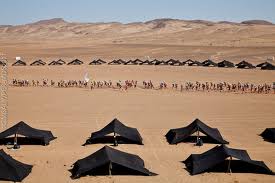
Taking place in South Morocco, in the provinces of Errachidia and Tinghrir the race will cover 223.8km over 5 stages. It will encompass some of the most beautiful terrain in the Moroccan desert. Eagerly awaited by one and all, the dunes, ergs and dried-up wadis will delight the thousand or so entrants from the fifty plus countries across the globe.

MDS LOGO

Race Programme:

5 April 2013: Leave country of residence for Morocco (UK entrants leave on the 4th) – Arrival in Ouarzazate, bus transfer to the 1st bivouac.

6 April 2013: Administrative, technical and medical checks – Day to acclimatise.

From 7-12 April 2013: Race in progress. (The self-sufficiency begins from breakfast on the 1st leg).

12 April 2013: Prizing ceremony in desert.

13 April 2013: Charity leg for UNICEF– Transfer to Ouarzazate.

14 April 2013: Day of relaxation, festivities.

15 April 2013: Return to country of residence.

Race Logistics

Patrick Bauer affectionately describes the Marathon des Sables as a big circus. It’s like moving a city everyday… just look at what is involved.

Race management : This team comprises more than 100 people including a race HQ, race marshals, controllers, timekeepers and ranking compilers. Since 2010, the official ranking has been achieved using a “transponder” for all the competitors.

Supervision : 400 people: technical, logistical and medical skills, 100 vehicles, 2 helicopters, 1 CESSNA plane, 4 dromedaries… and the active support of the Royal Armed Forces: 21 lorries (6×6) and 40 men to supervise logistics.

Medical Assistance : A team of 50 people under Dr Frédéric COMPAGNON, DOC TROTTER supervises the runners as much on a medical level (care of feet, resuscitation…) as a mental level, both of which fail sometimes in front of the toughness of the event and the hostility of the climate.

In the 27th SULTAN MARATHON DES SABLES, 3 tonnes of gear was transported and the medical team used : 5km of Elastoplast, 2,700 second-skin patches, 125 litres of disinfectant, 230 litres of drip solutions, 15,000 compresses, 2,800 pairs of surgical gloves,…

The Team

  • 115 volunteers on the course itself
  • 400 support staff overall
  • 120 000 litres of mineral water
  • 270 berber and saharan tents
  • 100 all-terrain vehicles
  • 
2 “Squirrel” helicopter and 1 “Cessna” plane
  • 6 “MDS special” commercial planes
  • 23 buses
  • 4 dromedaries
  • 
1 incinerator lorry for burning waste
  • 4 quad bikes to ensure environment and safety on race
  • 
52 medical staff
  • 6.5 kms of Elastoplast, 2 700 Compeed, 19 000 compresses 6 000 painkillers, 150 litres of disinfectant
  • 4 editing stations, 5 cameras, 1 satellite image station
10 satellite telephones, 30 computers, fax and internet

Marathon des Sables

Marathon des Sables – how did it start?

Patrick Bauer interview available HERE

1984 : At the age of 28, Patrick Bauer decided to make a journey into the Sahara. His objective was to traverse 350km’s of uninhabited desert, on foot, alone and without any possibility of encountering a single village, oasis or watering place. Totally self sufficient, Patrick entered the desert with a pack weight of 35kg containing all his water and food. The journey lasted 12 days and it was the starting point of what has now become the MARATHON DES SABLES.

Patrick Bauer, Marathon des Sables copyright www.lest-eclair.fr

Patrick Bauer, Marathon des Sables copyright http://www.lest-eclair.fr

1986 : The creation of the first MARATHON DES SABLES in the Moroccan Sahara. The 23 pioneers who took the start never imagined that their footprints would mark the start of a legendary event, which today has become unmissable on the schedule for major adventure sport meets.

1989 : 170 competitors take the start of the race and the rest is history.

I caught up with Patrick Bauer at the MDS UK expo in late 2012. You can listen to that interview (lasts 13 minutes):

talkultra.com
LISTEN HERE

The 2013 Race – who will be taking part?

1,090 competitors aged 20 to 76 are expected to take the start (definitive number on 6 April following administrative and medical checks) representing 45 different nationalities: Algeria, Argentina, Australia, Austria, Belgium, Bulgaria, Canada, China, Costa Rica, Czech Republic, Denmark, England, Finland, France, Germany, Holland, India, Ireland, Italy, Japan, Jordan, Kuwait, Latvia, Luxembourg, Morocco, New Zealand, Norway, Poland, Portugal, Republic of El Salvador, Romania, Russia, Saudi Arabia, Scotland, Singapore, Slovakia, Slovenia, South Africa, South Korea, Spain, Sweden, Switzerland, Turkey and the United States.

The participants are men and women with various and varied profiles (Doctors, farmers, coppersmiths, pilots, builders, chefs, servicemen and women, students, professional athletes and retired persons…).

The 2013 MDS Challengers for the overall win

DRAYMDS2012-04-08-7945-1

The Female contenders for the overall win :

Laurence Klein 2012 MDS

Laurence Klein 2012 MDS

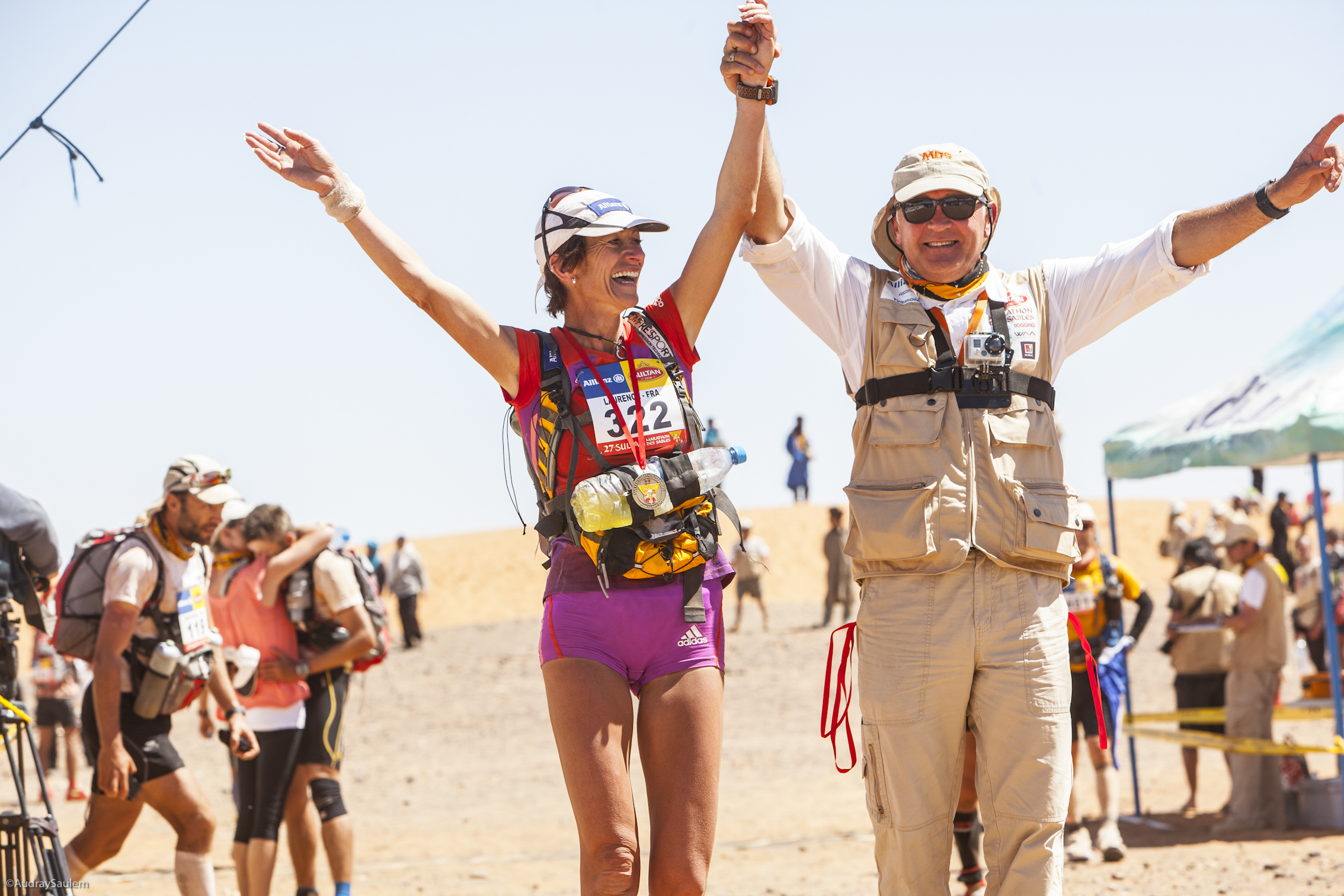
  • Laurence KLEIN (FRA) – 1st woman in 2007, 2011 and 2012, European 100km Champion.
  • Meryem KHALI (MAR) – 2nd woman in 2012. N°1082:
  • Megan HICKS (USA) – 2nd woman in 2009.
  • Simone KAYSER (LUX )– 3 victories in the MDS.


The Male contenders for the overall win : 

Mohamad Ahansal

Mohamad Ahansal

  • Salameh AL AQRA (JOR) – 1st in 2012, 2nd in 2008, 2010, 3rd in 2009, 2011.
  • Mohamad AHANSAL (MAR) – 4 victories and 2nd place 9 times.
  • Samir AKHDAR (MAR) – 6th in 2011, 7th in 2009.
  • Rachid EL MORABITY (MAR) – 1st in 2011.
  • Aziz EL AKAD (MAR) – 2nd in 2009 and 3rd in 2008 and 2012.
  • Christophe LE SAUX (FR) – 6th in 2012, 1st Guyan’trail 2011 and 2012.
  • Anton VENCELJ (SLO) – 4th in 2010, 8th in 2012.
  • Abdelaaziz TAYSS (FR) – French Cross-Country champion 2008 and 2011
  • Vincent DELEBARRE (FR) – 9th in 2005, 1st UTMB, Réunion, Templiers, etc
  • Martin FIZ (SP) – World Marathon Champion in 1995.
  • Carlos GOMEZ DE SA (POR) – 4th 2012 and 8th in 2008, 4th UTMB 2012.
  • Marco OLMO (ITA) – Top 10 in the MDS, 2 UTMB victories.
  • Antonio Filippo SALARIS (ITA) – 7th in 2012.

In 2013 I followed two runners in the build up to the 2013 Marathon des Sables. Tobias Mews placed 21st overall in the 2010 race and Stuart Rae is toeing the line for the first time in 2013. Each interview alternated on episodes of Talk Ultra but they have been joined together in one episode (lasts just under 1 hour)

talkultra.com
LISTEN HERE

2012 results (for reference)

1st : Salameh Al Aqra (JOR) in 19h59’21’’
 2nd : Mohamad Ahansal (MAR) 21’02’’ behind 3rd : Aziz El Akad (MAR) 1h38’56’’ behind

1st : Laurence Klein (FRA) in 26h15’40’’ 2nd : Meryem Khali (MAR) 1h19’38’’ behind 3rd : Karine Baillet (FRA) 1h31’07’’ behind

iancorless.comscreenshot_217

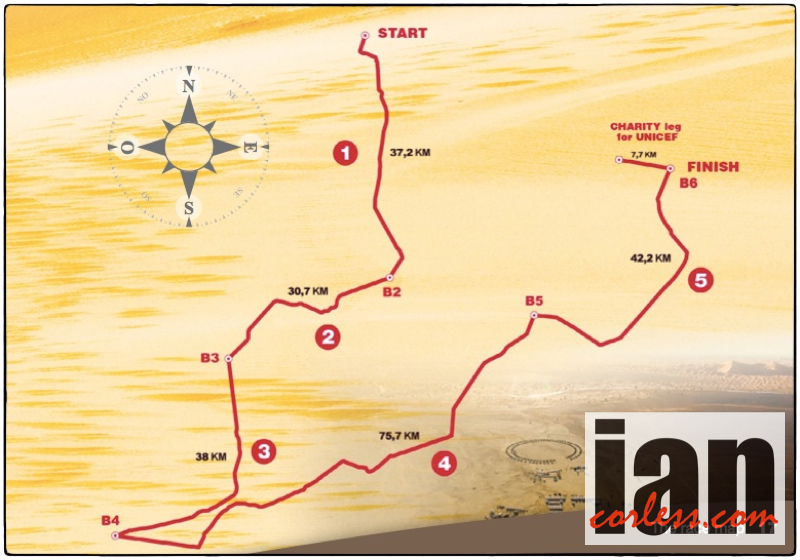
The 2013 race route

  • 1st leg – 37.2k Undulating terrain, interspersed with small ergs representing 5km of small dunes (dunettes).
  • 2nd leg – 30.7km 3 djebels with 10 to 25% gradients – exceptional panoramic views.
  • 3rd leg – 38km 2 djebel sections, 2 dried-up lakes and lots of sand.
  • 4th leg – 75.7km a total of 13km of dunes and around 30km of sandy terrain.
  • 5th leg – 42.2km the final leg is a marathon with ergs, regs, a dried-up lake and wadi beds…
  • Total Distance – 223.8km

Mandatory Kit

One of the key aspects of the Marathon des Sables is what kit to take? Here is a list of ‘mandatory’ kit. Of course, you need to add to this food requirements, cooking equipment and any additional luxuries.

  1. Distress flare: For use in the event of an extreme emergency. A range in excess of several dozen metres once activated.
  2. Knife: Equipped with a metal blade, it’s obviously useful in the bivouac and it can be of service when useful in the bivouac and it can be of service when running too.
  3. Compass: Surpassing both intuition and signposting, the compass is the marathon runner’s signposting.
  4. Whistle: Slowed by problems with your health or astray of the initial route, it enables other competitors or the organisation to be alerted to your whereabouts.
  5. Lighter: An important ally after a day’s running, whenit’s time to make a fire to heat up your meal.
  6.  Anti-venom pump: Even though it’s rare to have an unpleasant encounter with a snake, the anti-venom pump is compulsory and can enable action to be pump is compulsory and can enable action to be taken quickly.
  7. Antiseptic: As the days go by, all kinds of injuries can crop up, even during the race sometimes. So whilst awaiting assistance from a Doc Trotter, antiseptic can be important prior to linking up with the medical team.
  8. Sleeping bag: To be carried for seven days, ideally it shouldn’t exceed 400g and should be suitable for temperatures of between 5°C and 10°C. Indeed, the nights are cold in the desert.
  9. Survival blanket: In the event of serious problems, the survival blanket enables you to protect yourself from both the cold and sun. It weighs in at no more than 60g.
  10. Signalling mirror: If lost, someone competing in the Marathon des Sables will want to signal his or her presence. Playing with the sun and a mirror may be an alternative prior to using a distress flare.
  11. Salt tablets: Not exactly pleasant tasting, they are nonetheless essential for avoiding dehydration.
  12. Glow sticks: The perfect marker during the long leg.
  13. Headtorch: once night falls or when wandering around the bivouac, the headtorch is essential.

I will be reporting from the 2013 event as the race unfolds and providing I am able to gain adequate access to internet, I will update my website, Facebook and Twitter with reports and images as often as possible. So please keep checking!

Joe Grant joins Inov-8

Joe Grant

February 21, 2013

HARDCORE new inov-8 athlete Joe Grant is preparing to tackle the extremes of Alaska in a 350-mile race described by organisers as the world’s longest human powered winter ultra-marathon.

An interview with Joe is available on Episode 27 of Talk Ultra and just THIS WEEK, Ian from Talk Ultra caught up with Joe before he headed out to the race. You can listen to that audio in Episode 29 of Talk Ultra released on February 22nd.

The 29-year-old, who will form part of a new global inov-8 team of athletes set to push boundaries and stretch limits in 2013, begins the Iditarod Trail Invitational in Knik, Alaska, on Sunday.

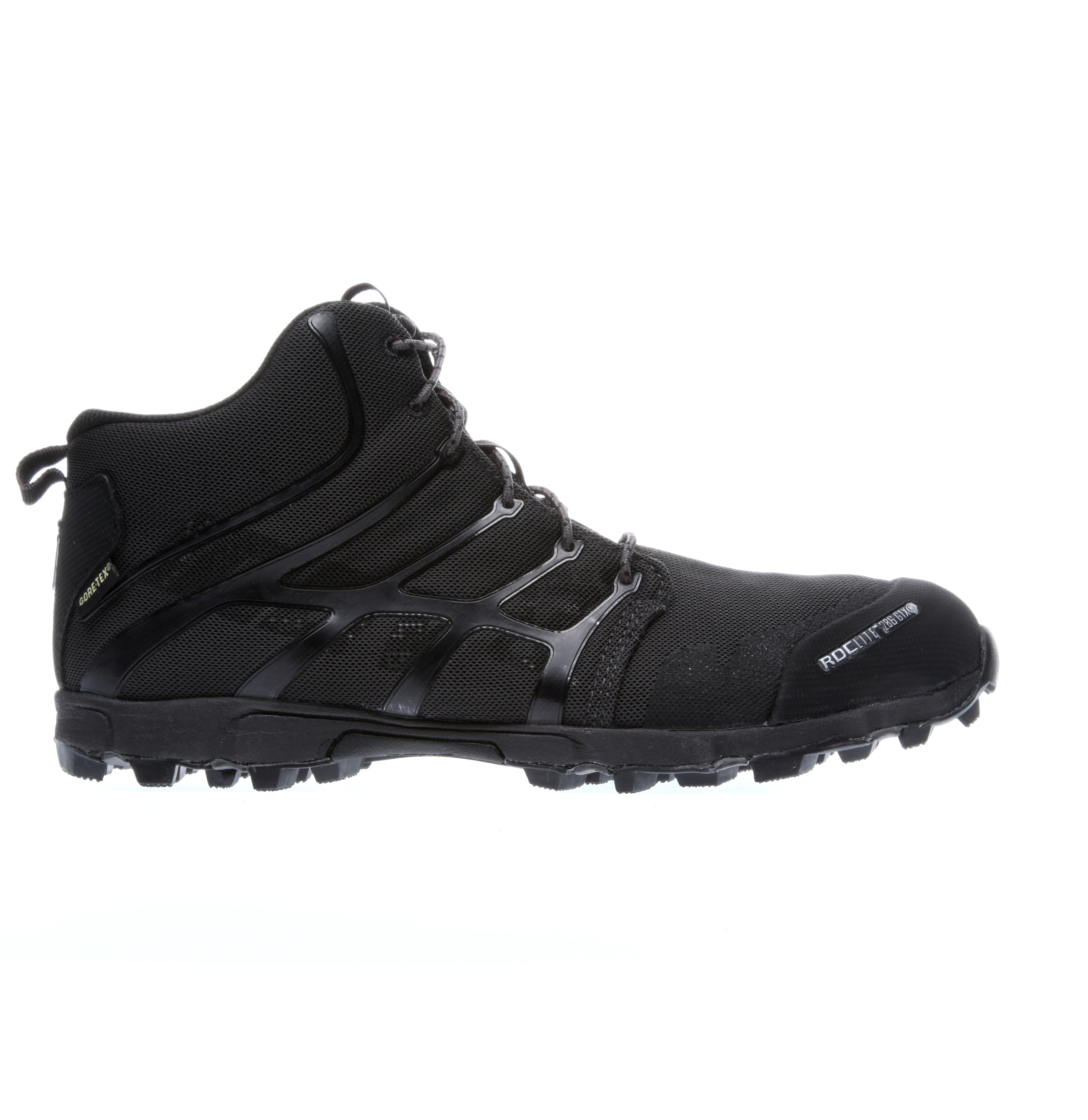
Born in the UK, raised in France and now based in Colorado, US, Joe will wear inov-8’s roclite™ 286 GTX boot to tame the snow and ice in a race that can take runners anything between four-and-a-half and ten days, depending on conditions in the Alaskan wilderness.

There are just seven checkpoints on the course where food and lodging is available. Between checkpoints racers have only each other.

Joe said: “It will be the longest ultra I’ve done in terms of distance and the extreme cold will make it tough but it’s a super exciting challenge. I just hope I can keep all my toes until the end!

“When racing over 350 miles in such wilderness and conditions it’s crucial to have trust in your footwear.

Roclite243_2-13[1] roclite286gtx_02-01

“The roclite™ 268 GTX is light and close to the ground, which is good on uneven snow. It runs like a low top trail shoe, but has all the advantages of a high top for these kinds of conditions.

“The GORE-TEX membrane helps keep my feet dry and warm, while the height of the boot in combination with gaiters prevents snow from getting in.”

Following that, Joe hopes to go head-on with the world’s best mountain runners at the opening race in the 2013 Skyrunner ultra series.

May’s 83km Transvulcania ultra-marathon monster on the island of La Palma in the Atlantic Ocean, which features 4,415m of elevation gain, was last year won by Dakota Jones, with Joe in joint 11th.

Joe went on to record an outstanding second place finish at the epic 2012 Hardrock 100-mile race in the US – an achievement he wants to better this year.

“I want to be on the start line for Transvulcania but it will depend on how my recovery goes after the Iditarod Trail Invitational,” said Joe, who has finished top-20 at the Ultra-Trail du Mont Blanc (UTMB).

“The Hardrock 100 is a big one for me this year. It’s an awesome race, which embodies everything I like about racing in the mountains. I really want to do a fast time there in July.”

Joe will wear shoes from inov-8’s trailroc™ and roclite™ ranges to race over trails and mountains across the world in 2013.

He said: “I’m super excited about the roclite™ 243 (new for spring/summer 2013). Its specifications are spot-on and I couldn’t think of a better shoe for trail and mountain running.”

More details on Iditarod Trail Invitational visit http://www.alaskaultrasport.com/alaska_ultra_home_page.html

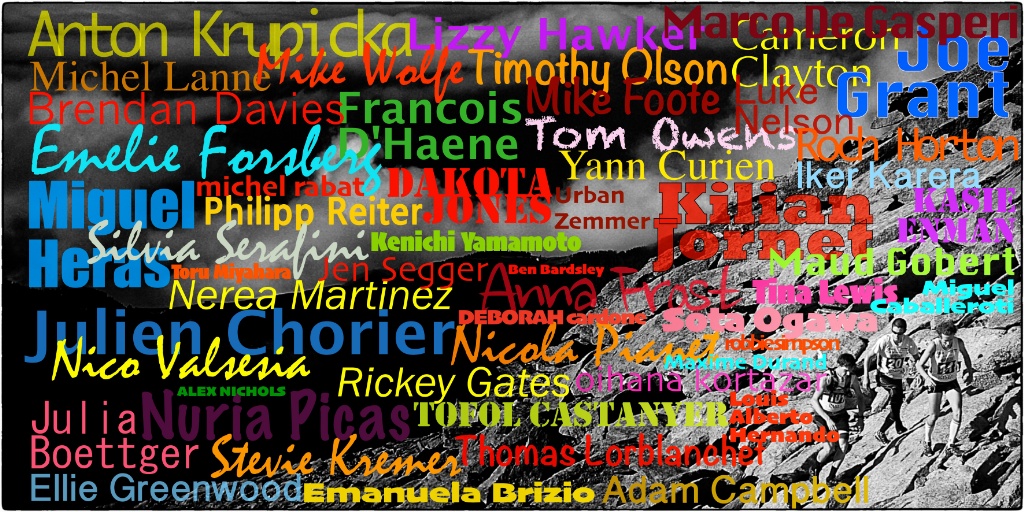
Skyrunning World Series Participants 2013

Skyrunning Image Banner 2_Snapseed

SWS – champions choice

Building on the 2012 Skyrunner® World Series success and the introduction of the Ultras, 2013 prepares for an even bigger star-studded cast.

ISF-logo

The line-up of champions is headed by 2012 SWS winners Kilian Jornet, Emelie Forsberg and Nuria Picas, joined by past world champions Emanuela Brizio, Oihana Kortazar, Luis Alberto Hernando and Tofol Castanyer and WMRA champions Marco De Gasperi and Stevie Kremer.

Nuria Picas copyright Ian Corless

Nuria Picas copyright Ian Corless

Philipp Reiter copyright Ian Corless

Philipp Reiter copyright Ian Corless

Emelie Forsberg copyright Ian Corless

Emelie Forsberg copyright Ian Corless

With some of the big American ultra legends crossing the pond last year to get a taste of skyrunning, the word is out!  Joining them this year: Anton Krupicka, Dakota Jones, Rickey Gates, Mike Foote, Timothy Olson, Joe Grant….

Kilian and Tony Krupicka copyright Ian Corless

Kilian and Tony Krupicka copyright Ian Corless

Dakota Jones copyright Ian Corless

Dakota Jones copyright Ian Corless

It’s full immersion for Kilian Jornet who, with his unique skills, will participate in no less than all three Series:  Vertical, Sky and Ultra!

Kilian Jornet copyright Ian Corless

Kilian Jornet copyright Ian Corless

Lizzy Hawker will be toeing the start-line at the Series’ first 100-miler while Anna Frost will take part in both the Sky and the Ultra Series.  The mix includes Phillip Reiter and Julia Böttger from Germany, top French names:  Francois d’Haene, Julien Chorier, Michel Lanne, Yann Curien, Maud Gobert and Stephanie Jimenez, Britons Andy Symonds and Tom Owens, Canada’s Adam Campbell.

Marco de Gasperi - copyright Ian Corless

Marco de Gasperi – copyright Ian Corless

Anna Frost copyright Ian Corless

Anna Frost copyright Ian Corless

Strong team participation is engaged right across the Series headed by the heavy-duty Salomon team as well as hefty, international line-ups from inov-8, La Sportiva, Salomon Agisko and Arc’teryx, The North Face, Haglöfs, Montrail, Scott as well teams from Spain, Italy, Russia, Japan

Take a look at the mix here.  Have we got everybody?

You’re still in time to join the throng and remember, if you’re competing in the World Series, there’s always a slot available for you.

Follow us for who goes where as the skyrunning season unfolds.

Follow the action on Skyrunning HERE

Follow on Talk Ultra HERE

On Twitter @talkultra