The 2016 Everest Trail Race has begun… as with all races, it starts with a journey and as I am sure you all know, some are more bearable than others. This was a good one! We departed Heathrow on Nov 6th in the early evening, a 4-hour flight to Istanbul was followed with a short wait time before a red-eye flight through the night to arrive in Kathmandu for midday the following day.
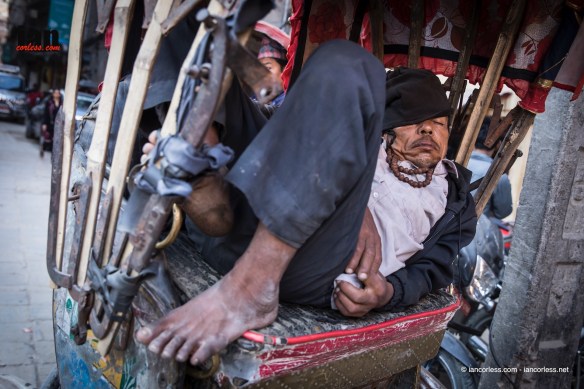
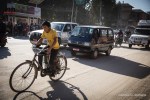
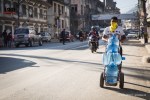
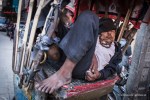
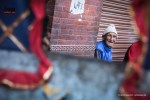
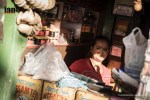
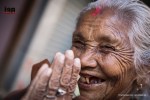
The Nepal/ Kathmandu impact hits immediately – noise, colour, cars, motorbikes, buses, dust and people are everywhere!
A short journey to our hotel is followed by a simple pre-registration of athletes; the official race briefing will take place tomorrow. Everyones tired but a new day has kicked in leaving everyone unsure if they should be eating lunch or breakfast? Eyes are watery and red, hair is a little dishevelled and wild, but the anticipation of the 2016 ETR has everyone wired and excited.
It’s time to unpack, prepare and organise equipment for the race that starts in three days time but first a little exploring – the bustling streets of Tamil await and provide a quick and rapid immersion into the wonders of Nepal and it’s people.
Tomorrow, Monday, is a day of organised exploring to the Monkey Temple and Durba Square; a hub of history for this region of Nepal.
Sleep deprived, it’s a short day for everyone, bed calls and tomorrow the 2016 Everest Trail Race experience really begins for all concerned.
Racing starts on Thursday10th November
Day 1 – Departing Jiri at 0900 runners will cover two major peaks, Mali at just over 2400m and Deurali Pass (2700m).
Day 2 – Leaving Bhandar, non-stop climbing follows a short 4km descent; firstly, to Gompa (Golla) at 3010m, a small downhill section follows of 2km and then a climb to Pikey Peak at 4068m. It’s a tough-tough day and the sting in the tail comes at the very end with a very short and steep ascent to Jase Bhajyang.
Day 3 – Jase Bhanjyang to Kharikhola
Stage 3 is all about running downhill, however, the finish is brutal ascent to Kharikhola at 2100m. Leaving Jase Bhanjyang runners have a short ascent of 2km to 3800m and then an 8km descent to Jumbesi, CP1. A 6km climb to just over 3000m is then followed with a 4km descent to Lharpa and CP2. Another 3km climb to 3000m and then a brutal leg-sapping drop from 3000m to 1500m in 10km before the final sting in the tail, a 3km climb to the finish.
Day 4 – Kharikhola to Llegada
Departing the monastery, a small descent awaits the runners of just 4km before a long tough climb to Kari La (CP1) at 2900m. From here the course goes up and down all around 2700/2800m for approximately 10km before a very steep descent to CP2 at Surke (2200m). A continual climb to CP3 at Cheplung continues to the arrival at Phakding/ Llegaga.
Day 5 – Phakding to Llegada
Leaving Phakding at 2600m runners will only gain 200m in the first 8km. CP1 Namche Bazar is at 10km (3400m). Phunki Tenga at 17.5km (3300m) now will offer the runners the most spectacular views of Everest and the other 8000m peaks. This sight will spur them on for the kick in the tail; the 2km climb from 3300m to 3700m and the finish at Tengboche.
Day 6 – Thyangboche to Lukla
The final stage of the ETR re-traces much of the same ground of Day-5 but (obviously) in the opposite direction. The main difference comes after Phakding when the trail splits and participants go left climbing to the finish in Lukla.
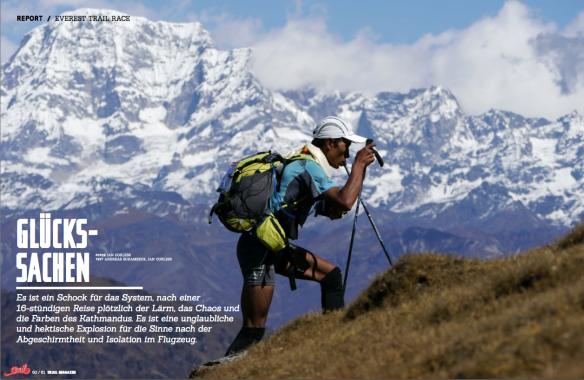
Set against one of the most iconic and awe-inspiring backdrops on the planet, the Everest Trail Race is one of the world’s toughest high-altitude ultra-marathons. I had the pleasure to attend the 2013 and 2014 and I am pleased to say for 2016, I am going back…
Nepal, the Himalayas, the Nepalese people and the amazing trails that lead to the stunning vistas of Everest, Tawache, Ama Dablam, Nuptse, Lohtse and Thamserku from the amazing Tengboche (Thyangboche) Monastery are some of the most memorable moments I have ever had.
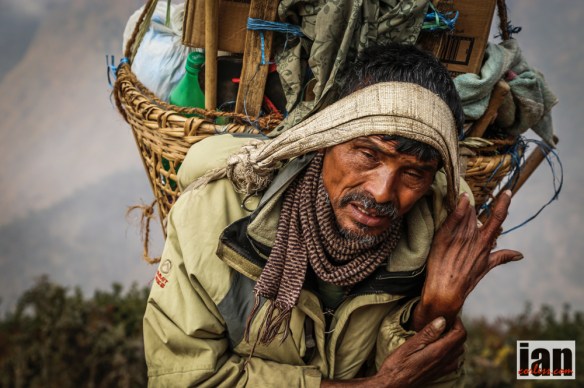
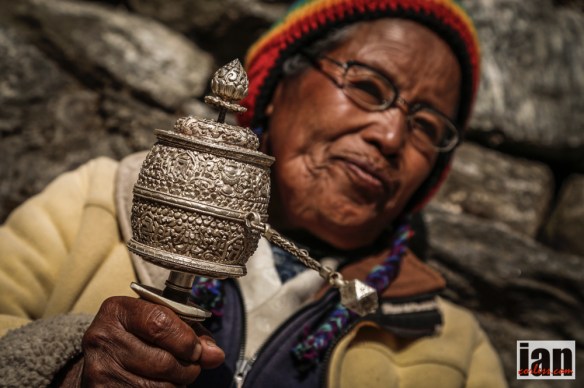
On my first visit, I was told Nepal would change me and it did. It’s a cacophony of sound, visuals and emotion.
From the noisy and frenetic streets of Kathmandu to the isolation of camping under the stars at the monastery at Kharikhola, Nepal and its people cemented itself within my heart and I know that participants of the 2016 ETR are in for a very special experience.
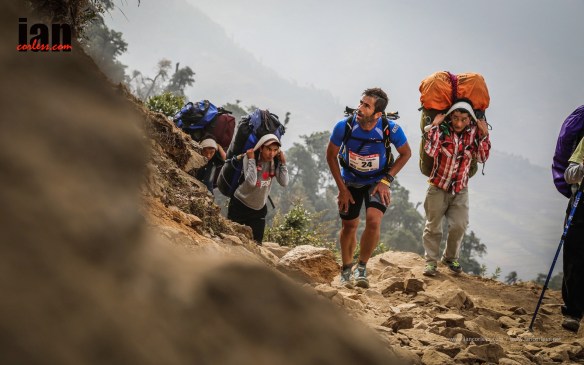
Winding through the remote Solukhumbu region of the Himalayas in Nepal, the ETR takes place over six punishing days and covers a distance of 160-km with over 25,000m of vertical gain.
Terrain is mixed and the daily distances are, on paper, relatively short. Don’t be fooled though. Altitude and technical trails make the ETR a very specific challenge. Daily altitude gain starts 3,000 meters up to 5,950. It’s a breathtaking route that starts in Jiri and follows an incredible route that would eventually lead to the base camp of Everest.
Runners will trace the footsteps of Edmund Hillary and Tenzing Norgay, the first man to reach the summit of Everest, along with Hillary, who was born in the Tengboche area in a village called Thani.
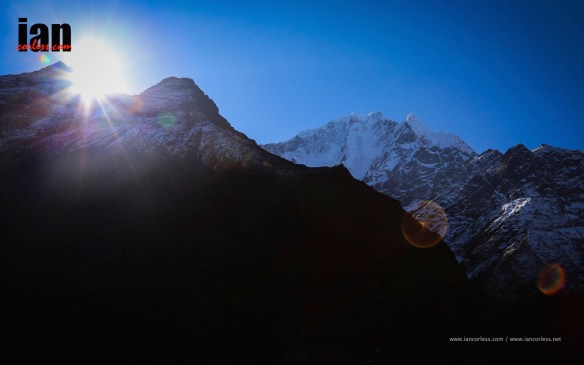
Participants will experience breath-taking views of not only one, but also several of the world’s tallest mountains: Everest, Lothse, Ama Dablam, Tamseku, Kangtega, Makalu and Kanchenjunga. On the fifth day, arriving at Tenggboche the Himalayan backdrop is magnificent providing a wonderful boost before returning to Lukla via Namche Bazaar.
A self-sufficient race, participants must carry all they need with the exception of food for meals and a tent. Breakfast and dinner is provided and all the runners sleep in 2-man tents.
Temperatures vary greatly from warm sunny days to icy cold nights. Remember, the runners carry everything they need, so, shorts and T-shirts for the day and a down jacket, multiple layers and a very warm sleeping bag for the night. As with most multi-day races, a change of clothes is a luxury and a shower almost non-existent.
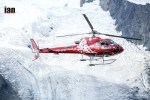
The route is only accessible by foot or helicopter, so, the challenge is equally tough for the race team.
The Everest Trail Race is without doubt the journey and experience of a lifetime.
“You reach the highest point of the day and you are breathing hard, short shallow breaths. You think you must stop, that you can’t go on, but then you settle into a sustainable rhythm. Your body is adapting to the workload, to the altitude and with that realisation you feel a rush of empowerment that motivates you to run right past the foot of Everest.”
Schedule:
6th November – Travel to Kathmandu
7th November – Kathmandu
8th November – Sight-seeing in Kathmandu
9th November – Transfer to Jiri
Race dates 10th – 15th November.
Day 1 10th – 22 km (+ 3800 m ascent)
Day 2 11th – 24 km (+ 5300 m ascent)
Day 3 12th – 37 km (+ 6600 m ascent)
Day 4 13th – 28 km (+ 4500 m ascent)
Day 5 14th – 20 km (+ 3200 m ascent)
Day 6 15th – 30 km (+ 5200 m ascent)
16th November – Return to Kathmandu
17th November – Relaxing day in Kathmandu
18th November – Return home
The actual routes and formats change every year. The Race Director, Jordi Abad and his team spend over a month meticulously planning routes that are made public before the event starts.
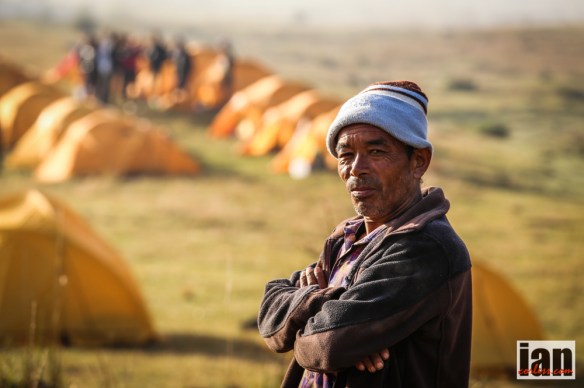
Competitors camp overnight in two-man tents provided by the ETR. The tents are transported stage-by-stage and await the runners at the end of each day. Meals are provided each night in a large food tent. It provides a wonderful and most memorable sound each evening as the sound of weary laughter echoes around camp.
Race Route (to be confirmed)
Day 1 – Departing Jiri at 0900 runners will cover two major peaks, Mali at just over 2400m and Deurali Pass (2700m).
Day 2 – Leaving Bhandar, non-stop climbing follows a short 4km descent; firstly, to Gompa (Golla) at 3010m, a small downhill section follows of 2km and then a climb to Pikey Peak at 4068m. It’s a tough-tough day and the sting in the tail comes at the very end with a very short and steep ascent to Jase Bhajyang.
Day 3 – Jase Bhanjyang to Kharikhola
Stage 3 is all about running downhill, however, the finish is brutal ascent to Kharikhola at 2100m. Leaving Jase Bhanjyang runners have a short ascent of 2km to 3800m and then an 8km descent to Jumbesi, CP1. A 6km climb to just over 3000m is then followed with a 4km descent to Lharpa and CP2. Another 3km climb to 3000m and then a brutal leg-sapping drop from 3000m to 1500m in 10km before the final sting in the tail, a 3km climb to the finish.
Day 4 – Kharikhola to Llegada
Departing the monastery, a small descent awaits the runners of just 4km before a long tough climb to Kari La (CP1) at 2900m. From here the course goes up and down all around 2700/2800m for approximately 10km before a very steep descent to CP2 at Surke (2200m). A continual climb to CP3 at Cheplung continues to the arrival at Phakding/ Llegaga.
Day 5 – Phakding to Llegada
Leaving Phakding at 2600m runners will only gain 200m in the first 8km. CP1 Namche Bazar is at 10km (3400m). Phunki Tenga at 17.5km (3300m) now will offer the runners the most spectacular views of Everest and the other 8000m peaks. This sight will spur them on for the kick in the tail; the 2km climb from 3300m to 3700m and the finish at Tengboche.
Day 6 – Thyangboche to Lukla
The final stage of the ETR re-traces much of the same ground of Day-5 but (obviously) in the opposite direction. The main difference comes after Phakding when the trail splits and participants go left climbing to the finish in Lukla.
Ones to watch.
The ETR is very much a race about an experience and a journey, however, a race will take place and as in previous years, this will be very competitive at the front.
From the UK, Casey Morgan will be one of the main contenders for overall victory. In 2016 he has raced consistently well in tough and mountainous races all over the world. The big question will come with his ability to handle high altitude.
Miguel Capo Soler placed 17th at the 2014 Marathon des Sables but his best result came in 2013 when he placed 3rd along with 10th at Lavaredo Ultra Trail.
Roger Vinas has had an incredible 2016 racing the Skyrunner World Series – the technical trails and altitude of Nepal should not be a problem for this talented runner.
Ismael Dris placed 18th at the 2015 Marathon des Sables, 2nd at the 2013 The Coastal Challenge and has raced Everest Trail Race on one previous occasion.
Sarah Davies from the UK placed 2nd lady in the 2016 Spine Challenger and also won the Malvern Hills Ultra. Adapting to the cold shouldn’t be a problem, the altitude will be a question mark.
Argentina will be represented by Paula Haimovich, Vanesa Levi and Daniela Alderete.
The 2016 edition of the race has a main sponsor – The Elements Pure Coconut Water. Other official sponsors are Compressport, 225ers, ways gps and Burq.
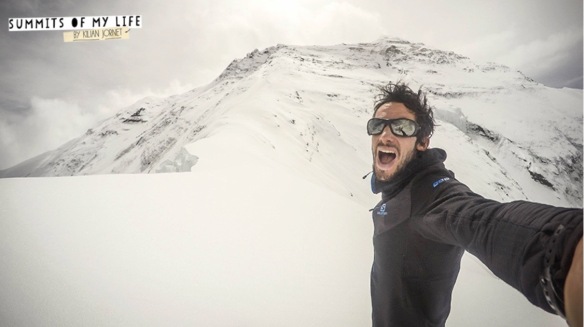
“Time was running out and conditions on the mountain weren’t changing. The unstable weather continued and there continued to be a high risk of avalanches on the higher reaches. We left the mountain feeling somewhat frustrated. We were well acclimatized and could climb without taking serious risks, but at the same time we were very satisfied with the activities that we had been able to carry out.” – Kilian Jornet
The mountain is always the boss. The day that you don’t respect the mountain may well be the last day that you spend in the playground. I am pleased to say that Kilian as an adventurer and mountaineer has progresses not only physically but mentally. He some this up well when despite obvious eagerness to reach the summit of Everest, he was able to step back and think, ‘We had to postpone the challenge of climbing Everest because a rapid ascent would expose us to the risk of accidents.’
I for one am happy to hear Kilian speak these words. The mountain will always be there.
“I’m very happy with what I’ve learned these last few weeks in the Himalayas. We’ve seen what things work and what needs to change. We have learned and personally I have grown as a climber. The expedition has left us feeling very positive in spite of not being able to reach the summit.” – Kilian Jornet
Importantly, Kilian looks at this expedition not as failure but as a stepping stone to a future successful attempt.
In his own words you can read his thoughts on his SOML post HERE.
Kilian Jornet returns from Everest without having climbed the world’s highest mountain. Bad weather conditions during the final stage of the expedition have forced him to abandon the attempt to climb Everest via the north face.
It was always going to be touch and go and a risky adventure. Kilian was well aware of this and I wrote about some of my thoughts here before his attempt.
Today, 15th September, having spent three weeks at base camp on the north face of Everest (6,000m) acclimatising and preparing for the challenge of climbing the world’s highest mountain, Jornet and the Summits of My Life team postponed the the Everest challenge until a later date.
Read the full story HERE on the Summits of my Life website.
You cannot look at Trofeo Kima with the eyes of a pure runner; It’s beyond running! For over twenty years, ‘Kima’ as it is affectionately known, has blown the minds and the legs of all those lucky enough to toe the line.
The race is arguably the pinnacle of the Skyrunning calendar and as such it has gained a reputation as one of the most demanding and challenging races in the world. At 52km in length the distance is not intimidating, however, 8,400m of ascent and descent put the race in perspective.
Passing over seven passes of the Sentiero Roma, a well-known GR route, the race in its current form is the brainchild of the International Skyrunning Federation president, Marino Giacometti. So tough is Kima that it has a capped field of just 250 participants and the race is held every other year to add to its allure. This is a race that one aspires too; you need to earn a place on the entry line. The challenge comes no greater. This is confirmed in the words of the previous course record holder, Kilian Jornet:
‘Picture a mountain terrain that has no paths, amidst glaciers; it is all crests, rocks, stretches of via Ferrata and all over a course that stretches 52-km. Kima is not athletics, it is mountaineering; pure Skyrunning!’
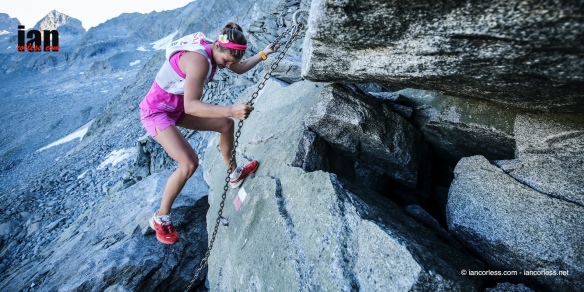
Kima takes place on mountain paths that are unmarked. Simple flickers of colour show the way through rock, granite, snow and ice. Sections of the course are so severe that fixed ropes and chains provide the only secure way to traverse vertical walls of rock or exposed ledges. Needless to say, a head for heights, an ability to look after oneself and excellent fitness make each runner’s journey on the Sentiero Roma one that they will never forget. Scaling incredible terrain on foot and at times by hand, participants will reach a high point of 2,950m at Cameraccio Pass. It is the challenging terrain that truly sets the race apart, as Giacometti describes: ‘Kima crosses the group of technical mountains in the area and passes through all of the seven refuges situated on the route. It’s a very technical race and ultimately it has become a beacon of Skyrunning’
‘Kima’ was the nickname of Pierangelo Marchetti, who with friends founded the first helicopter equipe in Italy. The mountains were Perangelo’s life; he loved them and he embraced them. Unfortunately, on July 8th 1994, while attending a rescue mission via helicopter, Pierangelo’s life was taken. Trofeo Kima was created in his memory to ensure his love and dreams of the mountains would live on.
During the 20-year history, Kima has seen the best in the world perform over this challenging course. Now part of the Skyrunner® Extreme Series, Kima is one of three ‘extreme’ races that provides points for an overall Sky Extreme Series title where two out of three races must be completed. The first race in the series was Tromso SkyRace, the second Trofeo Kima and the third being the Salomon Glen Coe Skyline in Scotland.
For many, this iconic Skyrunning and mountain running race is still unknown. It’s like a precious jewel, hidden away for fear of someone stealing it. With each edition, one link in the securing chain is removed and the extreme beauty of Kima is being revealed to an audience of adrenaline junkies. Kima is not for everyone, but if you have the experience and the courage, the Sentiero Roma rewards each who ventures on to its tough and technical terrain.
This year, Tom Owens was riding high after a string of successful results and many had tipped him as the pre-race favourite. However, a day of intense heat and clear skies most definitely played with the rule book throwing several curve balls.
In the ladies’ race, the 2016 Kima will no doubt be remembered as the return to top level racing for Emelie Forsberg. Recent surgery on her knee after an ‘acl’ injury had deprived Emelie (and us) of her presence in a race. A couple of forays into shorter races had tested her fitness and recovery but could Emelie stand 7+ hours on ‘this’ course.
Early action came from Alexis Sevennec and Leo Viret who dictated the pace up the very long first climb pursued by Marco De Gasperi and Nepalese runner, Bhim Gurung.
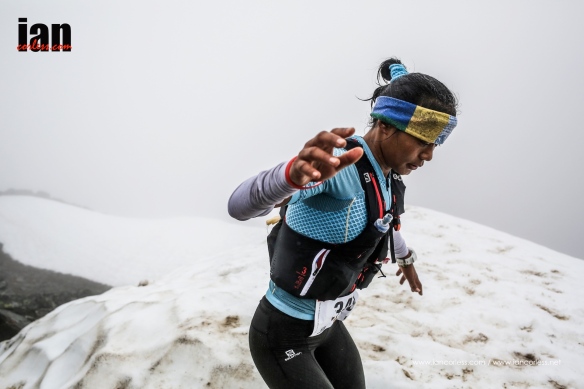
Constantly fighting the terrain and each other, Sevennec and Viret lead the race for much of the way with Gurung moving up into 3rd place after Qualido. In the latter stages of the race though, De Gasperi made a move as Sevennec and Viret faded. Gurung joined the Italian Skyrunning legend and in the closing stages the two dueled to the line… in the closing stages it was Gurung who made the break crossing the line to a stunning victory and new course record time of 6:10:44. De Gasperi crossed the line also under the old course record of Kilian Jornet a spent force. He dropped to the ground exhausted from the effort and heat. Vireo closed 3rd and Sevennec smiled his way across the line in 4th. Tom Owens finished 5th after a tough and hard day in the office – his first at Tromso and 5th here still securing his place at the top of the Sky Extreme Series.
The ladies race was all about come back girl Emelie Forsberg and she didn’t disappoint. Leading the race from beginning to end, Emelie smiled her way to the line, pretty in pink! Yes, this was one of those great comebacks that even Emelie questioned, “I planned to take it easy early on and not push too hard. My operation removed some of my hamstring and this has made my leg weaker so I need to be careful. But everything felt good today and I am so happy, this was not about winning a race, although that is great! It was about coming back with no problems and feeling good.”
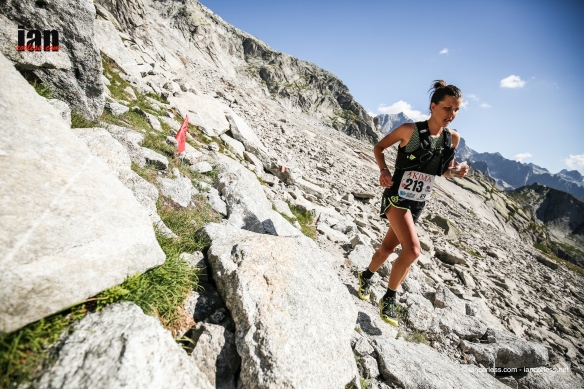
Emelie finished in 7:49:06 outside Nuria Picas’s course record time of 7:36:21. Ruth Croft from New Zealand pursued Emelie all day and had a great run often hovering around 10-minutes behind.
At the line the gap was 17+ minutes and Ruth confirmed that her skills on such technical terrain are not good enough in comparison to Emelie. Kima legend and previous winner of the race, Emanuela Brizio upheld her incredible history with this race crossing the line in 3rd, 8:21:42.
Thanks to the support of our Partner Migu Xempower, Sponsor Alpina Watches and Official Pool Suppliers, Scott Running, Compressport and Salomon.
About Skyrunner® World Series
Skyrunning was founded in 1992 by Italian Marino Giacometti, President of the International Skyrunning Federation which sanctions the discipline worldwide and sports the tagline: Less cloud. More sky.
The Skyrunner® World Series was launched in 2004 and has grown to represent the peak of outdoor running defined by altitude and technicality. In 2016, the Series, composed of four disciplines, features 23 races in 15 venues on three continents.
iancorless.com is the official photographer and media partner for the Skyrunner® World Series Follow on:
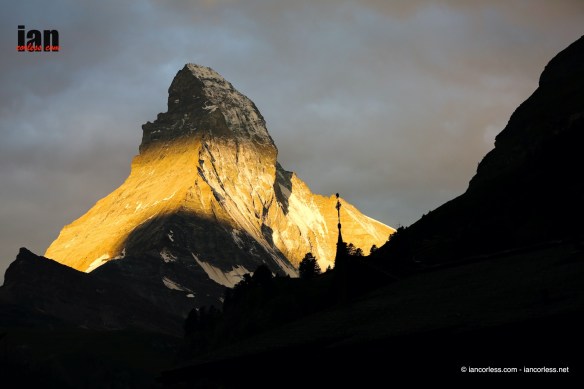
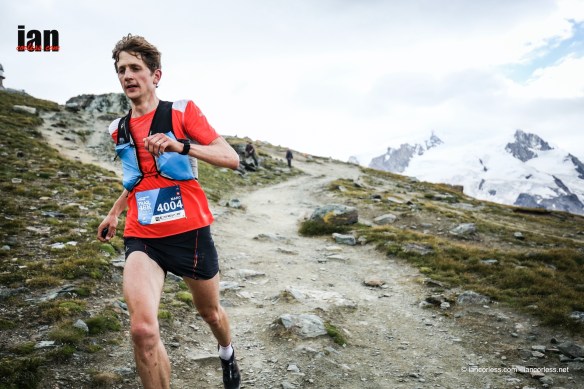
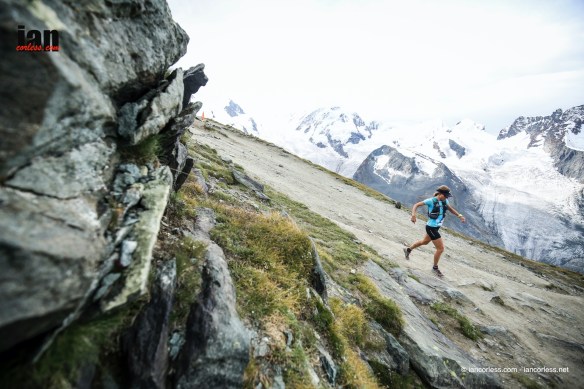
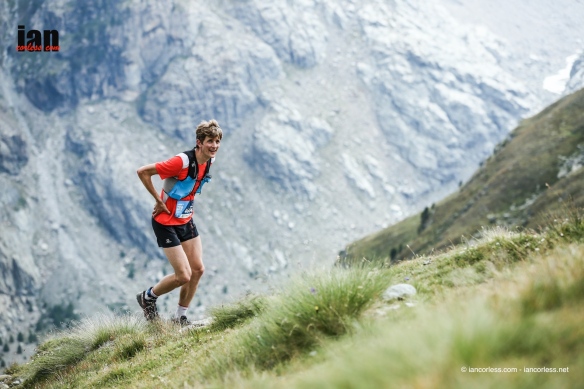
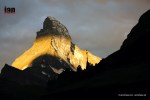
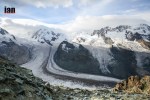
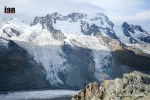
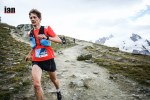
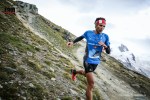
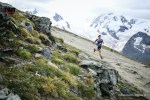
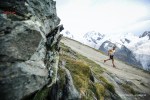
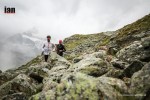
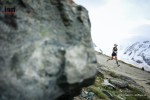
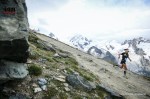
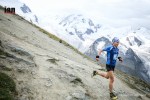
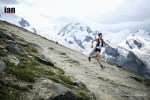
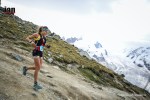
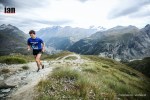
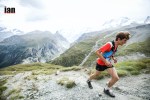
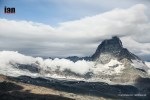
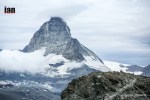
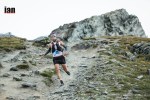
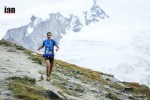
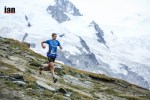
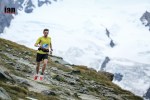
The Matterhorn provides a stunning backdrop for Switzerland’s Matterhorn Ultraks race, a 46km Skyrunning race with 3600m of positive and negative gain. Now in its 4th edition, the race once again is in the Skyrunner® World Series – a magical race that provides a circular journey that starts and concludes in the picture postcard mountain town of Zermatt.
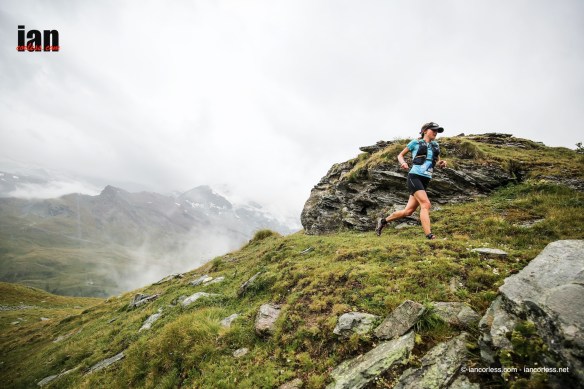
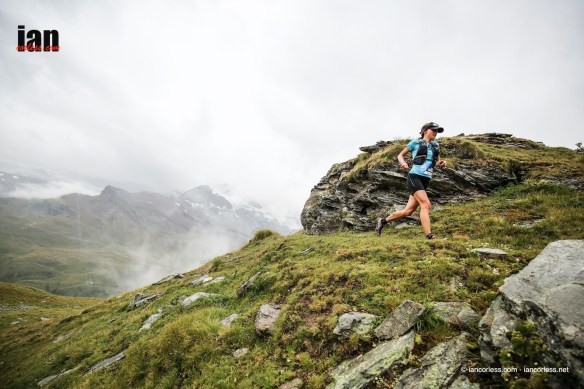
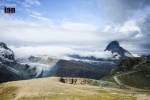
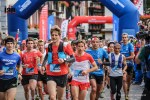
The day started well with wispy white clouds penetrating the blue of the sky, we all knew though that it wasn’t going to last… with 2 hours of running the sky turned grey, the rain arrived and low mist enveloped the mountains; the beautiful Matterhorn was gone!
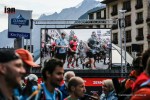
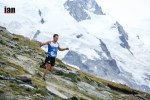
Wild expansive space, high mountains and the 3100m Gornergrat provides the high point of the race and the first indication of how this mountain game of chess was going to play out. Christian Mathys was a surprise arrival pushing the pace closely followed by Marc Lauenstein (pre-race favourite) and Nepalese runner, Tirtha Tamang.
In the ladies’ race, Megan Kimmel from the USA was already dictating the race and the pace opening up a substantial gap on a chasing Elisa Desco from Italy and Michaela Mertova who was looking very strong.
It’s a brutal opening 14km to open any race and as such, those opening km’s can be decisive in who crosses the finish line first.
Megan Kimmel from the USA ran hard from the gun in 2015 setting the pace against a world-class field, “Anytime you get the rhythm in the up, the down, or the flat, the body is abruptly put into one of these other actions. It is steep enough to grind you to a walk on a lot of the uphill and has fair bits of technical descent.”
A 1000m drop from the summit is broken by a small climb at Riffelalp and then Furi follows at 24km at 1880m. Two short sharp climbs follow, the first to Schwarzsee at 2583m and approximately 28km covered. Here Mathys was leading Tamang and Launstein followed minutes behind. It was difficult to tell if Lauenstein was going through a bad patch, he just smiled and pushed on.
Kimmel picks up her race, “I was comfortably leading the race for the first 30k. When I mean comfortable, I mean it seemed fairly effortless in a racing sense. I was moving with the terrain on the uphill’s and I was holding back on the descents because it was a long race with a lot of transitions.” Kimmel’s lead was substantial and she was running her own race. Behind, barring an accident, the other ladies were running for 2nd.
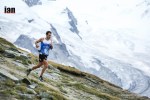
A drop down to 2200m from Schwarzsee was followed with another 500m+ climb and then what follows is mostly a flat runnable plateau that gently weaves up, down and left to right all the way to Trift. Lauenstein had taken the lead now and was flying, Mathys chased but the gap was opening up with every minute that passed.
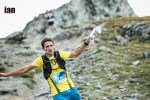
A short kick up of 100 to 200m follows Trift and then a fast and furious drop of almost 1000m over a distance of 6km leads to the finish line in Zermatt and the assembled crowds. Lauenstein sealed victory in 4:47:01, just a few minutes outside Kilian Jornet’s course record. Mathy’s held on for an excellent 2nd in 5:51:56 and Tamang placed 3rd in 4:53:03. Once again Hassan Ait Chaou ran an excellent 4th place and last year’s winner and course designer, Martin Anthamatten finished 6th.
Kimmel, the 2015 Dolomites SkyRace winner, after strongly leading the ladies race for the whole race, clinched victory with 20+-minute lead to Michaela Mertova, their respective times 5:23:15 and 5:46:21. Cilia Chiron backed up her great Dolomites SkyRace performance with 3rd and Oihana Kortazar placed 4th. Elisa Desco who had run in 2nd place did not finish due to a fall.
Skyrunning is not just about the uphill and more often than not, it’s the downhill that determines the winner. Today was all about patience and consistency. Racing is often a mental journey as much physical, Kimmel and Lauenstein today proved this at the Matterhorn.
Thanks to the support of our Partner Migu Xempower, Sponsor Alpina Watches and Official Pool Suppliers, Scott Running, Compressport and Salomon.
About Skyrunner® World Series
Skyrunning was founded in 1992 by Italian Marino Giacometti, President of the International Skyrunning Federation which sanctions the discipline worldwide and sports the tagline: Less cloud. More sky.
The Skyrunner® World Series was launched in 2004 and has grown to represent the peak of outdoor running defined by altitude and technicality. In 2016, the Series, composed of four disciplines, features 23 races in 15 venues on three continents.
iancorless.com is the official photographer and media partner for the Skyrunner® World Series Follow on:
“MIRA” is a gem among the many ultrarunning movies that are currently available. It’s a simple story that pulls at the heart, inspires and at all times remains humble. The movie, like Mira started small and has grown.
In 2014, Mira was unknown, but through the insight of Trail Running Nepal, Richard Bull and Lizzy Hawker, Mira found a home and a story started to unfold. Like any flame, if you provide the right conditions, the flame will grow, increase and yes, even rage.
In February 2015,Lloyd Belcher started to work on this project. Like any project of this nature, it was a risk. Would Mira perform, would the film find the funding required to complete it. Lloyd sums it up so well when he recently said:
“Thank you to all who believed in the value of this project when we started filming in Feb 2015 without any money but a vision of how we wanted to reach girls in Nepal with Mira’s inspirational story. So many have joined us on this journey and given in so many ways.”
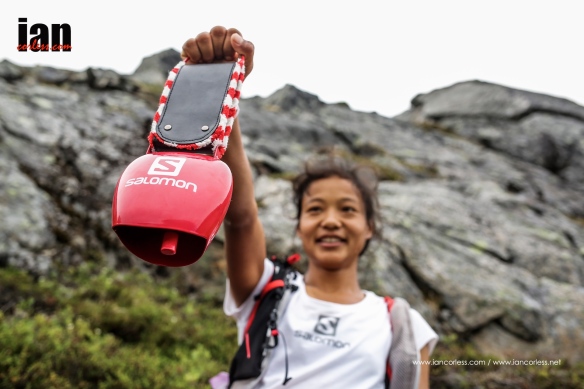
The film is the story about Mira, a Nepali village girl on her pursuit to becoming a world-recognised mountain runner while racing primarily in the 2015 Skyrunner World Series.
I have to say, I have been more than fortunate to witness Mira’s growth, not only from the outside looking in but also on the trails as I have documented in words and images her inspirational rise in the sport.
The ridges, mountains and technical trail of Tromso, the stunning Italian Dolomites and the Spanish mountains in and around Ultra Pirineu. Mira inspired through her humility, her no-nonsense approach and a very simple approach to life. When you watch MIRA you realise why.
Unlike many other running movies, MIRA is just a great story. It’s inspiring and at times heart breaking. A fascinating watch, Mira’s life journey is told on film; from growing up in remote Nepalese countryside with poverty, a 2-year stint in the army and a brave solo move to Kathmandu. Victory at an impromptu 50km race made Richard Bull, stop, ask questions and suddenly help Mira (along with Lizzy Hawker) take the first steps on a compelling story to competing with the best in the world.
MIRA is a film for all, runner or not, it’s just great story telling!
Watch the trailer
But most importantly rent and watch the movie. Proceeds will directly benefit initiatives to empower Nepali girls to participate in sports.
This is Episode 107 of Talk Ultra. This show has so much content, we speak with Lizzy Hawker about her amazing 200km Kathmandu Valley FKT, Ryan Sandes talks about his 2015 and his new book, Trail Blazer. Gavin Sandford tells us about his amazing double Marathon des Sables challenge. Niandi catches up with past participants of the Big Red Run in Australia who will return in 2016 and Speedgoat is back from the AT.
00:01:30 Show Start
00:21:26 Niandi talks injured foot and Big Red Run
00:28:02 INTERVIEW Jamie Hildage, Big Red Run
Jamie Hildage ran the Big Red Run in Australia in a past edition and will return in 2016, Niandi caught up and had a chat about the unique challenges this race brings
01:26:11 INTERVIEW LIZZY HAWKER is back with an incredible 200km run around Kathmandu and 15000m of vertical gain. I caught up with Lizzy after 3-years in the run wilderness.
Lizzy’s race, Ultra Tour Monte Rosa has a few places available and you can enter HERE
02:00:19 INTERVIEW RYAN SANDES has a new book out called Trail Blazer. We caught up with Ryan, discussed his troubled 2015, what 2016 has in store and of course we found out about the book. Ryan asked a question in his interview, if you like to win a signed copy, you need to comment on these show note with the correct answer
03:11:56 INTERVIEW Gavin Sandford will attempt two Marathon des Sables in 2016 – a world first, all in the name of charity. You can donate HERE and contribute to his funding at Crowdfunder HERE. Talk Ultra have offered a place on the Lanzarote 2017 Training Camp (worth £800) to Gavin as a pledge to help him raise additional funds. This place will be available for £500 (saving the lucky person £300). It’s first come, first served!
“It is better to lead from behind and to put others in front, especially when you celebrate victory when nice things occur.”– Nelson Mandela
I just so love this quote by Mandela one of history’s truly great legendary and inspiring leaders. This guiding principle is what no doubt helped Mandela lead South Africa towards the democracy it is today, even from behind the secluded prison bars of Robbin Island.
Leading from behind is one of the most effective, rewarding and empowering leadership strategies. It goes against the traditional image we hold of great leaders, leading the troops from the front by setting the example.
As a coach during a 2016 training camp for multi-day racing and specifically the Marathon des Sables (here), I had the opportunity to put this into practice. Marathon des Sables or “MDS” as it is affectionately called by most aficionados is a gruelling self-sufficiency multi-stage running event which takes place every year in April in the Sahara. The event is celebrating its 31st year this year and will gather over 1300 international participants at the start line on 8 April. Participants are required to carry a minimum weight of 6.5kg with a minimum calorie allowance of 2000Kcal/day covering a total distance of 250km with temperatures exceeding 45C over dunes, jebels and scorched sun-dried salt lakes.
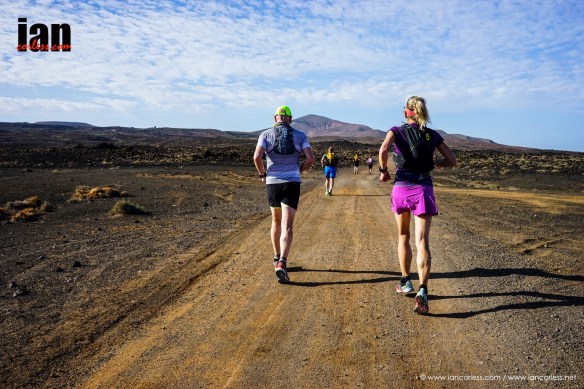
The pre-race training camp last week in Lanzarote provided participants with an opportunity to run long distances on consecutive days in the heat and on demanding terrain simulating that encountered in the Sahara. It also allowed them to test their equipment and exchange with coaches on nutritional and hydration strategies.
Attendees were divided into groups of differing ability depending on the objectives they had set themselves.
“Outstanding leaders go out of their way to boost the self-esteem of their personnel. If people believe in themselves, it’s amazing what they can accomplish.” — Sam Walton
Coaching one of the groups provided me with one of the most insightful weeks on leadership, mentoring and providing feedback. How do you support and develop each participant in the group giving them the self-confidence to learn and grow? This is where leading from behind comes in. At times I would be running ahead setting the pace. Then I would slow down and run in the group egging them on to the next landmark. Other times I would drop down to the back of the pack and let them set the pace. After all isn’t it all about a balance between pushing people outside their comfort zone because you know this is what will help them have the strength to face adversity in the challenge they have set themselves? Then again you also need to be there to monitor their progress and not push them beyond their limits or dampen their enthusiasm. A fine line!
A good leader is also a good listener. Managers are advised to listen 70% and speak 30% when providing feedback. It is surprising what you learn from coachees when you listen actively. I learnt a wealth of useful information listening to each participant in my run group. Listening gave me a better understanding of the difficulties of each and everyone: ranging from juggling personal and professional commitments to finding the time to train, fitting training around consecutive business trips, adopting a healthy nutritional strategy with a demanding work schedule and business dinners, dealing with sports injuries due to increased mileage, apprehension of the unknown, fear of failure, professional stress impacting on training performance…the list is endless. But listening helped me to be specific in my advice.
“A leader takes people where they want to go. A great leader takes people where they don’t necessarily want to go, but ought to be.”— Rosalynn Carter
A leader should also enhance competitiveness. Many in my group had set out with the objective of completing Marathon des Sables and getting that beautiful big shiny medal handed over to them by the race Director Patrick Bauer, ticking MDS off on their bucket-list of ultra-running achievements and adding it to their run CV. I know the runners in my group will cross that finish line but I also know that they can achieve much more. They showed that tenacity, grit and determination in training that will take them to the finish line at MDS.
“The final test of a leader is that he leaves behind him in other men, the conviction and the will to carry on.” – Walter Lippman
And so my final message to my coachees after a week of learning from them about leadership, mentoring and providing feedback is:
“I won’t be there with you at the start-line although I’d love to be but I will be be tracking your progress live on-line and living every minute of the MDS experience with you.” – Niandi
If you would like to join our 2017 Multi-Day Training Camp, please go HERE
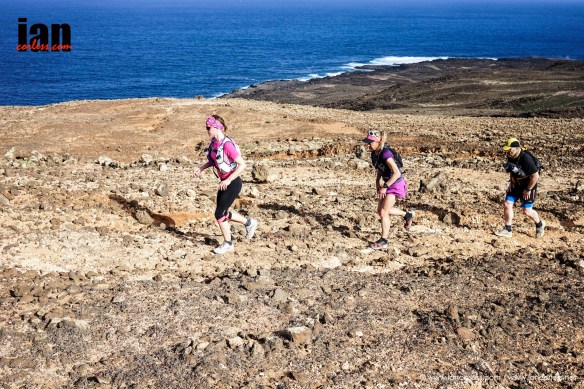
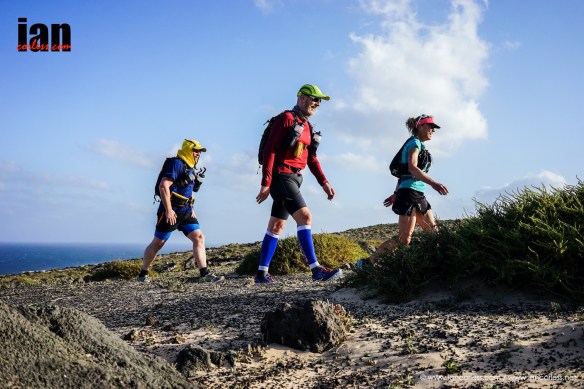
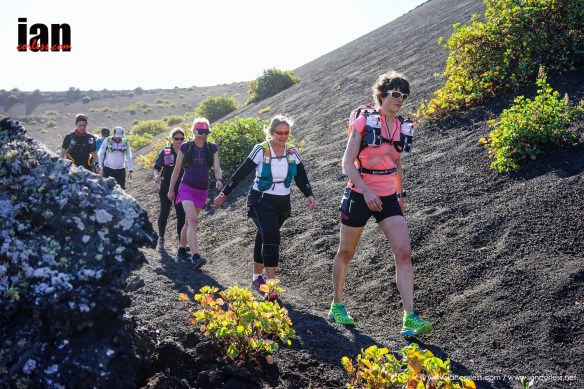
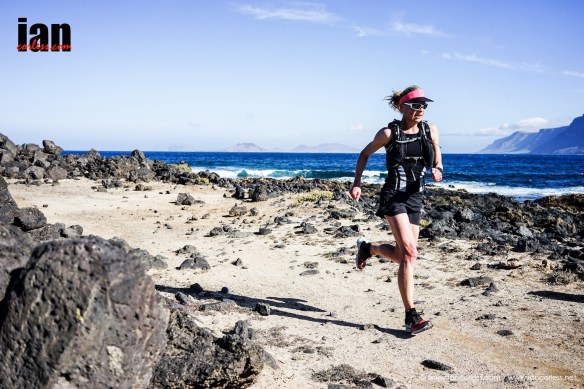
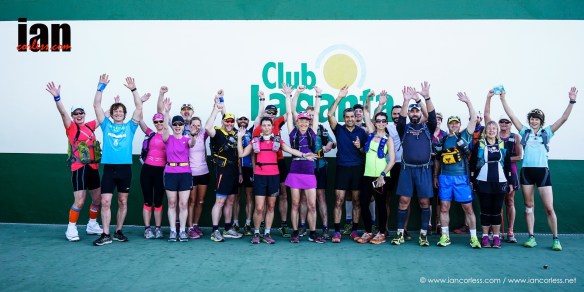
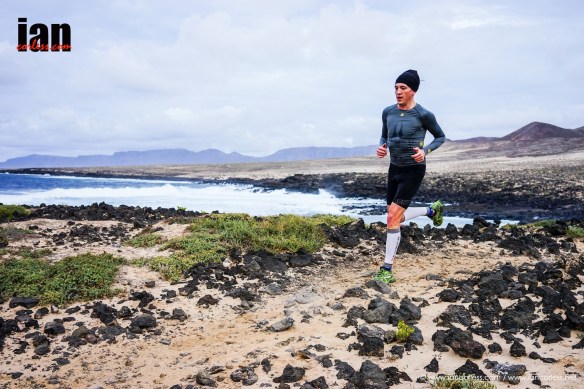
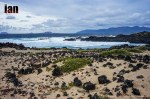
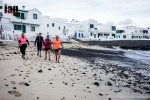
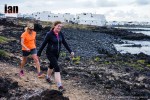
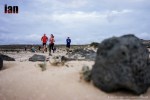
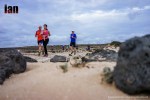
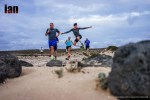
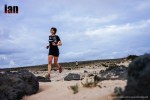
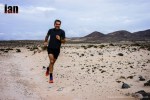
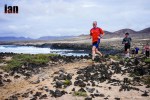
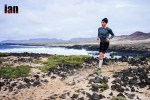
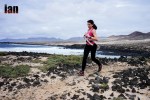
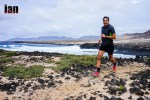
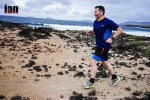
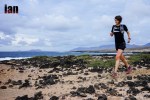
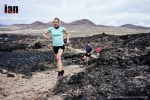
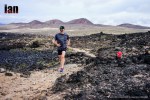
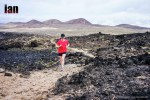
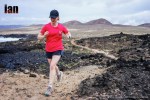
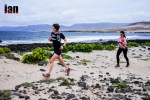
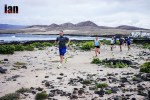
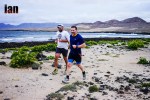
The Lanzarote 2016 multi-day training camp got underway today with an easy 1-hour run along the coastal trails of La Santa to Famara.
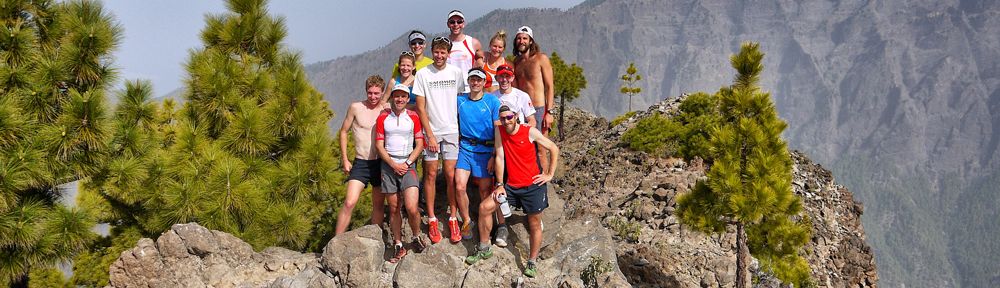
In total, we have a group of 27 runners with a broad range of 2016 objectives such as Marathon des Sables (Morocco), The Coastal Challenge (Costa Rica), Big Red Run (Australia), Cape Wraith Ultra (UK) and the Everest Trail Race (Nepal).
It’s always great to see so many runners of mixed ability come together with one goal in mind; completion of a challenging multi-day race!
Tomorrow, 4-hours of classic desert terrain awaits the runners as they depart in three groups lead by Elisabet Barnes, Niandi Carmont and Marie-Paule Pierson. Ian Corless, camp co-ordinator and planner, will move through the groups, running out-and-back to ensure that everyone is on track and comfortable.
In the afternoon, a group talk and discussion followed with an easy 30-60 min run.
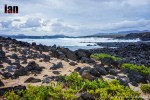
Lanzarote, situated off the coast of Morocco provides the perfect environment to simulate many of the conditions that runners will experience in a classic multi-day race; wind, sand, rocks, tough terrain, climbs and maybe even a little scrambling.
If you are interested in a multi-day training, dates for 2017 have been set and you can view HERE
Many thanks to the following brands for helping with this camp:
MyRaceKit, OMM, inov-8, Berghaus, PHD, Raidlight, Scott Running


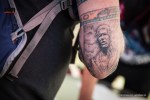
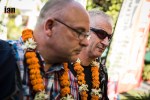
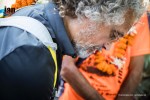





















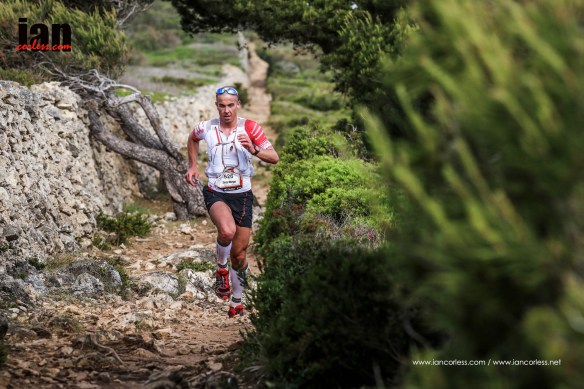
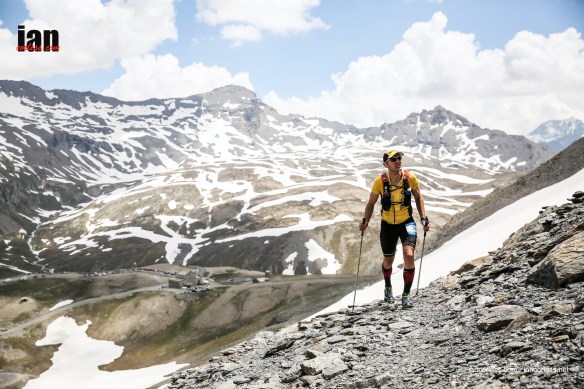

 Constantly fighting the terrain and each other, Sevennec and Viret lead the race for much of the way with Gurung moving up into 3rd place after Qualido. In the latter stages of the race though, De Gasperi made a move as Sevennec and Viret faded. Gurung joined the Italian Skyrunning legend and in the closing stages the two dueled to the line… in the closing stages it was Gurung who made the break crossing the line to a stunning victory and new course record time of 6:10:44. De Gasperi crossed the line also under the old course record of Kilian Jornet a spent force. He dropped to the ground exhausted from the effort and heat. Vireo closed 3rd and Sevennec smiled his way across the line in 4th. Tom Owens finished 5th after a tough and hard day in the office – his first at Tromso and 5th here still securing his place at the top of the Sky Extreme Series.
 Emelie finished in 7:49:06 outside Nuria Picas’s course record time of 7:36:21. Ruth Croft from New Zealand pursued Emelie all day and had a great run often hovering around 10-minutes behind.
 At the line the gap was 17+ minutes and Ruth confirmed that her skills on such technical terrain are not good enough in comparison to Emelie. Kima legend and previous winner of the race, Emanuela Brizio upheld her incredible history with this race crossing the line in 3rd, 8:21:42.


































 IAN CORLESS