How to Find Your Running Shoe Size and Fit.

Run shoes should be specific.

It shouldn’t be complicated, but it is. Go on any run forum and I will bet you that daily, someone will ask a question about run shoes.

I want a shoe that will allow me to run muddy trails and road?

Can anyone recommend a shoe for fell running?

I have Hobbit feet and I need cushioning and grip – what shoe?

I could go on and on. The thing is, while it may be okay to ask a couple of question like:

  1. How does a specific shoe perform in mud?
  2. How is the wear and tear of ‘x’ shoe?

Asking for a specific shoe recommendation can be a recipe for a disaster, the reason being, we are all individual and shoes are very personal based on a multitude of factors. Nobody on social media knows you, your needs, how you run and what type of running you do.

So, please do not ask for a shoe recommendation on social media unless you are specific. A good example being:

“I am male, aged 44. I have been running for 23-years and I have extensive history in cycling, triathlon, road running and now I am moving to trail running… I am 5ft 9. A little overweight. In regard to shoes? I am looking for a trail shoe that will provide great grip on muddy trails. I need support for my arch and cushioning but not something as cushioned as say a Hoka. In regard to foot width, I am in the middle, neither needing precision or wide fit. On a scale of 1-5 I would be a 3!’

With the above we have information from the runner and therefore suggestions and recommendations can be specific and targeted. Even then, the runner should go to a run store, albeit now he has a shortlist of options and then try on the shoes to find the one that best suits him, his feet and his needs.

IF THE SHOE FITS

Firstly, and importantly, not all shoes are equal and not all feet are the same.
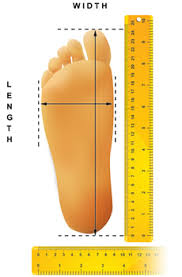
Measure your foot.
Measure your foot.
  • Foot length.
  • Foot width.
  • Foot shape.
  • Pronation.
  • Supination.
  • Neutral.

Quite simply, the better a shoe fits, the more specific to the type of running one will do in that shoe, the more likely you will feel better. The foot will be happier and the miles you run will be more comfortable.

Our bodies are supported by our feet; they are the first point of contact with the ground and therefore, they are incredibly important. Getting a correct fitting shoe that is specific for purpose is crucial.

When I say specific for purpose, let me provide some simple clarification now and then explain in-depth later. Shoes come in categories; I see the main list broken down as 6 main groups:

  • Road
  • Road to Trail
  • Trail
  • Ultra-Running (with sub heading of Ultra Road and Ultra Trail)
  • Fell Running
  • Mountain Running

Now, one could break down the categories even more with very, very specific needs such as, “I need a mountain running shoe with an aggressive outsole with great grip in wet and dry conditions and superb traction in mud.”

But before we get into the discussion on the shoe for the job, getting a correct fitting shoe is vital.

HOW DO WE FIND A CORRECT FITTING SHOE?

Image ©blitzresults.com

Please don’t fall in with the generic advice that a run shoe should be one size bigger than say your every day casual shoe! For a start, this assumes you have the correct size casual shoe and trust me, from experience, very few people do. The recommendation for sizing up also comes from the assumption that a foot swells when running. From experience, feet rarely go longer but can go wider with repeated impact and stress; think of races like Marathon des Sables when a runner is in a hot/sandy environment. So, one may need a wider shoe but not a longer shoe. This comes down to getting the specific shoe for the job.
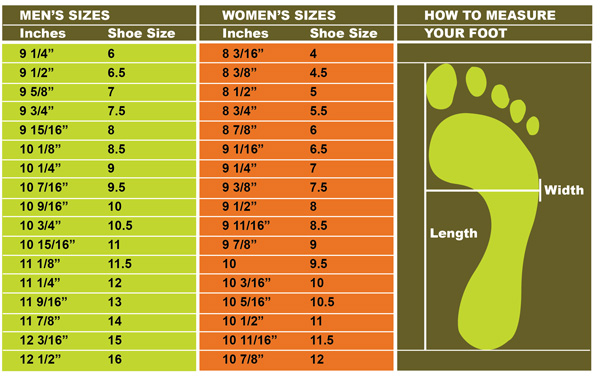
©custom fit.me

I wear the same size run shoe as my casual shoes (typically) but to clarify, I go for the ‘same fitting’ shoe.

Shoe sizing between brands is variable and inconsistent, an EU 44 in say Salomon is not necessarily the same as an EU 44 in inov-8. So, first and foremost, always try shoes on!

Length and foot width does change so it can be a good idea to have your feet measured if you are new to running with little experience. Some specialists suggest getting feet measured yearly, but for me, this still only gives a guideline to shoe size as comfort, feel and specificity come in to play.
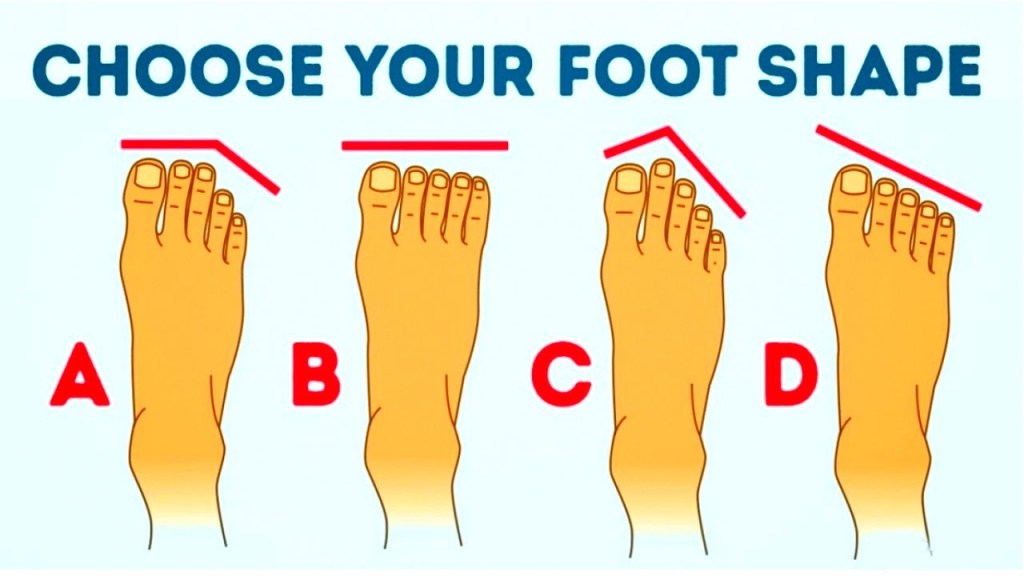
Foot shape and how you get the thumb nail of space.

“As a rule of thumb,” I have consistently found that a thumb nail of space above one’s big toe is usually ideal for sizing. This is classic for an ‘Egyptian’ foot shape (D). I say usually because I have seen some feet where the second toe is longer than the big toe, known as ‘Greek’ foot shape (C), so, this would require an individual approach. There is also ‘Square’ foot shape and the thumb nail width above the big toe usually applies here, but, a wider toe box may be required.

Remember, both feet are usually not the same size, so, take this in consideration. Go for fit and feel with the bigger foot!

NOTE: Specifics come in to play such as foot width and specificity of the shoe. As an example, If you are running technical trail, you will need a more ‘precision’ fit. If running long/road ultras, you may well prefer a wider fit that will allow toe splay. More on this later.

Wear socks that you typically run in and if you normally wear two pairs of socks, then wear two pairs when testing and trying. Two pairs of socks may require you to go a half or full size larger depending on the sock thickness. Note:nYou may wear the same shoes for Summer and Winter, but in Summer you use light and thin socks but for Winter you use thick Merino socks. This may well mean you need a different size shoe for Summer in comparison to Winter.

Insoles can give a good indication of the shoe size and its width. As a guide, the insole should match the shape and size of your foot.

With the insole back in the shoe, place your foot inside and firstly check for the space at the front. If you have the required space, lace up and tighten. On the top of the foot you have the ‘Navicular Bone’ and the shoes should be tight here but not so tight to restrict blood flow.

Stand up and move around. Key checkpoints are: 1. Thumbnail width between longest toe and edge of shoe. 2. Check pressure on your little toe. 3. Check pressure and feel on your big toe.

Ideally, you want to be able to run in them and most good run shops have a treadmill to try out shoes. Key checkpoints: 1. No slippage in the heel area. 2. No pressure on toes. 3. Instep feels secure and pain free. 4. You have support or a lack of support as needed.

If you see material bulging because of tightness you may need a bigger shoe, or you have the wrong width. If you see an excess of fabric, you may have a shoe that is too large or too wide.

Check the fabric of the shoe and the seams. Will they be breathable for your needs? Will they protect you for your needs? Does the toe bumper have enough protection?

Remember shoes flex when you run. In the propulsive phase, the shoe will bend behind the metatarsals and this can be a troublesome area if the shoes are the wrong size. Often a sign of a shoe that fits incorrectly is this area will crease and often tear causing failure in the shoe upper. If running uphill, think mountain, fell and trail running, this area of a shoe gets a great deal of stress.

A good running store with professional staff will help you with shoe choices and they should discuss the pros and cons of the specific brands and models available. However, gut feeling and how you feel goes a long way. Always be careful of ‘sale’ shoes! Don’t be influenced in buying the wrong shoe just because it is a good price.

WHAT CAN GO WRONG?

Marathon des Sables has some foot horror stories and the general story is because of the heat, the sand and how brutal the race is. The truth is, the issues (usually) arise through runner’s choosing the wrong shoe and the wrong size. 

Old advice has said size up, go bigger as your feet will swell.

However, a shoe that is too big allows the foot to move inside the shoe. A moving foot causes friction. Friction causes blisters. The rest is self-explanatory. In addition, with each sliding of the foot, the toes may impact with the front of the shoe and result in bruising. Think of running downhill with shoes that are too big, your toes will be crammed at the front with room behind the heel.

Having said this, feet can swell through impact and heat. So, using Marathon des Sables as an example, one consideration may be going for a shoe with a wider toe box but still that thumbnail of space at the front. What often happens is a runner has a favourite shoe and decides they need more room, so, they just buy a larger shoe (than needed) because it increases the width/ space. Actually, what they should do is change the shoe. It goes back to specificity.

Shoe that are too tight and/or too small will result in black toenails but more importantly can damage ligaments and possibly result in damage to the metatarsals. Stress fractures are a real risk. Also, you will have foot fatigue and pain. The foot is full of nerves and bones. As an example, the soles are extremely sensitive to touch due to a high concentration of nerve endings, with as many as 200,000 per sole. *The foot receives its nerve supply from the superficial peroneal (fibular) nerve, deep fibular nerve, tibial nerve (and its branches), sural nerve, and saphenous nerve. These nerves come from peripheral nerves that arise from the L4 to S3 nerve roots and contribute to the somatic motor function, general sensory information, and the cutaneous sensation of the foot. In regard to bones, each foot is made up of 26 bones, 30 joints and more than 100 muscles, tendons and ligaments, all of which work together to provide support, balance and mobility.

If you require stability shoes, the wrong size shoe may well put the support in the wrong place and instead of providing help, it will create onward issues and problems. Plantar Fasciitis is a risk.

Quite simply GET THE CORRECT FITTING SHOE!

IMPORTANT FACTORS TO CONSIDER

Okay, so we have given a guide to how you find the correct size of shoe. But now we need to be specific and address and look at some fundamental questions before going to any run store:

GAIT

Supinate – Your weight tends to be more on the outside of your foot.

Pronate – Your weight tends to be more on the inside of your foot.

Neutral – Your weight is distributed evenly.
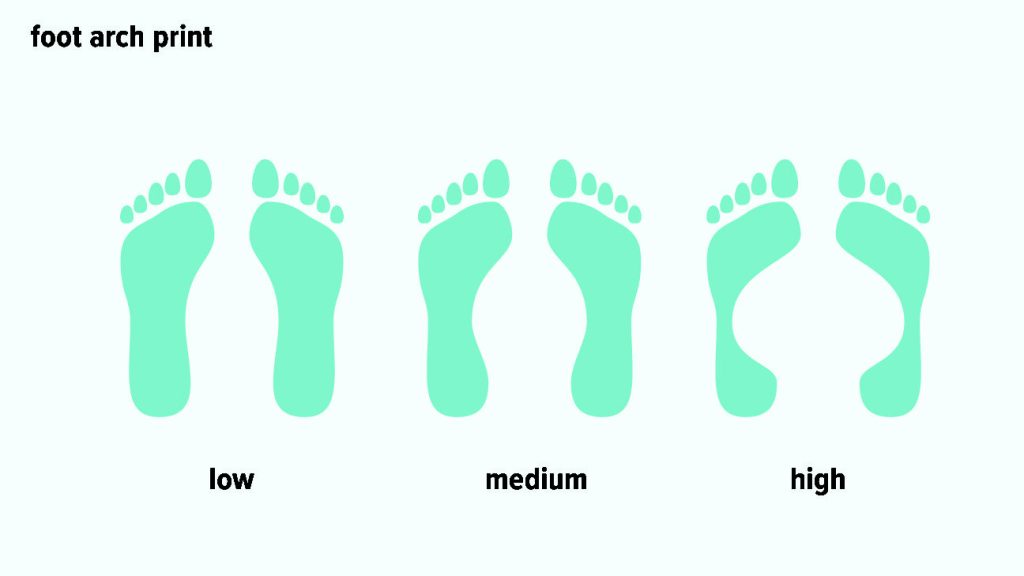
Foot arches, low, medium and high.

You need to know which of the above you are, as all brands and manufacturers produce shoes to answer these three specific needs. If you do not know the answer to this question, look at the soles of shoes you have worn for some time – you will see how they have worn. In a proper stride, your foot should roll forward and pronation should be neutral. Shoes that are geared towards supination or pronation are designed to bring you back to neutral.
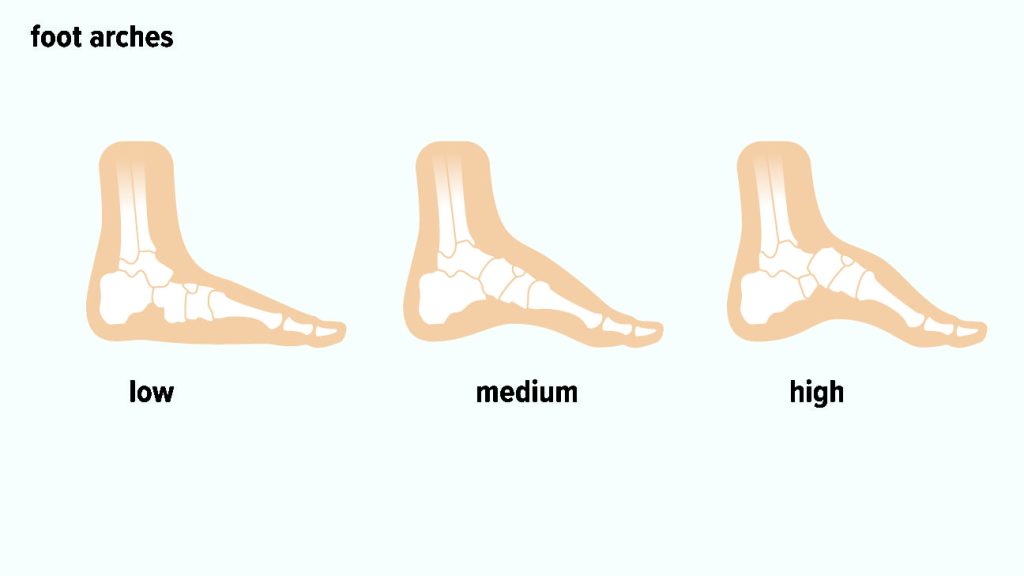
Side view.

Many runners who need specific support often see a Podiatrist and have Orthotics made that are transferable to any shoe. In this scenario, you should purchase neutral shoes. 

**If you supinate, it can cause excess strain on your ankles. It may lead to shin splints, calluses, or bunions on the outer side of your foot, and pain in your heels and balls of your feet. Excess over pronation, means that as you walk, your foot rolls toward the inside and your arch tends to flatten out. Your shoe will show uneven wear on the inside part of the sole.

CUSHIONING
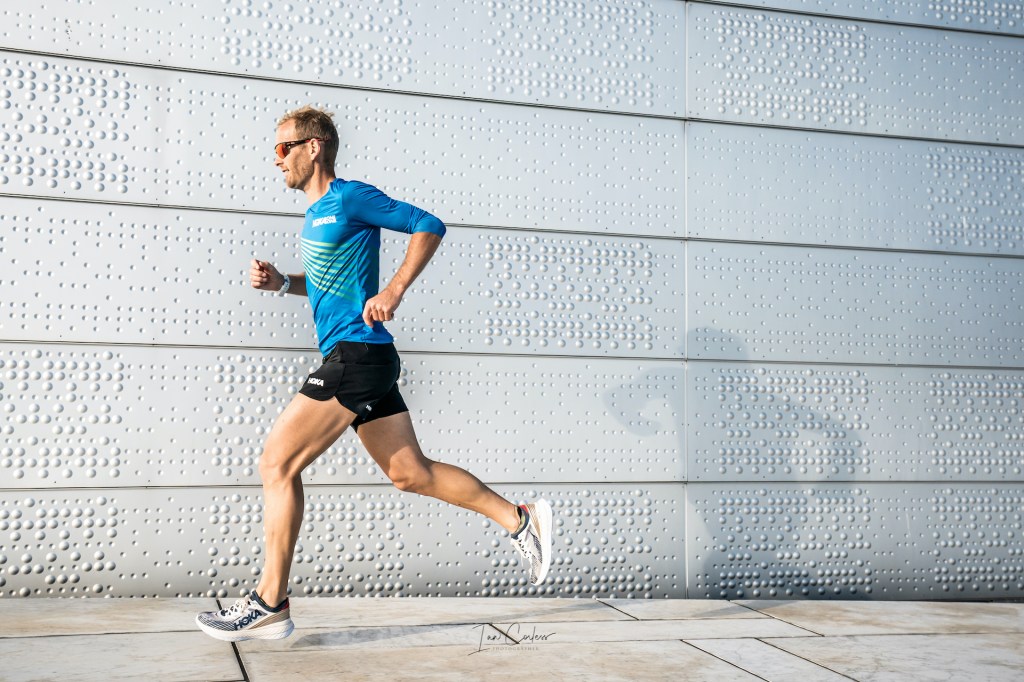
Hoka One One are very cushioned.

From barefoot running to bouncy marshmallow shoes, there is a plethora of cushioning options available to choose from and what is best may just come down to personal taste…

However, I beg to differ. I feel cushioning or a lack of cushioning should be applied based on what type of running one is doing and what conditions.

Examples:

Fell running – Fell running often takes place in soft, boggy and wet ground. A feel for the ground is essential so that you can respond with ever-changing terrain. A shoe with too much cushioning will remove that feel, place you higher off the ground and may well increase the risk of injury. A sprained ankle being one of the most obvious.

Road running – Road is hard, it can jar the body, muscles and tendons and therefore a shoe with a little more cushioning may be preferable. For some, they require sofa like comfort. Others prefer some cushioning but not at the expense for the feel for the ground.

When purchasing shoes, look at the cushioning typically shown as, for example – Midsole Stack 8mm/ 14mm. This is 8mm cushioning at the front and 14mm at the rear. The higher the numbers, the greater the cushioning.

Some shoes include a rock plate which offers protection from sharp objects, useful when trail running.

DROP
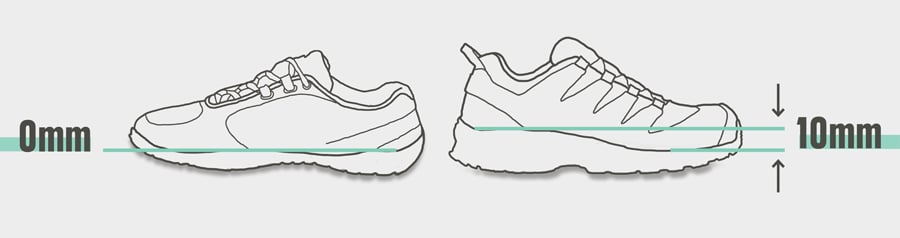
Image ©rei.com

Shoe drop is essentially the difference between the height/ thickness of the midsole under the heel compared to the same measure under the ball of the foot. Years ago, drop was not a consideration. On a personal note, thinking back say 8-years, I never considered shoe drop. Now, it’s all important.

Importantly, do not be confused by cushioning here. You may well look at say a Hoka One One and think it has a high drop. On the contrary, they typically have a low drop of 4mm. ***Drop refers only to the difference in thickness between the front and back of the shoe and is not a narrative on the magnitude of the thickness.

From experience, I do not consider that any runner has an ideal drop. I see drop as something that can played around with based on the needs and requirements of the shoe and the conditions it will be used. But I must clarify that I have been testing shoes for 8+ years and switching drop on a daily basis has been no problem, on the contrary, I actually consider it to be beneficial.

As a way to explain, I use 0 drop shoes all the way through to typically 8mm. I do have one pair of shoes at 10mm, but they are an exception.

Zero drop or barefoot advocates will argue and argue that zero is the only way to go and if you are adapted and have no injury issues, that is awesome. However, most people have not experienced zero drop and suddenly to do all runs in zero will almost certainly result in some injury. Zero takes adaptation.

Pure Sports Medicine are clear, “What we do know is that human tissues can be sensitive to sudden changes in the way they are loaded, and that it is biologically coherent (and in keeping with the laws of physics) that differing shoe drops may load certain tissues differently. As such, if you are currently uninjured there is no justification for changing the drop of your shoe, but should you want to then be mindful of allowing the body time to adapt to such changes (although many runners may be able to interchange between shoes of different drops we would usually advise being over cautious if this is not something you have done before).

So, if you typically run in 8mm drop shoes without injury, it makes sense you purchase shoes with 8mm drop. Equally, if 4mm is your thing, purchase 4mm.

Specificity of drop.

I personally (and others like me) see drop in conjunction with cushioning, or, a lack of cushioning as a tool to get the most from my body and my runs. For example, if running a muddy fell run, I will use a lower drop, say 3 or 4mm with less cushioning. By contrast, if I was doing a long trail run, I would prefer 8mm drop and more cushioning. 

A certain drop may be beneficial in reducing sensitivity and complementing your overall management strategy – so consider this. ****Changing the drop of your shoes (or using multiple shoes which have varying drops in a rotation system) is not to be discouraged or feared, but be sure your body’s tissues can tolerate this, and are given the necessary time to adapt and attain the capacity if needed.

GRIP

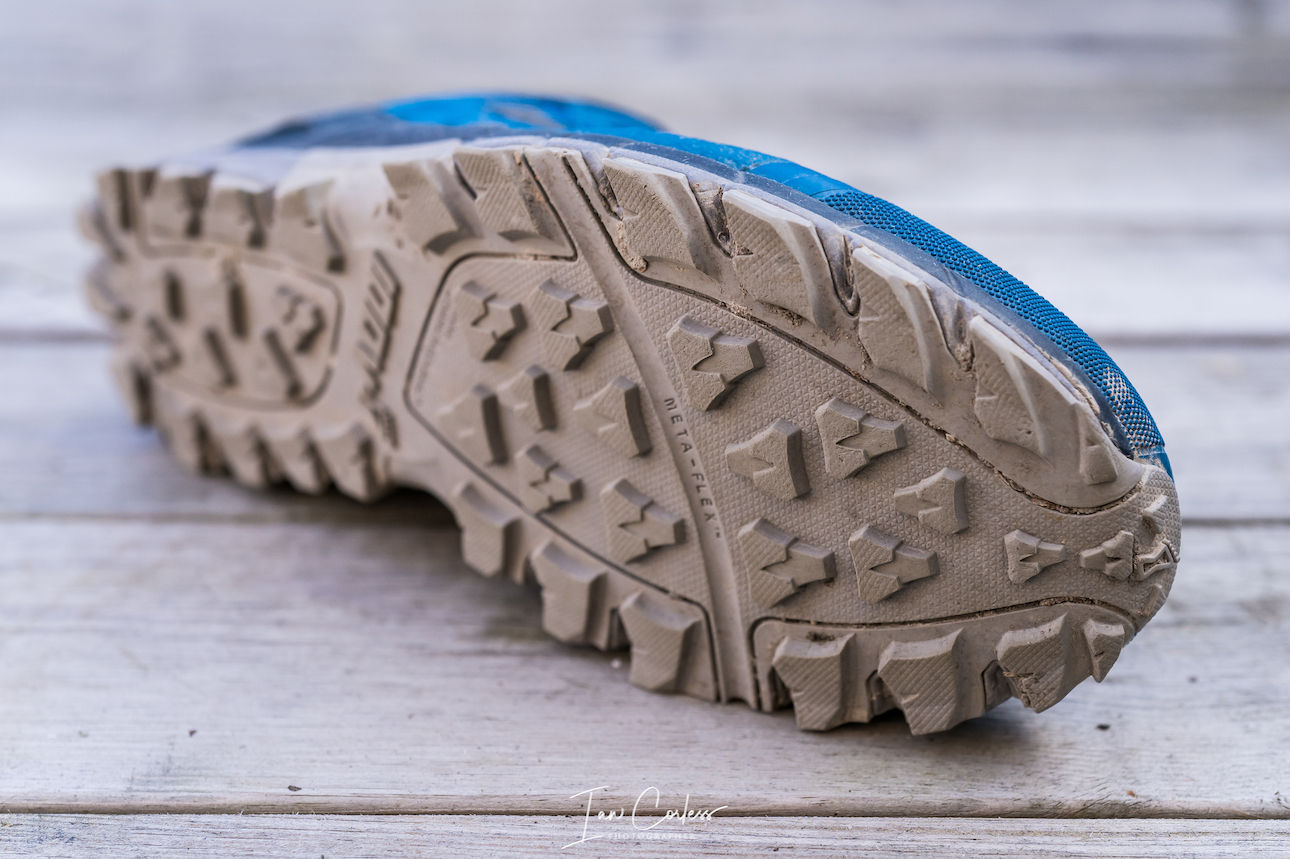
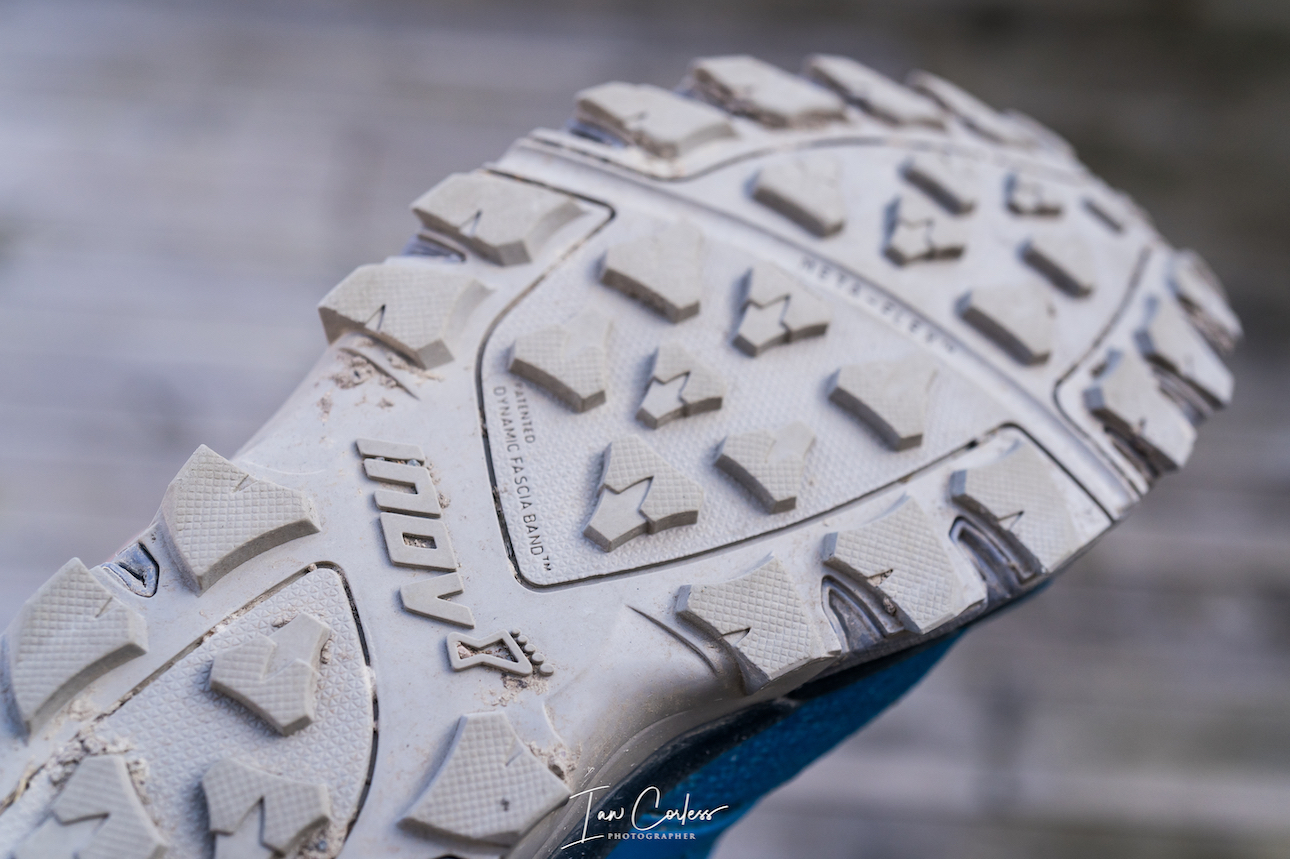
The outsole of a shoe is key as this is the point of contact with the ground on which you are running. Again, specificity is key. There is no one outsole that will do all jobs well and therefore the need for multiple shoes with specific tasks is an essential armory to a runner’s shoe cupboard.

Road shoes – Typically need little grip, just a good rubber.
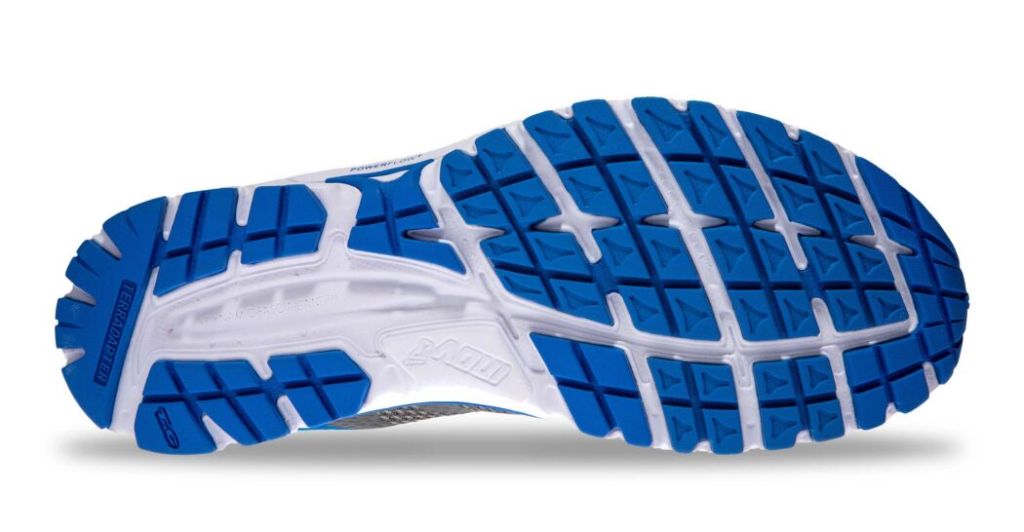
Road outsole

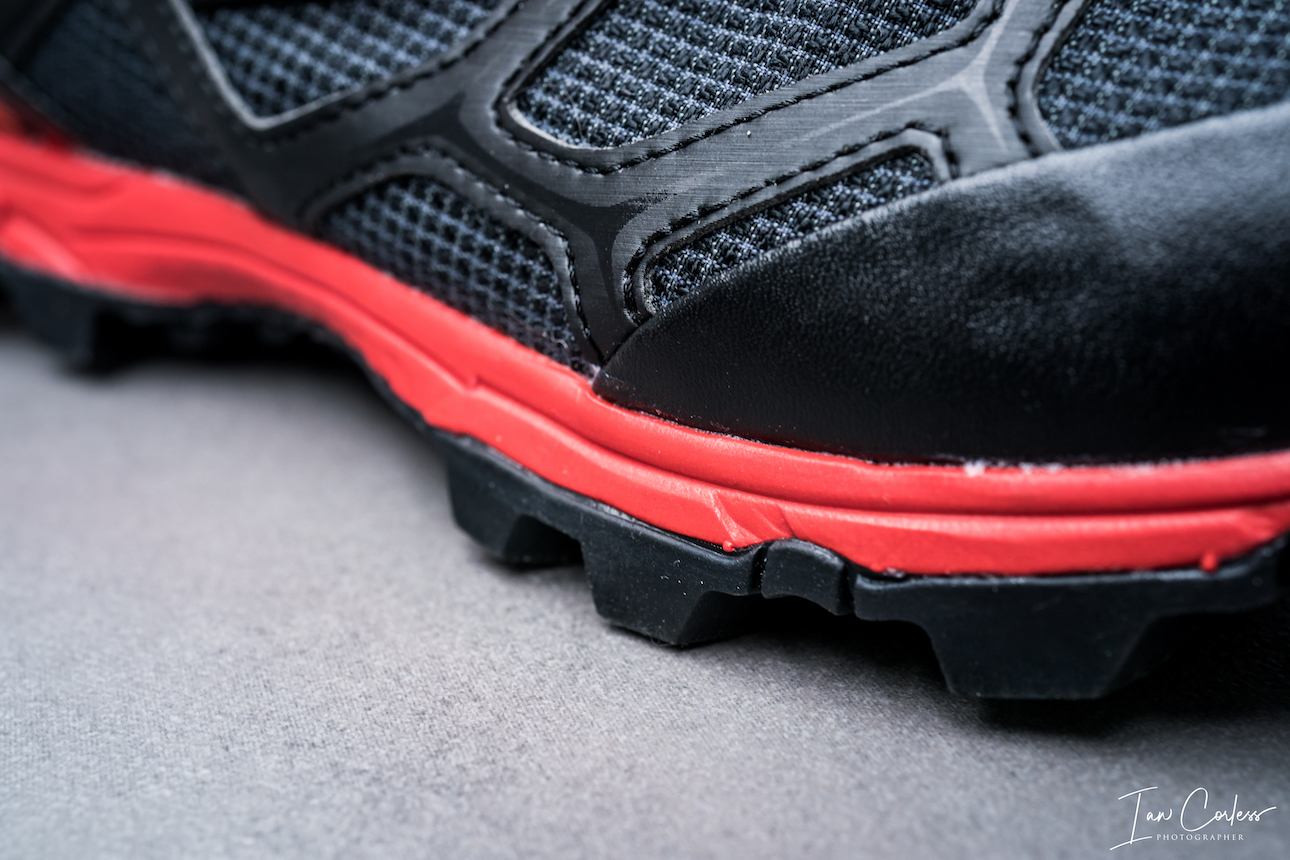
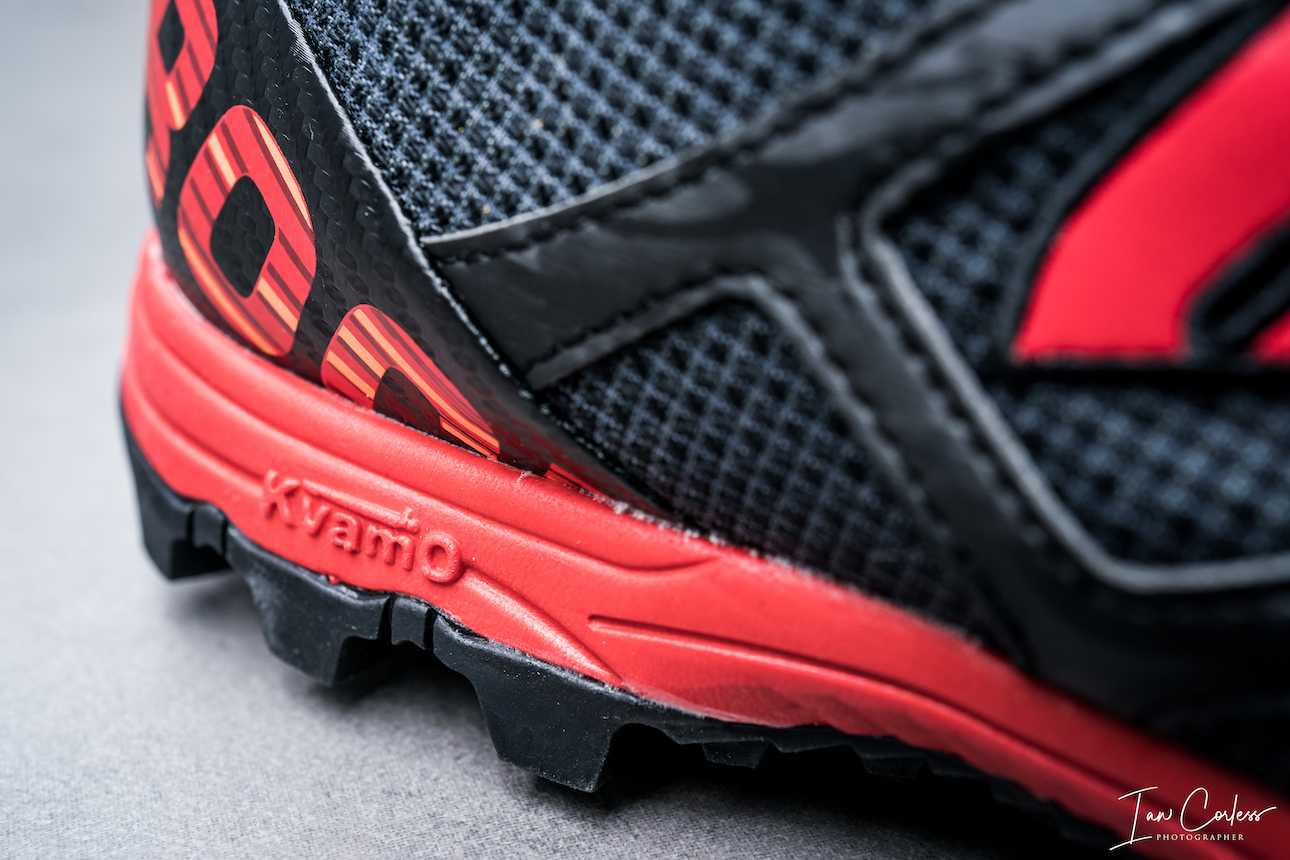
Trail shoes – Typically require a good outsole that is durable and has grip, say 4mm studs.
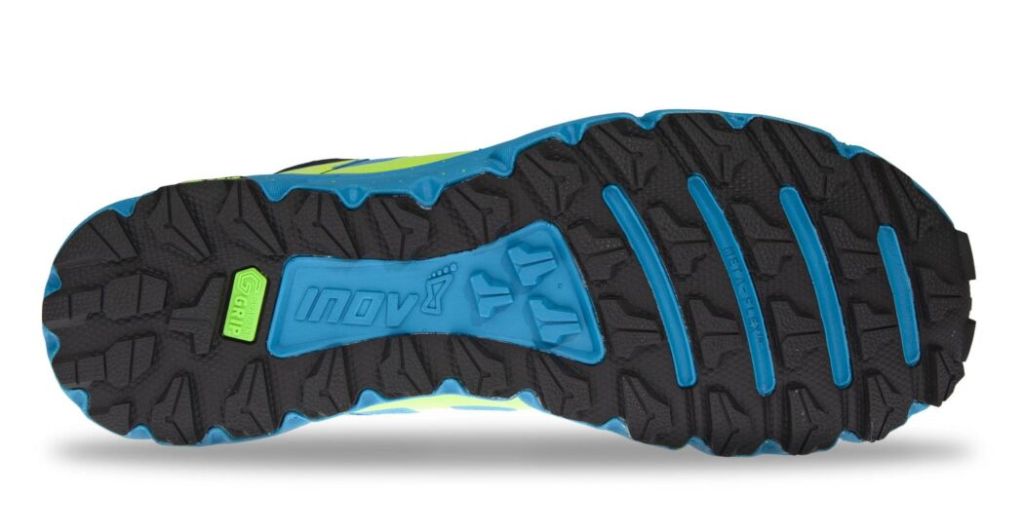
Trail outsole

Fell shoes – Typically will be aggressive and on first looks may look like football boots with 6 or 8mm studs.

Mud/ fell outsole

Mountain shoes – Typically will be a mixture of trail and fell shoes and the outsole will be sticky to provide good grip in wet and dry conditions.
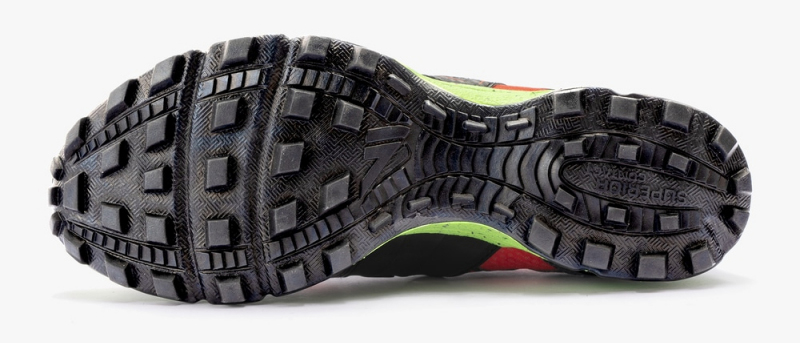
Mountain outsole

In an ideal world, if you ran all of the above scenarios, you’d have a pair of shoes for each scenario. However, shoes are expensive and many runner’s need to make some compromises. Brands realised this and for example, some offer road to trail shoes that provide a best of both worlds’ scenario. The inov-8 Parkclaw is a great example. “the perfect shoe for runners wanting to run on paths and trails, or those looking to make a transition from road running to trail running.” – inov-8

If you need grip for mud, you need to be specific, there is no compromise.

WIDTH

Like drop, shoe width can create many an argument. Simply put, if you have a slimmer/ slender foot, you can probably wear any width shoe providing you have the correct size and they hold you securely.
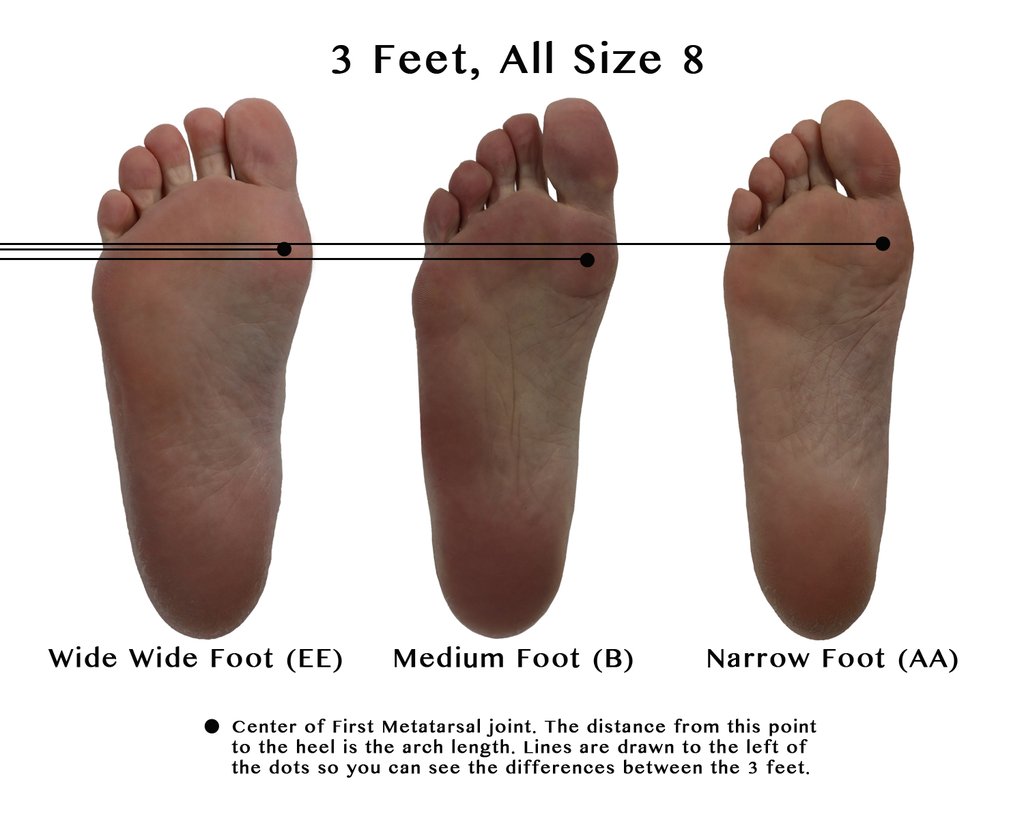
Image ©wive.com

But if you are a Hobbit, shoe choice may well be compromised as you will need to look for a wider fitting shoe.

Shoe width is also a consideration based on other factors: 1. What terrain are your running on? 2. How long will you be running?

On a personal note, if I am running on technical and challenging terrain, I want a shoe that fits and holds my foot. I am not worried about toe splay – precision is a priority. By contrast, if I was running on groomed trail for multiple hours, a shoe with more width may will be preferable to allow my toes to splay and relax.

Like drop and cushioning, I mix the width of my shoes based on my needs.

Some companies, inov-8 for example provide a width guide to steer runner’s to shoes that will specifically answer their personal needs. This a great system that takes some guess work away. The system is simply rated 1-5; 1 being a tight/ precision fit, 5 being wide and spacious.

Brands such as Altra only offer one foot shape and believe that a wide toe box is essential, in conjunction with 0 drop. It is a toe shape foot box that allows toes to relax and splay. The big toe has space and in principal, this foot box helps reduce overpronation and increases stability. On a personal note, Altra has a place for long road, ultra or trail runs, but when the terrain gets challenging, they feel way to sloppy for me – but this is a personal thought. Altra fans or wide toe box fans will disagree.

WEIGHT AND FABRICS

Shoe weight can be an important consideration. Certainly, when racing, a runner may well prefer a lighter shoe so that they feel faster. However, if running an ultra, added cushioning and a little more weight will be worthwhile for comfort.

Shoe fabrics, seamless uppers, sock-like fits, Gore-Tex and other considerations may influence a shoe choice. Make a decision based on specificity.

A lighter shoe will typically not last as long – this may be an important consideration too.
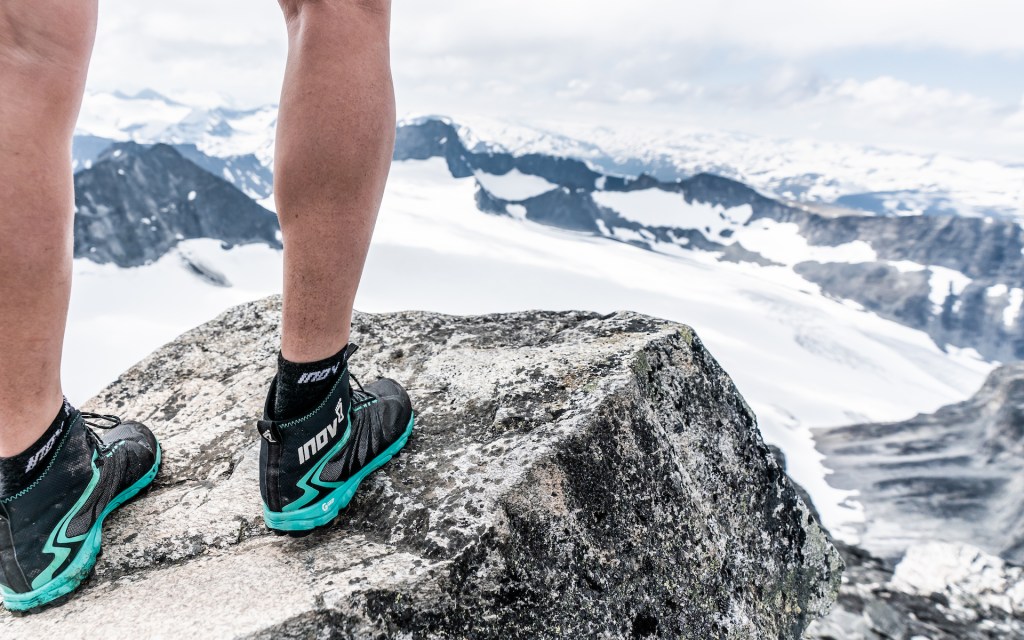
The correct shoe is one that fits correctly and is specific for the job.

CONCLUSIONS AND SUMMARY

Be specific.

Is choosing a run shoe really THIS complicated?

I suppose, yes! But once you understand the basics purchasing new shoes should not be too complicated. Below is a summary and process to follow:

  1. Measure your foot.
  2. Use a conversion chart to get your shoe size.
  3. Understand gait and what you need. If using orthotics, you need neural shoes.
  4. Ask yourself what terrain the shoes will be used on – This refers to what outsole.
  5. Ask yourself how long typically you will run in these shoes – This refers to cushioning.
  6. Do you need the shoes to be more precision fit or wider?
  7. Look at brands/ options and based on the above make a shortlist.
  8. Use socks.
  9. Try the shoes on using the size provided from points 1 and 2 but then size up or down based on the thumb nail space rule.
  10. Check the heel for slipping.
  11. Check the instep and confirm a good foot hold.
  12. If possible, try the shoes running.
  13. Reduce the choices down to 3, then 2 shoes and then make an informed and educated decision.
  14. Do not be influenced by the colour or the price.

Lacing can make a huge difference to how a shoe holds the foot. Lock lacing for example is very popular for off-road and challenging terrain as the shoe holds the foot more securely.

FINALLY

Compromise is a killer when it comes to run shoes. The more specific you can be, the better the shoe will be. But, if you have correct fitting shoes with appropriate cushioning, correct width and a good outsole, you will be able to head out the door and enjoy the process.

And yes, there are exceptions to the rule and somebody will use shoes that are too big and get away with it. Just as someone will run in sandals and get away with it. These are exceptions to the rule and not the norm.

Reference – https://www.ncbi.nlm.nih.gov/books/NBK537292/

** Reference – https://www.healthline.com/health/bone-health/whats-the-difference-between-supination-and-pronation#the-foot

*** Reference – https://puresportsmed.com/blog/posts/what-is-shoe-drop-and-why-is-it-important#:~:text=The%20%E2%80%8B’drop’%20of%20a,the%20ball%20of%20the%20foot.

**** Reference – https://puresportsmed.com/blog/posts/what-is-shoe-drop-and-why-is-it-important#:~:text=The%20%E2%80%8B’drop’%20of%20a,the%20ball%20of%20the%20foot.

Please support this website. I believe everyone deserves to read quality, independent and factual articles – that’s why this website is open to all. Free press has never been so vital. I hope I can keep providing independent articles with your help. Any contribution, however big or small, is so valuable to help finance regular content. Please support me on Patreon HERE

Embrace Winter for New Adventures

The passing of September and the arrival of October can signify dread and a sense of despair in many as daylight disappears and the weather changes. However, one of the secrets of ‘surviving’ this new season is to embrace it. Don’t look at the negatives, on the contrary, the perceived negatives are actually positives. Seasons exist for a reason.

Lethargy, low mood and the perceived feel to hibernate are all characteristics we feel during the winter months and first off, don’t fight it, accept that winter brings an opportunity to recharge, relax, read a book, catch up on some movies, light a fire, get a blanket and yes curl up on the sofa and relax. There is no harm or guilt in this.

SAD (Seasonal Effective Disorder) is something we all can feel and yes, some feel it considerably more than others, particularly if Serotonin is reduced and this is often treated with drugs. But light, or the lack of it, is a great contributor. Top tip – Look at changing the bulbs on your lights to ‘daylight’ balanced and when required, adjust brightness throughout the day to help simulate the natural passing of light. It’s a great and easy way to help simulate the variable light intensity changes in one normal day.

Mindset is a key factor to a successful winter and once you get the mind tuned, you will soon appreciate and embrace the possibilities that the winter season can bring, especially as a runner or someone who enjoys outdoor life and activity.

As in all things, we are individuals and as such, we all treat circumstances and changes in different ways. I personally see winter as an opportunity to do things I could not do in spring and summer. I see the challenges that winter will bring as a test, both physical and mental and I look upon it as an opportunity to learn and adjust. Resources and circumstances do go a long way in making my ability to adapt successful, so, to start off, look at these aspects and put yourself in a good place before the cold, wet and dark hits.

In a discussion with a friend over a glass of wine, I was surprised to hear our discussion begin to deteriorate…

“I just hate this time of year. The daylight is leaving us earlier and earlier each day, the light is already arriving so late in the morning and I can feel the damp starting to creep into my body. It will be only a matter of weeks before I am in perpetual cold and dark, I cannot wait for spring!”

It is easy to see from the above quote that before winter has begun, my friend is defeated. I smiled and laughed with him and turned the conversation around.

“Yes, the darkness is coming as is the cold, the wet, the snow and the ice,” I replied. “But what a remarkable opportunity this brings. Just think about it. Cozy nights at home with candles and a movie. Adventures in the snow. Running with a head torch. Learning a new skill. Reading and yes, I could go on and on. Winter for me is just a wonderful opportunity and I cannot wait for it to begin.”

I already felt like a winner as mentally I was prepared and excited for the opportunity, whereas my friend, was already starting the hibernation process.

EMBRACE THE WINTER

I strongly believe that embracing winter and making the most of the season starts with mindset. With a good mindset as outlined above, you will already be in a great place to start.

Marino Giacometti, founder of skyrunning also made the summit on race day – ‘for fun!’

As runner’s and outdoor enthusiasts, we are all at different abilities and yes, we all have different reasons why we do what we do. A great example being an elite runner may well look at winter as an opportunity to address weaknesses and maybe spend more time in a gym working on strength and core.

Monte Rosa Skymarathon

A running enthusiast may well just want to tick over, keep fit and maintain a healthy weight during winter months. And then there is the outdoor enthusiast who may well accept that running is something that will go on a back burner for the coming months and accept that walking, indoor cycling, skiing, gym work and so on is the way forward. Whatever group you fall in, take a couple of hours with a pen and paper and self asses how the last year has been and what you want to achieve the following year, this will help provide some specific goals over the winter to keep focused. This planning and assessment can be as simple as complicated as you wish.

As an example, mine is to embrace the season and the weather and to seize every opportunity. I will hone my head torch running. I will practice my ice and snow running. I will experience my first snow shoeing and I look forward to multi-day snow adventures that will carry me from one point to another in a self-sufficient way. But I also want to write more. I want to read a couple of books that I have never found the time for and I also want to embrace the downtime to rest and recover. My connection with nature and breaking from the digital world is integral to a healthy existence and that cannot stop just because the season has changed.

CLOTHING

We have all heard it before, “There is no such thing as bad weather, just bad clothing.” It’s true I am afraid. Clothing is one of the key essentials that makes any winter adventure not only bearable and enjoyable. As outdoor people, we have never been as lucky. Technology in apparel has now progressed to a level that we can be warm and dry in super-light products. The downside of course is cost and yes, gearing up for winter can be expensive.

Layering is key with apparel, starting with warm layers against the skin, insulating layers on top and then waterproof and windproof layers as the final touch that will protect from the elements. Merino is great as a base layer and I have a long sleeve top and legs as a starting point. Now of course, I may or may not use them as this depends on the outdoor exercise I am doing. As an example, I would wear the top if running but not the legs. A mid-layer is more often than not either Primaloft, down or synthetic. Each has its place but if you could only choose one, Primaloft (or similar) would be the most versatile due to its ability to retain warmth when wet and still be lightweight. The outer layer should be waterproof and windproof with taped seams and again, it is essential to have jacket and trousers.

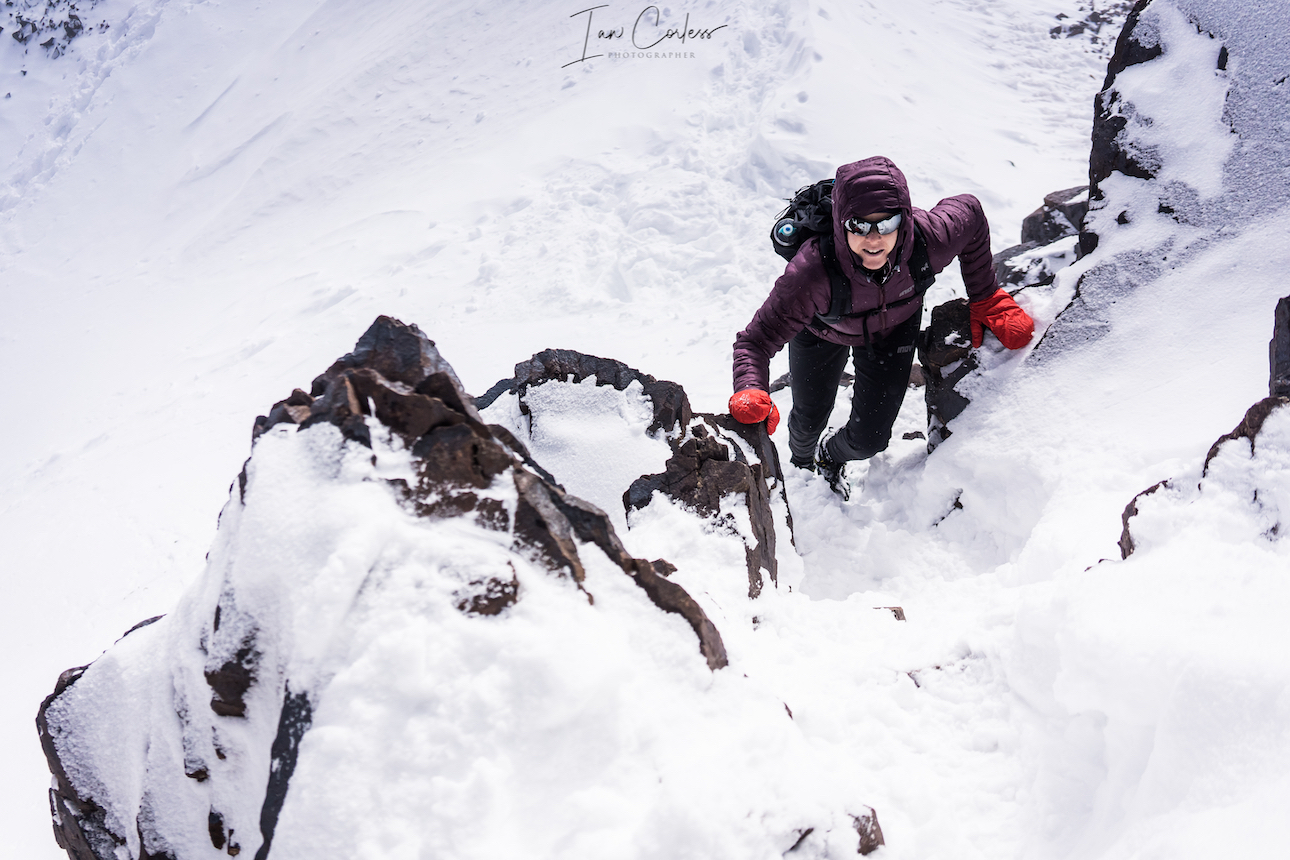
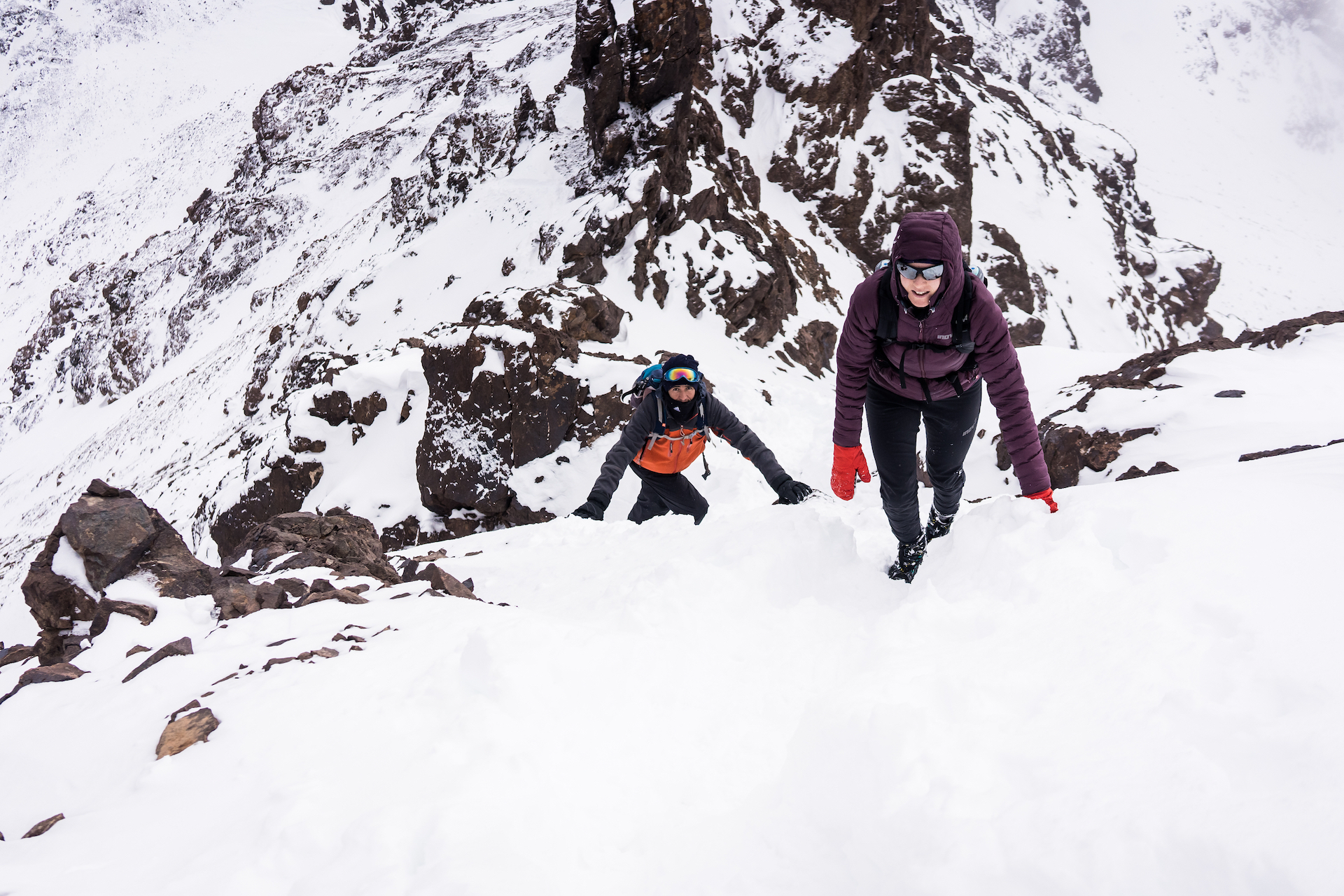
The above looks at the core, but if you are like me, the extremities are my most vulnerable in winter and after getting frost nip both in my toes and fingers on the summit of Monte Rosa several years ago, I know need to ensure that I have multiple options for keeping my feet and hands warm. I use Merino base layer socks and gloves which are very thin. For my feet, I then add thicker Merino socks over and inn certain scenarios I have even used Gore-Tex or Neoprene over socks. For my hands, mitts always provide the most warmth and I will use them as first choice. If I need finger dexterity, I often purchase gloves several sizes too big that will allow for multiple layers to retain warmth.

A hat, buff and glasses add the finishing touches. A good hat is one of the easiest ways to retain heat inside the body. A Buff is perfect for around the neck, pulled over one’s nose and mouth to keep out cold air or you can use as a hat. Glasses are an essential to keep out the elements from my eyes and particularly essential if doing any outdoor activity in snow.

Finally, footwear is an absolutely key element to make any outdoor activity successful. There is no one-stop solution here and as a runner, your everyday trail shoes may be ideal for a bulk of your runs, however, specific conditions require specific shoes.

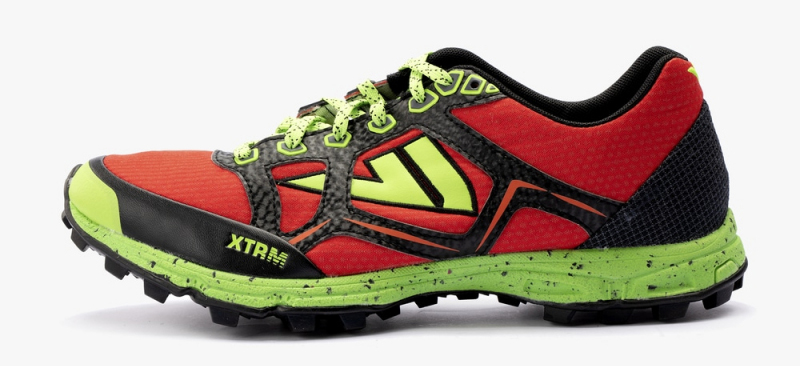
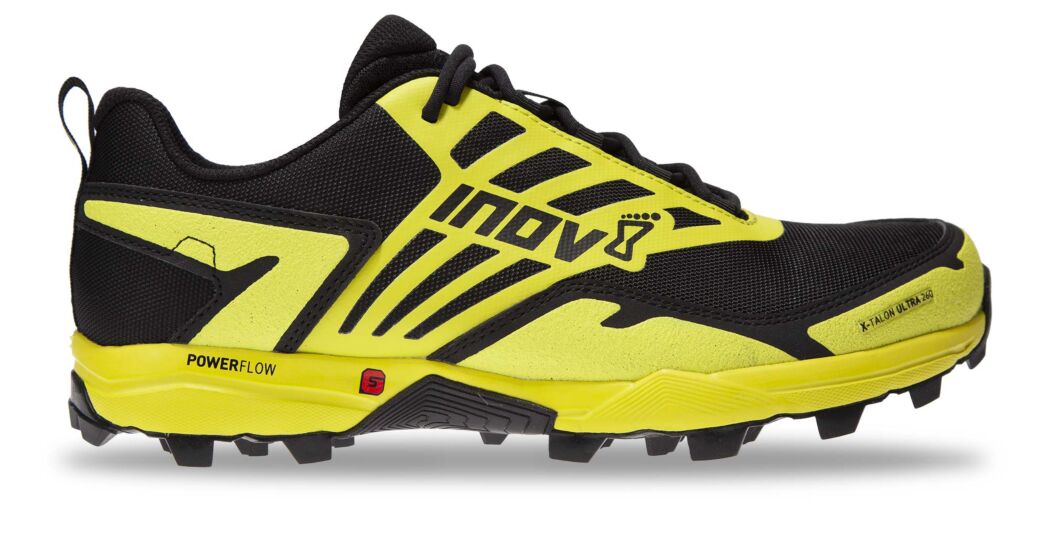
Mud/ Wet – You need an aggressive outsole that will grip and gain traction not only of sloppy wet mud but also on tree routes, rocks, gravel and a multitude of other surfaces. Top recommendations are VJ Sport and inov-8 who have been producing shoes to handle the elements for years. Personal favorites are the XTRM (here) and X-Talon(here.)

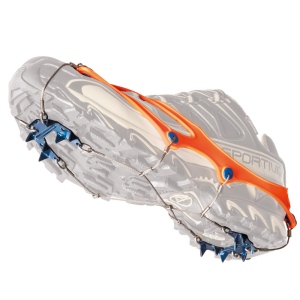
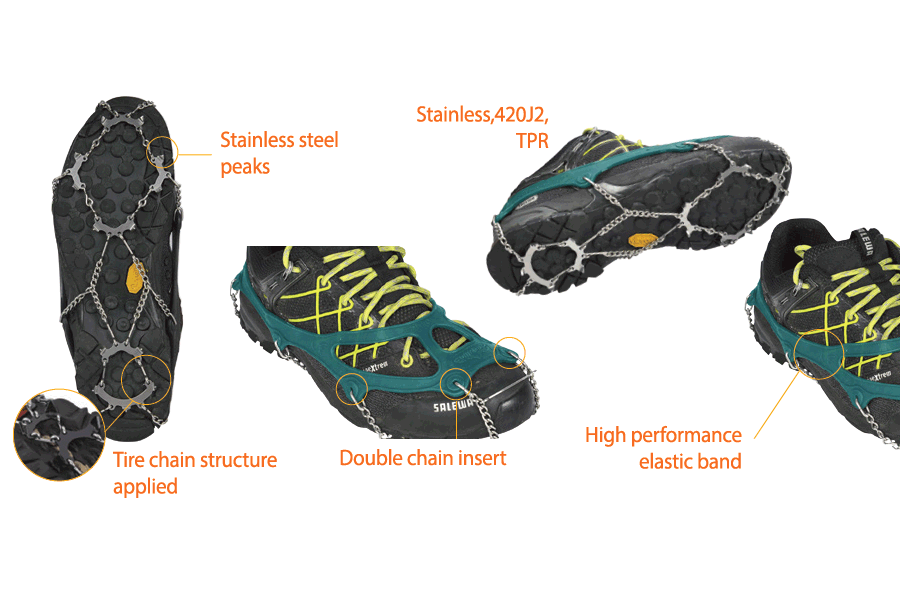
Snow/ Ice – In soft snow, the shoes that you use for mud/wet will usually work fine providing adequate grip. However, ice brings new challenges and many runner’s avoid ice at all costs. However, products exist that allow for running in such conditions. Firstly, you can micro-crampons (Snowline or Nortec as examples) that simply adapt any running shoe for ice.

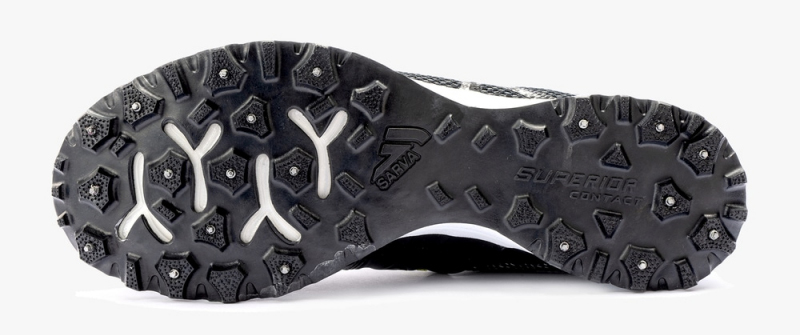
I personally prefer a specific shoe, such as the VJ Sport Xante (here) which as all the attributes of my favorite trail shoes and the added grip from 20 studs. Or the Arctic Talon (here) by inov-8.

Xante

Arctic Talon

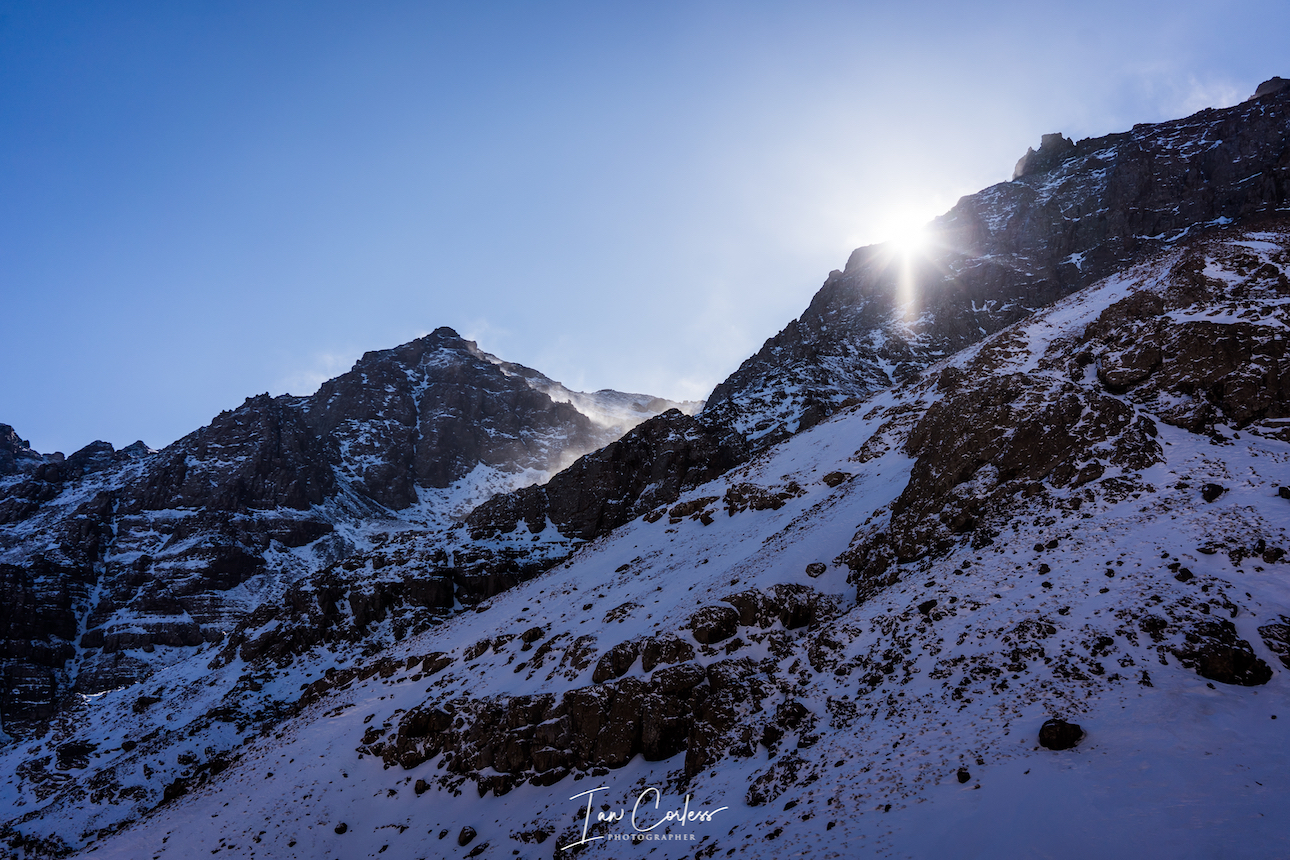
As a final note on footwear, I use boots and more substantial crampons when venturing in to more alpine and challenging terrain. Read about a trip to the Atlas Mountains here. There is no one answer here but if moving fast and light, the new inov-8 Rocltite Pro G 400 (here) is a great cross over and then I use two specific mountain boots, La Sportiva G5 (here) or the Trango Extreme (here.)

There is no one solution here and having the options to adjust clothing based on weather conditions is key.

Top Tips:

  • Carry a pack that will allow you to carry options of clothing. For example, it may well be dry when you leave but rain could come at any time, make sure you have waterproof layers with you.
  • Take off and add clothing as you exercise. When it’s cold, we often start with many layers as the first 15 min can feel uncomfortable. However, our core soon warms up. Take the layers off early to avoid sweating. Sweating is not your friend in cold climates. Be prepared to add and take off as required. One of the many reasons many people do not, is because it can disrupt the flow of exercise, however, a little time stopping pays dividends in the long term.
  • Avoid getting base or mid layers wet.
  • Carry an extra base layer.
  • Protect extremities – hands, feet, nose, ears and lips.
  • Protect skin with sun block as and when required and post-exercise use a moisturizer – winter is hard on exposed skin.
  • Start easy and build into any outdoor activity allowing for a gradual warm up.
  • Have appropriate footwear.
  • Don’t forget to drink.
  • Take snacks/ food and even a flask or consider the option to obtain hot drinks.

SAFETY

Even at the most basic level, winter brings extra challenges and risk. A simple road run has increased danger due to increased challenges not only for you as a runner, but for those who are sharing the outdoors with you – drivers! Reduced visibility, challenging conditions under foot and on the road can make that simple road run feel like an assault course, so, accept that sometimes staying indoors and or going to the gym is a better option. But we don’t want to be forced to stay indoors and why should we? If you have the correct apparel and footwear, all is good, yes? Well, nearly… Running on the road and I would most definitely consider adding the following:

  • Wear bright clothes or wear a reflective vest such as the Ultra Performance (here) which is minimal and light.
  • Add a flashing light to your arm and ankle. Example here.
  • Use a head torch.
  • Take a phone.

Moving from road to trail and the risk from traffic is reduced greatly especially if one can start immediately on trail with no road running involved. Therefore, the need to wear reflective clothing can be reduced. But the risk of falling is greatly reduced and depending on where you are, that risk can be potentially life threatening. So, adjust safety measures based on:

  • When you are running.
  • Where you are running.
  • The duration of the run.
  • If running alone.

Running for 1-hour on a local trail is very different than a multi-hour adventure. I personally have a standard kit list and I take the basic on every run. It’s an overkill for the 1-hour runs and for the longer sessions, I add to it as required and dictated to by location and conditions.

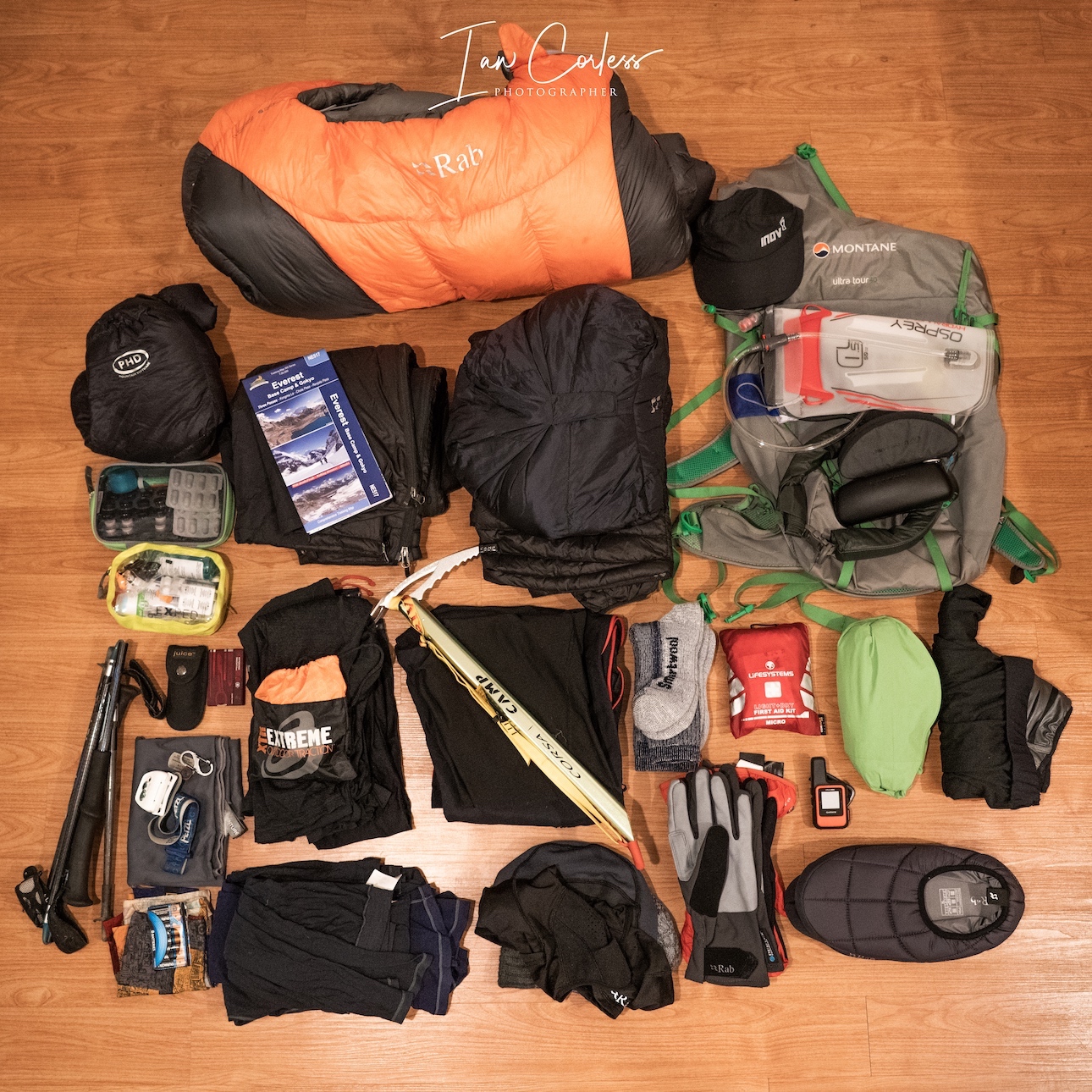
  • Spare Merino base layer.
  • Spare gloves.
  • Lightweight waterproof jacket.
  • Lightweight waterproof pants.
  • Space blanket.
  • Head torch.
  • Mobile phone.
  • First aid.
  • 500ml water.
  • Snack

The above, is my absolute basic kit that will go in a lightweight pack.

I then add equipment based on:

  • What am I doing?
  • Where am I doing it?
  • When I am doing it?
  • What are the options exist to cut short my adventure?
  • How remote will I be?
  • What are the risks involved?
  • What weather can I expect?
  • What is the worst-case scenario?

The above is a great start point. Even a local run has great risk if one is alone. Imagine running in the forest with snow on the ground, the temperature is just below zero and you are at least 30-minutes from anyone else. If you hit the deck, sprain an ankle, break a bone or whatever, you are suddenly stationary in subzero temperature. This is high risk.

Adapting to the environment, conditions and challenges is not something to be feared. It is actually fun! I go back to the mindset approach at the beginning, I see this as an opportunity, an experience to learn and a great potential to be taken out of my comfort zone.

What equipment/ advice can make a run/ adventure safer and address the list of questions above?

  • If possible, share any trip with another person. It’s more social and you have a backup.
  • Check weather conditions.
  • Tell a friend/ family member where you are going and when you will be back.
  • Have a phone and if necessary, an additional charger. It’s worth considering purchasing a phone that is not a smartphone – battery life is usually amazing.
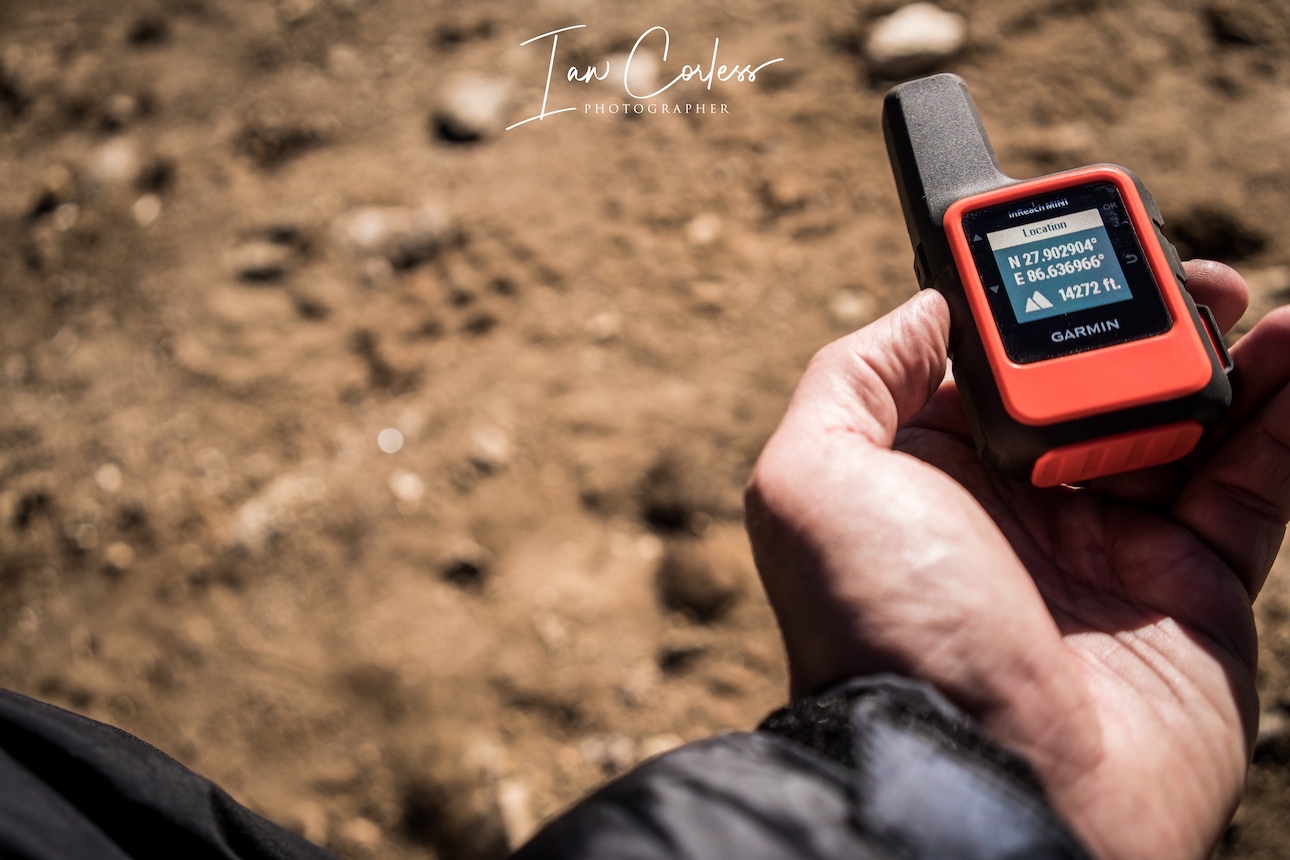
  • Carry a tracker such as Garmin InReach or Spot.
  • Think layers and have base layer, warm layers, waterproof layers, hat, gloves and buff. On a personal note, I take spare gloves, socks and a base layer should I get wet and need the comfort and warmth of dry layers.
  • Know where you are going and have a map and compass. A GPX file is also a great option for watch/ smartphone.

Specific equipment:

  • Carry micro-crampons if you think snow/ ice is high risk.
  • Carry a bivvy bag which can be a life saver if stuck in a remote location with an inability to move.
  • Goggles are better than glasses if you are in a blizzard or strong winds.
  • Carry an ice axe if venturing anywhere with winter conditions.
  • Hand spikes for ice (more details below).
  • Snowshoes (more details below).

In many scenarios, common sense comes in to play and quite simply, a little extra weight and safety is far better than the alternative. Accept in winter that you will move slower and in a different way.

WHAT OPTIONS EXIST IN WINTER

This question can be asked in two ways, firstly, one’s head can be lowered, shoulders dropped, hands below the waste, a look of desperation on the face and, “What options exist in winter…?” The person asking this question has already decided that the answer is none!

For me, the way to ask this question is standing upright, huge smile on my face and the question, “What options exist in winter?” Already has me ready and primed to list a plethora of activities to keep even the most hardened sport enthusiast occupied for quite some time.

  • Night running.
  • Snow running.
  • Ice running.
  • Road running.
  • Climbing
  • Ice climbing.
  • Hiking
  • Fastpacking
  • Snow shoeing.
  • Learn something new.
  • Spend time with family and friends.

And the list goes on! Location, finances and available time all have a bearing on what is and what is not possible. One thing is for sure, possibilities are endless.

Night Running.

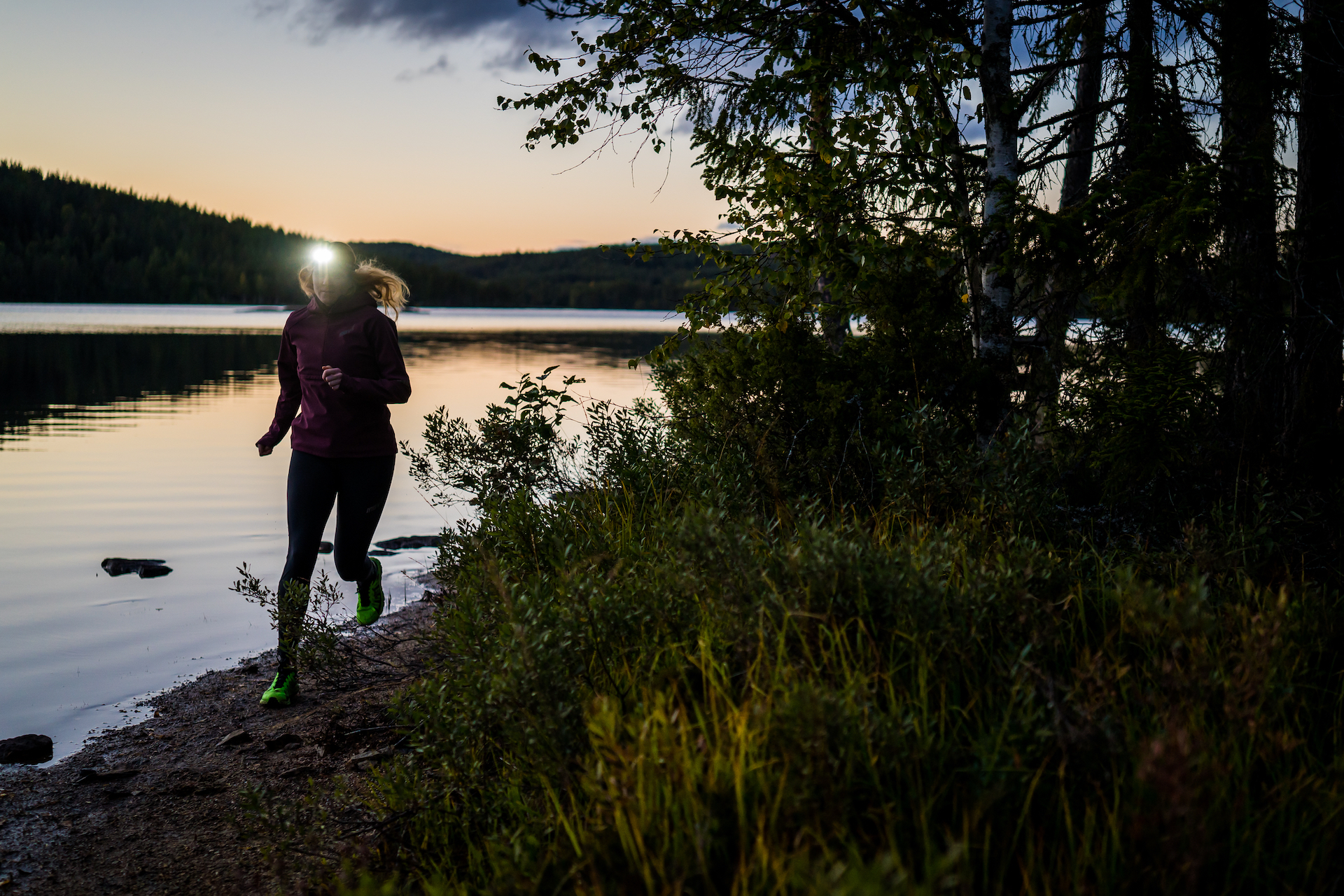
Quite simply, you need your run apparel and appropriate equipment as listed above. Importantly you need a head torch. Not all head torches are the same and an investment in the right kit early on saves money later. If you are running in the city with a great deal of ambient light and just the odd foray on trail, you may well get away with a budget torch and something around 200 lumens would work. However, if you are heading into the pitch black, running in forest, venturing into the mountains and pushing the darkness envelope, you are going to need a specific tool for the job. As an example, Norwegian lighting company Moonlight (here) provide head torches from 700 to 7000 lumens. Be specific on your needs and requirements and importantly consider autonomy, beam direction and spread, options for spare batteries and the option to keep the battery in apparel while still using the head torch, especially important in very cold environment when warmth will make the battery last longer.

Snow Running.

Layer up so that you have the flexibility to reduce heat and get warm as required. In many scenarios, particularly soft snow, a good aggressive trail shoe will work. However, consider the risk of ice so carry micro spikes. If in the mountains, knowledge and experience of snow conditions would be advisable. Be prepared with additional equipment such as poles and ice axe. Needless to say, gloves are really important.

Ice Running.

Use micro spikes for specific shoes as mentioned previously to ensure that you have grip and traction. In some places, Norway and Canada a good example, summer lakes freeze over and they become an incredible playground. Caution, safety and experience is required and if you have never run this way before, take advice from those that have. Importantly run with hand spikes (pictured below) available at all times should a disaster happen – these help you get out of a situation.

  • Measure the ice.
  • What is a safe thickness? 4 inches or more is ideal.
  • Check the ice colour – clear blue or green is good.
  • Fresh ice is best.
  • Know rescue techniques.

Climbing.

Mountains in winter offer an incredible playground and if you are new or inexperienced, the first option would be to sign up for a weekend trip with experienced professionals. The equipment requirements, techniques and safety measures vary considerably.

Ice Climbing.

No need to venture outside. In 2019 as an example, I started on a series of indoor ice climbing lessons which has now set me up for experiencing ice climbing outdoors. There is obviously a need for specific equipment: helmet, glasses, harness, ice axes, boots and crampons. However, most places, indoor or outdoor, offer the option to hire equipment as part of the lessons.

Snow Shoeing.

Fimbulvetr Hikr-X

A great winter exercise that provides an alternative to skiing or snowboarding that is an extension of running. Snowshoes basically allow you to float and not sink in the snow. But there is a difference to snow hiking and snow running, both in the shoe used and the type of snow. Run snowshoes are smaller, allow for a more natural gait and require the snow to be har packed. Whereas in soft snow, you need a much larger snowshoe to stop you sinking in the ground. Either option provides a great challenge and workout. Of course, races exist that require snow running both with and without snowshoes, so, if you are signed up or plan to race like this in the future, seize the opportunity. Abelone Lyng (here), winner of the Ice Ultra does winter snow shoeing trips in Norway.

Fast Packing.

Peak Design Field Pouch attached to a Montane Pack when Fastpacking in Nepal.

Snow, ice and cold weather doesn’t mean that multi-day adventures need to stop, on the contrary. Find a route, plan accordingly, have the correct equipment and off you go. These adventures can involve winter camping (you need a 4-season tent, appropriate matt and sleeping bag) or you can run/ hike form hut-to-hut or hotel-to-hotel. You are only limited by your imagination. Accept that you will move slower. Nepal is a magical playground for winter adventures.

Hiking.

Wrap up and include the family. Sport and our pursuit of it can often be selfish, not purposely, but we can get engrossed in challenge and adventure and often exclude the ones we love. Share the journey.

Training Camp.

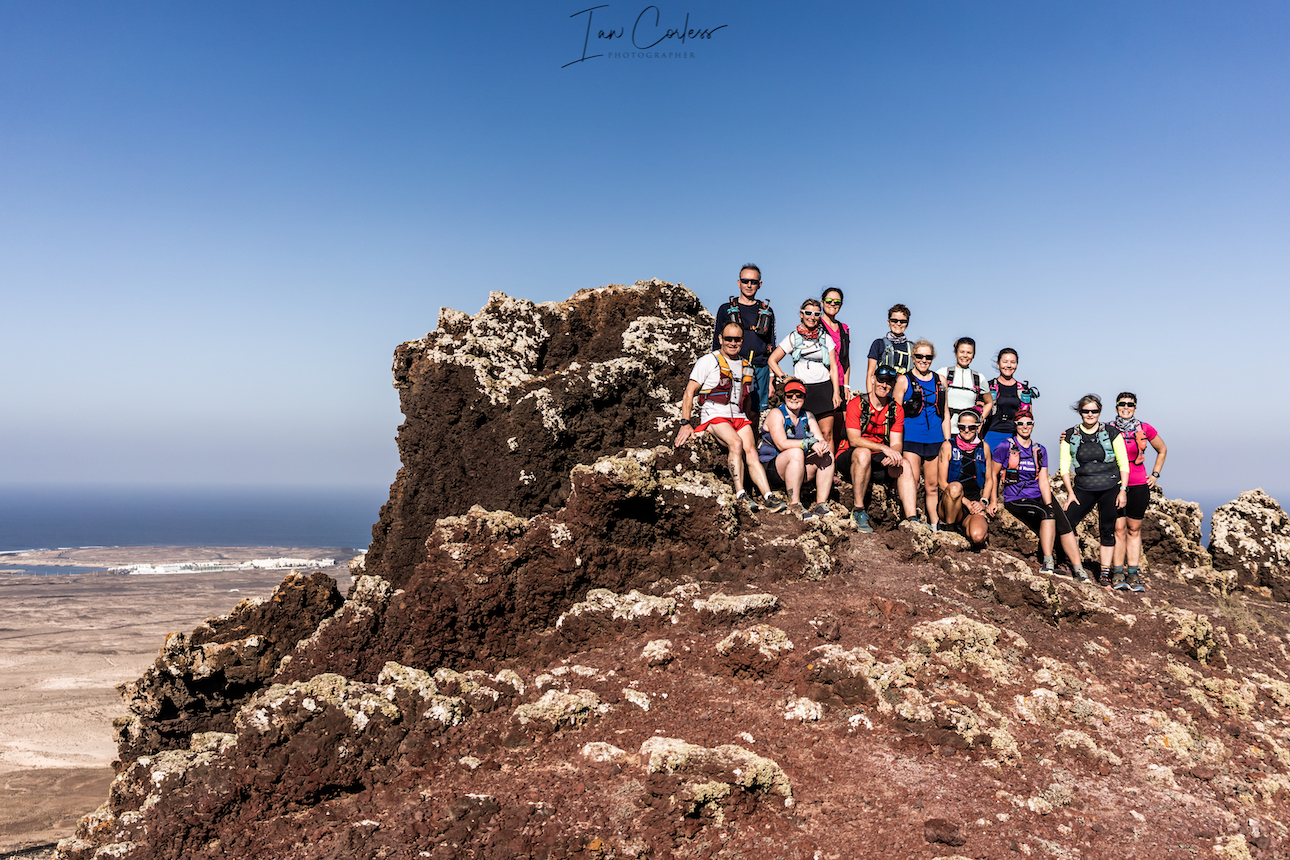
Consider a training camp, maybe this could be something in warm weather to break up the winter months. I have been organizing a warm weather camp every January in Lanzarote for over 10-years, info here.

Other options:

  • Sign up for a challenge.
  • Make it social.
  • Add variety.
  • Train in the home.
  • Rest.
  • Learn something new.
  • Enroll in a class.

CONCLUSION

Ultimately, don’t letter winter get you in a spiral of mood swings, depression and locked indoors. It’s all about the mind and understanding that the variety winter brings is actually far more exciting and challenging than good weather and dry predictable trails.

Seize the conditions. Plan accordingly. Have the correct equipment. Test yourself with something new and trust me, by the time Spring comes around you may well be a little disappointed.

Please support this website. I believe everyone deserves to read quality, independent and factual articles – that’s why this website is open to all. Free press has never been so vital. I hope I can keep providing independent articles with your help. Any contribution, however big or small, is so valuable to help finance regular content. Please support me on Patreon HERE.

Follow on:

Instagram – @iancorlessphotography

Twitter – @talkultra

facebook.com/iancorlessphotography

Web – www.iancorless.com

Web – www.iancorlessphotography.com

Image sales –www.iancorless.photoshelter.com

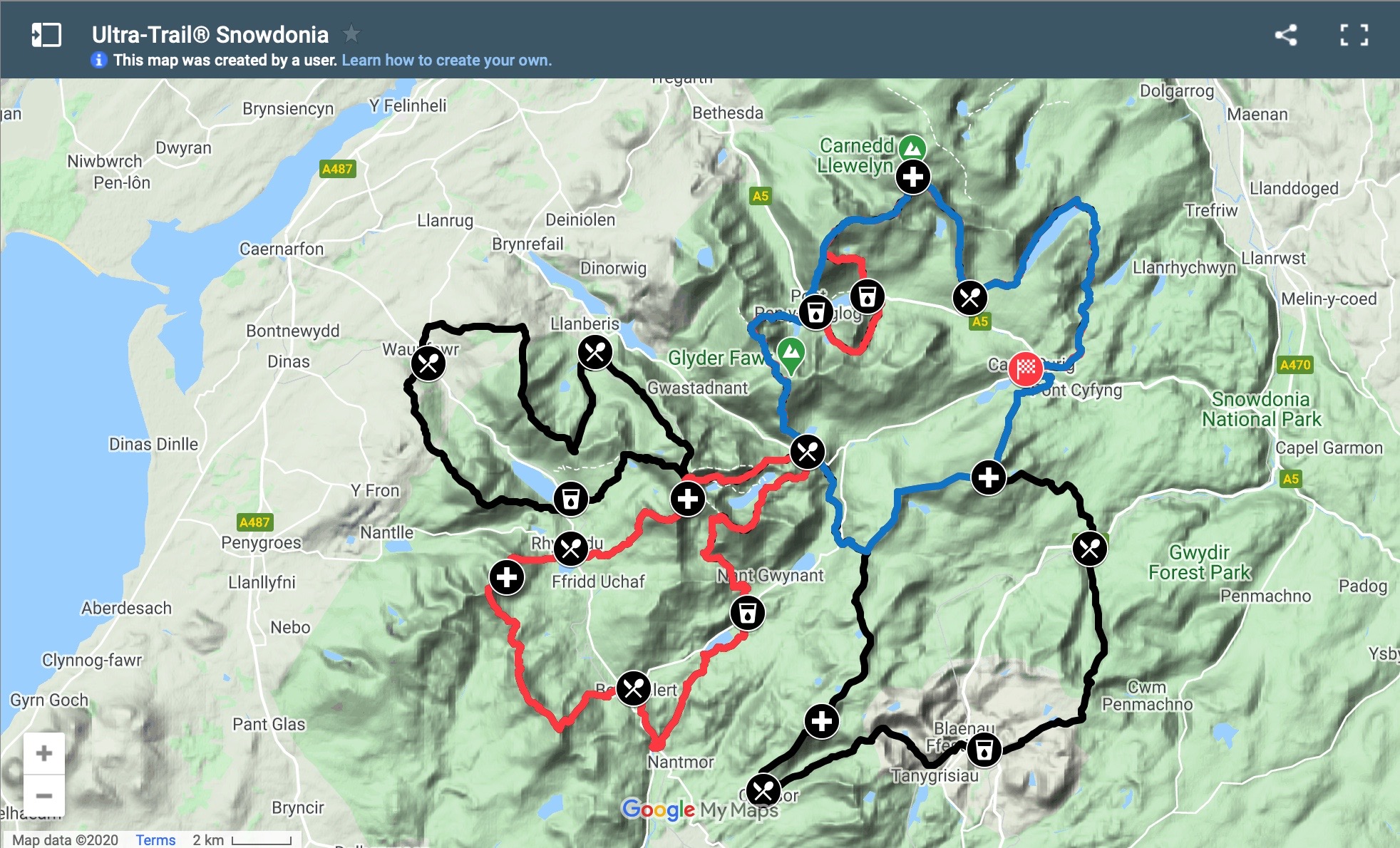
Ultra-Trail® Snowdonia 2020 Preview

Coronavirus has pretty much wiped out the 2020 racing calendar, but in recent weeks, we have seen the emergence of some events, albeit in a new format with measures in place to help reduce the risk of infection.

Scandinavia has had multiple events, we have witnessed events in France, Switzerland and even the USA.

So, it’s a great relief to see the 2020 Ultra-Trail® Snowdonia (UTS) taking place with very strict protocols and an ‘invitation’ only 50km, 100km and 165km.

Michael Jones of Apex Running Co is a runner himself, so, he has understood the need and desire to race, but also abide by government guidelines and provide a safe race – a thankless task one may think!

The 50km has a 14-hour cut-off, the 100km 33-hours and the 165km a whopping 50-hour limit. Needless to say, 3 very tough events in a tough and challenging part of the world.

Paul Tierney

The 165km event will see 10 women and 30-men toe the line with the Wainwrights record holder, Paul Tierney heading up the field. Most participants are UK based, but the event does have entries from Sweden, South Africa, Ireland, Poland, Spain, Philippines, France and Hungary.

The 100km event has 9 women listed, headed up by fell and mountain running legend Nicky Spinks. Harry Jones is the stand out name in the men’s field of 22-runners.

Georgia Tindley

The 50km event has a very interesting line-up with Georgia Tindley, Carla Molinaro and Kasia Osipowicz the leading names amongst a field of 14 women. Damian Hall fresh from setting a record on The Pennine Way heads up the men’s field of 22.

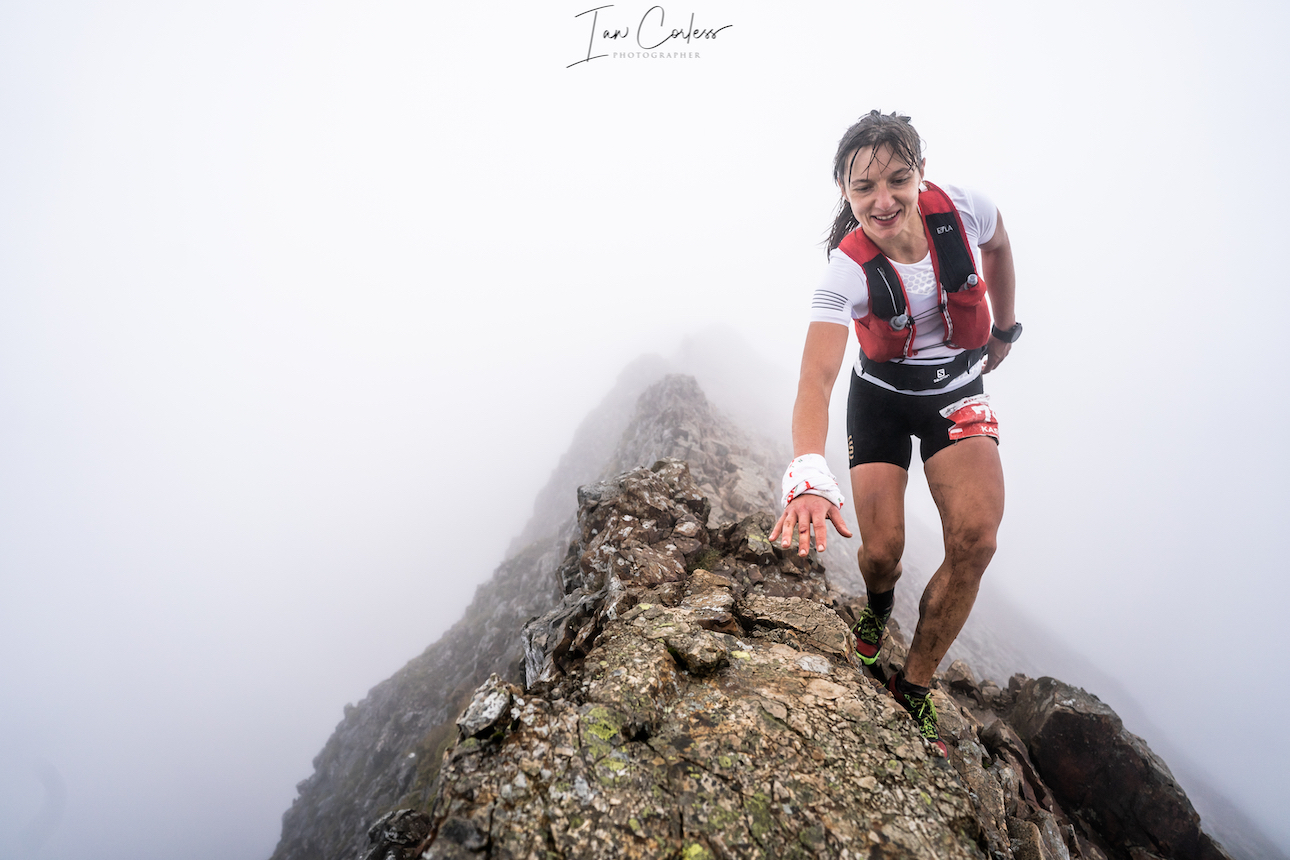
Kasia at Snowdon Skyline

UTS Facebook HERE

UTS Instagram HERE

UTS Twitter HERE
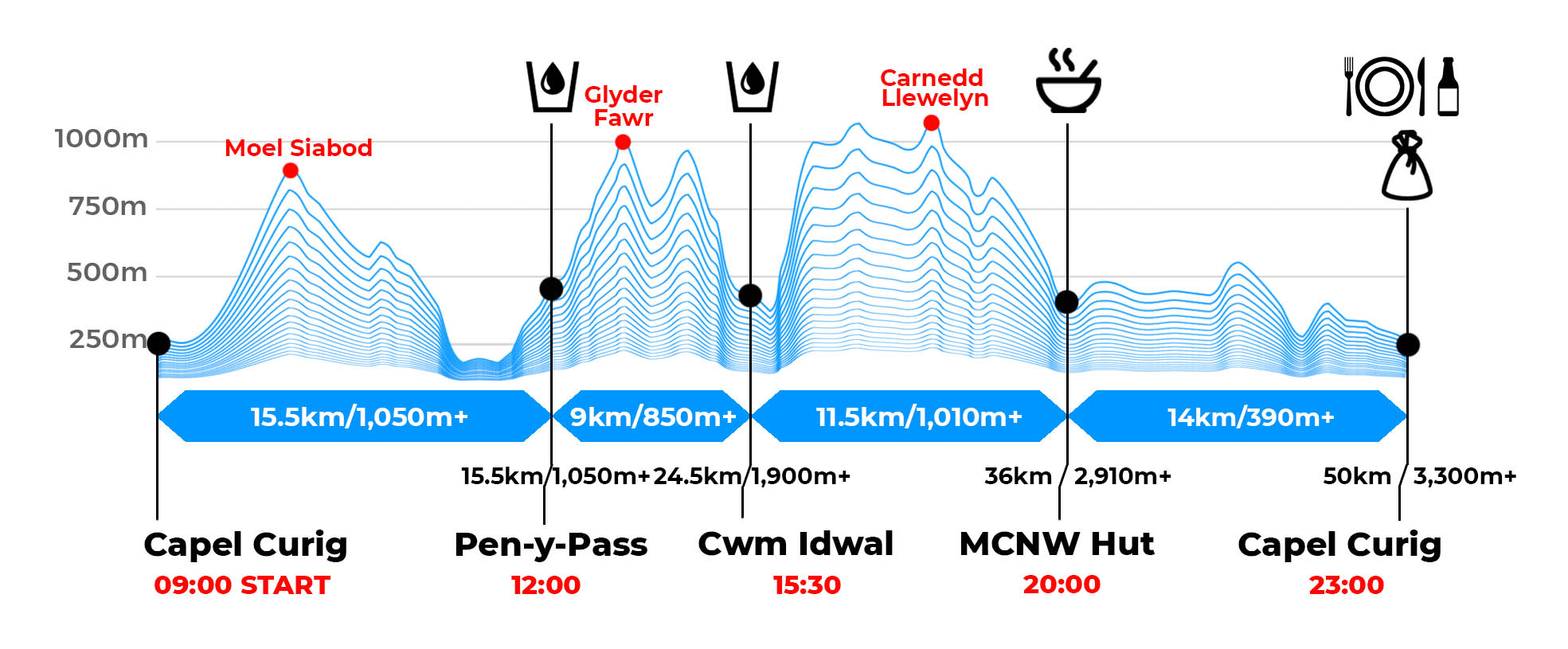
The events, are designed to bring Alpine style racing to the UK on a scale of the UTMB. Each of the three events are extremely challenging and bring 3300, 6700 and a whopping 10,000m+ of vertical gain for the respective 50/100 and 165km distances.

Originating in 2018, the 50 and 100-mile races were an instant success and with huge demanding, three races are now on offer providing a distance and challenge that all can undertake. But as Jones’ says, ‘Beautiful beyond belief. Savage beyond reason.’

The UTS 165 is the stand-out and flagship event offering a stunningly brutal and beautiful tour of the Snowdonia National Park. Starting in Capel Curig, the route takes in the most notable peaks of north Wales.

UTS 100 has technical trails, epic views and is a highlight tour of north Wales.

Arguably, the UTS 50 is an entry level race but still requires respect for the challenges that Wales and its mountains can bring.

Route information is available here and relevant GPX downloads are available.

Race director, Michael Jones of Apex Running


Follow on:

Instagram – @iancorlessphotography

Twitter – @talkultra

facebook.com/iancorlessphotography

Web – www.iancorless.com

Web – www.iancorlessphotography.com

Image sales –www.iancorless.photoshelter.com

Salomon Rondane 100 Race Summary – 2020

‘We want as many runners as possible to enjoy Norwegian wilderness and Norwegian mountains.’

All images copyright iancorless.com - all rights reserved.

Established in 1962, the Rondane National Park is the oldest national park in Norway. Covering 963 square km’s, the park contains ten peaks above 2000m, the highest peak being Rondeslottet at 2178m.

Folldal, an old mining village, is the hub for the race with the start and finishing taking place in the same location.

Race day started at 0500 and it was clear from the clear skies that a beautiful day lay ahead for the runners. Maybe too good some would say… 

Although a chill penetrated the early morning air, the arrival of the sun and the early miles warmed the runners up quickly and by the 10-mile point, the format of the racing that would come started to take shape.

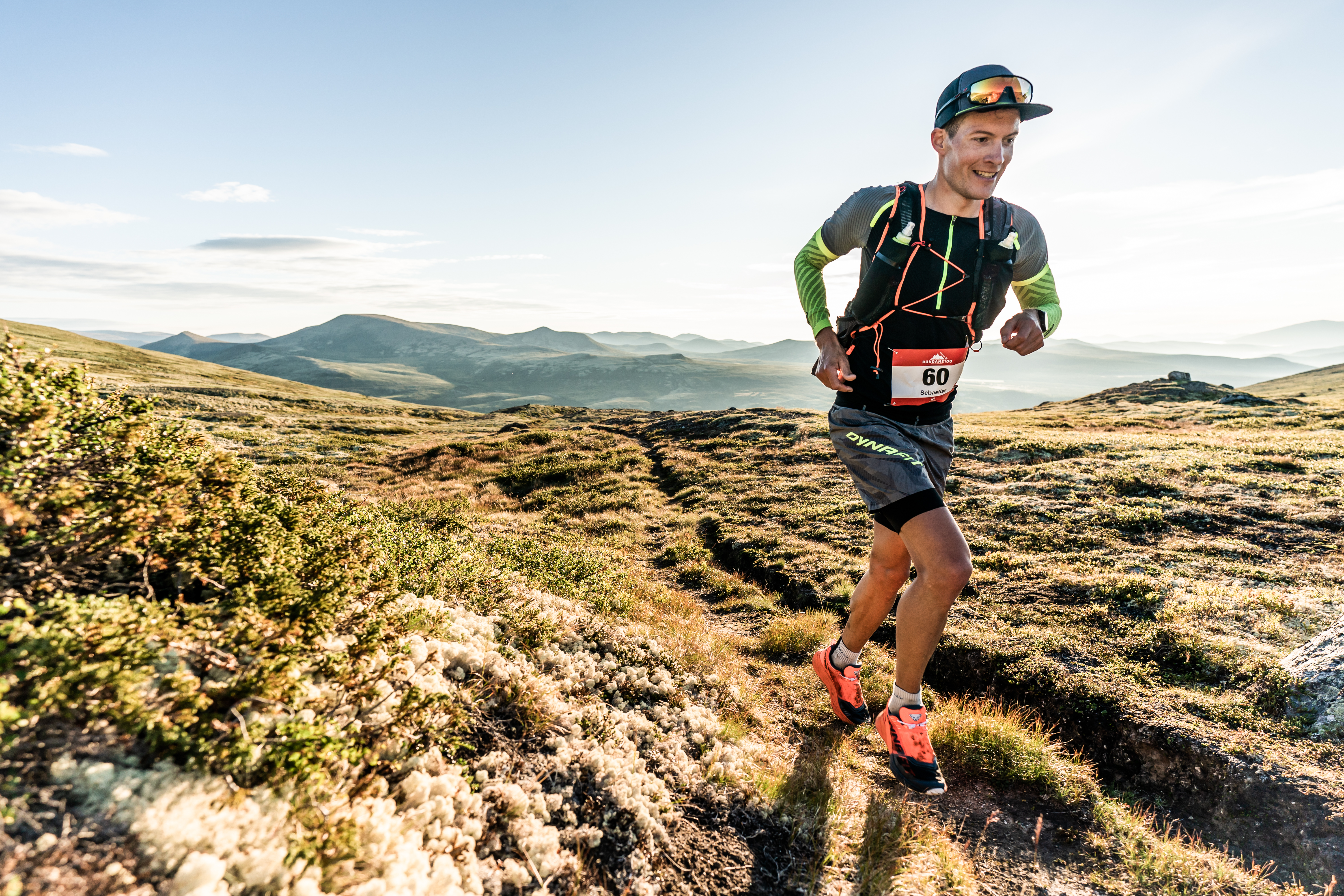
Pre-race favourite, Sebastian Krogvig did not hold back early on, opening up a 12-minute lead over the hot favourite, Paul Ogier with 10-miles covered.

For the women, Molly Bazilchuk eased herself in to the day, allowing the early miles to save energy and settle, knowing that a big day lay ahead. She was shadowed by Katrine Andersen.

By 0900, with 4-hours covered, the day was already hot and with a long and tough race ahead, the early miles were best taken easy. With five key aid stations, Nygruva, Dørålseter, Straumbu, Breijøseter and Grimsbu, an ability to be self-sufficient for long periods is an essential characteristic of this race.

A land full of reindeer, mining heritage and traces from the last ice-age, Rondane  provides an opportunity to experience 2000m summits that are very unique and it contast to Jotunheimen, completely different both in look and feel.

At Nygruva, Sebastian was well ahead of the predicted pace and although there had been much talk of 20-hours winning the race, based on the first aid station, sub 16 looked possible. Paul Ogier, running his first 100-mile race had recced all but 5km of the 100 route and with that experience, he paced himself allowing Sebastian to run his own race. Behind, Marius Stengle-Håkonsen, Elvind E Gjøystdal, Staffan Bengtsson, Vegard Triseth and Samuel Fredriksson chased.

Molly, was now taking hold of the women´s race and making her way through the men´s race as was Liv Richter.

Marius Stengle-Håkonsen

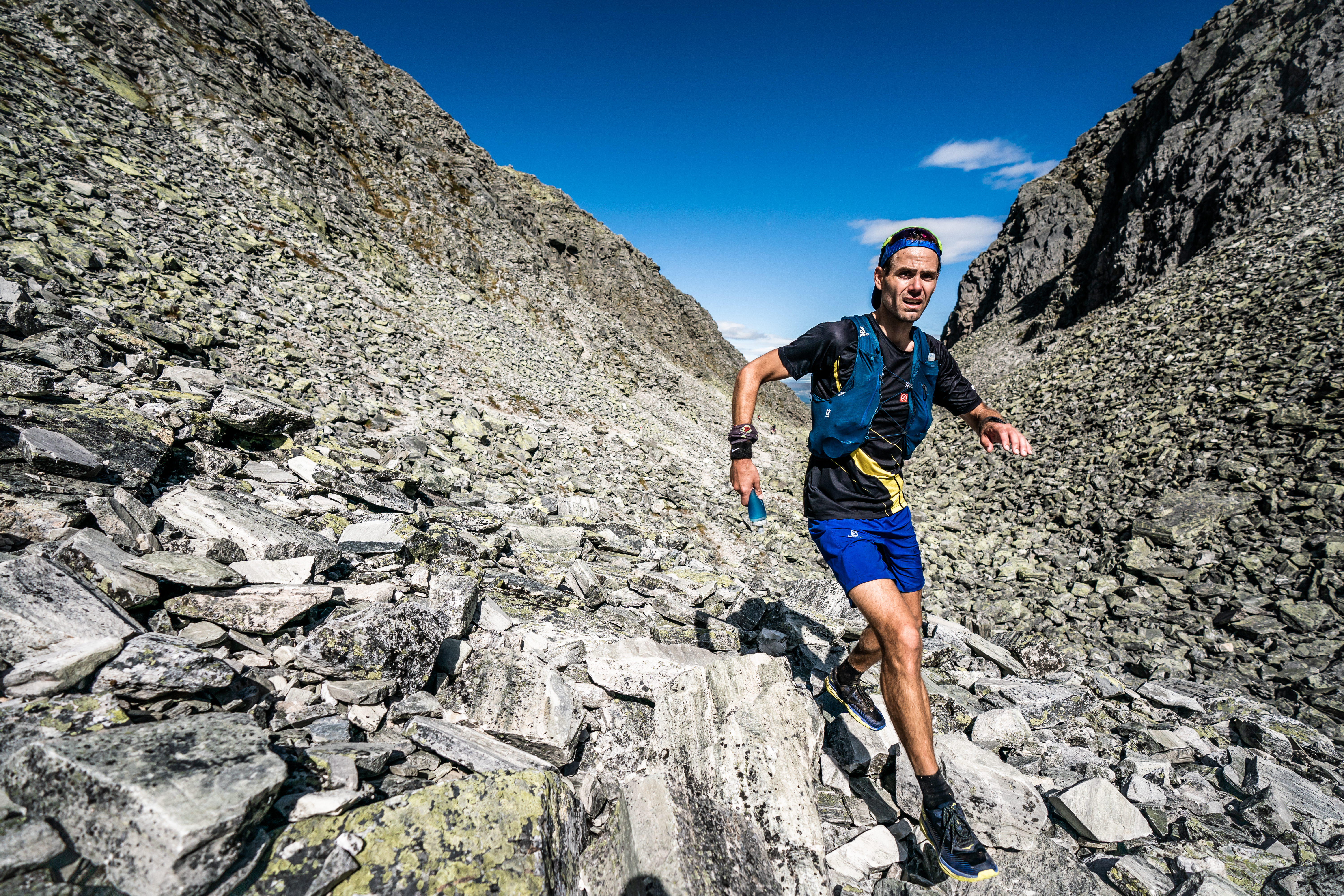
Dørålglupen, a wonderful gully of rocks was a significant marker in the race and now Sebastian and Molly were showing there strength. By the aid station Dørålster, Sebastian had opened a lead of over 45-minutes on Paul.

Molly pushing up Dørålglupen

Molly was more metronimic, steady and slowly stretching the elastic over the competition. Liv equally looked relaxed using her poles to climb and descend. Inger Aarberg was looking strong, Katrine Anderson looked to paying a price for the early pace with Molly and Kari Forbrigd, Gro Siljan Hjuske and Inger Haugland looked ready for the long fight ahead.

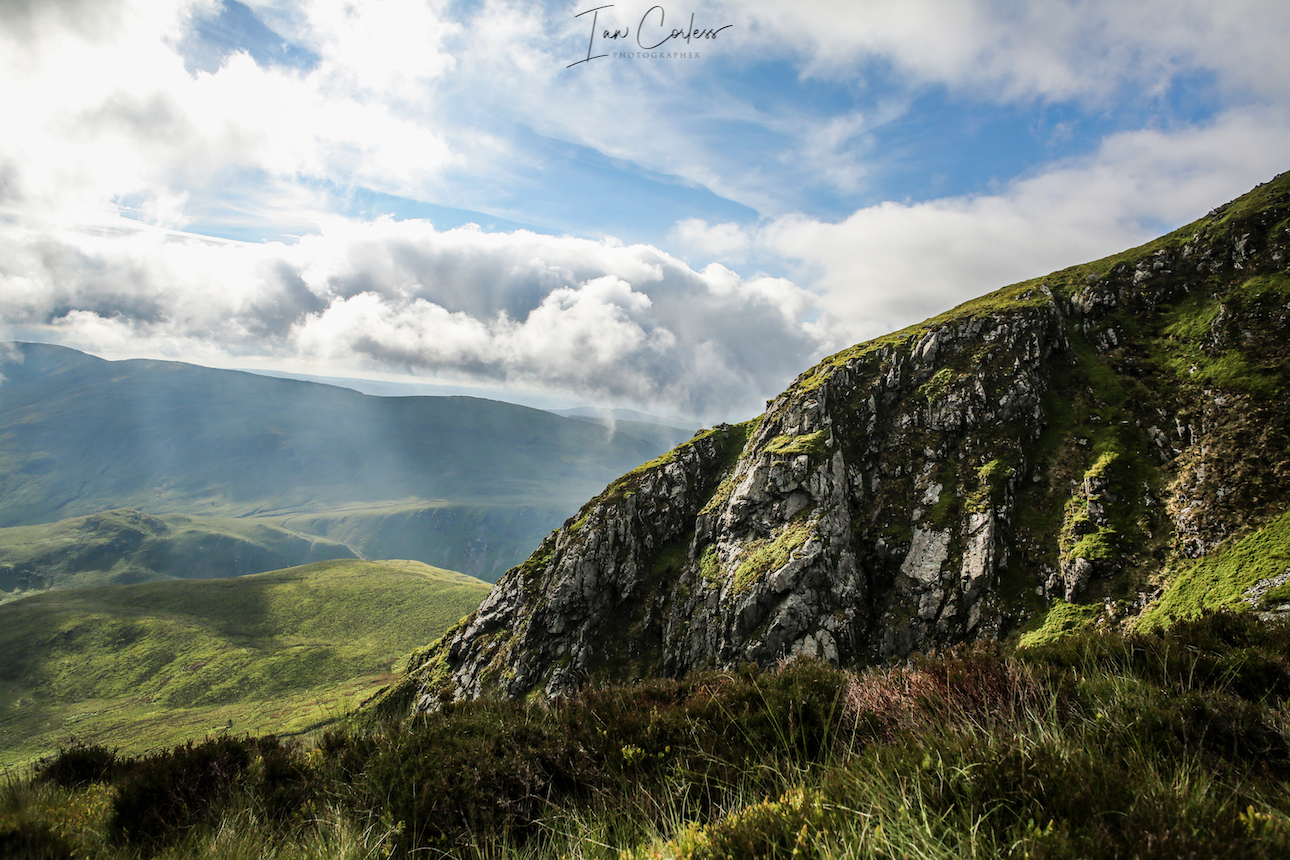
At all times, the landscape was rewarding the runners with spectacular views. Nestles between rolling mountains, the green landscape was broken with single-track, gravel roads and lakes. The intense blue sky contrasting nicely.

Straumbu was a significant aid point and for many, the key aid before the night section with drop bags available. Sebastian arrived but it was clear that all was not well. Post-race he would confirm that his legs had never felt better, but he had somehow managed to get his electrolyte blance wrong… Sitting in a chair, his heart raced. On medical advice, he withdrew from the race.

Paul Ogier now took the reigns at the front. He looked relaxed leaving the aid station and as he climbed through the forest with the golden sun leaving the day, he looked set for Rondane victory. Marius Stengle-Håkonsen pursued, as did Staffan Bengtsson and Elvind E Gjøystdal.

But Molly was looking increasingly strong with the passing of time and it was clear that the predicted overall podium slot was in contention. Behind, Liv and Inger were having a close battle.

Night is always tough. The leaving of one day, the body naturally craves sleep and rest, for the 100 runner, night time is something to be endured, pushed through and the welcome of a new day brings new life. Luckily, Norwegian nights are not as long as in other places!

Paul and Molly would not welcome the new light on the course, they would both finish their runs in darkness, 20:59:23 and 22:39:07 respectively. Marius would split them in 2nd place overall in 21:42:29. For Molly, it was a 3rd overall placing; an incredible run.

Staffan Bengtsson rounded out the male podium in 24:00:02, placing 4th overall.

Liv fought hard for her 2nd place in 25:26:27…. So hard, she collapsed at the finish and was taken to hospital with a potential stress fracture or kidney issues. It was later confirmd to be kidney issues brought on by a hot day, dehydration and well, running 100-miles! Inger Aaberg completed the women´s podium in 27:33:42.

Coronavirus has stopped racing globally, the impact has been huge. But here, in Norway, a relatively low-key race brought a fierce battle over a truly incredible and beautiful course. 

How beautiful? Well, in some respects, the story of one participant sums it up. He unfortunately took a tumble on the rocks and broke his ankle. After receiving medical attention, he waited for a helicopter rescue and cheered on the runners. Due to demands on the five helicopters that cover the area, he had a long wait… Finally, when back in Folldal, race director Erik Haugland, apologised for the delay. The response was clear, ´Don´t be silly… If you are going to break an ankle, I did it in a perfect place. The scenery was incredible, the waether glorious and I got to cheer on the competitors. I will be back next year!´

Full results are available at racetracker.no

VIEW THE RACE IMAGES HERE
IMAGES CAN BE PURCHASED HERE

Top 5 Male and Female:

  1. Paul Ogier
  2. Marius Stengle-Håkonsen
  3. Staffan Bengtsson
  4. Elvind  E Gjøystdal
  5. Sanuel Fredriksson
  1. Molly Bazilchuk
  2. Liv Richter
  3. Inger Aaberg
  4. Kari Forbrigd
  5. Gro Siljan Hjuske

Please support this website. I believe everyone deserves to read quality, independent and factual articles – that’s why this website is open to all. Free press has never been so vital. I hope I can keep providing independent articles with your help. Any contribution, however big or small, is so valuable to help finance regular content. Please support me on Patreon HERE.

Follow on:

Instagram – @iancorlessphotography

Twitter – @talkultra

facebook.com/iancorlessphotography

Web – www.iancorless.com

Web – www.iancorlessphotography.com

Image sales –www.iancorless.photoshelter.com

FREEDOM in a Pandemic

Another summit in Norway with Abelone.

In recent weeks, as restrictions on travel, social distancing and borders open, it has somehow felt that living in the times of a Pandemic is a little like toeing the line at Big’s Backyard Ultra. Instead of running loops around a yard, we wake up each morning for another loop of 24-hours not knowing where the finish line is and when it will come.

Covid-19 for us runners is a very unique ultramarathon.

In all honesty, I do believe that ultra-runners are somehow better adapted for the challenges that a Pandemic brings. Mental fortitude and resilience have come to the fore and when restrictions were really tough, runners rallied with running at home. Virtual suddenly became the next big thing. It filled a gap and brought people together from all over the world in a mutual coming together to enjoy a love of sport and community.

The impact on work has been huge for all and the consequences of this will continue on for months and years on personal levels and business. It’s a sad time.

But early on, I accepted that 2020 would be a wipe out. Being somewhat of an OCD character, this took a little time to adjust too. My year of work was planned out. The schedule was timetabled and suddenly, it was gone… What was full, soon became empty. I have felt my moods swing with positivity and at times I have wanted to put my head in my hands.

But quarantine and social distancing, in all honesty, was no big deal for me. I actually feel that I have social distanced most of my life and sport has only reaffirmed that.

Yes, I enjoy the company of friends. Yes, I enjoy a trail run with company. Yes, I enjoy a beer and a meal with others and yes, I have missed my family.

The summit os Slogen, Norway in July with Abelone.

But I am good alone, in isolation and finding my own footing. Time on the trail has always allowed me to switch off, think, contemplate, plan, work out problems, come up with solutions and form ideas.

When running with others, I am often asked, ‘Are you ok? You are quiet!’

‘I am perfect; I am just out of the office and soaking up the time,’ often my reply. 

In recent months, or should I say for the whole of 2020 so far, I have immersed myself in a new life in Norway with my girlfriend, Abelone.

Little did we both know in February after being at The Coastal Challenge in Costa Rica that we would spend 24/7 for the coming months together. I laughed early on saying, ‘Well, this is one way to find out if this relationship will work!’

It has been the best thing to come from a Pandemic.

FREEDOM is something I always had being self-employed but the freedom to do ‘my’ adventures was dictated by travel and a hectic work schedule. Freedom often only really came in the middle of the year when I would block off some time in Summer and then December, which I would treat as sacred and my opportunity to explore and adventure.

2020 has seen my diary flipped with little or no work and constant adventure. 

Here is Scandinavia, we were very lucky with Covid (exception coming from Sweden who handled things differently,) particularly in Norway, cases were low, death rates were low and although social distancing was required, our freedom was not impacted. In all honesty, many locals confirmed that the trails in Norway had never had so many people on them in March, April and May. No doubt helped by some amazing weather. 

Scandinavians love the outdoor life and Covid only emphasized the need for space, outdoor adventure and exercise. A wonderful mental and physical prescription that all doctors should prescribe. 

I am used to travelling when I like, eating in restaurants, meeting friends when I want, and I am used to being surrounded by people at a race. Some would say I was free.

But was I?

August is here and I am now looking back at social interactions in 2020 since March and lockdown.

  • I have seen no family.
  • I have seen 4 friends in Norway.
  • I have run on the trails with Abelone and one other person who we had to social distance with.
  • I have interacted with 3 members of Abelone’s family.

And that is it…

So, my freedom was and is still certainly impacted upon and I relish the opportunity to hug a friend, travel back to the UK and see my Mum and my son and equally embrace them like never before.

But no work has allowed me a freedom of time, not financial, to do what I want.

Adventure is on the doorstep for us all.

Now, here in Norway we have a pretty big doorstep. At a third larger than the UK, getting around Norway can take a while but with just 5.5 million people in contrast to 66 million, finding space and social distancing is no problem. Hardanger, Stranda, Romsdal, and Jotunheimen have all been on our list and even 1,2 or 3-day adventures from home have become regular.

Just yesterday, we ran 15km from home, wild camped in an isolated location and then ran 15km home.

I have always been a lone wolf with adventure. At best, I have shared an experience with just one or two others. I like my pace, my schedule and my itinerary and am somewhat inflexible, yes stubborn with changes and I do like to plan. I can see Abelone roll her eyes now…!

Photo ©JanNyka

The escape of outdoor life has always provided me with an energy. I even got that with my work, often hiking out for hours on a trail to sit and wait, alone, for runners to come. 

So, what am I saying?

The Pandemic is rubbish, for sure. Is it going away? I hope so, as soon as possible, but as I said at the beginning, currently we are all running loops at Big’s Backyard Ultra and nobody knows how many loops are to go and when the finishing will come. 

One thing we do have, albeit at varying levels depending on where one lives in the world, is freedom to explore from home. So, embrace what you have and do not think or focus on what you do not have or what you cannot do.

It’s no surprise that FKT’s have never been more popular. 

Many have said, ‘I cannot wait for life to return to normal!’ I agree to a certain extent, normal would be good… But then again, was normal good?

Will life ever be ‘normal’ again, or, are we looking at a new normal?

I don’t have answers.

But I will keep running the loops and enjoy the newfound freedom I have for now.

*****

Have you found freedom in 2020? I would love to know.

Please support this website. I believe everyone deserves to read quality, independent and factual articles – that’s why this website is open to all. Free press has never been so vital. I hope I can keep providing independent articles with your help. Any contribution, however big or small, is so valuable to help finance regular content. Please support me on Patreon HERE.

Follow on:

Instagram – @iancorlessphotography

Twitter – @talkultra

facebook.com/iancorlessphotography

Web – www.iancorless.com

Web – www.iancorlessphotography.com

Image sales –www.iancorless.photoshelter.com

inov-8 TERRAULTRA G270 Review

I first got a hold of the original TERRAULTRA 2-years ago, the G260. It was a groundbreaking shoe for inov-8 not only introducing a zero-drop shoe to the brands line-up but also paving the way for Graphene technology.

A great deal has happened in the past 2-years with Graphene appearing in more and more inov-8 shoes but interestingly no other zero drop shoes have been added to the line-up.

The TERRAULTRA G260 was warmly welcomed, particularly by any trail runner using Altra who now had a zero-drop alternative now available with a brand who really know how to make off-road shoes from a long history in the fells of the UK.

Now, the G260 has been updated and we welcome the TERRAULTRA G270.

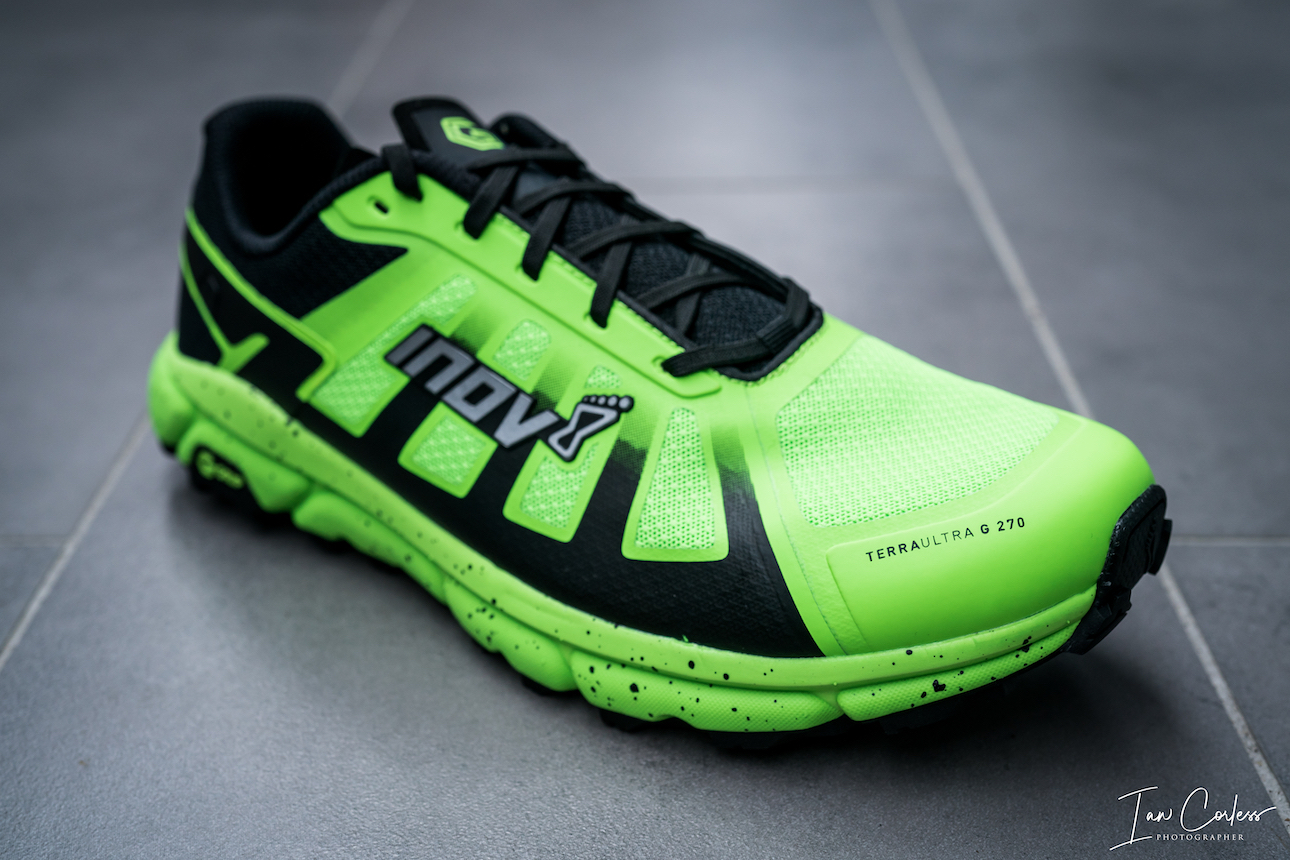
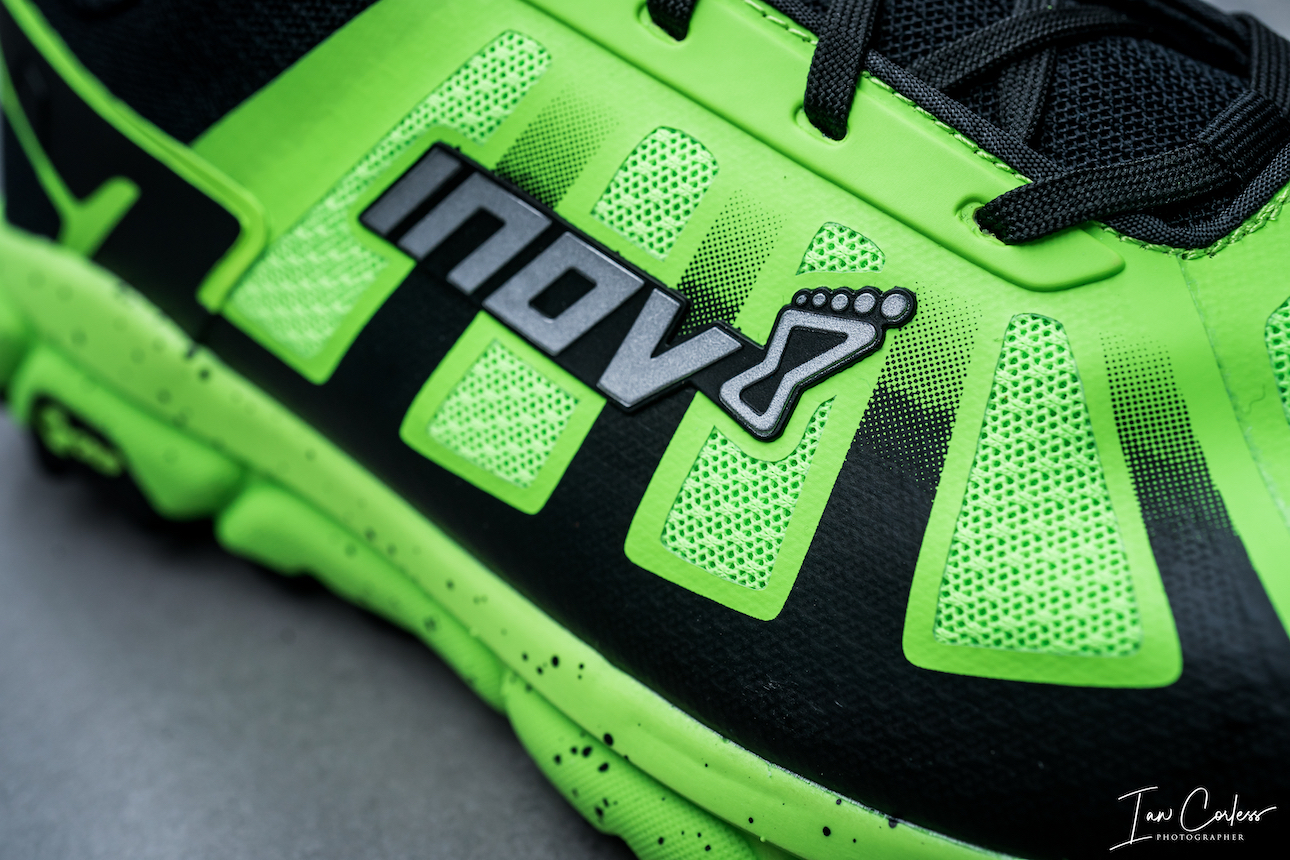
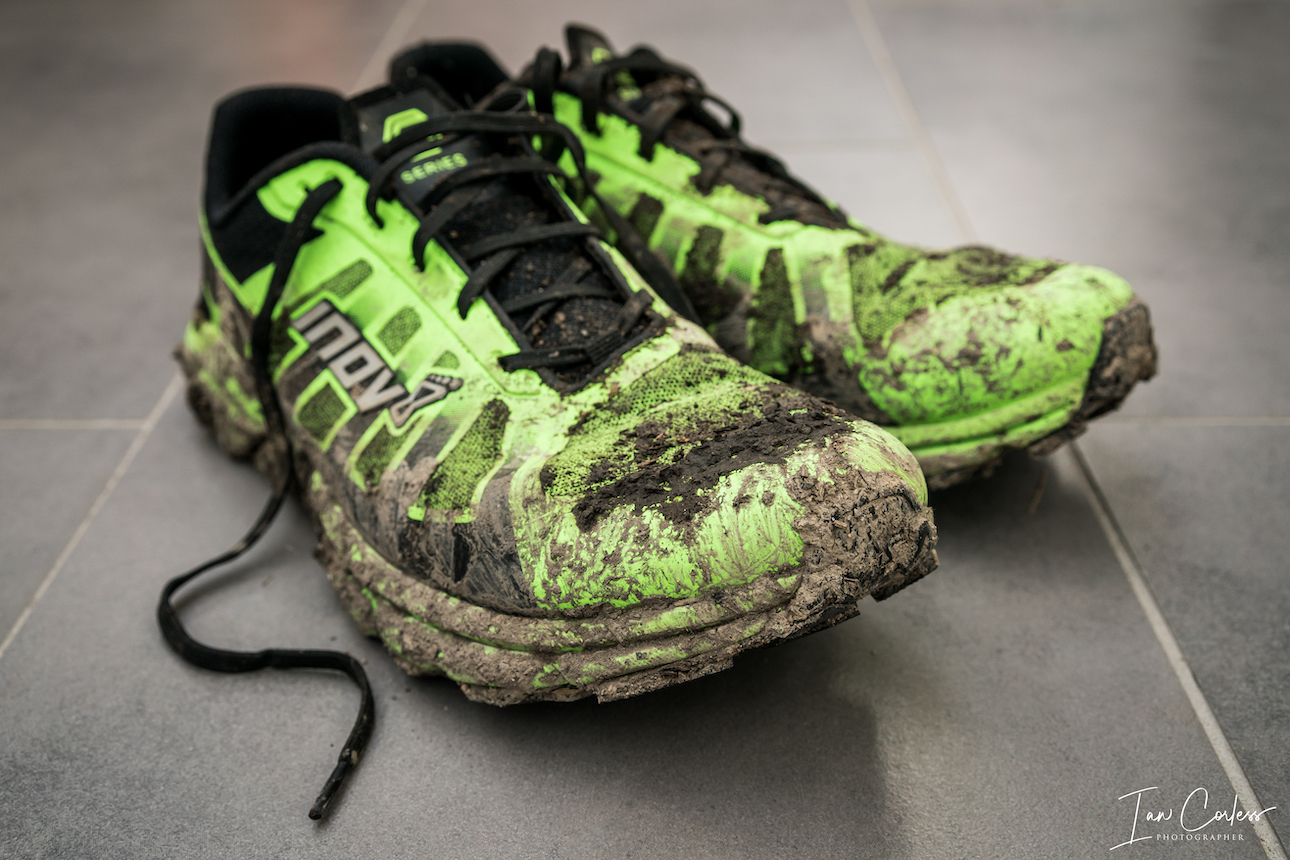
On first glance, it could look like the same shoe. That green colour is somewhat distinctive! However, one does not need to look longer to see some immediate significant changes.

The upper, the lacing, the outsole and the cushioning all sort of look the same but they are not.

In the words on inov-8:

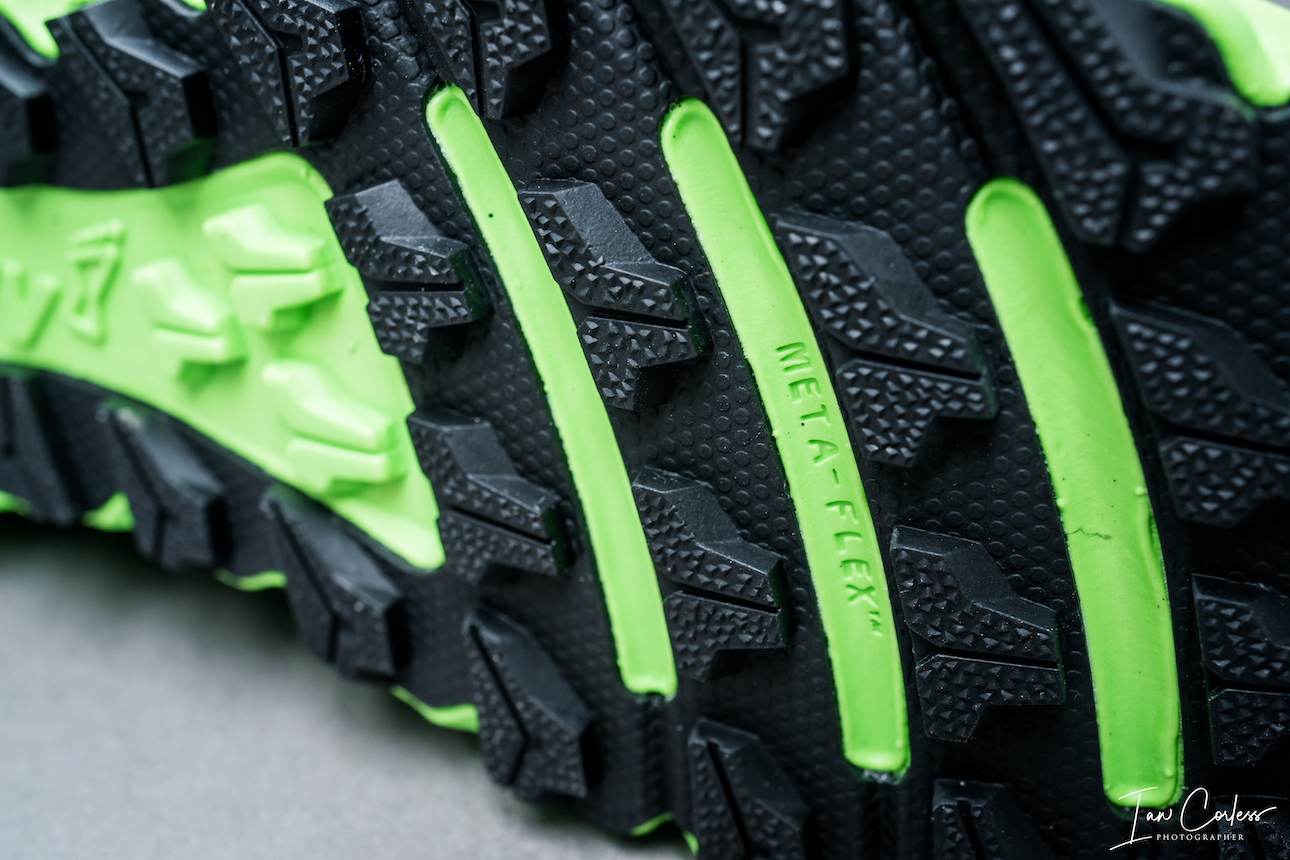
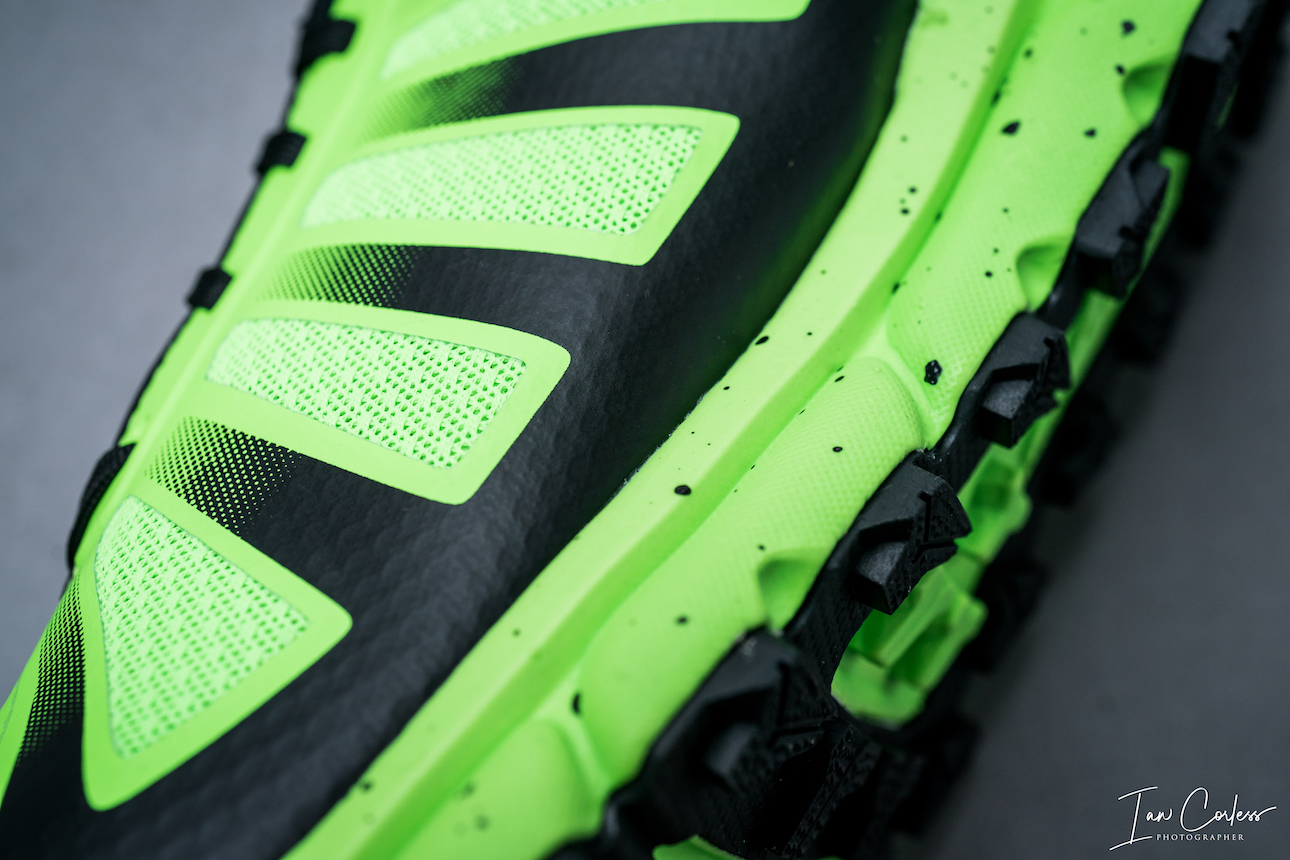
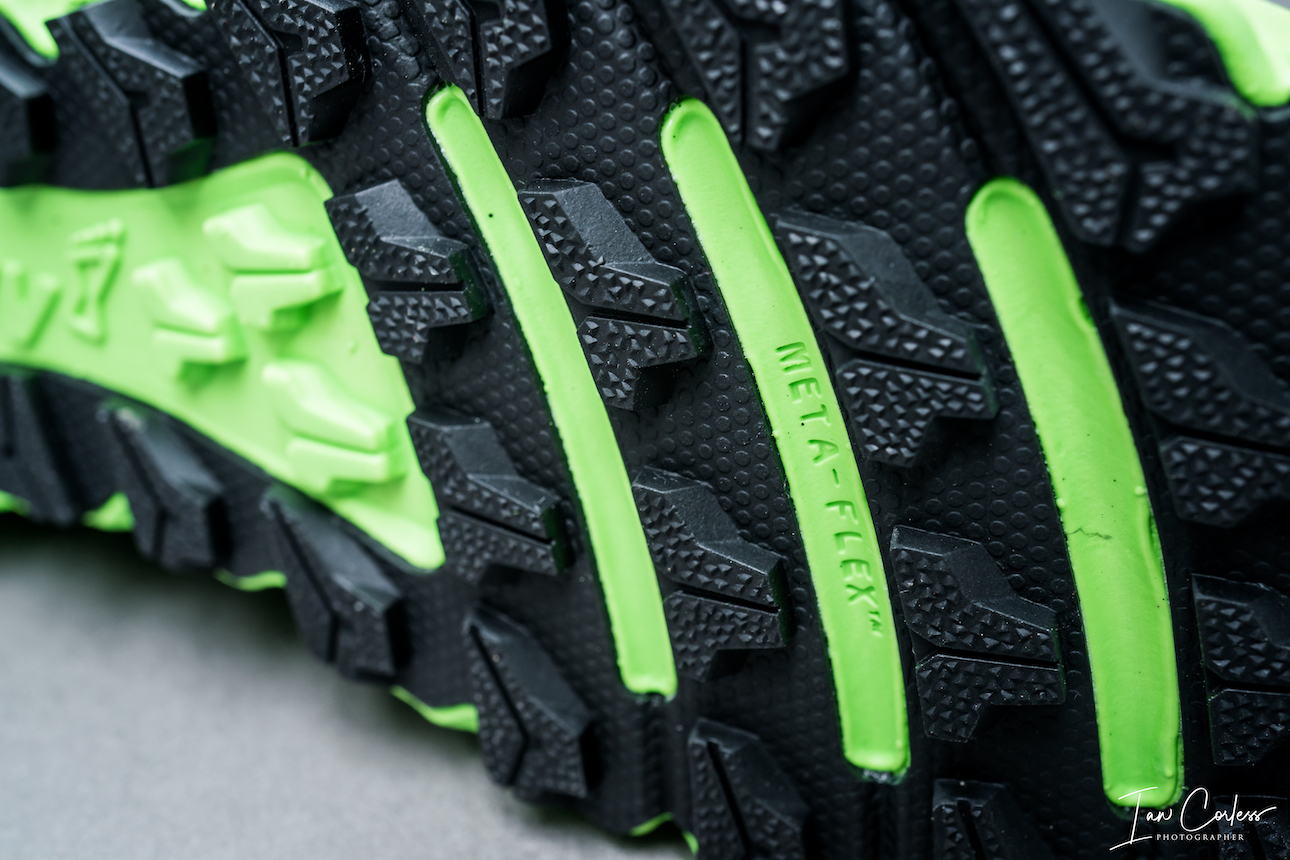
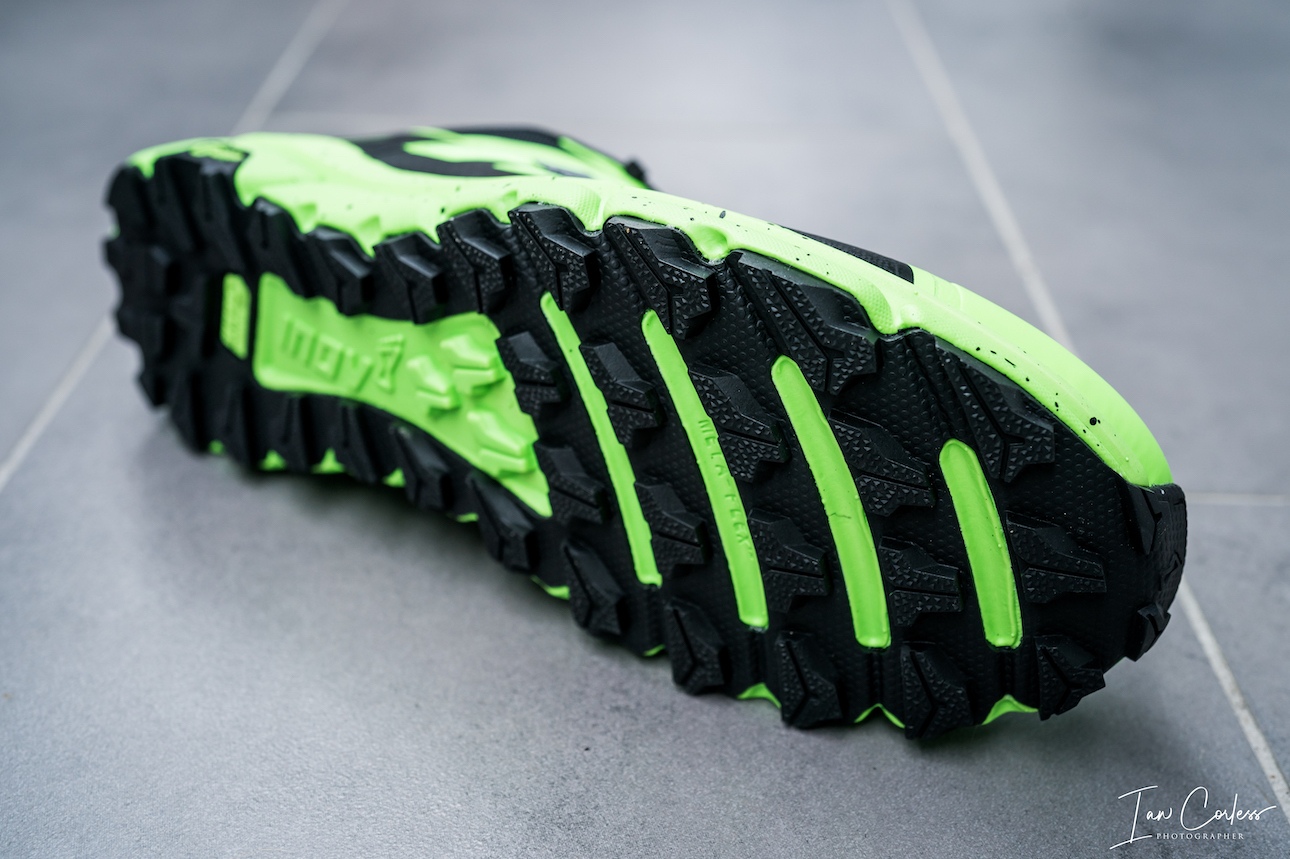
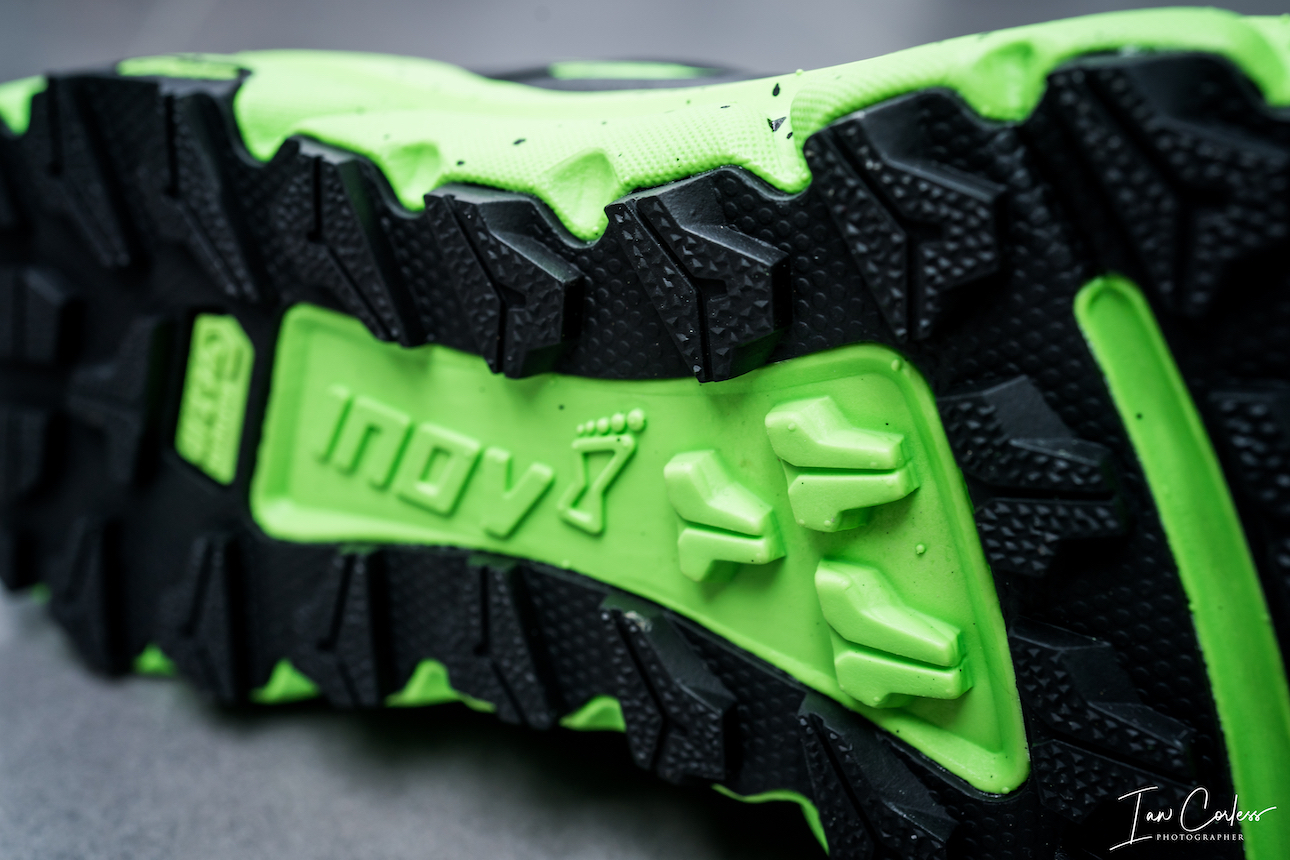
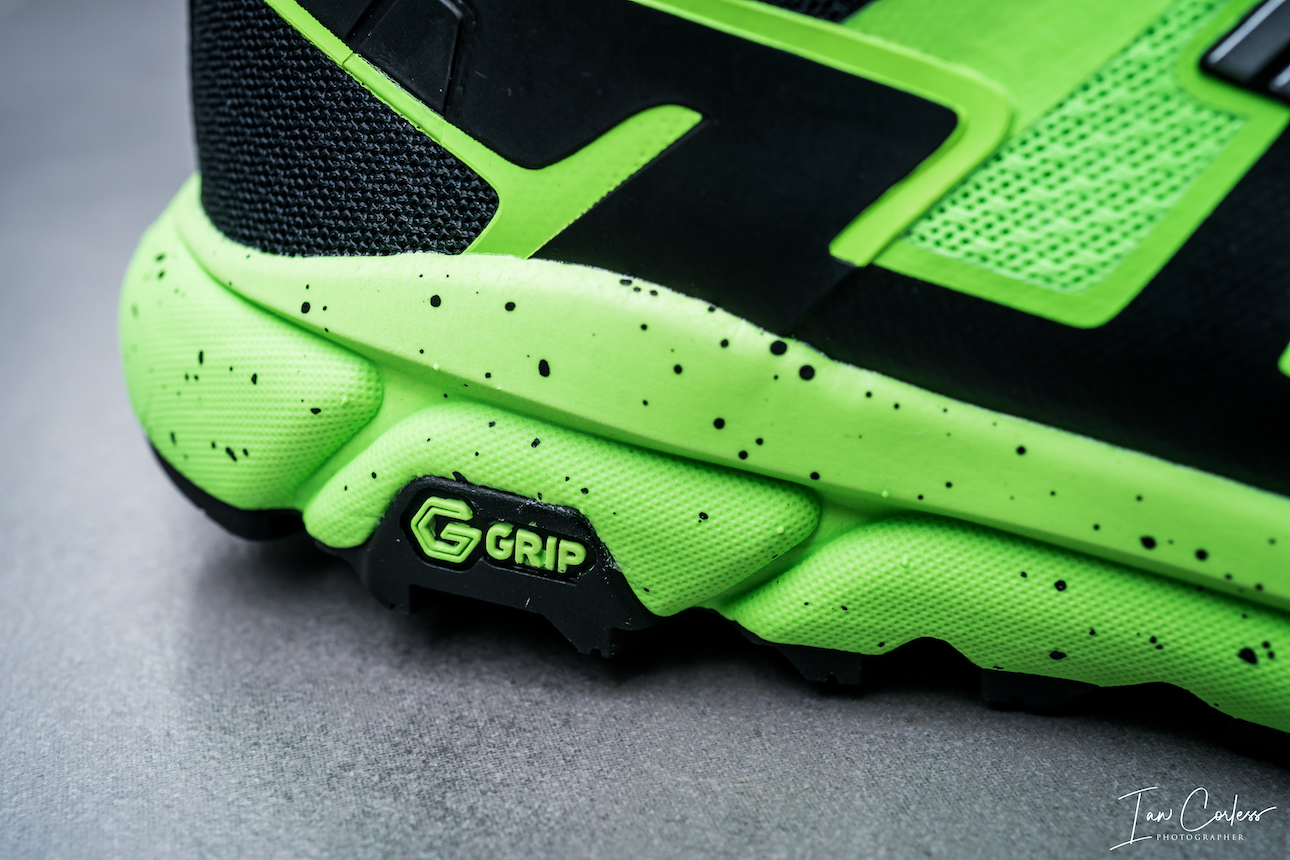
  • Graphene outsole has 4mm deep cleats all now armed with dispersion channels and rubber dimples to give better grip on wet and dry trails. Cleats are repositioned in key areas and flex grooves fine-tuned for agile sticky traction that lasts longer.
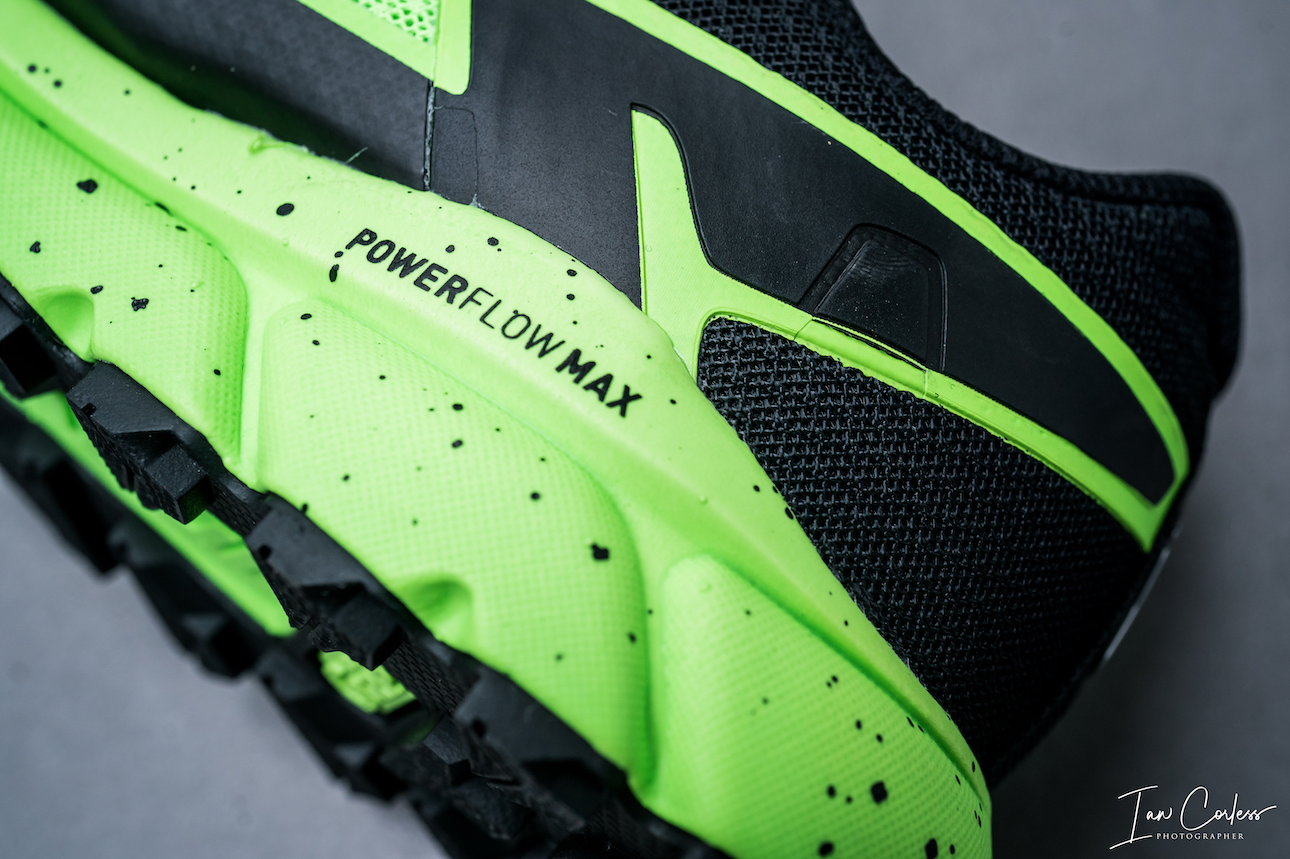
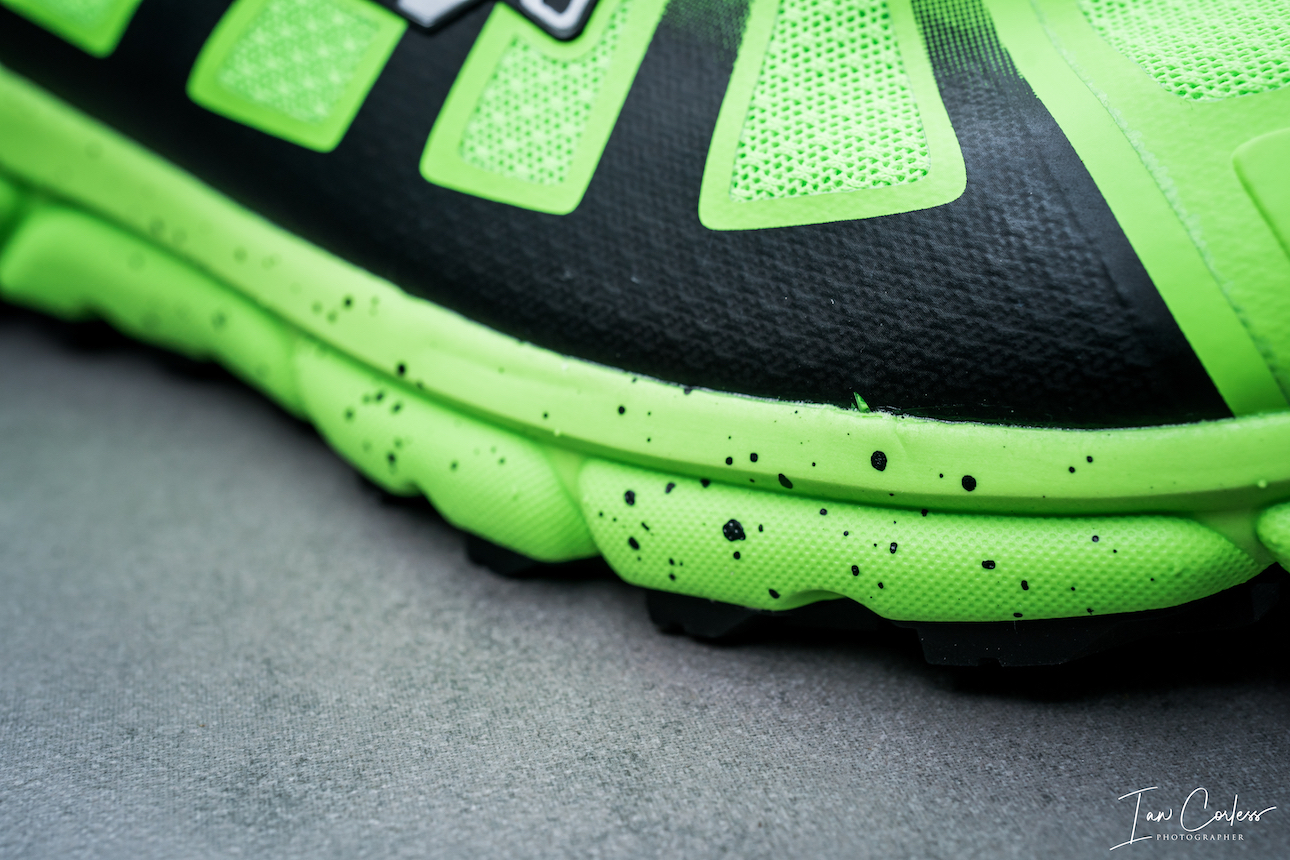
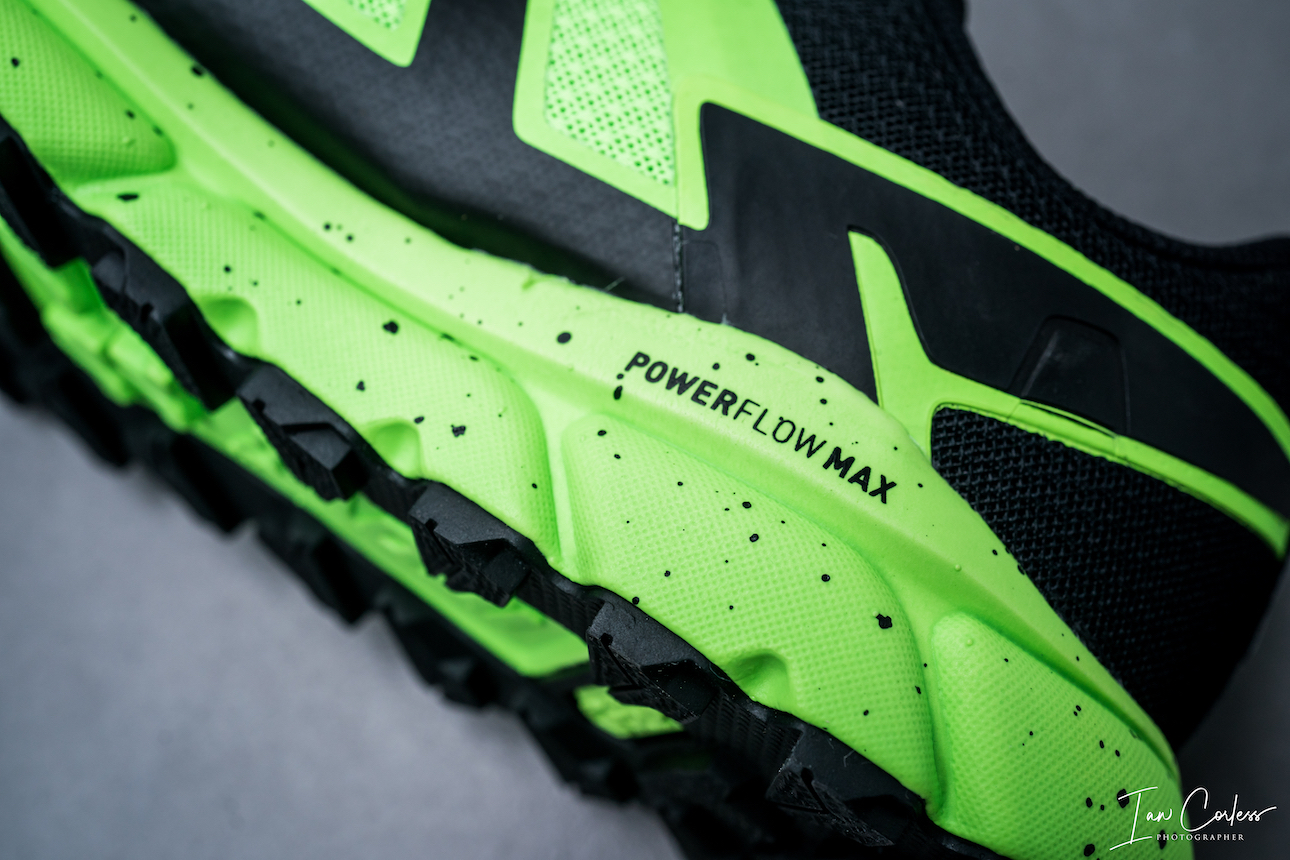
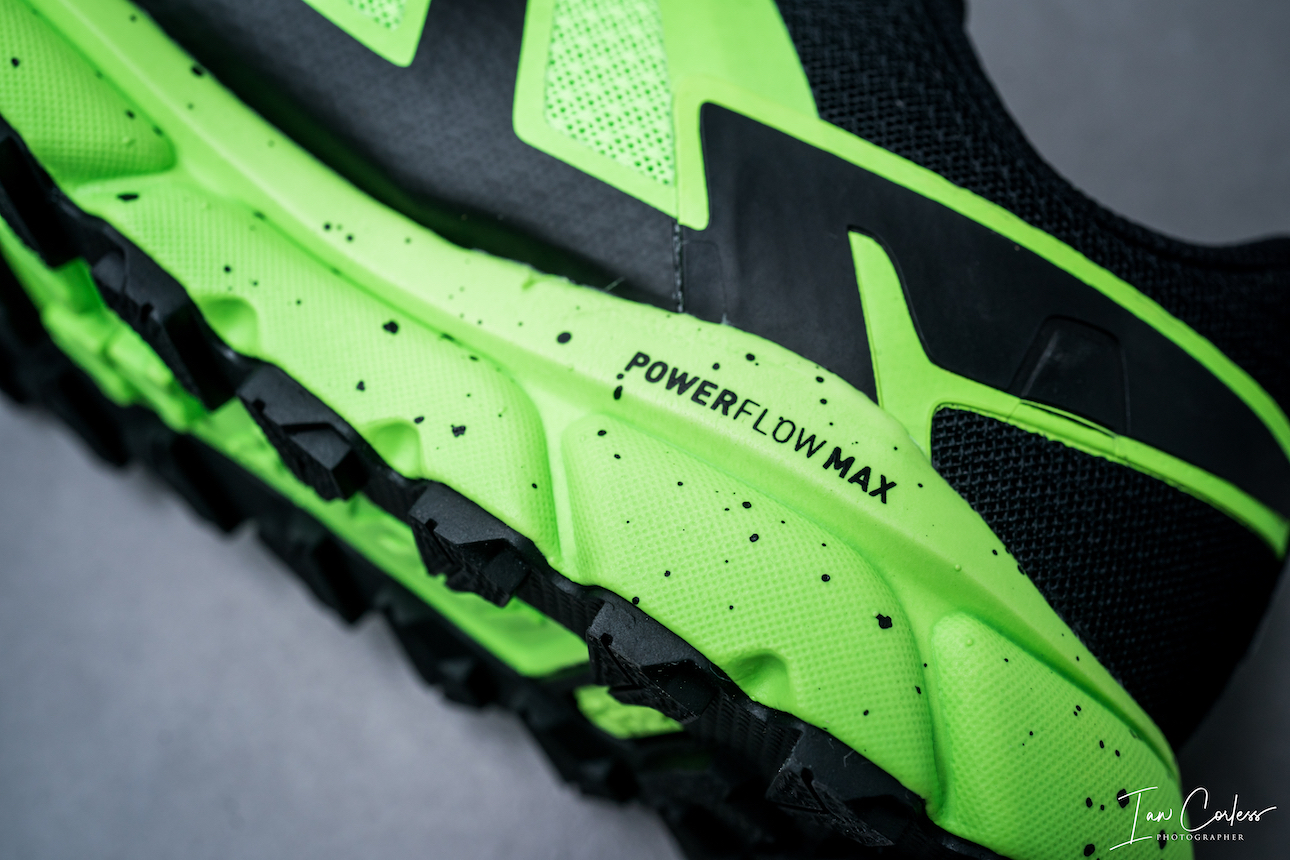
  • Cushioning is a new POWERFLOW MAX that has been increased by 3mm for a plush ride, improved cushioning and double the durability. A BOOMERANG insole apparently will increase energy return by 20 and 40% respectively over the previous model.
  • The upper has ADAPTERFIT which adjusts to the foot and the use of stronger materials will add to durability and protection.

The Shoe

With a fit scale of 5, this is as wide as you can go in an inov-8 shoe, So, toe splay and room at the front end comes no better.

Cushioning is 12mm front and rear providing a zero drop. Using POWERFLOW MAX.

The footbed is 6mm and the lug depth of the outsole is 4mm made of Graphene grip.

It G270 has the necessary points to attach a trail gaiter.

At 270g (UK8) the new TERRAULTRA is 10g heavier than the previous version.

Sizing is true to size BUT take into consideration the wider toe box, maybe (?) a half-size smaller would be better. I always use EU44/ UK9.5 and these were ideal for me.

FIRST IMPRESSIONS

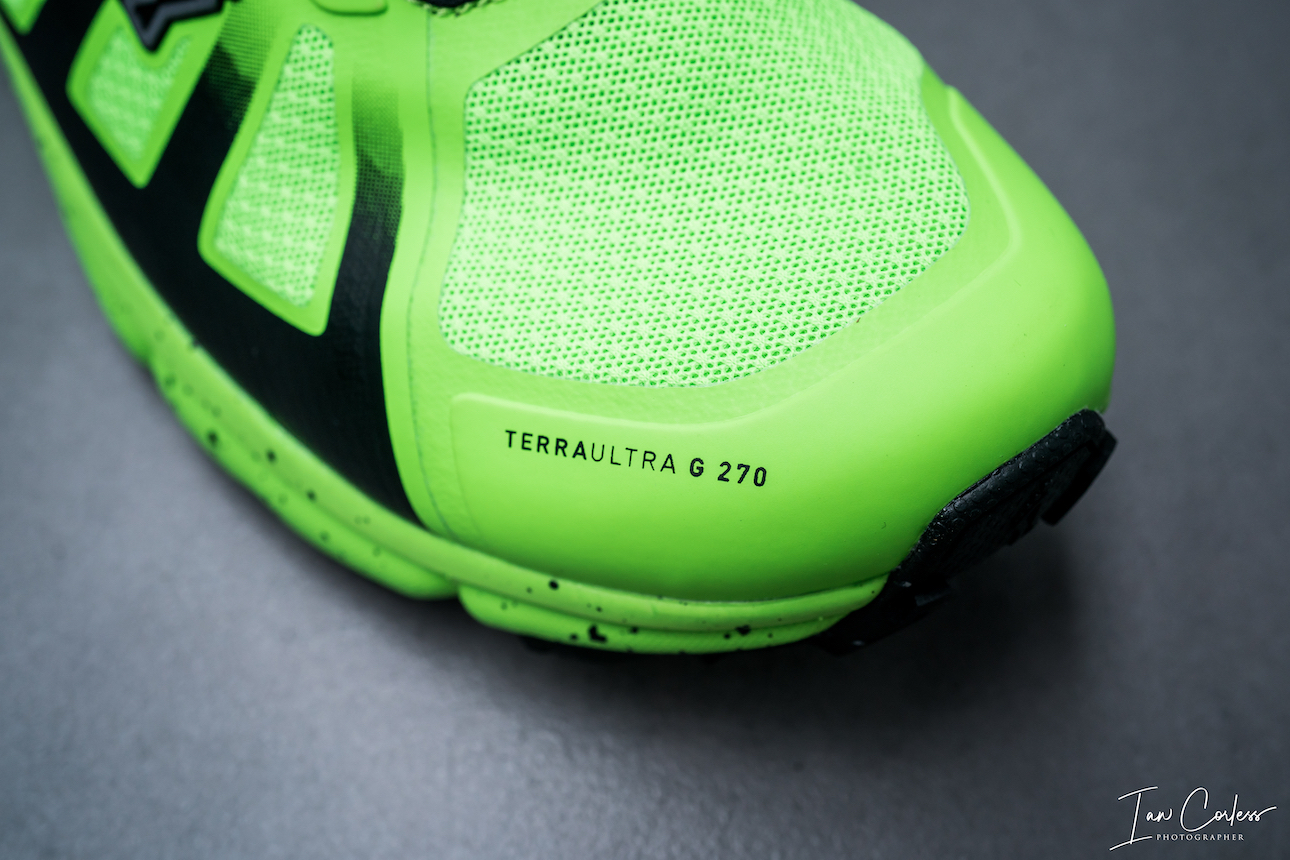
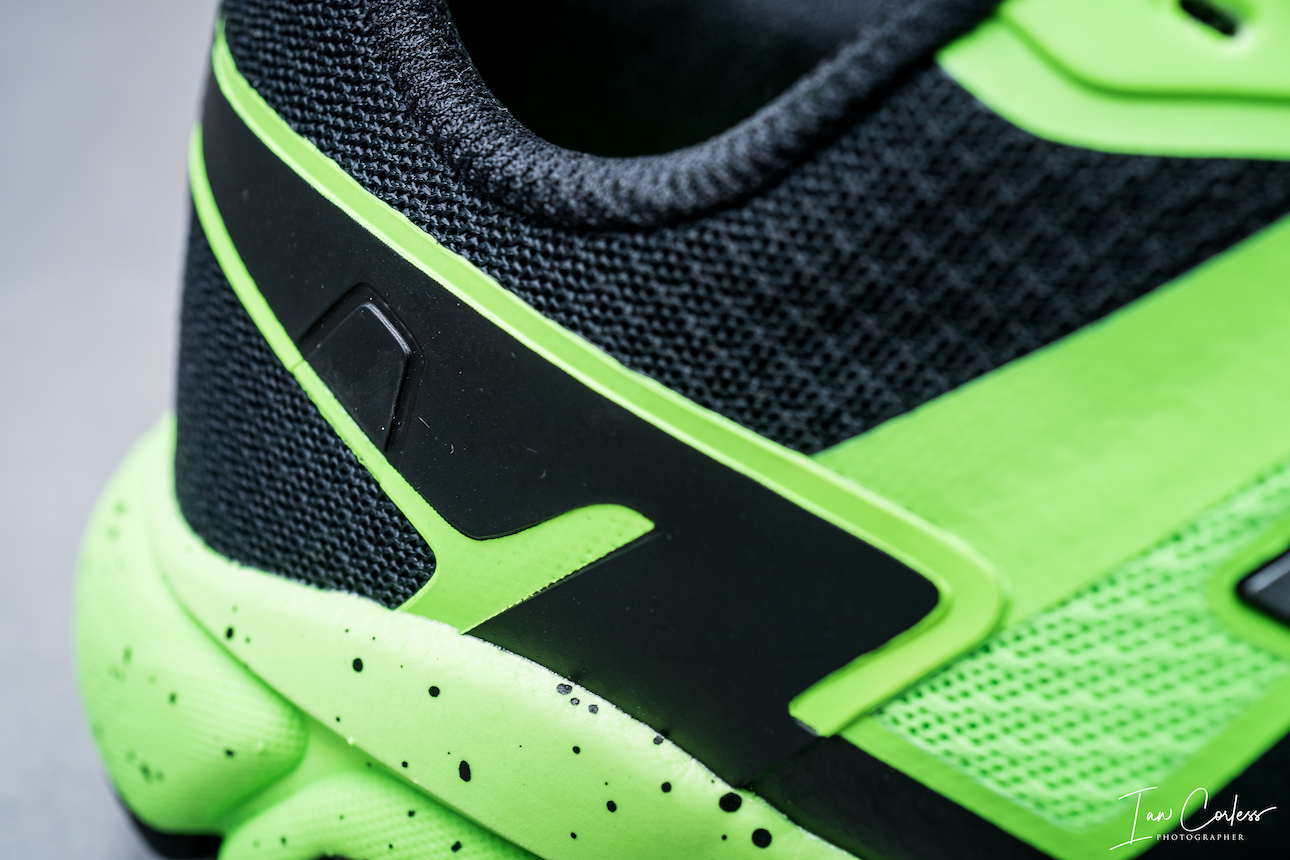
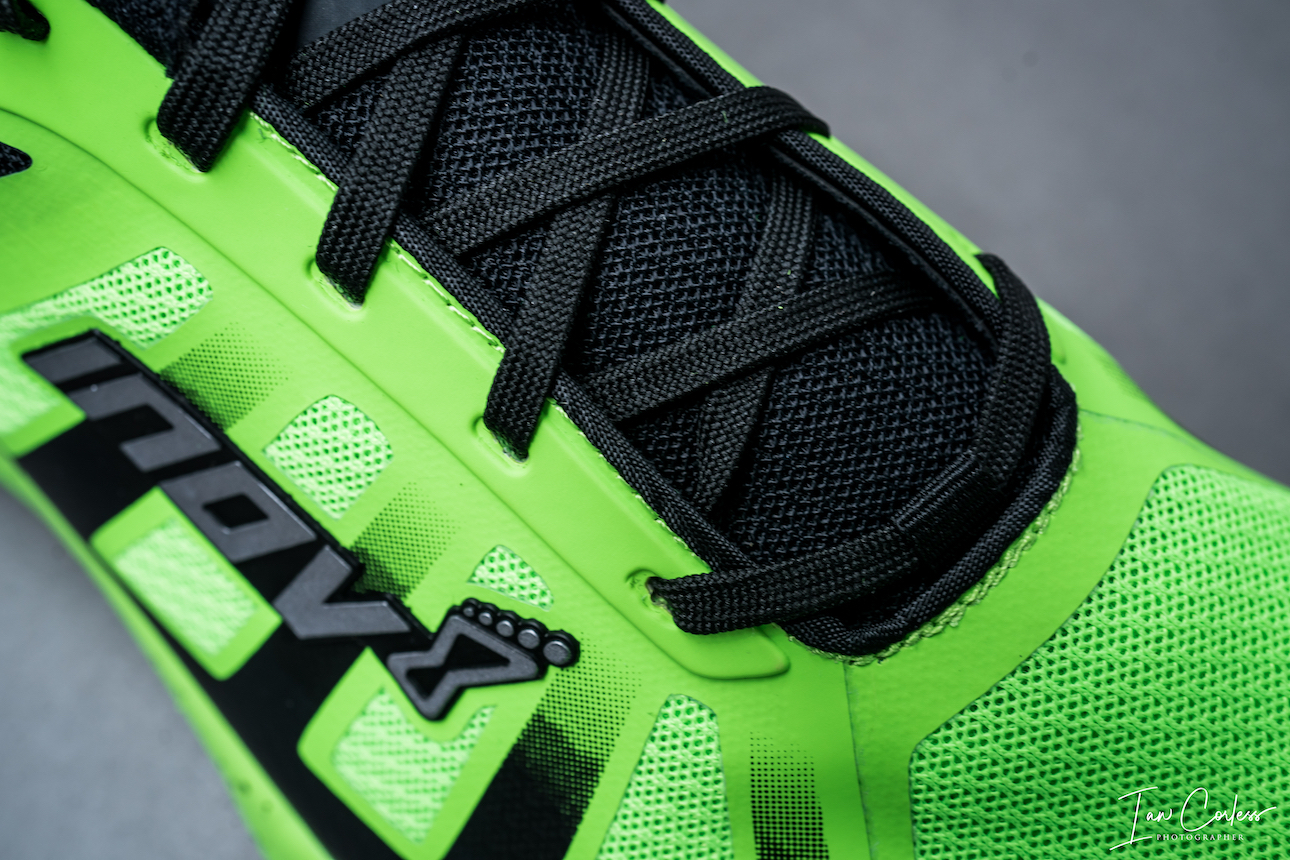
The G270 is light and it’s clear to see some of the immediate improvements over the previous version. The lacing is flatter, the tongue is different, the upper is different, the toe box protection is increased, and the shoes have the flagship Graphene outsole that looks very different.

Zero drop is NOT for everyone, so, what makes the G270 great for some also make the G270 potentially unusable for others. This is not a negative comment, it’s just a heads-up to say, that if you have not used zero drop before, don’t be tempted to get the G270 and start racking miles up… You will almost certainly get sore Achilles, calf and potentially get injured. Like barefoot running, zero drop running needs to be learnt and the body needs to adapt. Typically, 6-months would be a good transition period. However, some zero-drop running (initially short periods) is great for improving run form, so, the G270 could be a nice new weapon in your shoe line-up?

If zero drop is your thing, then you will already have a big smile on your face.

Following on from the G260, the G270 has a wide toe box that echoes what brands like Altra have been doing for years. Toe splay is king and the G270 has loads of room for that. I had issues with the G260 in that I always felt I had too much room, the room at the front was made worse by the upper and lacing system not holding my foot how I wanted to compensate for the additional width, space and foot movement.

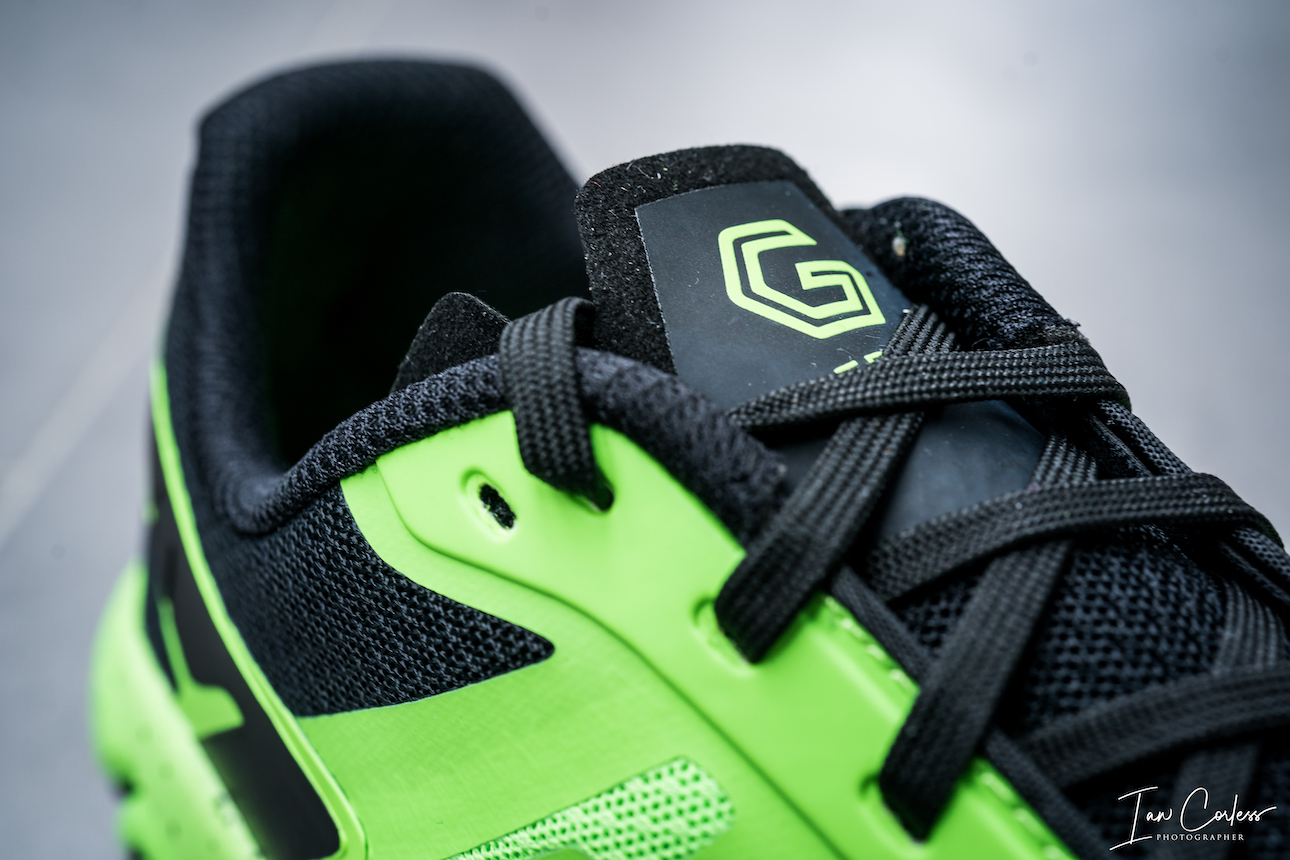
Slipping the G270 on I was initially worried, the space in the toe box was as much if not a little more than the previous version. However, as soon as I adjusted and tightened the laces, I immediately noticed significant changes. The tongue was a much better fit. The lacing was great improved, and I could really adjust the tension from top to bottom. The ADAPTERFIT pulled in holding my foot. Walking around immediately felt 100% better than the G260. My foot was being held reassuringly.

The upper is far more breathable that the G260.

The cushioning and bounce were notable and the outsole at this stage left me with many questions.

IN USE

The G260 was a little lifeless and felt flat. The G270 immediately felt different with a couple of miles on the road before hitting the trails. So, this was already a great improvement.

With META-FLEX at the front, the propulsive phase felt really good no doubt added to with the insole that inov-8 say increases energy return by 40%. I definitely felt some bounce, but 40% more?

The cushioning was noticeable, particularly over the G260 as was the zero drop. I use zero drop shoes occasionally, but always prefer 4/5mm for faster and more technical running and if going long, 8mm works perfect for me. So, considering the G270 is designed for long-distance running, zero drop would be a challenge for me.

The wide toe box still feels mega wide (too wide for me) BUT the lacing and ADAPTERFIT allowed me to compensate for the room at the front by tightening appropriately. However, I did fine once or twice I over-tightened the laces only having to stop and loosen them a little.

The transition from road to gravel trail was seamless and comfortable. The TERRAULTRA is an out and out ultra-shoe designed for trails that are more groomed, say Western States in the USA or UTMB in Europe. So hard packed single-track felt really good in the G270, equally rocky and stoney ground felt good.

Running up hill surprised me. The META-FLEX allowed for great flexibility and propulsion, but it was the outsole that really gripped. A massive improvement over the G260.

I have to say, I have not always been a fan with the addition of Graphene. At times, I felt it compromised the sticky outsoles and made them less grippy, albeit providing longer life. But on many occasions, for me particularly, grip is king and if it is compromised, I am not happy.

Here, in the G270 there was noticeable difference, and this was coming from just 4mm lugs.

The test of course would really come when I threw in some mud and wet rock.

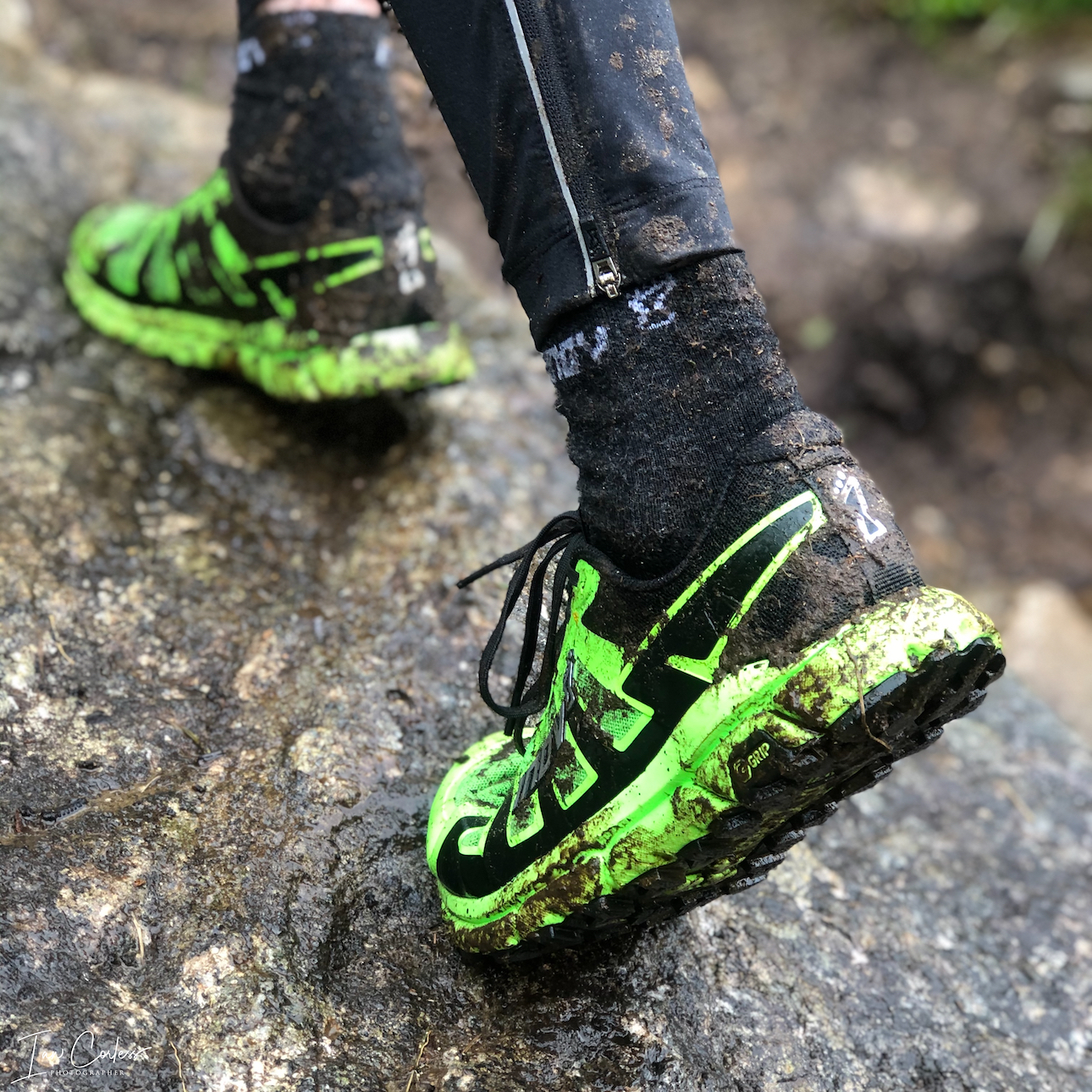
Gladly, mud (loads of it) rocks, tree routes, climbs, descents, wooden planks, forests and yes, a little fire trail all make up my daily and local runs. So, throwing the G270 in the thick of things was easy to do. And yes, I was being unfair as I actively searched out and aimed for steep rocks with water on them and I aimed for every puddle and sloppy mud I could.

I was impressed.

At times, I would think to myself, almost wanting the G270 outsole to fail;

‘This will get them… wait for the slip!’

But the slip never came, especially on dry and wet rock. On a 3-hour run, as the minutes clicked by, I started to relax more and more and eventually stopped worrying and asking;

‘Will the G270 grip here?’

They did, at all times provide me with the grip I required.

Surprisingly, in really sloppy mud, I did not slip or move as I had expected. Partially due to the fact that I did apply the brakes a little and respect the conditions.

Technical trail is where the G270 shows some flaws. The wider toe box lacks precision, allows one’s toes to move and therefore I felt that there was just ‘too much’ shoe to navigate between rocks, roots, stones and a plethora of other obstacles. But of course, I am being unfair! The G270 is designed for less technical trails, long hours and all-day comfort – that they do really well!

The shoes are responsive and do work well when running fast. However, the wide toe box, zero drop and cushioning do make them feel a little like a saloon car… Plenty of room, comfy seats, and can get the miles done. But I craved a more performance car at times with more precision, tighter handling and a little more fire and daring, especially when coming of road, fire trails or single-track.

The cushioning was plush and considering it is only 12mm, it felt like more. Especially noticeable extra comfort over the 9mm G260 which also was a little hard and lifeless. One thing to note, I found on tree routes and some stones, I could feel them in the bottom of my foot, so protection from obstacles is minimal. The toe box though has a good bumper and that worked really well.

The heel box was noticeably secure on the flat and going uphill, I had little to no slippage.

SUMMARY

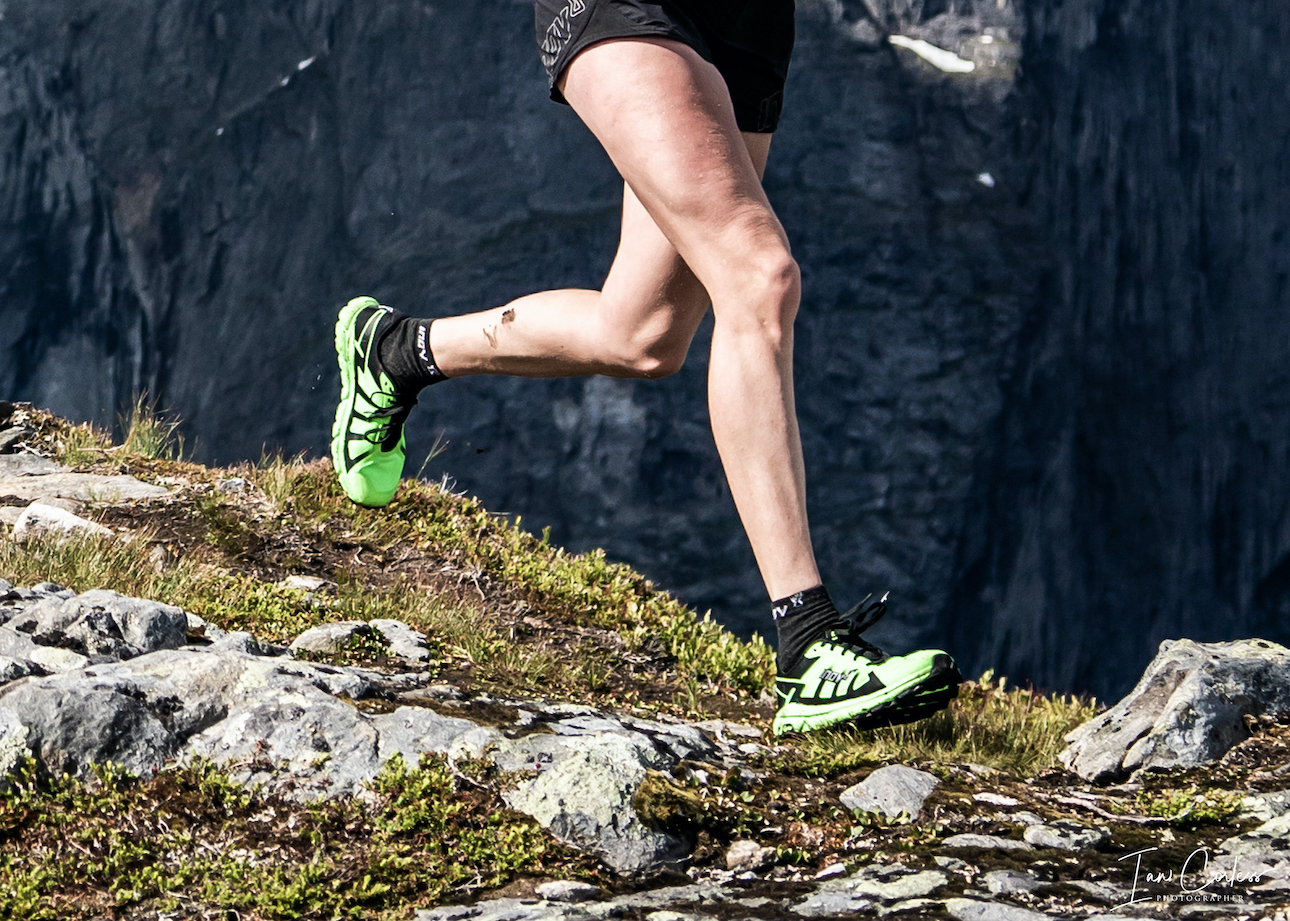
Damian Hall just ran 260-miles on the Pennine Way in the G270 and set a new FKT, so, that gives some indication of the intended use of this shoe. Having said that, the Pennine Way is not all single-track and wonderful cruising trail, so, the shoe can handle the rough stuff too.

I was impressed by how versatile the 4mm Graphene outsole worked. There has been some significant improvement over the G260 and in the Graphene outsole in general.

The upper, lacing and tongue now really hold the foot and that for me is essential, especially with such a wide toe box. The toe box is one of the key selling points of this shoe. It allows toe splay, plenty of room and flexibility for a foot to swell wider with accumulated miles.

The cushioning increased from 9mm (G260) to 12mm for the G270 is noticeable. More importantly, the G270 now has life, the G260 felt a little dead.

CONCLUSION

The G270 is a marked improvement over the G260, so, if you liked the previous model you are going to love the latest incarnation.

Zero drop and a wide toe box will be exactly what some people are looking for and they will have a big smile on their face. For me, and this of course is very personal, I can’t run in zero for hours and hours and I feel that the toe box is a little roomier than it needs to be.

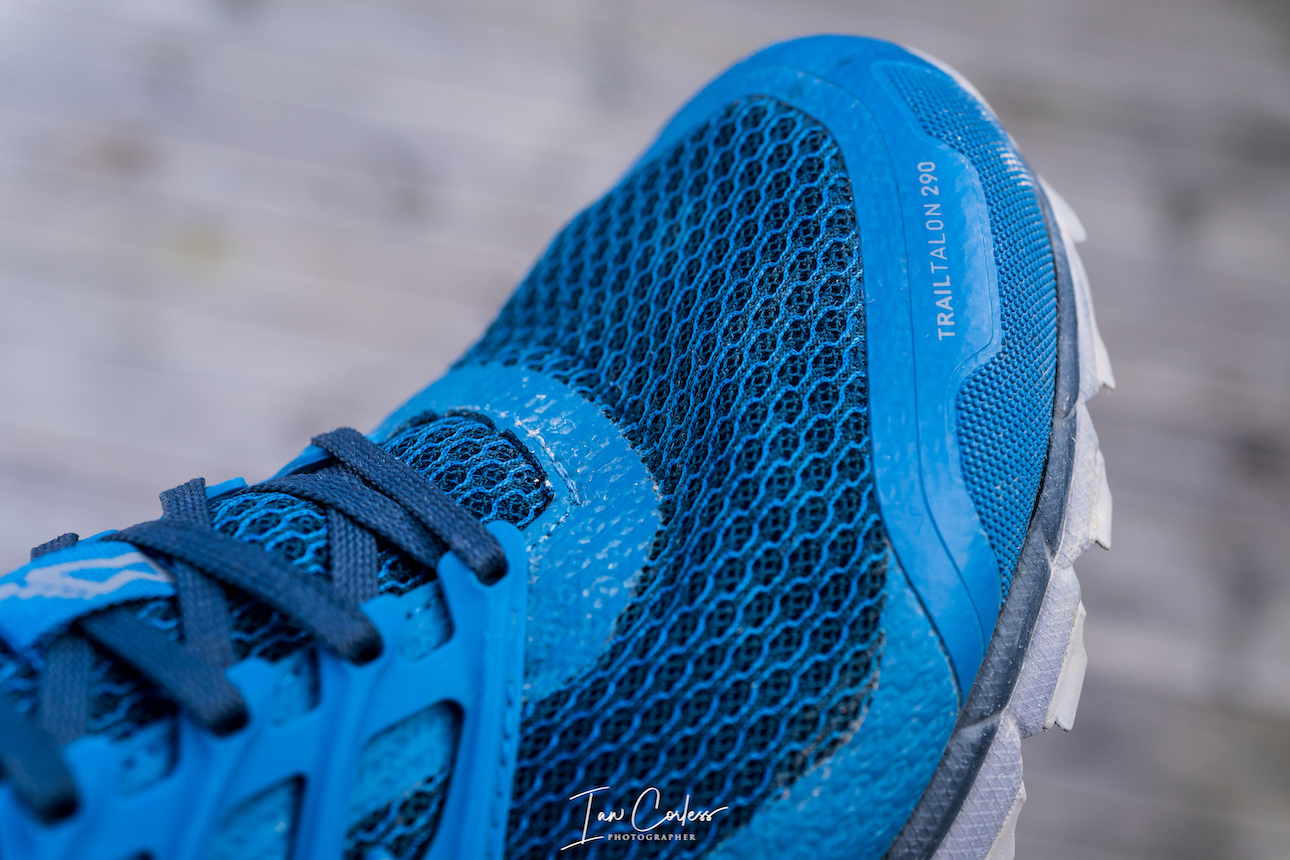
So, imagine a Trail Talon 290 made like a TERRAULTRA G270 – slightly narrower toe box (4 fit) 8mm drop; 11mm and 19mm cushioning and this Graphene outsole – that would be a winning shoe IMO. (inov-8 take note)

The G270 is a winning shoe and all packaged perfectly for ultra-distance runner who needs grip, cushioning and comfort for the long-haul out on the trails. It would even make a great road shoe if required.

For multi-day adventures, such as Marathon des Sables, just like the Trail Talon, the G270 would be really excellent.

Get the TERRAULTRA G270 at inov-8 HERE
If technical trail and mud is your thing, this is not the best shoe for that, however, it can handle it remarkably well, so, if you only wanted one trail shoe (with zero drop) to do all, the G270 would be ideal. By contrast, if you wanted a one-stop trail shoe with 8mm drop, I recommend the Trail Talon 290.

Please support this website. I believe everyone deserves to read quality, independent and factual articles – that’s why this website is open to all. Free press has never been so vital. I hope I can keep providing independent articles with your help. Any contribution, however big or small, is so valuable to help finance regular content. Please support me on Patreon HERE.

Follow on:

Instagram – @iancorlessphotography

Twitter – @talkultra

facebook.com/iancorlessphotography

Web – www.iancorless.com

Web – www.iancorlessphotography.com

Image sales –www.iancorless.photoshelter.com

VJ Sport IROCK 3 Shoe Review

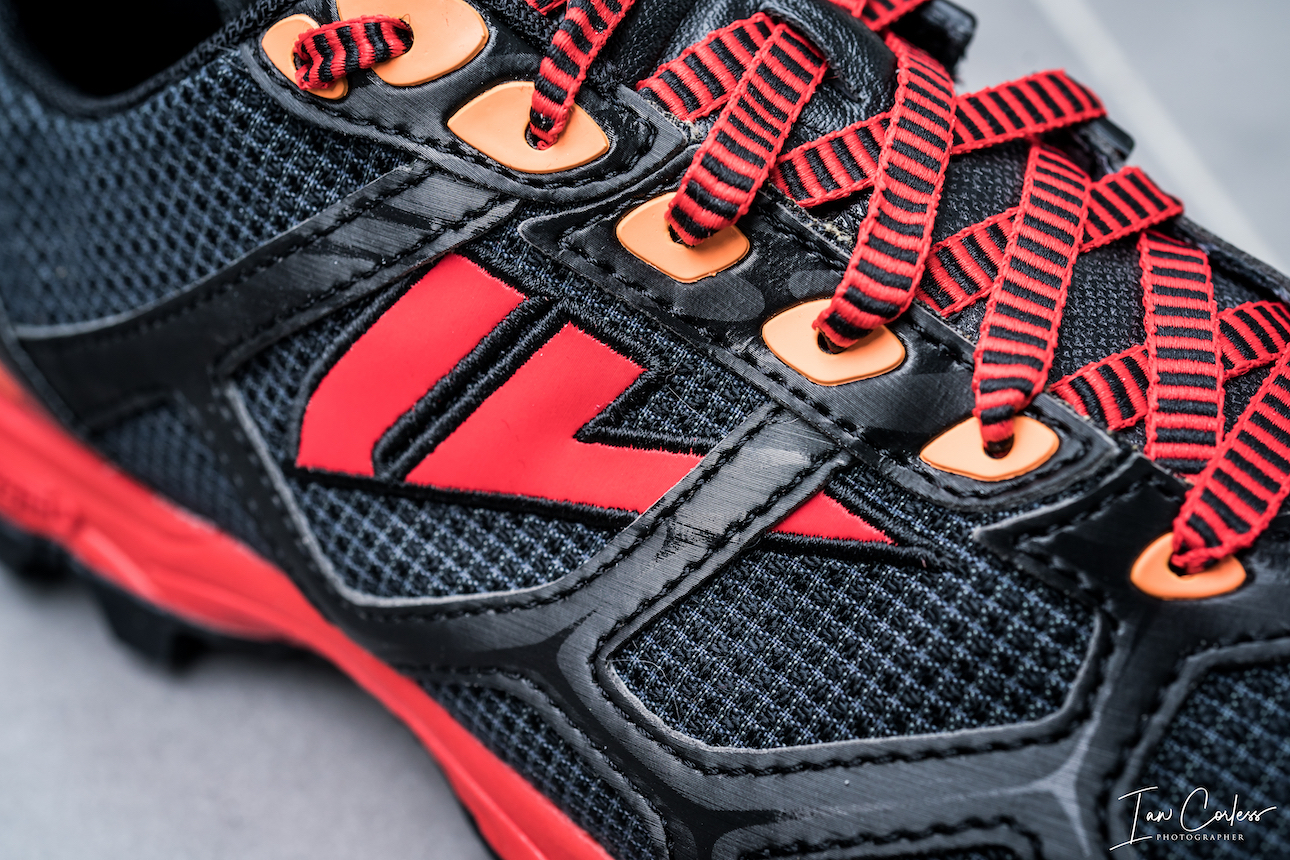
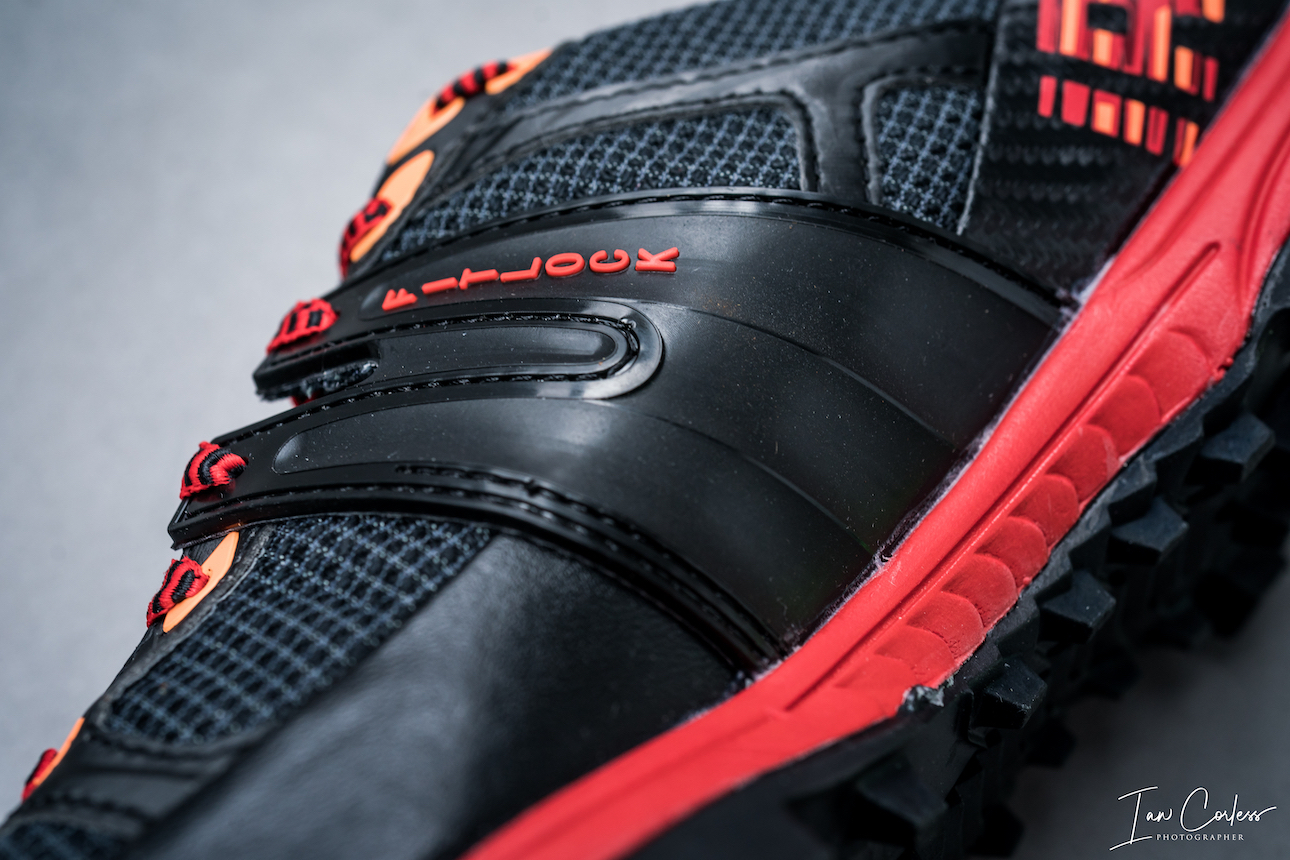
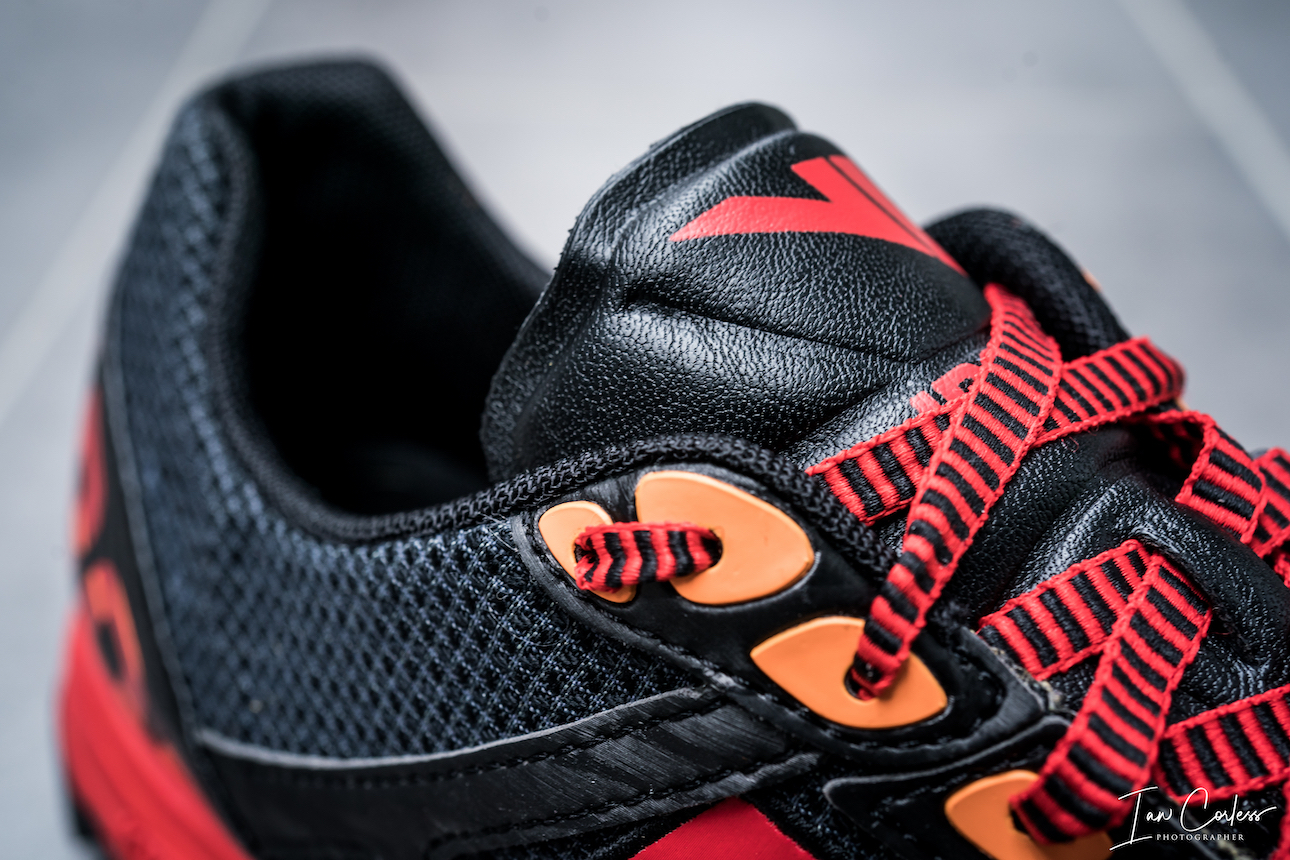
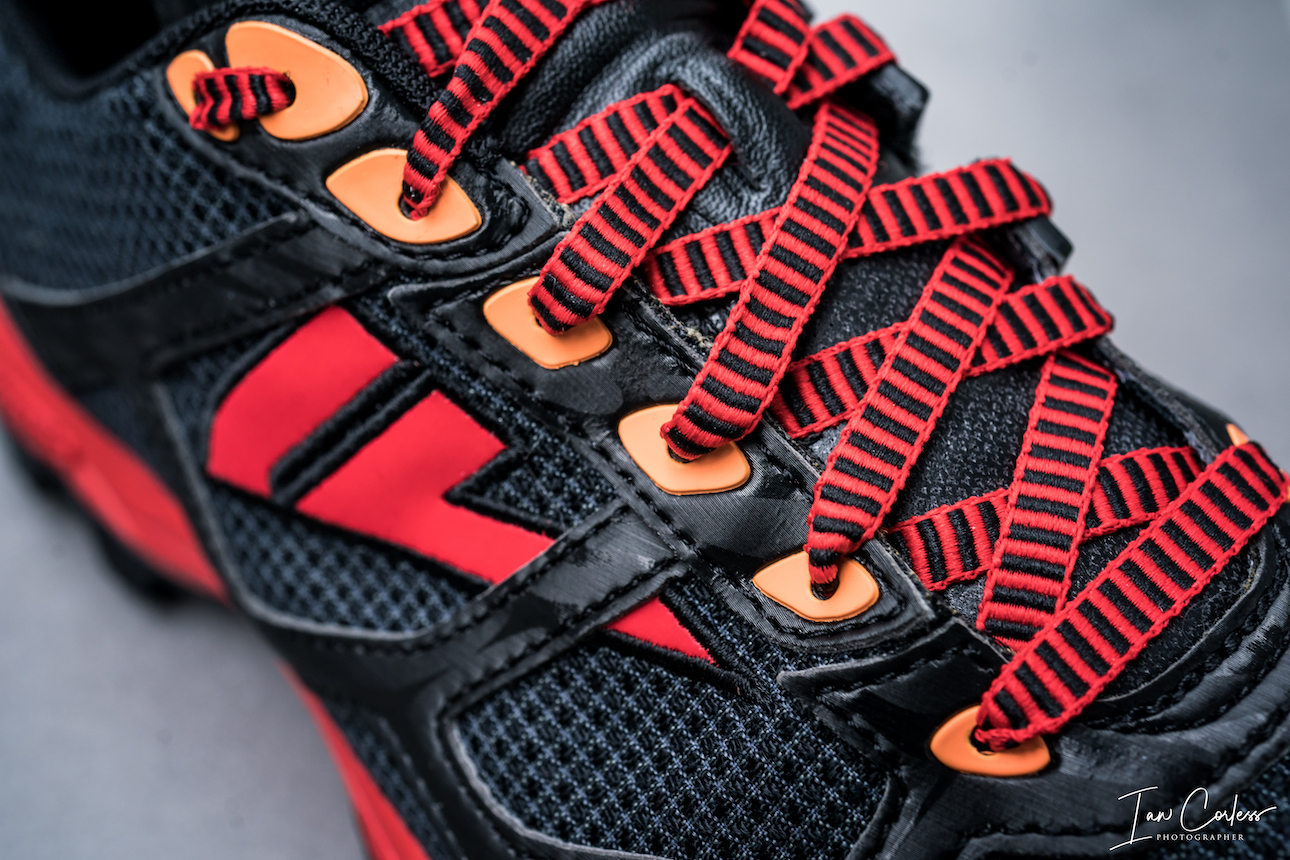
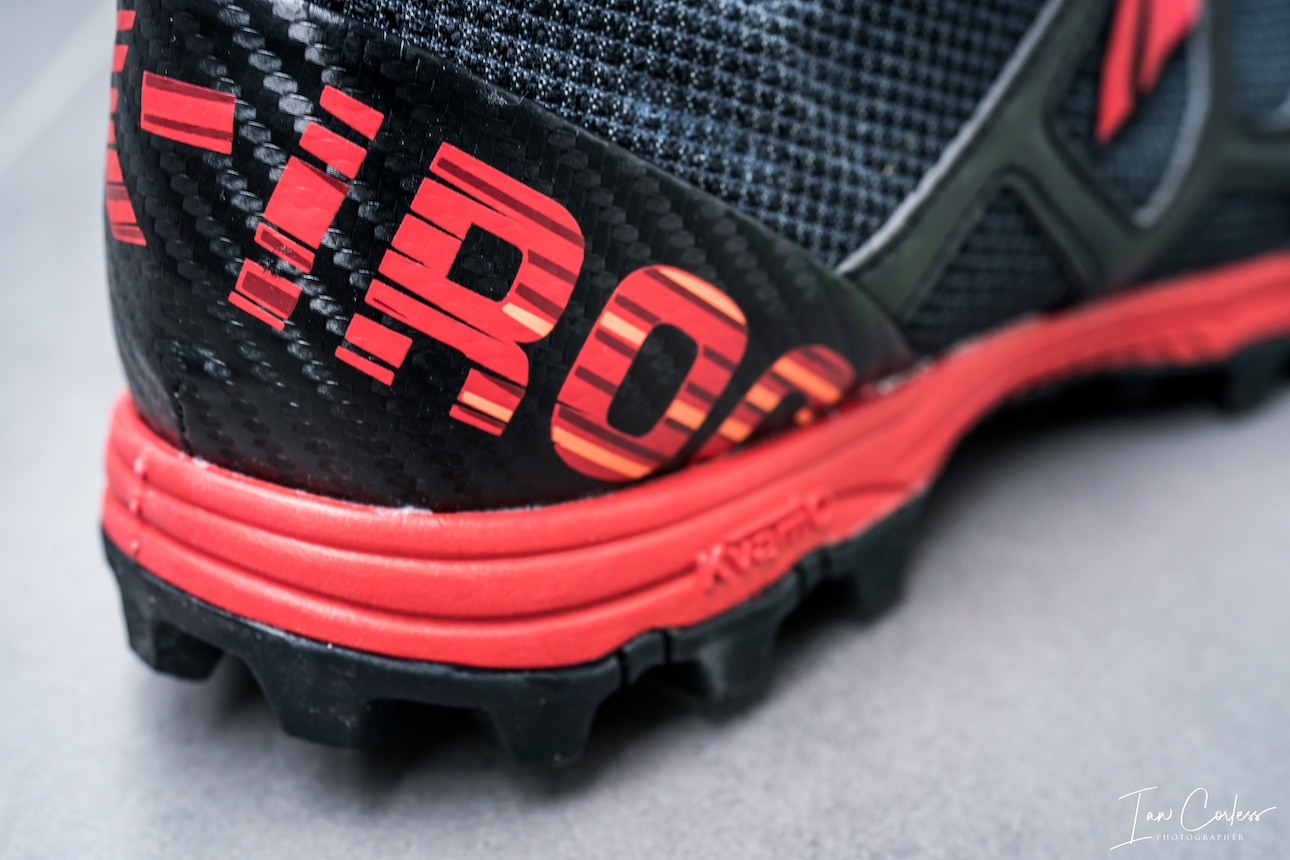
Robust, solid, great looking, aggressive outsole, Fitlock, good lacing, toe protection, red and black and the iRock 3 follows on from the iRock 2 with another winning shoe.

Quite simply, VJ Sport make the best outsole for trail and mountain running of any shoes I have used. They are what I compare all other shoes to, and still, several years on from testing the original iRock, no shoes have come close to giving the grip of a VJ.

The IRock was followed with the XTRM (review HERE) and then the MAXx (review HERE). Quite simply, when you line the iRock, XTRM and MAXx you have three shoes that cover all the needs from soft, sloppy and muddy trails to the harder, longer, more rocky trails of a longer trail and ultra-race. Be it fell running, skyrunning or ultra-trail, VJ have with the iRock, XTRM and the MAXx the perfect shoes for each terrain.

IROCK3

The IROCK 3 is a precision fit shoe with a narrow toe box. They are designed to hold and compress the foot so that there is no movement when running. Think of them as ballet shoes. You squeeze your feet in, benefit from the precision and hold when running and when done, you take your foot out and let it relax again. Of course, for some, they IROCK will just be too narrow. VJ list the fit as a 2. For comparison, the XTRM is a 2 maybe 3? and the MAXx a 4.

 14mm cushioning at the rear and 8mm at the front gives a 6mm drop.

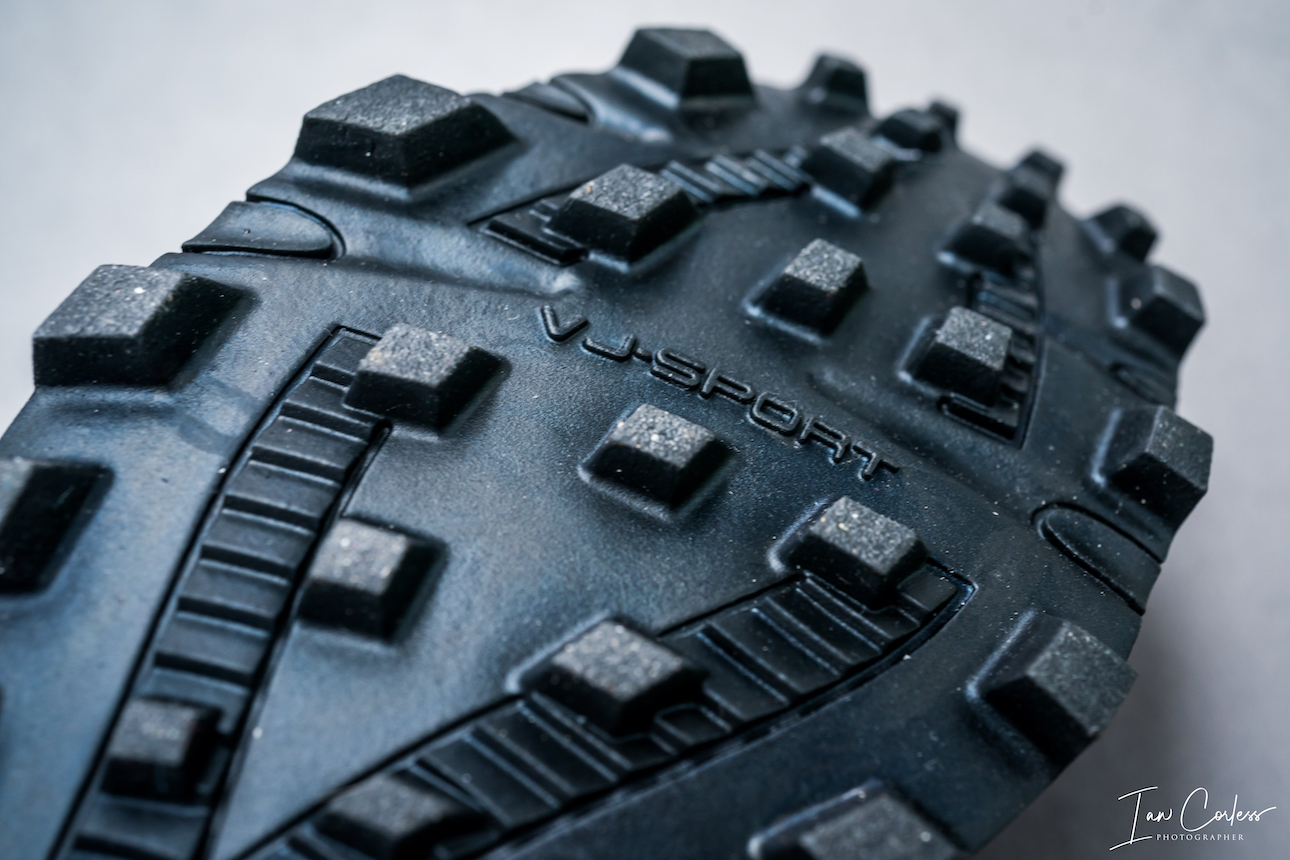
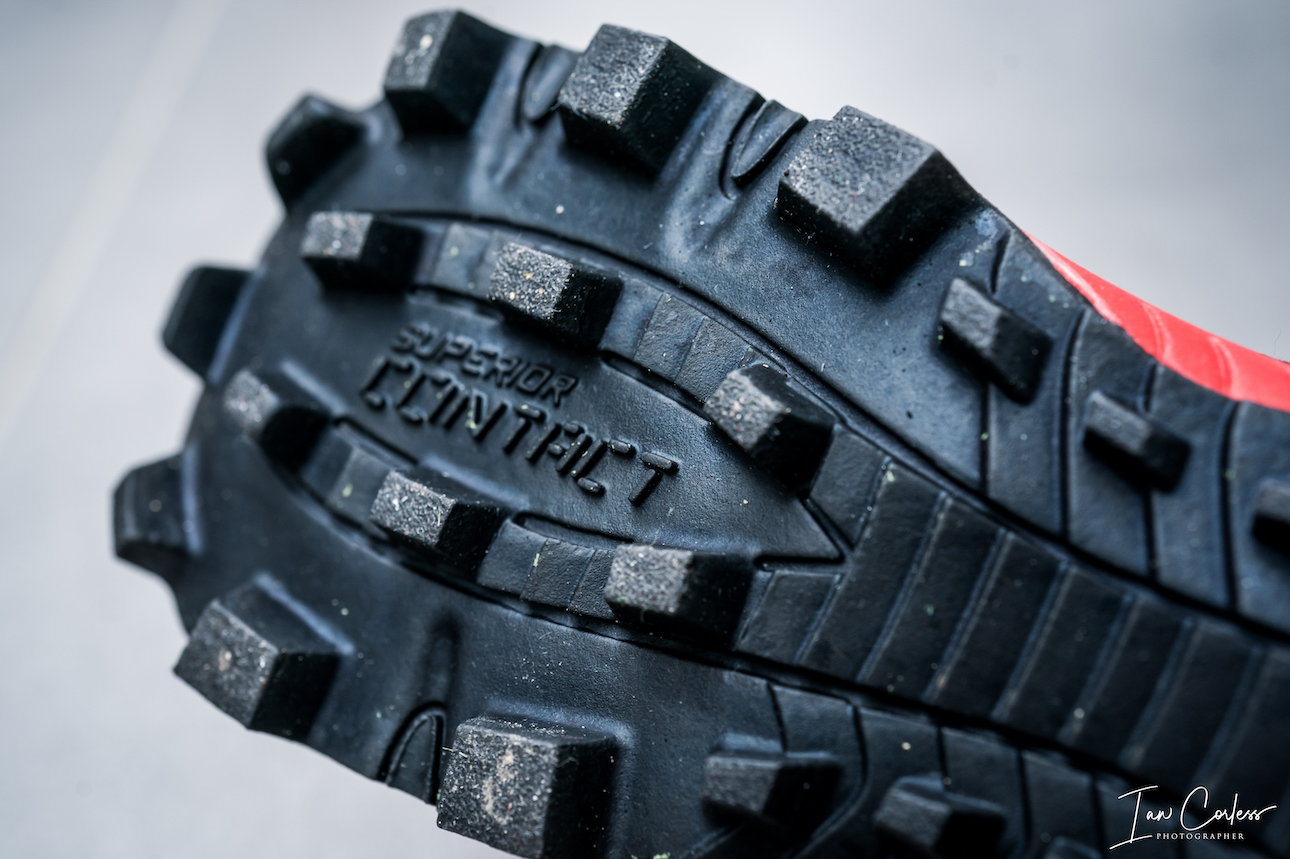
The outsole (Superior Contact -kumipohja) is the hero of the shoe with 6mm lugs of super grippy butyl that works like a dream in wet or dry conditions.

Weighing 240g (UK8) the shoes are like Formula 1 cars for the trails and as such, they are not a shoe for everyday outings.

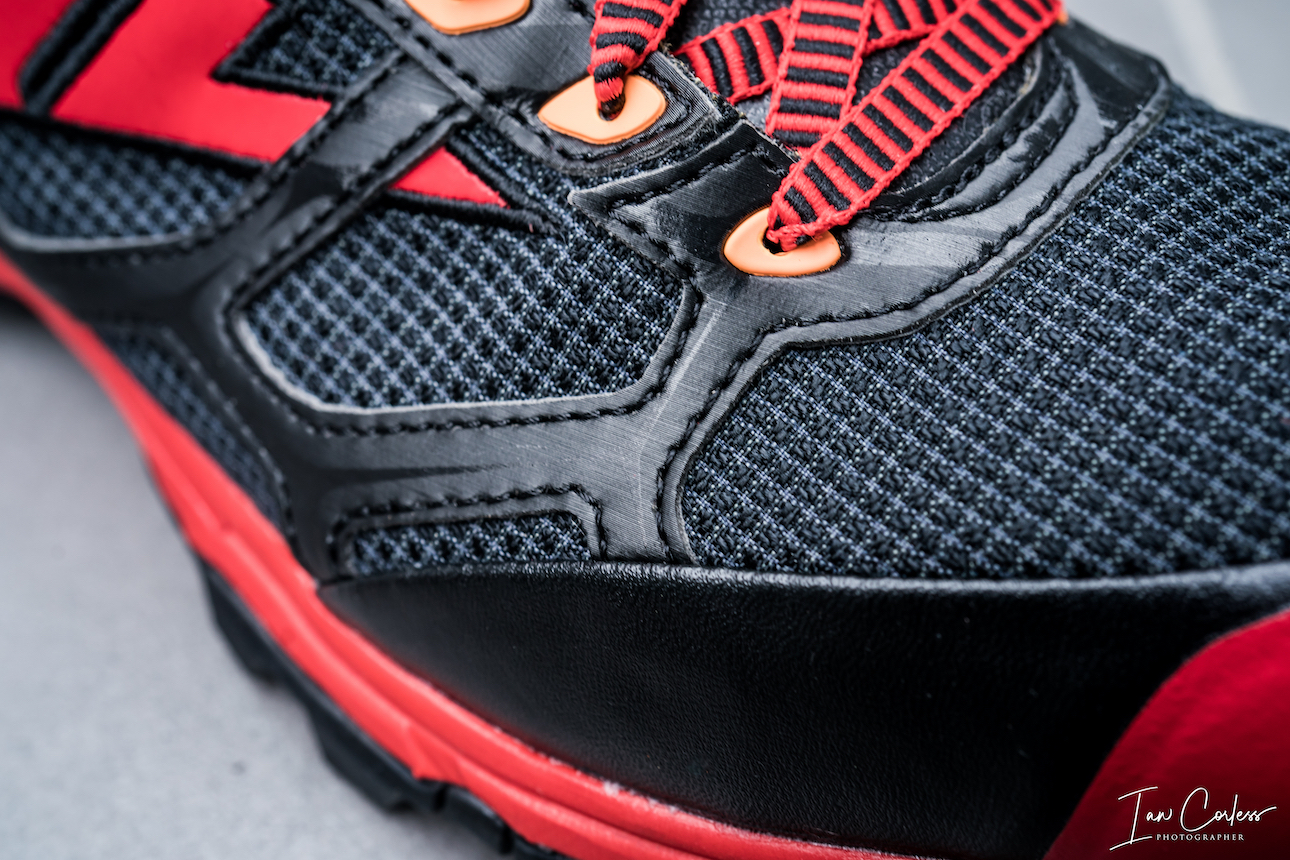
The upper is bullet proof with a mixture of DuPont Kevlar and Nylon and the other notable element of the VJ shoe, be that IROCK, XTRM or MAXx is the Fitlock which holds the foot like no other shoe. In addition there are overlays stitched on to add additional support.

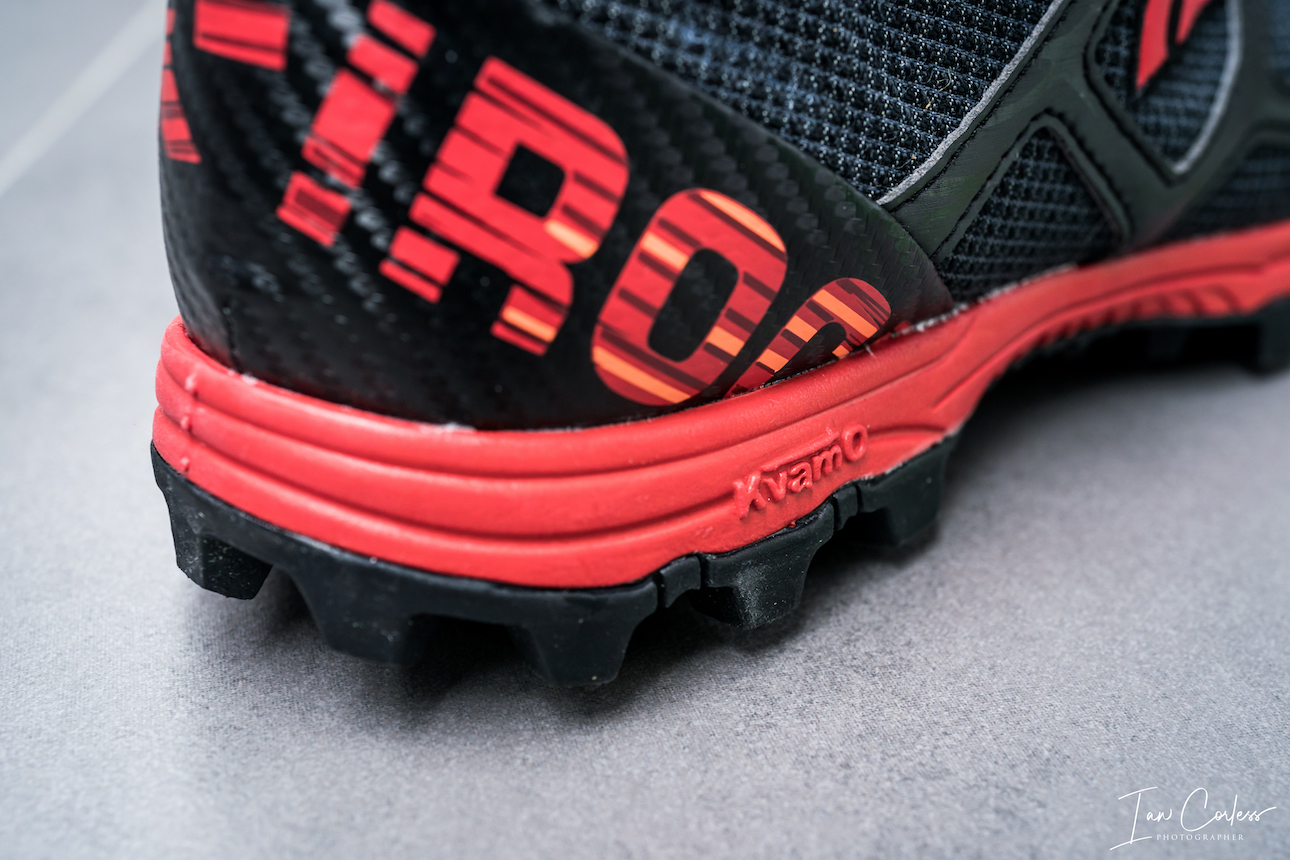
Toe box is reinforced with a solid bumper. The heel area is minimally padded but fits like a glove and holds the foot secure.

Lacing is very secure, and the tongue is reinforced and made of a very durable and flexible material.

Solid build, aggressive outsole and great looks. This is a shoe for shorter outings, racing or training, when grip is paramount, especially in soft-ground and snow. It’s a favourite for orienteers, skyrunning and OCR.

IN USE

So, what is different from the IROCK 2?

Improved toe protection, lighter Fitlock system and improved laces. 

The IROCK3 is not a jack of all trades, this shoe has a specific purpose. 

I wrote about the IROCK 2 – “The easiest way to explain this is by looking at say, Formula 1. You wouldn’t go to Monaco Grand Prix and race in an MPV car, a saloon car or a bus, you’d have a very specific vehicle, low to the ground with incredible speed and awesome agility with incredible grip. The IROCK2 is the Formula 1 for fell and mountain running.” 

That stands true today and why VJ made the XTRM and MAXx to offer more comfort and less aggressive grip.

Road is not a friend of the IROCK, or should I say, the outsole. Too much road between trails will wear that soft rubber down quickly, so, it is best avoided as much as possible.

Needless to say, VJ’s hashtag of #bestgripontheplanet is not a lie. VJ really do offer the best grip and the IROCK is flawless in soft ground, on rocky trails and in the mountains. It makes no difference if wet or dry, they just grip like no other shoe. In mud, particularly soft mud, they dig in like football boots offering the best grip I have encountered.

Fit is precision. Once laced up and tightened. You feel the Fitlock hold the middle of the foot, add support to the arch and when switching direction on the trail, there are no question marks or doubts. The IROCK holds the foot rock solid.

At the front, the toe box is precision, but it is not super, super tight. I can happily run in the IROCK for multiple hours in comfort.

Feel for the ground is excellent and of course, the cushioning is relatively minimal keeping that all important contact with the surface so that one can respond to the terrain. Worth noting, this shoe is designed for soft ground, so, much of the cushioning can actually come from the ground that you are running on too.

In many respects, I am surprised the IROCK is 6mm drop. It works for me and I am happy, however, for a shoe designed to be fast and low, I am surprised it is not 4mm?

The fit is neutral and true to size. I am a EU44 and the IROCK is perfect in that size.

On the trail I feel the Fitlock and heel box working together holding the foot, be that in soft mud or running up rocks. The grip is superb.

Slabs of wet rock even covered in water do not make me question if the IROCK will be secure. I just run as normal and let the outsole do the work.

The combination of durability, fit, cushioning, precision and unmatched grip confirms what I said in 2017 about the IROCK 2, they are the best fell/ mountain and short distance skyrunning shoes out there!

Mud, rock, fell in wet or dry conditions, the IROCK 3 is the most complete mountain shoe I have used over shorter distances.

SUMMARY

VJ Sport have been making secret weapons for the orienteering world for many years, but now the secret is out. 

VJ are now seen at OCR races, Skyrunning, fell races and with the addition of the MAXx, we are even seeing them at ultra-trail.

If grip, foothold, precision and light weight are priorities for soft, muddy and wet ground, the IROCK 3 is for you!

Please support this website. I believe everyone deserves to read quality, independent and factual articles – that’s why this website is open to all. Free press has never been so vital. I hope I can keep providing independent articles with your help. Any contribution, however big or small, is so valuable to help finance regular content. Please support me on Patreon HERE.

Follow on:

Instagram – @iancorlessphotography

Twitter – @talkultra

facebook.com/iancorlessphotography

Web – www.iancorless.com

Web – www.iancorlessphotography.com

Image sales –www.iancorless.photoshelter.com

Episode 187 – Ben Bardsley, Bob Crowley and Stephen Goldstein PHD

Episode 187Ben Bardsley talks about his 2500km journey on the Norge Pa Langs, Norway. We speak with new ITRA President, Bob Crowley and Stephen Goldstein PHD updates us on Covid-19.
*****
Talk Ultra needs your help! 
We have set up a Patreon page and we are offering some great benefits for Patrons… you can even join us on the show! This is the easiest way to support Talk Ultra and help us continue to create! 
Many thanks to our Patrons who have helped via PATREON
Donate HERE
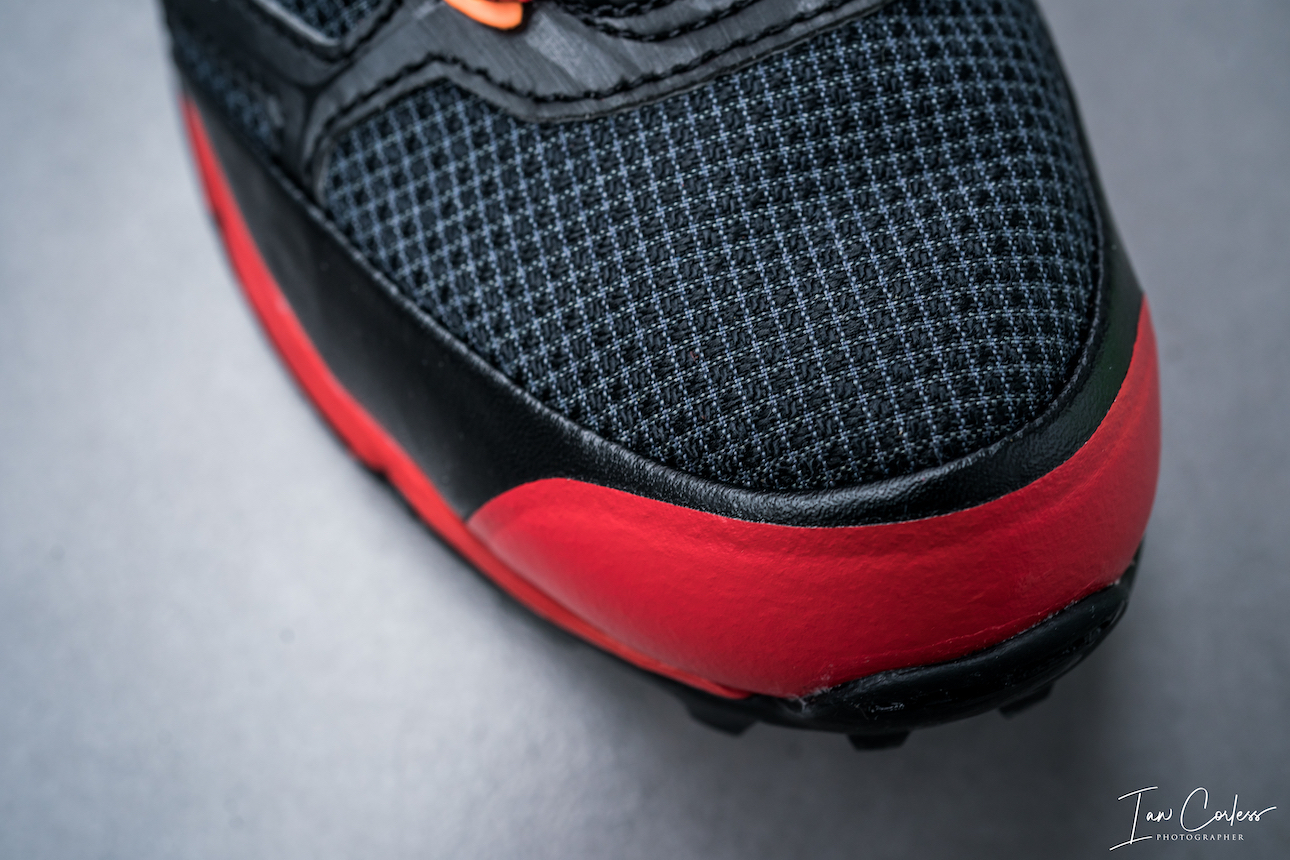
*****
00:10:54 BEN BARDSLEY 
*****
00:56:04 BOB CROWLEY – ITRA here
*****
01:39:00 STEPHEN GOLDSTEIN PHD
*****
Please listen to the INTERVIEWS – please follow the show
Hosted on ANCHOR (HERE) the INTERVIEWS will also be available to listen on many other players, including SPOTIFY (HERE).
ANCHOR app on Apple HERE and Google HERE
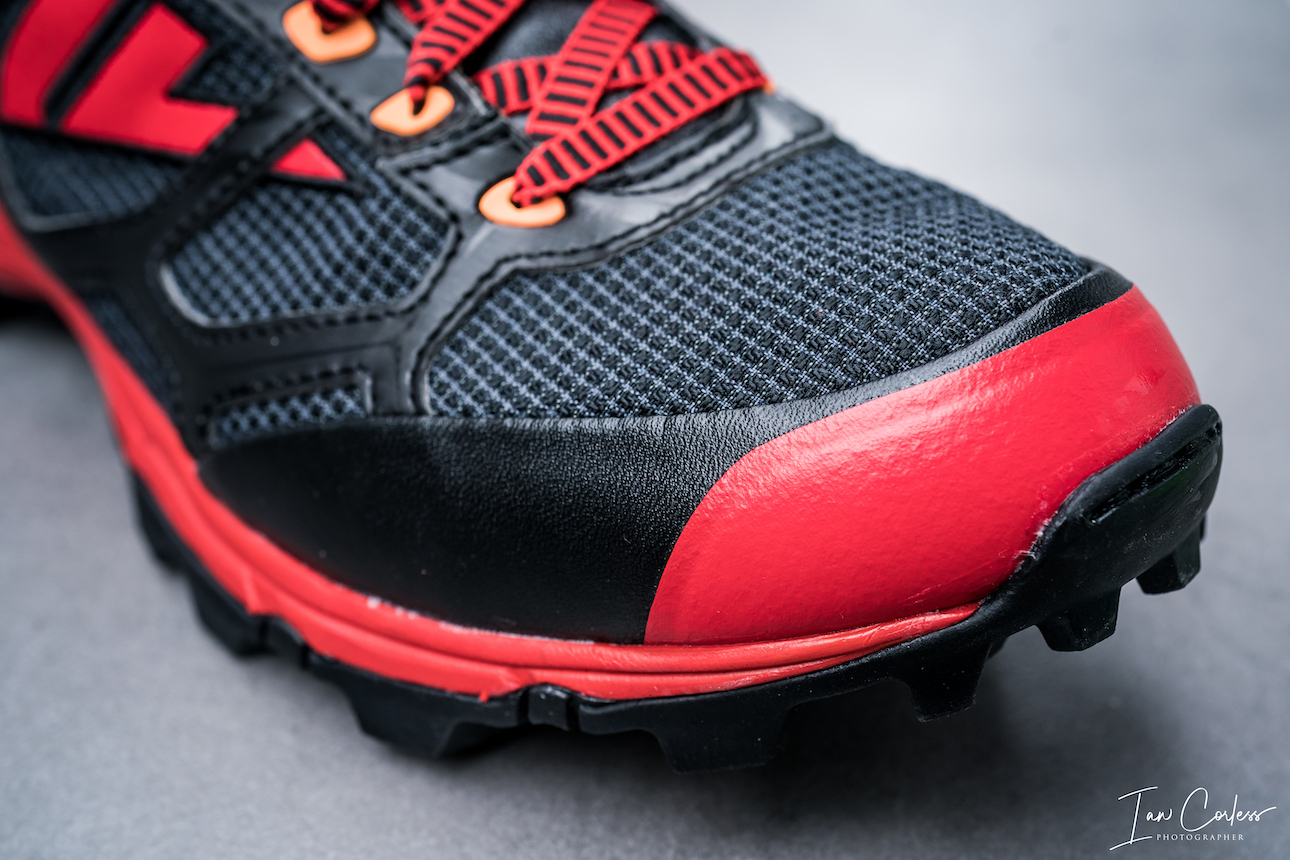
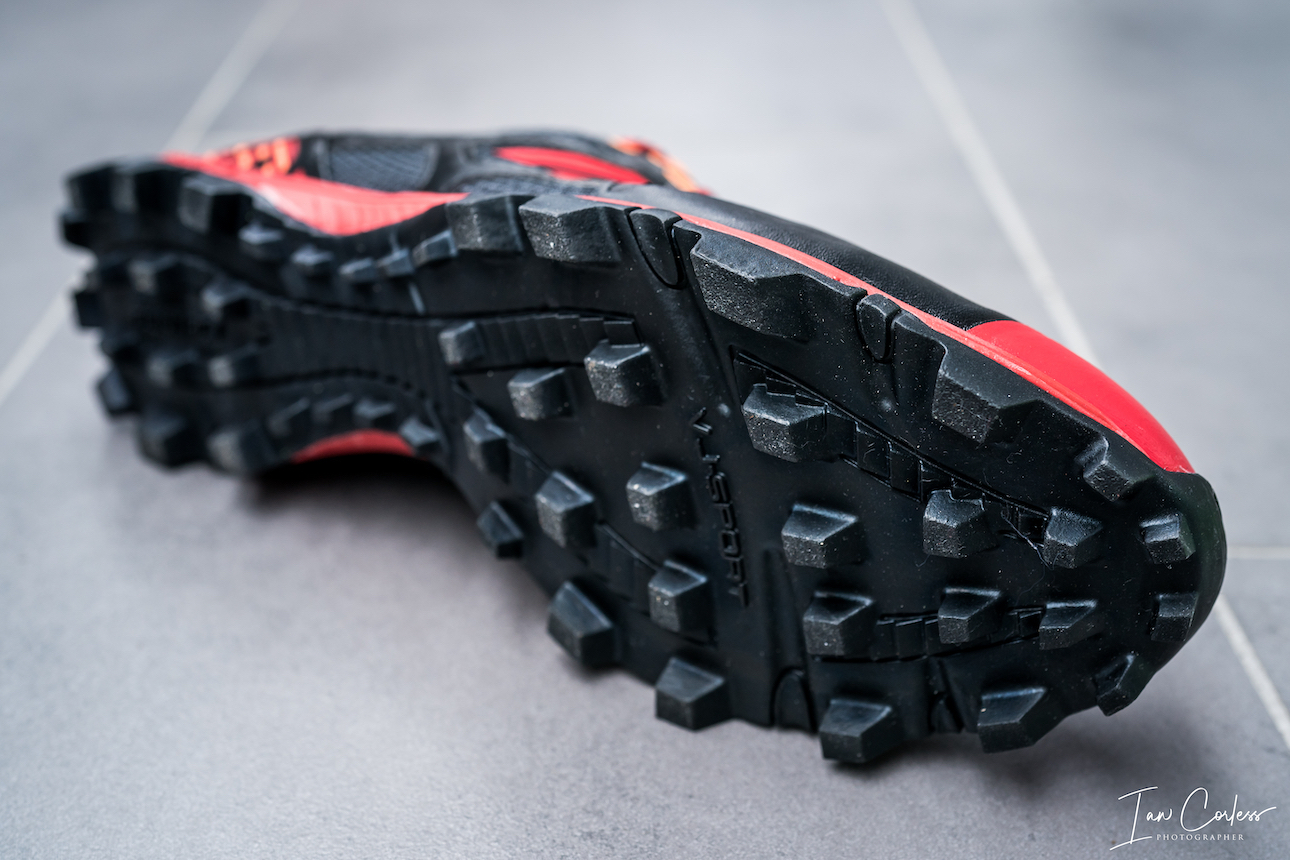
Download links will be added in due course.
Apple Podcasts HERE
Breaker HERE
Castbox
Google Podcasts HERE
Overcast HERE
Pocket Casts  HERE
RadioPublic HERE
Spotify HERE
Stitcher
*****
TALK ULTRA podcast will be released as normal providing you long shows as it has always done with ideally two shows per month. The back catalogue will be released randomly via the INTERVIEWS and not chronologically.
*****
Share us on Facebook – Talk Ultra FB https://www.facebook.com/talkultra/
Tweet us on Twitter – Talk Ultra on Twitter https://twitter.com/Talkultra
Please support Talk Ultra by becoming a Patron at www.patreon.com/talkultra and THANKS to all our Patrons who support us. Rand Haley and Simon Darmody get a mention on the show here for ‘Becoming 100k Runners’ with a high-tier Patronage.
I’m Ian Corless and she is Speedgoat Karl
Keep running
Stitcher You can listen on iOS HERE, Android HERE or via a web player HERE
Website – talkultra.com

The Immediate Future of Racing post Covid-19

The loneliness of the long distance runner.

Life has been turned upside down. We currently struggle to know what day it is, what month we are in and we have so many questions about what the future holds.

One thing is for sure, at the moment, we have no answers, just many, many questions.

At some point, one day, restrictions will ease…

But, importantly, the day after will be no different. The virus will still be around. We will all still be susceptible to catching the virus, unless a vaccine is found.

Update Apr 29th – ‘Germany’s rate of COVID-19 infections grows after lockdown eased.’

‘Germany faces the prospect of having to restore stricter lockdown measures as its number and rate of coronavirus infections grew again.’

Article available Here

However, it seems to be a general consensus by the experts that a vaccine will not be available till 2021.

We are living in a time of so much insecurity – lives are being lost globally, people are losing work, children are at home and the world is an element of lockdown.

So, talking about racing and running seems a little insignificant and pointless in the context of the above, but I, and I know many of you are asking the question, when will racing return?

Firstly, the race calendar to August has been pretty much wiped out globally. Many races and RD’s accepted the situation, cancelled events and said, ‘we will see you in 2021!’ But, for every race that cancelled, another postponed to a date later in the year in the hope that restrictions would be eased and that the virus would be on the back foot. I get it, nobody wants to cancel an event.

But the postponement scenario has already created an issue with a plethora of races all now scheduled for September, October, November and December. Quite simply, the back end of the season will have more races than runners and we will see participants having to make a choice of which race they toe the line on.

But…

For me, this is the big but, I in all honesty do not see racing returning to ‘normal’ in 2020.

I hate to be pessimistic, but the global situation is so dire that the cessation from lockdown to normal is going to be months, not days or weeks.

Prof Chris Whitty said it was “wholly unrealistic” to expect life would suddenly return to normal soon. He said “in the long run” the ideal way out would be via a “highly effective vaccine” or drugs to treat the disease. But he warned that the chance of having those within the next calendar year was “incredibly small”. – Via BBC News

Read

Race cancellation and Covid-19 HERE

Covid-19 – A Guide HERE

Currently, many trails are closed.

THE SHORT-TERM FUTURE OF COVID-19 AND RACING

Firstly, we are going to be in a yoyo period with second and third phase infection as lockdowns are eased. This will create additional peaks and troughs. This in turn, may require governments to reapply and ease restrictions so as to prevent overload on health systems.

It will be a period of controlled herd immunity until a vaccine comes. Needless to say, the old, frail, sick and anyone in care homes will need to be protected.

Suppression measures will slowly be released, firstly with schools returning (this is already happening in Norway and soon Germany,) then retail outlets will open with measures to control how many people can be in a store and controls on social distancing. Restaurants may open with controlled measures such as the client must be seated, only hot food can be consumed, and tables must be spaced accordingly as per government and health specifications.

When one takes into consideration the above, this accounts for May, June and July and of course, in each country, the situation will be monitored. As more people move freely, the virus will spread. If the spread is too great, restrictions may be reimposed to slow the spread down and so on. So, it’s easy to see that planning August, September and beyond is not something one can do with any certainty or guarantee.

Just today, Val d’Aran by UTMB®, has been cancelled and will take place in 2021. Xavier Pocino, director, explained:

“Our priority is the health and safety of the participants as well as the population of the Val d’Aran. Given the current context, it is therefore preferable to postpone the race in order to guarantee the health and logistics of the event. We also wish to respect the dates of other races programmed for after the summer, to avoid a date clash and to allow our athletes to participate in those races, should they go ahead”.

Currently airlines are on a very restricted service, hotels are closed, restaurants are closed, and, in many places, lockdown really does not allow any travel at all. Some are allowed to exercise, from home, for 1-hour.

A picture is building that the transition from lockdown to free movement is more than likely a year away?

If travel is restricted, hotels are closed and restaurants remain unopened, quite simply, racing will be cancelled.

The short-term future of racing will be virtual, and already globally, we are seeing virtual incentives appearing. From simple scenarios of running for a daily specific time, such as 45-minutes. But also, multi-day challenges or even specific distance challenges such as 1000-miles are appearing. Take up has been impressive which only goes to show the desire for competition.

As restrictions ease, races and RD’s will need to be constantly communicating with authorities to ascertain what is and what is not possible. For example, Sweden started with a herd immunity approach in January, avoided lockdown, emphasized social distancing, protected the old and allowed group gatherings of up to 50 people. Whereas, in the UK, for example, in March it was locked down with only essential travel (shopping) and exercise (from home) with other family members allowed.

Nature is the boss.

WHAT MAY RACING LOOK LIKE INITIALLY?

It goes without saying here that maybe ALL races will be cancelled or postponed until the Covid-19 situation is under control or over.

However, there may be a transition phase. Just as children return to school, workers return to offices, runners returning to races may need to adapt.

We all seek isolation and love personal adventure, maybe in the months to come, this will take over from racing?

PRE-RACE

  • Initially, global travel will be reduced and no doubt under control or restrictions. So, maybe races will only allow regional athletes. For example, only French residents can run in French races.
  • Medical certificates may be required that go beyond the standard ECG/ health check with a requirement to include testing for Covid-19.
  • Race briefings, bib provision and all admin will be done electronically so as to reduce pre-race social interaction.
  • Covid-19 appears to have a 14-day ‘active’ period, therefore, 14-days from the race start it will be a requirement to have a medical check or even in extreme cases, runners may be required to go into 14-day isolation/ quarantine before a race start. Any symptoms, no race!
  • No pre-race gatherings.

It can be easy, sort of, to social distance on the trails.

THE RACE

  • Races may have reduced numbers and they will incorporate an element of social distancing to reduce risk. For example, staggered starts of say 10-runners starting at 10-minute intervals. Seeding could be worked out by asking runners to run a 5km time trial and then provide the time to the RD? Racing would obviously be based on chip time and therefore, the race could be more like a time trial.
  • Aid stations may be removed and therefore self-sufficiency/ autonomy will be required both from a food and water perspective. This by default would mean races could only be a certain distance in length. One other alternative could be un-manned aid stations and runners would need to provide sealed drop bags which they could access at specific points. If it was a 100-mile race, for example, 4 aid/ drop stations at 20/40/60 and 80-miles. Again, aid/ drop stations would have social distancing in place.
  • The need for a personal tracking device such as a Spot or Garmin InReach may be required to guarantee security for each participant.
  • Mandatory equipment would need to cover more eventualities. Maybe *face masks and *gloves would be a requirement? *Medical opinion varies on the effectiveness and use.
  • Race routes and courses may well be unmarked and therefore the need for a navigation or a navigation device using a provided GPX track could be a requirement.
  • Volunteer help may be reduced with ongoing implications.
  • Medical support/ safety could be compromised.
  • Extreme or dangerous courses would not be allowed to reduce the potential ongoing need for medical help due to accidents.
  • Finish areas would be isolated with minimal interaction.
  • A ‘finish and go’ scenario once the race is completed.

Parties and any post-race razzamatazz may be on hold for a while.

POST RACE

  • Post-race gatherings would be cancelled.
  • Awards and prizes would be done digitally, and any physical prices would be posted out.

CONCLUSION

The above are ideas and thought processes that have been bouncing around my head while in lockdown.

I actually wonder, faced with the above, how many would still want to race? Maybe all races will be cancelled until they can be run ‘as normal!’

Of course, I do think much of the above may well be fantasy or fiction, but I can see how some of the above could happen. Especially in regard to electronic communication, pre/post gatherings, social distancing and a reduction or change to how aid stations work.

Good friend, respected race director and runner, John Storkamp of Rock Steady Running (in the USA) kindly provided me with some of his thoughts:

“But I also believe that almost none of us want to get back at any cost, especially if it compromises safety.  Our own personal safety or the safety of the communities where our events are held. Once we can return, I for one also fear a diminished race experience with reminders of the virus at every turn, at least initially; i.e. no ritual of packet pickup, no festive pre-race gatherings, no mass starts where we all come together in the collective nervousness and prayer before the start, skeleton crew aid-stations filled with nervous workers exposed to every runner, no post race celebration with the telling of tales of the dragons we slayed out on the course that day.  Races have always provided us with an alternate reality, an escape for a day or two, from the stresses of daily life.  Any post-Covid races, again at least initially, will invite all of the fear of our current daily existence into what has always been one of our safest and most sacred spaces.”

Certainly, with the races I work on and communicate with, they are learning lessons now but are planning for 2021 races to be run as one would expect.

Solo running, time-trial events and FKT’s may prove popular.

*****

I asked on Twitter for some thoughts, here are the responses:

Sarah Canney – Local participants only? Pre and post race outside with masks?

Andrew Smith – I’m thinking there will be pretty much no racing this year and am just going for some personal challenges.  Hopeful next year might look different, but even then there will likely be changes – how much depends on what fundamental changes we will need to make day to day.

Mark Atkinson – Expect a fair few staggered start or time trial approaches with reduced numbers. Possibly smaller but more frequent aid points so if one is too busy you head to the next. I’m going to miss running shoulder to shoulder with a stranger through the night sharing life stories.

Dr Stacey Holloway – Maybe more FKT attempts than races and round attempts? We host a winter race in Jan, but even thinking we won’t be in 2021 and looking for maybe for Nov 2021 event and a Jan 2022 event and having its as some sort of series… not sure just ideas!

Melinda Coen – I’m expecting higher entry fees to help RDs survive  and also lower numbers, wave starts, less buffet aid at ultras and more “packaged foods”.

Via Talk Ultra Facebook page:

Yes, individual starts, unfortunately less a to b-races due to don’t want to gather people on buses. – Henrik

Proof of vaccinations required – Brian

I wonder whether some event organisers will run two or three events on the same day to stagger start times and space people out more. For example, could have a trail run, duathlon, triathlon and aquathlon. Bit of a logistical nightmare in some ways! – Ann

Reduced numbers. Staggered starts, volunteers in face masks and gloves, no more sponge bucket( that one makes me sad).
More crew or drop bags allowed to lessen need for a CP table/buffet. – Shane

Assisting injured runners may be a problem, especially on a trail. – Martin

Races will be cancelled either voluntarily by the organizers or from lack of participation.Some will go away because of financial problems. When trails are open people will do more FKT attempts and solo runs. – Ali

Self supported – no shared food at aid stations – Tim

Less corporate, More self-sufficient, longer distances between aid stations, more map reading or gps guidance less trail marking..all to the good then! – Kevin

What are your thoughts? Comment below.

Please support this website. I believe everyone deserves to read quality, independent and factual articles – that’s why this website is open to all. Free press has never been so vital. I hope I can keep providing independent articles with your help. Any contribution, however big or small, is so valuable to help finance regular content. Please support me on Patreon HERE.

Follow on:

Instagram – @iancorlessphotography

Twitter – @talkultra

facebook.com/iancorlessphotography

Web – www.iancorless.com

Web – www.iancorlessphotography.com

Image sales –www.iancorless.photoshelter.com

Initial comments re Covid-19, herd immunity and the implications were influenced by an audio interview from, ‘The Post’ with Johan Giesecke – Here

inov-8 Trail Talon 290 V2 Shoe Review

inov-8 TRAIL TALON 290 V2

TRAIL TALON 290 (8mm drop) is one of my favourite all-round trail shoes of all-time, the previous incarnations were always a ‘go-to’ for everyday running and when travelling, they were the perfect shoe to take as they managed to cover a multitude of uses, be that road, hard trail, rocks and yes, even some mud and very soft-ground.

The new version of TRAIL TALON, named TRAIL TALON 290 V2 is all that the previous incarnation was with a new upper.

The plus side from the off, is the new TRAIL TALON 290 V2 has that all important 8mm drop that is great for everyday use, not too low and too high. Therefore, it’s perfect for those longer days.

The outsole has 4mm lugs with a classic configuration, the TRAIL TALON 290 V2 is very much a dry trail/ mountain shoe that can handle a little sloppy stuff if required.

The TRAIL TALON 290 V2 is wide (fit 4 – Shoes with the higher numbers on our scale will suit athletes with a wider foot and those wanting that extra comfort in the toe box) and it has plenty of room and it allows the toes to move and splay just as in the previous model but not at the loss of a secure feel and reassurance when on more technical trail.

When running long your toes have room to move and should you be prone to swelling, the shoes have room for the foot to expand. This ‘standard fit’ is something that inov-8 have worked on and by contrast, some shoes in the inov-8 range can be purchased on ‘precision’ fit which offers a tighter and narrower toe box. The TRAIL TALON V2, when running on long, flat and consistent terrain excel with a plush ride, great return in the push-off phase and all-day comfort.

The 6mm POWER FOOTBED and TWO PIECE POWERFLOW midsole provide a cushioned ride with 1imm at the front and 19mm at the rear.  This only adds to the thoughts of inov-8 that the TRAIL TALON is a long-distance shoe, if going out for a long session or a day in the mountains, the Trail Talon 290 V2 would be ideal. Also, ideal if running a multi-day race like Marathon des Sables or similar. The higher drop allows more leeway and flexibility and I must add that the TRAIL TALON 290 V2 is a superb shoe to walk in. This is really important for those who are running long or doing multi-day races. Often, shoes are tested just running with no consideration of how the shoe transitions to a change of gait when walking. For me, the TRAIL TALON 290 is one of the best run shoes I have used when walking, the transition is seamless and comfortable no doubt attributable to the ADAPTERFIT met-cradle for better mid-foot comfort.

I am always wary of buzz words like ‘Powerflow’ and ‘Adapterfit’ as in real terms they can mean nothing. Breaking the words down, the TRAIL TALON 290 V2 has great cushioning and great mid-foot comfort.

When running, the feel of the shoe and the comfort level is high. In the 290 has a great ‘feel’ for the ground despite the extra comfort, really important for me, I never want to lose that connection with the surface I am running on.

As in the previous 290, the TRAIL TALON 290 V2 incorporates the unique on-the-shoe gaiter attachment so that should you require a Gaiter you can purchase the item separately and attach/ de-attach with ease.

The lacing system and a gusseted tongue are winners contributing to the great out-of-the-box comfort. I have been saying this for ages, but a gusseted tongue just makes sense; It helps hold the foot in place, it stops the tongue moving and sliding to the left or right as you run and maybe most importantly it adds an additional protection to stop debris entering the shoe.

The lacing is added ‘on to’ the shoe by what effectively is a folded plastic layer. This works so well as it allows the shoes to be laced tightly or loosely as required but it also allows the front to swell within the shoe.

Toe protection on the shoe is good but not ridiculous. The heel box is snug, cushioned, holds the foot well and caused no rubbing on long sessions, even when walking.

Grip is compromised on any muddy trails but then again, the TRAIL TALON 290 V2 is not intended for this type of terrain, you are much better looking at a Mudclaw or similar which is designed for specific off-road and muddy use.

The key change and hence the V2 title; the upper. It is lighter and more breathable without a compromise to durability. Recently, inov-8 have had some complaints re upper durability but here in the 290 V2 I have no complaints. I have put 150-miles in them on a mixture of terrain and the shoes are holding up really well, both the upper and outsole.

Finally, the TRAIL TALON 290 V2 is gladly very similar to the previous incarnation and for that I am very happy. Often a brand feels the need to tweak a shoe looking for constant improvement when in reality, what they had was already fine! Gladly here, the V2 has just an upper change and that works perfectly well.

This TRAIL TALON 290 V2 was a winner before and it still is. I would go as far to say, that it is inov-8’s best shoe. It is most certainly the best all-rounder and if you were looking for one pair of trail shoes to handle many scenarios, the 290 V2 is perfect.

Specs from inov-8 (web here)

  • Iconic inov-8 rubber outsoles with multi-directional claw-shaped 4mm studs, each with a wide contact area, allow the quick release of debris and provide unrivalled grip and stability over rocky terrain.
  • The two-piece POWERFLOW midsole, constructed from two compounds – one designed to optimize comfort and the other to maximize energy return – delivers 10% better shock absorption and 15% better energy return than standard midsoles. An inbuilt Dynamic Fascia Band (DFB) mimics the “Windlass Effect”, delivering a kick of energy with each step, helping you run faster more efficiently.
  • An 8mm drop offers comfort, while new highly durable lightweight upper materials offer breathability and protection. Built around the natural anatomic structure of the foot, the next generation ADAPTERFIT met-cradle adapts to the natural movement and swelling of the foot on longer runs.
  • An External Heel Cage (EHC) wraps around the rear of the shoe and provides support in the heel – aiding foot stability and helping maintain a better gait when fatigued.
  • The new upper features extended welded TPU overlays and a rubber toe bumper to protect the foot from sharp rocks and stones. On-the-shoe gaiter hooks allow you to attach an ALL TERRAIN GAITER for additional protection, keeping loose debris out of the shoe.

Please support this website. I believe everyone deserves to read quality, independent and factual articles – that’s why this website is open to all. Free press has never been so vital. I hope I can keep providing independent articles with your help. Any contribution, however big or small, is so valuable to help finance regular content. Please support me on Patreon HERE.

Follow on:

Instagram – @iancorlessphotography

Twitter – @talkultra

facebook.com/iancorlessphotography

Web – www.iancorless.com

Web – www.iancorlessphotography.com

Image sales –www.iancorless.photoshelter.com