British humour, it’s a wonderful thing! Dry, witty and at times it can be difficult to tell if a joke is really being told… David Loxton personifies this and in all honesty, it’s this humour that got him and his tent mates through the 31st edition of the Marathon des Sables. Niandi Carmont picks up the story from within the bivouac.
*****
Nothing like a touch of humour to help your tent mates get through a challenging event like the MDS. Humour is a natural pain-killer …
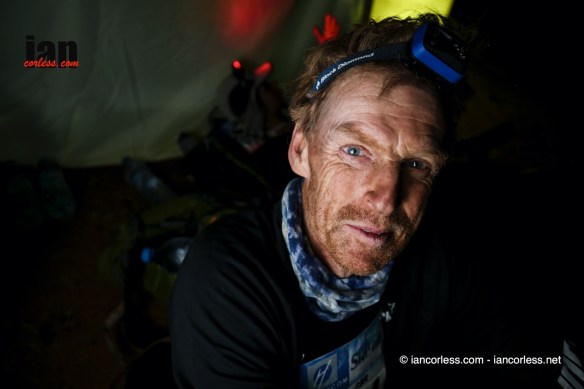
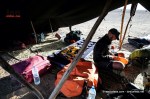
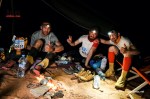
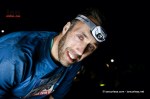
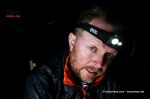
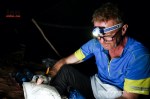
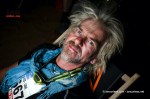
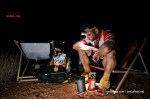
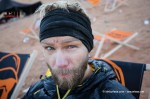
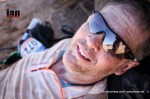
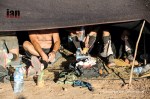
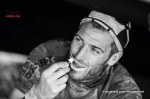
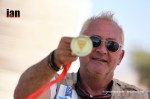
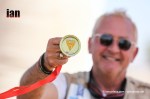
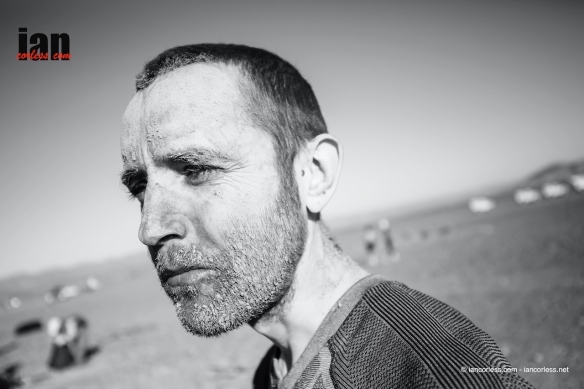
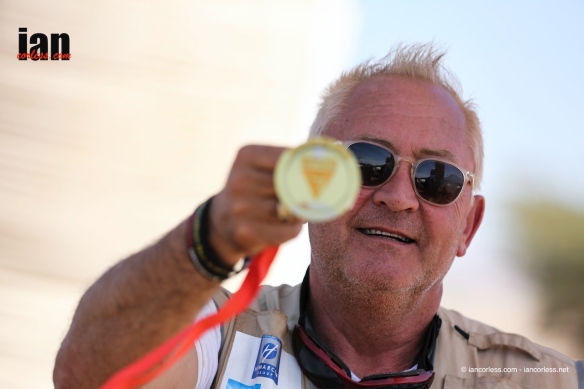
David Loxton has just finished the marathon stage and joined the ranks of finishers over the 31 editions of the MARATHON DES SABLES. He is relaxed in his tent, a bit grubby as can be expected but grinning from ear to ear. His tent mates look happy too. And no surprise as they are in good company – David is a laugh and a gaffer too.
So how did it go I ask?
“I’ve got no blisters, I’ve got very tough feet and I’ve been very quick most days, apart from the long day where I wasn’t quite as quick. What else? I hate sand, I hate sunshine …”
His tent mates crack up laughing.
Seriously, I ask if he feels he’s got in enough preparation or was the event tougher than he expected?
“Nobody told me about preparation so I thought I’d just pitch up and do it.” More laughter. “Well I did do a training camp in Lanzarote to train for this in January.”
I ask him if he had any moments of doubt during the event.
“On day 1 actually I did. I thought I can’t do this for the next 5 days. It hurts. Beyond that it was OK. Apart from day 2 and a few moments of day 3 and most of day 4. Day 5 was good apart from the bad bits.”
I ask him if he would do anything differently if he had to do it again.
“I would probably search online for some tent mates. Probably do some more work on the fitness and definitely pack before the Thursday night. We flew to Morocco on Friday.”
I know he’s not serious but he’s funny anyway and his mates seem to be enjoying his self-depracating humour.
“I’d also bring some business cards for the ladies.”
I ask him if he met some interesting people.
“I met some of the people from the training camp in January. I made myself unpopular with the Helpful Heroes tent by accidently stealing some of their water flavours, the French guys have been good and the Japanese guys too. I’ve loved every moment of it but once is maybe enough for me.”
Is he looking forward to getting back to wet, windy and cold UK?”
“No I’m married.”
And has he learnt anything from his experience? Suddenly David takes on a more serious air, this time he’s not joking, he’s more philosophical.
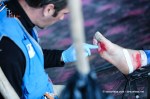
“In terms of fitness it is surprising what you can do, how far you can push yourself. Sometimes your mind can overrule your body. The guys here have got some pretty horrific blisters and they’ve worked through it and they found more within themselves than they expected.”
When you are back in Ouarzazate and back in civilisation, what is the first thing you will treat yourself to?
“Apart from beer? The first thing will be beer, the second thing will be beer, the third thing will be beer …and after that I will phone home.”
And I lift my glass to David who deserves that long-awaited beer after keeping his mates going with his very special priceless sense of humour!
Read Niandi’s interview with ladies 2016 MDS champion HERE
Read a summary and view images of the 31st edition HERE
The names Billy Bland and Nicky Spinks are well and truly cemented in Bob Graham Round cement. Imagine it, covering 66-miles (approx) 27,000ft of climbing and crossing the 42 highest peaks in the English Lakes in under 24-hours.
First completed in 1932 by Bob Graham at the age of 42, the 42 peak round has become the holy grail of the fell running world. Just to complete it in under 24-hours is considered by many to be enough, but to set a FKT (Fastest Known Time) is something else.
How does one break the record?
In 1932 Bob Graham took pacers and company to help him in completing his round. It is an ethical and practical approach that the club encourages, and is committed to continue to require as a criterion for membership.
In light of the above, the criteria for Club membership were set down back in 1972. The criterion regarding having one’s arrival at each summit witnessed remains as valid today as ever.
From the Club’s perspective, solo attempts will, for safety reasons, not be recognised or considered for club membership (this includes partly solo rounds, i.e. a round that is only partly witnessed). One of the Club’s purposes is to encourage attempts. The potential risks to a contender are significantly increased should a contender chose to travel solo for around 24 hours in the Lake District mountains. Having company in the mountains enhances the safety factor.
The risk of losing a contender in the mountains may seem far-fetched but there have been deaths of fell runners during much shorter fell races. It is understandable that there is no desire to repeat that experience in a Bob Graham Club context. Were the Club to recognise solo completions for membership, it’s no great step in the minds of loved ones left behind to see that as an endorsement, nay an encouragement, of solo attempts; and families may feel that the Club (which is an unincorporated body) and therefore its Officers should bear some responsibility for a dreadful turn of events.
One claim made for modern GPS devices is that they can provide both veracity and a form of safety, however there have been fraudulent attempts to secure membership over the years; the advent of modern technology to validate a round neither mitigates the safety issue nor removes the ability to defraud.
Allied to solo attempts are attempts where a form of reciprocal witnessing takes place: contender A witnesses contender B and vice versa. This is acceptable, and there have been several such rounds over the years, but not recommended.
There are many accounts of multi-contender attempts having to split up. The most common reason is simply that most people go through a significant bad patch, often for several hours, and hoping that these coincide is hoping for too much. If contenders do have to separate, safety margins are hugely reduced. Pacts not to separate are all well and good at the Moot Hall before setting off but can unravel under the physical and mental pressures of the day. Again if the party has to separate, then the attempt will effectively be over in terms of obtaining membership of the Club.
In summary, the witnessing rule has always been in the Club’s Guidance Notes, and always will be. It is grounded in safety. Clearly in limiting the only help on the fells to a co-contender (who may be in a pretty poor physical state should problems arise), there is a significant reduction in the safety margins for the individuals. Usually a support team of two persons per leg should be adequate, but the decision on the number of supporters and pacers is of course up to the individual.
– Bob Graham Club
Billy Bland’s time of 13 hours and 53 minutes is a milestone and many have questioned, can that time be bettered?. Despite years of trying nobody has really come close; time has stood still. The ladies record set by Nicky Spinks of 18 hours and 12 minutes was set in 2012. Nicky has long been a pioneer of the Bob Graham Round.
That however all changed just yesterday, Saturday April 23rd.
Jasmin Paris, a respected fell and mountain runner, set a new ladies benchmark of 15 hours and 23 minutes. This time is OFF THE SCALE!
Not only does it obliterate the 2012 time of Nicky Spinks but it comes remarkably close to Billy Bland’s time of 13 hours and 53 minutes.
This is just fell running, a low key sport that takes place in the heart of England. Believe me though, in terms of running, this record is one that should be shouted from the rooftops.
Jasmin is a low-key athlete, who hides away from the spotlight despite incredible performances. She races regularly, almost too much some may say. Her response has always been, I have a job and I run for fun and pleasure.
I’ve been saying it for some time, JASMIN PARIS is one to watch and this year, Jasmin will run on the world stage taking part in many Skyrunning events and UTMB.
Niandi Carmont writes from within the bivouac of the 2016 Marathon des Sables, a series of insightful profiles that brings to life the highs, the lows and the inspiration from the worlds most inspiring multi-day race. Lets kick off these interviews with ‘From Russia with Love’ the 2016 ladies champion, Natalia Sedykh.
The Russian rocket takes us by surprise …
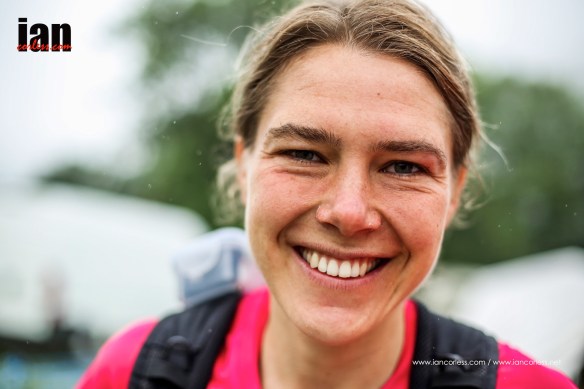
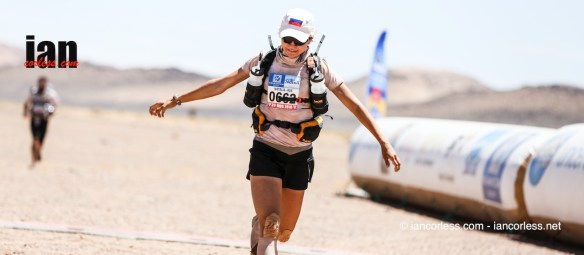
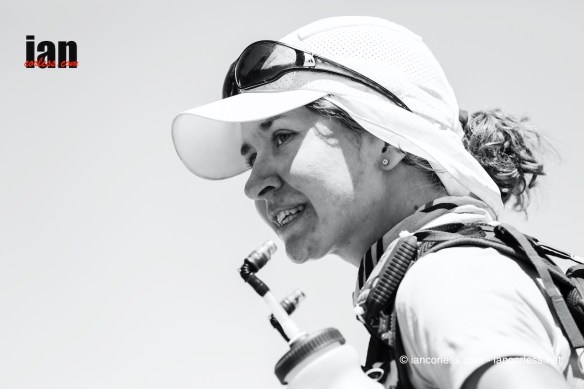
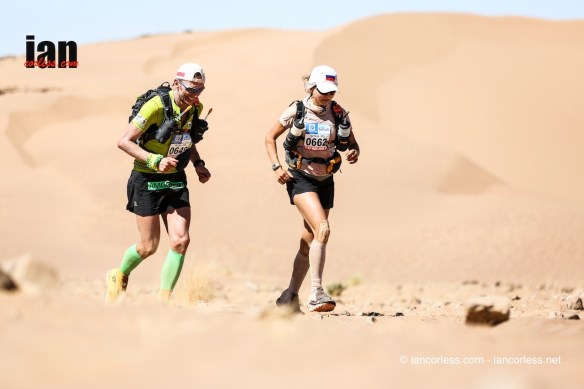
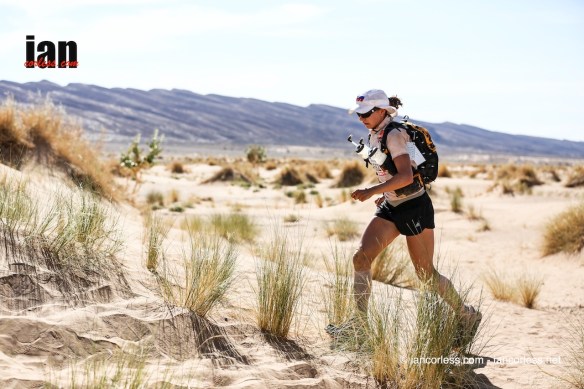
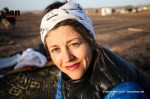
I peep under the bivouac and ask for Natalia SEDYKH. The girl sitting there indicates that it is her. She invites me to sit down. She’s a little distant. She looks calm and composed, not like an athlete who has just completed the long stage of the MARATHON DES SABLES. But then I was expecting that – her race management has been exemplary. She’s paced herself regularly winning every single stage apart from the long one. She’s gained 45 min over her closest rival and is 11th in the overall general.
She relaxes and starts chatting about what got her running and her life in Russia.
“I was in love with a boy when I was 16 and he did 100m hurdles and I wanted to see him every day. So I decided to do track. Initially I couldn’t run consecutive 400m laps because I when I was a child I was told not to run because of my health issues. But I persevered and gradually increased my distance. Since then I’ve trained really hard. If you can dream it, you can do it.”
She initially concentrated on sprint, then longer distances but she admits to being more of a track athlete. Her PB over 10km is 33min54s.
“I don’t like extreme events. Life in Russia is extreme as it is.”
Her big break came 5 years ago when a coach Serguei Popov discovered her potential. At the time she was still a sprinter. After a period of injury, she stopped for 2 years. She set herself the objective of running her first marathon.
“I am not a professional runner. I’m a professional coach so I coached myself.”
Her marathon PB is 2.46 last year. Her half marathon PB was on slippery ice with -25C. Not exactly your typical MDS temperatures! We talk a little about her life, it’s not easy living in Russia, you need determination, commitment, strength and most of all, willpower.
“I am an ordinary woman. I want to travel, keep fit, maybe get married, have a family and cook nice soups. My father is a train driver and my mother a seamstress. The standard of living in Russia is low. I hope to save and help my parents financially. They believe in me – I need to do my best for them.”
So back to the subject of MDS. How did she train?
“I did a lot of preparation for this race. Last year I got a penalty so I decided to come back and settle a score. Last year I didn’t get in a lot of preparation. I was a tourist.” She laughs. “I was living in Russia. It was sub-zero, icy, a lot of snow.”
Needless to say the conditions were not the same.
“In addition to that I was overworked. I was working in a fitness club and worked long days.”
She then goes on to explain that she’s been in Dubai for 2 months and is still coaching – novice runners this time.
I wonder if the past 2 months have allowed her to be heat-adapted?
“In March I missed 2 weeks of peak training as I wasn’t used to the heat. In Dubai you need to get up very early at 5am or 6am to go training because of the humidity.”
I ask her if training in Dubai is complicated?
“Women run with veils. They are very health-conscious. I do my training sessions early or in the desert so I don’t attract attention.”
It’s getting dark and she has to prepare for the next day. I leave her and wonder if this girl who doesn’t like extreme will be back to defend her title in 2017.
Natalia went on to dominate the 2016 Marathon des Sables. It was an outstanding performance. As Niandi questions, will Natalia return in 2017? Part of me things not, but then again, who knows… One thing is for sure, Natalia has set a benchmark for all the other ladies to follow, just as Elisabet Barnes did in 2015 by winning every stage. Natalia is the first lady to make the top-10 overall. A remarkable achievement.
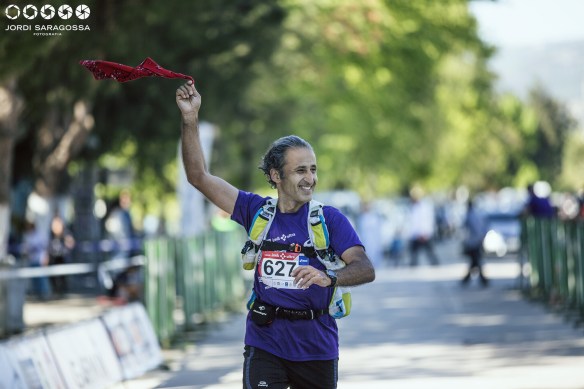
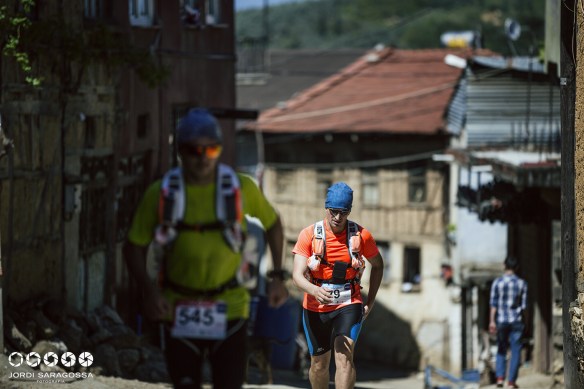
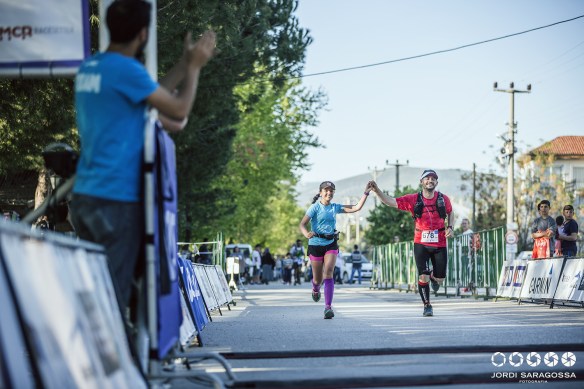
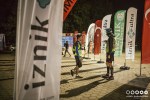
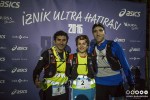
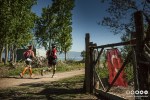
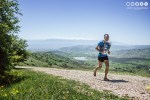
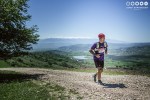
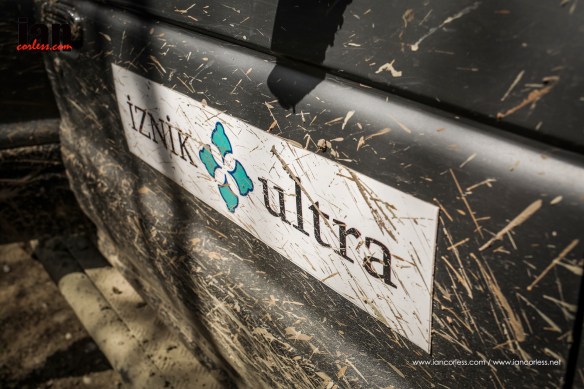
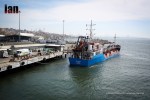
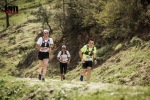
The sands of the Sahara lured me away from the Iznik Ultra this year. A real shame as this race has been a fixture on my calendar all the way back to the 2012 edition when I won the 60km race. Iznik and Turkey are special places and the Iznik Ultra provides a wonderful opportunity to combine running and sightseeing.
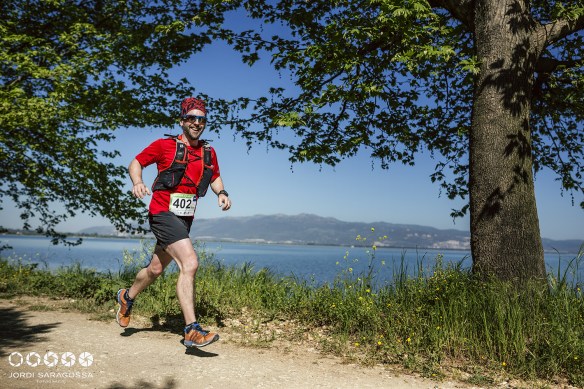
The people are magical, the calm tranquility of the lake Iznik is sublime, the surrounding mountains are impressive and the combination of great food, hospitality and a committed and dedicated race team headed by race director Caner, make this experience a ‘must’ for the enthusiastic runner.
Not wanting to miss out on the action, I asked good friend and fellow photographer Jordi Saragossa and adventure journalist/ athlete Tobias Mews to work on behalf of iancorless.com at the 2016 edition of the race.
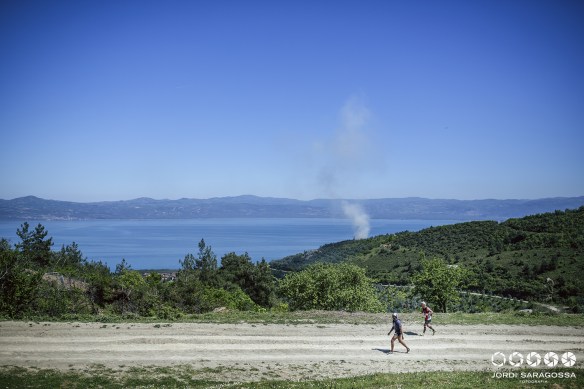
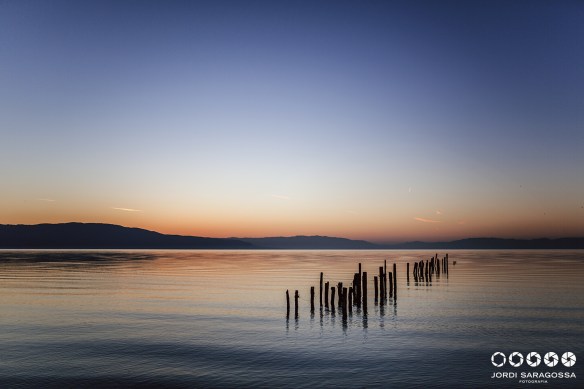
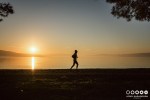
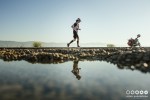
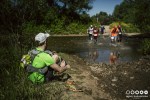
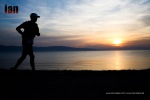
‘You’re first time in Turkey?’ the old man remarked in surprisingly good English, as I watched the sun behind Lake Iznik, the third largest lake in Turkey. The water was incredibly calm with not a ripple in sight, despite being 32kms long and 10kms wide. It was also mind blowingly beautiful, offering an unparalleled level of peace. I couldn’t help but wish I had a stone to skim along it’s smooth surface.
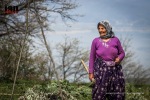
‘It is,’ I reply, although I was already silently vowing to return. As through thrilled with this fact and despite my protests, he offers me a cup of tea – not a cup of Earl Grey, but one of the Turkish variety. They drink the stuff by the gallon. Sipping away, I mused on the notion that I no idea how stunning this country was or how kind everyone is. Turkey, I would soon discover, is a truly magical place.
I’ve often said that if you’re going to put yourself through any degree of suffering during an ultra, and let’s face it, who doesn’t have a moment where they question their sanity, then you might as well do it somewhere beautiful. It’s a mantra that I’ve held to my core and to date, have not been left disappointed through my travels and races as an adventure journalist.
Rather embarrassingly, and perhaps to my shame, I’d not considered Turkey a running destination, which is perhaps why I’d never visited this ancient cradle of civilization. Too many lasminute.com cheap package holidays, slightly less than positive press, terrorist attacks and an unsettled political climate have not helped Turkey solidify its position in the ‘must visit’ destinations lists. But thanks to the likes of Caner Odabasoglu, the Race Director and founder of the Iznik Ultra, things are changing and running events are becoming more common place.
Indeed, when the Iznik Ultra launched in 2012, it was the second ultra to be established in the country. Now, there are three road three road marathons and seven ultras. It is, as he puts it, ‘booming at the moment’.
Since I first began running competitively, just under a decade ago, I’ve suffered a serious case of FOMO (Fear of Missing Out). Perhaps due to the fact that I’m stubborn and a sucker for punishment, when faced with a choice of distances, I’ve always picked the furthest/hardest race on offer, especially if the race is named after this distance, such as Ultra Trail du Mont Blanc or Transvulcania. I want to get the full race experience, not just an excerpt. So, it was with a certain amount of trepidation that I chose to take part in the 80k option as opposed to the main event.
Besides the main event, there are in fact four other races on offer – 5k, 15k, 50k, 80k – all of which follow parts of the full 130km course around the lake. Considering the course was actually 86kms with 2600m of ascent/descent, it is by no means a distance to be sniffed at and after all, still an ultra!
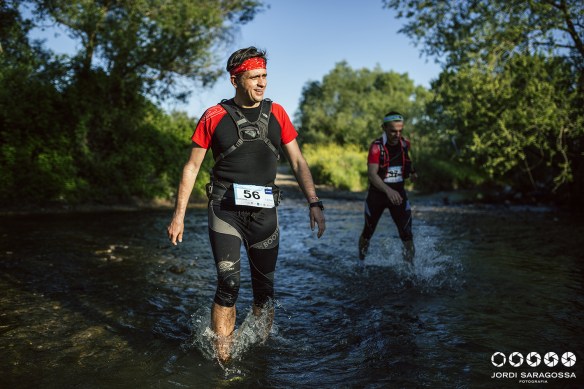
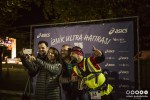
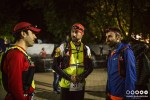
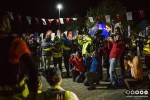
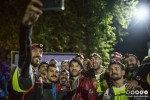
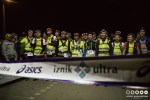
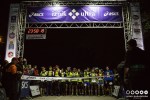
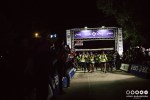
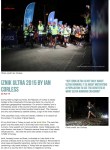
Keen to show buy support I made my way to the midnight start of the 130k event. After more than 200 races including dozens of ultras, I’m more than familiar with the shit that goes through your head as you toe the start line of a big race, especially one that begins in the middle of the night. But curiously enough on this occasion, I didn’t see the usual thousand-yard stare that you might expect to see from a runner as he or she prepares to run 136kms non-stop (it’s slightly further than the advertised 130k). Instead I saw smiles, laughter, lots of slapping on the back, hugs and the sort of banter you might expect to see at a running club Monday night fixture. The only thing that was missing was a lack of women (only five amongst the relatively small field of 63).
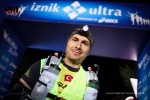
The race favourite, Aykut Çelikbas looked as cool as the proverbial cucumber as he chatted with his fellow Team Salomon Turkey runners, Faruk Kar and Elena Polyakov. Hardly surprising considering Aykut had competed in the previous four editions of the race, coming third last year. He’s also a two-time finisher of Spartathlon, so knows a thing or two about pushing the pain barrier.
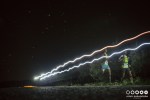
And then, as just after the stroke of midnight, they were off, a luminous streak of smiles as a small army of intrepid ultra runners disappeared into the night. Feeling a mixture of sadness and guilt that I wasn’t amongst them, I trotted back to my hotel and went to bed, in preparation for my race, 9 hours later.
After a 45-minute bus ride to Orhangazi, a medium sized town situated in the Bursa province about half way around the lake, and a countdown from 10 in Turkish, we set off in pursuit of our 130k brethren. With a police escort to accompany us, a couple of Turkish competitors went off a little too fast before looking around and realising they were in the lead, sheepishly slowed down. Which left yours truly at the front.
Before the race, people had asked me what my expectations were. But with my wife recently having a child and moving house to the French Pyrenees, my training had temporarily taken a bit of a nose dive for worse. In fact, I’d even told my wife that I was doing the 50k, so she wouldn’t give me grief for doing one of the main events on next to no training.
Seeing that no one was willing to take the lead, I strode out at a 4.30 min/km pace, making the most of the 19kms of flat terrain. It follows a stretch of road out of Orhangazi before meeting the edge of the Lake Iznik and a sandy beach that brought back to me a a few memories of the Marathon des Sables. From the perspective of race tactics, it’s an opportunity to put some distance between you and your opponents. But go out too fast and you’ll later hit an 800-meter-high wall of pain and that later on in the race will come to bite you not just in the arse, but in your quads and calves.
Somewhat conscious that I might be going too fast, for the next 4 hours I steadily overtook around 30 odd runners from the 130km race, exchanging broken pleasantries in Turkish as I went. I couldn’t help but feel a pang of guilt, watching a number of them hobble along in that all too familiar death march. I had come with no expectations of winning the race, but for a while I genuinely thought I had a chance.
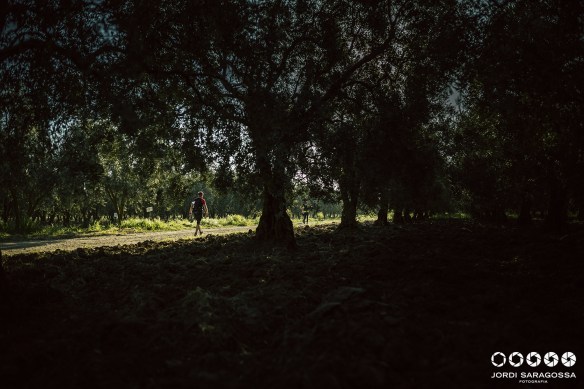
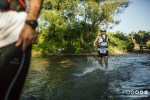
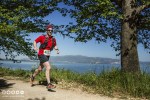
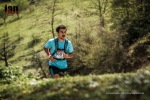
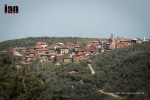
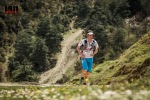
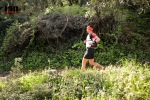
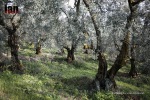
However, any thoughts of podiums were far from my mind. I was simply reveling in the scenery as I ran through olive groves, along beaches, charming little villages before going high into the hills surrounding the lake, which offered panoramic views to die for.
But then, for the first time, I heard the the pitter patter of feet of Hasan Öztürk, who unbeknownst to me had been doggedly following me. With my two words of Turkish vocabulary and his non-existent English, conversation was brief as we trotted alongside each other, silently pushing one another slightly harder than we’d have liked.
That’s of course the problem with being out front, and what I imagined Aykut and Faruk were going through. They had decided to run together and hold on to the lead. But lovely though it is to be out front, you simply don’t know how fast your pursuers are going – so you push on harder than might be wise.
Until now, the terrain had been very runnable. But new to 2016, Caner had inserted in a rather technical and simultaneously hilly section smack in the middle of the 80k and about 87k into the main event. Very steep descents which often involved hanging onto tree routes and branches slowed us all down, less for the odd mountain goat. Some might say it was too difficult (it added a minimum of two hours on to most people’s time), but I think it was bloody marvelous, even though I was cursing at the time.
The checkpoints are spaced between 10 and 15k apart – about right for a course of this nature. As to be expected, they were a welcome reprieve and a chance to fill our water bottles, as the warm sun was thirsty work. It was during one of these moments that I noticed third place man, Mehmet Yildirim catching me up.
Cutting short my replen, I hobbled off and spent the next 20kms looking over my shoulder like a man being chased. Just shy of 10kms from the finish, my legs began to object and I regrettably waved Mehmet on with a ‘bravo’. Unbeknown to me, a similar situation had happened several hours early in the main event, where Aykut and Faruk separated. Aykut maintained the lead, finishing in 17hrs 10mins, leaving Mehmet Arslan to claim second place in 17hrs 30 and Faruk third, 18 minutes later.
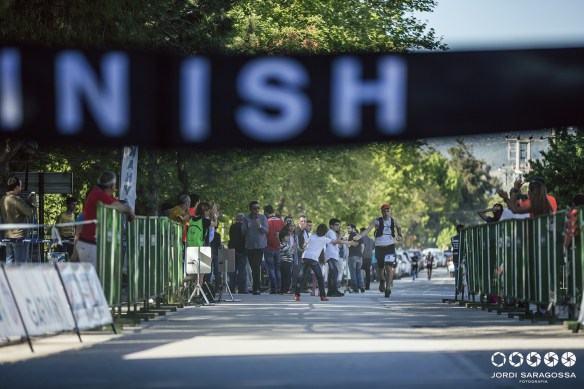
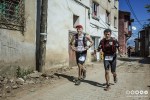
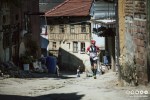
As I arrived into Iznik I felt like a warrior returning from war. Covered in dust but grinning from ear to ear, I must have looked a strange sight to the Iznik locals who had come to watch the runners roll in. Knowing that I didn’t have long left, I picked up the pace, even though I was way over what the time I estimated it would take me to run 86kms to cross the finish line 3 seconds shy of ten and a half hours and a full 55 minutes behind Hasan who’d I’d not seen again.
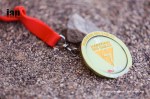
After collecting one of the most fabulous medals I’ve ever seen, a locally made ceramic tile, I made my way back to the edge of the lake I had been standing at almost 24hours previously. Digging into my pocket, I picked out a smooth pedal I’d found in a river bed, and with my last remaining energy, skimmed it along the still smooth waters, trying to count how the bounces. The old man, who I’d seen yesterday, was still here and shuffled over to me.
‘What do you think? You like?’ he asked, his eyes sparkling with curiosity.
‘I loved it’ I replied. And that’s the truth!
130k results
33 finishers from 58 starters (57% finishers rate)
Men
1st Aykut Çelikbas 17.10:12
2nd Mehmet Arslan 17.30:43
3rd Faruk Kar 17.48:46
Women
Elena Polyakova 22.49:45
Bakiye Duran 24.43:19
80k
65 finishers from 84 starters (77% finishers rate)
Race summaries by Emmanuelle Lamarle for MARATHON DES SABLES
Translations from French to English by Niandi Carmont
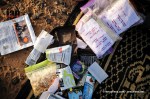
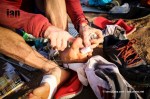
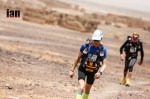
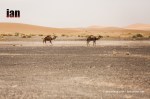
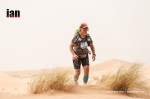
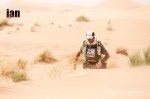
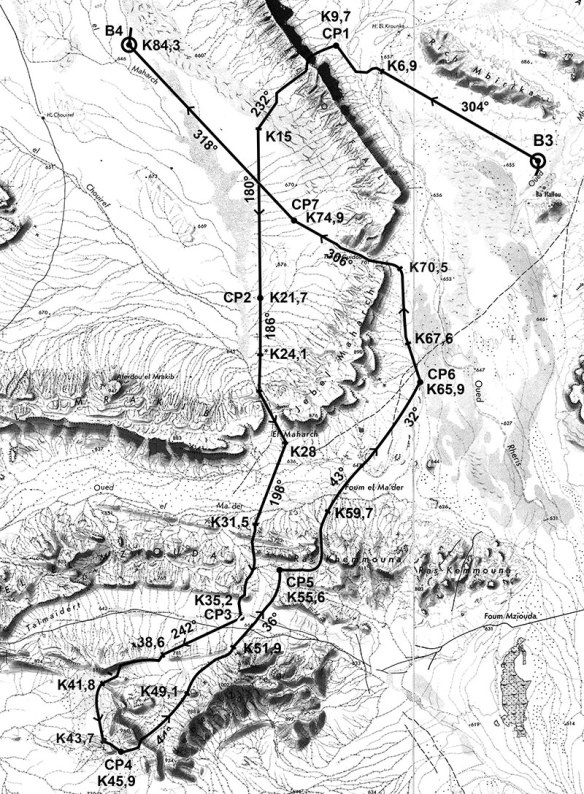
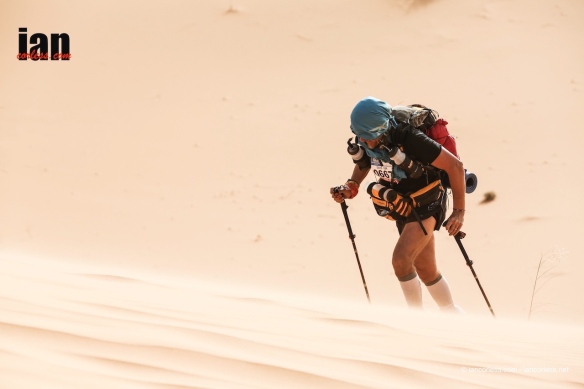
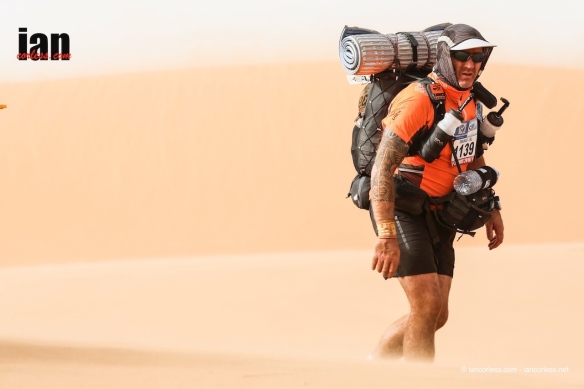
The 2016 and 31st edition of the MARATHON DES SABLES concluded in Morocco on Saturday April 16th. It will go down in the history of the race as one of the toughest and most beautiful editions. At 257km long, it was the longest in the races history and although the long stage was 84km, the daily distance were higher and continually hovered around the marathon distance and thus made the multi-day challenge considerably harder. In the early days, particularly day 1, strong winds and sandstorms battered the runners making what was already a very hard day, considerably harder. This was reflected in day 2 with a high drop out rate. Day 3 was a beautiful stage but just an appetiser for the long day. The feared long day lived up to its reputation and although a very tough, relentless and challenging route, it was compensated for with it’s incredible beauty. Day 5, the classic marathon day, was for many a walk in the park after the long day, this was reflected in the emotions on the finish line when 5 days of effort were released. Day 6, the compulsory charity day concluded the race and with it, each runner received a medal on the line from race director and race creator, Patrick Bauer.
The Sahara, Morocco and the MARATHON DES SABLES never disappoints, 2016 though was a special one – tough, relentless and beautiful. the desert, the multi-day experience and the challenge really does make everyone look inward. The Sahara has a way of stripping you bare, down to your core and the looks of emotion, relief and celebration are moments to savour and all those who completed the journey will be changed forever.
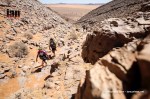
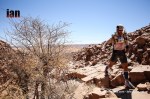
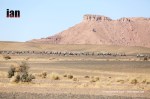
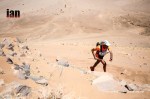
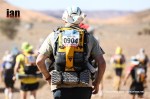
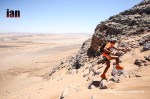
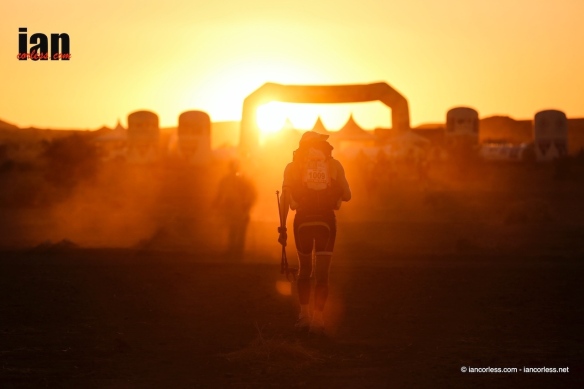
Below is a brief summary of the race week with images to provide some perspective to what has been an incredible 31st edition of the ‘MDS!’
Travel and arrival
DAY ONE
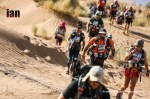
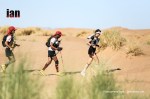
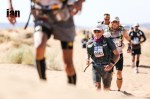
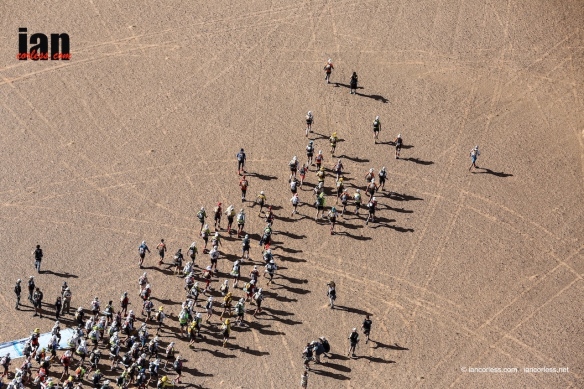
Moroccans dominated the men’s race as expected and the female field was shaken up by Russian Natalia Sedyhk.
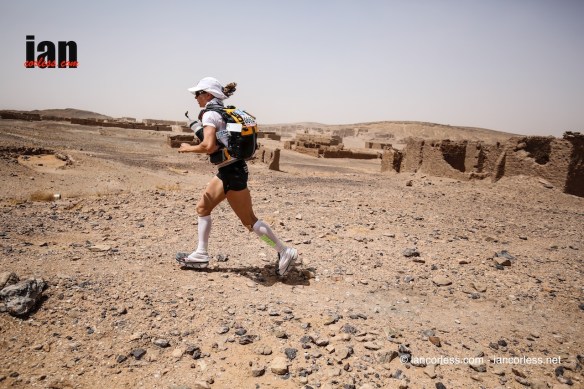
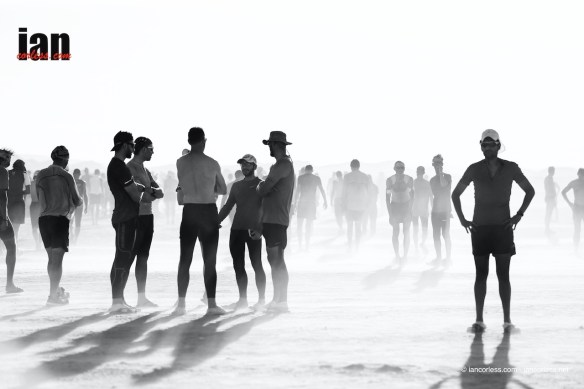
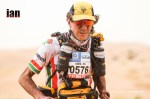
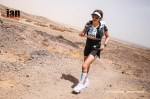
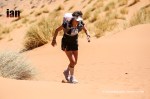
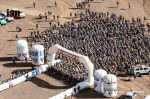
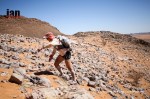
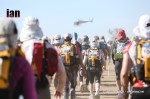
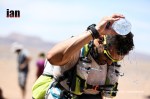
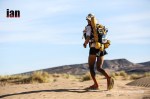
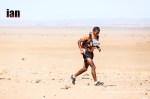
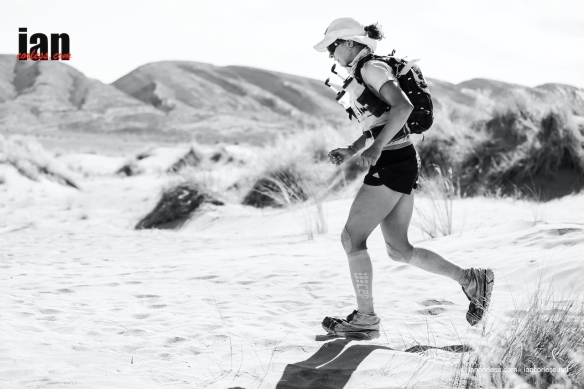
Make no mistake the top male and female runners were bursting to go. In the minutes preceding the start the Russian athlete Natalia Sedykh (3rd in 2015) was doing some sprint warm ups; a definite indication of her intentions for the race.
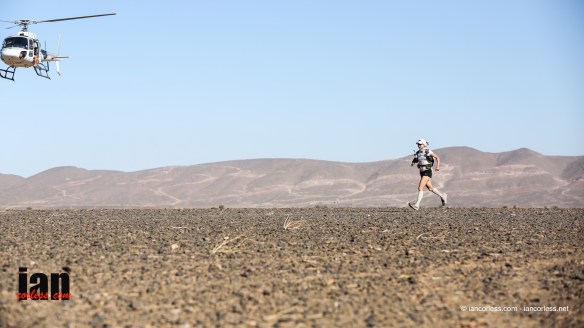
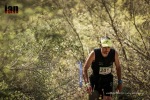
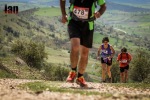
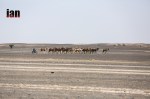
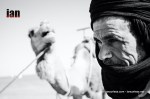
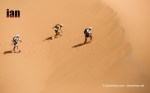
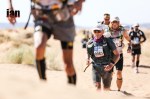
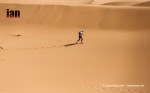
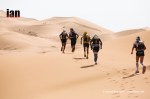
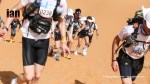
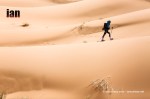
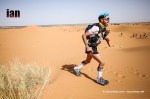
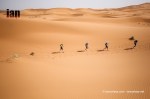
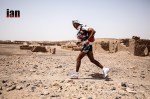
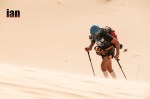
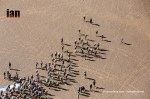
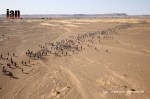
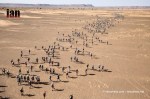
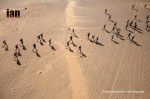
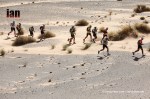
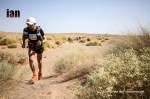
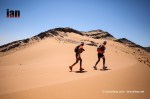
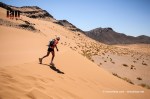
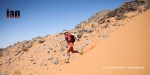
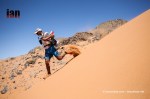
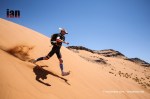
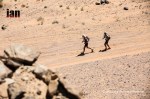
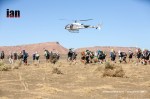
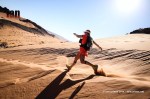
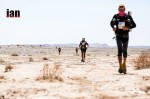
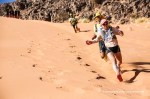
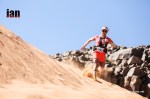
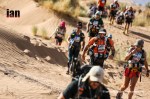
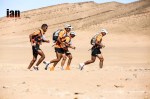
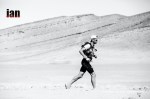
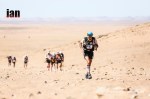
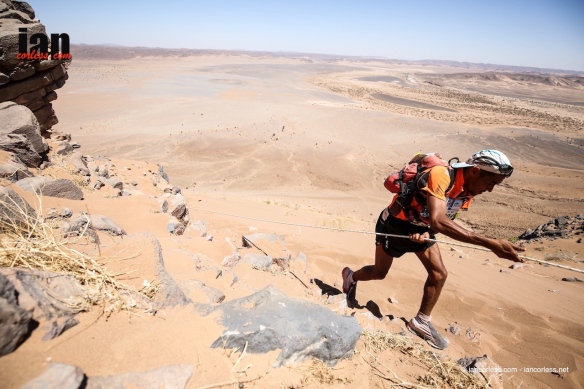
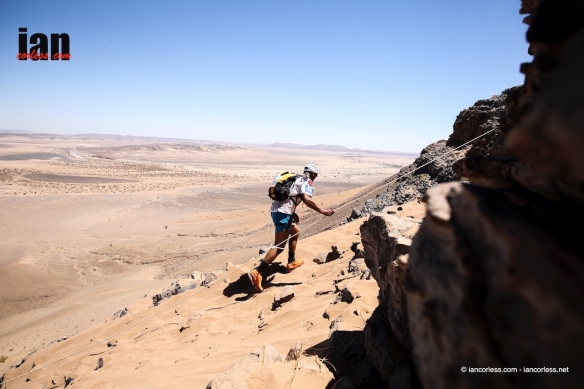
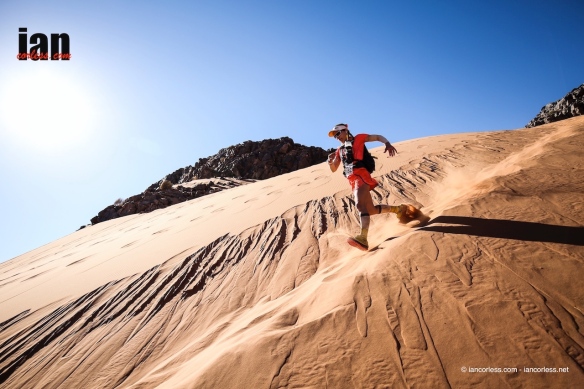
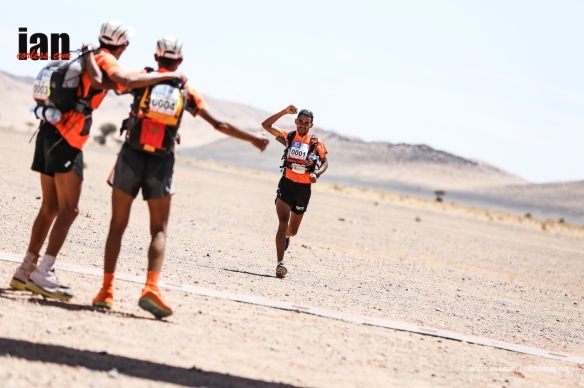
An hour and a half later, on the other side of the incredible Mezouga dunes, the first 2 Moroccan runners surged from the North, then 2 other Moroccans joined them. To no-one’s surprise, the fennecs of the desert took advantage of the 12km dune section to open the gap, leaving behind their European competitors. Their run gait is incredible to watch. Light-footed, they hardly touch the sand. Three Moroccans take the lead and finish the stage claiming the first three places: Rachid El Morabity, last year’s winner, Hammou Ou Mohamed Moudouji and Abdelkader El Mouaziz all within 35 seconds of each other. Third and fourth, the Spaniard Jose Manuel Martinez and the Frenchman Erik Claveryfollow 9 and 14 minutes later.
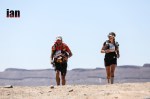
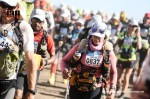
In the female field, Natalia Sedyhk (RUS) arrived first at CP1 looking very fresh, she was pushing a relentless pace and looking to improve on her 3rd place in 2015 when a 2-hour penalty impacted on her race. Nathalie Mauclair followed in pursuit sticking to a regular pace but the Russian was too strong. Natalia sprinted across the finish line victorious winning the stage having outdistanced Nathalie Mauclair by 17 minutes. 2015 race winner, Elisabet Barnes crossed the line third looking relaxed and comfortable. Nathalie was very happy with her performance today:
“I stuck with a group so that I didn’t waste energy battling the wind alone. In the dunes I felt really good but I didn’t want to speed up as I didn’t want to overdo it. In the second dune section I had to use my compass to navigate and that went very well”.
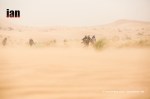
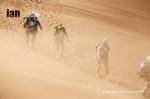
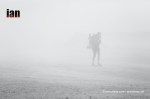
The day was notable in terms of difficulty, especially the strong winds and sandstorms that made running and navigation equally important.
Women
1 – Natalia SEDYHK (RUS) – 3:40:20
2 – Nathalie MAUCLAIR (FRA) – 3:57:30
3 – Elisabet BARNES (SUE) – 4:10:57
4 – Elizabeth HOWARD (USA) – 4:17:50
5 – Fernanda MACIEL (ESP) – 4:22:49
Men
1 – Rachid EL MORABITY (MAR) – TGCC – 3:10:29
2 – Hammou Ou Mohamed MOUDOUJI (MAR) – TEAMAROC – 3:10:45
3 – Abdelkader EL MOUAZIZ – (MAR) – TGCC – 3:11:04
4 – Jose Manuel MARTINEZ (ESP) – 3:20:30
5 – Erik CLAVERY (FRA) – TERDAV EQUINOX 1 – 3:25:52
DAY TWO
The Gap opens in the Moroccan field in the men’s race and Natalia SEDYHK keeps the lead in the women’s race.
In the first fifteen kilometres of the second stage of the MARATHON DES SABLES race predictions were that the Moroccans would yet again dominate the race and rank in the top 10 of the male field.
On the second part of the course, the Europeans held on and better still even overtook some of their Moroccan rivals including Hammou Ou Mohamed Moudouji , who for his first edition would have liked to stick to the heels of Rachid El Morabity, but he blew up. Which goes to show that even the Moroccans are not perfect!
At the finish Rachid finished before Abdelkader El Mouaziz , and was followed by a duo arriving hand-in-hand : the Spaniard Jose Manuel (Chema) Martinez and Aziz El Akad . Erik Clavery (D 087 – FRA) finished sixth and was first Frenchman. Sondre Amdahl was seventh.
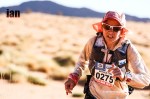
In the female race, Natalia Sedykh was in the lead again, she seemed a little fragile and less fiery but despite this, she once again dominated the stage making many runners comment, ‘she is on another planet this year!’ Natalia won the stage, finished in the top-10 overall – incredible! Nathalie Mauclair followed 15 minutes later and Fernanda Maciel came in third position, 2 minutes behind her gaining an advantage over 2015 champion Elisabet Barnes who finished fourth.
WOMEN
D662 SEDYKH Natalia RUS F 7:51:06
D275 MAUCLAIR Nathalie FRA F 8:22:13
D482 MOURA ANTUNES MACIEL Fernanda ESP F 8:49:36
D2 BARNES Elisabet SWE F 9:02:43
D525 HOWARD Elizabeth USA F 9:15:40
MEN
D1 EL MORABITY Rachid TGCC MAR M 6:34:33
D4 EL MOUAZIZ Abdelkader TGCC MAR M 6:35:35
D447 MARTINEZ Jose Manuel ESP M 7:03:36
D6 AKHDAR Samir TGCC MAR M 7:21:16
D3 EL AKAD Aziz TGCC MAR M 7:22:11
DAY THREE
A foregone conclusion to today’s race – not only do the Moroccans hold a faster pace but they know how to manage their race strategy running together in a small group.
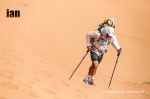
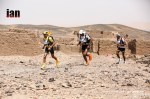
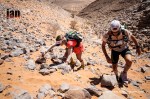
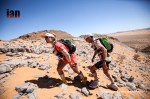
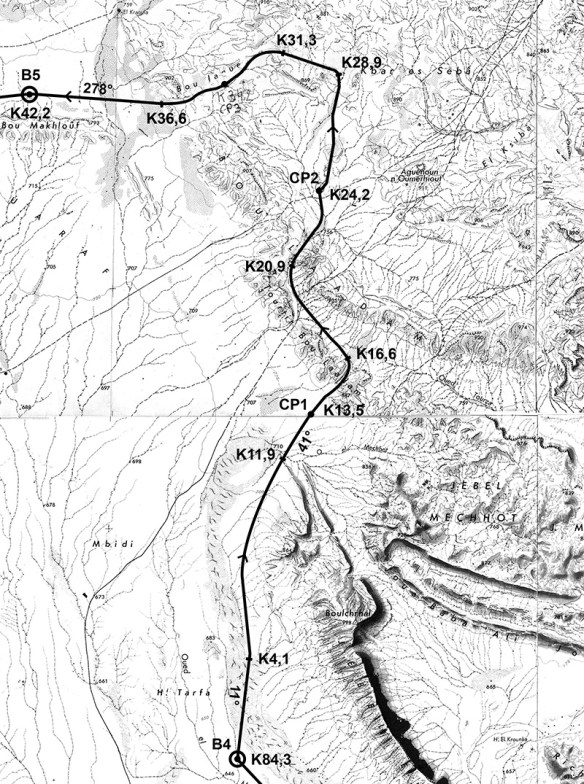
Moroccan runners once again lead the race, setting off at a very fast and regular pace on a course which is going to be very runnable. Apart from two successive dune sections and a climb up a djebel, this pace was maintained. At the first check-point El Morabity was leading but closely followed by his compatriots. Only Manuel (Chema) Martinez and Erik Clavery manage to keep up the gruelling pace that the local set. Clavery was definitely feeling much better today at the start. “It was much better today, I managed my race better”.
After the tough stoney djebel, three Moroccans continued to lead the race: Rachid El Morabity, Aziz El Akad and Abdelkader El Mouaziz. Sticking together they manage their race cleverly, running fast enough to hold off the competition but not too fast to risk blowing up. Behind them Chema Martinez was running hard though and he eventually caught up with Samir Akhdar moving into 4th place with Erik Clavery hot on his heels. This order didn’t change before the finish although the gap between the runners widened confirming the Moroccan superiority and the leaders’ positions.
In the female race, Natalia Sedykh once again set a gruelling pace to shake off her rivals and although the long stage would follow, word in the camp was that it would take a monumental mistake by the Russian to loose the race. Aziza Raji, third at the first check-point, didn’t manage to stave off Nathalie Mauclair and Fernanda Maciel.
Ranking of Stage 3:
First 5 women
D662 SEDYKH Natalia RUS 03:49:15
D275 MAUCLAIR Nathalie FRA 03:53:34
D482 MACIEL Fernanda ESP 03:55:53
D33 RAJI Aziza MAR 04:16:41
D2 BARNES Elisabet SWE 04:37:28
First 5 men
D1 EL MORABITY Rachid MAR 03:03:41
D4 EL MOUAZIZ Abdelkader MAR 03:04:02
D3 EL AKAD Aziz MAR 03:05:40
D447 MARTINEZ Jose Manuel (Chema) ESP 03:18:55
D6 AKHDAR Samir MAR 03:25:22
General Ranking
First 5 women
D662 SEDYKH Natalia RUS 11:40:21
D275 MAUCLAIR Nathalie FRA 12:15:48
D482 MACIEL Fernanda ESP 12:45:31
D2 BARNES Elisabet SWE 13:40:12
D33 RAJI Aziza MAR 13:56:47
First 5 men
D1 EL MORABITY Rachid MAR 09:38:16
D4 EL MOUAZIZ Abdelkader MAR 09:39:38
D447 MARTINEZ Jose Manuel (Chema) ESP 10:22:31
D3 EL AKAD Aziz MAR 10:27:52
D6 AKHDAR Samir MAR 10:46:40
DAY FOUR
Rachid El Morabity and Natalia Sedykh claim victory on the 31st edition of the MARATHON DES SABLES with excellent long day results.
Rachid El Morality was congratulated like never before on the finish line of the long day in the 31st edition of the MARATHON DES SABLES. The Moroccan almost certainly sealed his 4th consecutive edition, claiming victory in all the stages with a comfortable lead on his rivals – just the marathon stage to go! His race management has been exemplary and irreproachable. Abdelkader El Mouaziz lost 2 more minutes to Rachid but crossed the finish to claim a well-deserved second place. Jose Manuel (Chema) Martinez ran a hard race and completed the podium of the long stage – a great result and a real improvement on his 2015 6th place overall.
Frenchmen Erik Clavery and Jean-Sébastien Braun, as well as Carlos Sa and Sondre Amdahl all came in the top 10.
Talking about the Top 10: female Russian runner Sedykh is the only women to rank in the top-10 general ranking, in spite of her loss in energy during the long stage where she placed 2nd behind Nathalie Mauclair. Sedykh has a 24-minute lead on the French lady and although Macular will try to take back that time in the marathon, it is highly unlikely she will succeed. It really is is hard to see how Sedykh’s rivals can close the gap on the marathon stage tomorrow. Nathalie Mauclair did manage to gain 12 minutes on her Russian counterpart on the long day with a really aggressive run but the Russian remained consistent. Fernanda Maciel placed 3rd, which as with the men’s podium should change very little on the marathon stage. The gaps have widened in the leading field and behind.
“The Moroccans are on a different planet” Erik Clavery
A thrilling race with the top 4 Moroccans claiming victory and leaving Jose Manuel (Chema) MARTINEZ out of the podium. The female field remains unchanged with Natalia SEDYKH leading the field.
Once again the Moroccans claimed victory in the men’s field in today’s stage. They set off fast from the outset and widened the gap over the succession of sandy dunes and more runnable sections of the marathon day. Although yesterday’s stage pre-determined the winner Rachid El Morabity and runner-up, the third place was still uncertain with an 8-minute gap between Jose Manuel (Chema) Martinez and El Akad. Yesterday they knew that they would be battling it out the next day. For Chema the strategy was simple:
“I’m going to stick to Aziz and accelerate in the final runnable stretch.”
Aziz on the other hand intended to give it his best shot on the marathon stage
“I’m going to do everything I can to get on the podium tomorrow. I’ll make it or break it.”
And that is what happened Jose Manuel (Chema) Martinez lost 30 minutes to EL AKAD however this does not reflect the true story. ‘Chema’ was stopped early on in the race and was required to change his numbers due to a ‘technicality’ based on the race rules. This stopped Chema in his tracks and while he removed his pack and changed his numbers, his race was broken… Rachid El Morabity did not win the stage coming in second behind El Mouaziz. Erik Clavery came in 3rd looking shattered.
“It’s the first time I am in tears at the end of a race. I am so happy. I really managed the race to the best of my ability. But the Moroccans are unbeatable – it’s another planet.”
In the female race, the ranking hardly changed. Natalia Sedykh lead the stage and opened a small gap with her rivals. She was flying at the finish of this 5th stage. Nathalie Mauclair tried to hang on but couldn’t keep up with the pace set by her Russian rival. Very moved she spent several minutes in front of the webcam at the finish blowing kisses to her kids and family back in France. Surprise of the day was the performance of the Chinese runner Pui Yan Chow who crossed the line in 2nd place. Fernanda Maciel remained third but like Chema, Maciel also was penalised for a number infringement, luckily it did not impact on her 3rd place but it was close….
Top 5 women Stage 5
Running
Runner
Number
Time
Country
Speed
1
SEDYKH Natalia
662
3:45:12
RUS
11,19
2
CHOW Pui Yan
766
3:50:23
CHN
10,94
3
MAUCLAIR Nathalie
275
4:07:08
ESP
10,20
4
RAJI Aziza
033
4:32:07
MAR
9,26
5
MOURA ANTUNES MACIEL Fernanda
482
4:43:00
ESP
8,90
NOTE – “Puy Yan CHOW has received a time penalty of 3 hours for non-respect of the starting wave at stage 5 and we are going to update the ranking.”
Top 5 men Stage 5
Ranking
Runner
Number
Time
Country
Speed
1
EL MOUAZIZ Abdelkader
4
3:11:32
MAR
13,16
2
EL AKAD Aziz
3
3:11:34
MAR
13,15
3
EL MORABITY Rachid
1
3:11:41
MAR
13,15
4
AKHDAR Samir
6
3:18:54
MAR
12,67
5
CLAVERY Erik
87
3:27:24
FRA
12,15
General Ranking 2016
Top 5 women MDS 2016
Ranking
Runner
Number
Time
Country
Speed
1
SEDYKH Natalia
662
24:45:26
RUS
9,61
2
MAUCLAIR Nathalie
275
25:30:55
FRA
9,33
3
MOURA ANTUNES MACIEL Fernanda
482
27:58:43
ESP
8,51
4
BARNES Elisabet
002
30:02:26
SWE
7,92
5
RAJI Aziza
033
30:41:31
MAR
7,75
Top 5 men MDS 2016
Ranking
Runner
Number
Time
Country
Speed
1
EL MORABITY Rachid
1
21:01:21
MAR
11,32
2
EL MOUAZIZ Abdelkader
4
21:05:38
MAR
11,28
3
EL AKAD Aziz
3
22:07:30
MAR
10,76
4
MARTINEZ Jose Manuel
447
22:27:50
ESP
10,59
5
CLAVERY Erik
87
23:00:18
FRA
10,35
The Charity Stage
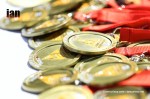
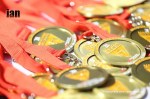
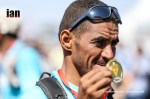
The compulsory charity stage concluded the 2016 MARATHON DES SABLES and although the overall rankings would not change with is stage, it offered all the runners a casual way to transition from aggressive racing to recovery. Patrick Bauer awarded each and every runner, first to last, with a medal. A significant moment that concluded the 2016 MDS!
The 2016 Marathon des Sables is over and what an edition. The ‘MDS’ calls itself the toughest race on earth and the 31st edition lived up to its reputation providing all participants with a brutal test. At 257km, the race was the longest edition in the races history and although the long day was not as long as many expected (84km), the overall daily distances were higher making recovery a delicate balancing act.
In addition to one of the toughest courses in the races history, brutal weather with strong winds, sand storms and intense heat over the last couple of days made every runner who crossed the line fully appreciate the enormity of the task.
Rachid El Morabity once again took top honours in the men’s race and Russian, Natalia Sedykh ran a jaw dropping race not only to win the ladies race (she was 3rd in 2015) but she also placed in the top 10 overall.
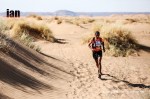
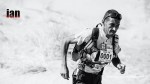
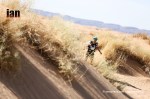
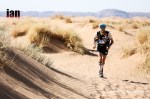
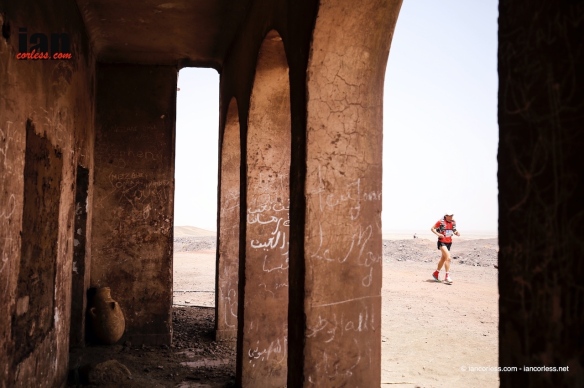
In-depth reports, interviews and a selection of stories will follow over the coming week to provide an insight into the 31st edition of the Marathon des Sables, until then, here is just a taster of images to come to provide an insight of an incredibly intense, brutal and of beautiful journey through the Sahara.
This is Episode 109 of Talk Ultra. We speak with inspiring adventurer and I2P ambassador Ray Zahab about his amazing Antarctica 2 Atacama expedition. We also speak with an amazing Australian lady, Mina Guli, who ran 40-marathons across 7 deserts on 7 continents in 7 weeks. We also have a little pre-MDS chat and Speedgoat is here.
01:30:00
It’s a different show this week as Ian is in the Sahara at Marathon des Sables and this show was recorded in advance and then programmed for release.
RAY ZAHAB In February 2016, Ray Zahab (CAN), Jen Segger (CAN) and Stefano Gregoretti (Italy) set out on a unique and challenging expedition that spanned 100 degrees celsius on the thermometer. The team journeyed from -50°C (-58F) to +50°C (120F) over 1,500km, on mountain bikes and foot, crossing both Baffin Island in Canadian winter, and the Atacama Desert in Chilean summer. Website HERE
01:53:00 INTERVIEW
MINA GULI From 1 February to 22nd March, 2016 Mina did something nobody in the world that has ever done before – she ran across 7 deserts on 7 continents in just 7 weeks. She did it for one reason – to raise awareness about the water crisis. To show the world in pictures and in images, what the water crisis looks like, and to highlight the fact that left unchanged, our water use will increase unsustainably – to a point where by 2030 we will have a 40% greater demand for water than supplies available. Website HERE
Elisabet Barnes dominated the 2015 Marathon des Sables by winning every stage of the race against a high quality field of competitors. What followed was a series of races and victories – a win and course record at Trail Menorca and victory (and everyday stage wins) at Oman Desert Marathon.
2016 kicked off with a multi-day training camp (here) and in February, Elisabet placed 2nd at Costa Rica’s The Coastal Challenge.
I caught up with Elisabet just two days before she flies out to Morocco to discuss how she feels, how 2016 will be different to 2015 and how life gets in the way of ‘just’ training.
Sondre Amdahl has been a rising star of the ultra world in the last couple of years with a string of high-profile results in the Ultra Trail World Tour (UTWT). 4th at UTMF, 2nd at HK100 and a top-10 at UTMB most certainly provide a great example of the Norwegians strength and determination.
This year, Sondre will undertake the 2016 Marathon des Sables.
I caught up with Sondre in his hotel in Ouarzazate, Morocco, just 4 days before he heads to the first bivouac and the 2016 Marathon des Sables gets underway.
In the interview, we discuss preparation, equipment, training, anxiety and expectations for the 2016 edition of the race.
This is Episode 108 of Talk Ultra. We speak with 2016 Transgrancanaria champion, Didrik Hermansen. We have a chat with Brit Paul Navesey about winning the 100km Anglo Celtic Plate and Jason Schlarb gives us the lowdown of skiing the Hardrock 100 route in 4 days. Niandi gives us a stress fracture update (Ian and Niandi loose the plot!) and Niandi brings us another Big Red Run interview and Speedgoat is here after ‘another’ 100-mile victory.
00:01:31 Show Start
Karl wins another 100 – 16:47 at Lake Martin 100
Ian’s been swimming and cycling but no running
00:15:07 NEWS
Niandi gives us an update on her injury and talks to Kirsten about the Big Red Run
00:23:12 INTERVIEW
Kirsten Maplestone ran the Big Red Run in Australia in a past edition and will return in 2016, Niandi caught up and had a chat about the unique challenges this race brings. Read about and enter the Big Red Run HERE
Anglo Celtic Plate
Paul Navesey 6:58:52
Daniel Weston 7:11:47
Robert Turner 7:17:11
Melissa Vendables 8:15:54
Edwina Sutton 8:24:05
Sophie Mullins 8:30:22
01:01:00 INTERVIEW PAUL NAVESEY
Two Oceans in SA (56km)
Mike Fokoroni 3:13:33
Caroline Wostmann 3:44:44
Chuckanut 50K
Ryan Bak 3:38:17
Mario Mendoza 3:40:00
Matt Flaherty 3:43:00
Ellie Greenwood 4:11:58
Anne Marie Madden 4:22:00
Sarah Bard 4:25:00
Georgia Death Race 68m
Andrew Miller and Bethany Patterson took out the wins in 11:42 and 14:28 for WSER slots
Trail du Ventoux 46km
Nico Martin and in-form Caroline Chaverot took out victories.
Iditarod Trail Invitational 1000m
Tim Hewitt (61) 19 days 9 hours 49 minutes – ouch! First person ever to complete in under 20 days




 natalia






















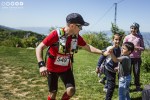

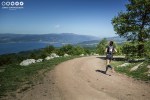

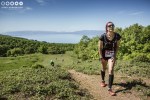

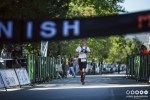
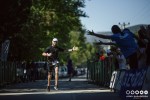
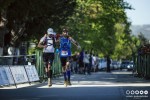


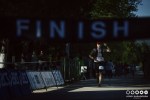
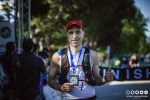
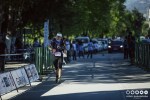

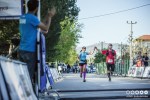
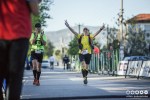














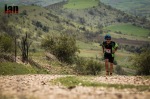
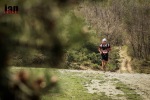
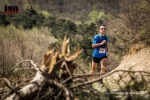
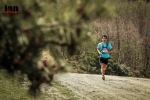



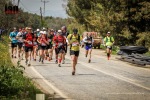



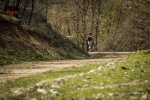
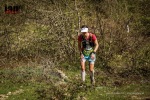
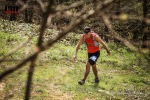




















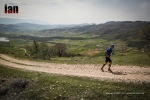


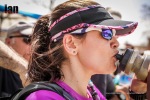




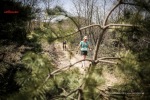
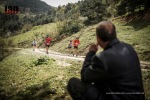

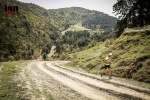

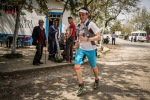
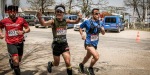



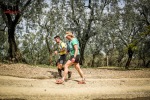

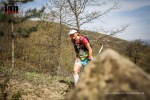
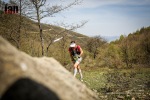
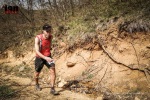
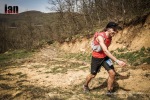
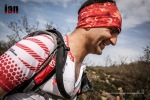
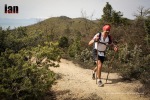















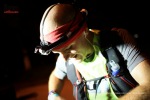
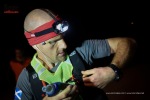
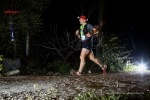
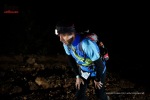


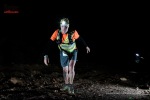


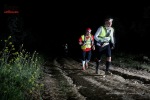
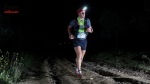
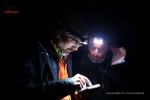
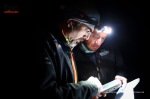


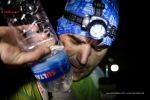


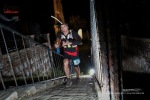
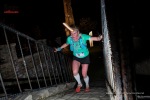




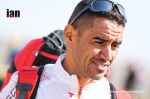


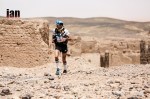
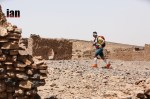
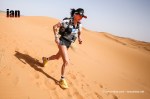
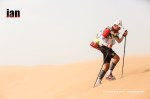
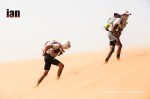
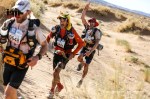
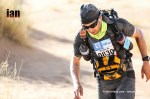
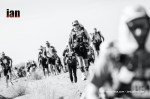
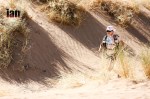
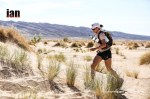
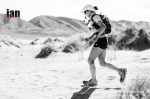
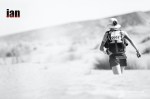
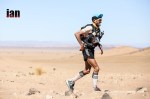
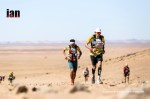
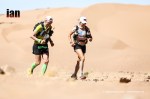
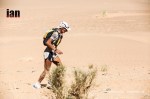
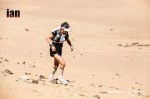
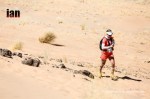
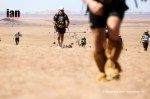
 Moroccans dominated the men’s race as expected and the female field was shaken up by Russian Natalia Sedyhk.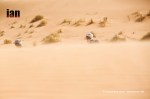























 IAN CORLESS