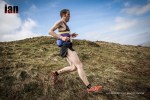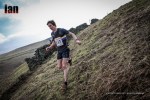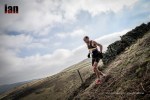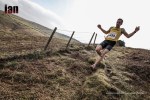
Race Day Nutrition (Part One) – Marc Laithwaite

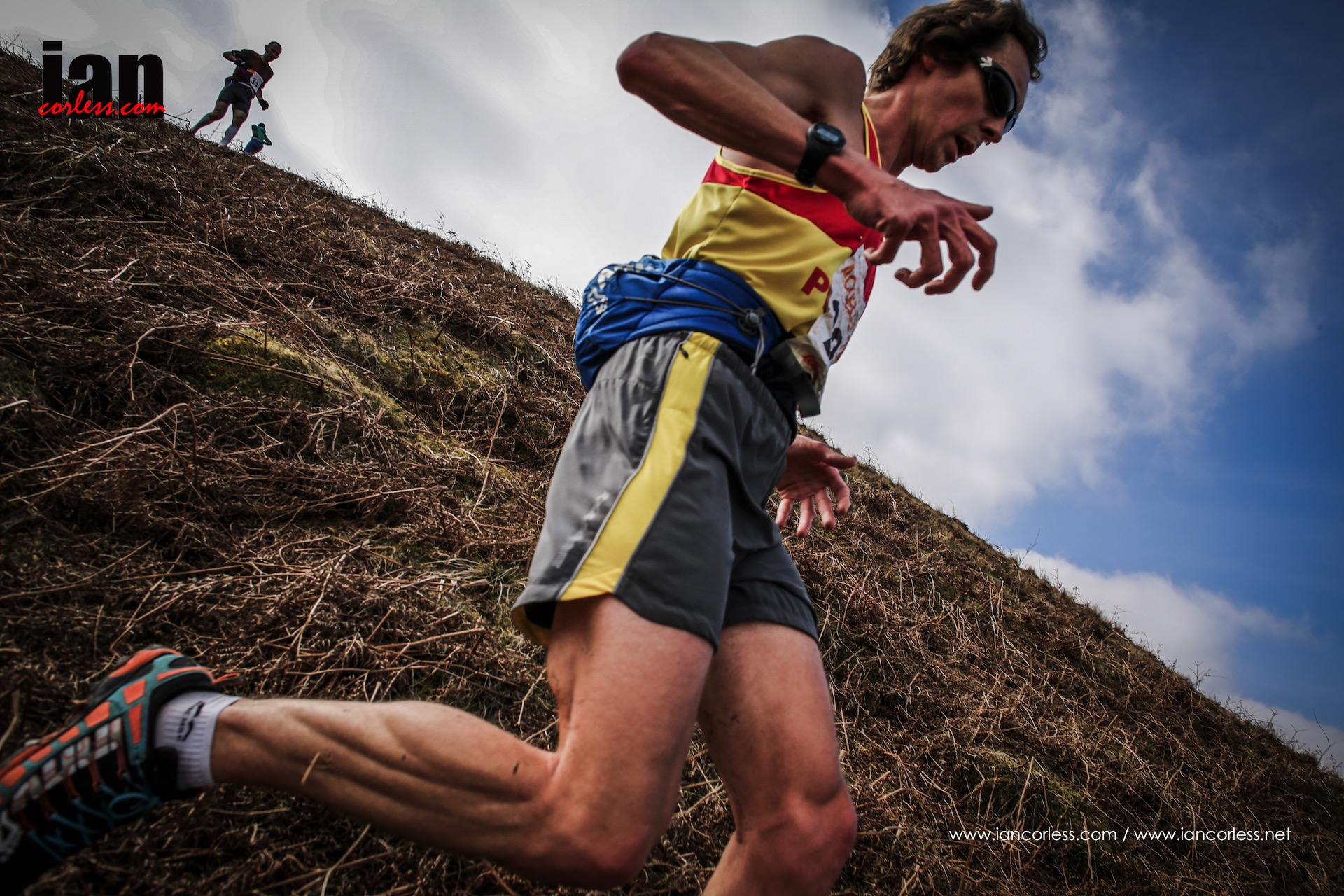
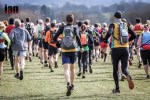
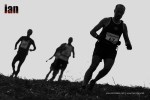
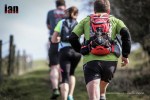
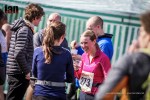
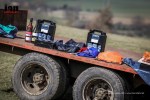
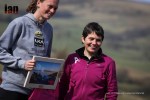
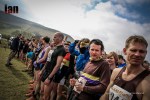
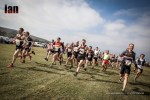
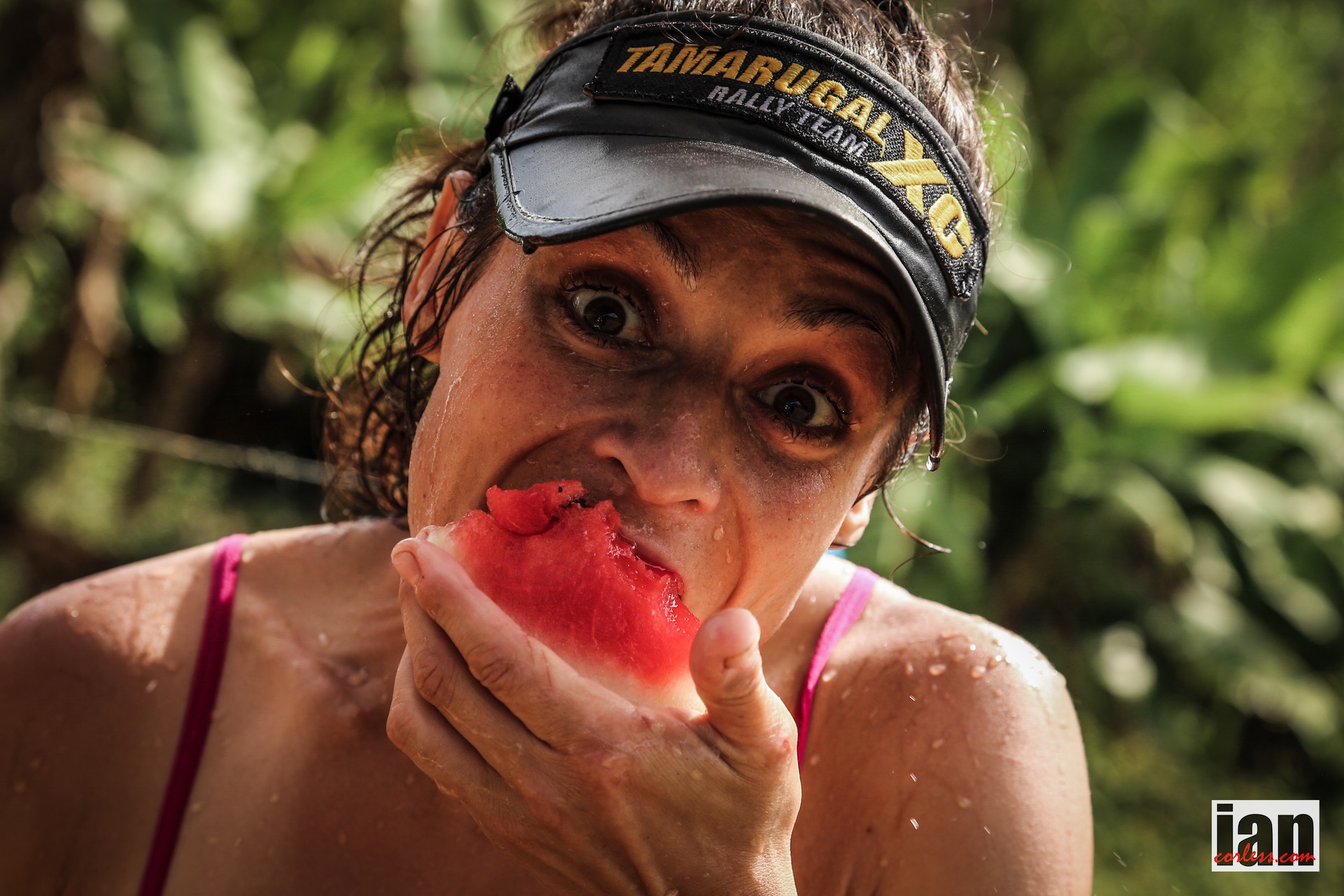
©iancorless.com_TCC2015_Day5-2539

In recent articles, we’ve discussed the 2 main fuel sources for endurance exercise (fat and carbohydrate) and how you should optimise your body to burn fat, thereby allowing you to save precious carbohydrate stores. When it comes to race day then the game and the rules change completely. As a recap, when training you should:

1. Ride or run at the correct intensity or follow a specific protocol such as Maffetone
2. Avoid fluctuations in intensity, remember that average heart rate or power output are NOT the critical figures, it’s TIME IN ZONE that counts
3. Eat foods which are balanced with low GI carbohydrates and fats to encourage fat usage and avoid sugar spikes
4. Avoid gels and sugar products based on point 3 above

If you follow the above guidance, over a 12-16 week training period, you can teach your body to utilise a greater amount of fat as fuel and also to use less calories overall, making you more economical. The important thing to remember is that ‘training’ and ‘racing’ are 2 separate things and your fuelling approach should reflect this.

What happens during the race?

Okay, let’s presume that you have trained correctly and maximised your fat burning potential and fuel economy. You reach the first event of the year and when riding or running at race pace you are using 700kcal per hour, 50% of which comes from carbohydrate and 50% of which comes from fat. You only need to worry about the carbohydrate loss as that’s the one which is critical, so let’s focus on the 350kcal of carbohydrate which equates to 88 grams of carbohydrate (4 kcal per gram).

The limitation of carbohydrate intake

Here’s the big problem, you can only absorb approximately 60g of carbohydrate per hour. Imagine that there are small boats, which ‘ferry’ carbohydrate across the intestine wall into your blood stream. Unfortunately you only have so many ‘ferry boats’ so no matter how much carbohydrate you throw in there, the amount which can be ferried is limited to a pretty standard 60g. For our example above, that means that you’re going to fall short. You’re using 88 grams per hour and you can only replace 60 grams per hour. That’s a 28 gram / 112 kcal per hour deficit.

So I can’t just eat more?

Unfortunately not. If you eat more, it’s unlikely to be digested and will simply sit in your stomach or intestines without providing energy. There are a lot of people who suffer from gastric problems during long distance events and this is generally caused by eating too much food which they are unable to digest. It’s really important that you understand, eating more food doesn’t mean you’ll have more energy and it may well mean that you’ll face stomach upsets. I stress this point knowing how obsessed Ironman athletes in particular become with regards to feeding on the bike.

A deficit of 112 Kcal per hour doesn’t sound too bad

No, it doesn’t. But that is based on the presumption that you are only using 700kcal per hour, bigger people and less efficient people may be using more. It’s also based on the assumption that 50% is coming from fat and that may not be the case at all, in fact, as much as 80-100% may be coming from carbohydrate. What makes this worse is that bigger people can’t necessarily take on board more fuel, the 60g limit still pretty much applies. It’s a gut issue, it’s not about how big your muscles are and how much you can store in there.

So the 3 things you might want to know are:

1. How many calories do I burn per hour?
2. How many of them come from fat and carbohydrate?
3. How much should I be taking in as a consequence?

As a start point, you can probably work out your calorie usage by using a heart rate monitor or power meter. Run or ride at race pace and it’ll do the calculation for you, although the power meter is a lot more accurate than the heart rate monitor, it’s still a start point. Warm up, then do an hour at your ‘race pace’ and work out the figures. It’s amazing how many people who consider their training and racing to be ‘serious’, still have no clue how many kcal they use when racing. How can you have any grasp of nutrition requirements without knowing this figure? Once you’ve calculated that figure, apply the following rule:

80/20: If you are struggling to ride 50 miles / run 15 miles even when fuelling yourself throughout, then apply the 80/20 rule. That means 80% of your fuel is carbohydrate and 20% is fat.

65/35: If you can ride 50 miles / run 15 miles comfortably using fuel, then apply the 65/35 rule. That means 65% of your fuel is carbohydrate and 20% is fat.

50/50: If you can ride 50 miles / run 15 miles comfortably without using any fuel whatsoever, then apply the 50/50 rule. That means 50% of your fuel is carbohydrate and 50% is fat.

Are those figures accurate?

Absolutely not, I just made them up. They are by no means 100% accurate but they will give you a good start point and will allow you to calculate an approximate figure. The running figures are less ‘straight forwards’ than the cycling, as the impact of running can really fatigue your legs, so you may find 15 miles difficult, even if your fat burning and fuel economy is good. for cycling, the impact is low, so it’s more likely governed by metabolism and fuel.

Ok, so what’s the next step?

Here’s what we’re going to do. Prior to next week you are going to do a 1 hour ride or run at your ‘race pace’ and then using your cycle power meter, GPS or heart rate monitor, calculate how many calories per hour you are using when exercising at that intensity. I feel this is a pretty important thing for you to understand if you are to race successfully. It’s easy with a power meter for cycling, it does the maths for you. Most heart rate monitors will use your age and weight to work out kcal per hour. There are some tools on the internet such as: http://www.braydenwm.com/calburn.htm which can help to give you a basic idea.

Go forwards my endurance friends and do the maths, next week, we will be looking at planning your intake.

Until then, stay healthy.

– Marc Laithwaite

About Marc:

Sports Science lecturer for 10 years at St Helens HE College.

2004 established The Endurance Coach LTD sports science and coaching business. Worked with British Cycling as physiology support 2008-2008. Previous Triathlon England Regional Academy Head Coach, North West.

In 2006 established Epic Events Management LTD. Now one of the largest event companies in the NW, organising a range of triathlon, swimming and cycling events. EPIC EVENTS also encompasses Montane Trail 26 and Petzl Night Runner events.

In 2010 established Montane Lakeland 50 & 100 LTD. This has now become the UKs leading ultra distance trail running event.

In 2010 established The Endurance Store triathlon, trail running and open water swimming store. Based in Appley Bridge, Wigan, we are the North West’s community store, organising and supporting local athletes and local events.

Check out the endurance store HERE

Endurance Store Logo

Glen Coe Skyline™ – Skyrunning comes to Scotland

Glencoe-Skyline

Skyrunning will be coming to Scotland in 2015 with a world-class course based around Glen Coe. Aptly named the ‘Glen Coe Skyline™’ this race has already caused a storm of speculation as rumours of its launch swept through the mountain running community earlier this year.

The provisional route starts at the Glencoe Mountain Resort and, via the West Highland Way, reaches and ascends Buachaille. A full traverse of Bidean nam Bian ensues before dropping down into Glen Coe to then climb up to Sgorr nam Fiannaidh. There is then an extended traverse of the entire Aonach Eagach ridge, before rejoining the West Highland Way and descending into Glen Coe Pass via the Devil’s Staircase and returning to Glencoe Mountain Resort. The provisional route statistics are approximately 45km with 4500m of ascent.

As many experienced hill walkers and climbers have pointed out, this route covers some of the most challenging mountain terrain in the UK with long sections of exposed and serious Moderate standard rock climbing. 

1-ShaneOhly-Photo-IanCorless.com_MDM2015-8268

Shane Ohly

Race Director Shane Ohly explained:

 “I am not trying to create another fell or trail race, but bring to the UK World class Skyrunning and a course that has World class challenges. It is not meant to be easy, and a course of this caliber has inherent risk. We are not creating another mass participation running event, rather, a world-class course for experienced and competent participants. The Glen Coe Skyline™ is a fusion of mountain running and alpinism where competitors need to be skilled at both disciplines to negotiate the course.” 

Indeed, there has been a hotly debated forum thread about the Glen Coe Skyline™ on the popular UKClimbing / UKHillWalking website, and in response, Ohly has provided a detailed Q&A about the race, which is available HERE.

http://www.ukhillwalking.com/articles/page.php?id=7189

Leading British Skyrunners were quick to endorse the route with Tom Owens from the Salomon International Team saying,

 “Wow – This will be a seriously brilliant and challenging route,” whilst teammate Any Symonds said, “Excellent! Glen Coe Skyline. Couldn’t get much of a better setting and route for a Sky Race in the UK.”

Ohly continued, “The Glen Coe Skyline™ follows in the finest tradition of the most prestigious Skyrunning races and competing on such challenging and technical terrain is not without precedent.” 

For an event that has not even happened, the Glen Coe Skyline™ is already one the most talked about races on the UK calendar and it is clearly challenging many observers’ perceptions of what mountain running is.

Ian Corless from Skyrunning UK provided further context to the race, “The UK may lack high mountains but we have unique terrain and what we lack in altitude can be compensated for with challenging routes as we have seen at the V3K and the Mourne Skyline MTR. The Glen Coe Skyline™ however takes Skyrunning UK to the next level! Having experienced the iconic Trofeo Kimain Italy in 2012 and 2014, I was inspired to extend that experience to a UK and worldwide audience but on UK soil. Shane Ohly and his team have put my dream into reality. The Glen CoeSkyline™ will arguably be the toughest race in the UK and takes it inspiration from the Skyrunner World Series races such as the Dolomites, Zegama-Aizkorri and Tromso SkyRace’s®. The Glen Coe Skyline™ will not be for everyone though; it is a challenging race over a tough and technical course. It harks back to Marino Giacometti’s vision of Skyrunning that was created on the slopes of Monte Rosa in the late 80’s.” 

The organisers have been careful to consider the impact the race may have on other recreational users of Glen Coe and have been working with the National Trust for Scotland who are the major landowner.

3-GaryTompsett-Summit

Gary Tompsett

Rebecca Amiel, Individual Giving Manager, from the National Trust for Scotland said “We are delighted to be involved in Scotland’s first skyrunning event at Glencoe.  We look forward to welcoming participants who may never have visited Glencoe to take in its beauty as they complete this challenging event. The National Trust for Scotland is Scotland’s largest conservation charity and relies on membership and donations to care for these wonderful places.  The magnificent landscape of Glencoe is loved by so many, yet cared for by so few which is why it’s so important to raise the profile of our conservation work. Find out more about the Footpath Fund and mountain conservation at www.footpathfund.org.uk

Ohly added, “Each year Ourea Events™ (the company organising the Glen Coe Skyline™) donates 1% of its total income to charitable environmental organisations at the forefront of the protection of the mountain environment. The business has been a member of 1% of the Planet since day one because, whilst we always seek to mitigate our environmental impact, we understand that we do still have some form of impact, but our policies over the years have given some very attributable payback”.

OureaEventsLogo(500x500-cropped) copy

Entries will open at 9pm on Monday 13th April 2015


For further Information about:

Ourea Events visit www.OureaEvents.com or contact Shane Ohly on 07771516962 or ShaneOhly@OureaEvents.com

Glen Coe Skyline visit www.GlenCoeSkyline.com

SkyrunningUK visit http://skyrunninguk.com or contact Ian Corless on 07725813457 or iancorless@mac.com


Key Event Information

Website: www.GlenCoeSkyline.com

Date: Saturday 22nd August 2015

Venue: Glencoe Mountain Resort, Scotland

Entries Open: Monday 13th April 2015

Courses: 45km with 4,500m ascent (TBC)

A Day on Fells – Wolf’s Pit, Peak District

©iancorless.com_FellRace15-8006

A fun weekend in Sheffield for ShAFF (Sheffield Adventure Film Festival) and the opportunity to take American ultra running legend, Nikki Kimball to experience a fell race.

It was a blast. I had so much fun… a course like this for 100-miles would be great! – Nikki Kimball

Well, I am not sure that anyone else in the race would fancy running the route eighteen times to make up the required 160-km but hey, we know what Nikki means (I think!).

The Peak District played ball and the sun came out. Great day!

Wolf’s Pit, Peak District

  • Date & time: Sun 22nd Mar 2015 at 11:00
  • Country: England
  • Region: Peak District
  • Category: AS
  • Website: www.wolfspitfellrace.org.uk
  • Distance: 9km / 5.6m
  • Climb: 450m / 1476ft
  • Venue: Shatton, nr Bamford, Hope Valley.
  • Grid ref: 196825
  • Skills & experience: ER, PM, LK, NS
  • Minimum age: 16

Marathon des Sables – What goes in the rucksack?

MDS Kit

It’s countdown time to the 30th edition of the iconic Marathon des Sables. The training is done and it was time for Niandi Carmont to go through all her equipment, lay it all out, weigh everything and decide what to take and what not to take.

Running a mult-day race? Check out our 2017 training camp http://d.pr/f/18cqZ

To be clear for those who do not know. Minimum pack weight is 6.5kg.

Minimum food requirement is 2000 calories per day for 7-days.

In addition to the above, each runner must have ‘mandatory’ kit that includes venom pump, compass, penknife and so on…

Marathon des Sables is a self-sufficient race and therefore the runner must carry everything they need for the duration of the event. The only exception comes with water (this is provided and rationed) and a Bivouac (tent) for the evening which is shared with 7 other runners.

Niandi was very clear… my pack will be minimum weight: 6.5kg

It’s been an interesting process and one that has provided both Niandi and myself with some real eye openers… normally you would have too much kit and you would be deciding what to take and what not to take! The reality has been here that we have EVERYTHING that Niandi wants to take and we are under weight. A nice situation to be in.

You can download the equipment list in Word HERE or Excel HERE

Before we get to the pack. Lets look at what Niandi will wear:

  • inov-8 Race Ultra 290 shoes with Raidlight gaiters (gaiters sewn on by Alex in London)
  • Injinji toe socks
  • Raidlight Skort
  • Raidlight T-Shirt
  • Arm Coolers
  • Anita sports bra
  • inov-8 peaked hat
  • Oakley sunglasses
  • Buff

The above is essential and will be worn for the duration of the event.

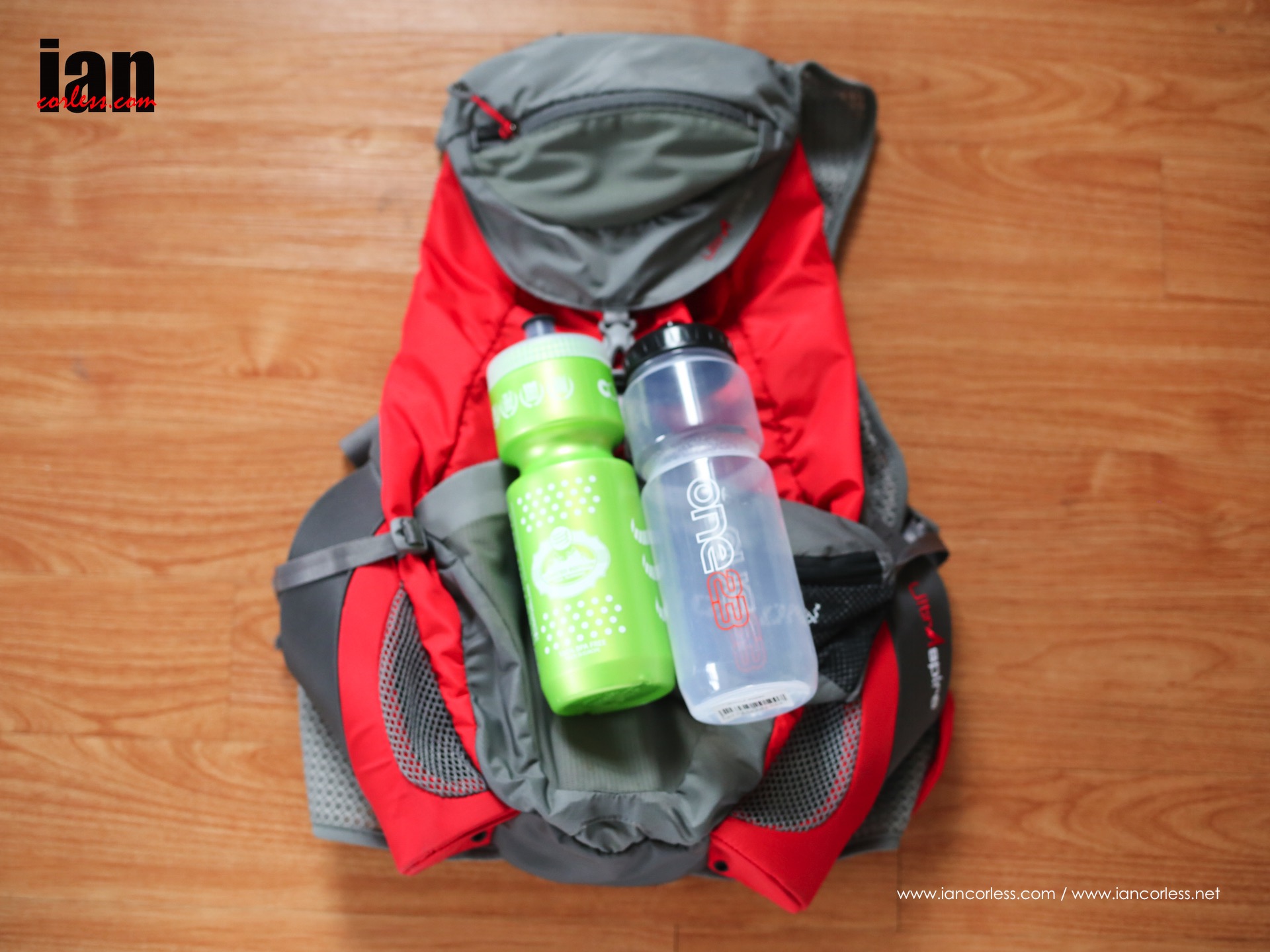
The pack is an Ultra Aspire Fastpack that will have 2x750ml bottles that sit on the hips and provide easy access

©iancorless.com_MDSkit-7707

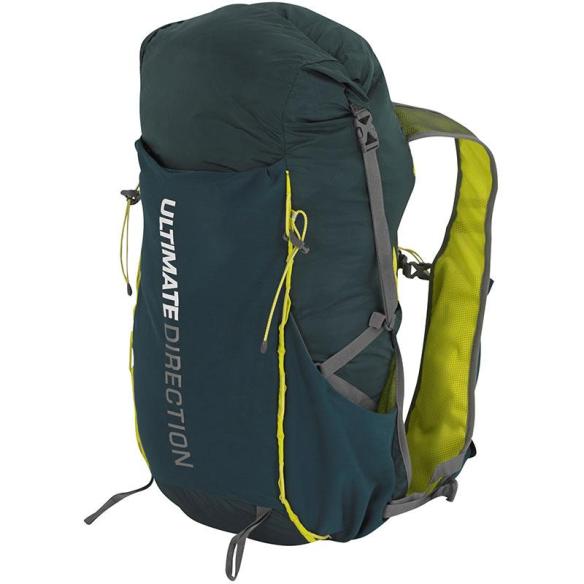
*Update – This pack was changed at the 11th hour to an Ultimate Direction Fastpack 20 (available here). This proved to be a good decision! The UDF pack turned out to be a revelation at the 2015 MDS runners. Elisabet Barnes and may others used this. It’s simplistic, no-nonsence approach was a real winner and the bottle holders on the chest perfect for ‘on-the-go’ hydration.

UD-Fastpack-20-F14

Points to consider:
1. The bottle holders are ‘on’ the shoulder straps in an excellent position (lower) and they do not bounce! You can fit 750/800ml bottles in them.
2. The pack fits snug to you pack and can be tightened to remove all bounce. It’s vest like.
3. The pack is just an open space, so, it’s really simple. The downside is that you do need to think about how you pack, anything you may need ‘en-route’ should be near the top.
4. As you eat food and pack contents and weight gets less, the pack has a roll top closure which means that you can make the pack smaller as the day’s pass.
5. It has no waist belt so no stomach stress.
6. It has elastic stretch pockets on the outside for easy access and additional items.
Negatives:
It has no waist belt so therefore you way wish to add a small waist belt for food, snacks, salt tabs etc


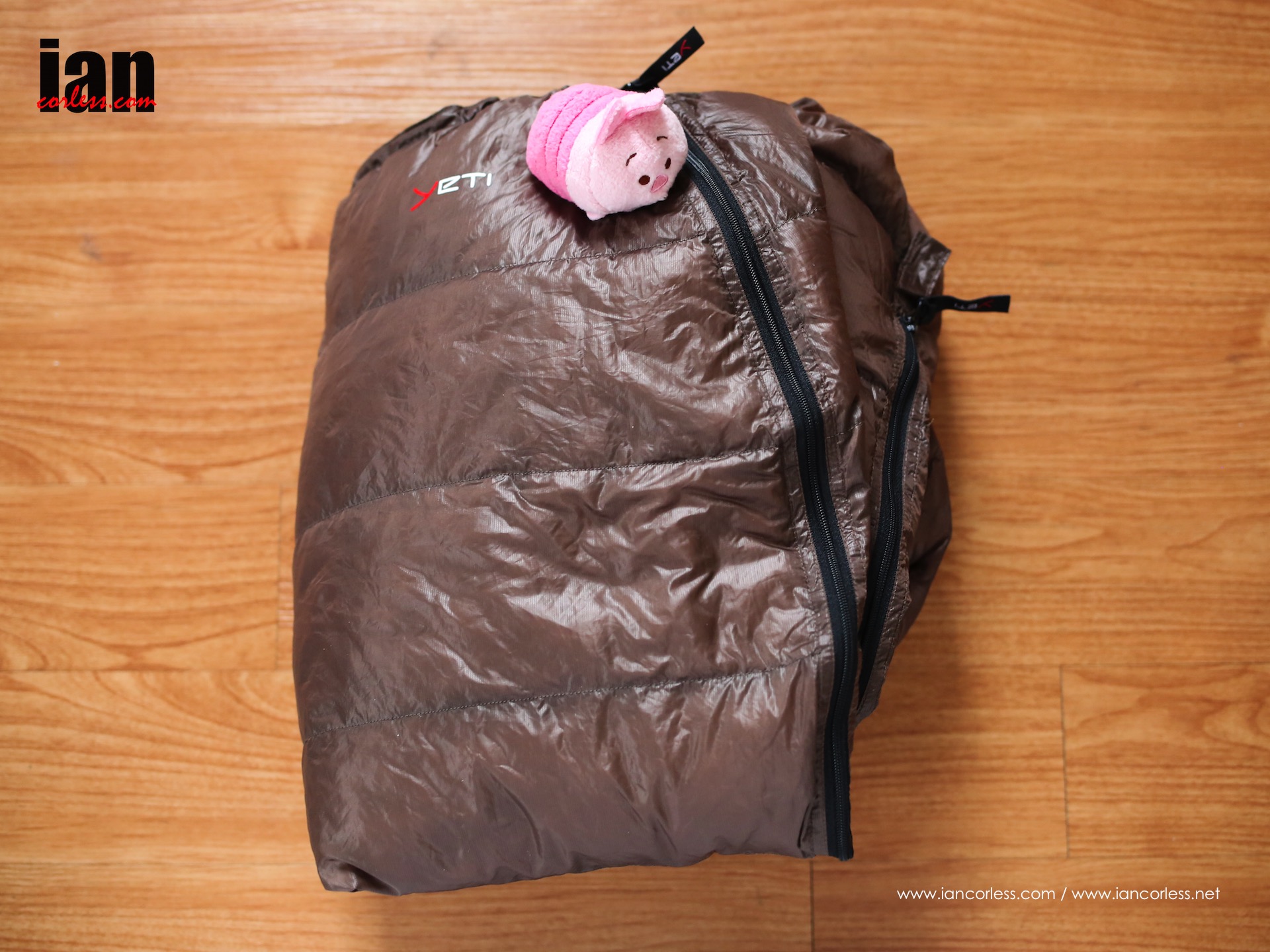
Sleeping bag (with Piglet) Yeti Passion One

©iancorless.com_MDSkit-7704

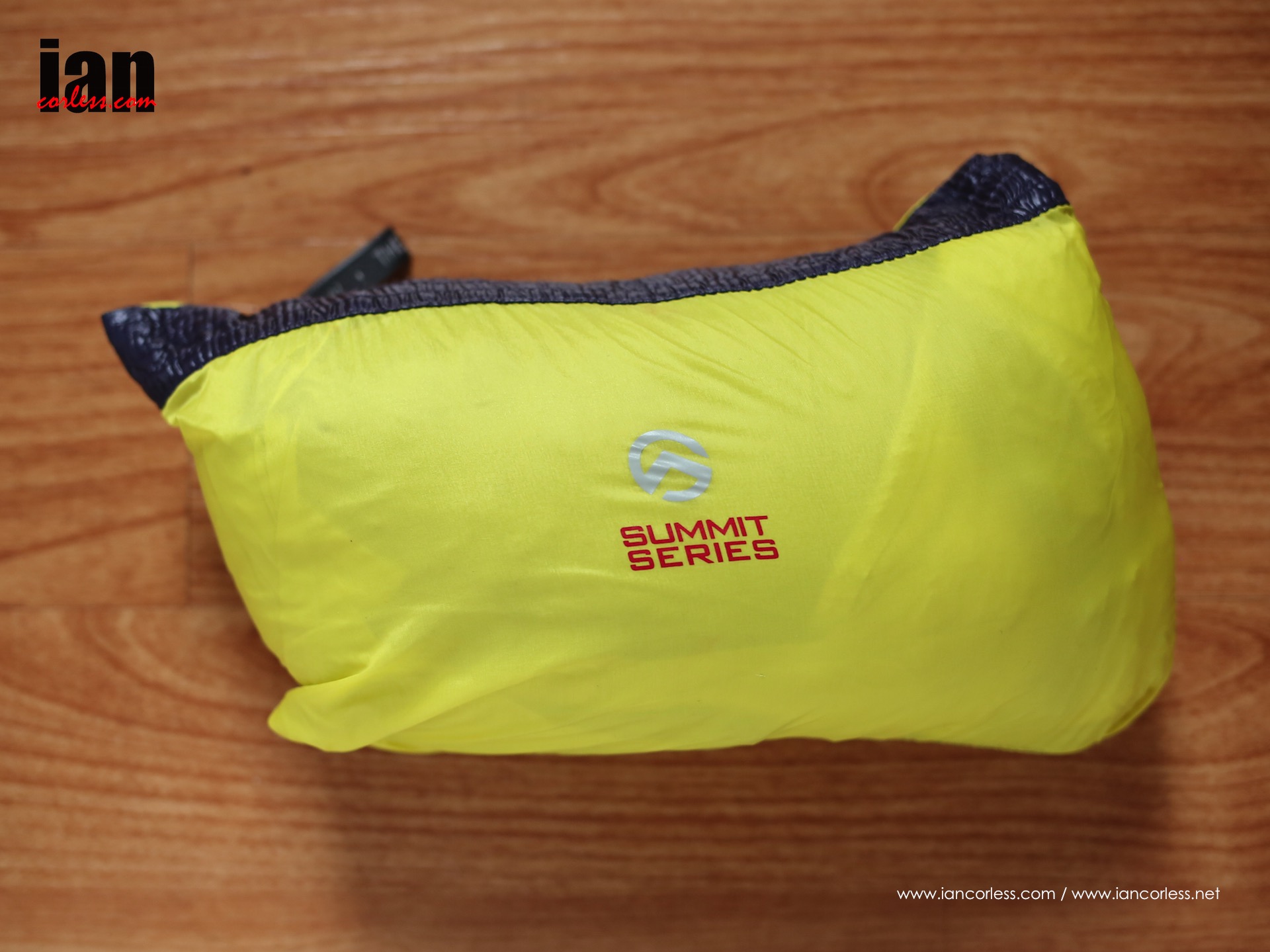
The North Face Summit Series down jacket

©iancorless.com_MDSkit-7692

Raidlight Tyvek suit which has been tailored and modify for a tighter fit and to reduce weight.

©iancorless.com_MDSkit-7691

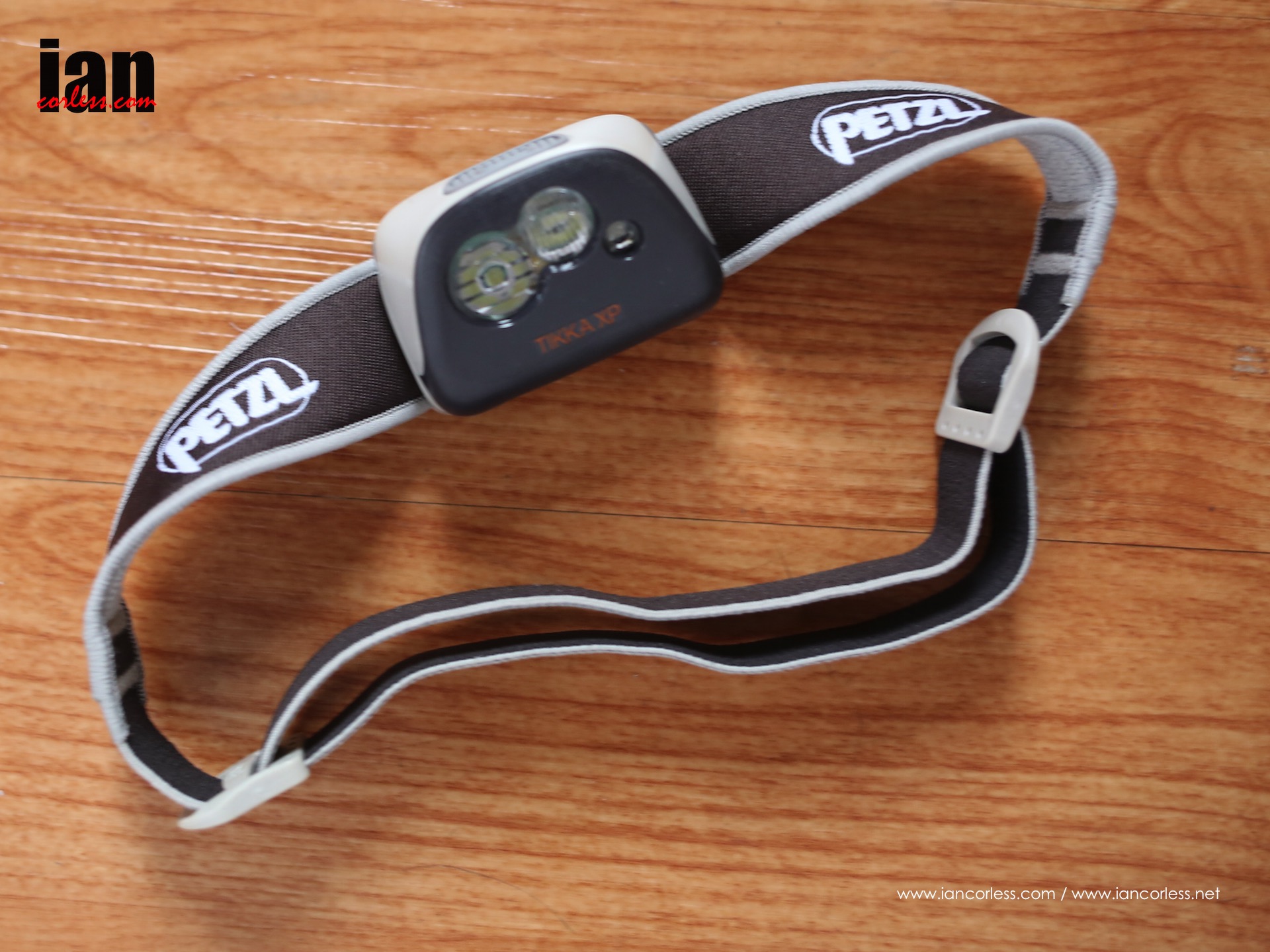
Petzl head torch with spare batteries

©iancorless.com_MDSkit-7689

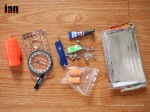
The items below make up additional items that are optional extras (such as iPod) and mandatory kit. One or two items are missing: Spot Tracker, signalling mirror and sun cream.

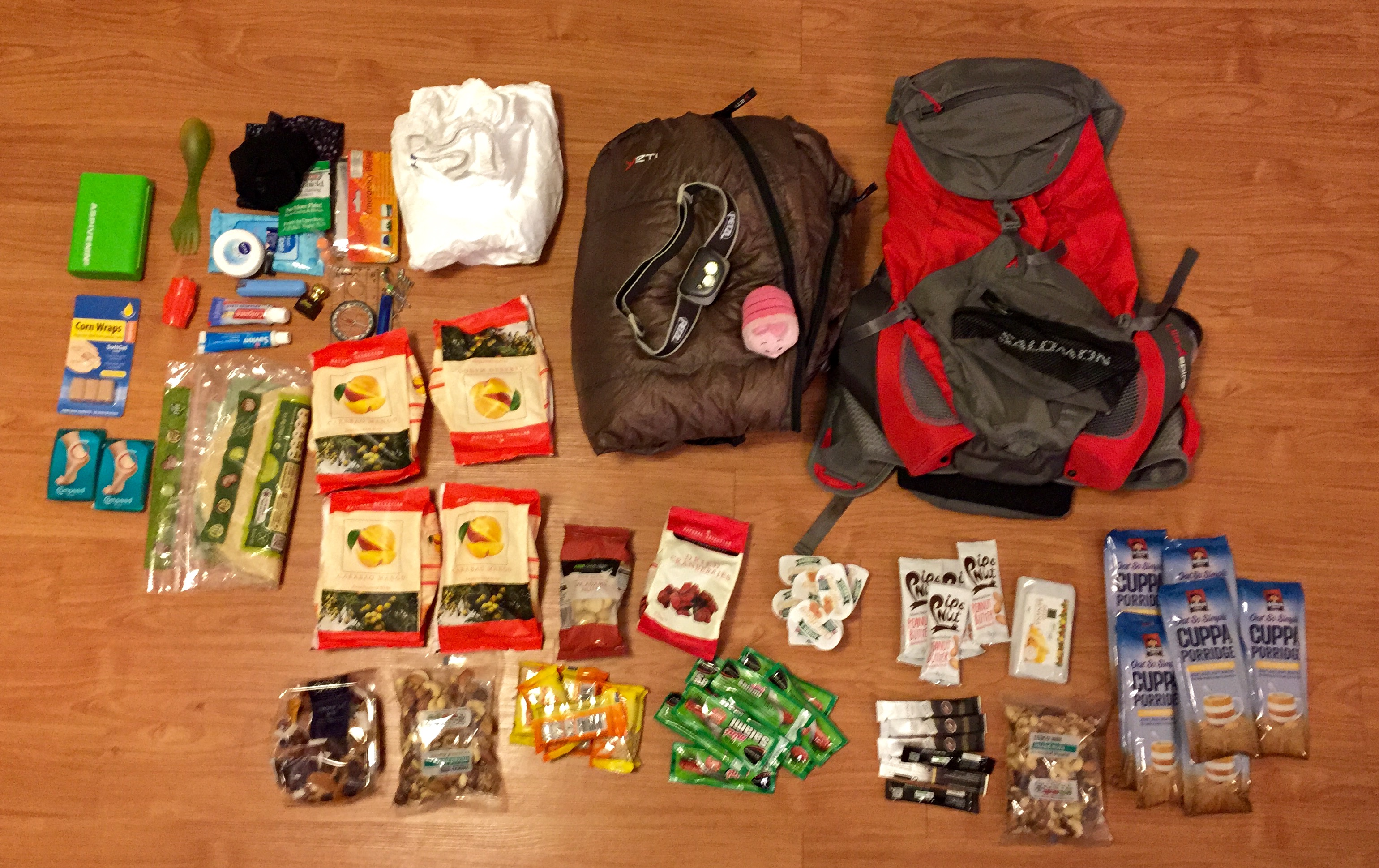
Food is broken down on the excel spread sheet but here is a summary in words and images:

Dehydrated Meals x6 672
Dried Mango 93g x 4 372
Porridge 59g x 7 413
Coffee 1g x 10 10
Peanut Butter 33g x 5 165
Honey 21g x 8 168
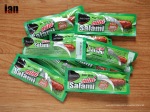
Mini Salami 10g x 10 100
Tropical Mix 194
Sesame Bites 27g x 6 162
Dried Banana 270
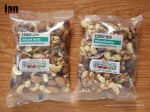
Mixed Nuts 200g x 2 400
Macademia Nuts 153
Cranberries 175
Wraps 296
3550

We have not added photos of the dehydrated meals as currently we do not have them but we have calculated the weight and you can see a review of dehydrated meals and options HERE

So in a nutshell. With everything listed above we have a current pack weight (without water) of:

TOTAL WEIGHT 6189
*all weights in grams

Niandi does have some additional optional items that she was considering taking and now based on the weight above she will add:

  • Flip Flops 250g
  • Cheese 150g
  • Stove and fuel 150g

The above 3 items tip the scales at 550g

This will make a total pack weight of 6189 + 550 = 6739g

JOB DONE!

Read an in-depth preview of the 2015 Marathon des Sables HERE

Episode 83 – Grinius Campbell Murray Bragg

Ep83

Episode 83 of Talk Ultra has a great interview with rising ultra star, Gediminas Grinius​. Dr Andrew Murray and Donnie Campbell​ talk about their recent epic journey and Jez Bragg​ talks about getting speed back after his epic Te Araroa journey and how he plans to tame the Dragon. Marc Laithwaite​ is back in Talk Training, we have the News, a Blog, Up & Coming races and Niandi Carmont​ joins me as co-host and we discuss the MDS.

00:32:36 NEWS
 
Way to Cool 50k
Pay Smyth 3:04:48 new CR beating Max King
Ryan Bak 3:10
Tim Tollefson 3:20
Megan Roche 3:41:56 new CR
Stephanie Howe 3:47
Yiou Wang 3:51
World Records on Treadmills
50k – Mike Wardian failed first time and 36-hours later did it… crazy 3:03:56 (3:06:24 first time)
50k – Gemma Carter in the UK 3:55:28 (Tracy Dean did 4:15 just before Christmas)
12-hour – Denis Mikhaylove ran 80.54 miles
 
Transgrancanaria article HERE
  1. Nuria Picas 16:53:27
  2. Carole Chaverot 17:16:48
  3. Dong Li 18:15:55
  4. Andrea Huser 18:37:53
  5. Manu Vilaseca 18:42:59
  6. Ester Alves 19:11:45
  7. Lucinda Souza 19:25:46
  8. Aliza Lapierre 19:58:48
  9. Raquel Delgado 20:24:16
  10. Silvia Trigueros 20:38:18
  1. Gedminas Grinius 14:23:27
  2. Didrik Hermansen 14:30:07
  3. Antoine Guillon 14:39:35
  4. Sondre Amdahl 15:06:37
  5. Cyril Cointr 15:28:22
  6. Anton Krupicka 15:29:49
  7. Remi Queral 15:59:11
  8. Freddy Thevenin 16:07:06
  9. Marco Zanchi 16:25:13
  10. Piotr Hercog 16:30:45
Max King impresses once again running 2:17 for an Olympic Qualifying slot. Sage Canaday just missed out!
Hillary Ultra in NZ 80k
Andrius Romanas 8:23
Chris Morrisey 8:55
Scott Hawker 9:07
Beth Cardelli 9:57
Joanna Johansen 10:17
Fiona Hayvice 10:22
Lakes Sky Ultra announced – HERE
 
00:49:07 INTERVIEW
 
DONNIE CAMPBELL and DR ANDREW MURRAY need no introduction when it comes to expeditions, I catch up with them and discuss the latest one!
01:18:08 BLOG
 
ANTON KRUPICKA talks Transgrancanaria HERE
01:19:00 INTERVIEW
 
JEZ BRAGG talks all about putting speed back in his training and how he will tame the Dragon in 2015.
 
01:54:08 TALK TRAINING
 
Marc Laithwaite talks all about butter in coffee… would you do it?
02:25:16 INTERVIEW
 
GEDIMINIAS GRINIUS is a star in the rising, an incredible 2014 has been followed up with the biggest win in his career: Transgrancanaria.
 
03:11:41 UP & COMING RACES
 

Algeria

Ultramarathon des Ziban | 100 kilometers | April 02, 2015 | website

Belgium

Wallonia

Crêtes de Spa – 55 km | 55 kilometers | March 28, 2015 | website

Canada

Yukon

6633 Extreme Winter Ultra Marathon – 120 mile | 120 miles | March 20, 2015 | website

6633 Extreme Winter Ultra Marathon – 350 mile | 350 miles | March 20, 2015 | website

Likeys Ultra 6633 – 120 Mile | 120 miles | March 20, 2015 | website

Likeys Ultra 6633 – 350 Mile | 350 miles | March 20, 2015 | website

China

Action Asia 3 day ultra marathons 60k | 60 kilometers | March 27, 2015 | website

Lijiang Shangri-La AA Ultra Marathon 100km | 100 kilometers | March 27, 2015 | website

Shangri-La LIJIANG Action Asia 3 day 100 km Ultra Marathon | 100 kilometers | March 27, 2015 | website

Shangri-La LIJIANG Action Asia 3 day 60 km Ultra Marathon | 60 kilometers | March 27, 2015 | website

Croatia

Istratrek Trail Race | 60 kilometers | March 28, 2015 | website

France

Lot

Cahors (Lot) – Eauze (Gers) | 185 kilometers | April 01, 2015 | website

Morbihan

Trail du Kreiz Breizh Bras | 55 kilometers | March 29, 2015 | website

Yvelines

Ecotrail de Paris IDF – 50 km | 50 kilometers | March 21, 2015 | website

Ecotrail de Paris IDF – 80 km | 80 kilometers | March 21, 2015 | website

Germany

Hesse

Eschollbrücker Ultra-Marathon 50 km | 50 kilometers | March 29, 2015 | website

Hungary

BSI Half Lake Balaton Supermarathon | 95 kilometers | March 21, 2015 | website

BSI Lake Balaton Marathon+ Balatonfüred – Siófok | 51 kilometers | March 22, 2015 | website

BSI Lake Balaton Marathon+ Fonyód – Szigliget | 52 kilometers | March 20, 2015 | website

Ireland

Leinster

Wicklow Way Ultra | 51 kilometers | March 21, 2015 | website

Italy

Lombardy

100 km di Seregno | 100 kilometers | March 29, 2015 | website

60 km di Seregno | 60 kilometers | March 29, 2015 | website

BVG Trail | 73 kilometers | March 28, 2015 | website

Jordan

Dead Sea Ultra Marathon | 50 kilometers | April 03, 2015 | website

Luxembourg

La GranDucale – 55 km | 55 kilometers | March 29, 2015 | website

Morocco

Marathon des Sables | 250 kilometers | April 03, 2015 | website

Morocco Tizi N’Trail | 120 kilometers | March 28, 2015 | website

Morocco Trail | 120 kilometers | March 28, 2015 | website

Nepal

Kathmandu West Valley Rim 50km | 50 kilometers | March 21, 2015 | website

New Zealand

Northburn Station 100 km Mountain Run | 100 kilometers | March 21, 2015 | website

Northburn Station 50 km Mountain Run | 50 kilometers | March 21, 2015 | website

Oxfam Trailwalker NZ | 100 kilometers | March 28, 2015 | website

Triple Peaks Challenge | 50 kilometers | March 28, 2015 | website

Philippines

CEBU50 Trail Ultramarathon – Aspirant | 54 kilometers | March 28, 2015 | website

Portugal

Inatel Piódão Trail Running – 50 km | 50 kilometers | March 28, 2015 | website

Réunion

Caldeira Trail | 74 kilometers | March 21, 2015 | website

South Africa

Om Die Dam 50 km Marathon | 50 kilometers | March 21, 2015 | website

Spain

Catalonia

Ultra Trail Muntanyes de la Costa Daurada | 90 kilometers | March 28, 2015 | website

Valencian Community

La Perimetral | 65 kilometers | March 28, 2015 | website

Sweden

Silva Ursvik Ultra – 75 km | 75 kilometers | March 22, 2015 | website

United Kingdom

Dorset

Jurassic Coast Challenge | 78 miles | March 20, 2015 | website

East Sussex

Coastal Trail Series – Sussex – Ultra | 34 miles | March 21, 2015 | website

Manchester

The Canalathon 100 km | 100 kilometers | March 22, 2015 | website

The Canalathon 50 km | 50 kilometers | March 22, 2015 | website

The Canalathon 75 km | 75 kilometers | March 22, 2015 | website

North Yorkshire

Hardmoors 55 Ultramarathon | 55 miles | March 21, 2015 | website

Oldham

Oldham Way Ultra | 40 miles | March 22, 2015 | website

Worcestershire

Hot Runner 14 in 7 | 590 kilometers | March 23, 2015 | website

Hot Runner 7 in 7 | 295 kilometers | March 23, 2015 | website

USA

Alabama

Lake Martin 100 Mile Trail Race | 100 miles | March 21, 2015 | website

Lake Martin 50 Mile Trail Race | 50 miles | March 21, 2015 | website

Oak Moutain 50+ | 50 kilometers | March 28, 2015 | website

Alaska

White Mountains 100 | 100 miles | March 29, 2015 | website

Arizona

Crown King Scramble 50 Km Trail Run | 50 kilometers | March 28, 2015 | website

Arkansas

3 days of Syllamo | 150 kilometers | March 20, 2015 | website

Race Across Arkansas – Border to Border (6 Marathons) | 161 miles | April 02, 2015 | website

California

Beyond Limits Ultra and BLU Relentless 100 Miler | 100 miles | March 28, 2015 | website

Beyond Limits Ultra and BLU Relentless 50K | 50 kilometers | March 28, 2015 | website

Beyond Limits Ultra and BLU Relentless 50 Miler | 50 miles | March 28, 2015 | website

Canyon Meadow 50 Km Trail Run (March) | 50 kilometers | March 22, 2015 | website

Nine Trails 35 Mile Endurance Run | 35 miles | March 28, 2015 | website

Old Goats 50K Trail Race | 50 kilometers | March 21, 2015 | website

Old Goats 50 Mile Trail Race | 50 miles | March 21, 2015 | website

Delaware

Trap Pond 50K | 50 kilometers | March 29, 2015 | website

Florida

Fort Clinch 100M | 100 miles | March 28, 2015 | website

Fort Clinch 50M | 50 miles | March 28, 2015 | website

Georgia

Bear Blaster 50k | 50 kilometers | March 21, 2015 | website

Running Dead Ultra 100M | 100 miles | March 28, 2015 | website

Running Dead Ultra 50K | 50 kilometers | March 29, 2015 | website

Running Dead Ultra 50M | 50 miles | March 28, 2015 | website

Idaho

Pickled Feet 100 Mile Run | 100 miles | March 27, 2015 | website

Illinois

Chicago Lakefront 50K George Cheung Memorial Race | 50 kilometers | March 21, 2015 | website

Kansas

Prairie Spirit Trail 100 Mile Ultra Race | 100 miles | March 28, 2015 | website

Prairie Spirit Trail 50 Mile Ultra Race | 50 miles | March 28, 2015 | website

Louisiana

Race Across Louisiana – Border to Border (52 Miles) | 52 miles | March 30, 2015 | website

Maryland

50K HAT Run | 50 kilometers | March 21, 2015 | website

Hat Trail Run 50K | 50 kilometers | March 21, 2015 | website

Mississippi

Gulf Coast Interstate Relay – Ride or Run | 263 miles | April 03, 2015 | website

Spring Equinox 50K | 50 kilometers | March 21, 2015 | website

Spring Equinox 50 Miler | 50 miles | March 21, 2015 | website

Missouri

Forrest Gump Challenge 50 Mile Ultra-marathon | 50 miles | March 28, 2015 | website

New Jersey

NJ Ultra Festival – 100K Trail Race | 100 kilometers | March 21, 2015 | website

NJ Ultra Festival – 100M Trail Race | 100 miles | March 21, 2015 | website

NJ Ultra Festival – 50K Trail Race | 50 kilometers | March 21, 2015 | website

NJ Ultra Festival – 50M Trail Race | 50 miles | March 21, 2015 | website

North Carolina

Badwater Cape Fear 50 km | 50 kilometers | March 21, 2015 | website

Badwater Cape Fear 51.4 Mile | 51 miles | March 21, 2015 | website

Race for R.A.R.E. 50K | 50 kilometers | March 28, 2015 | website

Umstead 100 Mile Endurance Run | 100 miles | March 28, 2015 | website

Umstead 50 Mile Endurance Run | 50 miles | March 28, 2015 | website

North Dakota

Extreme North Dakota Sandhills Ultra Run Experience 100K | 100 kilometers | March 28, 2015 | website

Extreme North Dakota Sandhills Ultra Run Experience 50K | 50 kilometers | March 28, 2015 | website

Ohio

Fools 50K Trail Run | 50 kilometers | March 29, 2015 | website

Oregon

Gorge Waterfalls 100k | 100 kilometers | March 28, 2015 | website

Gorge Waterfalls 50k | 50 kilometers | March 29, 2015 | website

Pennsylvania

Lt. J. C. Stone 50K UltraMarathon | 50 kilometers | March 21, 2015 | website

Mt. Tammany 10 | 40 miles | March 21, 2015 | website

Tuff FKN 100 miler | 100 miles | March 28, 2015 | website

Tuff FKN 100 Miler 2 Person Relay | 100 miles | March 28, 2015 | website

Tuff FKN 100 Miler 4 Person Relay | 100 miles | March 28, 2015 | website

Western PA Endurance Fest 50K | 50 kilometers | March 28, 2015 | website

Western PA Endurance Fest 50K Relay | 50 kilometers | March 28, 2015 | website

South Carolina

XTERRA Hickory Knob Trail 50K | 50 kilometers | March 21, 2015 | website

Texas

Race Across Texas – D-Town (4 Marathons) | 106 miles | March 20, 2015 | website

Race Across Texas – Plains to Pines (3 Marathons) | 84 miles | March 25, 2015 | website

The Grasslands 50-Mile | 50 miles | March 21, 2015 | website

Utah

24 Hours of Utah – 100K | 100 kilometers | March 21, 2015 | website

24 Hours of Utah – 100 Mile | 100 miles | March 21, 2015 | website

24 Hours of Utah – 50K | 50 kilometers | March 21, 2015 | website

Antelope Island 100 Mile | 100 miles | March 20, 2015 | website

Antelope Island 50K | 50 kilometers | March 21, 2015 | website

Antelope Island 50 Mile | 50 miles | March 21, 2015 | website

Behind the Rocks 50 K | 50 kilometers | March 28, 2015 | website

Behind the Rocks 50 Mile | 50 miles | March 28, 2015 | website

Vermont

Twin State 50 km | 50 kilometers | March 28, 2015 | website

Twin State 50 Miles | 50 miles | March 28, 2015 | website

Virginia

Terrapin Mountain 50km | 50 kilometers | March 21, 2015 | website

Washington

Badger Mountain Challenge 100 Mile Endurance Run | 100 miles | March 27, 2015 | website

Badger Mountain Challenge 50k Ultramarathon | 50 kilometers | March 28, 2015 | website

Badger Mountain Challenge 50 Mile Ultramarathon | 50 miles | March 27, 2015 | website

Chuckanut 50 K | 50 kilometers | March 21, 2015 | website

West Virginia

Haulin’ in the Holler 50K Trail Race | 50 kilometers | March 21, 2015 | website

 
CLOSE
03:20:00

ITunes http://itunes.apple.com/gb/podcast/talk-ultra/id497318073

Libsyn – feed://talkultra.libsyn.com/rss

Website – talkultra.com

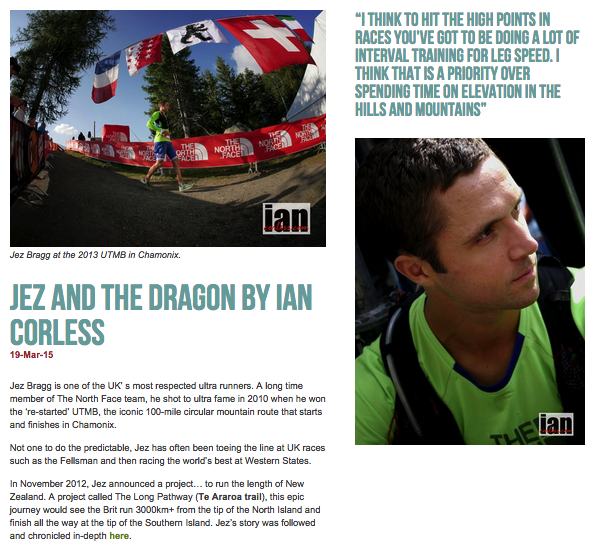
JEZ and the DRAGON

Jez and the Dragon

“…it kind of draws upon my all around hill skills really. My ability to look after myself in tricky weather situations, navigate my way between checkpoint stations and just generally manage myself and be safe. Whilst it is a race there’s a kind of survival element, there’s definitely a lot of appeal in all that. I think that UK ultra-running traditionally drew upon all those skills with mountain marathons and similar events. It’s nice to go back and do a big event based on those elements and test myself in different ways. It brings excitement and gets my adrenaline going.” – Jez Bragg


You can read the full article on Jez Bragg on RUNULTRA HERE

run-ultra-logo

The Berghaus Dragons Back Race™

The legendary Dragon’s Back Race™ follows the mountainous spine of Wales from Conwy Castle to Carreg Cennen Castle. This incredible 5-day journey is approximately 300 kilometres long with 17,000 metres of ascent across wild, trackless, remote and mountainous terrain. It is not a trail race.

The original Dragon’s Back Race™ happened in September 1992 and ever since, it has been whispered about with a mix of awe and trepidation. Its reputation had reached legendary status with fell, mountain and ultra runners the World over by September 2012 when the second Dragon’s Back Race™ happened.

The Dragon’s Back Race™ is one of the hardest mountain races in the World.

The next race will be the 22nd-26th June 2015. If you are considering entering or just want to experience the awesome challenge offered by the Dragon’s Back Race™ we strongly recommend that you watch the multi award winning film of the 2012 race.

Potential competitors should read the information here>>>.

Shane Ohly
Race Director

LAKES SKY ULTRA – new race for 2015

lakesskyultra

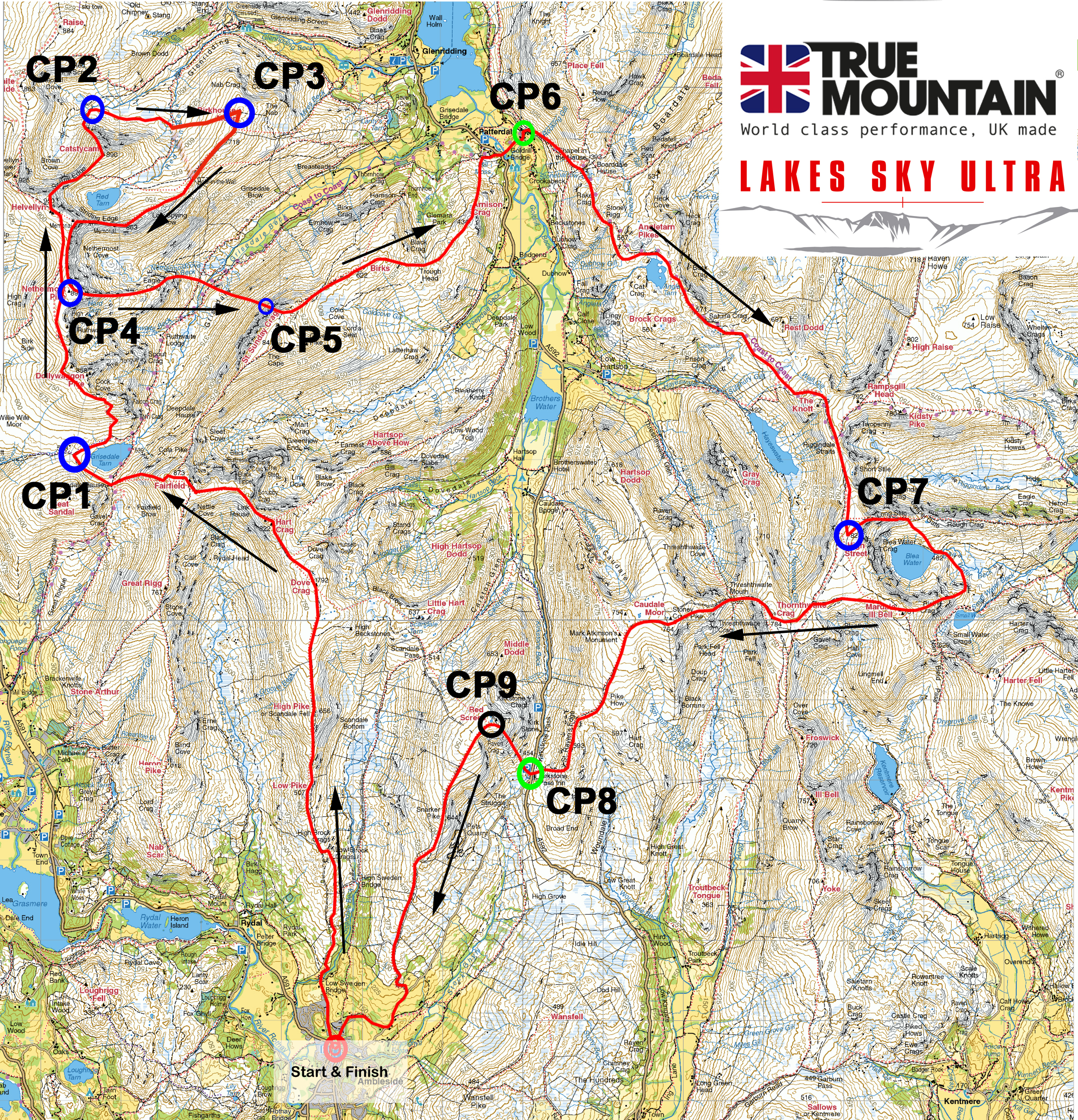
Skyrunning UK is pleased to announce a new race for 2015, the LAKES SKY ULTRA™. A 50km+/- course with 4300m+/- ascent that includes soaring ridgelines, rock scrambling and a course that will test the most experienced competitor. Starting and concluding in the iconic Lakeland village, Ambleside: the LAKES SKY ULTRA will look to bring a European feel and ambiance to Skyrunning in the UK.

Ben_Abdelnoor_Sky_Race

Created by Charlie Sproson (Mountain Run) and Andrew Burton, the LAKES SKY ULTRA™ will follow on from the recently announced Glen Coe Skyline in providing competitors from the UK and overseas with an opportunity to test themselves on a course that harks back to the late 80’s and early 90’s when ISF President, Marino Giacometti went fast and light to the summit of Monte Rosa.

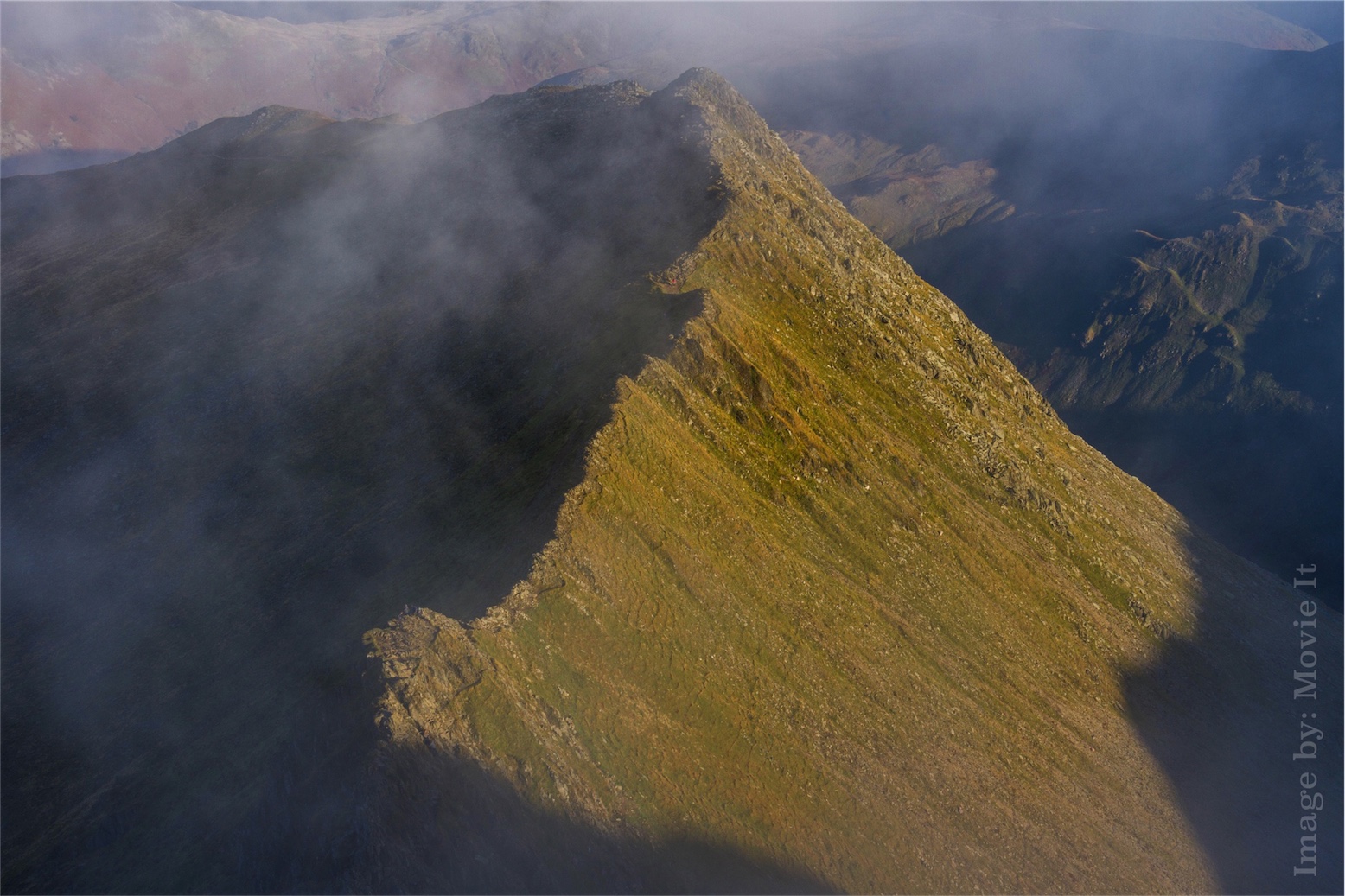
We may lack altitude in the UK but we have a strong history and heritage founded in the traditions of fell and mountain running. The LAKES SKY ULTRA™ will combine a series of graded scrambles: 0.5 at Swirral Edge, grade 1 at Striding Edge and grade 3 at Pinnacle Ridge to offer a unique racing experience but it is not for the feint hearted…

Sky-Race-Map-from-Ambleside-_LSU-version

“We have so much great scenery and courses in the UK; we certainly have exposure and technical terrain. We have a sense of high mountains even though we lack altitude. Throw in British weather and our course will be a challenge. No question. We are offering an opportunity to explore from a different perspective.”

Andrew and Charlie have had some great days out planning routes and have therefore created a course with added spice. It will be a test and the route will inspire those who like a challenge. They have pulled together something quite special. Soaring ridgelines in the sky… Skyrunning!”

“We have some very technical parts on this course but we also have plenty of simple running. The route has three graded scrambles so foot and hand placements are going to be important. We have elements of not just running but hands-on rock fun to be had!”

In year one the LAKES SKY ULTRA™ will only have 100-places available and this race will require a certain type of runner. Participants will need to provide a list of past experience when applying. Just being an ultra runner won’t cut it. Charlie and Andrew quite clearly state, “We need scrambling and rock climbing experience. However, we are planning a mountain skills course in August to help those interested to gain experience… but this will not guarantee race entry!”

Striding_Edge_LSU

Safety is key in any race, however, Skyrunning races of this style are designed to challenge… so, although Charlie and Andrew are looking at safety, a course of this nature does bring risk and ultimately, that is part of the attraction; hence the vetting procedure. “If a runner is asking, ‘I wonder if I have the correct experience?’ they probably don’t!” says Andrew.

Charlie Sproson on a recce day. Image ©steveashworth MovieiT

Charlie Sproson on a recce day. Image ©steveashworth MovieiT

The LAKES SKY ULTRA ™ course is designed to have an element of danger, however, no compromises are being made in regard to the safety of everyone.

“We will have manned checkpoints at high level sections of the course, electronic checkpoints and a cut-off at Patterdale.” Charlie explains. “We will also have evacuation routes should they be required due to danger or injury. An appointed safety officer, Joe Faulkner from Nav4 will look at the course and will provide safety without taking away the excitement… for example, on the grade 3 scramble we may have a fixed rope? Many of these elements are yet to be decided but we are looking at all aspects.”


Make a date in your diary, 12th September 2015.

The LAKES SKY ULTRA™ is coming.

http://www.lakesskyultra.uk/

Email Charlie Sproson: charlie@lakesskyultra.uk

“The Helvellyn range is one of the most iconic massifs in the Lake District. The combination of this spectacular mountain and a series of scrambles make the LAKES SKY ULTRA™ route a real highlight within the UK. We have fantastic edge running from Riggindale Straights to Kirkstone pass with some amazing scenery. You can look over Ambleside from Red Screes… this course has it all. Mountain scenery, splashed with lakes and technical terrain make this a True Mountain™ experience.”

The race will start and finish in Ambleside and Skyrunning UK sincerely hope over time that the race will mimic some of the experiences that have been encountered in some of the top European races. Think Zegama-Aizkorri or the Dolomites Sky Race. A town center race start and finish includes everyone: families, shops, restaurants, tourists, supporters and of course the race can interact with everyday life. It’s going to be incredible to bring this experience to an iconic Lakeland town. We want people with cowbells, whistles and cheering. A carnival of Skyrunning!

Images all ©MovieiT

Pacing while racing – Marc Laithwaite

©iancorless.com_Transgrancanaria15-7079

So last week we discussed training at the correct intensity during long, endurance sessions. This week, we are following a similar theme but we are focusing more on race strategy and how to pace yourself during an event. Many of the things we’ve discussed in the past weeks are critical not just for training but also during competition, so let’s complete an overview of past topics and how they relate to race pacing:

  1. For longer events, fat utilisation is critical to prevent glycogen stores depleting quickly. You should have optimised this in training beforehand, but during your race, riding and running at the correct intensity is critical. If your race pace is too quick, then you are in danger of running your glycogen stores low, resulting in a poor performance.
  1. Maintain a constant intensity and avoiding spikes is also critical. If you push hard on uphills and recover on the downhills, your intensity will vary greatly throughout the race. Remember, when you pick your intensity for any event, average figures (average heart rate or average power) or pretty useless as a guide. You need to hold the intensity constant, with little change in intensity. If you aim to ride or run at a heart rate figure of 130 beats per minute, then set yourself a tight range of 125-135 for the duration of the event. Slow on the uphills and hold pace on the flat and downhills.
  1. Avoid the fast start or you’ll suffer later in the event. It’s very clear watching ironman races, marathon and ultra races that at least 90% of the field start at a quicker pace than they finish. There are 3 main reasons for this: The first is that you are fresh, so going hard feels easy. Coupled with this, you have an adrenaline shot at the start, so this exaggerates how good you feel. The killer shot is the fact that everyone else feels the same, so they all go too quick and it takes a very brave person not to react and follow everyone else!

There is an element of sheer panic for many people during the first hour of an event, when riders and runners are streaming past them at a quicker pace. From a psychological standpoint, this is incredibly difficult to handle, so we inevitably end up going with the flow of traffic and picking up our pace.

Here’s the thing, most of those people passing you in the early hours of an ironman bike course, or the opening miles of an ultra race, will be walking huge chunks of the event in the latter stages. If your better pacing means that you are still running in the latter stages, any time losses now will be erased and reversed without any issues whatsoever. In fact, many of them might actually drop out and not even finish!! This is the most important race of the year for you, having spent 12 months preparing, are you going to blindly follow someone who is pacing the event badly? Knowing deep inside that you’re riding or running at the wrong pace, are you going to chase them, only to ‘blow up’ in spectacular fashion later in the day and destroy your chances of a great performance? Sound stupid? Well that’s how a lot of people race.

Focus on the process and not on the outcome

Let’s make this very simple. In a long distance endurance event, you can only go at the pace that YOU are able to sustain for the duration of the event, what everyone else does, should not affect your race strategy. Prior to your event, you should have a pre-set intensity that you are intending to sustain. You may have a power meter on your bike to measure watts or you may have a heart rate monitor to gauge how hard you are working. Once you have that pre-set intensity, you should stick to it and ignore all other competitors. This concept is termed ‘process orientated’ as opposed to ‘goal orientated’ racing.

What’s the difference?

Goal orientated is simple, you set a target of 12 hours for your event and you swim, ride or run as fast as required to achieve that 12 hour time. It doesn’t matter if you’re going quicker than you can handle, you simply chase the pre-set time. Process orientated refers to you focusing on the process of swimming, cycling and running at the right pace. Following a nutrition plan and doing all the things you’ve trained to do beforehand. You focus on the process only and ultimately, when you reach the line, the finish time is whatever the finish time is. What’s key, is that is you focus well on the processes, your finish time will be the best you are capable of on that day.

Process orientated racing works best in longer events as tactics play less of a role. You can’t control who enters the event and you can’t control how well those people race. As a consequence, you cannot control your finish position at the end of the day. The only thing you CAN control is your own pacing and race strategy, to give you the best possible chance of achieving the finish time you hoped for.

Live in the here and now

Ultimately, whilst you will have a pre-set pacing plan, you will have to be flexible on the day. Your pacing strategy and other actions should be based on the ‘here and now’. You should be making regular checks and asking yourself how you feel at that moment in time and whether there is anything you need to do as a consequence. For example, if you had planned to run at 5 minutes per Km pace and you feel that pace slowing, then you should not panic. Instead, think about what you need to do at that time to solve the problem. Do you need to eat and drink? Do you need to slow a little? Be flexible, don’t just continue in a blind manner trying to hold the same pace or it will result in a major collapse.

One of the key things to remember when competing in long distance events such as Ironman or ultra running is that energy can fluctuate. In a simple marathon race, you tend to feel ok at the start and then gradually get worse as the event progresses. In an Ironman marathon or ultra race, you can have patched where you have to walk because you feel so low, but 5 miles later, you may be running at a strong pace.

When you have a drop in energy, don’t lose focus and don’t lose your head. That’s the point where lots of people just give up, start walking and never start running again. Focus on the here and now, what do you have to do to solve the problem and get back to the plan? Whatever happens, you can only be as good as you can be on that particular day. If you focus on the processes, you’ll know that when you cross that line, that’s as good as you are, for today at least.

– Marc Laithwaite

About Marc:

Sports Science lecturer for 10 years at St Helens HE College.

2004 established The Endurance Coach LTD sports science and coaching business. Worked with British Cycling as physiology support 2008-2008. Previous Triathlon England Regional Academy Head Coach, North West.

In 2006 established Epic Events Management LTD. Now one of the largest event companies in the NW, organising a range of triathlon, swimming and cycling events. EPIC EVENTS also encompasses Montane Trail 26 and Petzl Night Runner events.

In 2010 established Montane Lakeland 50 & 100 LTD. This has now become the UKs leading ultra distance trail running event.

In 2010 established The Endurance Store triathlon, trail running and open water swimming store. Based in Appley Bridge, Wigan, we are the North West’s community store, organising and supporting local athletes and local events.

Check out the endurance store HERE
Endurance Store Logo

Gediminas Grinius – Transgrancanaria 2015

Gediminas_inov8

Gediminas Grinius took a few people by surprise at the 2015 Transgrancanaria… not me I am pleased to say!

In my pre-race preview I went on to say:

 “Gediminas Grinius had a stunning 2014 with 3rd, 5th and 4th places at Lavaredo, UTMB and Raid de la Reunion. Three tough races! Based on these performances, Gediminas has all the potential to podium once again and should all things align, he may even win.”

Win he did and he set a new course record beating Ryan Sandes 2014 time and over a longer course.

This week on TALK ULTRA podcast (released Friday 20th March) we have a full and in-depth interview Gediminas and he has quite a story… in the meantime, read about his journey on the inov8 website:

HERE

inov-8 logo

all images ©iancorless.com – all rights reserved

Salomon Sense Mantra 3 – Review

©iancorless.com_Mantra3-7562

When Salomon signed Ellie Greenwood and Max King (just ran 2:17 for Olympic qualifier) for 2015 sponsorship, the two current 100km champions, it was a clear statement that the brand wants to make some headway on the road as well as trail.

The new S-Lab X Series (Here) is an out-and-out road shoe but Salomon are also very keen to capture all of hose runners that run on road, trail, road, trail and then road… but not necessarily in that order. The birth of CITYTRAIL. It’s not rocket science but if in doubt, CITYTRAIL shoes combine the best of a road shoe and then mix it up with a trail shoe.

©iancorless.com_Mantra3-7568

The original Salomon Mantra (2012) was ground breaking. However, the shoe has come a long way from its original incarnation and although the new Mantra 3 does hold some of the original traits, it’s fair to say that the Sense Mantra 3 is a completely new shoe.

Imagine taking the much loved S-Lab Sense, breeding it with the original Mantra and in many ways you have the Sense Mantra 3.

©iancorless.com_Mantra3-7559

Do you like the S-Lab Sense in either normal or soft-ground versions? If so, you are almost certainly going to like the Mantra 3.

The shoe has all those wonderful S-Lab characteristics that we have all come to love:

  • Sensfit
  • Endofit
  • Lace pocket
  • Quicklace
  • OS Tendon
  • Ortholite
  • Profeet Film

So many buzz words but in brief they all add up to…  awesome!

©iancorless.com_Mantra3-7577

Okay, I fully appreciate that here I am again waxing lyrical about another pair of shoes and arguably another pair of Salomon’s that are a joy to wear. But I only tell it like it is… I loved the Sense 3 SG and I loved the Sense Pro, so, combine those two shoes and you arguably have the Sense Mantra 3. BUT the shoe has some significant differences.

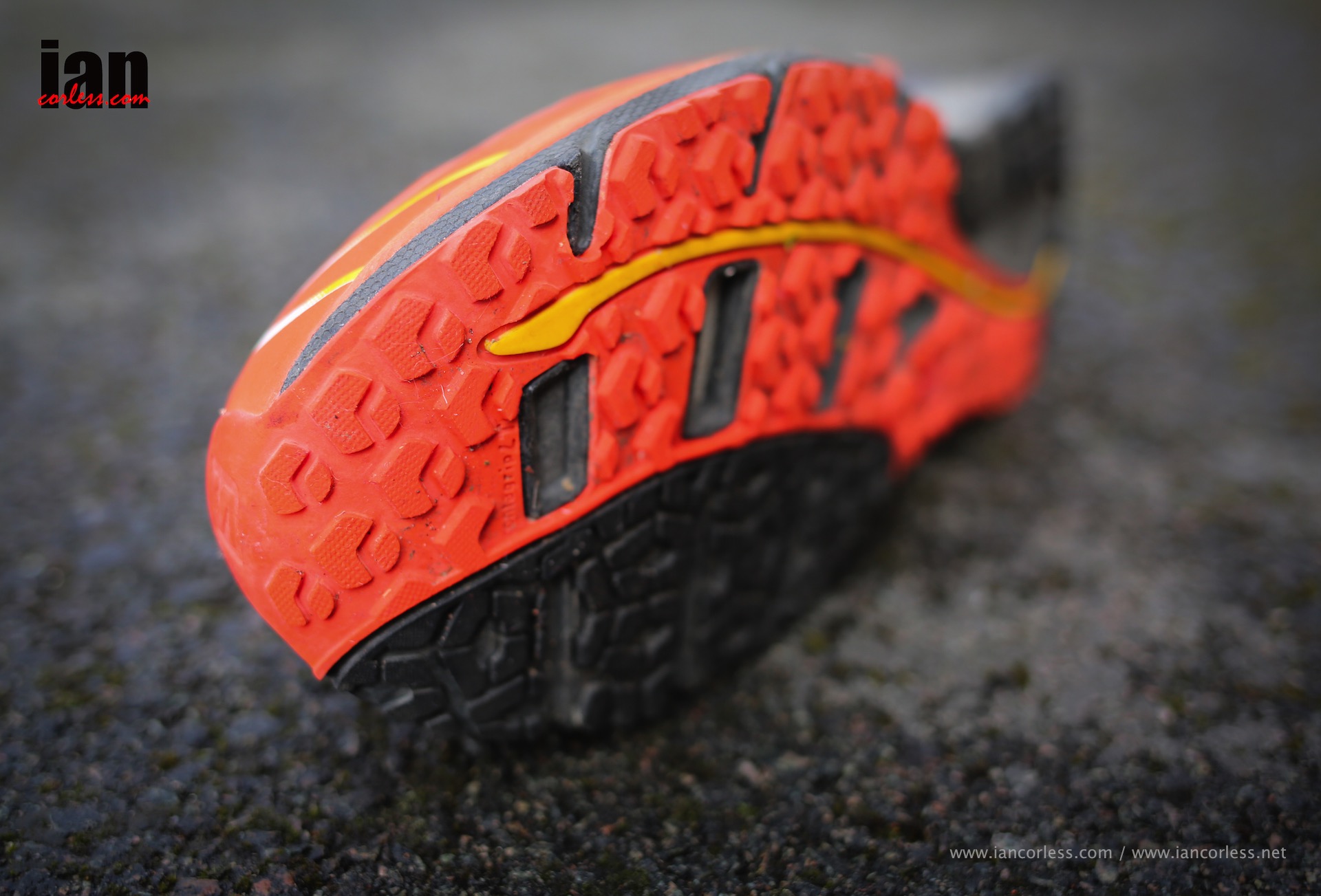
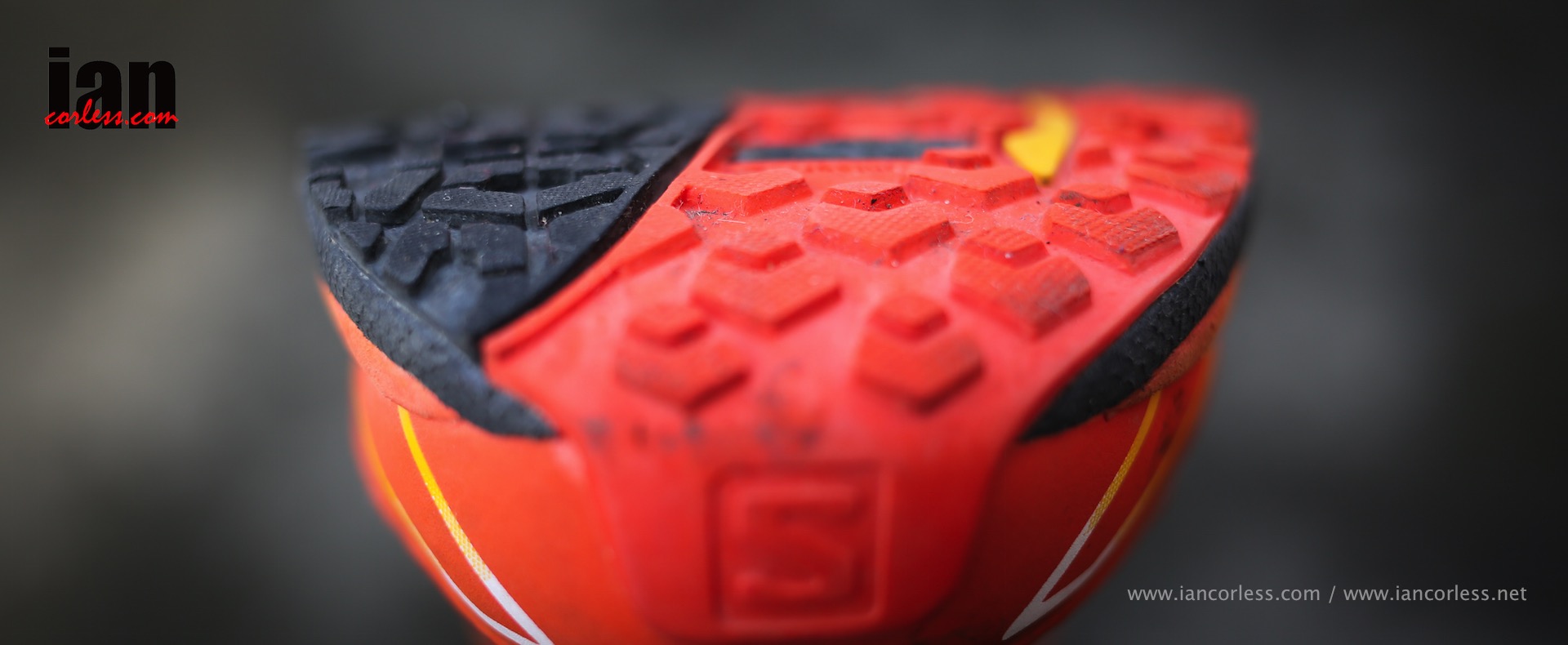
©iancorless.com_Mantra3-7596First and foremost, the sole of the shoe has been redesigned and it has a completely new look. Need a shoe for soft or muddy ground? Look elsewhere. But if you are mixing road, hard trail, rocks and anything in and around that scenario, the Mantra 3 is a dream.

©iancorless.com_Mantra3-7565 The shoe feels very cushioned and plush. This almost certainly comes from Endofit. Lets face it, once you have used Endofit; other shoes feel a little sloppy. Endofit holds the foot snug, secure and as such provides great feel and security. Basically it’s a wrap for your foot.

©iancorless.com_Mantra3-7571

The Mantra 3 has 15mm cushioning at the rear and 9mm at the front. I was a little surprised by those stats. The shoe feels a little more cushioned than that but I don’t mean that in a negative way. You still have plenty of feel, loads of response and arguably the 6mm drop provides an ideal sweet spot.

Weight is awesome at 275g (UK8) and the shoe feels light. Flexibility is great and when out running, the shoe actually makes you want to increase your cadence and pick up the pace. I loved that feeling… I just wish my lungs and heart could keep up with the shoes.

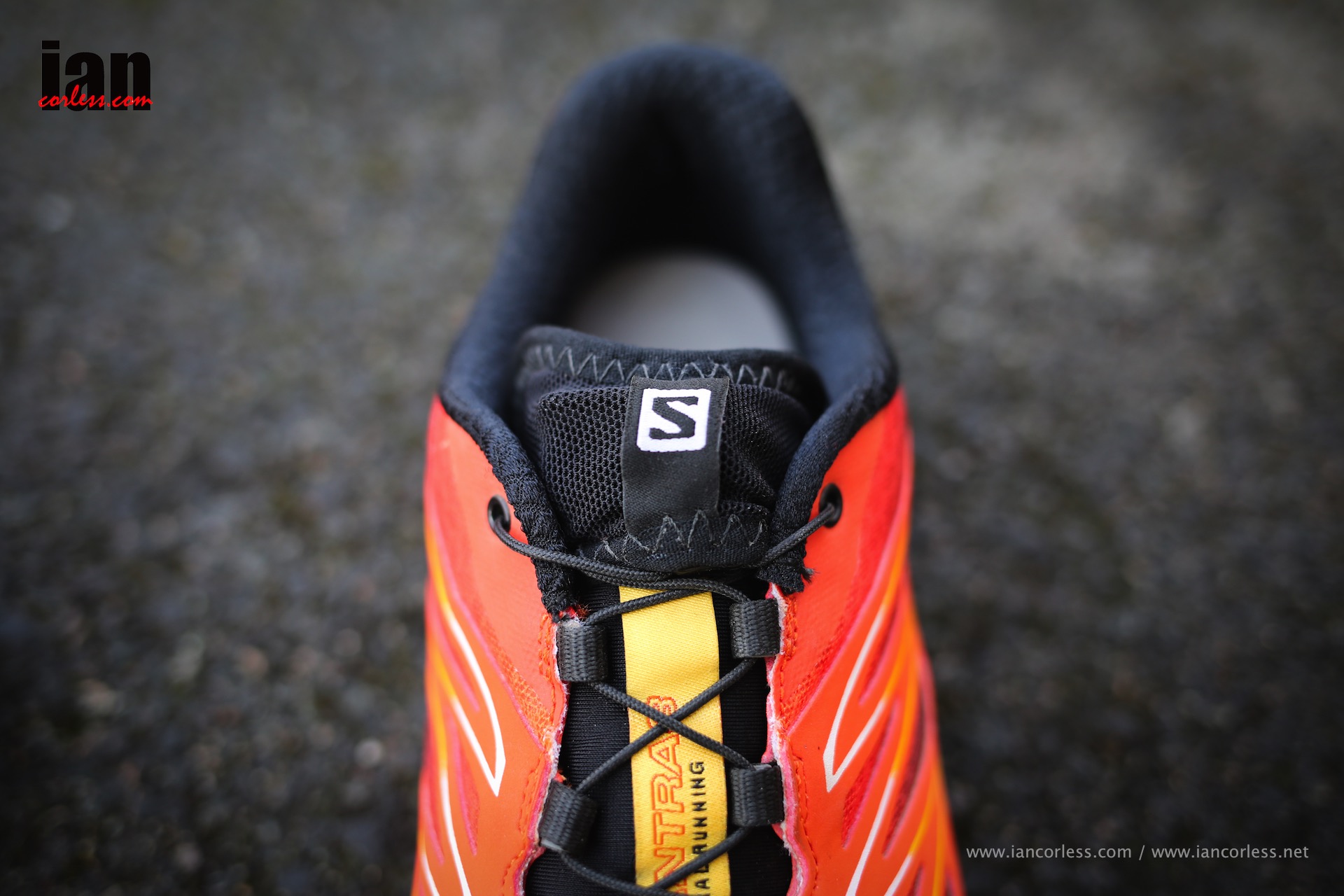
©iancorless.com_Mantra3-7573Lacing is legendary and the ‘Quicklace’ system works flawlessly. I have no problems with this system but it is fair to say that if you like to tweak your laces and loosen them in places, that is difficult to do here. Excess lace is stored in the equally legendary ‘Lace Pocket.’

I personally found that my shoes sized a little small. I use UK9.5 in Sense 3, Sense 3 SG and Sense Pro but I found that I needed a UK10 for the Mantra 3. Of course this may just be a one off? However, if ordering online, keep this in mind.

©iancorless.com_Mantra3-7593 The noticeable difference in the Mantra 3 is the toe box! It is without doubt considerably wider and roomier than any other Salomon shoe I have used. So much so that I found myself tweaking the tightness of my laces to compensate. I know only too well how many people complain that Salomon shoes are too narrow. Well, this may well be a shoe for you to try. I thought the Sense Pro had a wider toe box but the Mantra 3 is definitely wider. This all may be part of Salomon’s new strategy as the S-Lab Sense 4 and Sense 4 SG have a slightly wider toe box too. Depending on how you run and what your preferences are, the wider toe box can be a negative as much as a positive. Having used both versions of the Sense 3 and the Sense Pro (and loved them) I found that at times I had a little ‘too’ much movement in the toe area on the Mantra 3, which didn’t give me the precision feel I am used to. We have to remember here that the Mantra 3 is a hybrid shoe, so this additional freedom is intentional. Certainly on longer runs this additional area was welcome should your feet swell and expand.

©iancorless.com_Mantra3-7585The heel area of the shoe is plush, holds the foot tight and has no friction. Toe protection at the front of the shoe is minimal, so, should you get on some really rocky terrain, be careful of your toes.

©iancorless.com_Mantra3-7600

The outsole as I mentioned has been redesigned and I have to say that if you keep to hard trail, rocks or road the grip is great. Equally I had full confidence in wet conditions. If you are heading out into the mud, this is not the shoe to take… look at the Sense 4 SG, Speedcross or Fellcross.

As mentioned, the Ortholite/ Sensifit combination provides a plush and cushioned feel and the addition of a Profeet Film adds security and protection from the road and/or trail surface.

In summary, the Mantra 3 is a great shoe for someone who mixes up road running and trail running on a daily basis. But don’t be put off by this ‘compromised’ approach. For me, the Mantra 3 is a great dry trail shoe or a great road shoe, I would have no problem running for extended periods on either surfaces. The 6mm drop is ideal for many providing a sweet middle ground and the cushioning is ideal for long runs. It is arguably a perfect long distance dry trail shoe. If I was running a race similar to Western States, I personally think the Mantra 3 would be my preference over the S-Lab Sense 4. The additional cushioning, roomier toe box and extra height on the drop for me make this shoe a winner for ultra runners.

Pros

  • Endofit
  • 6mm drop
  • Weight
  • Cushioning
  • Wide toe box
  • Lacing
  • Lace pocket

Cons

  • Toe box may be too wide for some
  • Sizes a touch small (for me anyway)
  • No good in mud

Specs

  • Weight 275g
  • Drop 6mm
  • Cushioning 9mm/ 15mm
  • RRP £90.00
  • Available early 2015

Salomon really are extending the CITYTRAIL range in terms of shoe range and clothing. Take a look HERE

Salomon Logo