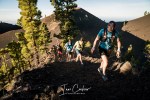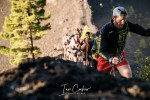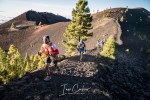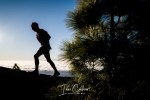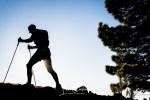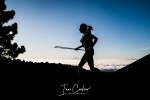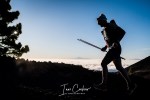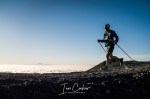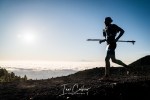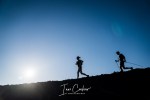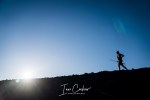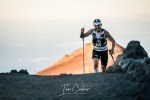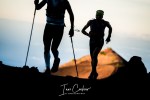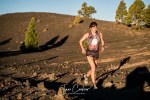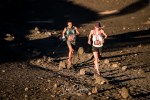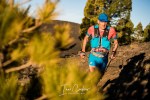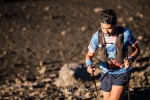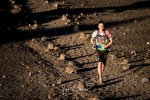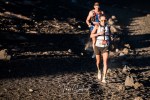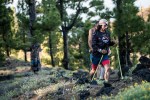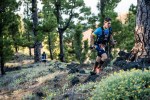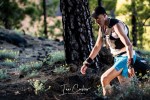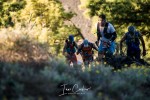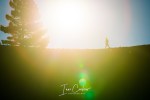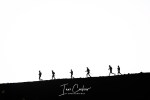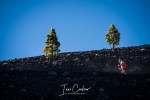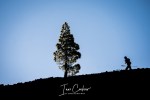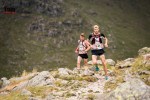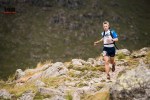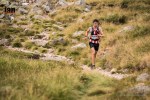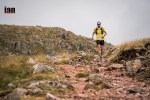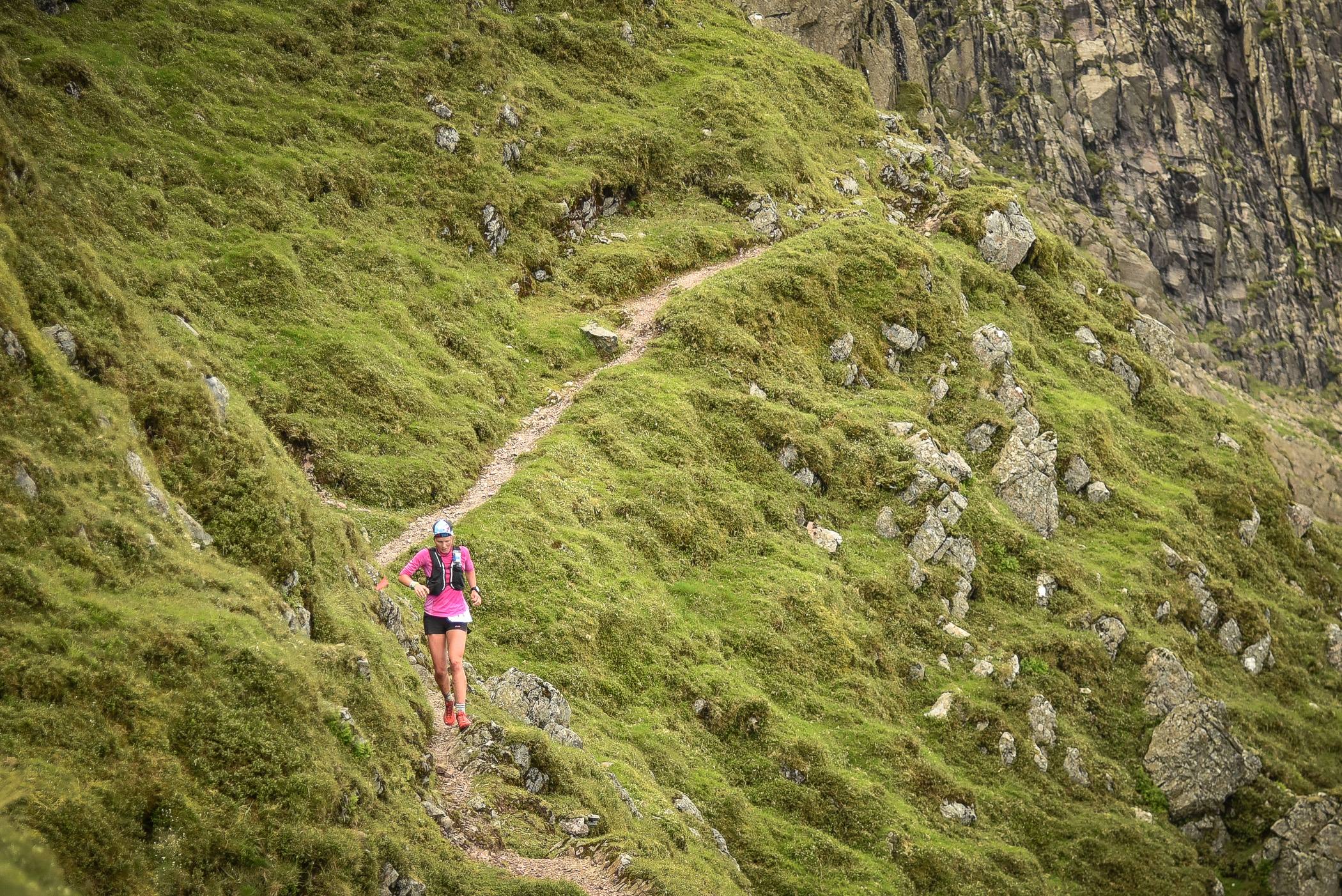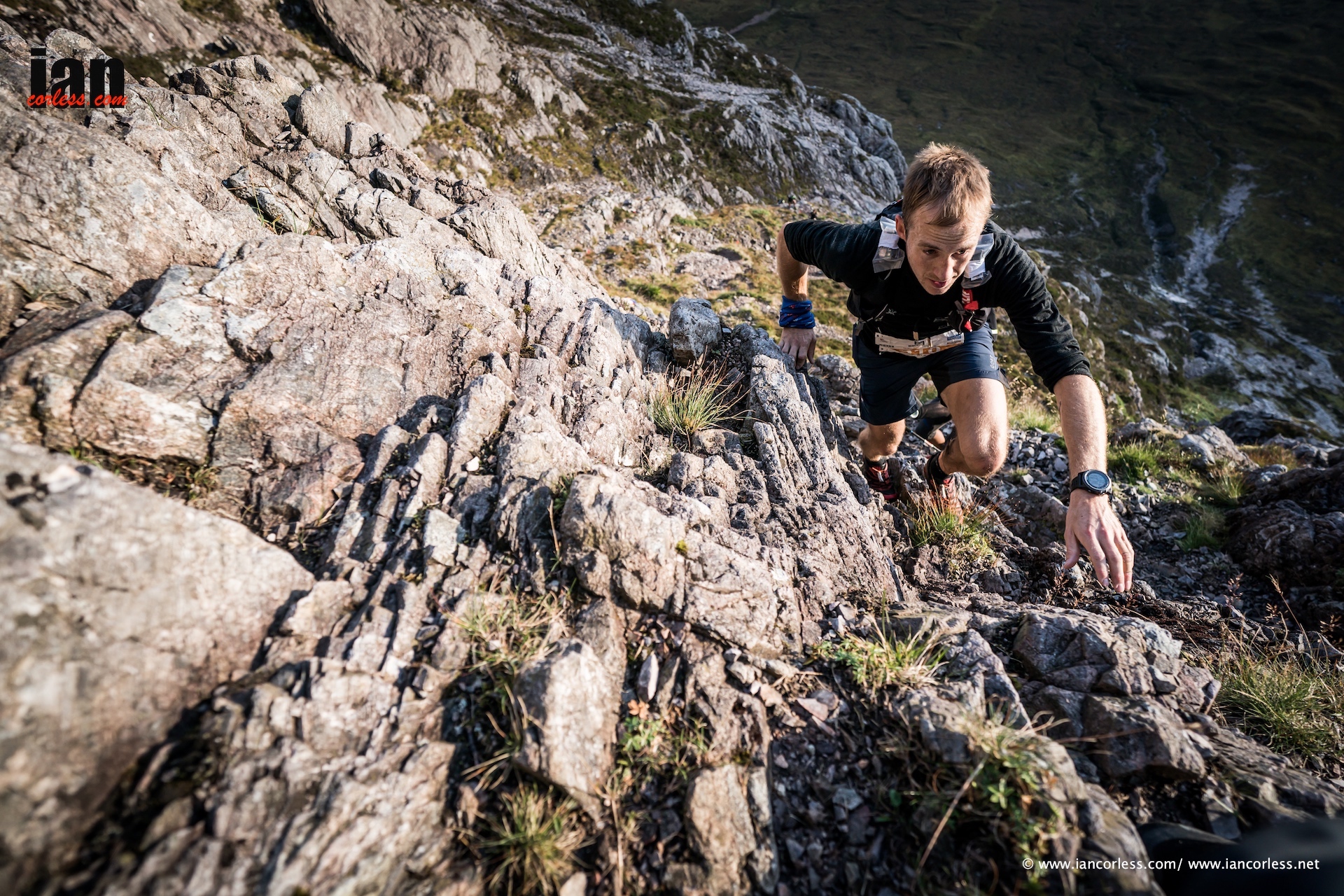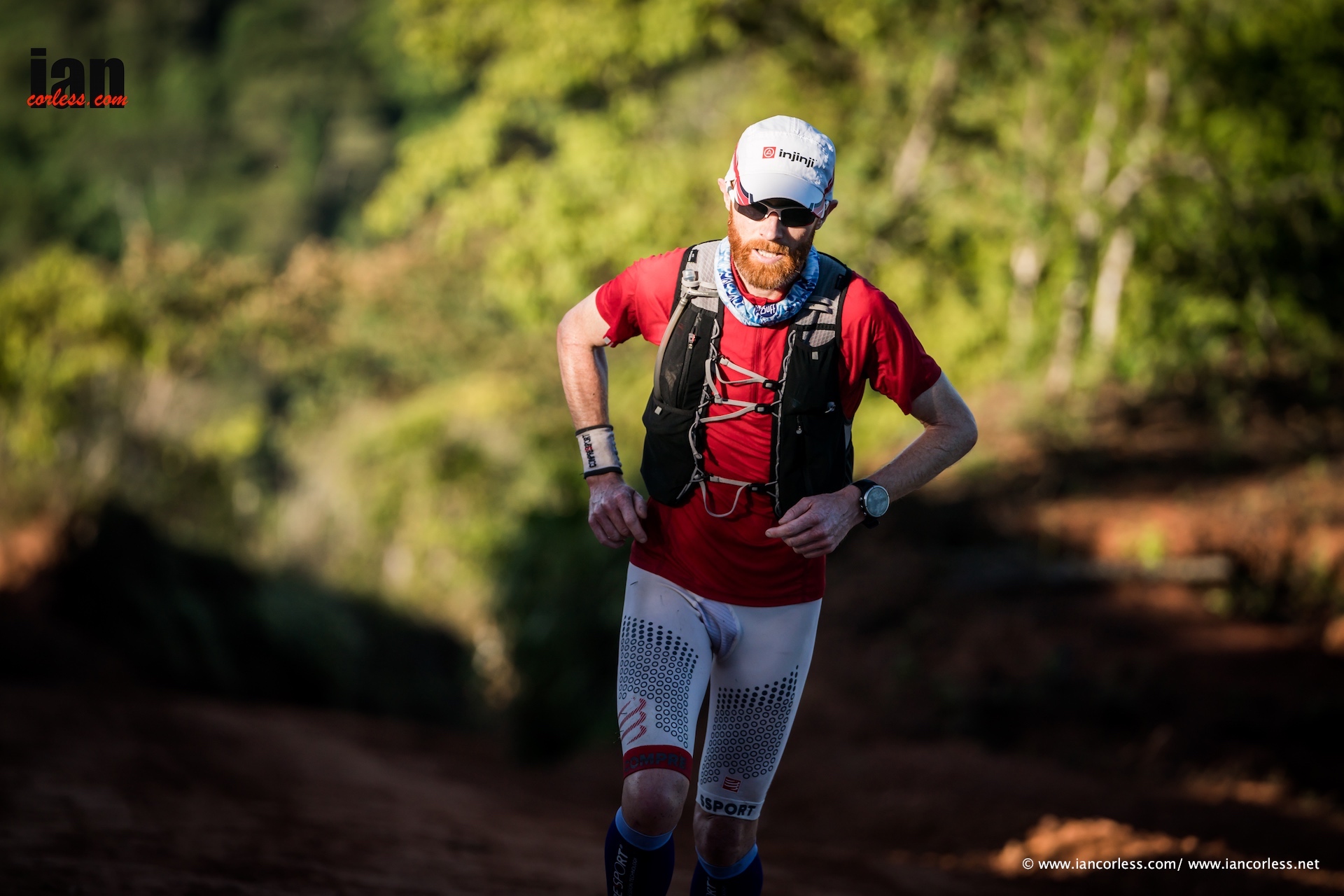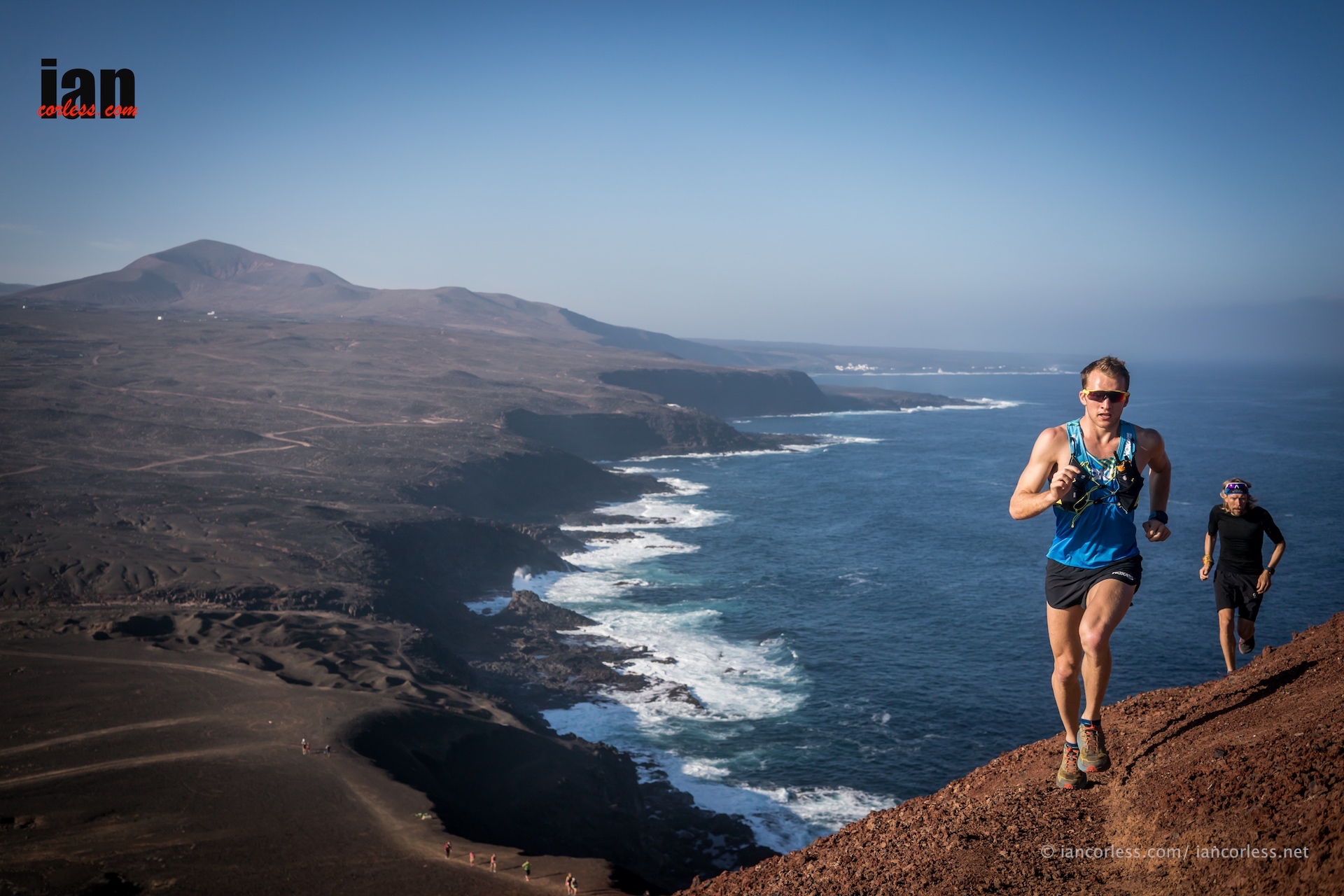
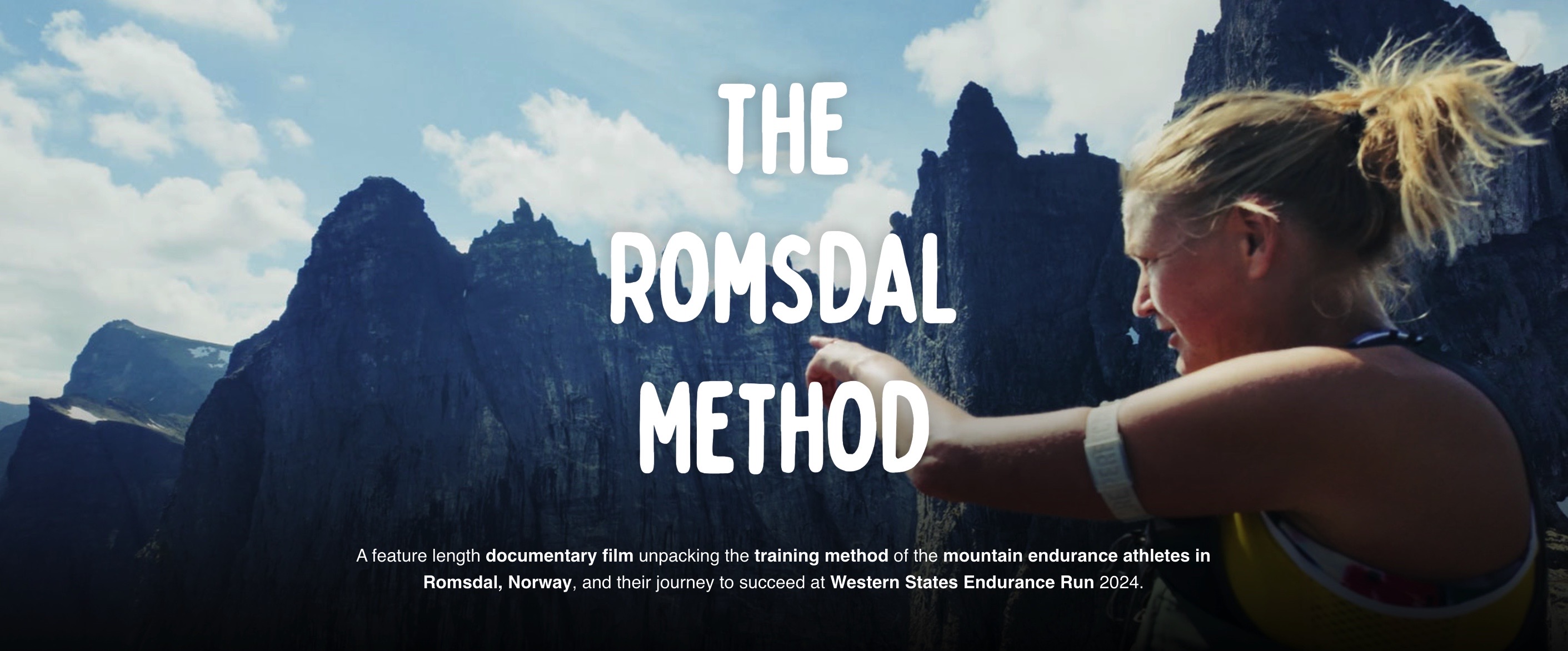
The Romsdal Method – A Gritty Ode to Community, Mountains & Method

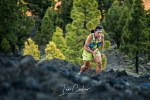
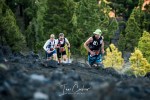
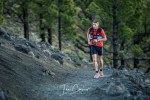
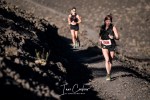
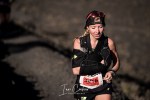
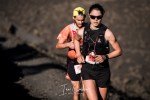
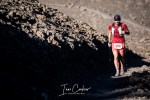
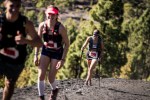
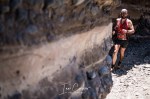
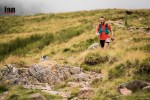
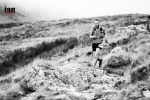
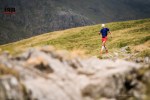
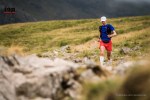
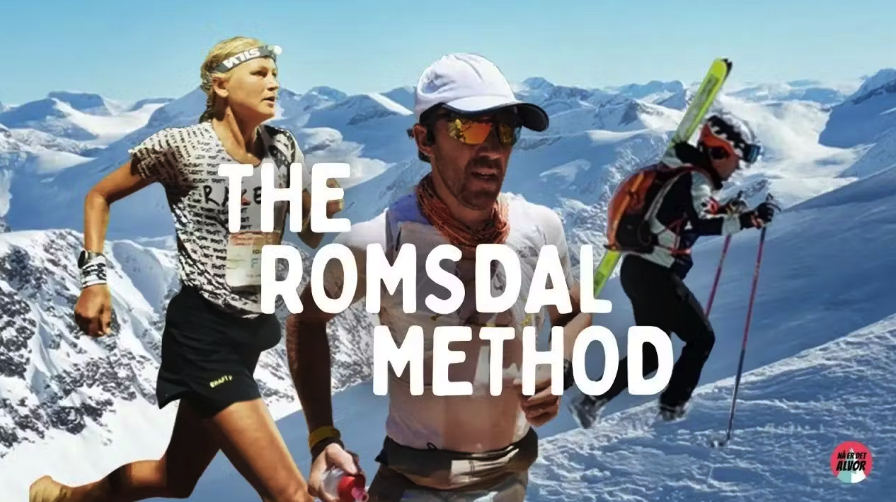
The Romsdal Method, directed by Hans Kristian Smedsrød, is a raw, immersive journey into the rugged training ethos of Romsdal, a Norwegian valley transformed into a living, breathing performance lab. Inspired by Kilian Jornet and Emelie Forsberg, three elite/ultra athletes: Ida Nilsson (Sweden), Jon Albon (Britain), and Petter Engdahl (Sweden) join this hub to progress their careers. What begins as a quiet exploration soon morphs into a testament to friendship, mutual respect, and the transformative power of place-based training.
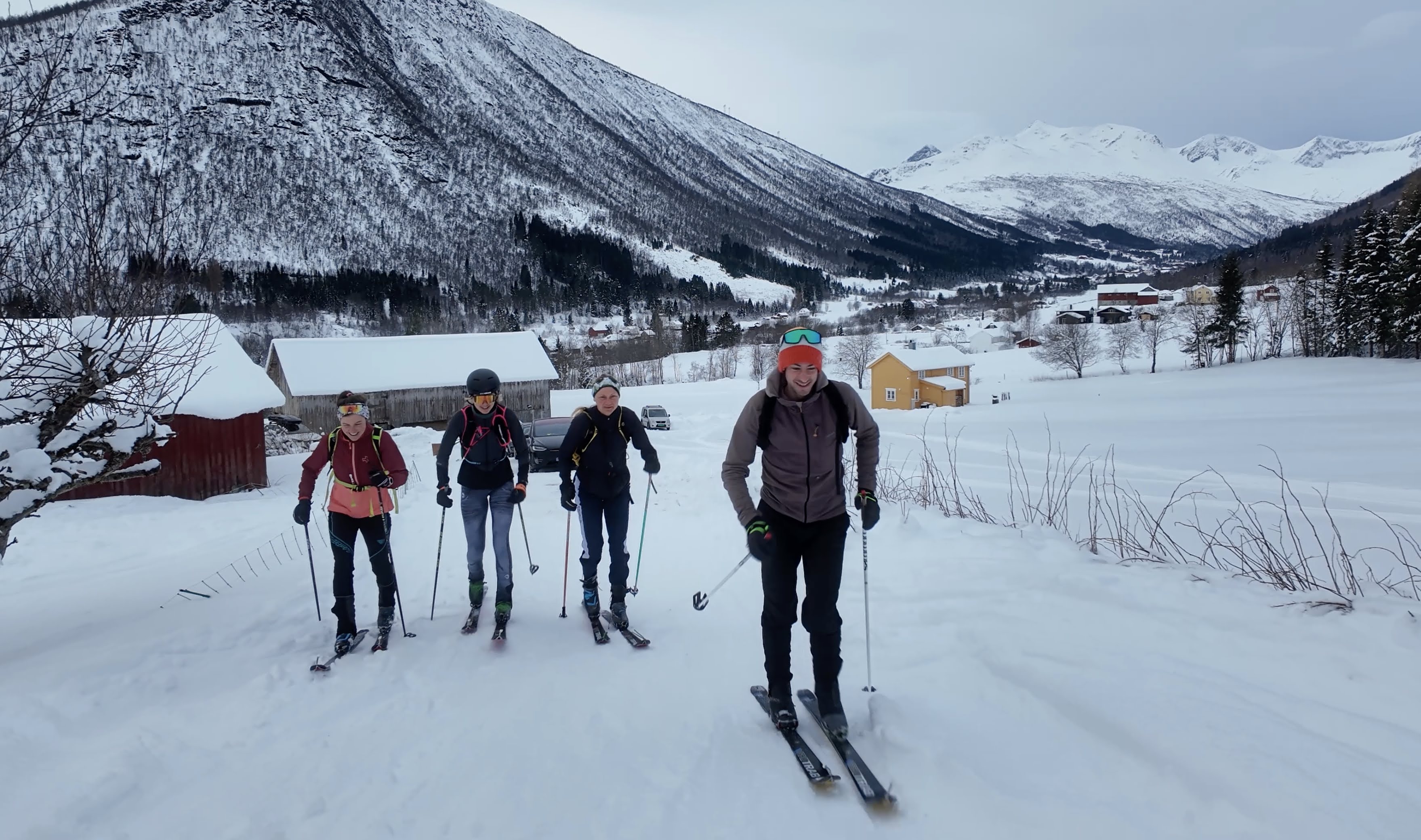
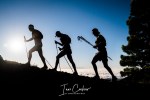
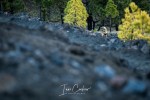
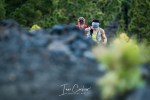
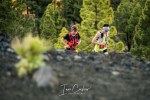
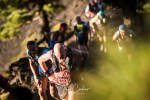
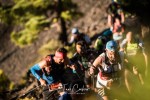
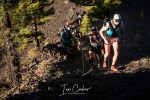
Group training

There are no egos here, on the contrary, there is a calm, understated respect of experience and knowledge. At the helm, the inspiration for Jon, Petter and Ida comes from Kilian who has pioneered the way for training in Romsdal.
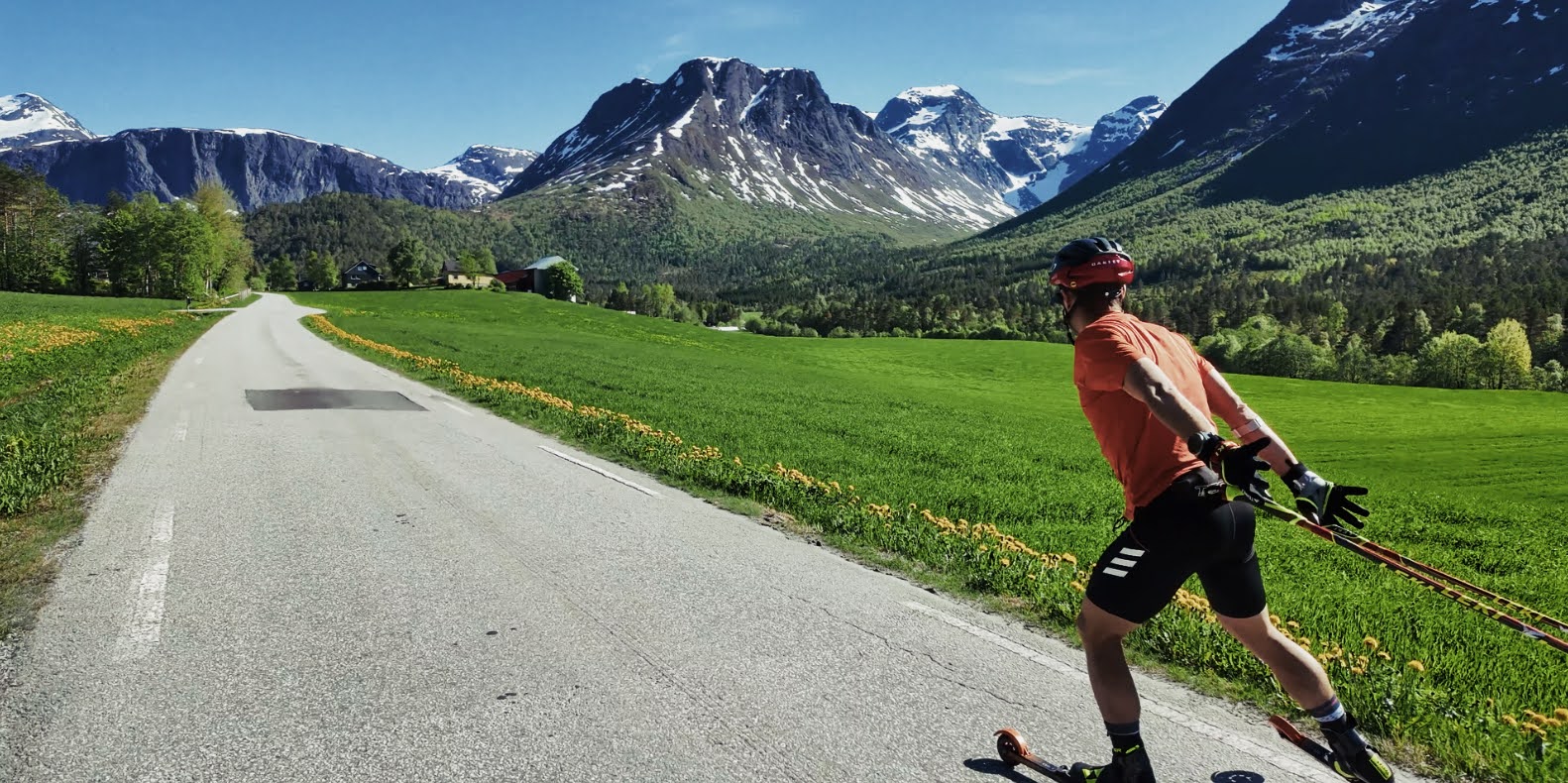
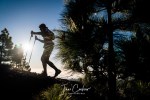
Petter on roller skis

Petter sums it up in a moment of reflection:

“Being the best in Romsdal and being the best in the world is kinda the same thing, it’s what makes this valley so insane.”

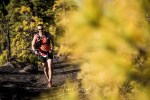
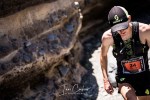
Jon, the Brit, is very much the scientist, the thinker, the analyst. He has a dry British humour that even Kilian acknowledges. Jon is a legend of the sport, a powerhouse athlete and he is the calming element that binds the group of three. Training sessions for Jon need to make sense, they need to be specific. His unassuming presence and measured discipline highlight the balance between elite drive and heartfelt connection with place and people.
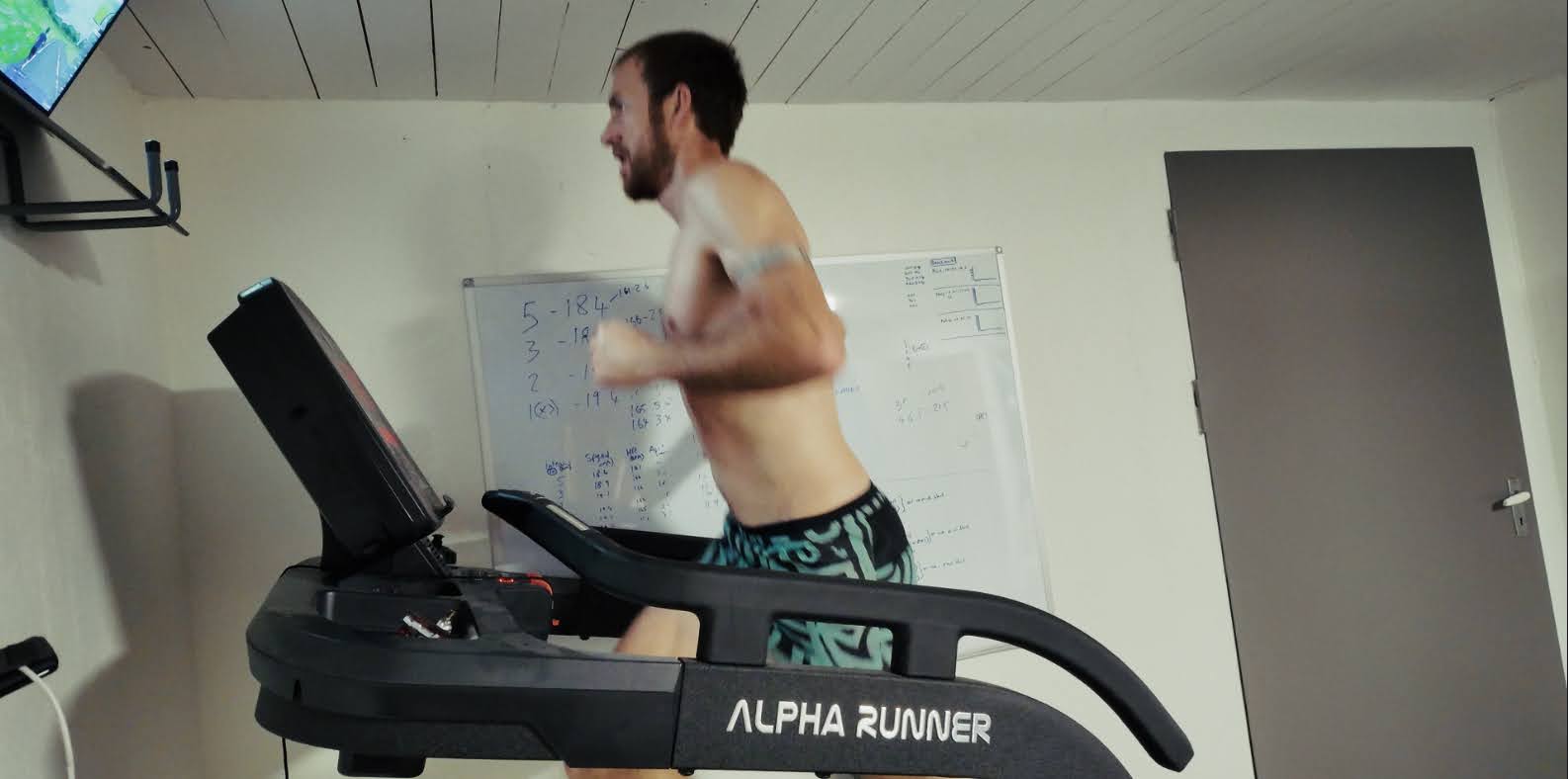
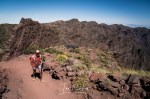
Jon being specific with training

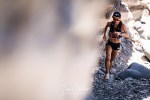
Ida, with a career that stems back to track running is an introspective, warm, and has a complete dedication and passion for sport. Sincere, sometimes quietly exuberant, Ida is motivated to perform, she’s looking for performance gains but at the same time, as shown on a ski mountaineering trip on a beautiful day, just being in the mountains for hours is what makes this life tick.

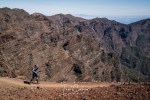
Ida in the best playground pointing to which peak she will climb

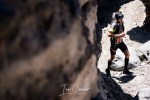
Petter, is calm, quiet, solid. He’s about grit and focus. He’s the silent undertow who likes his actions to speak louder than words, providing testament to a man pursuing the edge. He moved to Romsdal to be with and train with the best; Jon and Kilian. He acknowledges, that sometimes, particularly in his first year, that this ‘training’ in itself can be too much.
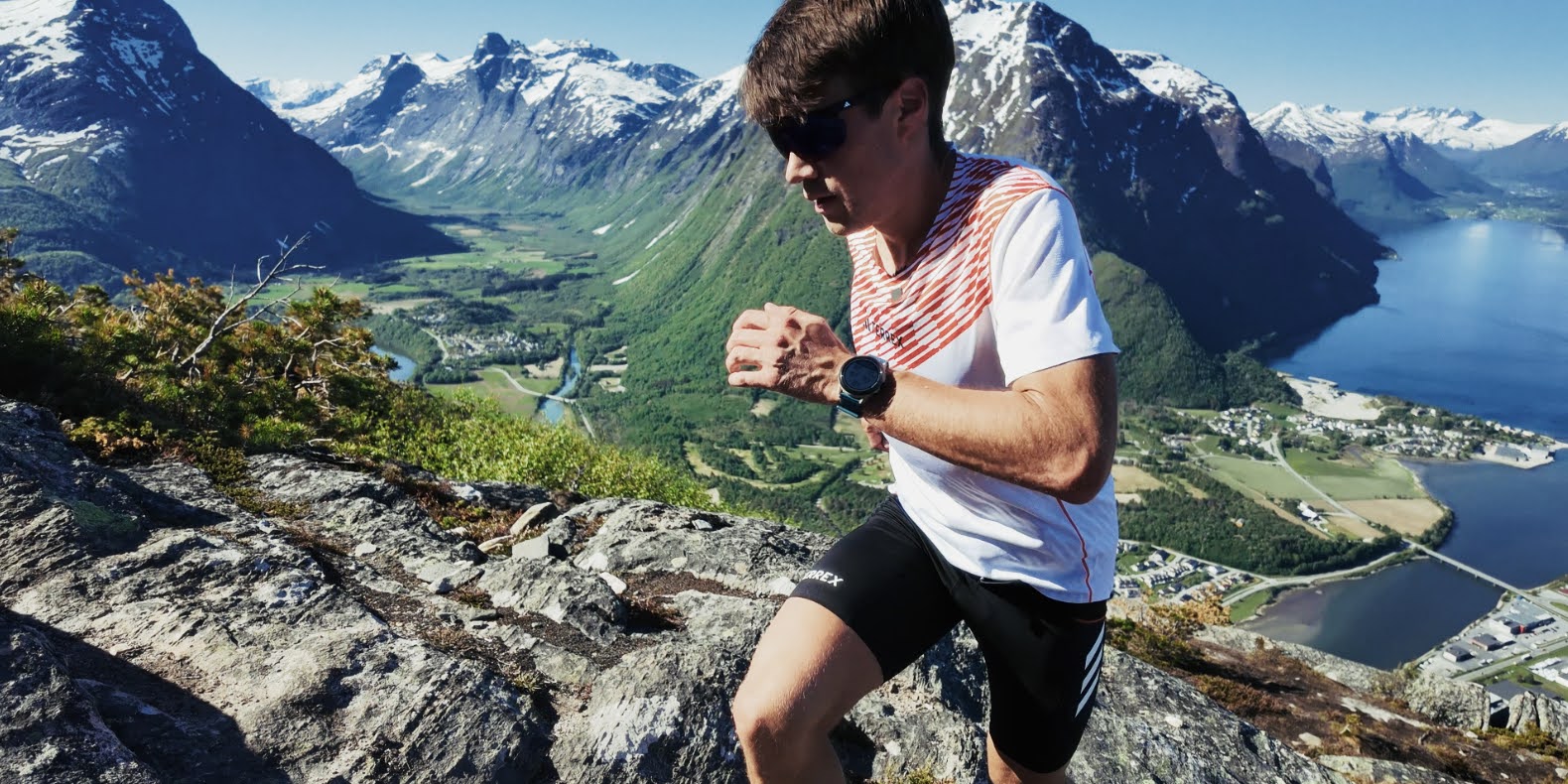
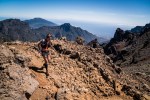
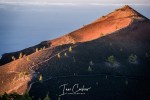
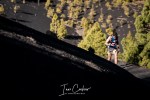
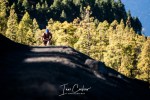
Petter at the top of Nesaksla

In many ways it can be summed up with a sound bite from Kilian Jornet:

“And many of the routes where we are training, if you do a mistake, if you slide, it’s not that you will break your ankle or hurt yourself, it’s that you will die!”

Romsdal isn’t just a backdrop or place, it’s arguably the key protagonist of what shapes the story, the experiences, the life and the training of those who live there.

Towering granite, unpredictable weather, rivers through valleys, every scene in the film places Romsdal as central, it plays as a coach, mentor, and even antagonist. Ascending steep slopes, scrambling or racing up and down ski-mountaineering routes; the mountains demand creativity, humility and respect. As Jon says at the end of the film, this is maybe not the best place to live to train for many races that I do, but, I wouldn’t want to live anywhere else. Romsdal forces adaptation: intelligent, situational, and deeply rooted in respect for nature. A prime example coming from the Nesaksla session, which Petter admits, has been copied by athletes around the world.

Kilian Jornet

Kilian, the legendary Catalan mountain athlete, appears less as a star and more as a guiding spirit. His cameo moments, on screen and in conversation, provide quiet counsel: pushing boundaries, listening to one’s body, respect for the mountains, he  embraces why we move and he has an immense respect for his peers. Kilian has pioneered the way; his deep bond with the mountains humbles the athletes. He is arguably the spiritual north of Romsdal.

The film is called The Romsdal Method but there is no one answer here and Hans Kristian does a nice job of letting the location, the athletes and yes the weather, do a job of explaining that Romsdal requires creativity; multi-disciplinary skills, and community-driven training. A series of vignettes that show this, from epic ski mountaineering scenes, scrambling and climbing, cycling and yes, even the use of indoor sessions such as the treadmill.
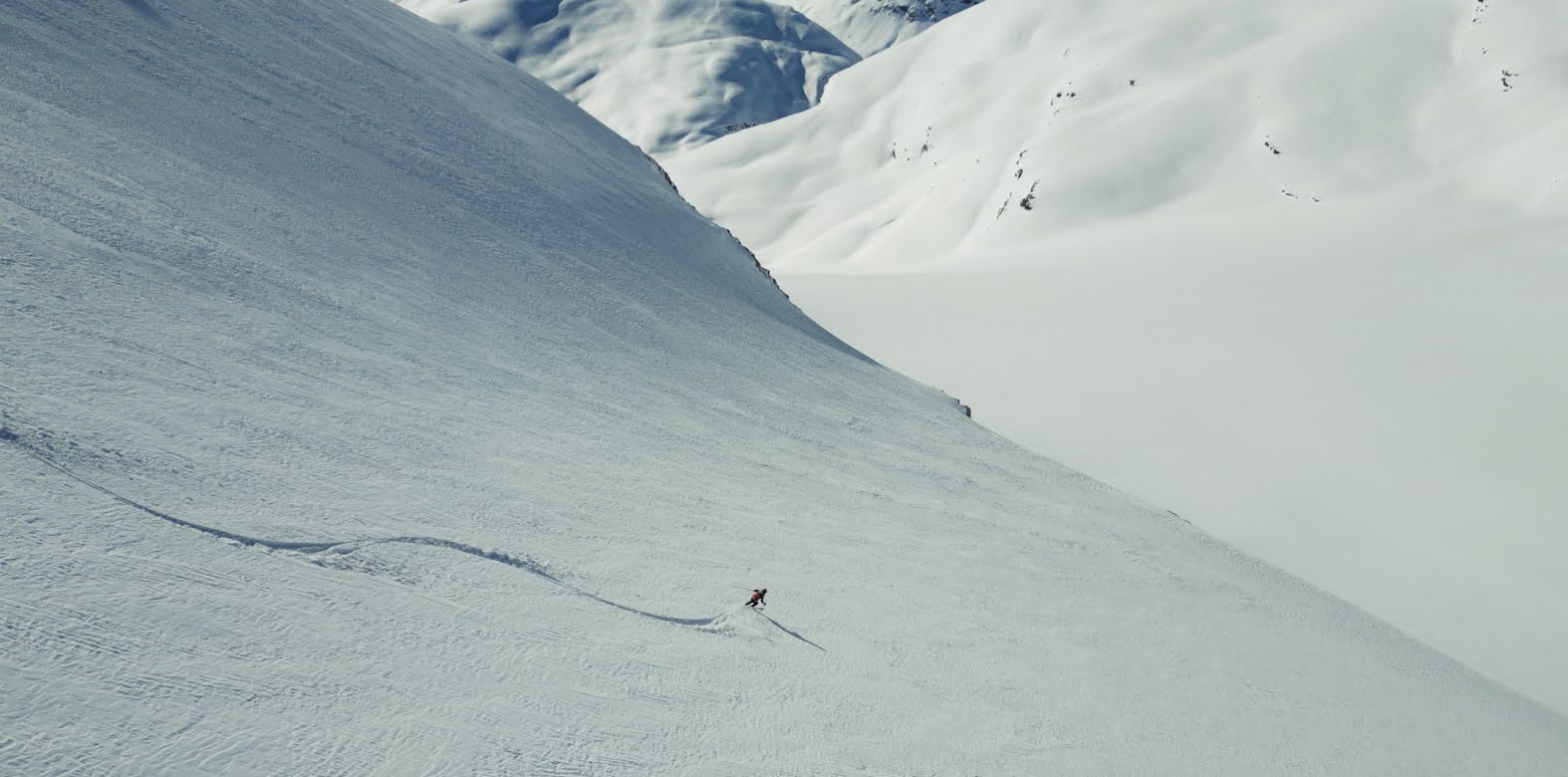
Screenshot

It’s this layering of elements, skimo, run, scramble, climb, gym, cycle, heat work that defines the “method.” It’s adaptive, multi-modal, and very creative. It’s as much mental and communal than physical. And it’s deeply place-based: Romsdal is a training partner.

The first hour of the film lays the foundations for the Western States story, what sets The Romsdal Method apart is its emphasis on the collective group and how they each influence and help each others process.

These athletes didn’t relocate to Romsdal for solitude, they came to live and breathe together. From group runs, scrambling trips, skimo adventures and the sharing of knowledge indoors while next to a treadmill. Egos are not present, just respect: they challenge each other and they all listen and learn.

Hans Kristian made this a passion project. He spends the first 6-minutes of the film looking at a camera providing some history and outlining why the film came about. He’d be the first to admit that he came to this with little filmmaking experience and dare I say, this is arguably what makes The Romsdal Method appealing. Like the athletes, Jon, Petter, Ida and Kilian, Hans Kristian keeps the film raw and simple. There are some epic drone shots, wide angle shots of ridges, tight head-cams but ultimately, this is one man and a camera. 

At its core, The Romsdal Method is about belonging through movement. Each athlete finds clarity and authenticity through their pursuits and Hans Kristian manages to capture this through simple conversation.

A bigger budget could have added more effects, more cameras, extra editing time and countless other transformations, but, would it have made the film better? In a world chasing flashy results, screen time, and metrics, this film says: slow down, surround yourself with people who respect the story and let the athletes and the story do its job.
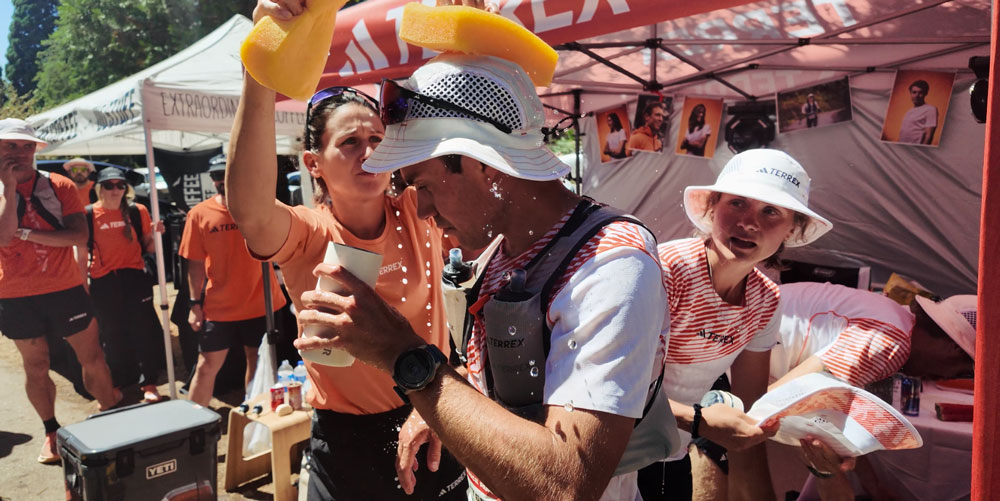
When we get to Western States, we are of course interested in the outcome, but, in many ways it almost seems secondary. Each athlete, of course, has a story to tell and each athlete performs at the highest level. Each viewer, I am sure, felt the pain of Petter’s fall and the potential disaster that this could create, his turnaround was phenomenal. We relish seeing Jon put the ice plan to use and make a top-10 debut in his first 100-mile race. We see Ida push with grit and determination and despite not feeling great, once again makes the top-10 and smashes the masters record. The Western States story is told both visually and with a series of post-race interview soundbites. The stories here just confirm that The Romsdal Method worked.
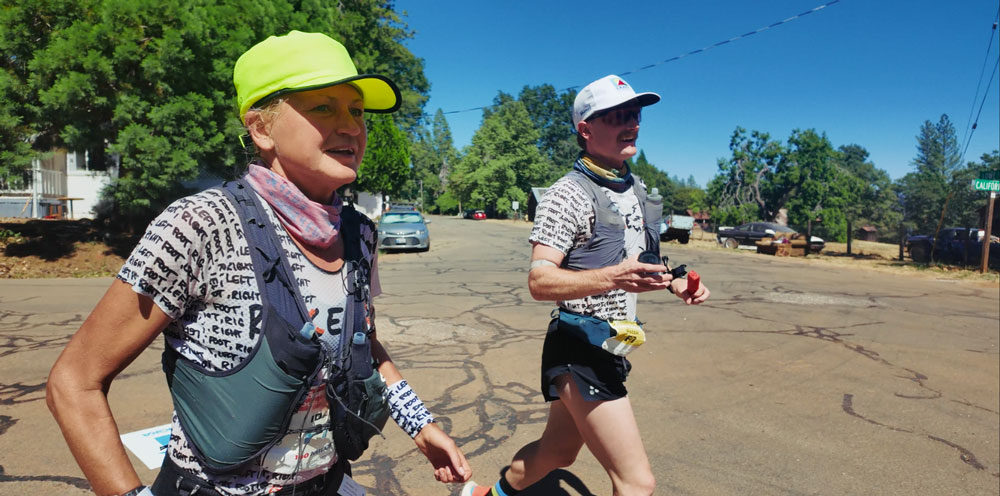
In conclusion, The Romsdal Method is not just a training film; it’s a journey into how place, community, and friendship can redefine performance. There are no shortcuts, it explains that a love for the sport, sweat, raw practice, and the joy of connection with others is what brings results. You, as a viewer are invited to reimagine your own training and ask simple questions of, ‘how do I train, where do I do it, who do I do it with and why?’

If you crave friendship, mountains, and the satisfaction of honest hard work, Hans Kristian’s film is essential. It may not be slick, but it has a genuine soul. And in a world drowning in disconnect, The Romsdal Method is a reminder that the deepest gains come not from gadgets, but from dedication, grit, passion all under taken under open skies that blanket Romsdal.

All images are used with permission of Hans Kristian Smedsrød ©
Purchase the film HERE

Follow Ian Corless

Instagram – @iancorlessphotography

Twitter – @talkultra

facebook.com/iancorlessphotography

Web – www.iancorless.com
Web – www.iancorlessphotography.com

Episode 196 – Kristian Morgan and Jon Albon

Episode 196 – Kristian Morgan talks about setting an FKT on the South West Coast Path and multiple World Champion, Jon Albon, talks about ‘Finding My Feet’ for Endurancesports.tv.

*****

Talk Ultra is now on Tunein – just another way to make the show available for those who prefer not to use iTunes – HERE  You can download the Tunein APP HERE

Talk Ultra needs your help! 
We have set up a Patreon page and we are offering some great benefits for Patrons… you can even join us on the show! This is the easiest way to support Talk Ultra and help us continue to create! 
Many thanks to our Patrons who have helped via PATREON

Donate HERE

****

NEWS
FKT’s posted on last show:
* Franco Colle new FKT on Monte Rosa from Gressoney* Nadir Maguet – Gran Paradiso FKT 2:02:32* Erik Clavery GR10 9 days 9 hours and a few minutes* Davide Magnini Ortles FKT 2:18:15* Kim Collison 24h Lakes achieves 78 Peaks* Sabrina Verjeee Wainwrights (wishes not to claim)* Dylan Bowman Loowit Trail 5:11:49* Josh Pulattie Oregon Coast Trail 12 days 10 hours 25 min* Candice Burt Tahoe Rim Trail 2 days 12 hours 47 min* John Kelly Pennine Way 2 days 16 hours 40 min* Sarah Hansel (57:43) & Joey Campanelli (41:00) for Nolans 14* Tom Hollins Dales Mountain 30 (130 miles, 30 summits) 41 hrsAdam Kimble new FKT on Tahoe Rim Trail, USADamian Hall new FKT for the Pennine Way, UKAdam Jacobs new FKT for Hertfordshire Way, UKCarla Molinaro new FKT for the JOGLE, UKBeth Pascall new FKT for the Bob Graham Round, UK and set 5th fastest time.Rhys Jenkins sets new FKT on the Wales Coastal Path #fkt! 870 miles. Time TBC but 20 days 9hrs 35 mins – 2hr 20mins off the record. Lindsey Ulrich new FKT Pacific Crest TrailMarilyne Marchand-Gouin new FKT Clorado TrailMikaela Osler new FKT Colorado TrailWouter Berghuijs new FKT Via Alpina SwitzerlandChristof Teuscher new FKT Eagles 33
Pau Capell runs UTMB in 21:17Finlay Wild runs the Ramsey Round 14:42Carol Morgan 24hr Lakeland record with 65 topsWonderland Trail in the USA, Kaytlyn Gerbin set a new female FKT. Dylan Bowman (16:58) set the FKT only to have it broken 1-week later by Tyler Green, now 16:40:55Kirsty Hewitson Steve Parr Round 62 fells 117mDiego Pasoz on the Via Alpina new FKTDan Lawson JOGLE 9d 21h 14mRyan Sandes 13 Peaks Challenge 13:41:10Donnie Campbell continues his Munro challengeKilian does a VK in less than 30 min and then follows up with 10km on the road in sub 30 min

NEW UPDATES: Check FKT website for latest updates https://fastestknowntime.com/

ARTICLES:

Embrace Winter HERE

*****

INTERVIEW : KRISTIAN MORGAN

*****

INTERVIEW : JON ALBON

endurancesports.tv

With the NEW documentary featuring Jon Albon (Finding my Feet) live on www.endurancesports.tv as of Friday 2nd October.

We’ve created a special code so that our listeners can access the documentary, and everything else on the channel using a limited edition 50% offer lasting 6 months, click this link http://bit.ly/50offReward and enter the code “50_Reward”.

*****

Please support Talk Ultra by becoming a Patron at www.patreon.com/talkultra and THANKS to all our Patrons who support us. Rand Haley and Simon Darmody get a mention on the show here for ‘Becoming 100k Runners’ with a high-tier Patronage. 

*****

Spotify HERE

 ITunes HERE 

Stitcher 

You can listen on iOS HERE

Android HERE or via a web player HERE 

Libsyn – HERE 

Tunein – HERE 

Website – talkultra.com

VJ Sport IROCK 3 Shoe Review

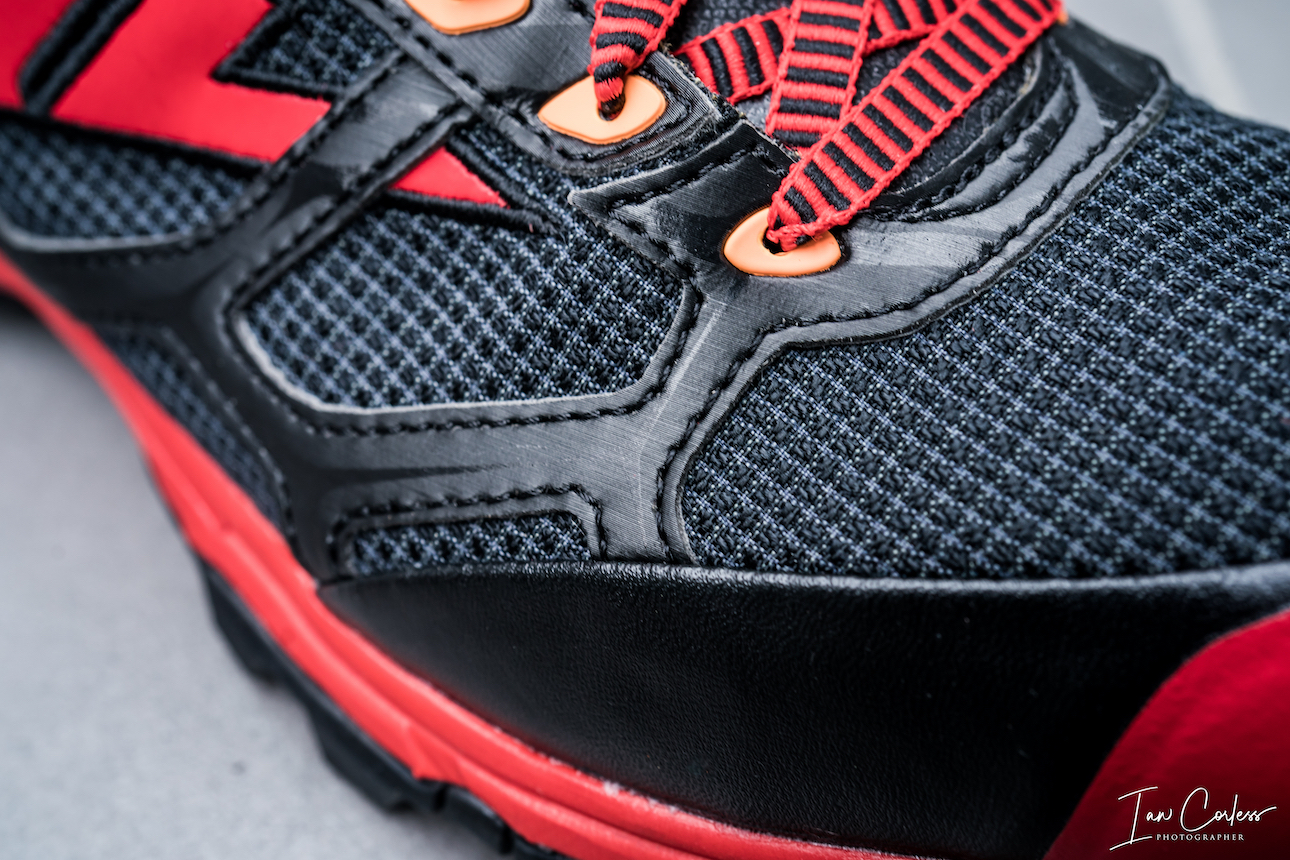
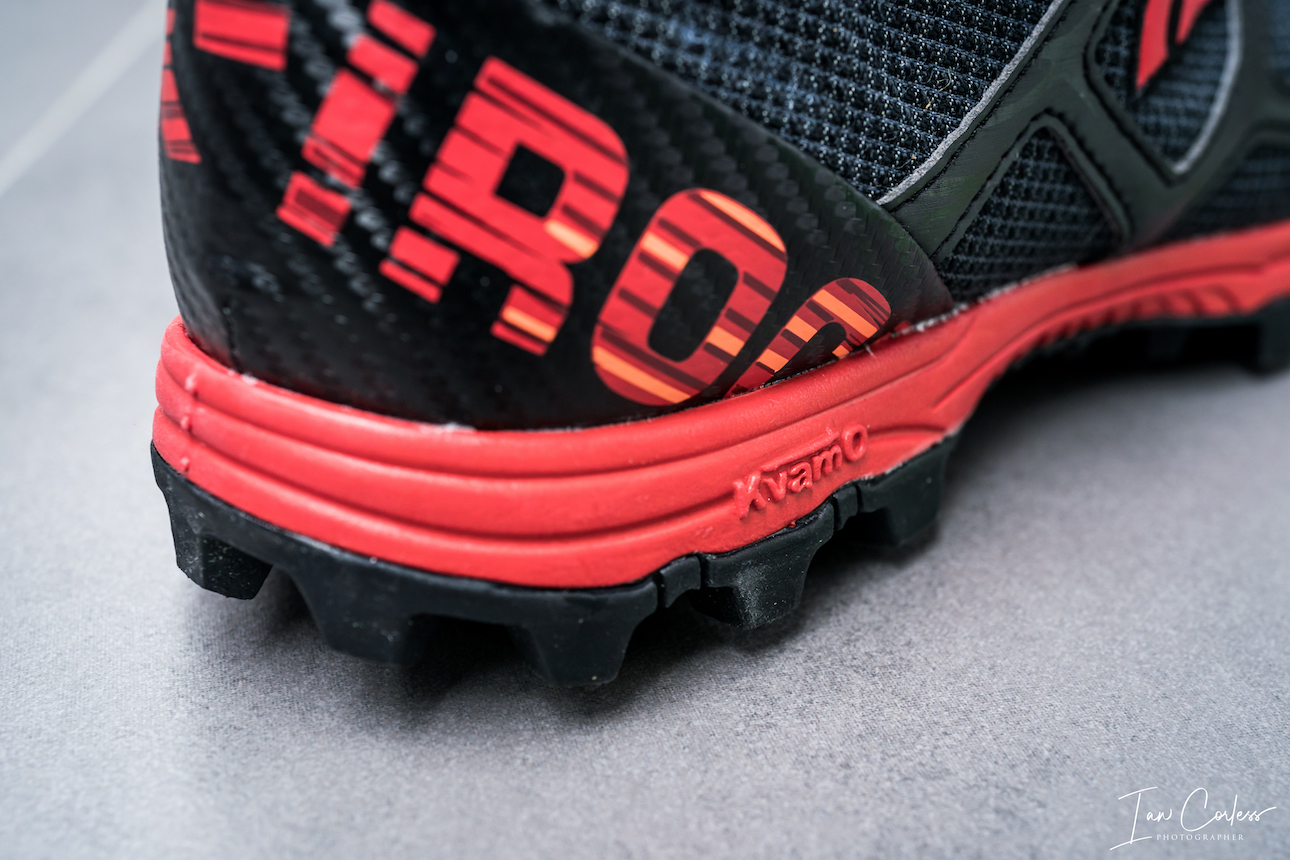
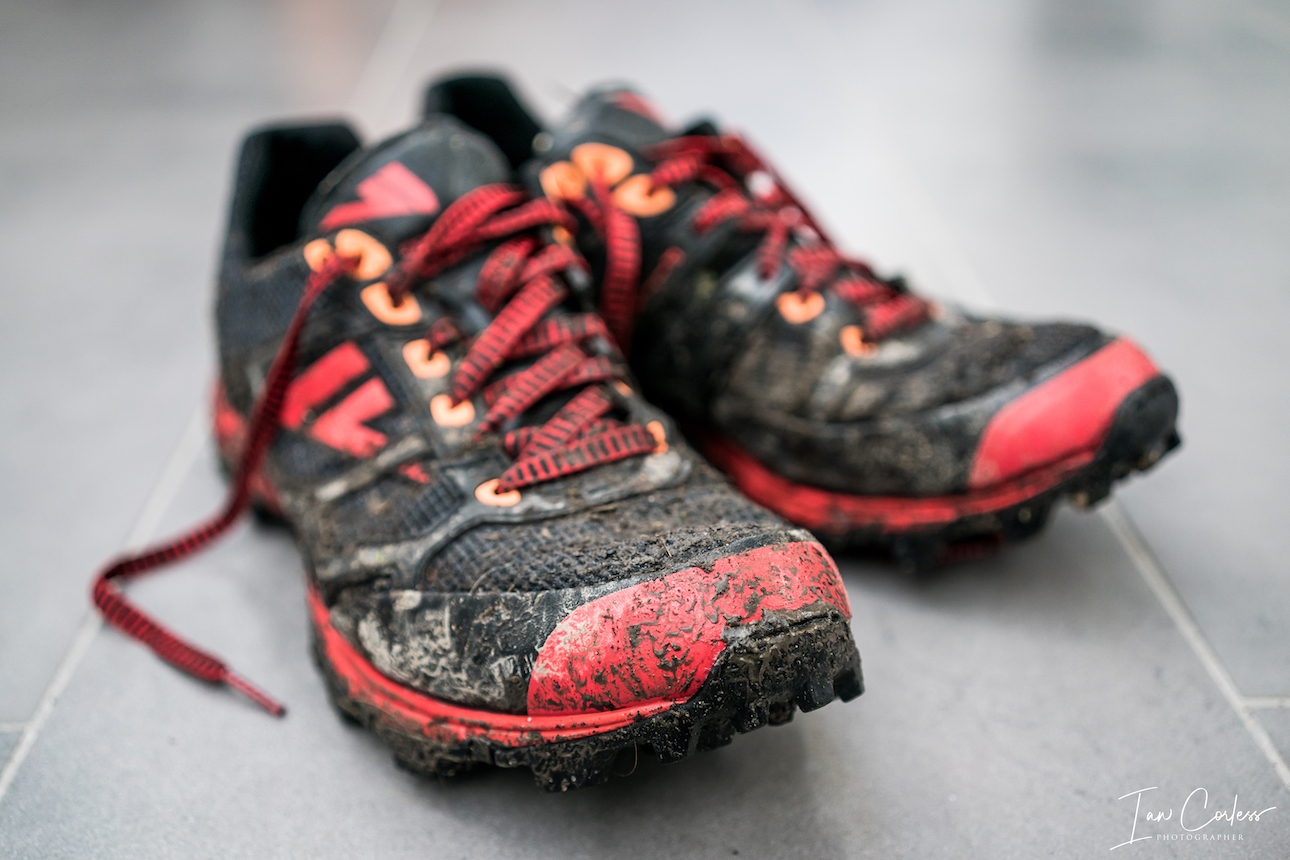
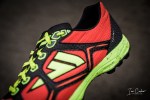
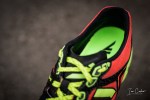
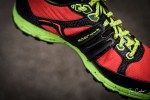
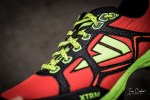
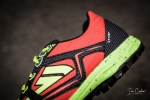
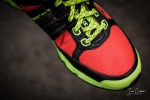
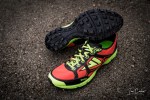
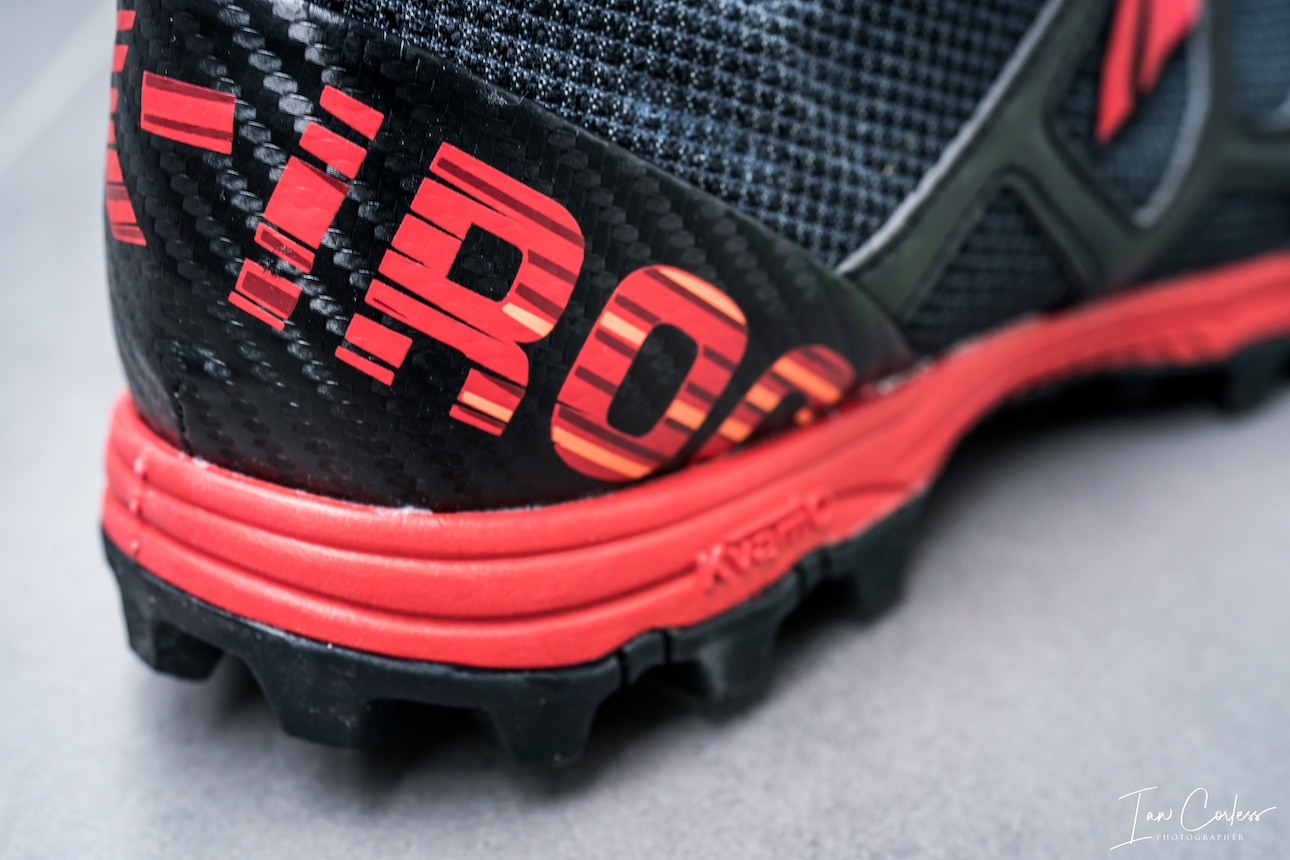
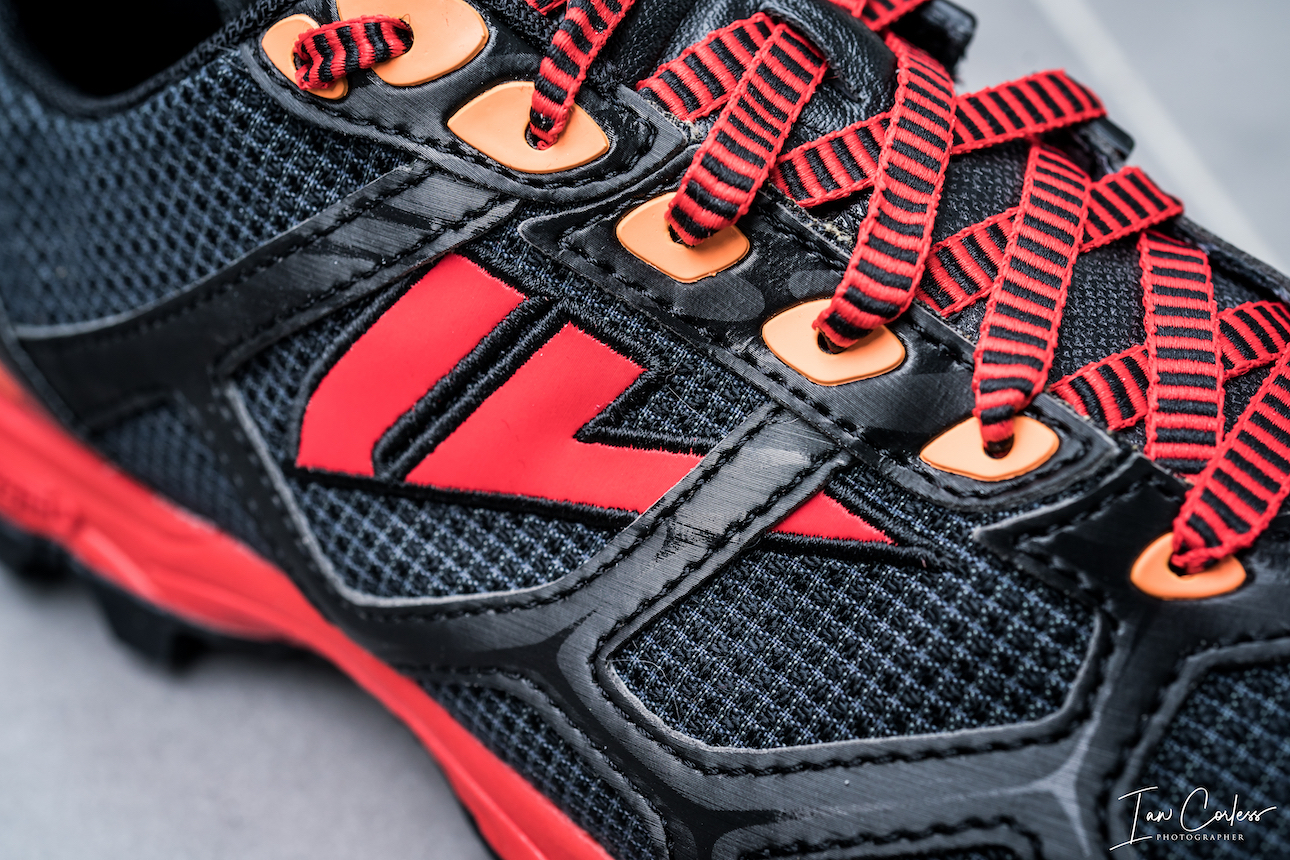
Robust, solid, great looking, aggressive outsole, Fitlock, good lacing, toe protection, red and black and the iRock 3 follows on from the iRock 2 with another winning shoe.

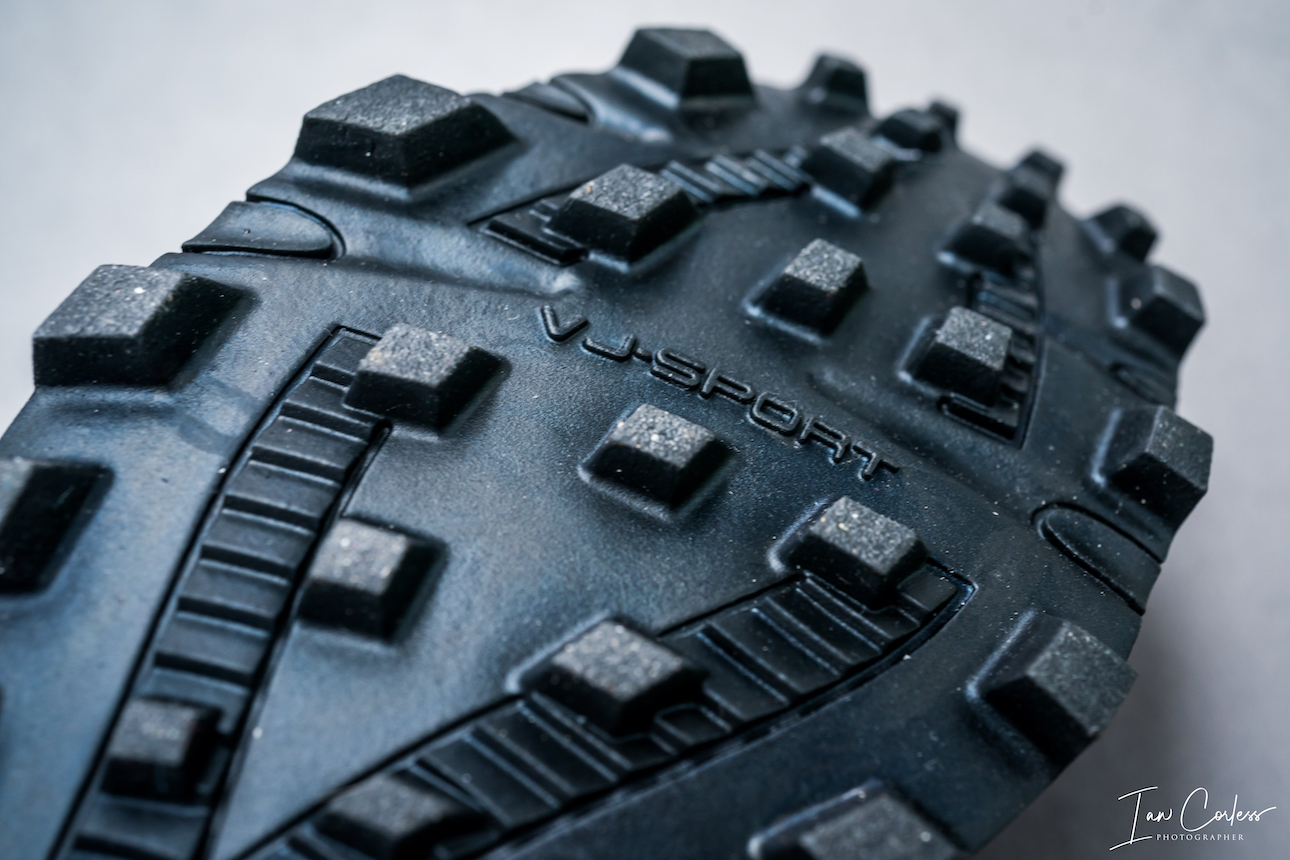
Quite simply, VJ Sport make the best outsole for trail and mountain running of any shoes I have used. They are what I compare all other shoes to, and still, several years on from testing the original iRock, no shoes have come close to giving the grip of a VJ.

The IRock was followed with the XTRM (review HERE) and then the MAXx (review HERE). Quite simply, when you line the iRock, XTRM and MAXx you have three shoes that cover all the needs from soft, sloppy and muddy trails to the harder, longer, more rocky trails of a longer trail and ultra-race. Be it fell running, skyrunning or ultra-trail, VJ have with the iRock, XTRM and the MAXx the perfect shoes for each terrain.

IROCK3

The IROCK 3 is a precision fit shoe with a narrow toe box. They are designed to hold and compress the foot so that there is no movement when running. Think of them as ballet shoes. You squeeze your feet in, benefit from the precision and hold when running and when done, you take your foot out and let it relax again. Of course, for some, they IROCK will just be too narrow. VJ list the fit as a 2. For comparison, the XTRM is a 2 maybe 3? and the MAXx a 4.

 14mm cushioning at the rear and 8mm at the front gives a 6mm drop.

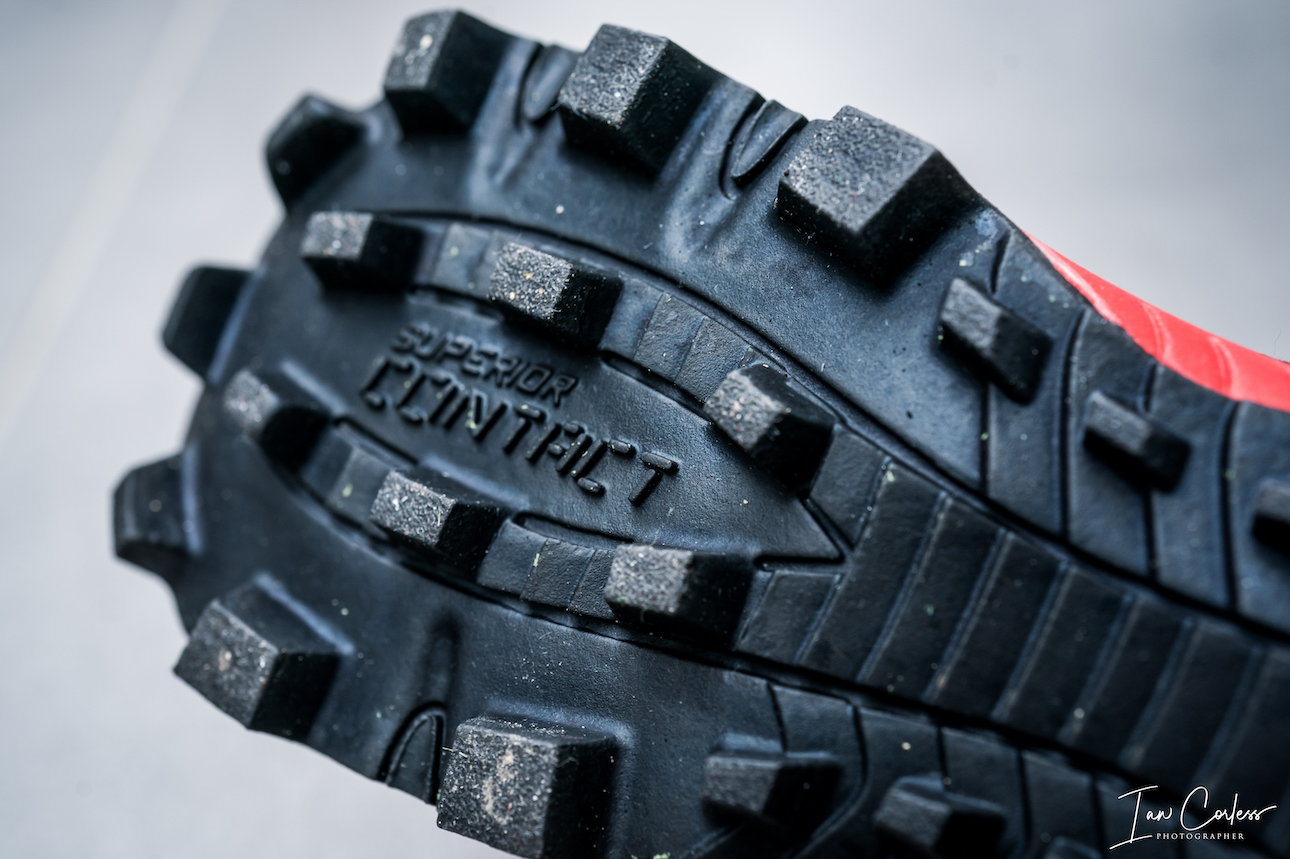
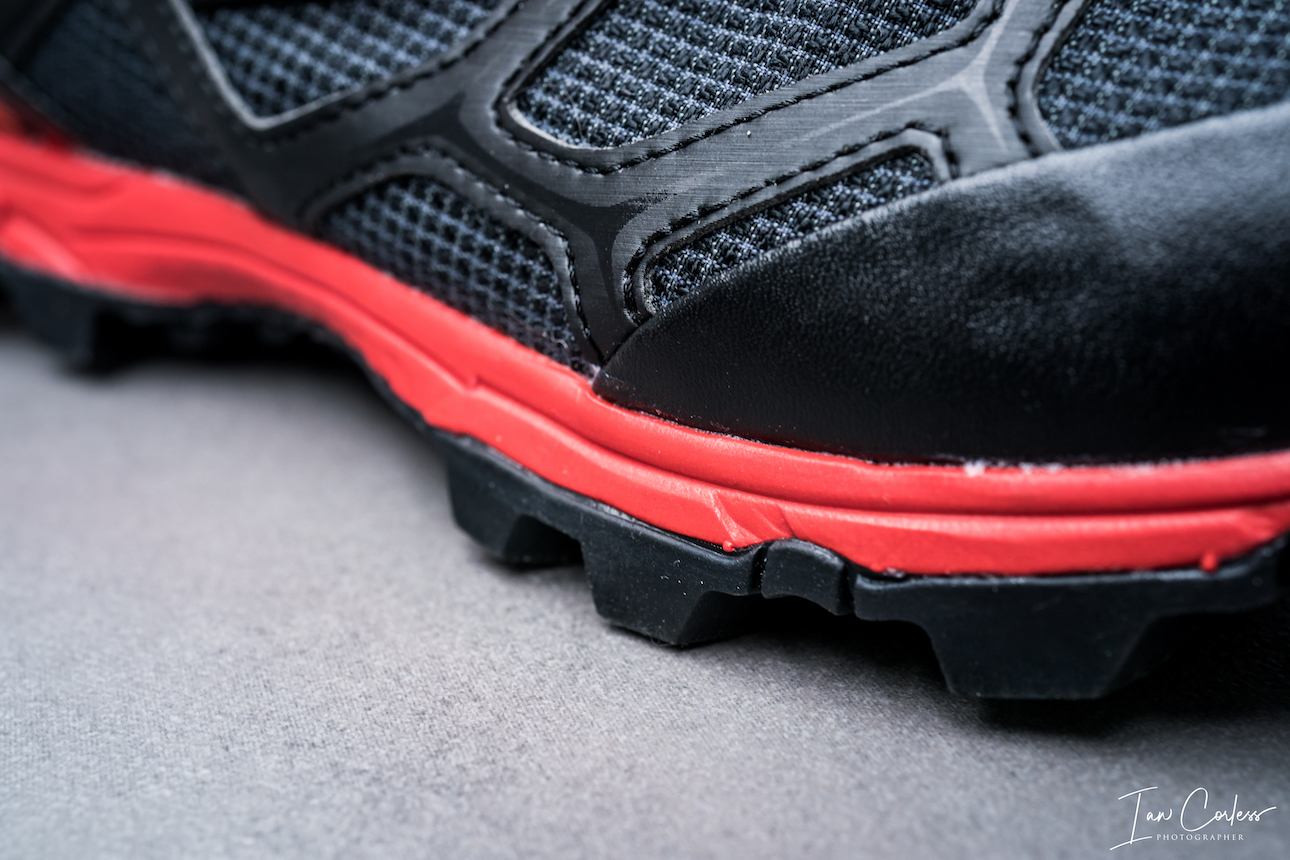
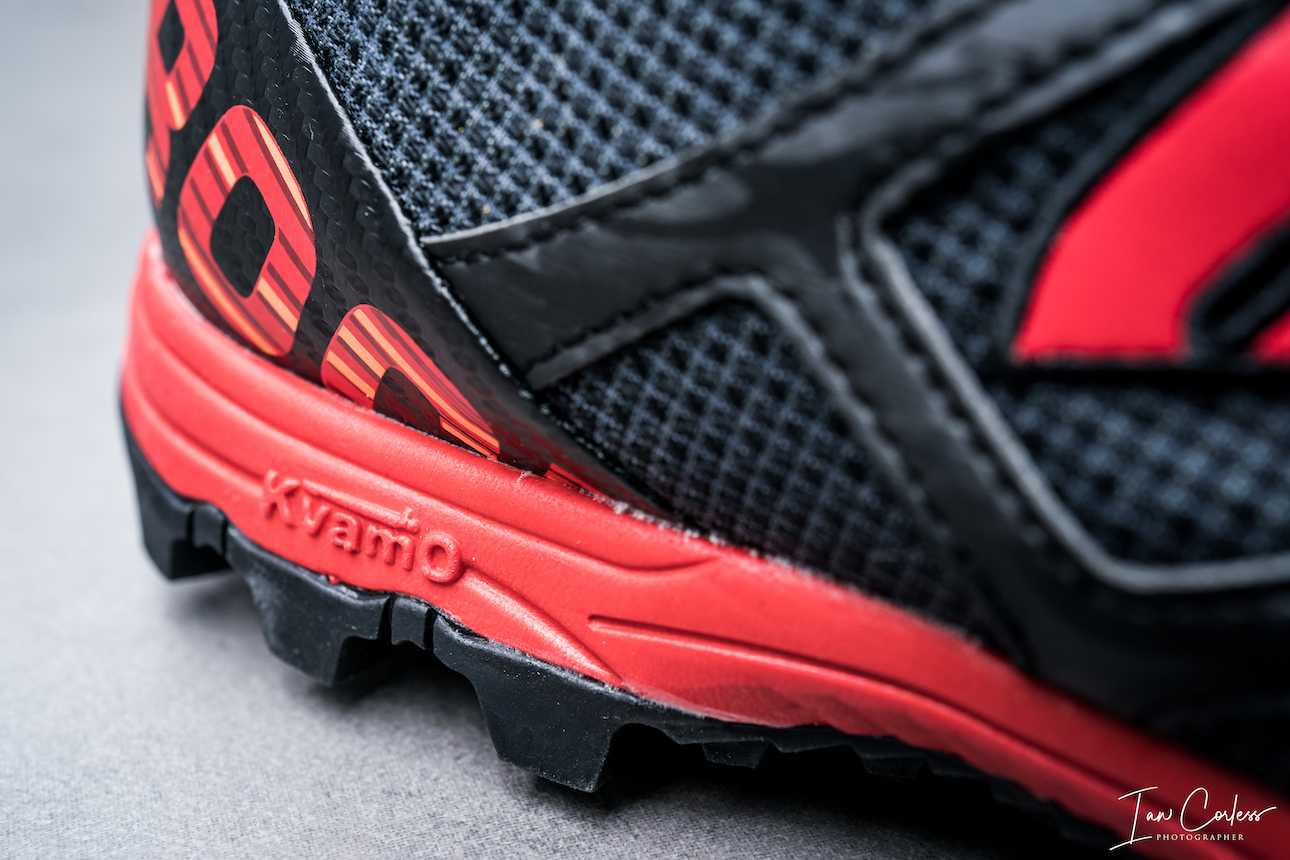
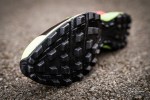
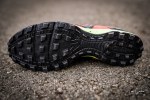
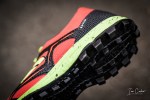
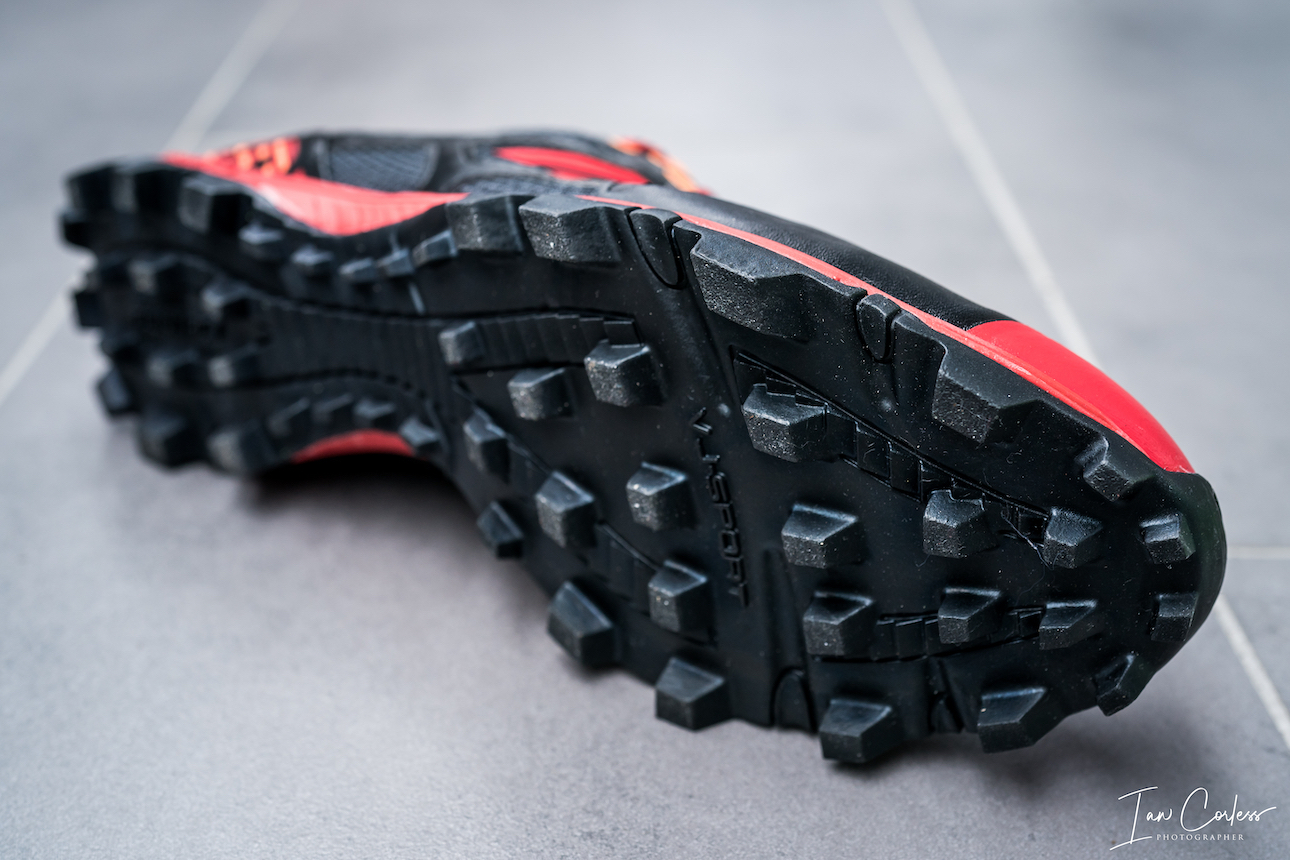
The outsole (Superior Contact -kumipohja) is the hero of the shoe with 6mm lugs of super grippy butyl that works like a dream in wet or dry conditions.

Weighing 240g (UK8) the shoes are like Formula 1 cars for the trails and as such, they are not a shoe for everyday outings.

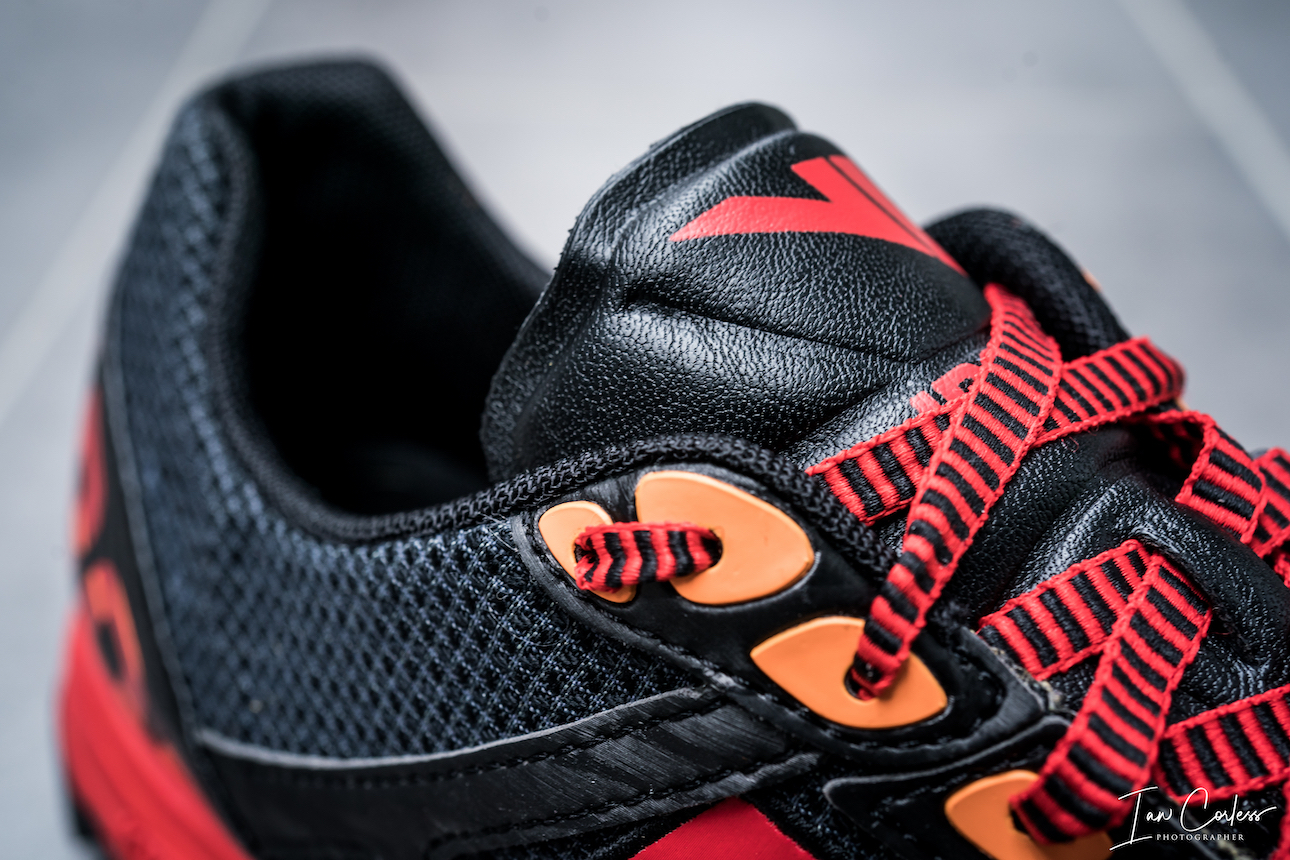
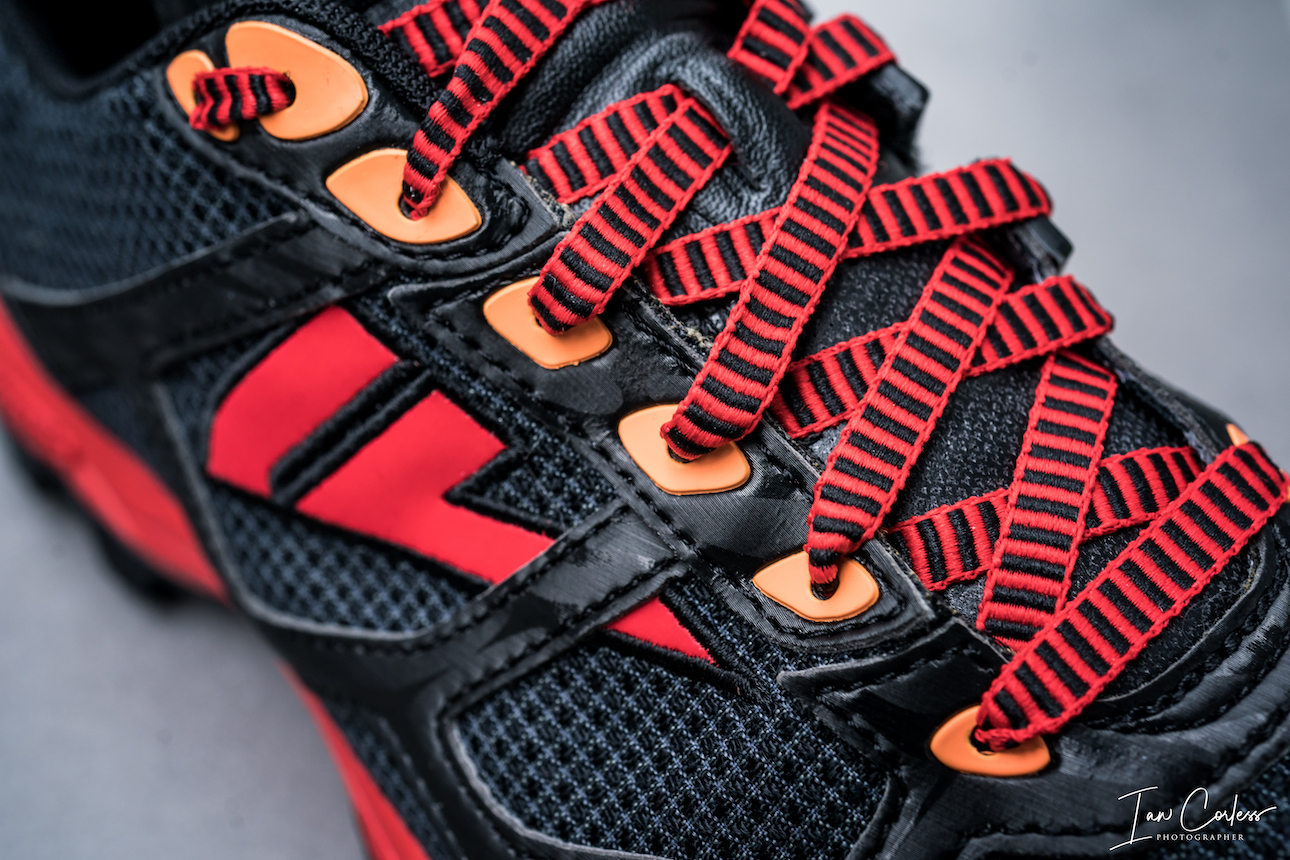
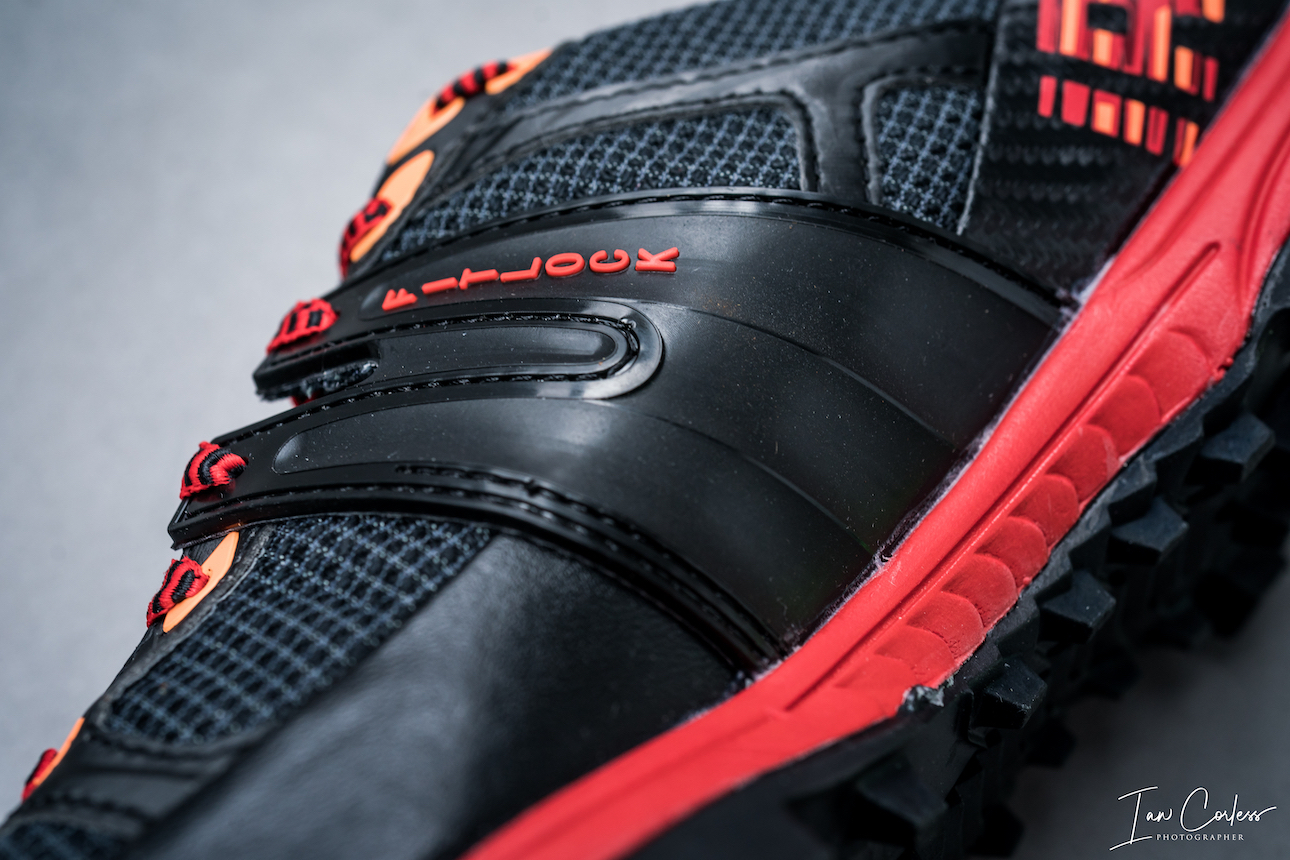
The upper is bullet proof with a mixture of DuPont Kevlar and Nylon and the other notable element of the VJ shoe, be that IROCK, XTRM or MAXx is the Fitlock which holds the foot like no other shoe. In addition there are overlays stitched on to add additional support.

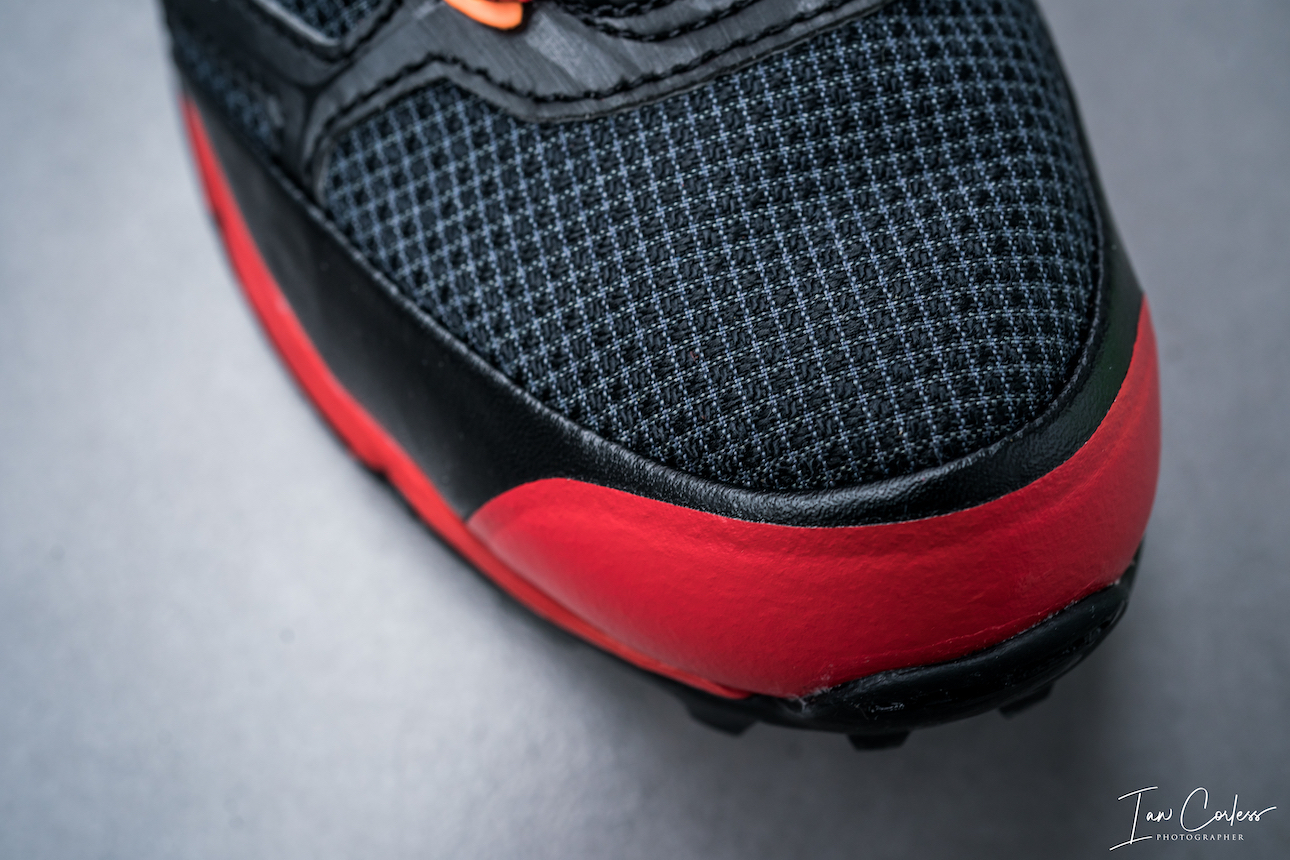
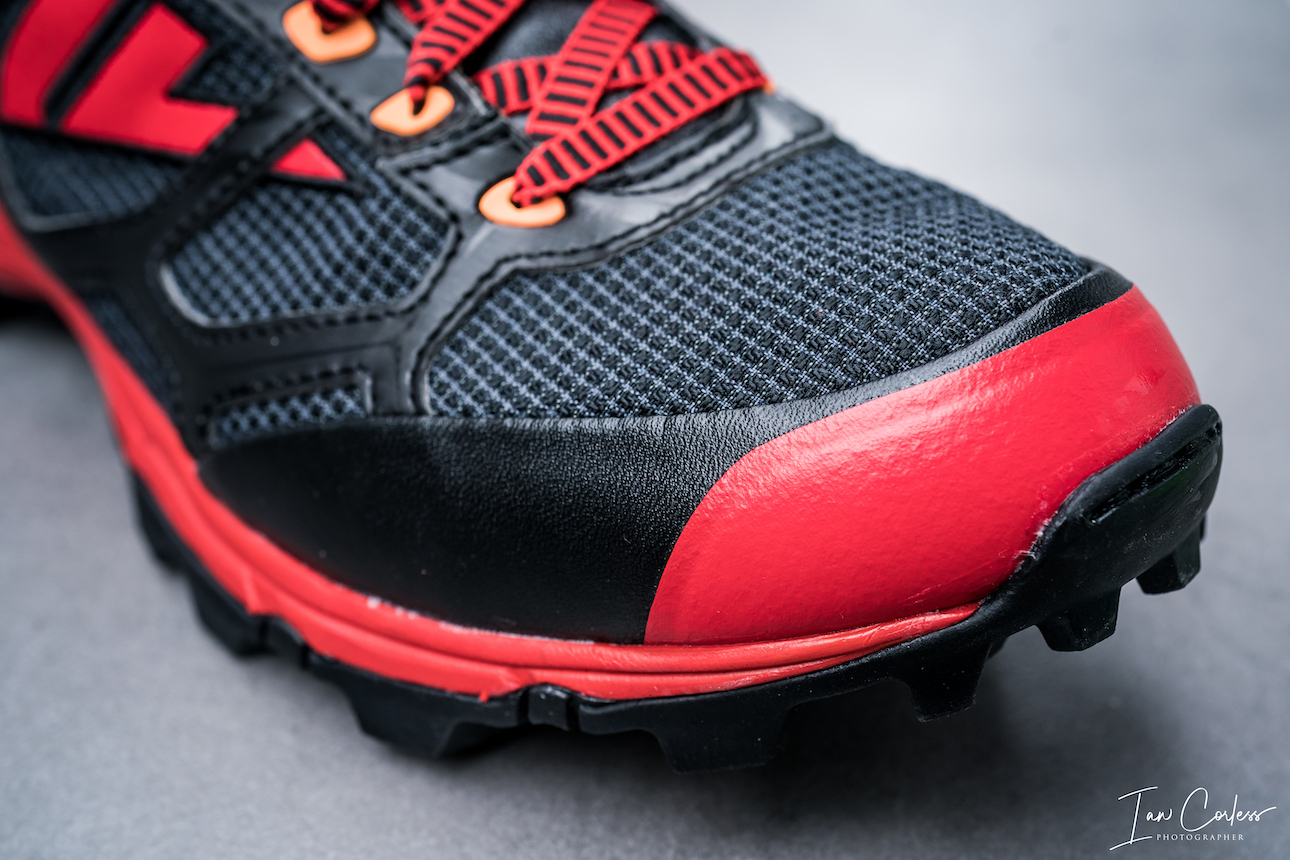
Toe box is reinforced with a solid bumper. The heel area is minimally padded but fits like a glove and holds the foot secure.

Lacing is very secure, and the tongue is reinforced and made of a very durable and flexible material.

Solid build, aggressive outsole and great looks. This is a shoe for shorter outings, racing or training, when grip is paramount, especially in soft-ground and snow. It’s a favourite for orienteers, skyrunning and OCR.

IN USE

So, what is different from the IROCK 2?

Improved toe protection, lighter Fitlock system and improved laces. 

The IROCK3 is not a jack of all trades, this shoe has a specific purpose. 

I wrote about the IROCK 2 – “The easiest way to explain this is by looking at say, Formula 1. You wouldn’t go to Monaco Grand Prix and race in an MPV car, a saloon car or a bus, you’d have a very specific vehicle, low to the ground with incredible speed and awesome agility with incredible grip. The IROCK2 is the Formula 1 for fell and mountain running.” 

That stands true today and why VJ made the XTRM and MAXx to offer more comfort and less aggressive grip.

Road is not a friend of the IROCK, or should I say, the outsole. Too much road between trails will wear that soft rubber down quickly, so, it is best avoided as much as possible.

Needless to say, VJ’s hashtag of #bestgripontheplanet is not a lie. VJ really do offer the best grip and the IROCK is flawless in soft ground, on rocky trails and in the mountains. It makes no difference if wet or dry, they just grip like no other shoe. In mud, particularly soft mud, they dig in like football boots offering the best grip I have encountered.

Fit is precision. Once laced up and tightened. You feel the Fitlock hold the middle of the foot, add support to the arch and when switching direction on the trail, there are no question marks or doubts. The IROCK holds the foot rock solid.

At the front, the toe box is precision, but it is not super, super tight. I can happily run in the IROCK for multiple hours in comfort.

Feel for the ground is excellent and of course, the cushioning is relatively minimal keeping that all important contact with the surface so that one can respond to the terrain. Worth noting, this shoe is designed for soft ground, so, much of the cushioning can actually come from the ground that you are running on too.

In many respects, I am surprised the IROCK is 6mm drop. It works for me and I am happy, however, for a shoe designed to be fast and low, I am surprised it is not 4mm?

The fit is neutral and true to size. I am a EU44 and the IROCK is perfect in that size.

On the trail I feel the Fitlock and heel box working together holding the foot, be that in soft mud or running up rocks. The grip is superb.

Slabs of wet rock even covered in water do not make me question if the IROCK will be secure. I just run as normal and let the outsole do the work.

The combination of durability, fit, cushioning, precision and unmatched grip confirms what I said in 2017 about the IROCK 2, they are the best fell/ mountain and short distance skyrunning shoes out there!

Mud, rock, fell in wet or dry conditions, the IROCK 3 is the most complete mountain shoe I have used over shorter distances.

SUMMARY

VJ Sport have been making secret weapons for the orienteering world for many years, but now the secret is out. 

VJ are now seen at OCR races, Skyrunning, fell races and with the addition of the MAXx, we are even seeing them at ultra-trail.

If grip, foothold, precision and light weight are priorities for soft, muddy and wet ground, the IROCK 3 is for you!

Please support this website. I believe everyone deserves to read quality, independent and factual articles – that’s why this website is open to all. Free press has never been so vital. I hope I can keep providing independent articles with your help. Any contribution, however big or small, is so valuable to help finance regular content. Please support me on Patreon HERE.

Follow on:

Instagram – @iancorlessphotography

Twitter – @talkultra

facebook.com/iancorlessphotography

Web – www.iancorless.com

Web – www.iancorlessphotography.com

Image sales –www.iancorless.photoshelter.com

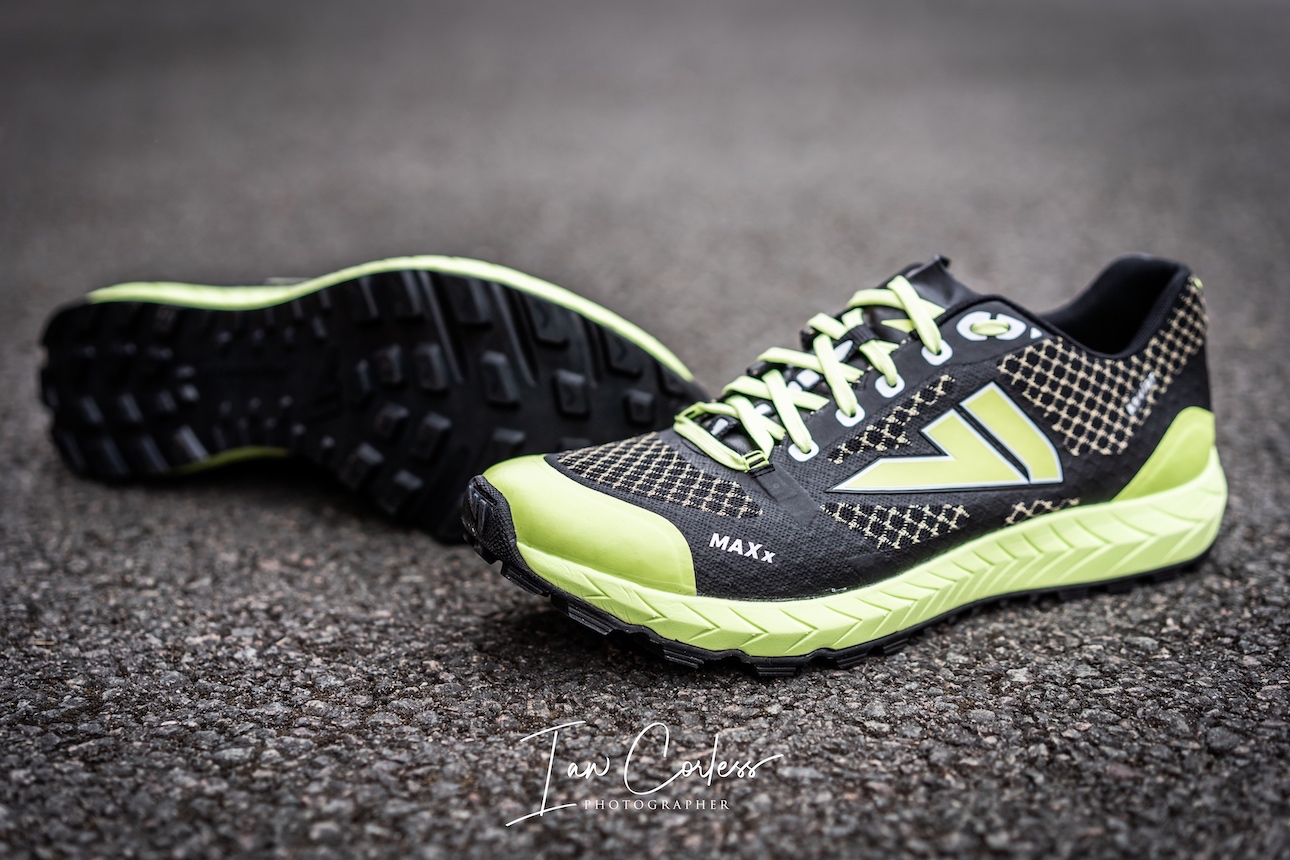
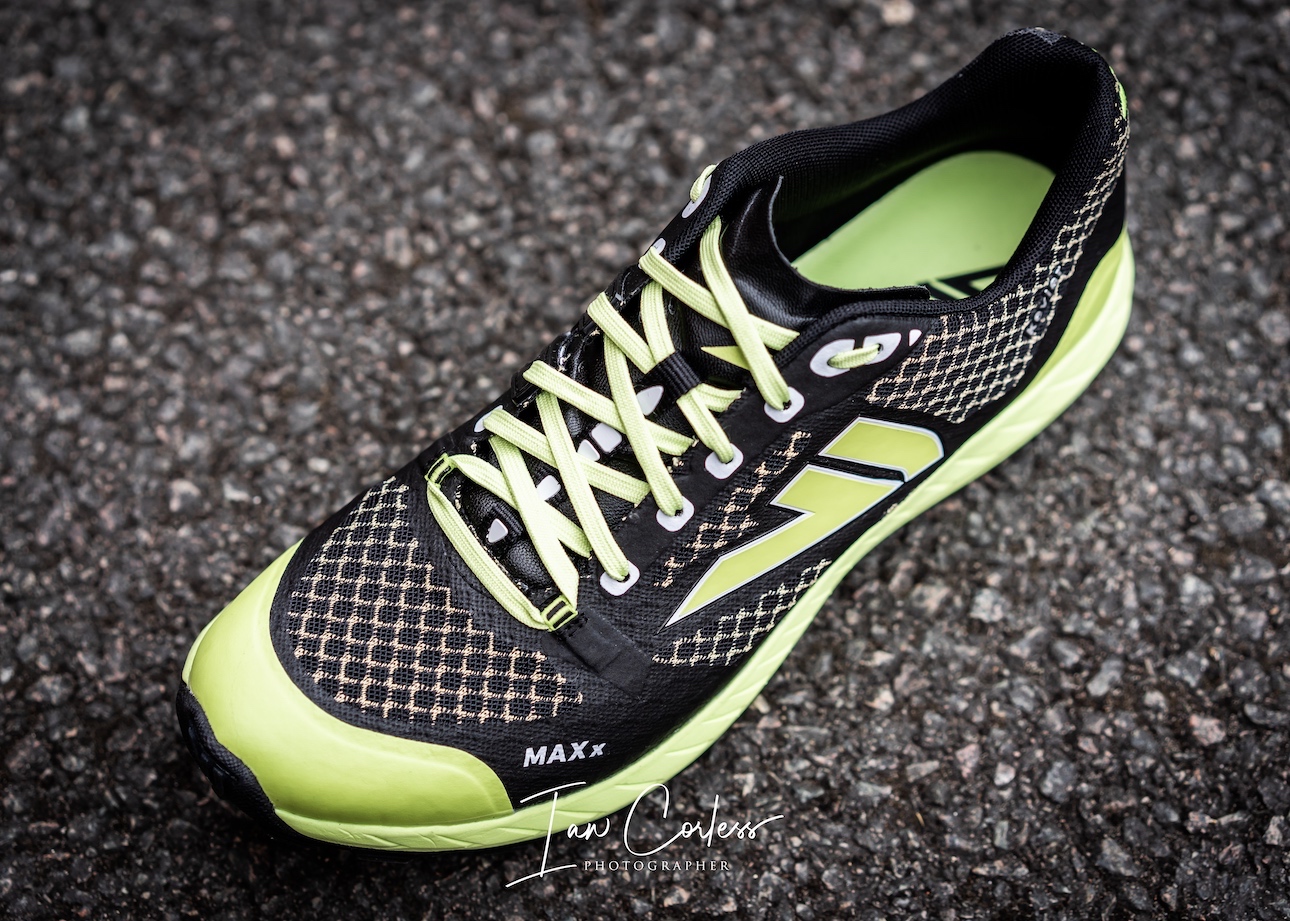
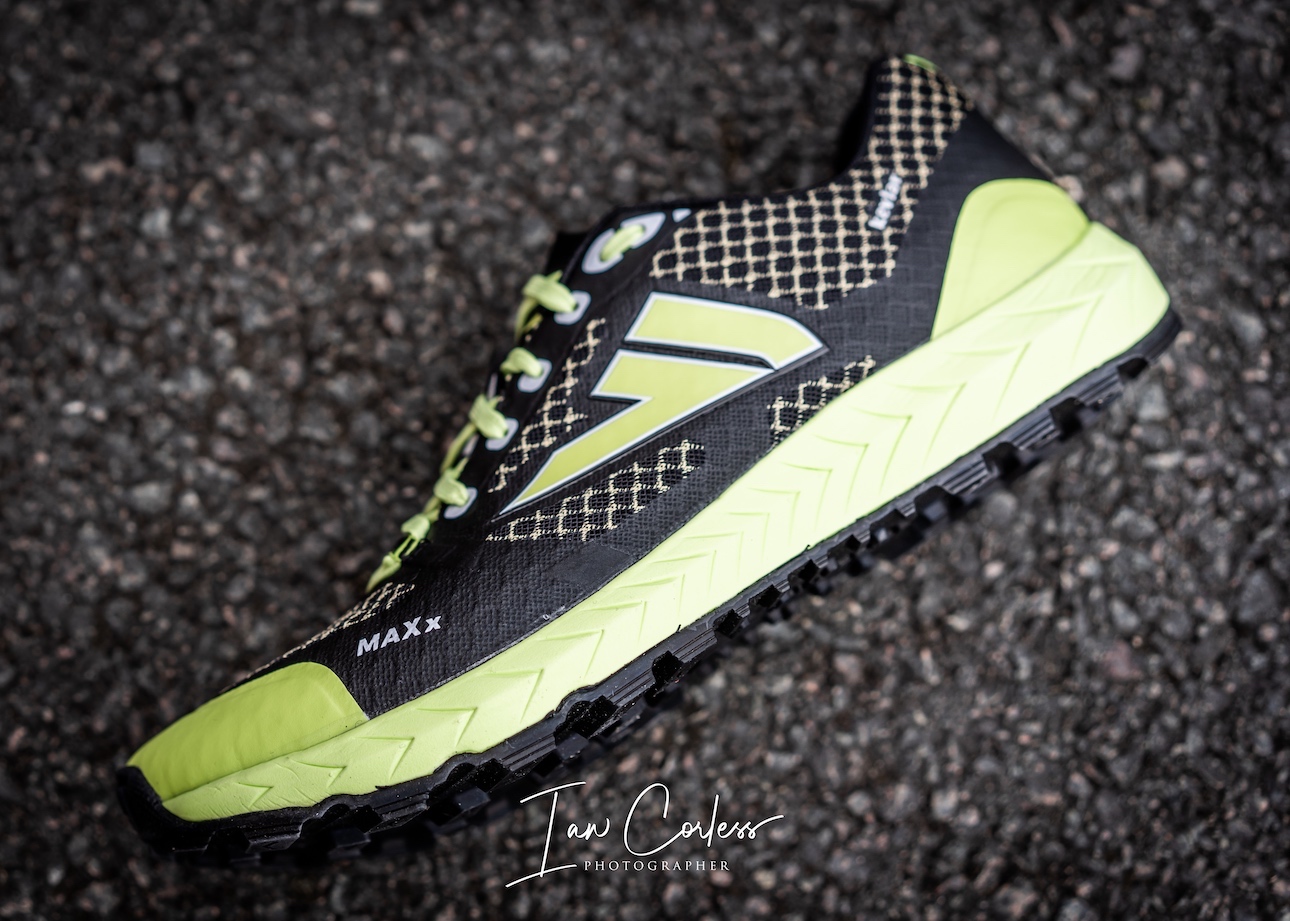
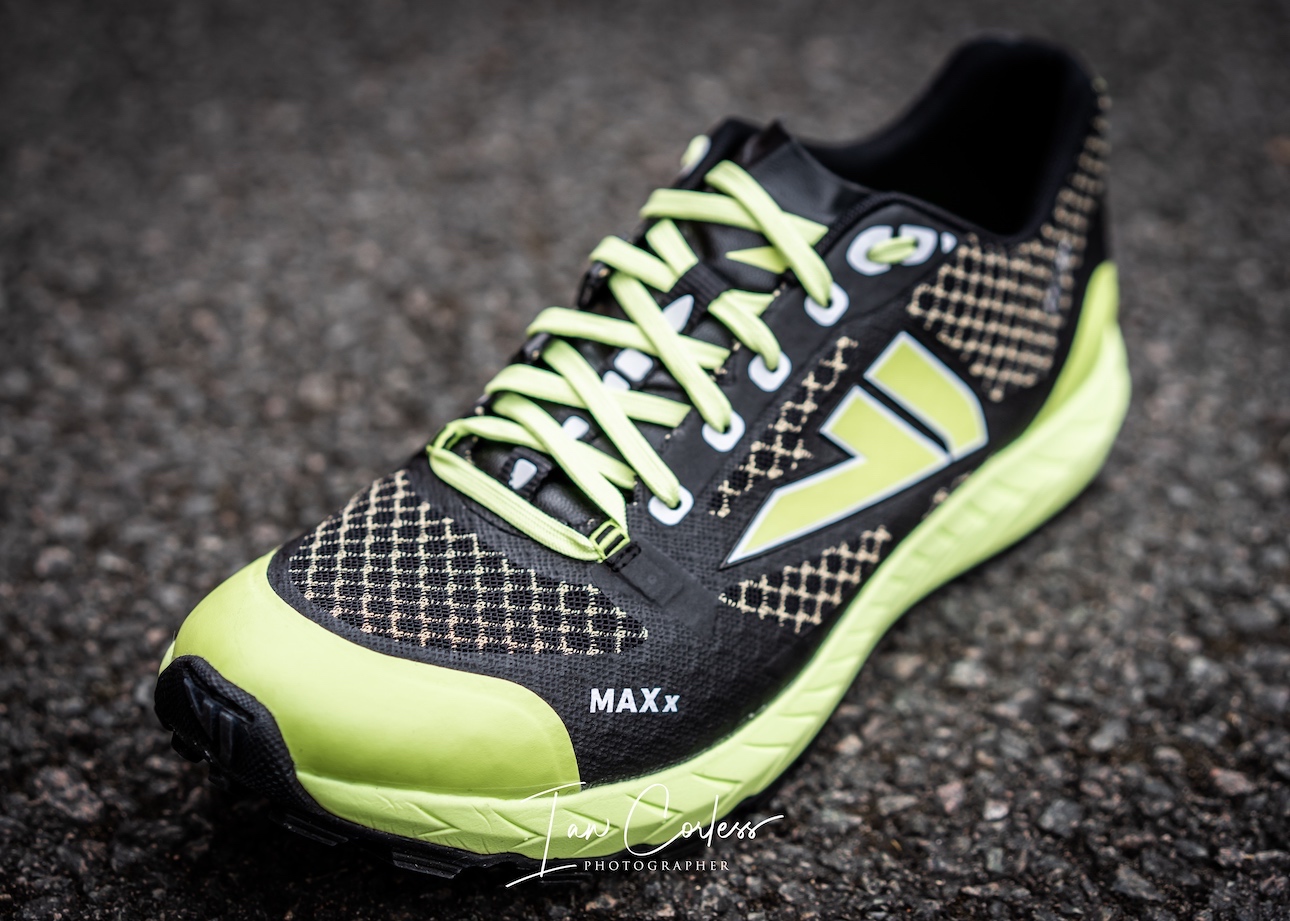
VJ Sport MAXx Shoe Review

I get asked a great deal what is the best shoe for trail, ultra and mountain running? Of course, there is never a definitive answer as so many variables come into play – gait, drop, persons weight, running style and so on and so on.

It comes a so secret that VJ Sport make two of the best shoes for running in the mountains, the IRock 2 (here) and the recent XTRM (here).

I thought with the XTRM that VJ had excelled themselves taking all the stunning features of the IRock2 and then adding them to the XTRM and providing a shoe that was better for running longer in the mountains.

The above two shoes were designed in collaboration with OCR and skyrunning World Champion, Jon Albon. The XTRM was specifically designed to meet Jon’s needs when running longer both time and distance.

Well, VJ and Jon have now collaborated again and come up with the MAXx.

Going back to that original question, ‘what is the best shoe for trail, ultra and mountain running?’

My answer will be now, go look at the VJ Sport MAXx first.

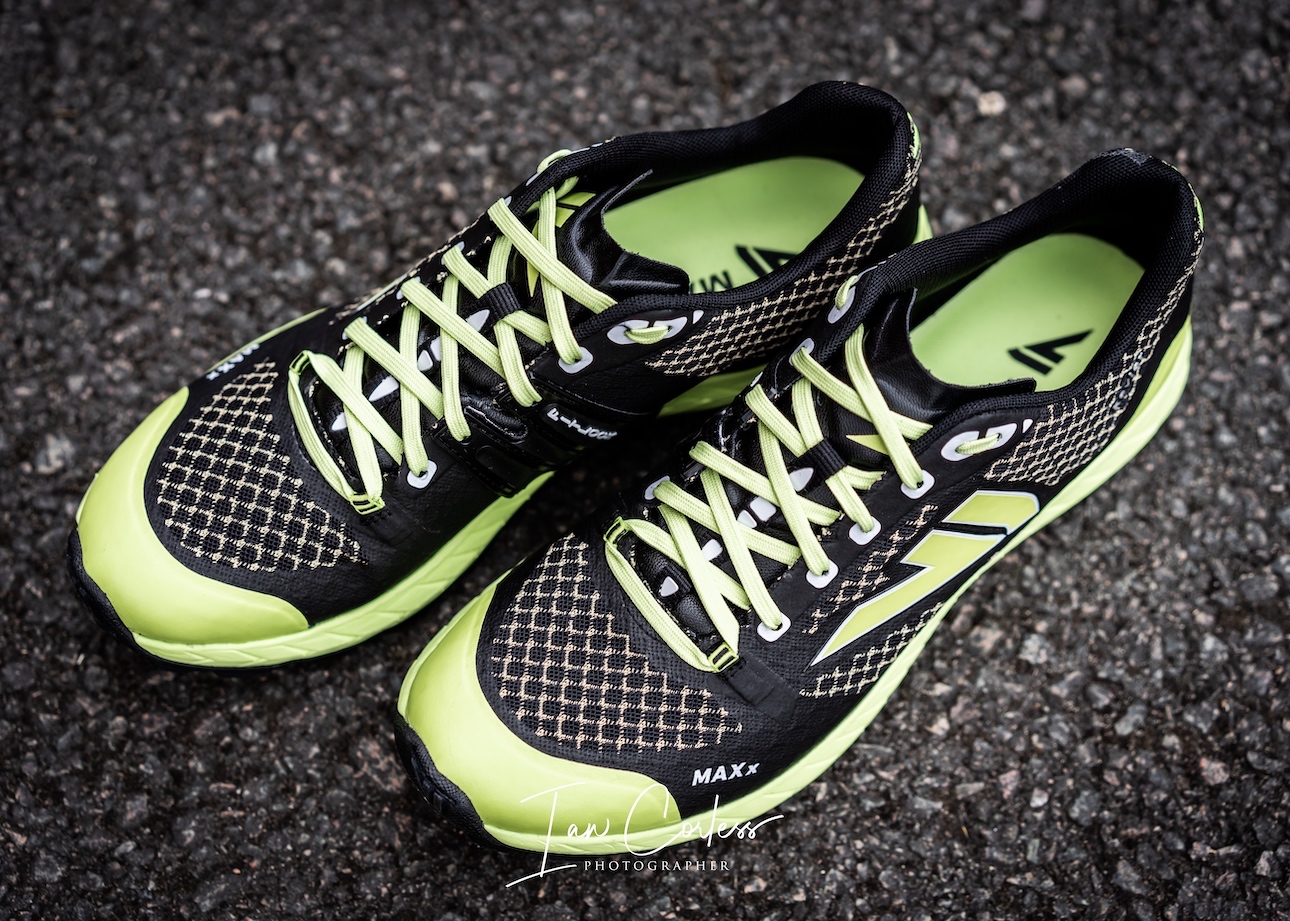
I have been in these shoes for a month on all sorts of terrain and they are now the only shoe I am using. VJ have nailed it once again. I don’t know how they do it…

If you like IRock2 and XTRM then the MAXx is just going to be immediately added to your shoe selection and quite simply you will then have a shoe for the following:

  • Fell and short mountain races – IRock2
  • Medium distance mountain and skyrunning – XTRM
  • Long distance mountain ultra, trail and skyrunning – MAXx

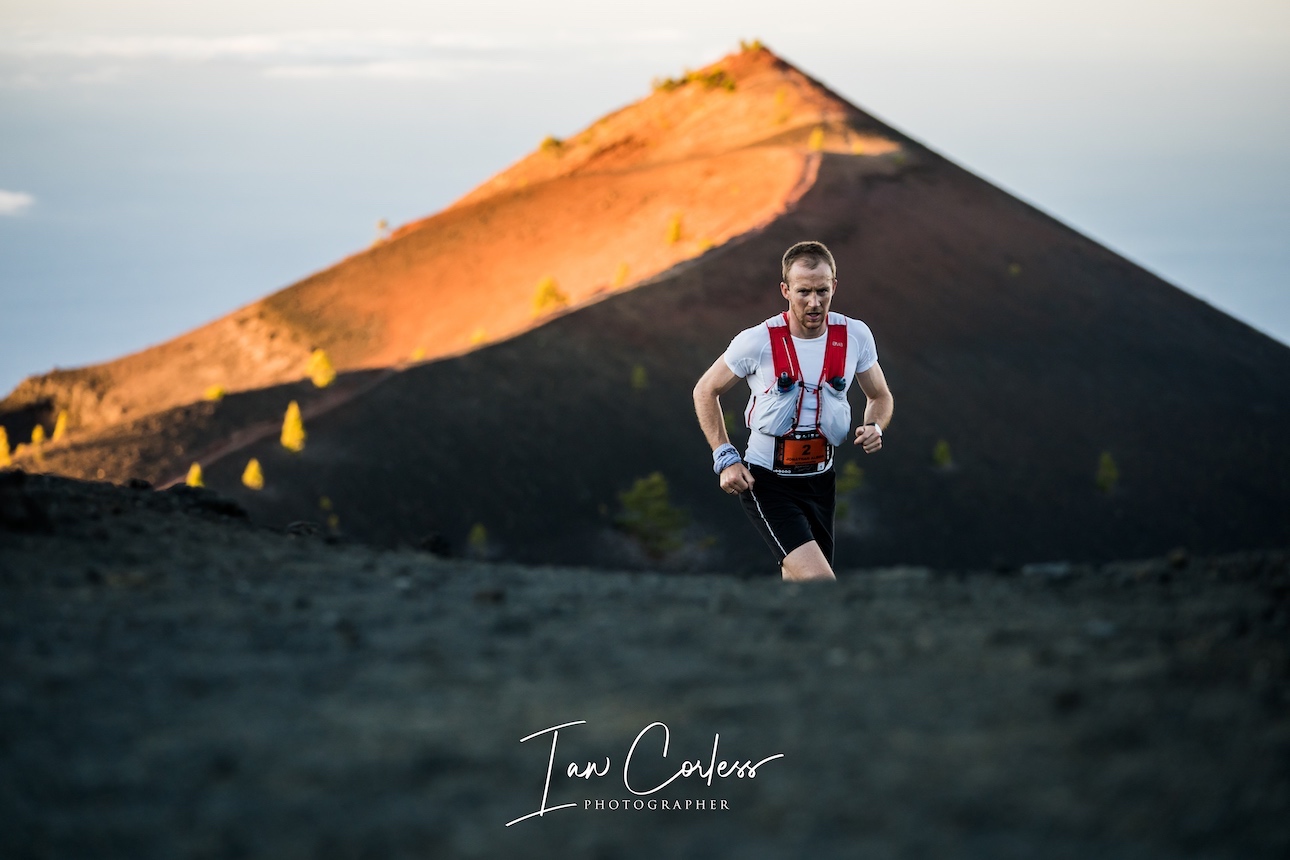
To put the above in context, Jon recently raced the 73km Transvulcania on the island of La Palma, he used the MAXx.

Everything that is perfect in the IRock2 and XTRM is replicated here in the MAXx – the only difference coming with the notable bounce and cushioning – I love these shoes!

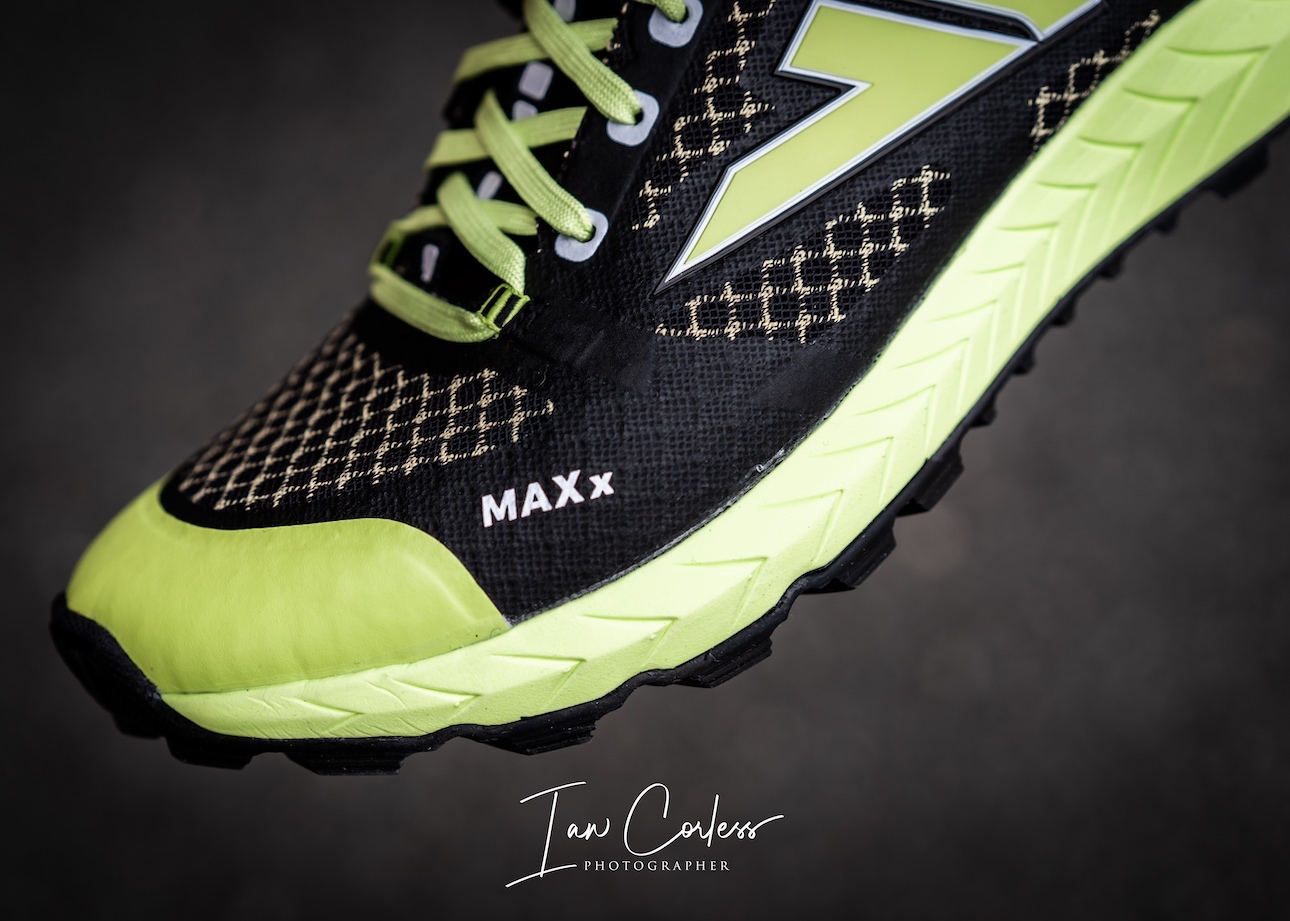
Specs:

  • Medium last
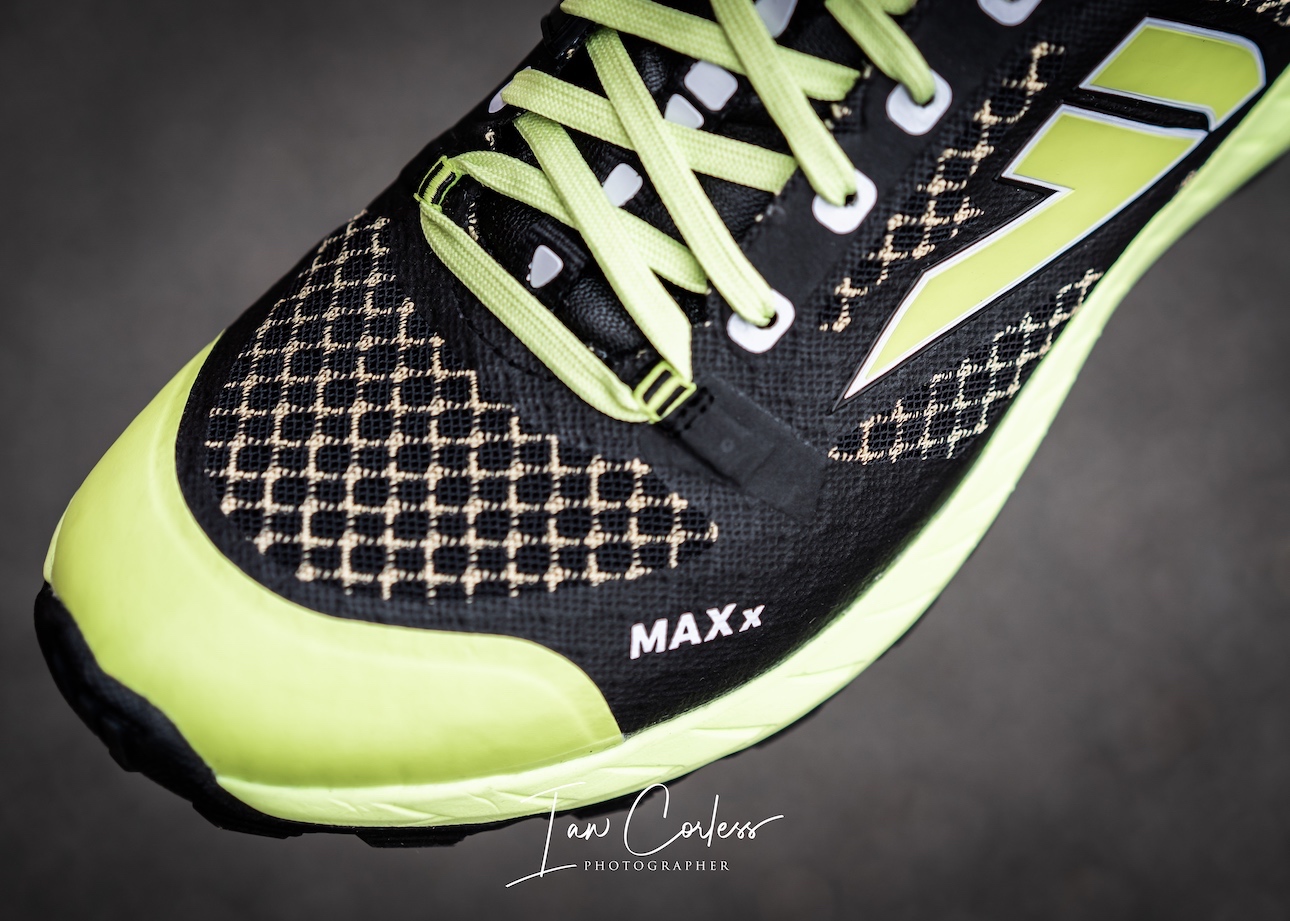
  • Rubberized and protective toe cap
  • Rockplate for the length of the shoe
  • Kevlar breathable upper
  • 6mm drop
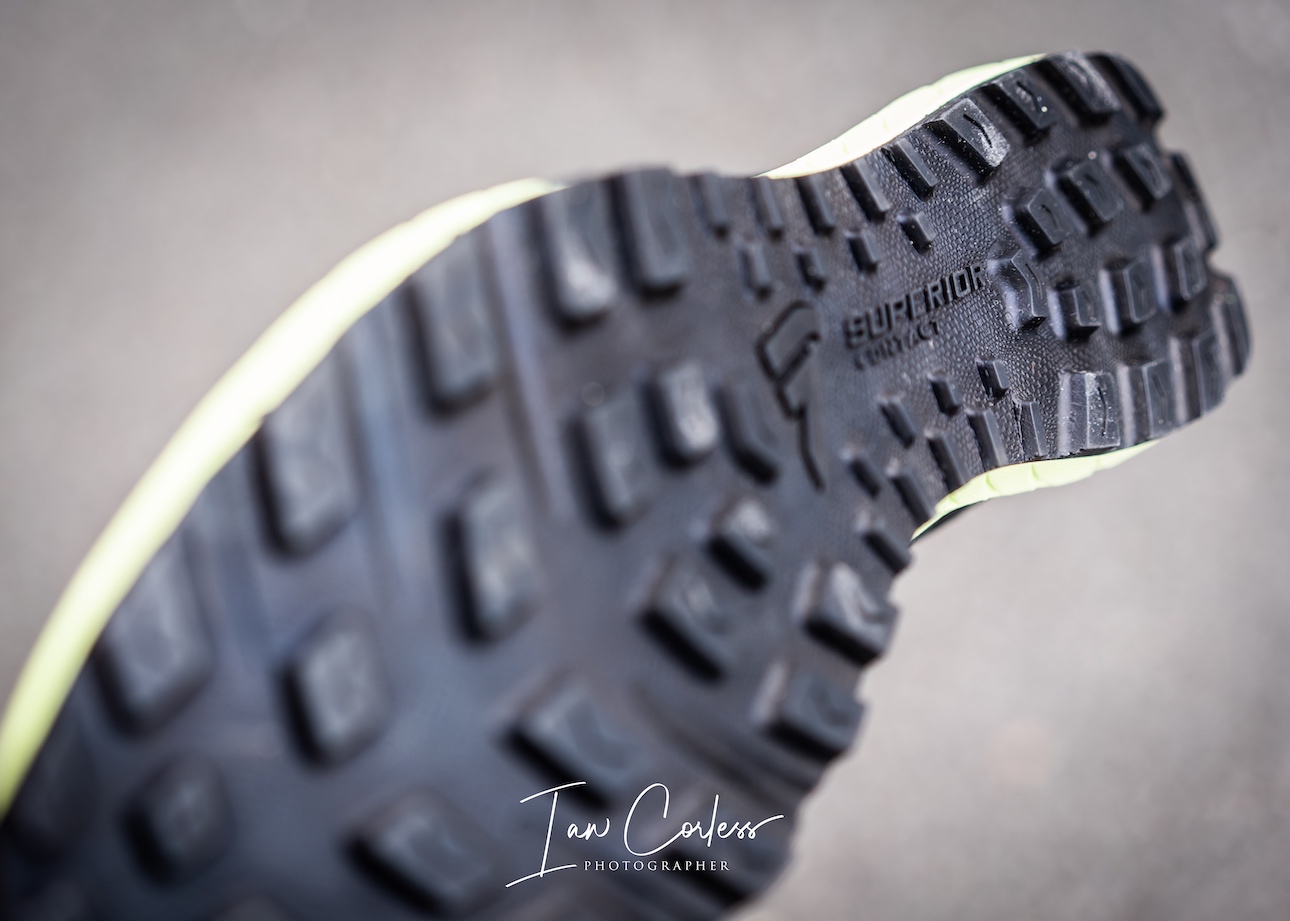
  • 4mm Butyl rubber outsole
  • Cushioning front 10mm and rear 16mm

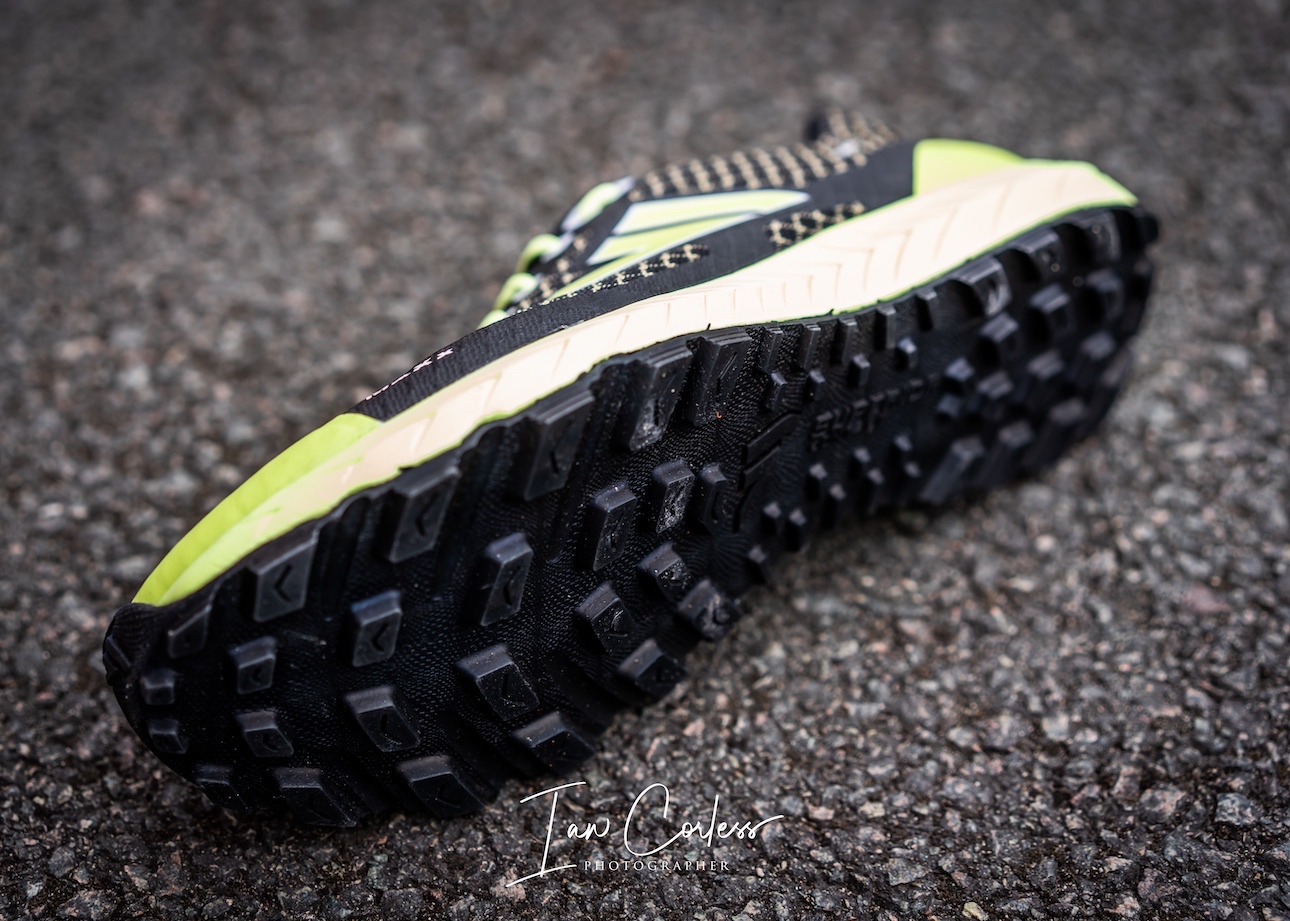
Quite simply, VJ Sport make the best outsole for trail, mountain and skyrunning, no other outsole comes close to the sticky compound that VJ create. Many sponsored runners agree, and they use different brands!

The XTRM has 6mm outsole and here on the MAXx we have 4mm – this makes a logical sense to reflect the trail and ultra-objectives of the shoe. So, if you need a shoe for really muddy ground, you will be better off with the XTRM. However, if running long on trail, mountain, snow, ice, rock (wet or dry) then the MAXx is the shoe for you.

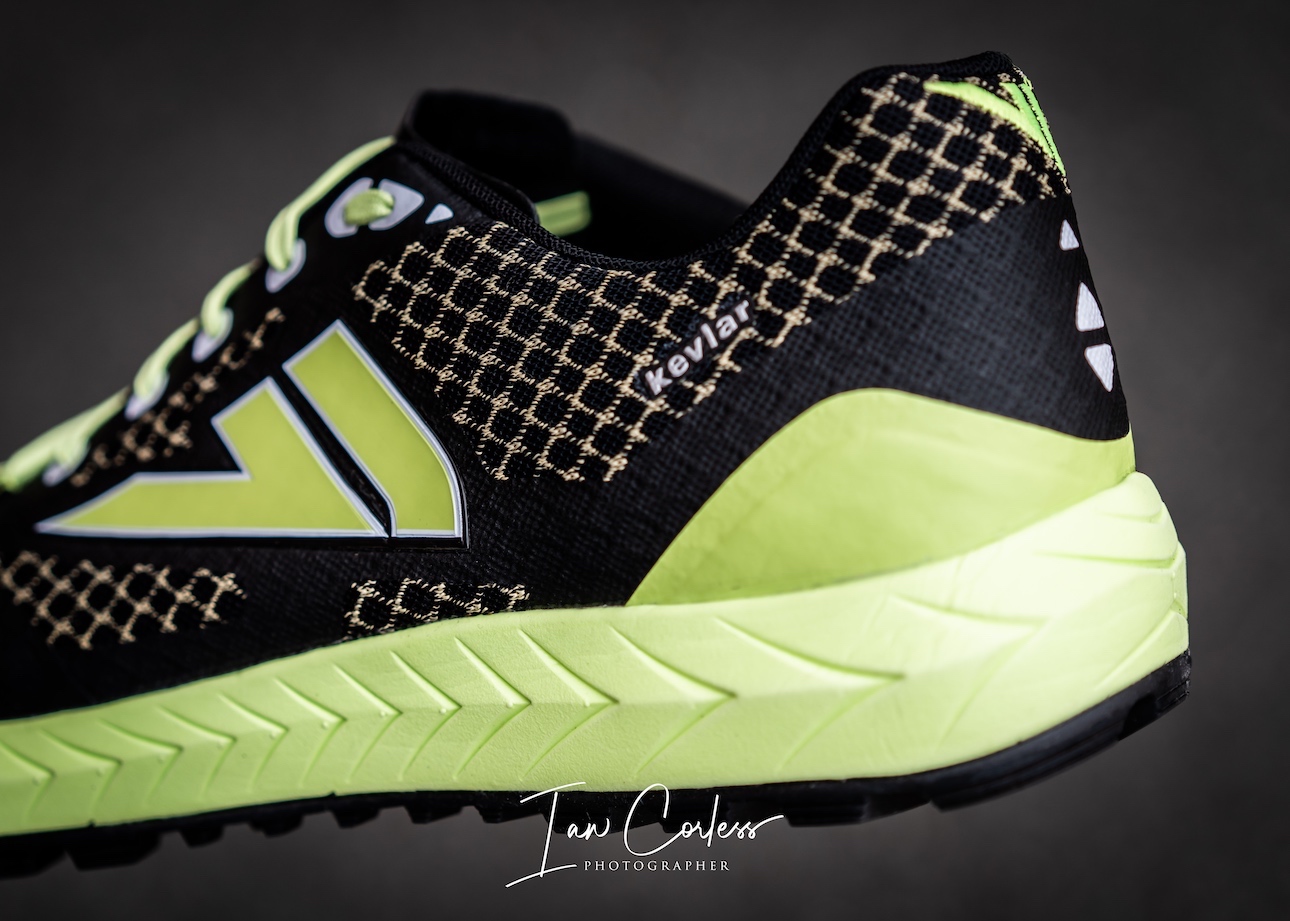
Feel when sliding the shoe on is just like the XTRM, the toe box is medium and works perfect for me. Sizing is true to size, I am a UK 9.5 and these are perfect with a thumb nail width above my gig toe. Toe box is wider than the XTRM.The upper is arguably the most durable there is without losing flexibility or breathability. Kevlar is going to outlast the outsole and several years of using VJ shoes, I have never had an upper fail or tear.

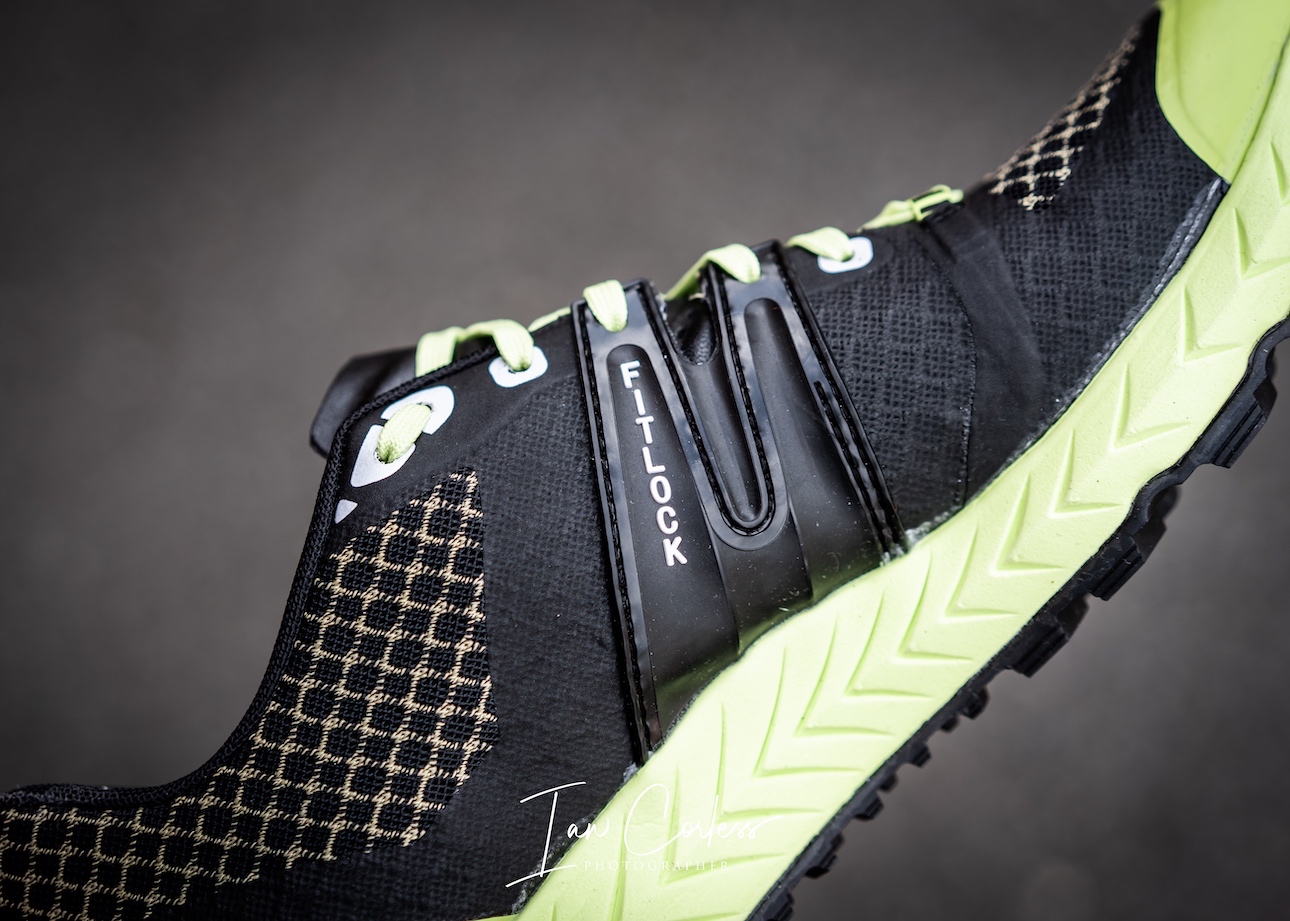
FITLOCK is just amazing as I have mentioned previously with the IRock2 and the XTRM. Here the FITLOCK is the same, it pulls in on the middle of the foot creating the most comfortable and secure feel of all shoes I have tried.

Toe box is really substantial and protective and ideal for any mountain race when collision with rocks is a high risk. The heel box is as on all previous VJ shoes, snug and secure.

The cushioning is the marked difference in the shoe, and it is noticeable immediately. I intentionally landed with my heel on some runs and the cushioning compressed beautifully and gave a lovely bounce and push in the transition phase. On road and hard trail, the shoes move along wonderfully and feel a great deal like my Nike Wildhorse (another favourite shoe). The cushioning does not lose feel for the ground though. I still have that contact and sensory perception that is really important for me when running off-road, especially if on technical terrain. Of course, there is less feel than the IRock2 and XTRM. There is more cushioning! On stoney ground, the rock plate is spot on providing that all important protection, especially important when running longer. We can all tolerate a little discomfort for an hour or two, but if running for 4, 5, 6, 7 hours or longer we need more protection and for many, more cushioning.

The great thing about the MAXx is its ability to be an everyday trail/ mountain shoe and this is a huge selling point. The MAXx will work perfectly for racing and everyday trail running, that for me is just perfect.

SUMMARY

I said I couldn’t find any faults with the XTRM and the same applies here with the MAXx. In all honesty, I think (for me) the MAXx is now my ‘go-to’ trail/ mountain shoe. The combination of elements makes it perfect. If I was a racing snake, I would line up the IRock2, XTRM and MAXx and decide on a weapon that best suits the race. But I am not, I am runner who loves to play in the mountains and the MAXx is just perfect for 1-hour runs or full-day outings. I think it’s worth noting that races such as the Dragons Back, Cape Wrath Ultra or say, Ultra Tour Monte Rosa when runners must spend long and multiple days in the mountains, the MAXx is perfect for this. This shoe is a complete winner and it is going to take a truly amazing shoe to come along and make me choose it for my mountain/ trail runs in the future. Yes, this VJ Sport MAXx is that good!

VJ Sport HERE

MAXx HERE

VJ was founded in 1981 to produce light weight and fast shoes for orienteers for all circumstances.

During the years we have built up our shoes in every category through feedback and continuous trial runs. Nowadays there are more sports we want to serve but our mission is still the same: we want to offer light weight shoes, which at the same time protect your feet and have #thebestgripontheplanet.

So whether your sport is orienteering, trail running, skyrunning, swimrun or obstacle course racing we are here for you.

Instagram – @iancorlessphotography

Twitter – @talkultra

facebook.com/iancorlessphotography

Web – www.iancorless.com

Web – www.iancorlessphotography.com

Image sales –www.iancorless.photoshelter.com

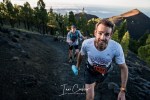
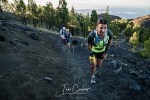
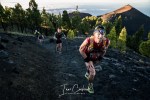
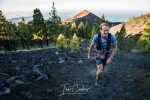
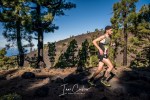
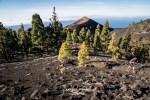
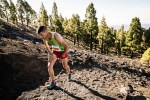
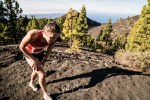
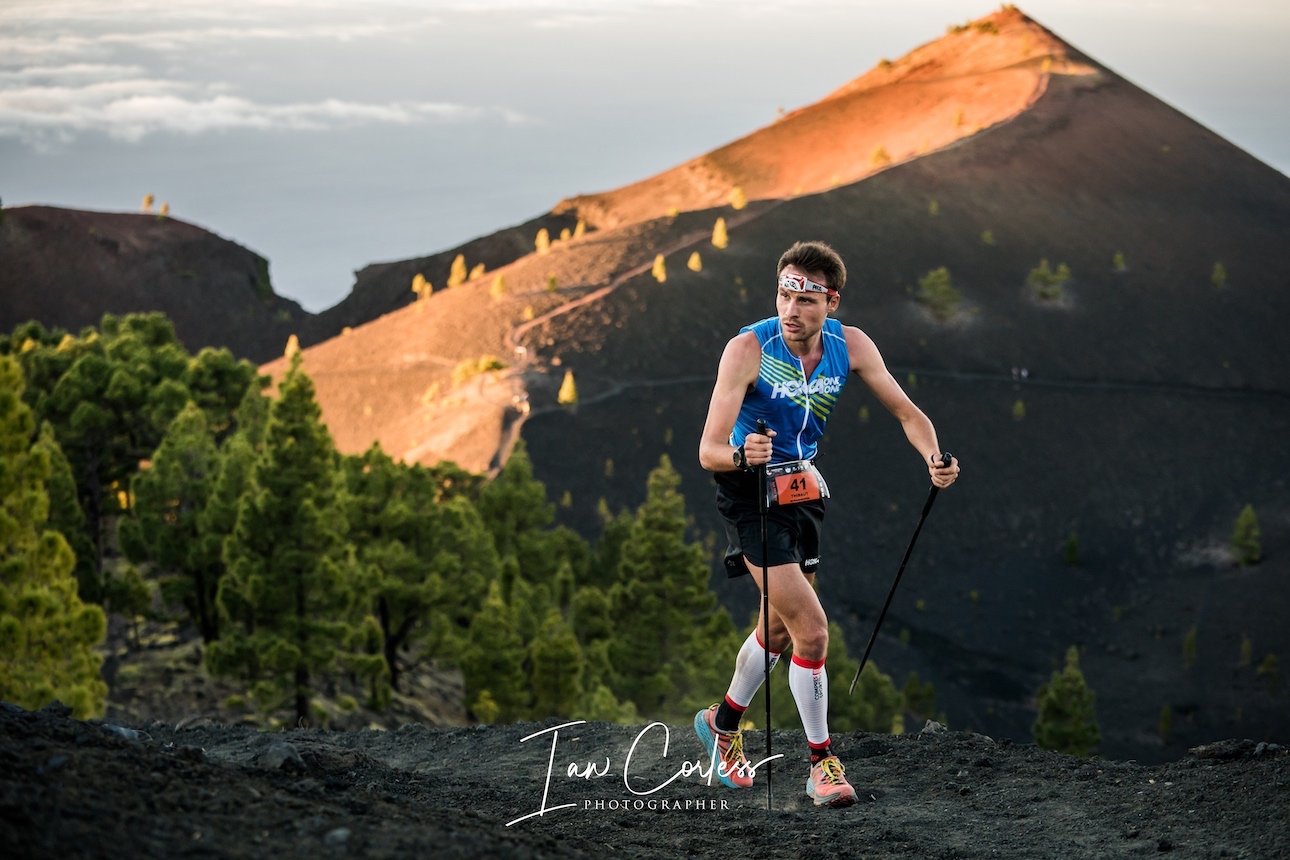
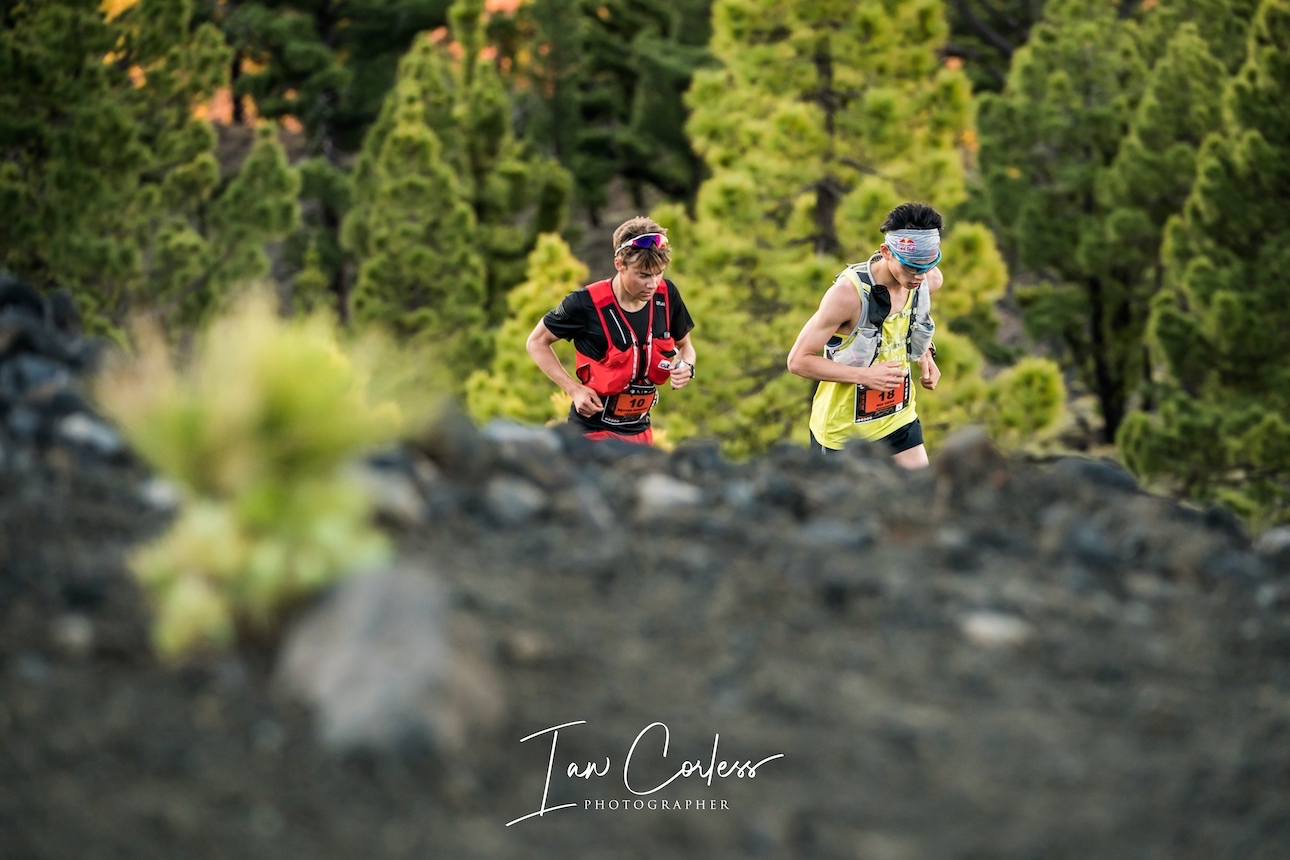
TRANSVULCANIA 2019 – IMAGE GALLERY

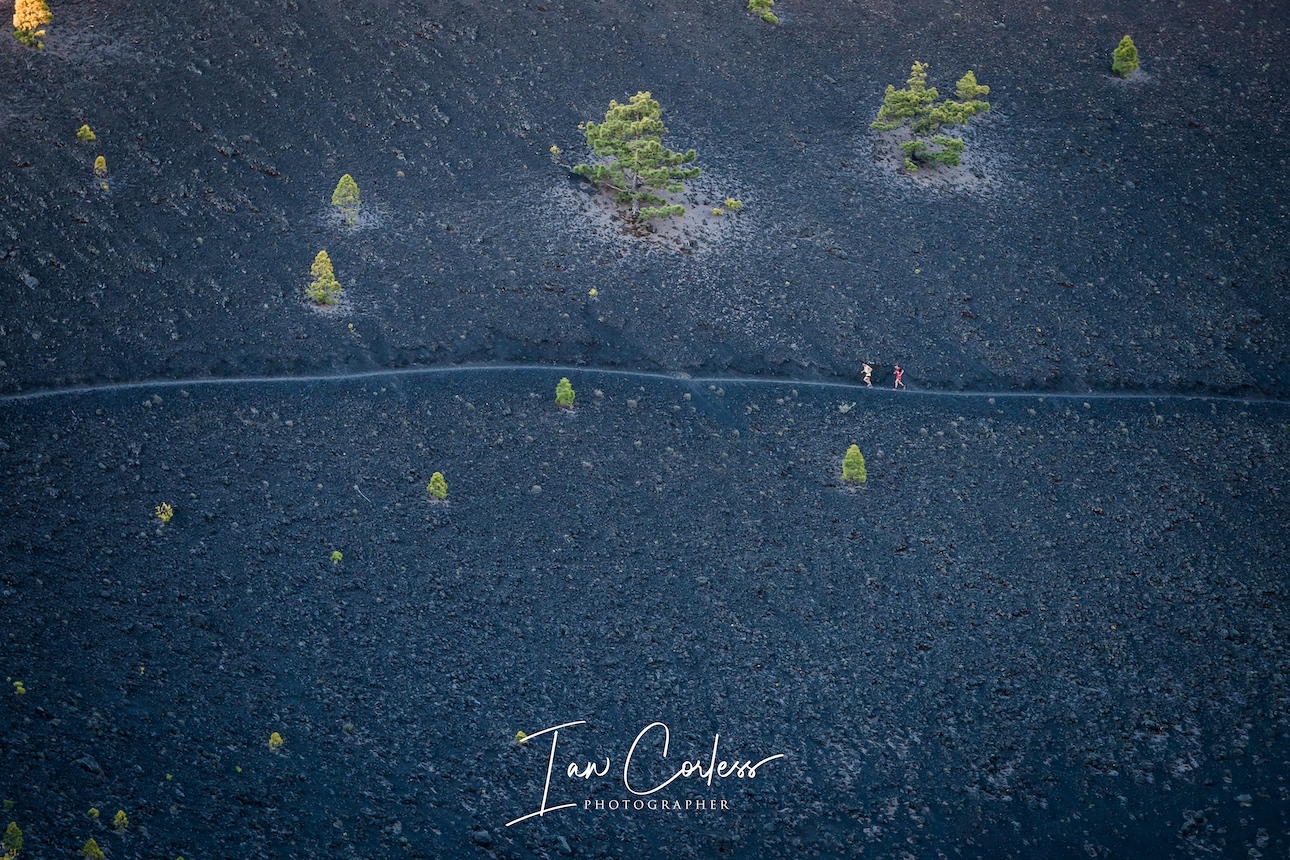
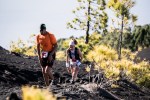
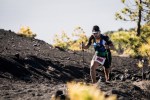
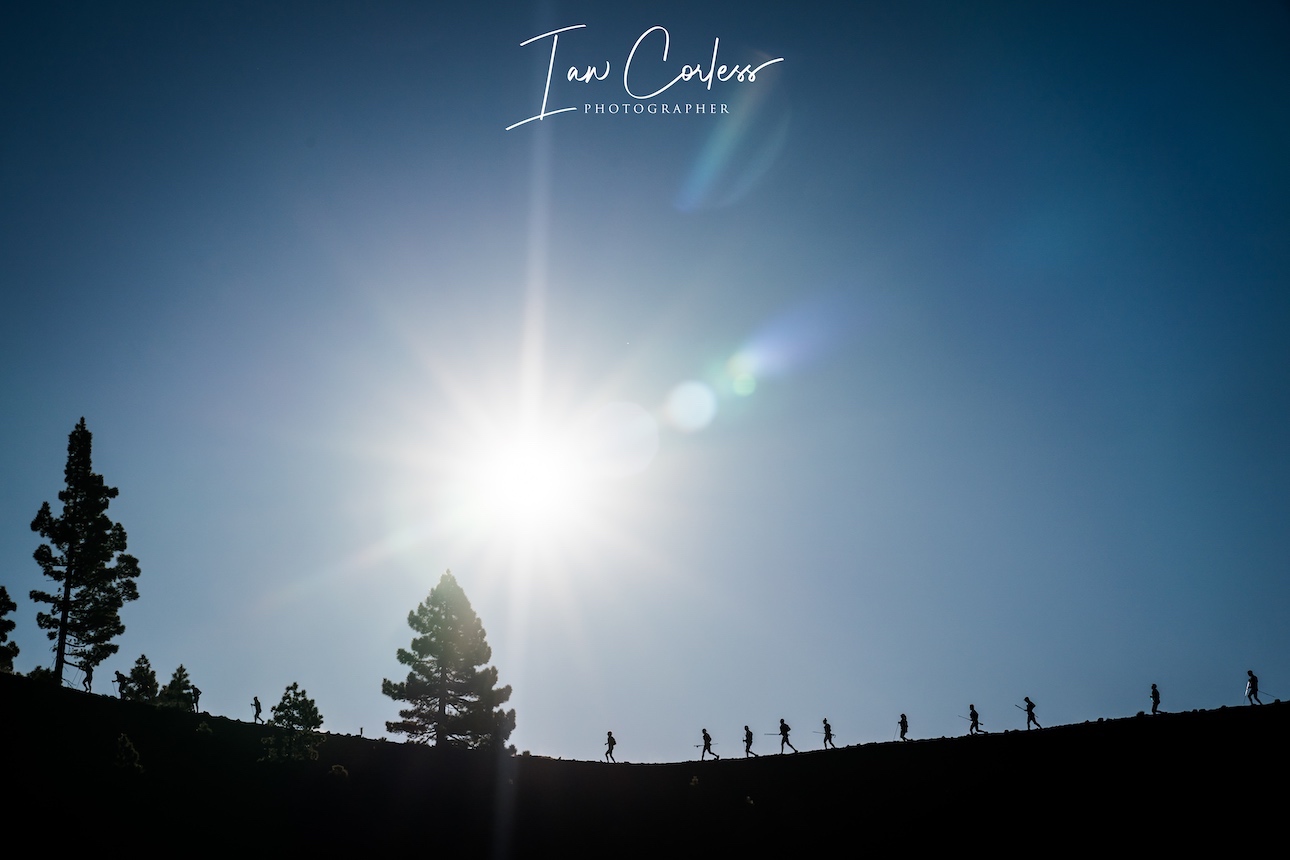
The 2019 Transvulcania was once again an epic race. The stunning island of La Palma never disappoints.

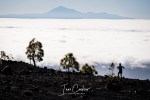
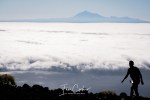
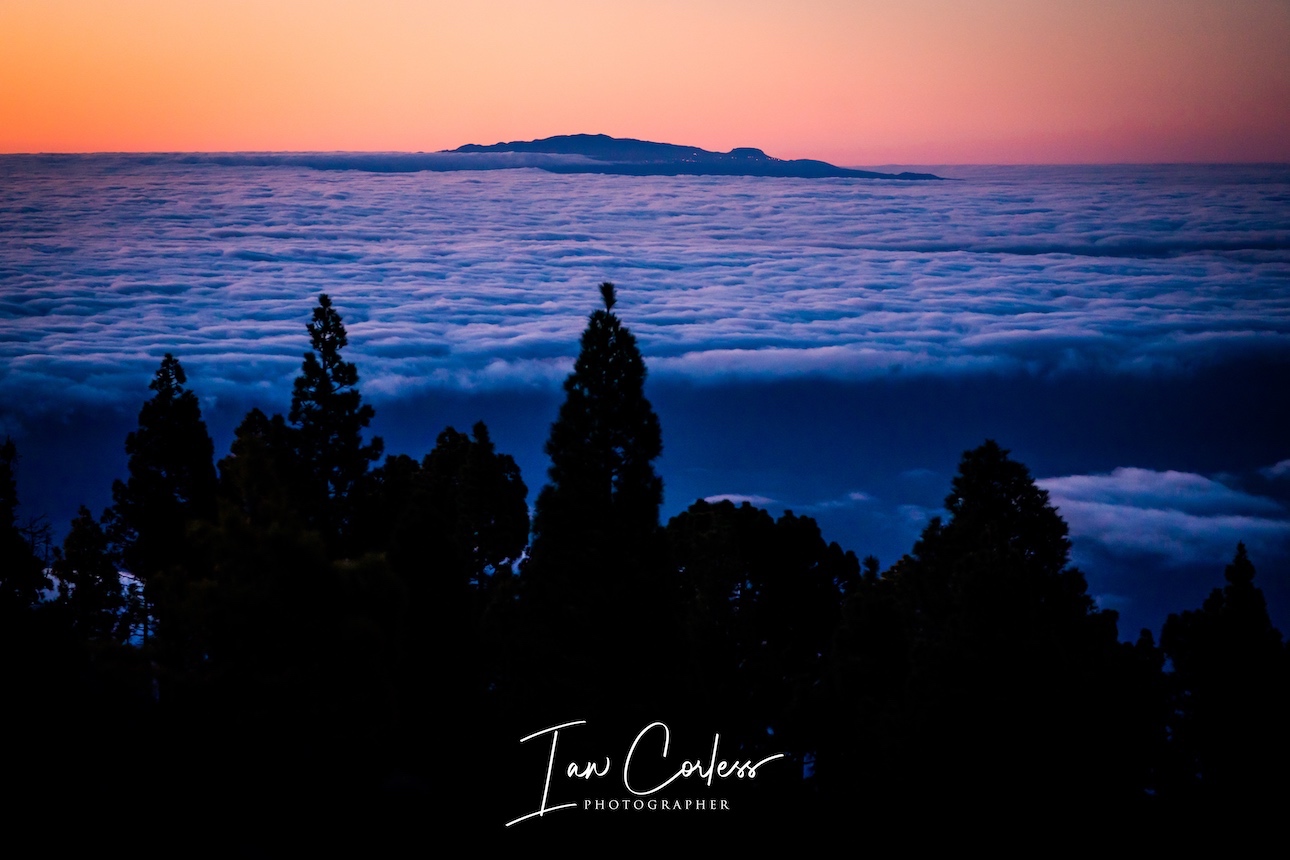
Epic sunrise, cloud inversions and clear skies with intense heat.

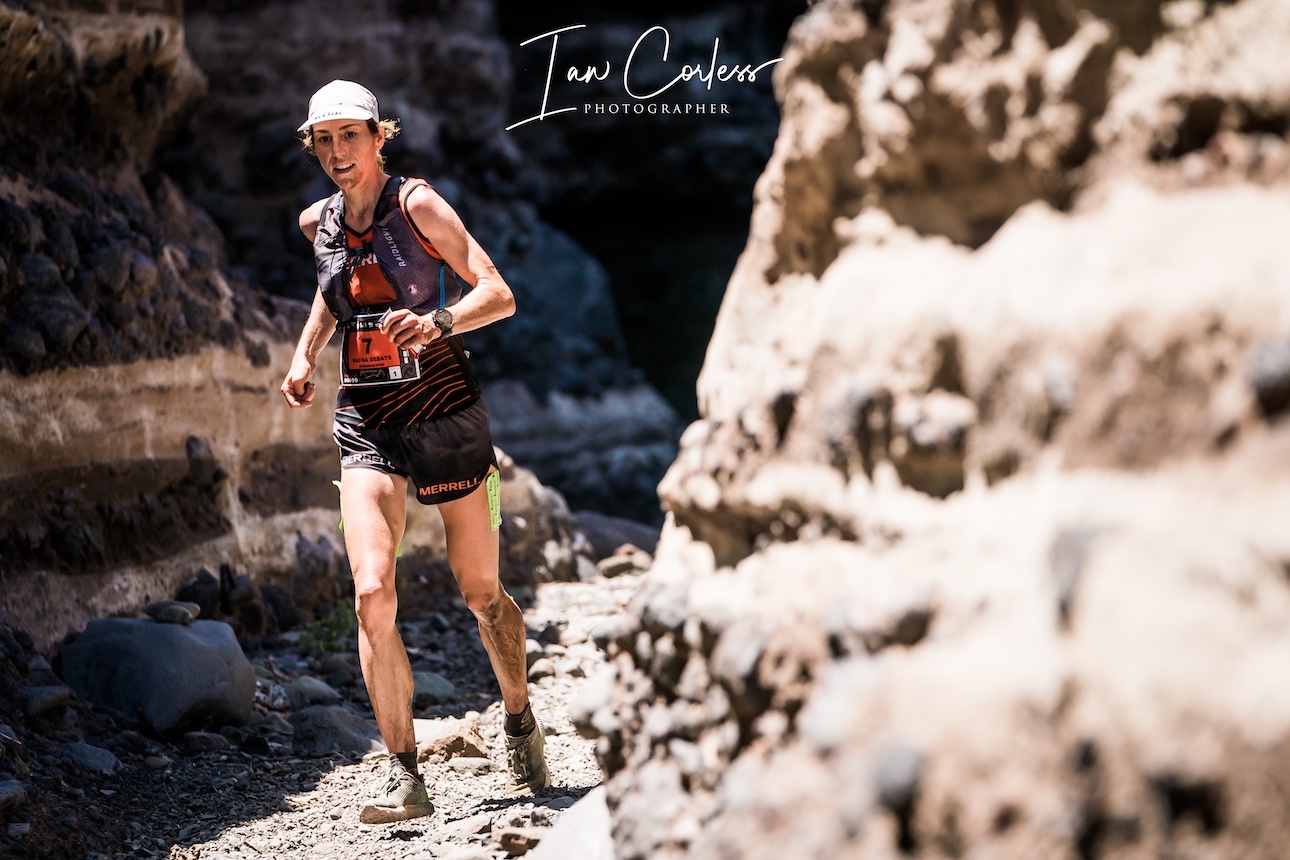
The race was incredible with Ragna Debats and Thibaut Garrivier taking victory. You can read a summary HERE.

Below is a portfolio of images that gives a glimpse of the race.

Image galleries are HERE

Follow on:

Instagram – @iancorlessphotography

Twitter – @talkultra

facebook.com/iancorlessphotography

Web – www.iancorless.com
Web – www.iancorlessphotography.com

Image sales –www.iancorless.photoshelter.com

TRANSVULCANIA 2019 – Debats and Garrivier win! – Race Summary

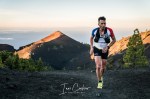
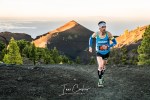
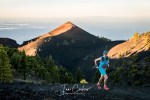
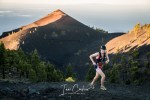
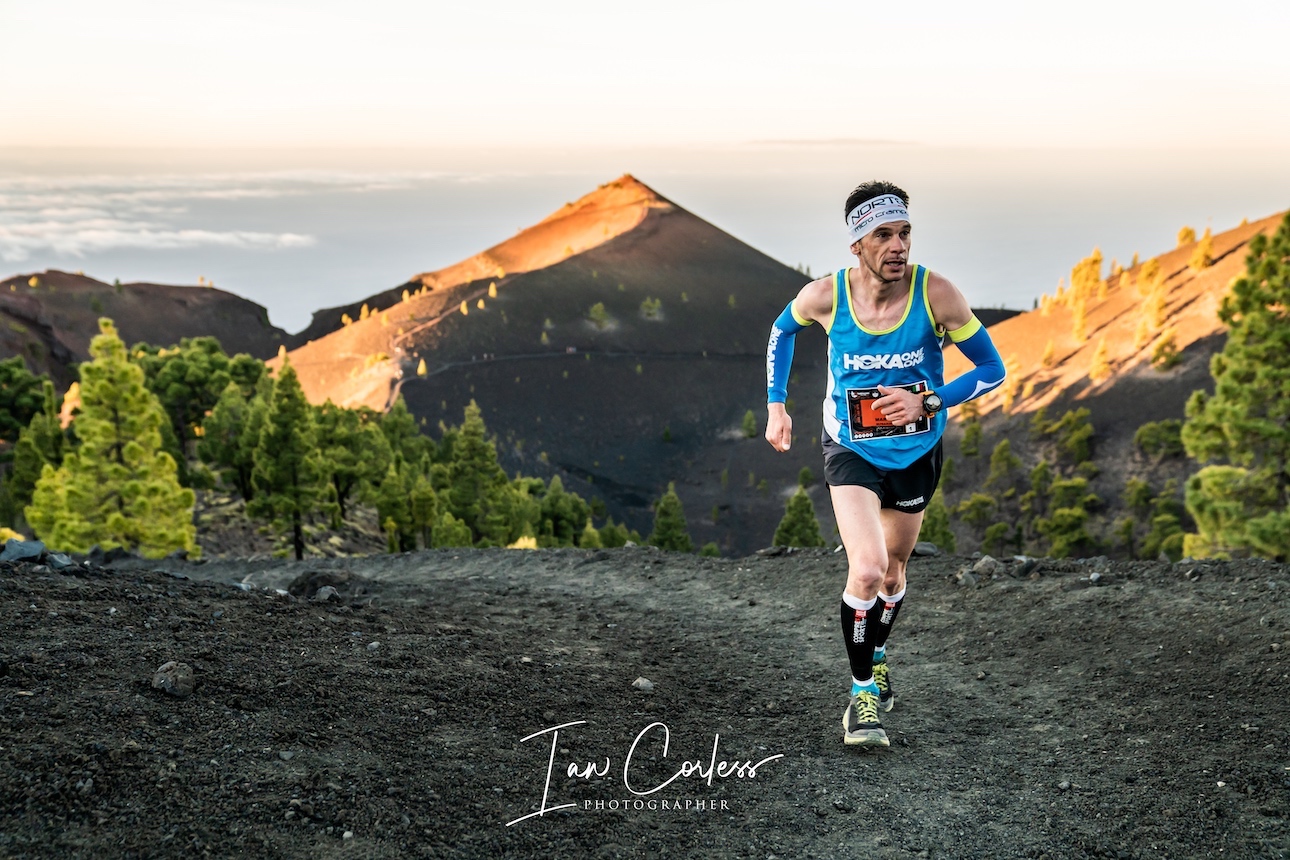
Petter Engdahl came of age today as he pushed a relentless pace right from the gun at the 2019 Transvulcania. The only runner brave enough to follow was Ruy Ueda and the duo pushed together over much of the volcano sections all the way to El Pilar.

Behind, runners lined up to chase including Thibaut Garrivier, Marco De Gasperi, Dmitry Mityaev, Jon Albon and a who’s who of top-talent.

Engdahl looked calm and relaxed and considering this is only his second year in skyrunning and his longest race so far, he was brave to take on the front. It was expected that Ueda and De Gasperi would push and test him. However, no! Both dropped before 30km leaving the young gun out front being chased by Garrivier and Mityaev.

At Rouques de los Muchachos, the 18km drop to Tazacorte beach is a formidable descent not only for the legs and lungs but also the mind. Engdahl found the pressure to intense and relinquished his lead, firstly to Garrivier and then Mityaev.

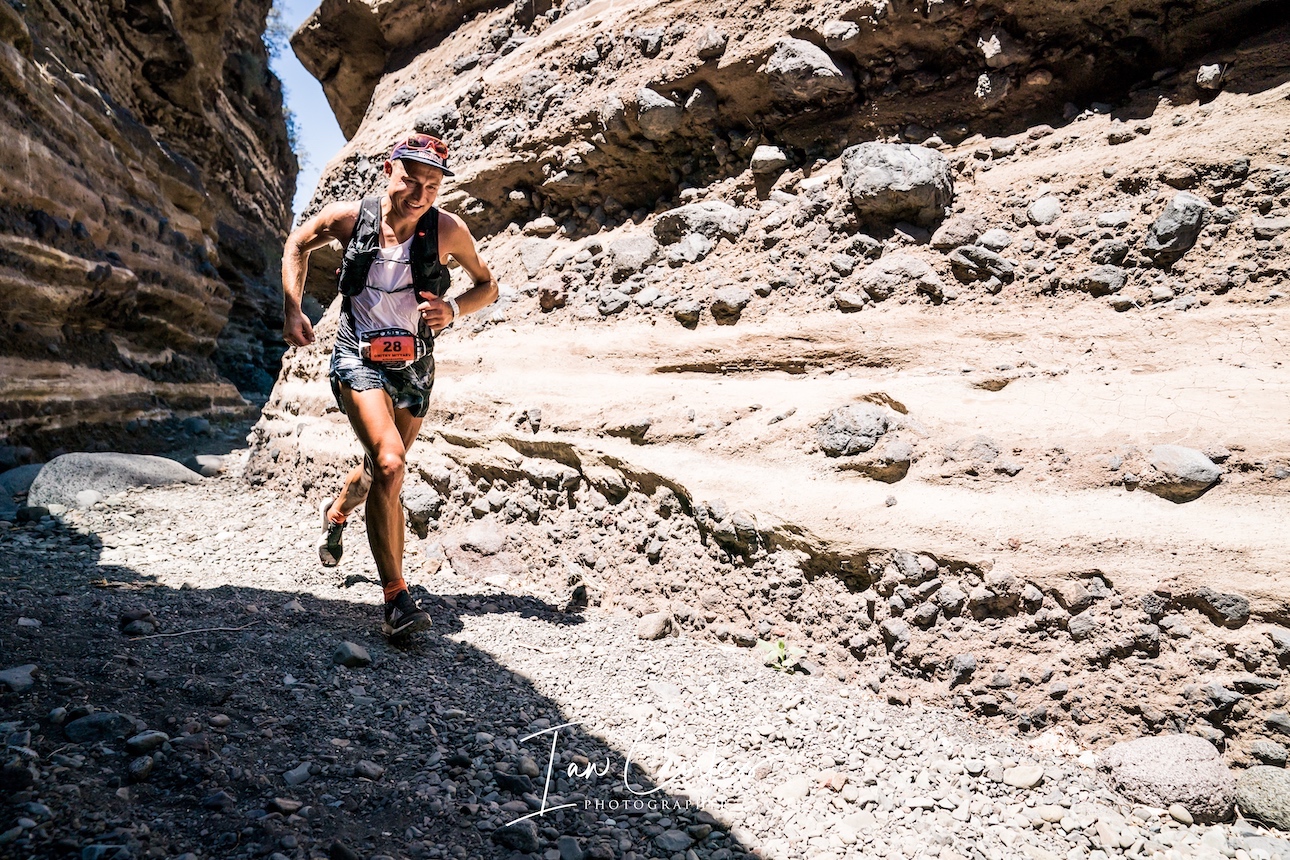
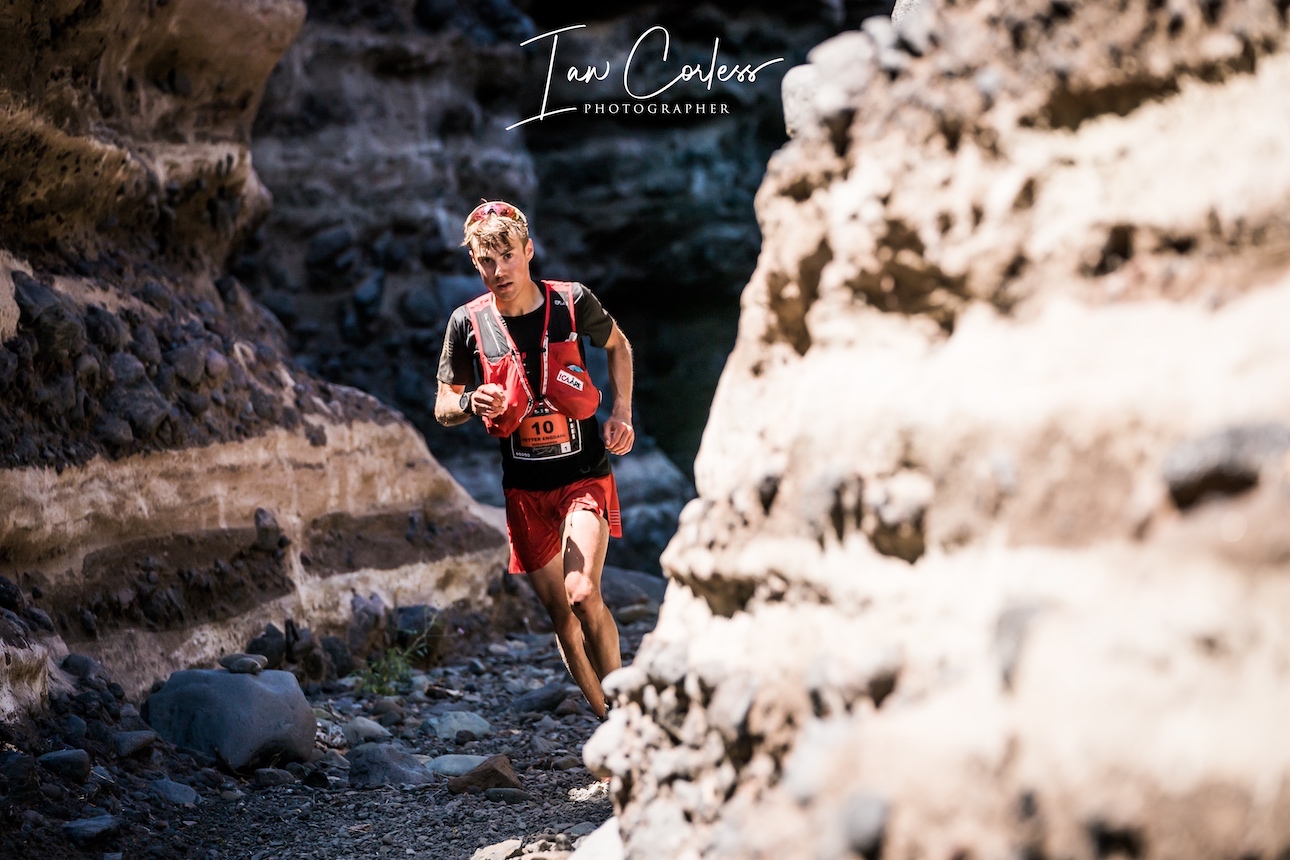
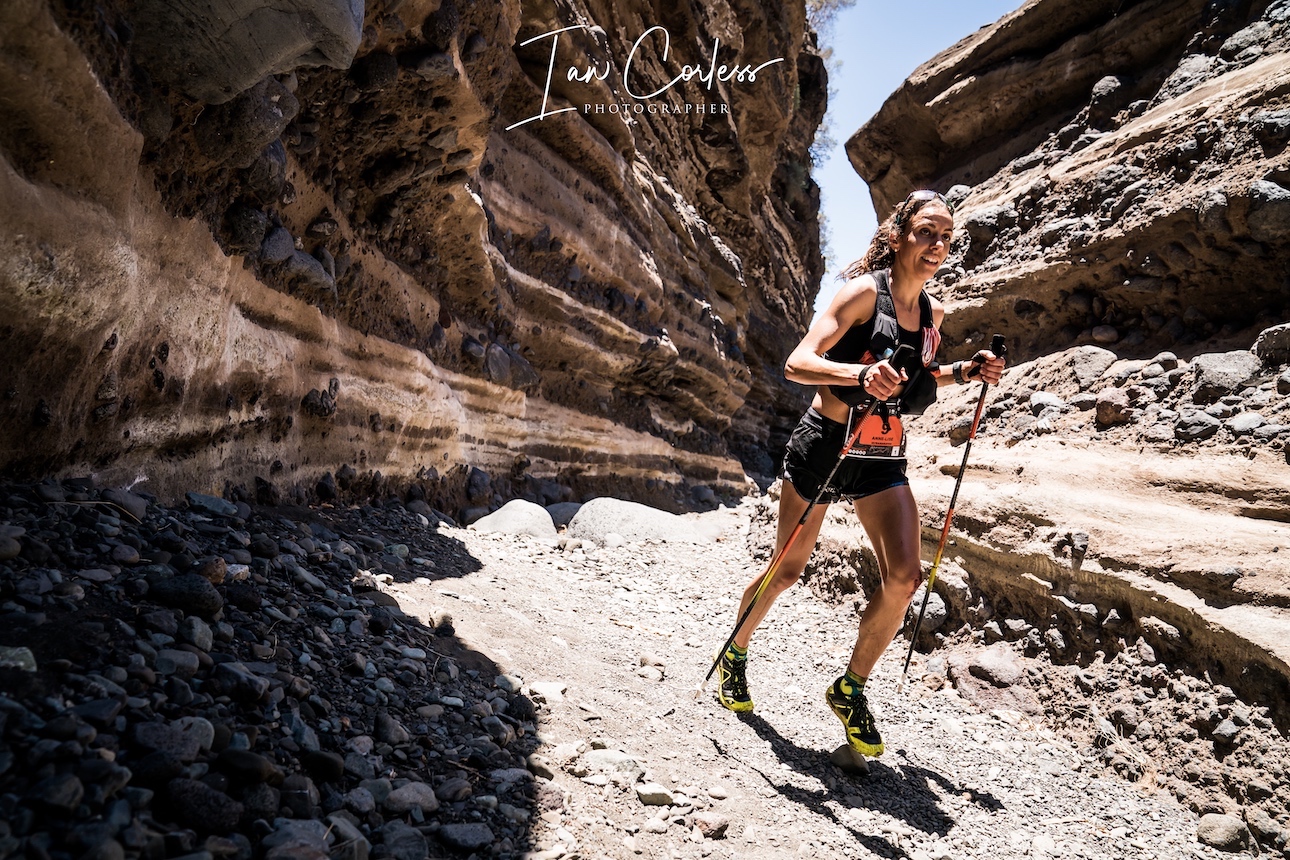
From the beach, as the runners ran through a slot canyon, the writing was on the wall. Garrivier had extended a lead of 5-minutes to the Russian and equally, Mityaev had extended a lead of 5-minutes over Engdahl. It remained that way to the line with Garrivier taking a great win in 7:11:04 ahead of Mityaev 7:14:23 and Engdahl 7:21:28. The UK’s Jon Albon moved up from outside the top-10 to place 4th and Diego Pazos was 5th.

Anne-Lise Rousset dictated the pace in the women’s race and over the opening 18km she looked strong. Behind, pre-race favourite, Ragna Debats fresh from victory at Marathon des Sables pushed but looked to be playing a waiting game. Behind, Megan Kimmel followed along with Kristin Berglund and Ekaterina Mityaeva.

The heat and the pace took its toll and as Rousset slowed, Debats turned up the gears and applied the pressure, no doubt the sandy terrain and heat feeling ‘normal’ after her Moroccan adventure.

The speed increased and Debats took an incredible victory in 8:09:25 dominating the race. Rousset held on for 2nd, no doubt the course and conditions hurting everyone and Kimmel rounded out the top-3, their times 8:25:11 and 8:35:03. Russian Mityaeva placed 4th and Berglund 5th.

Men:

1. Thibaut Garrivier (FRA) Hoka One One – 7:11:04

2. Dmitry Mityaev (RUS) Adidas Terrex – 7:14:23

3. Petter Engdahl (SWE) Salomon Running – 7:21:28

4. Jonathan Albon (GBR) Gore / VJ Shoes – 7:36:34

5. Diego Pazos (SWI) Compressport – 7:41:48

Women:

1. Ragna Debats (NED) Merrell – 8:09:25

2. Anne-Lise Rousset (FRA) Oxsitis-Odlo – 8:25:11

3. Megan Kimmel (USA) Salomon Running – 8:35:03

4. Ekaterina Mityaeva (RUS) Adidas Terrex – 8:53:02

5. Kristin Berglund (AUS) Salomon Running – 8:58:10

Follow on:

Instagram – @iancorlessphotography

Twitter – @talkultra

facebook.com/iancorlessphotography

Web – www.iancorless.com
Web – www.iancorlessphotography.com

Image sales –www.iancorless.photoshelter.com

ISF Skyrunning World Championships 2018 Summary

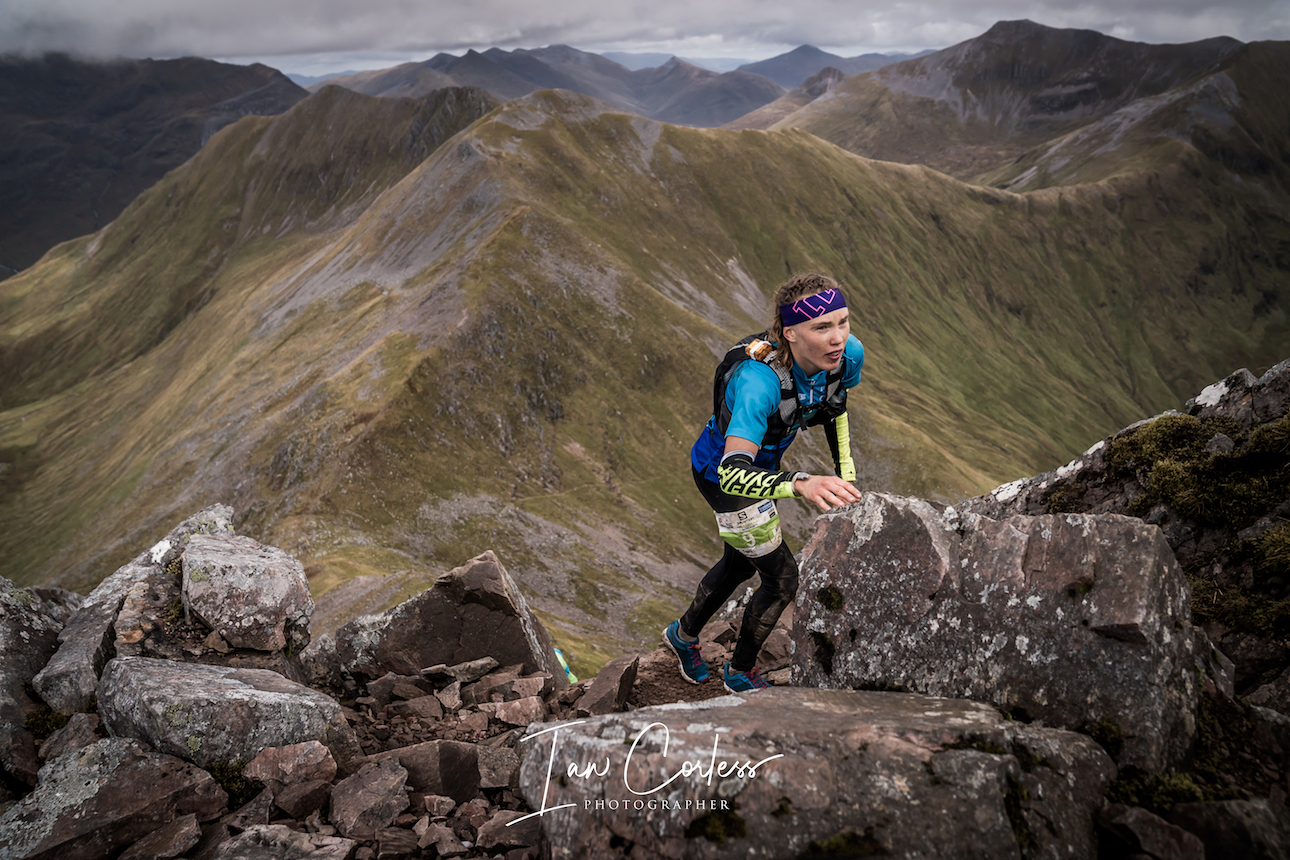
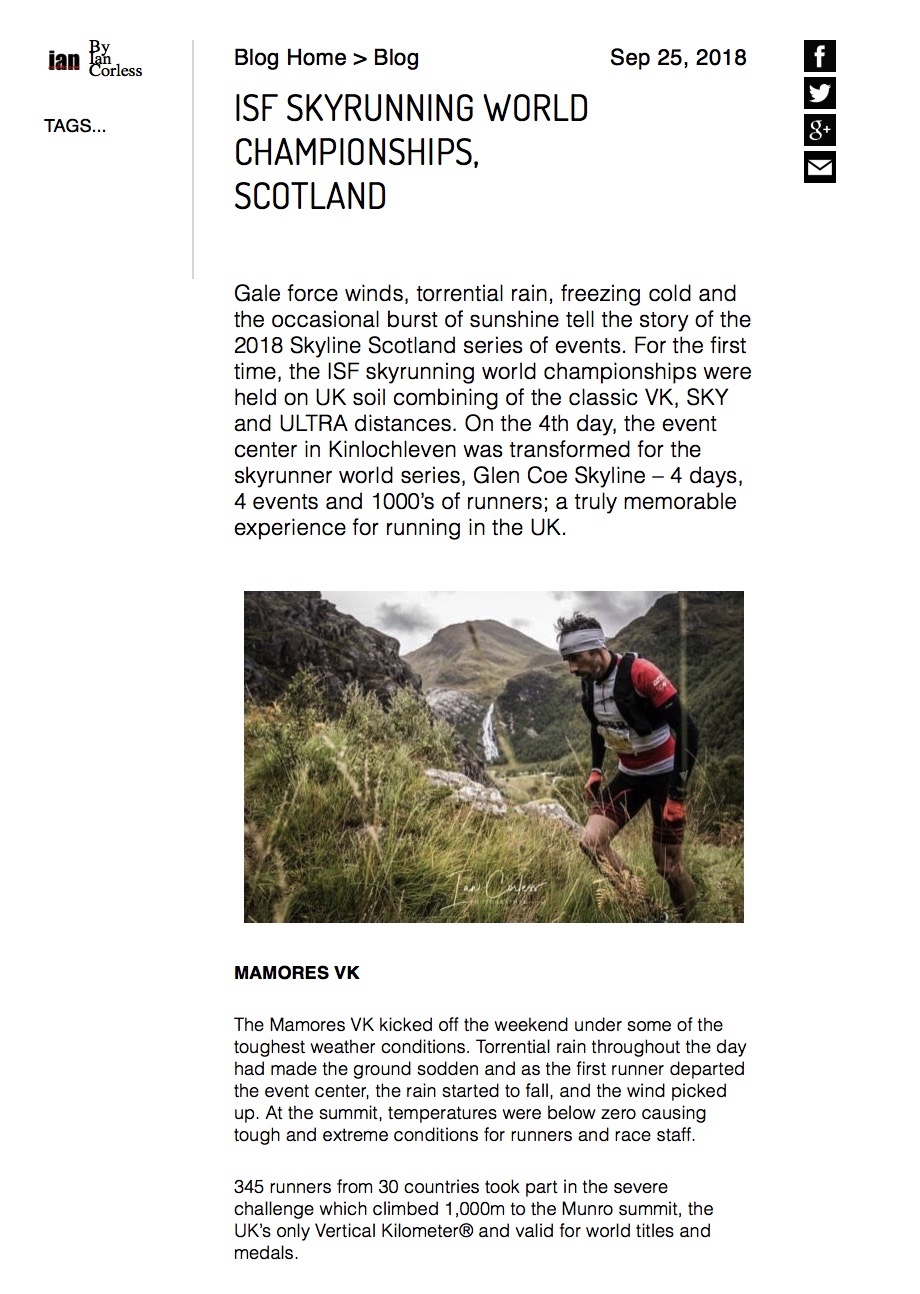
“Gale force winds, torrential rain, freezing cold and the occasional burst of sunshine tell the story of the 2018 Skyline Scotland series of events. For the first time, the ISF skyrunning world championships were held on UK soil combining of the classic VK, SKY and ULTRA distances. On the 4th day, the event center in Kinlochleven was transformed for the skyrunner world series, Glen Coe Skyline – 4 days, 4 events and 1000’s of runners; a truly memorable experience for running in the UK.”

I wrote a summary of the 2018 World Championships for IRUN4ULTRA

YOU CAN READ THE ARTICLE HERE

You can view image galleries form the VK, SKY, ULTRA and EXTREME races HERE

Follow on:

Instagram – @iancorlessphotography

Twitter – @talkultra

facebook.com/iancorlessphotography

Web – www.iancorless.com
Web – www.iancorlessphotography.com

Image sales –www.iancorless.photoshelter.com

VJ XTRM Shoe Review – VJ Sport

Last year I finally got my hands on a pair of VJ Sport IRock 2 (HERE). I was blown away by pretty much everything about the shoes. The upper, the way they held one’s foot, the durability of the materials used, and the outsole was just incredible – the most amazing grip. The only reservation that I had, was how long I could run in these shoes… They are pretty minimal and although cushioned, the cushioning for me would probably only take me to 3-4 hours of running.

OCR World Champion and Skyrunner World Series Champion, Jonathan Albon, agreed. In some of the longer races, Trofeo Kima for example where the terrain is hard, rocky, muddy, has snow, maybe the odd glacier thrown in and when the male winning time is over 6-hours, although the IRock 2 was perfect on grip, the cushioning made a really long run like this tiring for the feet.

With Jon’s feedback, VJ Sport went back to the drawing board, took all the best elements of the IRock 2 and created a new shoe:

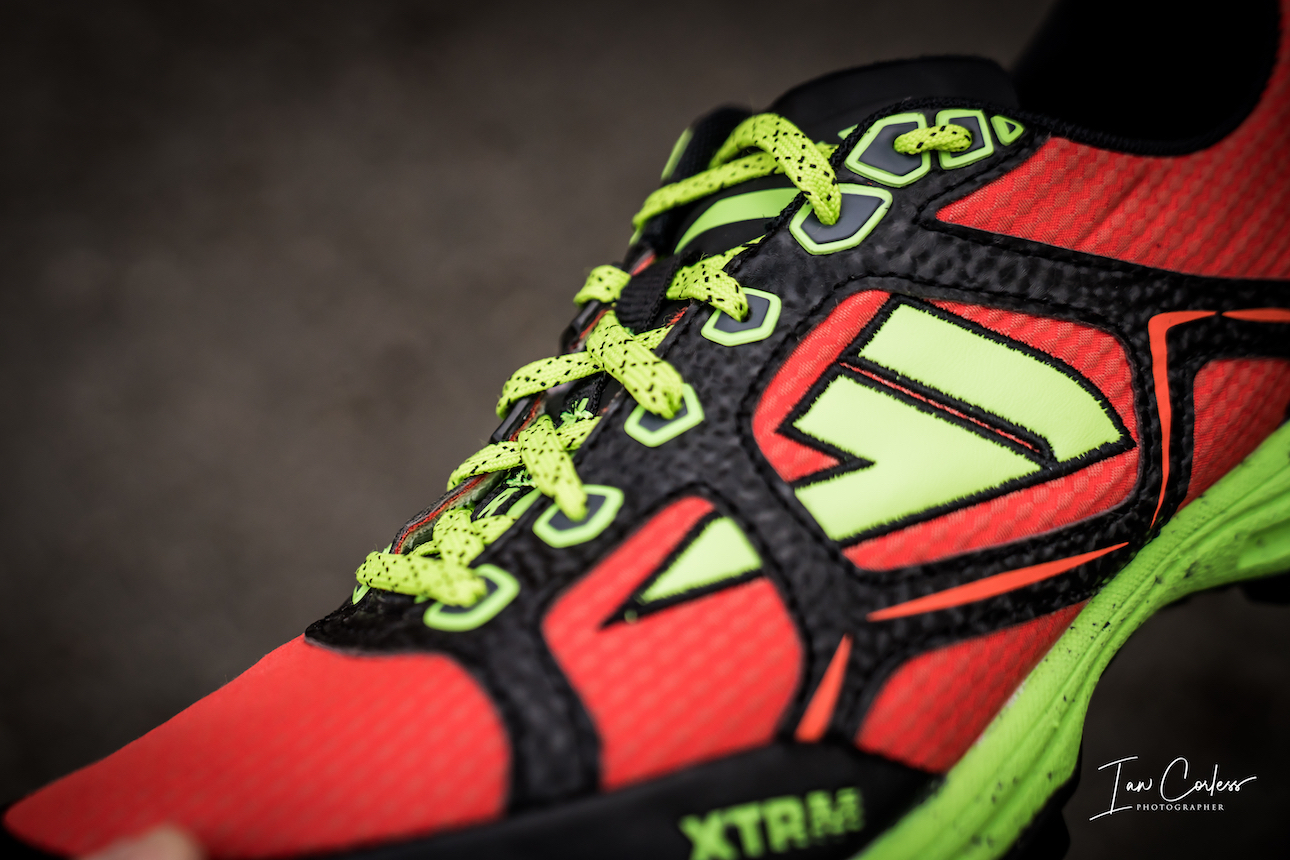
VJ XTRM.

The king is dead, long live the king!

Let me just say in simple terms everything that was brilliant in the IRock 2 has been transferred to the new VJ XTRM and what VJ Sport have done, in my opinion, they have created the most perfect mountain running shoe for when the trails are demanding, rocky and throwing all sorts of variables at the runner.

So, what is new in the VJ XTRM.

  • Two new cushioning units have been added to the front and rear.
  • A full-length RockPlate.
  • A medium last.
  • A little extra room in the toe box.
  • New Fitlock.

As I mentioned, much of the IRock 2 crosses over. For example, the outsole is the amazing Butyl Rubber which for me offers the best grip I have encountered on any mountain shoe. The outsole studs are 6mm which offers a good compromise between grip on muddy/ wet trails and excellent grip on smooth and easy single-track.

At 250g for a standard UK8, the shoe is light and 4mm drop sits in a comfortable middle ground for the zero drop fanatics and those who like a more comfortable and relaxed 8mm drop.

Kevlar and Polyester make the upper and the IRock 2 has been the most durable shoe I have ever used, so, I don’t anticipate the VJ XTRM to be any different. There is also Fiberclass stability control.

THE SHOE

Slipping one’s foot into the VJ XTRM one immediately feels the snug and precision fit. However, the slightly wider toe box is noticeable. Don’t get me wrong here, this is not a wide and spacious toe box, so, if that is what you personally need, this may well be not the shoe for you. Please remember though that this is a specific mountain/ skyrunning shoe that will be used on technical mountainous terrain, so, a shoe for this type of running should be precision.

Pulling the laces tight, the FITLOCK takes hold and provides the most secure and comfortable hold of my foot. It is the best I have tried, no question. The laces are excellent, they pull tight and stay tight.

The upper is a mix of materials and is extremely durable. Although it is too early to comment on longevity of the VJ XTRM upper, the materials and comparisons with the IRock 2 are very close. My IRock 2 have been through everything and are still going strong. The heel box has minimal padding but holds the foot secure and is extremely comfortable. The toe box is well protected and ideal for mountain terrain.

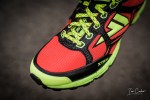
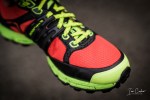
The colours of the upper are a little bright. They wouldn’t be my choice, I certainly loved the red & black combo of the IRock 2, but colours are just colours and after a good muddy run, the colours soon become muted.

Like the IRock 2, the VJ XTRM looks heavy, pick them up and you realise they are not, they are super-light!

The bottom of the shoe is what helps VJ Sport stand out amongst the competition and why they have such a following. The Butyl Rubber they use is the best outsole I have ever tested and on rock terrain, dry or wet, they are the most reassuring footwear ever! The 6mm studs are the same as on the IRock 2 and this is significant, the IRock 2 provided the best grip ever, so, to see this transferred over to the XTRM is superb.

IN USE

The IRock 2 last-year was the best mountain shoe I have ever used. This has now been replaced by the VJ XTRM and for me, moving forward, I would always purchase the VJ XTRM and not the IRock 2. For me, VJ Sport may well have killed the IRock 2 because the VJ XTRM is so good.

 sport

WHY?

To all intents and purposes, the IRock 2 and VJ XTRM are very similar shoes. One difference is 6mm drop for the IRock 2 and 4mm drop for the VJ XTRM, this may be a decision maker for some? However, the new additions to the VJ XTRM just make it a much more versatile shoe without compromising what made the IRock 2 great, no, superb!

  1. The added cushioning doesn’t compromise feel for the ground, control, stability for faster shorter mountain running but what it does allow is more cushioning and comfort for longer runs.
  2. The RockPlate is a no brainier, it is added protection and added comfort for little to no additional weight.
  3. The new Fitlock holds the foot as well, if not better than the Fitlock on the IRock 2.
  4. The toe box has been widened to allow for a little more room and toe splay when running longer but not at the compromise of precision and feel.
  5. The upper is as the IRock 2 with Kevlar and outstanding durability.
  6. The outsole is the same, 6mm studs in the amazing Butyl Rubber.

The additions make the VJ XTRM the perfect all-round mountain shoe be that for short or long outings. Whereas, the IRock 2 was a shoe that I personally would not want to be out in for much longer than 4-hours.

SUMMARY

This is the best mountain running shoe I have ever used. For skyrunning, it is THE perfect shoe and for me, all other shoes that I test for that intended use will be compared to the VJ XTRM. Jonathan Albon’s influence can be felt in this shoe and I am sure his feedback with VJ Sport has been paramount in retaining all that was brilliant in the IRock 2 and then tweaking it to add what Jonathan and many other runners wanted; more cushioning, a RockPlate and a slightly wider toe box.

I personally am unable to find any negatives.

Obviously, the Butyl Rubber outsole works so well because it is soft and grippy, so, if you start running on roads and pavements, be aware, the outsole won’t last.

But the VJ XTRM is a formula 1 shoe and not a Ford Escort or similar. Maybe the VJ XTRM should make an appearance for those special runs or races?

However, if you are like me, I think the shoes are so awesome that if I am going to run anything technical, wet or dry, I want these shoes on my feet.

VJ SPORT website

Follow on:

Instagram – @iancorlessphotography

Twitter – @talkultra

facebook.com/iancorlessphotography

Web – www.iancorless.com
Web – www.iancorlessphotography.com

Image sales –www.iancorless.photoshelter.com

Scafell Sky Race 2018 – Jon and Henriette Albon take the victories.

The second Scafell Sky Race (SSR) brought not only a large international field of runners to the Lake District, but the strongest line-up of any UK mountain race so far this year. The SSR had increased significance in 2018 as it was a qualifying race for the 2018 Skyrunning World Championships that will take place in Scotland later this year.

Australia, Belgium, Brazil, Canada, France, Greece, Ireland, Malaysia, New Zealand, Netherlands, Norway, Portugal, Romania, USA and Britain were the nations that made up 196 runners who started the 2018 edition.

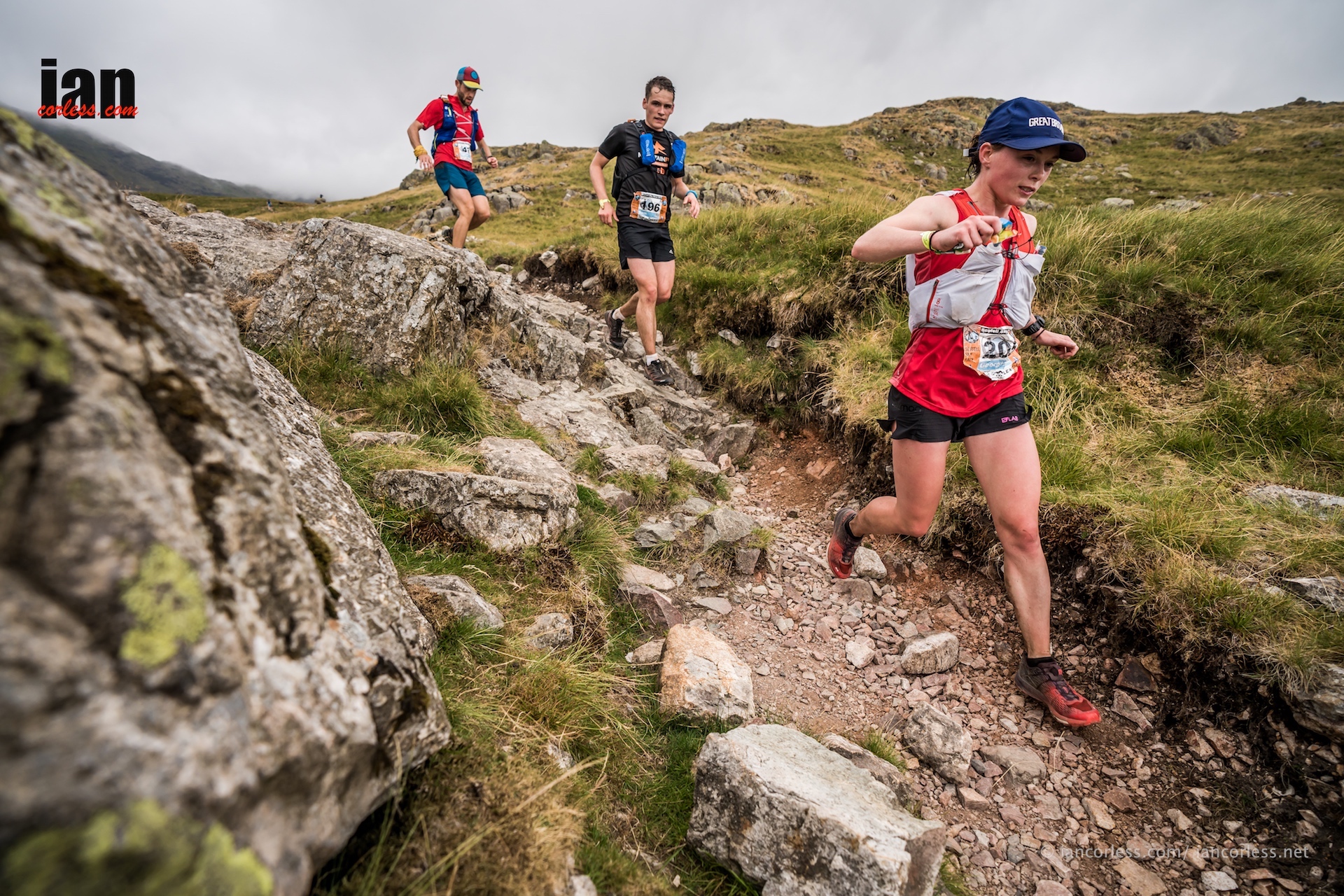
The SSR line-up included two stars from the Great Britain (GB) team that earned a team silver medal at the 2018 IAU Trail World Championships, Tom Evans and Jonathan Albon, who placed third and fourth in Spain in May. GB 100K-runner and Dragon’s Back-winner Marcus Scotney, fell-running legend Steve Birkinshaw, and Lakeland 50 course record-holder Casper Kaars Sijpesteijn were just some of the other names in a strong field. The women’s field was equally stacked, with GB trail-runner Sally Fawcett facing competition from GB mountain-runner Georgia Tindley, experienced ultra-runner Sarah Sheridan, Jonathan Albon’s wife Henriette and his sister Beth, and last year’s Lakes Sky Ultra-winner Catherine Slater.

Like its big sister event, Lakes Sky Ultra, which took place on Saturday (read HERE) , 14 July, SSR is owned and organised by Glenridding-based Mountain Run Events. But unlike LSU, it’s designed as an introduction to technical skyrunning and entries are not vetted. The course, created by Charles Sproson, is designed to showcase the very best of the Lakes.

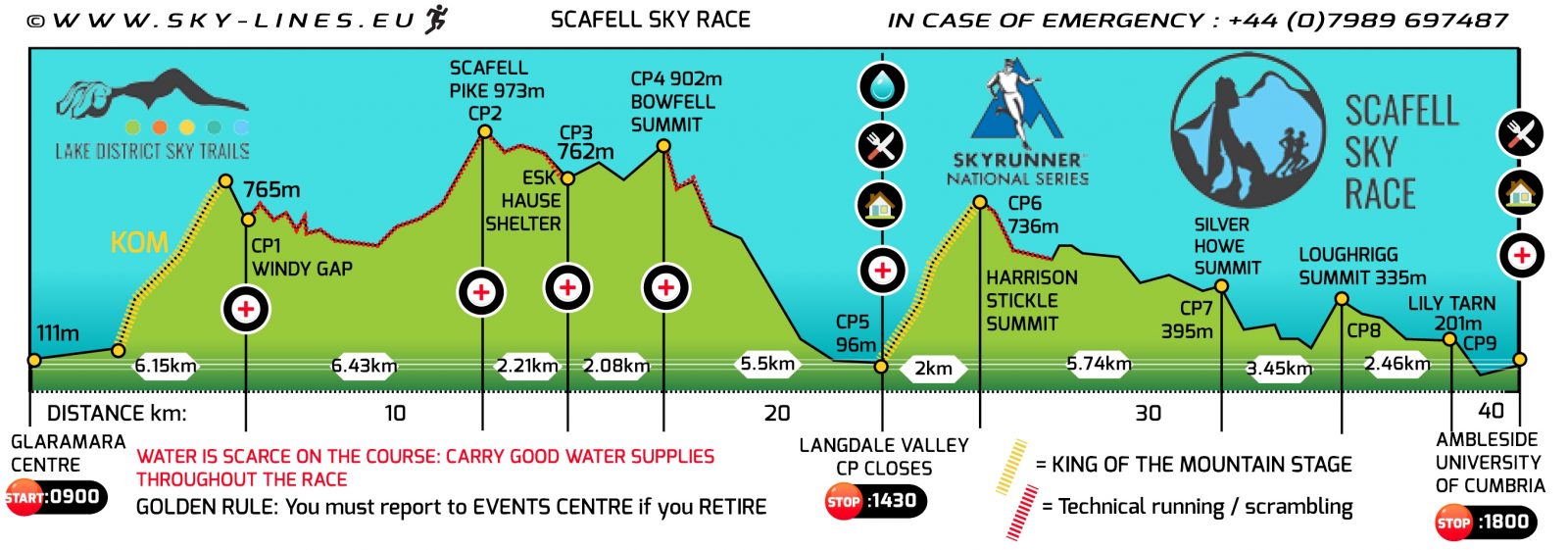
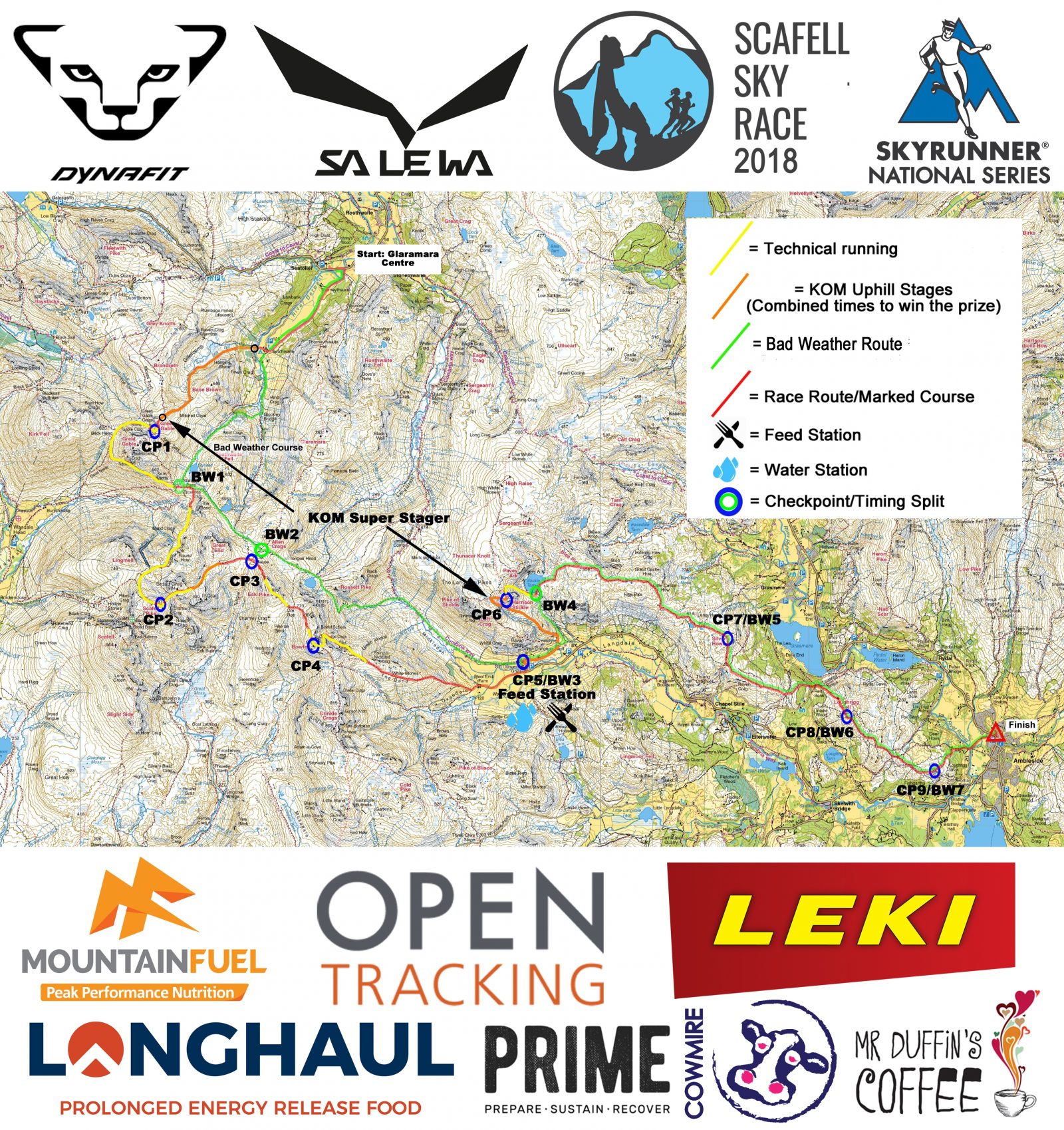
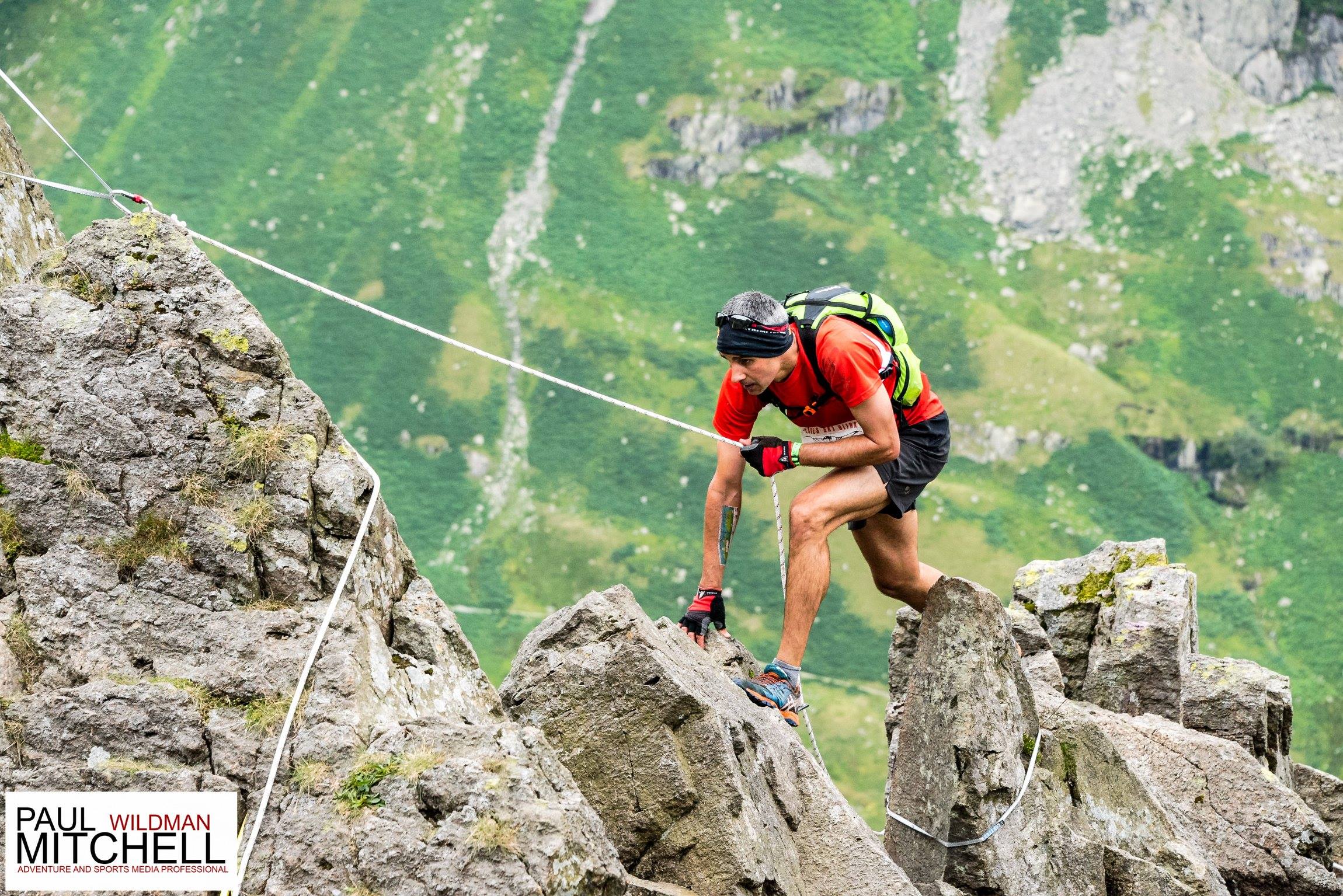
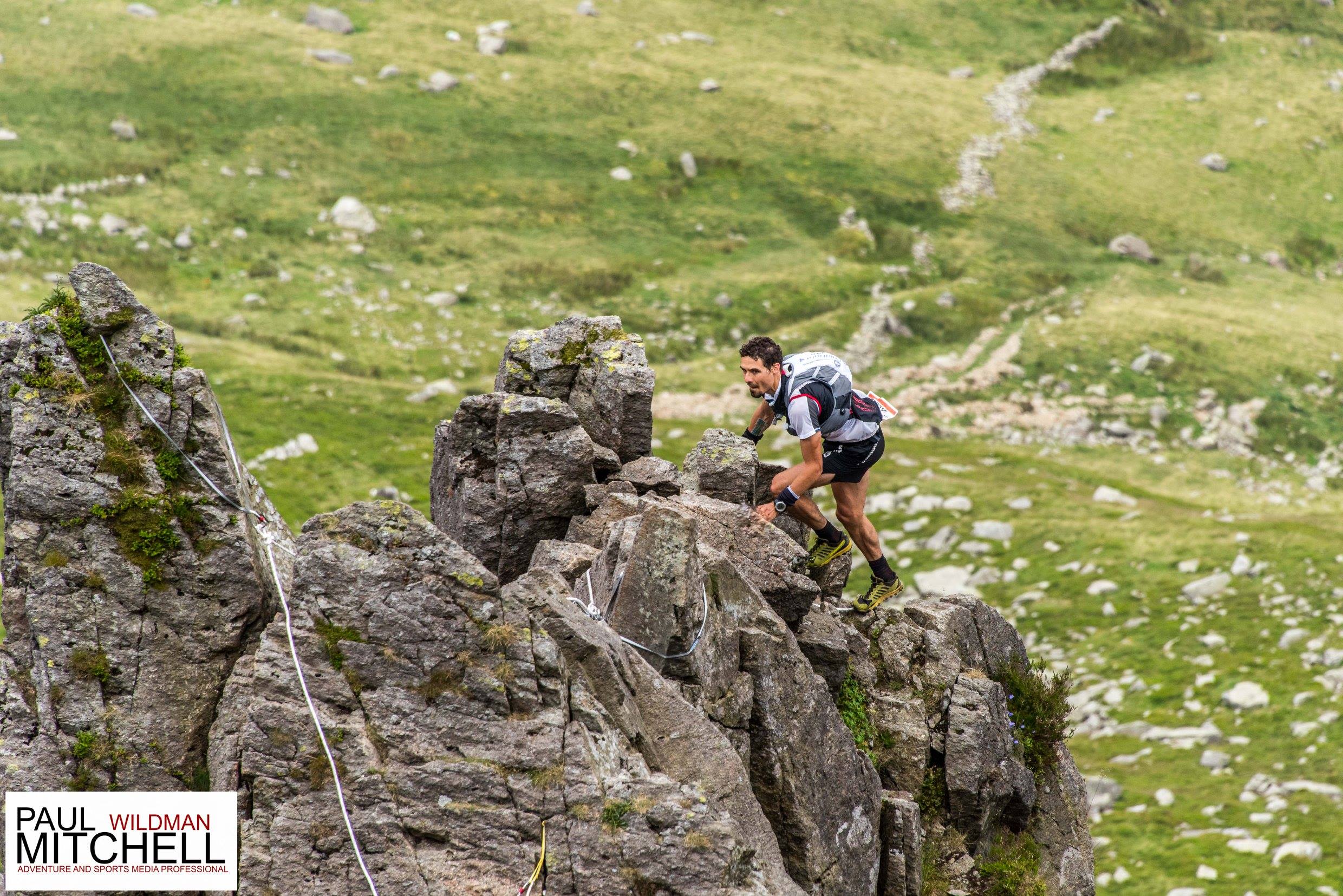
With a fast start on a short section of road then good trails, runners left Rosthwaite at 9am. After climbing past Sour Milk Gill waterfalls, up the Gillercomb Valley to the summit of Green Gable, technical singletrack led past the Napes Needle (where rock climbing originated, in the 1880s), to a classic, technical ascent of the highest mountain in England, Scafell Pike, via the Corridor Route.

After summiting Great End, crossing a boulder field, and almost summiting Bow Fell, a scree descent led to one the best singletracks in the Lakes. Next was the Climbers’ Traverse, then the Band, before runners descended into Great Langdale and a feed station outside the historical Stickle Barn pub.

After a hearty climb up Harrison Stickle, Stickle Tarn was passed, before some easier singletrack-running on the northern side of the Great Langdale Valley, with big views over Grasmere and classic Wordsworth country, leading to the finish in Ambleside.

As expected, in the men’s race Evans and Albon charged off the front, with Sebastian Batchelor initially keeping in touch. The GB trail-running stars arrived at Stickle Barn, about halfway into the race, together. Albon had a faster transition though and gradually pulled away, to arrive first at the University of Cumbria’s Ambleside Campus, in a course record time of 04.26:50.
“The Lakes is an amazing place to run,” said Norway-based Albon. “It was a lot of fun, especially the technical sections, when you get into your flow – if you ignore that there’s a drop off next to you. The second half was more runnable, but hotter – more bearable when we had some wind and cloud cover. The nice, open grassy fells were welcome. It’s interesting doing the techie stuff first – I loved the slabby section, I hadn’t run on stuff like that before – your legs get blasted by all the jarring around, and then you get the long flowy sections afterwards, so your legs need to be in good condition.”
“It was an amazing race,” said Evans, who placed second, in 04:39:57. “It’s different to what I normally do and a course of two halves: the first half was super-technical, and I was way out of my comfort zone, which is great. The second half is more runnable and more suited to me, but it got hot and I slightly misjudged my hydration strategy. I’m super happy though. It’s my first ever skyrace and it was great to race against Jon.”

Sebastian Batchelor (GBR) was third in 04.59:50.

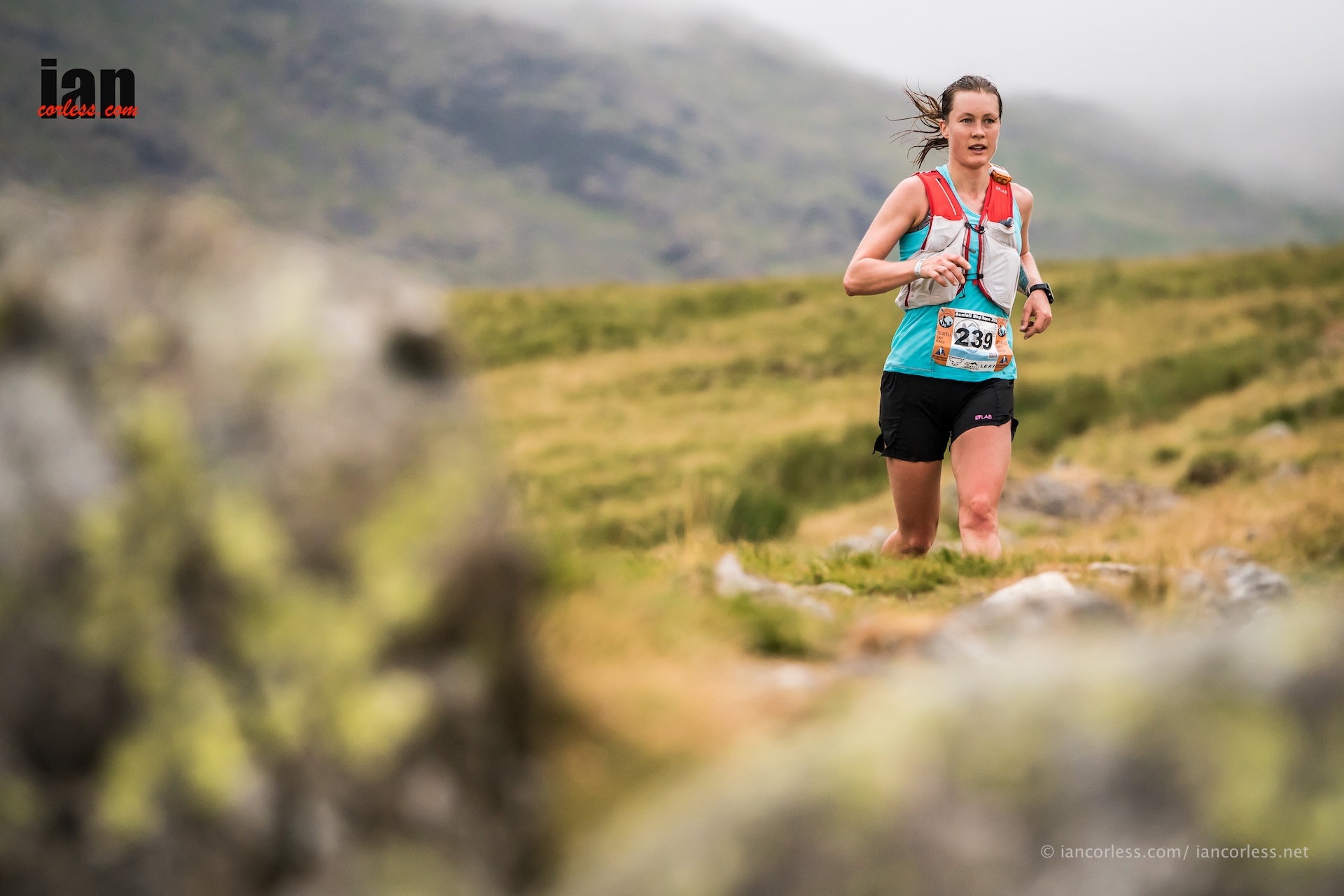
In the women’s race, Georgia Tindley set the early pace, but dropped out after Harrison Stickle. Catherine Slater, too, was suffering on the big climb out of Langdale. Henriette Albon started conservatively but gradually moved ahead and took the win in 05:59:27.

“That was definitely one of the tougher races I’ve done this year,” said Albon. “There was a lot of undulating, rocky terrain, you constantly had to be focused. I was surprised by how much time it took. I remember looking at my watch 15K in and thinking, ‘Phew, this is going to be a long one!’ I liked the grassy sections at the end because I could get some speed, but I liked the rocky bits too. I started slowly and tried to pace it.”

“I loved the race,” said Sally Fawcett, who placed second, in 06:26:16, “even if I was out of my comfort zone for much of the first half. But I was in my element for the more runnable second half. It was pretty much six hours and 26 minutes of fun!”

Catherine Slater dug deep to finish third woman in 06:47:48.

About the race:

The Scafell Sky Race (SSR) is a 42km skyrunning race with 3,000m of ascent on challenging, often technically extreme terrain in the Lake District National Park, going over England’s highest peak, Scafell Pike (978m). Skyrunning in the Lake District is a combination of mountain running and mountaineering, which includes low grade rock scrambling. SSR is an introductory to intermediate-level skyrace and part of the UK Skyrunning Series.

FULL RESULTS HERE

Follow on:

Instagram – @iancorlessphotography

Twitter – @talkultra

facebook.com/iancorlessphotography

Web – www.iancorless.com
Web – www.iancorlessphotography.com

Image sales –www.iancorless.photoshelter.com

IMAGES AVAILABLE HERE


SCAFELL SKY RACE AND THE LAKES SKY ULTRA 2018 Preview

EXCITEMENT AHEAD OF THE SCAFELL SKY RACE AND THE LAKES SKY ULTRA

The English Lakes provides a great area this coming weekend when many of the UK’s best Skyrunner’s descend on Ambleside to participate in the first two races of the 2018 Skyrunner UK National Series.

SCAFELL SKY RACE

The 40km Scafell Sky Racetakes place on July 15th. It is a pure mountain race with 3000m of vertical gain. At times, it is a technical race and uses a multitude of single-track. In 2017, the amazing Lucy Bartholomew, who recently placed 3rd at the iconic Western States said, “The Scafell Sky Race is the most technical race I have ever done!”

Lucy Bartholomew ©guillemcsanova

In 2018, the race has significant importance as it is a qualifying race for the Skyrunning UK National Team that will participate at the 2018 Skyrunning World Championships at Glen Coe in Scotland.

18 slots are available, 6 per race – VK, SKY and ULTRA and places will be awarded as follows:

1. Ranking places – 6 in total.

2 entries are awarded, male and female, to the two top ranked athletes in VK, SKY and ULTRA categories based on the Skyrunning ranking.

2. Qualifying places – 4 in total.

2 entries are awarded, male and female, for SKY and ULTRA (4 entries in total) based on the results from Scafell Sky Race.

3. VK places – 2 in total.

2 entries for the VK will be awarded for any UK athletes who show previous experience/ results on the Vertical Kilometer World Circuit or via Scafell Sky Race.

4. Merit places – 6 in total.

2 entries are awarded, male and female, for VK, SKY and ULTRA based on the discretion of Skyrunning UK.

In the event of an invited athlete being unable or wishing not to take a place in the National team, Skyrunning UK will roll down the Skyrunning ranking (point 1), roll down the results from Scafell Sky Race (point 2), scroll down VK experience (point 3) and use discretion to award merit places (point 4).

In all scenarios, the final decision rests with Skyrunning UK.

So, who are the hot contenders for the overall podium places in the Scafell Sky Race?

Skyrunner World Series Champion and multi OCR World Champion, Jon Albon heads-up the field and will almost certainly be the man to beat come race day. But rest assured runner’s, Jon gets an auto entry in the Skyrunning UK National Team for the world champs, he has decided to race the ultra-distance event.

Marcus Scotney has won the Dragons Back Race, The Cape Wrath Ultra and is an ever-present in a GB vest. He loves the mountains, technical terrain and racing hard. He will, without doubt be a prime contender for a podium slot.

Tom Evans is a late entry and has been a revelation since placing 3rd at Marathon des Sables in 2017. What has followed is a whirlwind of races and great performances. In early 2018 he obliterated the course record at The Coastal Challenge ahead of Hayden Hawks and recently he placed 3rd at the IAU World Trail Championships.

Steve Birkinshaw needs no introduction the fell and mountain running, he has been there and done that. He recently said to me that he lacks speed these days but just last weekend he paced Kilian Jornet on leg 4 of his Bob Graham Round record, so, his slow is most people’s fast!

Sally Fawcett is an experienced mountain runner and has represented GB. She won the Lakeland 50 and has placed highly at the World Trail Championships.

Sarah Sheridan has raced many of the UK series races and has had great results recently at 9th place at the Maxi Race Ultra in May 2018 and she was 6th place at the UTMR in 2017.

Ones to watch:

  • Andy Bryce
  • Casper Kaars Sijpesteijn
  • Tristan Pope
  • Brennan Townshend
  • Beth Albon
  • Catherine Slater
  • Henriette Albon
  • Tamsin Cass

The race starts at 0900 from Seathwaite Farm and the first runner can be expected in Ambleside around 1330, however, remember, this may well be a fast year… arrive at the finish early! The route is a classic to be reckoned with. Participants willsummit Englands highest mountain and traverse some of the most challenging trails in the central Lake District via sections of scree and light scrambling thrown in.  Scafell Sky Race is a serious test of nerve, skill and endurance. 

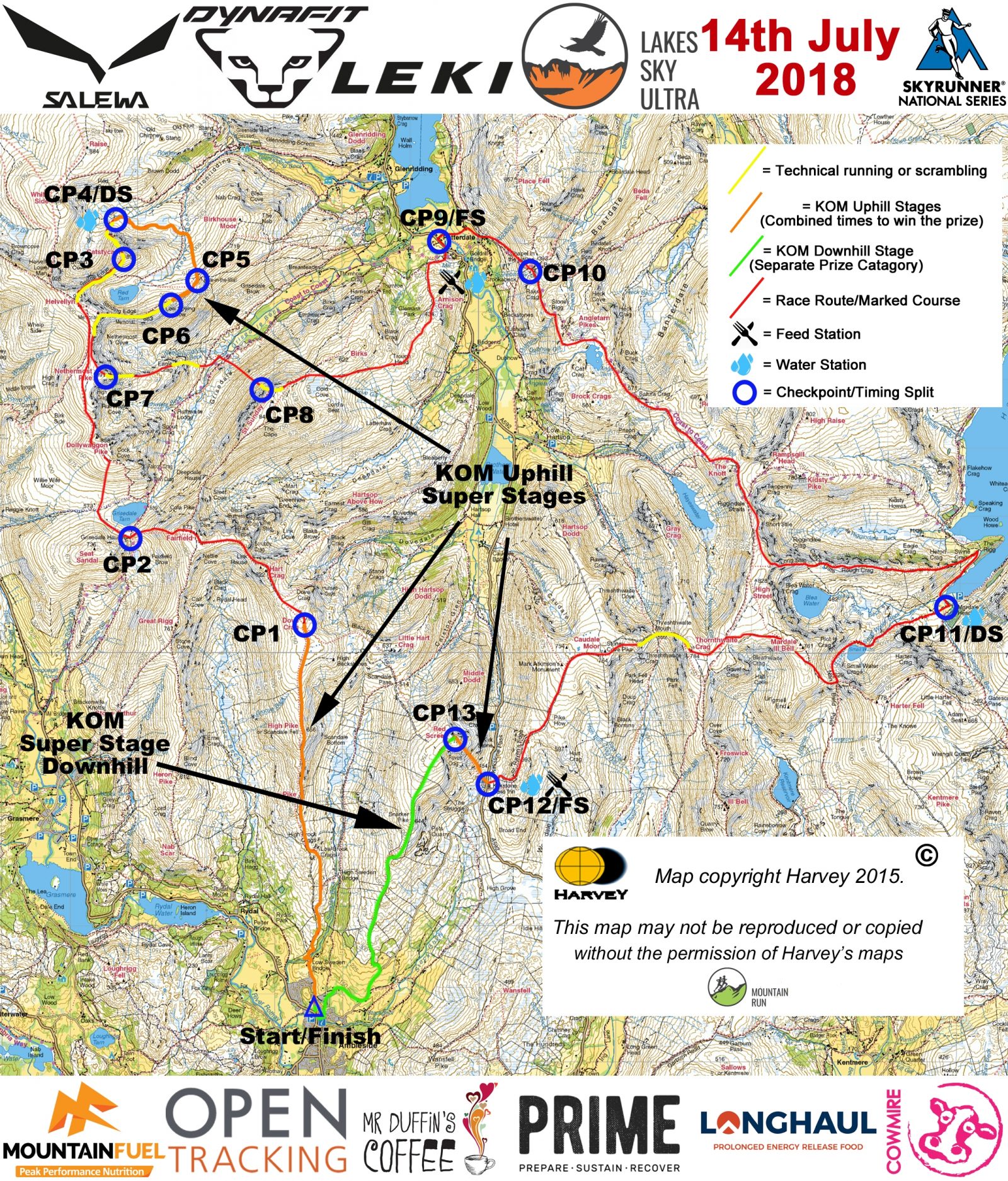
LAKES SKY ULTRA

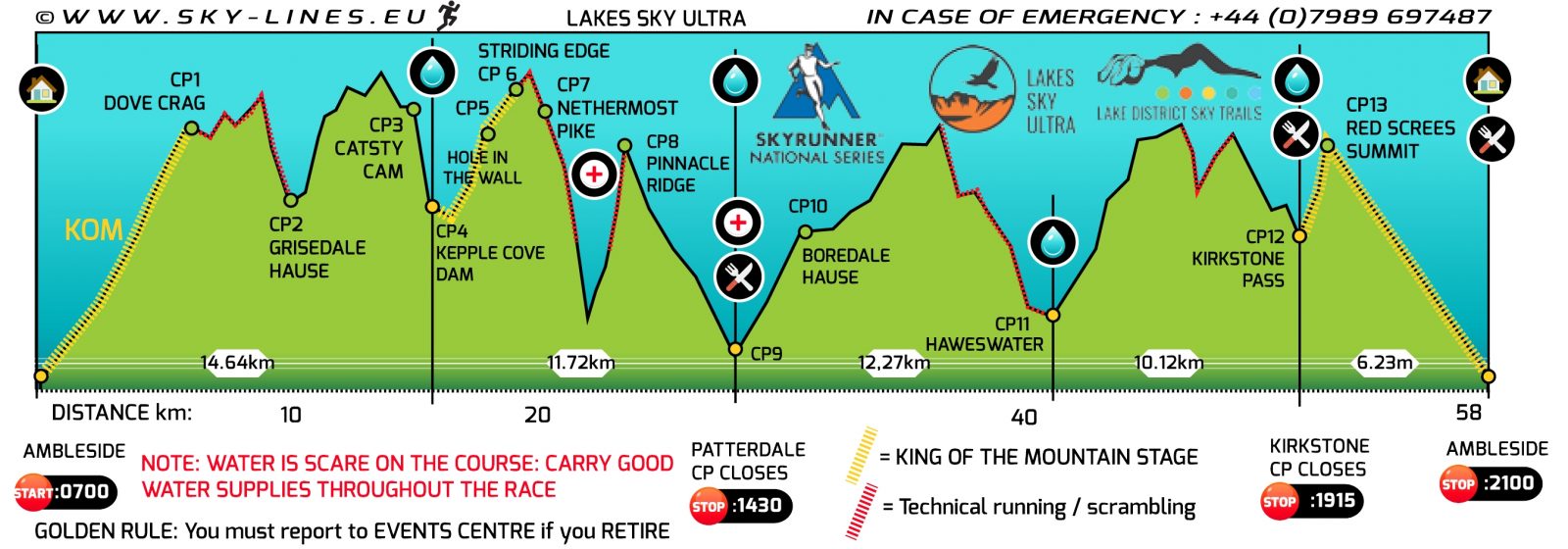
Relentless, technical and designed to test you to the limit. The 56km race with 4500m of ascent requires a rounded athlete with experience, has mountain running strength, endurance, speed, balance and skill to the maximum. From grassy trods and well-worn mountain paths, to bare rock and scree, open fell, bogs and tussocks, the race is the ultimate test.

Inspired by the great Sky races of Europe, Lakes Sky Ultrais a technically demanding course that requires athletes to be vetted to ensure that only the most experienced will tackle this ultra-distance route.It contains ridges and one of the most gravity-defying scrambles the Lake District has to offer. Racers need a good head for heights and nerves of steel: their going to traverse three of the most iconic ridge-lines in the Lake District: Swirral Edge, the knife-edge of Striding Edge and the very alpine and technical Pinnacle Ridge.

The Scafell Sky Race being a UK qualifier has certainly impacted on the LSU but a great line-up of runners are set to do battle on the fells. Andy Berry will be racing hard for a repeat win at the LSU and is certainly one of the favorites for the top podium spot. James Elson is an experienced ultra-runner and ever-present on the UK scene. Has had great success at the 100-mile distance and has figured in the top ranks at Lakeland 100. Jarek Czuba made the podium V3K and Jason Millward was 4th at the 2017 Lakes Sky Ultra, can he make the podium this year? Rob Sinclair is a major contender for the overall victory, he won KMF 50 and smashed the record, set by Donnie Campbell in 2016, by 18-minutes. Tim Campion Smith was the winner of the 2017 Scafell Sky Race and this year steps up to the big brother, also watch out for Andy Bryce who placed 3rd last year, although he is going for the double! Sophie Grant heads up a small contingent of ladies who are taking on the LSU challenge. She is the overall favourite for victory after placing 2ndin 2016 and don’t be surprised if she does not impact on the overall ranking.

The race starts at 0700 on Saturday July 14th. First runners are expected in Ambleside around 1400hrs and the race cut off is at 2100.

All information for the weekend can be found at the race website

LAKE DISTRICT SKY TRAILS here.

Follow on:

Instagram – @iancorlessphotography

Twitter – @talkultra

facebook.com/iancorlessphotography

Web – www.iancorless.com
Web – www.iancorlessphotography.com
Image sales –www.iancorless.photoshelter.com