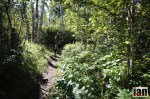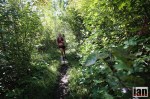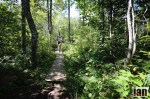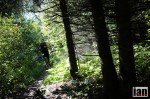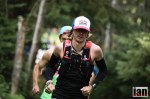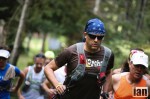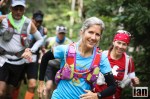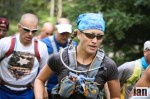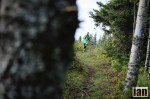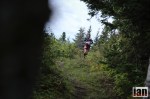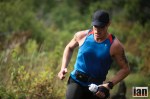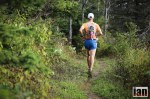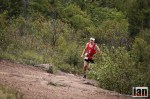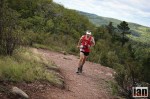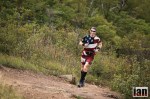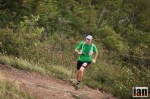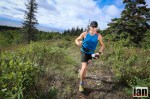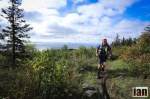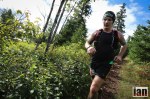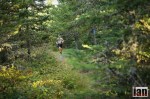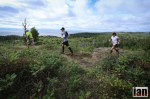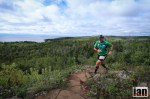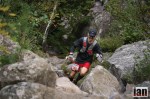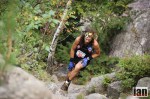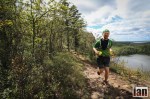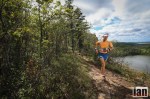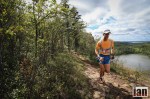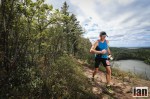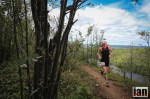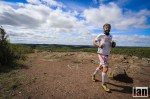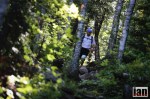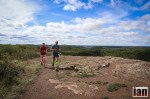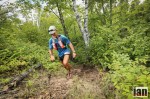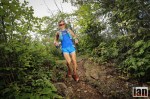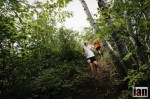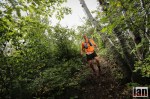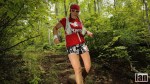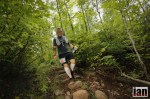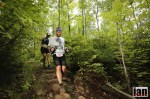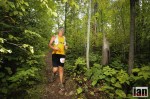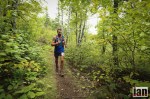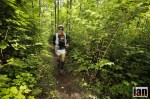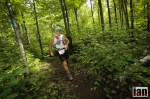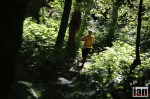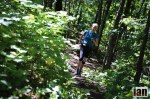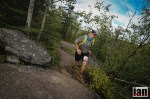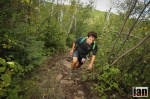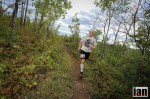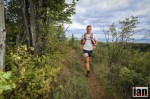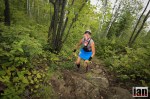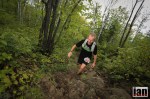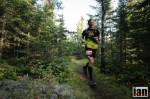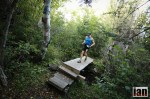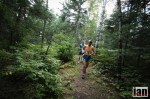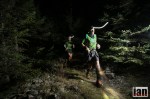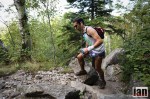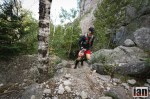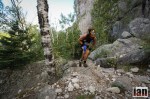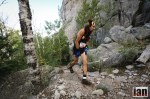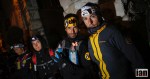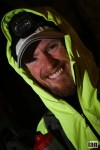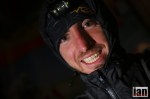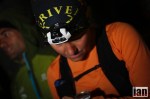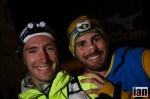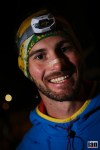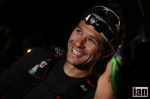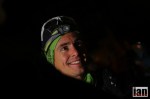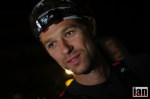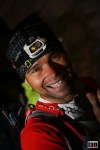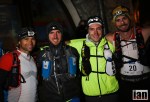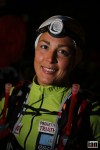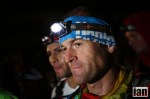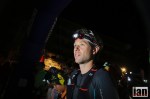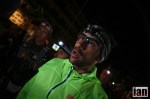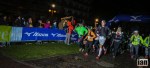
Rab Mountain Marathon 2014 Preview

rab_logo_horizontal

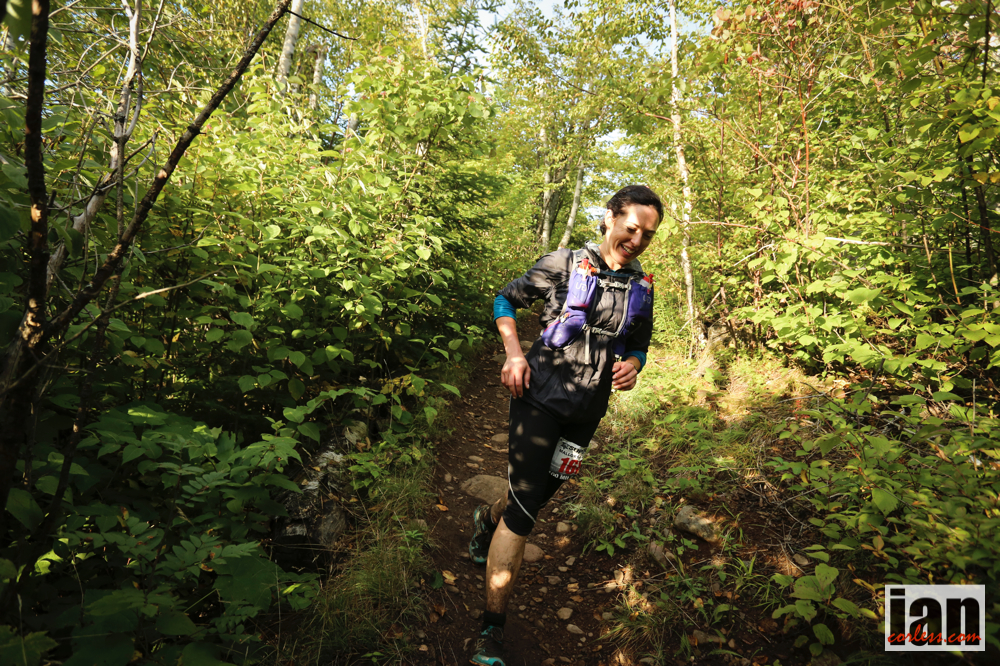
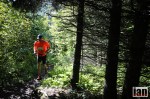
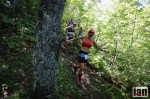
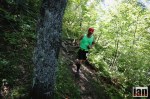
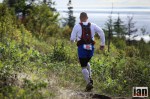
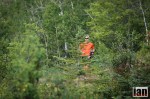
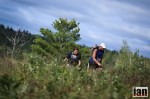
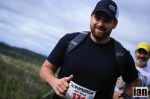
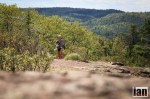
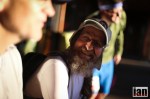
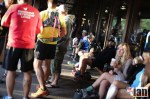
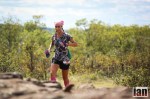
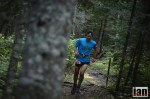
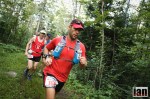
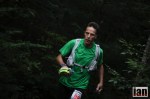
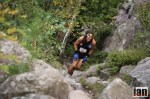
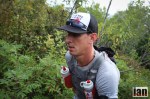
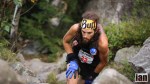
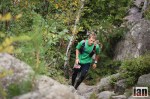
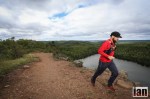
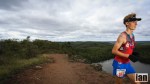
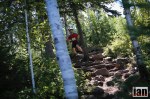
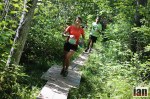
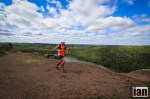
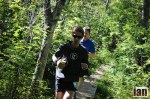
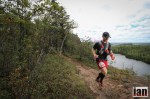
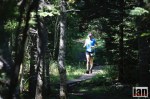
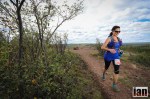
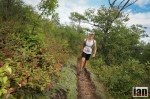
The 8th Rab Mountain Marathon™ will be held on the 27th and 28th September 2014. The Rab Mountain Marathon™ is a two-day fell running and navigation challenge for solos and pairs with an overnight camp.

©iancorless.com.IMG_5949GL3D_Day1


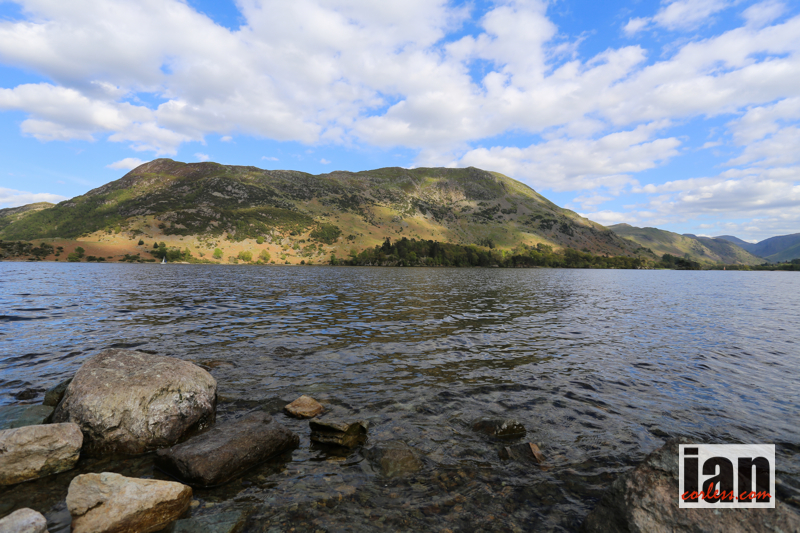
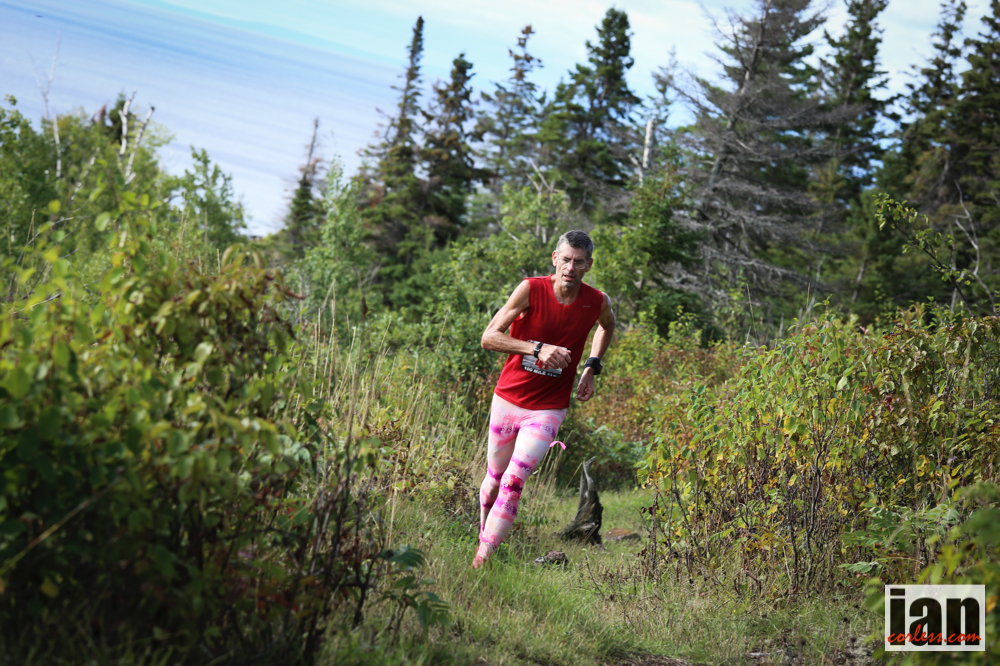
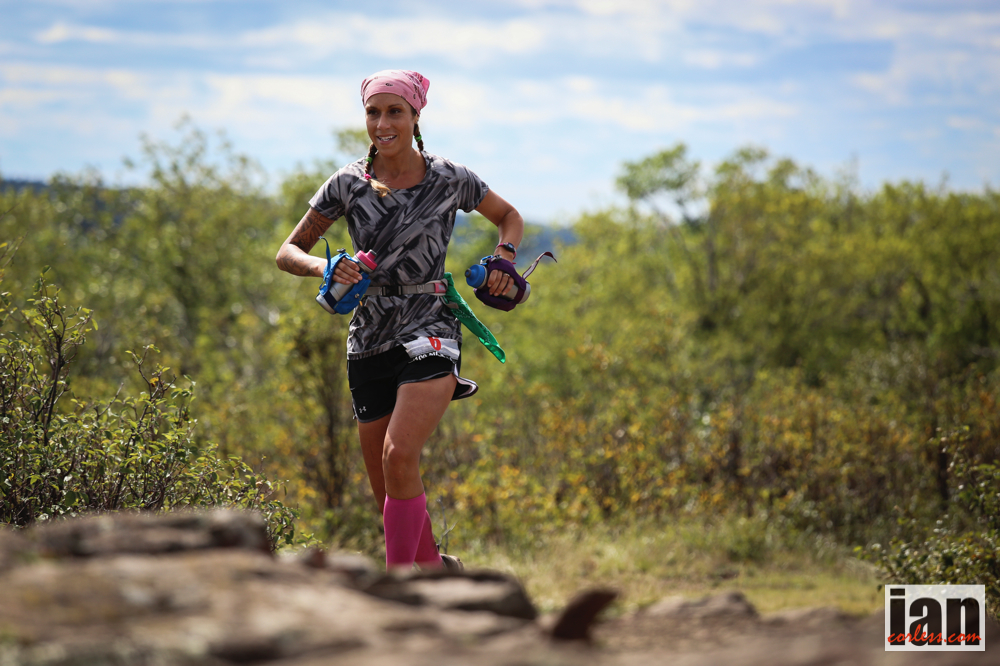
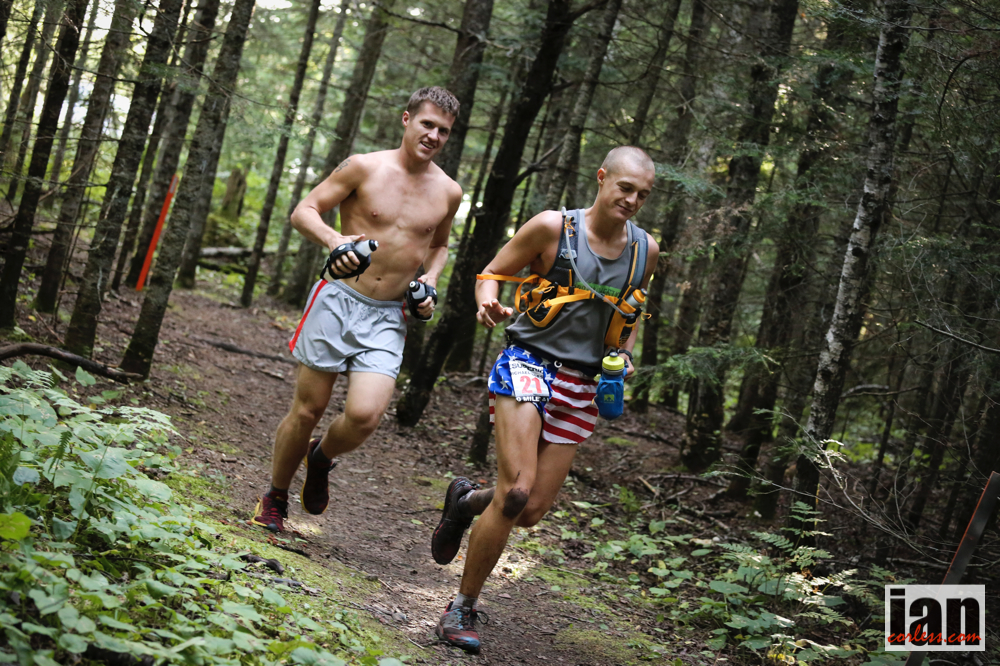
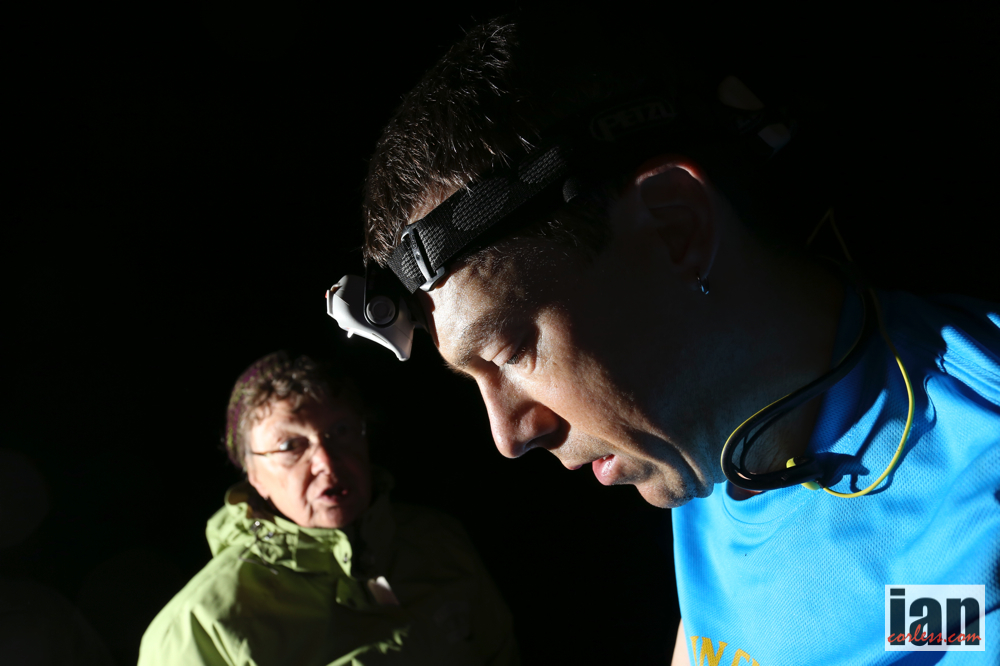
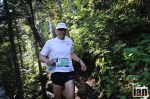
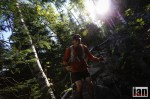
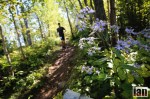
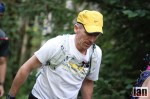
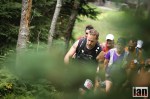
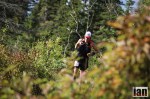
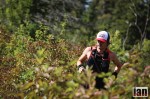
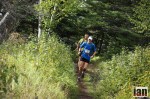
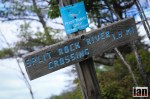
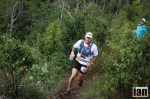
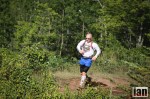
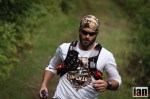
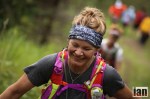
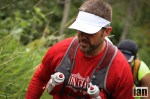
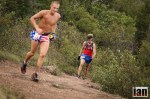
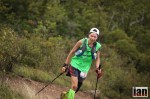
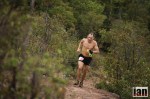
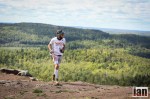
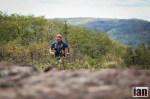
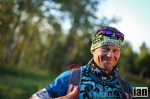
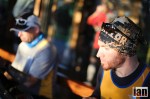
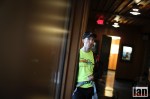
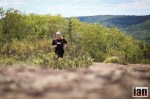
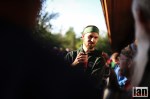
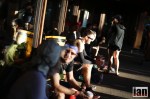
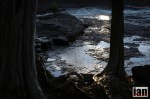
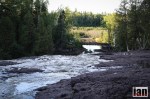
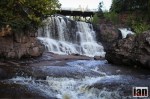
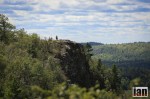
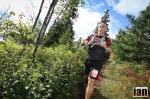
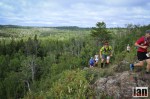
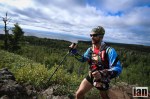
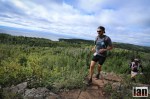
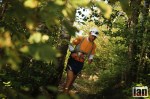
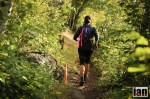
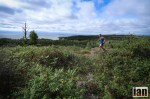
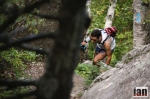
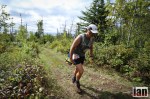
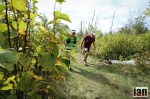
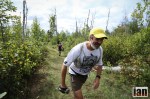
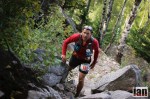
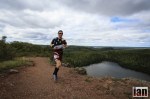
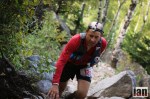
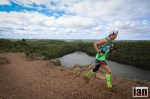
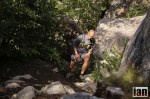
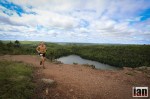
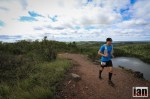
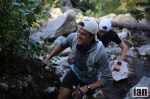
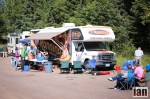
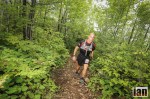
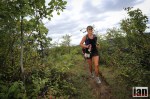
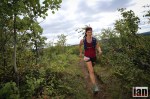
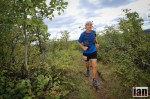
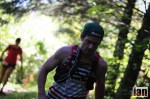
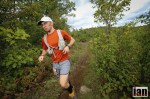
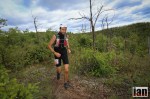
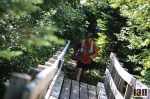
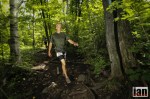
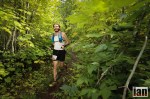
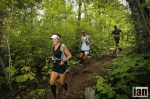
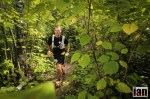
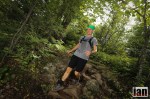
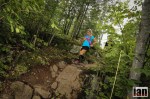
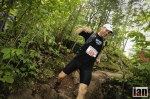
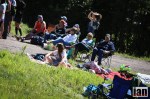
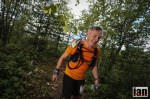
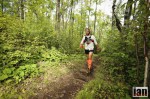
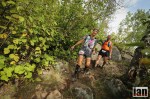
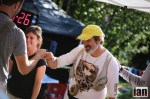
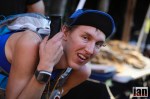
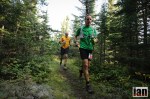
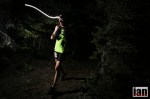
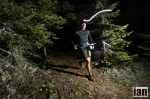
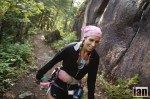
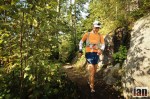
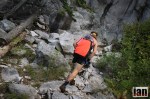
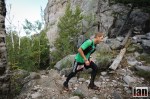
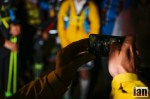
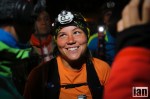
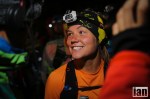
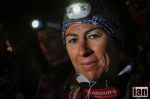
The Rab Mountain Marathon kicks off this weekend at 0830. Two days of navigation and running will unfold in the English Lakes using the popular score format.

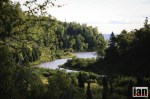
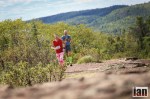
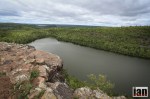
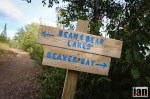
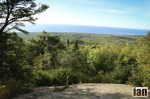
Now in it’s 8th year, the Rab Mountain Marathon has become an iconic race that has visited many stunning locations, the Cheviot Hills, Derwent Fells, Snowdonia, Howgills and this year it once again returns to the English Lakes.

©iancorless.com.IMG_5641GL3D_Day1

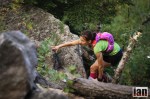
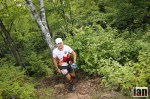
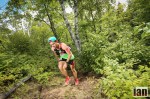
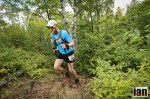
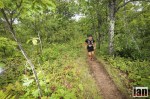
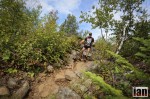
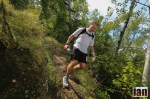
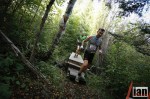
Taking on challenging mountain terrain, participants need to be competent and confident at moving fast over tough terrain. As usual, the is the UK and runners will need to be prepared for the worst despite a recent spell of really good weather in the UK.

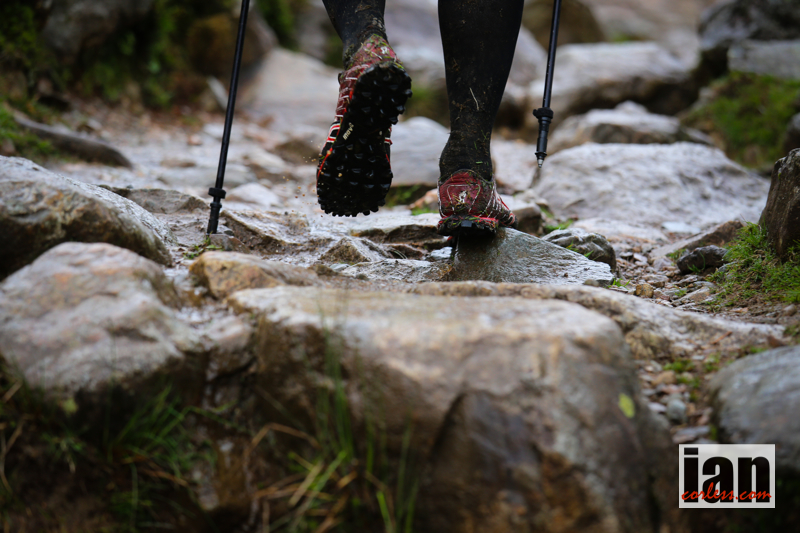
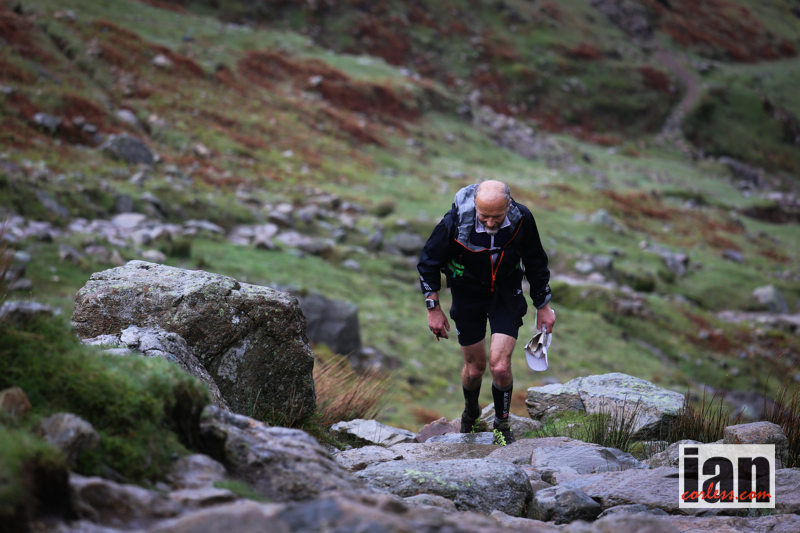
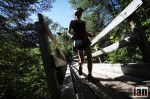
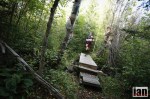
As one would expect, the Rab Mountain Marathon will take place over rough, steep and technical mountain terrain. Many sections of the course will be isolated and if bad weather comes in, everyone needs to be prepared.

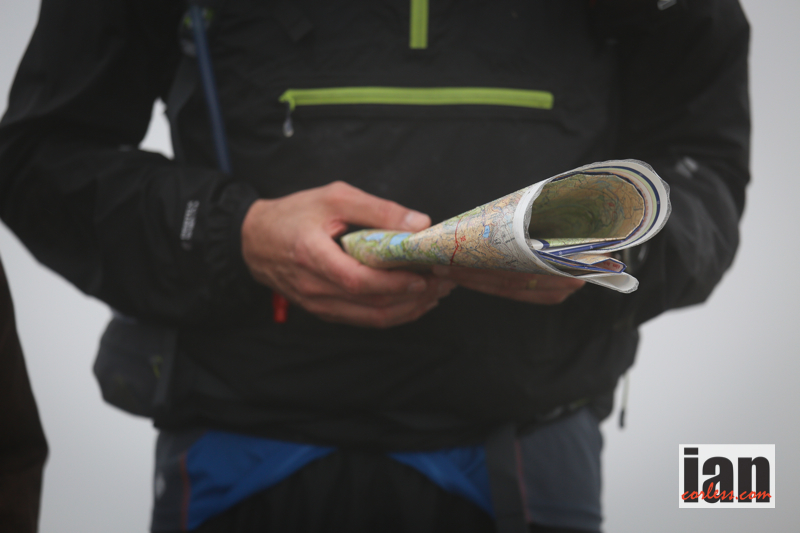
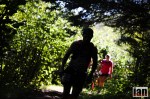
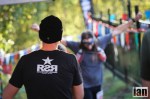
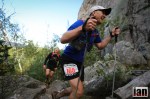
©iancorless.com.IMG_5731GL3D_Day1The race format is ‘score’ as this tests navigation skills and avoids snakes of runners going from point-to-point. A rolling start window of 2-hours will spread the runners out and electronic timing is used to track the runners. As normal, different class options are available (including walking) and it’s possible to participate as a solo or team of two.

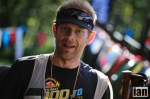
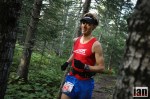
It’s hard to highlight some standout competitors for 2014. If I were to place a bet on the top Long Score competitors it would be between Adam Stirk and Andrew Higgins (who are a pair) and Stewart Bellamy (solo). Adam and Andrew finished 3rd last year behind Steve Birkinshaw (1st in 2013) and Alex Pilkington (2nd in 2013) both of whom are not taking part this year. They were also 2nd at the Highlander in 2013.

Stewart Bellamy is a strong runner and whilst he may not have featured in the results of recent mountain marathons, he did win the GL3D in 2013.

©iancorless.com.IMG_5177GL3D_Day1

The Rab Mountain Marathon’s approach is designed to be relaxed and less formal and structured than that of the OMM, which will take place next month.

Shane Ohly, race director for Ourea Events says, ‘But hey the Rab isn’t really about the elite runners and there is some super generous support from Rab who are providing vouchers to the value of about £10,000 for 1st, 2nd and 3rd across a huge range of categories. Check them out here: HERE

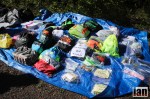
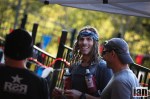
At registration on the Friday evening or Saturday morning, competitors can view a Master Map of the competition area which will give a full overview of the event area being used plus provide details of any out of bounds areas, map corrections etcetera. The event Master Map will not be over-printed with any control points.

So there you have it… two days of navigational fun in the English Lakes. It’s possible to follow a live stream HERE and a free APP has been created. Details HERE

Apps can be downloaded here:

iOShttp://bit.ly/1wwcbDKAndroidhttp://bit.ly/1AUZNhj

Ourea_Events_Logo(600)

Race Website HERE

Rab Apparel HERE

Rab Twitter HERE

CYCLING for RUNNERS – The Introduction


HEADER2

Welcome to CYCLING for RUNNERS in conjunction with Scott Sports

Over the coming months and year, Ian Corless and Niandi Carmont in conjunction with SCOTT SPORTS will bring you CYCLING FOR RUNNERS.

Ian, Niandi and a series of special guests will provide you with a series of articles from a male and female perspective on how cycling can benefit you as a runner.

Providing simple and clear information, we will write about our experiences, we will tell you about equipment, provide hints and tips and most importantly, we will provide you with a series of training plans that you can incorporate week by week, month by month to make you a better runner through cycling.

We know 3-types of runner:

  1. The runner who is injured
  2. The runner who is recovering from injury
  3. And thirdly, the runner who is about to be injured

Of course, we joke, but many of you will agree there is some real truth in the joke. Running is not bad for you, however, taken to extremes or if rushed, the impact of repetition can damage and break us. Sometimes a couple of easy days are all we need and then we are able to resume full training. But as often happens, a couple of easy days may not be enough and our eagerness to push and get back to full training causes us to take risks and then the inevitable happens, we break!

Don’t get us wrong. If you want to be a good runner, you need to run. However, we don’t always thing big miles, double day runs or running everyday is necessary. It’s all about balance and ultimately what level we are running at and what our objectives are. As we see it, runners fall into four distinct groups:

  • Group 1: Weight loss/ recreational runner
  • Group 2: Budding enthusiast
  • Group 3: Good age group runner
  • Group 4: Elite/ pro or top-level runner

We could break the groups down again but ultimately, for the purposes of explanation, these four groups will suffice.

Group 1 runner’s will run typically three times a week (maybe four) and they will run twice in the week and once at weekend. During the week they will train from 20-60min and at the weekend they will extend their running beyond an hour. Mileage will be 30-50 miles per week.

Group 2 are pretty dedicated and savvy accumulating three to four runs during the week and running once or twice at the weekend. Sunday will typically be a long run of 90+ min and on Tuesday and maybe Thursday they will add some speed or strength running. Mileage will be 50-75 miles per week.

Group 3 runner’s are very similar to group 2, however, they are running six days a week, they double up runs on a couple of days and at weekend they may do back-to-back longer runs. Mileage will hover around 80-miles per week.

Group 4 are pushing the envelope, they run twice a day, four to five days a week and run long, fast and high during the weekend. They typically hover around 100-miles per week.

We generalise above and of course we will be able to find extremes in all the scenarios. However, the four groups provide a picture. We think the risk of injury is high for all the groups and relatively equal. Why?

Well, group 1 for example will be less experienced (typically) and will have less run history and therefore although the time on feet is less, the percentage risk is high based on experience.

Group 4 by contrast will have loads of experience, they have been involved in sports for years and they are knowledgeable. Risk comes for them from volume and because they are often on the edge looking for small performance gains.

For us, this is where cycling for runners can come in!

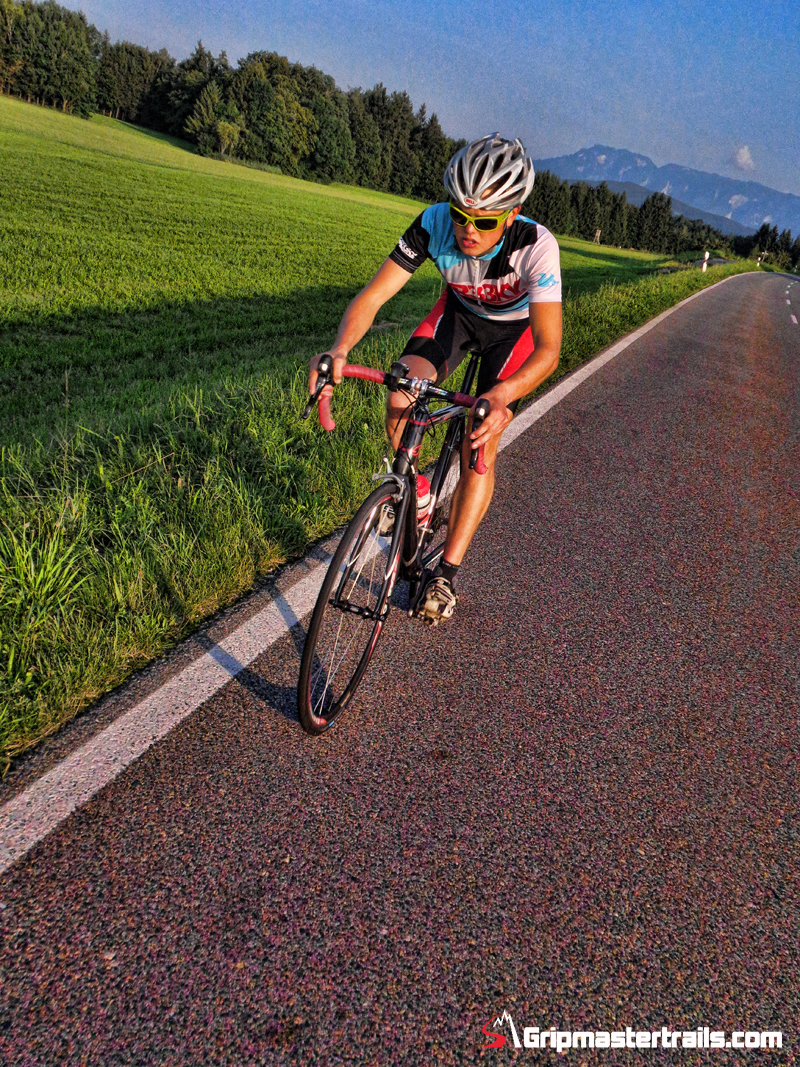
Cycling provides a great low impact exercise that can be done in or outdoors, it can be very controlled and importantly it can be as easy or as hard as you like.

Yes, if you want to be a great runner, you need to run. BUT cycling can add to your running and not take away from it…

Just think, how many of you have said, ‘I am just popping out for an easy run!’

Is there such a thing as an ‘easy run?’

In terms of effort, yes! For sure, you can run slow, easy and controlled keeping your heart rate down, keeping your cadence light and just tick-over. But, you are still in contact with the ground. You are still ‘impacting’ with the surface beneath you and you are still passing your body weight through all your muscles, tendons and joints. Recovery runs are not about fitness, they are about loosening off and in many cases, we use recovery runs just to make us feel better. So, why not incorporate some cycling as active recovery?

Long runs can really impact on your body. Hours of running adapt you to the demands that will be placed on you when you race but sometimes we will run the risk of pushing too far and risking injury. Long bike rides on hilly terrain for example can be used to provide multiple hours of low impact exercise. Hours where you can push harder than running without the risk of damaging knees, muscles and ligaments. If incorporated with long runs, you have a great way to do back-to-back sessions while reducing impact injury risk.

Speed can damage our fragile bodies, particularly our muscles and tendons. However, run speed work incorporated with cycling speed work can stress the aerobic system and it will stretch us physically and mentally in new ways.

Hill reps provide great aerobic stress pushing us to our threshold limits, however, what goes up, must come down. Often, it is the running downhill that causes damage. Of course, we need to train for this in running, it’s important. However, cycling hill reps incorporated into a structured training plan can provide a great stimulus that will progress your fitness level and once again, the impact implications are low.

Finally, cycling can just be a blast. It’s a great way to head out and see a new place; arguably, we can cover more distance in less time on a bike. If nothing else, cycling may well just provide you with a well-earned break from running. Cycling will freshen your mind, it will freshen your body and I guarantee, your running will improve.

Part one of cycling for runners will be released on Wednesday October 1st and we will look at the basics to get you started:

  • The bike.
  • How to ensure you have a good fit.
  • Dos and Don’ts of cycling.
  • And we will list 5-points why cycling can make YOU a better runner.
Philipp Reiter Cycling

Philipp Reiter Cycling

To kick things off, Salomon International athlete, Philipp Reiter will also give us his thoughts on why cycling works for him as a trail, mountain and ultra runner.

Stay tuned.

Join us on STRAVA

TIS-Strava-Logo-big-square-600x340-e1354741369637

Thanks to SCOTT SPORTS for the support and backing

Print

Check out SCOTT HERE

CYCLING for RUNNERS PAGE HERE

Cycling for Runners Logo

inov-8 Race Ultra Vest 2015 *New Product Review

©iancorless.com_S0132106RaceUltraVest2015

The 2013 incarnation of the inov-8 Race Vest was a revelation. It was arguably the most simple and minimalist pack on the market that fit and functioned perfectly for the task at hand. It had a unique design, the ability to carry 2-bottles and/ or bladder and in addition it had a series of really useful and importantly, ‘usable’ pockets. No pack is perfect, however, I did say the Race Vest was close.

Many agreed. The pack sold incredibly well and it won awards.

However, it did have some restrictions. In reality, the pack was perfect for 1-day races when minimal mandatory kit was required. But if you where doing a longer event such as UTMB then the original pack had limited space. I actually was able to put all my mandatory kit in the pack but I had to be creative and yes, I had to have the smallest and lightest kit available.

©iancorless.com_S0152108RaceUltraVest2015I personally don’t think this is a fault of the pack! The original Race Vest had a use and if used in the scenario for which it was intended, then it was arguably one of the best packs available.

When the product became available to purchase (early 2014), a few tweaks had been made from the original prototype, which I was using. The key change was in the upper. My pack would allow the 2-bottles to fit low (near the rib cage) or high on the shoulder straps. After testing, many people commented that the shoulder straps rubbed around the neck, so, Matt Brown, the designer, reworked the design, narrowed the straps (which did provide a better fit) but unfortunately this meant you couldn’t fit the bottles in the upper position. A real shame in my opinion! More importantly, original retail samples had a couple of question marks on durability. Many runners complained of some less than perfect construction. This was soon nipped in the bud but as we all know, this is never a good thing.

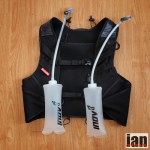
Below, the original Race Ultra Vest with bottles: 

For_web_Race_Ultra_vest

Jump to the inov-8 athlete retreat in the English Lakes, spring 2014. A weekend of running: looking at new shoes, apparel and accessories for the coming year (2015). Needless to say, as a running aficionado, I love this. I love to see how a brand takes past and current ideas, develops them and comes up with something new. The new apparel looked incredible, new shoes were promising; particularly the new Ultra 290 shoe and then we saw the packs… the new Race Vest.

Similarities could be drawn to the original 2013/2014 model but boy oh boy. This was a complete overhaul taking all the features from the original, adding tweaks and then coming up with something new. inov-8, Matt Brown and the rest of the team had pimped their packs!

No longer was one pack available but three: 5ltr, 10ltr in this style and a larger 24ltr for mountain marathon or multi-day events. Using the ‘vest’ fitting system, these new packs in one word are awesome.

I said in my original Race Vest review back in 2013 that ‘This new product from UK company; inov-8 may very well be the next key moment in pack design stripping away complication and providing a pack that would almost make a perfect accessory for Batman.’

It was a bold statement and one that I still hold. However, that unique innovation has moved up a step and lessons have been learnt.

©iancorless.com_S0182111RaceUltraVest2015

So, what is new?

  • Larger capacity (3 different sizes)
  • Pole fitting attachments
  • Redesigned vest
  • New soft flasks with extended drinking straws
  • Dump pockets
  • Zipper pockets

I have 2-packs for testing, the 5ltr and 10ltr. They are exactly the same, obviously the only difference being capacity. For the purpose of this review, I have tested and photographed the 10ltr as I feel this will be the most popular option. However, I will say that the 5ltr does have far more capacity than the original Race Vest despite them being arguably, on paper, the same size!

My test product is a prototype and I am aware of some tweaks that will be made based on my review and the feedback I provide. So please refer to this review and I will update with any key changes and revisions that may happen over the coming weeks/ months.

The vest fits like a glove. I never expected anything else. You put it on and immediately it is like adding another piece of well fitting clothing. Unlike the original Race Vest, this pack will not have adjustment straps on the side. Therefore, the pack will come in a variety of sizes so that you can get the product that fits you! I believe this will be S/M and M/L and fit has been tweaked under the arm to a better fit under the arm from my prototype.

Why no side straps?

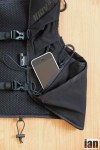
Well, two large ‘dump pockets’ have been added to the pack. It made sense. This was an area not utilised in the original design and now you have 2-easy access pockets for food, clothing or any other item you may need.

For me though, these dump pockets make the ideal location for storing the new soft flasks. This wasn’t the original idea of designer, Matt Brown. However, after 1-week of testing, I contacted Matt and told him of the way I was using the pack. It made perfect sense to me. It had the bottles in an easy access and comfortable place, the new ‘extended straws’ meant that I could feed as and when I wanted without removing them and if I needed to refill, I could just pull them out, take off the top, fill and replace. In addition, you could still use the dump pockets for additional storage either under or over the soft flasks. I typically put my gloves, Buff or other essential items in this area. Being a photographer, I have often replaced one soft flask with a camera. Yes, they are that adaptable.

©iancorless.com_S0112103RaceUltraVest2015

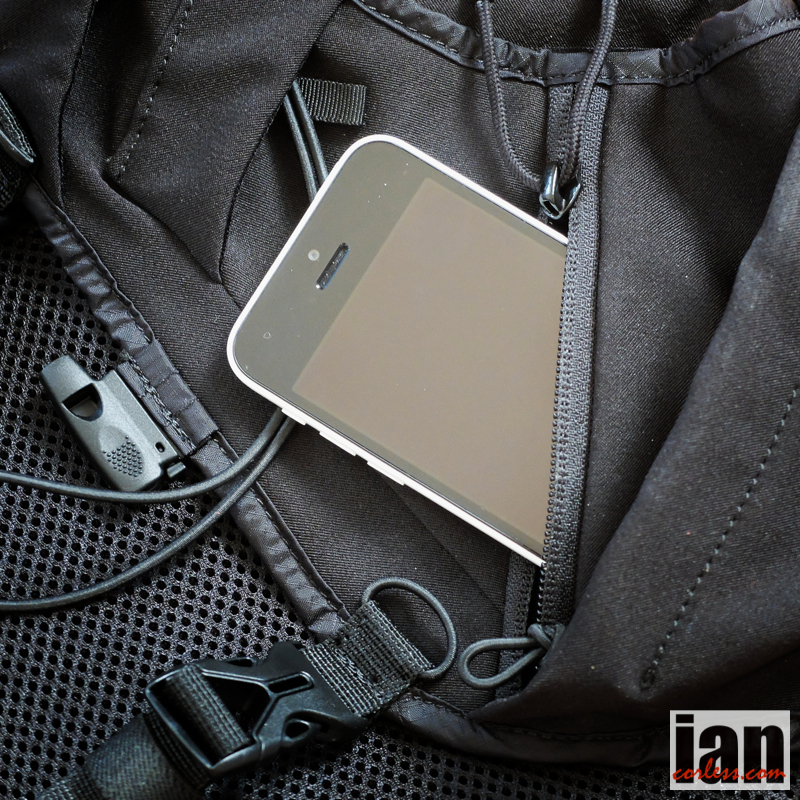
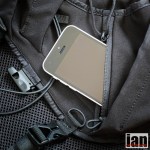
On the front of the pack, you have zip pocket on either side. These pockets are for the soft flasks, however on my prototype they were a little too small and tight. For me, they are perfect for valuable items such as phone/ money/ credit card or similar. Matt Brown has confirmed for me that the zipper pockets have been re-designed and made larger accommodating the flasks with ease and comfort, ‘I used the updated sample at CCC and kept the bottles in the zipper pockets, a lot easier to remove and get back in again,’ said Matt. So, the choice will be yours? I do recommend you try options and see what works for you.

Several other stretch pockets are available that work well for keys, food and or gels.


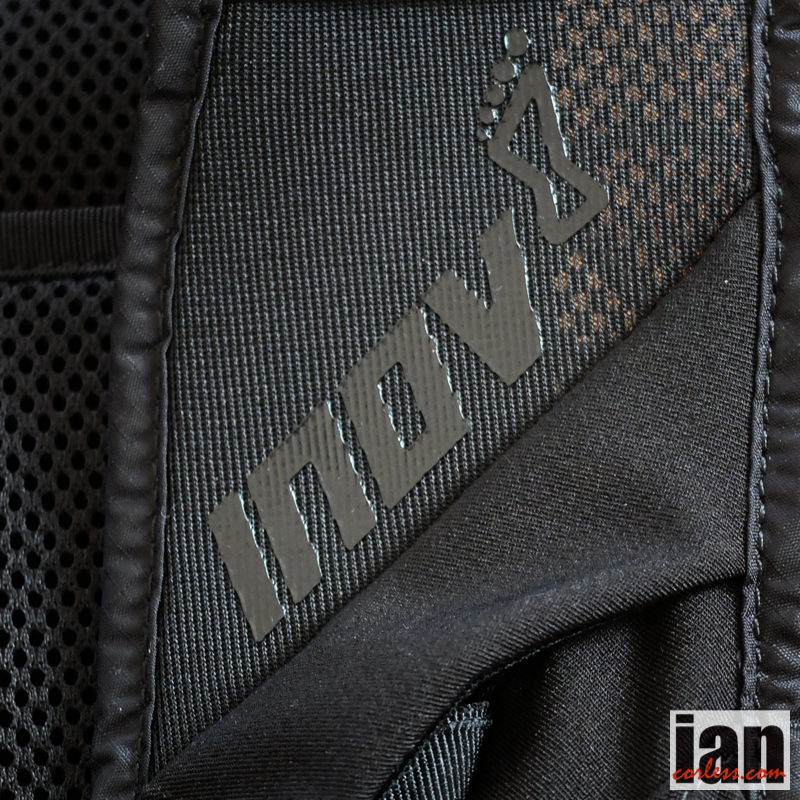
©iancorless.com_S0082100RaceUltraVest2015


©iancorless.com_S0072099RaceUltraVest2015

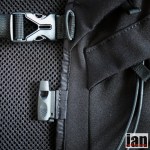
The front fastening system has also changed from the original. This pack no longer uses the quick release system that some found fiddly on the previous vest (I didn’t). Now it has 2-fixed straps, upper and lower and both use the classic male/ female quick release fastening system.

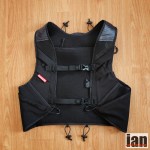
The rear of the pack has 2-zippers: one on the outside of the pack that allows access to an uncluttered open pocket.

©iancorless.com_S0142107RaceUltraVest2015

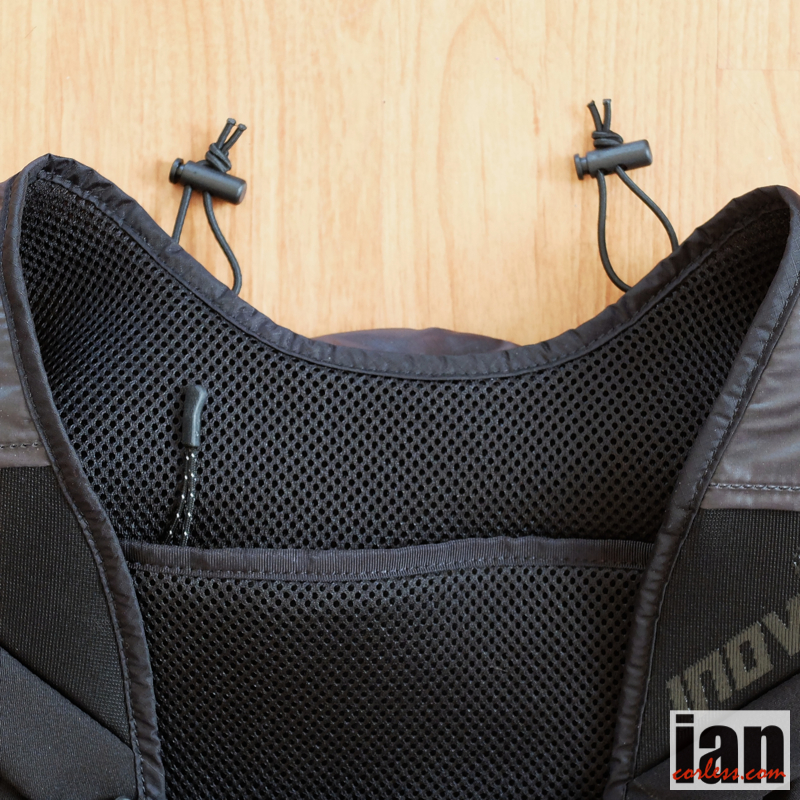
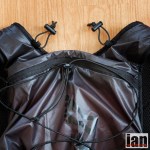
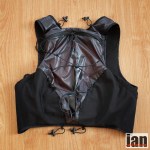
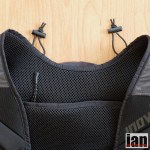
On the reverse, the part of the pack that would sit against your back, has a zipper that would allow direct access to a bladder should you wish to use one.

©iancorless.com_S0122105RaceUltraVest2015

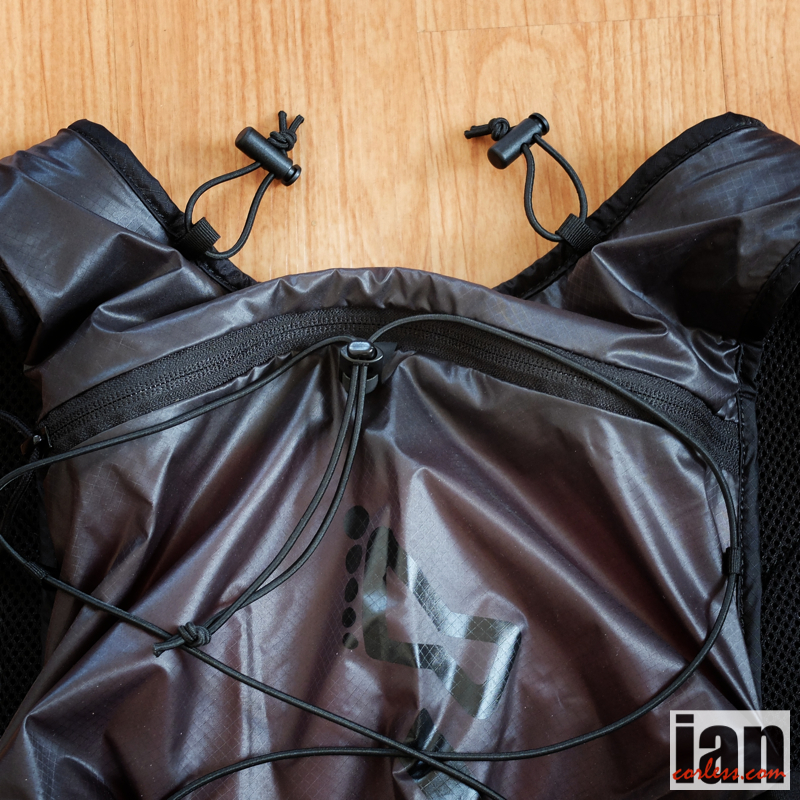
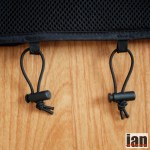
Of course, this is perfect, especially in long events when you are carrying mandatory kit. You don’t want to be pulling kit out to get to a bladder. In addition, elastic cords have been added to the top and bottom to attach poles.

©iancorless.com_S0102102RaceUltraVest2015

The large open pocket (10ltr version) held with ease:

  • Waterproof jacket
  • Waterproof pants
  • Buff
  • Gloves
  • Base layer
  • Compass
  • Gps
  • Phone
  • Arm warmers
  • Beanie
  • Gels/ bars

And I still had space to squeeze other items in. No question, it’s perfect for a UTMB style event or similar. Should you carry fewer items, the adjustable bungee drawstring on the pack will allow you to compress unwanted space.

The pack has an optional (purchase extra) 2ltr bladder that sits within a temperature control sleeve and this easily slides into the rear zipper pocket. The feed pipe is insulated and can be used on the left or right hand side of the vest. Ideal should you require the option to carry 3ltrs of liquid: 2ltrs in the rear and 1ltr at the front two soft flasks.

IN USE 

It may come as no surprise that I find the pack perfect. I have yet to find an issue with any aspect of the design.

10423640_10152436309158891_3441956871401018922_n

The soft flasks with extended straws are a revelation and make ‘on the go’ drinking a breeze. It also makes refilling very easy.

©iancorless.com_S0182111RaceUltraVest2015

The vest fits like a glove, does not bounce and is extremely comfortable even when filled to capacity.

Fabrics are light and breathable as the original. Of course with any vest, you are going to get a hot spot on your back. You can’t avoid that with this style of product. Having said that, I have yet to find a pack that doesn’t do this…

10464062_10152436307373891_1576851184164900850_nThe rear large zippered pocket requires some thinking when packing, as it is just an open space. You push things in and keep pushing. I recommend if using a bladder, add this first and then pack. Place the items you are likely to need less at the bottom and then work your way up leaving the most essential items at the top. It’s not rocket science but good to think ahead. Once the bladder is in place, you don’t need to remove it as it has a separate zipper access thus allowing refilling as and when required. It works really well. As mentioned previously, you can fit all mandatory kit (UTMB requirement) in the spacious pocket.

You can attach poles to the rear. I tried but didn’t find this to be a good option for me. More often than not, the new folding poles such as Black Diamond or Leki are shorter in length. This makes fastening more awkward and problematic. To resolve this, I attached two adjustable bungees to the shoulder straps and I store my poles folded across my chest; works for me and makes storing and access to the poles easier. It’s a personal thing.

10462583_10152436315363891_6369717190422017424_n

The multiple front packets provide immediate access to anything I needed whilst running. I had a phone, camera, bars, gels, keys and money all at hand. Perfect. The front zipper pockets add extra security if not used for the soft flasks.

10409601_10152436318398891_1351287040658863138_n

I used the two large dump pockets for my soft flasks and then placed gloves, buff and some snack items on top. This works great but you need to think when coming into an aid station… if you just pull out the soft flask, what is on top will hit the deck!

 action photos ©marcuswarner

Conclusion

I raved about the original Race Vest (2013/14 model) and hailed it as arguably the ‘perfect’ pack. In refection, I was wrong. It was perfect to a point. The new range of packs (in 3-sizes) have addressed the issue of storage (or lack of) and with the addition of soft flasks with straws, these packs offer everyone the opportunity not only to get the right size to fit them but also the correct capacity for your needs. For me, if you were only going to purchase one pack, the 10ltr would be the most logical option.

Although we haven’t done a full test from a female perspective, initial feedback has been good. As I am sure you can imagine, this very much depends on the lady and the chest size.

We will update this review with a female viewpoint ASAP.

Finally, inov-8 has come up with another winner. I’d recommend this pack to anyone and everyone. The 10ltr does have some strong competition from many other key brands so ultimately it will all come down to personal taste. But if you are ordering online without seeing the product have confidence, you won’t be disappointed.

Check out inov-8 HERE

Availability? This pack is a 2015 model and as such will retail in early 2015. Pre orders and enquiries should be sent to inov-8

Price? 5L £110 / 10L £120 inc bottles

Note: I was asked on Facebook about a lack of negative comments. It’s simple really, I don’t have any. My comments re the zipper pockets being too small and tight was my big gripe which ironically made me look at storing the soft flasks in the dump pockets. Matt Brown, the designer has reworked these pockets and as he says, he personally used the pack for CCC with no issues. I do hope to get a couple of images from Matt to show this tweak to the design.

Salomon Sense Pro Review

©iancorless.com_sensepro_-

When Salomon released the original Sense. It created a storm of interest, I suppose mainly because a certain Kilian Jornet used them.

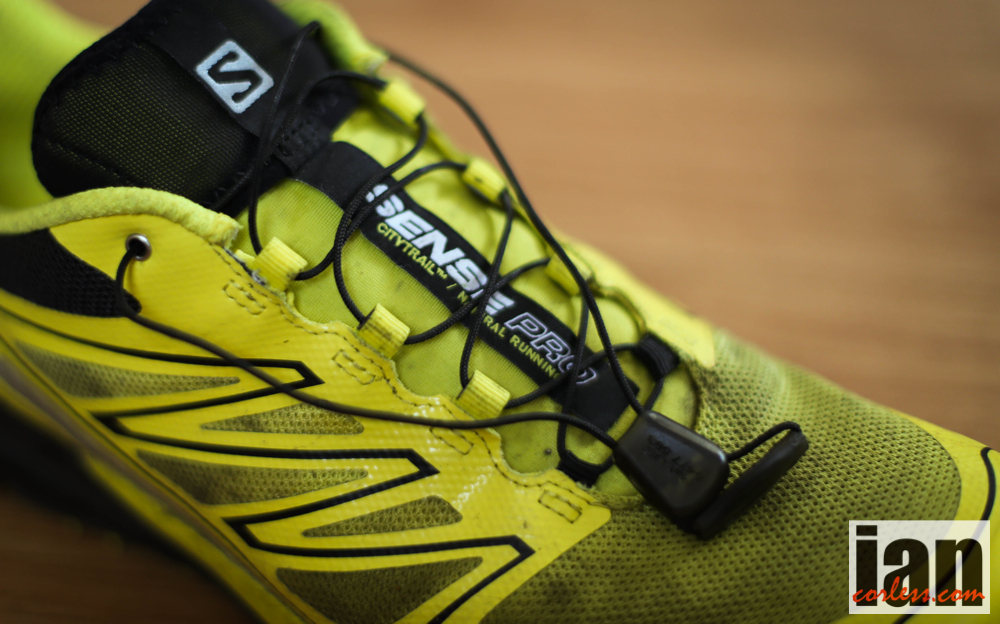
Since the original incarnation we have seen the shoe develop and the recent offerings of the Sense Ultra and the Sense Ultra Soft Ground (more grip) have been a revelation for many a runner. Low drop, arguably the sweetest fitting shoe on the market, light and of course the unique lacing system with garage. The Sense is a shoe I see all the time in races from VK to 100-miles and beyond.

There is no shortage of reviews available on the Internet. Although the shoe may not be for everyone, the general consensus is that the Sense is a must try shoe and to be honest, if the snug fit and low drop works for you, it’s difficult to look elsewhere.

So, if you are already a Sense fan, I can probably anticipate you will have the original Sense and pair of Soft Grounds or a pair of Sense Ultra and Soft Grounds. They go hand in hand as the perfect combo.

Grab your wallet because the new addition to the Salomon family, the Sense Pro is a must have for the discerning Salomon worshipper. It’s worth pointing out immediately, that if the Sense Ultra hasn’t worked for you because of the narrow fit, the Sense Pro may well address that issue.

©iancorless.com_sensepro_-0001

 City Trail is a buzzword at the moment, also known as door to trail or road to trail. Ultimately, shoe manufacturers appreciate the need and the demand for a shoe that can function on road and trail. So, basically we are looking at a hybrid shoe. The Sense Pro falls in this category. As I see it, the Salomon fellas have taken a mummy ‘Mantra’ and left it alone with daddy Sense Ultra and in time a wonderful Sense Pro has emerged as the new baby in the Salomon crèche.

©iancorless.com_sensepro_-0010

So what’s it got…?

  • Sensfit
  • Endofit
  • Lace pocket
  • Quicklace
  • Racing last

And so on and so on… you get the drift. It has all the Salomon buzz words and as we know, these buzz words work.

Slip the shoe on and boy oh boy, slippers come to mind. Of all the shoes I have tested and worn, nothing, nothing at all comes close to the wonderful sock liner of the Sense. Once you have used it and got used to it. You want it in every shoe. It literally just holds your foot in the softest and most seamless grip of any shoe tested. It’s like placing your foot in a velvet glove and then when you tension the lace, the pressure is applied in subtle way that allows no movement. For me, any shoe that has ‘Endofit’ provides the most secure feel on ay surface.

©iancorless.com_sensepro_-0003

In conjunction with low drop, in this case 6mm, you have wonderful contact with the ground. A key feature here is that 6mm drop, Salomon have decided that this is a sweet spot in drop and therefore as this shoe is not an out and out racer, it makes for a perfect choice for longer days or easy training days. If I had to draw comparisons, it’s like wearing a Formula 1 car on your feet; low ride, perfect grip, great feedback and great propriotection. If you haven’t guessed, I love the Sense Pro.

Cushioning is 16mm at the heel and 10mm at the front. By comparison, the Sense Ultra has 13mm/9mm (4mm drop) and the SG is the same. Combining elements from other shoes in the Salomon range, the Pro has an ‘OS Tendon’ (A running construction that provides better rolling and a soft rebound, used for running shoes as well as for natural running and hiking shoes in different constructions) and seamless construction. This combination makes the shoe perfect for longer days and of course as this is designed to move seamlessly from road to trail, it offers great protection.

©iancorless.com_sensepro_-0005The heel is secure and padded. One you adjust the laces and pull them tight, the fit is the sweetest out there in my opinion. It’s the combination of the sock liner, great lacing and snug heel. As I said previously, your foot is held tight. No movement. A plus side of this snug fit is the differences made in the toe box.

©iancorless.com_sensepro_-0008

If you look at the photo below you will see the difference between the Sense Ultra SG, Sense Ultra and the Sense Pro. The Pro has a slightly more squared off toe box with great protection. So, if you have found previous editions of the Sense a little too tight, the Pro may well be for you?

©iancorless.com_sensepro_-0015


Grip is where the compromise is made. That is not a negative comment, after all, the shoe is a City Trail shoe, and so, you are not going to have SG grip. In actual fact, the grip is very similar the Sense Ultra. It’s perfect for dry trails and rocks, they work well in the wet on either road or rocks but if it gets muddy, hold on to your shorts because this when you notice the compromise. Transitioning from road to trail and back again is sweet. I have done some big sections of road and find the transition perfect. I would have no issue going for a road run in them. At this stage though it’s too early to tell what impact that would have on the longevity of the sole. I currently have 120-miles in these and no sign of wear.

©iancorless.com_sensepro_-0013

Sizing is true. I use UK9.5 in the Sense Ultra and Sense Ultra SG and the Pro is the same size. However, it does feel a little roomier. It should though, that is obviously what Salomon tried to achieve with this shoe. Weight is a little more then the Ultra and SG but still lightweight.

It’s simple really; the Sense Pro has become my day-to-day go to shoe. It has all the elements required in what I need. It has low drop, but not too low, the fit is like a glove, cushioning is a little more than the Sense Ultra and therefore provides just a little more protection daily (without the loss of feel) and ultimately the shoe balances natural running, protection and feel in a perfect package.

Go get a pair…!

View the shoes at Salomon.com

******

If you like what we do, consider a donation to fund more articles HERE

donate-button

Superior 100 2014 – Minnesota Nice!

©iancorless.com-1614Superior100

John Storkamp, race director for the Superior 100 told all competitors at the pre race briefing, ‘Look around, because you may well not see everyone back at the finish. The Superior 100 is rough, rugged and relentless.’

Race images available HERE

John Storkamp - race director

John Storkamp – race director

A point-to-point race, the route traverses the ‘Sawtooth Mountain Range’ in northern Minnesota. Taking part on the Superior Hiking Trail (SHT), starting at Gooseberry Falls State Park and concluding in Lutsen, 100-miles later.

©iancorless.com-1049Superior100

It’s a trail of immense diversity and one that is constantly shadowed at all times by the impressive and dominant Lake Superior. Terrain, as the Storkamp suggests, is relentless. With a low point of 183m and a high point of 558m, the race doesn’t get high, however, the repeated nature of the course (Sawtooth profile) offers no opportunity for recovery or rest. Add to the mix, brooks, mud, rocks, tree roots and a rollercoaster of small climbs; the Superior 100 is considered one of the toughest races in the USA. It’s reflected in the current course record of 21:02. Crossing the line in Lutsen is no easy task… Ask each and every finisher, in fact, you don’t need to ask, the gaunt and hollow expression on each and every face shows each mile and each minute and hour that has been undertaken to achieve the buckle!

©iancorless.com-1025Superior100Run in almost perfect weather conditions, Superior 100 2014 was an experience to embrace. Have you heard the term, ‘Minnesota Nice?’ (A stereotypical behaviour of Minnesota residents to be courteous, reserved, welcoming and mild-mannered) Well believe me, this Brit was submerged in it from registration, during the race and beyond.

‘It’s so awesome that you are here, thanks for coming!’ I can’t tell you how many times I heard this phrase during my incredible weekend. No matter at what point in the race, no matter how sleep deprived they were, each an every runner would go out of their way to express warmth. It’s humbling. Of course, it’s in the nature of the people but my host for the weekend, Kurt Decker assured me, ‘These folks are genuinely the salt of the earth, they mean every word but this weekend they have taken it up a notch.’

©iancorless.com-0888Superior100

Imagine being on the trail in the middle of the night, a runner appears and we shout, ‘Looking good, keep it going, you are doing great!’ the runner stops, looks us in the eyes, grabs our respective hands and shakes them, ‘Thank you guys for being here and supporting, it’s really appreciated.’

Minnesota nice!

No matter how nice these folks are, racing did go down at the weekend and at the front end Kyle Pietari and Michael Borst dictated the early pace followed by Nathan Leehman, Adam Schwartz-Lowe, John Cameron and John Horns, the 2013 race winner.

©iancorless.com-0916Superior100Ultra running legend in these parts, Eric Clifton made his presence felt in the early stages but faded and eventually dropped.

©iancorless.com-0931Superior100

Eric Clifton running early on in possibly the worst run tights… ever!

In the ladies, 2013 1st place winner and 2nd overall, April Cole looked set be a dominant force pushing consistently hard throughout, however, at the summit of Carlton Peak with just under 90-miles covered she complained of being cooked. To my surprise April dropped at Sawbill with just over 90-miles covered.

©iancorless.com-1333Superior100

April at Bean and Bear

Adam Schwartz-Lowe had been the bridesmaid on 2-occasions at Superior, 2012 when Steve Moore set the 21:02:41 CR and 2011. After a sub-20 run at Western States earlier this year, Schwartz-Lowe wanted this win, however, Pietari and Borst had different ideas. At halfway, Wisconson runner Borst had pulled away and from Pietari who was paying for the early pace, so much so he would eventually drop. Running without a pacer, Schwarz-Lowe went in pursuit from the Finland aid (51.2) and as he ran past he aptly said, ‘I smell rabbit in front of me.’

©iancorless.com-1365-2Superior100

The rabbit took some catching though! Running only his 2nd 100, Borst looked to have the race dialled after dnf’ing his 1st 100 at Zumbro earlier this year. Experience paid off though, at Sonju Lake Road the gap was 8-minutes, at Sugarloaf (72.3-miles) it was 5-minutes and then at Cramer Road (77.9-miles) it was 2-minutes. From here on in, the guys ran together for an hour until eventually Schwartz-Lowe pulled away gaining a 1-minute advantage at Temperance (85-miles) and 24-minutes at Sawbill (90.7-miles). The hay in the barn could be smelt and as the race progressed the gap tweaked open. At the final aid, Schwartz-Lowe didn’t hang around, a quick re-supply, a few questions on the location of the 2nd place runner and then he scooted off up the trail.

Adam at Oberg just over 7-miles to go

Adam at Oberg just over 7-miles to go

From here on in, Borst consolidated his 2nd place looking relaxed and happy, his pacer doing a great job to keep the motivation high. Leehman took a seat at Oberg and although the temptation to hang out and chill was tempting, he rejuvenated himself and pushed on for the final podium place after a welcome ‘Monster’ drink from 4th place runner, Cameron’s crew.

©iancorless.com-1213Superior100

With April Cole out of the race, the ladies race became a war of attrition and I saw each lady as they climbed up and over Sawbill with 90.7 miles covered. Embracing the relentless nature of the race they pushed on through never failing to offer a smile and a thank you. Ultimately at the line, the gaps were quite wide with Mallory Richard taking the victory ahead of Frayah Bartuska and Johanna Ylanen.

©iancorless.com-2117Superior100

Ladies winner, Mallory Richard


100-mile races are tough, no matter what the terrain is like. Here in Minnesota on the Superior Hiking Trail, John Storkamp and the Rock Steady Running crew have a gem. A gem of epic proportions… if you like your trail tough and gnarly and your people warm and welcoming, then Minnesota is for you!

Believe me, it’s Minnesota Nice!

Race website – HERE

RACE RESULTS

100-mile

  1. Adam Schwarts-Lowe 21:58:32
  2. Michael Borst 22:52:28
  3. Nathan Leehman 23:26:47
  1. Mallory Richard 27:32:27
  2. Frayah Bartuska 29:56:58
  3. Johanna Ylanen 31:08:10


50m-mile

  1. Chris Rubesch 8:56:33
  2. Forrest Tracy 9:23:47
  3. Alex Kurt 9:35:24
  1. Kristin Rognerud
  2. Annie Behrend 13:03:34
  3. Shelly Groenke 13:41:38


Marathon

  1. Ben Kampf 3:32:27
  2. James Sorenson 3:49:30
  3. Ryan Braun 04:00:11
  1. Jayna Tilstra 4:53:31
  2. Kelly Johnson 4:56:10
  3. Heather Weckwerth 5:20:01

Race images available HERE

KILIAN JORNET – The Human Carabiner

--©iancorless.com.IMG_8606Transvulcania14_kilian

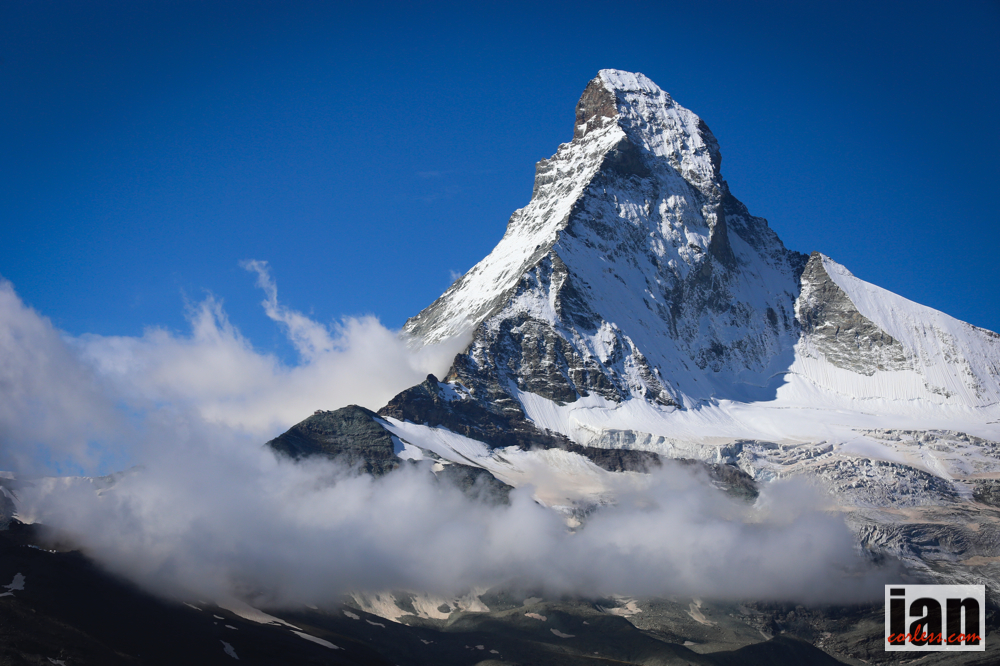
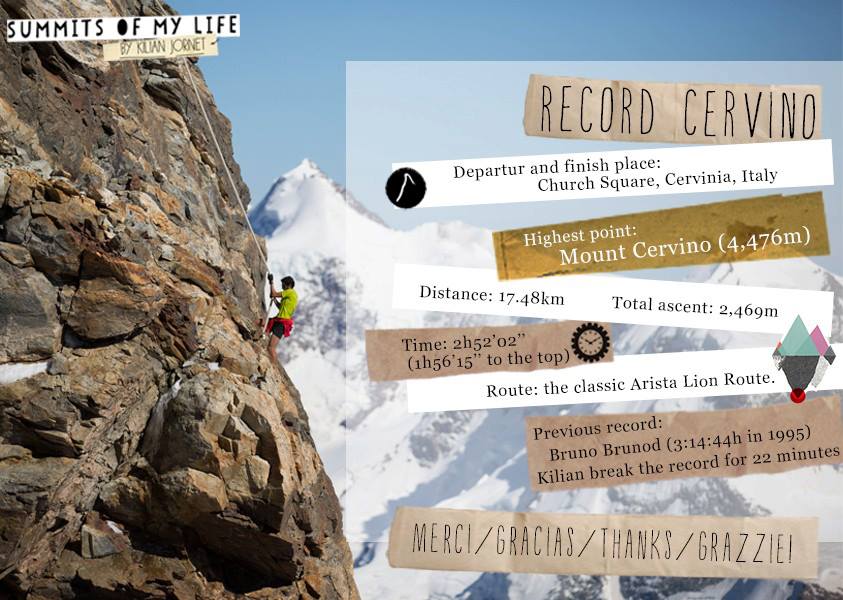
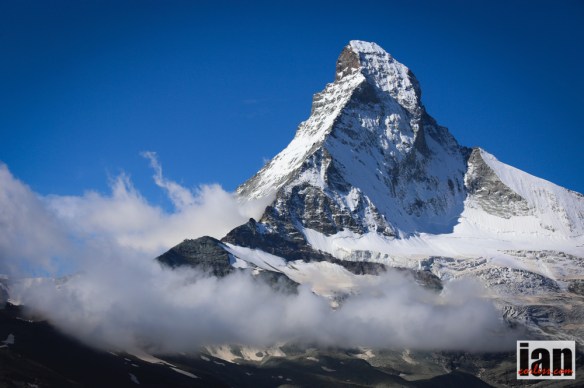
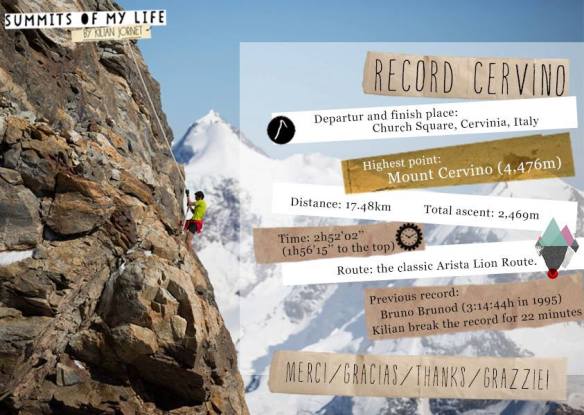
Kilian Jornet is defining our sport and in the process is setting new records and providing inspiration to thousands, if not millions of people. Just 12-months ago, I spoke to Kilian in Zermatt. It was just days after his incredible Matterhorn Summit where he set a new record for Cervinia-Matterhorn Summit-Cervinia beating the long standing Bruno Brunod record. Looking relaxed, Kilian joins me at a table and we chat. He looks lean and in the form of his life. The sky is blue and clouds are around the base of the Matterhorn. Looking up we pause and take it in.

Interview in Spanish HERE
©iancorless.com_IMG_2551Ultraks2014_

It really is an incredible mountain. I turn to Kilian and ask…

IC – Do you feel nostalgic Kilian, looking up at the Matterhorn and thinking back 12-months?

KJ – Yes, I have great feelings. I-year ago I climbed from Italy (Cervinia) and today I climbed it from Switzerland (Zermatt). I have many great friends in Cervinia and very soon it will be 150-years of the Matterhorn. So many great memories; It’s such a beautiful memory.

IC – Okay, so you have just thrown this on me. You climbed the Matterhorn this morning from Zermatt?

KJ – Yes (laughs) I am not racing Matterhorn Ultraks so it’s okay. I went this morning… I was thinking to myself, it’s great weather so I decided to go. Conditions are not good though. The mountain has much more snow and the ridge was pretty icy. I had no crampons, which was a big mistake. At the summit it was very windy. I thought I might take the quick way down to Zermatt…!

IC – People say the Matterhorn is harder from Switzerland side?

KJ – The Italians say it’s harder from Cervinia and the Swiss say it’s harder from Zermatt. (He laughs) Both routes are very similar. I prefer the Italian side, it’s a narrow ridge about 500m long and you can really run. From Switzerland you go straight to the summit. It’s really beautiful and maybe a little more complicated. For me though, the Italian side is more difficult.

IC – Did you time yourself?

KJ – Hotel to hotel was 7-hours. I had planned to go down to the Italian side and come back via the pass. But the conditions were very windy and I decided to come back on the Switzerland side. It had lots of snow all the way up. I can normally climb up in good conditions in 2.5hrs but today it was 4-hours.

IC – Not the perfect time for a FKT?

KJ – No, it was really dangerous. Normally I would see 100’s of people at the summit. Today it was just me and I saw 4-people on my way down. The weather would be okay for Mont-Blanc but not here; it’s much more complicated.


IC – I think it’s topical we are speaking mid season. I believe the Kilian Jornet today is a different person to 1-year ago. For me, you seem to be in perfect shape. I don’t think I have seen you so fit and strong. Would you agree?

KJ – This year I feel really well. I don’t know why? I started the season in Colorado in the winter doing plenty of high altitude meters. I was great in the ski season. It was my best season in regard to my condition. I was not tired after skiing so it was a big bonus. I have raced the same number of races but I seem to be recovering so much better. I am climbing more meters and doing fewer kilometres.

©iancorless.com_IMG_0123Zegama14_kilian

IC – It’s not unusual for you to start your run season at Transvulcania La Palma on 4-5 days running. This year you did this. You had a great race placing 2nd behind Luis. You then went to Denali and followed this with running again becoming Skyrunning World Champion. In Denali, this is not ultra running. It’s Alpinism. So tell us, what was the experience like?

KJ – It was a hard experience and fun. The weather was bad in Alaska. We stayed 21-days in the glacier and we had 3 sunny days. Everyday was snowing but we did a great number of things. We travelled very light. We would go to 4000m camp and from here everyday we would do something… we did the west ridge and then ski, we did another ridge, then I did the record, the north summit and so on. It was really nice to see. It’s possible to do something everyday. It was really interesting. I think I was surprised to come back to Chamonix and perform so well. Really I was just going to use it as training for Hardrock. In the VK I surpassed my expectation, in the marathon I knew I could do well. I lost weight in Denali.

IC – Yes for sure. You lost weight and your legs seemed smaller. Did it feel unusual to be back in Chamonix feeling like a different person?

KJ – Yes, I had small legs. It is similar to after Alpinism. It’s good for going up but coming down it has its affects.

IC – Denali unlike the Matterhorn was very much about you going and doing it. We haven’t seen the new Summits film yet, so, what did Denali involve?

KJ – It’s Skimo. You go via the plane to Anchorage and then take anther small plane to the glacier. It’s snow all the way. We didn’t take run shoes. We just used skis everyday. We had planned to acclimatize but the weather cleared and I made an attempt on the 6th day. I may have not been adapted but I was still strong. If you stay at altitude you loose strength. I had good conditions for 3-hours but the last uphill section and all the downhill had bad conditions. It was snowing and foggy. I just hoped that I could complete the summit. I added more clothes and pushed on.

IC – How do you prepare for an event like this? Do you do extensive research beforehand on maps? You make it sound casual and matter of fact but I know it’s not.

KJ – You need to be really well prepared. It’s a dangerous mountain. I looked at maps and we planned ahead, not only for the record but other adventures. I made good preparation 2-weeks before. We did 3-days to base camp and did the west ridge and ski down. It was good to see the conditions, find out what the snow was like and see if I could ski fast from the summit. You need to open your mind.
--©copyright .iancorless.com.P1170778_kilian

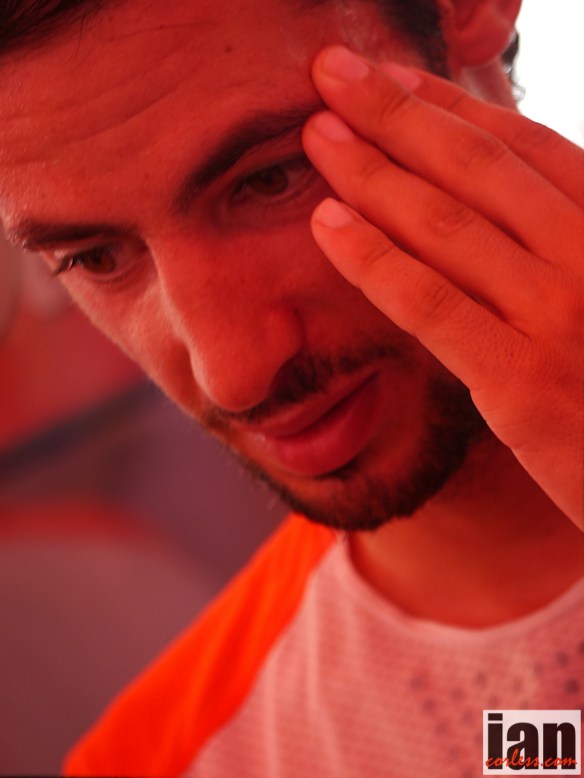
It was great to have a small team. We were 4-people: Seb Montaz, Jordi Tosas, Vivian Bruchez and me. It’s really quick to change plans and make decisions with a small set up. For example in 5-hours I decided to attempt the record. Everyone was ready; they all knew what they had to do. It was great. Also, the team had projects that each wanted to do. All 4 of us had aspirations to achieve things whilst in Alaska.

IC – That is what is so interesting about what you do. You have very experienced people with you. In particular, Seb, he’s a great mountaineer and cameraman. We often forget he is often doing what you are doing.

KJ – For sure. You either have a small team or a big team with multiple people, helicopters, and many cameramen. The problem is budget! For example, all our team can work independently and they can all film, even myself. I like this process. We all move in the mountain, they are happy alone and that is great. We all captured images of each other. 

IC – That is going to be great to see. You followed Denali with Hardrock 100.

KJ – Three years of waiting!

IC – Yes, you got the confirmation in 2013. We all had expectations and excitement. You were racing really strong competition, Adam Campbell, Joe Grant, Seb Chaigneau, Dakota Jones, Julien Chorier and so on. You had a remarkable day; you smashed the course record. I know from pervious chats that you wasted lots of time. What was the experience like, did it live up to expectations?

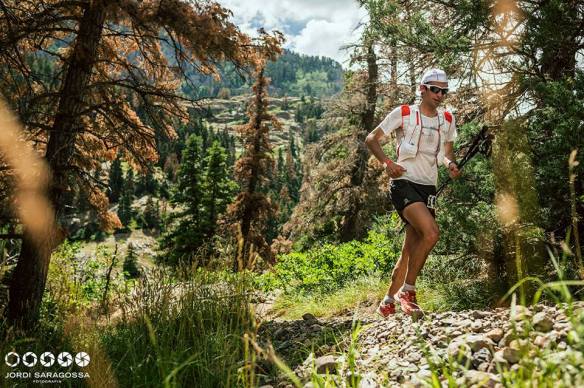
KJ – It’s a beautiful race. I have run several 100-mile races and this is the best. The ambiance, the course, the spirit, it was just amazing. I arrived 1-week before and I checked all the last 100km so that I was prepared. I knew I would be in this section at night. I didn’t know the early section; I didn’t check it at all. We all started together; Seb, Adam, Timmy, Dakota and Julien. We had a big group. I felt good from the beginning. Having said that, you always feel good early. It’s just moving. After 4-5 hours I wasn’t pushing but I was pulling away. I thought to myself, maybe I will have a good day but I wanted to be cautious for the latter stages of the race. So, I waited for Julien and then I ran to km 100 with him and then the night started. After this point, I knew the course so I decided to go. It could take 9-hours if I was feeling good. I hadn’t eaten much up to this point so from here I took energy from soup and burritos. It was also really bad weather with rain and storms. I was happy to take a little time in the aid stations.
Kilian ©jordisaragossa

IC – I think you were lucky and got ahead of the worst of the storms. For example Adam Campbell had a crazy time.

KJ – Yes, this is what can happen, Handies Peak is at 4800m and 30km between aid stations, so, you are on your own. If a storm comes they don’t stop the race. You need to know what to do. If you are afraid, you stop and find shelter until the storm passes. Runners need to think and that is a good thing. We all need to think what to carry and what to do.

IC – You had Frosty (Anna Frost) and Ricky Gates as pacers. What point did they pace you?

KJ – Ricky started at 100km for the first part of the night section from Sharman. He ran around 35-40km with me. In the second part it was crazy rain. We were so cold and wet. He stopped. I continued for 10-miles alone and then met Frosty for the last 10-miles.

IC – At any point did you have the course record in mind?

KJ – Yes, you have it in your mind but I don’t race for records. I like racing a great deal. I do lots of races. My priority was to win if possible and I was also thinking of the Dolomites 1-week later…

(Laughter)

KJ – I said okay, I am doing well but don’t try to get tired! I was 20-min ahead of the record and I knew that Kyle Skaggs exploded in the latter stages when he set the record. So, if I kept my pace I knew the record was possible.

IC – As winner, you are the only male with a guaranteed place for next year. Will you be back?

KJ – Yes, for sure as it alternates direction each year.

IC – The two races are different, lets forget next year. Given what you have learnt this year, if you went back in 2-years, with what you now know. Of course weather dependant. Do you think you could make big differences to the time?

KJ – Weather is crucial and of course the feelings. Some days you feel great, like a cloud. You can’t predict these days. I had one of these days at the Matterhorn and certainly Hardrock. For sure I could go faster. I stopped 56-minutes in aid stations.

IC – And you waited for Julien 20-mins? 

KJ – Yes, I think 1-hour quicker is possible should all things align.

IC – You came back from Hardrock and surprisingly raced at Dolomites Skyrace in the VK and SkyRace just days later.
©iancorless.comIMG_6249Canazei2014_kilian

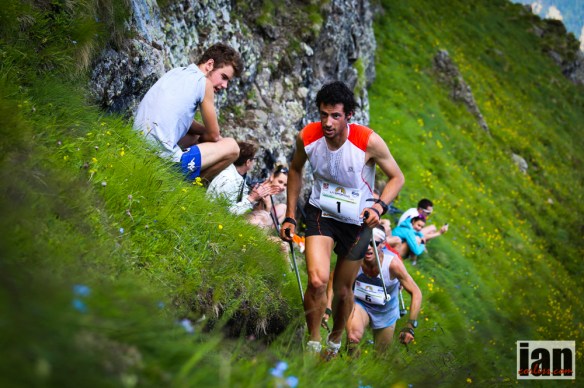
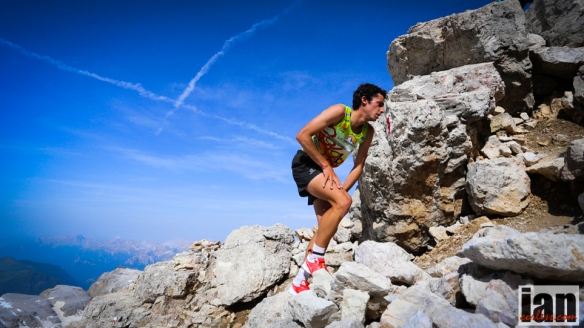
KJ – I was happy about the VK. I was feeling recovered but after 100-miles you need recovery. The VK was super good. I placed 8th which was great. It surprised me that I could push. It motivated me for the Sky race just 2-days later.

IC – Another great victory for you, amazing really!

KJ – Yes. Thanks
©iancorless.comIMG_2670Canazei2014_kilian

IC – Trofeo Kima is just around the corner. It’s arguably one of ‘the’ key Skyraces. Do you have any plans or intentions for Kima?

KJ – It’s difficult to discuss plans. So many variables come into play. For example, I may do some mountaineering this week, which may mean I am tired. I have The Rut and Limone Extreme too this year. After a summer of rain when the sun comes out the snow tempts me, so, I can’t resist despite what races are on my calendar.

IC – I have to say, I was watching your posts about your runs this last week. Dakota and yourself doing big days in the mountains that have lasted 7-hours. With UTMB around the corner, didn’t Dakota make that mistake before?

(Laughter)

KJ – I have often done Mont-Blanc just days before UTMB. It has altitude, great training and it doesn’t take too much energy. Dakota is strong and talented. We did this with 10-days before UTMB. He will be fine. I sometimes think he thinks too much. He needs to just run… it will be interesting to see Tony, Iker, Tofol and all the rest. I think Iker will be good. Luis Alberto he will start strong but can he maintain it? Luis has one pace, hard! Maybe he will start slower. UTMB this year will be a great race.

IC – You have Aconcagua (Summits of my Life) left for this year, December yes?

KJ – Yes, I will start in November to do ski training and then I will go back to running for Aconcagua. I’m excited as it has a high summit of 7000m. It’s not technical but it’s a tough record.

IC – And the record?

KJ – I think there are a couple of records but I don’t know the times. (In 2000 Bruno Brunod, Pelissier and Meraldi climbed from Plaza de Mulas in 3-hours 40-minutes. Carlos Sa did 15:42 from National Park Horcones.)

KJ – I will go from the entrance and I will try to achieve both records. Also, Emelie Forsberg will try a female record too.

IC – Wow, nice! I guess Aconcagua will be more like the Matterhorn?

KJ – No, it’s easier. It’s rocky but not steep. The altitude is the big issue. You can get sick and have problems so the challenge is different.

IC – It doesn’t have the danger of the Matterhorn. Ultimately, you have Everest as the last big objective. Have you thought about this yet?

KJ – It’s completely different, it’s very high, 9000m. It’s very long and this is the biggest problem. It’s to go all this way without oxygen and fast. The route is technical. I will start on the north face to prepare. It’s quiet so I will have no problems with people. I will need to prepare. I will go in spring, autumn and maybe the following spring. As per usual with all mountains, any attempt will be weather dependant. I expect to have several attempts.

IC – If you achieve Everest and complete the Summit series, where do you go next? Your list is ticked off, do you think you will comeback to some races you have done before or do you think you will create a new sport, a combination of all your skill levels?
Kilian Jornet-iancorless.com ©sebmontaz all rights reserved

Kilian Jornet-iancorless.com ©sebmontaz all rights reserved

KJ – I have lots of projects. Today I climbed the Matterhorn, I looked around and suddenly projects appear. I think maybe I can go from here to here or in skiing I go down a steep line. It doesn’t need to be the highest or the longest. Nice mountains with not many people. I like this sport because of the beauty. I like aesthetic projects more than numbers. I have so many options to choose from.

IC – Do you think racing will still appeal?

KJ – Yes, I love racing. I love the ambiance. I also like it as training. I push I give it everything and you can’t do this alone, it’s boring. I will race for sure in skiing and maybe run less.

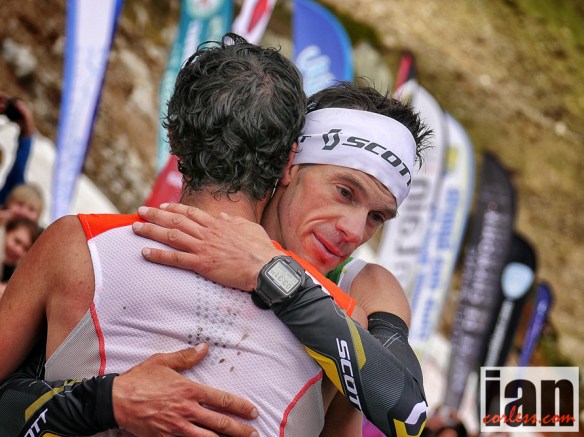
IC – Today I spoke to Marco De Gasperi, I took him back to ‘91’ when he was 16 and the formative days of Skyrunning. His first race!

KJ – Yes, it was Monte Rosa.

IC – Yes, Monte Rosa and he also did the VK. He reminded me of 2007 when you were 20 and you turned up at a race and placed 6th. He said you looked at him as though he was a hero. He now looks at you as the hero.

KJ – No, Marco is the hero.
--©copyright .iancorless.com.P1140350_kilian

IC – 20+ years of Skyrunning. In the last 3-years Skyrunning has become bigger than ever and it continues to grow. Would you like to see the sport progress in anyway?

KJ – Every person is a carabiner. We all pass on and provide energy and it grows. The sport keeps the values of the beginning. However, it’s not just about distance, elevation and athletics. It’s about mountains and alpinism. More people are interested in being in the mountains, it’s not just about technical terrain, and we must look at what is around us too. The sport will grow for sure. We are seeing VK’s grow and longer races. I think in central Europe it will stay as it is but it will develop in other countries, for example the US. It’s important to grow and keep quality; we must keep the spirit.

IC – In ‘89’ when Marino Giacometti ran up Monte Rosa and came back down, it was pure mountain spirit. Up and down as fast as possible. I feel that Skyrunning is starting to go back to where it was 20-years ago. Maybe because we look at sport differently; but also you are providing a great influence. Do you think there is room for another sport outside of VK, Sky and Ultra within Skyrunning, maybe an extreme event?

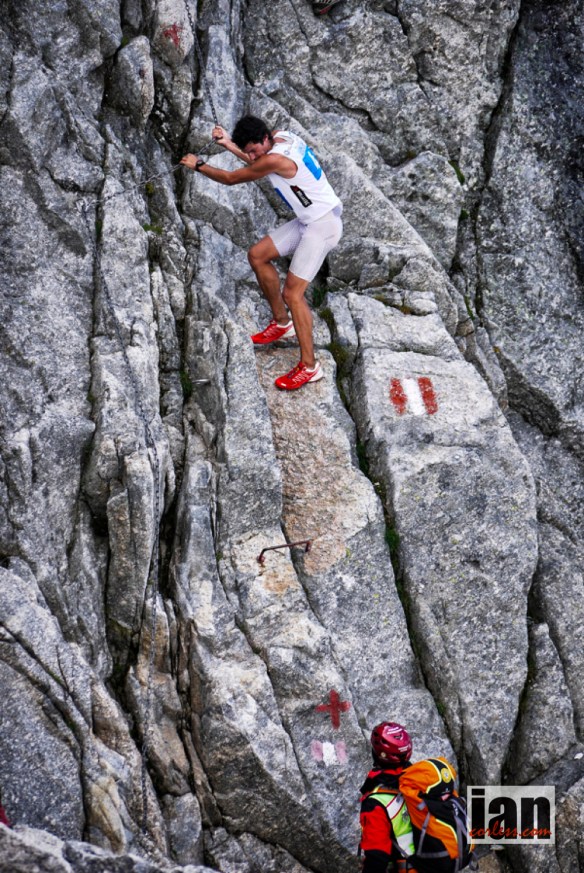
KJ – Yes. I think an extreme sport would be a great idea. It has been done before as you say. It’s really important though to understand that this is mountaineering fast and not running.

IC – Alpinism without the clutter?

KJ – Yes, it’s not about being strong or fast it’s about how you climb! You need confidence and you need self-awareness. It’s another level. It will come as the sport grows but it is not for all. It’s not about kilometres it’s about mountain experience.
--©copyright .iancorless.com.iancorless.orgP1050990trofeokima_kilian

IC – Kilian, once again thank you so much for your time and the inspiration.

KJ – Thank you for everything.

*****

Article ©iancorless.com – all rights reserved

Please credit as and when appropriate when sharing

Thanks

I would like to thank Kilian Jornet for his time and generosity.

Marino Giacometti and Lauri Van Houten from the ISF (International Skyrunning Federation)

Salomon Running

Seb Montaz

Jordi Saragossa

And all the wonderful races throughout the world that provides us all the opportunity to live our dreams.


Episode 66 – Krar, Enman, Forbes, McGregor

Ep66This is episode 66 of Talk Ultra and on this weeks show e catch up with Rob Krar after his incredible Western States. Kasie Enman is on the comeback trail after her 2nd child and we chat after a stellar 2nd place at Speedgoat 50k. Scott Forbes just this last weekend won Race to the Stones in the UK… a great result but Scott has an incredible story. In Talk Training we talk nutrition with Renee McGregor. The News, a Blog, Smile and Miles with Emelie Forsberg, Up and Coming Races and Pocket Rocket is back… Stevie Kremer.

NEWS

HARDROCK 100 results iRunFar
 
·      Kilian Jornet – 22:41:33
·      Julien Chorier – 25:07:56
·      Adam Campbell – 25:56:46
·      Jeff Browning  – 26:58:59
·      Scott Jaime  – 27:46:14

·      Darcy Piceu – 29:49:58
·      Betsy Kalmeyer – 37:57:22
·      Betsy Nye – 42:22
·      Tina Ure – 42:45
·      Suzanne Lewis – 42:55

 
SPEEDGOAT 50K

·      Sage Canaday  – 5:12:30
·      Paul Hamilton – 5:31:15
·      Alex Nichols  – 5:33:30
·      Rickey Gates  – 5:46:36
·      Mike Wolfe – 5:53:17

·      Anna Frost – 6:42:00
·      Kasie Enman  – 6:43:48
·      Ellie Greenwood – 6:53:04
·      Hillary Allen  – 7:03:57
·      Kerrie Bruxvoort  – 7:12:41

INTERVIEW with KASIE ENMAN
 
Skyrunning Ice Trail Tarentaise

  • Francois D’Haene 7:38
  • Fabian Antonilos 7:56
  • Tom Owens 8:02
     
  • Emelie Forsberg 9:25
  • Allessandra Carlini 9:42
  • Maud Gobert 9:42+
  • Skyrunning Dolomites SkyRace
     
  • Kilian Jornet 2:03:50
  • Ionut Zinca 2:05:20
  • Tadei Pivk 2:05:21
  • Manuel Merillas 2:07:29
  • Alexis Sevennec 2:07:54·
  • Laura Orgue 2:26:17
  • Emelie Forsberg 2:27:40
  • Maite Maiora 2:31:58
  • Christel Dewalle 2:35:53
  • Magdalena Kozielska 2:36:23
     
     
    DODO TRAIL
     
    ·      Ricky Lightfoot 5:19:21 new CR
    ·      Jean Pierre Grondin 5:55:30
    ·      Jeannick Boyer 6:02:54
     
    ·      Landie Greyling 6:49:10
    ·      Estelle Carret 6:51:55
    ·      Andrea Clemons 8:37:35 
    BLOG
     
    Dakota Jones has ab excellent write up on Hardrock 100 on iRunFar – http://www.irunfar.com/2014/07/falling-off-edges-hardrock-2014.html

     
    INTERVIEW

    ROB KRAR produced the 2nd fastest run ever at the 2014 Western States. We caught up with him just a few days after the race for a chat.

    SMILES and MILES with EMELIE FORSBERG

    TALK TRAINING with Renee McGregor lead nutritionist
     
     
    INTERVIEW
     
    SIMON FORBES won the Race to the Stones in the UK which is impressive. However, he has a fascinating back story.

     
    UP & COMING RACES
     
    Australia
    Australian Capital Territory
    Bush Capital 60 km Ultra | 63 kilometers | August 03, 2014 | website
    Queensland
    Flinders Tour – 50 km | 50 kilometers | July 27, 2014 | website

    Austria
    Dirndltal Extrem Ultramarathon | 111 kilometers | August 02, 2014 | website
    Pitztal-Gletscher Trail Maniak 95K | 95 kilometers | July 26, 2014 | website

    Belgium
    Flanders
    100 km Dodentocht® | 100 kilometers | August 08, 2014 | website

    Canada
    Alberta
    Canadian Death Race | 125 kilometers | August 02, 2014 | website

    Quebec
    Trans Gaspesia | 260 kilometers | August 03, 2014 | website

    Finland
    Lapland
    NUTS Midnight Sun Trail Ultra 125 km | 125 kilometers | July 25, 2014 | website
    NUTS Midnight Sun Trail Ultra 55K | 55 kilometers | July 26, 2014 | website

    France
    Haute-Corse
    Via Romana – 62 km | 62 kilometers | August 03, 2014 | website
    Haute-Savoie
    Trail du Tour des Fiz | 61 kilometers | July 27, 2014 | website
    Isère
    Défi de l’Oisans | 200 kilometers | July 27, 2014 | website
    Trail de L’Etendard | 65 kilometers | August 03, 2014 | website
    Jura
    Tour du Lac de Vouglans | 71 kilometers | July 26, 2014 | website
    Loiret
    L’Orleans-Océan | 410 kilometers | July 26, 2014 | website
    Savoie
    Courchevel X Trail 54 km | 54 kilometers | August 03, 2014 | website
    La 6000D | 65 kilometers | July 26, 2014 | website
    TCT 50 | 50 kilometers | August 03, 2014 | website
    TCT 73 | 73 kilometers | August 03, 2014 | website
    Ultra 6000D | 110 kilometers | July 26, 2014 | website

    Germany
    Bavaria
    Chiemgauer 100 k Mountain Ultra Run | 100 kilometers | July 26, 2014 | website
    Chiemgauer 100 mi Mountain Ultra Run | 100 miles | July 26, 2014 | website
    Brandenburg
    Berliner MauerwegNachtlauf | 62 kilometers | July 26, 2014 | website
    Lower Saxony
    Süntel-Trail 50K | 50 kilometers | July 26, 2014 | website

    Guadeloupe
    Rèd Mammel | 50 kilometers | July 25, 2014 | website
    Ultra Transkarukera | 120 kilometers | July 25, 2014 | website

    Italy
    Aosta Valley
    Monte Rosa Walser Ultra Trail | 50 kilometers | August 02, 2014 | website
    Piedmont
    Terra Acqua Cielo Wild Trail | 50 kilometers | August 03, 2014 | website

    Sicily
    Etna Trail | 64 kilometers | August 02, 2014 | website

    Veneto
    Trans d’Havet Ultra | 80 kilometers | July 26, 2014 | website

    Latvia
    Cēsis ECO Trail 80 km | 80 kilometers | August 02, 2014 | website

    Madagascar
    Isalo Raid – Grand Raid | 80 kilometers | July 26, 2014 | website

    Mauritius
    Trail des 7 Couleurs | 120 kilometers | July 26, 2014 | website

    Mongolia
    Mongolia Sunrise to Sunset 100K | 100 kilometers | August 06, 2014 | website

    Portugal
    Ultra-Trail Nocturno da Lagoa de Óbidos | 50 kilometers | August 02, 2014 | website

    Réunion
    Trail du Grand Ouest | 60 kilometers | August 02, 2014 | website

    Romania
    VLC Ultra TrailRun Petrimanu 56 | 56 kilometers | July 26, 2014 | website

    Russia
    Elbrus Mountain Race | 105 kilometers | August 01, 2014 | website

    Serbia
    Tara Challenge | 61 kilometers | August 02, 2014 | website
    Tara Ultramarathon | 115 kilometers | August 02, 2014 | website

    Spain
    Andalusia
    Subida Granada Pico Veleta | 50 kilometers | August 03, 2014 | website
    Aragon
    Calcenada – 104 km | 104 kilometers | August 01, 2014 | website
    Gran Trail Aneto-Posets | 109 kilometers | July 26, 2014 | website
    Vuelta al Aneto | 58 kilometers | July 26, 2014 | website
    Castile and León
    Gredos Infinite Run – 120 km | 120 kilometers | July 26, 2014 | website
    Tilenus Xtreme Ultra Trail 105 KM | 105 kilometers | July 25, 2014 | website
    Tilenus Xtreme Ultra Trail 60 KM | 60 kilometers | July 25, 2014 | website

    Catalonia
    BUFF® Epic Trail Aigüestortes | 100 kilometers | August 02, 2014 | website
    Cadí Ultra Trail | 80 kilometers | July 26, 2014 | website
    Ultra Catllaràs | 55 kilometers | July 26, 2014 | website
    Principality of Asturias
    Ultra Trail DesafíOSOmiedo | 86 kilometers | August 02, 2014 | website

    Sweden
    Tierra Arctic Ultra | 120 kilometers | August 08, 2014 | website

    Switzerland
    Grisons
    Swiss Alpine Marathon K78 | 78 kilometers | July 26, 2014 | website

    Thailand
    Bangkok Ultra Trail Festival – 50 km | 50 kilometers | August 03, 2014 | website

    Turkey
    DASK ADAM Anatolian Mountain marathon – Long Course | 75 kilometers | August 07, 2014 | website
    DASK ADAM Anatolian Mountain marathon – Medium Course | 60 kilometers | August 07, 2014 | website

    United Kingdom
    Cumbria
    The Montane Lakeland 50 | 50 miles | July 26, 2014 | website
    East Riding of Yorkshire
    The Montane Lakeland 100 | 100 miles | July 25, 2014 | website
    England
    Round the Rock | 48 miles | August 02, 2014 | website
    Round the Rock Ultra Marathon | 48 miles | August 02, 2014 | website
    Hampshire
    Oxfam Trailwalker GB (South) | 100 kilometers | July 26, 2014 | website
    Kent
    The 50 Mile Challenge | 52 miles | July 28, 2014 | website
    North Yorkshire
    Oxfam Trailtrekker GB (North) – 100 km | 100 kilometers | July 31, 2014 | website
    Oxfam Trailtrekker GB (North) – 65 km | 65 kilometers | July 31, 2014 | website
    Stirling
    Devil o’ the Highlands Footrace | 43 miles | August 02, 2014 | website

    USA
    Alaska
    Resurrection Pass 100 Mile Ultra Trail | 100 miles | August 08, 2014 | website
    Arizona
    Vertigo 63K Night Trail Run | 63 kilometers | July 26, 2014 | website
    California
    Angeles Crest 100 mile endurance run | 100 miles | August 02, 2014 | website
    Salt Point 50 km | 50 kilometers | August 02, 2014 | website
    San Francisco 100 Mile Endurance Run | 100 miles | August 02, 2014 | website
    San Francisco 50 Mile Endurance Run | 50 miles | August 02, 2014 | website
    San Francisco 52.4 Ultramarathon | 52 kilometers | July 27, 2014 | website
    Skyline 50K | 50 kilometers | August 03, 2014 | website
    Colorado
    Grand Mesa 100M | 100 miles | July 26, 2014 | website
    Grand Mesa 37.5M | 60 kilometers | July 26, 2014 | website
    Grand Mesa 50M | 50 miles | July 26, 2014 | website
    Mountain Ultra | 220 kilometers | August 01, 2014 | website
    Mount Werner Classic – 50K Trail Run | 50 kilometers | July 26, 2014 | website
    Ouray 100 Mile Endurance Run | 100 miles | August 02, 2014 | website
    Ragnar Relay Colorado | 200 miles | August 08, 2014 | website
    Wild West Relay | 200 miles | August 01, 2014 | website
    Idaho
    Standhope 60K | 60 kilometers | August 08, 2014 | website
    Wild Idaho 50K Enrudance Run | 50 kilometers | July 26, 2014 | website
    Wild Idaho 50M Enrudance Run | 50 miles | July 26, 2014 | website
    Maryland
    Catoctin 50k Trail Run | 50 kilometers | July 26, 2014 | website
    Minnesota
    Minnesota Voyageur Trail 50 Mile Run | 50 miles | July 26, 2014 | website
    Mississippi
    Big Butts 100K | 100 kilometers | July 26, 2014 | website
    Big Butts 50K | 50 kilometers | July 26, 2014 | website
    Montana
    HURL Elkhorn 50 K Ultramarathon | 50 kilometers | August 02, 2014 | website
    HURL Elkhorn 50 Mile Ultramarathon | 50 miles | August 02, 2014 | website
    Nevada
    Ruby Mountain Relay | 184 miles | August 08, 2014 | website
    North Carolina
    Mattamuskeet Death March | 100 kilometers | July 26, 2014 | website
    Ohio
    Burning River 100 Mile Endurance Run | 100 miles | August 02, 2014 | website
    Oregon
    Siskiyou Out Back Trail Run 50K | 50 kilometers | July 26, 2014 | website
    Siskiyou Out Back Trail Run 50M | 50 miles | July 26, 2014 | website
    Pennsylvania
    Viaduct Trail 100 Mile Ultramarathon | 100 miles | July 27, 2014 | website
    Viaduct Trail 150 Mile Ultramarathon | 150 miles | July 26, 2014 | website
    Viaduct Trail 50 Mile Ultramarathon | 50 miles | July 27, 2014 | website
    South Carolina
    Landsford Canal 50 K | 50 kilometers | July 26, 2014 | website
    Vermont
    Moosalamoo Ultra – 36 M | 36 miles | August 02, 2014 | website
    Virginia
    Dahlgren Heritage Rail Trail 50 km | 50 kilometers | August 02, 2014 | website
    Washington
    Grand Ridge 50K Trail Run (August) | 50 kilometers | August 02, 2014 | website
    White River 50 Mile Trail Run | 50 miles | July 26, 2014 | website

    CLOSE

3:51:35

Ice Trail Tarentaise 2014 – Race Start Images

©iancorless.comIMG_4061

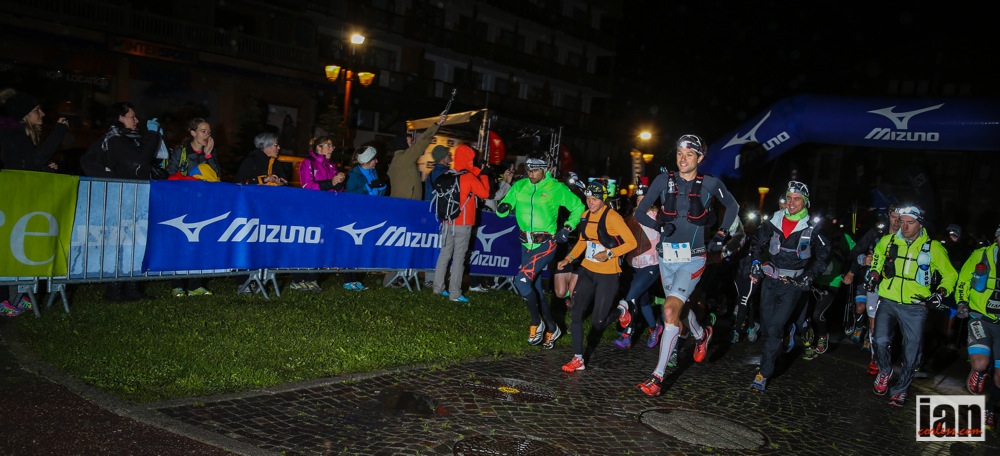
The 2014 Ice Trail Tarentaise got underway at 0400 Sunday 13th July. It was a wet start but temperatures were mild and everyone was enthusiastic at the tough challenge that would be ahead.

Ones to watch in the men are Francois d’Haene winner of the ITT in 2012 and 2nd in 2013 behind Kilian Jornet and Luis Alberto Hernando who beat Francois in Chamonix just 2-weeks ago.

For the ladies, Emelie Forsberg 2013 champion returns but she will have strong competition from Francesca Canepa and Maud Gobert amongst others.

Race Preview HERE

Montane JAWS 10 Ultra Distance Race Pack Review


Jaws 10 front

Jaws 10

Montane know a thing or two about lightweight. Arguably, they are one of the first companies truly to push the boundaries of going light to the mountains with single layer clothing. For over 18-years, Montane have developed and tweaked ideas and recently they have moved into trail and mountain running. It was a natural progression. Involvement on the Lakeland 100 and 50-mile races has progressed to sponsorship of The Spine and the Yukon Arctic Ultra amongst others. Involvement in these races and the development of a trail running team is an invaluable process for a brand that are looking to push boundaries and we as consumers benefit from this explorative work. Let’s face it the Minimus Jacket and Pants have become almost essential items for anyone requiring light, functional fully waterproof outer layers for demanding sports. So, I was excited to see Montane’s new packs in late 2013 and even happier to get hold of samples to test in 2014.

In summary, Montane have developed 3 new run packs and 1 waist belt. The packs are as follows:

Fang 5

Jaws 10

Dragon 20

and as the name would suggest each have a capacity of 5, 10 and 20 liters. The waist best, Bite 1, is a stretch trail running belt that holds one bottle and has a small waterproof pocket for essential items.

scroll_bite_1_blue_spark_angle_blk_FOR_WEB

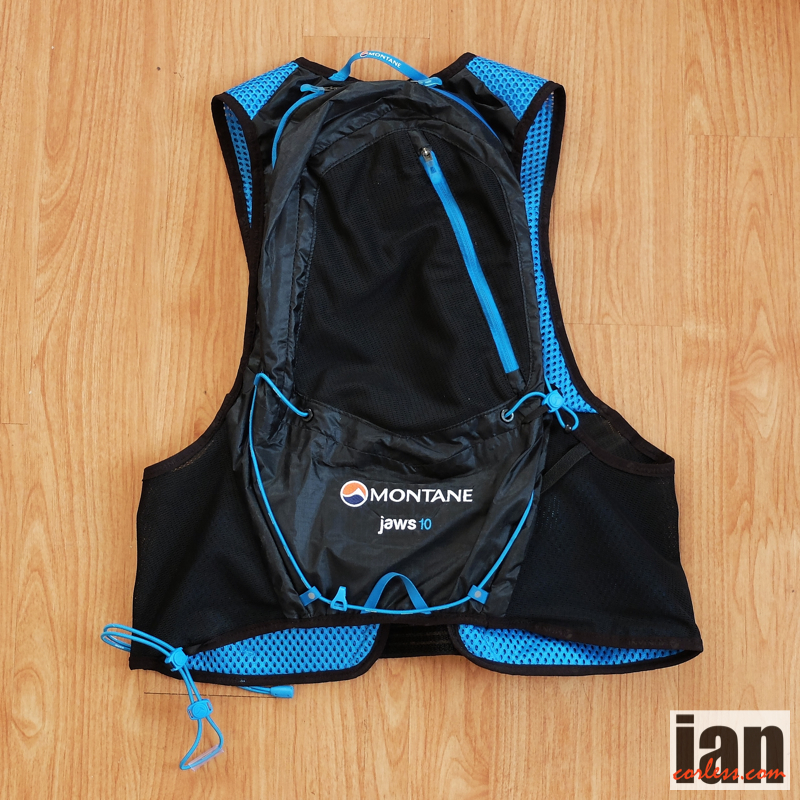
The packs have many of the same features and for the purpose of a review I have the Jaws 10, which sits nicely in the middle of the range and ultimately, if you were only going to purchase 1-pack for many running scenarios, this pack would offer the most options excluding any OMM type of event.

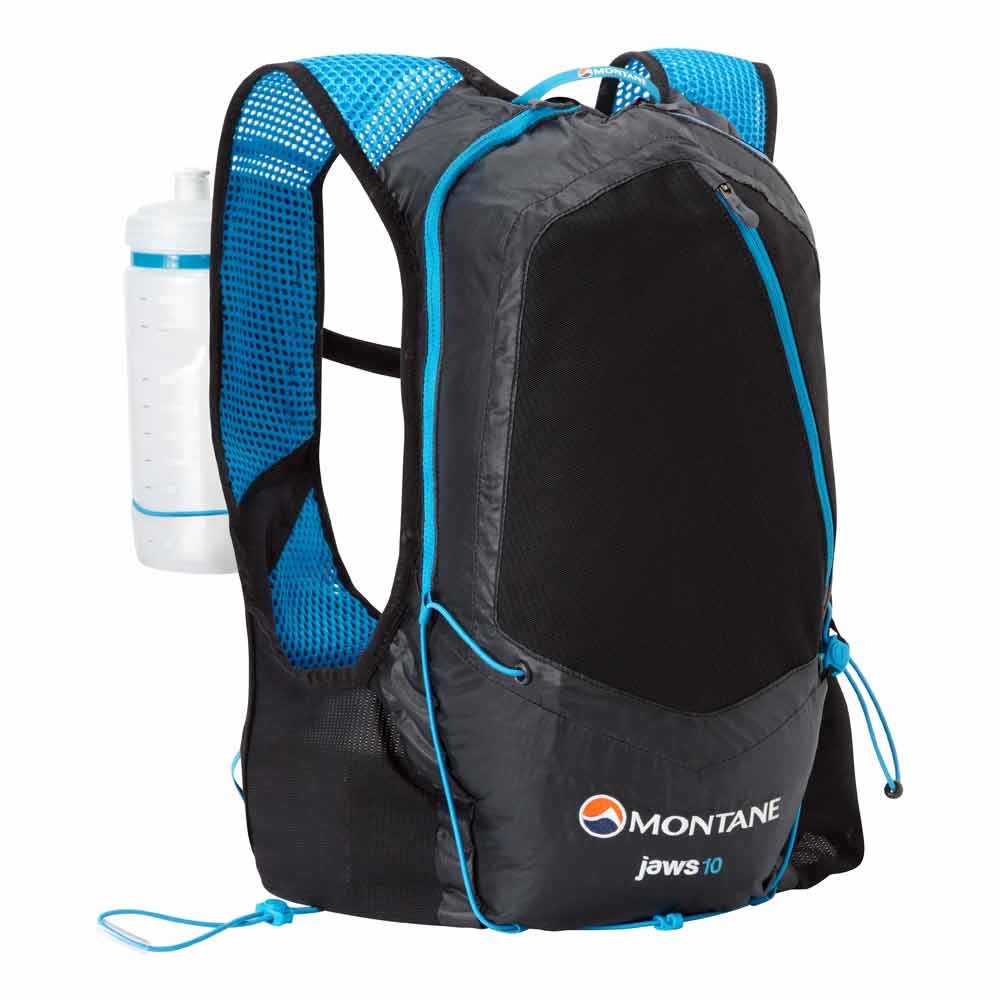
Montane say, ‘The Jaws 10 is the world’s most weather resistant ultra distance trail running pack. Designed for mountain trails in wet or changeable conditions, it uses RAPTOR Hydroseal waterproof fabric and fully taped seams to help protect kit from the elements. Through its stretch body fit, the new MONTANE® Freelight Chassis provides an even weight balance whilst trail running and keeps the weight away from the lower back allowing for nimble agility. With a super lightweight 10 liter storage capacity, two specially adapted MONTANE® water bottles and a bladder compartment, the Jaws 10 is perfect for ultra distance race events or long trail days.’

©iancorless.com_S0202117MontaneJaws10

On first look, the Jaws 10 conforms to many of the ‘new’ packs on the market. It has a ‘vest’-fitting fitting scenario that fits and hugs the body like a piece of clothing. We could argue all day about which company first invented this system and to be honest, I don’t know than answer. For many though, Salomon rightly or wrongly get the recognition and I am not going to argue, The S-Lab vest was a key moment that changed how run packs are designed. Montane are following the trend but with a difference.

The Pack

©iancorless.com_S0272148MontaneJaws10

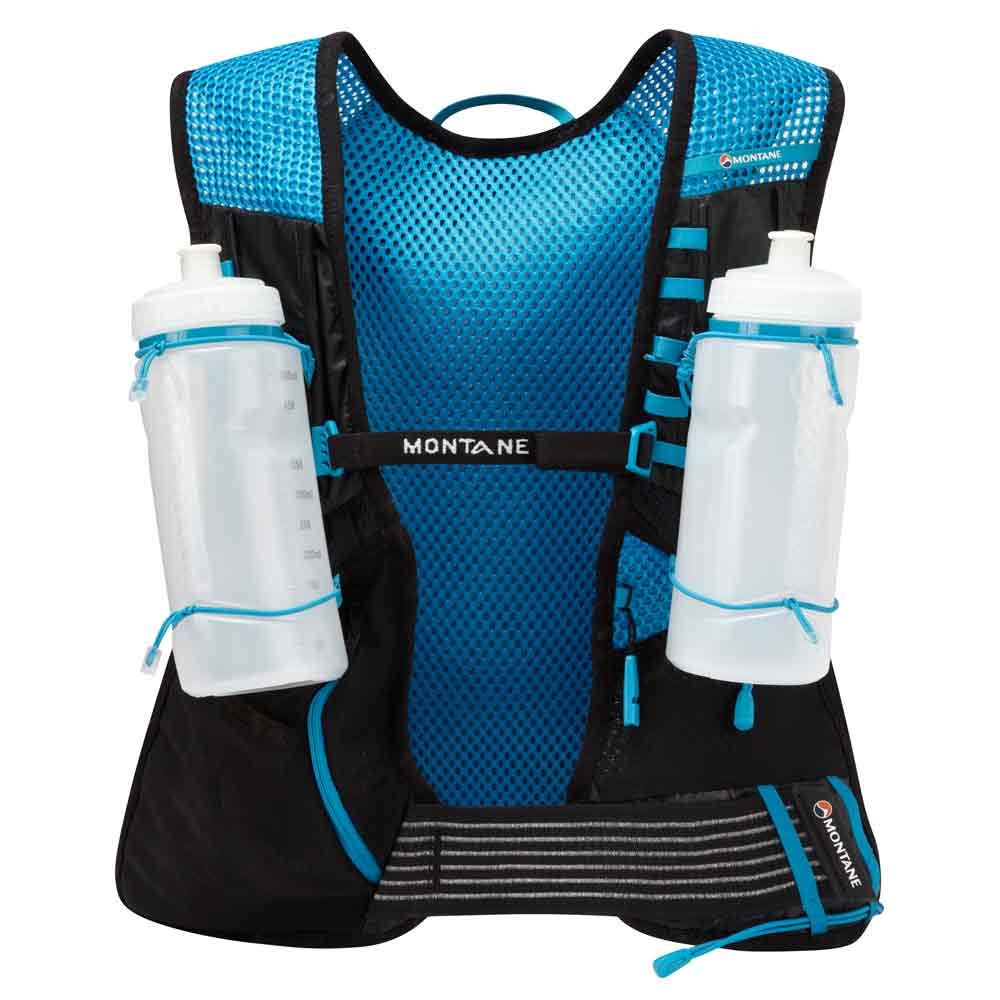
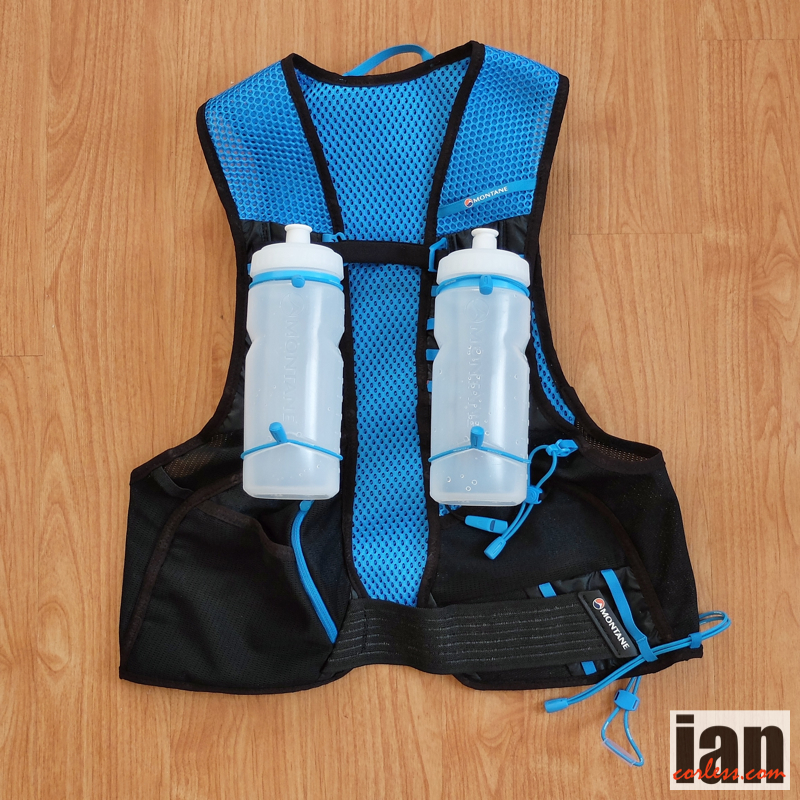
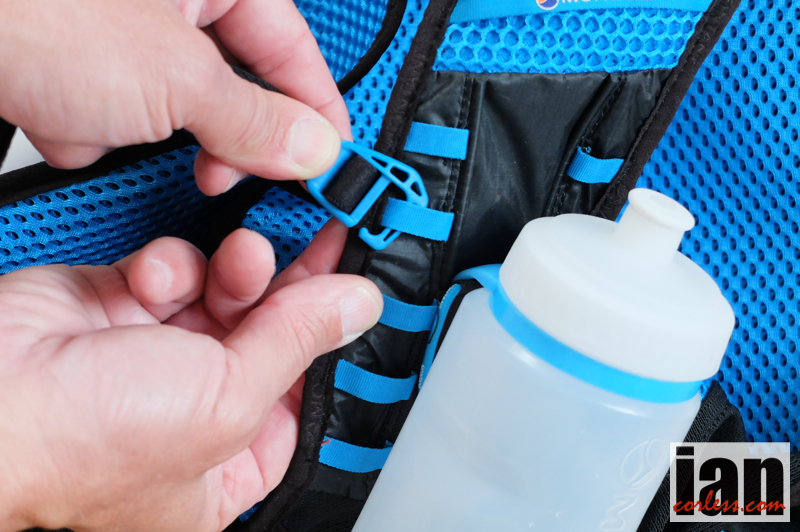
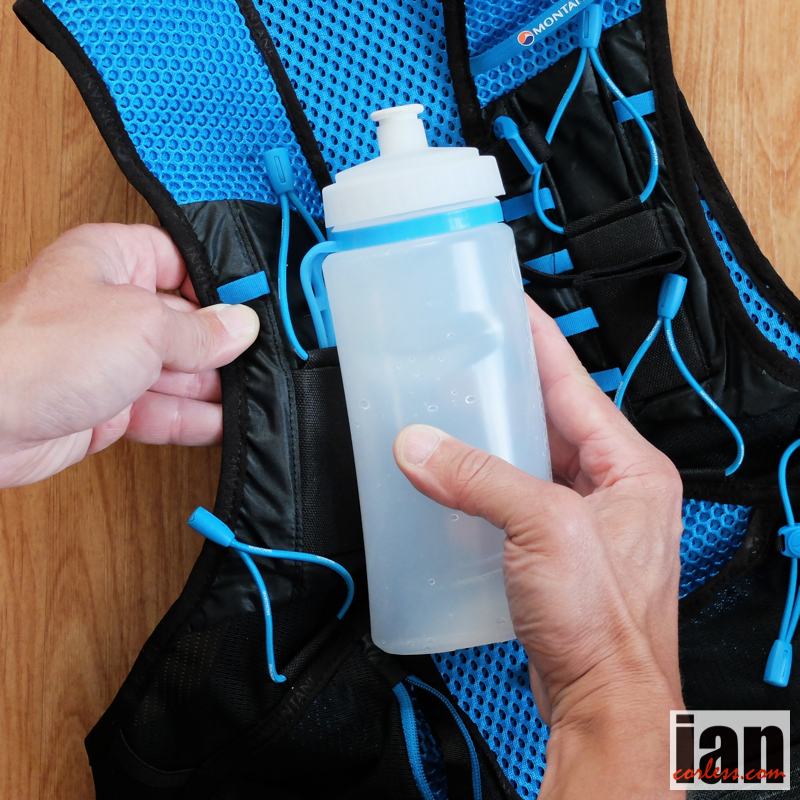
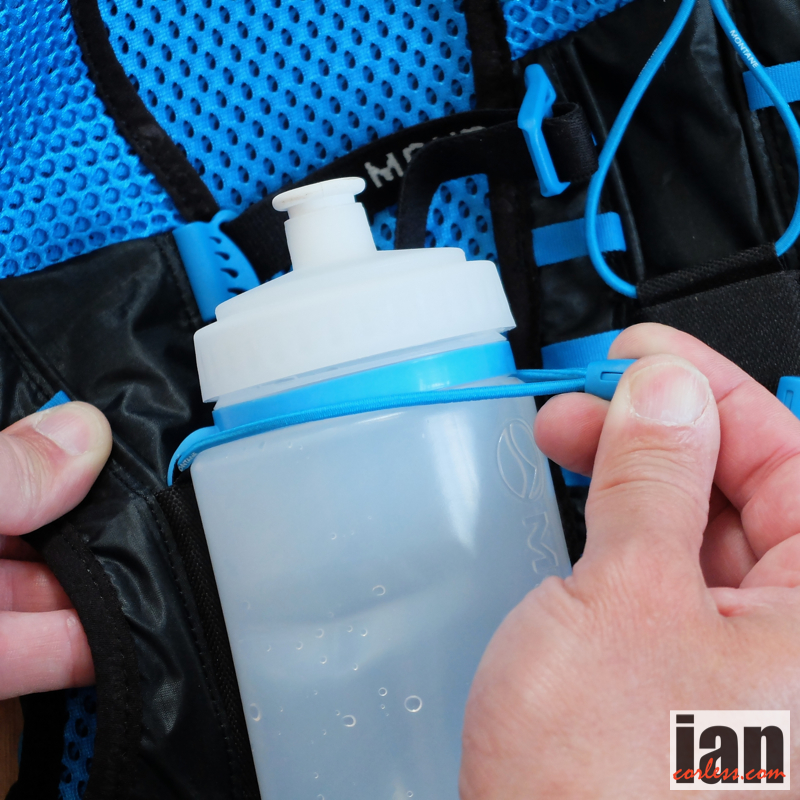
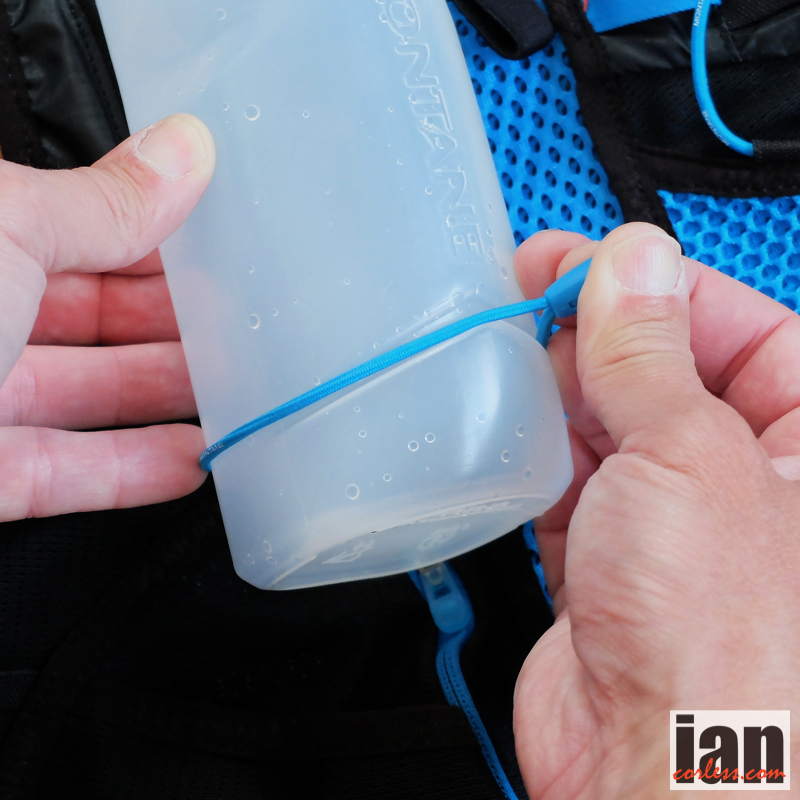
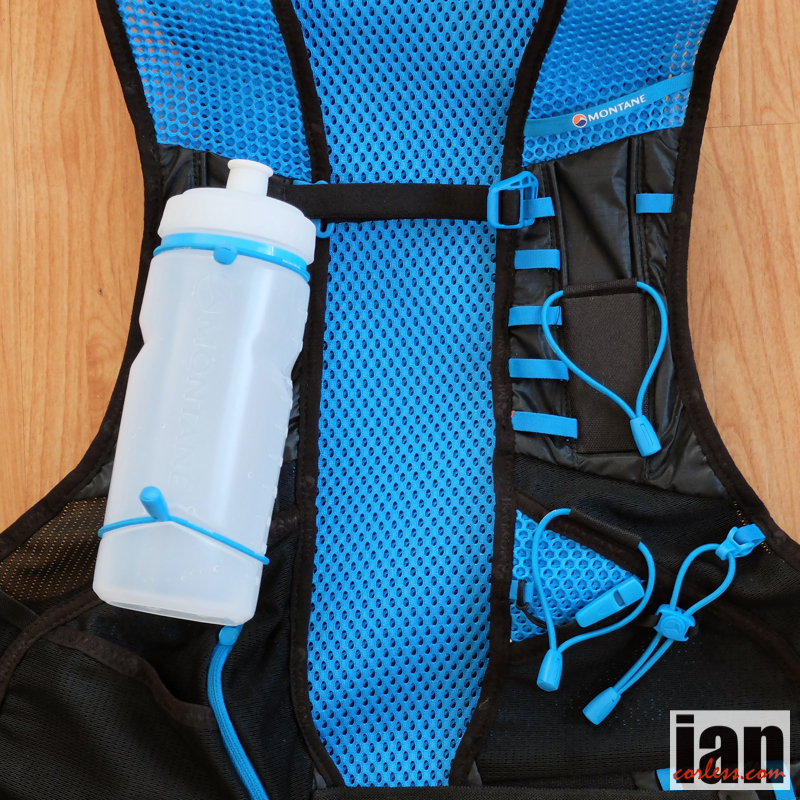
At first glance, you notice the bottles on the shoulder straps and then you take a second look and contemplate the fastening system. They look like they are held by 2-elastic bungees. They are but the bottle has a specially developed clip (not dissimilar to a pen) that hooks into a specially reinforced pocket on the shoulder straps. This system is actually quite ingenious and really is thinking out of the box.

©iancorless.com_S0412218MontaneJaws10


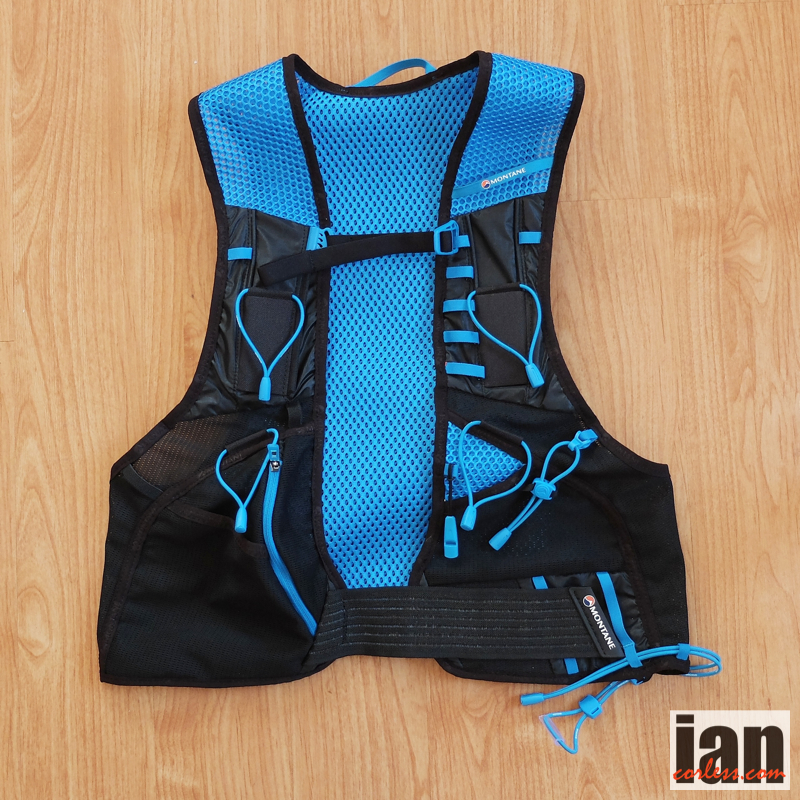
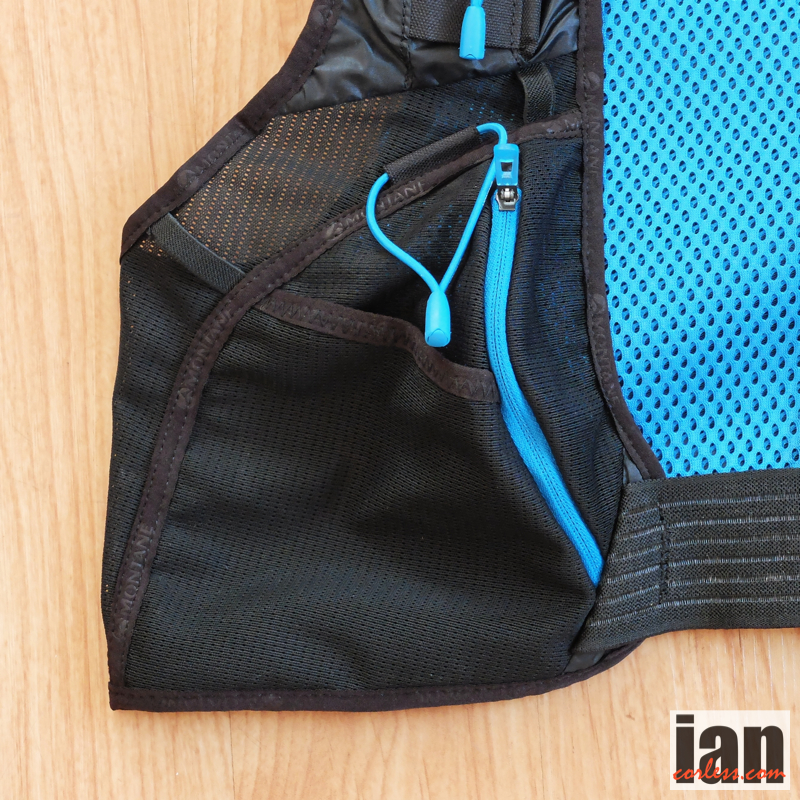
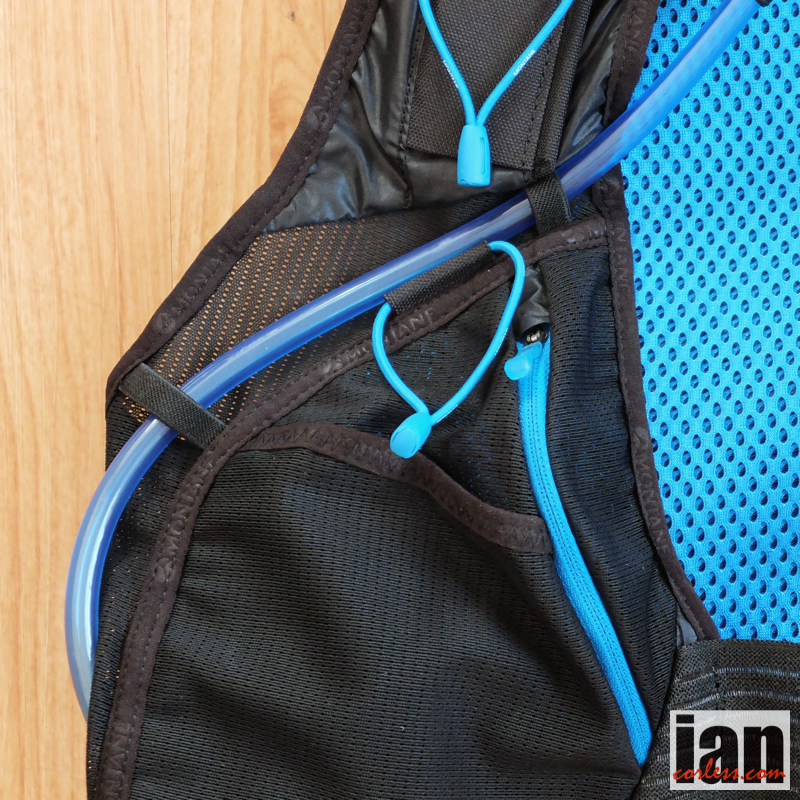
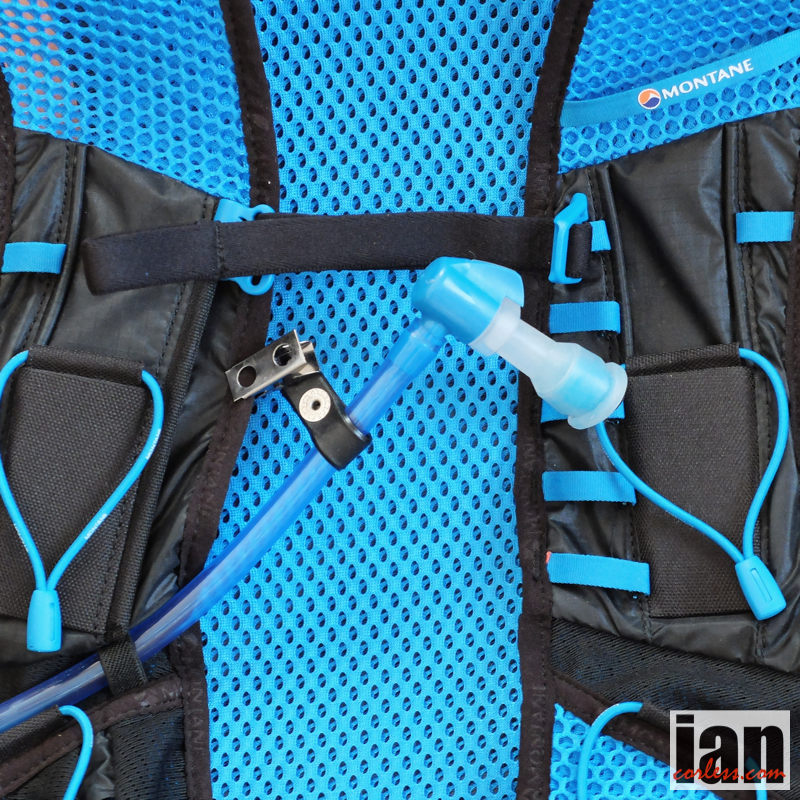
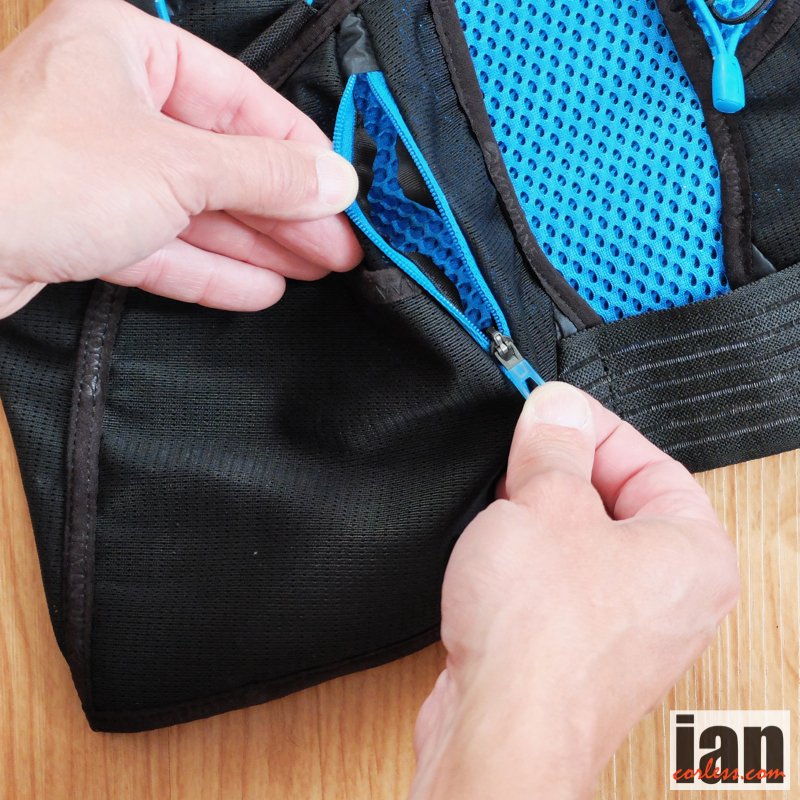
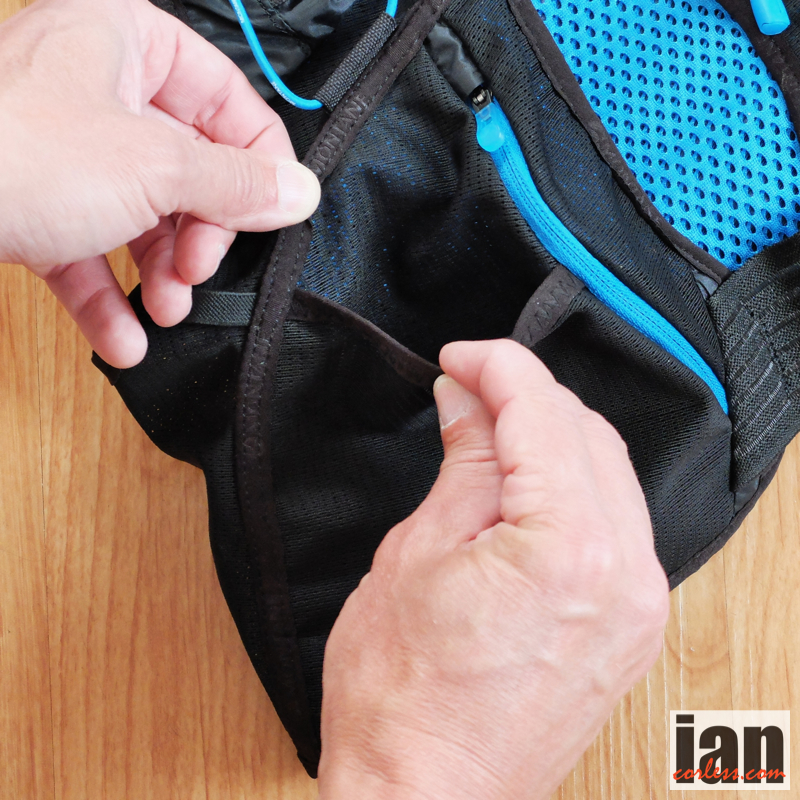
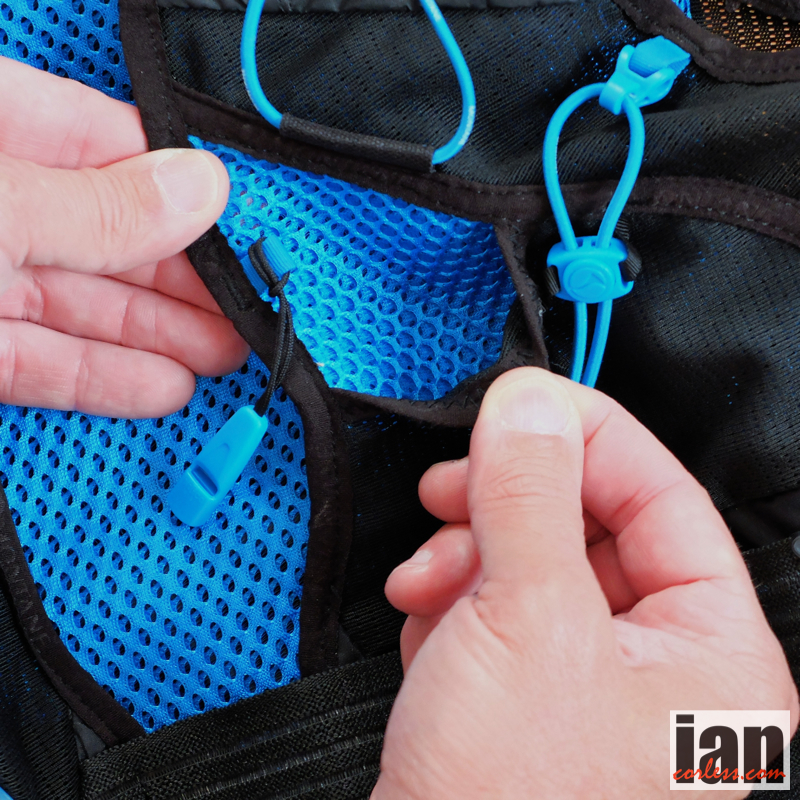
Below the left hand bottle is a small open-ended stretch mesh pocket for small essentials that are required while running. On the opposite side is a larger mesh pocket added on top of a zipper pocket. The zipper pocket would be ideal for valuable items such as phone, gps, money or small camera. Above these pockets is a series of elasticated loops that would hold a bladder feed tube if this was your preferred drink method.

©iancorless.com_S0212122MontaneJaws10

©iancorless.com_S0232132MontaneJaws10

©iancorless.com_S0242137MontaneJaws10

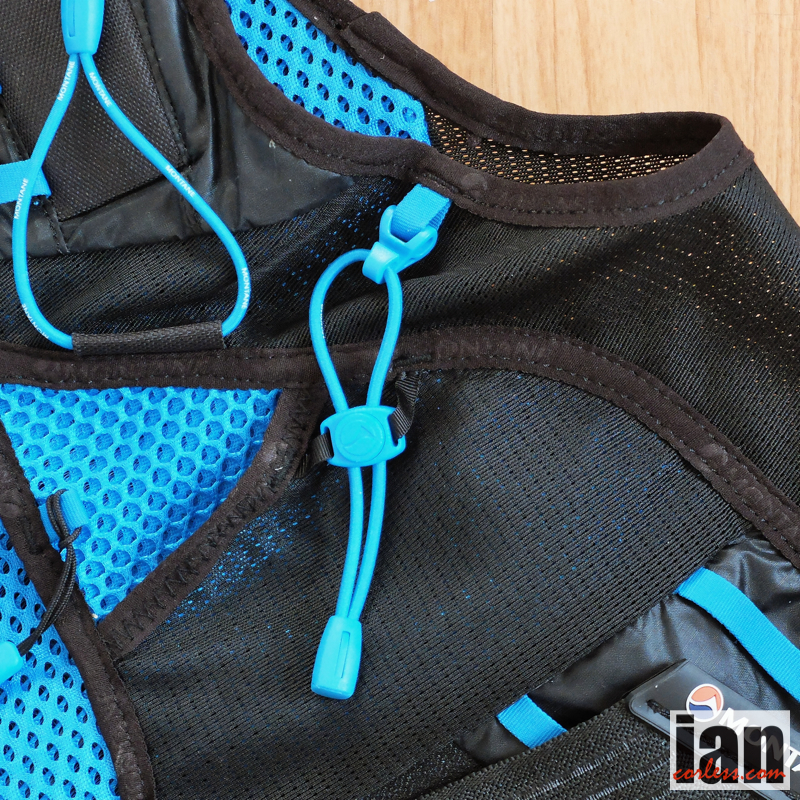
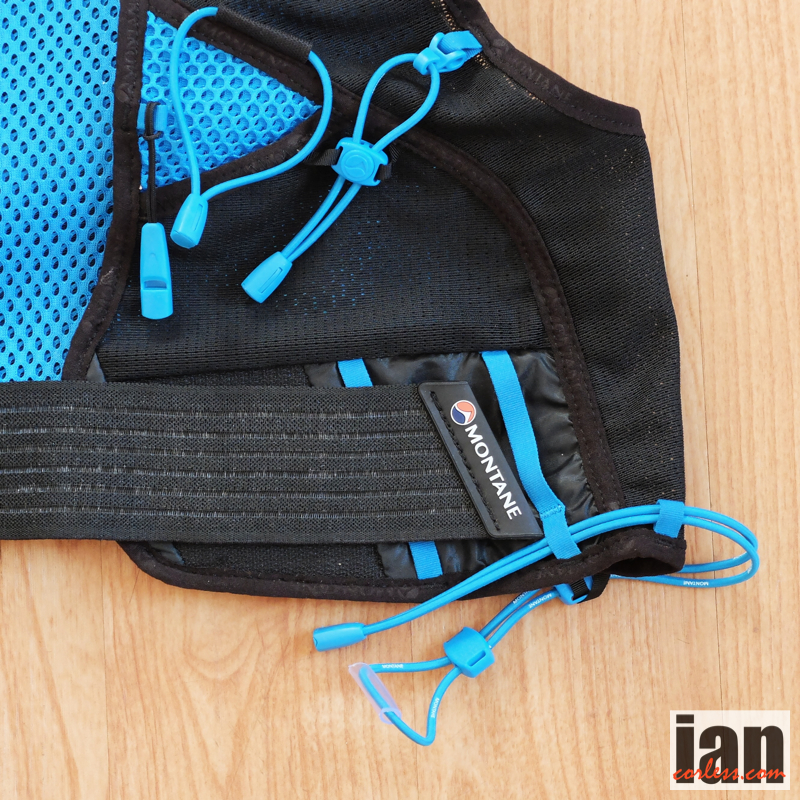
A whistle is attached to the front of the pack on a small cord and the pack is fastened with an adjustable chest stretch that hooks onto reinforced loops. Lower down the pack a large/ wide adjustable stretch Velcro holds the pack close to ones body.

©iancorless.com_S0352188MontaneJaws10

On the rear the pack splits into 3.

©iancorless.com_S0282153MontaneJaws10

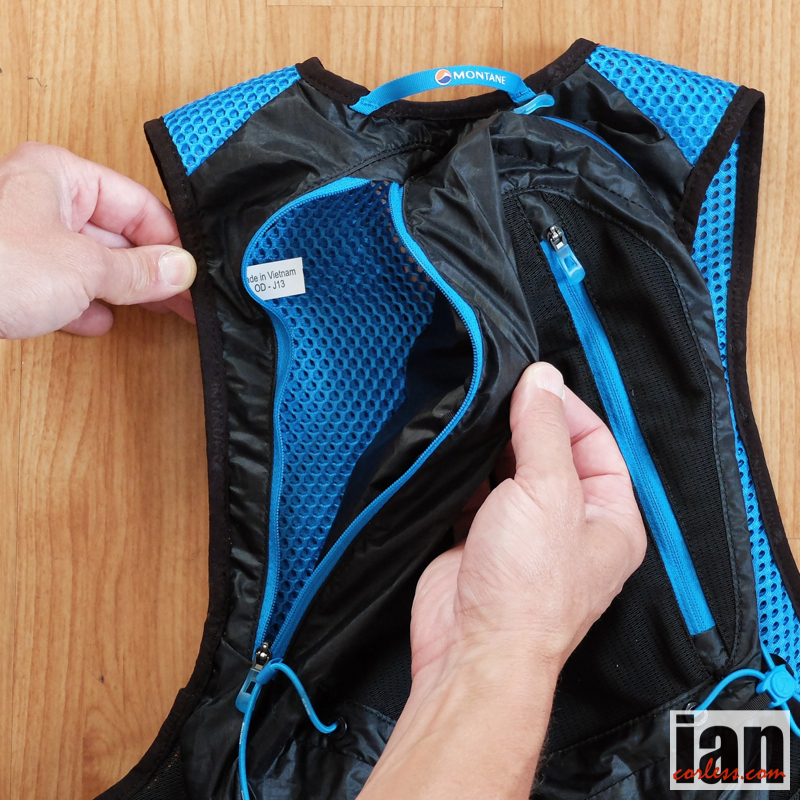
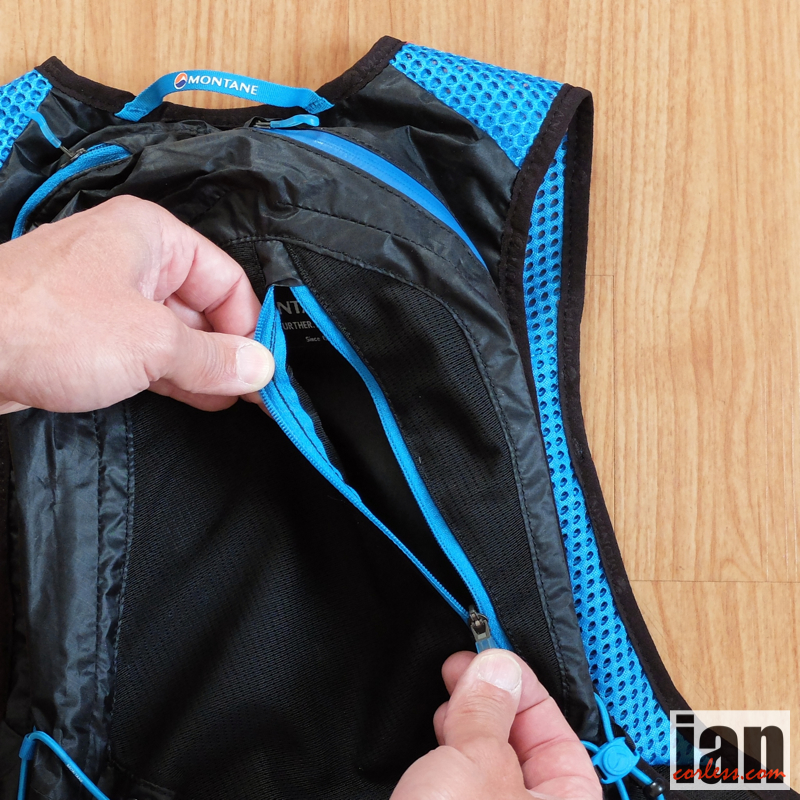
The zip on the left allows access to the bladder pocket (bladder not supplied) which would offer additional storage should you wish to just use bottles.

©iancorless.com_S0292158MontaneJaws10

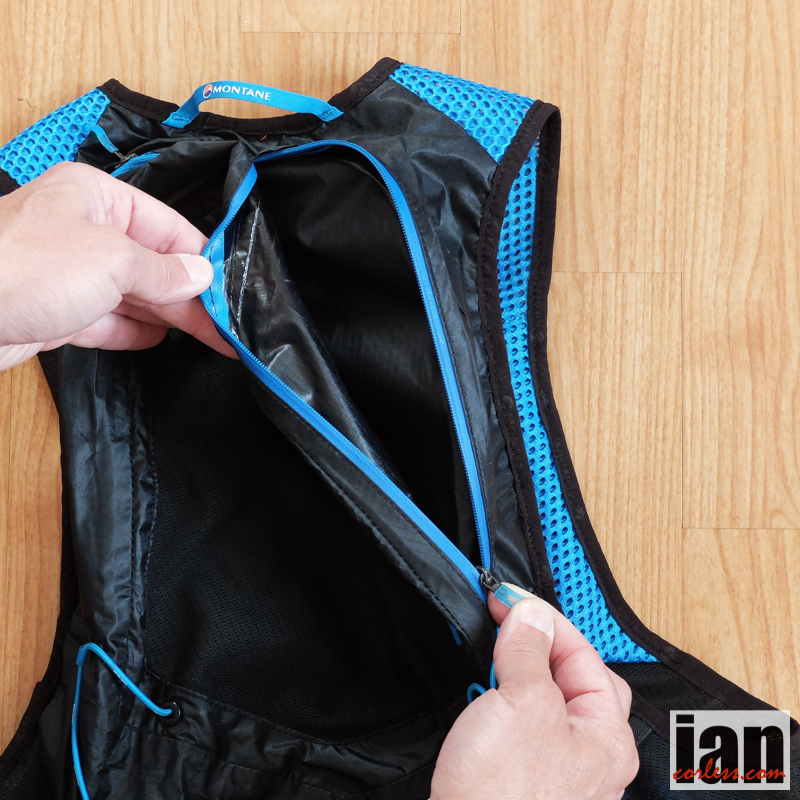
The right zip is sealed and taped and offers a large waterproof pocket.

©iancorless.com_S0312168MontaneJaws10

On the face of the pack is a zipped mesh pocket for smaller items.

©iancorless.com_S0302163MontaneJaws10

On the lower section of the pack is an elasticated adjustable cord for attaching poles and the pack has an external draw cord should you wish to compress the pack. On the right hand side is a hole to allow the bladder pipe to exit and run around the pack, under the arm to the front of the pack.

©iancorless.com_S0422223MontaneJaws10

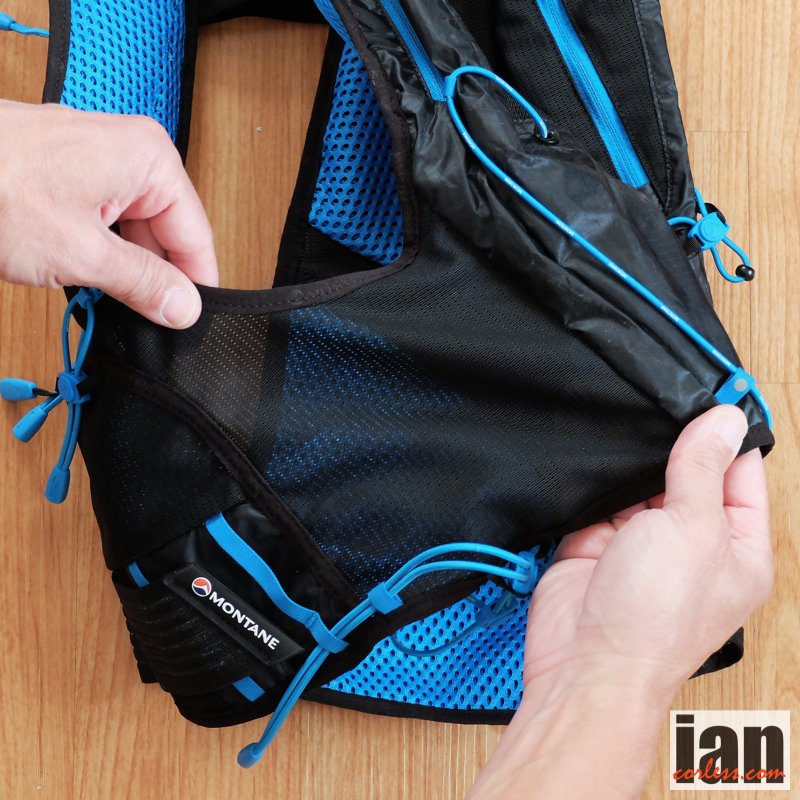
On the side are two large stretch mesh panels that allow the pack to conform to your body and adjust with movement.

©iancorless.com_S0322173MontaneJaws10

The pack in use

The Jaws 10 comes in 2-sizes*: S/M and M/L. I was literally the borderline measurement and received a M/L from Montane.

*For our SS15 season, Montane have introduced new chest sizes for the Jaws 10 and Fang 5 – they both now come in S/M and M/L..  Chest measurements of the wearer respectively are: 76-97 cm (S/M) and 97-112 cm (M/L).

The pack didn’t feel too large but I was adjusting to the tightest fitting. So, it would be interesting to try the S/M and see if I noticed any difference in fit. On the body, the Jaws 10 fits snuggly just as all vest products should. Under the arms I didn’t feel too compressed and the lightweight and stretchy mesh in this area allowed the pack to adjust and conform to my body movement. I can’t help but think that Montane missed a trick in this area! The stretch panels under the arms are large and may well have provided another storage option by adding an open top mesh pocket on each side. It would have been perfect for bars, gels, hat, gloves and so on.

©iancorless.com_S0322173MontaneJaws10

Adjusting the pack to the body is done via the sternum strap, it can be moved up and down.

©iancorless.com_S0442229MontaneJaws10

An elasticated belt that sits just below the rib cage provides the main adjustment. It’s interesting to see a brand using this method as most manufacturers have now moved away from this. Adjustment was easy and secure and the elastic does allow for fine tune adjustment and expansion while wearing. As stated, the Jaws 10 fits like clothing, however, the added pressure this elasticated belt provides may not be to everyone’s liking?

©iancorless.com_S0222127MontaneJaws10 The key USP of this pack are the bottles and the way they fasten. It’s a little like putting a pen in your shirt pocket… the specially designed bottles have a clip that slips into a reinforced pocket on each shoulder strap and the bottle is then held in place with a top and bottom bungee cord.

©iancorless.com_S0372198MontaneJaws10

©iancorless.com_S0382203MontaneJaws10

©iancorless.com_S0392208MontaneJaws10

In use, the bottles never came loose which I have to say was a surprise! The design really is quite clever and moving bottles and then replacing them on the go is a breeze. Again, much easier than I expected!

©iancorless.com_S0252142MontaneJaws10

However, for me the bottles have far too much bounce when running. Not only do they move up and down but left to right. With each bottle full I felt a little like one of the ladies from Baywatch (heavy chested) running along the beach and wearing no bra! I did get used to the bounce over repeated runs, however, for me it’s not something I could tolerate. I must stress here that I personally have never been a fan of bottles on shoulder straps, particularly when they are allowed to move around. The recent invention of soft flasks and mesh pockets have addressed this issue and eradicated bounce. In my opinion, it’s a far more preferable way to hold liquid in this area of the body. I can’t speak for the ladies, but I don’t see how this pack could be comfortable for the female anatomy, especially when one considers the placement of the bottles in relation to a ladies chest? (We will come back to you on this with a female viewpoint)

©iancorless.com_S0342183MontaneJaws10

The zippered pocket below the right bottle is ideal for a valuable item such as phone, gps, money or iPod and has room for several items.

©iancorless.com_S0332178MontaneJaws10

The mesh pocket attached here is great for gels, bars or similar but it ‘s not the ‘Tardis’ so you will be restricted.

©iancorless.com_S0362193MontaneJaws10

On the opposite side is another mesh pocket, however, this is smaller than the right hand side and only really for small items such as salt tabs, shot blocks or similar.

I preferred the feel of the pack with a bladder and the rooting system works well bringing the feed pipe out of the lower right hand side of the rear pack and rooting it under the arm while securing it in elastic loops. You can then place the feed nozzle at your preferred heights for feeding hassle free. Of course, you can use a bladder with bottles that would potentially provide you with 3-4lts of liquid storage, a real plus in some self-sufficient events. But, if you don’t use the bottles you are left with two wasted spaces on the shoulder straps and elastic bungee hanging loose!

The waterproof compartment on the rear will fit ‘mandatory kit’ for most events and I include UTMB or Lakeland 100 if you pack smartly. The main issue is that the pocket is just an open pocket with no compartments, so, fill it up and off you go. Should you need something it will be a case of rummaging around and finding it or potentially lifting everything out one-by-one until you find what you need. It’s a pay off! One compartment will be less weight than several compartments, so, you pay your money and make your choice. The waterproof compartment and zip is a real plus. I poured water over it, submerged the pack and used it in rain and it did not leak. The zips also have a ‘garage’ to add security and sealing, The outer rear mesh pocket is ideal for small things and it does expand, The bladder pocket adds additional storage should you need it. For most people, if you are planning doing a one-day race or a 100-mile event, this pack will provide a great lightweight option. In addition the Jaws 10 has bungee cords for poles and a compression bungee to tighten the pack should it be required.
Conclusions

The Jaws 10 really fits well and is extremely comfortable (for men) providing you like the adjustable elastic chassis. It’s a light breathable product that functions extremely well on the trail when racing or training. The bottles are an ingenious idea, work well but bounce around too much for me! Storage is good (but not great) and the addition of a waterproof pocket is a unique addition but may very well over engineer something that can be solved with a plastic bag? Using a bladder is easy and very comfortable and the separate pocket allows for on the go filling and replacing. Storage pockets are adequate but are less capacious than like for like products. The Jaws 10 has many great features and pluses but I firmly believe that a few tweaks would make what is a good pack a much better pack. For example, the addition of ‘dump’ pockets under the arms would increase storage for the essentials we all need when running long events.

Pros

  • Lightweight
  • Breathable
  • Adjustable
  • Waterproof compartment
  • Will take bladder and bottles
  • Bladder compartment can be used for storage
  • Will hold poles
  • Unique bottles that are easy to use
  • Two size options

Cons

  • Bottles have too much bounce
  • On the go storage is minimal
  • Montane only bottles so I suggest you purchase spares
  • Not convinced how practical for ladies?

 *****

Tech Specs provided by Montane

CONSTRUCTION

  • Main body fabric constructed from super lightweight RAPTOR Hydroseal waterproof fabric that has a PU inner coating and a silicone outer face
  • MONTANE® Freelight Chassis constructed from lightweight CONTACT Flyte Mesh that is fast drying and highly breathable
  • Fully taped internal seams in the main pack compartment
  • Bound seams on the chassis give stronger, neater edges
  • YKK semi-auto zips that lock shut and are rustle free
  • All zip openings feature zip garages to help prevent weather ingress

MONTANE® FREELIGHT CHASSIS

  • Technically tailored ergonomic MONTANE® Freelight Chassis vest designed for body hugging load carrying comfort during movement over long distances and whilst running
  • Front stretch Velcro lower body adjustment enables chassis to grip the body whilst running
  • Chassis elastication also allows the user’s rib cage to expand freely for unrestricted breathing during exertion
  • Low profile sternum stretch adjustment with adjustable hook and multiple attachment points
  • 2 x MONTANE® customized water bottles with unique easy clip to harness for rapid hydration
  • Water bottle is anti-roll, curved to fit to chest / torso
  • Right hand front zipped storage pocket with stretch mesh
  • Lower right and left hand front sleeve pockets with stretch mesh
  • Upper left hand chest gear loop on shoulder straps
  • Trekking pole attachment point with low profile ‘penny cordlock’ adjustment that is easy to access whilst on the move
  • Removable whistle accessory for mountain and race safety

MAIN COMPARTMENT

  • Two way YKK Aqua Guard® MONTANE® semi-auto main body zip that has been laser cut and bonded into opening
  • External pocket with stretch mesh panel
  • External drawcord provides rear pack compression and additional storage with low profile ‘penny cordlock’ adjustment
  • Hydration bladder pocket behind rear back panel with stretch loops for hydration tube on chassis

Top lightweight hang loop

Colours:

Black / Blue spark zips / Blue spark trims

Blue spark / Kiwi zips / Kiwi trims

Weight: 281.5g / 9.9oz

Size: S/M and M/L

Fit: Active Mountain

Activities: Fast Alpine / Mountain Walking / Alpine Running / Mountain Marathon / Trail Running

RRP: £85.00

Montane products are available to view HERE

******

If you like the content on this website you can support us by making a donation

one-off funding with gofundme

gofundme

or funding via Patreon

donate

Contribute to Talk Ultra Podcast

Talk Ultra


WANT TO BE A PART OF TALK ULTRA?

Yes? Okay… I am going try a little experiment. Use the link provided HERE

speakpipe

What is important is sound quality, so, you MUST use either a headset with microphone or an external microphone connected to your computer. This will usually be through your USB port. Make sure you are in a quiet place and have decent to good acoustics.

And then…

Call in and record (within 60-seconds) what it is ‘you’ LOVE about Trail, Mountain and Ultra Running.

You must start by saying:

  • ‘Hello’
  • Who you are
  • Where you are
  • and then your snippet of audio. NB – max 60-seconds

If this works, we will have a regular feature on the show with a selection of the best in every episode. Of course, we will theme this, so currently, the audio content could be about Comrades or the up and coming Skyrunning World Championships.

It’s an experiment. Good luck.

Please Note:

  • We have set this process up only to allow 20-mins of recording per two week period, so, in theory, the first 20 are the only ones who can record.
  • PLEASE no swearing or profanity. Your log in details and usage will be tracked and we take this seriously.

******

If you like the content on this website you can support us by making a donation

Click HERE

donate