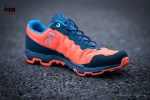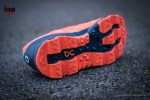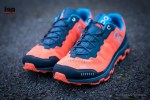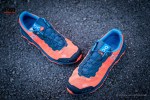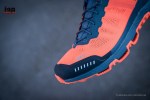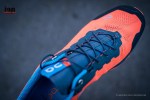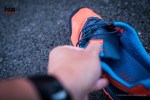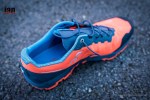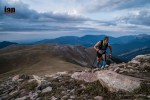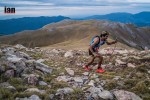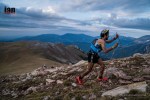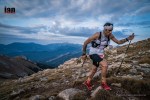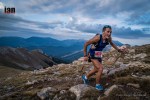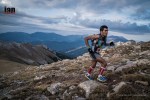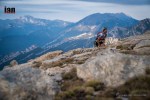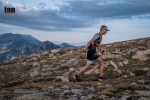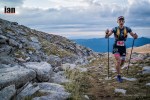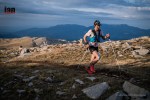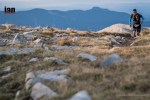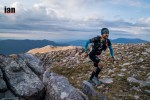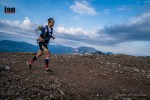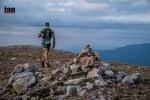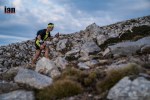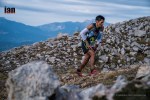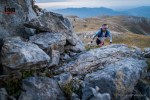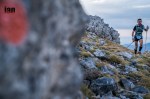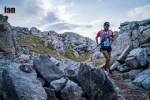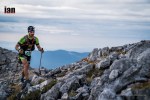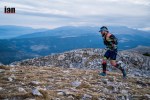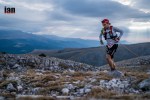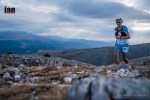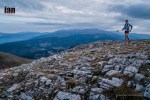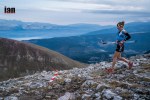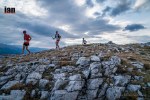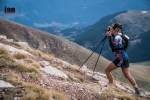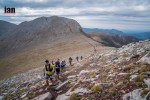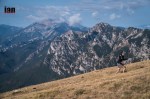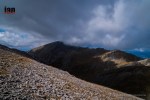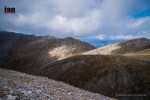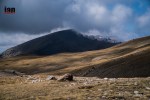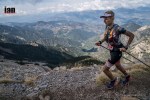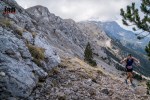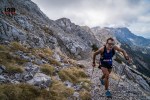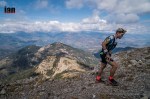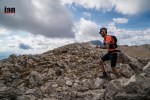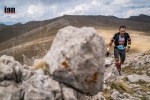
Nike Air Zoom Wildhorse 4 Shoe Review

Been a long time since I slipped on a pair of Nike!

The last time? Well, some Lunarglides, I used them when road running and for trail? I think it was probably a pair of Trail Pegasus.

Be honest, who at some point in their run life didn’t have a pair of Pegasus?

Nike moved into the trail scene some time ago and very much built a solid hardcore team that included Zach Miller, David Laney, Sally McRae and so on. I had anticipated that Nike would attack the trail scene with an aggressive plan of trail domination… It didn’t really happen. For sure, the runners on the team all did really well gaining prestigious results but the team stayed small and compact – not what I imagined!

A new team needs new shoes and Nike set to the task of creating shoes that could really cut it on the trails and in the mountains.

I picked up a pair of Wildhorse last-year but I wasn’t convinced on the fit. I found the heel cup didn’t hold my foot securely and I found the lacing didn’t hold my foot secure. I put them back in the box and back on the shelf.

However, this September I grabbed hold of the Nike Air Zoom Wildhorse 4.

WHAT A REVELATION!

Neck on the line, THIS SHOE is currently my favourite trail shoe and yes, it is up there as one of my favourite shoes of all time. This is a bold statement.

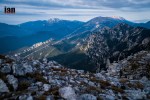
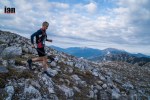
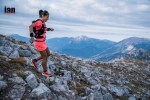
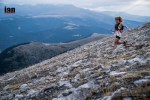
All my worries and niggles from the previous model are gone and what we have now is an absolutely wonderful shoe for hard-pack, rocky, dusty, sandy, gravel and mountainous terrain.

First things first.

  • Neutral shoe.
  • 8mm drop.
  • Cushioned 28mm rear and 20mm front.
  • Wide toe box.
  • Fits true to size.

OUT OF THE BOX

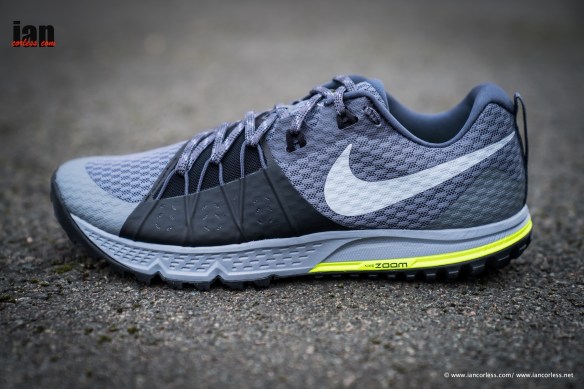
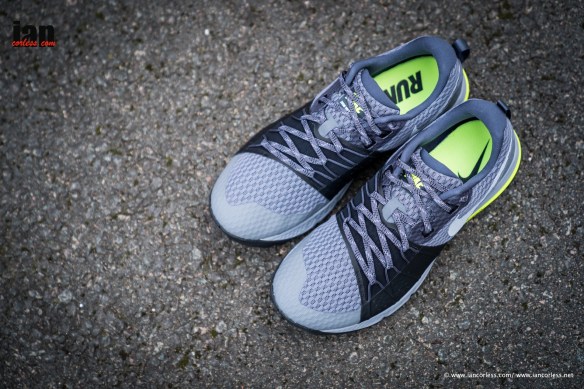
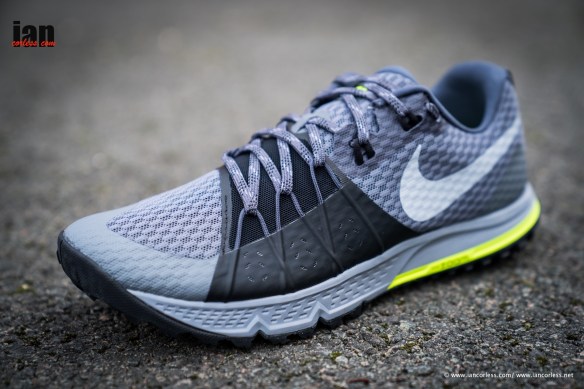
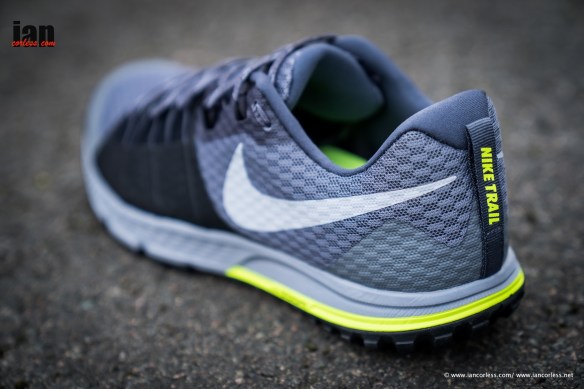
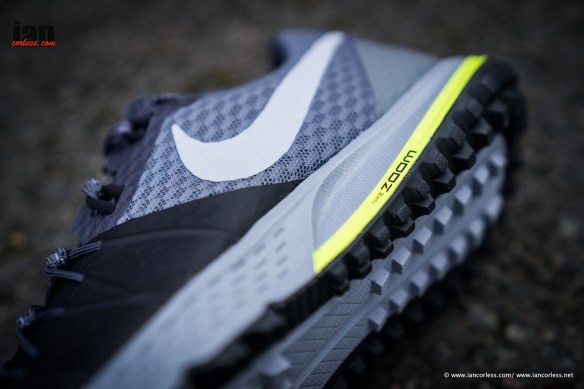
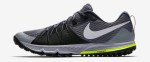
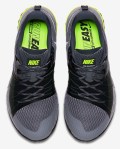
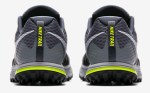
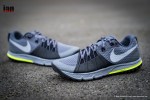
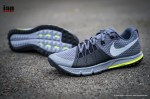
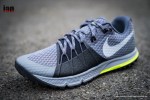
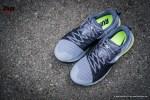
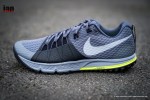
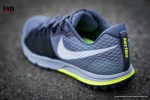
The Wildhorse 4 comes in some serious colour options! Many just a little ‘too’ much for me but after one run and a good dose of dirt, dust and mud and they will look great. I chose the grey/ black pair with a hint of green. Apparently, Nike describe this as: Dark Grey/Black/Stealth/Wolf Grey.

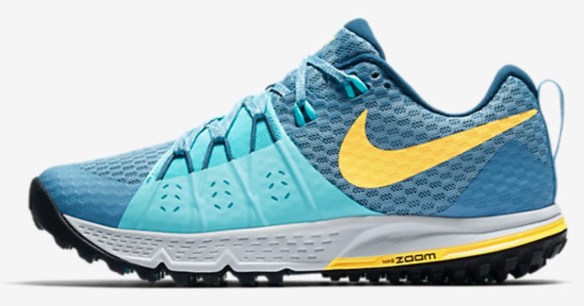
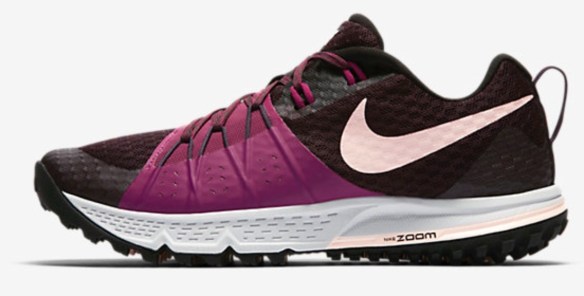
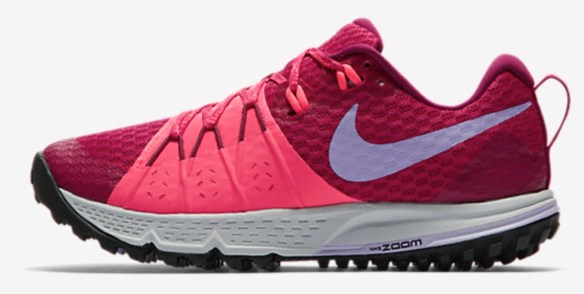
Other options: Images by Nike©

Cerulean/Aurora/Pure Platinum/Laser Orange

Port Wine/Tea Berry/Pure Platinum/Sunset Tint

Sport Fuchsia/Racer Pink/True Berry/Hydrangeas

I take a UK9.5 and the shoe is light – not the lightest, but light at 275g.

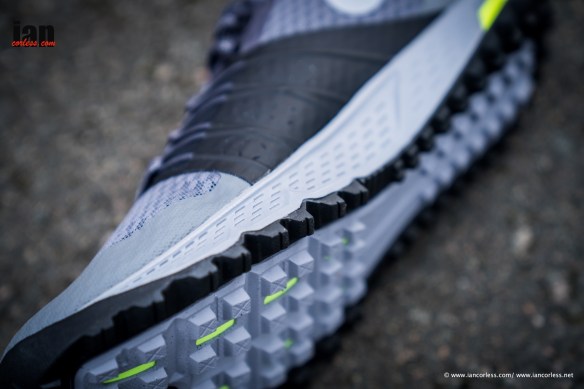
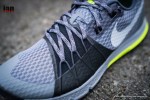
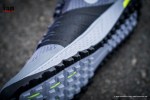
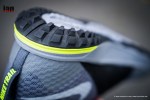
Immediately the outsole grabs your eye and then the cushioning. The upper is very impressive with layers mesh/textile that make a durable and breathable upper. The most important aspect though is right in the middle of the shoe. The laces are held within a reinforced section that on first looks appears to be over the top.

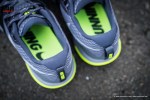
However, when you slip your foot inside the shoe, you immediately notice the level of comfort and support this area gives. It is the best of any shoe I have tried – it is a dream! This is also enhanced by gusseted tongue and sock like fit. I have often said that Salomon set the bar with the ’S-Lab Sense’ for foot comfort, this has now been surpassed by the feel of the Air Zoom Wildhorse 4.

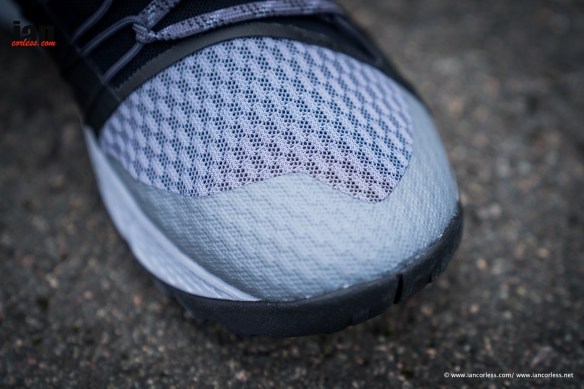
The toe box is wide and allows the foot to splay. I like this for long runs when the terrain is not too technical. However, the Flywire Cables that work in conjunction with the laces are so good, that I found technical running a breeze. There is no stitching or seams in the toe area, so, I had no issues with rubbing, abrasion or blisters.  A reinforced area protects all the toes and it works extremely well. It is not as robust (hard) as other trail shoes I have tried but it is adequate and caused me no issues on very rocky terrain.

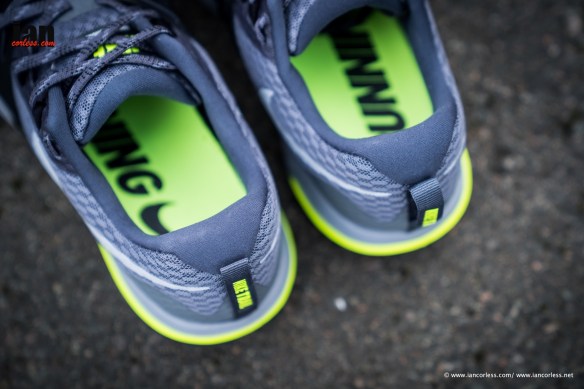
The heel box is just so comfy! It’s padded, supportive and holds the foot firm giving 100% confidence when changing direction. No heel slip and no rubbing.

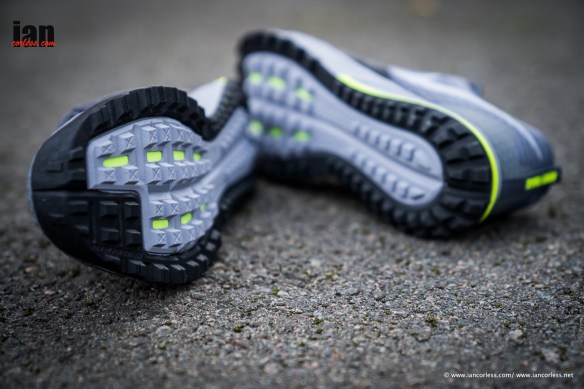
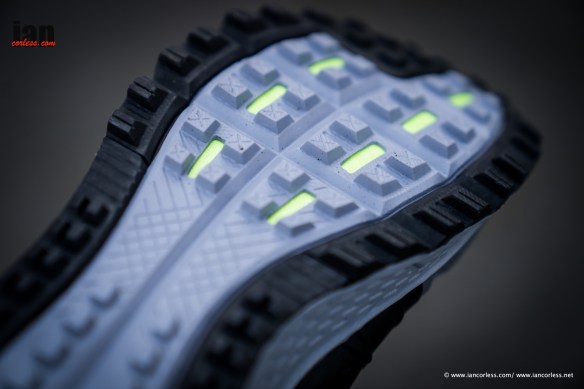
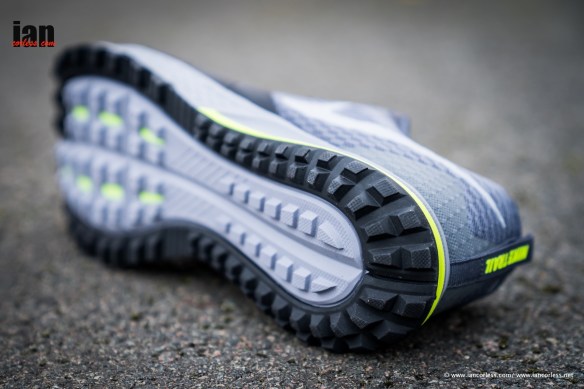
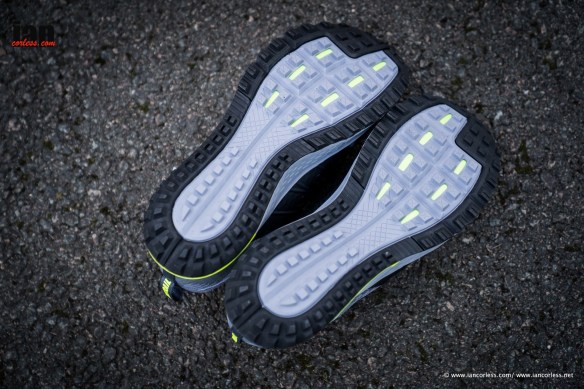
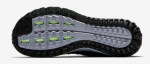
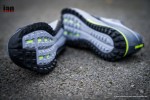
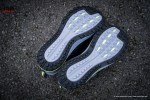
The outsole is ‘waffle’ construction made up of square lugs that cover the whole sole, the exception coming in the middle. Two rubber types are used – a lighter grey area in the middle and a darker area that runs the perimeter of the shoe that is harder wearing.

In the forefoot area, you can see a coloured area under the outsole (this colour area is different depending on which colour way of shoe you have), on my model it is a yellow/green.

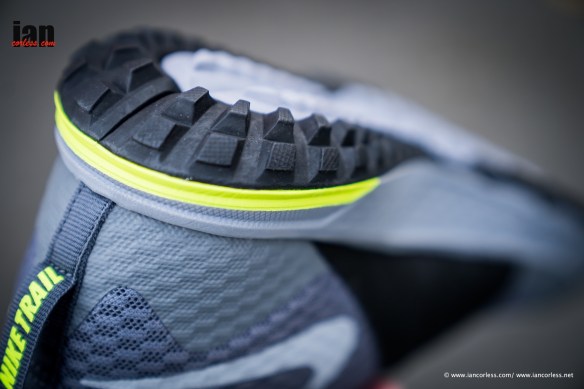
This is the rock plate (called Stone Shield) and this provides awesome protection from rocks, stones, debris and sharp objects – I felt nothing coming through! Notably the outsole curls up around the heel of the shoe – more in this later!

Cushioning is wonderfully plush without losing a feel for the ground. Don’t get me wrong here, it’s not Hoka plush – I hate that marshmallow feel. This is cushioning with some rigidity that on technical trail keeps the shoe doing the job it is meant to do, propelling you forward – not losing energy by running into the ground as the cushioning keeps sinking and sinking.

It has been a long time since I felt that Zoom Air feel and it took me back. It is really great. In particular, I found the heel cushioning so comfortable when landing with a full foot and when walking. This would be a great shoe if walking is a big part of your training/ racing. Phylon foam is used in the midsole and equally this provides a wonderful ride, it’s a little firmer than other options but I loved the feel and durability is very good.

IN USE

Slipping the shoe on for the first time you immediately feel the sockliner, gusseted tongue and new lacing system holding your foot. Loosen the laces, stand up and move your foot around a little and let them settle in the shoe. Then lace up and tighten as required. This is one of the secrets of this shoe and it is a secret weapon. The Flywire lacing holds the foot so secure that running technical trails is a dream. In addition to the firm hold, it offers protection. For me, it’s the best in its class and THE most comfortable upper of any shoe I have used. I want ALL my shoes to feel like this.

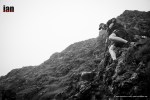
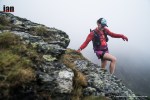
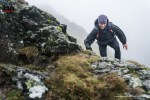
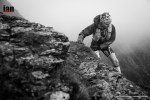
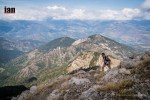
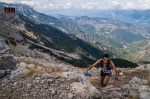
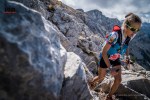
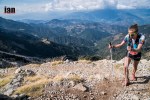
The heel box wraps around, is plush and just holds everything in place. Climbing a 1000m vertical of rock, scree and grass and at no point was my heel slipping or trying to pull out of the shoe as I powered up very much on my toes.

The toe box is roomy and allows the foot to splay. If I was running long and relatively non-technical trail this would be my toe box of choice. If I was running for less time on technical trail I would normally choose a shoe with a more precision fit so that I have no sloppiness or indecision when changing direction. In the Wildhorse 4 this is not an issue, although my toes were splayed, the Flywire and lacing does such a good job that I had no issue over my ability to navigate rocks, boulders, snow, mud etc.

With 28mm rear cushioning, 20mm at the front and 8mm drop, this shoe is designed for running long with comfort. It is one of the most comfortable shoes I have used. The Air Zoom pod in the heel really is quite special – I had forgot how special! When landing with a flat foot you feel the pod in the heel compress and push you forward but most notably, this was incredible when walking. Trust me, if walking is a part of your training/ racing, the Wildhorse 4 should be on your list of shoes to test out. I have done some big walking days in these in mountainous terrain covering well over 30km’s and 2500m of vertical gain and descent and the Wildhorse 4 was a pleasure. It’s a shoe that would work so well in long races and multi-day races such as Marathon des Sables.

Importantly, when walking, the outsole wraps up and around the heel providing incredible grip – you need to try it to appreciate it. The remaining cushioning comes from Phylon which in conjunction with stone shield protection provides a comfortable and protected ride with durability. It’s a real winner.

It may come as no surprise, but these shoes run really well on the road. They are comfortable and the miles pass with no worries or concerns that you are in a trail shoe. Of course, too much road and the outsole will wear out quicker than normal. It’s important to know though that these shoes switches between different terrains seamlessly.

The waffled outsole on the Wildhorse 4 is not aggressive, so, it’s never going to cut it if running in mud – they are just not aggressive enough. If mud is your thing you need to look for a different shoe with an aggressive outsole such as the inov-8 Mudclaw or the VJ Sport IRock2. The small waffle squares cover the whole shoe with a small space in the middle and they extend up towards the front of the shoe to the toes and up and around the heel providing great 360 grip.

Two different compounds in theory cover all surfaces and challenges and the darker rubber is more durable. On dry trail, rocks, gravel, mountain paths, boulders and so on, I had complete confidence. The grip in conjunction with shoes hold and cushioning have made the Wildhorse 4 ‘my’ trail shoe of the year. They make me want to put them on and run. The only time I have felt any compromise is in mud – the sole is not aggressive enough but I knew this before I entered the mud. And on wet rocks the outsole is just a little firmer and less soft than some of the competition.

Images by Nike ©

CONCLUSION

Please note these shoes were not provided by Nike. They were purchased from TC Running in Minnesota. 

The Nike Air Zoom Wildhorse 4 has blown my socks off. I never thought that a Nike trail shoe would do this but it has. It is now my ‘go-to’ trail shoe and one that I take with me everywhere as they allow me to run long, run short, be cushioned, be comfortable, be secure and all with an 8mm drop.

There are so many positives to the Wildhorse 4 that I am really struggling to find negatives. It is a shoe that I would recommend to anyone as I think it does so many jobs so well that if you only wanted one pair of trail shoes, the Wildhorse 4 would be my *recommendation. (*recommendation based on neutral gait and 8mm drop). In particular, walkers should take note of the comfort benefits this shoe brings.

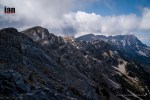
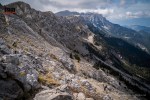
I have run through rocky, stone and desert trails of the UAE, ran groomed trails in the USA, climbed variable terrain in the Pyrenees and I have walked and walked in them when working on race coverage. They have been perfect!

Are there negatives? Yes, of course.

It’s not a shoe that can handle mud. It can take mud sections as part of a drier trail run but if running in wet and muddy terrain I would use a different shoe. I also felt that the grip on wet rock was not as good due to the rubber compound of the outsole.

Ultimately though, the Wildhorse 4 is a winner!


Episode 144 – Darcy Piceu and Anna-Marie Watson

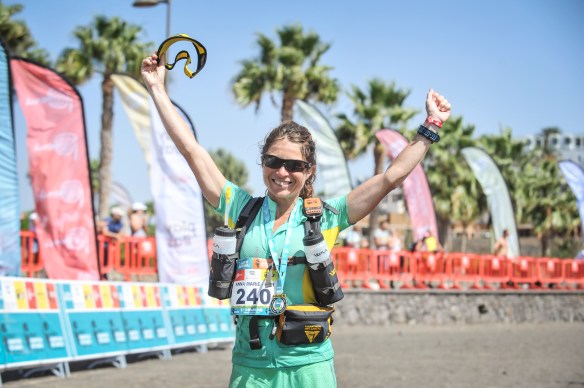
Episode 144 of Talk Ultra brings you an interview with Darcy Piceu after her incredible FKT on the John Muir Trail. We also speak with Anna-Marie Watson who this year placed 7th at UTMB and just recently won the first edition of the Half Marathon des Sables Fuerteventura. Speedgoat is back co-hosting!
*****
Talk Ultra is now on Tunein – just another way to make the show available for those who prefer not to use iTunes – HERE  You can download the Tunein APP HERE
Talk Ultra needs your help! 
We have set up a Patreon page and we are offering some great benefits for Patrons… you can even join us on the show! This is the easiest way to support Talk Ultra and help us continue to create! 
Many thanks to our Patrons who have helped via PATREON
Donate HERE
*****
00:10:24 NEWS
Bear 100
Jeff Browning does it again winning another 100 – very soon after UTMB too. Lars Kjerengtroen 2nd and Timmy Olson 3rd – 18:28, 19:28 and 19:36 respectively.
Hannah Green beat Amie Blackham and Kelsey Bingham – 24:22, 25:50 and 25:54 respectively.
*****
Spartathlon
The legendary 153 mile race was won by Aleksandr Sorokin in 22:04. He set a relentless pace from the off and his time ranks as one of the all time best, of course, Yiannis Kouros holds the fastest times. Radek Brunner was 2nd and Nikolaos Sideridis 3rd, 22:49 and 22:58.
Patrycja Berenzowska won the ladies’ race in 24:47 setting a new CR! Zsuzanna Maraz and Aleksandra Niwinska was 2nd/ 3rd in 25:43 and 26:28.
*****
Ultra Gobi 
The UK’s Dan Lawson blew the race and CR apart with 2 days and 22 hours for 248 miles. Incredible. Dan has also placed 2nd at Spartathlon.
*****
Kilimanjaro FKT
Fernanda Maciel set a new FKT 0f 7:08 for Africa’s highest peak climbing 5895m. Her round trip time was 10:06. Previous best by Anne-Marie Flammersfield was 8:32 and 12:58. Kilian Jornet did hold this record for the outright fastest time but this was bettered by Karl Egloff setting 4:56 and 6:42 for the round trip.
*****
Grand Canyon Rim to Rim FKT
FKT’s are just getting more popular… now Tim Freriks who won Transvulcania earlier this year has set a new bar of 2:39:38 beating Jim Walmsley’s time (Jim helped Tim for this FKT and are friends) – Walmsley still holds the R2R2R record.
*****
John Muir Trail FKT
Hardrock 100 specialist Darcy Piceu (formerly Africa) covered the 223 miles in California to set a new FKT of 3-days, 8-hours beating the previous CR by 12-hours. Notably this was very close the the men’s record and later this year Francois D’Haene will attempt this FKT.
*****
00:31:09 Interview with DARCY PICEU
*****
Ultra Pirineu
Pablo Villa and Maite Maiora produced solid performances at this classic race amongst world class fields. Full results HERE. In the marathon race, Kilian Jornet obliterated the old CR in a super close race and Ruth Croft won for the ladies.
****
Half MDS Fuerteventura
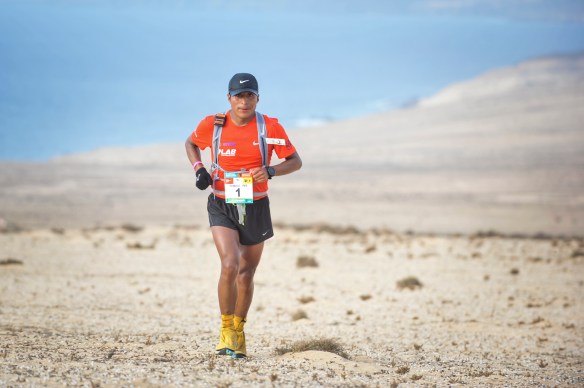
MDS have spread their wings and introduced a new 120km, half-distance event on the island of Fuerteventura in the Canaries. It was won by Peru’s Remigio Huaman and the UK’s Anna-Marie Watson. Full report, results and story HERE.
****
01:35:24 Interview with ANNA-MARIE WATSON
*****
UP & COMING RACES

Andorra

Els 2900 Alpine Run | 70 kilometers | October 07, 2017 | website

Argentina

La Pachamama 100 km | 100 kilometers | October 15, 2017 | website
La Pachamama 53 km | 53 kilometers | October 15, 2017 | website
La Pachamama 73 km | 73 kilometers | October 15, 2017 | website

Australia

New South Wales

Hume & Hovell 100 | 100 kilometers | October 14, 2017 | website
Hume & Hovell 50 | 50 kilometers | October 14, 2017 | website
Washpool/Gibraltar World Heritage Trails 50 km | 50 kilometers | October 15, 2017 | website

Victoria

Great Ocean Walk 100 km Trail Run | 100 kilometers | October 14, 2017 | website

Bahamas

50K | 50 kilometers | October 07, 2017 | website

Canada

Nova Scotia

Valley Harvest Ultra Marathon | 50 kilometers | October 08, 2017 | website

Quebec

Bromont Ultra 160 km | 160 kilometers | October 07, 2017 | website
Bromont Ultra 55 km | 55 kilometers | October 08, 2017 | website
Bromont Ultra 80 km | 80 kilometers | October 08, 2017 | website

Croatia

109,8 km | 109 kilometers | October 20, 2017 | website
161.4 km | 161 kilometers | October 20, 2017 | website

Finland

Eastern Finland

Vaarojen Ultramaraton | 86 kilometers | October 07, 2017 | website

France

Ardèche

Trail noir 58 km | 58 kilometers | October 15, 2017 | website

Aude

Grand Raid des Cathares | 177 kilometers | October 19, 2017 | website
Raid des Bogomiles | 101 kilometers | October 20, 2017 | website

Aveyron

Endurance Trail | 100 kilometers | October 20, 2017 | website

Essonne

Trail du Viaduc des Fauvettes 50 km | 50 kilometers | October 08, 2017 | website

Haute-Corse

A Paolina | 70 kilometers | October 07, 2017 | website

Haute-Saône

52 km | 52 kilometers | October 08, 2017 | website

Ille-et-Vilaine

51 km | 51 kilometers | October 14, 2017 | website

Orne

85 km | 85 kilometers | October 15, 2017 | website

Pas-de-Calais

58 km | 58 kilometers | October 08, 2017 | website

Pyrénées-Orientales

100 Miles Sud de France | 100 miles | October 06, 2017 | website
Grande Traversée Mer Montagne | 110 kilometers | October 07, 2017 | website

Rhône

55 km | 55 kilometers | October 14, 2017 | website

Somme

100 km | 100 kilometers | October 14, 2017 | website
100 km Relais | 100 kilometers | October 14, 2017 | website

Tarn-et-Garonne

50 km | 50 kilometers | October 08, 2017 | website

Germany

Bavaria

Herbstlauf Schloss Thurn Hobbylauf | 87 kilometers | October 14, 2017 | website

Greece

Rodopi Advendurun 100 miles | 100 miles | October 20, 2017 | website

Hong-Kong

Prohiker – Round-trip Course | 156 kilometers | October 14, 2017 | website

India

Karnataka

110 km | 110 kilometers | October 07, 2017 | website
50 Km | 50 kilometers | October 07, 2017 | website
80 km | 80 kilometers | October 07, 2017 | website

National Capital Territory of Delhi

Bhatti Lakes 100 Mile | 100 miles | October 07, 2017 | website
Bhatti Lakes 220 km | 220 kilometers | October 06, 2017 | website
Bhatti Lakes 50 Mile | 50 miles | October 06, 2017 | website

Indonesia

MesaStila 4 Peaks | 65 kilometers | October 07, 2017 | website
MesaStila 5 Peaks | 100 kilometers | October 07, 2017 | website

Italy

Emilia-Romagna

100 km | 100 kilometers | October 14, 2017 | website
Tartufo Trail 50 km | 50 kilometers | October 08, 2017 | website
Tartufo Trail 66 km | 66 kilometers | October 08, 2017 | website

Friuli-Venezia Giulia

69 km | 69 kilometers | October 15, 2017 | website

Piedmont

120 km | 120 kilometers | October 20, 2017 | website
57 km | 57 kilometers | October 20, 2017 | website
82 km | 82 kilometers | October 20, 2017 | website
Morenic Trail | 109 kilometers | October 07, 2017 | website

Kenya

Kenya Wildlife 50K | 50 kilometers | October 07, 2017 | website

Korea

100 km | 100 kilometers | October 14, 2017 | website
50 km | 50 kilometers | October 14, 2017 | website

Morocco

The Saharan Challenge | 52 kilometers | October 12, 2017 | website

Netherlands

Gelderland

Herfst Ultraloop Berg en Dal | 60 kilometers | October 14, 2017 | website

New Zealand

100 km | 100 kilometers | October 14, 2017 | website
100 km Relay | 100 kilometers | October 14, 2017 | website
50 km | 50 kilometers | October 14, 2017 | website
74 km | 74 kilometers | October 14, 2017 | website

Portugal

180 km | 180 kilometers | October 06, 2017 | website
Azores Triangle Adventure | 103 kilometers | October 06, 2017 | website
Réccua Douro Ultra Trail | 80 kilometers | October 07, 2017 | website

Réunion

La Mascareignes | 67 kilometers | October 20, 2017 | website
Le Grand Raid | 167 kilometers | October 19, 2017 | website
Trail de Bourbon | 111 kilometers | October 20, 2017 | website

Slovakia

105 km | 105 kilometers | October 07, 2017 | website

South Africa

Bonitas Golden Gate Challenge | 70 kilometers | October 20, 2017 | website

Spain

Aragon

Long Trail Guara Somontano | 50 kilometers | October 07, 2017 | website
Ultra Trail Guara Somontano | 102 kilometers | October 07, 2017 | website

Castile and León

The Way of Legends | 254 kilometers | October 13, 2017 | website

Valencian Community

Ultra Trail Del Rincon 100 km | 100 kilometers | October 07, 2017 | website
Ultra Trail Del Rincon 170 km | 170 kilometers | October 06, 2017 | website

Sweden

Sörmland Ultra Marathon | 50 kilometers | October 07, 2017 | website

Switzerland

Valais

Les Défis du Jubilé – 52 km | 52 kilometers | October 14, 2017 | website
Les Défis du Jubilé – 68 km | 68 kilometers | October 14, 2017 | website
Les Défis du Jubilé – 71 km | 71 kilometers | October 14, 2017 | website

Tunisia

Ultra Mirage El Djerid 100km | 100 kilometers | October 07, 2017 | website

United Kingdom

Cornwall

Atlantic Coast Challenge | 78 miles | October 06, 2017 | website

Cumbria

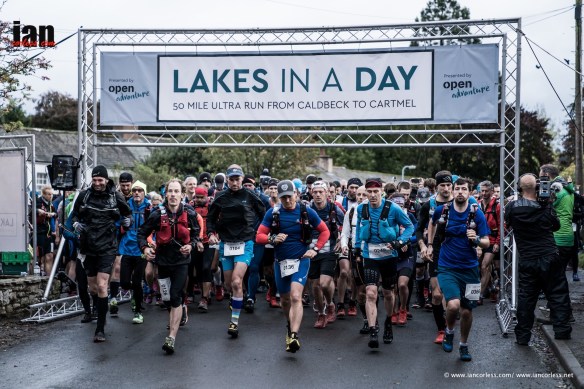
Lakes in a Day | 50 miles | October 07, 2017 | website

Essex

75 Mile | 75 miles | October 07, 2017 | website

North Yorkshire

“Round Ripon” Ultra Studley Roger | 35 miles | October 07, 2017 | website

Rotherham

Shropshire

The Longmynd Hike | 50 miles | October 07, 2017 | website

Wales

Gower Ultra 50 | 50 miles | October 07, 2017 | website

USA

Arizona

Canyon De Chelly Ultra | 55 kilometers | October 14, 2017 | website
Cave Creek Thriller 50K | 50 kilometers | October 14, 2017 | website
Flagstaff Sky Race 55K | 55 kilometers | October 07, 2017 | website

Arkansas

Arkansas Traveller 100 | 100 miles | October 07, 2017 | website

California

50K Ultra Run | 50 kilometers | October 14, 2017 | website
Coyote Ridge 50 Km Trail Run | 50 kilometers | October 15, 2017 | website
Cuyamaca 100K Endurance Run | 100 kilometers | October 07, 2017 | website
Euchre Bar Massacre 50 M | 50 miles | October 14, 2017 | website
Midnight Express Ultra 72 | 72 miles | October 14, 2017 | website
Skyline to the Sea 50km | 50 kilometers | October 07, 2017 | website
Super Tahoe Triple Marathon | 124 miles | October 13, 2017 | website
Tahoe Double Marathon | 52 miles | October 14, 2017 | website
Tahoe Trifecta | 39 miles | October 13, 2017 | website
Triple Marathon | 78 miles | October 13, 2017 | website
Twin Peaks 50 km | 50 kilometers | October 14, 2017 | website
Twin Peaks 50 Miler | 50 miles | October 14, 2017 | website

Colorado

50K Trail Race | 50 kilometers | October 07, 2017 | website

Georgia

Relay | 60 miles | October 07, 2017 | website
Running Dead Ultra 100M | 100 miles | October 20, 2017 | website
Running Dead Ultra 50M | 50 miles | October 20, 2017 | website

Illinois

100 Mile | 100 miles | October 07, 2017 | website
50K | 50 kilometers | October 14, 2017 | website
50 Mile | 50 miles | October 07, 2017 | website
Des Plaines River Tail 50 Miles | 50 miles | October 14, 2017 | website

Kansas

Lake Perry Rocks! 50K | 50 kilometers | October 07, 2017 | website

Kentucky

100 Mile Run | 100 miles | October 14, 2017 | website

Maine

The Pounder | 50 kilometers | October 15, 2017 | website
The Punisher | 50 miles | October 15, 2017 | website

Michigan

Montana

Le Grizz Ultramarathon | 50 miles | October 14, 2017 | website
Ultramarathon | 50 miles | October 14, 2017 | website

New Jersey

New York

50K | 50 kilometers | October 07, 2017 | website
50 Mile | 50 miles | October 07, 2017 | website
Tesla Hertz 100K Run | 100 kilometers | October 07, 2017 | website
Tesla Hertz 100 Mile Run | 100 miles | October 07, 2017 | website
Tesla Hertz 50K Run | 50 kilometers | October 07, 2017 | website
Tesla Hertz 50 Mile Run | 50 miles | October 07, 2017 | website

North Carolina

Pilot Mountain to Hanging Rock Ultra 50K Run | 50 kilometers | October 14, 2017 | website
Tuna Run 200 | 200 miles | October 20, 2017 | website
WC-50 Ultra Trail Marathon 50k | 50 kilometers | October 14, 2017 | website
WC-50 Ultra Trail Marathon 50M | 50 miles | October 14, 2017 | website

Oregon

50K | 50 kilometers | October 07, 2017 | website
50K | 50 kilometers | October 14, 2017 | website
50+K | 54 kilometers | October 07, 2017 | website

Pennsylvania

50K | 50 kilometers | October 08, 2017 | website
Lt. J. C. Stone 50K UltraMarathon | 50 kilometers | October 07, 2017 | website
Oil Creek Trail Runs 100 Miles | 100 miles | October 14, 2017 | website
Oil Creek Trail Runs 50K | 50 kilometers | October 14, 2017 | website
Oil Creek Trail Runs 50 Miles | 50 miles | October 14, 2017 | website
Quad State Quad Buster | 46 miles | October 14, 2017 | website

South Carolina

50K Relay | 50 kilometers | October 08, 2017 | website
50K Trail Run | 50 kilometers | October 08, 2017 | website
Ragnar Trail Carolinas-SC, Presented by Salomon | 120 miles | October 06, 2017 | website
Swamp Rabbit Urban Ultra 50K | 50 kilometers | October 07, 2017 | website

Tennessee

Rock/Creek StumpJump 50K Ultra | 50 kilometers | October 07, 2017 | website

Texas

50 Mile | 50 miles | October 07, 2017 | website

Utah

Pony Express Trail 100 | 100 miles | October 20, 2017 | website
Pony Express Trail 50 | 50 miles | October 20, 2017 | website

Virginia

50K | 50 kilometers | October 14, 2017 | website
GrindStone 100 | 101 miles | October 06, 2017 | website
The Wild Oak Trail 100 “Hot” TWOT | 100 miles | October 20, 2017 | website

Washington

Baker Lake 50k | 50 kilometers | October 07, 2017 | website
Defiance 50K | 50 kilometers | October 07, 2017 | website
Ft. Steilacoom 50K Trail Run | 50 kilometers | October 14, 2017 | website

West Virginia

West Virginia Trilogy – Day One 50 km | 50 kilometers | October 13, 2017 | website
West Virginia Trilogy – Day Two 50 Mile | 50 miles | October 14, 2017 | website

Wisconsin

50 Miler | 50 miles | October 07, 2017 | website
Glacial 50K Trail Run | 50 kilometers | October 08, 2017 | website
Glacial 50M Trail Run | 50 miles | October 08, 2017 | website
*****
CLOSE
02:51:35
*****
Share us on Facebook – Talk Ultra FB https://www.facebook.com/talkultra/
Tweet us on Twitter – Talk Ultra on Twitter https://twitter.com/Talkultra
Importantly, go to iTunes and subscribe so that you automatically get our show when it’s released we are also available on Stitcher for iOS, Android and Web Player and now Tunein.
Our web page at www.iancorless.comhas all our links and back catalogue.
Please support Talk Ultra by becoming a Patron at www.patreon.com/talkultra and THANKS to all our Patrons who support us. Rand Haley and Simon Darmody get a mention on the show here for ‘Becoming 100k Runners’ with a high-tier Patronage.
*****
Stitcher You can listen on iOS HERE, Android HERE or via a web player HERE
Website – talkultra.com

Lakes in a Day 2017 Summary

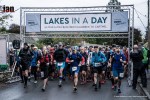
The 2017 Lakes In A Day (LIAD) in contrast to the idyllic 2016 LIAD was a brute! Renowned for beautiful landscape, blue skies and rolling and splendid mountains, the Lakes can also be a grey and brutal place.

As hundreds of runners arrived in Calbeck before the 0800 start, much of the talk was about the day ahead. It wasn’t the 50-miles north to south and the 1000’s of meters of vertical gain, it was, rightly so, what will the weather do?

Initial forecast earlier in the week had looked horrendous, trace morning greeted the runners with a brighter prospect. It was going to rain, that was for sure. The winds come and go and as the day progressed, the grey and wet would gradually clear bringing a drier conclusion.

The dry start gave everyone a false sense of security.

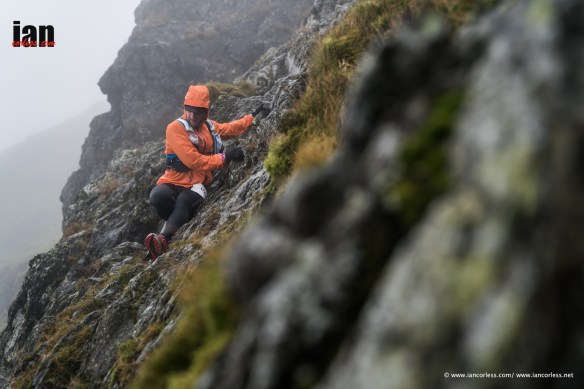
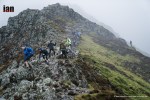
By the time the summit of Blencathra came, what lay ahead was clear for all. The winds were already gusting between 45 and 50mph. At times, it was difficult to remain on the ground as runners angled themselves into the wind fighting the force of nature. Dropping down from the summit, Hall’s Fell provided an intimidating and technical descent all the way to the first control at Threlkeld.

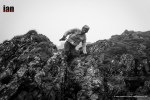
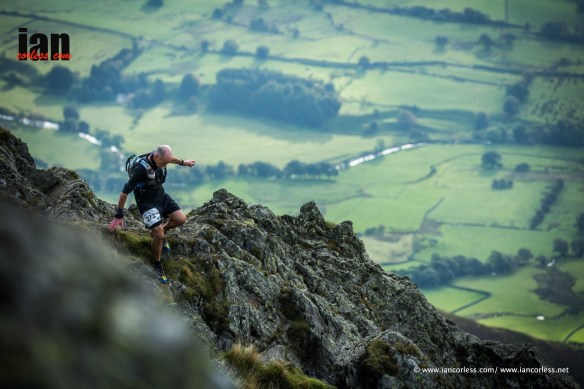
Hall’s Fell for some can be an intimidating section in dry and beautiful conditions, this year, it was intimidating for all – the rock sections ran with water and became like ice. It was four-points of contact for much of the technical sections with steely eye focus (or fear) written across many faces.

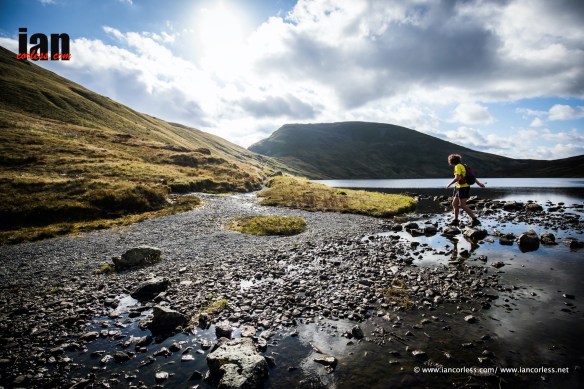
From Threlkeld, some easier running precedes the climb to High Fells and Helvellyn. The winds continued to throw the runners around making for a tough section before the drop down to GrisedaleGrisedale Tarn, traverse and then the climb of Fairfield before dropping down to Ambleside via High Pike.

From Ambleside, the course changes completely. The high ground covered, now it’s a journey down the Western side of Windermere though lower-ground, despite prevailing wind and rain, tree cover now offered a blanket of protection all the way to the finish, via Newby Bridge, to Cartmel.

The day was dominated by a strong and consistent performance by Marcis Gubats who crossed the line outside Kim Collison’s course record in 10:18:39. Gubats was an ever-present on the early stages biding his time and by the time he had crossed the Helvellyn summit he had opened a gap which he held all the way to the line.

Much of the talk pre-race had been about Lakeland 50 champ and course record holder, Katie Kaars Sijpesteijn. This lady has been on fire in 2017 with a string of top performances, her most recent coming at Salomon Glen Coe Skyline just 2-weeks previously. The form was there but would she be recovered? On the descent of Hall’s Fell she was 8th and full of smiles. At Grisedale Tarn she was 3rd and still full of smiles. Down the western fells, she moved into 2nd and was in a battle with Jack Casey. By the time the finish line came, Casey had edged away to finish in 10:43:49 and Kaars Sijpesteijn finished 10:46:29 for an overall podium place and an obliteration of the ladies’ record to win the £1000 bonus for a new CR – job done!

Nick Green rounded out the men’s podium in 11:04:07 and Elizaveta Ershova and Liz Barker placed 2nd and 3rd ladies’ respectively in 11:52:54 and 12:50:31.

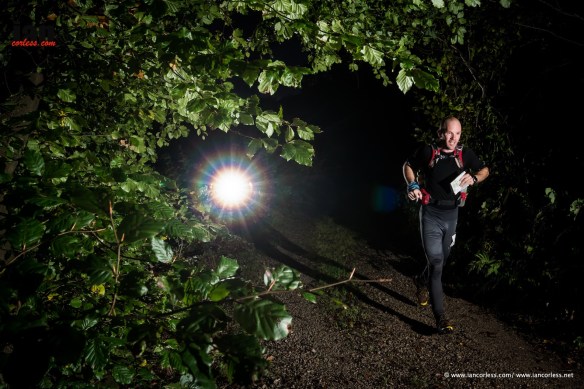
It was seriously tough 2017 Lakes In A Day reflected in the battle the runners faced to cross the line, some taking almost 24-hours for the 50-mile journey, darkness bringing a whole new dimension to the journey.

Full results HERE

Full image galleries at iancorless.photoshelter.com

Half Marathon Des Sables Fuerteventura 2017 Summary

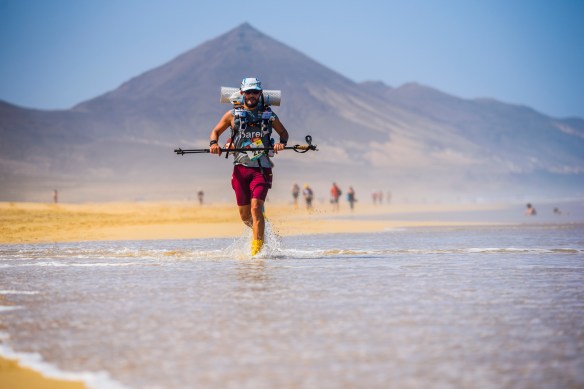
The inaugural Half Marathon des Sables Fuerteventura has just taken place!

Unlike the legendary bigger brother, the race, as the name suggests, is half the distance of the Moroccan counterpart and as such provides a great opportunity for novices to test themselves over multiple days or, it allows experienced runners to race faster and harder.

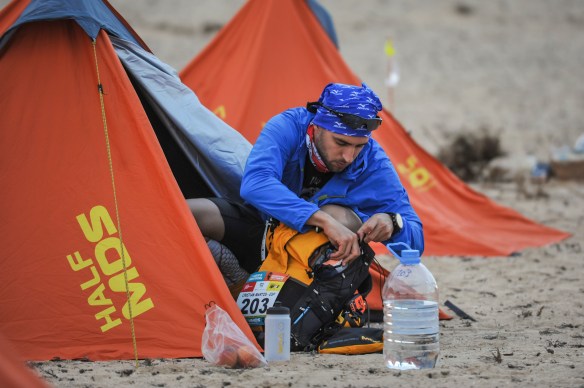
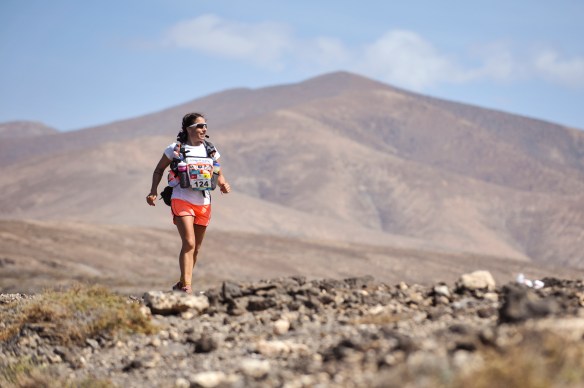
300 runners toed the line of the first edition, the only thing known before the start of the race that they would need to cover 120km’s over 3-days. Like the bigger brother, the race route was kept secret till just before the race and of course, runners are required to be self-sufficient – only bivouac and water is provided.

A 7km walk to bivouac 1 followed kit-check thus allowing a phase of ‘adaptation’ before the racing kicked-in. It was an opportunity to check apparel, shoes, gaiters and make sure the pack was sitting and fitting well to the body. Of course, all this should have been dialed in before the race!

A few hundred meters from the ocean, bivouac 1 was an oasis of calm. A final full meal, a night under the stars and the arrival of dawn would see the start of stage 1.

Stage 1 25.5km starting at Playa Las Coloradas and finishing at La Pared Isthmus.

It was a hot day, a really hot day of stifling and oppressive sun.

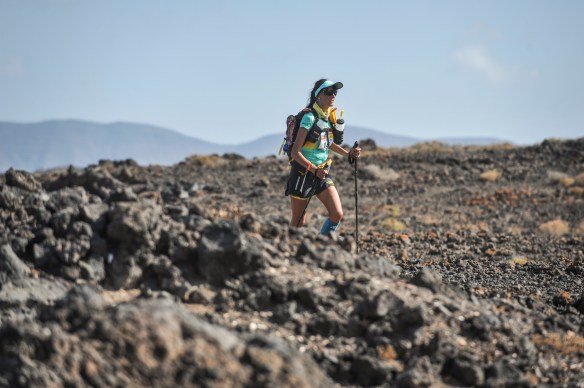
Deep blue ocean, orange rocks and cliffs were contrasted by black volcanic slopes – a trademark of the Canary Islands – as the runners ran the opening miles to Cp1. As one would expect, a long sandy beach followed leading to a technical path and dune decent to Cp2. The final 3 miles were classic Fuerteventura terrain; sand, stony plateaus and dunes to the bivouac.

Local runner, Yeray Duran was no doubt a pre-race favourite and he didn’t disappoint on day 1 running with Alejandro Fraguela Breijo. The duo pushed hard from the off but Peru’s Remigio Huaman, who completed the Moroccan race earlier in the year, kept an ever-watchful eye. Duran suffered in the heat placing 3rd and Fraguela Breijo took victory almost 5 minutes clear of the Peruvian. Timings were 2:23, 2:28:09 and 2:30:46 respectively.

“Tomorrow is the long stage,” said Huaman post-race. “I need to keep in contention from the start, watch my food, watch my liquid. I like to run easier early and then speed up!”

For the ladies, the UK’s Anna-Marie Watson who just week’s earlier placed top-10 at the UTMB had a great first day. She clinched a solid victory of almost 20 minutes ahead of Yolanda Fernandez Del Campo. Kristina Schou from Denmark was 3rd, their times 3:04:03, 3:23:46 and 3:31:51.

Watson post-race discussed how the first ascent was tough and how the temperatures were high. This is coming from a lady who has placed 2rd overall at the Marathon des Sables Morocco in 2015.

“The sand dune before Cp2 was dreadful,” Watson continued. “I had to compose myself and push on. Tomorrow is the long day and that is my preference so I will rest, recover, eat and prepare.”

Stage 2 66.5km starting Aguas Verdes and finishing at La Pared Isthmus.

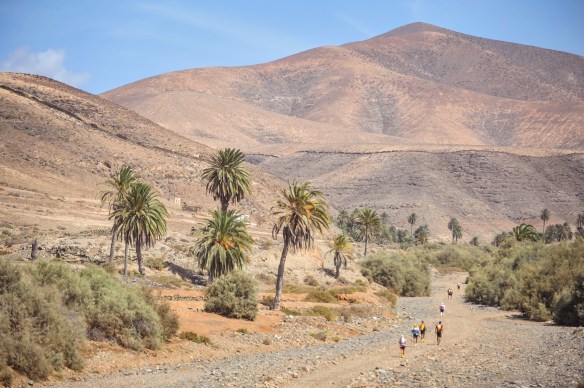
A straight north-south stage of oueds, dirt roads, single-track, dunes and ridges was made unbearable by oppressive heat but the stunning ocean provided company and contrast to the glow of orange. After Cp3, the race crossed the pretty village of Pajara and as the day unfolded volcanoes and the ocean would provide relaxing views to a challenging day. Due to a rock slide, the final miles of the route changed thus saving the runners a little over 3km.

As promised, Remigio Huaman used his ultra-running skills and desert running skills honed in Morocco earlier in the year to stamp his mark on the men’s race. He followed his strategy with a steady start but he upped the pace as early as 8km in the 66.5km stage leaving Hernandez Curbelo and Fraguela Breijo struggling. At Cp2 the gap was 8 minutes and at Cp3 it was 13 minutes. As the finish line came, the gap had opened to 30 minutes – an unbeatable lead going into the final day. Hernandez Curbelo improved his strategy and placed 2nd and Fraguela Breijo placed 3rd. For Duran, it was a bad day and he slipped in the day’s ranking to 5th and out of the top 3 after a time penalty for taking an IV drip due to dehydration.

For the ladies’ it came as no surprise that Anna-Marie Watson used her long-distance skills to school the opposition. With each mile, she pulled away and finally finished with a 14-minute lead over Kristina Shou. Yolanda Fernandez Del Campo placed 3rd.

“I had no strategy but to run on feel and listen to my body,” Watson said. “I ran my race not worrying about the competition. It was a great stage, I loved the cliffs underneath the camp and the sun set was incredible.”

Ranking

  1. Remigio Huaman overall 9:03:08
  2. Jonathan Hernandez overall 9:59:59
  3. Fraguela Breijo 10:18:30 
  1. Anna-Marie Watson overall 11:32:22
  2. Kristina Shou overall 12:14:13
  3. Yolanda Fernandez Del Campo overall 12:38:22


Stage 3 21.1km starting Tuineje and concluding at Las Playitas

At 10am start at the heart of the island unleashed the runners into the heat of the day and a maximum time of 6 hours to complete the stage. Solidified lava was the terrain of the opening miles followed by dirt roads and the village of Gran Tarajal. Mountains followed with some great climbing and descending before single-track brought the runners home.

Three days, three days racing… There was no easing back or victory lap for the final stage, Remigio Huaman pushed from the front and not only consolidated his lead but extended it averaging over 13.15km per hour for the stage.

“For me, the Half MDS is relatively easy as I am fortunate that I can run quickly,” said Huaman. “I am able to get the stages over, even the long one, quickly. I can eat, rest and recover. However, many of the other runners spend so much time on their feet, they walk long distances, suffer from the heat and suffer from hunger, they are the heroes as are all the staff!”

Duran kept the home crowd happy with 2nd place on the stage and Juan Jose Rodrigues Garcia placed 3rd on the stage ahead of 2nd overall, Jonathan Hernandez Curbelo, the times 1:35:49 for Huaman, 1:39 for Duran and 1:40:30 for Rodriguez Garcia.

Anna-Marie Watson eased off the gas for the last day knowing that victory was secure. This opened a doorway for the Spanish runner Yolanda Fernandez Del Campo to seize an emotional final stage victory in 2:14:03. Watson finished in 2:19:04 and 2nd placed lady overall, Kristina Shou confirmed her consistency with 3rd in 2:20:52.

“My dream started many years ago, 17 actually when I heard of the MDS,” said Watson post-race. “In 2015, I placed 2nd at MDS and in just a few shorts years things have progressed, what a dream!”

As with all multi-day races, the journey of the front-runners is only a very small story of the race. The true race happens behind. Runners fight fatigue, heat, exhaustion and demons just to finish. France’s Mathilde Male sums it up well:

“I am happy the race is over, but I am sad it is coming to an end… My best memory will definitely be the arrival of the long-stage, at around 1am. Staff were cheering and I was with my race partner Christelle, it was magic.”

OVERALL TIMES

  1. Remigio Huaman 10:38:57
  2. Jonathan Hernandez Curbelo 11:41:37
  3. Alejandro Fraguela Breijo 12:05:42


  1. Anna-Marie Watson 13:51:26
  2. Kristina Shou 14:35:05
  3. Yolanda Fernandez Del Campo 14:52:25


Full results HERE


Images ©Cimbaly/ Valentin Campagnie / Marta Bacardit

Everest Trail Race 2017 #ETR2017 on IRUN4ULTRA

In just 1 month, the 2017 edition of the Everest Trail Race will depart Kathmandu for one of the ultimate journeys on foot.

Following in the footsteps of Edmund Hillary and Tenzing Norgay, the first men to reach the summit of Everest, participants will run through time and history. It’s a breathtaking route that starts in Jiri and follows an incredible route to Tengboche – the gateway to Everest Base Camp before returning to Lukla and the journey back to Kathmandu.

Read the full story on IRUN4ULTRA HERE

UK Entries HERE

Lakes In A Day 2017 Preview

The 2017 Lakes In A Day is upon us.

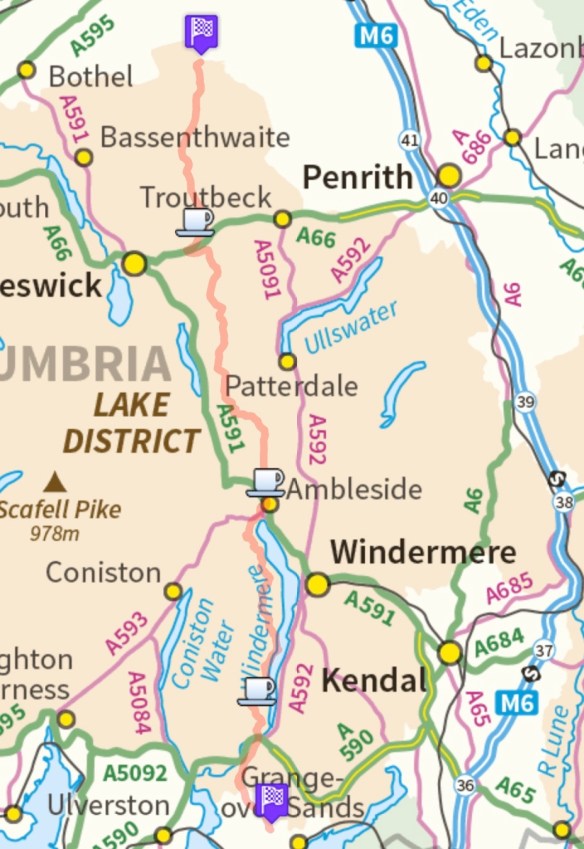
50 miles, 4000m of vertical gain, a journey on foot from the very top of the Lake District at Caldbeck to the very bottom, at Cartmel, via the stunning Helvellyn Ridge and the western shoreline of Lake Windermere.

Endurance, technical skill and the ability to navigate are all required to complete this event. Maps for the race are provided with a very clearly defined route which must be adhered to,  unlike many ‘true’ navigation events, the use of a GPS is allowed and a GPX route is provided for runners in advance so that they can download it.

The summit of Blencathara comes early in the race with wonderful exposed ridge of Hall’s Fell leading runners to lower ground before the tough and challenging climb to Helvellyn.

Grizedale Tarn follows before heading up Fairfield and dropping down to Ambleside.

From Ambleside, the course profile and route changes considerably taking in the lower fells as the route weaves around Lake Windemere. Newby Bridge is the gateway to the final section and the finish in Cartmel.

Race director, James Thurlow of Open Adventure is nut shy of putting some pounds up for a course record… In 2015 he gave £500 to the respective male and female winners. In 2016 the records stood and no money was claimed. For 2017, the purse rolls over to £1000 for a ladies and/ or male course record.

  • Men will need to to beat the speedy Kim Collison who set 9 hours and 12 minutes.
  • Ladies will need to beat Helen Leigh and her time of 11 hours 0 minutes.

Who stands a chance?

Well, Katie Kaars Sijpesteijn is coming from a stunning Lakeland 50 win and course  record and a solid outing at the Salomon Glen Coe Skyline. Katie has been out on the course checking the route and looks prepared to give it a go!

The nature of the event, the distance and the elevation gain means that pretty much every runner will go onto the night. Remember it’s the UK in October, with luck, the weather gods will be kind!

Notably, Richard Leafe (Chief Executive of the Lake District National Park, England’s largest National Park) has chosen The Lakes In A Day as his first ultra.

Live tracking will be available and the site is online now for you to share to family and friends: HERE

The trackers will be updating runner location every minute!  Post event you will be able to download GPX files for the strava addicts and review the event as a replay online.

Full race information is HERE

Full entry list is available HERE

Social Media Logos

Facebook/iancorlessphotography
Twitter (@talkultra)
Instagram (@iancorlessphotography

Tom Evans to run the 2018 The Coastal Challenge

Tom Evans placed 3rd at the 2017 Marathon des Sables, the highest ever placing by a British male. His result was a complete surprise. He arrived on the start line an unknown, by the end of day one he was a dark horse turning the heads of journalists and runners.

It was no one day wonder. Evans matched the Moroccans stride-for-stride and pushed them all the way to the end. His result was a breakthrough performance!

Not happy to become a multi-day specialist, Evans has since tested himself in mountain races, the Eiger Ultra 101km and the CCC – in both races he placed 4th. With a road marathon coming up, Evans now looks ahead to 2018 and a multi-day training camp in Lanzarote (HERE) where he will coach and run, quickly followed by the 2018 The Coastal Challenge in Costa Rica.

I caught up with Evans and fired of ten quick-fire questions.

Images from the 2017 TCC with Anna Frost, Anna Comet, Ester Alves, Jason Schlarb, Sondre Amdahl, Elisabet Barnes, Chema Martinez, Tom Owens and many more.

  1. You placed 3rd at MDS this year, quite a result, what has the following months been like for you?

It’s been pretty crazy since that surprise result at MdS. This year, I wanted to find out more about my running and really learn what my strengths and weaknesses are. I raced in the Eiger 101km and the CCC. Both went really well considering 95% of my training is done in and around London. I have been juggling my military career with my new-found love of running.

  1. How did you train for MDS and what top 3 tips worked that you can pass on?

My training for MdS was pretty limited as I was away with the Welsh Guards in the build-up to the race. I managed to get a week long trip to Lanzarote to focus on the race and get some quality miles in my legs. My top 3 tips are:

  1. Train how you race. Train with the kit and food you are going to use.
  2. Heat acclimatisation is so important. It can be done anywhere hot eg Bikram yoga!
  3. Stay injury free. If you start developing a niggle, get it sorted ASAP! Better to turn up less fit but injury free.

  1. You have followed MDS with mountain races, the Eiger and CCC, is this to broaden your skill set – what is the attraction?

Yes. I wanted to develop my running skills in all different environments. I love being in the mountains and discovering new places. The mountain races have really pushed me outside my comfort zone. I think to be a top quality ultra-runner you have to be a well-rounded athlete. I have learnt so much in the mountains that I will use in the rest of my career.


  1. Technical trails, climbing and challenging terrain will be in abundance in Costa Rica, is that one of the attractions of the race?

I have always wanted to go to Costa Rica. I love traveling and I also love running so thought that this was a perfect opportunity. I am really looking forward to the varied terrain in the race and pushing myself to the limit.


  1. What else attracts you to TCC? 

TCC is an iconic race that attracts a great crowd. I have loved spending time getting to know lots of different athletes in the past 6 months. I love that everyone has come from a different background and all have such different stories to tell.


  1. Heat and humidity in Costa Rica is brutal, very different to MDS and other races you have done – how will you prepare?

I am going to be doing lots of my winter training at St Marys University who have got one of the best chambers in the country. This will help me to understand the effect of humidity and heat on my body. I am also going to Lanzarote for the Pre-MdS training camp. This will give me a great opportunity to do some heat training in great company.


  1. You are not self-sufficient at TCC so you can run free – is that an appeal or do you like self-sufficiency?

I am really looking forward to being able to run free and use the aid stations. I have heard great things about what is on offer at the aid stations, especially fruit, which is far more appealing to another energy gel! Having said that, I do like all the preparation for the self-sufficiency races. I am a bit of a sports science nerd and like doing all the research before the races.


  1. Any races before TCC?

Yes, I am in my final block of training for Frankfurt Marathon. I am using this to focus on my speed and efficiency before going back to the longer distances. There are a couple of great UK races in December and January that I will probably look to use for training. I will also be racing the XC season, I think the fast training is really important, even for ultra-runners.  I don’t want to race too much though, I want to make sure that I am fit and injury free on the start line in Costa Rica so I can give it my all.


  1. What does the future hold beyond Costa Rica?

There are a couple of big races that I am targeting for 2018. The first being the World Trail Championships in Penyagolosa in May. After that, I am going to be focussing on fast 100k races, with ambitions to race in the 100km World Championships in September. I will also be doing a couple of UTWT and Skyrunning races, but haven’t fully worked out which ones. There are so many amazing races all over the world but I don’t want to race too much too soon!


  1. And finally, Michael Wardian from the USA has won TCC and placed 3rd at MDS – he is back in 2018, is the battle on?

Michael is a fantastic athlete and one of my inspirations to get into running. It will be a honour to be on the start line with him in Costa Rica. I am really looking forward to the journey and I guess we will have to wait and see what happens!

The 2018 edition of TCC is already looking like a stunning race. Two-time MDS champion Elisabet Barnes will return to Costa Rica and the UK’s Marcus Scotney who won the Cape Wrath Ultra and the Dragons Back Race has his first TCC experience ahead of him. – read HERE.

TCC as it is affectionately known is a multi-day race starting in the southern coastal town of Quepos, Costa Rica and finishing at the stunning Drake Bay on the Osa Peninsula. It is an ultimate multi-day running experience that offers a new challenge even to the most experienced runner. Taking place over 6-days, the race hugs the coastline of Costa Rica, traveling in and out of the stunning Talamanca mountain range. Even the strongest competitors are reduced to exhausted shells by the arrival of the finish line due to the combination of technical trails, dense forest, river crossings, waterfalls, long stretches of golden beach, dusty access roads, high ridges and open expansive plains.

You can read and view images from the 2017 edition HERE

Follow #TCC2018

Twitter @talkultra

Instagram @iancorlessphotography

facebook.com/iancorlessphotography

The Coastal Challenge

Facebook HERE

Website (UK) HERE

Website (Global) HERE

Emelie Forsberg – Smiles and Miles; I am back!

©iancorless.com_GlenCoe2017-03356

Emelie Forsberg is back! She has just won Salomon Glen Coe Skyline and with a stunning course record beating her 2014 time and once again confirming that many smiles and miles are ahead.

“About the pressure, yes, for sure, sometimes you can feel pressure. If you have been winning a lot of races, it’s like people expect you to do that. I was not in good running shape when I let my skis for the summertime. Some of my friends, who don’t run that much, they beat me a lot. I’m not the kind of skier that runs through the winter. I train with Ida Nilsson and she’s running a lot, which makes her in a great shape at the beginning of the season, but I can’t do that because then I’m not the ski mountaineer that I want to be. I just hope everyone realizes that I can’t be in a great shape in the beginning of the season.” – Emelie Forsberg

©iancorless.com_GlenCoe2017-07148An accident while skiing has made the last 12 to 18 months tough. Surgery, rehabilitation and being patient are all tough things for an athlete to manage, especially one as active as Emelie. But Emelie was patient understanding the need for a full recovery and to come back strong. Working on her strength and core she came back slowly and fine honed her yoga skills, she event spent a month in India on an intensive course. Emelie has set the example for how elite runners should return from an accident and surgery.

I caught ups with her post her Glen Coe victory as she settled back into recovery in her Norwegian home before she once again started training for new targets ahead.

You can listen to the interview in Talk Ultra podcast HERE

©iancorless.com_GlenCoe2017-02307

Ian: Before we come on to the race, I think the last time we spoke was about your rehabilitation from knee surgery and how you were managing that and of course, there’s been some ups and downs in that process, but you must feel now as though things are almost getting back to normal and the shape is there, the form is there, physically, mentally everything is good?

Emelie: Yes, everything is good now and yes, for sure, there has been a few ups and downs. I know what to do now when I switch from ski to running and my knee is working really well so it’s good. That is the short version…

Ian: Exactly. Well, it’s definitely working well because I saw you running up and down those fells and mountains in Scotland and it reminded me of exactly two years ago, when you came to Scotland and you won the race. You just ran that whole race with a big smile on your face and it seemed as though this year was — I was going to say the same, but I think probably even better.

Emelie: Yes, I think so because last summer I was only doing rehab and that was that. I wasn’t really in shape, but this year, my ski season went really well, but then, in the beginning of the summer, I didn’t really know… I had a lot of things going on. I have been writing a book and I wasn’t sure if I wanted to be ‘only’ a runner for Salomon anymore? But everything has been working out like I want it to be recently, it takes time to try to figure everything out.

Ian: There’s a price to pay for being… and I’m going to use the word famous, you might not like me using that word, but famous in the trail, mountain and ultra-world, and you are. We can argue about the semantics of that word, but you are. That brings a lot of pressure, a lot of people looking on, a lot of people even criticizing or commenting or supporting and, of course, there’s lots of good and bad in that. But have you found in this period, this last 12 to 18 months, that there’s been some pressure there that you’ve tried to escape from? And I guess living in Norway helps with that.

Emelie: Yes, for sure it does, but I can be good and bad with pressure, I think like all the athletes. But I just made it clear for everyone now that I need to make my own plan because I am a skier and I’m a hobby mountaineer or whatever you call it –  light alpinism? I want to improve in that too, so I just made it clear for everyone that I want to take time to do mountains in that style and I want to take time to do my ski season, and then I want to take care of my running, as well. I think the balance now is much clearer for me and my sponsors, which is great.

About the pressure, yes, for sure, sometimes you can feel pressure. If you have been winning a lot of races, it’s like people expect you to do that. I was not in good running shape when I let my skis for the summertime. Some of my friends, who don’t run that much, they beat me a lot. I’m not the kind of skier that runs through the winter. I train with Ida Nilsson and she’s running a lot, which makes her in a great shape at the beginning of the season, but I can’t do that because then I’m not the ski mountaineer that I want to be. I just hope everyone realizes that I can’t be in a great shape in the beginning of the season.

©iancorless.com_GlenCoe2017-07158

Ian: I guess in some ways, you’ve almost created a little bit of that pressure yourself, and that’s not a criticism, this is just the facts. If I think back to, say, 2012, 2013, 2014, you and I have often had those conversations, where you’ve come off skis and we’ve been talking about Transvulcania and you say to me, “I love that race and I really want to do it, but I’m not in shape and should I do it, shouldn’t I do it?” and you’ve done it and you’ve always done well.

But I think since 2014, the sport has changed and it’s been changing progressively year on year, now the sport is going faster, it’s changing completely and like you say, somebody like Ida Nilsson, who comes into Transvulcania with a lot more running, it’s very difficult for somebody like you, with such a high profile, to just step off skis and go into a race like that with expectation. Do you wish you could say, “You know, guys, I’m just going to run this because I want to run it and I might come 10th or I might come 20th, but give me a break.” Do you ever feel as though you want to do that?

Emelie: [laughs] Yes, I did that at Zegama. Zegama was really special this year because Kilian was trying his second attempt on the summit of Everest and I didn’t get any news until one hour before the race started. So, I didn’t sleep during the whole night. That was really, really hard. I can always run a race and do okay, but Zegama was really hard because of the stress, worry, lack of sleep and so on.

Ian: That’s an incredible pressure, a really incredible pressure. How do you deal with that?

Emelie: Yes, I just say to myself that in the end, it’s all about what I want to do. I cannot live a life through somebody else’s eyes and I just like to be honest, and if people are listening, they understand, I’m only human.

Ian: Absolutely. Following Zegama, you took a step back and maybe re-evaluated and this is the point where you say to yourself, “You know what? I have to do what I want to do because I know what I need to feel like, I know what training I need to do, I know what mental space I need to be in to perform.” In amongst that, you’ve already touched on the fact that you were writing a book, you’re a race director for the Tromso Sky Race. There’s all sorts of other things going on, but you said to me in Tromso, “I’ve sorted out my calendar now and I know exactly what I’m going to do.” That seemed like a really important process, where you got things clear.

Is that the type of thing now that you’re going to do moving forward and maybe communicate that with the fans, so that you don’t get that external pressure? You lay your calendar out early, or basically you say, “There is no calendar, leave me alone and I’ll tell you when the calendar’s available.”

Emelie: Yes, for sure, I will — it’s important to do the structure, especially as I said, that the beginning of the summer is really changing. Previously, many runners and my peers took a break during the winter and we all came to the races more or less with the same amount of running early in the season. Over the few years, I have realized that ski mountaineering is really important to me. I’m really excited and super motivated to do well there because I love the sport. It’s different from running and it’s something that makes me really happy and motivated to train for and focus on. I will try to or I will make a plan now in November for next year and let’s see if I share it or not. Things can happen and plans can change.

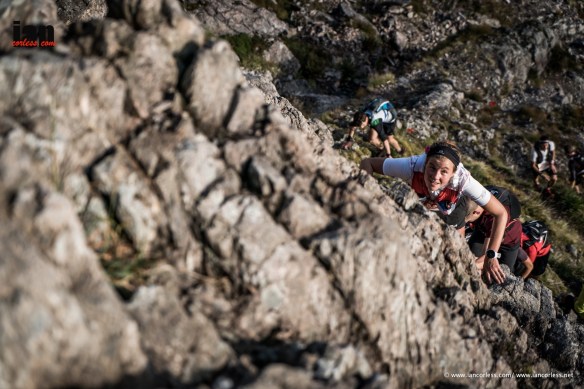
Ian: Okay. As the calendar changed, Salomon Glen Coe Skyline certainly became a priority. When I managed to get you over to the UK in 2014 to run the first edition, you said after that race, “Wow, this race is incredible.” Of course, my dream was not only to bring you back, but to bring Killian and to bring a world-class field. And we did it. This year we really, really did it. I think it’s been not only the best race in the UK, but worldwide. I think the quality of the field; the quality of the course was absolutely stunning. How important was it for you to come back? How important was it for you to come back with, say, Killian and the Salomon team?
©iancorless.com_GlenCoe2017-02273

Emelie: First, it was really nice to come back because last year, I wasn’t there. I really loved it, the course, it’s amazing, it’s pure Skyrunning. Yes, for sure, was super nice to have Killian there because I knew that he was going to love the race, which he did. So, great to have a big team there, as well, to see what they were thinking about it.

Ian: Expectations of going into the race? I know what you’re like, I know that when you race, you want to perform well. No disrespect to 2014, but there was maybe yourself and a couple of other runners that could have potentially won the race. Whereas this year, it was completely different. There was plenty of really top female runners who could push you to the line. Does that bring external pressures on you or is that something that makes you bring your A-game to the race?

Emelie: [chuckles] 2014 was special because I had a really big week that week. I think I climbed Mont-Blanc four days before I was going there and I was just pushing really hard… I can’t remember? I was supposed to do another race after that, that I was training hard for. I knew that I was really strong, so I had the confidence to do that then. But this year, I haven’t been running long-distances because of my knee. But since OCC, which was like three weeks ago, my knee has felt good in longer training. I had like two weeks that I could do a bit more hours, which was really good. But two weeks is only two weeks. I knew that Megan Kimmel is super strong, Ragna Debats had a super good summer too and there was so many strong women there. I really wasn’t confident that I could do well and that I would be able to run well after four hours. I was more like, “I’m going to be happy with whatever.”

Ian: The opening miles of the race changed to 2014, because the initial edition was based at the ski center and we realized after year one that actually it brought you to Curved Ridge too quickly and it created a bottleneck for the field. Also, logistically, it wasn’t in the most ideal place for the race growing. So, we moved the race over to Kinlochleven, which means that you have probably a good hour of running before you get to the really first technical section, which is the climb of Curved Ridge. When you got there, you had Megan Kimmel right on your heels. The two of you were together. Were you surprised by that or did you expect it?

Emelie: Yes, for sure [chuckles] I expected that. I expected because she’s a fast runner and I thought that Ragna was going to be with us, as well. But it was Megan who was setting the pace. I just followed her and on the technical part, I was in the front and on the downhill, I was in the front too. But in the uphill, she pushed the pace a lot and I was a bit worried that it was too fast, actually, but I just tried to follow her. Sometimes, she had maybe 30, 40 seconds on me in uphill, but I knew that in the downhill, it was nothing. I just tried to keep my own pace, even though it was a bit fast. [chuckles]

Ian: Yes. Do you think Megan pushing the pace was a contributing factor to a course record?

Emelie: I think so. I think it could have been anyway, but it was a good time and it was good to push in the beginning, because that’s when you have the energy to push. Megan pushed the pace for sure.

Ian: I’ve got to say, I was surprised that Megan handled the technical section so well. Because she openly says that she’s not really a technical runner. I guess at the back of your mind, you knew that when it came to the real crunch moments, the Aonach Eagach Ridge for example, you could use your strength and maybe that’s where you could open up the gap and pull away?

Emelie: Actually, Megan, she’s a good climber…

Ian: Yes, I know, but she always says that she can’t do technical?

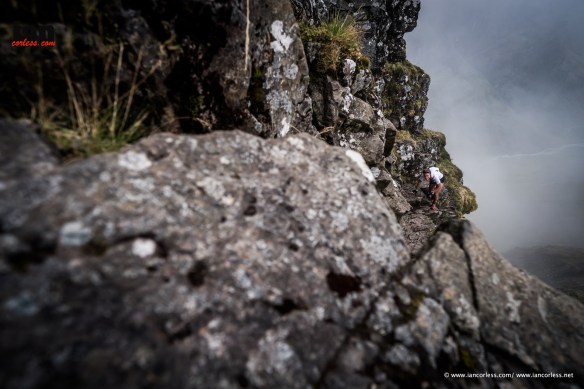
Emelie: No. The technical part, she was doing good, actually. She’s a very all-around runner, I would say. She can perform really well in technical races, like Dolomites and Zegama. But she can also win Mont-Blanc Marathon. She’s maybe one of the best all-around runners I know. So, I wouldn’t say that she’s bad on technical, that’s my opinion. In the end, I don’t think that I made a big gap, even though I kept the lead over the Aonach Eagach Ridge.
©iancorless.com_GlenCoe2017-03304

Ian: Tell me the highlights of the course and tell me why this race is so special.

Emelie: First of all, I think I need to say that it’s not a race for everyone right now. I think anyone can run it if they train for it and get experience – the race is vetted anyway! But you should have a lot of respect for it. I do and I would never do a race like this if I wasn’t comfortable in climbing Degree III. Because it’s technical, which I really love.

We start with maybe 10K of running, until we come to Curved Ridge, which is the most technical par. Super steep and scrambling up. Then, we follow beautiful ridges with some ups and downs and big climbs. Then, we have a big downhill coming to kilometer 35, where is the aid station, the second one. After that, it’s a very steep climb, like a vertical. I was actually looking to my watch and I think I did the climb in 52 minutes, which I do the same time as the vertical.

Ian: The vertical, yes.

Emelie: Yes, it’s a steep vertical there. Then, the ridge starts, the Aonach Eagach Ridge, which is a beautiful ridge. People tell me that they feel like that’s a technical part, but I don’t see the technical part there. It’s a ridge, which is super nice to be there and run and I don’t see the difficulty there.

Ian: How does the Aonach Eagach Ridge compare to the ridge in Tromsø?

Emelie: For me, it’s about the same, actually. I know that some people find Aonach Eagach Ridge a bit more technical, but I think it’s more or less the same.

Ian: I’ve been along both and I have to say that the Aonach makes me feel a little bit more exposed than the ridge in Tromsø. I think it’s just those couple of down-climbing sections. Nobody likes down-climbing. [laughs] If you’re not a complete mountaineer, and I’m not, I can scramble, I can go along the ridges. But down-climbing really does make you think a little bit. I think maybe for me, it’s those couple of sections and there’s also the rock chimney that you go down, which I find is fine. But I know a lot of people after the race had said to me, “Oh, the chimney was just horrendous.” Because you’ve got to put one hand to either side and put your feet down underneath you. But I guess it just comes down to comfort and experience level.

Emelie: Yes, I see what you mean with the down-climbing. For sure, it’s not any down-climbing like that in Tromsø. That’s the difference. I guess it’s just as you say — I can see the difference, but more or less, for me, I would say it’s the same.

Ian: One of the things that I said to you after the race, and to Killian, was the similarities of Scotland with Norway. If I close my eyes, and apart from a couple of distinctive details, maybe like the midges [laughs], you could feel as though you’re in Norway at times. I guess that really appeals to both yourself and Killian because it feels like home.

Emelie: Yes, for sure. It is like home, but it’s new, so that’s really a cool feeling. The culture is different and the people. Trails are much better there in Scotland because when it’s not technical, you run on a super nice trail, I really like the contrast there, you can run really fast. In Norway, we don’t have too many that well-marked or big trails.

Ian:  With the victory and with the course record, do you feel as though one chapter of your running career is maybe ended and a new point is starting?

Emelie: [chuckles] Yes, in one way because, as I said, I wasn’t sure about how my endurance would be and I know that it’s my kind of race, I love the terrain. In one way, I can be hard to myself and say that win didn’t really matter because it’s so much your kind of a race, but then I know that I’m unfair to myself, that I should be proud of what I’ve done, but I also want to train on my weaknesses, which is to run fast for a longer time. Now, I actually will start to train for Les Templiers, which is a really runnable race, so that’s exciting. I know that it’s really hard for me to go out and run on the road but I will do that, I will find some flatter trails and try to do some speed work on them.

Ian: Okay. The other thing that you did in the UK was the VK. I actually really like that VK course, it’s very different to other VK courses because it starts off and it’s very runnable and then, all of a sudden, it just goes really, really, really steep and it’s very muddy, it’s very slippery. How was your experience of that?

Emelie: Yes, it reminded me of Norway, actually. I knew that it was a VK that would suit me pretty well and I like to do VKs because it’s good training, but I also have been saying for the last few years I’m not a vertical runner, but I have been improving in that and that’s also really cool.

Ian: You’ve said it’s like Norway, there are so many similarities in that VK to your VK in Tromsø. I know the final section is much rockier in Tromsø, but the early meters are so similar to Tromsø, that you could feel as though you were in either place.

Emelie: Yes, exactly.

Ian: How do you progress now? You’ve got Templiers, which is a very different race to Glen Coe. It’s not very technical, it’s going to be a fast race, you’re going to need to move quickly for that. You’ve got to be fast, you’ve got to be endurant for that one because it’s also quite a long race and then what follows that?

Emelie: After that, I will do San Francisco, actually. It has been a race that I wanted to do again. I had one good year there and one not so good year and now it’s actually two weeks earlier, so it fits my calendar better. That’s motivating, as well. It’s going to be the same training as for Les Templiers. I need to speed up and move fast.

Ian: Correct me if I’m wrong, I’m going from memory here, but you won San Francisco 50 on your first attempt/

Emelie: Yes.

Ian: It’s a good benchmark race, I guess. Things have moved on. I’ve not seen the elite field for San Fran yet, it’s probably a little bit too early, but because of the prize money that’s available, it’s going to be very competitive, we know that. Is there anything that you think that you need to do to get yourself in the shape that’s going to give you potentially a podium or a victory?

Emelie: Yes, I need to train flat.

Ian: I can hear the disappointment in your voice…

Emelie: No, actually it’s different and I know it’s not my favorite, but actually it’s really motivating for me because I always want to improve what is my weak side and I have been doing that with uphill running and I’m eager to do it now with my flat running, too, so I’m actually really excited for it. I know that I’m going to be like, “Why do I need to do this race when I run my tempo runs on a dirt, flat road?” But I’m actually motivated for it and it’s going to be really fun because Ida Nilsson, who I consider one of the best flat runners, will also run both races and we’re training together – she’s really pushing me, which is great.

Ian: And you ski together as well, yes?

Emelie: Yes.

Ian: What does 2018 and maybe 2019 look like for you? Do you have a bucket list of races or experiences that you’d like to tick off?

Emelie: I do, actually. I have three or four things that I have planned already for 2018, and one of them is a project in the Himalayas, which I want to do by myself and it’s going to be really exciting.

Ian: That sounds really good! Exciting.

Emelie: Yes.

Ian: My other question, which is actually related to that one. Any dreams of 100-mile race, say, Hardrock 100?

Emelie: Yes, yes, for sure. I think I said this before to you that I really like the distance. I’m fascinated about it. I did Diagonale des Fous for experience but I want to try to race it, I think I could do really well there. I want to wait for it though, maybe five, six years. It sounds a lot, but I know that it will be even better if I wait because I want to do so many shorter distances, up to 80K right now.

Ian: I think that’s a good idea. History shows that 100-mile runners are very, very good or in their peak once they get to mid-to-late 30s and even into their 40s. There’s no issue there and, of course, it’s more years running, more endurance, which you can then carry over to that long distance. You might as well maximize the speed that you have and the ability that you have up to the 80-kilometer distance. Pressured question, will we see you in Glen Coe next year?

Emelie: I really hope so.

Ian: I hope so, too.

Emelie: It really fits in my calendar, so I will be there.

Ian: What about Tromsø?

Emelie: I think so. We’re working with it now and I said that I need to step down a little because there are so many things to do there. I think it’s much better if there’s someone that has more time and take care of it. Kilian and myself are still part of the organization, but I cannot do as much work, so I think for next year, it will be even better than it has been before.

Ian: It’s so difficult to balance a busy life, training, racing and being a race director. You know both sides now, you understand the complexities of that.

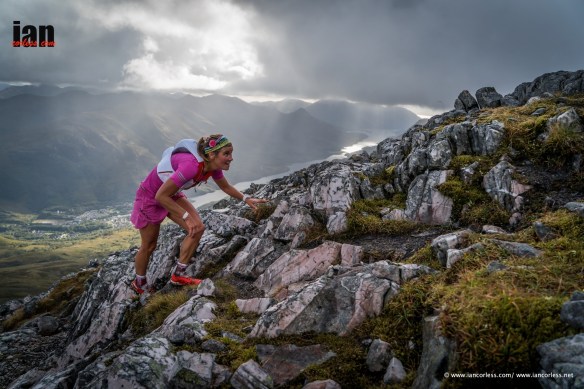
I’m going to thank you so much for your time. It’s been great to have you back in the UK, great to have you win the race here in Scotland, great for you to have a course record and great to see you back to the shape you had before your accident.

Roll on Les Templiers and San Francisco 50!
©iancorless.com_GlenCoe2017-08184


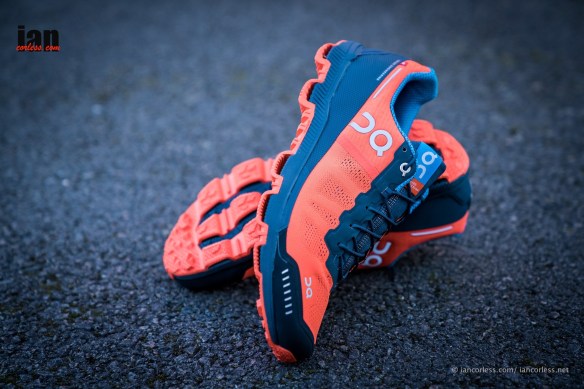
ON Cloudventure Shoe Review

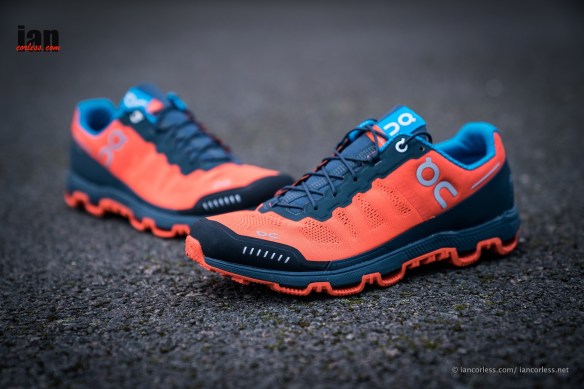
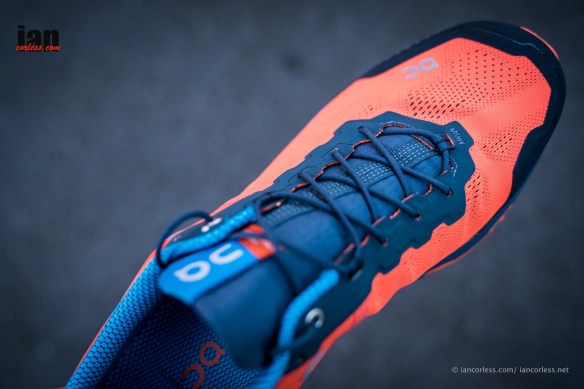
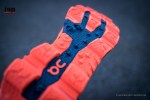
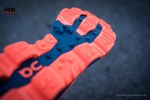
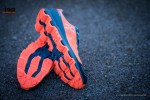
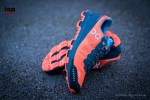
ON, the Swiss company have been making these shoes for some time now and they have turned heads with their distinctive looks. Yes, those little bubbles on the sole really do look different!

When they first arrived in stores and on the shelves, I must admit I did dismiss them thinking it was a gimmick… this is coming from someone who was using and racing in Hoka One One in 2007/2008!

ON first appeared just a few years ago and the first editions were launched in 2010 – they are the baby of the shoe world but throughout 2015 and 2016 I witnessed a growing following for these distinctive shoes. A trail shoe didn’t exist but in road racing and triathlons, they were popular.

Many things have been claimed of the CloudTec technology which gives the ON it unique look, basically, cushioning when landing and a propulsive take-off.

German magazine Die Zeit in 2012 actually went on the describe the technology as ‘Doping through the sole!’ You can take this one of two ways, this also relates to the recent Nike ‘sub-2’ shoe (the Vaporfly Elite) – I do wonder when a run shoe becomes ‘more’ than a normal run shoe.

I have always wondered what the ON experience is like but for many years now, my running on the road has primarily been to get to a trail. I rarely, if ever, go for a road run so experiencing ON seemed unlikely. 

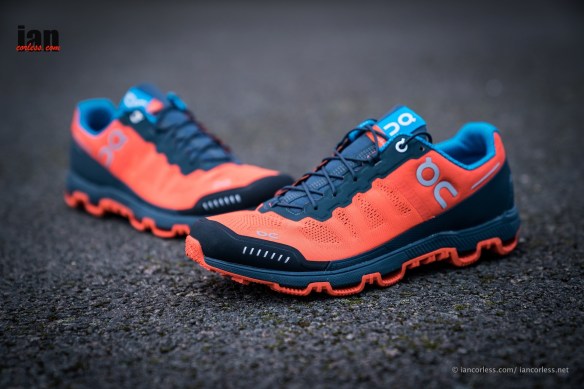
ON have now produced the CLOUDVENTURE – a trail specific shoe available in four versions:

  • Cloudventure (Summer version) HERE
  • Cloudventure Peak HERE (includes Speedboard provides forward-motion and protection on uneven terrain.)
  • Cloudventure Midtop HERE (slightly heavier version with more upper and protection)
  • Cloudventure Waterproof HERE

All the shoes are NEUTRAL with a 6mm Drop.

FIRST IMPRESSIONS 

ON say the Cloudventure is a lightweight trail shoe – they are not! You notice the weight as soon as you lift them out of the box, it’s noticeable. I use a UK9.5 and the shoes weigh in at 340g. For perspective, here are other shoes I am using at the moment:

  • Inov-8 Trail Talon 250 247g HERE
  • Nike Wildhorse 290g 
  • TNF Ultra Cardiac 292g HERE
  • Inov-8 Roclite 290 307g 
  • ON Cloudventure 340g
  • Scott Kinabalu Supertrac 408g HERE

Sizing is true to size for those who may wish to purchase online.

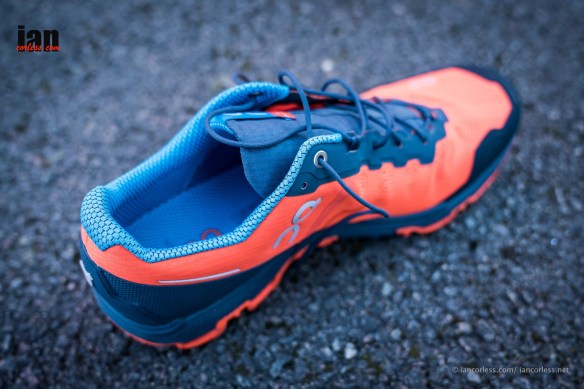
The heel box is plush and really does hold the heel in place providing a trusty fit.

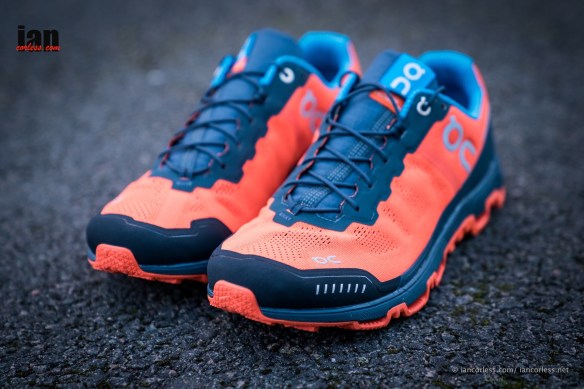
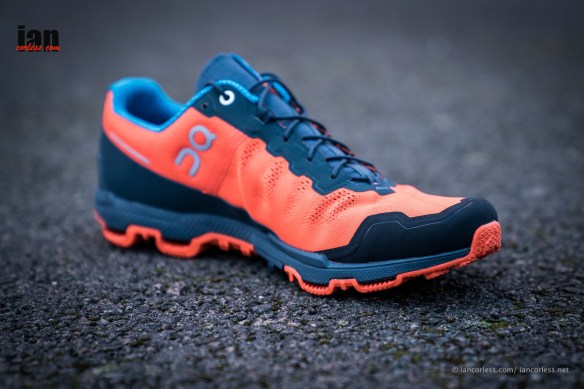
The toe box is somewhere in the ‘middle’ – not too wide and not too narrow. It is a little vague I know but I found they offered a great compromise in allowing my toes to splay but not at the expense of control or precision on technical trail.

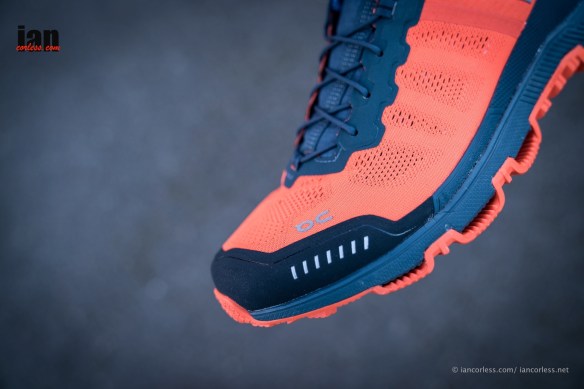
The upper is breathable with plenty of ventilation and it is durable which I am sure adds to the weight of the shoe, they may be a little heavier but they will last! The toe box is reinforced and offers excellent protection. The rear of the shoe has considerable reinforcement from a dark durable section that extends from the toes and increases to the heel.

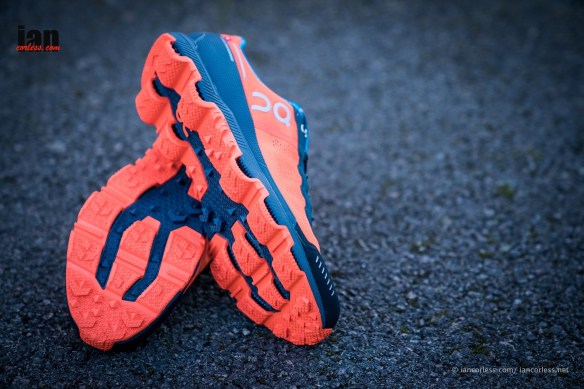
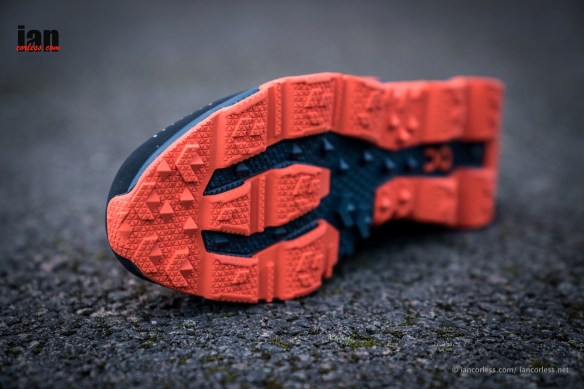
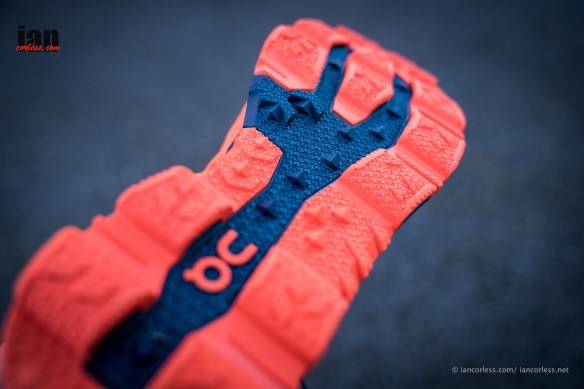
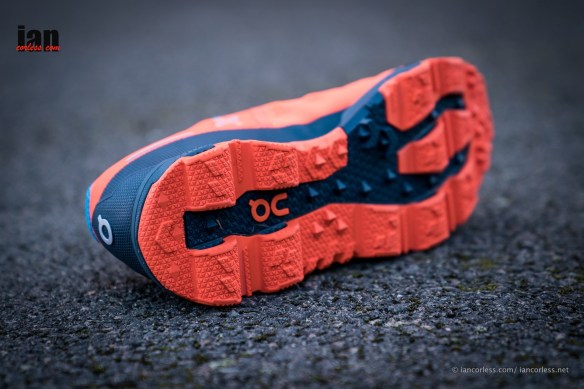
Cushioning is plush, really plush and you bounce along with a very unique feeling – the shoes made me want to run faster than my fitness would allow. Of course, the most distinctive element of the shoe is the clouds on the bottom – 11 of them. The cloud elements absorb horizontal shock allowing for running faster downhill and longer without fatigue. These do add to the bounce and propulsion of the shoe when running on the flat.

Grip varies over the outsole with four different levels, each designed to address a different situation when running, primarily:

  • Uphill
  • Downhill
  • Traversing
  • Micro-grip on rocks 

A ‘Speedboard’ is within the shoe which doubles up to help the propulsive phase (take-off) when running and it also acts like a rock-plate offering protection from underfoot objects. 

IN USE 

Fit is excellent from the sock-liner and gusseted tongue, I have said it before and I will say it again, this is the best system for a shoe in my opinion. It is so comfortable and on trail it makes even more sense as it reduces the possibility of debris entering the shoe.  
The laces are thin but one is able to really pull and adjust the fit of the shoe based on ones needs, once tied, they stay tied. The lace eyelets continue up the shoe with the all-important additional eyelets should you wish to lace-lock for a more secured fit.

I was really impressed with secure heel cup that was comfortable, caused no rubbing and made me confident that the shoe would do what I required without my heel slipping out. The toe box protection is also excellent with great reinforcement.

In all my test runs I always start and finish with road, sometimes 1-2 miles and maybe more on occasion. The first thing I noticed with the ON Cloudventure is how good they are on hard-stuff – not surprising I guess with the shoes history. I bounced along and I was extremely comfortable. So comfortable I may add that in testing I ran an 8-mile road loop to confirm my thoughts. Ironically, considering this is a trail shoe, I would have no issue running a road half-marathon or marathon in these they are THAT comfortable, however, the outsole wouldn’t thank you!
On hard trail and dry rocks the experience was like on the road. My fitness couldn’t keep up with the shoes and the feeling they gave of wanting to run fast. The clouds bounced me along and as I sped up they encouraged me to push on more. On my first run, a 12km loop, I actually had to stop at one point as I had got carried away with the feeling the shoes gave. I thought back to that Die Zeit article in 2012 that went on the describe the technology as ‘Doping through the sole!’ There is some truth in it! The feeling I had from the ON was just like in 2007/2008 when I started using Hoka One One. The combination of clouds and speed board fire you along the trail with one of the best run experiences I have had – that is some compliment. The 6mm drop also providing that sweet spot between the popular 4mm and 8mm drops. In all honesty, I much prefer 8mm to 4mm, especially on longer runs and I didn’t notice any detriment of running with 6mm. One thing I did notice is the cushioning and feel from the heel area. I purposely heel-striked on one run and I have to say, if you have a run style that leads with the heel, you will love the ON.

The four grip levels on the outsole work well. I was worried to be honest, the 11 clouds obviously provide elevated sections with gaps. This works fine on flat trail and when on irregular terrain such as rocks/gravel, the grip works well. In the middle of the outsole there is just one cloud and on the opposite side a grey area with several different lugs – useful when on rocks! The toe area has specific grip for when running uphill. 

BAD NEWS

All of the above make the ON Cloudventure one of the most comfortable and fun trail shoes I have tried. It’s a fast shoe!

However, in mud and on wet rocks they are close to useless.

In all honesty, this is not a surprise. The outsole is not aggressive and the compound used is quite hard – there is little or no ‘soft-rubber’ that would grip a wet rock. On wet grass and on a thin layer of mud the Cloudventure was workable but anything else, no! I had no confidence on my local muddy trails and when going over wet boulders and rocks I was taking the speed off and being very cautious. 

The outsole also has some real questions over durability and longevity too. I am just over 100-miles in them and they are already showing some considerable wear.

The one thing that has separated ON from the competition is the clouds on the bottom of the sole. They are unique and YES, they work on the road and dry trails. In mud though the holes filled with mud. This caused three issues:  

  1. The shoes got heavier as I ran as the mud was not dispelled.
  2. The feel of the shoe changed.
  3. They made some ridiculous and quite frankly annoying squelching sounds

In the wet and the mud, the ON Cloudventure is best left in the box.

IN CONCLUSION

The ON Cloudventure is one of the best dry trail shoes I have used. The combination of comfort, drop and dry grip is excellent and they would be a shoe that I would happily consider for training or racing. I would even run on the road in them with no issue they are that comfortable.

Unfortunately though wet rock and mud are not the ON Cloudventure’s friend. If you know this, it’s no great issue and depending on where you live, considering this may not be an issue. For example, I run in the USA on occasion where trails are pretty groomed and I rarely encounter the mud and mayhem that UK trails offer, if that is the case, the Cloudventure will be great.

Finally, this is a shoe review in two halves:

Running dry trails, the On Cloudventure is awesome and I recommend you give them a spin.
Running in the wet/ mud, the On Cloudventure doesn’t cut it.
The ON Cloudventure is not an ‘all-round’ trail shoe and that is a shame because I personally think ON would like it to be. Knowing this is valuable information though as the dry-trail experience is something quite special. To draw comparisons, you wouldn’t use a inov-8 Mudclaw on road and dry -trail, it has a specific use. The ON Cloudventure is no different.
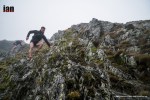
ON website HERE

Ultra Pirineu 2017 Summary and Images – Migu Run Skyrunner World Series

Baga, the home of Ultra Pirineu is located in Catalonia; it may come as no surprise that the Catalans take support to the next level – Ultra running to Spain is like football to the UK.

110km in length, with 6800m of positive gain, the race takes place in the Cadi-Moixero Natural Park. The profile, a little like a jagged sawtooth blade that includes several key peaks, the highest coming very early in the race with just 14km covered at Niu, 2500m high. Comprised of primarily trail, it’s a tough and challenging race that has often been made considerably more challenging due to inclement weather! Not this year though, the sun gods were kind and shined throughout the race as clouds rolled in and out.

Established in 1983, the Cadi-Moixero Natural Park is the hub for the racing and it stretches more than 30km over the mountain ranges of Serra de Moixero and Serra del Cadi; both part of the Pre-Pyrenees.

The narrow streets of Baga and an enclosed medieval square form an incredible start arena.

Immediately it’s hand-on-knees and straight into the first and highest climb of the day. It’s a dangerous mountain to start a race with. The effort and commitment just to get to the top requires a 100% effort, and this is all coming in the opening hours of a very long day on an exceptionally tough course. Finally breaking the tree line, the rugged terrain reveals itself and the first peak, with refuge, finally will come into sight. In the men’s race, Cristofer Clemente dictated the early pace followed by Zaid Ait Malek, Pablo Villa, Luis Alberto Hernando and Dmitry Mityaev. Maite Maiora started the day as she would continue, from the front followed by Nuria Picas who won UTMB just 3-weeks ago.

Dropping down, a short climb at 28km, ‘Serrat’ leads to another long descent and an aid at ‘Bellver.’ A third of the race completed, a long and relentless series of climbing takes place over the following 25km’s through ‘Cortals’ and ‘Aguilo’ to the 2nd highest point of the race at 2300m, Pass de Gassolans. Clemente had now built up a lead but Pablo Villa was within 5-minutes and looking strong. Hernando though was looking tired and laboured. Maiora was still leading the ladies race and continued to smile while Picas pursued and Ekaterina Mityaeva was in 3rd place.

The race is all about economy of effort for those at the front of the race, it’s about effort management to sustain the energy to the line and hopefully victory. At 70km covered, the race may well be considered to be downhill to the finish in Baga, but no, the race has a series of false flats with a couple of brutal cardiac moments that arrive at 86km and 96km; the latter a technical ascent of 1000m to Sant Jordi at 1500m altitude. Clemente despite his small lead dropped from the race after twisting his ankle on multiple occasions. This opened the door for Villa and he seized it taking the biggest victory of his running career. Behind Hernando was struggling and Aurelien Dunand-Pallaz moved into a podium position pursued by the Russian Mityaev. But behind, Jordi Gamito was looking strong – it was going to be close! At the line Mityaev produced a stunning 2nd and Dunand-Pallz was 3rd. Hernado would finish 6th behind Gamito and Ivan Champs Puga but he would still retain the overall title for the SKY ULTRA 2017 Migu Run Skyrunner World Series.

For the ladies’ Maiora produced a stunning victory on what has been a remarkable year, she has been consistently strong over all distances. Last weekend she took the overall title for the Sky Extreme Migu Run Skyrunner World Series and just three weeks time at Limone, she may well be the combined champion too? Picas showed incredible recovery from UTMB to place 2nd in front of her home Catalan crowd. Mityaeva placed 3rd after another solid year in the Skyrunning ranks. Ragna Debats was crowned 2017 Migu Run Skyrunner World Series champion for the Sky Ultra discipline.

  1. Pablo Villa 12:30:19
  2. Dmitry Mityaev 12:33:46
  3. Aurelien Dunand-Pallaz 12:44:15


  1. Maite Maiora 14:22:19
  2. Nuria Picas 14:41:45
  3. Ekaterina Mityaeva 15:41:17

https://livetrail.net

Sky Ultra 2017 Migu Run Skyrunner World Series Champions

  • Ragna Debats
  • Luis Alberto Hernando

Race website HERE

Results HERE