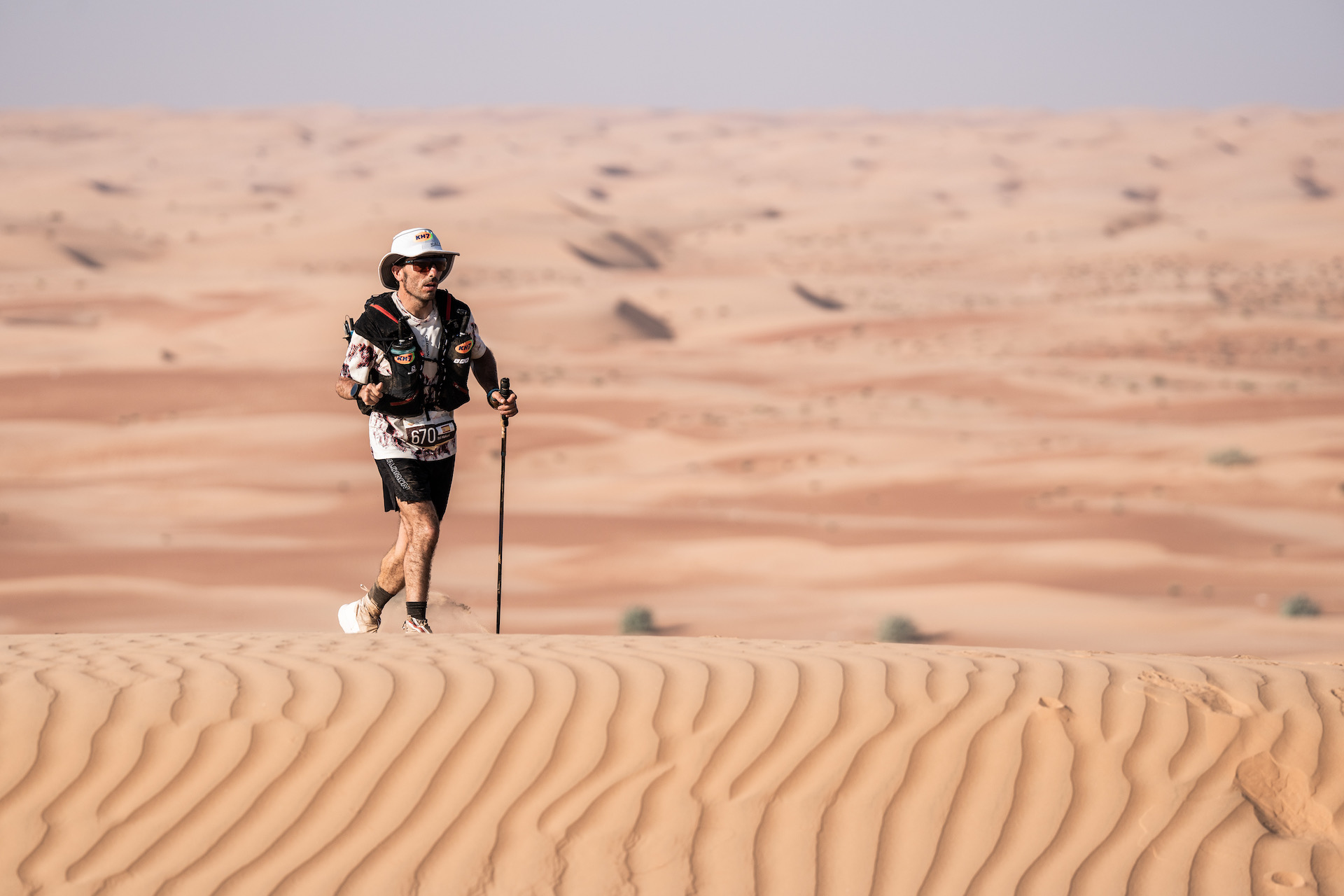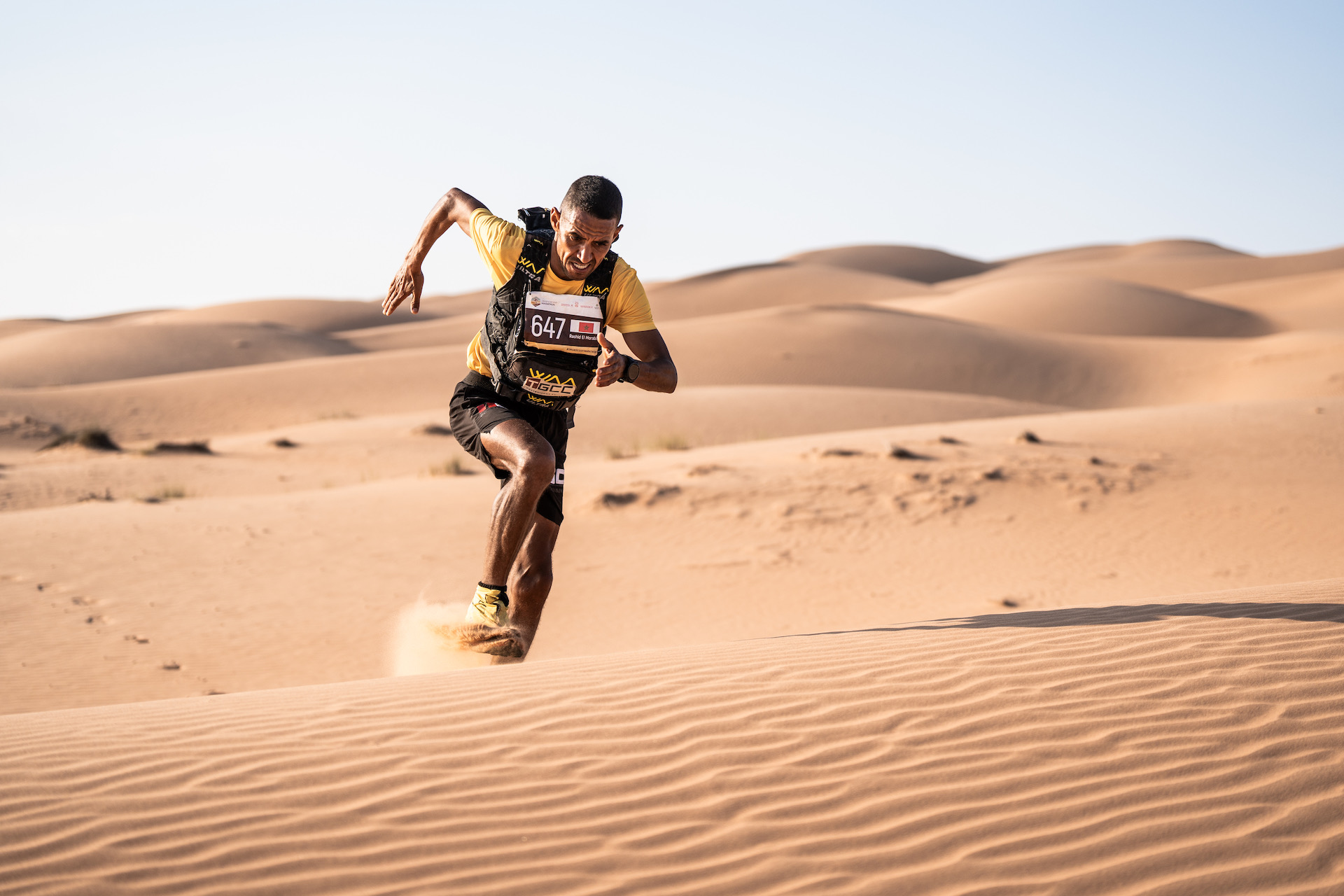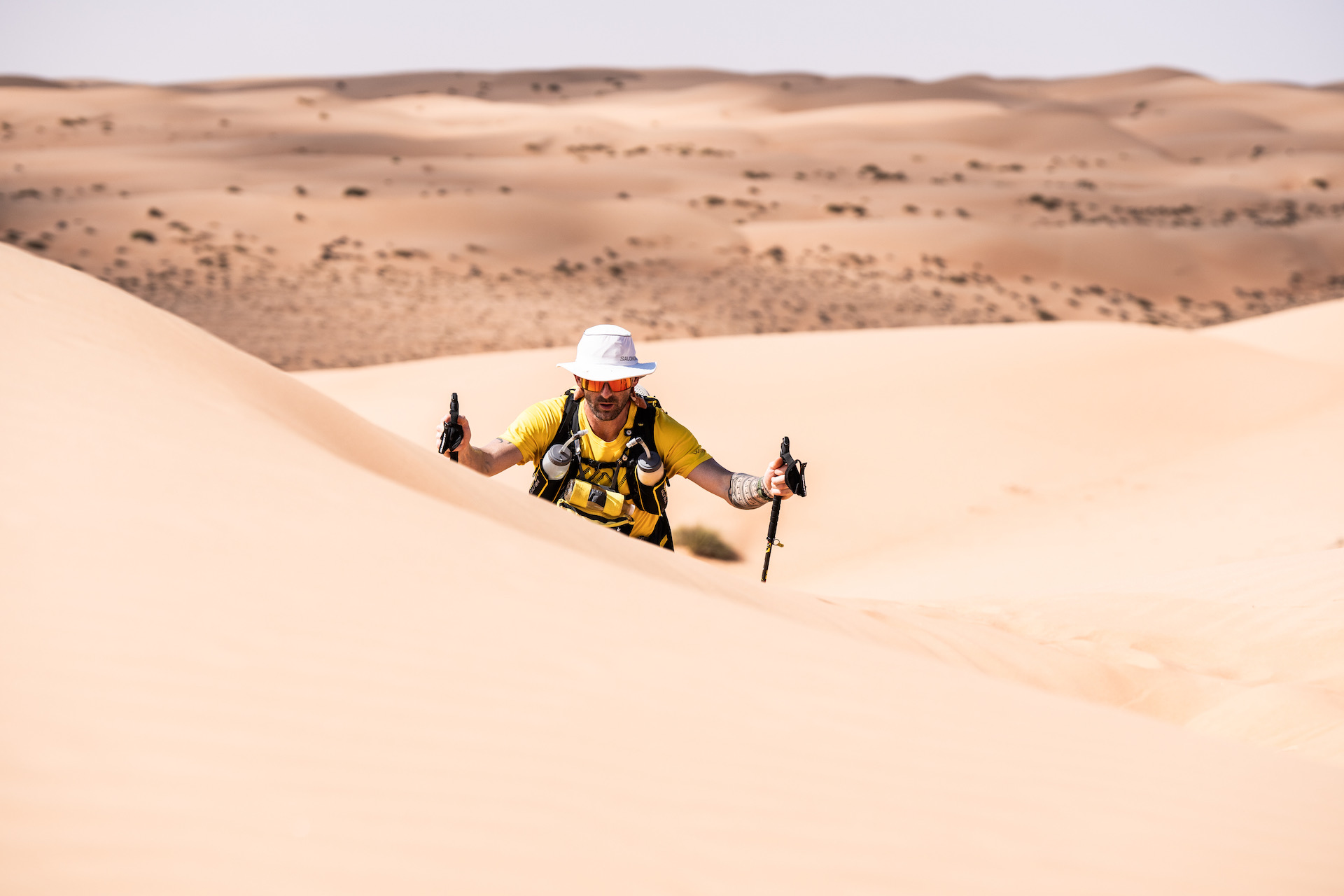
MDS THE ULTIMATE GUIDE

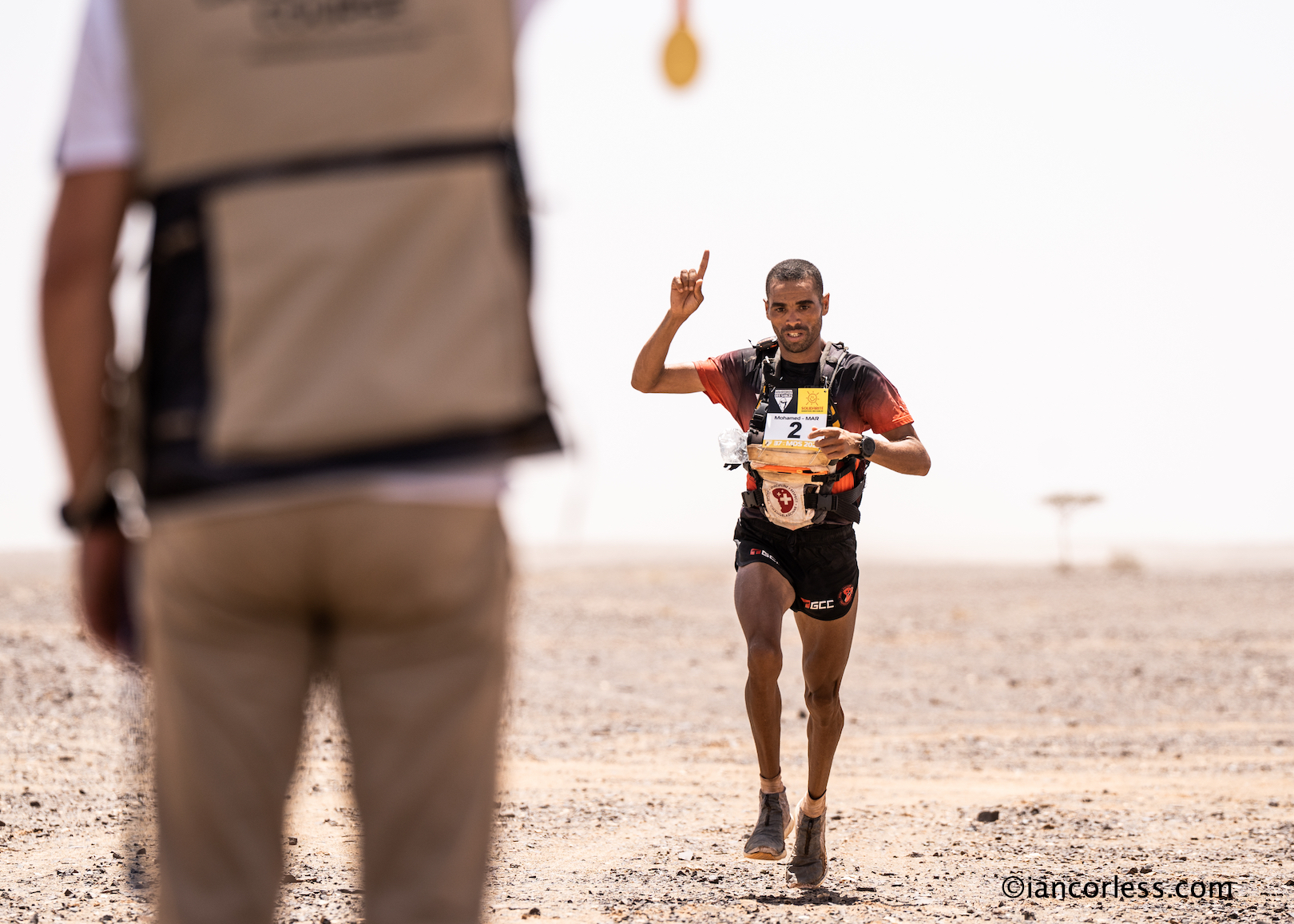
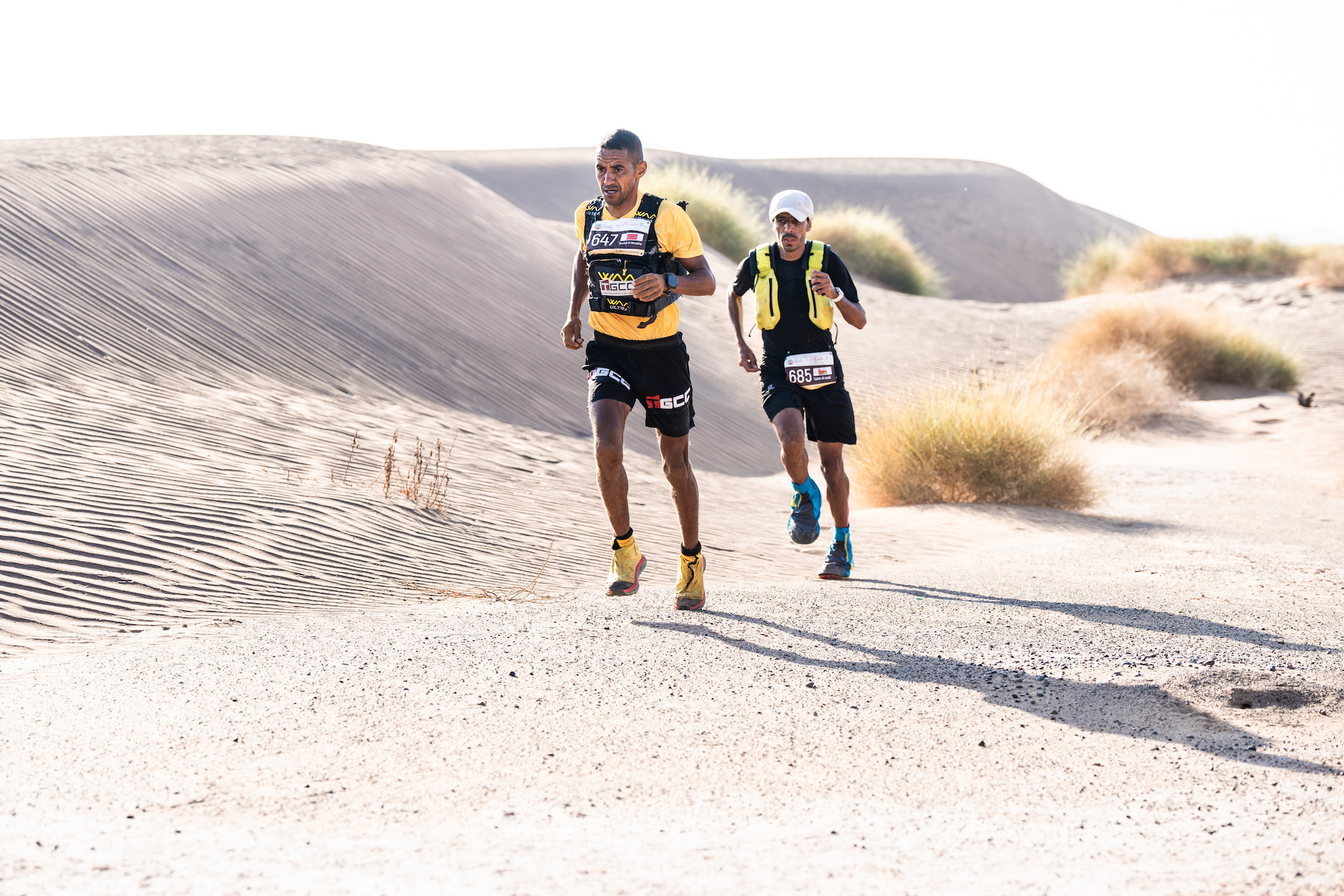
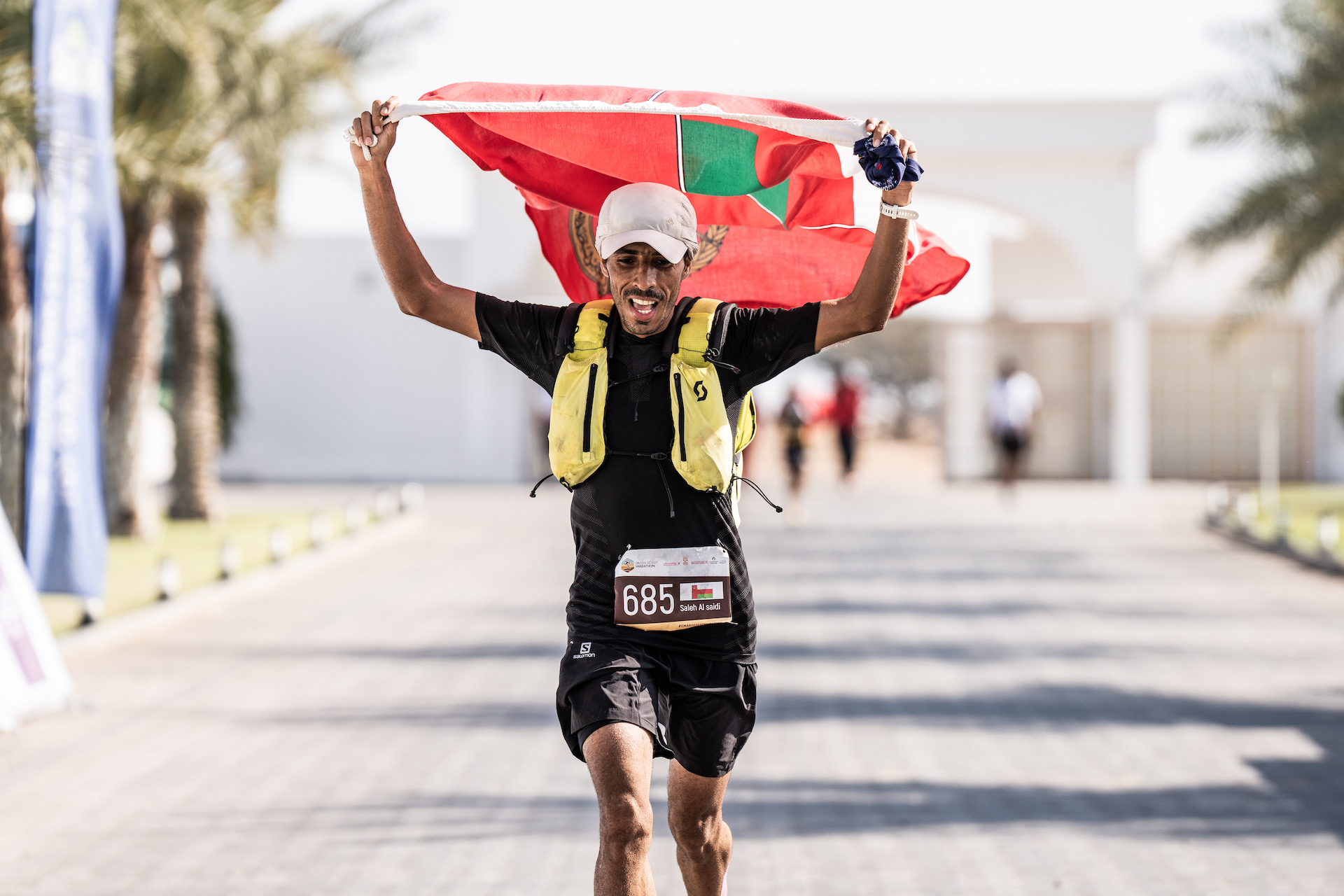
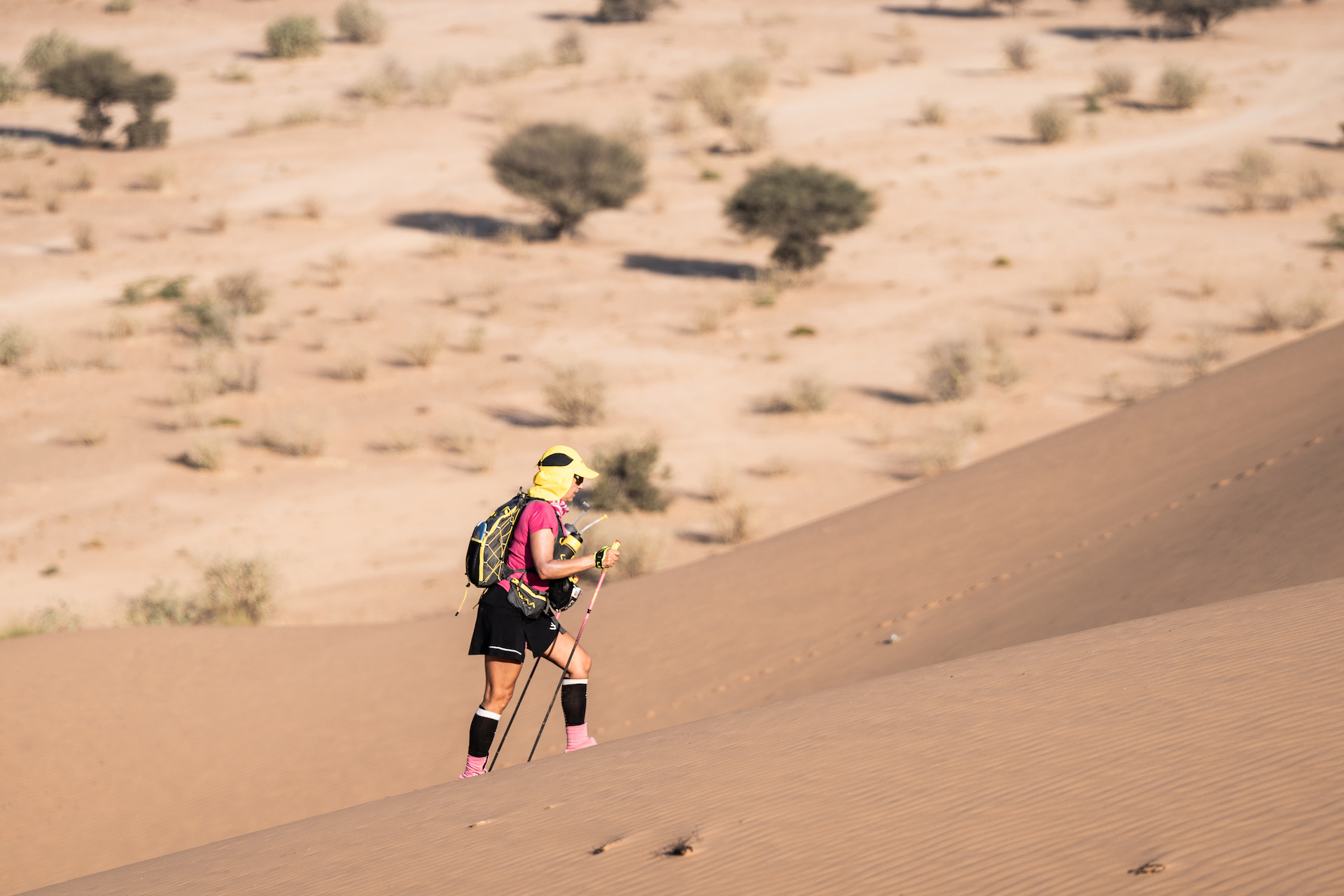
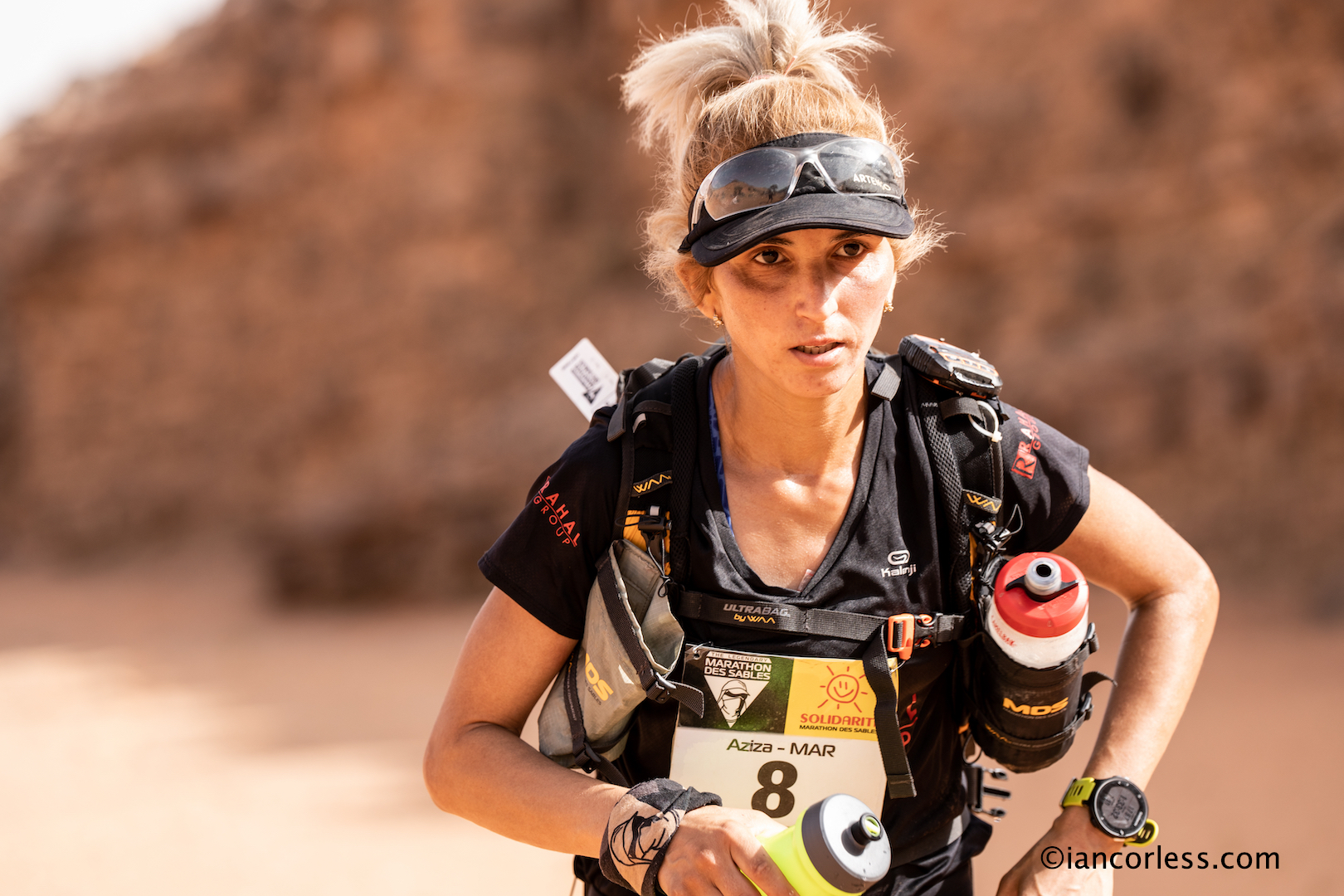
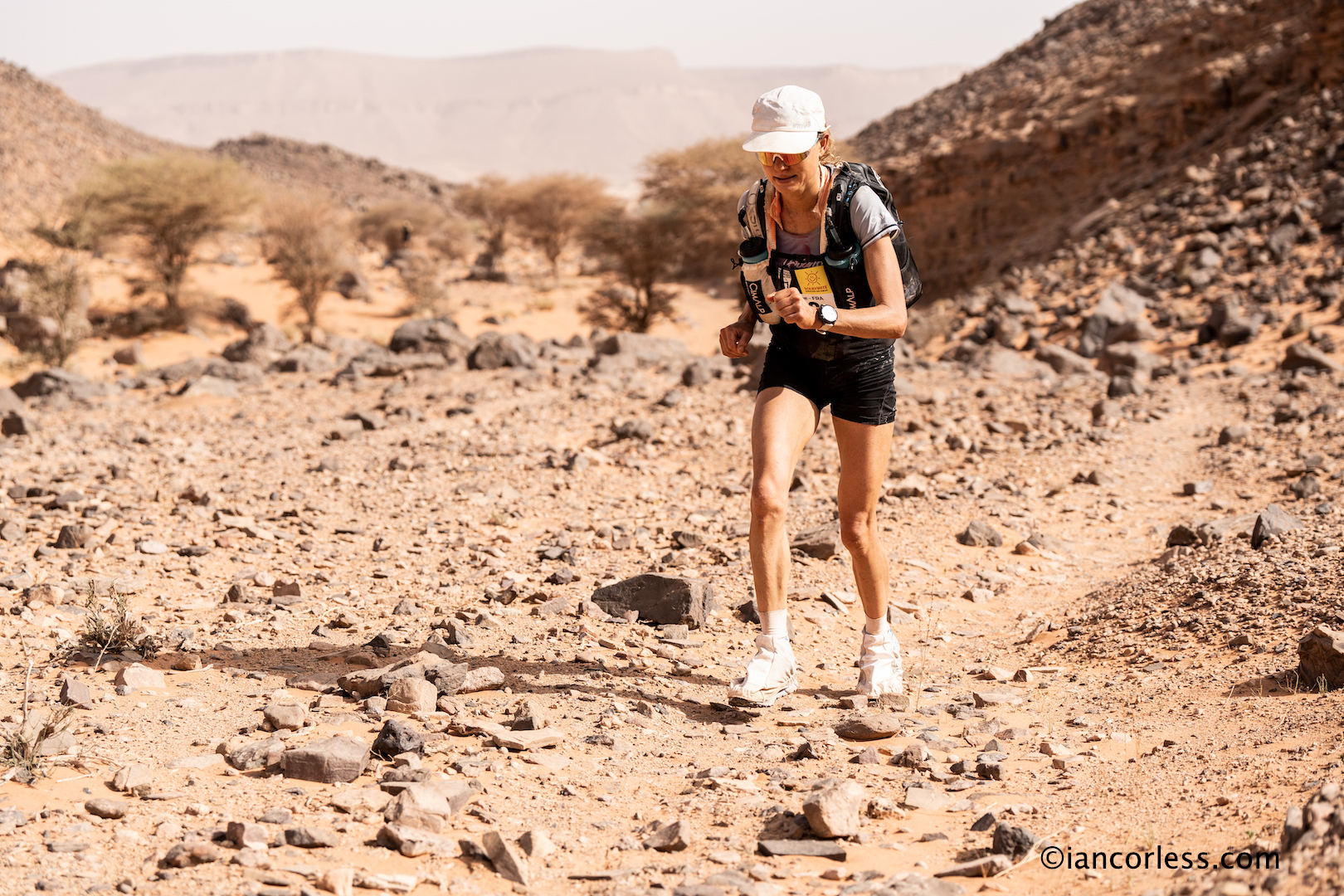
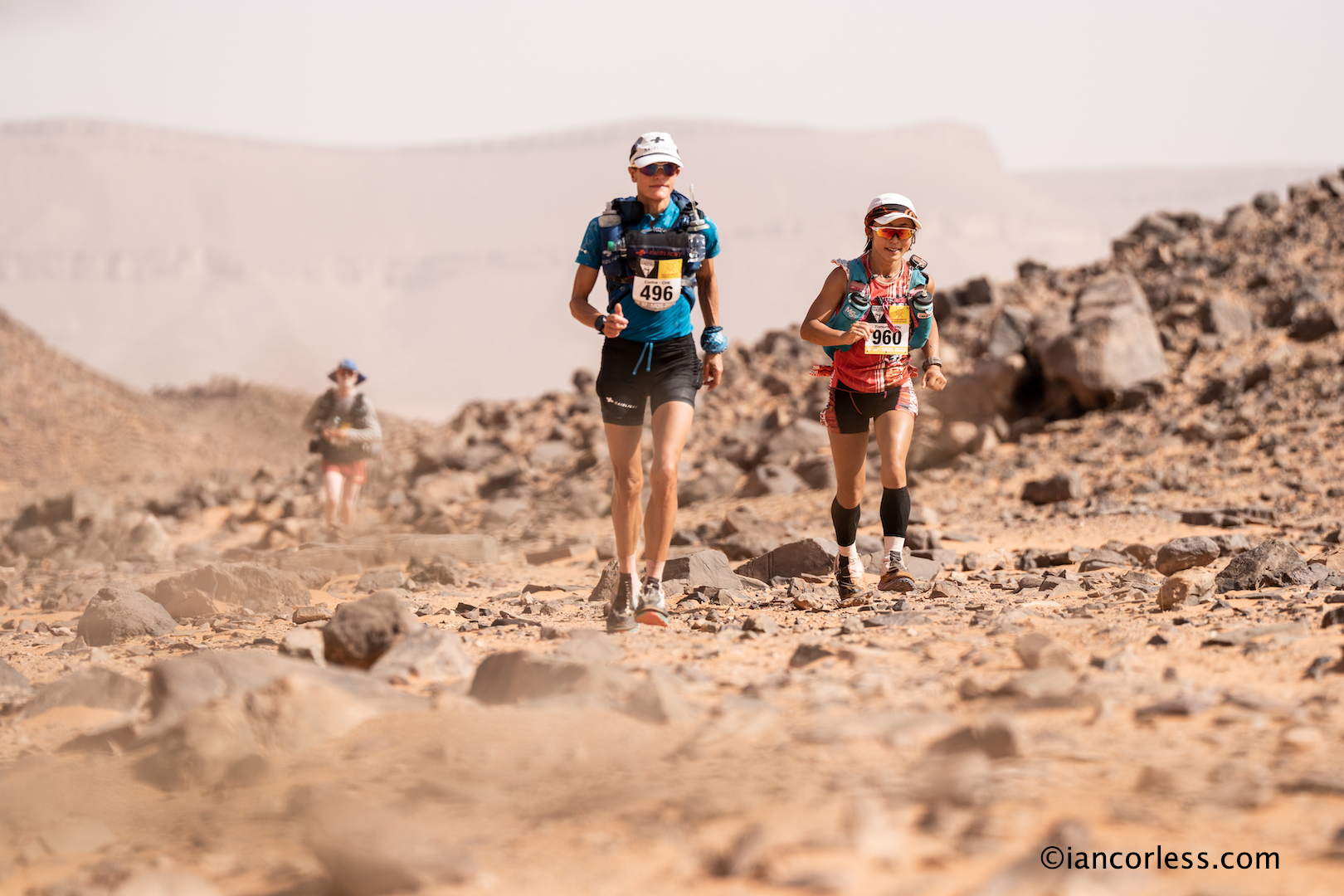
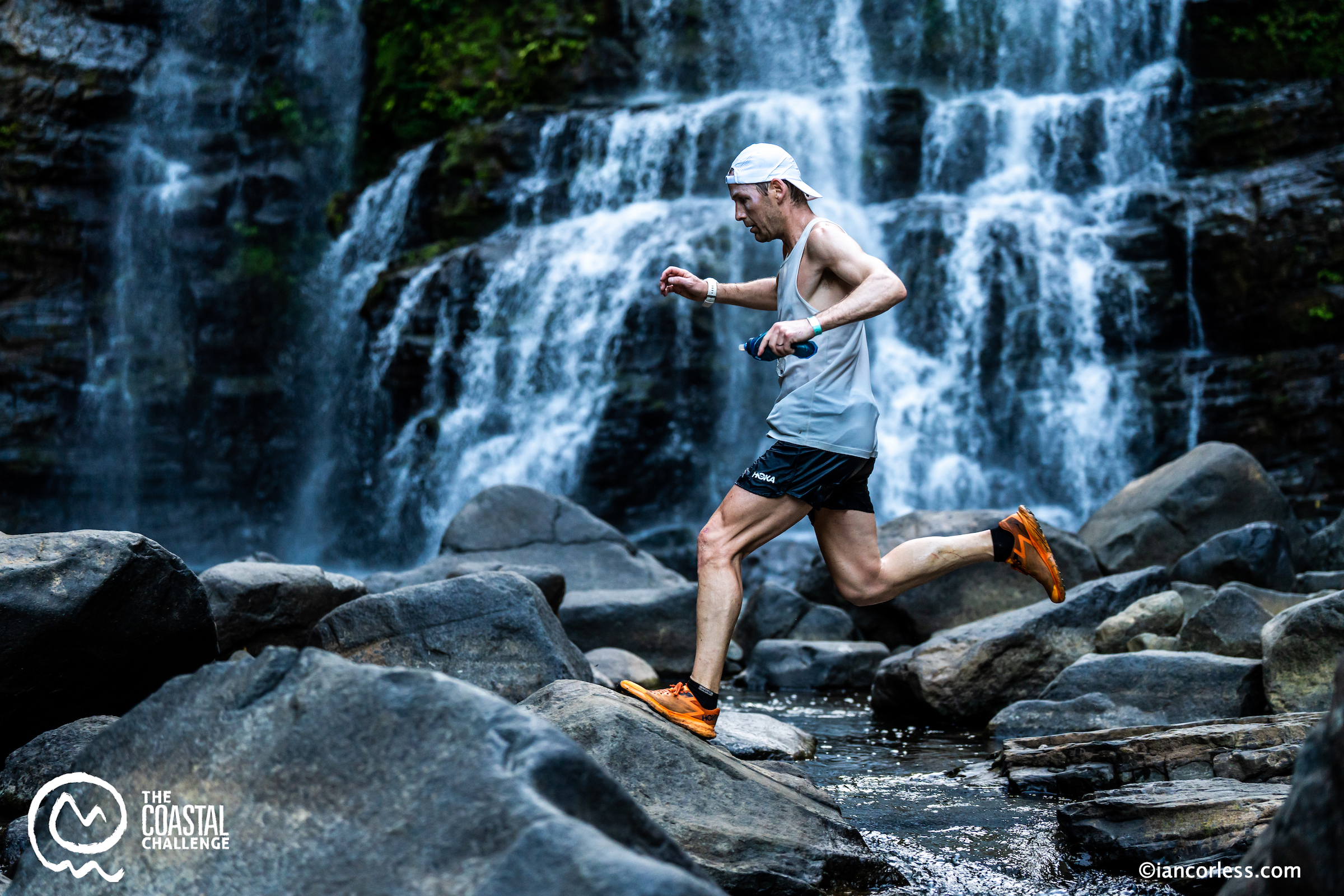
The MARATHON DES SABLES is a unique adventure of 250km’s spread over 6-stages of self-sufficiency, shared by thousands of enthusiasts, in 2026 it celebrates 40-years. In 2017, another format, HMDS was born with 70 to 120km distances, spread over 3-stages and 4-days.

Since 2024 there has been a significant changes for the MDS brand. The ‘HMDS’ format while still following the same protocols and format has now dropped the ‘half’ title and moving forward, events will be called MDS 120 Jordan, MDS 120 Morocco, MDS 120 Cappadocia and so on.

To differentiate the full distance race of 250km’s, Marathon des Sables will now be known at MDS Legendary, reflecting the legendary status of this iconic event and its long history as a pioneer of the stage racing and multi-day format.
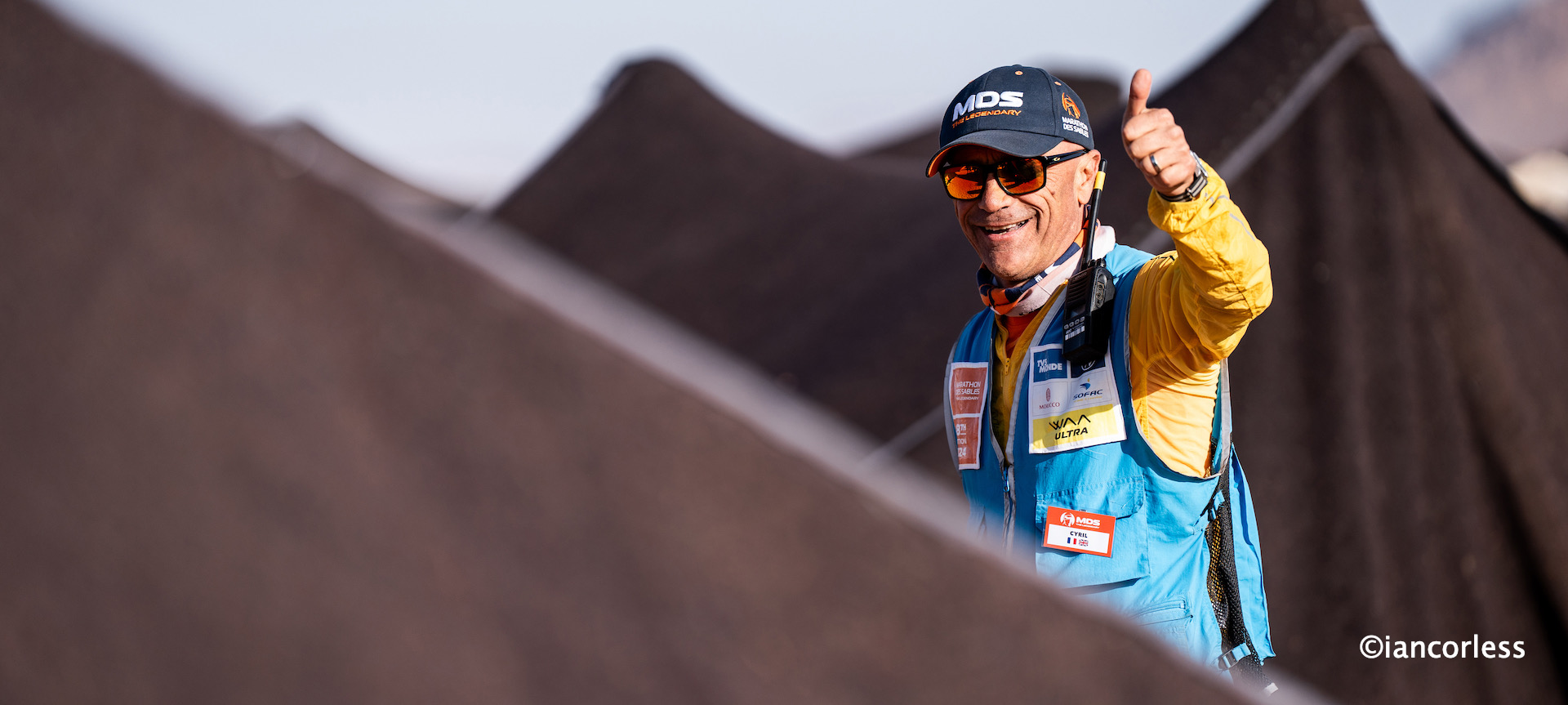
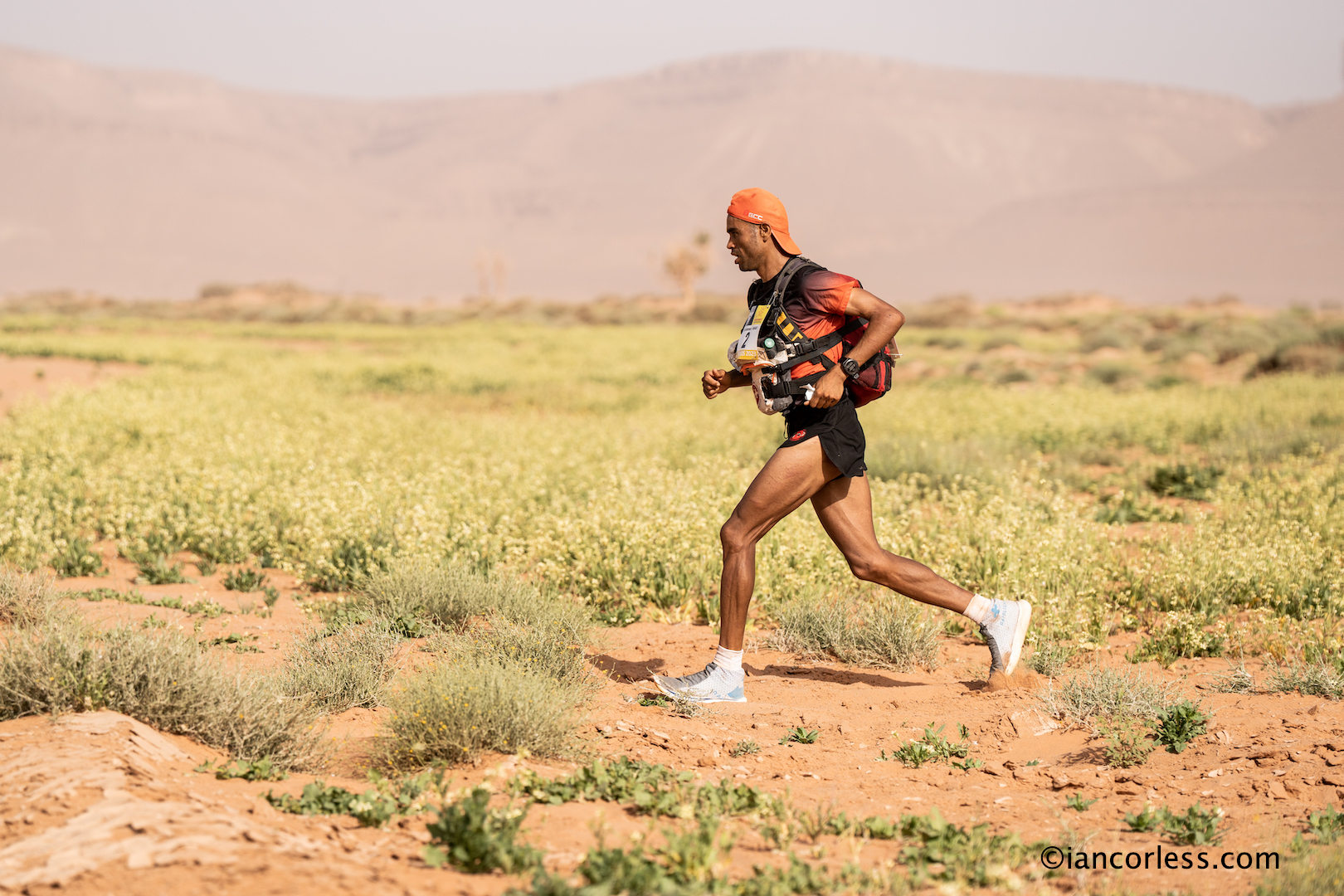
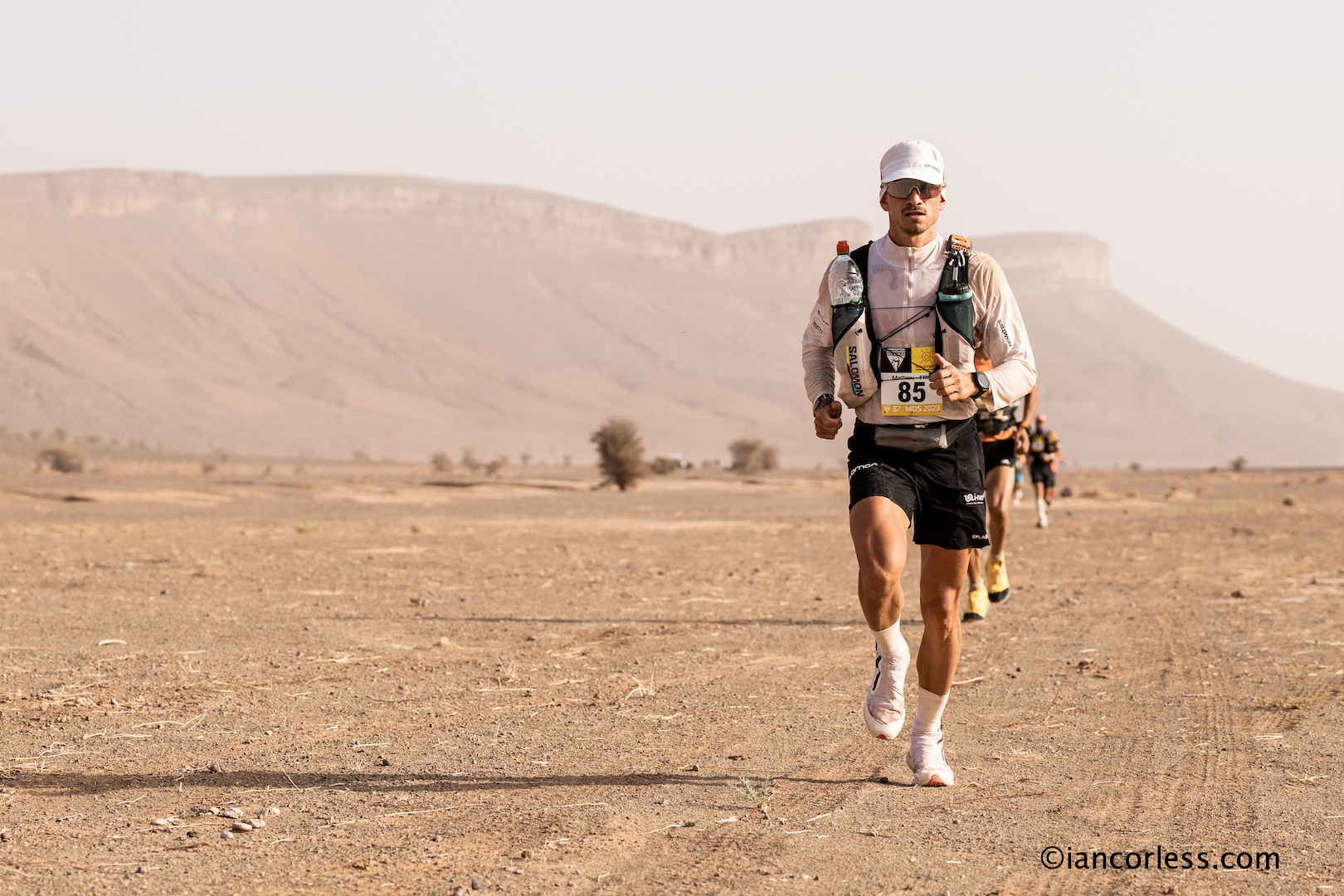
Cyril Gauthier, a new era for the race ©iancorless

All the races are now owned by the same team and while many may be familiar with the format and protocols for the shorter distance races, MDS Legendary since 2024 has had some significant changes. 
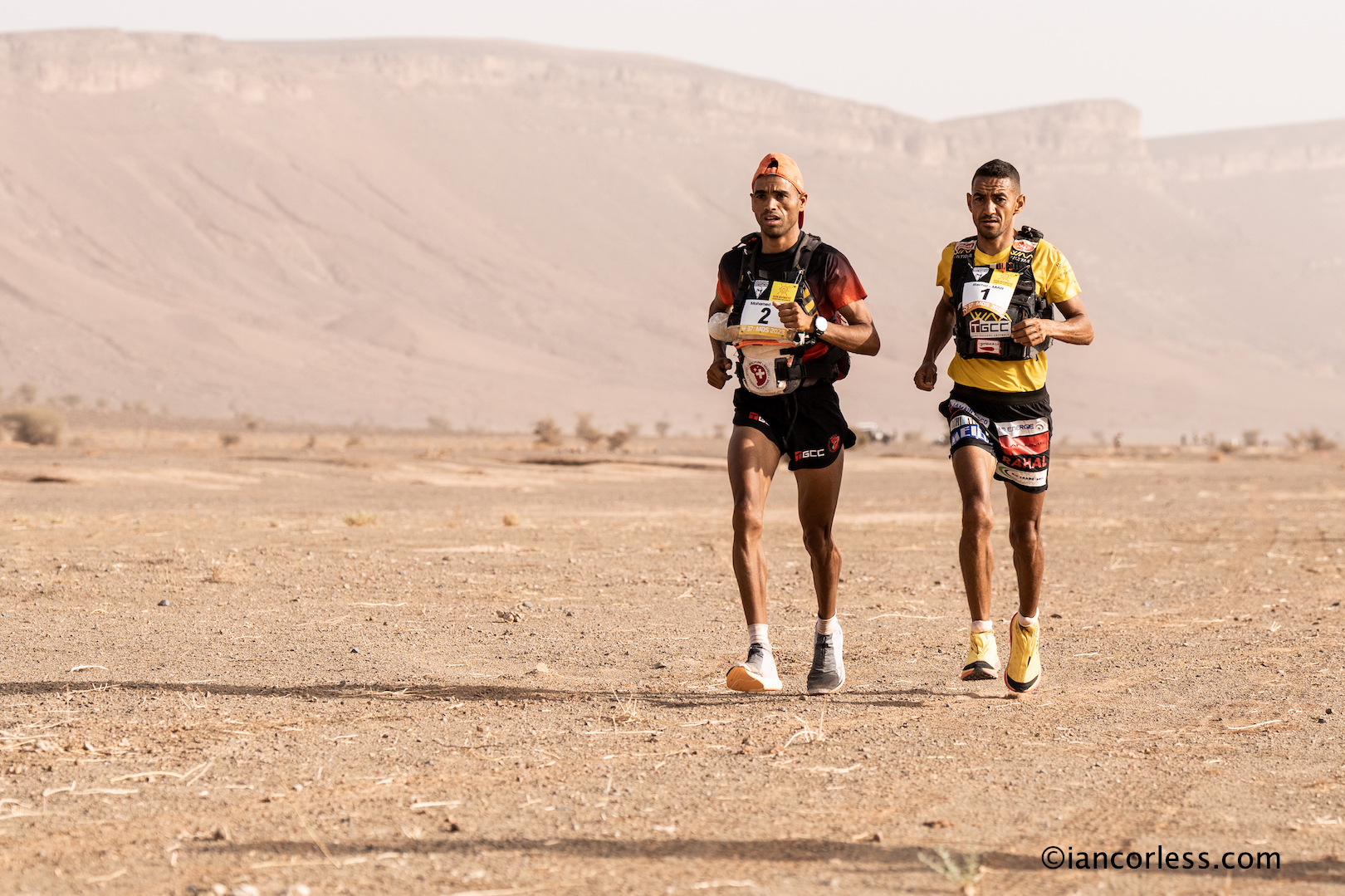
Camp life and the desert, it is special. ©iancorless
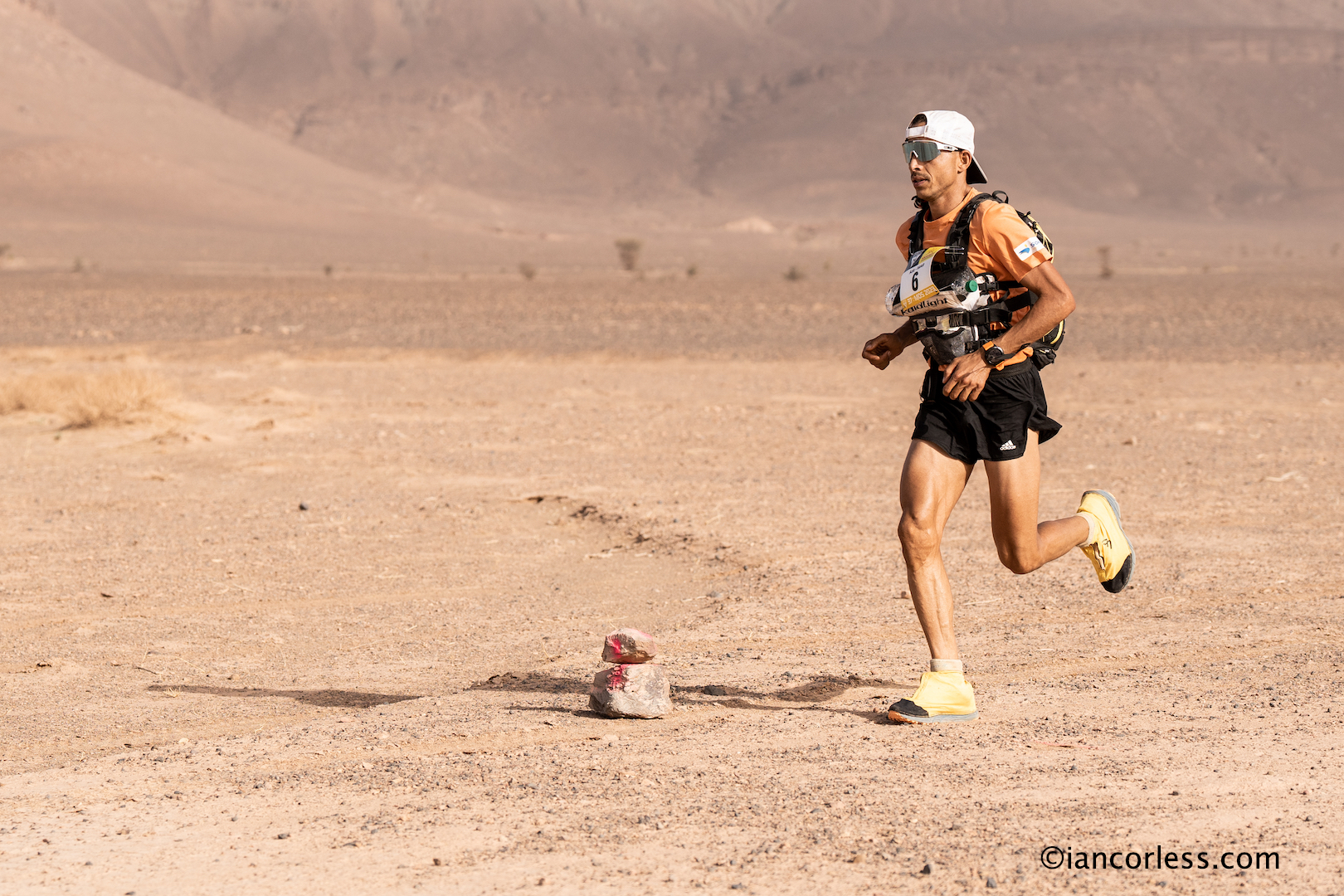
A 360 experience ©iancorless

Since 2024, MDS has expanded beyond its roots with MDS 120, the exploratory MDS TREK, the demanding MDS RAID, the mind-bending MDS Crazy Loops. and MDS ULTRA – Morocco. And the inspiring, MDS HANDI. Each one a new take on the same promise, to push the limits of what a runner can handle.

MDS EVENTS

  • MDS The Legendary
  • MDS 120 Atlantic Coast Morocco
  • MDS RAID Namibia
  • MDS 120 Cappadocia
  • MDS Crazy Loops – currently 2 locations in France.
  • MDS 120 Fuerteventura
  • MDS 120 Morocco
  • MDS Trek Morocco
  • MDS Handi Morocco
  • MDS 120 Jordan
  • MDS 120 Peru*
  • MDS ULTRA – Morocco

* Every 3-years.

WHAT IS MDS?

MDS is a self-sufficient race taking place over 3 to 6-stages. 
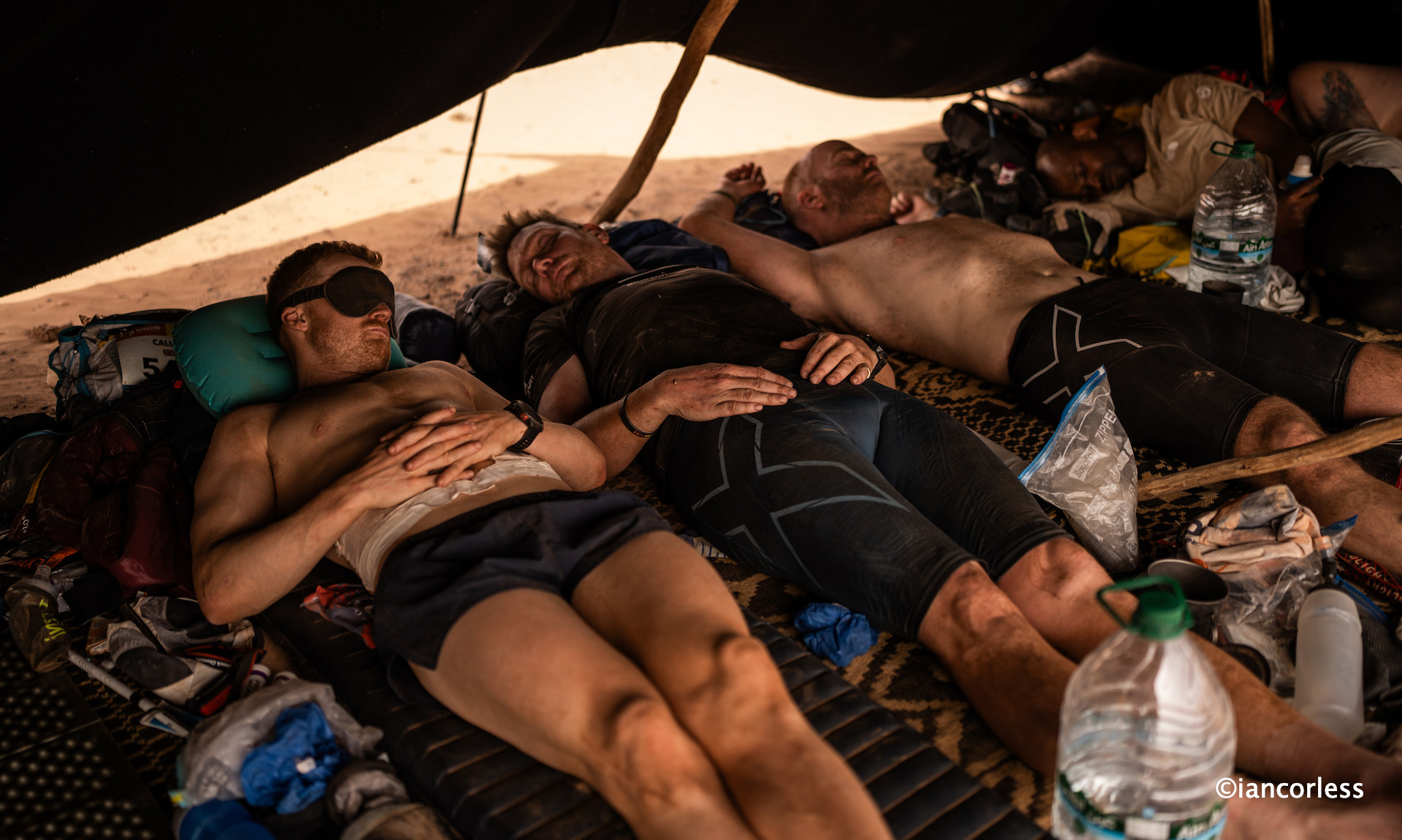
Bivouac life.

MDS Legendary is the iconic 6-stage race (over 7-days) with a distance of 250km (+/-) based on the route, terrain and difficulty. There are no options available on distance and participants are self-sufficient for the entire race, the only exception is the provision of water and a shared tent (bivouac) with 7 other participants. An example of 2024 distances:

  • Stage 1 : 31.1 km
  • Stage 2 : 40.8 km
  • Stage 3 : 85.3 km (over 2 days)
  • Stage 4 : 43.1 km
  • Stage 5 : 31.4 km
  • Stage 6 : 21.1 km

MDS 120 events start at 70, 100 and 120km for the shorter race format, depending on the race destination, there are 2 or 3 distances available. To clarify, this is not 2 or 3 different races, but the same race with the option to choose what distance you run or walk. As an example, the route is divided into 3 stages (4-days), to be completed at your own pace: walking or running. 

  • –    70 km
  • –    100 km
  • –    120 km

Here is a breakdown of each stage:

  • –    Stage 1: 25km – 30km
  • –    Stage 2: 20, 40 or 60km
  • –    Stage 3: 25km – 30km

The choice of the format is made at the registration. However, you can adjust it until the time of MDS.

MDS RAID follows a similar format to MDS 120.

MDS TREK is not self-sufficient and while similar to other MDS events, the format is much more a holiday experience, ideal for first timers or those who are looking for an active travel/ relax experience. Read more HERE.

THE MDS FORMAT

MDS The Legendary and MDS 120 events follow a similar format, however, there are key differences:

MDS The Legendary is a 10-day experience

MDS 120 a 7-day experience

In both scenarios you arrange travel to the relevant destination, arriving with adequate time to meet the MDS team at a designated meeting point and time. This may mean you need to arrive one day in advance to ensure you are able to meet the schedule as stipulated. From here, the MDS team then transport you to the start of the race. 

For MDS Legendary this will be a flight to Marrakech and free transport is offered to Ouarzazate.

For MDS 120 / TREK / RAID and ULTRA events, the meeting point will be a specific airport for transfer to hotel. 

MDS The Legendary use classic Nomad tents that hold 8-participants. By contrast, MDS 120 events use individual tents organised in cells of 6. TREK has upgraded tents, RAID combines solo tents and a star night, MDS ULTRA will be hotels except when racing.

Post-race you will be transported to a hotel and an awards ceremony and gala dinner will take place.

EVENTS

MDS LEGENDARY the iconic 6-stage, 250km race celebrating 40-years in 2026.

MDS 120 (used to be HMDS) this is 3-stages over 4-days with distance options of 70/ 100 or 120km.

MDS TREK this is similar to the MDS 120 format, however, there is no self-sufficiency, more comfortable accommodation and additional facilities, an excellent introduction to the MDS.

MDS RAID an event for more experienced athletes that is undertaken in teams of two, over approximately 90-120km’s, typically, two distance options are provided. The format is similar to MDS 120 with 3-stages over 4-days. One night will be undertaken under the stars with no bivouac.

MDS ULTRA new for 2025, a 100-mile or 100km single stage race with a 40-hour cut off.

MDS CRAZY LOOPS three new events for 2025 undertaken in ski resorts, the format is to run as many loops as possible in 24-hours. The loops will be typically, 3-5km’s in length.

MDS HANDI an inspiring inclusive event to provide wheel chair athletes an opportunity to participate with team members.

THE RACE CONCEPT
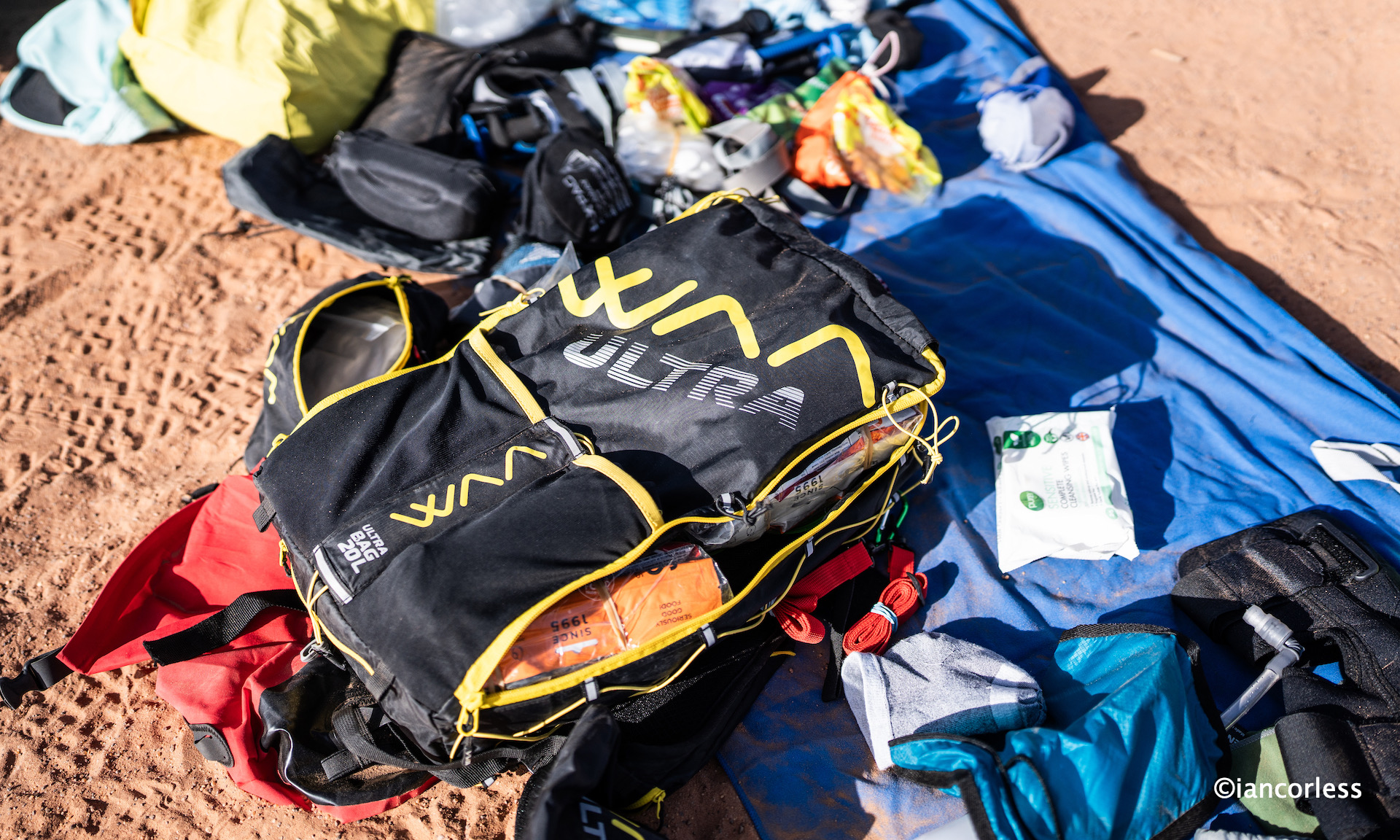
You carry all you need for the race. ©iancorless

Both race formats, MDS Legendary, MDS 120, MDS RAID and MDS ULTRA require participants to be self-sufficient for the whole race.

What does this mean?

Quite simply, you must wear and carry all you need for your race experience with the exception of the tent / bivouac. MDS ULTRA will not require a bivouac or same kit requirements as MDS Legendary, Raid or 120.

It may sound daunting but it is not, it’s actually quite simple. You need to address the following points:

  • What you wear.
  • Equipment you need to participate.
  • Sleeping.
  • Food.
  • Cooking equipment. (You can purchase fuel blocks in bivouac)
  • Water.

WHAT TO WEAR

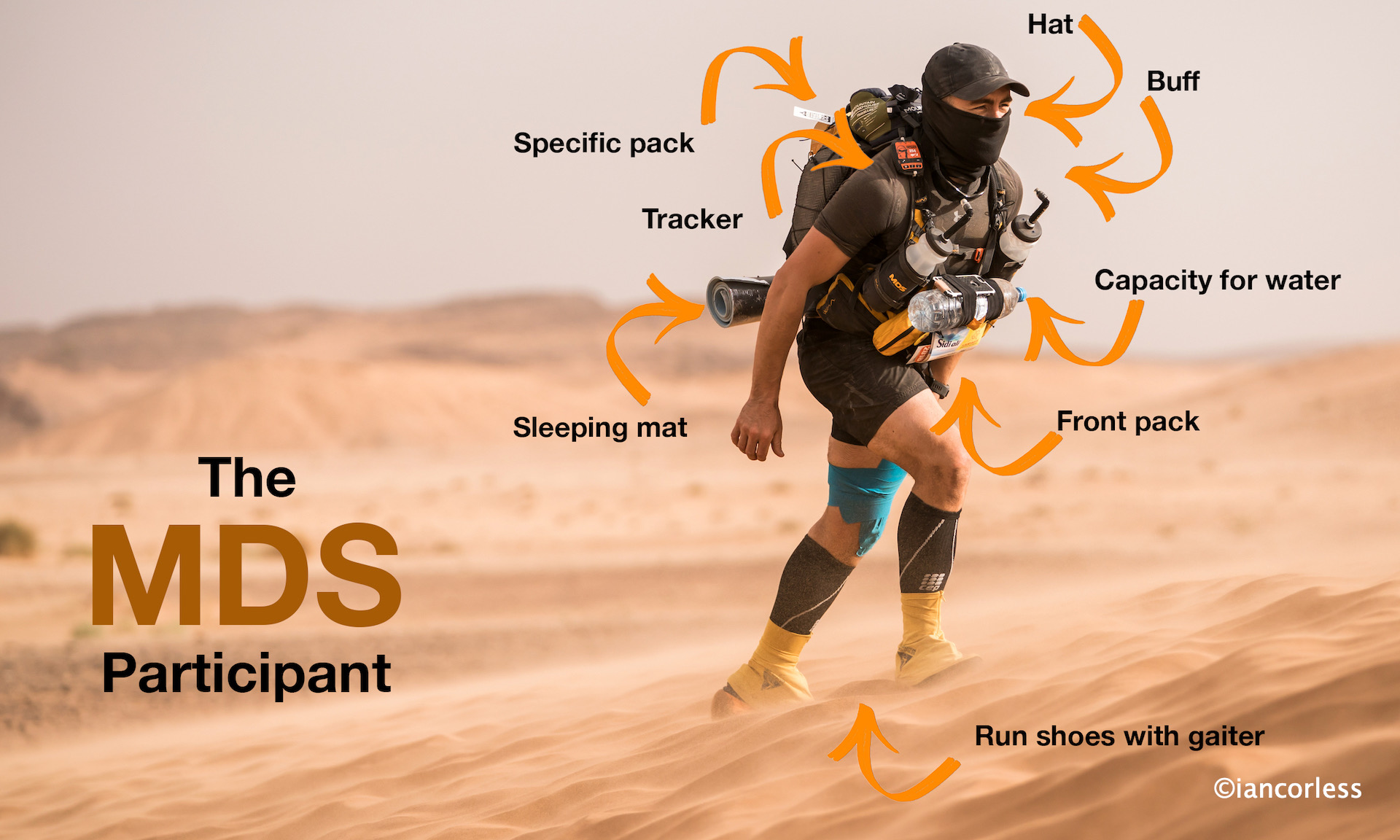
  • Hat to protect from the sun with optional neck protection.
  • Shirt (short or long sleeve) with adequate protection from the sun.
  • Shorts, skort or similar.
  • Socks.
  • Shoes with appropriate protection and durability for a desert environment with a gaiter (typically sewn on) to keep sand out of the shoe.

WAA is a partner for MDS have specific equipment for desert/ stage-racing.

Because you have entered a MDS event, there is no need to buy new apparel and shoes. Quite simply, if you have items that work, are comfortable, cause no problems or irritation, there is no need to change them. If it aint broke, don’t break it. Shoes always create a huge debate and please find what works for you. If you ask on any forum, you will get countless recommendations but none of those recommendations are specific to you and your needs. Read an article HERE and HERE.

EQUIPMENT

MDS runner ©iancorless

Always remember that with MDS events you are either wearing or carrying everything you need for the race duration. Therefore, it is imperative that you purchase the lightest options available (based on budget) and you keep luxuries to a minimum. 

Keep it simple!

MDS specify ‘mandatory’ equipment for participation as specified below:
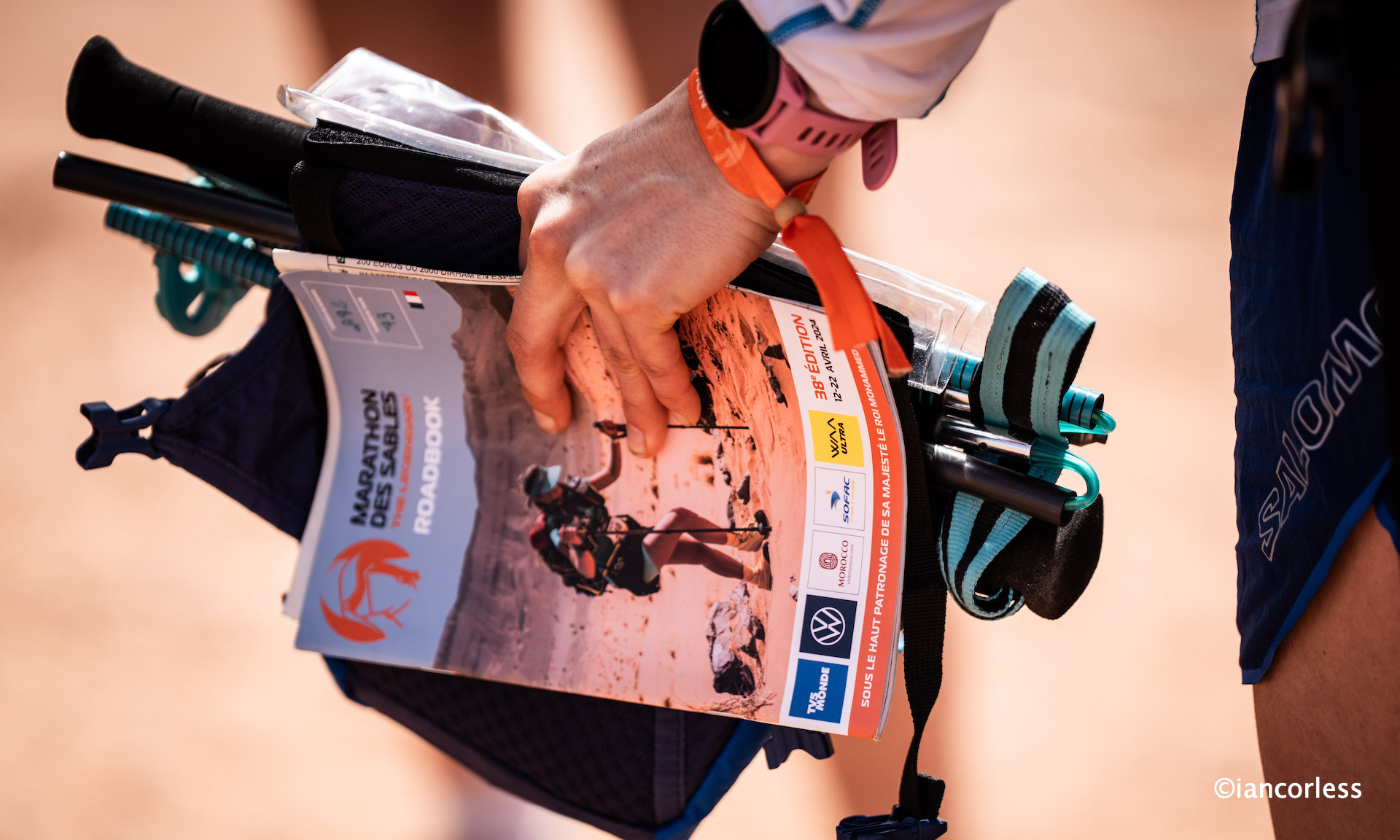
The Road Book provides all the info about the race and route ©iancorless
  • A pack with enough capacity to carry all your equipment, food and water – eg: WAA Ultra Bag 20L
  • Water carrying capacity of 1.5L minimum.
  • Sleeping bag read HERE
  • Headlamp (which must be turned on after dark) + 1 complete set of spare batteries or battery. Make sure it has a ‘red’ mode for night.
  • 10 safety pins
  • Lighter
  • A whistle
  • Metal blade knife
  • Skin antiseptic
  • Signaling mirror
  • Survival blanket
  • Soup cubes (2 per day) to help the rehydration
  • Tube of sunscreen 
  • 100 / 200 euros in cash 
  • Passport or identity card (depending of the destination) 
  • Official MDS medical certificate completed by a doctor (form available 3 months before the race).
  • Road book
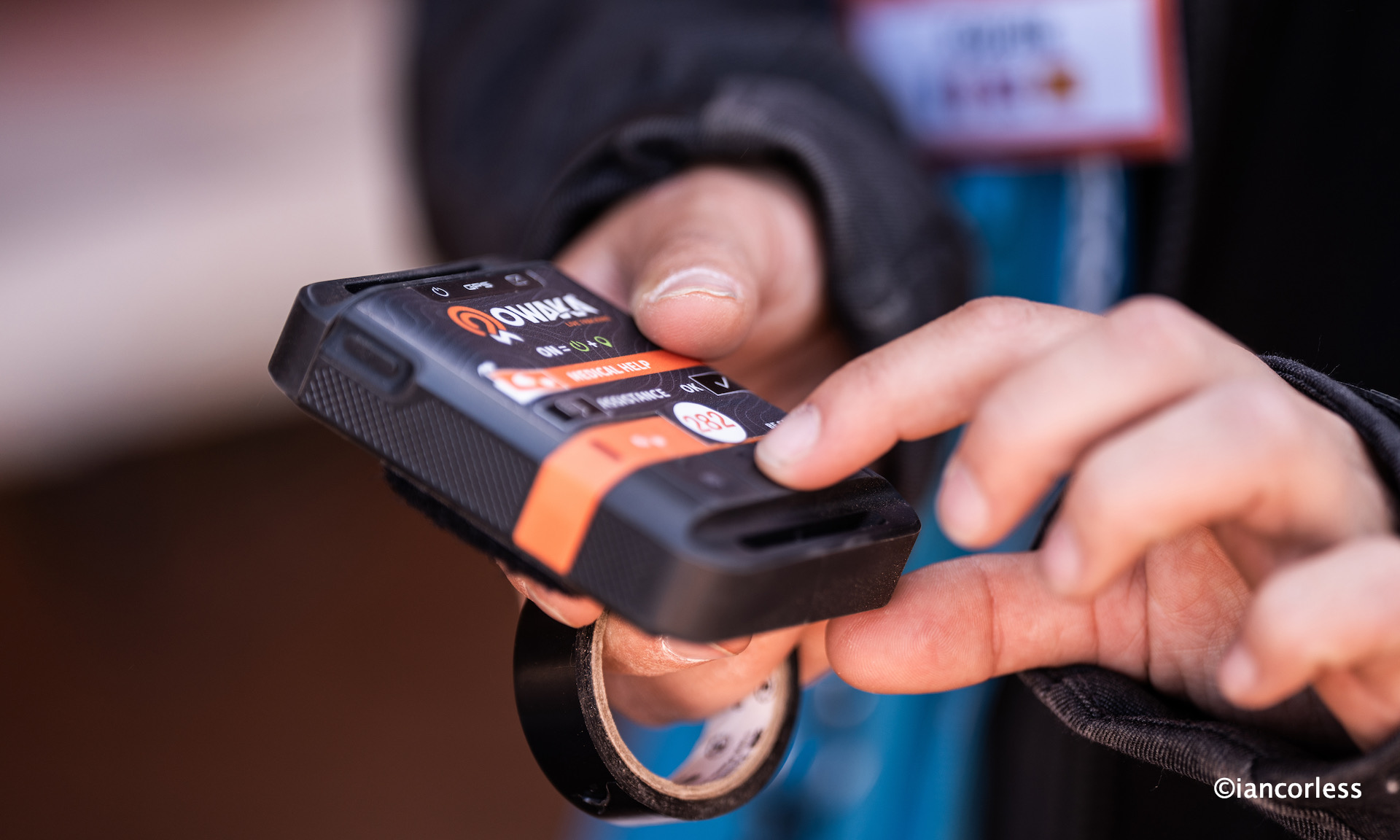
Each runner has a tracker for safety ©iancorless

What else do you need?

  • A sleeping mat is highly recommended to protect from the ground, insulate and provide comfort.
  • A jacket is highly recommended (lightweight down) for cold morning and chilly nights. Many products exist. An excellent combination item is offered by PHD but it does come at a price – HERE.
  • Poles are for many 4-wheel drive in stage races, Leki are highly recommended.
  • Stove – if you plan to have hot water, you will need a cooking system like those provided by Esbit. Please note, you cannot use any gas stoves in the desert, you must use fire bricks which you can purchase at bivouac.
  • Pot – if you are using a stove, you will need a pot/ mug
  • Spoon with long handle for eating. Such as a Spork.
  • Buff or neck roll.
  • Sunglasses are essential and think about protection in sand storms, goggles may be required.
  • Spare socks and Injinji are highly recommended.
  • Flip flops or similar. Many use the weight free slippers from hotels, however, they rarely withstand the desert.
  • Watch / GPX
  • Personal items: Tooth brush, toothpaste, hand gel, wipes, toilet paper, ear plugs, blind fold etc.
  • Emergency – Things can happen during a race, so, be prepared with some essential items such as needle and thread, superglue, zip ties, monkey tape etc. If something rips or breaks, you need to repair it.

Luxuries

MDS is and should be simple in format. Remember, you must carry everything, so, keep luxuries to a minimum. Many consider a small MP3 player, look for something small, light and with great battery.

Phones are an essential part of our daily lives, do yourself a favour and leave it at home. The liberation is extremely rewarding. Please note, phones are allowed, however, it is prohibited to telephone on the bivouac or on the course. If you want to make a phone call, you will have to move away from these places so as not to disturb anyone.

SLEEPING

A sleeping bag is mandatory, so, there is no discussion here. The combined weight of your food is the heaviest and bulkiest item, however, a sleeping bag is next. These days there are many options available and quite simply you want the lightest possible, with the smallest packing size with required warmth at a price that you can afford. Not all sleeping bags are the same, so, consider this. Down is the best filling as it is the lightest, warmest and packs small. However, ‘fill power’ is a key element of down, fill power tells you how much volume a 30-gram, or one-ounce, sample of down will take up. So, the higher the fill power, the warmer the bag will be for less weight, because that one ounce of down has larger down clusters that provide more loft and have the ability to trap more heat. These bags will be more expensive.

Brands to look at: Nordisk, Seat to Summit, Rab, PHD, Western Mountaineering, Wilsa, Lightwave and so on.

Note here, that you will also probably be taking a down jacket for warmth. This can be used as extra warmth and insulation in a sleeping bag. So, it is possible to think about getting a lighter, less warm bag and supplementing warmth with a jacket.

UK brand PHD has come up with the perfect solution with an Ultra Jacket and Desert Race Half Bag but is does come at a price. However, it is comparable with the costs of jacket and bag by Nordisk.

Sleeping mat is highly recommended. When you are not running or walking, you are sitting or lying down, comfort is key. Two options exist, inflatable or not. Inflatable provides the greatest comfort but with poor admin does have the risk of puncture. Sea to Summit provide excellent inflatable options with low weight and pack size. Exped have excellent closed-cell foam.

FOOD

Plan food in day bags ©iancorless

The MDS 120 events (TREK not included) are self-sufficient adventures. You  need to bring your own food and carry it in your bag for the duration of the race.There is a requirement that you must have 2000 calories minimum per day. Please remember that from 2024, catering is not provided at MDS The Legendary and therefore you must have enough food and calories before the race starts.

Food is the heaviest item you will carry and is essential. Don’t skimp on food. Lay food out per day addressing key items:

  • Breakfast (be careful they are not too sweet)
  • Snacks while running (bars, nuts, dried meat etc)
  • Post-run recovery (usually liquid form is ideal)
  • Lunch if applicable (this could be another meal such as cous cous)
  • Dinner (dehydrated meal)
  • Evening snack (a bar)

Where possible, repackage food to make them smaller and lighter. However, make sure you keep nutritional information for the admin day. Pack food in day bags, that way it is easy to know what you have and importantly, you don’t take food you need for the next days. Keep doing this and you will be short of food at the end of the week.
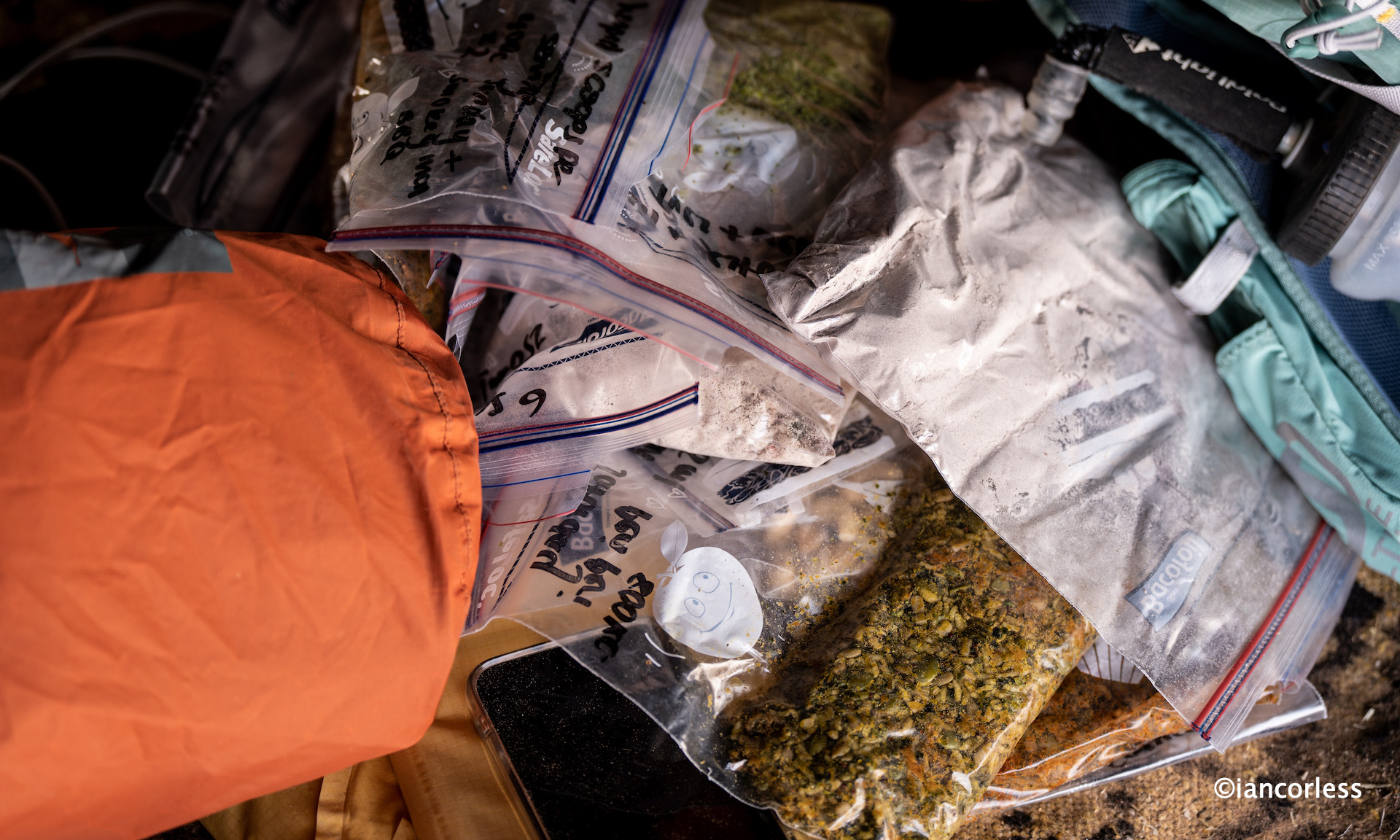
Be organised with all your items ©iancorless

Food is personal and you must find out what works for you. Remember taste chances when fatigued and in hot environments, often, sweet becomes less palatable with a preference for savoury. Dehydrated meals will often be used for key meals such as breakfast and dinner, some hydrate well with just warm water, others need hot water. So, if you are not taking a stove, test this. Basecamp food is a good website that shows what options exist. After many tests, highly recommended products are Firepot, Lyo, Tentmeals and Adventure Menu. Personally speaking, Firepot produce the tastiest meals I have tried.

Make sure you add some treats to spice up your palette.

A food list for MDS The Legendary could look like this:

  • Dehydrated Meals x6 672g
  • Dried Mango 93g x 4 372g
  • Porridge 59g x 7 413g
  • Coffee 1g x 10 10g
  • Peanut Butter 33g x 5 165g
  • Honey 21g x 8 168g
  • Mini Salami 10g x 10 100g
  • Tropical Mix Bag 194g
  • Sesame Bites 27g x 6 162g
  • Dried Banana Block 270g
  • Mixed Nuts 200g x 2 400g
  • Macademia Nuts Bag 153g
  • Cranberries Bag 175g
  • Pitta Wraps 296g

Total Weight 3550g

WATER
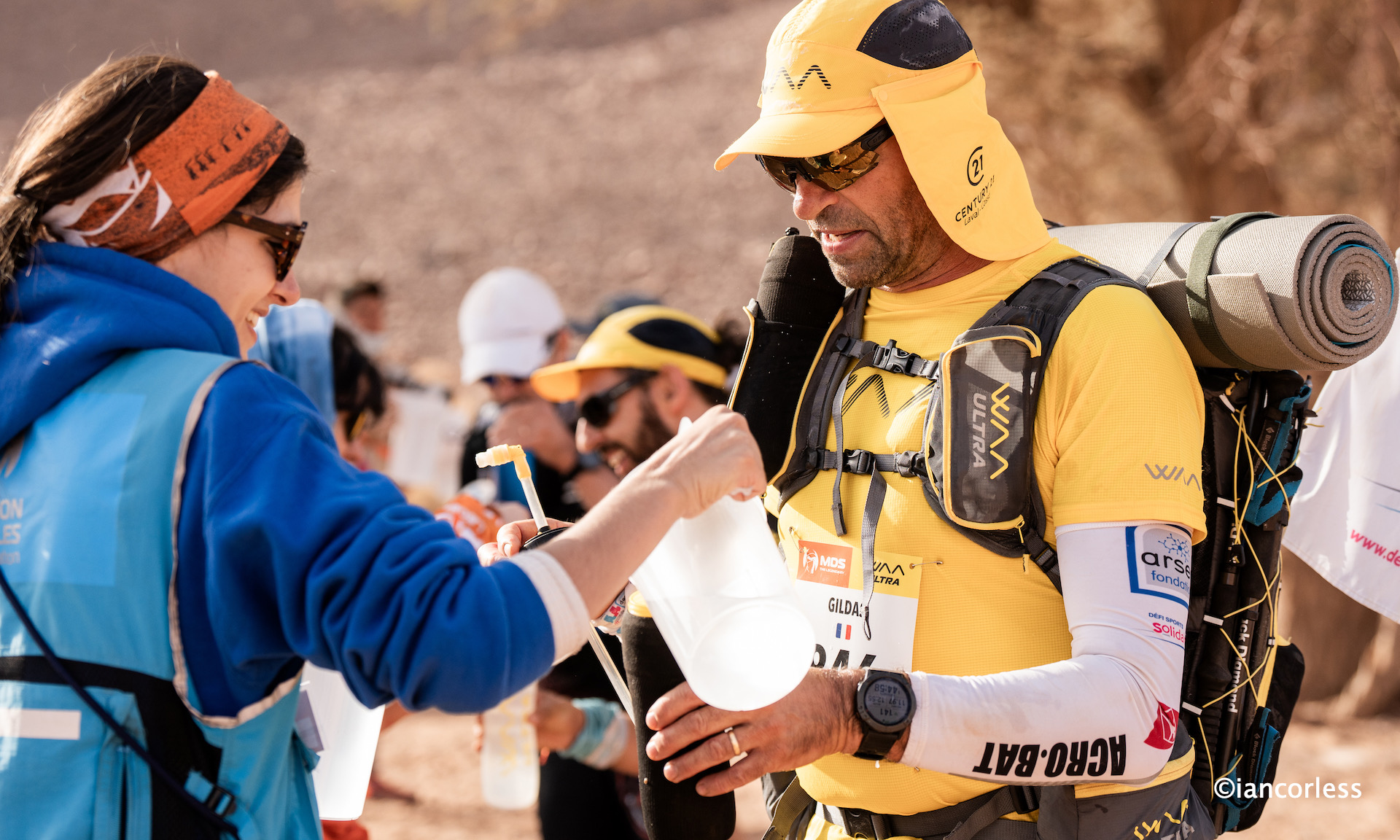
Water is provided at checkpoints by MDS staff ©iancorless

Water provision, particularly at MDS The Legendary and MDS 120 has changed. In past editions, water was rationed and provided at key checkpoints in bottles, typically, 10km’s apart. 

In 2024, the new organisation changed this and arguably, water is now available, as required whilst racing. It is poured from jugs by MDS staff.

 In addition, intermediate water stations are added when deemed necessary to ensure competitor safety. 

Iced water – amazing. ©iancorless

At key checkpoints, iced water is supplied and poured by MDS staff on the heads and neck to aid cooling.

Post-race, each runner is provided with a 5L bottle of water, this is used for evening cooking, breakfast and up to CP1 the next day. If you wish to wash or freshen up, this comes from the same water ration. So, prioritise food and drinking before washing.

THOUGHTS AND CONSIDERATION

MDS is available for all, be that racing snake or someone who is looking for the adventure of a lifetime. So, keep that in mind. A top runner will have his or her pack at the absolute minimum weight and will look to survive the week racing as fast as possible. They will spend the week hungry. You, for example, may wish to carry a little more weight and have some comfort during the week. Just don’t carry to much extra weight!

The pack you wear is a crucial item that not only must fit everything you need, but it must also be comfortable and allow easy access to drink. There is no one-stop solution here. We are all different sizes and have different body shapes, so, make sure you try options.Also remember, at the beginning of the race, your pack can be around 8kg, this adds extra pressure on the shoulders, so, make sure you have enough padding and comfort. Many packs now come with waist belts and this, for many, is a great solution not only for extra storage but weight distribution. WAA have the ultra bag which has been specifically designed for the job. Osprey have recently released the Talon Velocity 20 which in testing has been superb. Don’t be tempted to get a bag that is too large, remember, the more space you have, the more you may take.

Bottles are the obvious way to carry water, typically 2x 750ml on the chest straps. I personally really dislike this format, I find it uncomfortable and unpleasant. So, find your own solution. Bladders have always been considered a NO for MDS but I personally find the solution ideal for my multi-day adventures. If you are a ‘racer’ this is not the best solution, but for most, it is ideal. As always, bladders can puncture, so, think about this.

Correct shoes and gaiters are essential. ©iancorless

Shoes will always be a debate and point of discussion. Shoes are personal and must be suited to you, the individual. Consider your gait (neutral, supinate or pronate), consider time on feet, consider your weight, consider how much you will walk (and then double it) also consider shoe drop and how much cushioning you need. It’s impossible to recommend any one shoe because of these variables. You will see top runners using a lighter shoe, remember, these shoes only need to last 20-30 hours. However, you may well need a shoe for 40, 50 or 60-hours. Do you need a trail shoe? No, you don’t need a trail shoe but I would say that many trail shoes are more durable as they are designed for the rough and tumble of variable terrain. Do you need an aggressive outsole? No, you don’t, but I do think some grip is better than none and therefore I would use a trail shoe over road. Protection? Toe box protection is a good idea as deserts include lots or rocks, far more than you may think. Do I need a size bigger? Shoe sizing does depend on what is ‘normal’ for you. I always recommend a thumb nail of space above the big toe, you don’t need any more than this. Recommendations of going a size is bigger is bad advice in my opinion. A shoe that is too large allows your foot to move, a moving foot causes friction, friction causes blisters and the rest is the same old story that I see at desert races all over the world. However, I would recommend a shoe with a little more width in the toe box, this will allow for some comfort as the days progress. If you are prone to feet swelling, discomfort, blisters and so on, get a strategy sorted before you head out to your chosen race. You will need a gaiter and while not always the case, sewing velcro on a shoe can change its shape, so, consider this. There are specific desert racing shoes now available by Salomon and Raidlight.

Poles are a godsend, buy some and learn how to use them. They are 4-wheel drive.
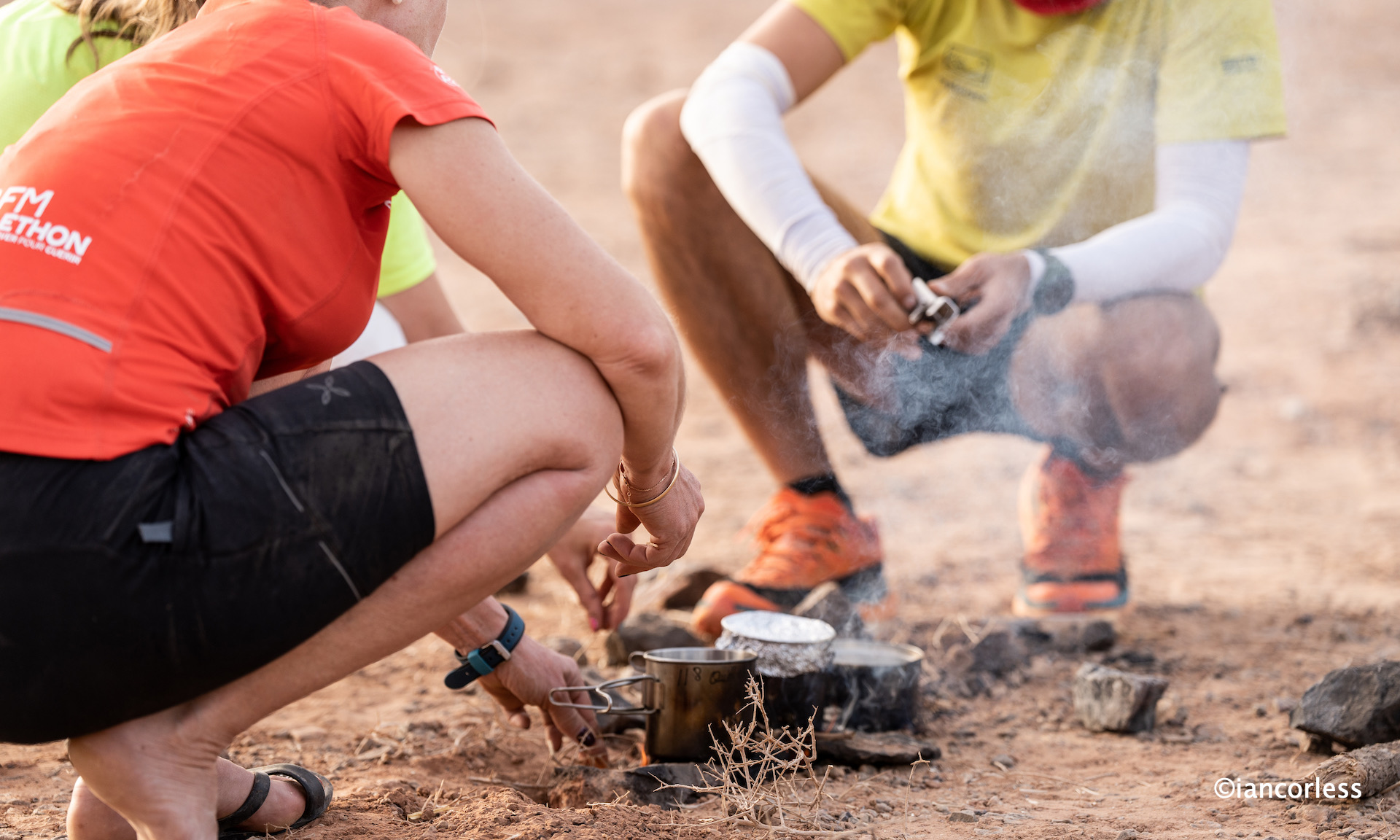
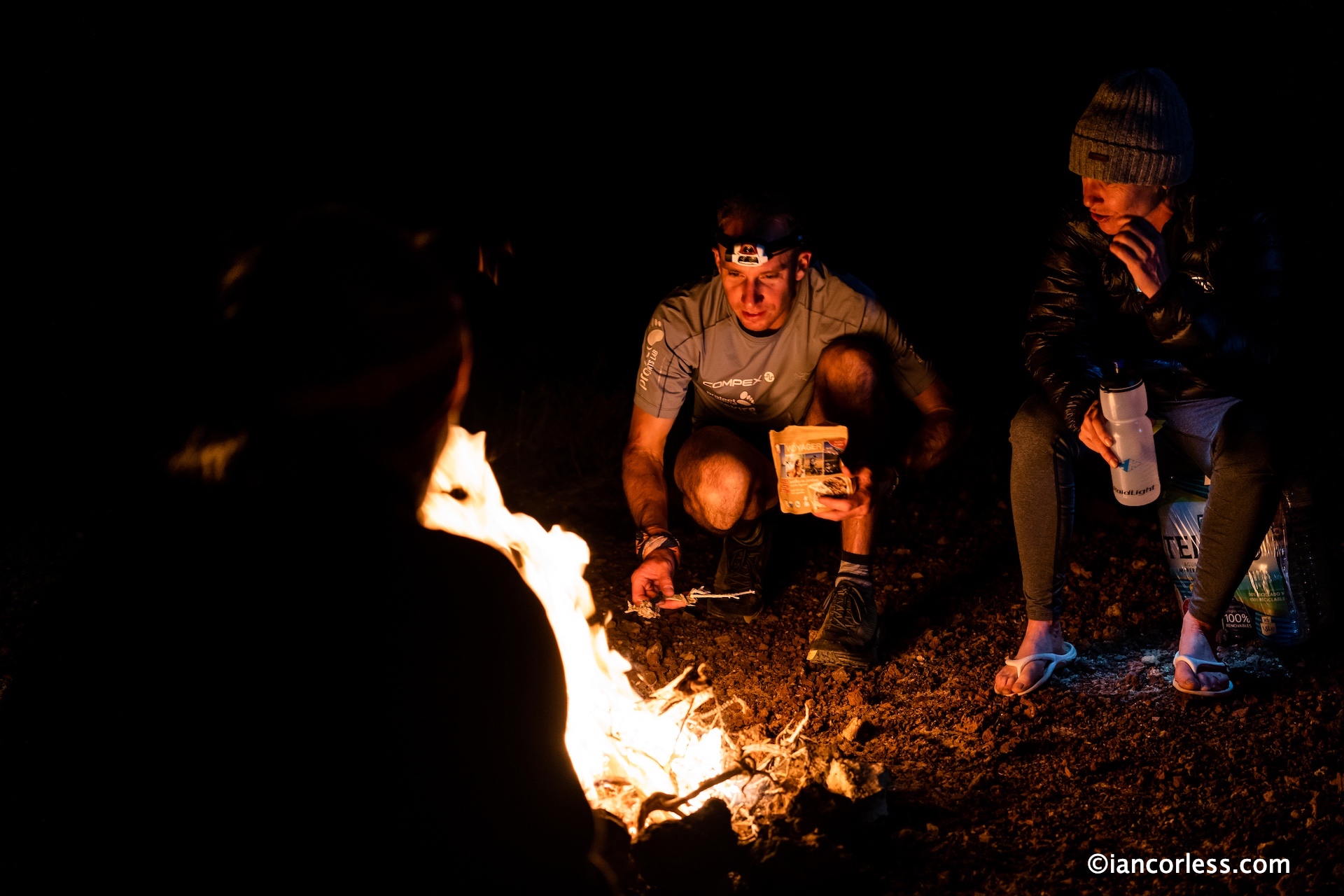
You can be creative with food prep ©iancorless

Food is essential, make sure it works. Hot or cold water is a consideration and make sure if using meals that need rehydrating that they work with water at desert temperature. Never assume that water will always be warm because you are in the desert, just as we get hot years, we also get cool years.

Salt is needed to keep you in balance. Many foods contain salt so look to supplement that with the mandatory food cubes. Be careful here, for example, OXO works considerably better than Knorr. Do you need alt tablets? Do your research,, find out what you personally need and come up with a plan. Listen to a podcast HERE.

Avoid this! ©iancorless

Feet – make sure you look after them. With the correct socks and correct shoes, there is no reason to get blisters and despite what some people say, the majority of people do not get blisters. Read Healthy for Running and Walking.

Heat is difficult and without doubt, it’s better to adapt to heat before the race. Read about Heat Acclimation by Dr Jodie Moss.

Hygiene is crucial and difficult when self-sufficient. But set up a protocol not only for your benefit but for those around you.

Luxuries keep them to a minimum.

Toilet paper is essential, make sure you have enough and compressed towels are brilliant to freshen up when you add a little water.

Take essentials on the plane and wear your run apparel and shoes. That way, should a baggage disaster happen your chances of racing improves.

Have additional items such as a base layer, sleeping bag liner and other items that may be on a ‘question’ list for the race. On night 1 and before you go to admin, you can make final decisions of what to and what not to take. Particularly important if you think you may be cold at night.

What a journey ©iancorless

FINALLY

The medal! ©iancorless

You signed up for the challenge, you wanted to be on the start line and therefore you are responsible for the outcome. Believe me, the ‘you’ that leaves the Sahara is not the same you that entered. Arguably, you change the moment you pay the deposit, the transformation process begins. Embrace the journey and apply yourself. Keep perspective, the MDS journey is an enhancement of you as a person. It’s easy to become obsessed, ultimately the majority of runners at MDS are enthusiasts, if you keep that in mind the journey will be a complete one.

Plan ahead, formulate a long term plan and don’t rush. The sooner you start this process, the greater your chance of success and the less chance of injury. Plan stepping stone races and don’t be fooled into thinking that you need to run marathons day-in and day-out. You don’t! Training is about ALL the training you do and not about anyone run.

Commitment, training and dedication. ©iancorless

If we exclude the top 50-100 runners (who will also walk sometimes) the majority of the MDS field spend a huge amount of time walking. Learn to walk! Believe me, it’s a huge tick in the MDS box and rest assured that if you are able to walk at a good consistent pace (barring injury or dehydration) you will finish MDS.

MDS is an inclusive experience ©iancorless

You are going to share bivouac with other people and you are going to have some serious highs and lows. These tent mates will pull you through and motivate you. They will become friends for life.

Legs, lungs, heart and feet will only get you so far. The mind is what will get you to the finish. Despite the hardships and pain, embrace the journey and mentally prepare for the challenge.
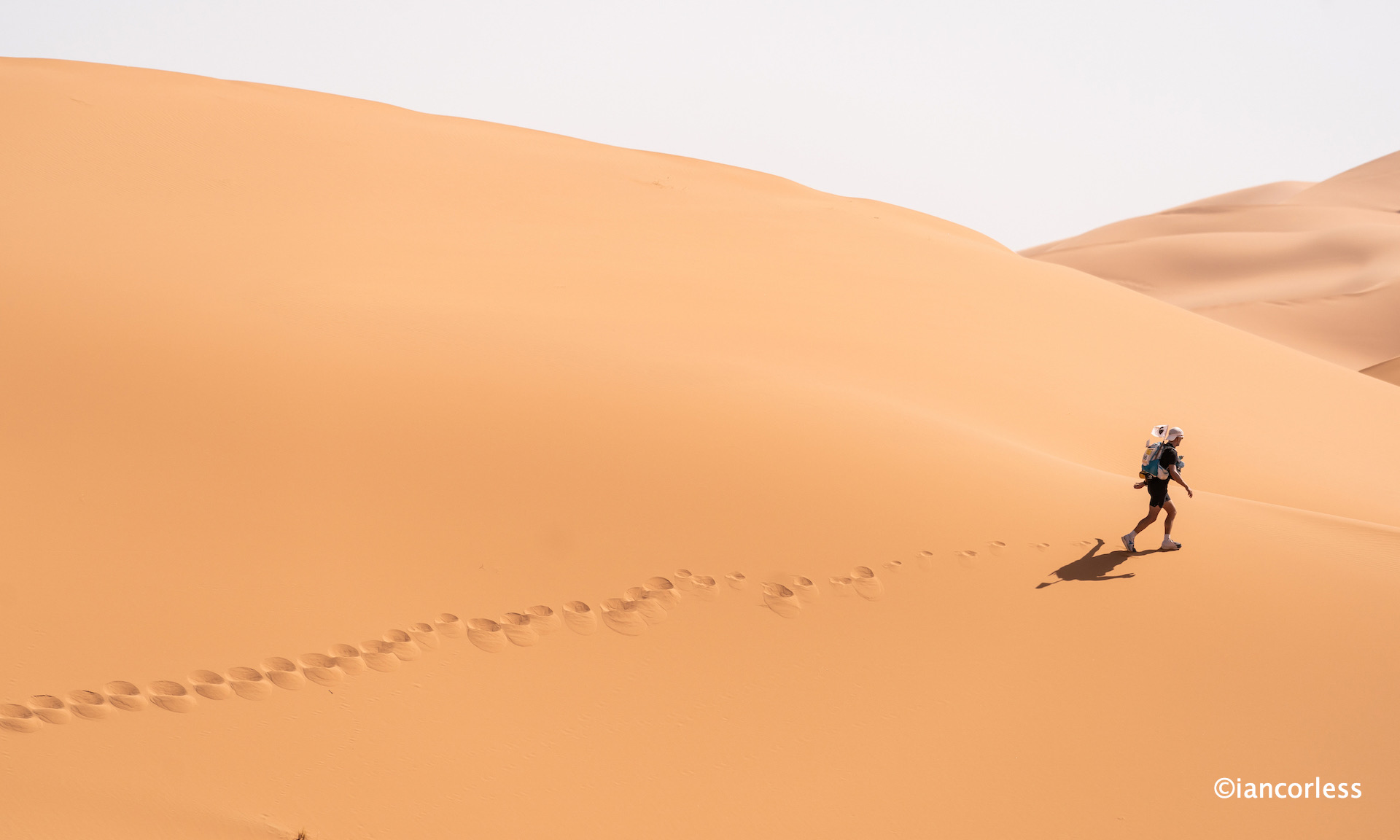
You. A pack. The desert. ©iancorless

MDS is a magical and life changing journey, it really is a true challenge of mind and body to race over many days, irrespective if you complete or compete. It’s a hark back to a more primitive time, a time without clutter and modern technology. Embrace this. Embrace the silence of the surroundings and the simplicity of placing one foot in front of the other, eating, resting and sleeping and then doing it all again.

You can read a SUMMARY of the 2024 MDS The Legendary HERE

MDS 120 events HERE

MDS The Legendary HERE

Further reading:

How to choose a Sleeping Bag HERE

Fastpacking Guide HERE

Winter Fastpacking HERE

Walking with poles HERE

Walking efficiency when climbing HERE

Long Term Goal Setting HERE

This article was updated, July 17th 2025.

Follow on:

Instagram – @iancorlessphotography

Twitter – @talkultra

facebook.com/iancorlessphotography

Web – www.iancorless.com

Web – www.iancorlessphotography.com

Image sales –www.iancorless.photoshelter.com

The Coastal Challenge 2024 – #TCC2024 – Stage 6

Katie Young 2024 Champion

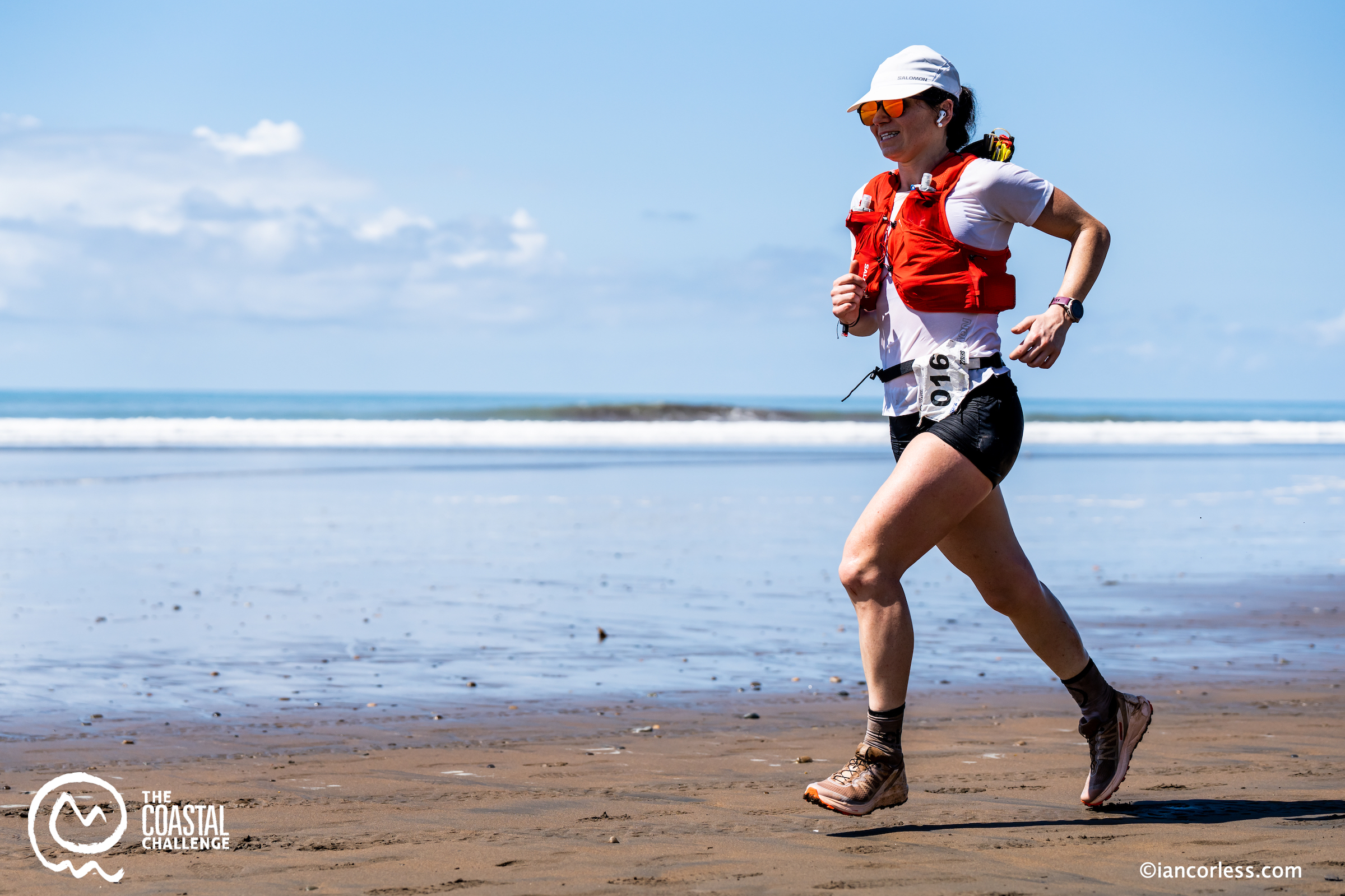
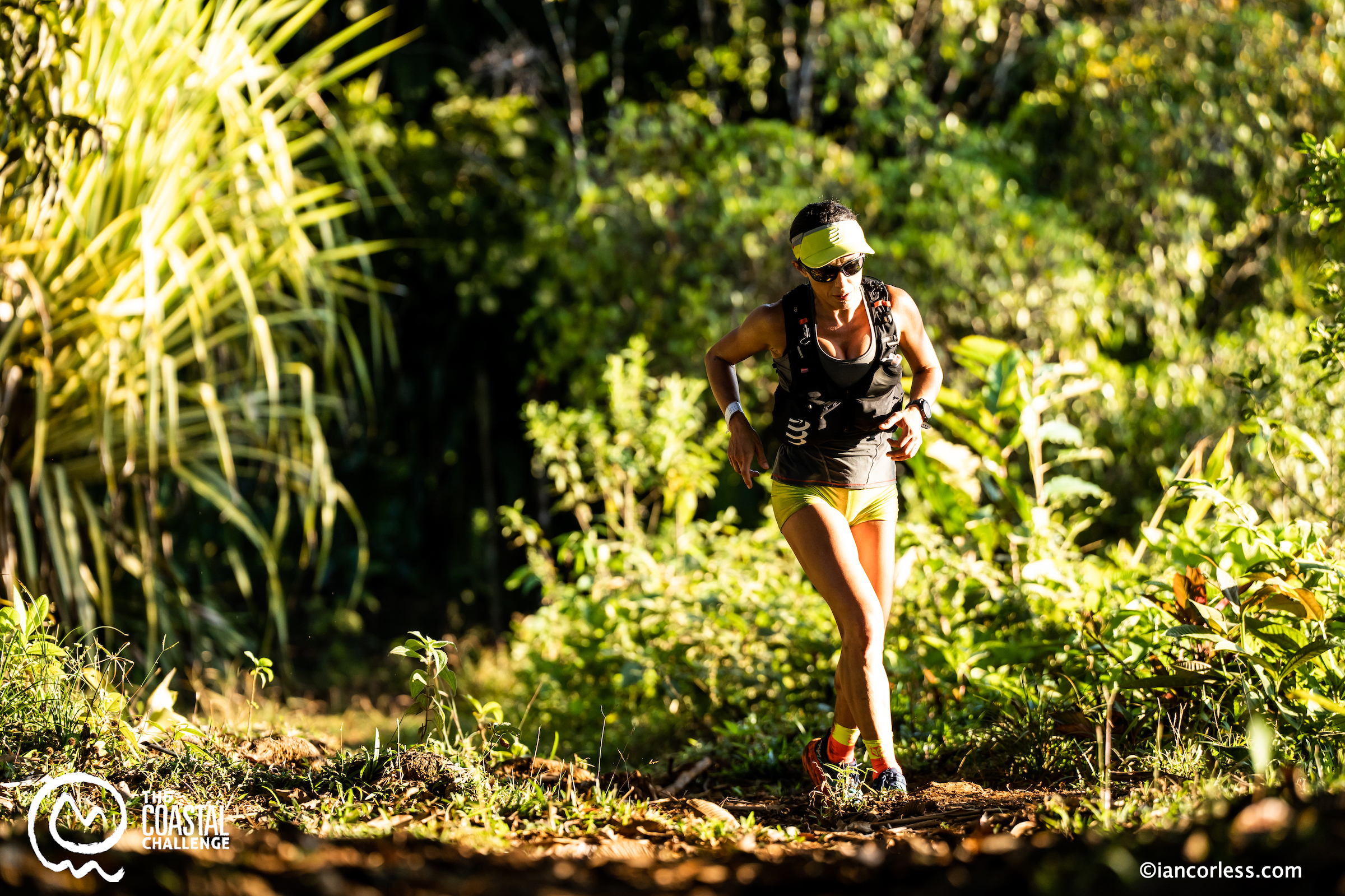
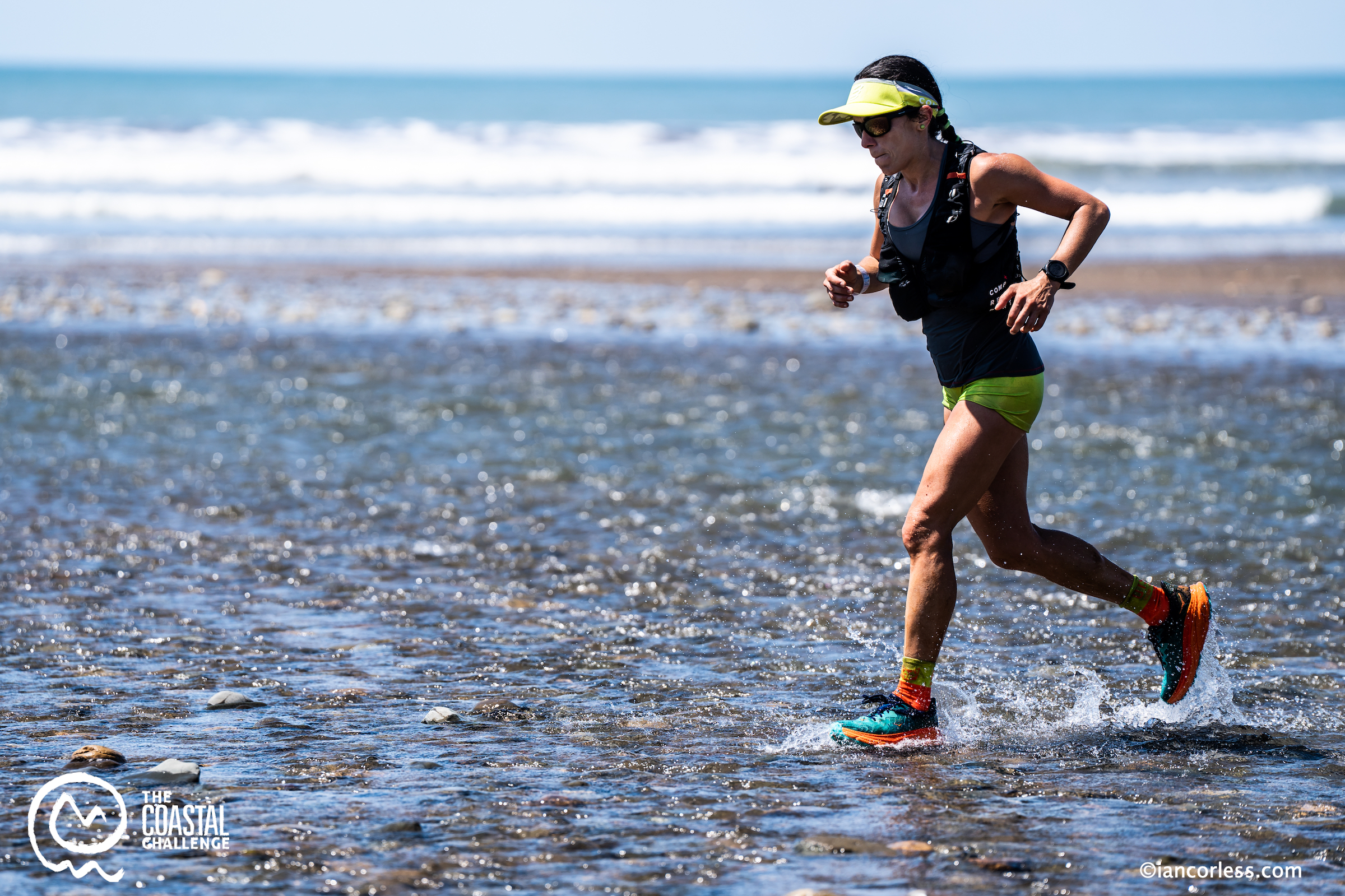
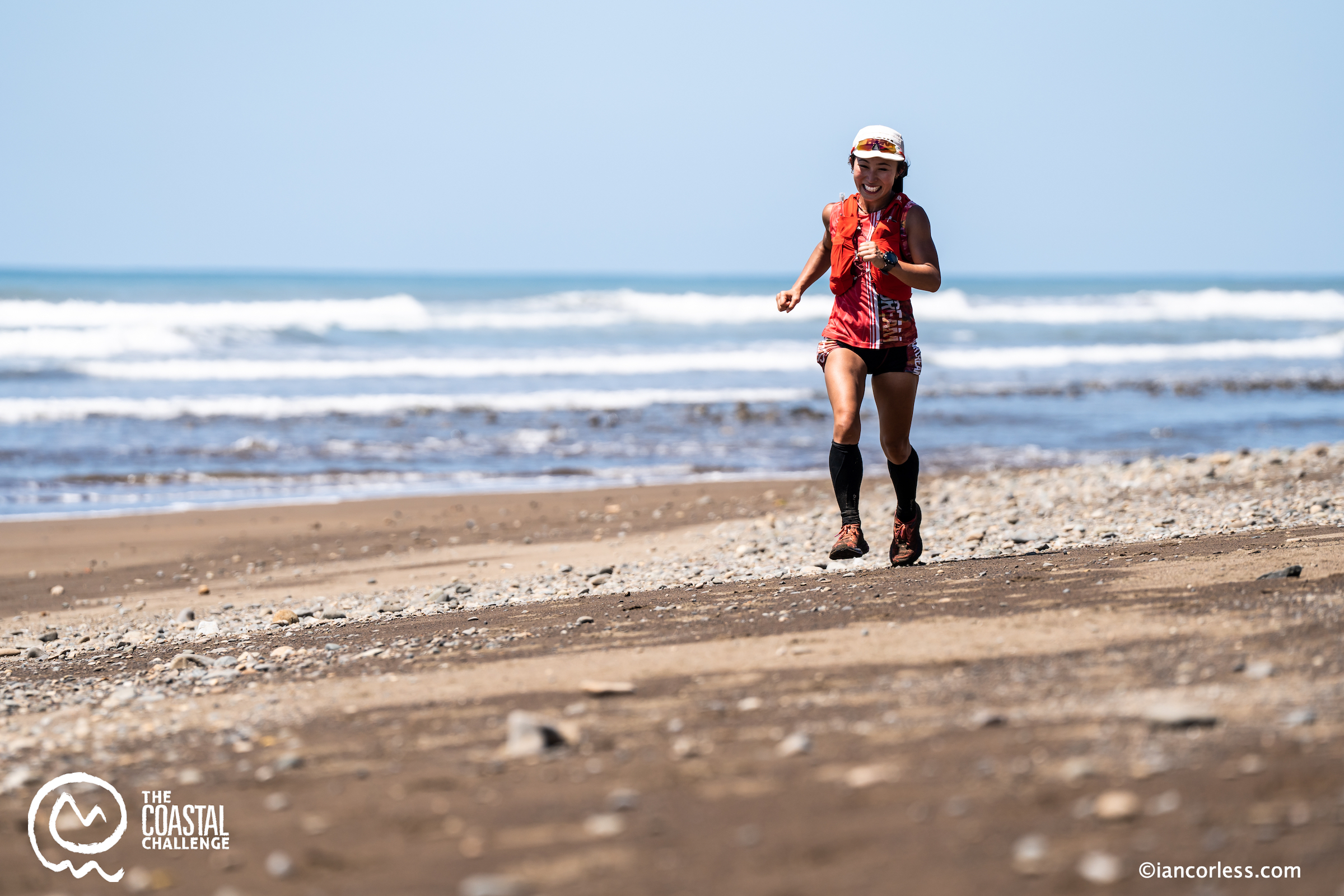
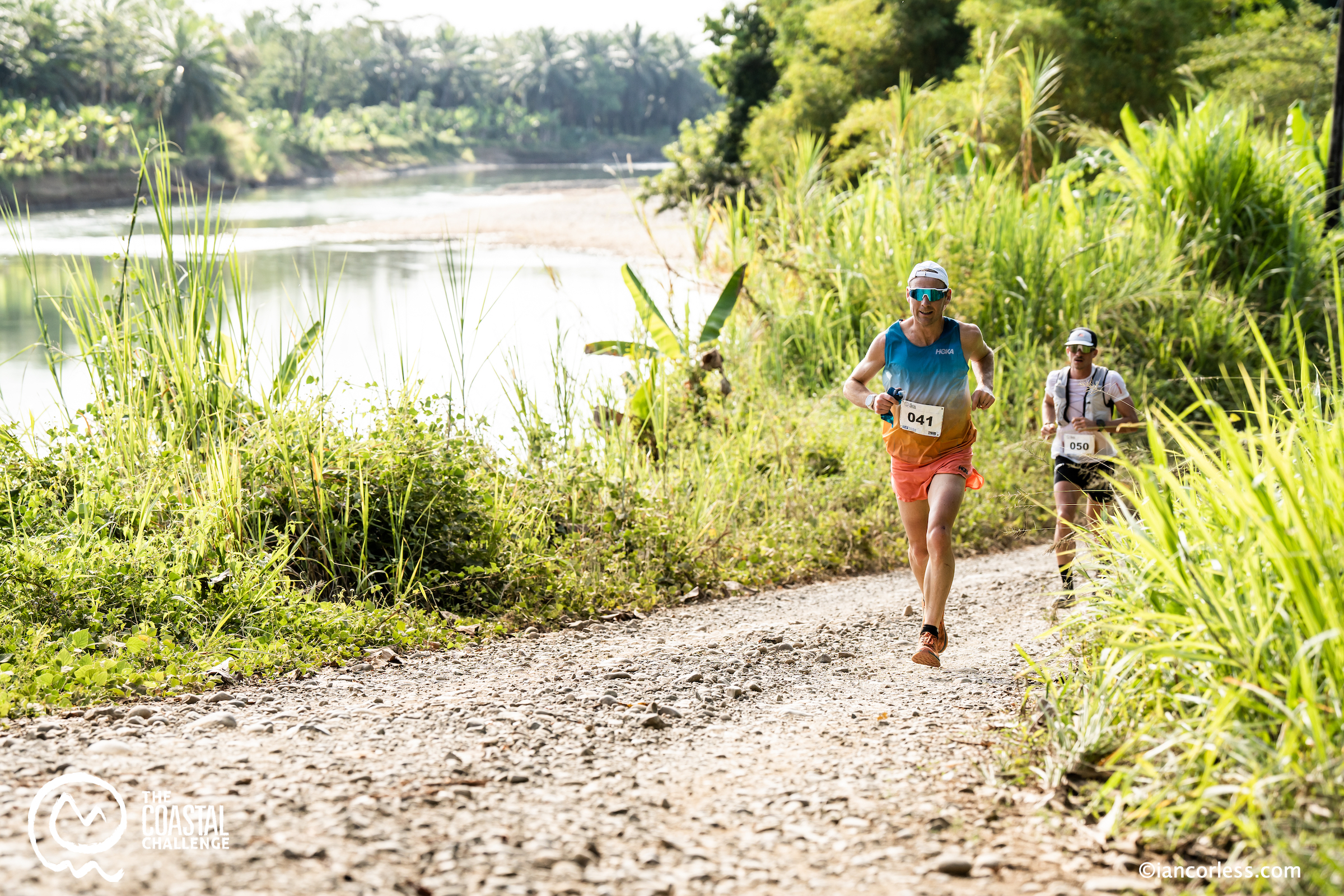
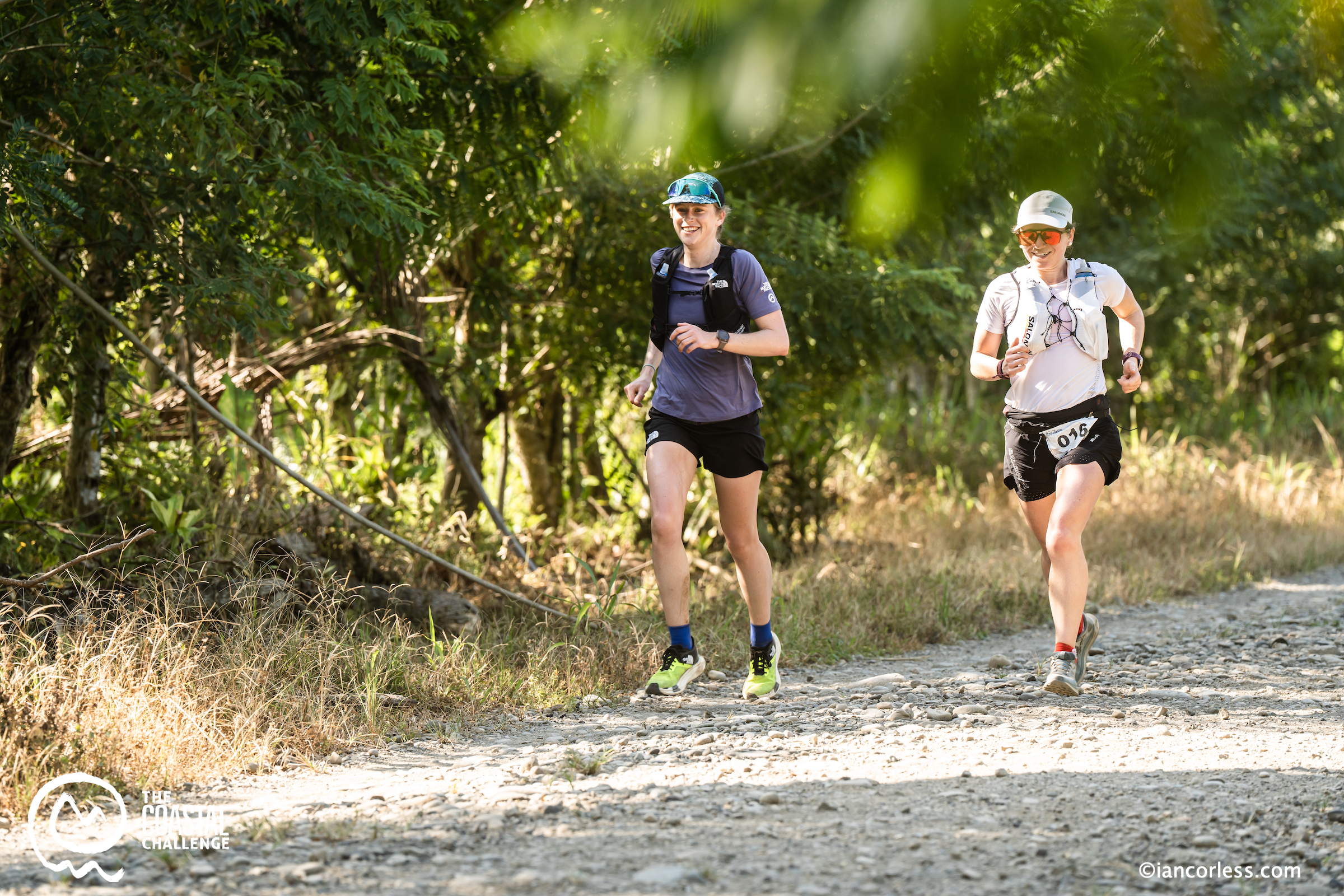
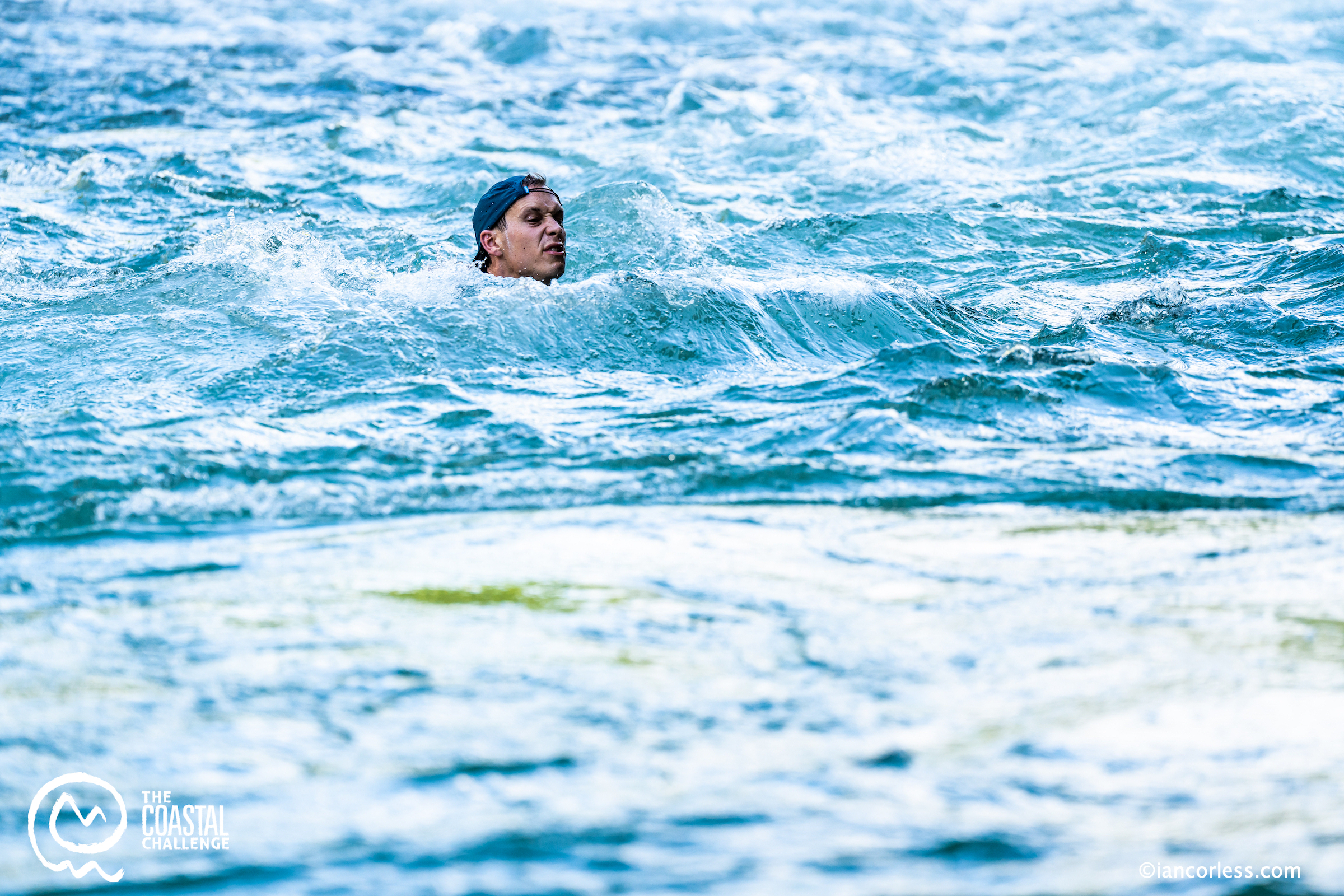
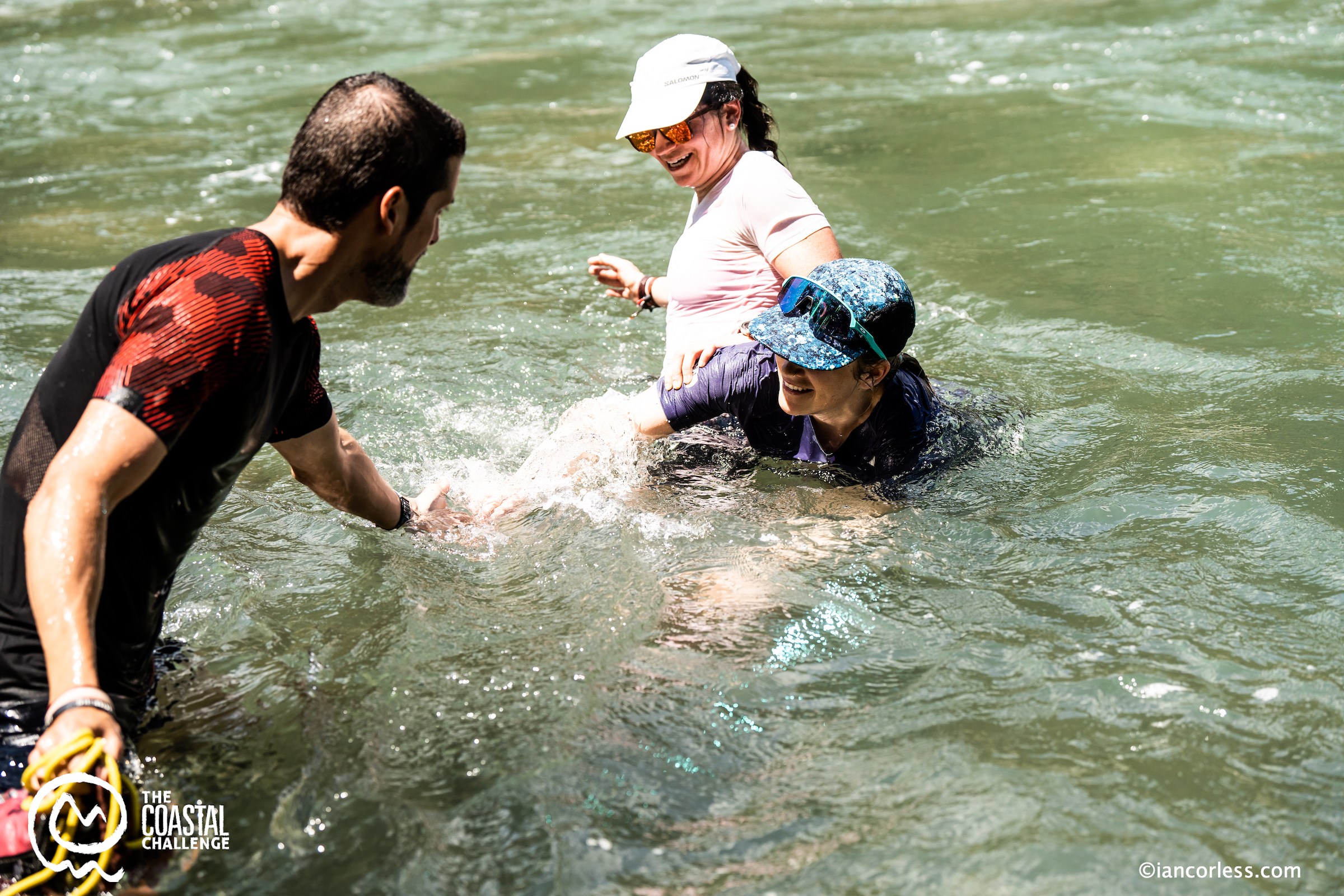
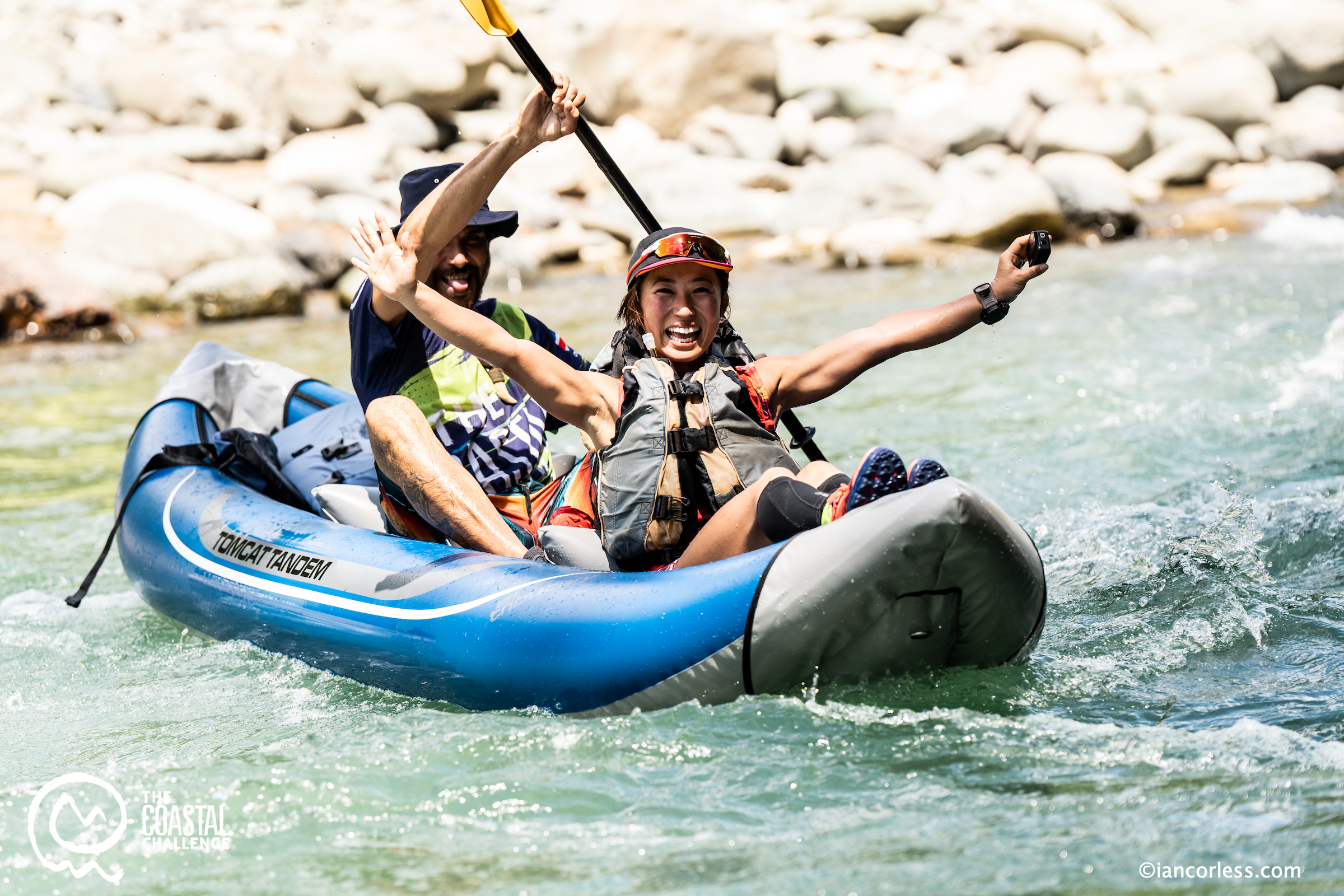
The victory loop. This stage personifies all that has gone before and arguably, is the most beautiful stage. The whole of TCC is compressed in to the 37km’s with gravel roads, river running, waterfall crossing, rainforest, coasteering and long pristine beaches.

It’s a day for celebration and one to soak up all that has been gone before. At the end, a hard earned medal. However, racing did not stop and Cody Lind and Katie Young sealed TCC 2024 with final stage wins, 3:14:42 and 4:44:32 respectively.

Cody Lind was on fire today, 2020 and 2024 champion.

There are outright winners, of course, and congratulations go to Katie Young and Cody Lind the 2024 TCC champions. But as race director, Rodrogo Carazo says, today, everyone is a winner.

Rodrigo Carazo awards the finisher medal

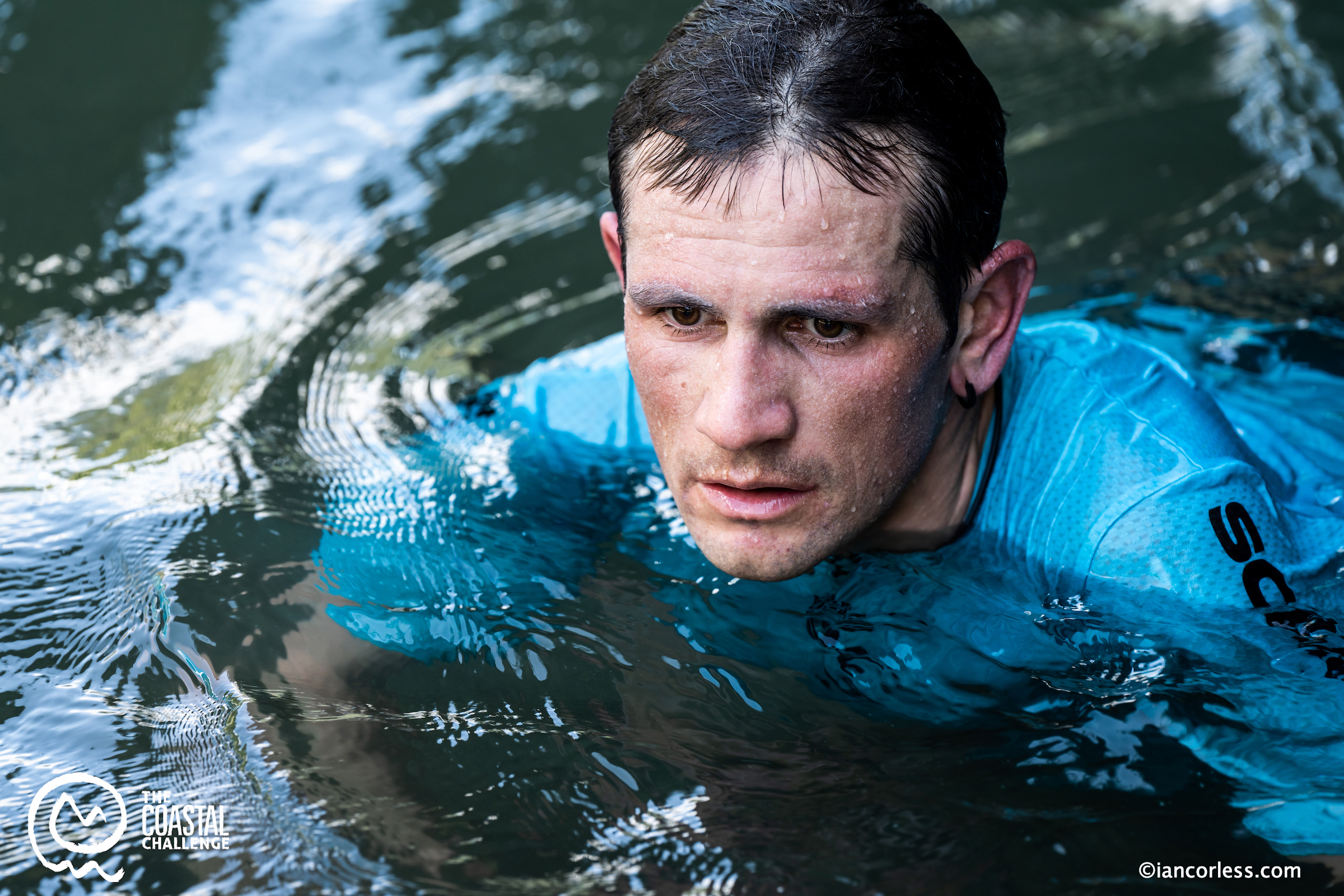
Emotions are released, tears are shed and finally, it’s time to kick-off run shoes and fully relax and appreciate the magnitude of the journey and the experiences that have gone before.

Carlos

It’s no mistake or act of chance that has allowed TCC to last 20-years. Costa Rica, the route, the people, the wildlife, the Pura Vida approach makes this race special and unique.

Emotion on the line

Tomorrow, competitors leave Drake Bay via speedboat, a final magical experience to confirm that TCC is one of the ‘must do’ races in the world.

The 2024 bling!

Final Result:

Jean-Francois Cauchon 2nd
  • Cody Lind 25:57:00
  • Jean-Francois Cauchon 26:32:58
  • Cristofer Clemente Mora 27:38:18
Lina El Kott Helander 2nd
  • Katie Young 35:30:40 (8th overall)
  • Lina El Kott Hekander 36:41:42
  • Sanna El Kott Helander 38:11:15

Pura Vida!

Pierre cooling off

Follow on:

Instagram – @iancorlessphotography

Twitter – @talkultra

facebook.com/iancorlessphotography

Web – www.iancorless.com

Web – www.iancorlessphotography.com

Image sales –www.iancorless.photoshelter.com

Marathon des Sables – The Legendary : NEWS TWO – Feb 2024

You arrive in Morocco, pass through passport control, wait for your luggage, leave the airport arrivals hall and find a seat on a coach. 

The MDS journey is now in full swing. 

Waiting in anticipation, the Road Book (the bible) for the next edition of the race is provided and immediately pages turn, running through the mind of each participant:

“How long is the long day?”

Well, the wait is over, I can tell you. For 2024, the long day will be 85.3 km’s.

The MARATHON DES SABLES – The Legendary is breaking silence and today, we announce the daily stage distances for the 2024 edition.

  • Stage 1 : 31.1 km
  • Stage 2 : 40.8 km
  • Stage 3 : 85.3 km (over 2 days)
  • Stage 4 : 43.1 km
  • Stage 5 : 31.4 km
  • Stage 6 : 21.1 km
  • Total 252.8 km
Marathon des Sables typically takes place in this key area.

Taking place in the southern Moroccan Sahara since 1986; an extraordinary adventure will take place covering 252 km’s, the longest edition in the race history. Lasting 11-days with 9-days in the desert, divided into 6 stages over 7-days, a magical crossing of the Sahara walking or running.

The exact route, with maps, will once again be covered in detail in the road book, which as per usual, will be provided in Morocco whilst on the way to the bivouac one.

This is the first time that the daily distances have been disclosed before arrival in Morocco. Does this change anything? No, not really. I guess there is a reassurance knowing that the long day is not 90+ km’s. 

However, with the 2024 edition being 252 km’s and over 6 timed stages, it was my prediction that this race would be a tougher challenge in contrast to those that have gone before. Therefore, to ease minds, the distances have been announced.

Previously, the long day would come on stage 4 (over 2 days) and it would be followed by the marathon stage. It was common thought, “Get the long day done and it’s just a marathon to go!” At the finish of the marathon, the medal would be received; job done. 

Now, with the long day coming on stage 3, you still have 3-stages to run totaling 95.6 km’s. This will require a completely different mental and physical approach.

©iancorless

So, plan accordingly and be prepared.

You may wish to read my previous post HERE that provides some important information in regard to the 2024 race.

It is 8 weeks to go to one of the greatest experiences of your life. Make this time count!

ORGANIZATION OF THE WEEK

Here is how a typical week at the MARATHON DES SABLES is organized

  • Day 1: Arrival in Morocco, transfer by bus in the desert, installation and night at the bivouac.
  • Day 2: Day of technical, administrative and medical checks, night at the bivouac.
  • Day 3:First stage, night at the bivouac.
  • Day 4:Second stage, night at the bivouac.
  • Days 5 & 6:Third stage – “the long one” – which lasts 2 days. Nights at the bivouac.
  • Day 7: Fourth stage, night at the bivouac.
  • Day 8: Fifth stage, night at the bivouac.
  • Day 9: Sixth stage, award ceremony.Transfer by bus to Ouarzazate, night at the hotel with half board accommodation.
  • Day 10: Free day in Ouarzazate, night at the hotel with half board accommodation.
  • Day 11: End of the adventure, transfer back to the airport.

Follow on:

Instagram – @iancorlessphotography

Twitter – @talkultra

facebook.com/iancorlessphotography

Web – www.iancorless.com

Web – www.iancorlessphotography.com

Image sales –www.iancorless.photoshelter.com
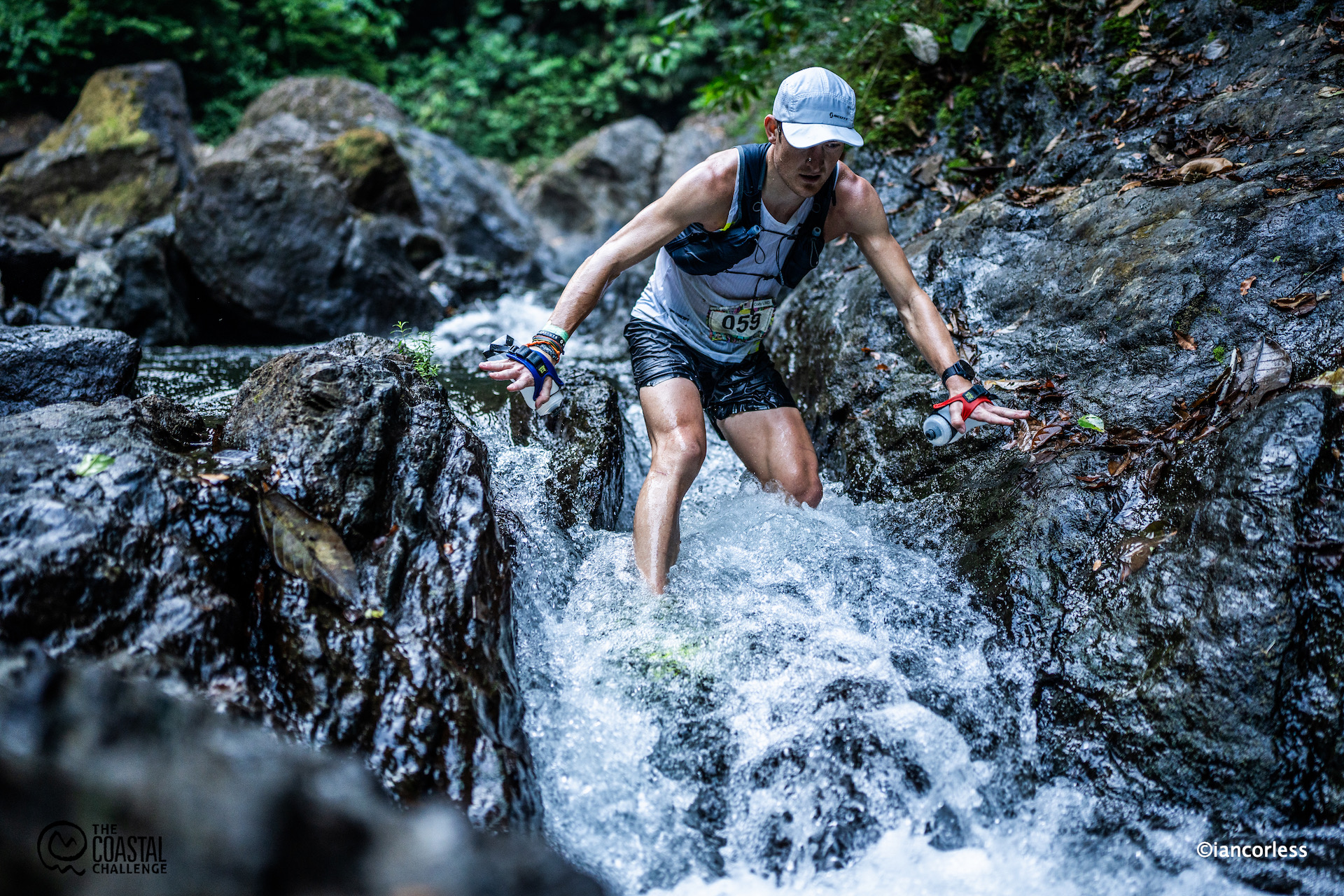
Oman Desert Marathon 2024 – Stage 4

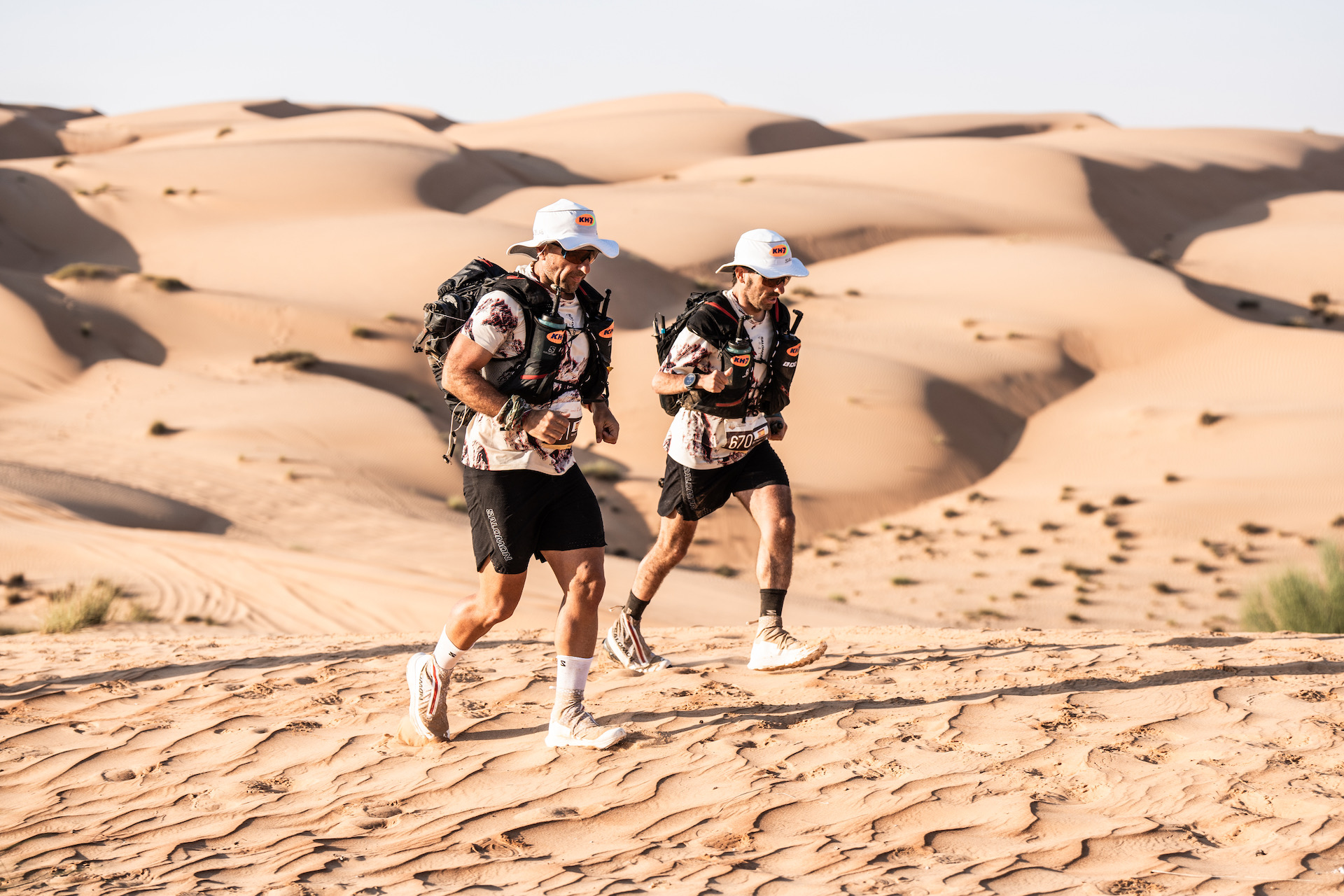
The 2024 Oman Desert Marathon concluded at Jawharat Bidiah Resort, 165km’s travelled over 4-days and Rachid El Morabity and Aziza Raji are the champions covering the total race in 16:06:49 and 23:13:32 respectively.

Going into the last 21km stage, the end result was never in question, both Rachid and Aziza had built 20-minute plus leads and all they had to do was run a calm and measured last day.

However, Saleh Al saidi pushed the pace continuously, maybe, just maybe in the back of his mind he thought he could break Rachid?

In the closing km, Rachid eased back and gave Saleh a final stage victory for the home crowd and the Army Team which he respresents.

In third place, Ghaith Al saidi. The brothers ran an incredible race and at times placed Rachid under pressure, however, Rachid for now is just too strong and experienced.

For the women, the Aziza Team were dominant and after Raji built the lead early on, El Amrany was content to run by her side.

In third place was Veronique Messina who each day consistently covered the km’s with commitment, determination and a smile. A great run in 25:38:53.

In total, thirty participants completed the race from twelve nationalities. With the race almost completely sand, the race is considered considerably harder than Marathon des Sables. This was confirmed by Rachid, “Here it is all sand, it’s slower and more tiring. Only the last day has some easier and harder terrain on which to move quicker and easier.”

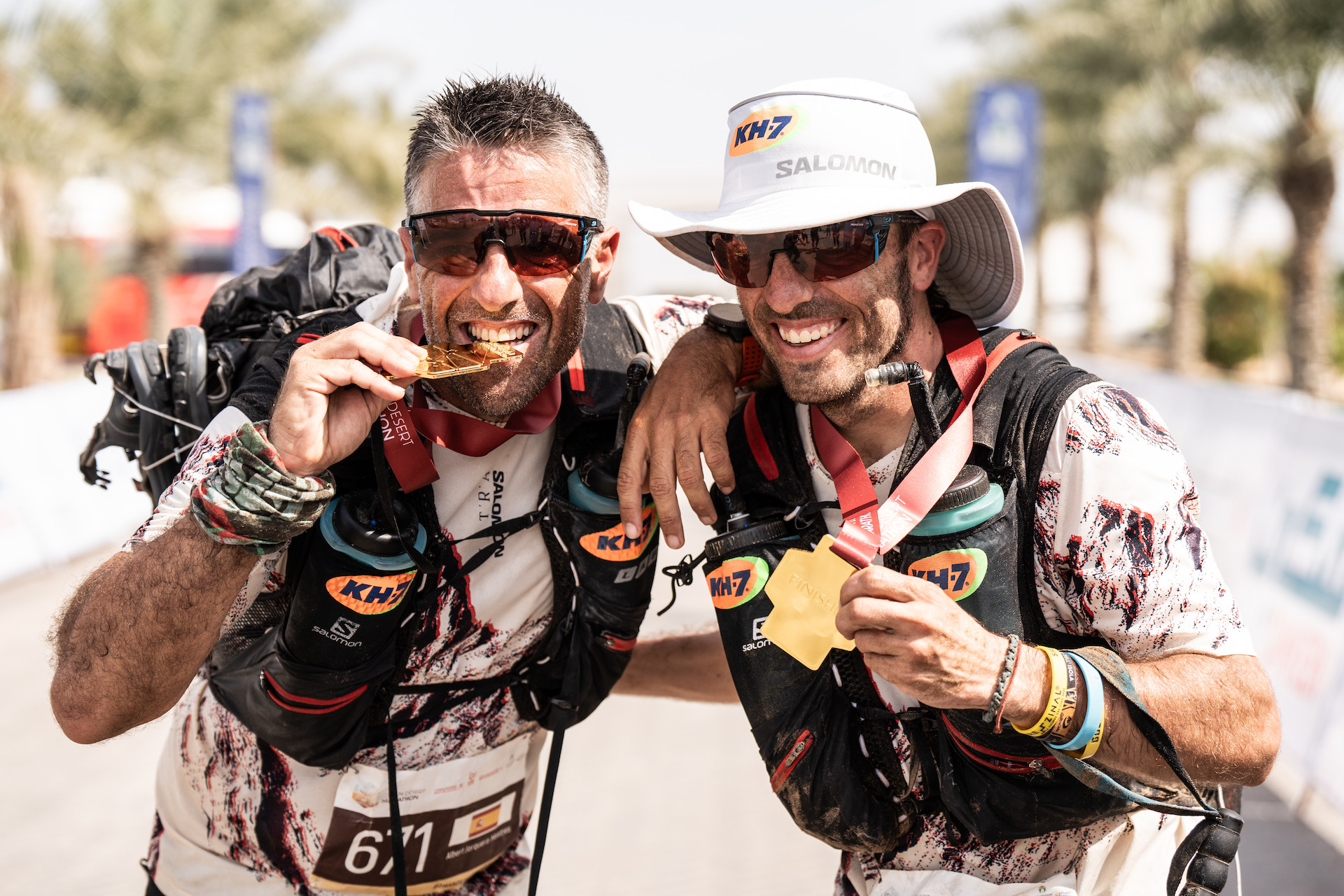
While it is difficult to pick out individuals in such a tough race, Pol Makuri has inspired everyone during the week. His commitment and dedication has been an inspiration. His completion of the event brought tears to many an eye, especially his friend and teammate, Albert Jorquera.

Rachid and Aziza may well have crossed the finish line the fastest, but a winner and champion comes in many forms and Pol Makuri is a prime example.

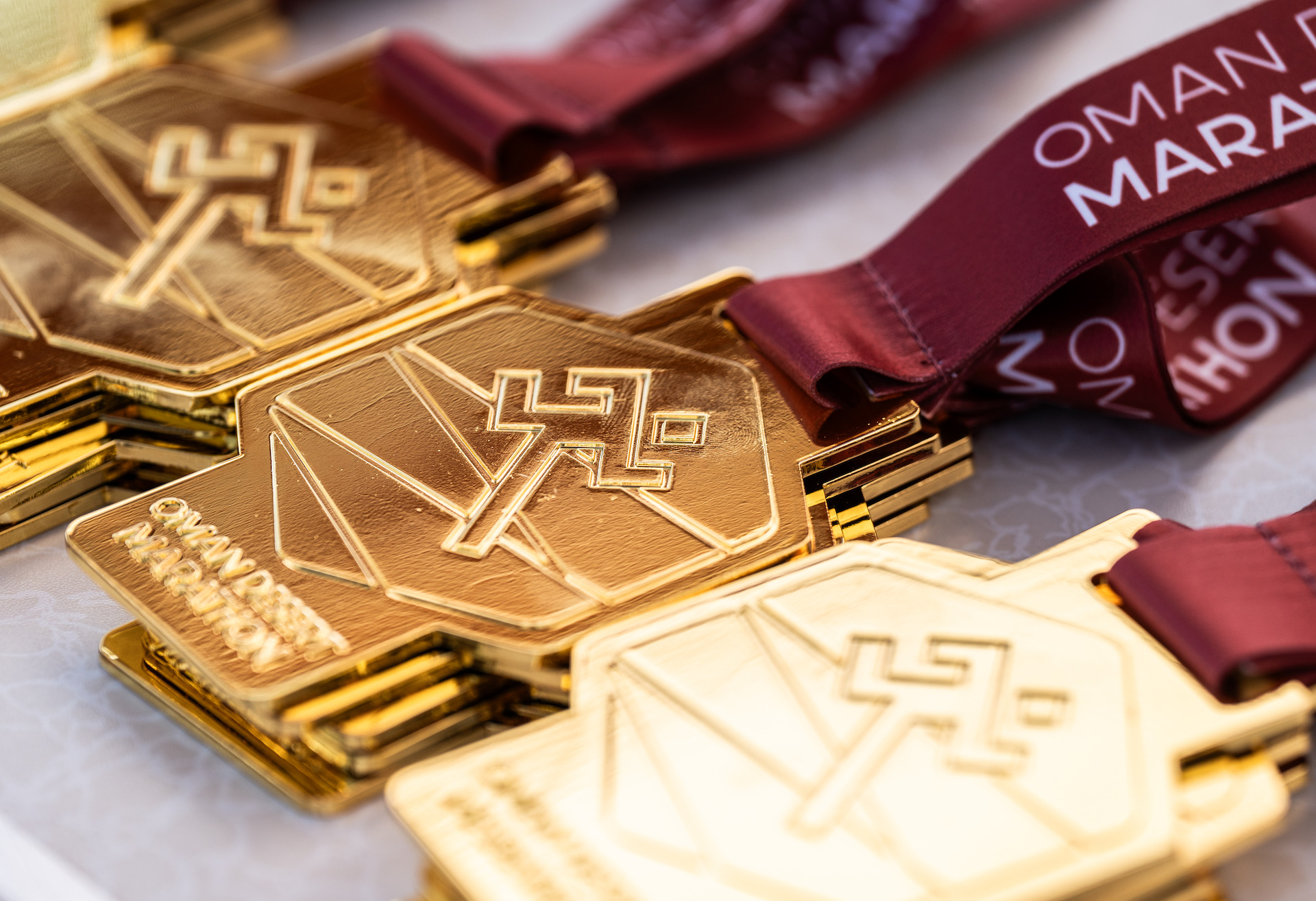
Each medal was hard earned and yes, as in many races some did not reach the finish. However, they were there at the finish line to cheer the others on, no doubt being inspired to return and try again.

Stage results HERE

Full results HERE

IMAGE GALLERY HERE

Follow on:

Instagram – @iancorlessphotography

Twitter – @talkultra

facebook.com/iancorlessphotography

Web – www.iancorless.com

Web – www.iancorlessphotography.com

Image sales –www.iancorless.photoshelter.com

Oman Desert Marathon 2024 – Stage 3

Stage 3 of the Oman Desert Marathon has a delayed start to ensure that participants experience the desert at night. With three waves: 10am, midday and 2pm (slower to faster runners respectively) the participants would cover the 47km stage in daylight and then transition to darkness.

Consider by race director, Said, stage 3 would include one of the most spectacular dune sections on the race, timed to coincide with the sun getting lower in the sky and for the lucky ones, maybe sunset would take place as the dune section came to an end.

Coming after the 55km long day, the later starts were welcomed and allowed for additional rest and recovery, however, the fatigue was starting to show on faces and bodies.

As the race got underway, it was clear that the men’s race would have a different approach, with Ghaith Al said pushing hard at the front, while behind, Saleh Al said and Rachid El Morabity ran together. Ultimately, it was an attempt to break Rachid. It didn’t work, but it was a valiant effort and one that rewarded Ghaith with the stage win in 5:03:39.

Behind, Saleh and Rachid ran together and crossed the line 5:10:29 and 5:10:39 respectively.

The women’s race had little drama with Aziza Raji and Aziza El Amrany running together and crossing the line in 6:56:35. The duo looked strong and relaxed. They will be a force to be reckoned with at Marathon des Sables this year.

Behind, once again, Veronique Messina ran a strong 3rd place in 7:49:56.

Albert Jorquera and Pol Makuri had a long day completing in 11:17. They are both very focussed mentally and strong physically. It has been a joy to watch the two of them work together and quite simply. Pol is an inspiration.

Results online HERE

Follow on:

Instagram – @iancorlessphotography

Twitter – @talkultra

facebook.com/iancorlessphotography

Web – www.iancorless.com

Web – www.iancorlessphotography.com

Image sales –www.iancorless.photoshelter.com
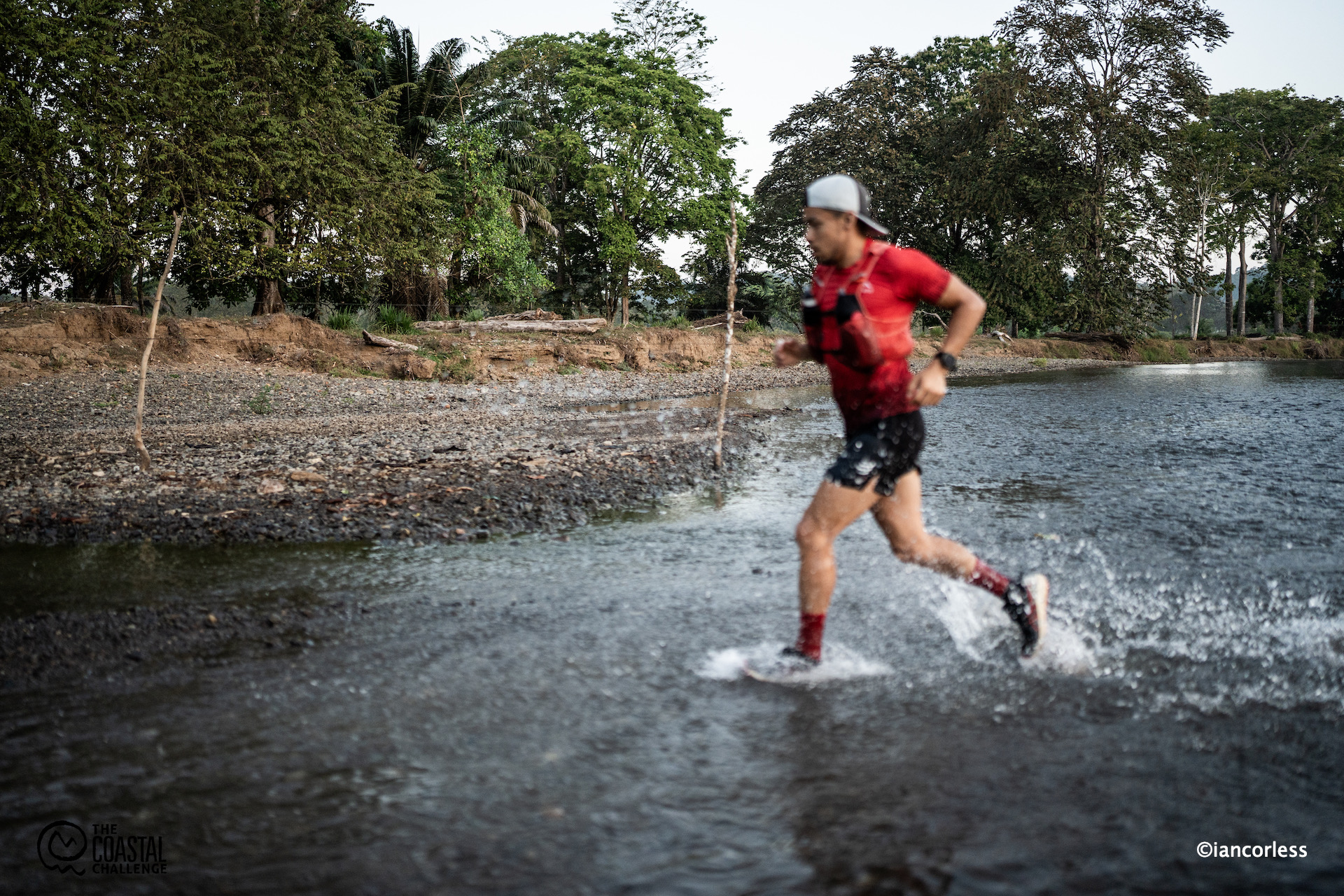
Marathon des Sables 2023 #MDS Stage 3

Mohammed El Morabity ©iancorless

Day 2 was tough. It was a challenging route, incredibly beautiful but the added technicality, vertical gain and intense heat took its toll with many DNF’s.

Mathieu Blanchard ©iancorless

The organisation made a decision to bring the stage 3 start forward by 1-hour, 0700 instead of 0800. It maybe caused some logistical, admin and timing issues for all but it was a good call.

At 34km, stage 3 had less challenges than stage 2, but still a tough day.

Ragna Debats ©iancorless

With flat km’s to Cp1, the pace was high and Mathieu Blanchard was a main protagonist. He often pushed the pace, closely followed by Aziz, Mohammed and Rachid.

©iancorless

After Cp2 a resplendent area of green vegetation brought a different life to the Sahara. Camels, birds and reptiles, rare to see so much wildlife in one area.

Mathieu pushing the pace ©iancorless

The main protagonists pushed the pace and eventually Mathieu faded leaving the overall top-3 on GC together.

Aziz ©iancorless

As I expected, Mohammed attacked and not only took the stage but the overall lead. It’s what I expected. The ‘brothers’ have a plan for the long day, but, at 90km’s, anything can happen.

Tactics, all about tactics ©iancorless

For the women, it was business as usual with Rgna leading. But, after Cp1 she went through a bad patch and Aziza El Amrany took over the front of the race with Ragna complaining of, ‘…feeling fine and lacking power.’

Ragna ©iancorless

As the race progressed, it all changed. Ragna regained the front and won in 3:29:36.

Aziza El Amrany ©iancorless

Maryline Nakache once again ran a strong and consistent stage to not only catch Aziza, pass her and put time into her, the duo finishing in 3:4104 and  3:42:36.

Maryline ©iancorless

Tomorrow is the big day! It’s beautiful route with some MDS classics in the terrain. At 90km, it will be extremely tough for all. The race will start 1-hour earlier than planned, 0700. The top-50 will start at 1000.

Corina and Tomomi ©iancorless

General Classification:

  • Mohammed El Morabity 7:46:41
  • Rachid El Morabity 7:49:39
  • Aziz Yachou 7:50:47
  • Mathieu Blanchard 8:29:04
  • Vasilii Korytkin 8:37:23

  • Ragna Debats 10:15:30
  • Maryline Nakache 10:54:09
  • Aziza El Amrany 11:32:25
  • Corinna Sommer 12:21:46
  • Tomomi Bitoh 12:23:11

Follow on:

Instagram – @iancorlessphotography

Twitter – @talkultra

facebook.com/iancorlessphotography

Web – www.iancorless.com

Web – www.iancorlessphotography.com

Image sales –www.iancorless.photoshelter.com

The Coastal Challenge 2023 #TCC2023 – Stage 3

Didrik Hermansen ©iancorless

The ‘Queen Stage’ of The Coastal Challenge at 49km’s is for many, a highlight stage. Have no doubts though. it’s a tough one!

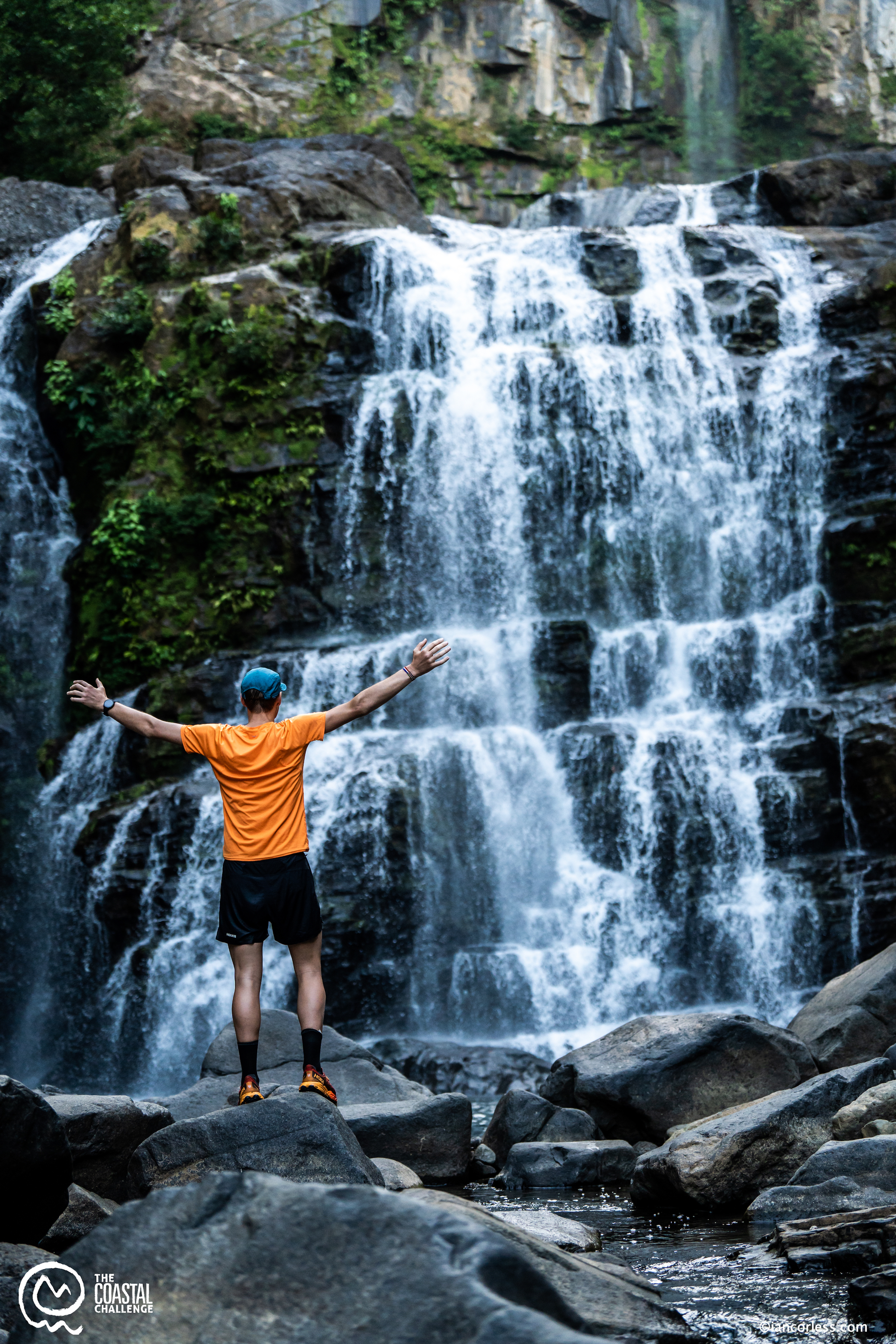
A rollercoaster day, the early km’s are spent boulder hopping through a river bed and then the impressive Nauyaca Waterfalls.

Nauyaca Waterfalls ©iancorless

Fire roads, steep climbs, brutal descents and eventually a beach section arrives before several water crossings and then a very demanding road section leading to camp 3.

It may come as no surprise that Mathieu Blanchard and Didrik Hermansen dominated the day. The duo battled it out foot-for-foot in an impressive display of tenacity, grit and endurance.

Didrik and Mathieu head-to-head ©iancorless

With less than 10km’s to go they were neck-and-neck, the final sections of road certainly would play in to the hands of Didrik.

Mathieu Blanchard ©iancorless

But no, the strength of Mathieu is currently off-the-scale and he managed to apply pressure and win by 2-minutes, 4:51 to 4:53 respectively.

Dani Jung chilling out ©iancorless

Dani Jung ran a solid day, with the withdrawal of Sebastian Krogvig and now Peter van der Zon, Dan’s 3rd place is secure and so he ran a smart race.

Katie Schide ©iancorless

For the women, Katie Schide set the pace early on and by the waterfall she already had a huge lead. When Marianne Hogan finally arrived, all was not well, she was suffering… Marianne would eventually drop at CP2 with a sprained ankle.

Paolo Herrera ©iancorless

This opened the door for Costa Rican, Paola Herrera to move into a strong 2nd place.Tomomi Bitoh now in 3rd.

Katie cooling down ©iancorless

Katie once again clinched victory with a huge margin, she just needs to now run smart for the remaining three days. Paolo is on a strong 2nd and Tomomi a secure 3rd. However, we are only halfway through TCC and the first three stages have only confirmed one thing, anything can happen!

Tomomi Bitoh ©iancorless

Stage 4 tomorrow at 35.5km and with 2434m+ is considered ‘a very tough day’ by the race organisation

Stage Results:

  • Mathieu Blanchard 4:51
  • Didrik Hermansen 4:53
  • Dani Jung 5:35

  • Katie Schide – tbc
  • Paolo Herrera – tbc
  • Tomomi Bitoh – tbc
Pura Vida ©iancorless

#tcc2023

Facebook – https://www.facebook.com/thecoastalchallenge

Instagram @thecoastalchallenge

Follow on:

Instagram – @iancorlessphotography

Twitter – @talkultra

facebook.com/iancorlessphotography

Web – www.iancorless.com

Web – www.iancorlessphotography.com

Image sales –www.iancorless.photoshelter.com

The Coastal Challenge 2023 #TCC2023 – Stage 2

Katie Schide ©iancorless

It was a 0330am wake-up in camp this morning with race start at 0530am. It may sound early, but trust me, the earlier hours pay dividends for everyone. Body clocks are now reset, bed between 1900-1800, wake-up 0330.

©iancorless

Sebastian Krogvig unfortunately succumbed to his sickness and did not finish day 1. He will rest and recovery and hopefully rejoin the race in the later stages for fun.

Peter van der Zon struggling in the early stages of day 2 ©iancorless

Mood in camp was buoyant, however, nobody was under any illusion of the severity of the TCC. The heat and humidity are one thing, but the fire roads, climbs, technical trails and long stretches of no shade a punishing.

Mathieu Blanchard taking the lead ©iancorless

“They say Marathon des Sables is hot, it’s nothing in comparison to this. I was in the ‘notorious’ October MDS that had intense heat, trust me, it’s hotter here!” – Mathieu Blanchard

Sunrise ©iancorless

Climbing out of camp, mountain man Dani Jung was in his element and he lead Mathieu Blanchard and Didrik Hermansen. Peter van der Zon was a way back, it was obvious he was struggling… As he passed he mentioned tight hip flexors.

Didrik Hermansen ©iancorless

For the women, Marianne Hogan had a very small lead over Katie Schide. Katie looking strong, the previous night she had questioned if she should withdraw from the race as illness from previous days had returned on stage 1 making for a tough day.

©iancorless

Didrik and Mathieu set a relentless pace, they are very well matched. Running at this pace and in this heat and humidity, victory may well come down to the one who manages effort the best, it’s a fine line.

In the final 10km Mathieu opened a slender lead and Didrik chased. The gap remained and it was another victory for Mathieu.

Dani Jung cooling off ©iancorless

Dani was 3rd, he looked relaxed and in control, he is running a smart race.

©iancorless

In the women’s race, Katie opened a gap on Marianne and in the final 7km that gap opened, post-race on the finish line Katie discussed her race:

“I was so happy to recover from yesterday, that was helped by cooler temperatures and a climb to start the day today… I had planned to run with Marianne but on one of the more technical sections I opened up a gap. When I eventually looked around Marianne was not there, I hope she is okay?”

Marianne Hogan with a strong finish ©iancorless

Marianne was okay and finished strong with a smile looking relaxed and at ease. With 4-days to go and a long day tomorrow, there are no guarantees, the men’s and women’s races are still wide-open.

Paolo Herrera flying the Costa Rican flag ©iancorless

The biggest change of the day was with the 3rd place woman, Paolo Herrera. She ran an incredibly strong and consistent race to finish with a good margin over Tomomi Bitoh, this making the local Costa Rican contingent very happy.

©iancorless

Stage 3 tomorrow is 40km and 1828m+

Stage Results

  • Mathieu Blanchard 3:38:01
  • Didrik Hermansen 3:38:29
  • Dani Jung 3:57:15

  • Katie Schide 4:22:47
  • Marianne Hogan 4:37:12
  • Paola Herrera 5:18:28
Tomomi Bitoh ©iancorless

#tcc2023

Facebook – https://www.facebook.com/thecoastalchallenge

Instagram @thecoastalchallenge

Follow on:

Instagram – @iancorlessphotography

Twitter – @talkultra

facebook.com/iancorlessphotography

Web – www.iancorless.com

Web – www.iancorlessphotography.com

Image sales –www.iancorless.photoshelter.com

The Coastal Challenge 2023 #TCC2023 – Stage 1

Mathieu Blanchard ©iancorless

It was an early start (0300) leaving San Jose and heading to the Pacific Coast for the stage 1 of the 2023 The Coastal Challenge starting at Del Rey beach, Quepos.

This year, the shorter Adventure category and the longer Expedition category would run different distances for stage 1. In the past, they have run the same course.

Expedition would run 41km with 1071m vertical gain and the Adventure, 32km.

©iancorless

Getting underway before 0800, the rewards were blessed with cooler’ temperatures for the first hour, however, cooler is all relative when on the coast, it was still hot!

Sebastian Krogvig ©iancorless

Overnight, Sebastian Krogvig unfortunately had picked up some sickness, although feeling generally okay, it was clear as the stage started he was not 100%. He struggled with any pace, it was a tough day…

Didrik Hermansen pushing the pace ©iancorless

Didrik Hermansen though set his stall out from the start setting a strong pace. He was followed by Dani Jung, Mathieu Blanchard and Peter van der Zon.

Didrik and Mathieu ©iancorless

It wasn’t long before Didrik and Mathieu broke away.

©iancorless

For the women, Katie Schide and Marianne Hogan ran together and behind, Tomomi Bitoh followed.

Checkpoint 1 and there was no change, the pace by Didrik and Mathieu was fast.

As the race progressed, Didrik and Mathieu took a wrong turn and lost in the region of 1.5km allowing Peter and Dani to take the lead. They chased, caught them and then once again pushed ahead in 1st and 2nd.

Peter van der Zon at the finish©iancorless

Peter started to struggle in the heat and Dani started to hold on to the duo. However, Mathieu found the energy to break away and take victory on stage one, closely followed by Didrik and Dani.

“Very happy, a hot day. In Canada it was -40, today 40-degrees here, that is a big change…. My body handled the waether today. It’s a big Tropical environment, wonderful trees, amazing bridge and waterfalls.” – Mathieu Blanchard

Mathieu Blanchard ©iancorless

Katie and Marianne finished together, Katie looked happy to be done, she had also struggled with some illness and fought hard throughout the day.

Katie and Marianne ©iancorless

Tomomi came in securing 3rd place, all smiles. Last year, Tomomi caught Covid one day before the race and had to miss four stages, this year, she is so happy to be back.

Tomomi Bitoh ©iancorless

Faces told the story at the finish, the heat and the humidity had taken its toll, it always does on stage 1, it’s such a shock to the system without pre-acclimation, something that Marianne and Mathieu had done.

“I heard the sound of animals in the jungle, I turned to Peter and said this is incredible, ‘This is much more atmosphere than UTMB!” – Dani Jung

©iancorless

Stage 2 tomorrow is 40km and 1828m+

Stage Results

  • Mathieu Blanchard 3:36:08
  • Didrik Hermansen +1m 27s
  • Dani Jung +1 28s
  • Marianne Hogan 4:13:01
  • Katie Schiede 4:13:01
  • Tomomi Bitoh 4:42:50

#tcc2023

Facebook – https://www.facebook.com/thecoastalchallenge

Instagram @thecoastalchallenge

Follow on:

Instagram – @iancorlessphotography

Twitter – @talkultra

facebook.com/iancorlessphotography

Web – www.iancorless.com

Web – www.iancorlessphotography.com

Image sales –www.iancorless.photoshelter.com

Lanzarote Multi-Day Training Camp 2022 – Day 3

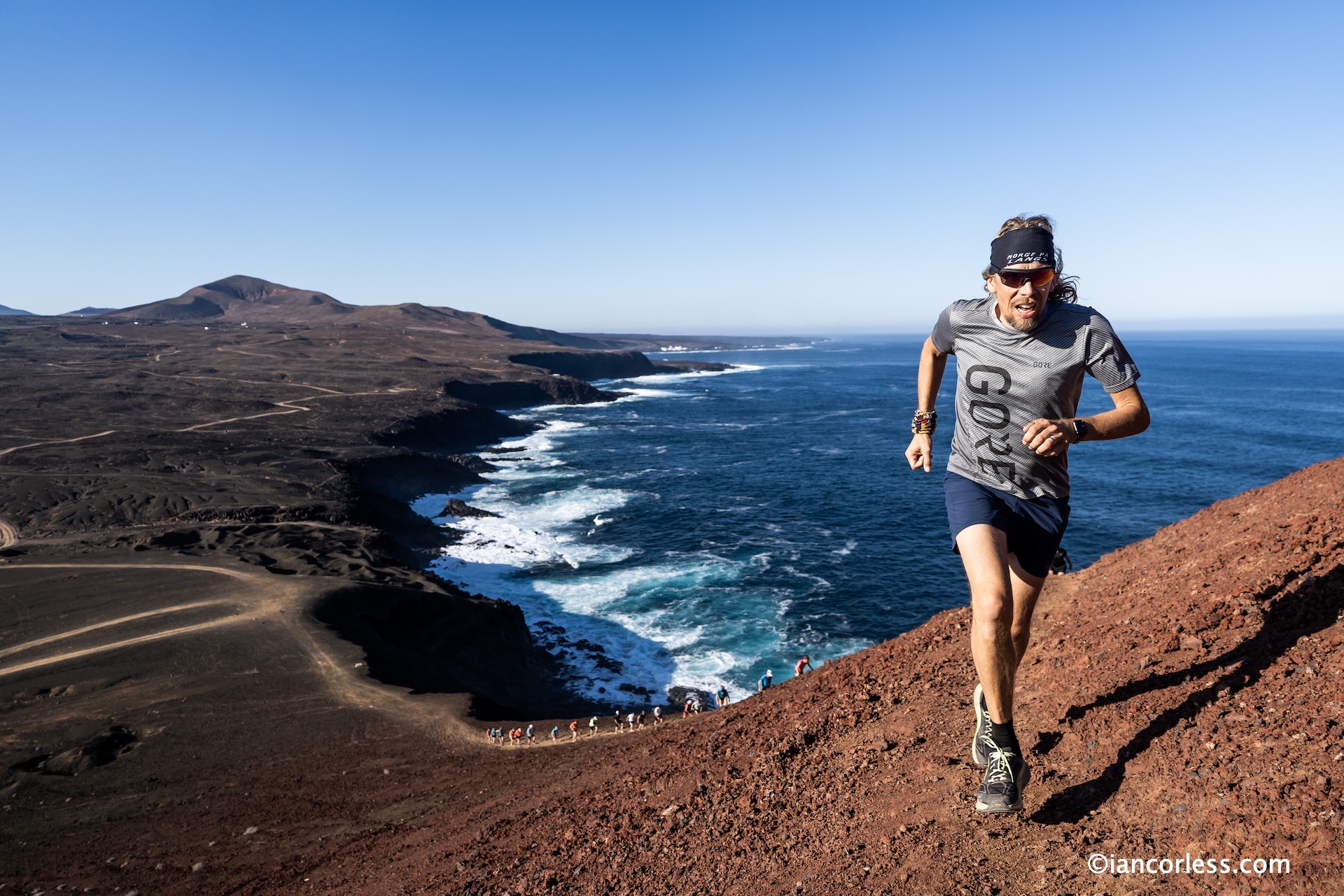
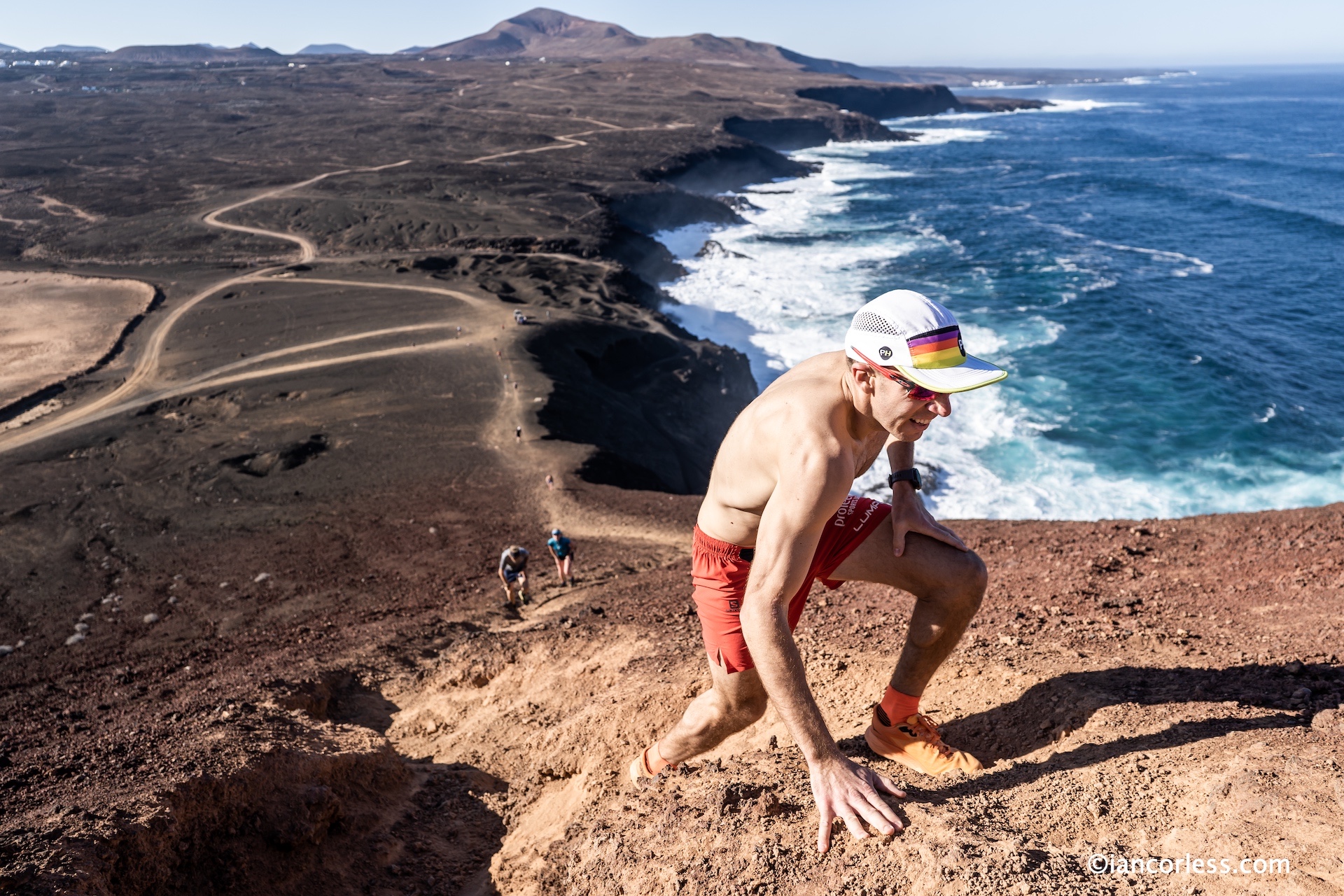
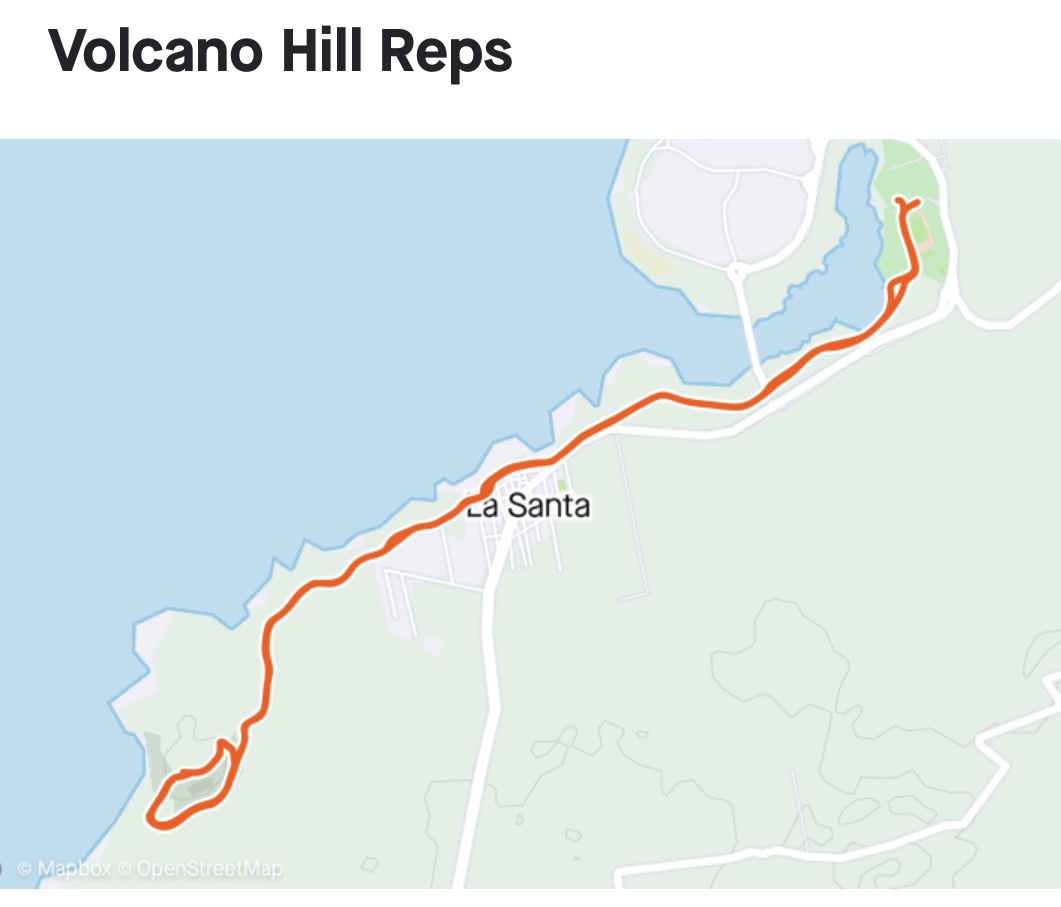
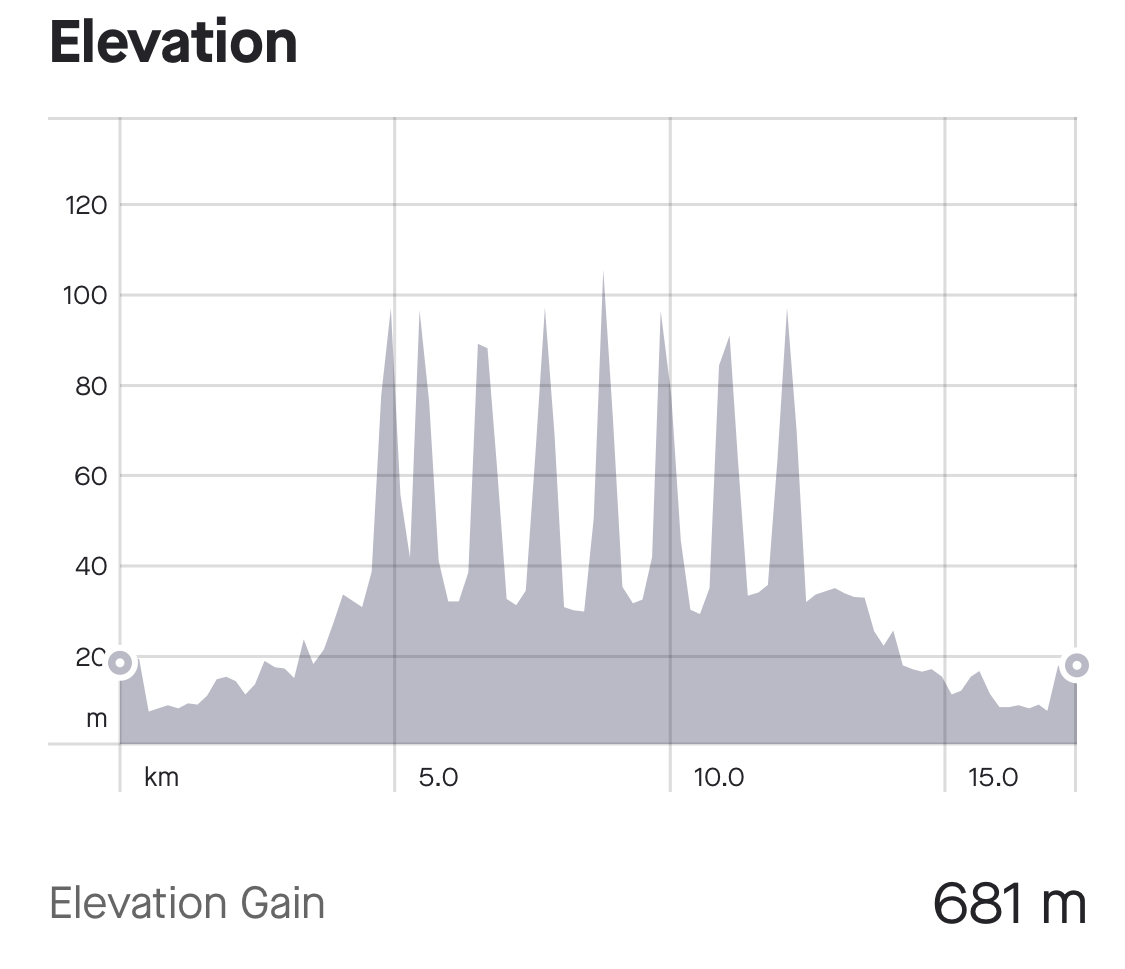
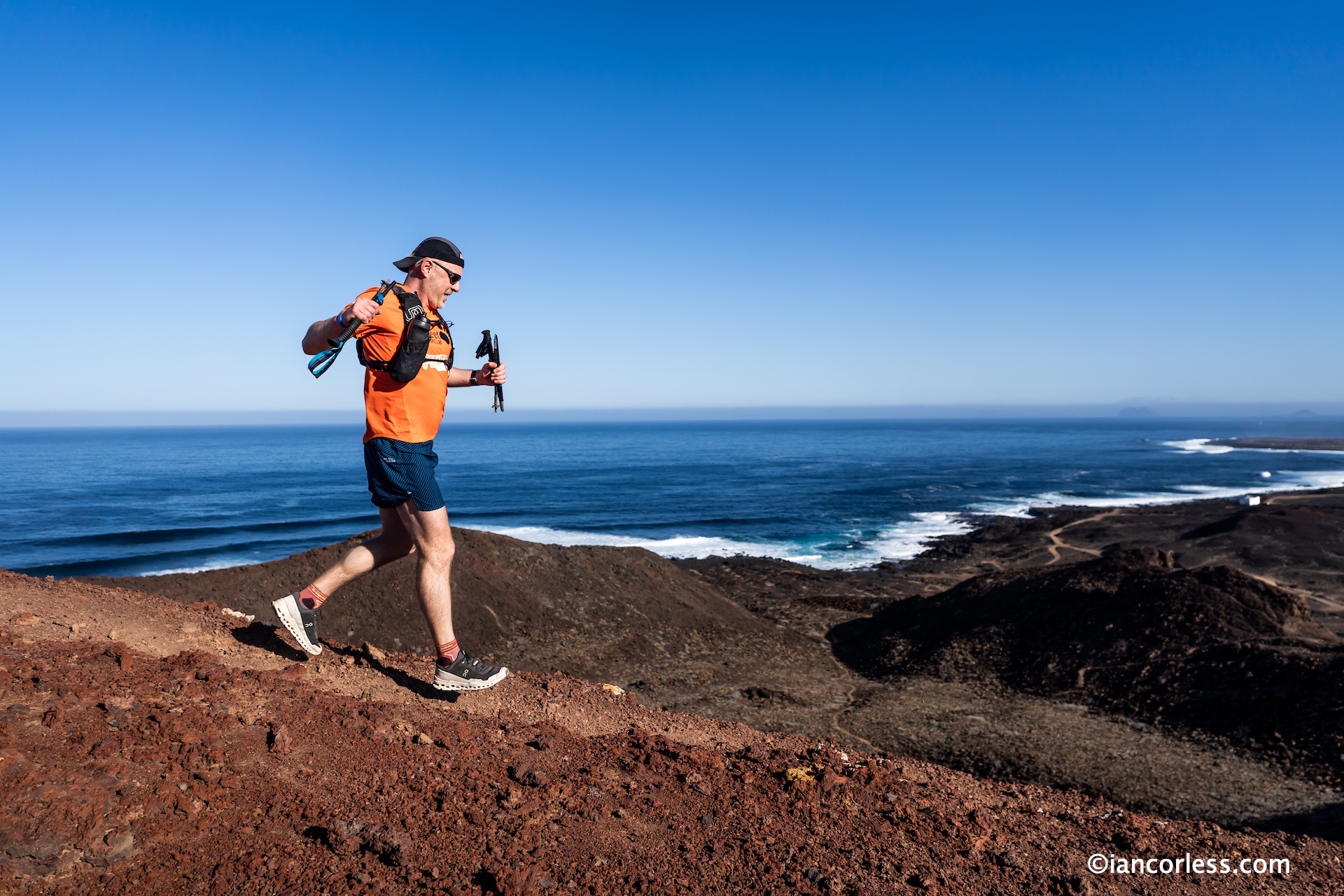
Day 3 of the Lanzarote Multi-Day Training Camp kicked off with volcano hill reps. This session has been on the camp for 6-years and is always a favourite.

Leaving Club La Santa we pass through La Santa village and then arrive at Subida el Picacho for the hill reps. We recommend 6 loops, some do a little less, some do a little more. Ultimately, with the warm up and warm down, most get over 16km and 500 to 700m vert. A great session.

Of course, each loop has a downhill section that allows recovery time but also the possibility to practice downhill run technique on challenging terrain.

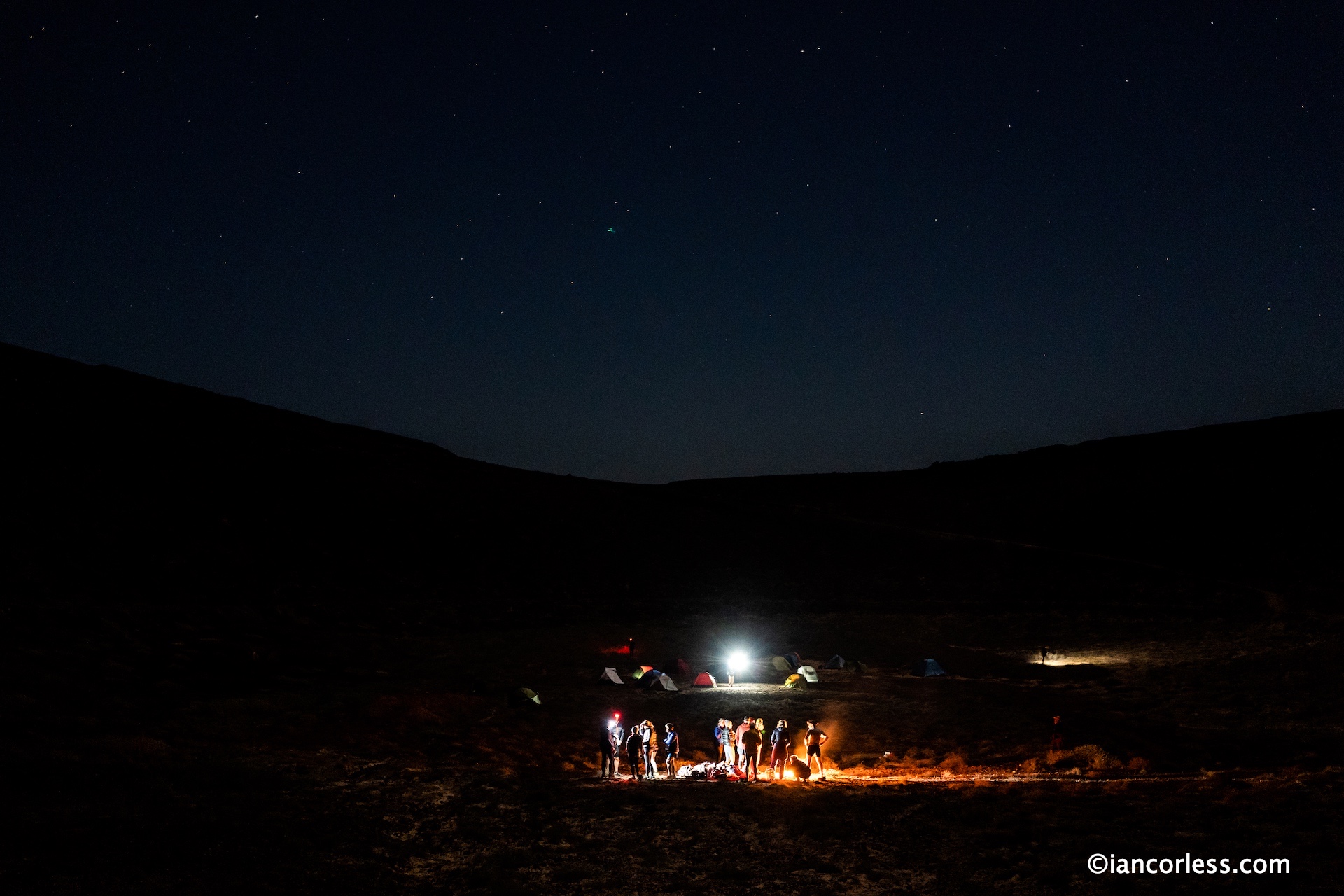
An extended break for lunch was followed with an 8-mile/ 12-km run/walk for an overnight bivouac. This session is done in a self-sufficient manner (with the exception of tents/ water which are transported) allowing each participant to test packs, sleeping bag, clothing and food.

Tents pitched, we had a fire and beautiful calm and warm night was relished by all as they tested dehydrated meals.

Eventually bed called…

During the night, the wind came in full force making for a sleepless night for all. With most participants using pop-up or cheap tents (for convenience) it proved for some comical experiences. Sorry Liz 😉

The morning was an hilarious mess of broken tents and tired bodies. Everyone somehow seeing the funny side of the experience.

With a new day, new challenges…

More to follow!

Want to join us in 2023? Info HERE

Image galleries HERE

Please support this website. I believe everyone deserves to read quality, independent and factual articles – that’s why this website is open to all. Free press has never been so vital. I hope I can keep providing independent articles with your help. Any contribution, however big or small, is so valuable to help finance regular content. Please support me on Patreon HERE.

Follow on:

Instagram – @iancorlessphotography

Twitter – @talkultra

facebook.com/iancorlessphotography

Web – www.iancorless.com

Web – www.iancorlessphotography.com

Image sales –www.iancorless.photoshelter.com