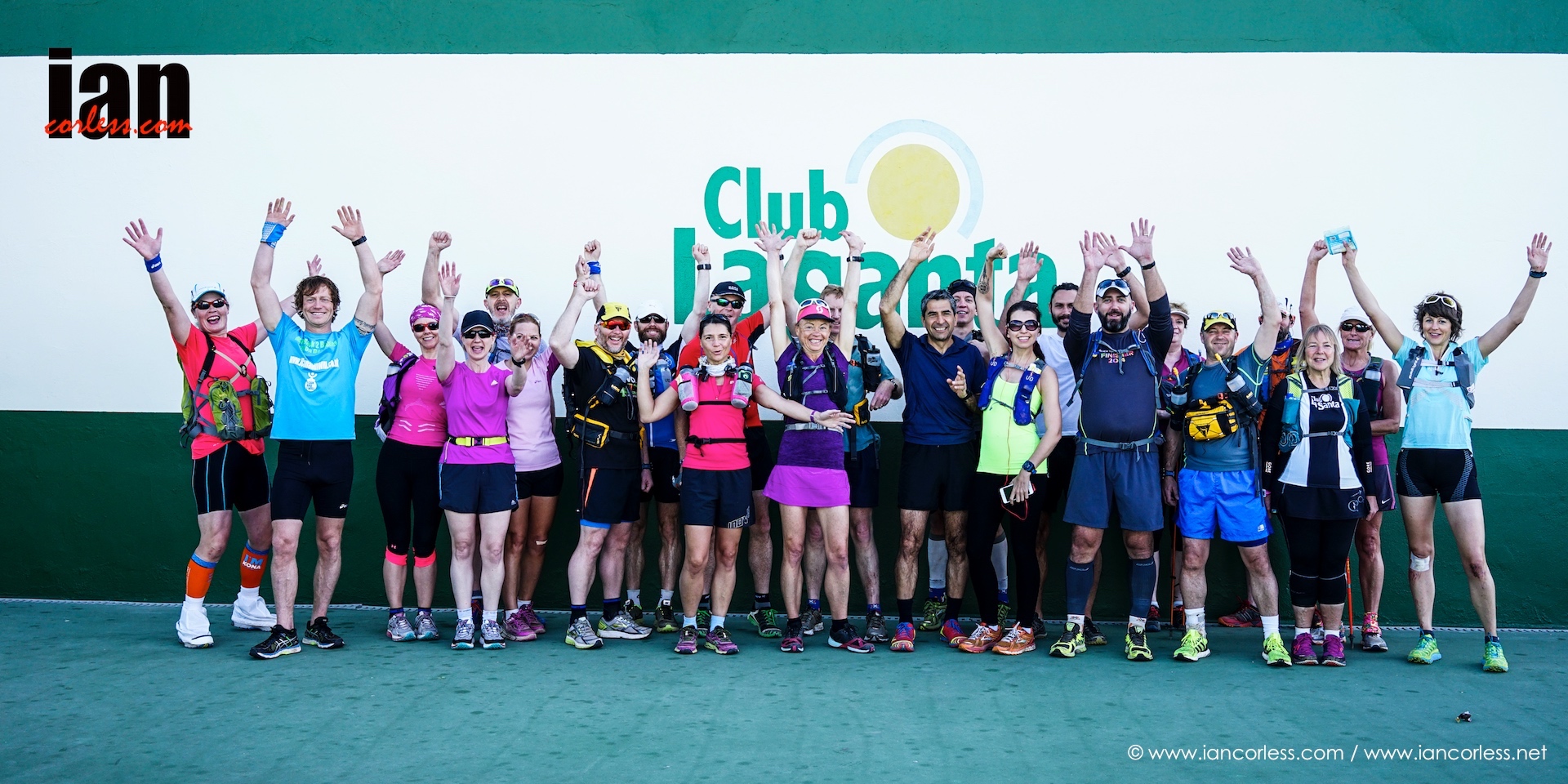
What Pack for Stage Racing, Multi-Day or Fastpacking

Stage racing, multi-day running and fastpacking all require a very specific pack. With the growth of multi-day running, many major brands now produce a pack or packs that are specifically designed for the task at hand. However, choosing a pack can be a daunting process due to many variables.

First and foremost, spend some time and sit down with a piece of paper and make notes of all the equipment that you need to carry. This may sound obvious, but there is a great difference in needs and demands.

For example:

  • Are you running in a hot or cold environment?
  • Do you need to carry food for the adventure or will you be able to get food on the route?
  • What spare clothing do you need?
  • What safety equipment do you need to carry?
  • Do you need a tent?
  • Do you need a sleeping bag and sleeping mat?
  • How much liquid do you need to carry and do you need immediate access to that liquid?

And the list goes on, so, take time to sit down and plan. This also helps you look at weight.
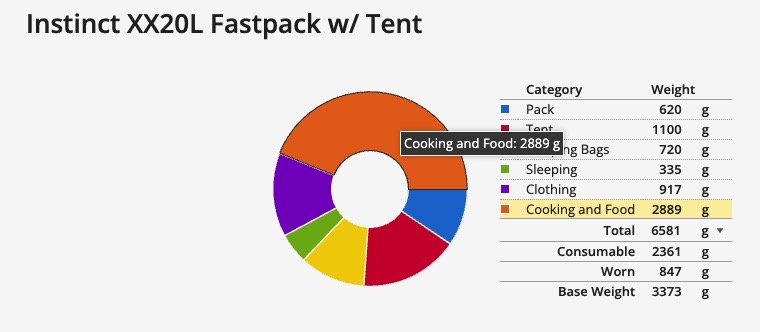
An excellent website to help facilitate this is Lighterpack – You can see an example HERE of all the contents I used when testing the Instinct XX20L when I went fastpacking with a tent.

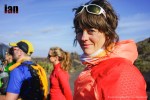
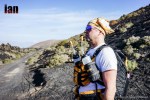
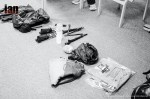
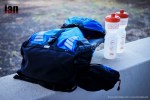
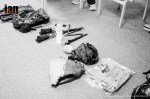
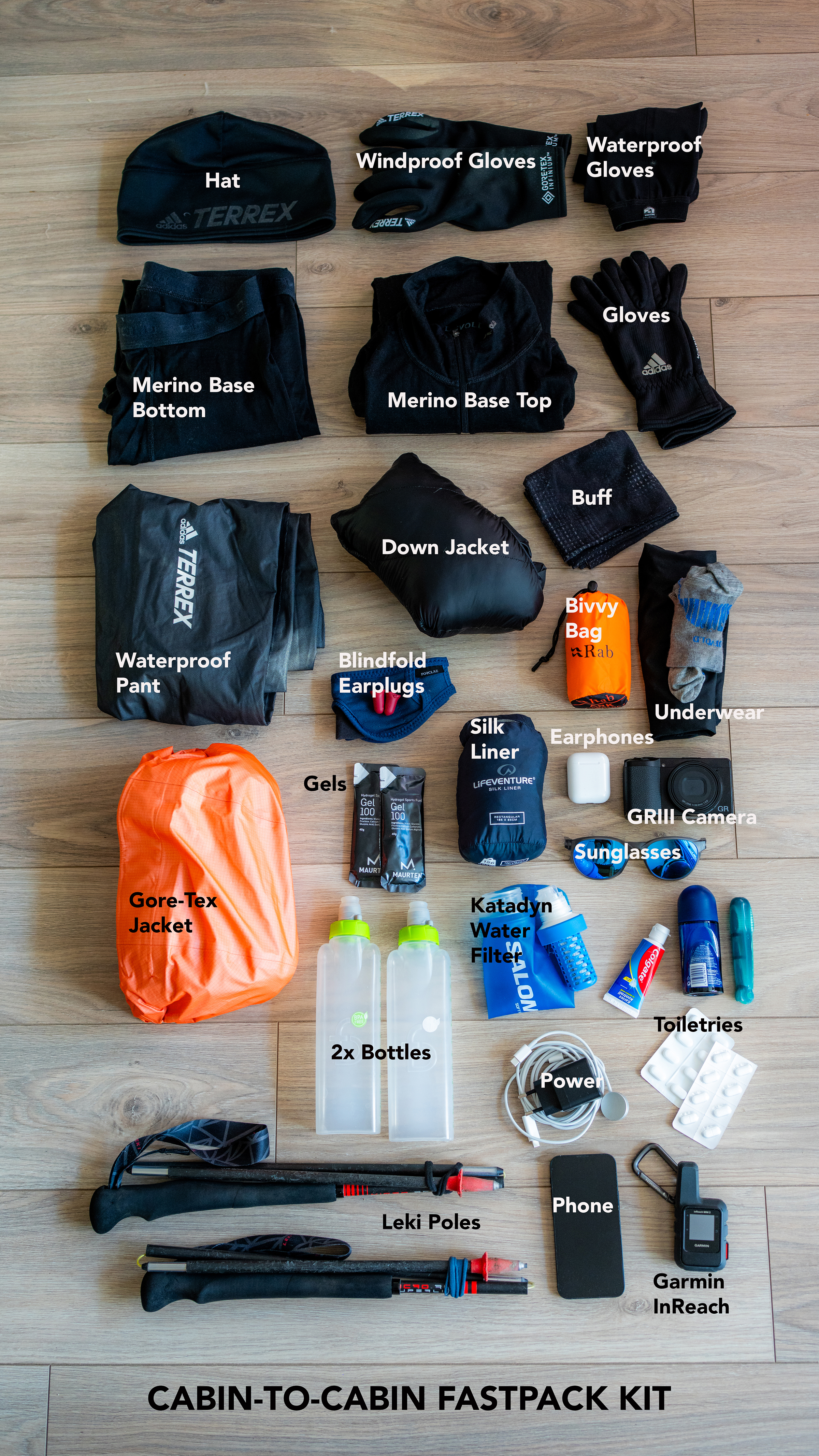
Recently I went fastpacking in Norway running from cabin-to-cabin. I did not need food (other than run snacks,) did not need a sleeping bag, just a sleeping bag liner and I could be minimal on clothing. I used the Camelbak Octane pack and the contents were as listed below:

You can see an example of my pack below and the details are as follows:

  • Camelbak Octane Pack 600g
  • adidas hat 32g
  • adidas gloves Infinitum 52g
  • Hestra waterproof gloves 53g
  • adidas gloves 41g
  • Devold merino base top 193g
  • Devold merino base bottom 166g
  • Buff 43g
  • Haglofs down jacket 163g
  • adidas waterproof pant 125g
  • adidas Gore-Tex jacket 272g
  • Rab bivvy bag 110g
  • Underwear 98g
  • Gels 81g (for emergency)
  • Silk liner 126g
  • Blindfold/ earplugs 22g
  • Earphones 44g
  • Ricoh GRIII camera 251g (a luxury)
  • Sunglasses 18g
  • Bottles x2 90g
  • Katadyn water filter 52g
  • Toiletries 196g
  • Power supply 138g
  • Phone 136g
  • Garmin InReach 108g
  • Leki poles 250g

3379g 

As you can see, my pack weight was low. This allowed me to move faster and lighter for less effort.

KEY CONSIDERATIONS FOR CHOOSING A PACK
Once you have worked out what you need to carry, you can then decide what size pack you need. The best recommendation here is that it is better to have a pack that is maybe just too small. That way you will be strict on what you take and what you do not take. Of course, this decision should never be at the compromise of safety. Simply, if you have more room, you tend to take more because you can.

When doing a stage race, multi-day or fastpack, weight is the enemy, so, you need to be as light as possible.

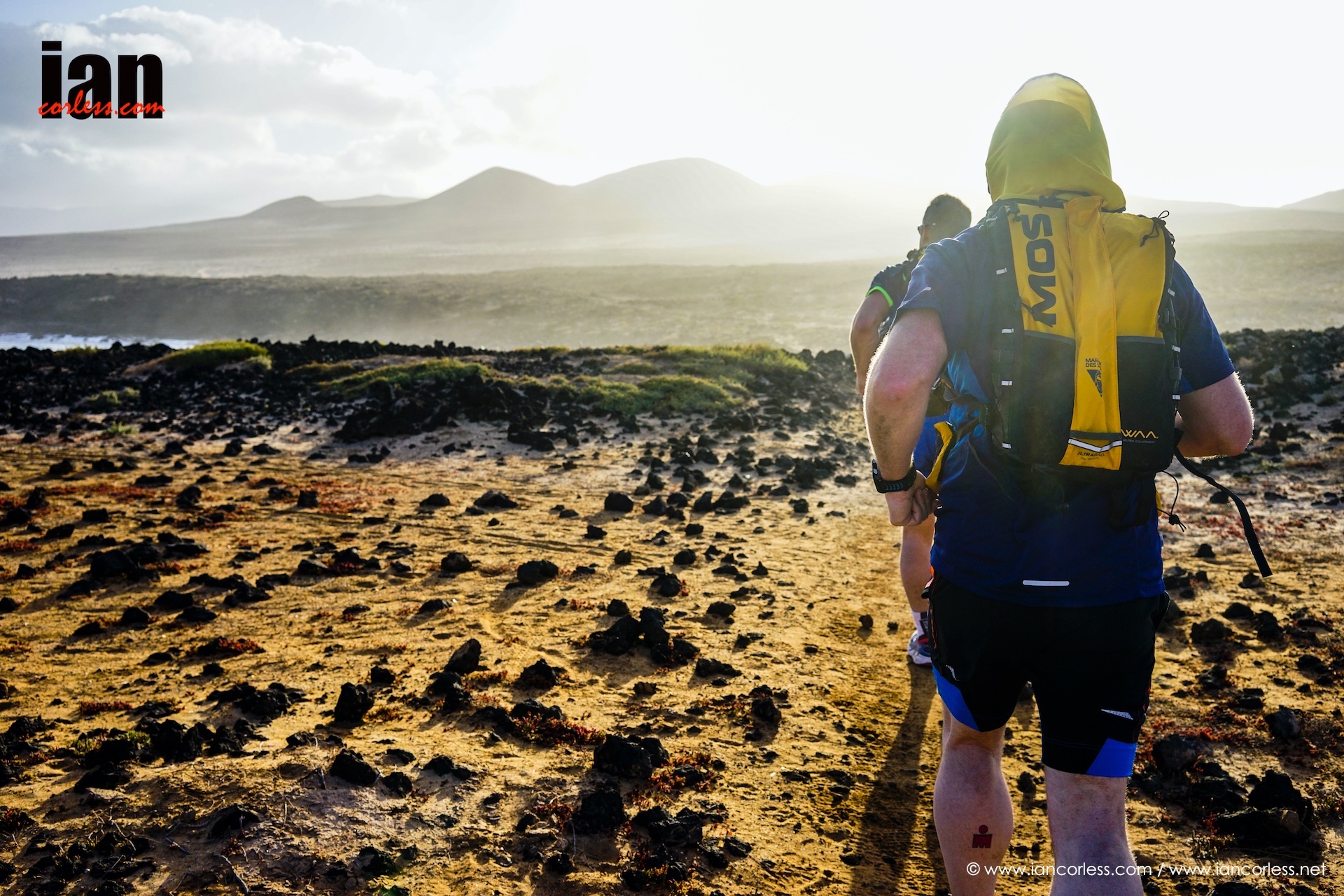
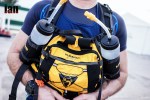
WAA has a waist belt and optional front pocket for food/snacks and water bottle.

Comfort is obviously hugely important and just like shoes, packs need to fit you, cause no rubbing or irritation and feel like a piece of clothing. What works for one person will not work for another. A great example being, the needs and requirements for 152cm tall woman weighing 55kg is very different than a 182cm tall male weighing 85kg. It’s great to ask and take advice BUT you need to try packs, see how they fit and importantly when trying, add weight so you can feel how it sits on your body. Many brands do different sizes now such as S/M or L/XL and one or two brands do male/ female versions: Ultimate Direction, Osprey and Oxitis being good examples.
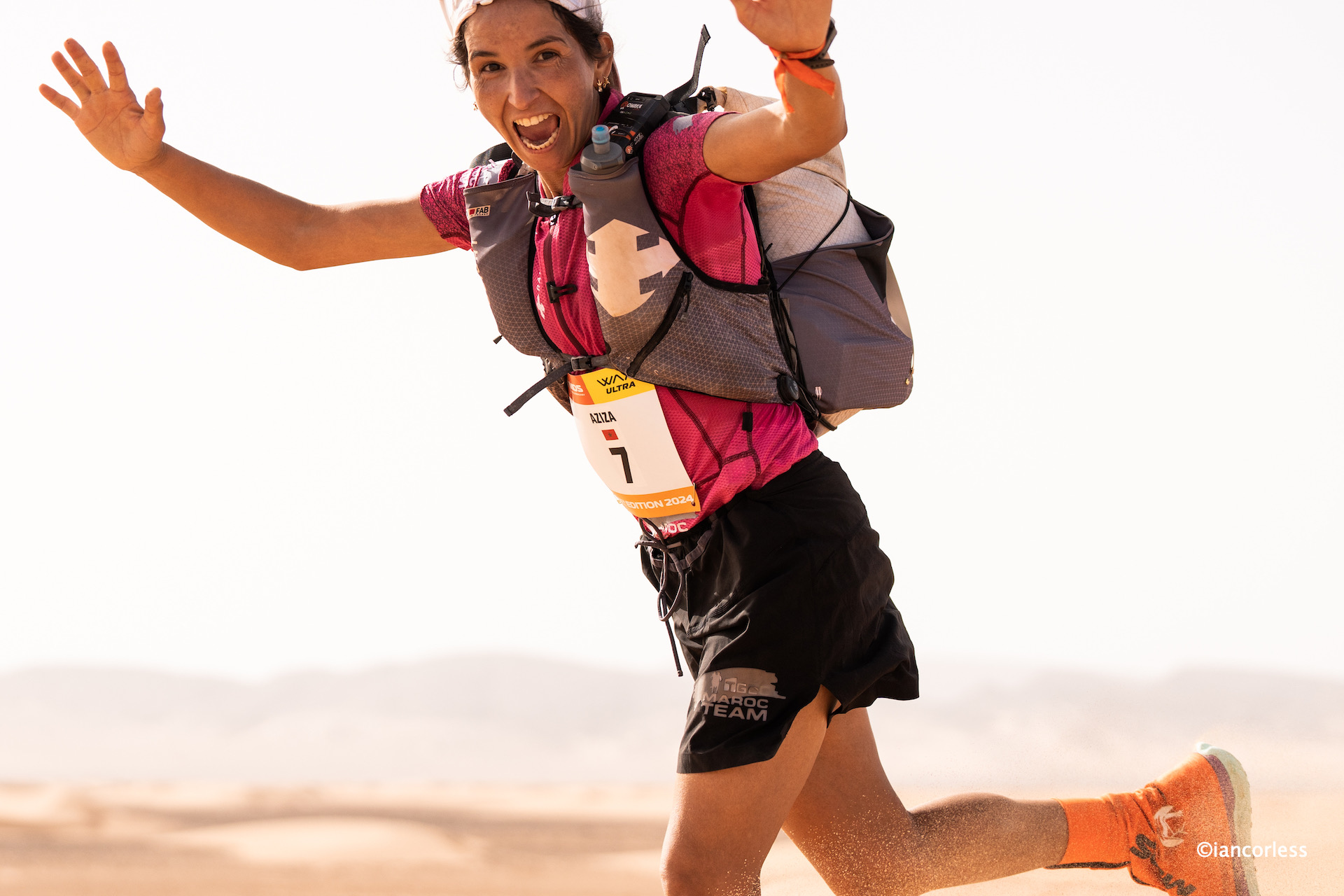
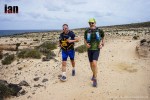
Aiziza El Amrany winner of the 2024 MDS with a Raidlight pack.

Many packs now use a ‘vest’ like system, however, when you have 8kg in the pack, does that fit and feel good? You need to know this. Look at pressure points, such as on top of the shoulders, this area can get very sore if you do not have enough padding. Also feel how it sits on your bag and check for bounce/ movement. A pack that moves too much causes friction, friction equals irritation and blisters.

A waist belt is often a great addition to help secure a pack to your body and distribute the weight load. Some love waist belts, others dislike them. I personally am a fan.

You must choose what is correct for you and don’t be afraid to go against the norm to use what is correct for you. A prime example being that a hiking pack may be the best solution for YOU. Trust this and ignore what others say. The only key things to consider: Be careful of the pack weight and make sure it is not too large in capacity.
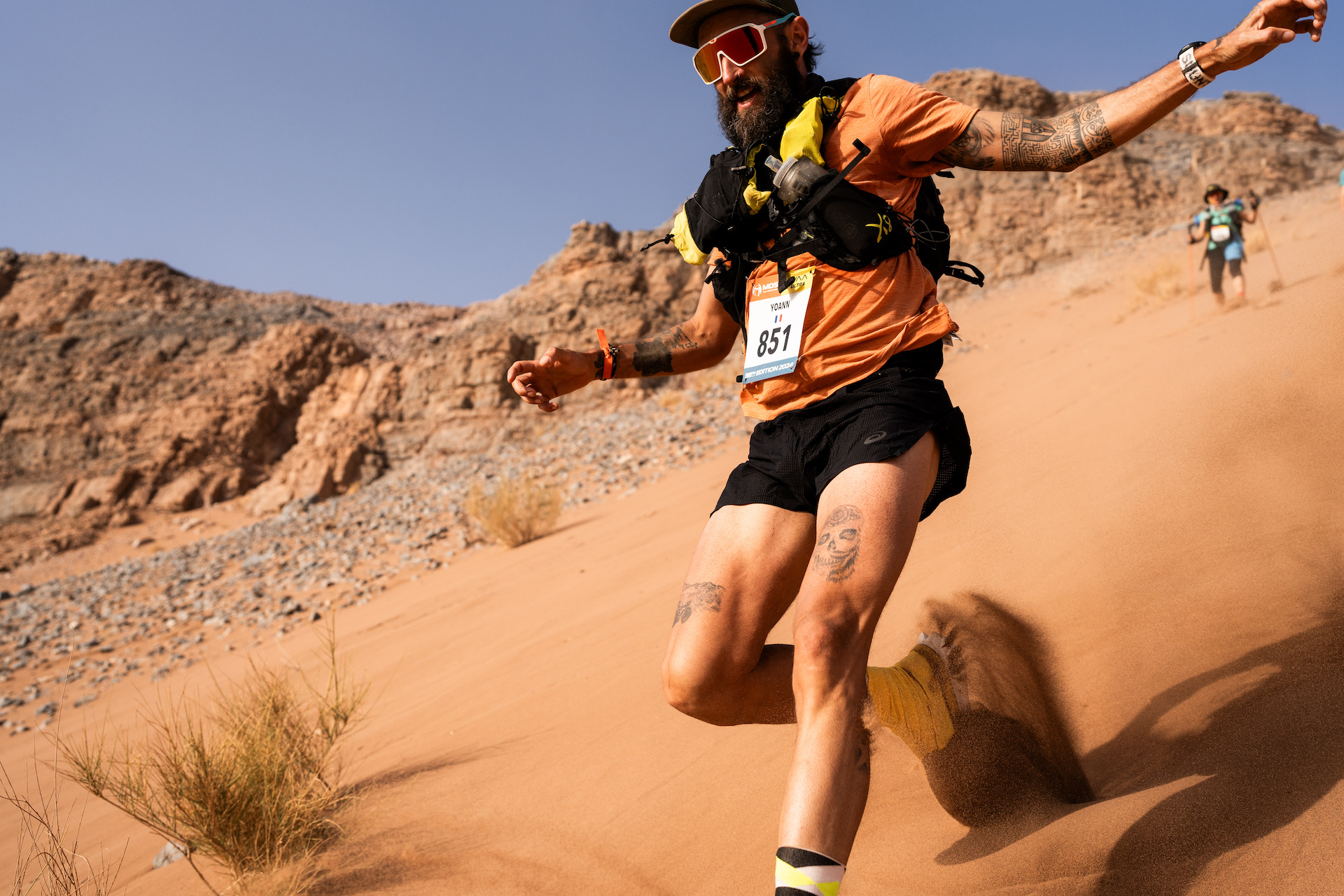
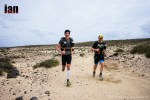
Instinct pack in action at MDS

Access to water is important, many packs now have the capacity and option to carry bottles up front. This makes drinking and refilling easy. However, this may not work for you. If that is the case, do what is right for you, if that means using a bladder, do so. The only consideration with soft flasks and bladders are the risk of puncture, but, I have used a bladder on countless adventures with no issue. Good admin is key.
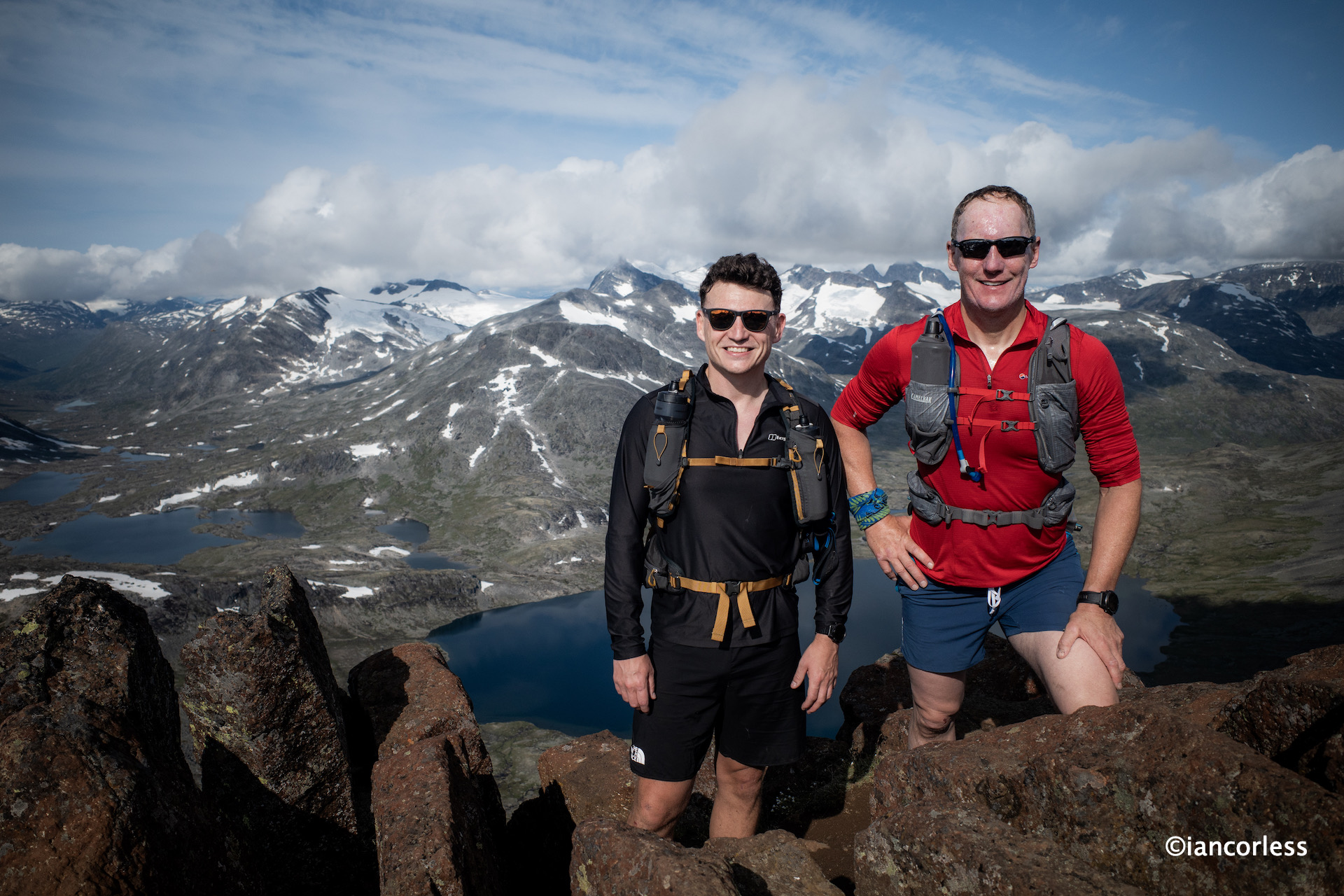
Osprey Talon Velocity and Camelbak Octane fastpacking in Norway.

If doing an adventure that is self-sufficient (such as MDS,) remember that as days pass, pack contents will become less due to eating food. So, the option to tighten, compress and make the pack smaller is a potential key consideration to stop or reduce bounce.

Finally, pack weight is important, BUT, do not go for the lightest pack if it has no durability. You need the pack to be strong, durable and reliable.

BRANDS TO CONSIDER

As mentioned, many brands now make packs or packs suitable for stage racing, multi-day or fastpacking.

If you have a brand missing from the list that you feel needs to be added, please make a comment below.

WHAT ARE THE BEST PACK OPTIONS TO CONSIDER

Remember, we are all individual. Every pack on the list below I have looked at, played with and tested in some capacity.

They are ALL applicable for stage racing, multi-day or fastpacking.

You may well be asking, but which do I prefer? Well, I could answer that, but if I do, am I then influencing your decision and thought process? So, for now, I will refrain from giving an opinion.

WAA Ultrabag 20L https://www.waa-ultra.com/en/mds-ultra-bag-20l.html

Camelbak Octane 22l https://www.camelbak.co.uk/products/octane-22-hydration-hiking-pack-22l-with-2l-reservoir?_pos=3&_psq=octane&_ss=e&_v=1.0
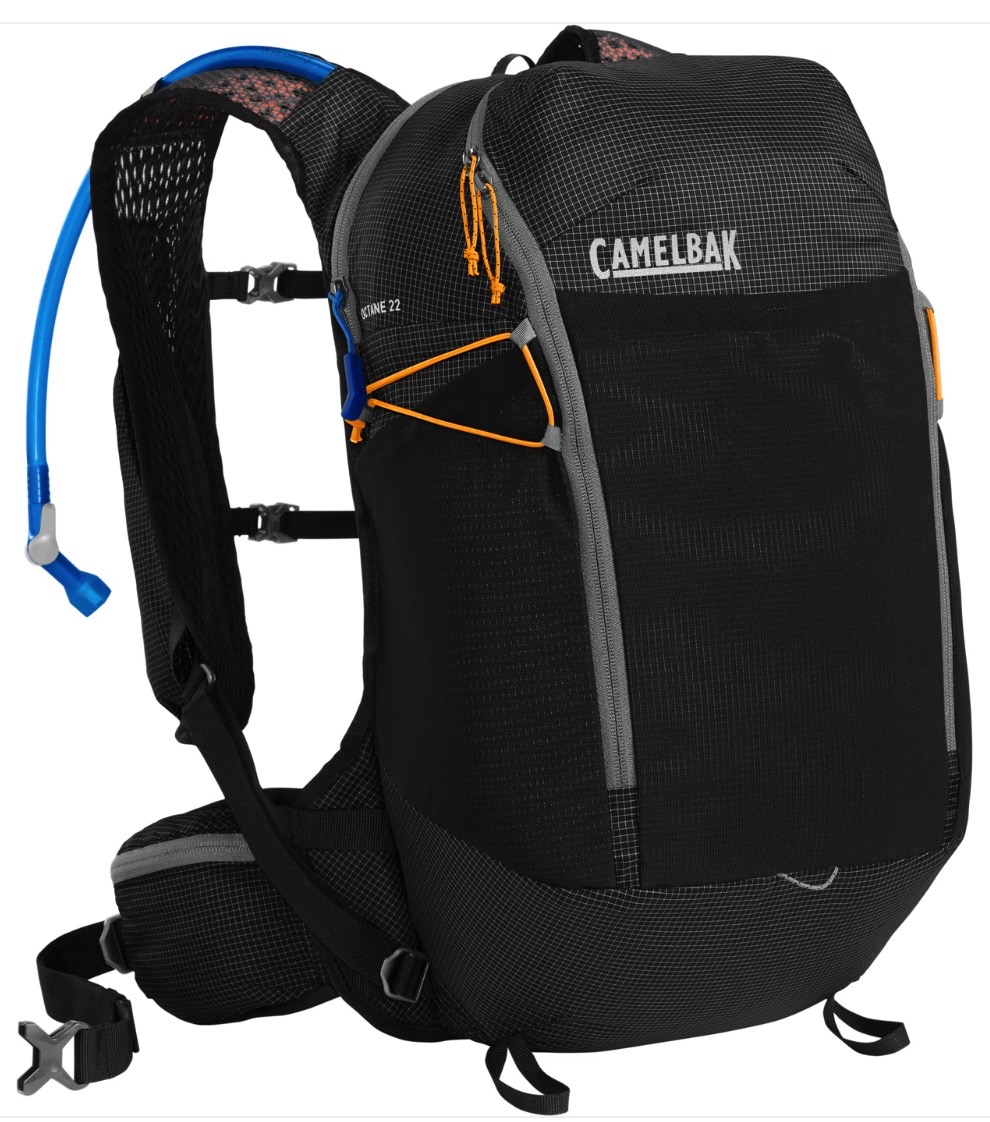
Oxitis Enduro 30 Ultra (male and female specific) https://www.oxsitis.com/en/product/sac-enduro-30-ultra/
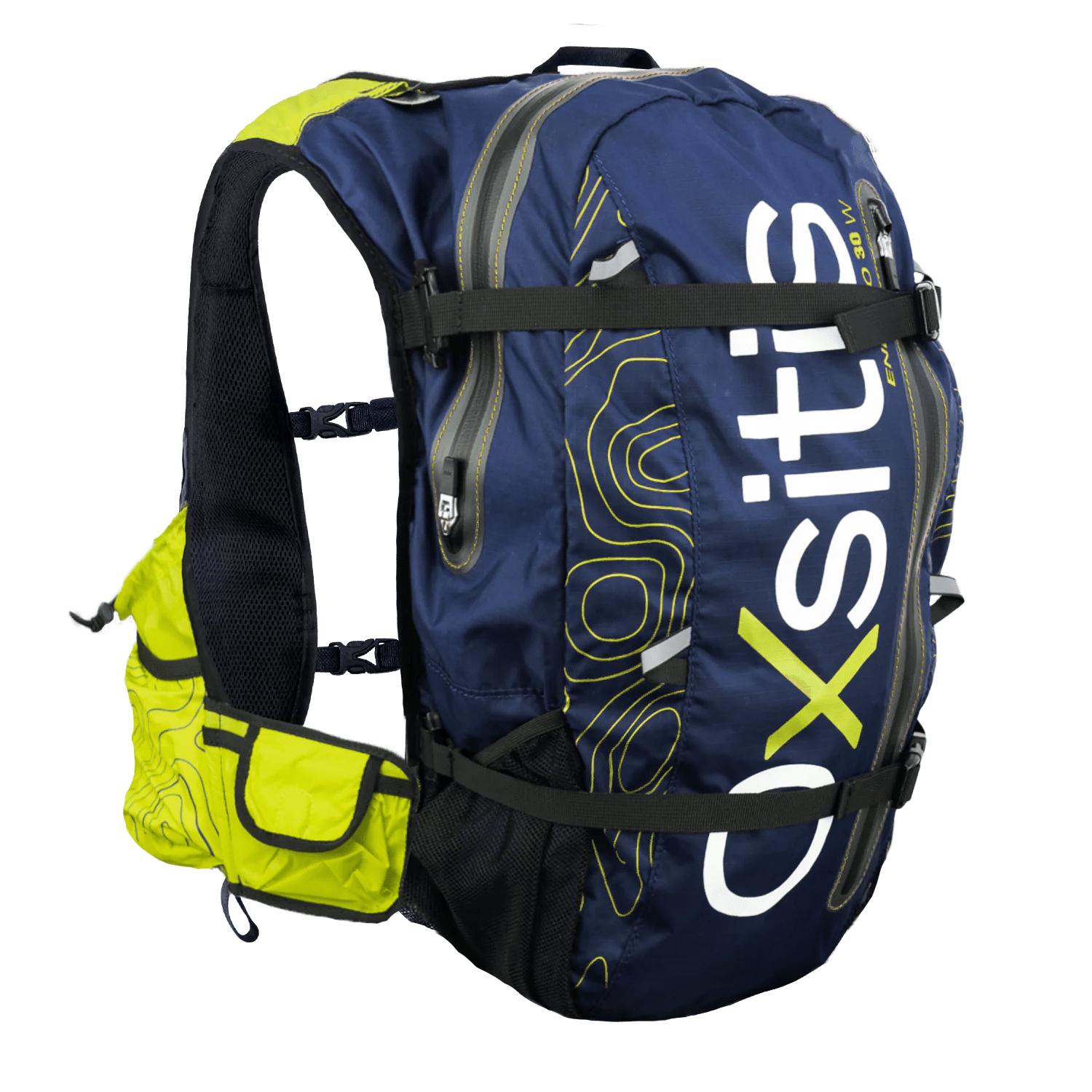
Ultimate Direction Fastpack available in 20L and 30L also male and female specific https://ultimatedirection.com/fastpack-20/
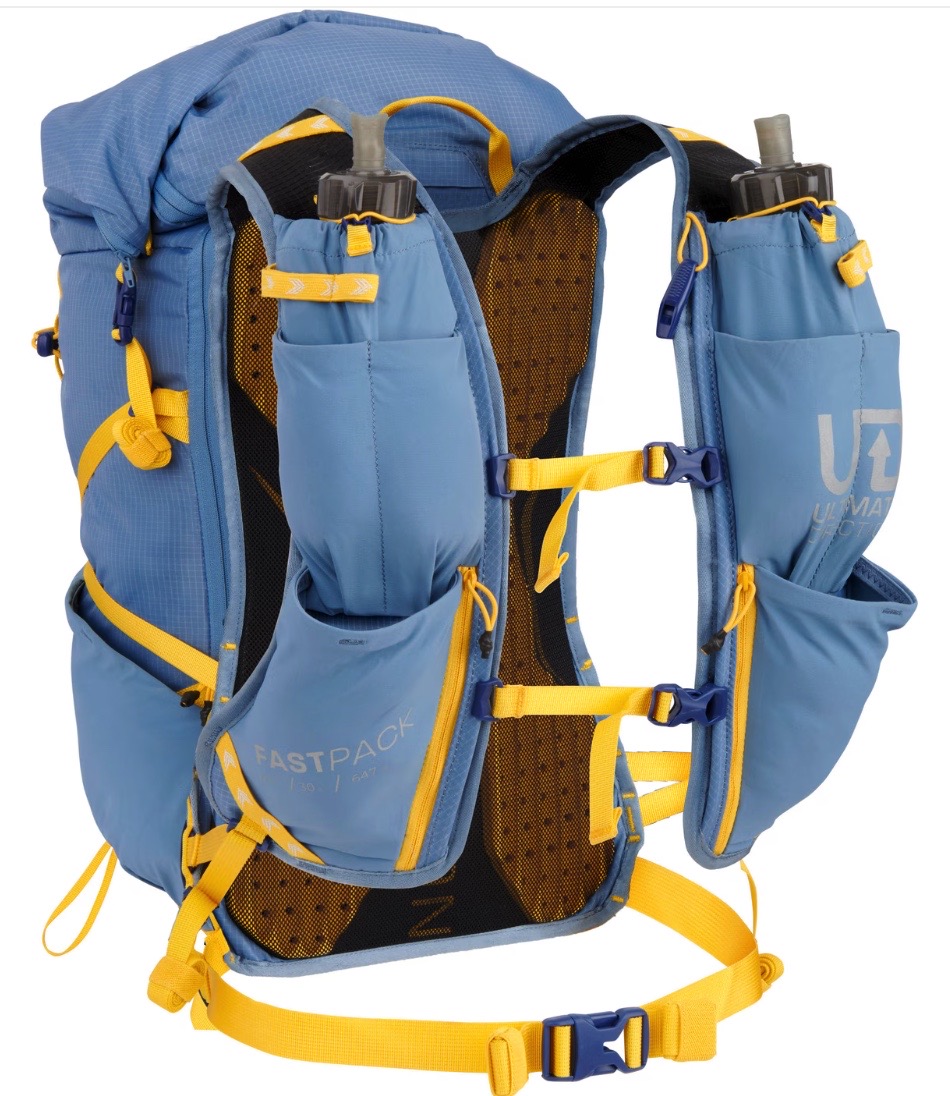
UltrAspire Epic  XT 20L https://ultraspire.com/products/epic-xt-20-hydration-pack/
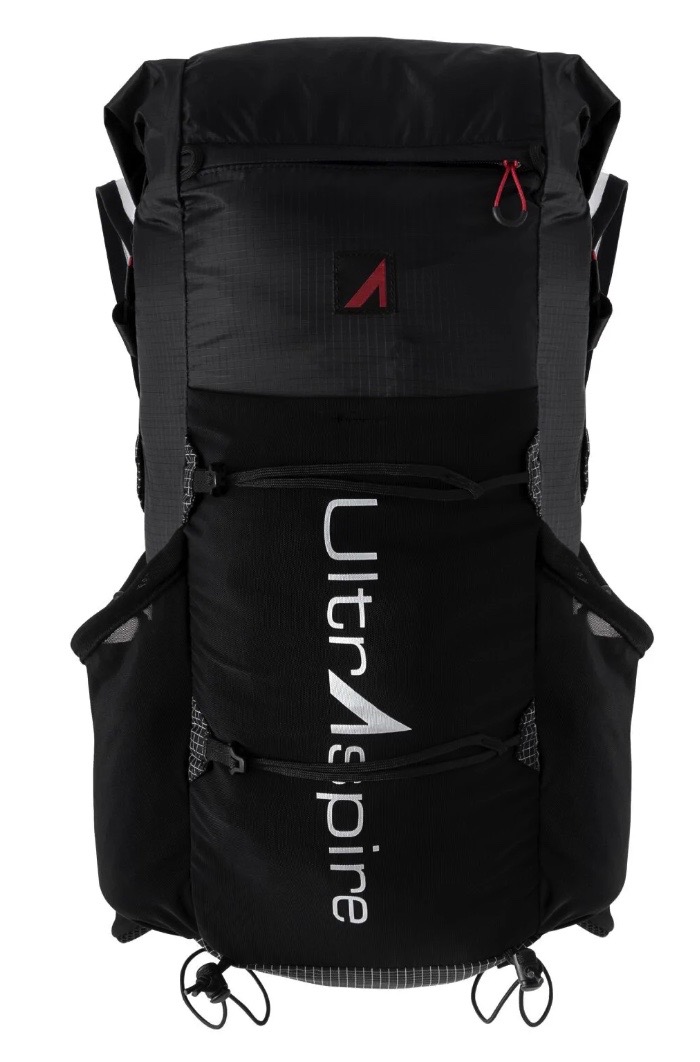
Instinct XX 20-24L https://www.instincttrail.com/product/xx-20l/
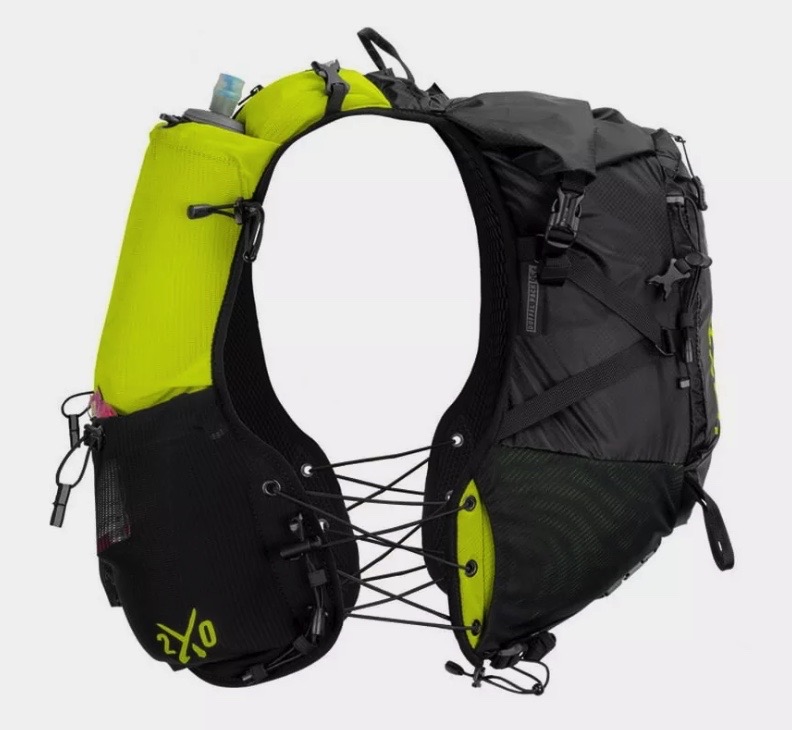
Inov-8 Venturelite 25 https://www.inov8.com/venturelite-25l-hiking-pack?colours=3120
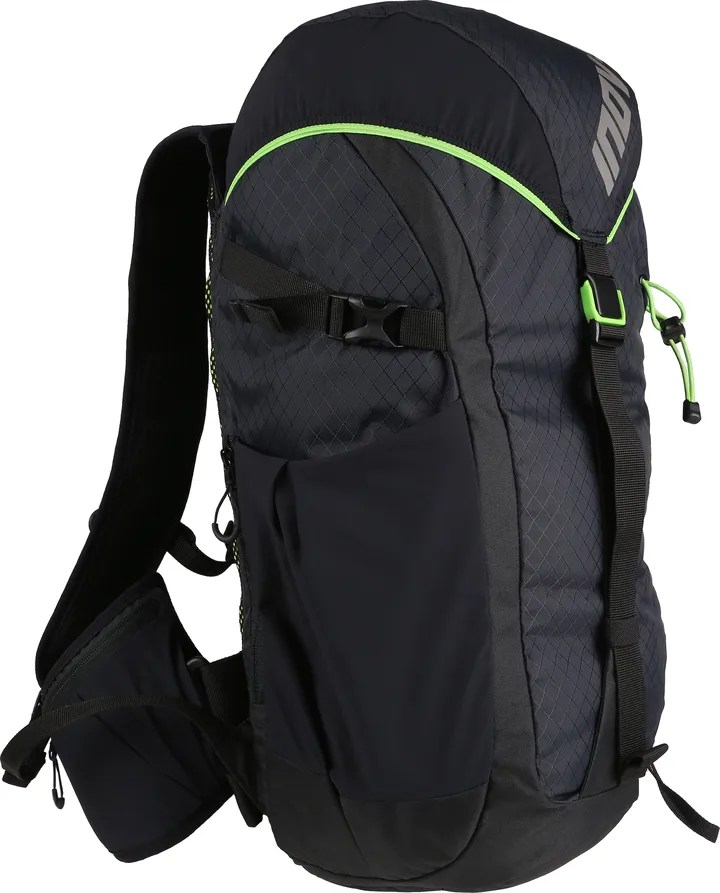
Osprey Talon Velocity in 20l and 30l (male and female fit) https://www.osprey.com/talontm-velocity-20?color=White
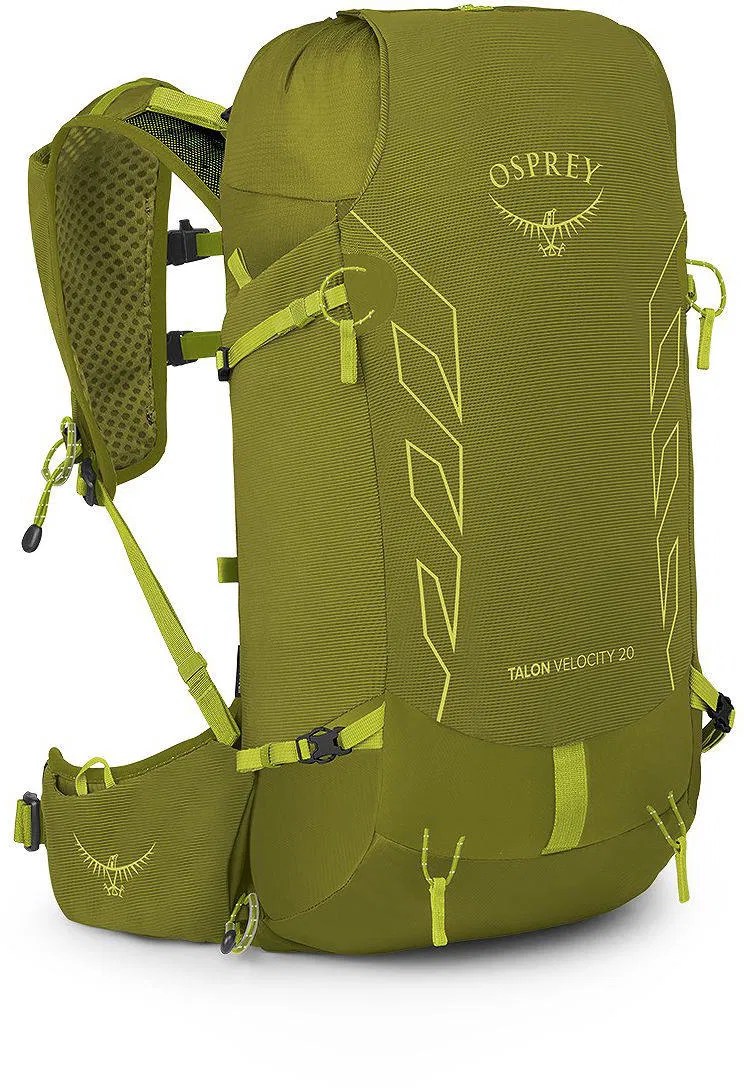
Raidlight Ultralight 24-30l (maybe the lightest pack available?) https://raidlight.com/en/products/sac-a-dos-trail-ultralight-24-30-made-in-france

Raidlight Raid Legend 25l https://raidlight.com/en/products/sac-a-dos-de-trail-activ-legend-24l
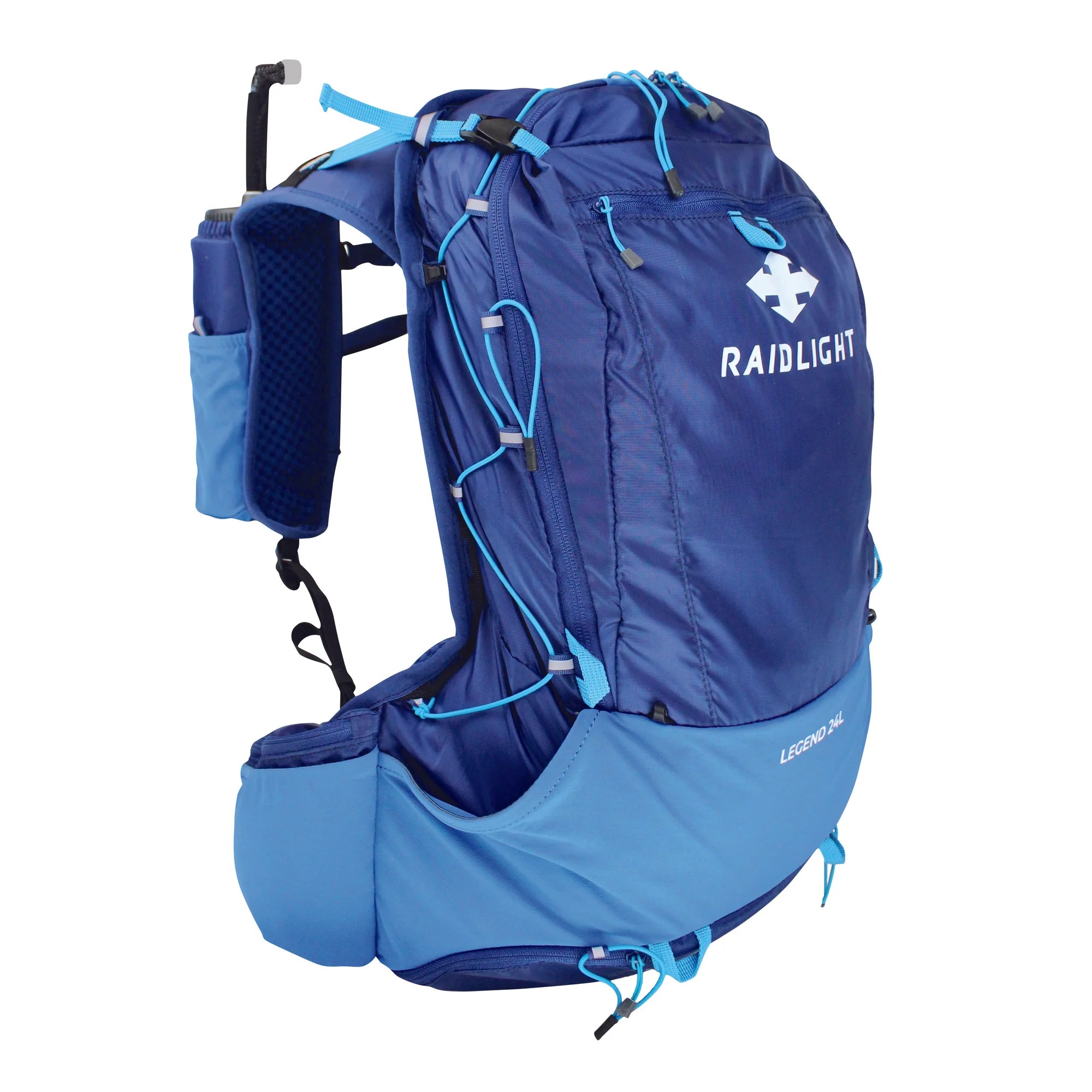
Montane Gecko VP 20l https://montane.com/products/montane-gecko-vp-20
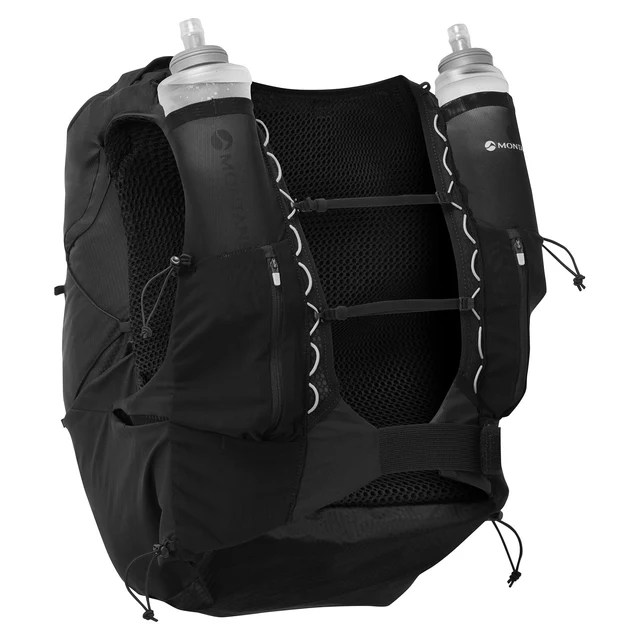
Montane Trailblazer 25l https://montane.com/products/montane-trailblazer-25l-backpack
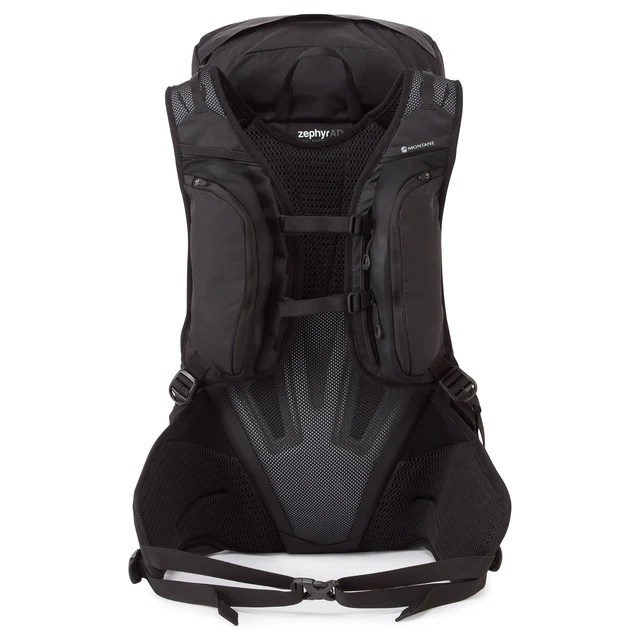
Salomon XT 20 https://www.salomon.com/en-us/shop/product/xt-20-lc12756.html#color=87687&size=27106
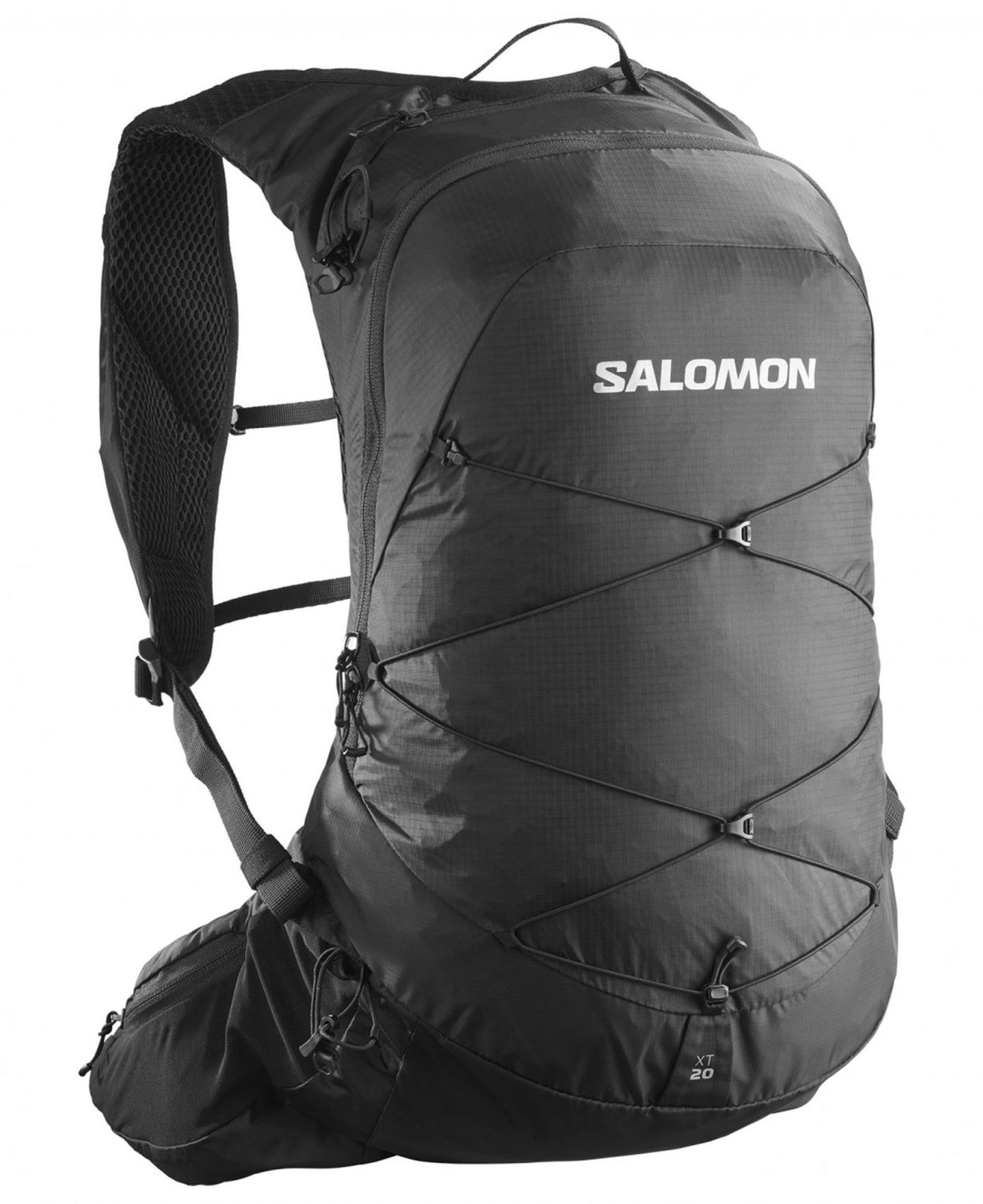
OMM Classic 25 https://theomm.com/product/classic-25/
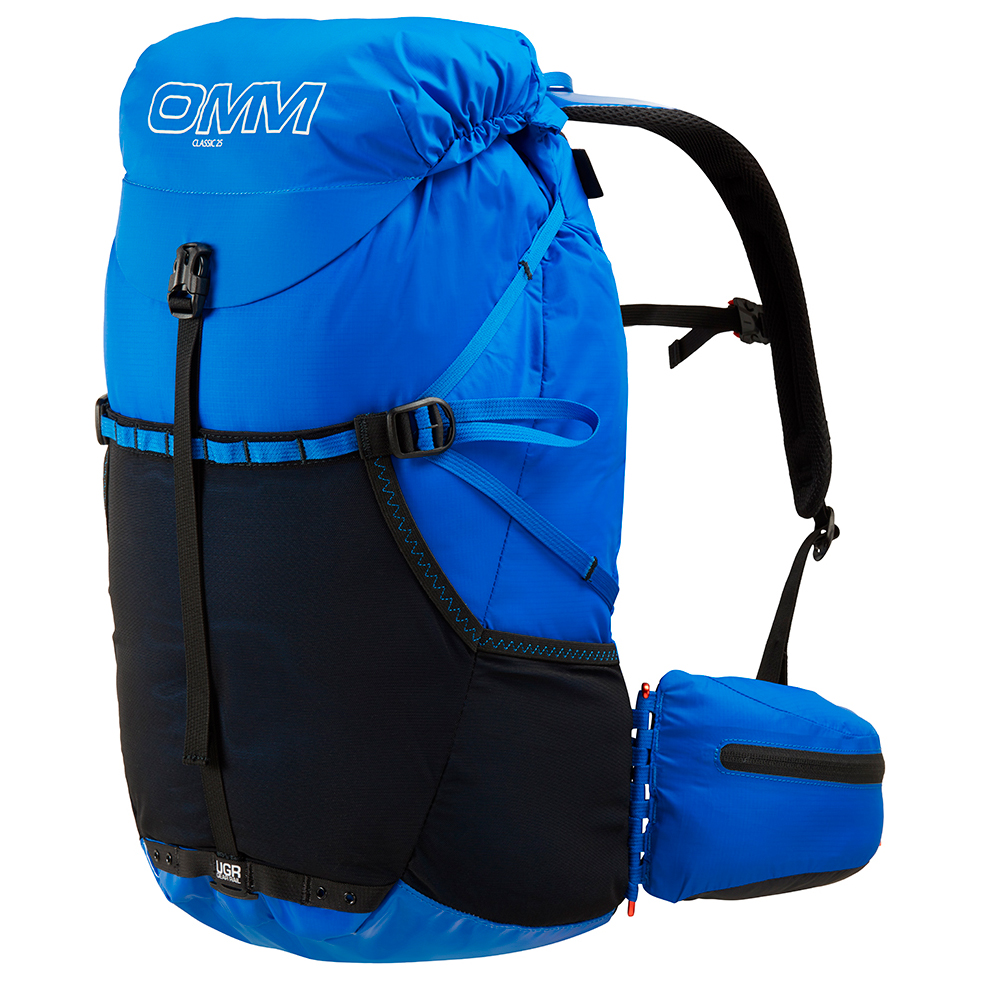
OMM Phantom 25 https://theomm.com/product/phantom-25/
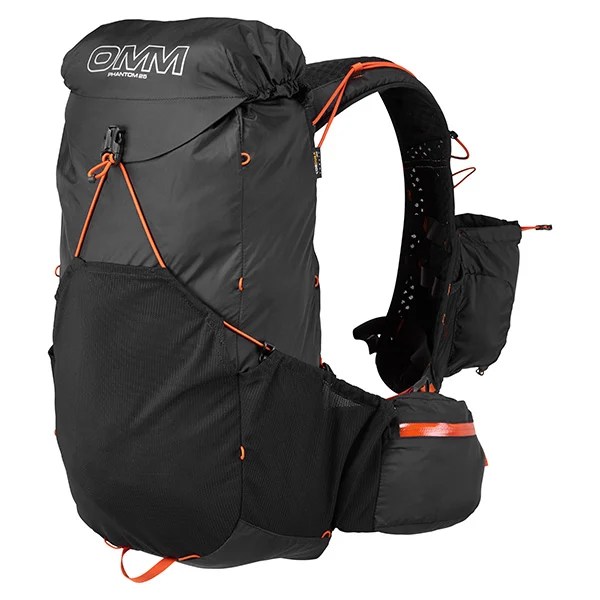
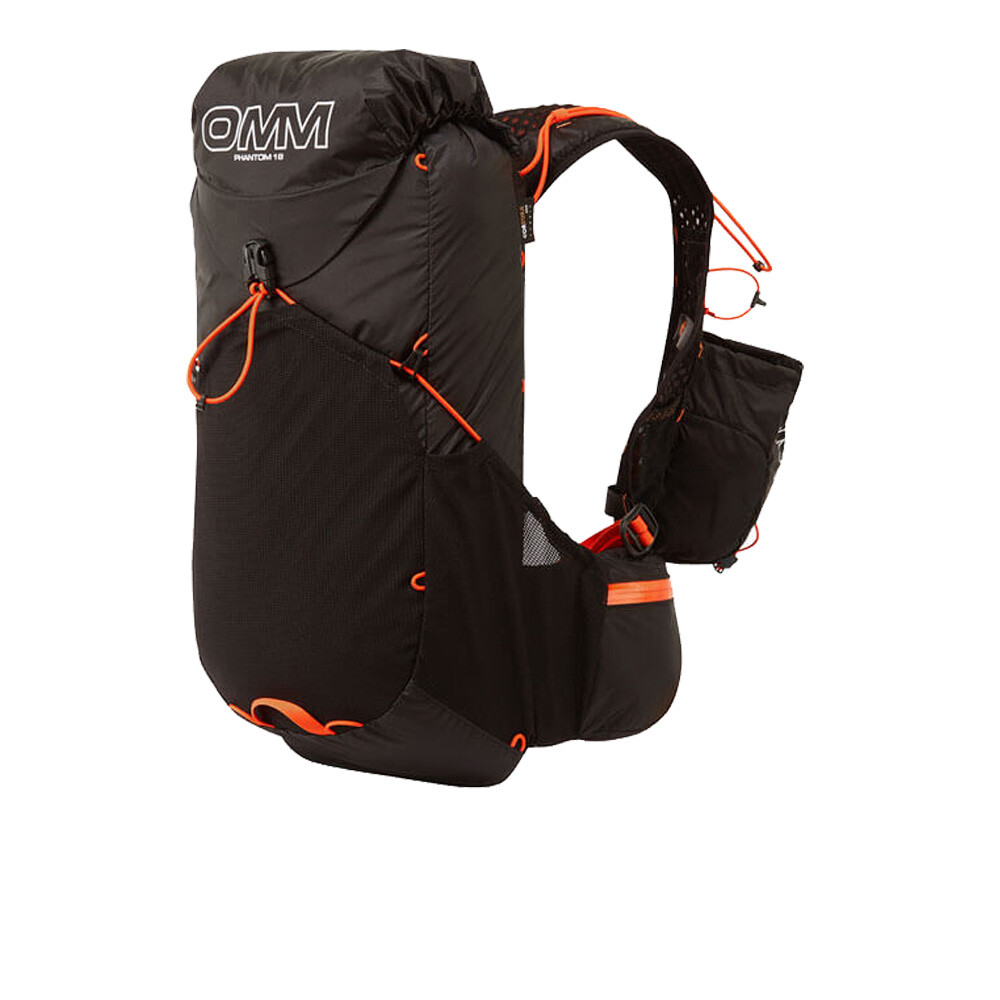
OMM Phantom 18 https://theomm.com/product/phantom-18/
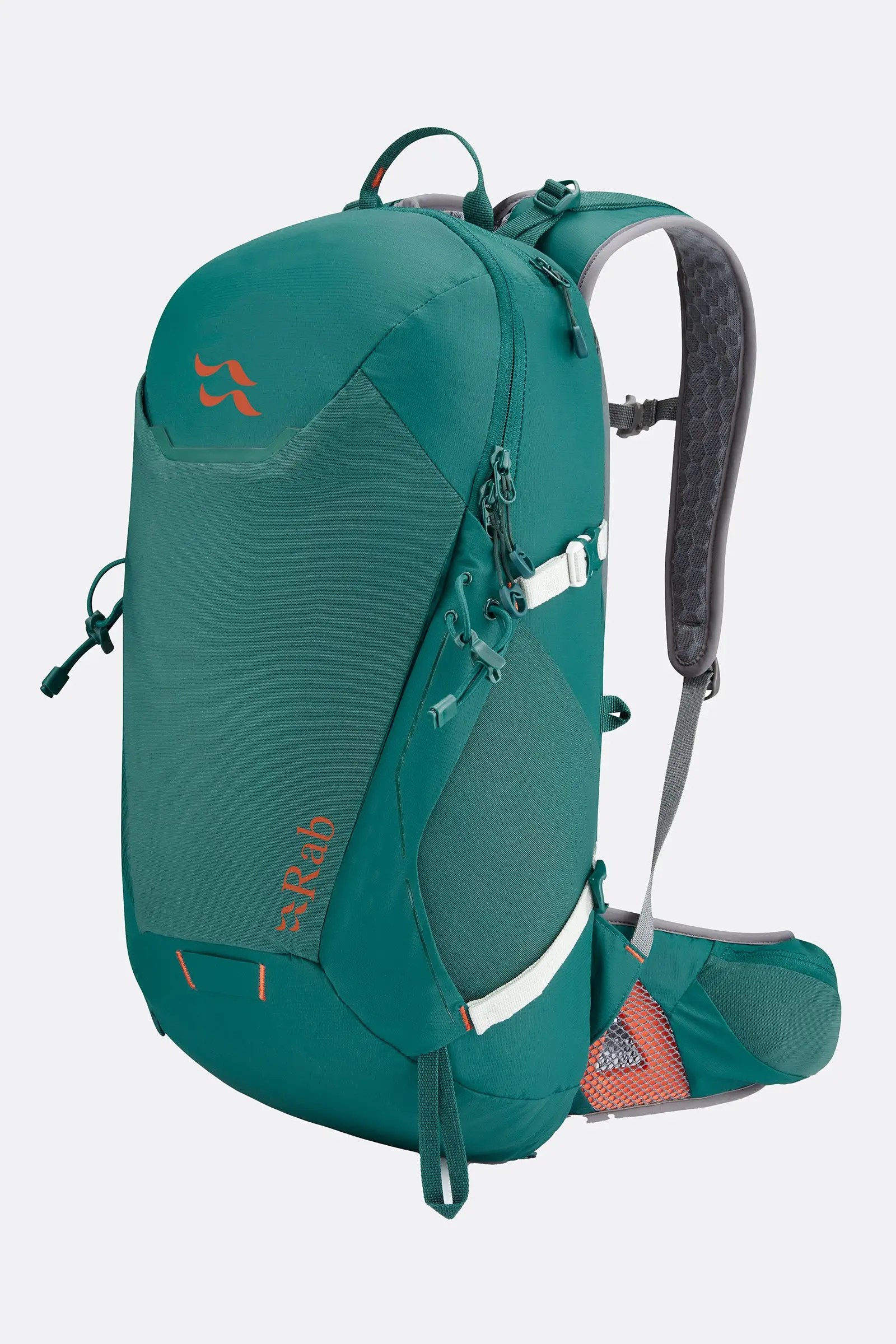
RAB Aeon (18 and 28l) https://rab.equipment/uk/rab-aeon-ultra-28-lightweight-pack
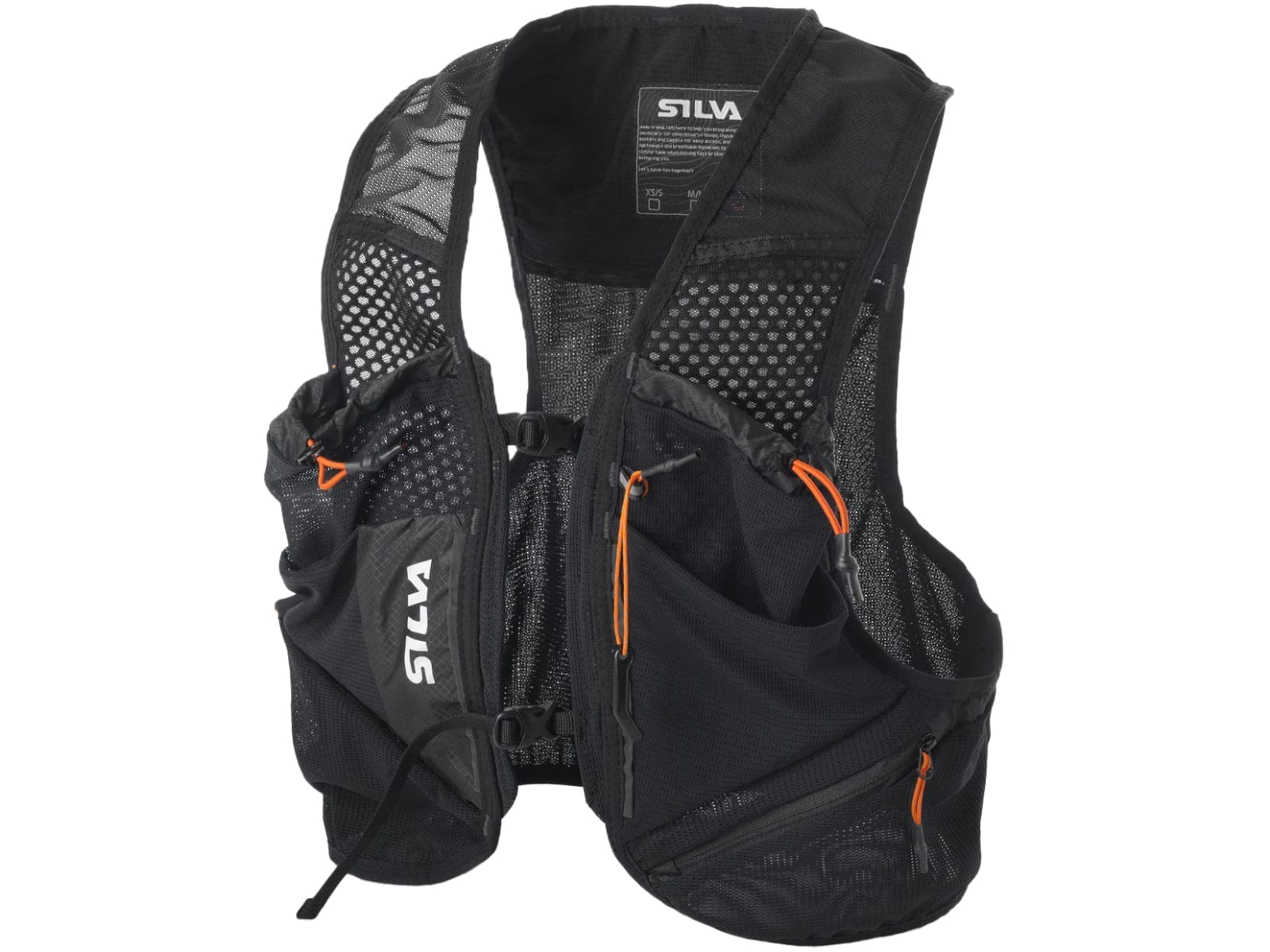
SILVA Strive available 17+3l or 23+3l https://silvasweden.uk/collections/backpacks/products/strive-mountain-pack-17-3
Large Capacity Packs:

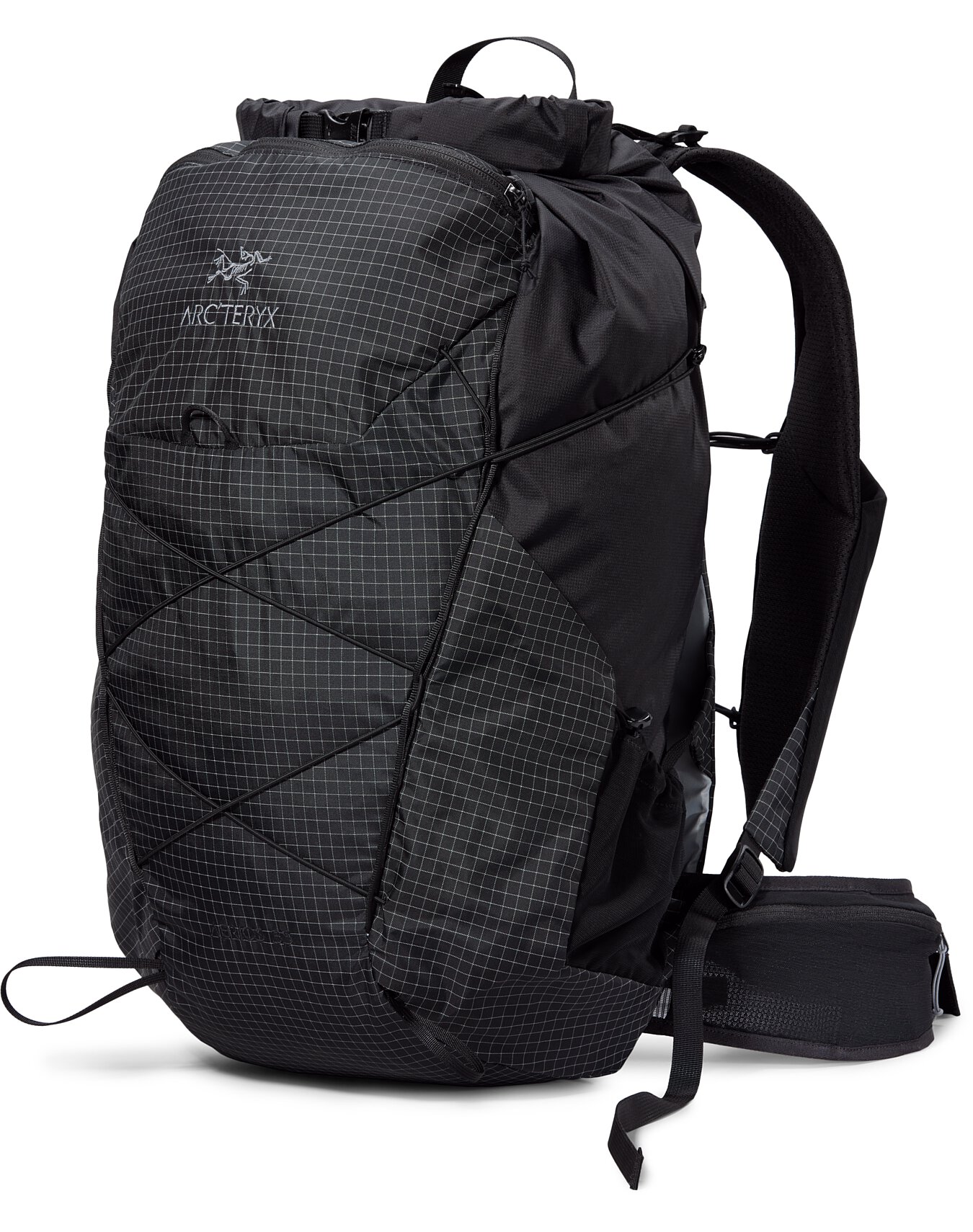
Arc’teryx Aerios 35 https://arcteryx.com/no/en/shop/aerios-35-backpack?sub-cat=multi-day&sub_categories=Multi-Day
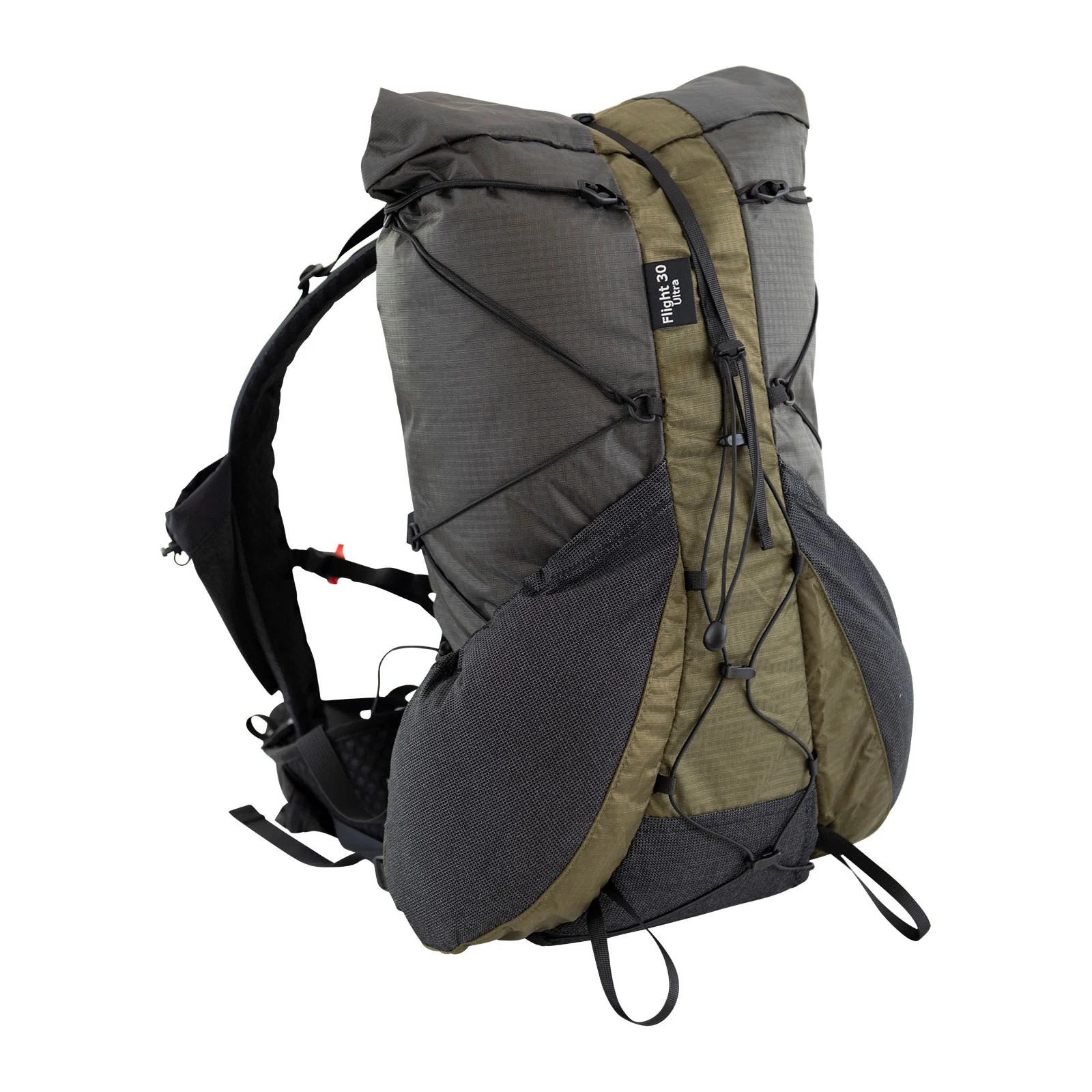
Six Moon Designs Flight 30 https://www.sixmoondesigns.com/
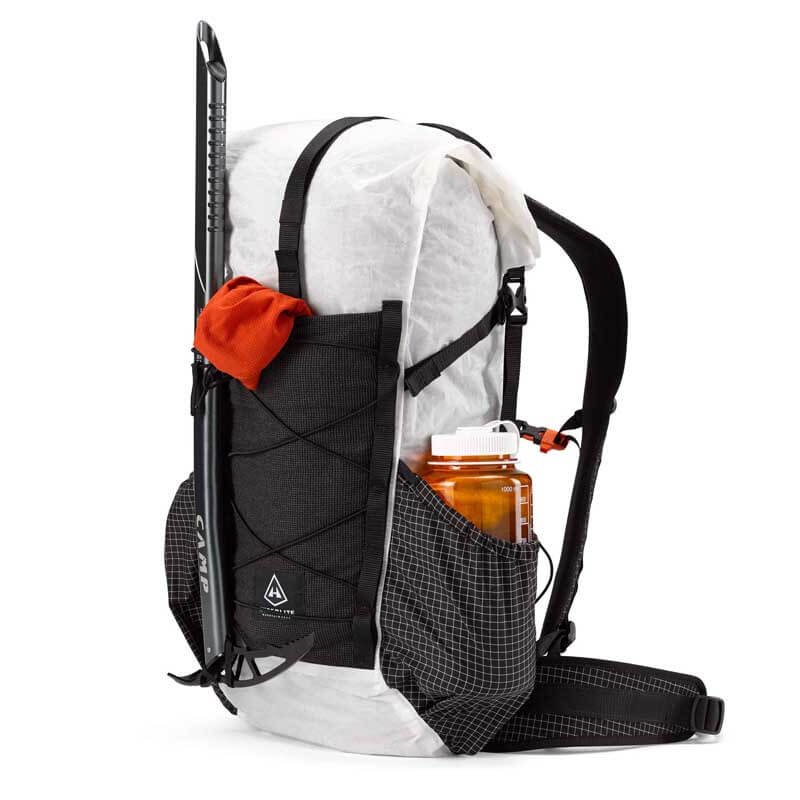
Hyperlite Mountain Gear Elevate 22 https://www.hyperlitemountaingear.com/products/elevate-22
CONCLUSION

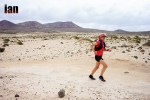
Ultimate Direction pack at MDS

As you can see above, there is no shortage of options for packs. The main problem is testing and trying packs. Today, the internet and online purchasing provides us all great options and ease for shopping, but, I cannot emphasise enough, with a pack, go to a store, try them on, add weight and play around. Ideally, go to a store that sells many options so you can compare.
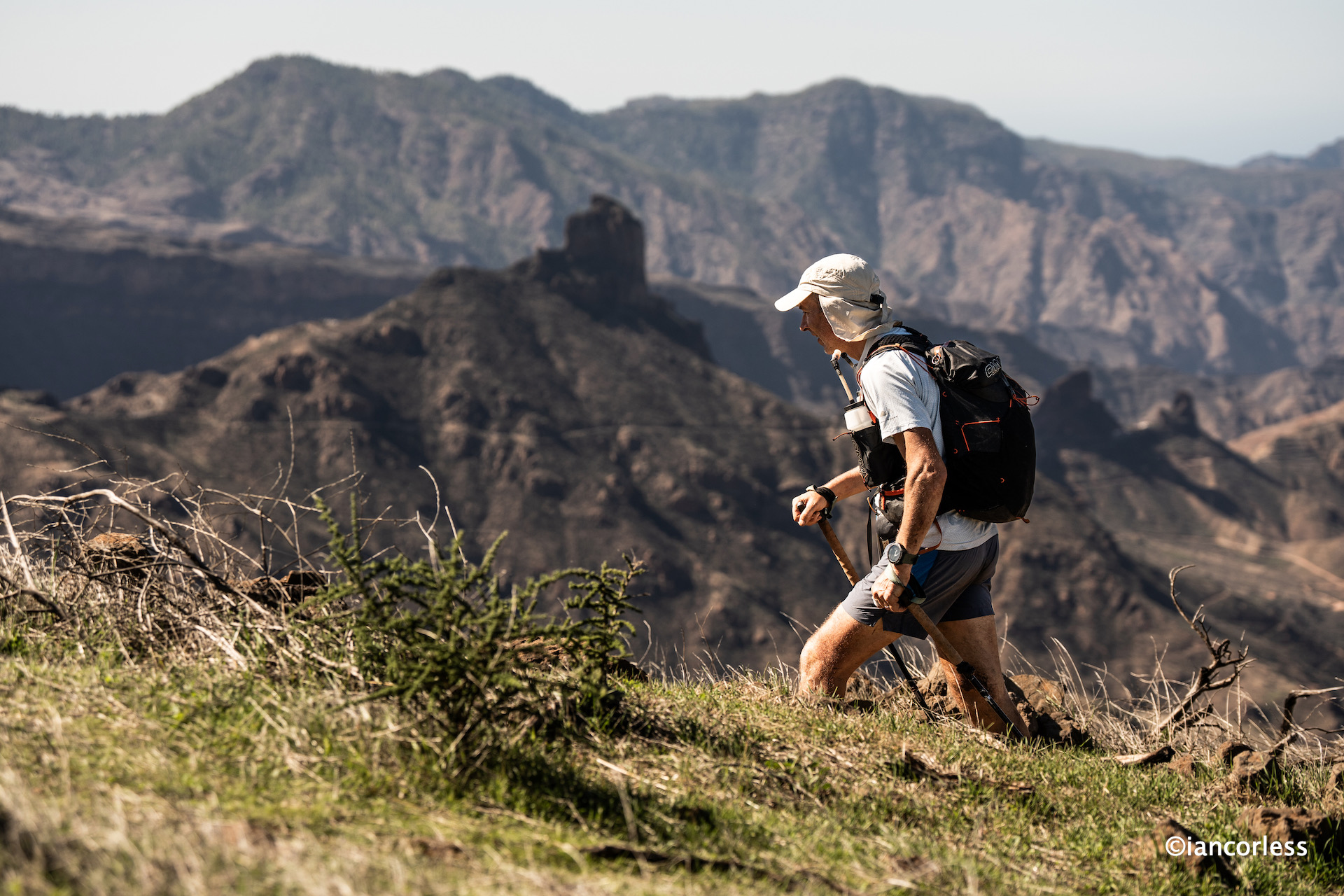
The right pack is the one that works for you

Follow on:

Instagram – @iancorlessphotography

Twitter – @talkultra

facebook.com/iancorlessphotography

Web – www.iancorless.com

Web – www.iancorlessphotography.com

Image sales –www.iancorless.photoshelter.com
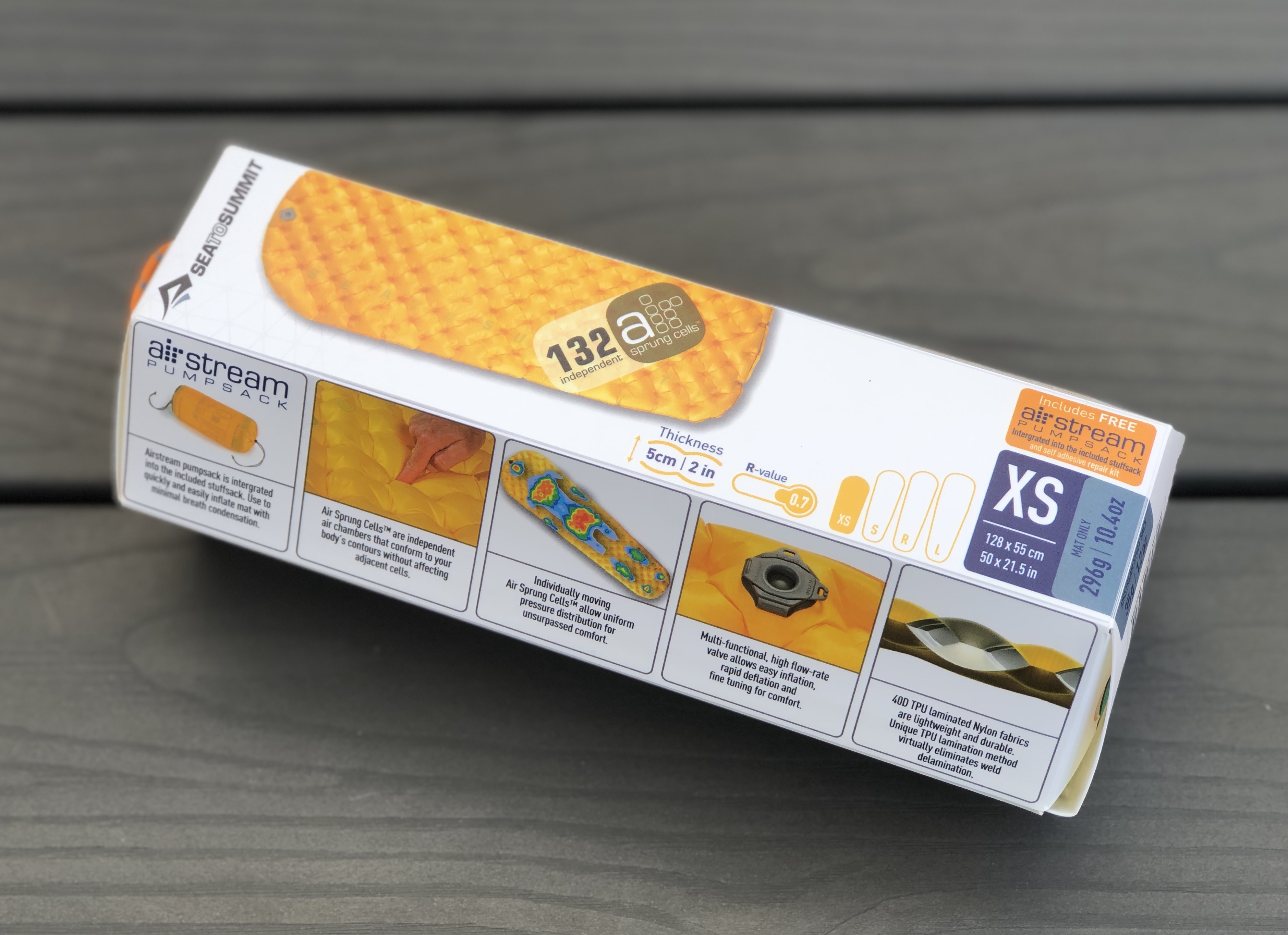
Tips for the Trail – Sea To Summit Ultra Light Sleeping Mat (Extra Small)

A good nights sleep is essential when racing a multi-day adventure if out fastpacking. Without sleep, our ability to recover is compromised and eventually, sleep deprivation will impact on performance, mental strength and even one’s appetite.

Carrying a sleeping mat is essential, however, the weight of the mat is crucial. In most scenarios, we want the lightest possible that is suitable for the conditions that we are running and also provides excellent comfort.

There are many options available on the market and recently I have been testing the Sea To Summit Ultra Light Mat (extra small) which has impressed me in several key areas:

  1. Easy to inflate and default.
  2. Small pack size.
  3. Very lightweight.
  4. Extremely comfortable.
  5. Durable.

Finding a sleeping mat that provides this level of comfort in such a small pack size and weight has been a revelation. I was initially concerned that an extra small mat would be too small… Not the case, this mat has exceeded my expectations.

Under 300g in weight made with 400 TPU Nylon, the mat is durable and hardy to all conditions. The 132 Air Sprung Cells react as one would hope to body weight and provide a supremely comfortable night. In simple terms, the cells don not flatten out under hipbones or shoulders.The addition of a stuff sack and an Air Stream is a nice touch but comes with an additional weight penalty of 40-45g.

Read more Tips for the Trail HERE

Please support this website. I believe everyone deserves to read quality, independent and factual articles – that’s why this website is open to all. Free press has never been so vital. I hope I can keep providing independent articles with your help. Any contribution, however big or small, is so valuable to help finance regular content. Please support me on Patreon HERE.

Follow on:

Instagram – @iancorlessphotography

Twitter – @talkultra

facebook.com/iancorlessphotography

Web – www.iancorless.com

Web – www.iancorlessphotography.com

Image sales –www.iancorless.photoshelter.com

FASTPACKING – A Guide.

Runner’s and particularly ultra-runners have this wonderful ability to cover distance under their own power with very little needs or requirements. Some water, some food, a warm jacket and waterproofs and adventure awaits.

However, you can only go so far without the eventual need to return home.

Fastpacking manages to encompass the world of backpacking and running to create a different adventure, fast and light! Backpackers tend to carry a plethora of equipment and move at a slower pace, happy to adventure for days and weeks at a leisurely pace.

Fastpackers, arguably are runners or hikers looking for the need to travel for multiple day’s but still cover good distances and not be excessively slowed down by weight and excess equipment. The crux though is often the balance of weight and one’s ability to still run/ fast hike.

“Fastpacking isn’t for every outing though. Sometimes you want to take it easy, set up camp, and enjoy a particular area. That’s when backpacking shines. Sometimes you just want to crush through a workout. That’s when you want to go for a really fast run.” Says Simoni, adding that he opts for Fastpacking, “when I want to tag multiple mountain summits in an area at one time, without needing to take multiple trips. If you’re squeezed for time, Fastpacking can really help maximize an adventure. I find it very rewarding to cover so much distance with minimal gear.” – Justin Simioni via La Sportiva

One could arguably say that races like Marathon des Sables, which is 35-years old in 2020, have paved the way for Fastpacking bringing a ‘fast and light’ scenario to a race format allowing participants to cover 250km’s in a self-sufficient manner.

However, Fastpacking has been around for many, many years. Long before MDS, and long before the term Fastpacking. But in recent years, the sport has developed into something else, no doubt boosted by the growth and popularities of FKT’s and lighter, more functional equipment.

It’s important to clarify, that Fastpacking is what you make it. Personally, I enjoy a lighter pack, moving fast (but not running) and being self-sufficient. This allows me to carry a little more weight, travel for longer, enjoy the process and still cover over a marathon per day. You though may prefer to be more minimalist, look at micro/ mini adventures of 2-4 days and aim to run for much of the way. There are no rules to the speed or distance you go.

It’s also important to consider many other factors that come into place:

  • Location and environment – There is a big difference to Fastpacking in Nepal to say the Alps.
  • Time of year – Winter conditions require more equipment and more specific equipment.
  • Weather conditions – Check weather and be prepared.
  • Access to water – Streams, rivers and lakes
  • Access to external help – If you are going remote, be responsible and plan accordingly.

It’s easy to see from the above, there is no one definitive kit list, but there are crossovers that apply to both.

Route Plan

Plan the route in advance, understand the terrain and understand what possibilities exist to obtain water. Importantly, carry a system that will ensure that you can drink water that is available from any source.  Work out how long a planned route will take and then plan for contingency should something go wrong. Note that vertical ascent, descent and technical terrain will require moving slower. It’s not unusual to sometimes only cover 2km’s in 1-hour. Make sure you inform family or a friend of your planned trip, start day and end day. That way you have a backup and someone checking out for you. It may sound alarmist, but should something happen, you may well not be able to call for help. Contact and research with local authorities and ascertain current conditions on the trails and be aware of any restrictions.

Do you need a 12-week and/ or 24-week Multi-Day Training Plan perfect for a multi-day adventure or a race like Marathon des Sables? They are designed to provide you with a structured weekly plan culminating in a target event.

View a sample week HERE from the 12-week planPurchase HERE. (£14.50 pw)

View a sample week HERE from the 24-week planPurchase HERE. (£12 pw)

The Pack

Typically, a Fastpacker will look for something between 20 and 40 liters. For summer and short adventures, it is possible to go lighter and smaller. In winter, one will need more equipment that is often heavier and bulkier. Quite simply, the heavier the pack, the harder it is to run. So, if the plan is to run as much as possible, you need to go as minimal as possible whilst keeping safe. Make sure when testing and trying a pack that you add weight and understand how it feels when moving. Many brands are now producing packs specifically for Fastpacking. Personally, I like my pack to have a waist belt as this helps distribute the load and make the pack more secure. I would say that a minimum pack weight will be 6.5kg (14.3lbs) with water. Where possible, you would not want a pack to exceed 10kg (22lbs).

Packs with considering:

  • Montane Trailblazer 30ltr HERE
  • Ultimate Direction Fastpack 25 HERE
  • OMM Phantom 25 HERE
  • Six Moon Designs Flight 30 HERE
  • UltrAspire Epic XT HERE (this is a smaller pack)

Tent / Tarp/ Hammock

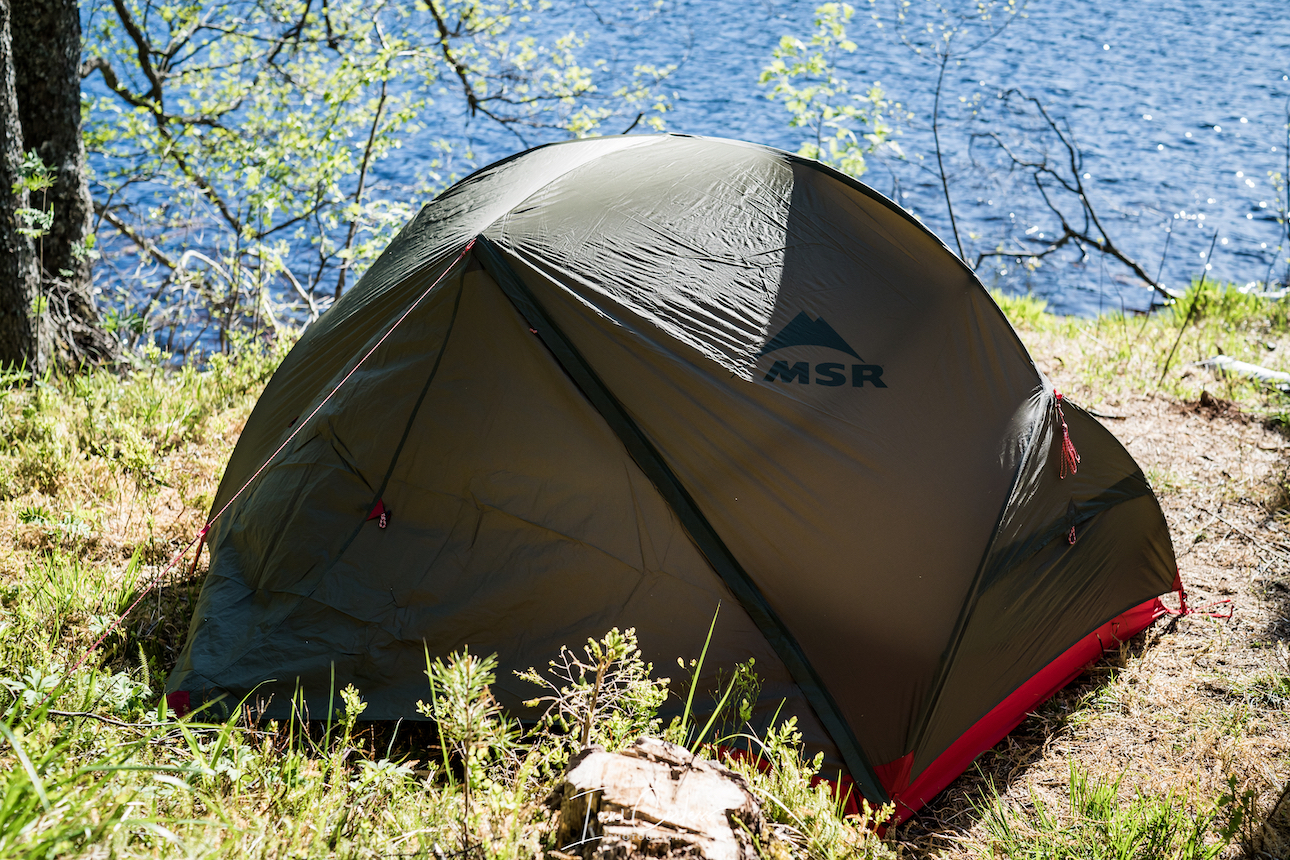
On a personal level, I would always go with a tent as I personally feel that it will offer more flexibility, especially if one shops in a clever way. My go to tent is an MSR Hubba Hubba NX (1/ 2 and 3 person versions available).

Things to look for in a tent:

  • Weight
  • Flexibility
  • How many season use?
  • Space

For example, the above MSR is a free-standing tent, so, it can be pitched inner only. If you know you are Fastpacking in ‘guaranteed’ good warm weather, you could travel without the fly sheet and basically sleep in a lightweight and bug proof shelter. Equally, if you know that you are fast packing in a bug free (mosquito) environment, you could leave the inner at home and just travel with the flysheet. This then provides a secure waterproof shelter, and, in this scenario, it acts just like a tarp but with more protection.

Tents to consider (2 person):

  • Big Agnes Fly Creek HV2 here
  • MSR Carbon Reflex 2 here
  • Nemo Hornet here
  • Nordisk Lofoten 2 ULW here
  • Terra Nova Solar Photon here
  • Marmot superalloy 2P here

Tarps offer a light solution that can be used with trekking poles and if one is going very minimal and fast, they provide a very simple answer for overnight protection. It all comes down to comfort and what one is prepared to accept as ‘comfort’ whilst Fastpacking. Big Agnes make the Onyx which comes in at under 200g. A Tarp is a compromise if you will have bugs such as mosquitos whilst on your adventure.

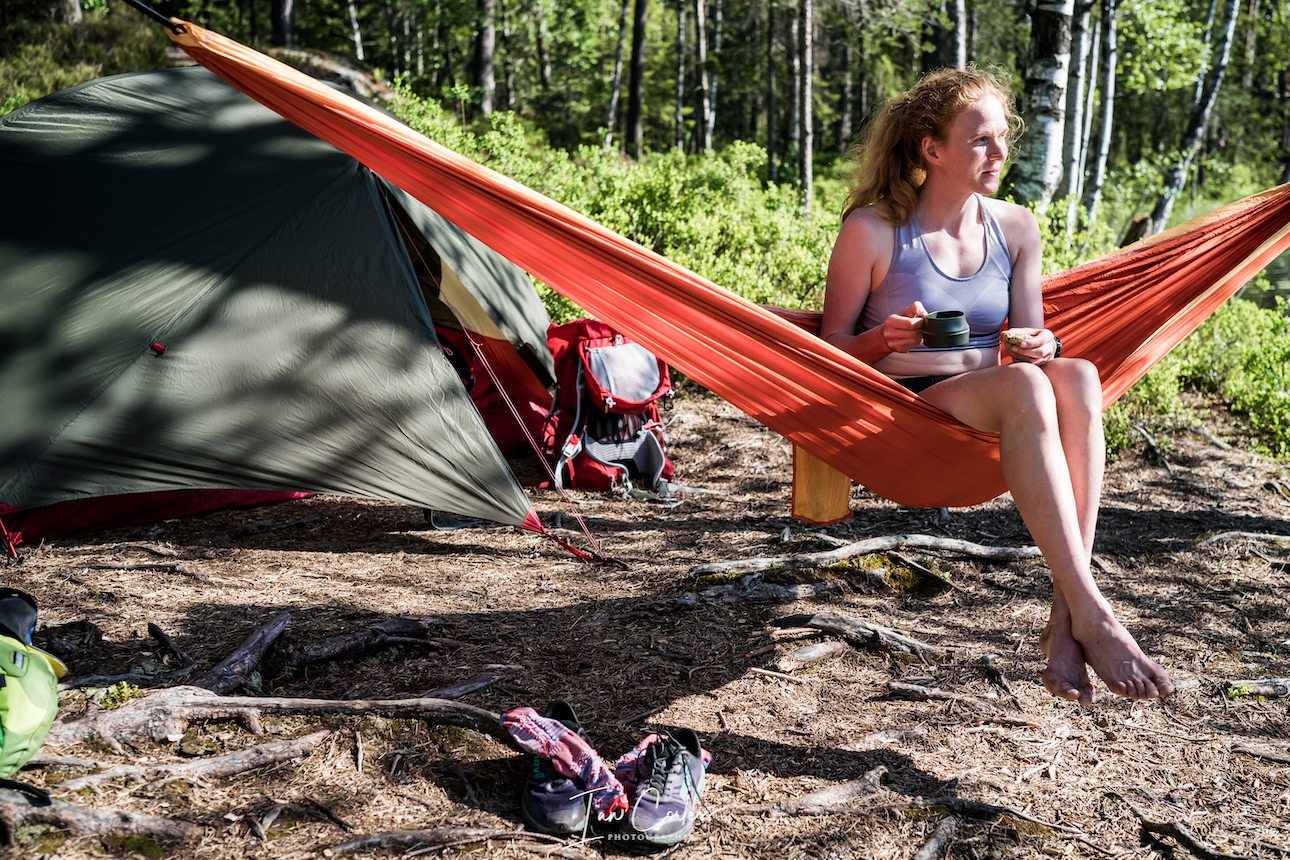
Hammocks are also an option providing one has trees to secure against. But if you add a bug net and tarp, in my opinion, a tent is a much better option. But a hammock can be a great addition to any Fastpacking kit, I use an Amazonas (here)

Sleeping Bag

A sleeping bag is essential for any adventure but firstly you need to ask some very specific questions before purchasing. I would say that ideally, one potentially could need several sleeping bags based on time of year and weather conditions. Remember, that any sleeping bag can be made warmer with layers. Add a hat, gloves and down jacket, suddenly the sleeping bag is considerably warmer.

Read an in-depth article HERE.

Down is by far the lightest and smallest packing size, however, down cannot get wet! So, if you think you will encounter damp and wet conditions, you should consider a bag with a synthetic filling. Weight and pack size are important and with sleeping bags, the more you pay, usually, the lighter and smaller it will be.

Be careful on the ‘comfort’ rating of the sleeping bag.

  • Upper limit – the highest temperature the average male can expect to have a comfortable night’s sleep at without too much sweating.
  • *Comfort – the temperature at which the average adult woman can expect to have a comfortable sleep. *This is the ideal for most people choosing
  • Lower limit – the temperature at which the average adult male can expect to have a good night’s sleep in a curled position.
  • Extreme – the lowest temperature at which the average adult woman can survive. This rating comes with caution and additional consideration should be given if you plan to sleep in temperatures this low.

Recommendations:

  • PHD – Make sleeping bags and jackets to order, I am a long time fan here
  • Yeti – Passion One and Passion Three are a good start point here
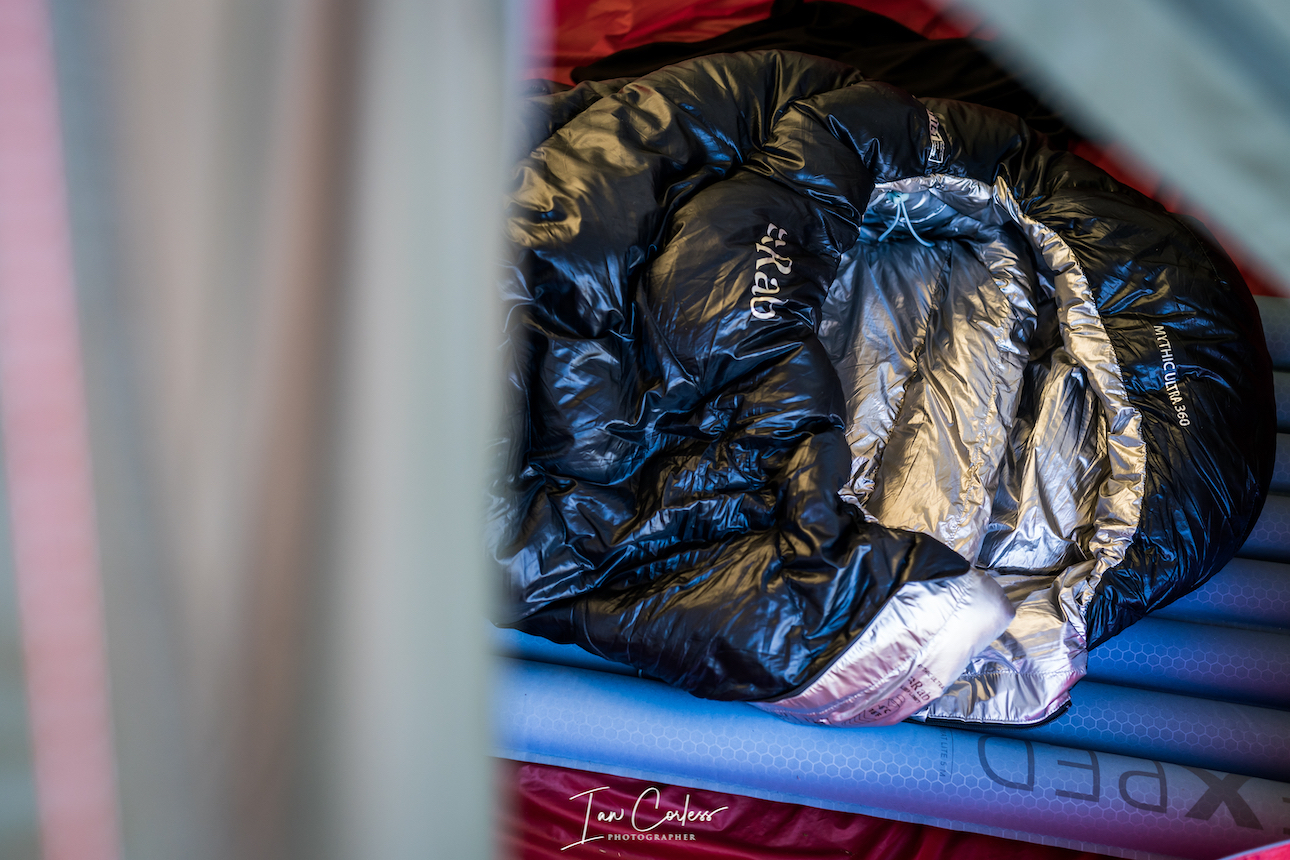
  • Rab – The new Mythic Ultra is a personal favourite, available in 180 and 360 here
  • OMM -The Mountain Raid 160 is a great bag if you need synthetic filling here
  • Sea to Summit – The ‘Spark’ range have been getting rave reviews here
  • Western Mountaineering – here

Sleeping Matt

The minimalist Fastpacker will go with no matt or a very simple and small pad that provides just enough coverage for one’s hip if sleeping on one’s side. Personally, a good night’s sleep is essential, and a good/ light matt is an essential element to a fast and light kit.

Also, one should consider that in winter/ snow conditions, a matt will be essential for insulation.

Another consideration is potential problems from a puncture. Many inflatable matts become super light by using extremely light material. Be careful when using and make sure any potential sharp objects are removed before sitting or sleeping!

Matts very considerably but a personal favourite is the Klymit V Ultralite slim which offers full length body comfort all for 316g. It also packs very small. There are lighter matts and I list them below:

  • Thermarest NeoAir Uberlite 158g
  • Klymit Inertia X 258g
  • Nemo Insulated Short 278g
  • Sea to Summit Ultralight 294g
  • Exped AirMat HL 304g

Ultimately, the matt you choose may come down to a tradeoff between price/ packing size and weight. Be careful, some matts can be noisy when you move. Ok of going solo but really irritating if you are in close proximity of someone else.

Cooking System

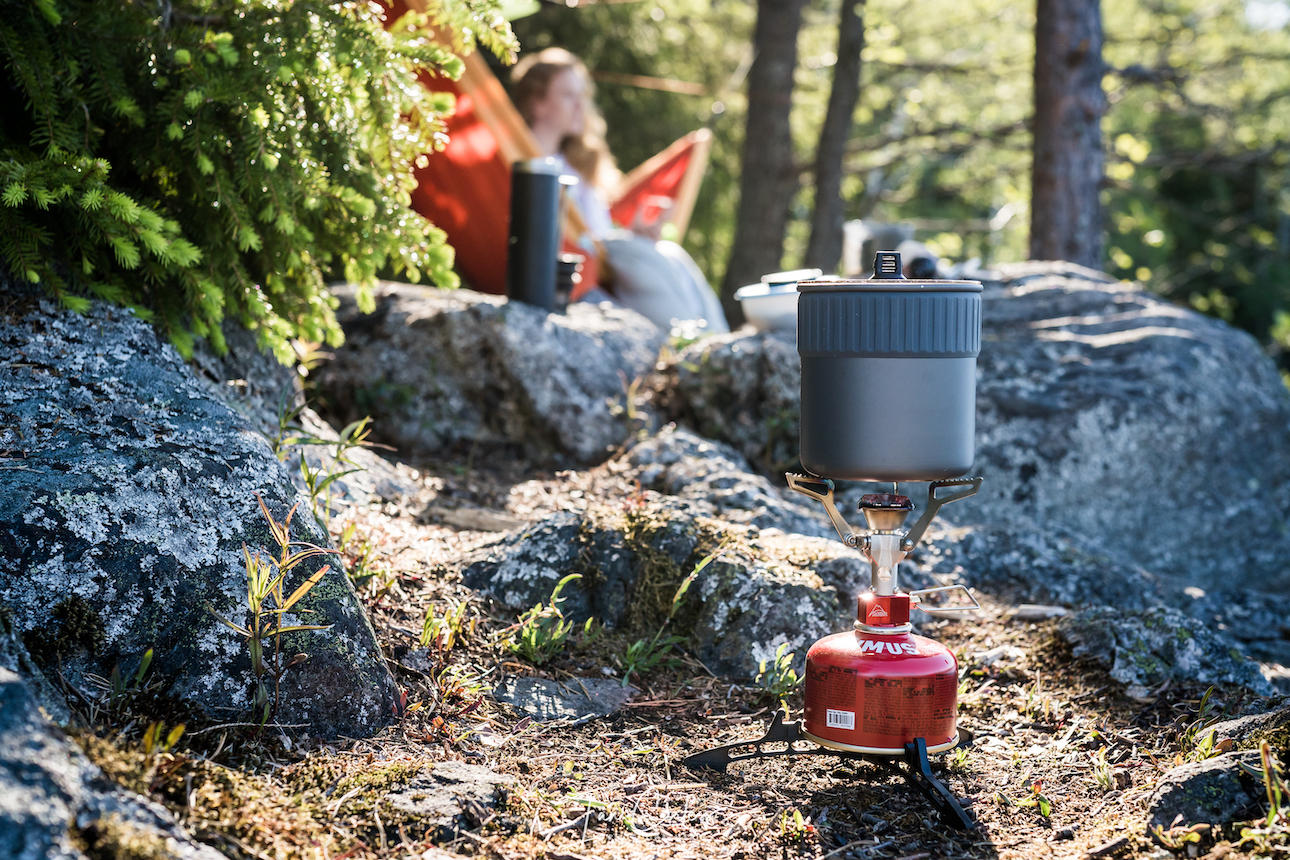
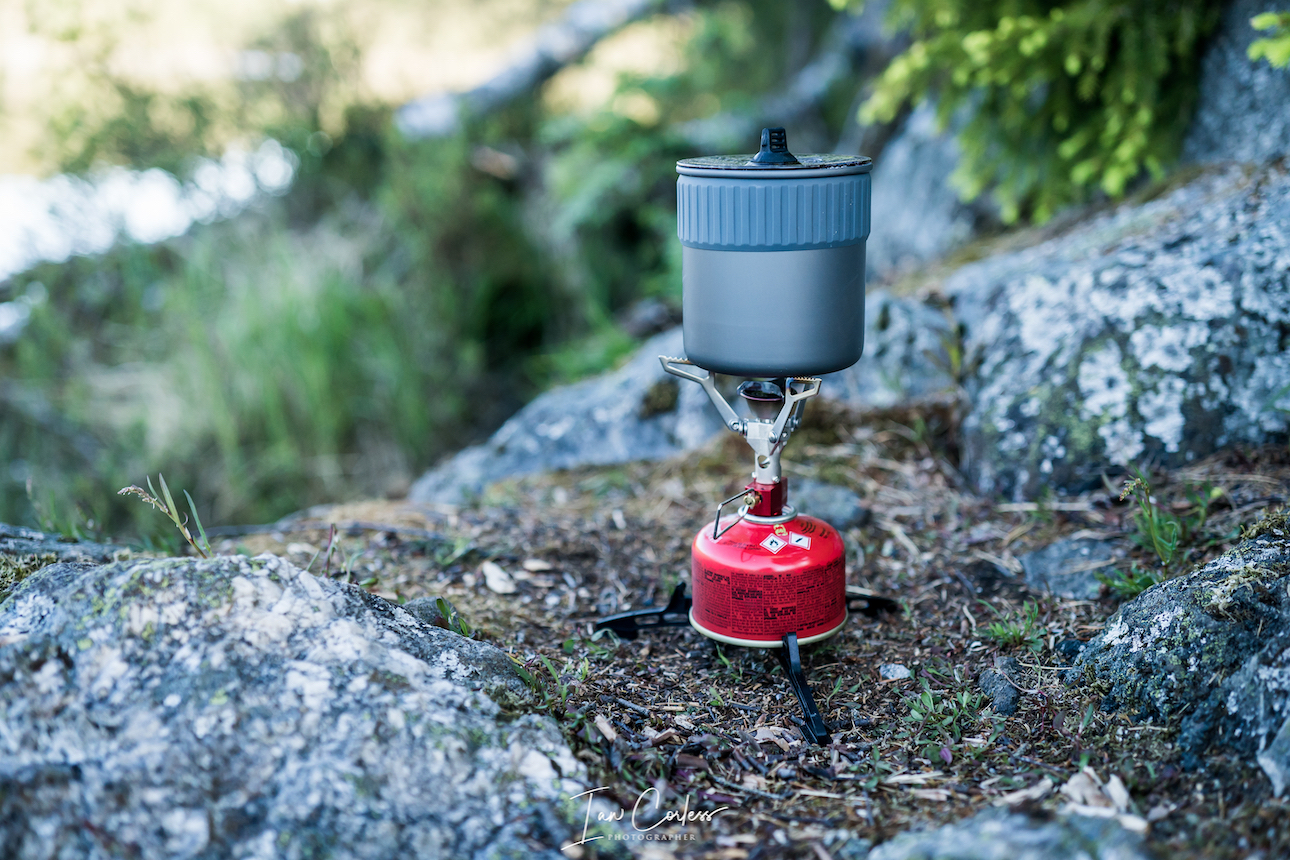
For me, the MSR PocketRocket Deluxe (here) or 2 (here) kit is perfect. It has all one needs in a very small pack size and weight. I use the PocketRocket 2 kit that allows me to place a gas canister inside the 278g kit + a 4oz canister.

Another consideration would be JETBOIL Micromo Cooking System (here) which is the lightest system they do and if you just need to boil water, this is perfect!

Food

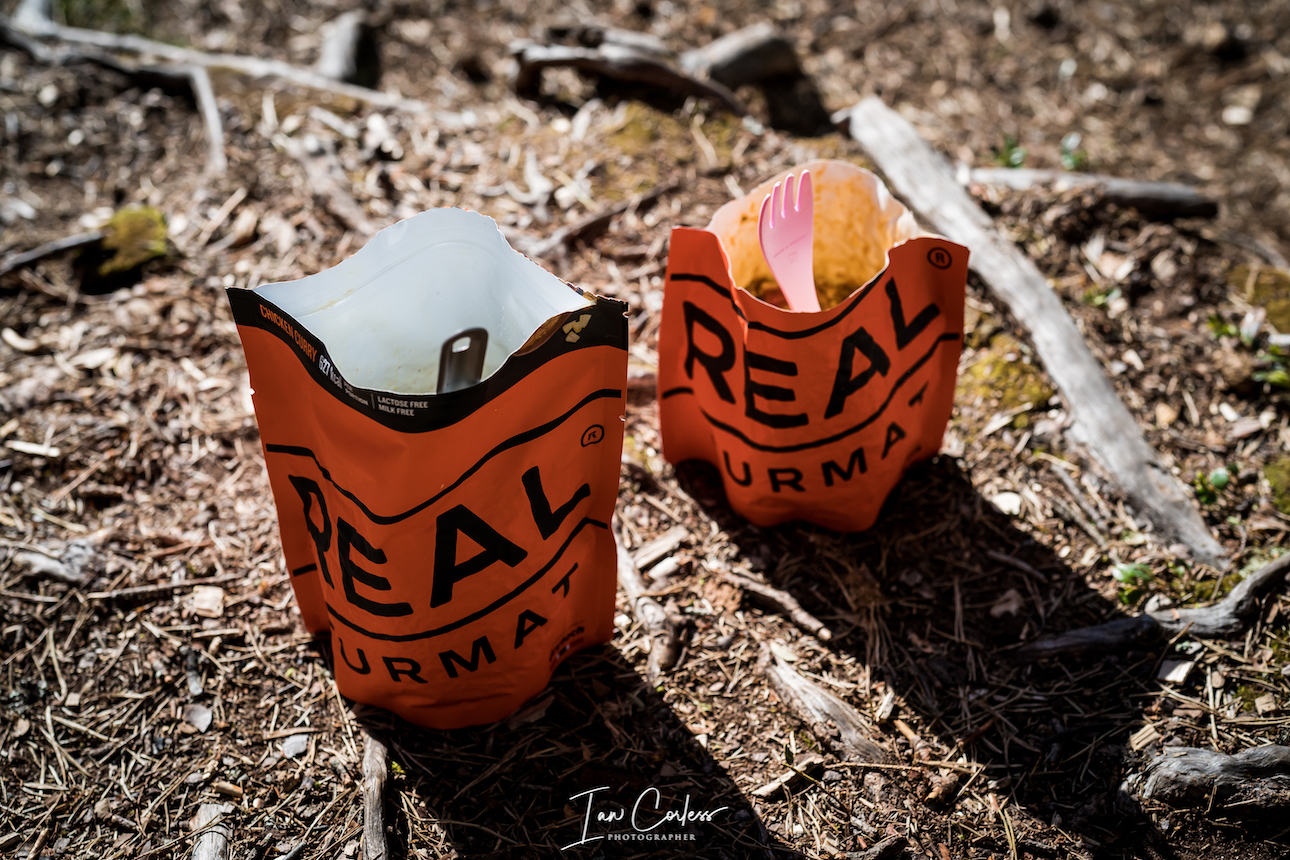
Dehydrated food is probably the most obvious option here and there are many varieties on the market. They are a one-stop option that requires water to hydrate and if you wish to be extremely minimal, some options exist that do not require hot or boiling water. A personal favourite is Lyo (here) and Real Turmat (here) – It may sound crazy but they both make foods that I would consider eating when not fast packing. They also do Vegan and Vegetarian options.

Check out Chicken Tikka Masala, Nettle Curry, Penne alla Bolognese and if Vegan, Organic Chilli and Barley Risotto. Breakfasts such as Mexican Scrambled Eggs and Organic Millet Porridge.

For any adventure, I work on a breakfast and a dinner and then carry snacks for during the day, this can be energy bars or if on a long Fastpack, I will even consider carrying another main dehydrated meal. Typical weights are 132g with approx 600 cals.

Other options to look at for dehydrated food are:

Coffee

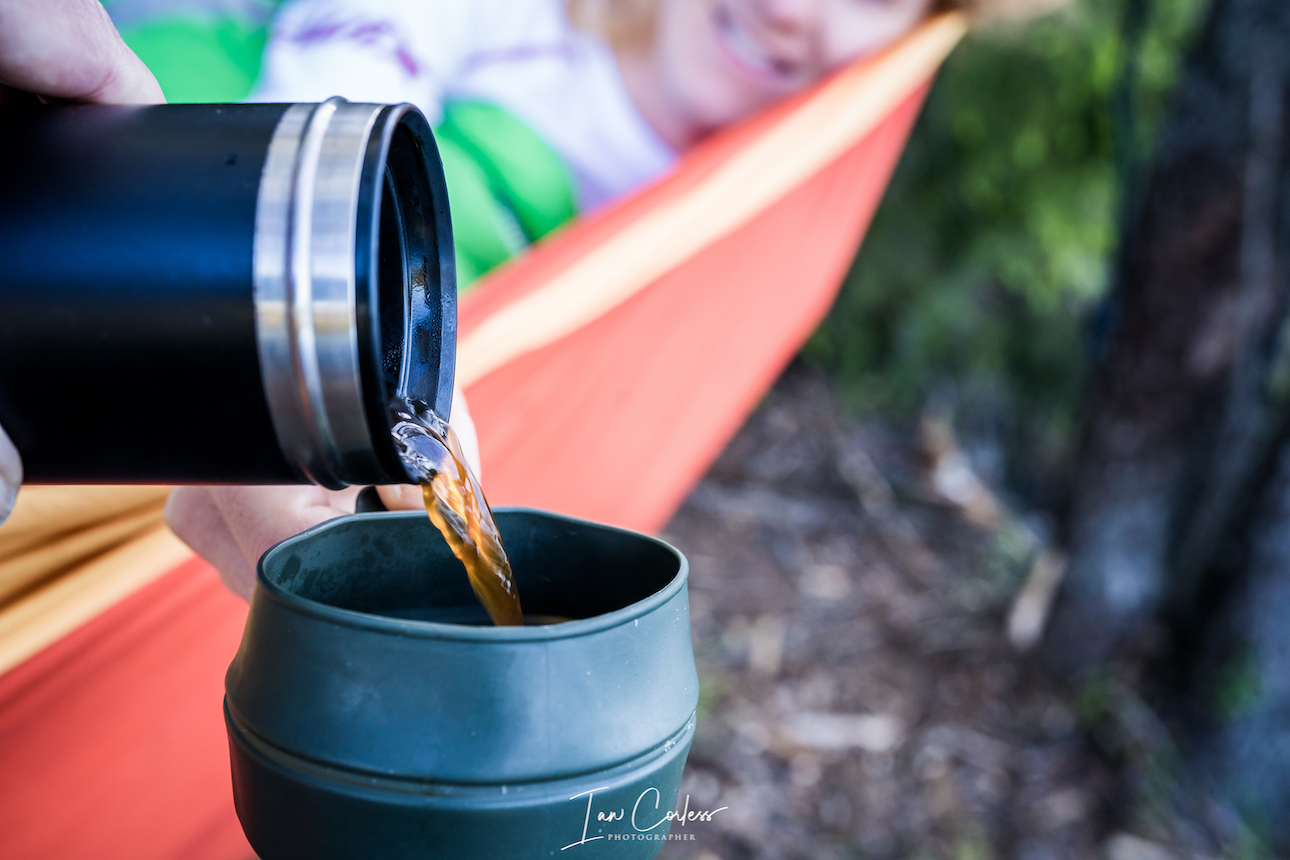
For me, Fastpacking is fun and adventure. I am not looking for FKT’s and therefore I do allow myself one or two luxuries. Coffee for me is an essential part of any trip and I mean good coffee. I could just take some coffee sachets and have a combined weight of grams.

No! For me, I take fresh ground coffee in a sealed tub and I use one of two coffee presses.

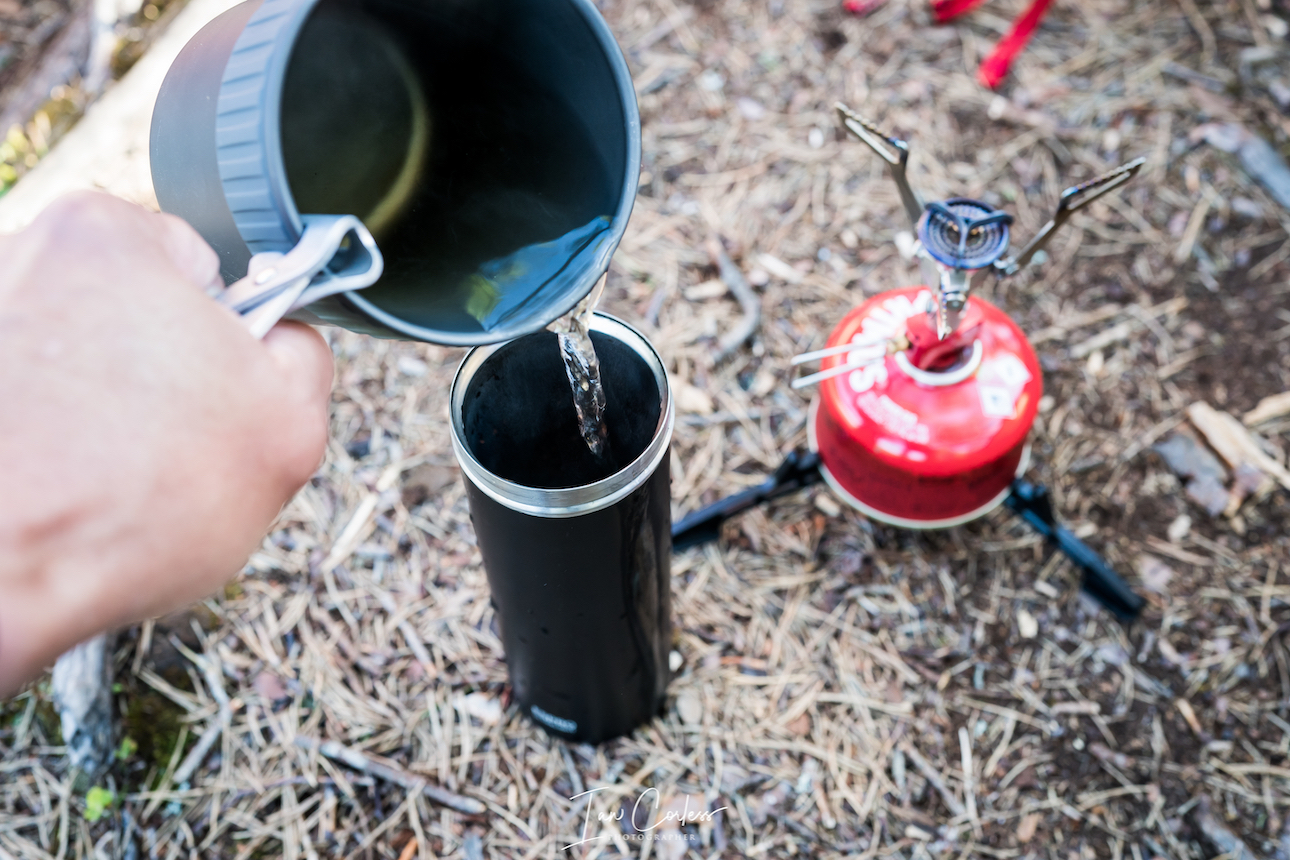
Aeropress here or Espro here

The Espro is my favourite as it acts as a flask/ drinking canister too. But it does come at a weight and size cost.

I fully appreciate that if going fast and light, the above is a complete no, no! But for me, that smell of fresh coffee each morning is worth it.

Water

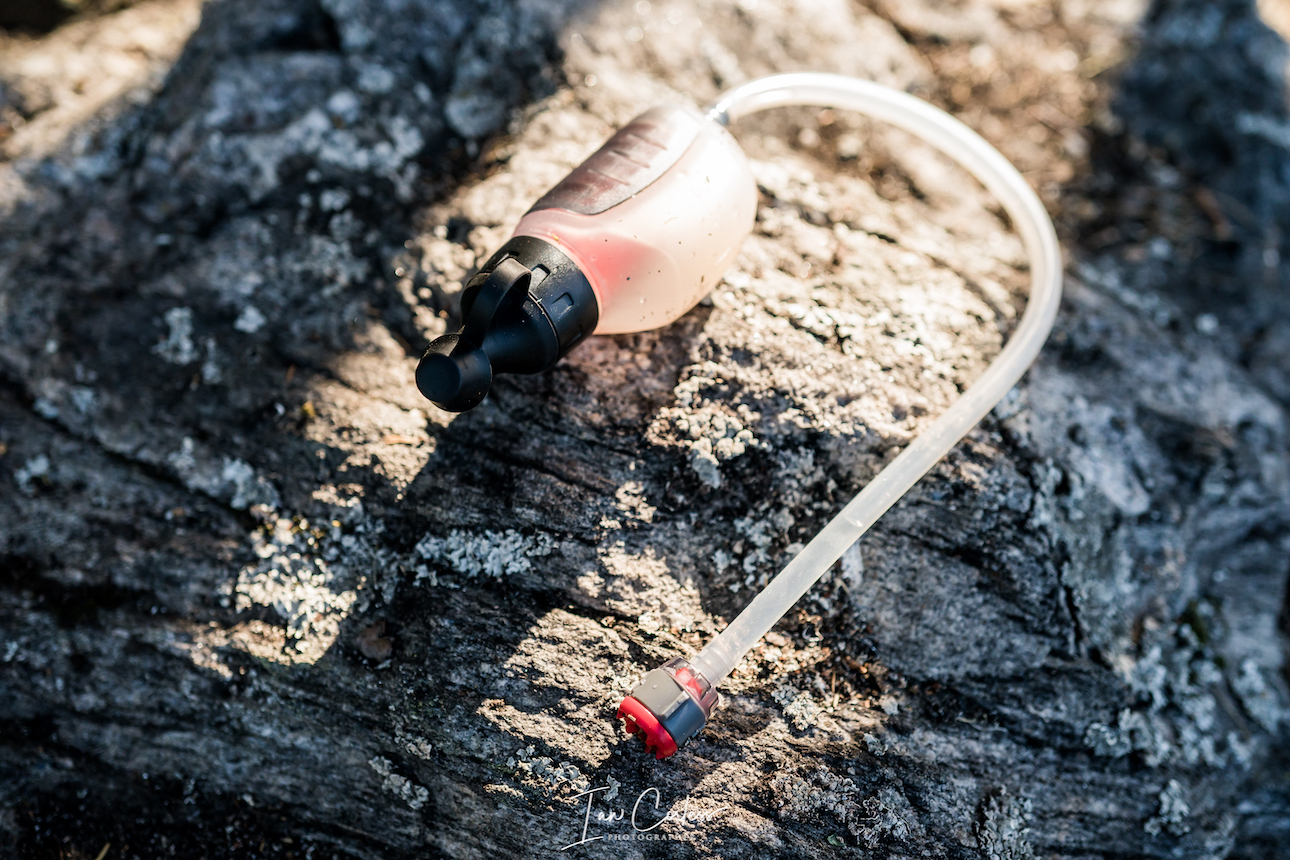
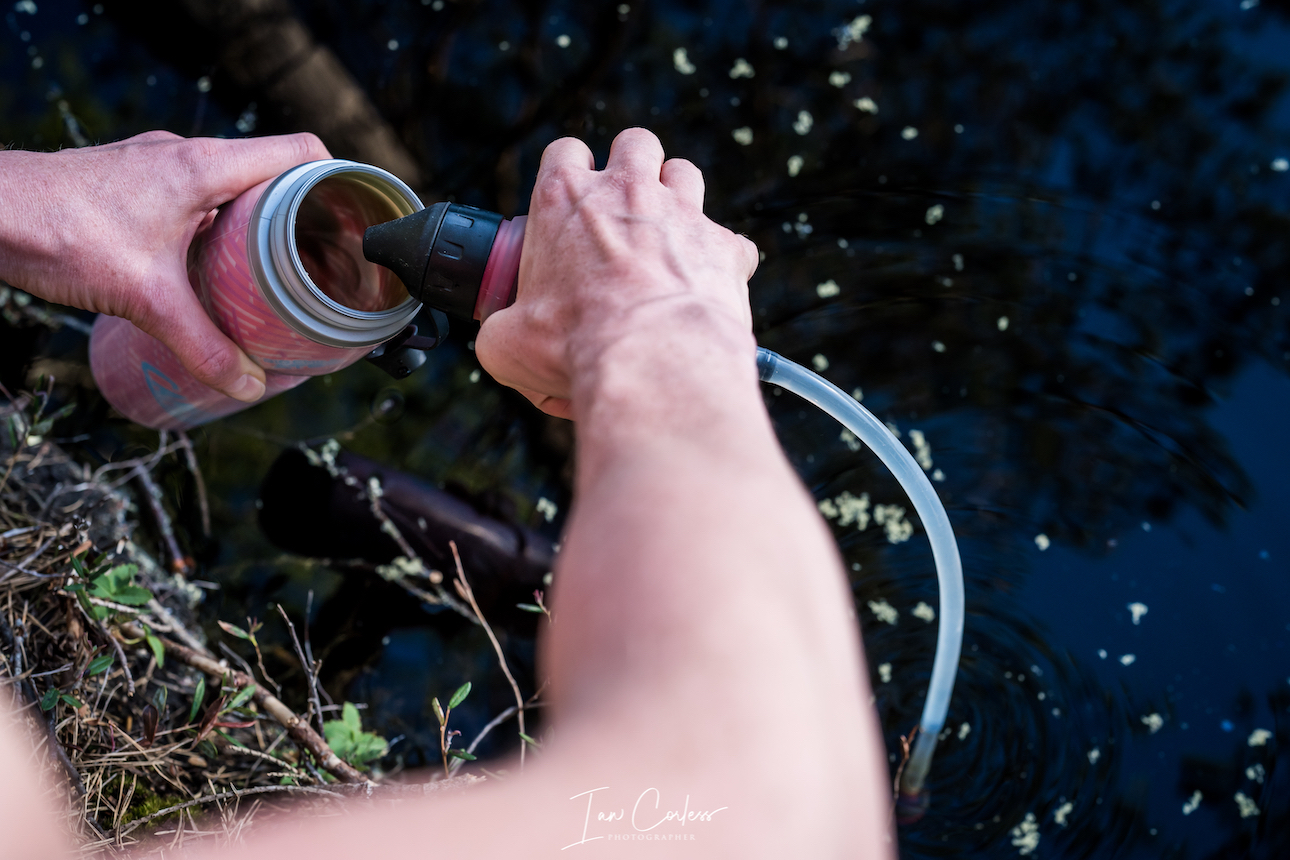
You are going to be self-sufficient for multiple days, so, you need to find water and plan to obtain water from the route you will take. You can use purification tablets, I take the MSR TrailShot pocket sized filter (here) which meets U.S. EPA drinking water standards* and NSF protocol P231 for removal of bacteria (99.9999%), protozoa (99.9%), and particulates.

Clothing

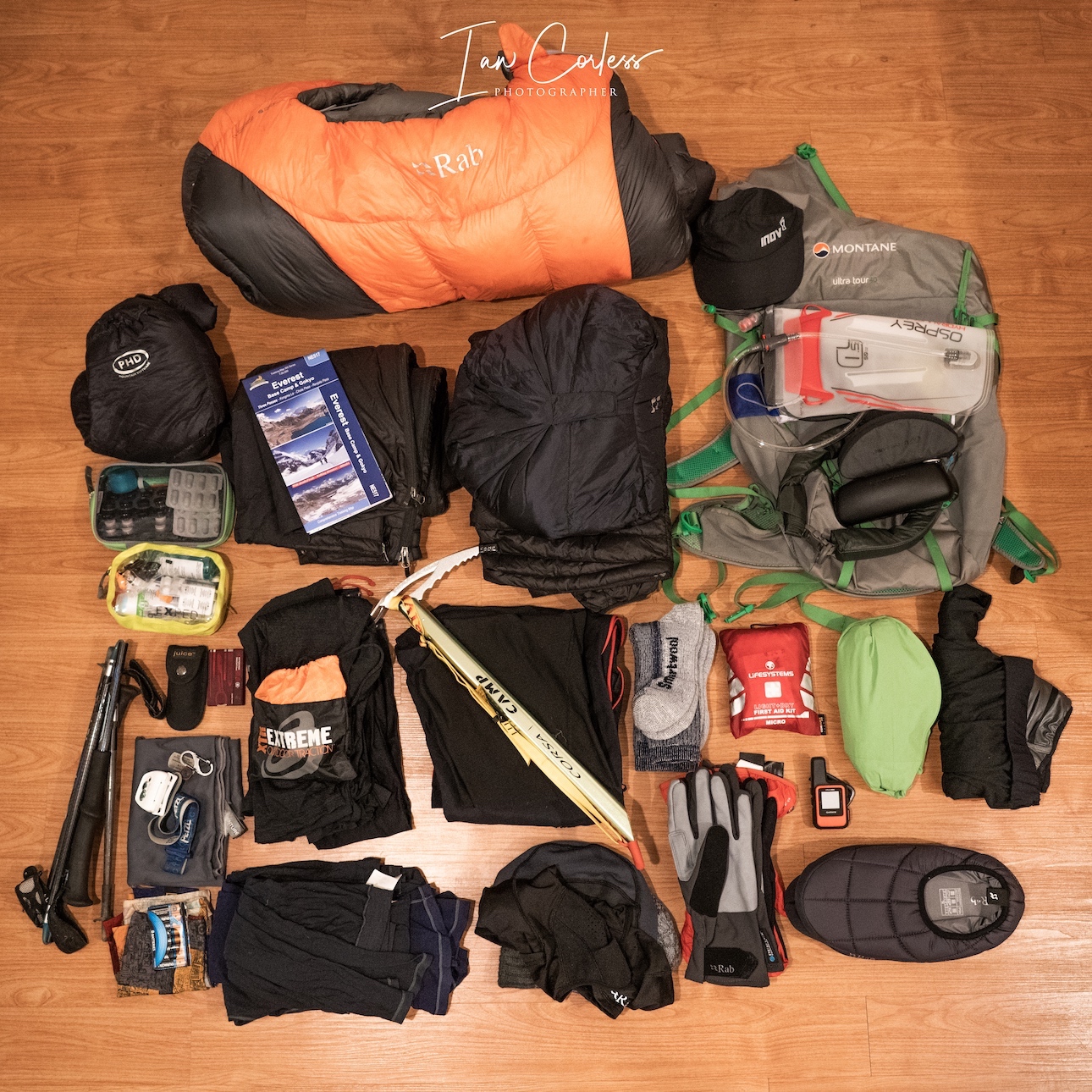
Clothing requirements depend on the time of the year, the weather you will encounter and the duration of the Fastpack. Needless to say, one has to accept that changing clothes, taking a shower and feeling wonderfully fresh daily is not what Fastpacking is about. Layering clothing is essential to allow for fluctuations in temperature. Do your research, check weather forecasts and plan accordingly. The above photo is my equipment for a Fastpack in Nepal. Make sure you have a ‘Drybag’ to make sure all contents of the pack are protected from the weather, Sea to Summit (here) for example.

A good start point is as follows:

  • Short sleeve T
  • Long sleeve shirt
  • Shorts
  • Underwear x2?
  • Socks x2?
  • Hat with peak
  • Warm hat
  • Gloves
  • Merino base layer, top and bottom – I use Icebreaker here
  • Lightweight waterproof jacket – I use RAB Charge here
  • Lightweight down/ Primaloft jacket – I use RAB Kaon here
  • Buff
  • Bivvy bag

The above, for most, would be a start point and based on where and when Fastpacking, you could maybe add or takeaway certain items.

If going to more extreme and cold environments, the demand on clothing and what one takes will increase. I wrote an article on Fastpacking in Nepal (here) and this is a worthwhile read. Please note in Nepal, one can use tea rooms, so, one saves on tent/ tarp weight immediately if required.

Tracker/ Beacon

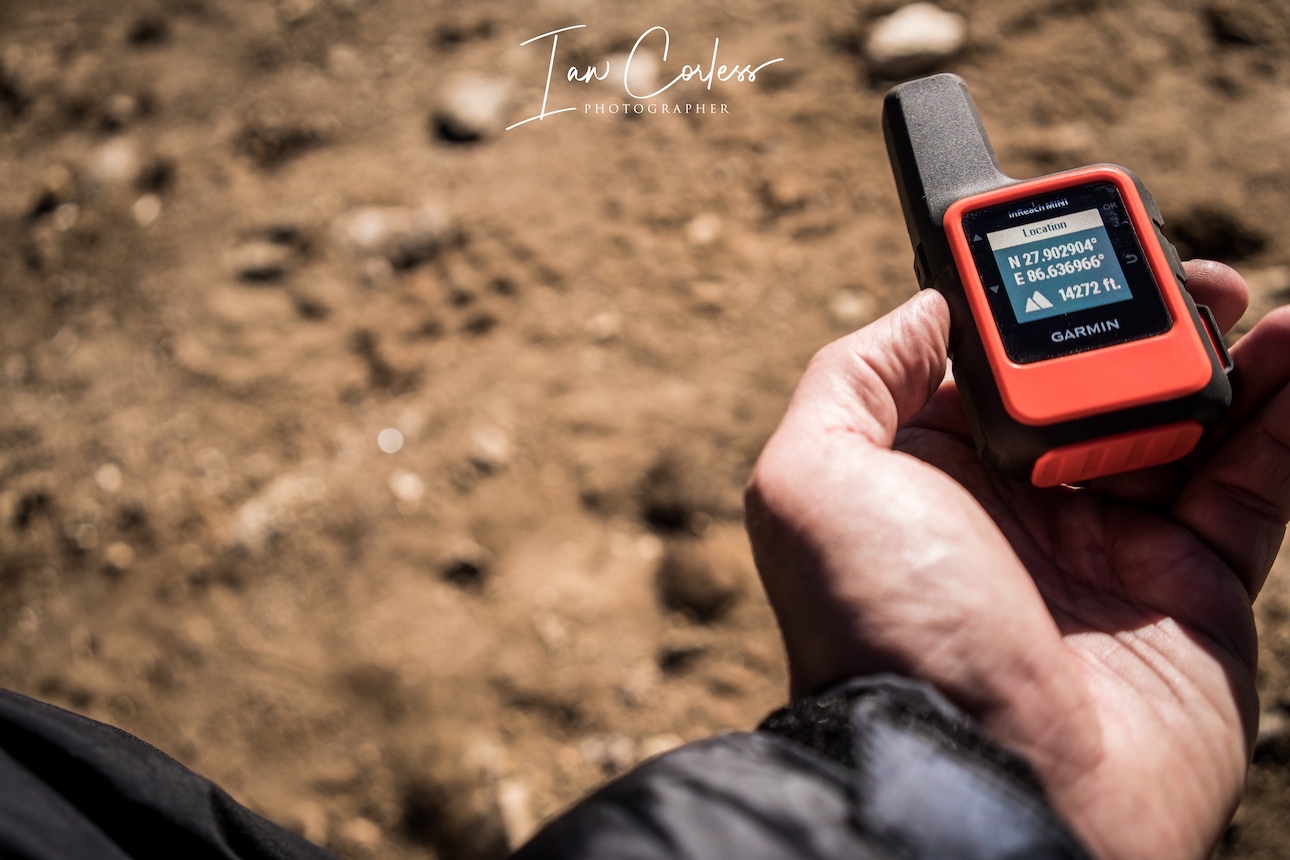
I use a Garmin InReach Mini (here) and it is superb. Small, light, has SOS button and allows for 2-way messaging anywhere in the world. I do not go on any adventure without it now. In conjunction with a mobile phone and associated App, functions become easier to use. Subscription services can be changed monthly and therefore one can add or takeaway facilities as required.

Another option to consider is a SPOT device.

Essential Extras:

  • Water purification
  • Toilet paper/ wet wipes
  • Hand sanitizer
  • First-aid kit
  • Sunscreen
  • Bug repellent
  • Headlamp and batteries
  • Lighter/ matches
  • Whistle
  • Map
  • Compass
  • Earphones

Optional Extras:

Trekking poles – to be honest, for most of my Fastpacks, poles are an essential and especially if one is using a Tarp or similar.

Battery pack for recharging.

Conclusion

Fastpacking for me, is one of the most pleasurable ways to travel by foot. The ability to cover distance, usually in a point-to-point way under ones own power and being self-sufficient is extremely rewarding. You can move as fast or as slow as you like, take as long as you wish and fully immerse yourself in the surroundings and environment.

Please support this website. I believe everyone deserves to read quality, independent and factual articles – that’s why this website is open to all. Free press has never been so vital. I hope I can keep providing independent articles with your help. Any contribution, however big or small, is so valuable to help finance regular content. Please support me on Patreon HERE.

Follow on:

Instagram – @iancorlessphotography

Twitter – @talkultra

facebook.com/iancorlessphotography

Web – www.iancorless.com

Web – www.iancorlessphotography.com

Image sales –www.iancorless.photoshelter.com
Long Term Goal Setting and Planning for Ultra Running

The Long Term Goal

©iancorless.com_Lanza2016-03044

Recently I have produced several articles that have been created to help runners formulate a plan for a new year of racing and training. The articles have been as follows:

  • Planning a Running and Racing Year HERE
  • To Base Train or not to Base Train HERE
  • Base Training HERE
  • How long should the long run be? HERE
  • In addition, I wrote several articles on walking and how important it is to practice this for:
  • Ultra running HERE
  • Walking with poles HERE
  • Walking efficiency when climbing HERE

Recently I was involved in a series of discussions about the Marathon des Sables. One thing that became very clear is the panic and apprehension many runners feel about a goal that may well be a ‘one-off’ or lifetime goal.

Experienced runners will know how to goal set, they will know how to periodise and plan their training so that they hopefully arrive at a target event in peak form. This was discussed in Planning a Running and Racing Year (HERE). However, goals that go beyond one macrocycle (one year) require a much greater perspective and overview. If you are new to running, well, it can be just terrifying.

A great deal of advice can be extremely counter productive as it makes many runners feel inadequate, inexperienced, lacking confidence and in the worse scenarios even questioning if they should even go ahead with the race.

Let’s be clear. Everyone is an individual, I have yet to find two runners who need the same training plan or structure. However, certain scenarios work for all and it is with this in mind that I am writing this post.

©iancorless.com_Lanza2016-02987

JOIN MY LANZAROTE TRAINING CAMP, JANUARY HERE

Why set a long term goal?

Long term goals provide incredible motivation to step out of the door and to train. You will have heard the saying, ‘if it was easy, everyone would do it!’

To that end, iconic races such as UTMB and Marathon des Sables, are races that for many are the ultimate race, they are races to be built up to and therefore a macrocycle is not enough time to prepare; hence long term goal setting.

Irrespective of experience, two key words come in to play when setting a long term plan: Structured and Progressive.

In this scenario, I am using goal setting for Marathon des Sables.

STRUCTURE

A macrocycle is one training year and this is broken down into mesocycles. It may sound like a fancy word but a mesocycle is a series of blocks of training that make up one macrocycle. For purposes of explanation, let’s assume that you are running the Marathon des Sables which takes place in April 2020.

I always recommend getting a year planner so that you get a big picture of what lies ahead. Fourteen months may seem like a long way off, it is, no need to panic, but also don’t become complacent. What’s important here is experience. I am therefore going to have two runners.

Please Note – This guide below is geared towards someone who aims to run as much as possible at MDS. Very few run all of MDS and most walk considerably more than they think. For me, walking is a key element to a very successful training plan. The structure below still applies, the sessions would adjust accordingly.

Runner A has run a marathon, runs to keep fit and has set the lifetime goal of Marathon des Sables. Priority is completion.

Runner B has been running for years, eats marathons for breakfast, races ultra races regularly and is going to Marathon des Sables as a challenge, to test him or herself and plans to compete over complete.

You don’t need to be a rocket scientist to work out that runner A and runner B need completely different training plans and strategies. Keeping in mind that A has less experience, more insecurities and a great deal of anxiety about the big target, I will talk through the possible planning cycle for A.

Let’s break down the macrocycle. As I said, we have twelve months (+/-) to play with, so a schedule may look like this:

Phase 1: Apr, May with C race objective (half-marathon).

Phase 2: June, July, Aug with B race objective (marathon to 50km).

Phase 3: Sep, Oct, Nov with A race objective (multi-day race)

Phase 4: Dec, Jan with B race objective and/ or specific warm weather training camp.

Phase 5: Feb, Mar.

Phase 6: Apr – A race.

Phase 1

Is all about consistent and regular running based on available time, ability and commitments. Set yourself a C race target for the end of this period. It could be a half marathon. It’s always good to have intermediate targets to work to and we often use C and  B races as stepping stones to an A race, in this scenario, Marathon des Sables.

Be realistic here, it’s important. Ask yourself a couple of key questions:

How many days can I train?

How many hours a week can I train?

We are going to assume that running three/four days is possible every week with a fourth/ fifth day for cross training and strength work. A microcycle (week) in phase 1 may well look like:

  • Tuesday – key day
  • Thursday – key day
  • Saturday – Cross training
  • Sunday – key day

In phase 1 we want to just walk, run or walk/ run and build a base of fitness from which to build. No need to rush in and panic. Be sensible and progressive. A safe way to do this is build for three weeks and on the fourth week rest and recover, Yes, rest and recovery is just as important as running.
Use the 10-20% rule and never add more time than this to each run. An example for the first month may look like:

screenshot_93

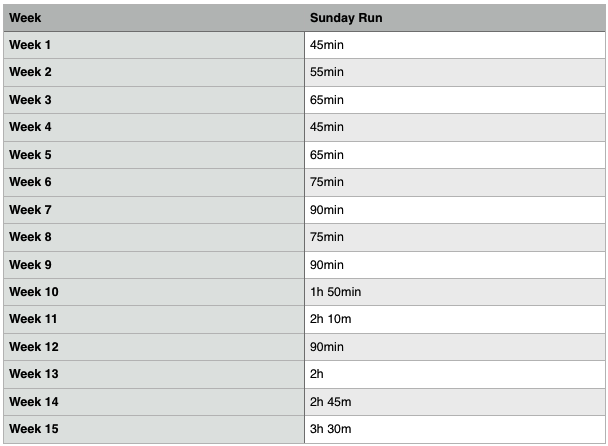
Over this phase, you would eventually cap the length of time for the Tuesday and Thursday runs at 60 to 90-minutes and the Sunday run would progress to 3-hours 30-minutes as follows:

screenshot_94

Use this system in phase 1 building week on week over four months to lay a great foundation of progressive miles and time on feet. If you have built progressively, your Sunday long run will have progressed to over three hours which puts you in a great place for a C run target.
A marathon would be a good C target at the end of phase 1. You wouldn’t taper for a race like this, it would be a training run that would be added to your plan.

Phase 2

You have phase 1 under your belt and the confidence of completing a C target. Phase 2 now builds and at the end of this phase you will have a B race target as a goal. This race should be challenging but not so challenging that it becomes intimidating or breaks you. If you ran a half marathon as a C race, then your B race could be a marathon. If your C race was a marathon, then your B race may be a marathon or 50km race if you feel that training is going very well?

It’s also important now to think ahead to Phase 3 and an intermediate A race target that will motivate you and boost your confidence for phase 4, 5 and 6.

Also think about planning and booking heat chamber sessions or equivalent for the final build up phase just before the race; this usually takes place in the final 2-3 weeks and sessions go quickly.

In the UK, a race takes place in November called the Druids. It’s a three day race where runners take on a marathon for three consecutive days. It’s a perfect ‘mini’ Marathon des Sables scenario and a great opportunity to test clothing, pack, fitness and build confidence.

Assuming that four days training are still possible and that you have had no injury issues or problems, we can now progress training building on endurance in the long runs and adding some faster/ strength sessions during the week.

A week may look like this:

  • Tuesday – Hills.
  • Thursday – Speed
  • Saturday – Cross training and strength.
  • Sunday – Long run.

As in phase 1, progression is really important and the plan would actually change and evolve over this period with each month looking different.

screenshot_95

The above plan is a guide and this is where a run coach can step in and provide structure and remove the guess work away from how the plan is put together. It’s all about placing the right emphasis at the right place and at the right time.
You will see how month 3 changes from months 1 and 2 so that it is specific to the B target at the end of this mesocycle.
Phase 3

You have just completed your longest run in a B race, be that 50k, 50m or somewhere in-between and your confidence is sky high. You now have an A race on the horizon (November) that involves three back-to back marathons and suddenly your appreciation of what is required is much clearer. You respect the Marathon des Sables target but now it is less intimidating as you have moved your way up through logical and incremental steps.

Another three month phase of training that allows is to fine tune and hone in on the racing skills required.

As you may expect, phase 3 starts with recovery from your B race target. You will need to cross train or just run easy for 3-4 days. By the time the weekend comes around, you will feel as though recovery is well on the way, don’t rush. Take your time and the following week run easy Tuesday and Thursday for up to 60-minutes and then do 60 and a 90-minute run on Saturday and build on the Sunday run. An example of phase 3 is below. Please remember, YOU are an individual with specific needs and what I provide below is a possible structure leading to an A race in November.

screenshot_96

The A race at the end of November provides a significant marker in your training. The experience will allow you an opportunity to find out what worked, what didn’t work, how your kit worked, what was good, what was bad and so on.

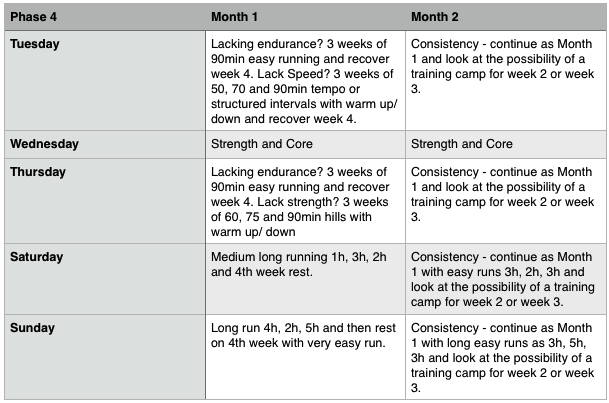
December is now upon you and Phase 4 is an opportunity to look at weaknesses and work on them so that you are in great shape to take on Phase 5 which is the final period before your key race.

1. If you lacked endurance in your November A race, keep working on consistency and build endurance with time on feet.

2. If you lacked speed and want to run faster, December is a perfect opportunity to cut back on distance and long runs and add some speed work.

3. Due to the demands of running with a pack, running long and all the associated fatigue, make sure that you incorporate a strength and core routine to make you a stronger runner. It’s easy to say here, ‘I don’t have the time!” You do, cut down your run time on a Tuesday and Thursday and free up time for strength and core. Maybe you can even find an extra day in your week (Wednesday) to allow you to work on this. Alternatively, work on strength and core at home maybe while watching television? The time is there, you just need to find it and be creative.

4. Practice walking. Effective and fast walking is a key weapon to a successful race in any long ultra or multi-day race.

With a new year coming, April and the heat of the Sahara looms on the horizon. January provides a perfect opportunity for a warm weather training camp just as the weather is wet, miserable and cold in Europe.

©iancorless.com_Lanza2016-05531

Fancy a Training Camp?

I run a week long camp in Lanzarote that provides the perfect opportunity to test everything in a real situation. We even provide a bivouac experience. You can listen to client feedback below and info HERE.

screenshot_97

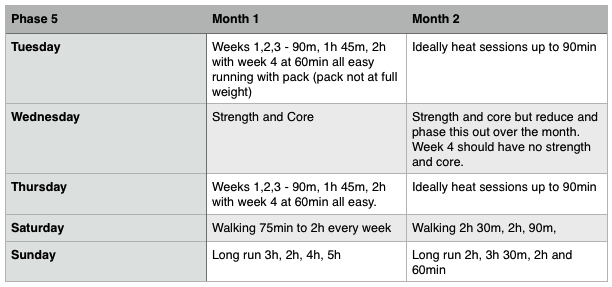
Phase 5 is the last phase and ultimately you have 6 weeks to get prepared and ready for your key race. If you attended a training camp you will now have a full appreciation of everything that you need to do. That may be changing kit, more time on feet, looking at nutrition or even a combination of all elements

Now is the time to make sure you have all your admin sorted – insurance, medical, compulsory kit and so on.

Don’t leave anything to chance now. If in doubt about equipment, contact MyRaceKit, they are able to provide expert advice in regard to everything that you will need.

Think about heat and how you will adapt. With luck, back in phase 2 or 3 you will have thought ahead and booked time in a heat chamber. Ideally this will take place in the final 2-3 weeks before the race. No sessions booked? Train in a gym with additional layers, take a sauna, do Bikram Yoga etc

Again, consistency is key here. You have been training for this long term goal for sometime, don’t do anything silly, don’t do a long run that is really long; you up your chances of injury risk. Remember, training is about ALL the sessions you have done and not just one session

Pack weight is a consideration and get it as close to 6.5kg as possible. On day-1, when you add water it will be 8kg. BE CAREFUL training with too much weight, it is a guaranteed route to injury. For sure, do some sessions with weight, be progressive and slowly build up. Just do one session per week in the final phase and only do 1 or 2 sessions with pack at 8kg and do not go too long.

screenshot_98

Phase 6 is race time.

Be organised, be prepared, think of everything and have the race of your life.

It’s in this final phase when you are so close that little things can go wrong. Be prepared as best as you can. You can’t account for the unexpected but reduce chances of anything going wrong by taking no risks.

The information provided above is designed to provide an outline and a guide on how to plan for a long term goal. Although you may be able to take this plan away and use it, please be sensible and assess your own experience, fitness and goals. Importantly, the scenario provided is with a multi-day race in mind, you would need to tweak and adjust this for a single stage race or a mountain ultra for example.

I can’t emphasise enough that we are all individual, so you need to find out what works for you.

Good luck.

©iancorless.com_Lanza2016-03269

If you enjoyed this article, think about becoming a Patron and supporting Talk Ultra podcast and this website on Patreon HERE

support_patreon

Lanzarote Multi-Day Training Camp 2016 – Day 8

©iancorless.com_Lanza2016-05261

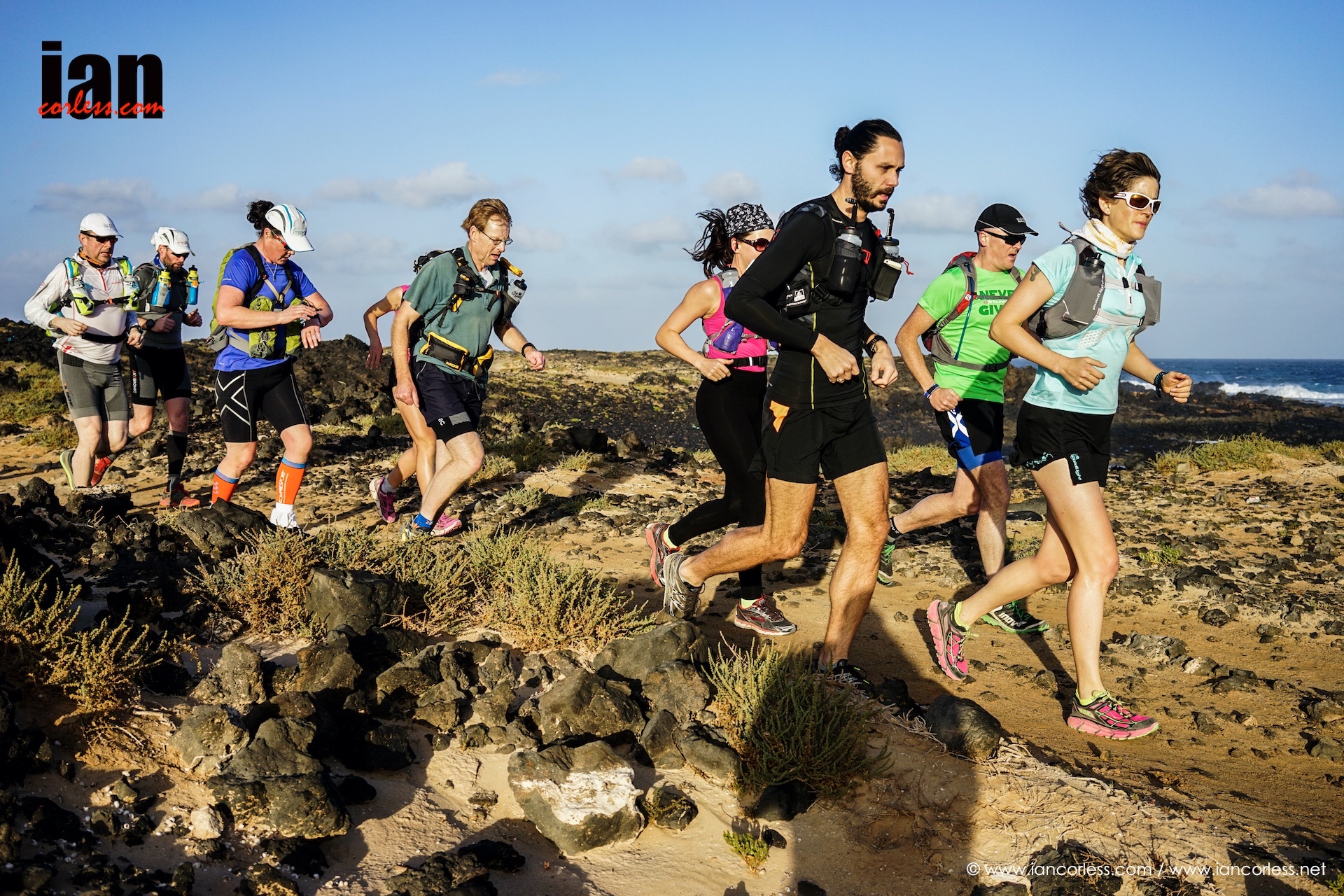
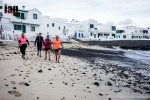
Day 8 of the 2016 Lanzarote multi-day camp was a cracker. The hottest day of the week with little or no wind, a stunning coastal route with mixed terrain, volcano climbing and descending and of course, stunning views and amazing people.

©iancorless.com_Lanza2016-05948

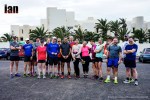
As on all previous days, we had three run/ walk groups. Everyone managed to cover somewhere between 20 and 35km and it was interesting to see how during the week, people progressed, not only in fitness but in regard to equipment, planning and preparation.

©iancorless.com_Lanza2016-05451

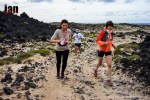
We also pushed everyone out of their own comfort zones with some tough climbing, very technical terrain and challenging descents. It’s all about taking things up a notch so that when race day comes around, the runners are prepared.

©iancorless.com_Lanza2016-05261

“Brilliant MdS training camp in Lanzarote with organiser, coach and photographer Ian Corless and MdS 2015 champion Elisabet Barnes. 100-miles run in the week with some excellent advice and support plus great people!” – Paul Allum

Paul’s thoughts were echoed by so many of the camp attendees. Elinor Evans in particular found the whole experience enlightening and invaluable. During the weekly runs, the overnight bivouac, the volcano walk and the daily talks, Elinor realised that she had the wrong pack for her, the wrong sleeping bag, a need to address her nutrition and look at her MdS admin. Invaluable!

“The Training Camp in my opinion was exceptional and far exceeded my expectations. The whole program start to finish pushed everyone to achieve their potential while taking into account the wide variety of abilities. All of the coaches were supportive and challenging and while clearly experts in their field never made novices like me feel stupid. The information we got was priceless and the blend of commercialism and a genuine desire to want to help people achieve their goal of competing or completing MDS was incredibly well done. I wouldn’t just recommend this to future MDS competitors I’d suggest you add it to your Compulsory Kit list! Simply brilliant!” – Simon Dunn

Listen to camp attendee feedback HERE

“Fantastic week in magical terrain with lovely people – thank you Ian, Elisabet, Niandi and Marie-Paule – Sahara countdown is ON.” – Elinor Evans

The morning run of 3-5 hours was followed with a relaxing lunch and then an afternoon Q&A which addressed many of the issues raised during the week and allowed everyone to clarify and appease their minds ahead of their next multi-day race.

The day finished with 20-30min cool down run and then an evening group meal and drinks. It has been an incredible week and one that has provided inspiration for all concerned. Roll on 2017.

‘How was your holiday?’ ask the lads at work. 

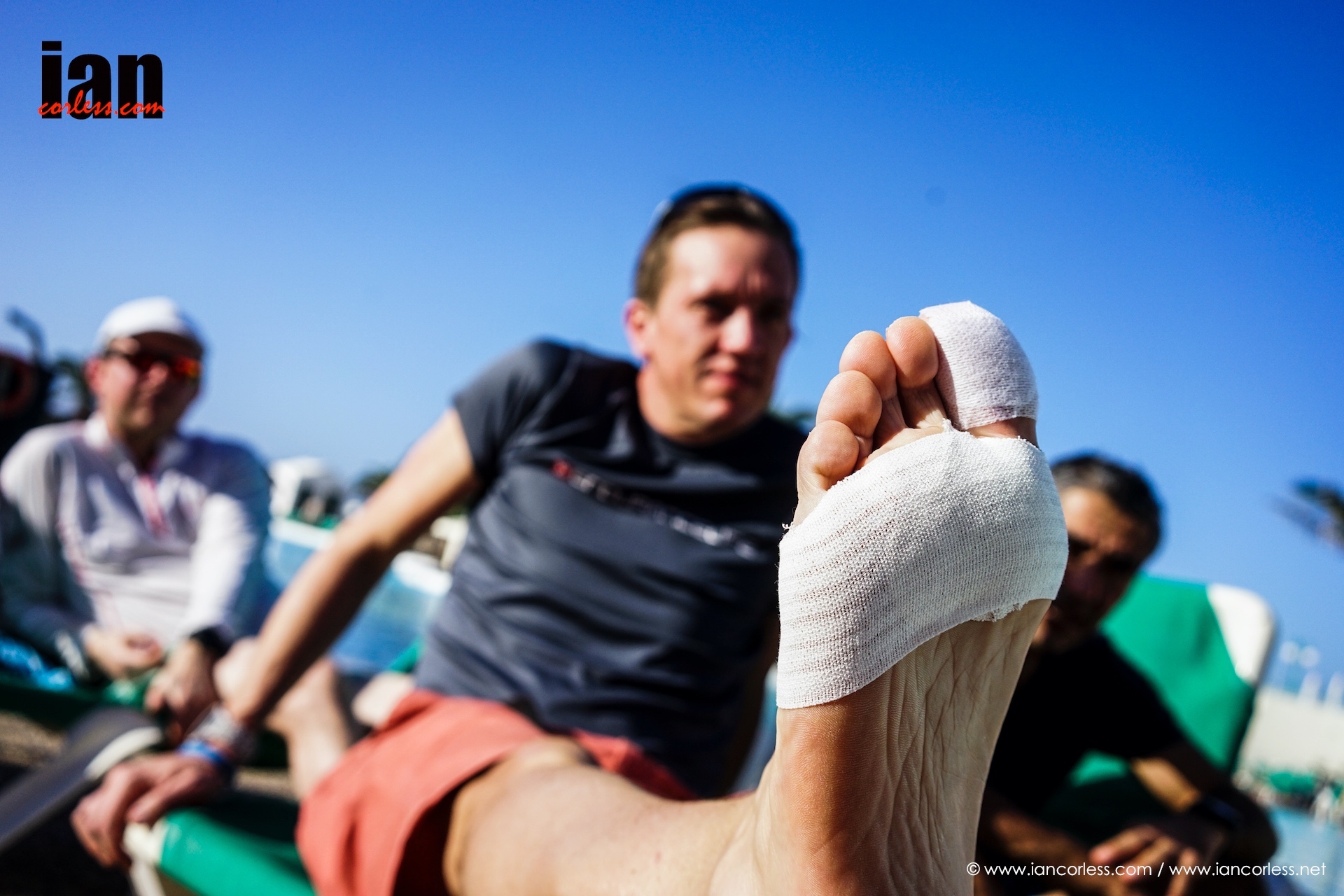
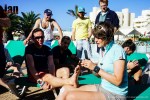
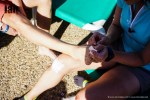
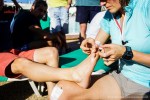
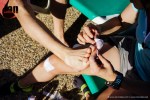
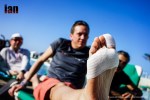
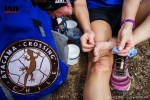
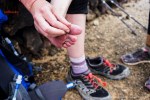
‘Amazing’ I say. ‘Look at these pictures’. ‘That’s how to round tape to ensure you minimize the risk of blisters’. Blank looks. 

‘See her? She’s the 2015 MdS champion putting the needle into my foot’. 

More indifference. 

‘Lads, this is the same you fat bastards going to Weston Karting centre at the weekend and Jensen Button turning up to do the safety briefing’. 

They still don’t get it. 
‘Did you learn much in Lanzarote darling?’. 

‘I certainly did. The WAA bag is a goner. It would be like taking a knife to gun fight. Ok, it would be like taking a clutch bag to an all day shopping trip. You know, when only a tote will do’. 

A nod of understanding, but really boredom turning to neutrality at best. 
‘Was it fun running Daddy?’ ‘It was. Midpack daddy is certainly going to need more fat than carbs to keep him going in the dunes girls’. 

‘Did you bring us back any sweets?’. 

‘No’. 

‘Can we watch TV?’ 
‘How was the volcano mate?’. ‘Wonderful. It was cold, but the stars were out and we all had an amazing time’. 

‘Get much sleep?’ 

‘Yes. In fact I’ve found it hard to sleep since without the sound of Elaine gently rustling inside her tent next to me’.  

These people don’t understand me anymore…. I miss #Lanzarote 
– Rich Carps

©iancorless.com_Lanza2016-05055

If you would like to take part in the 2017 Multi-Day Training Camp, please go HERE

Many thanks for the support of MyRacekit, OMM, Raidlight, PHD. Scott Running, inov-8 and Berghaus.

“Really great few days, some invaluable experience and some valuable miles in the legs. Kit choice, food, packing the bag now all things I’m ready for. Thank you to the organisers and thank you to the fellow participants for making it such a nurturing environment in which to prepare for the MdS.” – Leon Clarance

Lanzarote Multi-Day Training Camp 2016 – Day 5

©iancorless.com_Lanza2016-03269

It was day 5 of the Lanzarote 2016 multi-day training camp and what a day…

Leaving the resort at 0830, three groups covered 4-hours to 5hours 30-minutes on the challenging trails of Lanzarote in three groups: walking, walk/ running and running.

It was a tough day, the clouds cleared, the sky came a deep blue and the heat started to slowly rise but all the time it was masked by the ever present winds coming from Morocco.

©iancorless.com_Lanza2016-03389

Starting at Club La Santa, the groups moved along the coastline, moved inland to Soo and then re-navigated back to the coast and the village of La Santa before heading out on new coastline. Lanzarote’s mixed terrain provides the perfect environment for a multi-day camp and today, camp attendees enjoyed a real mix os sandy access roads, volcano trails, climbing, coasteering, volcano climbing and then out-and-out technical dried lava.

©iancorless.com_Lanza2016-03566

Elisabet Barnes from MyRaceKit and sponsored Raidlight athlete guided the ‘fast’ group over 5-hours and 15-minutes and although it’s her first time on the Canarian island, she is taken back by its unique beauty and its specific trails.

©iancorless.com_Lanza2016-03779

“Lanzarote is just amazing. The climate and the trails are just perfect for Marathon des Sables training. La Santa and the surrounding area manages to throw everything at you that you will experience in a typical edition of the iconic Moroccan race, even down to the strong winds, variable heat and especially the mixed terrain. Soft sand, stoney ground, hard trails, tough climbs and beautiful views; what more could you ask for?”

Like any training camp, mixed abilities are catered for and Niandi Carmont has guided a run/ walk group and Marie-Paule Pierson (who recently competed Atacama) has guided and paced the walkers.

©iancorless.com_Lanza2016-03960

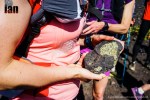
After a midday break, the afternoon had a foot care seminar hosted by Elisabet Barnes where she clearly explained the pros and cons of specific foot treatments and she also provided some very clear and highly informative ‘taping’ workshops.

©iancorless.com_Lanza2016-04120

Tomorrow is another long day with a 2-hour run at 0700, a seminar late morning and then in the afternoon a 2 to 3-hour run will be followed with an overnight bivouac.

If you would like to join our 2017 training camp, please go HERE.

Many thanks to Raidlight, OMM, inov-8, Scott Running, Berghaus, PHD and MyRaceKit of the support of this camp.

Lanzarote Multi-Day Training Camp 2016 – Day 4

©iancorless.com_Lanza2016-02363

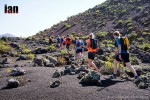
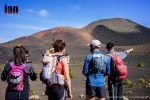
It was an active recovery day at the 2016 Lanzarote multi-day training camp. It was kicked off with a guided 3-hour walk through some of the islands most stunning volcano sections close to the Timanfaya National Park.

©iancorless.com_Lanza2016-02639

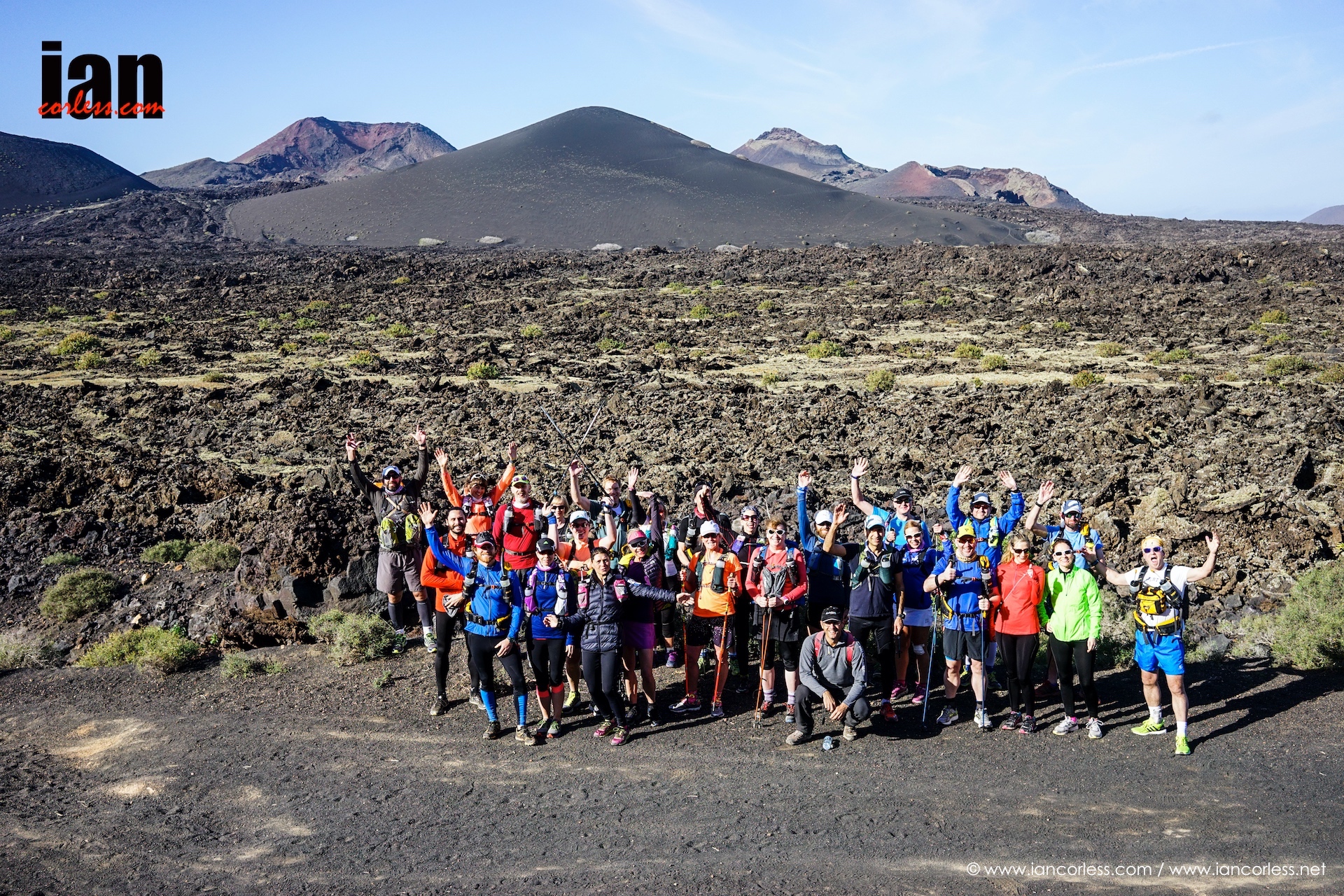
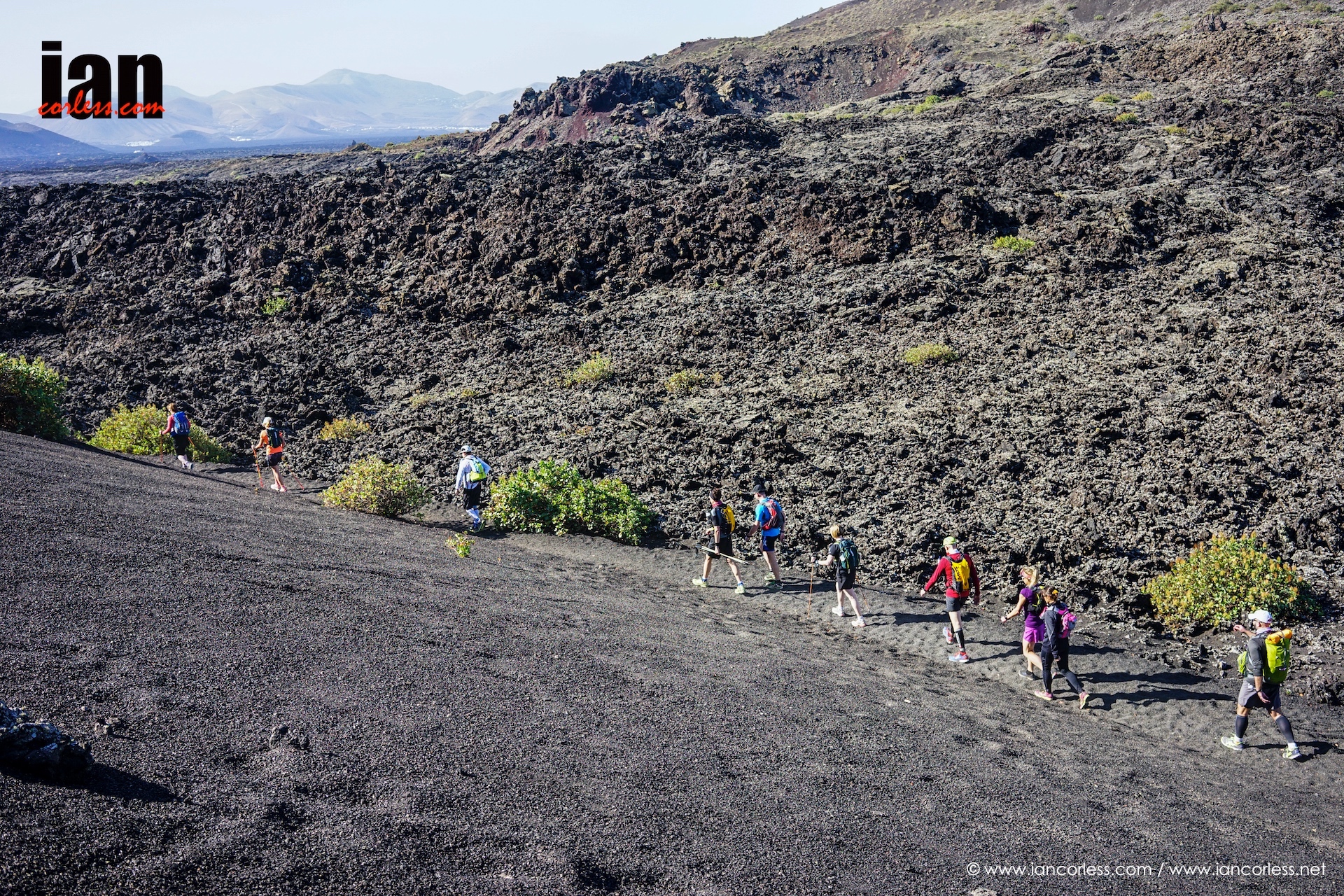
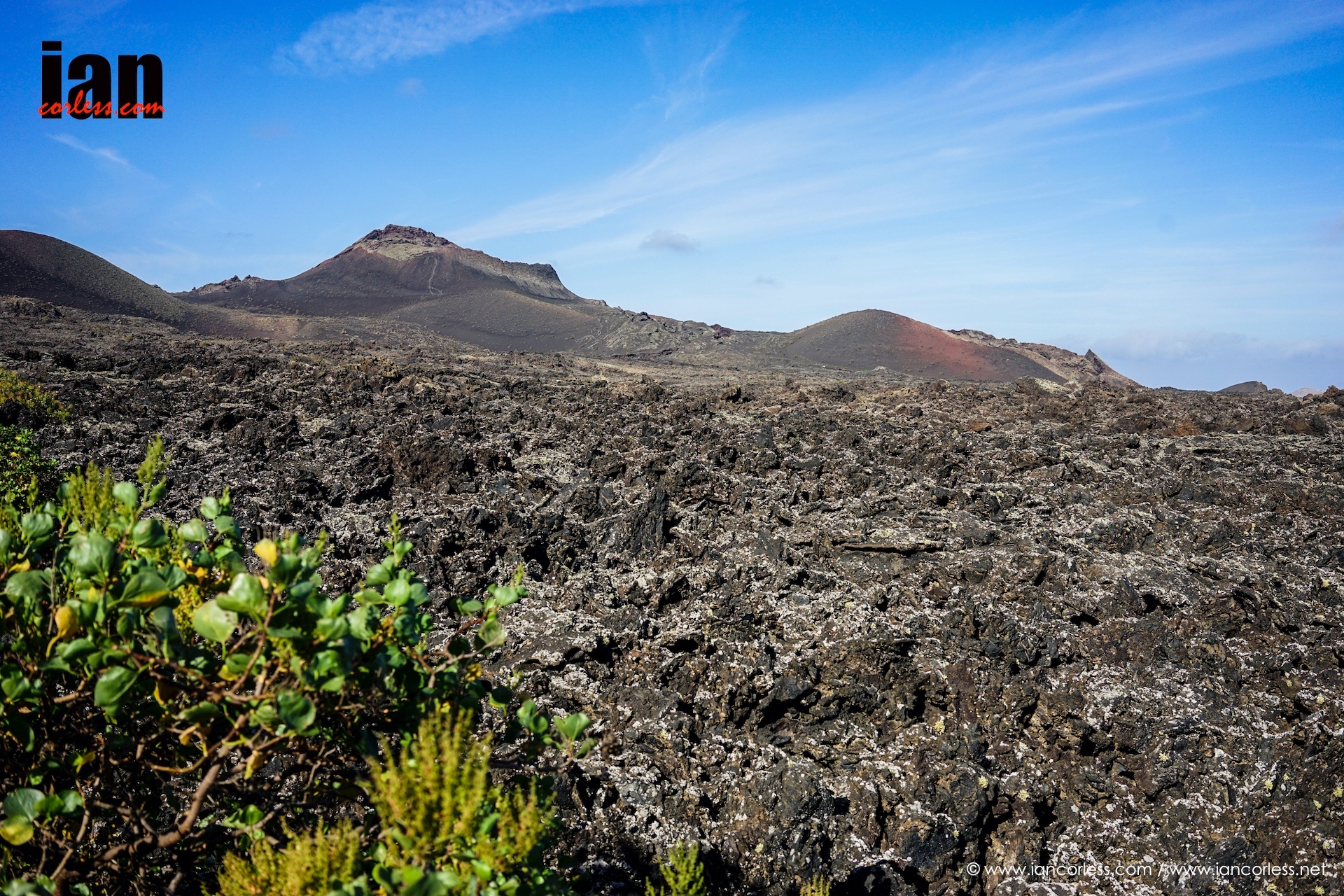
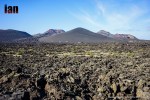
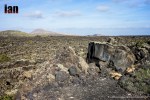
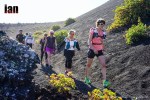
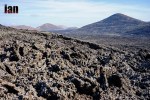
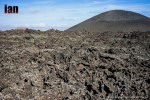
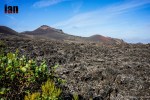
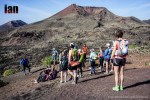
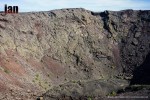
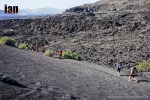
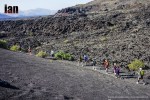
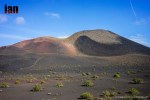
Famous for it’s volcanic landscape, today everyone was able to appreciate up close how dramatic and tough these trails can be. Black lava sand, interspersed with jagged rocks but ultimately everyone was blown away with the dramatic and somewhat eerie vistas. In the early 1700’s, this area had six continuous years of volcanic eruptions that created this stunning landscape.

©iancorless.com_Lanza2016-02533

Elinor Evans, a yoga expert undertaking Marathon des Sables for the first time in 2016 commented after the walk:

“It’s been a really special day in this environment. We have walked with our packs, covered some miles and in the process had a wonderful learning experience. It has been magical.”

It was a sentiment echoed by everyone in the camp and with 5-hours of running waiting for everyone tomorrow, the opportunity to walk today was welcome.

The evening discussion was all about food and hydration for multi-day racing and we discussed the different nutritional needs for someone who may be looking to compete, the mid-packer and the walker. Of course, it’s all very personal, but many similarities from all three scenarios crossed over providing all the participants with plenty of key and essential information that they can now take away and formulate their own strategies for their chosen race.

Tomorrow, Sunday, kicks off with a 5-hour run along a new coastal section that will involve some climbing, scrambling and of course a plethora of mixed terrain.

If you are interested in a multi-day training camp, our 2017 dates are set and you can view HERE

Many thanks to:

Raidlight, OMM, inov-8, Berghaus, PHD, MyRaceKit and Scott Running for the support with this camp.

Lanzarote Multi-Day Training Camp 2016 – Day 3

©iancorless.com_Lanza2016-01737

The 2016 Lanzarote multi-day training camp really got underway today with a full day of activity. This morning was a 4-hour run or hike over some very specific terrain that provided every participant a full-on appreciation of what terrain they may encounter at a race such as Marathon des Sables.

Mitch Keene, on the training camp with his wife, said post run:

“It was great to experience the sort of terrain that we are likely to come across when we get to the real event. To understand what it is like to run in some deep sand. It was also great camaraderie on the run. It’s good to know that there is going to be people around you who are in the same sort of position as you are and learning from them. And then there is just some basic stuff like understanding that wearing very short socks is a bad idea when running in the sand. So really simple stuff that you think you know when you set off but don’t. The whole learning experience is phenomenal out here and I really enjoyed it.”

The morning session took a relatively flat run out over very mixed terrain (sand, rock, lava, dunes) in three groups. Elisabet Barnes leading the runners who are able to hold a faster and more consistent pace. Niandi Carmont leading the runners who will run and occasionally walk and then Marie-Paule Pierson leading a small group who intend to walk the whole event. Ian Corless moved from one group to the next.

©iancorless.com_Lanza2016-02166

“It’s nice meeting people who actually want to talk to you while you are running. I have found it quite difficult taking up running again on my own and going to events on my own,” said Leon Clarance. “People are usually polite but today people were actually chatting about their own experiences and it was nice to meet some likeminded people.”

©iancorless.com_Lanza2016-01959

At the coastal resort of Famara, everyone turned 180-deg and the re-traced along the coastline but this time taking in the small mountains and hills that back on to the sea in this area. At times rocky and technical, everyone had a real insight into the complex terrain that one may encounter in a multi-day event. At the summit, one or two runners experimented with foot care and treatment; a key element of successful multi-day competition.

©iancorless.com_Lanza2016-02188

“It’s ben a real eye opener,” said Alan Guthrie. “I have been behind with my training and today I managed my longest session for some time in some very specific terrain that directly relates to my chosen event; Marathon des Sables. It’s been a tough session but I have loved every minute of it.”

©iancorless.com_Lanza2016-02226

Post run stretching relaxed tired muscles and 2-hour break was followed with a talk and discussion called, ‘What goes in the Multi-Day Pack?’

And just when the runners thought it was time to relax and chill-out an ‘optional’ 20-30min shake out run fired everyone up for one last effort, making the day a very successful and tiring one. Evening drinks, relaxing chat and good food was extremely welcome. Tomorrow we have a structured group walk in the Timanfaya National Park in a series of volcanoes followed with a talk on nutrition and hydration.

Many thanks to MyRaceKit, Raidlight, OMM, PHD, inov-8, Scott Running and Berghaus for the support.

If you would like to take part in a multi-day training camp like this, dates have been set for 2017 and it’s possible to book HERE

Click on an image to view today’s gallery

Lanzarote Multi-Day Training Camp 2016 – Day 2

©iancorless.com_ScottVest-01427

The Lanzarote 2016 multi-day training camp got underway today with an easy 1-hour run along the coastal trails of La Santa to Famara.

In total, we have a group of 27 runners with a broad range of 2016 objectives such as Marathon des Sables (Morocco), The Coastal Challenge (Costa Rica), Big Red Run (Australia), Cape Wraith Ultra (UK) and the Everest Trail Race (Nepal).

It’s always great to see so many runners of mixed ability come together with one goal in mind; completion of a challenging multi-day race!

Tomorrow, 4-hours of classic desert terrain awaits the runners as they depart in three groups lead by Elisabet Barnes, Niandi Carmont and Marie-Paule Pierson. Ian Corless, camp co-ordinator and planner, will move through the groups, running out-and-back to ensure that everyone is on track and comfortable.

In the afternoon, a group talk and discussion followed with an easy 30-60 min run.

Lanzarote, situated off the coast of Morocco provides the perfect environment to simulate many of the conditions that runners will experience in a classic multi-day race; wind, sand, rocks, tough terrain, climbs and maybe even a little scrambling.

If you are interested in a multi-day training, dates for 2017 have been set and you can view HERE

Many thanks to the following brands for helping with this camp:

MyRaceKit, OMM, inov-8, Berghaus, PHD, Raidlight, Scott Running


Marmot24 2015 – Race Summary and Images

©iancorless.com_Marmot242015-2179

The inaugural Marmot24 took place in 2014 and it proved to be one of the most challenging races of its type on the race calendar. Using a score format, participants raced over 12 or 24 hours on tough northern Lakeland terrain. Adding to the difficulty, the weather was grim. Yes, it was one seriously tough race.

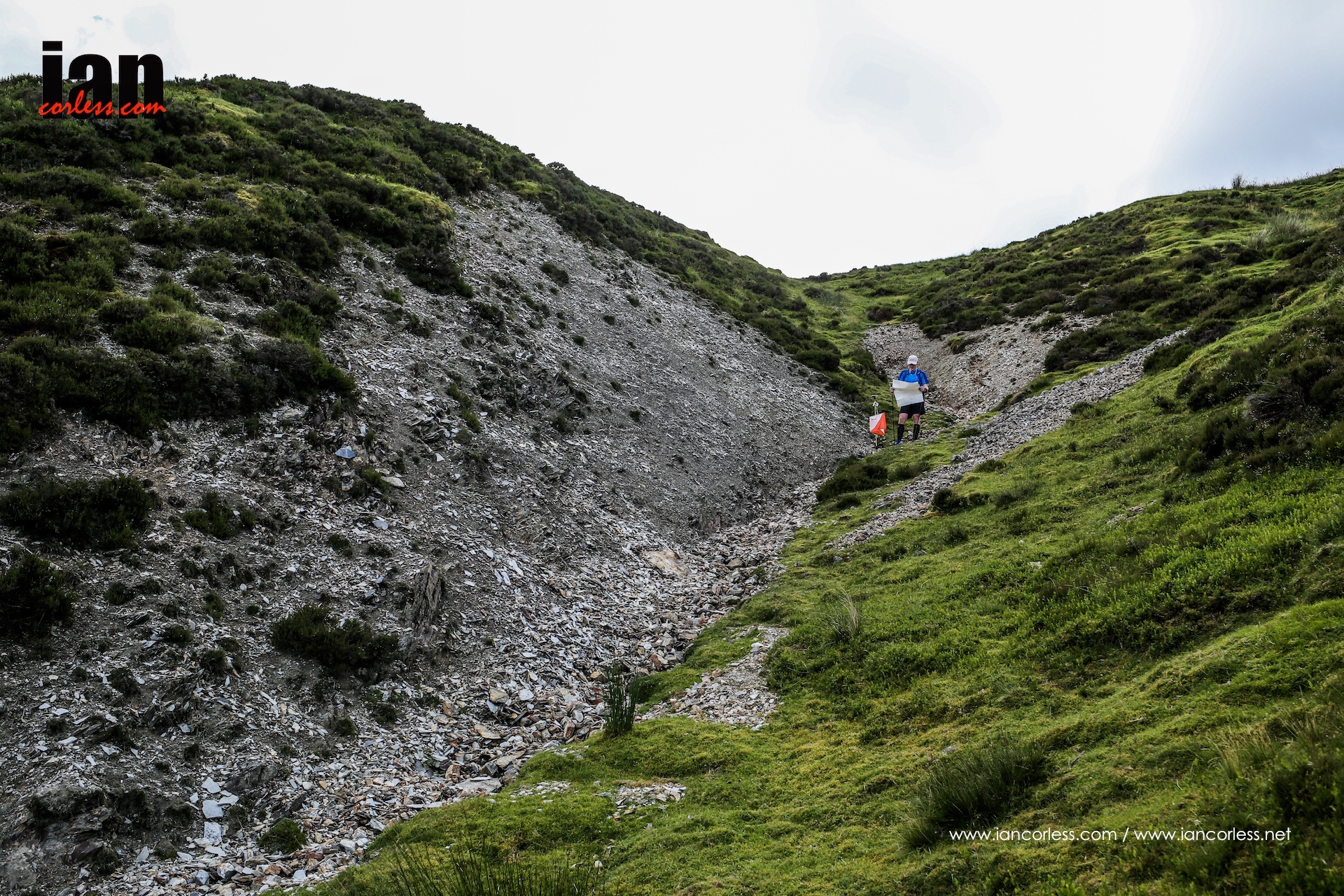
This year another tough and challenging course was created in Southern Scotland (the Lowther Hills close to Dumfries) by Gary Tompsett. Once again using a score format (all controls had the same points) the objective for participants was to visit and accumulate points from as many controls as possible spread over an area of 200 square km’s. Needless to say, the potential for any 1 or 2-man (or woman or mixed) team to gain a 100% score was almost impossible.

©iancorless.com_Marmot242015-3168

However, several teams excelled in the tough conditions.

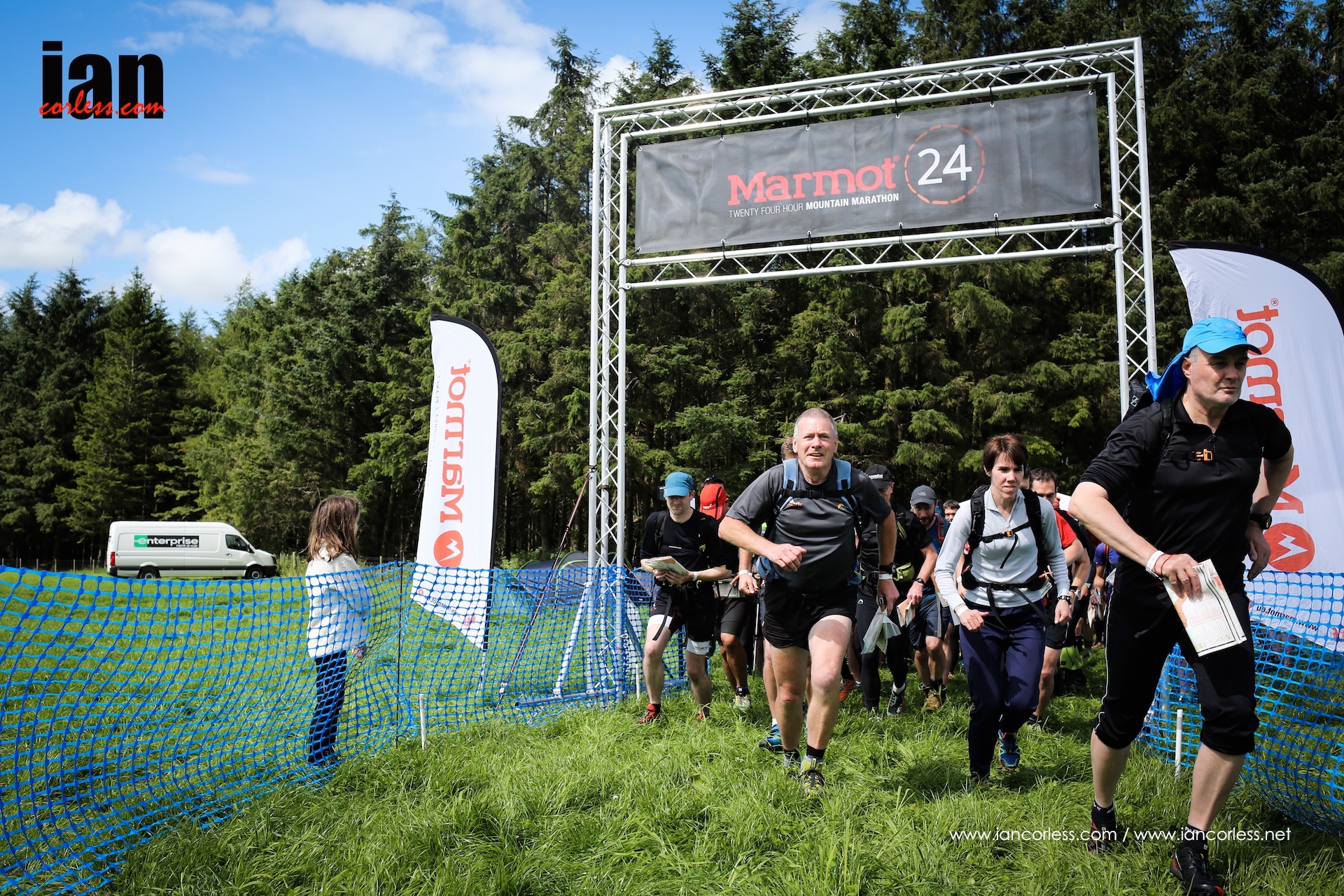
In contrast to 2014 when the 12-hour runners started at midnight, this year, all competitors started at midday. A centrally based camp would allow runners to return as often as they like to rest, sleep, eat and then go back out on the course. For the committed, they never returned until the end!

100 runners took on the challenge and although clear blue skies bathed base camp and the northern hills, the southern part of the course had looming clouds that unfortunately (unexpectedly) provided a very wet and miserable day.

©iancorless.com_Marmot242015-2698

From the off it was apparent that the northern fells seemed to be the preferred choice with clusters of controls offering good point scoring potential. The terrain may well have been more demanding in regard to elevation but underfoot it was dry, firm and fast. The south by contrast was flatter but extremely boggy. This boggy ground combined with wet weather made the south of the course not ideal. But sometimes you only find this out once you have committed yourself.

Route planning was extremely varied; some teams would start south, others in the north. Clockwise or anti-clockwise. The route options were endless and thus tracking and following of the event was very much a lottery.

©iancorless.com_Marmot242015-1670

One consensus for many appeared to be the potential to spend 10-12 hours on the fells, call in the HQ for food, maybe some sleep and a change of clothes and then head back out. However, once you get back in camp, immerse yourself in a warm sleeping bag, it can be difficult to get back out on what turned out to be a very chilly July night.

Rain had been falling for hours in the south and this resulted in many a runner bringing their race to an end with the 12-hour cut off. However, those who had gone north were much better prepared for a night out and some wild camped, bivvied or pushed on through.

©iancorless.com_Marmot242015-2536

Jim Tinnion, a regular competitor at these events (The Spine, Dragons Back and so on) commented post race:

“Lowther Hills was a super tough location with running as rough as you can imagine and some desperate descents. Happy with 2nd mixed pair: we didn’t quite have enough to match a great run by Simon and Carmen. Amazing stars last night at a freezing bivvy. Sleeping in survival bags isn’t ideal but we got a couple of hours sleep 15 miles after dinner in the Wanlockhead Inn. Brilliant event, very highly recommended but far and away the hardest mountain marathon challenge I know of.”

Teams had travelled from all over the UK and Europe to participate in this new and ground breaking event. Post race, they all concurred that the terrain and the difficult conditions had provided them all with an ultimate test. Bogs, marshes, bracken and ferns were a new experience to the ‘Europeans’ and it was clear to see the impact. ©iancorless.com_Marmot242015-3202

Top honors in the 12-hour went to Chris Baynham-Hughes who sweeped up a remarkable 25 controls. He was fast, in control and used supreme navigational skills and fitness to dominate the tough and challenging event. He timed his run perfectly finishing at Dursideer HQ in the final 15-minutes before the midnight chime. Full 12-hour results HERE. Sarah Fuller was 1st lady and Hamish Waring and Andy Heaton were the first pair.

The 24-hour race came down to a nail biter between Peter Wilkie and Rick Ansell. These hard core mountain men stayed out all night, pushed on through and looked to gain maximum points before returning back to base. They both accumulated 36 controls but Rick Ansell took top honors as he returned just 6-minutes before Peter. They don’t get much closer than that! Full 24-hour results HERE. Barry McElearney and Graham Cleminson were the first pair and Charlotte Turner and Lydia Farzin-Nia were the first ladies pair. No solo ladies ran the event.

Post race participants recovered with a bowl of hot chilli and of course route choices and course discussions took place, one thing became apparent; he combination of tough Scottish terrain, variable weather and wide spread controls set the Marmot24 apart from other events and it’s a format that was welcomed. Roll on 2016!

A full set of race images are available HERE

Race website HERE

Ourea_Events_Logo(600)