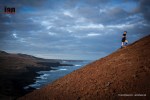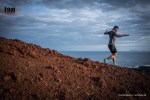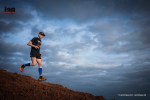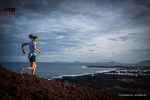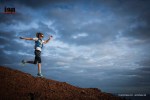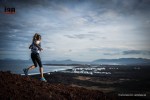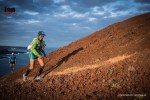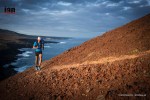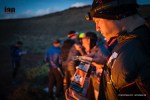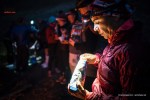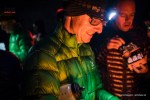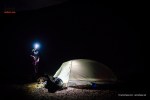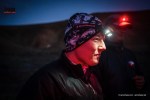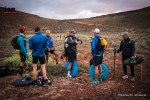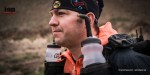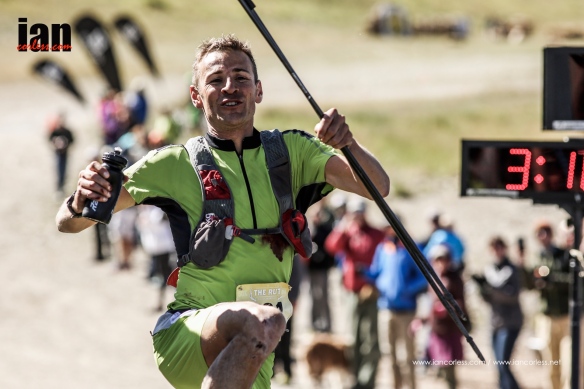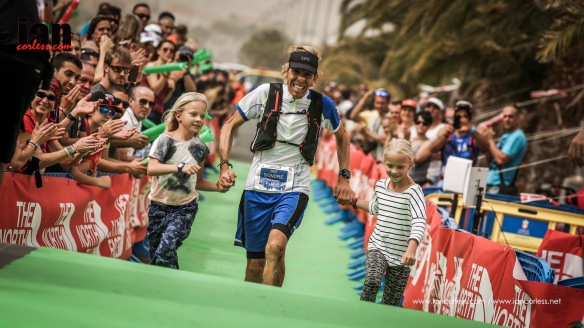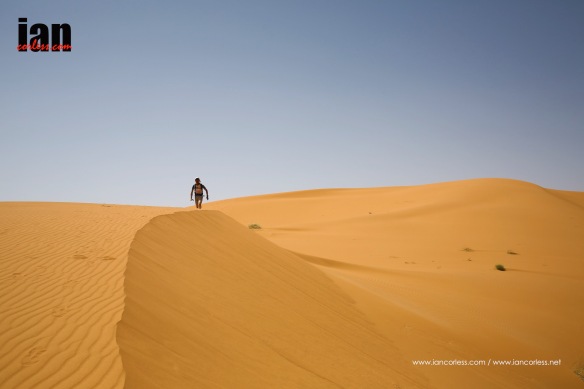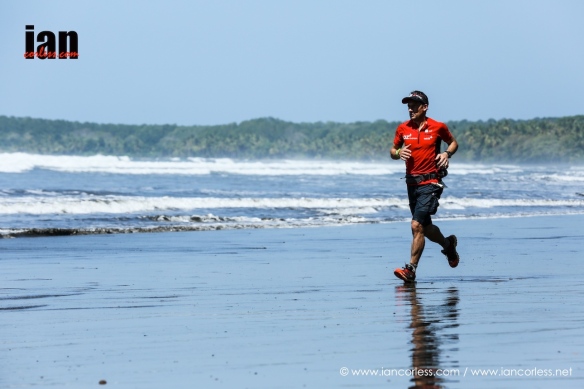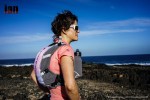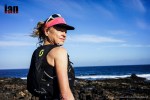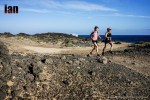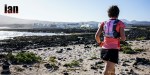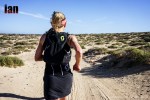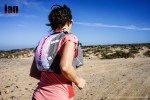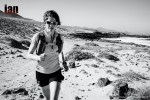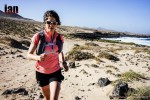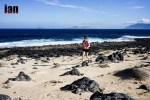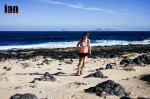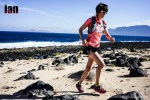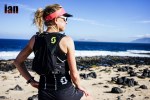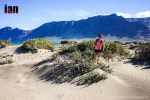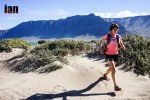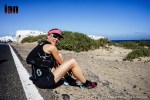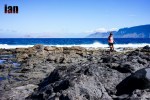
Fred Streatfield – The Community Of Running

iancorless-com_lanza2017-03885

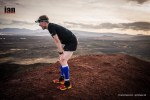
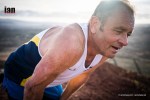
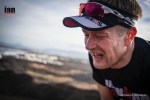
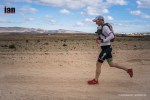
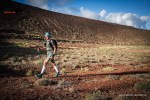
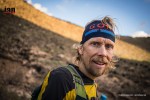
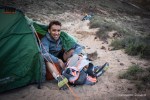
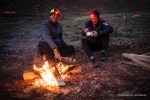
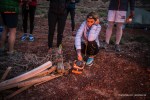
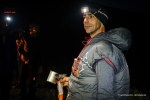
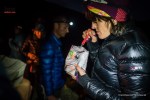
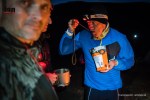
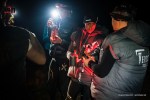
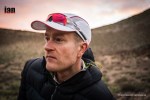
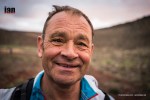
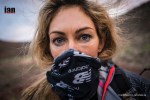
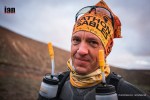
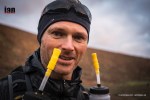
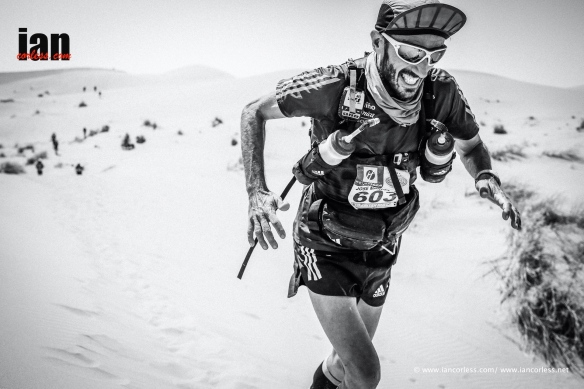
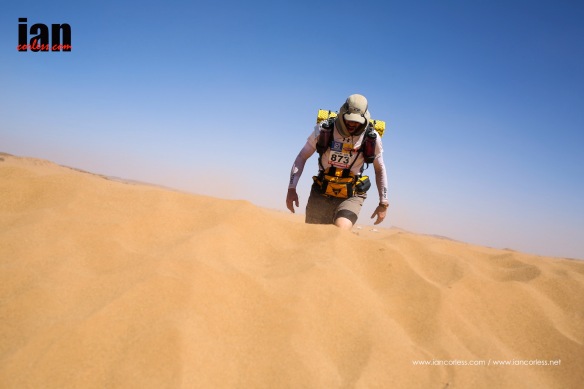
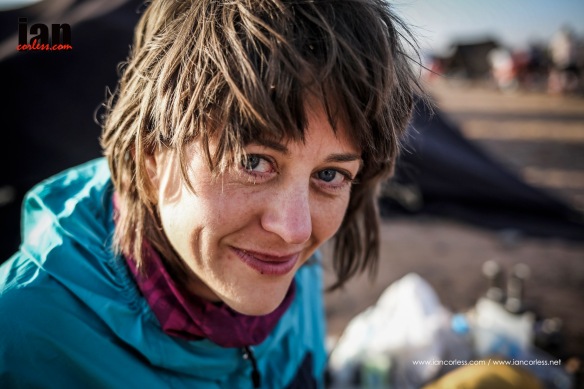
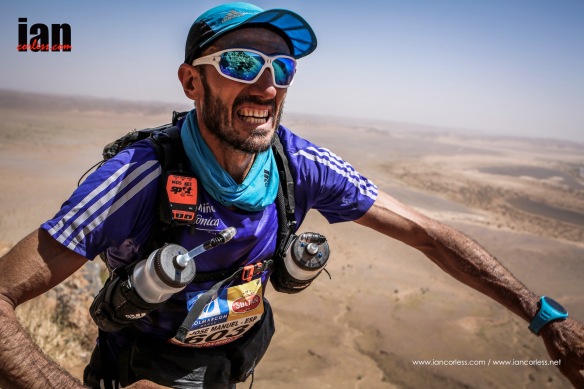
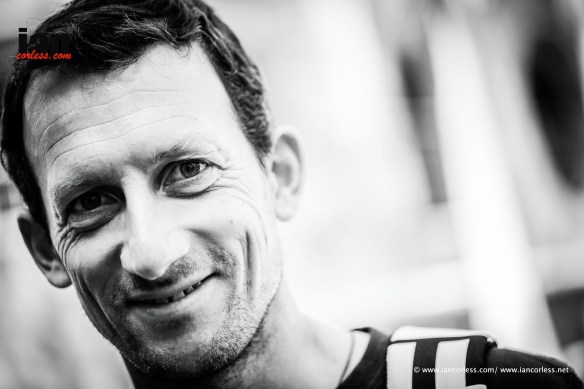
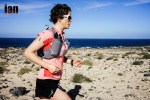
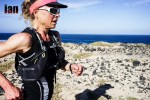
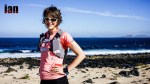
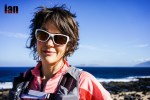
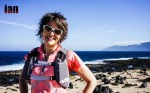
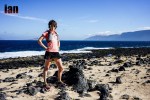
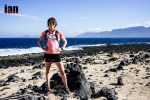
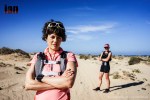
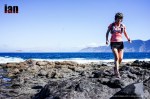
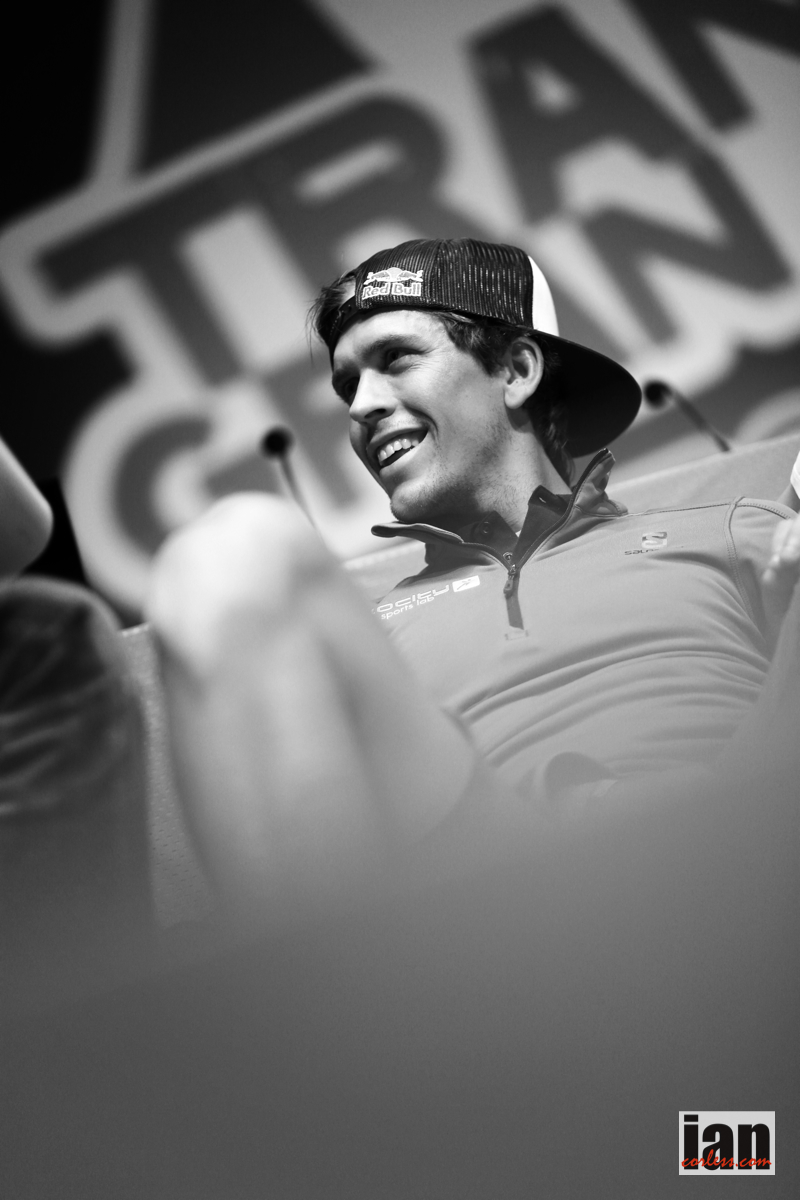
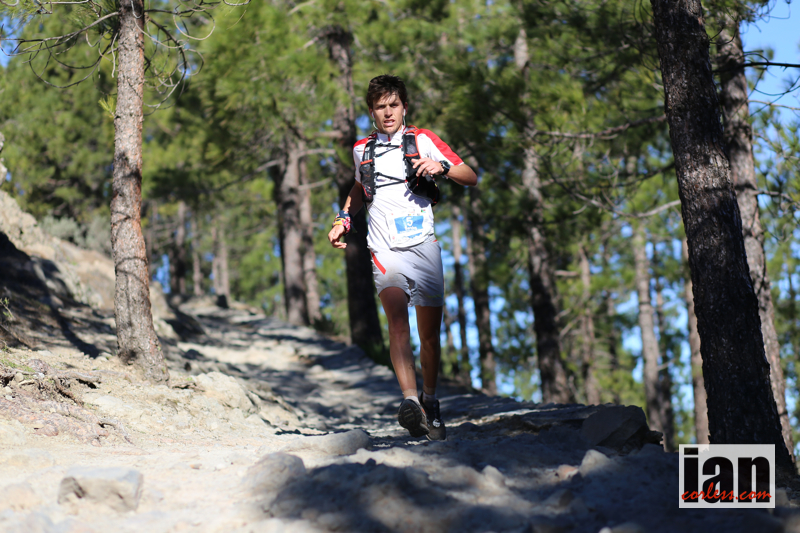
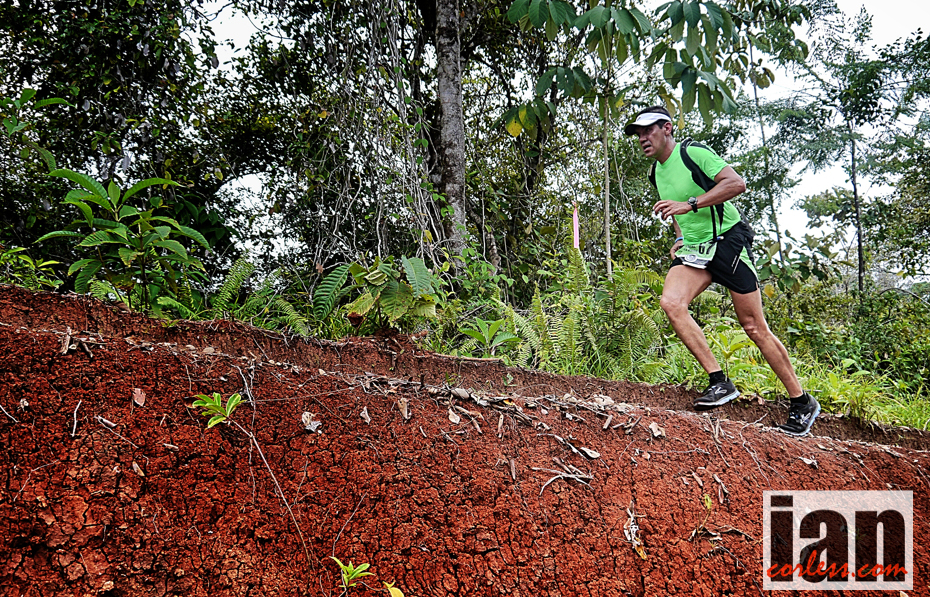
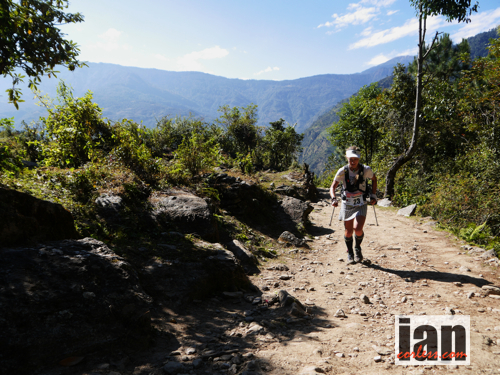
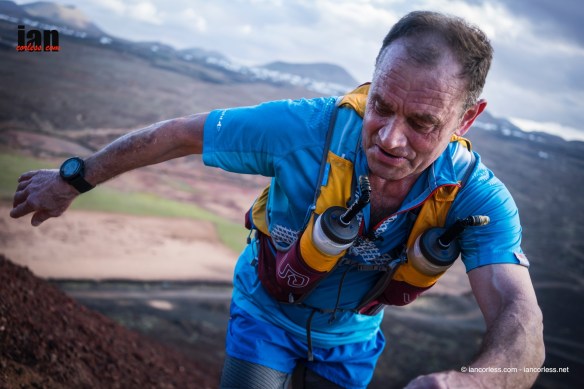
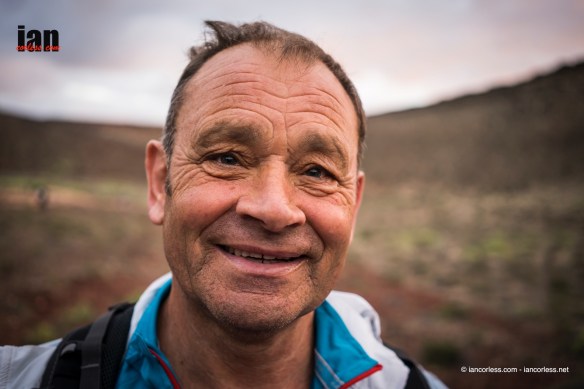
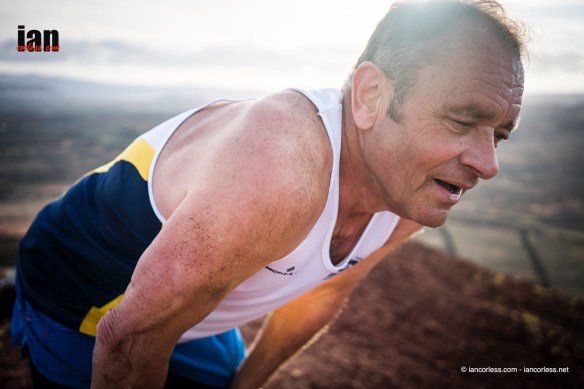
Fred Streatfield has been running all his life. You could say that running defines him. However, Fred is so much more than a runner, he’s a husband, a father, a grandfather, great grandfather a builder and in April 2017, he has set himself the challenge of running the Marathon des Sables.

‘MDS’ as it is known within the running community, is for many a dream goal. It’s been billed as the ‘Toughest Race on Earth’ and while we all know that it’s not, the multi-day Saharan adventure does bring its own set of unique problems and difficulties to encounter.

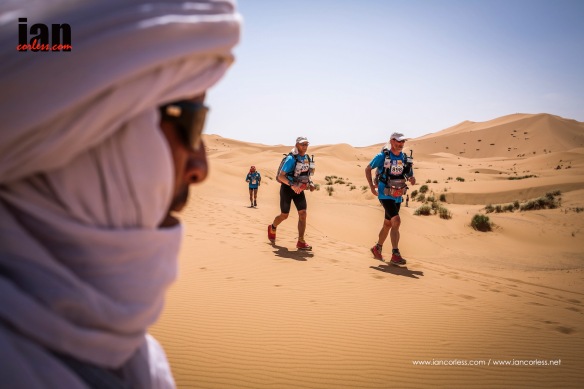
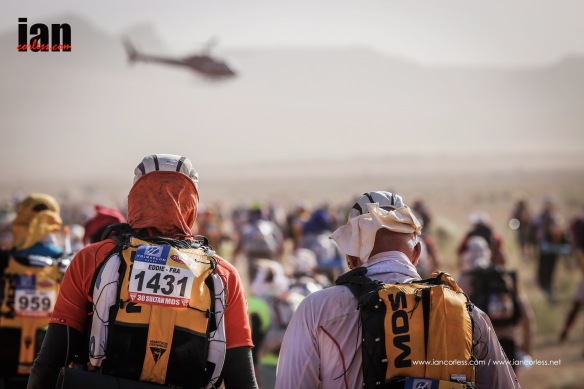
The race is over 30-years old and has without doubt paved the way for all modern day, multi-stage races. It’s format of self-sufficiency has been copied time and time again. In the early days, it was tens of runners who toed the line. Now it’s 100’s of runners and in recent years, with the growth of ultra-running, more than 1000 stand within the dunes of Morocco every April for what will be, for them, the ultimate experience

When you’ve been running for as long as Fred, you’d think this Moroccan adventure would be a walk in the park, or should I say, the dunes for him. But no, despite 49-years of running, Fred is intimidated for this new venture in his life.

A race like this is intimidating, it should be, after all it’s why you do it, no? Fred is no different than any other when signing on the line and paying the deposit. He wanted his run experience to be made whole, with something alien to him, something that would completely take him out of his comfort zone. Little did he know that when he signed up, his challenge would become something so much more than running…
iancorless-com_lanza2017-03570

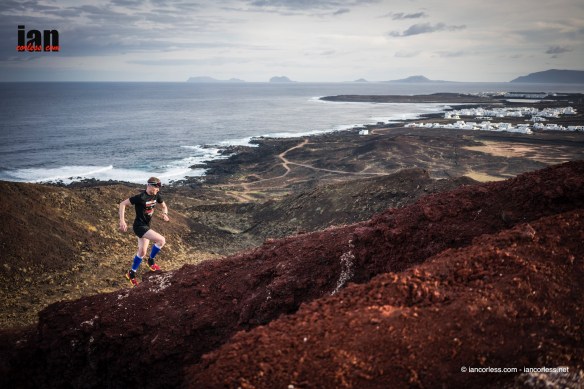
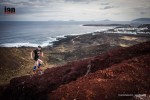
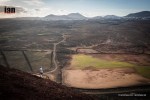
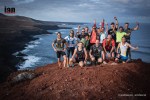
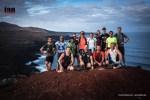
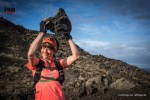
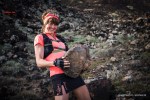
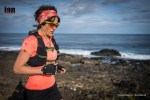
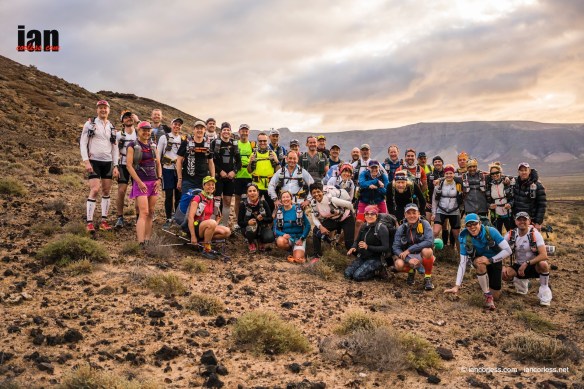
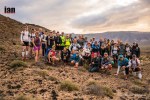
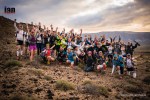
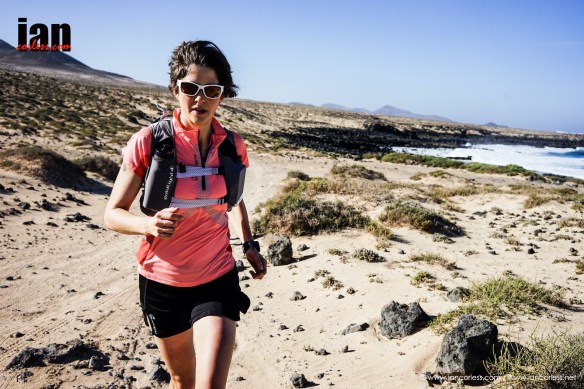
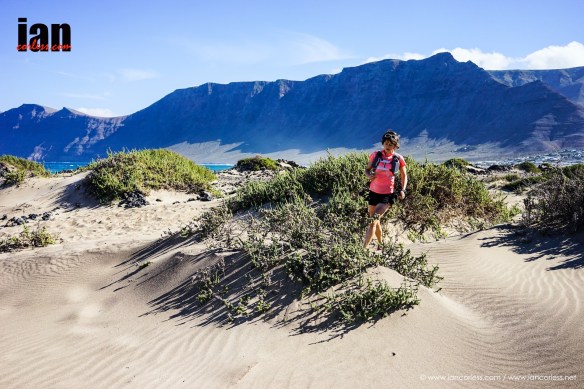
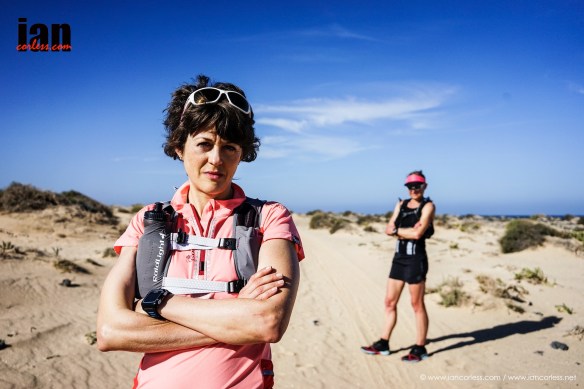
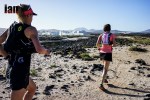
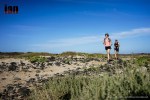
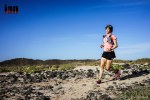
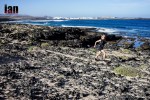
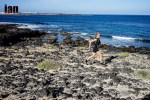
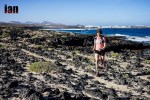
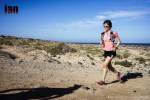
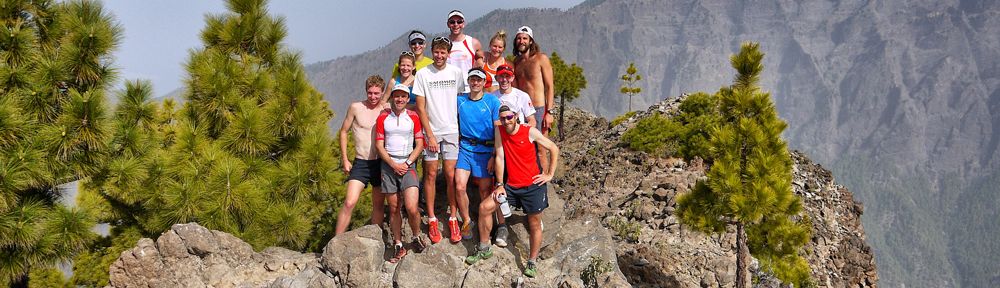
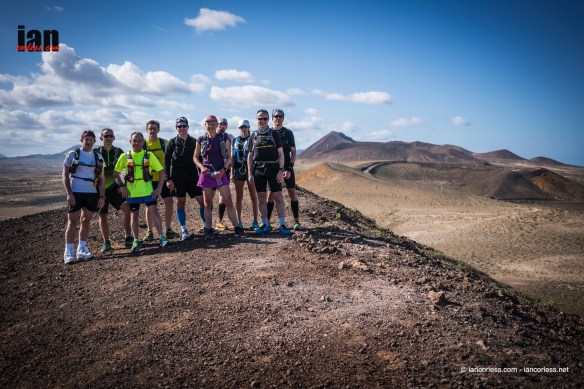
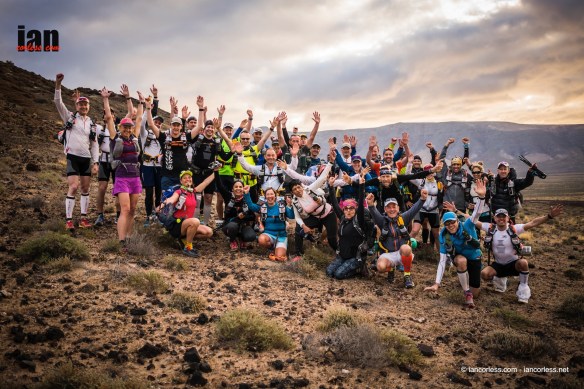
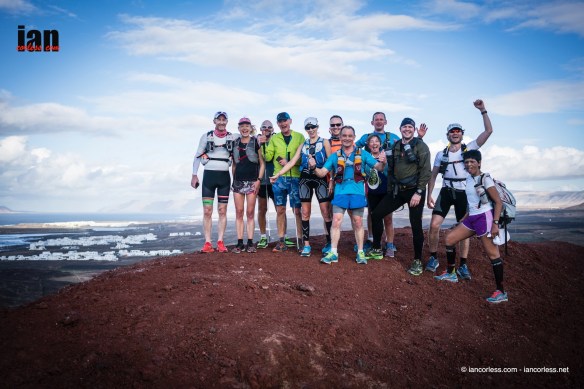
Niandi Carmont caught up with Fred after a training camp in Lanzarote. It was a camp specifically tailored for those undertaking a multi-day race of any type. Among the 40-participants on the camp, Fred became somewhat of hero.

It’s a simple way to start any conversation about a future race, direct is best sometimes, “Do you feel prepared Fred?’

“Well, yes. Yes and no really. I feel I now need to do more training but in all honesty, I don’t stop – I do need to do more long runs though.”

iancorless-com_lanza2017-03365

Fred had arrived in Lanzarote feeling a little worried that he would be isolated, little did he know that he was leaving one family behind to be joined by another.

“The training camp was absolutely just beyond belief really. The volume of running we did and the guys I ran with… It was amazing, they were all young whippersnappers, and me, I’m an old boy! But I did keep up with them.”

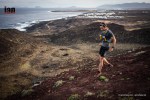
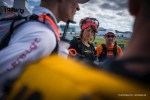
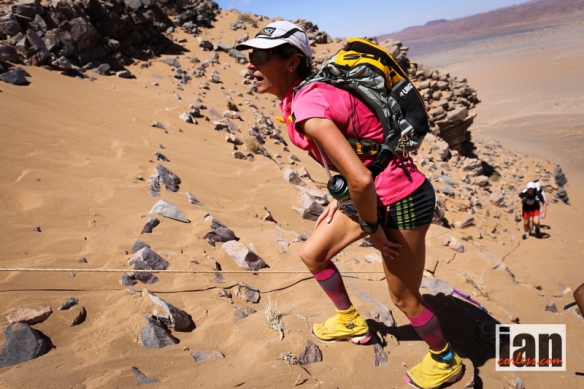
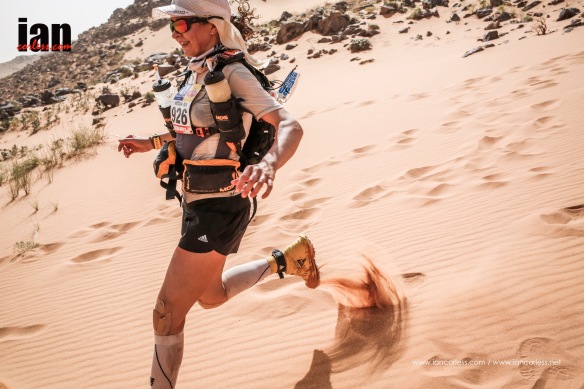
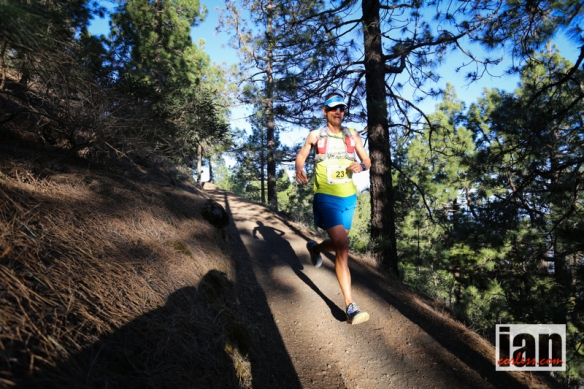
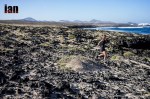
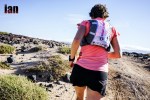
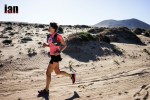
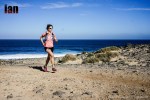
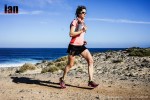
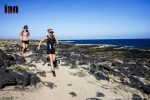
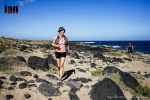
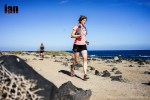
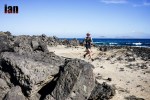
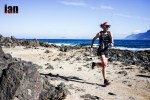
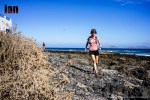
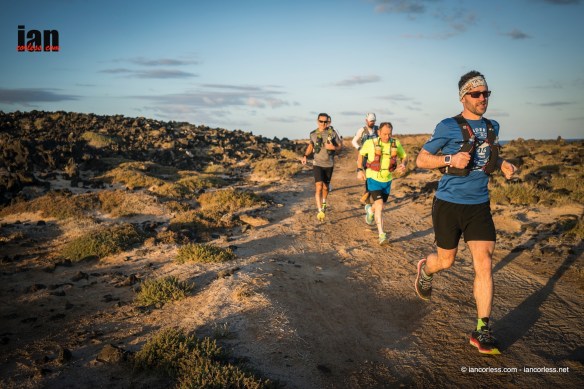
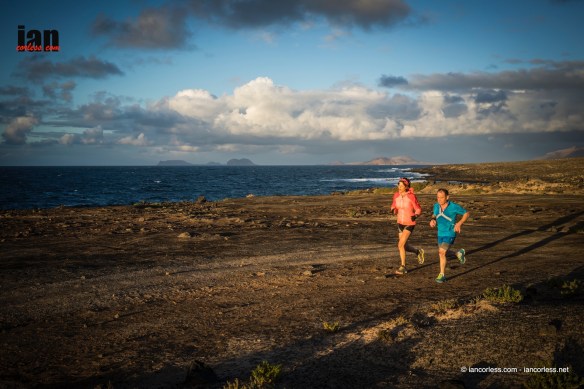
Keep up with them Fred did. He’s an old-school road runner, a little obsessed with running fast. Too fast at times, particularly when you consider his 65-years. We had a phrase when I was younger and you’d see an older runner, ‘fit as a butcher’s dog’ and yes, Fred is as fit as a butcher’s dog. On day 1 it was a shakeout run of just 60-minutes, Fred by his own admission says that he’s not used to technical terrain – too many years running on the road! Forty minutes into the run he hit the deck, it looked a bad fall. His arm was bruised, is elbow bleeding and he was holding his ribs. We imagined the worst. He bounced up, brushed himself off and pushed on. The next day, the first day of the camp was a long run, Fred didn’t hold back and placed himself in the fast group.
iancorless-com_lanza2017-03171

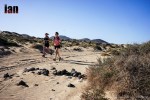
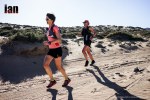
”Yes. I went with the first group, with the fast group. Last year I ran The Great North Run with Mark Scott (also on the camp) and I beat him by about three minutes. We were running for Macmillan charity. In the race, Mark came in after me, we exchanged niceties, shook hands and then we met again on the camp. As I was waiting for the run to start, Mark came and said, “Come on, Fred. Come on. Come on. You belong in this group.” which was the fast group. I said, “No, no, Mark, I’ll go with a slower group”. He went, “No, no. You go into this fast group.” Anyway, I stuck with him for 40-minutes, the run was going to be about a 20 to 23 plus miles. I thought to myself, if I continued at this pace I may not finish. It would have done me in. Ian was with me at the time so we eased off with another runner, Paul Allum and then joined your group Niandi.”

Niandi was of course flattered, it was just 1-day into the camp and already Fred was getting a fan club. Niandi’s group was pretty much running all the time but it was a slightly slower pace than the group up front lead by Elisabet Barnes, 2015 Marathon des Sables ladies champion.

Fascinated by stories and people, Niandi knew Fred had a story, we all have a story, but Niandi had that intuition, that sixth sense that told her that there was more than meets the eye. It started simply, ”Tell us a little about what motivated and inspired you to decide to do MDS and how it all started?”
iancorless-com_lanza2017-03060

“Well, it goes back quite a way. There is a nice little story attached to this. I saw the race on the internet and how it posed the question of challenging one’s self. I was attracted to it but I dismissed it and moved on. Then a few weeks later, I went on to a website and it popped up again. My initial thoughts were about it looking really tough and I wondered if I could do it, after all, I am getting on!”

Niandi laughed, she’d heard rumors that there was more to the story. She probed, “Tell my how your wife was involved the entry process?”

“I went off into town with my wife. I left her and went to get some information on the desert running. I hadn’t told her though. I bumped into a friend of mine and he said, “What are you doing?”  I was on the spot so I told him that I was thinking that I may be tempted to run in the Sahara and I was getting some information. I told him though, whatever you do, don’t tell the wife!”

I am sure you can fill the gaps but the inevitable happened. The following day they bumped into each other once again and how did the friend great Fred?

“How’s the desert coming on?”

“Have you entered?” my wife said. “No, but I’ve been considering it”

The ice was broken. Fred entered the race and never looked back. His wife supported him every step of the way. But elation and excitement turned to loss, sadness and questions if the race would ever happen.
iancorless-com_lanza2017-05200

“I think it was December 10th, it was the registration day. That was 2015. We waited for the entry for 2017 to open. I am not computer savvy and she had offered to help me fill out the forms. Technology and me don’t go together. Anyway, we checked in and we paid the deposit and that was the start. At the same time, we were in the process of moving house, always a big thing. The move happened and then 5-weeks later she passed away.”

It’s a moment like this that a life can fall apart, imagine it, married for so many years and then suddenly a void. Fred was all set for throwing in the towel but this is the power of running and the community connected with the sport.

”There was a closed website group just for the people who are running the MDS in 2017,” Fred continued. “They all said, “No, no, no. Don’t give up. She wouldn’t want you to.” So, I decided to carry on. It’s been difficult and it’s still difficult now. That’s one of the reasons I’m running. II am also running for Macmillan Cancer Charity. It’s important to help the charity too.”

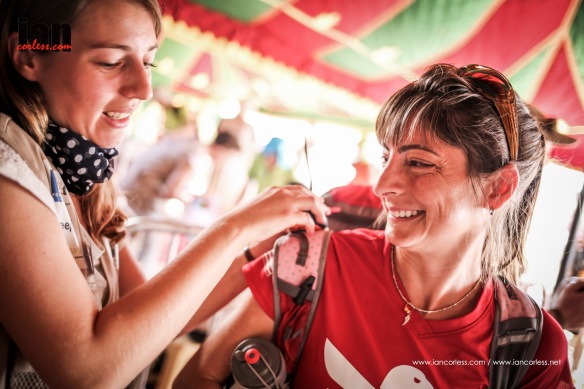
No words needed. What feels like minutes is only seconds and Niandi picks up the conversation. “That’s a very noble cause, Fred. You’ve had a lot of support from the running community and from the people at the Lanzarote Training Camp, but it’s also due to your personality because you’re very outgoing. You’re very positive. You’re very bubbly. You’re very communicative and you’re really fun to be around.”

There’s silence and then a, “Thank you.”

******
iancorless-com_lanza2017-05235

“I can’t remember my first race. But I was running at school. That’s where it all started but a key moment was when I had started work. Some guy just walked up to me. He went, “You look fit. In the car park, over here, every Saturday morning, be there. You will want to bring some running stuff.” I didn’t get any backing from my parents or anything like that and I really appreciated it so I started to go, I still have those old plimsoles.”

Simple beginnings and picture starts to form of Fred, his background, his history, his dedication to work hard and graft.

“I got some old shoes and some old shorts and then just went running. It just went from strength-to-strength really. I was about 15 or 16 and I have never looked back – I have met some amazing people. Obviously, they were not with us anymore, but they kept me going and helped me and nurtured me through. Even in the early days, the running community helped me.”

Community, bonds, friendship, values, Fred found all these in Lanzarote and it confirmed to him all that is good about running and although the decision to continue after the passing of his wife was a tough one, he now knows it was the correct one.

”Words fail me really, everyone on the training camp has been so incredible. It’s been tough. they’re so nice. It was really tough, II didn’t say anything on the camp but while I was there it coincided with the anniversary of my wife’s funeral.”

“I think there was a very strong bond between everybody and people knew what you’d gone through and I think that they felt the vibes,” Niandi responded. “Family is also very important to you. I also got that impression because you come from a very close family. Well, maybe you could tell about your family, about your daughters.”

”Yes, my daughters have been strong for me. Also, I don’t know how they’ve coped losing their mom. But anything I want, anything, they are there for me. They cook me my food and they take turns to have me as a guest at weekends – just so that I don’t starve. I’ve got four children myself and each of my four children have got four children.”

”That is 16 grandchildren?”

”Yes, 16 grandchildren and one of my granddaughters who is now 20, she’s not the oldest, she’s just had a little baby girl, six months ago!”

“You’re a great-grandfather?”

“I think that shocked some of the guys in Lanzarote. They looked at me and said, “How many grandchildren you got?” I said, “I’ve got one great-granddaughter.” I don’t think they could believe it.”
iancorless-com_lanza2017-2-20

Married for 44-years, his wife was 18 and he 19. Through thick and thin, as Fred quite rightly says, “It wasn’t all roses.” But who’s story is. They battled the tough times, enjoyed the good times. “She was my best friend. She helped me, she made me who I was and she was a very strong person and a really nice person as well.”

Part man, part robot, Fred has held back some other vital information. “You also have to keep a check on your health,” Niandi asks. “Because you’ve had a few health issues?”

“Yes. I’ve got a pacemaker. It’s all checked, it’s all monitored, and it’s good to go. In 2012, when I had a problem, they said I would never run again. At the time, I was looking at the MDS and I thought my chance had gone. But since then, everything is working out and I am fine. I’ve done just over 200 runs and races. I’m pretty fit.”

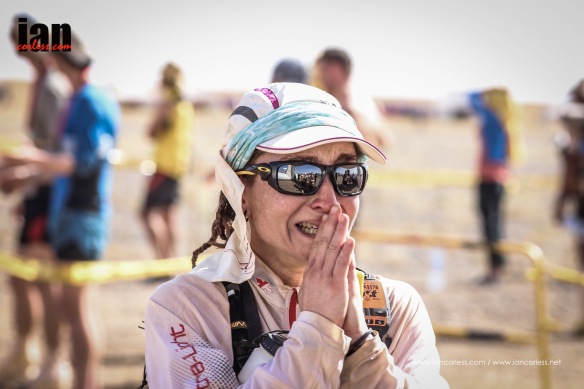
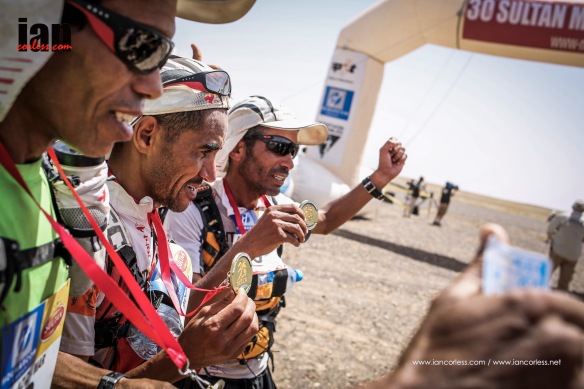
The finish line of the 2017 Marathon des Sables will be a special one. Red ribbon will pass through the fingers of race director Patrick Bauer. Attached to the ribbon will be a large disc of gold. As Fred crosses the line and the prize is placed around his neck, I have a real feeling that there will be more than just Fred’s tears shed on the finish line. This simple man embodies the race. He is a personification of the values the race holds true.
iancorless-com_lanza2017-03910

*****


Fred’s typical training week:

  • Monday – Swimming
  • Tuesday – Run club night which is usually a sat 8km-10km.
  • Wednesday – Cycling 2-hours indoors.
  • Thursday – Run club hill sessions or fartlek. Followed by 1-hour swimming.
  • Friday – Rest.
  • Saturday – Park Run in the morning and then a 10km to half-marathon run.
  • Sunday – Usually 9 to 15-miles.

On MDS:

I’m sure I’ve got everything that I need. The Lanzarote trip helped with this, there might be a couple of little bits that I need, but nothing really. I think I need to slow down a little bit when running, think about the long game. I’m under no illusion that it’s going to be tough. Believe it or not, I’ve joined a sauna club. I’m hoping to spend a few hours in the sauna. I don’t know if I’ll be able to take my running stuff, though. I run in Lanzarote with my pack and that worked, I didn’t have full weight in it but it was good. I need to test out my food now and I am good to go.

Would you like to join our 2018 Multi-Day Training Camp, if so, go HERE
iancorless-com_lanza2017-2-25a


Lanzarote Training Camp 2017 – Day 8

iancorless-com_lanza2017-2-18

All good things come to an end and today, unfortunately, was the last full day of the 2017 #multidaytrainingcamp.

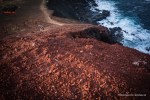
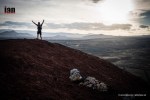
It started at 0800 with a run to our hill rep volcano (by popular demand) and after a 30-minute easy run, we then played on one of the most amazing natural obstacle courses that provided everyone with a great workout and stunning views.

A short break and then at 1100 we had a 2-hour talk on nutrition looking at the day-to-day needs of a runner at a typical self-sufficient multi-day race. All aspects were covered and of course a few surprises made many of the camp attendees raise an eyebrow and then quickly write a note to make sure they didn’t forget these pearls of wisdom for the future.

Lunch was followed with our last group runs. By popular demand they were easy, really easy. Elisabet ran 8km at ‘long-stage’ pace to provide an insight for the ‘faster’ runners of how to pace an 80+km stage. Niandi and Ian ran nice and easy for 12-15km and Marie-Paule took the walkers out for a long 5-6 hour hike.

That’s it.

I will update more in the coming days on the many highs of the 2017 camp.

As I write this, the bar is open and many camp attendees are practicing re-hydrating… it would be a shame to miss out!

Want to join us in 2018? Go HERE
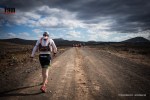
Lanzarote Training Camp 2017 – Day 7

iancorless-com_lanza2017-05229

Day 7 started with two sessions – a tempo/ fartlek run of 5 to 8-miles or a technique session on using poles. Both were valuable sessions. Sondre Amdahl (9th overall at the 2016 Marathon des Sables) lead the fast men in a hard tempo session, Elisabet Barnes (2015 MDS ladies champion) pushed the pace for the second group and then Niandi Carmont lead group three with Marie-Paule leading the walkers. At the run track, Ian Corless provided a technique session on using poles. Many had the question answered, ‘should I take poles?’ Yes! was the unanimous answer. The awkward 20-30minutes of adapting to the technique required was rewarded with a faster pace for less effort.

At 1100, Marie-Paule talked, ‘Zero to Atacama’ where she told the story of how she went from little interest in endurance sport to completing the 2016 Atacama without running a step! The power of walking!

Lunch was followed with arguably one of the highlights of the #multidaytrainingcamp – a walk, run/ walk or run of 20-30km to an overnight bivouac inside a volcano.

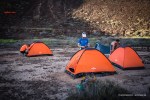
It’s this ‘real’ experience that provides everyone on the camp a true understanding of what will lie ahead at future multi-day race. For many, it was the first time running with a pack that had food, sleeping bag, mat, clothing etc. A learning curve. For some the experience was rewarding and a confirmation they had made the correct choice of items. For others, alarm bells were ringing… the wrong pack, the wrong sleeping bag, the wrong sleeping mat, the wrong food and so on! This experience is invaluable in making sure that all the questions marks, all the potential problems are eradicated now so that the race experience is a good one!

A windy but relatively warm night under the stars and it was a self-sufficient breakfast before another 20+km run that included dunes.

As everyone arrived back at Club La Santa, there was a buzz. The last 24-hours had made the future ‘race’ a reality.

Interested in joining out Multi-Day Training Camp in 2018? Go HERE
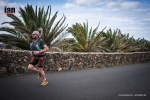
Lanzarote Training Camp 2017 – Day 1

iancorless-com_lanza2017-01661

The snow, the ice, the rain and the cold arrived in the UK. Temperatures plummeted. Lanzarote was the only place to be and thank goodness our multi-day training camp is now an annual fixture.

Elisabet Barnes, Niandi Carmont and myself arrived on this majestic Canary island of Lanzarote, two days ahead of our 2017 camp to put logistics in place and do a final check of some of the run routes we will use.

Blue skies and 20 degree temperatures greeted us. The bright blue sky, the warm rays immediately rejuvenating us from the cold and dark of the UK. No confirmation is needed but within seconds we know only too well why we do this camp at this time of year.

Today was all about settling in but it would be rude not to get out on the trails as the day came to a close. Using one of our training run routes, we ran, climbed and scrambled one of the many volcanoes that are located on this island. It was a magical way to end the day.

Wednesday, we will do a full long run route recce and then on Thursday, our clients will arrive from all over the world to start a full-on week learning how best to train, prepare and plan for a multi-day race. Lanzarote is the perfect environment for this.

Out 2017 #multidaytrainingcamp is underway!

Marathon des Sables 2016 #MDS2016 Race Preview

©iancorless.com_MDS2015Day6-0982

MDS, Marathon des Sables, The Toughest Race in the World… whatever you want to call it, the 31st edition is just around the corner. Think about it, 30-years. It’s quite incredible how this race has grown and has become ‘the’ multi-day race to do irrespective of experience. It was the first and is still the best race offering an ultimate adventure for novice and experienced runner.

MDSlogo

It’s more than a race. It’s an experience, it’s escape and it’s a challenge. The combination of self-sufficiency, life in bivouac and running 250-km’s through the heat of the Sahara is something that those that have experienced it will never forget. It is the story of life, a story of men and women who have come to the heart of the desert to rid themselves of the superficial to keep only the essentials and get in touch with their true selves.

©iancorless.com_MDS2015Day7-2789

“What concerns me the most is the runners’ safety, and our capacity to ensure rapid medical intervention and emergency health evacuation. The weather is another worry, but unfortunately totally out of our hands.” – Patrick Bauer

For the past three decades, some 19,000 runners have signed up for this experience, so, with the imminent running of the 2016 edition, it’s fair to say that race will see a great number of participants returning.

To summarise the impact on participants over 30 years:

(statistics provided by MDS media team/ official press documentation)
  • 30-40% are returning,
  • 70% are international,
  • 30% are French,
  • 17% are women
  • and 45% are veterans thus confirming that you are never too old to take part!

2016 will see 1200 runners participate, a huge increase from 1986 when only 23 runners took part.

©iancorless.com_MDS2015Day6-9440

“The desert strips you bare, all the more so on a race like this. Values like sharing, solidarity, and respect for differences and cultures are omnipresent. So of course, friendships develop between the brothers and sisters of the desert who have no more barriers or boundaries and are all united to achieve the same goal.” – Patrick Bauer

©iancorless.com_MDS2015Day4-6694

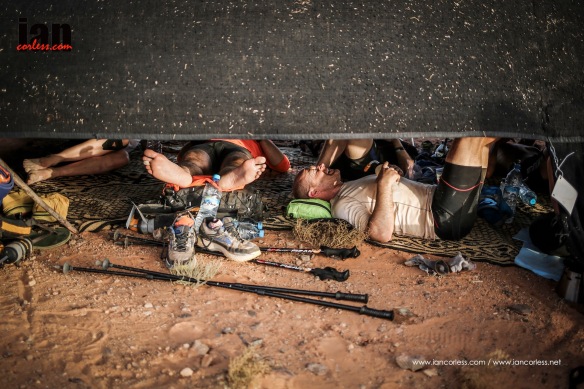
Lasting six days’ participants must be self-sufficient carrying everything they need in a pack. Water is provided but rationed and a tent (bivouac) is provided each evening that must be shared with seven other participants.

The 2016 edition of the race will be 257-km’s offering a series of challenges that will test the mind and body in equal measure.

©iancorless.com_MDS2015Day5-7840

“We try to convey happiness, enthusiasm and positive thinking through what we do and the sense of belonging is particularly intense for the runners, almost tribal, after ten days of sharing the adventure and fulfilling the same dream. Another thing I’d say was very important and a big part of the marathon’s success is the security and care that we bring the runners. The average age of participants is about forty, and most of them have children and have opted for a mishap-free adventure. In any case, when your family is far away, you count on quality organization.” – Patrick Bauer

©iancorless.com_MDS2015Day5-7951-2

The Route

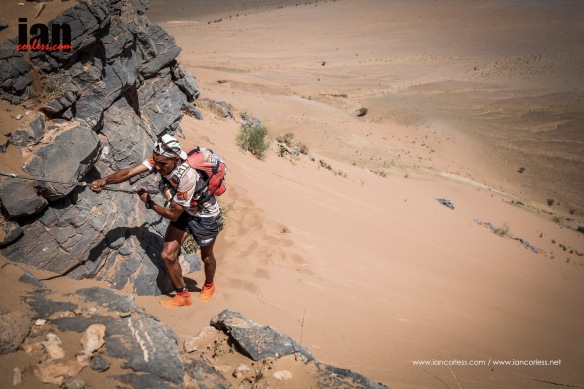
On a course punctuated by difficulties, competitors will get to see all of the Sahara’s different facets. Runners will have to cross ergs (dune fields), djebels (mountains), stony plateaus, dried-up lakes and oueds in which only sand flows, as well as oases, nomad camps, and traditional, rammed-earth villages. The desert has its secret gardens and those taking part in MARATHON DES SABLES will be lucky enough to contemplate them as a recompense for their efforts.

Stage 1 – 10th April

12km of majestic dunes kick off the race anddunes conclude the stage for the last 3km before competitors reach the bivouac. In-between, runners will have the time to appreciate the difficulty of making their way down a sandy oued and crossing a ghost village. Although not confirmed, I would anticipate that the Erg Chebbi Dunes may start the 2016 race. These dunes finished the 2015 edition on the charity stage. This will most definitely mean a longer transfer from the airport to the start of the race and these dunes are tough! “The dunes of Erg Chebbi reach a height of up to 150 meters in places and altogether spans an area of 50 kilometers from north to south and up to 5–10 kilometers from east to west lining the Algerian border.”

Stage 2 – 11th April

A long stage, with a wide variety of terrains. The standard dunes will be accompanied by stony plateaus where time stands still, rammed-earth villages inhabited by courageous souls farming arid land, and some steep djebels. As beautiful as it is difficult.

Stage 3 – 12th April

MARATHON DES SABLES will merit its name on this stage. The first part will go fast but, before the 1st check point the dunes will emerge… and then carry on, with more before and after the 2nd check point and a few more before the bivouac. The desert will go up and down with a slight climb before some slopes of over 20% that will put it all into perspective.

Stage 4 – 13/14th April

Known as “the long one” by old hands, this is the most testing part of the race, where you really need to manage your energy. The list of remarkable sites along this stage is particularly long. It’s the kind of stage that made MDS’s reputation. In less than 35 hours, runners’ minds and bodies will have had their fill. Running through the sand at night under the stars teaches all of them about humility. No one emerges from this long pilgrimage unchanged.

Stage 5 – 15th April

The Marathon stage. For those who thought they’d seen it all, get ready for a revelation. This entirely new route will take you through some splendid sites and end in a battle for the leading places. The less hurried will take their time to admire the landscapes. A lot more dunes and hills for 42.2km.

Stage 6 – 16th April – SOLIDARITY UNICEF legs

This obligatory stage is timed but does not count in the MDS ranking. You have to cross the finish line to feature in the ranking of the 31st MDS and receive a finisher’s medal. When they reach the small village in which the final finish line is located, competitors, sponsors and families signed up on this stage will make up the caravan and be able to appreciate the beauty of the landscape, all wearing the colours of UNICEF, which supports projects for impoverished children. This stage is mostly a chance to reflect on the experience of this amazing human adventure, and raise awareness of solidarity before returning to civilization.

©iancorless.com_MDS2015Day2-1527

ONES TO WATCH AT MDS 2016

The LADIES ©iancorless.com_MDS2015Day3-2734

Elisabet Barnes is the defending champion and has become a dominant force in the world of multi-day running. She followed MDS victory in 2015 with victory in Oman and placed 2nd lady at the recent The Coastal Challenge in Costa Rica. Recent life changes have impacted on Elisabet’s preparation for the 2016 edition of the race but she knows the desert, she knows the sand and she knows how to race over multiple days.

PRE RACE INTERVIEW WITH ELISABETH BARNES HERE
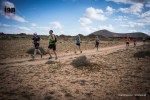
“I have a lot more experience than I had in 2012. I do train a little more, but it’s really that I understand more about pushing myself further and how to manage my food and water. My bag was also a lot lighter than in 2012, my 2015 bag only weighed 7 kilos compared to 11 kilos in 2012.”

©copyright.iancorless.com.P1070838

Fernanda Maciel is a newbie to the Sahara and multiple day racing despite victory at the 2013 Everest Trail Race. One thing is for sure, the heat should not be a problem for the Brazilian ultra runner. An experienced competitor, Fernanda recently spent a long period of time at altitude in an effort to set a ‘FKT’ (fastest known time) on Aconcagua. Something she achieved! Her success at races such as UTMB, Transgrancanaria and Ultra-Trail Mt Fuji will almost certainly mean that she will be a force to be reckoned with.

©copyright .iancorless.com._1000768

Nathalie Maculair will without doubt shake things up at the 2016 edition. Her results speak for themselves and her ability to run fast, climb, handle technical trail will (and quite rightly so) intimidate her competition. Nathalie has raced well at Transvulcania, become a world trail champion and also won the ridiculously tough, Grand Raid de la Reunion (Diagonale des Fous). This will be Nathalie’s first multi-day race but she has raced in ‘Raids’ before. Her small size will without doubt be a huge disadvantage in the early stages.  A wife and mother, this may well be the ultimate escape for her.

“Given my small size, transporting 6-7 kg will be quite a challenge. But I’ve already run with a large bag on multisport raids. I enjoy the period when you prepare the bag and start picturing yourself on the race and thinking about what you’ll need. Once I’m in that phase, part of me is already there.”

©iancorless.com.IMG_3927MDS2014

Laurence Klein has won the race multiple times (2007, 2011 and 2012), and knows the sand and the race better than anyone else. You van never rule her out! In recent years’ things have not gone to plan in the big sand pit, but Laurence is back once again, that can only mean one thing; she believes she can win!

©iancorless.com_MDS2015Day1-9651

Liza Howard ran MDS last year and placed 16th which does not reflect her ability. She has real experience of ultra running as she proved with victory at Leadville 100 in late 2015 (she also won Leadville in 2010) and I am sure that she learnt valuable lessons in the 2015 edition of MDS that will only make her stronger and more resilient in 2016.

Aziz Raji a name I initially missed but a hot contender for the podium after great runs at Trans Atlas Marathon and in Oman.

Meghan Arbogast is another USA based runner that has all the credentials and history to make a real impact in the dunes and the hard packed sand of the Sahara. A fast runner, particularly over 100km, Meghan’s race history dates back to 1996 and is compulsive reading.

©iancorless.com_MDS2015Day5-7531

Natalia Sedykh placed 3rd last year and like Elisabet Barnes was an unknown entity. She had a steely grit and determination and I can’t help but think that 1-year on, she will come to the race meticulously prepared with just one objective; overall victory!

Ladies to watch:

Frederica Boifava, Annick Ballot, Gweanelle Coupon, Elise Delannoy, Sophie Laversanne, Claire Price, Holly Zimmermann, Maree Jesson and more.

The MEN

©iancorless.com_MDS2015Day3-2986

Rachid El Morabity has won the race three times, is defending champion, has local knowledge and is the man to beat, need I say more?

©iancorless.com_Rut2015-2194

Franco Colle is a surprise entry as he loves the mountains. He had an incredible 2015 racing on the Skyrunner World Series and by contrast he has won the epic and demanding, Tor des Geants. He has strength, technical ability and is used to carrying a pack in the mountains, this is his first MDS but don’t rule him out!

©iancorless.com_Transgrancanaria15-6958

Sondre Amdahl has been a revelation in recent years with a sting of world -class performances at UTMB, Western States, Transgrancanaria, UTMF and so on. He recently pulled out of the 2016 edition of Transgrancanaria and has then devoted himself to preparing for the Sahara. A fierce competitor, he will try his hardest day-after-day.

PRE RACE INTERVIEW WITH SONDRE HERE
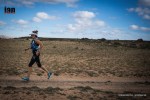
“I’m not afraid of it, but I do have a great deal of respect for the race. I’m trying to prepare myself as best as I can, especially for the heat, sand and lack of food. I live in Norway, and it’s cold there right now, so I’ll spend some time in Spain and Morocco before the race.”

©iancorless.com_MDS2015Day6-0651

Erik Clavery is the great French hope. He has said numerous times that MDS is a dream race and he has set his sights high.

“This weekend I set off to the dunes in western France once again with my 6.5 kg bag on my back. The hardest part will no doubt be getting used to the heat. It’s not easy to reproduce those conditions over here in the winter. So I work on my home trainer wearing a thermal jacket!”

©iancorless.com_TCC2016-1787

Carlos Sa has come close but never quite managed to smoke the MDS cigar. He placed 4th in 2012 and 7th in 2013. This year, Carlos has really set his sights on MDS and his recent run in Costa Rica at The Coastal Challenge was great training. We all know he can run in the heat as his 2013 victory at Badwater 135 confirms. I hope he makes the podium!

©iancorless.com_MDS2015Day3-3254

Chema Martinez is a 2:08 marathon runner, he placed 6th at MDS last year and recently had a great run in Costa Rica at The Coastal Challenge. He’s a fun loving guy who loves to race and race fast. He made mistakes in 2015 and will look to put them right in 2016 – watch this space!

©iancorless.com.IMG_7592Transvulcania14

Jason Schlarb is one of the USA’s top runners who has excelled at races such as UTMB. Just recently he skied (with 3 others) the Hardrock 100 course over 4-days. A world first and a huge achievement. Without doubt, MDS will be a huge learning curve for Jason but it’s a challenge he is embracing. He sees the race as one big adventure!

©iancorless.com_MDS2015Day6-1084

The Moroccans

  • Aziz El Akad has been in the top 5 six times, so a repeat performance is highly likely.
  • Abdelkader El Mouaziz was 2nd last year and a super fast runner. He will be looking to oust Rachid for the top slot and he has the race to do it!
  • Samir Akhdar has never won MDS but has placed in the top 8 seven times.

Men to watch:

Jean-Sebastien Braun, Marco Olmo, Greg Dunning, Glenn McDougall, Alejandro Lopez Reyes, Ahmed Tahiri, Mohamed Faraj, Marco Pajusco, Juan Manuel Cortes and more.

©iancorless.com_MDS2015Day5-9765

Crazy Statistics of the MDS

“The logistics are a big headache and we organize every last detail in advance! We’re a village of 2,000 people that has to be set up and dismantled every days and needs to be self-sufficient in energy, food, water and fuel. As one of my friends says, ‘Let’s expect the worst because the best will never surprise us!’ We also benefit from the infallible support of the Royal Moroccan Army, which makes available about 25 6WD military trucks to transport all of our equipment.” – Patrick Bauer

©iancorless.com_MDS2015Day3-6232

▪    150 volunteers to supervise the race,

▪    450 general support staff,

▪    120,000 liters of bottled mineral water,

▪    300 Berber and Saharan tents,

▪    120 all-terrain vehicles and trucks,

▪    2 Squirrel helicopters and 1 Cessna plane,

▪    8 Transavia ‘MDS special’ commercial planes,

▪    30 buses,

▪    4 dromedaries,

▪    1 incinerator lorry for burning waste,

▪    5 quad bikes to monitor race environment and safety,

▪    72 medical staff,

▪    2.3kms of Elastoplast,

▪    12,200 compresses,

▪    6,000 painkillers,

▪    150 liters of disinfectant,

▪    1 editing bus,

▪    5 cameras,

▪    1 satellite image station,

▪    10 satellite telephones,

▪    30 computers, fax and internet,

▪    18,000 competitors since 1986

▪    30% returning competitors, 70% international, 30% French,
17% women, 45% veterans,
30% in teams,
10% walkers,
90% alternate walking and running,

▪    14 km/hr.: average maximum speed, 3 km/hr.: average minimum speed,

▪    15 years of age for the youngest competitor and the oldest, 83!

©iancorless.com_MDS2015Day3-5132

30 Years of the MDS

1986 – Michel GALLIEZ (FRANCE) – Christiane PLUMERE (FRANCE)
1987 – Bernard GAUDIN (FRANCE) – Marie-Ange MALCUIT (FRANCE)

1988 – Bernard GAUDIN (FRANCE) – Marie-Ange MALCUIT (FRANCE)

1989 – Hassan SEBTAOUI (FRANCE) – Marie-Claude BATTISTELLI (FRANCE)

1990 – Hassan SEBTAOUI (FRANCE) – Claire GARNIER (FRANCE)

1991 – Hassan SEBTAOUI (FRANCE) – Monique FRUSSOTE (FRANCE)
1992 – Mohamed BENSALAH (MOROCCO) – Monique FRUSSOTE (FRANCE)

1993 – Mohamed BENSALAH (MOROCCO) – Irina PETROVNA (RUSSIA)

1994 – André DERKSEN (RUSSIA) – Valentina LIAKHOVA (RUSSIA)

1995 – André DERKSEN (RUSSIA) – Béatrice REYMANN (FRANCE)

1996 – André DERKSEN (RUSSIA) – Anke MOLKENTHIN (GERMANY)

1997 – Lahcen AHANSAL (MOROCCO) – Rosanna PELLIZZARI (ITALY)

1998 – Mohamad AHANSAL (MOROCCO) – Rosanna PELLIZZARI (ITALY)

1999 – Lahcen AHANSAL (MOROCCO) – Lisa SMITH (USA)

2000 – Lahcen AHANSAL (MOROCCO) – Pascale MARTIN (FRANCE)

2001 – Lahcen AHANSAL (MOROCCO) – Franca FIACCONI (ITALY)

2002 – Lahcen AHANSAL (MOROCCO) – Simone KAYSER (LUXEMBOURG)

2003 – Lahcen AHANSAL (MOROCCO) – Magali JUVENAL (FRANCE)

2004 – Lahcen AHANSAL (MOROCCO) – Simone KAYSER (LUXEMBOURG)

2005 – Lahcen AHANSAL (MOROCCO) – Simone KAYSER (LUX)

2006 – Lahcen AHANSAL (MOROCCO) – Géraldine COURDESSE (FRANCE)

2007 – Lahcen AHANSAL (MOROCCO) – Laurence KLEIN (FRANCE)

2008 – Mohamad AHANSAL (MOROCCO) – Touda DIDI (MOROCCO)

2009 – Mohamad AHANSAL (MOROCCO) – Touda DIDI (MOROCCO)

2010 – Mohamad AHANSAL (MOROCCO) – Monica AGUILERA (SPAIN)

2011 – Rachid EL MORABITY (MOROCCO) – Laurence KLEIN (FRANCE)

2012 – Salameh AL AQRA (JORDAN) – Laurence KLEIN (FRANCE)

2013 – Mohamad AHANSAL (MOROCCO) – Meghan HICKS (USA)

2014 – Rachid ELMORABITY (MOROCCO) – Nikki KIMBALL (USA)

2015 – Rachid ELMORABITY (MOROCCO) – Elisabet Barnes (SWE)

©iancorless.com_MDS2015Day3-5136

A brief history of the MDS

1984: At 28 years of age, Patrick Bauer decided to make for the Sahara to try to traverse a 350km expanse of uninhabited desert, on foot, alone, where he wouldn’t come into contact with a single village, oasis or watering place. Totally self-sufficient, with a rucksack weighing 35kg and containing water and food, he set off on a journey that was to last 12 days. It was the starting point of what was to become the MARATHON DES SABLES.

1986: The creation of the first MDS in the Moroccan Sahara. The 23 pioneers who took the start never imagined that their footprints would mark the start of a legendary event, which has today become a must among the major adventure sport meets. The creation of a non-mechanical competition in the Moroccan sands offers adventure runners a wealth of new prospects.

1987: Creation of the MDS logo: the face of a runner covered by a keffiyeh, the eyes protected by a pair of sunglasses and the pipette from the runner’s water container clenched between the teeth.

1989: 170 competitors take the start of the race.

1991: The gulf drama puts the MDS at a disadvantage and the financial partners withdraw. Fortunately, some runners answer the call. For these competitors, the true victory lies in meeting athletes from different backgrounds and their communion in the desert around the same goal. Sport proves once again that it can bring people together and create bonds.

1992: One and the same regulation for everyone. This year sees the establishing of unexpected draconian tests, to ensure that each participant properly transports all his or her gear from one end of the course to the other. A 30-point charter is drawn up.

First participation by the Moroccan Lahcen Ahansal

1994: Arrival of the Doc Trotters at the event.

1995: 10th anniversary. Since the start, over 1,500 men and women have left their footprint and their passion in the desert. Installation of water-pump for the inhabitants of the village of Ighef n’rifi (South of Er-Rachidia) – an idea by competitor Gilles Flamant and backed by Rolland Barthes and Patrick Bauer. Its success is to be repeated again and again

1996: First participation by Mohamed, a younger sibling of Ahansal. The two Moroccan brothers set off together and rank 4th and 5th respectively.

1997: This year heralds the start of the Ahansal saga. Morocco is honored with Lahcen’s first victory. He beats his two pursuers by nearly 30 minutes, despite them being international long-distance running champions.

1999: A mobile hospital on the MDS comes into being. There are around thirty practitioners on the ground, with doctors and nurses joining the caravan. A dedicated helicopter and ten all-terrain vehicles track the competitors each day. On- board these vehicles there are doctors of course, as well as high-tech equipment. The village boasts a genuine field hospital.

2000: Internet puts in an appearance in the large MDS village. The organization decides to broadcast the texts and photos of the race live, day after day. The competitors can communicate with their nearest and dearest and receive messages of encouragement.

2001: For the first time the long leg, traditionally called “The 70”, exceeds the 80km barrier to reach 82km. The threshold of 240km is also surpassed since the 16th MARATHON DES SABLES spans 243km. Another first relates to the fact that there are no Moroccans on the podium this year.

2002: This edition is punctuated by a sandstorm, involving headwinds, which lasts the entire week. The doctors invent a machine for ‘low pressure cleansing’ to rinse out the runners’ eyes. Despite the difficult conditions, there are few retirements to report as the wind considerably reduces the temperature.

2005: The Luxembourg runner Simone Kayser is the first woman to win 3 MARATHON DES SABLES. For this 20th edition, the total number of runners exceeds 700 for the first time, with no fewer than 777 runners taking the start.

2006: A drying wind and very high humidity levels cause damage to the runners’ bodies. Despite additional allocations of water, a whole series of retirements ensues. There are a total of 146 retirements ultimately, which equates to double that of the previous record… Race management decides to shorten the long leg by over 10km given how tired the runners seem.

2008: The Solidarité MDS association is created. The aim: to develop projects to assist children and disadvantaged populations in the domains of health, education and sustainable development in Morocco. 

2009: MDS is disrupted by flooding and the 1st and 6th stages are not able to take place. To avoid the flood zones, the organization is obliged to improvise new legs on a day-to-day basis. In this way, the edition goes down in legend for its 3rd leg, which is the longest ever contested: 92km of sand, loose stones and rocks… The leg even sees the retirement of Lahcen Ahansal… At the prize giving the 2 winners admit to having competed in their hardest MDS. However, it was also the shortest: 202km.

2010: For its 25th edition, the number of participations reaches a record high of 1,013 participants. It is to be the longest MARATHON DES SABLES. It spans 250 kilometers with a course considered by former entrants to be the most difficult ever organized.

2012: A dramatic turn of events on the longest leg as the then leader in the overall standing, Rachid El Morabity (MAR) injures himself one kilometer from the finish. Medical examinations reveal a serious muscular lesion in the quadriceps. After over five years on the 2nd or 3rd step of the podium, Jordanian Salameh Al Aqra secures the title.

2013: 1,027 competitors on the start line make this a new participation record. New feature: a final “Charity” stage sponsored by UNICEF and traversing the Merzouga dunes round off the race. Sports wise, Mohamad Ahansal and Megan Hicks are the champions of the 231.5km event. On a human level, all of the finishers pull off their crazy bet.

2014: 2011 winner, Moroccan Rachid El Morabity (MAR) wins the overall ranking and takes Mohamad Ahansal’s crown. In the women’s category, another American stamps her mark, Nikki Kimball. The French revelation is one Michaël Gras, 22 years of age, 8th overall and top Frenchman. A major athletics star, Moroccan Hicham El Guerrouj lines up to take the start of Saturday’s Unicef Charity leg.

©iancorless.com_MDS2015Day3-4845

Follow the 2016 Marathon des Sables in images and words on iancorless.com

VIEW THE 2015 RACE IN IMAGES HERE

Instagram

Instagram HERE

Twitter_logo

Twitter HERE

Facebook Logo

Facebook HERE

The Coastal Challenge 2016 Race Preview

©iancorless.com_TCC2015_Day6-2849

The Coastal Challenge, Costa Rica celebrates it’s 12th year with an incredible line up once again!

The 2016 edition of The Coastal Challenge, Costa Rica gets underway on February 14th, yes, valentines day! It’s appropriate, most people fall in love with Costa Rica. Runners from all over the world will arrive in San Jose in preparation for the journey down to the coast and the 12th edition.

“Reaching the 12th edition is humbling and gratifying. It is a privilege and not to one to be taken lightly. We are happy and grateful to have made it this far.” – Rodrigo Carazo

Rodrigo Carazo has pulled together an incredible line-up for the race and without doubt it will arguably be one of the most competitive multi stage races of 2016 with the 2015 Marathon des Sables ladies champion, Elisabet Barnes heading up the ladies field and 2015 champion and course record holder, Iain Don-Wauchope returning after his incredible 2015 performance and course record.

©iancorless.com_Lanzarote2016-00615

“Twelve years of exploring, adventuring and discovering Costa Rica and the beginning of a bright new era to come!” Rodrigo Carazo

RD - Rodrigo

RD – Rodrigo

Elite runners will toe the line in Quepos with everyday runners, they will all have one purpose in mind, to embrace the tough and technical challenge that lies ahead of them and enjoy every moment.

Known locally as the Rainforest Run, the TCC is a 236km stage race over 6-days that weaves in and out of a lush and tropical Pacific coastline. The Talamancas – a coastal mountain range spread across the southwest corner of the country – provide not only a stunning backdrop but also many of the tough and technical challenges that the runners will face on a day-to-day basis

Steve Diederich (HERE) the UK agent for the TCC had this to say:

 “A backdrop of some of the most breathtaking rainforest and coast on the planet, The Coastal Challenge has joined the exclusive club of iconic multi-day ultras.”

©iancorless.com_TCC2015_Day6-3157

Beaches that last km after km are interspersed with dirt tracks, mountain paths, dense jungle, ridges, water crossings, open plains and highland; Costa Rica is bursting with variety. In addition, add 40deg temperature and high humidity, the TCC is no easy challenge.

TCC is a supported race and each day camp is moved ahead of the runners. Running light and fast, equipment is kept to a minimum and as such, racing is extremely competitive. The 2016 edition of the race is proving to be extremely exciting, particularly when one looks at the line up of runners.


©iancorless.com_MDS2015Day6-0982

2016 will see an incredible line up of runners and in the men’s Chema Martinez (José Manuel (“Chema”) Martínez Fernández) brings super fast 10,000m and maybe more importantly, marathon running speed to the TCC. A 2:08 marathon runner, Chema cut his multi-day teeth at Marathon des Sables in 2015 and TCC will allow him to run fast without the weight of a pack.

CarlosSa

Carlos Sa has run at the TCC before but made a huge navigational error on day 1 which ruined any chance of overall success. A runner who inspires through inspiration, Carlos has a varied list of results with highlights coming with 1st place at Badwater 135, 4th at the Marathon des Sables and a string of top-10 places in races all over the world, including UTMB.

©iancorless.com_TCC2015_Day2b-0716

Miguel Capo Soler has placed 3rd at Marathon des Sables (2013) and shows great pedigree in multi-day and single day running. TheTCC will suit his running style but he will need to watch out for all the local ‘Tico’ talent: Ashur Youseffi, Roiny Villegas and Frederico Pacheco.

©iancorless.com_TCC2015_Day5-2508

A surprise package may well come from Brit, Damian Hall. The other runners in the race will almost certainly not know Damian but recent success at the UK’s Dragon Back Race, The Spine and last year a top-50 result at UTMB means that he will certainly be in contention in the top-5.

©iancorless.com_DragonsBack2015Day4-7948

Finally returning champ, Iain Don-Wauchope from South Africa impressed everyone in 2015 with how he made what is a very tough course look (relatively) easy.  This year he has said in advance that training has been sporadic and that he has suffered with some over training issues. What’s important is, he is back.

©iancorless.com_TCC2015_Day6-0400

The ladies race has less depth than in previous years and defending champion, Veronica Bravo is taking a year away from the race. However, two ladies will battle on this course. Ester Alves from Portugal had an impressive 2015 with a very full calendar, maybe too full! High quality and world-class performances were sometimes followed with less impressive performances due to fatigue. A former road cyclist, her transition to trail came in 2014. Top performances are 8th at UTMB, 6th at Transgrancanaria and 7th at Transvulcania.

©iancorless.com_USM2015-3127

Elisabet Barnes is a lady on fire at the moment, particularly in multi-day racing. Her 2015 victory at Marathon des Sables (she won every stage) was followed up with a repeat performance in Oman. Having just completed a multi-day training camp in Lanzarote (here), Elisabet went into the heat chamber to prepare for Costa Rica’s humidity. It’s going to be exciting to see Elisabet race this TCC course. Recent sonship with Raidlight and a full calendar of multi-day racing in 2016 will see Elisabet race at MDS, Richtersveld Wildrun, Big Red Run and Grand to Grand.

©iancorless.com_Lanzarote2016-00994

“This race will bring a whole new experience. I expect it to be more technical than what I am used to and I know from the heat chamber sessions I have done that the humidity will make it very tough. I am really looking forward to the challenge though and to visiting Costa Rica for the first time” – Elisabet Barnes

Racing starts on Sunday very early and I will be posting daily reports and images on this website as and when internet connection allows.

You can view the race route below.

Follow the race on Twitter @talkultra on Instagram @iancorlessphotography and on Facebook facebook.com/iancorlessphotography

#TCC2016

Lanzarote Multi-Day Training Camp 2016 – Day 1

©iancorless.com_Lanzarote2016-00826

Day 1 in Lanzarote for the 2016 multi-day training camp. It’s all about scouting courses, checking out terrain and looking for some specific routes that will put our 26 clients through their paces that will help simulate classic multi-day races like Marathon des Sables, Atacama, The Coastal Challenge and more…

MDS 2015 champion, Elisabet Barnes is here and just recently she has secured a three year sponsorship deal with Raidlight. Lanzarote is not only an opportunity to test new Raidlight apparel and packs but also to train and pass on Elisabet’s experience to those who may well be undertaking a multi-day race for the first time.

Our other coaches, Niandi Carmont and Marie-Paule Pierson will also be passing on their own wisdom from their own multi-day experiences. Niandi in particular has been racing ultras for approximately 20-years, anything from 50k, 100k, 100-miles and of course multi-day races such as Marathon des Sables and The Coastal Challenge,

Our clients arrive tomorrow, Thursday. It will be a settle in day with an easy run late afternoon and then all the action starts on Friday with a coastal run that includes mixed terrain, soft sand, some scrambling and of course great weather and great views.

Thanks to OMM, inov-8, Scott Running, Raidlight, Berghaus and PHD of the support on this camp.

Ryan Sandes goes back to his roots

©craigkolesky

©craigkolesky

Trail running extraordinaire, Ryan Sandes, who by the way is currently leading the Ultra Trail World Tour (UTWT) rankings, is going back to where it all began and will be taking part in RacingThePlanet’s seventh Roving Race, on the picturesque island of Madagascar from the 31st of August 2014 to the 6th of September 2014.

©iancorless.com.IMG_0585

“I am really excited to be travelling to Madagascar for the first time, to take part in Racing the Planet Madagascar. This is going to be an epic experience with lots of wild life and some pretty crazy conditions,” says Ryan. “As this is a self-supported multi day race I will need to get used to running with a 7-9kg backpack again. I have taken a 4 week break after Western States 100, so I am feeling well rested and looking forward to the next adventure.”

©iancorless.com.IMG_1766

Starting from the beaches of the Indian Ocean, the course follows the coast along white sandy beaches, lush green rice paddies and across vast savannah. It includes Baobab trees, red and grey limestone formations known as Tsingy and a mixture of flora and fauna found only in Madagascar. The format of the course follow is the same as previous races in the 4 Deserts Race Series – 250km, 7 day, 6-stage completely self-supported endurance race.

Madagascar, sometimes known as the Eighth Continent, is the world’s fourth largest island. As with previous RacingThePlanet races that Ryan has taken part in, on day’s 1 to 4, competitors will run 40km each day, then have a long day on day 5 – 80km – and a short 10km sprint on the last day for the final finish line.

©iancorless.com.IMG_3082

With temperatures averaging between 30-40°C accompanied by humidity, Ryan should be in his comfort zone. Approximately 250 competitors from 40 countries around the world will compete, made up of roughly 80% male and 20% female competitors. The race leaders are expected to complete the race in around 26 hours, with the slower competitors taking up to 70hours. For more info on the race please visit the race website or follow Ryan Sandes and Facebook and Twitter.

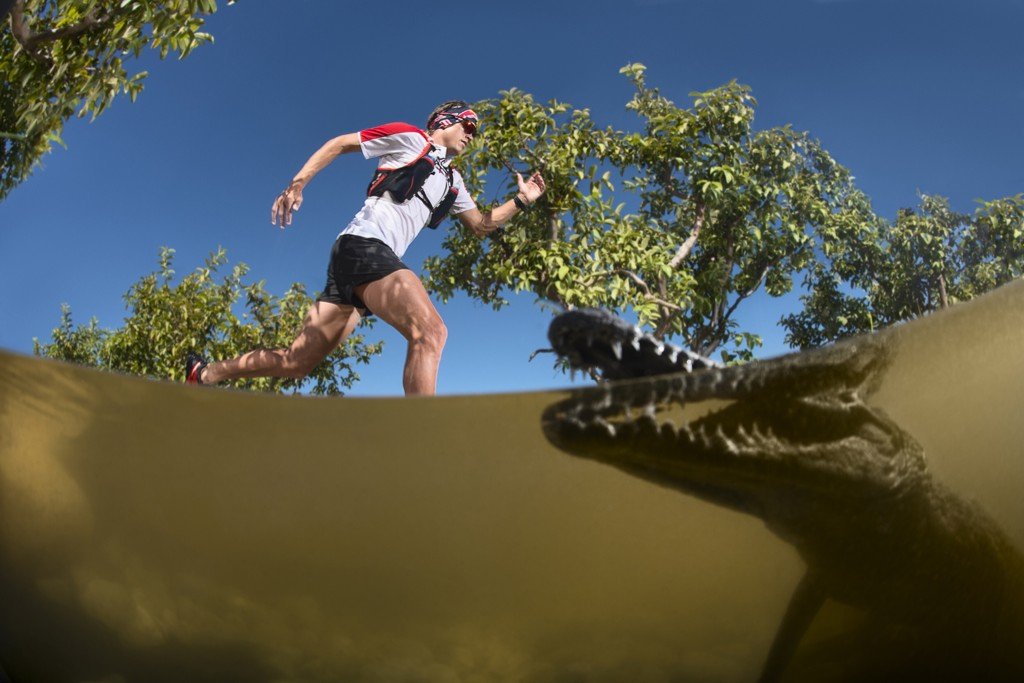
Ryan was kind enough to forward d me the excellent photo at the header of this post.

‘Here’s a photo you are welcome to use of me running with crocs. Credit is Craig Kolesky. See you soon!’ Ryan Sandes

I asked Ryan, ‘Is it a real situation or a photo comp?’

His reply, ‘No it’s real;-) we put Perspex on water for me to land on but I was nervous – the crocs weren’t too big though. Only big enough to eat my leg, not my whole body;-)’

We wish the ‘Sandman’ all the very best on his journey back in time.

The Coastal Challence #TCC2014 – Stage 1 Preview

tcc-stg-1

Day 1 – Quepos to Rafki Lodge

RACE START SUNDAY FEB 2nd 0930 +/- Costa Rica Time

Total distance for day-1 of the 2014 and 10th edition of the TCC is 33.5km. Although the depart will still be from Quepos, the start point has been changed to avoid approximately 10km’s of road that in the past was used to ‘ease’ the runners into the race. However, through general consensus, this road start was not only a little uninspiring, but also it also caused runners to go off far too fast. Today, the runners will head straight into the forest and head for the final destination of Rafki Lodge in the Saverge Valley. A total elevation gain of 850m will see runners pass through 3-checkpoints; Palmas (10km), the small village of Cruce al Saverge (21km) and then at the end of a long pontoon bridge at Andarivel (29.6km) before the final push to the beautiful grounds and hotel of Rafki Lodge. In terms of terrain, it’s a relatively easy day with some wide double track. The biggest issue will be the heat… get your pace and hydration wrong on day-1 and you may just not recover as many found out in the 2013 edition of the race.

©copyright .iancorless.com.P1050156 ©copyright .iancorless.com.P1050258

Ones to watch:

Ladies

  • Gemma Slaughter – 2013 champion – Canadian
  • Julia Bottger (Salomon Germany) – German
  • Anna Frost (Salomon International) – New Zealnd
  • Jo Meek (unattached) – United Kingdom

Men

  • Nick Clark (Peal Izumi) – United Kingdom
  • Michael Wardian (Hoak One One/ UVU) – USA
  • Philipp Reiter (Salomon International) – Germany
  • Carlos Sa (Berg)  – Portugal
  • Vicente Juan Garcia Beneito (Lurbel) – Spain
  • Martin Gaffuri (New Balance)- France
  • Karim Mosta – France

Local ones to watch:

  • Marcelo Jiminez
  • Daniel Calderon (Altra Ambasador)

Everest Trail Race – Day 6 Race Stage 3 Jase Bhanjyang to Kharikola

sunrise and mountains

Everest Trail Race – Day 6 Race Stage 3 Jase Bhanjyang to Kharikola

Image gallery and image sales available HERE

Oh boy, did it get cold last night! Of course, cold is relative, but -10 in a tent is pretty darn cold for this Brit boy. Needless to say, no matter how good your sleeping is/was, pretty much everyone slept in base layers and down jackets with either hoods up or hats and a ‘buff’ on.

I was comfortable, however, how do you keep your feet warm? I need to know the answer to that question.

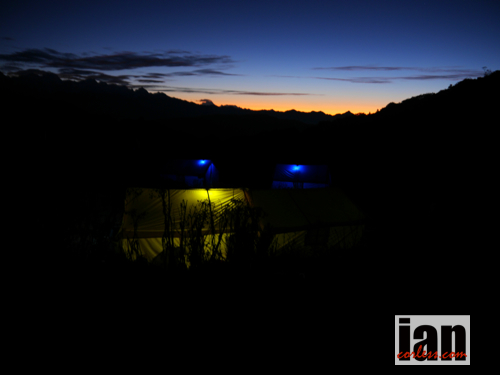
glowing tents

A smiling Sherpa provided me with steaming mug of sweet black tea at 0500 to awake me. What a way to start the day. The sky was clear and although it was still well below freezing we all knew that hot and beautiful day was ahead of us.

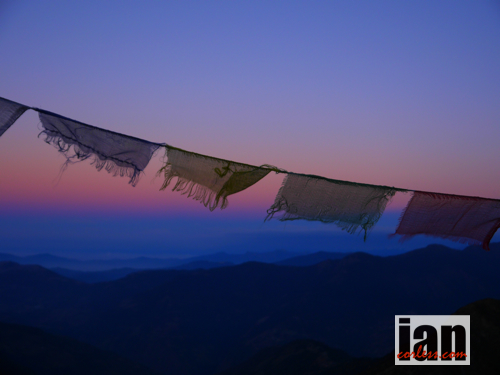
flags

I hiked out of camp to a near by summit and photographed the sun greet us with it’s warmth. By the time I returned, camp was back to life as Sherpa’s and porters prepared food, set up equipment and made ready for another long day.

campsite

Once again, it would be a split start, 0700 and 0800. Today’s stage had considerably less climbing than stage two, however, it had lots of descending, it may not hurt the lungs as much but it would certainly hurt the legs.

A short climb out of camp the runners would then descend to Jumbesi (CP1) at 2696m. This initial trail would see them running through a dense forest section.

helicopter

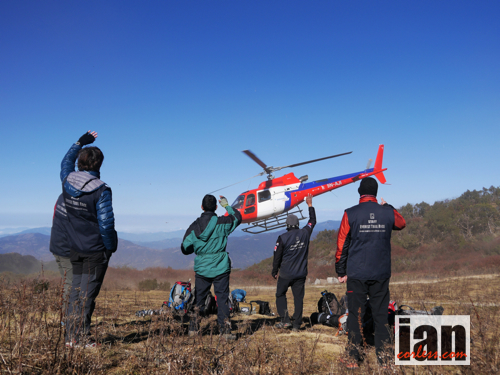
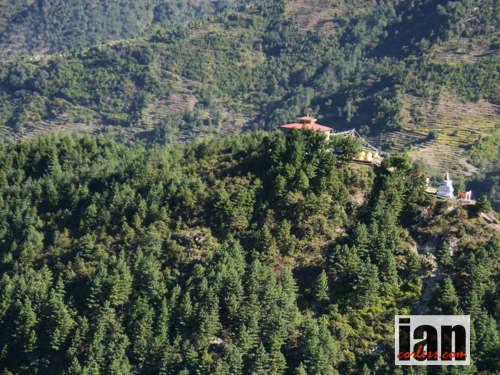
No hiking on the trail for me today, we were helicoptered out and treated to a stunning ride with the 8000m peaks to our left. What an experience! Our arrival at Kharikhola was equally impressive. Nestled on top of the mountain was a beautiful Monastery (Pema Namding) and the finish line of stage 3.

Monastery

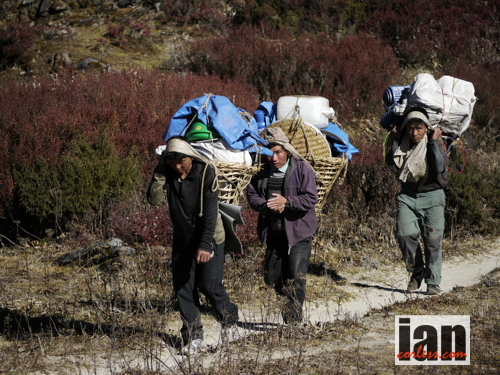
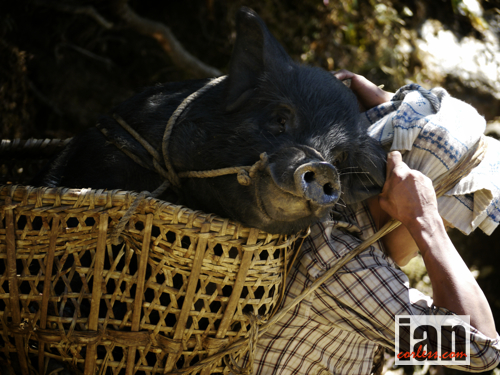
Kharikhola is a main trekking route and in addition, it is a main route for supplies. It amazes me to watch children carry baskets literally as big as they are and for sure, probably twice the weight. Donkeys go up and down the trail all day carrying all sorts of supplies, from bottles of gas, water, corn, maize, beer, Coke, cigarettes and so on. You suddenly realize how life moves around in these mountains.

porters

 pig

Sherpa’s arrive carrying packs that look as though it will be break their packs, behind them, a string of tourists with small packs and poles. No wonder the Nepalese make such great runners and mountain men. It’s a gift, a gift that Nepal provides them.

Upendra

Back on the trail, not surprisingly, Upendra Sunwar was once again blazing a trail along this tough ETR route and Fernanda Maciel continued her dominance not only in the ladies race but a top-3 position overall.

Fernanda

After CP1 at Jumbesi, the runners crossed the Junbesi Khola river and climbed up to Phurteng at just over 3000m. Descending to CP2 at Lharpa another climb awaited. The race now had a familiar format; Upendra would lead the men by a considerable margin, followed by Andrea Schambeck (today he said he didn’t feel quite as good) Francisco Salas and Ismael Dris. Ismael had a tough day on stage 2 looking as though he may pass out at Pikey Peak but he somehow he held it together. Today though he took a fall and was complaining of leg issues. He was still up in the top-5 though.

Monastery close up

For the ladies, Fernanda like Upendra would lead by a considerable margin, followed by Nepalese, Yangdi Lama Sherpa and American, Shiri Leventhal.

Leaving Taksindu La, the final long descent of the day, 3100m to 1500m in 10km. However, at the bottom the sting in the tail, a 4km climb from Jubhing to the Monastery finish at Kharikhola. I have seen and witnessed some very impressive race finishes in my time, but this one takes the crown. Incredible.

Lama

Upendra and Fernanda took out the respective stage wins and a detailed results listing will follow as and when available.

Stage 4 preview: Kharikhola to Llegada 27.5km

Departing the monastery a small descent awaits the runners of just 4km before a long tough climb to Kari La (CP1) at 2900m. From here the course goes up and down all around 2700/2800m for appx 10km before a very steep descent to CP2 at Surke (2200m). A continual climb to CP3 at Cheplung continues to the arrival at Phakding/ Llegaga.