Suunto introduces its next generation multisport solution with a new family of GPS watches and a renewed Suunto Movescount.com
Press Release by Suunto
The long-awaited next generation of Suunto multisport watches is soon here. Today, Suunto introduces Suunto Spartan Ultra, a premium multisport GPS watch for athletes and adventurers. At the same time, Suunto is renewing its online sports service Suunto Movescount with a range of new features and improvements.
“People have been asking about what’s next after Ambit3 for quite some time now,” notes Sami Arhomaa, Performance business unit director at Suunto. “So it’s a great pleasure to announce our next generation Suunto Spartan solution for athletic and adventure multisport.” The solution comprises of the Suunto Spartan Ultra watches, a renewed Suunto Movescount service and mobile applications for both iPhone and Android.
“In a fast-paced world with an overwhelming flood of information, athletes need better tools to determine how to efficiently achieve their goals,” explains Arhomaa. “People who are driven by the passion to progress want to know if they are doing things right. More and more people are reaching out to communities of like-minded people for guidance and inspiration. With the Spartan solution, we are building on the insights we’ve gained through our constant dialogue with athletes and coaches around the world. The new Suunto Spartan multisport solution will offer customers new community powered tools to progress. We are convinced these tools will help them progress beyond their expectations.”
Suunto Spartan Ultra – the GPS watch for athletic and adventure multisport
Adventure proof
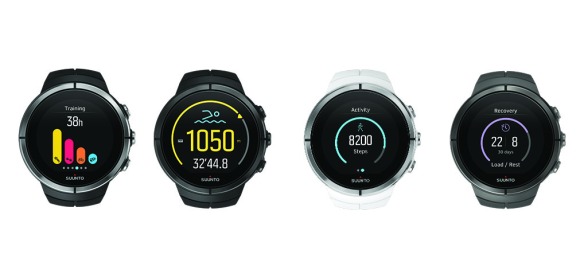
Suunto Spartan Ultra watches are hand-made in Finland and built to last in any conditions. Water resistant to 100 meters, the watches sport an extremely durable color touch screen with a wide viewing angle and great visibility in bright sunlight. The watch is built with a glass fiber reinforced polyamide casing, sapphire crystal glass and a grade5 titanium or stainless steel bezel. For your multisport adventures, Suunto Spartan Ultra offers guided route navigation, barometric altitude with FusedAlti™, a digital compass, as well as a competitive battery life.
Sports expertise and insights
The Suunto Spartan Ultra is a true multisport watch. With GPS, FusedSpeedTM, heart rate measurement and in-built accelerometer, it accurately tracks your training and provides versatile insights on your progress for a multitude of sports. It offers dozens of preset sport modes, e.g. for triathlon, swimming, cycling, running, adventure racing, and snow sports – including modes for specific types of training, racing and activities. If you are a runner, for example, you can choose a basic running mode that offers the essential information for running, or an interval running mode, a trail running mode, and more. The Suunto Spartan Ultra also provides you visual overviews on your training load, rest&recovery status and your progress to help you plan your training. With the watch you can also track your feeling after each workout.
In addition, Suunto Spartan Ultra monitors your overall activity 24/7 with daily and weekly steps, calories and active time. Pair the watch with Suunto Movescount App to get smart mobile notifications. The watch will also keep you up to date on your personal bests by sport.
Community powered progress
In connection with the launch of the Spartan solution, Suunto deploys big data methods for turning the community generated sports data into valuable training insights. Suunto has been analyzing tens of millions of endurance sport sessions to provide both existing and new consumers with answers to the questions like where should you train and how are you progressing. The first tool utilizing this data are sports-specific heatmaps, available from today in Suunto Movescount. Later, the toolset using the data will grow with tools for peer group comparison and insights.
The Suunto Spartan Ultra collection includes four models: Suunto Spartan Ultra All Black Titanium, Suunto Spartan Ultra Stealth Titanium, Suunto Spartan Ultra White and Suunto Spartan Ultra Black – each available with or without Suunto Smart Sensor for heart rate monitoring. The RRP price of the Suunto Spartan Ultra Titanium will be £585 and Suunto Spartan Ultra £545. Prices with a HR sensor are £40 higher.
Further details of the product will be released in July 2016. The watches become available in August, and the solution will continue to grow in functionality via SW, service and application updates during the remaining year.
This is Episode 112 of Talk Ultra and we speak with Nicky Spinks about that incredible DOUBLE Bob Graham Round. Emelie Forsberg joins us to tell us all about her injury, how she feels and when (we hope) she will be back and we speak to ‘The Jeff’s’ an inspiring husband and wife who took respective 1st places at the Salt Flats 100
NEWS
Ultra Trail Australia
Men
Pau Capell 9:20
Ben Duffus 9:39
Yun Yanqiao 9:42
notable 4th – Ryan Sandes 9:48
Beth Cardelli 11:16
Fiona Hayvice 11:33
Kellie Emmerson 11:53
00:16:16 INTERVIEW Steven Jeff and Meagan Jeff – Salt Flats 100
Quicksilver 100k
Paul Terranova 9:17
Chris Calzetta 9:32
Mario Martinez 9:56
Krissy Moehl 11:02
Roxana Pana 11:44
Monica Imana 12:13
ROB YOUNG – marathonmanUK has started his Transcontinental run record (2766 miles) on May 14th. He started with an 81 mile day 1…. you can track him HERE
At the time of recording having run 5-days he was just south of the Grand Canyon heading to Flagstaff
We mentioned in the last show about Nicky Spinks completing the DOUBLE BOB GRAHAM ROUND and I am really pleased to say I caught up with her just days after of this inspiring interview. Only the 2nd person and 1st lady to complete a double BGR in 45:30
Day 4 of the Cape Wrath Ultra was a stunner, no, it was amazing! The early morning cold temperatures and icy wind lifted to show the highlands in their true magnificence and what a course… today was arguably THE day of the Cape Wrath Ultra.
Just 69 runners (from 95) are left in the race, yes, the first 3-days have really started to hit! Although day-4 was a ‘recovery’ day (heard in the camp this morning!) of 22 miles, it was still a day of epic challenges and one seriously beautiful course. In particular, the section of trail from CP1 (on the A896) in the Glen Torridon that weaved it’s way up and up via a stony path between Spidean a Choire Leith and Spidean Coire nan Clach to the amazing cauldron that backed onto Loch Coire Mhic Fhearchair. This is a stunning place! Despite tired legs, fatigue, pain and no matter what ailments, this place put a smile on every single participants face.
It may come as no surprise that Marcus Scotney once again lead the charge. He was instructed by event director, Shane Ohly, that under no circumstances must he start before 0900. For the remaining runners, the start window of 0700-0900 was open and many, despite fatigue, still decided to leave early in the hope that they would be back in camp to gain additional rest at the end of the day.
Finishing in Kinlochewe, Scotney stopped the clock in 4:05:52 and although Thomas Adams had been very close to hime at the midway point, he lost more time at the finish with a 4:22:22. Ian White finished 3rd and Pavel Paloncy finished 4th, their respective times 4:41:23 and 4:42:32 – looks like we may have a fight on our hands for 3rd place with Paloncy just 9-minutes advantage.
For the ladies, Ita Emanuela Marzotto was back on form today, with a definite, ‘I love the mountains!’ as she moved past me on the trail. Her time of 6:14:51 extended her lead over Laura Watson (overall ladies 2nd place) who finished in 6:42:26. However, 2nd lady on the stage and 3rd lady overall, Louise Staples stopped the clock in 6:34:04. We may have a battle on our hands for the ladies podium?
Ultimately, today was all about blue skies, white clouds and the stunning highlands, even Marcus Scotney stopped to grab some photos on his phone! Today was a special day and one that all the runners will not forget.
Roll on day 5 which once again is a (relative) shorter day of 27-miles and 1400m+ to Inverlael.
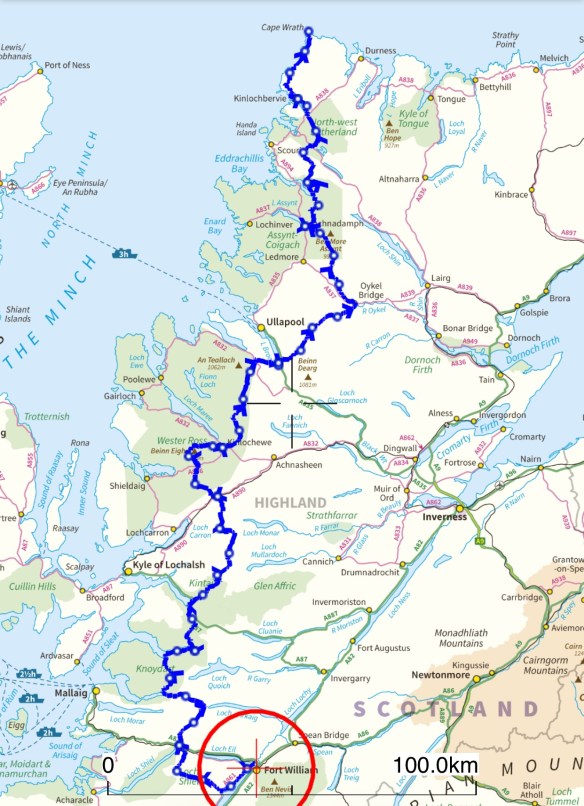
The Cape Wrath Ultra™ brought to you by Ourea Events, the team who revived the Dragon’s Back Race are in the countdown days to a once in a lifetime multi-day journey that will test mind and body over 8-days weaving a 400km journey through the Highlands of Scotland.
Starting at Fort William on May 22nd, the race will take runners on an incredible journey in a magnificent and remote part of the world that will culminate in the most northwesterly point of the British Isles, Cape Wrath on May 29th.
Stunning scenery, remote wilderness, beautiful lochs, glens, towering mountains and the crashing ocean, the Cape Wrath Ultra™ is arguably one of the most stunning multi-day journeys in the world.
A supported expedition, equipment for the competitor’s will be transported day-by-day, tented accommodation and meals will be provided.
In a nutshell, 400km (250-miles) over and through the Scottish Highlands will be the ultimate test for the runners as they navigate via map and compass (GPS are allowed with GPX routes provided by Ourea Events) over 8-days over multiple distances with a variety of terrain and elevation gain.
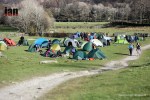
Today, 95 runners arrived in Fort William to register, collect numbers and leave drop bags in preparation of the race to start tomorrow, Sunday 22nd May at 1000 hours.
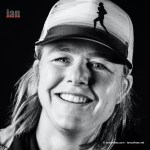
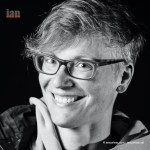
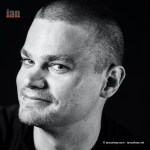
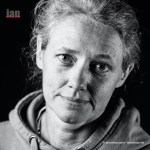
Over the coming days, you will be able to follow these 95 runners via live tracking as they weave their way north. We thought it only appropriate that you can put a face to the name. Here are the 95!
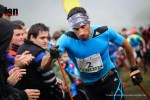
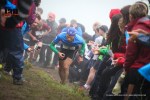
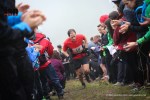
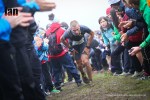
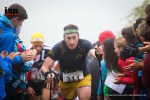
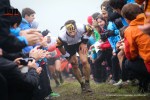
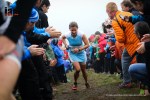
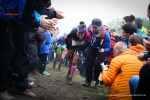
Zegama is Zegama! Ask anyone about Zegama-Aizkorri and the answer will be, ‘Zegama? well, Zegama is Zegama!’
Yes, it is a unique race! The Skyrunner® World Series 2016 roles on from Transvulcania Ultramarathon on the island of La Palma and now transfers to mainland Spain, the Basque country – Zegama!
Due to it’s location, early season date and unpredictable weather, Zegama-Aizkorri has seen many epic battles. Catalan mountain running legend, Kilian Jornet has won the race an incredible six times. The combination of challenging terrain, vertical gain and descent and typically bad weather fall into the Catalans hands perfectly. It’s a race where strength of mind must be matched by the strength of the body.
A quiet and sleepy place, Zegama is transformed on race weekend into a mecca of mountain running. The course is reassuringly predictable, however, as past editions have shown, the weather adds the variety and a glorious sunny warm edition can be followed with a snowy, wet and miserably cold edition.
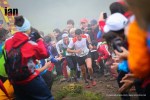
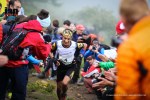
Taking in a loop over the Arratz massif and the Sierra of Aizkorri. Otzaurte provides an early indication of form on the day but it’s on the legendary climb of Sancti Spiritu where thousands of spectators line the trail where the action starts to unfold.
Taking in the four highest peaks in the Basque Autonomous Region; Arratz, Aizkorri, Akategi and Aitxuri the highest at over 1500m. Zegama-Aizkorri is a classic mountain marathon distance race with 5472m of vertical gain.
A ridge run at altitude leads to the final summit. Scrambling over rocks the final descent arrives which leads to the roads of this sleepy town, now transformed into a hub of colour and noise.
Zegama is Zegama!
******
The race is notable for it’s history and one man alone has shone brightly at Zegama – Kilian Jornet. Many thought the Catalan would not run in Zegama in 2016 due to his exploits in mountaineering and his ‘Summits of my Life’ project, not so – Kilian will run!
‘Kilian posted on Twitter on May 17th, ‘Last long training before Zegama done, 13h 6500m in technical terrain 🙈🙈🙈’
Needless to say, Kilian is the favourite!
In all honesty, as one would expect, the quality of the line up at Zegama is exceptional, particularly in the men’s race. The ladies race is without doubt one of the weakest line-ups in recent years – Emelie Forsberg is injured, Laura Orgue is injured, Elisa Desco is injured, and the race is also missing, pocket rocket, Stevie Kremer amongst others.
MEN
Luis Alberto Hernando just blitzed the Transvulcania course once again and although you can’t rule him out, I can’t help but think he will just miss that extra few percent (due to fatigue) of energy needed and required to top the podium. He will fight all the way to the line though and he will unleash a breakneck descent for potential victory.
Remi Bonnet has looked for an opportunity to race Kilian for sometime. Yes, he is that keen… he has been tipped by many, me included, that he may well be ‘the next big thing’ in the world of Skyrunning. He is an incredible talent in the VK discipline and as he showed at the Rut in Limone, he is also an incredible talent at the Sky distance. Remi could well push Kilian all the way to the line but I will still give KJ the nod for victory.
Tadei Pivk was a man on fire in 2015 and was champion of the Skyrunner World Series. He has already started his 2016 well with races in Italy and a recent 2nd place at Yading SkyRun in China. Tadei love Zegama- Aizkorri and he always finds the form to make an impact on the podium.
Saul Padua is a VK specialist and a very good one! He recently won the Transvulcania VK and in 2015 he dipped his toe in the Sky distance, in particular the Dolomites where he lead the charge to the summit only to loose his lead on the descent. I can’t help but feel that Zegama will be a similar scenario – he will run top-5 early on but potentially will loose places on the long descent to the line. If the weather is bad and it looks as though it may be, I think that will impact on his race even more.
Marc Lauenstein is yet to be confirmed as running but if he does, he could really shake things up. He recently won the Three Peaks in the UK ahead of Ricky Lightfoot and Tom Owens. The UK fells are actually the perfect training ground for Zegama, so, if Marc runs – watch out!
Manuel Merillas like Tadei has illuminated the Skyrunner World Series with a string of world-class performances over multiple distances. He was 3rd at Limone behind Remi Bonnet and Tadei and at Lantau 2 Peaks he placed 2nd behind Remi relegating Tadei to 3rd. For sure, Manuel will be in the mix for a podium place.
Marco De Gasperi needs no introduction to any follower of mountain or Skyrunning. The guy is a legend, he has been there and done it and still manages to pull out great results from the bag. you can never rule the Italian out but younger and faster competition keep coming, making racing at a high level increasingly harder. No longer running
Tom Owens is yet to be confirmed as participating although he is on the start list. Tom is made for Zegama with a strong background in fell running. The terrain and mountains in this region of the Basque country offer the Scot a unique playground and what that he embraces. His recent podium place at the Three Peaks in the UK shows he is in form.
Aritz Egea is the ever consistent Skyrunner with a string of victories, podium places and top-10 results. He does have the ability to win Zegama, he just needs a little luck. Expect him to go out hard, potentially lead the race early on with the hope of clinging on to a lead to the finish.
Ionut Zinca like so many listed above has the potential to win and almost certainly make the podium. An ever-present on the Skyrunning circuit with consistent results at Zegama, the Dolomites, Limone and so many more, if Ionut is on form, we can certainly expect him to push throughout the race for the top slot.
Zaid Ait Malek raced Transvulcania and therefore may well be a little tired for Zegama. However, he knows how to run this race and has placed well within the top-10, I don’t see him winning but top-5 is possible.
Jokin Lizeaga and Eirik Haugsness head up the leading runners for a top-10 placing along with Pere Rullan, Pablo Villa (tbc), Hassain Ait Chaou, Jessed Hernandez and Nil Cardona.
LADIES
Megan Kimmel heads up the ladies race after a recent victory at Yading SkyRun and an impressive 2015 Skyrunner World Series season. To say Megan has been on fire would be an underestimation and it was actually a real surprise that she did not win the 2015 Skyrunner World Series – a below par performance at Limone Extreme ruined her chances. But her string of victories, particularly at the Dolomites SkyRace when she beat Laura Orgue elevated her to ‘hot’ for all the Skyrunning races – watch out!
Yngvild Kaspersen is the female equivalent of Remi Bonnet. In 2015, her first racing season, she rose through the ranks with a series of impressive runs both in the VK and Sky distance and she was rewarded with victory in Hong Kong at the Lantau 2 Peaks in horrendous conditions. If conditions in Zegama are wet, cold, miserable and slippery underfoot, Yngvild may well shine and take victory!
Maite Maiora is an ever-present on the Skyrunning circuit and only races one way; hard! Over the winter she took time out for an operation and therefore her training may well have been compromised. On her day, Maite is without doubt podium potential and in and amongst this ladies field, I think she has every chance of a top-3 slot.
Azara Garcia won Zegama and then had a string on injury issues which leaves many question marks about her form? If she is fit and well, then we can expect Azara to give Megan a race.
Oihana Kortazar is yet to be confirmed as running but she recently raced the marathon distance in Transvulcania. A lady who knows the mountains and trails of Zegama very well, I would expect a podium place.
Anna Comet raced Transvulcania and had to pull out with an injury. Although her name is on the start list I question if she will run? My gut feeling though is that this race is maybe too short for her skills; a longer race suits her better.
The same applies for Portugal’s Ester Alves. A great long distance runner who can handle technical trail, the short sharp shock of Zegama may well be too much of an ask for a podium place. Top-10 is a distinct possibility for both.
Paula Cabrerizo and Nuria Dominguez head up the charge behind the three ladies above, both have all the ability to make the podium and yes, a victory is possible.
Marta Molist Codina, Aitziber Iberia and Eva Maria Moreda Gabaldon form the next wave of contenders and of course, we have to anticipate surprise performances that we just can’t account for. Alicia Shay placed 4th at Transvulcania Ultramarathon and although on the start list, she will not run.
The 2016 Skyrunner® World Series is brought to you with a new management company, Geneva based SkyMan SA
SkyMan SA is pleased to present a new Main Partner, Migu Xempower, a Chinese exercise and health management platform which also counts a rich experience in organising marathons, city and mountain races for millions of runners.
The well-established, Sky, Ultra and Vertical format is joined by the Extreme Seriespresented by Alpina Watches, which more than ever expresses the true spirit of skyrunning defined not only by distance, but vertical climb and technical difficulty.
Skyrunner® World Series is supported by Migu Xempower, Alpina Watches, Compressport, Salomon and Scott Sports.
iancorless.com is the official photographer and media partner for the
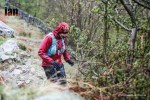
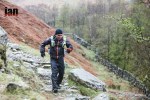
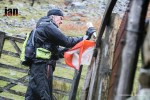
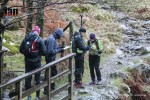
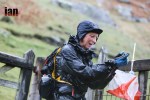
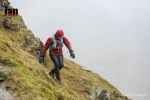
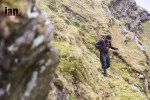
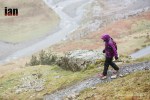
Yesterday I said, ‘The Lakes really are a special place any day, anytime, in any weather… well, almost?’
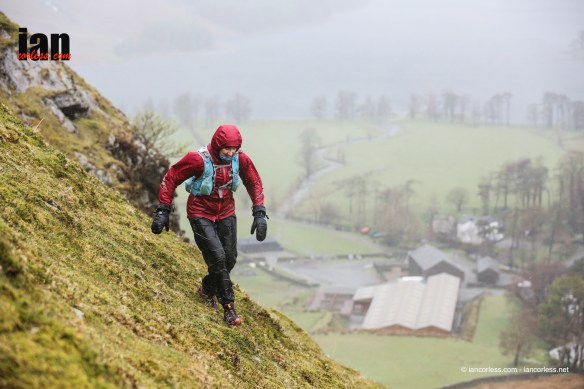
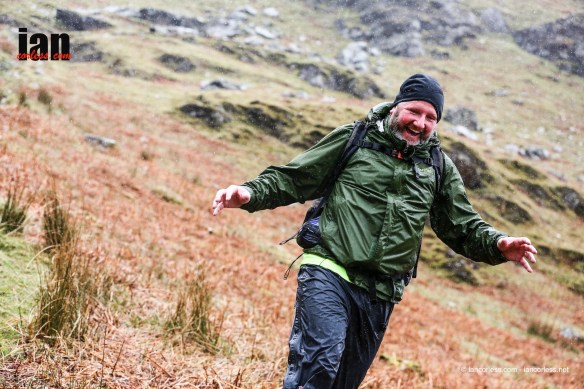
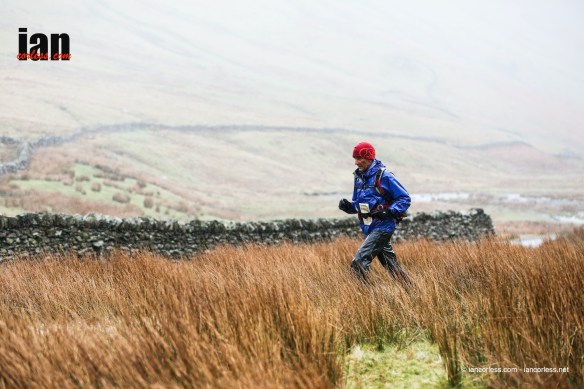
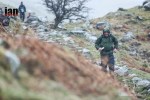
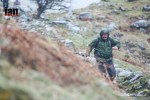
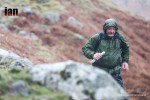
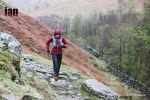
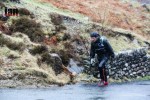
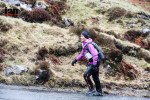
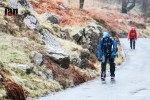
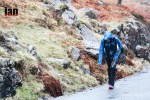
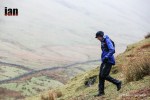
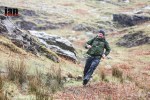
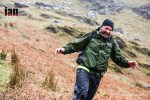
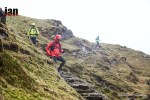
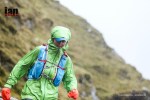
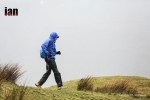
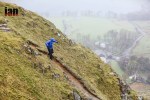
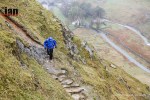
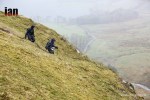
‘Well almost,’ hit today with some seriously torrential rain, gusting to gale force winds (particularly on the tops and in exposed areas) and at times slippery conditions underfoot. That’s the Lakes for you… the Lord giveth and the Lord taketh away.
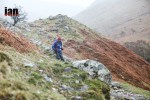
Despite the onslaught of the weather, the scenery and the landscape still remained beautiful and spectacular. Despite the odd patch of white at higher levels, the complete blanket of snow that had covered about 500m was gone! It really is amazing the difference a day can make.
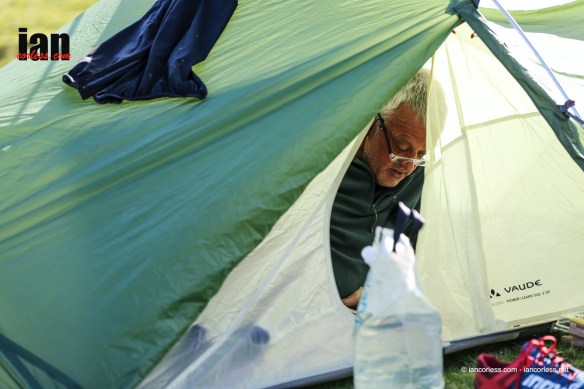
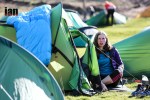
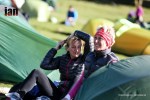
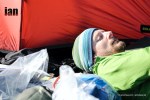
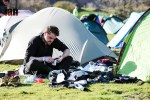
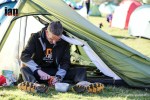
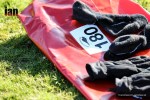
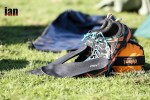
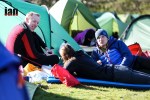
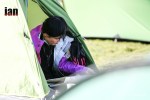
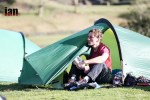
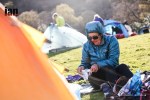
Warmer temperatures overnight certainly made camping a more pleasant experience and for those runners who were up early and packed away by 0615, they will have dry gear and a dry tent to pitch tonight! Anyone who slept in will have a different story to tell. When the rain came, it really did come and although Shane Ohly (race director) had said it was on it’s way, we had all secretly hoped he was wrong.
The forecast was bad and Shane had contemplated running a bad weather course but many runners, even those in the Elite category decided to run the much shorter ‘C’ route. In all honesty, it was a wise decision. The C route although easy navigation had plenty of ups and downs in it and in the conditions, it was far enough.
This was confirmed at the Cafe at Honister Pass which contained a gathering of GL3D competitors throughout the day. They all found solace in some food and a warm drink before pushing on past Buttermere and to the day 2 camp at Loweswater.
Despite the harsh conditions, temperatures were good. However, wet clothes and serious wind chill did make many a runners journey a tough one – hands in particular were constantly being banged together and rubbed in an effort to bring them back to life.
In the true nature of the GL3D, many of the participants had nothing but smiles and laughter for the conditions, particularly after the picture postcard scenes of day 1. The race did have its casualties though with many participants not completing any of the race categories (they just wanted to be back in camp asap) and others deciding to end the 3 day adventure early; the lure of warm clothes and a bed just too much of a temptation after such a tough day.
Post race the rain slowly reduced to a persistent drizzle, temperatures were relatively good but the main priority for all was to get out of wet clothes and into dry clothes. I can’t tell you how many times I heard, ‘thank goodness this is not a full self-sufficient mountain marathon!’
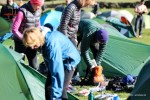
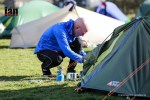
Dry bags were opened, tents were pitched and in the safety of one of the large marquees provided by Ourea Events, stories started to be told about the days challenges. Of course, as per the previous day, free cake was consumed and energy levels were topped up with a pint of beer.
Day 3 concludes the 2016 GL3D and the runners will navigate back to the start location via Elite, A, B and C courses. However, I heard someone say the weather forecast is worse for tomorrow; oh joy!
Images available at iancorless.photoshelter.com HERE
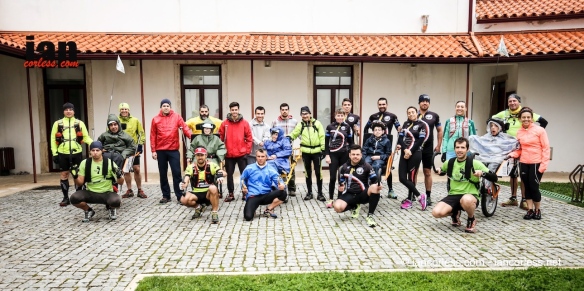
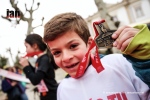
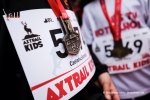
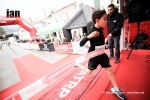
The rain continued to fall, day 2 at UTAX was a continuation of day 1 but the sun did break through every now and again and gladly, overt the midday, a continuous sunny dry spell provided the Da Inclusivo race with a clear spell. The last finisher of the 110km had arrived early in the morning and at 0900 it was time for the Children to race. Axtrail Kids allows 6-16 year olds an opportunity to have their own moment in a full weekend of activity. It’s this all encompassing approach of the Aldeias do Xisto that makes it special.
While the kids raced in the centre of the town, the MTX 10km was also underway, an introduction to trail running that used the first 10km of the UTAX race which finishes in the Schist village of Gondramaz. It may only be 10km but it’s a challenging 10km with plenty of technicality, mud, rocks, water, water-crossings and abundant waterfalls. The finishing village of Gondramaz providing a picture postcard ending.
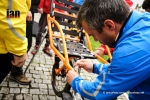
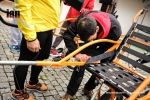
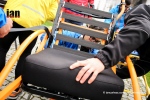
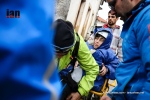
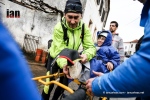
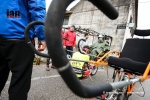
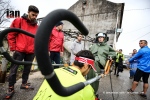
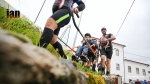
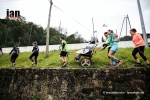
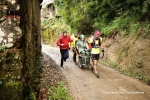
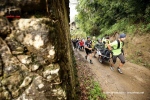
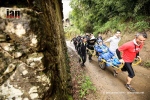
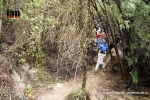
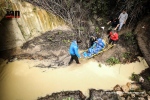
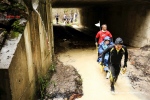
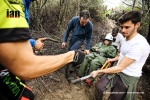
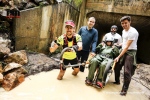
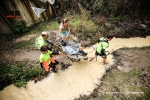
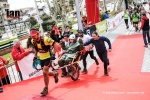
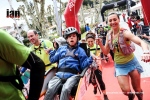
And mid-morning, in the town of Vila Nova, the ‘Da Inclusivo’ race was due to start. Five teams carrying five disabled people on an 8km trail journey to the race finish in the centre of Miranda do Corvo. It’s this race that personifies trail running, the people, the ethos and the sharing of our sport. It’s an inclusive sport, not exclusive. Despite the at times technical trails, the five teams worked together as one. On occasion, from the outside looking in, it almost appeared like a rescue mission but the journey was completed to a welcoming crowd.
It’s this foresight and all encompassing attitude that has seen Portugal rise as a key influencer in the sport of trail and mountain running. Of course, trail running brings tourism and this is an important element in any growing race series. The natural conditions of the region, the stunning Schist villages combined with local hospitality make Aldeias do Xisto and Portugal the perfect destination for a family of trail runners; all are welcome. Mum, dad and children can race and they have a custom events geared to their abilities. Or maybe they can reach out and push a new boundary, move up say from the 22km event and run the 50km, or even take on the UTAX? This area has so much to offer, an extended stay to explore many of the 27 Schist villages makes logical sense for those travelling from overseas.
Fernando Pinto, one of the key organisers at AXtrail sums it up, “The AXtrail®series is an event for everyone, with a comprehensive character. Children, youth, adults, experienced athletes, sports teams or families; everyone is welcome and will find a place!”
Racing is more than racing, it’s a series of experiences! Participating, watching, supporting or cheering, many a runner who ran one of the events over the Aldeias do Xisto weekend gained as much satisfaction on Sunday watching children arrive with beaming smiles or watching the arrival of the five Da Inclusivo teams. AXtrail know how to put on a weekend of racing. I will be back, I am sure.
Many thanks to:
Fernando Pinto, Miguel Pessoa, João Lamas, Aldeias do Xisto, Marli Monteiro, Palacio do Lousa, AXtrail® and many thanks to Centro de Portugal Touristic Office http://www.centerofportugal.com.
This is Episode 107 of Talk Ultra. This show has so much content, we speak with Lizzy Hawker about her amazing 200km Kathmandu Valley FKT, Ryan Sandes talks about his 2015 and his new book, Trail Blazer. Gavin Sandford tells us about his amazing double Marathon des Sables challenge. Niandi catches up with past participants of the Big Red Run in Australia who will return in 2016 and Speedgoat is back from the AT.
00:01:30 Show Start
00:21:26 Niandi talks injured foot and Big Red Run
00:28:02 INTERVIEW Jamie Hildage, Big Red Run
Jamie Hildage ran the Big Red Run in Australia in a past edition and will return in 2016, Niandi caught up and had a chat about the unique challenges this race brings
01:26:11 INTERVIEW LIZZY HAWKER is back with an incredible 200km run around Kathmandu and 15000m of vertical gain. I caught up with Lizzy after 3-years in the run wilderness.
Lizzy’s race, Ultra Tour Monte Rosa has a few places available and you can enter HERE
02:00:19 INTERVIEW RYAN SANDES has a new book out called Trail Blazer. We caught up with Ryan, discussed his troubled 2015, what 2016 has in store and of course we found out about the book. Ryan asked a question in his interview, if you like to win a signed copy, you need to comment on these show note with the correct answer
03:11:56 INTERVIEW Gavin Sandford will attempt two Marathon des Sables in 2016 – a world first, all in the name of charity. You can donate HERE and contribute to his funding at Crowdfunder HERE. Talk Ultra have offered a place on the Lanzarote 2017 Training Camp (worth £800) to Gavin as a pledge to help him raise additional funds. This place will be available for £500 (saving the lucky person £300). It’s first come, first served!
Is ‘Threshold’ the most misunderstood sports physiology term? It certainly does cause confusion and in many cases, a runner’s perception of threshold is different. Marc Laithwaite takes a look and strips it back-to-basics.
What is threshold?
To start this conversation, we need to first point out that there are many different types of threshold and this is where the confusion begins. To give a few examples:
1. Lactate threshold
2. Aerobic / Anaerobic threshold
3. Ventilatory threshold
4. Functional threshold
There’s lots of magazine articles which outline the benefits of calculating your threshold and how you can use it for training purposes, but many of them are poorly written and incorrect, so here’s our low down.
Lactate Threshold
You can complete a lactate threshold test by cycling or running, gradually increasing your pace and taking finger prick blood samples at regular intervals to measure lactate in the blood. As the exercise gets harder, the lactate levels will increase.
There are technically 2 lactate threshold points. The first one is very early in the test, when your lactate levels start to rise above their resting levels. In practical terms, if you can hold a full conversation whilst riding your bike, then suddenly you feel that your breathing rate rises slightly, this is your true ‘lactate threshold’. This occurs very early and generally the heart rate at your lactate threshold will be the border of zone 1 and zone 2, so relatively comfortable.
As the test continues your breathing will get harder and harder and then you’ll reach a second lactate threshold. Up until this time your lactate has been steadily rising, but this is followed by a sudden and sharp kick upwards. As the test continues, your lactate will continue to rise sharply and you’re on borrowed time… you will be stopping soon as the lactate accumulates in your muscles. This second and sharp ‘kick up’ or ‘deflection point’ is what we tend to incorrectly refer to as ‘lactate threshold’. This is the figure that most people have completed the test for, technically, this is the ‘lactate turn-point’ or ‘Onset of Blood Lactate Accumulation’ (OBLA).
So why should I measure my lactate threshold / lactate turn-point?
Well, your lactate threshold is a very good marker for many endurance events. Optimal Ironman bike pace tends to be very close to lactate threshold for many people (for training zones we use, it’s the border of zone 1 / 2, but this is not the case for other calculated zones).
The lactate turn-point is the measurement that most people really want to find out. When does my lactate start to rapidly accumulate, what’s the running speed / heart rate / power output at that point? Many magazine articles generally state that your hard / sustained exercise pace coincides with lactate turn-point, but in practical terms, that’s incorrect.
Let’s give an example of a runner who completes a lactate turn-point test and we calculate the heart rate at lactate turn-point to be 165bpm. If we ask this runner what their heart rate generally is during a 5-10k race, they will generally give is a figure 5-8 beats higher than the lactate turn-point. Initially this is confusing, as most people think that the heart rates will match. In terms of calculating heart rate training zones, we will therefore have to guess by adding 5-8 beats to the lactate turn-point, to calculate a ‘threshold heart rate’.
So why do a lactate threshold / lactate turn-point test?
Lactate testing does provide some information, but it can also be relatively limited in it’s use. One of the key things it does provide is a bench mark. If you repeat the test and the turn-point occurs at a later speed or power output, then your fitness has improved. From a coaching perspective, if we want to use the test results to provide coaching advice and training zones, then it’s not the best option for us to choose.
So what’s the other options?
Aerobic/Anaerobic and Ventilatory thresholds can be calculated by measuring expired gases and breathing rates during testing. These tend to fall much more accurately as predictors or training intensities. Functional threshold, is a completely different concept.
We don’t need to take blood (as we do for lactate) to measure these thresholds. They can be calculated by measuring the air going in and out of your lungs. Primarily, there are 3 things we measure, how quickly you’re breathing, how much air moves in and out and what the air is made up of e.g. oxygen and carbon dioxide.
The role of carbon dioxide
Carbon dioxide is a waste product produced by muscles and other tissues. It’s pretty toxic so when we produce it, we need to get rid of it. Your body has sensors which detects when carbon dioxide level increase, it triggers your breathing rate to speed up so you can exhale it.
When you run harder, you need more oxygen so you breathe harder; yes?
Technically yes, although the main trigger is carbon dioxide. When you start to run, you produce CO2, this triggers breathing and heart rate to go up. The harder you work, the more CO2 you produce, this triggers breathing and heart rate to increase further.
How do we use this to calculate thresholds?
This is very simple. We can measure the increase in breathing rate when you exercise and we can measure how much oxygen your body absorbs. When you breathe faster, you do it for 2 reasons: to get more oxygen in and to remove waste carbon dioxide. If your breathing rate goes up but your body doesn’t absorb any more oxygen as a result, then you must be breathing faster for the other reason… to get rid of carbon dioxide.
Calculating thresholds
During a cycle or run testing session, there are 2 key thresholds. The aerobic threshold occurs quite early, this is the point when your breathing rate increases above rest. The best example of this is being able to exercise and hold a full conversation, then as the pace increases, you notice a change in your breathing and can’t hold a full conversation. This threshold occurs quite early during an exercise test.
As the exercise test gets harder, your breathing rate increases steadily to match. Eventually you hit a second ‘anaerobic threshold’ point where your breathing starts to rapidly increase. During a 10k / 5k running race at your fastest pace, your breathing will be fast and hard, but it will remain ‘stable’. If you push the pace just a little too much, it becomes ‘unstable’ and you start to hyperventilate. The only way to change this is to slow down and regain control of breathing.
These 2 thresholds can be measured during a Vo2 max testing session, by using a mask and gas analysis machine. Their description sounds similar to lactate thresholds but we find that the heart rate calculations are generally higher than during a lactate threshold test. Measuring thresholds as above tends to be more accurate for most athletes, when lactate threshold tends to calculate lower than expected and is therefore less practical.
Ventilatory threshold
The test we’ve outlined above involves the measurement of breathing rate to identify changes, for this reason, they are often referred to as ventilatory thresholds (VT). Next time you are riding with a friend and approaching a hill, listen to their breathing (and your own) and you can identify the 2 thresholds. Start at an easy conversation pace and climb steadily, the conversation will soon stop at VT1. Continue to climb and increase the pace and your breathing will become more laboured but still under control. For the last few minutes, ride at a pace which is harder than you can sustain, you’ll sense and hear your breathing rapidly increasing beyond control, this is VT2. On a long, hard climb, most people know where their VT2 is, and instinctively ride/run a few beats below it, to ensure that they don’t ‘blow!!’.
Now we’re talking ‘functional threshold’ which is a term more commonly used amongst cyclists in particular.
What is functional threshold?
The clue is in the name ‘functional’. The lactate / anaerobic / ventilatory thresholds are all valuable physiological markers but what’s their practical use? A cyclist riding a time trial really only needs to know one thing, how much power can they sustain for the full ride. The more power they can sustain, the faster they will complete the course.
There is often a misunderstanding with regards to lactate / anaerobic threshold. If you visit a lab and have your lactate threshold measured, that doesn’t tell you the power or speed you are able to sustain for a long period of time. To find the answer to that question, there is a more simple / practical / functional approach. Simply get on your bike and ride as hard as you can for an hour, then you’ll know the answer.
Functional Threshold Power
The FTP is a real ‘buzz term’ in cycle coaching and I’m sure most cyclists and triathletes will have heard it mentioned by someone at some point! FTP is quite simply the highest amount of power you can average for an hour. To complete this test, you need a power meter on your bike or turbo trainer.
Riding for an hour on the turbo is a killer!! So to get round that, most people complete a 20 minute test and take the average power reading. If you then calculate 95% of that figure, that’s your predicted FTP (average power for hour). For example:
1. Bob completes a 20 minute maximal test and averages 250 watts.
2. 95% of 250 = 237.5, this is Bob’s FTP and what he should be capable of holding for an hour.
Is this just for cycling or can it be used for running and swimming?
The issue with running and swimming is that you don’t have access to power data, so you can’t calculate the figures as you can with cycling. Having said that, the functional threshold is really just a ‘practical test’ to calculate what you can hold for a period of time.
Swimmers will often complete a ‘critical swim test’ which is basically the same thing. The test is simply swimming as far as you can in 20 minutes. For running, the same applies, you could complete a 15-20 minute test and measure distance on the running track.
So why are functional tests popular?
They’re popular because they are very practical. If you want to find out how fast you can complete a 25 miles time trial, the figure which is most likely to give you the answer is how much power can you average for an hour. Doing a lab test to calculate your lactate threshold or anaerobic threshold is valuable and useful for many reasons, but it will not give you the answer to the above question. Ultimately, functional tests tell you how fast you can swim/cycle/run for a set period of time and that’s the best indicator of race performances.
About Marc:
Sports Science lecturer for 10 years at St Helens HE College.
2004 established The Endurance Coach LTD sports science and coaching business. Worked with British Cycling as physiology support 2008-2008. Previous Triathlon England Regional Academy Head Coach, North West.
In 2006 established Epic Events Management LTD. Now one of the largest event companies in the NW, organising a range of triathlon, swimming and cycling events. EPIC EVENTS also encompasses Montane Trail 26 and Petzl Night Runner events.
In 2010 established Montane Lakeland 50 & 100 LTD. This has now become the UKs leading ultra distance trail running event.
In 2010 established The Endurance Store triathlon, trail running and open water swimming store. Based in Appley Bridge, Wigan, we are the North West’s community store, organising and supporting local athletes and local events.

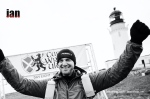
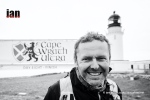
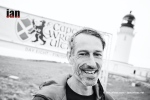
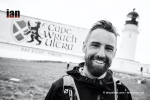
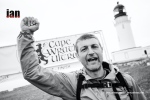
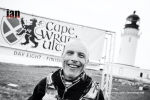
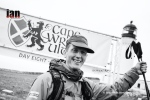
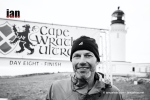
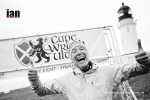
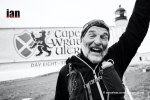
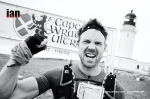
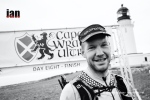
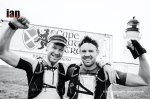

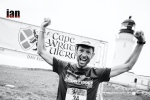
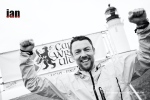
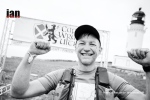
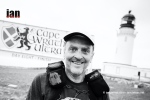
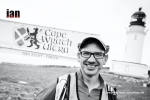
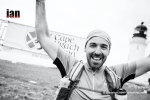
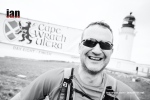
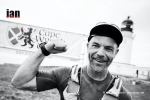
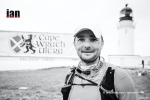
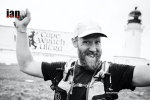
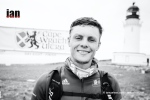
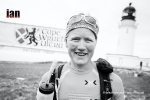
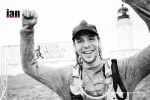

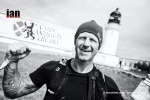
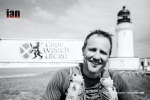
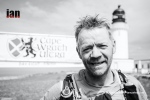
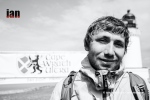
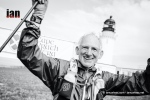
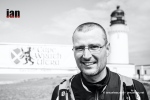
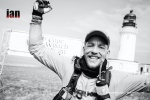
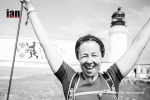
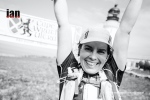
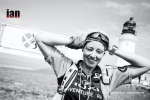
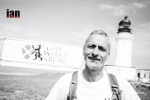
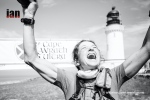
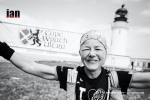

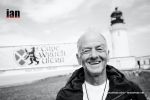
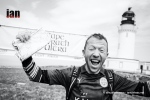
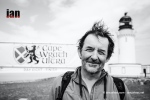
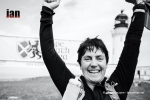
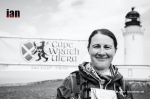
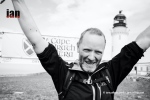
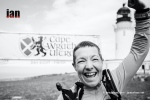

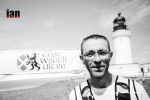
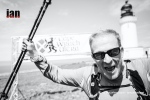
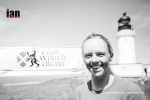
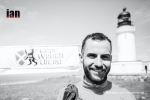
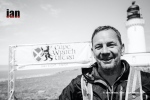
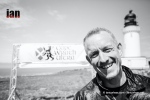
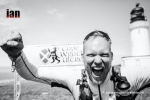
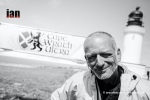
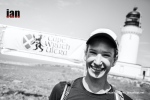
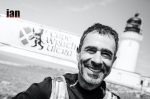
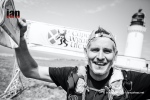
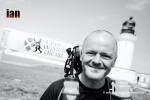
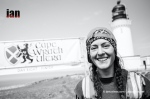
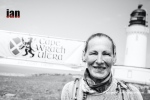
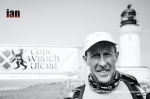
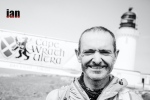
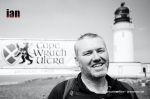
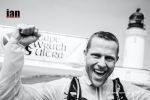
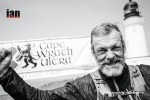
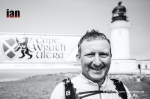
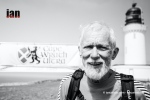
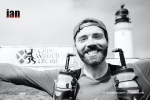
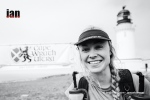


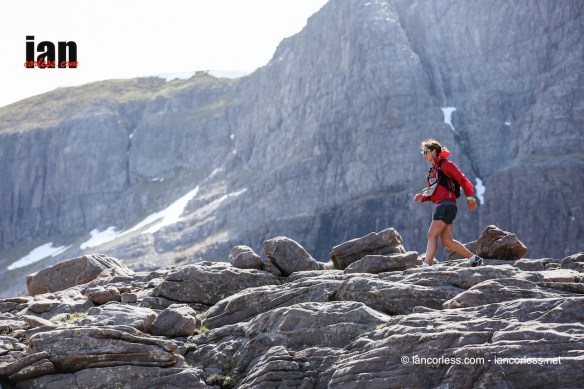
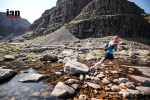
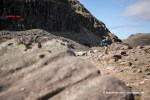
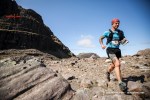
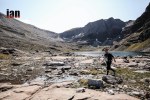
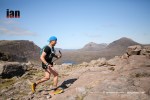
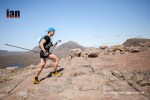
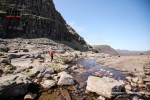
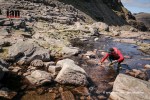
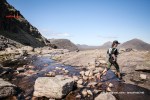
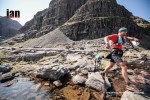
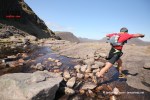
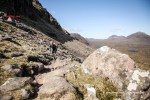
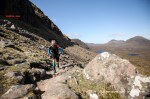
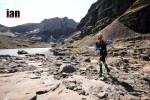
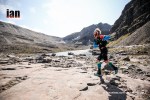
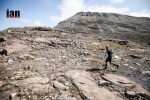
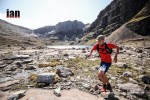
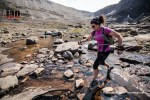
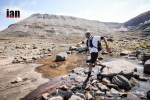
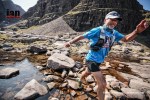
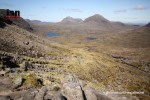
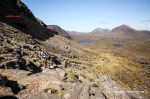
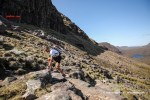
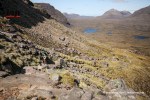
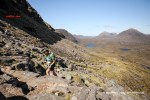
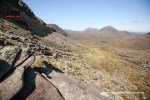
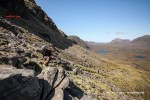


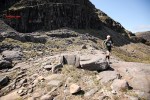
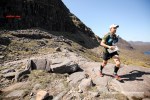
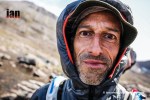
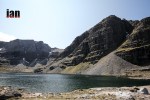
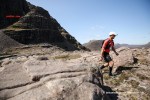
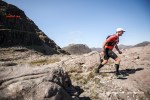
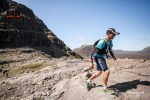
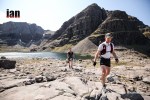
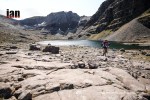
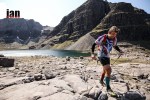
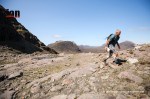
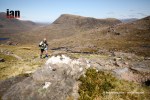
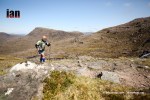
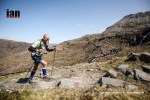
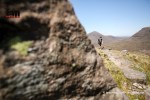
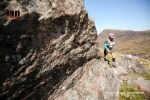
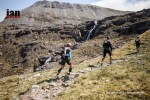
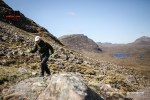
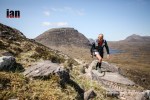
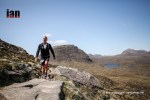
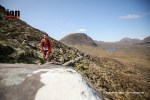
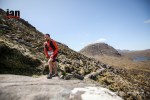
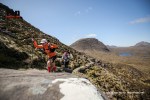
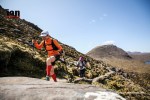

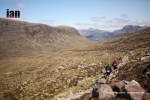
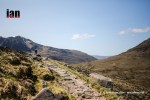

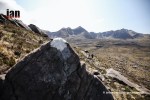
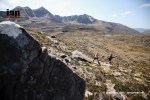
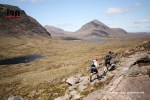
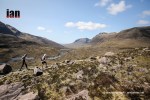
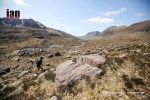
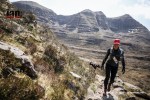
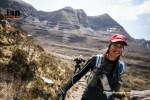
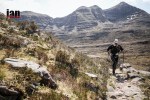
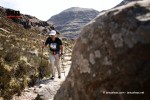
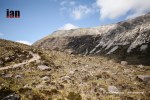

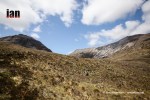
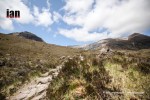

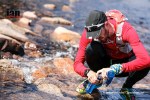
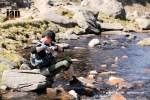
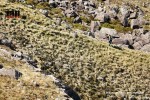
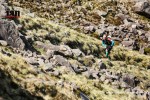
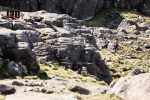
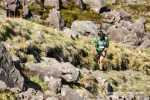
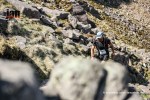
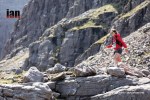
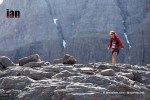
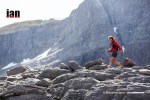
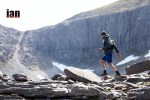

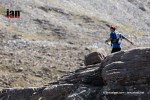
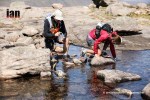

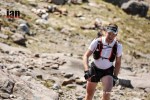
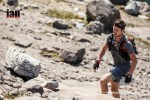
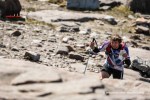
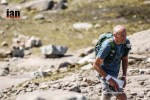
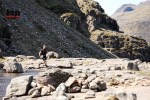
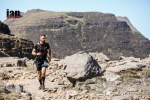
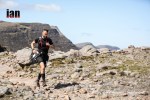

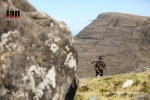
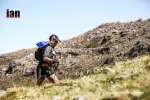
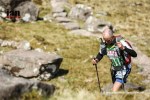
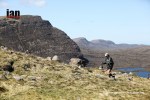
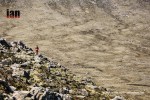
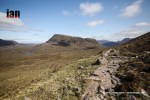
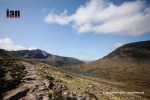
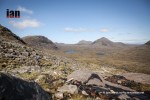
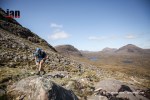
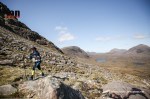
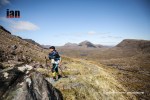
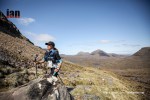
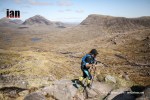
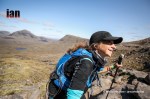
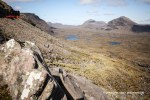
 The Cape Wrath Ultra™ brought to you by Ourea Events, the team who revived the Dragon’s Back Race are in the countdown days to a once in a lifetime multi-day journey that will test mind and body over 8-days weaving a 400km journey through the Highlands of Scotland.
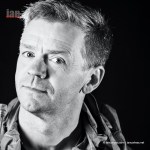
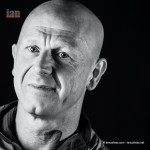
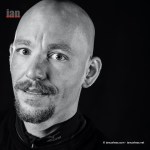
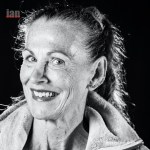
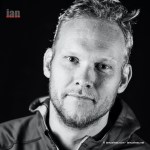
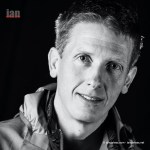
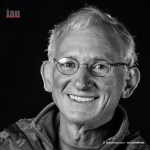
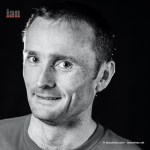
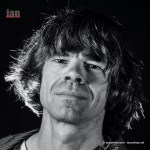
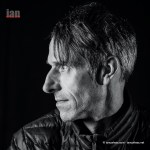
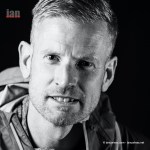
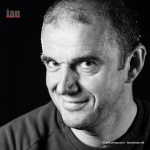
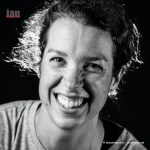
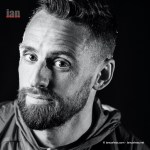
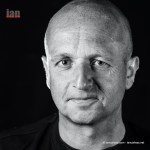
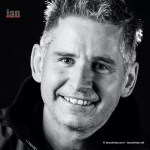
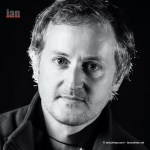
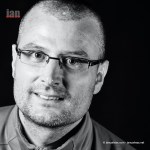
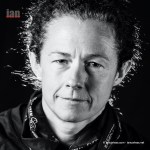
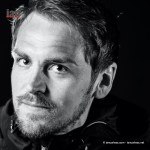
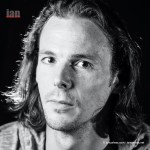
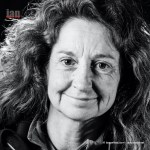
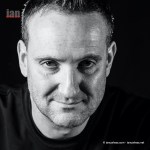
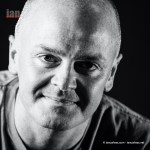
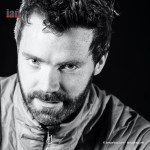
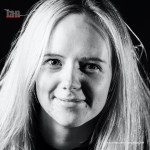

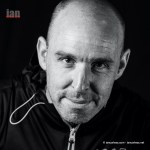



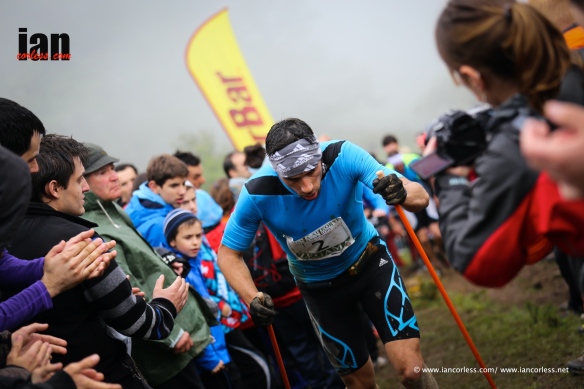
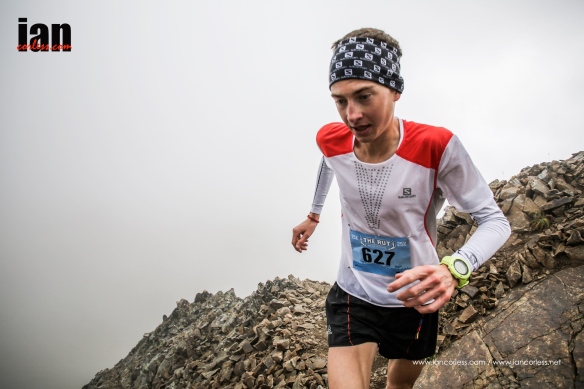
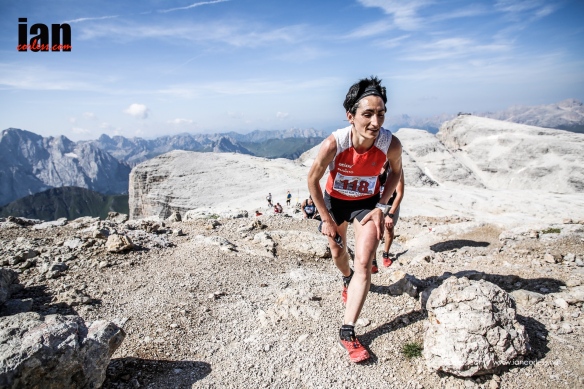
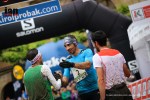
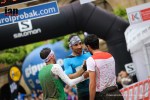
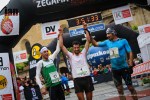
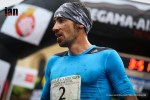
 Tadei Pivk was a man on fire in 2015 and was champion of the Skyrunner World Series. He has already started his 2016 well with races in Italy and a recent 2nd place at Yading SkyRun in China. Tadei love Zegama- Aizkorri and he always finds the form to make an impact on the podium.
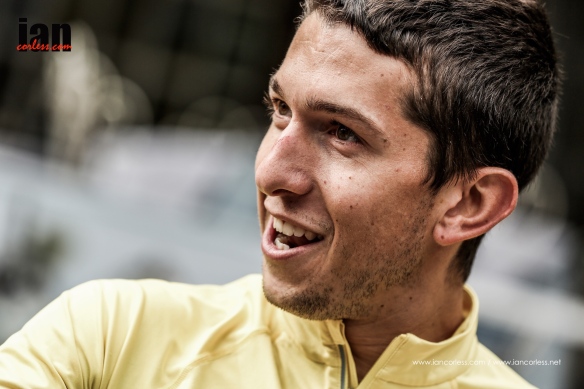










































































































 IAN CORLESS