Episode 44 of Talk Ultra and on this weeks show we have a long distance theme. We have an interview with Nickademus Hollon who just recently placed 7th overall at Tor des Geants. We also have an in-depth chat with Ian Sharman about his incredible summer running the Grand Slam. We also speak to Nick Clark in his regular Grand Slam slot, Clarky’s Corner. We speak to Brit, Emma Clayton about her silver medal in the WMRA worlds in Poland. The news, Talk Training, a blog, up and coming races and of course, Speedgoat Karl.
00:09:56 NEWS
Run Rabbit Run
Jason Schlarb 17:15:20
Karl Meltzer 18:32:07
Jeff Browning 18:52:00
Josh Arthur
Timothy Olson
Michele Yates 20:16:54
Nikki Kimball 20:59:13
Rhonda Claridge 21:45:05
Becky Wheeler
Pam Smith
Wasatch 100
Nick Clark 20:24:26
Ian Sharman 21:01:30
Rod Bien 22:01:58
00:15:08INTERVIEW Ian Sharman Grand Slam Interview
Sarah Evan McCloskey 24:31:19
Andrea Martinez 26:21:17
Paulette J Zilmer 27:15:02
Tor des Geants
Iker Karrera 70:04:15
Oscar Perez 70:29:41
Franco Colle 72:05:23
Francesca Canepa 88:12:17
Nerea Martinez 91:01:42
Emanuela Tonetti 94:45:59
Jungfrau Marathon
Men:
1. Geoffrey Gikuni Ndungu 2:50:28
2. Petro Mamo 2:52:49
3. Viktor Röthlin 2:53:21
4. Robert Krupicka 3:00:48
5. Hosea Tuei 3:02:12
Ladies:
1. Andrea Mayr 3:20:20
2. Aline Camboulives 3:25:08
3. Martina Strähl 3:25:23
4. Sabine Reiner 3:25:59
5. Stevie Kremer 3:27:09
The North Face Endurance Challenge (Wisconsin) 50mile and 50K
Nicholas Wied emailed in… The 50 Mile
Men
1. Tyler Sigl (Green Bay, WI) 5:38:49;
2. Brian Condon (Madison, WI) 5:55:43;
3. Adam Condit 6:08:38.
This is crazy because Ian Sharman set the CR last year at 5:55.
This is Tyler’s 1st ultra, he is a 2:15 marathon guy who works a full time job and trains on the side. He lowered Ian’s record by almost 20 minutes, INSANE!
Another note, Brian Condon running his 3rd ultra and 2nd 50 miler (he also took 2nd behind David Riddle at Ice Age 50) ran the same time as Ian’s CR.
50mile women
1.Molly Culver 7:51:12;
2.Wendy Lilly 8:20:03;
3. Holly Fearing 8:32:42.
50K Men
1.Andy Nesheim 4:01, 2. Brian Udovich 4:08, 3. Andrew Hollatz 4:14.
On a final note, in the Sun Newspaper (not that I read the Sun) a snippet said, “Rab Lee from Bowness and pal, Mark Howlett set a new World Record for running 68.2 miles – three legged, non stop in 24 hours at the Glenmore24 – BONKERS
“This is a warning that the mountain is a hard and dangerous place, even when precautions are taken. One must be humble in the mountains, because a high price can be paid for our failures, especially when travelling light. We must accept and be aware of the risks that we are prepared to take individually and with the people who accompany us, depending on our physical and technical skill and also our experience.”
01:31:14 15 MIN OF FAME with Brit Emma Clayton
01:43:09TALK TRAINING – Marc Laithwaite
02:07:22INTERVIEW
This week’s interview is with Nickademus Hollon. Nick is not your normal runner… he seeks out the tough and the extreme. We interviewed Nick earlier this year when he became the youngest and one of only 14 people to finish the Barkley. Just recently, he took on the Tor des Geants in Italy.
It’s the day after the Matterhorn Ultraks and just four days after Kilian Jornet’s successful attempt on the Matterhorn Summit record attempt from Cervinia. It has been quite a few days for this iconic mountain and although Kilian has excelled on both occasions, we all know, the mountain is still the boss.
Kilian arrives with Emelie Forsberg looking relaxed and fresh after a late breakfast. I congratulate him (and Emelie) once again on topping the podium at the Skyrunning Matterhorn Ultraks race and ask him how he feels, ‘I am a little tired but feel good. I was certainly tired in the race but I didn’t push too hard. I just did what I needed to do to win the race’.
Our conversation turns the TNF UTMB and we discuss how the race will unfold for the men and women. Kilian and Emelie are animated at the prospect of Julien Chorier, Miguel Heras, Anton Krupicka and the other contenders going head-to-head. Emelie gets excited at the thought of Nuria Picas in the ladies race, it’s her first 100-mile race and of course Emelie knows the Catalan well. We could talk all day but eventually I settle down with Kilian in a quiet corner and we discuss the Matterhorn.
IC: It’s the day after the Matterhorn Ultraks, firstly Kilian, congratulations on your win! Another great race with Luis Alberto Hernando but maybe what is more impressive is that it comes just a couple of days after your Matterhorn Summits. How are you feeling?
KJ: I feel good. It was a super good race with a great atmosphere. To run with Luis Alberto Hernando was super nice. I was very tired before the race, particularly the day before. I used a strategy for the race to take it easy and take the win in the last kilometers. Yes, I think I was much more tired than in other races this year.
IC: We spoke in the Dolomites and we discussed then that your next Summit would be the Matterhorn. You travelled to Cervinia and you lived here for weeks to train. You had the utmost respect for Bruno’s record of 3:14:44. The Matterhorn is a dangerous mountain. You said you needed to learn the mountain, to understand every step. I think in that time you went up and down the mountain multiple times. Just before your attempt you said that the record was in your grasp… what is it like to look at something that is perceived as being an iconic record, a record from 1995, you said in a quote that it was a record you had dreamt of. Something from childhood that you wished you could achieve. It is a massive undertaking. For you it is more than a record, it’s your life.
KJ: I remember it well; I was 13 years old. I entered into a mountaineering center; I was talking to Jordi, the trainer. I said at the time that the record was impossible. I spoke to Jordi recently and he reminded me that I was dreaming about the Matterhorn all those years back and about the record. I thought it was the ultimate expression of our sport. It’s a beautiful summit. It has a logical line. It is a hard record, it is push running and climbing, so, it was in mind for many years… more than Mont Blanc and all the other records. About five years ago when I started to think about Summits of my Life, the Matterhorn was my goal. The other summits were really preparation for the Matterhorn and Bruno’s record. For me, it was the most difficult record in Skyrunning and mountain running. For example, Pikes Peak is not Skyrunning. I was really afraid, not of the mountain as I was climbing a lot but of the time. I summited the Matterhorn nine times before the ascent. The first time you climb you become aware of what is possible. You go up and down and say, wow, this is the time I need to beat. After going up and down nine times I think okay, I know the mountain, I am not going to fall, I know this mountain well. I was aware of where I could go hard and where I needed to go easy. However, the morning of the attempt I was nervous. I thought to myself, will I do this record or will I do four hours?
IC: A few people asked why you made the attempt at 3pm; it seems quite logical that the Matterhorn is a busy mountain so I assume the mountain would have been less busy?
KJ: Yes for sure. It is a busy mountain when conditions are good. When I climbed nine times I saw hardly anyone, just two or three teams. I was alone. The week of the attempt we had good days with warm and dry conditions and everyone was on the mountain. Over one hundred teams! So, I was talking with all the guides and the helpers. We asked the question, what do we do? So many people on the mountain and it would have been impossible. My first idea was to start between 7-8am but it would have been crazy to pass people. We decided to start later. It was the perfect decision. It was warm at the summit and I wore just a t-shirt and nobody was in the way. Everyone was going down or in the hut. I just had the safety guides to help. It was perfect!
IC: In the build up to the record, you actually met up with Bruno Brunod. Did he go on the mountain with you or did you just talk about your attempt?
KJ: Bruno said he never climbed the Matterhorn after his attempt. We met in Cervinia and discussed his record. What conditions he had, how he prepared, how he was mentally and then we discussed the rope, the short cuts and how he made time. It is funny, Bruno stopped running in 2003 but last year he started running again and he is now preparing Tor des Geants. He never ran long distances; he was afraid. I said, c’mon man, you are strong, and you can do well in these races.
IC: So, Bruno has gone from no running to doing one of the longest races on the calendar, I guess when you are Bruno Brunod you don’t do things by half. When you go on the mountain to learn and understand, what process does that involve? Do you have several options to attempt the summit and therefore you try them or do you have a defined route and then you put that route in your mind so that you know every step. You know you can push in one place and you won’t slip in another place?
KJ: It’s one route. The Lion Ridge is the classic route and the fastest. It is the historical route and the same as Bruno used and those before him. You work out the differences but it is a thin ridge, you have several places that you can pass but yes, it is about planning. It is about knowing where to put your feet, knowing where to push and when not. I think you need to understand the mountain. You have parts in the west and north face and they are thin in the ridge and you can have ice. If you go in the morning you will have ice. If you go after 10am then this will be water so you can go there. You need to spend time to understand how it works, to understand the mountain and its life. Always in the north face it was icy, so I was aware I needed more care. On the west side I could push harder as the rock was warm and the rubber of my shoes would have better grip. It is important to spend time and understand that exactly. For example, if it is cold or windy, my shoes don’t grip the same as a warm day. I need to know this so I know exactly where to go. It is super important to understand the mountain and how the weather conditions are.
IC: On the face of it, people look at you and think you are very relaxed and casual. I know, I have seen you work and I have seen you study a mountain, you know the history, you go into in depth research to make sure these attempts are correct and that you know what you are doing. It is obviously very important. You have mentioned a simple thing like shoe rubber. Did you have special shoes?
KJ: Yes I tried different rubbers. I always used the Salomon Sense but I had different soles, different grades of rubber. For the attempt I used a softer rubber for grip. In the snow any shoe glides. You just need the technique of a flat foot and the ability to push.
IC: What is great about these attempts in comparison to Bruno, for example, in 1995 I guess Bruno stood in the square in Cervinia and just a few people were around probably having a beer, but Marino Giacometti and Lauri Van Houten were instrumental in Bruno’s attempt. They helped finance it, they arranged the safety, they arranged a helicopter and of course they got involved in your attempt. Fortunately for us we had the opportunity to have Seb Montaz follow the process, for those who know Seb, he is like your self a master of his craft. We have had some great glimpses of your summit; short videos are already on YouTube. Clips of you running a ridge jumping a crevice, or sliding down snow. It brings what you do into perspective. We can talk about you going up and down the Matterhorn but it’s easy to think, ok! But we may not have an idea of the difficulty or danger. These videos convey this. It is an important aspect. Is it a way to record you achievement but is it also a way to attract people to the mountains and also let people understand the beauty and danger?
KJ: It is the second for sure. It is not about my achievement. When I stop it will be in my mind. It is more a learning process. It enables the people to join us in the mountain and it enables everyone to understand. It’s beautiful, it is nice but it is also very difficult. It takes preparation, we do take some risks but the videos help motivate and inform. The way I go the mountain is possible but you need to learn. For me, my summit was the Matterhorn; I understood my capacity, my ability and my technical skill. I accept the risk. For everyone else it may be here or close to the home. We want to show and share that you can be light in the mountains and hopefully more people will understand. I go naked to the mountain.
IC: The actual record. You started 3pm from Cervinia. You are in Salomon Sense, shorts, T-shirt and a jacket around your waist. You look like you are going for a run… of course that is what you are doing! You start and in the early stages it is easy and then it becomes tricky, technical, you have ropes, ridges, faces to ascend and so on, how do you process the attempt in your mind. Did you have specific targets, so, did you know what time you wanted to be at a certain place or do you go on feel? I know in the early stages you only had about 3 minutes on Bruno’s record, it was maybe a little too hot but once past a certain point you really opened up time. Of course on the descent you came down super quick. You did 2:52:02 instead of 3:14:44. I believe Bruno predicted 2:52! Were you surprised?
KJ: I was really surprised. When Bruno said 2:52 I said, no way. I was thinking, I might break the record by 2-3 minutes maximum. Maybe 3:10 would be a good time? During my practice runs I never ran fast because in the hard parts you don’t want to go hard. It’s like a lottery and taking numbers… you leave taking numbers for race day! The only time I went faster was the second day when I trained. I thought, wow, maybe I can beat Bruno’s time. If I am close to Bruno’s time then I can go faster. I spoke to Seb Montaz on the morning of the attempt, he said if you are at the summit within 2 hours it will be so good, you will have time for the downhill. I said, yeah I will be so very happy. When I started the summit attempt it was the afternoon so this was good at the top because it was warm, however, it was warm in the valley too. I don’t like warm. I started with a good pace but it was hard to find the strength. I saw lots of people and friends. Bruno was shouting at me, ski friends shouted, guides from Cervinia, Nuria Picas was there and so on… they gave me energy. I said to myself, I must keep going, I must push. I had Bruno’s time in my mind but I had no prediction of what I could do.
I was close to Bruno’s time until the Leone Col then the ridge starts and then I came into my own. It is where I love to run. It’s technical, you need to climb and you need to push. It is exposed. I love to be exposed on the mountain. From here I was not moving fast but fluid. This is the way to move in this terrain, if you go fast and you go more than you can you will have an accident. Moving fluid allows me to move quickly. I started to gain time all the way up to the summit. I looked at my watch and I saw I was almost 12 minutes in front of Bruno’s time, I said to myself, wow, this is incredible. It is possible! Okay, I said, I can do it. I was happy but I could not disconnect. It is a long down hill to Cervinia; I needed to be sure of every step. The boss of the guides in Cervinia said to me at the summit, you can do it! I started down in deep concentration. I was enjoying it so much; I love to run the technical sections. You don’t push with your legs; you push with your mind. Where to put your feet, where to put your hands, when to glide, when to go faster, when to stop, this is what I love, I was enjoying it so much. When the most technical part stopped, I realized I was almost 20 minutes in front of Bruno; so, the last part was just pushing to the finish.
IC: Myself and many other people were very worried about the Matterhorn. We respected the mountain and we anticipated that you would push; pushing brings danger, so when you got to the summit and you knew you were ahead of Bruno’s time did that mean that the descent was easier, you took less risks than if the time had been very close.
KJ: Yes of course. If I had been at the summit in 2:10 I wouldn’t have come down at the speed I did. I would have taken more risks. I also think that this doesn’t work! Many people who saw me said that I was going down very fast, they said I looked really fluid and that I wasn’t taking risks yet I was very fast. I think this is the way to go down the mountain. If you take risks the body position is different, you can’t glide as well and so on. You lean back and this slows you. If you feel confident, you can go fast. I think maybe I could have gained 6-7 seconds by taking risks. It’s nothing! These 6 or 7 seconds may have been my life… I knew the route very well and I had no need to take additional risks. I just wanted to be confident. My mother was on the mountain and she had bad memories of when she climbed the Matterhorn for the first time but if you climb again and again, you know it’s risky but it isn’t necessary to take risks, it is about being confident.
IC: When you arrived in Cervinia, it was like the end of a race. It was incredible. The barriers were out. It was almost like the race finish here in Zermatt. Did this surprise you?
KJ: Yes, I was completely surprised. I was in Cervinia for three weeks sleeping in my van in preparation for the attempt. I was surprised by the reception by everyone. For example, the first day I climbed the Matterhorn I was with Emelie. We climbed with running shoes and when we reached the top, the mountain guides said, ‘wow, you are going with run shoes. Congratulations. Do you want to try the Matterhorn record, can we help you? Tell us the day, we want to help you’. There is not another place that is like this, we usually get the response of, ‘What are you doing here in run shoes, this is ridiculous’. Not in Cervinia, they wanted to help us right from the start. Every time I climbed it was so open, the support was great. I was always asked, ‘tell us what day you go and we will help. We want to be on the mountain to help and support you’. It was the same for the hotels in Cervinia, they offered me showers or they said if I needed anything such as Internet that I could use the Wi-Fi. It was an incredible ambience. People were happy that I was in Cervinia to do the record and they got behind me. I think this was the most beautiful part of the record. I went just with my van, I was alone to climb but everyone was supporting the team and myself. It was so easy then to do the record. The day before my attempt, I made a call to the mountain rescue and said, ‘Tomorrow I go’. He replied, ‘Okay, how many people do you need? We will put people in the mountains for safety in case you have a mistake’. He called the mountain guides and they said, okay, we will put people here and here. The guides had finished work at midday on Wednesday and then they returned to the mountain to support me. It is unique. The reception was so fantastic.
IC: It was incredible the level of support you got. Knowing you, you would have quite happily got out of your van, started in the square and returned with no fuss. Marino Giacometti made a very good point, these record attempts do need to be verified, it does need an element of proof that you do go to the top and do come back down. Of course we are not questioning your honesty. But for future records a structure needs to be in place. I guess if we set a standard for the future it can only be a good thing. Does that mean for future attempts such as Elbrus in Russia, will you start to incorporate this system.
KJ: Yes, I know I need someone to do the chrono and I am aware I need someone at the summit. For Mont Blanc, I had people from the Tourist Office to confirm my attempt and I had guides at the summit. I also have the gps files on my Suunto. At the Matterhorn it wasn’t an issue, we had everyone in place and it was almost taken out of my hands. For example, Marino Giacometti did the chrono in Cervinia but the guides etc. were fully behind the attempt and they verified the route. My chrono was radioed to all the guides on the mountain so my progress could be monitored. It is important to be true. It is just like doping control… it is about integrity, my intentions are 100%, it is important to do a record in the correct way. I am aware that many ‘FKT’s have no control, I personally believe in the people but when you see the world and see the problems, I am aware of the issues of how people can not be honest.
IC: What was great about this attempt, because you had a team of people up the mountain, we had time checks back that meant that we could Tweet and Facebook times to the world. This was so exciting. Social media became alive following you. I think we stopped so many people from working. They wanted to follow. It is interesting from my perspective because it is what I do, but I guess the concept of someone running up and down a mountain and that message being sent around the world, some may think, why is that interesting? But it is so exciting; the updates had people glued to your progress. Can you relate to it or do you just think about the mountain?
KJ: When I am on the mountain. I am 100% focused. I need to be in my moment and think about where I put my feet, how fast do I go. If my mind wanders I will loose time or maybe my life, so I was super focused on moving as quickly as possible. It is just the mountain and I. The social media and the photography I leave to others. For example, Seb was in the helicopter but I never saw or heard it even though he was so close. This is because I needed to be 100% committed. I think this is nice. In racing I think for the last three years I have managed my effort and therefore I don’t need to focus as much but this was completely different. It was like the first time I raced ten years ago when I was super focused. It is a super nice feeling.
IC: Certainly social media has made what you are doing so accessible which is great for us but it is also great for you and everyone else involved. I guess now your energy focuses on Russia and Mt Elbrus?
KJ: Yes, I need to relax a little first…
IC: You said that to me last time, when I interviewed you in the Dolomites. You told me you wouldn’t race for a month and then you went to Sierre-Zinal.
KJ: Ah yes, I was close to Sierre-Zinal, it was just the other side of the Matterhorn, so it was good training. Plus it was the 40th edition. Now I take a couple of weeks with no racing but I will train a lot, I love that; I need to do it to be alive. I will train but not race until UROC in the US. I will focus on Elbrus for the next few weeks; I want to go to Russia before UROC, maybe the 15th September. I will plan around that date and train at altitude.
IC: So does that mean you will do the Elbrus summit before UROC?
KJ: Yes, I think so. After UROC I have Skyrunner World Series,Limone Extreme and the then Diagonale des Fous, so, after this I want a break.
IC: You say a break, does that mean ski mountaineering?
KJ: It means one week of no training and then I will be in the mountains for November and December but I won’t race.
IC: Okay, we will follow you and see if you do race… Kilian it has been fantastic for you to give me so much time to talk about the Matterhorn. It’s great to get such an insight. Finally, when are we going to see the full edited Seb Montaz movie of this year or the recent summit?
KJ: We are working on it and of course we will work more after Elbrus. November and December will see much of the work being done in edit, so we hope before the end of the year. Maybe late December?
“It is a technical mountain. Bruno Brunod has a record of 3:14:44. It is a technical route that is not difficult BUT if I fall, I will die! I need to know the route very well, I need to spend time on the mountain, and I need to learn every step.” Kilian Jornet, July 2013.
Monte Cervino (Italian) or Mont Cervin (French) or Just the Matterhorn is a mountain on the border between Switzerland and Italy. At 4,478 meters (14,690 ft) high, it one of the highest peaks in the Alps. It consists of four steep faces, striking above the glaciers that surround it. Overlooking the town of Zermatt it is an iconic mountain and possibly ‘the’ most photographed mountain in the world. It is a mountain that dreams are mad of. Kilian Jornet is no different, “I have been dreaming about this record since I was 15”.
Ironically, the Matterhorn was one of the last great Alpine peaks to be climbed and the first ascent by Edward Whymper in 1865 brought an end to the ‘Golden age of alpinism (The period between Alfred Wills ascent of the Wetterhorn in 1854 and Whymper’s ascent of the Matterhorn in 1865, this period saw many peaks in the Alps have first ascents)
Since 1865 to 1995 it has been described as one of the deadliest peaks in the Alps, over five hundred lives have been lost in this 130yr period. I guess the first ascent in 1865 showed us the danger potential when four climbers fell to their deaths on the descent.
The Matterhorn has two distinct summit, both situated on a 100-metre-long rocky ridge: the Swiss summit with a height of 4,477.5 meters (14,690 ft) on the east and the Italian summit with a height of 4,476.4 meters (14,686 ft) on the west. Their names originated from the first ascents, not for geographic reasons, as both are located on the border. Each summer a large number of mountaineers try to climb the Matterhorn via the northeast Hörnli ridge, the most popular route to the summit.
Small patches of snow and ice cling to the faces of the Matterhorn, but the faces are steep and regular avalanches occur. Snow hurtles down the four sides and accumulates on the glaciers at the base of each face.
Four main ridges separate the four faces of the Matterhorn and therefore it offers four distinct routes. The least difficult technical climb and by far the most popular is the Hörnli Ridge, which lies between the east, and north faces and it faces the town of Zermatt. The Zmutt Ridge (west), between the north and west faces is, according to Collomb, “the classic route up the mountain, it’s the longest ridge and also the most disjointed.
The Lion Ridge, lying between the south and west face is the Italian normal route. It is the shortest route on the mountain and has fixed ropes in place but many think it to be a far superior climb, particularly when compared to Hörnli Ridge. Furggen Ridge is the final offering, it is the hardest offering and in good conditions is not too difficult, and it does however have a reputation.
J.J and J.P Maquignaz made the first ascent of the Italian ridge as it is climbed today in 1867 but Kilian Jornet had his eyes on Bruno Brunod’s record set in 1995 when he did Breuil-Cervinia to the Matterhorn summitand back in an astonishing time of 3:14:44. In addition, Bruno also has the record for climbing the Matterhorn, again from Breuil-Cervinia just to the summit in a time of 2:10.
Back in 1995, Skyrunning president, Marino Giacometti and Executive Director, Lauri Van Houten were not only present but also helped finance Bruno’s attempt. Lauri still says how the thought of it, “brings shivers down my back”. Lauri and Marino both acknowledge the danger and undertaking that Kilian had given himself. “I remember standing in the square in Cervinia and about 3 hours 10 min had elapsed. There was a real buzz and noise and then somebody shouted, he’s coming! We all ignored it; we thought it couldn’t be possible… but minutes later Bruno appeared. It was a magical moment, one I will never forget”, says Lauri.
Bruno is very much considered the father of Skyrunning. His exploits, to this day seem to go beyond human limit. Without doubt, Kilian Jornet is in the same mold and in real terms, Bruno has lead the way for what Kilian now wants to achieve with his Summits project. Kilian’s final Summit will be Everest. Bruno himself attempted Everest; he however gave up when at a height of 8.200mt (26,900 feet) due to very hard weather conditions.
Bruno’s passion and time is now focused on his construction company, however, just recently he joined Kilian on the Matterhorn as he prepared for his Matterhorn attempt. Two masters together discussing the mountain. Without doubt, Bruno played a big part in the successful attempt by Kilian and ironically he predicted a time of 2:52:00. Maybe Bruno knows Kilian better than Kilian?
Bruno’s records:
Matterhorn uphill and downhill from Cervinia in 3:14
Monte Rosa uphill and downhill from Gressoney in 4:45
Aconcagua uphill and downhill in 5:57
Kilimanjaro uphill on the Marangu Route in 5:38
Mount Elbert uphill in 1:54
Three times winner of the Becca di Nona SkyRace (2002 – 2003 – 2004)
The inaugural Skyrunner World Series, Matterhorn Ultraks, saw a stellar field line up in the centre of Zermatt, Switzerland at 0700, Saturday 24th August to do battle over 46 km in the fourth race of the ‘Sky’ series.
Salomon duo, Kilian Jornet and Emelie Forsberg topped the podium in what is proving to be a stunning and dominant year for the pair of them. Kilian Jornet, racing after his incredible ‘Matterhorn Summit’ set only couple of days previously expressed how beautiful the course was. On questioning, he said, ‘I felt a little tired today after the efforts of Wednesday, but this course was really beautiful and it was nice to be on the other side of the Matterhorn’.
Emelie Forsberg had a similar response, ‘Wow, it’s such a beautiful course with glacier at Gornergrat and then of course the Matterhorn ever present while we run. However, my legs felt heavy today… I don’t understand it! To be honest, I don’t like it…’ laughing she continued, ‘I’m really happy to win, it has been a great first edition’.
Departing Zermatt at 0700 with the arrival of day light, runners departed and headed upwards to the highest point of the course at nearly 3000m to the ‘Scott Summit’ at Gornergrat. First runner to arrive was Egea Caceres Aritz in 1:40:36 (winning the Scott summit prize) closely followed by Luis Alberto Hernando (adidas) and Kilian Jornet (Salomon).Not only was the race moving much faster than pre race predictions but also some of the main anticipated protagonists were having a tough day. Philipp Reiter (Salomon) and Tofol Castanyer (Salomon) had stomach issues and had to restrain their efforts, Philipp would go on to finish 19th but Tofol was forced to withdraw. Cameron Clayton Salomon) from the US who had placed top 5 at Pikes Peak just the previous weekend was also struggling with some chest issues.
Emelie Forsberg (Salomon) was the first lady to arrive at the ‘Scott Summit’ followed by team mates, Oihana Kortazar (Salomon) and Silvia Serafini (Salomon). Emelie continued to push at the front of the race and at Schwarzee she looked comfortable and relaxed. However, behind Silvia Serafini was caharging and not only had she closed the gap on Emelie but she had moved into second place.
The front of the race took shape, Kilian Jornet and Luis Alberto Hernando run together, step-by-step just as they have so many times before this year. However, just before Trift on the plateau with Matterhorn providing a stunning backdrop, Kilian opened up a gap that he would maintain all the way to the finish for another victory.
Behind Kilian and Luis a really great battle was unfolding, Sierre-Zinal Marc Lauerstein had been caught by Nicola Golinelli (Arc’teryx) and with another great surge, Nicola followed up his impressive performance at Mont Blanc Marathon with 3rd place on the podium here in Zermatt. Swiss runners, Marc Lauenstein, Sierre-Zinal winner, and Ultraks ambassador Martin Anthamatten were fourth and fifth respectively.
The women’s field was comfortably led by Emelie Forsberg, Silvia Serafini once again showed that with each race she is becoming more experienced, more confident and more dominant. Her impressive showing at the Dolomites Skyrace was followed up here with another great 2nd place.
Oihana began to weaken and loose time leaving third place open for Nuria Dominquez (Buff) to take third, Anna Lupton (inov-8) from the UK had a great run for fourth and Ragna Debats (FEEC) placed fifth. Anna said on the finish line, ‘that is the most incredibly beautiful race I have ever done but it was also the hardest’.
Four teams from Spain competed in the event, counting no less than five men and five women in the top ten. A result that confirms Spain’s dominance in the sport.
The Sky Series final, hosted by the Limone Extreme, will take place in Italy on the slopes above Lake Garda on October 13, where the world’s top skyrunners will compete and the champions will be crowned.
The 11th THULE 4 Peaks Mountain Challenge in Association with SALOMON takes place on the weekend of the 23rd / 25th August 2013. The 24km mountain run is through the beautiful and challenging Witteberg mountain range near Ficksburg in the Eastern Free State. Last year saw the introduction of the ‘Pyramid Challenge’ where athletes have the chance to take on the ‘beast’ 40 % gradient vertical ascent and descent of the first pyramid at Moolmashoek Nature Reserve. The THULE 4 Peaks Mountain Challenge provides a weekend festival of Free State hospitality and an introduction to ‘mountain-running’ where both the accomplished trail runners and weekend warriors get to challenge themselves. The hospitality is rooted in the management of the Moolmanshoek Guest Lodge and the beautiful private nature reserve serves as HQ for the weekend activities.
Moolmanshoek Private Nature Reserve is situated 360km from Johannesburg and 230km from Bloemfontein and the unique scenery with mountain peaks such as Visierskerf, the highest in the Witteberg mountain range, provides a perfect venue to run, to explore and to challenge yourself against the elements. The 24km mountain run is a great introduction to the ultimate running challenge – mountain -running, with the 24km distance being the equivalent of a road ultra-marathon. The THULE 4 Peaks Mountain Challenge is an un-supported off road run, the concept derived from British ‘fell running’ whereby runners will conquer slopes to then enjoy superb vistas that the Witteberg mountain range ridgelines provide. The course is not marked but follows a circular route starting at 1460m, with a total vertical ascent over the race of 1420m to the highest point at 2312m. The concept of mountain running is one of expedition and adventure, where crossing the finish line is about conquering the elements, navigating your way through the rough terrain the course provides and feeling a sense of achivement not matched by any traditional running event. Participants must be totally self sustainable carrying their own fluids and nutrition for the entire race. The top competitors usually complete the race in 3 hours or less with some runners taking up to 9 hours, the cut off, to receive the revered Four Peaks medal.
The weekend see’s the main event, the THULE 4 Peaks Mountain Challenge kicking off at 6am on Saturday the 24th. Entries received already include Salomon runners such as Thabang Madiba, Ryno Griesel, Jock Green and Matt Kretzmann against the local knowledge of multiple winner Isaac Mazibuko . In the ladies race we expect to see Salomon’s Jackie Moore racing with Takalani Ndandani and Megan Mackensie. This front pack of runners will be followed by the weekend warriors challenging themselves to the next level of running – building some bravery for ‘the ultimate’ the Salomon Skyrun hosted in November each year. After Saturday’s nights festivities, we kick off Sunday morning with the Red Bull Pyramid Challenge which will see runners tackle a net altitude gain of 850m over 3km ascent and descent of the first pyramid.
The 40th edition of Sierre-Zinal is over. The results are in if you read my pre race post (here) then you will see that a few surprises came once the finish line was passed.
One of the surprises of the day was from Sage Canaday. As he says in his post race report, “After having a string of strong ultra-trail race performances for the early part of this year (two 100km wins, two 50 mile wins, a 3rd at Transvulcania and a 3rd at Mt. Washington, and a 50km win) I figured I was due to have a tough day and get “lit up” soon enough.”
It’s tough being at the top! And I have to say, to remain at the top you need to be smart. Lets look at the lessons Geoff Roes is currently giving out on how to burn out! We are not invincible. Sometimes we may think we are and I guess when you have success to the level that Sage has had in the last twelve months, then, as the multitude of race invites arrive, it must be difficult to say no!
“The thing is a lot of times you learn the most from your biggest disappointments.” It may very well be that Sage is start that learning process now. It’s a good thing. Better to learn to kick back and make smart choices in your early years and race for a lifetime than find out in 5-10 years that you can no longer carry on.
Here are some things that Sage learned from this Sierre-Zinal experience:
Lessons Learned:
1. Prior course knowledge is essential for not only executing proper race-day tactics/strategy, but also for specificity in training and knowing what demands will be placed on the body. I should have figured this out after Transvulcania this year.
2. Racing ultras in the US does not carry over the same fitness required for shorter distance (or perhaps any distance) mountain races in Europe. The mountains here are steeper and less forgiving compared to running up the more reasonable slopes of US trails. I think this goes along with still not having enough vertical in my weekly training as it’s takes a certain type of musculature to be able to pull of power hiking 30% grades and then running (and switching back and forth) for hours on end. Furthermore, I should have had more intense training to generate more muscle tension in my legs…a couple Vertical K’s would’ve been much more specific prep!
3. It takes me longer than 2 weeks to recover from an ultra…even “just” a 50km like Speedgoat. I remember in my days at Hansons I had a good seven-week block averaging 130 miles a week and I hammered a 20-mile long run (with a final 3 miles in 14:50) about 3 weeks before the Boston marathon in 2010. I thought I was in the best shape of my life but I ended up tanking and had “dead legs” early on in the race. In retrospect I’ve learned that my body is fragile and I can easily overtrain (and over race) myself before I get injured or mentally “burnt-out.” My climbing legs couldn’t fire at 100% during this race and taking a full 7 days totally off after Speedgoat probably made my Vo2max drop a good 2-3% anyway. Unlike certain other ultra-mountain runners I can’t recover very fast.
On a final note. Sage will be back! No doubt. He has heaps of talent, he is young and ultimately, as he says, “The thing is a lot of times you learn the most from your biggest disappointments.”
My preview of the race and the men’s field can be viewed HERE, today, it’s the ladies!
The ladies field at Speedgoat doesn’t have the depth of the men’s field but a couple of names stand out. First and foremost is the name, Ruby Muir. Now our Southern Hemisphere followers will be smiling at the prospect at what this Vibram clad runner can do in Utah. She blazed a trail at Tarawera earlier this year and many of us think, me included, that several men will need to be looking over shoulders to ensure that this lady doesn’t come flying past. For me, she is the outright favourite for the win even though she has never raced in the US before. Having spoken to friends of mine who know her, they have all confirmed, she the most naturally gifted runner out on the trail.
Kerrie Bruxvoort placed second at Speedgoat last year and although she didn’t have a great day at Western States recently, I can’t help but think she will try to put that record straight in Utah
A win at UTMF in Japan does mean that Krissy Moehl has some great fitness. Nobody doubts the experience and caliber of this lady but she is more like Francesca Canepa, I see this race being a little too short and too fast. She will doubt figure up front but not top of the podium.
Francesca Canepa from Italy, also Vibram sponsored (and Montura) will becoming into this race tired, very tired. She must be… she won Ronda dels Cims, went to Wales for the World Trail Champs, she was second at Ice Trail Tarentaise and then just last weekend won the 100km Eiger Trail. Francesca is super talented on long, tough and technical terrain, I just can’t help but think that Speedgoat will be too short and not technical enough.
Jodee Adams Moore is a winner and loves the shorter distances. She will enjoy the 50km distance, the only question will come in regard to the altitude.
A real interesting name to toe the line is Danelle Ballengee. Think back to 2006, Danelle fell of a cliff had a near death experience. It makes for a fascinating read, Google it! She is an experienced Skyrunner and as Skyrunning President, Marino Giacometti says, ‘Danelle has raced in Skyrunning events for over a decade, she is quite a lady’. Danelle may not figure at the very front of the race but it’s great to see her mix it up.
Emma Roca adds to the European contingent. Third place at TNF UTMB in 2012 plus a list of results the length of my arm, does mean that Emma will mix it up with the ladies at the front.
Joelle Vaught dropped at Western States but she is a top quality runner. A great run at Speedgoat will al depend on what happened at Western States and if she has recovered.
Karine Sanson from France probably wont contest the podium but it’s great to have another European, along with Francesca taking part. Karineplaced top ten at Ice Trail recently and also figured in the top ten at Transvulcania. Without doubt she can make a similar placing here.
Finally, Anita Ortiz, Speedgoat winner from 2008 will return. She has quite a pedigree but it is almost impossible to say what her current form is like. She has been a US Mountain Running Champion several times, won Western States and she has also won Pikes Peak, so, she has a great mix of endurance, speed and altitude adaptation; she may be a surprise on the day!
Ones to watch: Alicia Shay, Julie Bryan and Bethany Lewis
The originators of the two day mountain marathon have announced an expanded program of events for 2013 offering opportunities for adventure to rival any experience.
OMM began the discipline of mountain marathon as the KIMM way back in 1968. Over the years little has changed about the core event and the challenge it represents. Pairs pit their fitness and navigation skills against the course, other competitors and the elements to race across the wild areas of the UK over two days whilst being self sufficient.
The core event continues to be the largest of its type in existence and will again take place in the final weekend in October in Wales. Stu Hamilton, Events Director, said, “This time of year helps set the character of the event. No matter where we are you just don’t know what the conditions may bring. The teams therefore have to be ready for anything.”
In order to appeal to the rapidly growing community of up and coming adventurers and those who find road races, triathlons, ironmen etc yesterdays news OMM have launched a number of supporting events in the UK as well as a couple of truly inspirational international events.
OMM Iceland 25th – 26th May, The Blue Lagoon, Reyjavik. Entries open
OMM France 17th – 18th August, Jura Mountains. Entries open
Extrem Maraton – Denmark. 25th – 26th May. Entries open.
2013 sees the arrival of OMM Lite and OMM Bike in the Peak District on the weekend 18th May,
In order to protect the environment and the experience for the competitors the places are unfortunately limited. Entries for all events will be open by 31st Jan. If you are up for the challenge then go to the website www.theomm.com.
Question – “Ian, are you free the first 10 days of February?”
Answer– “I leave Spain today and I am back in the UK late tonight. I have a busy morning on Saturday and I have some interviews to do Saturday afternoon but I will be free around midday to chat if you are? Alternatively drop me an email. Hope you are well? February should be okay, lets discuss.”
Reply– “Great, so you can go to Costa Rica for the multistage ‘Coastal Challenge'”
Answer – “Erm, yes! of course”
So, with just 4 weeks to prepare I was suddenly thrust into a week in the jungle. A whole new experience for me but one that I am so excited about! The Coastal Challenge.
I would normally be thinking to myself this is awesome. I get to go to Costa Rica, take part in a 6 day multistage, take photos, write an article and of course get some interviews. Unfortunately my long term knee injury is going to stop that… 225km over 6 days will just be too much and of course, I am not fit! Well, not race fit.
But as I said to my client and the RD, I think it is important to go these events and see it from both sides. If I am taking part, I wont see what is happening at the front of the race. I wont see ‘the race’ for the win. I also wont see the logistics and planning that go into a race like this. My trip is all about understanding every aspect of this race. So I am happy. I plan to dip in and dip out of stages but ultimately report on and bring back a whole series of images and stories that I can relate back to readers and listeners worldwide.
The first question I had was, can I die?
Heat Illness and Dehydration
Individuals who are not well conditioned traveling in hot, humid environments are susceptible to both heat illness and dehydration. Heat illness includes both very benign conditions such as heat rash as well as life threatening conditions including heat stroke. Participants should carry enough liquids to ensure hydration during the event. It is important to eat and drink appropriate amounts of liquids with electrolytes during the event to reduce the incidence of hyponatremia. Water has not been an issue in previous Coastal Challenge’s, however, this year portions of the race will be through agricultural areas that will require purification before drinking.
Plants and Animals
There are 135 species of snakes in Costa Rica with 17 being considered dangerous. Mostly these are members of the Viper, Coral and Boa families. The best prevention is watching your path and being aware.
Water Safety
While the water in Costa Rica is generally considered among the safest in Central America, traveler’s diarrhea does occur. It is advised that any water be treated prior to drinking unless its safety can be guaranteed. Speak to your Family Physician about treatment issues (Pepto Bismol, Antibiotics, etc.)
Sun
February is considered the dry season so expect warm temperatures with average highs of 20-25C/70-85C depending on altitude. Furthermore the race will be going through some of the driest areas of Costa Rica. Proper sunscreen is essential (SPF 15 or greater) with enough to last multiple daily applications for the entire race.
Okay okay, that sounds okay… the chances of survival are pretty good. So then, what is The Coastal Challenge?
225km
Costa Rica
Supported stage race
6 stages
February 2013
The “Rainforest Run” promises to be spectacular and challenging. The course has been designed to emphasize point-to-point racing, which will put the “finish line” at or near camp at the end of each day’s race. The course is measured and will be marked. You will be given accurate course measurements and maps (Google Maps, Nat Geo maps) with route profiles for terrain, approximate distances and elevation gain or loss.
Set along Costa Rica’s tropical Pacific coastline and weaving into the Talamancas, a coastal mountain range in the southwest corner of Costa Rica. The race finishes near the border of Panama in a small and serene fishing village that until recently was only accessible by fishing boat.
Mountain, trail, rainforest, single track, across ridges, highlands and coastal ranges. We will run along beaches, rocky outcrops, reefs, river estuaries and the race finishes in the Corcovado National Park, one of the premier rainforest experiences in the world. A Unesco World Heritage site it defies description.
The course has a total elevation gain of more than 34,000 feet.
What is a Rainforest?
Rainforests are forests characterized by high rainfall, with definitions based on a minimum normal annual rainfall of 1750–2000 mm (68-78 inches). The monsoon trough, alternatively known as the intertropical convergence zone, plays a significant role in creating the climatic conditions necessary for the Earth‘s tropical rainforests.
Around 40% to 75% of all biotic species are indigenous to the rainforests.[1] It has been estimated that there may be many millions of species of plants, insects and microorganisms still undiscovered in tropical rainforests. Tropical rainforests have been called the “jewels of the Earth” and the “world’s largest pharmacy“, because over one quarter of natural medicines have been discovered there.[2] Rainforests are also responsible for 28% of the world’s oxygen turnover, sometimes misnamed oxygen production,[3] processing it through photosynthesis from carbon dioxide and consuming it through respiration.
The undergrowth in a rainforest is restricted in many areas by the poor penetration of sunlight to ground level. This makes it easy to walk through undisturbed, mature rainforest. If the leafcanopy is destroyed or thinned, the ground beneath is soon colonized by a dense, tangled growth ofvines, shrubs and small trees, called a jungle. There are two types of rainforest, tropical rainforest and temperate rainforest.
Logistics
The race is supported. This makes a big big difference. Although the race has a similar format to the Marathon des Sables, the big difference is that you do not need to carry your kit whilst running. This multistage is very much a race from the sense that the runners can race light and fast. The top runners will keep it minimal, hand bottles or a small pack. However, for most participants they will carry a pack with some ‘essentials’ and of course a bladder or bottles.
Base camp is set up by the race team. They transport the participants baggage to the finish of each day. Runners can sleep in a hammock or tent.They provide food (apparently excellent) and they also provide a series of check points and feed stations during the race.
After asking several questions, I was told by Rodrigo Carazo the following:
‘In regards to the race, it is a VERY HUMID race, plus it is also VERY HOT, if you have been to MDS, our conditions feel worse in terms o humidity, it rarely gets above 35 degrees but he humidity factor makes it feel hotter. But dont worry the sights and race course and race atmosphere really make the heat a minor issue in regards to the experience, but nonetheless it makes for a very demanding race and it is very rewarding once the race is finshed!!!!
Once the race begins we provide everything you need for the next seven days except your specific racing food. We provide all meals, a highlight of our race you will see, and on course we provide water gatorade, fruits , nuts, sandwiches and cookies, but we dont provide energy bars or similar. At night you will be staying in campsites so bring your tent-with rainfly just in case ( its the tropics!) and a sleeping mattress. Some people bring sleeping hammocks.
Also bring plenty of running and beach clothes, you will need them as after every stage you will end up full of mud and bathed in sweat!! Do not bring shoes or socks you haven’t tried or raced with, this is because your feet will be constantly wet and humid, and blisters could be your worse enemy! Also bring a lot of sun protection, we see a lot of people coming from winter in their home countries leaving back with very sexy ruby red tans!!!!
We transport all you gear daily in a duffel bag or action packer plus your tent.”
Simple!
Okay, loads of run kit, loads of beach clothes, mattress, tent etc etc etc… I have 4 weeks!
I make a couple of calls and send a few emails and BIG thanks need to be expressed here to The North Face and Arc’teryx.
Both companies have stepped in at the 11th hour and have provided me with a selection of kit that will help me on the trip.
The North Face have provided a tent, luggage and a selection of run clothing. Arc’teryx have provided travel and relaxation clothing.
The North Face
TNF Mica 1 Tent
The Mica 1 tent will be excellent as I can pitch just the ‘inner’ allowing me to potentially remain a little cooler in the ridiculously hot and humid climate.
Single Track Hayasa Shoes
GTD shorts
GTD LS top and SS top
Waterproof Pack
Enduro 13 Pack w/ bottles
Mica 1 Tent
Arc’teryx
Incendo Short
Motus Shirt
Neutro Vizor
Race Schedule
One’s to watch
Dave James from US – interview with Dave James on episode 27 of Talk Ultra HERE
Jen Segger from CA
Roiny Villegas from CR
Ligia Madrigal from CR
Ismael Dris from Spain
Footnotes
FEET CARE by John Vonhof
Conditioning Your Feet
In the same way you train your legs and cardiovascular system, you need to condition your feet for the rigors 150 miles of The Coastal Challenge in Costa Rica. In short, that means training your feet in simulated race conditions. Train on somewhat similar terrain—sand, rocks, trails, hills, and in water. Knowing in advance how your feet will respond to these conditions will help you anticipate problems before they occur. Strengthening your ankles will help prevent sprained ankles common to uneven terrain and trails. Add in some walks or runs of longer amounts and vary your distance. The more miles you can get on your feet the stronger your feet will be.
Shoes
When selecting shoes, make sure your toes have wiggle room and your heels are snug with little up and down movement. Shoes with mesh may be cooler but tend to allow trail debris and sand into the shoe. Don’t start the race with worn out shoes. Make sure the shoes fit well and have space for swollen feet and toes.
Socks
Athletes should wear moisture-wicking socks. Try a few types of socks and decide whether a single sock, a thin liner with an outer sock, or two socks are the best for your feet. Remember if wearing more than one pair, more space is required inside your shoes so be sure your shoes are sized big enough. Plan on several changes of socks. The Injinji toe socks place each toe into its own little sock and might be a good move if you are prone to toe blisters.
Gaiters
Gaiters keep sand, grit and gravel, and trail debris out of your shoes and socks. There are many commercially made gaiters available to purchase or make your own. Those with a breathable material are preferred. Styles which attach to the shoe’s upper are preferred over those with the strap under the shoe since they make it easier to change socks.
Skin Preparation
The most beneficial step you can take to prevent problems is to reduce your calluses. Treating blisters under calluses is difficult and sometimes impossible. Use a callus file after showering or use callus remover creams to soften the skin.
Toenail Preparation
Untrimmed nails catch on socks putting pressure on the nail, causing blisters and black toenails, and cut into other toes. Toenails should be trimmed regularly, straight across the nail. Leave an extra bit of nail on the outside corner of the big toe to avoid an ingrown toenail. After trimming, use a nail file to smooth the top of the nail down toward the front of the toe and remove any rough edges. If you draw your finger from the skin in front of the toe up across the nail and can feel a rough edge, the nail can be filed smoother or trimmed a bit shorter.
Blister Prevention
If stopping to rest on the trail, take your shoes and socks off to air your feet, elevating them if possible. If near water, cool your feet with a quick soak. Use a silicone-based lubricant, like Hydropel or Sportslick which helps drive moisture away from your skin and reduces friction between your feet and shoes. Empty your socks of rocks and debris that can cause blisters, sores, abrasions, and cuts. If prone to blisters, consider taping your feet before problems develop.
Blister Treatment
Attend to hot spots when they develop to prevent them from turning into blisters. Cover these with tape to eliminate friction. Blisters should be drained and covered with Spenco 2nd Skin, Blister Block, or Compeed, and then tape. Your feet must be cleaned of all lubricant and oils for the patch to stick. If using a pin to drain the blister make several holes. If using a small scissors, make two small “V” cuts. Make the holes or cuts at a
point where foot pressure will expel any additional fluid build-up. Try to keep the skin on the roof of the blister. After applying a patch, roll your socks on and off to avoid disturbing the patch. Practice applying blister patches on areas of your feet most prone to problems.
Your Foot Care Kit
Wise competitors carry a small foot care kit in their packs. It doesn’t have to be big but it has to be right for your feet and small enough to fit in a Ziplock bag. I’d recommend a small container of Zeasorb powder or BodyGlide lubricant, alcohol wipes to clean oils off the skin before applying a blister patch, tincture of benzoin wipes, a small Ziplock bag with 1-inch Spenco 2nd Skin patches, a sewing needle and thread to drain blisters, and at least two yards of Leukotape wrapped around a small pencil. Duct tape can be substituted for Leukotape if you prefer. Of course it goes without saying that carrying a blister kit is useless if you don’t know how to use the materials. Use the time between now and the race to learn how to patch blisters and tape your feet before an event.
Foot Care at the End of the Day
After each day’s segment, proper care of your feet can help prepare you for the next day.
Using lightweight flip-flops around camp will allow your feet time to air and heal. If possible, soak your feet in cool water. Elevate your feet when resting. Rotate your socks to keep your feet as dry as possible and wash dirty socks. If your feet swell, you may have to remove your insoles. Use Super Salve, Bag Balm, Brave Soldier Antiseptic Healing Ointment, or a similar ointment to keep your feet as healthy as possible.
John Vonhof – Fixing Your Feet: Prevention and Treatments for Athletes, 3rd edition, June 2004 www.footworkpub.com
Essential Medical Kit
Alcohol hand rub or equivalent. Have 2 X 100ml bottles available. Take one with you on run or event. Use on every occasion that you use the toilet/ wash room. Use before and after eating food.
Use often Moist toilet tissues or baby wipes
Friars Balsam (Tinc Benz Co) 100mls in leak proof bottle.
Cotton buds around 20 kept in a plastic zip bag
Fleecy web in rolls or sheets
Zinc oxide tape or duct tape.
Compeed
Antiseptic liquid 100ml in leak proof bottle
Antiseptic dry spray 200ml
Sterile large bore needles x 10
Alcohol wipes, small x 20
Zinc oxide tape x 1 roll 5cm wide
Steristrip various sizes
Vasaline or Sudacrem
Adhesive remover or Zoff
Zeasorb powder or talcum powder
Small pair of dressing sicissors
Latex gloves
Gauze swabs
Sun screen and lip balm
Rehydrate salts or equivalent
Antibiotic cover
Just to clarify a point about running shoes, running shoes should be good fitting and not too big. You can bring a size bigger just in case your feet swell but do not start with them. Bring sandles/ flip flops for around camp in the evening.
Finally….
The Coastal Challenge chose the spiral symbol because of its simple and transcendent beauty. Many of the most universally recognized meanings attached to the spiral seem relevant to the adventure in which you are about the take part. To many cultures the circular motif signifies centeredness, tranquility and balance.
Also a basic element in Western ideography, the clockwise spiral is strongly associated with water, power, life, the earth or sun, time, a journey, independent movement, and migrations of tribes, all things that will most definitely shape your life over The Coastal Challenge
Mountains, volcanoes, beaches, forests, a tropical rainforest, tiny villages and breathtaking views. La Palma is the jewel in the ‘Canaries’ crown. Many consider it to be the most beautiful idyllic Canary Island, un-spoilt by tourism and ideal for rest, peace and quiet. It is a treasure for the walker, hiker or runner. Considering the islands size (50km x 25km) it has many surprisingly different areas of natural beauty. It has a perfect all year round climate, not too hot in the summer and pleasantly warm in the winter.
La Palma
La Palma lies 200km from the coast of Morocco and is approximately 3500km from the UK. Just north of the ‘Tropic of Cancer’. The island attracts many a stargazer and budding astronomer for the incredible display by the stars at night.
Not dependent on tourism the island attracts a very different client to those you may find on Gran Canaria or Tenerife. You won’t find ‘English Pub’ or ‘English Food served here thank goodness. It is un-spoilt, traditional and a haven for those seeking a true Spanish feel. Natural beauty, dramatic vistas and 100’s of km’s of trails are available to explore via the marked ‘GR’ or ‘LP’ routes. Of course the famous GR route is the 131 that makes up the route for the Transvulcania La Palma… more on that later!
How big is the island? Well, in a nutshell, not very big… at just 50km long and 25km wide. The population is only 86, 528 (dated 2008).
La Palma is dominated by the Caldera, the massive erosion crater often (incorrectly) thought of as a volcano, it has steep sloping sides both inside and out.
The south-west part of the Caldera has collapsed and been eroded away leaving a ravine that runs deep right down to the sea at Tazacorte and the start point for the Transvulcania La Palma race.
The southeast and north of the island has a coastline that drops steeply down to the sea making access to the coast very difficult. Many areas are only reachable by sea.
The central ridge (cumbre) makes up the central and southern parts that extend from the Caldera in the north to the southern point of the island and divides the island into two.
Often called ‘La Isla Bonita’ it is a green island with many trees, including tree heather, the tall Canary Pine and cultivated citrus, avocado, chestnut, almond and banana trees at lower altitudes. Characterized by steep cliffs, volcanic rock, bays, black sand and cactus. Of course one thing you will see everywhere are many, many banana plantations.
A volcanic island, the last eruption was in 1971 at the Teneguía volcano.
The GR 131
The GR 131 was created from the logical joining of two large mountain routes in La Palma: The Volcano Route and the route of The Crests of the Taburiente Crater.
To make a logical route, the GR131 was extended at both ends to the sea. It is possible to start at sea level from the Fuencaliente lighthouse climb upward and upward to the Caldera Taburiente Crest. Run around the crest to Roque de Los Muchachos and then drop down and then descend to Tazacorte Port. In its origins, this path connected the localities furthest away from each other, as it climbed a radial path to the current GR131 and followed it to the radial downwards path to the destination. It has also been the main path for the herding of goats from the summit to the coast.
Route Description
In providing a route description of the GR131 I am looking at it from the eyes of a runner in relation to the Transvulcania La Palma. Please keep this mind if you are reading this from the perspective of a walker or hiker.
Starting at the Fuencaliente Lighthouse at sea level the first section includes two key volcanoes, San Antonio and Teneguía. As mentioned previously, Teneguía last erupted in 1971. The first miles are tough going and most certainly on race day with some 1500+ runners a struggle. The path is often narrow with loose black sand or rocks. Patience will be required.
From Los Canarios you enter the dense pine forests which offer a stark contrast to the opening miles. Underfoot terrain now mixes black lava sand, pine needles and rocks. Running is much easier than the opening miles and you will find an opportunity to stretch your legs.
Climbing up the trees eventually start to subside and you emerge in the ‘Route of the Volcanoes’. This path crosses the southern ridge of the island, where most of the volcanoes are lined up (less than 200,000 years old). Among others, the following volcanoes can be seen from the path: Birigoyo Peak, Nambroque Peak, San Juan or Hoyo Negro Volcano (eruption in 1949), Duraznero Volcano, Las Deseadas, El Charco Mountain (active in 1712), Martín Volcano (eruption in 1646), Pelada Mountain, El Fuego Mountain and the Crater of Los Arreboles. It is an incredible route, sometimes very runnable, at other times hard work due to the increasing steepness of the path and loose deep lava sand.
The final sections of the volcano route offer good fast running to El Pilar. In the Transvulcania La Palma this place offers an important marker. An important feed station and also the finish point for the shorter race provided by the race organizers.
Leaving El Pilar, the race route (GR 131) heads north for the crest of La Cumbre Nueva using a forest trail that goes beyond the port of El Reventón (1350 m). Initially you will find this section providing some of the easiest running you will have had so far… the gradients are easier and underfoot one has less obstacles.
Of course it soon comes to an end, the path climbs the successive and increasingly high peaks, running along the very edge of the Taburiente Crater.
The Taburiente Crater rim is an incredible natural wonder offering technical running terrain, constant changes in elevation and some of the most incredible views you will ever see. Depending on the weather systems you will either have clear blue skies and the ability to look out into the distance for miles or a thick blanket like layer of cloud that will be below you literally making you feel they you are Skyrunning. Incredible. One thing that La Palma is famous for is the micro climate. You will almost certainly while running the race have several different types of weather, particularly if the cloud layer appears. You can be hot with the sun beating down on you and then a little chilly as you run through the cloud. It is what makes it so interesting.
From the Rock of Los Muchachos (2436 m) the highest point of the course, the route drops down to the sea at the Port of Tazacorte. Beware! You may be thinking to yourself as you climb up and up for hours and hours that you have a wonderful long descent to the finish. You do but it is steep, technical and punishes your legs. Easy running sections are followed by tough, technical, rocky and gnarly terrain.
Crossing a main road at El Time you then have a couple of very steep road sections before the final drop down the stunning (and technical) zig-zag path to Tazacorte Port.
No warm up, from Tazacorte you go up for 18k
The GR131 stops here but the Transvulcania La Plama organizers have a sting in the tail… the final miles take you back up to the town of Los Llanos De Aridane where a rapturous welcome awaits. Believe me, you will have earned it!
Training Information
The Transvulcania La Palma is an incredible race on a stunning course. At 83km’s it is a real challenge. Dakota Jones won the 2012 edition of the race in an incredible 6:59:07. Believe me that time is fast… very fast! Take a step back and in real terms look at adding a minimum of 3 hours to Dakota’s time and keep an eye on the cut-off times. Of course I am speaking in general terms here.
The terrain underfoot falls into one of these categories: black lava sand, rocky lava sand, hard rocky lava, pine forests, tough gnarly rocks and a very small section of road. The terrain eats the grip on your shoes and I therefore would recommend a trail shoe with cushioning and grip. For example; Salomon Speedcross, Salomon Slab Softground, Scott eRide Grip2, Sportiva Raptor or similar… you get the drift! You always have exceptions to rules and for example Kilian Jornet (3rd 2012) and Andy Symonds (2nd 2012) used the lightweight Salomon Sense for the 2012 race. In general terms though, the average runner will need grip and cushioning to the ease the harshness of the terrain.
The ability to handle technical terrain while maintaining a good pace is essential. This will come extremely important on the flatter sections and the long descent from Roque de Los Muchachos. If you can’t make up time here than you are most definitely in for a long day out.
From the start at the lighthouse and until you reach the highest point of the course at 2436m you are arguably always going up. It ultimately all comes down to economy of effort and having a strategy and or ability that will allow you to make the summit with enough left to get to the finish. What should you do?
Run with a short stride looking ahead constantly
Practice walking fast, uphill with your hands on your knees
Incorporate some long day hikes on hilly terrain
Run/ hike on loose sand uphill for long periods of time (a quarry would be good)
Run on hard packed trail for your speedier/ faster workouts
Find some gnarly, rocky terrain and practice running on it. Build up a confidence to move over it as quickly as possible
Add some strength and core work to your training if this is a weak area for you
In many respects, the Transvulcania La Palma is like any other trail or mountain race but it does have a combination of elements that make this a very tough course. Respect it. Without doubt it is one of the most beautiful I have experienced.
Practical Information
La Palma is a small island. The race starts at the southern most tip and finishes almost half way up the island on the west. Therefore your hotel decision for the race may very well depend on many factors such as:
Are you with family?
Are you staying just for the race?
Do you plan to stay on?
If travelling with family you may very well be better basing yourself at Los Llanos de Aridane as this is a town with shops, cafes and other facilities or at Tazacorte Port.
Tazacorte Port has a beach, restaurants and cafes. Of course this will mean as a participant you will need to arrange for transport and/or an overnight stop at the race start for the race day. Please note the race starts very early!
If travelling just for the race weekend I would seriously consider looking at the options provided by the race organization at www.transvulcania.com They will have accommodation and travel packages that will provide you with all that you need.
If you plan to stay in La Palma after the race my recommendation would be to base yourself in or around Los Llanos and then use this as a start point from which you can then travel from.
Hire Car
A hire car is essential and they are very affordable. La Palma is serviced by all the main providers at the airport; Avis, Hertz and Europcar. Cicar is a local hire company available here. Book in advance for the best deal.
Flights
Flights to La Palma can be a little tricky. If in doubt, fly to Tenerife and then book one of the many connections that are available. Again, the race organizers are providing packages and practical information to facilitate this at www.transvulcania.com. Thomson have just started a direct flight from Manchester to La Palma.
Weather
La Palma boasts year round good weather. In May it will be hot but not excessive. Travel light and cool and always ensure that you have a warm layer and/or windproof just in case.
Los Llanos de Aridane
Los Llanos is the largest and busiest town on the west side of La Palma with a population of just over 20,000. There are many modern buildings. It has a traffic-free centre and the surrounding side streets still retain their old character. Plaza de Espana is the hub of the town and a good place to have a cup of coffee and watch the world go by.
Tazacorte is situated on the west side of the island and claims to be the warmest place on the island. It is divided into 2 villages.
Puerto de Tazacorte is on the coast and has a long promenade, a fishing harbour, a black sand beach and an area with boulevard, bars and (fish) restaurants. Tazacorte pueblo (village) as about 1km above the coast and is the main center with the town hall, post office, shops and supermarket.
In December 2012 I spent two weeks running, hiking, jogging, walking and crawling over the Transvulcania La Palma course. My blog posts are available on iancorless.org and my images are filed in a logical order, starting at the lighthouse at Fuencaliente, moving through the route of the volcanoes, El Pilar, Cumbre Vueva and then Tazacorte as days here:
La Palma has been a revelation. I have now had the opportunity to see the island and the Transvulcania la Palma from two perspectives. In May I followed the race as a journalist/ photographer and got to see one of the most competitive races of the year unfold before my eyes.
In December I returned for a holiday, to spend time on the trails in some warm winter sun.
The people, the places, the food, the hospitality and the multitude of trails make La Palma the most perfect location for the enthusiastic runner or hiker. I have focused this post on the GR131 and the Transvulcania La Palma but trails are everywhere. From my base in the Caldera de Taburiente just outside Los Llanos de Aridane I also discovered and explored so many other incredible trails such as this circular route:
December in La Palma offered great weather allowing me to escape the winter grey and gloom of the UK to run in shorts and T-shirts on some of the most incredible terrain with the most stunning views.
I should point out that I did only explore the southwest corner of the island. I have been told, repeatedly, by friends that the island has so much more to offer.
La Palma and its network of trail may very well become a regular slot in my calendar moving forward…
I would like to thank Lourdes Plasencia, Julio Carbera Rocha, Lauri Van Houten, Marino Giacometti, Transvulcania La Palma and Skyrunning for all the help and support.
Finally, many thanks to Niandi for making the trails so enjoyable.
The long awaited ‘Sense Ultra‘ has arrived. THANK YOU Santa……
As many of you will know, the ‘Sense‘ has become the shoe of choice for those who are wanting to run on trail with a minimalist and responsive shoe. However, we can’t all be as efficient as Kilian Jornet or Andy Symonds.
The Sense Ultra offers a little more but holds true to all the elements that have made the ‘sense’ so popular.
The Salomon S-LAB Sense Ultra Racing is one of the lightest trail shoes ever made. It is heavier than the Sense but has added strengthening of the sole for longer and harder races.
It has the new lacing system: Quicklace this reduces the weight of Sense. Dynamic Traction: allows the Salomon S lab Sense optimum grip in all conditions. It wasdeveloped by Solomon with the greatest athletes without any compromise. It has different grip and texture which has been designed to optimize grip when it is necessary. EndoFit: has an inner liner to the shoe designed for positioning the foot optimally. Drop: a low 4mm drop to provide a natural contact and feel with the ground. OS TENDON: Thanks to this system inserted in the sole of the S lab intermediare sense, there is a natural flow with excellent energy return. Profeet Film: is a protection film that will protect your foot area from angular or sharp objects that are on the trail. The Sense offers maximum protection despite its lightness.
Weight: 240g in 8.5 U.S.
When you lift up the box you think wait a minute… they forgot the shoes! Not so. These ‘runners’ are super light.
The lacing system as with all Salomon in reassuring and holds the foot firm.
The addition of the internal ‘Endofit’ makes the shoe more comfortable than you would ever imagine. They can be a little tight to get on at first and you may initially think; uh oh, wrong size. But once your foot is it is snug and supremely comfortable. The most comfortable shoe I have ever worn.
I am not a small guy and the therefore I always felt the original ‘Sense‘ was maybe just a little too minimal for me… certainly on longer runs! not so with the ‘Ultra’. The additional cushioning is immediately apparent.
The sole has grip but nothing like the ‘SLab Softground‘ or ‘Speedcross‘. The shoe is therefore certainly more suited to road and hard pack (or rocky) trail. If your running in soft ground they perform perfectly but if you are a great deal of mud the added grip of the Soft Ground or Speedcross may be a better choice.
In use they are a dream to wear. On the roads they are light, responsive and provide that feel that I have had with traditional racing flats. The bonus with the ‘Sense Ultra’ is the hold of the foot. The speed lacing and Endofit provide supreme comfort. On the trails this becomes even more apparent as the foot moves from left to right with changes in terrain.
It’s early days in testing but this shoe will not be of my feet for a while… they are so comfortable I would even be tempted to use them as slippers.
Now then, I need to go run…..
As a foot note, (no pun intended) Spring/ Summer 2013 will see a new Sense model – ‘Mantra‘
I saw this shoe earlier this year at Cavalls del Vent. A couple of the Salomon runners tested the shoe (Emelie Forsberg and Philipp Reiter) By all accounts a great edition to the range but too early to provide some detailed feedback.
The Mantra will be an everyday trainer in the same mold as the Sense and Sense Ultra. It’s a door-to-trail hybrid. With it’s 16mm heel and 10mm front (6mm drop as opposed to 4mm) and 260 grams weight, it looks to be a featherweight trainer without requiring the user to go to a 4mm drop shoe. Salomon has been heavily delving into exactly how different heel-to-toe drops effect actual stride speed which has resulted in their “Natural Motion Construction.” A lower heel drop supports a mid-foot or forefoot strike that in turn better enables muscles, instead of joints, to absorb shock. Ultimately, their argument is this builds greater balance and overall running efficiency. More to follow….
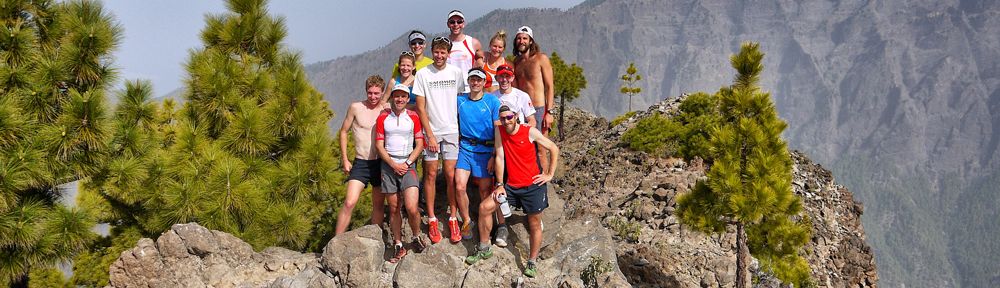
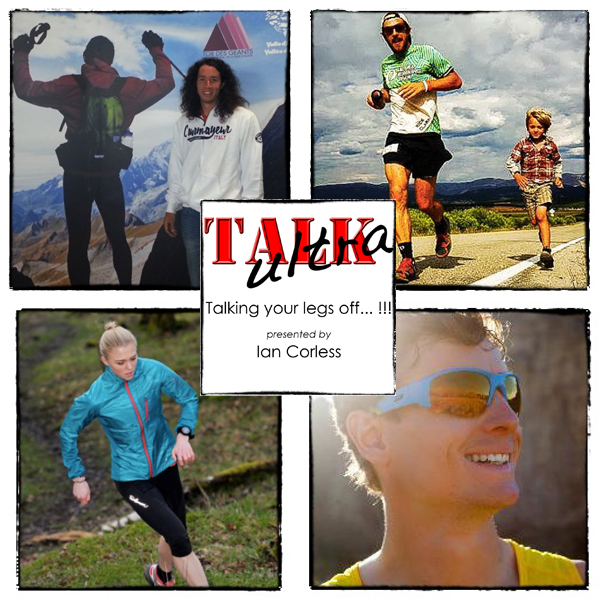
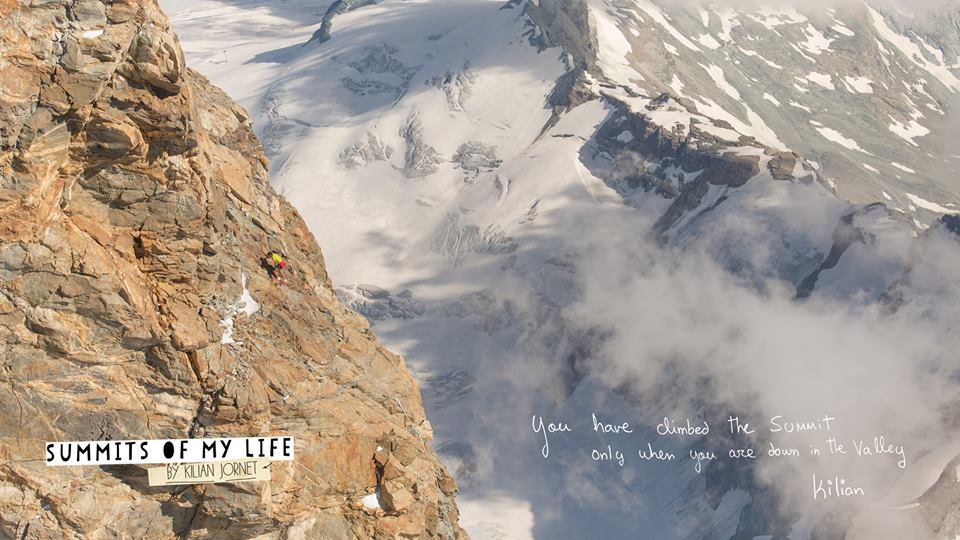
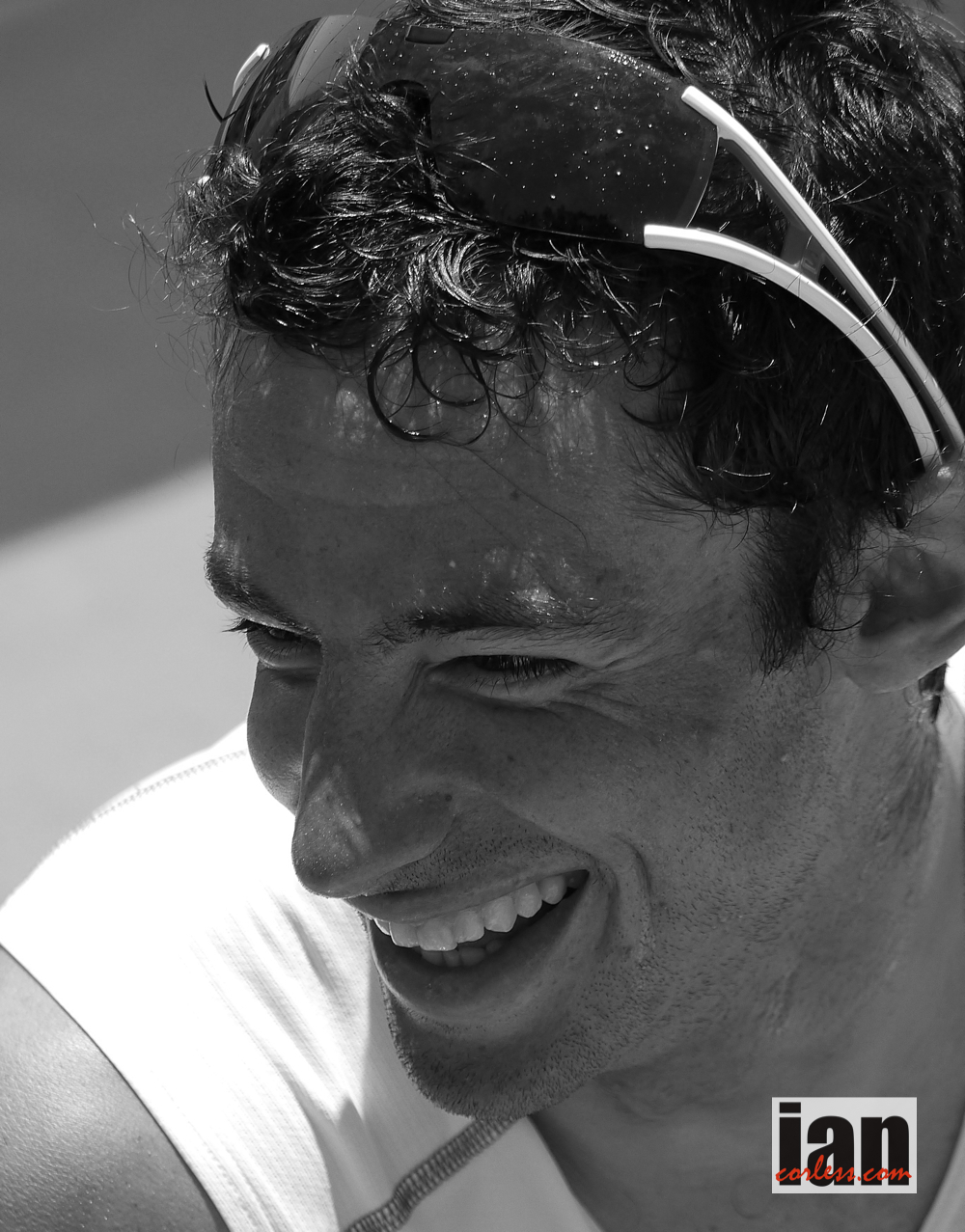
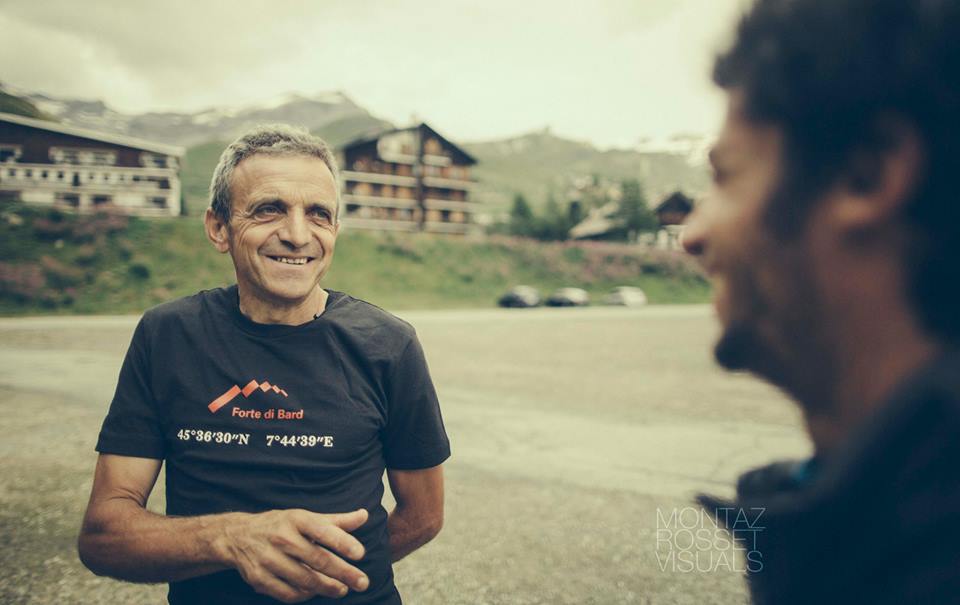
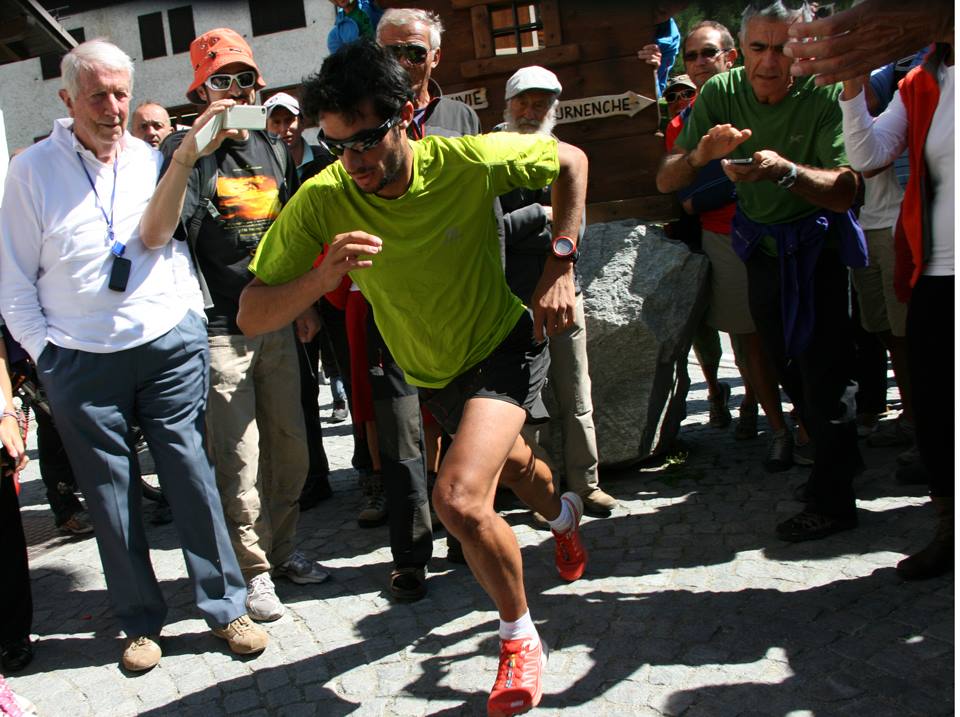
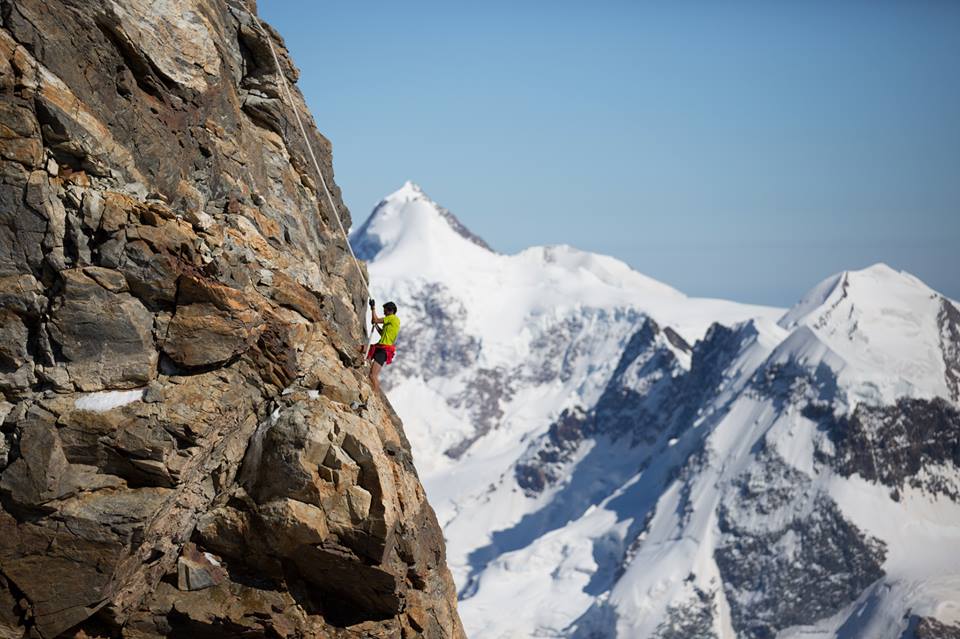
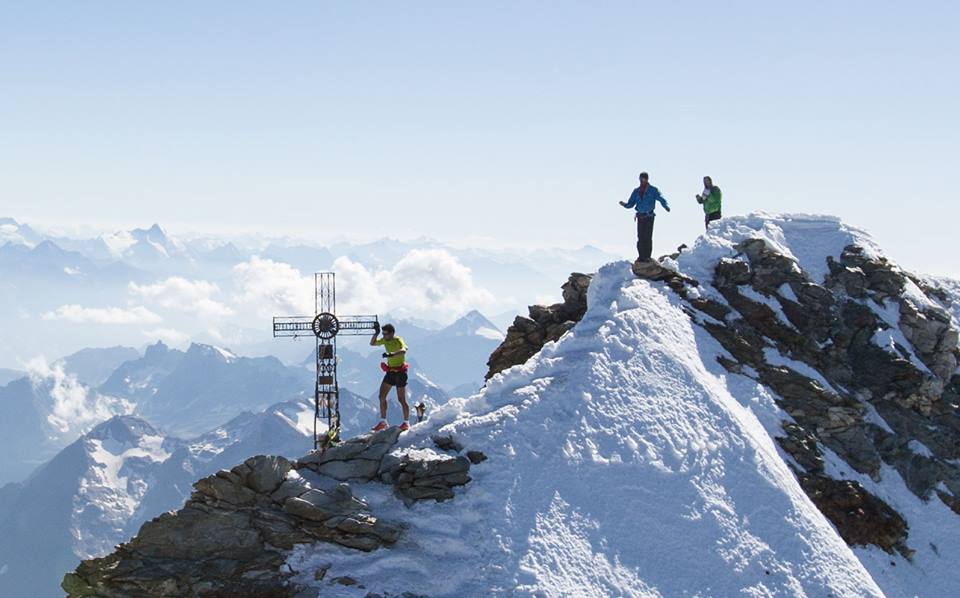
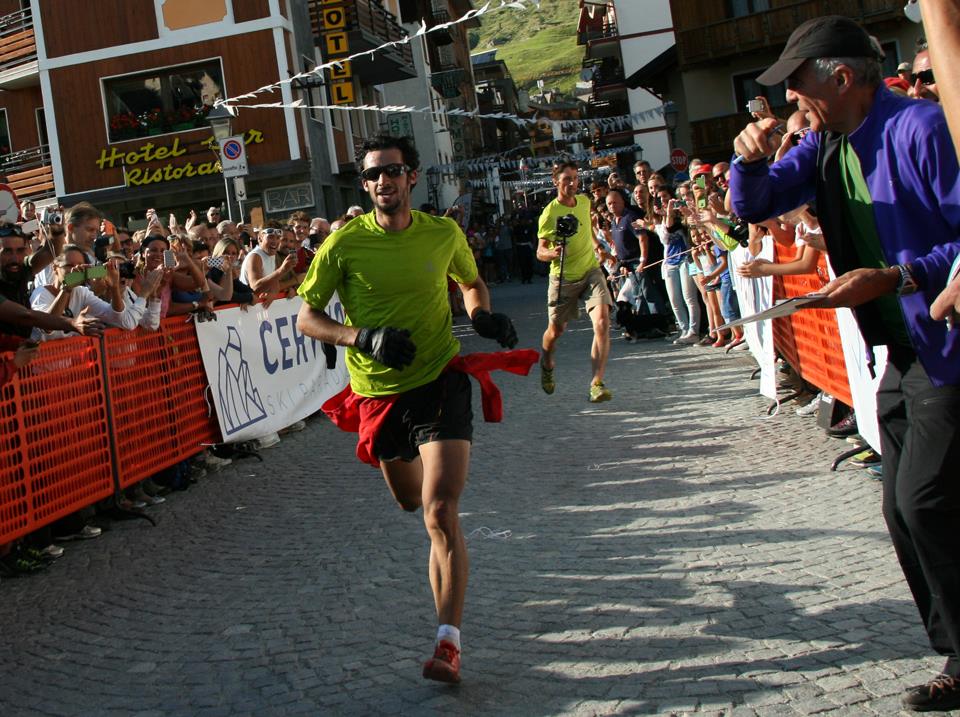
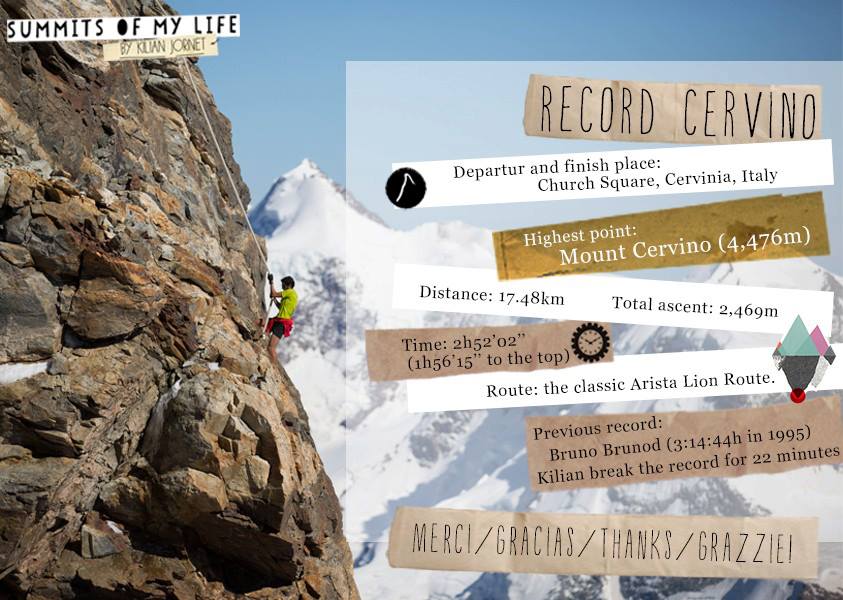
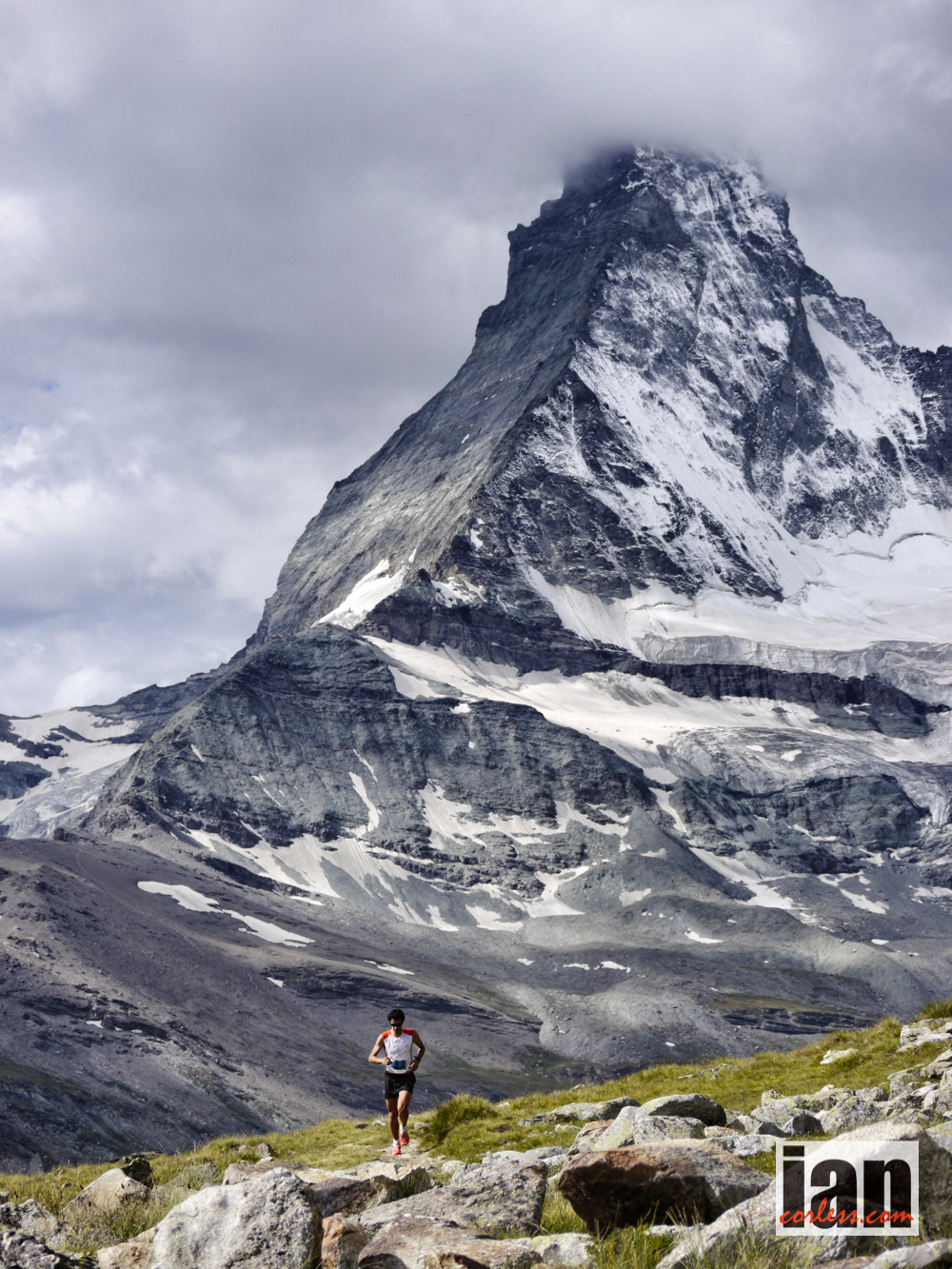
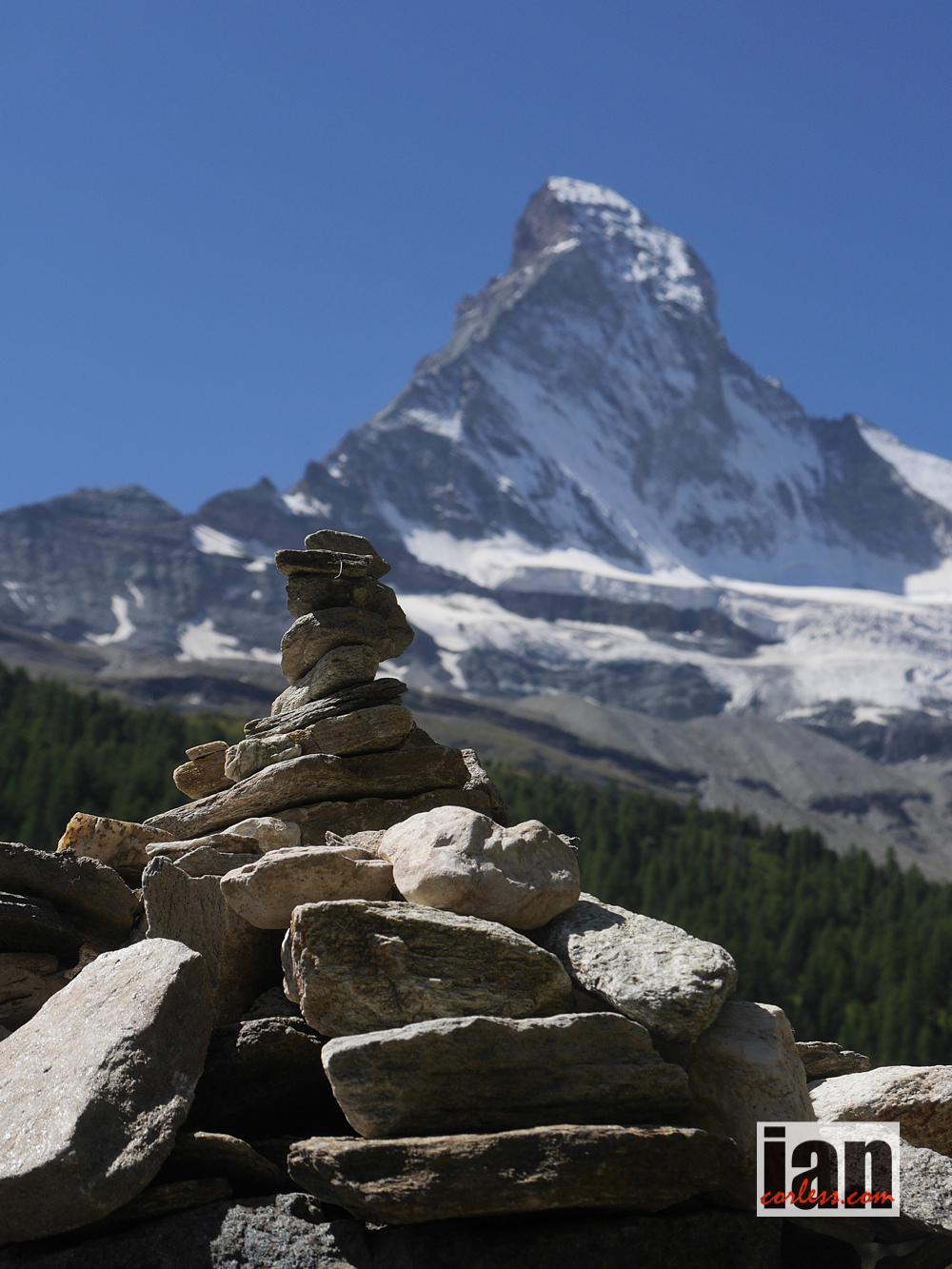
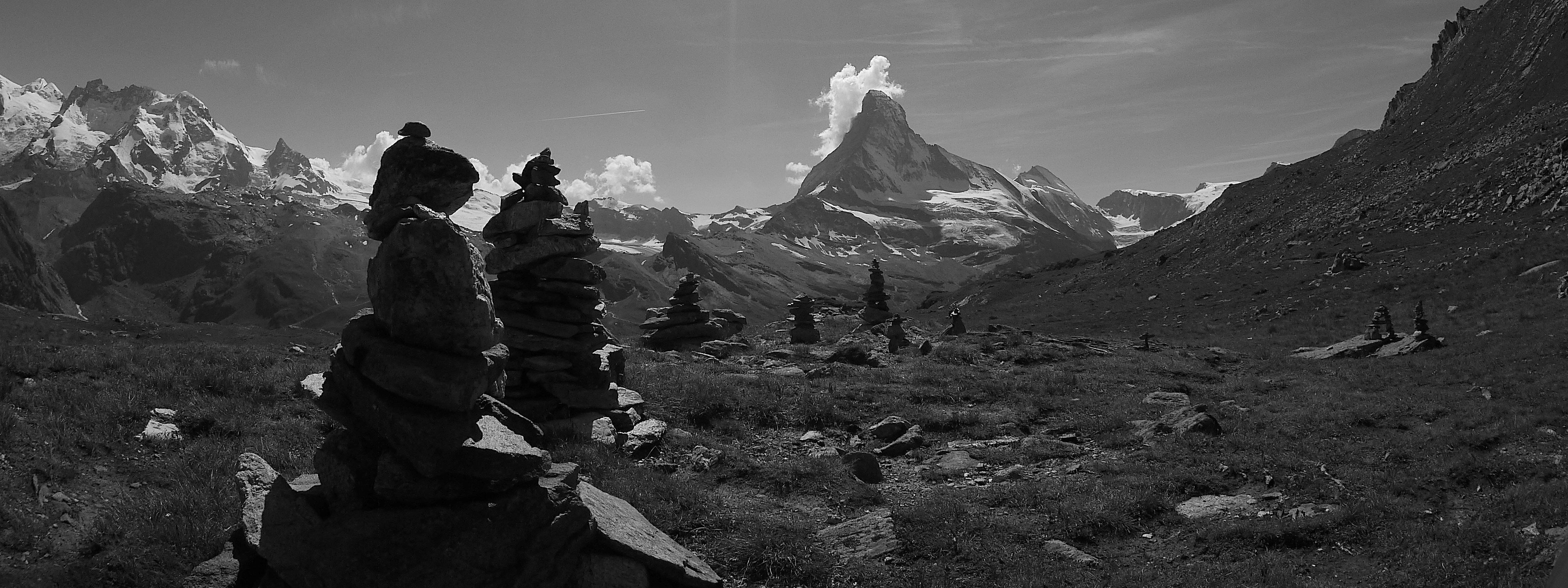
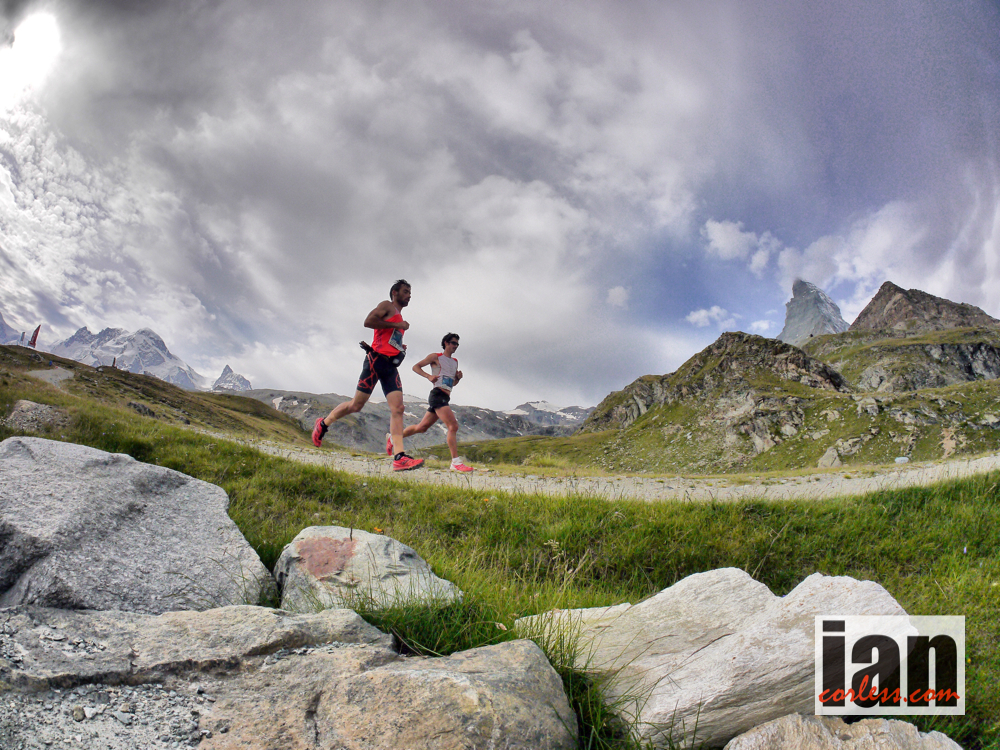
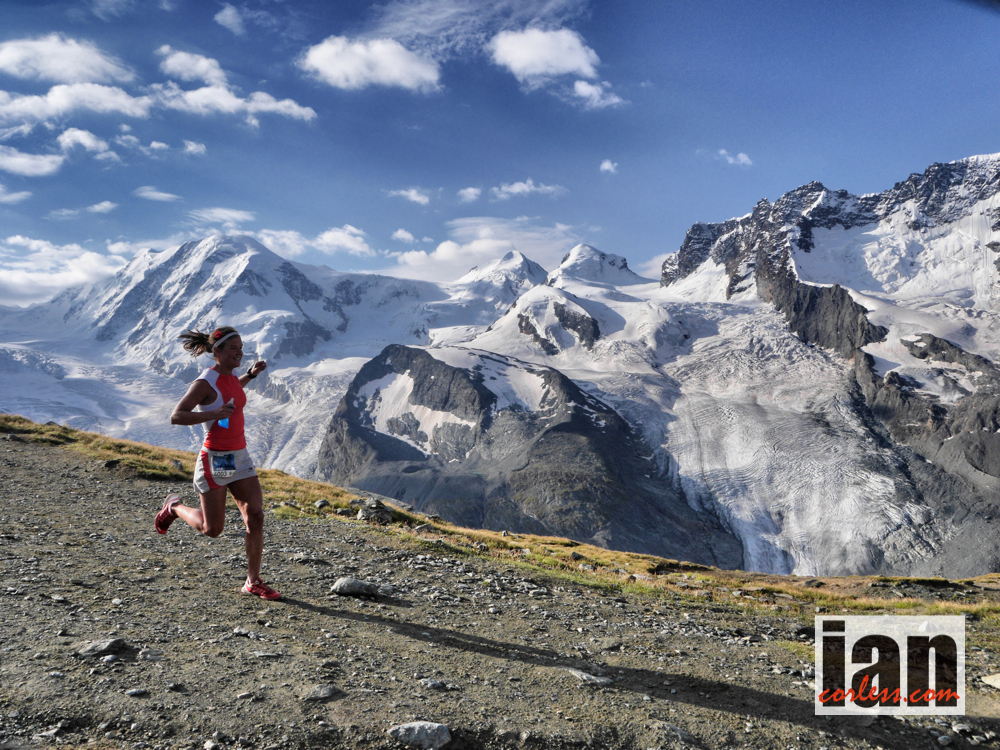
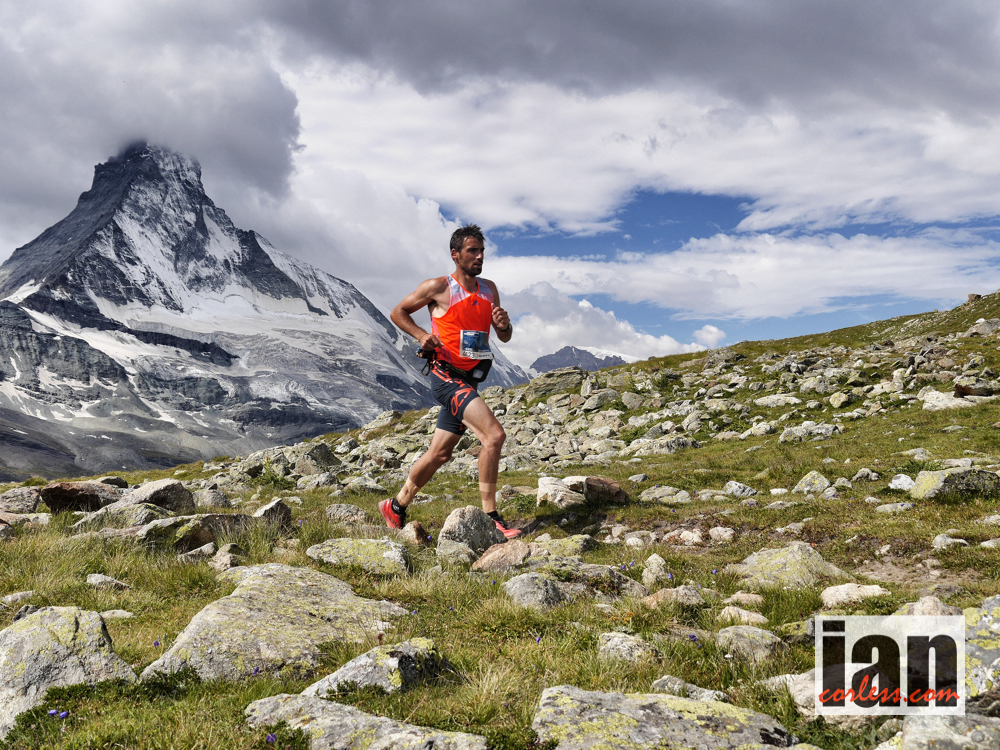

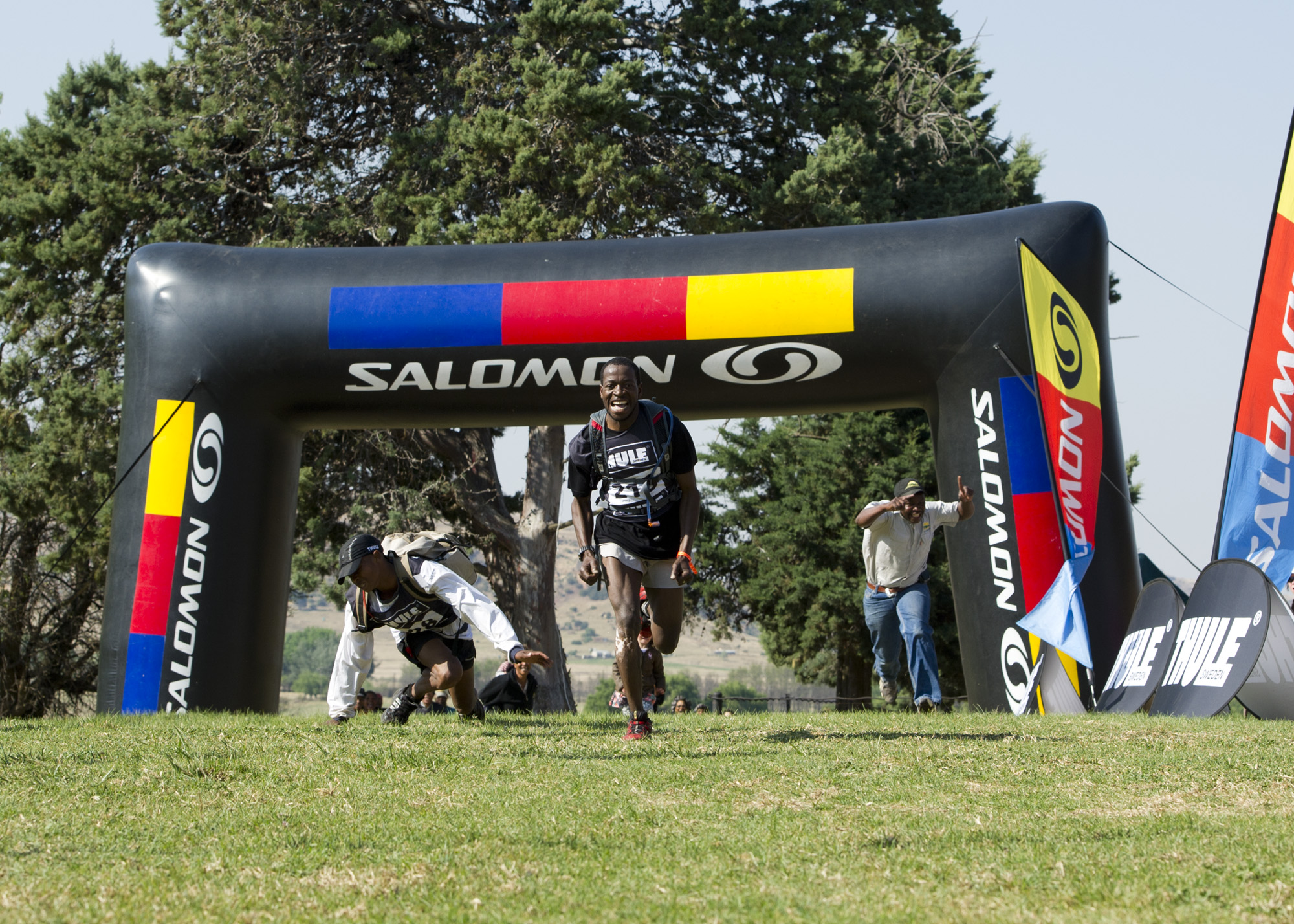

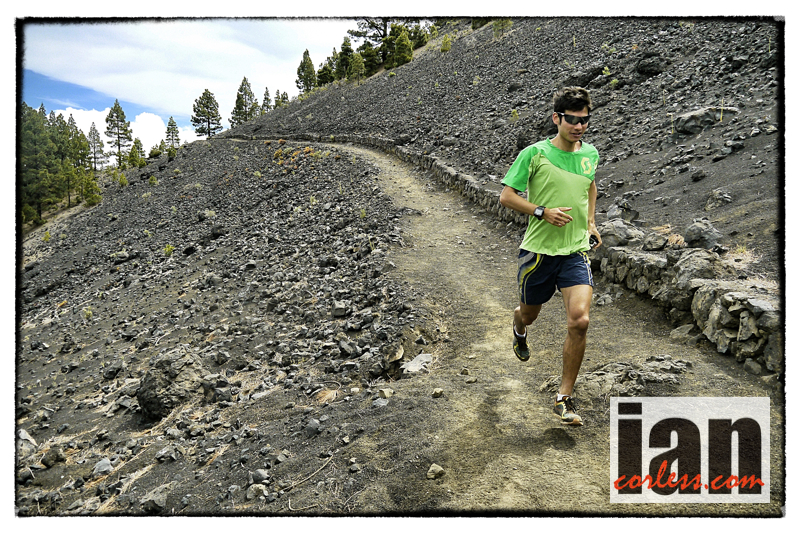

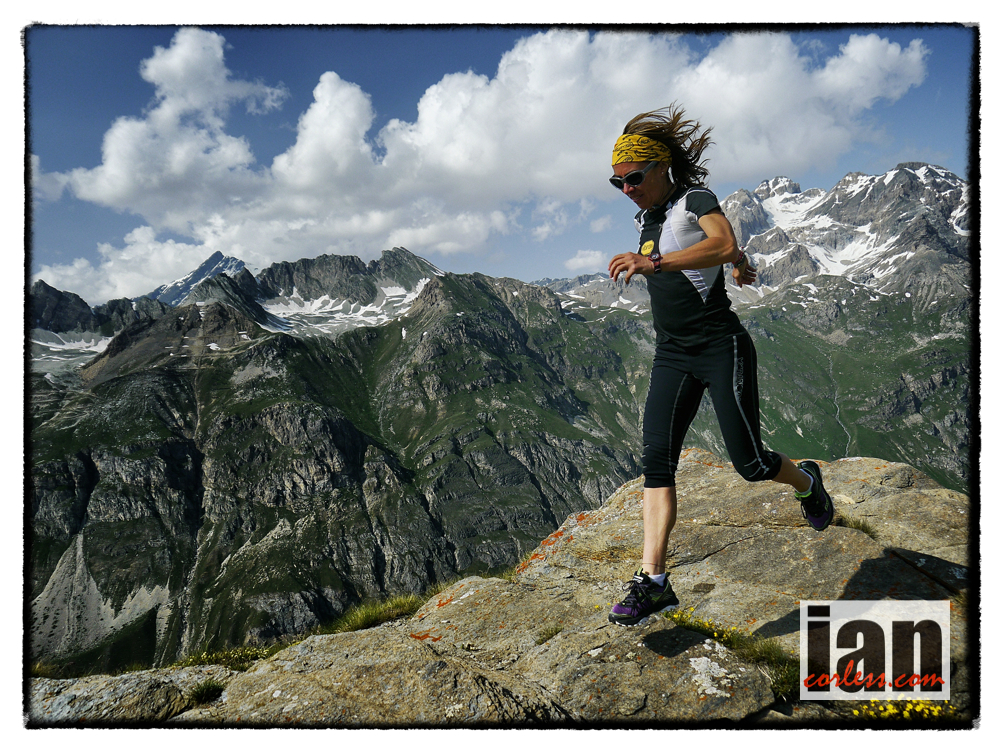
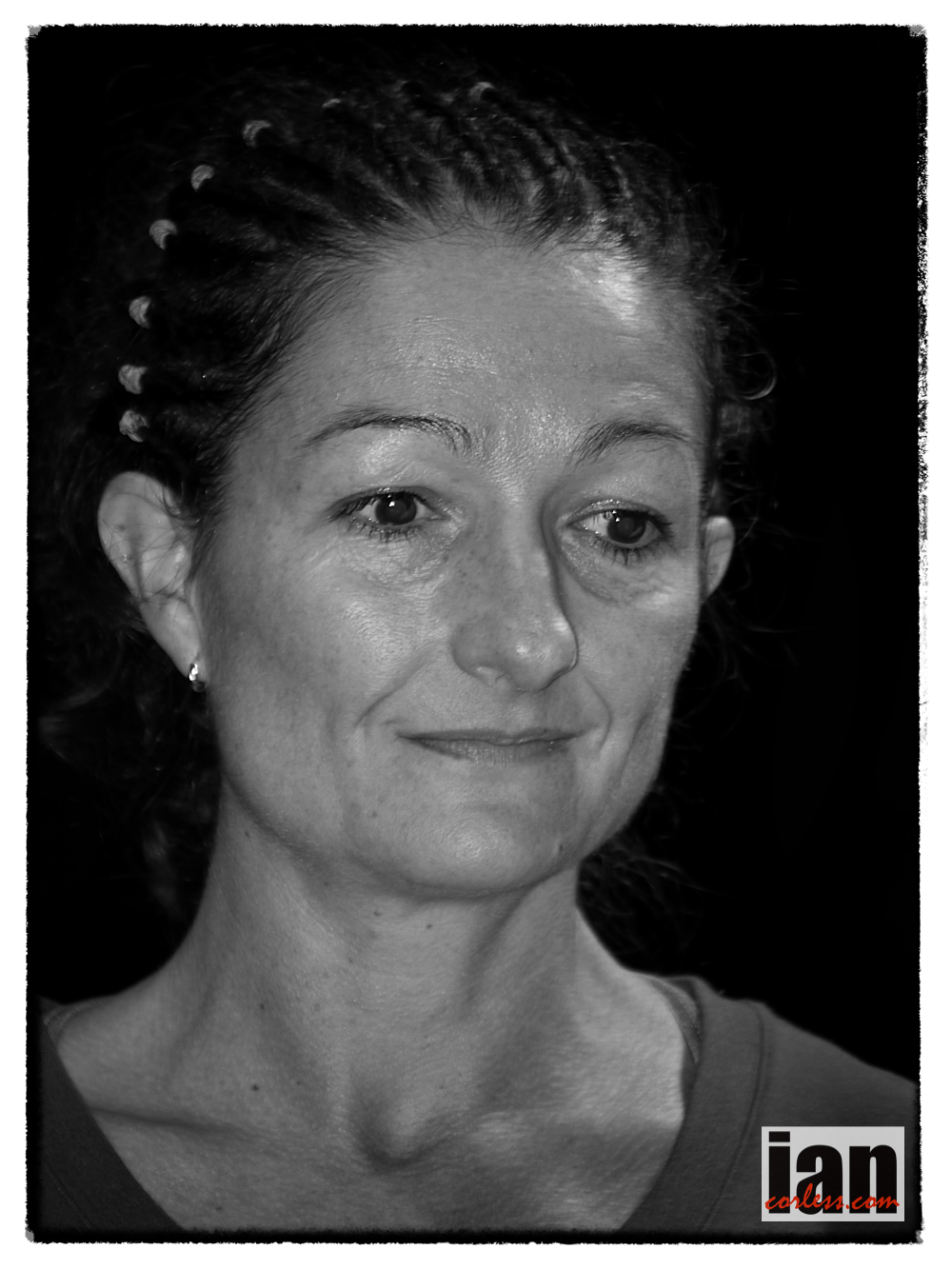


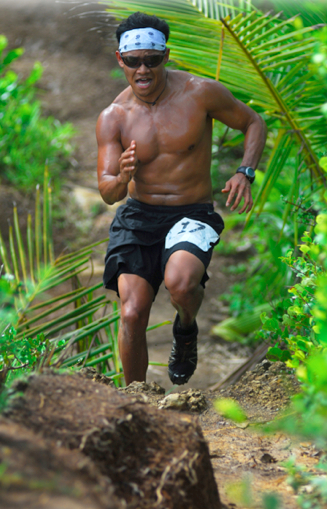


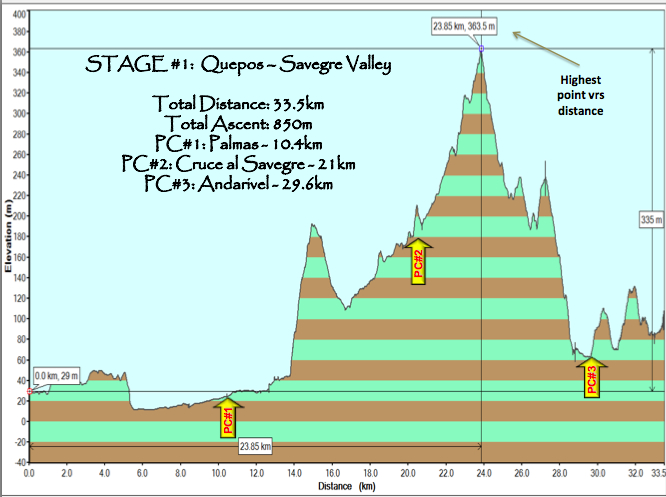


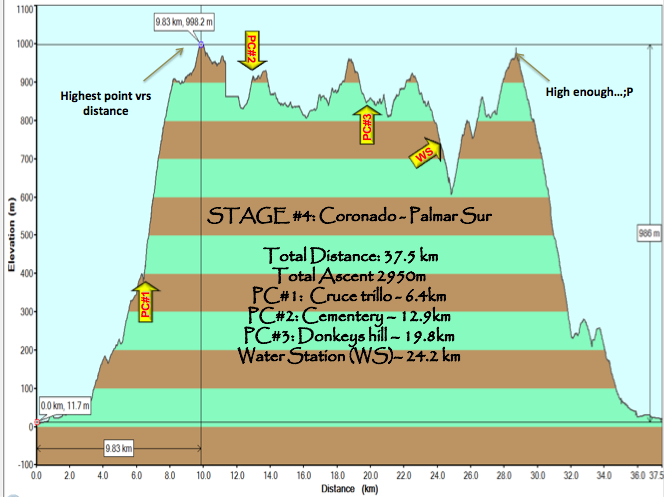
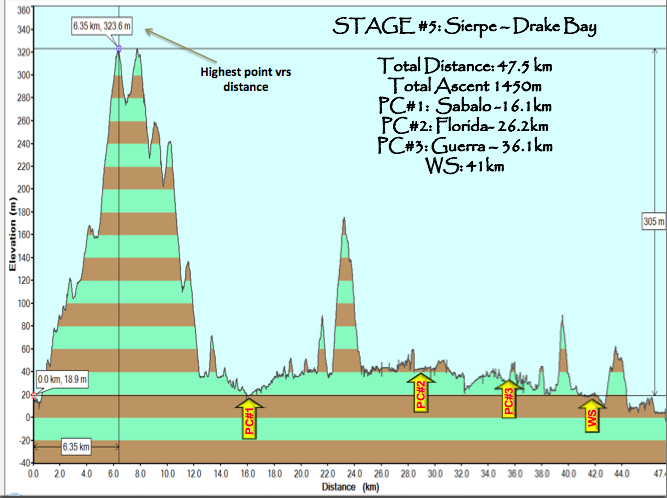


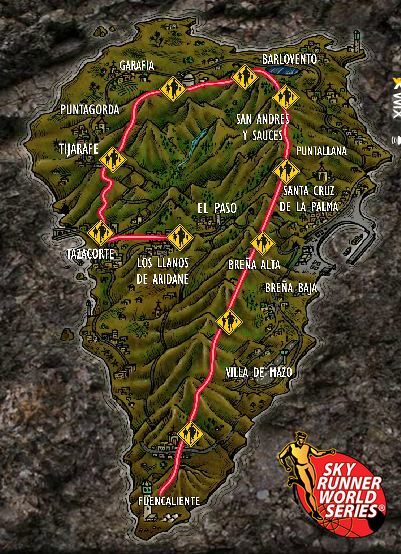
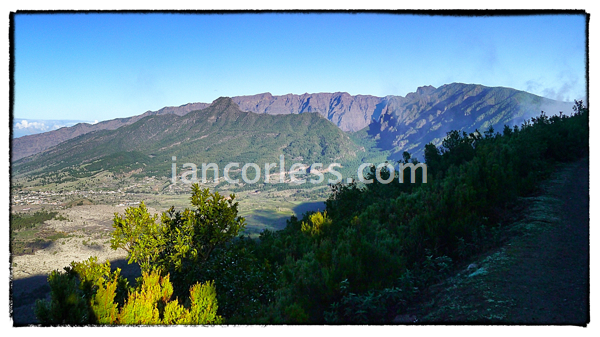
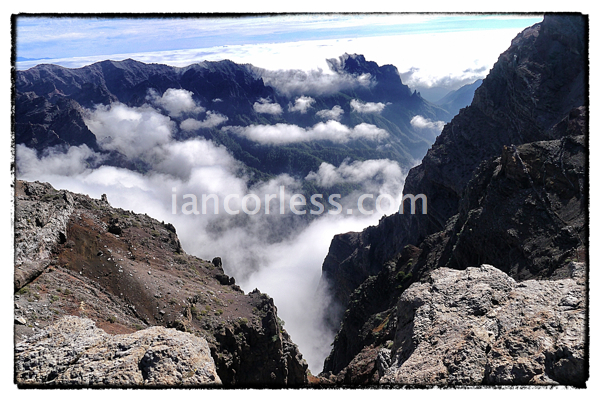

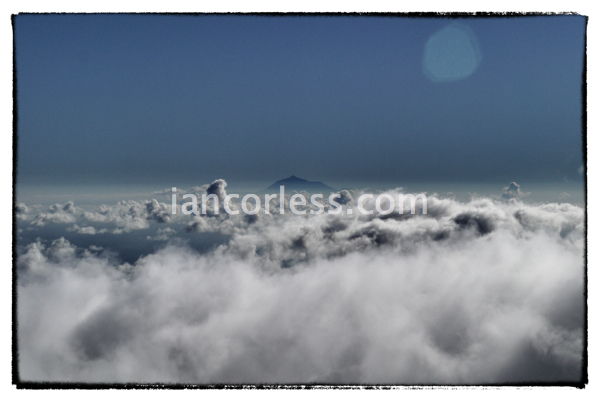
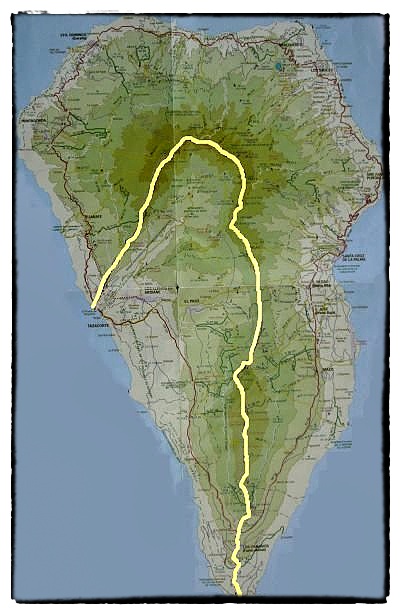

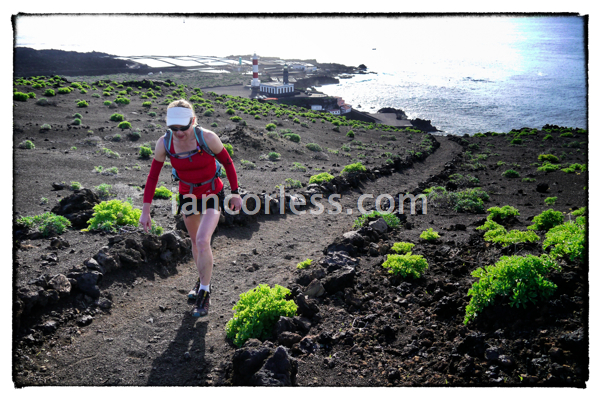

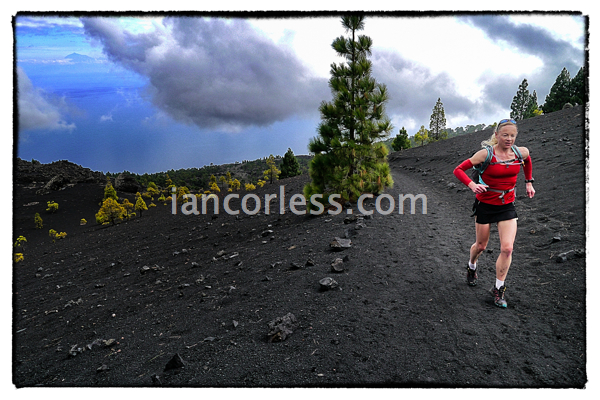

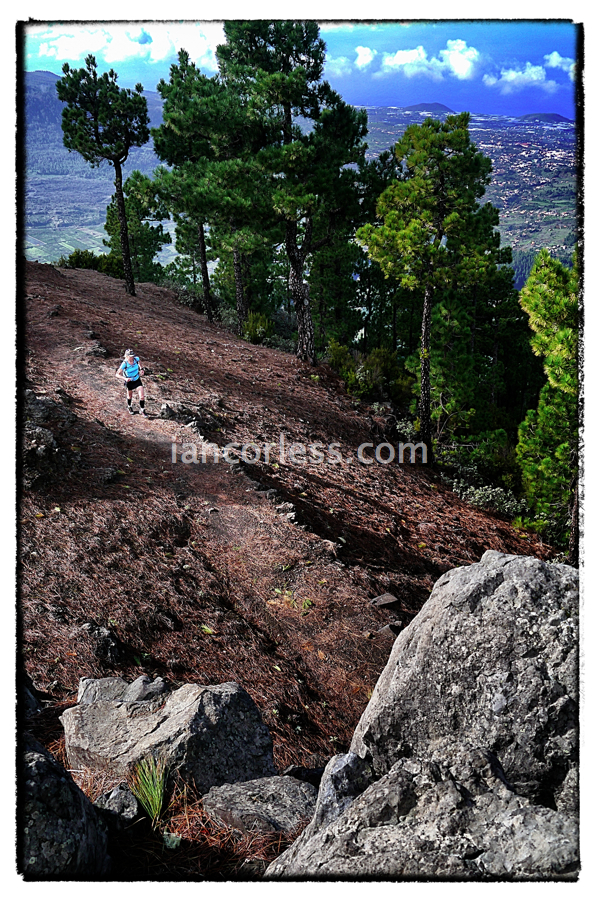
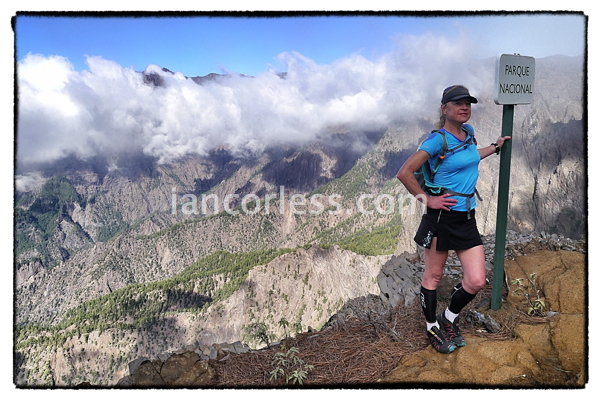
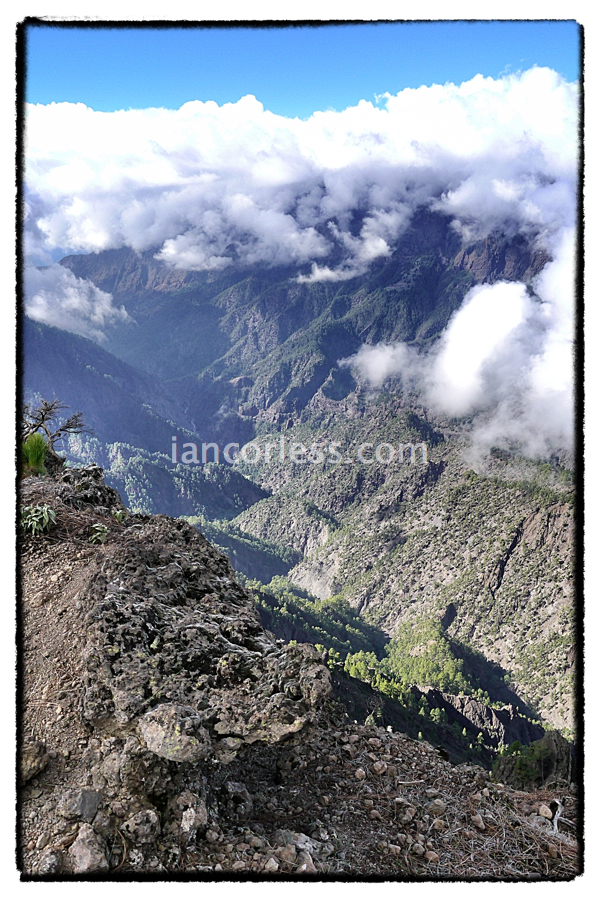
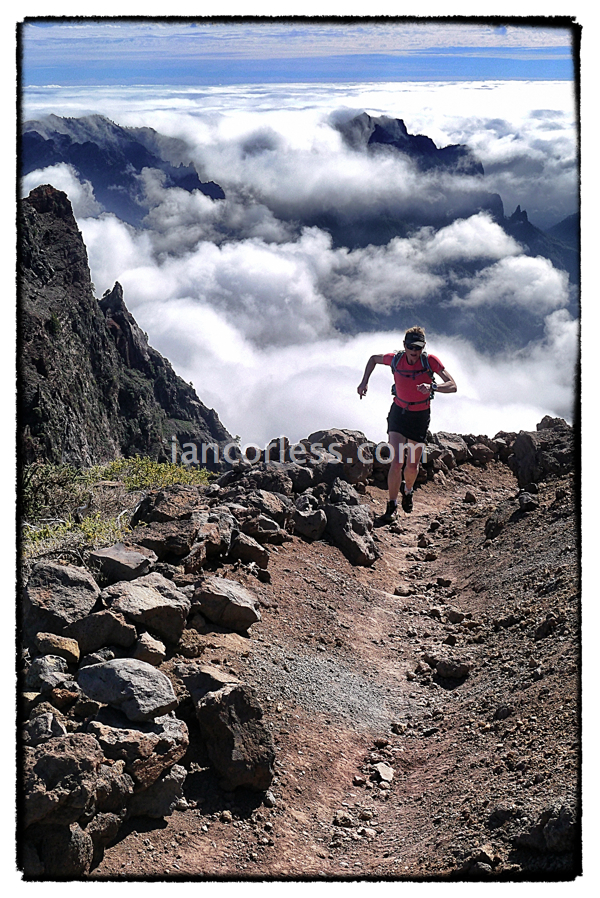
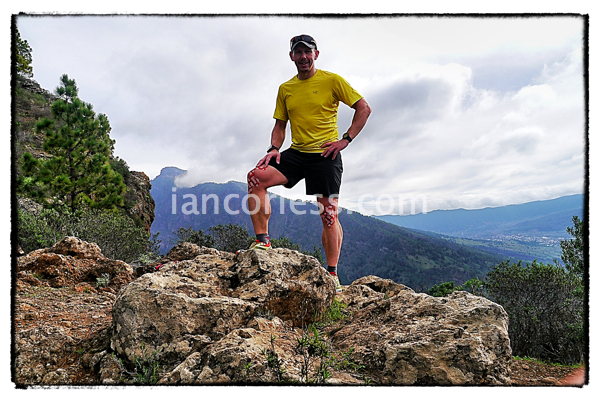
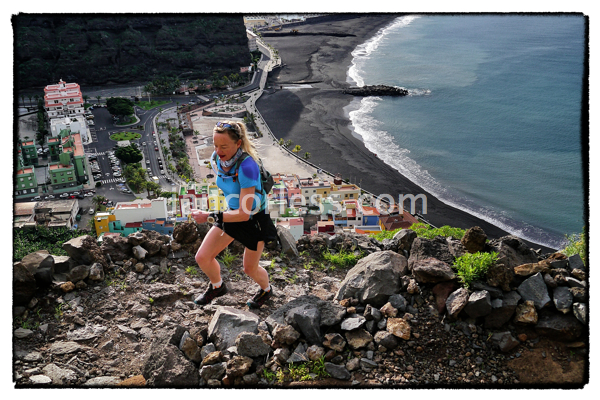
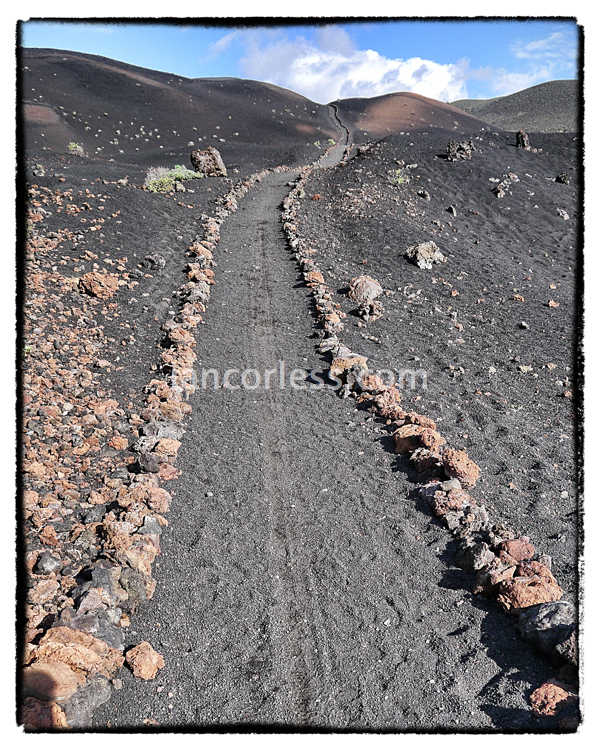
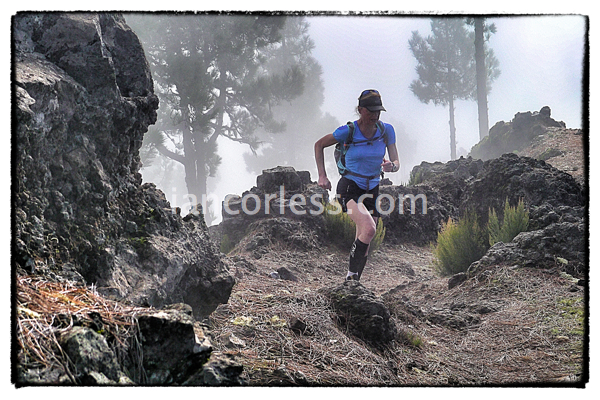

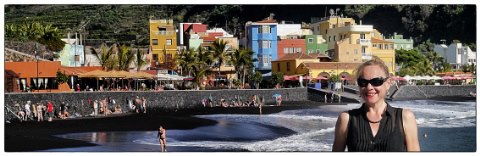
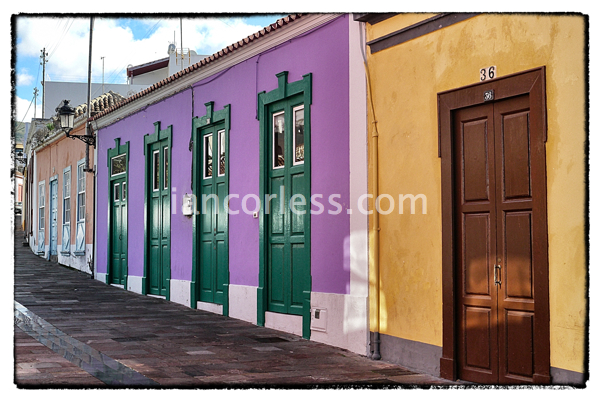

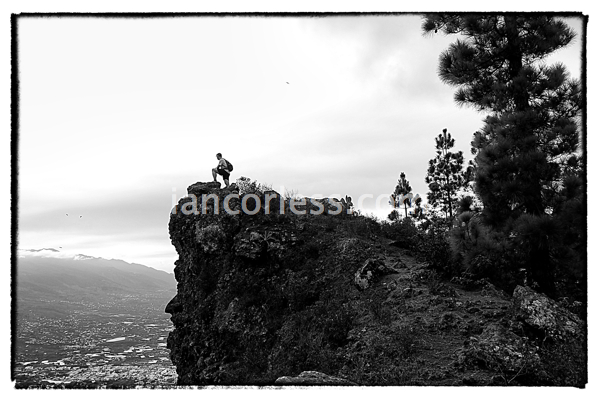
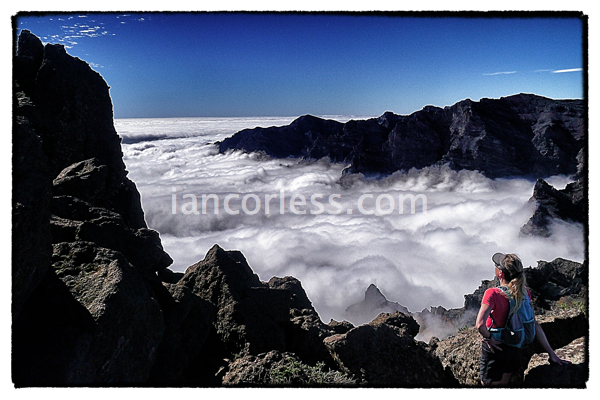
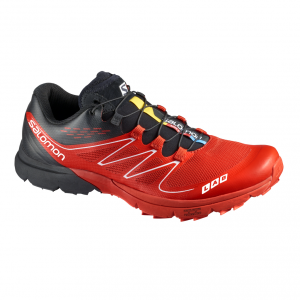

 IAN CORLESS