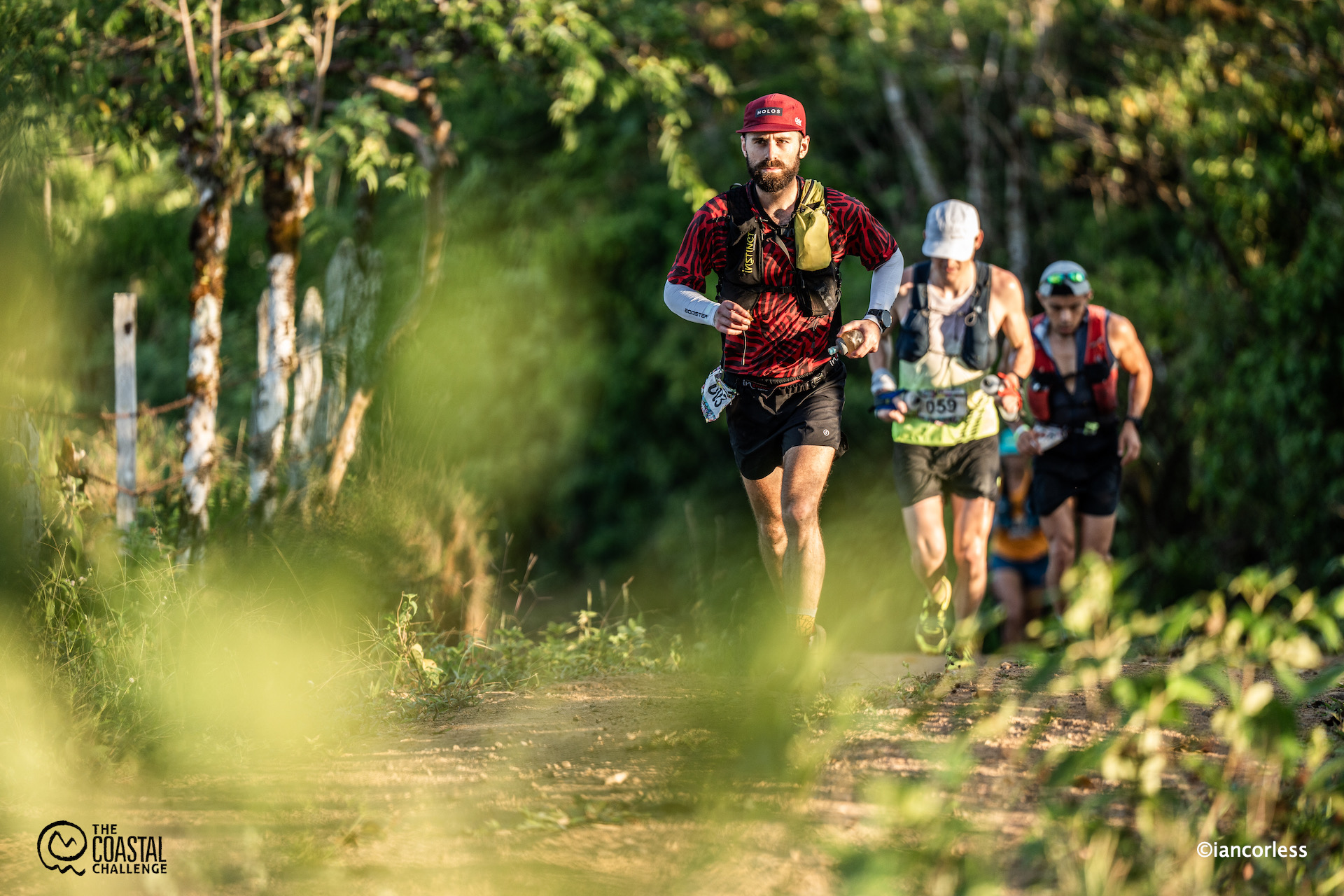
What a day! Stage 3 of the 2025 The Coastal Challenge will go down in history… Local legend, Erick Aguero pulled back a 16-minute deficit after stages 1 and 2 and now leads the race after an epic winning margin of 23-minutes.
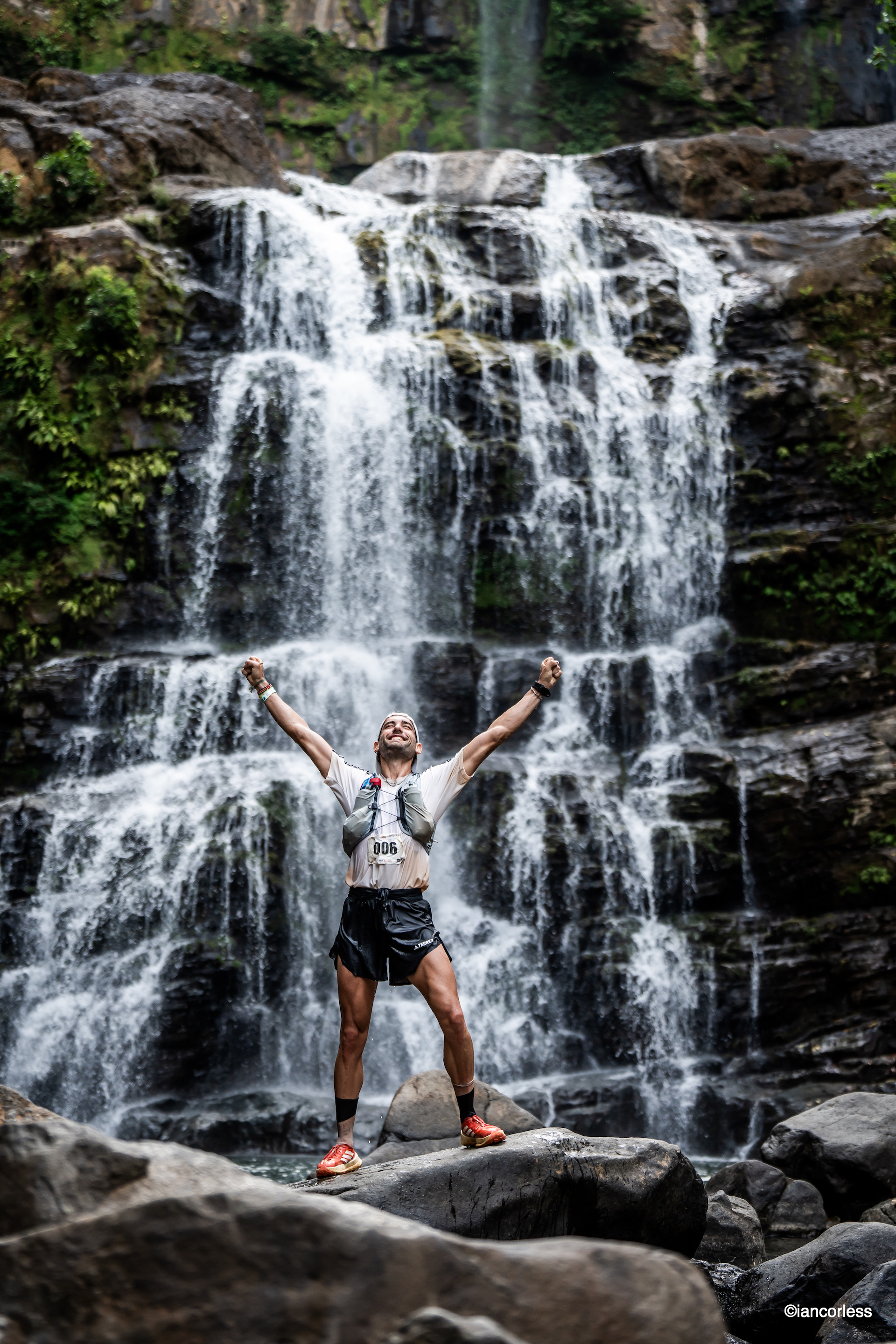
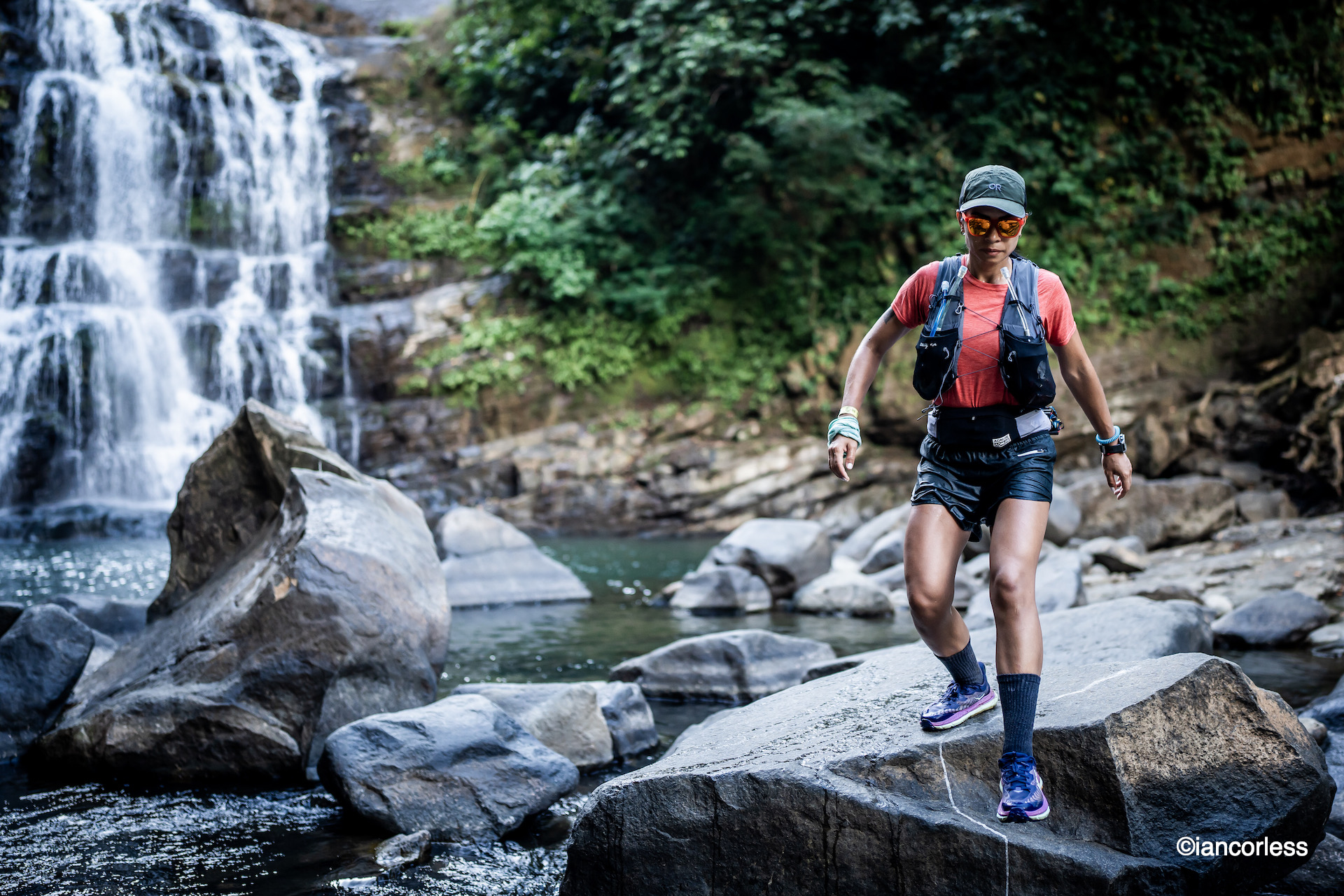
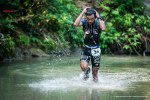
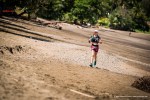
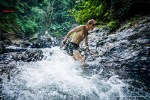
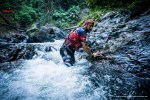
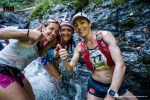
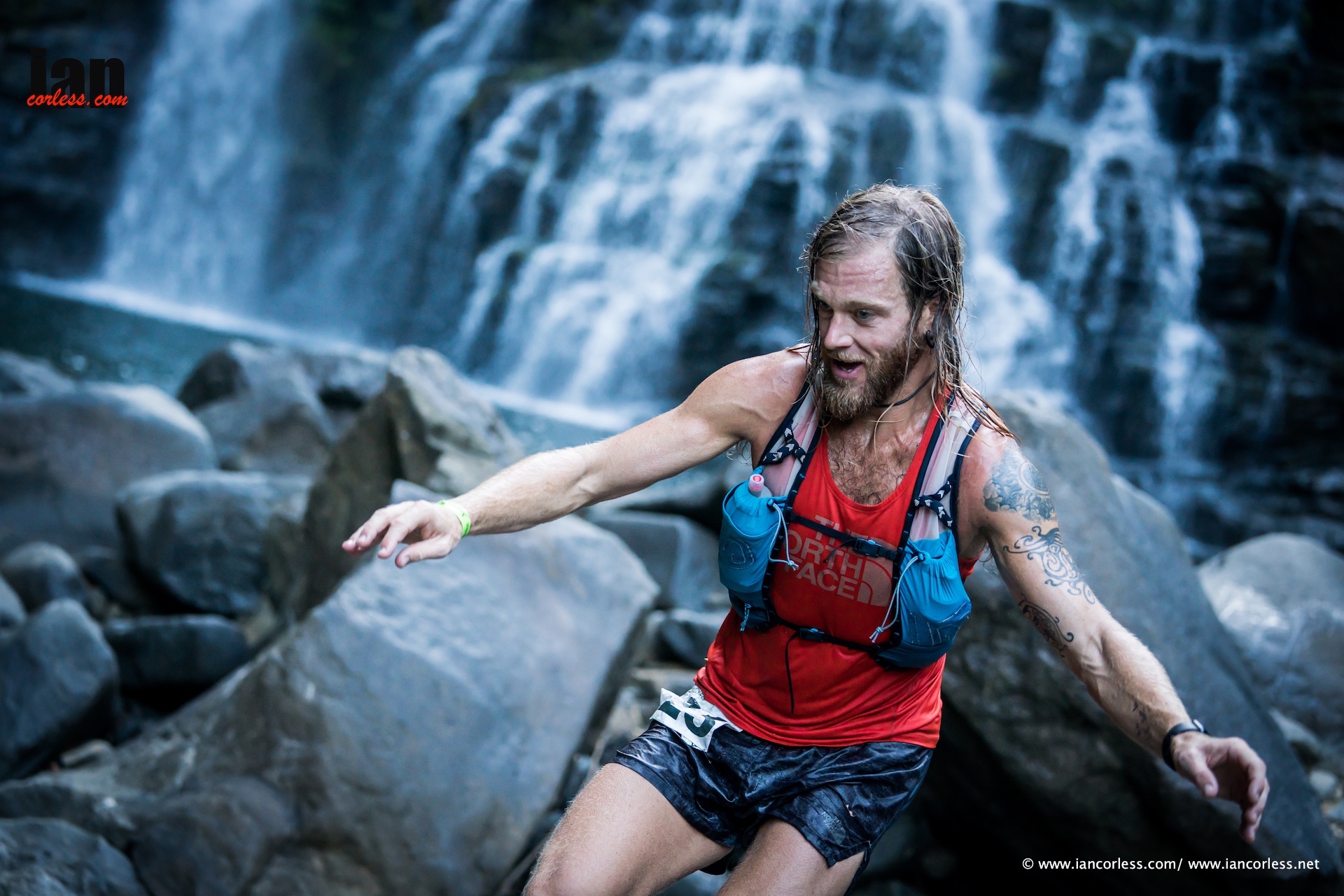
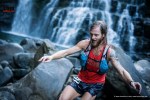
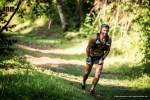
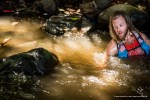
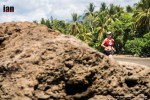
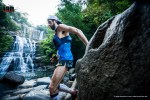
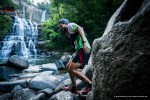
This is Nauyaca with Pitufollow – Photo by Ian Corless
Stage 3 with more technical trail, played into the hands of Erick and at the Nauyaca Waterfall he already had a lead of 5-minutes. This lead increased from cp too cp, Erick was on a mission. By the final beach section, has lead was +/- 23-minutes. He held on to the line to take a stunning stage win and overall lead.
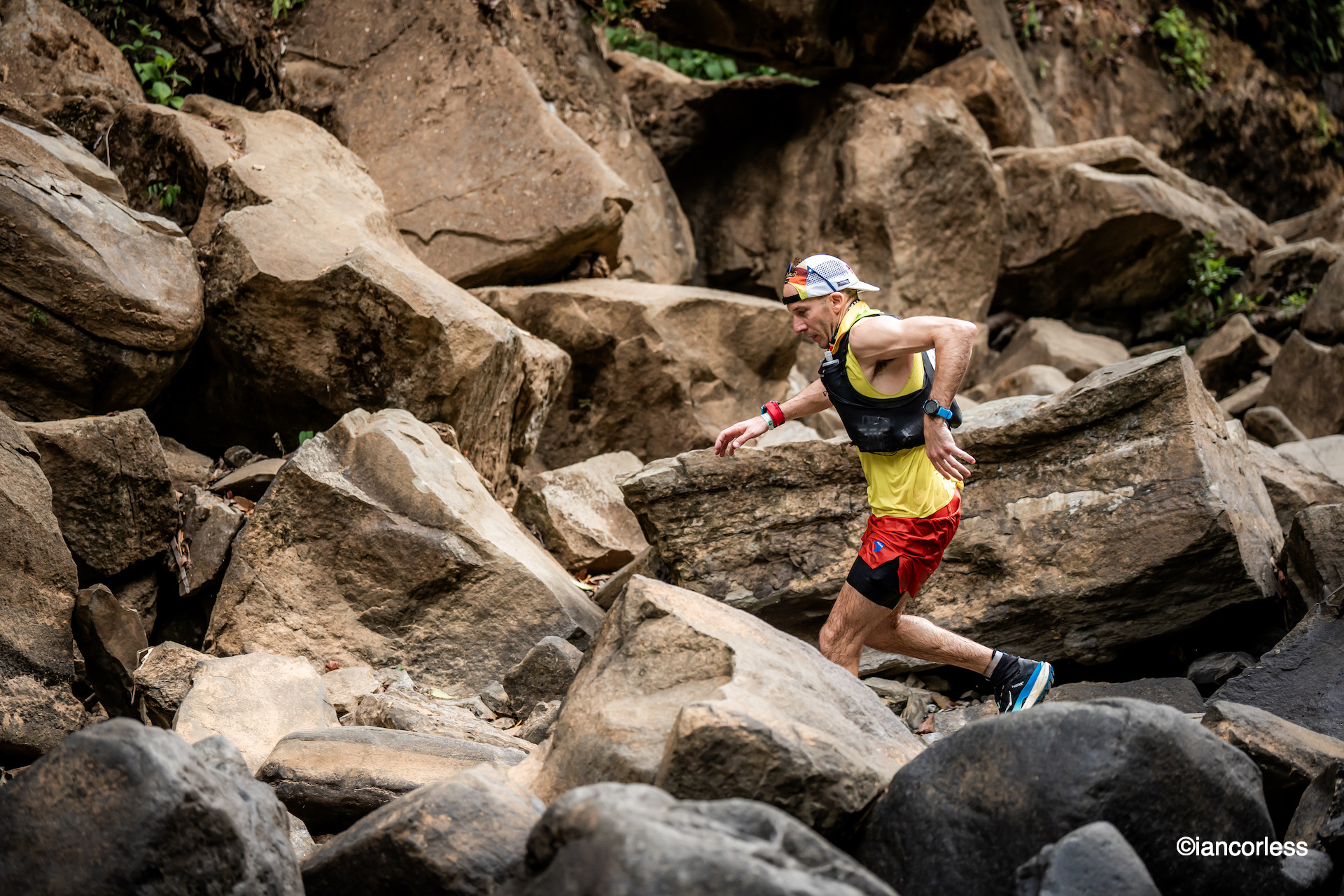
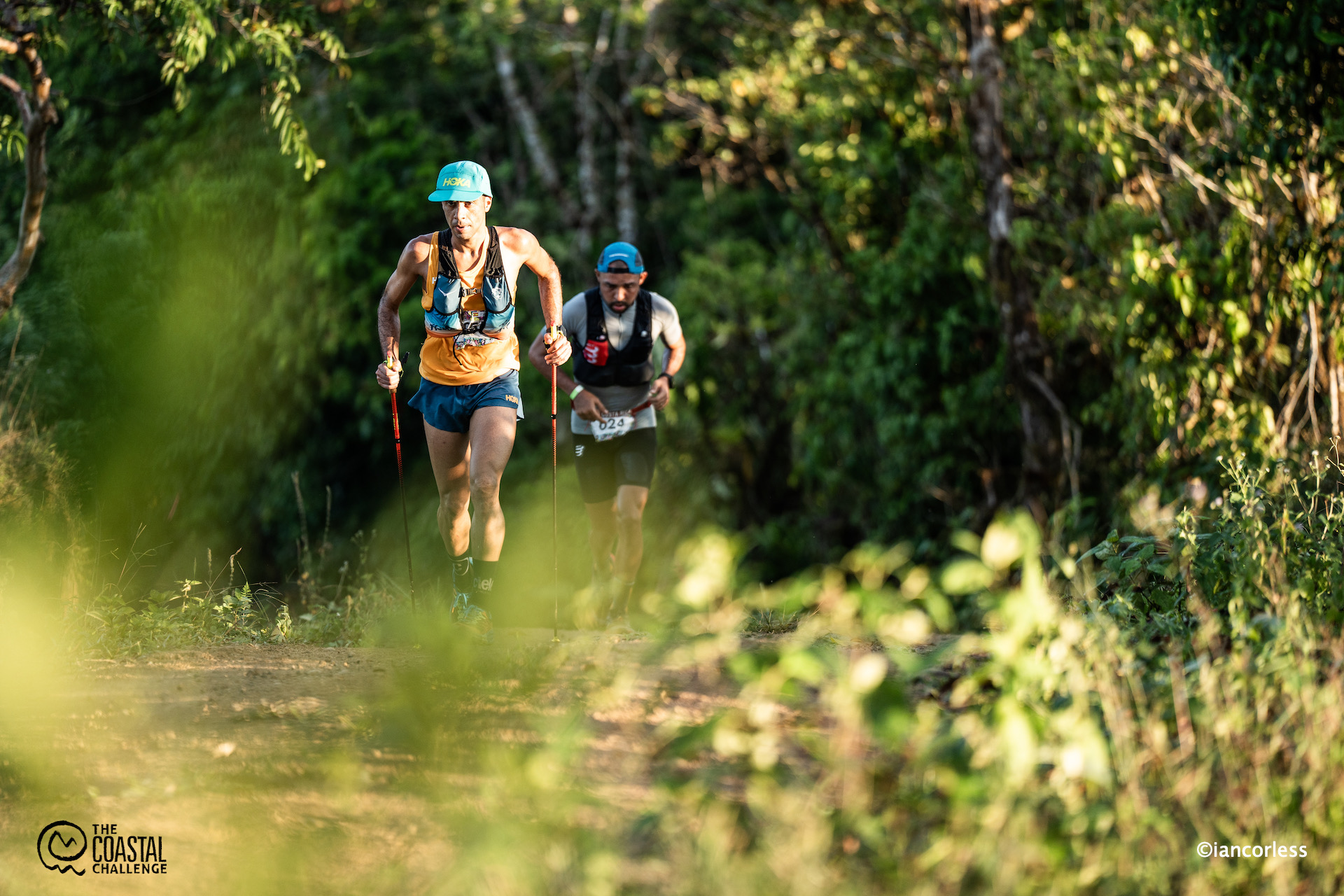
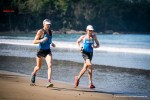
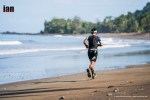
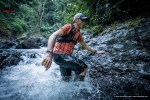
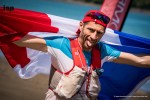
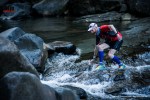
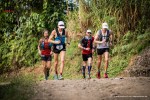
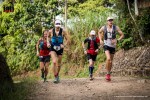
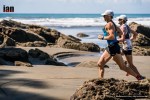
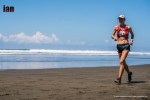
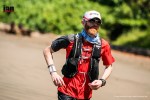
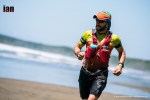
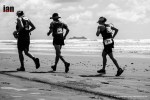
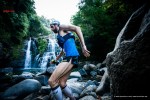
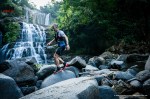
Pierre chasing hard – Photo by Ian Corless
Pierre Meslet was running strong all day and post-race he confirmed he felt good and was running strong. He gave kudos to Erick on a stunning stage and he also confirmed, “If Erick wants to win, he has a fight on his hands!”
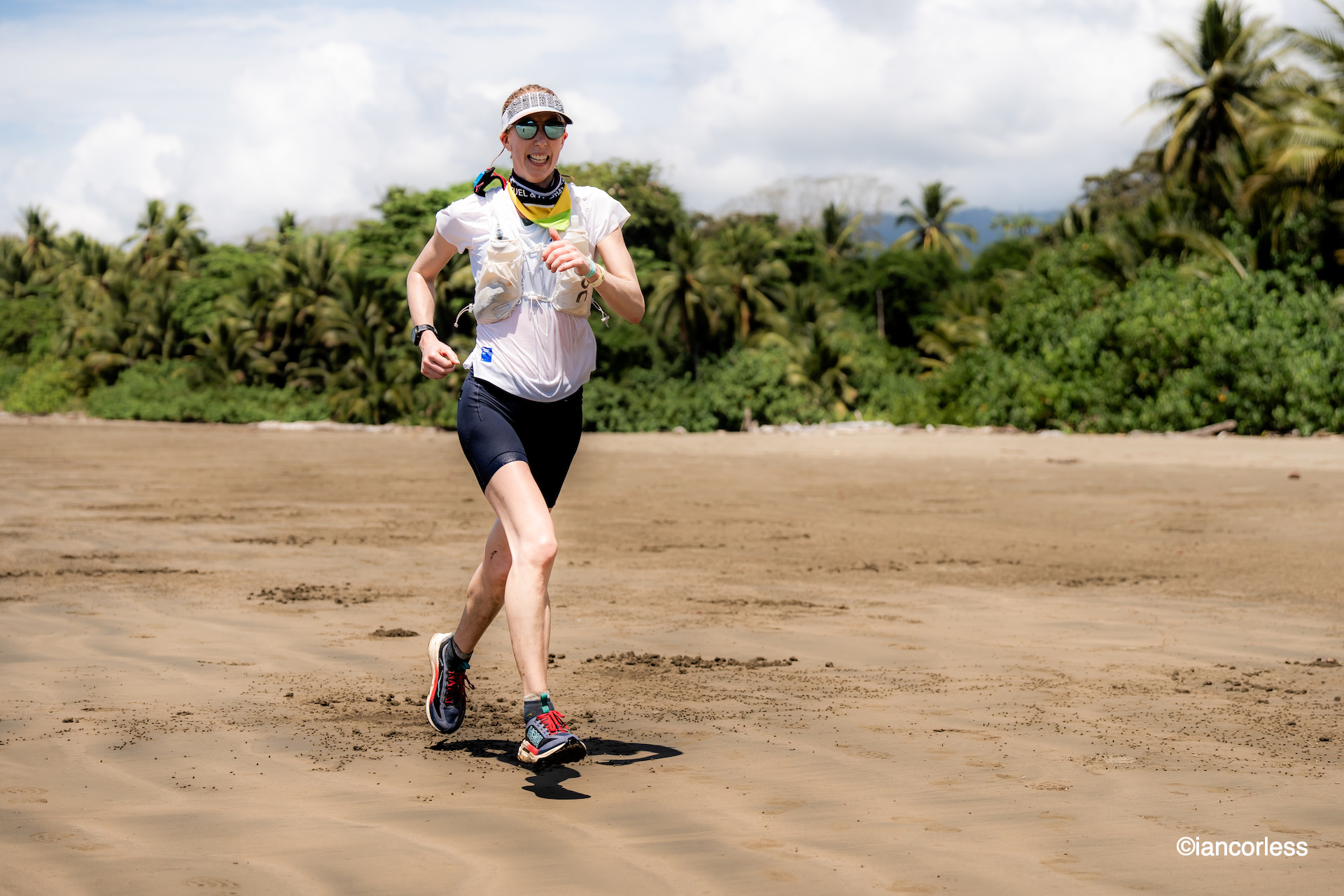
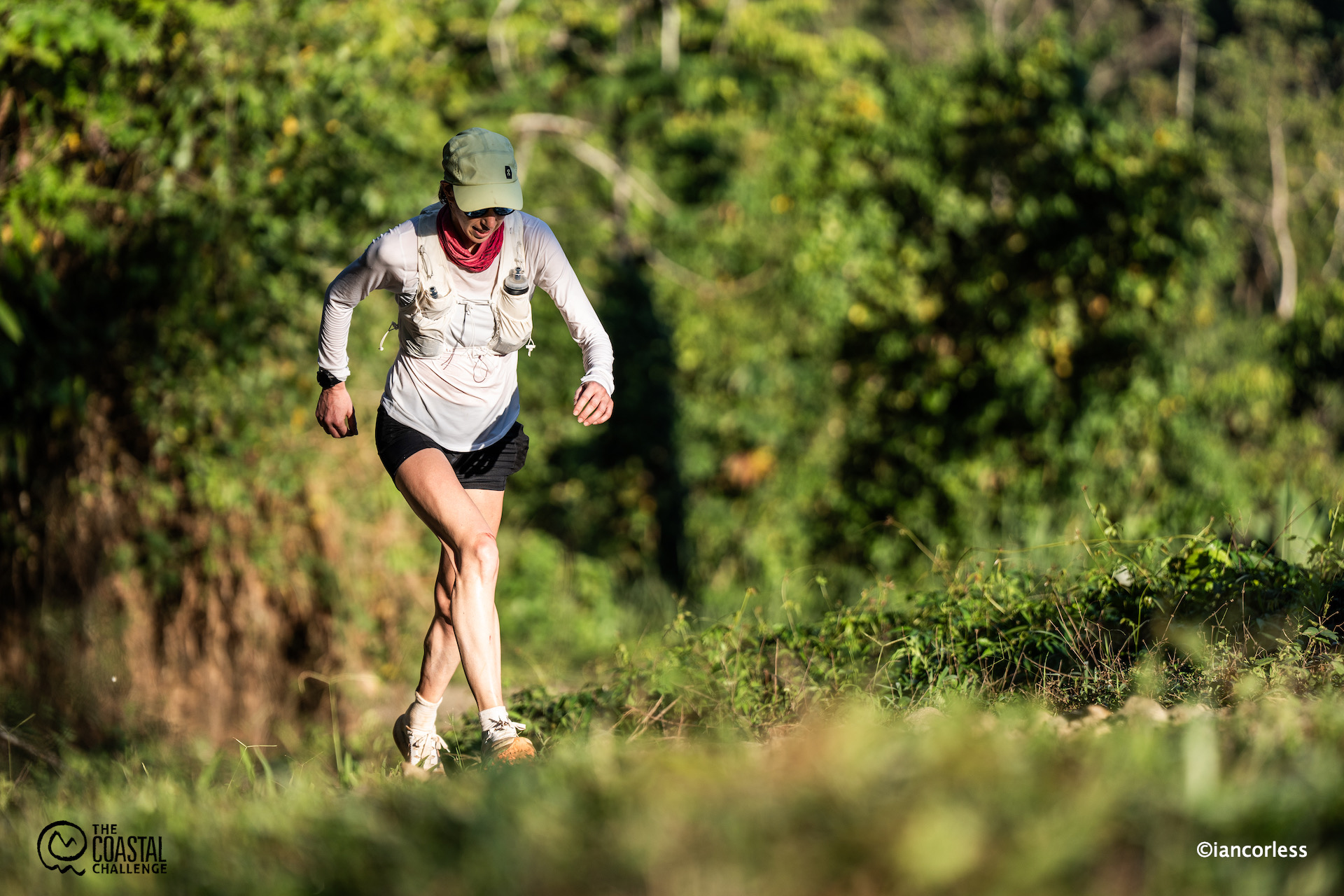
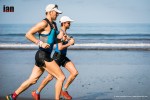
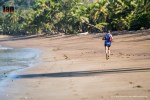
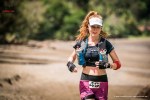
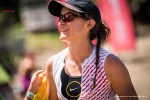
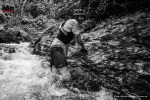
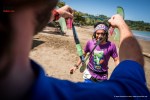
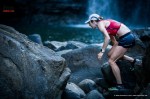
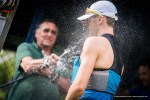
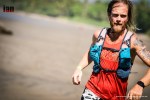
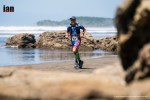
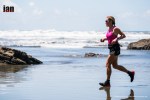
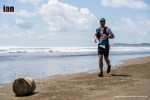
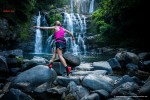
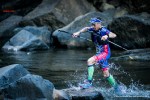
Katie – Photo by Ian Corless
For the women, Katie Young was once again untouchable. She was running strong and what looked like without effort all day. Post the finish line, she confirmed she was 30-minutes quicker than last year, she is unbeatable.
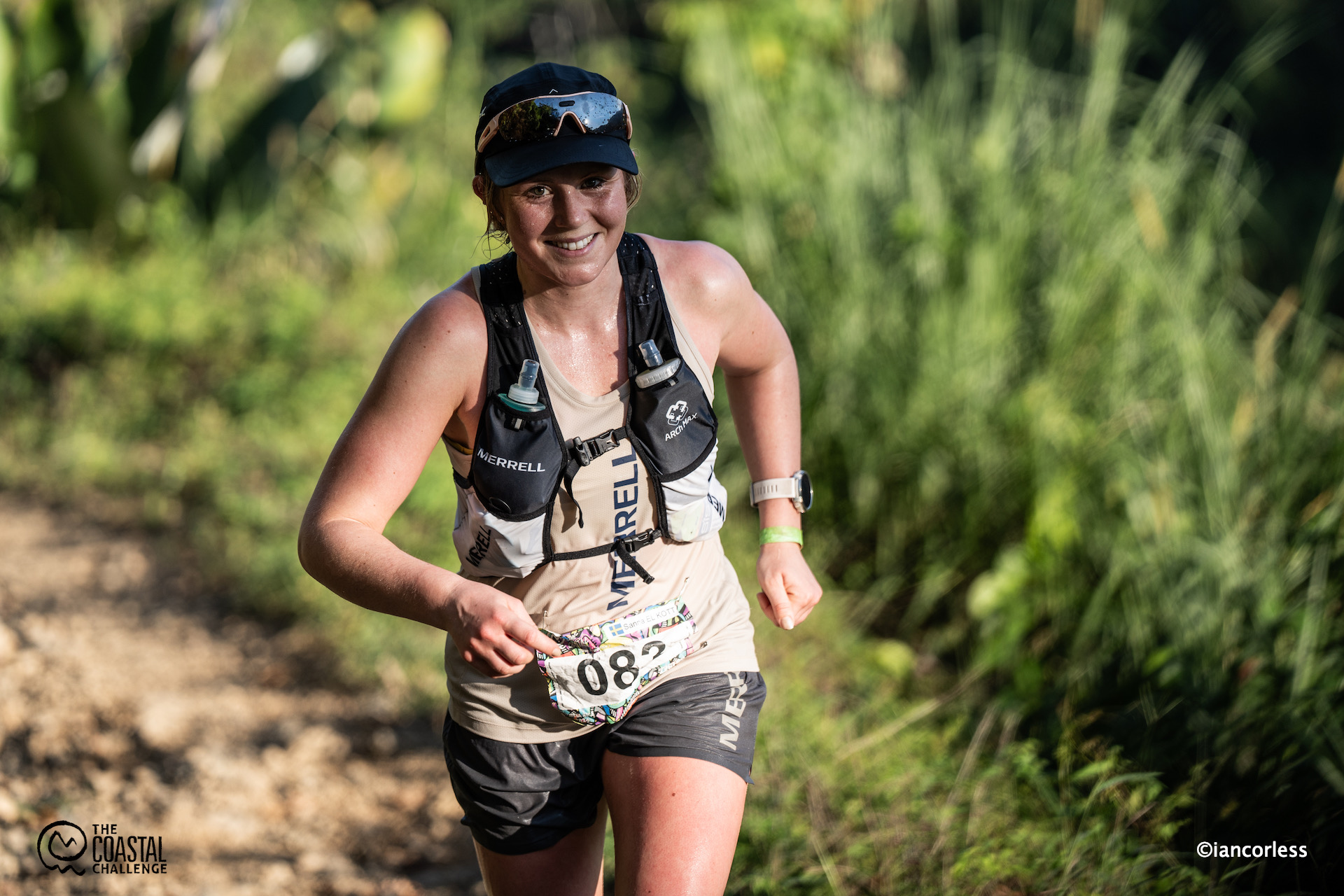
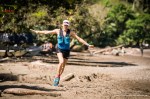
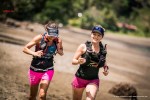
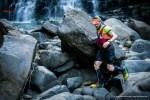
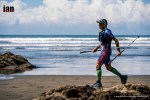
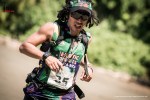
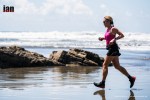
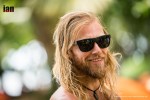
Lucia – Photo by Ian Corless
Lucia Jarquin was once again 2nd on the stage and now, after 3-stages is 6-hours and 24-minutes behind Katie.
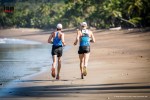
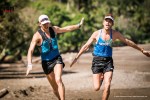
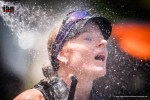
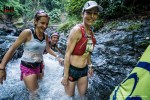
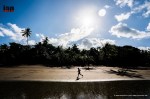
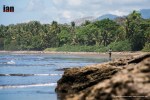
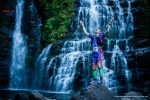
Pura Vida – Photo by Ian Corless
Stage 4, tomorrow, moves away from the ocean and into the more mountainous and technical trail that Erick loves. It’s going to be an exciting day.
Runner’s got there first night in camp last night. Tired bodies looking to recover and prepare for stage 2 of the 2024 The Coastal Challenge, a 230km, 6-stage journey from Quepos to Drake Bay. Ambiance and atmosphere was high. Stage 1 had certainly taken a toll and surprised many. The combination of route, heat and humidity a wake up call. The impact of day 1 saw 18 participants move from the Expedition race to the shorter Adventure category; a huge number!
But today, starting almost 3-hours early makes a huge difference. The almost vertical climb straight out of camp allows for cooler temperatures and an ability to ease in the day.
A rollercoaster of gravel roads followed by rainforest and more gravel roads lead the race to the coast and finally the ocean.
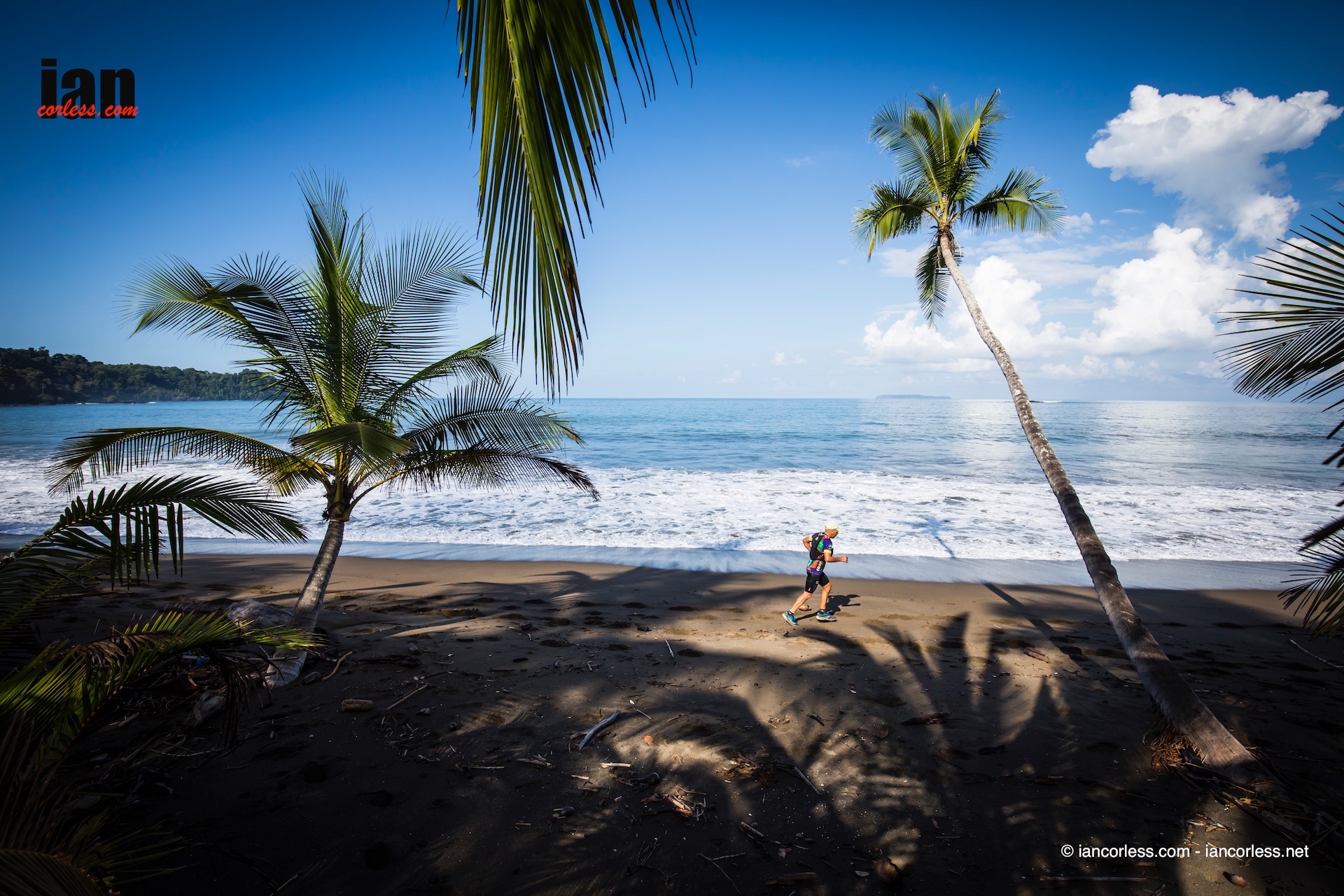
Now the heat of the day takes hold as the the participants navigate a route to the Dominical finish via long stretches of beach.
Jean-Francois leading the top men.
There was a very different mood to the start of stage 2. Summed up in one word, respect. The top men ran together lead by Jean-Francois Cauchon. This lead group did not include Cristofer Clemente Mora who ran a short distance behind with Erick Aguerro behind.
Cristofer and Erick
Pierre Meslet made a 3rd group running Lina El Kott Helander.
Pierre and Lina.
Lina El Kott Helander pushed the pace for the women, this came as no surprise with a steep climb to start the day. The skyrunner no doubt in her element. Behind Katie Young followed with a parmanent smile.
Katie
Sanna El Kott Helander, just like her twin sister, enjoyed the early vert to run in 3rd.
Sanna
As the runner’s headed to the coast, the race opened up and Cody Lind and Carlos Calvo López were the first to arrive at the estuary leading to the final 5km’s and a long beach section. Cody now in familiar territory from his 2020 victory no doubt relishing the final km’s pushed to take the stage and overall lead with 3:59:13 on the clock.
CodyCarlos
Carlos was expected to finish 3rd but Jean-Francois pushed and not only caught but passed the Costa Rican, 4:00:15 and 4:01:53. Cristofer finished some way back and lost his overall lead by almost 10-minutes and is now in second. We have a race on!
Jean-Francois
Lina continued her strong running all the way to the estuary, she had now opened up a 6-minute lead. Katie arrived looking fresh and full of enthusiasm, with flat running all the way to the line, Katie pushed and closed the gap to under 2-minutes at the line, 5:06:08 and 5:07:58.
Lina
Sanna continued to pull away from Lindsey Ullrich and ran a strong 3rd place in 5:29:05. A very positive run after a troubled ay 1.
Stage 2 was not without drama, Lina took a bad fall and had concerns for a badly damaged arm. More news to follow. Pierre also had troubles with a very badly twisted ankle that saw him require a stick in the early stages.
Tomorrow, stage 3 to Marino Ballena is 46km with 1686m. It’s the toughest stage of the race.
Before you start a multi-day, be that a race or a personal challenge, one thing is for sure, NOW is the time to set a goal and focus, fine-tune everything, including training, so that you can be at the start in the best shape possible.
First and foremost, have a complete understanding of the task ahead and set a goal or target. This is key not only in the physical adaptations that are required, but also the mental adaptations. There is a huge difference in doing something supported and in doing something self-sufficient. Marathon des Sables a prime example, understand the nature of the event and set a realistic but challenging goal.
MDS is an extreme event that takes place in the Sahara. The nature of the event is self-management both physically and mentally to endure the challenge, survive and reach the finish line. The weather (heat) is one of those challenges and surviving the weather is integral to the nature of the event. As is the ‘self-sufficient’ nature. Other than rationed water and a bivouac, be prepared to endure and complete this event with no outside assistance. Of course, help is at hand, but that help is and should be a safety element that is required in emergency. Equally, if undertaking a solo multi-day experience, do the research, plan routes, look at back-up options, can you re-supply with food, is water available?
Plan and prepare.
TRAINING
We are all unique and individual. Some of us are faster, some are mentally tough, some have a capacity to go for hours and hours and even days and yes, some runners combine all those elements.
Therefore, a multi-day training plan must be used as a template and framework to provide a structure for you, the individual, to achieve your goal.
Be sensible and adjust training plans so that they fit your ability, aspirations, training history and time available.
Think about when you place rest days, when you do long runs and when you work on hills and faster running. A training plan is like a jigsaw puzzle and managing the pieces and adding them together sensibly is how you make a successful and complete picture.
Any training plan is designed to progressively build strength, endurance, and confidence with gradual load increases. Rest is an important element of any training plan, so, rest with the same intensity that you train. Ultimately, you have decided to undertake this adventure, so, enjoy the process and make it fun.
Be specific. Make sure the training terrain, as much as possible, simulates your target event.
Always focus on the goal. Training plans for me start with the goal date and I then count back in time to a start point. That start point for you may well be before the 12-weeks but once you start the plan, focus on the target, and always make every session is as specific to the goal as possible.
For example, if participating in Marathon des Sables, you already know some key and important information:
It will be hot.
You will need to deal with hard and rocky plateaus, but you will also need to deal with soft sand and dunes.
You will be on rationed food/ calories.
You will only be supplied water to drink, and this is *rationed. In extreme weather such as the October 2021 edition, water rations were increased.
Everything (not the tent) will be carried in a pack, on day 1 this will be at a minimum weight of *8kg. (*Minimum pack weight is 6.5kg but you must carry 1.5 liters of water which equates to 1.5kg.)
You will sleep in an open tent, on the floor using a mat and sleeping bag.
The long day comes on day 4 after approximately 90-100km of running, so, you need to be able to run for consecutive days and manage your pace and effort.
The long day is (typically) between 70 and 90km and you have one full day, one night and most of the next day to complete it.
After the ‘rest day’ is a marathon.
You can complete the race by covering just 3km’s per hour.
In 2019, the MDS was won by Rachid El Morabity and Ragna Debats in 18:31:24 and 22:33:36 respectively. The last runner was Ka Chun Chan from China in 69:29:16. For perspective, Rachid could have run the race nearly four times in 69:29! We are all individual.
Key elements each runner needs for a multi-day like MDS.
You need to be mentally tough.
Physically strong to endure multiple days of back-to-back exercise.
Strong enough to carry a loaded pack and still move at a good pace.
Adapted to function on restricted calories and food choices.
Able to drink only water.
Adapted to perform and function in heat.
You need to be able to walk.
You need to be able to handle un-planned situations.
Have A, B and C goals.
Be self-sufficient.
Multi-day racing and multi-day adventures are unique and particularly self-sufficient ones when you must carry all you need for the duration of the event. In a race, you will carry clothing, sleeping bag, sleeping mat, essential items and food for the duration of the event. At MDS minimum weight is 6.5kg plus water. Just as you prepare physically and mentally, also be meticulous with equipment and food preparation. You ideally need your pack to be 6.5kg and no more… Additional weight is additional stress.
If fastpacking, you may possibly be as above, but you will need to carry your own tent and you will need to re-supply with water en-route either using natural water supplies or utilizing retail outlets.
Be specific and understand the demands of the event you are undertaking and plan accordingly.
WHAT SHOULD A TRAINING PLAN LOOK LIKE?
All plans need to be progressive and geared towards the end goal of a multi-day like Marathon des Sables or a fast-packing adventure.
Remember, we are all individual, so while a generic plan may provide a guide and structure from which to work from, it’s important to adapt and tweak to individual needs. For example, the training plan for someone who is trying to be top 100 at a race will vary greatly to someone who hopes to complete and not compete.
Each week will typically have one or two rest days.
A simple strength training structure that can be done at home or in a gym.
Hill sessions and speed sessions (tempo/ intervals/ fartlek) have a place in any training plan, but the quantity and duration will depend on what type of runner you are and what your aspirations are.
Long sessions are essential and most certainly, an element of back-to-back sessions will help adapt the mind and body for the challenge ahead. However, injury risk goes up with any block like this, so, it needs to be placed carefully with adequate rest and recovery.
Learn to walk. There is a huge difference walking with purpose and pace to ‘just’ walking. Except for the top runners, walking is an integral element to a successful completion of a multi-day race or adventure. Many only realise during the event. Get walking dialed in training.
Do some specific work with a pack and weight BUT be careful as it is easy to get injured.
Think of training as blocks of 4-weeks, build for 3-weeks and then rest/ take it easier on the 4th. An example could be as below.
The final phase of a training plan should taper to allow you to be strong and fresh when the start comes, typically this 2 or 3-weeks long. This a perfect time to add specific race adaptations such as heat training, preparing for humidity, preparing for a cold environment and of course fine-tuning equipment and packing.
CONCLUSION
Multi-day running or racing is exciting and adds many more elements to think about than ‘just’ running. Taking time to plan training and working to a goal is a worthwhile and constructive – it gives you something to aim for!
Further reading:
MDS 2021 Summary HERE The Ultimate Guide to Desert Multi-Day HERE
Heat is often debilitating for a runner. Heat cramp, heat exhaustion, dehydration, heat stroke, headaches and the desire just to stop are all very real problems.
As the summer season approaches, running in a hot climate is sometimes unavoidable, however, racing in a hot climate is relatively controllable as you will understand in advance the race, the environment and the expected temperatures one can expect.
Understanding the conditions of ones running and racing environment is crucial to make the best of all the hard training you have done. So, one needs to adapt and plan.
Heat acclimatisation takes place in a natural environment where one can specifically prepare in advance of a chosen race or project, ideally for 7-14 days before the event. For most of us though, the luxury of travelling for 14-days and having an acclimatisation holiday is not a realistic proposition.
This is where Heat Acclimation comes in. In simple terms, this is about providing heat stress in a controlled environment, typically a heat chamber, over a set period of time and sessions.
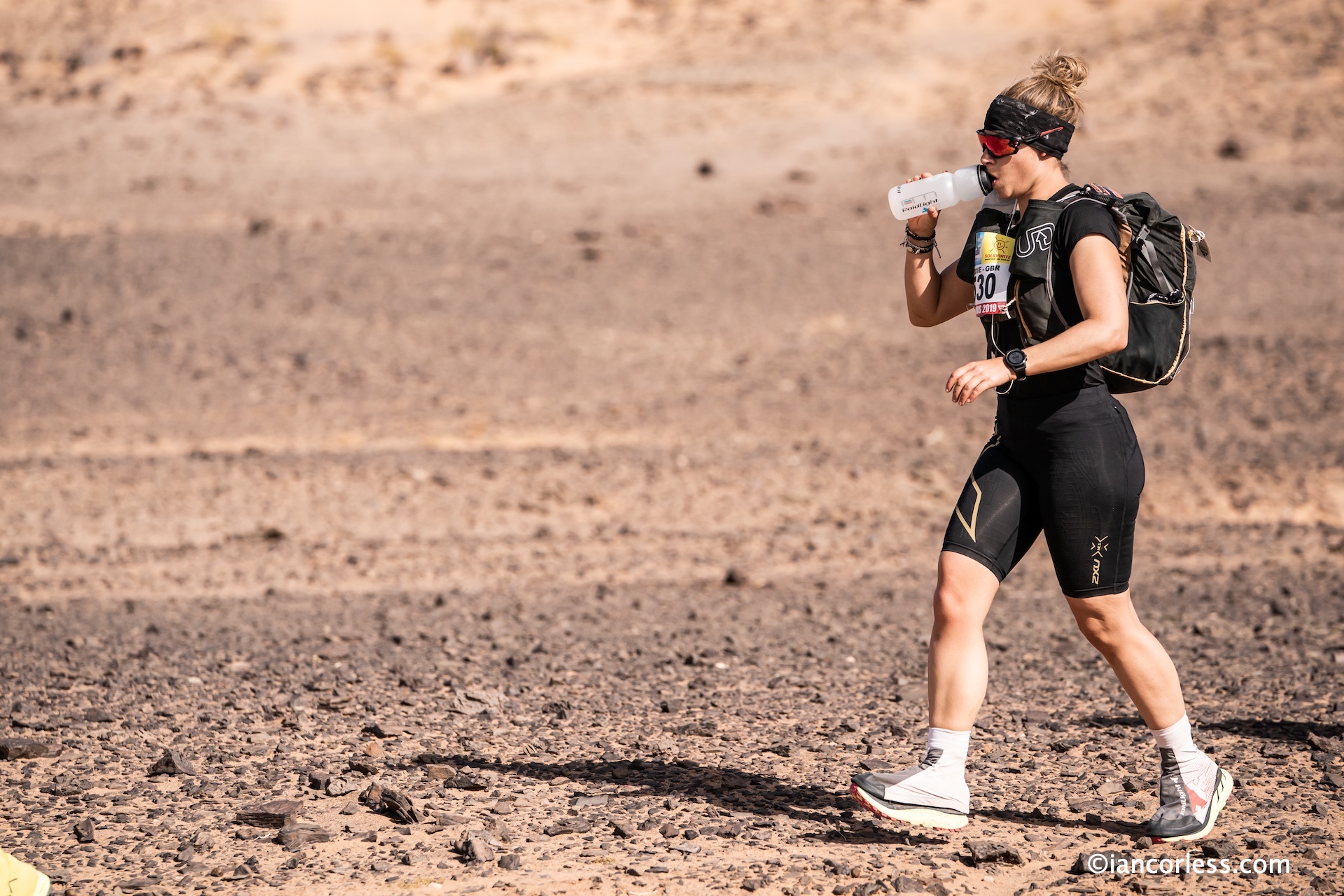
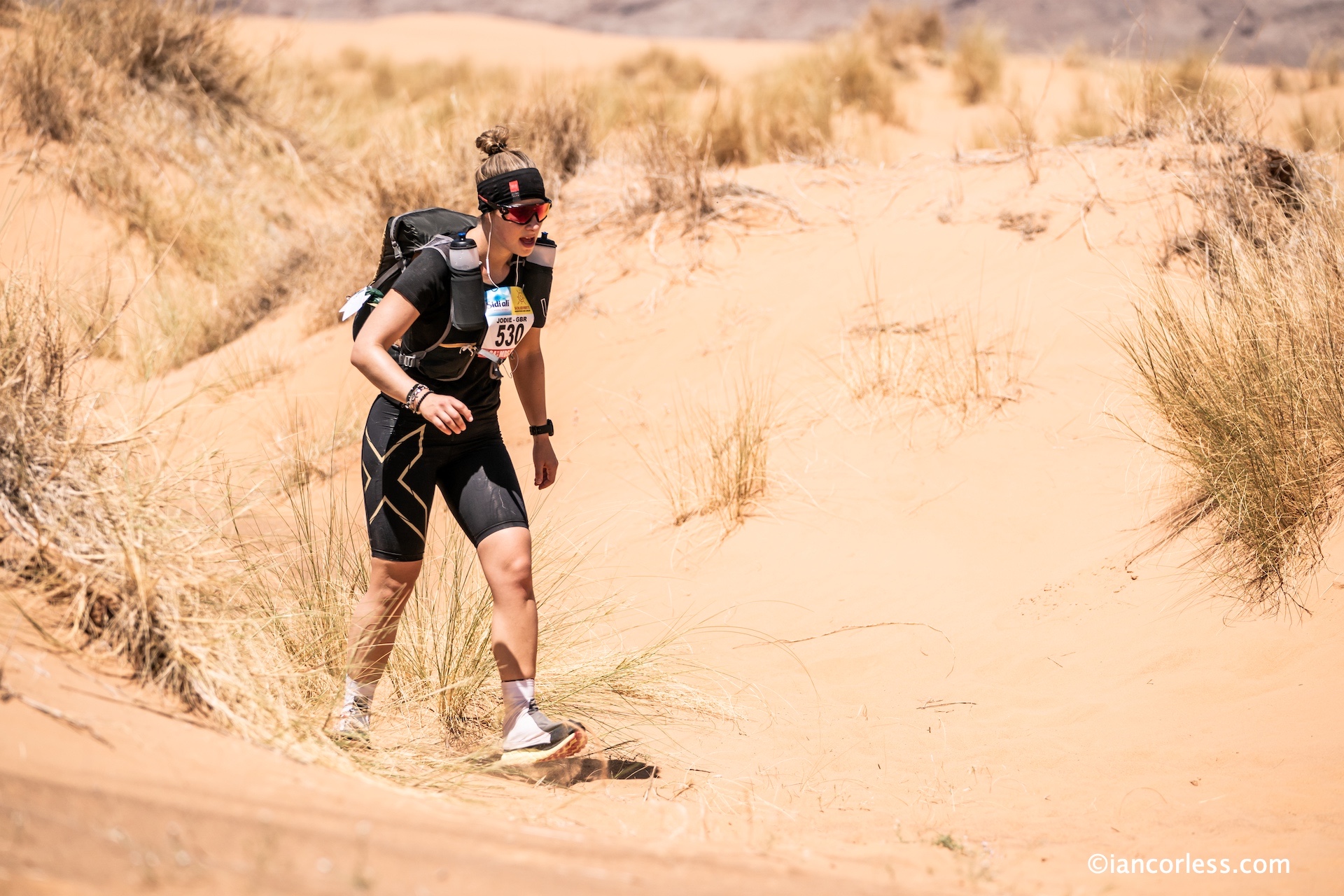
Dr Jodie Moss has specialised in heat acclimation and in the process, put her learning to real time use at the 2019 Marathon des Sables where she placed 8th woman.
Jodie at MDS
With Marathon des Sables approaching, it is timely to re-visit and gain a full understanding of what is required to acclimate to heat with an interview with Dr Jodie from July 2020.
What is it about heat that makes running so difficult?
You are imposed upon by a different challenge. What happens is you create this metabolic heat by contracting your muscles. When one runs, you use muscle mass and this generates heat. When you then exercise in a hot environment, particularly if it is greater than skin temperature, then this makes it very difficult to get rid of heat. Humans are not the most efficient mechanically, so this energy from contracting muscles, potentially around 20 to 30% of the mechanical energy being made is converted to chemical energy, that means 70%, maybe even more, needs to be eradicated in the environment. If the environment is hot, for example, the Sahara, a challenge is imposed to eradicate the heat and what often happens is is that the heat is stored and one feels hotter and this then has a cascade effect of issues and problems, physiologically and perceptually.
Physiologically:
An increase in skin temperature is likely the one which is noticed first as it is directly impacted upon by the environment. There will be an increased demand for blood flow that needs to go to muscle to provide it with oxygen/ energy to run, but also there is a competition for blood flow to the skin. In order to thermo regulate, blood is competing with muscles and skin and that creates an impact on one’s cardiovascular system. Typically, heart rate will increase due to the increased workload sending blood to muscles and skin.
Body core temperature will increase.
Sweet rate will also increase and therefore the percentage of water loss will increase and the consequence of this is dehydration – a deficit in body water with onward complications.
Perceptually:
We thermally perceive it to be a lot hotter.
You are more uncomfortable.
The feeling of needing to slow down and therefore performance is impacted.
Is heat acclimation as valid for the runner at the front, as well as the runner at the back?
In principal, yes. However, if we take Marathon des Sables as an example and the winner, Rachid El Morabity, he is a Moroccan, he lives in the environment in which the race takes place, therefore he is naturally acclimatising on all his training runs. Therefore, he has no need to acclimate artificially.
Highly trained individuals though, through training, can gain thermal adaptations, irrespective of environment. For example, if you are training everyday, particularly at a high percentage of VO2max, one will create heat this will require a higher sweat rate and therefore adaptation takes place. But, interventions should be in place both acute and chronic, to minimise the effect of environment on performance. Environment, will always have an impact on performance, no matter which athlete.
Acclimate for the heat.
When is a good time to start adapting to heat and how?
It is a consideration for close to competition, typically in a period of 7 to 21-days. Adaptation from exposure diminishes rapidly, so, there is no need to do this too far away from the chosen event.
Now of course, if one is fortunate with time, the best scenario is to travel to the race location and adapt naturally in the environment of the race. However, very few have such a luxury and this is where acclimating as opposed to acclimatising steps in.
However, budget can be an issue, so it is possible to adapt via some simple home methods. Keep one’s training as planned, say by a coach, and then add layers of clothing while training. Have a hot bath after training. One can also consider Bikram Yoga and say saunas. But, and this is a big but, while some of these interventions will have some benefit, it is not something that can be recommended completely as it is harder to prescribe and measure.
We want heat adaptation and these adaptations only occur when there is sufficient thermal strain.
As an example, one could run for an hour with layers and build heat. Then immediately have a hot bath. Water has a greater density than air and the heat inside the body would be retained and most likely increase, this would stress the system. But, the issues arise with how long does one do this… Ultimately though, this is considerably better than nothing!
By far the best way, is environmental heat chamber.
Environmental Heat Chamber
The jury is still out on what is the optimal sessions for performance gain, however, five sessions would be considered fundamental over a period of 7 to 14-days. This period has shown results of a much more fulfilled adaptation. The pseudo motor function (sweat rate) takes a little longer to occur, but all the other measurements, cardiovascular and lowering core body temp occurs quite rapidly. So, based on sweat rate, a longer period of time provides the best results.
In regard to the sessions, they could be performed every 2-days, every other day, every day and some even do 2 sessions per day. But obviously time and budget is a huge factor.
It is also important to remember that these sessions take place close to competition, so, monitoring stress and recovery is equally important.
In regard to session length, 60-minutes is usually adequate and this allows the body to get hot enough.
I get asked about adding a run pack and weight, for example, MDS is a self-sufficient race and a pack is required. On the start line, the minimum weight will be 8kg. But training with this in the heat is not necessary, but some insist as it provides security, comfort and a greater understanding of what the Sahara, as an example, may feel like. But this adds additional stress and the sessions are about heat adaptation.
The Protocol
Isothermic heat acclimation intervention is typical. We get you to exercise so that your core reaches a certain temperature. For this we use a rectal thermistor. This ensures that you meet the thermal stimulus, crucial for sessions like this.
We measure body weight naked and this allows us to monitor fluid intake and sweat rate. We can test urine to look at hydration status too. This is all about making the client aware of hydration and levels. We also want the client to leave a session re-hydrated!
A treadmill or bicycle is used. Personally, I prefer the bike as it adds less impact to the body. It’s important to remember, these sessions are about heat adaptation, they are not training sessions. A 5-minute check will include hear rate, core temperature, skin temperature, perception of thermal environment, how hot does the client think it is? And finally, I will ask how comfortable the client is. Then, the exercise will begin.
We aim for a core of 38.5 degrees in each session. This is ideal for pseudo motor and thermo functions to be maximised. It ensures that we are always controlling and meeting a fixed criteria. Measuring the thermal strain is key. It usually takes about 30-minutes to get to 38.5 degrees depending on the individual. But external factors do have an impact.
We typically see improvements by session 3. But it is important to have, say 10-minutes of each session fixed, that way we can monitor improvement and adaptation. We can gain the data here and then report back. Day 5 to day 7 will show the most improvement. So, 7-sessions.
Time can be an issue and some may prefer to squeeze two sessions per day and compress 7-days, say, into 3 or 4. This is possible and literature confirms this. Total exposure is more important than days.
Ideally, the last session would be 1 or 2-days before departure for the chosen race.
What problems can occur without acclimation and how does one mitigate it?
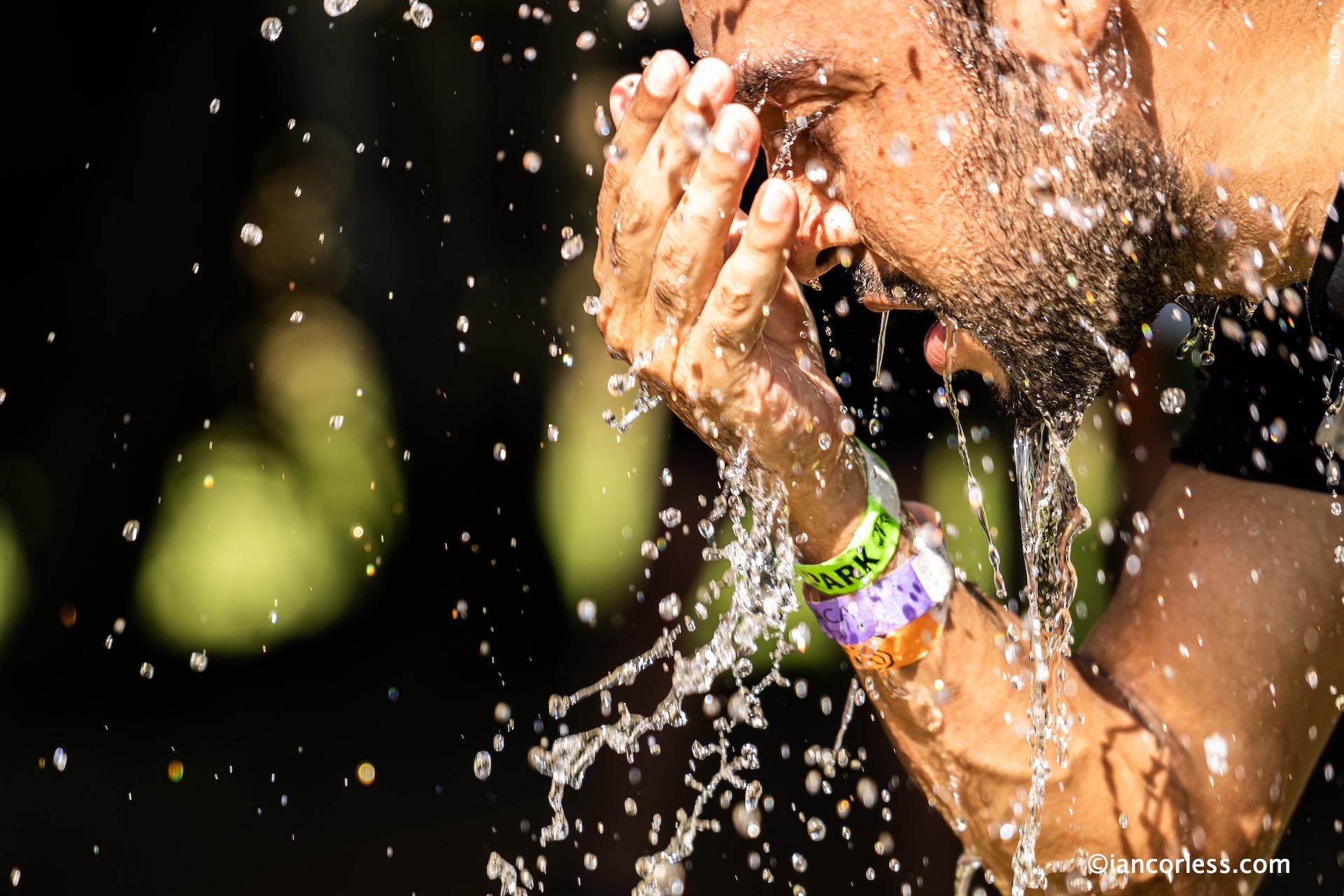
A runner will be faced with a physical and perceptual challenge that will have negative effects. They will be slower, frustrated, dehydrated and have a potential of heat stroke and ultimately they may not finish the race. If any of these elements are experienced, try to cool as much as possible, seek shade at aid stations, rest and allow the core to lower. Hydrate and use spare water to provide a perceptual cooling. Water on face, head, forearms and neck will help a little.
On a personal note:
I did not have the perfect race and that is what makes me keep signing up to race. My heat protocols were great but I compromised my training and I was surprised with 8th place. I had an amazing support system and I do have chronic heat exposure, I am also very good at getting rid of heat. I also sweat high. But I need to be careful on dehydration. I made a mistake with my pack trying to make it as light as possible but I compromised my pack integrity and this hurt my back. I look forward to going back, I hope in 2021.
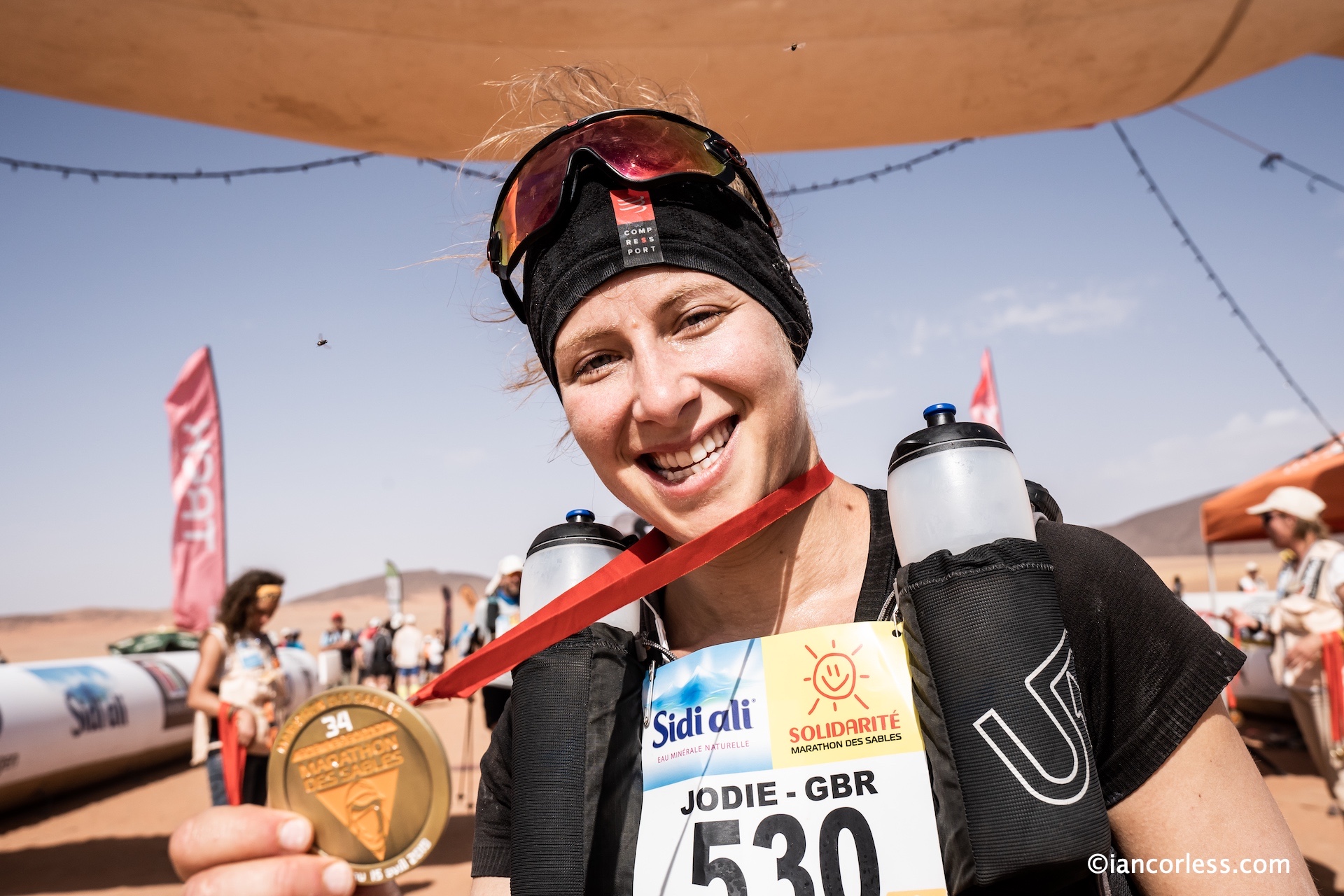
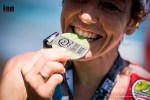
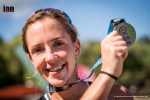
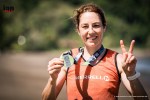
Jodie with her medal.
Top 3 tips to get ready in regard to heat and training.
1. Have a heat protocol as outlined above.
2. Test all kit and nutrition, leave nothing to chance.
3. Do not panic. Trust the training you have done. Do not increase mileage and training in the light stages. Do not risk injury or illness. Be healthy.
The 2018 The Coastal Challenge today came to an end on the stunning beaches of Drake Bay on the Osa Peninsula.
Tom Evans and Ragna Debats are the champions after a masterclass of multi-day running. The duo obliterated the 2017 records set by Tom Owens and Anna Frost. I think it’s fair to say, these records may be around for while!
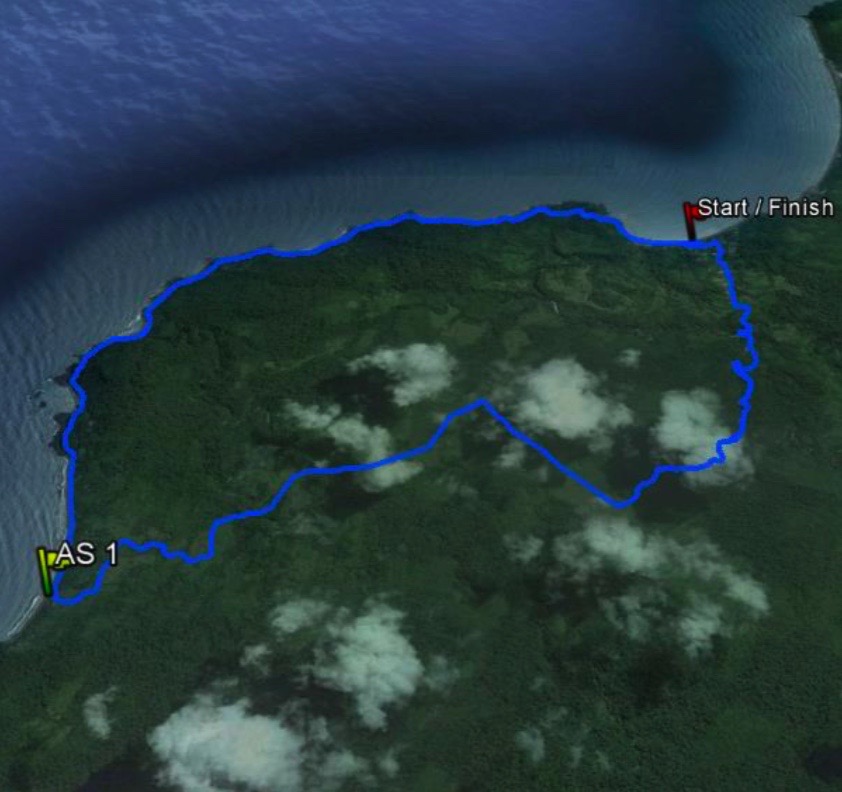
The 22km final day is a stunning day, starting and finishing on Bahia Drake, the loop is like a mini Coastal Challenge all compressed into one stage. Waterfalls, rainforest, plantations, dusty fire trail, water crossings, beaches, coves and the stunning Pacific as a backdrop as the runners make the way to the finish.
Tom Evans wanted the course record and he ran today, once again with Hayden Hawks. The duo worked together, creeping in under the 2-hour mark and securing a place in history. Tom Evans as the champion and Hayden Hawks as the 2nd. Any other year and Hawks would be the champion, but as the American said, “Tom has been on fire and I have tried to push but really, I have been holding on!’
Previous TCC winner and course record holder Michael Wardian finished 3rd overall and then the battle for first Costa Rican was on – Erick Aguero dominated the day.
For the ladies’ it was a neutral day with the top-3 ladies running together for much of the stage. Finally, Ragna Debats finished hand-in-hand and third places Suzanna G finished 3rd.
The line was full of emotion as an epic journey has come to an end. The 2018 TCC will go down in history as the fastest ever.
2019 will see the 15th edition of the race and I believe we can expect something special!
For now though, it’s all about Evans and Debats celebrating victory. This evening, the awards will take place on the beach with a roaring camp fire.
Day 3 of the 2018 kicked off at 0530 this morning and what lay ahead was a tough and challenging day of hills, technical trail, waterfalls, long dusty and stony roads and relentless beach – all intensified by Costa Rican heat and humidity.
The early trails leaving Dominical Beach take the runners into 10km’s of technical river bed. It’s all rock hopping and slip sliding away on the wet and greasy surface.
Nuayaca Waterfall is no doubt the highlight of the day, if not the race. The runners arrive down a small trail and the cascade greets them, they pass through and climb up a winding trail. From here on in, the terrain varies from rainforest, dusty access roads and technical Trail before the beach arrives with approximately 10km to go.
Now, the heat is intense, and the runners are sandwich pressed between sand and sky.
A small technical forest section leads to the highway and then the final km’s are passed on the side of the road before turning down an access road to the beach. It’s a brutal day.
It may come as no surprise that Ragna Debats dictated the day and the pace in the ladies’ race. it’s fair to say, that Debats has lifted this race to a whole new level, her times surpass all that has gone before. So much so, she is lying 6th overall. Today she pushed and pushed and placed 6th on the stage and 1-hour 10-minutes ahead of 2016 TCC champion, Ester Alves. She is putting on a masterclass!
Ester Aves as usual ran a solid race finishing in 6:45 with Mirta Reaple 3rd in 7:06 closely followed by Suzanna Guadarrama in 7:12. The final positions for 2nd and 3rd could prove to be exciting with two tough days to come.
For the men, Neruda Cespedes was the first to the waterfall closely followed by Tom Evans and Hayden Hawks. By the time cp2 arrived, it was all change with Hawks, Evans joined by Timothy Olson and Marcus Scotney. They pushed through the downhill trails to the beach and Evans and Hawks pulled away from Olson and Scotney.
Olson then made a break in pursuit of the duo leaving Scotney alone n 4th place. Disaster struck whom Scotney missed a turn, losing time, he opens up the doorway for Jorge Paniagua, Erick Aguero, Neruda Cespedes and Ashur Youssefi to go ahead of him. It was a huge mistake and he would finally finish 9th on the stage in 5:43.
Evans and Hawks continued to mark each other at the front and despite several attempts to push ahead of each other, the duo finished in 4:54. Olson finished 3rd in 5:02 and Jorge Paniagua flew the Costa Rican flag in 4th!
Tomorrow’s stage is 37km from Coronado to Palmar Sur
The 2018 The Coastal Challenge finally got underway today in San Jose, Costa Rica, as over 100 runners from all over the world came to packet pick up and registration for the 14th edition of the race.
As always, it was a mixture of nerves and excitement. The journey ahead, a stunning 6-days running along the coast of Costa Rica from Quepos to the iconic Drake Bay. Flanked on the right by the Pacific and to the left, the amazing Talamanca mountain range.
The 2018 edition of the race has all the makings of a classic. The men’s field is arguably the best ever with Michael Wardian, Hayden Hawks, Tom Evans, Marcus Scotney and Timothy Olson.
Michael Wardian, TCC champion and previous course record holder.
Hayden Hawks 2017 CCC champion.
Tom Evans 3rd at MDS Morocco 2017 and 4th at CCC and the Eiger Ultra Trail.
Marcus Scotney winner of the Dragons Back Race and Cape Wrath Ultra.
The ladies’ race is equally impressive with past winner Ester Alves returning joined by Ragna Debats, Inge Nijkamp and Josephine Adams.
Ester Alves 2016 The Coastal Challenge champion.
Ragna Debats Skyrunner World Series champion 2017.
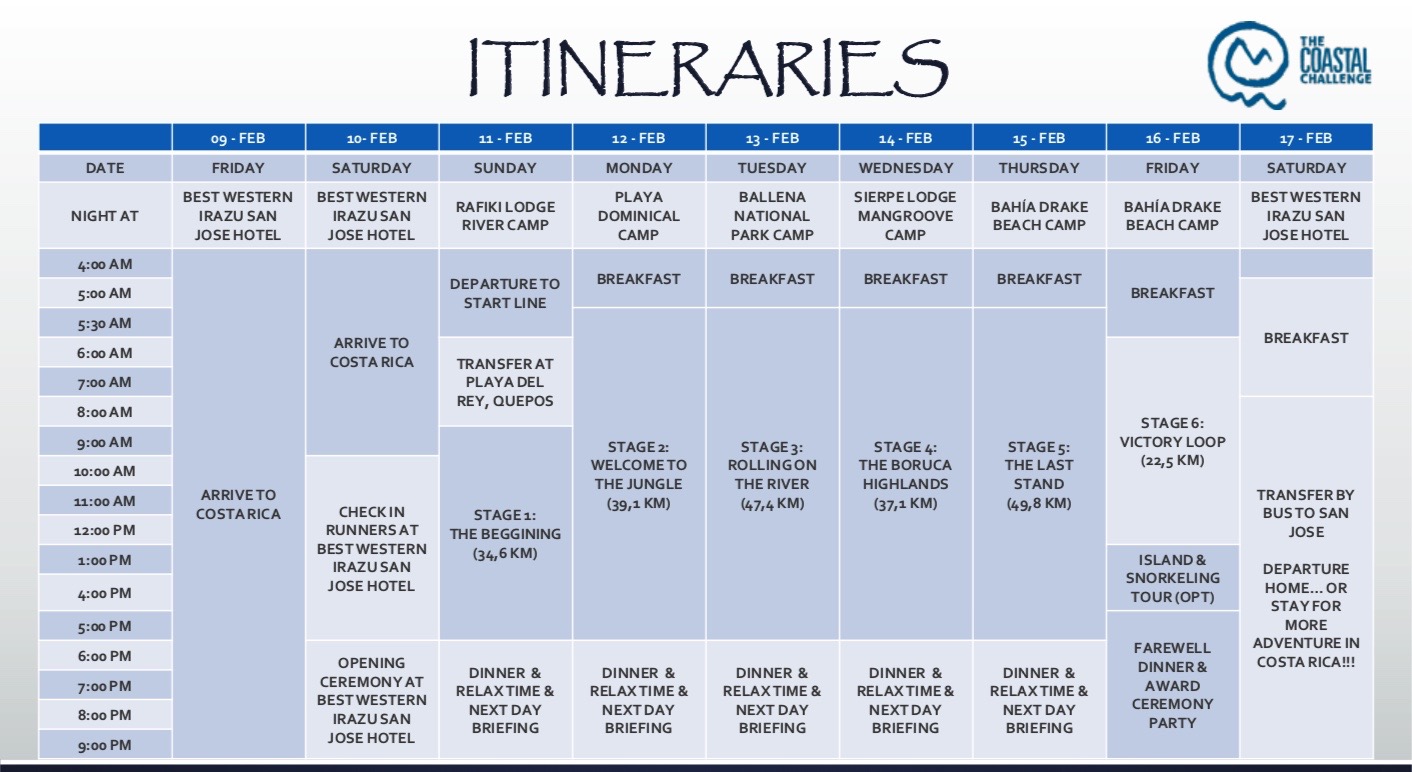
The 2018 ‘The Coastal Challenge’ is upon us! Six days, 230.5km of racing and 9543m of vertical gain, 9413m of vertical descent – TCC is more than a challenge!
Follow #TCC2018
Over the years, TCC has grown in stature with an ‘A’ list of elite runners from all over the world. The 2017 edition was won by Salomon International Athletes – Anna Frost and Tom Owens. For 2018, the race steps up a notch with arguably the greatest ever male field assembled for a multi-stage race.
The 2018 edition lists a who’s who of elite runners.
Michael Wardian, a past winner and yours record holder returns. The unstoppable Chema Martinez from Spain returns once again looking for that top spot. Rising GB star, Tom Evans heads for his first rainforest experience after planing 3rd at MDS in 2017. Add to this, the legendary and iconic Timothy Olson, Drgagons Back and Cape Wrath winner, Marcus Scotney and the USA’s rising star and fast-man, Hayden Hawks – needless to say, the rainforest of the Talamancas may be ablaze after these guys have forged a path through its stunning trails.
For the ladies’ Ester Alves returns, a past champion, Ester has just placed 2nd at the Everest Trail Race in Nepal. She will be joined by the Dutch mountain goat and fast lady, Ragna Debats. Our top three female contenders should have been rounded out by Elisabet Barnes but unfortunately, illness has taken its toll and she will not make the start in Quepos.
“Due to several occurrences of cold and flu in the last few months I have had to reevaluate my upcoming race schedule. I have raced nine demanding multi-stage races in the last two years and my body is telling me to back off a bit. I plan to come back stronger and one thing is guaranteed, I will be back at TCC2019 – It is a race I love!”
– Elisabet Barnes
The Race:
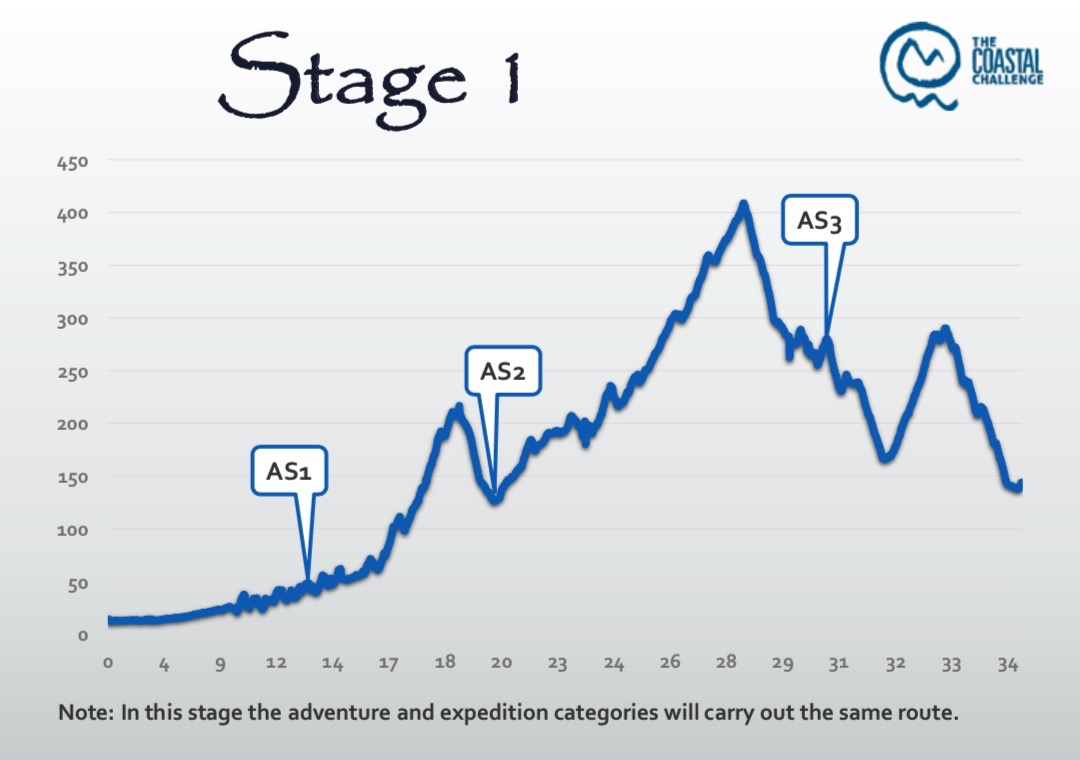
Stage 1 34.6km 1018m of vert and 886m of descent
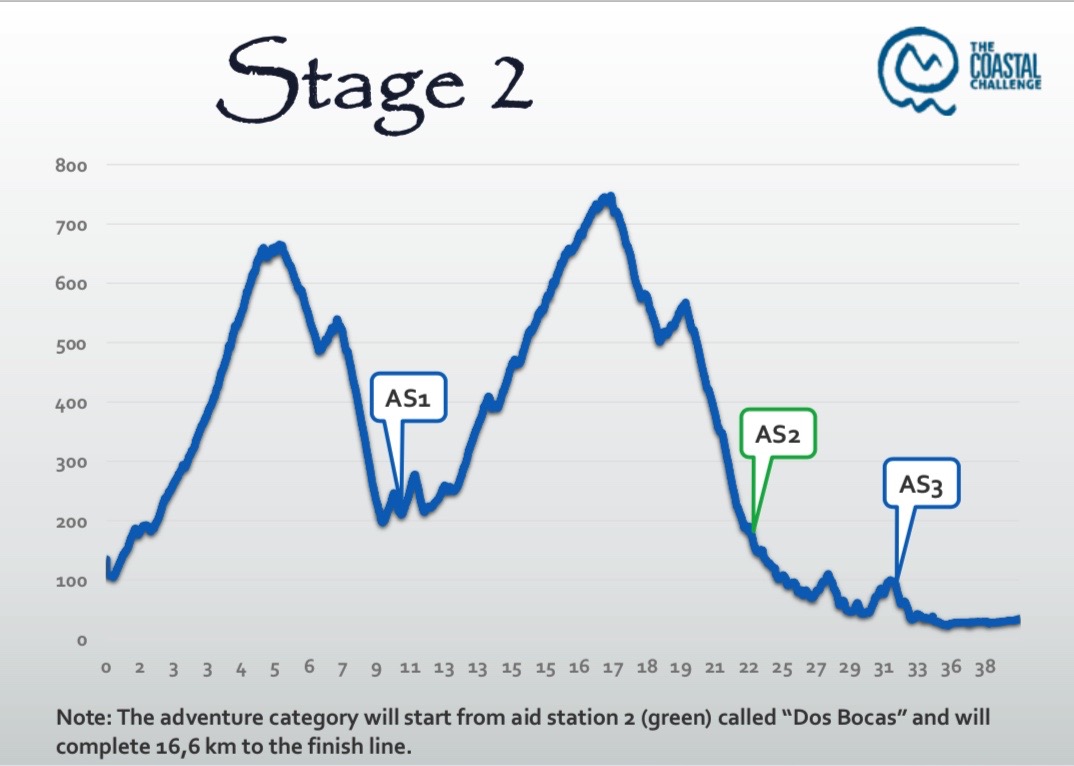
Stage 2 39.1km 1898m of vert and 1984m of descent
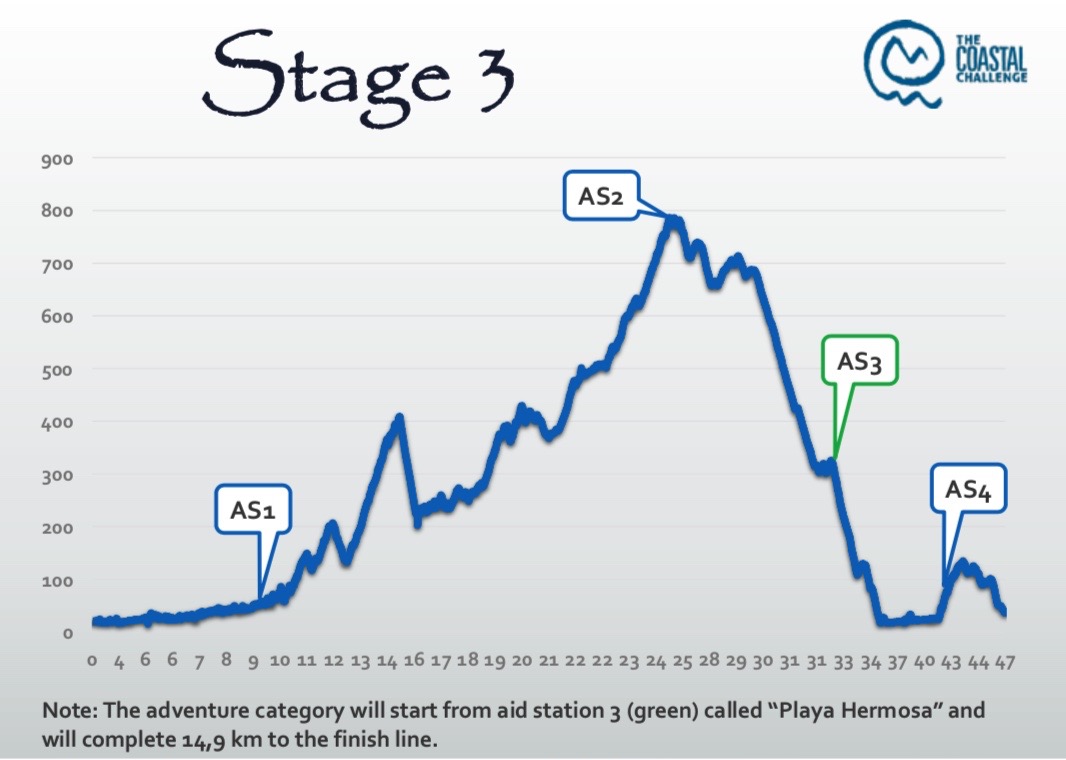
Stage 3 47.4km 1781m of vert and 1736m of descent
Stage 4 37.1km 2466m of vert and 2424m of descent
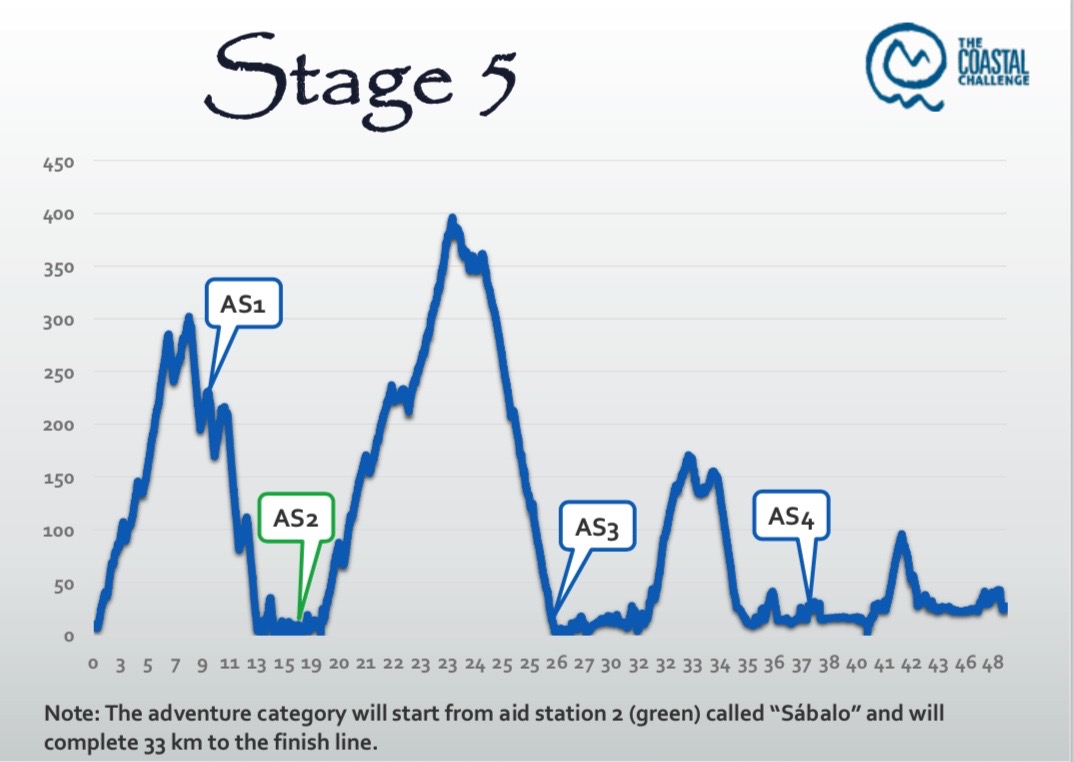
Stage 5 49.8km 1767m of vert and 1770m of descent
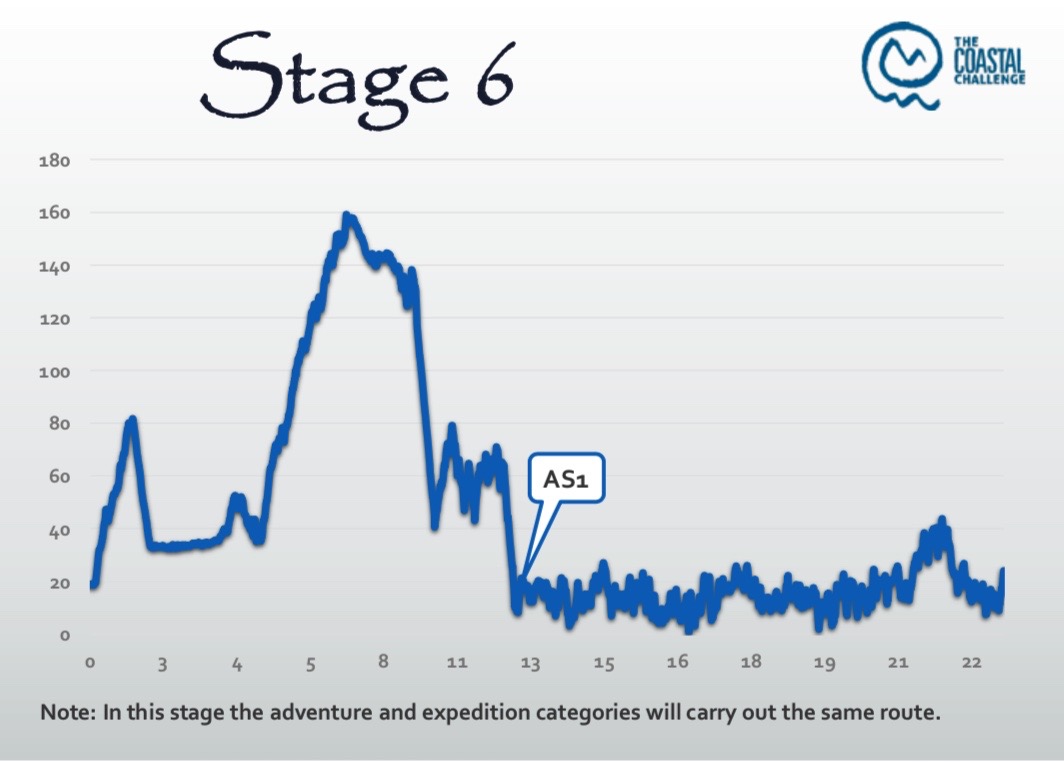
Stage 6 22.5km 613m of vert and 613m of descent
Stats:
Total 230.5km
Vertical 9543m
Descent 9413m
Description
Hugging the coastline of the tropical Pacific, TCC is the ultimate multi-day experience that weaves in and out of the Talamancas; a coastal mountain range in the Southwest corner of Central America.
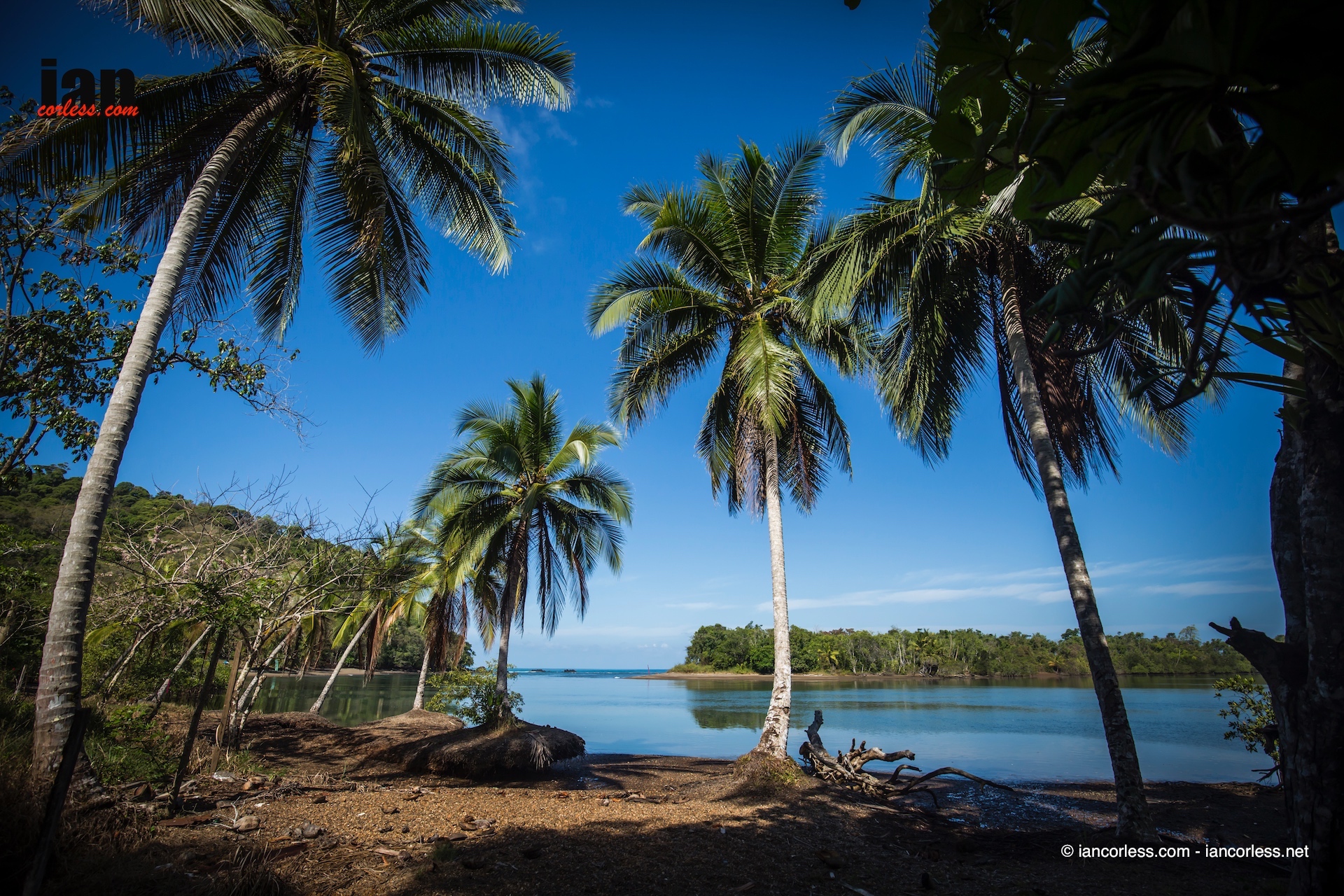
The terrain is ever-changing from wide, dusty and runnable fire trails to dense and muddy mountain trails. Runners will cross rivers, boulders, swim through rivers, pass under waterfalls, survive long relentless beaches and finally finish in the incredible Corcovado National Park, a Unesco World Heritage site with a stunning final loop around Drake Bay before departing for their journeys home via speedboat.
THE ROUTE
Stage 1
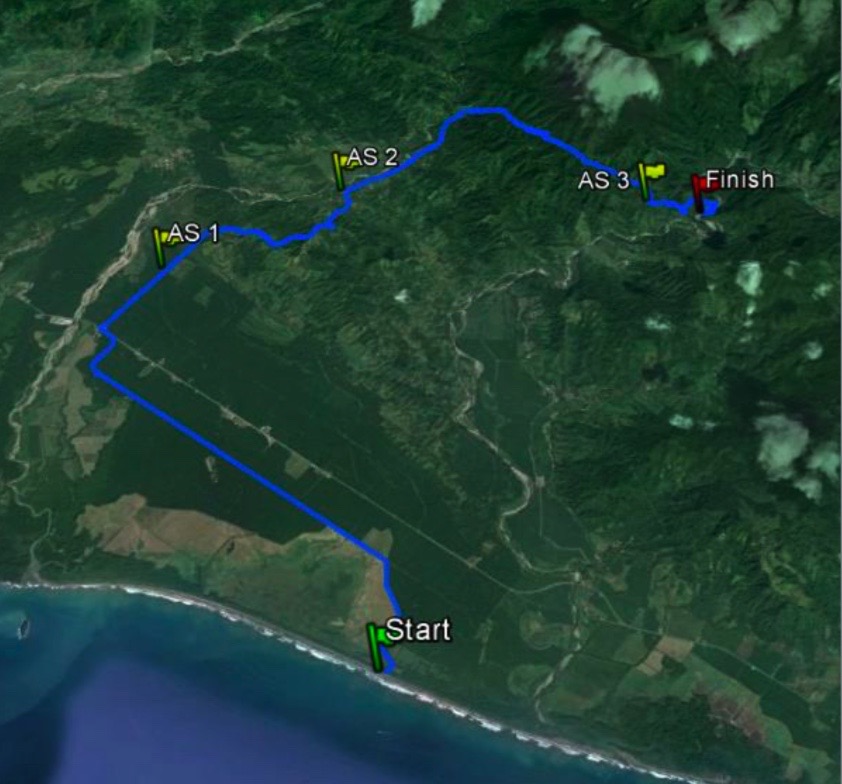
It’s a tough day! Runners depart San Jose early morning (around 0530) for a 3-hour drive to Playa Del Rey, Quepos. It’s the only day that the race starts late and ‘in the sun!’. It’s the toughest day of the race, not because the the terrain or distance, but because of the time of day! The runners are fresh and feel great. That is until about 10km and then they realise the heat and humidity is relentless. It’s a day for caution – mark my words! The 34.6km is very runnable with little vertical and technicality – it welcomes the runners to Costa Rica.
Stage 2
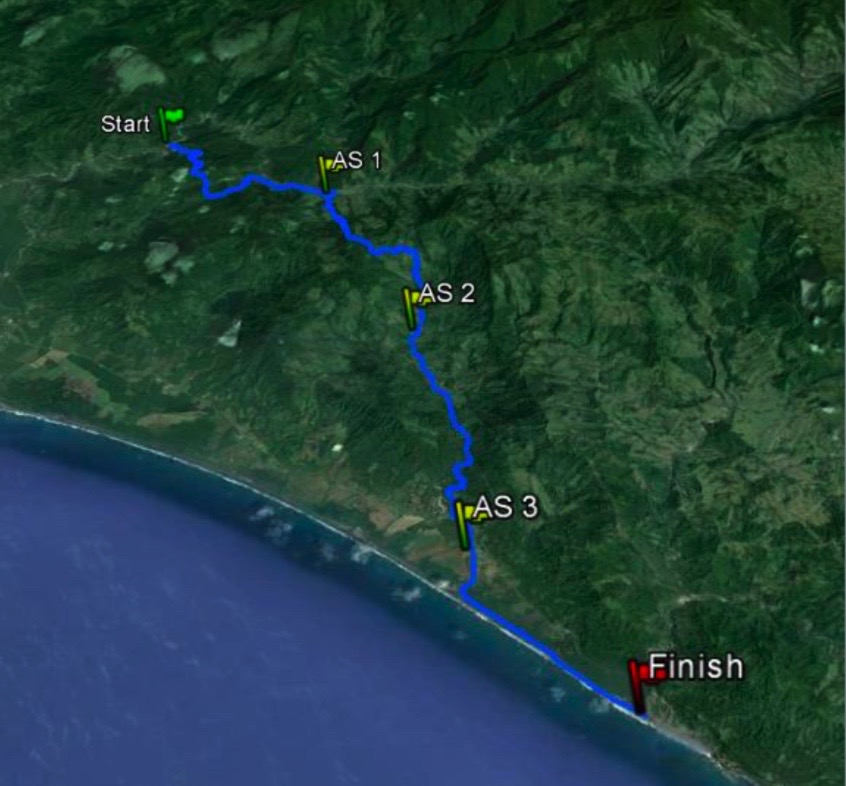
From here on in, it is early breakfast. Around 0400 runners wake and the race starts with the arrival of the sun! The only way is up from the start with a tough and challenging climb. It’s a tough day with an abundance of climbing and descending and a final tough flat stretch on the beach, just as the heat takes hold.
Stage 3
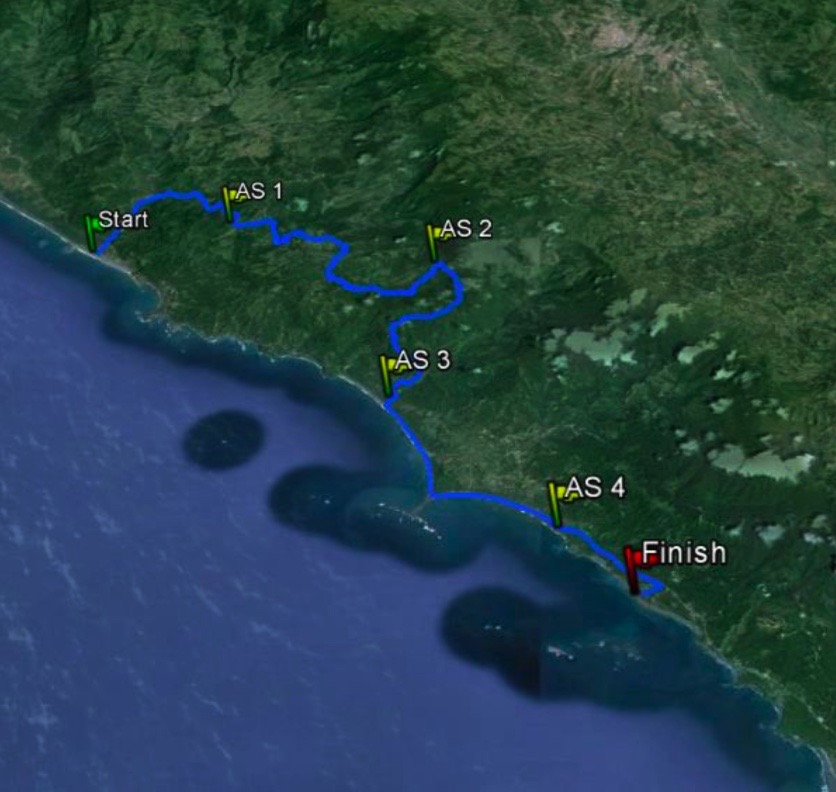
It is basically 25km of climbing topping out at 800m followed by a drop to the sea and a final kick in the tail before the arrival at camp. For many, this is a key day and maybe one of the most spectacular. Pura Vida.
Stage 4
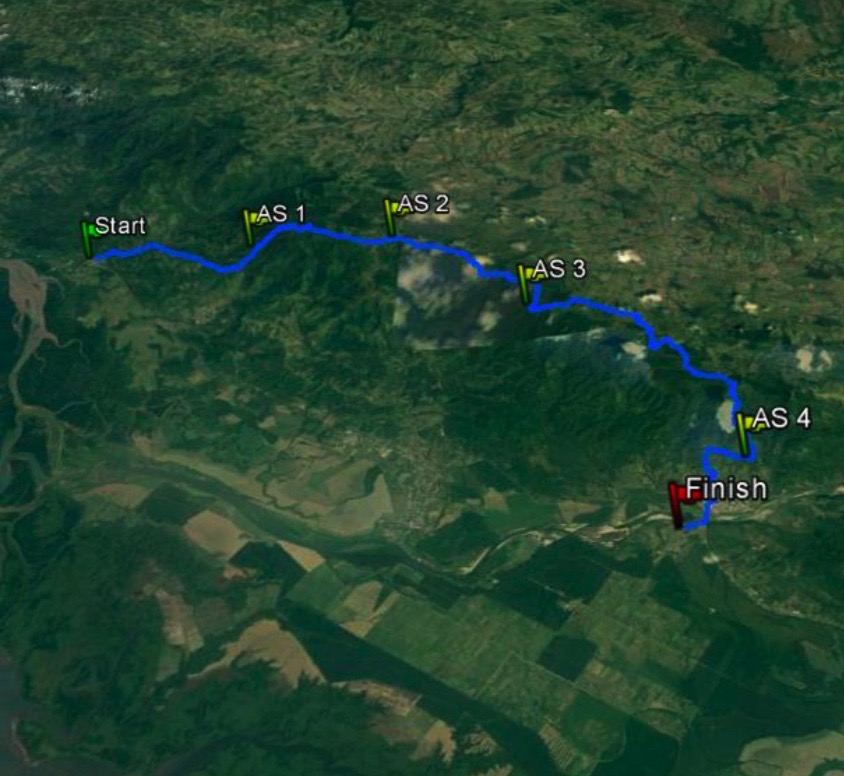
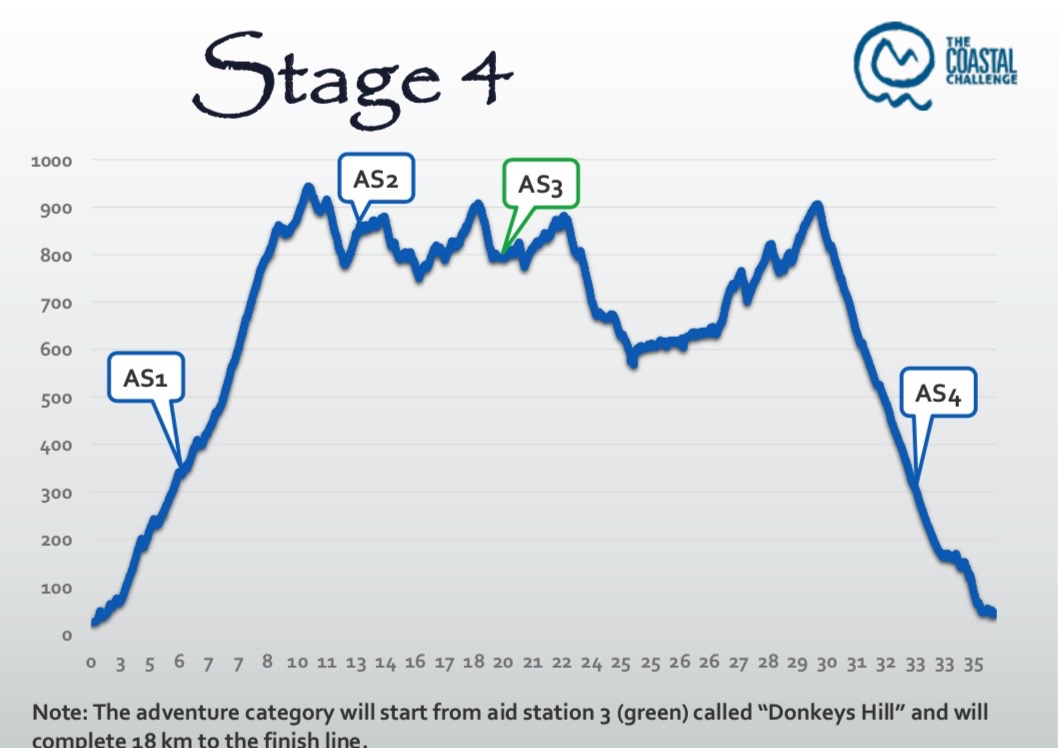
It’s another tough start to the day with a relentless climb, but once at 900m the route is a rollercoaster of relentless small climbs and descents, often littered with technical sections, rainforest, river crossings and boulders. At 30km, it’s a short drop to the road and the finish at 37.1km.
Stage 5
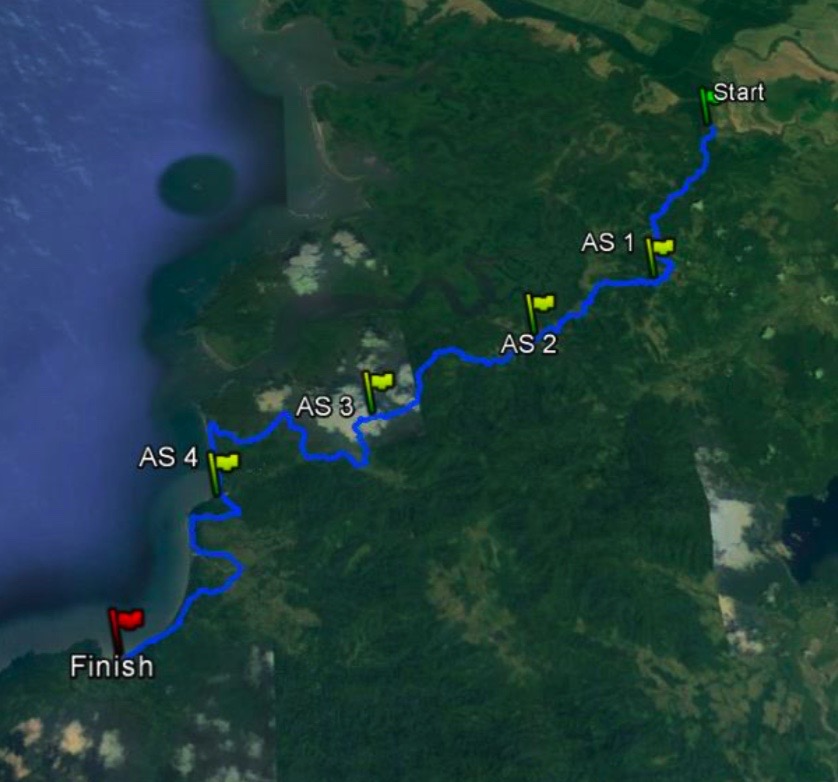
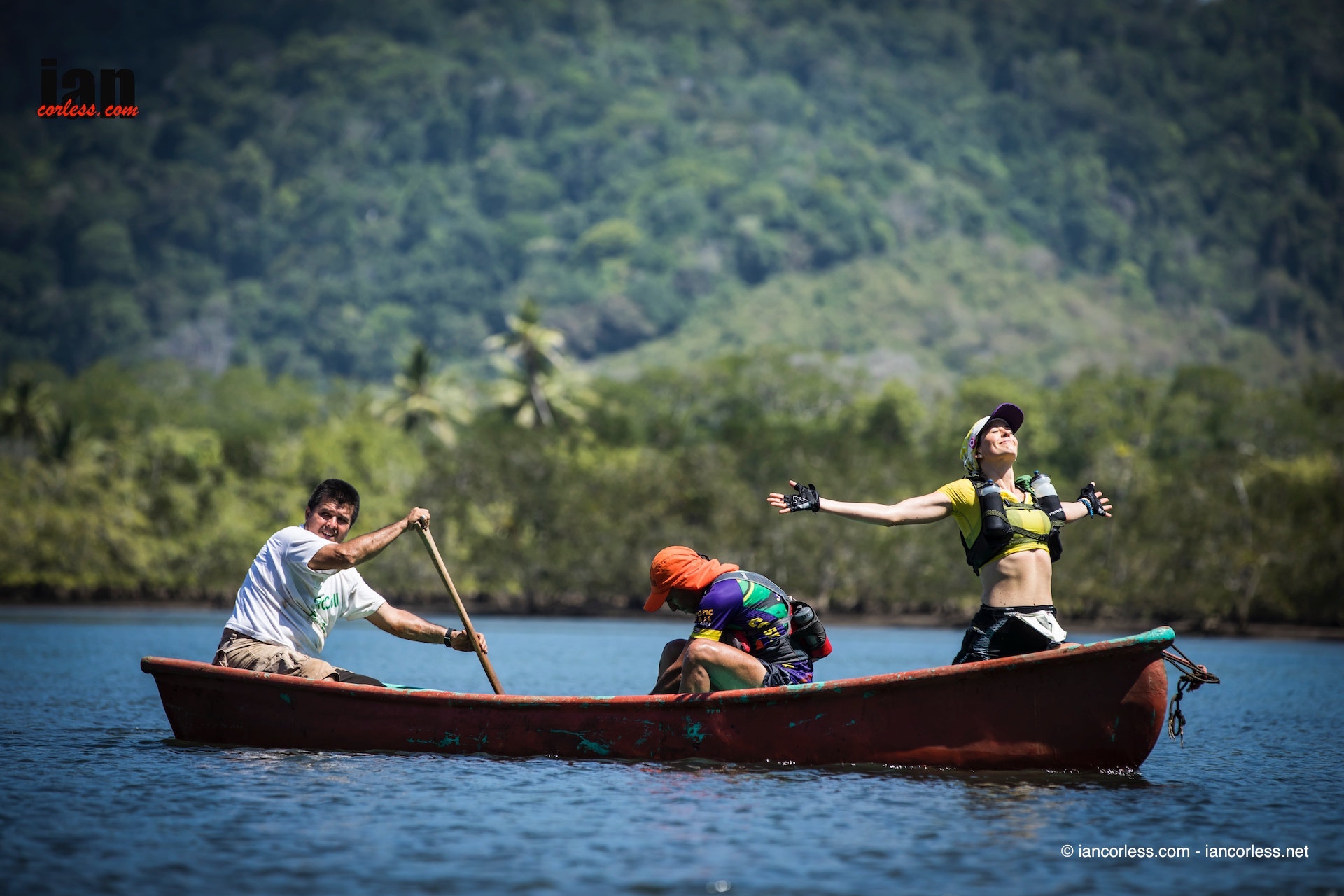
The long day but what a beauty! This route was tweaked a couple of years ago and now has become iconic with tough trails, plenty of climbing, sandy beaches and yes, even a boat trip. The finish at Drake Bay is iconic.
Stage 6
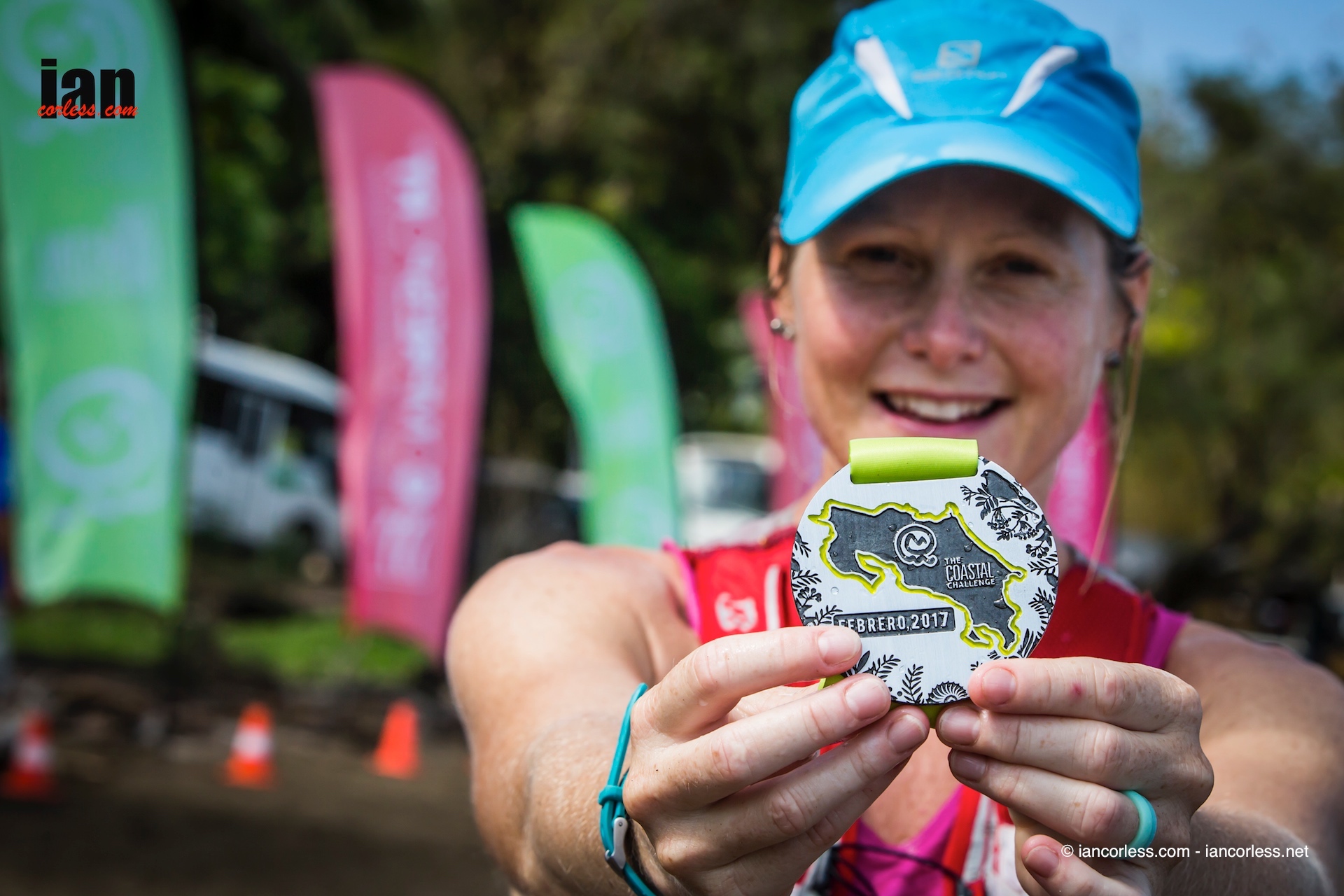
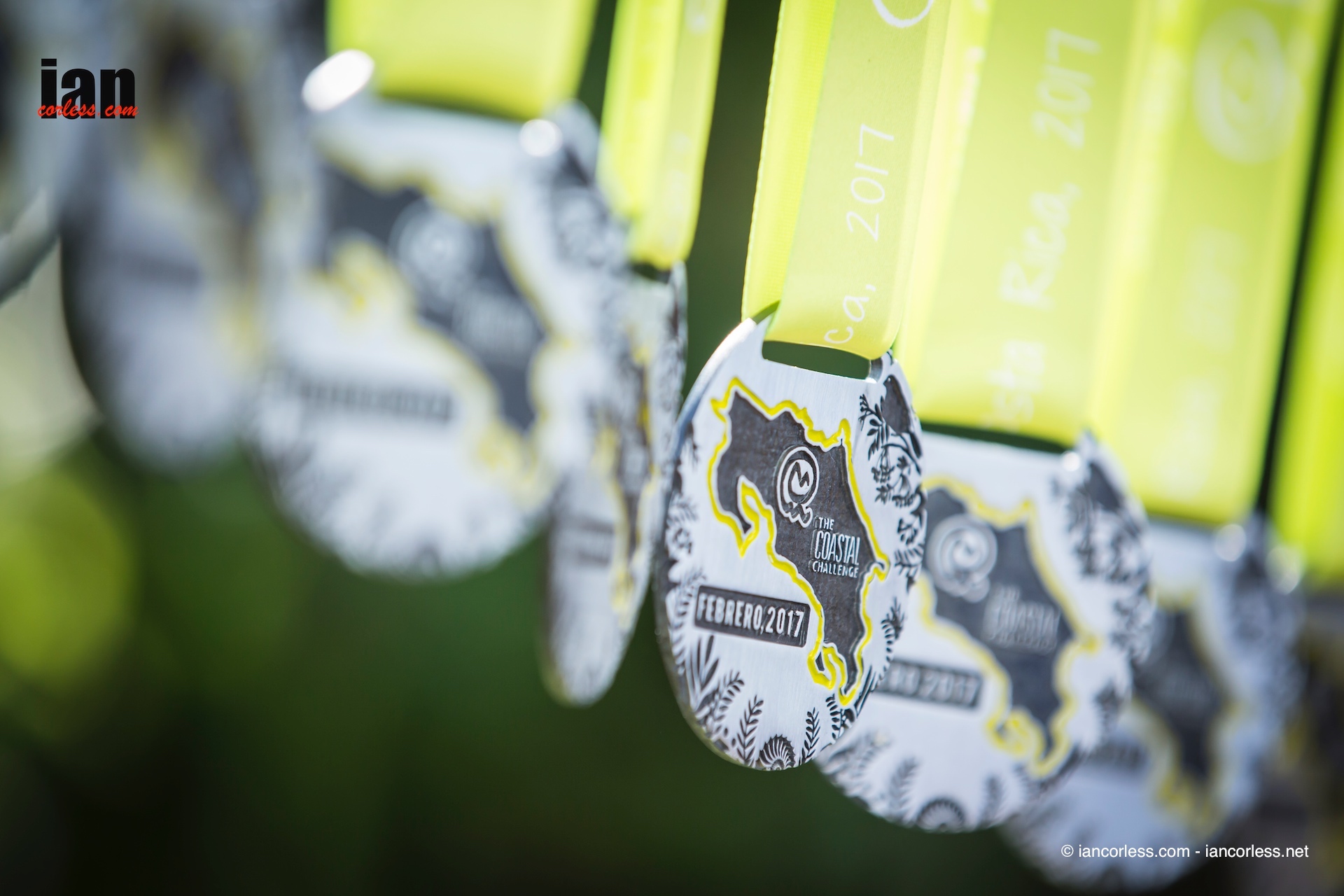
The victory lap! For many, this stage is the most beautiful and memorable. In just over 20km, the route manages to include a little of all that has gone before. It’s a stage of fun and challenges and one that concludes on the beach as a 2018 medal is placed over your head – job done!
THE RUNNERS – MALE
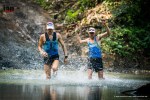
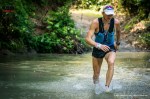
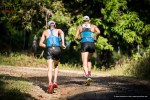
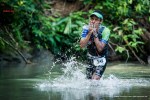
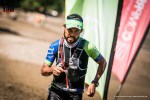
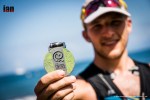
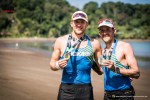
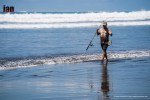
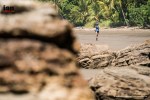
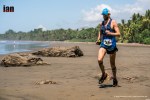
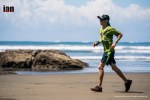
Michael Wardian has won the race and set a course record. He knows the lay of the land and if anyone knows how to race hard, day-after-day, it is Mike. You can never bet against him and he always comes ‘to race!’ There is no sandbagging, no pretenses, just a full-on let’s race and let the best man win!
Hayden Hawks burst on the scene in recent years blazing a trail of fast running. He is one of the new breed of trail runner who is moving from the road/ track to the trails. That natural speed is making trail racing faster and faster. Hayden won CCC in 2017 – a huge win. He loves to train with big weeks and TCC will feel like a ‘training week’ but just a whole lot faster… he is a favourite for the win!
Timothy Olson needs no introduction. This man blasted Western States to a whole new level and was the man to beat at any race. A tough 2016 started to overturn in 2017 with a slow but calculated return to form. One of the nicest guys out there, Timothy will bring his love for all things to TCC and will inspire with his feet and his heart. On his day, this guy could rip the legs off the competition.
Tom Evans burst on the scene in 2017 placing 3rd at Marathon des Sables. He played the Moroccans at their own game and had them worried. Interestingly, Michael Wardian also placed 3rd some years ago… Tom placed 4th at the Eiger Ultra and CCC and recently has earned a slot on the GB Squad for the World Trail Championships in May. He is fast and can run technical trails, he has the multi-day format nailed – it is going to be awesome!
Marcus Scotney has represented GB and has won ‘The Challenger’ at the UK’s Spine race, won the Cape Wrath Ultra and most recently, The Dragons Back Race – both of which are gnarly UK multi-stage races. Marcus has all the skills for a great race at TCC, the biggest question may well come with heat adaptation from a cold UK?
Finally, Chema Martinez is slowly but surely become Mr. TCC. He has raced many times and played 2nd year-on-year. Will 2018 be the year when he tips the scales in his favour? Who knows, one thing is for sure, he will race hard every day.
THE RUNNERS – FEMALE
Ester Alves has won the race before and last year placed 3rd. Recently, she placed 2nd at the Everest Trail Race in Nepal. Ester brings experience and excellent mountain/ technical running to TCC and as such, will always be a favourite for the win.
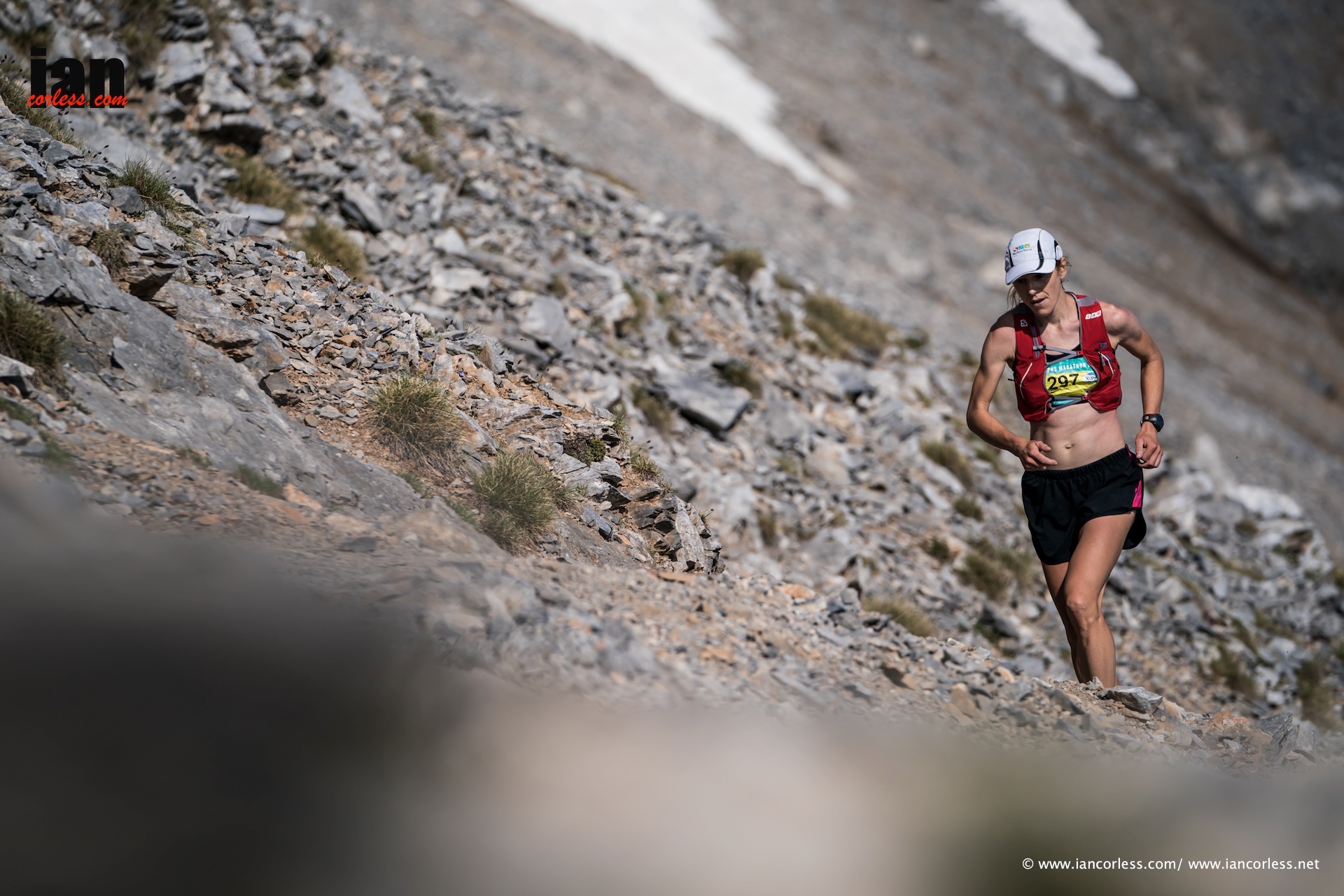
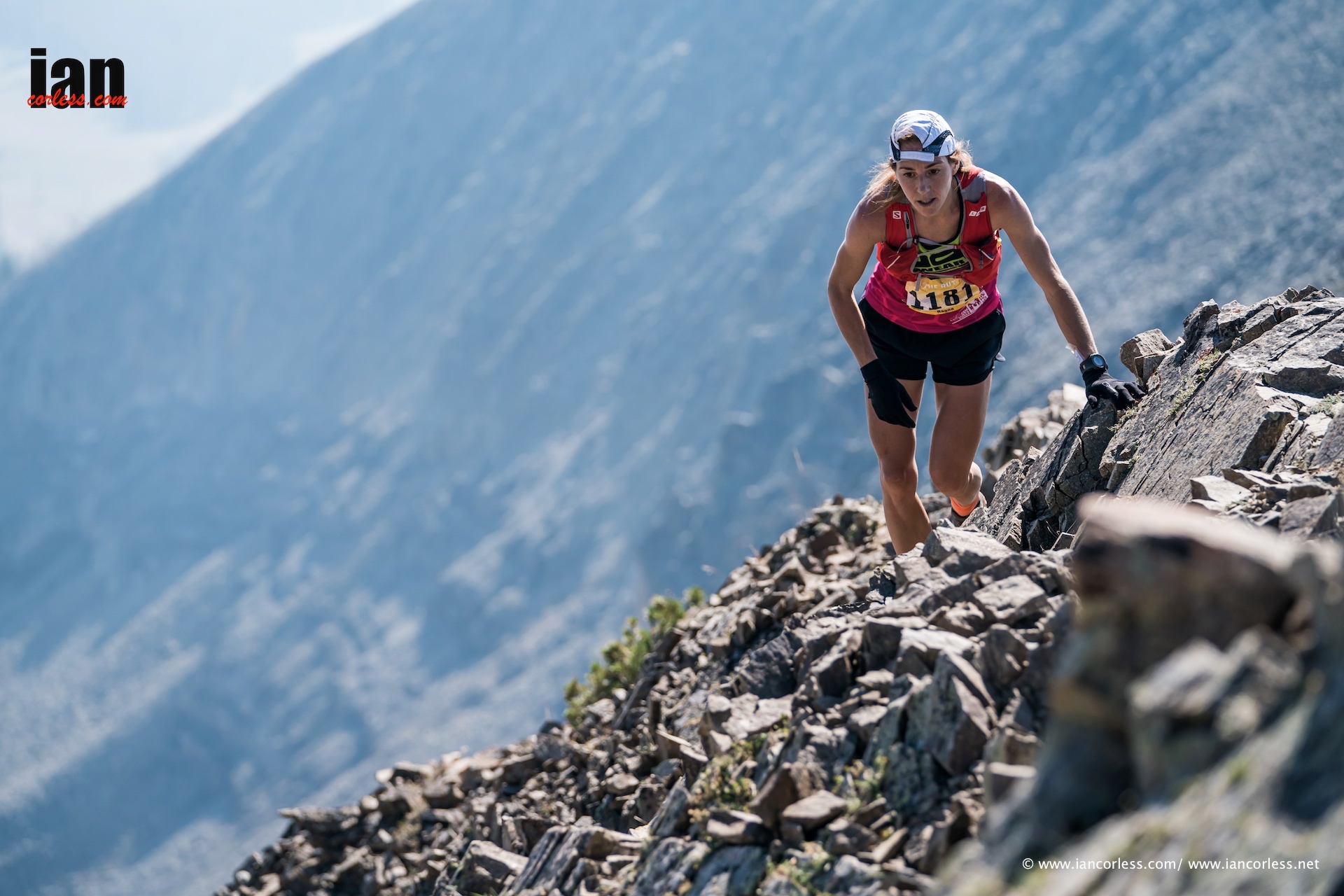
Ragna Debats in recent years has been a revelation mixing fast running (IAU World Trail Champs) with Skyrunning. On paper, Ragna is a hot favourite for victory in Costa Rica. The combination of speed and technical ability may well give her a supreme edge over the competition.
Inge Nijkamp placed 11th at Marathon des Sables and although she won’t appreciate me highlighting her name here, she will be one to watch. Her form, in her own words, “Is not what it should be,’ but, she has the ability and skill to certainly edge onto the podium should all go well.
Of course, we can not rule out the local talent who, over the years, has made the race exhilarating and exciting. We will update this report with a review of both the male and female talent once the race list has been confirmed.
Ragna Debats had a stunning 2017 racing all over the world in multiple Skyrunning events and distances – surprising that someone born in the flatlands of the Netherlands can run so well in the Mountains. It was a full year and one that at times could have so easily pushed her over the edge. However, Debats managed her time well and concluded her racing year with an epic journey to Nepal.
A break over the Christmas period and a return to consistent training, Ragna now sets her sights on Costa Rica and The Coastal Challenge. It will be a new challenge and one that should suit the Skyrunner well, the mixed terrain and technical challenges should suit her skill set.
In May, Ragna has her sights set on the IAU World Trail Championships.
I caught up with Ragna, with 1-month before Costa Rica it is all systems go.
You have had a great year – Skyrunning Champion, IAU World Trail top result and recently racing in Nepal – what has been a highlight?
For me personally, my highlights have been the Olympus Marathon where I won and set a new race record, High Trail Vanoise where I became EU Champ. The Rut, USA, I won and set a new race record too whilst having fun – a dream! However, I have enjoyed all of the races, 2017 was a great year!
Racing in Costa Rica will be very different but it will suit your skill set, what are you looking forward to?
I am looking forward to racing in a completely new scenery! I can’t wait to see the tropical rainforests and the beaches, it is going to be incredible.
Are you doing any specific training for the heat, humidity in Costa Rica – if so, what?
I have just started training again after a break over Christmas. Basically, I am working towards the IAU World Championship in May and during January and February I will mainly focus on strength training and volume, Costa Rica will work well in this plan, however, adapting to the heat will be difficult.
You have just done a multi-day race in Nepal, is multi-day something you’d like to do more of in the future?
Nepal was a great experience, mainly on a humane level and because it was a real cultural adventure. From a running prospective I was a little disappointed, but Nepal offered so many new challenges it was always going to be a learning curve. Also, the race concluded a long and hard year of racing.
Do you have a plan or strategy for Costa Rica, or will you take each day as it comes?
I hope I will feel like when I ran the Pyrenees Stage Run in 2017 where I could push every day and enjoy the race from the beginning until the end. We shall see what happens!
You will have strong competition from Ester Alves, Elisabet Barnes and more… does that excite you?
Yes, definitely! I’m always looking for good competition and I will revel in it. It’s exciting.
Tell me a little about your preparation for Costa Rica – what are you doing at the moment?
At the moment, I am just getting back to regular training sessions after my running break and my Christmas holidays in Holland. But I feel really motivated to get into a good shape for 2018.
What will a multi-day race bring you for your plans later in 2018?
I think it will give me a good base for the season. After the race, I will start with specific speed work which will lead into the world champs!
What are the plans for 2018?
Until May I will be mainly focused on the Trail World Championship and afterwards I will follow the ISF World Series and the ISF World Championship.
Finally, what is your lifetime, long-term dream race or goal?
I would love to win the UTMB, the Trail World Championship and to become the overall World Champion!
TCC as it is affectionately known is a multi-day race starting in the southern coastal town of Quepos, Costa Rica and finishing at the stunning Drake Bay on the Osa Peninsula. It is an ultimate multi-day running experience that offers a new challenge even to the most experienced runner. Taking place over 6-days, the race hugs the coastline of Costa Rica, traveling in and out of the stunning Talamanca mountain range. Even the strongest competitors are reduced to exhausted shells by the arrival of the finish line due to the combination of technical trails, dense forest, river crossings, waterfalls, long stretches of golden beach, dusty access roads, high ridges and open expansive plains.
You can read and view images from the 2017 edition HERE













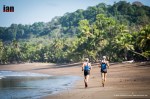
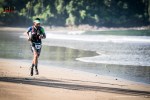
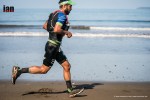
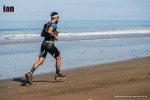
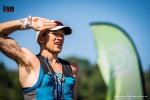
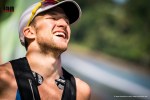
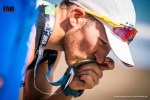
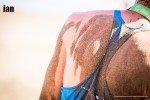
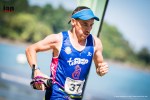
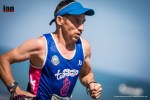
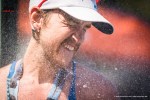
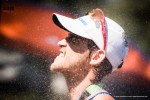
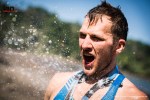
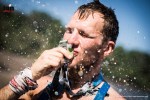
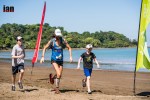
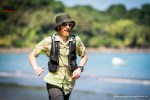
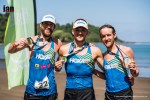
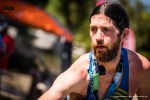
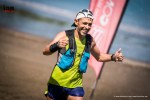
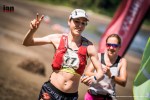
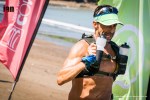
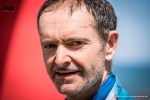
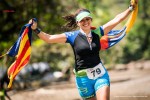
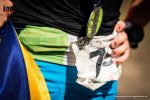
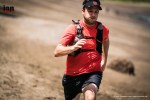
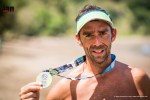
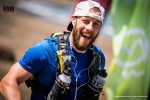
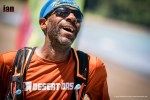
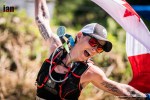
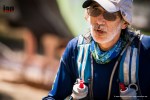
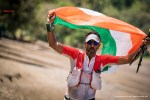
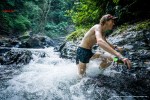
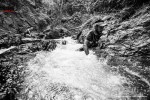
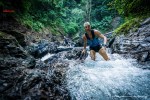

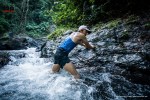


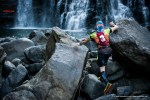


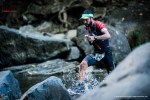
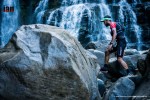

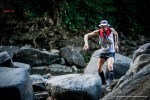
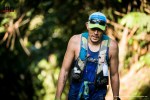
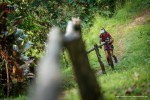
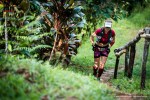
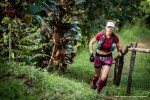

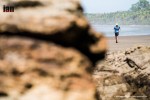
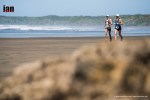
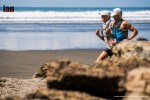
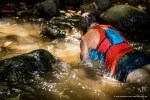
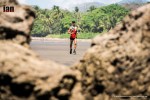
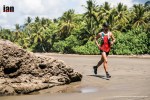
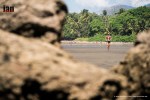
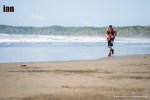
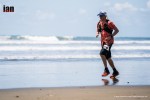
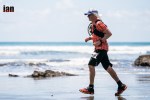
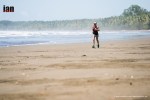
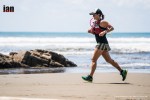
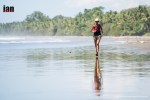
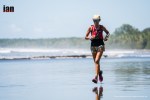
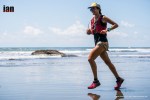
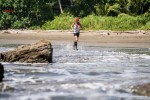
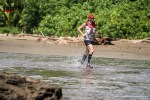
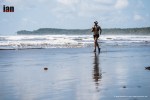
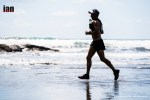



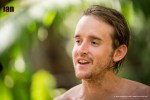



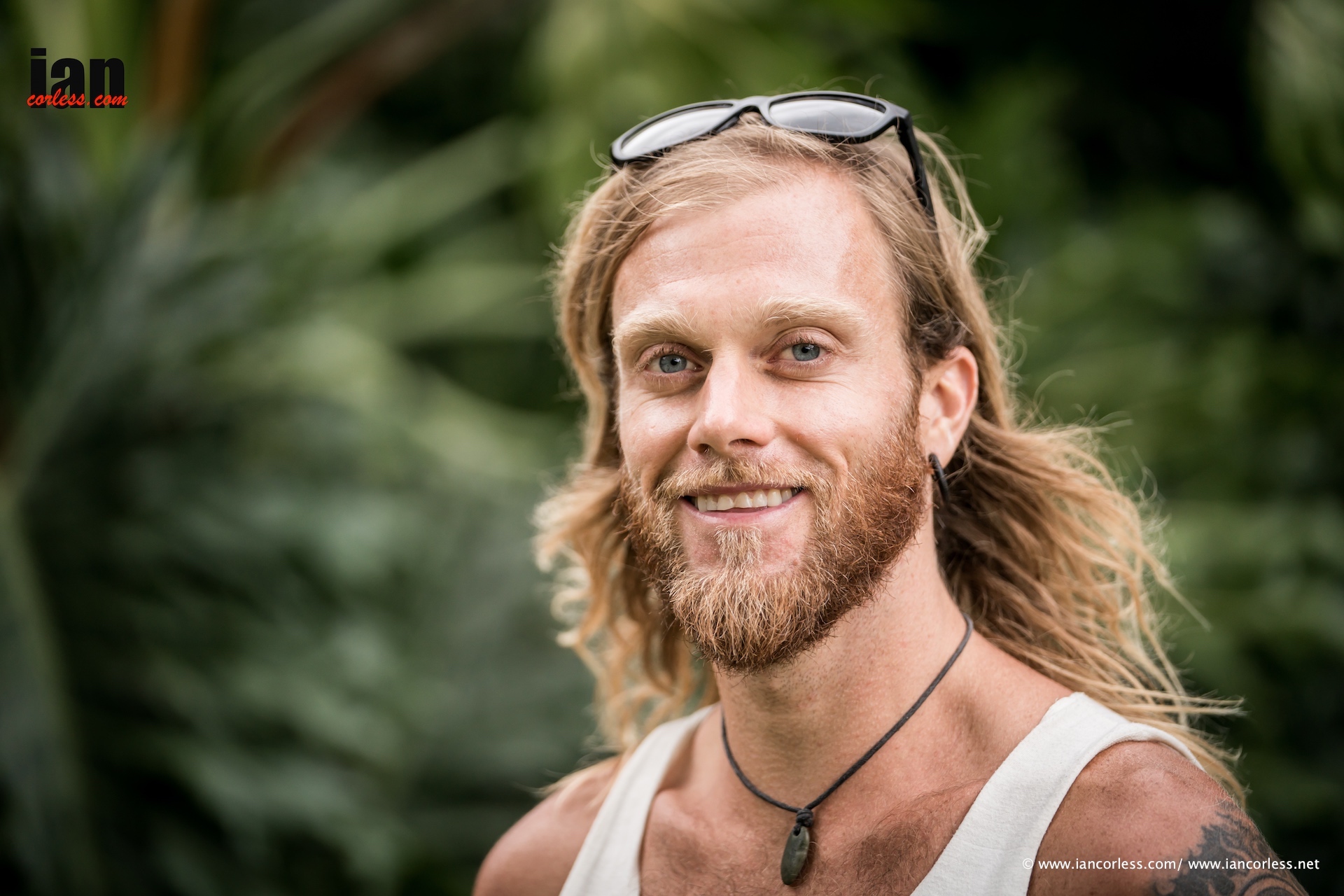
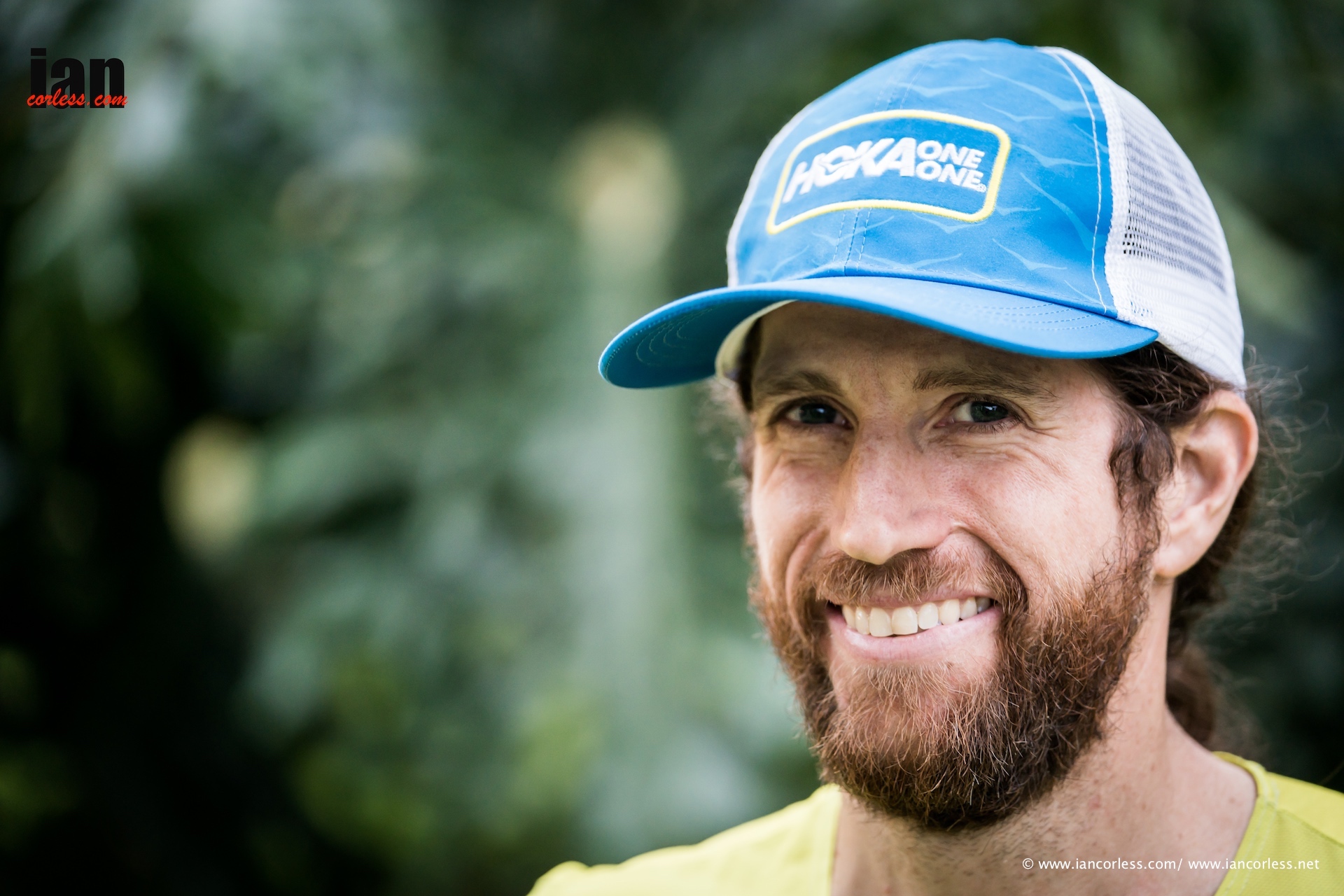
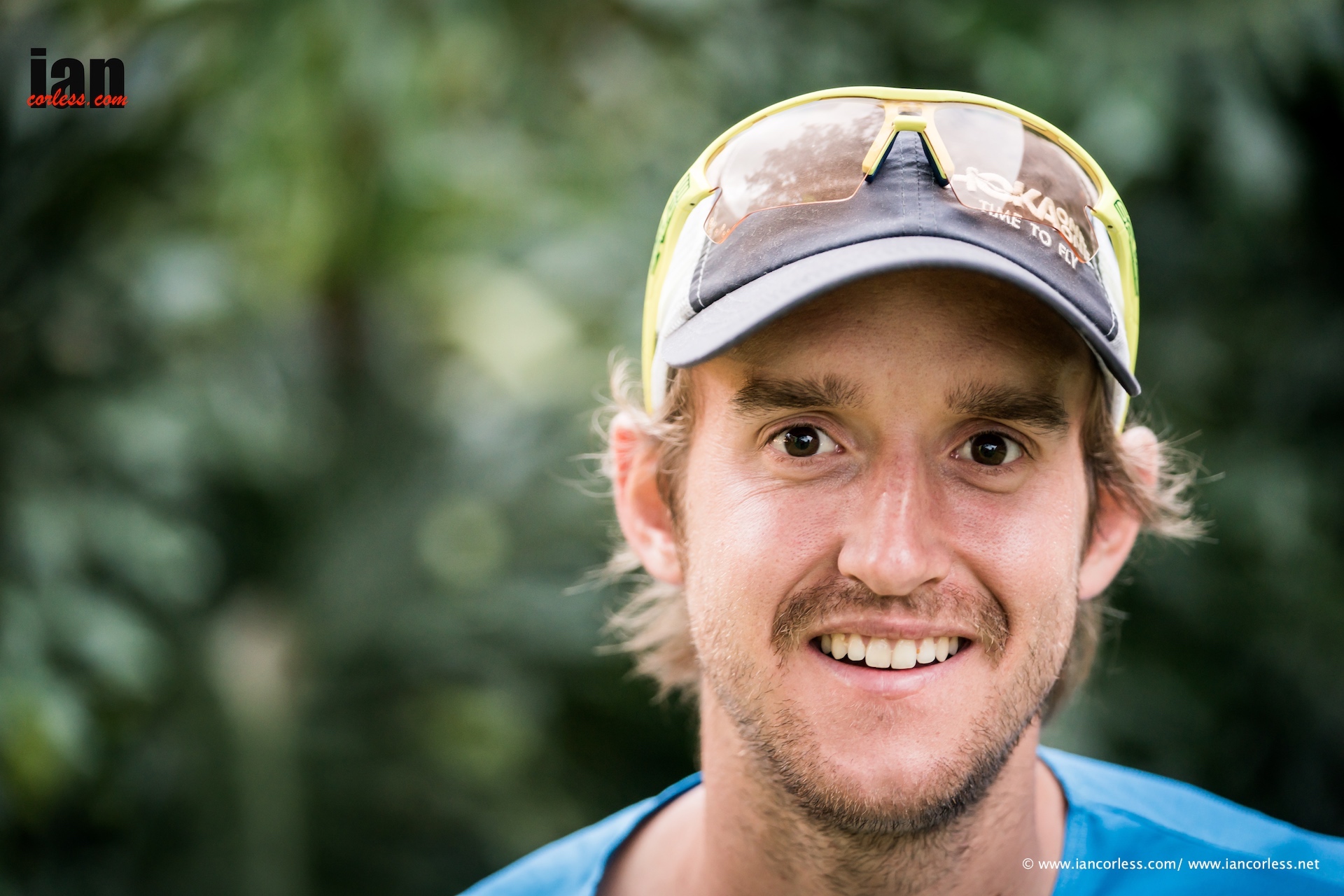
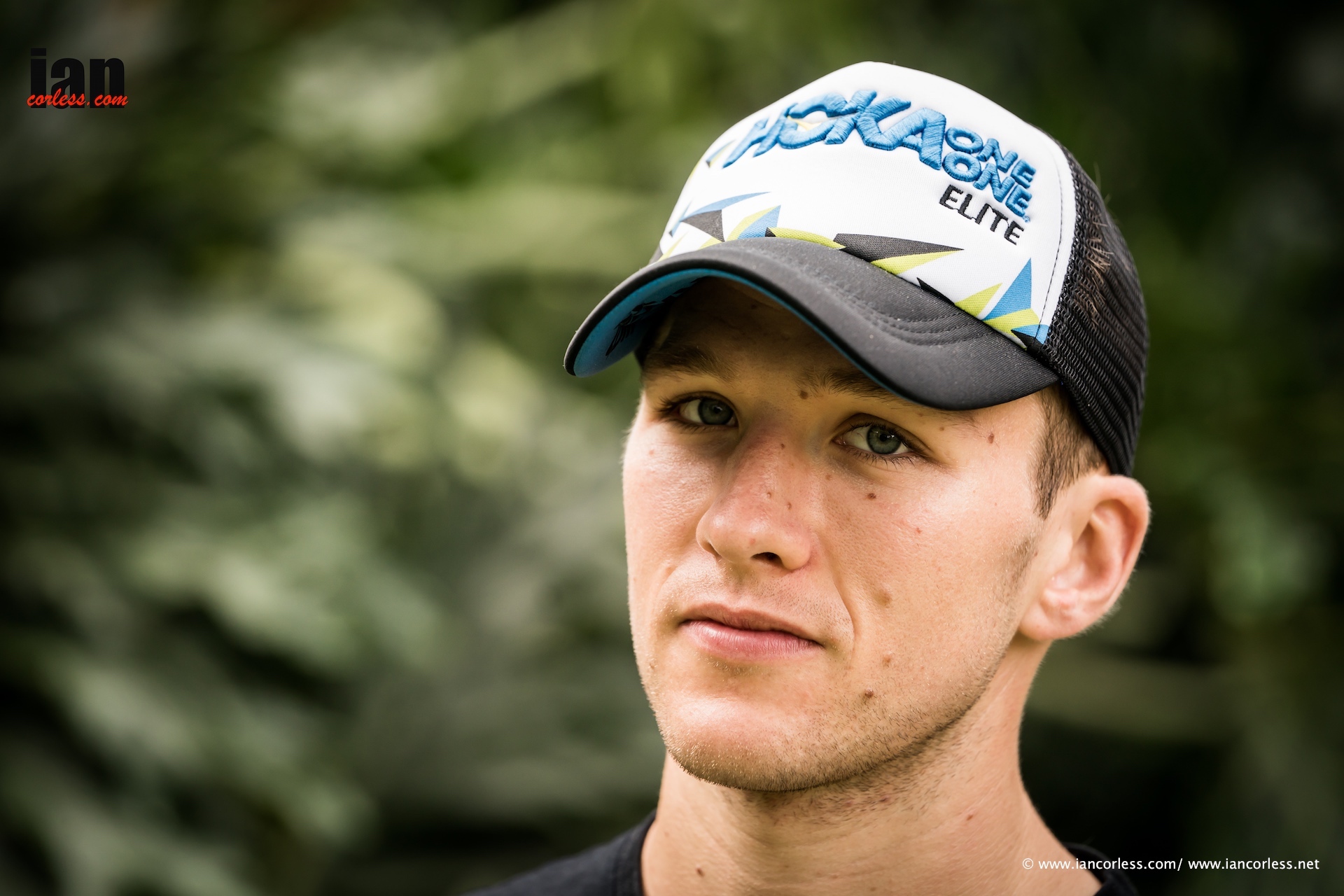
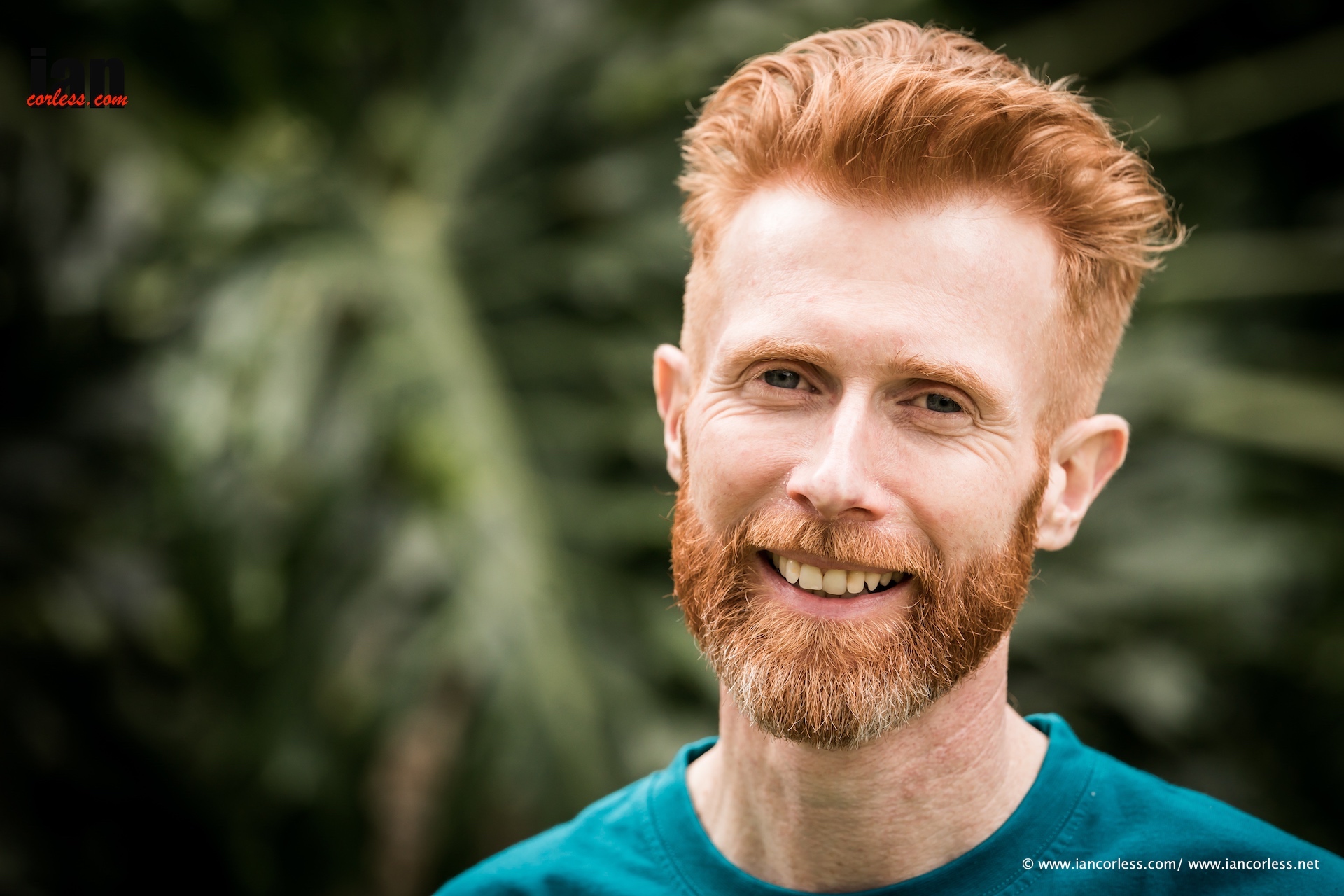











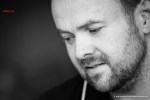






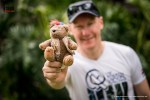
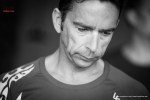


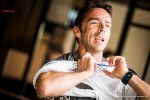
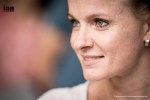






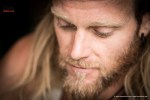
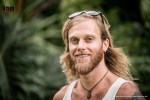
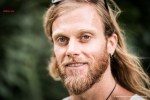

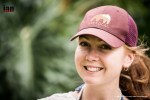





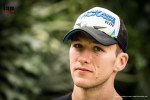


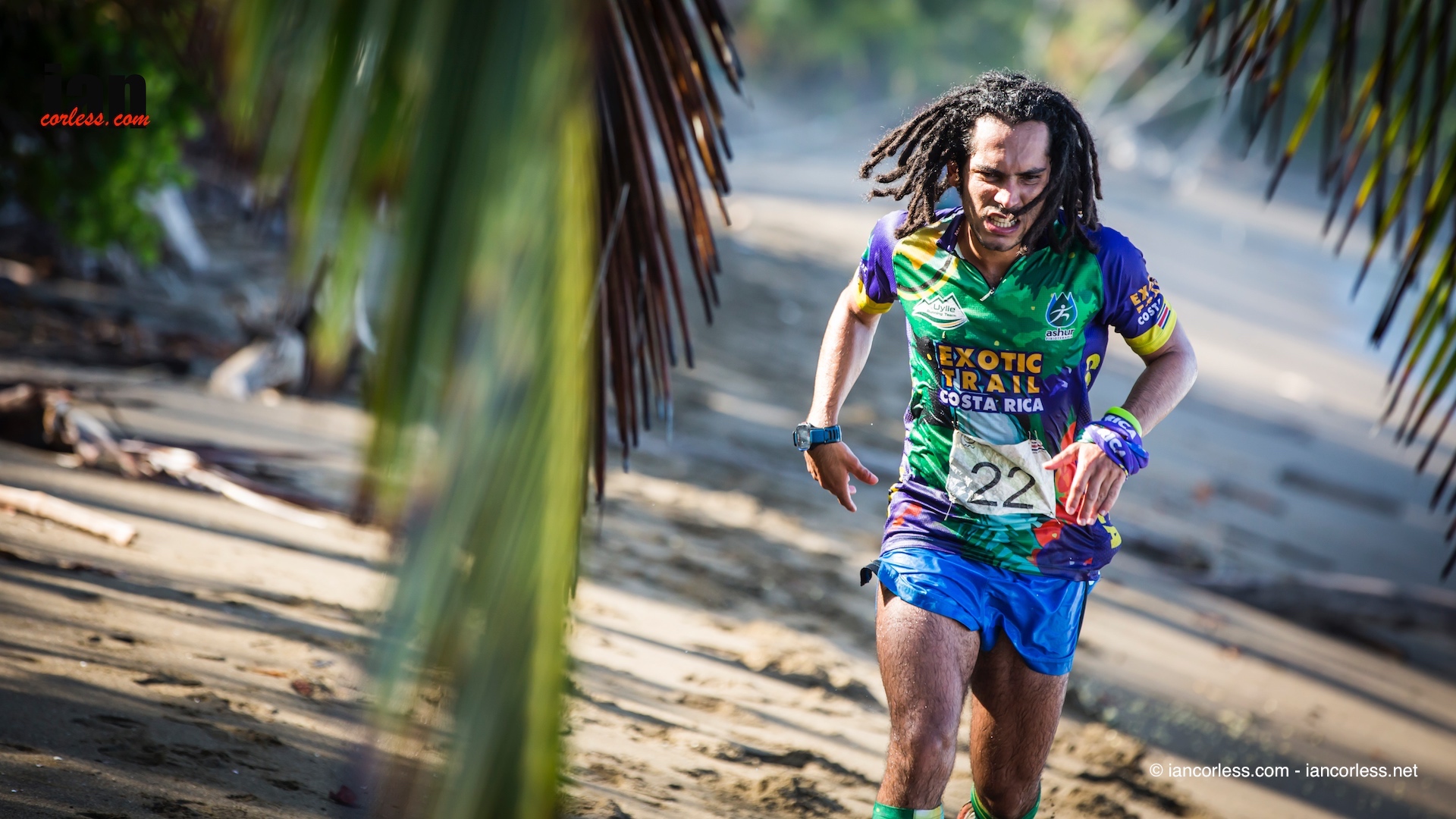
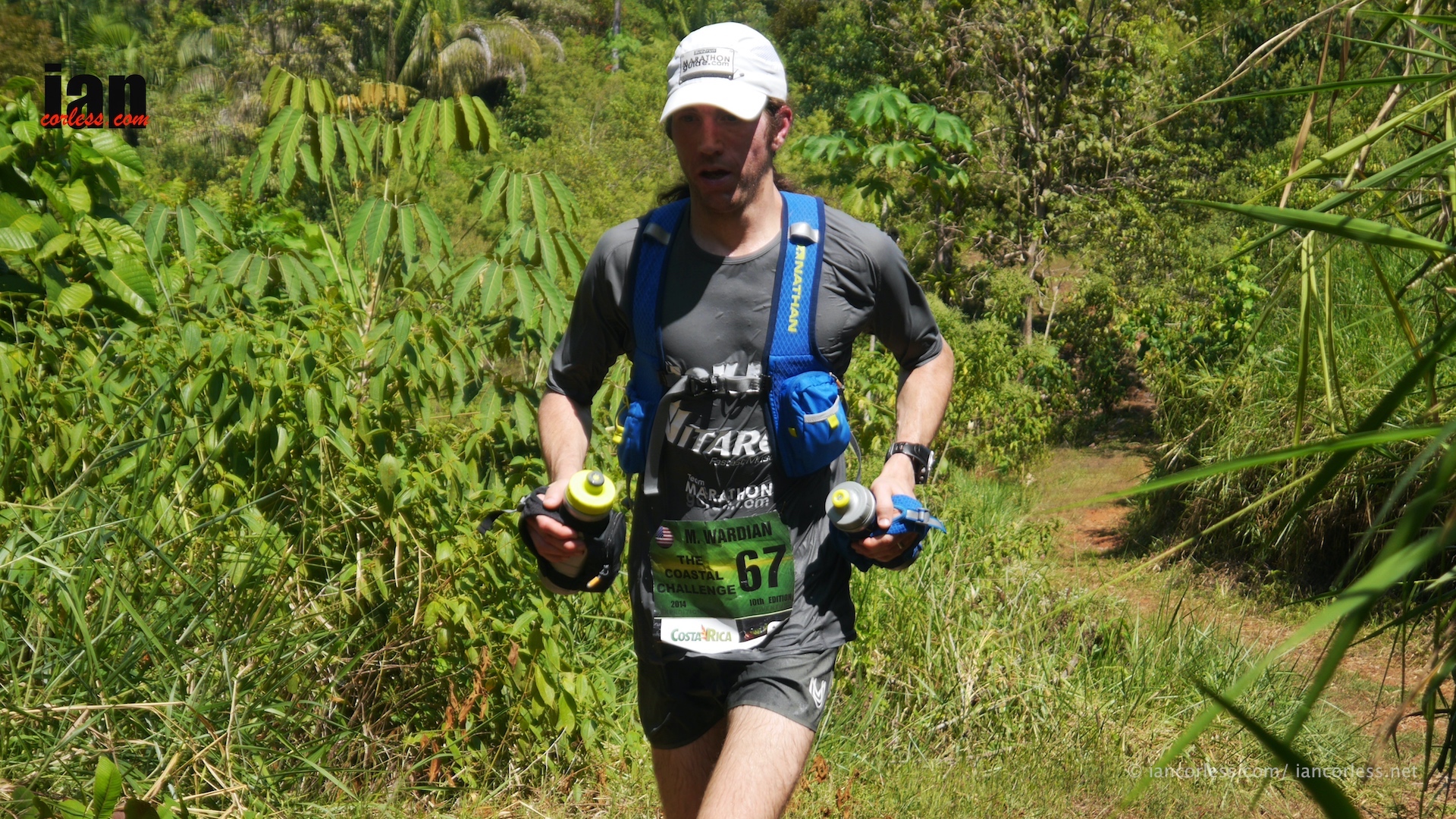 Michael Wardian has won the race and set a course record. He knows the lay of the land and if anyone knows how to race hard, day-after-day, it is Mike. You can never bet against him and he always comes ‘to race!’ There is no sandbagging, no pretenses, just a full-on let’s race and let the best man win!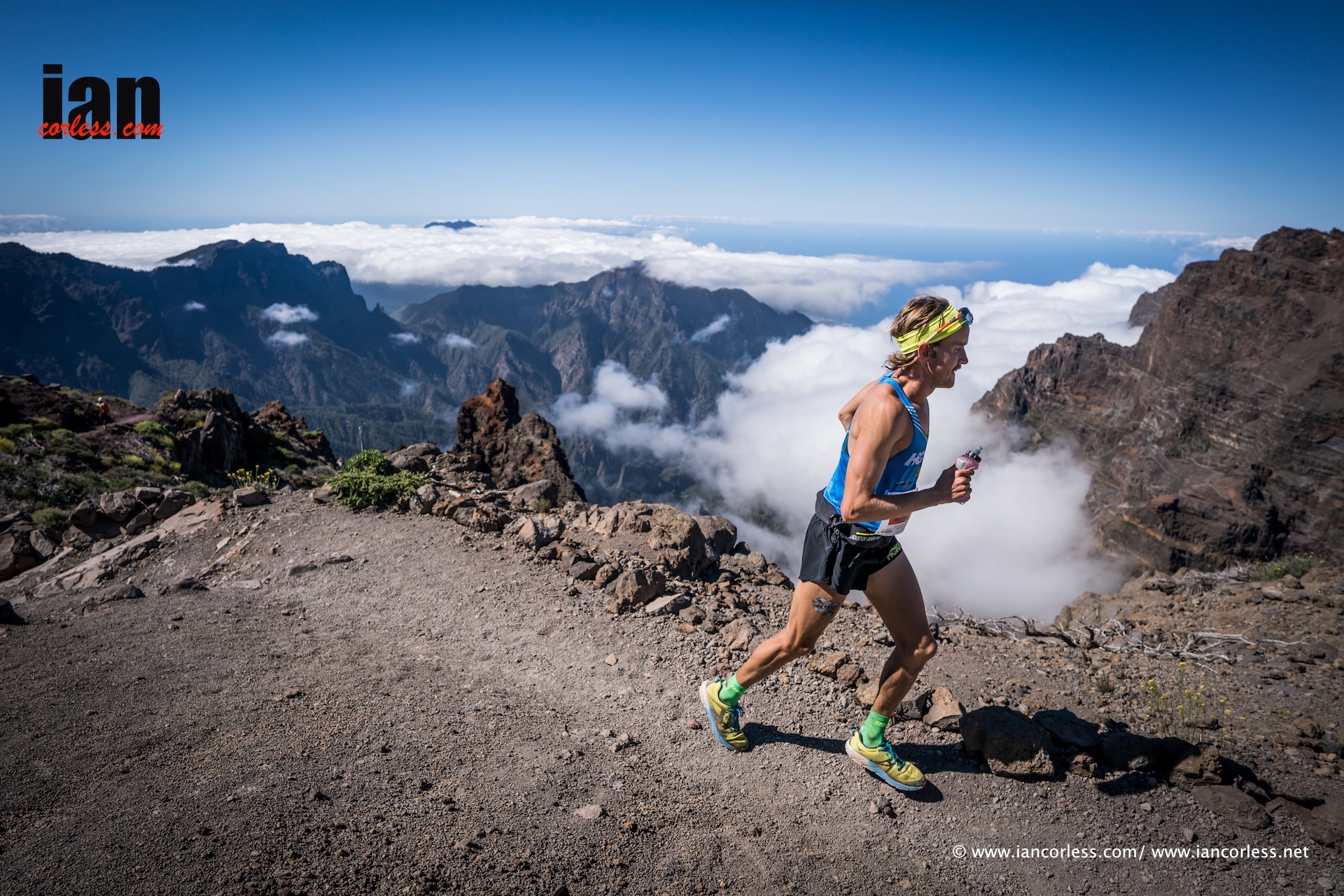
 IAN CORLESS