There is no better way to kick-off a new year than arriving in Lanzarote for a week of good weather and all things running.
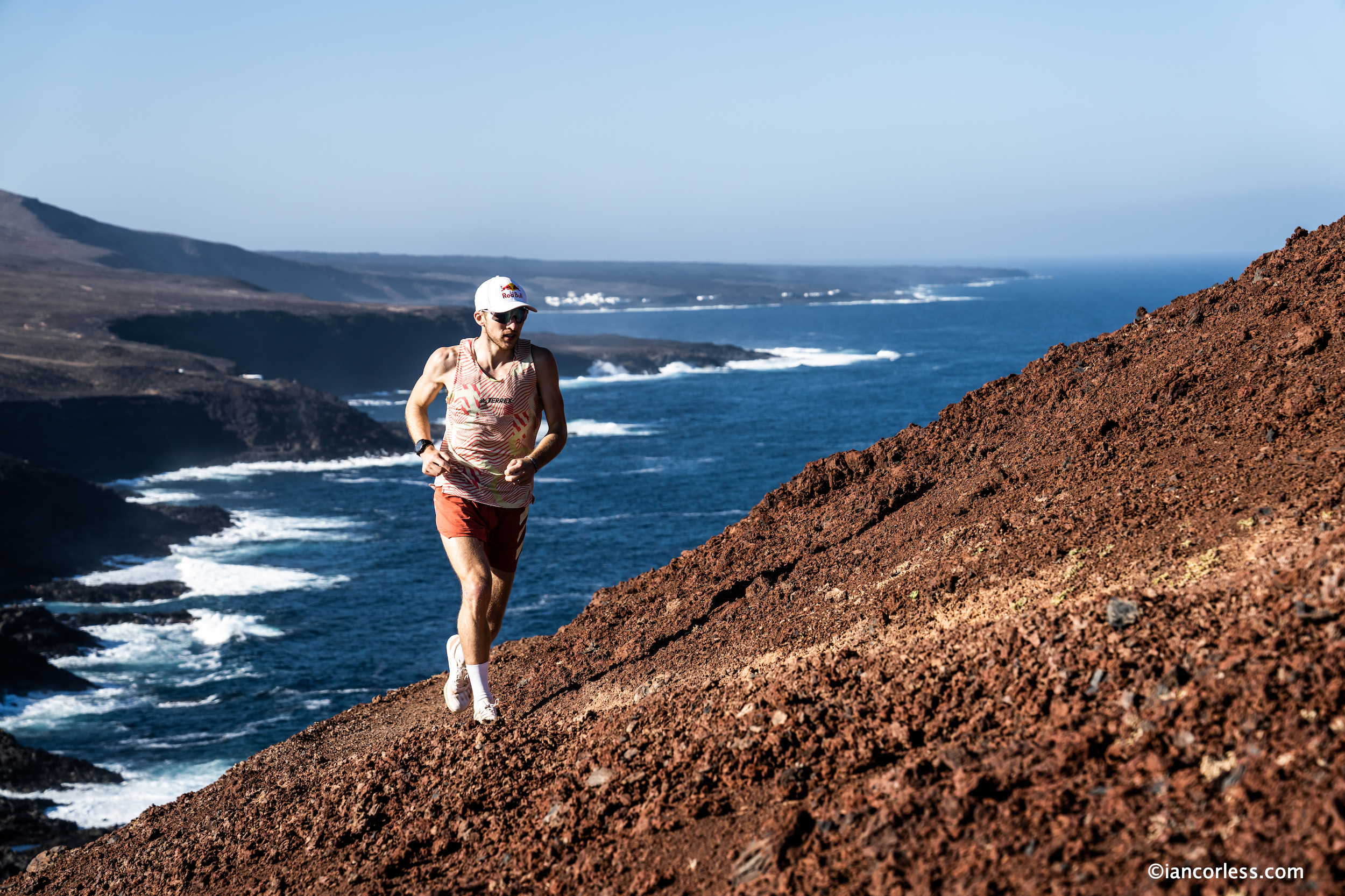
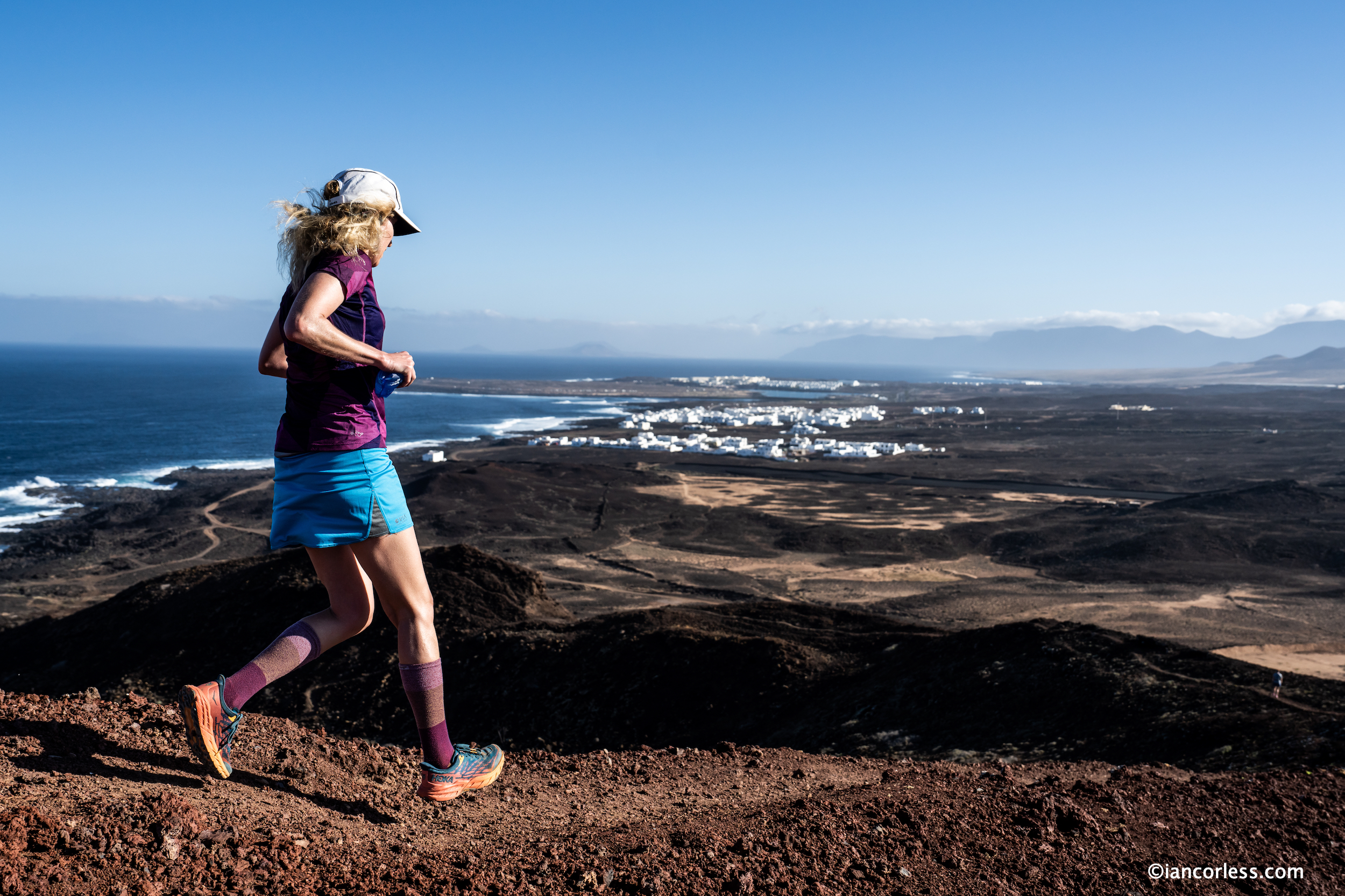
2025 signifies 19-years of training camps for me in ‘Lanza!’ They have changed and tweaked over the years and for the past 8-years, the current trail running format has been the template on how we tweak and develop each camp.
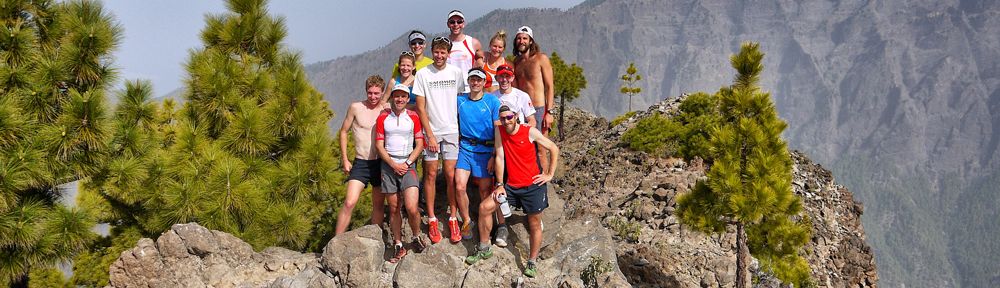
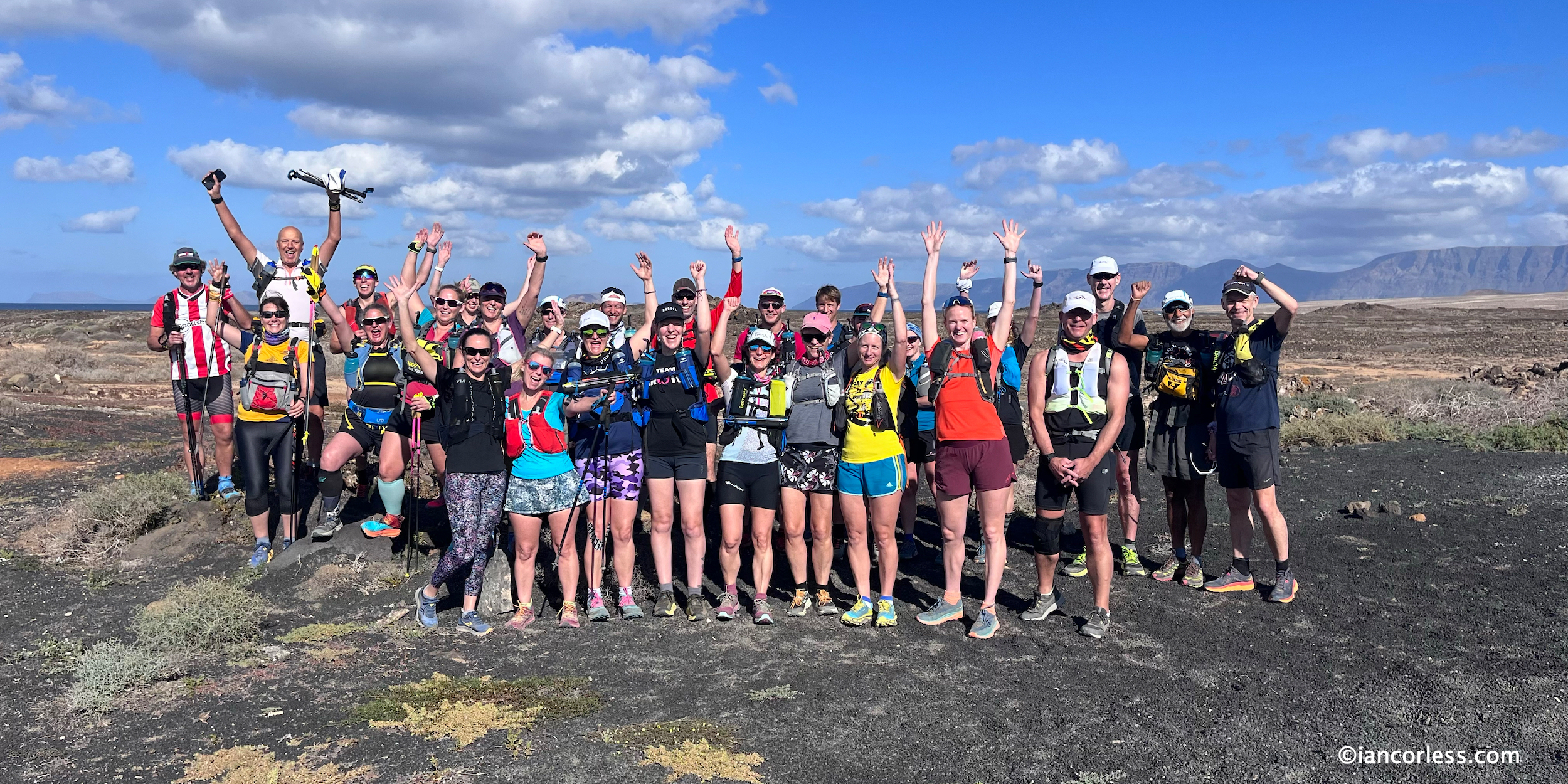
For 2025, we actually scaled the camp back to a smaller format, despite many requests to attend the camp, we kept it small with under 25 participants.
This was a significant step in ensuring smaller run/walk groups and the ability for everyone to get to know each other. It really worked, I’d go as far to say it was the friendliest and most cohesive camp in many years.
To ensure happiness on the trails, we had a core team of four guides, Pierre Meslet, Abelone Lyng, Hanna Bradshaw and Ian Corless. In simple terms, we break the guides down into groups of:
1. Faster running.
2. Running with some walking.
3. Walk/ run and
4. Walking.
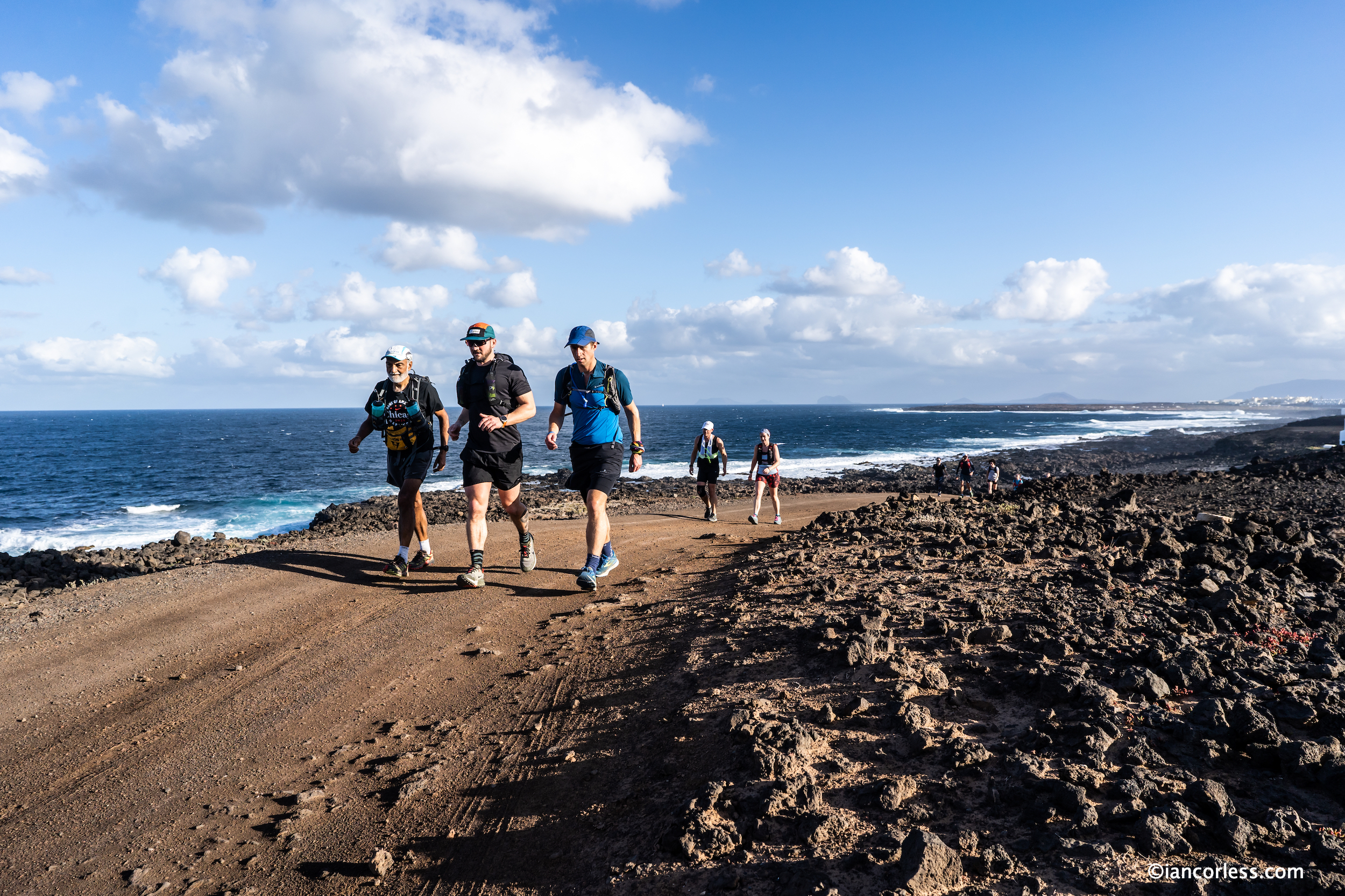
Groups of 3-6 people really work and this was a huge success.
Our days follow a similar format:
0900: Morning a run that extends to the afternoon based on the distance. We have different routes and distances for each day.
A break for lunch.
1500: A talk and or workshop.
1745: Recovery run of 3-5km.
1900: Optional evening meet up for drink/ chat before dinner.
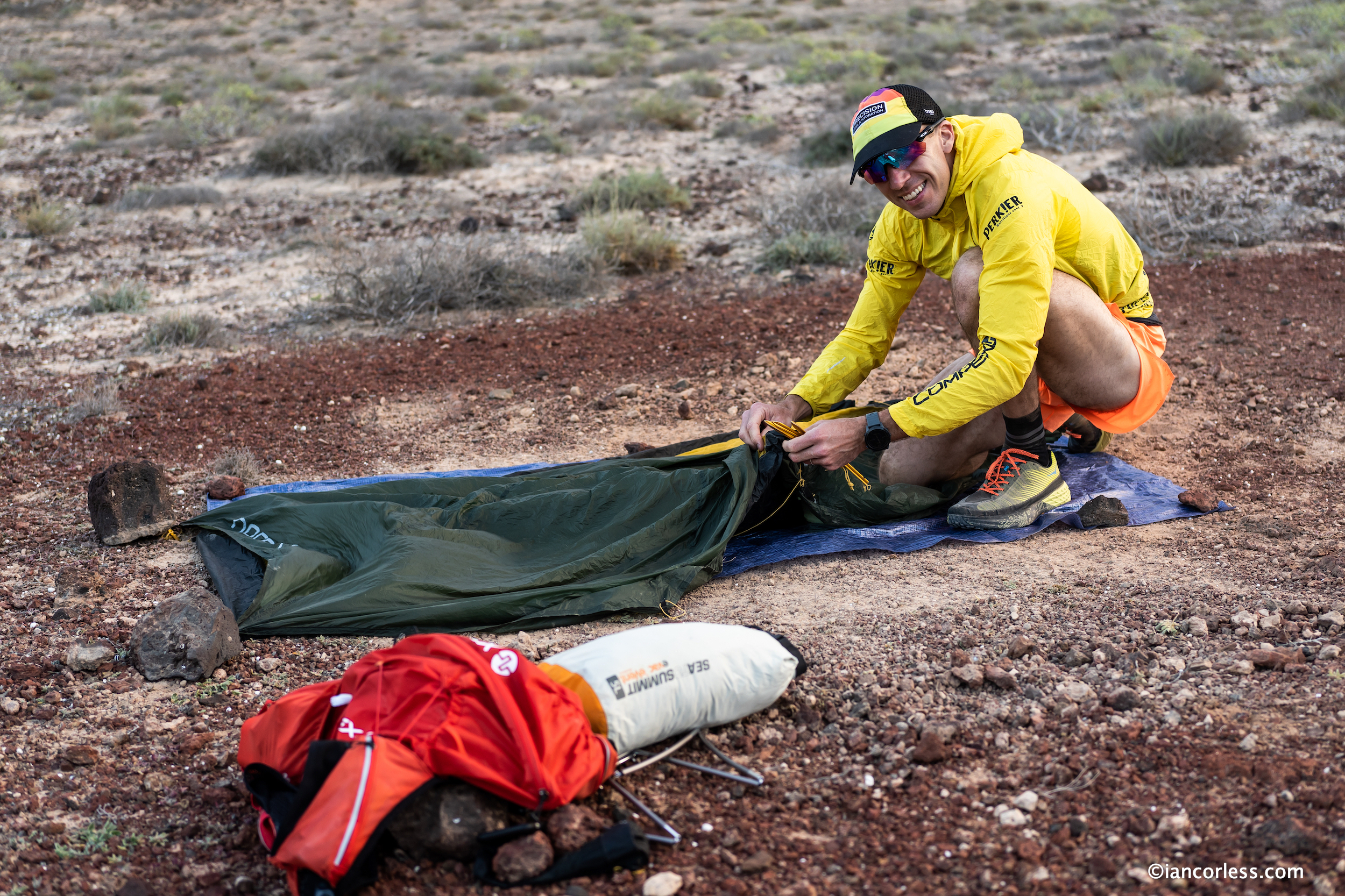
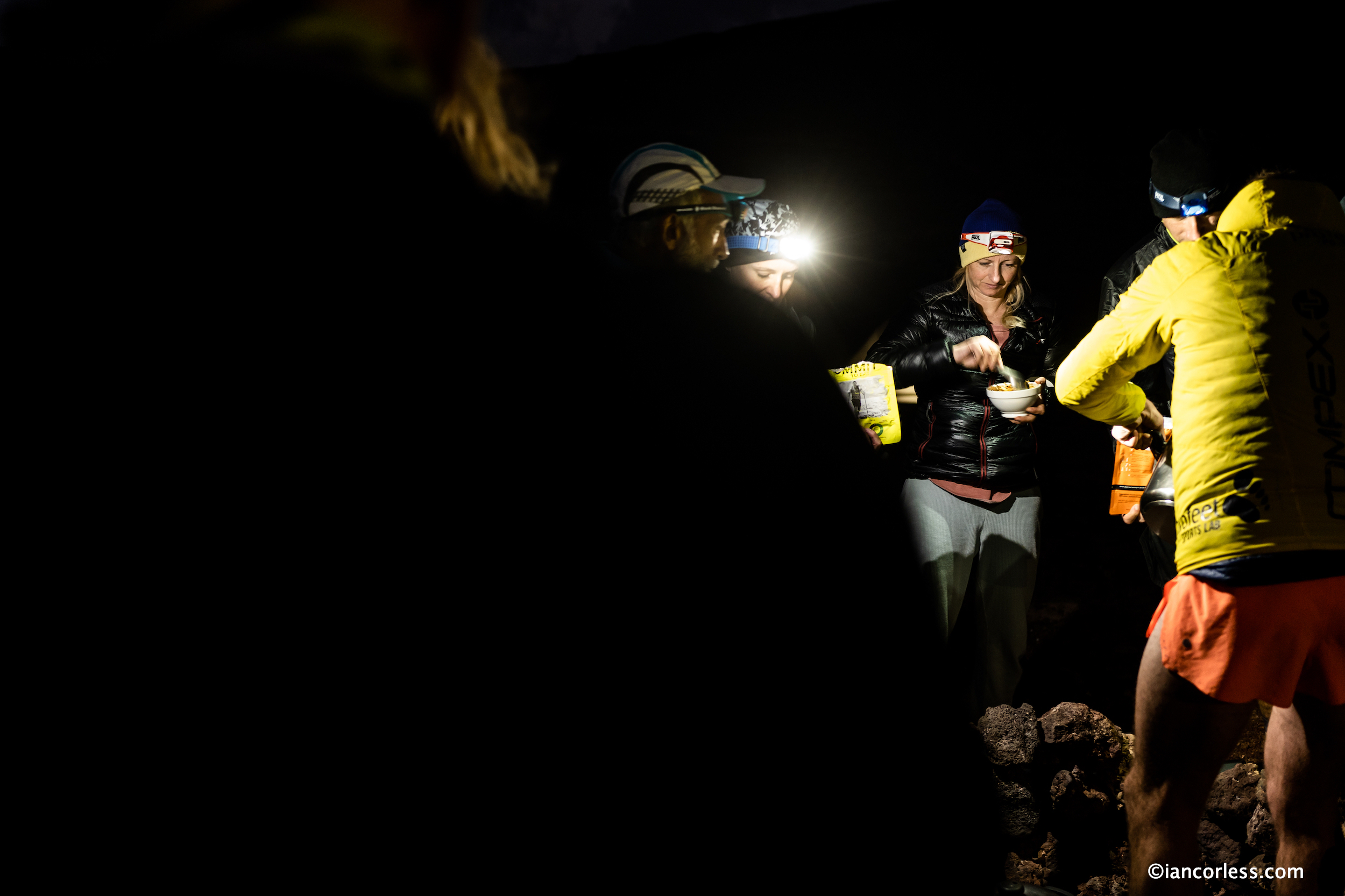
Exception to the above is one evening we do a run and overnight bivouac camp.
The last day is ‘long run’ day which starts at 0800 and covers between 30km to 45km.
Every edition of the camp, we get a great variety of abilities and experience, 2025 was no different. Up at the front we had a multiple MDS podium champion, at the other end, we had a couple who had never run longer than 10km before. It’s what makes the camp great. Mixed abilities and everyone providing knowledge.
Our bivouac night, as always, was special. Due to some glow sticks, a portable speaker and some good tunes, it was even more special. Nothing like a mini rave in a volcano.
If you do all our sessions, typically weekly mileage is around 160km/ 100 miles. It sounds a huge amount huh? It is, but on the camp recovery and downtime plays a huge roll and even the relative novices were accumulating big distances and believe it or not, our duo who had never run longer than 10km before both did just over 30km’s on the last day, a huge success for them and the camp!
A key to the recovery process for each runner is Pierre Meslet offering the option to book massage and Luke Read from Airbornfit offering strength and conditioning.
Of course, nothing is compulsory, participants can miss sessions as they wish, however, this rarely happens. The camp takes hold and neary everyone surpasses persoanl expectations or limits.
We conclude the camp with a group meal; a great opportunity to relax and clebrate the achievements of all.
The only sad moment comes with the closure of the camp and onward travel home.
However, as I told all our 2025 participants, it’s only 51 weeks to the next camp and already, many have signed up with eager anticipation of what will be a 20 year celebration in 2026.
Fancy joining us for one of the best running weeks ever?
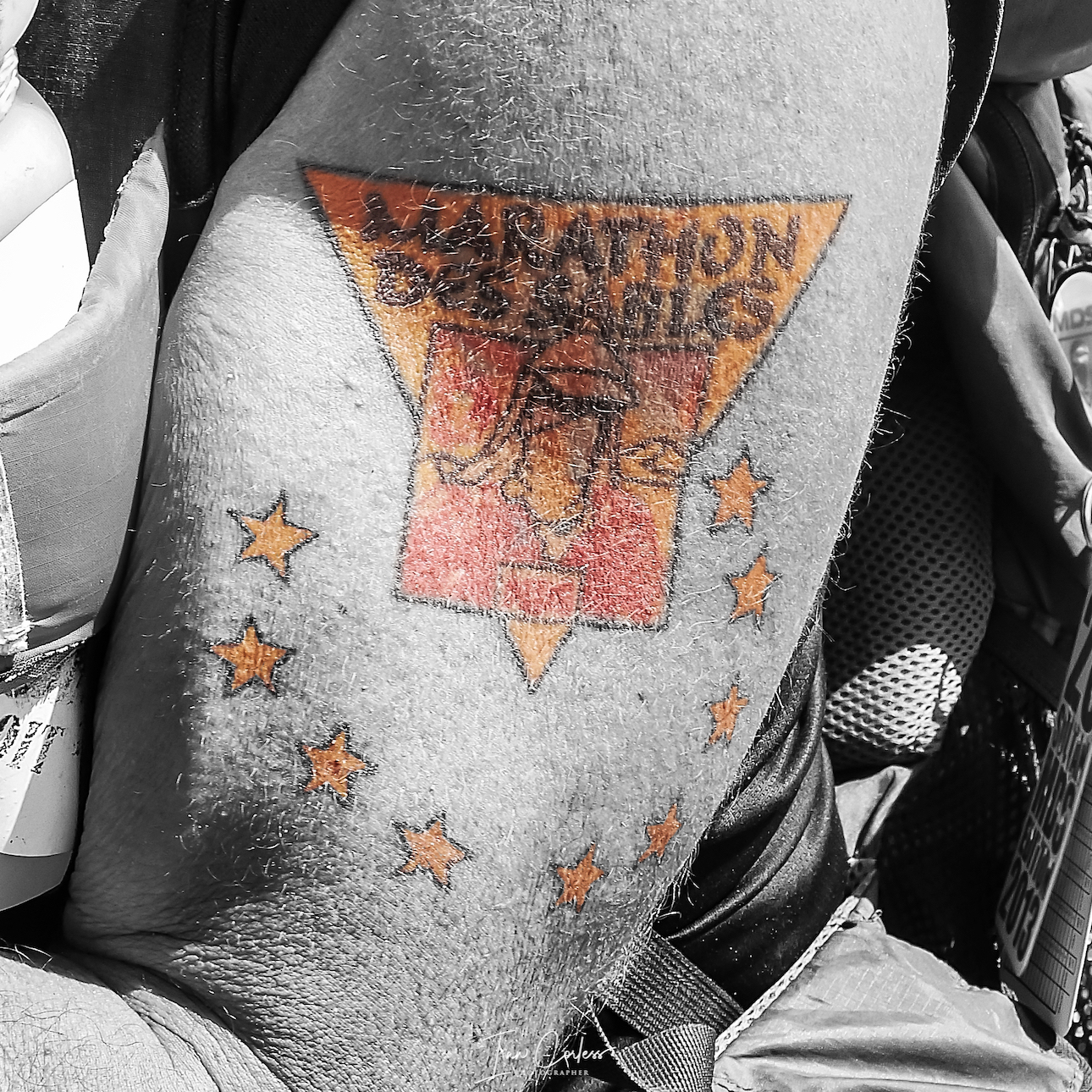
Who is the camp for? Anyone who is interested in running. We cater for everyone and we specifically cater for those who are doing stage races such as Marathon des Sables. Ultimately, its just a great week of running, be that for stage races or single stage races of any distance.
Are you up for an adventure in an incredible part of the world?
If the answer is yes, Home Of The Giants is for you!
JULY 21ST TO JULY 28TH 2024
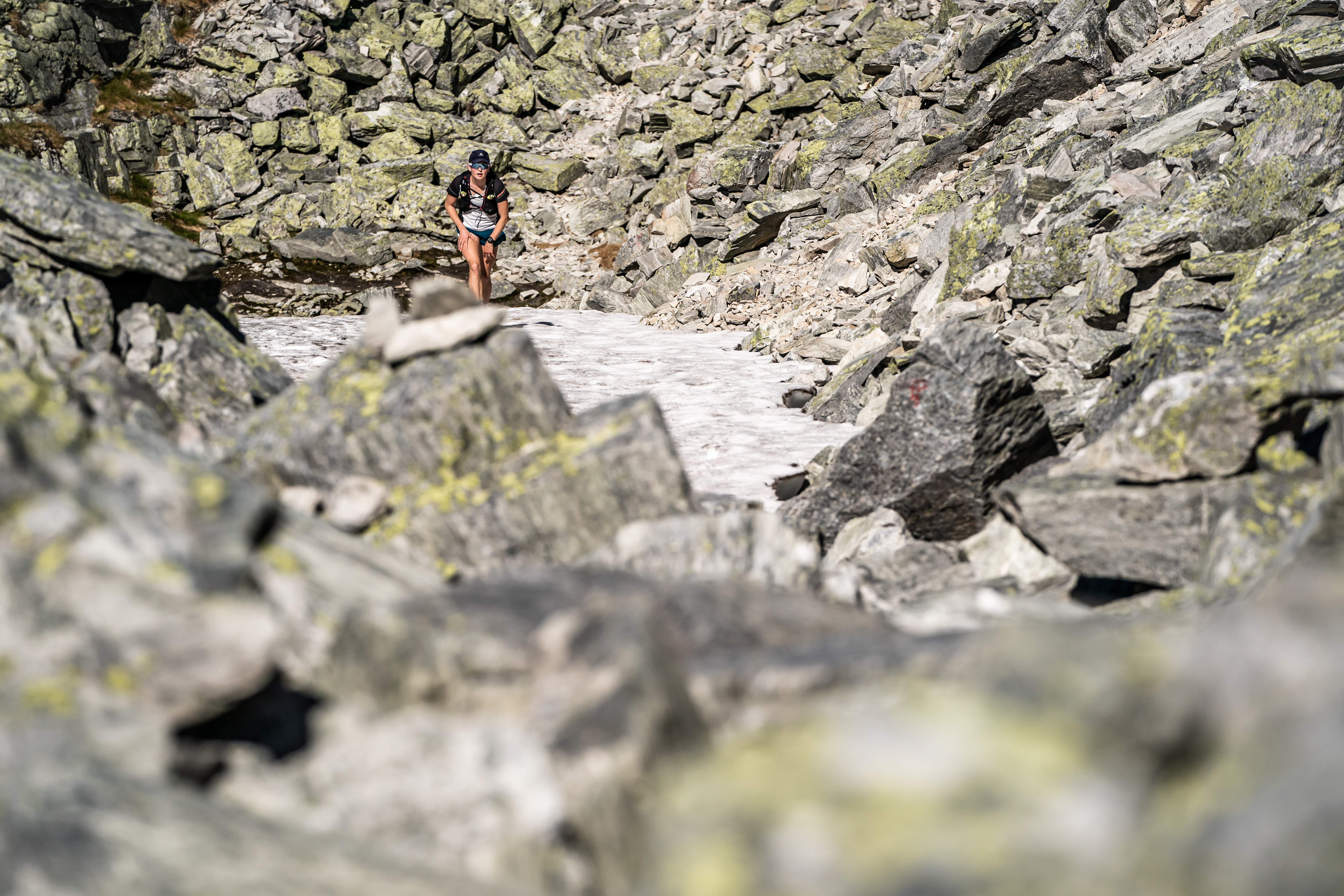
A multi-day adventure through the magical and amazing playground that is Jotunheimen, Norway. Unlike a race, this journey is a finely balanced exclusive trip for just 12 participants. A challenge at a more relaxed pace, taking in an amazing route whilst moving light in a semi self-sufficient mode.
The iconic ‘The Church’ we go to the summit on day 2
Spread over 5-days, our journey starts from Bygdin Fjellhotel with an overnight stay, the following morning we depart via the iconic M/B Bitihorn boat covering the length of Bitihorn lake to our start point at Eidsbugarden. A magical journey, on foot, covering 100kmand 4774m+
Snow fields, water crossings and morraine
You will encounter snow, water crossings, airy and exposed sections, plenty of climbing and descending and full days on the trail. Each day will conclude at a DNT cabin where you will have a bed, shower facilities, 3-course dinner and breakfast included.
Rock and snow transitions to lush green and single-track
WANT TO JOIN US?
Only 12 places are available for what will be a journey of a lifetime.
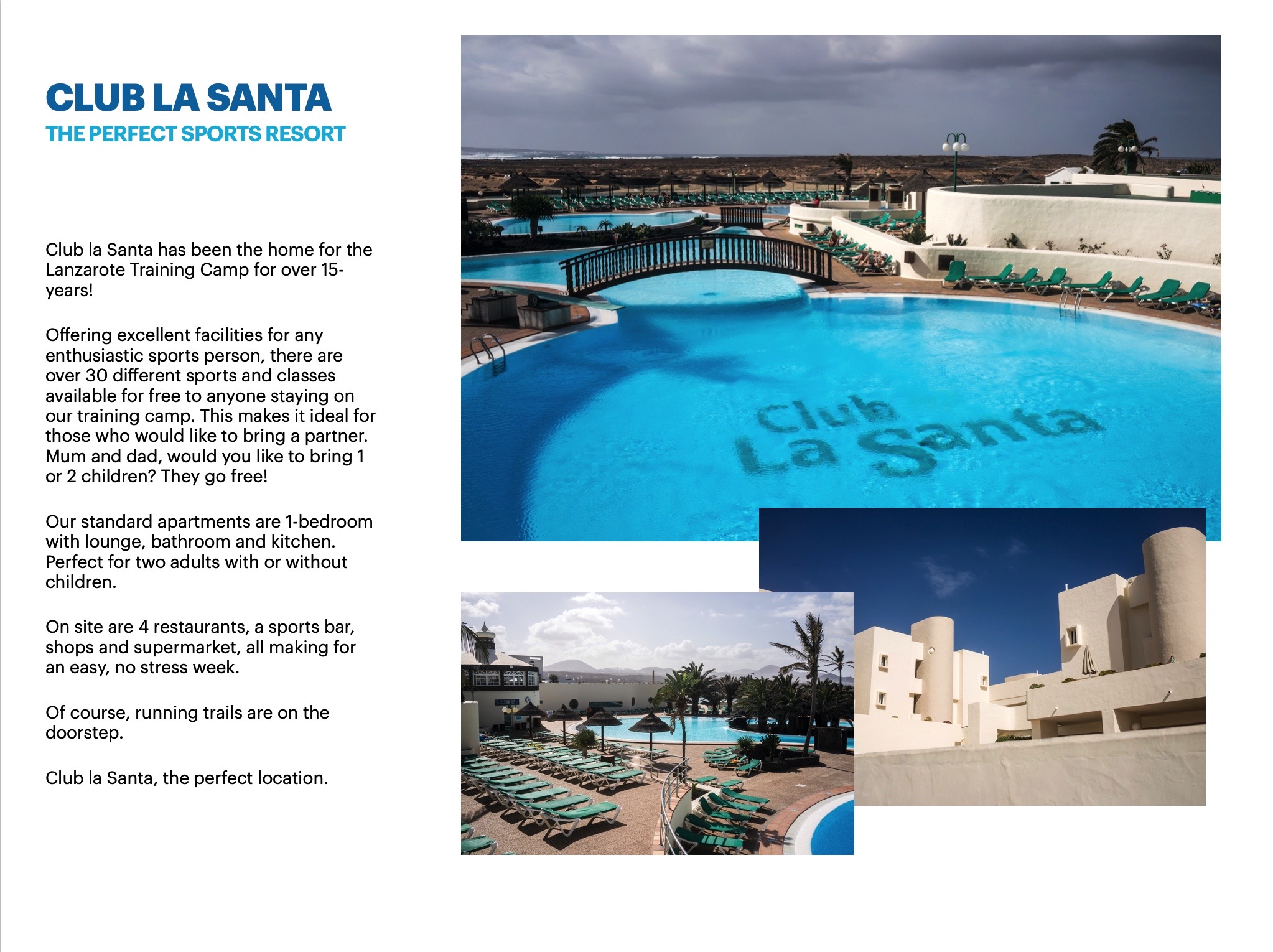
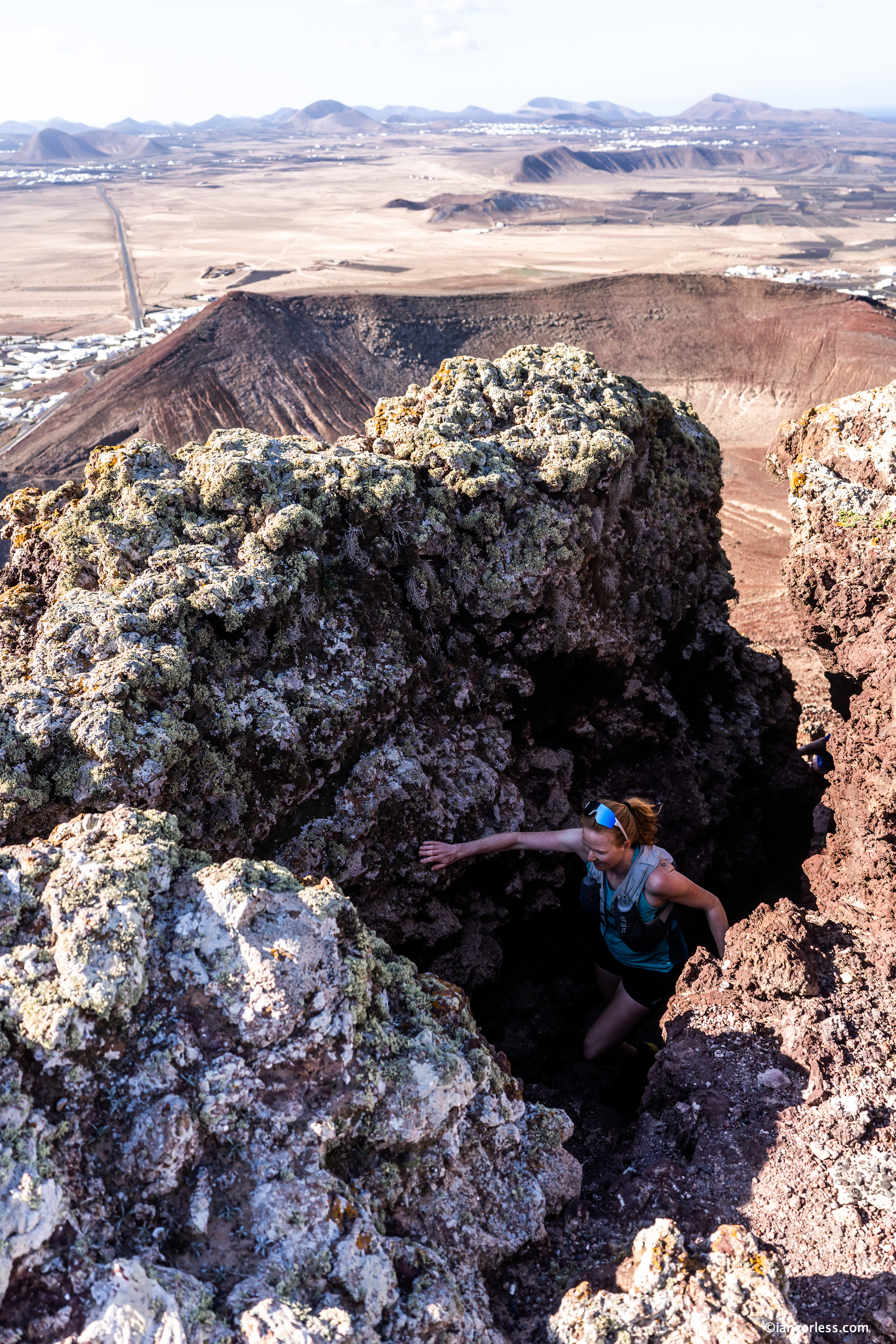
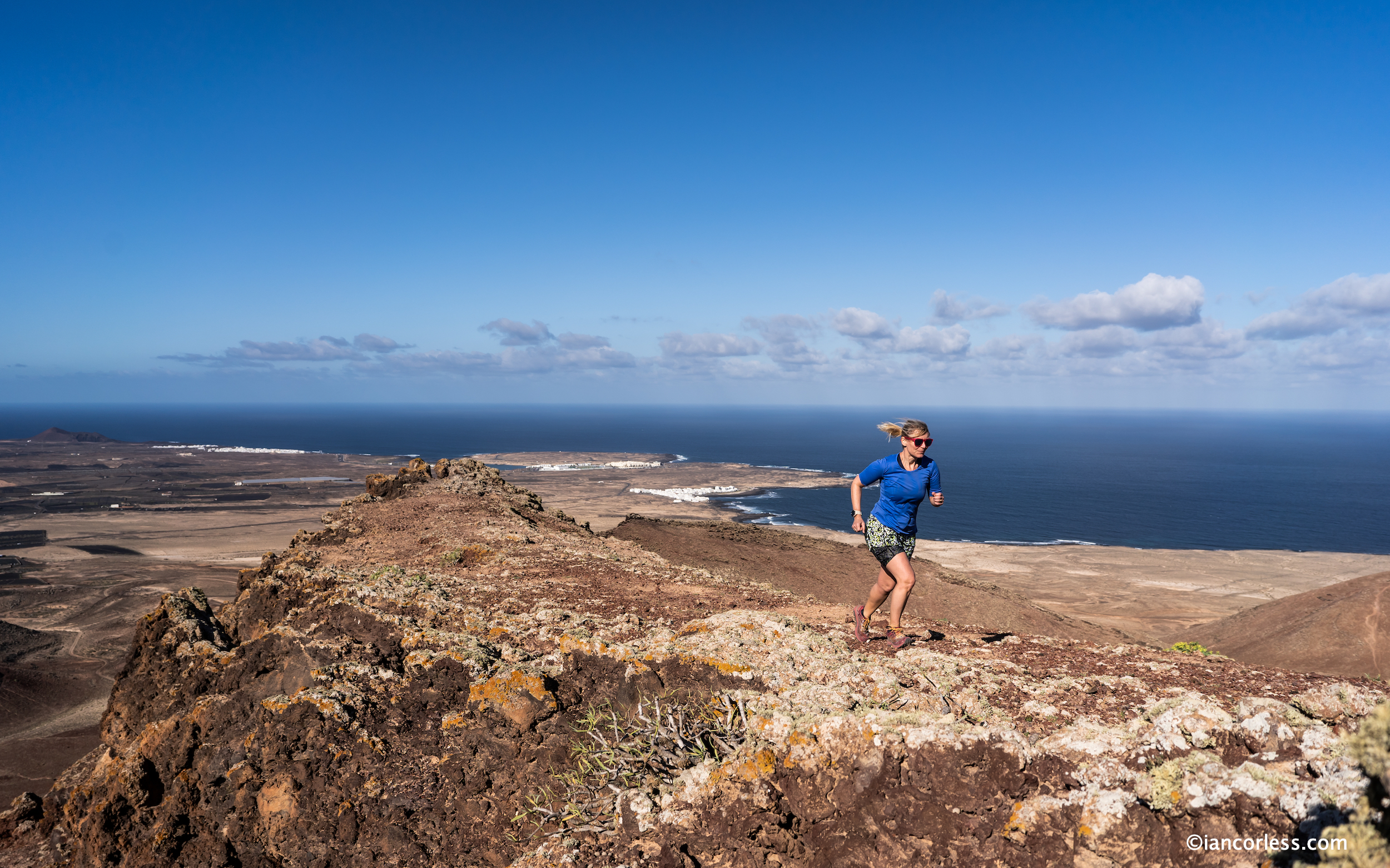
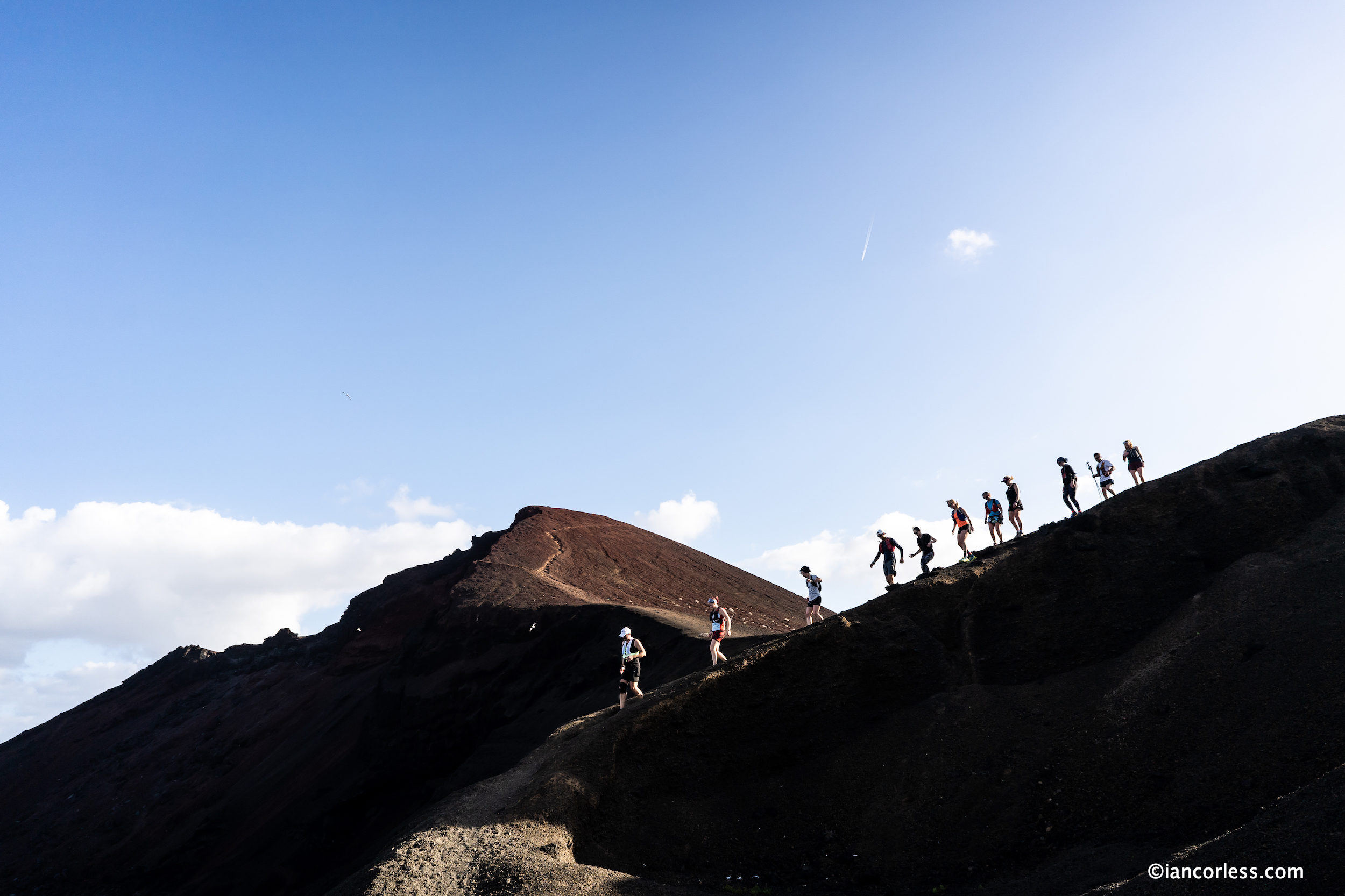
Caldera Trasera is a wonderful loop from our base location, Club La Santa. It provides a short and hilly technical route that more ‘more’ exposure than many are used to. The Lanzarote Multi-Day Training Camp is all about pushing boundaries and learning.
Hands-on action provided some mega smiles, especially when the summit was reached. The level of comradeship was superb, everyone supporting each other to achieve their goal.
At just 70 (ish) meters of vertical, the route may well not seem to hard, however, when you repeat it enough times, it becomes very tough. The target was 10-reps, of course it varies what each individual can achieve…
The decent is a single-track trail of loose stone and gravel and the ‘recovery’ phase is a flat gravel road back to the start. It’s always a great session.
The day concluded with a short recovery session of 30-minutes as the sun set over the lagoon and sea that surrounds Club La Santa. It was a perfect day and stunning weather. Tomorrow, soft-sand.
Interested in joining us? 2024 is open for booking HERE
It was day-1 of the 2023 Lanzarote Multi-Day Training Camp and what a perfect day! The rain from ‘arrival’ day disappeared leaving a perfect sunny and windy day.
The morning was a 24km ‘Coastal Run’ that had over 50-participants moving along some wonderful, technical single-track on the outward route and easier gravel trails for the run home.
Spilt in to three main groups, Tom Evans and Pierre Meslet guided the faster runners, Ian Corless and Abelone Lyng the middle group and Inge Nijkamp, Kevin Webber and Steve Diederich guided the run/ walker and walkers.
The trails here a stunning and the backdrop superb. Technical trails are compensated with easier non-technical trails but the group bonding, chats and views help the km’s fly past…
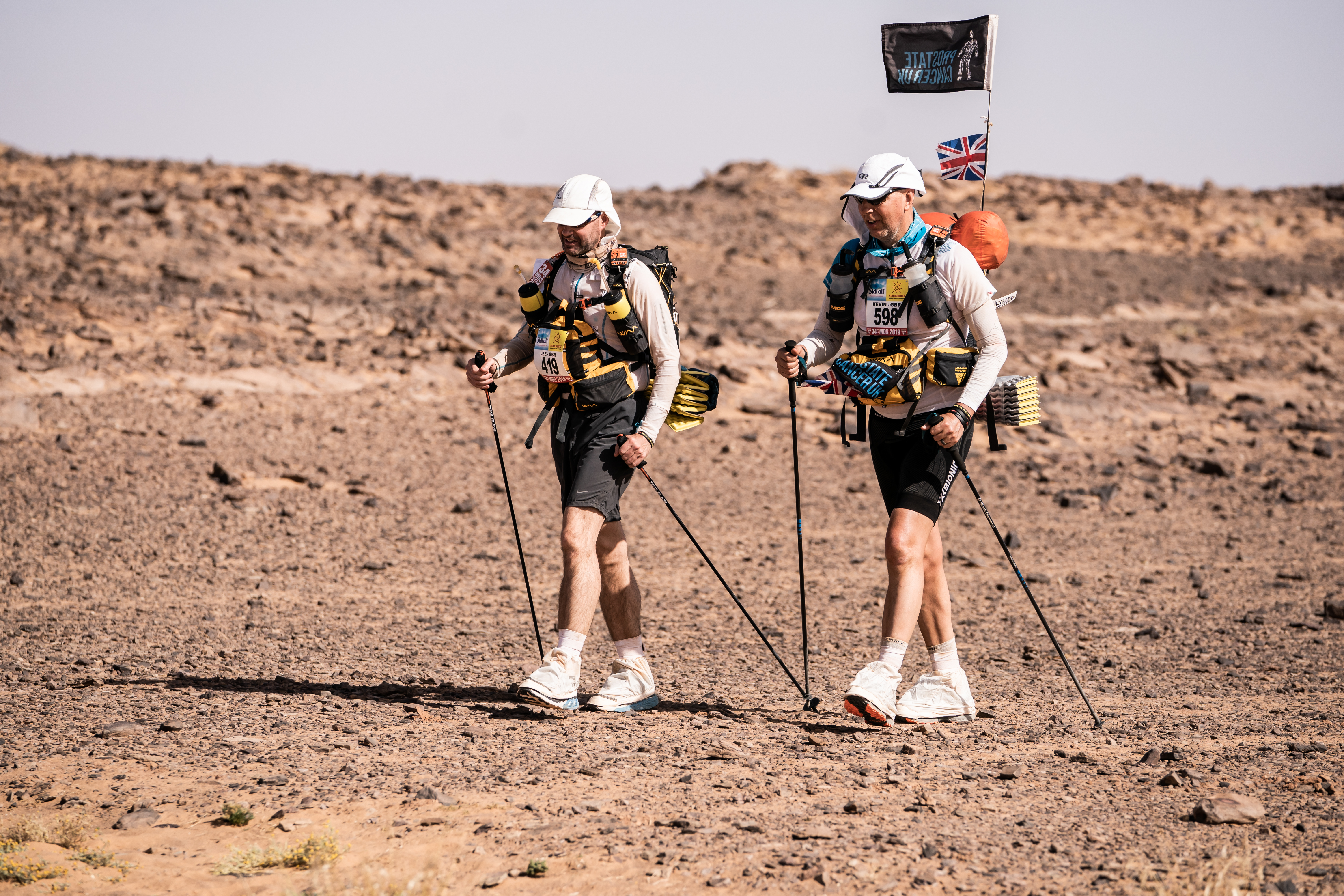
After a lunch break, the afternoon was taken up with two talks: the inspirational Kevin Webber told his story of his Prostrate Cancer diagnosis and Steve Diederich (UK agent for MDS) gave an informative talk around MDS logistics.
A 5km recovery run conclude the activities of the day and then relaxation was the order of the day, with some good food, as plans were made ready for day-2.
Interested in joining us? 2024 is open for booking HERE
We announced earlier this week that the Lanzarote Multi-Day Training Camp 2023 would have two ’Special Guests’ and this has resulted in a surge of entries for 2023.
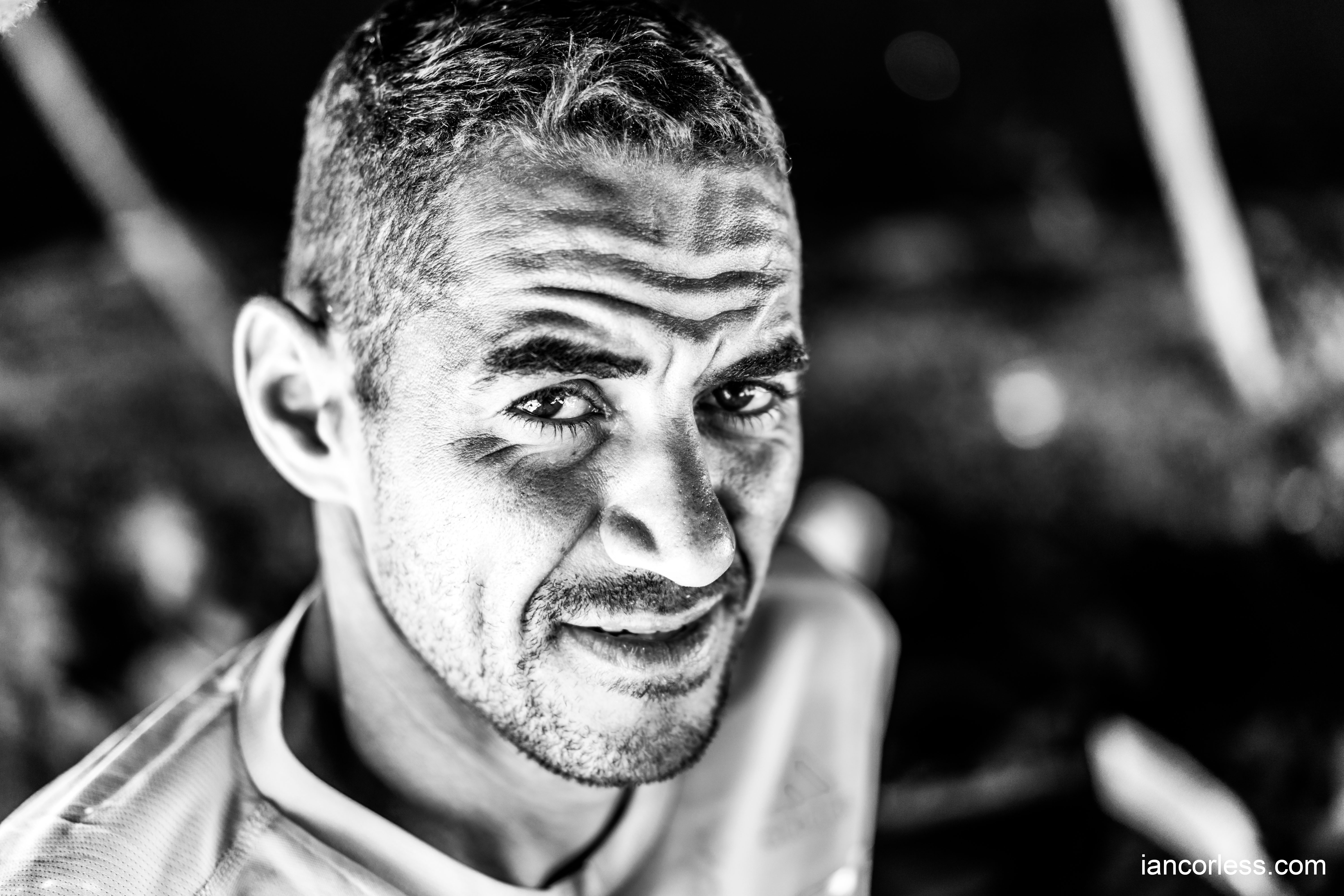
Rachid El Morabity the 8x MDS champion will join us Friday to Monday for run sessions and a 2-hour talk/ workshop on MDS, Multi-Day running and ‘What goes in the pack?’ of a champion. ‘Dead Man Running,’
Kevin Webber will join us for the whole week looking after a walking group and providing a 2-hour talk and workshop telling his incredible story of his Prostrate Cancer diagnosis and how he has embraced running and adventure to not only inspire others but to raise money for charity and raise the bar of what is possible as a human.
RECENT NEWS
It has been great to confirm Tom Evans will once again join us. Tom guided on the 2018 Training Camp after placing 3rd at the 2017 Marathon des Sables. It was the start of an incredible story that has resulted in victory at CCC, Tarawera Ultra, and a 3rd place at the iconic, Western States 100-mile race in the USA.
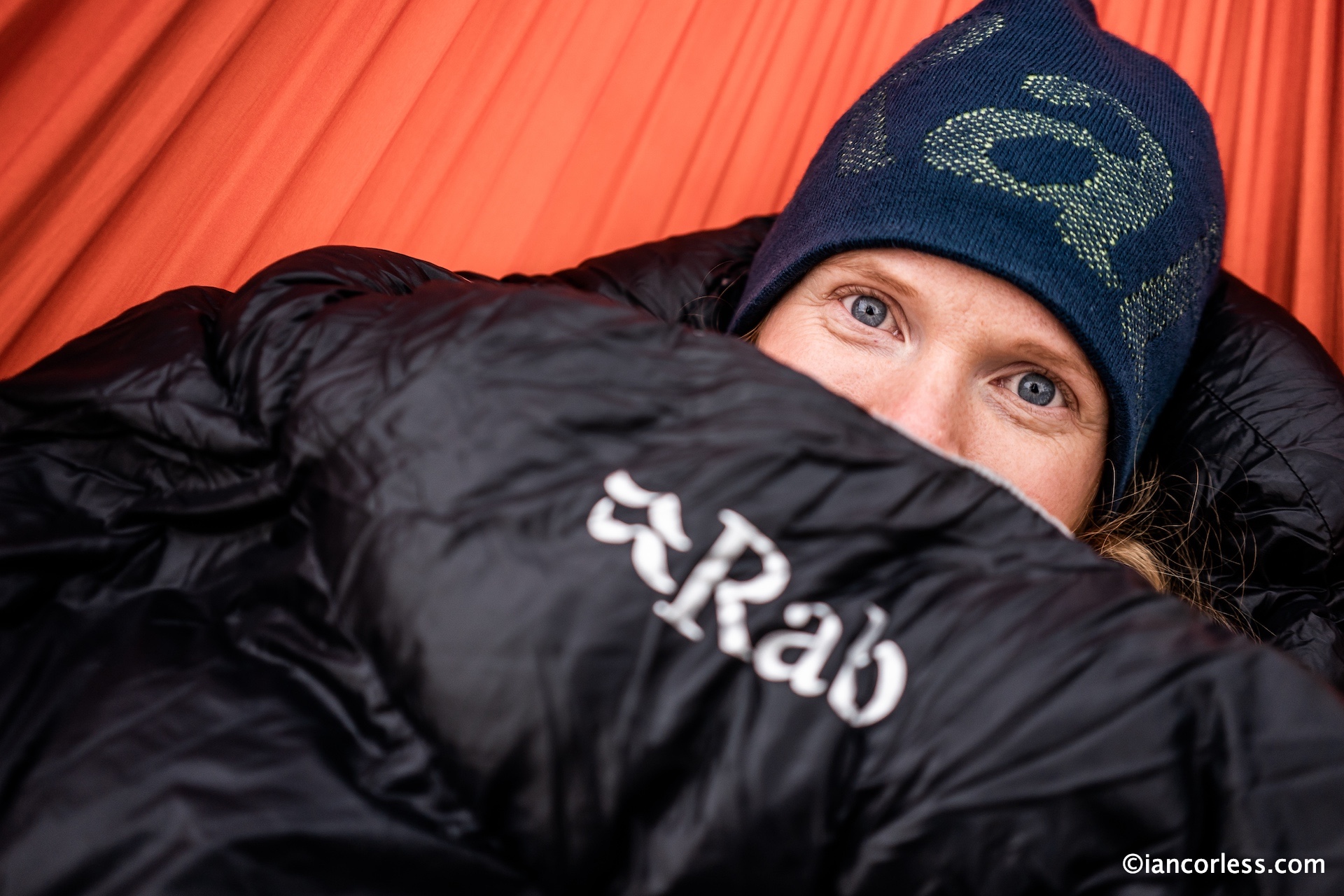
Rab athlete Abelone Lyng should have joined the camp in 2022 but unfortunately had to withdraw late in 2021 due to the pandemic situation and her role in the medical profession. We are pleased to confirm that Abelone will join us for 2023. Abelone has won the Ice Ultra and placed 4th at The Coastal Challenge. An adventurer, ultra, trail and mountain runner, Abelone is a specialist fastpacker who loves to travel solo or with friends.
Pierre Meslet, a physiotherapist, placed 9th at the 2021 Marathon des Sables and joined us in Lanzarote Jan 2022. Pierre provided excellent guiding, a superb talk and the added bonus of offering the 2022 attendees with the option of treatment. A huge success, Pierre returns in 2023.
LATEST INFO Currently, we only have 4-apartments remaining for 2023 which will sold on a first come, first served basis. If you’d like to join us, don’t wait too long…
Latest deal (2 available) – We do have the option to add 3 adults in a 1-Bed apartment (2 single beds and 1 sofa bed) at the price of £875 pp making a saving of £170 pp on the normal ’shared’ occupancy price. Please email if this is an option you are interested in.
Episode 212 has an interview withBeth Pascall who won the iconic Western States 100-mile. The show is co-hosted by Abelone Lyng.
Talk Ultra needs your help! We have set up a Patreon page and we are offering some great benefits for Patrons… you can even join us on the show! This is the easiest way to support Talk Ultra and help us continue to create! Many thanks to our Patrons who have helped via PATREON Donate HERE
NEWS
Firstly, apologies for the lack of a show recently. It’s been one of those periods when life and travel have taken over and after the rollercoaster of the last 18-months, I personally decided to go with the flow and not force anything. Abelone, who is co-hosting with me, has joined me on many and adventure recently and we have enjoyed the disconnect and trail time. We have run many miles, climbed many mountains, fastpacked, camped wild and soaked in the best of what Norway has to offer… July has been a good month to re-connect. I also started to travel again with races, a stunning trip to Lofoten for The Arctic Triple, a race in Hardanger, a four day (the UT4M) in France and just recently, the Stranda Fjord Trail race and this weekend, as the show is released, the Rondane 100.
Next week I head to Chamonix for build up to UTMB and some news on that to follow later in the show.
Scott Jurek is back on the Appalachian Trail and Speedgoat Karl is with him. Scott is once again taking on the 2190-mile journey travelling south looking to set an FKT for the second time, he departed August 4th at 0730. Scott set the record in 2015 travelling north. Karel Sabbe holds the fastest time of 41-days, 7-hours and 39-minutes. *Update, news came in after recording that Scott had to stop after injury.
Talking of FKT’s, Timmy Olson set a new record on the Pacific Crest Trail, 51-days, 16-hours and 15-minutes for the 2653-mile journey. Supported by his family, Krista his wife heavily preganant, this journey was far more than just running. From the outside looking in, it was a truly inspirational journey. We hoe to chat with Tim soon!
Simen Holvik set a new record for the Norg Pa Langs (road) in Norway, 25-days 15-hours and 20-minutes.
Kilian Jornet once again the legendary Sierre-Zinal for the 9th time. 31km, 200m of vert in 2:31, the dude is a GOAT. Huge shout to the UK1s Robbie Simpson in 2nd and Cesare Maestri in 3rd. Maud Mathys won the women’s race (already a 2x champ) in 2:46 ahead of Nienke Brinkman and Anais Sabre.
Tromso Skyrace was won by Therese Arvik and Lars Olaf Haaheim, the race usually has excellent competitors from outside Norway, however, the ongoing Covid restrictions impacted on an international field.
Abelone and myself were in Stranda, Norway, for the Stranda Fjord Trail Race – I focussed on the 100km but there was a 48km and 25km. This course needs to be experienced – it is stunning! Please read the race report and view the images.
TransRockies in Colorado was won by Cody Reed and Grace Staberg, the duo running the 6-day solo in 15:59 and 18:35.
Next week the build up to UTMB starts and Talk Ultra is going to be providing in-depth content, behind the scenes of the adidas Terrex Team. We are going to be discussing many subjects and although the full line up of interviews are not confirmed, you can expect chat with the team manager, in-depth chat with one of the shoe designers, emphasis on women in trail running, chats with legends of the sport and of course, chat with up and coming stars.
La Sportiva CYKLON shoe review HERE listen to Episode 208 of Talk Ultra is a special show with DANIEL FEENEY and Jonathan Wyatt discussing the collaboration between BOA and La Sportiva for the new, Cyklon shoe.
Please support this website. I believe everyone deserves to read quality, independent and factual articles – that’s why this website is open to all. Free press has never been so vital. I hope I can keep providing independent articles with your help. Any contribution, however big or small, is so valuable to help finance regular content. Please support me on Patreon HERE.
I was notified of the horrific incident in China over breakfast whilst on location in the mountains of Norway.
I immediately typed ‘China’ into a Google search and the headline was everywhere:
“Twenty-one dead as extreme weather hits ultramarathon in China”
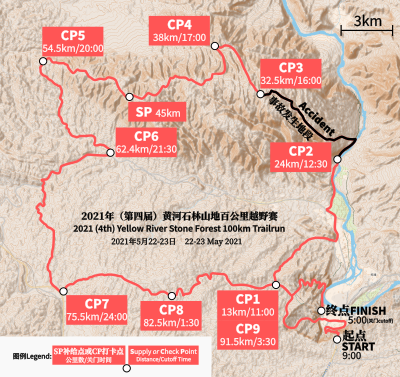
The Yellow River Stone Forest 100k, held at Yellow River Stone Forest Park in Gansu Province in northwestern China was organized by the Baiyin Municipal Committee, Sports Bureau, and local branches of the Communist Party of China.
It was clear that a horrific tragedy had occurred and I, like everyone else asked, ‘How could this happen on such a huge scale?’
On the start line 172 participants toed the line, ahead 100km. Reports outlined cool and breezy conditions at the start. But by 1pm in the afternoon, conditions had changed considerably, and the race was hit by freezing rain, gale-force winds and dropping temperatures. With most participants somewhere between 20 and 32km, the weather continued to become more severe, runners were ill prepared and defenseless against the conditions resulting in the death of 21 souls, the main cause hypothermia.
‘The runners were racing along a very narrow mountain path at an altitude of about 2,000-3,000 meters.’
The race was halted at 2pm after messages were sent out by emergency trackers, cell phones and some runner’s posting on social media. Search and rescue efforts were put in place and somewhere between 700 and 1200 rescuers were called in to action – the exact figures vary depending on which news outlets one uses. Using state-of-the-art technology such as drones, thermal imaging, and radar, 151 runners were eventually confirmed safe despite harsh conditions and delays due to landslides.
There has been much debate, many questions asked, and a great deal of blame fired around on all media platforms. The deaths prompted outrage in China, with many questioning the preparedness of the Baiyin Municipal Committee.
In ultra-running circles, worldwide, Twitter, Facebook and other social outlets had continuing heated debates that pointed blame, questioned mandatory kit and the overall experience level of runners, and organising team. To clarify, Jing Liang was one of the poor souls to lose his life, an experienced athlete who has raced at UTMB and Hong Kong 100, so, not a novice. And the Baiyin Municipal Committee had organized previous editions of the race without problem.
“The tragedy in China has weighed on me heavily. It could have been any of us out there pushing through with the ultrarunner mindset,” said Camille Herron. “Part of being an ultra-runner is being able to trouble shoot.”
The Global Times on May 24th published an article titled Deadly cross-country race exposes hidden yet common safety problems in China’s red-hot marathon pursuit – It was an article that did not hold back.
‘While it’s the hypothermia that directly caused their death, several insiders in China’s marathon business said the organising committee should shoulder the main responsibility for failing to provide enough organisational, tactical, rescue, and security support for the event.’
It is only correct questions are asked, and without doubt there is much to learn here, not only by those who organise races but also for those who run them.
As many running friends have commented to me personally, ‘shit happens’ and sometimes you cannot plan for freak occurrences. After all, this is why they are called freak – ‘An incident, especially one that is harmful, occurring under highly unusual and unlikely circumstances.’
However, the required ‘mandatory’ equipment for the Yellow River Stone Forest 100k was at best minimal – cell phone, whistle, water container, headlamp, race bib, GPS tracker, GPX file (I assume on watch or phone) and timing chip.
A jacket, trekking poles, water, energy supplies, first aid, petroleum jelly and Buff were considered ‘recommended’ but not mandatory.
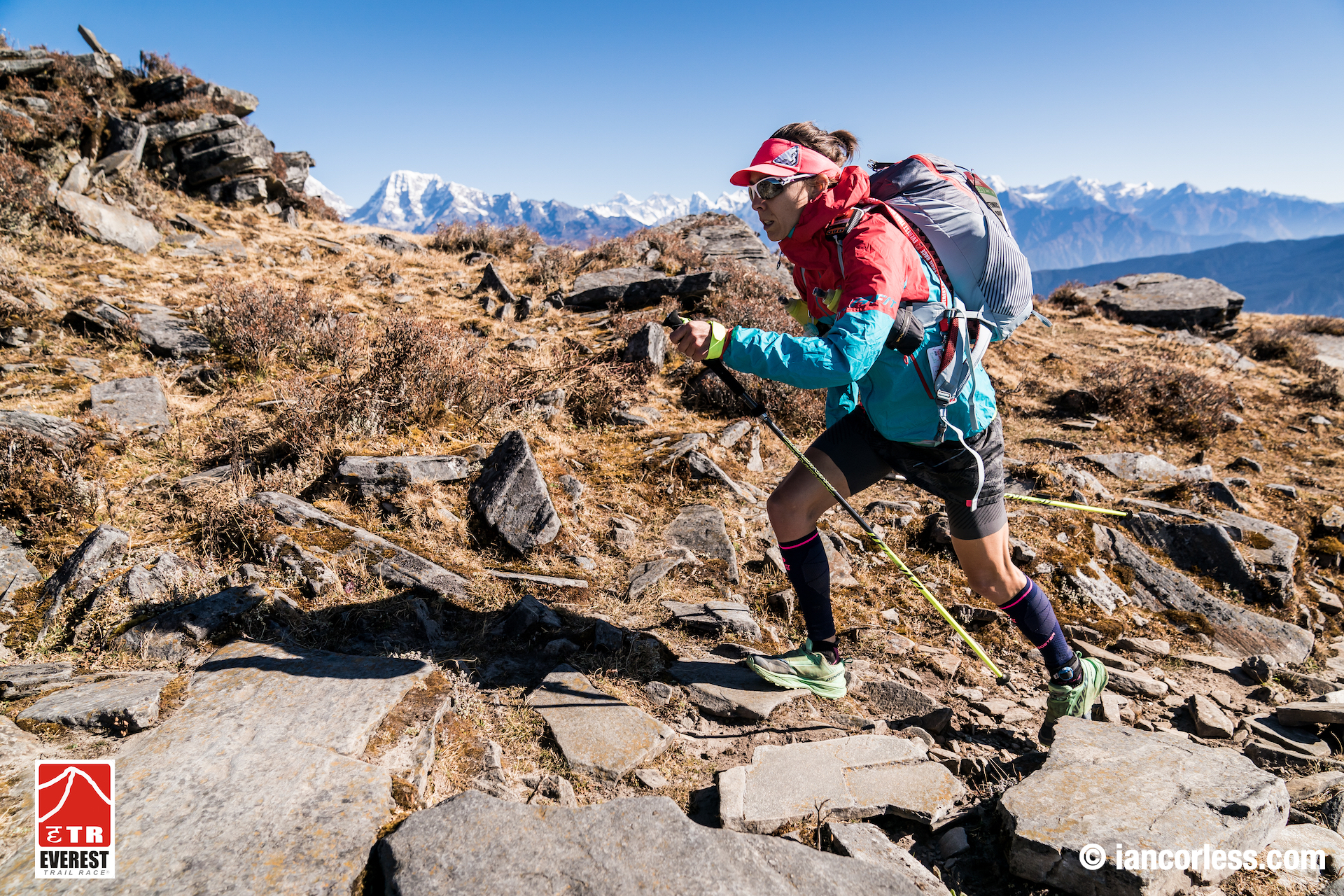
Anna Cometi at Everest Trail Race, Nepal.
It’s fair to say, that even with the ‘recommended’ items, in the freak weather encountered in China, maybe the outcome would have been no different due to the severity of the storm. However, we will never know the answer to this and at best, we should all use this as a lesson to be better prepared.
Remember though, while we tend to associate danger with cold, wet, wind, altitude, snow and ice, the opposite; heat, humidity and sun can be equally as dangerous and fatal. Take for example, The London Marathon. In 2018 the race was hit with 24-degree temperatures which caused havoc; one runner died after collapsing during the race and 73 were hospitalized. Now for some, 24 degrees may be considered a warm day, however, for many British runners who trained through a UK winter, it was exceptionally hot and something they had not trained for.
While mandatory kit is useful, being specific and training for an event is equally, if not far more important than the equipment you will or not wear. An understanding of the event, the challenges it can bring, and the dangers are all part of the process.
“It is essential to adapt yourself and your equipment to your reality, to test it during training outings in various conditions and to bring everything that will be useful and necessary to you for the race.”
UTMB
The nature of an ultra-running event is to push boundaries, go to the unknown and find a new personal level. Safety, to some extent, is an illusion and to assume that because you have entered something ‘official’ does not mean that you are safe. UTMB sum it up well (and they have a great deal of experience in managing route, runners, and weather):
“Choose clothing that really provides good protection in the mountains against cold, wind and snow, and therefore gives better safety and performance. In the event of an incident, your equipment must also allow you to wait for help in sufficient safety conditions.”
UTMB
The above sums it up for me, and quite simply I would summarize:
Know the event.
Understand yourself, your limits, and your expected time on the course.
What are your strengths and weaknesses?
Prepare and plan meticulously with training that simulates the event and conditions.
Don’t compromise.
Imagine the worst conditions possible and then plan for them to deteriorate even more. Remember, shit can happen!
Act quickly and quite simply, be prepared to turnaround and understand (in advance) what exit routes and speedy options exist.
Physically prepare so that you are in the best position possible to achieve your desired goal – be realistic.
Be mentally prepared for the highs and lows and accept that YOU are ultimately responsible for your own safety.
Understand that yes, one day, you may not return from an adventure… And to clarify, there is no guarantee on what day you will die, it could be tomorrow crossing a road, next week through illness or on the top of the mountain in a race – life is a risk we manage daily.
I personally see mandatory kit implemented to protect runners from themselves. The educated, experienced, and knowledgeable know what to bring, I most certainly do, and I usually carry far more than would be required.
However, racing does change the mindset, particularly at the elite level when every gram of additional weight could be seen as a disadvantage.
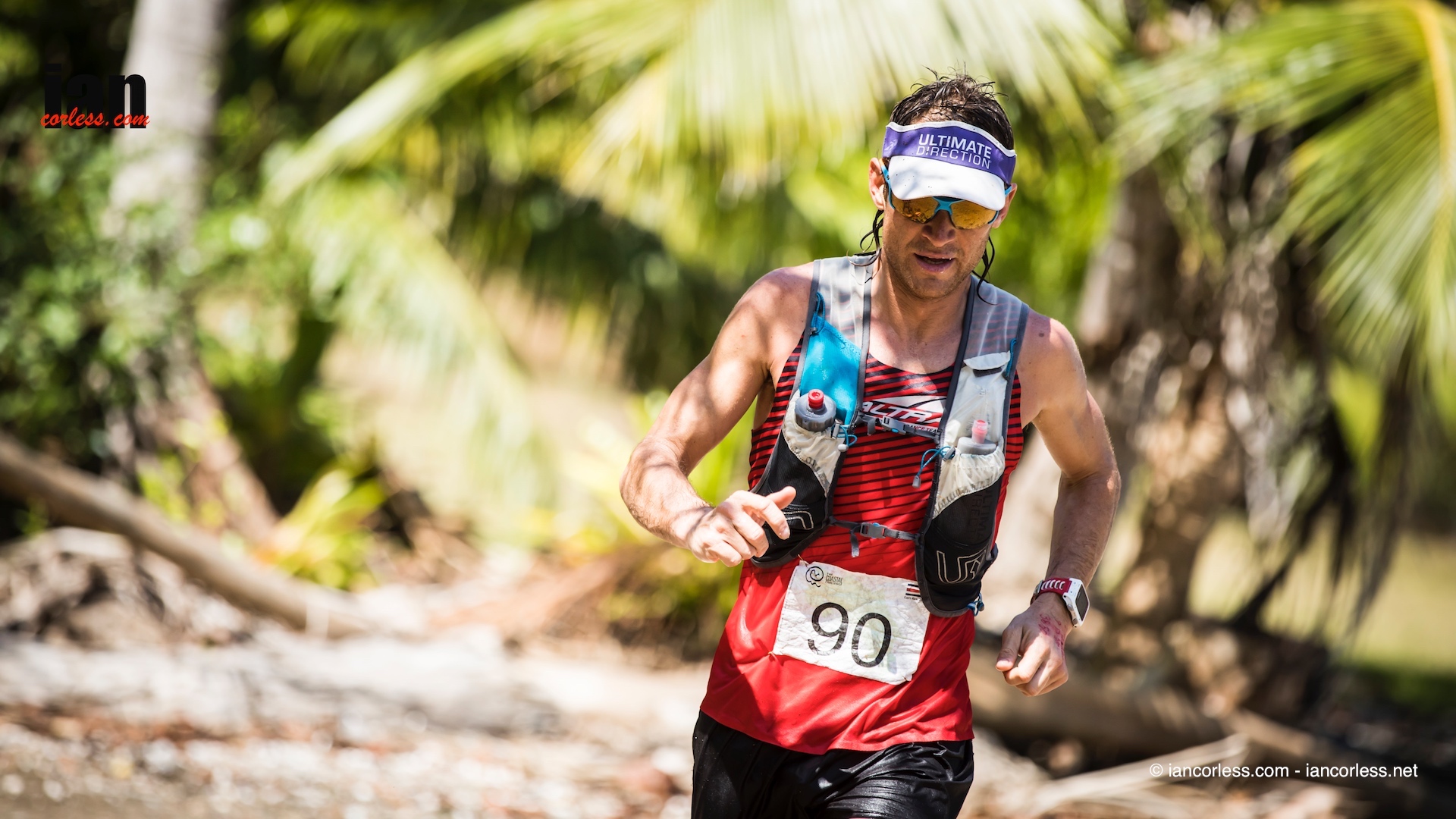
Jason Schlarb in Costa Rica at The Coastal Challenge, mandatory kit here is liquid and electrolytes.
Good friend and elite runner, Jason Schlarb posted on May 24th, ‘This sounds like something that could happen in many, many races or in my own adventures. I know I go as light as I can in races and don’t really prepare to be able to stand around in the cold… it’s a race… I’m embarrassed it took me realizing how this could totally happen to me,’
Choosing the lightest weight clothing possible to gain a few grams is not always the best option, opting for clothing which really offers good protection in the mountains against the cold, wind, and snow, provides better security and ultimately, a better performance.
Therefore, a no compromise approach to mandatory kit levels the playing field and means that every participant should be carrying the same and therefore carrying similar (+/-) additional weight. As UTMB states, ‘All runners must have the mandatory equipment with them at all times or face a penalty.’
In addition, UTMB go one-step further and have options based around kit lists for heatwaves, cold conditions and finally bad weather scenarios. They would implement the necessary list based on weather forecasts pre-race and it is the responsibility of the runner to have all items available.
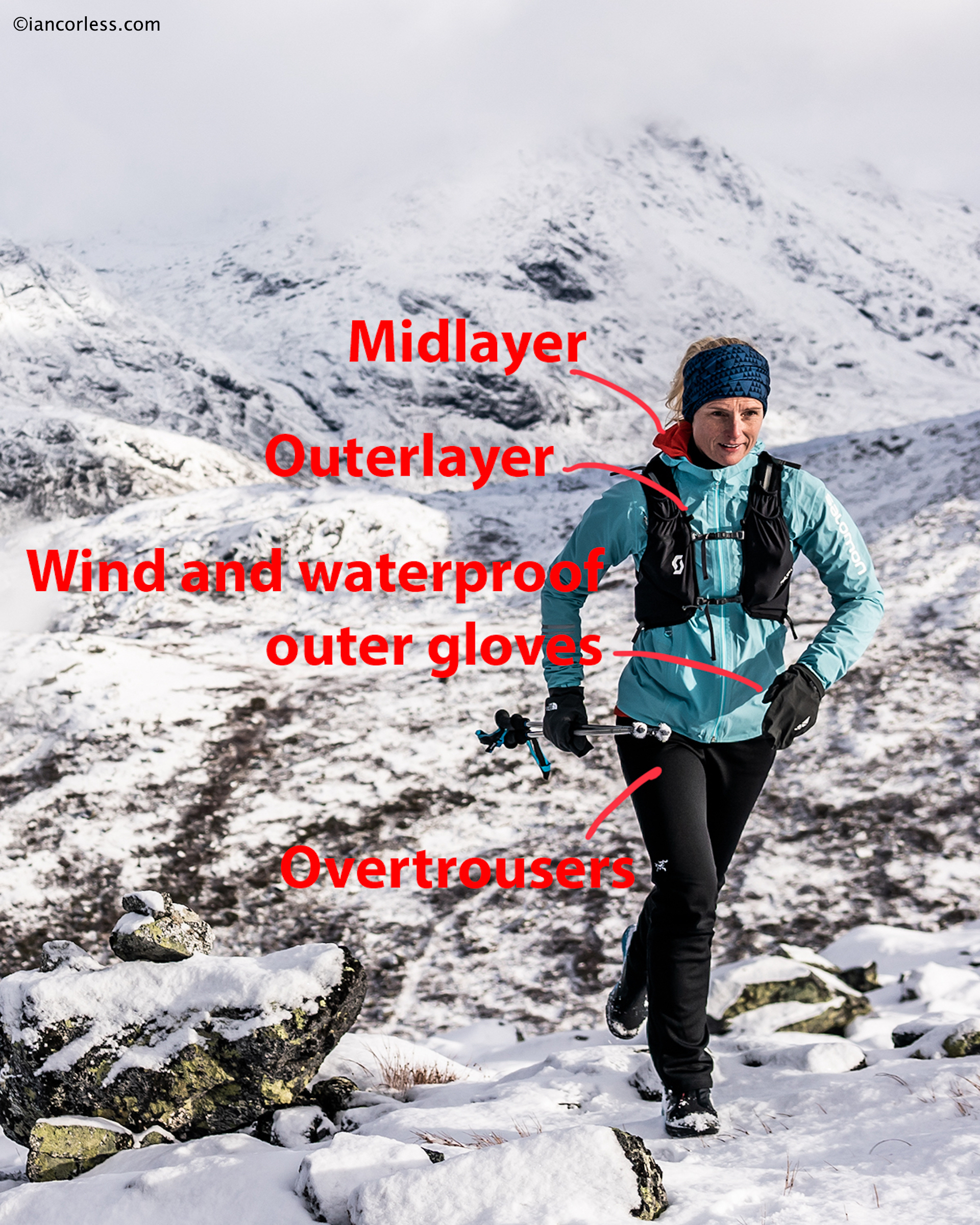
Contents for ‘winter’ conditions.
Standard UTMB kit list:
Pack destined to transport obligatory equipment throughout the race.
Mobile/cell phone with international roaming allowing for its use in the three countries (load into its memory the organisation’s security numbers, keep the phone on, don’t mask your number and don’t forget to leave with the battery fully charged)
Personal beaker 15 cl minimum (bottles or flasks with lids are not accepted)
Supply of water of 1 liter minimum
2 torches in good working order with spare cells/batteries for each torch
Recommendation: 200 lumens or more for the main torch
Survival blanket of 1.40m x 2m minimum
Whistle
Self-adhesive elasticated bandage which can serve as a bandage or strapping (minimum 100 cm x 6 cm)
Food reserve, recommendation: 800kcal (2 gels + 2 energizing bars each of 65g)
Jacket with hood which will withstand bad weather in the mountains and made with a waterproof* and breathable** membrane – the jacket must, imperatively, be fitted with an integrated hood or one which is attached to the jacket by the original system designed for that purpose by the manufacturer – the seams must be sealed – the jacket must not have sections of fabric which are not waterproof, but air vents fitted by the manufacturer (under-arm, in the back), since they do not damage in any obvious way the impermeability, are accepted.
It is the runner’s responsibility to judge, with these criteria, if their jacket fits the regulations stated and so bad weather in the mountains, but, during a check, the judgment is made by the person in charge of the check or the steward.
Long-legged trousers or race leggings OR a combination of legging and socks which cover the legs completely
Cap or bandana or Buff®
Additional warm second layer: a warm second layer top with long sleeves (cotton excluded) of a weight of a minimum of 180g (men’s size medium (M))
OR the combination of a warm long-sleeved underwear (first or second layer, cotton exclude) of a minimum weight of 110g (men’s size medium (M)) and a durable water repellant (DWR protection) windproof jacket*
The wind-proof jacket does not replace the obligatory waterproof jacket, and vice versa
Hat
Warm and water-proof gloves
Waterproof over trousers
ID – passport/ID card
You may read the above and consider the list to be an overkill. I personally do not. On considerably more than one occasion, I have encountered conditions where the above was completely required. Please don’t cut corners, technically compliant does not always equate to useful.
Ultra-distance and mountain races are designed to push boundaries, but personal responsibility and self-awareness goes a long way. The above, without a doubt, can help should a situation turn badly, but ultimately, a good understanding of one’s ability is a great place to start. Maybe (?) to stand on certain start lines in the first place is already a bad decision.
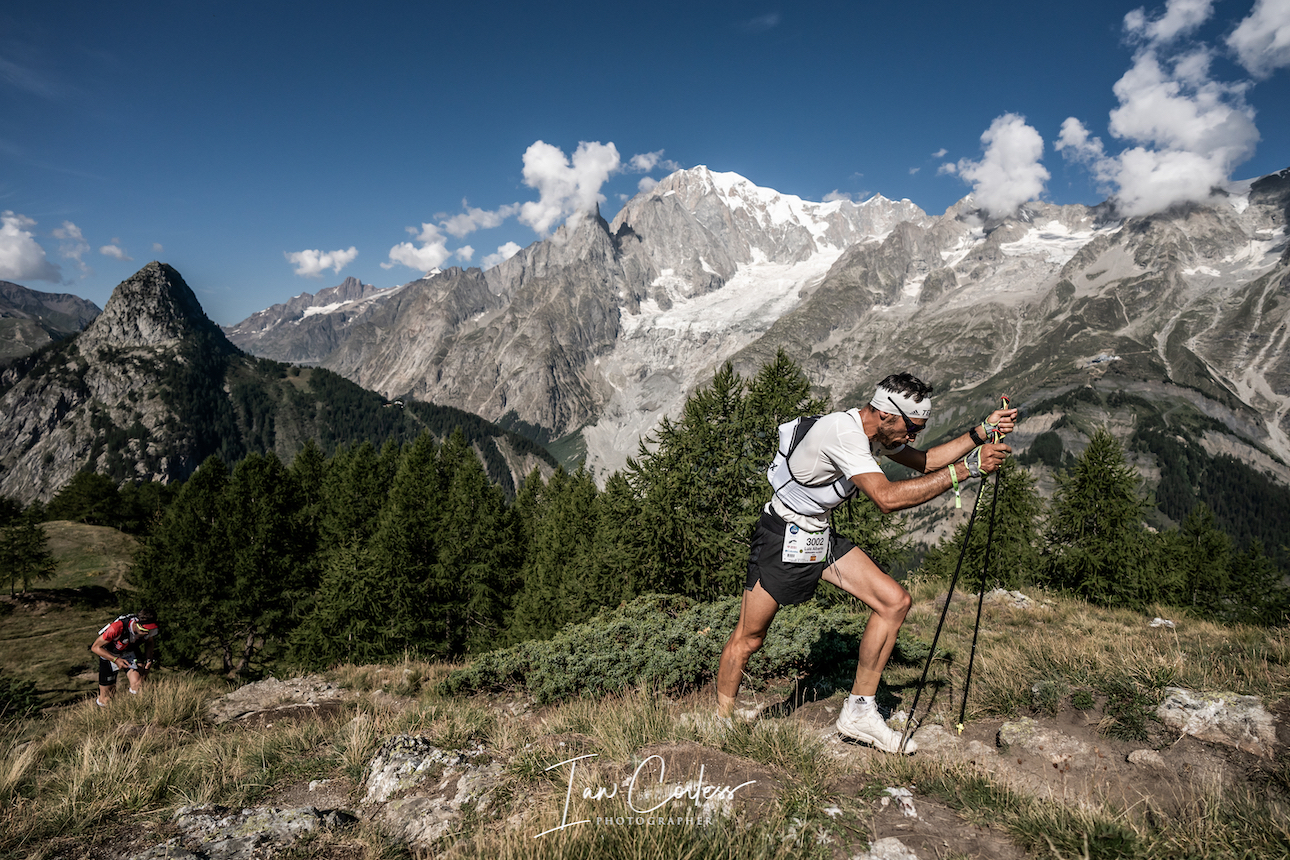
Luis Alberto Hernando at CCC
Will Gadd, a prominent Canadian ice climber, paraglider pilot and mountain guide summed his thoughts up so well in a recent article:
‘If we go into the mountains, we are taking a larger-than-daily-life risk. The only way to totally avoid that is to not go… I’ve spent decades in the mountains and have had three serious accidents in my groups in all that time. Pretty good odds, no? But, to my guest who got hit in the arm by a rock while I was guiding her, and to my partner who I dropped a rock on, that record means very little. I also reviewed the avalanche forecasting where, the next day, an amazing woman, who was very close with my family and deeply loved by hers, died. I didn’t’t think any of those outcomes would happen, but they did. I really can’t keep us—you or me—completely safe. That’s my painfully learned truth after thousands of personal and professional days in the mountains. Days sometimes end badly, even with the best practices and motivations.’
The debate will continue and there are no simple answers, but the situation in China should be a learning curve for all and wake-up to a greater understanding for race organizations and runners. Maybe we will see more in-depth mandatory kits imposed on races worldwide? Also, maybe there will be greater vetting so that races can understand if runner has the required experience to participate.
A good friend, Graham Kelly said recently, ‘I am sitting wondering where personal responsibility, vetting and experience sits in the sport we all love. I am at best mid pack these days (more often chasing cut offs). There are races I won’t enter (that I used to enjoy) knowing the burden on race staff/volunteers could be unacceptable in my mind.’
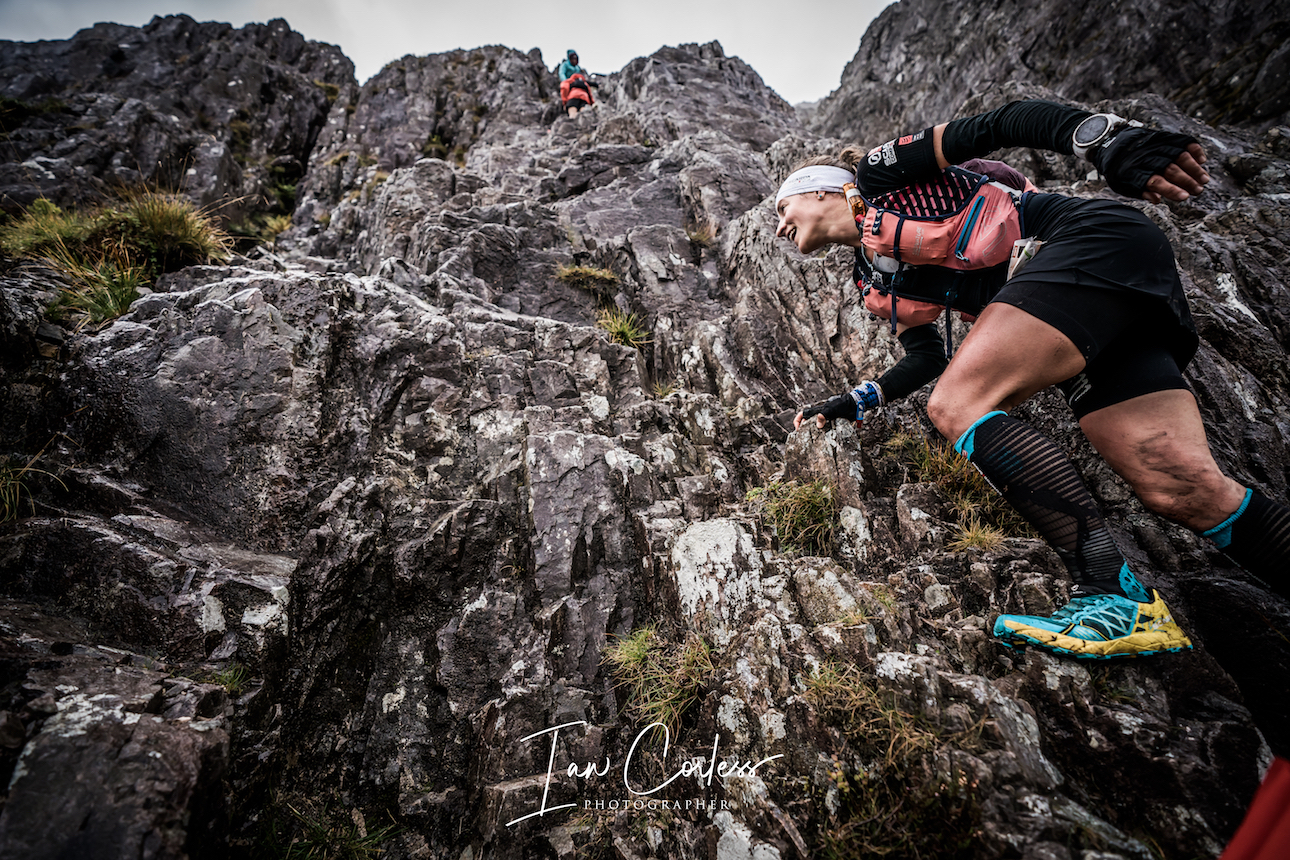
Hillary Gerardi at Glen Coe Skyline
Vetting in races of an extreme nature, such as Glencoe Skyline already happens, ‘The organisers have an obligation to ensure that the Salomon Glen Coe Skyline® is as safe as possible, but without diminishing the nature of the challenge… The nature of the challenge is very severe and there is a risk of serious injury or death whilst participating in this event… Our route features long and sustained sections of scrambling terrain, which is roughly equivalent to ‘moderate standard rock climbing’. Be under no illusions that a slip or trip on these serious sections of the route could result in death.’
In the above scenario, equipment alone is not enough, so educate, understand and asses.
I for one, like to think I am prepared for most scenarios when going out. I constantly adapt my pack and its contents for the planned adventure, terrain, anticipated conditions, and my expected time out. I also know, through bitter experience, whatever I have planned for, I can expect it all to go wrong, and I then add additional items for the ‘freak’ scenario that unfortunately our runner friends experienced at the Yellow River Stone Forest 100k. I am also never worried about turning around and going home, it can be frustrating for sure, but the trails and mountains will be there for another day.
We can try to plan for every scenario, we can educate and anticipate the worst-case scenario so that we increase not only our individual opportunity to return home but maybe those around us.
Ultimately though, shit happens, and when it does, I want to be as prepared as I possibly can be, I hope you do too.
Please support this website. I believe everyone deserves to read quality, independent and factual articles – that’s why this website is open to all. Free press has never been so vital. I hope I can keep providing independent articles with your help. Any contribution, however big or small, is so valuable to help finance regular content. Please support me on Patreon HERE.
Nobody is going to forget 2020. For most of us, the year did not go as planned or as expected. It was a year of survival and already, the ‘I survived 2020’ tee-shirts are available.
teepublic.com
It has been a rollercoaster of highs and lows.
I started the year ‘as normal’ with my Lanzarote Training Camp… We had 40-athletes join us at Club La Santa and life was good, just like normal!
Running high in Lanzarote
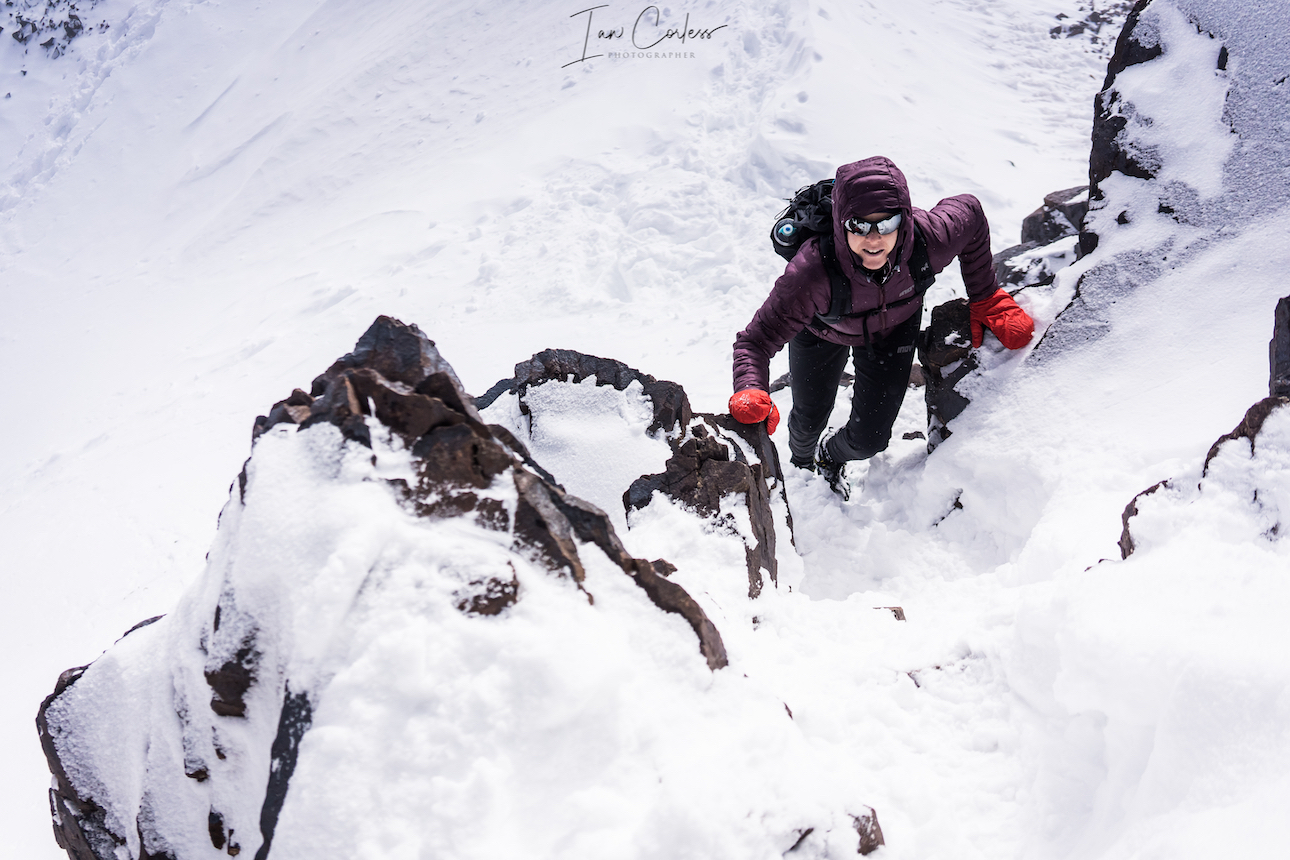
From here I travelled to Morocco with Abelone, we had a few days in Marrakech and then climbing planned in the Atlas Mountains summiting Toubkal and the surrounding peaks. It was a perfect kick-start to what looked like was going to be a perfect year. This trip alone was a highlight of 2020.
One of the many summits in the Atlas Mountains with Abelone.
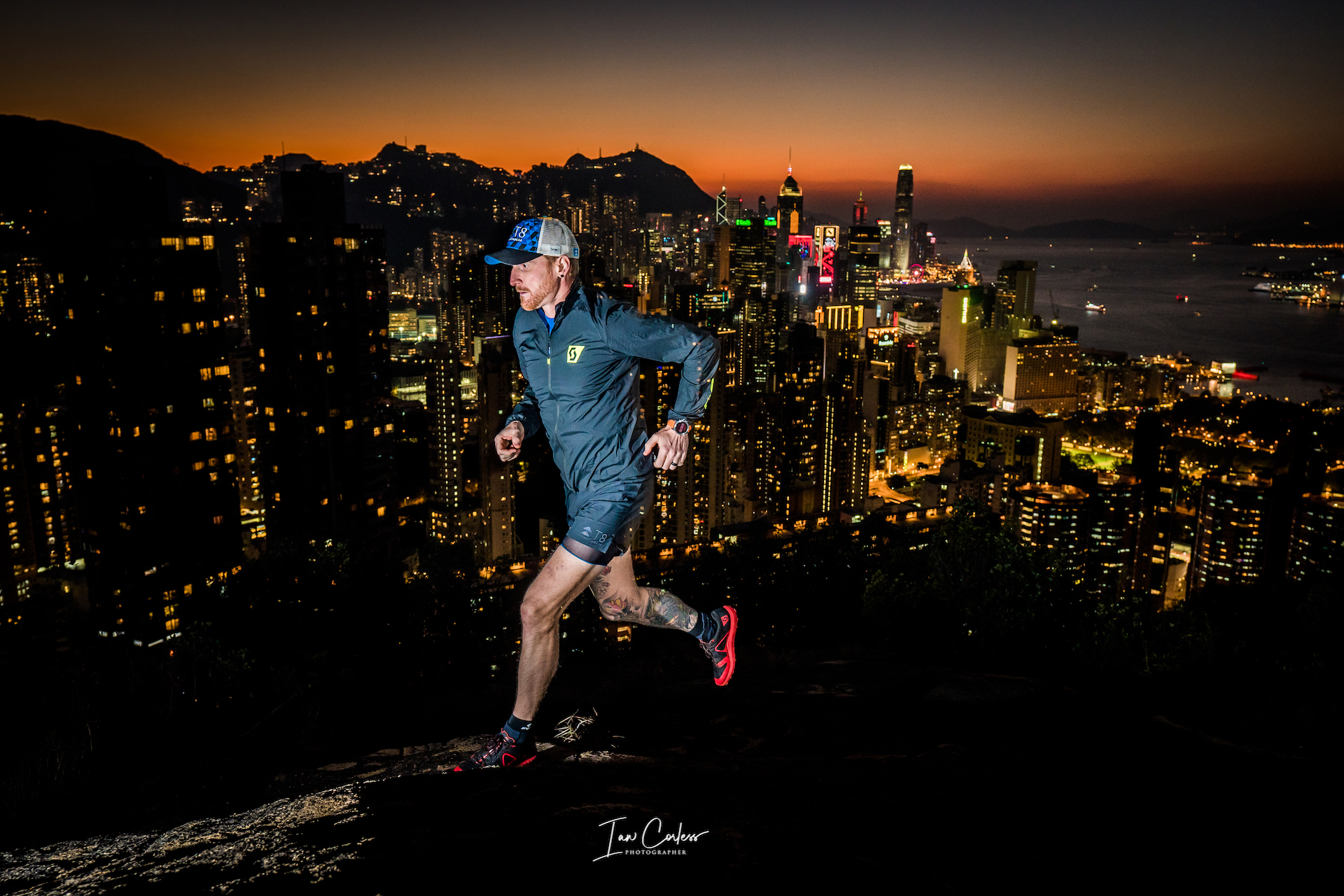
Late January, I was on a flight to Hong Kong for another year working on the 9 Dragons. As I departed the UK, rumors about a virus were escalating but the level of concern, at this stage was still very low. As I arrived in Hong Kong, I settled with my friends Mo and Janine and that evening we had a dinner planned with race directors, Michael and Steve. By the end of the dinner, the race was almost certainly going to be cancelled.
Michael McLean high above Hong Kong
This set the stage for 2020. Race cancellations, disappointment and an escalated level of worry and concern.
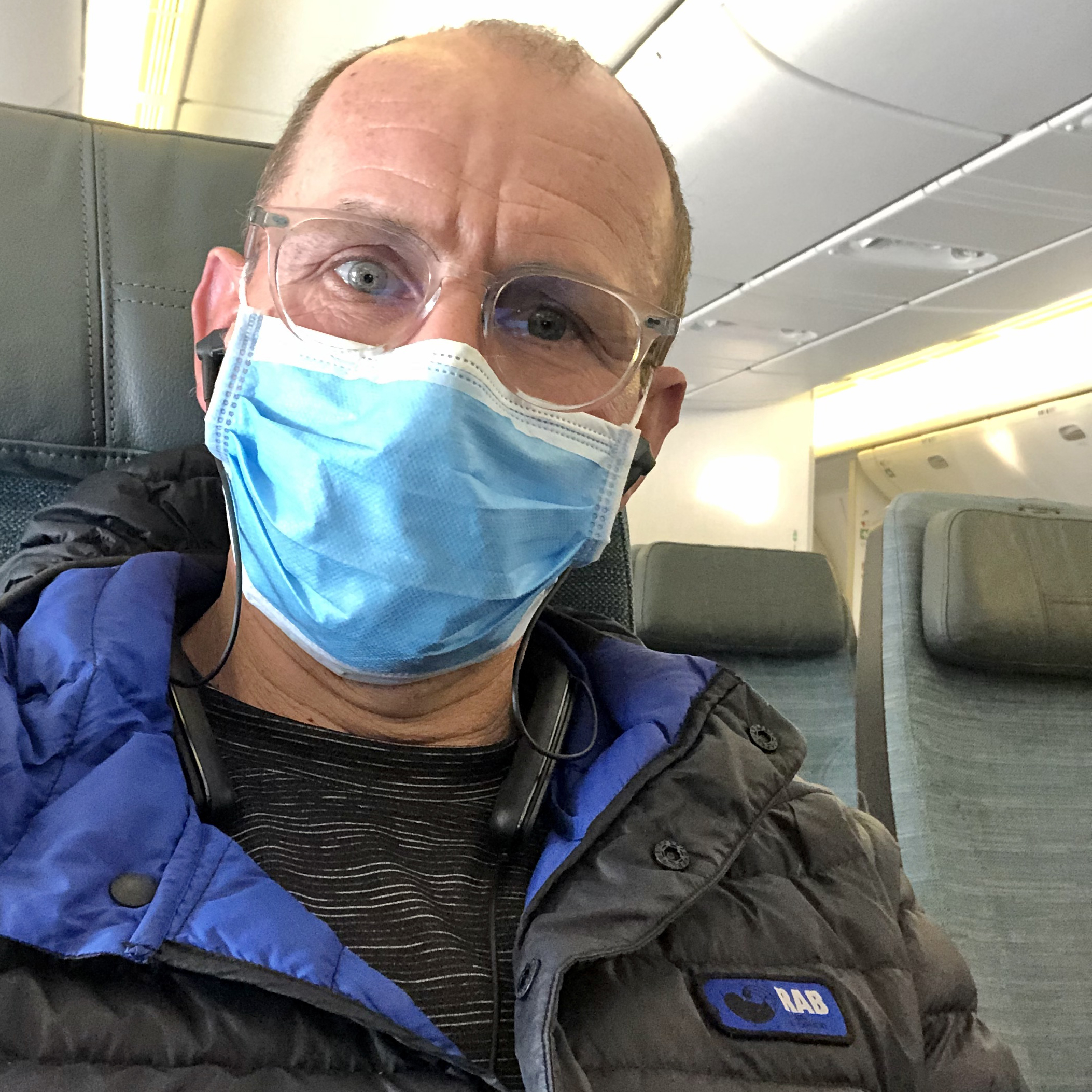
Leaving Hong Kong on and empty flight back to London, January 2020.
Information provided by the UK Government as I landed in London from Hong Kong, January 2020.
My immediate concern was firstly getting out of Hong Kong, the lockdown came quickly and while face masks are a regular sight here, they came compulsory. I changed my flights and made my escape.
February I once again returned to The Coastal Challenge in Costa Rica. The race was normal. We discussed Covid-19, we expressed concerns but many of us were of the mindset it will be okay, Spring should be fine! How wrong we were!
TCC2020 went ahead as normal.
Transgrancanaria concluded February and now, the impact of Covid-19 was becoming very real.
Pau Capell at 2020 Transgrancanaria
March signified a lockdown of the world.
I have to say, I cannot complain about 2020. My work life was pretty much shut down but on a personal level I made the most of free time that I would never normally have. I became elastic constantly stretching and contracting as situations around the world changed.
Needless to say, as the pandemic took over the world, it was hard to remain positive with the rise of infection and deaths globally.
One constant was my website, my podcast, photography and writing articles. I thought it timely to look back and list all the content from the past 52-weeks.
If you enjoy the content provided here on this website and in other media, please consider supporting me on Patreon. For as little as the cost of a take-away coffee, a monthly stating donation of £3.00 helps me to keep the content free for all.
Fuelling for a Multi-Day like Marathon des SablesHERE
And finally, on a personal level, a big thank you to Abelone Lyng who made 2020 a very special year. We shared countless trails, many mountains and countless summits.
Please support this website. I believe everyone deserves to read quality, independent and factual articles – that’s why this website is open to all. Free press has never been so vital. I hope I can keep providing independent articles with your help. Any contribution, however big or small, is so valuable to help finance regular content. Please support me on Patreon HERE.
‘We want as many runners as possible to enjoy Norwegian wilderness and Norwegian mountains.’
All images copyright iancorless.com - all rights reserved.
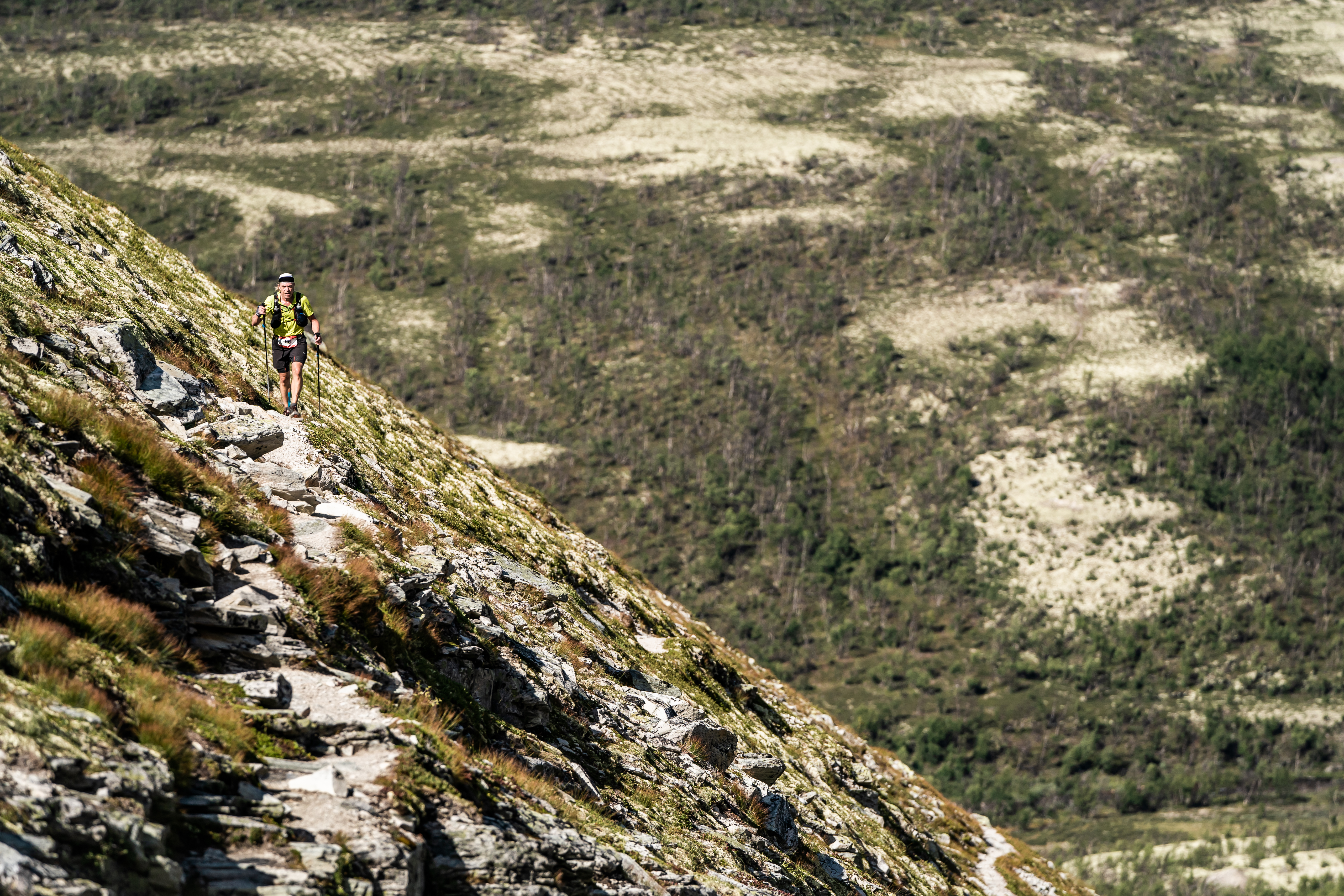
Established in 1962, the Rondane National Park is the oldest national park in Norway. Covering 963 square km’s, the park contains ten peaks above 2000m, the highest peak being Rondeslottet at 2178m.
Folldal, an old mining village, is the hub for the race with the start and finishing taking place in the same location.
Race day started at 0500 and it was clear from the clear skies that a beautiful day lay ahead for the runners. Maybe too good some would say…
Although a chill penetrated the early morning air, the arrival of the sun and the early miles warmed the runners up quickly and by the 10-mile point, the format of the racing that would come started to take shape.
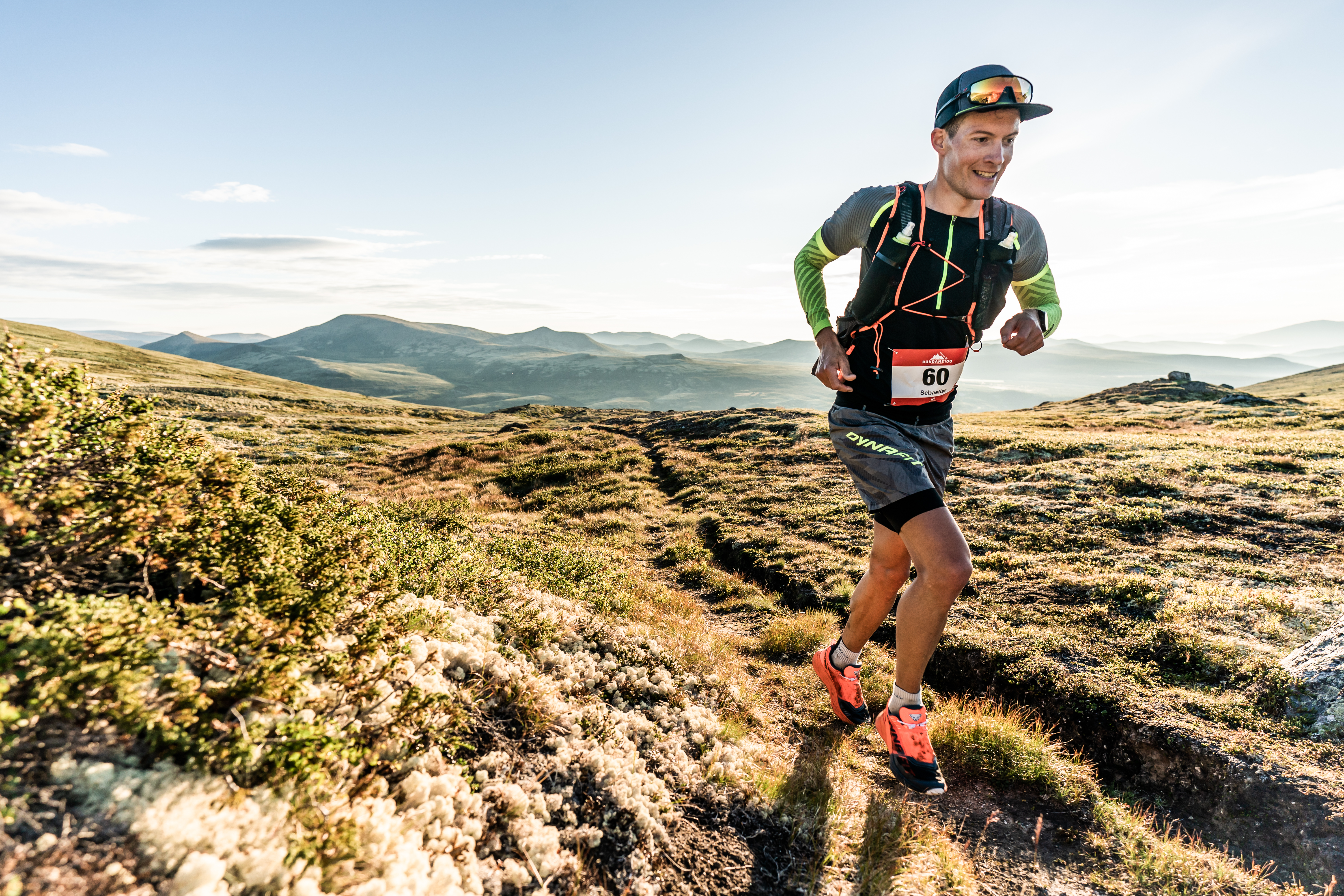
Pre-race favourite, Sebastian Krogvig did not hold back early on, opening up a 12-minute lead over the hot favourite, Paul Ogier with 10-miles covered.
For the women, Molly Bazilchuk eased herself in to the day, allowing the early miles to save energy and settle, knowing that a big day lay ahead. She was shadowed by Katrine Andersen.
By 0900, with 4-hours covered, the day was already hot and with a long and tough race ahead, the early miles were best taken easy. With five key aid stations, Nygruva, Dørålseter, Straumbu, Breijøseter and Grimsbu, an ability to be self-sufficient for long periods is an essential characteristic of this race.
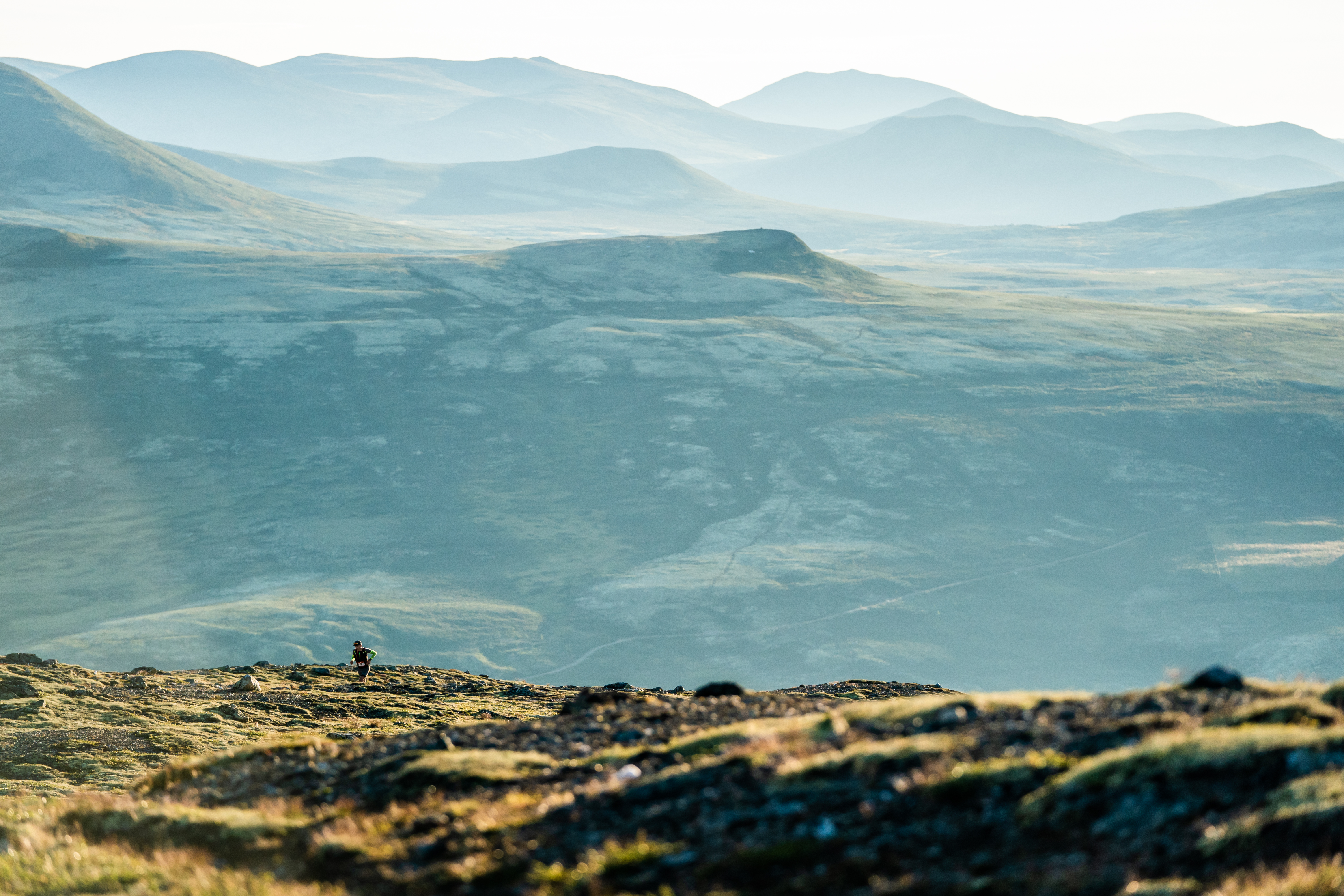
A land full of reindeer, mining heritage and traces from the last ice-age, Rondaneprovides an opportunity to experience 2000m summits that are very unique and it contast to Jotunheimen, completely different both in look and feel.
At Nygruva, Sebastian was well ahead of the predicted pace and although there had been much talk of 20-hours winning the race, based on the first aid station, sub 16 looked possible. Paul Ogier, running his first 100-mile race had recced all but 5km of the 100 route and with that experience, he paced himself allowing Sebastian to run his own race. Behind, Marius Stengle-Håkonsen, Elvind E Gjøystdal, Staffan Bengtsson, Vegard Triseth and Samuel Fredriksson chased.
Molly, was now taking hold of the women´s race and making her way through the men´s race as was Liv Richter.
Marius Stengle-Håkonsen
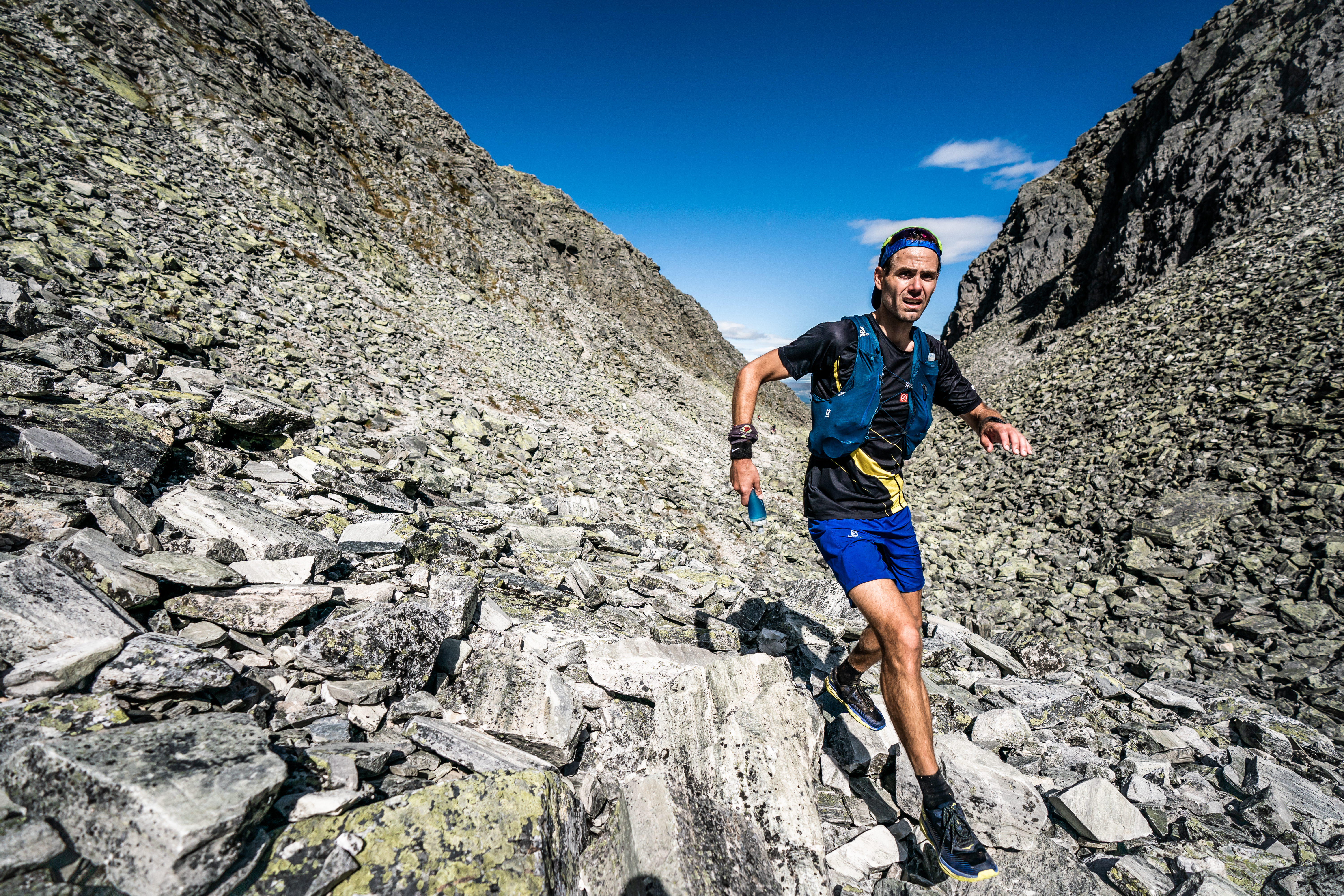
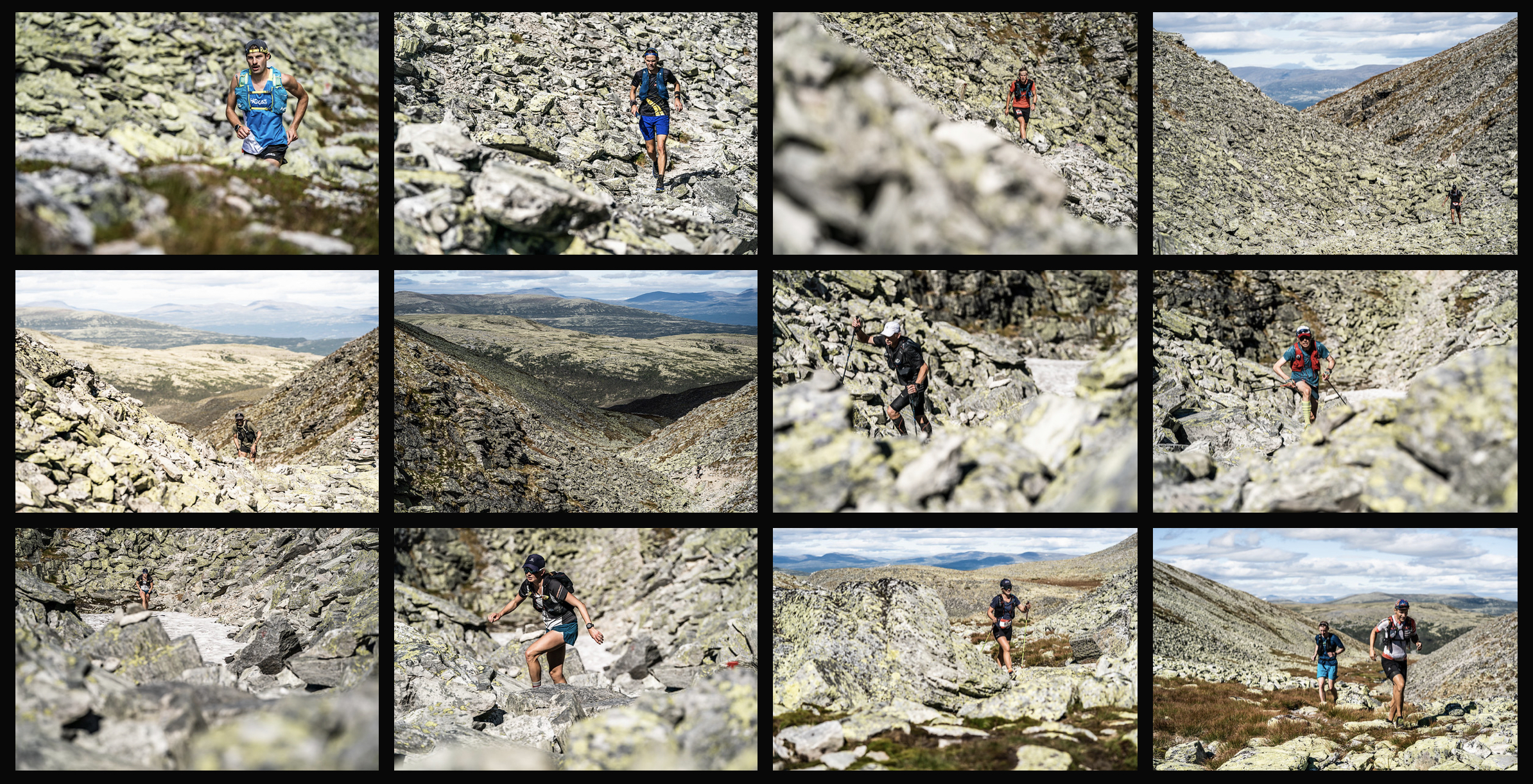
Dørålglupen, a wonderful gully of rocks was a significant marker in the race and now Sebastian and Molly were showing there strength. By the aid station Dørålster, Sebastian had opened a lead of over 45-minutes on Paul.
Molly pushing up Dørålglupen
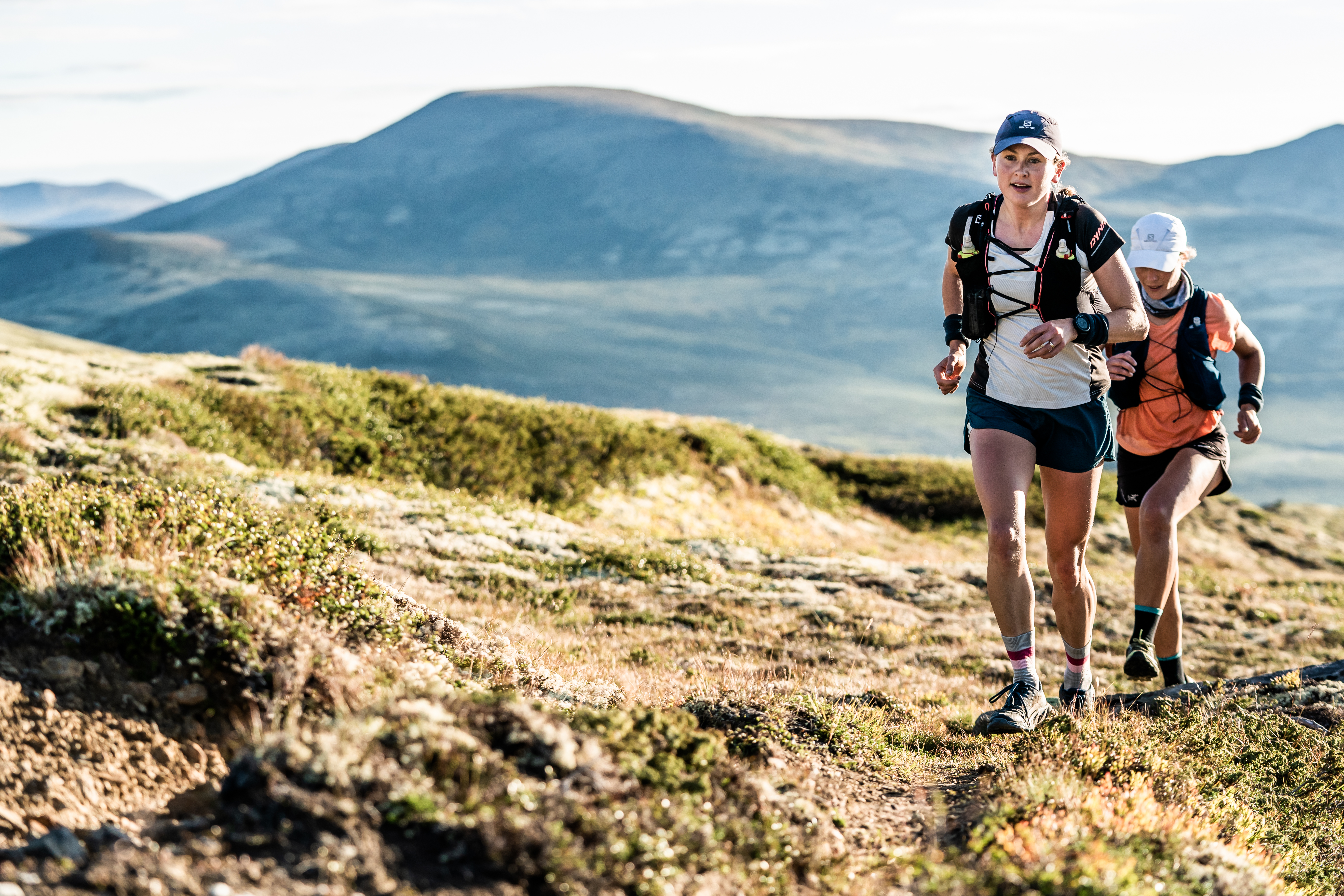
Molly was more metronimic, steady and slowly stretching the elastic over the competition. Liv equally looked relaxed using her poles to climb and descend. Inger Aarberg was looking strong, Katrine Anderson looked to paying a price for the early pace with Molly and Kari Forbrigd, Gro Siljan Hjuske and Inger Haugland looked ready for the long fight ahead.
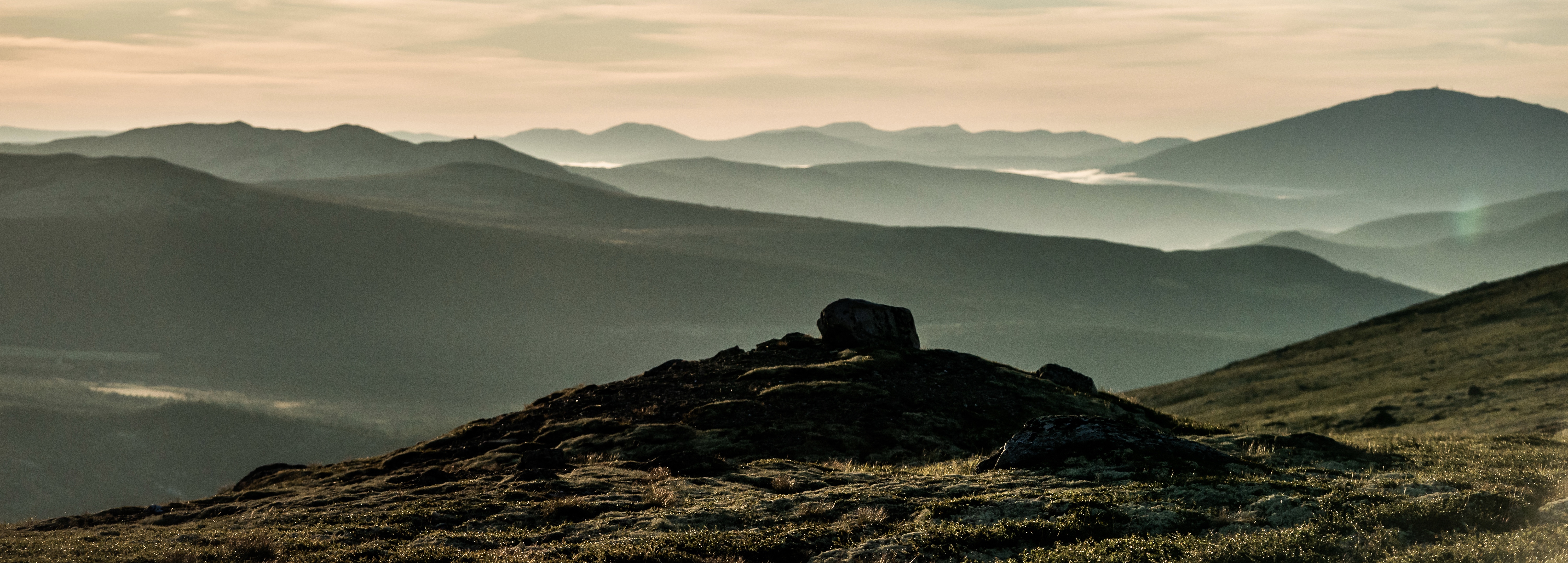
At all times, the landscape was rewarding the runners with spectacular views. Nestles between rolling mountains, the green landscape was broken with single-track, gravel roads and lakes. The intense blue sky contrasting nicely.
Straumbu was a significant aid point and for many, the key aid before the night section with drop bags available. Sebastian arrived but it was clear that all was not well. Post-race he would confirm that his legs had never felt better, but he had somehow managed to get his electrolyte blance wrong… Sitting in a chair, his heart raced. On medical advice, he withdrew from the race.
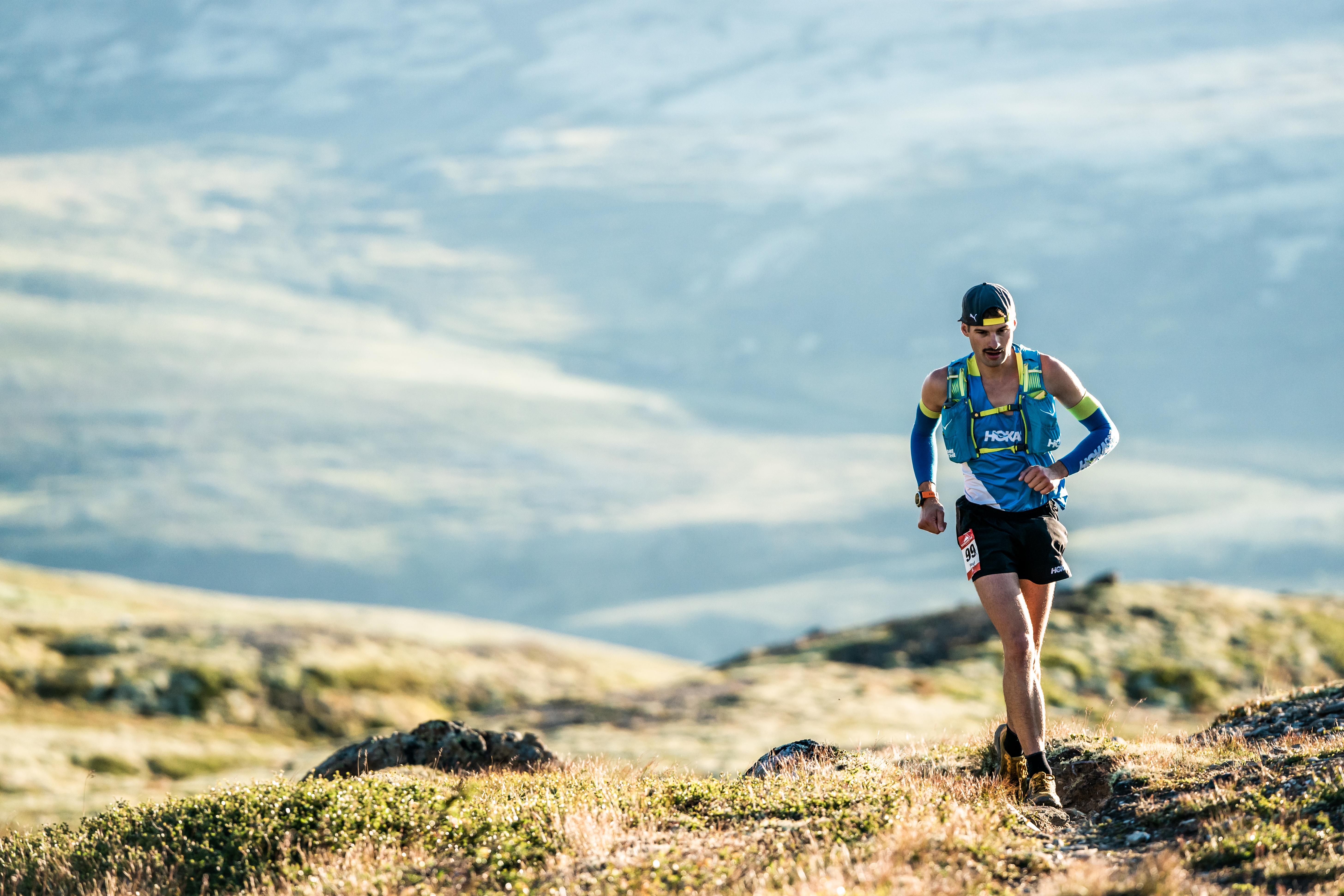
Paul Ogier now took the reigns at the front. He looked relaxed leaving the aid station and as he climbed through the forest with the golden sun leaving the day, he looked set for Rondane victory. Marius Stengle-Håkonsen pursued, as did Staffan Bengtsson and Elvind E Gjøystdal.
But Molly was looking increasingly strong with the passing of time and it was clear that the predicted overall podium slot was in contention. Behind, Liv and Inger were having a close battle.
Night is always tough. The leaving of one day, the body naturally craves sleep and rest, for the 100 runner, night time is something to be endured, pushed through and the welcome of a new day brings new life. Luckily, Norwegian nights are not as long as in other places!
Paul and Molly would not welcome the new light on the course, they would both finish their runs in darkness, 20:59:23 and 22:39:07 respectively. Marius would split them in 2nd place overall in 21:42:29. For Molly, it was a 3rd overall placing; an incredible run.
Staffan Bengtsson rounded out the male podium in 24:00:02, placing 4th overall.
Liv fought hard for her 2nd place in 25:26:27…. So hard, she collapsed at the finish and was taken to hospital with a potential stress fracture or kidney issues. It was later confirmd to be kidney issues brought on by a hot day, dehydration and well, running 100-miles! Inger Aaberg completed the women´s podium in 27:33:42.
Coronavirus has stopped racing globally, the impact has been huge. But here, in Norway, a relatively low-key race brought a fierce battle over a truly incredible and beautiful course.
How beautiful? Well, in some respects, the story of one participant sums it up. He unfortunately took a tumble on the rocks and broke his ankle. After receiving medical attention, he waited for a helicopter rescue and cheered on the runners. Due to demands on the five helicopters that cover the area, he had a long wait… Finally, when back in Folldal, race director Erik Haugland, apologised for the delay. The response was clear, ´Don´t be silly… If you are going to break an ankle, I did it in a perfect place. The scenery was incredible, the waether glorious and I got to cheer on the competitors. I will be back next year!´
Please support this website. I believe everyone deserves to read quality, independent and factual articles – that’s why this website is open to all. Free press has never been so vital. I hope I can keep providing independent articles with your help. Any contribution, however big or small, is so valuable to help finance regular content. Please support me on Patreon HERE.


































 IAN CORLESS
