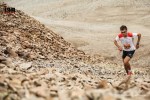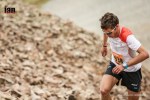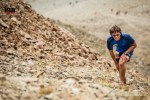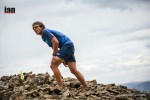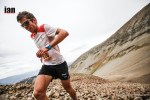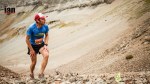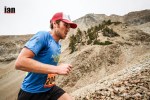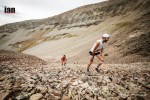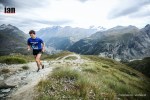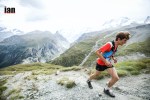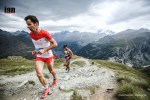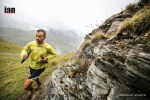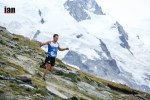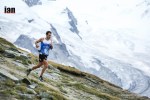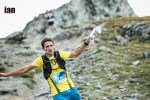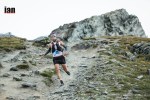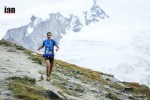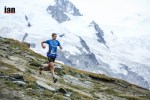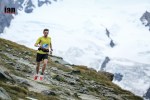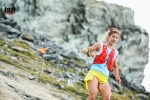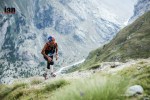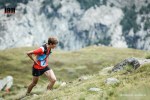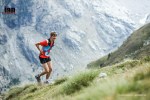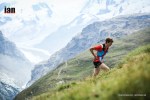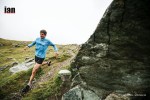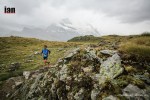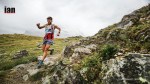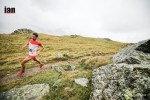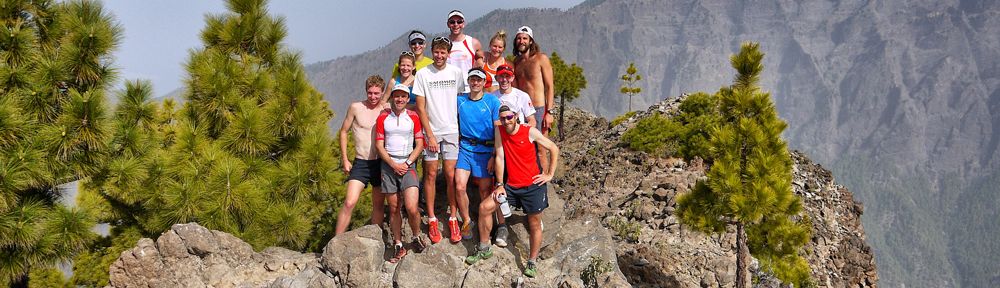
Tromsø SkyRace® 2016 Preview – Skyrunner® Extreme Series

©iancorless.com_GlenCoeMay2015-6308

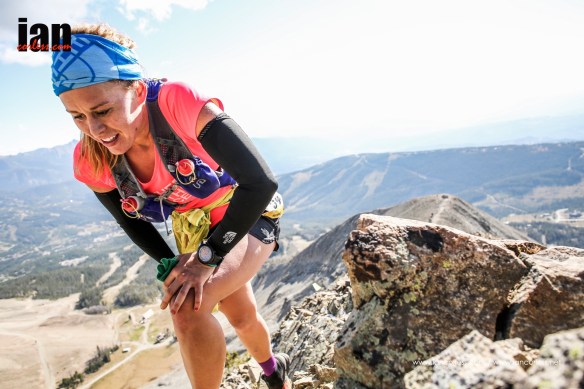
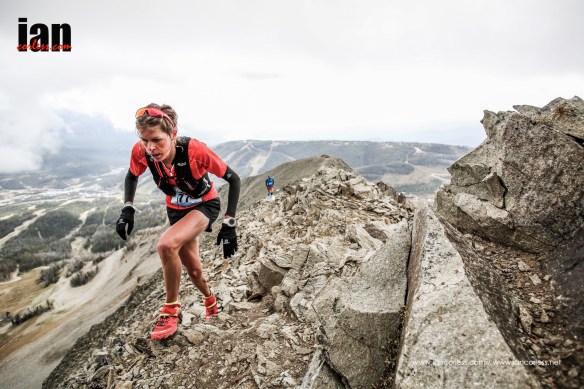
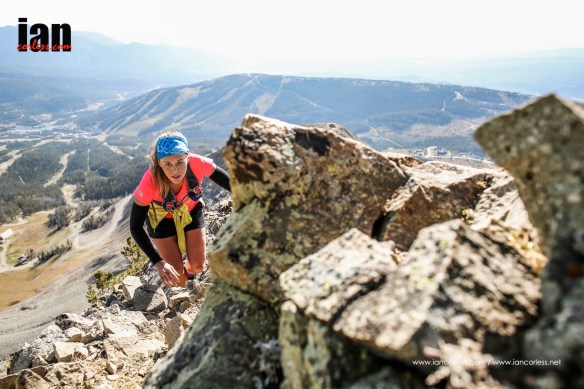
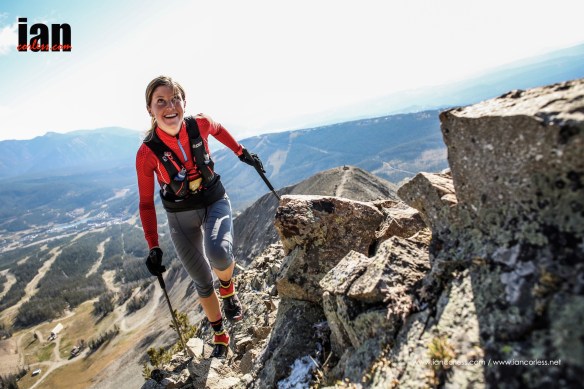
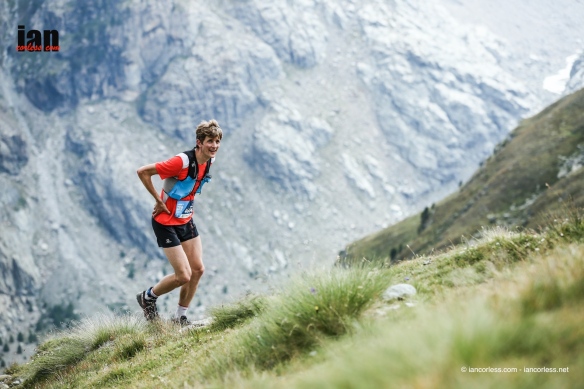
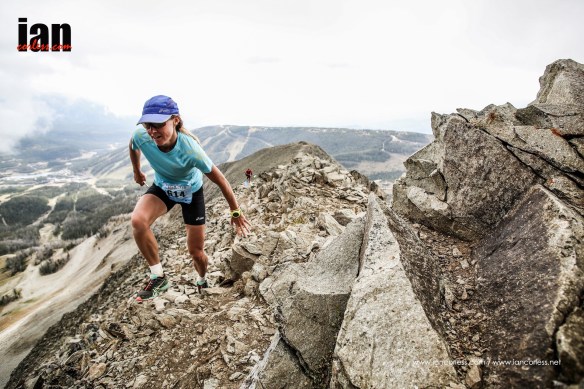
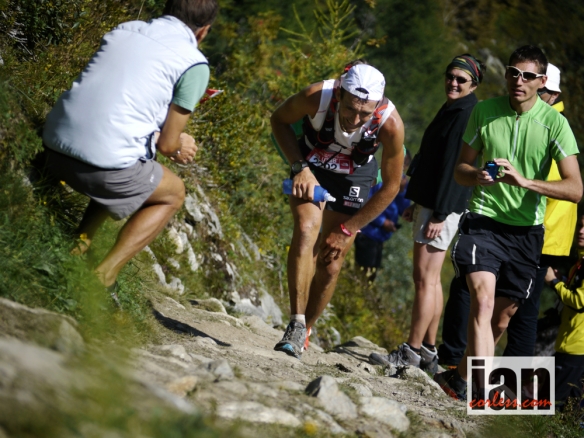
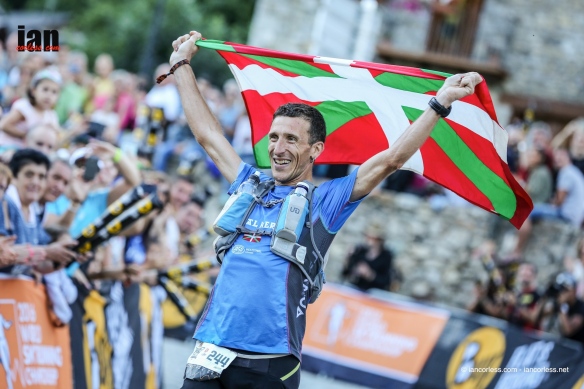
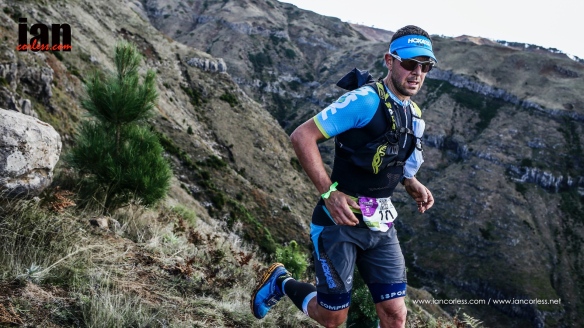
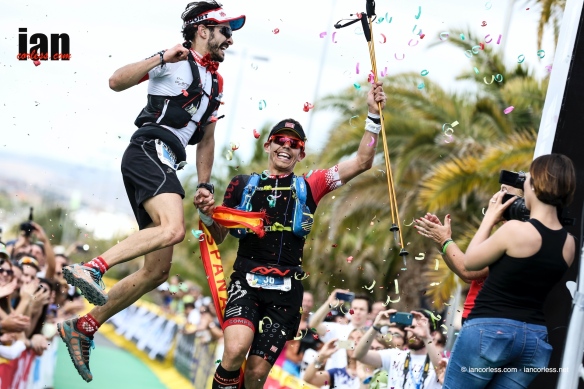
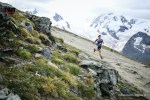
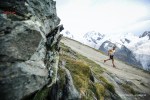
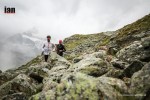
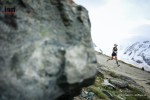
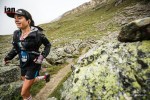
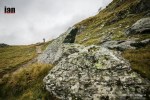
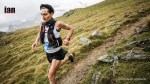
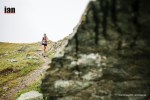
Skyrunning goes EXTREME this weekend with the Tromsø SkyRace® the first race of three in the new Skyrunner® Extreme Series which also includes the iconic Trofeo Kima and the soon to be iconic, Salomon Glencoe Skyline in the UK.

A double whammy weekend of running that starts with the Blåmann Vertical Kilometer® and concludes with the Tromsø SkyRace® is the brainchild of Kilian Jornet and Emelie Forsberg. Needless to say, the dynamic Skyrunning duo have something quite special in store.

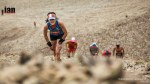
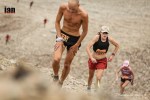
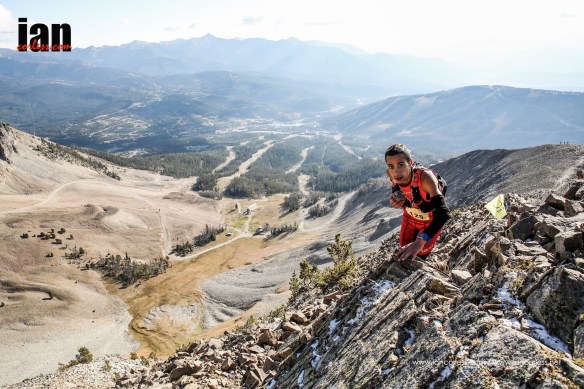
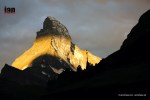
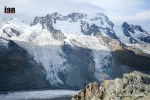
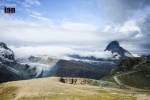
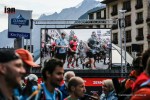
On Friday, 15 countries will participate in the tough, challenging, leg hurting, lung busting Blåmann Vertical Kilometer® as they climb 1000 vertical meters over the short distance of 2.7km. Starting on the shores of the sea, the race really does encompass the ethos of ‘sea-to-sky’ perfectly and concludes at the altitude of 1044m at Store Blåmann.

©iancorless.com_SWC2016-6113

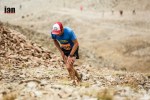
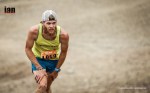
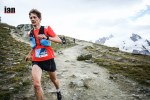
Double Skyrunning World Champion (SKY and VK) Stian Angermund is without doubt the hot favourite for victory after two incredible performances in Spain. Running on home soil, Stian will without doubt be fired up to impress. Strong competition will come from Ferran Teixodo, Hannes Perkmann, Rolf Einar Jensen, Allan Spangler, Pieter Schnapps and Ferran and Jordi Lorenzo.

©iancorless.com_Comapedrosa2016-7549

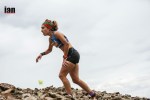
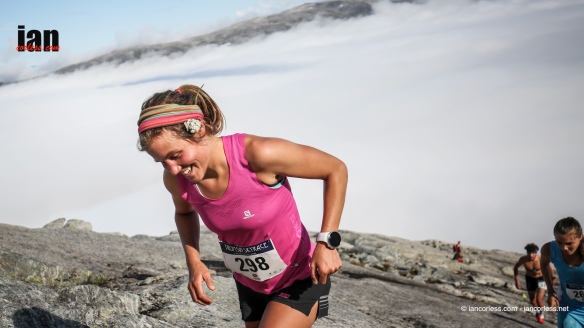
Laura Orgue took silver medal in the Skyrunning World Championships just 2-weeks ago for the VK distance and last weekend she held off a charging Oihana Kortazar at the SkyRace Comapedrosa to take a stunning victory. Laura has said she is feeling a little tired but without doubt, she is the favourite for victory in Tromso. Yngvild Kaspersen, like Stian, will be running on home soil and although the VK is not her speciality, we can expect a top performance. Other strong competition will come from Natalia Tomasiak and regular VK competitor, Therese Sjursen.

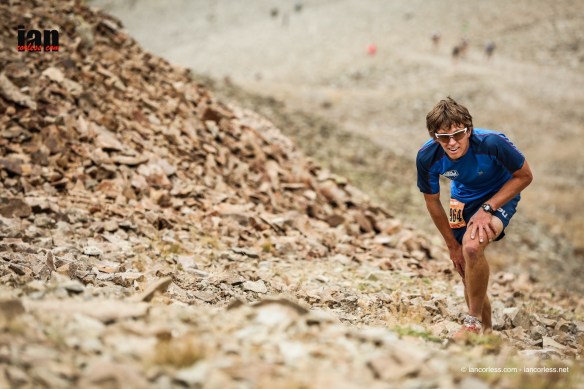
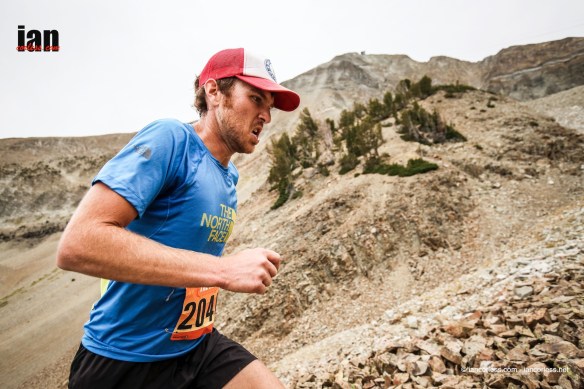
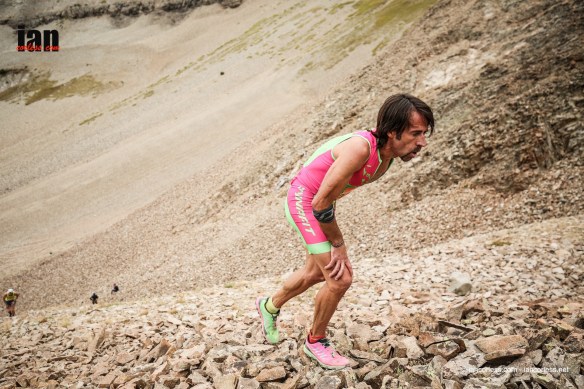
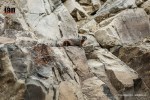
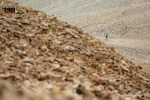
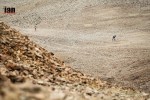
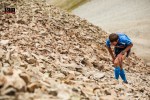
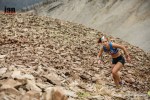
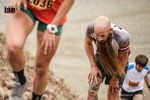
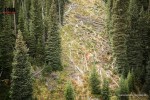
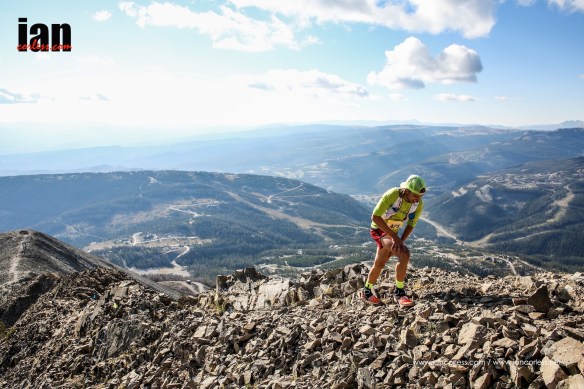
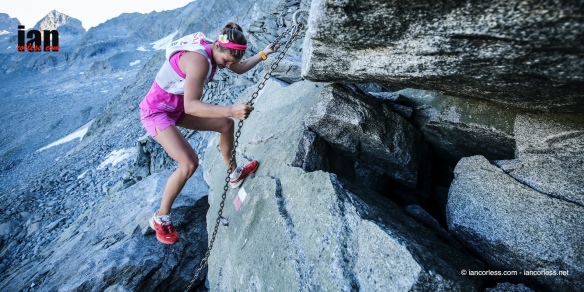
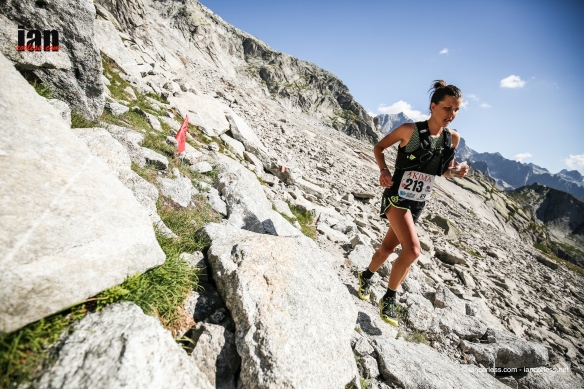
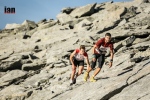
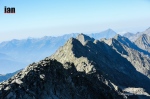
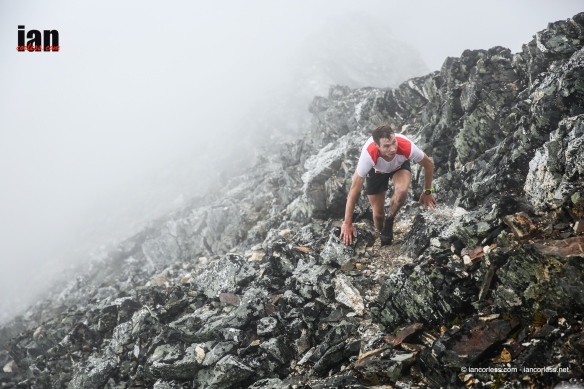
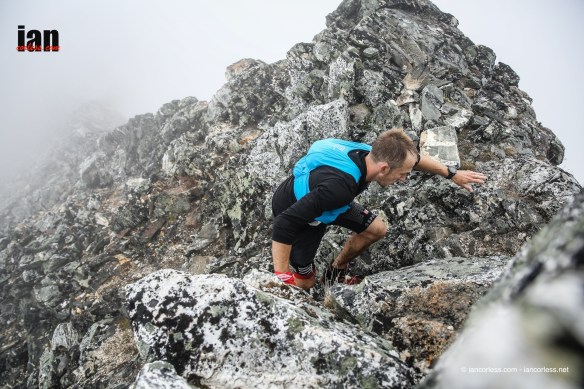
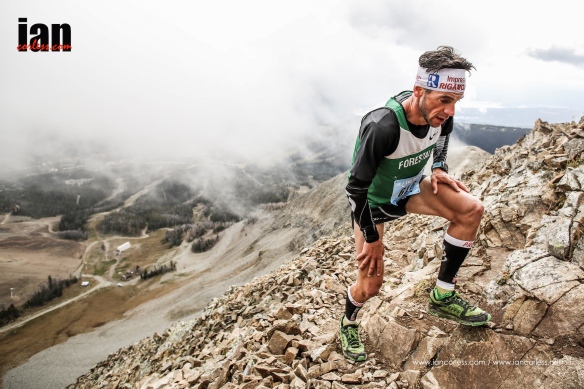
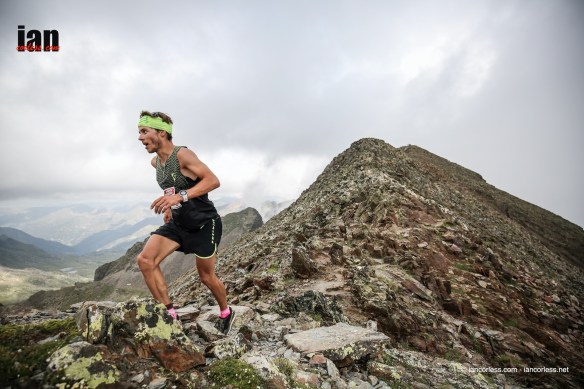
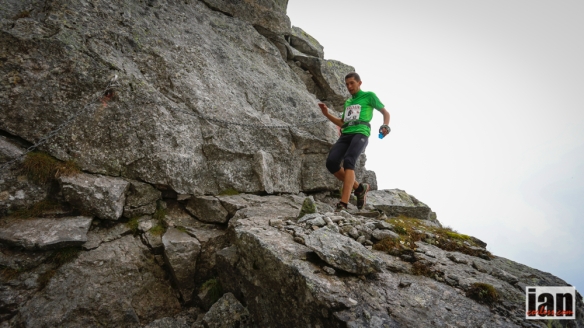
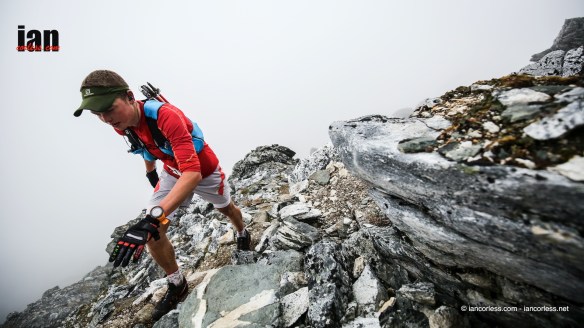
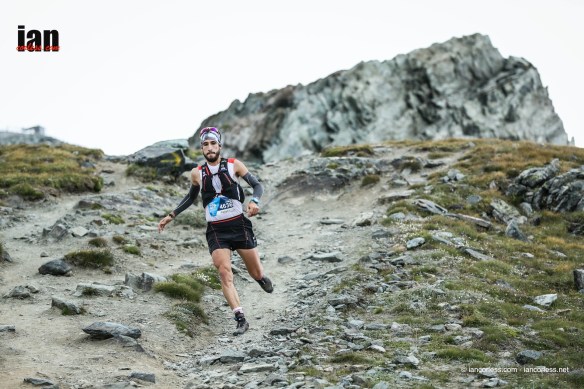
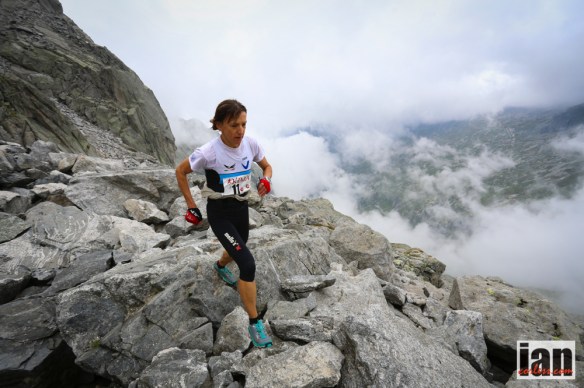
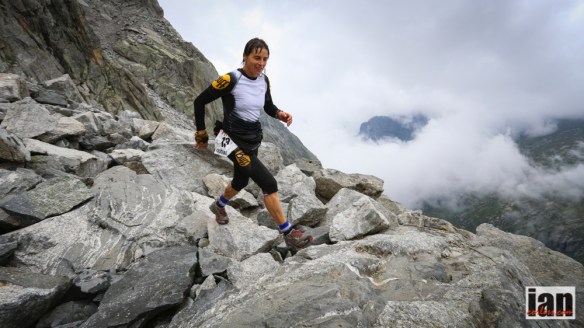
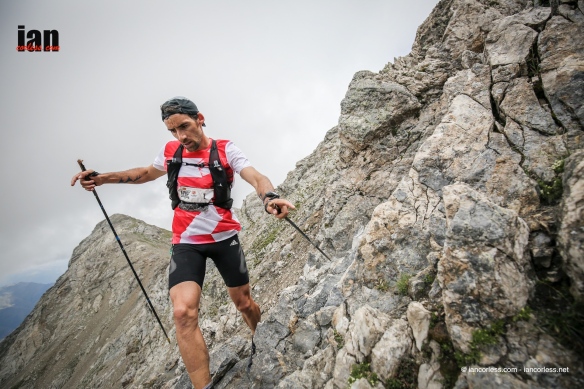
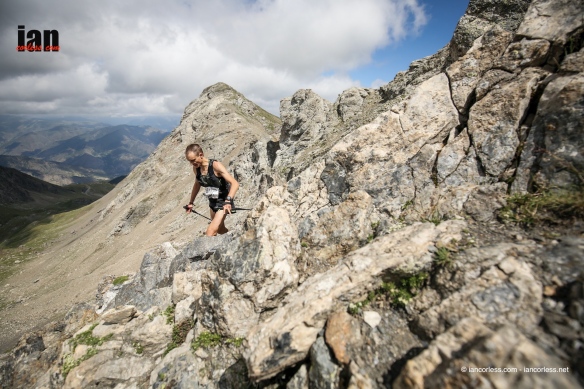
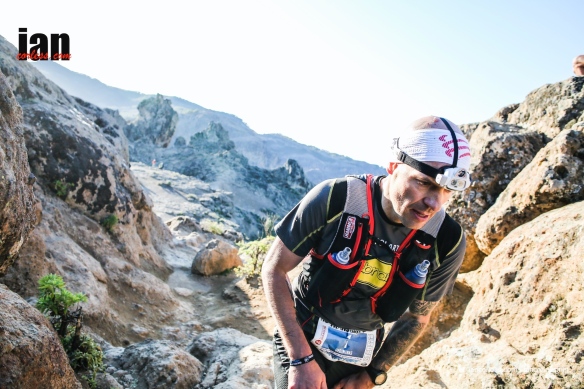
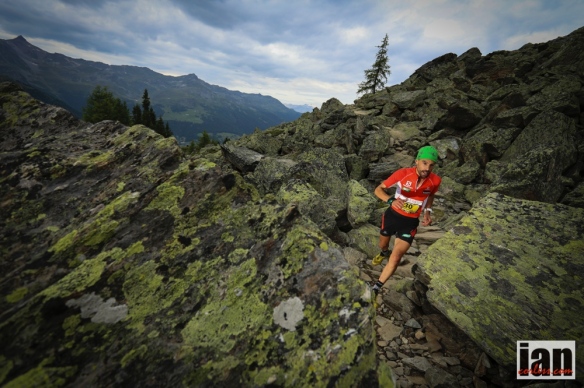
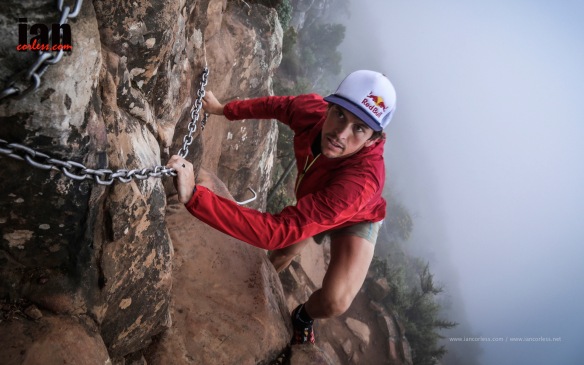
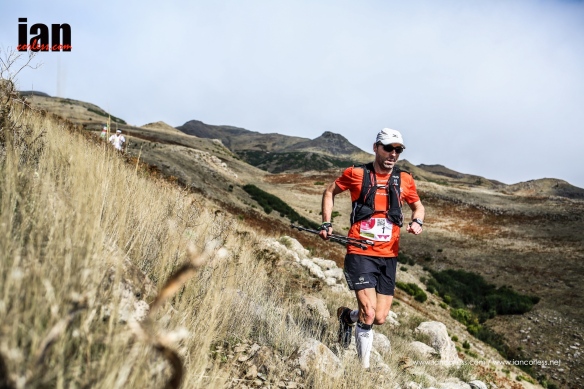
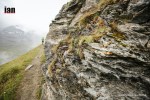
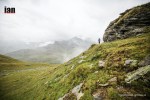
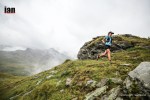
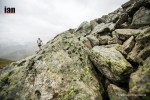
Saturday’s Hamperokken SkyRace® is a beast of a course and has some of the most technical and challenging sections ever witnessed in a Skyrunning race. Designed by Kilian and Emelie the race has been instrumental in inspiring the new Extreme Series which harks back to the early pioneering days of Giacometti, Meraldi and Brunod.

©iancorless.com_Tromso2015-4645

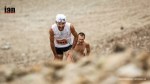
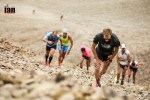
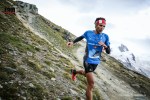
Covering a ‘new’ distance of 53km (the old distance was 45km) and 4600m of vertical terrain, the race really is a challenge for those taking part. This is reflected in the 2015 winning time of Jonathan Albon’s 6:08:41. Jonathan will return this year no doubt looking for a repeat victory as he starts his ‘Extreme’ journey in 2016.

©iancorless.com_SWC2016-6148

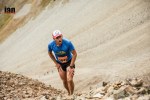
Arguably Jonathan’s biggest threat will come from the UK’s Tom Owens who is on fire at the moment. Tom placed silver at the Skyrunning World Championships for the SKY distance and last weekend took a stunning victory at the SkyRace Comapedrosa where he said post race, “I felt brilliant today, my legs were superb!” If Tom makes the journey to Norway, he will push Jonathan, no doubt!

©iancorless.com_GlenCoeMay2015-5741

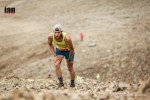
For me though, the one to watch will be Finlay Wild. Finlay spent his teens and early twenties mountaineering in summer and winter throughout Scotland and abroad. His local mountain Ben Nevis provided an obvious running challenge and he went on to win the Ben Nevis Race six times. In 2012, Finlay set new course records on Glamaig, Glen Rosa Horseshoe and Sliochmay. In 2013 he set a new record on Scotland’s Cullin Ridge knocking 15-minutes of the old record to set a benchmark time of 2:59. He may very well be the real surprise package of the race!

Also watch out for Andrew Fallas, another Scottish runner relatively unknown in Skyrunning circles but the ‘Extreme’ element is bringing the fell/ mountain runners into a new playground.

©iancorless.com_Transvulcania2016_SWS-4658

Norwegian Rolf Einar Jensen made the podium at the Tromso race in 2015 and with race experience, local knowledge and an ability to run fast over this technical terrain, one can expect him to equal if not better his past results. Equally, Eirik Haugsness who won the first edition of the Tromso race 2-years ago brings experience to the start line. It’s going to be tight up at the front and Philipp Reiter will add to the pressure.

©iancorless.com_Rut2015-1715

Luke Nelson is flying over from the USA, he is a prolific ultra runner and an ever present on the Skyrunning circuit in the USA. This year Luke is looking to compete in the Extreme Series. Matt Cooper from Australia has experience of Trofeo Kima and once again will return this year, to the Italian classic; Tromso kicks off his ‘Extreme’ campaign and he will make his presence felt.

©iancorless.com-0805Kima2014_

Sota Ogawa makes up the last of the top men who will contest the podium after placing 9th at Sai Kung 50k in 2015.

Surprises will no doubt come from the UK’s Jim Mann who is an experienced fell runner and winner of the 2015 Dragons Back Race. Also watch out for Konrad Rawlik who has just married the ladies hot favourite for victory, Jasmin Paris.
ELS2900 race director, Matt Lefort will also run along with Zigor Iturrieta, Christophe Le Saux and Alfred Gil Garcia amongst others. It’s going to be a cracking race!

Finally a notable mention in the men’s race for Tim Shieff. Tim is one of the worlds most successful ‘Freerunners’ and is an expert in Parkour. In 2009 he was crowned World Champion after winning the Barclaycard World Freerun Championships. Although Tim is new to Skyrunning, he has completed the Skyrunning UK’s V3K and in a recent chat, Tim told me, ‘running is my new passion and particularly Skyrunning. The technical courses that Skyrunning offer are a great extension of Freerunning and Parkour.’  I wonder, could Tim surprise everyone like Jonathan did last year?

©iancorless.com_GlenCoe2015-3589

The ladies race has less depth but Jasmin Paris from the UK, in my opinion, will make an impact on the circuit in a huge way in 2016. Last year she placed 2nd behind Emelie Forsberg at Glencoe Skyline and just a couple of weeks ago, Jasmin took the bronze medal at the Skyrunning World Championships for the ULTRA distance. This all came on the back of minimal training due to her recent wedding. Jasmin’s legs may well feel a little tired in Tromso but the course, the technical sections and all the climbing will suit her… watch out ladies!

©iancorless.com_USM2016-5638

Martina Valmassoi recently placed well at Ultra SkyMarathon Madeira and comes to Tromso with plenty of high mountain experience. Both Natalia Roman Lopez (who placed 7th at the recent High Trail Vanoise and 26th at Transvulcania) and Kathrin Shambeck (who was 53rd at Matterhorn Ultraks last year and 27th Transvulcania in 2013) will also look to make the top-5.

©iancorless.com_Tromso2015-5282

Malene Blikken Haukoy may well be a dark horse after a victory at Homindal Rundt 70k in 2015 and her 3rd place at the Tromso race in 2015. 

Both Blåmann Vertical Kilometer® and the Tromsø SkyRace® are capped for safety and environmental reasons. It’s an important element of running in such a stunning part of the world and they are both ecologically sustainable.

Gnarly, gruelling, technical, beautiful and challenging; Skyrunning goes EXTREME this weekend, don’t miss it!

Course records are 6:08:41 and 7:09:54 for the men’s and ladies’ races held by Jonathan Albon and Emelie Forsberg, will we see a new benchmark set in 2016?


Thanks to the support of our Partner Migu Xempower, Sponsor Alpina Watches and Official Pool Suppliers, Scott RunningCompressport and Salomon.

About Skyrunner® World Series
Skyrunning was founded in 1992 by Italian Marino Giacometti, President of the International Skyrunning Federation which sanctions the discipline worldwide and sports the tagline:
Less cloud. More sky.

The Skyrunner® World Series was launched in 2004 and has grown to represent the peak of outdoor running defined by altitude and technicality. In 2016, the Series, composed of four disciplines, features 23 races in 15 venues on three continents.

iancorless.com is the official photographer and media partner for the Skyrunner® World Series Follow on:

Social Media Logos

Facebook/iancorlessphotography
Twitter (@talkultra)
Instagram (@iancorlessphotography) 

Follow the Skyrunner® World Series on social media platforms

Facebook.com/skyrunning
Twitter @skyrunning_com
Instagram @skyrunning

DRUGS in Mountain, Ultra and Trail #EPO #UTMB

EPO-Doping-Offers-No-Benefit-to-Athletes-286x300

Last week and the week before, EPO, DOPING and the UTMB was the hot topic after Gonzalo Callisto’s positive test. Everyone was talking about it… this week it’s all gone quiet. That can’t happen! You can catch up on my posts below.

Post 1 UTMB faces positive EPO test HERE

Post 2 Michel Poletti HERE

Post 3 IAAF HERE

Post 4 Update IAAF and Catherine Poletti HERE

Post 5 Gonzalo Calisto statement HERE

Post 6 ITRA statement HERE

There are far too many questions unanswered, there are far too many people being quiet and if we want to eradicate doping from Mountain, Ultra and Trail running – we need to keep talking and discussing.

I was approached by Outside Magazine and they asked me a few questions. I am pretty sure that what gets used or published will be an edited version and with that in mind here are my thoughts, un-edited.

In light of the latest news from UTMB, what you think this positive test means for the sport? 

One has to embrace the positive test as a good thing as it confirms that preventative measures against doping are working. This positive was an ‘in competition’ test which only confirms the need for out of competition testing and blood passports. Of course, the answer is always that testing is too expensive. We have to act now and be proactive. I don’t have the answers but I do feel that we could start to address certain issues that would help. Maybe it’s time that we ask (for example) the top 100 male and top 50 female runners as listed on ITRA to pay for a regular medical? Sage Canaday recently released a full report on his medical status to ‘prove’ he is clean; that’s a good thing! (See below). Athletes of course may well say that they can’t afford it but this is where sponsors come in maybe? We cannot keep making excuses as to why we can’t but find ways to make sure we can! We are at the very early stages of doping in our sport and if we don’t act now it will only become worse and God forbid, we could end up like cycling or athletics.
Do you think doping is really becoming something to worry about, or is this a case of an outlier?
We need to worry, yes! This is not the first positive test, it maybe a high profile conviction, but it would be foolish to think that this is an isolated incident.

Are people starting to talk about doping more in ultarunning than before? Or maybe a better way of asking this is how are the athletes you know, talking about this subject and what it means for the sport?

I certainly have witnessed more discussion about doping and of course this was highlighted at the end of 2015 at San Francisco 50. This was a moment when the sport really looked at itself and many questions were asked. It actually became quite nasty at times and I think a sense of perspective was lost. For example, WMRA (World Mountain Running Association) and Skyrunning have been testing athletes for many years. They have very much paved the way but they acknowledge they can only do so much. In competition testing costs 1000’s of euros or dollars for one event and of course, only urine can be tested. Many say it takes an idiot to to be caught ‘in competition’ but it happens. I go back to blood passports – we really need them for elite, professional and sponsored runners. Some races do not have a ‘PED’ policy and San Francisco highlighted the need for races and RD’s to address this in the rules of the race. Western States for example has re-written its race rules to say that any runner who has had a positive conviction cannot race. Many runners have asked for a lifetime ban for any positive test and they have been vocal about this. I personally am reluctant to go down this route… I do believe that mistakes can happen in drug testing but I am not an expert. This creates a whole new debate and raises questions about the lasting effects of a doping program. For example, we used to have two positive tests and out, I liked that but apparently that has been deemed unfair?

Are people starting to test more for doping than in previous years? What has this looked like?

As mentioned previously, WMRA and Skyrunning have been testing for many years but not at all events. Skyrunning for example had its World Championships in Spain in July, they had three events, VK, SKY and ULTRA and WADA performed tests at all three race distances. The problem comes, once again with cost. At the Skyrunning World Championships, 12 athletes were tested. The make and female winner in each category (making 6) and then 6random tests. Let’s assume testing at an event is $10,000 – who pays? Do we add a surcharge on every runners entry fee? Does that race find a sponsor to cover the cost? Do we rely on a wealthy donor or do we approach all the major brands in the sport and say, you must pay! It’s a complex matter and this is why doping control is a rarity in contrast to the norm. Let’s look at races such as Speedgoat 50k, Run Rabbit Run and San Francisco 50 – these races have some substantial prize money, in some scenarios it could mean a pay check of $10,000+ for a win. Yet nobody has any idea if the winner is clean? Moving away from trail running and looking at ultra road running, Comrades in South Africa has huge prize money and it has a very chequered past with doping: Max King, Ellie Greenwood, Sage Canaday and Michael Wardian (amongst others) have all witnessed the impact of it first hand.

What is your own experience with testing?

I attend races as a photographer and a journalist so in reality, I have little experience of the drug testing process. However, I am a media partner for Skyrunning and I have been present and seen the processes undertaken at several major events where doping control has been in place by WADA. For example, I was at the Skyrunning World Champions on July, 22, 23rd and 24th. I also experienced doping control at Limone Extreme in 2015 and Mont-Blanc 80k in 2014 amongst others.

Do you think the tests, or the conversation about doping in general in ultras is lacking? What could be done better?

Certainly the positive test of Gonzalo Calisto has raised some major flaws in the communication process. I have done extensive research over the last weeks and my conclusions have been quite worrying. I will elaborate:

  • Gonzalo Calisto was tested after placing 5th at UTMB by French drug control – AFLD In August 2015.

  • AFLD have a written policy that a positive test is given to (in this case) the runner within three weeks.

  • The runner is then entitled to appeal and ask for a B sample test.

  • This process can then go backwards and forwards for several weeks and in this scenario (as I understand it) months. Don’t get me wrong, the runner has rights and it’s only fair that he or she has every opportunity to clear his or her name.

  • In June 2016 the IAAF released its current banned list.

  • On July 18/19th British Ultrarunner Robbie Britton noticed that Gonzalo Calisto was convicted of EPO and banned till March 2017.

  • I picked up the case and contacted UTWT and UTMB directly and asked were they aware of this conviction? I later found out, no!

  • Within 12 hours, UTMB released a press release disqualifying Gonzalo Calisto of doping.

The above raised so many questions for me:

1. How was it possible that Gonzalo Calisto had tested positive but UTMB did not know?

2. Why was his period of exclusion dated till March 2017 when he had been tested in August 2015?

3. Why had the IAAF only published this in June 2016?

I asked questions of the UTMB and the IAAF. In both scenarios they were both helpful. 

1. To cut a long story short it would appear that when an athlete is tested positive, the testing control, in this scenario AFLD, are not required to inform the race. REALLY? A race has a runner place 5th, the runner is tested, the runner is found guilty, due process is run and then a positive is confirmed and a sanction is put in place without the race being told…. C’mon that HAS to change! Had it not been for the eagle eyes of Robbie Britton and me grabbing the bull by the horns, nobody ‘may’ have known?

2. IAAF explained the ‘due process’ to me and although they were not able to supply specifics, they did say that these things can often take much longer than we would all like and that 6 months is not unusual. Considering Calisto was tested on the last day of August, that potentially could take us to February or March the following year.

3. The IAAF then confirmed that an error had been made! As I pointed out to them, why was Calisto banned till March 2017? The answer: Calisto’s ban and records were amended from a memo dated March 2016 and it was therefore human error. Calisto’s ban dates actually run from March 2016 to March 2018. This coincided with point 2 above and a lengthy due process where one assumes Calisto tried to clear his name.

4. From the March conviction, Calisto’s records then entered the IAAF system and his conviction was uploaded to the ‘sanctioned athletes’ list in June 2016.

5. The IAAF confirmed to me that AFLD did not have to notify UTMB of a conviction but they would look into it?

So, for UTMB to be aware that an athlete had cheated at a previous edition of their race it would appear that the only option open to them is to check daily on the IAAF website for any additions to the sanctioned athlete list.


I could go on…

Why do you think the sport has stayed clean for so long, and what might be changing that would compel people to cheat? 

The sport hasn’t been clean for so long. That is a naive viewpoint. Doping has existed in trail running for ages but if you don’t have testing or a blood passport, how would you know that…? I like to use an example and I must be clear here, I don’t doubt the integrity of the runner I use as an example. Karl Meltzer, my co-host for Talk Ultra podcast has won more 100 mile races than anyone. He has even won Run Rabbit Run and he took home $10,000+ He has been running ULTRA’s for 20+ years. You know how many times he has been tested for PED use?  NEVER. Need I say more… This is why our sport has bean ‘clean’ for so long, no testing!

For the most part it seems like the conversation around doping in ultras is relatively new, and also that cheating might be a new thing too. Do you think there’s a chance for race directors, athletes, etc. to get out in front of this and keep the sport clean before it becomes the kind of large-scale issue it is in some other sports?

The Calisto case has raised eyebrows, we need to latch on to that momentum and we need to consider many of my points above but let’s be clear, Calisto is not the first!

On a final note we need to keep this discussion open, we need to keep asking questions and we need to find answers and solutions. It’s too easy to say it’s too expensive, too difficult and so on. We could start by:

  • Blood passports for runners
  • Regular in and out of competition testing
  • Positive results MUST be sent to a race or RD as soon as possible if a positive test came from a race.
  • IAAF need to find a way to communicate ‘new’ sanctioned athletes to the relevant sport discipline. This is where ITRA or maybe an athlete commission could be set up.

We, as runners, journalists, sponsors and so on must be loud and clear that doping is not welcome and we must do all we can to work together. In the Calisto case I have still not seen or heard any public statement from his sponsors, Movistar and Compressport. Compressport did contact me to say that they were ‘looking into it!’ What does that mean…? They also said that Callisto’s sponsorship with Compressport was with a local distributor and not the International division. As far as I am concerned, local or International, Calisto is still representing a brand and that brand gains attention. And also what about the races that Calisto has run and placed in in post August 2015?  The IAAF now confirms the suspension dates back to that time and until March 2018. Not one word, not one public statement from any race that I have seen… do these races condone doping? What about the runners who placed top 5 or top 10 only to loose a place… come on, speak up!

Update August 12th and Compressport respond


A great place to start is here, Sage Canaday has just recently posted his results online for all to see. Let’s lead by example!

SageDopingReport

I welcome your thoughts!

RUNNING BEYOND BOOK now available on pre-order

Book Cover

I am pleased to say that my new book, RUNNING BEYOND is now available on pre-order at Amazon (HERE). English version will be available November 3rd and Spanish, Italian, German and US versions will be available tbc.

Foreword is by Kilian Jornet.

©iancorless.com_RunningBeyondBook (6 of 278)

“Ian has been there to witness the stories. He knows the sport, he practices it and he has been involved in many different aspects, all of which provides him with a great overview. He has the strength and character to work many hours, even practicing his own ultra with cameras in order to capture the emotions and the passion from inside the sport. Ian has immense enthusiasm, and his commitment to following a race knows no bounds.” – Kilian Jornet

****

RUNNING BEYOND BOOK

by Ian Corless

Foreword by Kilian Jornet

Published by Aurum Press

Available in the UK from November 3rd 2016

Translated into French, Spanish, Italian and German (release dates to follow)

“Ian has been documenting trail running since I can remember. His images, writing and podcasts have played a major role in showcasing our sport and growing it into the global sport it has become today… Ian is extremely passionate and really understands what trail running is about, and this you can see in his incredible images. Ian’s images capture the runners emotion; the natural beauty and race atmosphere – making me want to put on my shoes and head out the door for a run. Running Beyond is a must get book for all trail runners.”

– Ryan Sandes

©iancorless.com_RunningBeyondBook (46 of 278)


SkyRace® Comapedrosa 2016 Race Summary and Images – Skyrunner® World Series 2016

©iancorless.com_Comapedrosa2016-7052

SkyRace® Comapedrosa – Skyrunner® World Series 2016

The SkyRace® Comapedrosa really did personify everything that a Skyrunning race should be today as the Skyrunner® World Series 2016 moved at a fast pace. The race route was tough, technical, had loads of climbing and plenty of time up in the sky at altitude. In many respects, it’s a course of two halves – the early stages weave up steep forest paths and then in the latter half, after summiting the highest point of the course, the iconic peak of Comapedrosa, the terrain becomes almost permanently rocky and technical.

©iancorless.com_Comapedrosa2016-7549

Laura Orgue and Tom Owens were champions of the day and with two new course records! What makes the result of the dynamic duo more impressive is that they both achieved ‘silver,’ just last weekend at the Skyrunning World Championships organized by the ISF.
©iancorless.com_Comapedrosa2016-6957

The tiny ski-resort of Arinsal in Andorra hosted 370 runners as they toed the line to cover the 21.2km course with a vertical ascent of over 2,000m+. Much of the pre-race talk had been about ‘the wall,’ a technical 1000-metre vertical climb over the short distance of just 2km to the summit of the Comapedrosa at 2,942m, the highest peak in the principality of Andorra.

©iancorless.com_Comapedrosa2016-7028

Aritz Egea lead the race on the climbs and reached the summit of Comapedrosa with Tom Owens, Oscar Casal Mir and trailing Alexis Sevennec. Egea who has not been inform of late struggled to keep the second place after Owens passed him on the last long technical descent but the revelation came from Hassan Ait Chaou who closed from outside the top-5 to take 2nd on the podium. ©iancorless.com_Comapedrosa2016-7090

Egea held on for 3rd and post-race said, “I’m very happy with third. This year has been a little complicated for me, I’ve not been very motivated, so this a good surprise. The course is really, really tough but I love this kind of race, especially the steep climbs.” ©iancorless.com_Comapedrosa2016-7048

Tom Owens had contemplated not racing but sometimes last minute decisions work, “I was un-decided if I should run?” said Owens. “Today I felt great, sometimes it’s nice to race with no expectation. I was 6th or 7th on the first climb but running on those ridges was just brilliant. The descents were great for me…and move quite quickly and pull back places.”

©iancorless.com_Comapedrosa2016-7422

Pull back places Owens did and on that final descent he gave it everything and moved up from the 3rd to take victory in a new CR, knocking 6-minutes of the old record of 2:46:42.

Owens continued, “My weakness is on the steep climbs. The other guys would just pull away… then I eased back on the second climb. We all pretty much reached the summit of the second climb at the same time and from there I knew I had to concentrate.”

Surprisingly, the top three in the male podium all crossed the finish line today under the previous CR, a true sign of a fast, furious and highly competitive race.

©iancorless.com_Comapedrosa2016-7541

Laura Orgue ran an impressive time of 3:12:27 in the ladies’ race beating the previous CR of 3:21:15 held by Oihana Kortazar who would place 2nd. Like Owens, Orgue had achieved a silver medal just last weekend in the Skyrunning World Championships and although victory and CR were hers, she complained of not being her normal self. A VK specialist, Orgue loves to climb but today it was the worst part of her race… the other female runners must be terrified if she has a good day!

©iancorless.com_Comapedrosa2016-7662

Oihana Kortazar, placed 2nd and was also very happy to beat her own course record, no doubt due to the blistering pace of Orgue, “In this race I prefer the ascents to the descents, which are very, very technical. Andorra has some really tough terrain and I welcome the challenge. My next race is Matterhorn Ultraks in Zermatt.”

©iancorless.com_Comapedrosa2016-7687

Third was Àngela Castelló in 3:20:13. As with the male podium, the top three in the female podium all came in under the previous CR.

Attention now turns to next weekend and the first race in the EXTREME series, the Tromso SkyRace.


Provisional Race Results

Male:

  1. 1.Tom Owens 2:40
  2. Hassan Ait Chaou 2:41
  3. Aritz Egea 2:44

Female:

  1. Laura Orgué 3h14′
  2. Oihana Kortazar 3h17′
  3. Angela Castello 3h20′


Thanks to the support of our Partner Migu Xempower, Sponsor Alpina Watches and Official Pool Suppliers, Scott RunningCompressport and Salomon.

About Skyrunner® World Series
Skyrunning was founded in 1992 by Italian Marino Giacometti, President of the International Skyrunning Federation which sanctions the discipline worldwide and sports the tagline:
Less cloud. More sky.

The Skyrunner® World Series was launched in 2004 and has grown to represent the peak of outdoor running defined by altitude and technicality. In 2016, the Series, composed of four disciplines, features 23 races in 15 venues on three continents.

iancorless.com is the official photographer and media partner for the Skyrunner® World Series Follow on:

Social Media Logos

Facebook/iancorlessphotography
Twitter (@talkultra)
Instagram (@iancorlessphotography) 

Follow the Skyrunner® World Series on social media platforms

Facebook.com/skyrunning
Twitter @skyrunning_com
Instagram @skyrunning

SkyRace® Comapedrosa Preview – Skyrunner® World Series 2016

©iancorless.com_SWC2016-6319

Andorra will host the fifth stage of the Skyrunner® World Series with the SkyRace® Comapedrosa coming just one week after the Skyrunning World Championships that took place in Spain.

Arinsal, a small ski resort within Andorra  will have 370 runners toe the line to take on the challenge of the 21 km course. The ascent involves a brutal 1,000 metre-high vertical wall over just 2 km which will test the best to the summit of the Comapedrosa at 2,942m the highest point in Andorra.

Starting with a paved road up to the  Coll de les Cases (1958M), a very straight road through a wooded area follows and from this point the runners will encounter a stretch of ridge with much height and little vegetation. Climbing  up to the Pic de les Fonts at 2748m the Pla de l’Estany follows.

Now the beautiful and challenging climb begins, a true vertical wall of more than 1000m of positive difference in about 2km. A VK within a race! Without  a marked path, the runners follow markers to the summit of Comapedrosa at2.942m.

The descent is by the traditional route through the Estany Negre and Comapedrosa refuge, until reaching Arinsal where the race started.

©iancorless.com_SWC2016-4913

Azara Garcia and Manuel Merillas are hot favourites after both gaining top 5 results at last weekends Skyrunning World Championships. However, Laura Orgue will race and arguably will be fresher after racing just the VK at the world championships. Oihana Kortazar will also be a podium contender with a strong battle coming from a quality line-up of top female Skyrunner’s that includes:

Yngvild KaspersenMarta MolistRagna DebatsAitziber IbarbiaSheila AvilesLaura Sola de MiguelNuria Dominguez and Ekaterina Mityaeva.

©iancorless.com_SWC2016-4891

In the men’s field, Manuel Merillas 4th in the recent World Championships and 2nd in the 2015 Sky rankings may well have a battle on his hands with Rémi Bonnet if the young Swiss is back on form?  Pere Aurell, 2015 race winner, will also defend his title.

©iancorless.com_Rut2015-0928

As in the ladies race, the men’s race has great depth:

Marc Casal MirPablo Villa GonzalesOscar Casal MirStian Overgaard Hassan Ait Chaouand Alexis Sevennec head up the competition with a strong presence coming fromand Andrej Fejfar, Pere Aurell (2015 race winner), Aritz EgeaPere Rullan, Alfredo Gil Garcia, Sintu Vives, Jessed Hernandez.

Course records are 2:46:42 by Pere Aurell and 3:21:15 by Oihana Kortazar.


Thanks to the support of our Partner Migu Xempower, Sponsor Alpina Watches and Official Pool Suppliers, Scott RunningCompressport and Salomon.

About Skyrunner® World Series
Skyrunning was founded in 1992 by Italian Marino Giacometti, President of the International Skyrunning Federation which sanctions the discipline worldwide and sports the tagline:
Less cloud. More sky.

The Skyrunner® World Series was launched in 2004 and has grown to represent the peak of outdoor running defined by altitude and technicality. In 2016, the Series, composed of four disciplines, features 23 races in 15 venues on three continents.

iancorless.com is the official photographer and media partner for the Skyrunner® World Series Follow on:

Social Media Logos

Facebook/iancorlessphotography
Twitter (@talkultra)
Instagram (@iancorlessphotography) 

Follow the Skyrunner® World Series on social media platforms

Facebook.com/skyrunning
Twitter @skyrunning_com
Instagram @skyrunning


ITRA release statement on #EPO positive for Gonzalo Calisto

©iancorless.com_TCC2016-1779

This morning I posted the long awaited statement from Gonzalo Calisto after testing positive for EPO at the 2015 UTMB. If you are new to the story, please read the posts below.

Post 1 UTMB faces positive EPO test HERE

Post 2 Michel Poletti HERE

Post 3 IAAF HERE

Post 4 Update IAAF and Catherine Poletti HERE

Post 5 Gonzalo Calisto statement HERE

Today, I have now received a statement and clarification from ITRA into the process that Gonzalo Calisto has gone through:

July 25th 2016

PREAMBLE

On June 29th  2016*, the International Association of Athletics Federations (IAAF) published on its web-site in newsletter 174 a list of athletes who had been sanctioned for doping. On this list figures M. Gonzalo CALISTO for a positive test of EPO on August 29th 2015 at the finish of the  UTMB®.

ITRA HEALTH POLICY

The term  «health policy» designates actions which  aim at increasing the prevention and the protection of the health of the sportspersons.

The ITRA, in particular, offers organisers the chance of setting up a preventative action concerning health matters. This action has neither the vocation nor the competence to be a substitute for  current national and/or international regulations regarding the anti-doping fight but has the aim of strengthening the medical supervision within the framework of the health security plan set up by the organisation. This action is led by a Medical Counsel, uniquely made up of doctors, who are able to take advice from experts of their choice and who are charged with giving consultative advice to the Race Jury on the medical state of participants.

More information about the ITRA health policy : http://itra.run/page/261/Politique_sante.html

HISTORY AND CHRONOLOGY OF THE ITRA’S HEALTH POLICY

Within the framework of the health policy set up by the ITRA, M. Gonzalo CALISTO submitted a first blood sample on May 28th 2015 at 13:077 (World Trail-Running Championships in Annecy (France) organised by the IAU in collaboration with the ITRA)

M. Gonzalo CALISTO’s  haematological profile presented several abnormal values which led to the athlete being summoned, on May 29th 2015, before the start of the race, to a meet with the event’s medical commission of 2 doctors and an expert from the Association «Athletes For Transparency» with a more specific responsibility for aspects concerning the anti-doping fight.

The Ecuadorian origin of M. Gonzalo CALISTO, which according to scientific literature, maybe be responsible for specific haematological profiles (Quito, altitude of 2850m), as well as the argument put forward by the athlete of having very regular exposure to very high altitudes  (>5500m) were retained to classify his haematological profile  as  « atypical » (rather than « abnormal ») and so authorised him to take the start of the race for the World trail-Running Championships in Annecy.

The information relating to  M. Gonzalo CALISTO’s  « atypical » profile was transmitted by telephone on May 29th 2015 to an organisation responsible for the anti-doping fight. The two possible options were retained by  the Association «Athletes For Transparency» to explain this « atypical » profile knowing that a specific genetical profile or the taking of EPO were then evoked.

The « atypical » profile of the athlete was once again brought up in a telephone conversation in June 2015 (no precise date) with an organisation responsible for the anti-doping fight.

M. Gonzalo CALISTO submitted a second blood sample on August 27th 2015 at 13:45 before the start of the UTMB® within the framework of the ITRA’s Health policy. His haematological profile once again showed several abnormalities.

With the reason, of the always possible specific genetic profile linked to his Ecuadorian origins, the athlete’s haematological profile was again classed as « atypical » and he was authorised to take the start of the UTMB®.

The ITRA learnt, on August 29th 2015 the urinary anti-doping tests at the finish had been able to specifically target M. Gonzalo CALISTO.

On April 21st 2016 information relating to  M. Gonzalo CALISTO were sent by email to the Association «Athletes For Transparency» by an organisation in charge of the anti-doping fight.

THE ITRA’S MANAGEMENT OF A POSITIVE TEST

The role of the ITRA following a positive test is:

–          To ensure the disqualification of M. Gonzalo CALISTO from events in which he would have been able to participate in during the period of disqualification  (as from August 19th, 2015).

–          To ensure the non-participation in any race which is a member of the ITRA during the period of  M. Gonzalo CALISTO’s period of suspension, from March 17th 2016 to March 17th 2018. (The start of the period of sanction (March 17th 2016) is determined by the “test authority” in relation to the provisional suspension, interviews, appeals made by the athlete, etc….)

Patrick BASSET – President of the ITRA Health Commission

Pierre SALLET – President of the Association Athletes For Transparency

ITRA performance profile – Gonzalo Calisto HERE


ITRAperformanceprofile

******

I would welcome clarification and statements from Gonzalo Callisto’s sponsors, MOVISTAR and COMPRESSPORT. I would welcome clarification from races that Gonzalo Calisto participated in after August 2015 – how will they proceed?

As usual I welcome your thoughts in this story and process

Gonzalo Calisto releases #EPO #UTMB Statement (English Version)

©iancorless.com_TCC2016-1794

One week ago, the mountain, ultra and trail running world found out that Gonzalo Calisto tested positive after placing 5th at the 2015 UTMB. If you are coming to this new, may I suggest you read my posts in order as listed below as they will provide information and also chronologically provide an insight into my investigations.

Post 1 HERE

Post 2 Michel Poletti HERE

Post 3 IAAF HERE

Post 4 Update IAAF and Catherine Poletti HERE


Gonzalo Calisto has now released a statement via his Facebook page in Spanish and I have had a translation done. Please keep in mind that a translation may lose some of the uniqueness of the original, however, I do feel that what we have below provides an excellent insight.

As with all posts relating to this matter, I welcome your feedback.

Gonzalo introduces this by saying:

Thank you all for your support, I’ve taken a few days to be able to collect all this information and share it with you.
We will continue with the head held high, we’ll see you soon in the mountains!!!

I’m not a professional runner. I’m an amateur, with dreams which mantain my passion for adventure. Plainly, experiences in nature are my day-to-day targets, for every train and every run. I have never ran for prizes, or medal or recognizement, least of all for money. During these 13 years full of adventures I have filled my spirit with livings and learnings, and I have had the luck to share them with lots of generations of adventurers on lots of countries. During these years, I have witnessed exponential grow of trailrunning all over the world, and today trailrunning has lots of fans on my country on lots of running events.
Physiology: I have always been fascinated for the mountains, specially for the tall ones. I learnt to run there, to go up and down, walking and running, pushing myself and learning how the nature and strenght of the mountains fills our body and spirit. Ecuador, due to its geographical situation – Quito its capital 3000m above sea level – mountains with different heights and terraings and even different weather. Due to this, it is a privileged playground to train and go outdoors. Sport events are usually run on mountain and in zones, which go fron 3000 to 4500m+. Our bodies adapt to the high altitude and our blood is dense, which allows oxigenation. This process does not happen on sea level, and this training in altitude is scientifically known and used by lots of athletes to improve performance. It is called ‘altitude training’ and it’s a natural process. Legal At a country level, in Ecuador Trail running is not registered as a sport. No federation guides it, and it is not regulated by any ministery or govenrnment agency. Every trailrun event is private, and there are no licenses to ‘legally’ compete nor standarised rules. At an international level, Trail running is availed by the different athletic federations on the diferent countries, and runners have a local ranking to run on some important events. So, inside this called ‘elite’ they got licenses granted by their respective federations. These licenses somehow guarantee sport protocols between runners and sport event organizations.
IAAF is the organization which handles rules on elite athletics at a world level. IAAF runs an world ultratrail championship, but does not avail more trail events, as they are not considered ‘big events’ such as olimpic or panamerican games. This way, UTMB is not on their list.
AFLD: The French Agency against doping is the organization who takes care of doping on sport events on France.
ITRA: The Internationan Association of Trail Running, is an organization wich mantains a ranking based on an index generated based on the performance of a given athlete in different runs.
EPO: The eritropoyetin hormone, is an hormone which makes blood dense. It is naturally generated on hypoxic conditions, such as high altitude..
UTMB: UTMB is the most prestigious long-distance trailrun, which goes arond the Mont-Blanc. It is a private event, with no prices in money, which gathers 2500 runners from all around the world. 300 of them are ‘elite’ or ‘professional’. UTMB has its own ranking, based on the points gained for the participants in different sport events which UTMB avails.
CASE: During the UTMB I went on a doping control, before the depart and another after the run. This test marked positive, showing presence of EPO, but without specifying which kind of EPO was found, nor the EPO levels.
AFLD was the one who ran these tests and the one who reported the case to the IAAF.
I asked for the analysis, but I could never review the exact results. Altough IAAF regulates professional sport they have make public the results obtained.
However, they have not considered that I am not a professional athlete. I don’t have a license and I don’t belong to any federation, so the have no jurisdiction on ‘punishing’ me.
UTMB organisation had no knowledge on this case until it was public on social networks. This shows also the lack of coordination between these two organizations.
Positive test should be analized in the ‘B’ take to ratificate EPO presence. This second test should ratificate the first positive and its levels or mark the first test as a false positive. This second test is usually done upon solicitation from the federation which the athlete belongs to, which is usually the one who extends the license to the athlete. In my case, as I don’t have a license, UTMB should make me firm a provisional license to allow me to participate with the ‘elite’ ones. I never firmed that document. Besides, they should make sure that I got all the information and knowledge about all the ‘elite’ protocols; information that never was told to me.
In this case, I was without legal support from any ferederation or government; and to go agains the positive I should take all expenses on myself. These expenses are above my resources, as I’m a person from Ecuador against an international French agency.
With all these I want to point out that legal resources that have judged and sentenced me are not enough, as they lack of the ‘bases’ to coordinate events, regulators and rules to apply to non-professional athletes. We amateurs take the expenses on ourselves without no federation. So, I can’t use my right to defend myself, rigth that every juridic rule on the world has and I cannot use. To end In my country, we the ecuator runners must ask our Ecuator Running Federation to register trailrunning as a sport, to grant licenses to high-level runners who want to take part on international events and support and avail the main running events in Ecuador. Also, the Ecuatorian federation should take care also of the andti-doping tasks and generate a runners ranking at an international level, we must estabish compatible parameters between international event organizers and the federations; improve the information and make sure that the athletes know the category where they are going to run, and to make sure that they know the anti-pogind rules applicable.
I’m with the anti-doping. I like clean game and I have never intentionally used anything to artificially improve my performance. But we must be coherent with runner’s real life, specially on countries where these sports have no international rules, and work to create a clear and safe platform to run high performance sports on.
I wonder, are the anti-doping tests really fit? do they take into account genetic trace of the runners (feeding, origin, training) before publishing results?
Is it OK to judge a non-professional runner, which does not make a living with trailrunning the same way we do with a professional?
Is it OK to run anti-doping tests without the legal coverage for non-licensed runners which will have difficults to claim their rights?
Conclusion:
I’m probably the first case on this. I’m not a professional. I don’t have a license. I live and train between 3000 and 5000 masl. I have dense blood. I got a top-5 on an international running event with professional runners from all Europe which clearly know the rules. I came to the UTMB controls without the complete knowledge of high competition protocols. I have no license and no legal support fom a federation and I consider that methods used on me are not equity, transparent and impartial. There are other sports -such as the IronMan series- where they take into account the runner condition (amateur or professional) to skip these kind of polemic situation due to the lack of legal support and information on the professional protocols.
Questions
Why my case was reported by the IAAD and the UTMB organization had no idea on what was going on?
Why the rules from IAAF, AFLD and UTMB are not compatible with the positive anti-doping test from an amateur runner?
Under which authority IAAF punished me for 2 years?
I’m not a federated runner. Why the UTMB does not have a professional runner list?
Why UTMB is not registered with the IAAF avail?
Why they let me run without a federative license in a category where they are going to do controls which need this license?
I want my case to clarify and modify the trailrunning world rules.
*******
We welcome your feedback on this post?
  • For me, it raises many question marks and the most important is the fact that Gonzalo tested positive in August 2015. The AFLD/IAAF confirmed a ban in March 2016 and then this was published on the IAAF website in June.
  • Gonzalo Calisto will have known about this positive test for sometime and chose to do nothing! The above statement has come about because his positive test has been made public.
  • We still have no news from his sponsors, Movistar and Compressport.
  • Amateur or professional, rules are rules and doping is doping!
  • Gonzalo Calisto has raced since UTMB and July 2016 and gained results, why have these races not made a statement and why have they not disqualified him?

Many more questions will come….

IMAGES from the Skyrunning World Championships 2016

VERTICAL KILOMETER

For the short and steep specialists, the BUFF® EPIC TRAIL VK is 2.8 km long with 1,030m positive climb. The average incline is 30.7% and reaches a mean 50.4% at the steepest point. It is capped at 250.

SKY

The rugged BUFF® EPIC TRAIL 42KM is a point-to-point race with 3,200m positive vertical climb. Again, a highly challenging extremely technical race with a nine-hour time limit capped at 500 runners.

ULTRA

The BUFF® EPIC TRAIL 105KM, with a grueling 8,000m elevation gain and a maximum gradient of 56%, is as tough as they come. Strict qualification standards were enforced for participants, which were capped at 250.

LOGO_SKYRUNNING_WORLD_CHAMPS-768x778

Skyrunning World Championships 2016 ULTRA – Images and Summary

©iancorless.com_SWC2016-6453.jpg

Luis Alberto Hernando and Caroline Chaverot were crowned 2016 Skyrunning World Champions for the ULTRA distance at the BUFF® Epic Trail Aigüestortes.

The BUFF® EPIC TRAIL 105KM, has a grueling 8,000m elevation gain and a maximum gradient of 56%, it is as tough as they come! Strict qualification standards were enforced for participants and the field was capped at 250.

It may come as no surprise that runners from all over the world arrived in Spain to take part and in total, over a stunning weekend of races, 35 countries were represented.

The Vall de Boí in the Spanish Pyrenees is without doubt a stunning location for a race; beautiful but tough. Ladies champion, Caroline Chaverot said post race, “The course is incredibly tough, particularly the last 42km. It’s one of the toughest races I have ever done! I felt good during the race but I did have some stomach issues which I need to resolve for the future. I am relatively new to Skyrunning but in 2017 I would like to devote more time to the series.”

©iancorless.com_SWC2016-6193

Luis Alberto Hernando (Sp) very much dominated the men’s race, at times he ran with Andy Symonds and at one stage he pulled away only for Andy to catch him back up. Luis then pulled away again! Andy said, “It was touch and go, the first time I caught back up but when he pulled away again I had to make a choice, risk keeping up and potentially blowing up or running to feel? I did the latter!”.

©iancorless.com_SWC2016-6485

Luis crossed the finish line to the applause of a home crowd in 12:53:42. Andy Symonds (UK) placed 2nd 30-minutes later and looked ecstatic with he result in a time of 13:25:40. Taking the bronze medal, Javier Dominguez, again for Spain flew his home flag proud of his 13:38:04.

©iancorless.com_SWC2016-6363

Caroline Chaverot (Fr) dominated the ladies race as she has done in so many races in the last 12-18 months. Powering up the climbs, she was an unstoppable force. The only downside to her performance was her downhill ability, something she says she need to improve on. Her time of 14:41:07 gave her victory by over 1-hour and a top-10 place overall. To clarify her performance, her time was 25-minutes faster than the previous course record, now held by Luis Alberto Hernando.

©iancorless.com_SWC2016-6628

Eva Moreda Gabaldon (Sp) took silver medal in15:50:01 and the UK’s Jasmin Paris took the bronze medal 15:58:15. Jasmin in particular turned a few heads, this was her first Skyrunning race but UK running fans know only too well her ability, in particular, her recent Bob Graham Round record.

LOGO_SKYRUNNING_WORLD_CHAMPS-768x778

Skyrunning World Championships 2016 SKY – Images and Summary

©iancorless.com_SWC2016-5579

The Vall de Boí in the Spanish Pyrenees today provided a modern day coliseum where Skyrunning gladiators battled at the BUFF® Epic Trail Aigüestortes SKY event, the 2nd race in the 2016 Skyrunning World Series.

©iancorless.com_SWC2016-6041

The rugged BUFF® EPIC TRAIL 42KM is a point-to-point race with 3,200m positive climb in a spectacular natural arena surrounded by 3,000m peaks and 200 mountain lakes. Rich in cultural history, it is also a UNESCO World Heritage site.

©iancorless.com_SWC2016-5992

It’s a highly challenging and extremely technical race with a nine-hour time limit, the racing field was capped at 500.

©iancorless.com_SWC2016-4959

Starting at 0930 under chilly temperatures, the day remained dry but on all the summits temperatures dropped significantly and wind chill was high.

©iancorless.com_SWC2016-6148

Tom Owens was a driving force in the men’s race and the Brit reveled in the tough and technical terrain, something he loves. In the early stages he held strong but a charging Stian Argemund had other ideas. With a gold medal already in the bag from the previous day’s VK, Stian ran a calm and relaxed race and moved from 4th to 1st with over half distance covered. Owens, a downhill specialist said post-race, “I thought I would bring him back on the next descent and although I closed on him, as soon as the terrain pointed up, he would pull away. He was so strong on the climbs, no wonder he won the VK!”

©iancorless.com_SWC2016-6113

Stian did hold on to the finish (3:56:47) and in the process secured a 2nd gold medal at the 2016 games. Tom Owens took silver in 4:01:59 and Ismail Razga kept the Spanish home crown happy with bronze in 4:05:56.

©iancorless.com_SWC2016-6165

The ladies race was an exciting one and Spanish runner Maite Maiora secured one of the biggest victories of her life after also placing 3rd in the previous days VK.

©iancorless.com_SWC2016-6319

Azara Garcia, also from Spain, chased hard all day and came off so close in the final stages closing the gap to Maiora by less than 2 minutes, 4:42:15 to 4:44:04. Garcia was happy though, gold and silver to Spain!

©iancorless.com_SWC2016-5611

Elisa Desco from Italy seemed to struggle in the early stages of the race but rallied to eventually finish 3rd to receive the Bronze medal with a time of 4:46:43.

LOGO_SKYRUNNING_WORLD_CHAMPS-768x778